Avian and Attributes – Admirable

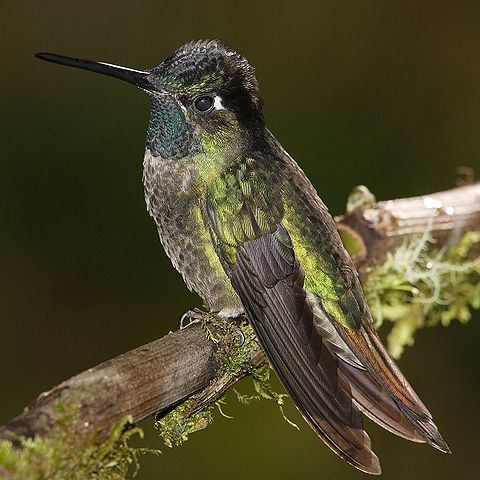
Admirable Hummingbird (Eugenes spectabilis) ©WikiC

“Touching the Almighty, we cannot find him out: he is excellent in power, and in judgment, and in plenty of justice: he will not afflict.” (Job 37:23 KJV)

“Remember his marvellous works that he hath done, his wonders, and the judgments of his mouth;” (1 Chronicles 16:12 KJV)


Avian and Attributes – Admirable

Admirable
(1): (a.) Fitted to excite wonder; wonderful; marvelous.
(2): (a.) Having qualities to excite wonder united with approbation; deserving the highest praise; most excellent; — used of persons or things.

“And the Jews marvelled, saying, How knoweth this man letters, having never learned? Jesus answered them, and said, My doctrine is not mine, but his that sent me.” (John 7:15-16 KJV)


Admirable Hummingbird (Eugenes spectabilis) ©WikiC

Admirable Hummingbird (Eugenes spectabilis)

The Admirable Hummingbird or Talamanca hummingbird (Eugenes spectabilis) is a large hummingbird. Some taxonomic authorities, such as the International Ornithological Committee, split the magnificent hummingbird into two species, in which case the nominate fulgens is renamed Rivoli’s hummingbird, and spectabilis is named the admirable hummingbird. Other taxonomic authorities have not recognized the split. The admirable hummingbird’s range is Costa Rica to Panama. Member of the Trochilidae – Hummingbirds Family.


More Avian and Attributes Articles

Birds whose first name start with “A”

Good News

*
[Definitions from Webster’s Dictionary of American English (1828), unless noted. Bird info from Wikipedia plus.]
Avian and Attributes – Ancient (of Days)

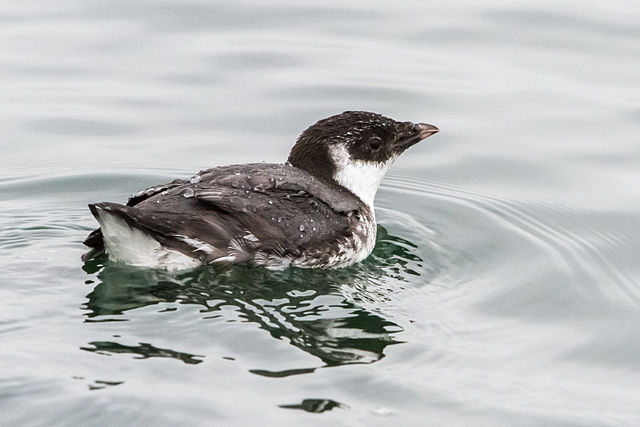
Ancient Murrelet (Synthliboramphus antiquus) ©WikiC

“I beheld till the thrones were cast down, and the Ancient of days did sit, whose garment was white as snow, and the hair of his head like the pure wool: his throne was like the fiery flame, and his wheels as burning fire.” (Daniel 7:9 KJV)

“Until the Ancient of days came, and judgment was given to the saints of the most High; and the time came that the saints possessed the kingdom.” (Daniel 7:22 KJV)


Avian and Attributes – Ancient

AN’CIENT, a.
1. Old; that happened or existed in former times, usually at a great distance of time; as, ancient authors, ancient days. Old, says Johnson, relates to the duration of the thing itself, as an old coat; and ancient to time in general, as an ancient dress. But this distinction is not always observed. We say, in old times, as well as ancient times; old customs, &c. In general, however, ancient is opposed to modern, and old to new, fresh or recent. When we speak of a thing that existed formerly, which as ceased to exist, we commonly use ancient, as ancient republics’ ancient heroes, and not old republics, old heroes. But when the thing which began or existed in former times, is still in existence, we use either ancient or old; as, ancient statues or paintings, or old statues or paintings; ancient authors, or old authors, meaning books. But in these examples ancient seems the most correct, or best authorized. Some persons apply ancient to men advanced in years still living; but this use is not common in modern practice, though found in scripture.
With the ancient is wisdom. Job.

“With the ancient is wisdom; and in length of days understanding.” (Job 12:12 KJV)

AN’CIENT, n. Generally used in the plural, ancients. Those who lived in former ages, opposed to moderns.
1. In scripture, very old men. Also, governors, rulers, political and ecclesiastical.
The Lord will enter into judgment with the ancients of his people. Isa 3. Jer 19.
God is called the Ancient of days from his eternal existence. Dan 7.


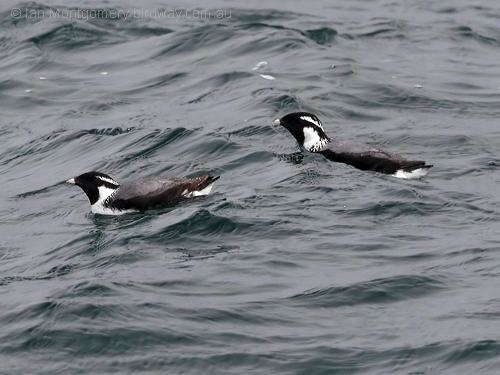
Ancient Murrelet (Synthliboramphus antiquus) by Ian

Ancient Murrelet

The Ancient Murrelet (Synthliboramphus antiquus) is a bird in the auk family. The genus name Synthliboramphus is from Ancient Greek sunthlibo, “to compress”, and rhamphos, “bill”, and antiquus is Latin for ancient. The English term “murrelet” is a diminutive of “murre”, a word of uncertain origins, but which may imitate the call of the common guillemot. Ancient murrelets are called “ancient” because they have grey on the back like a shawl, as worn by the elderly.

This small auk species is black on the head, throat and rear neck, grey-backed, and has white underparts. The yellow bill is short and stubby. It has a small rounded black tail. The summer adults have white head streaks giving an aged look and leading to the English name. Other plumages are similar, but lack the crown streaks and black on the throat.

Ancient murrelets tend to bank from side to side in flight to a greater extent than other small auks. They fly with fast wing beats due to their short wings.

It breeds from the Yellow Sea (islands off China), through the Russian Pacific coast and the Aleutian Islands to the Haida Gwaii archipelago of British Columbia, where about half of the world population breeds.

Alcidae – Auks Family

There is also an Ancient Antwren (Herpsilochmus gentryi), that is a species of bird in the family Thamnophilidae. It is found in northern Peru and southeastern Ecuador. Its natural habitat is subtropical or tropical moist lowland forests. It is threatened by habitat loss. [No photos available.]


More Avian and Attributes Articles

Birds whose first name start with “A”

Good News

*
[Definitions from Webster’s Dictionary of American English (1828), unless noted. Bird info from Wikipedia plus.]

A Merry Heart Is Like Medicine

To Do List – Bird Seeds

“A merry heart maketh a cheerful countenance: but by sorrow of the heart the spirit is broken.” (Proverbs 15:13 KJV)

A friend of mine posted this to my Facebook account. Needless to say, it made my day. Working on these broken links can be frustrating at times and when humor comes along, it lightens the day. We all need a good laugh now and then. The Bible mentions a merry heart several times, plus other terms like Joy.

“All the days of the afflicted are evil: but he that is of a merry heart hath a continual feast.” (Proverbs 15:15 KJV)

Most birders are aware that as the seasons change, many Avian Wonders, from their Creator, start their migration south, or north. Some even travel east or west. Many birds make very long migrations, and some make shorter journeys that involve an altitude change only.

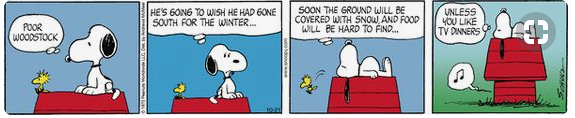
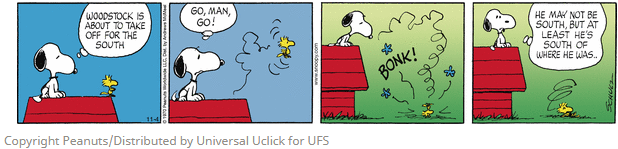
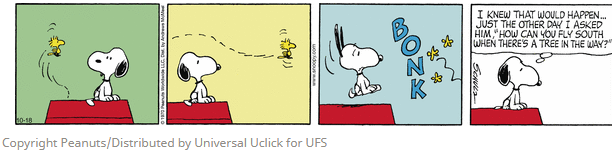
I do not normally read the comics, but lately, I subscribed to some daily comics from Arcamax.com. and have been following Peanuts ©  There has been a series of them since fall started, that has the bird, Woodstock, making an effort to fly south. Decided to share them.

*

Snoopy and Woodstock – Peanuts Oct 18,2017 [Encountering a tree in the way]

*

Snoopy and Woodstock -Peanuts ?  [Finds out Woodstock’s name]

*

*

*

Snoopy and Woodstock -Peanuts Nov 6,2017 [Not sure which was is south]

*

Charles Schulz has been producing Peanuts for years. Snoopy has always been a favorite of mine, and now, I am beginning to feel kindly of Woodstock. Though, I do trust that the “real” birds have a better way of finding their way to their destinations. The Lord has given us assurances that He guides them in the way they should go.

“Is it by your understanding that the hawk soars and spreads his wings toward the south?” (Job 39:26 ESV)

“Even the stork in the sky Knows her seasons; And the turtledove and the swift and the thrush Observe the time of their migration; But My people do not know The ordinance of the LORD.” (Jeremiah 8:7 NASB)

More normal migration articles:

Birds of the Bible – Hawk Migration

Birds of the Bible – Migration September 2009

Interesting – Migration and Mechanics of Flight

*

The Disappearing Limpkin

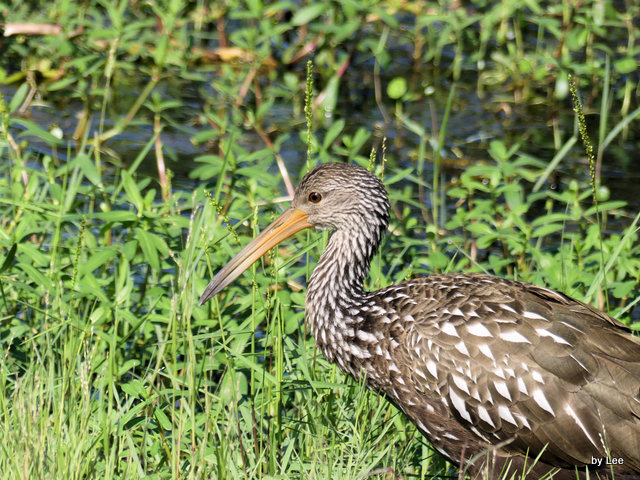
GRU-Aram Limpkin (Aramus guarauna)

Limpkin (Aramus guarauna) by Lee

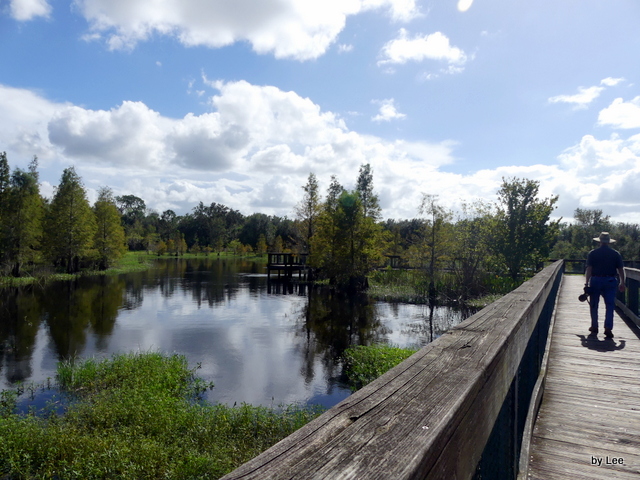
One of the few birdwatching adventures that Dan and I have had, since my surgery, was to South Lake Howard Nature Park. Earlier in the day, we had gone to two other favorite birding spots, but various activities there prevented us from checking out those birds. Later that day, we decided to try one more time. Grabbed our cameras and went to the little Nature Park. [Winter Haven, FL] There was not much going on there, yet, we were able to watch a Limpkin as he searched for his dinner.

The Limpkin (Aramus guarauna), also called carrao, courlan, and crying bird, is a bird that looks like a large rail but is skeletally closer to cranes. It is the only extant species in the genus Aramus and the Aramidae Family. It is found mostly in wetlands in warm parts of the Americas, from Florida to northern Argentina. It feeds on molluscs, with the diet dominated by apple snails of the genus Pomacea. Its name derives from its seeming limp when it walks. We have written about the Limpkins before, and information can be found the Aramidae – Limpkin Family page. This page also has many other Limpkin photos we have taken.

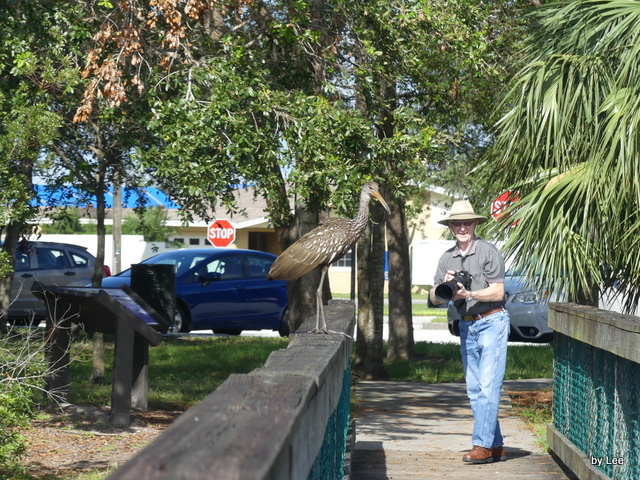
Limpkin and Dan at South Lake Howard Reserve

Limpkins are active during the day but will also forage at night. Where they are not persecuted they are also very tame and approachable. Even so, they are usually found near cover.  They are not aggressive for the most part, being unconcerned by other species and rarely fighting with members of their own species.

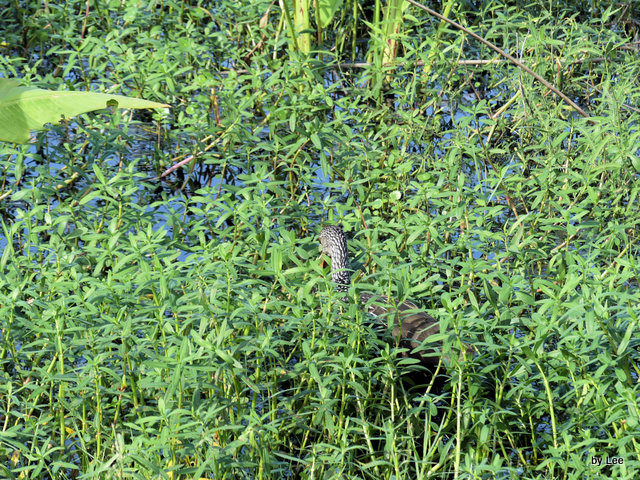
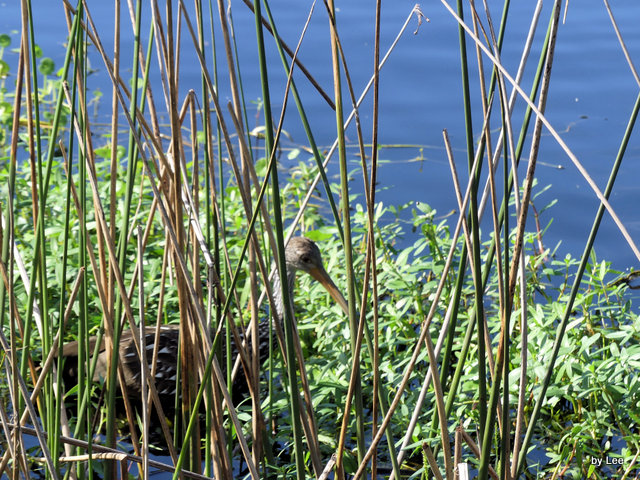
The Lord created the Limpkins with some bold makings, yet, when they are busy searching, they can almost totally disappear from our view. The next few photos show a Limpkin searching and then disappearing. Yes, he IS in those last photos.

As I thought about the Limpkin’s ability to seem to disappear, at first I considered the way the Creator provided a way for it to be camouflaged. Also, there is another analogy that comes to mind.

“He will bless them that fear the LORD, both small and great.” (Psalms 115:13 KJV)

As Christians, we are all given something to do for Our Savior. Many serve in tasks that place them in the open like Preachers, Leaders, Teachers, Ushers, Choir members, etc. There are also many that are behind the scenes serving the Lord through their task. It might be tending to the toddlers and babies, audio and sound helpers, ladies folding letters, and on and on. When these servants are visible, they are very handsome or as pretty as the Limpkins, yet when they are busy, they just seem to disappear. The Lord sees all of our works, no matter where we serve Him.

“And whatsoever ye do in word or deed, do all in the name of the Lord Jesus, giving thanks to God and the Father by him.” (Colossians 3:17 KJV)

Wordless Birds

The Eagles and Allies Have Landed

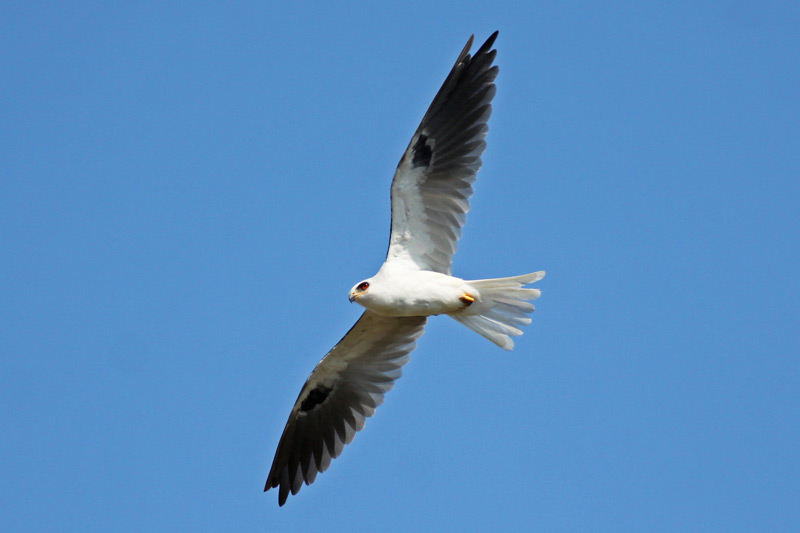
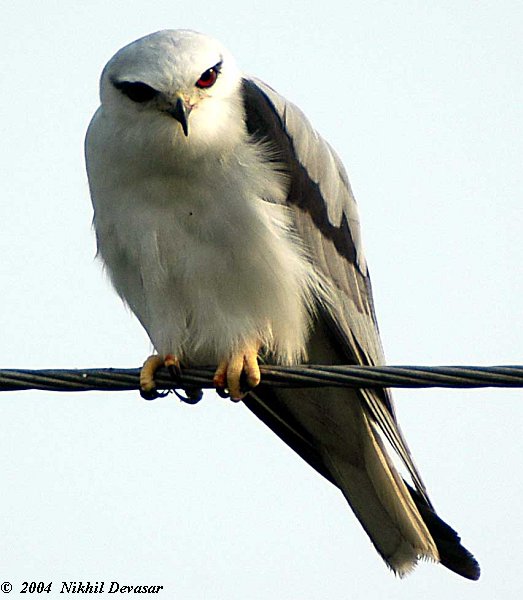
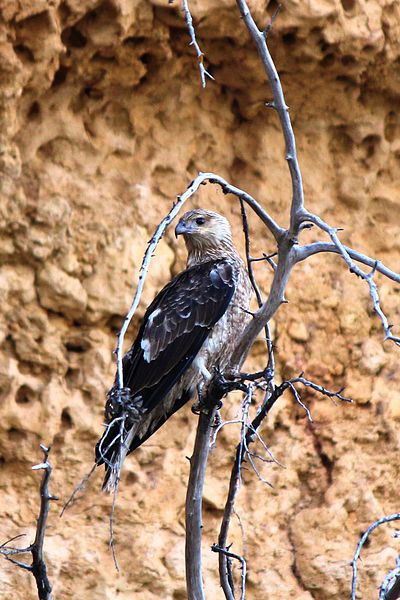
White-tailed Kite (Elanus leucurus) by Margaret Sloan

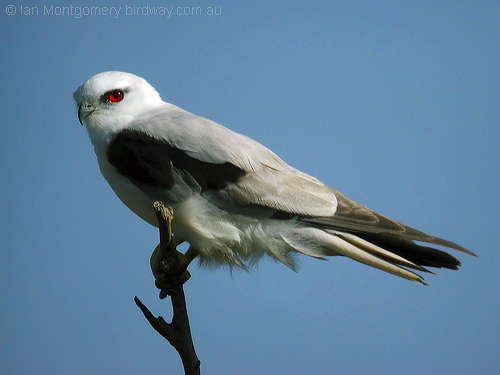
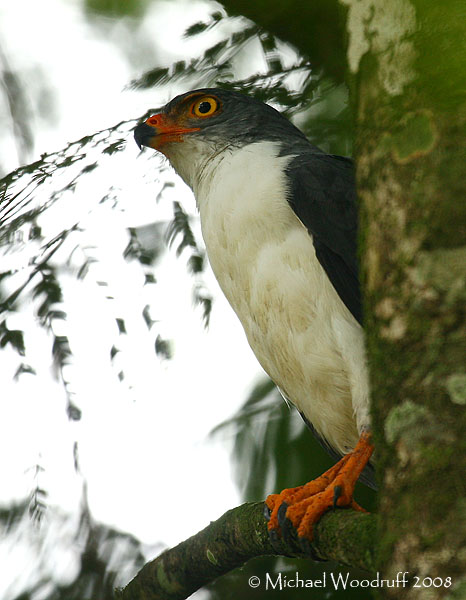
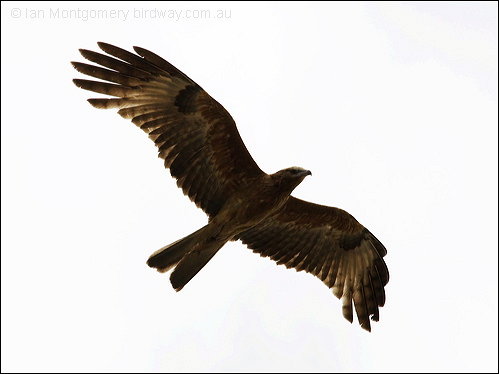
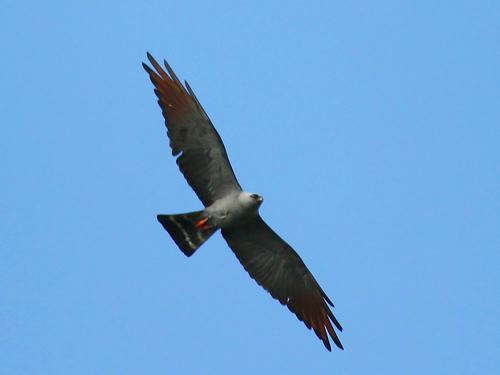
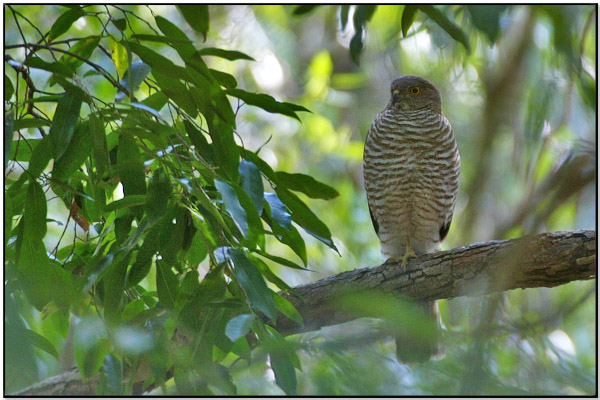
Finally, the Eagles and Allies have arrived and landed back on their Family Page. The Accipitridae – Kites, Hawks and Eagles family album has been giving me a fit. As you know from the last two post, An Apology, Plus Much Work At Hand and Rounding Up Those Eagles and Allies, I have been trying to fix 111 broken links on the page that lists the whole Accipitridae family.

WordPress is a great Blogging provider, yet, there are times a blogger feels like pulling their feathers (hair) out. After searching the forums and the internet for possible answers, there doesn’t seem to be a clear answer as to how 111 photos disappeared from the Media area. Many were downloaded back in 2011 through 2016, and have been working fine.

Life is like this at times. Problems arise out of nowhere, yet, how we handle them, is a test of our character. Thankfully, we have the Lord to lean on when we need wisdom. “The fear of the LORD is the beginning of knowledge: but fools despise wisdom and instruction.” (Proverbs 1:7 KJV)

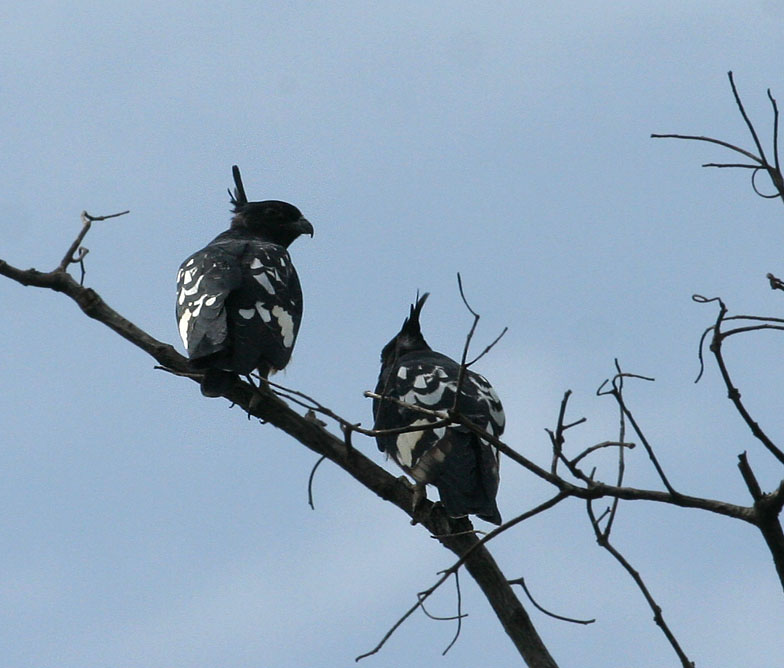
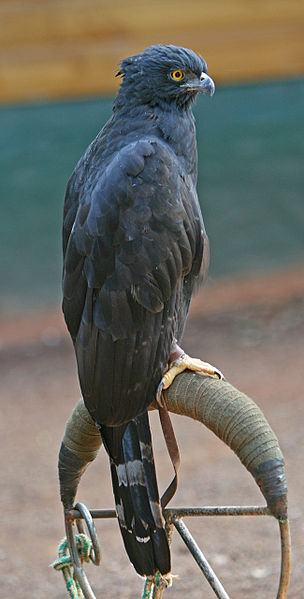
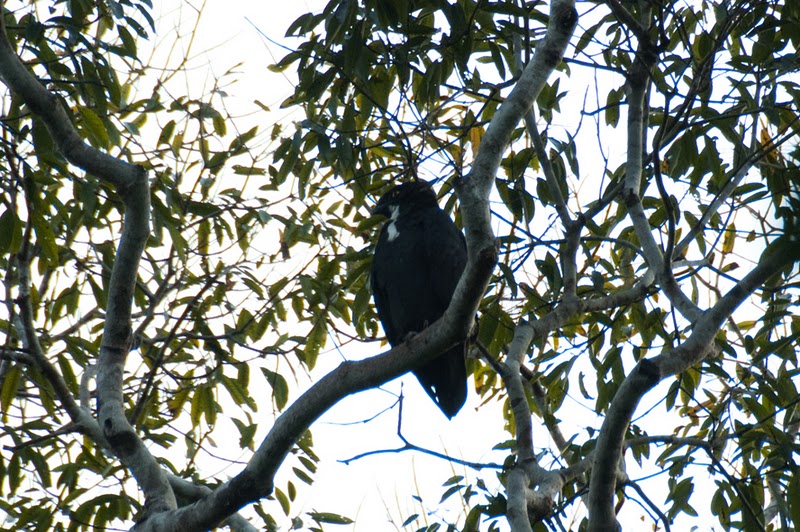
Black Eagle (Ictinaetus malayensis) ©WikiC

Not so sure my “faith” is being tested, but the following verses are always a comfort when I am faced with challenges. Also, maybe, I am being challenged to review and rework parts of Lee’s Birdwatching Adventures. It is coming upon 10 years old after the New Year, and often items need to be repaired and painted. Even the birds go through a renewing of their feathers. Praying for the Lord’s wisdom on this issue.

“Knowing this, that the trying of your faith worketh patience. But let patience have her perfect work, that ye may be perfect and entire, wanting nothing. If any of you lack wisdom, let him ask of God, that giveth to all men liberally, and upbraideth not; and it shall be given him.” (James 1:3-5 KJV)

What else is there to show you today, but some of the rest of the birds that returned. Thankfully, most of the Family pages do not have such enormous clans of relatives.

Rounding Up Those Eagles and Allies

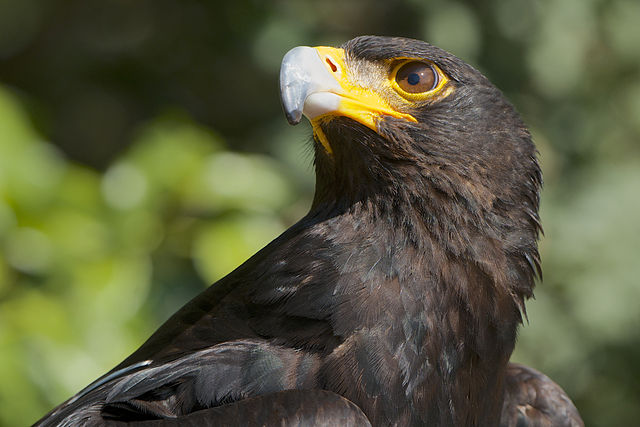
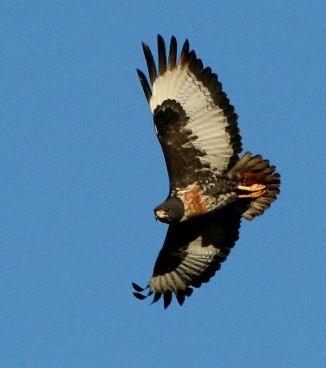
Verreaux’s Eagle (Aquila verreauxii) ©WikiC

“For thus saith the LORD; Behold, he shall fly as an eagle, and shall spread his wings….” (Jeremiah 48:40 KJV)

Yesterday, you were informed of 111 broken links on the Accipitridae – Kites, Hawks & Eagles page. Today there was a little bit of time to start rounding up those flying rascals. Now, there are only 60 birds still soaring around. Trust that they can be corralled soon.

In Lakeland, Florida, they round up the Swans on Lake Morton this time of the year. They are in the process of doing again now. See Lake Morton Swan Roundup – 2016. That is what I feel like I am doing with these broken links. So far some of the problems have been my fault, some have been photos moved around on other sites, etc. Stay tuned, I’m on the trail of these Accipitridae beauties.

“Doth the hawk fly by thy wisdom, and stretch her wings toward the south?” (Job 39:26 KJV)

I’ll be happy when these birds quit stretching their wings and stay in the media cache of this blog. Here are some of the ones that have returned to help fix their links:

An Apology, Plus Much Work At Hand

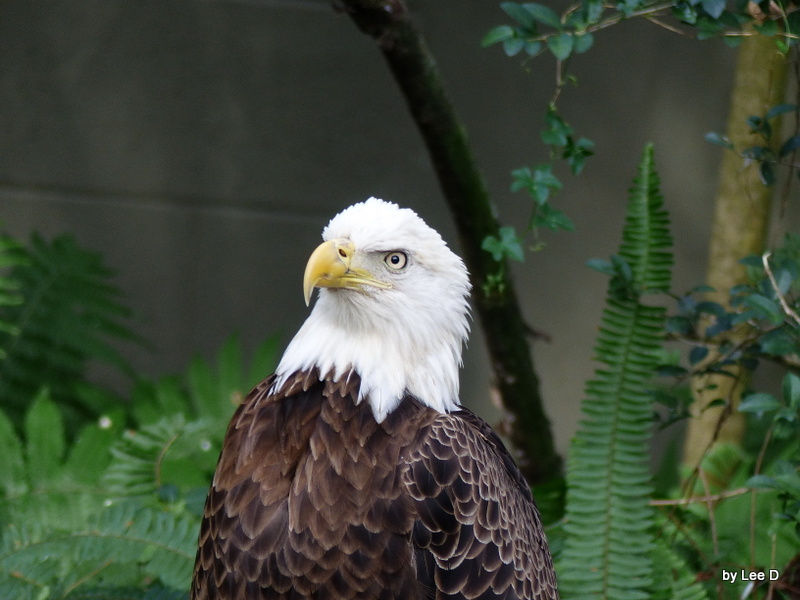
Bald Eagle Lowry Park Zoo 12-31-15 by Lee

An apology to those of our readers who have encountered a “404 Page Not Found” error. For some reason, there are many broken links on this Blog. I have been noticing them lately, especially links to photos. Yikes!! There are hundreds of them. There is no clue as to where they flew off to. Most of them are links to bird photos. The birds must have just flown the coop. :)  [Maybe Hurricane Irma blew them away.]

“And out of the ground the LORD God formed every beast of the field, and every fowl of the air; and brought them unto Adam to see what he would call them: and whatsoever Adam called every living creature, that was the name thereof.” (Genesis 2:19 KJV)

Actually, this is going to take much time working behind the scenes to replace the photos, once the broken “links” are discovered. There is a program online to scan your pages for missing links. As many of you know, we have tried to find a photo of all the living birds the Lord created. With over 10,600 birds, it has been a challenge finding these photos so that readers can click the links to see that particular bird.

Bald Eagle (Haliaeetus leucocephalus) Flying by Aesthetic Photos

Bald Eagle (Haliaeetus leucocephalus) Flying by Aesthetic Photos

That program scanned just the Accipitridae – Kites, Hawks and Eagles page and found 111 broken links. There are 256 birds in that Family. It will take hours just to fix THAT page. Pray that not every Family of birds are missing photos. Many other pages link to the same bird. The task is daunting, but, Lord Willing, the photo links can be repaired in a reasonable time period.

“Knowing this, that the trying of your faith worketh patience. But let patience have her perfect work, that ye may be perfect and entire, wanting nothing. If any of you lack wisdom, let him ask of God, that giveth to all men liberally, and upbraideth not; and it shall be given him. But let him ask in faith, nothing wavering. For he that wavereth is like a wave of the sea driven with the wind and tossed.” (James 1:3-6 KJV)

*** If you encounter a “404 Page Not Found” or another type of problem, please either leave a comment on that page or post, or contact me at Lee@Leesbird.com to leave a note.***

Your help will be greatly appreciated.

P.S. As of last week, the Master of Christian Education [M.CEd.] degree I have been working on was finally finished!!! Yeah!! Not bad for a 74-year-old. :) The Lord is Gracious! The degree was taken online from the School of Biblical Apologetics – Institute for Creation Research. I highly recommend considering taking courses from I.C.R. More about this in another post. [I only mentioned finishing because I’ll have more time to work on these broken links.]

Stay Tuned!!

Avian And Attributes – Zoologist

Avian And Attributes – Zoologist

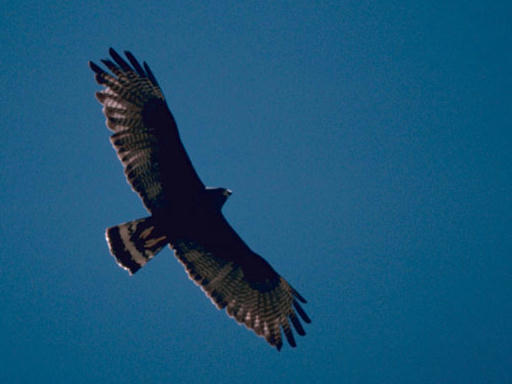
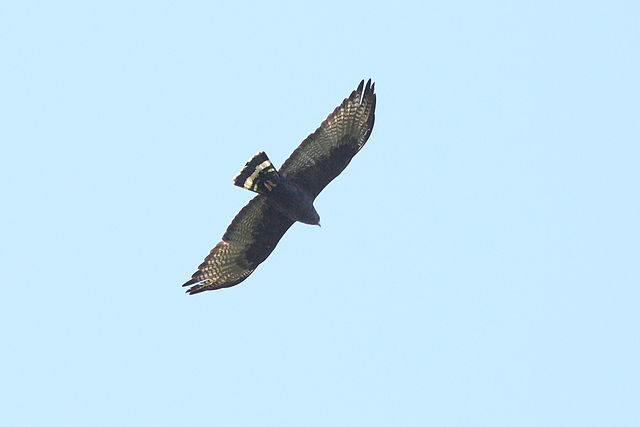
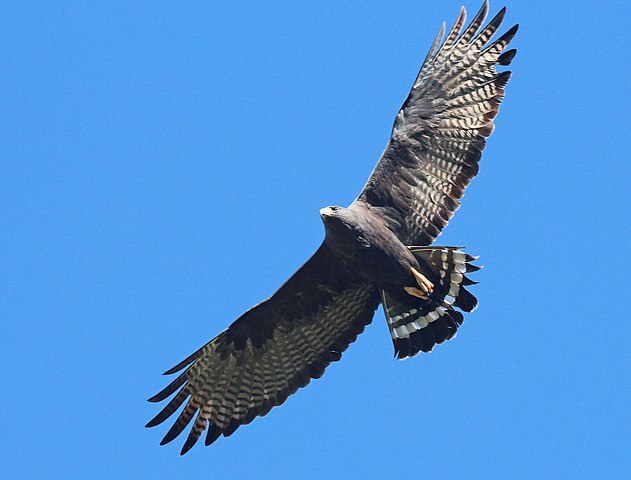
Zone-tailed Hawk (Buteo albonotatus) ©WikiC

Zone-tailed Hawk (Buteo albonotatus) ©WikiC

“In the beginning was the Word, and the Word was with God, and the Word was God. The same was in the beginning with God. All things were made by him; and without him was not any thing made that was made.” (John 1:1-3 KJV)


Avian and Attributes – Zoologist

Zoologist
ZOOLOGIST, n. [from zoology.] One who is well versed in the natural history of animals, or who describes animals.

[Webster’s Dictionary of American English (1828)]

The Lord Jesus Christ, the Creator of all that is in the world, truly was the first Zoologist. The Lord was definitely well versed in the animals, especially the birds. He knows every part of them and has an understanding of every function that He created in them. Most of all, He cares about each of them, as He does us. [Lee]

“Are not two sparrows sold for a farthing? and one of them shall not fall on the ground without your Father.” (Matthew 10:29 KJV)


Zone-tailed Hawk (Buteo albonotatus) ©WikiC

Zone-tailed Hawk

The Zone-tailed Hawk (Buteo albonotatus) is a medium-sized hawk of warm, dry parts of the Americas. It is somewhat similar in plumage and flight style to a common scavenger, the turkey vulture, and may benefit from being able to blend into groups of vultures. It feeds on small vertebrates of all kinds (other than fish), including various small mammals and birds.

Zone-tailed hawks range from parts of southern Arizona, New Mexico, and western Texas almost throughout inland Mexico and the central portions of Central America down into eastern Colombia, Ecuador and, more sporadically, into Peru, southern Brazil, Paraguay, Bolivia, and northern Argentina.

Zone-tailed hawks can adapt to various habitats across their broad range, including both closed and open ones and wet and dry ones. Often, the largest numbers are found in rocky areas with access to water. They often reside in coniferous or pine-oak forests as well as timbered canyonland, hilly riverine woods, dry open boscage and scrub, humid forests and overgrown marshes. They may forage over ranches and even semi-desert, but always need at least scattered tree thickets for nesting. They may be distributed in elevation from sea-level to 3,000 m (9,800 ft), though are mainly found below 1,500 m (4,900 ft) in the north and below 500 m (1,600 ft) in the southern reaches of the breeding range.

Zone-tailed Hawk (Buteo albonotatus) ©WikiC


*** This is the second time through some alphabetical Attributes of God. First time through I tried to use the last name of a bird alphabetically, and then this second time through, the first name of the bird was used. We trust you enjoyed this series. For now, another plan is in the works. Stay Tuned!!***

More Avian and Attributes

Birds whose first name starts with “Z”

Good News

*
[Definitions from Webster’s Dictionary of American English (1828), unless noted. Bird info from Wikipedia plus.]

Avian And Attributes – Yoke

Avian And Attributes – Yoke

Yellow-crowned Bishop (Euplectes afer) ©WikiC

“Come unto me, all ye that labour and are heavy laden, and I will give you rest. Take my yoke upon you, and learn of me; for I am meek and lowly in heart: and ye shall find rest unto your souls. For my yoke is easy, and my burden is light.” (Matthew 11:28-30 KJV)


Avian and Attributes – Yoke

YOKE, n. [G., L., Gr.]
1. A piece of timber, hollowed or made curving near each end, and fitted with bows for receiving the necks of oxen; by which means two are connected for drawing. From a ring or hook in the bow, a chain extends to the thing to be drawn, or to the yoke of another pair of oxen behind.
2. A mark of servitude; slavery; bondage.
Our country sinks beneath the yoke.
3. A chain; a link; a bond of connection; as the yoke of marriage.
4. A couple; a pair; as a yoke of oxen.
5. Service.
My yoke is easy. Mat 11.

YOKE, v.t.
1. To put a yoke on; to join in a yoke; as, to yoke oxen, or a pair of oxen.
2. To couple; to join with another.
[Edited]


Yellow-crowned Bishop (Euplectes afer) Breeding Male ©WikiC

Yellow-crowned Bishop (Euplectes afer)

The yellow-crowned bishop (Euplectes afer) is a species of passerine bird in the family Ploceidae native to Africa south of the Sahara.[2] It is highly sexually dimorphic in its breeding season, during which the male adopts a distinctive yellow and black plumage, contrasting with the female’s predominantly brown coloration. Three subspecies are recognised.

Yellow-crowned Bishop (Euplectes afer) ©Flickr Ian White

The yellow-crowned bishop is native to the African countries of: Angola, Benin, Botswana, Burkina Faso, Cameroon, Central African Republic, Chad, Republic of the Congo, Democratic Republic of the Congo, Ivory Coast, Ethiopia, Gabon, Gambia, Ghana, Guinea, Guinea-Bissau, Kenya, Lesotho, Liberia, Mali, Mauritania, Mozambique, Namibia, Niger, Nigeria, Senegal, Sierra Leone, South Africa, Sudan, Tanzania, Togo, Uganda, Zambia, and Zimbabwe. It has been introduced in the following countries: Jamaica, Japan, Portugal, Spain, Puerto Rico, and Venezuela.[1][6] It prefers habitats such as grasslands, vleis, and pans. It likes wheat and sorghum fields, and weedy vegetation along wetlands.

Yellow-crowned Bishop (Euplectes afer) Breeding Male ©WikiC

The yellow-crowned bishop eats insects, grain, and seeds. It lives in flocks with both males and females. In non-breeding seasons the flocks may contain weavers and sparrows. The call is a “high-pitched, rasping, buzzing swizzling, somewhat insect-like: zzzzzzz, zzit, zzit, zzzz”.


More Avian and Attributes

Birds whose first name starts with “Y”

Good News

*
[Definitions from Webster’s Dictionary of American English (1828), unless noted. Bird info from Wikipedia plus.]
Blue-gray Tanagers And Your Teenager


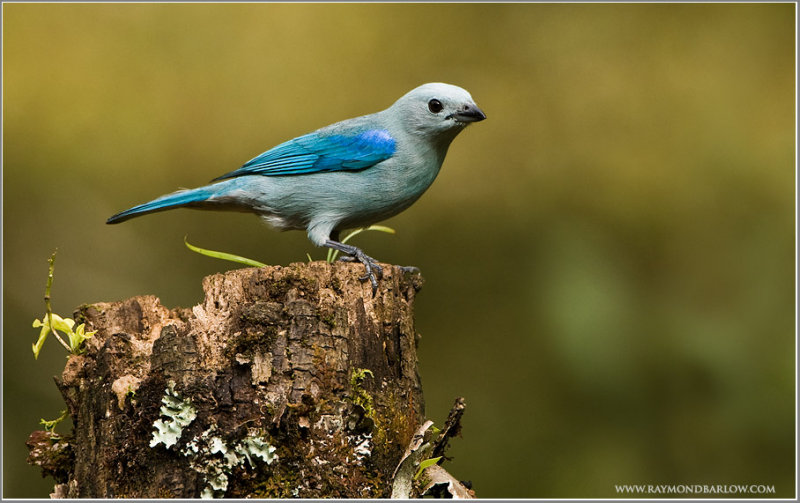
Blue-gray Tanager (Tangara azulada) ©Colombia Wildlife – Oswaldo Cortes

“For thou art my hope, O Lord GOD: thou art my trust from my youth.” (Psalms 71:5 KJV)

While watching this video of the Blue-gray Tanager youngster, my thoughts went to those of you who have teenagers. Many tell me that they, the teenagers, are difficult to fill up. Enjoy the video knowing that you are not alone in God’s Creation. Even the birds have to deal with filling up their offspring. :0)

Blue-gray Tanagers (Thraupis episcopus) are members of the Thraupidae Family. The tanager is a medium-sized South American songbird whose song is a squeaky twittering, interspersed with tseee and tsuup call notes. Its range is from Mexico south to northeast Bolivia and northern Brazil, all of the Amazon Basin, except the very south. It has been introduced to Lima (Peru). On Trinidad and Tobago, this bird is called blue jean.

Blue-grey Tanager (Thraupis episcopus) Reinier Munguia

The Blue-gray Tanager is 16–18 cm (6.3–7.1 in) long and weighs 30–40 g (1.1–1.4 oz). Adults have a light bluish head and underparts, with darker blue upperparts and a shoulder patch colored a different hue of blue. The bill is short and quite thick. Sexes are similar, but the immature is much duller in plumage.

The breeding habitat is open woodland, cultivated areas and gardens. The Blue-gray Tanager lives mainly on fruit, but will also take some nectar and insects. This is a common, restless, noisy and confiding species, usually found in pairs, but sometimes small groups. It thrives around human habitation, and will take some cultivated fruit like papayas (Carica papaya).

(Information from Wikipedia)

Blue-grey Tanager (Thraupis episcopus) by Raymond Barlow

Blue-gray Tanager (Thraupis episcopus) by Raymond Barlow

“O God, thou hast taught me from my youth: and hitherto have I declared thy wondrous works.” (Psalms 71:17 KJV)

Thraupidae – Tanagers and Allies Family


Avian And Attributes – (X) Excellence

Avian And Attributes – (X) Excellence

Xingu Scale-back Antbird (Willisornis vidua) young male ©WikiC

“It shall blossom abundantly and rejoice, Even with joy and singing. The glory of Lebanon shall be given to it, The excellence of Carmel and Sharon. They shall see the glory of the LORD, The excellency of our God.” (Isaiah 35:2 NKJV)


Avian and Attributes – (X) Excellence

EX’CELLENCE
EXCELLENCY, n. [L. excellentia.] The state of possessing food qualities in an unusual or eminent degree; the state of excelling in any thing.

1. An valuabale quality; any thing highly laudable, meritorious or virtuous, in persons, or valuable and esteemed, in things. Purity of heart, uprightness of mind, sincerity, virtue, piety, are excellencies of character; symmetry of parts, strength and beauty are excellencies of body; an accurate knowledge of an art is an excellence in the artisan; soundness and durability are excellencies in timber; fertility, in land; elegance, in writing. In short, whatever contributes to exalt man, or to render him esteemed and happy, or to bless society, is in him an excellence.

2. Dignity; high rank in the scale of beings. Angels are beings of more excellence than men; men are beings of more excellence than brutes.

3. A title of honor formerly given to kings and emperors, now given to embassadors, governors, and other persons, below the rank of kings, but elevated above the common classes of men.

…”O LORD, our Lord, How excellent is Your name in all the earth, Who have set Your glory above the heavens!” (Psalms 8:1 NKJV)


Xingu Scale-back Antbird(Willisornis vidua) ©Pinterest – Antpitta Com

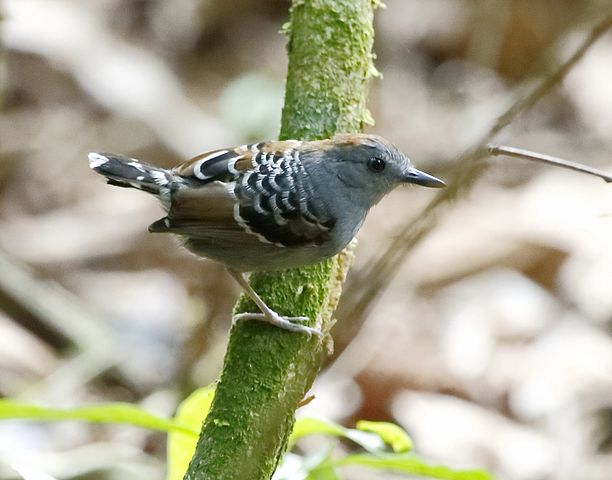
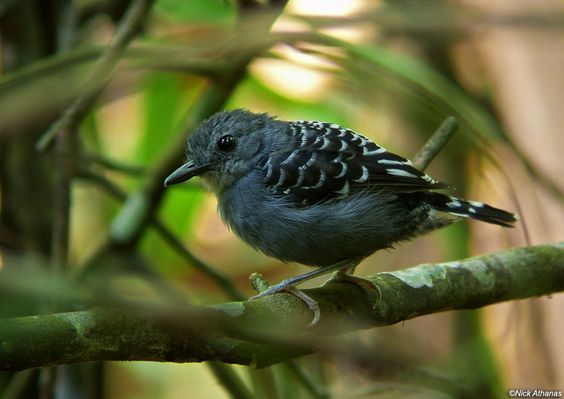
Xingu Scale-backed Antbird

The Xingu Scale-backed Antbird or Xingu Antbird (Willisornis vidua), is a species of antbird from the south-eastern Amazon in Brazil. Until 2011, it was usually included as a subspecies of the scale-backed antbird. Its English name refers to the Xingu River. In addition to the nominate subspecies, it includes the subspecies W. v. nigrigula.

It is distributed in the central south and east of the Brazilian Amazon, from the eastern end of Amazonas to the east to Maranhão and south to the north of Mato Grosso . This species is fairly common in their habitat natural, the understory of humid forests of terra firme up to 1350  m. of altitude. 

(Thamnophilidae – Antbirds Family) (Xingu Antbird) – Wikipedia and Spanish Wiki


More Avian and Attributes

Birds whose first name starts with “X”

Good News

*
[Definitions from Webster’s Dictionary of American English (1828), unless noted. Bird info from Wikipedia plus.]

BEMA Birds by Emma Foster

BEMA Birds by Emma Foster

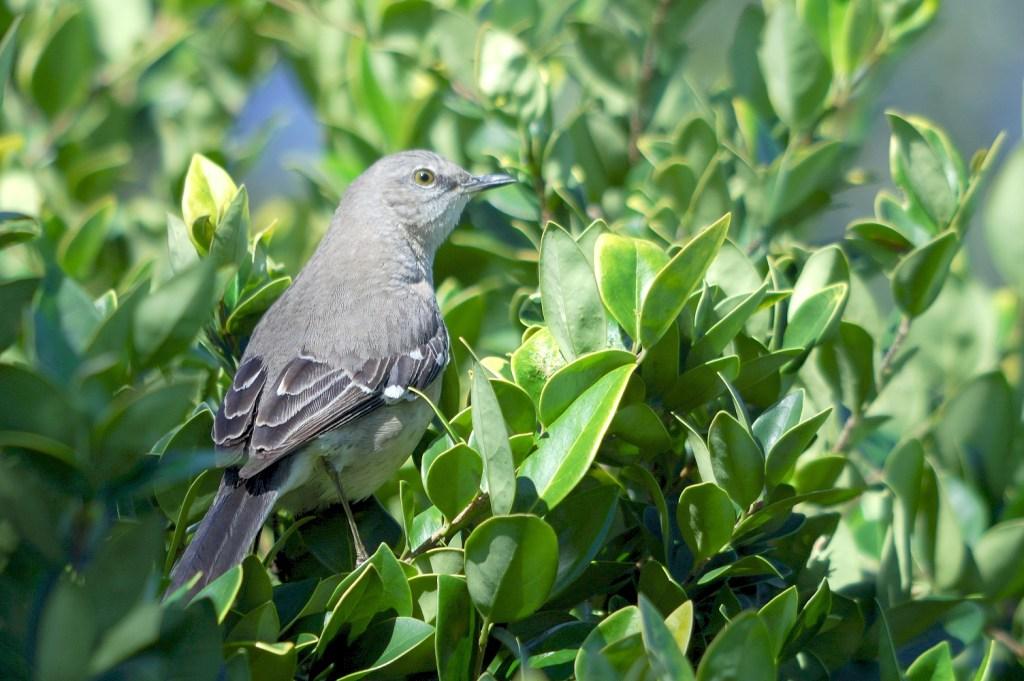
Northern Mockingbird (Mimus polyglottos) By Dan'sPix

Northern Mockingbird (Mimus polyglottos) By Dan’sPix

Once there was a mockingbird named Carl who was a member of BEMA, the Bird Emergency Management Agency. Whenever a hurricane or other natural disaster was about to occur, Carl was in charge of helping other birds find a place to hide. Because he and several other birds that worked for BEMA lived in Florida, they were mainly in charge of helping other birds fly north.

One day Carl flew to a meeting that took place in a hollowed oak tree in the central area of Florida. Many of the birds that lived in Florida and were members of BEMA attended the meeting because of rumors that a hurricane was growing in the Atlantic Ocean. At the meeting, Carl received an alert that a hurricane was nearing Florida and it was going to cross the state.

Carl and many other birds who had come to the meeting were sent to different areas of Florida in order to hide birds from the weather and keep them safe. Most of them would fly north, and Carl and the other birds would help lead them to different places that BEMA thought safe.

Carl quickly flew down to the south of Florida after hearing that the hurricane was estimated to come in three days. He landed in the Florida Keys in an area where he had been assigned and where he knew there would be many birds ready to relocate for the storm. As Carl traveled down south, the winds began to pick up, making it more difficult for him to fly.

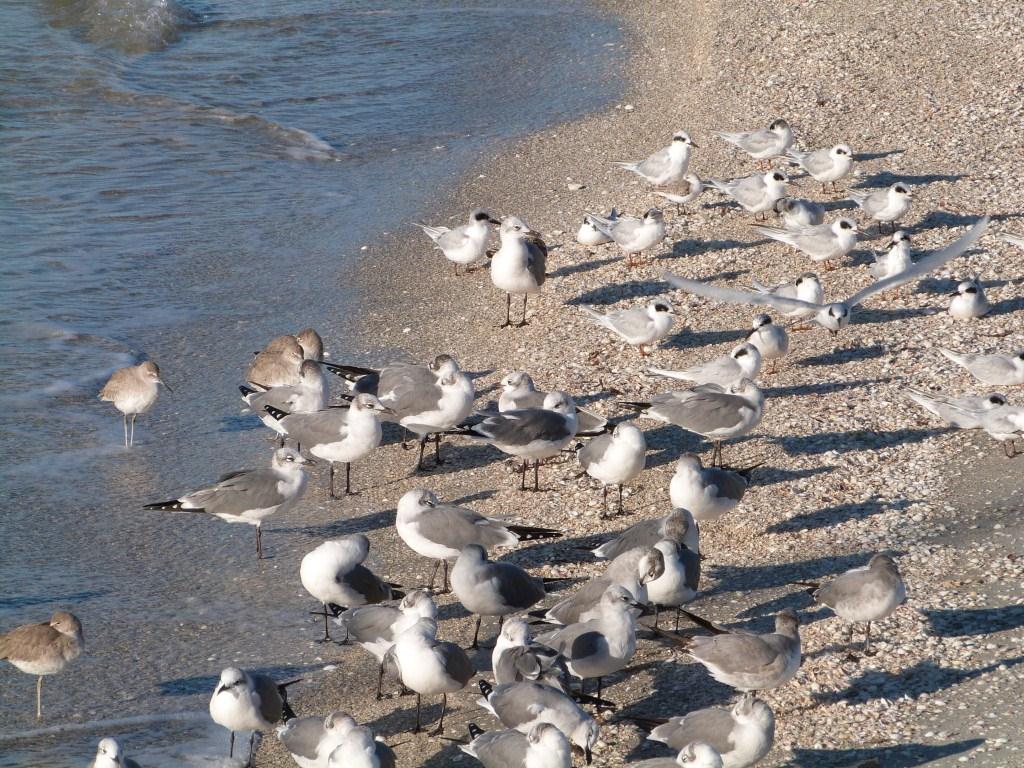
Willit - Laughing Gull - Forster's Tern at Ft DeSoto 11-22-12 Thanksgiving

Willit – Laughing Gull – Forster’s Tern at Ft DeSoto 11-22-12 Thanksgiving

When Carl arrived at the Keys, a large group of birds had gathered near a hotel. Most of them were seagulls and ibises. Carl quickly explained that they were heading north and that they had to stay together while flying. He told the nervous birds that he would guide them back to where they lived once the hurricane had passed. Before they took off, Carl took a quick head count and counted fifteen birds in his group.

Carl immediately began flying north, the other birds flying behind him. He made sure they flew in a formation that made them fly with the wind to make it easier for the smaller birds. The winds were moving faster now, and the rain was making it hard for some of the birds to fly.

After a few hours, Carl flew lower toward an area with many bushes and trees. The group of birds landed underneath the bushes to keep safe and warm. Carl took another head count, but realized that there were only fourteen birds that were now hiding in the bushes. Just as Carl was about to turn back and look for the other seagull, the rain began coming down hard, so Carl was forced to take shelter with the other birds.

The rain lasted for a few days. Every now and then Carl would come out of the bushes to search for something to eat for him and the other birds, finding worms on the ground because of the rain. Eventually, the stormed passed over them, and even though it was still raining Carl was able to take the other birds back to the Keys.

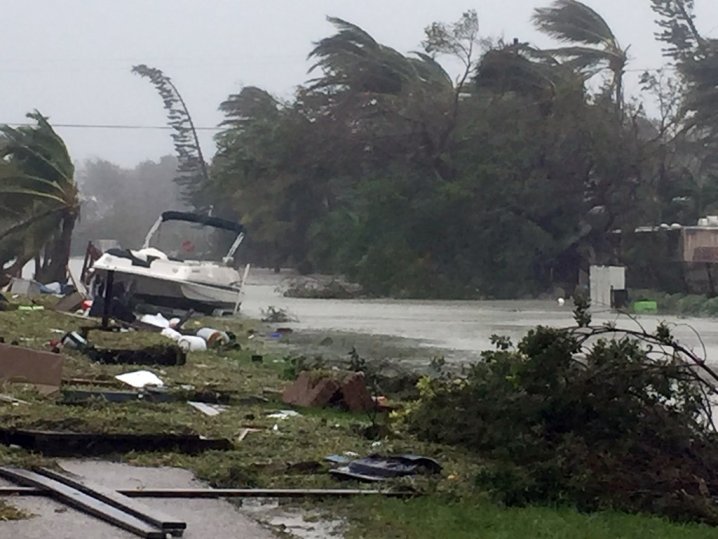
Damage in Keys ©Peninsula Qatar

When Carl and the other birds came back they found their nests and many other homes destroyed, but they knew they would be able to rebuild their nests with time. They mourned the loss of the one seagull that didn’t make it with them, holding a small funeral by where the bird’s nest used to be. Afterward, Carl said goodbye and flew back home. The next day BEMA held another meeting that laid out a plan to help the birds fix their homes and get rid of the debris that was now scattered everywhere.


Thanks, Emma. It is great to know that the birds have a BEMA organization to help them to recover after hurricanes. Emma, like the rest of us here in Central Florida, is aware of the help FEMA provides for humans. When Hurricane Irma came up through the state, from Key West up past us, many have had repairs to perform. Also, like the seagull that didn’t survive, there are many reports of birds and other critters that lost their lives in the hurricane.

“Are not two sparrows sold for a copper coin? And not one of them falls to the ground apart from your Father’s will.” (Matthew 10:29 NKJV)

I know the Lord, when He created birds, gave them the resilience to rebuild and continue to multiply.

Then God said, “Let the waters abound with an abundance of living creatures, and let birds fly above the earth across the face of the firmament of the heavens.” So God created great sea creatures and every living thing that moves, with which the waters abounded, according to their kind, and every winged bird according to its kind. And God saw that it was good. And God blessed them, saying, “Be fruitful and multiply, and fill the waters in the seas, and let birds multiply on the earth.” (Genesis 1:20-22 NKJV)


More of Emma’s Stories

*