“Simon Peter saith unto them, I go a-fishing. They say unto him, We also go with thee. They went forth, and entered into a ship immediately; and that night they caught nothing. (John 21:3)
“And God saw every thing that he had made, and, behold, it was very good. And the evening and the morning were the sixth day.” (Genesis 1:31 KJV)
These animals show such kindness to other animals. May they remind us to show kindness to those around us; to critters and especially our human acquaintances.
“And to godliness brotherly kindness; and to brotherly kindness charity.” (2 Peter 1:7 KJV)
“For his merciful kindness is great toward us: and the truth of the LORD endureth for ever. Praise ye the LORD.” (Psalms 117:2 KJV)
“If a bird’s nest happens to be before you along the way, in any tree or on the ground, with young ones or eggs, with the mother sitting on the young or on the eggs, you shall not take the mother with the young;” (Deuteronomy 22:6 NKJV)
“And God called the dry land Earth; and the gathering together of the waters called he Seas: and God saw that it was good.” (Genesis 1:10 KJV)
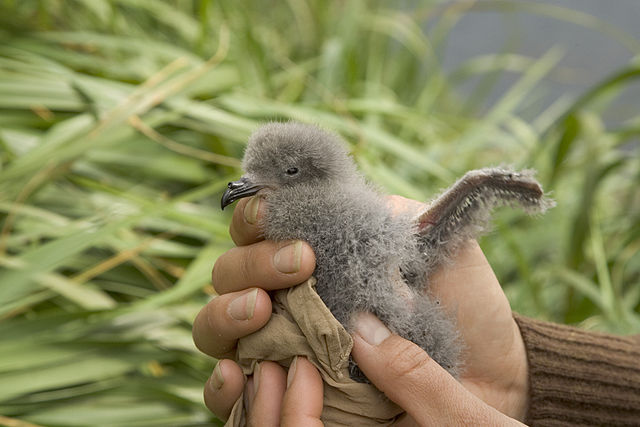
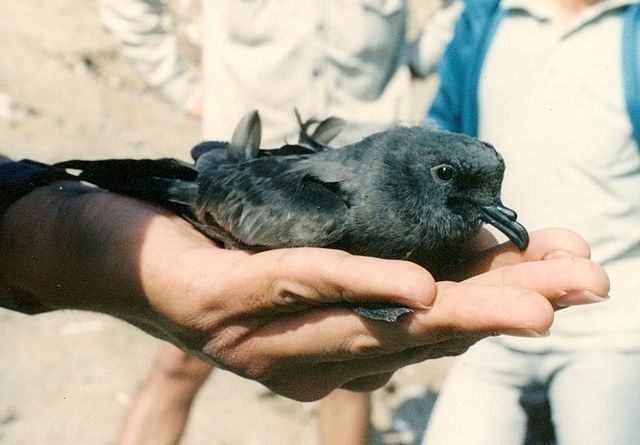
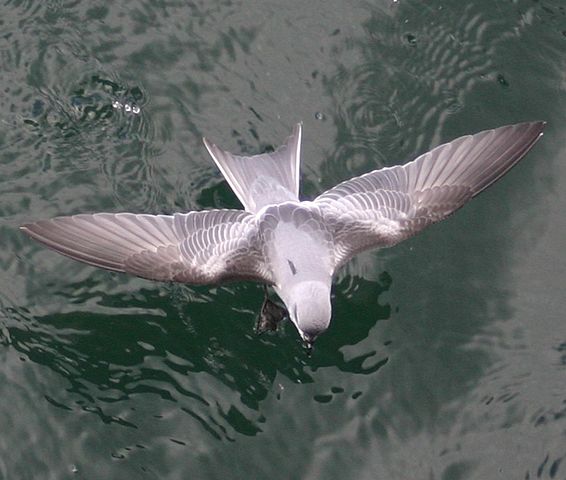
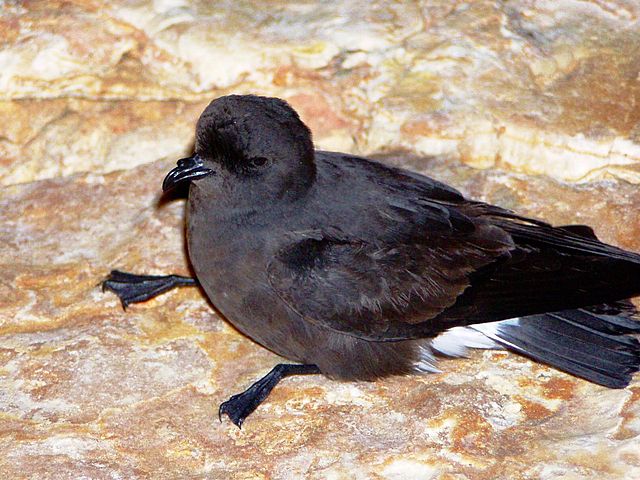
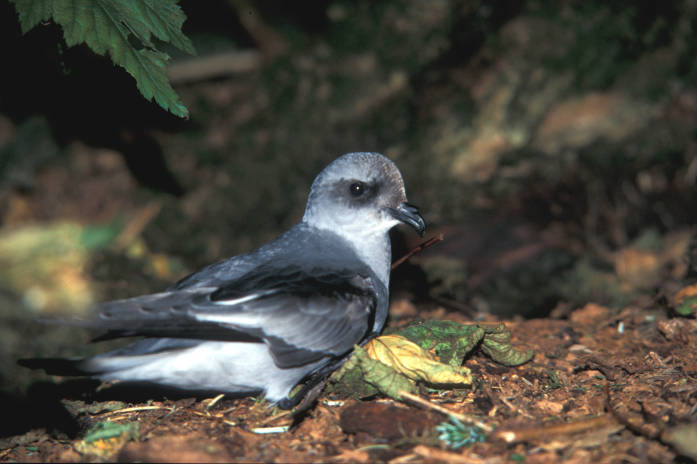
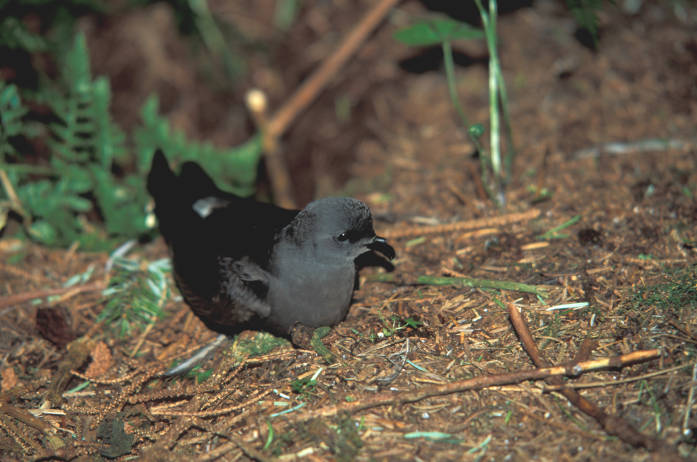
The Northern Storm Petrels make up the Hydrobatidae Family. The eighteen (18) species in the family are from two Genera; the Hydrobates (1) and the Oceanodroma (17). They are found in the northern hemisphere although some species around the equator dip into the south.
European Storm petrels cannot walk on land, and shuffle on their tarsi.
The European storm petrel, British storm petrel or just storm petrel (Hydrobates pelagicus) is a seabird in the northern storm petrel family, Hydrobatidae. It is the only member of the genus Hydrobates. The small, square-tailed bird is entirely black except for a broad white rump and a white band on the underwings, and it has a fluttering, bat-like flight. The large majority of the population breeds on islands off the coasts of Europe, with the greatest numbers in the Faroe Islands, United Kingdom, Ireland, and Iceland. The Mediterranean population is a separate subspecies, but is inseparable at sea from its Atlantic relatives; its strongholds are Filfla Island (Malta), Sicily and the Balearic Islands.
The Leach’s petrel, known in some rural areas as Carrie chicks, is a small bird at 18–21 cm in length with a 43–48 cm wingspan. Like many other storm petrels, it has all-dark plumage and usually a white rump. However, dark-rumped individuals exist on the west coast of North America; they are very rare north of southern California, but the percentage increases suddenly on the United States-Mexico border where 90-100% of breeding birds are dark-rumped.
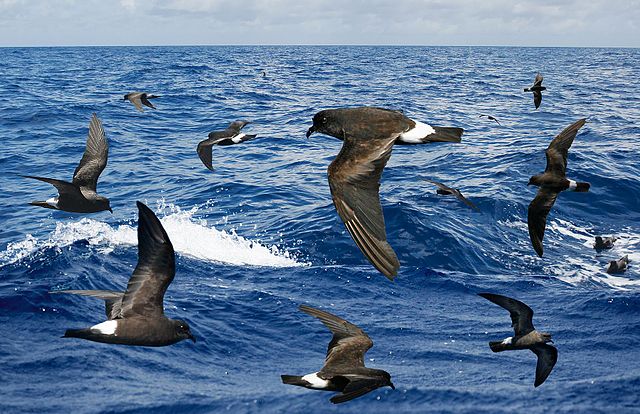
The band-rumped storm petrel spends the non-breeding period at sea. Individuals feed by picking up prey items (invertebrates, small vertebrates and sometimes carrion) from the water surface. The band-rumped storm petrel is strictly nocturnal at its breeding sites to avoid predation by gulls and diurnal raptors such as peregrines, and will even avoid coming to land on clear moonlit nights. Like most petrels, its walking ability is limited to a short shuffle from/to the burrow.
The Cape Verde storm petrel (Oceanodroma jabejabe) is an oceangoing bird found in the Atlantic Ocean, especially around the islands of Cape Verde. It was at one time considered to be a subspecies of the band-rumped storm petrel, but is now considered to be a separate species by the British Birding Association, the Dutch Birding Association and other authorities.They breed much of year but most nest in the winter.
Because of being at sea so much of the time, photos and information are not readily available. Hence, the short slideshow today.
This slideshow requires JavaScript.
The birds of the air, And the fish of the sea That pass through the paths of the seas. O LORD, our Lord, How excellent is Your name in all the earth!
(Psalms 8:8-9 NKJV)
“looking carefully lest anyone fall short of the grace of God; lest any root of bitterness springing up cause trouble, and by this many become defiled;” (Hebrews 12:15 NKJV)