***
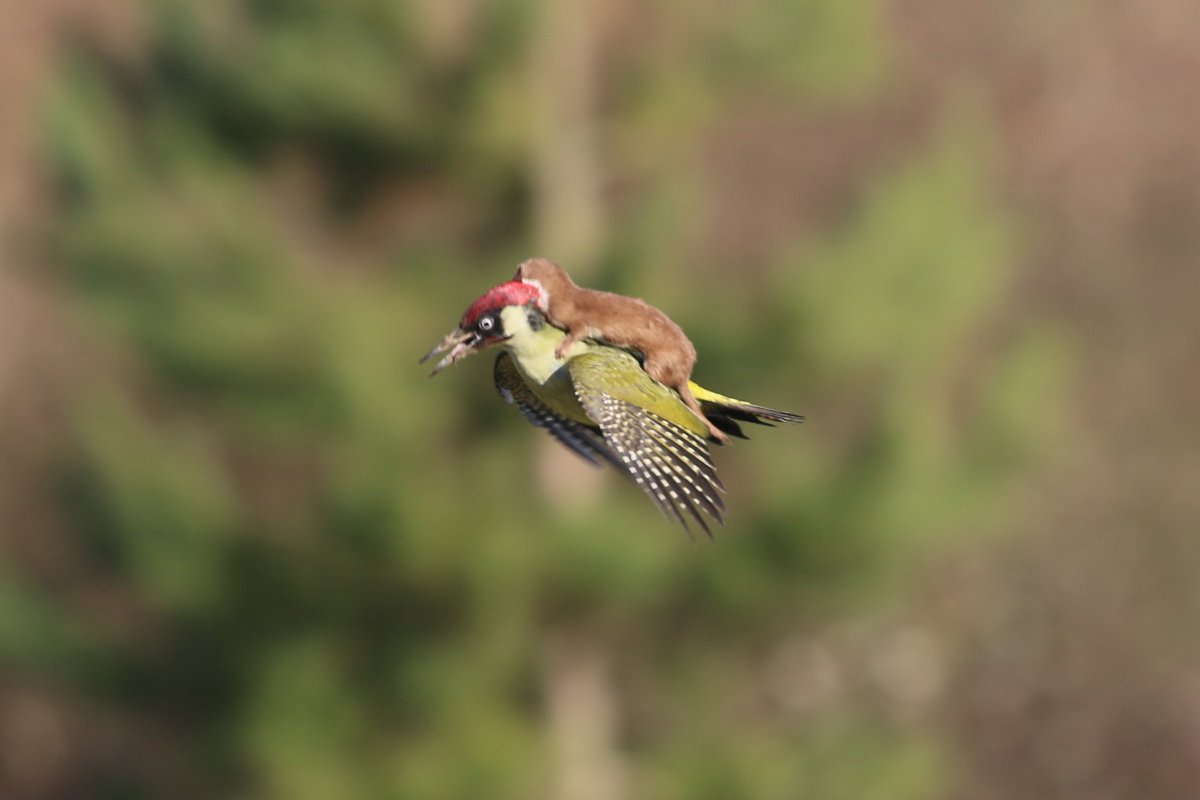
HEAVY BURDEN
***
“For mine iniquities are gone over mine head: as an heavy burden they are too heavy for me.” (Psalms 38:4 KJV)
Green Woodpecker with Weasel On Its Back ©Martin Le-May
*
*
“For mine iniquities are gone over mine head: as an heavy burden they are too heavy for me.” (Psalms 38:4 KJV)
Green Woodpecker with Weasel On Its Back ©Martin Le-May
*
*
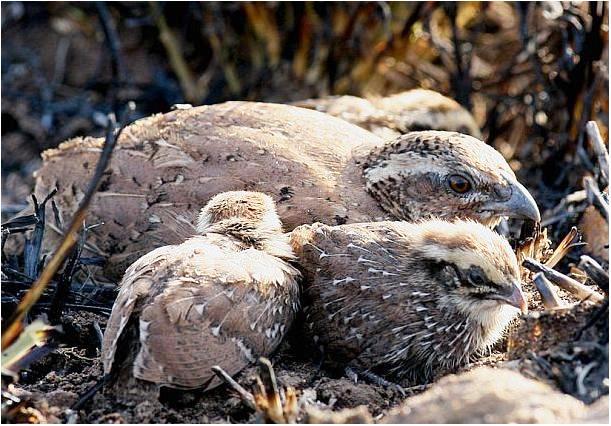
“And it came to pass, that at even the quails came up, and covered the camp: and in the morning the dew lay round about the host.
(Exodus 16:13 KJV)
Rock Bush Quail (Perdicula argoondah) ©WikiC Family
*
*

“Upon the first day of the week let every one of you lay by him in store, as God hath prospered him, that there be no gatherings when I come.” (1 Corinthians 16:2 KJV)
Osprey Eating – Viera Wetlands by Dan
*
*
“And it came to pass, that at even the quails came up, and covered the camp: and in the morning the dew lay round about the host.” (Exodus 16:13 KJV)
As we continue our journey through the Phasianidae Family of Pheasants and Allies, our next encounter is with more Partridges and Quails.

Grey Partridge (Perdix perdix) ©WikiC
The Perdix genus has the Grey Partridge, Daurian Partridge, and the Tibetan Partridges. Perdix is a genus of Galliform gamebirds known collectively as the ‘true partridges’. The genus name is the Latin for “partridge”, and is itself derived from Ancient Greek perdix. These birds are unrelated to the subtropical species that have been named after the partridge due to similar size and morphology. There are representatives of Perdix in most of temperate Europe and Asia. One member of the genus, the grey partridge, has been introduced to the United States and Canada for the purpose of hunting. They are closely related to grouse, koklass, quail and pheasants.
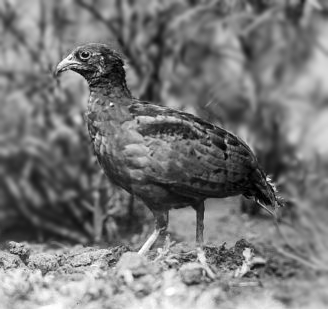
Long-billed Partridge (Rhizothera longirostris) ©WikiC
Long-billed Partridge and Hose’s Partridge belong to the Rhizothera genus. Rhizothera is a genus of bird native to Malaysia. Established by George Robert Gray in 1841.

Madagascar Partridge (Margaroperdix madagarensis) ©Drawing WikiC
Madagascan Partridge (Margaroperdix madagarensis) found only in Madagascar. Its natural habitats are subtropical or tropical moist lowland forests and subtropical or tropical moist montane forests.

Black Partridge are in genus Melanoperdix. The black partridge occurs in lowland rainforests of Peninsular Malaysia, Borneo and Sumatra in southeast Asia. It was formerly found but is long extinct on Singapore. The female usually lays five to six white eggs.

Harlequin Quail (Coturnix delegorguei) ©WikiC
The Coturnix genus has seven Quail including the Common, Japanese, Rain, Harlequin, Stubble, New Zealand and the Brown Quails.

King Quail (Excalfactoria chinensis) by Kent Nickel
The King Quail and Blue Quail are in the Excalfactoria genus.
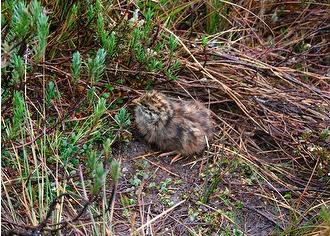
Snow Mountain Quail (Anurophasis monorthonyx) ©WikiC
The Snow Mountain Quail (Anurophasis monorthonyx) is the only one in its genus.

Painted Bush Quail (Perdicula erythrorhyncha) ©WikiC
Perdicula is made up of the Jungle Bush Quail, Rock Bush Quail, Painted Bush Quail, and the Manipur Bush Quail.
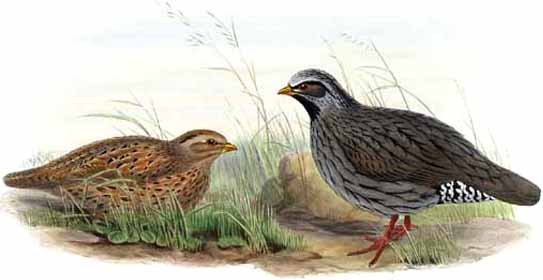
Himalayan Quail (Ophrysia superciliosa †) ©Drawing WikiC
Himalayan Quail (Ophrysia superciliosa) is another loner.
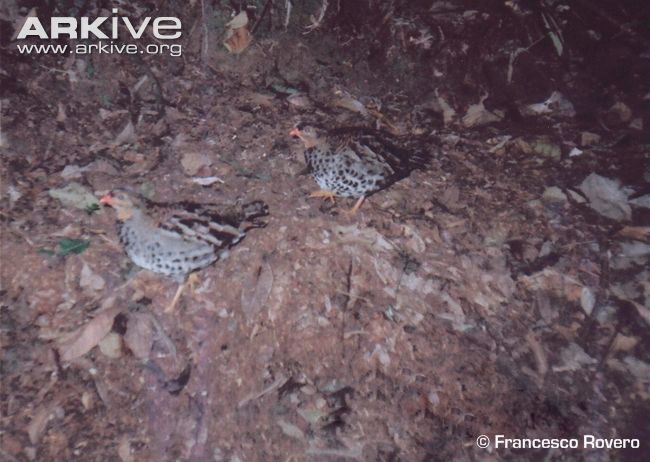
Udzungwa Forest Partridge (Xenoperdix udzungwensis) ©ARKive
The two Forest Partridges are the Udzungwa Forest Partridge and the Rubeho Forest Partridge (Xenoperdix). Both species have boldly barred plumage and a red bill. Xenoperdix are found only in forests of the Udzungwa Mountains and the Rubeho Highlands of Tanzania.
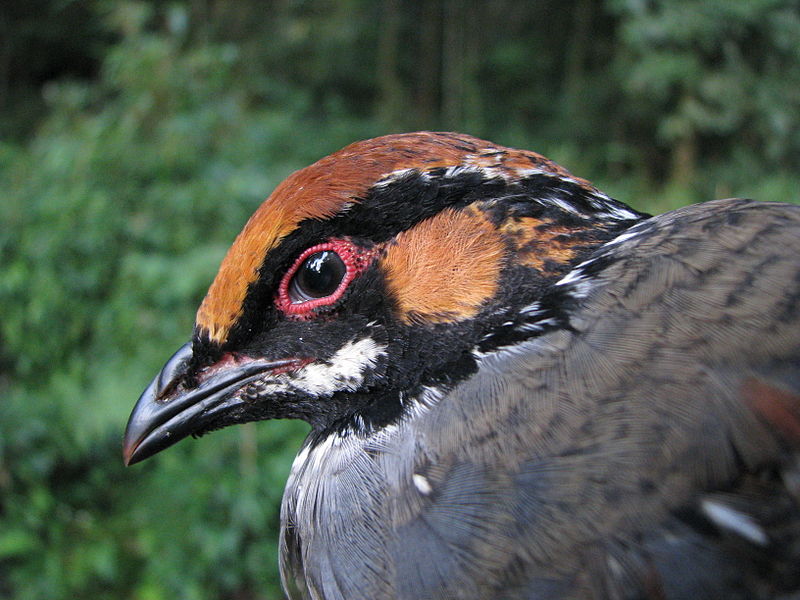
Hill Partridge (Arborophila torqueola) ©WikiC
The largest genus today are Partridges in the Arborophila group. They are the Hill, Rufous-throated, White-cheeked, Taiwan Partridge, Chestnut-breasted, Bar-backed, Sichuan, White-necklaced, Orange-necked, Chestnut-headed, Siamese, Malaysian, Roll’s, Sumatran, Grey-breasted, Chestnut-bellied, Red-billed, Red-breasted, Hainan Partridge, Chestnut-necklaced , and the Green-legged Partridge. The genus has the second most members within the Galliformes after Francolinus although Arborophila species vary very little in bodily proportions with different species varying only in colouration/patterning and overall size. These are fairly small, often brightly marked partridges found in forests of eastern and southern Asia
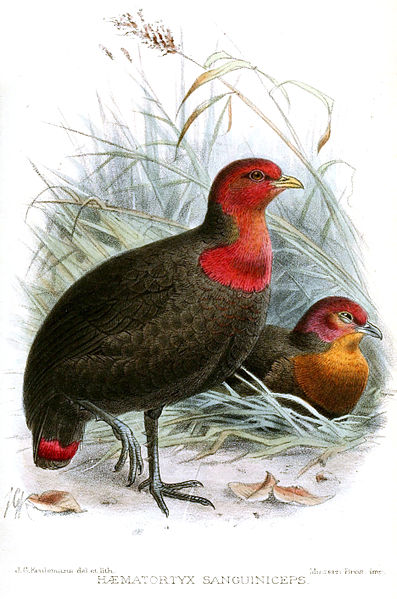
Crimson-headed Partridge (Haematortyx sanguiniceps) ©Drawing WikiC
There are three more genera with only one bird; Ferruginous Partridge (Caloperdix oculeus), Crimson-headed Partridge (Haematortyx sanguiniceps), and the Crested Partridge (Rollulus rouloul.
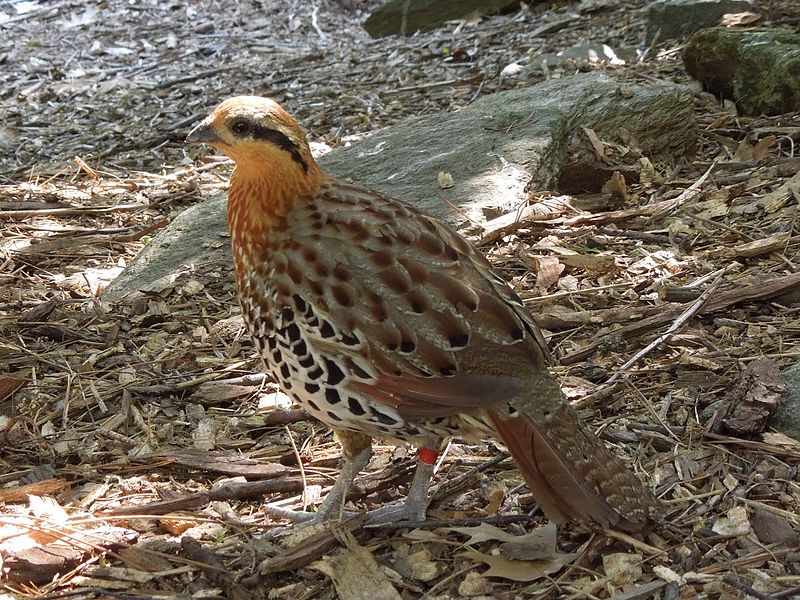
Mountain Bamboo Partridge (Bambusicola fytchii) ©WikiC at National Zoo
We finish off this week’s Avian Wonders from the Lord with the Bambusicola genus with the Mountain Bamboo Partridge, Chinese Bamboo Partridge, and the Taiwan Bamboo Partridge.
“And, Thou, Lord, in the beginning hast laid the foundation of the earth; and the heavens are the works of thine hands:” (Hebrews 1:10 KJV)
“God’s Still In Control” ~ ©Hyssongs
*
Sunday Inspiration – Pheasants and Allies I
Sunday Inspiration – Pheasants and Allies II
Sunday Inspiration – Pheasants and Allies III
Pheasants and allies – Phasianidae
Assurance: The Certainty of Salvation
*
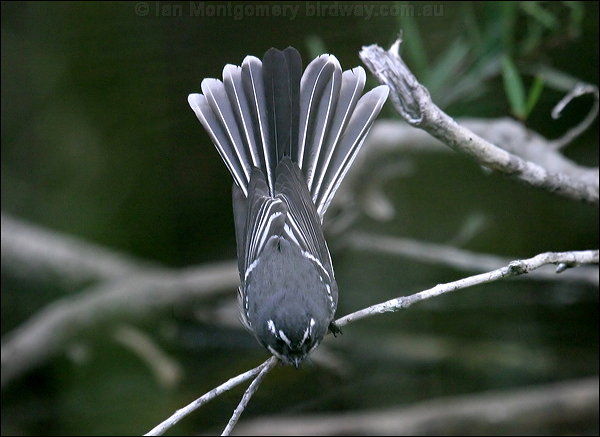
“Whose fan is in his hand, and he will throughly purge his floor, and gather his wheat into the garner; but he will burn up the chaff with unquenchable fire.
(Matthew 3:12 KJV)
Grey Fantail (Rhipidura fuliginosa) by Ian
[In this bird, his fan is in his tail.]
*
*
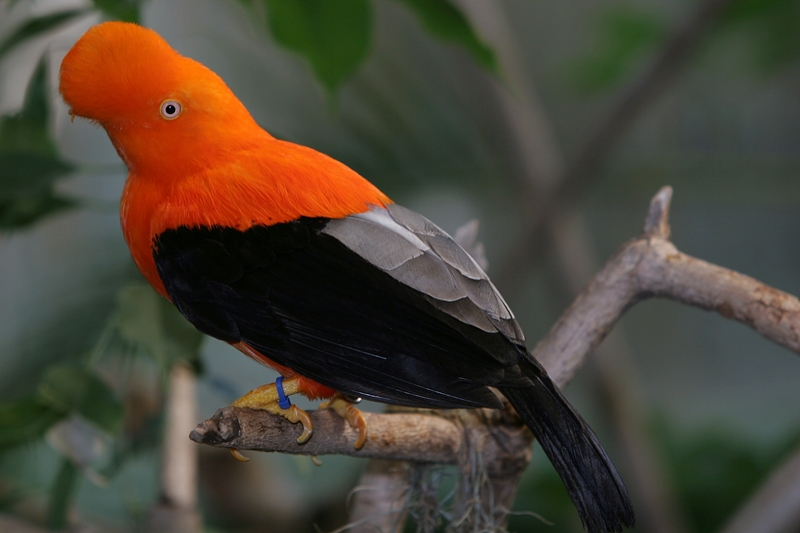
“LORD, by thy favour thou hast made my mountain to stand strong: thou didst hide thy face, and I was troubled.” (Psalms 30:7 KJV)
Andean Cock-of-the-rock (Rupicola peruvianus) by SanDiegoZoo
*
*

“Yea, the sparrow hath found an house, and the swallow a nest for herself, where she may lay her young, even thine altars, O LORD of hosts, my King, and my God.” (Psalms 84:3 KJV)
Barn Swallow by Dan Taken in a cabin in Smokies
*
*
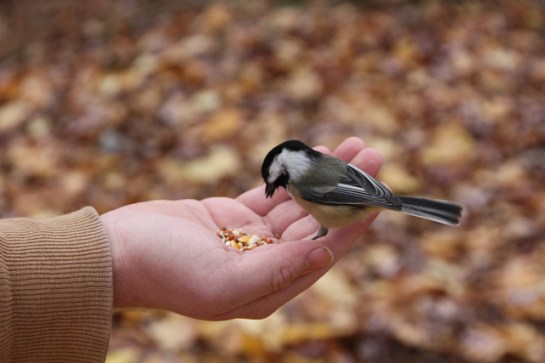
“Withhold not good from them to whom it is due, when it is in the power of thine hand to do it.” (Proverbs 3:27 KJV)
Chickadee Eating From Hand ©Flickr Ted Sakshaug
*
*
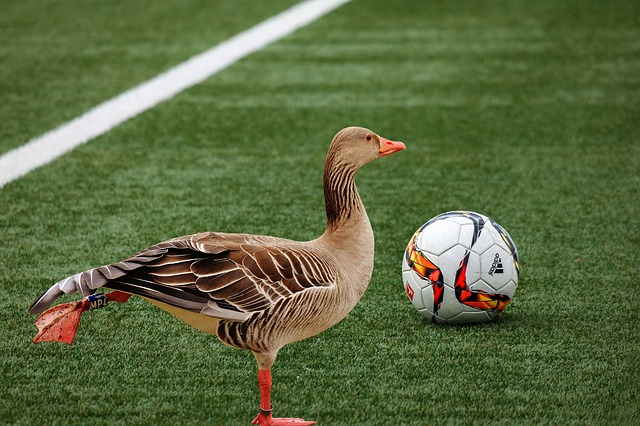
Goose with Soccer Ball ©Pixabay (Pete’s Friend)
Once there was a duck named Pete who was taking his usual morning route around the pond in which he lived. It was Saturday and the weather was cool and breezy. On this morning Pete noticed a large group of people gathered inside a huge patch of soft green grass. Most of the people were children and they all wore matching colored uniforms.
Pete grew curious and decided to flap up and peer through the fence to see what was going on. All around Pete people were cheering as the children ran back and forth with some kind of black and white ball. At one point, Pete watched one of the children kick the black and white ball into a small net and he listened to everyone cheer ecstatically. A man wearing a black and white-striped shirt blew a whistle loudly and the team members who wore the same green uniform as the boy who scored the goal ran back to the bench cheering. Apparently, whatever game they were playing was over and Pete guessed that the green team had won something.
Pete became very interested in this game and how it worked. He decided to stay and watch another game to understand the rules. The more Pete watched from the sidelines the more interesting the game became. Eventually, he realized that the name of the game was soccer, the black and white ball was called a soccer ball, and the players could not touch the ball with their hands.
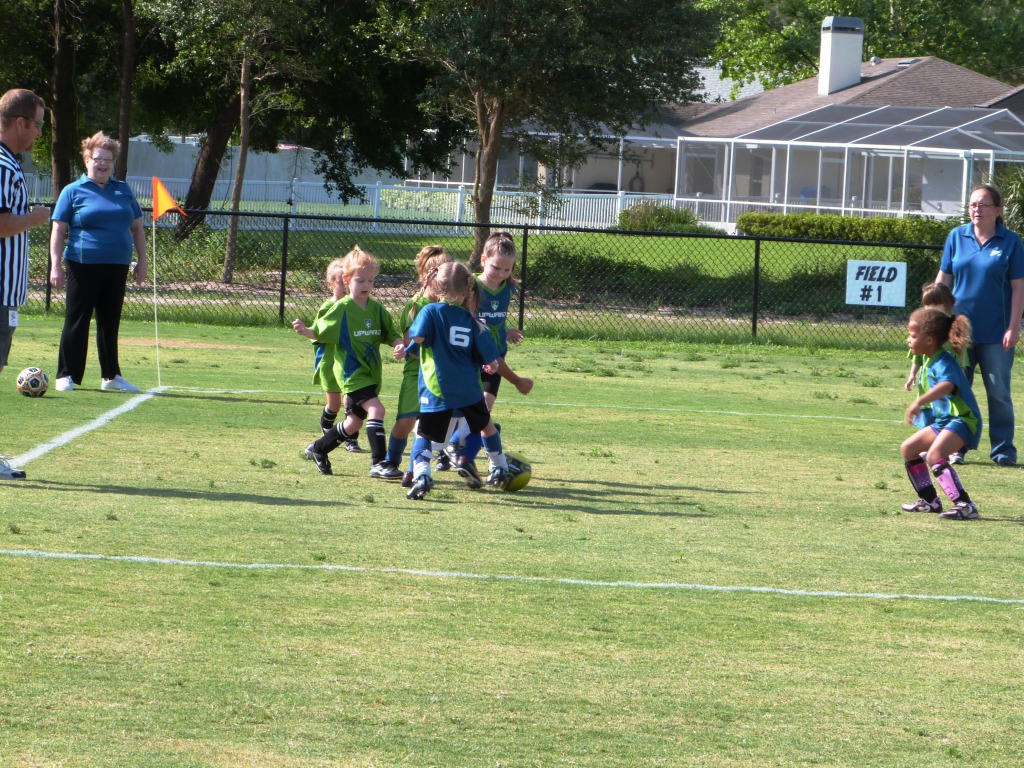
Upward Soccer 4-5 yr olds.
As Pete looked around, carefully taking in every detail, he noticed a shed that stood near the edge of the field. Glancing inside, Pete found an assortment of cones, soccer balls, and uniforms. Pete automatically decided to get into the spirit of things and pulled a green uniform out of a box and put it on. Shoving his head into the shirt, Pete wriggled and pushed his head through one of the arm sleeves. This seemed to work, but he found it difficult. Despite this difficulty, he made sure not to touch the ball with his wings just like the players.
Eventually, Pete waddled out of the shed in his green uniform with the soccer ball. He attempted to kick it again but only succeeded in rolling it onto the middle of the field. Pete flew after it to try to bring the ball back. Suddenly the referee blew his whistle and stopped the game. Embarrassed, Pete kicked the ball as best he could off the field. All of the players, however, were impressed that Pete was able to kick it so well because he was a duck. Since the team with green uniforms was short a player they were able to convince the referee to let Pete play even though his uniform was not quite right. The referee called Pete over, and Pete happily flapped back onto the field to finish the game.
Pete did his best to waddle back and forth and catch up with the other players. Every now and then he was able to kick the ball to another player. The game was tied because each team had scored one goal.
As time began to run out and there were only a few minutes left, one of the players suddenly passed the ball to Pete. Because Pete was close to the other team’s goal he quickly waddled down the field with the ball, trying not to fly.

Once Pete reached the goal he did his best to kick the ball. He kicked the ball as hard as he could and was surprised when the ball sailed over the goalie’s head into the net. The entire crowd cheered for Pete because he had helped the green team win the game. Pete had never been so happy until that moment when he scored the goal, and the team was very grateful that Pete had been there to help them. From then on, Pete watched every single game that the people played, and always wore the green uniform he had found in the shed just in case the green team was short a player.
“… to be ready to every good work,” (Titus 3:1b KJV)
Lee’s Addition:
Another great story from Emma Foster. I felt since our Duck Pete was small, he may have played with our youngest Upper Soccer team.
You might enjoy these videos I found to help show off Emma’s Soccer Duck.
*
*

“For thou art my hope, O Lord GOD: thou art my trust from my youth.” (Psalms 71:5 KJV)
Painted Spurfowl (Galloperdix lunulata) by Nikhil Devasar
*
*
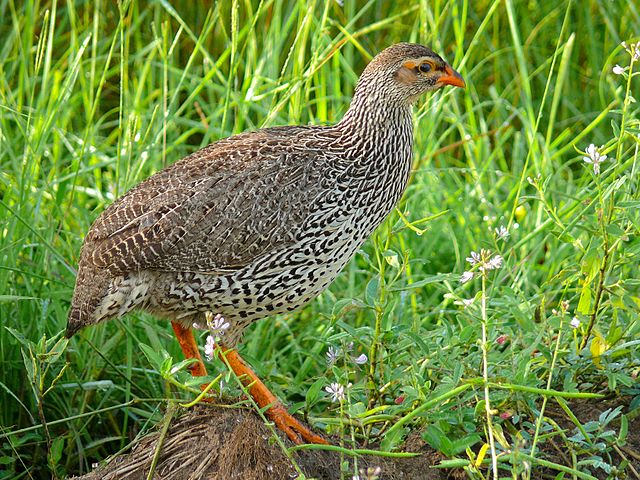
“If my step hath turned out of the way, and mine heart walked after mine eyes, and if any blot hath cleaved to mine hands;” (Job 31:7 KJV)
Heuglin’s Francolin (Pternistis icterorhynchus) ©WikiC
*
*

“And white robes were given unto every one of them; and it was said unto them, that they should rest yet for a little season, until their fellow-servants also and their brethren, that should be killed as they were, should be fulfilled.” (Revelation 6:11)
Name and Credit for Bird Photo ©AllAboutBirds – DR Franz
*
*
 Lee's Birdwatching Adventures Plus