Persona non Grata (Yellow-bellied Sapsucker) – The Woodpeckers

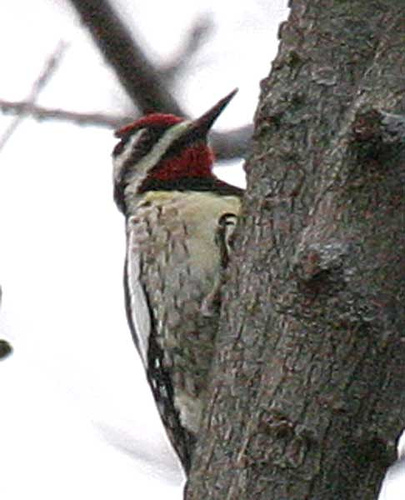
Yellow-bellied Sapsucker (Sphyrapicus varius) by Kent Nickell

Yellow-bellied Sapsucker (Sphyrapicus varius) by Kent Nickell

VII

PERSONA NON GRATA

We shall not attempt to deny that Downy has an unprincipled relative. While it is no discredit, it is a great misfortune to Downy, who is often murdered merely because he looks a little, a very little, like this disreputable cousin of his. The real offender is the sapsucker, that musical genius of whom we have already spoken.

The popular belief is that every woodpecker is a sapsucker, and that every hole he digs in a tree is an injury to the tree. We have seen that every hole Downy digs is a benefit, and now we wish to learn why it is that the sapsucker’s work is any more injurious than other woodpeckers’ holes; how we are to recognize the sapsucker’s work; and how much damage he does. We will do what the scientists often do,—examine the bird’s work and make it tell us the story. There is no danger of hurting the sapsucker’s reputation. The farmer could have no worse opinion of him; and, though the case has been appealed to the higher courts of science more than once,[34] where the sapsucker’s cause has been eloquently and ably defended, the verdict has gone against him. Scientists now do not deny that the sapsucker does harm. But his worst injury is less in the damage he does to the trees than in the ill-will and suspicion he creates against woodpeckers which do no harm at all. If you will study the picture and the descriptions in the Key to the Woodpeckers, you will be able to recognize the sapsucker and his nearest relatives, whether in the East or in the West. But all sapsuckers may be known by their pale yellowish under parts, and by the work they leave behind. As the yellow-bellied sapsucker is the only one found east of the Rocky Mountains, we shall speak only of him and his work.
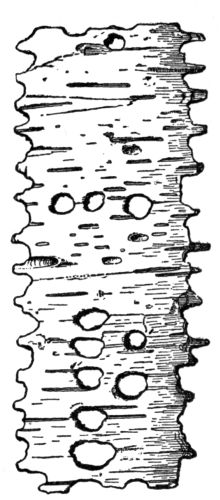

Work of Sapsucker.

Work of Sapsucker.

Here is a specimen of the yellow-bellied sapsucker’s work which I picked up under the tree from which it had fallen. We do not need to inquire whether the tree was injured by its falling, for we know that the loss of sound and healthy bark is always a damage. Was this sound bark? Yes, because it is still firm and new. The sap in it dried quickly, showing that neither disease nor worms caused it to fall; it is clean and hard on the back, showing that it came from a live tree, not from a dead, rotting log.
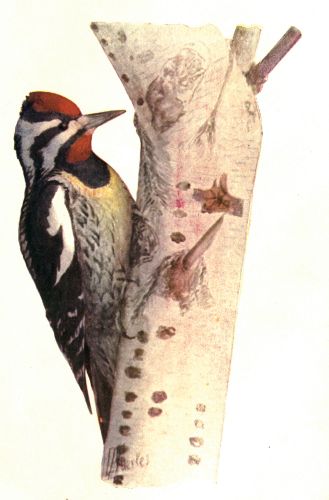
Yellow Bellied Woodpecker

Yellow Bellied Woodpecker

How do I know that a bird caused it to fall? The marks are precisely such as are always left by a woodpecker’s bill. How do I know that it was a sapsucker’s work? Because no other woodpecker has the habit which characterizes the sapsucker, of sinking holes in straight lines. The sapsuckers drill lines of holes sometimes around and sometimes up and down the tree-trunk, but almost always in rings or belts about the trunk or branches. A girdle may be but a single line of holes, or it may consist of four or five, or more, lines. Sometimes a band will be two feet wide; and as many as eight hundred holes have been counted on the trunk of a single tree. Such extensive peckings, however, are to be expected only on large forest trees. Most fruit and ornamental trees are girdled a few times about the trunk, and about the principal branches just below the nodes, or forks.

Why did the bird dig these holes? There are three things that he might have obtained,—sap, the inner bark, and boring larvæ. Some naturalists have suggested a fourth as possible,—the insects that would be attracted by the sap.

We will see what the piece of bark tells us. It is four and a half inches long, by an inch and a half wide, and its area of six and three fourths square inches has forty-four punctures. Does this look as if the bird were digging grubs? Do borers live in such straight little streets? The number and arrangement of the holes show that he was not seeking borers, while the naturalists tell us that he never eats a borer unless by accident. What did he get? Undoubtedly he pecked away some of the inner bark. All these holes are much larger on the back side of the specimen than on the outer surface. While the damp inner bark would shrink a little on exposure to the air, we know that it could not shrink as much as this; and investigation has shown that the sapsucker feeds largely on just such food, for it has been found in his stomach. Two other possible food-substances remain,—sap and insects. We know that the sapsucker eats many insects, but it is impossible to prove that he intended these holes for insect lures. Sap he might have gotten from them, if he wished it. We know that the white birch is full of excellent sap, from which can be made a birch candy, somewhat bitter, but nearly as good as horehound candy. The rock and red maples and the white canoe birch are the only trees in our Northern forests from which we make candy. A strong probability that our bird wanted sap is indicated by the arrangement of the holes. Usually he drills his holes in rings around the tree-trunk, but in this instance his longest lines of holes are vertical. If our sapsucker was drilling for sap, he arranged his holes so that it would almost run into his mouth, lazy bird!
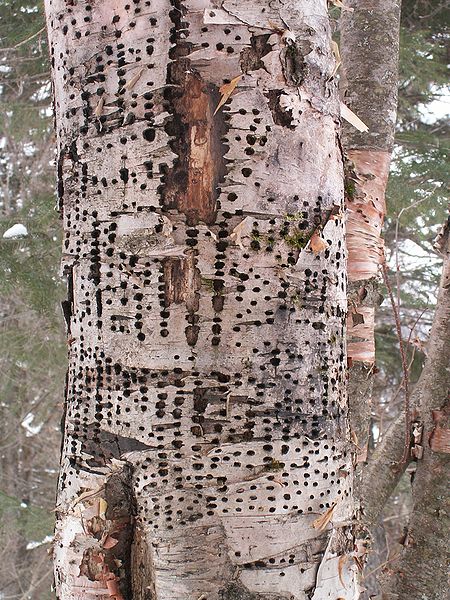
Yellow-bellied Sapsucker (Sphyrapicus varius) Holes in a dying Birch ©WikiC

Yellow-bellied Sapsucker (Sphyrapicus varius) Holes in a dying Birch ©WikiC

Our piece of bark has taught us:—

  • That the sapsucker injured this tree.
  • That he was not after grubs.
  • That he got, and undoubtedly ate, the soft inner bark of the tree.
  • That he got, and may have drunk, the sap.

We could not infer any more from a single instance, but the naturalists assure us that the bird is in the habit of injuring trees, that he never eats grubs intentionally, and that he eats too much bark for it to be regarded as taken accidentally with other food. About the sap they cannot be so sure, as it digests very quickly. There remain two points to prove: whether the sapsucker drills his holes for the sake of the sap, or for insects attracted by the sap, provided that he eats anything but the inner bark.

Our little specimen can tell us no more, but two mountain ash trees which were intimate acquaintances of mine from childhood can go on with the story. Do not be surprised that I speak of them as friends; the naturalist who does not make friends of the creatures and plants about will hear few stories from them. These trees would not tell this tale to any one but an intimate acquaintance. Let us hear what they have to say about the sapsucker.

There are in the garden of my old home two mountain ash trees, thirty-six years of age, each having grown from a sprout that sprang up beside an older tree cut down in 1863. They stand not more than two rods apart; have the same soil, the same amount of sun and rain, the same exposure to wind, and equal care. During all the years of my childhood one was a perfectly healthy tree, full of fruit in its season, while the other bore only scanty crops, and was always troubled with cracked and scaling bark. To-day the unhealthy tree is more vigorous than ever before, while its formerly stalwart brother stands a mere wreck of its former life and beauty. What should be the cause of such a remarkable change when all conditions of growth have remained the same?

I admit that there is some internal difference in the trees, for all the birds tell me of it. One has always borne larger and more abundant fruit than the other, but this is no reason why the birds should strip all the berries from that tree before eating any from the other. When we know that the favorite tree stands directly in front of the windows of a much-used room and overhangs a frequented garden path, the preference becomes more marked. But robins, grosbeaks, purple finches, and the whole berry-eating tribe agree to choose one and neglect the other, and even the spring migrants will leave the gay red tassels of fruit still swinging on one tree, to scratch over the leaves and eat the fallen berries that lie beneath the other. My own taste is not keen in choosing between bitter berries, but the birds all agree that there is a decided difference in these trees,—did agree, I should say, for their favorite is the tree that is dying. Evidently this is a question of taste. It is interesting to observe that the sapsucker, which was never seen to touch the fruit of the trees, agrees with the fruit-eating birds. Nearly all his punctures were in the tree now dying. Is there a difference in the taste of the sap? Does the taste of the sap affect the taste of the fruit? Or is it merely a question of quantity? If he comes for sap, he prefers one tree to the other on the score either of better quality or greater quantity.
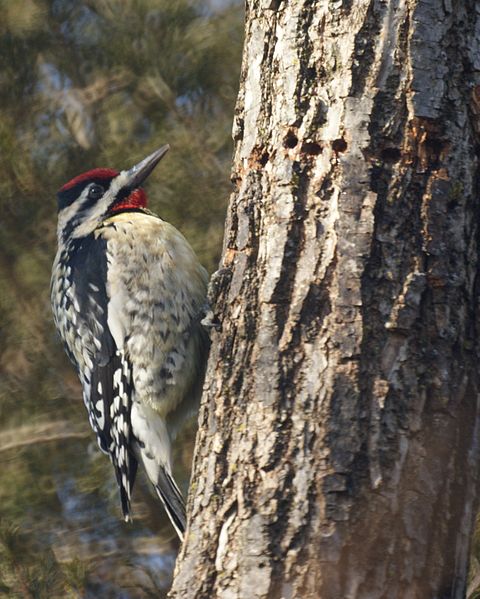
Yellow-bellied Sapsucker (Sphyrapicus varius) ©WikiC

Yellow-bellied Sapsucker (Sphyrapicus varius) ©WikiC

We will discuss later whether it is sap that he wishes: all that now concerns us is to note that the internal difference, whatever it is, is in favor of the tree that is dying; while the only external difference appears to be the marks left by the sapsucker. While one tree is sparingly marked by him, the other is tattooed with his punctures, placed in single rings and in belts around trunk and branches beneath every fork. It is a law of reasoning that, when every condition but one is the same and the effects are different, the one exceptional condition is the cause of the difference. If these trees are alike in everything except the work of the sapsucker (the only internal difference apparently offsetting his work in part), what inference do we draw as to the effect of his work?

We presume that he is killing the tree, without as yet knowing how he does it. What is his object? Good observers have stated that he draws a little sap in order to attract flies and wasps; that the sap is not drawn for its own sake, but as a bait for insects. Is this theory true?

The first objection is that it is improbable. The sapsucker is a retiring, woodland bird that would hesitate to come into a town garden a mile away from the nearest woods unless to get something he could not find in the woods. Had he wanted insects, he would have tapped a tree in the woods, or else he would have caught them in his usual flycatching fashion. There must have been something about the mountain ash tree that he craved. As it is a very rare tree in the vicinity of my home, the sapsucker’s only chance to satisfy his longing was by coming to some town garden like our own.

Not only is the theory improbable, but it fails to explain the sapsucker’s actions in this instance. In twenty years he was never seen to catch an insect that was attracted by the sap he drew. This does not deny that he may have caught insects now and then, but it does deny that he set the sap running for a lure. As he was never far away, and was sometimes only four and a half feet by measure from a chamber window, all that he did could be seen. He did not catch insects at his holes. He drank sap and ate bark.

Finally, the theory is not only improbable and inadequate, but in this instance it is impossible. I do not remember seeing a sapsucker in the tree in the spring; if he came in the summer, it must have been at rare intervals; but he was always there in the fall, when the leaves were dropping. At that season the insect hordes had been dispersed by the autumnal frosts, so that we know he did not come for insects.

In the many years during which I watched the sapsuckers—for there were undoubtedly a number of different birds that came, although never more than one at a time—there was such a curious similarity in their actions that it is entirely proper to speak as if the same bird returned year after year. His visits, as I have said, were usually made at the same season. He would come silently and early, with the evident intention of making this an all-day excursion. By eight o’clock he would be seen clinging to a branch and curiously observant of the dining-room window, which at that hour probably excited both his interest and his alarm. Early in the day he showed considerable activity, flitting from limb to limb and sinking a few holes, three or four in a row, usually above the previous upper girdle of the limbs he selected to work upon. After he had tapped several limbs he would sit waiting patiently for the sap to flow, lapping it up quickly when the drop was large enough. At first he would be nervous, taking alarm at noises and wheeling away on his broad wings till his fright was over, when he would steal quietly back to his sap-holes. When not alarmed, his only movement was from one row of holes to another, and he tended them with considerable regularity. As the day wore on he became less excitable, and clung cloddishly to his tree-trunk with ever increasing torpidity, until finally he hung motionless as if intoxicated, tippling in sap, a disheveled, smutty, silent bird, stupefied with drink, with none of that brilliancy of plumage and light-hearted gayety which made him the noisiest and most conspicuous bird of our April woods.
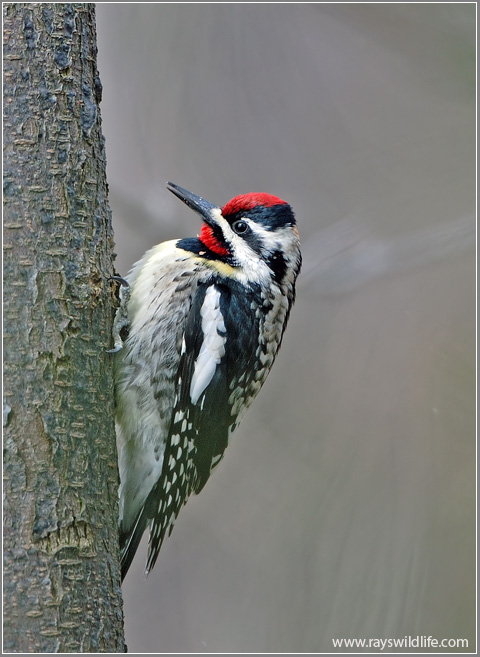
Yellow-bellied Sapsucker (Sphyrapicus varius) by Raymond Barlow

Yellow-bellied Sapsucker (Sphyrapicus varius) by Raymond Barlow

Our mountain ash trees have told us several facts about the sapsucker:—

  • That he did not come to eat insects.
  • That he did come to drink sap, and that he probably ate the inner bark also.
  • That he drank the sap because he liked it, not for some secondary object, as insects.
  • That he could detect difference in the quality or quantity of the sap, which caused him to prefer a particular tree.

That this difference apparently was in the taste of the sap, and that the effects of a day’s drinking of mountain ash sap seemed to indicate some intoxicant or narcotic quality in the sap of that particular tree.

That the effect of his work upon the tree was apparently injurious, as it is the only cause assigned of a healthy tree’s dying before a less healthy one of the same age and species, subject all its life to the same conditions.

So much we have learned about this sapsucker’s habits, and now we should like to know why his work is harmful, and why that of the other woodpeckers is not. It is not because he drinks the sap. All the sap he could eat or waste would not harm the tree, if allowed to run out of a few holes. Think how many gallons the sugar-makers drain out of a single tree without killing the tree. But the sugar-maker takes the sap in the spring, when the crude sap is mounting up in the tree, while the sapsucker does not begin his work till midsummer or autumn, when the tree is sending down its elaborated sap to feed the trunk and make it grow. This accounts for the woodpecker’s digging his pits above the lines of the holes already in the tree. The loss of this elaborated sap is a greater injury than the waste of a far larger quantity of crude sap, so that on the season of the year when the sapsucker digs his holes depends in large measure the amount of damage he does. The injury that he does to the wood itself is trivial. He is not a woodpecker except at time of nesting, and most woodpeckers prefer to build in a dead or dying branch, where their work does no hurt. But we know very well that a tree may be a wreck, riven from top to bottom by lightning, split open to the heart by the tempest, entirely hollow the whole length of its trunk, and yet may flourish and bear fruit. The tree lives in its outer layers. It may be crippled in almost any way, if the bark is left uninjured; but if an inch of bark is cut out entirely around the tree, it will die, for the sap can no longer run up and down to nourish it.

This is the sapsucker’s crime: he girdles the tree,—not at his first coming, nor yet at his second, not with one row of holes, nor yet with two; but finally, after years perhaps, when row after row of punctures, each checking a little the flow of sap, have overlapped and offset each other and narrowed the channels through which it could mount and descend, until the flow is stopped. Then the tree dies. It is not the holes he makes, nor the sap he draws, but the way he places his holes that makes the sapsucker an unwelcome visitor. For an unacceptable individual he is to the farmer,—persona non grata, as kings say of ambassadors who do not please their majesties. What shall we do with him, the only black sheep in all the woodpecker flock? Let him alone, unless we are positively sure that we know him from every other kind of woodpecker. The damage he does is trifling compared with what we should do if we made war upon other woodpeckers for some supposed wrong-doing of the sapsucker.


Lee’s Addition:

The trees of the LORD are full of sap, The cedars of Lebanon which He planted, (Psalms 104:16 NKJV)

This is Chapter VII from The Woodpeckers book. Our writer, Fannie Hardy Eckstorm, wrote this in 1901. There are 16 chapters, plus the Forward, which are about the Woodpecker Family here in America. All the chapters can be found on The Woodpeckers page. I added photos to help enhance the article. In 1901, photography was not like today.

Woodpeckers belong to the Picidae – Woodpeckers Family.
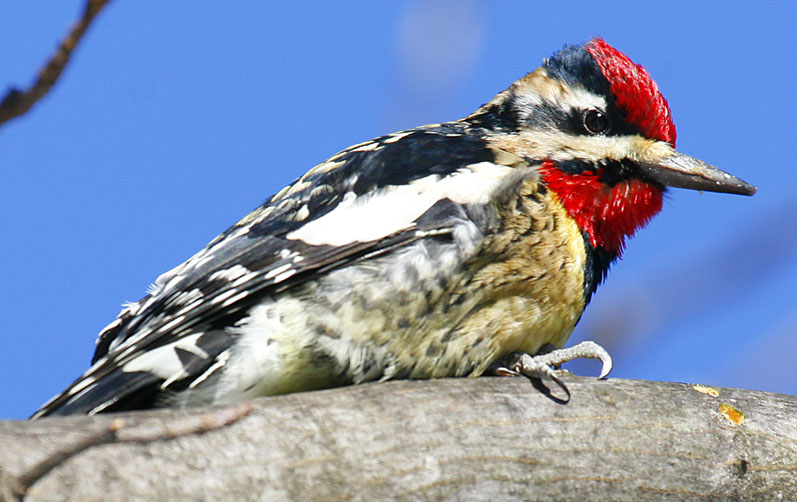
Yellow-bellied Sapsucker (Sphyrapicus varius) ©WikiC

Yellow-bellied Sapsucker (Sphyrapicus varius) ©WikiC


It is quite lenghty, but it is also very interesting. I did not know that the Woodpeckers have a “black sheep in the woodpecker flock.”

I am sure the Lord had a reason why He created the Sapsuckers. Why kill all woodpeckers just to get rid on one “bad” one? That sounds like letting the wheat and tares grow together, so that the good wheat isn’t destroyed by picking the tares.

But he said, ‘No, lest while you gather up the tares you also uproot the wheat with them. Let both grow together until the harvest, and at the time of harvest I will say to the reapers, “First gather together the tares and bind them in bundles to burn them, but gather the wheat into my barn.” ‘ ” (Matthew 13:29-30 NKJV)

*
See:

*
Birds of the Bible – Dove With Gold Feathers

Golden Fruit Dove (Ptilinopus luteovirens) ©WikiC

Golden Fruit Dove (Ptilinopus luteovirens) ©WikiC

Though you lie down among the sheepfolds, You will be like the wings of a dove covered with silver, And her feathers with yellow gold.” (Psalms 68:13 NKJV)

That is an interesting verse which describes a Dove with feathers that are the color of yellowish-gold. Are there Doves like that today that we can find a photo of? Let’s see. The first photo found was the one at the top of a Golden Fruit Dove (Ptilinopus luteovirens). I see yellowish-gold, but no silver. Let me keep checking.

Wompoo Fruit Dove (Ptilinopus magnificus) by Ian

Wompoo Fruit Dove (Ptilinopus magnificus) by Ian

How about this one? What do you think? The head looks silver and I see yellowish-gold. Let’s take a few more looks at this Wompoo Fruit Dove.

 Wompoo Fruit Dove (Ptilinopus magnificus) ©WikiC

Wompoo Fruit Dove (Ptilinopus magnificus) ©WikiC

We actually saw this bird at the National Aviary in Pittsburg, PA. Here is a photo that Dan took.

Wompoo Fruit Dove (Ptilinopus magnificus) by Dan at National Aviary

Wompoo Fruit Dove (Ptilinopus magnificus) by Dan at National Aviary

What do others in their commentaries say about this verse?

Poole – As the wings of a dove covered with silver, and her feathers with yellow gold; beautiful and glorious, like the feathers of a dove, which according to the variety of its postures, and of the light shining upon it, look like silver or gold.

McGee – In this psalm it seems to have the same meaning—Israel was undecided and inactive. “Yet shall ye be as the wings of a dove”—the dove was a sacrificial bird and is a type of Christ. What a picture this gives us. Though they be negligent, though they are not moved by enthusiasm, yet the sacrifice of Christ will cover them. This psalm could actually be called the psalm of the Ascension since we have a verse that is quoted in Eph_4:8: “… When he ascended up on high, he led captivity captive, and gave gifts unto men.”

MHCC – Psalms 68:7-14 – Fresh mercies should put us in mind of former mercies. If God bring his people into a wilderness, he will be sure to go before them in it, and to bring them out of it. … Israel in Egypt among the kilns appeared wretched, but possessed of Canaan, during the reigns of David and Solomon, appeared glorious. Thus the slaves of Satan, when converted to Christ, when justified and sanctified by him, look honourable. When they reach heaven, all remains of their sinful state disappear, they shall be as the wings of the dove, covered with silver, and her feathers as gold. Full salvation will render those white as snow, who were vile and loathsome through the guilt and defilement of sin.

Treasury of David – Psa_68:13 “Though ye have lien among the pots.” Does he mean that the women at home, who had been meanly clad as they performed their household work, would be so gorgeously arrayed in the spoil, that they would be like doves, of silver wing and golden plumage?

Or, would he say that Israel, which had been begrimed in the brick-kilns of Egypt, should come forth lustrous and happy in triumph and liberty?

Or, did the song signify that the ark should be brought from its poor abode with Obed-edom into a fairer dwelling-place?

It is a hard passage, a nut for the learned to crack. … but the sense seems to be, that from the lowest condition the Lord would lift Up his people into joy, liberty, wealth, and beauty. Their enemies may have called them squatters among the pots – in allusion to their Egyptian slavery; they may have jested at them as scullions of Pharaoh’s kitchen; but the Lord would avenge them and give them beauty ‘for blackness, glory for grime. “Yet shall ye be as the wings of a dove covered with silver, and her feathers with yellow gold.” The dove’s wing flashes light like silver, and anon gleams with the radiance of “the pale, pure gold.” The lovely, changeable colours of the dove might well image the mild, lustrous beauty of the nation, when arrayed in white holiday-attire, bedecked with their gems, jewels, and ornaments of gold. God’s saints have been in worse places than among the pots, but now they soar aloft into the heavenly places in Christ Jesus.

TSK Treasury of Scripture Knowledge – Psalms 68:13 Though: That is, probably, “Though ye have laboured and lain down between the brick-kilns in Egypt – a poor, enslaved, and oppressed people, yet ye shall gradually rise to dignity, prosperity, and splendour; as a dove, which has been defiled with dirt, disordered, and dejected, by washing herself in a running stream, and trimming her plumage, gradually recovers the serenity of her disposition, the purity of colour, and the richness and varied elegance of her appearance.”

Wesley – Ye – Ye Israelites. Ye are – Tho’ you have formerly been exposed to great reproach and misery, yet God hath changed your condition. Gold – Beautiful and glorious, like the feathers of a dove, which according to the variety of its postures, and of the light shining upon it, look like silver and gold.

***

These writers are all are telling of someone who was dull from sin or slavery. The Lord reaches down and brings them out of that condition, cleans them up, and they shine like a dove with silver and gold.

Before we accept the Lord Jesus Christ as our Saviour, we are in sin, our hearts are dark. If we accept His free gift of salvation, confessing that we are sinners and believing that only He can save us, He will save us and clean us up. We will shine like the Dove. You will shine like “the wings of a dove covered with silver, And her feathers with yellow gold.”

As I have been writing this, another dove has come to mind. The Nicobar Pigeon is a bird that when it is in the shadows or shade, looks rather dull. When it gets out in the sunshine, it shines. Its feathers are iridescent.

Nicobar Pigeon in the shade by Lee at LPZ

Nicobar Pigeon in the shade by Lee at LPZ

Now let’s bring a Nicobar out into the light:

Nicobar Imperial Pigeon (Ducula nicobarica) ©Steve Wilson

Nicobar Imperial Pigeon (Ducula nicobarica) ©Steve Wilson

Nicobar Imperial Pigeon (Ducula nicobarica) Feather ©©Global Dictator

Nicobar Imperial Pigeon (Ducula nicobarica) Feather ©©Global Dictator

*

See:

*

African Penguins at the Lowry Park Zoo

African Penguin (Spheniscus demersus) by Lee LPZ

African Penguin (Spheniscus demersus) by Lee LPZ

He shall cover thee with his feathers, and under his wings shalt thou trust: his truth shall be thy shield and buckler. (Psalms 91:4 KJV)

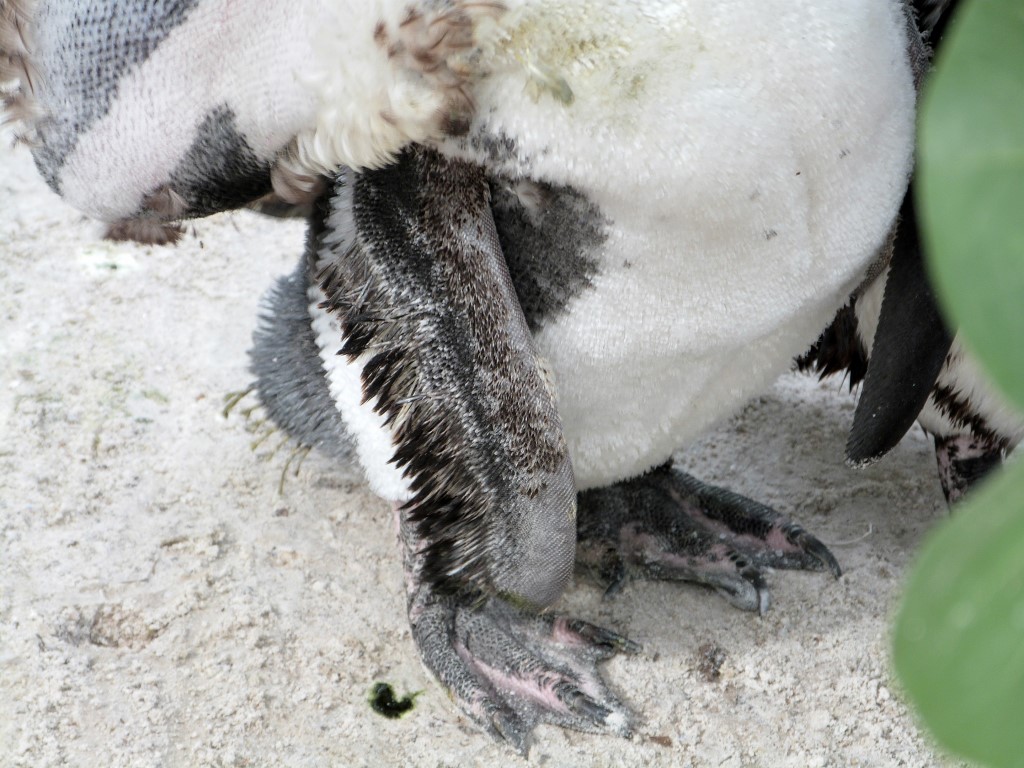
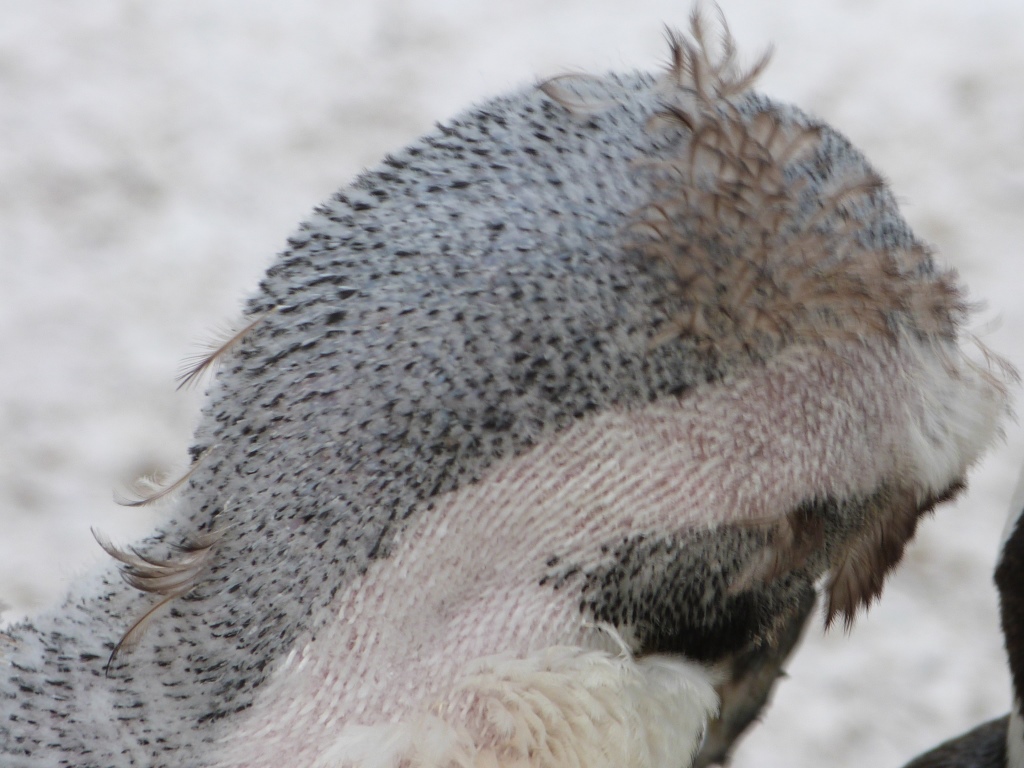
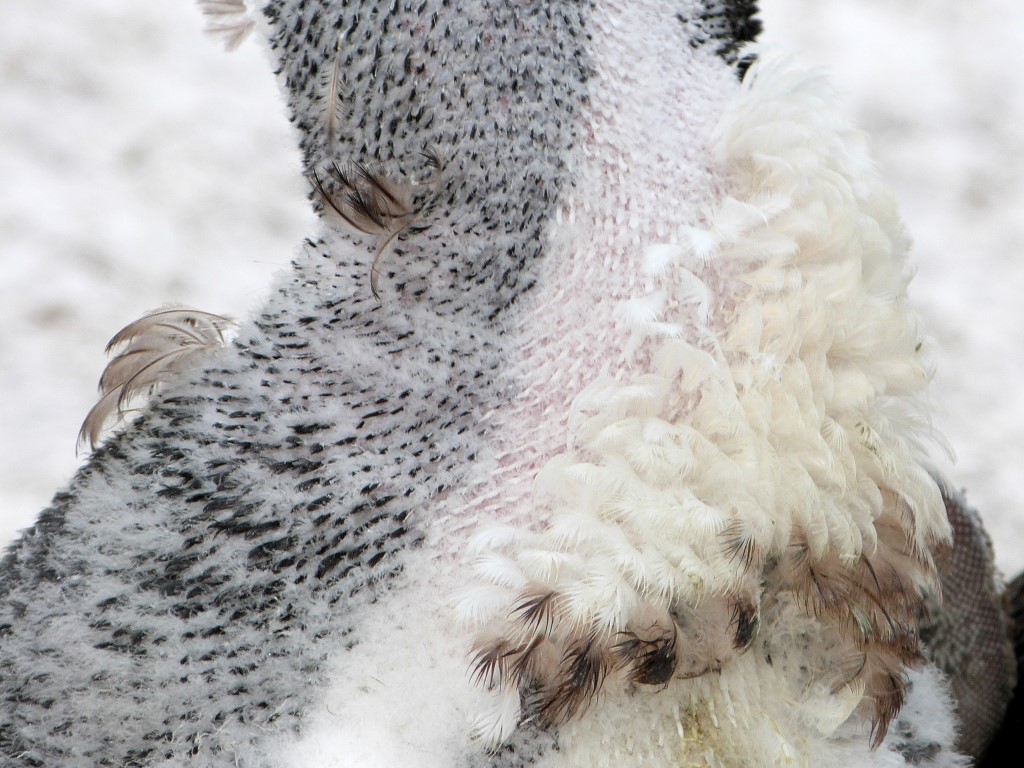
When we went to the Lowry Park Zoo yesterday and enjoyed seeing the normal birds and animals that our Lord has created for us to observe. The African Penguins need to be highlighted. One young immature penguin caught my attention. He or she was in the process of shedding it “peach fuzz.” (That is my term.)

The top photo shows a young penguin is already wearing a normal “coat of feathers.” Then I spotted a younger African Penguin standing next to its parent. Sizes of parent and youth were almost the same, but appearances were quite different.

African Penguin (Spheniscus demersus) by Lee LPZ

African Penguin parent and young one by Lee LPZ

When it turned around, I thought, that is one that only a mother could love. :)

African Penguin (Spheniscus demersus) by Lee LPZ

African Penguin (Spheniscus demersus) by Lee LPZ

“The African Penguin (Spheniscus demersus) is also known as the Blackfooted Penguin. …They have a black stripe and black spots on the chest, the spots being unique for every penguin, like human fingerprints. They have pink sweat glands above their eyes. The hotter the penguin gets, the more blood is sent to these sweat glands so it may be cooled by the surrounding air, thus making the glands more pink. The males are larger than the females and have larger beaks,” (from Lowry Park Zoo Penguins) That is what that pink is above the eyes. They belong to the Spheniscidae – Penguins Family.

African Penguin (Spheniscus demersus) by Lee LPZ

African Penguin (Spheniscus demersus) by Lee LPZ

The African Penguin is a pursuit diver and feeds primarily on fish and squid. Once extremely numerous, the African Penguin is declining due to a combination of threats and is classified as endangered. It is a charismatic species and is popular with tourists in the region.

African Penguin (Spheniscus demersus) by Lee LPZ

African Penguin wing with feathers appearing.

As their name suggests, African penguins live in Africa. They are mostly found on small islands off the coast of southern Africa. African penguins have two nicknames — black-footed penguins and jackass penguins. The first name comes from their black feet. The second comes from the sound they make. When African penguins call out, they shriek like donkeys.

*

*

African Penguin (Spheniscus demersus) by Lee LPZ

African Penguin (Spheniscus demersus) in transition

Chicks fledge at 60 to 130 days, the timing depending on environmental factors such as quality and availability of food. The fledged chick then go to sea on their own and return to their natal colony after a lengthy time period of 12–22 months to molt into adult plumage. When penguins molt, they are unable to forage as their new feathers are not waterproof yet; therefore they fast over the entire molting period, which in African Penguins takes about 20 days.

African Penguin (Spheniscus demersus) by Lee LPZ

African Penguin molting it’s “Peach Fuzz” by Lee LPZ

“Baby African penguins have gray down feathers covering their entire bodies when they first break out of the shells. Then, their backs turn gray-blue and their bellies white. They don’t yet have white bands on their faces and black bands across their chests like their parents. Baby African penguins are helpless, so their parents do not leave them alone. There is always one parent staying home to take care of the young. The other goes out to catch fish and squid. Baby African penguins grow fast. In about 8-18 weeks, they are ready to bid their parents goodbye and live by themselves.” (edhelper.com)

(Information from various websites)

*

Here are all the photos I took of the Penguins. Some are not so good, but I was trying to capture my little “peach fuzz” penguin.

This slideshow requires JavaScript.

*

Ian’s Bird of the Week – American (and Pacific) Golden Plover

American Golden Plover (Pluvialis dominica) by Ian 1

American Golden Plover (Pluvialis dominica) by Ian 1

Ian’s Bird of the Week – American (and Pacific) Golden Plover ~ by Ian Montgomery

Newsletter ~ 11/29/13

Before we get onto Golden Plovers, here is some good news. The Pizzey and Knight Birds of Australia Digital Edition has now been published. The Windows PC version is available from www.gibbonmm.com.au and the iPad, iPhone and iPad version is available from the iTunes store. You can check it out here: www.gibbonmm.com.au/tour/PKBA_iOS.aspx and here: https://itunes.apple.com/au/app/pizzey-knight-birds-australia/id714625973?mt=8. The Android version has not yet been published but is due before Christmas.

It has been a long time coming, but a quick look at the reviews will show why. It’s very much more than just a field guide, though even the Field Guide/Bird Guide modules set new standards with very thorough descriptions, both illustrations and photos (including many of mine) of more than 900 bird species, sounds of more than 700 species, maps showing subspecies and seasonal variation and breeding and modules for Similar Birds, Identification, My Location, My Lists and Birding Sites. Check it out for yourself!

I’ve just been down to Bowen and Ayr checking out locations and taking photos for the digital version of Jo Wieneke’s Where to Find Birds in North-east Queensland, and have visited beaches and mudflats I had waders on the brain when I was considering the choice of this week’s bird. So when I noticed in my iPad version of Pizzey and Knight, that the 2009 record of an American Golden Plover at Boat Harbour NSW – second photo – had been accepted by the BirdLife Australia Rarities Committee (Pizzey and Knight is very thorough!) I thought Aha, let’s do a comparison of Pacific and American Golden Plovers.

American Golden Plover (Pluvialis dominica) by Ian 1

American Golden Plover (Pluvialis dominica) by Ian 1

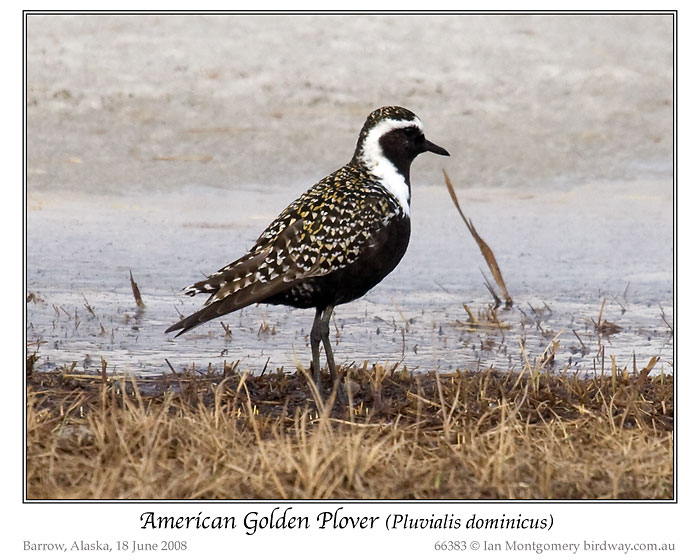
Waders in non-breeding plumage are often rather drab and very confusing for identification but some of them are sartorially quite splendid when breeding. To see Northern Hemisphere waders in breeding plumage, Australian birders need to be either lucky just before the birds leave Australia in March or follow them to their breeding grounds. I first photographed the American Golden Plovers beside an icy lake in Barrow on the northern tip of Alaska in June 2008, first photo. Gorgeous birds they are with striking black and white and gold spangled upper parts and black bellies and faces with a broad white band along the sides of the neck and upper breast.

In March the following year, I was in Sydney and visited my accountant in Sutherland at a time when there was an unconfirmed report of a non-breeding American Golden Plover at nearby Boat Harbour on the Kurnell Peninsula near Botany Bay. This bird was in a flock of about 30 Pacific Golden Plovers, the species that is the common one in Australia in the southern summer/northern winter. Non-breeding Golden Plovers are notoriously difficult to separate from one another and at that stage 5 out of 7 reports of American Golden Plovers submitted to the Rarities Committee had been rejected. Having both species together made it much easier, as one bird stood as clearly different from the others, with much greyer plumage and white rather than buff facial markings (comparing photos 2 and 4).

American Golden Plover (Pluvialis dominica) by Ian 2

American Golden Plover (Pluvialis dominica) by Ian 2

Plumage is variable, of course, and not enough for definite identification in this case. The situation was complicated by the Pacific Golden Plovers beginning to change into breeding plumage. The bird in the third photo, for example, is in nearly complete breeding plumage, though the black plumage still has grey patches. In this plumage, the most obvious field mark is the white band along the neck and breast. In the Pacific, it is narrower and much more extensive than the band in the American one and extends down the side of the lower breast to the undertail coverts.

Pacific Golden Plover (Pluvialis fulva) by Ian 3

Pacific Golden Plover (Pluvialis fulva) by Ian 3

There are differences in size too, the American being larger, heavier-billed and relatively shorter-legged but these are variable too and only reliable if you have birds in the hand and a statistically large sample. So, at the end of the day, the committee wanted to know about relative lengths of tails, primary and tertiary wing feathers of resting birds. These can be judged from photos as well as in the hand and the submitters of the rarity report included one of my photos. The wing tips of Pacific Golden Plovers do not extend much beyond the tail, but the wing tips of American ones extend about 50mm beyond it.

Pacific Golden Plover (Pluvialis fulva) by Ian 4

Pacific Golden Plover (Pluvialis fulva) by Ian 4

So, those are the lengths you need to go both literally and figuratively sometimes to identify rare birds! The Pacific Golden Plover nests mainly in northern Russia but its breeding range does extend to western Alaska and overlaps with that of the American Golden Plover, so there is no doubt that they are separate biological species. If all this seems a bit arcane, don’t worry: just enjoy the photos. Golden Plovers of any hue are lovely birds and I always enjoy seeing them.

Best wishes
Ian

**************************************************
Ian Montgomery, Birdway Pty Ltd,
454 Forestry Road, Bluewater, Qld 4818
Tel 0411 602 737 ian@birdway.com.au
Bird Photos http://www.birdway.com.au/
Recorder Society http://www.nqrs.org.au


Lee’s Addition:

A word fitly spoken is like apples of gold in pictures of silver. (Proverbs 25:11 KJV)

Thanks, Ian, for more lessons on how to identify birds, especially these two plovers. I have had the privilege of seeing the American Golden Plover, but not the Pacific one. It does look like specks of gold on their wings. The only bird mentioned with golden feathers in the Bible is the dove.

Though you lie down among the sheepfolds, You will be like the wings of a dove covered with silver, And her feathers with yellow gold.” (Psalms 68:13 NKJV)

Ian didn’t mention their songs, but here are the two from xeno-canto. Both by Andrew Spencer.

American Golden Plover – song

Pacific Golden Plover – call and song

There are actually three Golden Plovers:

See:

Thankful For The Birds

Painted Bunting (Passerina ciris) ©©Flickr

Painted Bunting (Passerina ciris) ©©Flickr
Saw my first one at my feeder

For by him were all things created, that are in heaven, and that are in earth, visible and invisible, whether they be thrones, or dominions, or principalities, or powers: all things were created by him, and for him: (Colossians 1:16 KJV)

All week I have been posting articles of Thanksgiving, since yesterday was Thanksgiving Day here in the United States. So today, in that same thankful attitude, I am just going to share some of my most favorite birds. These are not necessarily birds we have seen, but super birds that the Lord created. I am especially thankful for my husband who enjoys our avian friends as well as I do.

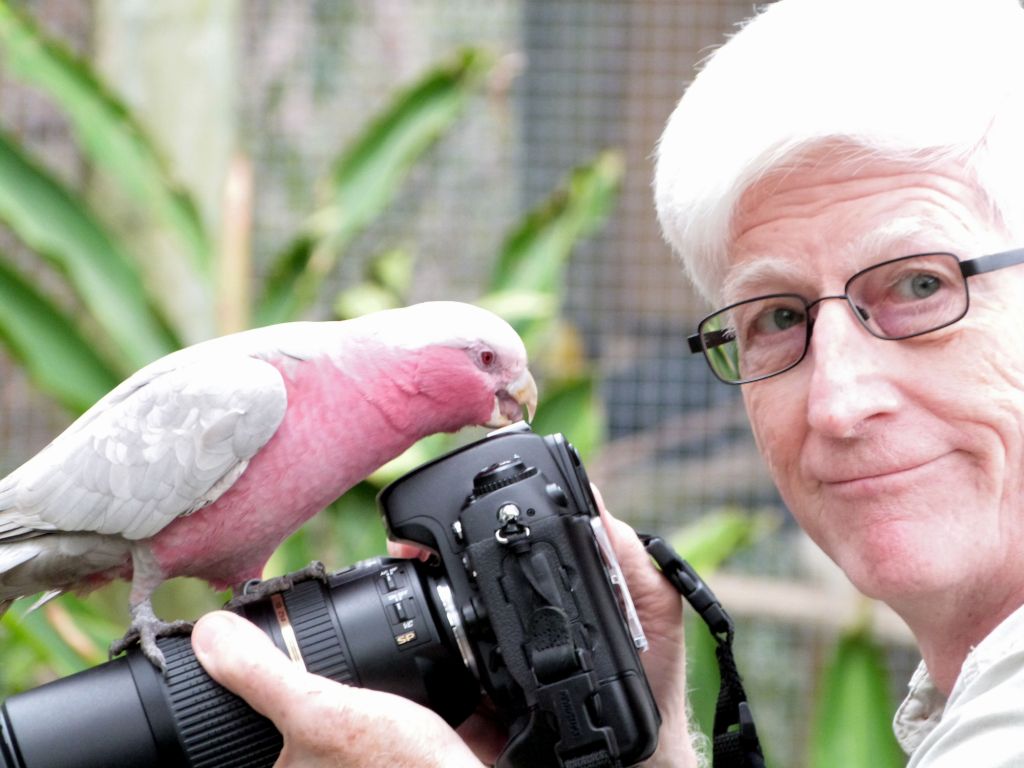
Galah (Eolophus roseicapilla) and Dan at Brevard Zoo

Galah (Eolophus roseicapilla) and Dan
Taken at the Brevard Zoo

In the beginning was the Word, and the Word was with God, and the Word was God. The same was in the beginning with God. All things were made by him; and without him was not any thing made that was made. (John 1:1-3 KJV)

Rufous-tailed Hummingbird (Amazilia tzacatl) by Judd Patterson

Rufous-tailed Hummingbird (Amazilia tzacatl) by Judd Patterson
I love all the birds in the Hummingbird family

Thou art worthy, O Lord, to receive glory and honour and power: for thou hast created all things, and for thy pleasure they are and were created. (Revelation 4:11 KJV)

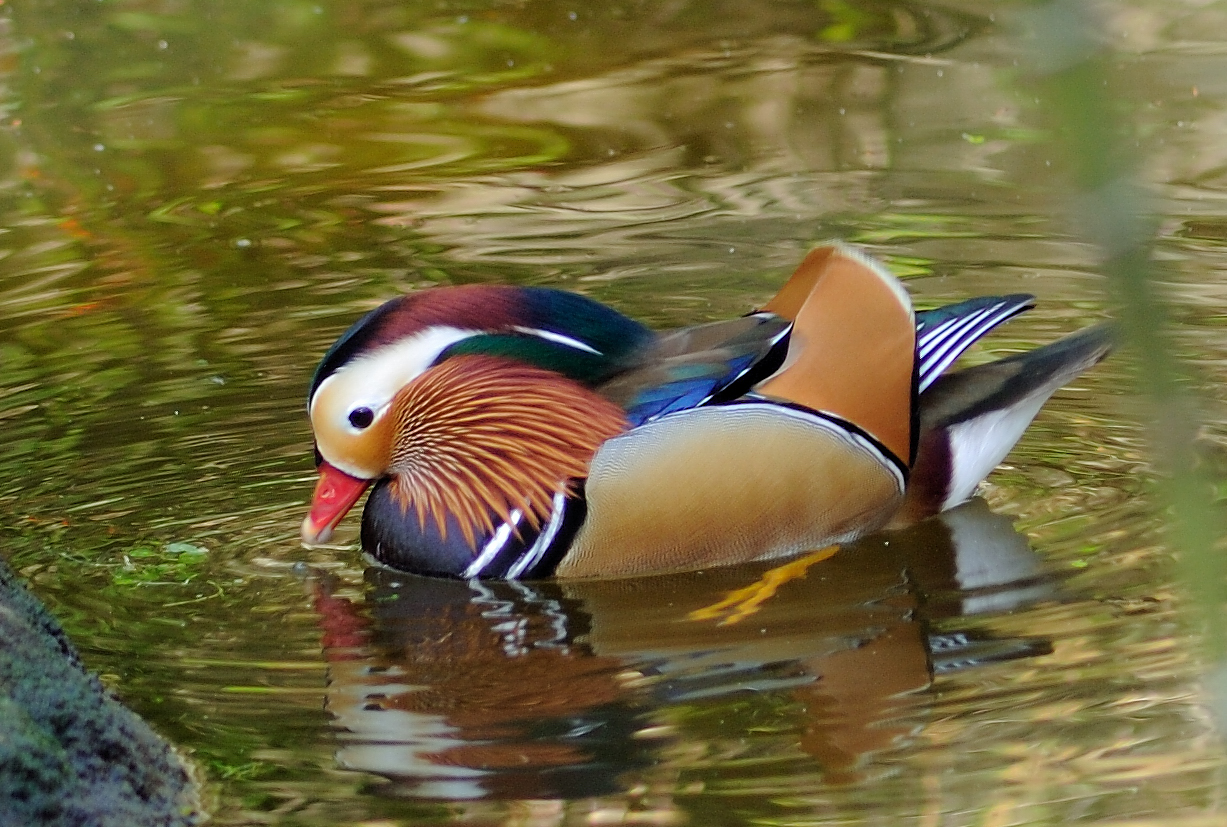
Mandarin Duck (Aix galericulata) by

Mandarin Duck (Aix galericulata) by Dan
What a paintbrush the Lord must have!

For every creature of God is good, and nothing to be refused, if it be received with thanksgiving: (1 Timothy 4:4 KJV)

Andean Cock-of-the-rock (Rupicola peruvianus) by ©Wiki Closeup

Andean Cock-of-the-rock (Rupicola peruvianus) by ©Wiki Closeup
Where is the beak?

For the invisible things of him from the creation of the world are clearly seen, being understood by the things that are made, even his eternal power and Godhead; so that they are without excuse: (Romans 1:20 KJV)

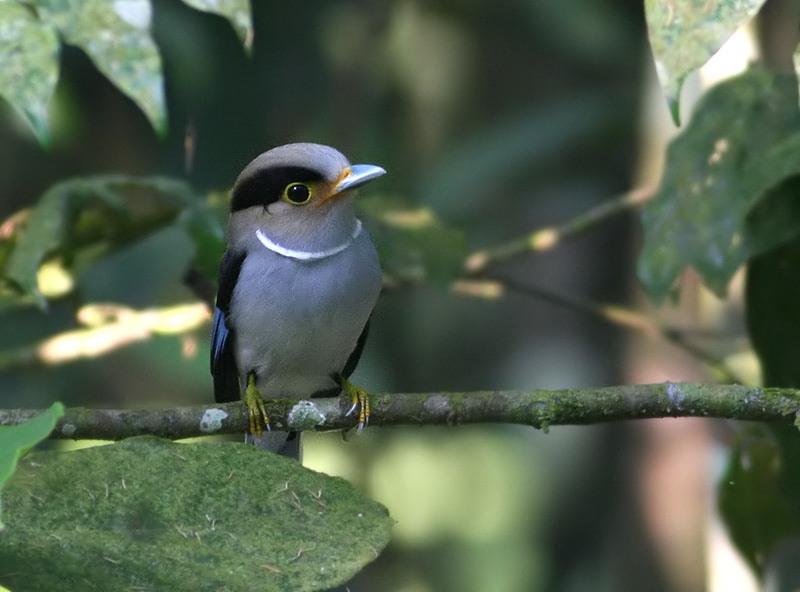
Wattled Broadbill (Sarcophanops steerii) ©WikiC fveronesi1

Wattled Broadbill (Sarcophanops steerii) ©WikiC fveronesi1
That bird is clean-cut and cute!

“But now ask the beasts, and let them teach you; And the birds of the heavens, and let them tell you. (Job 12:7 NASB)

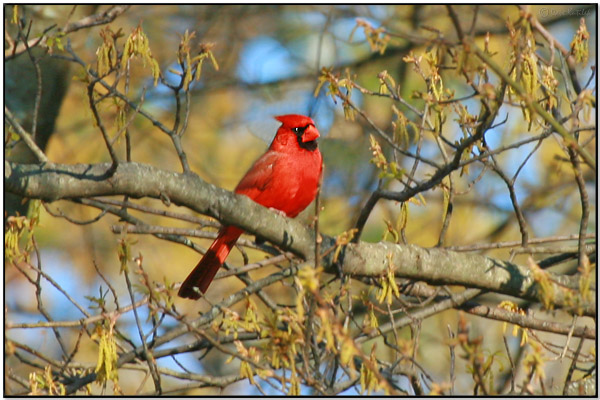
Northern Cardinal (Cardinalis cardinalis) by Daves BirdingPix

Northern Cardinal (Cardinalis cardinalis) by Daves BirdingPix
You can’t be from Indiana and not like Cardinals!

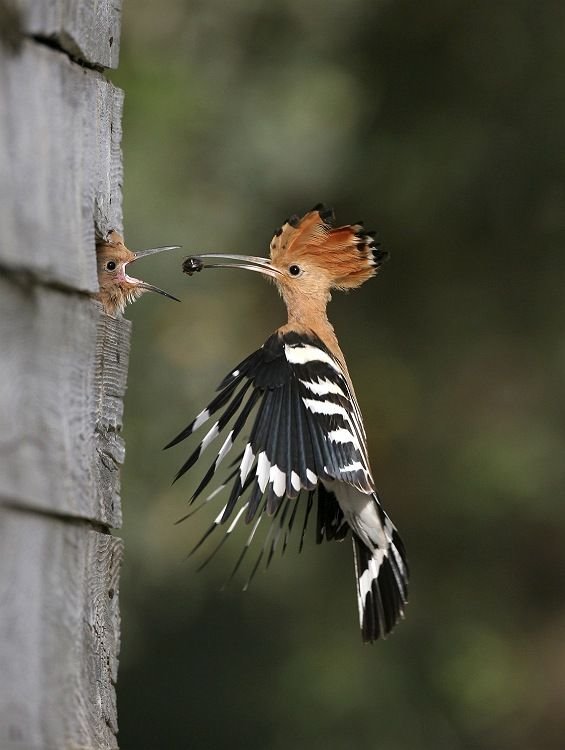
the stork, and the heron in their kinds, and the hoopoe and the bat. (Deuteronomy 14:18 NASB)

Hoopoe Feeding Young ©©Dvir Lotan from Israel

Hoopoe Feeding Young ©©Dvir Lotan from Israel

There are just too many, so I am adding a slideshow for you to enjoy a few more of them.

*

This slideshow requires JavaScript.

There are around 10,600 named birds that I love and am thankful for each one of them.

* See:

*

Happy Thanksgiving Day – 2013

Wild Turkey (Meleagris gallopavo) by Lee at LPZoo

Wild Turkey (Meleagris gallopavo) by Lee at LPZoo

We trust you are enjoying your Thanksgiving Day and are remembering all your blessings this year. We have had many blessings since last Thanksgiving.

We have had challenges also, but it depends on how you look at them. You could consider them as terrible or you could see them as blessings. Our attitude and our focus can make all the difference in the world.

I choose to thank the Lord for all things. Sometimes things don’t go the way we expect, but that does not mean that the Lord does not love us.

that you may be sons of your Father in heaven; for He makes His sun rise on the evil and on the good, and sends rain on the just and on the unjust. (Matthew 5:45 NKJV)

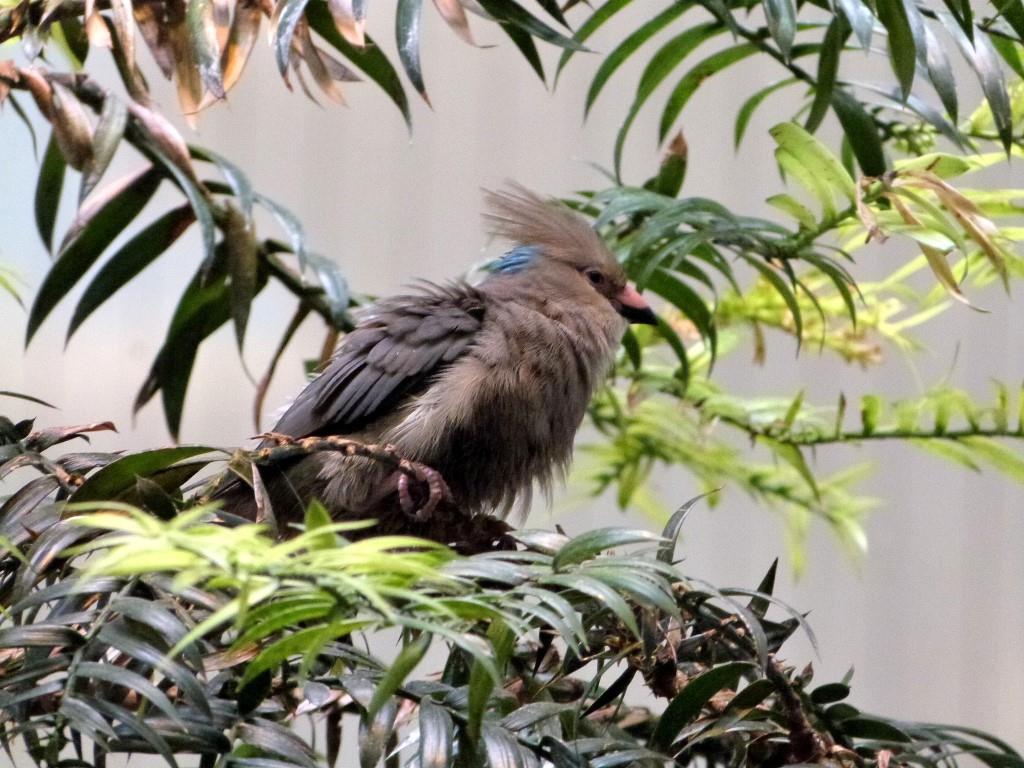
Blue-naped Mousebird (Urocolius macrourus) at Cincinnati Zoo) by Lee

Blue-naped Mousebird (Urocolius macrourus) at Cincinnati Zoo) by Lee

Since last Thanksgiving Day, I have had two eye surgeries, squamous cell cancer taken off my neck, and a recent round of bronchitis. Praise the Lord, they all came out fine. At the time you are going through them, you do not know what the outcomes will be and you just keep your eyes focused on the Lord. Of course, you are praying and thanking the Lord for whatever He choses as your outcome.

Wood Duck - Lake Morton by Lee

Wood Duck – Lake Morton by Lee

During this last year, we were fortunate to see numerous birds, both in the wild, at parks and in zoos. Our birdwatching adventures were always enjoyable as we were able to watch the Lord’s creations in person. Photos are great, but seeing them as they move and are doing their thing is always best.

Thou art worthy, O Lord, to receive glory and honour and power: for thou hast created all things, and for thy pleasure they are and were created. (Revelation 4:11 KJV)

Bali Myna (Leucopsar rothschildi Palm Beach Zoo by Lee

Bali Myna (Leucopsar rothschildi Palm Beach Zoo by Lee

We had visits to the Cincinnati Zoo, Palm Beach Zoo, Gatorland, and numerous visit to the Lowry Park Zoo in Tampa. Those visits, plus all the parks, lakes and just watching birds in our yard, made for plenty to be thankful for.

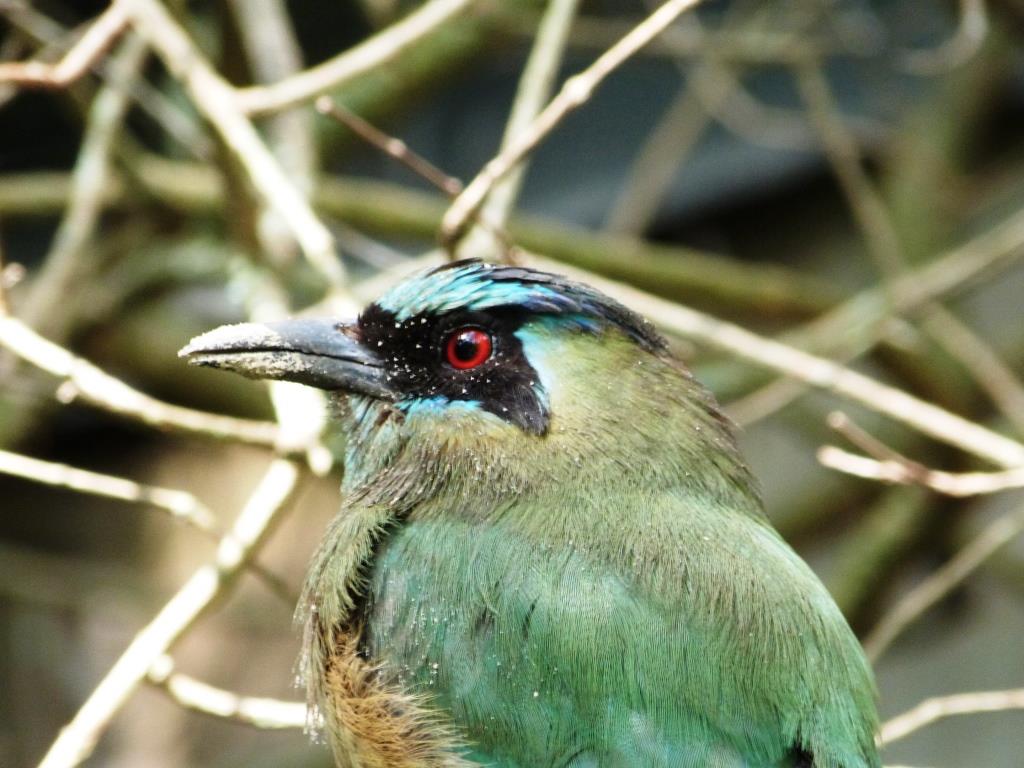
Blue-crowned Motmot at Lowry Park Zoo by Lee 2013

Blue-crowned Motmot at Lowry Park Zoo by Lee

When you add in all the blessings of friends and family, our church, and on and on; there is much to be thankful to the Lord.

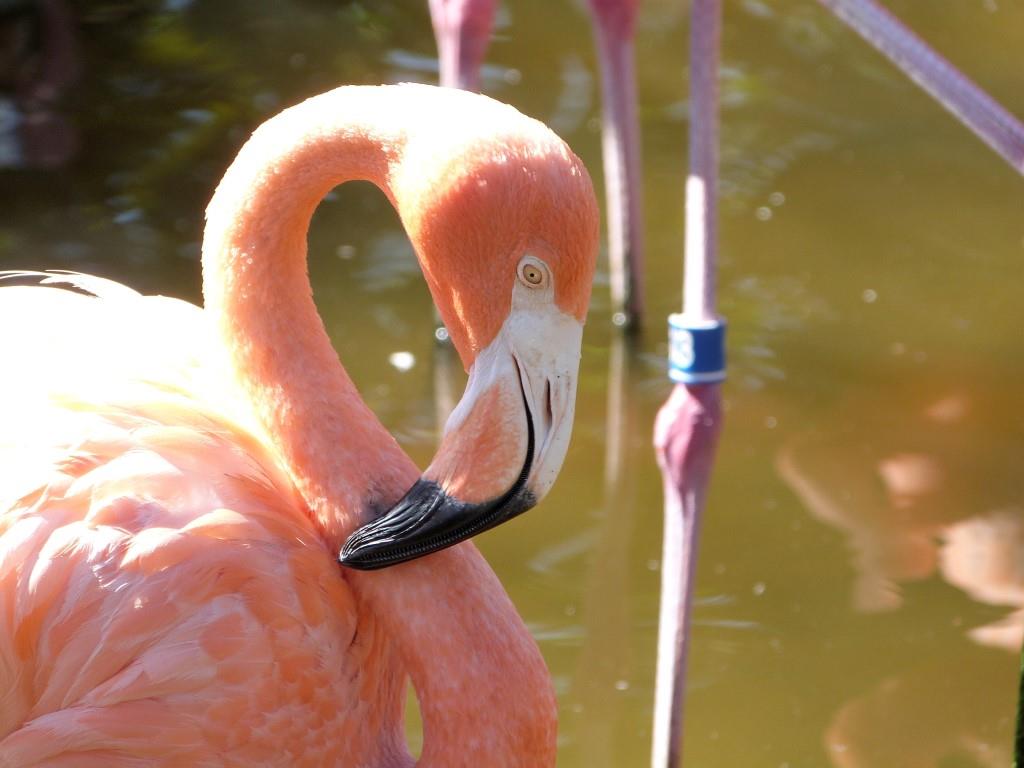
American Flamingo Beak at Gatorland by Lee

American Flamingo Beak at Gatorland by Lee

I trust you spend some time today, being thankful for all your blessings. Especially, thanking the Lord, who created everything and loves us enough to send His Son to die for us.

For God so loved the world, that he gave his only begotten Son, that whosoever believeth in him should not perish, but have everlasting life. For God sent not his Son into the world to condemn the world; but that the world through him might be saved. (John 3:16-17 KJV)

*

Birdwatching Trips

*

Birds in Hymns – Honor and Glory, Thanksgiving and Praise,

Keel-billed Toucan (Ramphastos sulfuratus) by Margaret Sloan

Keel-billed Toucan (Ramphastos sulfuratus) by Margaret Sloan

For in the days of David and Asaph of old there were chief of the singers, and songs of praise and thanksgiving unto God. (Nehemiah 12:46 KJV)

Words from the La­tin Gradual, 12th Cen­tu­ry (Ju­bi­le­mus om­nes una); trans­lat­ed from La­tin to Eng­lish by Ed­ward A. Day­man in the Hymn­a­ry, 1872.

Music: Na­maan, M. Cos­ta (Mi­chael Cos­ta [1808-1884]?), ar­ranged by Will­iam H. Call­cott

*

Honor and Glory, Thanksgiving and Praise

Honor and glory, thanksgiving and praise,
Maker of all things, to Thee we upraise;
God the Almighty, the Father, the Lord;
God by the angels obeyed and adored.

Thou art the Father of Heaven and earth;
Worlds uncreated to Thee owe their birth;
All the creation, Thy voice when it heard,
Started to life and to light at Thy Word.

Onward the sun and the moon and their march
Span with the rainbow the firmament’s arch;
Stars yet unknown, and whose light is to come,
Find in creation their place and a home.

Earth with the mountain, the river, the plain,
Sky with the dew-drop, the wind, and the rain,
Beast of the forest, wild bird of the air,
All are Thy creatures, and all are Thy care.

Ocean the restless, and waters that swell,
Lightnings that flash over flood, over fell,
Own Thee the Master Almighty, and call
Thee the Creator, the Father, of all.

Yea, Thou art Father of all, and Thy love
Pity for man that is fallen doth move;
Guide us in life, and protect to the last;
And, at Thine Advent, Lord, pardon the past.

*

*

New Testament Thanksgiving – 2013

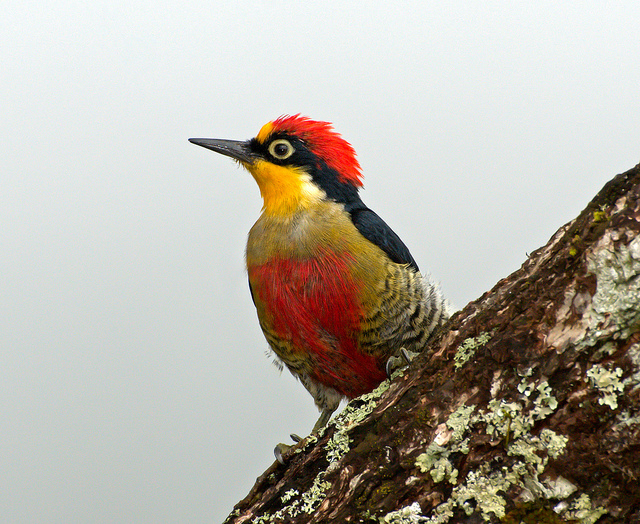
Yellow-fronted Woodpecker (Melanerpes flavifrons) by Dario Sanches

Yellow-fronted Woodpecker (Melanerpes flavifrons) by Dario Sanches

New Testament

And he took the seven loaves and the fishes, and gave thanks, and brake them, and gave to his disciples, and the disciples to the multitude. (Matthew 15:36 KJV)

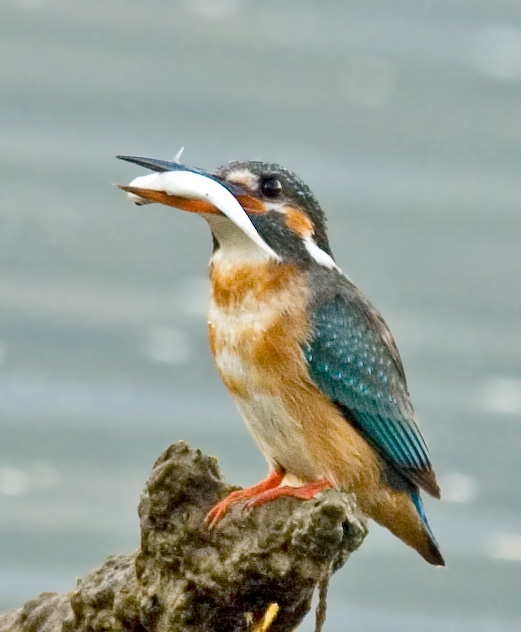
Common Kingfisher (Alcedo atthis) by Phil Kwong

Common Kingfisher (Alcedo atthis) by Phil Kwong

And Jesus took the loaves; and when he had given thanks, he distributed to the disciples, and the disciples to them that were set down; and likewise of the fishes as much as they would. (John 6:11 KJV)

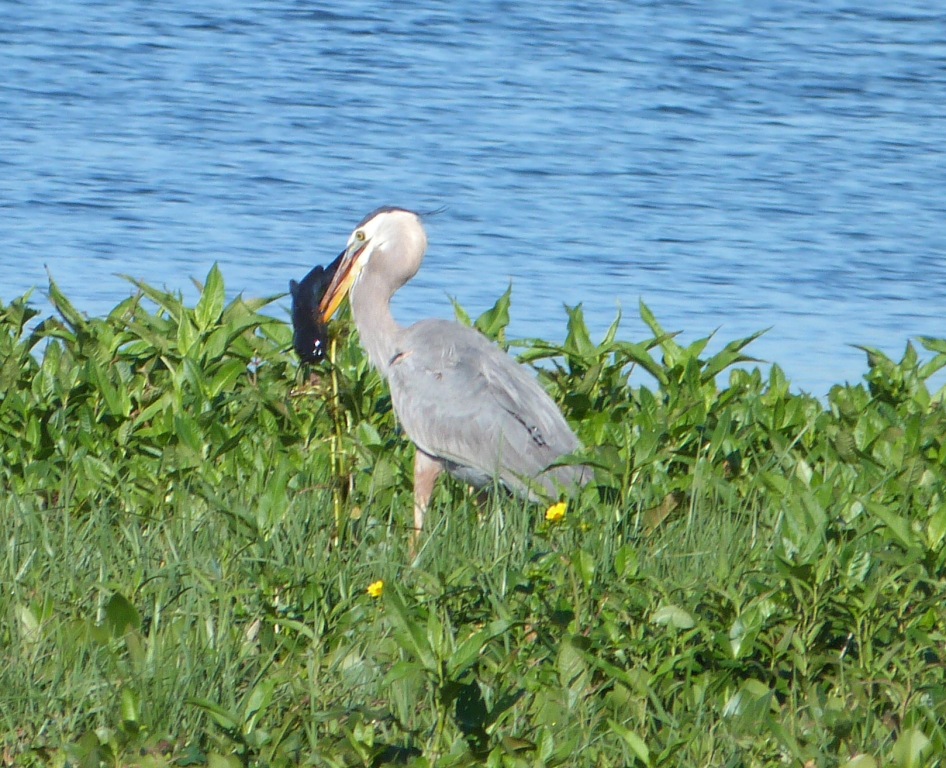
Great Blue Heron with Catfish at Circle B by Lee - cropped

Great Blue Heron with Catfish at Circle B by Lee – cropped

He that regardeth the day, regardeth it unto the Lord; and he that regardeth not the day, to the Lord he doth not regard it. He that eateth, eateth to the Lord, for he giveth God thanks; and he that eateth not, to the Lord he eateth not, and giveth God thanks. (Romans 14:6 KJV)

Common Kingfisher (Alcedo atthis) by W Kwong

Common Kingfisher (Alcedo atthis) by W Kwong

But thanks be to God, which giveth us the victory through our Lord Jesus Christ. (1 Corinthians 15:57 KJV)

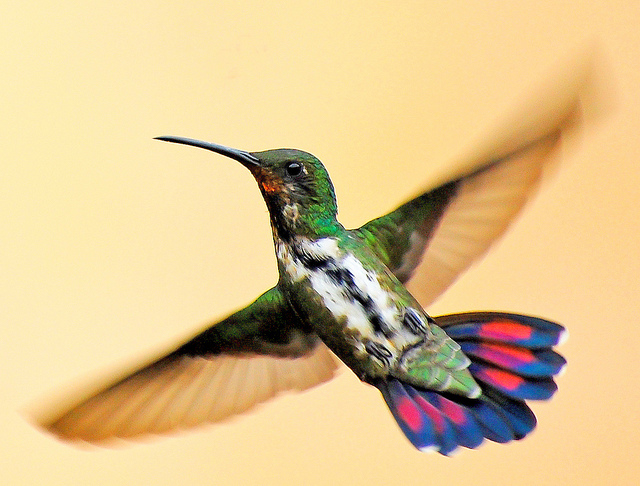
Black-throated Mango (Anthracothorax nigricollis) by Dario Sanches

Black-throated Mango (Anthracothorax nigricollis) by Dario Sanches

Thanks be unto God for his unspeakable gift. (2 Corinthians 9:15 KJV)

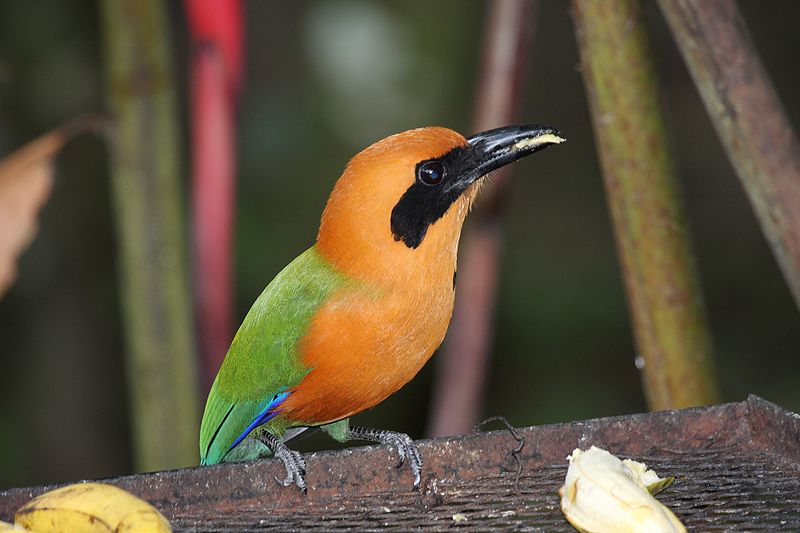
Rufous Motmot (Baryphthengus martii) ©WikiC

Rufous Motmot (Baryphthengus martii) ©WikiC

Giving thanks always for all things unto God and the Father in the name of our Lord Jesus Christ; (Ephesians 5:20 KJV)

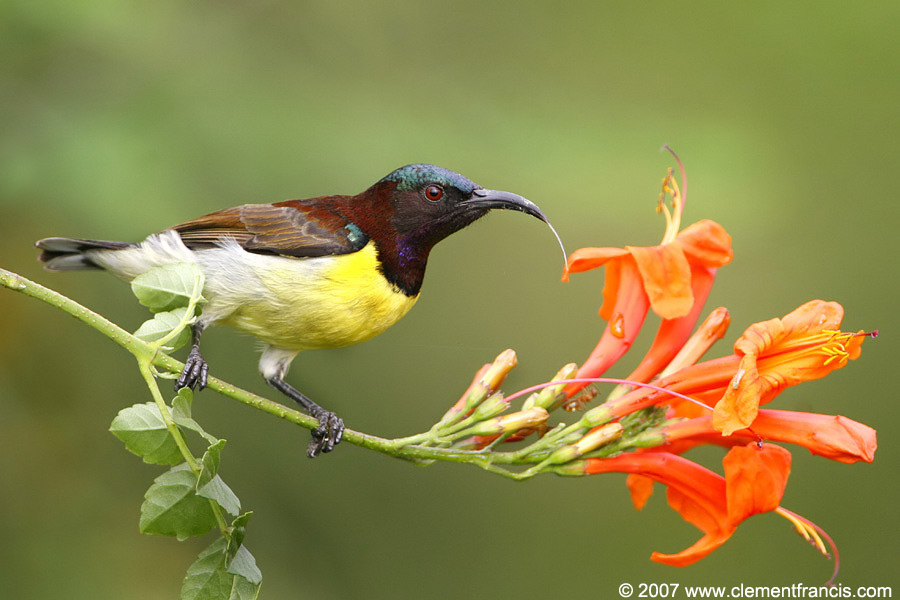
Common Iora (Aegithina tiphia) by Clement Francis

Common Iora (Aegithina tiphia) by Clement Francis

And whatsoever ye do in word or deed, do all in the name of the Lord Jesus, giving thanks to God and the Father by him. (Colossians 3:17 KJV)

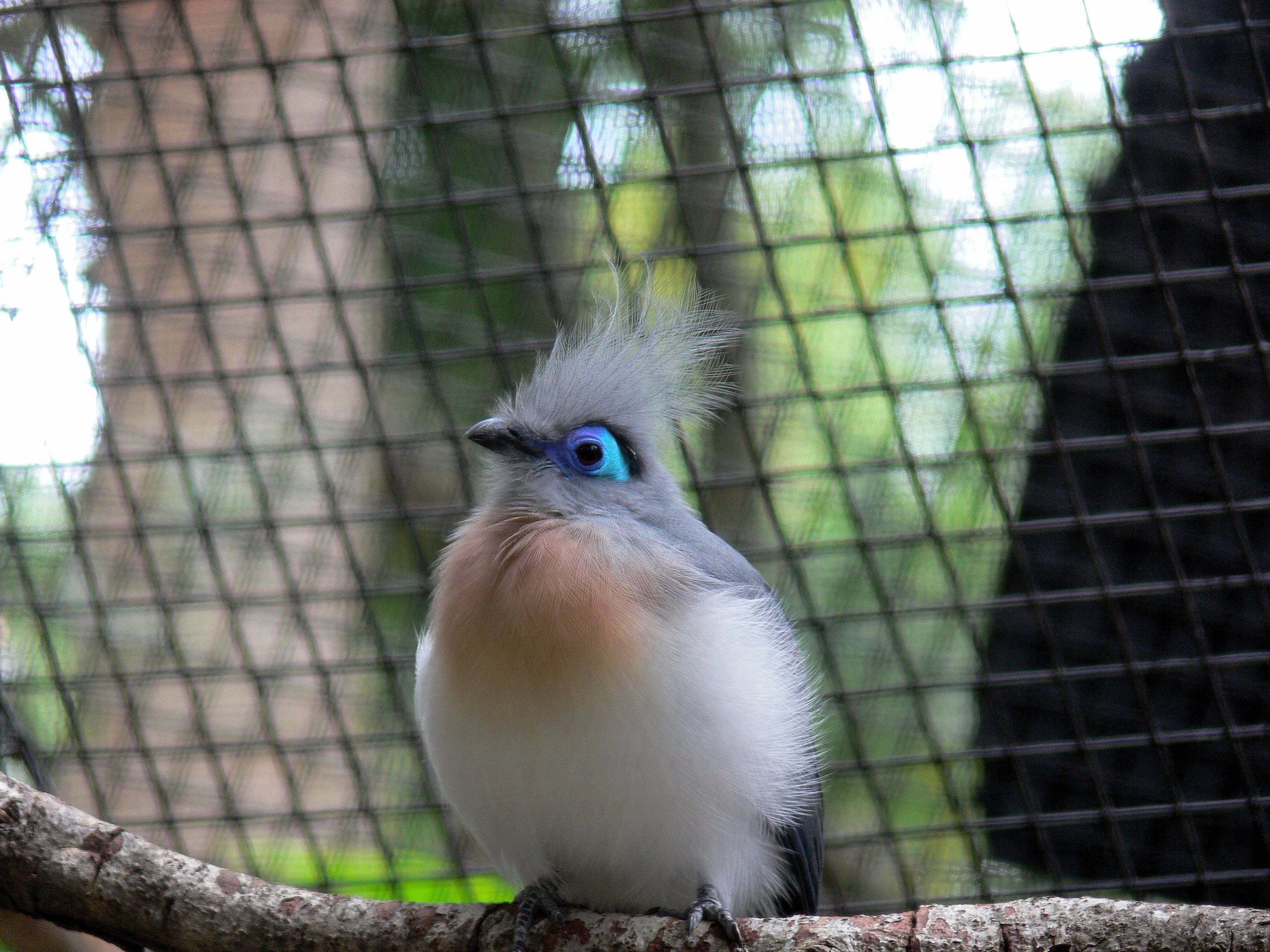
Crested Coua (Coua cristata) by Lee LPZ

Crested Coua (Coua cristata) by Lee LPZ

In every thing give thanks: for this is the will of God in Christ Jesus concerning you. (1 Thessalonians 5:18 KJV)

Japanese White-eye (Zosterops japonicus) by Margaret Sloan

Japanese White-eye (Zosterops japonicus) by Margaret Sloan

By him therefore let us offer the sacrifice of praise to God continually, that is, the fruit of our lips giving thanks to his name. (Hebrews 13:15 KJV)

Crested Berrypecker (Paramythia montium) ©WikiC

Crested Berrypecker (Paramythia montium) ©WikiC

*

Old Testament Thanksgiving – 2013

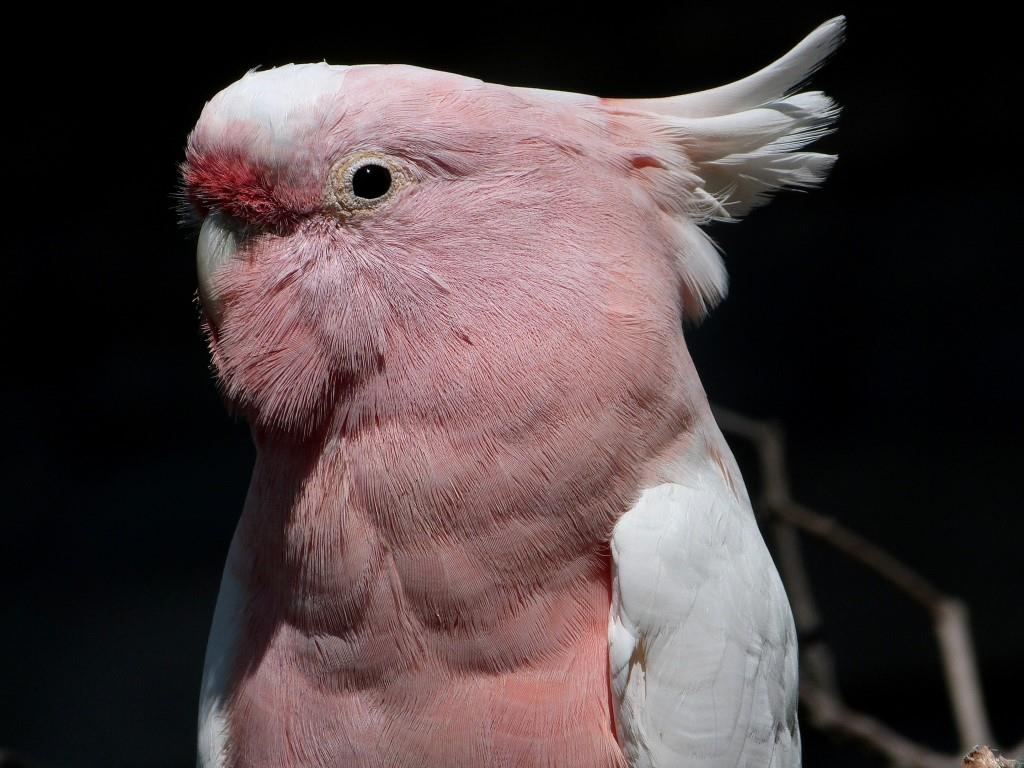
Major Mitchell's Cockatoo (Lophochroa leadbeateri) at Cincinnati Zoo 9-5-13

Major Mitchell’s Cockatoo (Lophochroa leadbeateri) at Cincinnati Zoo by Lee

Old Testament Thanks

Therefore I will give thanks unto thee, O LORD, among the heathen, and I will sing praises unto thy name. (2 Samuel 22:50 KJV)

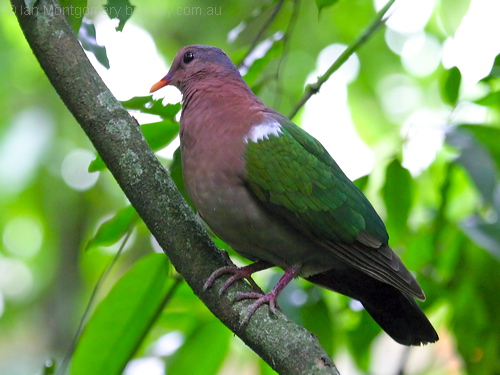
Common Emerald Dove (Chalcophaps indica) by Ian

Common Emerald Dove (Chalcophaps indica) by Ian

Give thanks unto the LORD, call upon his name, make known his deeds among the people. Sing unto him, sing psalms unto him, talk ye of all his wondrous works. (1 Chronicles 16:8-9 KJV)

Song Sparrow (Melospiza melodia) by Ray

Song Sparrow by Ray

O give thanks unto the LORD; for he is good; for his mercy endureth for ever. (1 Chronicles 16:34 KJV)

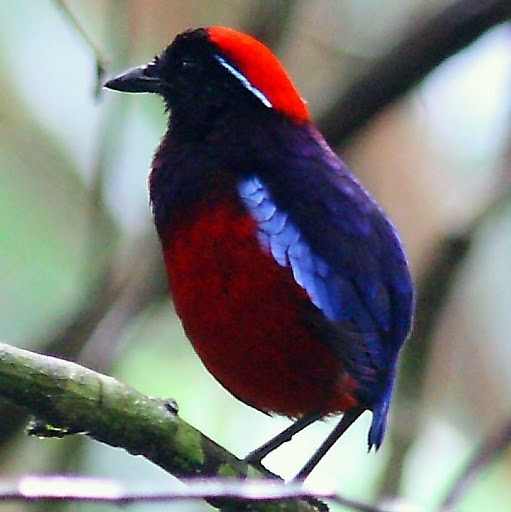
Garnet Pitta (Erythropitta granatina) by Timothy©©

Garnet Pitta (Erythropitta granatina) by Timothy©©

Therefore I will give thanks to You among the nations, O LORD, And I will sing praises to Your name. (Psalms 18:49 NASB)

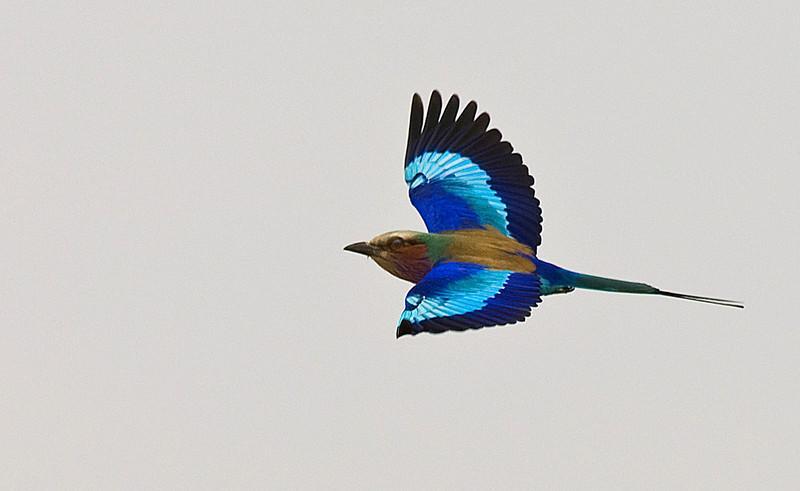
Lilac-breasted Roller (Coracias caudatus) by Africaddict

Lilac-breasted Roller (Coracias caudatus) by Africaddict

So we thy people and sheep of thy pasture will give thee thanks for ever: we will shew forth thy praise to all generations. (Psalms 79:13 KJV)

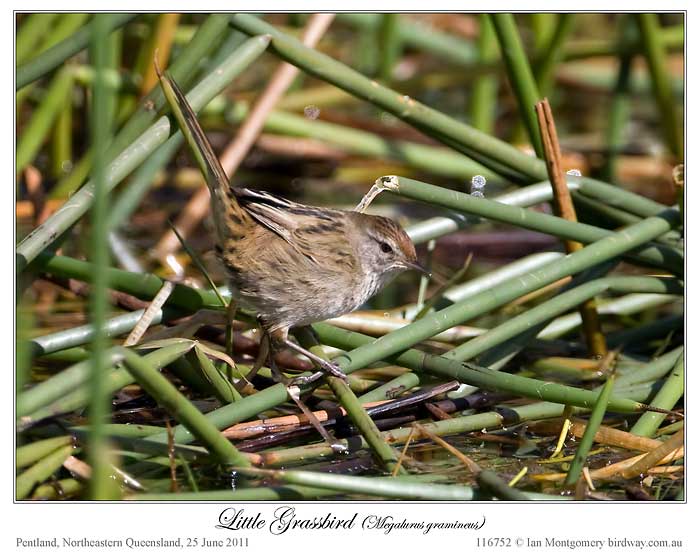
Little Grassbird (Megalurus gramineus) by Ian

Little Grassbird (Megalurus gramineus) by Ian

O give thanks unto the LORD; call upon his name: make known his deeds among the people. (Psalms 105:1 KJV)

Black-and-yellow Broadbill (Eurylaimus ochromalus) ©Flickr fveronesi1

Black-and-yellow Broadbill (Eurylaimus ochromalus) ©Flickr fveronesi1

O give thanks unto the LORD; for he is good: for his mercy endureth for ever. O give thanks unto the God of gods: for his mercy endureth for ever. (Psalms 136:1-2 KJV)

Variegated Fairywren (Malurus lamberti) by Ian

Variegated Fairywren (Malurus lamberti) by Ian

O give thanks to the Lord of lords: for his mercy endureth for ever. To him who alone doeth great wonders: for his mercy endureth for ever. To him that by wisdom made the heavens: for his mercy endureth for ever. (Psalms 136:3-5 KJV)

*

Birds of the Bible – Peacocks II

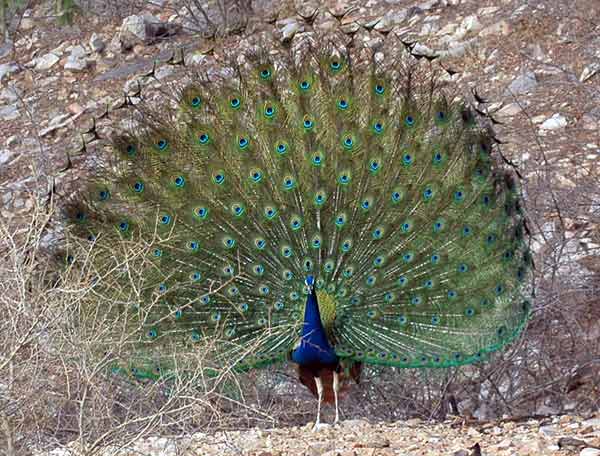
Indian Peafowl (Pavo cristatus) by Nikhil Devasar

Indian Peafowl (Pavo cristatus) by Nikhil Devasar

For the king had at sea a navy of Tharshish with the navy of Hiram: once in three years came the navy of Tharshish, bringing gold, and silver, ivory, and apes, and peacocks. (1 Kings 10:22 KJV)

For the king’s ships went to Tarshish with the servants of Huram: every three years once came the ships of Tarshish bringing gold, and silver, ivory, and apes, and peacocks. (2 Chronicles 9:21 KJV)

In my reading today in I Kings 10, I came to the peacocks arriving to Israel via the Navy of Tharshish or Tarshish. We have written about them in Birds of the Bible – Peacocks (2008) and Birds of the Bible – Pied Peacock and Allies (2011). It’s time to see what else can be discovered about these beautifully created birds by the Lord.

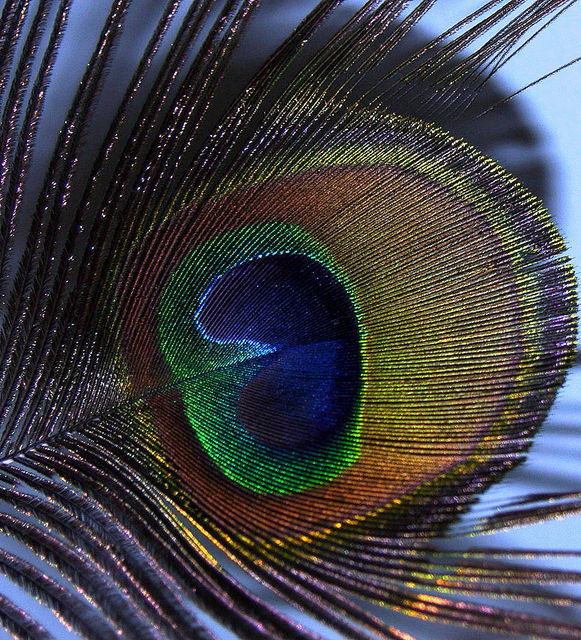
Peacock Feather

Peacock Feather

We know He, The LORD, questioned Job about the Peacocks “goodly wings” in Job 39.

Gavest thou the goodly wings unto the peacocks? or wings and feathers unto the ostrich? (Job 39:13 KJV)

Now, in I Kings and II Chronicles, the Peacocks are arriving in ships by the Navy of Tharshish. It appears that every three years those ships arrived with its precious cargos. Where had the ships gone to collect these items. There is speculation by some writers that the ships went west to Spain and other think in another way toward India and areas in that direction. The Bible does not say, so, we really don’t know.

Does that make you curious? It make me wonder where they found those peacocks.

Checking the history of Peacocks from CreationWiki and Wikipedia, they say that there are two species of Peafowl from Asia and one species from Africa. Is that were they got these Peacocks mentioned here in Scripture? When you are reading the Bible, do questions like this every give you an urge to dig a little deeper?

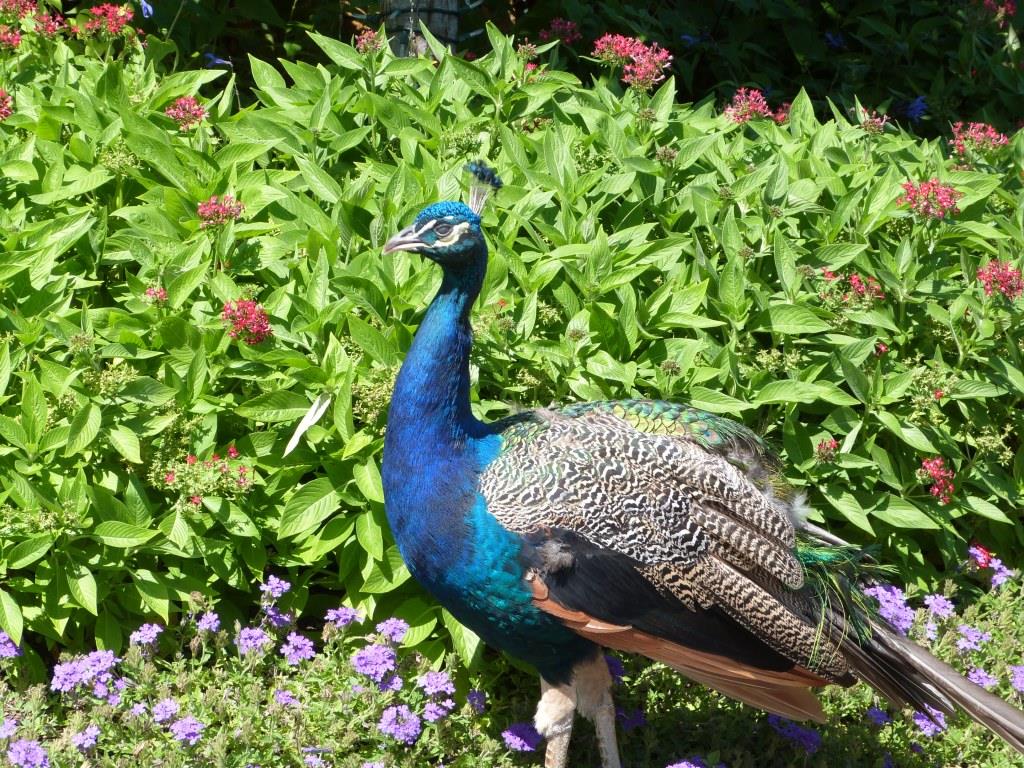
First, the “Peacocks” are the males. The females are called “Peafowl” and their chicks are called “Peachicks.”  Collectively the birds are called Peafowl. They all belong to the Phasianidae – Pheasants, Fowl & Allies Family.

The two species from India-Asia are the Indian Peafowl (Pavo cristatus)

Indian Peafowl (Pavo cristatus) by Nikhil Devasar

Indian Peafowl (Pavo cristatus) by Nikhil Devasar

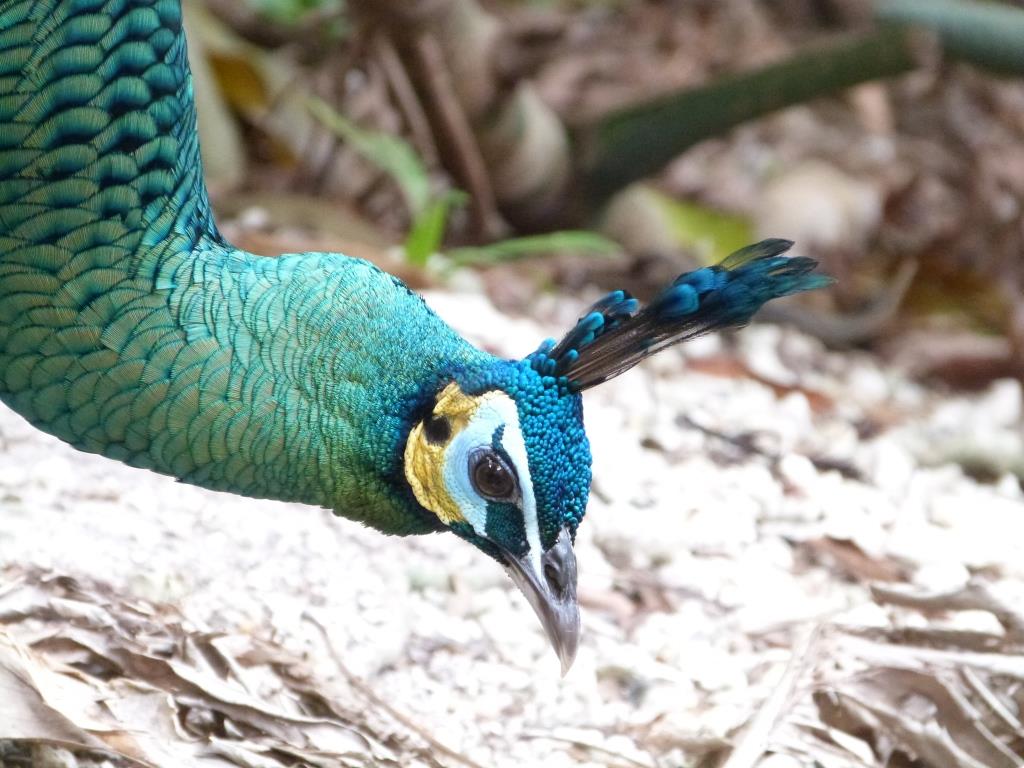
and the Green Peafowl (Pavo muticus).

Green Peafowl (Pavo muticus) by Ian

Green Peafowl (Pavo muticus) by Ian

The African member of the family is the Congo Peacock (Afropavo congensis).

Congo Peacock (Afropavo congensis) M F ©WikiC

Congo Peacock (Afropavo congensis) M F ©WikiC

Here are some of the thought of various commentaries:

JFB – once in three years — that is, every third year. Without the mariner’s compass they had to coast along the shore. The ivory, apes, and peacocks might have been purchased, on the outward or homeward voyage, on the north coast of Africa, where the animals were to be found. They were particularized, probably as being the rarest articles on board.

Geneva – By Tharshish is meant Cilicia, which was abundant in the variety of precious things.

Darby – 1 Kings 10:1-29 – The king of Tyre also was dependent on the king of Israel; and the queen of Sheba comes from the far south to delight herself in the wisdom of the head of God’s people, and to be filled with wonder at the sight of his glory, and to praise Jehovah who had raised him so high, and who had blessed the people in giving him to be their king. She also came with gifts; for the king’s renown had spread into distant lands. Nevertheless, although it was a true report that she had heard, the sight of his glory went far beyond all that had been said of it.

Constable – God forbade Israel’s kings from multiplying chariots (1Ki_10:26), the most effective and dreaded military machines of their day (Deu_17:16). God wanted His people to depend on Him primarily for their protection. Material prosperity and security often lead people to conclude that they have no needs when really our need for God never diminishes. Solomon fell into this trap. Wealth is not sinful in itself, but it does bring temptations with it (cf. Jam_5:1-6).

Though Solomon experienced great blessings from his faithful God, he fell prey to the sins these blessings make easier, as the writer explained in the next chapter.

Barnes – This is given as the reason of the great bountifulness of silver in the time of Solomon. The “navy of Tharshish” (not the same as the navy of Ophir, 1Ki_9:26) must therefore have imported very large quantities of that metal. Tharshish, or Tartessus, in Spain, had the richest silver mines known in the ancient world, and had a good deal of gold also; apes and ivory were produced by the opposite coast of Africa; and, if north Africa did not produce “peacocks,” which is uncertain, she may have produced the birds called here “tukkiyim,” which some translate “parrots,” others “guinea-fowl” – the latter being a purely African bird. The etymology of the Hebrew words here rendered “ivory,” “apes,” and “peacocks,” is uncertain; but even if of Indian origin, the Jews may have derived their first knowledge of ivory, apes, and peacocks, through nations which traded with India, and may thus have got the words into their language long before the time of Solomon. The names once fixed would be retained, whatever the quarter from where the things were procured afterward.

Indian Peafowl (Pavo cristatus) at Cincinnati Zoo by Lee

Indian Peafowl (Pavo cristatus) at Cincinnati Zoo by Lee

We have no clear idea of where they came from, and it really does not matter other than we are told they came by ship. We know that Solomon was the wisest and wealthiest king because God promised him back when he prayed for wisdom.

And now, O LORD my God, thou hast made thy servant king instead of David my father: and I am but a little child: I know not how to go out or come in….. Give therefore thy servant an understanding heart to judge thy people, that I may discern between good and bad: for who is able to judge this thy so great a people? And the speech pleased the Lord, that Solomon had asked this thing. And God said unto him, Because thou hast asked this thing, and hast not asked for thyself long life; neither hast asked riches for thyself, nor hast asked the life of thine enemies; but hast asked for thyself understanding to discern judgment; Behold, I have done according to thy words: lo, I have given thee a wise and an understanding heart; so that there was none like thee before thee, neither after thee shall any arise like unto thee. And I have also given thee that which thou hast not asked, both riches, and honour: so that there shall not be any among the kings like unto thee all thy days. And if thou wilt walk in my ways, to keep my statutes and my commandments, as thy father David did walk, then I will lengthen thy days. (1 Kings 3:7-14 KJV)

(Javan) Green Peafowl (Pavo muticus muticus) by Lee at Zoo Miami

(Javan) Green Peafowl (Pavo muticus muticus) by Lee at Zoo Miami

Wow! Is that not true of those of us who know the Lord? The Lord answers our prayers many times by giving us much more than we ever asked for. As long as our prayers are in line with His Word.

That Christ may dwell in your hearts by faith; that ye, being rooted and grounded in love, May be able to comprehend with all saints what is the breadth, and length, and depth, and height; And to know the love of Christ, which passeth knowledge, that ye might be filled with all the fulness of God. Now unto him that is able to do exceeding abundantly above all that we ask or think, according to the power that worketh in us, (Ephesians 3:17-20 KJV)

*

*

Hide Me

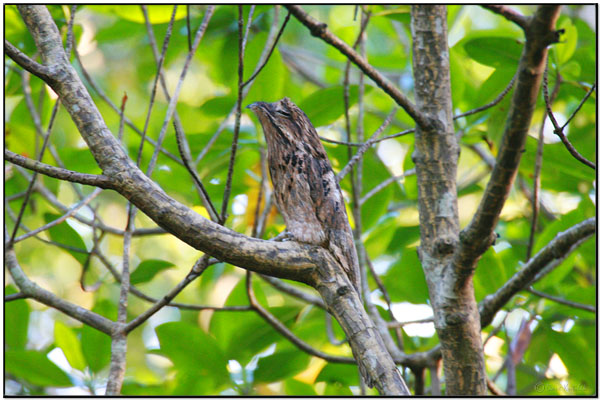
Do you see me?

Common Potoo (Nyctibius griseus) by Daves BirdingPix

And David said to Jonathan, “Indeed tomorrow is the New Moon, and I should not fail to sit with the king to eat. But let me go, that I may hide in the field until the third day at evening. (1 Samuel 20:5 NKJV)

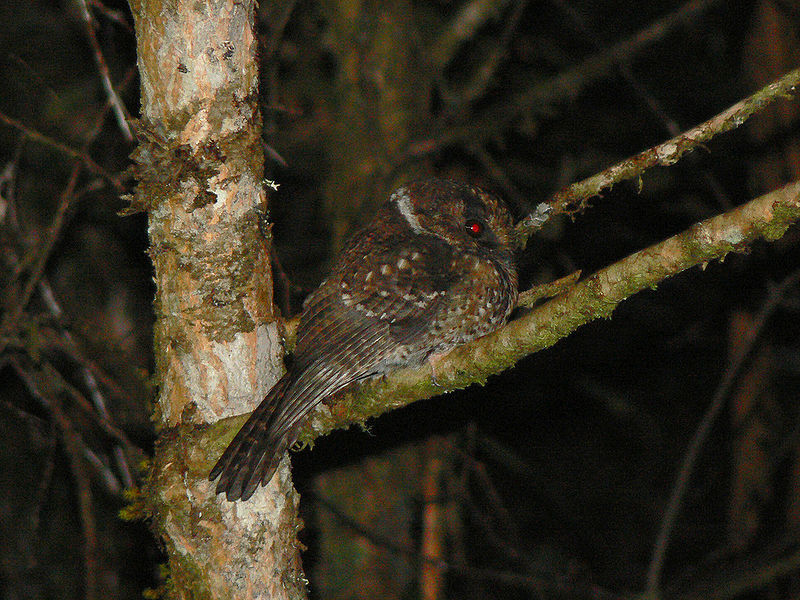
Andean Potoo (Nyctibius maculosus) on a branch ©WikiC

Andean Potoo (Nyctibius maculosus) on a branch ©WikiC

Keep me as the apple of the eye, hide me under the shadow of thy wings, (Psalms 17:8 KJV)

Northern Potoo (Nyctibius jamaicensis) ©©jerryoldenettel

Northern Potoo (Nyctibius jamaicensis) ©©jerryoldenettel

For in the time of trouble he shall hide me in his pavilion: in the secret of his tabernacle shall he hide me; he shall set me up upon a rock. (Psalms 27:5 KJV)

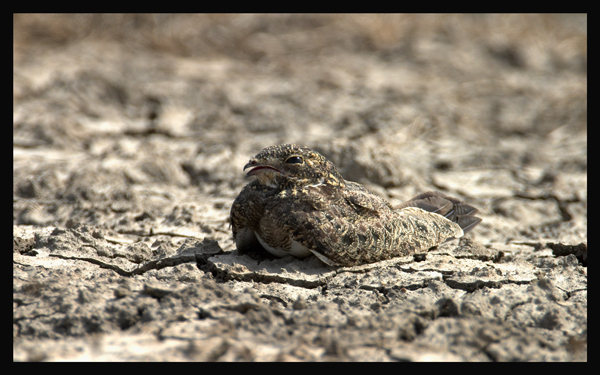
Nacunda Nighthawk (Podager nacunda) by R Scanlon

Nacunda Nighthawk (Podager nacunda) by R Scanlon

And do not hide Your face from Your servant, For I am in trouble; Hear me speedily. (Psalms 69:17 NKJV)

Australian Owlet-nightjar (Aegotheles cristatus) by Ian

Australian Owlet-nightjar (Aegotheles cristatus) by Ian

Deliver me, O LORD, from mine enemies: I flee unto thee to hide me. (Psalms 143:9 KJV)

Collared Nightjar(Caprimulgus enarratus) by Dave's BirdingPix

Collared Nightjar(Caprimulgus enarratus) by Dave’s BirdingPix

And when Absalom’s servants came to the woman to the house, they said, Where is Ahimaaz and Jonathan? And the woman said unto them, They be gone over the brook of water. And when they had sought and could not find them, they returned to Jerusalem. (2 Samuel 17:20 KJV)

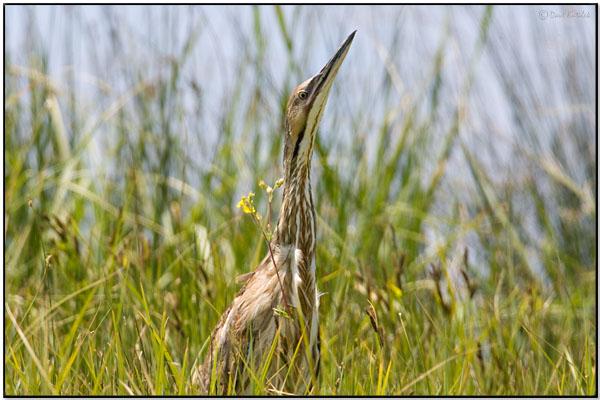
American Bittern (Botaurus lentiginosus) by Daves BirdingPix

American Bittern (Botaurus lentiginosus) by Daves BirdingPix

Then shall they call upon me, but I will not answer; they shall seek me early, but they shall not find me: For that they hated knowledge, and did not choose the fear of the LORD: They would none of my counsel: they despised all my reproof. (Proverbs 1:28-30 KJV)

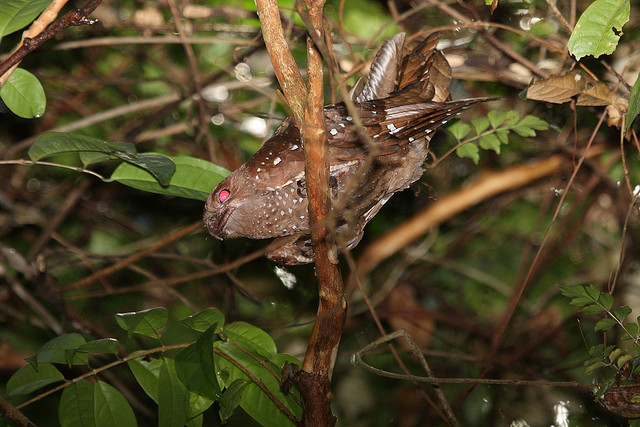
Oilbird (Steatornis caripensis) ©©Flickr - dominic sherony

Oilbird (Steatornis caripensis) ©©d.sherony

Thou shalt seek them, and shalt not find them, even them that contended with thee: they that war against thee shall be as nothing, and as a thing of nought. (Isaiah 41:12 KJV)

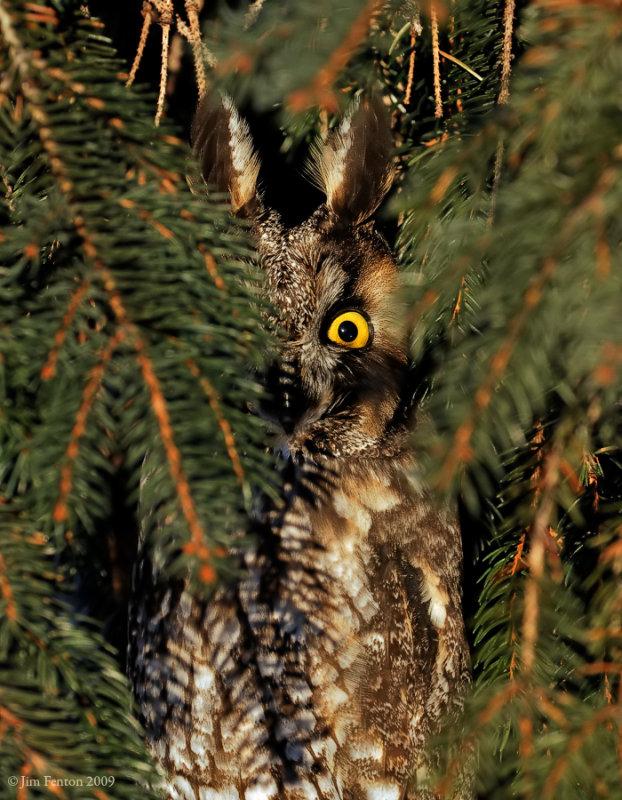
Long-eared Owl (Asio otus) by J Fenton

Long-eared Owl (Asio otus) by J Fenton

Behold, the days come, saith the Lord GOD, that I will send a famine in the land, not a famine of bread, nor a thirst for water, but of hearing the words of the LORD: And they shall wander from sea to sea, and from the north even to the east, they shall run to and fro to seek the word of the LORD, and shall not find it. (Amos 8:11-12 KJV)

Mountain Owlet-nightjar (Aegotheles albertisi) ©WikiC

Mountain Owlet-nightjar (Aegotheles albertisi) ©WikiC

What man of you, having an hundred sheep, if he lose one of them, doth not leave the ninety and nine in the wilderness, and go after that which is lost, until he find it? (Luke 15:4 KJV)

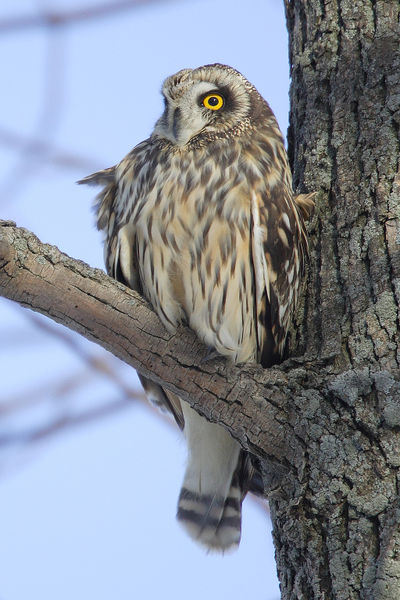
Short-eared Owl ©WikiC

Short-eared Owl ©WikiC

Either what woman having ten pieces of silver, if she lose one piece, doth not light a candle, and sweep the house, and seek diligently till she find it? And when she hath found it, she calleth her friends and her neighbours together, saying, Rejoice with me; for I have found the piece which I had lost. Likewise, I say unto you, there is joy in the presence of the angels of God over one sinner that repenteth. (Luke 15:8-10 KJV)

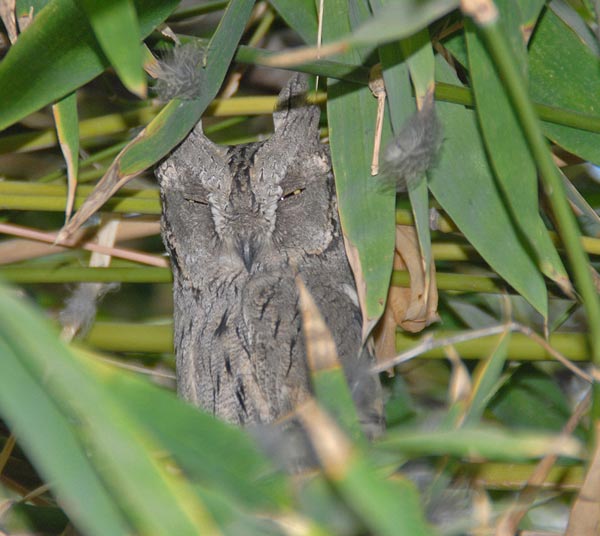
Pallid Scops Owl (Otus brucei) by Nikhil Devasar

Pallid Scops Owl (Otus brucei) by Nikhil Devasar

Ye shall seek me, and shall not find me: and where I am, thither ye cannot come. (John 7:34 KJV)

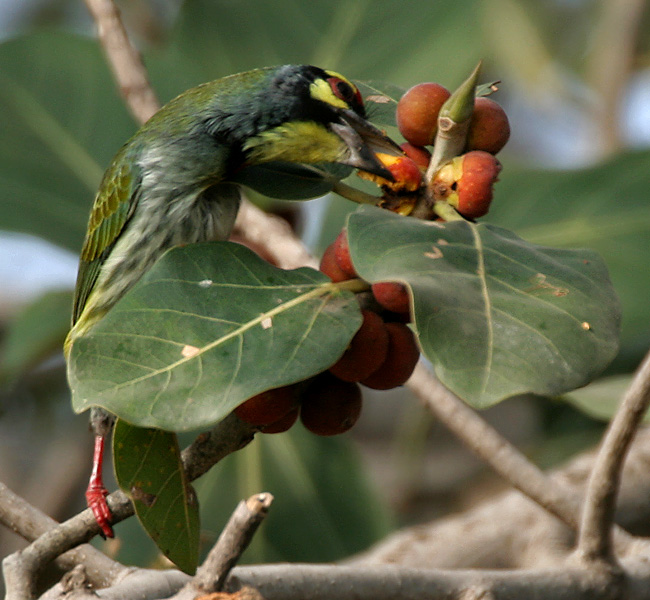
Coppersmith Barbet (Megalaima haemacephala) ©WikiC Feeding

Coppersmith Barbet (Megalaima haemacephala) ©WikiC Feeding

That they should seek the Lord, if haply they might feel after him, and find him, though he be not far from every one of us: (Acts 17:27 KJV)

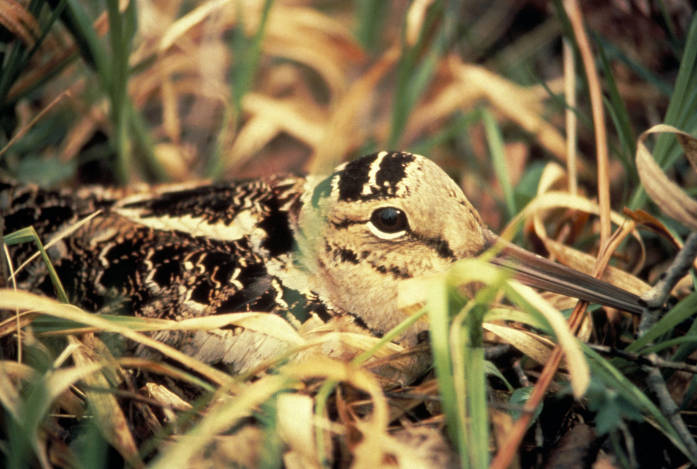
American Woodcock (Scolopax minor) on nest © USFWS

American Woodcock (Scolopax minor) on nest © USFWS

For I know that in me (that is, in my flesh,) dwelleth no good thing: for to will is present with me; but how to perform that which is good I find not. (Romans 7:18 KJV)

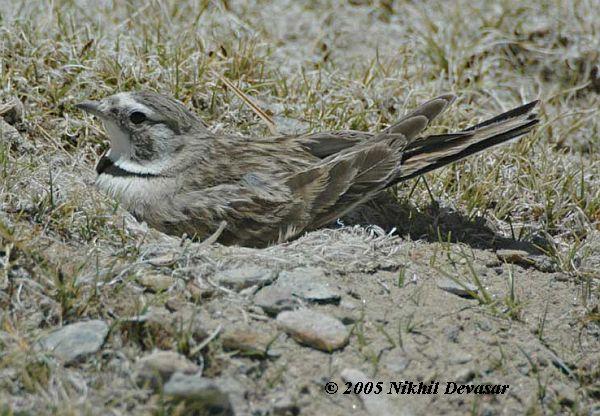
Horned Lark (Eremophila alpestris) on nestby Nikhil Devasar

Horned Lark (Eremophila alpestris) on nestby Nikhil Devasar

If thou shalt hearken unto the voice of the LORD thy God, to keep his commandments and his statutes which are written in this book of the law, and if thou turn unto the LORD thy God with all thine heart, and with all thy soul. For this commandment which I command thee this day, it is not hidden from thee, neither is it far off. (Deuteronomy 30:10-11 KJV)

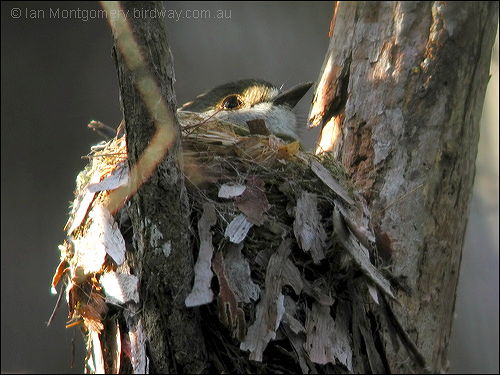
Pale-yellow Robin (Tregellasia capito) in nest by Ian

Pale-yellow Robin (Tregellasia capito) in nest by Ian

And I will give thee the treasures of darkness, and hidden riches of secret places, that thou mayest know that I, the LORD, which call thee by thy name, am the God of Israel. (Isaiah 45:3 KJV)

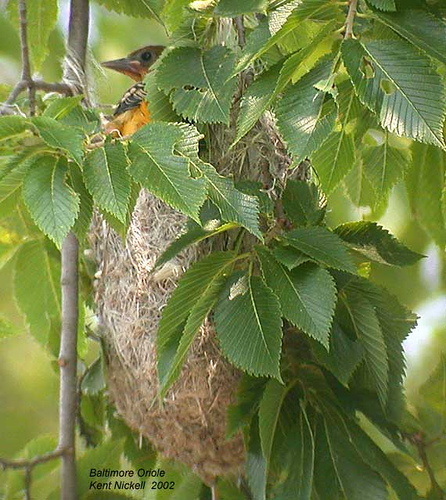
Baltimore Oriole (Icterus galbula) on nest by Kent Nickell

Baltimore Oriole (Icterus galbula) on nest by Kent Nickell

Thou hast heard, see all this; and will not ye declare it? I have shewed thee new things from this time, even hidden things, and thou didst not know them. (Isaiah 48:6 KJV)

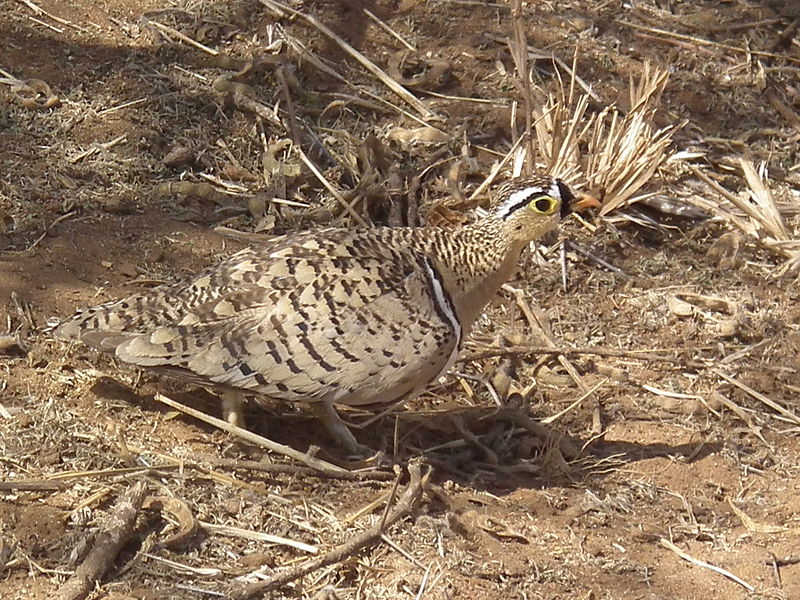
Black-faced Sandgrouse (Pterocles decoratus) ©WikiC

Black-faced Sandgrouse (Pterocles decoratus) ©WikiC

But we speak the wisdom of God in a mystery, even the hidden wisdom, which God ordained before the world unto our glory: (1 Corinthians 2:7 KJV)

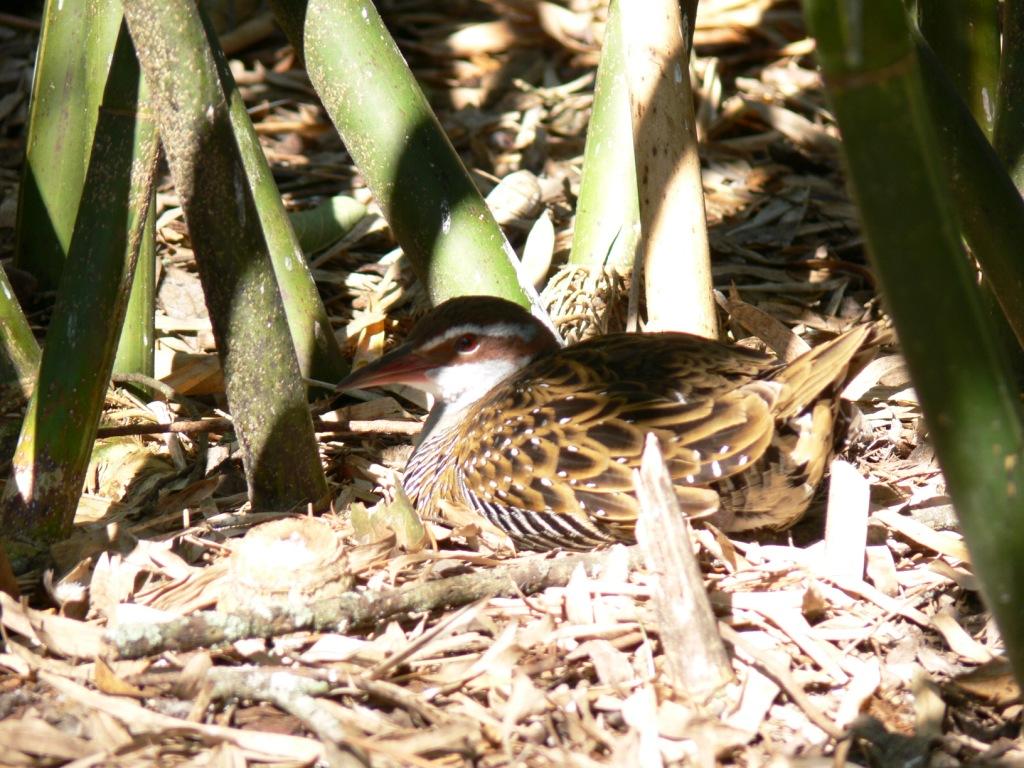
Buff-banded Rail (Gallirallus philippensis) by Lee

Buff-banded Rail (Gallirallus philippensis) by Lee

rather let it be the hidden person of the heart, with the incorruptible beauty of a gentle and quiet spirit, which is very precious in the sight of God. (1 Peter 3:4 NKJV)

***

When the Lord created the birds, some of them he made very beautiful to look at, others he made very hard to find. He did that for their protection. Either way, He loves them and cares for them. How much more does he care for us, love us and protect us?

*

The Cardinal Bird And The Robin

Northern Cardinal (Cardinalis cardinalis) by Daves BirdingPix

Northern Cardinal (Cardinalis cardinalis) by Daves BirdingPix

THE CARDINAL BIRD AND THE ROBIN

“The cardinal bird,” said daddy, “is a very superior bird and will not come down to the ground. The lowest he will come is to a bush, but he never hops along the woods or lawns, no, not he!

“One day Robin Redbreast was walking on a green lawn. He stopped several times to pick up a worm from the ground, swallow it whole and then walk along. In a tree nearby he spied the cardinal bird.

“‘Hello,’ he said cheerily. ‘Won’t you come and have a worm with me? There are a number in this lawn, and the good rain we had last night has made the ground so nice and soft. Do join me,’ he ended with a bright chirp.

“‘No, thank you,’ said the cardinal bird. ‘I wouldn’t soil my feet on that ground. I hate the ground, absolutely hate it.’ And the cardinal bird looked very haughty and proud.

“‘Come now,’ said Robin Redbreast, ‘you won’t get your feet dirty. And if you do,’ he whispered knowingly, ‘I can lead you to the nicest brook where you can wash them off with fresh rain water. Do come!’

“‘I cannot,’ said the cardinal bird. ‘I do not like the earth. I want to be flying in the air, or sitting on the branches of trees. Sometimes I will perch for a little while on a laurel bush—but come any lower? Dear me, no, I couldn’t.’

“‘It’s a great shame,’ said Robin Redbreast. ‘Of course there is no accounting for taste.’

“‘Thank you for inviting me,’ added the cardinal bird politely. For he prided himself on his good manners.

“Pretty soon some people came along. At once they noticed the beautiful cardinal bird. He wore his best red suit which he wears all the time—except in the winter, when he adds gray to his wings. His collar and tie were of black and his feathers stuck up on top of his head so as to make him look very stylish and fine.

“‘Oh, what a wonderful bird!’ said the people. Mr. Cardinal Bird knew they were admiring him, of course—and so did Robin Redbreast. No one had noticed him, but he didn’t care, for he knew Mr. Cardinal Bird was by far the more beautiful, and a robin hasn’t a mean disposition.

“Well, when the cardinal bird heard the praise he began to sing—a glorious high voice he had, and he sounded his clear notes over and over again. Then suddenly he stopped, cocked his head on one side, as though to say,

“‘And what do you think of me now?’

“From down on the ground Robin Redbreast had been listening. ‘Oh, that was wonderful, wonderful!’ he trilled.

“‘Listen to that dear little robin,’ said one of the people. ‘I must get him some bread crumbs.’

“When the bread crumbs were scattered over the ground, Robin Redbreast invited the cardinal bird down again thinking they were for him! But the beautiful, proud bird would not come down, and the people were saying, ‘After all there is nothing quite so nice as a dear little robin.'”

American Robin (Turdus migratorius) by Ian

American Robin (Turdus migratorius) by Ian


Lee’s Addition:

When pride comes, then comes shame; But with the humble is wisdom. (Proverbs 11:2 NKJV)

Our foolish pride comes from this world, and so do our selfish desires and our desire to have everything we see. None of this comes from the Father. (1 John 2:16 CEV)

I think our Cardinal friend in this story was just a little bit too proud. Our friendly Robin was trying hard to offer the Cardinal a good meal and to encourage our Red bird. Do we act more like the Cardinal or the Robin?

(Also: Cardinals in real life do not show false pride.)

*

Another Bird Tales

From

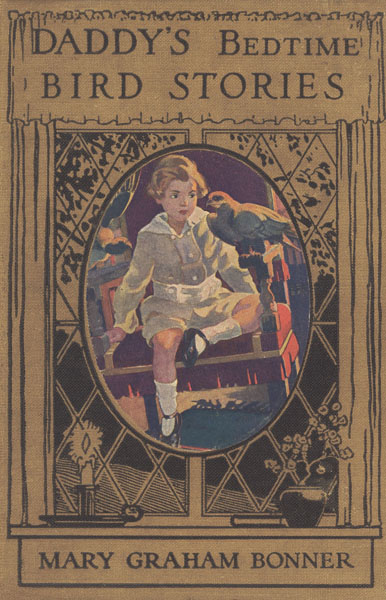
Daddy’s Bedtime Bird Stories – Gutenberg ebooks

By

Mary Graham Bonner

With four illustrations in color by
Florence Choate and Elizabeth Curtis

Daddys Bedtime Story Images


These stories first appeared in the American Press Association Service and the Western Newspaper Union.


Many of the sketches in this volume are the work of Rebecca McCann, creator of the “Cheerful Cherub,” etc.

Daddy's Bedtime Bird Stories by Mary Graham Bonner - 1917

*
Daddy’s Bedtime Bird Stories by Mary Graham Bonner – 1917

*

Links:

Painted Bunting (Passerina ciris) ©©Flickr


  Bird Tales


  Daddy’s Bedtime Bird Stories


Spanish Sparrow (Passer Hispaniolensis) female ©WikiC


  Wordless Birds


Northern Cardinal (Cardinalis cardinalis) - ©WikiC


  Cardinalidae – Grosbeaks, Saltators & Allies Family


American Robin (Turdus migratorius) eating by Jim Fenton


Turdidae – Thrushes Family

*