Fly Light…

Mallards flying off by Ian

Mallards flying off by Ian

Fly Light… ~ by a j mithra

Do birds carry
heavy or light luggage
when they fly?
Never,
cos,
they know that
its easier to fly light
without excess weight…

Though we wait
on the LORD,
we still are not able to
fly high over the storm..

Why?
Is it cos
we carry all the junk like

  • fears and tears,

and,

  • anger and pain?

LETS FLY LIGHT
FOR THE LIGHT…

Therefore seeing we also are surrounded with so great a cloud of witnesses, let us lay aside every weight, and the sin which does so easily ensnare us, and let us run with patience the race that is set before us, (Hebrews 12:1)

Have a Blessed day!

Your’s in YESHUA,
a j mithra

Please visit us at: Crosstree

ajmithra21

*

See more of a j’s articles

*

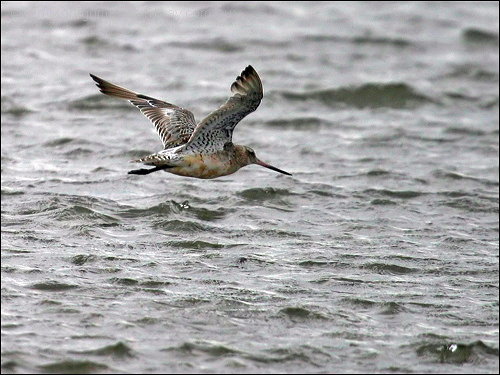
Bar-tailed Godwit’s Self – Control..

Bar-tailed Godwit (Limosa lapponica) by Nikhil Devasar

Bar-tailed Godwit (Limosa lapponica) by Nikhil Devasar

Bar-tailed Godwit’s Self – Control.. ~ by a j mithra

With the help of satellite tracking,
researchers found that,
Bar-tailed Godwits made
the longest non-stop flight
of any bird…

A female bar-tailed Godwit,
flew nonstop for eight days
and covered 7,242 miles
from Alaska to New Zealand….

These birds use
the air’s low pressure
to help them migrate
and they take advantage
of the 500 to 800 miles
of strong tailwinds
of the low pressure..

Many a time,
when we face low pressure
in life,

  • we feel down and out,
  • weak and weary,
  • distracted and disturbed

all along our life’s journey….

All because,
we don’t have the
fruit of self-control..

We also fail to realize that the low pressure
is the launching pad
on our quest to top…

Bar-tailed Godwit (Limosa lapponica) by Ian

Bar-tailed Godwit (Limosa lapponica) by Ian

Look at the price this little bird had paid
to do what no one else could do!

  • She didn’t eat or drink,
  • she didn’t shop or sleep

during her journey..
GOD paid a priceless price
for all our sins..
But,
what price are we going to pay
to reach our destiny?

  • This bird neither slept
  • nor supped for eight long days..

Do we have that self-control,

  • to fast at least once a week?
  • to keep wake all night
  • and pray for at least once a month?

GOD IS IN NEED OF PEOPLE TO STAND AT THE GAP
AND PLEAD FOR ALL THOSE DYING SOULS..
HELLOOOOO….
IS ANYONE LISTENING?

And every man that striveth in the games exerciseth self-control in all things. Now they [do it] to receive a corruptible crown; but we an incorruptible. (1Corinthians 9:25 (A S V))

Have a blessed day!

Yours in YESHUA,
a j mithra

Please visit us at:
Crosstree

ajmithra21

*

See More of aj’s articles

*

Birds of the Bible – Birds and Names?

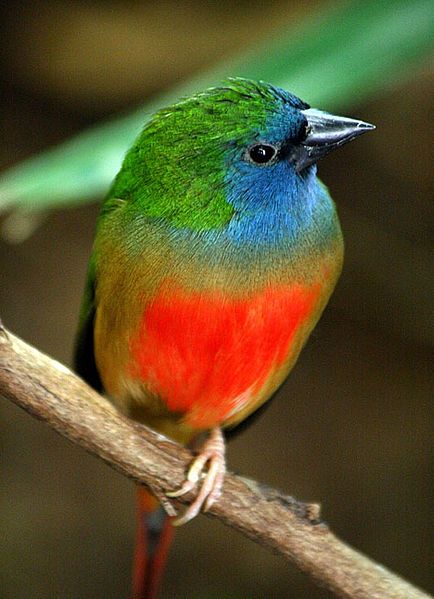
Pin-tailed Parrotfinch (Erythrura prasina) ©WikiC

Pin-tailed Parrotfinch (Erythrura prasina) ©WikiC

The devotional a few days ago from Days of Praise had one called The Names of Men. They were referring to the many list of names of people in the Bible and how many of them are unknowns. Why are they listed? The article gives a good answer to that, but here is the main point of it:

And these are the names of the men that shall stand with you: of the tribe of Reuben; Elizur the son of Shedeur. (Numbers 1:5 KJV)

“He wants to assure us that He is interested not only in the Abrahams, Daniels, Pauls, and other great men in His kingdom, but also in the Elizurs and Shedeurs and Bills and Kates in His spiritual family.

There are many millions of names “written in the Lamb’s book of life” and the heavenly Lamb–the Lord Jesus Christ–is also the Good Shepherd that “calleth his own sheep by name” The names in His book here on earth are an assurance that He knows and calls us by each of our names in His book in heaven. ”

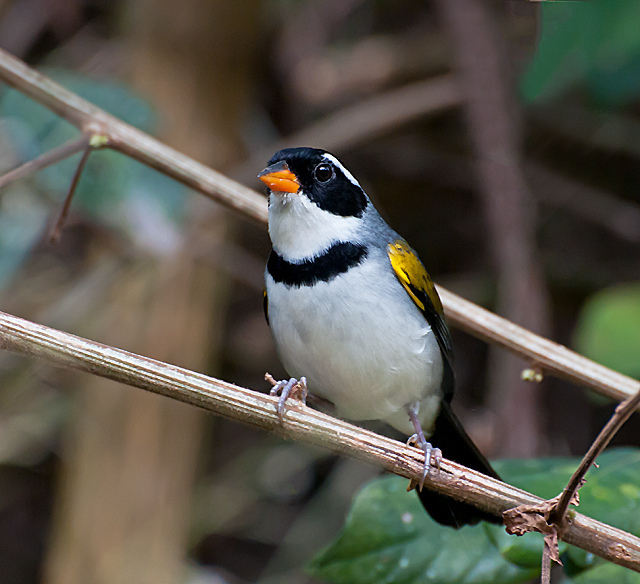
Saffron-billed Sparrow (Arremon flavirostris) by Dario Sanches

Saffron-billed Sparrow (Arremon flavirostris) by Dario Sanches

How does this tie in with birds? We know that the Lord knows the birds because the Word tells us that not a one falls without His knowledge.

I know all the birds of the mountains, And the wild beasts of the field are Mine. (Psalms 50:11 NKJV)

Consider the ravens, for they neither sow nor reap, which have neither storehouse nor barn; and God feeds them. Of how much more value are you than the birds? (Luke 12:24 NKJV)

Who teaches us more than the beasts of the earth, And makes us wiser than the birds of heaven?’ (Job 35:11 NKJV)

Are not two little sparrows sold for a penny? And yet not one of them will fall to the ground without your Father’s leave (consent) and notice. (Matthew 10:29 AMP)

If the Lord knows every birds need, cares about them and knows when they fall, do you not think we are noticed? He knows all of our names and if you know Him as your personal Saviour, your name has been written in the Book of Life.

Gospel Message

More Birds of the Bible

*

Nuggets Plus – More of Him…

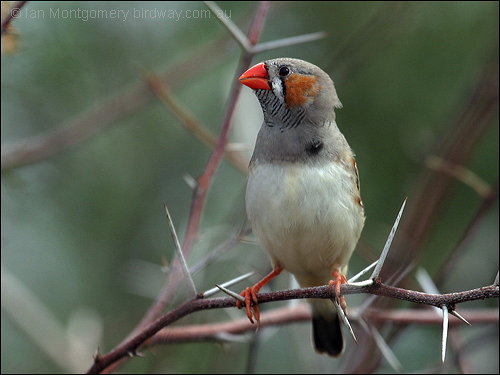
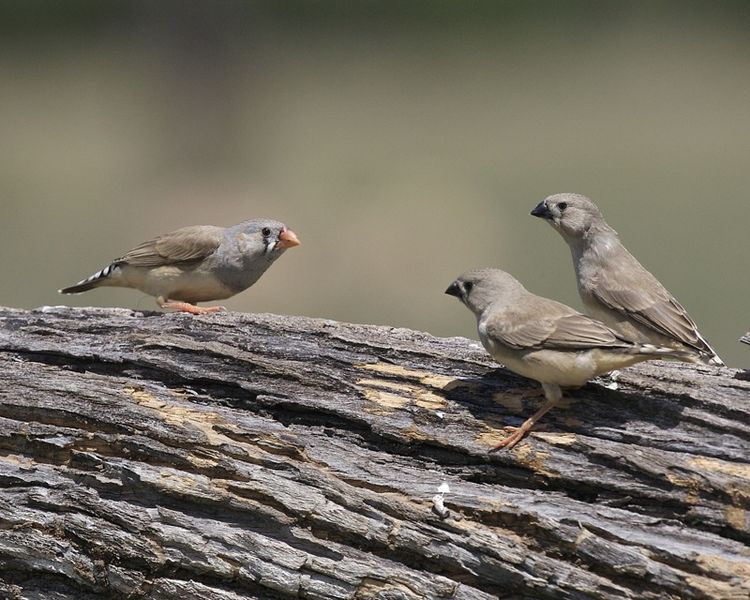
Zebra Finch (Taeniopygia guttata) by Ian

Zebra Finch (Taeniopygia guttata) by Ian

More of Him… ~ by ajmithra

When female Zebra Finches
have no option,
but to mate with an ugly male,
they tend to lay larger-than-normal eggs.
The researchers say,
that the females
are compensating
for the lack of its
genetic fitness of the father,
by giving their offspring
an egg containing
extra nutrients
and
more space to grow..

Zebra Finch (Taeniopygia guttata) ©WikiC Female -2 young

Zebra Finch (Taeniopygia guttata) ©WikiC Female -2 young

Jesus too compensated

  • for all our sins,
  • our shortcomings,
  • our pride,
  • our ego,
  • our ugly,
  • stinking life,

on the cross of Calvary,
so that we may
never feel weak again
and
we may have more of HIM
and less of I…

He must increase, but I must decrease. (John 3:30 KJV)

Have a blessed day!

Your’s in YESHUA,
a j mithra

Please visit us at:

Crosstree

ajmithra21

*

More of a j mithra’s Articles:

*

Stop flying solo…

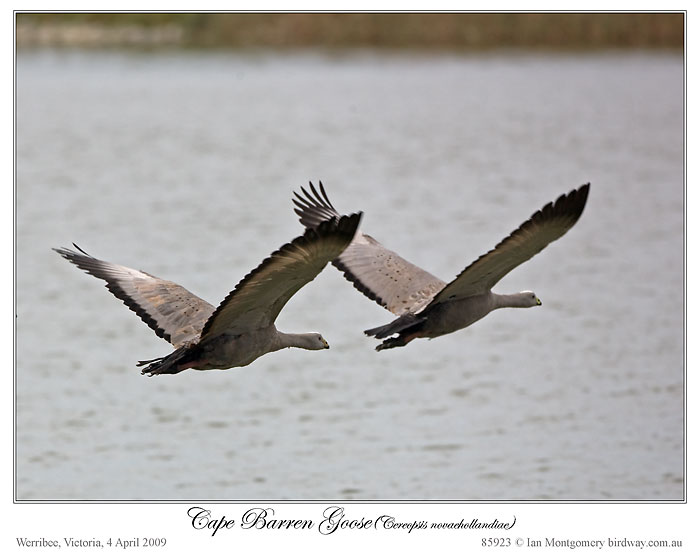
Cape Barren Goose (Cereopsis novaehollandiae) by Ian

Cape Barren Goose (Cereopsis novaehollandiae) by Ian

Stop flying solo… ~ by a j mithra

The linear flight formations of migratory birds are called echelons.
The V and the J structures are typical and are the most readily recognized flock echelons…

There are two well-supported and complementary explanations for why birds fly in formation.

  • One is to conserve energy by taking advantage of the upwash vortex fields created by the wings of the birds in front.
  • The other is to facilitate orientation and communication among the birds.

These explanations have been backed by a variety of studies..
We as believers are on a journey, migrating to heaven..
How much energy do we conserve?

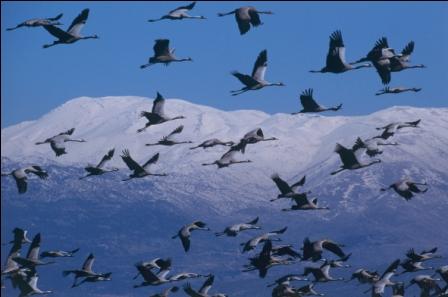
Crane Migration over Israel

Crane Migration over Israel

First of all,

  • do we migrate in groups
  • or are we on a selfish solo flight

to heaven?
Unless we communicate with fellow believers we will not be able to migrate as a group
and unless we migrate as a group we will not be able to conserve energy..
Cos, GOD’s presence is mightier in corporate worship…

After all, GOD said that

For where two or three are gathered together in my name, there am I in the midst of them. (Matthew 18:20 KJV)

Lets stop solo flight and start migrating as a crowd…..

Your’s in YESHUA,
a j mithra

Please visit us at:

Crosstree

ajmithra21

*

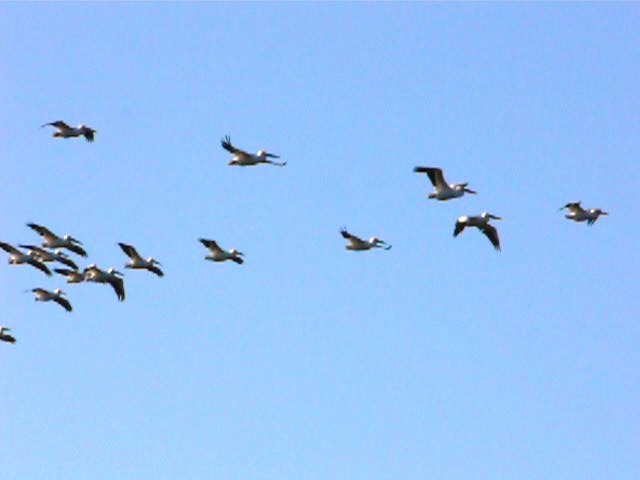
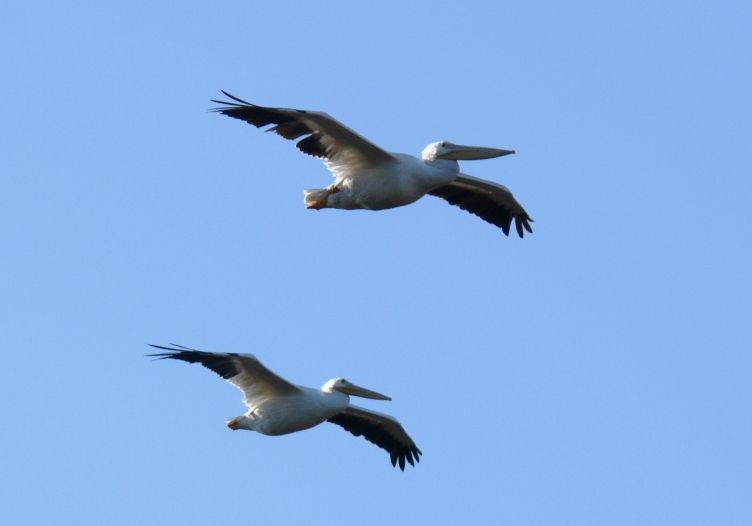
American White Pelican (Pelecanus erythrorhynchos) by Lee

White Pelicans on the Wing at Circle B Bar Reserve by Lee

Why do geese fly in a V shape?

More of a j mithra’s Articles:

*

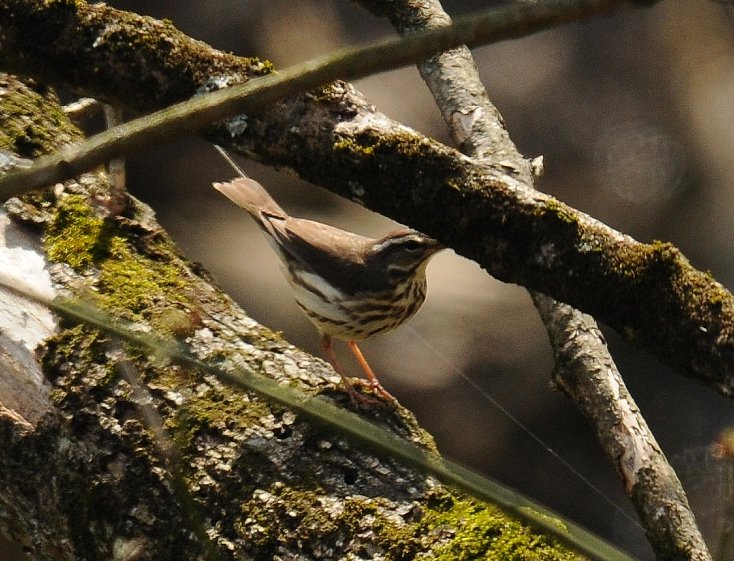
The Louisiana and Northern Waterthrushes – The Flowing Worship and the Formal Worship..

Louisiana Waterthrush (Parkesia motacilla) ©WikiC

Louisiana Waterthrush (Parkesia motacilla) ©WikiC

The Louisiana and Northern Waterthrushes – The flowing worship and the formal worship.. ~ by a j mithra

The Louisiana and Northern Waterthrushes
are very similar species
whose breeding ranges overlap slightly.
Their songs and their habitats, while similar,
differ significantly.
The pitch of the beginning notes
of the Louisiana’s song usually descend,
just as does the hilly stream
that is its preferred habitat.

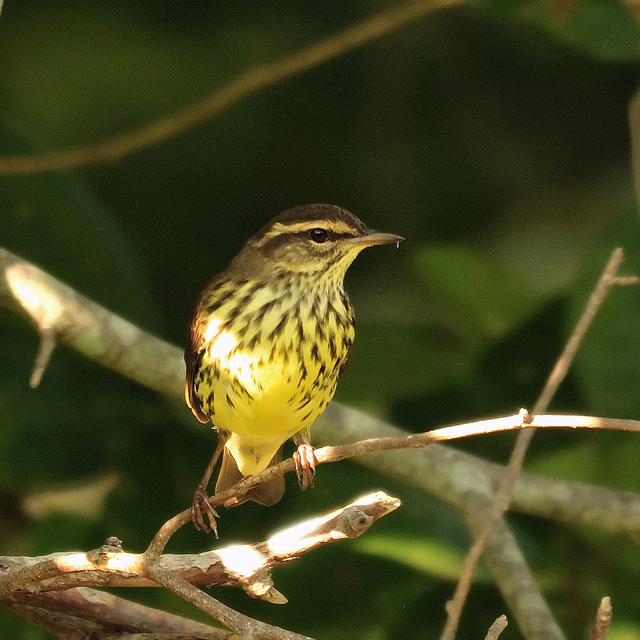
Northern Waterthrush (Parkesia noveboracensis) ©hjhipster

Northern Waterthrush (Parkesia noveboracensis) ©hjhipster

The Northern Waterthrush prefers
bogs and waters that are flat,
just as its beginning notes stay
on the same pitch.

What sort of worship life
do we lead?

  • Does worship flow from within us?

Cos, when the Living Water flows
from within us,
our worship too would flow
like the Living Water.
When our life is stagnant
our worship too would turn
stale and stagnant…
Its time for us to switch on the
Search light to check,
if we have a flowing worship
or a formal worship…
Remember,
when worship flows
blessing follows…
“Whoever believes in me,
as the Scripture has said,

Out of his heart will flow rivers of living water. (John 7:38)

Yours in YESHUA,
a j mithra

Please visit us at:
Crosstree

ajmithra21

See more of a j’s articles here:

a j mithra

Also:

Waterthrushes – Wikipedia

Northern Watherthrush –  All About Birds

Louisiana Waterthrush – All About Birds

Parulidae – New World Warblers

*

Birds of the Bible – Where Did They Go?

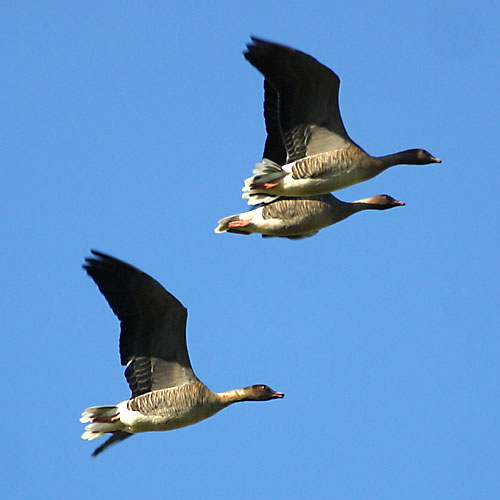
Pink-footed Goose (Anser brachyrhynchus) ©Arthur Grosset

Pink-footed Goose (Anser brachyrhynchus) ©Arthur Grosset

Where did they go? I was wondering that a little over a week ago when we drove 50 miles to Orlando. I keep a small notebook and write down the birds we see as Dan drives. As cross into each county, I start my list for that county by drawing a line, putting the time, temperature if I know it, and what the sky looks like. Other than a Turkey Vulture or Black Vulture in each county, nothing was flying. We saw a few grackles, a Mockingbird, and a few Fish Crows. Coming back, one county I wrote “none” on my notebook. Normally here in Central Florida, we see birds around the ponds and lake. Nothing that day.

The next day, we drove 50 the other direction to Tampa to go to the Lowry Park Zoo. I knew those birds would be there. They are captive. I had the same results. One or two birds, but nothing flying. When I attended church the next day, I had several people tell me that they hadn’t seen any birds at their feeders and wondered if I knew why. I didn’t and don’t have a clue.

I am curious if it is that way up north when the birds start their migrations. You see them one day and then not the next. Our summer birds seem to be here year-round, or at least I thought so.

American White Pelican (Pelecanus erythrorhynchos) by Lee

American White Pelican (Pelecanus erythrorhynchos) by Lee

All of that reminded me of the verses in Jeremiah:

I beheld, and indeed there was no man, And all the birds of the heavens had fled. (Jeremiah 4:25 NKJV)

I will take up a weeping and wailing for the mountains, And for the dwelling places of the wilderness a lamentation, Because they are burned up, So that no one can pass through; Nor can men hear the voice of the cattle. Both the birds of the heavens and the beasts have fled; They are gone. (Jeremiah 9:10 NKJV)

That also caused me to think about this past summer. Where did it go? Where did those days and hours go that I had so many plans for. I especially thought I would work on this blog while the birds were gone north for the summer. Well, guess what? Here it is Autumn and it didn’t happen. In fact I am busier now than before they left. I was putting out about one article a day and now struggle to get one out every few days.

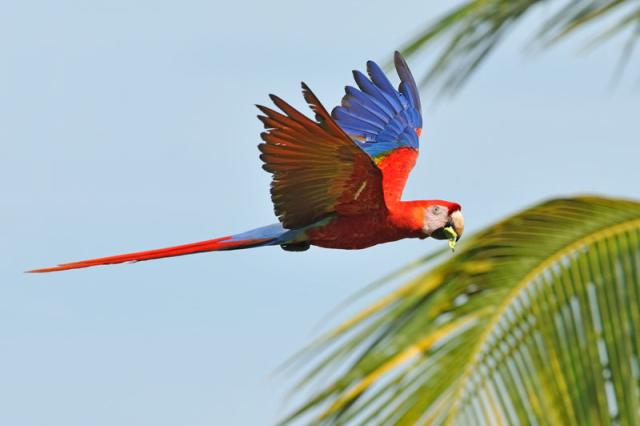
Scarlet Macaw (Ara macao) Reinier Munguia

Scarlet Macaw (Ara macao) Reinier Munguia

Do these verses cause you also to consider where time goes?

Indeed, You have made my days as handbreadths, And my age is as nothing before You; Certainly every man at his best state is but vapor. Selah (Psalms 39:5 NKJV)

Come now, you who say, “Today or tomorrow we will go to such and such a city, spend a year there, buy and sell, and make a profit”; whereas you do not know what will happen tomorrow. For what is your life? It is even a vapor that appears for a little time and then vanishes away. Instead you ought to say, “If the Lord wills, we shall live and do this or that.” (James 4:13-15 NKJV)

This post is just a “rambling” post, but I’m sure most of those who visit here that have blogs have felt the same way at times. I don’t want to just put a post up just for the sake of putting one up. I prefer for it to mean, instill or teach something.

ActiveLink

ActiveLink for today

Seems like lately, everything vies for my time. I have been on Weight Watchers since January (lost 30 lbs so far) and now even they are after my time. They recently released “ActiveLink” which monitors our movements. Sitting at a computer for hours, does not movement make. So now I have to get up and, ugh, exercise every so often or at least walk around. It will be worth it, but it takes “TIME.” That isn’t the only thing I have added lately. I am in new Ladies Bible Study and now I have “homework.” Time, time, time, where does it go?

Can you relate to any of this? I would venture to say many of you can. Oh, but isn’t the Lord great? When we do get time to see his fantastic creation, especially His birds, don’t they bring joy to you?

See also:

Birds of the Bible

Birds of the Bible – Birds of the Air

Wordless Birds

*

Birds of the Bible – Smith’s Sparrow

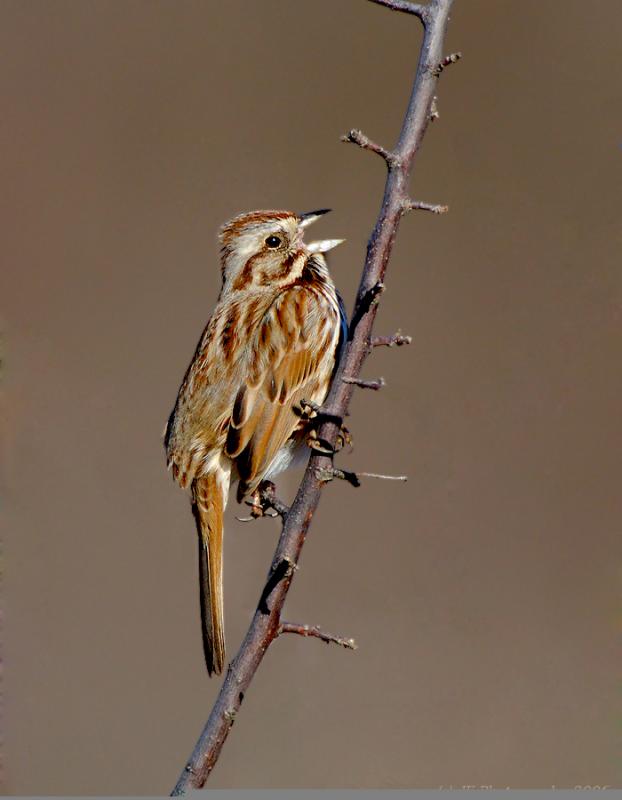
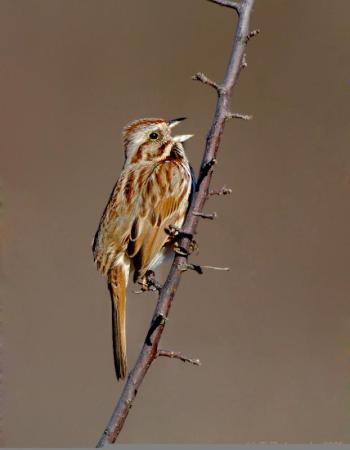
Song Sparrow (Melospiza melodia) by J Fenton

Song Sparrow (Melospiza melodia) by J Fenton

While looking up the word “birds” in the Dictionary section of my e-Sword program, there is an “i” symbol that shows on the tab of the name of a dictionary. That “i” indicates that there is information about your search word. The Smith’s Bible Dictionary had an “i” so I investigated it. This is what I saw:

Birds
        Birds. See Sparrow.

So when I went there, this interesting definition of “sparrow” was found and I wanted to share it with you.
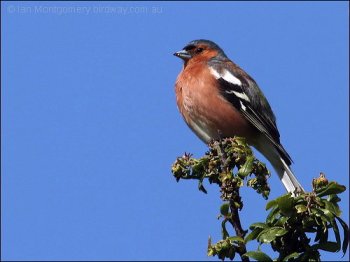
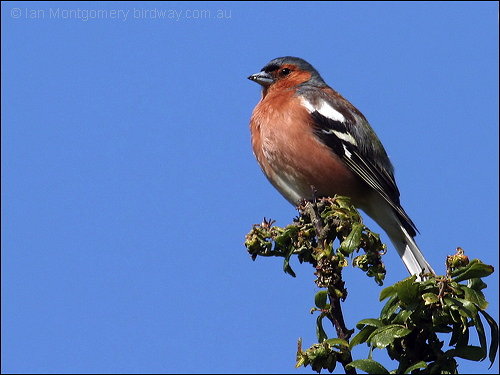
Eurasian Chaffinch (Fringilla coelebs) by Ian

Eurasian Chaffinch (Fringilla coelebs) by Ian

Sparrow

Sparrow. (Hebrew, tzippor, from a root signifying to “chirp” or “twitter”, which appears to be a phonetic representation of the call-note of any passerine (sparrow-like) bird). This Hebrew word occurs upwards of forty times in the Old Testament. In all passages, except two, it is rendered by the Authorized Version indifferently as “bird” or “fowl,” and denotes any small bird, both of the sparrow-like species and such as the starling, chaffinch, greenfinch, linnet, goldfinch, corn-bunting, pipits, blackbird, song-thrush, etc. In Psalm 84:3, and Psalm 102:7, it is rendered “sparrow.”

Corn Bunting (Emberiza calandra) ©WikiC

Corn Bunting (Emberiza calandra) ©WikiC

Yea, the sparrow hath found an house, and the swallow a nest for herself, where she may lay her young, even thine altars, O LORD of hosts, my King, and my God. (Psalms 84:3 KJV)

I watch, and am as a sparrow alone upon the house top. (Psalms 102:7 KJV)

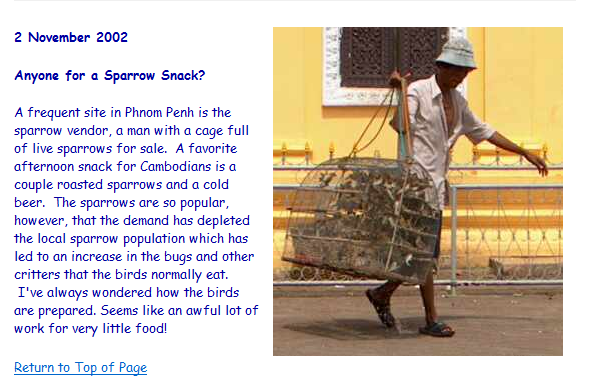
Anyone for a Sparrow Snack?

The Greek, stauthion, (Authorized Version, “sparrow”), occurs twice in the New Testament, Matthew 10:29; Luke 12:6-7. (The birds above mentioned are found in great numbers in Palestine, and are of very little value, selling for the merest trifle, and are, thus, strikingly used by our Saviour, Matthew 10:20, as an illustration of our Father’s care for his children. — Editor).

Are not two sparrows sold for a farthing? and one of them shall not fall on the ground without your Father. (Matthew 10:29 KJV)

Are not five sparrows sold for two farthings, and not one of them is forgotten before God? But even the very hairs of your head are all numbered. Fear not therefore: ye are of more value than many sparrows. (Luke 12:6-7 KJV)
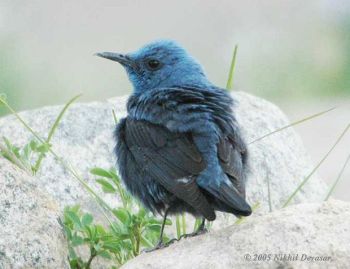
Blue Rock Thrush (Monticola solitarius) by Nikhil Devasar

Blue Rock Thrush (Monticola solitarius) by Nikhil Devasar

The blue thrush, (Petrocossyphus cyaneus), is probably the bird to which the psalmist alludes in Psa_102:7, as “the sparrow that sitteth alone upon the house-top.” It is a solitary bird, eschewing the society of its own species, and rarely more than a pair are seen together. The English tree-sparrow, (Passer montanus), is also very common, and may be seen in numbers on Mount Olivet, and also about the sacred enclosure of the mosque of Omar. This is, perhaps, the exact species referred to in Psalm 84:3.

Yea, the sparrow hath found an house, and the swallow a nest for herself, where she may lay her young, even thine altars, O LORD of hosts, my King, and my God. (Psalms 84:3 KJV)
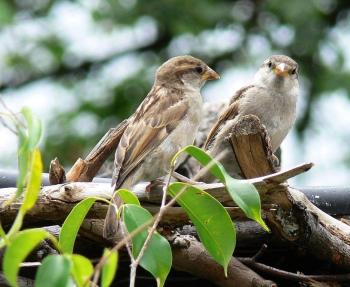
House Sparrows visiting National Aviary Parrot Show by Lee

House Sparrows visiting NA Parrot Show Outside

Dr. Thompson, in speaking of the great numbers of the house-sparrows and field-sparrows in troublesome and impertinent generation, and nestle just where you do not want them. “They stop your stove — and water-pipes with their rubbish, build in the windows and under the beams of the roof, and would stuff your hat full of stubble in half a day, if they found it hanging in a place to suit them.”

(I added the verses to make it easier and also the “blue thrush, (Petrocossyphus cyaneus)” could not be found. Photos also inserted.)

The Blue Rock Thrush (Monticola solitarius) is a species of chat. This thrush-like Old World flycatcher was formerly placed in the family Turdidae. It is now found in the Muscicapidae family.

Sparrows are found in two families today. The Family – Emberizidae – Buntings, New World Sparrows & Allies and the Family – Passeridae – Old World Sparrows, Snowfinches.

*

Smith’s Bible Dictionary, originally named A Dictionary of the Bible, was a 19th century Bible dictionary containing upwards of four thousand entries that became named after its editor, William Smith. Its popularity was such that condensed dictionaries appropriated the title, “Smith’s Bible Dictionary”.

The original dictionary was published as a three volume set in 1863, in London and Boston, USA. This first edition was followed in 1893 by an expanded four volume version which was published in the United States as A dictionary of the Bible comprising its antiquities, biography, geography, and natural history, edited by Smith and J. M. Fuller.

The original publications are now in the public domain; some derivative, commercial versions are still in copyright.

*

Bible Birds – Sparrows I

Russet Sparrow (Passer rutilans) by Nikhil Devasar

Russet Sparrow (Passer rutilans) by Nikhil Devasar

In the Bible, the Sparrows are mentioned in 7 verses. Check out these from the NKJV:

Even the sparrow has found a home, And the swallow a nest for herself, Where she may lay her young— Even Your altars, O LORD of hosts, My King and my God. (Psalms 84:3 NKJV)

I lie awake, And am like a sparrow alone on the housetop. (Psalms 102:7 NKJV)

Like a flitting sparrow, like a flying swallow, So a curse without cause shall not alight. (Proverbs 26:2 NKJV)

Are not two sparrows sold for a copper coin? And not one of them falls to the ground apart from your Father’s will. (Matthew 10:29 NKJV)

Do not fear therefore; you are of more value than many sparrows. (Matthew 10:31 NKJV)

Are not five sparrows sold for two copper coins? And not one of them is forgotten before God. (Luke 12:6 NKJV)

But the very hairs of your head are all numbered. Do not fear therefore; you are of more value than many sparrows. (Luke 12:7 NKJV)

Sparrows are not always thought of very highly. Many people think they are just “little brown birds” and are of no use. But is that what the Scriptures says in those verses? No.

What can you learn from those verses?

The sparrow has found a ____________

The sparrow is found on the __________________

How does the sparrow fly? (see Proverbs 26:2) _______________

Who is aware of or allows a sparrow to fall to the ground? ______________

Are sparrows forgotten by God? ______________

How many sparrows were sold for one copper coin? ________

For two copper coins? ___________

Who is more valuable, you or a sparrow? _____________

We will talk more about Sparrows in the next Bible Birds – Sparrows II. For now, here are a few pictures of different Sparrows around the world.

This slideshow requires JavaScript.

*

Bible Birds – Sparrows

Wordless Birds

*

Birds of the Bible – Jeremiah 8:7

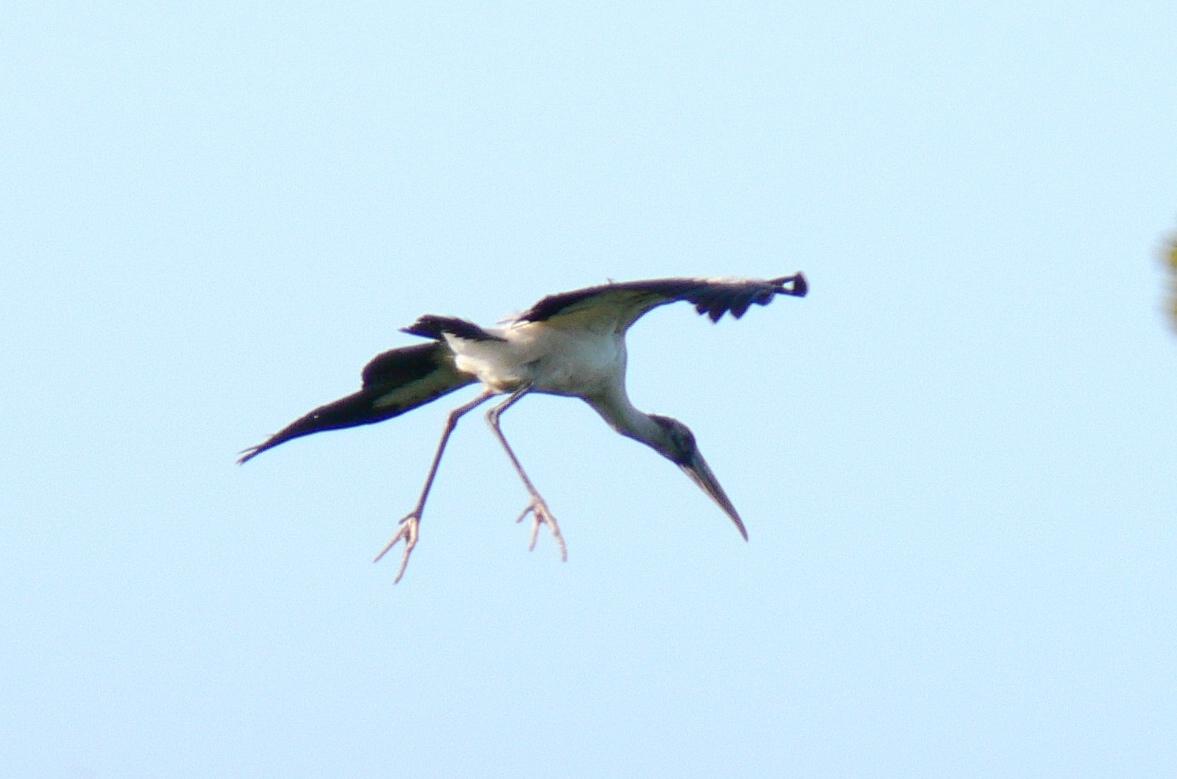
Wood Stork with landing gear down

Wood Stork with landing gear down

Jeremiah 8:7 has been used in several Birds of the Bible articles before. See Birds of the Bible:

So what else can be found out about that verse? Those of you that follow this blog know that I enjoy digging into the Bible with my e-Sword program. It is a free program that can be downloaded. It has different versions of the Bible that can be downloaded free or some with a small fee. Also available are dictionaries, commentaries, maps, notes, references and STEP additions. For the price, FREE, it is hard to beat. There are also links to other sites to get even more add-ons. Check out their LINKS page. Two favorites of mine are the ESS and the Bible Support sites.

The Bible tells us to study the Bible and we should. I try to read several chapters every day and meditate on what I read. Then along with that I like to dig deeper into Scripture and mine some great promises and truths out. Then other times, like this article, I am just digging out the birds mentioned in the different versions of this verse. I don’t endorse every version I have loaded on my e-Sword, but I do like to compare all of them.

But continue thou in the things which thou hast learned and hast been assured of, knowing of whom thou hast learned them; And that from a child thou hast known the holy scriptures, which are able to make thee wise unto salvation through faith which is in Christ Jesus. All scripture is given by inspiration of God, and is profitable for doctrine, for reproof, for correction, for instruction in righteousness: That the man of God may be perfect, throughly furnished unto all good works. (2 Timothy 3:14-17 KJV)

Well, back to Jeremiah 8:7. Here’s the verse:

Yea, the stork in the heaven knoweth her appointed times; and the turtle and the crane and the swallow observe the time of their coming; but my people know not the judgment of the LORD. (Jeremiah 8:7 KJV)

Using the “Compare” mode, let’s see which birds are mentioned. Most mention the Stork, Turtle or Turtle-dove, Swallow, and the Crane. It is referring to them having the knowledge to know when to migrate, but “but my people know not the rules of the LORD.” (ESV) See the other articles for more details.

*

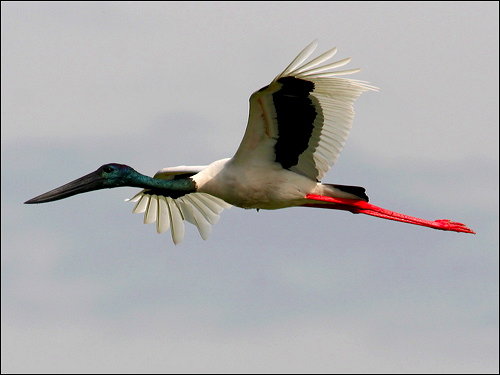
Black-necked Stork (Jabiru) (Ephippiorhynchus asiaticus) by Ian

Black-necked Stork (Jabiru) (Ephippiorhynchus asiaticus) by Ian

The H####’s are from Strong’s Hebrew and Greek Dictionaries. Using the KJV+ for the numbers.
H2624
חסידה
chăsı̂ydâh
khas-ee-daw’
Feminine of H2623; the kind (maternal) bird, that is, a stork: – X feather, stork.

Stork or storks – every version except two – DRB (kite), MSG (see bottom)
*

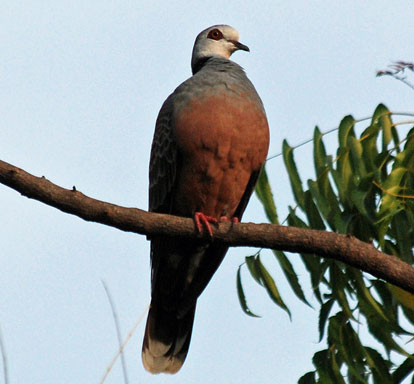
Adamawa Turtle Dove (Streptopelia hypopyrrha) ©WikiC

Adamawa Turtle Dove (Streptopelia hypopyrrha) ©WikiC

H8449
תּר תּור
tôr tôr
tore, tore
Probably the same as H8447; a ring dove, often (figuratively) as a term of endearment: – (turtle) dove.

Dove, Turtle, Turtle-doves, Mourning Doves – same family, no problem
*

Welcome Swallow (Hirundo neoxena) by Ian

Welcome Swallow (Hirundo neoxena) by Ian

H5693
עגוּר
‛âgûr
aw-goor’
Passive participle (but with active sense) of an unused root meaning to twitter; probably the swallow: – swallow.

Swallow – most versions
Swift – instead of Swift – ERV, NASB, NAS77, NIV, NIrV
Swift and Swallow – NKJV
The Swift and the Swallow both behave alike in some ways even though they are not in the same family. I even confuse them at times.
*

Crane Migration over Israel

Crane Migration over Israel

H5483
סס סוּס
sûs sûs
soos, soos
From an unused root meaning to skip (properly for joy); a horse (as leaping); also a swallow (from its rapid flight): – crane, horse ([-back, -hoof]).
Now we see where two different birds could be used. From here on the different versions begin to differ.

Crane – Most use Crane, but here are some of the differences
Sparrows – APB, Brenton
Thrushes – CEV, ERV, ECB, GNB, LITV, NAS77, NASB
Quite a difference in the birds here.
*

Eastern Bluebird (Sialia sialis) by S Slayton

Eastern Bluebird (Sialia sialis) by S Slayton

I saved the most interesting translation till last. Actually, it is a paraphrase and not a true translation. It does give me three more named birds. So far I haven’t seen them anywhere else, so for now they will not get their own page.

Cranes know when it’s time to move south for winter. And robins, warblers, and bluebirds know when it’s time to come back again. But my people? My people know nothing, not the first thing of GOD and his rule. (Jeremiah 8:7 MSG)

Does it matter if there is a difference in these versions? Yes and no. Yes, the Bible should be translated as close to the original as possible. No, in the sense that all these birds were given the knowledge to migrate by the Lord. And the truth of people not knowing the truth about God and what He wants for their lives. The birds obey, man doesn’t.

See More Birds of the Bible

Thought:

The method I used to study this verse can be applied to any verse or passage you wish to dig into. I used the Strong’s Hebrew and Greek because, of course, I have no clue as to what those word are. But using those help me/you understand the meaning of the word as it was originally written or as close as we can get to it. As our language has changed over the years, our meanings have also changed. It helps to read other versions when studying the Bible. I know some don’t agree and I won’t go there. The Lord has many truths to find in His Word. Maybe you like plants or animals, or like to study one person at a time, or a promise and the different ways it is presented, whatever. Study.

Gospel Message

*

Introduction to Birds of the Bible For Kids

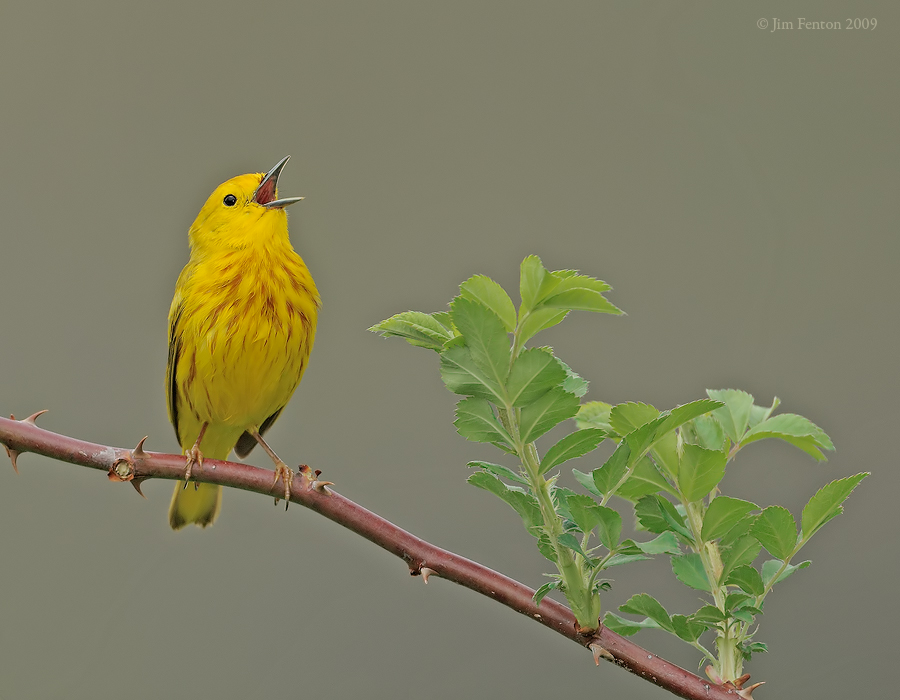
American Yellow Warbler (Dendroica aestiva) singing by J Fenton

American Yellow Warbler (Dendroica aestiva) singing by J Fenton

We just opened this site up today. It is in the beginning and we will be adding many things about the birds in the Bible and other birds that are not named in the Bible, but the Lord made all the birds.

On Day Five (5) of creation, the birds were created. They didn’t just happen. They were designed by God and each one is different. Each one was given just what it needs to live, eat, and make more birds.

Genesis 1:20-23 NKJV
(20) Then God said, “Let the waters abound with an abundance of living creatures, and let birds fly above the earth across the face of the firmament of the heavens.”
(21) So God created great sea creatures and every living thing that moves, with which the waters abounded, according to their kind, and every winged bird according to its kind. And God saw that it was good.
(22) And God blessed them, saying, “Be fruitful and multiply, and fill the waters in the seas, and let birds multiply on the earth.”
(23) So the evening and the morning were the fifth day.

I know there are some big words in those verses, but the bold letters help find important words.

Did you see the “let birds multiply”? That doesn’t mean they do math. It means that they were to have baby birds, then the baby could grow up and have more baby birds. Then there would be lots of birds.

We will be telling you more soon. Come back and find out about the many birds in the bible.

See:

Bible Birds

Wordless Birds

*

What you just read is the first Bible Birds article for the Birds of the Bible For Kids blog that I just released just a few minutes ago. I have wanted to have a “Kids” blog since day one of this one, but it just didn’t happen. I even reserved the site for it four years ago when Lee’s Birdwatching Adventures Plus was started here on WordPress. (It is now in the Kid’s Section of the main blog)

As the idea to add the Bible Birds articles grew. I even placed a page there for it, but then pulled it back. The children, kids, or young people need their own site with links for them.

After talking to many of our Sunday School teachers, school teachers, and kids workers (young and retired), I launched this new website. Some of those people have offered suggestions and some are actually going to write some articles for it. Mr. Baron (aka Golden Eagle) has agreed to help. He is a Christian school teacher and teaches the Bible and science. Enjoys teaching about creation and is a enthusiastic beginning birdwatcher. I will introduce more as they write their articles and stories.

All of this has been said so that you will know that the new site will have the same standard as this one does. It is Birdwatching From A Christian Perspective. We trust you will let your children and young people enjoy the new site knowing that we will not present anything contrary to Scripture. We believe God’s Word is the Final Authority in our lives and about our lives. Also, as parents or grand-parents, that you will stop by to find something to share with your “kids” or “grand-kids.”

Thank you to all who have been coming to this site. Your visits are appreciated and hope that we are giving you articles worth your time reading and thinking about. May you enjoy learning about and seeing many of the fantastically created birds that the Lord made.

And God saw every thing that he had made, and, behold, it was very good. And the evening and the morning were the sixth day. (Genesis 1:31 KJV)

*

(Updated – 10-5-14)

Early Singers…

*

Early Singers… ~ by a j mithra

Worm eating birds like Blackbird, Song Thrush and Robin start singing from around 4.00 am up until about 6.30 am.

They are blessed with large eyes in relation to the size of its body. These birds forage at low light and are capable of finding worms close to the surface of the ground early in the morning.

God wants us to be early risers like these worm eating birds, to wait in His presence to get spiritual food and to get directions from the Lord.
Jesus often used to get up very early in the morning and go out to pray.
  • Is that the reason He chose fishermen to be His disciples?
  • Remember, fishermen always rise early to venture into the sea to fish.
  • How often do we rise early to seek His presence?
  • These early rising worm eating birds have large eyes.
  • Do you want eyes that can see those worms that devour your blessings?
  • Do you want eyes that can see even in the darkest time?
Just rise early and God shall open your spiritual eyes wide open to see the unseen.
I love them that love me; and those that seek me early shall find me. (Proverbs 8:17)
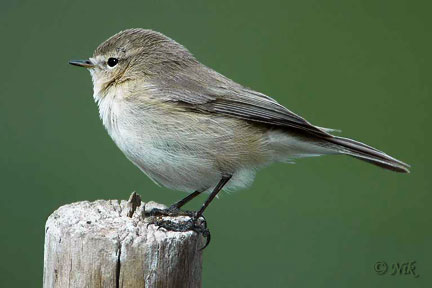
Mountain Chiffchaff (Phylloscopus sindianus) by Nikhil Devasar

Mountain Chiffchaff (Phylloscopus sindianus) by Nikhil Devasar

Wren, Chiffchaff and Black Cap are Insect eaters and they start their concert anytime from about 5.30 am.
These birds have slightly smaller eyes than the worm eaters and are more sensitive to the available light. This allows them to find darting and flying insects and spiders.
Eat the insects before it eats you.
But, how?
Do you find it difficult to get rid of all those tiny insects that nibble at your finances and blessings and your health and happiness?
  • Rise early and seek His presence and He will show you how to get rid of them.
  • Jacob wrestled with God and said that he will not leave until He blessed him..
  • It was at the break of the day that God blessed Jacob.
  • Most of God’s judgments too fell on day break.
  • The judgment of Sodom happened after day break.. (Genesis 19:15)
  • The fort of Jericho fell after day break.. (Joshua 6:15)
  • The tree that gave shelter to Jonah was consumed by God sent worms at day break.. (Jonah 4:7)
Are you waiting for God’s blessings?
  • Rise up at least before day break and receive God’s blessings before the Day of Judgment.
Want to meet God face to face and get a new name from Him?
  • Seek God before day break. That’s when God gave a new name to Jacob and
  • that’s when Jacob saw God face to face..
It is of the Lord‘s mercies that we are not consumed, because his compassions fail not.
They are new every morning: great is thy faithfulness. (Lamentations 3:22,23)
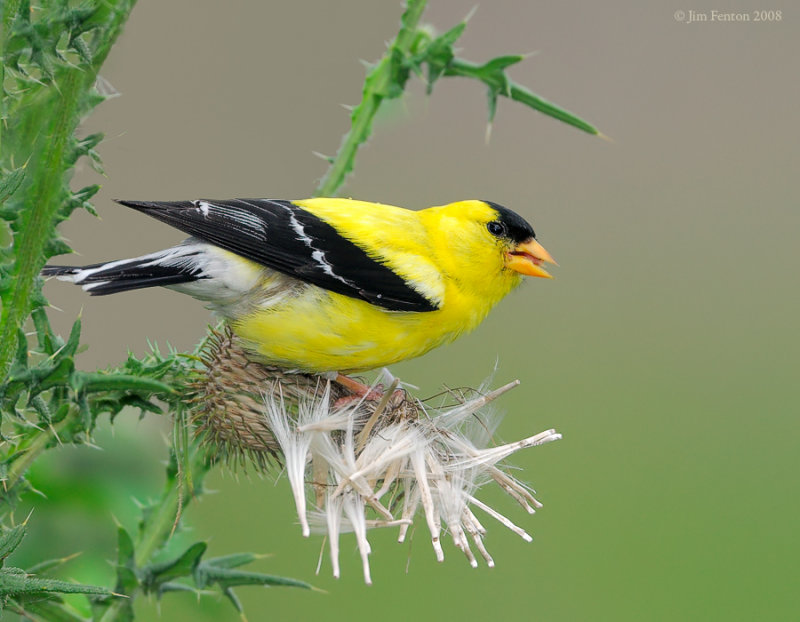
American Goldfinch (Carduelis tristis) on Thistle by Fenton

American Goldfinch (Carduelis tristis) on Thistle by Fenton

Seed eaters like Chaffinch, Goldfinch and Sparrow enter into the dawn chorus at around 6.00 am.

With smaller eyes they may need more light to look out for their food, especially when precision is required to extract small seeds.
Some of us are like these seed eaters. We need more light to look out for our food. Funny though, our God has called us to give light, but here, these seed eaters need more light to stay alive, since they have small eyes of faith.
  • They cannot see the unseen.
Someone should throw light to overcome the tight situation they are in, to show them the seed of faith.
  • What sort of seeds do we eat in the morning?
  • Do we eat seeds of doubt or seeds of faith?
  • Our fruits are determined by the seeds we eat..
And he that doubteth is damned if he eat, because he eateth not of faith: for whatsoever is not of faith is sin. (Romans 14:23)
Now the parable is this: The seed is the word of God. (Luke 8:11)
Whosoever is born of God doth not commit sin; for his seed remaineth in him: and he cannot sin, because he is born of God. (I John 3:9)
  •  Let the seed of God remain in us now and forever more..
  • Our life is shaped not by what we eat but by when we eat..
  • Remember the Manna – the word of God melts after sunrise.
So, sing early and eat early.
Have a blessed day!
Yours in YESHUA,
a j mithra

Please visit us at:

*