Various Birds From Creation Moments

Creation Moments has articles frequently about birds. I seem to get behind in checking my mail, so they sort of “pile up.” Today’s post is excerpts, with links to some of those posts.

Dueling Bird Songs
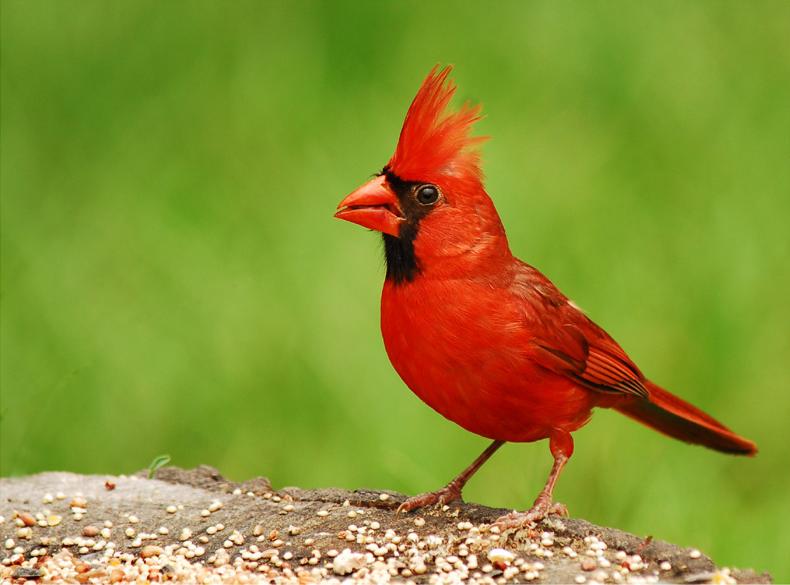
Northern Cardinal (Cardinalis cardinalis) - ©WikiC

Northern Cardinal (Cardinalis cardinalis) – ©WikiC

The flowers appear on the earth; the time of the singing of birds is come, and the voice of the turtle is heard in our land;…” Song of Solomon 2:12

“There is a lot more to bird song than meets the ear. Digital recording and computer technology have enabled researchers to study, in detail, various song-birds’ reactions to neighboring birds’ songs.

“In most species, singing is the male’s job. There is much more going on when he sings than simply establishing territory or attracting a mate. Researchers refer to one characteristic of bird song as “song matching.” While a male bird doesn’t like another male in his territory, he is more tolerant of a related male in a neighboring territory than of a complete stranger. A male will challenge a stranger by repeating the stranger’s song……”

Continued at Dueling Bird Songs
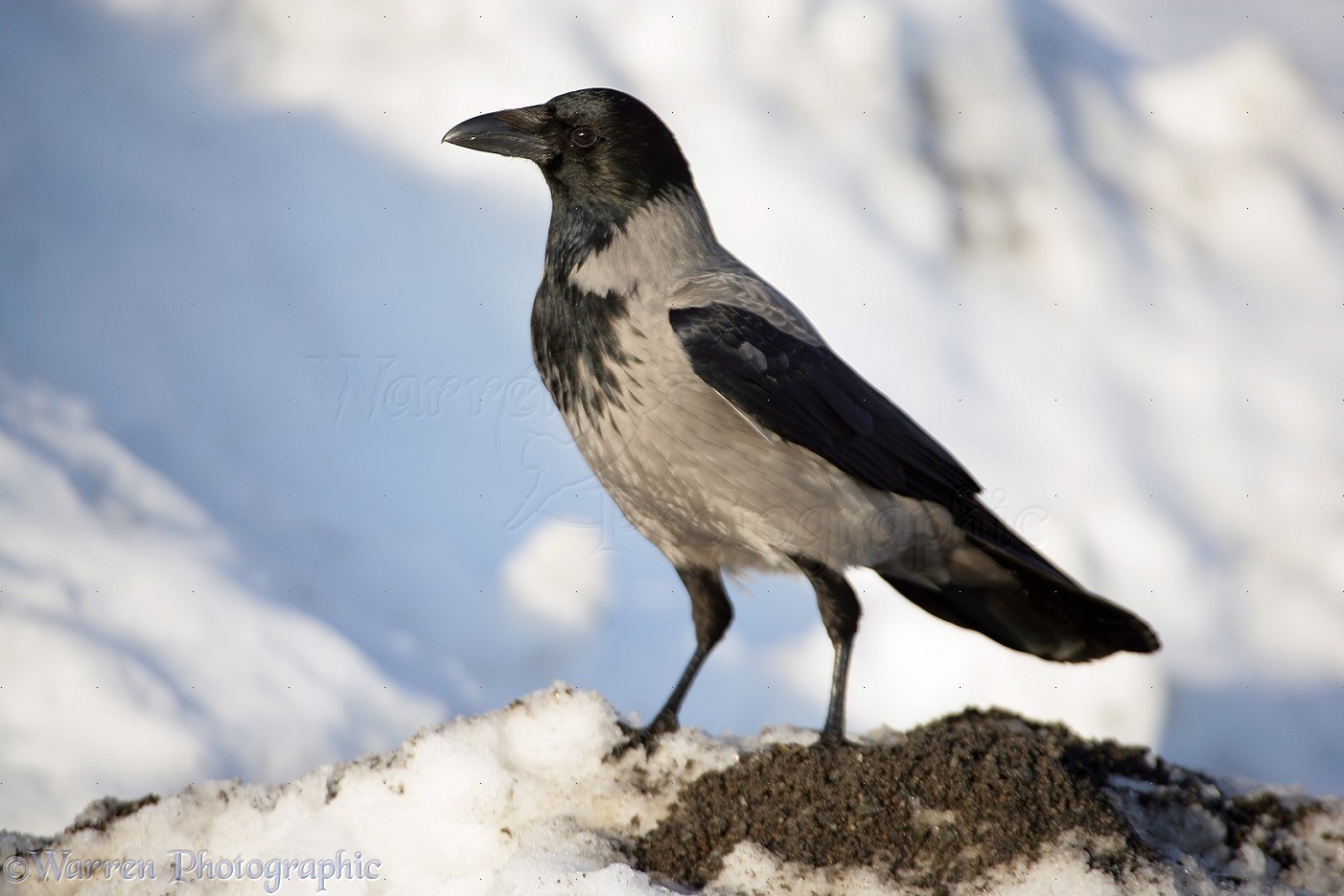

Hooded Crow. Warren Photographic

Are European Crows Evolving?

“And God created … every winged fowl after his kind…” Genesis 1:21

“A recent report on the Science Alert website discussed the evolution of two species of crow in Europe. The two species concerned are the carrion crow, which is black, and the grey-hooded crow. These crows are very different in appearance. They both populate continental Europe, with the grey-hoods in the East and the carrion crows in the West. Their boundary appears to be approximately where Germany’s Elbe River is. At this overlap point, it is possible for birds of the two species to interbreed. The hybrid birds are themselves fertile, which, while unusual for hybrids, is by no means unknown…..”

Continued at Are European Crows Evolving?


An Old Dead Bird And An Egg
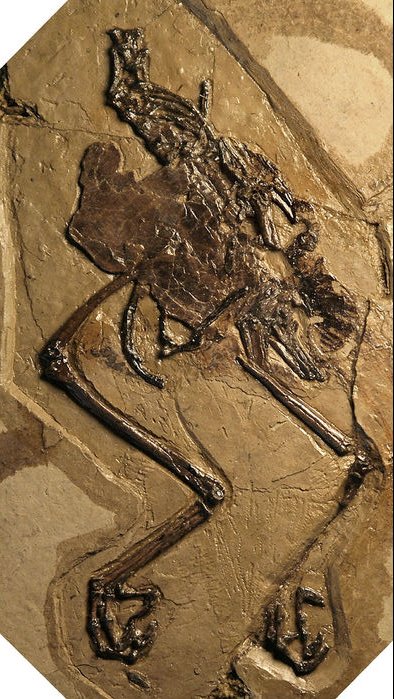
Fossil-Avimaia Schweitzerae With Unlaid Egg ©WikiC

Fossil-Avimaia Schweitzerae With Unlaid Egg ©WikiC

“And God blessed them, saying, Be fruitful, and multiply, and fill the waters in the seas, and let fowl multiply in the earth.” Genesis 1:22

“I like to keep ducks because I love their eggs. Last summer, one of my ducks became ill, with eggs trapped inside her. Despite my best efforts, she died. Scientists believe the same thing may have happened to a specimen of Avimaia. This fossil, dated by evolutionists at 110 million years old, had evidence of an unlaid egg inside it.” ..

“These deep-time ages do not make sense in the light of the creatures’ appearances. For example, the fact that the avimaia fossil has this unlaid egg within it suggests that the process of egg laying has not changed for these birds, which even evolutionists are having to admit must have co-existed with the very type of dinosaurs which supposedly evolved into them……”

Continued at AN OLD DEAD BIRD AND AN EGG

You can find more of these type articles in the Interesting Things and When I Consider

Who Paints The Leaves?

Hoatzin Bird: Evidence Against Evolutionary Ideas – Answers

Hoatzin(Opisthocomushoazin) by Kent Nickel

Hoatzin(Opisthocomushoazin) by Kent Nickel

Hoatzin Bird: Evidence Against Evolutionary Ideas from Answers in Genesis, by Harry F. Sanders, III

Answers in Genesis has a very interesting article about the Hoatzin Bird on line. See Hoatzin Bird: Evidence Against Evolutionary Ideas, by Harry F. Sanders, III.

I would like to share a few quotes from the article, trusting that you will follow the link to read the full article. The Hoatzin is one of those birds that the evolutionist can’t figure out what to do with. It is not a typical bird that can be neatly tucked into a family or an order. Evolutionist try so hard to convince us that dinosaurs evolved into birds, that they are really puzzled about this unique Avian Wonder from Our Creator.

“The hoatzin is a very unique bird, something of a conglomeration of traits typical of birds, reptiles, and even mammals. As a bird, it shares characteristics typical of birds such as being warm-blooded, having feathers, and so on. It is roughly the size of a turkey, with a colorful, crested head and long tail feathers. However, its most interesting and unique features are distinctly un-birdlike.”

The Hoatzin history is traced through Africa mainly, and then found in France, Brazil, and Columbia. Yet, all they find is a single bone or two in each place, and come up with their conclusions.

“The enigmatic Opisthocomus (hoatzin) still cannot be confidently placed, but some putative sister relationships can be rejected.”10 The hoatzins unique traits and obvious discontinuity from other birds have completely impeded any evolutionary attempt to classify it. Evolutionary scientists have no explanation for the origin of the hoatzin, despite numerous attempts to create a phylogenetic tree that will fit them.”

Hoatzin ( Opisthocomus hoazin) by Ian

“Let them praise the name of the LORD: for he commanded, and they were created.” (Psalms 148:5 KJV)

One of the paragraph headings tells the whole story, at least as I see it. “Designed to Do What It Does Do” It eats leaves only, has a claw on wing when born, has a unique stomach and digestive system,

“Even ignoring the devastating blow hoatzin deals to Archaeopteryx as a transitional form, it causes evolutionists other significant problems, as evidenced by the trouble it gives to their cladistic models. They simply cannot determine what its ancestor was. However, if they would pause long enough to consider Genesis 1, they might recognize that hoatzin likely is its own created kind and thus its ancestor was a hoatzin.29

[Above quotes from the article Hoatzin Bird: Evidence Against Evolutionary Ideas]

From Wikipedia: “The hoatzin (Opisthocomus hoazin), also known as the reptile birdskunk birdstinkbird, or Canje pheasant, is a species of tropical bird found in swamps, riparian forests, and mangroves of the Amazon and the Orinoco basins in South America. It is notable for having chicks that have claws on two of their wing digits.

It is the only member of the genus Opisthocomus (Ancient Greek: “long hair behind”, referring to its large crest). This is the only extant genus in the family Opisthocomidae. The taxonomic position of this family has been greatly debated by specialists, and is still far from clear.”

Hoatzin

Interesting Birds – Hoatzin

Hoatzin – The Stinker

Opisthocomidae – Hoatzin

Evolution of Feathers – Creation Moments

Evolution of Feathers

Genesis 1:22-23

“And God blessed them, saying, Be fruitful, and multiply, and fill the waters in the seas, and let fowl multiply in the earth. And the evening and the morning were the fifth day.”

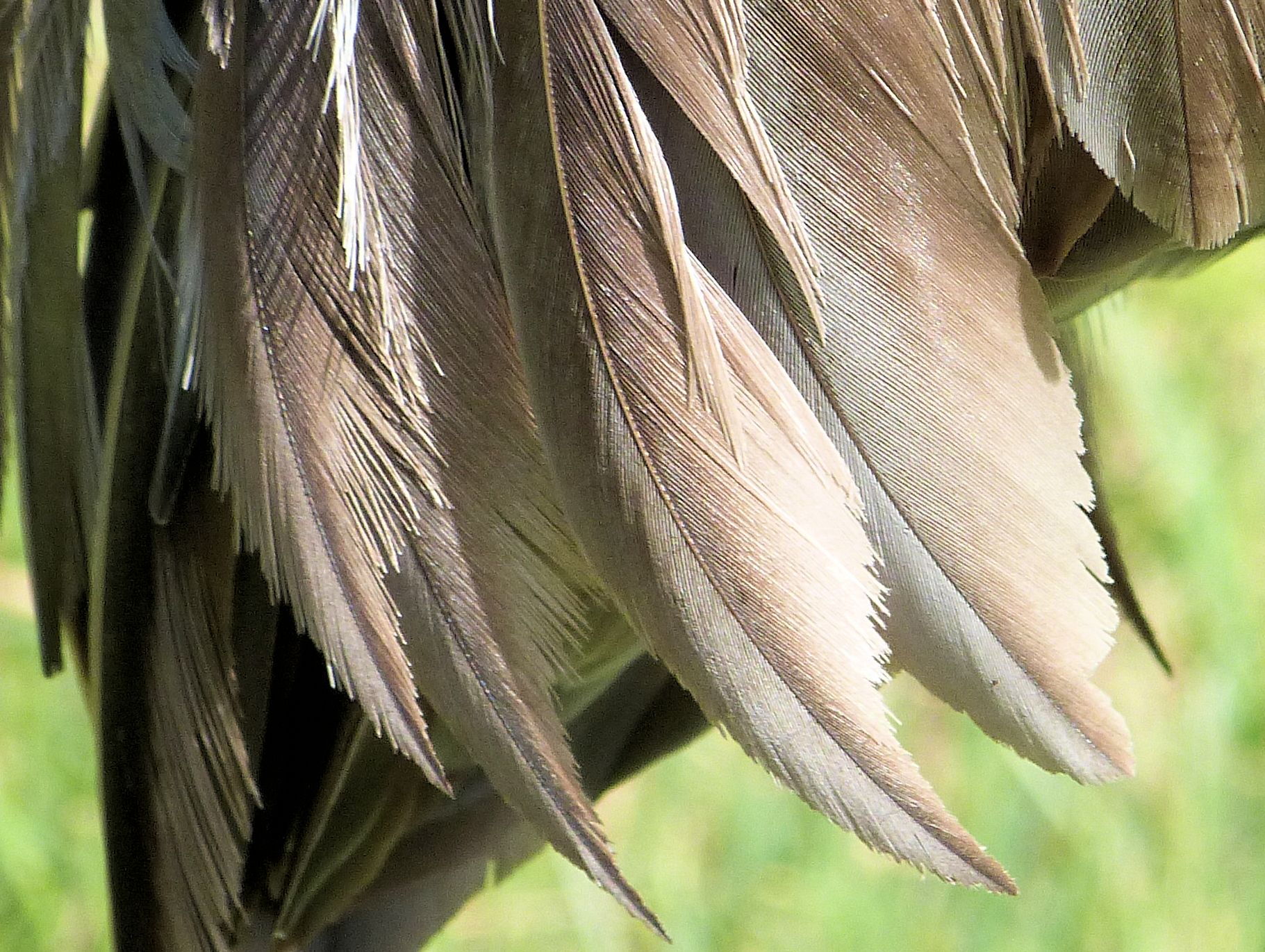
One of the most obvious objections to the alleged evolution of birds from therapod dinosaurs is the evolution of feathers themselves. In order to change a therapod dinosaur, which would appear to have bare reptilian scales, into a bird with feathers, it is supposed that the scales must fray into pieces to make the distinguished feathery structure.
Many evolutionists have noticed the difficulty in suggesting so many changes, and it is partly for this reason that therapod dinosaurs themselves are often depicted covered with feathers. However, by doing this, evolutionists have merely moved the problem, and not solved it.

Part of the issue is that key parts of the feather have to be very exact in their construction in order to work. For example, the ‘hooks and eyes’ on the feathers (known as barbules and hamuli) must be exactly the right size to fit together. If they were a little short or a little long, then there would not be an  airtight fit for flight, or a watertight fit for waterfowl. The only response that evolutionists can have is that this exactness is not necessary for their feathered dinosaurs, so they are allowing that the evolution of exact barbules might be later than that of original feathers. But this explanation is weak and does not pass the Occam Razor test of simplicity, whereas the careful, accurate design of feathers, independent of scales, clearly does.

Prayer: Thank You, Lord, for the beauty and simplicity, yet intricacy, that we see in the designs that You have made. We stand in awe and praise Your Name. Amen.

Author: Paul F. Taylor

Ref: Bergman, J., The evolution of feathers: a major problem for Darwinism, Journal of Creation (formerly TJ) 17(1):33–41, April 2003. Image: Public Domain.

Copyright © 2020 Creation Moments, Inc. All Rights Reserved [Used With Permission]

Good News

Fishing With Bread II

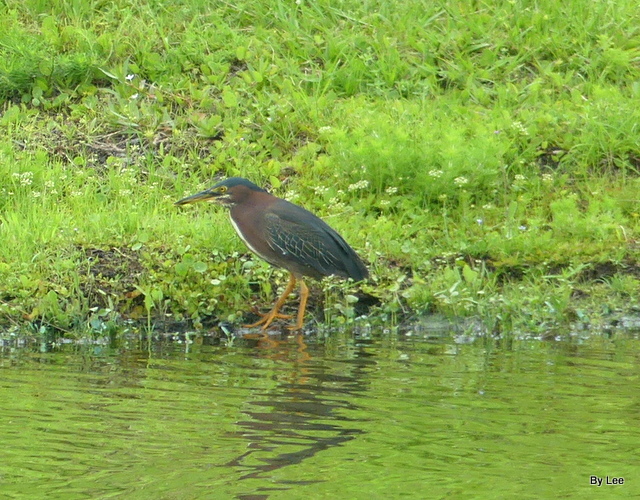
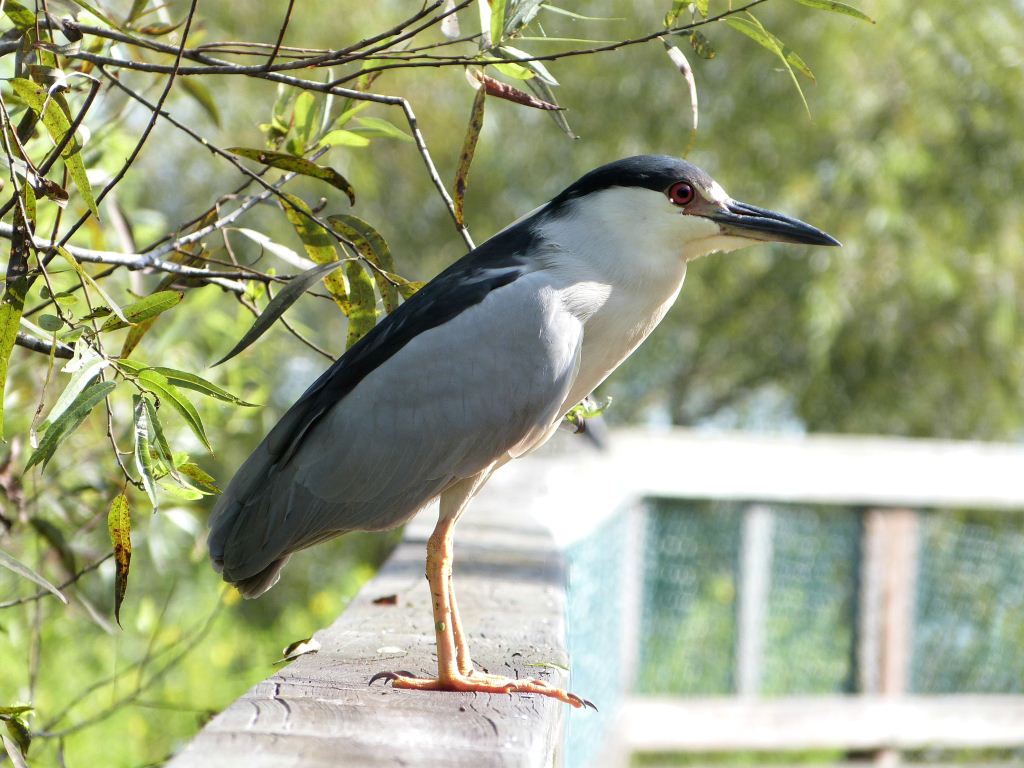
Black-Crowned Night Heron at S Lk Howard

Black-Crowned Night Heron at South Lake Howard by Lee

Thought you would enjoy another bird using bread to fish:

This one is having better fortune than Simon Peter and fellow fishermen. They fished all night with no catches.

“Simon Peter saith unto them, I go a fishing. They say unto him, We also go with thee. They went forth, and entered into a ship immediately; and that night they caught nothing. But when the morning was now come, Jesus stood on the shore: but the disciples knew not that it was Jesus. Then Jesus saith unto them, Children, have ye any meat? They answered him, No.” (John 21:3-5 KJV)

Backyard Birding – Green Heron

Good News

Backyard Birding – Green Heron

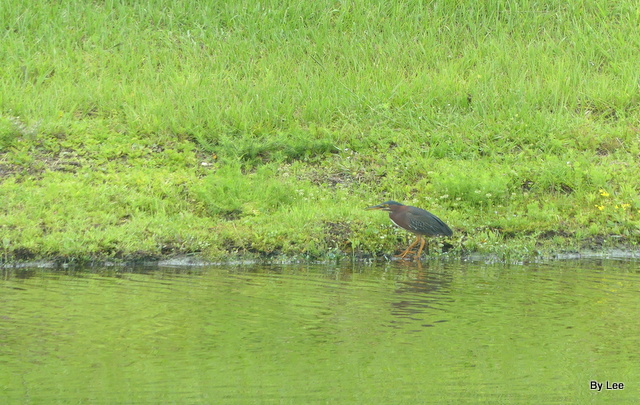
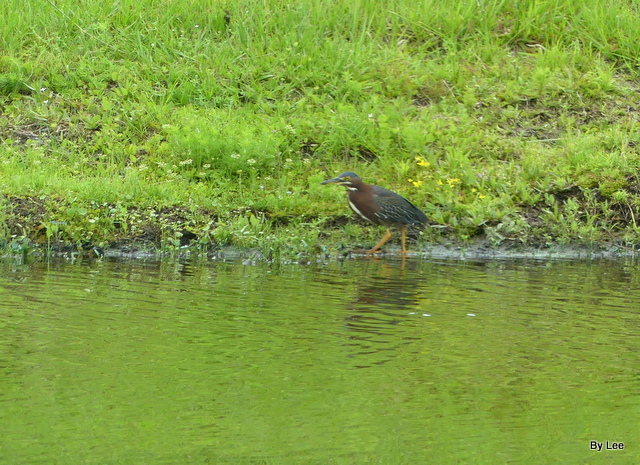
Watching birds from our backyard/backdoor is becoming quite interesting. Our latest visitor to the water’s edge is this Green Heron. He caught our attention again this morning while we were having breakfast. Of course, by the time I got my camera on, he flew off. The Joys and Disapointments of birdwatching. These photos are cropped so that you can see him better. These were taken a few days ago.

Green Heron 6-9-20 by Lee Cropped

And the stork, the heron after her kind, and the lapwing, and the bat. (Leviticus 11:19)

What is so amazing about this sighting is how hard we have searched for them on birdwatching trips. Green Herons (Butorides virescens) are known to be secretive, and because of their colors, stay well hidden in the mangroves and other bushes along the water. When we spot “Greenies” on a trip, it is usally one of our highlights.

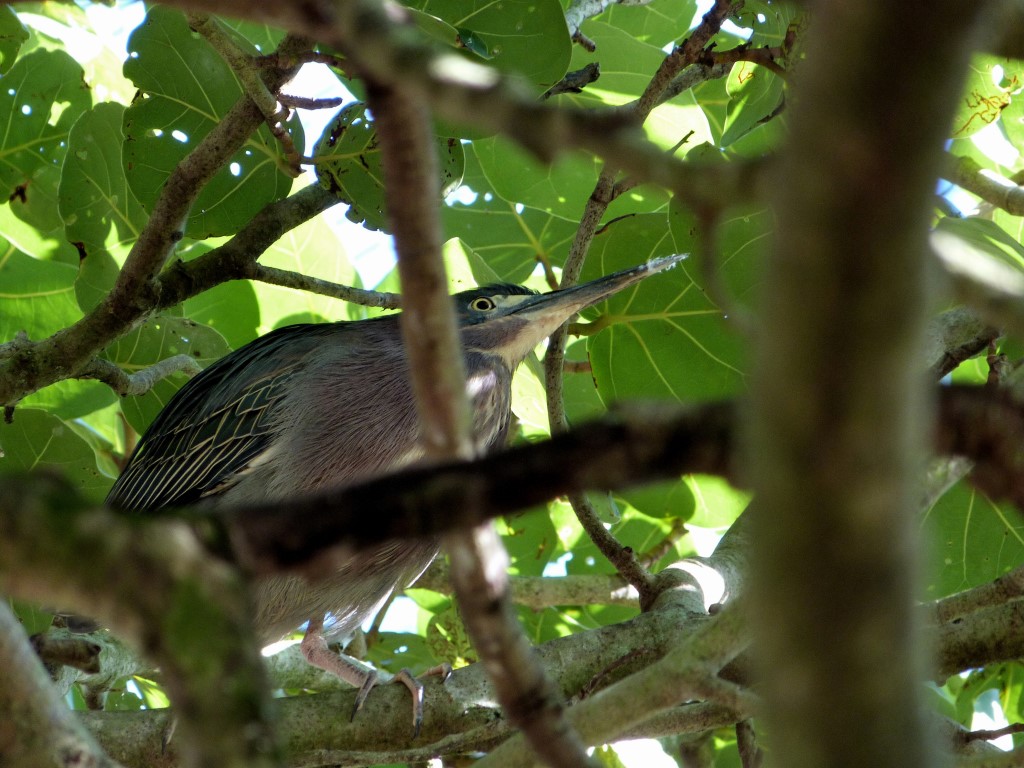
“Compared with most herons, Green Herons are short and stocky, with relatively short legs and thick necks that are often drawn up against their bodies. They have broad, rounded wings and a long, daggerlike bill. They sometimes raise their crown feathers into a short crest.” All About Birds – Size & Shape

Green Heron 6-9-20 by Lee Cropped

Interesting Fact from Wikipedia: “Green herons are one of the few species of bird known to use tools. In particular, they commonly use bread crusts, insects, or other items as bait. The bait is dropped onto the surface of a body of water in order to lure fish. When a fish takes the bait, the green heron will then grab and eat the fish. When green herons catch large frogs, they will drown them before swallowing them whole.

Look at the birds of the air, for they neither sow nor reap nor gather into barns; yet your heavenly Father feeds them. Are you not of more value than they? (Matthew 6:26 NKJV)

I posted this video back in 2013, and thought you might enjoy it again.

“Color Pattern – From a distance Green Herons look all dark. In better light they are deep green on the back with a rich chestnut breast and neck. The wings are dark gray. Juveniles are browner, with pale streaking on the neck and spots on the wings.” All About Birds

Green Heron 6-9-20 by Lee Cropped

Here is a previous photo taken at Flamingo Gardens, Florida several years ago. That is the way you normally find them. Not out in the open like our current one.

Green Heron at Flamingo Gardens by Lee


A Helpful Pigeon and Injured Puppy

©The Dodo

“And let us consider and give attentive, continuous care to watching over one another, studying how we may stir up (stimulate and incite) to love and helpful deeds and noble activities,” (Hebrews 10:24 AMP)

©The Dodo

“Two are better than one because they have a good return for their labor [friendship]. For if either of them falls, the one will lift up his companion. But woe to the one who falls when there is not another to lift him up. Furthermore, if two lie down together they keep warm, but how can one be warm alone?” (Ecclesiastes 4:9-11 NASB) [added emphasis]


Creation Moments – How Many Feathers?

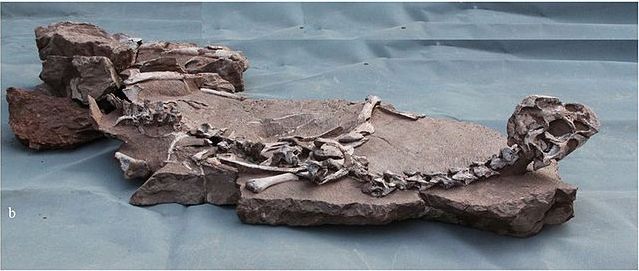
Tongtianlong Cropped ©WikiC

And God made the beast of the earth after his kind, and cattle after their kind, and every thing that creepeth upon the earth after his kind: and God saw that it was good.” Genesis 1:25

 Today, we often see pictures of dinosaurs covered in feathers, which used to be represented with bare scales. Why has this change occurred? There is a preconceived notion, held by many evolutionists, that birds evolved from therapod dinosaurs, such as tyrannosaurus and the smaller raptor dinosaurs.
One such dinosaur reported in the media just a few years ago was Tongtianlong limosus. Apparently, its name means “muddy dragon on the road to heaven”. This sheep-sized dinosaur was discovered in China, and the fossil had an arched neck and raised head, as if it was trying to get free of something. Artists’ impressions of the creature show it covered with feathers, and reporters and researchers alike assume that this is correct. One scientific commentator said, “Modern birds came from dinosaurs … and it’s dinosaurs like Tongtianlong that give us a glimpse of what the ancestors of modern birds would have looked like. Fossils like these capture evolution in action.” Yet, this is simply not the case and appears to be an example of circular reasoning. The fossil shows no sign of feathers – not even the so-called dubious proto-feathers associated with other finds. It is simply the type of dinosaur that has caused it to be so classified by evolutionists, exercising more artistic license than is appropriate for serious scientific work.

In the Bible we read that God made birds on day five, and He made land animals on day six, so birds could not have evolved from dinosaurs.

Prayer: Lord God, You made everything right, in the way that You designed it, according to Your glory. Amen.

Author: Paul F. Taylor

Ref: Robinson, P. (2016), Sorry, how many feathers did you find?, < https://creation.com/sorry-how-many-feathers-did-you-find >, accessed 5/1/2019. Image: CC BY-SA 4.0 International.

Used With Permission: © 2020 Creation Moments, Inc.


“If you tell a big enough lie and tell it frequently enough, it will be believed.” Adolf Hitler

“If I told you earthly things and you do not believe, how will you believe if I tell you heavenly things?” [Jesus’ Words] (John 3:12 NASB)

If people do not believe the things that the Lord said about His Creation, and continue to make up false theories, how will they ever believe the truth of Christ’s offer of salvation?

Will they prepare for heaven? God’s Word is true, yet many refuse to believe it. They would rather lie, than accept the truth. So sad. Maybe a good title for this article should have been,

“How Many Lies!”

Creation Moments – How Many Feathers?

Creation Moments

More Creation Moment articles here

What will you do with Jesus?

Walter the Directionally Challenged Goose, Part 2

Walter the Directionally Challenged Goose, Part 2

by Emma Foster

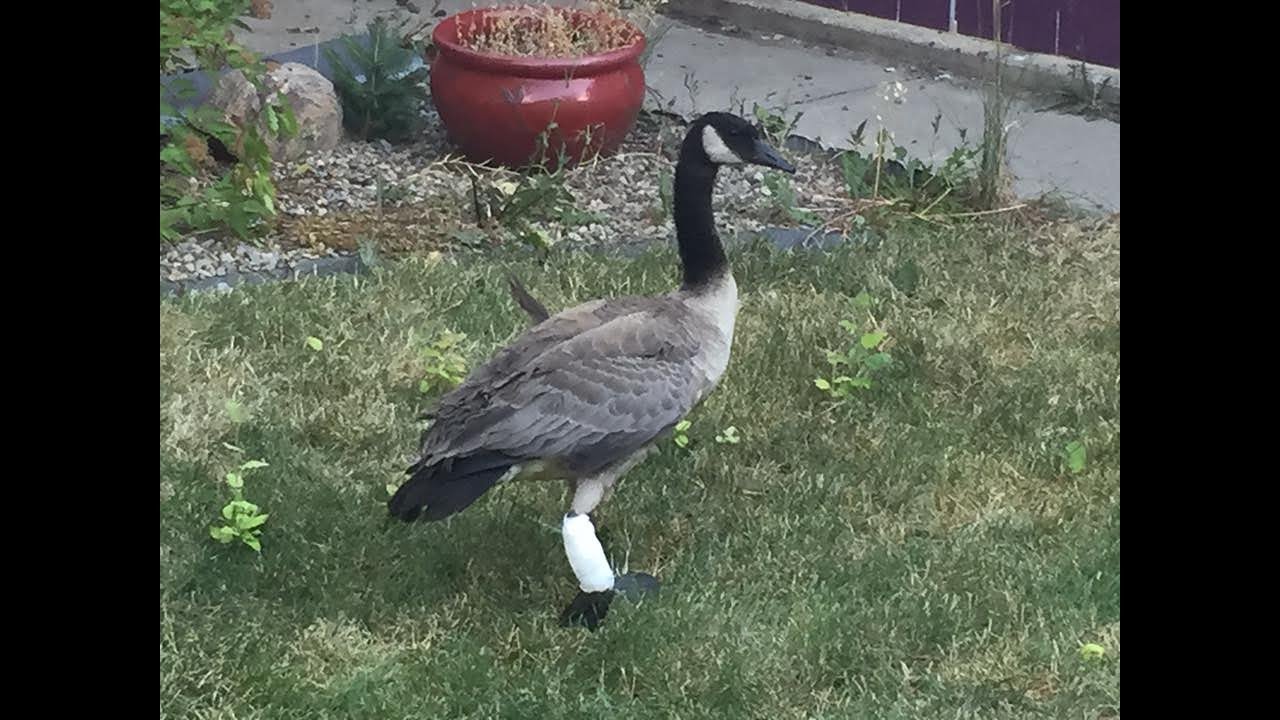
Walter with injured foot, in Part 1

Walter the goose didn’t have to worry about flying south for the winter now that he lived at the veterinary clinic. Whenever winter returned, Walter was safe and warm inside the clinic, and during the summer he could walk outside and explore. However, Walter made sure to stay close to the clinic so he wouldn’t get lost. He was still directionally challenged.

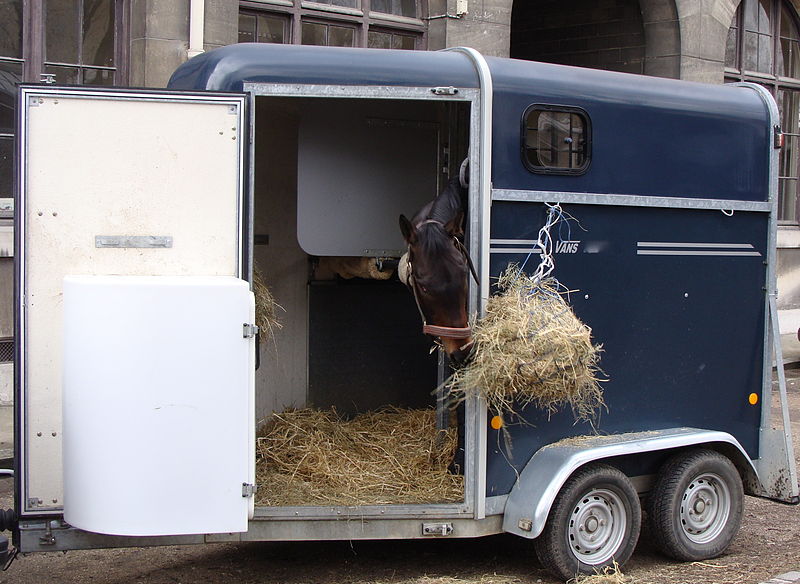
One summer day Walter was walking around by the garage at the veterinary clinic. A truck drove up and parked in front of the garage. Walter had to quickly waddle out of the way to avoid getting run over, but when he was a good distance away he noticed a trailer attached to the back end of the truck. Inside the trailer was a small horse.

Horse in Trailer ©WikiC

The horse looked out the window when Walter approached the trailer. Walter had seen many different kinds of animals during his short time at the vet, but he had never seen a horse before. When Walter craned his neck to see inside, he could tell that the horse was nervous. Every now and then, Walter needed to come into the rooms to calm the other animals down, since they were nervous about being at the vet. Walter asked the horse his name to help him not feel so nervous. The horse said that his name was Angus. He also mentioned that he didn’t know why he was there, but this was his first time at the vet without his mother.

Walter sat by the trailer while the vets came out and Angus was brought out of the trailer. Angus became so nervous that he bolted, jumping a fence and running into the fields. Walter flapped after him, determined that his new friend would overcome his fear.

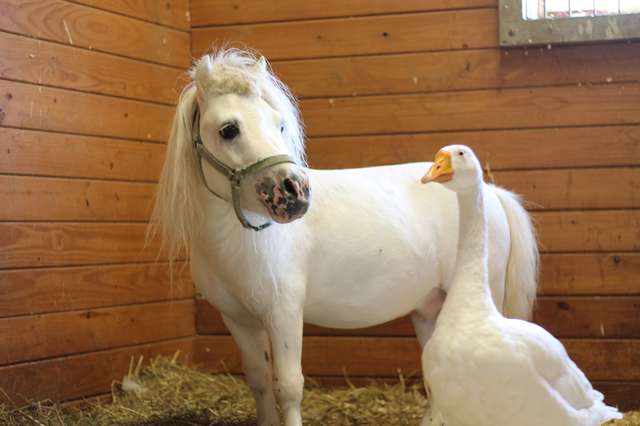
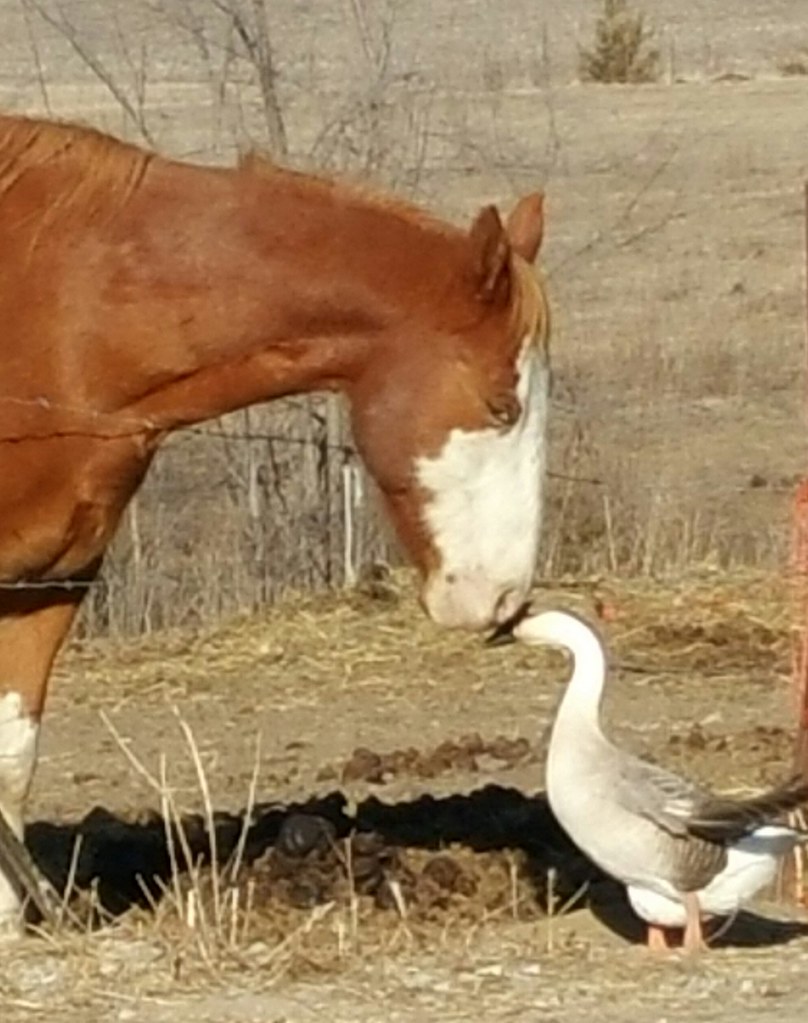
A Goose and her horse ©Flickr Lisa Donahoo

A Goose and her horse ©Flickr Lisa Donahoo

Walter flew over a small field and a patch of trees. By then, the vets and Angus’s owner were far behind. Walter searched for a long time, turning in different directions before resting on a tree stump to see where he was. To his surprise, when he looked ahead, he noticed the veterinary clinic! He had gone in circles, since he was so directionally challenged.

Deciding to go back the other way, Walter flew in the opposite direction, took a right, then landed in another field that he had never been in before. Walter sat in the brush and thought, but he did not give up. Suddenly he realized that the tall grass around him was moving a little. Walter crouched down, but Angus pulled his head over the grass and looked down at him. Angus had seen him land in the field. Walter explained that he had been looking for Angus, but he had gotten lost. Angus decided that, if Walter could fly around looking for him and not give up or become afraid, he didn’t have to be afraid about being at the vet for a checkup. He knew Walter would be right there with him.

Mini Horse and Friend

Walter flapped up onto Angus’s back, and Angus trotted back to the clinic, where Angus’s owner and the vets had been waiting for them. They were all extremely glad that they had both returned. Walter stood by Angus the entire time he received his checkup. Angus was very healthy. He did have to receive a few shots, but Walter assured him they weren’t that bad. When Angus’s checkup was over, Angus had to say goodbye to Walter. Walter hoped that he would see Angus again soon, but only for a checkup.


Lee’s Addition:

“Therefore encourage one another and build up one another, just as you also are doing.” (1 Thessalonians 5:11 NASB)

We met Walter in Walter the Directionally Challenged Goose.  Walter seems to have found his permanent home and a mission to be a encourager. I love Emma’s stories, but it becomes challenging to illustrate these adventures. So forgive the different types of geese and horses.

What I did find is a very interesting story about a real horse and goose. This is not to take away from Emma’s Story, but to show that it could be more true than she thought.

“A man who has friends must himself be friendly, But there is a friend who sticks closer than a brother.” (Proverbs 18:24 NKJV)

See All of Emma’s Stories

Backyard Birding – Maybe Part III

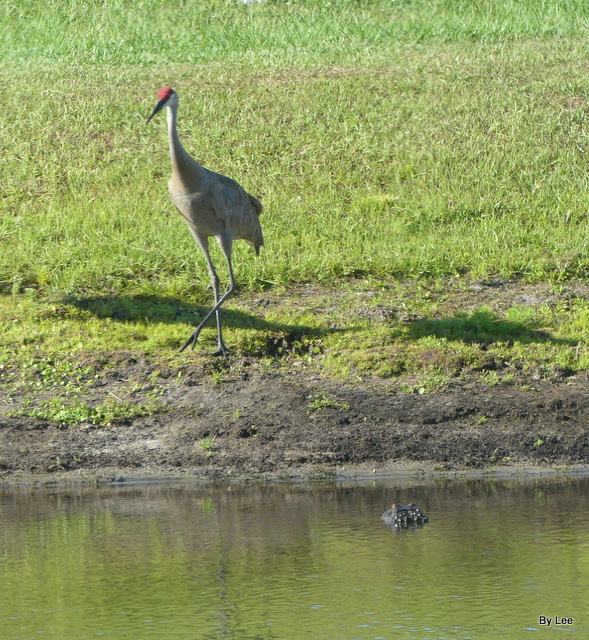
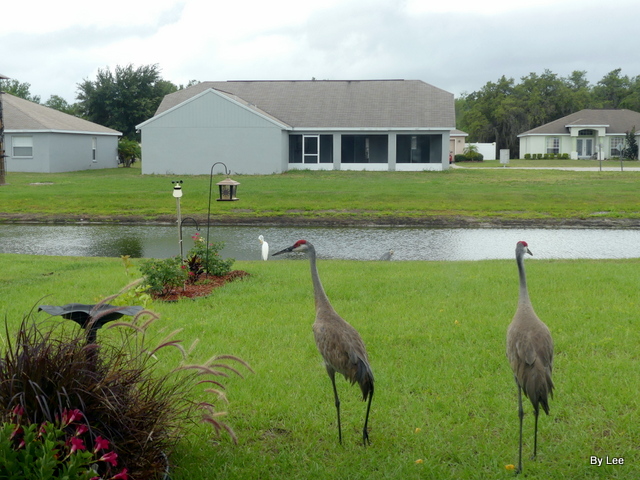
Gator and Sandhill Cranes 05-20-20 by Lee

Gator and Sandhill Cranes 05-20-20 by Lee

“Ponder the path of your feet, And let all your ways be established.” (Proverbs 4:26 NKJV)

In Backyard Birding – Maybe Part I and Part II, I referred to our gator that hangs out at the edge of our backyard. Here is the video I promised.

The two Sandhills had been on our back lanai and we had shooed them off. They went down to the water at the end of our yard and started teasing the gator. They jumped up a few times and just looked at him. Then they flew across to the other bank, and that is where I captured this on video.

[I thought I knew how to kill parts of the sound, but it killed it all. So I left the sound on. We were eating our breakfast when all of this was occurring. I was sitting in my chair filming this.]

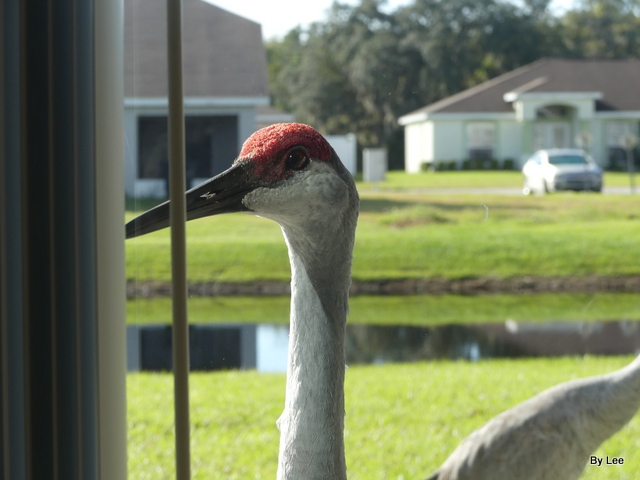
From the following articles, it is obvious that Sandhill Cranes are quite common here in central Florida. They are fun to watch, except when the peck on the back sliding door.

Sandhill Cranes ousidet window Coventry by Lee

Sandhill Cranes ousidet window Coventry by Lee

“Yea, the stork in the heaven knoweth her appointed times; and the turtle and the crane and the swallow observe the time of their coming; but my people know not the judgment of the LORD.” (Jeremiah 8:7 KJV)

“Sandhill Cranes mate for life, choosing their partners based on dancing displays. Displaying birds stretch their wings, pump their heads, bow, and leap into the air.” [All About Birds – Sand Hill Cranes]

More about Cranes:

Backyard Birdwatching – Maybe Part II

Old Bench for Backyard Birdwatching

Old Bench for Backyard Birdwatching

Our gator adventure has been keeping me from using my bench, but we still have lots of birds to watch. Just from a safer distance. In Backyard Birdwatching – Maybe, I explained why I haven’t used my bench too much yet. The talk of the neighborhood, “our own gator,” brings visitors to the water. As I mentioned before, we don’t get to see it most of the time because of the embankment.

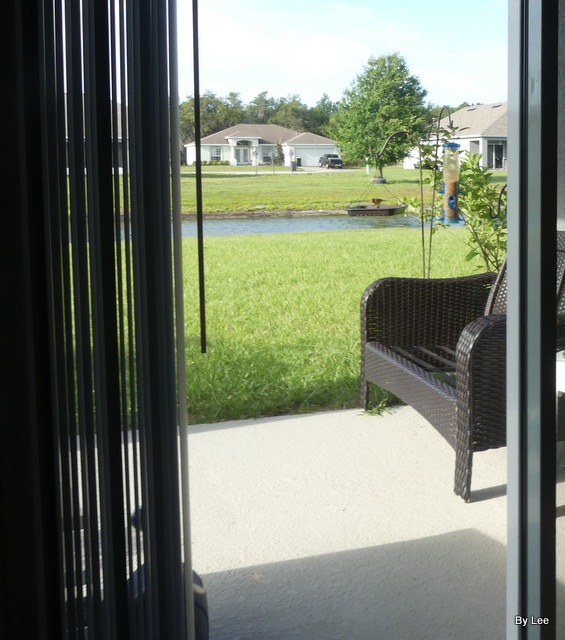
When he [or she] moves more to the middle of the water, then we get to see it. When we came home from church, Sunday (5-17), there he was. We both grabbed our cameras, which we now keep at the table by the door. Here is what I saw:

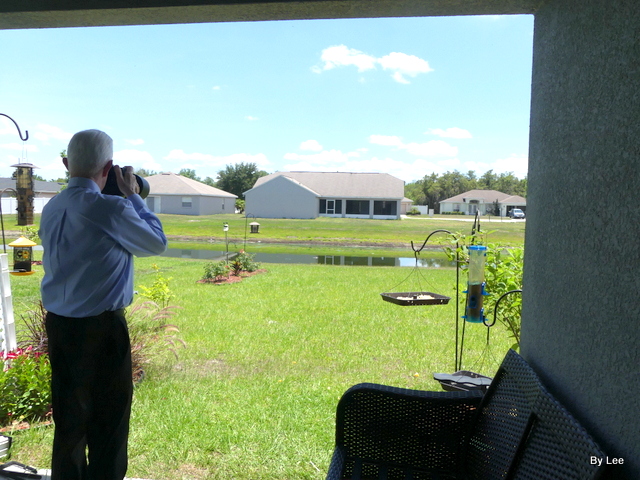
Dan taking a photo of the gator and me taking of photo of him.

Dan taking a photo of the gator and me taking of photo of him.

Then I zoomed in on what he was taking a photo of:

What Dan Was Photographying by Lee 5-17-20

What Dan Was Photographying by Lee 5-17-20

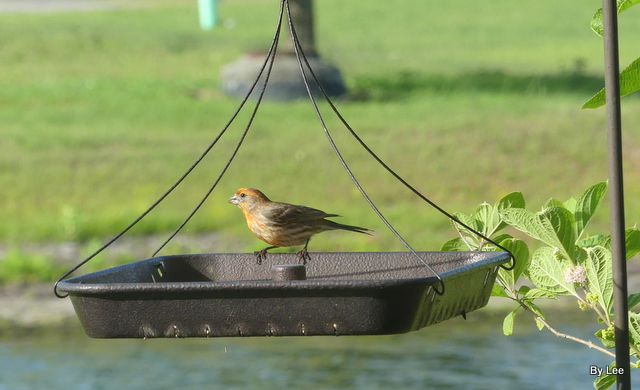
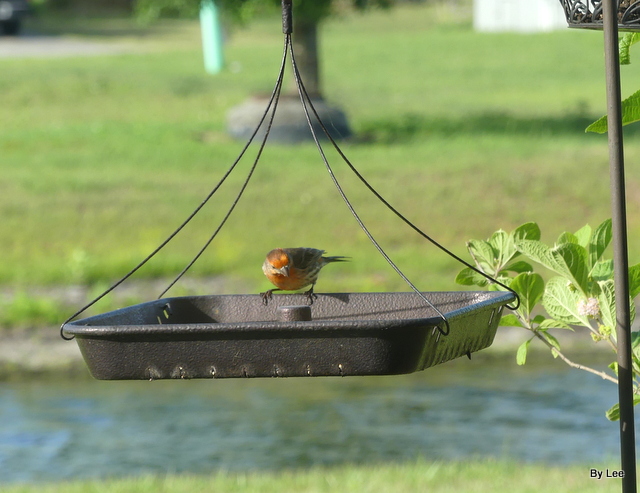
We still have that Variant House Finch stopping by. He feeds at the feeder up by the door. Much safer there. The sun was shining brightly, and it made him almost glow. Here a few I took a few days ago:

Variant House Finch 5-14-20

Variant House Finch 5-14-20

Variant House Finch 5-14-20

Variant House Finch 5-14-20

Also recently, the three species I mentioned in the first post, we spotted though the door on May 16th. Here are a few more closeups:

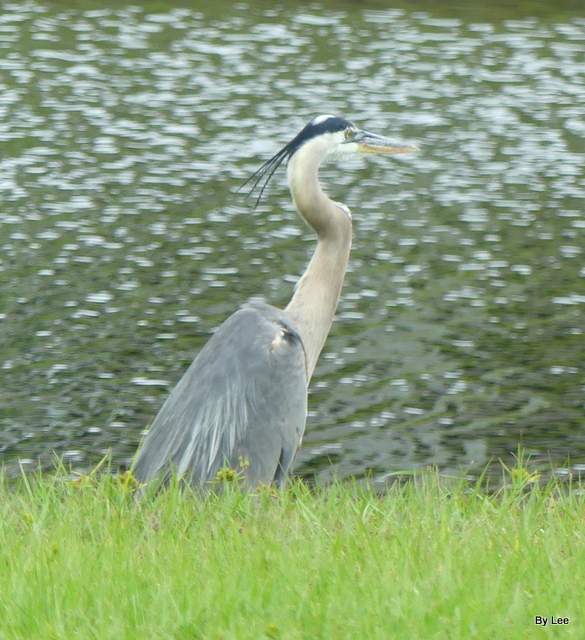
Great Blue Heron close up

Great Blue Heron close up

“And the stork, the heron after her kind, and the lapwing, and the bat.” (Leviticus 11:19 KJV) – Don’t Eat List

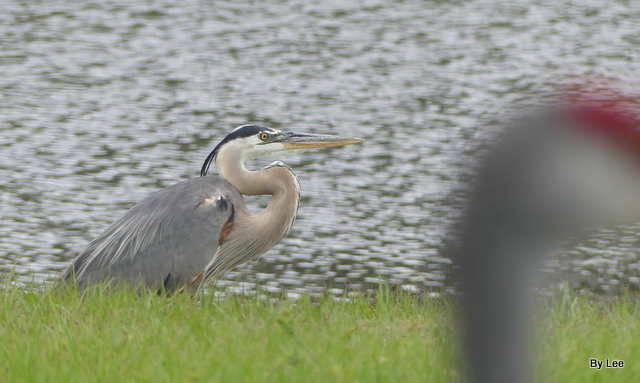
Great Blue Heron with neck bent in S

Great Blue Heron with neck bent in S – Sandhill Crane in foreground

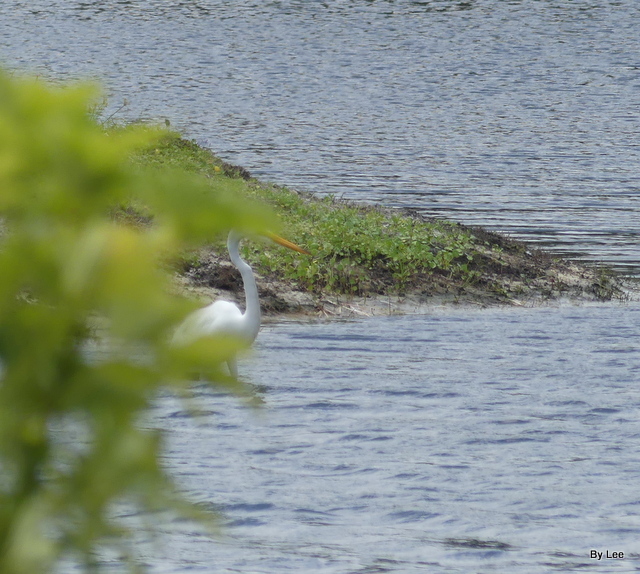
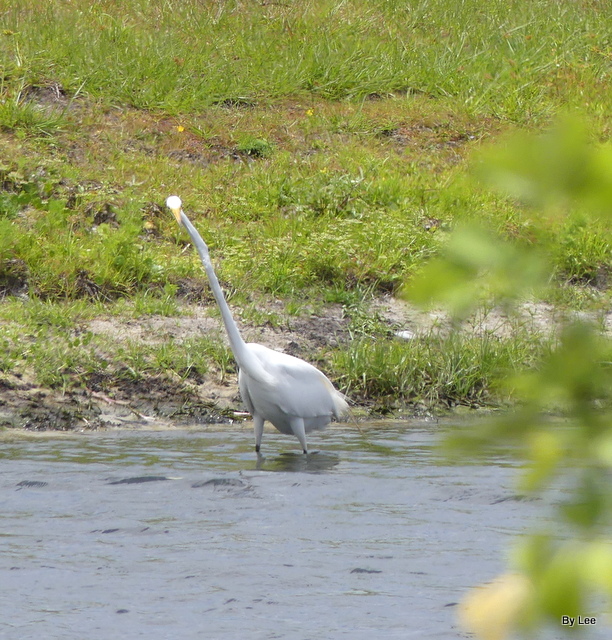
Great Egret 5-16-20

Great Egret 5-16-20

I know these are not the greatest photos, but I sure do enjoy seeing so many interesting birds to watch, and even the alligator. Stay tuned for a video I shot this morning.

Backyard Birdwatching – Maybe

Birds of the Bible – Herons

Birds of the Bible – Cranes

Wordless Birds


Backyard Birdwatching – Maybe

Old Bench for Backyard Birdwatching

Old Bench for Backyard Birdwatching

Recently, we laid a few blocks down in the backyard so that I [we] could use our old bench. My goal was to be able to watch some of the numerous birds that stop or fly by. Needless to say, the bench needs a little TLC [tender love and care] This was taken May 14th.

I grabbed my camera and took a few photos, thinking I’d start a new series called: Backyard Birdwatching. Real original, right?

Great White Egret - First bird spotted from bench 05-14-20

Great White Egret – First bird spotted from bench 05-14-20

Had to wait for him to get in the clear.

Great White Egret finally in the clear 05-14-20

Great White Egret finally in the clear 05-14-20

I took a few photos and then the next day, decided that plan may be put on hold for awhile. Why? Hang on.

On the 16th, I was able to capture three different species through our door. We were having breakfast when they all appeared. A Great Blue Heron and Great Egret by the water’s edge and the two pesky Sandhill Cranes.

Three species from our door 05-16-20

Three species from our door 05-16-20

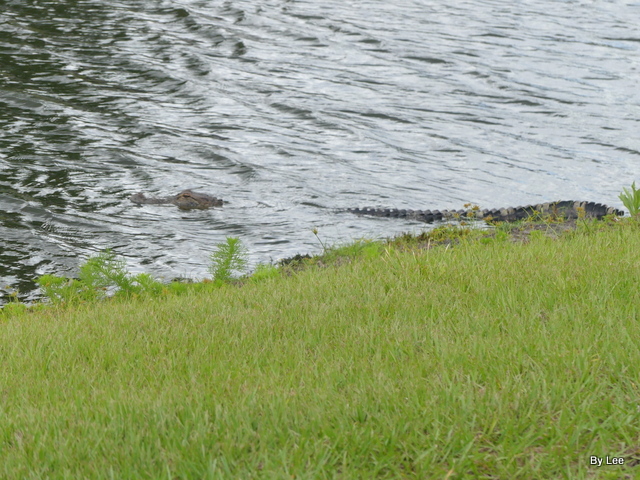
Why was I shooting through the door instead of from my bench? Well, this dude showed up the 15th.

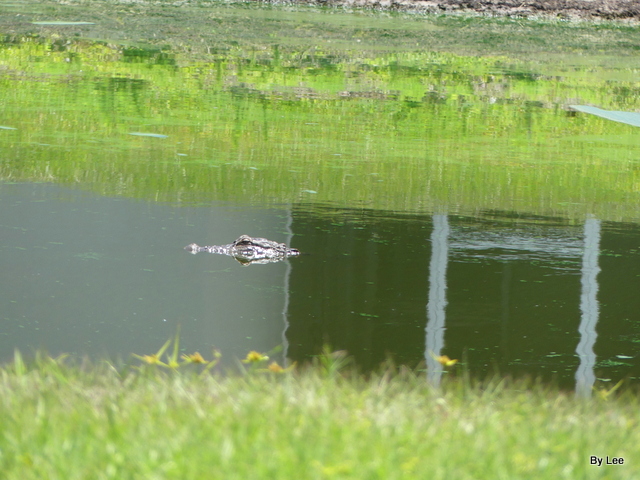
Alligator Taken from my neighbor's yard. 05-16-20

Alligator Taken from my neighbor’s yard. 05-16-20

This Alligator is at the end of our yard. Because of the incline by the bank, we don’t get to see him often. So, I went to my neighbor’s yard and took this. She was with me, so if I had to waddle away fast, she could help me. Our neighbor, from across the water, told us that he comes and has layed on our bank at about 6 or 7 every morning for that last few days. Yikes!!

Needless to say, I have not been using my bench, yet!!

“Of the birds after their kind, of animals after their kind, and of every creeping thing of the earth after its kind, two of every kind will come to you to keep them alive.” (Genesis 6:20 NKJV)

We know that at least two of each kind of birds and creeping things were kept alive in the ark. I wonder if the alligators were on board, or swimming? Never thought about that before. Have you?

More later. We had a great view of this gator and the two Sandhill cranes today. Stay turned!

Jesus And Birds – 1st Cleansing Of Temple

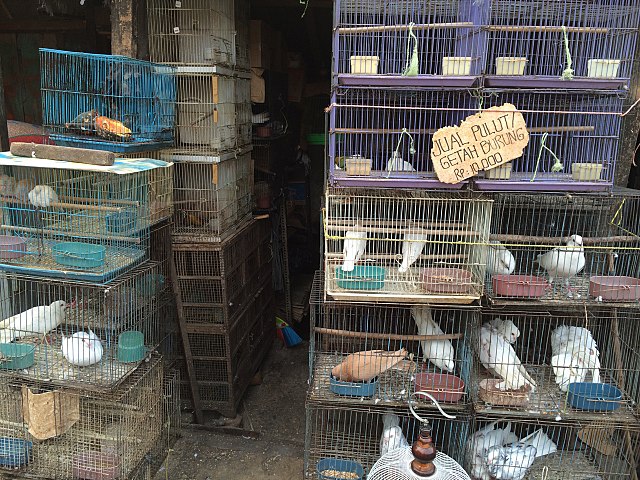
Doves in Cages ©WikiC

Back to our long-delayed series of “Jesus and Birds.” The last one, “Jesus and Birds – His Dedication was completed not long before everything changed. This Corvid-19 ordeal has left me a bit “discombobulated.” [Discombobulate is a fun, fancy word for “confuse.” If something has put you in a state where you don’t know up from down and you can’t spell your own name, you may be discombobulated.” – vocabulary.com] Anyway, thanks to Dr. Jim (J.J.S .Johnson) and William Wise for continuing to add articles for the blog.

When I first started looking into this cleansing of the Temple sellers, it appeared that there were two cleansings, yet there was a debate. Did Jesus cleanse the Temple once or twice? As you may remember, I am using a Harmony of the Gospels to trace the Lord Jesus’s reactions to birds while in His incarnated body. Here are some of the questions:

This first cleansing is only mentioned only by John.

“And the Jews’ passover was at hand, and Jesus went up to Jerusalem, And found in the temple those that sold oxen and sheep and doves, and the changers of money sitting: And when he had made a scourge of small cords, he drove them all out of the temple, and the sheep, and the oxen; and poured out the changers’ money, and overthrew the tables; And said unto them that sold doves, Take these things hence; make not my Father’s house an house of merchandise. And his disciples remembered that it was written, The zeal of thine house hath eaten me up.” (John 2:13-17 KJV)

The second cleansing is mentioned by the other three gospel writers, but not John.

Mathew 21:12-13, Mark 11:15-17, and Luke 19:45-46 [This will be covered in the 2nd Cleansing of Temple post.]

After checking many of the commentaries in the BibleGateway helps, even though Jesus spoke some of the same similar words, the belief is that there are two cleansings. I will cover more about this in the later post.

The main point is that when Christ entered the Temple area, sellers had set up for business. Worshipers needed animals and birds for sacrifices, but they were not supposed to be selling them inside the compound area. Had they been selling outside the area, there would not have been a problem.

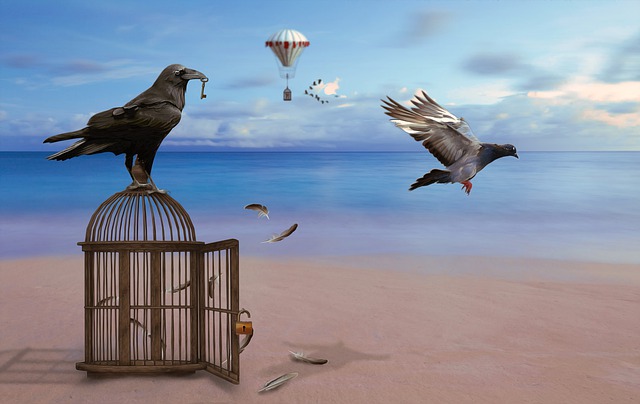
In His disgust for what was going on, he threw over the tables, etc. and opened the cages of doves to let the go free.

Freedom – Bird leaving cage ©Pixabay