Ian’s Bird of the Week – Great Crested Grebe ~ by Ian Montgomery
Newsletter ~ 6/20/15
I’m going to weave a tangled web of French connections around this bird of the week, but the first and most important is that in honour of Loïc, my great nephew and first child of my niece Jeannine and her husband Carlos who live in Strasbourg in Alsace. He was due today, but arrived safe and well four days early.
Clearly, a bird photographed in France was required but the choice was very limited: Carrion Crow, Common Coot or Great Crested Grebe. The latter was bird of the week in July 2007, so I toyed with the idea of Coot but, given that in the British Isles people say ‘you silly coot’ in the same tone that Australian say ‘you silly galah’ I decided that coot was better saved for a non-dedicated bird of the week.
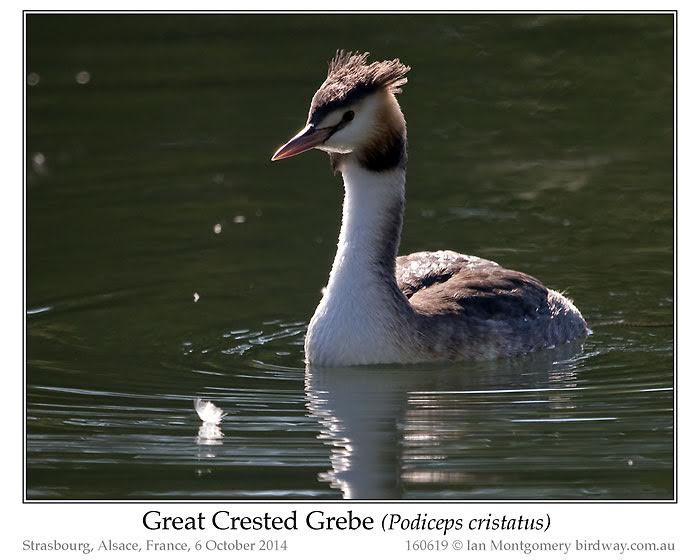
So here is an elegant grebe in non-breeding plumage in a park near where my niece lives in Strasbourg last October. She took my sister Gillian and I there to look for some White Storks that had been nesting there, but they had already left for the winter so the grebes and coots attracted my attention instead. If my sums are correct in working back from today’s date, little Loïc would have been with us too, though probably not much older than the egg in the nest in the second photo. This egg was probably freshly laid, as Great Crested Grebes usually lay 3 or 4 eggs. Maybe it arrived early too, as the parent is busy adding nesting material to the structure.
This nest was on Lake Alexandrina on the South Island of New Zealand, so it’s apparent that this species has a huge range extending from Ireland in the West and all the way through Eurasia to Australasia and in northern and southern Africa. It is however absent from the tropical regions of Africa and various tropical areas of Asia such as Indonesia.
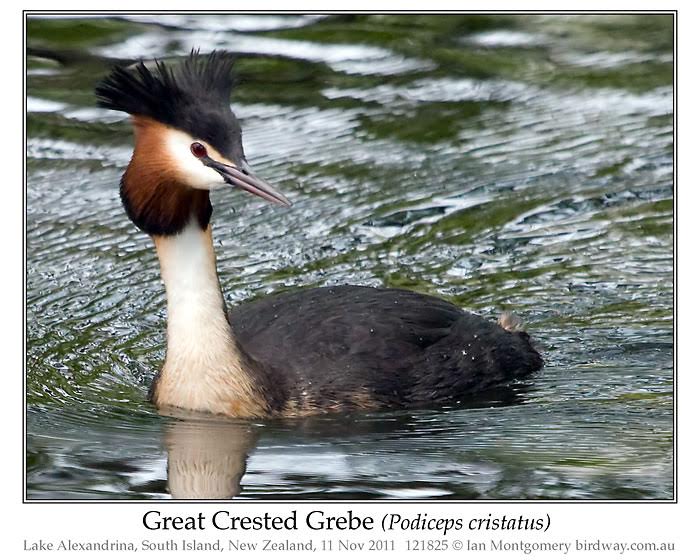
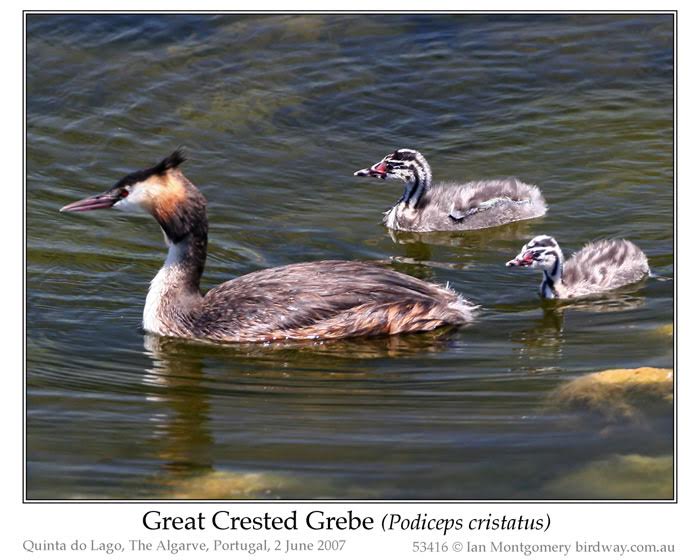
The third photo shows one of the New Zealand birds in full breeding plumage with the elongated crest and head plumes that give it scientific (cristatus), English and French name Grèbe Huppé. I’ll come back to huppé later. The 2007 bird of the week photos were of some breeding birds in Portugal and here is another one from that series: proud parent with two gorgeous striped youngsters. As this posting is celebrating a new family, I’d like to think that the photo is prophetic and that Loïc can look forward to a lovely sibling in due course.
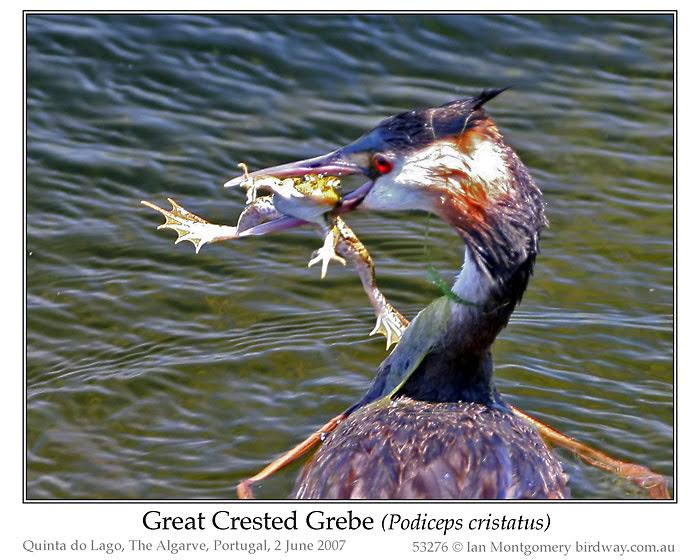
Great Crested Grebes mostly feed on fish, quite large ones at that, but this one Portugese one, fifth photo, has seized this hapless frog, whose expression seems a rather sad combination of pleading for help and accepting its fate.
Another French connection is that I’m on a flight to New Caledonia and had thought that I would be on French territory when Loïc arrived, but he decided not to wait but I will try and skype the happy trio from Noumea.
I mentioned a few weeks ago, that our primary target is the very special Kagu, a rare, crested pigeon-sized terrestrial species endemic to New Caledonia. It’s taxonomically special too, being the only member of its family (Rhynchochetidae) and belong to an order that has only one distant relative, the Sunbittern of South America (according to Birdlife International).
The Kagu is crested too, so it’s French name is – you’ve guessed it, go to the top of the class – Kagou huppé. Huppé is slang in French for upper crust, smart, posh which seems highly appropriate. So, as usual I’m relying on your spiritual and moral support to produce au autre oiseau huppé for the next bird of the week. Joy and I have booked a guide at Rivière Bleue National Park next Tuesday, its main breeding locality and pride and joy of the park.
Forty one minutes to go before we reach Noumea.
Greetings
Ian
**************************************************
Ian Montgomery, Birdway Pty Ltd,
454 Forestry Road, Bluewater, Qld 4818
Tel 0411 602 737 ian@birdway.com.au
Check the latest website updates: http://www.birdway.com.au/#updates
Lee’s Addition:
Look at the birds of the air, for they neither sow nor reap nor gather into barns; yet your heavenly Father feeds them. Are you not of more value than they? (Matthew 6:26 NKJV)
That frog is in total shock. Yiiikess! He is thinking! What a great capture of all them, Ian. Thanks again for sharing these weekly birds of the week.
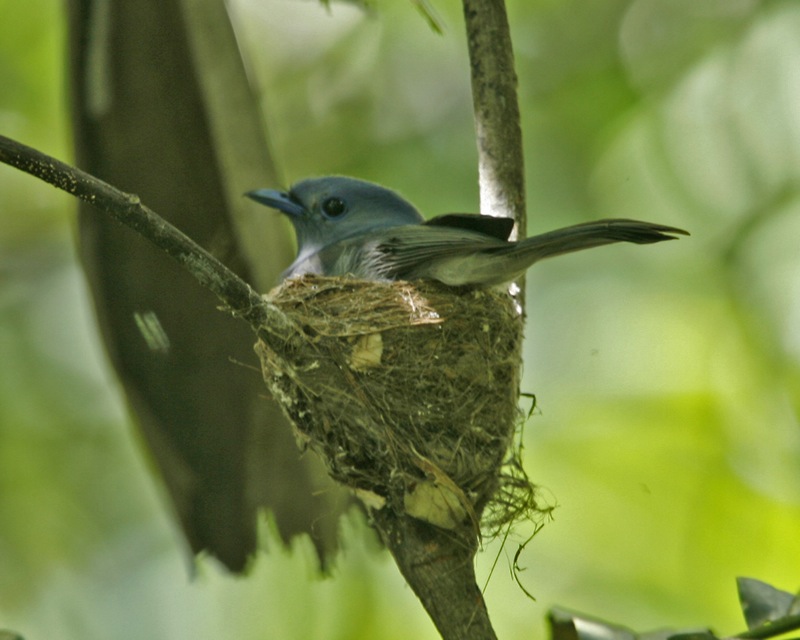
This Sunday we introduce you to the Monarchidae – Monarchs Family. This family of Passerines (songbirds) has 99 members that inhabit forest or woodland across sub-Saharan Africa, south-east Asia, Australasia and a number of Pacific islands. Only a few species migrate. Many species decorate their cup-shaped nests with lichen. Monarchids are small insectivorous songbirds with long tails.
The family is about equally divided between Monarchs and Flycatchers with a few other birds sprinkled in. Those other birds are Elepaio, Shrikebill, Magpie-lark and Torrent-lark. There are not many photos available to use, but if you click the different links on the Monarchidae – Monarchs Family page, you will taken to other sites to view those birds.
The monarch flycatchers are generally monogamous, with the pair bonds ranging from just a single season (as in the African paradise flycatcher) to life (the Elepaio). Only three species are known to engage in cooperative breeding; but many species are as yet unstudied. They are generally territorial, defending territories that are around 2 ha in size, but a few species may cluster their nesting sites closely together. The nests are in turn often aggressively defended by monarch flycatchers. In all species the nest is an open cup on a branch, fork or twig. In some species the nests can be highly conspicuous.
This slideshow requires JavaScript.
Looking unto Jesus the author and finisher of our faith; who for the joy that was set before him endured the cross, despising the shame, and is set down at the right hand of the throne of God. (Hebrews 12:2 KJV)
“He’s Looking on You” ~ by Dr. Richard Gregory
Jesus more than qualifies to be The Monarch and is Rightfully sitting on the Throne of God. There He is “looking on us.”
A monarch is the sovereign head of state in a monarchy. A monarch may exercise the most and highest authority in the state or others may wield that power on behalf of the monarch. Typically a monarch either personally inherits the lawful right to exercise the state’s sovereign rights (often referred to as the throne or the crown) or is selected by an established process from a family or cohort eligible to provide the nation’s monarch. (Wikipedia)
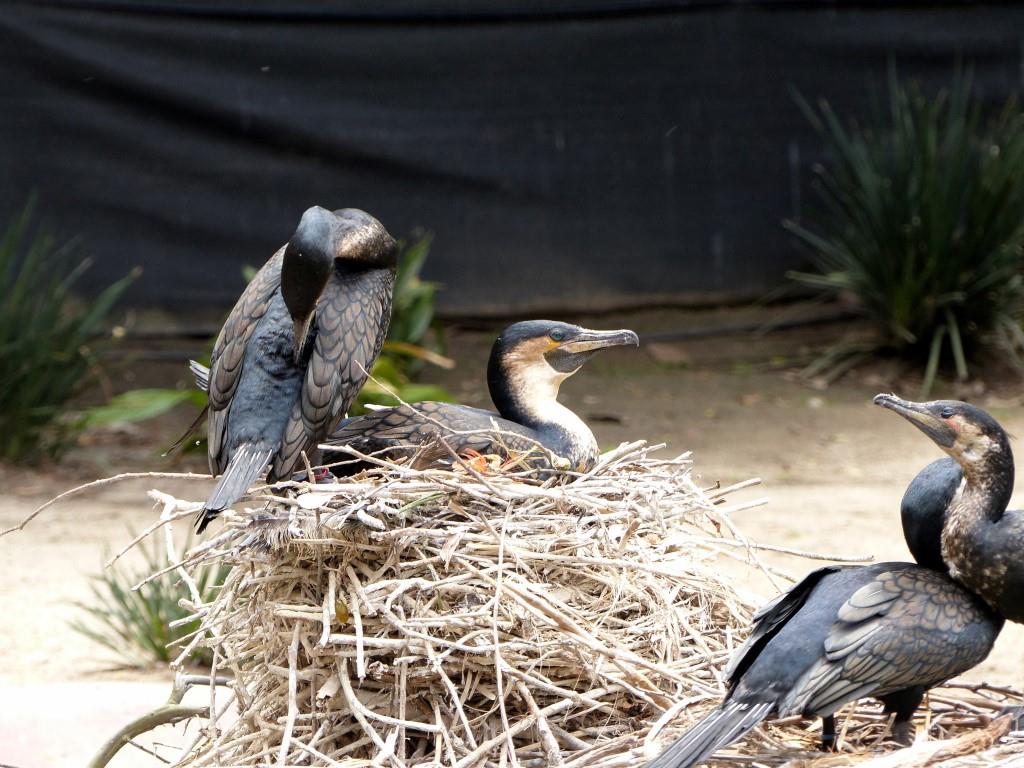
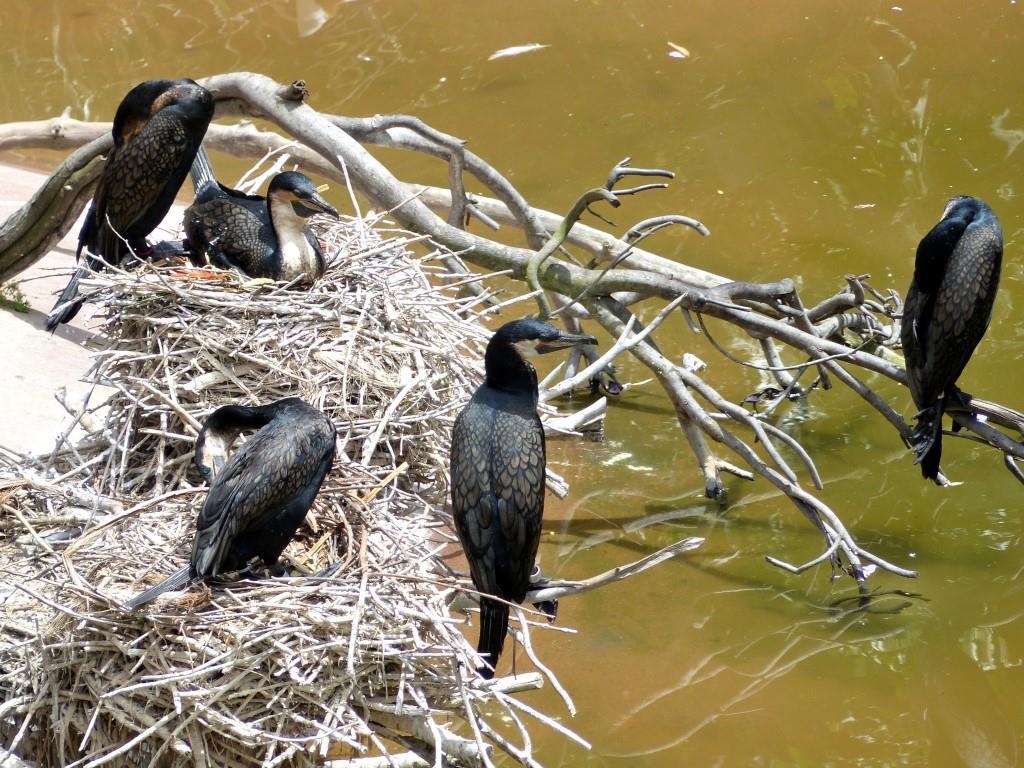
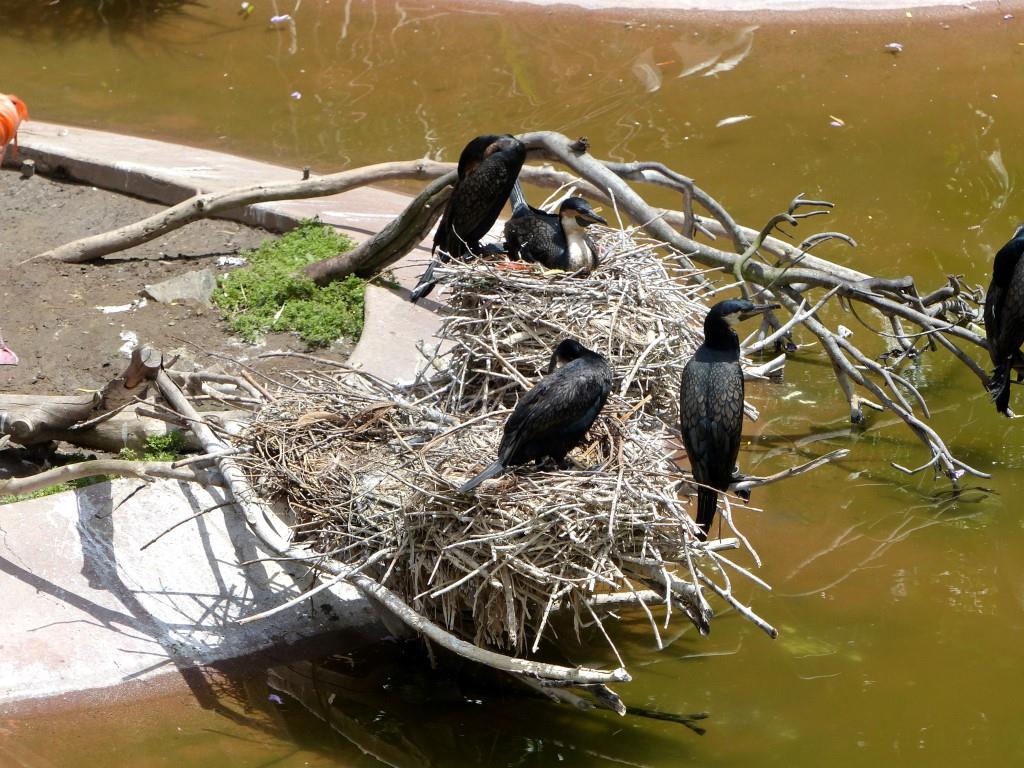
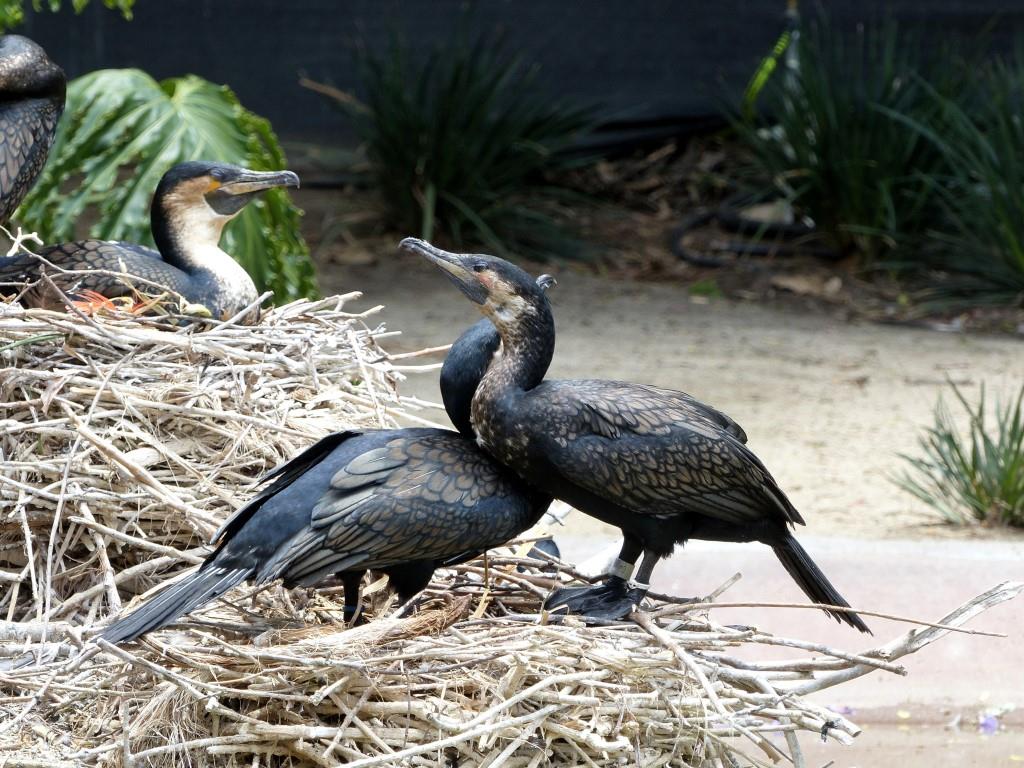
We see Double-crested Cormorants very frequently here in Florida. At the San Diego Zoo, we were able to see the White-breasted Cormorants. These are another one of the Lord’s neat creations which He has given them just what they need for catching their prey. They belong to the Phalacrocoracidae – Cormorant, Shag family of which has 41 species.
Cormorants and shags are medium-to-large birds, with body weight in the range of 0.35–5 kilograms (0.77–11.02 lb) and wing span of 45–100 centimetres (18–39 in). The majority of species have dark feather. The bill is long, thin and hooked. Their feet have webbing between all four toes. All species are fish-eaters, catching the prey by diving from the surface. They are excellent divers, and under water they propel themselves with their feet with help from their wings; some cormorant species have been found to dive as deep as 45 metres.
The White-breasted Cormorant (Phalacrocorax lucidus) is much like the widespread great cormorant and if not a regional variant of the same species, is at least very closely related. It is distinguished from other forms of the great cormorant by its white breast and by the fact that subpopulations are freshwater birds. Phalacrocorax lucidus is not to be confused with the smaller and very different endemic South Australian black-faced cormorant, which also is sometimes called the white-breasted cormorant. (Wikipedia)
White-breasted Cormorant (Phalacrocorax lucidus) Sign SD Zoo by Lee
The sign at the San Diego Zoo shows this bird as a sub-species of the Great Cormorant (Phalacrocorax carbo), but the I.O.C. lists it as the White-breasted Cormorant (Phalacrocorax lucidus). “The white-breasted cormorant (Phalacrocorax lucidus) is a member of the cormorant family Phalacrocoracidae. Its taxonomic status has been under discussion for some decades and several questions still have not been definitively settled. Phalacrocorax lucidus sometimes is treated as a subspecies of the great cormorant, Phalacrocorax carbo lucidus. ” (Wikipedia) That helps explain the discrepancy.
White-breasted Cormorant (Phalacrocorax lucidus) SD Zoo by Lee
I especially liked the chin on this cormorant. Thought is was interesting and different from our usual Cormorants. Also, this was a first time we have seen this White-breasted Cormorant in any of the zoos we have visited. So it gets added to the Life List of All Birds We Have Seen
White-breasted Cormorant (Phalacrocorax lucidus) SD Zoo by Lee
“As its name suggests, the 80–100 cm long white-breasted cormorant has a white neck and breast when adult, and the white area tends to increase as the bird becomes more mature. In other respects it is a large cormorant generally resembling the great cormorant.”
Here are the few photos that I took of these birds.
White-breasted Cormorant (Phalacrocorax lucidus) SD Zoo by Lee
White-breasted Cormorant (Phalacrocorax lucidus) SD Zoo by Lee
White-breasted Cormorant (Phalacrocorax lucidus) SD Zoo by Lee
White-breasted Cormorant (Phalacrocorax lucidus) SD Zoo by Lee
White-breasted Cormorant (Phalacrocorax lucidus) SD Zoo by Lee
White-breasted Cormorant (Phalacrocorax lucidus) SD Zoo by Lee
White-breasted Cormorant (Phalacrocorax lucidus) SD Zoo by Lee
*
But the cormorant and the bittern shall possess it; the owl also and the raven shall dwell in it: and he shall stretch out upon it the line of confusion, and the stones of emptiness. (Isa 34:11)
And the pelican, and the gier eagle, and the cormorant, (Deuteronomy 14:17 KJV)
I see that both my Life List of All Birds We Have Seen and my Birdwatching Trips need some work. That ought to keep my busy this summer while most of the birds took off to their northern nesting grounds, that and trying to work on vacation photos.
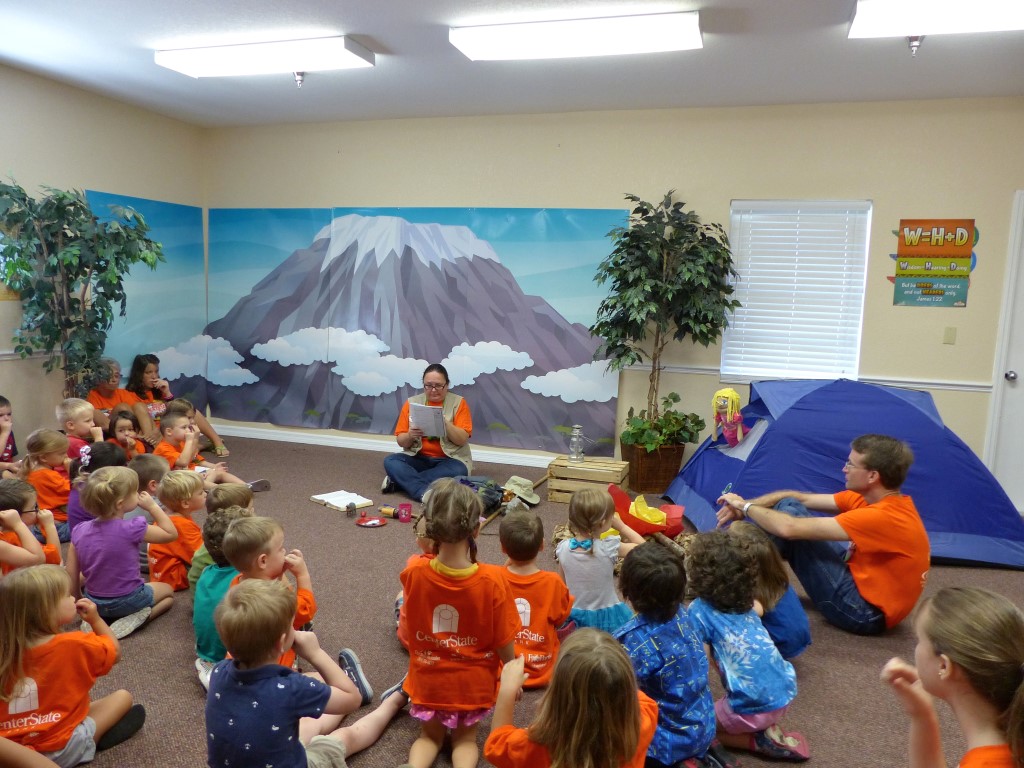
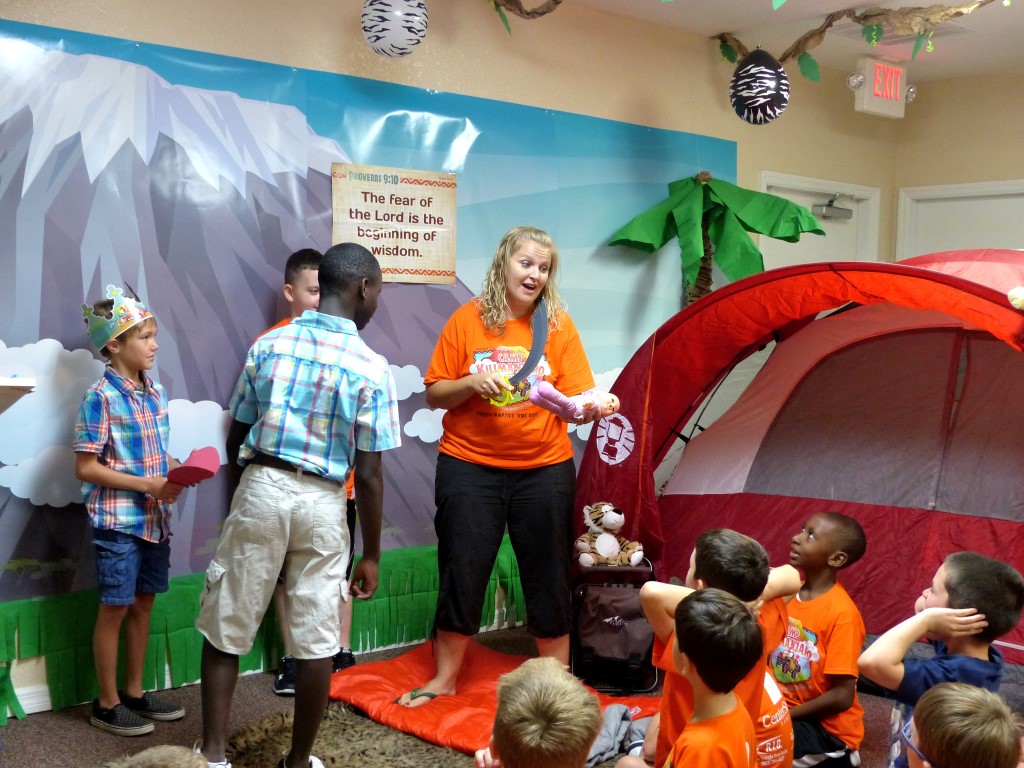
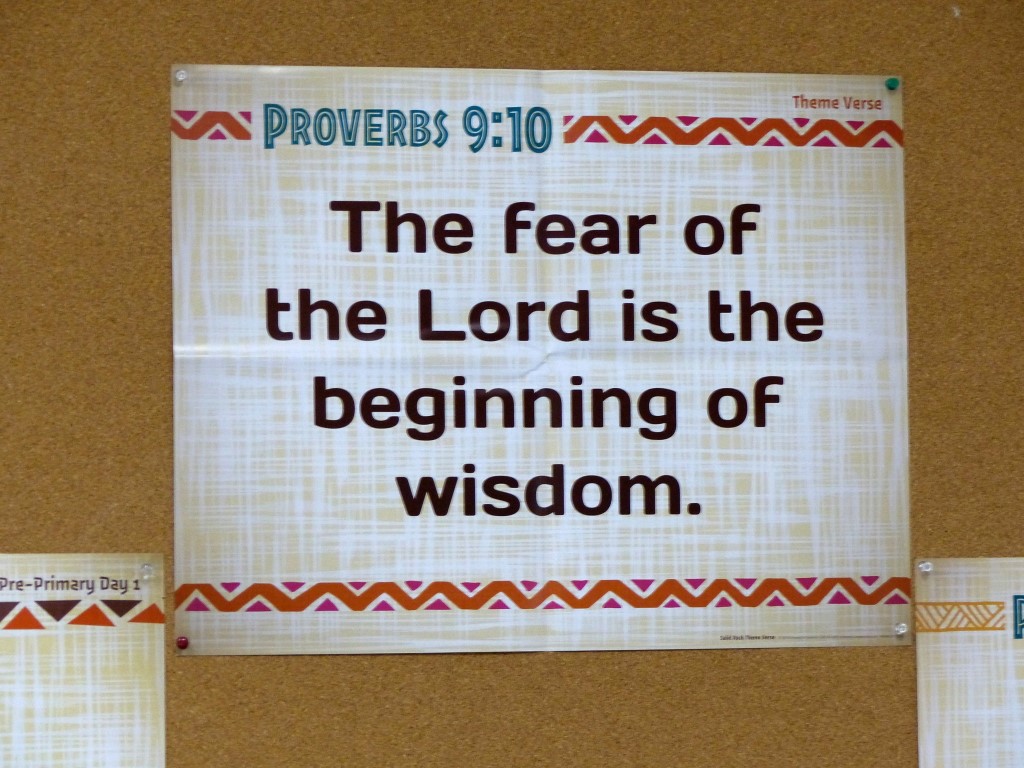
This year we are using Answers in Genesis’ Camp Kilimanjaro material for our Vacation Bible School. With over 200+ children signed up, we are staying busy. The theme is great and the lessons have been interesting so far.
A Lesson for the younger ones.
*
Threatning to divide a baby – Solomon’s Wisdom
This year, as I have for several years, many of the photos posted to our VBS 2015 section of Facebook, were taken by me. This means that I have been busy this week. The photos posted to the site are just the tip of the iceberg. It takes time to sort through them and clean them up a tad.
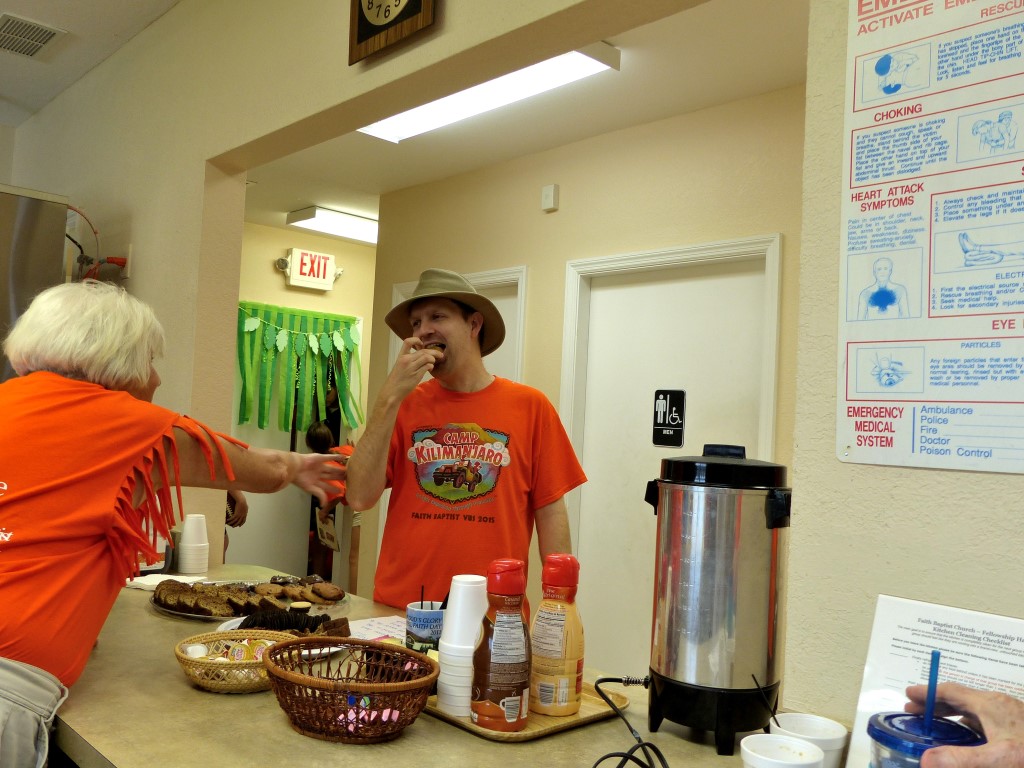
Stephen stopping by for a cookie.
Dan decided not to do photos this year and has become part of the Kitchen Crew. I call them the Cookie Monster Crew. It takes a lot of cookies (2 apiece) to feed 200+ for 5 days. Plus, we have 85 workers stopping by to get their cookies and snacks. (I’d rather walk around and take photos.)
Dan in the Kitchen
All of this said, no work is being done on all the photos from our vacation this week. I did find a bird in one of the posters today. Think I’ll keep it to use on the blog from time to time.
Beware of Wild Animals
That Cardinal doesn’t seem too dangerous.
Thanks for stopping by to see what sort of adventure is going on this week. Pray for us as we do the various task we all have to do and especially for those doing the teaching of the lessons. Pray that the children will see the truth in God’s Word and that some may come to know the Lord as their personal saviour.
(Stephen and the Lord are the ones responsible for the beginning of Lee’s Birdwatching Adventures coming into existence. Fifth Blog Anniversary)
“I don’t believe it,” muttered Johnny Chuck out loud. “I don’t believe Jenny Wren knows what she’s talking about.”
“What is it Jenny Wren has said that you don’t believe?” demanded Skimmer the Tree Swallow, as he once more settled himself in his doorway.
“She said that Hummer the Hummingbird is a sort of second cousin to Sooty the Chimney Swift,” replied Johnny Chuck.
“Well, it’s so, if you don’t believe it,” declared Skimmer. “I don’t see that that is any harder to believe than that you are cousin to Striped Chipmunk and Nappy Jack the Gray Squirrel. To look at you no one would ever think you are a member of the Squirrel family, but you must admit that you are.”
Johnny Chuck nodded his head thoughtfully. “Yes,” said he, “I am, even if I don’t look it. This is a funny world, isn’t it? You can’t always tell by a person’s looks who he may be related to. Now that I’ve found out that Sooty isn’t related to you and is related to Hummer, I’ll never dare guess again about anybody’s relatives. I always supposed Twitter the Martin to be a relative of yours, but now that I’ve learned that Sooty isn’t, I suspect that Twitter isn’t either.”
“Oh, yes, he is,” replied Skimmer promptly. “He’s the largest of the Swallow family, and we all feel very proud of him. Everybody loves him.”
“Is he as black as he looks, flying round up in the air?” asked Johnny Chuck. “He never comes down here as you do where a fellow can get a good look at him.”
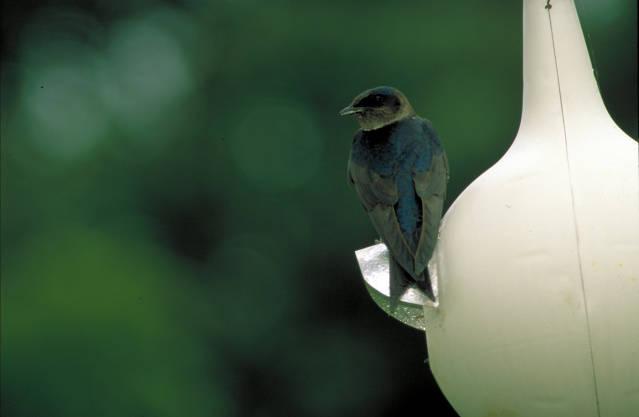
“Yes,” replied Skimmer, “he dresses all in black, but it is a beautiful blue-black, and when the sun shines on his back it seems to be almost purple. That is why some folks call him the Purple Martin. He is one of the most social fellows I know of. I like a home by myself, such as I’ve got here, but Twitter loves company. He likes to live in an apartment house with a lot of his own kind. That is why he always looks for one of those houses with a lot of rooms in it, such as Farmer Brown’s boy has put up on the top of that tall pole out in his back yard. He pays for all the trouble Farmer Brown’s boy took to put that house up. If there is anybody who catches more flies and winged insects than Twitter, I don’t know who it is.”
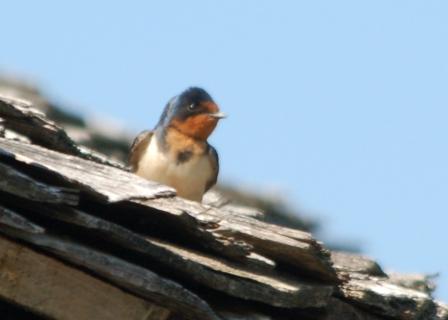
Barn Swallow in Cades Cove by Dan
“How about me?” demanded a new voice, as a graceful form skimmed over Johnny Chuck’s head, and turning like a flash, came back. It was Forktail the Barn Swallow, the handsomest and one of the most graceful of all the Swallow family. He passed so close to Johnny that the latter had a splendid chance to see and admire his glistening steel-blue back and the beautiful chestnut-brown of his forehead and throat with its narrow black collar, and the brown to buff color of his under parts. But the thing that was most striking about him was his tail, which was so deeply forked as to seem almost like two tails.
“I would know him as far as I could see him just by his tail alone,” exclaimed Johnny. “I don’t know of any other tail at all like it.”
“There isn’t any other like it,” declared Skimmer. “If Twitter the Martin is the largest of our family, Forktail is the handsomest.”
“How about my usefulness?” demanded Forktail, as he came skimming past again. “Cousin Twitter certainly does catch a lot of flies and insects but I’m willing to go against him any day to see who can catch the most.”
With this he darted away. Watching him they saw him alight on the top of Farmer Brown’s barn. “It’s funny,” remarked Johnny Chuck, “but as long as I’ve known Forktail, and I’ve known him ever since I was big enough to know anybody, I’ve never found out how he builds his nest. I’ve seen him skimming over the Green Meadows times without number, and often he comes here to the Old Orchard as he did just now, but I’ve never seen him stop anywhere except over on that barn.”
“That’s where he nests,” chuckled Skimmer.
“What?” cried Johnny Chuck. “Do you mean to say he nests on Farmer Brown’s barn?”
“No,” replied Skimmer. “He nests in it. That’s why he is called the Barn Swallow, and why you never have seen his nest. If you’ll just go over to Farmer Brown’s barn and look up in the roof, you’ll see Forktail’s nest there somewhere.”
“Me go over to Farmer Brown’s barn!” exclaimed Johnny Chuck. “Do you think I’m crazy?”
Skimmer chuckled. “Forktail isn’t crazy,” said he, “and he goes in and out of that barn all day long. I must say I wouldn’t care to build in such a place myself, but he seems to like it. There’s one thing about it, his home is warm and dry and comfortable, no matter what the weather is. I wouldn’t trade with him, though. No, sir, I wouldn’t trade with him for anything. Give me a hollow in a tree well lined with feathers to a nest made of mud and straw, even if it is feather-lined.”
“Do you mean that such a neat-looking, handsome fellow as Forktail uses mud in his nest?” cried Johnny.
Skimmer bobbed his head. “He does just that,” said he. “He’s something like Welcome Robin in this respect. I—”
But Johnny Chuck never knew what Skimmer was going to say next, for Skimmer happened at that instant to glance up. For an instant he sat motionless with horror, then with a shriek he darted out into the air. At the sound of that shriek Mrs. Skimmer, who all the time had been sitting on her eggs inside the hollow of the tree, darted out of her doorway, also shrieking. For a moment Johnny Chuck couldn’t imagine what could be the trouble. Then a slight rustling drew his eyes to a crotch in the tree a little above the doorway of Skimmer’s home. There, partly coiled around a branch, with head swaying to and fro, eyes glittering and forked tongue darting out and in, as he tried to look down into Skimmer’s nest, was Mr. Blacksnake.
Barn Swallow (Hirundo rustica) WikiC
It seemed to Johnny as if in a minute every bird in the Old Orchard had arrived on the scene. Such a shrieking and screaming as there was! First one and then another would dart at Mr. Blacksnake, only to lose courage at the last second and turn aside. Poor Skimmer and his little wife were frantic. They did their utmost to distract Mr. Blacksnake’s attention, darting almost into his very face and then away again before he could strike. But Mr. Blacksnake knew that they were powerless to hurt him, and he knew that there were eggs in that nest. There is nothing he loves better than eggs unless it is a meal of baby birds. Beyond hissing angrily two or three times he paid no attention to Skimmer or his friends, but continued to creep nearer the entrance to that nest.
At last he reached a position where he could put his head in the doorway. As he did so, Skimmer and Mrs. Skimmer each gave a little cry of hopelessness and despair. But no sooner had his head disappeared in the hole in the old apple-tree than Scrapper the Kingbird struck him savagely. Instantly Mr. Blacksnake withdrew his head, hissing fiercely, and struck savagely at the birds nearest him. Several times the same thing happened. No sooner would his head disappear in that hole than Scrapper or one or the other of Skimmer’s friends, braver than the rest, would dart in and peck at him viciously, and all the time all the birds were screaming as only excited feathered folk can. Johnny Chuck was quite as excited as his feathered friends, and so intent watching the hated black robber that he had eyes for nothing else. Suddenly he heard a step just behind him. He turned his head and then frantically dived head first down into his hole. He had looked right up into the eyes of Farmer Brown’s boy!
“Ha, ha!” cried Farmer Brown’s boy, “I thought as much!” And with a long switch he struck Mr. Blacksnake just as the latter had put his head in that doorway, resolved to get those eggs this time. But when he felt that switch and heard the voice of Farmer Brown’s boy he changed his mind in a flash. He simply let go his hold on that tree and dropped. The instant he touched the ground he was off like a shot for the safety of the old stone wall, Farmer Brown’s boy after him. Farmer Brown’s boy didn’t intend to kill Mr. Blacksnake, but he did want to give him such a fright that he wouldn’t visit the Old Orchard again in a hurry, and this he quite succeeded in doing.
No sooner had Mr. Blacksnake disappeared than all the birds set up such a rejoicing that you would have thought they, and not Farmer Brown’s boy, had saved the eggs of Mr. and Mrs. Skimmer. Listening to them, Johnny Chuck just had to smile.
Listen to the story read.
Barn Swallow at the New Mexico Welcome Center by Lee
Yea, the sparrow hath found an house, and the swallow a nest for herself, where she may lay her young, even thine altars, O LORD of hosts, my King, and my God. (Psalms 84:3 KJV)
Before I get to the Diamond Dove, I have an appeal to any members who have been on the Bird of the Week list since 2003 and who have kept copies of the postings. It’s a long shot I know, but I lost the text of some of the early ones in a hard disk crash and I’ve nearly finished compiling the first volume covering 2002 to 2009 of the ebook Diary of a Bird Photographer. I have all the photos but not the descriptions of: Red-capped Plover 9 March 2003, Bank Myna 1 June 2003, Spinifex Pigeon 2 July 2003, Leaden Flycatcher 29 July 2003, Australian Pelican 7 July 2003 and Noisy Pitta 15 February 2004. If you have them, I’d be very grateful if you’d let me have the text by email and the first six respondents who can provide each of the missing ones will get a free copy of the ebook when it’s published.
Back to the Diamond Dove. Having cut the recent camping trip short, I didn’t come back with the anticipated collection of photos of dry country birds, but here is one such species from earlier trips as compensation. This delightful, tiny dove is found in arid country throughout mainland Australia. It depends on the availability of water and moves long distances in time of drought. It’s comparable in length to its close relative the Peaceful Dove (both about 19-24cm/7.5-9.5in) but has a relatively much longer tail and smaller body. So it tips the scales at a mere 28-43g/1-1.5 compared with 41-66g/1.5-2.3 for the Peaceful Dove.
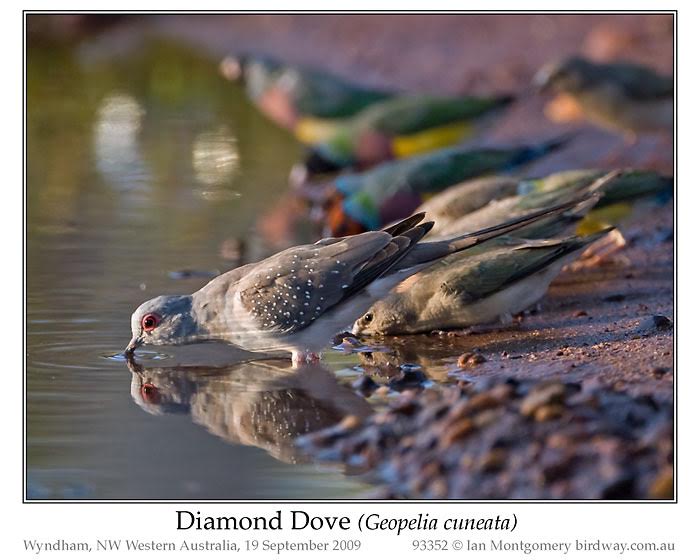
You can see how small it is in the second photo where it is drinking with finches just after dawn – being a late riser I can’t help boasting when I get up early. There are two points of interest in this photo. The finches in question are Gouldian – there had to be a good reason for me to get up in the dark at 5:30am in Kununurra and drive 100km to Wyndham. There are more photos of the Gouldians here. The other point is that the dove is demonstrating the drinking skill of members of the Pigeon and Dove family, the Columbidae. They drink by sucking and swallowing and don’t have to first sip and then tip their heads back like almost all other birds do. Apparently, they can drink six times faster in this way, maybe a useful survival strategy in a very vulnerable situation. Incidentally, I also photographed drinking Crested Dove at the same spot 15 minutes later, by which time the finches had left.
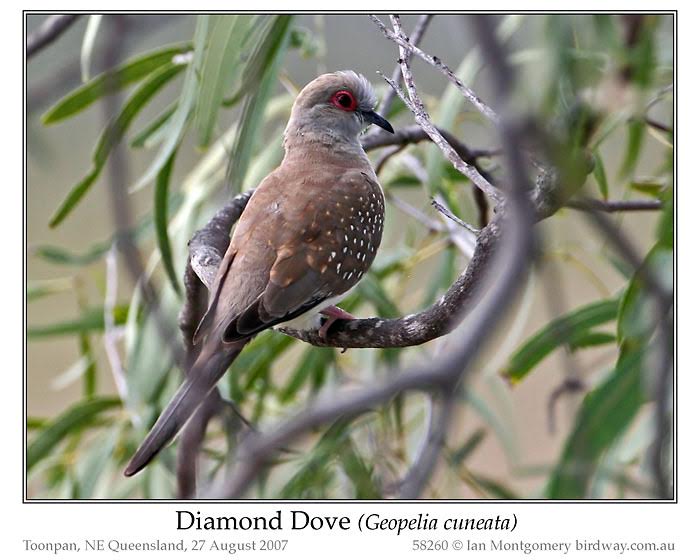
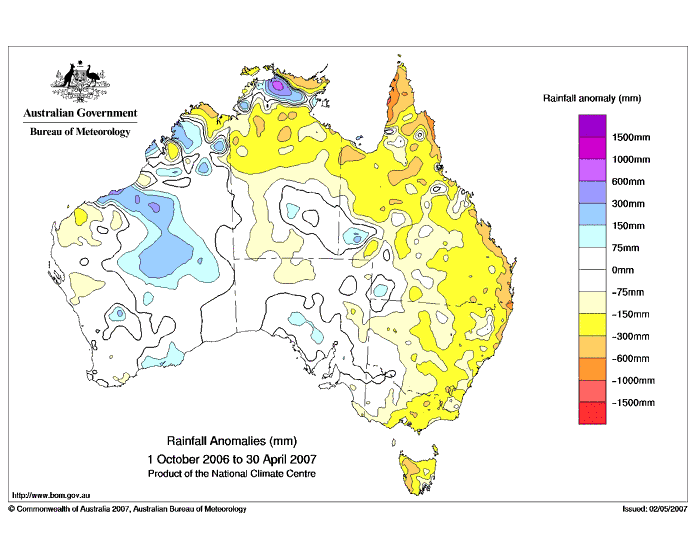
Diamond Doves have strikingly red eye-rings, quite unlike the blue-grey ones of Peaceful Doves, and small white spots on the wing coverts which give them their common name. The eye-rings are red in adults, and although those of males are supposed to be larger and brighter than those of females, and females are supposed to have browner plumage, I can’t find any consistent differences. The one in the third photo has a brownish wash on the wings and a very striking eye-ring, which would make it trans-gender according to those criteria. That photo was taken just south of Townsville. 2007 was a very dry year in eastern Australia (see below) and at such times, Diamond Doves may show up quite close to the coast.
The bird in the fourth photo is a juvenile and has not yet developed the red eye-ring and red legs of the adult. The barring on the head and breast reveals its close relationship to the Peaceful Dove, but note that it has the diagnostic white spots of the Diamond Dove on the wing coverts.
Regarding the Scientific name, Geopelia means ‘ground dove’ in Greek and refers to the feeding habits of member of this genus. Diamond Doves feed predominantly on grass seeds and usually very small ones at that. The specific name cuneata means ‘wedge-shaped’, coming from the Latin cuneus meaning a ‘wedge’. I suppose it must refer to the pointed tail, but it isn’t what I usually think of as a wedge-shaped tail, compared with the wedge-tailed eagle and shearwater.
“cuneiform ground dove”
Needless to say, I couldn’t resist Googling deeper into the related word ‘cuneiform’, which refers to the wedge-shaped characters used mainly on clay tablets in ancient Mesopotamia and Persia. This led me to the website of the Pennsylvanian Museum which gives you the opportunity to write your initials as a monogram ‘like a Babylonian’. The above image shows the result for ‘DOVE’, clearly not just any dove of course but a cuneiform ground dove.
Behold, I send you forth as sheep in the midst of wolves: be ye therefore wise as serpents, and harmless as doves. (Matthew 10:16 KJV)
These doves are quite small in comparison to other members of the Columbidae family. During our trip we saw the Western (Blue) Crowned and Victoria Crowned Pigeons, which are some of the larger members of the family.
The way they drink, by sucking is very interesting. I am sure the Lord had a reason for creating them this way. May have to research that some day.
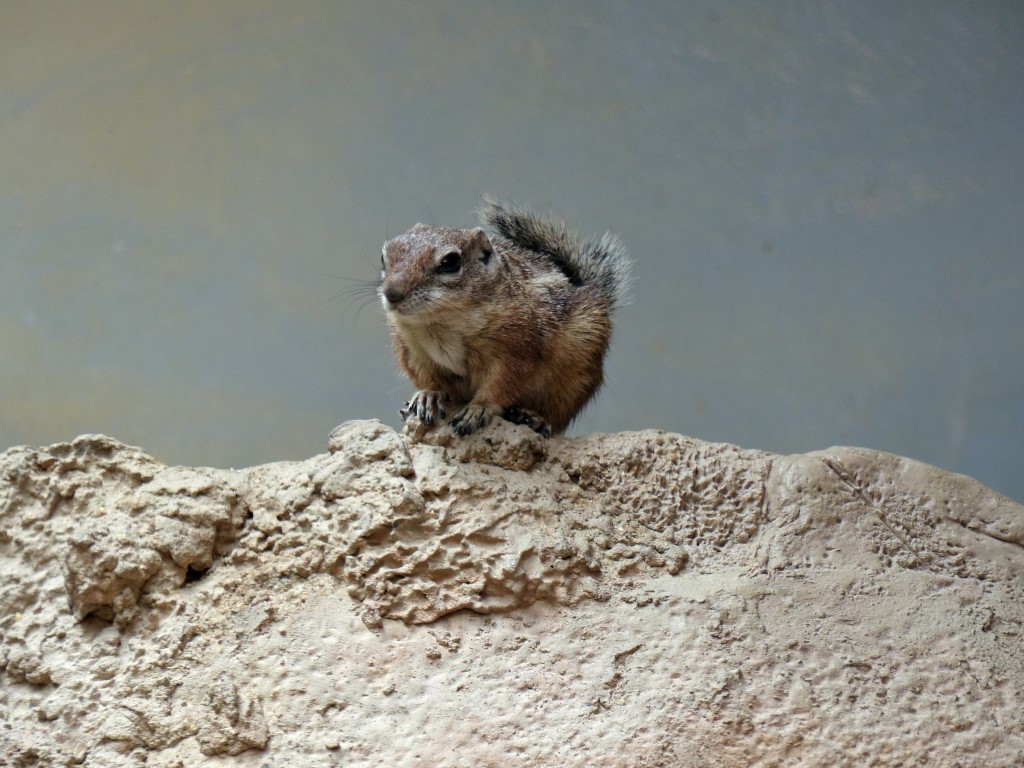
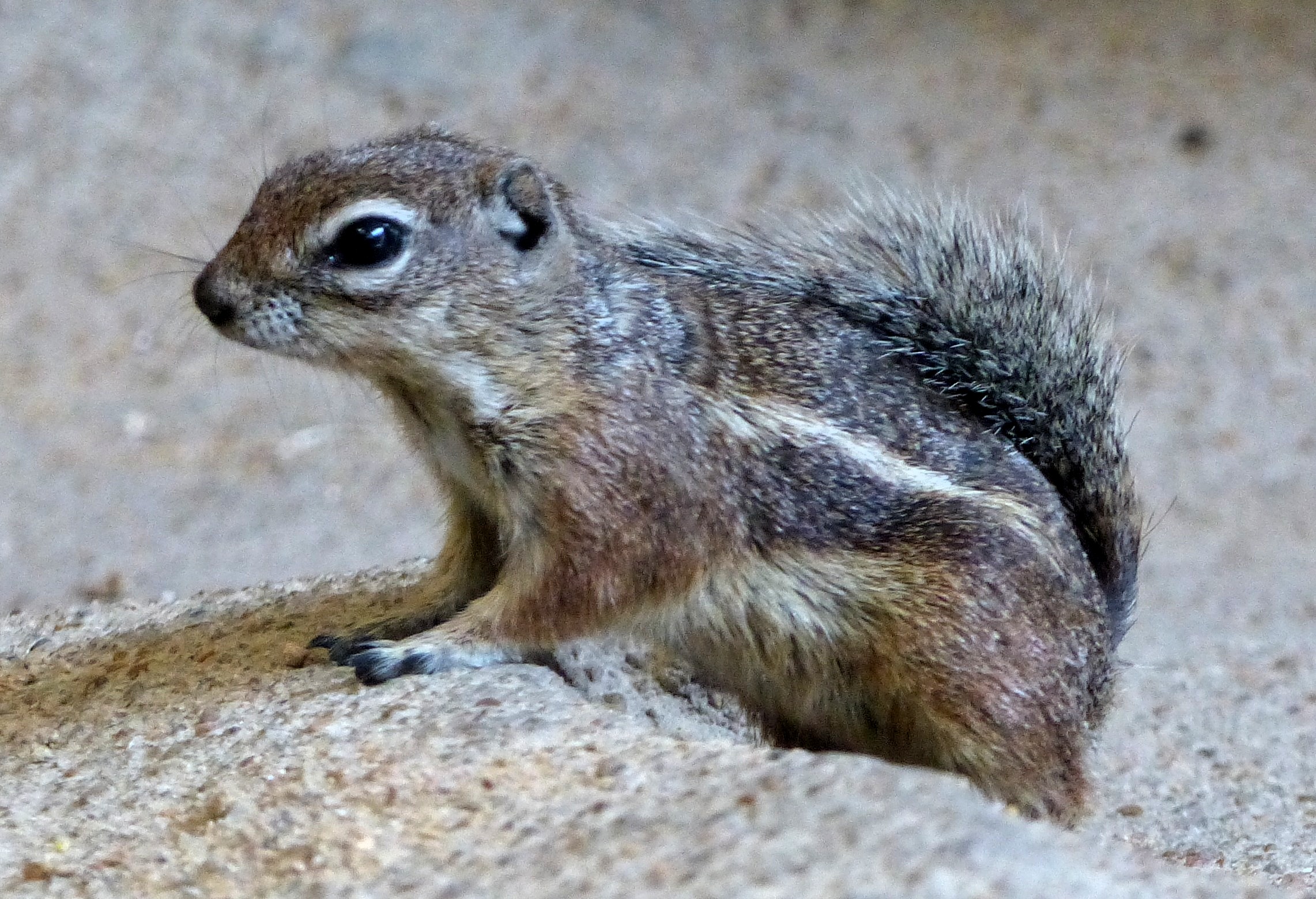
Antelope Ground Squirrel at Houston Zoo 5-6-15 by Lee
These Antelope Ground Squirrels at the Houston Zoo were just adorable. Never heard of them before, let alone seen any. They were in a building that had birds in it, of course, and they caught my attention. They landscape their displays and enclosures at the Houston Zoo very well. The squirrels had plenty of room to roam around in and they seemed quite content. Could it be because they didn’t need to worry about predators
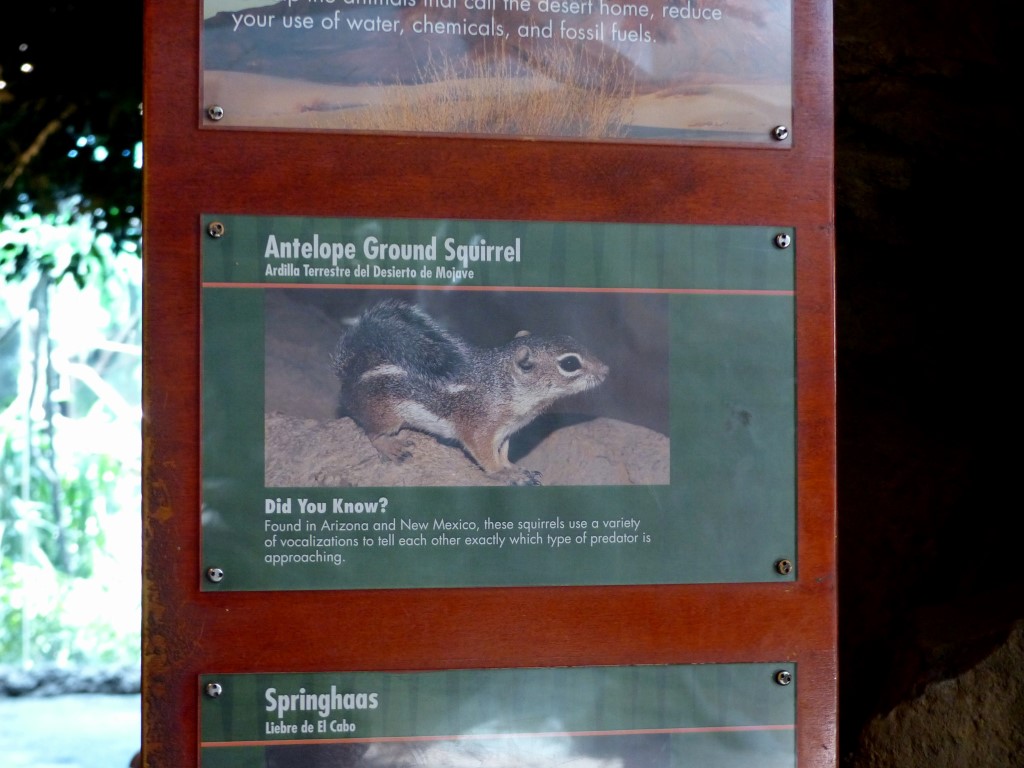
According to this sign, Antelope Ground Squirrel is found in Arizona and New Mexico and use a variety of vocalizations to tell each other which type of predator is approaching. Isn’t their Creator amazing to give them this ability? Let’s go see what else we can find out about these cute little critters:
They need to scratch,
Sorry, that was a small joke, but he did scratch just as I took his/her picture. :)
About half of their place at the zoo.
They had lots of room to roam.
“Antelope squirrels or antelope ground squirrels of the genus Ammospermophilus are sciurids found in the desert and dry scrub areas of south-western United States and northern Mexico. They are a type of ground squirrel and are able to resist hyperthermia and can survive body temperatures over 40 °C (104 °F).
There are currently four recognised species in the world, with one subspecies:
Harris’s antelope squirrel, A. harrisii, found in Arizona, New Mexico, and Sonora in Mexico.
The San Joaquin antelope squirrel or Nelson’s antelope squirrel, A. nelsoni, found in the San Joaquin Valley, California.
Texas antelope squirrel, A. interpres, found in Texas, New Mexico, and Mexico.
The white-tailed antelope squirrel, A. leucurus, found in the southwestern United States and the Baja California peninsula.
The subspecies of the Espíritu Santo antelope squirrel, A. insularis, found on Isla Espíritu Santo.
All are somewhat similar in appearance and behavior. They are around 14–17 centimetres (5.5–6.7 in) long with a 6–10 centimetres (2.4–3.9 in) tail, and weigh 110–150 grams (3.9–5.3 oz). The tail is somewhat flattened. They have a single white stripe on both flanks and none on the face. They live in burrows, which they dig for themselves. They are diurnal, and do not hibernate (though they become less active during the winter), so they are fairly easily seen.” (Wikipedia)
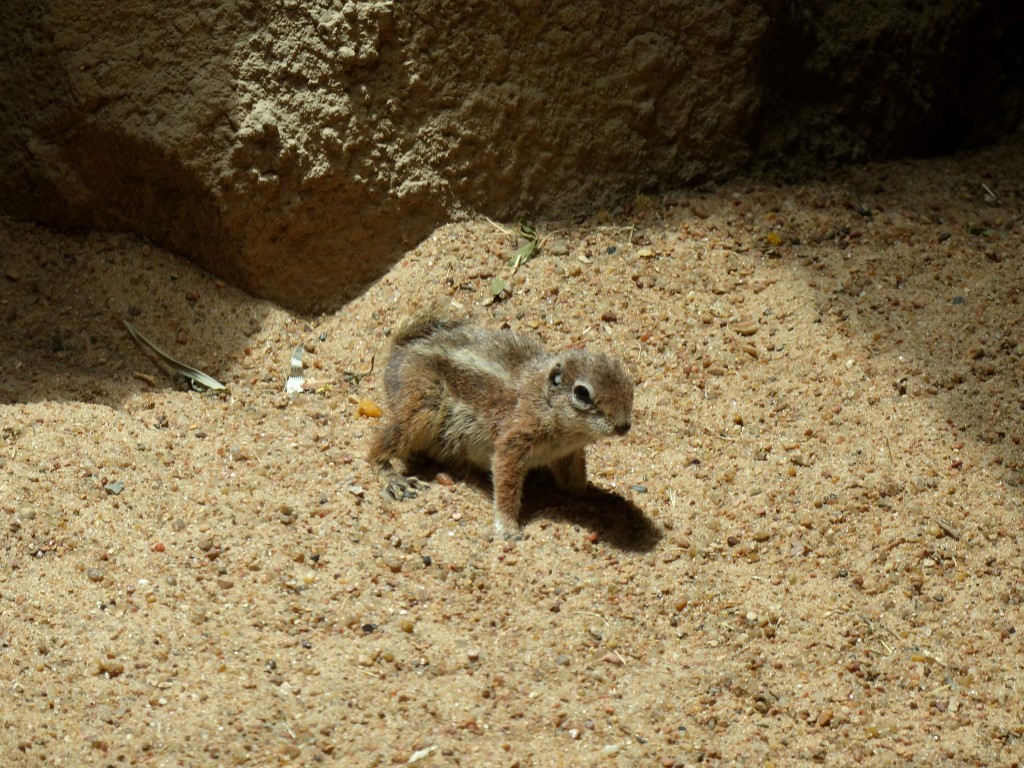
This one looks like a youngster, so they are following the Lord’s command to fill the earth:
Bring forth with thee every living thing that is with thee, of all flesh, both of fowl, and of cattle, and of every creeping thing that creepeth upon the earth; that they may breed abundantly in the earth, and be fruitful, and multiply upon the earth. (Genesis 8:17 KJV)
Antelope Ground Squirrel by Lee
“Antelope squirrels are commonly found in dry, shrubby areas of the southern United States into Mexico. These areas are sandy with rocky areas that provide soil that can be burrowed into for shelter and to escape the heat of the day. The temperatures in these regions can exceed 37.8 °C (100.0 °F) during the day and require special adaptations by the ground squirrels to survive. During the night, temperatures in these desert and dry areas may dip below freezing which again requires adaptations to survive. There is very limited free-standing water supply. These regions often suffer from long bouts of drought.” (Wikipedia) Could it just be that again their Creator created them for this big swing in temperature?
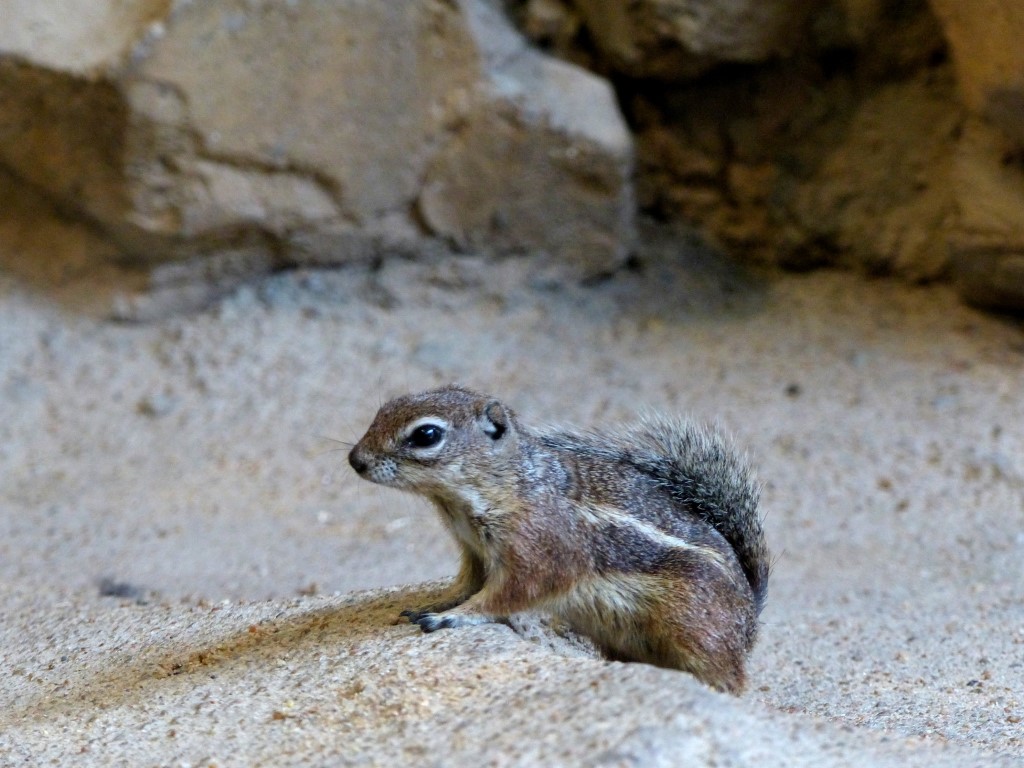
Here are all the photos taken of this adorable cute little critters:
Antelope Ground Squirrel at Houston Zoo 5-6-15 by Lee
They need to scratch,
Antelope Ground Squirrel by Lee
I know these aren’t birds, but I am sure there are some birds out there that know all about them.
*
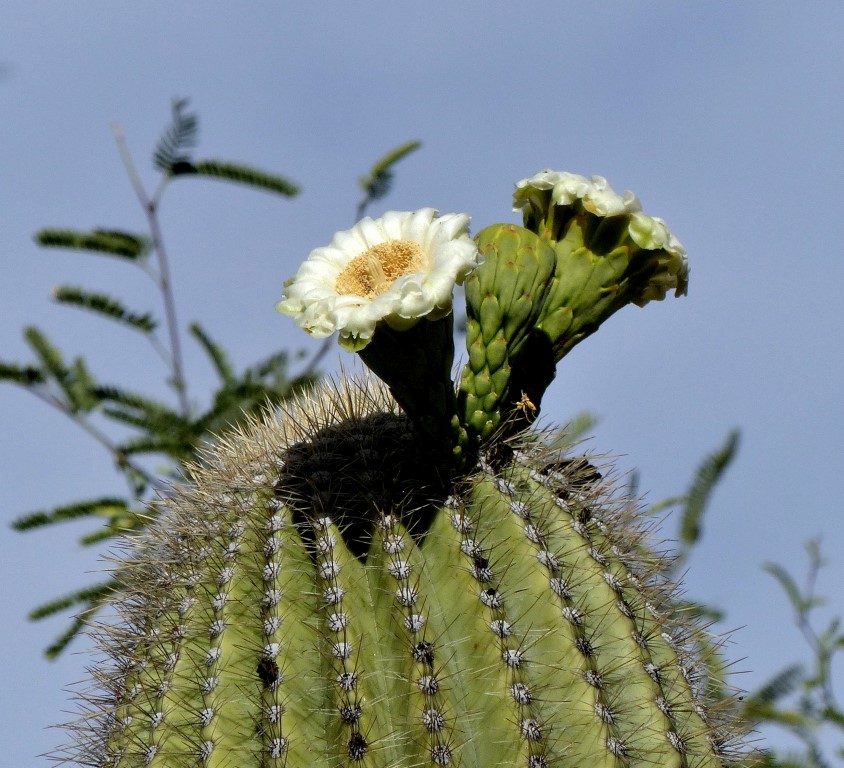
Another friend sent this video. It is worth watching. Amazing photography. The cactus flower part was very interesting considering we saw so many of them on our recent trip.
Cactus Flower – Arizona Living Desert Museum by Lee
From the e-mail:
Take just 4 1/2 minutes of your time to WATCH this…..It is worth every moment…..
Then ask yourself “How do atheists explain these wonderful happenings ? “
Be sure to watch this on the largest computer screen you have (HD if possible)
And have your sound turned on.
The hummingbird doing rolls chasing a bee is not to be missed.
Be sure and watch closely (around 2 min 40 sec) and check out the baby bat under its mother. Unreal.
If you never knew what goes on in the garden when you aren’t paying attention, watch this – some of the finest photography you will ever see.
Thou shalt fan them, and the wind shall carry them away, and the whirlwind shall scatter them: and thou shalt rejoice in the LORD, and shalt glory in the Holy One of Israel. (Isaiah 41:16 KJV)
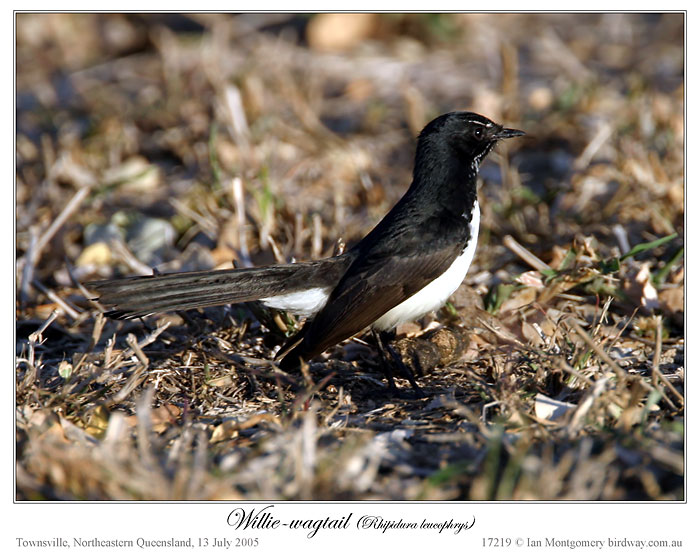
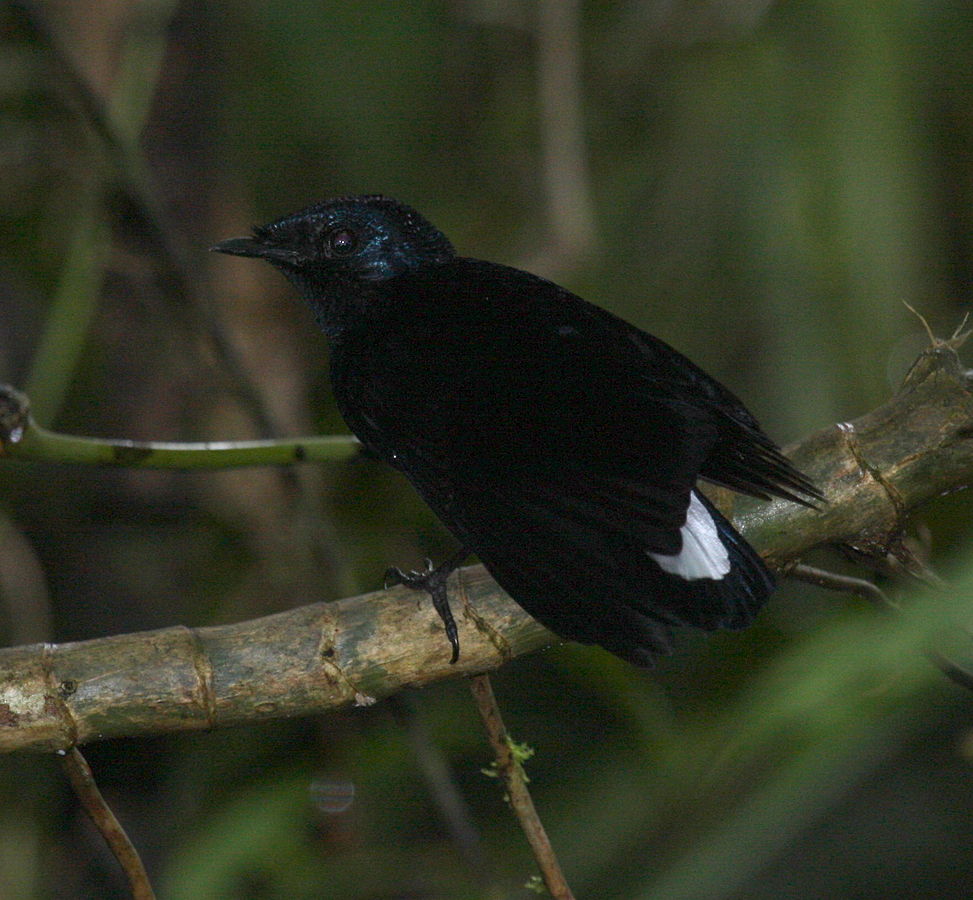
This week’s Inspiration comes from the Rhipiduridae – Fantails Family. You can see by Ian Montgomery’s photo above where their name came from. This family of birds has 50 species. All but three are Fantails. The other three are the Willie Wagtail, Silktail, and the Pygmy Drongo.
Fantails are small insectivorous birds of Australasia, Southeast Asia and the Indian subcontinent belonging to the genus Rhipidura in the family Rhipiduridae. Most of the species are about 15 to 18 cm long, specialist aerial feeders, and named as “fantails”, but the Australian willie wagtail, is a little larger, and though still an expert hunter of insects on the wing, concentrates equally on terrestrial prey.
Willie Wagtail (Rhipidura leucophrys) on Wallaby by Ian
The willie (or willy) wagtail (Rhipidura leucophrys) is a passerine bird native to Australia, New Guinea, the Solomon Islands, the Bismarck Archipelago, and Eastern Indonesia. It is a common and familiar bird throughout much of its range, living in most habitats apart from thick forest. Measuring 19–21.5 cm (71⁄2–81⁄2 in) in length, the willie wagtail is contrastingly coloured with almost entirely black upperparts and white underparts; the male and female have similar plumage.
The silktail (Lamprolia victoriae) is a species of bird endemic to Fiji. It is the only member of the genus Lamprolia. This beautiful bird looks superficially like a diminutive bird of paradise but it is actually closely related to the fantails.
The pygmy drongo or Papuan drongo (Chaetorhynchus papuensis) is a species of bird endemic to the island of New Guinea. It is the only species in the genus Chaetorhynchus. The species was long placed within the drongo family Dicruridae, but it differs from others in that family in having twelve rectrices instead of ten. Molecular analysis also supports moving the species out from the drongo family, instead placing it as a sister species to the Silktail of Fiji, and both those species in the fantail family Rhipiduridae. Some authorities reference the bird as the pygmy drongo-fantail. (Information from Wikipedia)
This slideshow requires JavaScript.
For which cause I remind you to fan into flame the gift of God which is in you through the laying on of my hands. (2 Timothy 1:6 LITV)
“For the invisible things of him from the creation of the world are clearly seen, being understood by the things that are made, even his eternal power and Godhead; so that they are without excuse.” (Romans 1:20)
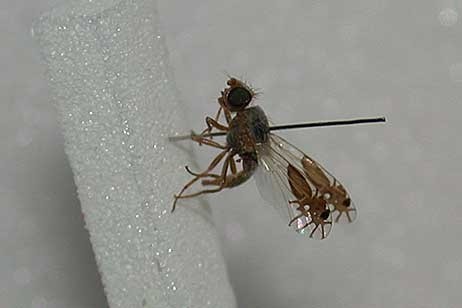
When most people look at a photo of the Goniurellia tridens fruit fly, they think it must have been created by a talented Photoshop artist. No, this fly with images of ant-like insects on its wings is no accident of nature. The images were put there by a Master Designer.
This is the photo that appeared with the story in The National. Dr. Brigitte Howarth, the fly specialist at Zayed University in the UAE who first discovered G tridens, said that the image on the wing is absolutely perfect. She adds that a closer examination of the transparent wings of Goniurellia tridens reveals a piece of evolutionary art. Each wing carries a precisely detailed image of an ant-like insect, complete with six legs, two antennae, a head, thorax and tapered abdomen. When threatened, the fly flashes its wings to give the appearance of ants walking back and forth. This confuses the predator, allowing the fly to escape.
As expected, the story and pictures of G tridens were soon flying all over the Internet. Evolutionists rejoiced, claiming that the fruit fly was a beautiful example of natural selection. But we have to point out that there is no evidence whatsoever to support that claim. As usual, evolutionists simply assume that evolution is true. What they fail to do is show how those images of ants got on the fly’s wings.
Creationists don’t need to provide a step-by-step explanation of how these extraordinary wings developed. The fact is, the design is in their genes! God designed them that way!
Prayer: Heavenly Father, when I look at the things You have created, I see what unbelievers are unable to see. Open their eyes so they might see that You are the designer who alone has the power to save them from their sins. Amen.
Notes:
“Fruit fly with the wings of beauty“, A. Zacharias, The National, 6/28/13. Photo: This is the photo that appeared with the story in The National.
What an amazing design from the Lord. One article even show some with spider-like images on their wings. In that case, they cause the attacking spider to stop and start displaying. This gives the spider’s location away, allowing the Fruit Fly to escape. The Lord even protects the littlest of things. What a Creator.
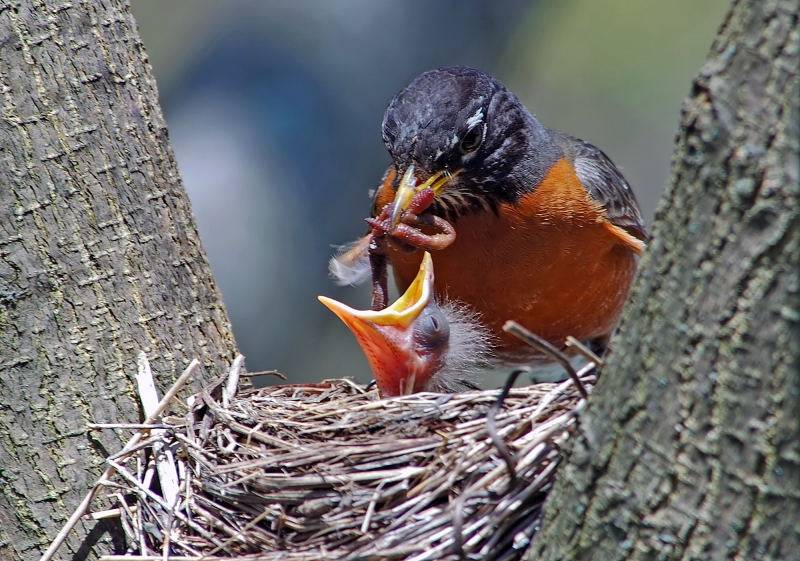
American Robin (Turdus migratorius)with youngsters by Raymond Barlow
“And Jesus said unto him, Foxes have holes, and birds of the air have nests; but the Son of man hath not where to lay his head.” (Luke 9:58)
Parents, wouldn’t it be nice if you didn’t have to deal with dirty diapers during the early years of your child’s life? And think of the money you would save! Too bad your little angel isn’t more like a little robin.
Some birds, including the familiar robin, have it all figured out. You see, just seconds after a young robin has eaten, he eliminates waste into what can best be described as a white disposable diaper. All the parents have to do is pick it up and fly off with it, leaving the nest neat and clean.
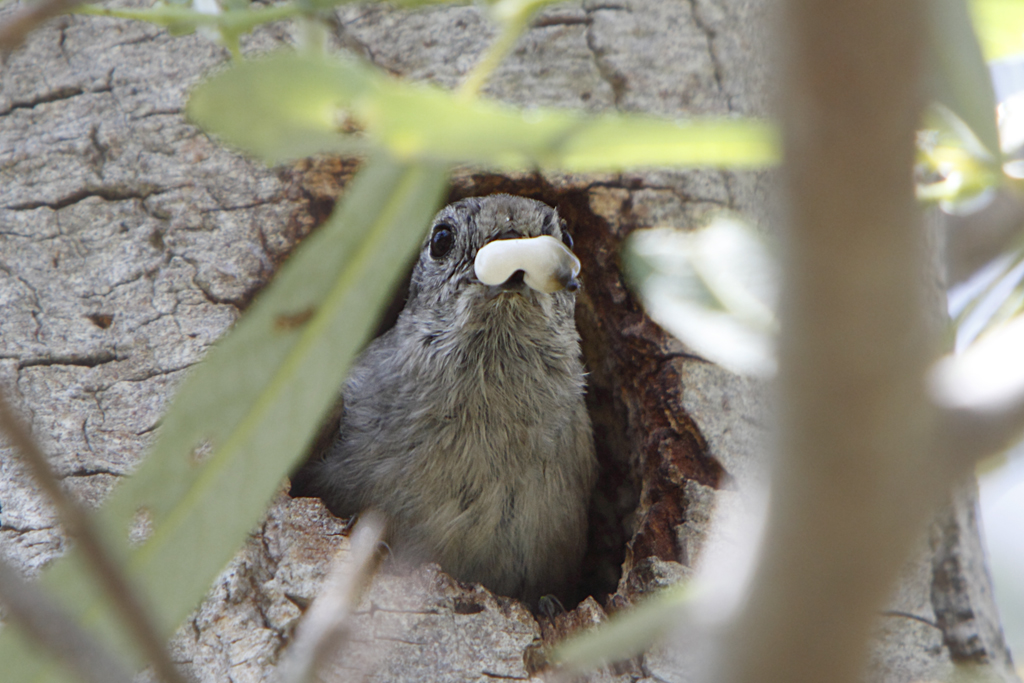
This disposable diaper is called the fecal sac. It is made of thick, strong mucus that the parent can pick up and dispose of without puncturing it with its sharp beak. Robins will usually drop the sac twenty to fifty yards away before returning to the nest with another meal for its chicks. Once the young robin has matured enough to leave its nest, it no longer produces the fecal sac. Instead, its droppings are disposed of most often on your car’s windshield.
Now, just imagine what a robin’s nest would look like if their Creator hadn’t come up with this ingenious plan. Without this disposable diaper, the nest would quickly become unsuitable for life. So the next time you find an abandoned robin’s nest, take a peek inside. The only reason it’s so clean is because God provided the robin with a disposable diaper service!
Prayer: Heavenly Father, the more I learn about Your creation – even the robin and its young – the more I am filled with praise for You! Amen.
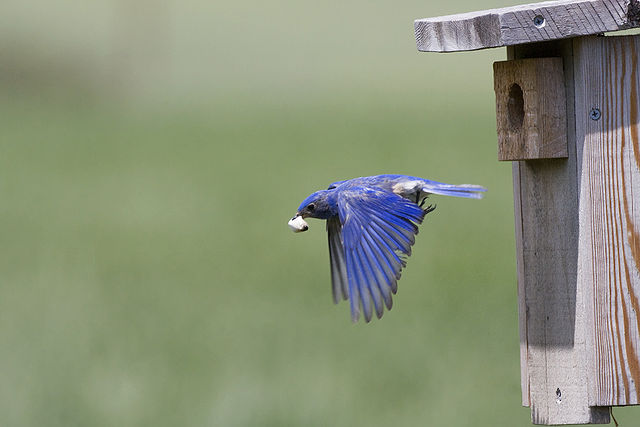
Here is a Bluebird flying off with a fecal sac. Many birds use this method of removing the “disposable diapers.” I didn’t have permission to show the other photo, but check out the link http://stevecreek.com/a-robin-removing-fecal-sac/ above. It has a great sequence of the Robin.
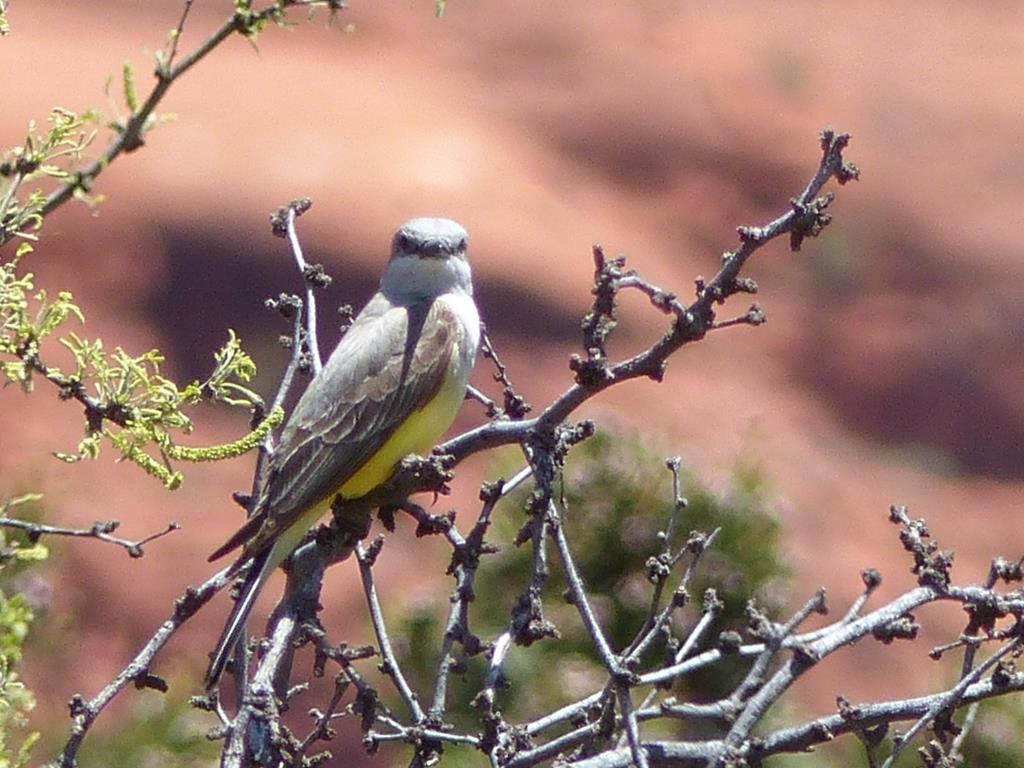
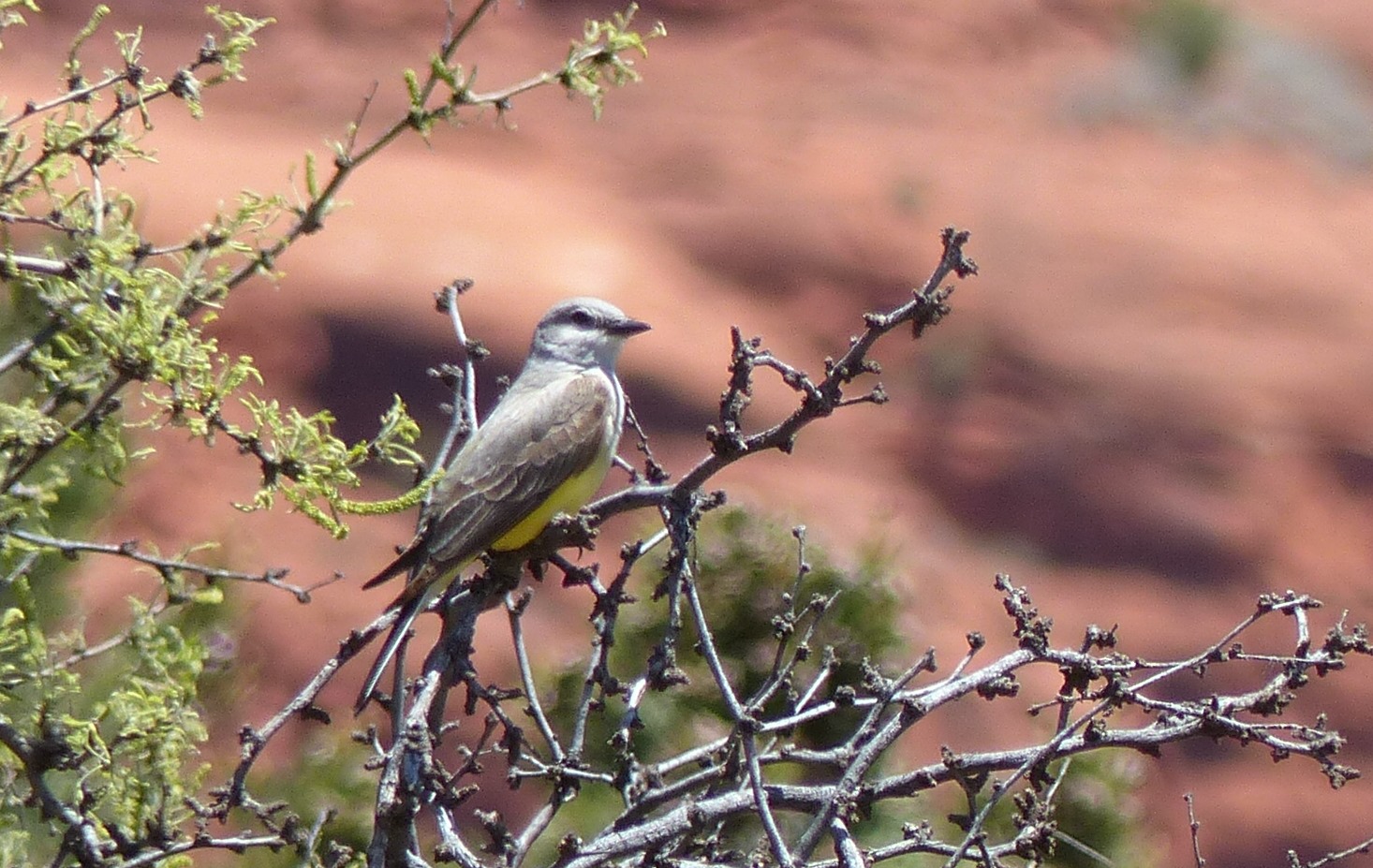
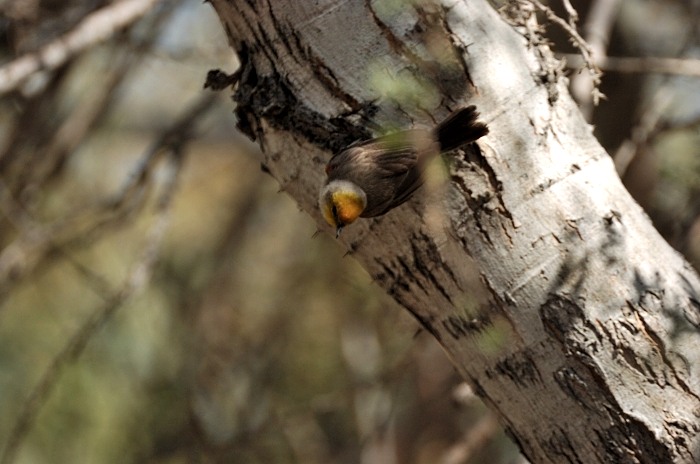
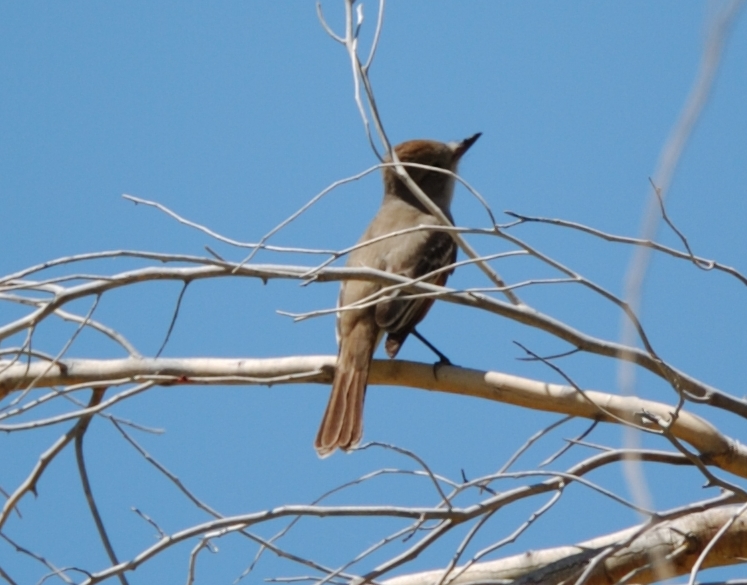
Now that I am trying to put names with the photos of some of the avian creations from our vacation, I have some that I have no idea what they are. Help needed.
Some I have narrowed down to one or two (or three or four) possibilities. Since we live in Florida and these were taken out west, I am not certain of their IDs.
If you have seen these, could you leave me a comment. It sure would help.
Western Kingbird Maybe – California
Is this a Western Kingbird or one of the Flycatchers. Some of them are so similar it is hard to tell them apart.
Here’s another:
Costa’s Hummingbird – I think – California
Pretty certain of this, but not sure. Been checking on-line and in the books.
Here are the last two, for now. Still going through the photos.
Verdin – Maybe – California
Same bird:
Verdin – Maybe – California
The last one.
Dusky-capped Flycatcher – Maybe – California Cropped
Ask, and it shall be given you; seek, and ye shall find; knock, and it shall be opened unto you: (Matthew 7:7 KJV)
 This nest was on Lake Alexandrina on the South Island of New Zealand, so it’s apparent that this species has a huge range extending from Ireland in the West and all the way through Eurasia to Australasia and in northern and southern Africa. It is however absent from the tropical regions of Africa and various tropical areas of Asia such as Indonesia.
 The third photo shows one of the New Zealand birds in full breeding plumage with the elongated crest and head plumes that give it scientific (cristatus), English and French name Grèbe Huppé. I’ll come back to huppé later. The 2007 bird of the week photos were of some breeding birds in Portugal and here is another one from that series: proud parent with two gorgeous striped youngsters. As this posting is celebrating a new family, I’d like to think that the photo is prophetic and that Loïc can look forward to a lovely sibling in due course.
 Great Crested Grebes mostly feed on fish, quite large ones at that, but this one Portugese one, fifth photo, has seized this hapless frog, whose expression seems a rather sad combination of pleading for help and accepting its fate.
 Another French connection is that I’m on a flight to New Caledonia and had thought that I would be on French territory when Loïc arrived, but he decided not to wait but I will try and skype the happy trio from Noumea.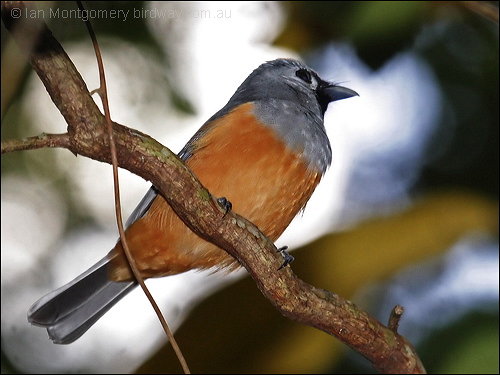





















 Lee's Birdwatching Adventures Plus