Sunday Inspiration – Variety II

We have come to some Passerine Families that only have a few members in them. You will get to see quite a few families in order to have enough birds to make a slideshow. As you know, the Lord loves variety and He gives us each different talents to use for His service. Sometimes many can do the same thing, but there are times when only a few can do a certain task. So it is with our Avian Friends today. They each have their niches to fill.

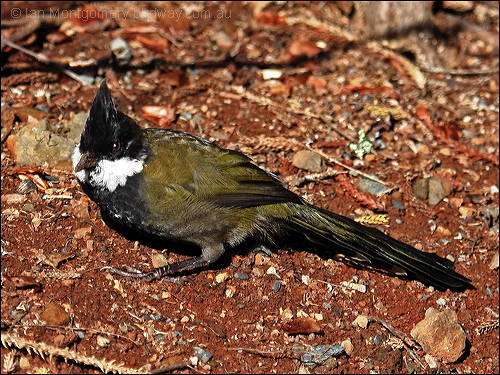
 Australian Logrunner (Orthonyx temminckii) by Tom Tarrant

Australian Logrunner (Orthonyx temminckii) by Tom Tarrant

Orthonychidae – Logrunners – The logrunners (Orthonyx) are a clade of birds which comprises three species of passerine birds endemic to Australia and New Guinea. Some authorities consider the Australian family Cinclosomatidae to be part of the Orthonychidae. The three species use their stiffened tails to brace themselves when feeding.

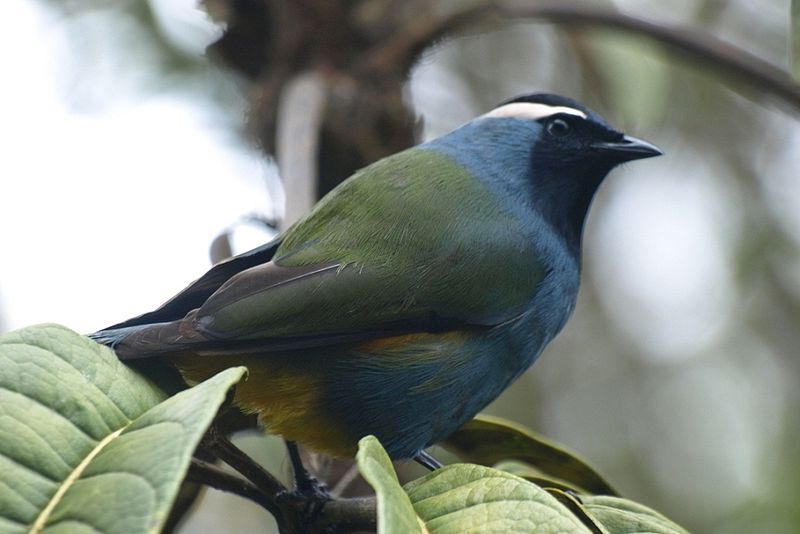
Crested Satinbird ©Jerry Oldenettel

Crested Satinbird ©Jerry Oldenettel

Cnemophilidae – Satinbirds – The satinbirds or Cnemophilines, Cnemophilidae are a group of passerine birds which consists of three species found in the mountain forests of New Guinea. They were originally thought to be part of the birds of paradise family Paradisaeidae until genetic research suggested that the birds are not closely related to birds of paradise at all and are perhaps closer to Melanocharitidae. The current evidence suggests that their closest relatives may be the cuckoo-shrikes [Campephagidae

Obscure Berrypecker (Melanocharis arfakiana) CC maholyoak

Obscure Berrypecker (Melanocharis arfakiana) CC maholyoak

Melanocharitidae – Berrypeckers, longbills The Melanocharitidae, the berrypeckers and longbills, is a small bird family restricted to the forests of New Guinea. The family contains ten species in four (sometimes three) genera. They are small songbirds with generally dull plumage but a range of body shapes.

Crested Berrypecker (Paramythia montium) ©WikiC

Crested Berrypecker (Paramythia montium) ©WikiC

Paramythiidae – Painted Berrypeckers – The painted berrypeckers, Paramythiidae, are a very small bird family restricted to the mountain forests of New Guinea. The family comprises two species in two genera: the Tit Berrypecker (Oreocharis arfaki) and the Crested Berrypecker (Paramythia montium).

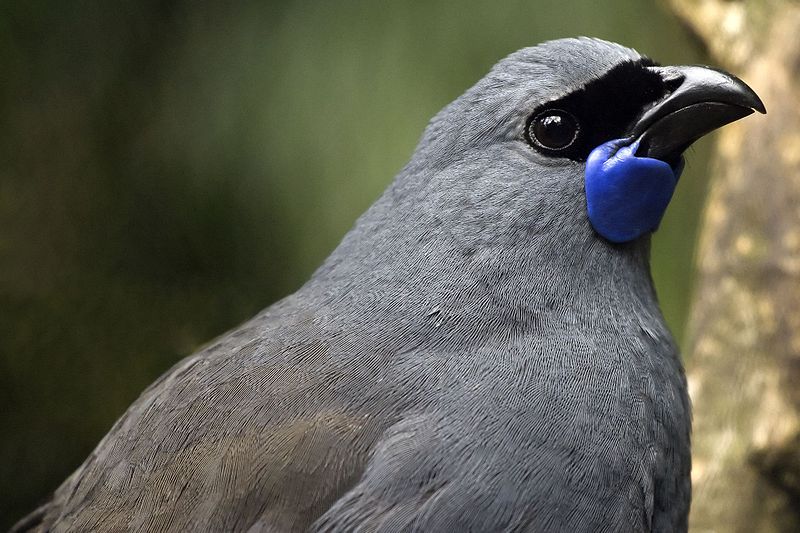
South Island Kokako (Callaeas cinereus) ©Wiki

South Island Kokako (Callaeas cinereus) ©Wiki

Callaeidae – New Zealand Wattlebirds – The small bird family Callaeidae (also named in some sources as Callaeatidae) is endemic to New Zealand. It contains three monotypic genera; of the three species in the family, only two survive and both of them, the Kokako and the Saddleback, are endangered species, threatened primarily by the predations of introduced mammalian species such as rats, mustelids and possums. A third, the Huia became extinct early in the 20th century.

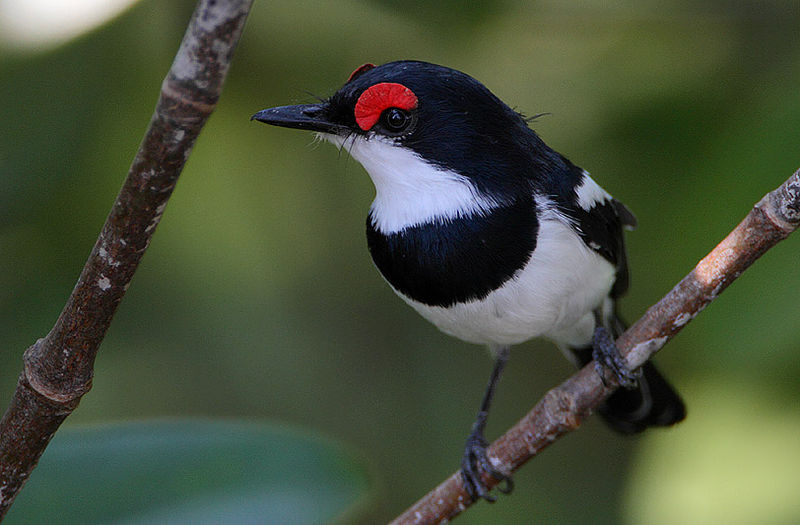
Stitchbird (Notiomystis cincta) by Tom Tarrant

Stitchbird (Notiomystis cincta) by Tom Tarrant

Notiomystidae – Stitchbird – The Stitchbird or Hihi (Notiomystis cincta) is a rare honeyeater-like bird endemic to the North Island and adjacent offshore islands of New Zealand. It became extirpated everywhere except Little Barrier Island but has been reintroduced to three other island sanctuaries and two locations on the North Island mainland. Their relationships have long puzzled ornithologists, but it is now classed as the only member of its own family, the Notiomystidae.

(Family notes from Wikipedia, with editing)
.

This slideshow requires JavaScript.

“Just A Little Talk With Jesus” – Vegter Six – Together for Vi’s 90th Birthday (This was sung by some of Vi’s children and grandchildren. They had 11 children and lots and lots of grandchildren and greats, almost all of them active in church.)

Now it came to pass, as He was praying in a certain place, when He ceased, that one of His disciples said to Him, “Lord, teach us to pray, as John also taught his disciples.” (Luke 11:1 NKJV)

For the eyes of the Lord are over the righteous, and his ears are open unto their prayers: but the face of the Lord is against them that do evil.
(1 Peter 3:12 KJV)

*

(Personal note – As many of you know I spent a week in the hospital recently, for which I am thankful for your prayers for me. On that Sunday afternoon, after Dan had left, I used my Kindle or Ipad to go to my blog. I brought up the page for the all the Sunday Inspirations. I started going through them watching the bird slideshows while listening to the music. Oh, what a blessing I had watching the Lord’s Creations and listening to music about Him. I never knew when those were put together, that they in turn would be such a blessing and peaceful to me. My prayer is that when you are in need of some encouragement or just a blessing, that those blogs will bless you as much as they did me. Our Lord loves to give us peace in the midst of our problems.)

*

Sunday Inspirations

Birds of the World

Good News

*

Sunday Inspiration – Worthy

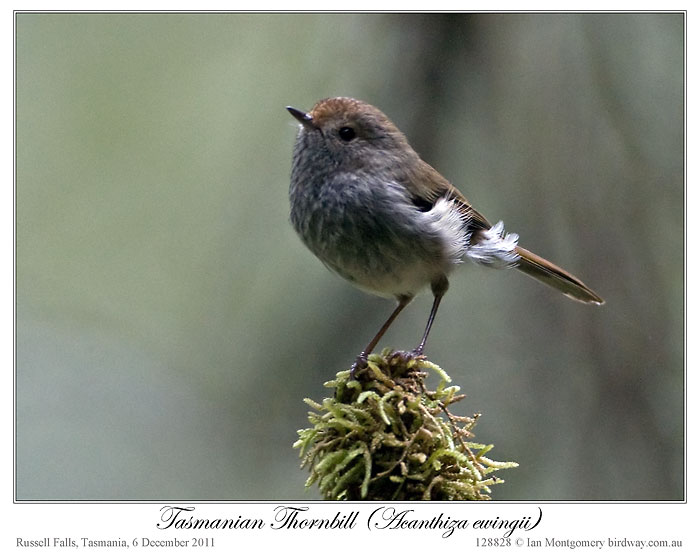
Tasmanian Thornbill (Acanthiza ewingii) by Ian 1

Tasmanian Thornbill (Acanthiza ewingii) by Ian

Whenever the living creatures give glory and honor and thanks to Him who sits on the throne, who lives forever and ever, the twenty-four elders fall down before Him who sits on the throne and worship Him who lives forever and ever, and cast their crowns before the throne, saying: “You are worthy, O Lord, To receive glory and honor and power; For You created all things, And by Your will they exist and were created.” (Revelation 4:9-11 NKJV)

There really aren’t any birds named Easter or Cross, so I decided to continue on through the Passerine Order. Actually, some of the birds in one of these families are the “Thornbills” and that is appropriate. Enjoy the Lord Creator’s avian Creations as you listen to the words and realize just how Worthy He is of our praise and honor. Happy Easter!

And they sung a new song, saying, Thou art worthy to take the book, and to open the seals thereof: for thou wast slain, and hast redeemed us to God by thy blood out of every kindred, and tongue, and people, and nation; And hast made us unto our God kings and priests: and we shall reign on the earth. And I beheld, and I heard the voice of many angels round about the throne and the beasts and the elders: and the number of them was ten thousand times ten thousand, and thousands of thousands; Saying with a loud voice, Worthy is the Lamb that was slain to receive power, and riches, and wisdom, and strength, and honour, and glory, and blessing. (Revelation 5:9-12 KJV)

This slideshow requires JavaScript.

“Worthy” ~ Faith Baptist Choir and Orchestra

*
Dasyornithidae – Bristlebirds
Pardalotidae – Pardalote
Acanthizidae – Australasian Warblers
Pomatostomidae – Australasian Babblers
Sunday Inspirations

Previous Easter Blogs:

Happy Easter
He is Risen! Happy Easter
The Creator and His Love

What A Wonderful Savior
Sunday Inspiration – Palm Birds
Happy Easter – He Is Risen

Gospel Message

*
Sabbath Rest Invitaional – Week 5

Wanted to share this from Hanging out with God

Radical About Jesus's avatarHangin' Out With God

Today is the final “Sabbath Rest Invitational” Post. I hope these March offerings have helped you relax and let the stress go for a while. If you have a picture or text of any kind that represents rest to you, please share it on this post. Just post it on your own blog and come over here to paste the link in the “Comments” window.

Here’s my restful gift for this week:

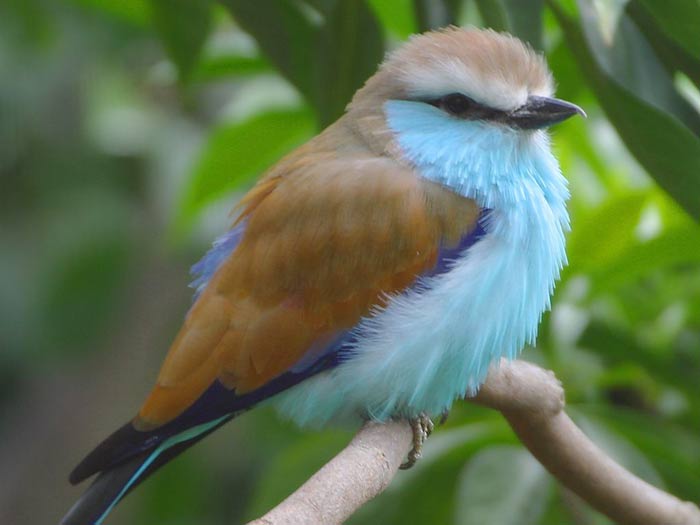
BLUE BIRD - JOHN, KAREN HOLLINGSWORTH - CROPPED # 2BE STILL AND KNOW

“Be Still and know that I am God.”  (Psalm 46:10)

I’ve come to the end of myself, Lord.
I’ve come to the end of my road.
To the place that my strength’s too depleted
To wield the sword of Your Word.

I’ve come to the end of my struggle,
And there’s no earthly place I can turn.
But Your strength’s made perfect in weakness;
That’s one lesson, Lord, I have learned.

So reach down…

View original post 45 more words

Sunday Inspiration – Honeyeaters

Bridled Honeyeater (Lichenostomus frenatus) by Ian

Bridled Honeyeater (Lichenostomus frenatus) by Ian

How sweet are thy words unto my taste! yea, sweeter than honey to my mouth! (Psalms 119:103 KJV)

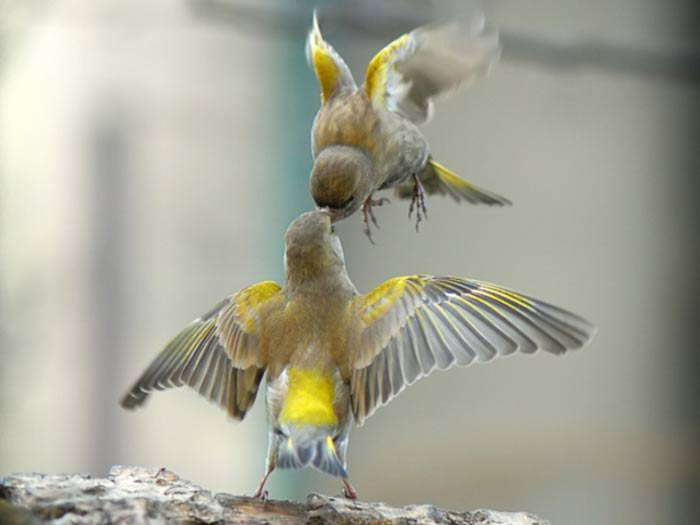
The Meliphagidae – Honeyeaters are another of our beautifully created birds in the Passerine Order to highlight. Thought about changing the sequence because of Palm Sunday, but did Palm Birds previously with Lisa Brock singing from an Easter Musical. The Words of Christ that tell of this week, and they are sweeter than honey to those of us who have accepted the Lord Jesus Christ as our Savior.

The Lord did not have to stay on the cross, but because of His Love for us, he stayed there and paid the penalty for our sins. He offers us the gift of Salvation, but we have to admit and acknowledge our sinful condition, and accept that gift. Honey is a gift from the Lord for the Honeyeaters, and they could stand and look at it all day, but they need to partake of it to do them any good. Taste comes when they accept it.

And as Moses lifted up the serpent in the wilderness, even so must the Son of man be lifted up: That whosoever believeth in him should not perish, but have eternal life. For God so loved the world, that he gave his only begotten Son, that whosoever believeth in him should not perish, but have everlasting life. For God sent not his Son into the world to condemn the world; but that the world through him might be saved. He that believeth on him is not condemned: but he that believeth not is condemned already, because he hath not believed in the name of the only begotten Son of God. And this is the condemnation, that light is come into the world, and men loved darkness rather than light, because their deeds were evil. (John 3:14-19 KJV)

This slideshow requires JavaScript.

“Blood of Jesus Medley” ~ Faith Baptist Church Choir

*
Meliphagidae – Honeyeaters
Sunday Inspiration
Beautiful Australian Birds 4 – Honeyeaters
Gospel Message

*


Sunday Inspiration – Australian Birds

Here are three more families of Passerine birds. Today’s three families live mostly in the Austro-Papuan (Australia, New Guinea, Paupa) vicinity.

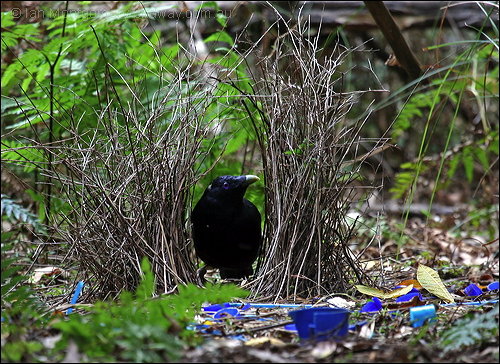
Satin Bowerbird (Ptilonorhynchus violaceus) in bower by Ian

Satin Bowerbird (Ptilonorhynchus violaceus) in bower by Ian

My son, if sinners entice you, Do not consent. (Proverbs 1:10 NKJV)

The Ptilonorhynchidae – Bowerbirds are renowned for their unique courtship behaviour, where males build a structure and decorate it with sticks and brightly coloured objects in an attempt to attract a mate.

Their diet consists mainly of fruit but may also include insects (especially for nestlings), flowers, nectar and leaves in some species. The satin and spotted bowerbirds are sometimes considered agricultural pests due to their habit of feeding on introduced fruit and vegetable crops and have occasionally been killed by affected orchardists.

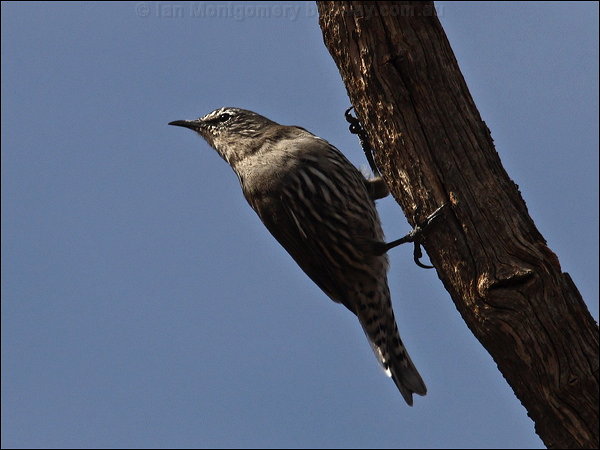
White-browed Treecreeper (Climacteris affinis) by Ian

White-browed Treecreeper (Climacteris affinis) by Ian

Let love be without hypocrisy. Abhor what is evil. Cling to what is good. (Romans 12:9 NKJV)

The Climacteridae – Australasian Treecreepers are separate from the European Treecreeper family, which will be highlighted later. As their name implies, treecreepers forage for insects and other small creatures living on and under the bark of trees, mostly eucalypts, though several species also hunt on the ground, through leaf-litter, and on fallen timber. Unlike the Holarctic treecreepers they do not use their tail for support when climbing tree trunks, only their feet.

Variegated Fairywren (Malurus lamberti) ©WikiC

Variegated Fairywren (Malurus lamberti) ©WikiC

Let them praise the name of the LORD, For He commanded and they were created. (Psalms 148:5 NKJV)

The Maluridae – Australasian Wrens are a family of small, insectivorous passerine birds endemic to Australia and New Guinea. Commonly known as wrens, they are unrelated to the true wrens of the Northern Hemisphere. The family includes 14 species of fairywren, 3 emu-wrens, and 10 grasswrens.

Malurids are small to medium birds, inhabiting a wide range of environments, from rainforest to desert, although most species inhabit grassland or scrub. The grasswrens are well camouflaged with black and brown patterns, but other species often have brilliantly coloured plumage, especially in the males. They are insectivorous, typically foraging in underbrush. They build domed nests in areas of dense vegetation, and it is not unusual for the young to remain in the nest and assist in raising chicks from later clutches.

This slideshow requires JavaScript.

“How Can I Keep From Singing” ~ Pastor Jerry Smith, Jessie and Caleb Padgett and Reagan Osborne

*

Are You Entangled?

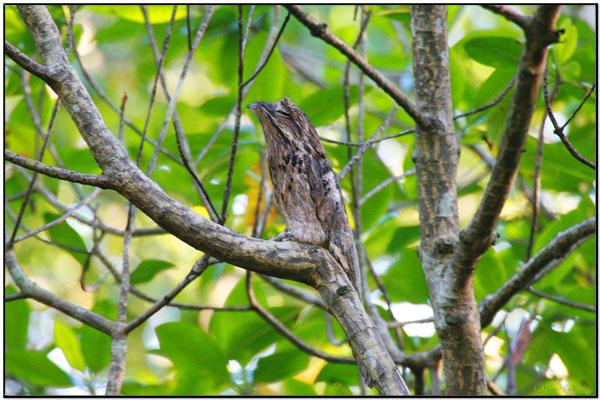
Common Potoo (Nyctibius griseus) ©Jullan Iondono

Common Potoo (Nyctibius griseus) ©Jullan Iondono

Luzon Bleeding-heart by Dan

Orni-Theology

I came across this photo again yesterday and it reminded me of a recent devotional, blog or sermon I heard. It had to do with how Christians become entangled with the world. This Common Potoo is so blended into its surroundings that it is hard to spot.

Do we as Christians so entangle ourselves with the world that we act no different from the unsaved?

The Lord warns us through His Word to not become re-entangled with the yoke of bondage.

Stand fast therefore in the liberty by which Christ has made us free, and do not be entangled again with a yoke of bondage. (Galatians 5:1 NKJV)

Common Potoo (Nyctibius griseus) ©Jullan Iondono

Common Potoo (Nyctibius griseus) ©Jullan Iondono

For if, after they have escaped the pollutions of the world through the knowledge of the Lord and Savior Jesus Christ, they are again entangled in them and overcome, the latter end is worse for them than the beginning. (2 Peter 2:20 NKJV)

Common Potoo (Nyctibius griseus) by Daves BirdingPix

Common Potoo (Nyctibius griseus) by Daves BirdingPix

For this reason it says, “Awake, sleeper, And arise from the dead, And Christ will shine on you.” Therefore be careful how you walk, not as unwise men but as wise, making the most of your time, because the days are evil. So then do not be foolish, but understand what the will of the Lord is. (Ephesians 5:14-17 NASB)

Common Potoo (Nyctibius griseus) by Dario Sanches

Common Potoo (Nyctibius griseus) by Dario Sanches

*
Nyctibiidae – Potoos

Orni-theology

Falling Plates

*


Sunday Inspiration – Give Thanks

Spangled Cotinga (Cotinga cayana) ©WikiC CinZoo Photo by Greg Hume

Spangled Cotinga (Cotinga cayana) ©WikiC CinZoo Photo by Greg Hume

To the end that my glory may sing praise to thee, and not be silent. O LORD my God, I will give thanks unto thee for ever. (Psalms 30:12 KJV)

As we continue through the Passerine Families, today we arrive at Cotingidae – Cotingas Family which has 66 members and the Pipridae – Manakins Family has 52 species.

As you watch the birds you can listen to Mark Quijano sing “Give Thanks.” Mark is a newer follower of this blog and I am following his, now that we have been made aware of the each other’s blog. Our mutual draw is Our Lord Jesus Christ. I find the Lord’s Family enjoyable, wherever they may be. Mark lives in Saga City, Japan. Please check out his site “Travel Diary.”

If you have a large screen, you can do both at the same time, else, watch the birds as you listen to Mark. Or you can watch Mark sing and then start it again and listen as you watch the birds. Oh, the options I have given you today to enjoy Our Lord’s Creation and “Give Thanks” through music and birds.

This slideshow requires JavaScript.

“Give Thanks” ~ sung by Mark Quijano, his YouTube Channel

*

Sunday Inspirations

Cotingidae – Cotingas Family

Pipridae – Manakins Family

Travel Diary

Good News

*

Tickle Me Tuesday – For the Birds

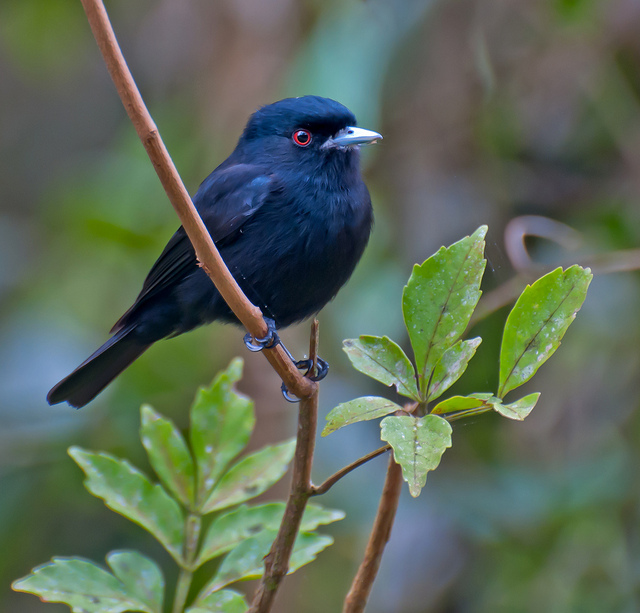
Blue-billed Black Tyrant (Knipolegus cyanirostris) by Dario Sanches

Blue-billed Black Tyrant (Knipolegus cyanirostris) by Dario Sanches

But the fruit of the Spirit is love, joy, peace, longsuffering, kindness, goodness, faithfulness, gentleness, self-control. Against such there is no law. (Galatians 5:22-23 NKJV)

I cannot help but post this video. Made aware of it several years ago. The “music was made for a school project. A Pixar video with audio created by David Redinha”

The verses that come to my mind have to do with being kind and not making fun of someone. This video of shows what might happen when both not being kind and making fun of someone appear at the same time. Enjoy!

Let all bitterness, and wrath, and anger, and clamour, and evil speaking, be put away from you, with all malice: And be ye kind one to another, tenderhearted, forgiving one another, even as God for Christ’s sake hath forgiven you. (Ephesians 4:31-32 KJV)

*

Tickle Me Tuesday – Bird of Paradise

Tickle Me Tuesday – Top Funny Bird Video

Tickle Me Tuesday,” Challenge by Sandra Connor

Wordless Birds

*


Sunday Inspiration – Flycatchers

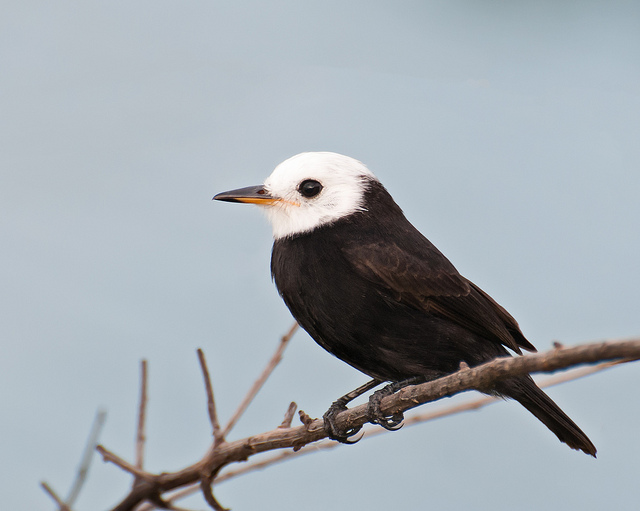
White-headed Marsh Tyrant (Arundinicola leucocephala) Male ©©Dario Sanches

White-headed Marsh Tyrant (Arundinicola leucocephala) Male ©©Dario Sanches

Where the birds build their nests, And the stork, whose home is the fir trees. (Psalms 104:17 NASB)

Last week we saw some of the Tyrant Flycatcher family. This time, with over 400 species, just this family of birds will be featured.

The tyrant flycatchers are birds which occur throughout North and South America. They are considered the largest family of birds, with more than 400 species. They are the most diverse avian family in every country in the Americas, except for the United States and Canada. As could be expected from a family this large, the members vary greatly in shape, patterns, size and colors. Most, but not all, species are rather plain, with various hues of brown, gray and white commonplace. Obvious exceptions include the bright red vermilion flycatcher, blue, black, white and yellow many-colored rush-tyrant and some species of tody-flycatchers or tyrants, which are often yellow, black, white and/or rufous.

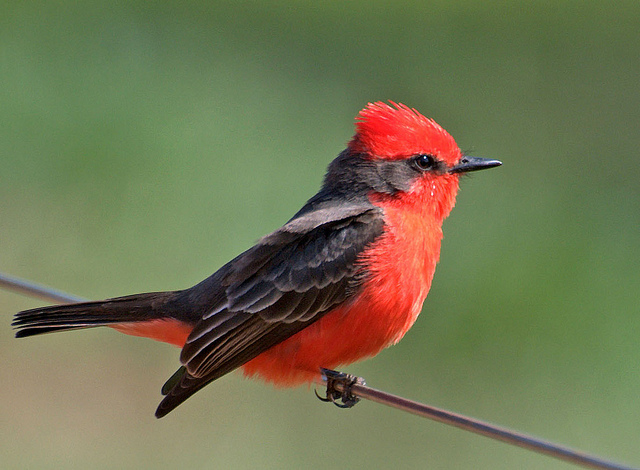
Vermilion Flycatcher (Pyrocephalus rubinus) by Dario Sanches

Vermilion Flycatcher (Pyrocephalus rubinus) by Dario Sanches

The smallest family members are the closely related short-tailed pygmy tyrant and black-capped pygmy tyrant. These species reach a total length of 6.5–7 cm (2.5–2.8 in) and a weight of 4–5 grams. By length, they are the smallest passerines on earth, although some species of Old World warblers apparently rival them in their minuscule mean body masses if not in total length. The minuscule size and very short tail of the Myiornis pygmy tyrants often lend them a resemblance to a tiny ball or insect. The largest tyrant flycatcher is the great shrike-tyrant at 29 cm (11.5 in) and 99.2 grams (3.5 oz).

Please enjoy watching a slideshow of some more of the Lord’s neatly created birds as you listen our orchestra and then the choir sing.

This slideshow requires JavaScript.

*

Click to listen:

“Amazing Grace” – Orchestra and “I Love You, Written in Red” – Choir (Faith Baptist Church)

(Because there are so many birds there are two inspirations. More of this bird family were shown in Sunday Inspiration – Everlasting God)

*

Sunday Inspirations
Tyrannidae – Tyrant Flycatchers Family
Good News

*

Color That Man Did Not (Could Not) Create

Wood Duck and Mandarin Duck

COLOR THAT MAN DID NOT (COULD NOT) CREATE… ONLY THE MASTER CREATOR COULD

Received this in an email and thought I would share it. Not sure of the source of the photos, but absolutely know who the Master Creator was.

So God created great sea creatures and every living thing that moves, with which the waters abounded, according to their kind, and every winged bird according to its kind. And God saw that it was good. And God blessed them, saying, “Be fruitful and multiply, and fill the waters in the seas, and let birds multiply on the earth.” So the evening and the morning were the fifth day. (Genesis 1:21-23 NKJV)

Click any photo to start the Gallery

Who Paints The Leaves?

*

Sunday Inspiration – Everlasting God

Before the mountains were brought forth, or ever thou hadst formed the earth and the world, even from everlasting to everlasting, thou art God. (Psalms 90:2 KJV)

Hast thou not known? hast thou not heard, that the everlasting God, the LORD, the Creator of the ends of the earth, fainteth not, neither is weary? there is no searching of his understanding. (Isaiah 40:28 KJV)

Since I have been going down the list of Passerines, might as well keep going. Today’s birds are from Gnateaters (Conopophagidae), Tapaculos (Rhinocryptidae),  Crescentchests (Melanopareiidae) and part of the Tyrant Flycatchers (Tyrannidae). There are over 400 members in the last family, so will add more later.

As you can see, most of these are fairly small birds and rather non-descript. Their Creator has given them a nice look, but has them protected by letting them blend in with their surroundings. Another show of love for His creation.

Rufous Gnateater (Conopophaga lineata) ©WikiC

Rufous Gnateater (Conopophaga lineata) ©WikiC

The gnateaters are a bird family, consisting of ten small passerine species in two genera, which occur in South and Central America. The members of this family are very closely related to the antbirds and less closely to the antpittas and tapaculos. Due to their remote and dim habitat, gnateaters are a little-studied and poorly known family of birds. They are round, short-tailed, and long-legged birds, about 12–19 cm (5–7½ inches) in length. They are quite upright when standing. Most Conopophaga species have a white tuft behind the eye.

Ocellated Tapaculo (Acropternis orthonyx) ©WikiC

Ocellated Tapaculo (Acropternis orthonyx) ©WikiC

The tapaculos (pronounced ta-pa-COO-lo) are found mainly in South America and with the highest diversity in the Andean regions. Three species (Chocó, Tacarcuna, and the silvery-fronted) are found in southern Central America. Tapaculos are small to medium-sized birds, with a total length ranging from 10–24 cm (4–9½ in). These are terrestrial species that fly only poorly on their short wings. They have strong legs, well-suited to their habitat of grassland or forest undergrowth. The tail is cocked and pointed towards the head, and the name tapaculo possibly derives from Spanish for “cover your behind”.

Collared Crescentchest (Melanopareia torquata) ©Arthur Grosset

Collared Crescentchest (Melanopareia torquata) ©Arthur Grosset

The crescentchests are birds from South America. The crescentchests range in length from 14 to 16 cm (5.5–6.3 in), in weight from 16 to 23 g (0.56–0.81 oz) and have relatively long tails compared to the tapaculos. The plumage is striking with a distinctive band across the chest that gives the group their name.

Scale-crested Pygmy Tyrant (Lophotriccus pileatus) by Michael Woodruff

Scale-crested Pygmy Tyrant (Lophotriccus pileatus) by Michael Woodruff

The tyrant flycatchers are birds which occur throughout North and South America. They are considered the largest family of birds, with more than 400 species. They are the most diverse avian family in every country in the Americas, except for the United States and Canada. As could be expected from a family this large, the members vary greatly in shape, patterns, size and colors. Most, but not all, species are rather plain, with various hues of brown, gray and white commonplace. Obvious exceptions include the bright red vermilion flycatcher, blue, black, white and yellow many-colored rush-tyrant and some species of tody-flycatchers or tyrants, which are often yellow, black, white and/or rufous.

The smallest family members are the closely related short-tailed pygmy tyrant and black-capped pygmy tyrant. These species reach a total length of 6.5–7 cm (2.5–2.8 in) and a weight of 4–5 grams. By length, they are the smallest passerines on earth, although some species of Old World warblers apparently rival them in their minuscule mean body masses if not in total length. The minuscule size and very short tail of the Myiornis pygmy tyrants often lend them a resemblance to a tiny ball or insect. The largest tyrant flycatcher is the great shrike-tyrant at 29 cm (11.5 in) and 99.2 grams (3.5 oz).

This slideshow requires JavaScript.

Now to him that is of power to stablish you according to my gospel, and the preaching of Jesus Christ, according to the revelation of the mystery, which was kept secret since the world began, But now is made manifest, and by the scriptures of the prophets, according to the commandment of the everlasting God, made known to all nations for the obedience of faith: To God only wise, be glory through Jesus Christ for ever. Amen. Written to the Romans from Corinthus, and sent by Phebe servant of the church at Cenchrea. (Romans 16:25-27 KJV)

Click to listen:

“Everlasting God” – Pastor Jerry, Reagan Osborne, Caleb & Jessie Padgett

This was another song presented the day Pastor Jerry Smith retired from our Music Ministry at Faith Baptist Church.

*

Gnateaters (Conopophagidae)

Tapaculos (Rhinocryptidae)

Crescentchests (Melanopareiidae)

Tyrant Flycatchers (Tyrannidae)

Sharing the Gospel

*

Sunday Inspiration – More Amazing Birds

Rufous-capped Spinetail (Synallaxis ruficapilla) by Dario Sanches

Rufous-capped Spinetail (Synallaxis ruficapilla) by Dario Sanches

For he that is mighty hath done to me great things; and holy is his name. (Luke 1:49 KJV)

Our Creator has given us so many birds to enjoy, that it is hard to pick them. So, today as you listen to another arrangement from Pastor Jerry’s special night a few weeks ago, you can view another slideshow of mixed avian friends. These are from the first four bird families, taxonomically, in the Passeriformes Order (Songbirds).

Ah Lord GOD! behold, thou hast made the heaven and the earth by thy great power and stretched out arm, and there is nothing too hard for thee: Thou shewest lovingkindness unto thousands, and recompensest the iniquity of the fathers into the bosom of their children after them: the Great, the Mighty God, the LORD of hosts, is his name, Great in counsel, and mighty in work: for thine eyes are open upon all the ways of the sons of men: to give every one according to his ways, and according to the fruit of his doings: (Jeremiah 32:17-19 KJV)

This slideshow requires JavaScript.

Click to listen:

“Jesus What A Might Name” – Pastor Jerry Smith w/Choir and Orchestra

For unto us a Child is born, Unto us a Son is given; And the government will be upon His shoulder. And His name will be called Wonderful, Counselor, Mighty God, Everlasting Father, Prince of Peace. (Isaiah 9:6 NKJV)

*

Birds of the World
Passeriformes Order
Acanthisittidae – New Zealand Wrens
Eurylaimidae – Broadbills
Pittidae – Pittas
Furnariidae – Ovenbirds

Good News

*