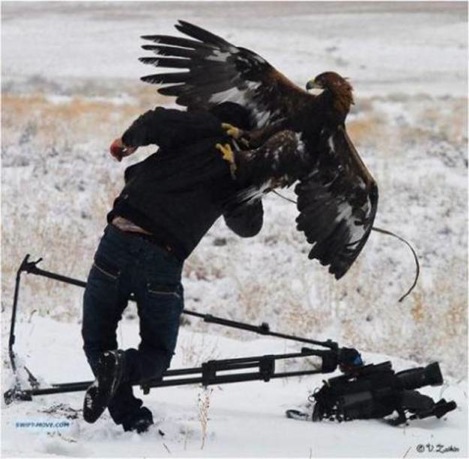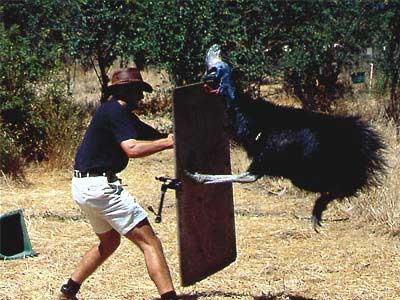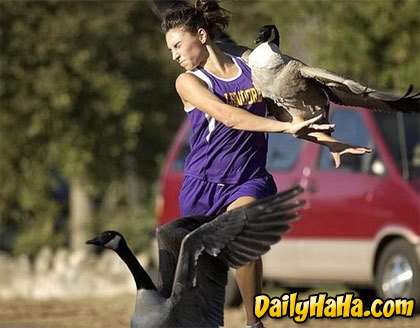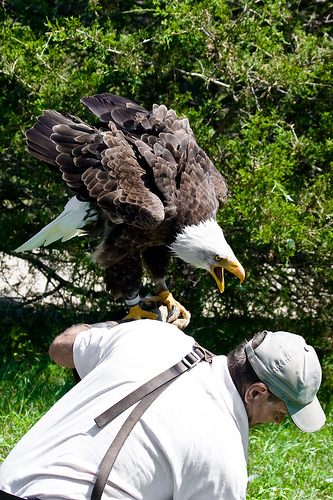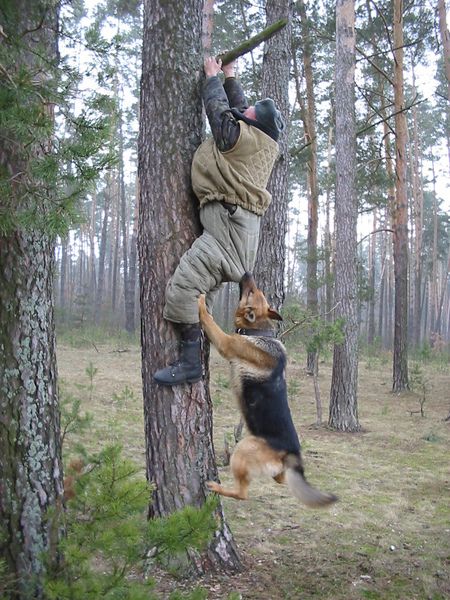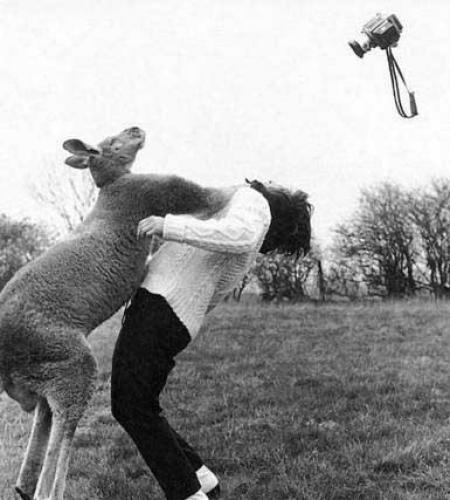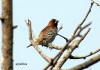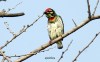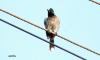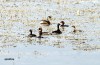
Don’t sit around the house. Get out and enjoy nature!

This is from an e-mail and thought all of us birdwatchers and photographers might enjoy it.

Don’t sit around the house.

Get out and enjoy nature!

Don't sit around the house 1Don't sit around the house 2Don't sit around the house 3Don't sit around the house 4Don't sit around the house 6Don't sit around the house 7Don't sit around the house 8Don't sit around the house 9Don't sit around the house 10Don't sit around the house 11Don't sit around the house 12Don't sit around the house 13Don't sit around the house 14Don't sit around the house 15*

Never mind, go back inside.

Be anxious for nothing, but in everything by prayer and supplication, with thanksgiving, let your requests be made known to God; (Philippians 4:6 NKJV)

Ian’s Bird of the Week – Yellowhammer

Yellowhammer (Emberiza citrinella) by Ian 1

Ian’s Bird of the Week – Yellowhammer ~ by Ian Montgomery

Newsletter ~ 2-17-14

Continuing the theme of finches and finch-like birds here’s a photo of a male Yellowhammer along the same lane in Co. Louth as the Eurasian Bullfinch. The Yellowhammer is a bunting and belongs to the family Emberizidae, which includes the New World Sparrows.

When the first photo was taken, the Hawthorn was in full bloom. The second photo was taken 12 days later – on the same day as last week’s Bullfinches – and the Hawthorn is almost finished. Yellowhammers have a characteristic rapid slightly nasal song often rendered as ‘little bit of bread and NO cheese’ with the ‘NO’ higher and the ‘cheese’ lower and longer than the other notes. Sadly, European populations of Yellowhammers have suffered from intensive farming and the removal of hedges.

Yellowhammer (Emberiza citrinella) by Ian 2

Like many other European, or more strictly ‘British’ songbirds, Yellowhammers have been introduced into New Zealand where they have done well. Vagrants from the New Zealand population have been recorded on rare occasions on Lord Howe Island, so the Yellowhammer is the only member of the family on the Australian List. The third photo was taken in New Zealand when I was searching at a known site for the extremely rare Black Stilt on the Ahuriri River in the Waitaki Valley on the South Island. I had just parked nearby but stopped to take the Yellowhammer photo on the principle of a bird in the hand . .

Yellowhammer (Emberiza citrinella) by Ian 3

In fact, less than ten minutes later I took this photo, which featured as bird of the week three days after I’d taken the photos (I couldn’t wait to show it off!).

Black Stilt (Himantopus novaezelandiae) by Ian

The sharp-eyed among you would have noticed that the sequence number of the Black Stilt is 44 greater than that of the Yellowhammer so it was a busy ten minutes and you might wonder what featured in the intervening photos. Well, they were of a smart New Zealand tern called the Black-fronted as there was a small colony of them nesting in the pebbles beside the river. That hasn’t featured as bird of the week, so I’ll hold it over till next time.

Best wishes
Ian

**************************************************
Ian Montgomery, Birdway Pty Ltd,
454 Forestry Road, Bluewater, Qld 4818
Tel 0411 602 737 ian@birdway.com.au
Bird Photos http://www.birdway.com.au/
Recorder Society http://www.nqrs.org.au


Lee’s Addition:

also seven each of birds of the air, male and female, to keep the species alive on the face of all the earth. (Genesis 7:3 NKJV)

The Yellowhammer (Emberiza citrinella) is a passerine bird in the bunting family Emberizidae. It is common in all sorts of open areas with some scrub or trees and form small flocks in winter.

The Yellowhammer is a robust 15.5–17 cm long bird, with a thick seed-eater’s bill. The male has a bright yellow head, yellow underparts, and a heavily streaked brown back. The female is much duller, and more streaked below. The familiar, if somewhat monotonous, song of the cock is often described as A little bit of bread and no cheese, although the song varies greatly in space. Its name is thought to be from the German word ammer meaning bunting.

Its natural diet consists of insects when feeding young, and otherwise seeds. The nest is on the ground. 3-6 eggs are laid, which show the hair-like markings characteristic of those of buntings.

*

Ian’s Emberizidae Family Photos

Emberizidae – Buntings, New World Sparrows & Allies

Ian’s Bird of the Week

*

Sunday Inspiration – Turacos

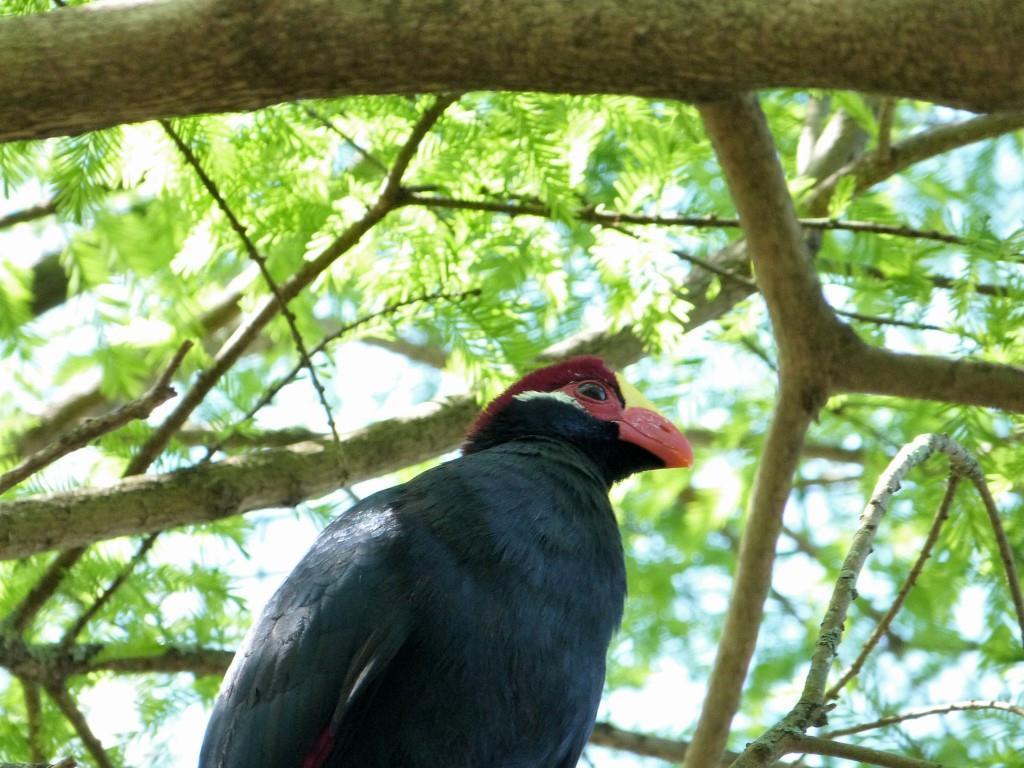
Violet Turaco (Musophaga violacea) by Lee at LPZ

Violet Turaco (Musophaga violacea) by Lee at LPZ


Then God said, “Let the waters abound with an abundance of living creatures, and let birds fly above the earth across the face of the firmament of the heavens.” (Genesis 1:20 NKJV)

The Turacos belong to the Musophagidae – Turacos Family which includes 17 Turacos, 3 Go-away-birds and 2 Plantain-eaters.

The Turacos make up the bird family Musophagidae (literally “banana-eaters”), which includes plantain-eaters and go-away-birds. In southern Africa both turacos and go-away-birds are commonly known as louries. They are semi-zygodactylous – the fourth (outer) toe can be switched back and forth. The second and third toes, which always point forward, are conjoined in some species. Musophagids often have prominent crests and long tails; the turacos are noted for peculiar and unique pigments giving them their bright green and red feathers.

The plumage of Go-away-birds and plantain-eaters is mainly grey and white. The turacos on the other hand are brightly coloured birds, usually blue, green or purple.

This slideshow requires JavaScript.

*

*

“Redeemed Medley” – by Faith Baptist Choir – 2-9-2014

See:

*

More Sunday Inspiration

*

Having Computer Problems and Bad Weather

Brevard Zoo 120913 by Lee

Red-crested Turaco (Tauraco erythrolophus) Brevard Zoo by Lee

Then they cry unto the LORD in their trouble, and he bringeth them out of their distresses. He maketh the storm a calm, so that the waves thereof are still. Then are they glad because they be quiet; so he bringeth them unto their desired haven. Oh that men would praise the LORD for his goodness, and for his wonderful works to the children of men! (Psalms 107:28-31 KJV)

Having problems with computer and under sever weather alert. Will get a real article up soon.

*

Sunday Inspiration – Stone Birds

Bush Stone-curlew (Burhinus grallarius) by Ian

Bush Stone-curlew (Burhinus grallarius) by Ian

And the foundations of the wall of the city were garnished with all manner of precious stones. The first foundation was jasper; the second, sapphire; the third, a chalcedony; the fourth, an emerald; The fifth, sardonyx; the sixth, sardius; the seventh, chrysolite; the eighth, beryl; the ninth, a topaz; the tenth, a chrysoprasus; the eleventh, a jacinth; the twelfth, an amethyst. (Revelation 21:19-20 KJV)

Jesus saith unto them, Did ye never read in the scriptures, The stone which the builders rejected, the same is become the head of the corner: this is the Lord’s doing, and it is marvellous in our eyes? (Matthew 21:42 KJV)

And when they looked, they saw that the stone was rolled away: for it was very great. (Mark 16:4 KJV)

Siberian Stonechat (Saxicola maurus) by Nikhil Devasar

Siberian Stonechat (Saxicola maurus) by Nikhil Devasar

And he was withdrawn from them about a stone’s cast, and kneeled down, and prayed, (Luke 22:41 KJV)

For in him we live, and move, and have our being; as certain also of your own poets have said, For we are also his offspring. Forasmuch then as we are the offspring of God, we ought not to think that the Godhead is like unto gold, or silver, or stone, graven by art and man’s device. And the times of this ignorance God winked at; but now commandeth all men every where to repent: (Acts 17:28-30 KJV)

He that hath an ear, let him hear what the Spirit saith unto the churches; To him that overcometh will I give to eat of the hidden manna, and will give him a white stone, and in the stone a new name written, which no man knoweth saving he that receiveth it. (Revelation 2:17 KJV)

Limestone Leaf Warbler (Phylloscopus calciatilis) ©WikiC

Limestone Leaf Warbler (Phylloscopus calciatilis) ©WikiC

And he that sat was to look upon like a jasper and a sardine stone: and there was a rainbow round about the throne, in sight like unto an emerald. (Revelation 4:3 KJV)

Therefore thus saith the Lord GOD, Behold, I lay in Zion for a foundation a stone, a tried stone, a precious corner stone, a sure foundation: he that believeth shall not make haste. (Isaiah 28:16 KJV)

According to the grace of God which is given unto me, as a wise masterbuilder, I have laid the foundation, and another buildeth thereon. But let every man take heed how he buildeth thereupon. For other foundation can no man lay than that is laid, which is Jesus Christ. Now if any man build upon this foundation gold, silver, precious stones, wood, hay, stubble; Every man’s work shall be made manifest: for the day shall declare it, because it shall be revealed by fire; and the fire shall try every man’s work of what sort it is. (1 Corinthians 3:10-13 KJV)

*

This slideshow requires JavaScript.

*

Jesus Rolled Back The Stone from the Hyssongs’ “Expecting Miracles” Album

(Music and photos are used by permission. If copied, you must obtain permission also.)

*

More Sunday Inspiration

*

How Do You Bird Watch?

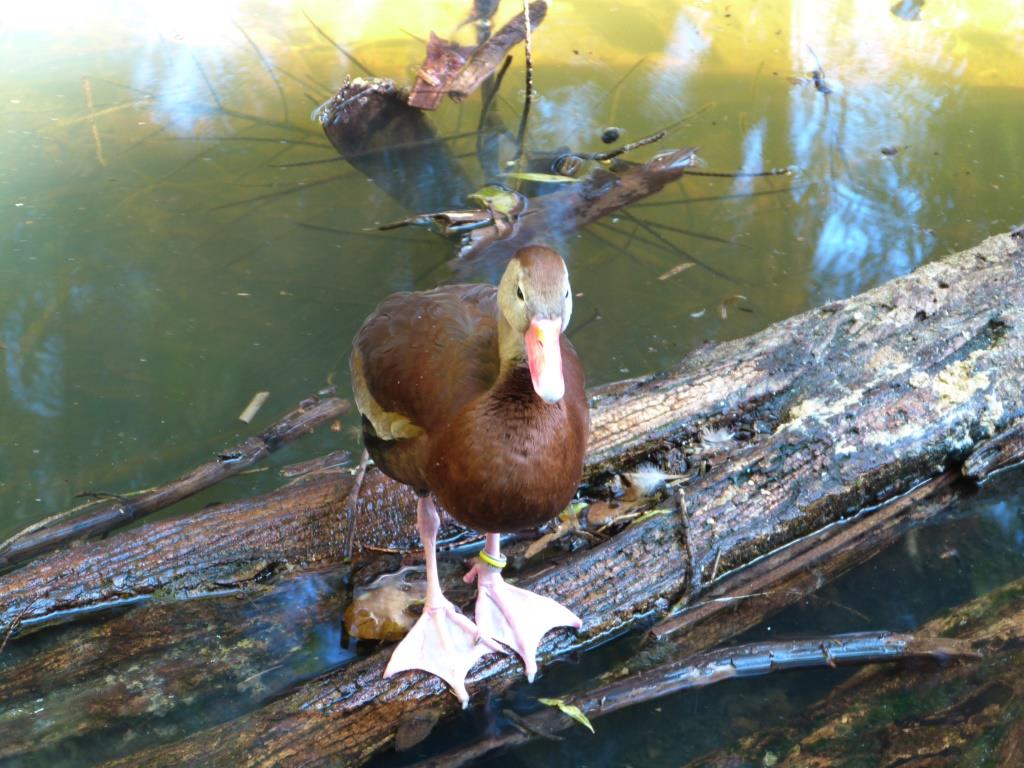
Black-bellied Whistling Ducks

Black-bellied Whistling Ducks at Circle B by Lee

Observe and consider the ravens; for they neither sow nor reap, they have neither storehouse nor barn; and [yet] God feeds them. Of how much more worth are you than the birds!
(Luke 12:24 AMP)

It would be interesting to hear from those readers who go birdwatching or watch birds, even if it is only from your window. Consider leaving comments so that we can understand that there are various methods.

As for me, my ways of birdwatching have changed over the years. First, I became more aware of the birds around me by a naturalist at a local park in south Florida. We started with simple things like not staring at a tree, but use “soft eyes” to watch for movement. After that, she showed me how to hold and adjust the binoculars. What a difference that made. Notes and a good bird book came next. The rest is history. I love birds and enjoy seeing how beautifully they were created.

Over time, I wanted to see how many birds I could get on a list. Many people like to birdwatch this way. They will go to great heights (literally) to find a new bird for their list. I would put Ian in that category. Don’t you just enjoy reading about his birdwatching adventures.

Dan searching for something to photo

Dan searching for something to photograph

Many like Dan, Ian, and our other photographers enjoy the challenge of photography. It is not always easy to get a great photo, especially when the birds don’t wait for you to get all the settings right.

Lee at Lake Morton by Dan

Lee at Lake Morton by Dan

Some like to feed the wildlife at home or a park and watch whoever shows up at that location.

Then you have every thing in between. Some enjoy going on birdwatching trips with other birders. This can be very helpful when you are just learning about the birds.

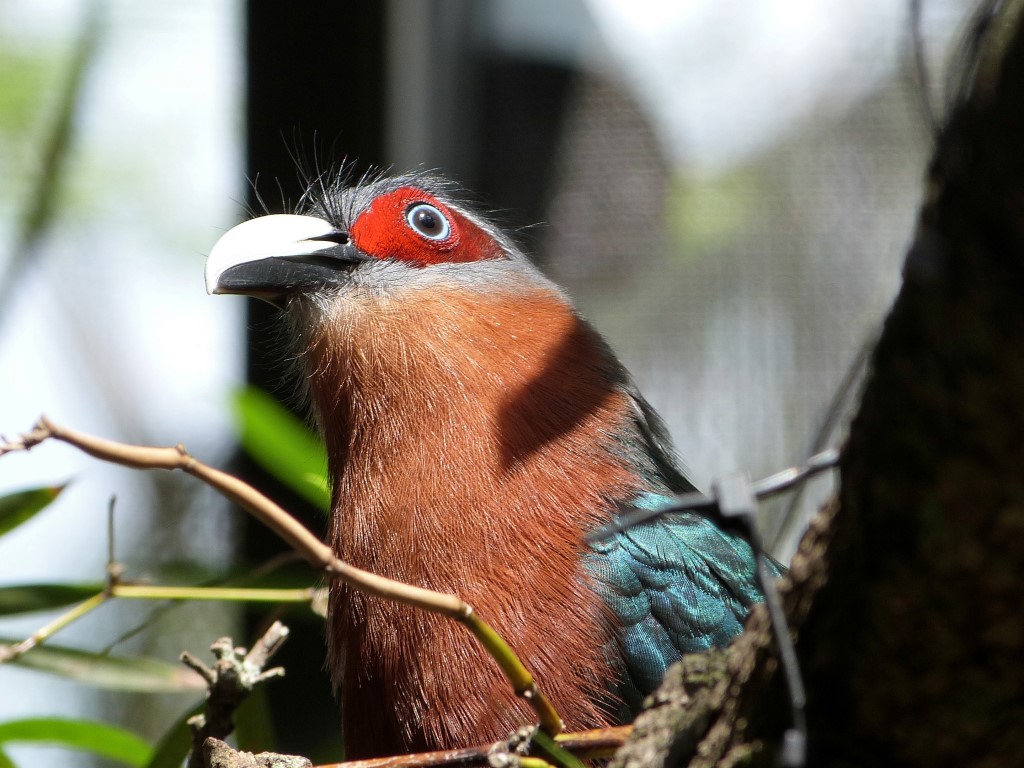
Chestnut-breasted Malkoha (Phaenicophaeus curvirostris) Palm Beach Zoo by Lee

Chestnut-breasted Malkoha (Phaenicophaeus curvirostris) Palm Beach Zoo by Lee

Today, I have mellowed somewhat. Between an issue with my feet and legs, I can no longer walk great distances. My age is also becoming a factor. I enjoy watching birds wherever they are including the Zoos. Those are easier for me to handle and actually, get to see the birds for longer periods of time and at closer ranges. That also allows me to see birds from other areas that I will never be able to get to.

I think I am actually becoming a bird “watcher.” I enjoy just seeing what they are up to or how they are put together. Like those feet I mentioned in the last article. Finding Birds in the Bible and Birds in Hymns are also pleasurable for me.

Black-bellied Whistling Duck (Dendrocygna autumnalis) Feet by Lee at PB Zoo

Black-bellied Whistling Duck Feet by Lee at PB Zoo

Is any one way of birdwatching any better than another? Not to my way of thinking. They are all fine methods and there are plenty of birds out there for all of us to enjoy.

What is your method or what gives you the most enjoyment when you are out on a “birdwatching adventure”?

*

Ian’s Bird of the Week

A J Mithra’s way of mixing birds and Scripture.

Check out our photographers down the sidebar.

Our Guest Writers

Most of the rest are my adventures plus the –

Birds in the Bible and Birds in Hymns

*

Birds of the Bible – Whistling Ducks

Black-bellied Whistling Ducks forming V

Black-bellied Whistling Ducks forming V

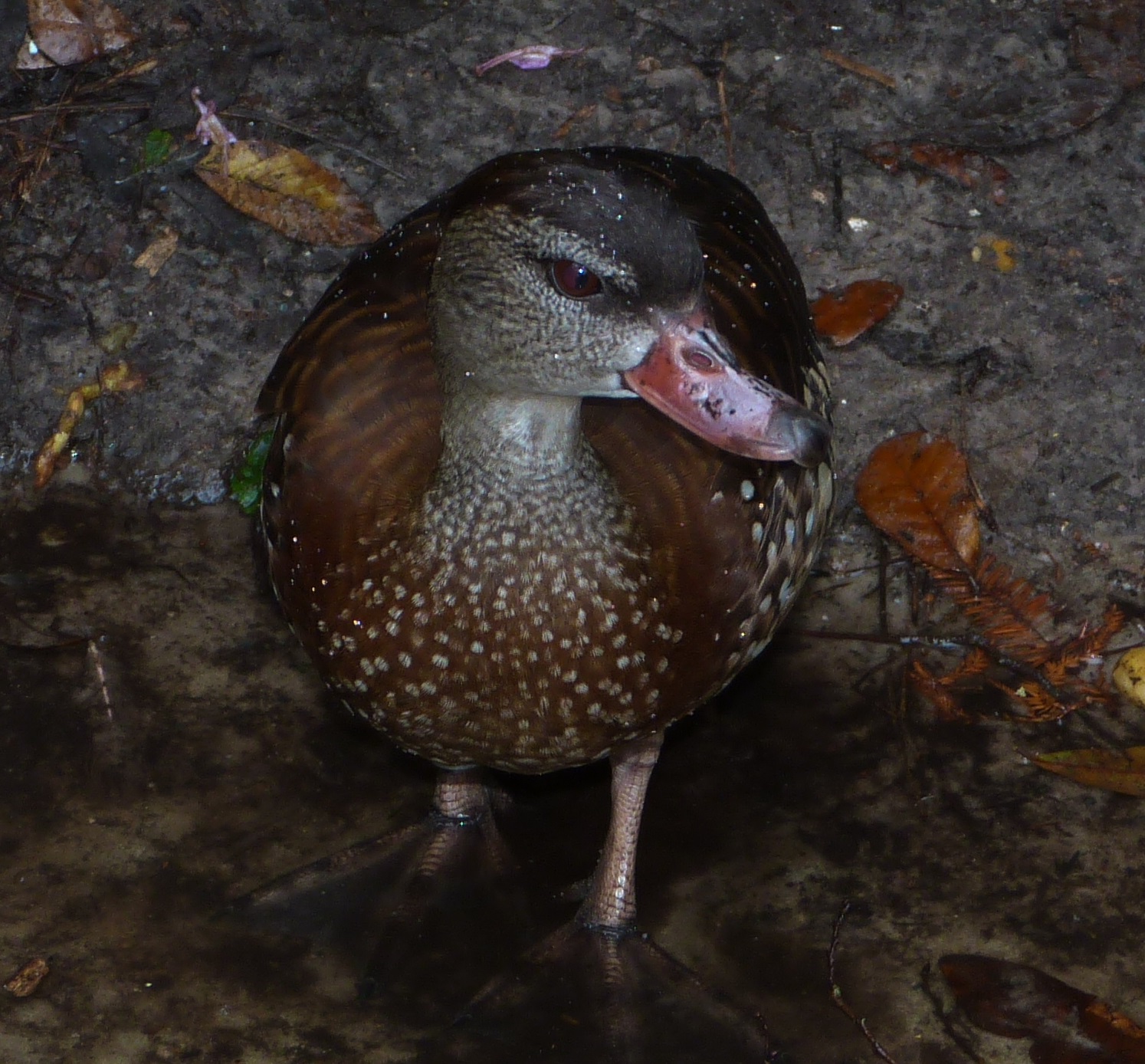
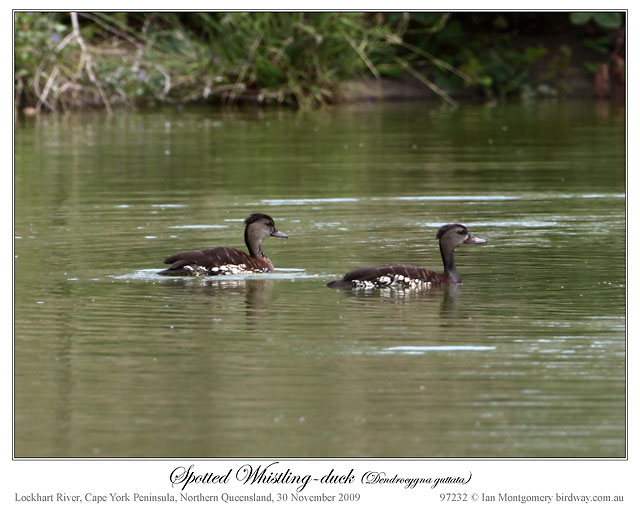
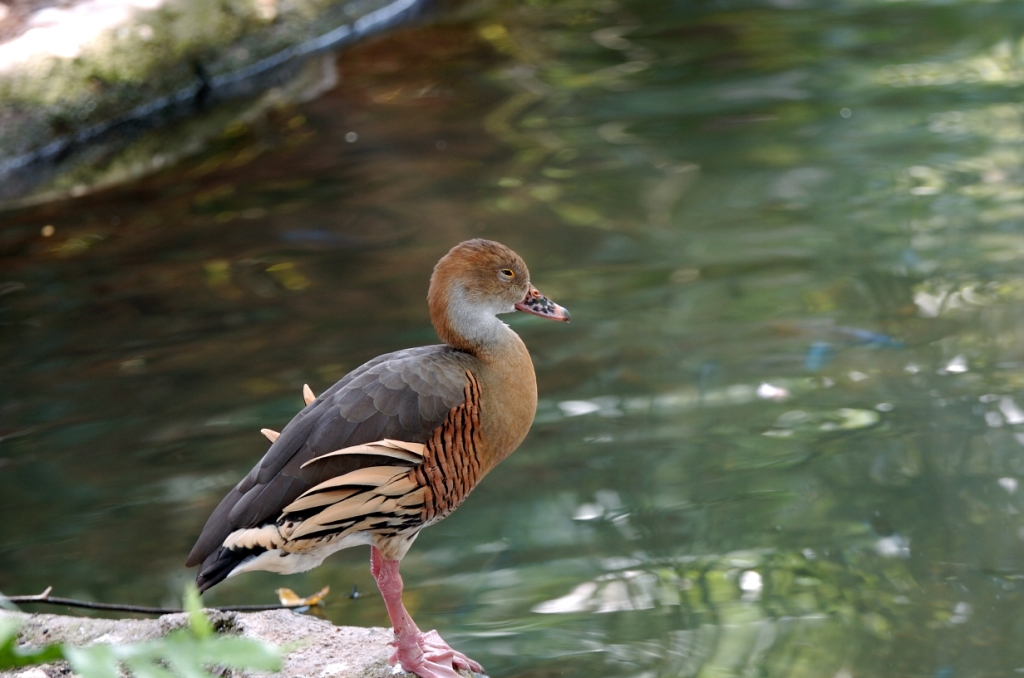
We keep encountering Whistling Ducks as we visit the zoos and as we go birdwatching, especially at Circle B Bar Reserve. There we get to see the Black-bellied Whistling Ducks quite frequently. At Palm Beach Zoo, I got tickled at the feet of the Black-bellieds. This week at Lowry Park Zoo, we took photos of their Spotted Whistling Duck which are fairly new residents.

Spotted Whistling Duck by Lee at LPZ Cropped

Spotted Whistling Duck (Dendrocygna guttata) by Lee at LPZ

I checked the e-Sword Bible program and can not find any “Ducks” or “Waterfowl” in Scripture by name, only in references to all birds being created, etc. They are still neatly created birds and are a joy to watch.

Black-bellied Whistling Duck Feet by Lee at PB Zoo

Black-bellied Whistling Duck Feet by Lee at PB Zoo

There are three verses that refer to a “whistle” and in all of them it is the Lord who is doing the whistling.

He will lift up a banner to the nations from afar, And will whistle to them from the end of the earth; Surely they shall come with speed, swiftly. (Isaiah 5:26 NKJV) (For judgment)

And it shall come to pass in that day That the LORD will whistle for the fly That is in the farthest part of the rivers of Egypt, And for the bee that is in the land of Assyria. (Isaiah 7:18 NKJV) (For judgment)

I will whistle for them and gather them, For I will redeem them; And they shall increase as they once increased. (Zechariah 10:8 NKJV) (for redemption)

Whistling ducks are found in the tropics and subtropics. As their name implies, they have distinctive whistling calls. The whistling ducks have long legs and necks, and are very gregarious, flying to and from night-time roosts in large flocks. Both sexes have the same plumage, and all have a hunched appearance and black underwings in flight.

The first whistling ducks were described by Carl Linnaeus in the 10th edition of Systema Naturae in 1758: the Black-bellied Whistling Duck (then Anas autumnalis) and the West Indian Whistling Duck (then Anas arborea). In 1837, William John Swainson named the genus Dendrocygna to distinguish whistling ducks from the other waterfowl.

The whistling ducks or tree ducks are a subfamily, Dendrocygninae of the duck, goose and swan family of birds, Anatidae. They are not true ducks. In other taxonomic schemes, they are either considered a separate family Dendrocygnidae, or a tribe Dendrocygnini in the goose subfamily Anserinae. The subfamily has one genus, Dendrocygna, which contains eight living species, and one undescribed extinct species from Aitutaki of the Cook Islands.

The eight species of whistling duck are currently recognized in the genus Dendrocygna. However, Johnsgard considers the White-backed Duck (Thalassornis leuconotus) from Africa and Madagascar to be distinct ninth species, a view first proposed in 1960 and initially supported by behavioral similarities. Later, similarities in anatomy, duckling vocalizations, and feather proteins gave additional support. Molecular analysis in 2009 also suggested that the White-backed Duck was nested within the whistling duck clade. (Wikipedia with editing)

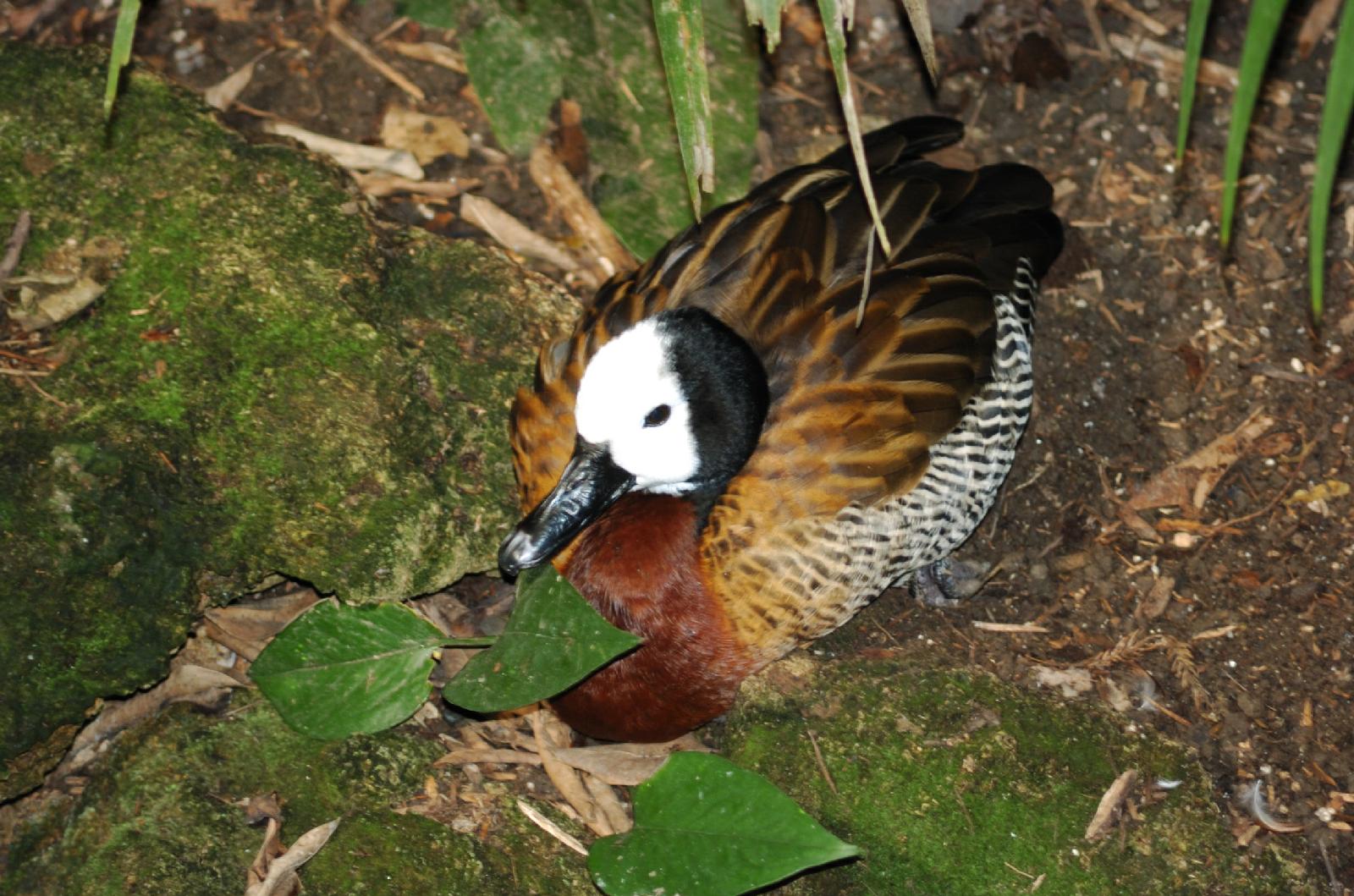
White-faced Whistling Duck (Dendrocygna viduata) by Dan

Black-bellied Whistling Duck (Dendrocygna autumnalis)

Spotted Whistling Duck (Dendrocygna guttata) by Ian

West Indian Whistling Duck (Dendrocygna arborea)

Fulvous Whistling Duck (Dendrocygna bicolor)

Plumed Whistling Duck (Dendrocygna eytoni) Zoo Miami’s by Dan

Wandering Whistling Duck (Dendrocygna arcuata) – Video by Nick

Lesser Whistling Duck (Dendrocygna javanica) Zoo Miami’s by Dan

White-backed Duck (Thalassornis leuconotus) ©WikiC

(All sounds are from xeno-canto, but they didn’t have an audio for the White-backed Duck)

*

Anatidae – Ducks, Geese & Swans Family Page

Wikipedia’s pages for the Whistling Ducks and the White-backed Duck

*

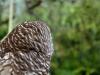
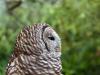
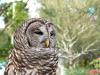
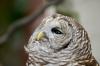
Birds of the Bible – Barred Owl (at Lowry)

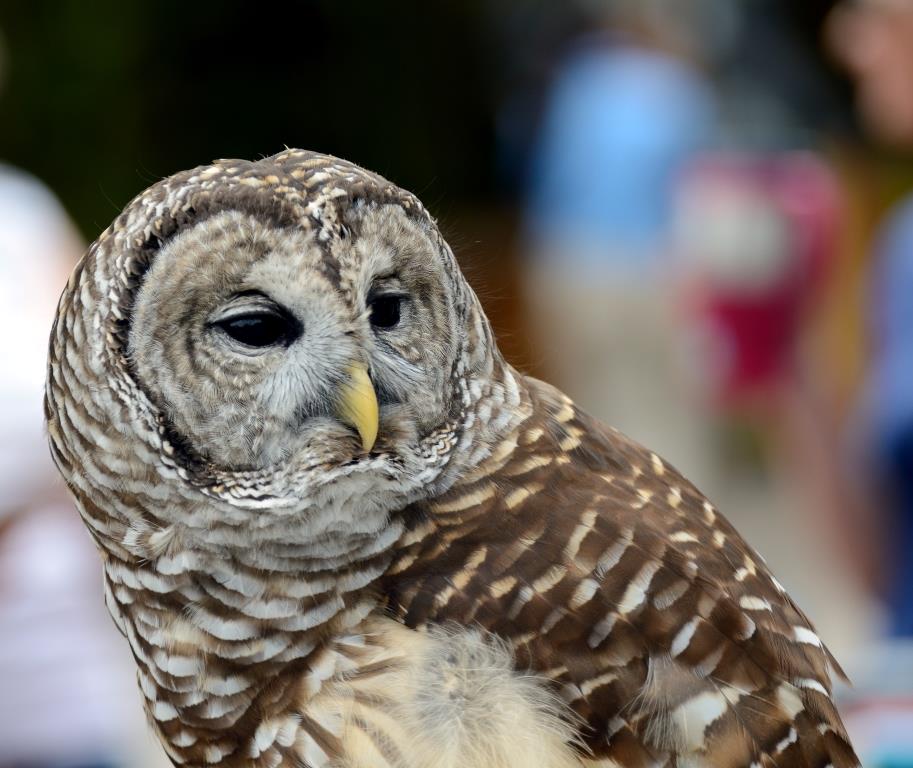
Northern Barred Owl (Strix varia) LPZ by Dan 2014

Northern Barred Owl (Strix varia) LPZ by Dan 2014

When we entered the Lowry Park Zoo today, we were greeted by the Barred Owl being displayed on a handler’s gloved hand. What a beautiful owl. She was so calm as all the kids and us older ones enjoyed seeing her so close.

It was time to renew our annual pass, so off we went to the zoo even, though it was a dreary light rainy day. We didn’t have lots of snow like many of you up north, so, I am not complaining, and the Barred Owl was a nice addition to the visit. We have introduced the Barred Owl several years ago, but am sharing her again.

Identification Tips:

  • Length: 17 inches Wingspan: 44 inches
  • Sexes similar
  • Rather large owl
  • Dark eyes and yellow bill
  • Back brown, mottled with pale spots and dark bars
  • Underparts pale with long, brown streaks
  • Chest pale with brown barring
  • Face pale with dark concentric rings surrounding eye

*

Here are all the verses in the King James Version of the Bible that mention owls.

*

Owl

Leviticus 11:16 And the owl, and the night hawk, and the cuckow, and the hawk after his kind,
Leviticus 11:17 And the little owl, and the cormorant, and the great owl,
Deuteronomy 14:15 And the owl, and the night hawk, and the cuckow, and the hawk after his kind,
Deuteronomy 14:16 The little owl, and the great owl, and the swan,
Psalm 102:6 I am like a pelican of the wilderness: I am like an owl of the desert.
Isaiah 34:11 But the cormorant and the bittern shall possess it; the owl also and the raven shall dwell in it: and he shall stretch out upon it the line of confusion, and the stones of emptiness.
Isaiah 34:14 The wild beasts of the desert shall also meet with the wild beasts of the island, and the satyr shall cry to his fellow; the screech owl also shall rest there, and find for herself a place of rest.
Isaiah 34:15 There shall the great owl make her nest, and lay, and hatch, and gather under her shadow: there shall the vultures also be gathered, every one with her mate.

Owls

Job 30:29 I am a brother to dragons, and a companion to owls.
Isaiah 13:21 But wild beasts of the desert shall lie there; and their houses shall be full of doleful creatures; and owls shall dwell there, and satyrs shall dance there.
Isaiah 34:13 And thorns shall come up in her palaces, nettles and brambles in the fortresses thereof: and it shall be an habitation of dragons, and a court for owls.
Isaiah 43:20 The beast of the field shall honour me, the dragons and the owls: because I give waters in the wilderness, and rivers in the desert, to give drink to my people, my chosen.
Jeremiah 50:39 Therefore the wild beasts of the desert with the wild beasts of the islands shall dwell there, and the owls shall dwell therein: and it shall be no more inhabited for ever; neither shall it be dwelt in from generation to generation.
Micah 1:8 Therefore I will wail and howl, I will go stripped and naked: I will make a wailing like the dragons, and mourning as the owls.

*

References to check out:

{This is a little short due to being involved in another project, but wanted to share these photos.)

*

Ian’s Bird of the Week – Eurasian Bullfinch

Eurasian Bullfinch (Pyrrhula pyrrhula) by Ian

Eurasian Bullfinch (Pyrrhula pyrrhula) by Ian

Ian’s Bird of the Week – Eurasian Bullfinch ~ by Ian Montgomery

Newsletter – 2/3/14

In response to last week’s photos of the Chestnut-breasted Mannikin, I received a photo of an American Evening Grosbeak – thank you Jeff – with a similar large pale finch bill. Typical Northern Hemisphere finches such as the Evening Grosbeak belong to the family Fringillidae while all the native Australian finches belong to the family Estrildidae, so I thought it might be of interest to say a little about finch taxonomy and change, as what we think of as typical finch seed-eating bills appear to have arisen independently in more than one instance.

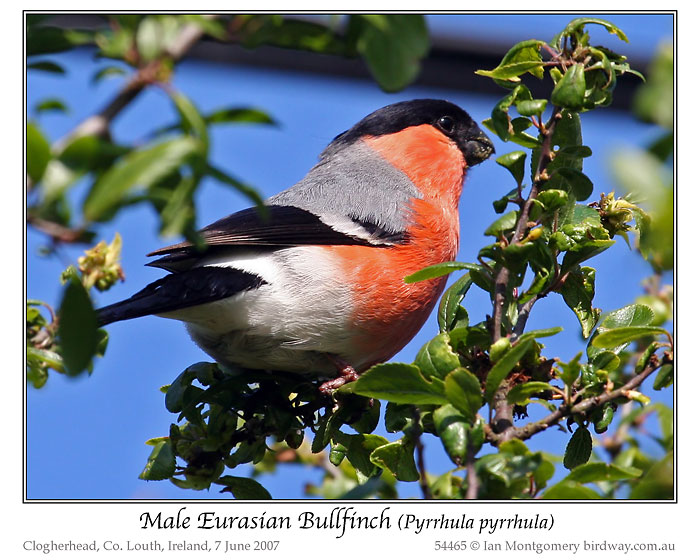
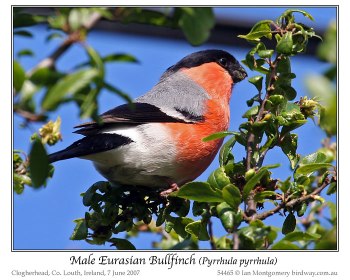
So, this week’s bird is for a change a Fringillid finch, the Eurasian Bullfinch and a favourite of mine since I was a birding teenager in Ireland many years ago. the male is perhaps the most colourful of European song birds and it was always, and still is, a thrill for me to see one. They aren’t uncommon, but are secretive and usually occur in pairs rather than flocks so are easy to overlook unless you look out for their characteristic white rumps as they fly out of the thick foliage of hedges, probably their favourite habitat.
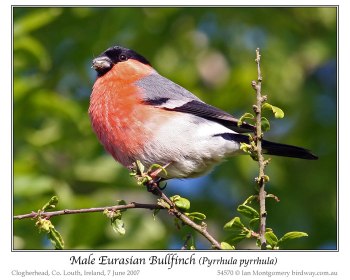
Eurasian Bullfinch (Pyrrhula pyrrhula) by Ian

Eurasian Bullfinch (Pyrrhula pyrrhula) by Ian

The bird in the first two photos is feeding on the flowers of the Blackthorn and both its English name and its scientific one Prunus spinosa reveal why it is a popular hedge shrub for stock, having been around a lot longer than barbed wire. It has other uses to including making Blackthorn walking sticks and clubs, such as Shillelaghs. It produces an attractive look fruit called sloes, which look a bit like black grapes but are very astringent.

(edited)
Eurasian Bullfinch (Pyrrhula pyrrhula) Female by Ian

Eurasian Bullfinch (Pyrrhula pyrrhula) Female by Ian

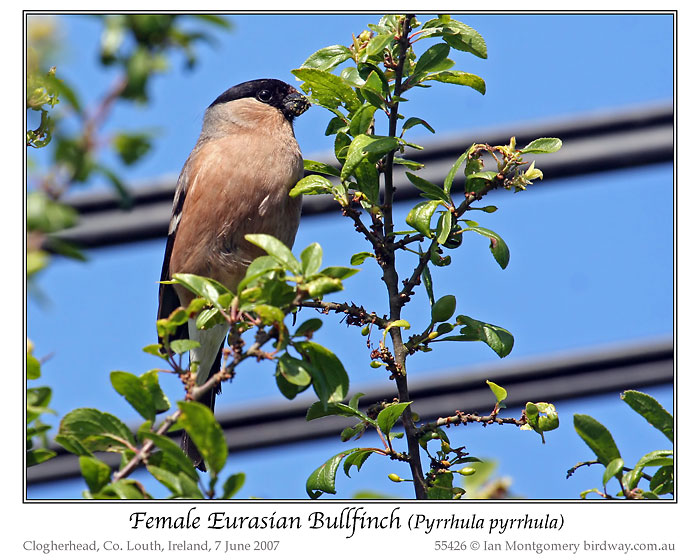
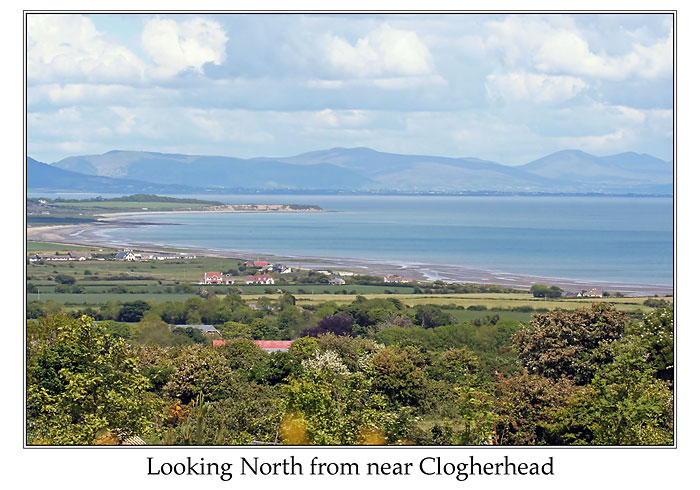
Back to Bullfinches. The female, third photo, has a latte-coloured breast instead of a salmon pink one, but is just as elegant and was the partner of the male in the other two photos. The hedge in question is near my sister’s house in Co. Louth in an area (below) where there are still plenty of hedges and is good for other song birds like Yellowhammers and Winter Wrens.
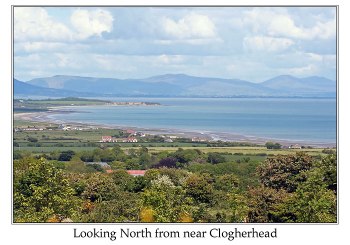
Looking North from near Clogherhead by Ian

Recent DNA work has shed some light on the inter-relationships between various families of song birds with thick seed-eating bills, the most familiar of which are the Fringillid finches, the Estrildid finches, the Eurasian Sparrows (Passeridae), the Buntings and North American Sparrows (Emberizidae). These were originally ascribed to the same superfamily Passeroidea by Sibley and Ahlquist (1990) and that grouping is still largely intact but includes other families that do not have thick bills, including the Sunbirds and Flowerpeckers such as the Mistletoebird (Nectariniidae), the Pipits and Eurasian Wagtails (Motacillidae) and the New World Wood Warblers (Parulidae).

It now seems that the Sunbirds and Flowerpeckers split off first, then the Estrildid Finches and Weavers (Ploceidae), then probably the Sparrows and finally the Wagtails and Pipits, the Fringillid Finches  the Buntings and New World Sparrows and the New World Warblers. From this we can conclude that Estrildid and Fringillid Finches are not closely related and that a traditional morphological approach to classification would have failed to link the Wagtails and New World Warblers to the Fringillidae.

In case all this taxonomic detail leaves you cold, I’ve included links to the all the families mentioned on the Birdway website so can check out the photos instead. The sharp-eyed among you will notice that the BirdLife International sequence of families on the website is not quite the same as the order here. That’s because it predates the latest sequence which I’ve extracted from a 2012 paper on global bird diversity in Nature by Jetz et al. No doubt the grouping and order will change again in the future.

Best wishes
Ian

**************************************************
Ian Montgomery, Birdway Pty Ltd,
454 Forestry Road, Bluewater, Qld 4818
Tel 0411 602 737 ian@birdway.com.au
Bird Photos http://www.birdway.com.au/
Recorder Society http://www.nqrs.org.au


Lee’s Addition:

And the master said to the servant, ‘Go out to the highways and hedges and compel people to come in, that my house may be filled. (Luke 14:23)

What a beautifully colored bird and, of course, Ian took great photos. Even Ian gets into the “taxonomic detail.” Those recent DNA work he mentioned is shaking up the birding community. These studies keeping bird guide book writers busy.

The Bullfinch is a bulky bull-headed bird. The upper parts are grey; the flight feathers and short thick bill are black; as are the cap and face in adults (they are greyish-brown in juveniles), and the white rump and wing bars are striking in flight. The adult male has red underparts, but females and young birds have grey-buff underparts. The song of this unobtrusive bird contains fluted whistles.

(Wikipedia)

See Ian’s Bird of the Week and the various links in the article.

*

The Common Potoo – Video

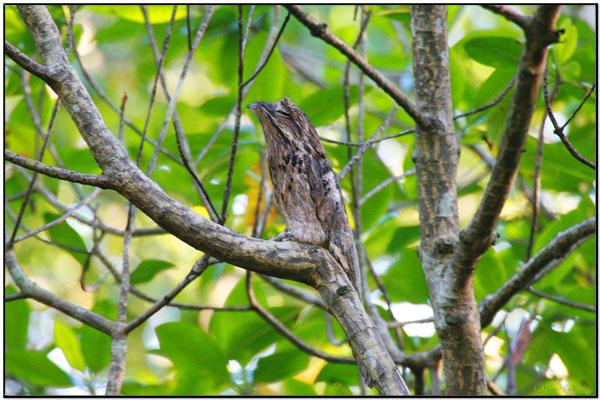
Common Potoo (Nyctibius griseus) by Daves BirdingPix

Common Potoo (Nyctibius griseus) by Daves BirdingPix

Thought I would share this video with you. A friend suggested that I watch it. It is really good.

Also, I didn’t do the usual Sunday Inspiration today because of honoring A J Mithra. It has affected me greatly. He had become a dear friend and I will miss him. I know he is enjoying the Lord’s presence, but there is still sadness here.

The world’s most brazenly hidden bird — the Common Potoo by jonnytropics

*
Potoos are members of the Nyctibiidae – Potoos Family. There are seven species and the Lord has given them an appearance of wood or some camouflaged look.

This verse is out of context, but it describes our bird.

It stood still, but I could not discern its appearance. A form was before my eyes; there was silence, ….. (Job 4:16)

*
Nyctibiidae – Potoos Family

Wordless Birds

*

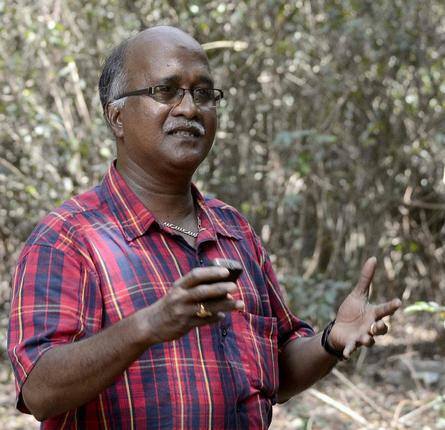
A J Mithra – Now With His Lord

A J Mithra

A J Mithra

We are confident, yes, well pleased rather to be absent from the body and to be present with the Lord. (2 Corinthians 5:8)

I just received word that A. J. Mithra passed away yesterday, Friday, January 31, 2014, of a cardiac arrest. They had the funeral today. A J was 54 and is survived by his wife and two children. He knew the Lord as his personal Saviour and we know that He is in the presence of the Lord.

The Times of India has this article: Chronicler of birdsong Mithra falls silent. His Facebook page, Aj Mithra, is still active for now.

I knew he has not sent many articles lately and when I contacted him recently, he told me that he was not feeling well. Here is an excerpt for that e-mail.

So many things had happened during the past few months.. Our son had a fall while playing basketball and developed a hairline crack. Then my wife’s vocal chord got so bad that she was asked to stop talking for two months.. She is still having pain and is on medical leave. Our daughter was down with fever and now since a week I’m unwell too.

Please keep A. J.’s family in your prayers as I know we will. His articles were always such a joy to receive and place on here. He had a way of watching birds and then coming up with his applications. It always made one stop and think, and then want to correct a behavior that the Lord might not be pleased with.

His articles are posted on his page here at: A J Mithra

I, personally am going to miss him greatly. We have become good friends over the years. He had recently gotten a nice camera and was having a great time photographing birds, which he loved. Here are a few from his Facebook page.

*

Here are some of his articles:

*

Birds of the Bible – Chestnut-breasted Malkoha

Chestnut-breasted Malkoha (Phaenicophaeus curvirostris) Palm Beach Zoo by Lee

Chestnut-breasted Malkoha (Phaenicophaeus curvirostris) Palm Beach Zoo by Lee

And the owl, and the night hawk, and the cuckoo, and the hawk after his kind, (Deuteronomy 14:15 KJV)
And the owl, and the night hawk, and the cuckoo, and the hawk after his kind, (Leviticus 11:16 KJV)

While we were on our trip last week, we stopped by the Palm Beach Zoo. I now have another bird that I have fallen in love with. The Chestnut-bellied Malkoha is a beautiful bird and we were able to see him (or her) up close.

They are members of the Cuculidae – Cuckoos Family. When that was realized, that gave another Bird of the Bible article. There have been other Cuckoo articles written:

In those articles the Cuckoos and the Couas were introduced. Now I want to introduce you to another group within the Cuculidae Family, the Malkohas.

Malkohas are large birds in the cuckoo family Cuculidae, all in the genus Phaenicophaeus. The group name is derived from the Sinhala word for the Red-faced Malkoha; Mal-Koha meaning flower-cuckoo. These are all Asian tropical species. The genus name is derived from the Ancient Greek phoiniko– “crimson”, and phaes “eyes” or “face”, referring to the Red-faced Malkoha. However, the ‘œ’ was mistranscribed as ‘æ’.

Raffles’s Malkoha (“P.” chlorophaeus) is a highly distinct species and may not even be as closely related to malkohas as long believed. Its placement in a monotypic genus Rhinortha is supported by a morphological, molecular and behavioral evidence.
The Green Malkoha or Yellowbill seems also distinct from the typical malkohas; it is placed in the monotypic genus Ceuthmochares. (Wikipedia)

We encountered the Chestnut-breasted Malkoha a few years ago when we visited Wings of Asia (Zoo Miami) and then again on this trip at both the Wings of Asia and Palm Beach Zoo. This time there is a video to share and some close-ups. What a beautiful creation from the Lord. I love the eyes especially. They remind me of the Egyptian painting with their eyes. Maybe they saw the Malkohas and painted their eyes like them. Oh, by the way, the Cuckoos are on the “do not list.” Who would want to eat a beautiful bird like these? According to this sign at Zoo Miami, it says the male has blue eyes and the female has yellow eyes.

Chestnut-breasted Malkoha (Phaenicophaeus curvirostris) Sign by Lee at ZM 2014

Chestnut-breasted Malkoha (Phaenicophaeus curvirostris) Sign by Lee at ZM 2014

This video was taken at the Palm Beach Zoo 2014.

*

Other Malkohas in the Cuckoo Family:

Raffles’s Malkoha (Rhinortha chlorophaea)
Blue Malkoha (Ceuthmochares aereus)
Green Malkoha (Ceuthmochares australis)
Sirkeer Malkoha (Taccocua leschenaultii)
Red-billed Malkoha (Zanclostomus javanicus)
Yellow-billed Malkoha (Rhamphococcyx calyorhynchus)
Chestnut-breasted Malkoha (Phaenicophaeus curvirostris)
Red-faced Malkoha (Phaenicophaeus pyrrhocephalus)
Chestnut-bellied Malkoha (Phaenicophaeus sumatranus)
Blue-faced Malkoha (Phaenicophaeus viridirostris)
Black-bellied Malkoha (Phaenicophaeus diardi)
Green-billed Malkoha (Phaenicophaeus tristis)
Rough-crested Malkoha (Dasylophus superciliosus)
Scale-feathered Malkoha (Dasylophus cumingi)

This slideshow requires JavaScript.

*

Gospel Presentation

*