***
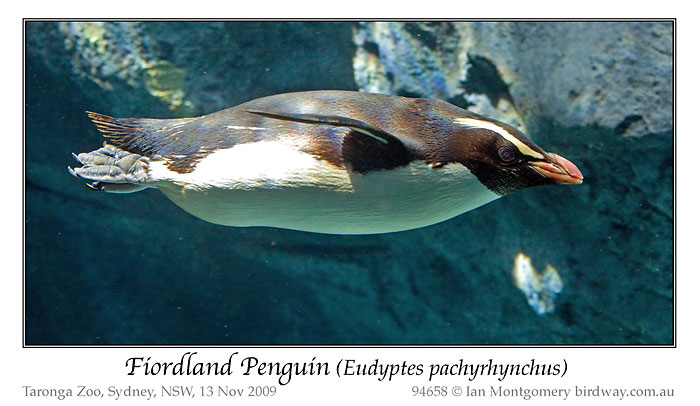
WATERS COMPASSED ME ABOUT
***
“The waters compassed me about, even to the soul: the depth closed me round about, the weeds were wrapped about my head.” (Jonah 2:3)
Fiordland Penguin (Eudyptes pachyrhynchus) by Ian
*
*
“The waters compassed me about, even to the soul: the depth closed me round about, the weeds were wrapped about my head.” (Jonah 2:3)
Fiordland Penguin (Eudyptes pachyrhynchus) by Ian
*
*

Blue Manakin (Chiroxiphia caudata) by ©AGrosset
And God created great whales, and every living creature that moveth, which the waters brought forth abundantly, after their kind, and every winged fowl after his kind: and God saw that it was good. And God blessed them, saying, Be fruitful, and multiply, and fill the waters in the seas, and let fowl multiply in the earth. (Genesis 1:21-22 KJV)
I came across a couple of videos of Blue Manakins doing what they were commanded to do by the Lord, by multiplying. Well, to do this, they have to attract the females. There are many birds that use the method of the displaying at a lek. The noun, “lek“, is “a traditional place where males assemble during the mating season and available engage in competitive displays that attract females.” The verb, “lekked, lekking” is defined as, “a male to assemble in a lek and engage in competitive displays.” (definitions from Dictionary.com)
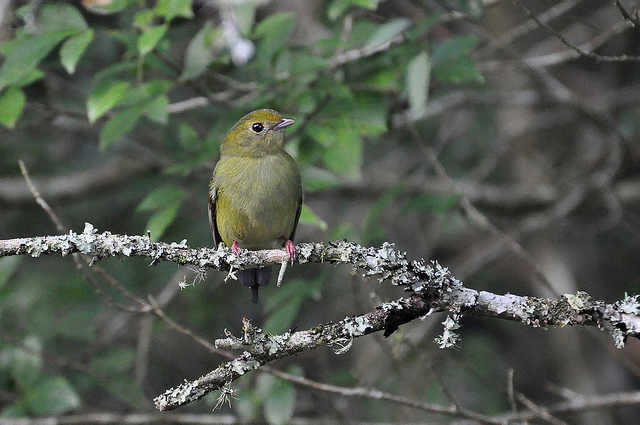
Blue Manakin (Chiroxiphia caudata) Female ©CTimm
Bring forth with thee every living thing that is with thee, of all flesh, both of fowl, and of cattle, and of every creeping thing that creepeth upon the earth; that they may breed abundantly in the earth, and be fruitful, and multiply upon the earth. (Genesis 8:17 KJV)
The Blue Manakins (Chiroxphia caudata) are members of the Manakins – Pipridae Family. They were previously called the Swallow-tailed Manakin. They are found “in north-eastern Argentina, southern and south-eastern Brazil, and Paraguay. Its typical habitat is wet lowland or montane forest and heavily degraded former forest. Males have a bright blue body, black head wings and tail and a red crown. Females and juveniles are olive-green. At breeding time, males are involved in lekking behaviour when they sing and dance to impress females.” (Wikipedia)
Not the clearest, but it is difficult in a jungle to video:
From another lek:
Now for the clearest of all:
*
*
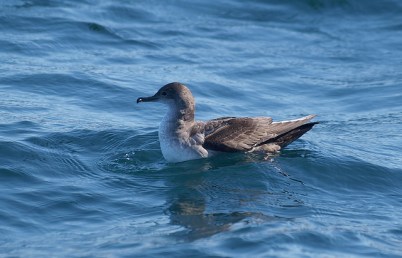
Balearic Shearwater (Puffinus mauretanicus) ©©Flickr
“But the LORD sent out a great wind into the sea, and there was a mighty tempest in the sea, so that the ship was like to be broken.
(Jonah 1:4 KJV)
*
*
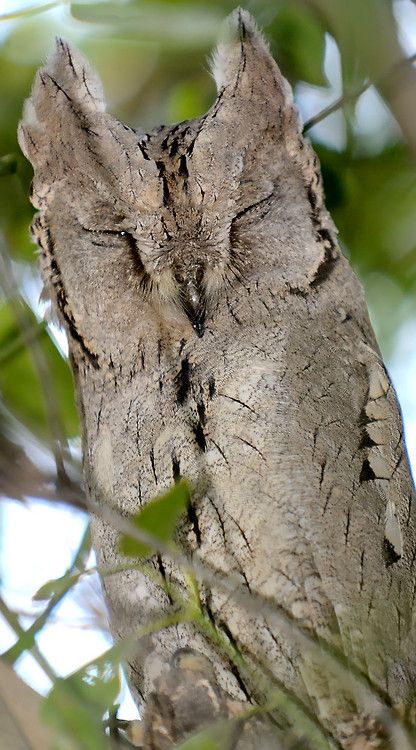
Napping Pallid Scops Owl by Yogesh Bhandarkar From Pinterest
“Then the mariners were afraid, and cried every man unto his god, and cast forth the wares that were in the ship into the sea, to lighten it of them. But Jonah was gone down into the sides of the ship; and he lay, and was fast asleep. Jonah 1:5
Napping Pallid Scops Owl by Yogesh Bhandarkar From Pinterest
*
*
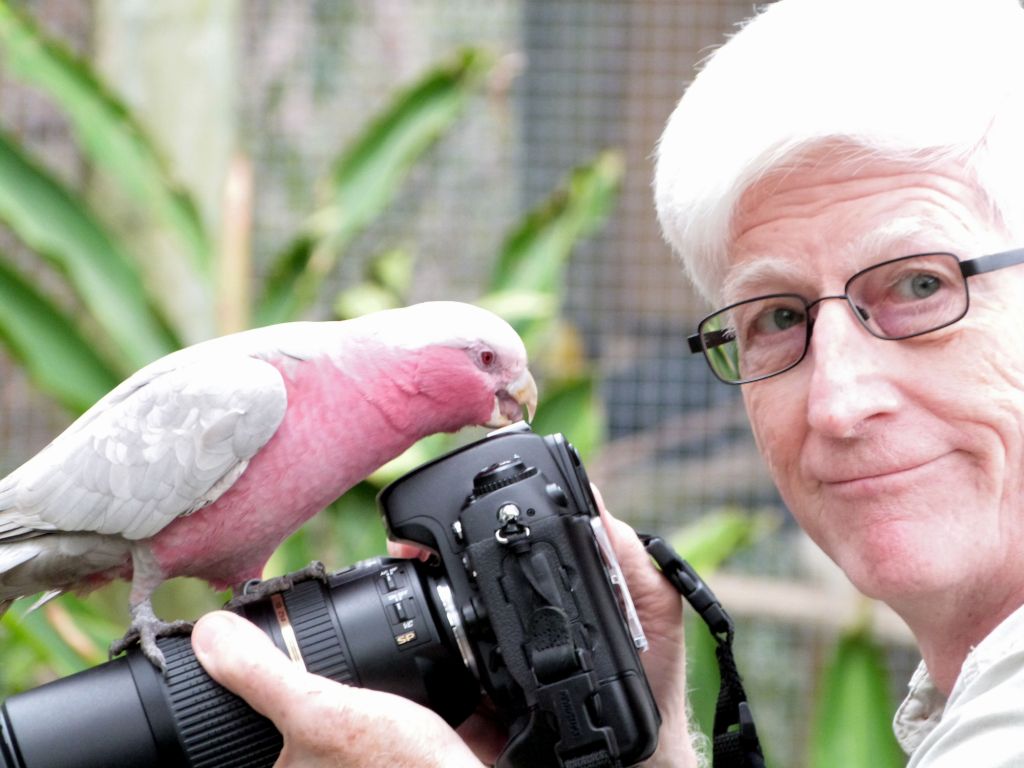
“But the fruit of the Spirit is love, joy, peace, longsuffering, gentleness, goodness, faith, Meekness, temperance: against such there is no law.” (Galatians 5:22-23 KJV)
Galah (Eolophus roseicapilla) and Dan
*
*

“In the fear of the LORD is strong confidence: and his children shall have a place of refuge.
(Proverbs 14:26 KJV))
Under His Wings – by Ric Seet
*
*
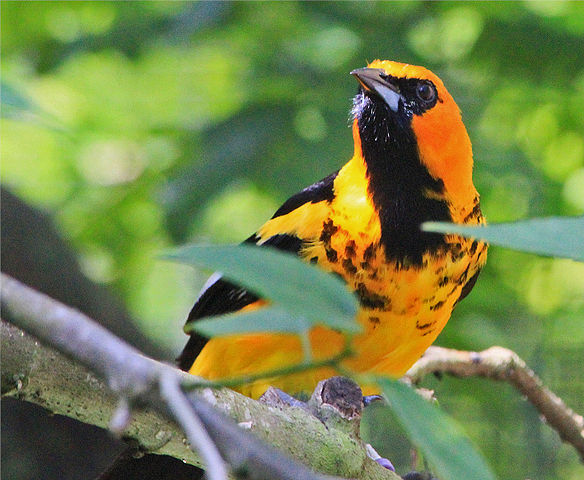
Spot-breasted Oriole (Icterus pectoralis) ©WikiC
“The fear of the LORD is clean, enduring for ever: the judgments of the LORD are true and righteous altogether. More to be desired are they than gold, yea, than much fine gold: sweeter also than honey and the honeycomb.” (Psalms 19:9-10 KJV)
Last week we made it down through the Icteridae – Oropendolas, Orioles & Blackbirds Family to the Red-rumped Cacique. That was just about of a third of the 109 members of the family. Now the list will start with the Icterus genus, which are Orioles. In fact, those are all we will look at today. There are 33 species in that genus and most of them are orioles, except for three Troupials. Troupials (turpial in Spanish), were formerly considered one species.
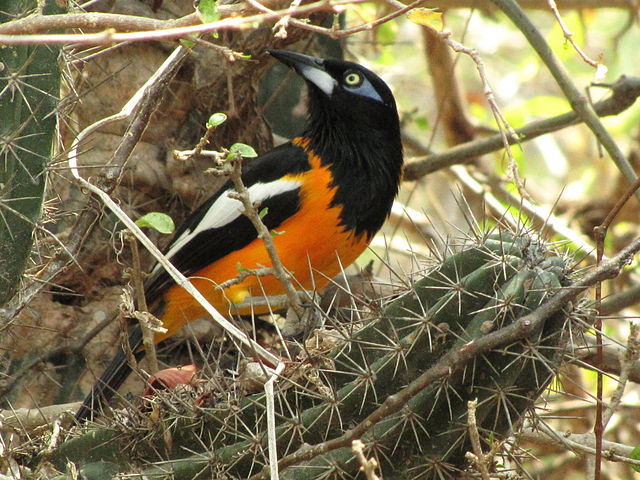
Venezuelan Troupial (Icterus icterus) ©WikiC
“A word fitly spoken is like apples of gold in pictures of silver.” (Proverbs 25:11 KJV)
New World orioles, comprising the genus Icterus, are a group of birds in the blackbird family. They are not related to Old World orioles, which are in the family Oriolidae, but are strikingly similar in size, diet, behaviour and in their strongly contrasting plumage. Could it be because they are from the same kind? Predictably, the two have been given the same vernacular name. “Oriole”
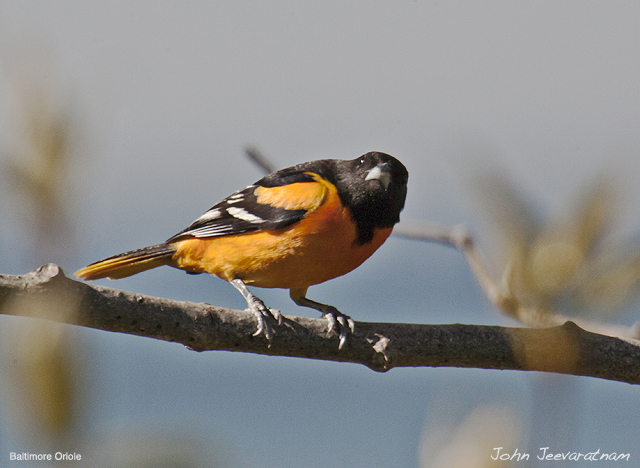
Baltimore Oriole (Icterus galbula) Male by Nature’s Hues
“How much better is it to get wisdom than gold! and to get understanding rather to be chosen than silver!” (Proverbs 16:16 KJV)
The males are typically black and yellow or orange, with white markings; the plumage of females and immature birds is duller. These birds go through one moult in a year. They are generally slender with long tails and a pointed bill. They mainly eat insects, but also enjoy nectar and fruit. The nest is a woven, elongated pouch. Several species are easy to attract to bird tables by the provision of cut oranges and grape jelly. Species nesting in areas with cold winters (including most of the United States) are strongly migratory, while subtropical and tropical species are more sedentary.
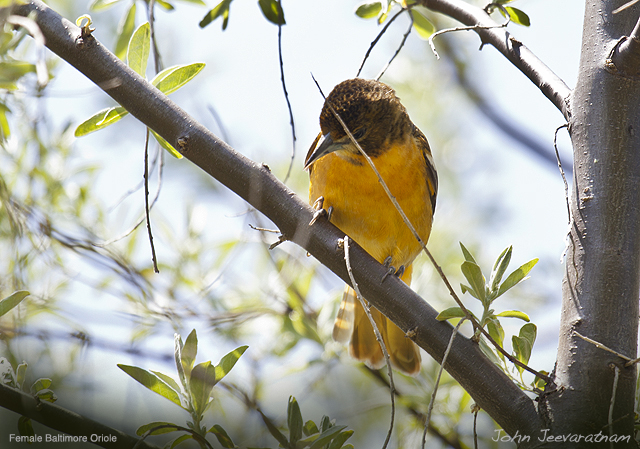
Baltimore Oriole (Icterus galbula) Female by Nature’s Hues
“Therefore I love thy commandments above gold; yea, above fine gold.” (Psalms 119:127 KJV)
The name “oriole” was first recorded (in the Latin form oriolus) by Albertus Magnus in about 1250, and was stated by him to be onomatopoeic, from the song of the European Golden Oriole.
The genus name Icterus as used by classical authors, referred to a bird with yellow or green plumage. In modern times this has been identified as the golden oriole. (Notes are from Gutenberg’s Icterus (Genus) with editing.)
“That the trial of your faith, being much more precious than of gold that perisheth, though it be tried with fire, might be found unto praise and honour and glory at the appearing of Jesus Christ: Whom having not seen, ye love; in whom, though now ye see him not, yet believing, ye rejoice with joy unspeakable and full of glory: Receiving the end of your faith, even the salvation of your souls.” (1 Peter 1:7-9 KJV)
“It Is Well With My Soul” by Sean Fielder [Hacked]
*
Sunday Inspiration – Icteridae Family I
Icteridae – Oropendolas, Orioles & Blackbirds Family
Appreciating Baltimore Orioles and My First Bird Book
Icterus (Genus) – Gutenberg
Icterid – Wikipedia
*

“See then that ye walk circumspectly, not as fools, but as wise. (Ephesians 5:15)
Purple Gallinule (Porphyrio martinicus) ©USFWS
*
*

“By this shall all men know that ye are my disciples, if ye have love one to another. (John 13:35)
Duck and Girl ©Godvine
*
*

Put on the whole armour of God, that ye may be able to stand against the wiles of the devil. (Ephesians 6:11 KJV)
While working on an assignment for my online course, I came across this well-known verse. Started wondering if I could find enough birds that have similar names like the different parts of the Armour of God. The first photo to pop in my head was the Sword-billed Hummingbird, it has become one of my (many) favorites. So, let’s see what we can find.
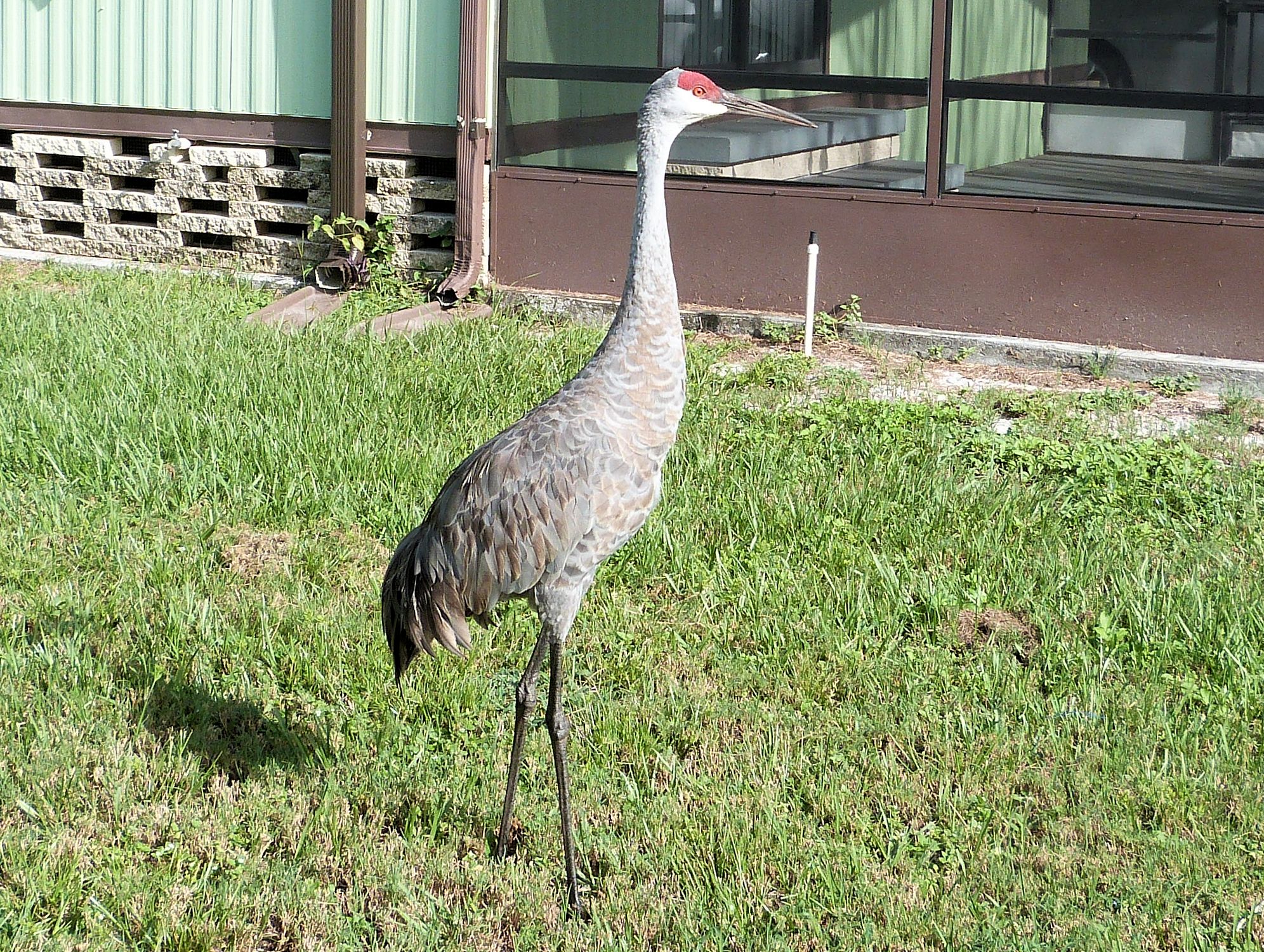
Sandhill Crane Standing Guard In My Yard by Lee
(11 Put on the whole armour of God, that ye may be able to stand against the wiles of the devil.

Blood-breasted Flowerpecker (Dicaeum sanguinolentum) ©WikiC
(12) For we wrestle not against flesh and blood, but against principalities, against powers, against the rulers of the darkness of this world, against spiritual wickedness in high places.
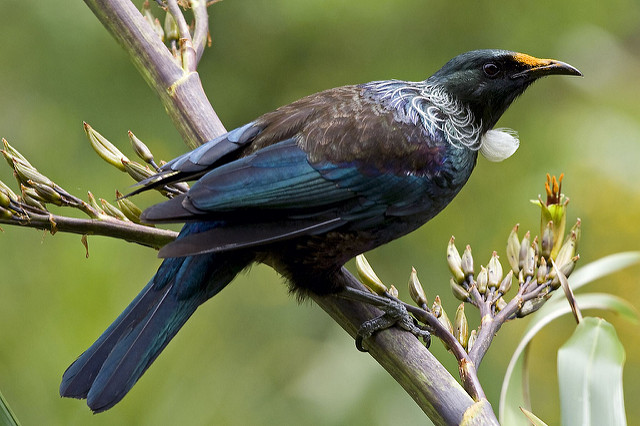
Standardwing (Semioptera wallacii wallacii) ©Flickr Matt Binns
(13) Wherefore take unto you the whole armour of God, that ye may be able to withstand in the evil day, and having done all, to stand.
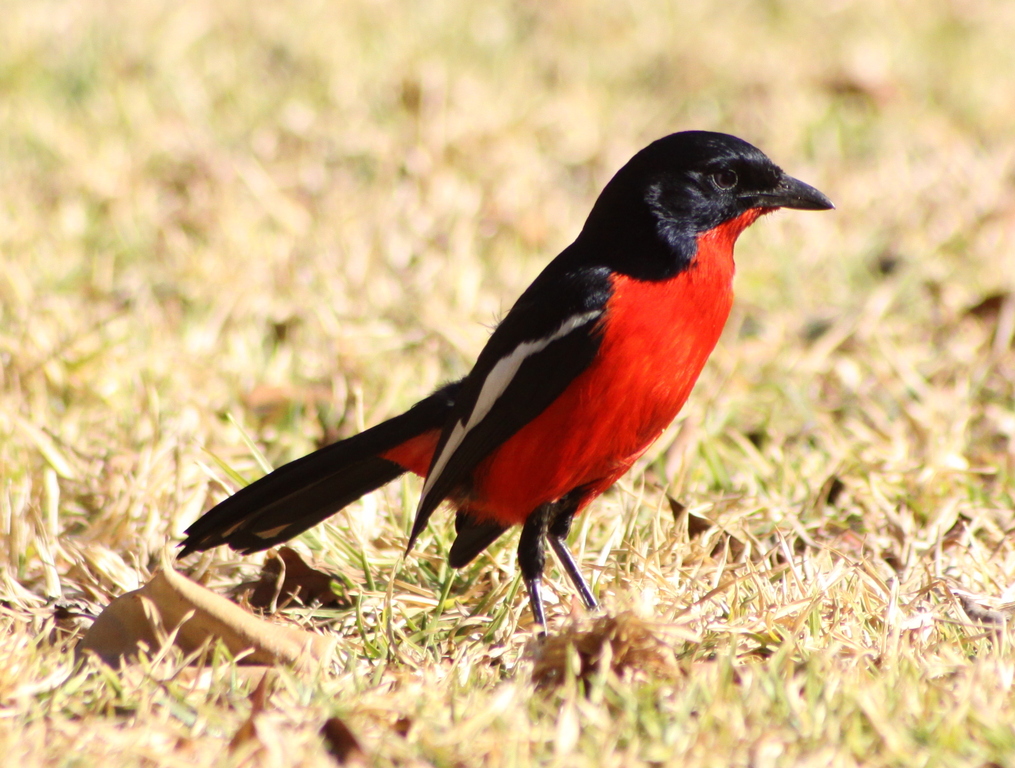
Crimson-breasted Shrike (Laniarius atrococcineus) ©WikiC
(14) Stand therefore, having your loins girt about with truth, and having on the breastplate of righteousness;

Blue-footed Booby (Sula nebouxii) by Ian
and the
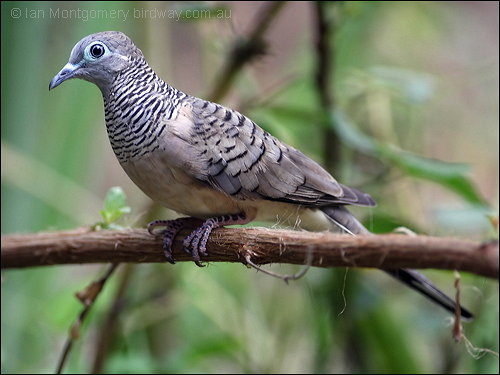
Peaceful Dove (Geopelia striata) by Ian
(15) And your feet shod with the preparation of the gospel of peace;
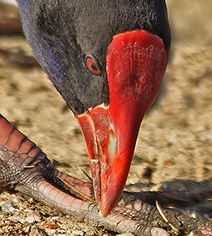
Purple Swamphen (Porphyrio porphyrio) Showing shield ©WikiC
and the

Fiery Minivet (Pericrocotus igneus) ©WikiC
and the
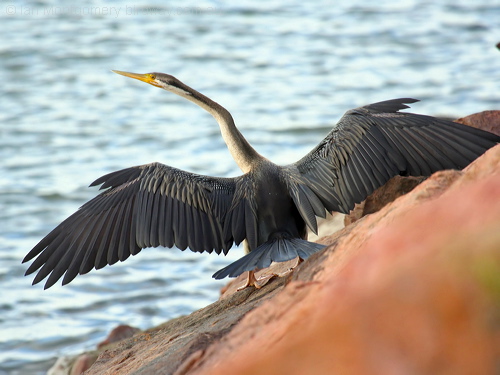
Australasian Darter (Anhinga novaehollandiae) by Ian
(16) Above all, taking the shield of faith, wherewith ye shall be able to quench all the fiery darts of the wicked.

White-crested Helmetshrike (Prionops plumatus) ©WikiC
and the
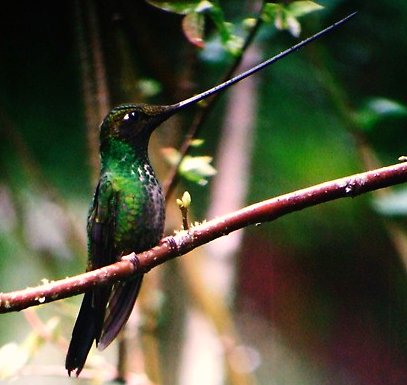
Sword-billed Hummingbird (Ensifera ensifera)©WikiC
(17) And take the helmet of salvation, and the sword of the Spirit, which is the word of God:

Praying Inca Tern at Lowry Park Zoo by Lee
(18) Praying always with all prayer and supplication in the Spirit, and watching thereunto with all perseverance and supplication for all saints;
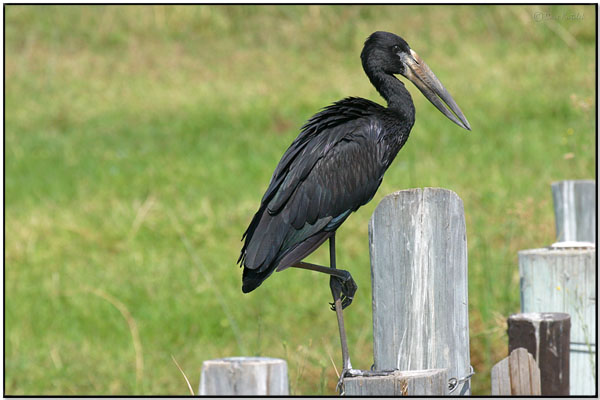
African Openbill (Anastomus lamelligerus) by Daves BirdingPix
(19) And for me, that utterance may be given unto me, that I may open my mouth boldly, to make known the mystery of the gospel,
Ephesians 6:11-19 KJV

Light-mantled Albatross (Phoebetria palpebrata) by Ian 5
Here is another Armour. The Armour of Light:
And that, knowing the time, that now it is high time to awake out of sleep: for now is our salvation nearer than when we believed. The night is far spent, the day is at hand: let us therefore cast off the works of darkness, and let us put on the armour of light. (Romans 13:11-12 KJV)
*
*

“And the spies saw a man come forth out of the city, and they said unto him, Shew us, we pray thee, the entrance into the city, and we will shew thee mercy.” (Judges 1:24)
Anhingas Spying ©©
*
*
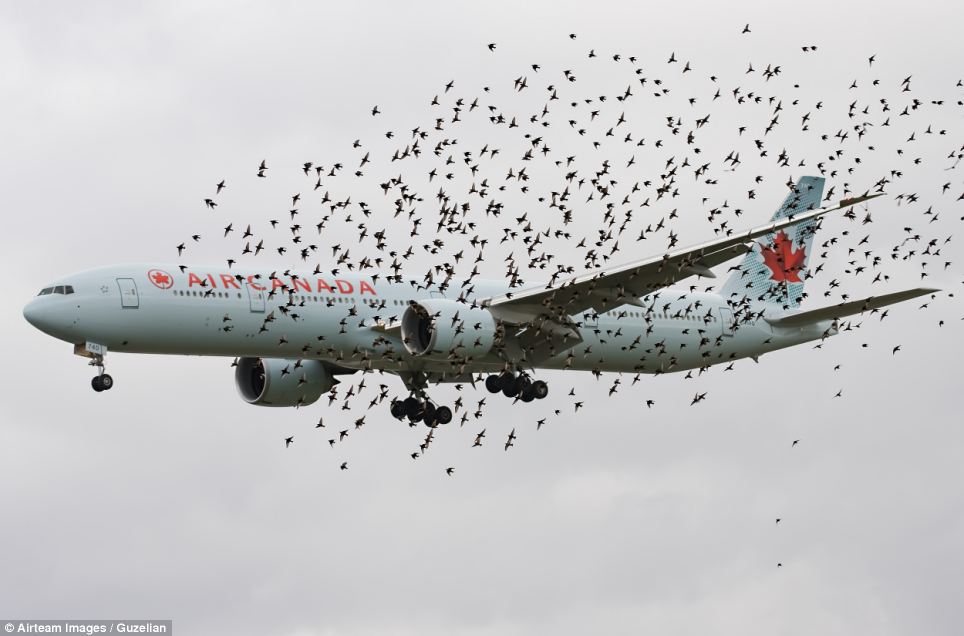
“And his disciples said unto him, Thou seest the multitude thronging thee, and sayest thou, Who touched me? (Mark 5:31)
Multitude Thronging a Jet ©DailyMail
*
*
 Lee's Birdwatching Adventures Plus