Heaven’s New Jerusalem and Birds – Jasper II

This is a repost of Heaven’s New Jerusalem and Birds – Jasper. This series originally appeared in 2019. (With a little dusting and updating they will all be reposted in the coming days. Stay tuned.)
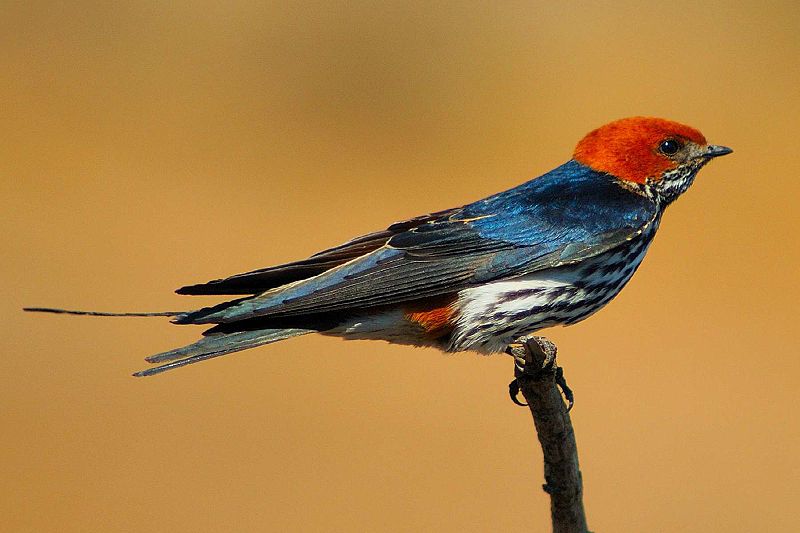
Lesser Striped Swallow (Cecropis abyssinica) ©WikiC

Lesser Striped Swallow (Cecropis abyssinica) ©WikiC

“And the foundations of the wall of the city were garnished with all manner of precious stones. The first foundation was jasper; the second, sapphire; the third, a chalcedony; the fourth, an emerald;” (KJV)

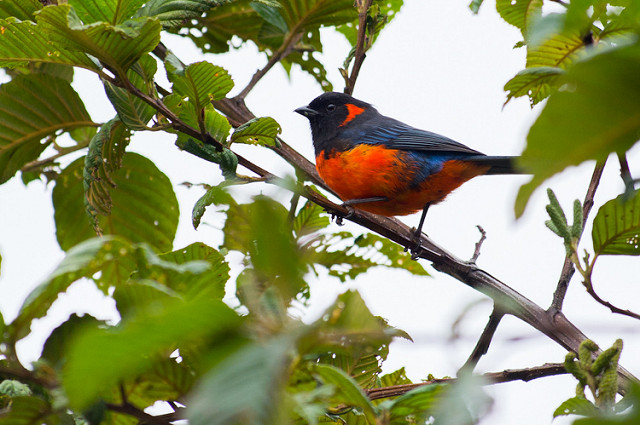
Hit a problem already. No Jasper named birds; first or last name. Now what? Most all the translations of Revelation 21:19 say that the first foundation was jasper or similar.

Tan and Cream Jasper – ©MineralNet

Here are a few exceptions from Bible Gateway’s list of versions:
the first foundation stone was diamond – CJB (Complete Jewish Bible)
“The first foundation was gray quartz” – GW, NOG (God’s Word & Names of God)
“The first stone was red jasper” – WE (Worldwide English)
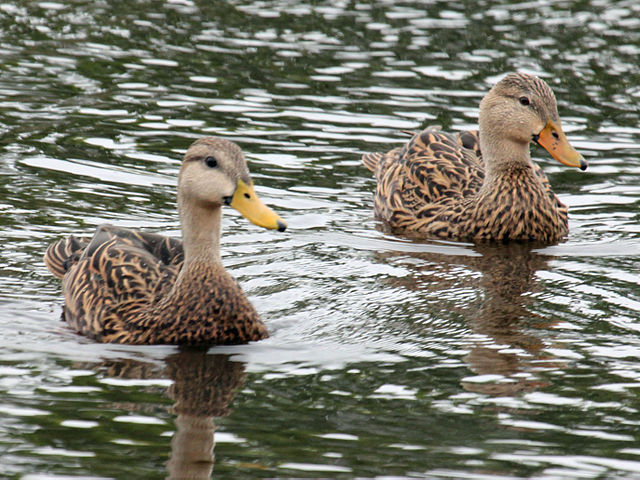
Mottled Duck (Anas fulvigula) Male and Female ©WikiC

From my e-Sword Program, here are more different translations:

(clVulgate)  Et fundamenta muri civitatis omni lapide pretioso ornata. Fundamentum primum, jaspis: secundum, sapphirus: tertium, calcedonius: quartum, smaragdus:

Vulgate fundamentum primum iaspis

KJV+ uses jasper; G2393

Translit+ uses iaspis G2393

G2393 is iaspiv iaspis

Rev_4:3 Rev_21:11 Rev_21:18-19
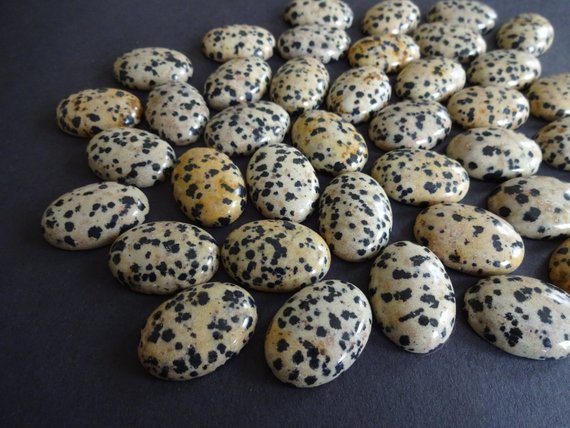
Spotted Jasper

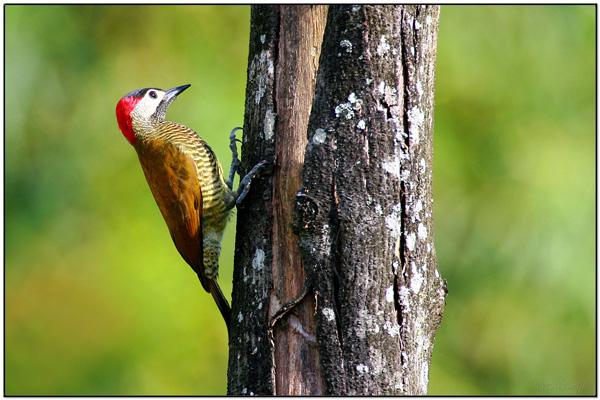
Great Spotted Woodpecker (Dendrocopos major) ©WikiC

Looking at the Dictionaries, these clues from them:

Thayer gives G2393 this:

ἴασπις
iaspis
Thayer Definition:
1) jasper, a precious stone of various colours (for some are purple, others blue, others green, and others the colour of brass)
Part of Speech: noun feminine

NASEC [New American Exhaustive Commentary]

G2393
ἴασπις
iaspis; of Semitic or.; jasper (a translucent stone): – jasper (4).

Strong LXX

G2393
ἴασπις
iaspis
ee’-as-pis
Probably of foreign origin (see [H3471]); “jasper”, a gem: – jasper.

H3471
ישׁפה
yâshphêh
yaw-shef-ay’
From an unused root meaning to polish; a gem supposed to be jasper (from the resemblance in name): – jasper.

The best clues from all of these seems to be from Thayer and NASEC. “It appears to be: a translucent stone”, and “a precious stone of various colours (for some are purple, others blue, others green, and others the colour of brass).” That could describe thousands of birds.

“Having the glory of God: and her light was like unto a stone most precious, even like a jasper stone, clear as crystal;” (Revelation 21:11 KJV)

Kaleidoscope Jasper from Oregon ©WikiC
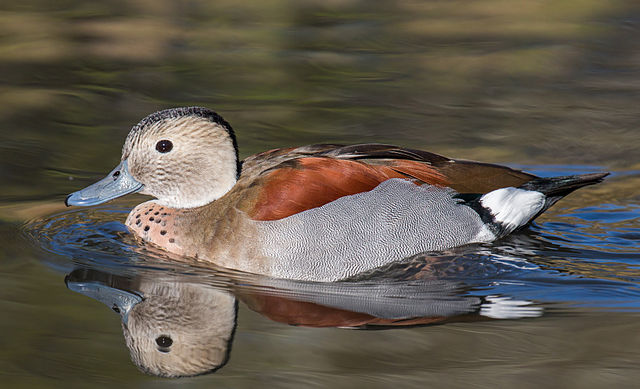
Ringed Teal (Callonetta leucophrys) ©WikiC

Which birds do I show? See the Dilemma? Could use just about any multicolored bird.

Looking on the internet, I found this: “THE GEMSTONE JASPER – Jasper is an opaque variety of Chalcedony, and is usually associated with brown, yellow, or reddish colors, but may be used to describe other opaque colors of Chalcedony such as dark or mottled green, orange, and black. Jasper is almost always multicolored, with unique color patterns and habits.
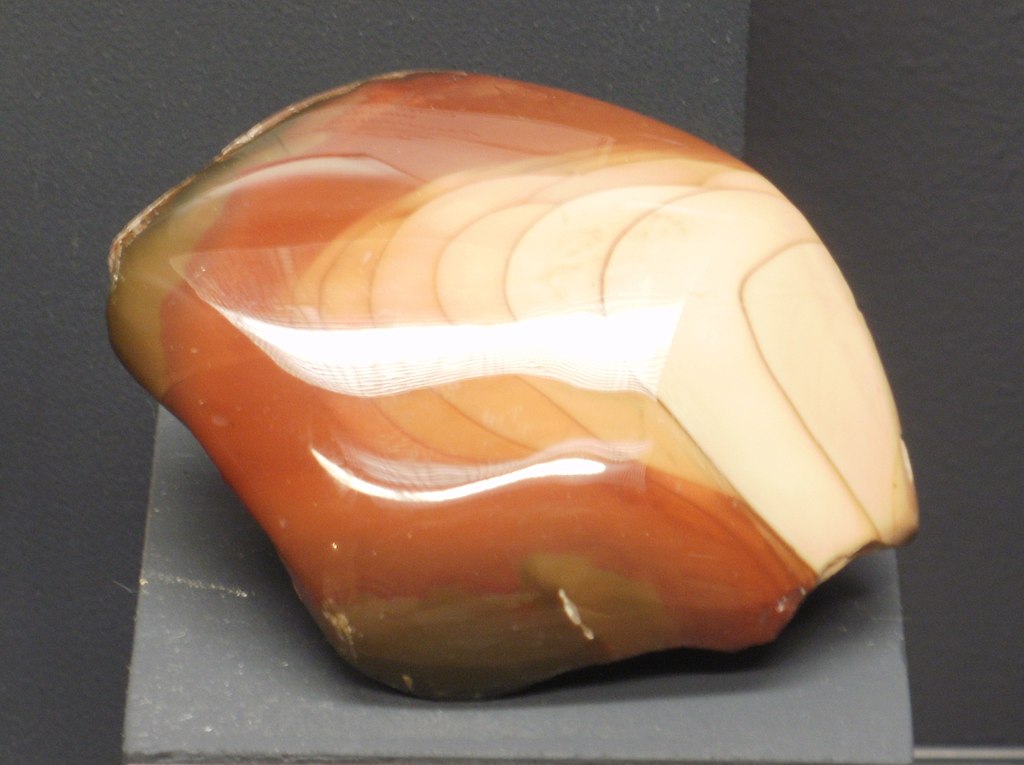
Bruneau Jasper Stone ©WikiC

The appeal of Jasper is its interesting color patterns and formations. Though it can be a solid color, it is most often mottled, spotted, ringed, or striped. Each Jasper has a unique color or pattern, lending this gemstone much variety. Jasper is an ancient gemstone, and is mentioned in the bible and other classical sources. Though fairly common and affordable today, Jasper in antiquity was regarded as a valuable stone. “[Minerals Net]

That quote makes one think of how we are to the Lord. We are often “mottled, spotted, ringed, or striped.” We are in need of the Savior because we are sinners, but each of us are valuable to the Lord. He gave His life for us on the cross. “For God so loved the world, that he gave his only begotten Son, that whosoever believeth in him should not perish, but have everlasting life. For God sent not his Son into the world to condemn the world; but that the world through him might be saved. He that believeth on him is not condemned: but he that believeth not is condemned already, because he hath not believed in the name of the only begotten Son of God. And this is the condemnation, that light is come into the world, and men loved darkness rather than light, because their deeds were evil.” (John 3:16-19 KJV)

*** Articles in this Repost Series 2024 so far:

  1. Heaven’s New Jerusalem and Birds – Introduction II
  2. Heaven’s New Jerusalem and Birds – Foundation Stones II

Previous Post About Precious Stones

Wordless Birds

Heaven’s New Jerusalem and Birds – Introduction II

This is a repost of Introduction to the Heaven’s New Jerusalem and Birds. This series originally appeared in 2019. (With a little dusting and updating they will all be reposted in the coming days. Stay tuned.)

Sapphire Flycatcher (Ficedula sapphira) ©WikiC

I am currently attending a ladies Bible study class on Heaven. It is very interesting, and of course, when the mention of the various precious stones, with their beautiful colors came up, birds fluttered to mind. I have been accused of having a “bird brain.” [Always thinking about things in relation to birds.]

A huge question came to mind. Wonder if I could find birds whose names or colors closely reflected the names of those stones? Sounds like a simple premise. Right? Not so fast, as I am finding out.

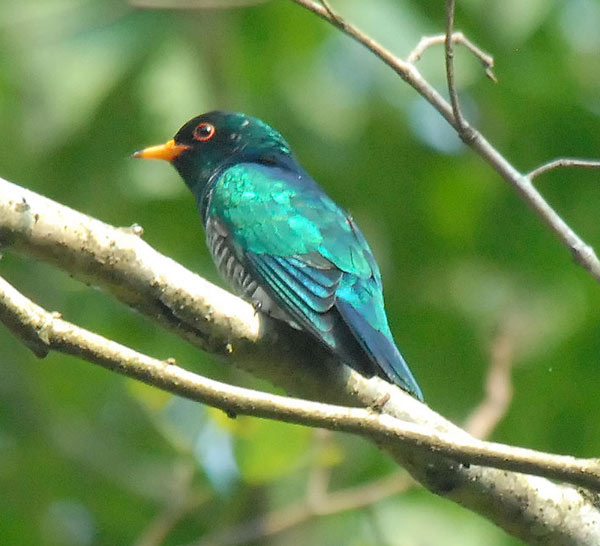
Asian Emerald Cuckoo (Chrysococcyx maculatus) by Nikhil Devasar

Asian Emerald Cuckoo (Chrysococcyx maculatus) by Nikhil Devasar

First some of the verses that we were reading from Revelation Chapter 21:

“10 And he carried me away in the spirit to a great and high mountain, and shewed me that great city, the holy Jerusalem, descending out of heaven from God,
18 And the building of the wall of it was of jasper: and the city was pure gold, like unto clear glass.
19 And the foundations of the wall of the city were garnished with all manner of precious stones. The first foundation was jasper; the second, sapphire; the third, a chalcedony; the fourth, an emerald;
20 The fifth, sardonyx; the sixth, sardius; the seventh, chrysolyte; the eighth, beryl; the ninth, a topaz; the tenth, a chrysoprasus; the eleventh, a jacinth; the twelfth, an amethyst.
21 And the twelve gates were twelve pearls: every several gate was of one pearl: and the street of the city was pure gold, as it were transparent glass. (KJV)  [Yes, pearls are not stones]

Things go well with Gold, Jasper, Sapphire, Emerald, Topaz, Jacinth?, and Amethyst. What about chalcedony, sardonyx, sardius, chrysolyte, beryl [maybe], and chrysoprasus?

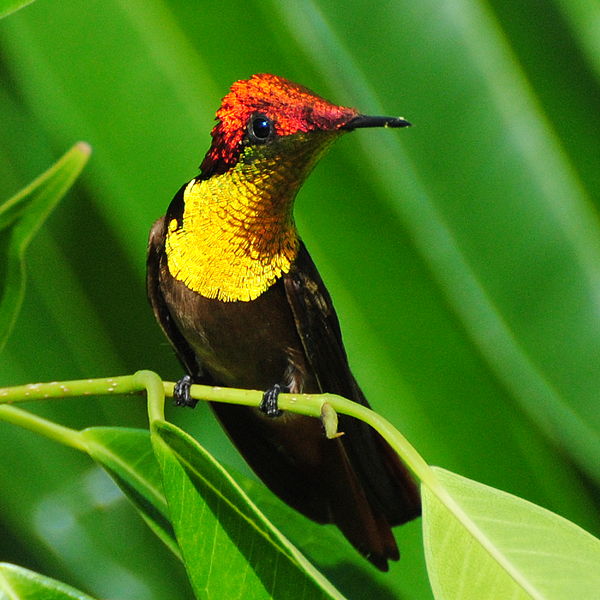
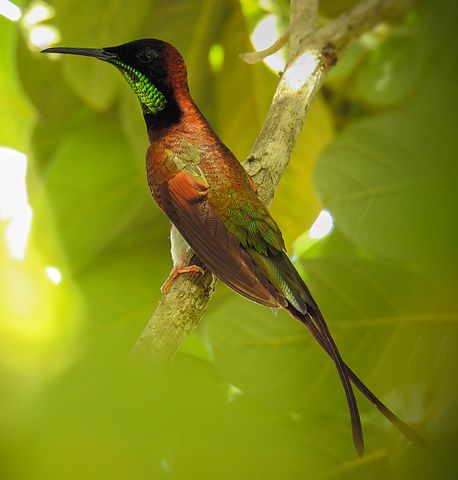
Ruby-topaz Hummingbird (Chrysolampis mosquitus) ©WikiC

King James Study Bible 21:9–21. These verses describe the beauty and glory of the holy Jerusalem. It is called Christ’s bride (cf. v. 2), a reference perhaps to the church as the city’s principal inhabitant. It is an expression of the glory of God. The wall shows its security and protection. Its gates show accessibility. Saved Israel is also present. It has dimensions of approximately 1,500 miles cubed. The gold and precious stones may be earthly materials glorified (cf. 1 Cor. 15:50–54). They depict the glory, beauty, and eternal quality of the city. Jasper is green, sapphire is blue, chalcedonyis green, emerald is green, sardonyx is red and white, sardius is bloodred, chrysolyte is yellow or gold, beryl is green, topaz is greenish gold or yellow, chrysoprasus is green, jacinth is bluish purple, and amethyst is purple quartz. The effect is a magnificent city of brilliant gold adorned with gems of every color. There appears to be only one street (cf. 22:2), also made of pure, radiant gold.

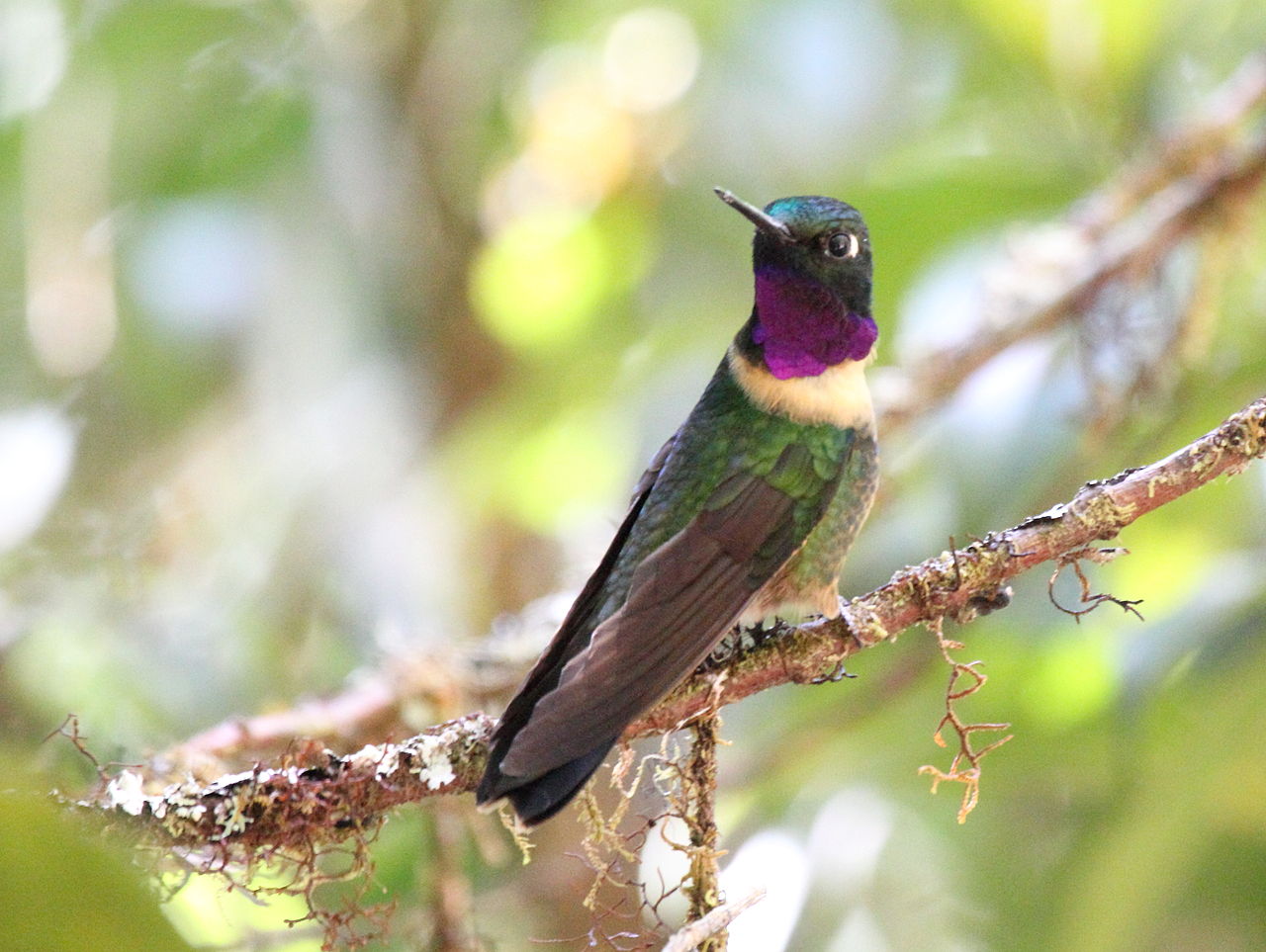
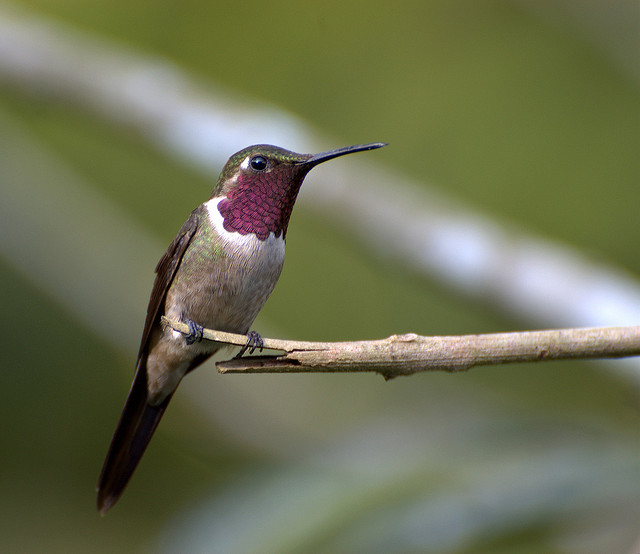
Amethyst-throated Sunangel (Heliangelus_amethysticollis) ©WikiC

Stones, Precious
“Precious stones are frequently alluded to in Scriptures; they were known and very highly valued in the earliest times. The Tyrians traded in precious stones supplied by Syria. Eze_27:16. The merchants of Sheba and Raamah in south Arabia, and , doubtless, India and Ceylon, supplied the markets of Tyre with various precious stones. The art of engraving on precious stones was known from the very earliest times. Gen_38:18.
The twelve stones of the breastplate were engraved, each one, with the name of one of the tribes. Exo_28:17-21. It is an undecided question whether the diamond was known to the early nations of antiquity. The Authorized Version gives it as the rendering of the Hebrew word, yahalom, but it is probable that the jasper is intended.
Precious stones are used in Scripture, in a figurative sense, to signify value, beauty durability, etc., in those objects with which they are compared. See Son_5:14; Isa_54:11-12; Lam_4:7; Rev_4:3; Rev_21:10; Rev_21:21. [Smith’s Bible Dictionary]

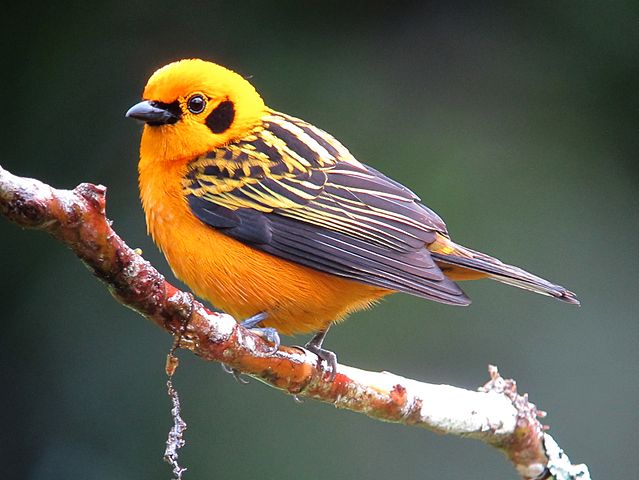
Golden Tanager (Tangara arthus) ©WikiC

The Bible Knowledge Commentary says this of Revelation 21:19-21″

“The decorations of the foundations (with the apostles’ names inscribed on them) include 12 stones involving different colors. The color of the jasper is not indicated. The sapphire was probably blue; the chalcedony comes from Chalcedon, Turkey and is basically blue with stripes of other colors. The emerald is a bright green; the sardonyx is red and white; and the carnelian, called a “sardius” in the NASB, is usually ruby-red in color, though it sometimes has an amber or honey color. In Rev_4:3 the carnelian stone is coupled with the jasper to reflect the glory of God. The chrysolyte is a golden color, probably different from the modern chrysolyte stone which is pale green. The beryl is a sea green; the topaz is a transparent yellow-green; the chrysoprase is also green; the jacinth is violet in color; and the amethyst is purple. The stones together provide a brilliant array of beautiful colors. The gates resemble huge, single pearls, and the street of the city was of pure gold, like transparent glass (cf. Rev_21:18).
While the beauty of the city may have symbolic meaning, no clue is given as to the precise interpretation. Since it is reasonable to assume that the saints will dwell in the city, it is best to take the city as a literal future dwelling place of the saints and angels.”

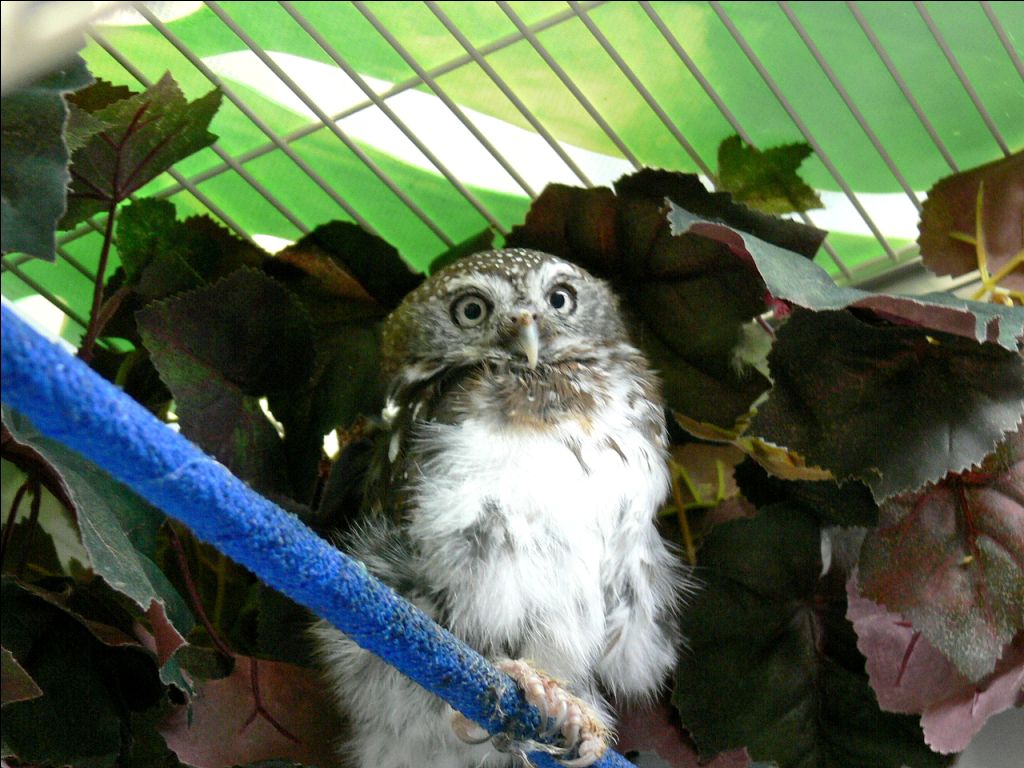
Pearl-spotted Owlet (Glaucidium perlatum) Breeding Room by Lee

Pearl-spotted Owlet (Glaucidium perlatum) Breeding Room by Lee

As you can see, it is going to take a while to figure out some of these colors to find possible matching bird colors and names. A friend mentioned that the colors were maybe the same as the ones in the rainbow. Sounds reasonable. When the Lord created the birds, He knew about the rainbow that was going to be given as a promise after the flood. He also knew the colors of the foundations of the New Jerusalem. So, why would he not use those colors in birds when He created them?

“In the beginning was the Word, and the Word was with God, and the Word was God. The same was in the beginning with God. All things were made by him; and without him was not any thing made that was made.” (John 1:1-3 KJV)

Stay Tuned!

See:

Heaven’s New Jerusalem and Birds – Foundation Stones II
This is a repost of the original that appeared on (February 22, 2019)

Precious Stone

“O LORD, our Lord, How majestic is Your name in all the earth!” (Psalms 8:9 NASB)

Before matching the bird’s colors to the Foundation Stones, here are some facts and photos to help us understand the colors of the twelve foundations, if that is possible with our human minds. If the stones are this beautiful now, what will they be like in heaven?

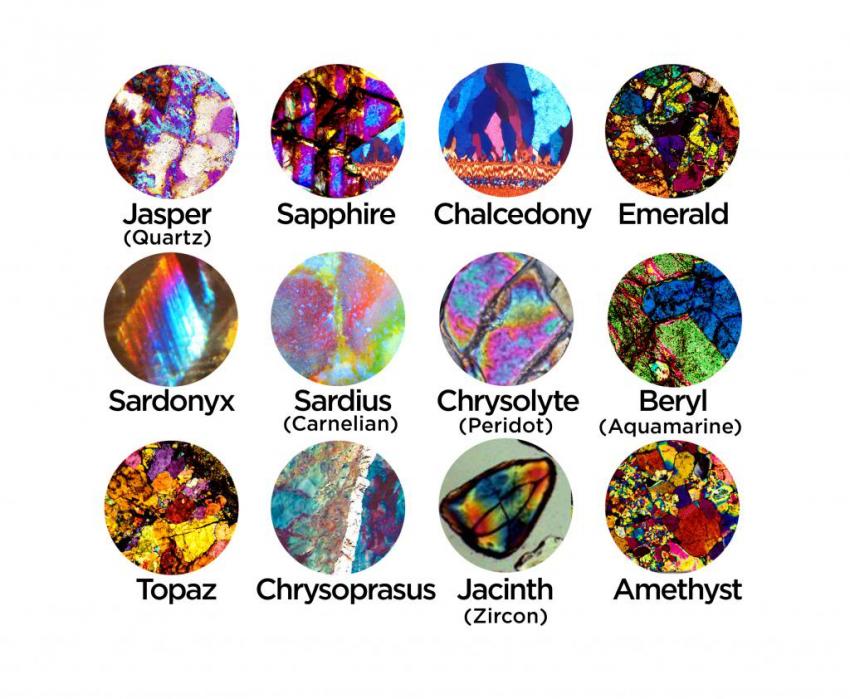
Very interesting article about The 12 Foundation Stones in New Jerusalem gives fact about these gems. “In the past century, it has been discovered that gems can be classified as either anisotropic or isotropic, and only recently have scientists discovered cross polarized light, which can be used to identify whether a gem is anisotropic or isotropic. When viewed in crossed-polarised light (similar to “pure” light), anisotropic stones produce a colourful array- reflecting all the colours of the rainbow, whereas isotropic stones lose all of their colour and appear black.”

There are some words in there that are new to me, like, anisotropic or isotropic, cross polarized light. Yet the next paragraph, is really informative:

“It’s interesting that, in Revelation chapter 21, there are 12 gems mentioned to be inlaid for decoration of the New Jerusalem, and ALL of these 12 gems are anisotropic gems, i.e., gems that can show colourful patterns under pure light…

Twelve Stones of Revelation 21 from Christian Evidence

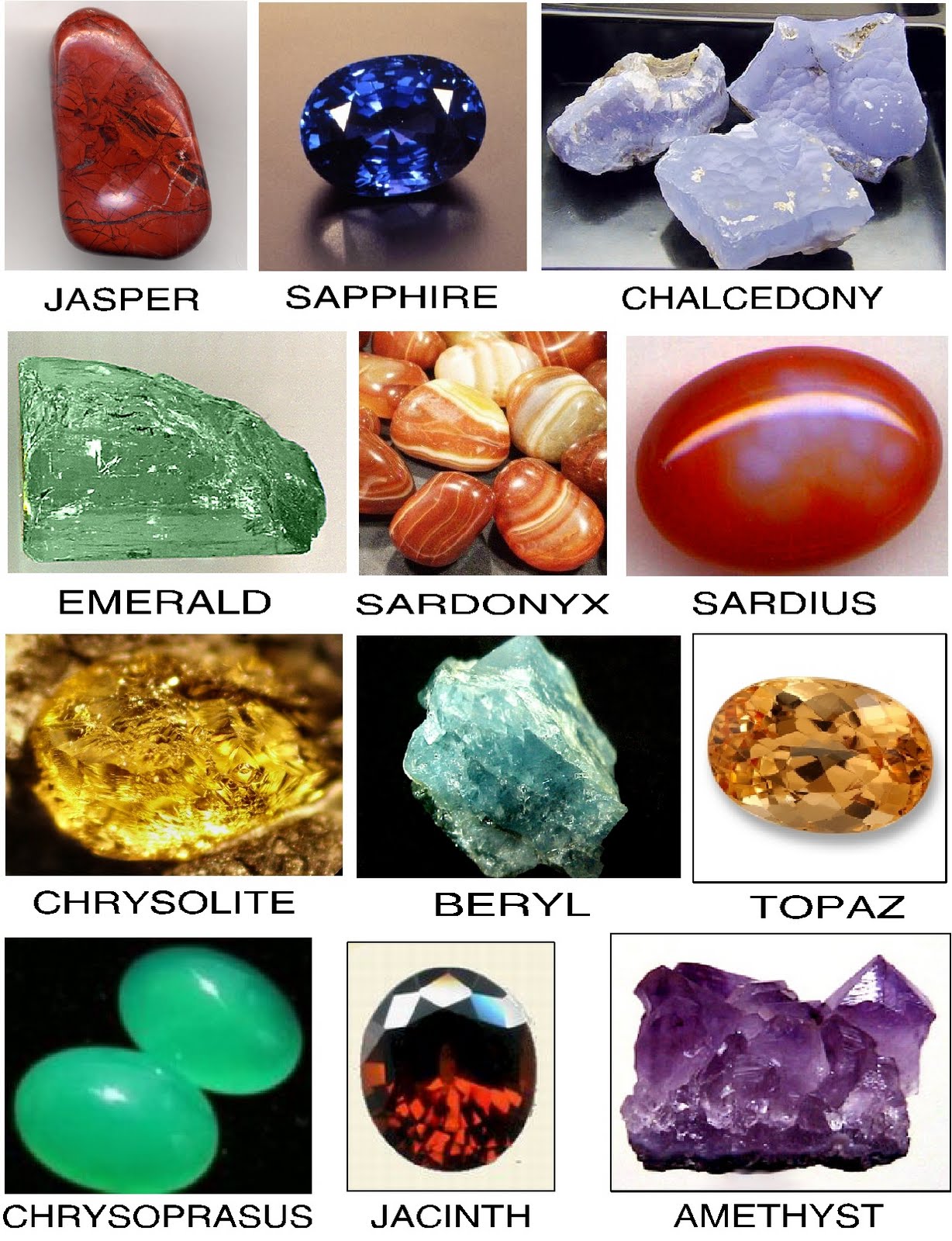
We normally think of the colors of these stones as:

New Jerusalem Gemstones

It will be worth your time to read the article, especially, “What are the odds? The 12 Foundation Stones in New Jerusalem,

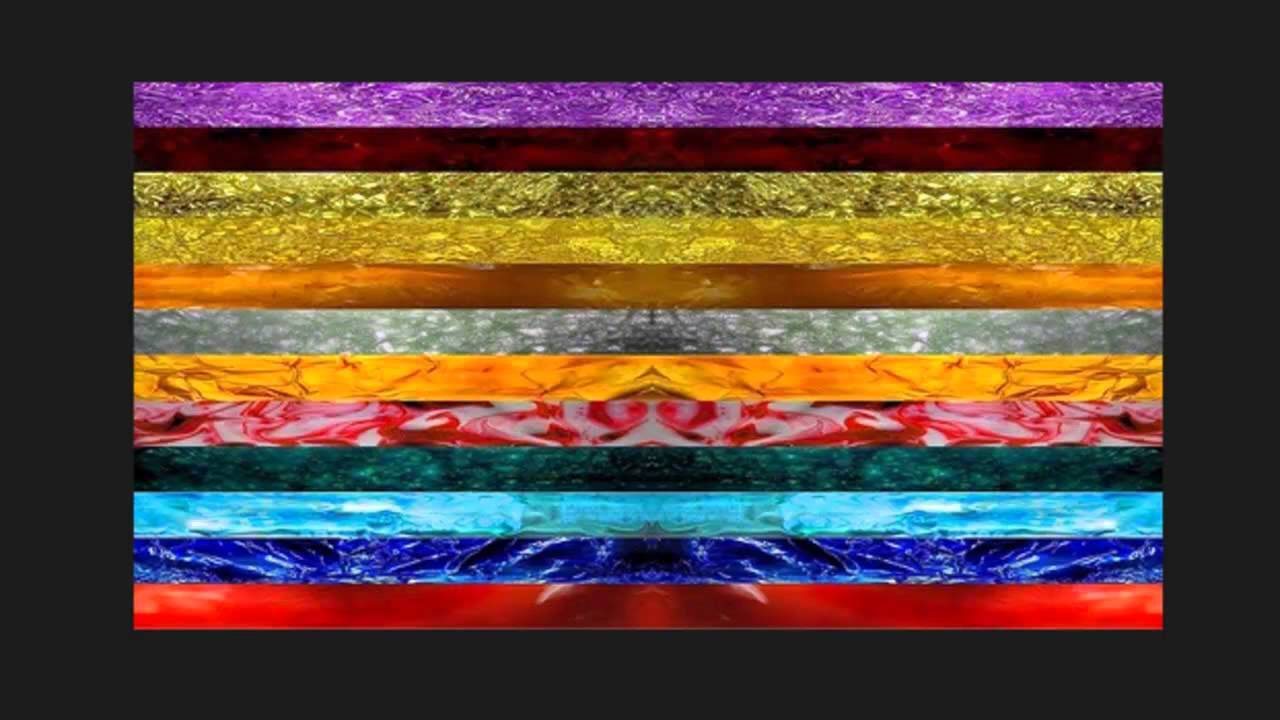
Here is a video showing the colors of these stones. [music can be muted]

“And the building of the wall of it was of jasper: and the city was pure gold, like unto clear glass. And the foundations of the wall of the city were garnished with all manner of precious stones. The first foundation was jasper; the second, sapphire; the third, a chalcedony; the fourth, an emerald; The fifth, sardonyx; the sixth, sardius; the seventh, chrysolite; the eighth, beryl; the ninth, a topaz; the tenth, a chrysoprasus; the eleventh, a jacinth; the twelfth, an amethyst.” (Revelation 21:18-20 KJV)

I am aware that the seven colors of the rainbow are not necessarily the order of the foundation, but this article is also worth reading:
The Colors of the Rainbow


It’s A Wrap – New Jerusalem’s Twelve Foundation Stones

12 Foundations of the New Jerusalem ©YouTube

It’s A Wrap – New Jerusalem’s Twelve Foundation Stones.

“10 And he carried me away in the spirit to a great and high mountain, and shewed me that great city, the holy Jerusalem, descending out of heaven from God,
18 And the building of the wall of it was of jasper: and the city was pure gold, like unto clear glass. 19 And the foundations of the wall of the city were garnished with all manner of precious stones. The first foundation was jasper; the second, sapphire; the third, a chalcedony; the fourth, an emerald; 20 The fifth, sardonyx; the sixth, sardius; the seventh, chrysolyte; the eighth, beryl; the ninth, a topaz; the tenth, a chrysoprasus; the eleventh, a jacinth; the twelfth, an amethyst.” (Revelation 21:10, 18-20)

On February 16th, this journey or series was started. The last foundational stone, Amethyst, was introduced on April 11th. Trust you have enjoyed this series as much as I did putting it together. For those of you who have followed along, are you as amazed as I am about how beautiful the foundations of the New Jerusalem are going to be? Wow!
What was presented is no way near as beautiful as what we will be seeing in person. It was a human attempt to try to present these gorgeous stones and our fabulously Created Avian Wonders from our Lord. Here is a review of what the different stones are and the articles that went with this series.

Heaven’s New Jerusalem and Birds – Jasper

Kaleidoscope Jasper from Oregon ©WikiC

Ringed Teal (Callonetta leucophrys) ©WikiC

Heavens New Jerusalem and Birds – Sapphire

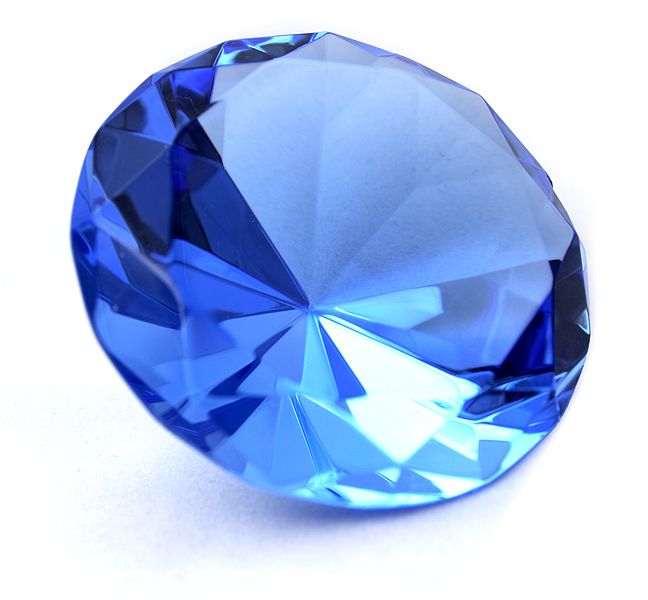
Sapphire Gem ©WikiC

Sapphire Flycatcher (Ficedula sapphira) ©WikiC

Heavens New Jerusalem and Birds – Chalcedony

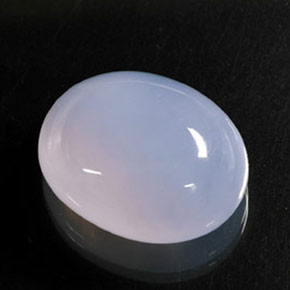
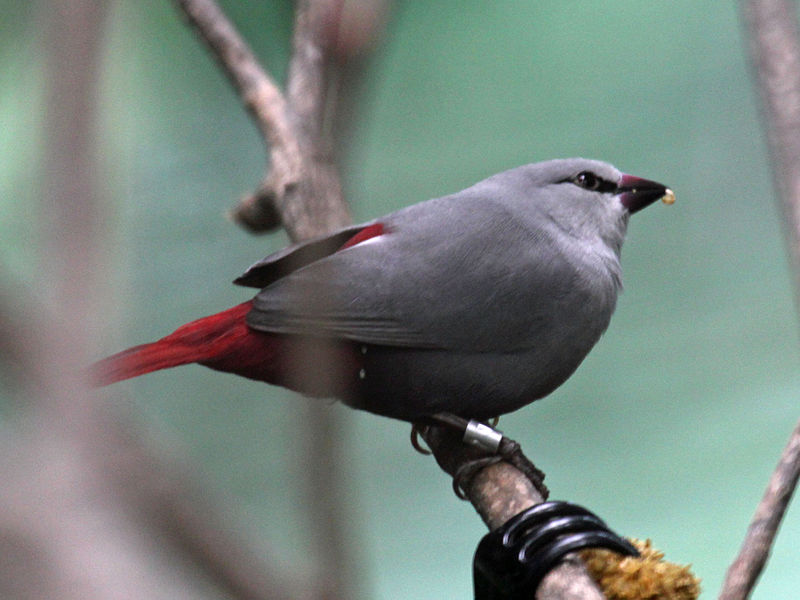
Lavendar Blue Chalcedony ©Mineral_net

Lavender Waxbill (Estrilda caerulescens) ©WikiC

Heaven’s New Jerusalem and Birds – Emerald

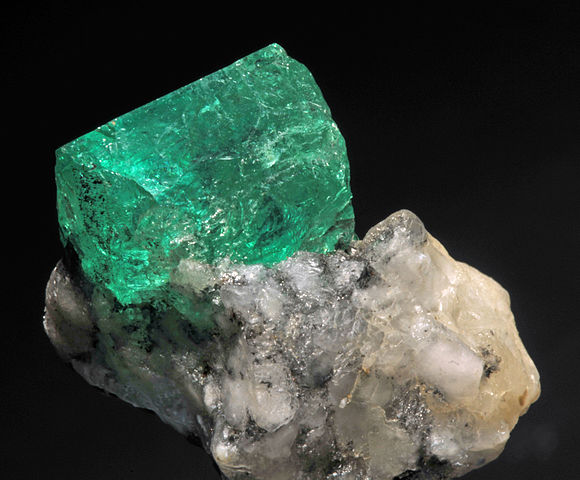
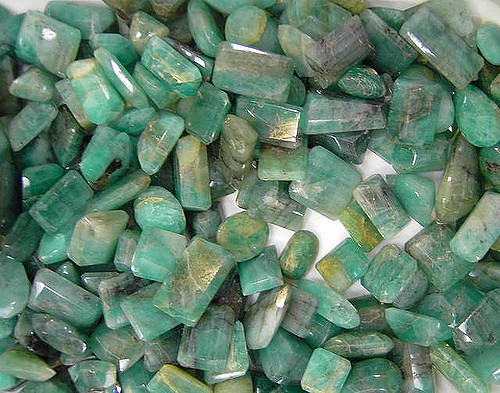
Emerald from (Muzo Mine Boyaca Colombie) ©WikiC

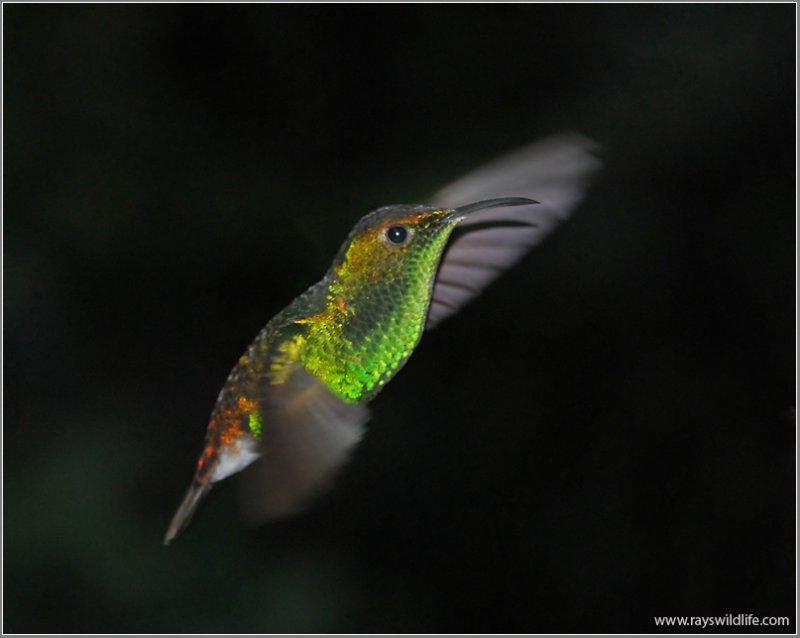
Coppery-headed Emerald by Ray

Coppery-headed Emerald by Ray

Heaven’s New Jerusalem and Birds – Colors

How Are We Reflecting God’s Light?

Heaven’s New Jerusalem and Birds – Sardonyx

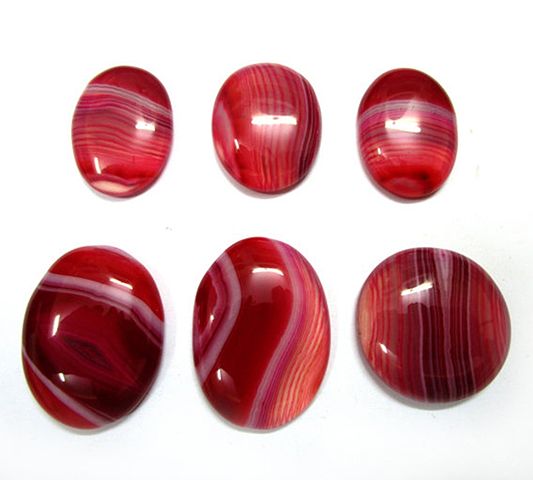
Red onyx – Handicraft ©WikiC

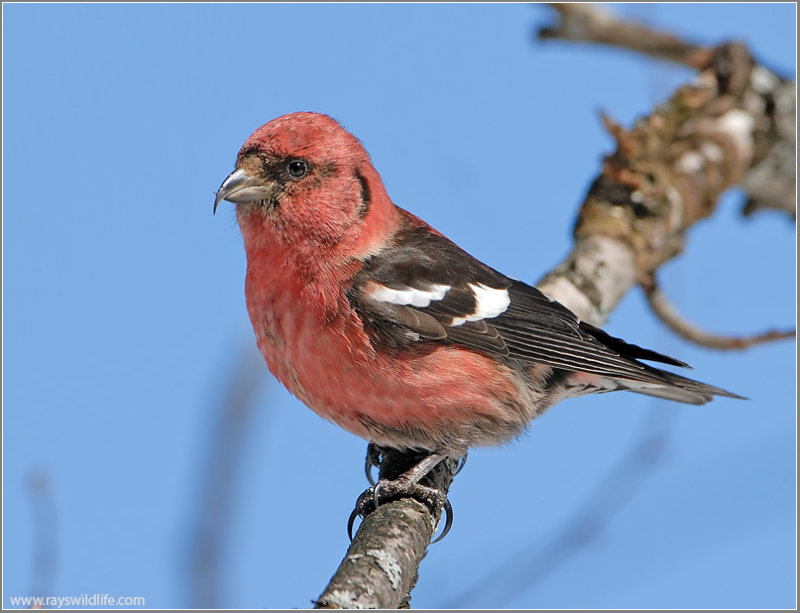
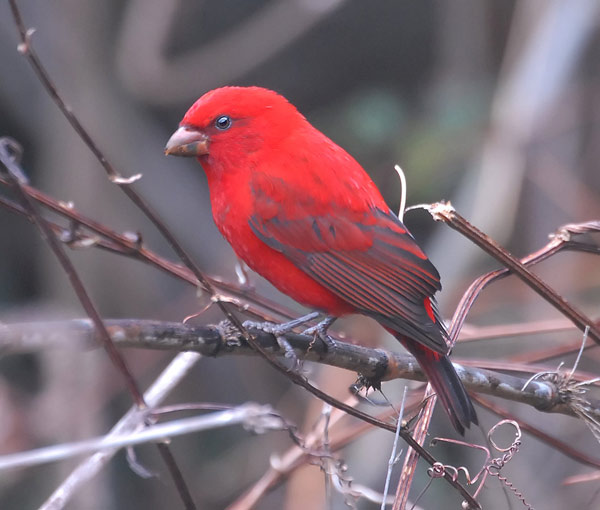
Two-barred Crossbill (Loxia leucoptera)(White-winged) by Raymond Barlow

Two-barred Crossbill (Loxia leucoptera)(White-winged) by Raymond Barlow

Heaven’s New Jerusalem and Birds – Sardius

Sardius Stone ©Pinterest

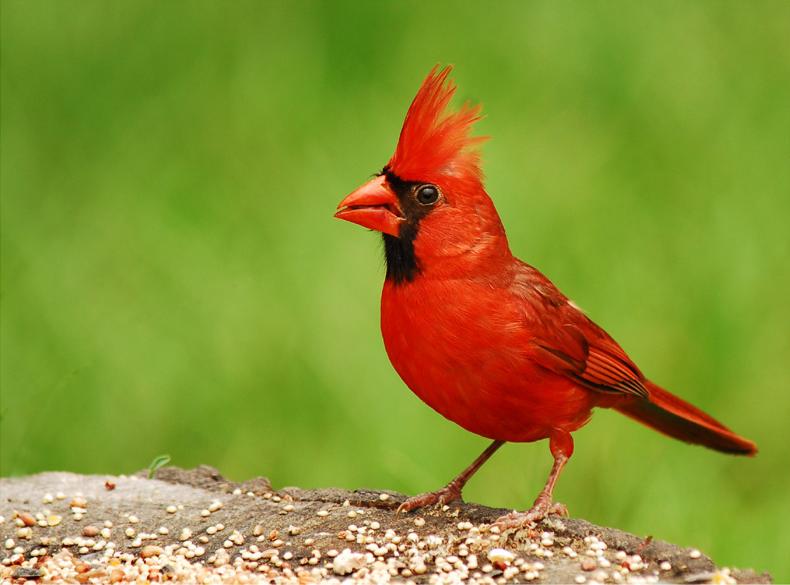
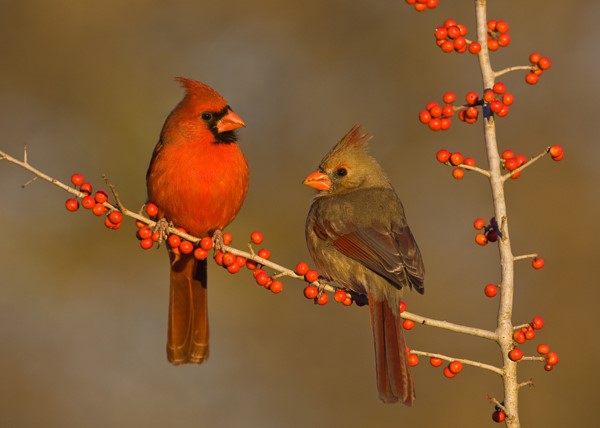
Northern Cardinal (Cardinalis cardinalis) - ©WikiC

Northern Cardinal (Cardinalis cardinalis) – ©WikiC

Heaven’s New Jerusalem and Birds – Chrysolite

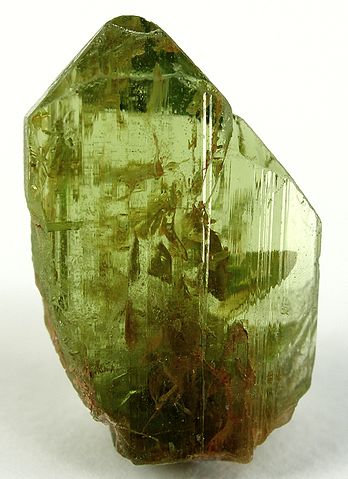
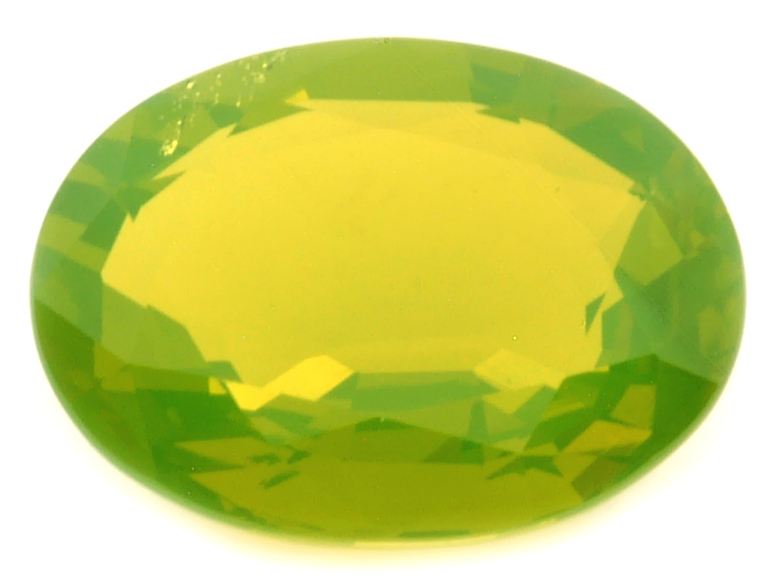
Chrysolite Forsterite-Olivine ©WikiC

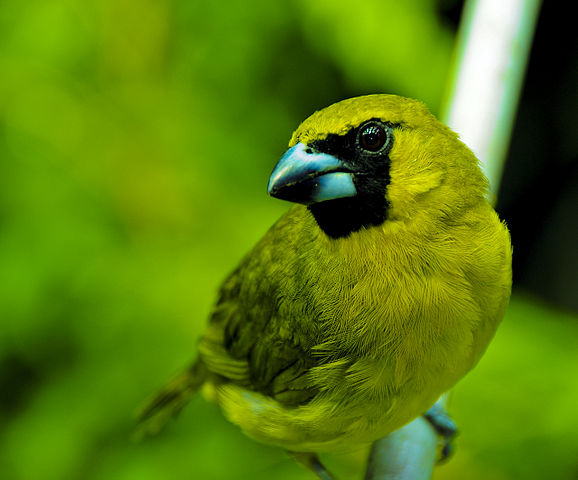
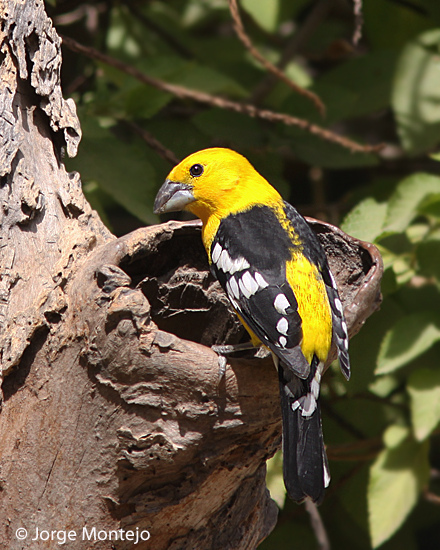
Yellow-green Grosbeak (Caryothraustes canadensis) ©WikiC

Heaven’s New Jerusalem and Birds – Beryl

Three Colors of Beryl ©WikiC

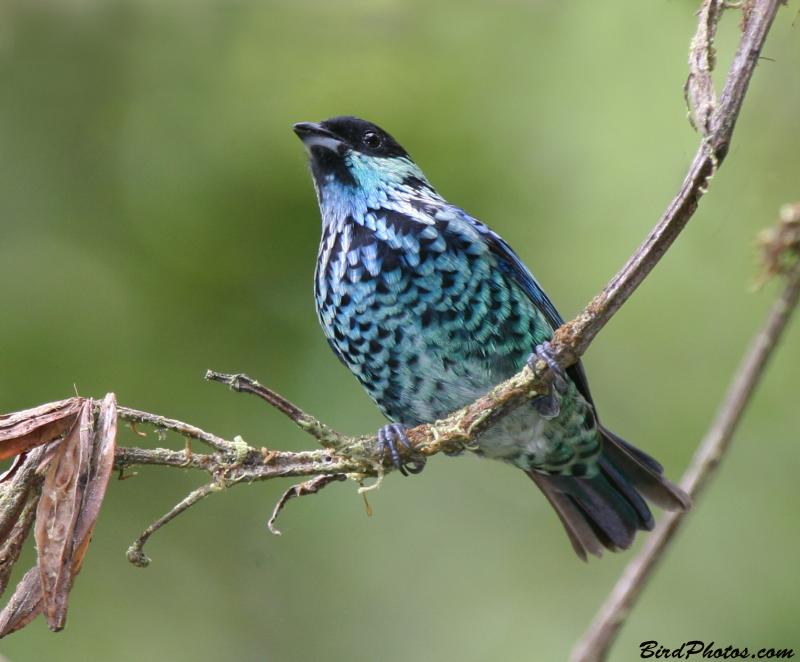
Beryl-spangled Tanager (Tangara nigroviridis cyanescens) ©BirdPhotos.com

Heaven’s New Jerusalem and Birds – Topaz

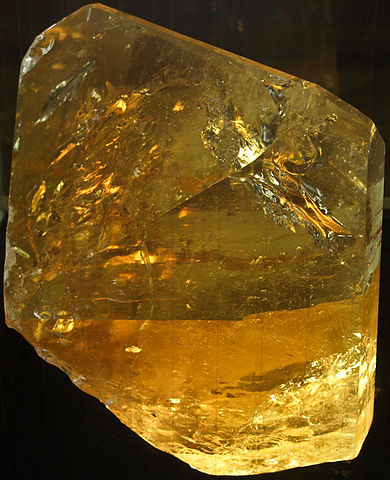
Topaz From Brazil-©NaturhistorischesMuseum-WikiC

Ruby-topaz Hummingbird (Chrysolampis mosquitus) ©WikiC

Heaven’s New Jerusalem and Birds – Chrysoprase

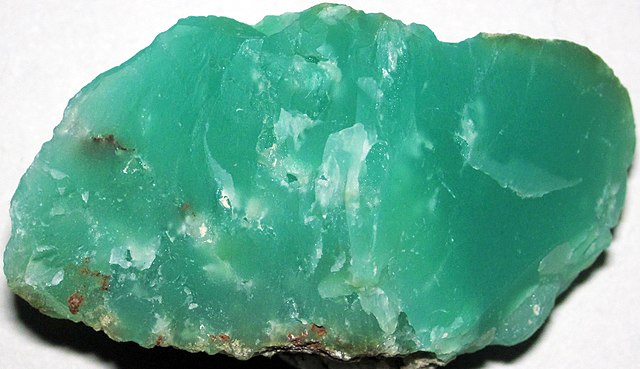
Chrysoprase_(Australia) ©WikiC

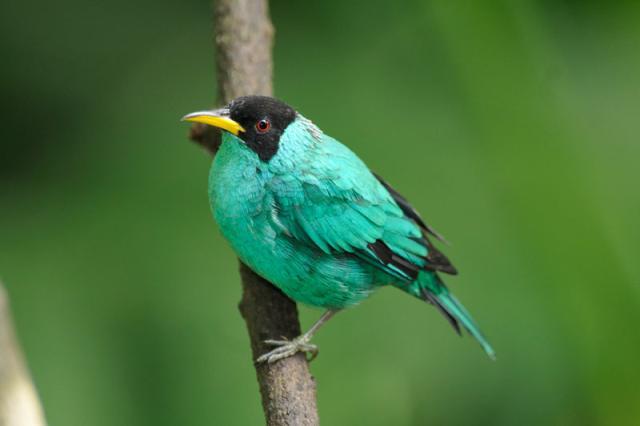
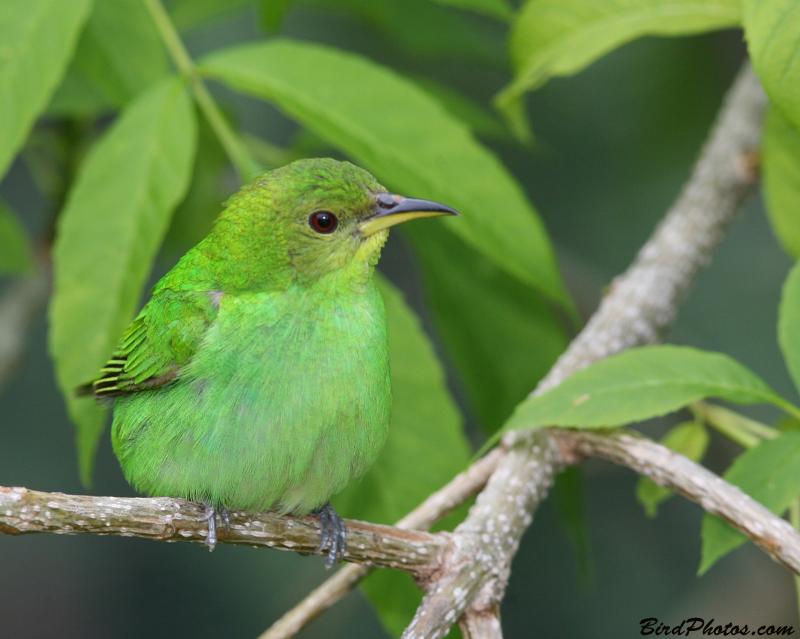
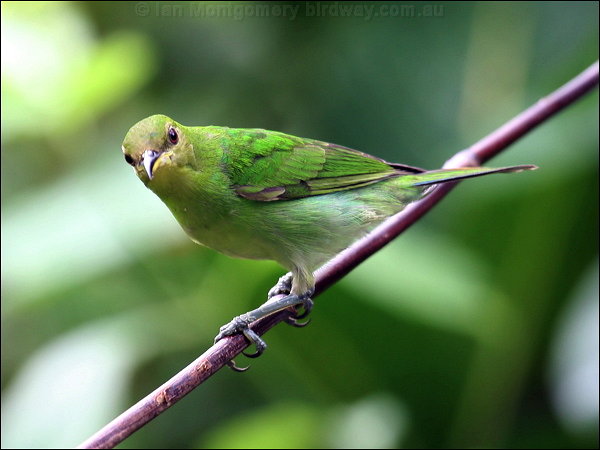
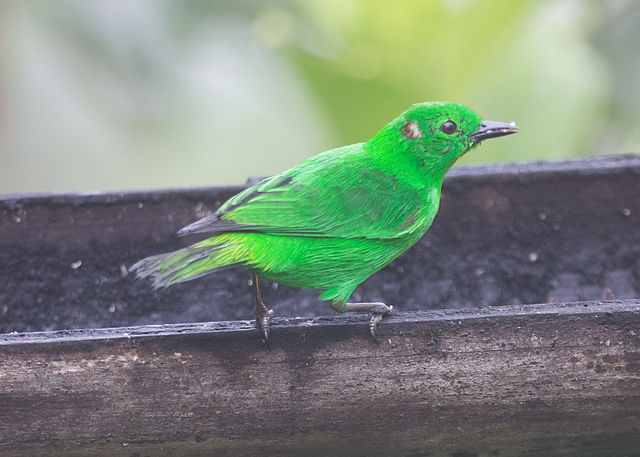
Green-honeycreeper by Wilds

Heaven’s New Jerusalem and Birds – Jacinth

Jacinth from Pakistan ©WikiC

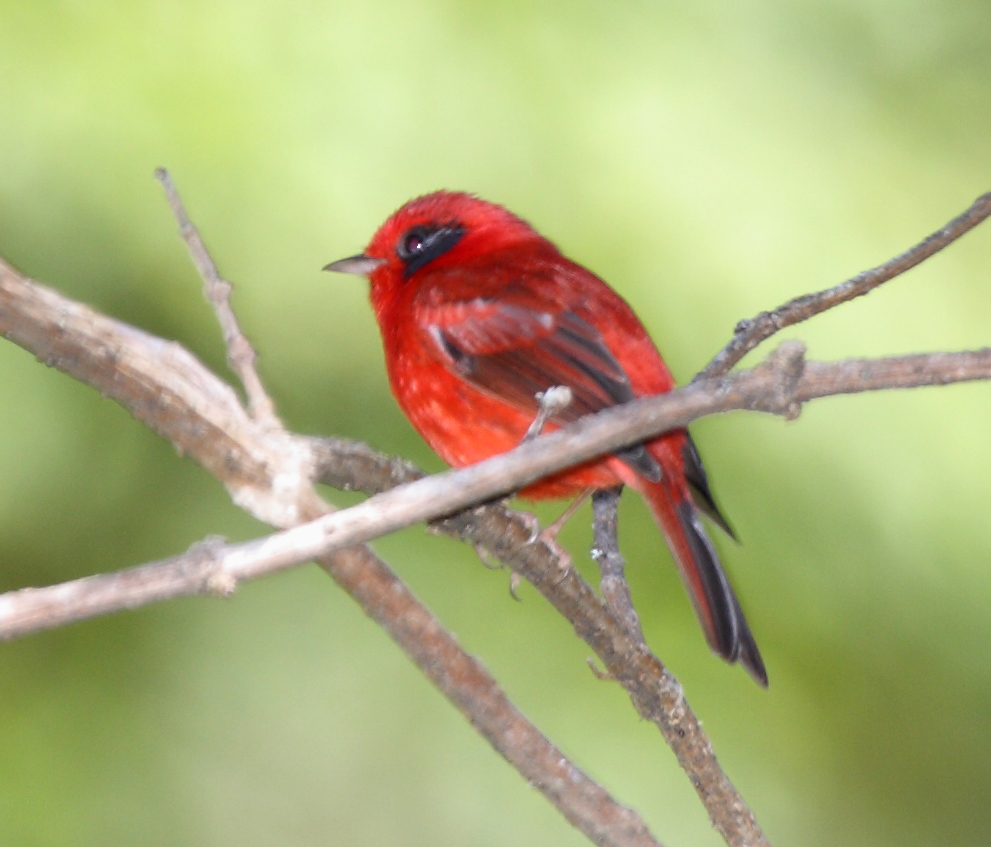
Red Pileated Finch (Coryphospingus cucullatus) ©WikiC

Heaven’s New Jerusalem and Birds –  Amethyst

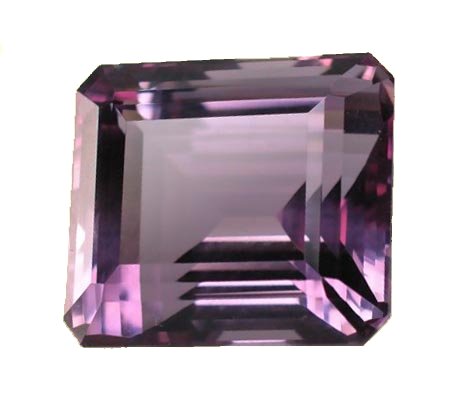
Amethyst cut ©WikiCLor

Amethyst Woodstar (Calliphlox amethystina) by Dario Sanches male

Amethyst Woodstar (Calliphlox amethystina) by Dario Sanches male

Will you be there to see the glorious event happen?

“Now I saw a new heaven and a new earth, for the first heaven and the first earth had passed away. Also there was no more sea. Then I, John, saw the holy city, New Jerusalem, coming down out of heaven from God, prepared as a bride adorned for her husband. And I heard a loud voice from heaven saying, “Behold, the tabernacle of God is with men, and He will dwell with them, and they shall be His people. God Himself will be with them and be their God. And God will wipe away every tear from their eyes; there shall be no more death, nor sorrow, nor crying. There shall be no more pain, for the former things have passed away.” Then He who sat on the throne said, “Behold, I make all things new.” And He said to me, “Write, for these words are true and faithful.” And He said to me, “It is done! I am the Alpha and the Omega, the Beginning and the End. I will give of the fountain of the water of life freely to him who thirsts.” (Revelation 21:1-6 NKJV)

Good News Tracts

Heaven’s New Jerusalem and Birds – Amethyst

Amethyst cut ©WikiC

Amethyst Woodstar (Calliphlox amethystina) by Dario Sanches male

Amethyst Woodstar (Calliphlox amethystina) by Dario Sanches male

“The foundations of the wall of the city were adorned with all kinds of precious stones: the first foundation was jasper, …. the fifth sardonyx, the sixth sardius, the seventh chrysolite, the eighth beryl, the ninth topaz, the tenth chrysoprase, the eleventh jacinth, and the twelfth amethyst.” (Revelation 21:19a-20 NKJV)

We have finally arrived at the last of the precious stones that will makeup the twelve foundations of New Jerusalem. I trust you have enjoyed finding out about these stones and birds that are similar in color or name. There have been many close matches and some where I missed trying to figure out what to use. Yet, you still had a chance to meet some beautiful and interesting birds from our Creator.

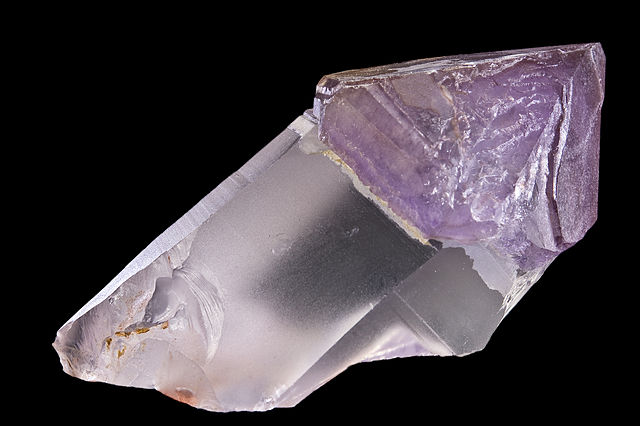
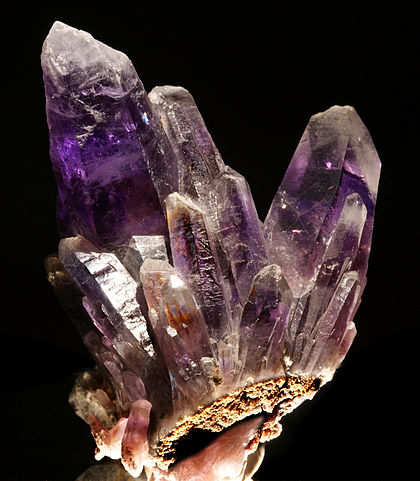
Amethyst ©WikiC

Amethyst. A clear quartz crystal that ranges in color from a faint purple tint to an intense purple. [NKJV MacArthur Study Bible]

Amethyst ©WikiC

Amethyst It is a pale-blue crystallized quartz, varying to a dark purple blue. It is found in Persia and India, also in different parts of Europe. [Easton Bible Dictionary]

Amethyst-throated Sunangel (Heliangelus_amethysticollis) ©WikiC

Amethyst. (Hebrew, achlamah). A subspecies of quartz of a bluish-violet color. Mention is made of this precious stone, which formed the third in the third row of the high priestly breastplate, in Exo_28:19; Exo_39:12. It occurs also in Rev_21:20.

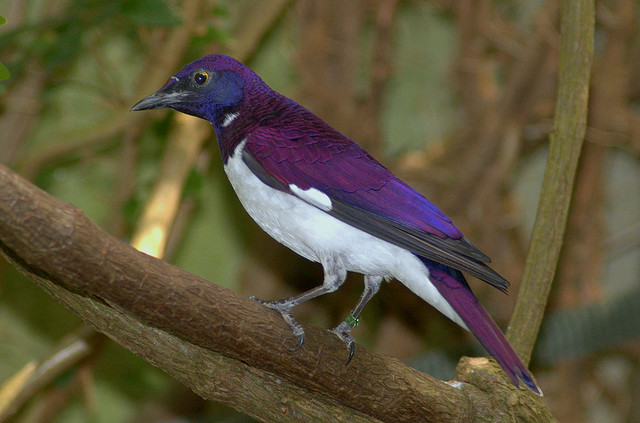
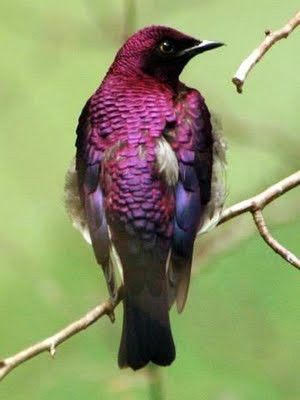
Violet-backed Starling (Cinnyricinclus leucogaster)-(Amethyst) ©©

Amethyst (Gr.: amethustos)—its color is purple. Although the International Standard Bible Encyclopedia lists it as a ruby, Robertson gives the color as purple. [J. Vernon McGee]

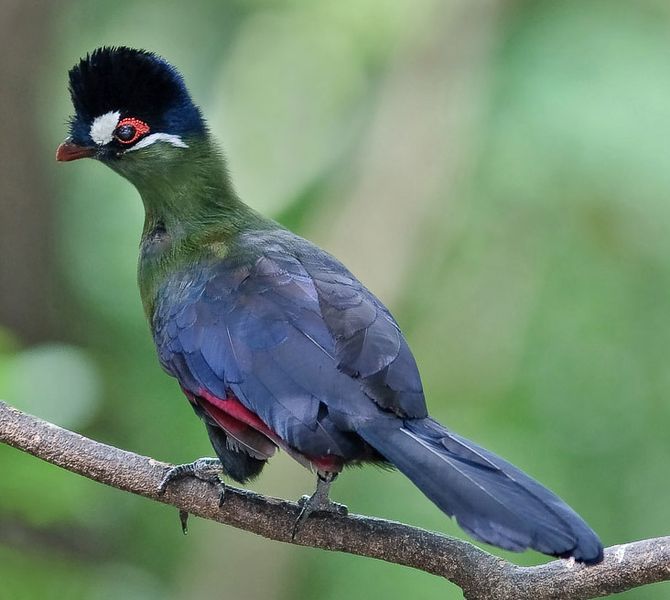
Hartlaub's Turaco (Tauraco hartlaubi) ©WikiC

Hartlaub’s Turaco (Tauraco hartlaubi) ©WikiC

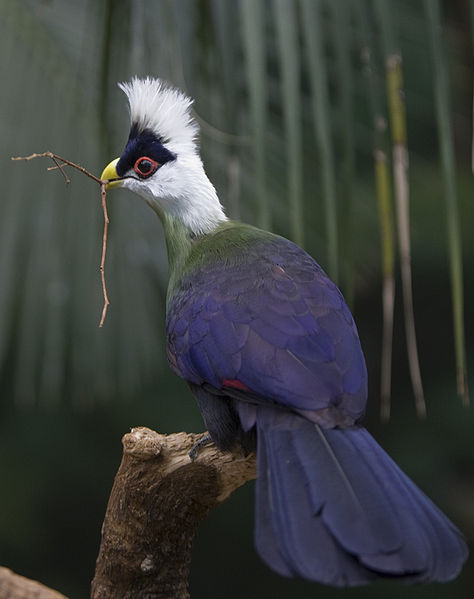
White-crested Turaco (Tauraco leucolophus) ©WikiC

Other Articles In This Series:

Good News Tracts

Heaven’s New Jerusalem and Birds – Jacinth

Jacinth ©WikiC

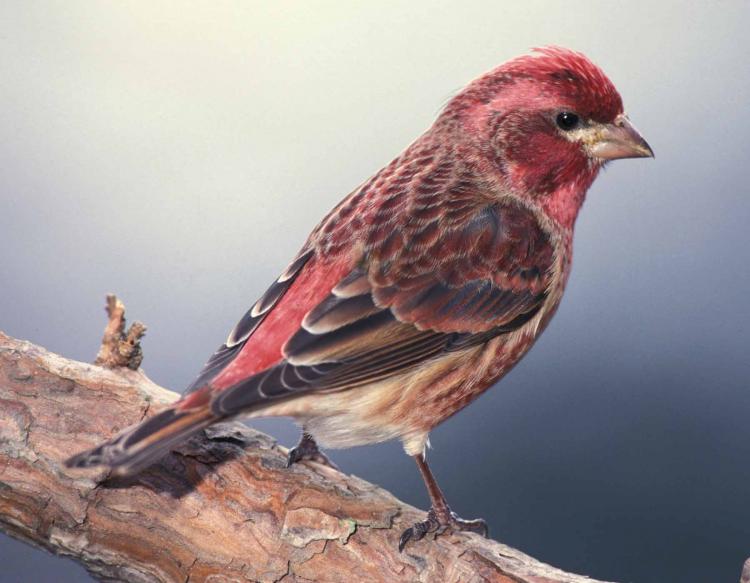
Purple Finch-male.photo-MoDept Conservation

“The foundations of the wall of the city were adorned with all kinds of precious stones: the first foundation was jasper, …. the fifth sardonyx, the sixth sardius, the seventh chrysolite, the eighth beryl, the ninth topaz, the tenth chrysoprase, the eleventh jacinth, and the twelfth amethyst.” (Revelation 21:19a-20 NKJV)


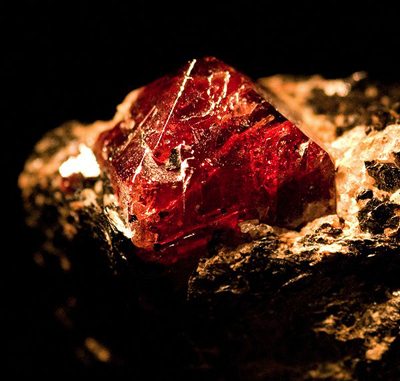
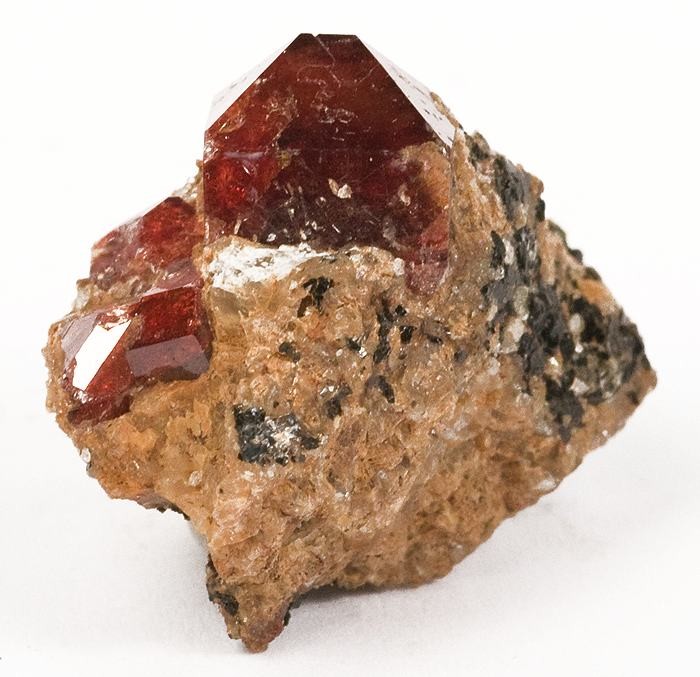
Jacinth from Pakistan ©WikiC

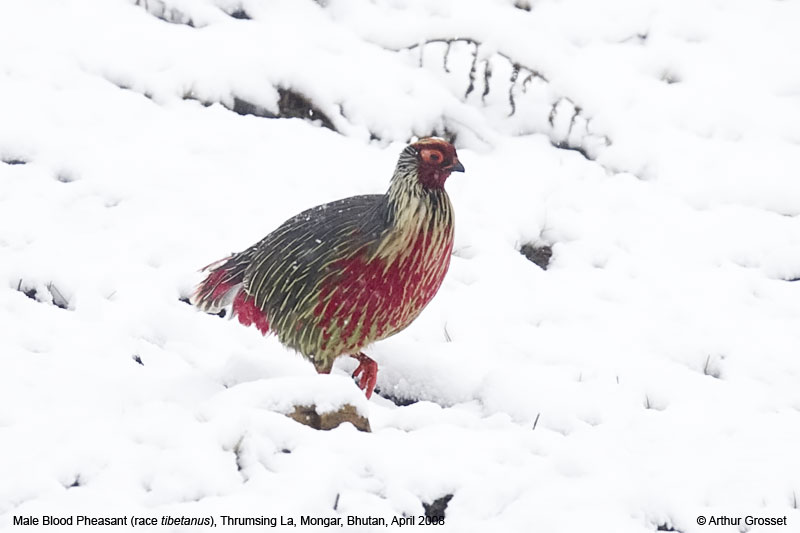
Blood Pheasant (Ithaginis cruentus) ©Arthur Grosset

Blood Pheasant (Ithaginis cruentus) ©Arthur Grosset

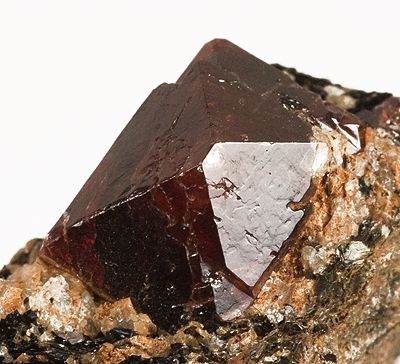
Jacinth. Today this stone is a transparent zircon, usually red or reddish-brown. The one John saw was blue or shining violet in color. [NKJV MacArthur Study Bible]

Jacinth from Pakistan ©WikiC

Red Pileated Finch (Coryphospingus cucullatus) ©WikiC

Jacinth – The word υακινθος, signifies hyacinth, and this, as a colour, is a deep purple. In Rev_9:17the horsemen had breastplates of fire, jacinth, and brimstone, which seem to imply flashes of coloured light. In Rev_21:20 the jacinth garnishes the eleventh foundation of the heavenly Jerusalem. It is supposed by some to be the same as the ligure. The Greek word occurs in the LXX in Ex 25:4 26:1 , &c., but is translated ‘blue.’ [Concise Bible Dictionary]

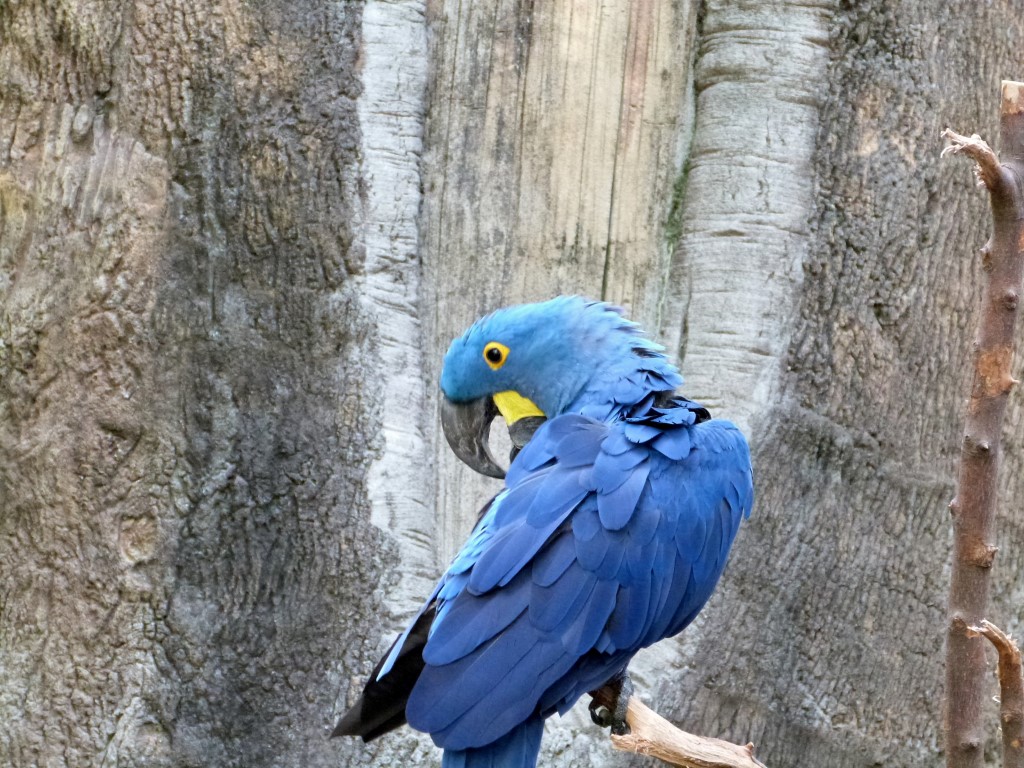
Hyacinth Macaw (Anodorhynchus hyacinthinus) Cincinnati Zoo 9-5-13 by Lee

Hyacinth Macaw (Anodorhynchus hyacinthinus) by Lee

Jacinth. A precious stone, forming one of the foundations of the walls of the new Jerusalem. Rev_21:20. Called hyacinth, in the Revised Version. This is simply a different English rendering of the same Greek original. It is probably identical with the lighure of Exo_28:19.
The jacinth or hyacinth is a red variety of zircon, which is found in square prisms of a white, gray, red, reddish-brown, yellow or pale-green color. The expression in Rev_9:17, “of jacinth,” is descriptive simply of a dark-purple color. [Smith Bible Dictionary]

Purple Glossy Starling of Tanzania aka Purple Starling

Jacinth Properly a flower of a reddish blue or deep purple (hyacinth), and hence a precious stone of that colour… (Rev_21:20). [Easton Bible Dictionary]

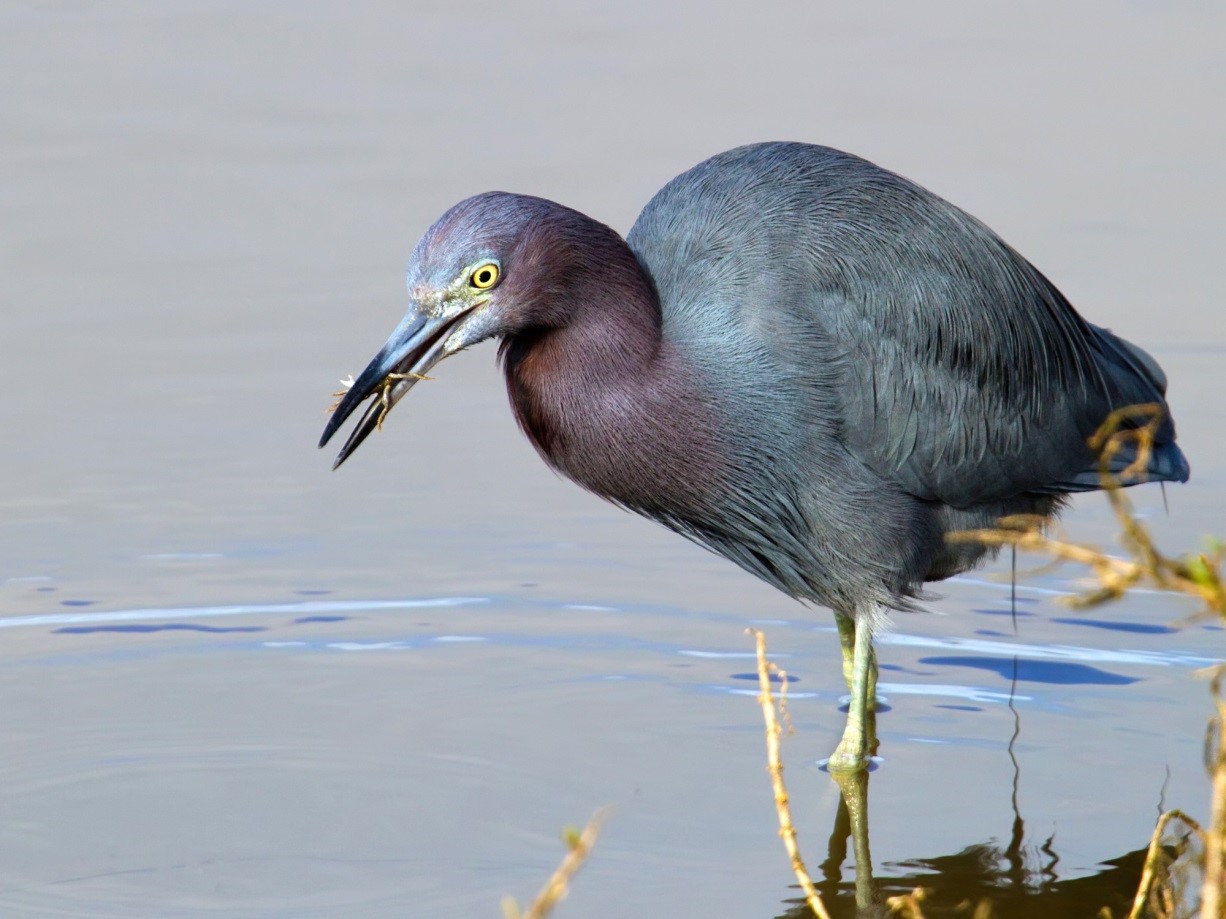
Reddish Egret in a rural Pondshore at Summer Rekefest

Jacinth (Gr.: huakinthi)—its color is violet. It is the color of the hyacinth. Pliny gives the color as violet. [J. Vernon McGee]

Other Articles In This Series:

Wages or a Gift?

Heaven’s New Jerusalem and Birds – Chrysoprase

Chrysoprase_(Australia) ©WikiC

“The foundations of the wall of the city were adorned with all kinds of precious stones: the first foundation was jasper, …. the fifth sardonyx, the sixth sardius, the seventh chrysolite, the eighth beryl, the ninth topaz, the tenth chrysoprase, the eleventh jacinth, and the twelfth amethyst.” (Revelation 21:19a-20 NKJV)

Green-honeycreeper by Wilds

We are now up to the tenth precious stone layer of the New Jerusalem. Wow!! So far, all the colors of the stones and birds have been beautiful. And remember, the colors we have been showing, will be so much more spectacular in heaven!

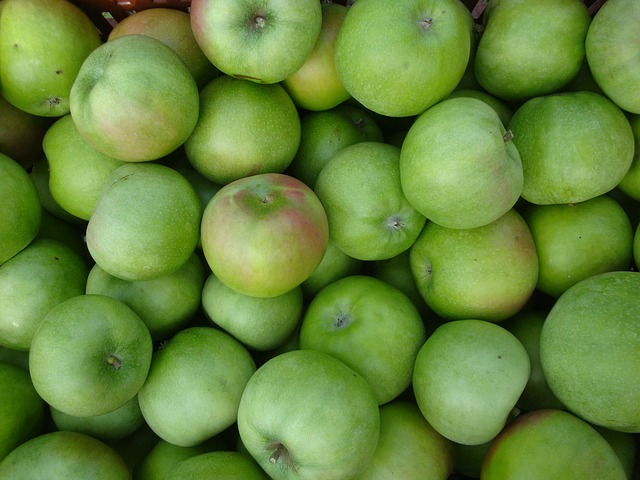
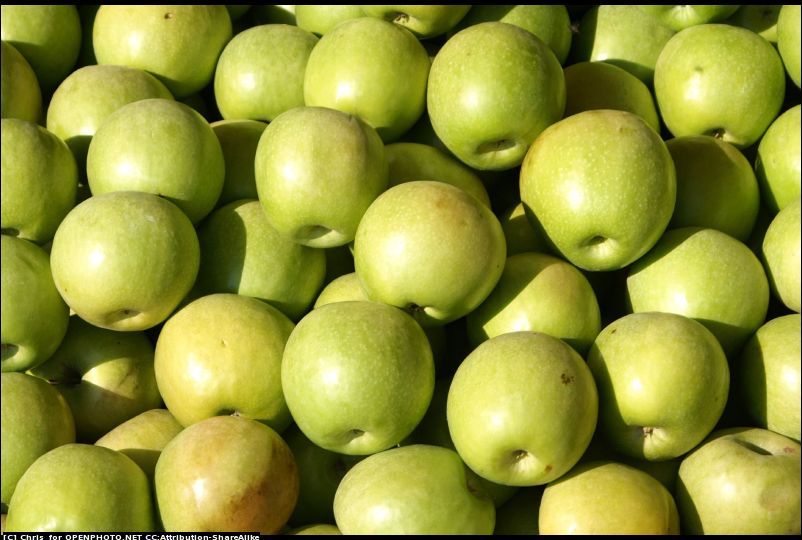
Fruit Green Apple

Green Apples

Chrysoprase (n.) An apple-green variety of chalcedony, colored by nickel. It has a dull flinty luster, and is sometimes used in jewelry.

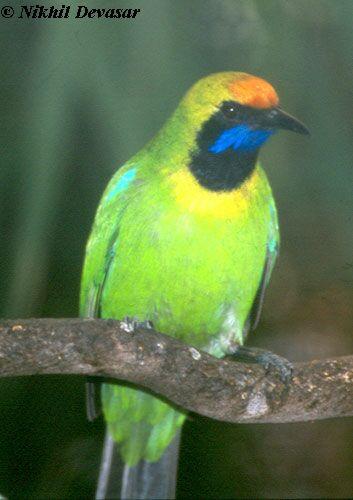
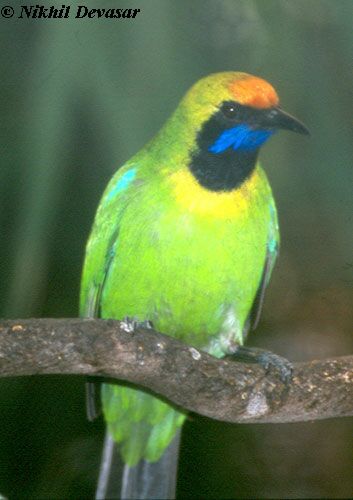
Golden-fronted Leafbird (Chloropsis aurifrons) by Nikhil Devasar

Golden-fronted Leafbird (Chloropsis aurifrons) by Nikhil Devasar

Chrysoprasus Golden leek, a precious stone of the colour of leek’s juice, a greenish-golden colour (Rev_21:20). [Easton’s Bible Dict.]

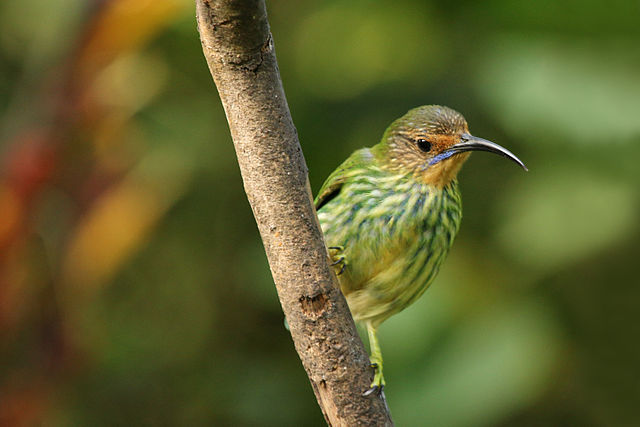
Purple Honeycreeper (Cyanerpes caeruleus) Female ©WikiC

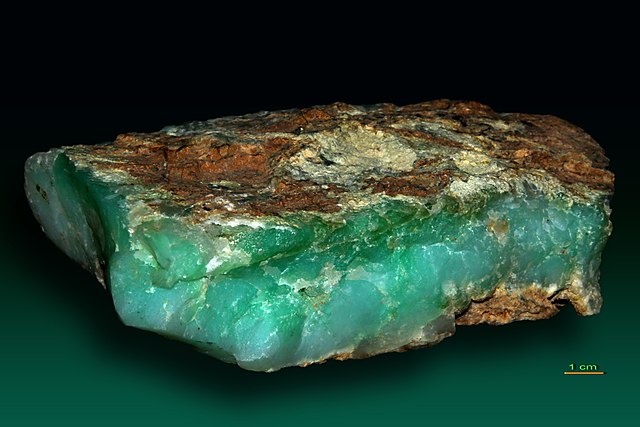
CHRYSOPRASE, CHRYSOPRASUS Light-green variety of chalcedony mentioned as one the gems in foundation wall new Jerusalem… [ILumina]

Chryzopraz – Szklary, (Poland) ©WikiC

Revelation 21:20 “a chrysoprase is greenish and transparent, with gold specks;” [John Wesley notes]

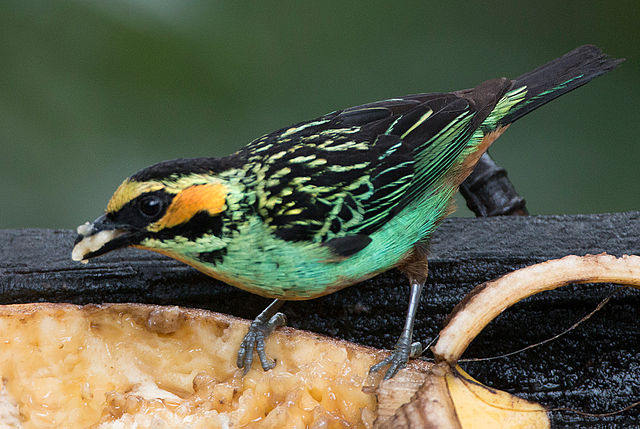
Golden-eared Tanager (Tangara chrysotis) ©WikiC

While searching the Birds of the World database, the first part of this stone’s name, “chrysop” listed many birds with a yellow color, but none with Chrysoprase. So, enjoy the birds, whether are a perfect match or not. All 10,700 plus of the birds are a fantastic gift for us from their Creator.

Other Articles In This Series:

Wages or a Gift?

Heaven’s New Jerusalem and Birds – Topaz

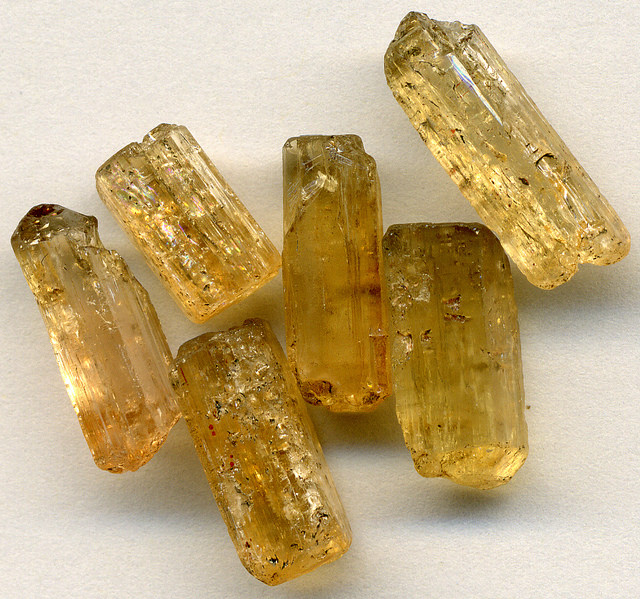
Topaz ©Flickr James St John

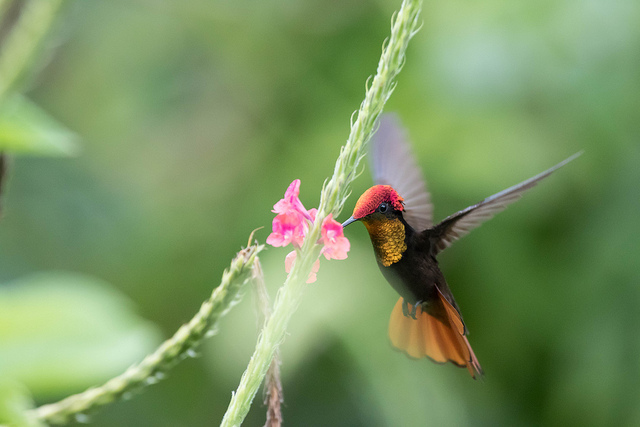
Ruby-topaz Hummingbird (Chrysolampis mosquitus) ©WikiC

“The foundations of the wall of the city were adorned with all kinds of precious stones: the first foundation was jasper, …. the fifth sardonyx, the sixth sardius, the seventh chrysolite, the eighth beryl, the ninth topaz, the tenth chrysoprase, the eleventh jacinth, and the twelfth amethyst.” (Revelation 21:19a-20 NKJV)

Topaz is a bit more common than Sardonyx, Sardius, and Chrysolite. Plus, there are birds with Topaz in their names. So this ninth stone of the foundation of the New Jerusalem should be easier to discover. Topaz is mentioned in five verse in the Bible: Exodus 28,17, 39:10; Job 28:19 [topaz of Ethiopia], Ezekiel 28:13, and our verse above – Revelation 21:20.

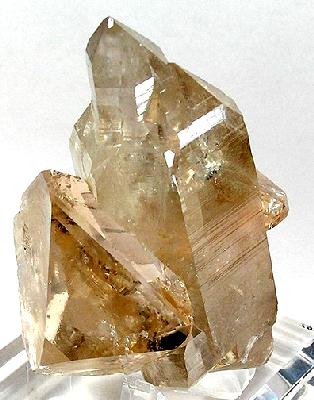
Quartz-Topaz-gem ©WikiC

Topaz – TO’PAZ, n. [Gr.] A mineral, said to be so called from Topazos, a small isle in the Arabic gulf, where the Romans obtained a stone which they called by this name, but which is the chrysolite of the moderns. The topaz is of a yellowish color. It sometimes occurs in masses, but more generally crystallized in rectangular octahedrons. Topaz is valued as a gem or precious stone, and is used in jewelry. It consists of silex, fluoric acid and alumin, in the following proportions; alumin 57 parts, silex 34, and fluoric acid 7 or 8.
Of topaz there are three subspecies, common topaz, shorlite and physalite. [Webster Dictionary 1828]

Ruby-topaz Hummingbird (Chrysolampis mosquitus) Reflection ©Flickr Budgora

Topaz – topazion (G5116) is mentioned in Rev_21:20, as the ninth of the foundation stones of the wall of the heavenly Jerusalem; the stone is of a yellow color (though there are topazes of other colors) and is almost as hard as the diamond. It has the power of double refraction, and when heated or rubbed becomes electric. [Vines New Testament]

Fiery Topaz (Topaza pyra) ©WikiC

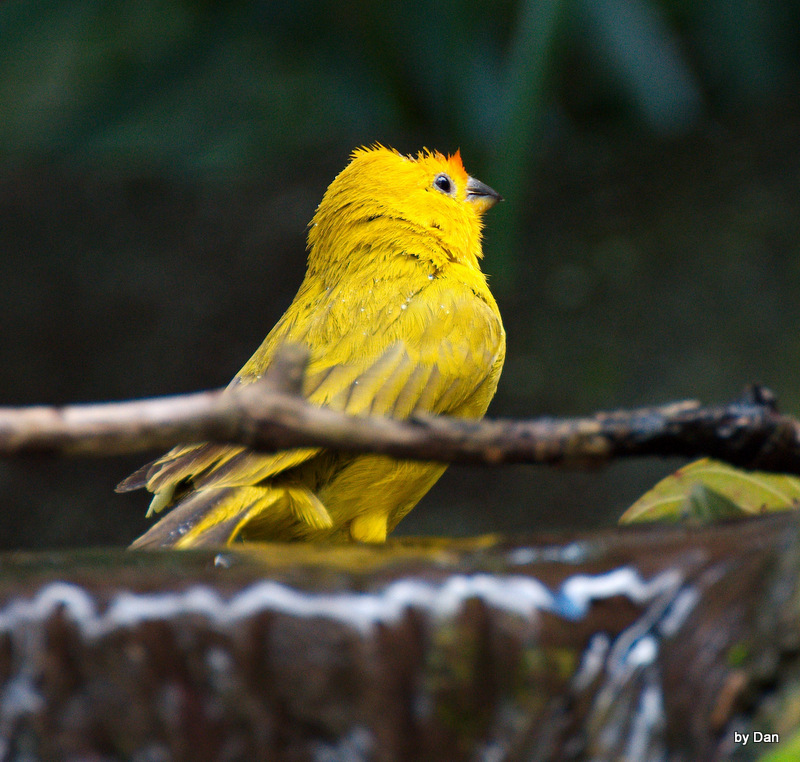
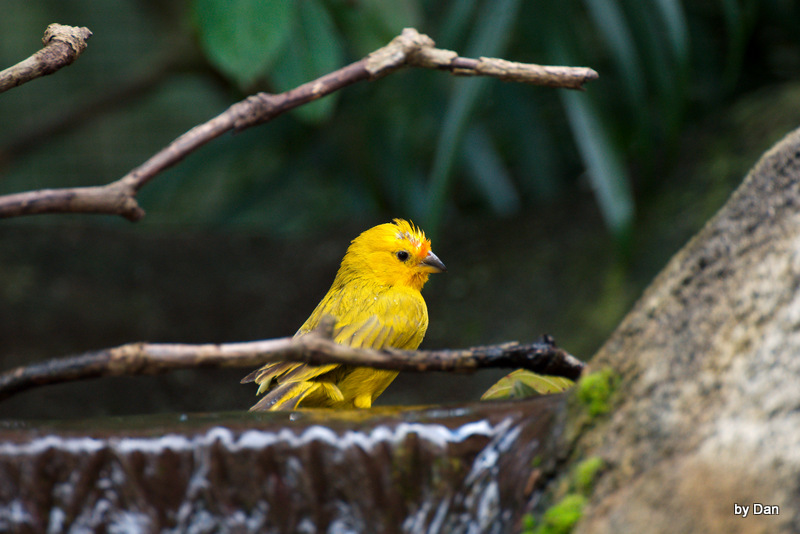
Saffron Finch Zoo Miami by Dan (Cropped by Lee)

Topaz From Brazil-©NaturhistorischesMuseum-WikiC

Saffron Finch Zoo Miami by Dan

Ruby-Topaz Hummingbird (Chrysolampis mosquitus) male ©WikiC

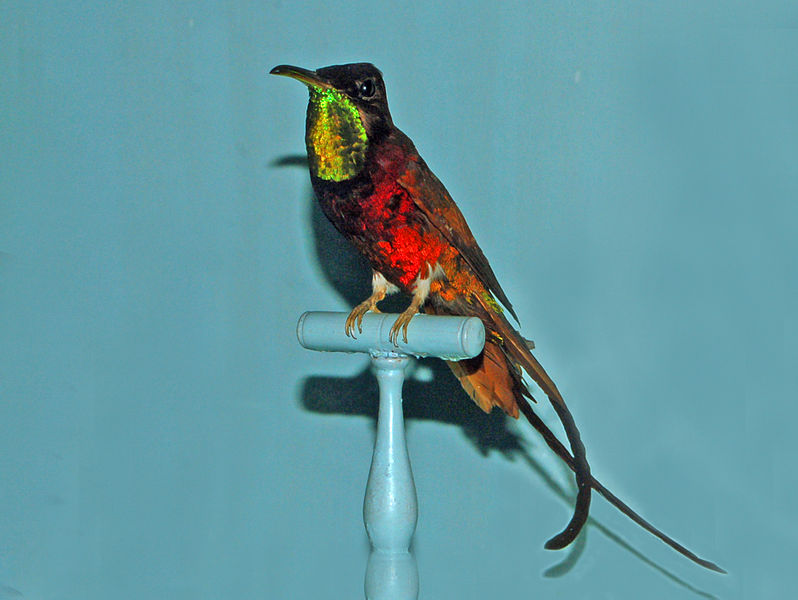
Crimson Topaz (Topaza pella) ©WikiC

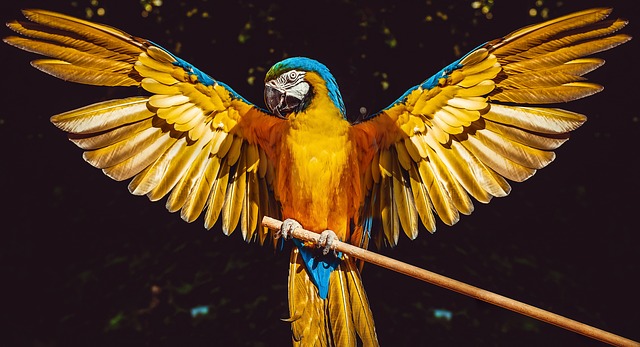
Bird-Wings-Wing-Colored-Ara-Parrot-©Maxpixel

Other Articles In This Series:

What will you do with Jesus?

Heaven’s New Jerusalem and Birds – Beryl

Rough Cut Beryl ©Flickr Amanda

“The foundations of the wall of the city were adorned with all kinds of precious stones: the first foundation was jasper, …. the fifth sardonyx, the sixth sardius, the seventh chrysolite, the eighth beryl, the ninth topaz, the tenth chrysoprase, the eleventh jacinth, and the twelfth amethyst.” (Revelation 21:19a-20 NKJV)

Three Colors of Beryl ©WikiC

BER’YL,n. [L.beryllus; Eng.brilliant.]
A mineral, considered by Cleaveland as a subspecies of Emerald. Its prevailing color is green of various shades,but always pale. Its crystals are usually longer and larger than those of the precious emerald, and its structure more distinctly foliated. It is harder than the apatite,with which it has been confounded; harder and less heavy than the pycnite. The best beryls are found in Brazil, in Siberia and Ceylon, and in Dauria, on the frontiers of China. They are found in many parts of the United States. [Webster Dictionary 1828]

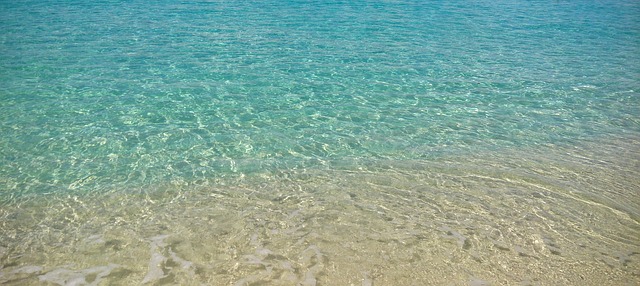
Water Summer Beach Sea Blue/green Ocean Nature ©Max Pixel

Beryl – berullos (G969), “beryl,” is a precious stone of a sea-green color, Rev_21:20 (cf. Exo_28:20). [Vine’s]

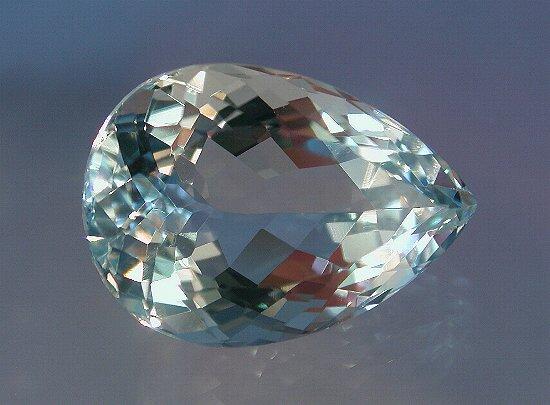
Faceted aquamarine ©WikiC

Beryl is a mineral of great hardness, and, when transparent, of much beauty. …probably the mineral now called beryl, which is identical with the emerald except in color, being a light green or bluish-green. [Smith’s Bible Dictionary]

Beryl ©WikiC

beryl — of a sea-green color. [Jamieson-Fausset-Brown]

I believe that most of these references are in agreement that the color is a light green, leaning toward “sea-green.” So, let’s see what birds we can find of that sort of color.

There are actually two birds with Beryl in their first names:

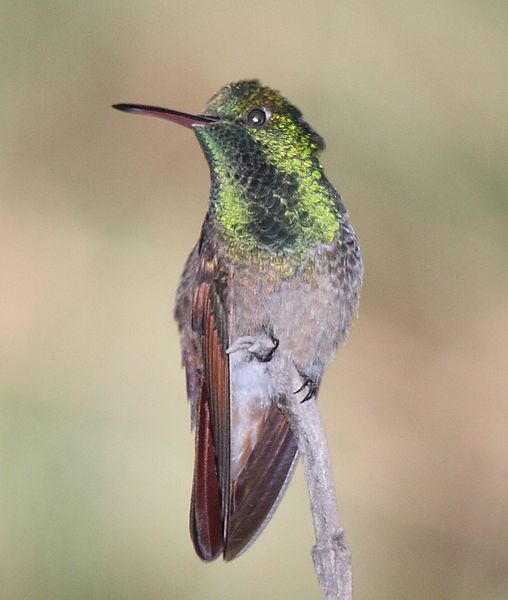
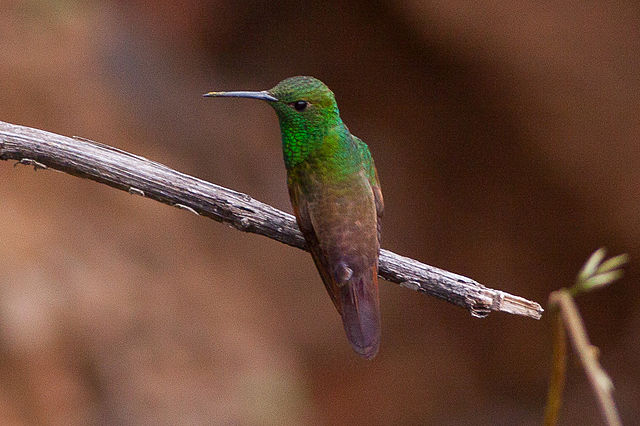
The Berylline Hummingbird (Amazilia beryllina),

Berylline Hummingbird (Amazilia beryllina) ©WikiC

Berylline Hummingbird (Amazilia beryllina) ©WikiC

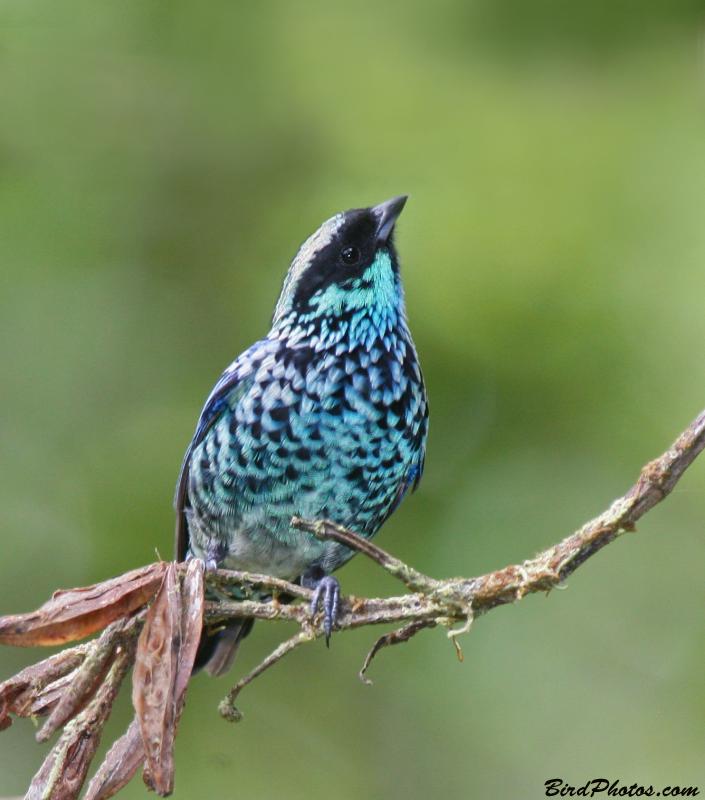
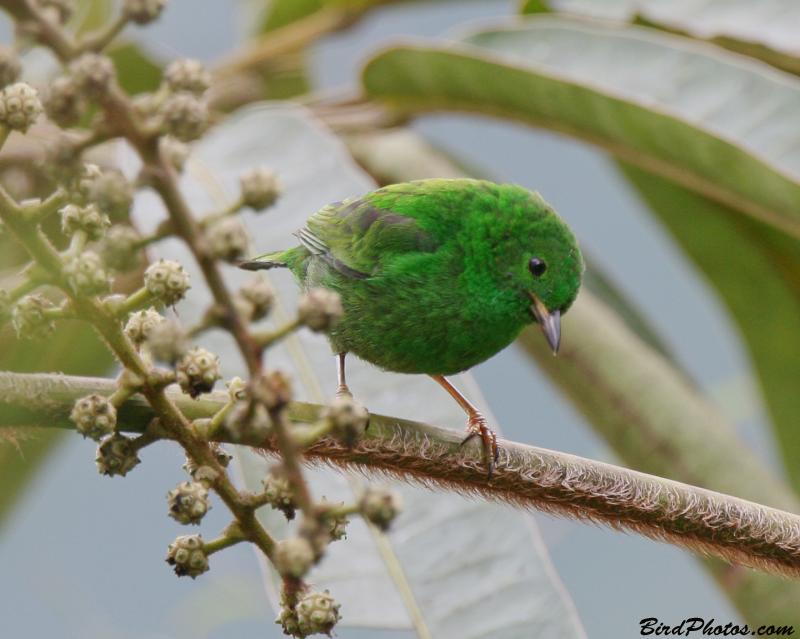
And the Beryl-spangled Tanager.

Beryl-spangled Tanager (Tangara nigroviridis cyanescens) ©BirdPhotos.com

Beryl-spangled Tanager (Tangara nigroviridis cyanescens) ©BirdPhotos.com

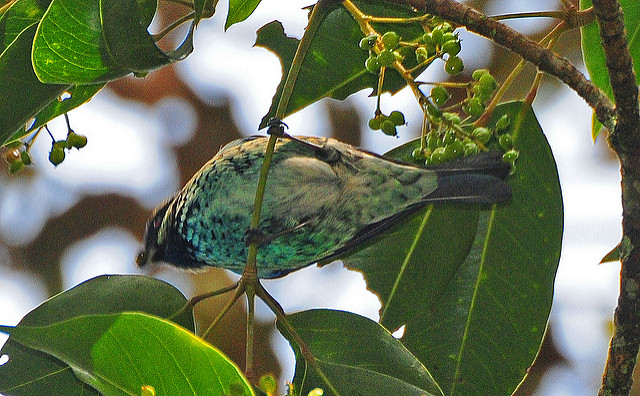
Or another shot from below the bird:

Beryl-spangled Tanager (Tangara nigroviridis) ©Flickr Oldenettel

Also, there is one bird that has beryl… in its scientific name. Now this one matches what I take a sea-green. Do you agree?

Sri Lanka Hanging Parrot (Loriculus beryllinus) ©WikiC

Articles in this Series so far:

Wordless Birds – With Hummingbirds

Heaven’s New Jerusalem and Birds – Chrysolite

Golden-fronted Leafbird (Chloropsis aurifrons) by Nikhil Devasar

Golden-fronted Leafbird (Chloropsis aurifrons) by Nikhil Devasar

“The foundations of the wall of the city were adorned with all kinds of precious stones: the first foundation was jasper, …. the fifth sardonyx, the sixth sardius, the seventh chrysolite, the eighth beryl, the ninth topaz, the tenth chrysoprase, the eleventh jacinth, and the twelfth amethyst.” (Revelation 21:19a-20 NKJV)

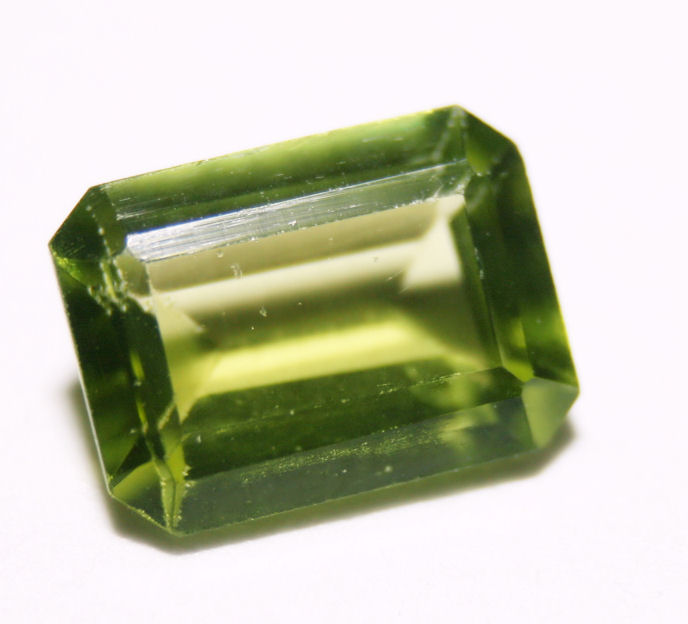
Olive Green Chrysolite ©WikiC

Chrysolite Forsterite-Olivine ©WikiC

Chrysolite is only mentioned one time in Scripture, here in Revelation 21:20.

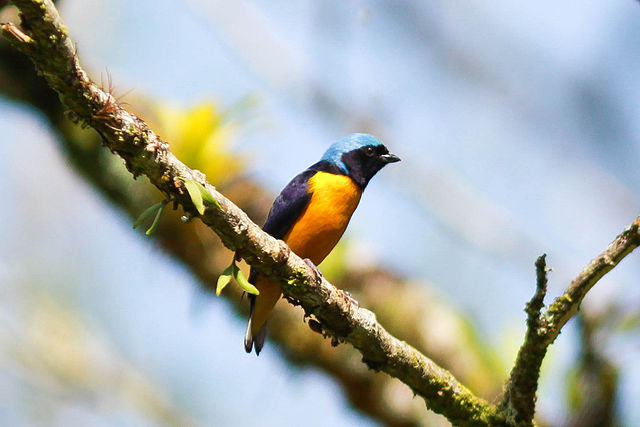
Golden Tanager (Tangara arthus) ©WikiC

Chrysolite – (“gold stone“.) The garniture of the seventh foundation of New Jerusalem. The modern topaz. [Fausset Bible Dictionary]

Chrysolite – Chrysolite. One of the precious stones in the foundation of the heavenly Jerusalem. Rev_21:20. It has been already stated, (see Beryl.), that the chrysolite of the ancients is identical with the modern oriental topaz, or the tarhish of the Hebrew Bible. [Smith Bible Dictionary]

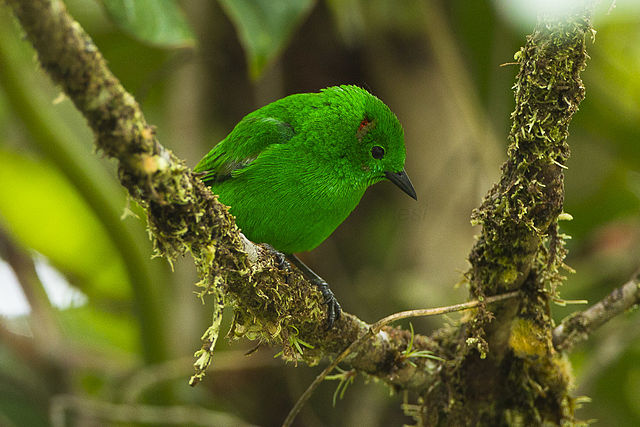
Glistening-green Tanager (Chlorochrysa phoenicotis) ©WikiC

Chrysolite – CHRYSOLITE, n. A mineral, called by Hauy and Brongniart, peridote and by Jameson, prismatic chrysolite. Its prevailing color is some shade of green. It is harder than glass, but less hard than quartz; often transparent, sometimes only translucent. It occurs sometimes in crystals, sometimes in small amorphous masses or grains, and sometimes in rolled pieces. [Webster Dict 1828]

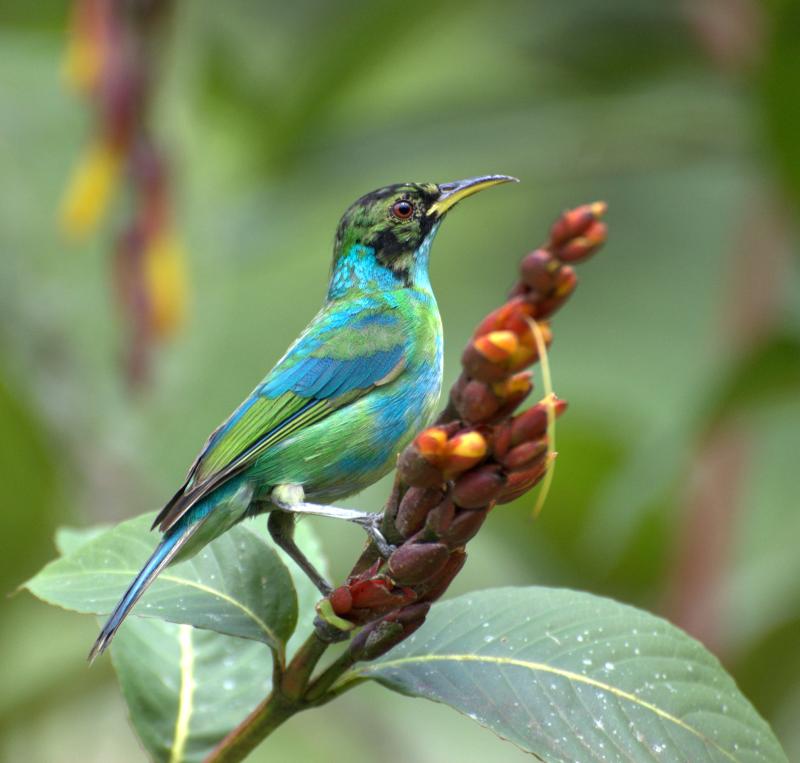
Green Honeycreeper (Chlorophanes spiza) Male Immature ©BirdPhotos.com

CHRYSOLITE, n. A mineral, called by Hauy and Brongniart, peridote and by Jameson, prismatic chrysolite. Its prevailing color is some shade of green. It is harder than glass, but less hard than quartz; often transparent, sometimes only translucent. It occurs sometimes in crystals, sometimes in small amorphous masses or grains, and sometimes in rolled pieces. [J. Vernon McGee]

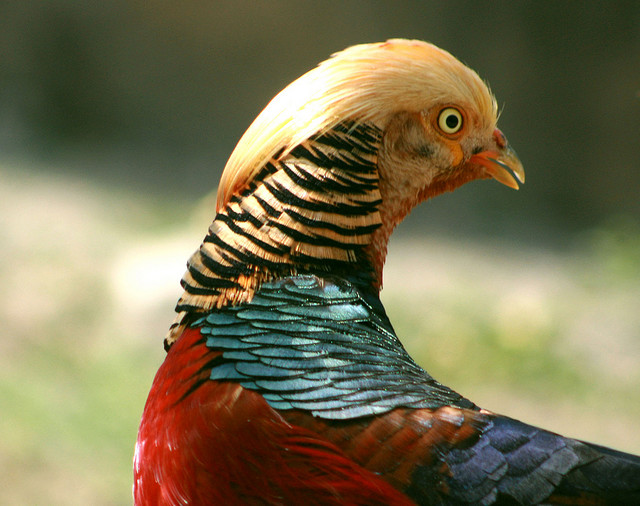
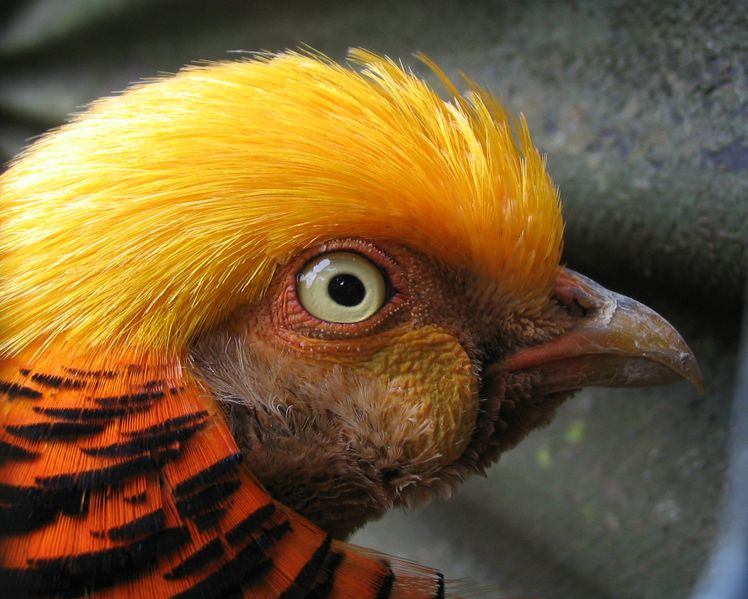
Golden Pheasant (Chrysolophus pictus) Male ©© NotMicroButSoft

Golden Pheasant (Chrysolophus pictus) Male ©© NotMicroButSoft

The seventh was chrysolite, a stone highly esteemed among the ancients, of a colour that was golden yellow. [Popular New Testament]

Looks like this time, the golden yellow, or Green birds, or a blend of the two colors will provides us with some of the beauty that will shine from the seventh foundational stone.

Articles in this Series so far:

What will you do with Jesus?

Heaven’s New Jerusalem and Birds – Sardius

Sardius Stone ©Pinterest

“The foundations of the wall of the city were adorned with all kinds of precious stones: the first foundation was jasper, …. the fifth sardonyx, the sixth sardius, the seventh chrysolite, the eighth beryl, the ninth topaz, the tenth chrysoprase, the eleventh jacinth, and the twelfth amethyst.” (Revelation 21:19a-20 NKJV)

Cornelian Stones ©Etsy

What color is this Sardius stone, the sixth foundation layer for the New Jerusalem?

Sardius (n.) A precious stone, probably a carnelian, one of which was set in Aaron’s breastplate. [Webster Dict. 113

“The sixth, sardius; the same with the sardine stone, Rev_4:3 of a blood colour, and what is commonly called a cornelian: it is found in Sardinia, from whence it has its name, and in Bohemia and Silesia, though those of Babylon are the best. This was Reuben’s stone.” [John Gill’s Exposition]

Two polished pebbles of carnelian_sard ©WikiC

Sardius – Sardius. (red). (Hebrew, odem). The stone which occupied the first place in the first row of the high priest’s breastplate. Exo_28:27. The sard, which is probably the stone denoted by odem, is a superior variety of agate, sometimes called camelian, and has long been a favorite stone for the engraver’s art. Sardis differ in color: there is a bright-red variety, and, perhaps, the Hebrew, odem, from a root means “to be red,” points to this kind.” [Smith’s Bible Dictionary]

“6. Sardius (Gr.: sardios)—its color is fiery red. Pliny says that it is the red stone from Sardis. Swete says that it is fiery red.” [J. Vernon McGee]

Those four Commentary and Dictionary definitions are all much saying the same; Red, Blood Red, or Fiery Red.  Before I start finding photos of birds, many are already on my mind. Especially the Northern Cardinal:

Northern Cardinal (Cardinalis cardinalis) - WikiC

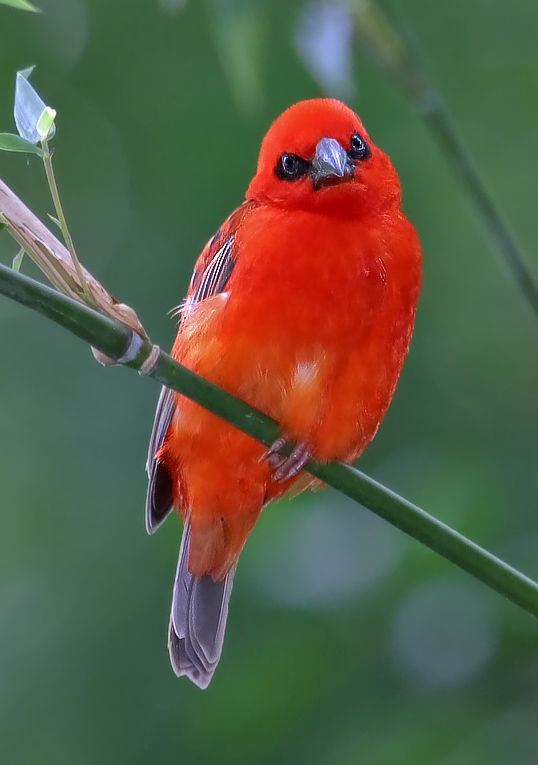
Northern Cardinal (Cardinalis cardinalis) ©WikiC

This should be easy finding photos to match the color of this sixth foundation. Of course, what we’ll see in heaven, will exceed these beyond anything we can imagine!!!


10 Stunning Red Colored Birds

Articles in this Series so far:

What will you do with Jesus?

Heaven’s New Jerusalem and Birds – Sardonyx


Two-barred Crossbill (Loxia leucoptera)(White-winged) by Raymond Barlow

Two-barred Crossbill (Loxia leucoptera)(White-winged) by Raymond Barlow

“The foundations of the wall of the city were adorned with all kinds of precious stones: the first foundation was jasper, …. the fifth sardonyx, the sixth sardius, the seventh chrysolite, the eighth beryl, the ninth topaz, the tenth chrysoprase, the eleventh jacinth, and the twelfth amethyst.” (Revelation 21:19a-20 NKJV)

While searching for material on these foundation stones, this article caught my attention. It appears that Cindy had the same questions as we are trying to figure out. I believe her blog is inactive, but this is still posted. Precious Jewels by Cindy. She had this chart with 12 stones of the foundations.

12 Jewels Foundation New Jerusalem ©Sundayswithcindy

“Pretty impressive, isn’t it? Actually, it will exceed far beyond what our human minds can even conceive when we try to imagine the beauty and magnificence of that holy city. I Corinthians 2:9 tells us, “But as it is written, Eye hath not seen, nor ear heard, neither have entered into the heart of man, the things which God hath prepared for them that love him.”
*
My curiosity was up, though, when it came to those precious gemstones. What were their colors? How would they look all sandwiched together? I knew I could not begin to imagine the scope of its beauty, but at least I wanted to get some glimpse of what it might appear to be. I mean, we can try to imagine the pearly gates, and even the streets of pure gold although the Bible says the pure gold will be like transparent glass, but the foundation of all those beautifully colored jewels? Ahh—how lovely to have the world at our fingertips via the Internet! In a matter of seconds, my curiosity about the precious gemstones of the foundation was satisfied!” [Bolding added]

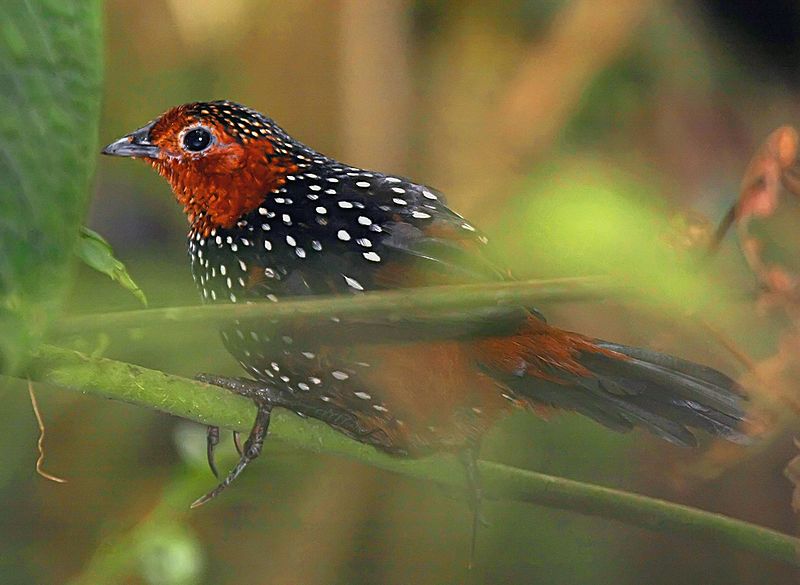
Ocellated Tapaculo (Acropternis orthonyx) ©WikiC

Through the rest of her article, she discovered what I am finding. Names of those stones are not the same today. So, if these birds aren’t a perfect match, please forgive us.
There are no birds with the name of “sardonyx” in it, but the two tones of red seems interesting enough to try to find some birds like that.  All the translations I searched have either Sardonyx or just Onyx. [There are a few birds with ONYX in their scientific name[

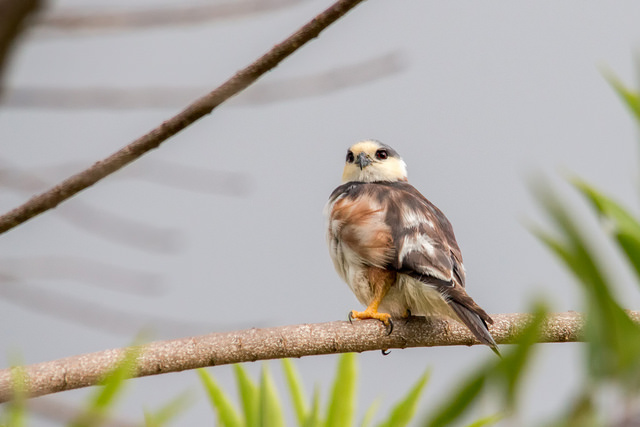
Pearl Kite (Gampsonyx swainsonii) ©Flickr Fernando Flores

Here are what some of the study Bibles and commentaries say:
NKJV MacArthur Study Bible – “ sardonyx. A variety of chalcedony with parallel layers of red and white”
KJ Study Bible Notes – ” sardonyx is red and white”
Jamieson-Fausset-Brown – “sardonyx — a gem having the redness of the cornelian, and the whiteness of the onyx.”
IBS – “Sardonyx – White stone with red layers.
John Gill – “The fifth, sardonyx,…. Which is partly of the sardian, and partly of the onyx stone, which resembles a man’s nail, from whence it has its name; it is reddish, bordering on white; it may be thought to answer to the onyx in the breastplate, on which was written the name of Joseph.”

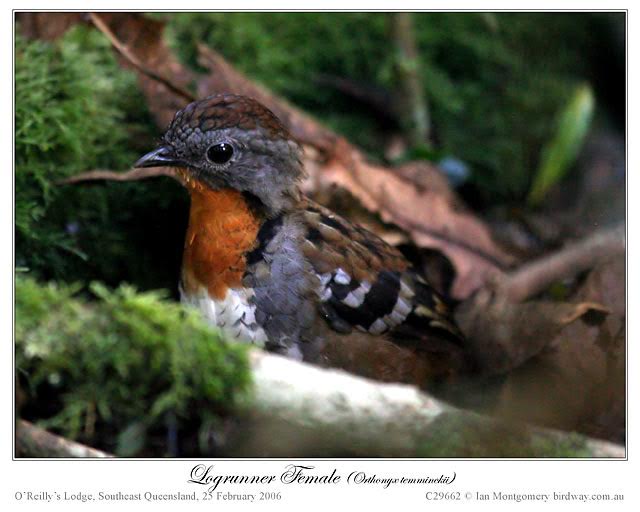
Australian Logrunner (Orthonyx temminckii) by Ian

So with all of these, looks like there must be some reddish and white birds around somewhere. Let’s see what we can find:

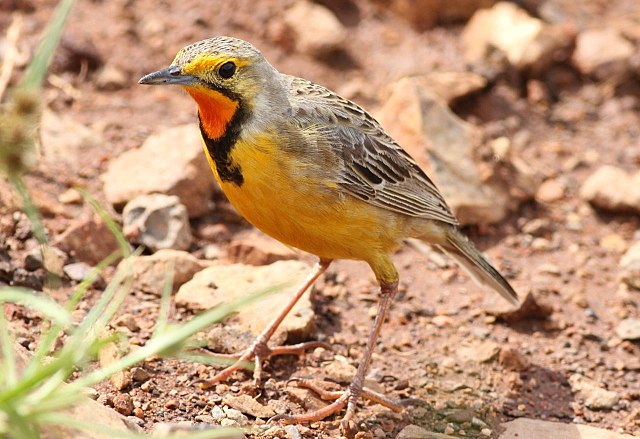
Cape Longclaw (Macronyx capensis) ©WikiC

I still haven’t found what I was hoping to find. This next bird is getting closer.

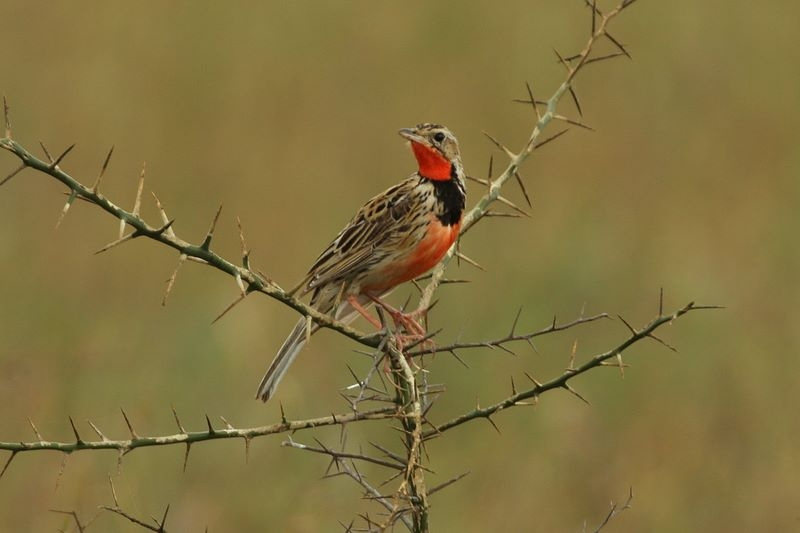
Rosy-throated Longclaw (Macronyx ameliae) ©WikiC

But this is the color of most sardonyx they show on the internet:

Red onyx – Handicraft ©WikiC

Have you seen any birds like that? Let me see what we have already shown here on the blog.

Red-throated Twinspot (Hypargos niveoguttatus) ©WikiC

None of these absolutely match our Sardonyx stone, but are they amazing Avian Wonders from their creator?

*** Articles in this Series so far:

Is There a God?