Dr. James J. S. Johnson
“To everything there is a season, and a time to every purpose under the heaven … Everything He [i.e., God] has made beautiful, in its time: also He hath set eternity in their heart, so that no man can find [i.e., fully find/discover] the work that God has done from the beginning to the end.” (Ecclesiastes 3:1 & 3:11)
Lately I’ve been investigating birds of South Florida, especially those of the Everglades and the Florida Keys. God willing, I expect to be part of a scientific/educational tour of those parts of Florida, later this year (more on that later, D.v., if that trip becomes a reality!). Meanwhile, a few of those Florida birds are on my mind, so it’s timely to post a bit on some of these beauties. For starters, let’s consider some heron-like wading birds, the kinds that have long skinny legs, perfect for hunting food in shallow waters.

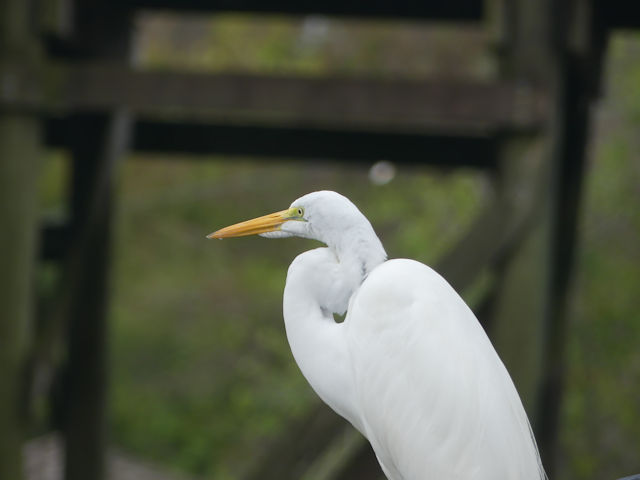
Interestingly, there is an “albino” version (endemic subspecies) of the Great Blue Heron, called the “Great White Heron”. In other words, this version of the Great Blue Heron is white, but it’s not a Great White Egret. It’s seen in the Florida Keys. In fact, there is a national wildlife refuge named for it: Great White Heron National Wildlife Refuge, just west of national Key Deer Refuge.

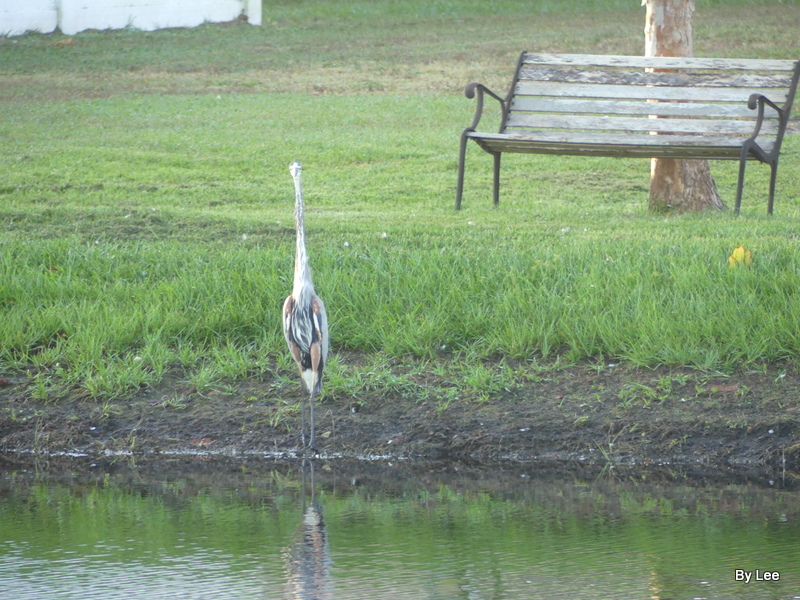
The face of a “Great White Heron” looks a lot like that of a regular Great Blue Heron — to compare, consider this mugshot of a Great Blue Heron.

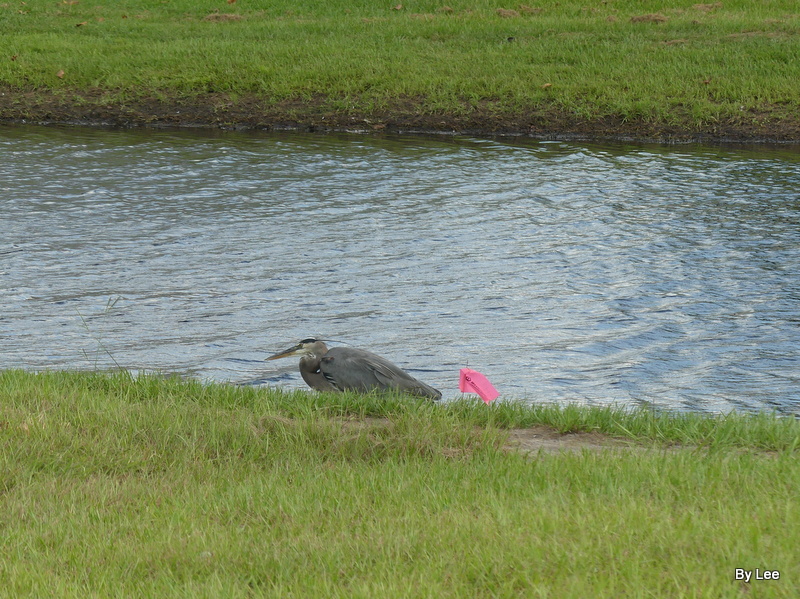
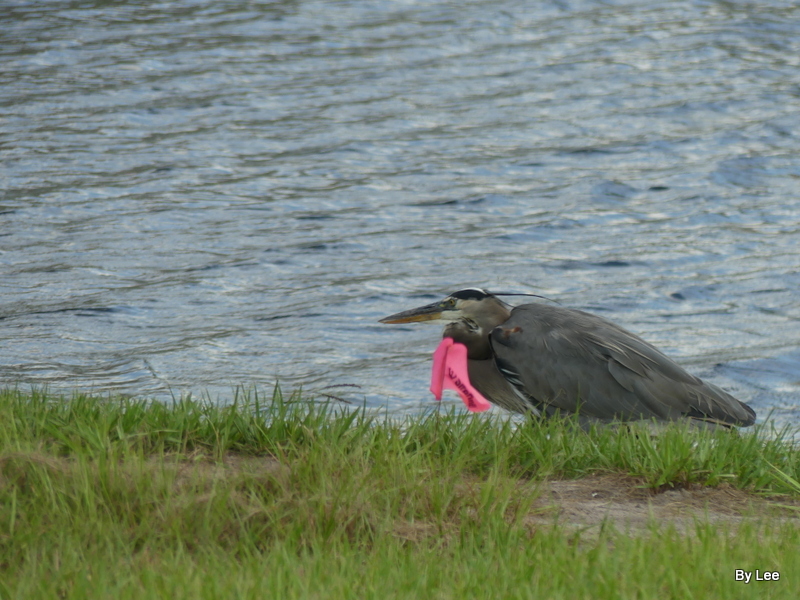
Of course, South Florida has lots of inland and coastal waters, so the opportunities for hunting and eating aquatic prey seems boundless, as a practical matter (to a hungry heron). Consider this Great Blue Heron, eating what looks like a catfish. Of course, there are many other heron-like birds in South Florida. For another example, consider the Little Blue Heron, which is often found in the Everglades. The Little Blue Heron has bluish-grey plumage, ivory white legs and feet, and a whitish dagger-like bill.

For another wading bird of South Florida, consider the Roseate Spoonbill. Well-named, this rose-feathered wader has a distinctively spoon-shaped bill, used for capturing prey (and securing it as the bill-shaking bird drains out excess water before swallowing.

For another example, consider the American Flamingo (a/k/a Pink Flamingo), an icon of South Florida’s colorful wildlife. If the flamingo gets the right diet, and thus gets lots of carotenoid pigment, the red-to-pink color is vivid!


And we should not forget the Wood Stork, which Buddy Davis calls “the only stork of North America” (see SWAMP MAN, Buddy’s classic wildlife DVD produced by Answers in Genesis ministry).


The clunky-looking Wood Stork is nicknamed “Iron-hHead” (and “Flint-head”) due to its grey scaly neck and head.

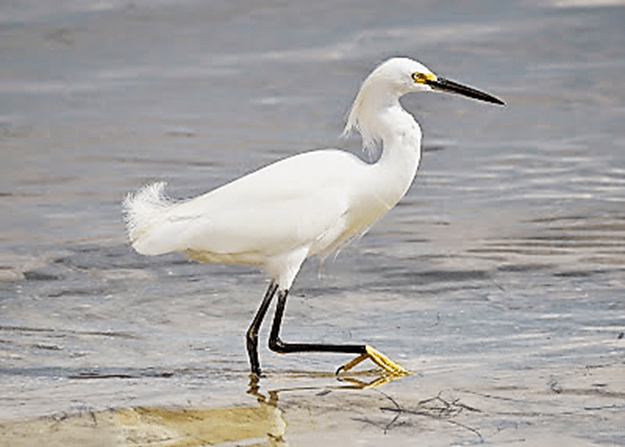
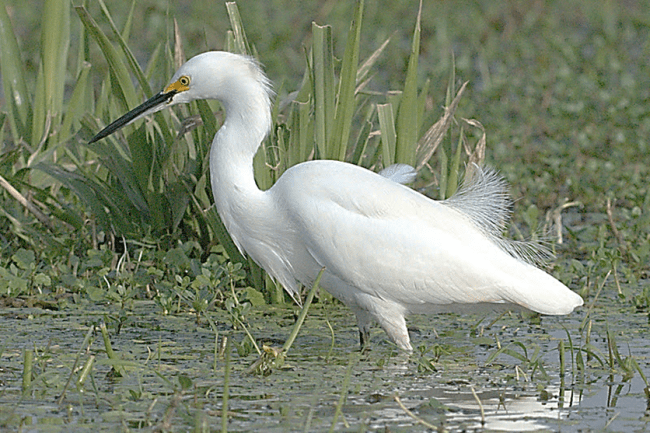
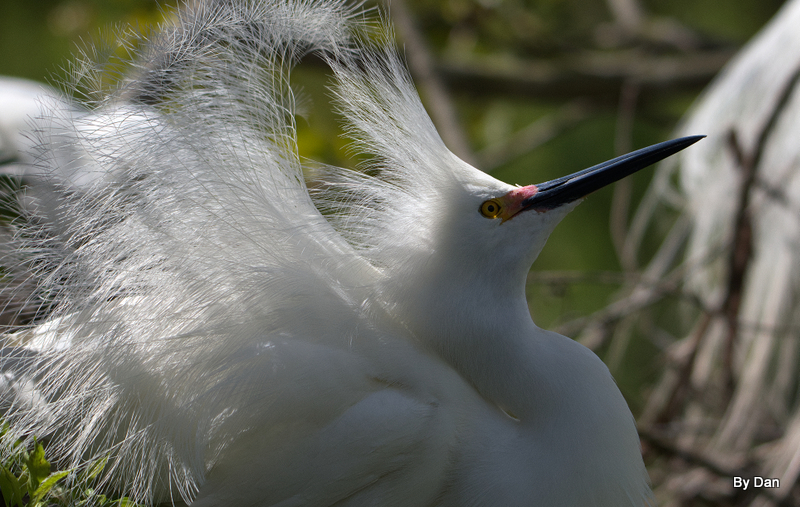
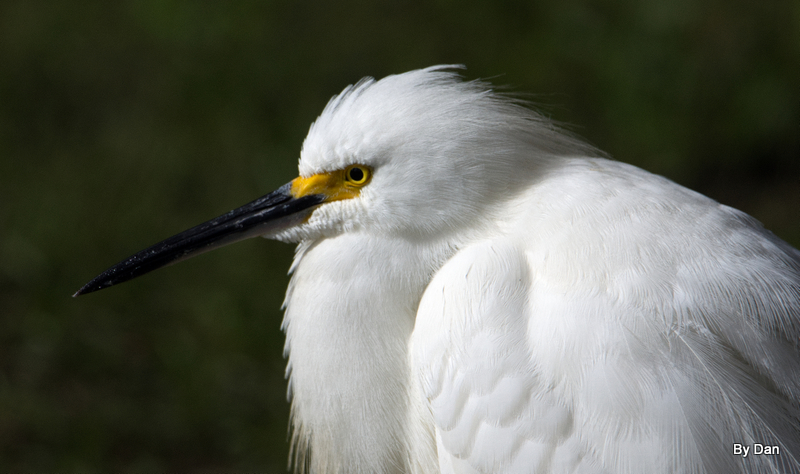
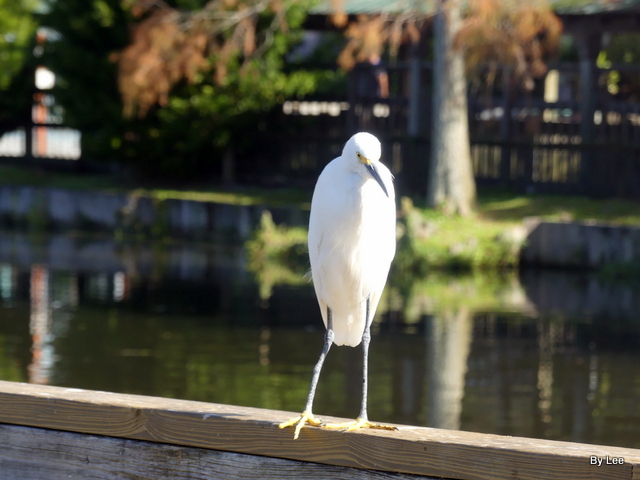
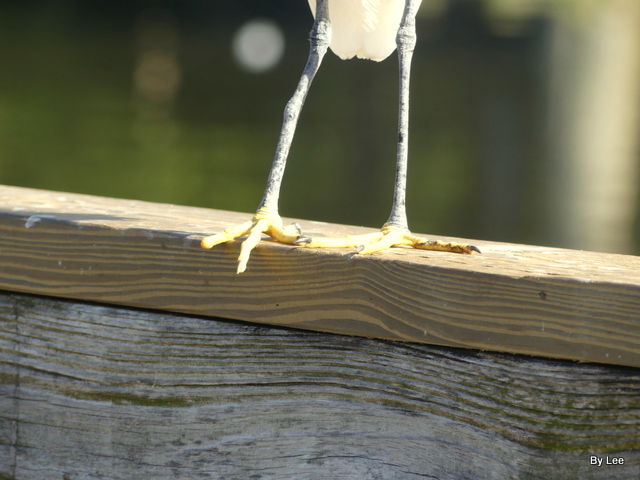
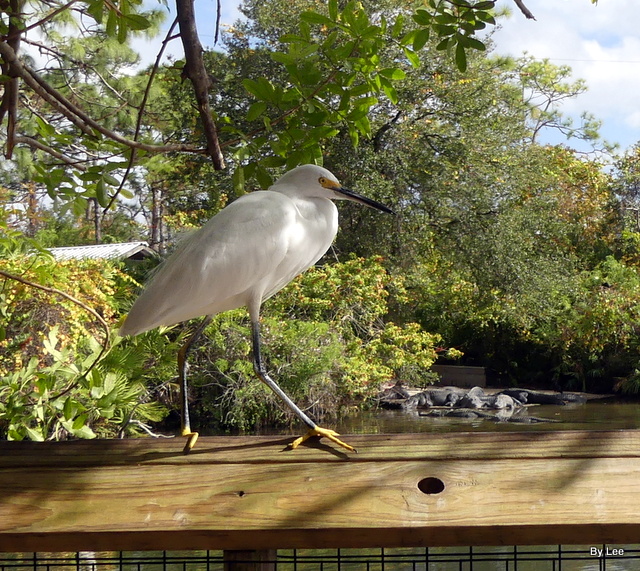
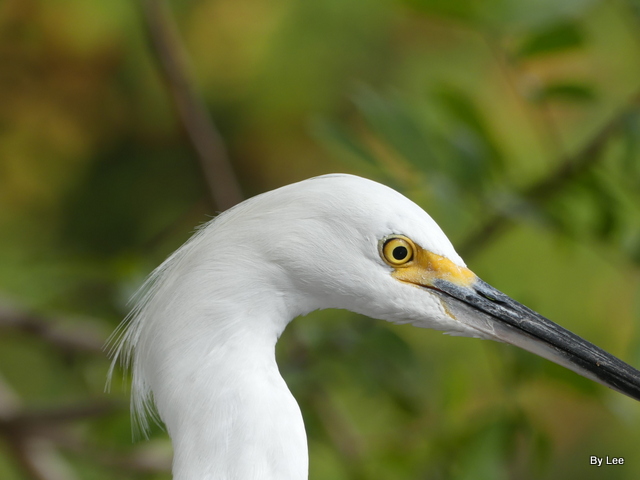
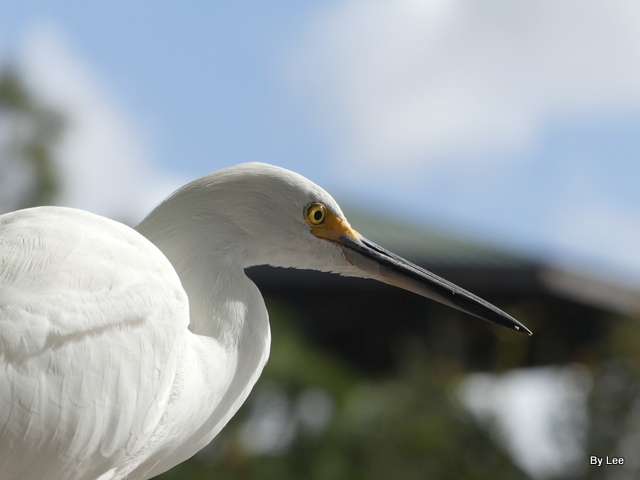
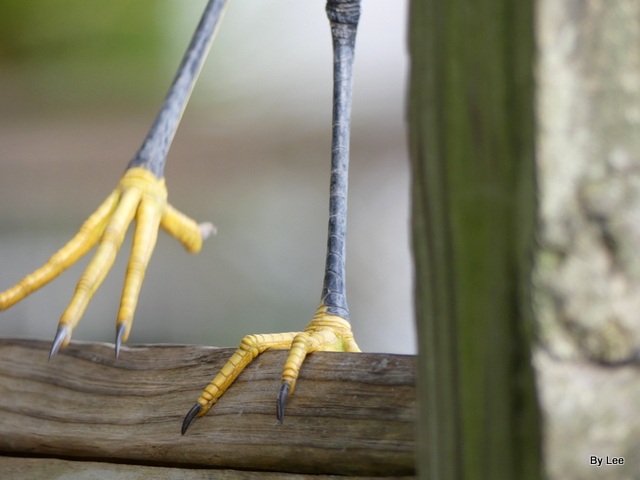
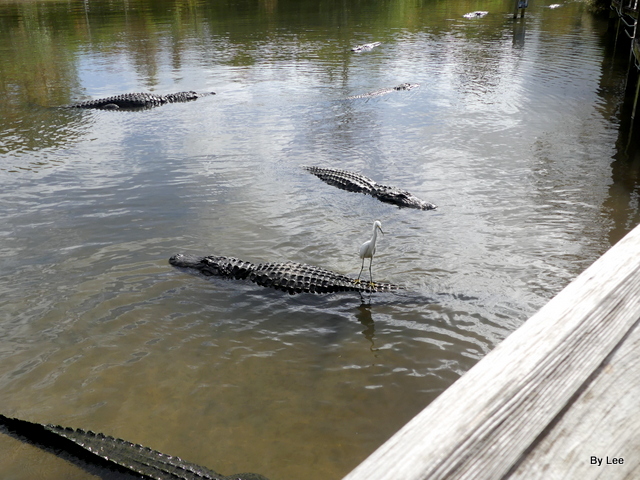
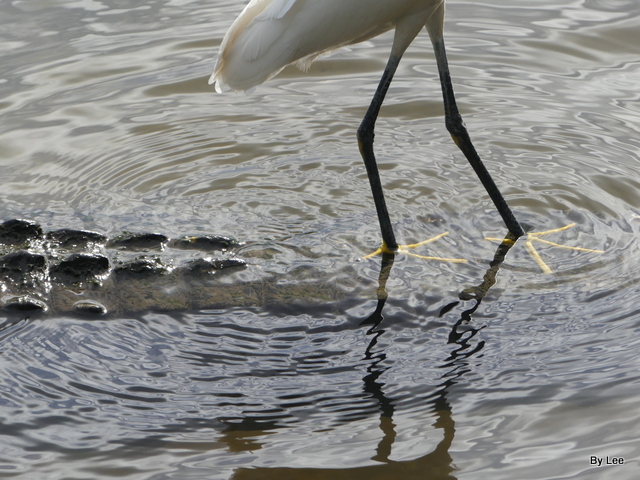
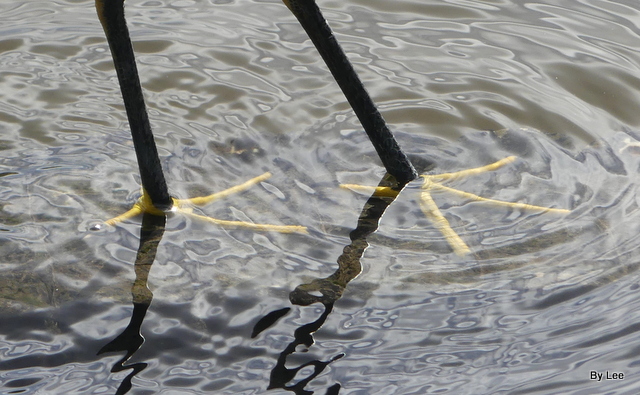
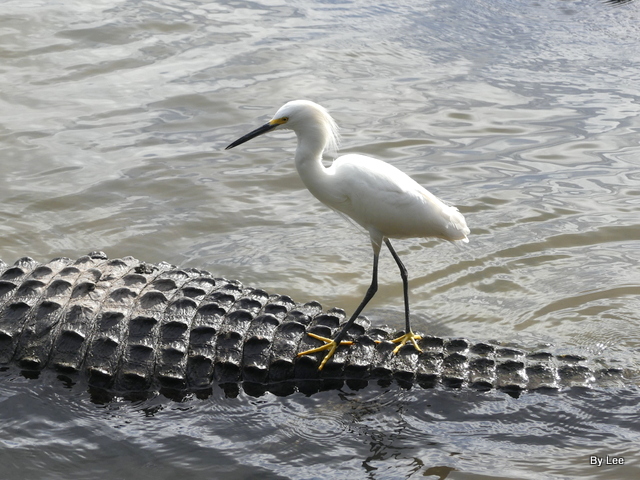
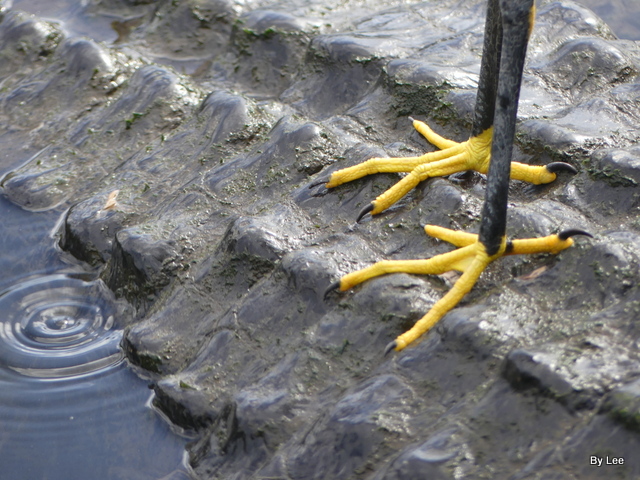
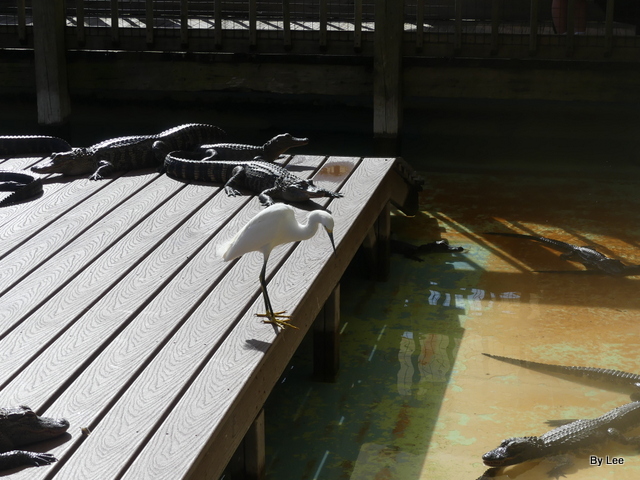
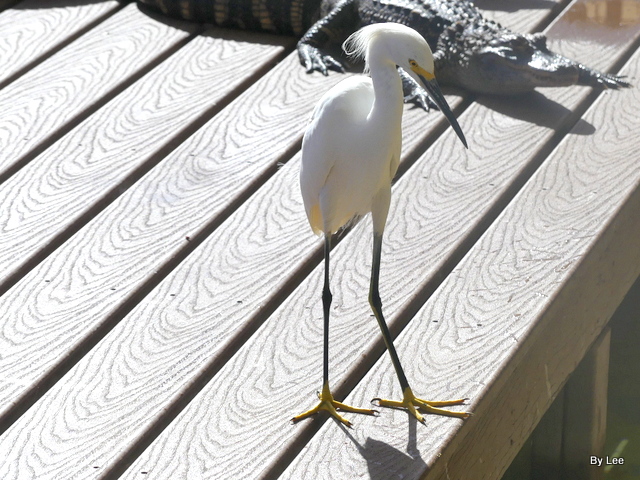
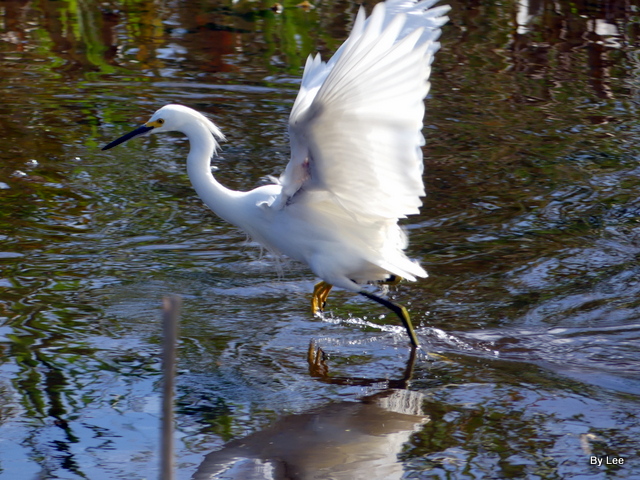
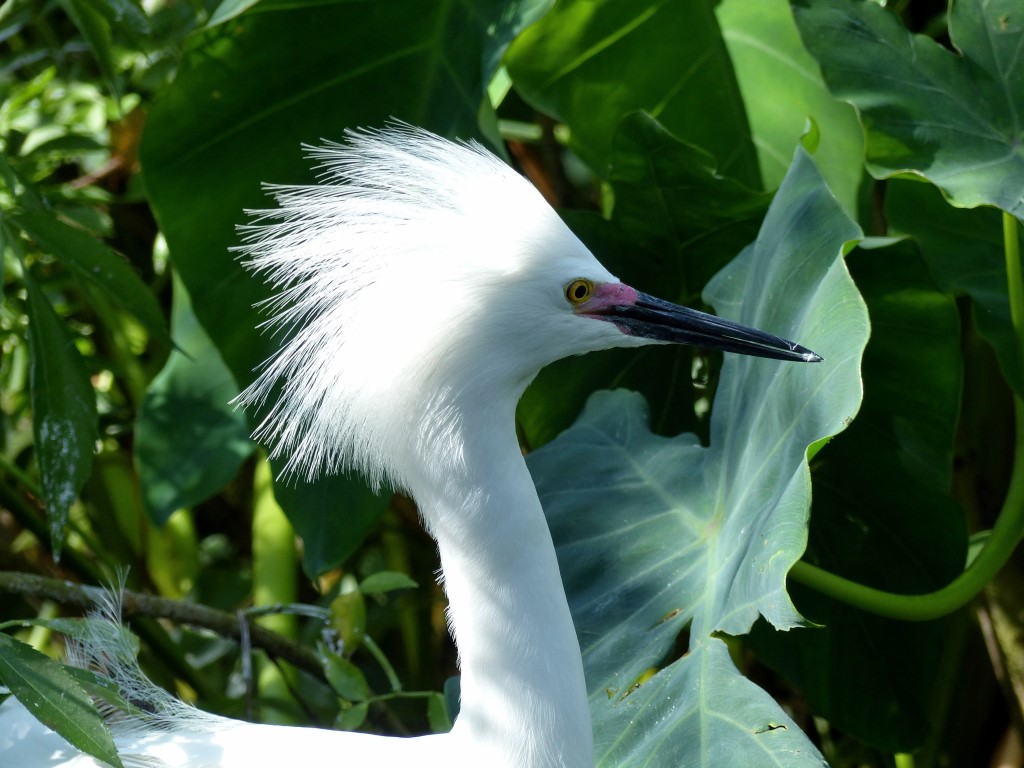
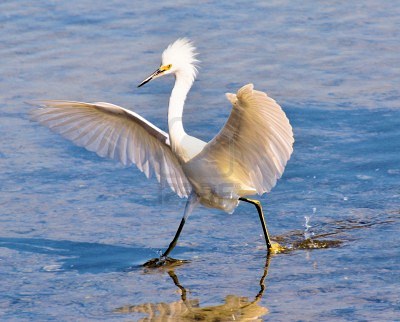
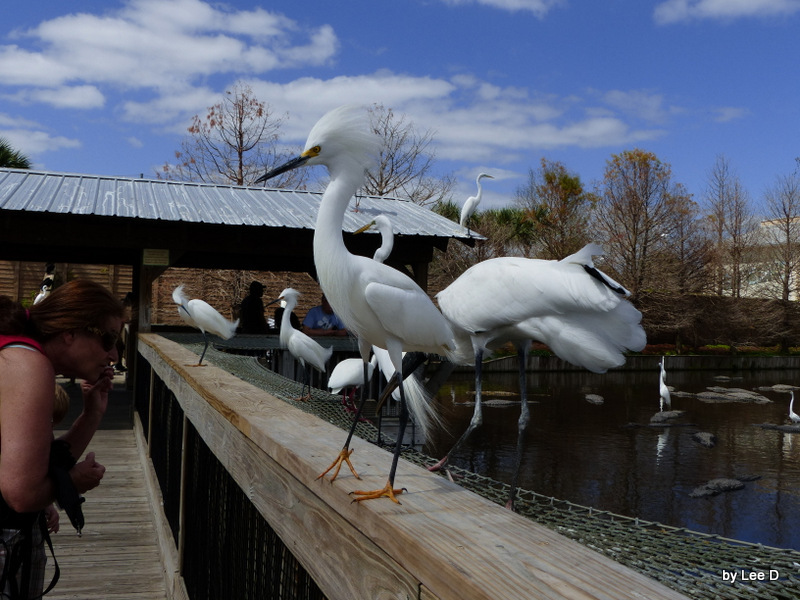
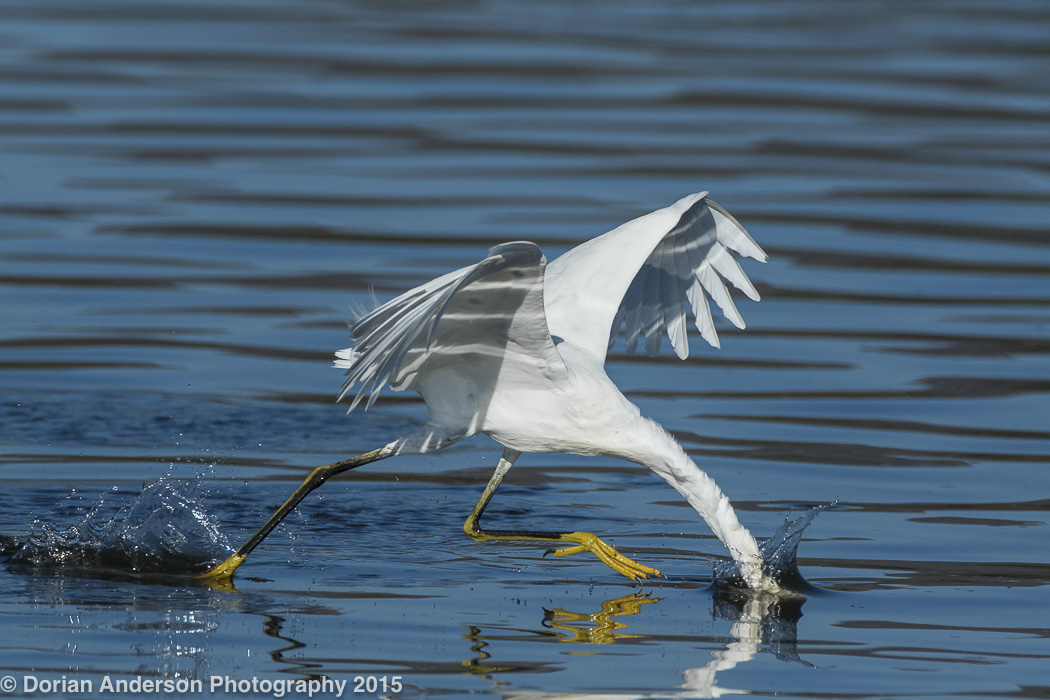
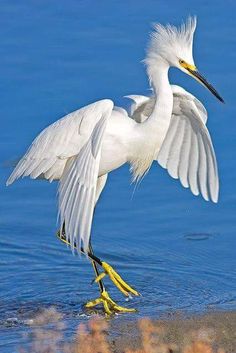
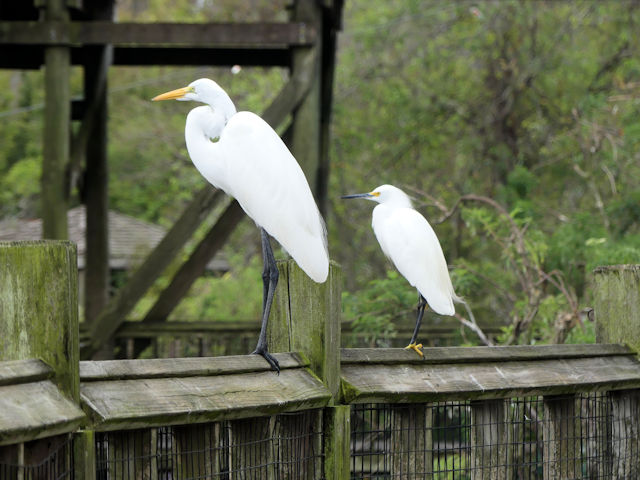
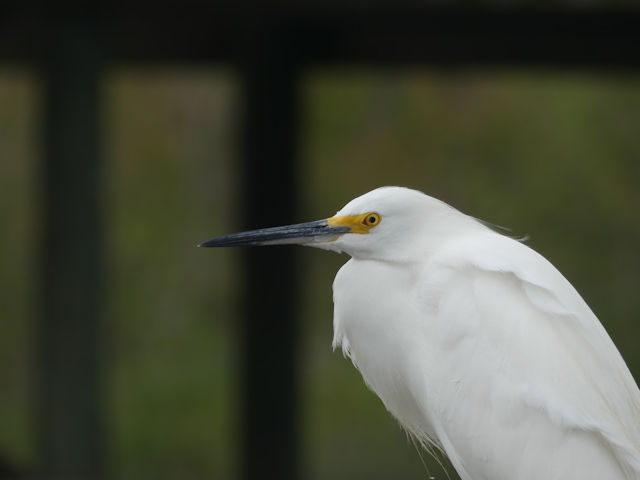
Of course, the Snowy Egret is a Florida favorite — especially to LEESBIRD.COM visitors. Snowy legs are black, but look at those yellow feet! Some call them “golden slippers”, since they walk, strut, and amble upon their feet; others say “golden gloves” since snowies use them as prehensile fingers, grasping things.


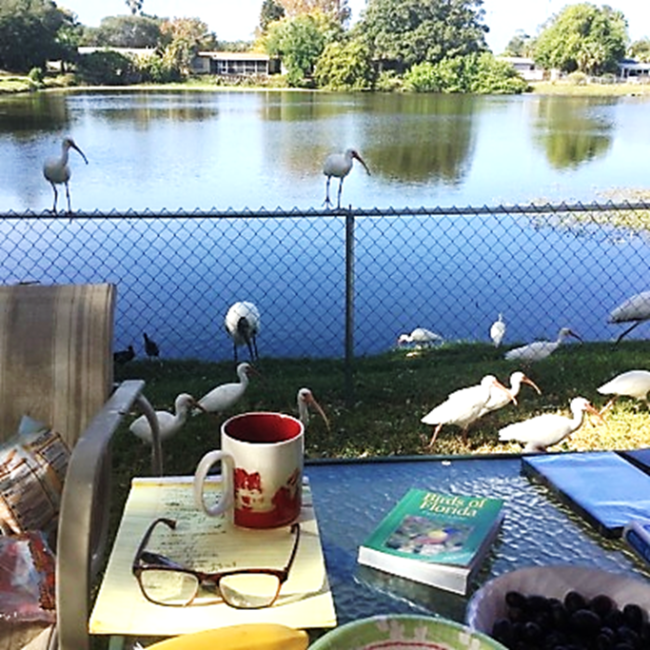
One of my (this is JJSJ talking) all-time favorite wading birds, of Florida, is the White Ibis. Some become accustomed to eating bread crumbs provided by birdwatchers, e.g., in the Webels’ pondside backyard (St. Petersburg). And, in some public parks, white ibises might even eat bread crumbs out of your hand!


That’s it for now . . . please appreciate that God has providentially equipped the habitats of Florida to be bird’s havens, so those habitats are likewise birder’s havens! Yes, the Lord has made all of these birds “beautiful in their times”–and in ours too!
“To everything there is a season, and a time to every purpose under the heaven … Everything He [i.e., God] has made beautiful, in its time: also He hath set eternity in their heart, so that no man can find [i.e., fully find/discover] the work that God has done from the beginning to the end.” (Ecclesiastes 3:1 & 3:11)













 Lee's Birdwatching Adventures Plus