Birdwatching and Still Updating

Eagle in nest feeding eaglets by Dan

Nest at South Lake Howard Park 2 years ago.

But they that wait upon the LORD shall renew their strength; they shall mount up with wings as eagles; they shall run, and not be weary; and they shall walk, and not faint. (Isaiah 40:31 KJV)

On the way to town today, we stopped by the South Lake Howard Nature Park again for just a few minutes. (15) It was a beautiful day. Surprised how few in number the birds were, but the variety of birds wasn’t bad. In the 15 minutes we were able to see the following:

Osprey, Little Blue Heron, Great Egret, 6  White Ibises flying by, Common Moorhens, Boat-tailed Grackles, Quakers (Monk Parakeets – they have a big nest there), Blue Jay, 3 Mockingbirds, Northern Cardinal, Palm Warblers and a black and light colored Warbler-not a Black-and-White though, Mr and Mrs Wood Duck swimming by, and up on the tower both Mr and Mrs Bald Eagle were perched. (They have a nest in the park) and a White Ibis on the ground walking around with the reddest legs and beak I have ever seen. Spring is definitely in the air here in Central Florida. Oh, yes, there was a nice sized alligator sunning on the bank. No camera with us unfortunately.

Also, I am still kicking up dust behind the scenes on updating the Birds of the World pages. It was a busy week-end and I didn’t get much done on it. See – Updating the Birds of the World Again 2/24/11 .

I am working on the Herons and have finished these Families since the last update:

As I have been working on the pages, I have been adding new photos of some of the missing birds. It is taking longer, but hope to make more species viewable.

Update – 3/17/11:

See – Birdwatching and Still Kicking Up Dust
*

Updating The Birds of the World Again 2/24/11

Lesser Rhea (Rhea pennata tarapacensis) (Darwin's) Chicks©Arthur Grosset

Lesser Rhea (Rhea pennata tarapacensis) (Darwin’s) Chicks©Arthur Grosset

The I.O.C. has updated to Version 2.7, but they are also getting ready to release a whole new format in Version 3.0. They placed the Ver. 2.7 in a draft which includes the Subspecies. After experimenting with several different ways to present the list, I have made my choice. This means that I have been busy behind the scene working on this website. (Lee’s Birdwatching Adventures Plus)

So far I have updated the following Families:
Tinamous – Tinamidae
Ostriches – Struthionidae
Rheas – Rheidae
Cassowaries – Casuariidae
Emu – Dromaiidae

The I.O.C. is now the I.O.U. “Our goal on behalf of the International Ornithologist’s Union, formerly International Ornithological Congress (IOC), is to facilitate worldwide communication in ornithology and conservation through the consistent use of English names linked to current species taxonomy. The English names follow explicit guidelines for spelling and construction that increase clarity of application. To this end we provide a complete list of the extant bird species of the world.”

IOC World Bird List – Subspecies (Draft 1)

Supplementing the release of version 2.7 of the IOC World Bird List is a preview of our draft listing of the subspecies of the world’s birds along with the authors and dates attributed to their nomenclature.  This working draft will provide the taxonomic foundation for version 3.0.

The above quotes are from the IOC World Bird List website. Since they are making a major revision, I decided to get started on updating to match their way of listing birds. I have been using the IOC lists of World Birds since starting the Birds of the World section.

There are 233 Families of birds, which means I have 233 pages of data to update. So, I have 5 down and 228 to go. For now the indexes to the families will not change, but a few birds may not be correct until I finish. Try not to be too upset about the dust flying around as the changes are being made. Trust the 3.0 Version is close to what I am doing.

The main difference is that before only the bird was named, such as: (All photos by Bob-Nan)

Common Ostrich (Struthio camelus)
Somali Ostrich (Struthio molybdophanes)

Now it is:

Struthio   ———- This is the Genus
Common Ostrich (Struthio camelus) ————– This is the Species
____ (Struthio camelus syriacus)  ——- This is the Subspecies
____ (Struthio camelus camelus)  ——- This is the Subspecies
____ (Struthio camelus massaicus) ——- This is the Subspecies
____ (Struthio camelus australis)  ——- This is the Subspecies
Somali Ostrich (Struthio molybdophanes) ————– This is the Species

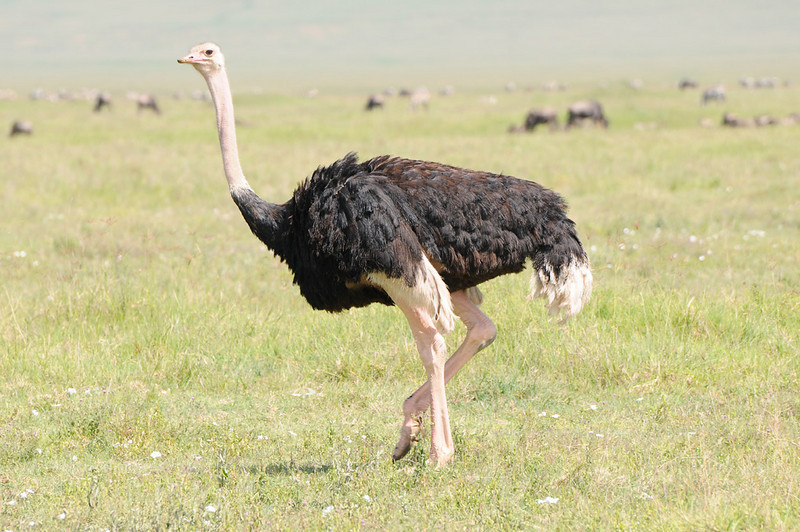
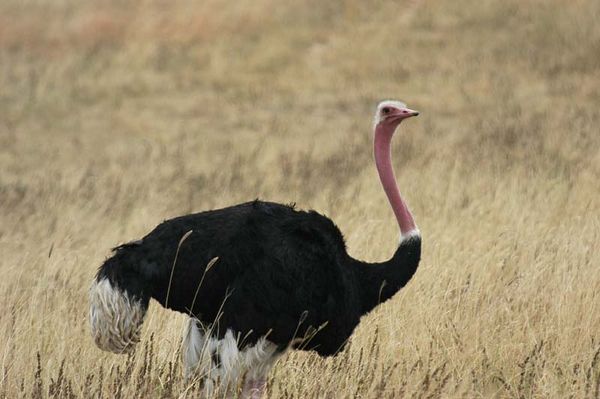
Common Ostrich (Struthio camelus massaicus) by Bob-Nan

Common Ostrich (Struthio camelus massaicus) by Bob-Nan

I trust this helps explain the new layout for the list of world birds. It’s time for me to start kicking up some more dust as I continue with the changes. I am going straight down the list of families – Family Index. Keep checking back to see how far I have gotten. Updating all the links to the pictures and videos is the most time consuming.

It is worth it though to help you see the fantastic birds the Lord has created around this world. I personally have great pleasure working on this because I get to see so many birds that I will never personally view. Thanks to the many photographers and videographers, those that have given us permission, the ones who allow their photos to used in ©© (Creative Commons), ©WikiC (Wikipedea Commons), and others in public domain.

And out of the ground the LORD God formed every beast of the field, and every fowl of the air; and brought them unto Adam to see what he would call them: and whatsoever Adam called every living creature, that was the name thereof. (Genesis 2:19 KJV)

Remember his marvellous works that he hath done; his wonders, and the judgments of his mouth; (Psalms 105:5 KJV)

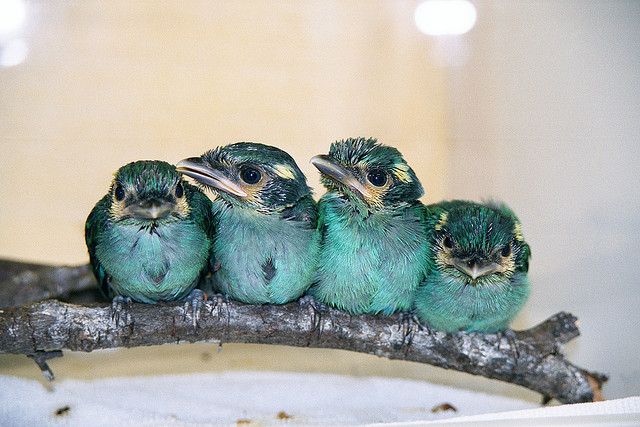
Long-tailed Broadbill (Psarisomus dalhousiae) babies ©©coracii

Long-tailed Broadbill (Psarisomus dalhousiae) babies ©©coracii

That they may see, and know, and consider, and understand together, that the hand of the LORD hath done this, and the Holy One of Israel hath created it. (Isaiah 41:20 KJV)

Let them praise the name of the LORD: for he commanded, and they were created. (Psalms 148:5 KJV)

Updated – See:

3/1/11 – Birdwatching and Still Updating

3/17/11 – Birdwatching and Still Kicking Up Dust

*

Birds in Hymns – The Garden of My Heart

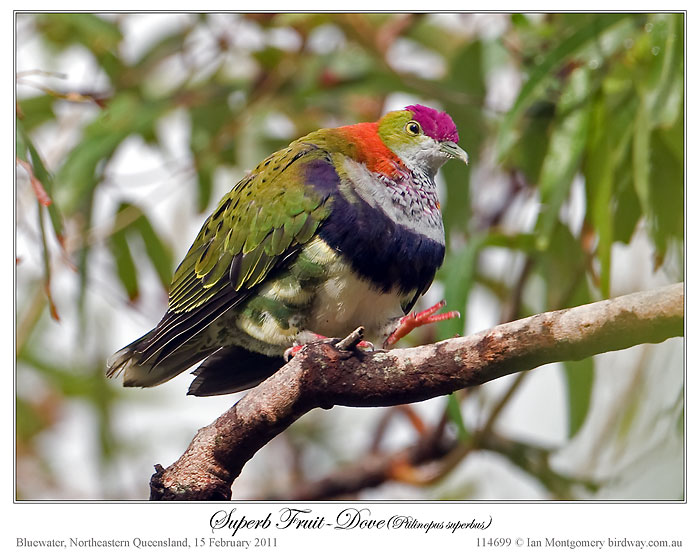
Superb Fruit Dove (Ptilinopus superbus) by Ian

Superb Fruit Dove (Ptilinopus superbus) by Ian

Therefore they shall come and sing in the height of Zion, and shall flow together to the goodness of the LORD, for wheat, and for wine, and for oil, and for the young of the flock and of the herd: and their soul shall be as a watered garden; and they shall not sorrow any more at all. (Jeremiah 31:12 KJV)

Words & Music: Hal­dor Lil­le­nas, 1919

The Garden of My Heart


There’s a sacred and hallowed retreat,
Where my soul finds a fellowship sweet,
Where the Lord of my life I may meet,
In the garden of my heart.

Refrain

In the cool of the day He walks with me,
In the rose bordered way He talks with me;
In love’s holy union,
And sacred communion,
In the garden of my heart.

There is naught can disturb or molest,
There my spirit finds comfort and rest,
And my soul is no longer distressed
In the garden of my heart.

Refrain

Shut away from earth’s strife and its din,
And protected from soul staining sin,
For my Savior is dwelling within,
In the garden of my heart.

Refrain

There the dove of sweet peace always sings,
And my faith ever trustingly clings;
And the chime of sweet happiness rings
In the garden of my heart.

Refrain

*****

See more Birds in Hymns

*

Birds in Hymns – The Fish in Wave, The Bird on Wing

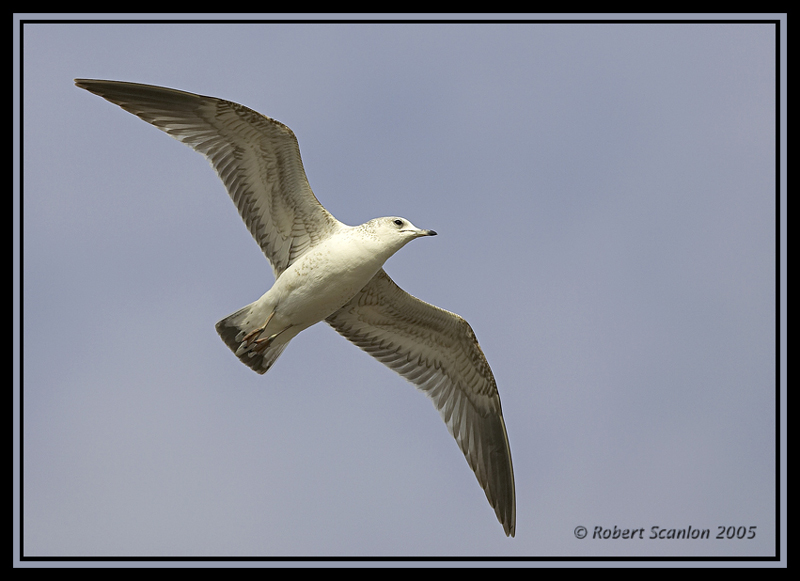
Common Gull (Larus canus) by Robert Scanlon

Common Gull (Larus canus) by Robert Scanlon

And God said, Let the waters bring forth abundantly the moving creature that hath life, and fowl that may fly above the earth in the open firmament of heaven. (Genesis 1:20 KJV)

Words: Charles Cof­fin, Par­is Bre­vi­a­ry, 1736 (Iis­dem cre­a­ti fluc­ti­bus); trans­lat­ed from La­tin to Eng­lish by John Chand­ler and the com­pil­ers of Hymns An­cient and Mo­dern.

Music: St. Fla­vi­an, Day’s Psal­ter, 1563

The Fish in Wave, The Bird on Wing


The fish in wave, the bird on wing,
God bade the waters bear;
Each for our mortal body’s food
His gracious hands prepare.

But other food, of richer cost,
The immortal spirit needs;
By faith it lives on every word
That from His mouth proceeds.

Faith springing from the blood of Christ,
Has flowed o’er every land;
And sinners through the vanquished world
Bow down to its command.

Its light the joy of Heav’n reveals
To hearts made pure within;
And bids them seek by worthy deeds
Eternal crowns to win.

By faith the saints of old were strong
The lion’s wrath to tame;
By faith they spurned the tyrant’s threats,
And scorned the raging flame.

Lord, grant that we the path may tread
Whereon its light doth shine;
And gather, as we onward go,
The fruits of love divine.

O praise the Father; praise the Son,
On Whose most precious blood
Rests all our faith; and praise to Him
Who with Them both is God.

Most information from The Cyber Hymnal

Another great hymn from the past.

*****

See more Birds in Hymns

*

Formed By Him – Broadbills

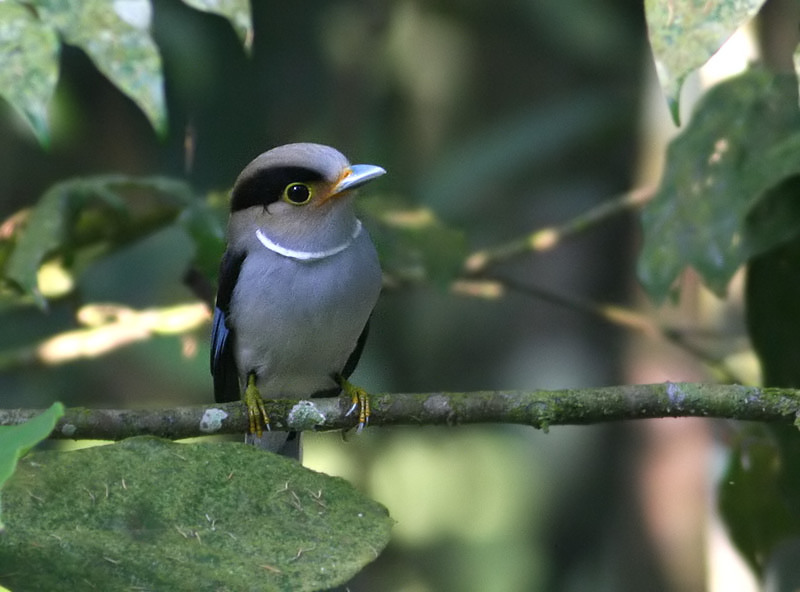
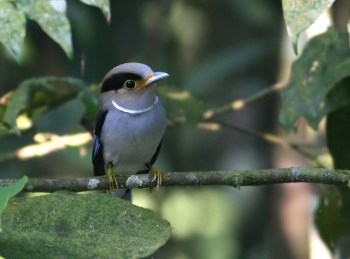
Silver-breasted Broadbill (Serilophus lunatus) by Peter Ericsson

Silver-breasted Broadbill (Serilophus lunatus) by Peter Ericsson

“What are some of God’s favorite object lessons? Certainly His creation is one. A God who can call something into existence which didn’t exist before can do anything. “Lift up your eyes on high, and behold who hath created these things” (Isaiah 40:26).” (Quote from Days of Praise-2-18-2011)

The Broadbills are another of those creations of the Lord. These pretty little birds caught my eye while doing an article. I trust you will find them as interesting as I do. Formed by Him they cannot be anything but amazing. What a great Creator God we have.

The broadbills are a family of small passerine birds, Eurylaimidae. The Smithornis and Pseudocalyptomena species occur in sub-Saharan Africa; the rest extend from the eastern Himalayas to Sumatra and Borneo. The family possibly also includes the Sapayoa from the Neotropics and the asities from Madagascar.
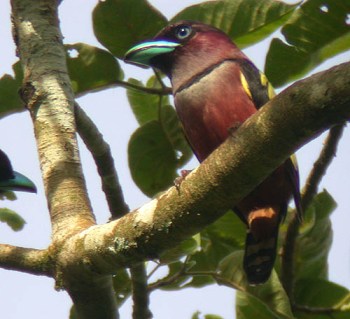
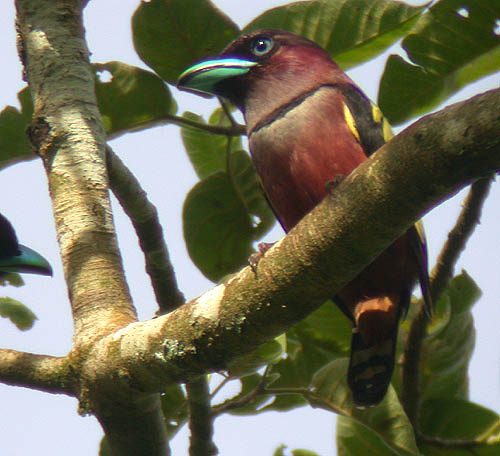
Banded Broadbill (Eurylaimus javanicus) by Peter Ericsson

Banded Broadbill (Eurylaimus javanicus) by Peter Ericsson

Many of the broadbills are brightly colored birds. They range from 4.5 to 11.25 inches (13 to 28 centimeters) in length, and live in the dense canopies of wet forests, allowing them to hide despite their brightly coloured plumage. The plumage of the three African broadbills in the genus Smithornis is in contrast dull and streaked. The bills, which give the family their common name, are broad, flat and hooked and relatively large eyes. Even though many are brightly colored, the Lord has designed them to blend in with their surroundings beautifully.

The broadbills are for the most part insectivorous and carnivorous. Prey taken include insects, spiders, centipedes and millipedes, as well as lizards and tree frogs. Prey is obtained by sallying from a perch to snatch it in flight, and gleaning the prey off leaves and branches while flying. Some species may take some fruit (figs being their favorite), but only the green broadbills of the genus Calyptomena and the African Green Broadbill are primarily frugivores (which also take some insects as well).

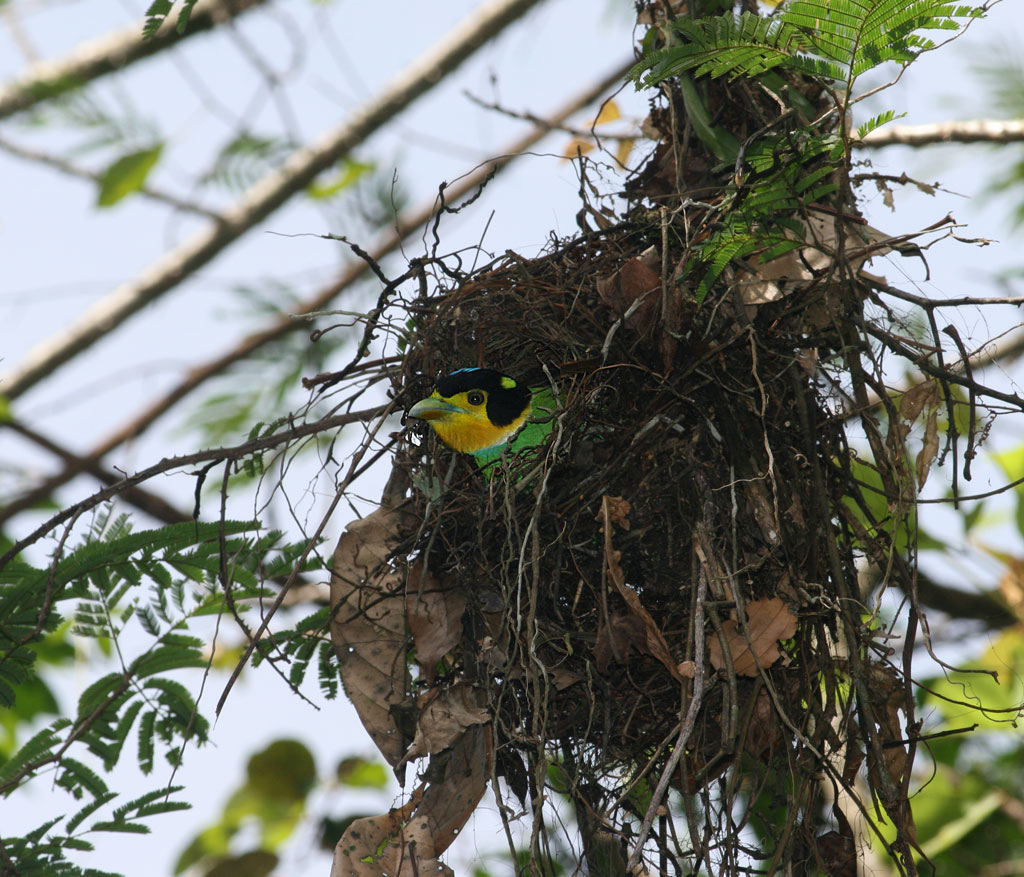
They are generally gregarious, with many species moving about in flocks of about 20 individuals. Broadbills attach their purse-shaped nests to suspended vines, and leave a tail of fibres hanging below it. This gives the nest the appearance of being random debris caught in the tree, an effect further enhanced by the birds covering the nest with lichen and spider webs.
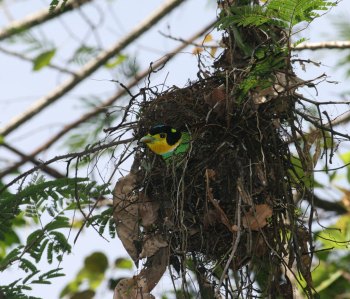
Long-tailed Broadbill (Psarisomus dalhousiae) in nest by Peter Ericsson

Long-tailed Broadbill (Psarisomus dalhousiae) in nest by Peter Ericsson

Most Broadbills are monogamous, some have quite a courtship dispay and typically she lays two to three eggs. Both participate in nest building and in some species they have “helpers” with the young. Here are some of those verses:

Mostly active early and late in the day, otherwise they are sedentary and perched with their neck pulled in, disguised in the foliage.

Maybe the Lord would like us to look at the broad bills of the Broadbill and be reminded of Scripture. Broad or broader is mentioned over 30 times throughout the Bible.
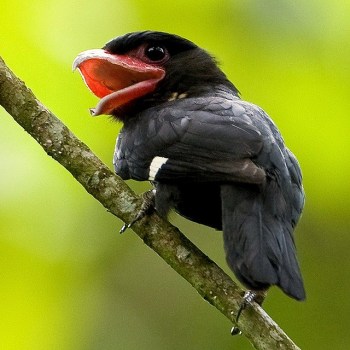
Dusky Broadbill (Corydon sumatranus) ©©Mike

Dusky Broadbill (Corydon sumatranus) ©©Mike

David repeated in Psalm 18:19 what had been written in 2 Samuel:

He also brought me out into a broad place; He delivered me because He delighted in me. (Psalms 18:19 NKJV)
He also brought me out into a broad place; He delivered me because He delighted in me. “The LORD rewarded me according to my righteousness; According to the cleanness of my hands He has recompensed me. For I have kept the ways of the LORD, And have not wickedly departed from my God. For all His judgments were before me; And as for His statutes, I did not depart from them. (2 Samuel 22:20-23 NKJV)

Let those who fear the LORD now say, “His mercy endures forever.” I called on the LORD in distress; The LORD answered me and set me in a broad place. The LORD is on my side; I will not fear. What can man do to me? (Psalms 118:4-6 NKJV)

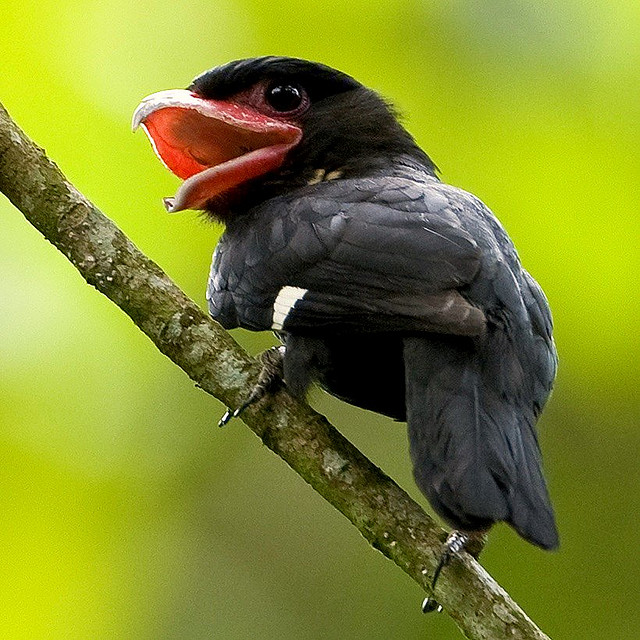
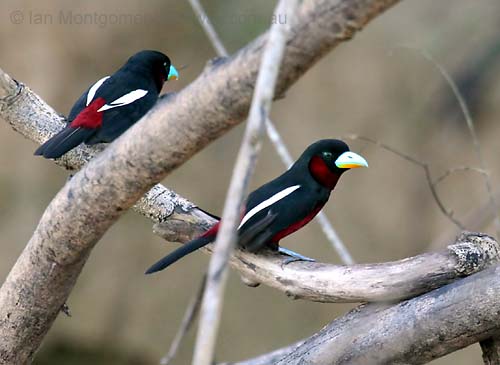
Black-and-red Broadbill (Cymbirhynchus macrorhynchos) by Ian

Black-and-red Broadbill (Cymbirhynchus macrorhynchos) by Ian

The wicked wait for me to destroy me, But I will consider Your testimonies. I have seen the consummation of all perfection, But Your commandment is exceedingly broad. Oh, how I love Your law! It is my meditation all the day. (Psalms 119:95-97 NKJV)

But there the glorious LORD will be unto us a place of broad rivers and streams; wherein shall go no galley with oars, neither shall gallant ship pass thereby. (Isaiah 33:21 KJV)

Long-tailed Broadbill (Psarisomus dalhousiae) babies ©©coracii

Long-tailed Broadbill (Psarisomus dalhousiae) babies ©©coracii

Enter by the narrow gate; for wide is the gate and broad is the way that leads to destruction, and there are many who go in by it. Because narrow is the gate and difficult is the way which leads to life, and there are few who find it. (Matthew 7:13-14 NKJV)

Can you search out the deep things of God? Can you find out the limits of the Almighty? They are higher than heaven– what can you do? Deeper than Sheol– what can you know? Their measure is longer than the earth And broader than the sea. (Job 11:7-9 NKJV)
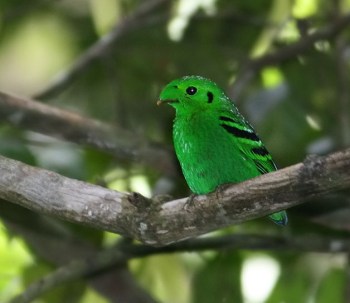
Green Broadbill (Calyptomena viridis) by Peter Ericsson

Green Broadbill (Calyptomena viridis) by Peter Ericsson

The Broadbills are in the Eurylaimidae Family and has 20 members at present. The Eurylaimidae-Broadbills are in the Passeriformes or Perching Bird Order.

Sources from Wikipedia, Complete Birds of the World, Days of Praise and others.

This slideshow requires JavaScript.

*

To see more Formed By Him Articles

*
Birdwatching at the Lowry Park Zoo 2/15/11

African Jacana (Actophilornis africanus) by Lee

African Jacana (Actophilornis africanus) by Lee

What a busy couple of weeks. Between health, doctors, funerals, ladies retreats, church, birdwatching, nutty weather, etc., we finally got a chance to get over to the Lowry Park Zoo again yesterday. On the way to Tampa we spotted Ospreys, Boat-tailed Grackles, House Sparrows, Great Egret, 24 Pigeons (Common Pigeons) and Turkey Vultures. On the way home we added two Bald Eagles, a Snowy Egret and some Black Vultures.

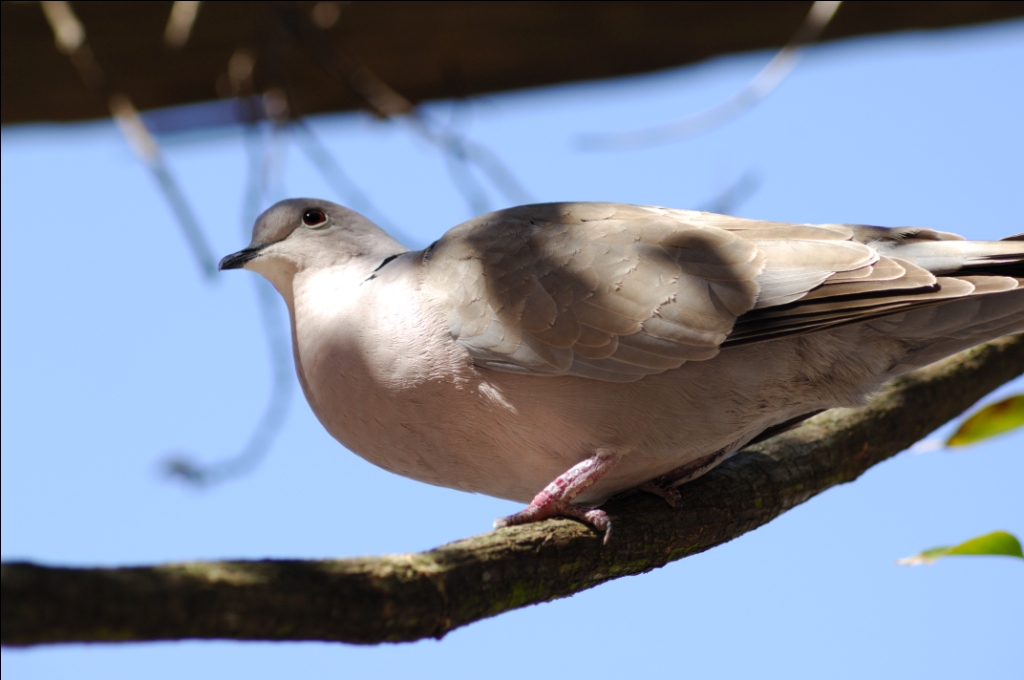
Eurasian Collared Dove (Streptopelia decaocto) by Dan

Eurasian Collared Dove (Streptopelia decaocto) by Dan

Loose birds hanging around the Zoo were American White Ibises, Great Egret, Eurasian Collared Dove, 10 Fish Crows, Mockingbird and some more Sparrows. Gulls and Vultures flying around also.

Because my legs were acting up again, we only did the Aviary just inside the gate. That is all I needed anyway, because when I left almost 2 hours later and having walked very little, I had had a ball. The birds were calm and didn’t mind us photographing them. Watched two  Southern Bald Ibises mate twice. Maybe spring is on the way.

Buff-banded Rail (Gallirallus philippensis) by Dan

Buff-banded Rail (Gallirallus philippensis) by Dan

As you enter the Aviary, there are a few birds behind a wire and in very dim light. I keep trying to get a decent photo, but the obstacle makes it very difficult. They had the Silver-beaked Tanager,  Blue-grey Tanager and Metallic Starling in that enclosure today.

For by him were all things created, that are in heaven, and that are in earth, visible and invisible, whether they be thrones, or dominions, or principalities, or powers: all things were created by him, and for him: And he is before all things, and by him all things consist. (Colossians 1:16-17 KJV)

Here is a list of the birds seen in the Aviary: (35)

Helmeted Guineafowl (Numida meleagris) and another
White-faced Whistling Duck (Dendrocygna viduata)
Cape Teal (Anas capensis)
Chiloe Wigeon (Anas sibilatrix)
Cinnamon Teal (Anas cyanoptera)
Mandarin Duck (Aix galericulata)
Ruddy Duck (Oxyura jamaicensis)
Wood Duck (Aix sponsa)
African Openbill (Anastomus lamelligerus)
African Sacred Ibis (Threskiornis aethiopicus)
African Spoonbill (Platalea alba)
Scarlet Ibis (Eudocimus ruber)
Southern Bald Ibis (Geronticus calvus)
Boat-billed Heron (Cochlearius cochlearius)
Red-legged Seriema (Cariama cristata)
Sunbittern (Eurypyga helias)
Buff-banded Rail (Gallirallus philippensis)
African Jacana (Actophilornis africanus)
Pied Imperial Pigeon (Ducula bicolor)
Blue-throated Macaw (Ara glaucogularis)
Scarlet Macaw (Ara macao)
Violet Turaco (Musophaga violacea)
Crested Coua (Coua cristata)
Blue-bellied Roller (Coracias cyanogaster)
Blue-breasted Kingfisher (Halcyon malimbica)
White-throated Kingfisher (Halcyon smyrnensis)
Blue-crowned Motmot (Momotus coeruliceps)
Von der Decken’s Hornbill (Tockus deckeni)
Toco Toucan (Ramphastos toco)
Bearded Barbet (Lybius dubius)
Magpie Shrike (Urolestes melanoleucus)
Raggiana Bird-of-paradise (Paradisaea raggiana)
Metallic Starling (Aplonis metallica)
Crested Oropendola (Psarocolius decumanus)
Blue-grey Tanager (Thraupis episcopus)
Silver-beaked Tanager (Ramphocelus carbo)

Outside Aviary: (13)

American White Ibis (Eudocimus albus)
Snowy Egret (Egretta thula)
Western Great Egret (Ardea alba)
Turkey Vulture (Cathartes aura)
Black Vulture (Coragyps atratus)
Western Osprey (Pandion haliaetus)
Bald Eagle (Haliaeetus leucocephalus)
Common Pigeon (Columba livia)
Eurasian Collared Dove (Streptopelia decaocto)
Fish Crow (Corvus ossifragus)
Northern Mockingbird (Mimus polyglottos)
House Sparrow (Passer domesticus)
Boat-tailed Grackle (Quiscalus major)

All photos taken 2/15/11.

*

This slideshow requires JavaScript.

*

Bee-eaters Love Company

Southern Carmine Bee-eater (Merops nubicoides) by Africaddict

Southern Carmine Bee-eater (Merops nubicoides) by Africaddict

We have written several articles about the Bee-eaters, but they are so pretty and colorful, that they are being presented again. When the Lord created them, He did not spare on the “color pallet.” Nor did He fail to provide them with the ability to know how to remove the stinger and poison of the bees and other insects before eating them.

For by him were all things created, that are in heaven, and that are in earth, visible and invisible, whether they be thrones, or dominions, or principalities, or powers: all things were created by him, and for him: And he is before all things, and by him all things consist. (Colossians 1:16-17 KJV)

This video tells about how the Bee-eater cooperate together in communities. Trust you will enjoy watching it.

“The bee-eaters are a group of near-passerine birds in the family Meropidae. Most species are found in Africa and Asia but others occur in southern Europe, Australia, and New Guinea. They are characterised by richly coloured plumage, slender bodies, and usually elongated central tail feathers. All have long downturned bills and pointed wings, which give them a swallow-like appearance when seen from afar. There are 26 different species of bee-eaters.

As the name suggests, bee-eaters predominantly eat flying insects, especially bees and wasps, which are caught in the air by sallies from an open perch.[1] While they pursue any type of flying insect, honey bees predominate in their diet. Hymenoptera (ants, bees and wasps) comprise from 20% to 96% of all insects eaten, with honey bees comprising approximately one-third of the Hymenoptera.

Carmine BeeEater by Marc at Africaddict

Carmine BeeEater (Merops nubicus or nubicoides) by Marc at Africaddict

Before eating its meal, a bee-eater removes the sting by repeatedly hitting and rubbing the insect on a hard surface. During this process, pressure is applied to the insect thereby extracting most of the venom.[1] Notably, the birds only catch prey that are on the wing and ignore flying insects once they land.

Bee-eaters are gregarious. They form colonies by nesting in burrows tunnelled into the side of sandy banks, such as those that have collapsed on the edges of rivers. Their eggs are white and they generally produce 2-9 eggs per clutch (depending on species). As they live in colonies, large numbers of these holes are often seen together, white streaks from their accumulated droppings accentuating the entrances to the nests. Most of the species in the family are monogamous, and both parents care for the young, sometimes with the assistance of other birds in the colony.” (From Wikipedia)

Some of the articles we have done that mention the Bee-eaters are:

White-fronted Bee-eater – The Life Guards ~ by a j mithra

Avian Worship ~ a j mithra and Lee

Ian added the Rainbow Bee-eater to his album in his Spotted Harrier newsletter.

Also see his (Ian Montgomery’s) whole album of Bee-eater photos at – Family: Meropidae

European Bee-eaters are in Birds of the Bible – Johannesburg, South Africa

Mentioned in Birds of the Bible – Names of Birds

The Bee-eaters are in the Coraciiformes Order which included the Roller, Kingfisher, Todie, Motmot Families. The Meropidae Family is the one that contains the 26 Bee-eater species.

Chestnut-headed Bee-eater (Merops leschenaulti) by Nikhil Devasar

Chestnut-headed Bee-eater (Merops leschenaulti) by Nikhil Devasar

*

Birds of the Bible – Bird Catcher

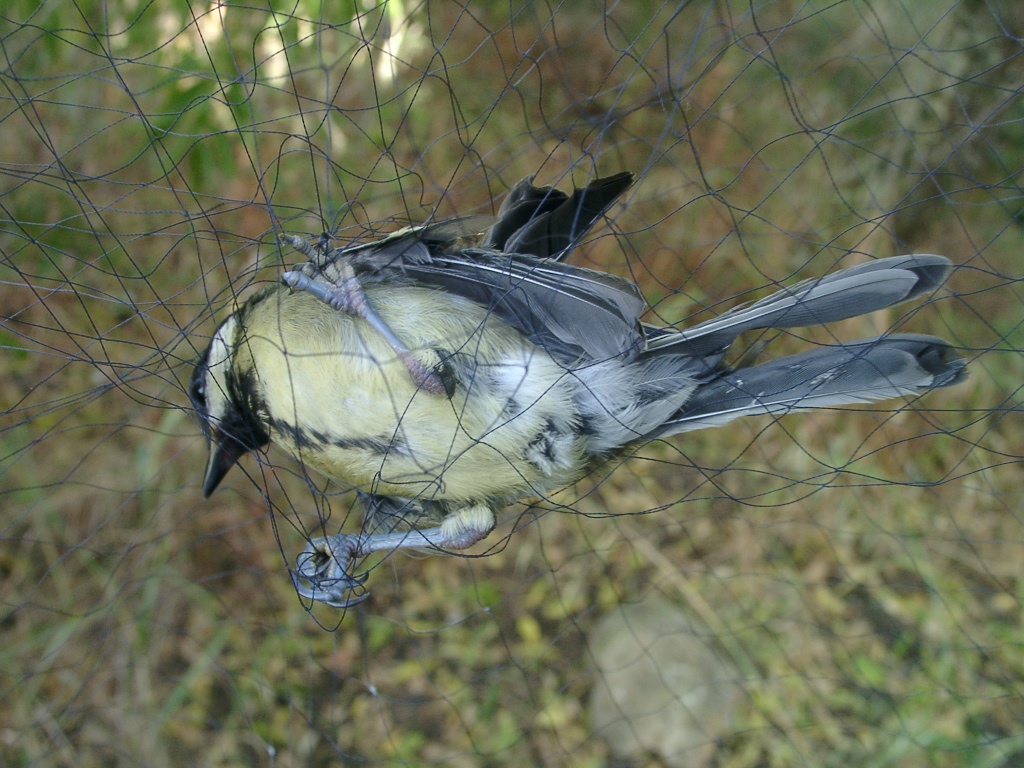
Bird Caught in a Net ©WikiC

Bird Caught in a Net ©WikiC

Fowler

“foul´ẽr (יקשׁ, yōḳēsh): A professional birdcatcher. In the days previous to firearms, birds were captured with nets spread on the ground, in traps and snares. There was a method of taking young birds from a nest, raising them by hand, and when they had become very tame, they were confined in hidden cages so that their voices would call others of their kind to the spot and they could be killed by arrows of concealed bowmen or the use of the throw-stick (Ecclesiasticus 11:30) This was a stick 1 1/2 feet in length and 1/2 inches in diameter, hurled with a rotary motion at the legs of the birds and was very effective when thrown into flocks of ground birds, such as partridge or quail, especially if the birds were running up hill. There was also a practice of sewing a captured bird’s eyelids together and confining it so that its cries would call large numbers of birds through curiosity and they could then be taken in the several ways mentioned. The fowlers supplied the demand for doves and other birds used for caged pets, and furnished the market with wild pigeons and doves for sacrifice and such small birds as were used for food.

For he will deliver thee from the snare of the fowler. And from the deadly pestilence. (Psalms:91:3)

This is David’s promise that the Almighty will deliver us from the evil plans laid to ruin us, as a bird sometimes in its struggles slips the hair and escapes from the “snare” (which see) set for it.

(Here is a video of a modern day “fowler” by patriotledger.)

Our soul is escaped as a bird out of the snare of the fowlers: The snare is broken, and we are escaped. (Psalms 124:7)

Here is the fulfillment of the former promise in a cry of rejoicing. Sometimes the snare held fast, sometimes it broke; then the joy in the heart of a freed man was like the wild exultation in the heart of the escaping bird.

Deliver thyself as a roe from the hands. of the hunter. And as a bird from the hand of the fowler. (Proverbs 6:5)


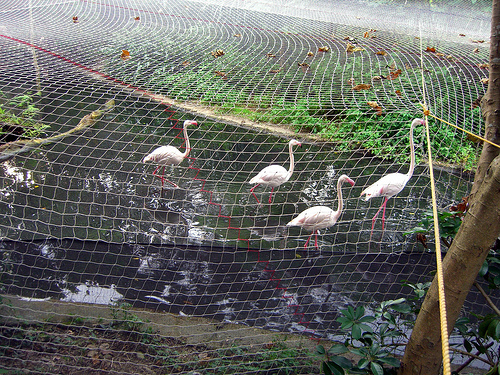
Flamingos Caught in a net©Flickr

Flamingos Caught in a net©Flickr

With methods so primitive as these for taking birds, it must have occurred frequently that a stunned, wounded or entrapped bird slipped even from the hand that held it and made good its escape.

For among my people are found wicked men: they watch, as fowlers lie in wait; they set a trap, they catch men. (Jeremiah 5:26)

Here is the plain comparison strongly drawn between wicked men entrapping their fellows and fowlers taking unsuspecting birds.
The last reference is in Hosea 9:8:

Ephraim was a watchman with my God: as for the prophet, a fowler’s snare is in all his ways, and enmity in the house of his God.

Wherever he goes, the prophet is in danger of being trapped.”

* * *

This article was quoted from:

The International Standard Bible Encyclopedia (1915) is a public domain Biblical encyclopedia. This encyclopedia was published by Wm. B. Eerdmans Publishing Co. It contains articles by nearly 200 scholars about archaeological discoveries, the language and literature of Bible lands, customs, family life, occupations, and the historical and religious environments of Bible people.

In addition there is a newer version which should not be confused with the public domain 1915 edition that can be found freely available at various sites.

Photos and Video added and article layout by Lee

*

Blessed Assurance by Ron Tolson

YouTube from “Hymns – Timeless”. American Songbird Showcase

Blessed Assurance written by Fanny Crosby and sung by Ron Tolson.

Thought you might enjoy this video with all the birds showcased. No birds mentioned in the song, but it still is a “Birds in Hymn” candidate. Our Savior created all these beautiful birds.

See:

More Birds in Hymns

*

Birds in Hymns – O Maker of the Sea and Sky

Common Gull (Larus canus) by Robert Scanlon

Common Gull (Larus canus) by Robert Scanlon

Happy is he that hath the God of Jacob for his help, whose hope is in the LORD his God: Which made heaven, and earth, the sea, and all that therein is: which keepeth truth for ever: (Psalms 146:5-6 KJV)

Words by Hen­ry Bur­ton, 1905. (1840-1930)
Music – Santa Trin­i­ta by E. V. Pier­ac­ci­ni (1828-1902)

O Maker of the Sea and Sky


* * *
O Maker of the sea and sky,
Whose word the stormy winds fulfill,
On the wide ocean Thou art nigh,
Bidding these hearts of ours be still.

What if Thy footsteps are not known?
We know Thy way is in the sea;
We trace the shadow of Thy throne,
Constant amid inconstancy.

Shy Albatross (Thalassarche cauta) by Ian

Shy Albatross (Thalassarche cauta) by Ian

Thou bidd’st the north or south wind blow;
The lonely sea bird is Thy care;
And in the clouds which come and go,
We see Thy chariots everywhere.

The sun that lights the homeland dear
Spreads the new morning o’er the deep;
And in the dark Thy stars appear,
Keeping their watches while we sleep.

And so, secure from all alarms,
Thy seas beneath, Thy skies above,
Clasped in the everlasting arms,
We rest in Thine unslumbering love.

My help cometh from the LORD, which made heaven and earth. He will not suffer thy foot to be moved: he that keepeth thee will not slumber. (Psalms 121:2-3 KJV)

Most information from The Cyber Hymnal

More Birds in Hymns

Wordless Birds

*

Birdwatching at Circle B Bar Reserve – Jan 2011

Here is a video that I shot out at the Circle B Bar Reserve in Lakeland, FL on January 18th. We went out to watch some of the 4,000 American White Pelicans land at the marsh. We got there about 4:30 pm and stayed until almost 6 pm.

I left the sound on so that you can catch the amazement in my voice. My english is terrible and my words nutty, but I was thoroughly enjoying my “birdwatching adventure.” This is what it is really like to go birdwatching with me. I get so amazed at watching God’s created critters.

Thou wilt shew me the path of life: in thy presence is fulness of joy; at thy right hand there are pleasures for evermore. (Psalms 16:11 KJV)

I have more of these and pictures, but will save them for another time. Slower connections speeds will have enough problems loading just one video.

On the video I said about 100 feet over my head, it was more like 20-30 feet over our heads. The pelicans were landing right behind us.

Updated the Procellariiformes Order Pages

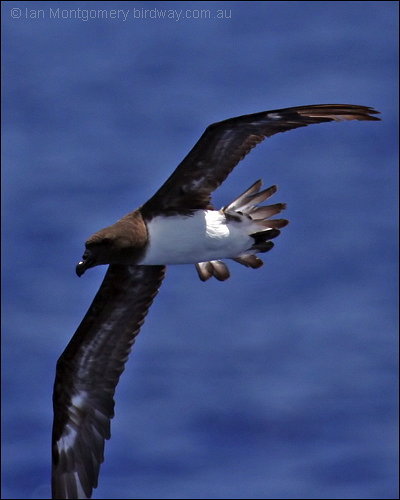
Flesh-footed Shearwater (Puffinus_Ardenna carneipes) by Ian

Flesh-footed Shearwater (Puffinus_Ardenna carneipes) by Ian

Like birds flying about, So will the LORD of hosts defend Jerusalem. Defending, He will also deliver it; Passing over, He will preserve it. (Isaiah 31:5 NKJV)

Since writing the “Formed By Him – Sea Birds That Drink Seawater“, I have been busy behind the scene updating the Procellariiformes Order.That was the Order the article was about. Found as many species’ photos as I could and even included some videos to view. There are a total of 40 Orders altogether, so it is nice to complete another one.

Shy Albatross (Thalassarche cauta) by Ian

Shy Albatross (Thalassarche cauta) by Ian

Procellariiformes is an order of seabirds that comprises four families: the albatrosses, procellariids, storm-petrels and diving petrels. Formerly called Tubinares and still called tubenoses in English, they are often referred to collectively as the petrels, a term that has been applied to all Procellariiformes or more commonly all the families except the albatrosses. They are almost exclusively pelagic (feeding in the open ocean). They have a cosmopolitan distribution across the world’s oceans, with the highest diversity being around New Zealand.

Cape Petrel (Daption capense) by Bob-Nan

Cape Petrel (Daption capense) by Bob-Nan

Procellariiformes are colonial, mostly nesting on remote predator-free islands. The larger species nest on the surface, while most smaller species nest in natural cavities and burrows. They exhibit strong philopatry, returning to their natal colony to breed and returning to the same nesting site over many years. Procellariiformes are monogamous and form long-term pair bonds which are formed over several years and may last for the life of the pair. Only a single egg is laid per nesting attempt, and usually only a single nesting attempt is made per year, although the larger albatrosses may only nest once every two years. Both parents participate in incubation and chick rearing. Incubation times are long compared to other birds, as are fledgling periods. Once a chick has fledged there is no further parental care.

If a bird’s nest happens to be before you along the way, in any tree or on the ground, with young ones or eggs, with the mother sitting on the young or on the eggs, you shall not take the mother with the young; you shall surely let the mother go, and take the young for yourself, that it may be well with you and that you may prolong your days. (Deuteronomy 22:6-7 NKJV)

Tahitian Petrel (Pseudobulweria rostrata) by Ian

Tahitian Petrel (Pseudobulweria rostrata) by Ian

Procellariiformes have had a long relationship with humans. They have been important food sources for many people, and continue to be hunted as such in some parts of the world. They have also been the subject of numerous cultural depictions, particularly albatrosses. Procellariiformes are one of the most endangered bird taxa, with many species threatened with extinction due to introduced predators in their breeding colonies, marine pollution and the danger of fisheries by-catch. (from Wikipedia)

The Procellariiformes Order includes these Families:
Albatrosses – Diomedeidae – 21 species
Petrels, Shearwaters – Procellariidae – 90 species
Storm Petrels – Hydroatidae – 23 species

Yellow-nosed Albatross (Diomedea chlororhynchos) on the water, then flying off – by Nick Talbot.

See Also:

Birds of the World

More Formed By Him articles

Interesting Things – Amazing Bird Migration (Manx Shearwater)

Ian’s Bird of the Week – Buller’s Shearwater

Flight 7 by a j mithra

*