Avian and Attributes – Providence of God

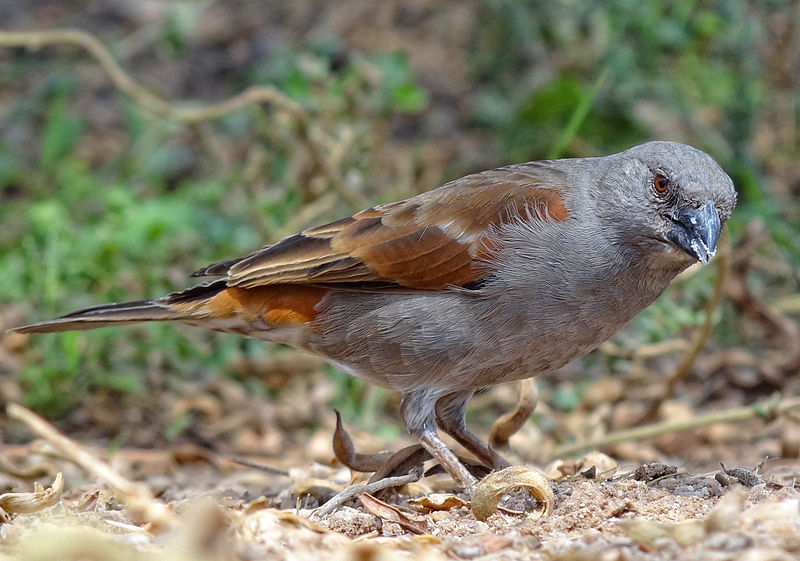
Parrot-billed Sparrow (Passer gongonensis)

Parrot-billed Sparrow (Passer gongonensis)

“Are not two sparrows sold for a farthing? and one of them shall not fall on the ground without your Father.” (Matthew 10:29 KJV)

In whom also we have obtained an inheritance, being predestinated according to the purpose of him who worketh all things after the counsel of his own will:” (Ephesians 1:11 KJV)

For it is God which worketh in you both to will and to do of his good pleasure.” (Philippians 2:13 KJV)


Avian and Attributes – Providence of God

The word “providence” comes from the Latin providentia (Gk. pronoia [provnoia]) and means essentially foresight or making provision beforehand. On the human plane it may be used positively, as when Tertullus praised Felix by saying, “Your foresight has brought about reforms in this nation” ( Acts 24:2 ), or negatively, as when Paul admonishes us to “make no provision for the flesh, to gratify its desires” ( Rom 13:14, ; RSV ). When applied to God the idea takes on a vastly larger dimension because God not only looks ahead and attempts to make provision for his goals, but infallibly accomplishes what he sets out to do. And because it is God’s governance that is in view, it encompasses everything in the universe, from the creation of the world to its consummation, inclusive of every aspect of human existence and destiny. Providence, then, is the sovereign, divine superintendence of all things, guiding them toward their divinely predetermined end in a way that is consistent with their created nature, all to the glory and praise of God. This divine, sovereign, and benevolent control of all things by God is the underlying premise of everything that is taught in the Scriptures. (Baker’s Evangelical Dictionary)
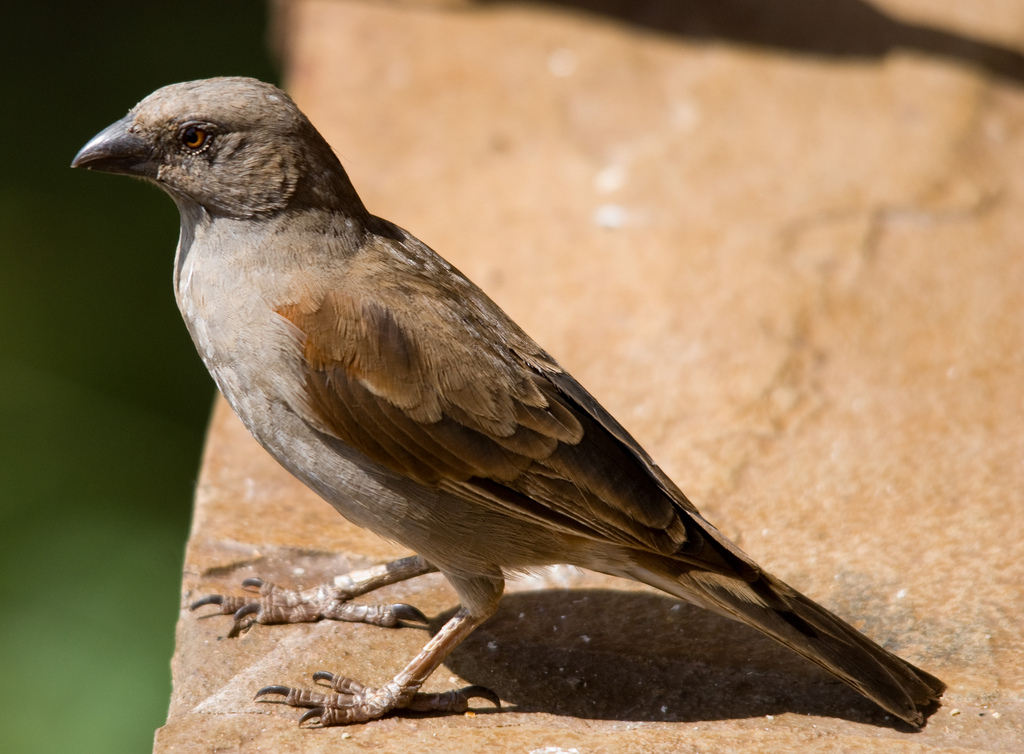

Parrot-billed Sparrow (Passer gongonensis) ©Flickr Carol Foll

Parrot-billed Sparrow

The Parrot-billed Sparrow (Passer gongonensis) is found in the arid lowlands of eastern Africa. At 18 centimeters (7.1 in) and 42 grams (1.5 oz), it is largest of the sparrows of the family Passeridae. It is often considered a subspecies of the grey-headed sparrow.  Lives in extreme SE Sudan to S Ethiopia, S Somalia, Kenya and NE Tanzania. Habitats: Deserts and Xeric Shrublands; Tropical and Subtropical Moist Broadleaf Forests:
Tropical and subtropical grasslands, savannas, and shrublands. (Passeridae Family)


More Avian and Attributes

Birds whose first name start with “P”

Birds of the Bible – More Value

Birds of the Bible – Little Brown Jobs

Good News

*
[Definitions from Webster’s Dictionary of American English (1828), unless noted. Bird info from Wikipedia plus.]
Avian and Attributes – Omnipotent

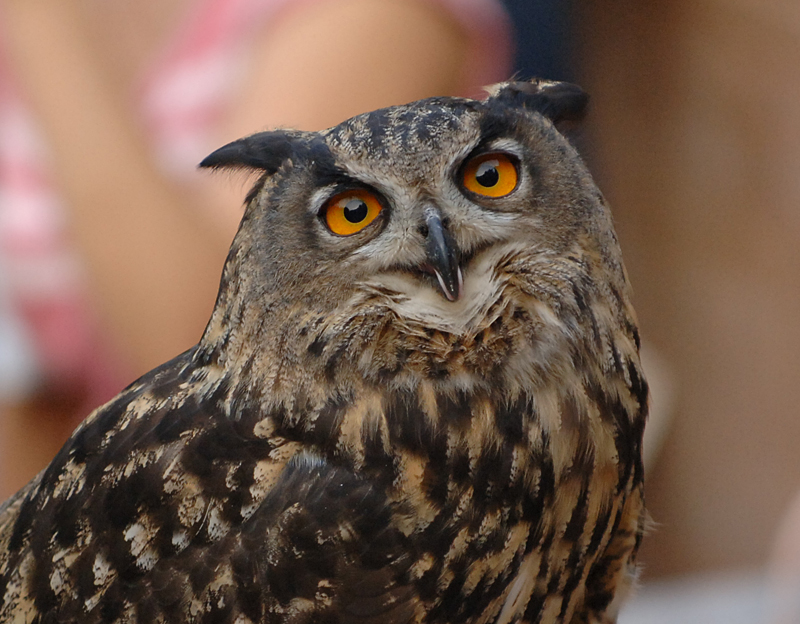
Great Horned Owl by Phil Kwong Galleries

Great Horned Owl by Phil Kwong Galleries

“And I heard as it were the voice of a great multitude, and as the voice of many waters, and as the voice of mighty thunderings, saying, Alleluia: for the Lord God omnipotent reigneth.” (Revelation 19:6 KJV)


Avian and Attributes – Omnipotent

OMNIP’OTENT, a. [supra.]

1. Almighty; possessing unlimited power; all powerful. The being that can create worlds must be omnipotent.

2. Having unlimited power of a particular kind; as omnipotent love.


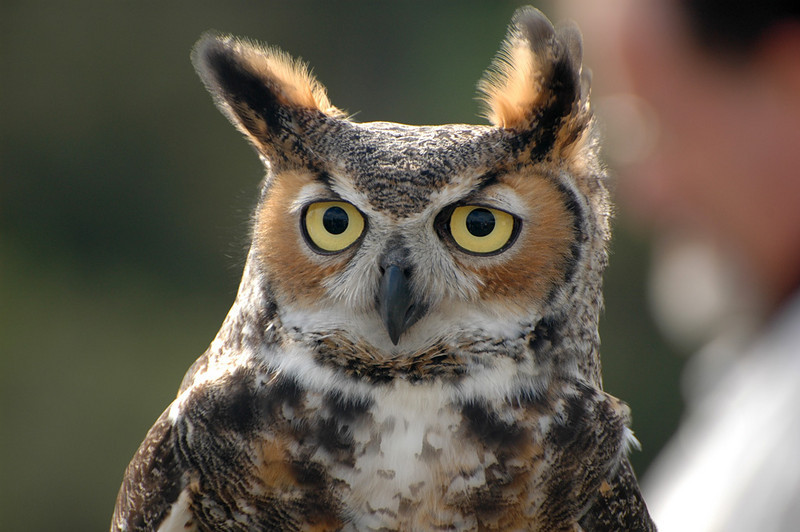
Great Horned Owl (Bubo virginianus) by Bob-Nan

Great Horned Owl (Bubo virginianus) by Bob-Nan

Great Horned Owl

The Great Horned Owl (Bubo virginianus), also known as the tiger owl (originally derived from early naturalists’ description as the “winged tiger” or “tiger of the air”) or the hoot owl, is a large owl native to the Americas. It is an extremely adaptable bird with a vast range and is the most widely distributed true owl in the Americas. The great horned owl is one of the earliest nesting birds in North America, often laying eggs weeks or even months before other raptorial birds.

All great horned owls have a facial disc. This can be reddish, brown or gray in color (depending on geographical and racial variation) and is demarked by a dark rim culminating in bold, blackish side brackets. This species’ “horns” are tufts of feathers, called plumicorns. The purpose of plumicorns is not fully understood, but the theory that they serve as a visual cue in territorial and socio-sexual interactions with other owls is generally accepted.


More Avian and Attributes

Birds whose last name start with “O”

Birds of the Bible – Owls

Good News

*
[Definitions from Webster’s Dictionary of American English (1828), unless noted. Bird info from Wikipedia plus.]
Avian and Attributes – Name Above All Names

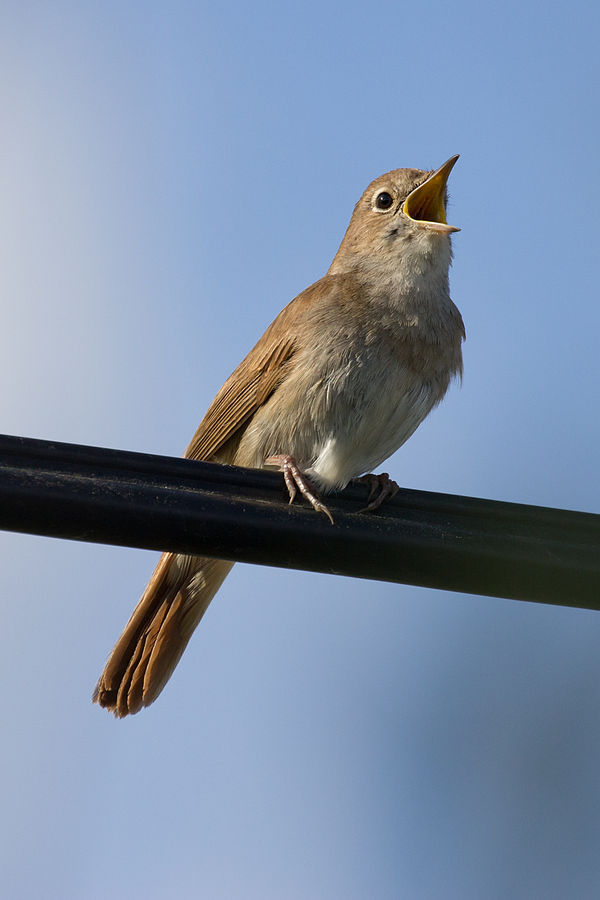
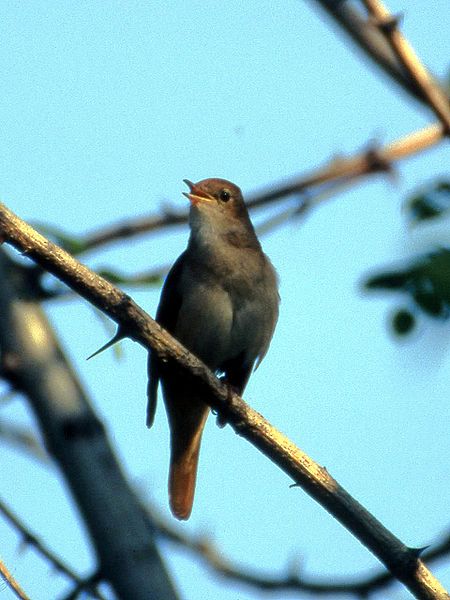
Common Nightingale (Luscinia megarhynchos) ©WikiC

“Wherefore God also hath highly exalted him, and given him a name which is above every name:” (Philippians 2:9 KJV)

“Let them praise the name of the LORD: for his name alone is excellent; his glory is above the earth and heaven.” (Psalms 148:13 KJV)

O LORD our Lord, how excellent is thy name in all the earth! who hast set thy glory above the heavens.” (Psalms 8:1 KJV)


Avian and Attributes – Name Above All Names

Names – These are often expressive of character or of relationship. God was revealed to Abraham, Isaac and Jacob, as GOD ALMIGHTY, which indicates the character in which God was pleased to be known by them: He was not known to them as JEHOVAH. Exo_6:3. This does not mean that they had not heard of the name, but that it did not express the character of His relationship with them. To Moses, He said, “I am JEHOVAH,” and by this name He was known to Israel: it formed the basis of their relationship with God. When power was committed to the Gentiles under the headship of Nebuchadnezzar it was said, “THE GOD OF HEAVEN hath given thee a kingdom, power, and strength, and glory.” Dan_2:37. In Christianity God is made known under the name of FATHER. Joh_20:17. Much is involved in the various names by which God has been pleased to make Himself known. So the Lord Jesus has various names: Son of God, Immanuel, Son of man, &c.: they all designate one Person, but each has its own import. Throughout the N. T., HIS NAME is the center of all blessing. Isa_9:6 Php_2:9-11. (Concise Bible Dictionary)


Common Nightingale (Luscinia megarhynchos) ©WikiC

Common Nightingale

The Common Nightingale or simply nightingale (Luscinia megarhynchos), also known as Rufous Nightingale, is a small passerine bird best known for its powerful and beautiful song. It was formerly classed as a member of the thrush family Turdidae, but is now more generally considered to be an Old World flycatcher, Muscicapidae.[2] It belongs to a group of more terrestrial species, often called chats.

It is a migratory insectivorous species breeding in forest and scrub in Europe and south-west Asia, and wintering in sub-Saharan Africa. It is not found naturally in the Americas. The distribution is more southerly than the very closely related thrush nightingale Luscinia luscinia. It nests on or near the ground in dense vegetation. Research in Germany found that favored breeding habitat of nightingales was defined by a number of geographical factors.   Muscicapidae Family


More Avian and Attributes

Birds whose last name start with “N”

Old World Flycatcher – Wikipedia

Good News

*
[Definitions from Webster’s Dictionary of American English (1828), unless noted. Bird info from Wikipedia plus.]
Avian and Attributes – Mercy

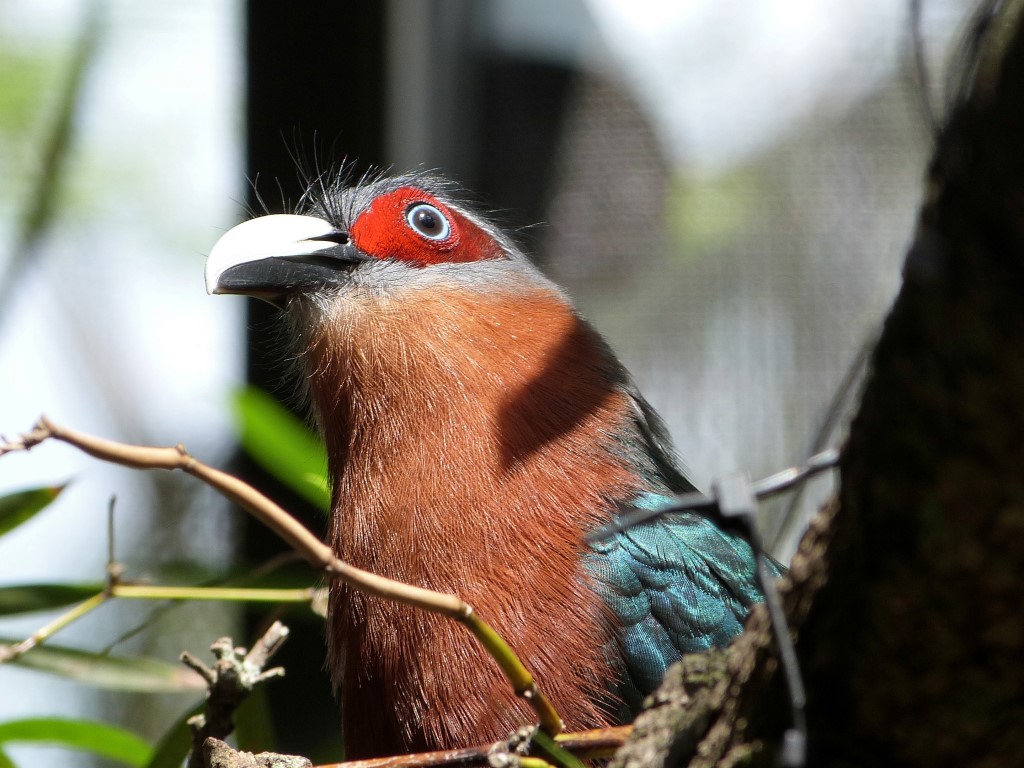
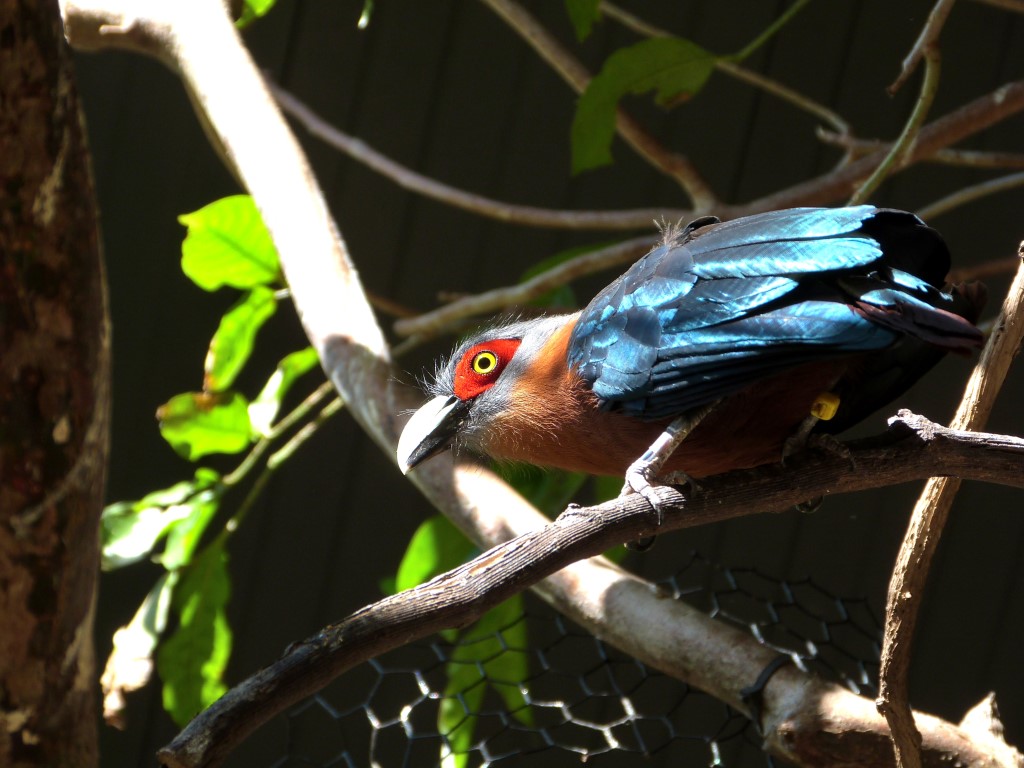
Chestnut-breasted Malkoha (Phaenicophaeus curvirostris) Palm Beach Zoo by Lee

Chestnut-breasted Malkoha (Phaenicophaeus curvirostris) Palm Beach Zoo by Lee

“For as the heaven is high above the earth, so great is his mercy toward them that fear him. As far as the east is from the west, so far hath he removed our transgressions from us.” (Psalms 103:11-12 KJV)

“But God, who is rich in mercy, for his great love wherewith he loved us,” (Ephesians 2:4 KJV)


Avian and Attributes – Mercy

MER’CY, n. [L. misericordia.]
1. That benevolence, mildness or tenderness of heart which disposes a person to overlook injuries, or to treat an offender better than he deserves; the disposition that tempers justice, and induces an injured person to forgive trespasses and injuries, and to forbear punishment, or inflict less than law or justice will warrant. In this sense, there is perhaps no word in our language precisely synonymous with mercy. That which comes nearest to it is grace. It implies benevolence, tenderness, mildness, pity or compassion, and clemency, but exercised only towards offenders. Mercy is a distinguishing attribute of the Supreme Being.
The Lord is long-suffering and of great mercy, forgiving iniquity and transgression, and by no means clearing the guilty. Num 14.

2. An act or exercise of mercy or favor. It is a mercy that they escaped.
I am not worthy of the least of all thy mercies. Gen 32.

3. Pity; compassion manifested towards a person in distress.
And he said, he that showed mercy on him. Luke 10.

4. Clemency and bounty.
Mercy and truth preserve the king; and his throne is upheld by mercy. Prov 28.

5. Charity, or the duties of charity and benevolence.
I will have mercy and not sacrifice. Mat 9.

6. Grace; favor. 1 Cor 7. Jude 2.

7. Eternal life, the fruit of mercy. 2 Tim 1.

8. Pardon.
I cry thee mercy with all my heart.

9. The act of sparing, or the forbearance of a violent act expected. The prisoner cried for mercy.
To be or to lie at the mercy of, to have no means of self-defense, but to be dependent for safety on the mercy or compassion of another, or in the power of that which is irresistible; as, to be at the mercy of a foe, or of the waves.

***

“If we could remember that the divine mercy is not a temporary mood but an attribute of God’s eternal being, we would no longer fear that it will someday cease to be. Mercy never began to be, but from eternity was; so it will never cease to be. It will never be more since it is itself infinite; and it will never be less because the infinite cannot suffer diminution.” A. W. Tozer, (Knowledge of the Holy, p.91)


Chestnut-breasted Malkoha (Phaenicophaeus curvirostris) by Lee at PB Zoo

Chestnut-breasted Malkoha (Phaenicophaeus curvirostris) by Lee at PB Zoo

Chestnut-breasted Malkoha

The Chestnut-breasted Malkoha (Phaenicophaeus curvirostris) is a species of cuckoo in the family Cuculidae. Found in Southeast Asia from Myanmar through to eastern Java, the Philippines and Borneo, it is a large cuckoo measuring up to 49 cm (19 in) with grey and dark green upperparts and chestnut underparts, and a large curved pale upper mandible. The male and female are similar in plumage. Unlike many cuckoos, it builds its nest and raises its own young.

It eats small vertebrates, such as small lizards, frogs, and baby birds, and insects, including caterpillars, grasshoppers, cicadas, stick insects, mantises, cockroaches, beetles, and bugs, as well as spiders and small crabs.  Cuculidae – Cuckoos Family


More Avian and Attributes

Birds whose last name start with “M”

Birds of the Bible – Chestnut-breasted Malkoha

Good News

*
[Definitions from Webster’s Dictionary of American English (1828), unless noted. Bird info from Wikipedia plus.]
Avian and Attributes – Love

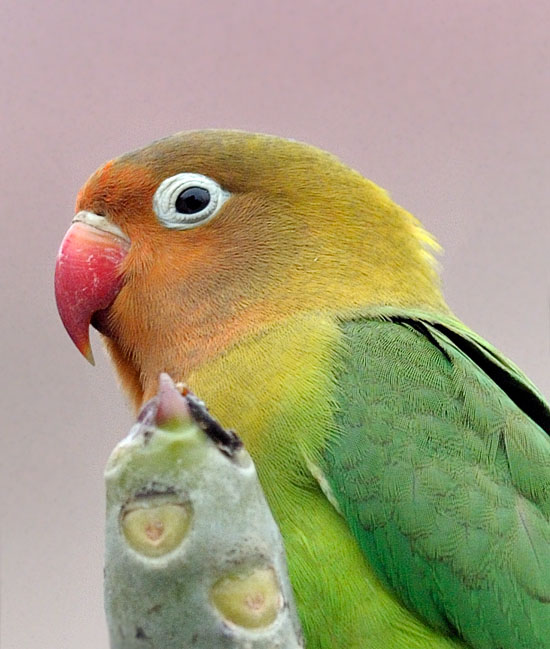
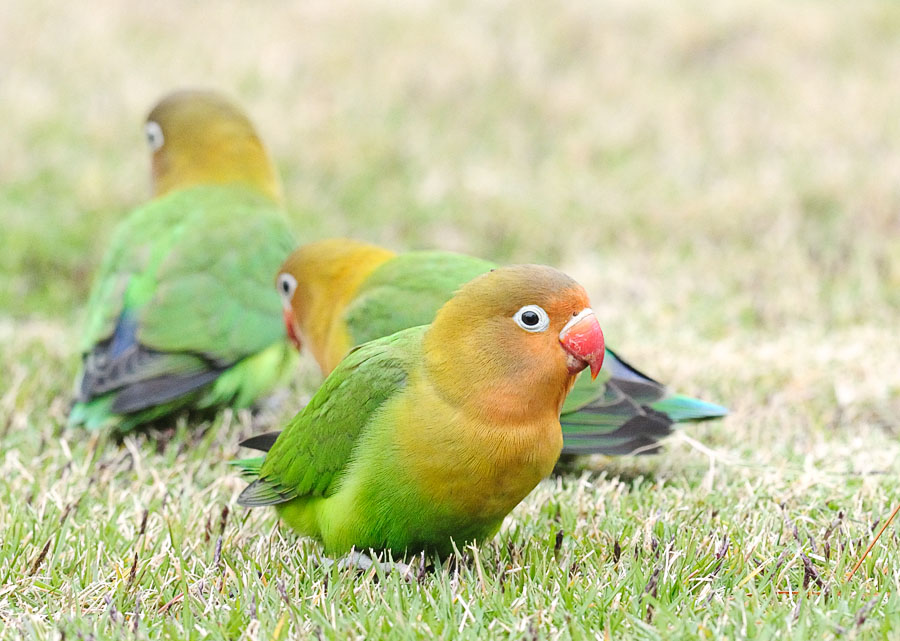
Fischer’s Lovebird (Agapornis fischeri) by W Kwong

“He that loveth not knoweth not God; for God is love.” (1 John 4:8 KJV)

“For God so loved the world, that he gave his only begotten Son, that whosoever believeth in him should not perish, but have everlasting life.” (John 3:16 KJV)


Divine Love

The love that God has for the sinful human race originates solely in his sovereign will. He loves people because he chooses to love them, not because they in any way deserve his love (Deu_7:7-8; Jer_31:3; Rom_5:8; Eph_1:4; Eph_2:4-5; 1Jn_3:1; 1Jn_4:10).

This was seen clearly in Jesus Christ, who throughout his life helped those in need and by his death saved helpless sinners. Salvation originates in the love of God, and that love found its fullest expression in the cross of Jesus Christ (Mat_14:14; Mar_10:21; Luk_7:13; Joh_3:16; Joh_15:13; Gal_2:20; Eph_2:4-7; Eph_5:25; 1Jn_4:9; see also MERCY). Jesus Christ could perfectly express God’s love, because he and the Father are bound together in a perfect unity in which each loves the other (Joh_3:35; Joh_10:30; Joh_14:31; Joh_15:9; Joh_17:24).

So much is love the dominating characteristic of the divine nature that the Bible declares that God is love. Everything that God says or does is in some way an expression of his love (1Jn_4:8; 1Jn_4:16). (Bridgeway Bible Dictionary)


Fischer’s Lovebird (Agapornis fischeri) by W Kwong

Fischer’s Lovebird

The Fischer’s Lovebird (Agapornis fischeri) is a small parrot species of the Agapornis genus. They were originally discovered in the late 19th century. They are named after German explorer Gustav Fischer.

Fischer’s Lovebird are native to a small area of east-central Africa, south and southeast of Lake Victoria in northern Tanzania. In drought years, some birds move west into Rwanda and Burundi seeking moister conditions. They live at elevations of 1,100-2,200m in small flocks. They live in isolated clumps of trees with grass plains between them.

Lovebirds are 13 to 17 cm (5 to 7 in) in length and 40 to 60 g (1 12 to 2 oz) in weight. They are among the smallest parrots, characterized by a stocky build, a short blunt tail, and a relatively large, sharp beak. Wildtype lovebirds are mostly green with a variety of colors on their upper body, depending on the species. The Fischer’s Lovebird, Black-cheeked Lovebird, and the Masked Lovebird have a prominent white ring around their eyes.  – Family Psittaculidae


More Avian and Attributes

Birds whose last name start with “L”

Fischer’s Lovebird – Wikipedia

Good News

*
[Definitions from Webster’s Dictionary of American English (1828), unless noted. Bird info from Wikipedia plus.]
Avian and Attributes – King

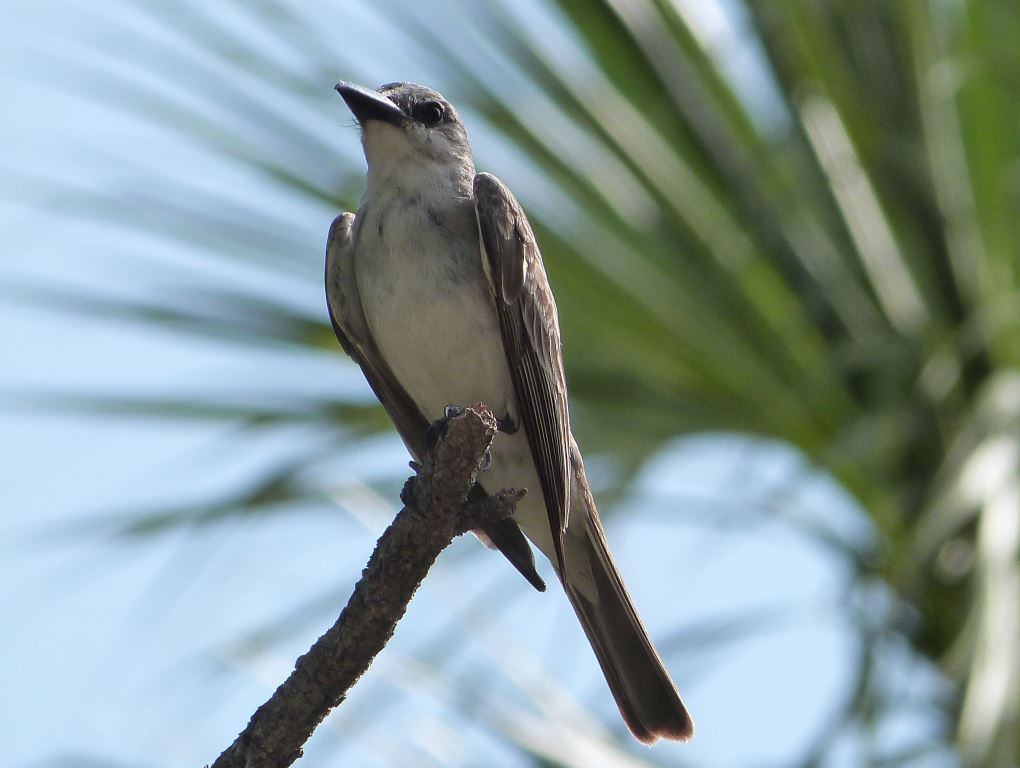
Grey Kingbird (Tyrannus dominicensis) by Lee at Honeymoon Is land State Park

“For God is the King of all the earth: sing ye praises with understanding.” (Psalms 47:7 KJV)

“For God is my King of old, working salvation in the midst of the earth.” (Psalms 74:12 KJV)

“Thou, O king, art a king of kings: for the God of heaven hath given thee a kingdom, power, and strength, and glory.” (Daniel 2:37 KJV)


King

KING, n.
1. The chief or sovereign of a nation; a man invested with supreme authority over a nation, tribe or country; a monarch. Kings are absolute monarchs, when they possess the powers of government without control, or the entire sovereignty over a nation;…

2. A sovereign; a prince; a ruler. Christ is called the king of his church. Psa 2


Grey Kingbird

The Gray Kingbird or Grey Kingbird, also known as pitirre, petchary, or White-breasted Kingbird (Tyrannus dominicensis) is a passerine bird. It breeds from the extreme southeast of the United States, mainly in Florida, through Central America, from Cuba to Puerto Rico as well as eastward towards all across the Lesser West Indies, south to Venezuela, Trinidad, Tobago, the Guiana, and Colombia. Northern populations are migratory, wintering on the Caribbean coast of Central America and northern South America. Several vagrant populations are known to exist in the American Northeast.

This tyrant flycatcher is found in tall trees and shrubs, including the edges of savanna and marshes. It makes a flimsy cup nest in a tree. The female incubates the typical clutch of two cream eggs, which are marked with reddish brown. Tyrannidae – Tyrant Flycatchers Family


More Avian and Attributes

Birds whose last name start with “K”

Grey Kingbird at Honeymoon Island SP

Vol. 2. No. 4, The Kingbird

Good News

*
[Definitions from Webster’s Dictionary of American English (1828), unless noted. Bird info from Wikipedia plus.]
Avian and Attributes – Justifier

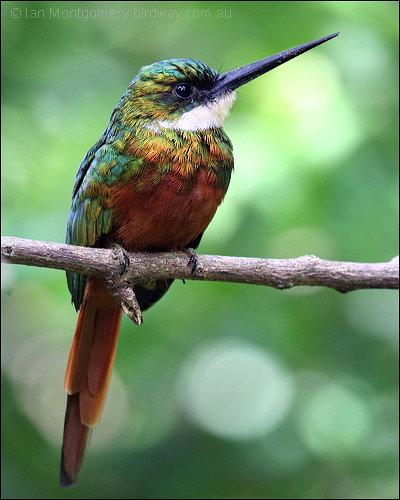
Rufous-tailed Jacamar (Galbula ruficauda) Male by Ian

“To declare, I say, at this time his righteousness: that he might be just, and the justifier of him which believeth in Jesus.” (Romans 3:26 KJV)


Justifier

JUST’IFIER, n. One who justifies; one who vindicates, supports or defends.

1. He who pardons and absolves from guilt and punishment.

That he might be just, and the justifier of him who believeth in Jesus. Rom 3.


Rufous-tailed Jacamar

The Rufous-tailed Jacamar (Galbula ruficauda) is a near-passerine bird which breeds in the tropical New World in southern Mexico, Central America and South America as far south as southern Brazil and Ecuador.

The jacamars are elegant brightly coloured birds with long bills and tails. The Rufous-tailed Jacamar is typically 25 centimetres (10 in) long with a 5 centimetres (2 in) long black bill. This bird is metallic green above, and the underparts are mainly orange, including the undertail, but there is a green breast band.

This insectivore hunts from a perch, sitting with its bill tilted up, then flying out to catch flying insects.


More Avian and Attributes

Birds whose last name start with “J”

Galbulidae – Jacamars

Good News

*
[Definitions from Webster’s Dictionary of American English (1828), unless noted. Bird info from Wikipedia plus.]
Time For A New Update – I.O.C. Version 7.3

Northern Shoverler (now Spatula clypeata)

Therefore we will not fear, though the earth should change and though the mountains be shaken into the midst of the seas,” (Psalms 46:2 AMP)

The end of July, the I.O.C. released its newest update for the birds. This website is updated. The official number of extant (living) bird species is now 10,694, and there are 158 extinct species. There are 20,074 subspecies. There are also still 40 Orders of Avian wonders. An Order is a scientific way to categorize related birds. Orders are divided into the 238 Families of birds and 2 Incertae Sedis, with also contain all those subspecies. The two Incertae Sedis groups contain birds that they do not know how to classify.

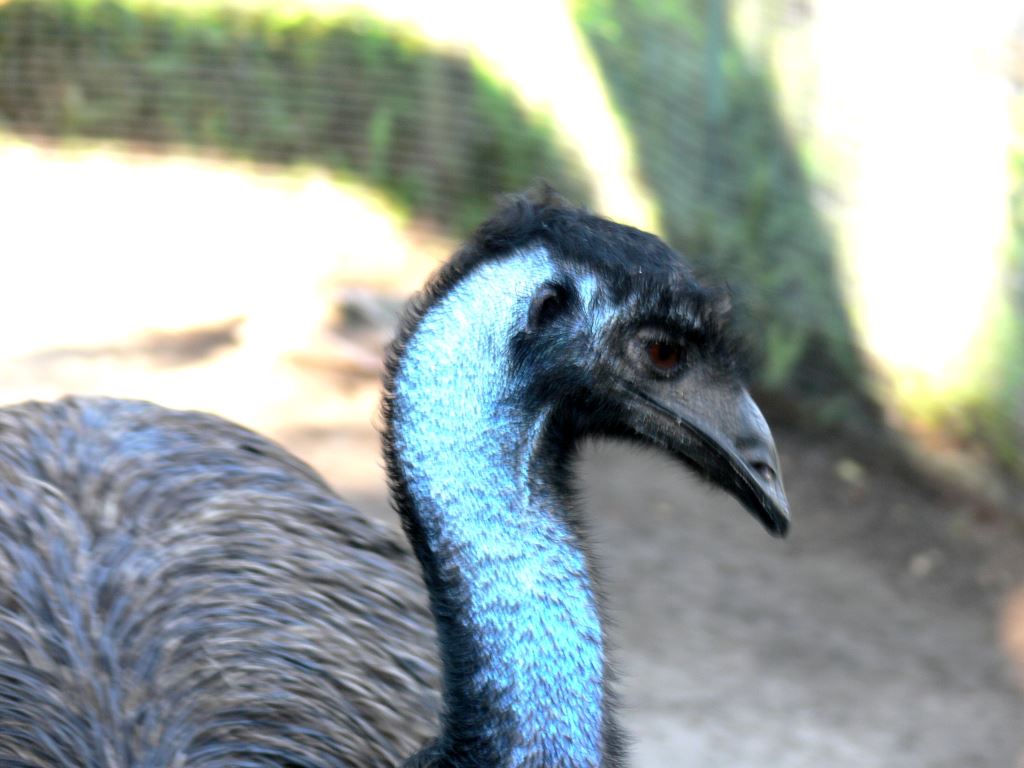
Emu 20101021 Lowry Pk Zoo

Emu Lowry Pk Zoo by Lee

All the Family pages are up to date, plus all the First and Last Name indexes. Several challenges were to discard a Family page and make a new page. The Emu (Dromaius novaehollandiae) was by itself in the Dromaiidae family. The Cassowaries, also part of the Casuariiformes Order, are in the Casuariidae family. The Emu is now part of the Casuariidae family.

Sapayoa (Sapayoa aenigma) ©WikiC

The Sapayoa (Sapayoa aenigma) is now in its own Sapayoidae Family. It was previously in with the Broadbills of the Eurylaimidae family. This Sapayoa is now all by itself and the Emu now has company. :)

Another major time-consuming challenge was the resequencing of the Scolopacidae Family. That is the Sandpiper, Snipes and allies group. It appears they again tossed all the names in the air and let them settle where ever. It took considerable time to rearrange this family. With all the DNA studies, there will be other air tosses in the future.

Baikal Teal (Sibirionetta formosa) Zoo Miami by Lee

Baikal Teal (Sibirionetta formosa) Zoo Miami by Lee

The Duck Family also had a bit of scrambling and genus names changed. They split some of the Anas genus away. The Shovelers and Teals are now in the Spatula genus, and the Baikal Teal is Sibirionetta formosa.

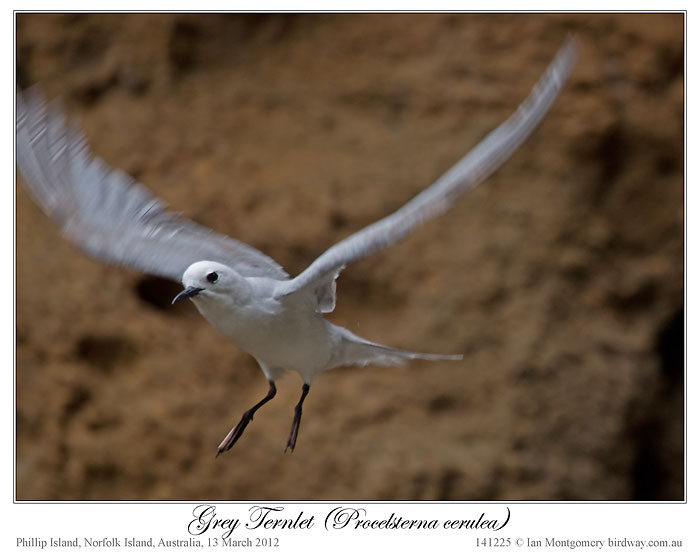
Grey Noddy (Procelsterna albivitta) by Ian 5

Grey Noddy (Procelsterna albivitta) by Ian

The Blue Noddy is now (Anous ceruleus) and the Grey Noddy is (Anous albivittus). They were Procelsterna.

There were other changes which will be mentioned in Part 2 of this update. There were 14 new birds added and 2 deleted. Several other groups of birds were moved to other families.

*

I.O.C. World Bird List

Birds of the World

Last Names of Birds

First Names of Birds

Bird Families

Avian and Attributes – Immutable

Marshall's Iora (Aegithina nigrolutea) by Nikhil Devasar

Marshall’s Iora (Aegithina nigrolutea) by Nikhil Devasar

“That by two immutable things, in which it was impossible for God to lie, we might have a strong consolation, who have fled for refuge to lay hold upon the hope set before us:” (Hebrews 6:18 KJV)

Immutable

IMMU’TABLE, a. [L.immutabilis; in and mutabilis.] invariable; unalterable; not capable or susceptible of change.
That by two immutable things, in which it was impossible for God to lie, we might have strong consolation. Heb 6.


Marshall’s Iora

The White-tailed Iora or Marshall’s Iora (Aegithina nigrolutea), is a songbird in the genus Aegithina found in parts of India and Sri Lanka. Calls are strident whistles; songs are musical to human ears. The Ioras are small to medium-small sized passerines, ranging from 11.5 to 15.5 cm (4.5–6.1 in) in length. Ioras have thin legs, and their bills are proportionately longer.

Ioras eat insects and spiders, which they find by nimbly gleaning the leaves of the slenderest outer twigs.  Aegithinidae Family


More Avian and Attributes Articles

Birds of the World – Common Iora and Allies

Sunday Inspiration –  Vangas and Friends

Birds whose last name start with “I”

*
[Definitions from Webster’s Dictionary of American English (1828), unless noted. Bird info from Wikipedia plus.]
Avian and Attributes – Holy

Lewin's Honeyeater (Meliphaga lewinii) by W Kwong

    Lewin’s Honeyeater (Meliphaga lewinii) by W Kwong

“But as he which hath called you is holy, so be ye holy in all manner of conversation; Because it is written, Be ye holy; for I am holy.” (1 Peter 1:15-16 KJV)


Holy

HO’LY, a.
1. Properly, whole, entire or perfect, in a moral sense. Hence, pure in heart, temper or dispositions; free from sin and sinful affections. Applied to the Supreme Being, holy signifies perfectly pure, immaculate and complete in moral character; and man is more or less holy, as his heart is more or less sanctified, or purified from evil dispositions. We call a man holy, when his heart is conformed in some degree to the image of God, and his life is regulated by the divine precepts. Hence, holy is used as nearly synonymous with good, pious, godly.
Be ye holy; for I am holy. 1 Pet 1.

2. Hallowed; consecrated or set apart to a sacred use, or to the service or worship of God; a sense frequent in Scripture; as the holy sabbath; holy oil; holy vessels; a holy nation; the holy temple; a holy priesthood.

3. Proceeding from pious principles, or directed to pious purposes; as holy zeal.

4. Perfectly just and good; as the holy law of God.

5. Sacred; as a holy witness.

Holy of holies, in Scripture, the innermost apartment of the Jewish tabernacle or temple, where the ark was kept, and where no person entered, except the high priest, once a year.

Holy Ghost, or Holy Spirit, the Divine Spirit; the third person in the Trinity; the sanctifier of souls.

Holy war, a war undertaken to rescue the holy land, the ancient Judea, from the infidels; a crusade; an expedition carried on by Christians against the Saracens in the eleventh, twelfth and thirteenth centuries; a war carried on in a most unholy manner.


Lewin’s Honeyeater

The Lewin’s Honeyeater (Meliphaga lewinii) is a bird that inhabits the ranges along the east coast of Australia. It has a semicircular ear patch, pale yellow in color. The name of this bird commemorates the Australian artist John Lewin.

Lewin’s honeyeaters feed mostly on fruits, favoring berries and small fruits, but also eat insects and nectar. Birds are normally seen alone, but may form loose groups of up to 10 birds. They feed in the upper branches and on the trunks of trees. Some insects are caught in flight. Meliphagidae Family


More Avian and Attributes Articles

Sunday Inspiration – Honeyeaters

Birds whose last name start with “H”

Good News

*
[Definitions from Webster’s Dictionary of American English (1828), unless noted. Bird info from Wikipedia plus.]
The Created Sun and Moon – Re-post from I.C.R.

Solar Eclipse 2011 ©WikiC

“The sun also ariseth, and the sun goeth down, and hasteth to his place where he arose.” (Ecclesiastes 1:5 KJV)

It is He Who sits upon the circuit of the earth, and the inhabitants thereof are like grasshoppers; it is He  Who stretches out the heavens like a curtain, and spreads them out as a tent to dwell in (Isaiah 40:22)

Dr. James J. S. Johnson (usually appearing as “JJSJ” on this blog), from the Institute for Creation Research, has released a Podcast about our Created Sun and Moon. Especially with the Total Eclipse of the Sun today (August 21st AD2017) by the Moon, across North America, we thought you would enjoy this information.

“What does Scripture say about the sun and the moon? How do these two “great lights” rule the heavens? Dr. Jim Johnson describes the sun and moon’s impact on our planet, as well as their effects on plants, animals, and humans. He also sheds light on a historical controversy involving Galileo…..” CLICK TO HEAR

*

More from James J. S. Johnson

Avian and Attributes – Glorious

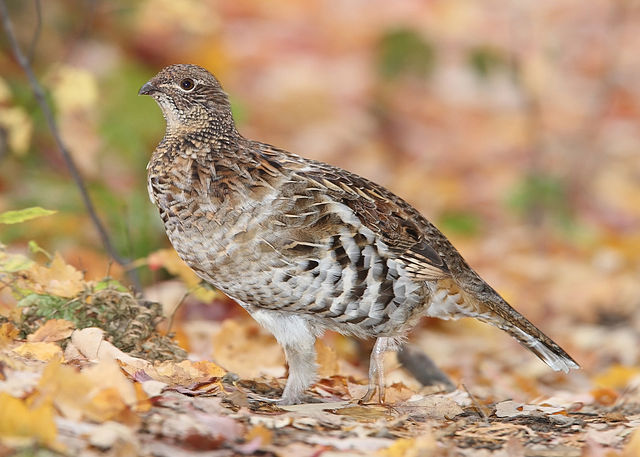
Ruffed Grouse (Bonasa umbellus) ©WikiC

“Who is like unto thee, O LORD, among the gods? who is like thee, glorious in holiness, fearful in praises, doing wonders?” (Exodus 15:11 KJV)


Glorious

GLO’RIOUS, a. [L. gloriosus. See Glory.]
1. Illustrious; of exalted excellence and splendor; resplendent in majesty and divine attributes; applied to God. Exo 15:11.
2. Noble; excellent; renowned; celebrated; illustrious; very honorable; applied to men, their achievements, titles, &c.
Let us remember we are Cato’s friends,
And act like men who claim that glorious title.
3. Boastful; self-exulting; haughty; ostentatious.


Ruffed Grouse

The ruffed grouse differs from other grouse species in its courtship display. Unlike other grouse species, the ruffed grouse relies entirely on a non-vocal acoustic display, known as drumming. The drumming itself is a rapid, wing-beating display that creates a low-frequency sound, starting slow and speeding up (thump…thump…thump..thump-thump-thump-thump). Even in thick woods, this can be heard for a quarter-mile or more (~1/2 km).

The ruffed grouse spends most of its time quietly on the ground, and when surprised, may explode into flight, beating their wings very loudly. In the winter, they will burrow into the snow for warmth, and may suddenly burst out of the snow when approached too closely.

Phasianidae Family

Watch video of Ruffed Grouse Druming


More Avian and Attributes Articles

Birds whose last name start with “G”

Good News

*
[Definitions from Webster’s Dictionary of American English (1828), unless noted. Bird info from Wikipedia plus.]