Heaven’s New Jerusalem and Birds – Introduction II

This is a repost of Introduction to the Heaven’s New Jerusalem and Birds. This series originally appeared in 2019. (With a little dusting and updating they will all be reposted in the coming days. Stay tuned.)

Sapphire Flycatcher (Ficedula sapphira) ©WikiC

I am currently attending a ladies Bible study class on Heaven. It is very interesting, and of course, when the mention of the various precious stones, with their beautiful colors came up, birds fluttered to mind. I have been accused of having a “bird brain.” [Always thinking about things in relation to birds.]

A huge question came to mind. Wonder if I could find birds whose names or colors closely reflected the names of those stones? Sounds like a simple premise. Right? Not so fast, as I am finding out.
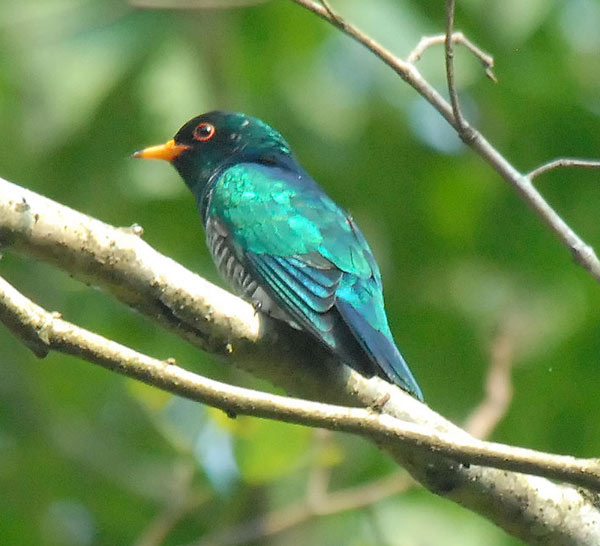
Asian Emerald Cuckoo (Chrysococcyx maculatus) by Nikhil Devasar

Asian Emerald Cuckoo (Chrysococcyx maculatus) by Nikhil Devasar

First some of the verses that we were reading from Revelation Chapter 21:

“10 And he carried me away in the spirit to a great and high mountain, and shewed me that great city, the holy Jerusalem, descending out of heaven from God,
18 And the building of the wall of it was of jasper: and the city was pure gold, like unto clear glass.
19 And the foundations of the wall of the city were garnished with all manner of precious stones. The first foundation was jasper; the second, sapphire; the third, a chalcedony; the fourth, an emerald;
20 The fifth, sardonyx; the sixth, sardius; the seventh, chrysolyte; the eighth, beryl; the ninth, a topaz; the tenth, a chrysoprasus; the eleventh, a jacinth; the twelfth, an amethyst.
21 And the twelve gates were twelve pearls: every several gate was of one pearl: and the street of the city was pure gold, as it were transparent glass. (KJV)  [Yes, pearls are not stones]

Things go well with Gold, Jasper, Sapphire, Emerald, Topaz, Jacinth?, and Amethyst. What about chalcedony, sardonyx, sardius, chrysolyte, beryl [maybe], and chrysoprasus?
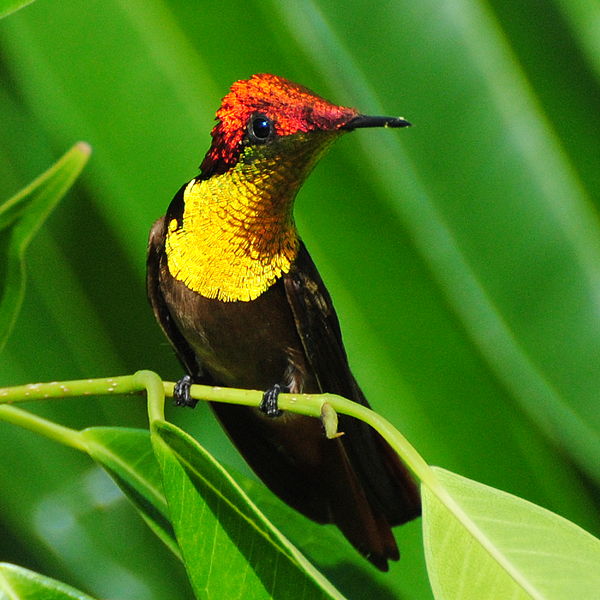
Ruby-topaz Hummingbird (Chrysolampis mosquitus) ©WikiC

King James Study Bible 21:9–21. These verses describe the beauty and glory of the holy Jerusalem. It is called Christ’s bride (cf. v. 2), a reference perhaps to the church as the city’s principal inhabitant. It is an expression of the glory of God. The wall shows its security and protection. Its gates show accessibility. Saved Israel is also present. It has dimensions of approximately 1,500 miles cubed. The gold and precious stones may be earthly materials glorified (cf. 1 Cor. 15:50–54). They depict the glory, beauty, and eternal quality of the city. Jasper is green, sapphire is blue, chalcedonyis green, emerald is green, sardonyx is red and white, sardius is bloodred, chrysolyte is yellow or gold, beryl is green, topaz is greenish gold or yellow, chrysoprasus is green, jacinth is bluish purple, and amethyst is purple quartz. The effect is a magnificent city of brilliant gold adorned with gems of every color. There appears to be only one street (cf. 22:2), also made of pure, radiant gold.
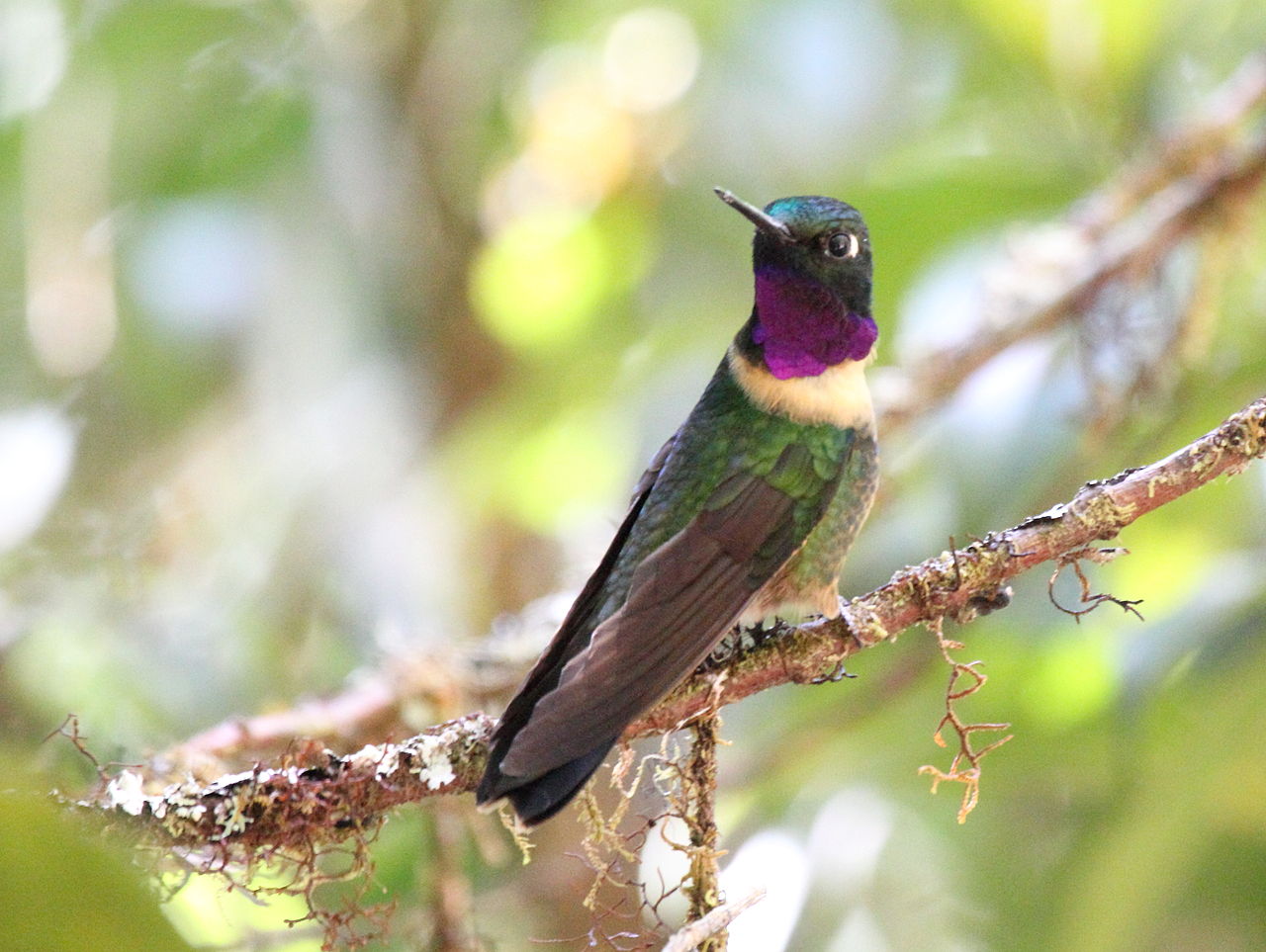
Amethyst-throated Sunangel (Heliangelus_amethysticollis) ©WikiC

Stones, Precious
“Precious stones are frequently alluded to in Scriptures; they were known and very highly valued in the earliest times. The Tyrians traded in precious stones supplied by Syria. Eze_27:16. The merchants of Sheba and Raamah in south Arabia, and , doubtless, India and Ceylon, supplied the markets of Tyre with various precious stones. The art of engraving on precious stones was known from the very earliest times. Gen_38:18.
The twelve stones of the breastplate were engraved, each one, with the name of one of the tribes. Exo_28:17-21. It is an undecided question whether the diamond was known to the early nations of antiquity. The Authorized Version gives it as the rendering of the Hebrew word, yahalom, but it is probable that the jasper is intended.
Precious stones are used in Scripture, in a figurative sense, to signify value, beauty durability, etc., in those objects with which they are compared. See Son_5:14; Isa_54:11-12; Lam_4:7; Rev_4:3; Rev_21:10; Rev_21:21. [Smith’s Bible Dictionary]
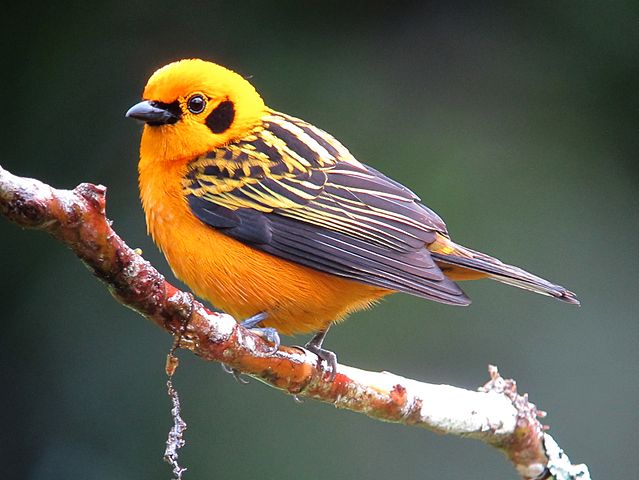
Golden Tanager (Tangara arthus) ©WikiC

The Bible Knowledge Commentary says this of Revelation 21:19-21″

“The decorations of the foundations (with the apostles’ names inscribed on them) include 12 stones involving different colors. The color of the jasper is not indicated. The sapphire was probably blue; the chalcedony comes from Chalcedon, Turkey and is basically blue with stripes of other colors. The emerald is a bright green; the sardonyx is red and white; and the carnelian, called a “sardius” in the NASB, is usually ruby-red in color, though it sometimes has an amber or honey color. In Rev_4:3 the carnelian stone is coupled with the jasper to reflect the glory of God. The chrysolyte is a golden color, probably different from the modern chrysolyte stone which is pale green. The beryl is a sea green; the topaz is a transparent yellow-green; the chrysoprase is also green; the jacinth is violet in color; and the amethyst is purple. The stones together provide a brilliant array of beautiful colors. The gates resemble huge, single pearls, and the street of the city was of pure gold, like transparent glass (cf. Rev_21:18).
While the beauty of the city may have symbolic meaning, no clue is given as to the precise interpretation. Since it is reasonable to assume that the saints will dwell in the city, it is best to take the city as a literal future dwelling place of the saints and angels.”
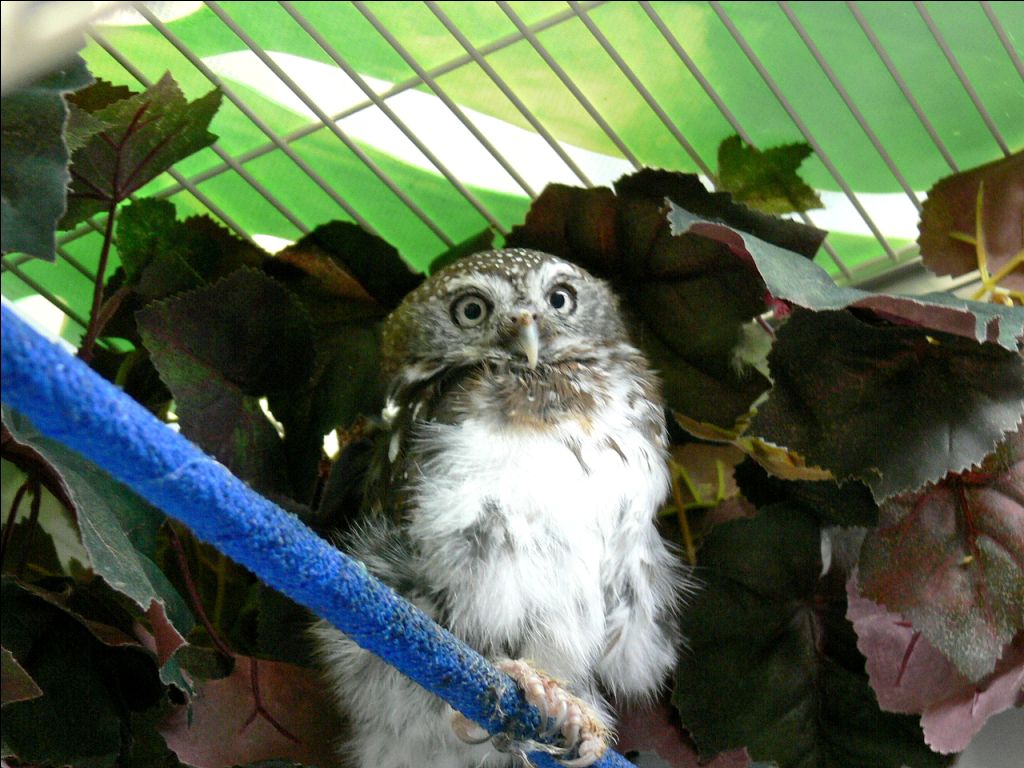
Pearl-spotted Owlet (Glaucidium perlatum) Breeding Room by Lee

Pearl-spotted Owlet (Glaucidium perlatum) Breeding Room by Lee

As you can see, it is going to take a while to figure out some of these colors to find possible matching bird colors and names. A friend mentioned that the colors were maybe the same as the ones in the rainbow. Sounds reasonable. When the Lord created the birds, He knew about the rainbow that was going to be given as a promise after the flood. He also knew the colors of the foundations of the New Jerusalem. So, why would he not use those colors in birds when He created them?

“In the beginning was the Word, and the Word was with God, and the Word was God. The same was in the beginning with God. All things were made by him; and without him was not any thing made that was made.” (John 1:1-3 KJV)

Stay Tuned!

See:

Heaven’s New Jerusalem and Birds – Foundation Stones II

This is a repost of the original that appeared on (February 22, 2019)

Precious Stone

“O LORD, our Lord, How majestic is Your name in all the earth!” (Psalms 8:9 NASB)

Before matching the bird’s colors to the Foundation Stones, here are some facts and photos to help us understand the colors of the twelve foundations, if that is possible with our human minds. If the stones are this beautiful now, what will they be like in heaven?

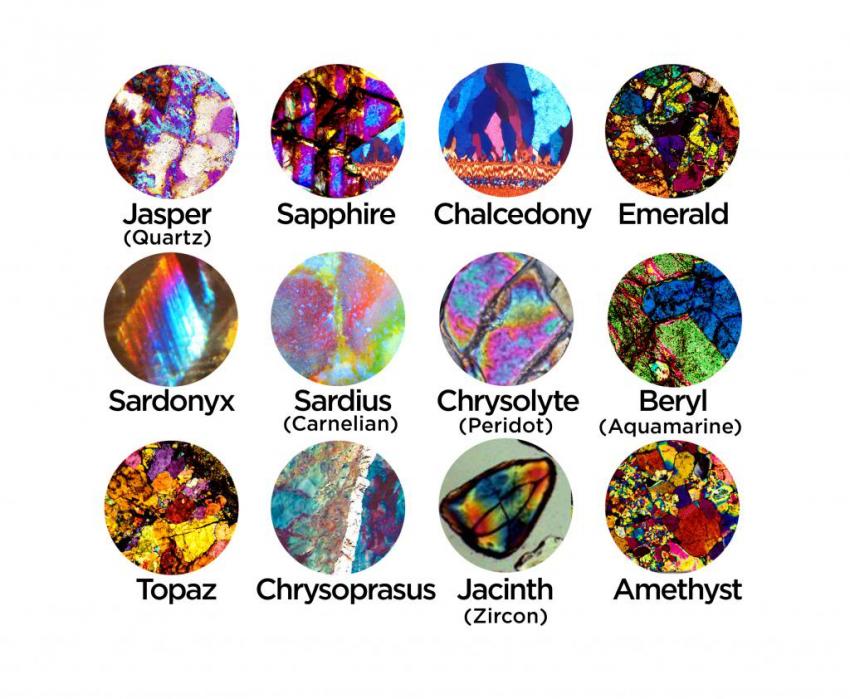
Very interesting article about The 12 Foundation Stones in New Jerusalem gives fact about these gems. “In the past century, it has been discovered that gems can be classified as either anisotropic or isotropic, and only recently have scientists discovered cross polarized light, which can be used to identify whether a gem is anisotropic or isotropic. When viewed in crossed-polarised light (similar to “pure” light), anisotropic stones produce a colourful array- reflecting all the colours of the rainbow, whereas isotropic stones lose all of their colour and appear black.”

There are some words in there that are new to me, like, anisotropic or isotropic, cross polarized light. Yet the next paragraph, is really informative:

“It’s interesting that, in Revelation chapter 21, there are 12 gems mentioned to be inlaid for decoration of the New Jerusalem, and ALL of these 12 gems are anisotropic gems, i.e., gems that can show colourful patterns under pure light…

Twelve Stones of Revelation 21 from Christian Evidence

We normally think of the colors of these stones as:

New Jerusalem Gemstones

It will be worth your time to read the article, especially, “What are the odds? The 12 Foundation Stones in New Jerusalem,

Here is a video showing the colors of these stones. [music can be muted]

“And the building of the wall of it was of jasper: and the city was pure gold, like unto clear glass. And the foundations of the wall of the city were garnished with all manner of precious stones. The first foundation was jasper; the second, sapphire; the third, a chalcedony; the fourth, an emerald; The fifth, sardonyx; the sixth, sardius; the seventh, chrysolite; the eighth, beryl; the ninth, a topaz; the tenth, a chrysoprasus; the eleventh, a jacinth; the twelfth, an amethyst.” (Revelation 21:18-20 KJV)

I am aware that the seven colors of the rainbow are not necessarily the order of the foundation, but this article is also worth reading:

The Colors of the Rainbow


Looking Back and Looking Ahead

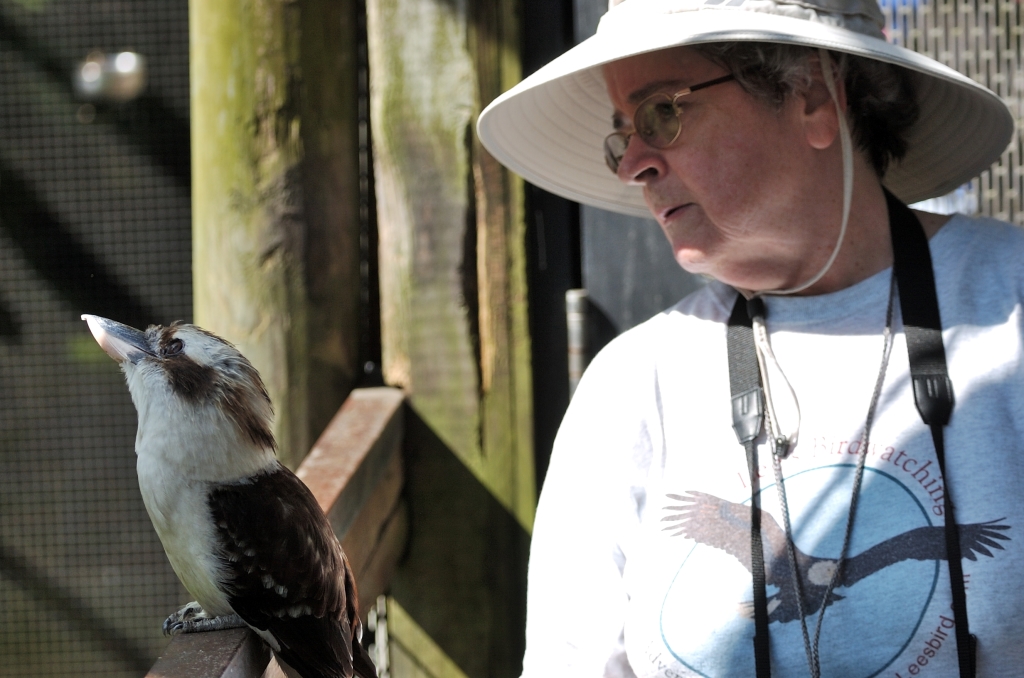
Lee with Laughing Kookabura at Brevard Zoo by Dan

” O LORD, our Lord, How excellent is Your name in all the earth, Who have set Your glory above the heavens!  Out of the mouth of babes and nursing infants You have ordained strength, Because of Your enemies, That You may silence the enemy and the avenger.  When I consider Your heavens, the work of Your fingers, The moon and the stars, which You have ordained, What is man that You are mindful of him, And the son of man that You visit him?  (5)  For You have made him a little lower than the angels, And You have crowned him with glory and honor.  (6)  You have made him to have dominion over the works of Your hands; You have put all things under his feet, All sheep and oxen—Even the beasts of the field, The birds of the air, And the fish of the sea That pass through the paths of the seas. O LORD, our Lord, How excellent is Your name in all the earth!

When I was asked to do some articles about birds, way back in 2008, I never imagined that today, Lee’s Birdwatching Adventures (now with WordPress) would have:

  • 2,513,166 visits as of today
  • 3,857 articles posted

The Lord has truly blessed these efforts. But now? After prayer and much thought, A decision has been made!!

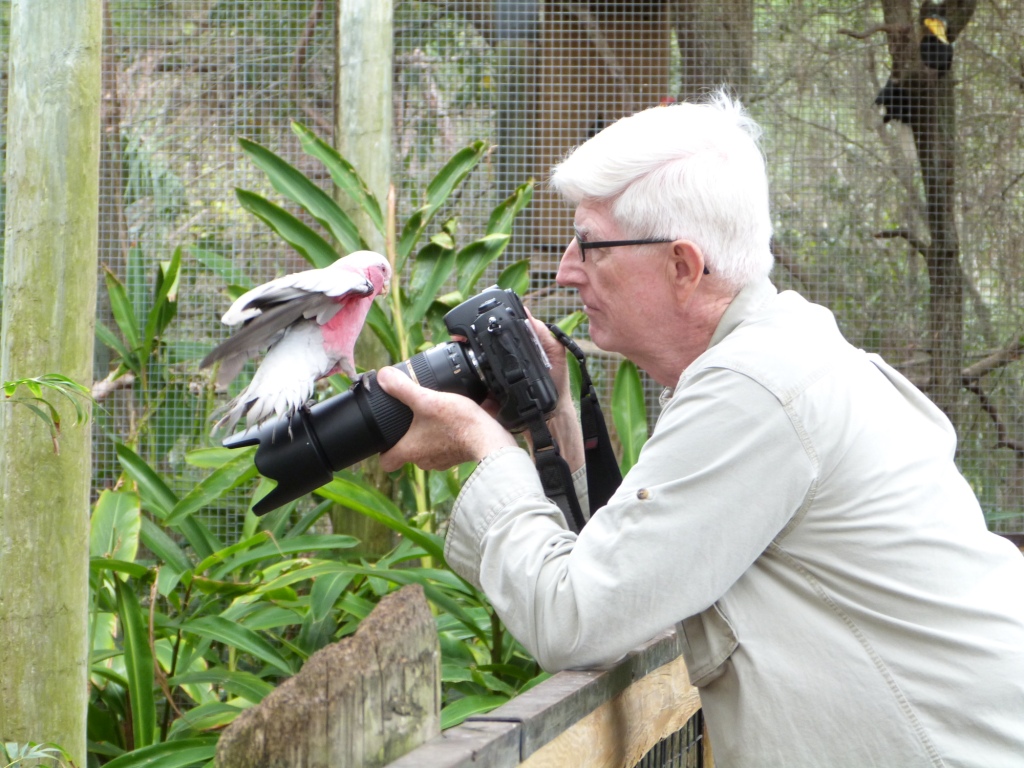
Galah (Eolophus roseicapilla) Hopping on the camera

Galah (Eolophus roseicapilla) Hopping on Dan’s camera

LET’S CONTINE ON!!!!

I’ve paid the fees to continue. The Lord is about to allow me to turn 81 in a little over a week. Thank You Lord. We already have several great writers and photographer that can still add new articles here. The wealth of articles makes great resources for those seeking information about birds, especially home school students and others.

Golden Eagle and Dr Jim – Circle B by Lee

Dr. James J.S. Johnson from Institute for Creation Research,

William Wise a great photographer and writer, and

Golden Eagle, a.k.a. Dr. Baron Brown, are still birding.

ME?? I am planning to review and repost many of the great series of previous posts. I’ll check for broken link and missing photos.

In fact, tomorrow, the Heaven’s New Jerusalem and Birds – Foundation Stones series will begin. It’s one of my favorites.

Thank you for all the visits over the years and trust you’ll continue checking out these “oldies but goodies.” At my age, I forget things. :)

Praise the Lord for all these blessings that He has allowed us the share.

Stay Tuned!

The Wise Owl

What’s Its Name? – “cristatus”

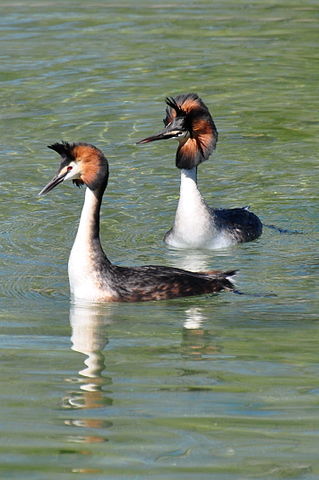
Great Crested Grebe (Podiceps cristatus) With partner ©WikiC

“And Haman answered the king, “For the man whom the king delights to honor, let a royal robe be brought which the king has worn, and a horse on which the king has ridden, which has a royal crest placed on its head.” (Esther 6:7-8 NKJV)

There are various Latin/scientific names for the “Crested” birds. The birds featured here use the term “christus” and we may check out more Crested birds in another article. Most are really gorgeous when the display that crest. What a Creator! Enjoy!

Great Crested Grebe (Podiceps cristatus) with young ©WikiC

Great Crested Grebe (Podiceps cristatus)

Indian Peafowl (Pavo cristatus) at Cincinnati Zoo by Lee

Indian Peafowl (Pavo cristatus)

Crested Hornero (Furnarius cristatus) ©©Flickr KarinaDiarte

Crested Hornero (Furnarius cristatus) ©©Flickr KarinaDiarte

Crested Hornero (Furnarius cristatus)

Flame-crested Tanager (Tachyphonus cristatus) by Dario Sanches

Flame-crested Tanager (Loriotus cristatus) by Dario Sanches

Flame-crested Tanager (Loriotus cristatus)

Australian Owlet-nightjar (Aegotheles cristatus) by Ian

Australian Owlet-nightjar (Aegotheles cristatus) by Ian

Australian Owlet-nightjar (Aegotheles cristatus)

Silvery-cheeked Antshrike (Sakesphorus cristatus) by A Grosset

Silvery-cheeked Antshrike (Sakesphorus cristatus) by A Grosset

Silvery-cheeked Antshrike (Sakesphoroides cristatus)

Here are the rest of these beautiful Avian Wonders “Crested” cristatus birds. They are in the order that the Birds of the World site lists them when you enter “crisstatus”:

Antillean Crested Hummingbird (Sakesphorus cristatus)

Crested Bobwhite (Colinus cristatus)

Antillean Crested Hummingbird (Orthorhyncus cristatus)

Malachite Kingfisher (Corythornis cristatus)

Sharpbill (Oxyruncus cristatus)

Chirruping Wedgebill (Psophodes cristatus)

Piping Bellbird (Ornorectes cristatus)

Brown Shrike (Lanius cristatus)

Crested Tit (Lophophanes cristatus)

There are more Crested birds, but they use different Scientific/Latin names such as “cristata“, and “cristatellus

Crested Lark (Galerida cristata) by Nikhil Devasar

We will take a look at them in another post, like the Crested Lark. Stay tuned!

WOW!!! WHAT A CREATOR!!

Formed By Him

Good News

What’s Its Name? – “elegans”

??? (Platycercus elegans) ©WikiC

In this post let’s investigate the name of “elegans.” Before I reveal what that means, let’s look at a few birds with “elegans” in its Scientific/Latin name.

elegans

??? (Malurus elegans) male-breeding ©WikiC

??? (Progne elegans) ©WikiC

??? (Emberiza elegans) ©WikiC

Elegant Crested Tinamou (Eudromia elegans) Cloud Forest at Zoo Miami by Lee

??? (Eudromia elegans) Cloud Forest at Zoo Miami by Lee

Buff-spotted Flufftail (Sarothrura elegans) ©©kibuyu

??? (Sarothrura elegans) ©©kibuyu

??? (Rallus elegans) Viera Wetlands 12-26-17 by Lee

That’s enough to give a view of some of the “elegans.” Just looking at the variety, I have no clue as to what “elegans” means. :)

This photo by Ian gives the whole birds name. Maybe it means “Elegant”?

"Yellow" Crimson Rosella (Platycercus elegans flaveolus) by Ian 4

“Yellow” Crimson Rosella (Platycercus elegans flaveolus) by Ian

Here are links to the birds above in order presented:

Crimson Rosella (Platycercus elegans)

Red-winged Fairywren (Malurus elegans)

Elegant Crested-Tinamou (Eudromia elegans)

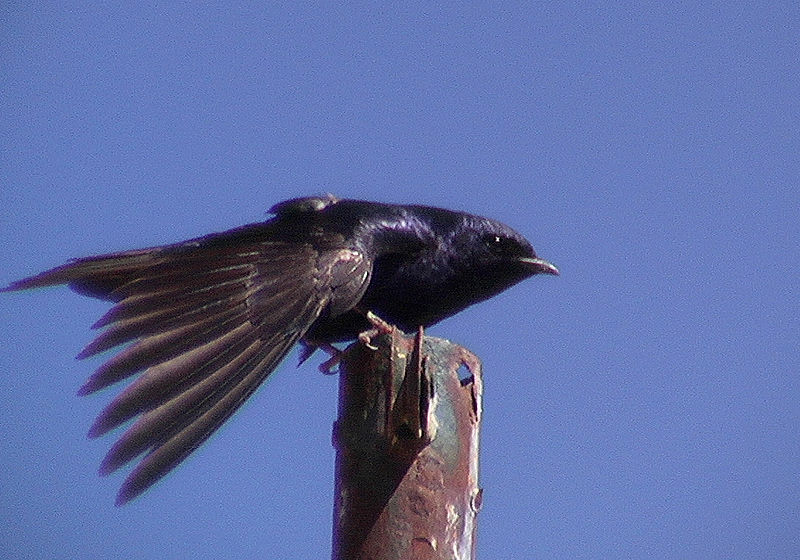
Southern Martin (Progne elegans)

Yellow-throated Bunting (Emberiza elegans)

Elegant Crested-Tinamou (Eudromia elegans)

Buff-spotted Flufftail  (Sarothrura elegans)

King Rail (Rallus elegans)

After seeing all these beautiful Avian Wonders from the Lord, whatever the term means, I’m voting for ELEGANT!!!

“And God blessed them, saying, ‘Be fruitful and multiply, and fill the waters in the seas, and let birds multiply on the earth.’ ” (Genesis 1:22 NKJV)

Elegant Tern by Ian Montgomery

Elegant Tern by Ian Montgomery

Here are the rest of the “elegans” at Birds of the World – at Cornell Lab:

Brush Bronzewing (Phaps elegans)

Elegant Tern (Thalasseus elegans)

Subantarctic Shearwater (Puffinus elegans)

Ryukyu Scops-Owl (Otus elegans)

Elegant Trogon (Trogon elegans)

Chestnut Woodpecker Celeus elegans

Brazilian Laniisoma (Laniisoma elegans elegans) Pinterest

Brazilian Laniisoma (Laniisoma elegans elegans) Pinterest

Elegant Parrot (Neophema elegans)

Elegant Pitta (Pitta elegans)

Elegant Crescentchest (Melanopareia elegans)

Elegant Woodcreeper (Xiphorhynchus elegans)

Brazilian Laniisoma (Laniisoma elegans)

Elegant Tit (Periparus elegans)

WOW!!! WHAT A CREATOR!!

Formed By Him

Good News

Happy Mother’s Day!

Happy Mother’s Day!

I wonder if all the Bird Mother’s have a special Day? Thought I would see what photos from the past have mom’s and youngsters. Let’s See!!

Mom and baby Penquins ©Pinterest

Emu (Dromaius novaehollandiae) Baby by WaltDaily©©

Snowy Egret Baby by Dan at Gatorland

Skimmer Baby Leaning against Parents Beak – ©Thomas C – NatlGeog – Pinterest

Mom and Baby at Lake Hollingsworth by Lee

Baby Geese by Dan

Australasian Grebe (Tachybaptus novaehollandiae) with babies ©WikiC

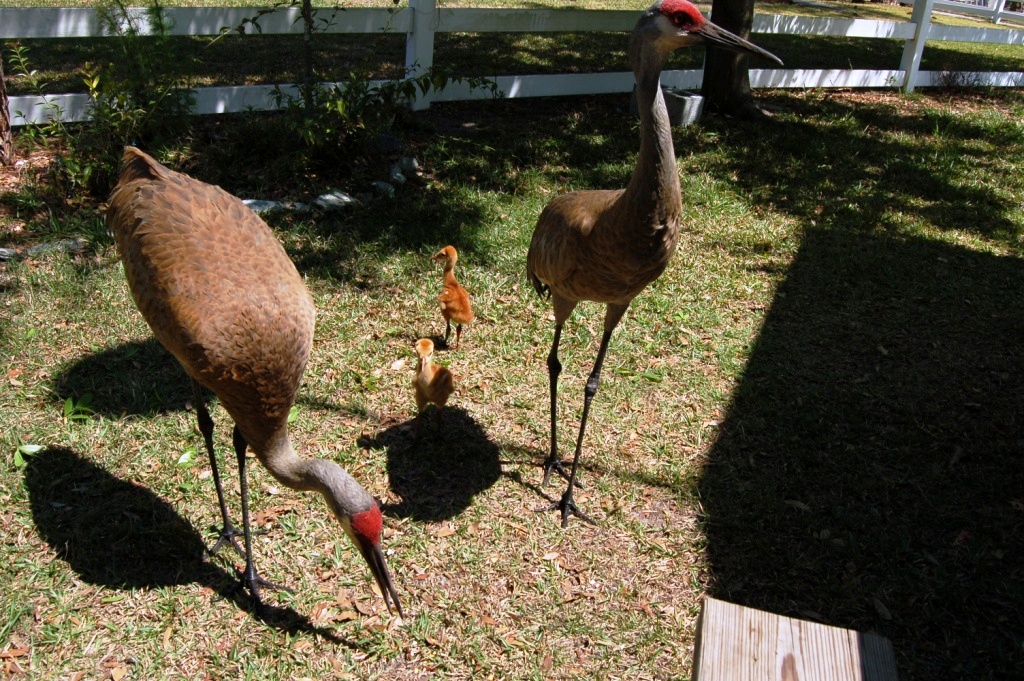
Sandhill Cranes and Babies in yard by Lee

Black-bellied Whistling Duck (Dendrocygna autumnalis) and Babies by Lee at Circle B

Black-bellied Whistling Duck and Babies by Lee at Circle B

Sandhill Crane "colts"

Sandhill Crane “colts” by Lee

Female Chipping Sparrow bird feeding three baby Chipping Sparrow nestlings, Athens, Clarke County, GA. by William Wise

Common Starling (Sturnus vulgaris) at Nest 1 by Anthony747

Well, I think you get the idea. Mother’s can be very busy at times. Enjoy your day!

“HONOR YOUR FATHER AND MOTHER,” which is the first commandment with promise:
(Ephesians 6:2 NKJV)

Previous Posts:

Avian Happy Mother’s Day

Sunday Inspiration – Mother’s Day

Mother’s Day– “Stay Close To Me” © The Hyssongs

Emberizidae Family Allies I ~ “Be Thou My Vision” ~ by Ladies and Girls Choir on Mother’s Day

Good News

What’s It’s Name? – “Coronata”

Blue-crowned Manakin (Lepidothrix coronata) ©WikiC

“For You meet him with the blessings of goodness; You set a crown of pure gold upon his head.” (Psalms 21:3 NKJV)

Coronata is our Scientific/Latin word today. When I saw this name for birds, without looking up the word, I thought it had to have something to with a coronation, a king, or maybe a crown.

Crested Treeswift (Hemiprocne coronata)

Crested treeswift (Hemiprocne  coronata) Male and Female Photographs by Shantanu Kuveskar – Wikipedia

Blue-capped Manakin (Lepidothrix coronata)

Blue-crowned Manakin (Lepidothrix coronata) ©WikiC

Wrenthrush (Zeledonia coronata)

Wrenthrush (Zeledonia coronata) – Anthony Batista (Wikipedia)

Yellow-rumped Warbler (Setophaga coronata)

Myrtle (Yellow-rumped) Warbler (Setophaga coronata) breeding ©WikiC

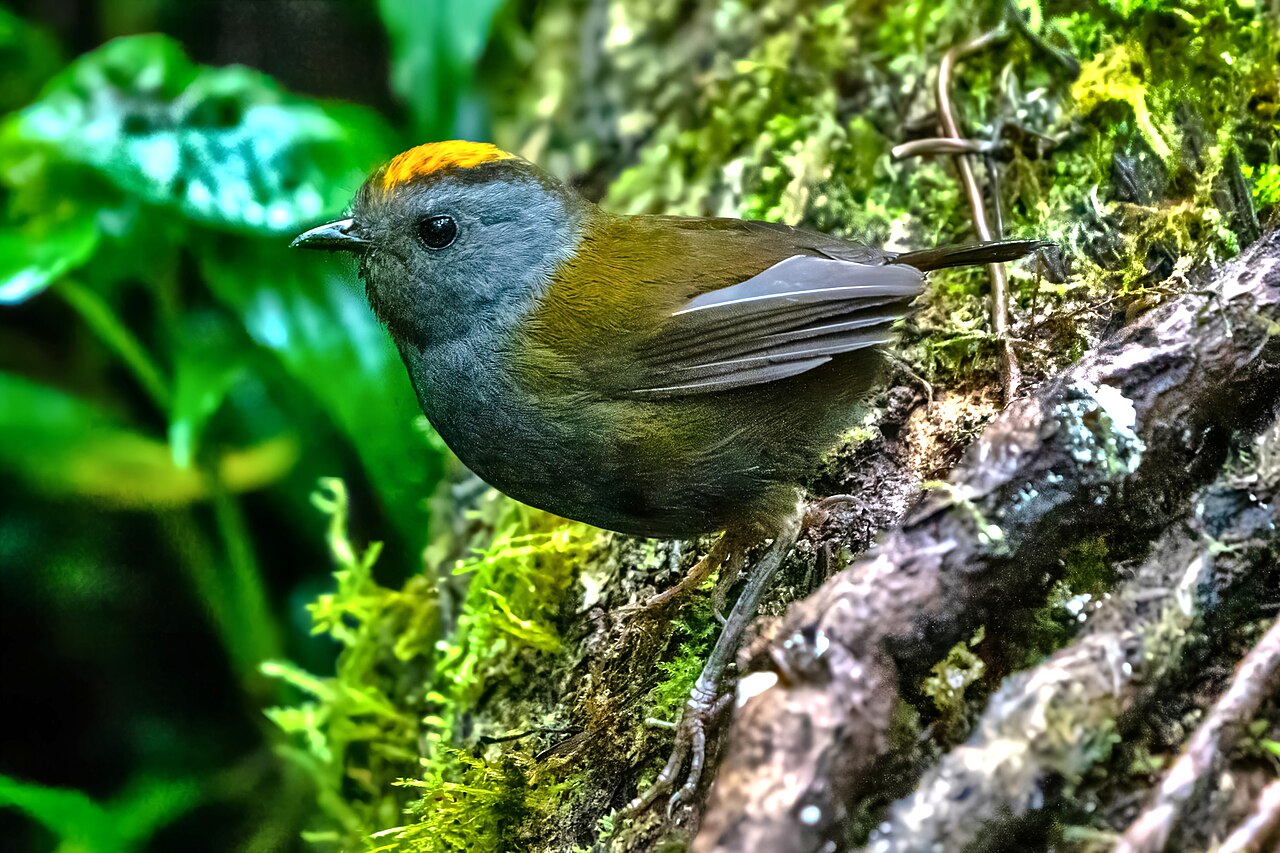
Russet-crowned Warbler (Myiothlypis cornata)

Russet-crowned Warbler (Myiothlypis cornata)

Yellow-rumped Warbler (Setophaga coronata)

Myrtle Warbler (Setophaga coronata) by Anthony747

Myrtle Warbler (Setophaga coronata) by Anthony747

This Myrtle Warbler seems to have the “crown” a little misplaced. Just an observation :)

I trust you are enjoying the Avian Wonders from the Lord from their Scientific/Latin names. We are just beginning. There are so many varieties of words that I doubt we will ever discover/introduce all of them. Also, the naming of birds keep changing from time to time. See The I.O.C World Bird List 14.1

Previous articles that have mentioned some of the birds:

Wages Or A Gift?

What’s His Name? – “Varius”

As we start the new series about the bird’s Scientific/Latin names, a verse came to mind about His name. Of course, that is referring to God, but I like the “What is His name” part. So, for now (unless some suggest a different one) that will be the name of these articles.

Who has ascended into heaven, or descended? Who has gathered the wind in His fists? Who has bound the waters in a garment? Who has established all the ends of the earth? What is His name, and what is His Son’s name, If you know?” (Proverbs 30:4 NKJV)

Varius means

If you go to Birds of the World – Species and the type the Scientific/Latin name, a list of those birds will show. “The specific epithet varius is the Latin word meaning “various”, “diverse” or “variegated” (Wikipedia)”. Here is the list of birds from “Birds of the World – with “varius.

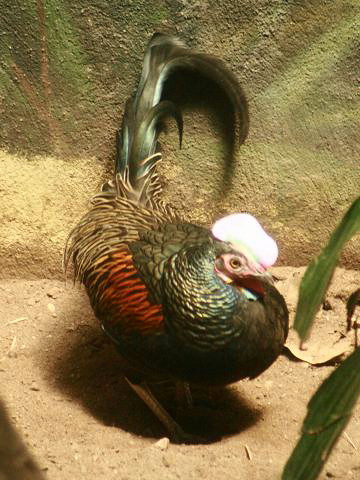
Green Junglefowl – Gallus varius
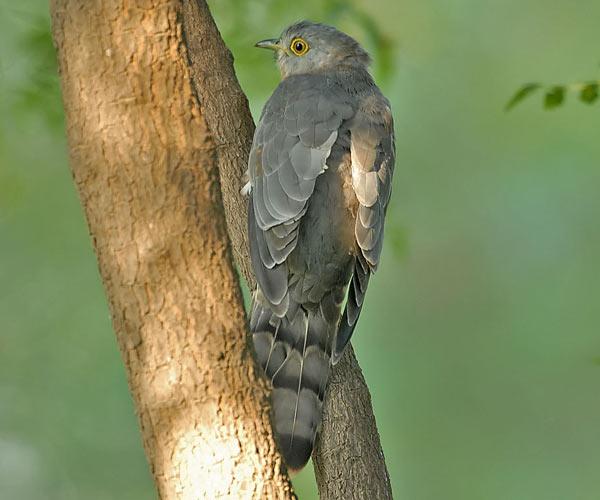
Common Hawk-Cuckoo – Hierococcyx varius
Painted Buttonquail – Turnix varius
Pied Cormorant – Phalacrocorax varius
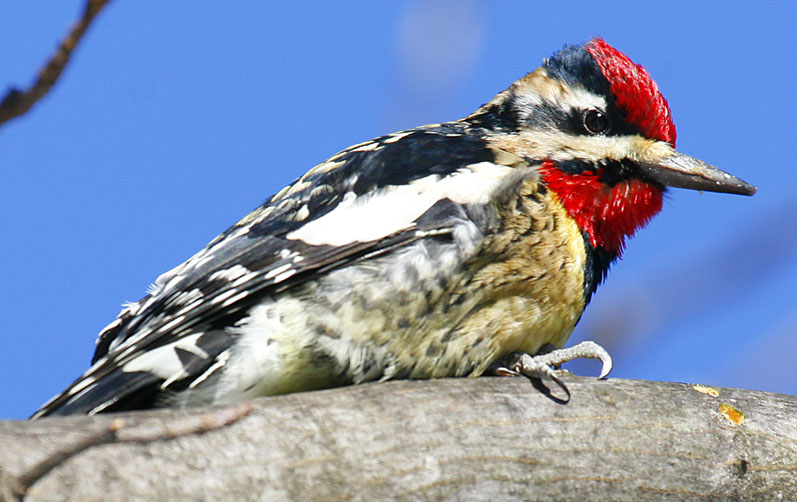
Yellow-bellied Sapsucker – Sphyrapicus varius
Mulga Parrot – Psephotellus varius
Variegated Flycatcher – Empidonomus varius
Varied Tit – Sittiparus varius
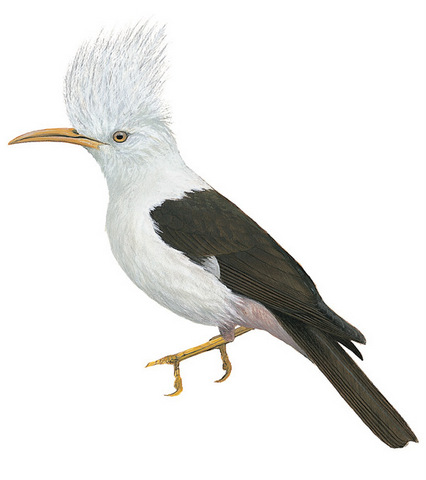
Reunion Starling – Fregilupus varius
Green Junglefowl (Gallus varius) ©WikiC

Green Junglefowl (Gallus varius) ©WikiC

Common Hawk-Cuckoo (Hierococcyx varius) by Nikhil

Painted Buttonquail (Turnix varius) by Ian

Painted Buttonquail (Turnix varius) by Ian

Australian Pied Cormorant (Phalacrocorax varius) by Ian

Yellow-bellied Sapsucker (Sphyrapicus varius) ©WikiC

Yellow-bellied Sapsucker (Sphyrapicus varius) ©WikiC

Mulga Parrot (Psephotus varius) by Ian

Mulga Parrot (Psephotellus varius) by Ian

Variegated Flycatcher (Empidonomus varius) from Audubon

Varied Tit (Sittiparus varius) by Shanghai Birding

Reunion Starling – (Fregilupus varius) Planet of Birds

A short clip of a Painted Buttonquail

A few previous articles mentioning some of these birds:

Ian’s Irregular Bird – Painted Birds

Yellow-bellied Sapsucker – Chief Corner Stone’s Keystone

Siamese Fireback by Dan

Stay tuned as we investigate some more of these Scientic/Latin names.

Good News

The IOC World Bird List 14.1

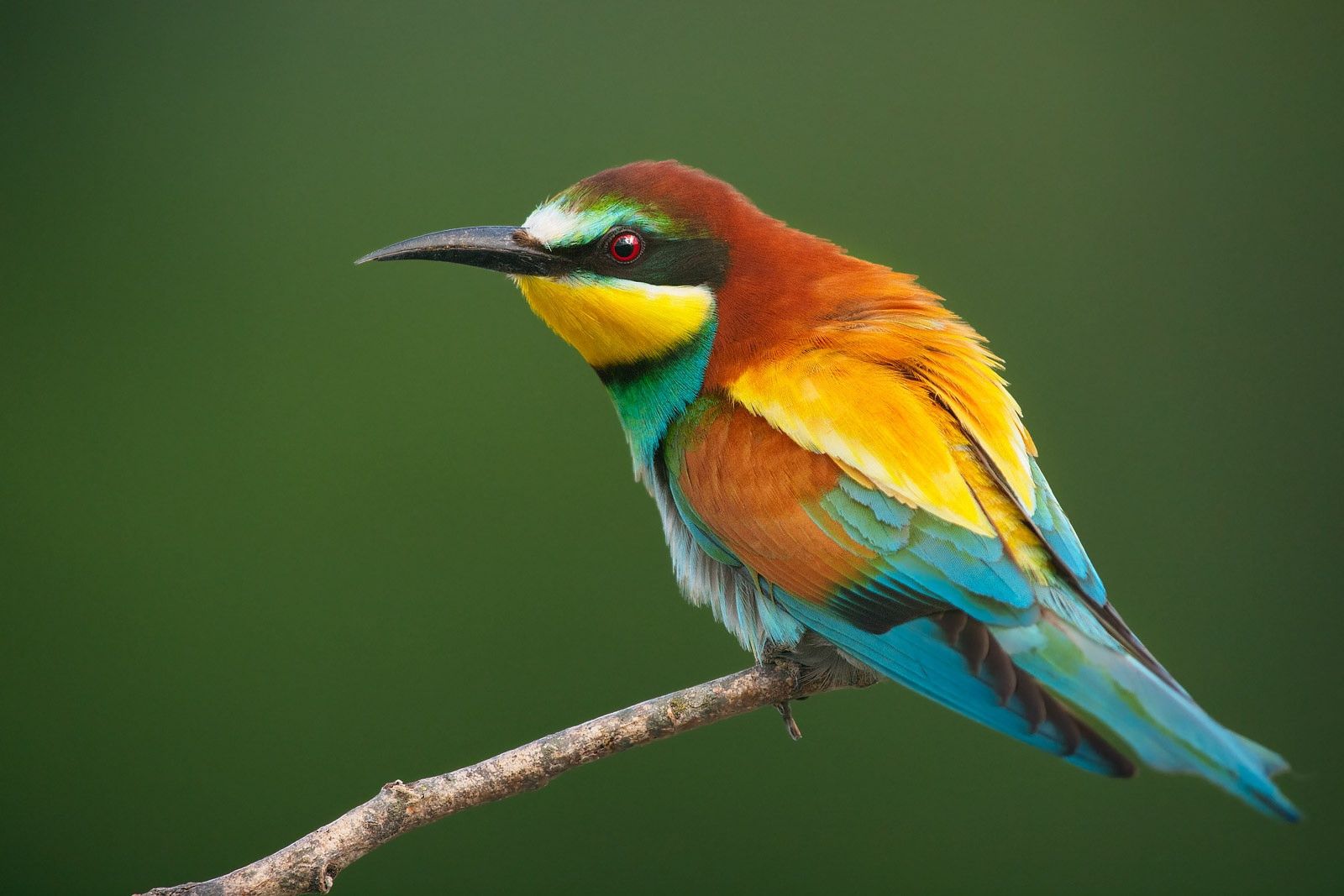
European Bee-eater @Francesco Pellegrini

European Bee-eater @Francesco Pellegrini

The IOC World Bird List 14.1 contains 11032 extant species (and 162 extinct species) classified in 44 Orders, 253 Families and 2,384 Genera.  The list also includes 19,802 subspecies, their ranges and authors.

SPECIES ADDED:                 39 extant species

SPECIES DELETED:               6 species

ENGLISH NAMES:                33 species

TAXONOMY:                         45 species (including 9 newly recognized or resurrected genera and deleted genera)

Here is a listing, with of all the current Birds of the World which is better than any list we could produce here.

Birds of the World – List of Species with Pictures

Before we can dig into these Latin/scientific names of birds, it is best to update the number of birds now listed by the I.O.C. Our last update here, which is out of date, was the List 9.2:

At the time those articles were written there were 10,758 living species. Now it contains 11,032. That doesn’t include all the subspecies. Not sure how much we will update this site, but I will refer to the new names and subspecies as we investigate the scientific/Latin names of birds.

Sumatran Laughingthrush (Garrulax bicolor) by Dan at Wing of Asia ZM

Here is a listing, with of all the current Birds of the World which is better than any list we could produce here.

Birds of the World – List of Species with Pictures

The last few articles have been to lay the foundation for investigating some of these Scientific/Latin names for birds. Below are links to the experts in keeping track of the Avian Wonders:

Cornell Lab – Birds of the World

Cornell Birds of the World – Recently Updated Accounts

I.O.C.’s Latest List of Birds

I.O.C.’s Order of Birds

I.O.C.’s Family Index

Birds of the World Total List – Spreadsheet

This gives an example of how languages may be different BUT the truth is still a very important!

John 3:16 In Many Languages

More about Latin Names of Birds

While researching for a way to present birds from their Latin names, I checked out some of our previous posts that mentioned the naming of birds. There have been quite a few articles about this, and here is a fantastic one that William Wise wrote:

This is My Name Forever

William said exactly what I was thinking “It’s all Greek to me!” He also explains about God’s Name. It NEVER changes.

American Robin (Turdus migratorius) eating by Jim Fenton

American Robin (Turdus migratorius) eating by Jim Fenton

How Birds are Named explains the modern naming system that is used for birds.

“Birds have two kinds of names. One is a common, vernacular, or popular name; the other is a technical or scientific name. The first is usually given to the living bird by the people of the country it inhabits. The second is applied to specimens of birds by ornithologists who classify them.

Common names in their origin and use know no law. Technical names are bestowed under the system of nomenclature established by Linnæus and their formation and application are governed by certain definite, generally accepted rules. The Linnæan system, as it is now employed by most American ornithologists, provides that a bird, in addition to being grouped in a certain Class, Order, Family, etc., shall have a generic and specific name which, together, shall not be applied to any other animal.

Our Robin, therefore, is classified and named as follows:

CLASS AVES, Birds.

ORDER PASSERES, Perching Birds.

Suborder Oscines, Singing Perching Birds.

Family –Turdidæ Thrushes.

Subfamily Turdinæ Thrushes.

Genus, Turdus Thrushes.

Species, migratorius American Robin.”

The Genus and the Species names are the ones that will be emphasized in the new series, (name to be determined, any suggestions?). The recent articles and the list below are listed to acquaint you with how the Genus and Species are used in the bird names.

Stay tuned!

“I know all the birds of the mountains, And the wild beasts of the field are Mine.”
(Psalms 50:11 NKJV)

Previous:


Intro to Some Latin Names of Birds

On my last post, Our Loggerhead Shrike Again, I emphasized the Latin name for this bird. “In case you’re curious, the Latin name Lanius is Great Grey Shrike. The ludovicianus means “butcher” and laniare – “to tear to pieces.” They have been referred to at times a “butcher birds” because of what they do to their victims.”

While recently browsing through my many “dusty” bird books, I rediscovered my “Latin for Bird Lovers,” by Roger Lederer Carol Burr.  It actually is quite interesting, even though I have never studied Latin or paid much attention to the scientific names of our beautiful birds we write about. We can all learn some new and interesting facts about these wonderful birds. Dr. Jim, (JJSJ) also agrees and is willing to adds some articles also. Maybe I can encourage some of our other contributors to join in.

As we all know, various birds migrate during parts of the year, and they do not have to carry passports or “flying licenses” to pass through different states or countries. Countries and even states have varying names for birds. Yet, we are all seeing the same avian wonder.

Latin for Bird Lovers by Roger Lederer & Carol Burr

Bird names also change over time, yet the Latin name or scientific name doesn’t (normally). I’ll be using this book, Latin for Bird Lovers by Roger Lederer & Carol Burr as one of the sources for some upcoming articles.

Here are some examples of how bird names have changed over the years. Imagine how hard it is today for the international groups like the I.O.C.’s World Bird List to report on the same bird’s names from various languages if it wasn’t for these Latin names.

Here are some examples of re-named birds (not from Latin) just here in our part of the world:

  • Common Loon — Great Northern Diver
  • Horned Grebe — Hell-diver
  • Double-crested Cormorant — Farallon Cormorant, White-tufted Cormorant, Shag
  • American Bittern — Bog Pumper, Dunk-a-doo, Indian Hen
  • Greater White-fronted Goose — Specklebelly

Northern Pintail (Anas acuta) ©USFWS

  • Northern Pintail — Sprigtail
  • American Wigeon — Baldpate
  • Redhead — American Pochard
  • Ring-necked Duck — Blackhead
  • Scaups — Bluebill
  • White-winged Scoter — Velvet Scoter
  • Common Goldeneye — Cobhead, Whistler
  • Goldeneyes — Garrot
  • Bufflehead — Butterball, Spirit duck
  • Hooded Merganser — Cock Robin
  • Common Merganser — Goosander, American Sheldrake
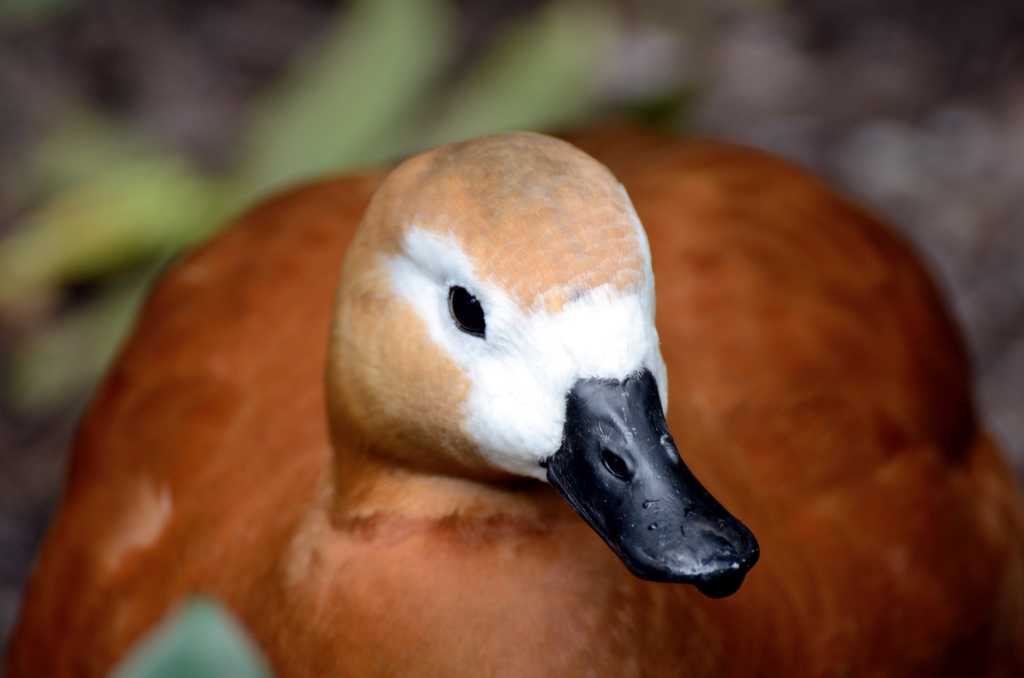
Ruddy Shelduck (Tadorna ferruginea) at Wings of Asia by Dan

Ruddy Shelduck (Tadorna ferruginea) at Wings of Asia by Dan

  • Ruddy Duck — Sleepy Duck
  • Sharp-shinned Hawk — Little Blue Darter
  • Cooper’s Hawk — Big Blue Darter
  • Ferruginous Hawk — Rusty Squirrel Hawk
  • Merlin — Pigeon Hawk
  • Sage Grouse — Sage Cock
  • Sora — Ortolan
  • American Coot — Mudhen
  • Black-bellied Plover — Bullhead
  • Black-necked Stilt — Lawyer
  • Greater Yellowlegs — Tell-tale
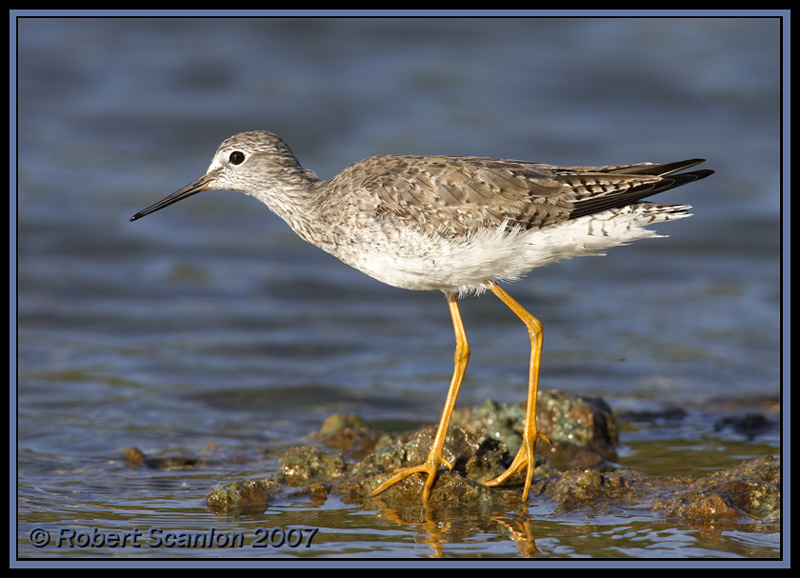
Lesser Yellowlegs (Tringa flavipes) by Robert Scanlon

Lesser Yellowlegs (Tringa flavipes) by Robert Scanlon

  • Lesser Yellowlegs — Yellowshanks
  • Marbled Godwit — Marlin
  • Ruddy Turnstone — Calico-back
  • Red Knot — Robin Snipe
  • Least Sandpiper — Oxeye
  • Dunlin — Purre, Black-breast
  • Shortbilled Dowitcher — Brownback
  • Common Nighthawk — Bull-bat
  • Northern Flicker — Golden-winged Woodpecker, Yellowhammer
  • Pileated Woodpecker — Log-cock, Black woodcock
  • Bank Swallow — Sand Martin
  • Black-capped Chickadee — Long-tailed Chickadee, Yukon Chickadee, Western Titmouse
  • Mountain Chickadee — Bailey’s Chickadee
  • Boreal Chickadee — Brown-capped Chickadee
  • American Dipper — Water-ouzel
  • Mountain Bluebird — Arctic Bluebird
  • Townsend’s Solitaire — Townsend’s Ptilogonys
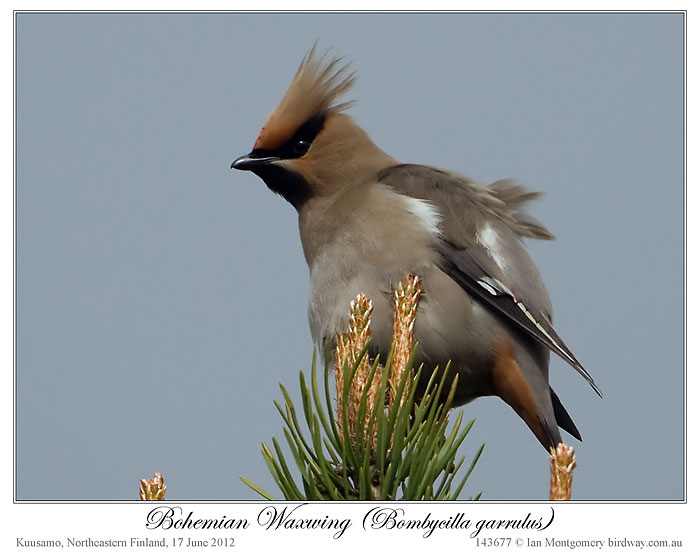
Bohemian Waxwing (Bombycilla garrulus) by Ian 3

Bohemian Waxwing by Ian

  • Bohemian Waxwing — Bohemian Chatterer
  • Cedar Waxwing — Cherry-bird
  • Loggerhead Shrike, Northern Shrike — Butcher-bird
  • Red-eyed Vireo — Greenlet
  • Orange-crowned Warbler — Lutescent Warbler
  • Yellow Warbler — Golden warbler, Mangrove Warbler
  • Spotted Towhee — Chewink, Ground Robin
  • Chipping Sparrow — Hairbird
  • Vesper Sparrow — Bay-winged Bunting
  • Dark-eyed Junco — Snowbird
  • Snow Bunting — Snowflake
  • Lark Bunting — White-shouldered Blackbird
  • Bobolink — Reedbird
  • Red-winged Blackbird — Bicolored blackbird, Red-and-buff-shouldered blackbird, Swamp Blackbird
  • Common Grackle — Bronzed Crow Blackbird
  • Brown-headed Cowbird — Cow Blackbird, Dwarf Cowbird
  • Common Raven — Holarctic Raven
  • Hoary Redpoll — Mealy Redpoll

Stay-tuned as I, and others present some of our amazing Avian Wonders from their Creator. We’ll group them by their Latin naming. Or, by the current Scientific names. One thing is for sure, when Adam named the birds, he did not use Latin to help him. He most likely had the best assistance from their Creator.

“So Adam gave names to all cattle, to the birds of the air, and to every beast of the field…” (Genesis 2:20 NKJV)

Good News

Our Loggerhead Shrike Again

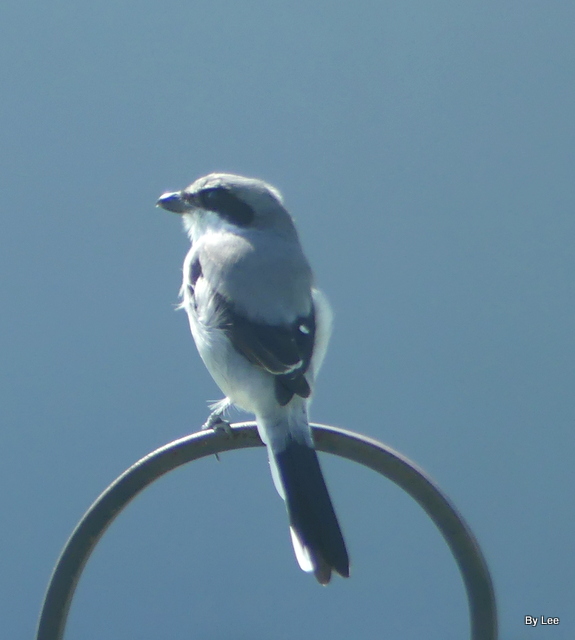
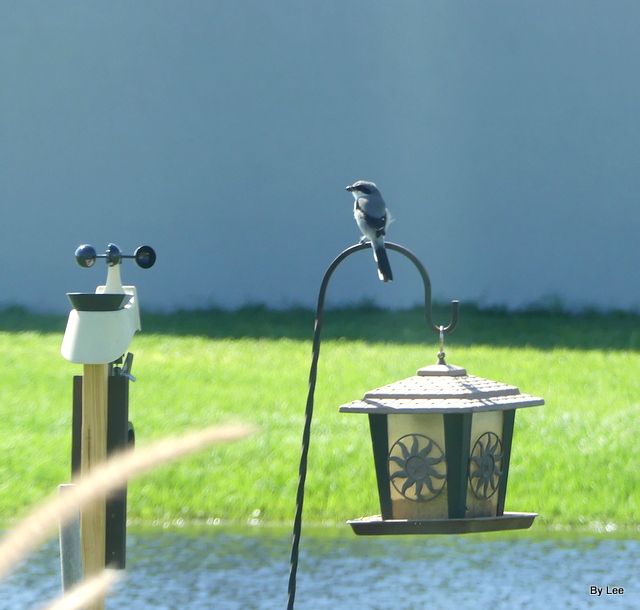
Loggerhead Shrike on Bench outside our back patio door.

“Look at the birds of the air, for they neither sow nor reap nor gather into barns; yet your heavenly Father feeds them. Are you not of more value than they?” (Matthew 6:26 NKJV)

While eating our supper this evening, our friendly Loggerhead Shrike showed up again. He landed on his favorite perch, the hook out in the yard. (these are older photos, who keeps a camera at the table?)

Loggerhead Shrike on hook - by Lee Closeup

Loggerhead Shrike (Lanius ludovicianus) on hook – by Lee Closeup

He and the Mockingbird takes turns using that favorite spot to land and watch for breakfast, lunch, or dinner. We see both of them quite often, especially this time of the year.

In case you’re curious, the Latin name Lanius is Great Grey Shrike. The ludovicianus means “butcher” and laniare – “to tear to pieces.” They have been referred to at times a “butcher birds” because of what they do to their victims.

We have featured quite a few articles about this beautiful bird, and here is one, written by JJSJ, “Dr. Jim”, that tells and shows the “butcher bird” at work:

Loggerhead Shrike: Converting Thorns into Meat-hooks

Thankfully, we haven’t found any of these kinds of catches hanging around in our yard!


Just thought I’d share our latest visitor to the yard. I’m sure he will migrate north soon, but hopefully we will see him in the fall again. I still never cease to be amazed by the Lord’s designs in His Creation!

Check out some of the many articles about this beautiful bird that we have written about before:

Sunday Inspiration – Shrikes and Vireos

Birds Vol 1 #6 – The Loggerhead Shrike

Laniidae – Shrikes

Just In Time For Halloween

Birdwatching and Blessings – 6/6/21

Crown of Thorns

Also see:

Birds of the Bible – Whole Armour of God