***
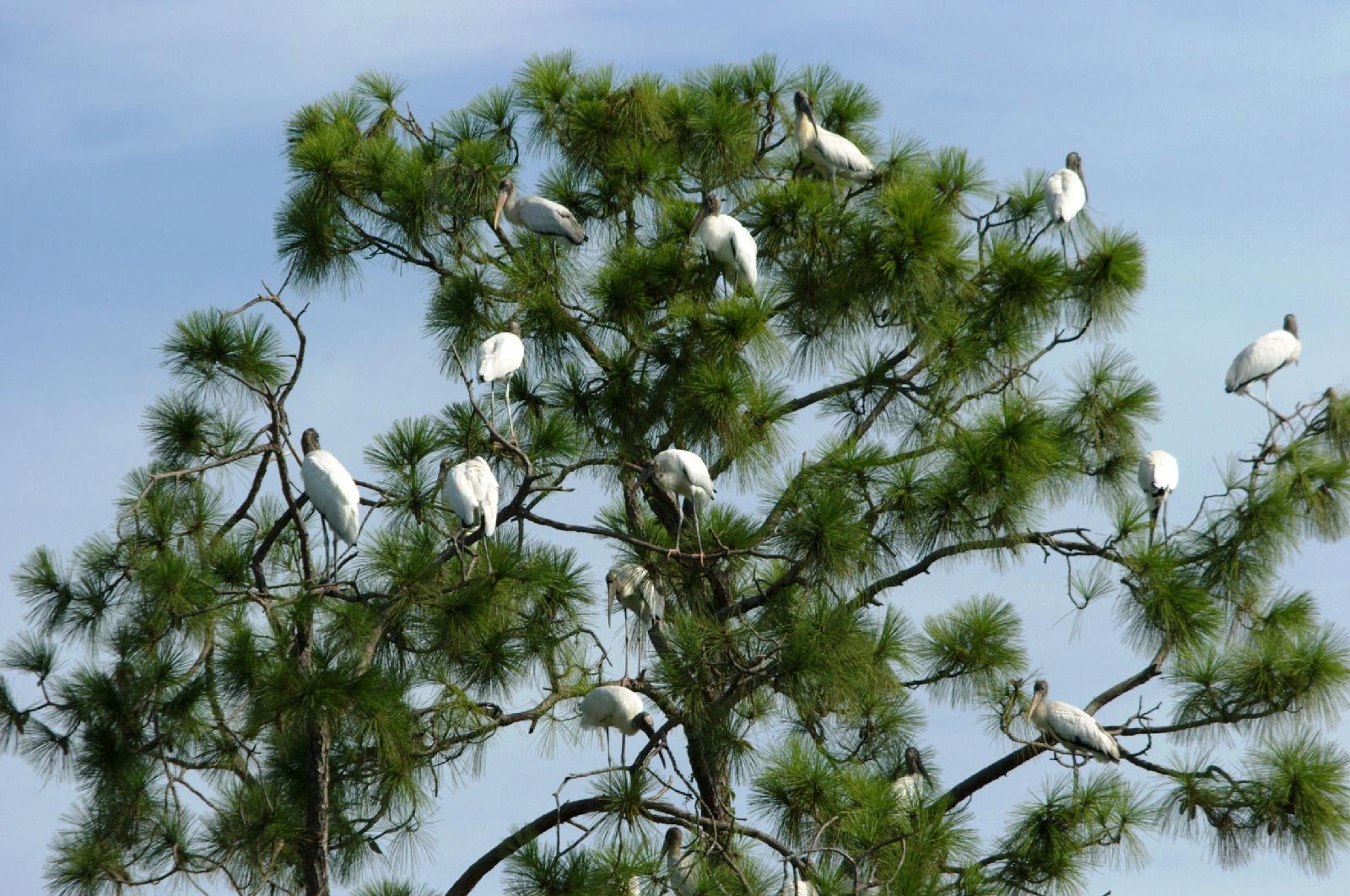
AS FOR THE STORK
***
“The trees of the LORD are full of sap; the cedars of Lebanon, which he hath planted; Where the birds make their nests: as for the stork, the fir trees are her house.” (Psalms 104:16-17 KJV)
Dan’s Wood Stork Tree
*
*
“The trees of the LORD are full of sap; the cedars of Lebanon, which he hath planted; Where the birds make their nests: as for the stork, the fir trees are her house.” (Psalms 104:16-17 KJV)
Dan’s Wood Stork Tree
*
*
One of the birders that I follow, has a Channel on YouTube, VideoBirder of their birdwatching videos. This Prothontary Warbler, shows the difficulty that photographers and videographers have of trying to catch a bird. They flit all over the place and if your lucky or blessed, you may get a brief view. In this video, this beautiful bird sings, and then off he goes again.
But seek ye first the kingdom of God, and his righteousness; and all these things shall be added unto you. Take therefore no thought for the morrow: for the morrow shall take thought for the things of itself. Sufficient unto the day is the evil thereof. (Matthew 6:33-34 KJV)
As I was watching that video and thinking about the verse above, why do we worry or fret? Sometimes life is like that bird. We are busy going from here to there. Some times you can see him clearly and so in life things seem clear and we have “smooth sailing.” Other times, that bird is hidden behind the branches and you can’t see it so clear. In our lives things can have “bumps in the road” or problems that show up. Yet, the Lord knows all about it and guides us through those rough parts of our walk through life.
Right now, Dan and I have been dealing with health issues. One reason you have not seen very few, if any “birdwatching adventures” lately, is because we haven’t been on any adventures. At least not that kind. I am so thankful for James J. S. Johnson and Emma Forster for helping supply articles for the blog. Others have sent emails with birds which we have placed on the blog. Even the daily devotionals have helped keep this blog active. Dr. Jim, (James Johnson) as I call him, has even been helping with ideas for the devotionals.

Prothonotary Warbler (Protonotaria citrea) In a cavity nest ©WikiC
So, if you have wondered where the “adventures” have been, now you know.
First I slipped the disc in my back, back in the fall, and I have been living with that. Made it almost through the winter and caught Bronchitis, which usually last longer than I would like. Now Dan, who is our main photographer, at least the better one, has been dealing with something for almost the last two months. Even spent time in the hospital last week, and we are still dealing with tests and Doctor visits.
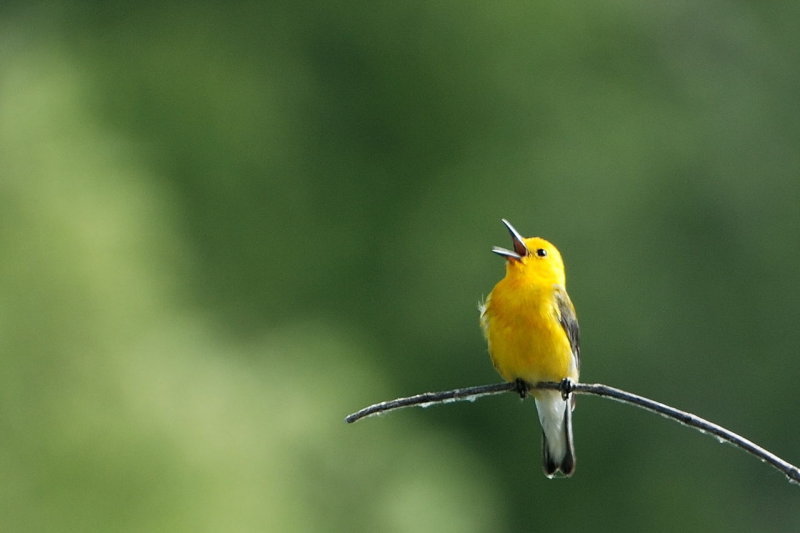
Prothonotary Warbler (Protonotaria citrea) Neal Addy Gallery
Like the bird, we are flitting here and there, yet, we can still sing. We have a Savior, the Lord Jesus Christ, who knows all about our issues and none of this is catching Him by surprise. He knows what the outcome will be of the tests, diagnosis, and cure. Dan has lost quite a bit of weight and is still weak, plus other issues. We are just resting and trusting in Him. Many of our friends are praying to us and your prayers will also be appreciated.
If a day gets missed and no blog comes out, this may give you an idea why. We are looking forward to getting back out there birdwatching and trying to catch a photo of birds like that Prothontary Warbler, or a Warbler we see here. Lord’s Blessings on all of you.
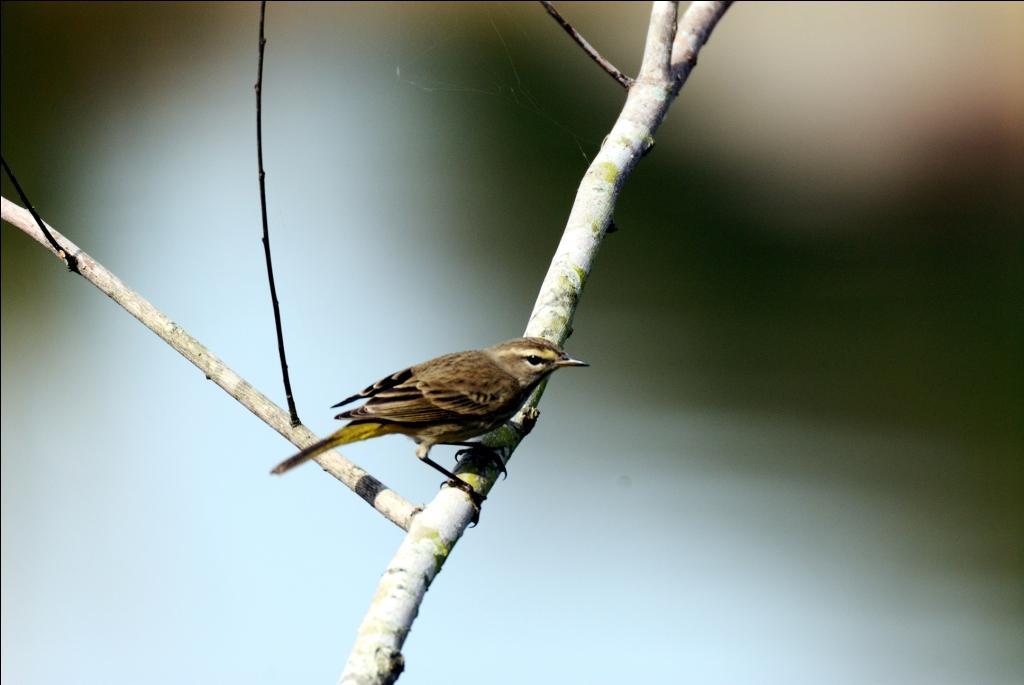
Palm Warbler by Dan
“Fear ye not therefore, ye are of more value than many sparrows.” (Matthew 10:31 KJV)
Prothonotary Warbler – All About Birds
Prothonotary Warbler – Wikipedia

“A man that hath friends must shew himself friendly: and there is a friend that sticketh closer than a brother.” (Proverbs 18:24 KJV)
Greylag Goose (Anser anser) Pals Walking ©Pinterest
*
*
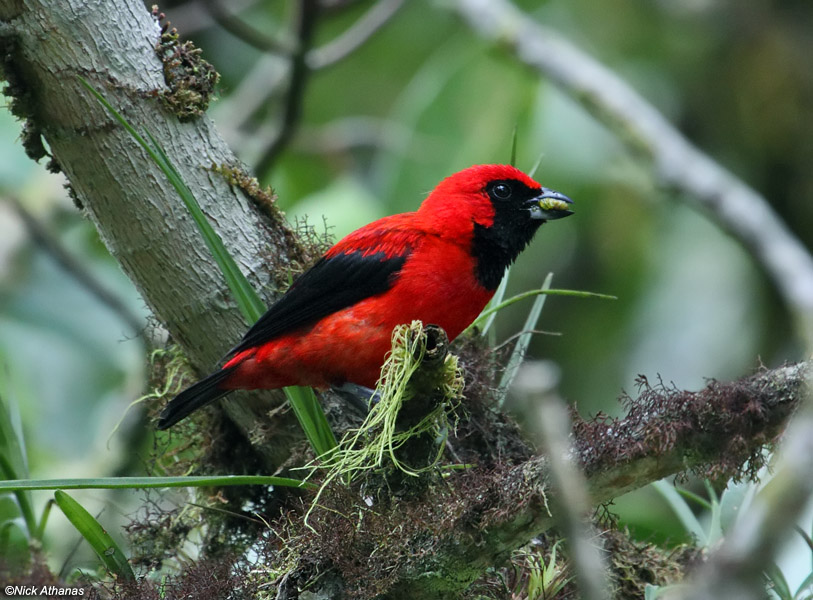
Vermilion Tanager (Calochaetes coccineus) ©Nick Athanas
Come now, and let us reason together, saith the LORD: though your sins be as scarlet, they shall be as white as snow; though they be red like crimson, they shall be as wool. (Isaiah 1:18 KJV)
Last week’s Sunday Inspiration of Tanagers and Allies started us off on this huge family. We will continue, starting with the five Lanio genus of Shrike-Tanagers.
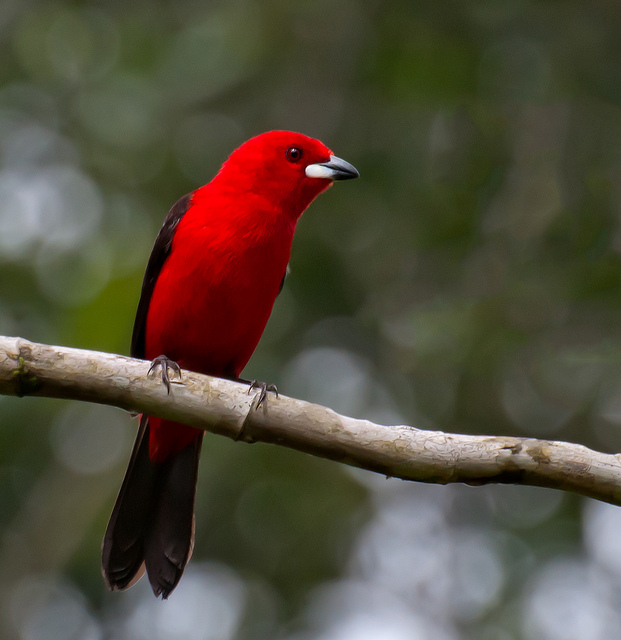
Brazilian Tanager (Ramphocelus bresilius) by Dario Sanches
The words of the LORD are pure words: as silver tried in a furnace of earth, purified seven times. (Psalms 12:6 KJV)
Wait until you see the second very colorful genus, the Ramphocelus. These are Neotropical birds that have enlarged shiny whitish or bluish-grey lower mandibles, which are pointed upwards in display. However, this is greatly reduced in the females of most species. Males are black and red, orange or yellow, while females resemble a duller version of the males, or are brownish or greyish combined with dull red, orange or yellowish.
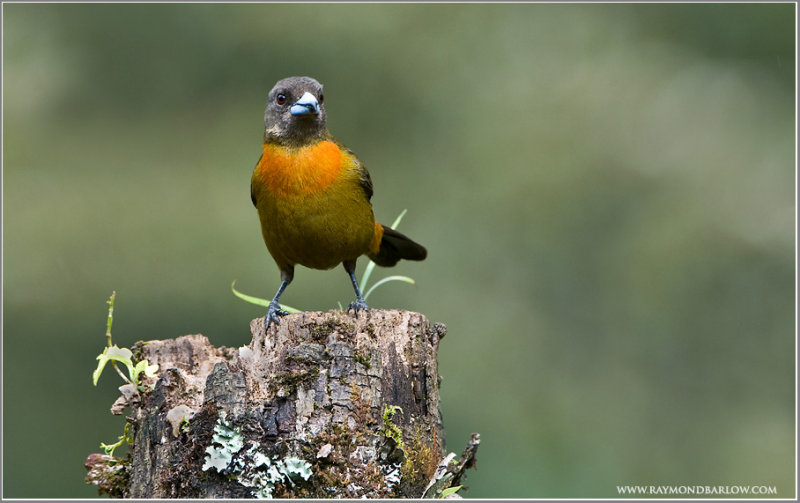
Cherrie’s Tanager (Ramphocelus costaricensis) Female by Raymond Barlow
Ramphocelus tanagers are found in semi-open areas. The nest is a cup built by the female of plant materials such as moss, rootlets, and strips of large leaves like banana or Heliconia, and is often in a fairly open site in a tree. The female usually lays pale blue eggs, with grey, brown or lavender spots, and the young stay in the nest for only about 12 days. The songs of this genus are repetitions of rich one- or two-syllable whistles. Most of these are of a crimson or reddish hue.
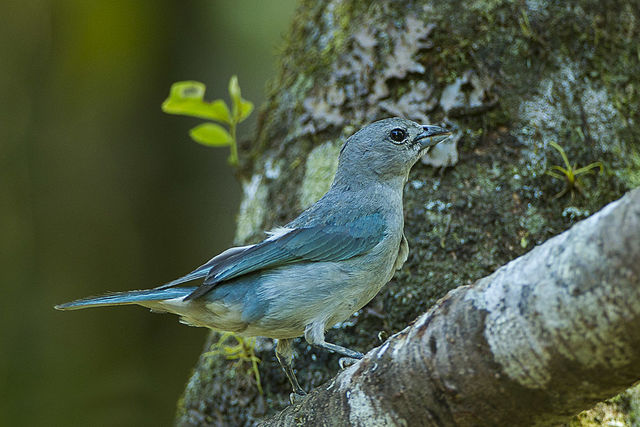
Sayaca Tanager (Thraupis sayaca) ©WikiC
The Thraupis Tanagers are another beautiful genera of the Lord’s Creation. This time, blue will is the dominate color. “These tanagers are mainly found in semi-open habitats including plantations and open woodland, but some will venture into towns. They feed from medium to high levels in trees, taking mainly fruit, with some nectar, and insects which may be taken in flight.” (Wikipedia)

Blue-backed Tanager (Cyanicterus cyanicterus) ©Francesco_Veronesi
This week will end with two genus that have only one species each, the Vermilion Tanager (Calochaetes coccineus) and the Blue-backed Tanager (Cyanicterus cyanicterus). All the birds this week live from Mexico down through South America.
I know all the birds of the mountains, And the wild beasts of the field are Mine. (Psalms 50:11 NKJV)
“My Faith Still Holds” ~ Faith Baptist Orchestra
*
Sunday Inspiration – Thraupidae – Tanagers and Allies I
Traupidae Family – Tanagers and Allies
*

“The LORD looked down from heaven upon the children of men, to see if there were any that did understand, and seek God.” (Psalms 14:2 KJV)
Micronesian Kingfisher (Todiramphus cinnamominus) Houston Zoo 5-6-15 by Lee
*
*
“And so, after he had patiently endured, he obtained the promise.” (Hebrews 6:15 KJV)
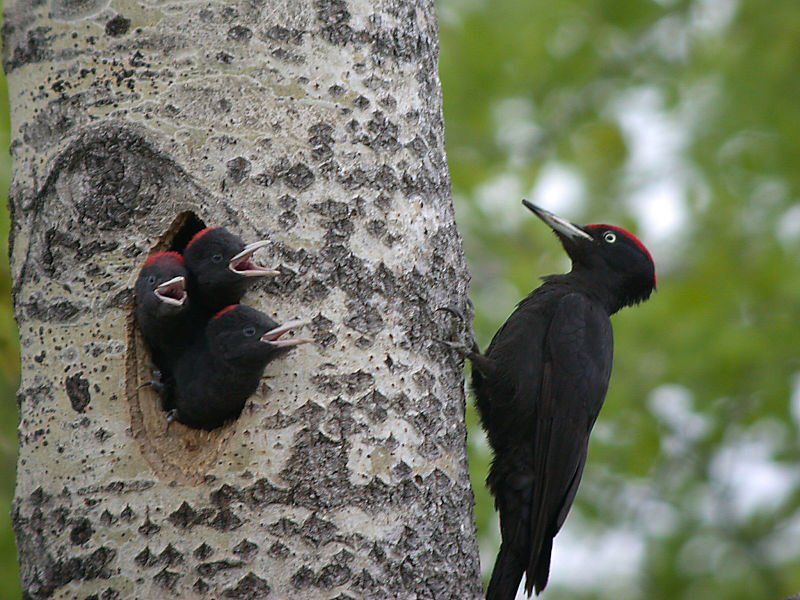
Black Woodpecker (Dryocopus martius) with Young ©WikiC
*
*

“And there will be a tabernacle for shade in the daytime from the heat, for a place of refuge, and for a shelter from storm and rain.” (Isaiah 4:6 NKJV)
Gila Woodpecker (Melanerpes uropygialis) Desert Museum-Tucson
*
*

Chestnut-headed Tanager (Pyrrhocoma ruficeps) ©WikiC
“For ye shall go out with joy, and be led forth with peace: the mountains and the hills shall break forth before you into singing, and all the trees of the field shall clap their hands.” (Isaiah 55:12 KJV)
Our journey through the Song Bird Order, known as the Passeriformes Order, has been ongoing for many Sundays. There are 131 Families within this Order, and we are now down to three families to go. The Traupidae Family which we are starting today, has 375 species. Guess what? We will not be covering them all today. The last four Sundays was used to show you the Emberizidae family of 181 species. I trust you enjoyed having that family split up into “bite-size” articles. The same will be true with this family of beautiful Tanagers and allies created by their Creator.
If you are fairly new to seeing these Sunday Inspirations, the slide shows have the birds arranged in taxonomy order. So, there really is a reason for the way they are presented in the slides.
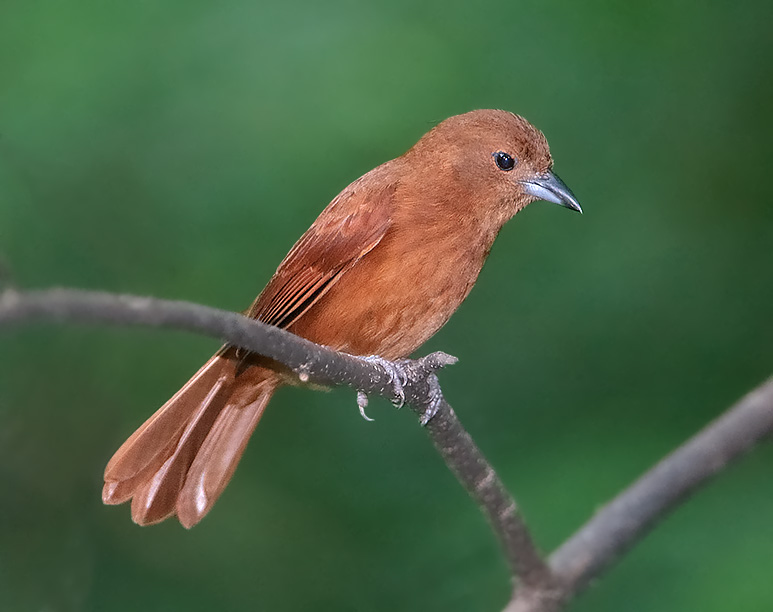
White-lined Tanager (Tachyphonus rufus) Female ©WikiC
“The family has an American distribution. The Thraupidae are the second-largest family of birds and represent about 4% of all avian species and 12% of the Neotropical birds. Traditionally, about 240 species of tanagers were described, but the taxonomic treatment of this family’s members is currently in a state of flux.” (Wikipedia)

Red-crested Cardinal (Paroaria coronata) ©WikiC
“Tanagers are small to medium-sized birds. The shortest-bodied species, the white-eared conebill, is 9 cm (3.5 in) long and weighs 7 grams, barely smaller than the short-billed honeycreeper. The longest, the magpie tanager is 28 cm (11 in) and weighs 76 grams (0.168 pounds). The heaviest is the white-capped tanager which weighs 114 grams (0.251 pounds) and measures about 24 cm (9.4 in). Both sexes are usually the same size and weight. Tanagers are often brightly colored, but some species are black and white. Birds in their first year are often duller or a different color altogether. Males are typically more brightly colored than females. Most tanagers have short, rounded wings. The shape of the bill seems to be linked to the species’ foraging habits.”(Wikipedia)
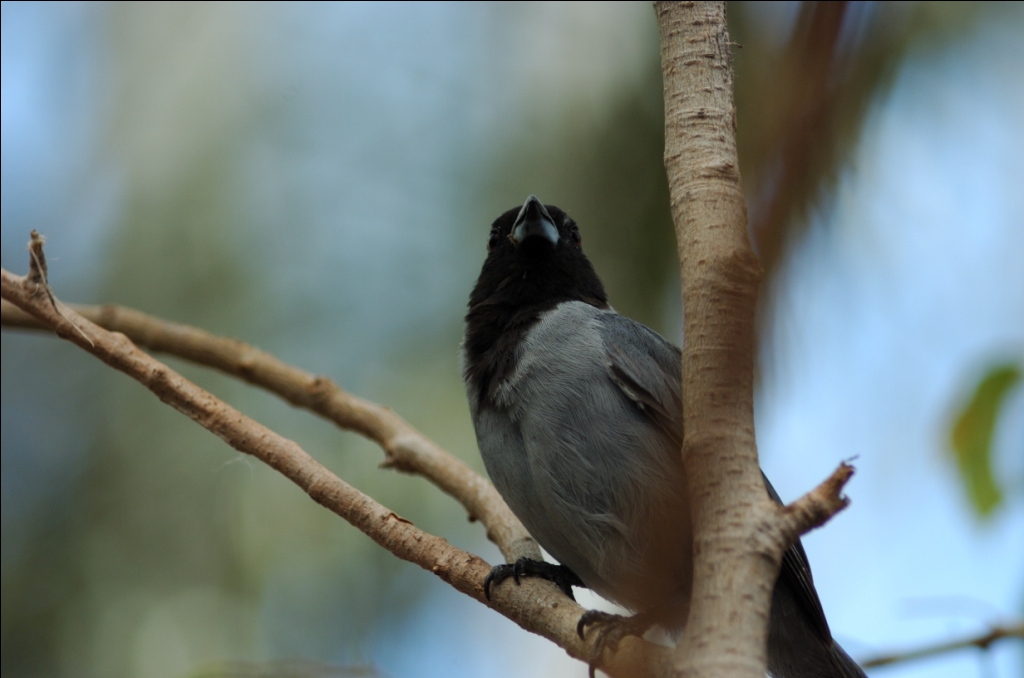
Black-faced Tanager (Schistochlamys melanopis) at National Aviary by Dan
The Brown Tanager (Orchesticus abeillei) starts us off, followed by six Cardinals in the Paroaria genus. Various Tanagers from Schistochlamys, Cissopis, Conothraupis, Lamprospiza, Compsothraupis, Sericossypha, Nemosia, Creurgops, Mitrospingus and Orthogonys. (22 birds)
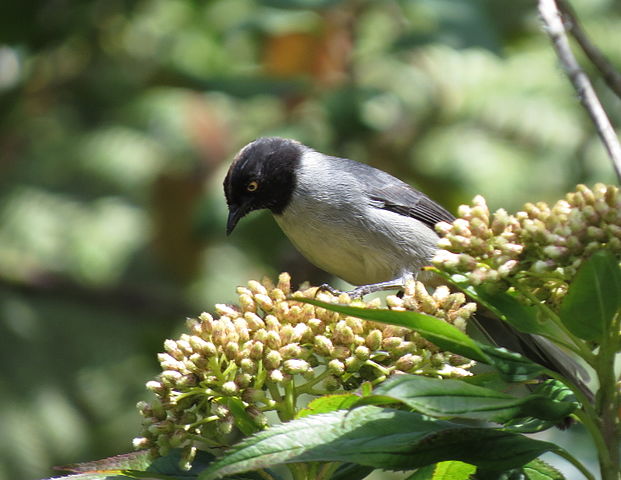
Black-headed Hemispingus (Hemispingus verticalis) ©WikiC
Next will be 15 Hemispingus, all in the Hemispingus genus. Hemispingus is a genus of warbler-like tanagers. They are found in highland forest in South America, especially in the Andes.

Fulvous-headed Tanager (Thlypopsis fulviceps) ©WikiC
We will conclude with 20 or so more Tanagers from eight various genera. As you watch the slide show, you will see how the Lord enjoyed giving a great variety of color and patterns for these avian singers.
“Let them praise the name of the LORD: for he commanded, and they were created.” (Psalms 148:5 KJV)
Deck thyself now with majesty and excellency; and array thyself with glory and beauty. (Job 40:10 KJV)
“My Jesus I Love Thee” ~ Faith Baptist Orchestra
*
Traupidae Family – Tanagers and Allies
Family: Building a Home God’s Way
*

“If thine enemy be hungry, give him bread to eat; and if he be thirsty, give him water to drink:” (Proverbs 25:21 KJV)
Costa’s Hummingbird in Arizona by Lee
*
*

“Then they cried unto the LORD in their trouble, and he delivered them out of their distresses.” (Psalms 107:6 KJV)
Bald Eagle (Haliaeetus leucocephalus) by Ray Barlow
*
*
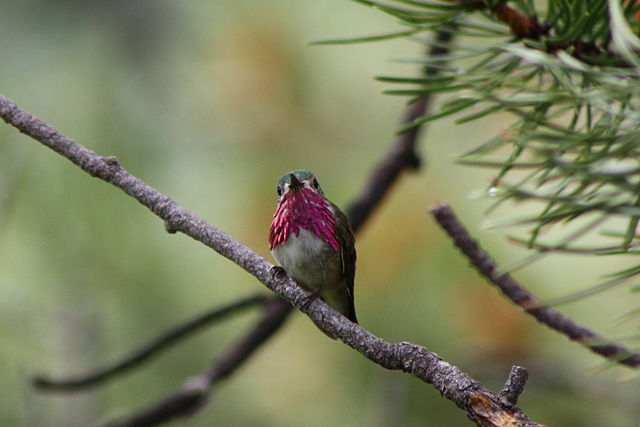
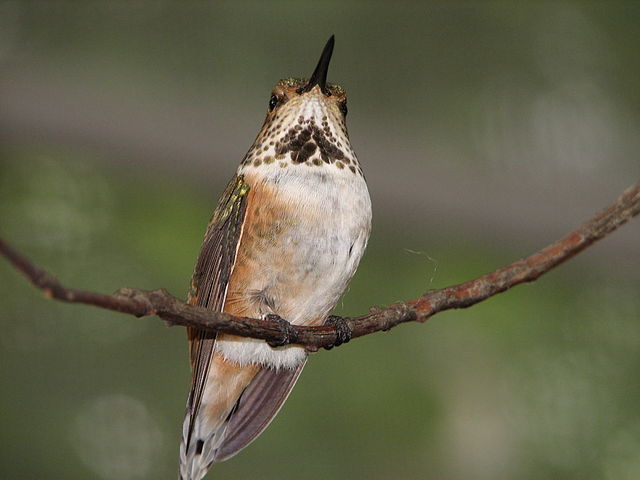
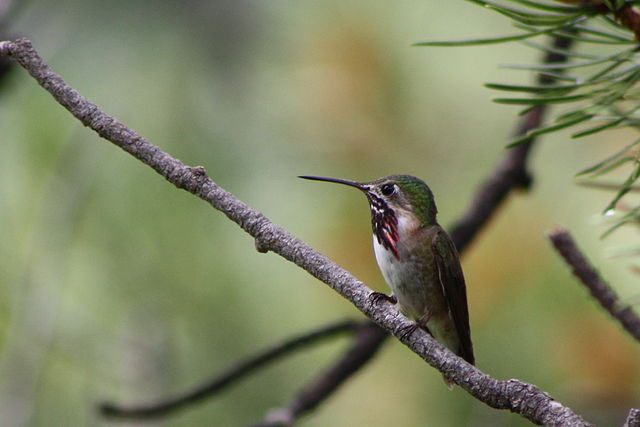
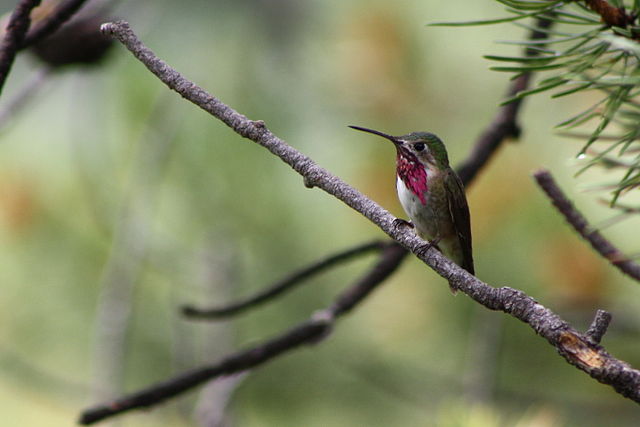
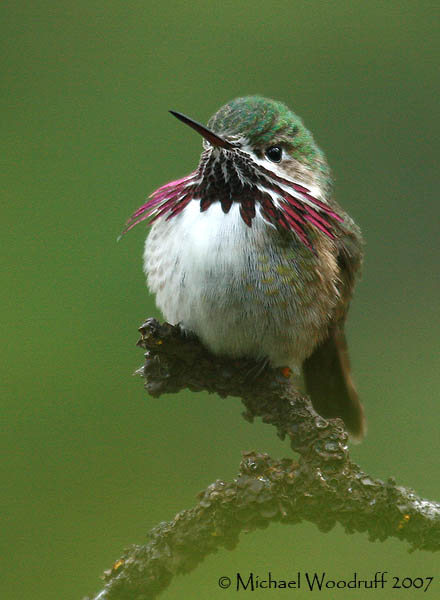
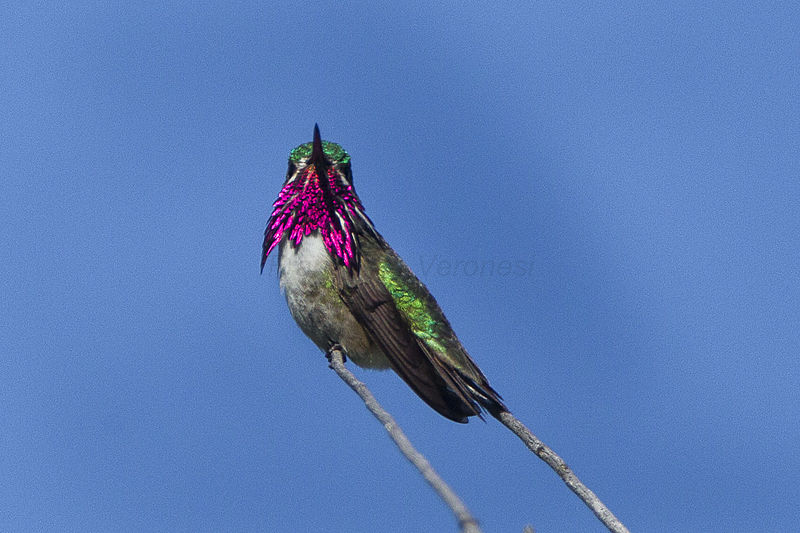
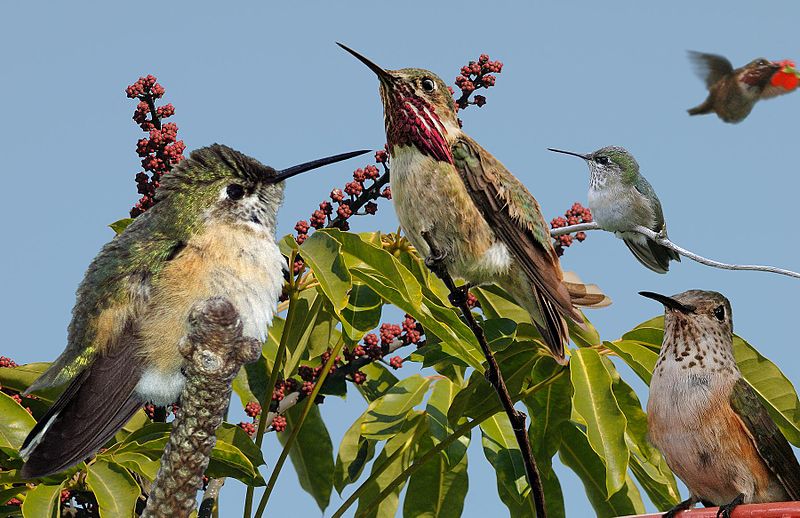
Calliope Hummingbird (Stellula calliope) Full Gorget ©WikiC
“He will bless them that fear the LORD, both small and great.” (Psalms 115:13 KJV)
Just finished reading an article in this month’s Bird Watcher’s Digest the “Calliope Hummingbird: Tiny Muse”, (July/August ’16). They are so tiny,
“a mere 2.75 to 3 inches in lenght and weighing less than a penny — and it is also the smallest long-distant avian migrant in the world. Some travel up to 5,600 miles anually.”
Can you image something that small flying that far?
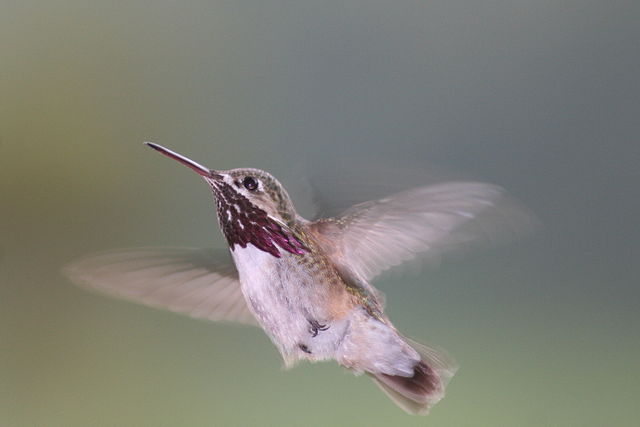
Calliope Hummingbird (Stellula calliope) ©Wiki
Thought you might like to see another one of the Lord’s amazing avian wonders.
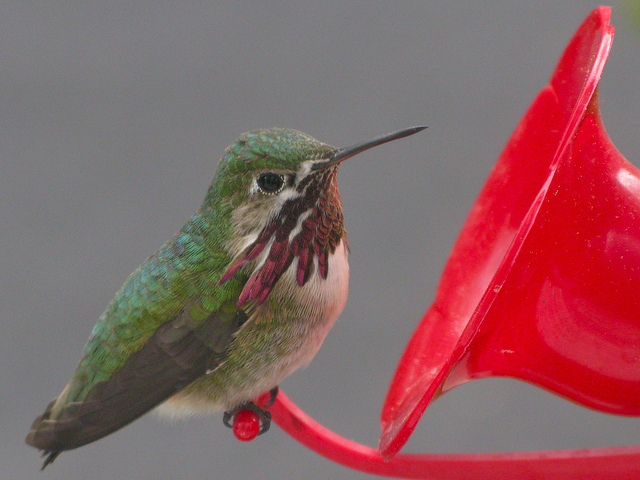
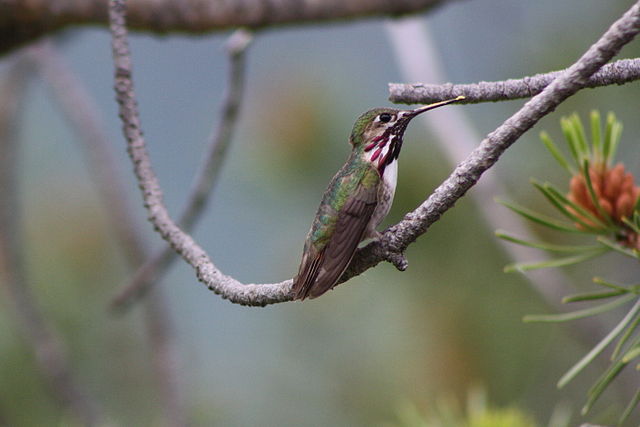
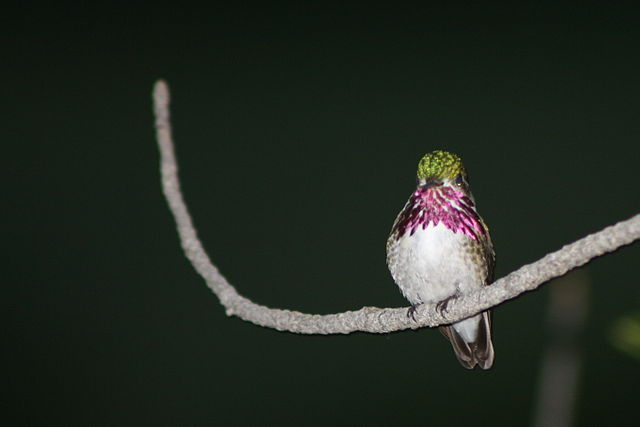
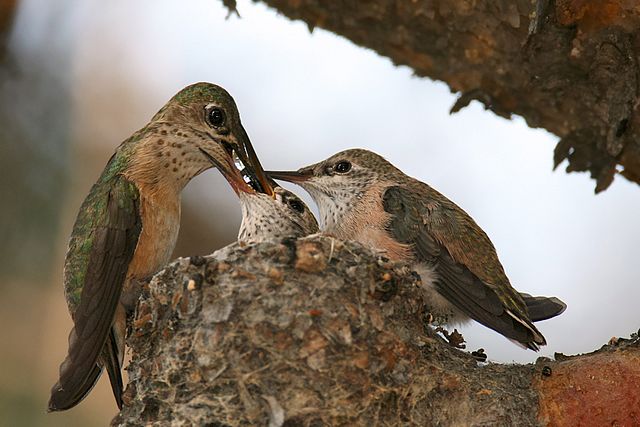
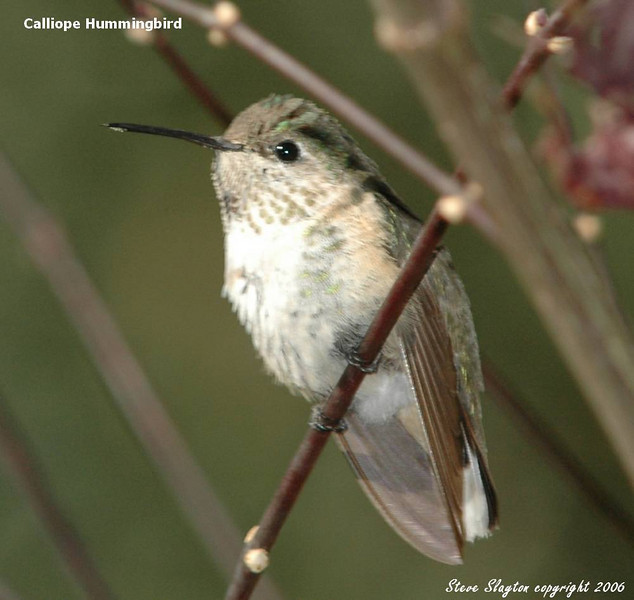
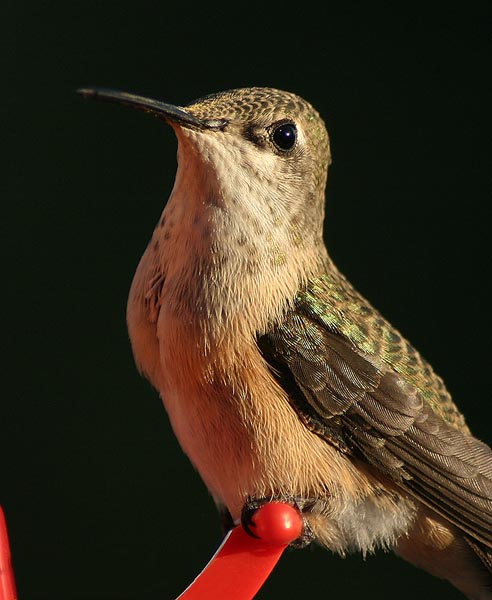
“This is the smallest breeding bird found in Canada and the United States. The only smaller species ever found in the U.S. is the bumblebee hummingbird, an accidental vagrant from Mexico. An adult calliope hummingbird can measure 7–10 cm (2.8–3.9 in) in length, span 11 cm (4.3 in) across the wings and weigh 2 to 3 g (0.071 to 0.106 oz). These birds have glossy green on the back and crown with white underparts. Their bill and tail are relatively short. The adult male has wine-red streaks on the throat, green flanks and a dark tail. Females and immatures have a pinkish wash on the flanks, dark streaks on the throat and a dark tail with white tips. The only similar birds are the rufous hummingbird and the Allen’s hummingbird, but these birds are larger with more distinct and contrasting rufous markings on tail and flanks, and longer central tail feathers.” (Wikipedia)
“And a voice came out of the throne, saying, Praise our God, all ye his servants, and ye that fear him, both small and great.” (Revelation 19:5 KJV)



*
Trochilidae – Hummingbirds Family
Calliope Hummingbird – All About Birds
Calliope Hummingbird – What Bird
Calliope Hummingbird – Bird Web
Calliope Hummingbird – Audubon
Calliope Hummingbird – Wikipedia
“His heart is as firm as a stone; yea, as hard as a piece of the nether millstone.” (Job 41:24)
 As dinosaur bones containing blood vessels and blood cells are continually being found, more and more laboratories are assigning dates to these bones in the thousands, not millions, of years. This makes evolutionists just like the patient who goes to his doctor, convinced that he is dead. After failing to convince the patient he is alive, the doctor pricks the man’s finger, causing it to bleed. “See?” the doctor says. You must be alive because dead men don’t bleed.” And the patient replies: “Imagine that! Dead men do bleed after all!”
Blood vessels found in a supposedly 80-million-year-old hadrosaur fossil. Evolutionists know full well that dinosaur bones that are millions of years old should not have blood and blood vessels in them. To defend their position, they usually say the bones were contaminated, throwing off the dating. But North Carolina State University said that their researchers “have confirmed that blood vessel-like structures found in an 80 million-year-old hadrosaur fossil are original to the animal, and not biofilm or other contaminants.”
But like the patient who kept thinking he was dead, the university went on to say that their findings “add to the growing body of evidence that structures like blood vessels and cells can persist over millions of years.”
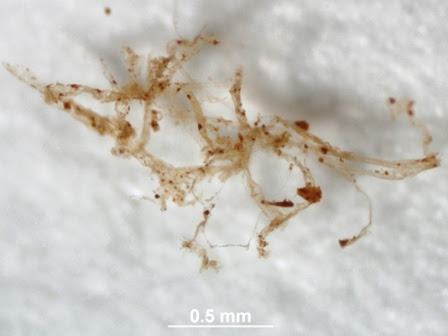
Photo Blood vessels found in a supposedly 80-million-year-old hadrosaur fossil. Courtesy of North Carolina State University. (Fair Use)
Evolutionists just won’t admit that their evolutionary dating of dinosaurs has finally been falsified. After all, that would be like admitting that the Bible is right, and this is something that atheistic evolutionists will never do.
Prayer:
Heavenly Father, without You opening the eyes of evolutionists, I know it is impossible for me to get them to believe. Open their eyes to the truths found in Your infallible Word, I pray. Amen.
Notes:
“Researchers Confirm Original Blood Vessels in 80 Million-Year-Old Fossil,” NC State News, 12/1/15.
*
 Lee's Birdwatching Adventures Plus