More Good News Tracts

Sandhill Crane babies

Sandhill Crane babies

My son, give attention to my words; Incline your ear to my sayings. Do not let them depart from your eyes; Keep them in the midst of your heart; For they are life to those who find them, And health to all their flesh. Keep your heart with all diligence, For out of it spring the issues of life. (Proverbs 4:20-23 NKJV)

Nine more Good News Tract pages were added today. There are 31 altogether and they have not only the written text, but also audio.

The is especially one that might interest you more than the others.

Here are the new ones:

I trust you can learn from them and/or use them to encourage others.

and sent Timothy, our brother and minister of God, and our fellow laborer in the gospel of Christ, to establish you and encourage you concerning your faith, (1 Thessalonians 3:2 NKJV)

Below are links to the Various Tracts from Crossway with each having the words and an audio:

More Good News Tracts

*

Bible Birds – Lapwings II

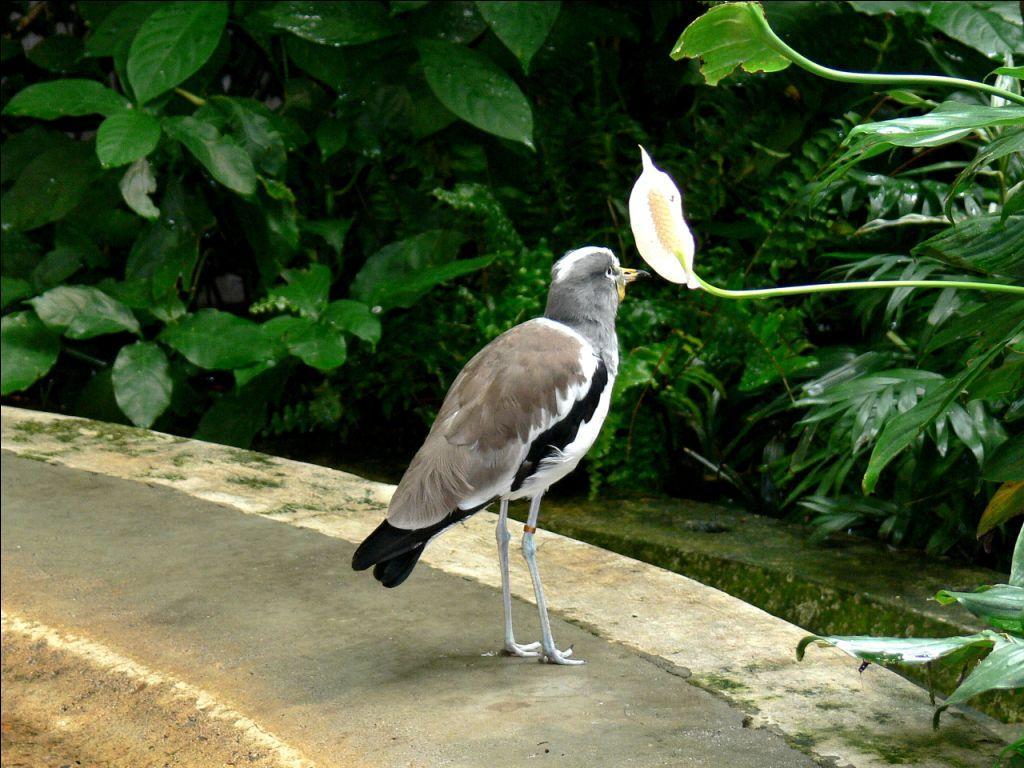
White-crowned Lapwing (Vanellus albiceps) at NA

White-crowned Lapwing (Vanellus albiceps) at NA

And the stork, the heron after her kind, and the lapwing, and the bat. (Leviticus 11:19 KJV)

The White-crowned Lapwing above was my first Lapwing encountered. They were at the National Aviary in Pittsburg, PA. They are from the tropical regions of Africa and have a diet of insects and other small invertebrates. (Fun Fact from Aviary) ~ White-headed Wattled Lapwings will bravely defend their territories against all comers, even hippos!

Now almost every zoo we visit has at least one species of Lapwing present. We see the Masked Lapwing most frequently. The reason Lapwings are mentioned in the Bible is because it is on the “Do Not Eat” list.

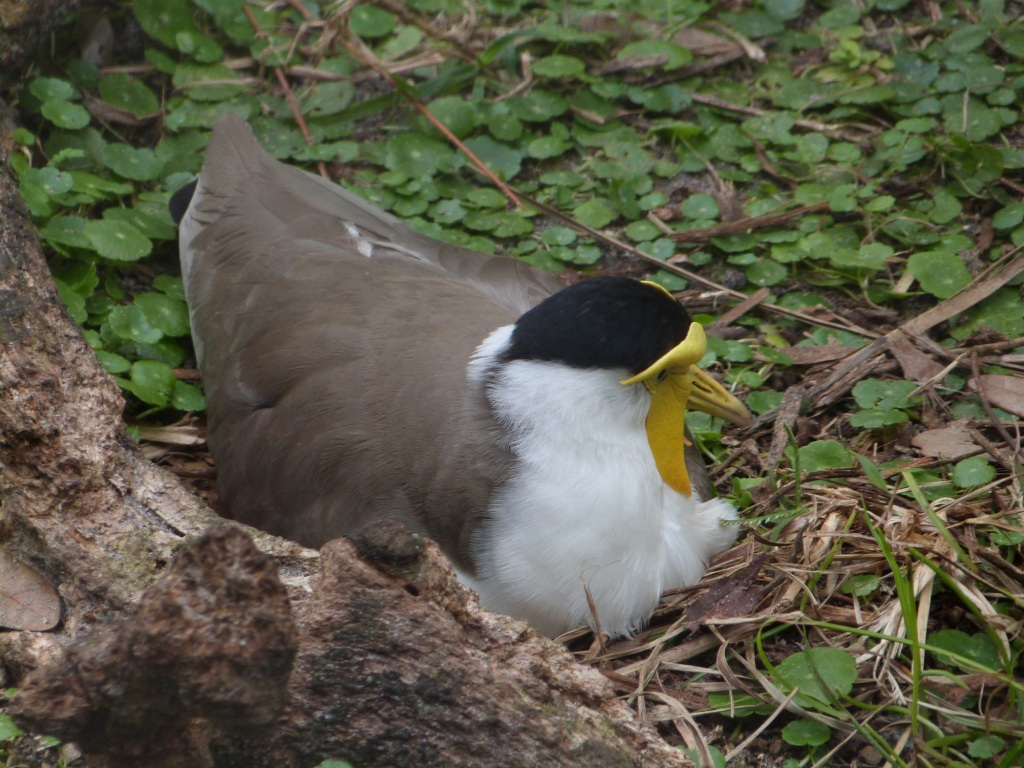
Masked Lapwing (Vanellus miles) Brevard Zoo by Lee

Masked Lapwing (Vanellus miles) Brevard Zoo by Lee

And the stork, and the heron after her kind, and the lapwing, and the bat. (Deuteronomy 14:18 KJV)

The Masked Lapwings are interesting to watch as they walk around on their long legs and as the “wattle” wiggles.

Vanellinae are any of various crested plovers, family Charadriidae, noted for its slow, irregular wingbeat in flight and a shrill, wailing cry. Its length is 10-16 inches. They are a subfamily of medium-sized wading birds which also includes the plovers and dotterels. The Vanellinae are collectively called lapwings but also contain the ancient Red-kneed Dotterel. A lapwing can be thought of as a larger plover.

The traditional terms “plover”, “lapwing” and “dotterel” were coined long before modern understandings of the relationships between different groups of birds emerged: in consequence, several of the Vanellinae are still often called “plovers”, and the reverse also applies, albeit more rarely, to some Charadriinae (the “true” plovers and dotterels).

In Europe, “lapwing” often refers specifically to the Northern Lapwing, the only member of this group to occur in most of the continent. (Wikipedia)

*

Here are some photos of Lapwings in the Vanellinae genera.

This slideshow requires JavaScript.

*

*

Birds of the Bible – Lapwing II

White-crowned Lapwing (Vanellus albiceps) at NA

White-crowned Lapwing (Vanellus albiceps) at NA

And the stork, the heron after her kind, and the lapwing, and the bat. (Leviticus 11:19 KJV)

The White-crowned Lapwing above was my first Lapwing encountered. They were at the National Aviary in Pittsburg, PA. They are from the tropical regions of Africa and have a diet of insects and other small invertebrates. (Fun Fact from Aviary) ~ White-headed Wattled Lapwings will bravely defend their territories against all comers, even hippos!

Now almost every zoo we visit has at least one species of Lapwing present. We see the Masked Lapwing most frequently. The reason Lapwings are mentioned in the Bible is because it is on the “Do Not Eat” list.

Masked Lapwing (Vanellus miles) Brevard Zoo by Lee

Masked Lapwing (Vanellus miles) Brevard Zoo by Lee

And the stork, and the heron after her kind, and the lapwing, and the bat. (Deuteronomy 14:18 KJV)

The Masked Lapwings are interesting to watch as they walk around on their long legs and as the “wattle” wiggles.

Vanellinae are any of various crested plovers, family Charadriidae, noted for its slow, irregular wingbeat in flight and a shrill, wailing cry. Its length is 10-16 inches. They are a subfamily of medium-sized wading birds which also includes the plovers and dotterels. The Vanellinae are collectively called lapwings but also contain the ancient Red-kneed Dotterel. A lapwing can be thought of as a larger plover.

The traditional terms “plover”, “lapwing” and “dotterel” were coined long before modern understandings of the relationships between different groups of birds emerged: in consequence, several of the Vanellinae are still often called “plovers”, and the reverse also applies, albeit more rarely, to some Charadriinae (the “true” plovers and dotterels).

In Europe, “lapwing” often refers specifically to the Northern Lapwing, the only member of this group to occur in most of the continent. (Wikipedia)

*

Here are some photos of Lapwings in the Vanellinae genera.

This slideshow requires JavaScript.

*

National Aviary – Pittsburgh, PA

Charadriidae – Plovers Family

Bible Birds – Masked Lapwing

Birds of the Bible – Lapwing

Birds of the Bible

Bible Birds

*

Birds of the Bible – How Many Are There? I

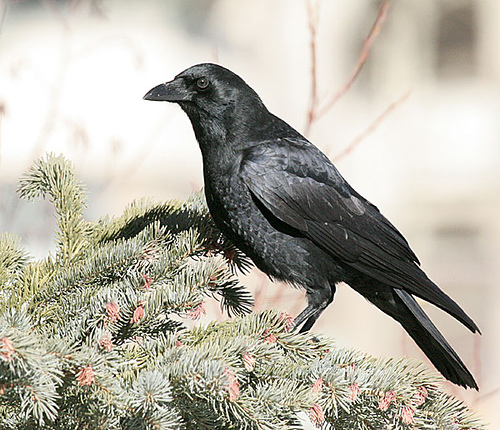
Chihuahuan Raven (Corvus cryptoleucus)Raven (Corvus corax) by Kent Nickell

Northern Raven (Corvus corax) by Kent Nickell

The list of the Birds of the Bible varies according to which version of the Bible you use. We have discussed this in other articles, but don’t think I ever actually listed them all. An article from Birding and the Bible says there are 29 and then questions 2 of them, the Glede and the Ossifrage, adding the Swift, his lists is 28 or 29.

The sidebar here has links to 33 pages of Bible Birds. There are a few more I am considering adding. After this study, I may find even more. I am going to write this as I do my research using my e-Sword program (free). Currently, I have quite a few versions of the Scriptures loaded and want to see what is listed. (Disclaimer About Bible Version Usage) Let’s get started.

The very first reference to birds or fowls, is in Genesis 1:21. That is where God created “every winged fowl after his kind” (KJV) or ” every winged bird according to its kind” (NKJV). Most agree with, “And God saw that it was good.” Here are some of the other ways of stating it:

  • “winged creature feathered  according to type.” (ABP+)
  • “every creature that flies with wings according to its kind,” (Brenton)
  • “every kind of bird that flies in the air.” (ERV)
  • ” all kinds of birds.” (GNB)
  • “He created every kind of bird that flies.” (NIrV)

So basically, all agree that the birds or fowls were created after their kind or type on the fifth day (1:23) and that God saw that it was good. That right there includes all the major families of birds, some have become extinct, some which interbred within their kinds, etc. until today we now have over 10,000 named species of birds. (Birds of the World)

In Genesis 1:25 God said, “Let us make man in our image, after our likeness: and let them have dominion” over birds, etc. The term his is given as “dominion over”, “have rule over”, “power over” (GNB), “be masters over” (ISV), “So they can be responsible for” (MSG).

Then in Genesis 2:20, Adam named the birds that the LORD God brought to him. The version all agree that they are birds or fowls or the air or heavens.

In chapter 3, Adam and Eve sin against God and we all come under the judgement including the critters, birds included. By chapter 6, things are so bad that the LORD tells Noah to bring two of every kind of critter into the Ark and then in 6:20, the birds are again mentioned. They are to be preserved in pairs of sevens. Again, no specific named bird is mentioned throughout chapter 6 or 7.

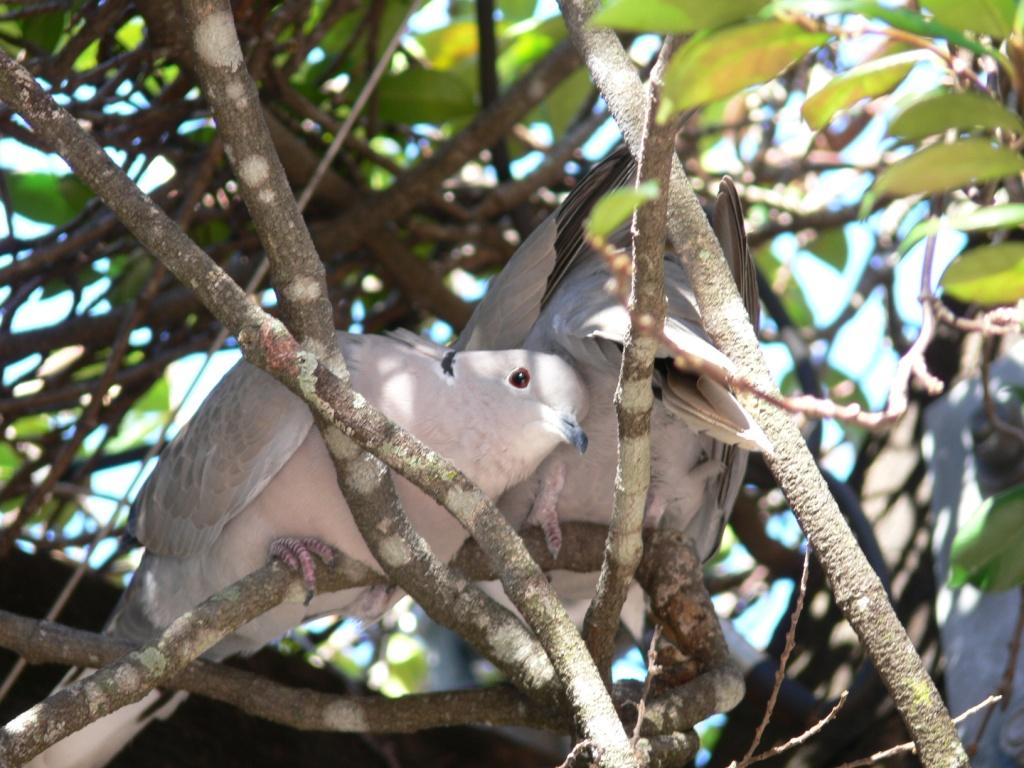
Eurasian Collared Dove (Streptopelia decaocto) by Lee

During and after the Flood, then we finally here of specific named birds. The first bird named in the Bible is the Raven. Noah opened the window of the ark and “sent forth a raven” and it flew back and forth “until the waters were dried up from off the earth.” (KJV) Other than spelling differences, they all agree on the Raven. The same is true of verse 8 where the Dove was released. The Dove kept coming back until the waters were totally dried up. The third time it was released, it did not return.

So now we have 2 Birds of the Bible – the Raven and the Dove.

The next reference to birds is in 9:2 where the birds now have a fear of humans placed on them. They, the birds, are told to multiply and fill the earth and are given a covenant or promise by God that the earth would never be destroyed by a worldwide flood again. Gen 9:10-17 – the Rainbow.

And the fear of you and the dread of you shall be upon every beast of the earth, and upon every fowl of the air, upon all that moveth upon the earth, and upon all the fishes of the sea; into your hand are they delivered. (Genesis 9:2 KJV)

King Vulture Brevard Zoo 120913 by Lee

King Vulture Brevard Zoo by Lee

In Genesis 15:9 we find the next birds, a Turtledove, young pigeon and in 15:11, the vultures. Two are sacrificed birds, the other is coming to take from the alter.

So He said to him, “Bring Me a three-year-old heifer, a three-year-old female goat, a three-year-old ram, a turtledove, and a young pigeon.” Then he brought all these to Him and cut them in two, down the middle, and placed each piece opposite the other; but he did not cut the birds in two. And when the vultures came down on the carcasses, Abram drove them away. (Genesis 15:9-11 NKJV)

Let’s see how these birds are given in the various translations. “dove” several, “turtle” (DRB), “mourning dove” (GW), “even a nestling” (LITV), and “young bird” (YLT). Most are in agreement with spelling differences from the old English of some of the translations.

Verse 11 has: birds of prey, birds, fowls, large birds (DRB), swoopers (ECB), Vultures (GNB, MSG, NKJV), and ravenous birds (YLT). Never heard of “swoopers”, so I guess that one doesn’t count. What you think? They all realize that some birds came swooping down trying to get at the sacrifice, but Abram drove them away.

Our list of Birds of the Bible so far:

Also mentioned:

  • Swooper (Gen 15:11)

For now, that is enough. To be continued in Part II.

Birds of the Bible

Wordless Birds

*

Lesson From The Bird’s Nest

*

A week ago, we went to Lake Morton in Lakeland for half hour or so. Several of the Swans were sitting on nest and a Peking Duck or a White Mallard was working on her nest. She kept adding twigs and grass to the nest and then walked away.

Have you ever watched a bird build or work on a nest? They add the “walls” and a “floor” and some birds like Weavers, make a “roof” over their nest.

As I watched the bird working on her nest, it reminded me of what was going on at our house. As I mentioned last week, our house was in “disarray” while our “spare” bedroom and two other areas were being worked on. Many spare rooms become a collection of “stuff.” (At least our is)

Behold, the days come, that all that is in thine house, and that which thy fathers have laid up in store until this day, shall be carried to Babylon: nothing shall be left, saith the LORD. (Isaiah 39:6 KJV)

This was a warning to the Israelites. We all know that there are good things put in “store.”

Upon the first day of the week let every one of you lay by him in store, as God hath prospered him, that there be no gatherings when I come. (1 Corinthians 16:2 KJV)

Laying up in store for themselves a good foundation against the time to come, that they may lay hold on eternal life. (1 Timothy 6:19 KJV)

Back to our nest. This verse: “Even the stork in the sky knows her appointed seasons, and the dove, the swift and the thrush observe the time of their migration. But my people do not know the requirements of the LORD.” (Jeremiah 8:7 NIV)

Another lesson we can learn from our birds. They do not load their nest with stuff. Some add colorful threads now and then, but there are no hat racks or closets with different feathers hanging. They do not have to decide what color feather they to wear today. No cooking utensils to worry about. No suitcase ready to pack when it become time to migrate. When it is time to go, they go.

American Robin (Turdus migratorius) with youngstersby Raymond Barlow

American Robin (Turdus migratorius) with youngstersby Raymond Barlow

Must be a lesson there. I am a bit of a pack-rat and it has been interesting around here lately. Especially when all did not go as planned. A mix-up caused a delay, so the disarray has continued longer than expected. Now that the floor is finally completed, I am trying to de-clutter some as “things” are returned to the “spare” room. At least the computer is back up and running. Yeah!

Yep! The birds have the right idea. Lord bless you all as you face your challenges. Maybe the birds will have a hint to help you also.

*

Wordless Birds

*


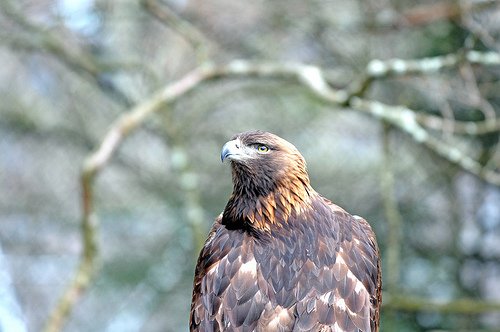
Golden Eagle – Eagle’s Eyesight

Golden Eagle – Eagles Eyesight

Golden Eagle (Aquila chrysaetos) - Grandfather Eagle by PastorBBC

Golden Eagle (Aquila chrysaetos) – Grandfather Eagle by PastorBBC

Hello boys and girls again! This is the Golden Eagle!

Did you know that eagles have very keen (excellent) eyesight ? We can see prey at great distances! I would say that we are one of the TOP birds!

Listen to this Bible verse:

And the first beast was like a lion, and the second beast like a calf, and the third beast had a face as a man, and the fourth beast was like a flying eagle. (Revelation 4:7)

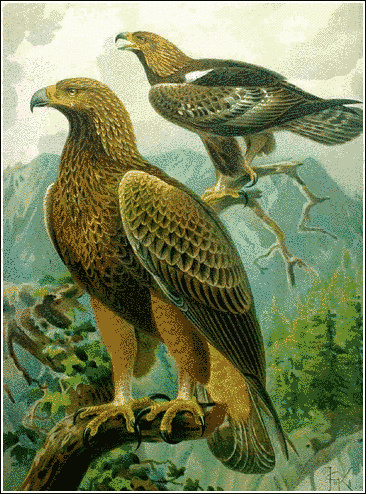
Golden Eagle ©PD

Golden Eagle ©PD

The word “beast” comes from a Greek word, zoon, and it means living creatures.

You are familiar with the word zoo, zoology-the study of animals.

  • The lion is the king of the beast! Jesus is called the Lion of the tribe of Judah! The lion represents the beasts of the earth.
  • The calf or ox represents the cattle!
  • The eagle represents the fowl or birds of the air!
  • And man is God’s greatest creation created on day number six of creation week!

The Bible is full of amazing truths! These living creatures are part of the angelic creation! They live in the very presence of God and they are full of life!

In fact, God through His Son Jesus Christ has given us everything necessary for life. Life does not end at death. Even science teaches us today that matter and energy go through changes, but they do not disappear!

Well, your soul and spirit are eternal, you will live forever somewhere! The very best place to go is God’s Heaven! Make sure that you are saved! If you do not understand what salvation is all about, begin to read the Gospel of John in the New Testament! It was written so that you would believe that Jesus is the Son of God, and in so doing that you would trust Jesus to save your soul!

God created this vast, material Universe and He has a plan for ALL of it, even the material stuff! One day we will fly higher than any eagle has ever flown! I hope that you enjoy being alive! If you are having a difficult time with life contact us and we will try to help and encourage you by sharing God’s Word with you and pointing you to the Lord Jesus Christ!

By for now!

The Golden Eagle

*

Golden Eagle

Wordless Book

*

Birds of the Bible – Alpine Swifts

Alpine Swift (Tachymarptis melba) by Ian

Alpine Swift (Tachymarptis melba) by Ian

Even the stork in the heavens Knows her appointed times; And the turtledove, the swift, and the swallow Observe the time of their coming. But My people do not know the judgment of the LORD. (Jeremiah 8:7 NKJV)

While reading my latest issue of the Birdwatchers Digest, I came across and interesting note about a recent study of the behavior Alpine Swifts that was published in 2013. It was published in the Nature Communications.

“Although observers have claimed that some swifts may stay on the wing for almost their entire lives—except for breeding—there was no solid evidence of this. Then, a team of researchers caught six alpine swifts in Switzerland, tagged them with data loggers (to record the birds’ acceleration and location), and were able to recapture three of them the next year, upon their return from Africa.” (BWD)

After analyzing data, they found that “the swifts appear to fly nonstop when they aren’t breeding. (The swifts eat insects in mid-air, of course, so they don’t starve.) The actual time totals up to a phenomenal 200 days aloft.” (BWD) This posses another question. Do the Swifts actually sleep on the wing? There were indications that this was happening.

The articles go on, but I find this truly amazing. Our Creator used such Wisdom when He made these Swifts. Not only are they able to eat on the wing, but also catch a nap. Wow!

*

Alpine Swift (Tachymarptis melba) by Ian

Alpine Swift (Tachymarptis melba) by Ian

Day unto day uttereth speech, and night unto night sheweth knowledge. (Psalms 19:2 KJV)

Half of brain asleep article – Interesting Things – Not So Bird-Brained

*

*

Bible Birds – Solomon’s Wisdom About Birds I

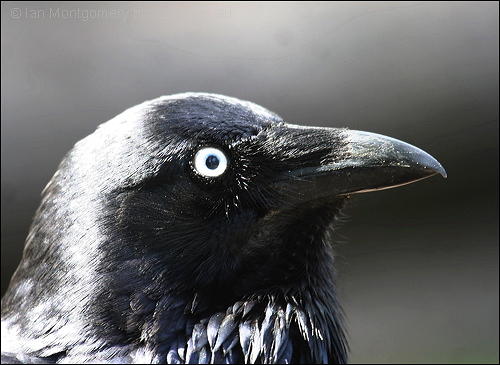
Australian Raven (Corvus coronoides) by Ian

Australian Raven (Corvus coronoides) by Ian

Also he spoke of trees, from the cedar tree of Lebanon even to the hyssop that springs out of the wall; he spoke also of animals, of birds, of creeping things, and of fish. (1 Kings 4:33 NKJV)

In my daily reading from Scripture recently, I came across I Kings 4:33 again. The article Birds of the Bible – Solomon’s Birds, discusses how some of the lessons Solomon had learned were applied. Now let’s look at how Solomon might have attained those illustrations and how we can apply them.

More questions come to my mind, in no set order, like:

  • What kind of birds did he have to observe?
  • What did he learn about the birds?
  • Did he write any of his bird observations out?
  • The Lord gave him the wisdom, so how did he apply it?
  • What can we learn from Solomon about birds?

We know from the Bible that Solomon asked for wisdom to be able to know right and wrong and how to rule the people. God granted Solomon his request and gave him more besides. See I Kings 3.

Checking with my e-Sword commentaries and helps, here are some interesting thoughts. (Italics are mine)
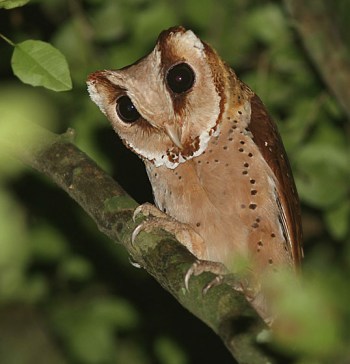
Oriental Bay Owl (Phodilus badius) by Peter Ericisson

Oriental Bay Owl (Phodilus badius) by Peter Ericisson

Matthew Henry’s Concise Commentary

Solomon’s wisdom was more his glory than his wealth. He had what is here called largeness of heart, for the heart is often put for the powers of the mind. He had the gift of talk, as well as wisdom. It is very desirable, that those who have large gifts of any kind, should have large hearts to use them for the good of others. What treasures of wisdom and knowledge are lost! But every sort of knowledge that is needful for salvation is to be found in the holy Scriptures. There came persons from all parts, who were more eager after knowledge than their neighbours, to hear the wisdom of Solomon. Solomon was herein a type of Christ, in whom are hid all treasures of wisdom and knowledge; and hid for us, for he is made of God to us, wisdom. Christ’s fame shall spread through all the earth, and men of all nations shall come to him, learn of him, and take upon them his easy yoke, and find rest for their souls.

Indian Peafowl (Pavo cristatus) by Nikhil Devasar

Indian Peafowl (Pavo cristatus) by Nikhil Devasar

Gill

he spake also of beasts, and of fowls, and of creeping things, and of fishes; he understood the nature of all sorts of animals in the earth, air, and sea, and discoursed of their names, kinds, qualities, and use, with the greatest ease and perspicuity; the Jews fancy that Aristotle’s History of Animals is his, which that philosopher came upon, and published it in his own name. …

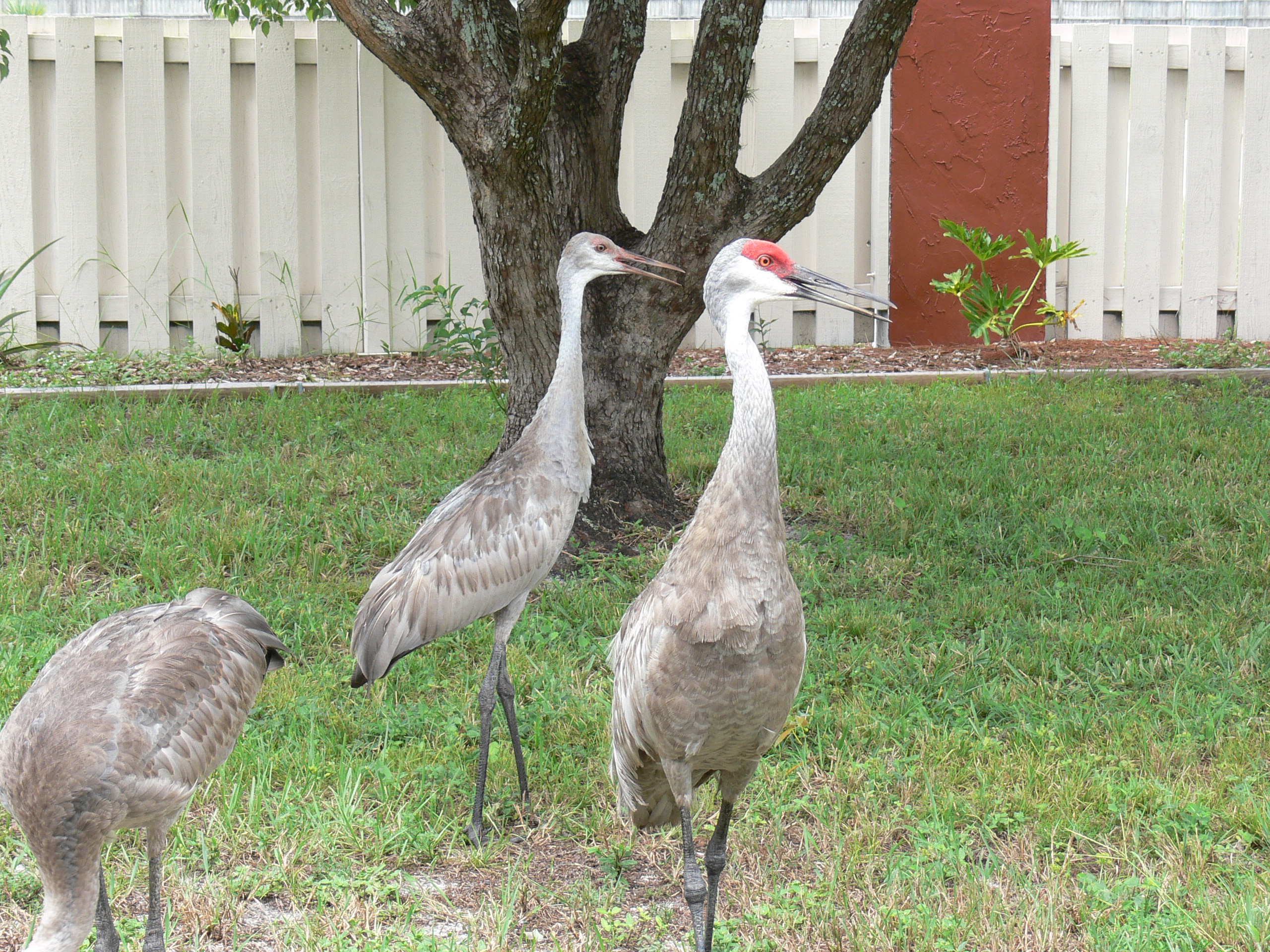
Sandhill Cranes - Adult and Juvenile in yard 8/27/10

Sandhill Cranes – Adult and Juvenile in yard 8/27/10

*

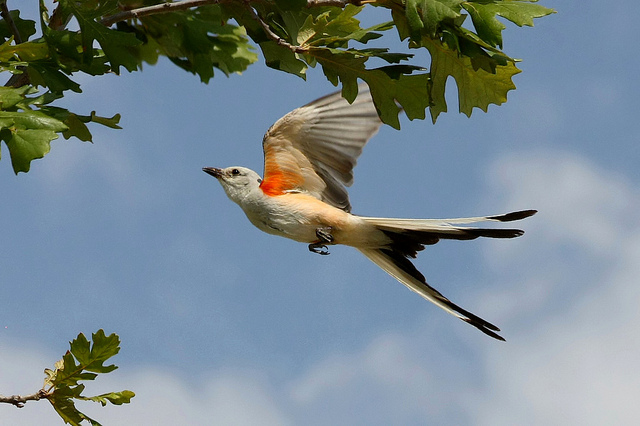
Scissor-tailed Flycatcher (Tyrannus forficatus) ©TexasEagle

Scissor-tailed Flycatcher (Tyrannus forficatus) ©TexasEagle

Barnes

Of beasts, and of fowls, and of creeping things, and of fishes – This is the usual Biblical division of the animal kingdom Gen_1:26; Gen_9:2; Psa_148:10.

Believer’s Bible Commentary

Verse 33 means that his wide knowledge of many sciences enabled him to use object lessons from nature in expounding his wisdom. People traveled from afar to hear him.
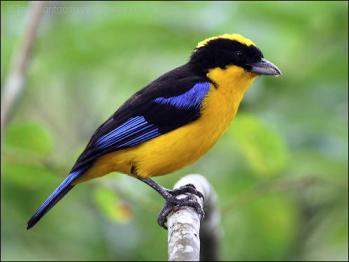
Blue-winged Mountain Tanager (Anisognathus somptuosus) by Ian

Blue-winged Mountain Tanager (Anisognathus somptuosus) by Ian

Bible Knowledge Commentary

1 Kings 4:32-34

Several hundred of Solomon’s 3,000 proverbs have been preserved in the Book of Proverbs as well as a few in Ecclesiastes. One of his 1,005 songs is the Song of Songs. Solomon’s literary output was extremely prolific (bountiful). He became an authority in botany and zoology too. … He was recognized as the wisest man of his day as God had promised he would be.

Under His Wings - (Dove - photographer unknown)

Under His Wings – (Dove – photographer unknown)

Biblical Illustrator

The study of Nature
It is said of Wordsworth that a stranger having on one occasion asked to see his study, the maid said, “This is master’s room, but he studies in the fields.” In doing so the poet followed a venerable example. We read that Isaac went out to meditate in the field at eventide, where in the margin “to pray” is put for “to meditate.” Nor could there be a better place either for prayer or for study than the fields. The Word of God is written very clearly for His seers in the green book of Nature. Wordsworth’s study is one that we can all use, however small our house may be. (Quiver.)

The world is worth seeing
Men must not live under a bushel. A gentleman once met a French priest on board an Atlantic liner. They entered into conversation, and the priest said that months ago he had a dream. He dreamt that he was dead, and that God asked him how much of the world he had seem His answer was that he had seen only a very little of it, for he had been so long in preparing for death, and in helping other people to die, that he had no time to see the world. He saw that God was displeased, and on awakening he resolved to see as much of this beautiful world as he could. It was a wise resolve. The earth is the Lord’s and not the devil’s, and we have no right to ignore it. Nature is a temple of God, and we must ever walk through it in a sacramental mood. (Sunday Circle.).
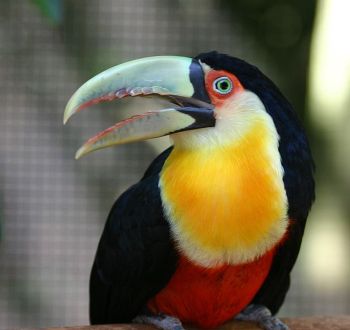
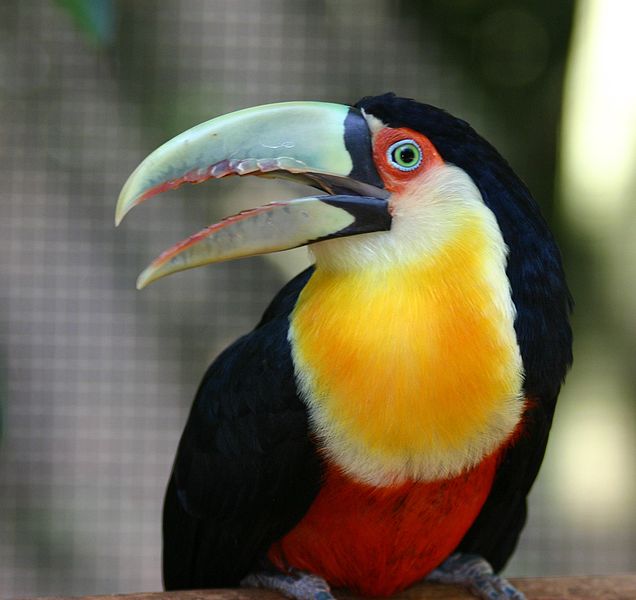
Green-billed Toucan (Ramphastos dicolorus) ©WikiC

Green-billed Toucan (Ramphastos dicolorus) ©WikiC

K & D

“And of beasts and birds, of creeping things and fishes;” the four principal classes into which the Hebrews divided the animal kingdom. Speaking of plants and animals presupposes observations and researches in natural science, or botanical and zoological studies.
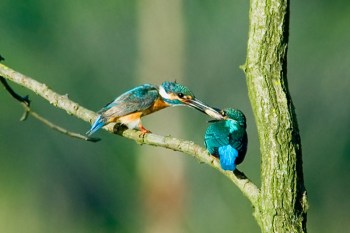
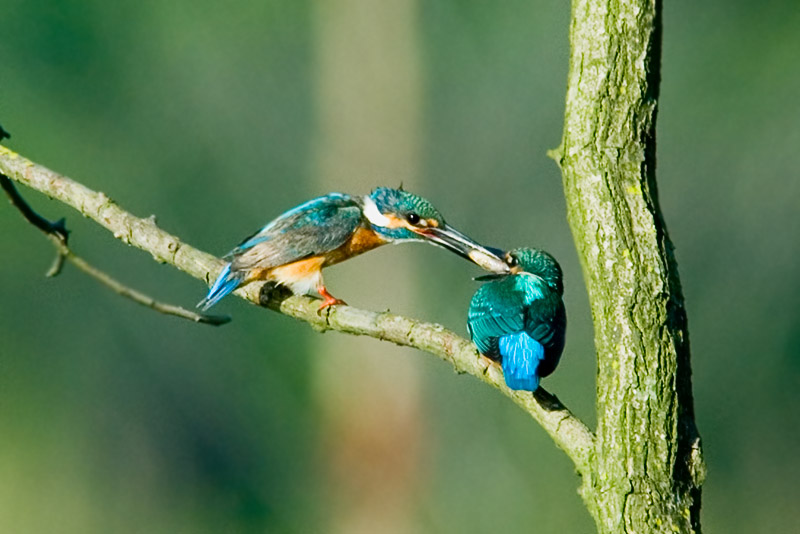
Kingfisher Feeding Young by Phil Kwong

Kingfisher Feeding Young by Phil Kwong

McGee

We are told that Solomon spoke three thousand proverbs. We have only a few hundred recorded in the Bible. His songs were a thousand and five. Believe me, he was a song writer. We have only one of his songs, The Song of Solomon. Solomon was a dendrologist—”He spake of trees, from the cedar tree that is in Lebanon even unto the hyssop that springeth out of the wall.” The hyssop is a humble little plant that grows on rocks. Solomon was also a zoologist—”he spake also of beasts”—and an ornithologist since he spoke of birds. He was an entomologist: he spoke of creeping things, or insects. He was an ichthyologist: he spoke of fishes. He spoke of these things because he had studied them and was an authority in these particular realms. This, apparently, is the beginning of the sciences. Solomon was interested in these things.

Some Answers

I have another Commentary to share thoughts from, but will save it for Part II. For now, let’s see if any of the first questions were answered.

The first two questions are unanswered for now. We will dig into that later. The next three seem to have some answers.

  • What kind of birds did he have to observe?
  • What did he learn about the birds?
  • Did he write any of his bird observations out?
  • The Lord gave him the wisdom, so how did he apply it?
  • What can we learn from Solomon about birds?

Solomon observed the birds and seems to have learned lessons and applications from them which are seen in Proverbs, Song of Solomon and some Psalms. So he recorded his findings. He gained his knowledge from the Lord, but he used his senses and observational skills to gain more knowledge. That is something we can do also with the Lord’s help. If we don’t apply ourselves to a topic, the knowledge is not going to just “pop” into our heads.

See:

*
Golden Eagle Takes A Name

Golden Eagle Takes A Name

by Golden Eagle

*

Golden Eagle ©PD

Golden Eagle ©PD

Boys and girls, it’s me again! I have taken on a name: the GOLDEN EAGLE. So, if you send us messages you can simply call me the Golden Eagle. My very best friend, Jesus once said;”

Behold the fowls (birds) of the air: for they sow not, neither do they reap, nor gather into barns; yet your heavenly Father feedeth them. Are ye not much better than they? (Matthew 6:26 KJV)

Hey, as you go through your day watch the birds! It really doesn’t look like they work to hard! Jesus is saying that His Father feeds and takes care of the birds each and every day! Now here’s a thought. I don’t know what part of the world you live in? The cool thing is that God feeds the birds every day! ALL the birds in the entire WORLD. If He takes care of the birds, He will surely take care of you in whatever situations you find yourself in. I know some things are hard to deal with, even as kids. But God is up to the task and really everything is easy for Him! So TRUST HIM! Blessed are all they that put their trust in Him (Jesus). Psalm 2:12

Boys and girls, Jesus also said in our Bible verse that you are better than birds. Now birds are neat! I am a birder, a rather new birder, I have been at this a few months. You see evolution teaches that we have evolved from a rock, an explosion, a single celled creature, etc. It teaches that we are all animals. But Jesus said you are better than the birds. The truth is that you and I were created just a little bit under the angels! And do you know that angels can fly? They fly very swiftly the Bible says! Daniel 9:21 Oh that verse is talking about the angel Gabriel coming to visit the prophet Daniel.

Remember, your Heavenly Father will take care of each of you today! You also each have a guardian angel that watches over you! Maybe we have more than one guardian angel. Eventually, we will fly like the angels! Gravity doesn’t affect them you know.

Hey, have you started your journal yet? You can write down all kinds of things. Don’t forget to send us your really cool bird stories. Have a great day and if possible attend a good church on Sunday, or any day for that matter! Until next time, this is the Golden Eagle saying Shalom!

*

Read more of Golden Eagle’s articles

*

Bible Birds Scrambled Puzzle

Western Barn Owl (Tyto alba) by SSlayton

Western Barn Owl (Tyto alba) by SSlayton

Creation Moments has Scrambled Scriptures Puzzles each week that you can subscribe to. Click here to see all of them.

This is one that has the Birds of the Bible scrambled. By clicking the link below, you can download it. Then it can be printed. Enjoy!

L T R L N A G T U R T L E D O V E T
W Q T N E T E B C A O K R O T S U Q
O C N O V G G S L I A U Q E G E E G
R B A C A S A N P Y E R P S O N A L
F H R L R N R R I A M V C F O A Y E
Y J O A E O F R E G R Z T V K R Z D
H T M F S R I U T R H R U Y C C Z E
D H R C F E S Y I K U T O C U B P K
V C O S C H S W K Y J D H W C I O C
P I C G D H O O E A G L E A G O U O
V R D E G D I R T R A P O E W Y G C
U T N H V U U C U Z Y Q O P C K N A
L S N O N E D B K K B N W F P L I E
T O W O O U T D M E M K L B H Y W P
U U Z P G C O C H L N C W W P V P F
R T R O Q V W O L L A W S A T K A B
E X E E E U B I T T E R N X H L L C
R H E A W G N A C I L E P N A W S X  ©Creation Moments
*
BITTERN
CHICKEN
CORMORANT
CRANE
CROW
CUCKOO
DOVE
EAGLE
FALCON
GLEDE
HAWK
HERON
HOOPOE
KITE
LAPWING
NIGHTHAWK
OSPREY
OSSIFRAGE
OSTRICH
OWL
PARTRIDGE
PEACOCK
PELICAN
PIGEON
QUAIL
RAVEN
SPARROW
STORK
SWALLOW
SWAN
TURTLEDOVE
VULTURE

Bible Birds Puzzle

*

*

Birds of the World – Blue-cheeked Bee-eater

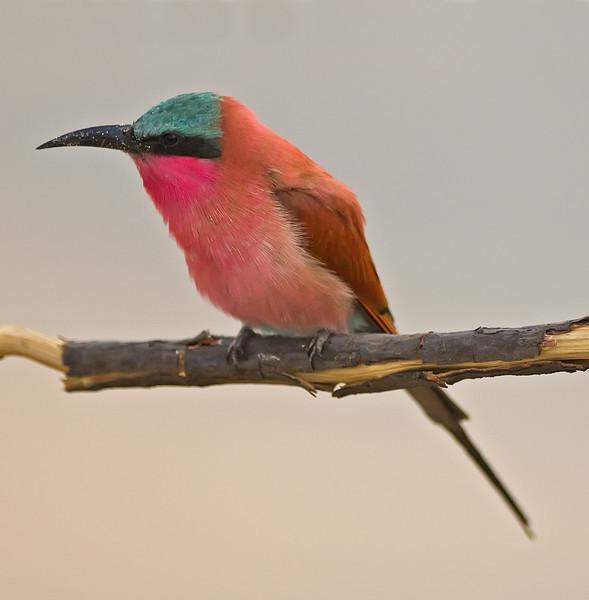
Southern Carmine Bee-eater (Merops nubicus) by Marc at Africaddict

Southern Carmine Bee-eater (Merops nubicus) by Marc at Africaddict

What a neat video of the Blue-cheeked Bee-eater. I have seen photos of them, but seeing birds in action is always special. There are some birds that just hit my fancy as I admire the Lord’s Handiwork. The Bee-eaters are one of those.

By Igor Byshnev

Matthew 6:25-34 NKJV
(25) “Therefore I say to you, do not worry about your life, what you will eat or what you will drink; nor about your body, what you will put on. Is not life more than food and the body more than clothing?
(26) Look at the birds of the air, for they neither sow nor reap nor gather into barns; yet your heavenly Father feeds them. Are you not of more value than they?
(27) Which of you by worrying can add one cubit to his stature?
(28) “So why do you worry about clothing? Consider the lilies of the field, how they grow: they neither toil nor spin;
(29) and yet I say to you that even Solomon in all his glory was not arrayed like one of these.
(30) Now if God so clothes the grass of the field, which today is, and tomorrow is thrown into the oven, will He not much more clothe you, O you of little faith?
(31) “Therefore do not worry, saying, ‘What shall we eat?’ or ‘What shall we drink?’ or ‘What shall we wear?’
(32) For after all these things the Gentiles seek. For your heavenly Father knows that you need all these things.
(33) But seek first the kingdom of God and His righteousness, and all these things shall be added to you.
(34) Therefore do not worry about tomorrow, for tomorrow will worry about its own things. Sufficient for the day is its own trouble.

Bee-eaters belong to the Meropidae – Bee-eaters Family which has 27 species.

As the name suggests, bee-eaters predominantly eat flying insects, especially bees and wasps, which are caught in the air by sallies from an open perch. While they pursue any type of flying insect, honey bees predominate in their diet. Hymenoptera (ants, bees and wasps) comprise from 20% to 96% of all insects eaten, with honey bees comprising approximately one-third of the Hymenoptera. (Wikipedia with editing)

Articles Mentioning Birds From This Family:

Other Websites that have photos of this Family:

Wordless Birds

*

Bible Birds – Crane’s Introduction

Crane’s Introduction

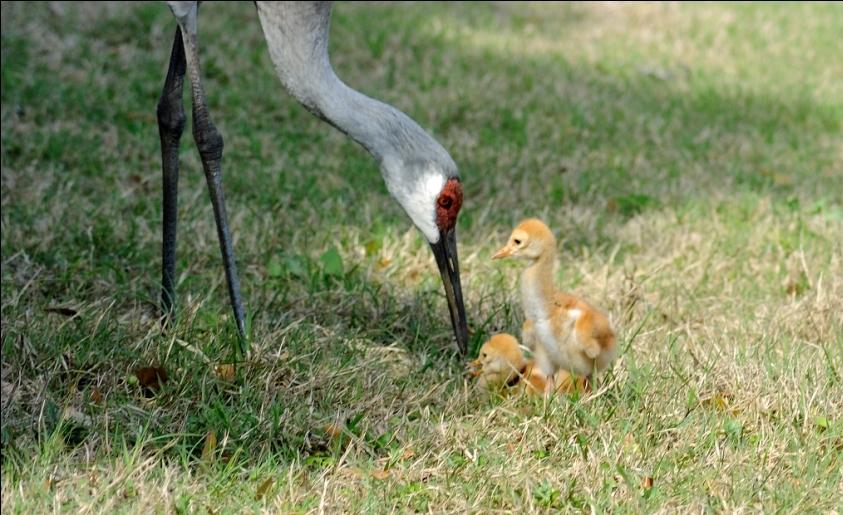
Sandhill Cranes and Babies in yard by Lee

Sandhill Cranes and Babies in yard

Even the stork in the heavens knows her times, and the turtledove, swallow, and crane keep the time of their coming, but my people know not the rules of the LORD. (Jeremiah 8:7 ESV)

Cranes are in the Gruidae Family of the Gruiformes Order. At present there are 15 species or members of that family. All of them are called Cranes, except for one member. That is the Brolga which is found in New Guinea and Australia. Cranes are another of the Lord’s creation that I enjoy watching. We are fortunate to be able to see Sandhill Cranes almost daily. Just spotted 18 today across from my backyard and will post an article about it soon.

Brolga(Grusrubicunda) by Ian

Brolga(Grusrubicunda) by Ian

Cranes bear a general resemblance to Herons in that they are long-legged, long-necked birds, but when on the wing, they carry the neck fully extended, a habit which will readily distinguish them from the curved neck Herons. Cranes are less aquatic than Herons and are often found feeding on the prairies or pine-barrens where worms, grasshoppers, lizards, roots, etc., form their fare. They nest on the ground laying two buffy eggs thickly marked with brown. The young, unlike the nearly naked, helpless young of Herons, are born covered with down and can soon follow their parents. The Cranes have loud sonorous voices; the Herons raucous croaks.

Sandhill Crane from Color Key to North American Birds, by Frank M. Chapman

Sandhill Crane from Color Key to North American Birds, by Frank M. Chapman

They have the hind-toe elevated, that is, leaving the foot at a higher level than the front toes; tail short; legs usually long. All fly with the neck extended, a fact by which Cranes in flight may be known from Herons. (Color Key to North American Birds, by Frank M. Chapman)

Cranes are a Bible Bird and appear in two verses, the one above (Jeremiah 8:7) and in the following verse:

Like a crane or a swallow, so did I chatter: I did mourn as a dove: mine eyes fail with looking upward: O LORD, I am oppressed; undertake for me. (Isaiah 38:14 KJV)

A Sandhill Crane call. Does it sound like a chatter?

(From xeno.canto)

Cranes construct platform nests in shallow water, and typically lay two eggs at a time. Both parents help to rear the young, which remain with them until the next breeding season.

Cranes migrate (travel to a warmer climate in winter) as mention in Jeremiah 8:7. Here is a photo of Common Cranes in Israel gathered together.

Common Cranes in Israel. Many species of crane gather in large groups during migration and on their wintering grounds ©WikiC

Common Cranes in Israel. Many species of crane gather in large groups during migration and on their wintering grounds ©WikiC

Cranes are one of the tallest flying birds, but more on that in another Bible Birds article.

See:

*
Wordless Birds
*