A Bohemian Goose and a Saxon Swan

A Bohemian Goose and a Saxon Swan

by James J. S. Johnson

Of whom the world was not worthy: they wandered in deserts, and in mountains, and in dens and caves of the earth. (Hebrews 11:38)

The ministry of God’s messengers sometimes reminds me of geese and swans, but why?

To explain why those two birds (the Goose and the Swan) remind me of God’s messengers, some background information on waterbirds, combined with some European history, is necessary. (See the earlier posting titledBirdwatching in Iceland”, and notice especially the coverage of geese and swans.)
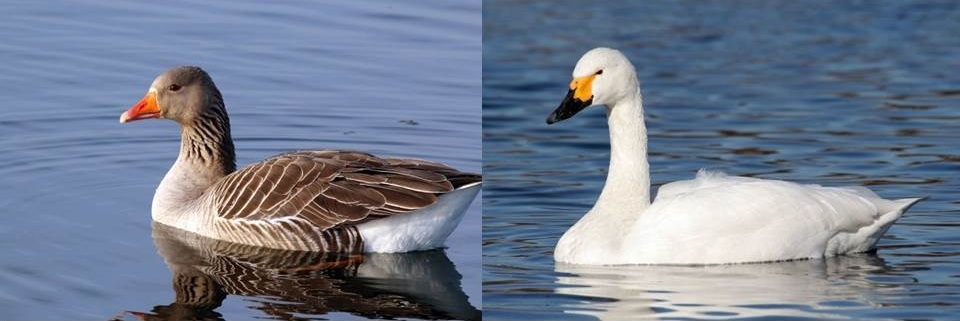
A Bohemian Goose (Jan Hus).

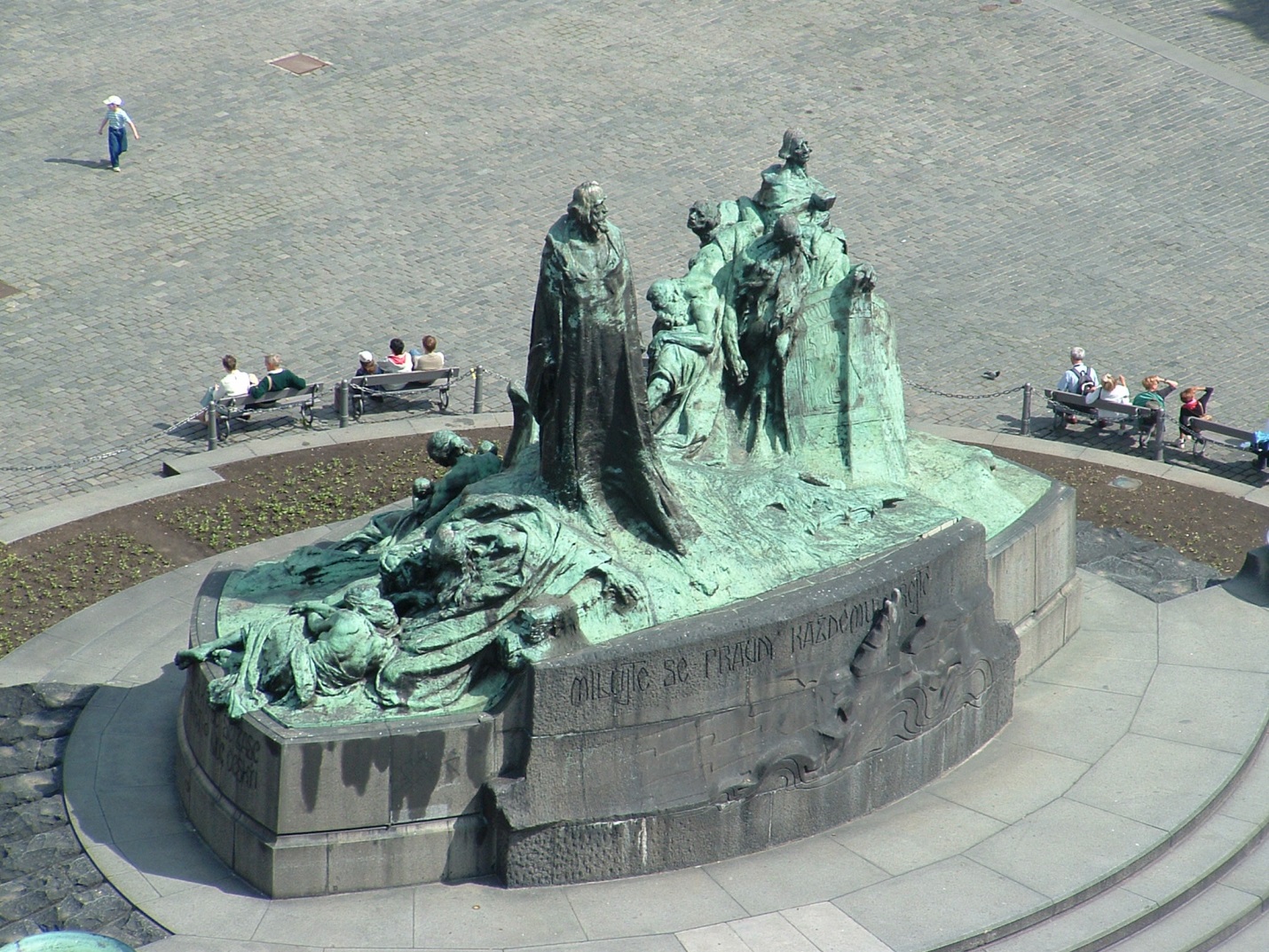
Many of this website’s readers are already familiar with the Christian Reformer and martyr, Jan Hus (a/k/a John Huss), for who the Hussites were named. Jan Hus was a Christian Bible scholar and teacher, in Bohemia (e.g., Prague), a land that today is called the Czech Republic. Jan Hus was a Roman Catholic priest whose studies of the Holy Bible led to him to protest against various unbiblical doctrines and practices that dominated the ecclesiastical politics of his generation. Until he was stopped, Jan Hus taught the Holy Bible’s doctrines (like John Wycliffe, whose writings Hus had studied) to the Bethlehem Chapel congregation (of about 3000 worshippers), in Prague. Hus also taught as a Bible professor at Univerzita Karlova (i.e., Charles University) in Prague.

But how is it fair to call Jan Hus a “Bohemian goose”?
Hus 1

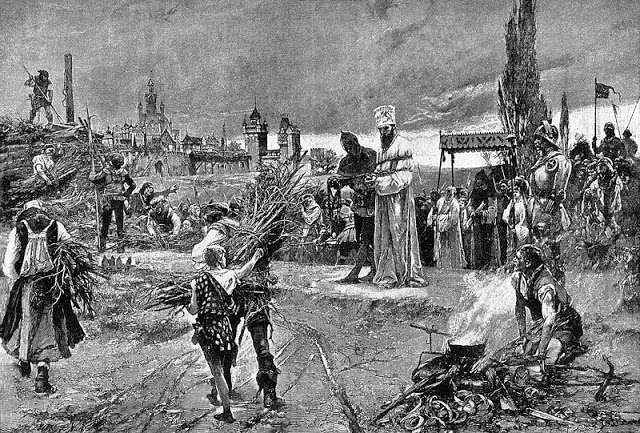
The persecution and trial (for “heresy”) of Jan Hus, a “kangaroo court” by today’s Due Process standards, ended in his execution as an enemy of the Roman Catholic Church – Hus was burned to death on July 6th of AD1415. Since his family name was “Hus”, which means “goose” in the Czech (Bohemian) language, it was said that the Church of Rome had “cooked a goose”. [See church historian Ken Curtis, “John Hus: Faithful unto Death”, posted at http://www.christianity.com/church/church-history/timeline/1201-1500/john-hus-faithful-unto-death-11629878.html.]
Hus 2

Yet an interesting detail of Jan Hus’s last day on Earth is reported by an eye-witness, and corroborated by historical sources close in time to the historic event. (The reports contain slight differences in details, as authentic history accounts do.) Although Jan Hus’s accusers used “foul mouth” curses, Jan Hus could be said to have had a “fowl mouth” when he warned of the future:

With such Christian prayers, Hus arrived at the stake, looking at it without fear. He climbed upon it, after two assistants of the hangman had torn his clothes from him and had clad him into a shirt drenched with pitch. At that moment, one of the electors, Prince Ludwig of the Palatinate, rode up and pleaded with Hus to recant, so that he might be spared a death in the flames. But Hus replied: “Today you will roast a lean goose [i.e., Hus], but hundred years from now you will hear a swan sing, whom you will leave unroasted and no trap or net will catch him for you.”

[Quoting from hostile witness Poggius Florentini, Hus the Heretic, Letter 2 (an eye-witness account written to Leonhard Nikolai), page 60, quoted in Pastor Tom Browning’s “The Goose that Became a Swan” (Arlington Presbyterian Church), pages 6 & 19, at http://www.monergism.com/thethreshold/articles/onsite/browning/Lesson2.pdf.

The gist of this historic account is substantially corroborated by the research provided in Foxe’s Book of Martyrs, which recounts:
When the chain was put about him at the stake, he said, with a smiling countenance, “My Lord Jesus Christ was bound with a harder chain than this for my sake, and why then should I be ashamed of this rusty one?” When the fagots [i.e., pieces of wood] were piled up to his very neck, the duke of Bavaria was so officious as to desire him to abjure. “No, (said Huss;) I never preached any doctrine of an evil tendency; and what I taught with my lips I now seal with my blood.” He then said to the executioner, “You are now going to burn a goose, (Huss signifying goose in the Bohemian language:) but in a century you will have a swan which you can neither roast nor boil.” If he were prophetic, he must have meant Martin Luther, who shone about a hundred years after…

[Quoting from martyrologist/historian John Foxe, Foxe’s Book of Martyrs, Chapter 8, (first translated into English during AD1563), as quoted in Pastor Tom Browning’s “The Goose that Became a Swan” (Arlington Presbyterian Church), pages 6 & 19, posted at http://www.monergism.com/thethreshold/articles/onsite/browning/Lesson2.pdf] *The slight differences in reported detail may result from translation/paraphrase limitations, and/or may be due to Hus making his prediction more than once, during his last hours, using slightly different words. Soon after a coin was minted, paraphrasing Hus’ strange prediction.

What could this mean?

Did a “swan” arise in place of the cooked “goose”, a hundred years later?

A Saxon Swan (Dr. Martin Luther).

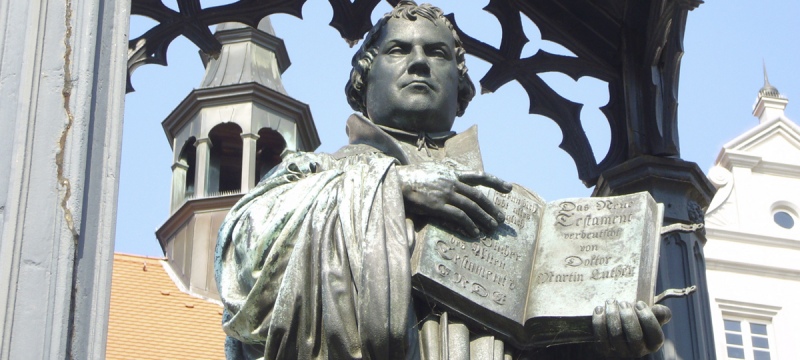
From the region of Germany once called Saxony (or “Saxland”), came Dr. Martin Luther, the colorful leader of Germany’s Protestant Reformation and translator of Germany’s “Luther Bible”. After studying law (without completing law school), Martin Luther became a Roman Catholic priest. After earning four university degrees, that last being a doctorate in Bible, Dr. Luther became troubled by the clash between what the Bible itself taught versus what most of the religious officials taught. Like Hus, his personal studies of the Holy Bible led him to protest various unbiblical doctrines and practices (e.g., the ecclesiastical sale of “indulgences”) that dominated the ecclesiastical politics of his generation.

But how is it fair to call Martin Luther a “Saxon swan”?

On October 31st of AD1517 – 103 years after Hus was burned at Constance — Dr. Martin Luther nailed his 95 Theses onto the door of the Wittenberg church, effectively firing a theological “shot heard ‘round the world” (to borrow a phrase from the American Revolution).
Luther 1

Although Luther’s friends warned him that Luther might be burned at the stake, like Hus (i.e., “cooked like a goose”), Dr. Luther continued to preach and teach what he believed to be the Bible’s teaching about God, truth, authority, salvation, faith, marriage, and many other important topics. And Luther’s own commentary includes his opinion that he fulfilled Jan Hus’s dying declaration:

However, I, Dr. Martin, have been called to this work and was compelled to become a doctor, without any initiative of my own, but out of pure obedience. Then I had to accept the office of doctor and swear a vow to my most beloved Holy Scriptures that I would preach and teach them faithfully and purely. While engaged in this kind of teaching, the papacy crossed my path and wanted to hinder me in it. How it has fared is obvious to all, and it will fare still worse. It shall not hinder me. In God’s name and call I shall walk on the lion and the adder, and tread on the young lion and dragon with my feet. And this which has been begun during my lifetime will be completed after my death. St. John Huss prophesied of me when he wrote from his prison in Bohemia, “They will roast a goose now (for ‘Huss’ means ‘a goose’), but after a hundred years they will hear a swan sing, and him they will have to endure.” And that is the way it will be, if God wills.

[Quoting from Martin Luther, in Lutherʹs Works (Vol. 34, Page 103-104). Philadelphia: Fortress Press, 1999 (from Dr. Martin Luther’s Commentary on the Alleged Imperial Edict Promulgated in the Year 1531, After the Imperial Diet of the Year 1530), as quoted in Tom Browning’s “The Goose that Became a Swan” (supra), page 19, posted at http://www.monergism.com/thethreshold/articles/onsite/browning/Lesson2.pdf ] Ironically, the word “swan” etymologically connotes one who makes a sound, and the strong voice of Martin Luther would be heard, magnified by the newly invented movable-type printing press.

What an exciting time (and place) it was, during the Protestant Reformation (in Europe)!

What about today?

Jan Hus and Martin Luther were both spiritual pioneers who fearlessly championed God’s truth to a world dominated by hostile opponents.

Jan Hus was “excommunicated” and executed, being burned at the stake – as a “cooked goose”.

Martin Luther too was “excommunicated”; however, he was neither boiled nor burned. In fact, Dr. Luther married a good wife, raised many children with her, taught his family and others in his home and in various churches, pioneered new traditions in sacred music and Christian education, translated the Bible into German, wrote books and booklets (often demonstrating a merry and satirical wit), etc., — and eventually he died of natural causes.

Both Hus and Luther are appreciated by those who value the “sola Scriptura” principle (i.e., Scripture alone is the final authority) of the Protestant Reformation. Unsurprisingly, those who reject the Bible as the ultimate truth authority are often severe critics of both Jan Hus and Martin Luther (illustrating the saying that a man is known not only by his friends, but also by his enemies!).

Pioneers for God’s truth receive opposition nowadays as well, albeit on a less grand scale and in less dramatic confrontations than the “goose cooking” of AD1415 or Wittenberg’s 95 Theses of AD1517. Many who pioneer God’s truth in uncharted (worldview arena) territories will never be as famous as Jan Hus or Martin Luther, yet their brave efforts – swimming against the tides of popular idolatries — are well-known to the God they serve. The ongoing persecution that they suffer is expected, of course, because Paul forewarned us that “all who will live godly in Christ Jesus shall suffer persecution” (2nd Timothy 3:12).

Mark Armitage.

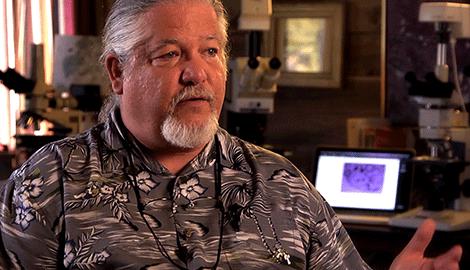
One modern example of a godly truth pioneer, persecuted for promoting God’s truth, is electron microscope scientist Mark Armitage. Mark researched, photographed using SEM (scanning electron microscope), forensically analyzed, and published his observations of soft tissue located within the horn of a Triceratops dinosaur. Mark’s published micrographs and paleontological analysis of the Triceratops bone cells (within the dinosaur’s stretchy soft tissue) proves that the Triceratops was not so old – because such soft tissue cannot last intact and stretchy for the “millions” of years that evolutionists imagine.

In May 2012, Mark Armitage … uncovered one of the largest triceratops horns ever found in the Hell Creek Formation [in Montana], a legendary stack of fossil-bearing rocks that date to the last days of the dinosaurs. Armitage drove the horn back home to Los Angeles, California, where his microscopic examination revealed that it contained not only fossilized bone but also preserved layers of soft tissue. “They were brown, stretchy sheets. I was shocked to see anything that was that pliable,” he says. In February 2013, he published his findings in Acta Histochemica, a journal of cell and tissue research (M. H. Armitage and K. L. Anderson Acta Histochem. 115, 603-608; 2013). Two weeks later, he was fired from his job at California State University, Northridge (CSUN), where he had managed the biology department’s electron and confocal microscopy suite. Now he is embroiled in a long-shot legal fight to get his job back. In July [2014], his lawyers filed a wrongful-termination suit claiming that religious intolerance motivated the dismissal: as a young-Earth creationist, Armitage says that finding soft tissue in the fossil supports his [Bible-based] belief that such specimens date to the time of the biblical flood, which he puts at about 4,000 years ago.

Quoting Christopher Kemp, “University Sued by Creationist”, Nature, 515:20 (Nov. 6, 2014).
Mark Armitage by Johnson

[Regarding the news reports about Mark Armitage’s lawsuit, see http://www.afajournal.org/archives/2010-present/2014/october/issues/evolutionists-get-thin-skinned-over-dinosaur-tissue-discovery.aspx and http://www.worldmag.com/2014/07/trumpeting_a_dinosaur_horn. For Mark Armitage’s Christian testimony, see https://answersingenesis.org/ministry-news/ministry/the-things-that-are-not/ .]

On a more personal note, Mark Armitage told me, once, when he visited Dallas, that dug-up dinosaur bone finds are overpoweringly stinky — smelling detestably foul, apparently, due to the rotting organic material that was not fossilized. (The forensic implications of that are obvious to any honest forensic scientist – such dinosaurs lived centuries or millennia ago, but not millions of years ago.)
Like those who opposed Hus and Luther, Mark Armitage’s dinosaur tissue research and analysis conflicts with and contradicts the dogma of his detractors.

Dr. Randy J. Guliuzza.

A similar report – of truth-promoting resilience under censorial persecution — could be given for another Biblical creation pioneer, Dr. Randy Guliuzza (M.D., M.P.H., P.E.), a scientist who is both a medical doctor (having done surgery in Iraq, while serving the U.S. Air Force) and professional engineer (having served the U.S. Navy as an engineer), with a Bible college foundation (Moody Bible Institute).
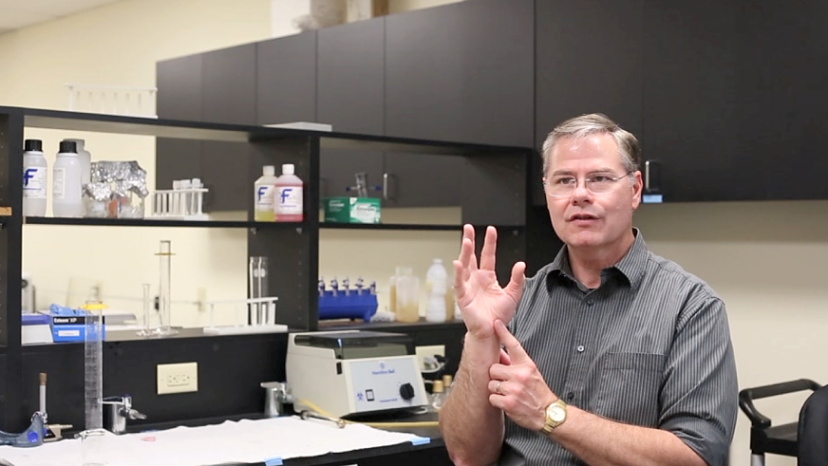
Dr Guliuzza

Dr. Guliuzza has been persecuted and disparaged by theistic evolutionists (and even by compromised creationists) because he has debunked “natural selection” as a bogus phrase invoked to accredit geophysical “magic” for selectively “favoring” or “disfavoring” life-forms in competition. [For more about this creation science controversy, see Dr. Guliuzza’s science articles posted at

Analytically and comprehensively, again and again, Dr. Guliuzza has consistently shown that the definitional reality of Darwin’s sophistic phrase “natural selection” is mere “magic words” shibboleths – see http://www.icr.org/article/unmasking-evolutions-magic-words.

In response to a careless bashing of Dr. Guliuzza’s critique of “natural selection” sophisms (by a mystical “genes-in-magic” advocate), Dr. Guliuzza published a 3-part rebuttal, with  point-by-point refutations of his detractors. [See Randy J. Guliuzza, “A Response to ‘Does Natural Selection Exist?’:  Creatures’ Adaptation Explained by Design-based, Organism-driven Approach, Parts 1, 2, & 3”, serially posted at:  https://answersingenesis.org/natural-selection/response-does-natural-selection-exist-part1/  —  followed by  https://answersingenesis.org/natural-selection/response-does-natural-selection-exist-part2/   —  followed by  https://answersingenesis.org/natural-selection/response-does-natural-selection-exist-part3/  .]   In short, Dr. Guliuzza’s refutations (cited above) illustrate how to apply the Biblical mandate of Proverbs 26:4-5  (see “How Do We Answer Fools?”  — posted at  http://www.icr.org/article/8354  ).

All of this may sounds fairly technical (and some of it is), but the bottom line is that inanimate “nature” cannot “select” anything or anyone. Only a being with an intelligent mind, decision-making powers, and some kind of preferential values (which provide a basis of choosing, from available options, one outcome as more valuable than another) can “select” anything or anyone. [See my article on “Bait and Switch”, posted at https://www.icr.org/article/6538/.]

In other words, only God can – and only God did — create creation (including you and me), and He told us (in Genesis) how and when He did it.

And, despite what 1st Timothy 6:20 calls “science falsely so-called” (such as popular myths that accredit Earth’s biodiversity to an imaginary god-substitute called “natural selection”), God intelligently, volitionally, and judgmentally did all of the “selecting” needed to pre-program all biological lives (including our own) to “be fruitful, and multiply, and fill the Earth”. Since God did all the creative “selecting” He should be given credit for doing so.

But until the time comes when all knees bow to God and His truth, and all tongues confess that the Lord Jesus is the Creator-Lord of all, we can expect to see persecutions of God’s messengers – some of them famous (like Hus and Luther) and some of them not-so-famous (like Mark Armitage and Randy Guliuzza).

Like the prophets of old, the obligation is the same – tell God’s truth to those who have “ears to hear”, and don’t let unpopularity or persecution censor God’s message. Don’t expect applause from worldly-minded people, whether they be theists (like the Pharisees) or atheists (like many evolutionists). The world is not worthy of God’s message, so it gives no welcome to God’s messengers.

Of whom the world was not worthy: they wandered in deserts, and in mountains, and in dens and caves of the earth. (Hebrews 11:38)

The goal, of course, is the live as witnesses for God’s truth, with the courage and commitment of the Bohemian Goose and the Saxon Swan.

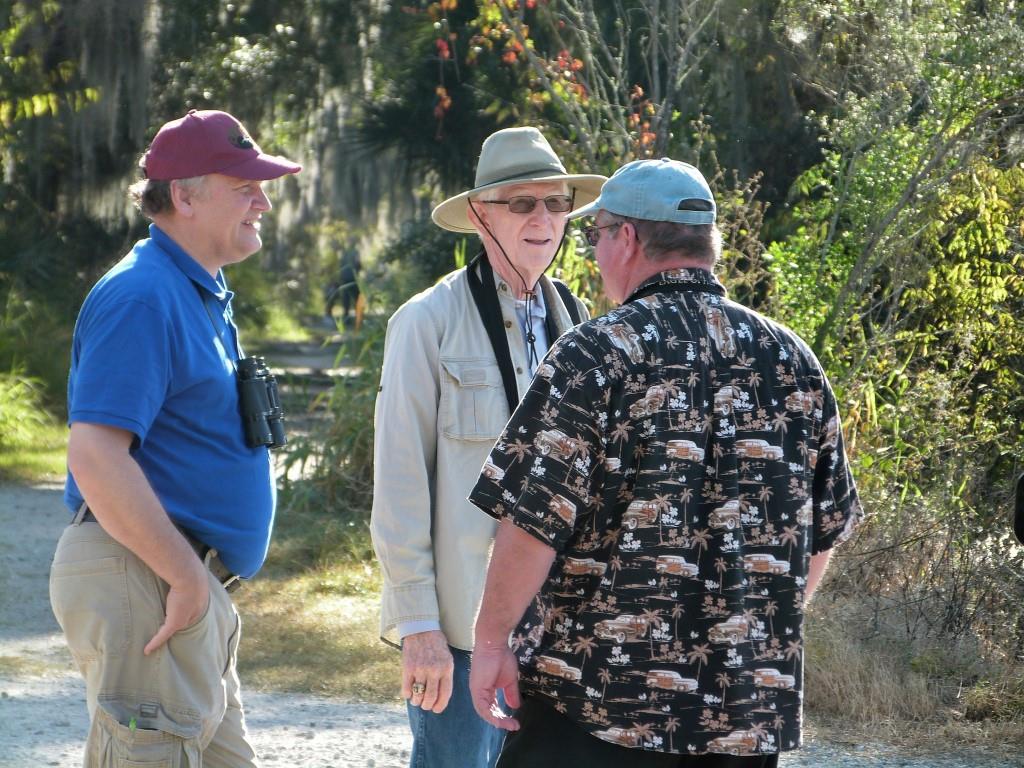
Dr. James J. S. Johnson (shown here with Chaplain Bob Webel, a bird-watcher in St. Petersburg) believes in the God of the Bible (not in Darwin’s god-substitute labeled “natural selection”) as biodiversity’s omni-intelligent “selector”. No stranger to forensic science, Jim frequently teaches forensic evidence analysis to Texas lawyers, and is a member of the American Academy of Forensic Sciences. Also no stranger to birds, Jim previously taught ornithology and ecology-related courses at Dallas Christian College.
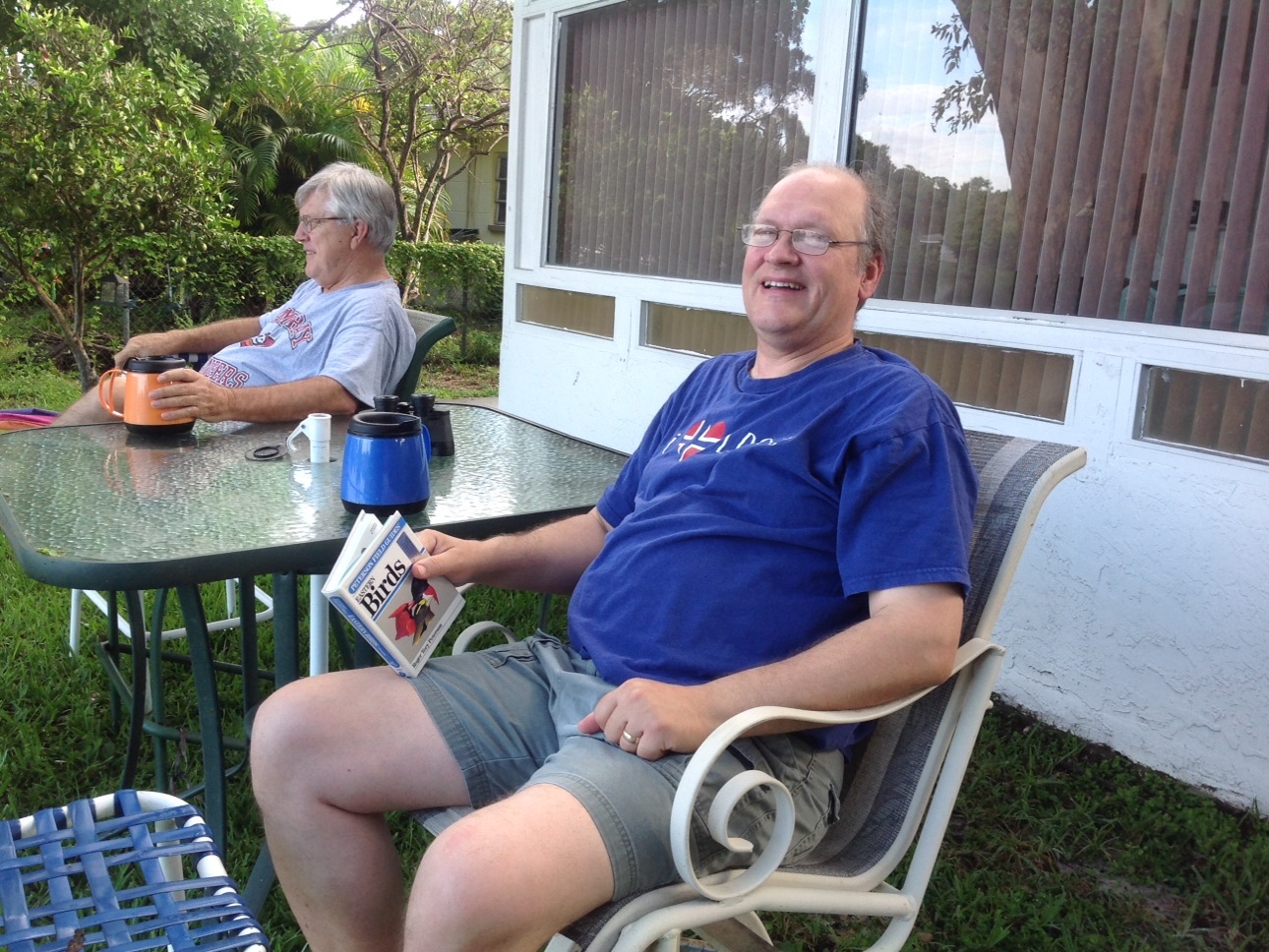
Dr. James J. S. Johnson

*

*

Birdwatching in Iceland

Birdwatching  in  Iceland

by James J. S. Johnson

The Lord reigneth; let the earth rejoice; let the multitude of isles be glad thereof.   (Psalm 97:1)

Islanders, like others, should rejoice in appreciation for the historic incarnation of our Lord Jesus Christ – which incarnation we celebrate annually as Christmas.  It is that same Christ (John 1:1-3; Hebrews 1:1-3) Who made all the seabirds that visit and live on the world’s islands, and Iceland is no exception.

Luzon Bleeding-heart by Dan

Orni-Theology

A recent email from Iceland reminded me of some birdwatching, years ago, that my wife and I did, while visiting Iceland.  Some might think that a place called “Iceland” would be so cold that birds, there, would be few and far between.  Thankfully, that is not the case, especially due to the moderating influence of the warm Gulf Stream current, which washes the southwestern shores of Iceland.  The birds of Iceland, like those of many other islands, are (unsurprisingly), are predominantly waterbirds, since islands are surrounded by water, typically ocean water.

What were some of the birds that my wife and I saw, then (September 17th of AD2002), in Iceland?  A few examples are mentioned below, with special attention to Icelandic geese and swans (which is especially relevant to the sequel to this birdwatching report, which will report on a Bohemian goose and a Saxon swan).

Waterbirds live around (and sometimes in) bodies of water, sometimes saltwater and sometimes freshwater.  Waterbirds might habituate seacoasts, riverbanks, estuarial mudflats, lakes, ponds, swamps, and water-logged marshlands.  (Some are attracted to manmade water bodies, such as dam reservoirs, concrete canals, swimming pools, fountains, or birdbaths.)  Birds need water.

Think of the various waterbird categories, some wading shorebirds, some seabirds:  goose, gull, grebe, gallinule, gannet, guillemot, limpkin, loon, duck, dipper, brant, booby, bittern, coot, crane, crake, curlew, cormorant, kittiwake, kingfisher, plover, pelican, puffin, penguin, petrel, phalarope, flamingo, fulmar, frigatebird, albatross, anhinga, auklet, ibis, eider, egret, oystercatcher, osprey, mallard, merganser, murre, shag, shearwater, shoveler, smew, spoonbill, stint, stork, scoter, scaup, skua, skimmer, swan, sandpiper, sora, snipe, wigeon, tern, teal, tropicbird, turnstone,  jabiru, jaeger, jacana, heron, knot, noddy, rail, redshank,    —  the list could go on and on!

SeaGulls on Rail by James Johnson

SeaGulls on Railing, by James J. S. Johnson

Seagulls.

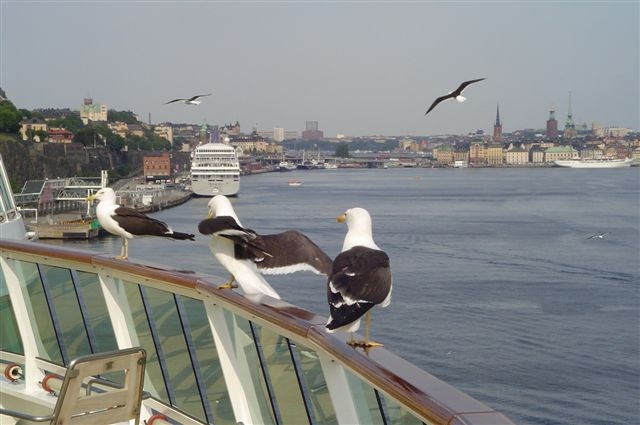
Seagulls   —  such as gulls, terns, and fulmars  —  are one of the most typical kinds of seabirds.  For example, see the Great Black-backed Gull (Larus marinus), perching on the railing of the Royal Caribbean cruise ship (Jewel of the Seas), which I photographed as the ship approached the harbor of Helsinki, Sweden, during the summer of AD2006.

Ironically, many “seagulls”, such as herring gulls and ring-billed gulls, are observed far from the “sea”, living inland as residents or migrants, at huge distances many miles away from the closest saltwater shoreline. For example, during winter the Ring-billed gull (Larus delawarensis) is known to congregate in the parking lots of shopping centers near Dallas, hardly a “range” fit for a “seagull”!  However, visiting a saltwater beach, like the Gulf of Mexico or an ocean, provides opportunities for seeing many kinds of seagulls, at any time of the year.

While serving as a speaker on a cruise ship, during September of AD2002, the ship headed from Ireland’s Dublin to Iceland’s Reykjavik.  Along the way I saw a variety of seagulls, including:  Herring Gull (Larus argentatus), on a boat-dock in Dublin;  Fulmar (Fulmarus glacialis), in a Dublin estuary;  Storm Petrel (Hydrobates pelagicus), over the Irish Sea just north of Dublin;  Common Tern (Sterna hirundo), at sea somewhere between Scotland and Iceland;  Kittiwake (Rissa tridactyla), also at sea somewhere between Scotland and Iceland; Black-headed Gull (Larus ridibundus) and  Lesser Black-headed Gull (Larus fuscus), both of which I saw in the open sea somewhere between Scotland and Iceland.   In time our boat docked at Reykjavik (Iceland), where I would happily see some “lifers” (and other birds I’d seen before).

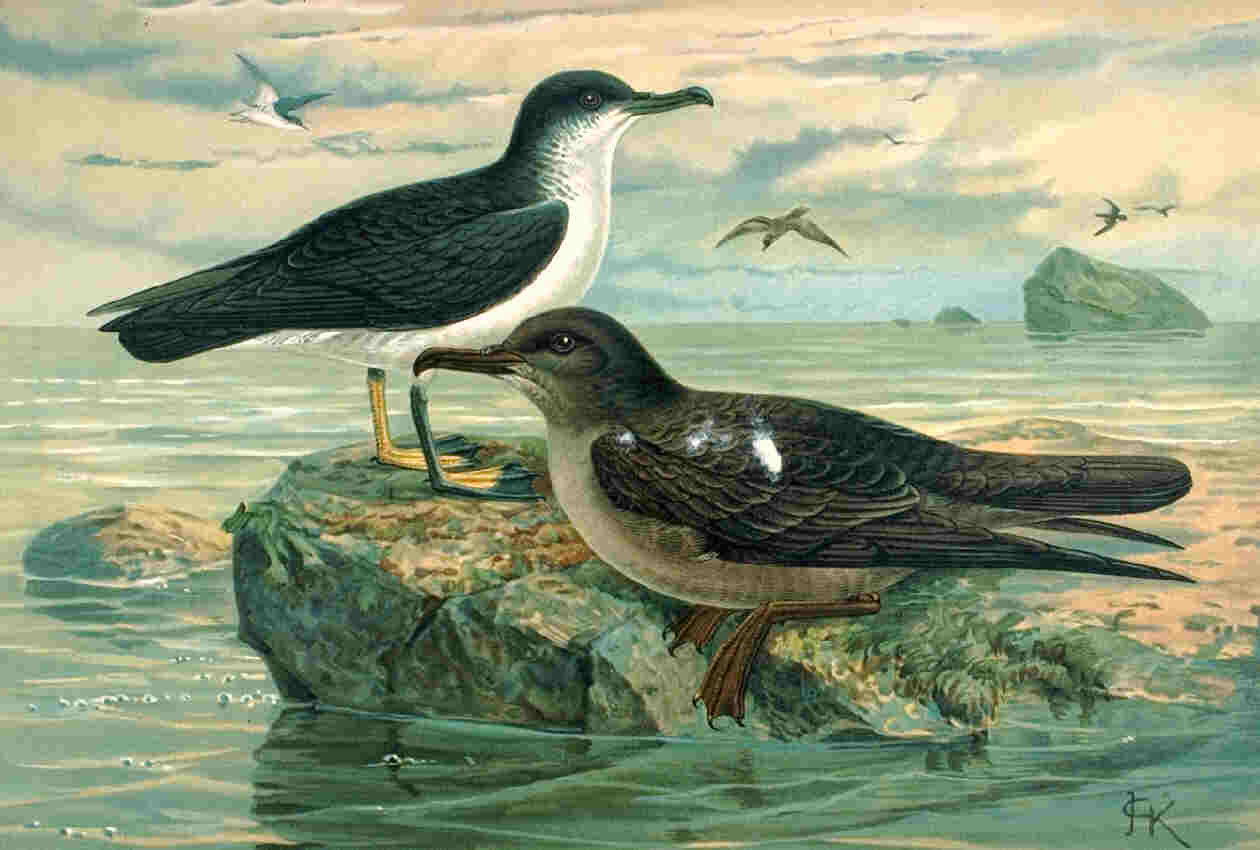
Manx Shearwater (Puffinus puffinus).  Near the Reykjavik dock there was a rocky shoreline where a colony of busy Manx Shearwaters could be seen, apparently not far from their summer nests in rocky crevices.  These are seabirds are sooty black on top and white underneath, except for a white bar on the upper side of their underwings. These low-flying birds are pelagic (staying at sea most of the time), often accustomed to following boats, coming to shore at sunset to breed.  Their diet includes fish, aquatic crustaceans, carrion, and whatever seafaring humans dump or throw overboard (i.e., human garbage or donated food-scraps).

Manx Shearwater

Manx Shearwater

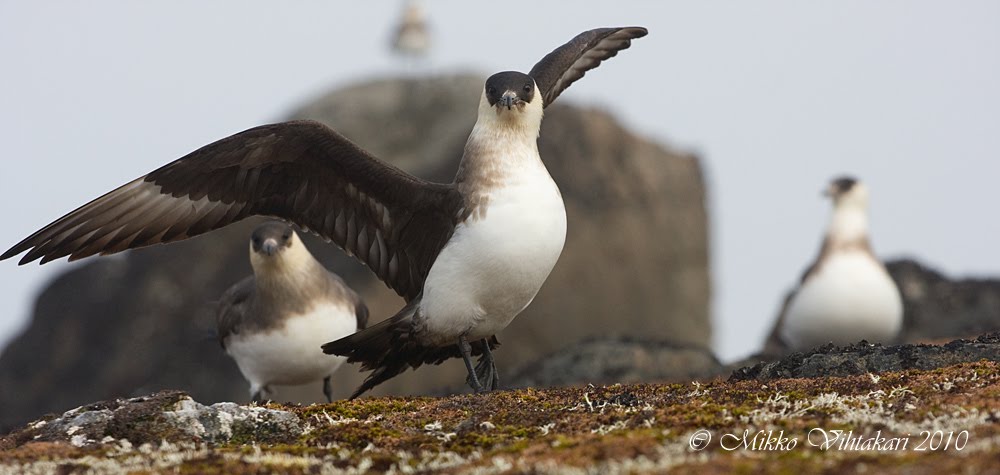
Arctic Skua (Stercorarius parasiticus).  One of the tourist stops in Iceland is the world-famous geyser named Geysir – this is the namesake of all geysers, translating literally as “gusher”.  (Iceland has been volcanically active for more than 1000 years, so geysers, fumaroles, and volcanic lava-flows are always foreseeable there.)  Like Yellowstone’s “Old Faithful”, this famous geyser has lost power over the centuries, but it is still an impressive hydrothermal spring that intermittently expels boiling hot mineral waters from its surface vent.  Near the gushing geyser Geysir, I saw Arctic Skua, a seabird that often frequents boggy tundra fields, especially damps heathland areas alogn island coastlands.  [See Jürgen Nicolai, Detlef Singer, & Konrad Wothe, Birds of Britain and Europe (Collin Nature Guides, 2000; trans. By Ian Dawson) at page 122.]  The Arctic Skua is rather aggressive, robbing other birds of their fish, and sometimes taking their nest eggs; skuas are also know to eats small rodents, such as mice.  This skua is brown-winged, brown-legged, and brown-capped, but is otherwise mostly white, resembling a Common Gull in size and body shape, except its dark brown tail feather assembly has two pointed projections. If seen closely some yellowish tint accents its neck and cheeks. It is usually at sea except during the breeding season (May to July).

Arctic Skua

Arctic Skua

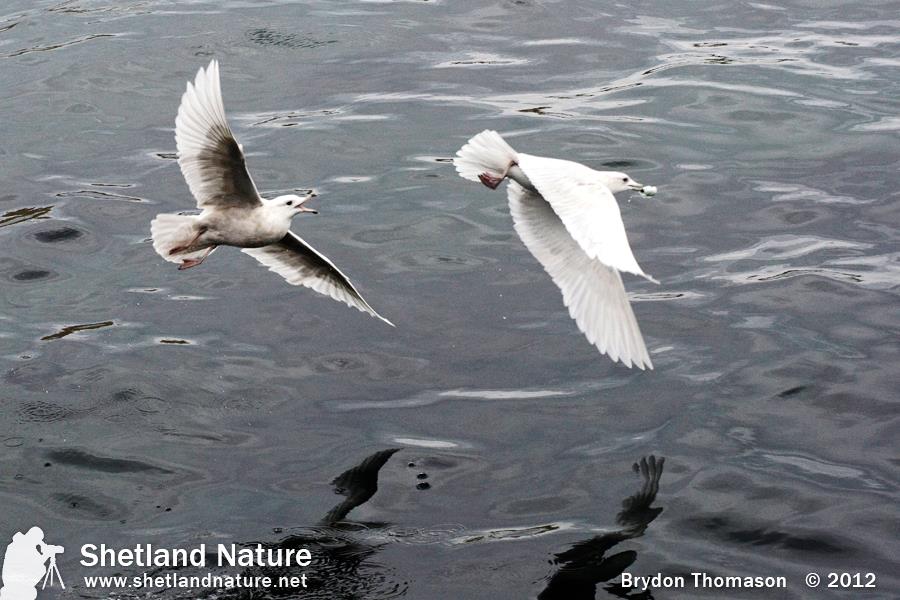
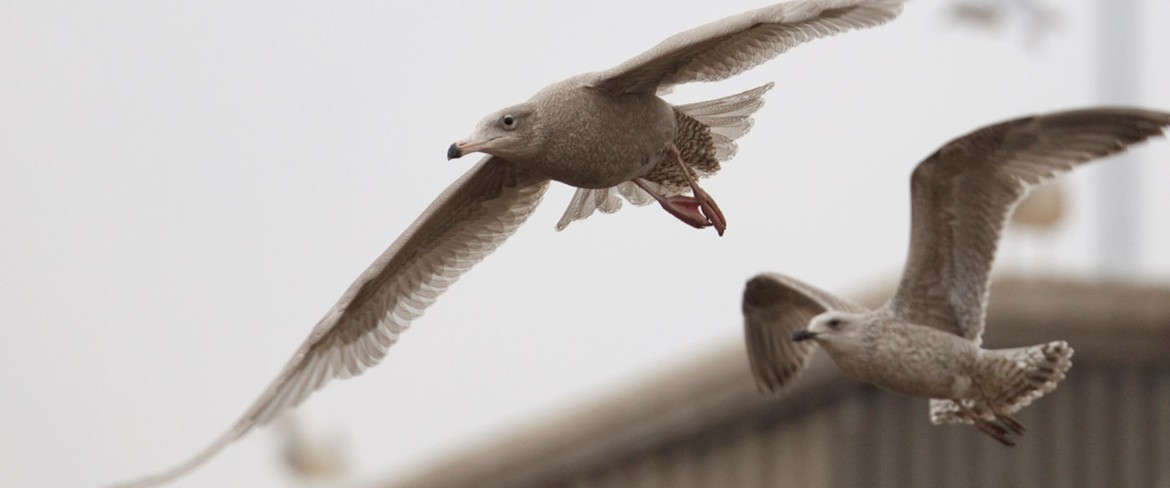
Iceland Gull (Larus glaucoides).  Near Reykjavik, at the edge of a pond, a group of Iceland Gulls were loitering about.  The Iceland Gull is not bashful about human settlements.  This gull often “winters” at fishing boat harbors, manmade reservoirs, or coastal waste dumps.  Like other gulls (including the Glaucous Gull mentioned below), the Iceland Gull is a resourceful scavenger of fish waste and other human food-scraps.  This gull has plumage similar to that of the Glaucous Gull (described below) except smaller and less robust in shape, thinner, with narrower wings.

Glaucous Gull

Glaucous Gull

Glaucous Gull (Larus hyperboreus). “Flying busily about the bay-waters of  Reykjavik were a group of Glaucous Gulls, whose habitats and dietary habits resemble those of the Iceland Gull (noted above). This gull is larger than most, dominated by pale white except for grey wings and back, plus freckle-like buff-hued blotches on its neck.  Its legs are salmon-pink.  Its bill is salmon-peach-colored except for a black tip.”

Glaucous Gulls

Glaucous Gulls

Ducks.

Ducks are certainly a favorite waterfowl for many.  Ducks don’t limit their ranges to oceans and seacoasts; they are found (as residents or as migrants) in wetlands of all kinds, including prairie potholes, swamps, wet woods, lake, ponds, and fields watered by streams and agricultural irrigation systems.

American Wigeon flocks

American Wigeon flocks

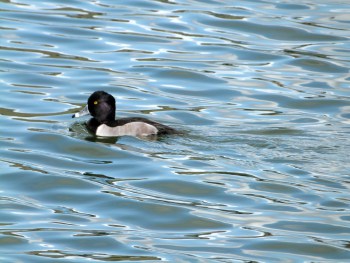
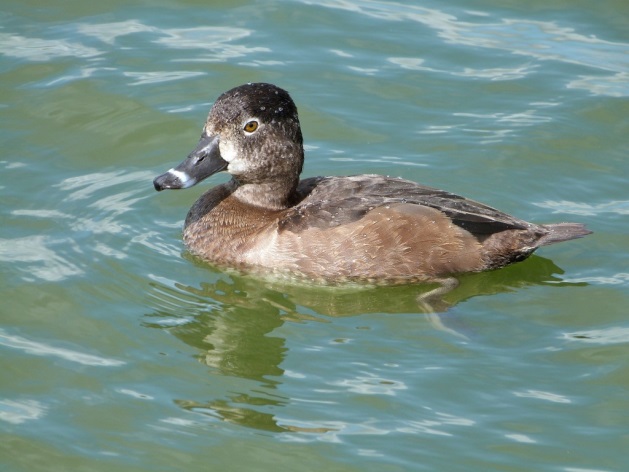
In Texas’s Denton County, for years (since the early AD1990s), I have (sometimes with family,  college students, and/ or other birdwatchers)  enjoyed watching the behaviors of ducks that winter in our part of the Lone Star State, including (but certainly not limited to):  American Wigeon (Anas americana, a/k/a “Baldpate”), a gregarious and gentle duck that frequently winter in northern Texas pond habitats;  Lesser Scaup (Aythya affinis, a/k/a “Bluebill”), which has a conspicuous light-blue bill;  and  Northern Shoveler (Anas clypeata), which is known for its extra-large shovel-shaped bill, many of which over-winter in wetlands of northern Texas.  [And, as Lee Dusing recently mentioned in “Fantastic Weekend” (her birdwatching report posted at https://leesbird.com/2014/11/10/fantastic-week-end/ ), four of us Christian birdwatchers enjoyed watching a variety of palustrine and lacustrine birds, including Ring-necked Duck (Aythya collaris), a “lifer” for me, at Lakeland’s Morton Pond, on 11-8-AD2014.]

Ring-necked Duck male

Ring-necked Duck male

Ring-necked Duck female

Ring-necked Duck female

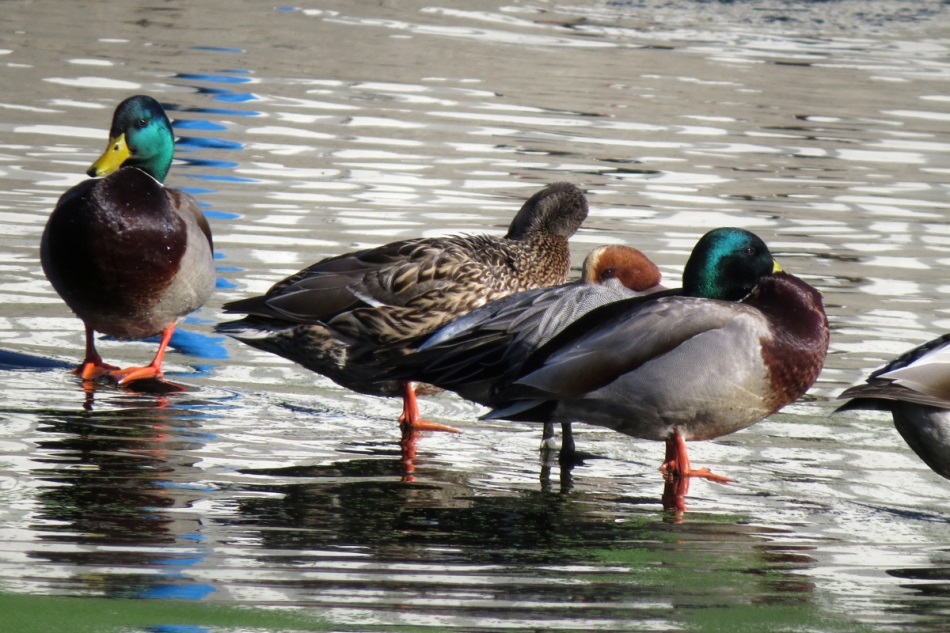
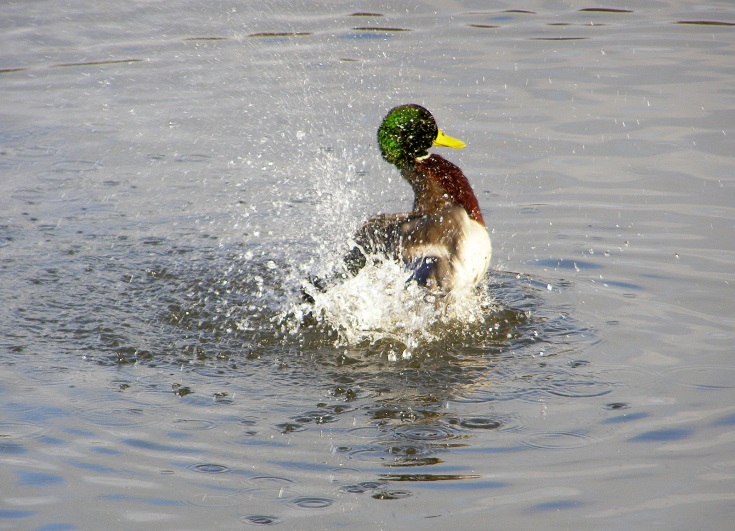
Mallard (Anas platyrhynchos).  Near Reykjavik, at the edge of a pond, not far from a group of loitering Iceland Gulls, this famous (and far-ranged) duck was present, looking just like their cousins who inhabit northern Texas  —  it was like a piece of “home away from home”, to see the iridescent green heads of the mallard drakes.  Mallards are not particularly shy around the habitat “edges” of human settlements, so they frequent parks and ponds, often learning that humans might provide bread crumbs or popcorn.  [More on that in another posting, hopefully.]

Mallard

Mallard

Mallard

Mallard

Cormorants.

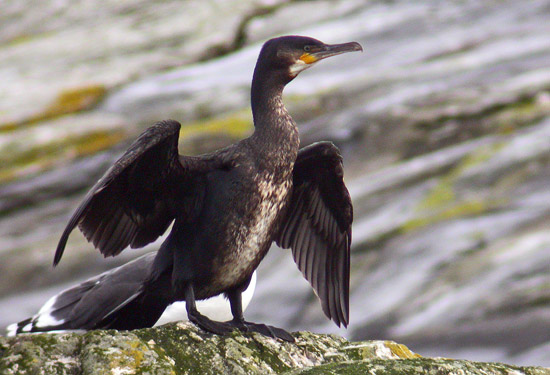
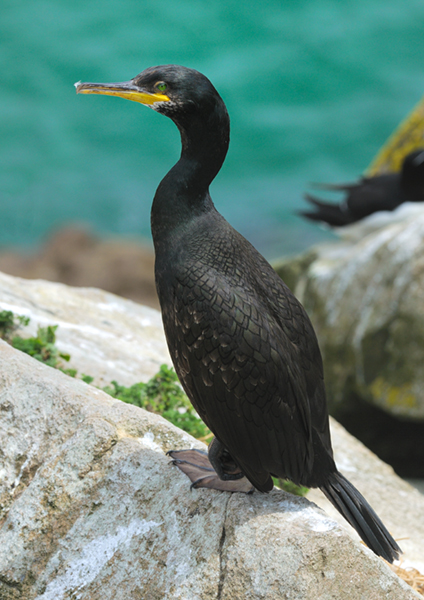
Earlier in this (summer AD2002) trip I had observed two kinds of cormorants.  In an estuarial waterway of Dublin, 4 days before visiting Iceland, I saw Great Cormorant (Palacrocorax carbo, a/k/a “European Cormorant”) as well as Shag (Palacrocorax aristotelis, ), a smaller cormorant known for its dark-to-greenish-black hue).

Great Cormorant

Great Cormorant

Since I was concentrating of finding “lifers” I did not try to find any cormorants in Iceland.  However, both of these cormorant types include Iceland in their ranges.  Like me, cormorants love to eat fish.  (American cormorants are often seen in manmade reservoirs, thriving on their catch of fish; of course, ocean-caught fish are more typical of cormorants, globally speaking.)

Shag

Shag

Herons, Egrets, and the like.

Because my backyard includes a pond, and that pond connects to a spill-over drainage ditch flanked by hydrophilic plants, it is not uncommon for the pond-shore to host herons and egrets.

The most frequent of these tall waders are the magnificent Great Blue Heron (Ardea herodias) and the majestic Great White Egret (Casmerodius albus), plus sometimes the pond is visited by the “golden-slippered” Snowy Egret (Egretta thula) or the “mustard-dabbed” Cattle Egret (Bubulcus ibis), plus, albeit rarely, by the clandestine Green Heron (Butorides virescens, a/k/a Butorides striatus).

Grey Heron by Ian

Grey Heron by Ian

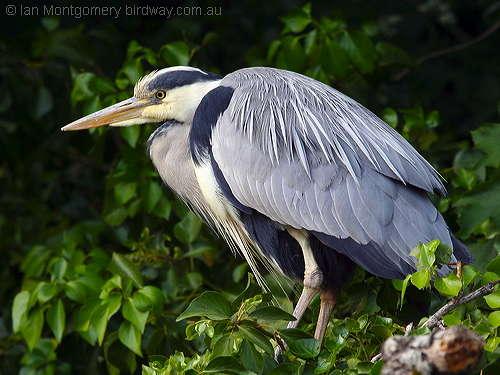
But the Grey Heron (Ardea cinerea) that I saw outside the city of Glasgow (Scotland), on a beach of the River Clyde (9-14-AD2002), was a “lifer” for me, so I took special notice of that particular heron.  Apparently the Grey Heron is occasionally sighted in Iceland, as an “accidental” stray (i.e., rare migrant), but I did not see it or any other kind of heron.

Sandpipers, Plover, and the like.

Ringed Plover (Charadrius hiaticula) was a “lifer” for me, when I saw such on a beach of the River Clyde, outside of Glasgow (Scotland), 9-14-AD2002.

But that was Scotland, and this report of mostly about Iceland waterbirds, so without further ado I’ll report the sandpiper I saw 3 days later.

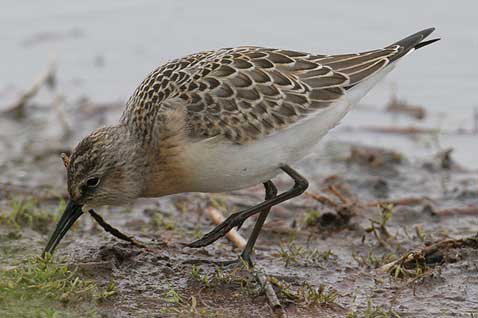
Curlew Sandpiper (Calidris ferrugines).  The Curlew Sandpiper is a small and quite gregarious wading bird, mottled grey-brown on top and white underneath, with a conspicuously pointy bill.  (During breeding the underparts change to a reddish-brown/chestnut-colored tint.)

Notice the long, thin beak.  These sandpipers eat a lot of bugs and other small invertebrates (worms, leeches, snails, and mussels), often picking and probing for them on water-drained mudflats located close to arctic tundra.

Curlew Sandpiper

Curlew Sandpiper

These migratory sandpipers are known to hybridize with other sandpipers, proving that they trace back to common ancestors who disembarked Noah’s Ark about 4½ thousand years ago.  (Avian “taxonomy” is a fairly arbitrary classification scheme, so hybridizations are the real key to discovering created kinds among bird groupings.)

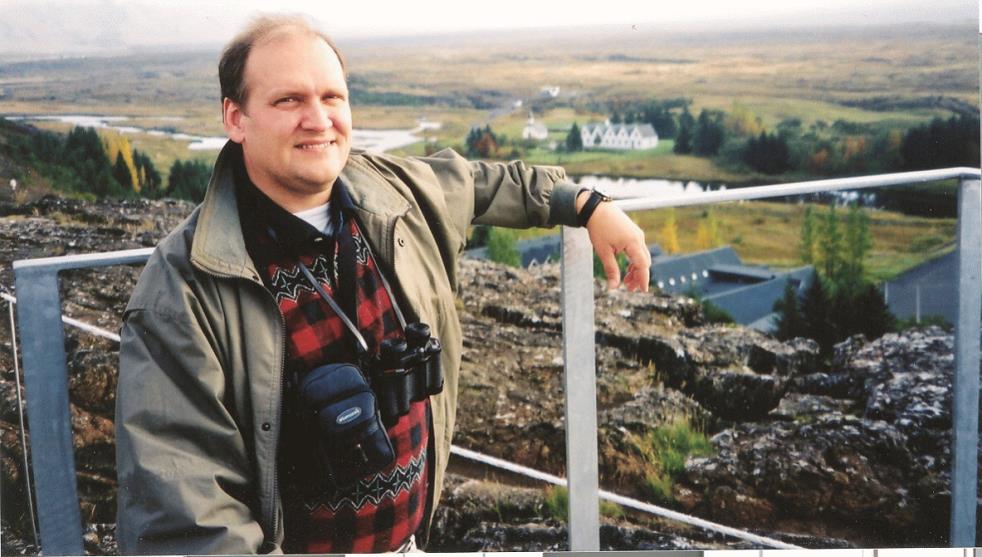
The Curlew Sandpiper was seen on the open (and slightly marshy-grassed) tundra, near the so-called “summer home” area just outside of Thingvellir [Þingvellir], historic site of the ancient Althing [Alþingi], the assembly-valley of Iceland’s parliamentary politics since AD930.  [See info posted at http://en.wikipedia.org/wiki/Althing ].  A photo of me, taken that day at Thingvellir, appears below.

Dr Jim in Iceland

Dr Jim in Iceland

Geese.

The goose that I see most frequently – sometimes a dozen congregate on the east side of my home – is the Canada Goose (Branta Canadensis).  Since my neighborhood (in the “cross timbers” region of northern Texas) has several ponds, most of which are ringed by hydrophilic emergent plants, it is not surprising that these huge honking migrants winter in such places.  However, in Iceland I was privileged to see some “lifers”, including four geese.

Greylag Goose with chicks

Greylag Goose with chicks

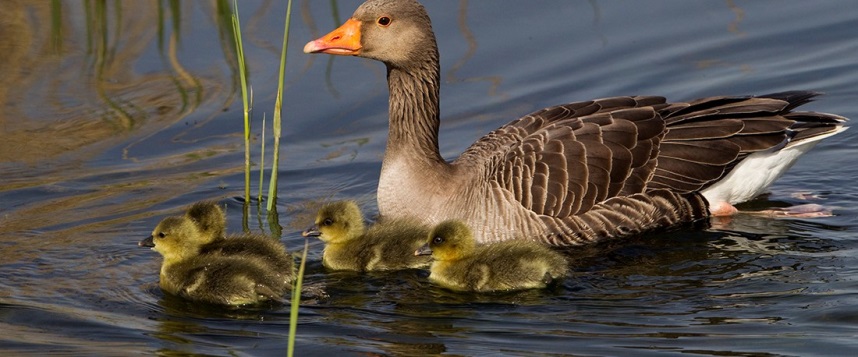
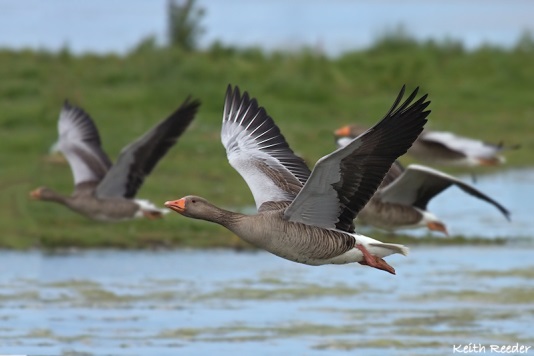
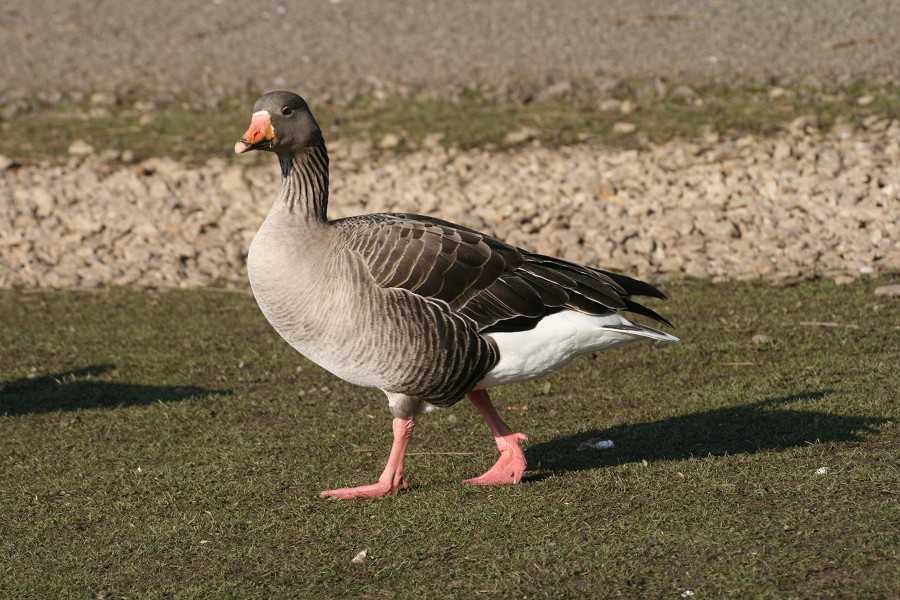
Greylag Goose (Anser anser).  This “classic” wild goose has dark brown-grey feathers topside and silver-grey feathers beneath, with an orange-salmon-hued bill and pink-salmon-hued feet.  Many of these geese emigrate from Iceland by or during October, not to return till late spring, so visiting Iceland during mid-September was good timing.  [Lars Jonsson, Birds of Europe (Princeton University Press, 1992; translated from Swedish by David Christie), page 80.]  Domesticated geese are said to derive from wild ancestors of this variety.  Greylag geese habituate lakes and ponds, especially those with goose-friendly fringing wetland plants, such thick rushes and reeds. Nearby marshy meadows and pastures also attract these geese. The Greylag Geese that I saw were seen wandering about near Geysir geyser.

Greylag Goose

Greylag Goose

Pink-footed Goose (Anser brachyrhynchus).  This goose was seen in mossy lava-fields by a pond outside of Reykjavik.  The Pink-footed Goose prefers arctic tundra, as well as estuarial wetlands.  This goose is more beige-brown than most geese, with a pink-salmon bar on its bill, pinkish feet, and a dark brown head that could be called dark chocolate (but it’s not as dark as “UPS brown”).

Pink-footed Goose (Anser brachyrhynchus)

Pink-footed Goose (Anser brachyrhynchus)

Lesser White-fronted Goose (Anser erythropus).  This goose, with a noticeable white front to its face (above its orange bill on its otherwise dark brown face), has red-gold eyes (depending upon how light shines off it), is known for eating dwarf willow grass (that grows where taiga transitions into tundra).  Most of the bird’s body is covered in brown plumage, except the rump is white.  This goose was spotted ambling about near a bank of the Elliðaá River just east of Reykjavik, one of Iceland’s many “salmon rivers”.  [Note: this “Salmon River” is not to be confused with the more famous Lax River that runs through the Lax-dale (“salmon valley”) region of Iceland, the early pioneer history of which is chronicled in the Laxdæla Saga.]

Lesser White-fronted Goose (Anser erythropus)

Lesser White-fronted Goose (Anser erythropus)

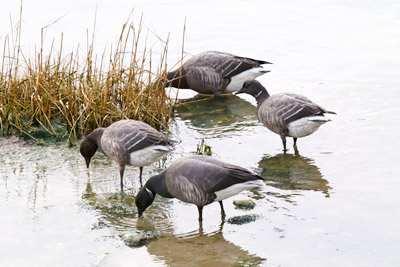
Brent Goose (Branta bernicia). This relatively small-sized arctic tundra goose resembles the coloring of a White-fronted Goose (see above), except the Brent Goose has a completely brown face, plus it sports a white bar-like marking on the side of its otherwise brown neck.  During winter this goose prefers mudflats providing eelgrass and algae.  It was in the marshy tundra just south of Thingvellir where I saw this goose.

Brent Goose (Branta bernicia)

Brent Goose (Branta bernicia)

Swans

The first swan I remember seeing close-up was the huge Trumpeter Swan (Cygnus buccinators, yet a/k/a Cygynus cygnus buccinator), which can exceed 22 pounds in weight, the heaviest “native” bird of North America, considered to be a close cousin of the Eurasian Whooper Swan (Cygnus cygnus, noted below).  These huge birds breed in southeast Alaska; when present, they are easy to see with binoculars.  Another white swan, that I have seen on prior occasions, is the Tundra Swan (Cygnus columbianus), the national bird of Russia.  When this swan is found in North America it is called the Whistling Swan, but many call it the Bewick’s Swan (as if it were a subspecies Cygnus columbianus bewickii, commemorating the famous bird illustrator-engraver Thomas Bewick), whenever it appears in Eurasia or Iceland. Unsurprisingly, this swan is known to habituate arctic tundra habitats.

Black Swan at Lake Morton

The Black Swan (Cygnus atratus), originally from Australia and New Zealand, has been introduced to other parts of the world (arriving sometimes in captivity as “ornamental” transplants, followed by some of the later generations escaping or being released to the wild (such as the Black Swan colony in Dawlish, Devon, in County Exeter, England), or as being “semi-released” as quasi-domesticated swans, i.e., permitted freedom to fly yet being attracted to stay by repetitive feedings (such as the Black Swan family at The Broadmoor [hotel] in Colorado Springs, Colorado  — which I saw during the summer of AD2000, while I was there to present a Biblical history paper on the Moabite Stone, to the Evangelical Theological Society).  As its name suggests, the Black Swan is black all over, except for a large band of white flight feathers on its wings.

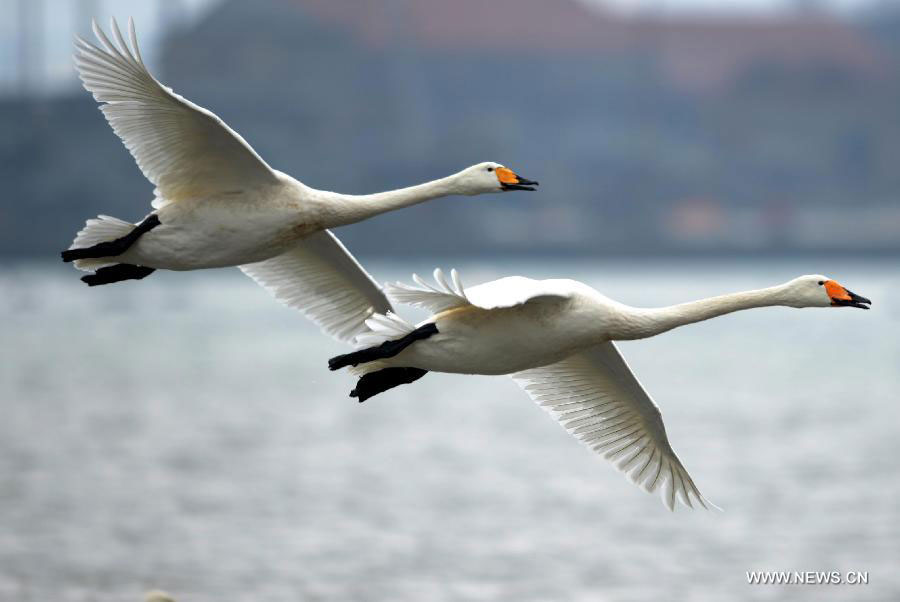
Whooper Swan (Cygnus cygnus, pronounced “hooper”) is the “classic” white swan of Eurasia, famous for its V (“wedge”) formation when a “bevy” of these migrants are in flight, although sometimes they are seen flying in an oblique line.  [Lars Jonsson, Birds of Europe (Princeton University Press, 1992; translated from Swedish by David Christie), page 76.]  Besides its large white body, the Whooper Swan has a golden-yellow beak accent-tipped with black.  The summer range for Whooper Swans includes Iceland, Scandinavia, Northern Russia (including Siberia), as well as tundra or taiga regions of northeastern Asia (such as Japan, northern China). The Whooper Swan is the national bird of Finland.  Like other large swans, the Whooper Swan’s diet is mostly plant material (such as grasses and immature cereal grains), sometimes supplemented by some very small aquatic animals.  This majestic swan was seen on a pond near the edge of Reykjavik (and was confirmed by a local Icelandic guide).

Whooper Swan (Cygnus cygnus)

Whooper Swan (Cygnus cygnus)

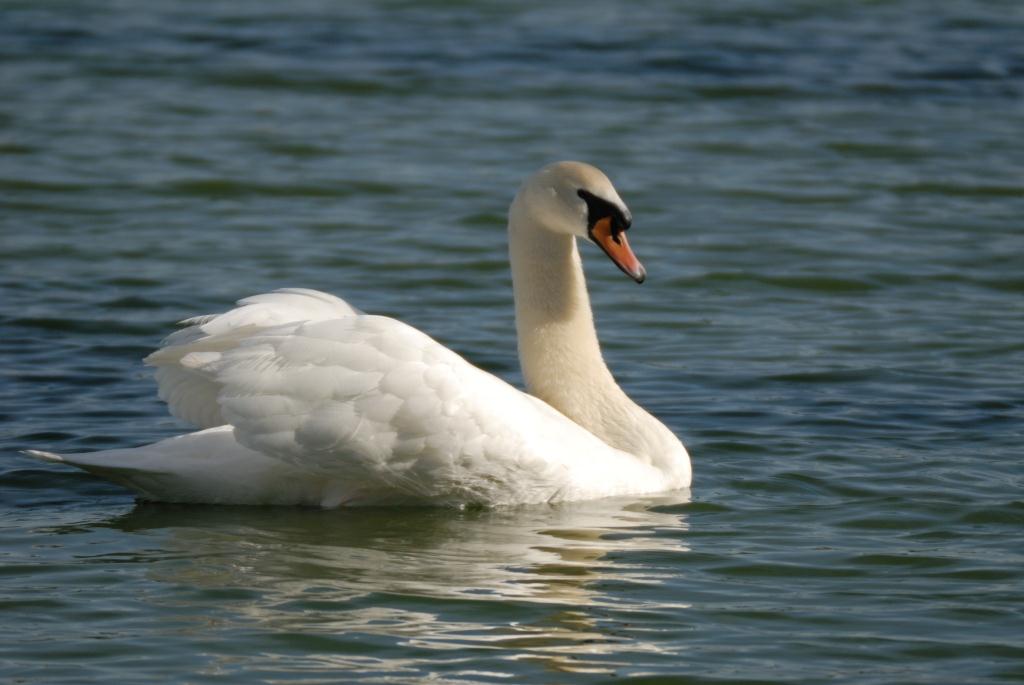
Mute Swan (Cygnus olor).  The white Mute Swan resembles the Whooper Swan (see above) in its appearance, except the Mute Swan has a conspicuous black basal “bulb” on its bill, and its bill is an orange-red hue noticeably darker than the golden-yellow bill of the Whooper Swan.  Also, the Mute Swan has a black “mask” bordering its eyes and bill.  Its primary food is submerged plant material.  As its name suggests, it is unusually quiet for a swan, though it is known for a “hoarse hissing” when pressured into a self-defense situation.  The Mute Swan is the national bird of Denmark. It was at a tundra pond near Gullfoss (“Golden Falls”) where my wife and I saw the dignified Mute Swan.

Mute Swan (Cygnus olor) by Dan

Mute Swan (Cygnus olor) by Dan

Iceland is a cool place to watch birds! 

Coming soon, God willing: a sequel regarding a Bohemian goose and a Saxon swan!

Dr. James J. S. Johnson (seen here visiting Chaplain Bob Webel, a birdwatcher in St. Petersburg) believes in the God of the Bible (not in Darwin’s god-substitute labeled “natural selection”) as biodiversity’s omni-intelligent “selector”.  No stranger to forensic science, Jim frequently teaches forensic evidence analysis to Texas lawyers, and is a member of the American Academy of Forensic Sciences. No stranger to birds, Jim previously taught ornithology and ecology-related courses at Dallas Christian College.

Dr. James J. S. Johnson

*

A Bohemian Goose and a Saxon Swan (Part 2)

Orni-Theology

James J S Johnson’s Articles

*

Birds of Asia – Cotton Pygmy Goose

Cotton Pygmy Goose (Nettapus coromandelianus) at Wings of Asia by Lee

Cotton Pygmy Goose (Nettapus coromandelianus) at Wings of Asia by Lee

 And he spake of trees, from the cedar tree that is in Lebanon even unto the hyssop that springeth out of the wall: he spake also of beasts, and of fowl, and of creeping things, and of fishes. (1 Kings 4:33 KJV)

Let me introduce you to another interesting avian friend from His Creator’s Hand. This is the Cotton Pygmy Goose or Cotton Teal (Nettapus coromandelianus) which is a small perching duck that breeds in Pakistan, India, Bangladesh, southeast Asia and south to northern Australia.

Small individuals of this species are the smallest waterfowl on earth, at as little as 5.6 oz (160 g) and 10 in (26 cm). White predominates in this bird’s plumage. Bill short, deep at base, and goose-like.

Cotton Pygmy Goose (Nettapus coromandelianus) PB Zoo by Lee

Male in breeding plumage is glossy blackish green crown, with white head, neck, and underparts; a prominent black collar and white wing-bar. Rounded head and short legs. In flight, the wings are green with a white band, making the male conspicuous even amongst the huge flying flocks of the lesser whistling duck, which share the habitat. Female paler, without either black collar and only a narrow or nonexistent strip of white wing-bar. In non-breeding plumage (eclipse) male resembles female except for his white wing-bar. Flocks on water bodies (jheels), etc.

The call is a peculiar clucking, uttered in flight

It is largely resident, apart from dispersion in the wet season, but Chinese birds make long-distance migrations to winter further south. It nests in tree holes, laying 8–15 eggs. The nesting season is July to September (SW. monsoon). Its nest is a natural hollow in a tree-trunk standing in or near water, sometimes lined with grass, rubbish and feathers. The eggs, are ivory white.

Cotton Pygmy Goose (Nettapus coromandelianus) at Wings of Asia by Lee

Cotton Pygmy Goose (Nettapus coromandelianus) at Wings of Asia by Lee

This is an abundant species in Asia, although the slightly larger Australian race appears to be declining in numbers.

Found on all still freshwater lakes (jheels), rain-filled ditches, inundated paddy fields, irrigation tanks, etc. Becomes very tame on village tanks wherever it is unmolested and has become inured to human proximity. Swift on the wing, and can dive creditably on occasion.[citation needed] Found in ponds and lakes in southern Pakistan . However numbers are declining and it is definitely endangered.

Its food is chiefly seeds and vegetable matter, especially water lilies; also insects, crustaceans, etc. (From Wikipedia with editing)

I enjoyed watching this female Pygmy Goose floating and took a short video of her.

I just made a page for  Zoo Miami and the Wings of Asia under the Birdwatching Trips. There are most of the articles that have been written about our visits to the Zoo, but especially to the Wings of Asia Aviary. That is where we spend most of our time. This last trip was our fourth visit down to Miami to see those amazing birds.

*
This slideshow requires JavaScript.

*
Cotton Pygmy Goose – Wikipedia

Cotton Pygmy Goose – Ducks of the World

Birds of the World

Birdwatching Trips

Zoo Miami and the Wings of Asia

Wordless Birds

*

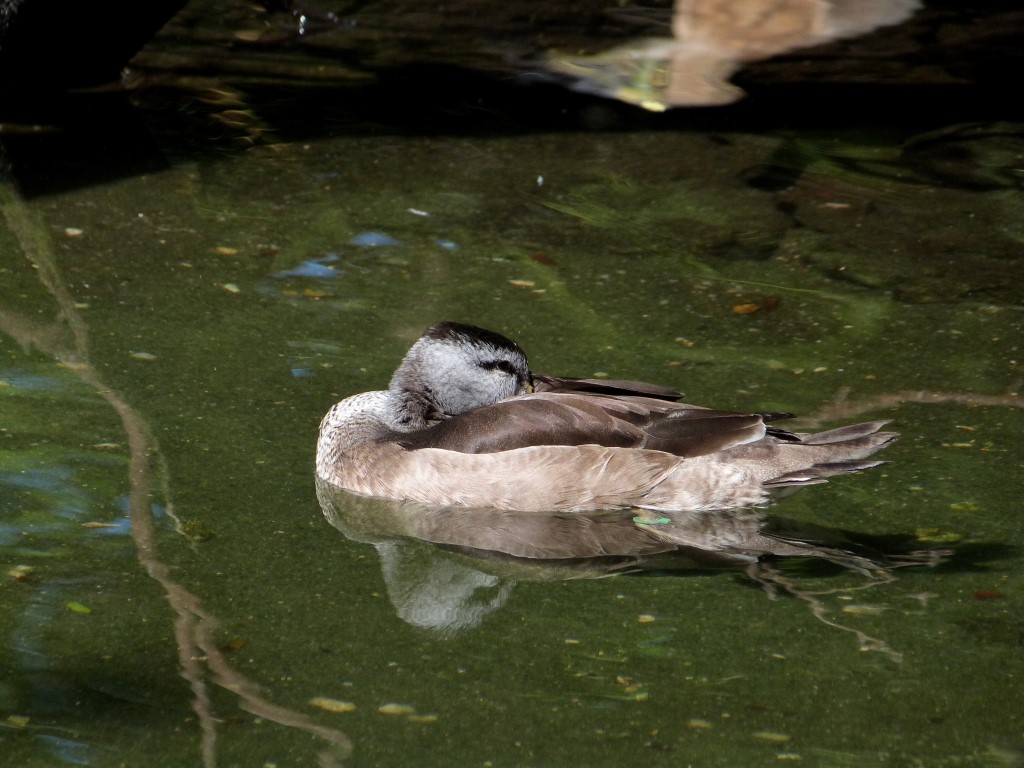
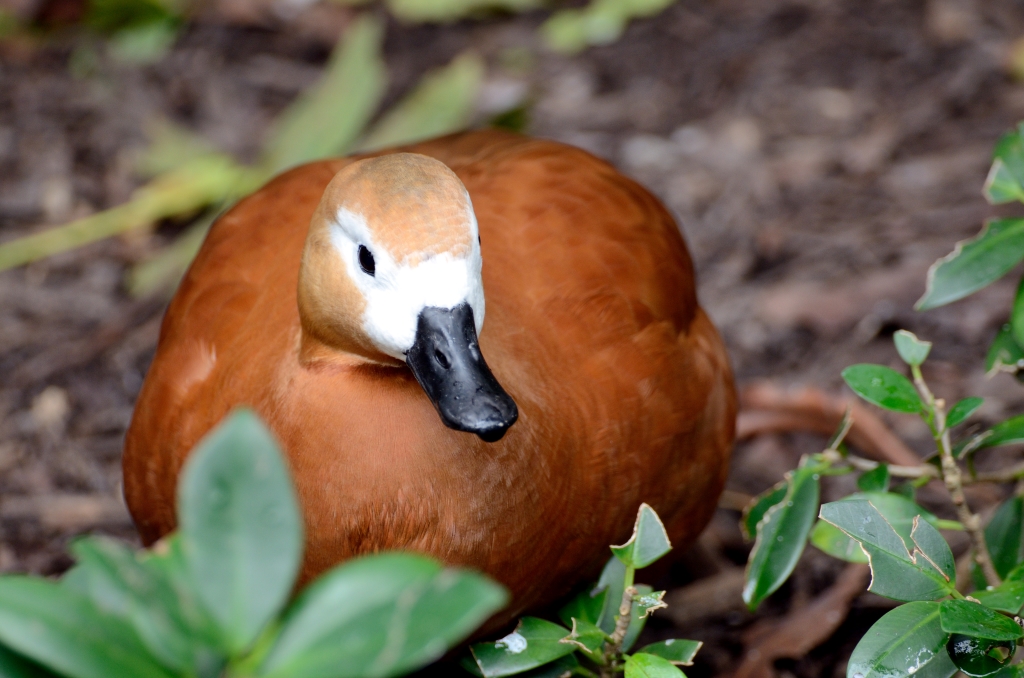
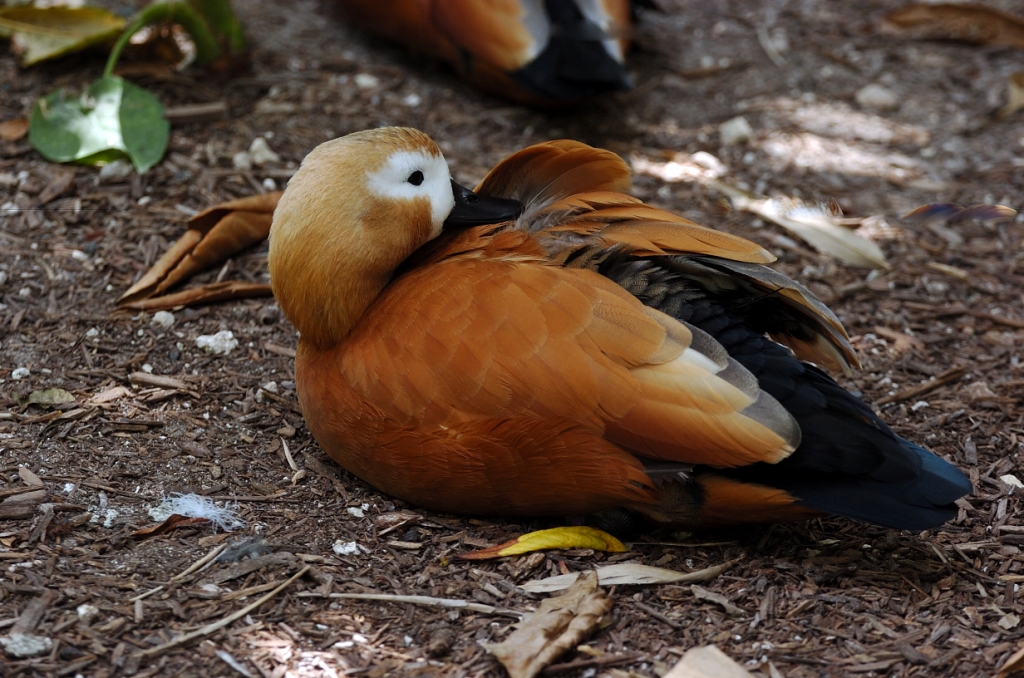
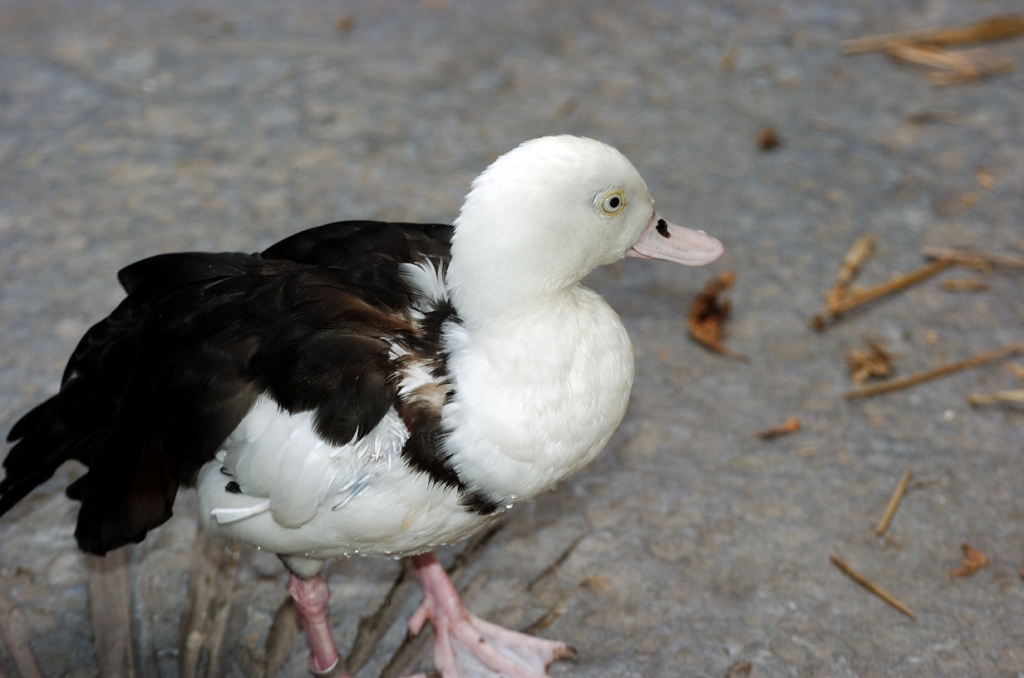
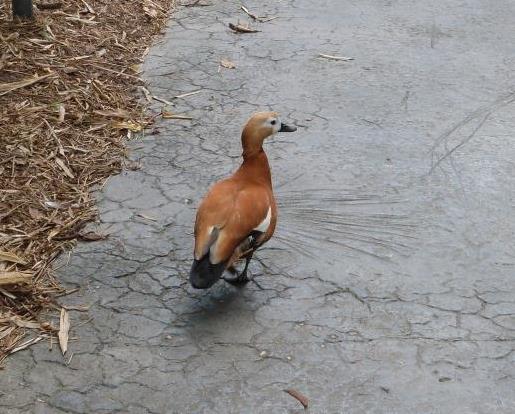
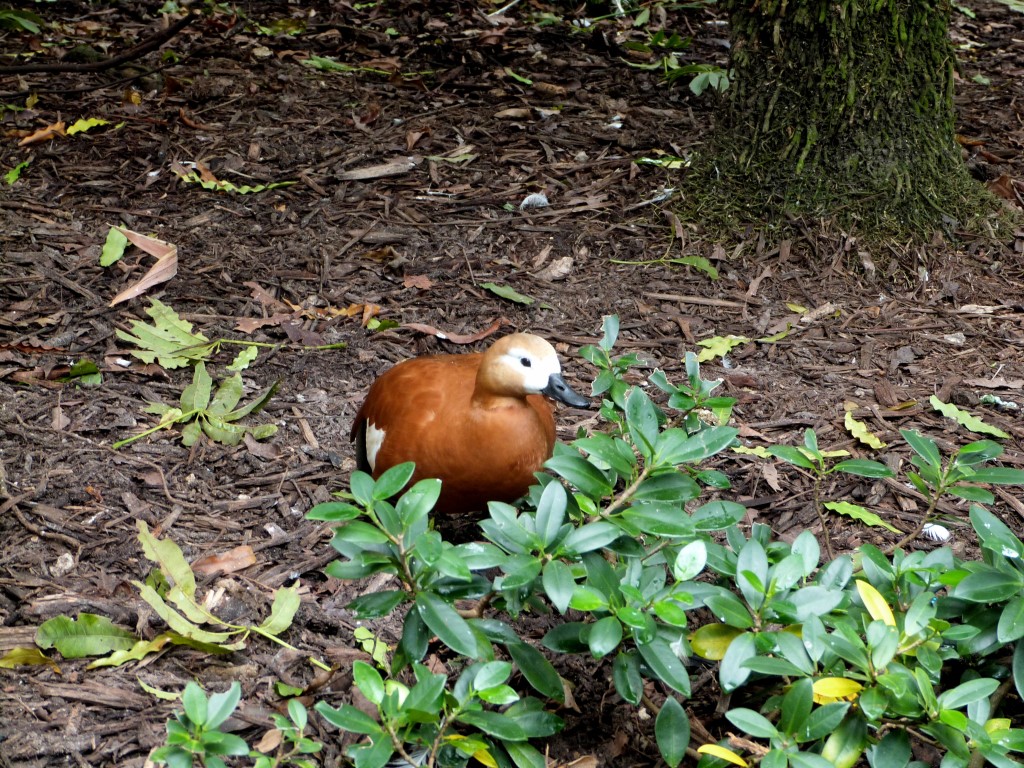
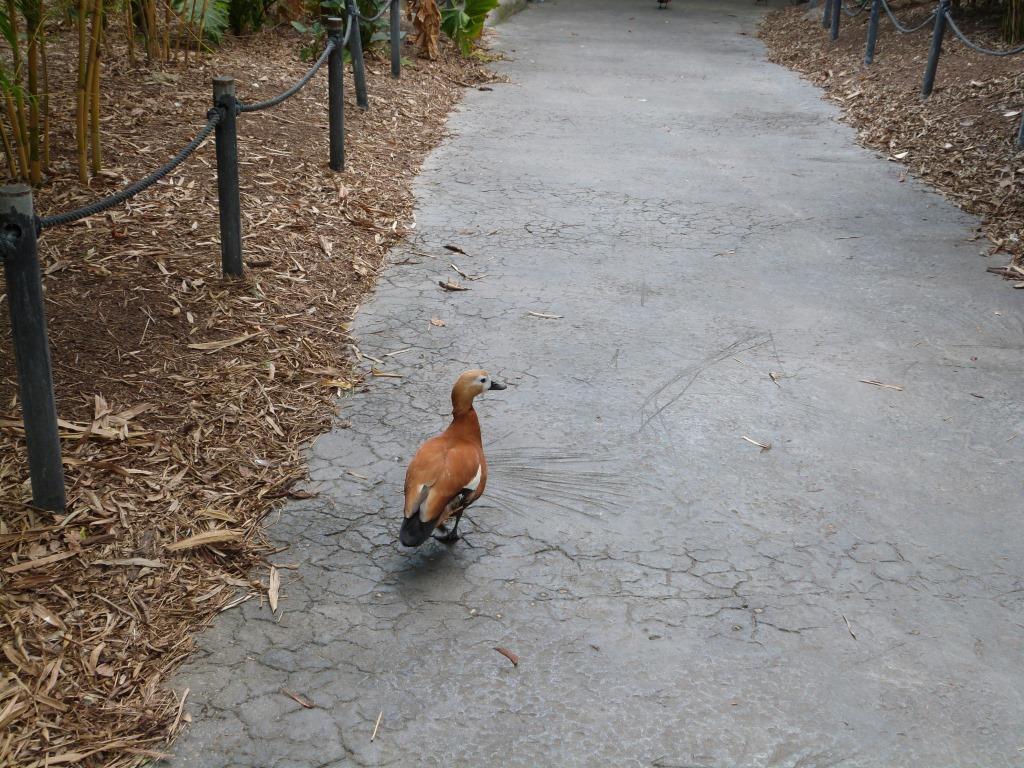
Ruddy and Raja Shelducks at Wings of Asia

Ruddy Shelduck (Tadorna ferruginea) at Wings of Asia by Dan

Ruddy Shelduck (Tadorna ferruginea) at Wings of Asia by Dan

We enjoyed our latest birdwatching adventure to Zoo Miami. Caught video of the Ruddy Shelducks discussing something. So this time we will share the two species of Shelducks at the Wings of Asia aviary. The Ruddy Shelduck (Tadorna ferruginea) and the Raja Shelduck (Tadorna radjah) are members of the duck, goose and swan family Anatidae – Ducks, Geese and Swans. They are in the shelduck subfamily Tadorninae. There are seven species in the Tadorninae subfamily. Wings of Asia has the Ruddy and Raja Shelducks.

Bless the LORD, O my soul. O LORD my God, thou art very great; thou art clothed with honour and majesty. (Psalms 104:1 KJV)

The Lord has provided for the Shelducks, as He does for all His critters. They are designed for the conditions they live in, in this case swimming, feeding and migrating, with beaks, feet, wings, and coloration to help them survive.

Ruddy Shelduck (Tadorna ferruginea) at ZM

Ruddy –  There are very small resident populations of this species in north west Africa and Ethiopia, but the main breeding area of this species is from southeast Europe across central Asia to Southeast Asia. These birds are mostly migratory, wintering in the Indian Subcontinent.

Facts:

  • They are sometimes called Brahminy Ducks.
  • Can be seen in many Zoos in America.
  • In Tibet and Mongolia, Ruddy Shelduck is considered sacred by the Buddhists. It is also a sacred animal in Slavic mythology.

Although becoming quite rare in southeast Europe and southern Spain, the ruddy shelduck is still common across much of its Asian range. It may be this population which gives rise to vagrants as far west as Iceland, Great Britain and Ireland. However, since the European population is declining, it is likely that most occurrences in western Europe in recent decades are escapes or feral birds. Although this bird is observed in the wild from time to time in eastern North America, no evidence of a genuine vagrant has been found.

This is a bird of open country, and it will breed on cliffs, in burrows, tree holes or crevices distant from water, laying 6-16 creamy-white eggs, incubated for 30 days. The both shelduck is usually found in pairs or small groups and rarely forms large flocks. However, moulting and wintering gatherings on chosen lakes or slow rivers can be very large.

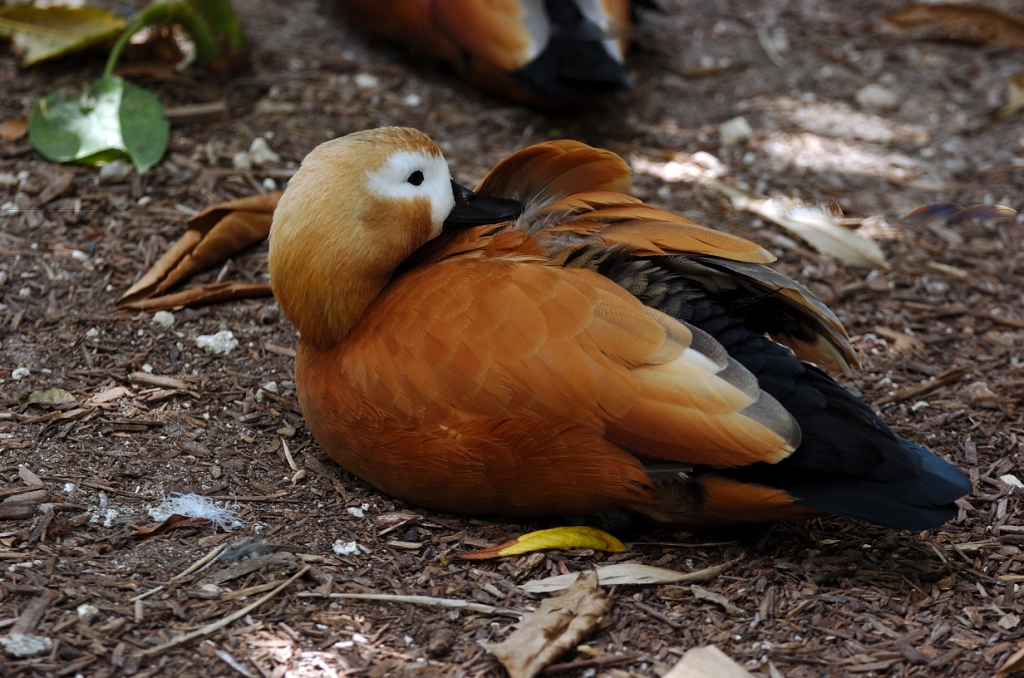
The ruddy shelduck is a distinctive species, 22.8-27.5 in (58-70) cm long with a 43-53 in (110–135 cm) wingspan. It has orange-brown body plumage and a paler head. The wings are white with black flight feathers. It swims well, and in flight looks heavy, more like a goose than a duck. The sexes of this striking species are similar, but the male has a black ring at the bottom of the neck in the breeding season summer, and the female often has a white face patch. The call is a loud wild honking.

Not sure what these Ruddy’s were debating about, but it seems the single one lost the discussion and left.


The ruddy shelduck is a common winter visitor in India. This bird is found in large wetlands, rivers with mud flats and shingle banks. Found in large congregation on lakes and reservoirs. It breeds in high altitude lakes and swamps in Jammu & Kashmir. Arrives in north India by October and departs by April. The genus name Tadorna comes from Celtic roots and means “pied waterfowl”, essentially the same as the English “shelduck”.

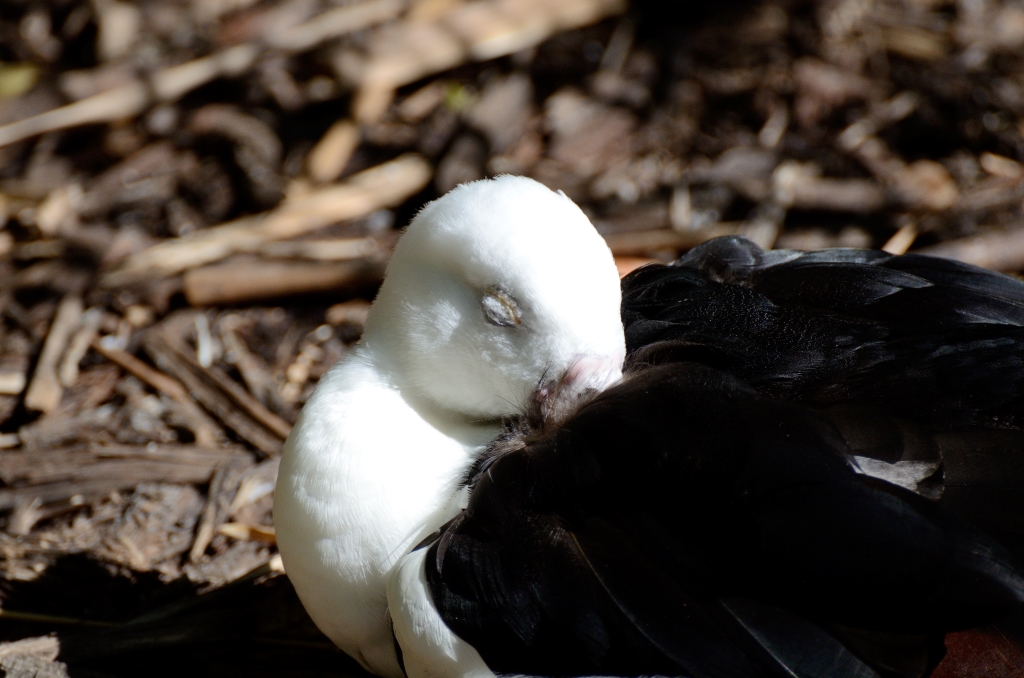
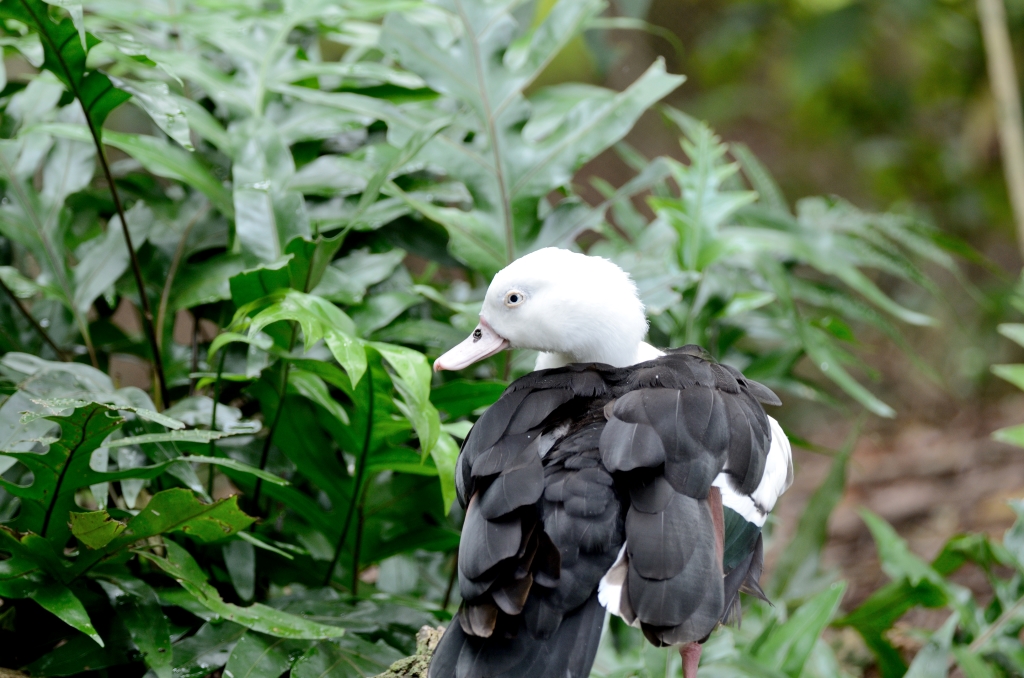
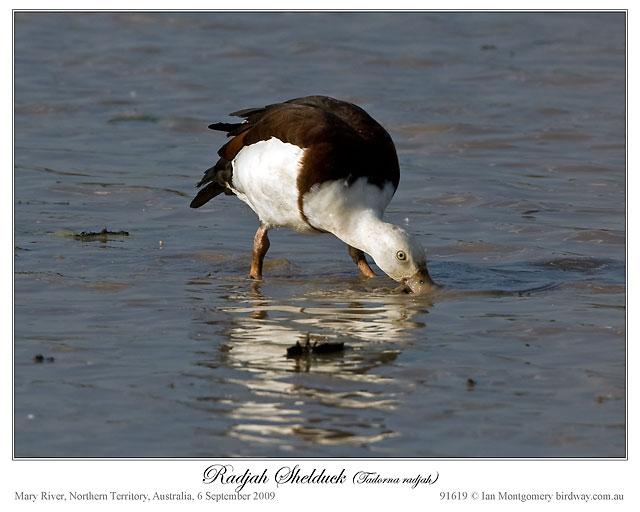
Raja Shelduck (Tadorna radjah) at Wing of Asia by Dan

Raja Shelduck (Tadorna radjah) at Wing of Asia by Dan

Raja Shelduck – The Radjah Shelduck (Tadorna radjah), is a species of shelduck found mostly in New Guinea and Australia, and also on some of the Moluccas. It is known alternatively as the raja shelduck (IOC Name), black-backed shelduck, or in Australia as the Burdekin duck.

The Raja Shelduck forms long-term pair-bonds, and is usually encountered in lone pairs or small flocks. During the wet season the males commonly become very irritable, and have been observed attacking their mates.

The diet consists mainly of mollusks, insects, sedge materials and algae. Pairs start searching for nesting sites during the months of January and February. They nest close to their primary food source, often in the hollow limbs of trees, which makes habitat destruction a particular issue.

Raja Shelduck (Tadorna radjah) by Dan at Zoo Miami

Raja Shelduck (Tadorna radjah) by Dan at Zoo Miami

The radjah shelduck does not use nesting materials except for some self-supplied down feathers. Egg-laying is usually done by May or June, but depends on the extent of the wet season. The clutches range from 6 to 12 eggs. Incubation time is about 30 days. (Wikipedia edited)

Here are photos of both Shelducks. Some of the photos are from other trips and some from Ian. (PBZ is Palm Beach Zoo)


*


An Old Friend In a New Home – Chapter 6

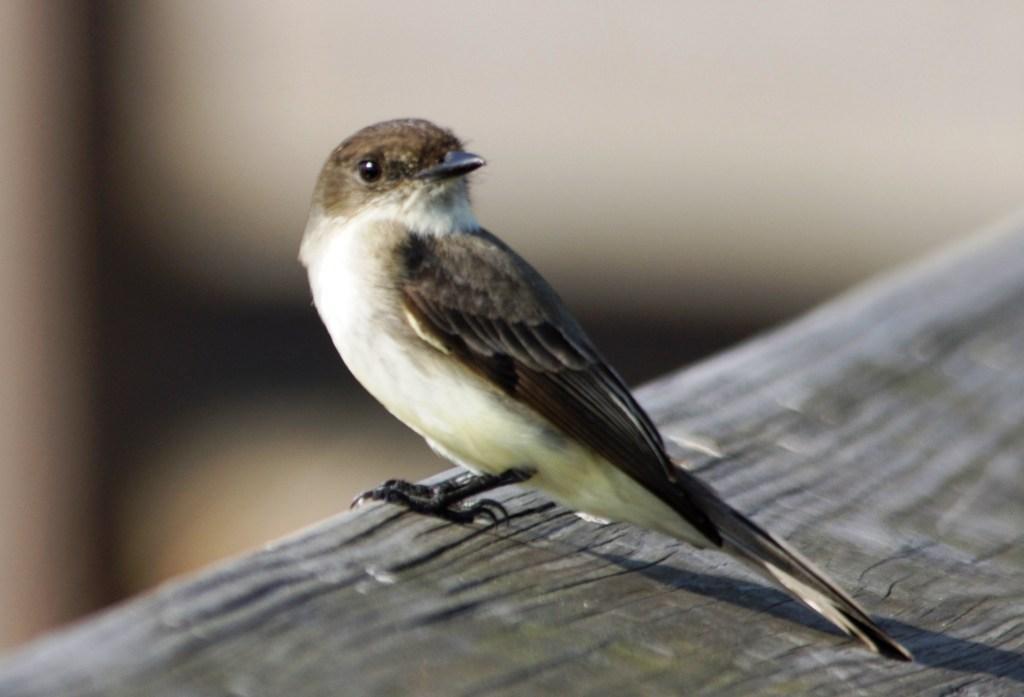
Eastern Phoebe (Sayornis phoebe) by Dan

Eastern Phoebe (Sayornis phoebe) by Dan

An Old Friend In a New Home

The Phoebe and the Least Flycatcher

The Burgess Bird Book For Children

*

CHAPTER 6. An Old Friend In a New Home.

Listen to the story read.

Every day brought newcomers to the Old Orchard, and early in the morning there were so many voices to be heard that perhaps it is no wonder if for some time Peter Rabbit failed to miss that of one of his very good friends. Most unexpectedly he was reminded of this as very early one morning he scampered, lipperty-lipperty-lip, across a little bridge over the Laughing Brook.

“Dear me! Dear me! Dear me!” cried rather a plaintive voice. Peter stopped so suddenly that he all but fell heels over head. Sitting on the top of a tall, dead, mullein stalk was a very soberly dressed but rather trim little fellow, a very little larger than Bully the English Sparrow. Above, his coat was of a dull olive-brown, while underneath he was of a grayish-white, with faint tinges of yellow in places. His head was dark, and his bill black. The feathers on his head were lifted just enough to make the tiniest kind of crest. His wings and tail were dusky, little bars of white showing very faintly on his wings, while the outer edges of his tail were distinctly white. He sat with his tail hanging straight down, as if he hadn’t strength enough to hold it up.

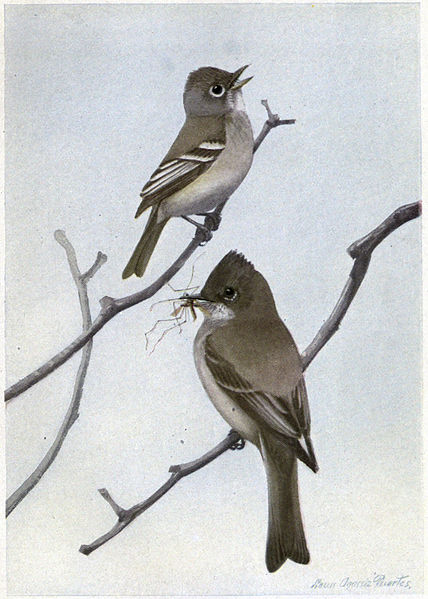
Chebec the Least Flycatcher, Dear Me the Phoebe - Burgess Bird Book ©©

Chebec the Least Flycatcher, Dear Me the Phoebe – Burgess Bird Book ©©

“Hello, Dear Me!” cried Peter joyously. “What are you doing way down here? I haven’t seen you since you first arrived, just after Winsome Bluebird got here.” Peter started to say that he had wondered what had become of Dear Me, but checked himself, for Peter is very honest and he realized now that in the excitement of greeting so many friends he hadn’t missed Dear Me at all.

Dear Me the Phoebe did not reply at once, but darted out into the air, and Peter heard a sharp click of that little black bill. Making a short circle, Dear Me alighted on the mullein stalk again.

“Did you catch a fly then?” asked Peter.

“Dear me! Dear me! Of course I did,” was the prompt reply. And with each word there was a jerk of that long hanging tail. Peter almost wondered if in some way Dear Me’s tongue and tail were connected. “I suppose,” said he, “that it is the habit of catching flies and bugs in the air that has given your family the name of Flycatchers.”

Dear Me nodded and almost at once started into the air again. Once more Peter heard the click of that little black bill, then Dear Me was back on his perch. Peter asked again what he was doing down there.

“Mrs. Phoebe and I are living down here,” replied Dear Me. “We’ve made our home down here and we like it very much.”

Peter looked all around, this way, that way, every way, with the funniest expression on his face. He didn’t see anything of Mrs. Phoebe and he didn’t see any place in which he could imagine Mr. and Mrs. Phoebe building a nest. “What are you looking for?” asked Dear Me.

“For Mrs. Phoebe and your home,” declared Peter quite frankly. “I didn’t suppose you and Mrs. Phoebe ever built a nest on the ground, and I don’t see any other place around here for one.”

Dear Me chuckled. “I wouldn’t tell any one but you, Peter,” said he, “but I’ve known you so long that I’m going to let you into a little secret. Mrs. Phoebe and our home are under the very bridge you are sitting on.”

“I don’t believe it!” cried Peter.

But Dear Me knew from the way Peter said it that he really didn’t mean that. “Look and see for yourself,” said Dear Me.

So Peter lay flat on his stomach and tried to stretch his head over the edge of the bridge so as to see under it. But his neck wasn’t long enough, or else he was afraid to lean over as far as he might have. Finally he gave up and at Mr. Phoebe’s suggestion crept down the bank to the very edge of the Laughing Brook. Dear Me darted out to catch another fly, then flew right in under the bridge and alighted on a little ledge of stone just beneath the floor. There, sure enough, was a nest, and Peter could see Mrs. Phoebe’s bill and the top of her head above the edge of it. It was a nest with a foundation of mud covered with moss and lined with feathers.

Eastern Phoebe (Sayornis phoebe) Nest ©WikiC

Eastern Phoebe (Sayornis phoebe) Nest ©WikiC

“That’s perfectly splendid!” cried Peter, as Dear Me resumed his perch on the old mullein stalk. “How did you ever come to think of such a place? And why did you leave the shed up at Farmer Brown’s where you have build your home for the last two or three years?”

“Oh,” replied Dear Me, “we Phoebes always have been fond of building under bridges. You see a place like this is quite safe. Then, too, we like to be near water. Always there are many insects flying around where there is water, so it is an easy matter to get plenty to eat. I left the shed at Farmer Brown’s because that pesky cat up there discovered our nest last year, and we had a dreadful time keeping our babies out of her clutches. She hasn’t found us down here, and she wouldn’t be able to trouble us if she should find us.”

“I suppose,” said Peter, “that as usual you were the first of your family to arrive.”

“Certainly. Of course,” replied Dear Me. “We always are the first. Mrs. Phoebe and I don’t go as far south in winter as the other members of the family do. They go clear down into the Tropics, but we manage to pick up a pretty good living without going as far as that. So we get back here before the rest of them, and usually have begun housekeeping by the time they arrive. My cousin, Chebec the Least Flycatcher, should be here by this time. Haven’t you heard anything of him up in the Old Orchard?”

“No,” replied Peter, “but to tell the truth I haven’t looked for him. I’m on my way to the Old Orchard now, and I certainly shall keep my ears and eyes open for Chebec. I’ll tell you if I find him. Good-by.”

“Dear me! Dear me! Good-by Peter. Dear me!” replied Mr. Phoebe as Peter started off for the Old Orchard.

Perhaps it was because Peter was thinking of him that almost the first voice he heard when he reached the Old Orchard was that of Chebec, repeating his own name over and over as if he loved the sound of it. It didn’t take Peter long to find him. He was sitting out on the up of one of the upper branches of an apple-tree where he could watch for flies and other winged insects. He looked so much like Mr. Phoebe, save that he was smaller, that any one would have know they were cousins. “Chebec! Chebec! Chebec!” he repeated over and over, and with every note jerked his tail. Now and then he would dart out into the air and snap up something so small that Peter, looking up from the ground, couldn’t see it at all.

Least Flycatcher (Empidonax minimus) by Raymond Barlow

Least Flycatcher (Empidonax minimus) by Raymond Barlow

“Hello, Chebec!” cried Peter. “I’m glad to see you back again. Are you going to build in the Old Orchard this year?”

“Of course I am,” replied Chebec promptly. “Mrs. Chebec and I have built here for the last two or three years, and we wouldn’t think of going anywhere else. Mrs. Chebec is looking for a place now. I suppose I ought to be helping her, but I learned a long time ago, Peter Rabbit, that in matters of this kind it is just as well not to have any opinion at all. When Mrs. Chebec has picked out just the place she wants, I’ll help her build the nest. It certainly is good to be back here in the Old Orchard and planning a home once more. We’ve made a terribly long journey, and I for one am glad it’s over.”

“I just saw your cousins, Mr. and Mrs. Phoebe, and they already have a nest and eggs,” said Peter.

“The Phoebes are a funny lot,” replied Chebec. “They are the only members of the family that can stand cold weather. What pleasure they get out of it I don’t understand. They are queer anyway, for they never build their nests in trees as the rest of us do.”

“Are you the smallest in the family?” asked Peter, for it had suddenly struck him that Chebec was a very little fellow indeed.

Chebec nodded. “I’m the smallest,” said he. “That’s why they call me Least Flycatcher. I may be least in size, but I can tell you one thing, Peter Rabbit, and that is that I can catch just as many bugs and flies as any of them.” Suiting action to the word, he darted out into the air. His little bill snapped and with a quick turn he was back on his former perch, jerking his tail and uttering his sharp little cry of, “Chebec! Chebec! Chebec!” until Peter began to wonder which he was the most fond of, catching flies, or the sound of his own voice.

Presently they both heard Mrs. Chebec calling from somewhere in the middle of the Old Orchard. “Excuse me, Peter,” said Chebec, “I must go at once. Mrs. Chebec says she has found just the place for our nest, and now we’ve got a busy time ahead of us. We are very particular how we build a nest.”

“Do you start it with mud the way Welcome Robin and your cousins, the Phoebes, do?” asked Peter.

“Mud!” cried Chebec scornfully. “Mud! I should say not! I would have you understand, Peter, that we are very particular about what we use in our nest. We use only the finest of rootlets, strips of soft bark, fibers of plants, the brown cotton that grows on ferns, and perhaps a little hair when we can find it. We make a dainty nest, if I do say it, and we fasten it securely in the fork made by two or three upright little branches. Now I must go because Mrs. Chebec is getting impatient. Come see me when I’m not so busy Peter.”


Lee’s Addition:

The family that the Phoebe and the Least Flycatcher belong to is the Tyrant Flycatchers – Tyrannidae Family. It is a very large family, but most do not live here in North America.

How does the story describe Dear Me the Phoebe?

  • What does he like to eat?
  • Where is his nest?
  • What is the nest made out of?
  • Why did he get back before the others in his family?

The Least Flycatcher is called Chebec. Do you know why?

  • Why did he get back later than Dear Me?
  • How is Chebec’s nest different from Dear Me’s?
  • Chebec is the largest or smallest member of the Flycatcher family?


*

The birds of the air have their resting-places by them (trees), and make their song among the branches. (Psalms 104:12 BBE)

Links:

*

Links:

Bully the English Sparrow, Chippy the Chipping Sparrow - Burgess Bird Book ©©


  Next Chapter (The Watchman of the Old Orchard.)


Burgess-Bird-Book-for-Children


Burgess Bird Book For Children


Savannah Sparrow by Ray


Wordless Birds – With Hummingbirds


*


Here I Am

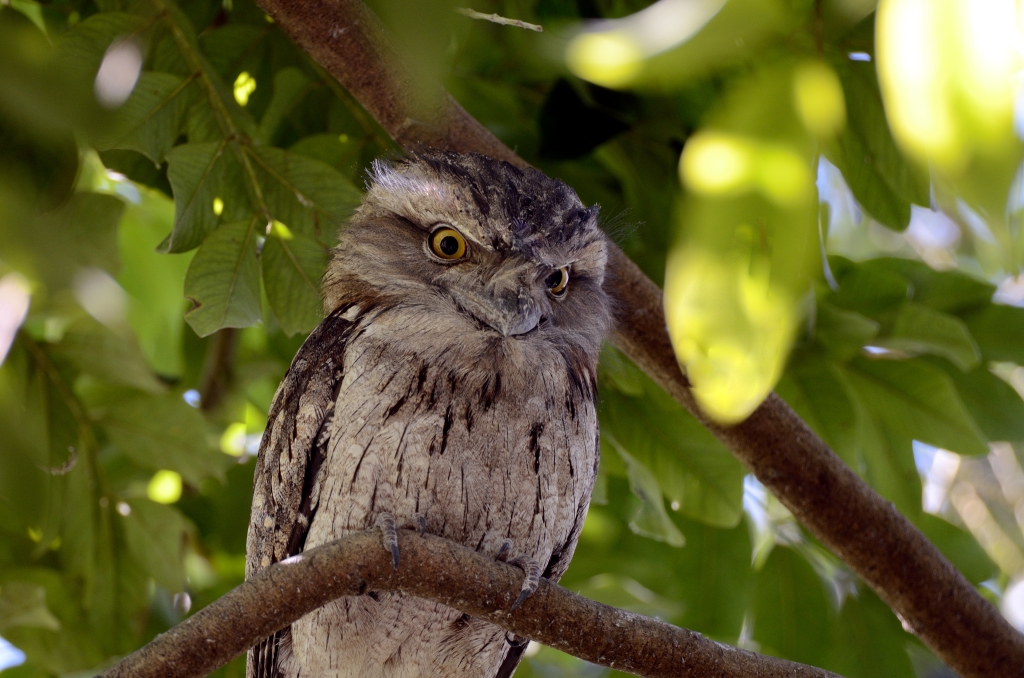
Tawny Frogmouth at Wings of Asia by Dan

Tawny Frogmouth at Wings of Asia by Dan

“Hide not thy face from me in the day when I am in trouble; incline thine ear unto me: in the day when I call answer me speedily. (Psalms 102:2 KJV)

Dan and I just returned from a three-day birdwatching adventure. With almost 1,000 photos and videos to sort, name, and clean-up, I’ll have plenty to post.

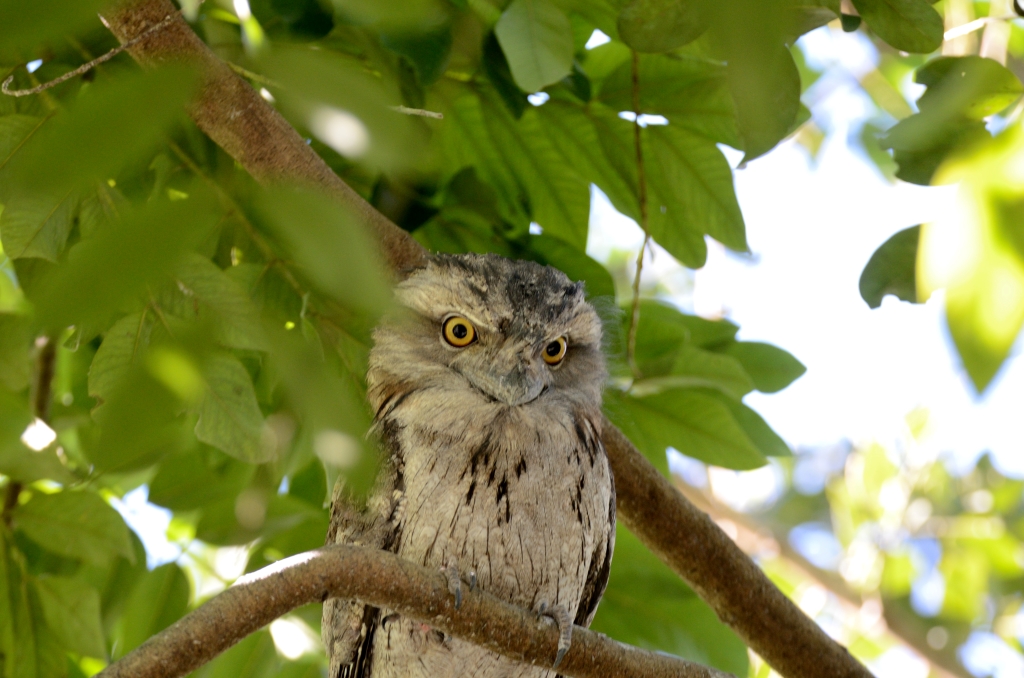
The Tawny Frogmouth (Podargus strigoides) is becoming a favorite of mine, because they are so hard to find. The Lord has given them such camouflage and an ability to freeze when threatened, they are a challenge. We were fortunate this time while visiting the Wings of Asia aviary at Zoo Miami. By following the feeder, that enjoys the birds as much as just working there, he helped us find the new Tawny Frogmouth. They now have two of them. This new one is more active and alert. Could it be that the feeder had a cup with 4 mice in it?

Tawny Frogmouth at Wings of Asia by Dan

Tawny Frogmouth at Wings of Asia by Dan

We actually saw Tawny with his eyes open and I even got a short video of him opening that mouth that gives them their name.

I have written about this bird before, Zoo Miami’s Wings of Asia – Wow! – I, seeing this one, forces me to write again. They belong to the Podargidae – Frogmouths Family which has 16 species of Frogmouths.

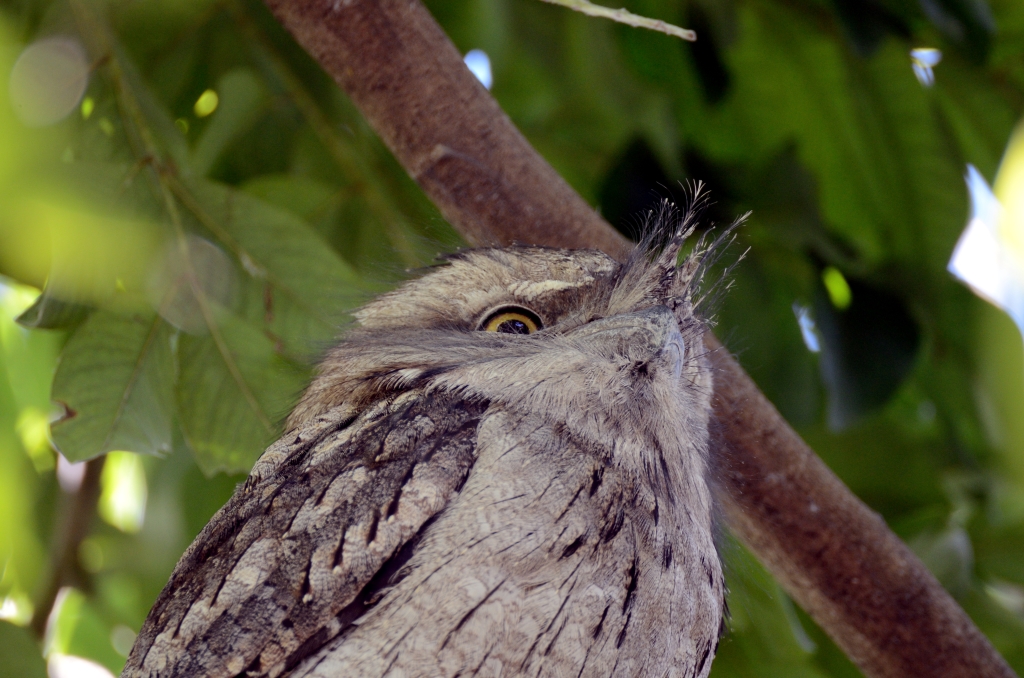
Masters of Camouflage Related to Oilbirds, Whip-poor-wills, and Nighthawks, the Tawny Frogmouth’s excellent camouflage covering makes it look like dried leaves. When frightened, the bird freezes in plosition and, with its cryptic colorations, looks like broken bramches.” (Amazing Bird Facts and Trivia, p 135) Isn’t the Lord’s Wisdom fantastic?

Tawny Frogmouth at Wings of Asia by Dan

Tawny Frogmouth at Wings of Asia by Dan

Another book, (National Geographic, Bird Coloration, p 150-151). says this: “Some birds hide not by being hard to discern, but by appearing not to be birds. The birds that best mimic inanimate objects are found in two groups of distantly related nightjars, the potoos in the Neotropics and the frogmouths in tropical Asia and Australia. Species in both of these groups hunt flying insects at night and rest during the day. Potoos and frogmouths use a strategy to hide during the day that differs … They hide conspicuously in view. The strategy…is to look exactly like an extension of a branch on which the bird sit.”

“Deliver me, O LORD, from mine enemies: I flee unto thee to hide me. (Psalms 143:9 KJV)

Tawny Frogmouth at Wings of Asia by Dan

Tawny Frogmouth at Wings of Asia by Dan

“They are named for their large flattened hooked bills and huge frog-like gape, which they use to capture insects. Their flight is weak. Their longer bristles which may exist to protect the eyes from insect prey.  Tawny frogmouths are large, big-headed birds that can measure from 13 to 21 in (34 to 53 cm) long….stocky and compact with rounded wings and short legs. They have wide, heavy olive-grey to blackish bills that are hooked at the tip and topped with distinctive tufts of bristles. Their eyes are large, yellow, and frontally placed, a trait shared by owls” (Wikipedia)

This slideshow requires JavaScript.

*
This video is of two segments. The keeper tried to get him to come down and then we came back a second time. Several photographers were waiting to get a photo of him coming down, but I guess this calls for another excuse to visit the Wings of Asia.

*

Podargidae – Frogmouths Family

Zoo Miami’s Wings of Asia – Wow! – I

Wings of Asia Aviary

Zoo Miami

Sunday Inspiration – Hide Thou Me

*

Thanksgiving Day – 2014

The Grace That Make Thanksgiving Possible ©Godinterest

The Grace That Make Thanksgiving Possible ©Godinterest

“Speaking to yourselves in psalms and hymns and spiritual songs, singing and making melody in your heart to the Lord; Giving thanks always for all things unto God and the Father in the name of our Lord Jesus Christ; (Ephesians 5:19-20 KJV)

Another year has gone by and how thankful have we been for the events and things that have happened? Trust you spend some time thanking and praising the Lord for His blessings and watch care for you.

Things are not always pleasant as we go through them, but we can still have a good attitude. This year has had some challenges, but many, many blessings. Learn to look on the positive side of things. Look around! Realize God is in control, He knows our needs, and He gives us so many blessings that way out-number our challenges.

“Giving thanks always for all things unto God and the Father in the name of our Lord Jesus Christ; (Ephesians 5:20 KJV)

Psalm 95:1-2 From Dr J's Apothecary Shoppe

While you are looking up to praise the Lord you just might see a bird flying by. When we considered His beauty all around us, especially in the variety of the birds and their fantastic color and care provided for them, how can we not know that He cares for us?

During this last year on the blog, we have been blessed with articles by Ian Montgomery, Golden Eagle, James Johnson, Emma Foster, Dottie Malcolm and writers from the past. Hopefully even my articles have been a blessing. All of us want to please Him.

A great blessing was a few weeks ago when Dan and I got to go birding with Dr. Jim (James) and Golden Eagle (Baron). They both have added greatly to the blog, for which I am very thankful. Fantastic Week-end

The Birders at Circle B Bar Reserve c)

The Birders at Circle B Bar Reserve c)

During this last year, the Sunday Inspiration was introduced. It’s hard to believe over 40 have them have been produced. Many of you have left comments of being blessed and thankful for them. Thank you for the encouragement to keep doing it.

I am also thankful for another year (51st) with my husband, Dan, who is my second love. Sorry, Dan, but the Lord is first. He knows that because I am in number two place also. I am thankful for Dan who has the Lord also as number One.

My church, Faith Baptist Church, is something we are very thankful. We have a great pastor and pastoral staff, plus great people who attend and serve there.

It’s your turn. What are you thankful for?

Lord Bless You and Happy Thanksgiving!

*


Thanksgivings From The Past

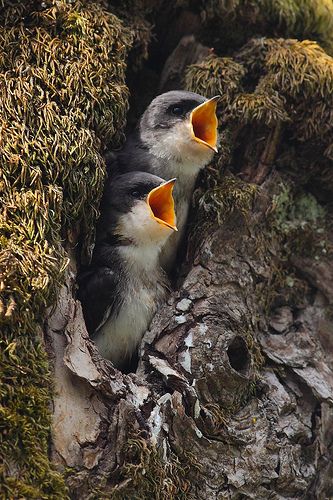
Tree Swallows Ridgefield National Wildlife Refuge by jeremyjonkman on Flickr From Pinterest

Tree Swallows Ridgefield National Wildlife Refuge by jeremyjonkman on Flickr From Pinterest

“Being enriched in every thing to all bountifulness, which causeth through us thanksgiving to God. (2 Corinthians 9:11 KJV)

While thinking about a post for this Thanksgiving, I looked back to see what had been written in the past. Wow! Had forgotten so many have been posted. From way back in 2008, the first year of the blog until last year when I got wound up and posted several. So, today, the day before Thanksgiving, it’s time to bring those back out to review. Part of Thanksgiving is remembering all our blessings from the past.

Happy Thanksgiving was written in 2008. (I actually still had some color in my hair.)  :))

Thanksgiving Turkey was in 2009. This is about turkeys.

Birds of the Bible – Thanksgiving written in 2010. It is about things I am thankful for.

Thankful For The Lord’s Birds  from an article on the Fountain in 2011.

Happy Thanksgiving Turkey was posted in 2012. It is actually a re-post of the 2009 article.

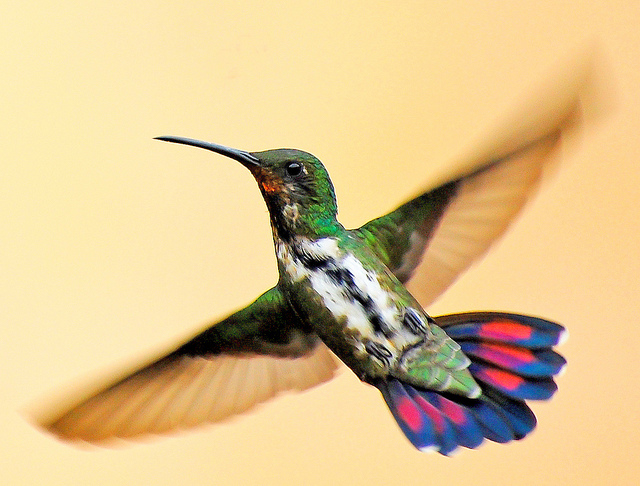
Black-throated Mango (Anthracothorax nigricollis) by Dario Sanches

Black-throated Mango (Anthracothorax nigricollis) by Dario Sanches

Then last year, I got carried away and produced one-a-day for six days.

Old Testament Thanksgiving – 2013  – Thanksgiving verses from the Old Testament with photos.

New Testament Thanksgiving – 2013 – Thanksgiving verses from the Old Testament with photos.

Birds in Hymns – Honor and Glory, Thanksgiving and Praise – A Thanksgiving Hymn

Thanksgiving For Young People – Thanksgiving from a younger person’s perspective.

Happy Thanksgiving Day – 2013 – Blessings from 2013.

Thankful For The Birds – Title says it all. With photos and a slideshow.

And now this year, so far we have:

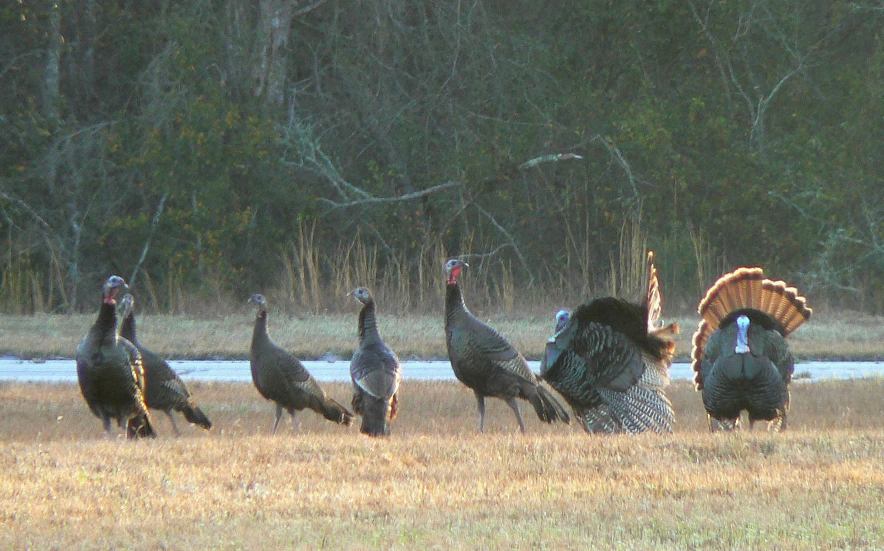
Reginald, Turkey Commander by Emma Foster

*

I can see I am going to be challenged to come up with something for tomorrow. But the following verse assures me, there are still many blessings to recount. Your visits to the blog are a great blessings.

Through the LORD’s mercies we are not consumed, Because His compassions fail not. They are new every morning; Great is Your faithfulness. (Lamentations 3:22-23 NKJV)

Until Thanksgiving Day tomorrow, Lord bless!

*

Who Paints The Leaves?

*

Strangers and Pilgrims (and the American Turkey)

Strangers and Pilgrims ©WikiC

Strangers and Pilgrims ©WikiC

Strangers and Pilgrims

by James J. S. Johnson

These all died in faith, not having received the promises, but having seen them afar off, and were persuaded of them, and embraced them, and confessed that they were strangers and pilgrims on the earth.  (Hebrews 11:3)

Dearly beloved, I beseech you as strangers and pilgrims, abstain from fleshly lusts, which war against the soul.  (1st Peter 2:11)

The phrase “strangers and pilgrims” occurs twice in the New Testament (KJV), in Hebrews 11:3 and in 1st Peter 2:11, as quoted above.

The English word “pilgrim” is a translation of the New Testament Greek noun parepidêmos, which refers to a foreigner who immigrates as a settler, taking up residence in a new land, beside the original inhabitants of that place.  A similar thought appears in 1st Peter 1:1, which refers to believers who are “strangers”, dispersed (“scattered”) like seeds in foreign lands belonging to other peoples.

Even today Christians live in and among lands dominated by nonbelievers (Psalm 73:12).  Because we are “in” the world, yet not “of” the world (see John 17:14-17), we live “near” our non-Christians neighbors, yet our Christ-focused lives are noticeably separate from “the world” (e.g., in our beliefs, priorities, moral values, etc.).

A similar word appears in the Old Testament, translated as “pilgrimage” (Hebrew: magûr, derived from the Hebrew verb gûr, meaning to “sojourn” or “migrate”). The noun “pilgrimage” appears in Genesis 47:9 (twice); Exodus 6:4; and Psalm 119:54.  [See Young’s Analytical Concordance, page 752, column 3.]

Like the English Pilgrims of old, our “pilgrimage” is a holy journey, through this earthly lifetime, adventurously walking with our great God, in spiritual fellowship with brothers and sisters in Christ.  That “pilgrimage” is an ongoing  witness to the watching world (1st Corinthians 4:9)  – because we each live our lives in the presence of observing nonbelievers “near” us, whose lives are spiritually separate from us (Daniel 5:22-23).

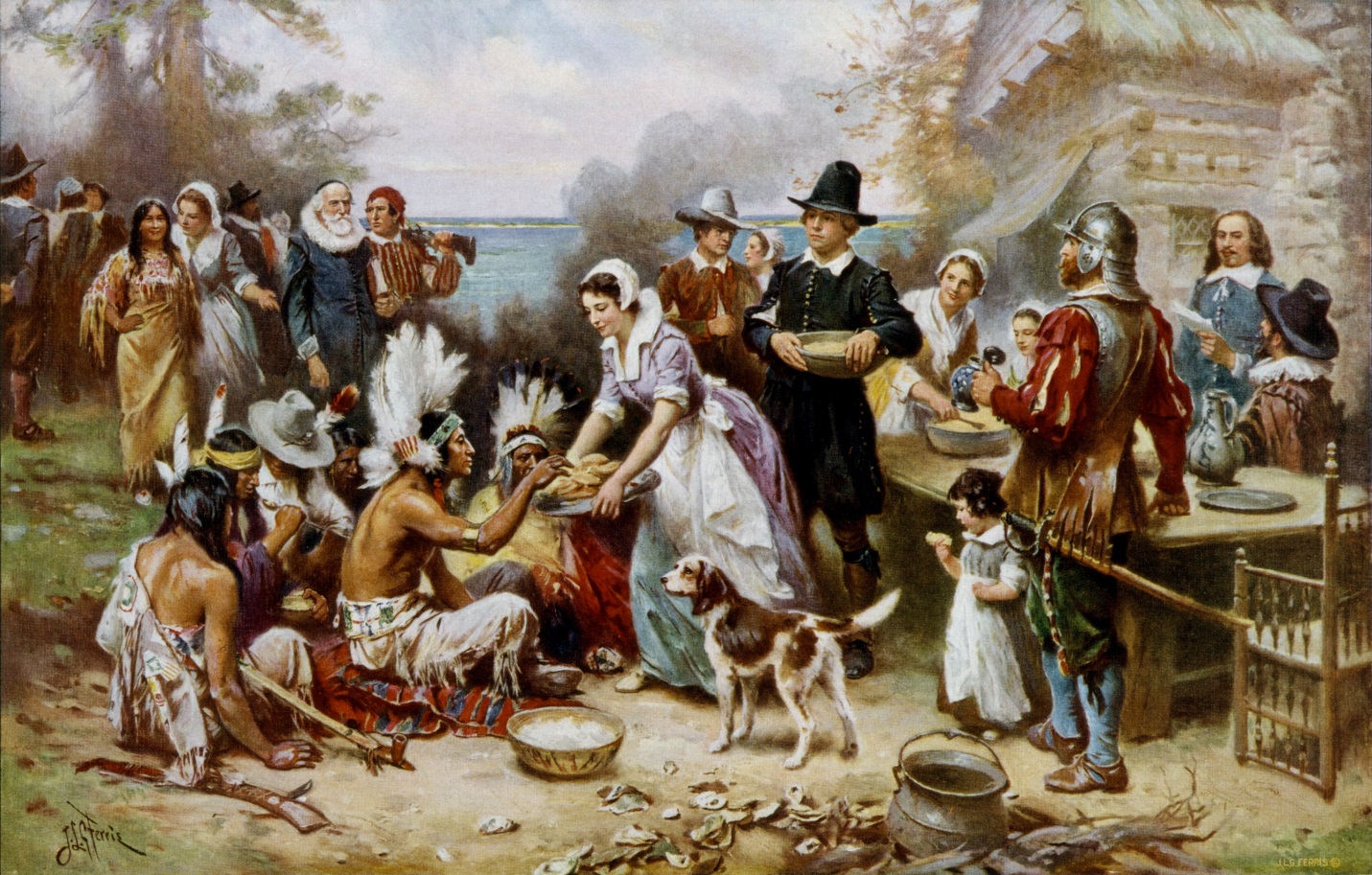
During Thanksgiving season, in America, we remember God’s historic providence at Plymouth Plantation, which was celebrated by a thanksgiving feast, a sacred occasion where the Pilgrims (a/k/a “Separatists”) shared their harvest bounty with many local Indian tribesmen, who themselves contributed quite a bit of wild game to the festive event.

Strangers and Pilgrims ©WikiC

The American Turkey (Meleagris gallopavo).

But is there any historical record of the Pilgrims’ first Thanksgiving feast (AD1621) really featuring wild turkey?

Strangers and Pilgrims ©WikiC

Yes.  One of the original Pilgrims, William Bradford, kept a careful chronicle of the important events at Plymouth, and he reported the context of the Pilgrim’s harvest-time during the fall of AD1621:

[During the autumn of AD1621 the Plymouth Pilgrims, with the help of Squanto] found the Lord to be with them in all their ways, and to bless their outgoings and incomings, for which let His holy name have the praise forever, to all posterity.

They began now to gather in the small harvest they had, and to fit up their houses and dwellings against winter, being all well recovered in health and strength and had all things in good plenty.  For as some were thus employed in affairs abroad, others were exercised in fishing, about cod and bass and other fish, of which they took good store, of which every family had their portion.  All the summer there was no want; and now began to come in store of fowl, as winter approached, of which this place did abound when they came first (but afterward decreased by degrees).  And besides waterfowl there was a great store of wild turkeys, of which they took many, besides venison, etc.  Besides they had about a peck a meal a week to a person, or now since harvest, Indian corn to that proportion.  Which made many afterwards write so largely of their plenty here to their friends in England, which were not feigned but true reports.

Quoting  William Bradford,  Of Plimouth Plantation  1620-1647  (Alfred A. Knopf, 1989; edited by Samuel Eliot Morison), page 90.

Strangers and Pilgrims ©WikiC

But it was another Pilgrim, Edward Winslow, who reported (within a letter dated December 11th of AD1621) on the specific activities at the Pilgrim’s historic Thanksgiving feast that season:

Our harvest being gotten in, our Governor sent four men on fowling (i.e., hunting wild birds, such as turkeys, quail, etc.), so that we might after a more special manner rejoice together, after we had gathered the fruit of our labors.  They four in one day killed as much fowl as, with a little help beside, served the Company almost a week.  At which time, amongst other recreations, we exercised our arms [i.e., used their firearms for target practice], many of the Indians coming amongst us, and amongst the rest their [i.e., the Wampanoag tribe’s] greatest king, Massasoit with some 90 men, whom for three days we entertained and feasted.  And they went out and killed five deer which they brought to the plantation and bestowed on our Governor and upon the Captain [Miles Standish] and others.

Quoting Edward Winslow, in Mourt’s Relation, pages 60 et seq., as quoted by Samuel Eliot Morison in Footnote 8 on page 90 of Bradford’s Of Plymouth Plantation 1620-1647 (noted above).

The first Thanksgiving was spontaneous.  Years later the Pilgrims celebrated other days of thanksgiving, sometimes at the direction of the colonial governor. [See above, William Bradford, Of Plymouth Plantation, at page 132.]

By combining William Bradford’s report of the “wild turkeys” (as the most notable wild-fowl hunted by the Pilgrims) with Edward Winslow’s report of the wild fowl hunting for the first Thanksgiving feast, we can fairly conclude that America’s wild turkey (Meleagris gallopavo) rightly belongs as part of the American Thanksgiving feast tradition.

But Thanksgiving is not just about being thankful for harvested food  –  we should also be thankful as “pilgrims and strangers” who are now living “in” the world, yet not “of” the world, because our true citizenship is actually in Heaven (Philippians 3:20), where our Lord Jesus Christ, Who Himself is our greatest Blessing, is seated at the right hand of God our Heavenly Father  –  until the day He returns, as King, to the world that He created.   Maranatha!

*

More Thanksgiving post coming.

More James J. S. Johnson’s Articles

*

Sunday Inspiration – Worthy of Thanksgiving

Dr Jim, Golden Eagle and Dan at Lake Morton

Dr Jim, Golden Eagle and Dan at Lake Morton

Give thanks unto the LORD, call upon his name, make known his deeds among the people. Sing unto him, sing psalms unto him, talk ye of all his wondrous works. (1 Chronicles 16:8-9 KJV)

O give thanks unto the LORD; for he is good; for his mercy endureth for ever. (1 Chronicles 16:34 KJV)

As we enter into the Thanksgiving Holiday week, with visits with family and friends, meals to prepare and eat, parades and games to watch, don’t forget to be thankful for our Creator of all this. He is Worthy of our Thanksgiving and Worship.

I am thankful for all the fantastic friends we have met through this blog (you, the readers). I am also thankful for those that contribute to the blog, like James J. S. Johnson (Dr. Jim) and Golden Eagle (Baron Brown) with which we recently went on a birdwatching adventure. Thankful for our other contributors as well.

Finally cleaned up the photos from that adventure and many are in the slideshow. Definitely thankful for all the birds the Lord gave us. He is “Worthy of Worship”

This slideshow requires JavaScript.

“Worthy of Worship” ~ Faith Baptist Orchestra

WORTHY OF WORSHIP
(York/Blankenship)

Worthy of Worship, worthy of praise,
Worthy of honor and glory,
Worthy of all the glad songs we can sing,
Worthy of all of the offerings we bring.

You are worthy, Father, Creator.
You are worthy, Savior, Sustainer.
You are worthy, worthy and wonderful;
Worthy of worship and praise.

Worthy of reverence, worthy of fear,
Worthy of love and devotion;
Worthy of bowing and bending of knees,
Worthy of all this, and added to these…

You are worthy, Father, Creator.
You are worthy, Savior, Sustainer.
You are worthy, worthy and wonderful;
Worthy of worship and praise.

Almighty Father, Master, and Lord,
King of all kings and Redeemer,
Wonderful Counselor, Comforter, Friend,
Savior and Source of our life without end.

You are worthy, Father, Creator.
You are worthy, Savior, Sustainer.
You are worthy, worthy and wonderful;
Worthy of worship and praise.

Trust you have a great Thanksgiving week.

*

Sunday Inspirations

Family: Building a Home God’s Way

*

Peter Learns Something He Hadn’t Guessed – Chapter 5

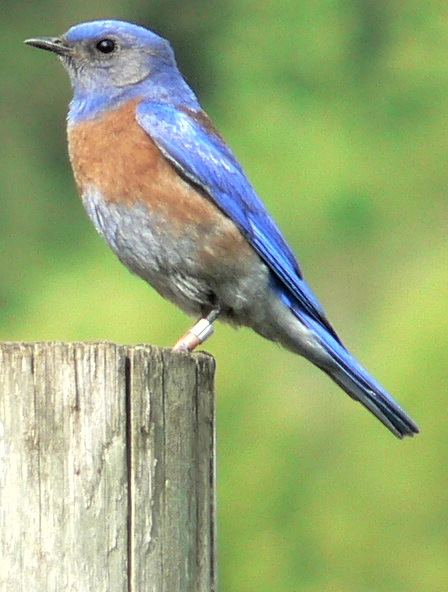
Western Bluebird (Sialia mexicana) ©WikiC

Western Bluebird (Sialia mexicana) ©WikiC

Peter Learns Something He Hadn’t Guessed

The Bluebird and the Robin

*

Listen to the story read.

CHAPTER 5. Peter Learns Something He Hadn’t Guessed.

Running over to the Old Orchard very early in the morning for a little gossip with Jenny Wren and his other friends there had become a regular thing with Peter Rabbit. He was learning a great many things, and some of them were most surprising.

Now two of Peter’s oldest and best friends in the Old Orchard were Winsome Bluebird and Welcome Robin. Every spring they arrived pretty nearly together, though Winsome Bluebird usually was a few days ahead of Welcome Robin. This year Winsome had arrived while the snow still lingered in patches. He was, as he always is, the herald of sweet Mistress Spring. And when Peter had heard for the first time Winsome’s soft, sweet whistle, which seemed to come from nowhere in particular and from everywhere in general, he had kicked up his long hind legs from pure joy. Then, when a few days later he had heard Welcome Robin’s joyous message of “Cheer-up! Cheer-up! Cheer-up! Cheer-up! Cheer!” from the tiptop of a tall tree, he had known that Mistress Spring really had arrived.

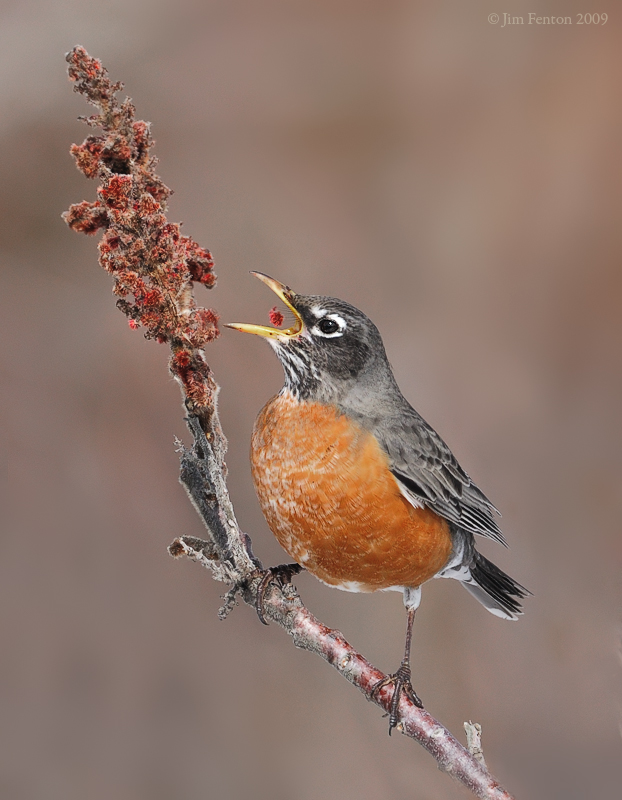
Robin Eating by Jim Fenton

Robin Eating by Jim Fenton

Peter loves Winsome Bluebird and Welcome Robin, just as everybody else does, and he had known them so long and so well that he thought he knew all there was to know about them. He would have been very indignant had anybody told him he didn’t.

“Those cousins don’t look much alike, do they?” remarked Jenny Wren, as she poked her head out of her house to gossip with Peter.

“What cousins?” demanded Peter, staring very hard in the direction in which Jenny Wren was looking.

“Those two sitting on the fence over there. Where are your eyes, Peter?” replied Jenny rather sharply.

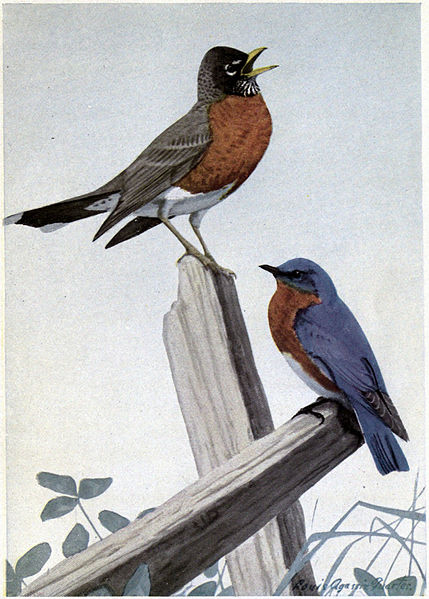
Peter stared harder than ever. On one post sat Winsome Bluebird, and on another post sat Welcome Robin. “I don’t see anybody but Winsome and Welcome, and they are not even related,” replied Peter with a little puzzled frown.

“Tut, tut, tut, tut, tut, Peter!” exclaimed Jenny Wren. “Tut, tut, tut, tut, tut! Who told you any such nonsense as that? Of course they are related. They are cousins. I thought everybody knew that. They belong to the same family that Melody the Thrush and all the other Thrushes belong to. That makes them all cousins.”

“What?” exclaimed Peter, looking as if he didn’t believe a word of what Jenny Wren had said. Jenny repeated, and still Peter looked doubtful.

Then Jenny lost her temper, a thing she does very easily. “If you don’t believe me, go ask one of them,” she snapped, and disappeared inside her house, where Peter could hear her scolding away to herself.

The more he thought of it, the more this struck Peter as good advice. So he hopped over to the foot of the fence post on which Winsome Bluebird was sitting. “Jenny Wren says that you and Welcome Robin are cousins. She doesn’t know what she is talking about, does she?” asked Peter.

Winsome chuckled. It was a soft, gentle chuckle. “Yes,” said he, nodding his head, “we are. You can trust that little busybody to know what she is talking about, every time. I sometimes think she knows more about other people’s affairs than about her own. Welcome and I may not look much alike, but we are cousins just the same. Don’t you think Welcome is looking unusually fine this spring?”

“Not a bit finer than you are yourself, Winsome,” replied Peter politely. “I just love that sky-blue coat of yours. What is the reason that Mrs. Bluebird doesn’t wear as bright a coat as you do?”

“Go ask Jenny Wren,” chuckled Winsome Bluebird, and before Peter could say another word he flew over to the roof of Farmer Brown’s house.

Back scampered Peter to tell Jenny Wren that he was sorry he had doubted her and that he never would again. Then he begged Jenny to tell him why it was that Mrs. Bluebird was not as brightly dressed as was Winsome.

“Mrs. Bluebird, like most mothers, is altogether too busy to spend much time taking care of her clothes; and fine clothes need a lot of care,” replied Jenny. “Besides, when Winsome is about he attracts all the attention and that gives her a chance to slip in and out of her nest without being noticed. I don’t believe you know, Peter Rabbit, where Winsome’s nest is.”

Peter had to admit that he didn’t, although he had tried his best to find out by watching Winsome. “I think it’s over in that little house put up by Farmer Brown’s boy,” he ventured. “I saw both Mr. and Mrs. Bluebird go in it when they first came, and I’ve seen Winsome around it a great deal since, so I guess it is there.”

“So you guess it is there!” mimicked Jenny Wren. “Well, your guess is quite wrong, Peter; quite wrong. As a matter of fact, it is in one of those old fence posts. But just which one I am not going to tell you. I will leave that for you to find out. Mrs. Bluebird certainly shows good sense. She knows a good house when she sees it. The hole in that post is one of the best holes anywhere around here. If I had arrived here early enough I would have taken it myself. But Mrs. Bluebird already had her nest built in it and four eggs there, so there was nothing for me to do but come here. Just between you and me, Peter, I think the Bluebirds show more sense in nest building than do their cousins the Robins. There is nothing like a house with stout walls and a doorway just big enough to get in and out of comfortably.”

Peter nodded quite as if he understood all about the advantages of a house with walls. “That reminds me,” said he. “The other day I saw Welcome Robin getting mud and carrying it away. Pretty soon he was joined by Mrs. Robin, and she did the same thing. They kept it up till I got tired of watching them. What were they doing with that mud?”

American Robin (Turdus migratorius) in nest by Ray

American Robin (Turdus migratorius) in nest by Ray

“Building their nest, of course, stupid,” retorted Jenny. “Welcome Robin, with that black head, beautiful russet breast, black and white throat and yellow bill, not to mention the proud way in which he carries himself, certainly is a handsome fellow, and Mrs. Robin is only a little less handsome. How they can be content to build the kind of home they do is more than I can understand. People think that Mr. Wren and I use a lot of trash in our nest. Perhaps we do, but I can tell you one thing, and that is it is clean trash. It is just sticks and clean straws, and before I lay my eggs I see to it that my nest is lined with feathers. More than this, there isn’t any cleaner housekeeper than I am, if I do say it.

“Welcome Robin is a fine looker and a fine singer, and everybody loves him. But when it comes to housekeeping, he and Mrs. Robin are just plain dirty. They make the foundation of their nest of mud,—plain, common, ordinary mud. They cover this with dead grass, and sometimes there is mighty little of this over the inside walls of mud. I know because I’ve seen the inside of their nest often. Anybody with any eyes at all can find their nest. More than once I’ve known them to have their nest washed away in a heavy rain, or have it blown down in a high wind. Nothing like that ever happens to Winsome Bluebird or to me.”

Jenny disappeared inside her house, and Peter waited for her to come out again. Welcome Robin flew down on the ground, ran a few steps, and then stood still with his head on one side as if listening. Then he reached down and tugged at something, and presently out of the ground came a long, wriggling angleworm. Welcome gulped it down and ran on a few steps, then once more paused to listen. This time he turned and ran three or four steps to the right, where he pulled another worm out of the ground.

“He acts as if he heard those worms in the ground,” said Peter, speaking aloud without thinking.

“He does,” said Jenny Wren, poking her head out of her doorway just as Peter spoke. “How do you suppose he would find them when they are in the ground if he didn’t hear them?”

“Can you hear them?” asked Peter.

“I’ve never tried, and I don’t intend to waste my time trying,” retorted Jenny. “Welcome Robin may enjoy eating them, but for my part I want something smaller and daintier, young grasshoppers, tender young beetles, small caterpillars, bugs and spiders.”

Peter had to turn his head aside to hide the wry face he just had to make at the mention of such things as food. “Is that all Welcome Robin eats?” he asked innocently.

“I should say not,” laughed Jenny. “He eats a lot of other kinds of worms, and he just dearly loves fruit like strawberries and cherries and all sorts of small berries. Well, I can’t stop here talking any longer. I’m going to tell you a secret, Peter, if you’ll promise not to tell.”

Of course Peter promised, and Jenny leaned so far down that Peter wondered how she could keep from falling as she whispered, “I’ve got seven eggs in my nest, so if you don’t see much of me for the next week or more, you’ll know why. I’ve just got to sit on those eggs and keep them warm.”

*

*

  1. What bird family do the Bluebird and Robin belong to?
  2. Why is it good that Mrs. Bluebird isn’t brightly dressed?
  3. When the Robin runs and then stops, what is he doing? What might he find to eat?
  4. What colors are the Robin’s head, breast, throat and bill?
  5. What does the Robin’s song sound like?
  6. Should we have an attitude like the Robin’s Song?

“Is anyone among you suffering? Then he must pray. Is anyone cheerful? He is to sing praises. (James 5:13 NASB)

“A joyful heart makes a cheerful face, But when the heart is sad, the spirit is broken. (Proverbs 15:13 NASB)

“Even the stork in the sky Knows her seasons; And the turtledove and the swift and the thrush Observe the time of their migration; But My people do not know The ordinance of the LORD. (Jeremiah 8:7 NASB)

Links:

*

Links:

Chebec the Least Flycatcher, Dear Me the Phoebe - Burgess Bird Book ©©


  Next Chapter – An Old Friend In a New Home. 


Burgess-Bird-Book-for-Children


Burgess Bird Book For Children


Green-billed Toucan (Ramphastos dicolorus) ©WikiC

Wordless Toucan


Wordless Birds – Toucan


*


Sunday Inspiration – Variety

The photos this week are from the Pin It (Pinterest) website. Thought sharing some of their great variety of bird photos would be enjoyable to watch. The ones selected do not even begin to show the photos they have in the various topics.

As mentioned in the latest article by Emma Foster, the Lord gives varying gifts, just as the Lord created the birds with such variety. May we use our varied talents to serve our Fantastic Lord and Creator.

“For through the grace given to me I say to everyone among you not to think more highly of himself than he ought to think; but to think so as to have sound judgment, as God has allotted to each a measure of faith. For just as we have many members in one body and all the members do not have the same function, so we, who are many, are one body in Christ, and individually members one of another. Since we have gifts that differ according to the grace given to us, each of us is to exercise them accordingly: if prophecy, according to the proportion of his faith; if service, in his serving; or he who teaches, in his teaching; or he who exhorts, in his exhortation; he who gives, with liberality; he who leads, with diligence; he who shows mercy, with cheerfulness.” (Romans 12:3-8 NASB)

This slideshow requires JavaScript.

“For who makes you differ from another? And what do you have that you did not receive? Now if you did indeed receive it, why do you boast as if you had not received it? (1 Corinthians 4:7 NKJV)

*

“The Love Of God” – ©The Hyssongs

*

Sunday Inspirations

Assurance: The Certainty of Salvation

*