Eyes of the Heart

Masked Lapwing (Vanellus miles) Eye ©WikiC

I pray that the eyes of your heart may be enlightened, so that you will know what is the hope of His calling, what are the riches of the glory of His inheritance in the saints, (Ephesians 1:18 NASB)

For this people’s heart is waxed gross, and their ears are dull of hearing, and their eyes they have closed; lest at any time they should see with their eyes, and hear with their ears, and should understand with their heart, and should be converted, and I should heal them. But blessed are your eyes, for they see: and your ears, for they hear. (Matthew 13:15-16 KJV)

Luzon Bleeding-heart by Dan

Orni-Theology

After our devotions, Dan and I read from a book. Currently we are reading from Ray Pritchard’s Beyond All You Could Ask Or Think. In talking about prayer, (p78+):

“The heart has eyes. Did you know that? When Paul speaks of “your heart,” he’s not referring to the organ in your chest that pumps blood throughout your body. The term “heart” refers to “the real you,” the place inside where the decisions of life are made.”

He goes on to say that all important decisions are decided in your heart. The question then comes to whether your “eyes” are open or closed to God’s truth. When we explain something about God’s Word and the truth found there, the person listening will either understand or not, depending on whether the “eyes of their heart” are open or closed.

He then goes on to encourage us to pray for us and others to keep our eyes and theirs “open” and on the Lord. (My paraphrase)

So what does this have to do with birdwatching? I enjoy watching birds and many times they have their eyes closed, half-closed or open. If you have followed this blog very long, you also know I like to use e-Sword to help search through the Bible. I know that birds and eyes are mentioned somewhere. Let’s go see what we can find!

“That path no bird knows, Nor has the falcon’s eye seen it. (Job 28:7 NKJV)

“”From where then does wisdom come? And where is the place of understanding? It is hidden from the eyes of all living, And concealed from the birds of the air. (Job 28:20-21 NKJV)

Those verse don’t apply except that we know that wisdom and knowledge are concealed from the birds. The Lord just gave them a built in instinct to do as He created. They do not need to get out a Bible and study to learn.

It is amazing how many verses have “eyes” and “heart” mentioned in the same verse. Enjoy searching for them.

The slide show below will have an eye or eyes zoomed in and then the next slide will show the bird. See if you can ID the bird by the eye before the answer shows.

This slideshow requires JavaScript.

Here are more verses mentioning eye and heart in same verse.

They have not known nor understood: for he hath shut their eyes, that they cannot see; and their hearts, that they cannot understand. (Isaiah 44:18 KJV)

He hath blinded their eyes, and hardened their heart; that they should not see with their eyes, nor understand with their heart, and be converted, and I should heal them. (John 12:40 KJV)

Saying, Go unto this people, and say, Hearing ye shall hear, and shall not understand; and seeing ye shall see, and not perceive: For the heart of this people is waxed gross, and their ears are dull of hearing, and their eyes have they closed; lest they should see with their eyes, and hear with their ears, and understand with their heart, and should be converted, and I should heal them. Be it known therefore unto you, that the salvation of God is sent unto the Gentiles, and that they will hear it. (Acts 28:26-28 KJV)

The light of the eyes rejoiceth the heart: and a good report maketh the bones fat. (Proverbs 15:30 KJV)

My son, give me thine heart, and let thine eyes observe my ways. (Proverbs 23:26 KJV)

The statutes of the LORD are right, rejoicing the heart: the commandment of the LORD is pure, enlightening the eyes. (Psalms 19:8 KJV)

*

Some other articles mentioning the “Eye”:

*

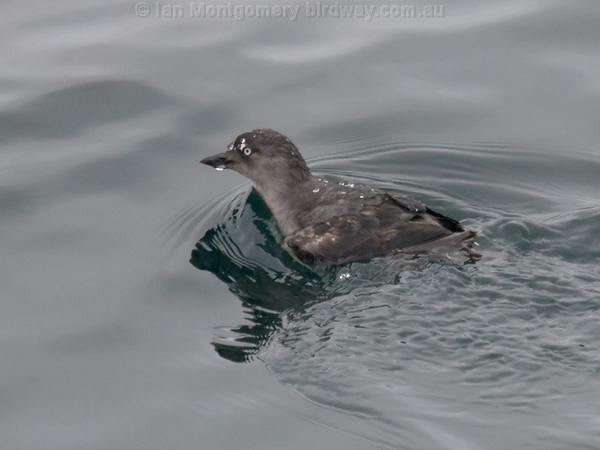
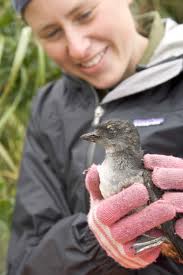
Cassin’s Auklet In Trouble

Cassin's Auklet (Ptychoramphus aleuticus) by Ian

Cassin’s Auklet (Ptychoramphus aleuticus) by Ian

While reading the Sunday paper, I noticed an article about the Cassin’s Auklet being in trouble. There is a big “die-off” happening on the West Coast that has scientist baffled. Wanted to find out about this bird, so here is some information about them.

Cassin’s Auklet (Ptychoramphus aleuticus) is a small, chunky seabird that ranges widely in the North Pacific. It nests in small burrows and because of its presence on well studied islands in British Columbia and off California it is one of the better known auks. It is named for John Cassin, a Pennsylvania businessman and naturalist.

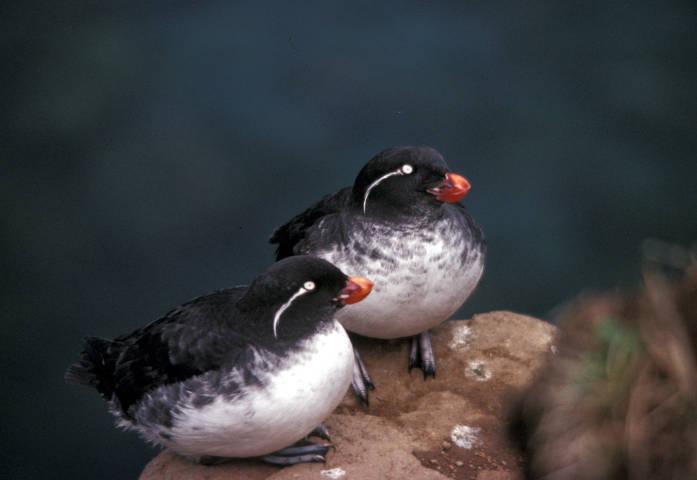
Parakeet Auklet (Aethia psittacula) ©USFWS

Parakeet Auklet (Aethia psittacula) ©USFWS

They belong to the Alcidae – Auks Family which has 25 members. There are Auks, Murres, Guillemots, Murrelets, Auklets, and Puffins in family. Auks are superficially similar to penguins having black-and-white colours, upright posture and some of their habits. Nevertheless they are not closely related to penguins,

Auks live on the open sea and only go ashore for breeding, although some species, like the common guillemot, spend a great part of the year defending their nesting spot from others.

The Cassin’s Auklet are nondescript, usually dark above and pale below, with a small white mark above the eye. Its bill is overall dark with a pale spot, and its feet are blue. Unlike many other auks the Cassin’s auklet lacks dramatic breeding plumage, remaining the same over most of the year. “At sea it is usually identified by its flight, which is described as looking like a flying tennis ball”

“…Strong is thy dwellingplace, and thou puttest thy nest in a rock.” (Numbers 24:21b KJV)

The Cassin’s auklet nests in burrows on small islands, and in the southern area of its range may be found in the breeding colony year round. It either digs holes in the soil or uses natural cracks and crevices to nest in, also readily using man-made structures. Pairs will show a strong loyalty towards each other and to a nesting site for many years. Both the parents incubate the single white egg, returning to swap shifts at night to avoid being taken by predators such as the western gull or peregrine falcon. They also depart from the colony before dawn.

Cassin's Auklet (Ptychoramphus aleuticus) ©WiciC

Cassin’s Auklet (Ptychoramphus aleuticus) ©WiciC

At sea Cassin’s Auklets feeds offshore, in clear often pelagic water, often associating with bathymetric landmarks such as underwater canyons and upwellings. Numbers at sea may be grossly underestimated because the bird moves away from ships at a distance of more than a kilometer. Recently their distribution around Triangle Island has been determined by telemetry. It feeds by diving underwater beating its wings for propulsion, hunting down large zooplankton, especially krill. It can dive to 30 m below the surface, and by some estimates 80 m

According to the article Pacific Coast Sea Bird Die-Off Puzzles Scientists: “Scientists are trying to figure out what’s behind the deaths of seabirds that have been found by the hundreds along the Pacific Coast since October. Mass die-offs …have been reported from British Columbia to San Luis Obispo, California.

“To be this lengthy and geographically widespread, I think is kind of unprecedented,” Phillip Johnson told the reporter.

“The birds appear to be starving to death, so experts don’t believe a toxin is the culprit…. But why the birds can’t find food is a mystery.”

“Researchers say it could be the result of a successful breeding season, leading to too many young birds competing for food. Unusually violent storms might be pushing the birds into areas they’re not used to or preventing them from foraging. Or a warmer, more acidic ocean could be affecting the supply of tiny zooplankton, such as krill, that the birds eat.”

Cassin’s Auklet (Ptychoramphus aleuticus) by Ian

On December 26th of 132 dead birds found on the beach at Tillamook, Oregon, 126 were Cassin’s Auklets.

One thing is for sure, this issue has not caught the Lord by surprise. We were given dominion over the birds and part of that is to help preserve our birds. I am glad the scientist are digging into this issue to hopefully find an answer.

“And God said, Let us make man in our image, after our likeness: and let them have dominion over the fish of the sea, and over the fowl of the air, and over the cattle, and over all the earth, and over every creeping thing that creepeth upon the earth.” (Genesis 1:26 KJV)

Cool Facts from About Birds

  • The Cassin’s Auklet is the only alcid known to produce two broods in a single breeding season, at least in the southern part of the range where birds may be seen at nesting colonies every month of the year.
  • Vulnerable to predators, especially large gulls, the Cassin’s Auklet tends to visit its nest at night.
  • The Cassin’s Auklet is named for John Cassin, a Pennsylvania businessman and naturalist.
  • A group of auks has many collective nouns, including a “colony”, “loomery”, and “raft” of auks.

(Information from Wikipedia and other internet sources)

*

*

Birds of the Bible – Eye Hath Not Seen

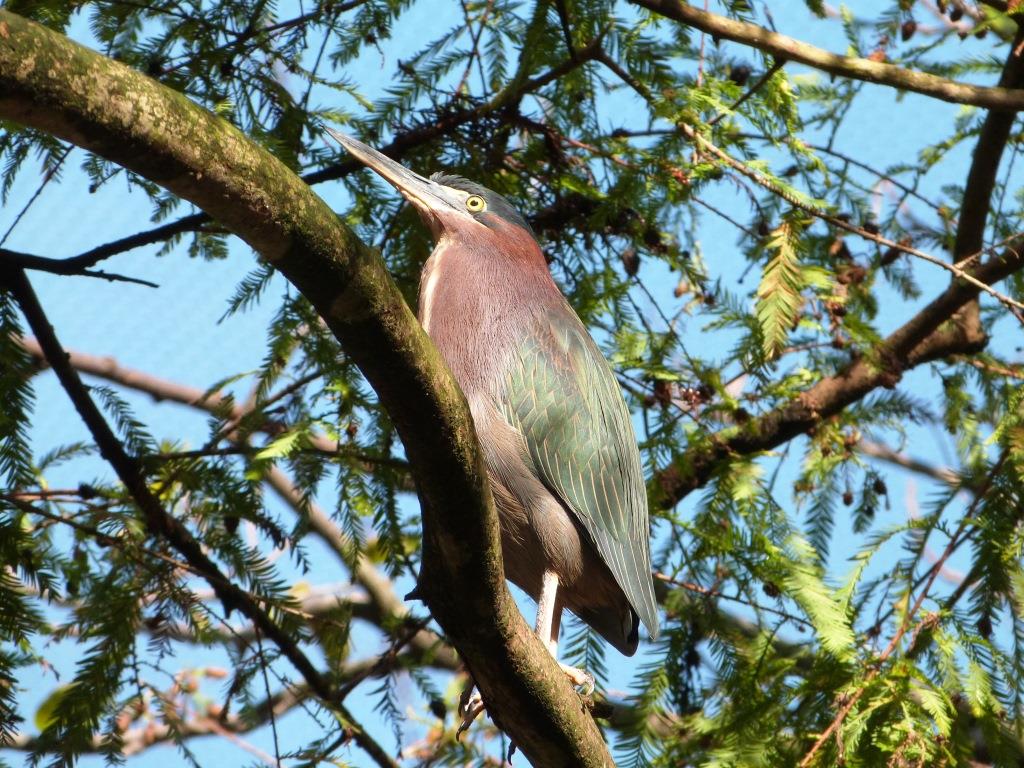
Green Heron at Flamingo Gardens by Lee 2014

Green Heron at Flamingo Gardens by Lee 2014

But as it is written, Eye hath not seen, nor ear heard, neither have entered into the heart of man, the things which God hath prepared for them that love him. But God hath revealed them unto us by his Spirit: for the Spirit searcheth all things, yea, the deep things of God. (1 Corinthians 2:9-10 KJV)

We see all the world around us and see all the magnificent birds the Lord has created, yet they are nothing compared to what “God hath prepared for them that love him” I trust that you do love God and have accepted His Son as your Savior. Then, you will see what has been revealed and what will yet be revealed.

For now, let’s enjoy what we can see of the Lord’s Creative Hand at work.

O LORD, how manifold are thy works! in wisdom hast thou made them all: the earth is full of thy riches. (Psalms 104:24 KJV)

Some of the birds we saw in 2014:

This slideshow requires JavaScript.

P.S. My First Bird of 2015 was a Boat-tailed Grackle that visited the feeders. Followed close behind were Mourning Doves and Red-winged Blackbirds. Woke up with a sore throat, so that was my birdwatching adventure of the new year so far.

*

Good News

*


Of Robins, Wrens, and Monuments in AD2015

But lay up for yourselves treasures in heaven, where neither moth nor rust doth corrupt, and where thieves do not break through nor steal.  (Matthew 6:20)

As the year of our Lord 2014 closed, all too quickly it seemed, I thought about what was done in those dozen months of busy-ness.  What do we have to show for our journey through those pages of the AD2014 calendar?   Was that year worth our time on Earth?  Was that year one of fruitful service to our Lord?  What good achievements, what valuable accomplishments, what worthwhile “monuments” are left in our wake, as we sail ahead into the year of our Lord 2015?

Thinking about these questions reminded me of robins and wrens, for reasons that follow.

But before exploring why earthly achievements (and “monuments”) remind me of wrens and robins, some attention to those birds is appropriate.
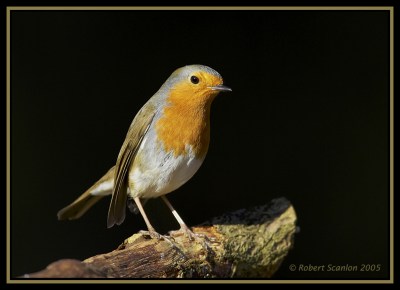
European Robin (Erithacus rubecula) by Robert Scanlon

European Robin (Erithacus rubecula) by Robert Scanlon

ROBINS

The European Robin (Erithacus rubecula) is the unofficial bird of the United Kingdom.  English settlers, seeing what we call the American Robin (Turdus migratorius), were reminded (perhaps nostalgically) of the European Robin, which is also a thrush-like brown-and-grey-backed bird with orange breast coloring. The American Robin is larger, and its coloring is less intense, but it is not hard to understand why the English settlers were reminded of the European Robin they knew from their native land.

The American Robin, as its scientific name denotes, is known for seasonal migration  — its range covers most of America, plus parts of Canada and Mexico, with moderate climate regions hosting robins year-round.  [See Donald Stokes, A Guide to Bird Behavior, Volume 1 (Little Brown & Co., 1979), page 221; see also Roger Tory Peterson, Eastern Birds (Peterson Field Guides, Houghton Mifflin, 1980), pages 220-221 & range map M267.]
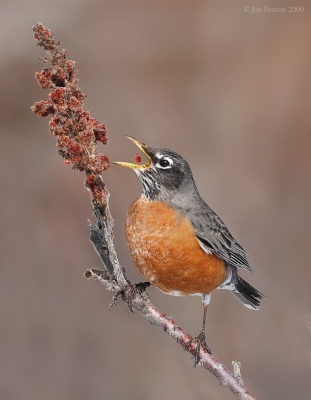
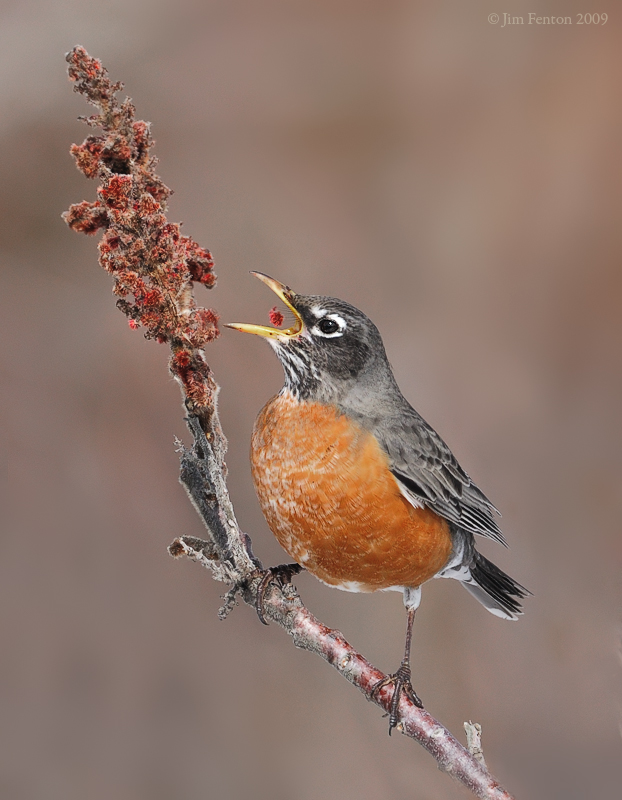
Robin Eating by Jim Fenton

Robin Eating by Jim Fenton

American Robins walk about with erect heads, sporting large dark eyes (with white eye-rings, if you look closely).  Like other thrushes, American Robin juveniles have spotted breast coloring.   The American Robin adult females have dull orange breast coloring, and dull brown backs, in contrast to the brighter almost brick-red breast coloring and darker brown backs of the adult males.  Robins love to eat berries in winter.

European Robin juveniles, like their American counterparts, have spotted buff-colored bellies.  Males and females look alike, unlike their Yankee cousins. These birds are known for hopping along the ground, with drooped wings, often pausing upright and alerted.  Common year-round residents in the British Isles, these robins have a year-round range that includes most of Western Europe, except most of Norway and Sweden host them only during the mild months of summer.  [See Chris Kightley, Steve Madge, & Dave Nurney, Birds of Britian and North-West Europe (Yale University Press, 1998), page 207.]  Imagine how honored some European Robins must be, to visit and entertain Laird Bill Cooper (a noble birdwatcher in England, renowned for his godly scholarship as a Biblical creationist) and his family!  Even birds can be granted great privileges during their little avian lifespans!
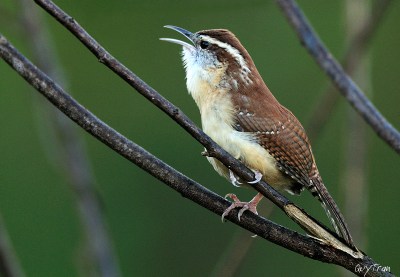
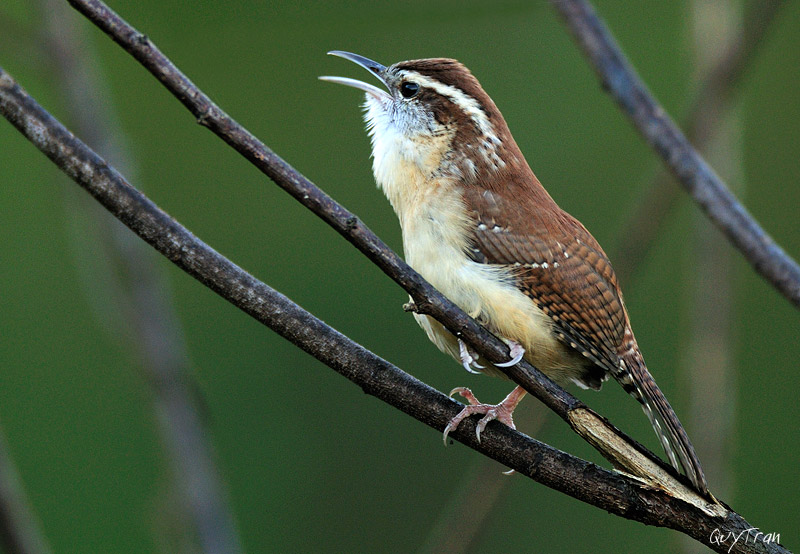
Carolina Wren (Thryothorus ludovicianus) by Quy Tran

Carolina Wren (Thryothorus ludovicianus) by Quy Tran

WRENS

Wrens are famous as small, short, energetic birds with slightly decurved bills and tilted-up tails.  The tail is routinely cocked almost upright, as if flying a flag.  Wren tails often are brown with black parallel stripes, with brown backs and wings, and white or ivory bellies.  When not flying, here or there, wrens hop, creep, climb, and scurry.  Examples of familiar wrens,  often sighted by birders, include Bewick’s Wren (Thryomanes bewickii), Carolina Wren (Thryothorus ludovicianus), House Wren (Troglodytes aedon), Marsh Wren (Cistothorus palustris), Rock Wren (Salpinctes obsoletus), Sedge Wren (Cistothorus platensis), Winter Wren (Troglodytes troglodytes – common also in the British Isles and Western Europe), etc.  [See Roger Tory Peterson, Eastern Birds (Peterson Field Guides, Houghton Mifflin, 1980), pages 214-215 & range maps M254 through M259.]
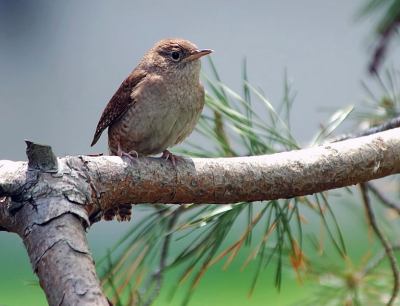
House Wren (Troglodytes aedon) by Ray

House Wren (Troglodytes aedon) by Ray

One popular wren, known for its warbling song, is the House Wren (Troglodytes aedon).  Males try to attract females, vibrating their wings and singing with a squeaky high-pitched voice when a prospective mate approaches the male’s nest site. If she adds a lining of soft grass to a male’s nest, that means “yes”.  Soon the female will be incubating eggs as her mate brings food to her.  Often two broods will be hatched and fledged during the spring-to-autumn months.  [See Donald Stokes, A Guide to Bird Behavior, Volume 1 (Little Brown & Co. 1979), pages 175-176.]

Bewick's Wren (Thryomanes bewickii) by Daves BirdingPix

Bewick’s Wren (Thryomanes bewickii) by Daves BirdingPix

Years ago a Bewick’s Wren (Thryomanes bewickii) built a nest inside a decorative wreath, a wreath that my wife hung on our Texas home’s front door.  When we walked out our front door the nervous mother wren would flutter and fly away, as we tried to gently shut the door so that the nest was not unnecessarily jostled.  The mother wren would quickly return, satisfied that we were not bothering her nest’s nestlings.  Baby wrens were hatched and fledged from the wreath on our front door!  This arrangement worked nicely, for us and for the wren family, for weeks if not months.  But one day Mama Wren got confused, as someone opened the door – she flew into the house – and then panicked as she tried to discern how to undo what she had done!  Eventually we coached her out – she never tried that again!

Obviously robins and wrens are delightful birds.  But now, robins remind me of “Christopher Robin”.
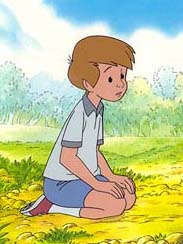
Christopher Robin ©WikiC

Christopher Robin ©WikiC

CHRISTOPHER ROBIN

Many children know about Winnie the Pooh (originally written Winnie-the-Pooh), a fictional bear cub who acts a lot like a human child.  (The original “Winnie” was a real bear that A. A. Milne saw at the London Zoo.)  Pooh’s imaginary adventures have amused children of many generations  —  what fun it is to romp about on a “blustery day”!  Winnie the Pooh’s adventures (“Winnie-the-Pooh”, “The House at Pooh Corner”, etc.) began in newspaper serials, and later books, authored by Alan Alexander Milne (and illustrated by Ernest  Howard Shepard).  Later, the adventures of Pooh and his friends (Eeyore, Christopher Robin, Tigger, Piglet, Kanga, Roo, Owl, etc.), and later were dramatized by animated cartoon movies.  Pooh’s literary creator, A. A. Milne, had a son named Christopher Robin Milne, obviously the source of Mr. Milne’s concept for the Christopher Robin” who appears as Pooh’s friend and co-adventurer in the Pooh book series.  The Milne family life was an ongoing tragedy, apparently, and the available evidence points to a pessimistic eternal destiny for Christopher Robin (Milne), “and probably also for his father, author A. A. Milne (who despised the Old Testament  –  see John 5:45-47).

Harry Colebourne and Winnie 1914 ©WikiC

Harry Colebourne and Winnie 1914 ©WikiC

Winnie the Pooh has made millions of dollars for several individuals and businesses, but what lasting value is that, by itself?  It is inferior to treasures laid up in Heaven, which neither corrupt nor disappear to human thievery.  Childhood memories – and gentle stories for toddlers — are valuable, of course, but how much more precious are experiences and deeds that honor the Lord, which become “gold, silver, and precious stones” in eternity.

CHRISTOPHER WREN

The name “Christopher Robin” reminds me of a similar name, featuring a different bird:  Christopher Wren.  Sir Christopher Wren was an expert in engineering science, a science professor and (better known as) the leading architect of his generation.  Wren was the architect responsible for building dozens of English churches after London’s Great Fire (of AD1666), including St. Paul’s Cathedral, as well as England’s Royal Observatory, the Wren Library at Cambridge’s Trinity College, Chelsea Hospital, Windsor Castle’s reconstructed state room, works at Kensington Palace and Hampton Court, Oxford’s Sheldonian Theatre, Cambridge’s Pembroke College’s chapel, etc.

But the crowning architectural achievement of Christopher Wren, from 300+ years ago, is the Anglican church titled St. Paul’s Cathedral, which rests atop Ludgate Hill, the highest part of London – at a site said to have hosted an earlier church building (named for the apostle Paul) founded around AD604, — ironically, by an invader/activist named Augustine of Canterbury (who is infamous for persecuting the British Celtic Church to the point of orchestrating slaughter of their presbyters at Bangor).
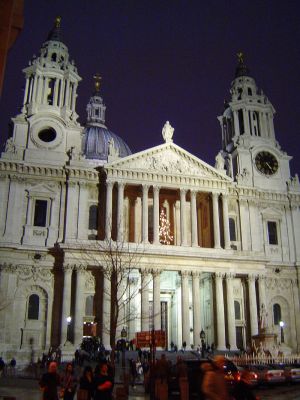
St. Paul's Cathedral At Night ©WikiC

St. Paul’s Cathedral At Night ©WikiC

Christopher Wren’s greatest earthly memorial, of course, is St. Paul’s Cathedral itself, which includes a Latin inscription upon the black marble beneath its central dome, that translates to English as:

Here in its foundations lies the architect of this church and city, Christopher Wren, who lived beyond ninety years, not for his own profit but for the public good. Reader, if you seek his monument – look around you.  Died 25 Feb. 1723, age 90.

St Paul's Cathedral Dome Interior ©WikiC

St Paul’s Cathedral Dome Interior ©WikiC

The Latin inscription was composed by Christopher Wren, Jr., his son.  Thus his greatest professional accomplishment, the grandiose design and successful construction of St. Paul’s Cathedral, became Christopher Wren’s gargantuan “monument”, more dignified than any cemetery gravestone.

But what kind of achievements will constitute the “monuments” of our earthly lives?  Will our deeds, done last year, stand the test of time and eternity, as deeds of faith like those reported in Hebrews chapter 11, the “Hall of Faith”?

But lay up for yourselves treasures in heaven, where neither moth nor rust doth corrupt, and where thieves do not break through nor steal.  (Matthew 6:20)

Last year, good or bad, is behind us  –  so it is this new year that we must try (under God’s good grace) to be worthy stewards of, so that each day becomes another “monument” of gratitude and testimony to our great God and Savior.  How we use this new year will be a “monument” to what we really value.

For where your treasure is, there will your heart be also.  (Matthew 6:21)

By James J. S. Johnson

*

Orni-Theology

James J. S. Johnson

*
2014 in Review

The WordPress.com stats helper monkeys prepared a 2014 annual report for this blog.

Here’s an excerpt:

The Louvre Museum has 8.5 million visitors per year. This blog was viewed about 220,000 times in 2014. If it were an exhibit at the Louvre Museum, it would take about 9 days for that many people to see it.

Click here to see the complete report.

Thank you for all your visits to this blog during 2014. This is encouraging and keeps us motivated to “keep on keeping on.” May we all have a great 2015!

“That I may publish with the voice of thanksgiving, and tell of all thy wondrous works. (Psalms 26:7 KJV)

Lord Bless You In 2015!

Happy New Year!

*

1,300-Year Old Recording Discovered? – Re-post

1,300-YEAR OLD RECORDING DISCOVERED?

©©Creation Moments 2014

“And his brother’s name was Jubal: he was the father of all such as handle the harp and organ.” Genesis 4:21
If you’ve ever seen any photographs of Mayan pyramids, you will probably remember that they typically have a large set of stairs going to the top. Now an acoustics expert offers some interesting evidence that these steps may in fact be the world’s oldest recording.

Pyramid of Kukulkan at Chichen Itza, Mexico

Pyramid of Kukulkan at Chichen Itza, Mexico

If you stand before the stairway of the Pyramid of Kukulkan at Chichen Itza, Mexico, and clap your hands, you will hear a curious, descending echo. If you are familiar with the quetzal, whose feathers the ancient Mayans treasured, the echo will remind you of the call of this bird. The bright green and red quetzal has long tail feathers that can be over two feet long. When sonograms of its call were compared to sonograms of the echo returning off the steps of this pyramid, they were surprisingly close. Both begin at a frequency of about 1,500 hertz and fall at the same rate to less than 1,000 hertz! Making this even more interesting is the fact that the pyramid itself has a picture of Quetzalcoatl wearing a coat of quetzal feathers. According to legend, Quetzalcoatl was half quetzal. Traditional Mayan scholars don’t doubt that the Mayans were clever enough to have purposely built the pyramid to provide this echo, and acoustics experts have found a similar echo at a temple in Uxmal, Mexico.

The Bible tells us that by the eighth generation of human beings musical instruments were in use. This pyramid may be evidence that we were created with the aptitude to understand and use sound, just as the Bible depicts in its opening chapters.

Prayer:

I thank You for the gift of sound and music, dear Father. Let me always be filled with praises for You. Amen.

Notes:

Peter Weiss, “Singing Stairs”, Science News, 1/16/99, v. 155, p. 44. Photo: Pyramid of Kukulkan at Chichen Itza, Mexico. (PD)


Resplendent Quetzal (Pharomachrus mocinno) Reinier Munguia

Resplendent Quetzal (Pharomachrus mocinno) Reinier Munguia

Lee’s Addition:

“They sing to the tambourine and harp, And rejoice to the sound of the flute”. (Job 21:12 NKJV)

Quetzels are members of the Trogonidae – Trogons Family. There are 6 Quetzels among the 43 members of the family. They are beautiful birds and I find this article very interesting.

Here is a recording of a Quetzal from xeno-canto:

*

Trogonidae – Trogons Family

Creation Moments

*

Latest Challenge of Zoo Photography

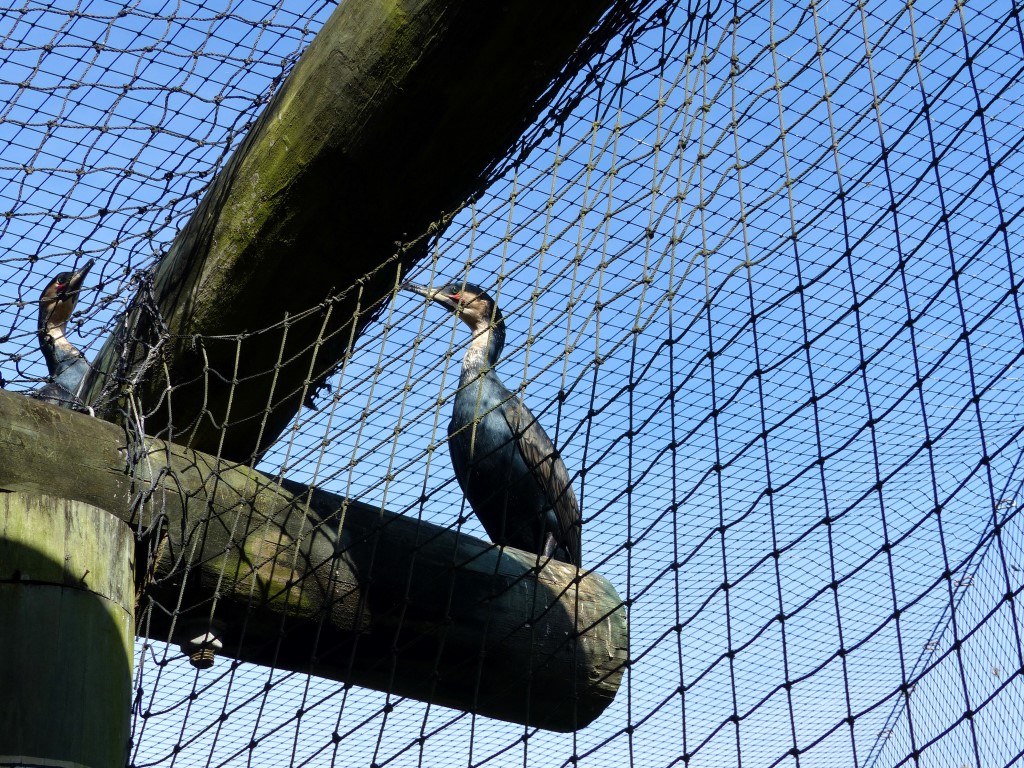
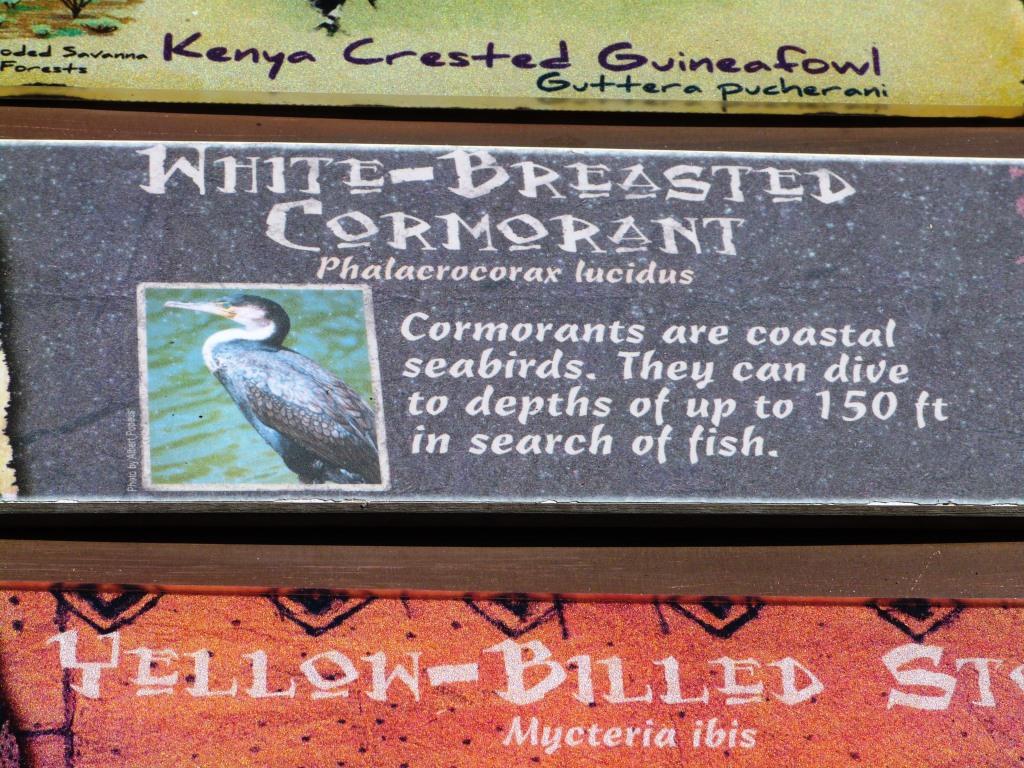
White-breasted Cormorants at Lowry Park Zoo 12-26-14 by Lee

 But the cormorant and the bittern shall possess it; the owl also and the raven shall dwell in it: and he shall stretch out upon it the line of confusion, and the stones of emptiness. (Isaiah 34:11 KJV)

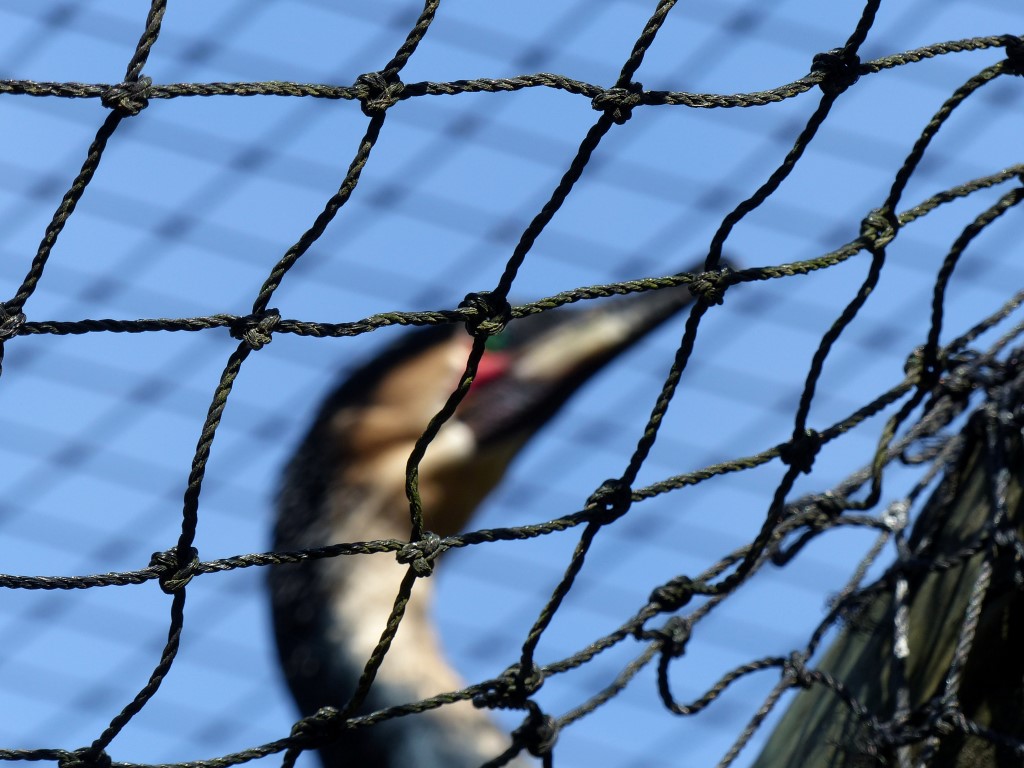
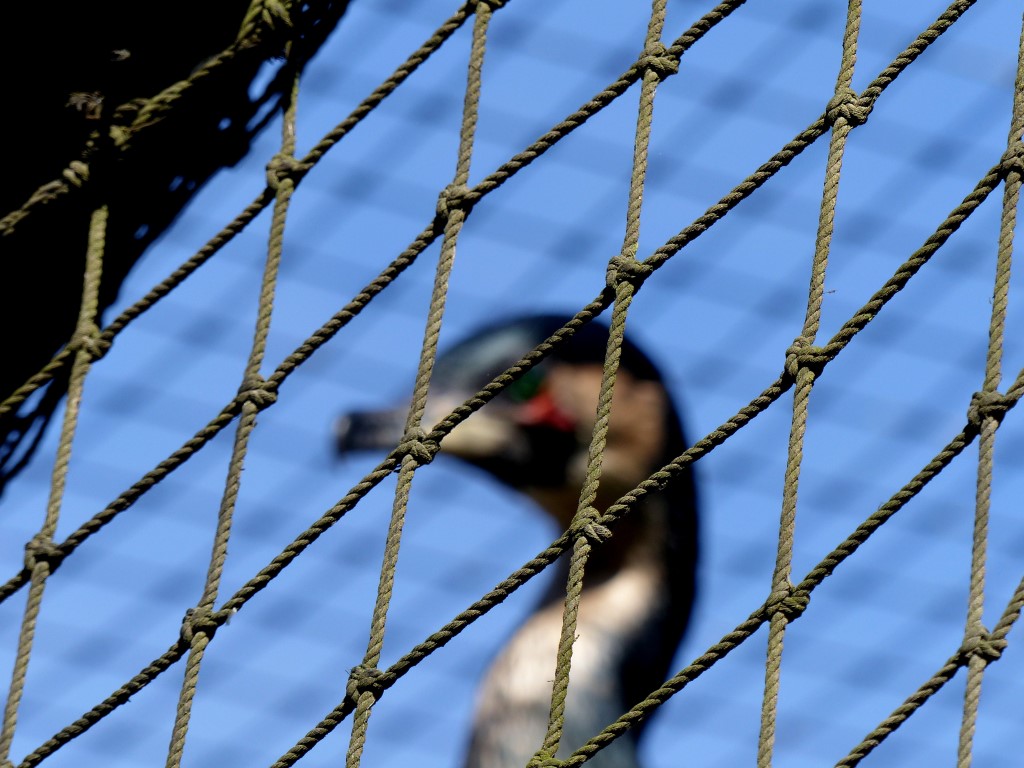
With my new Panasonic Lumix FZ200 camera in hand, off we went to Lowry Park Zoo the day after Christmas. I was itching to try out the 600 zoom compared to my 450 on the FZ47. I was content with the older camera, because as I have said before, I am a birdwatcher, not a photographer. I don’t know an “F-stop” from a “bus stop”. I shoot in Program mode.

That aside, I use the camera often, probably more than binoculars. Why? Maybe I am a little bit of a photographer because I like to see the birds when I get home. Many times I keep my bad shots because they are at least “proof shots” that I really did see the bird or to help ID it later. I leave the real good shots for Dan to take.because he knows what a “F-stop” is.

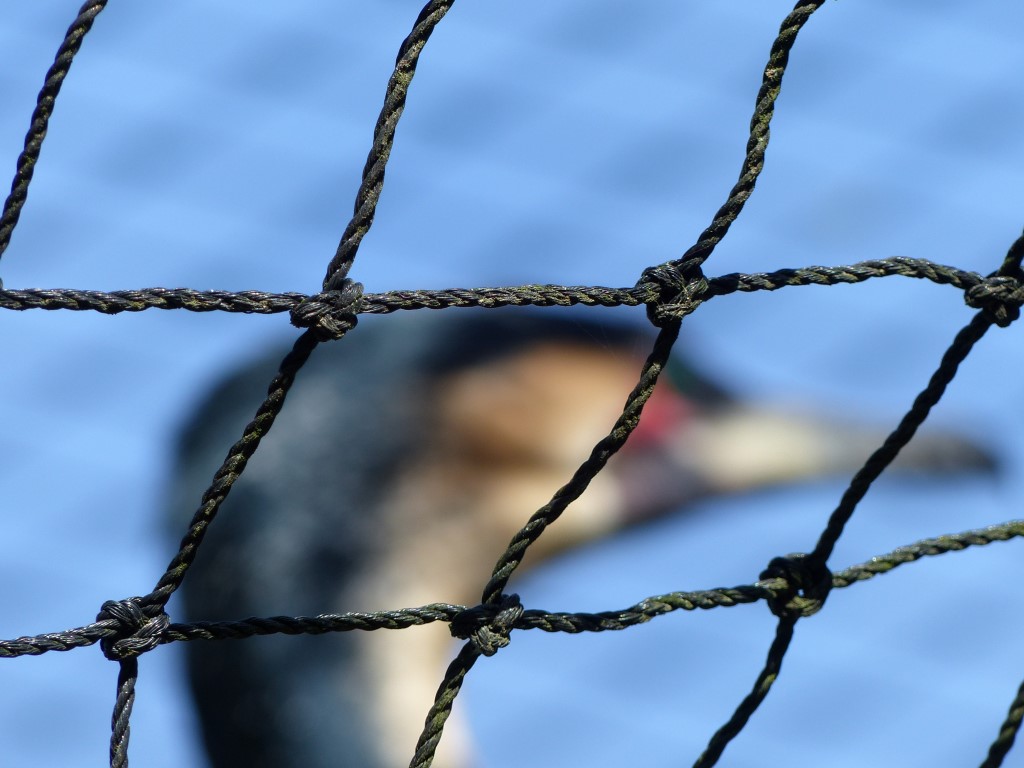
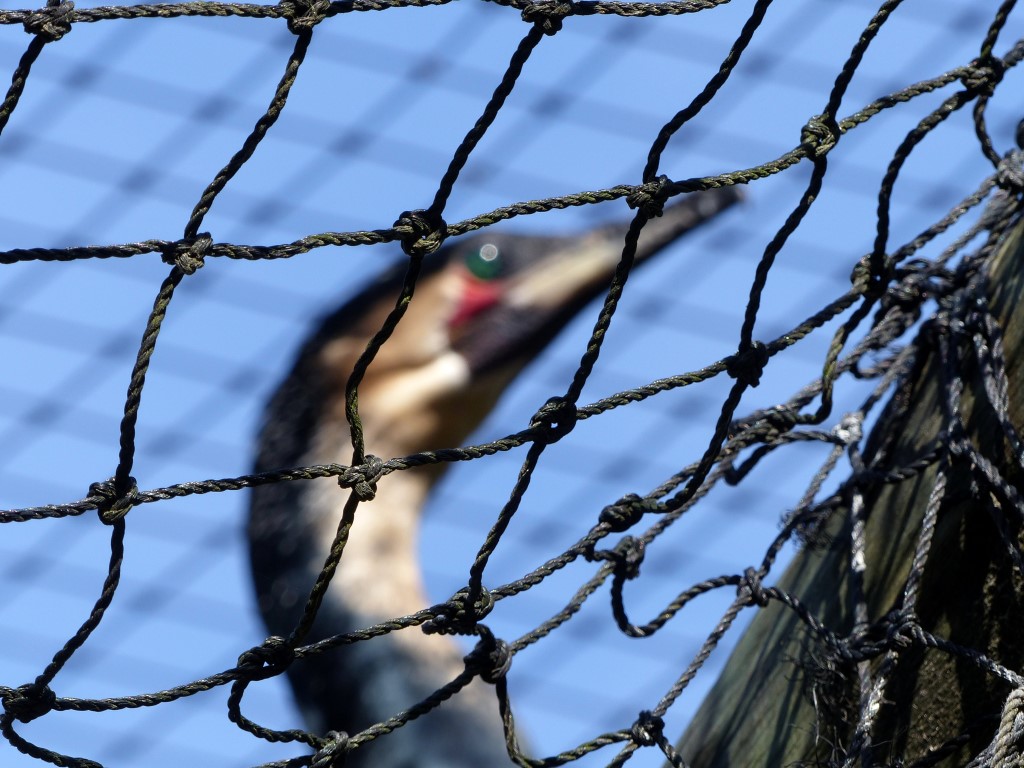
First Attempt - See the neat knots?

First Attempt – See the neat knots?

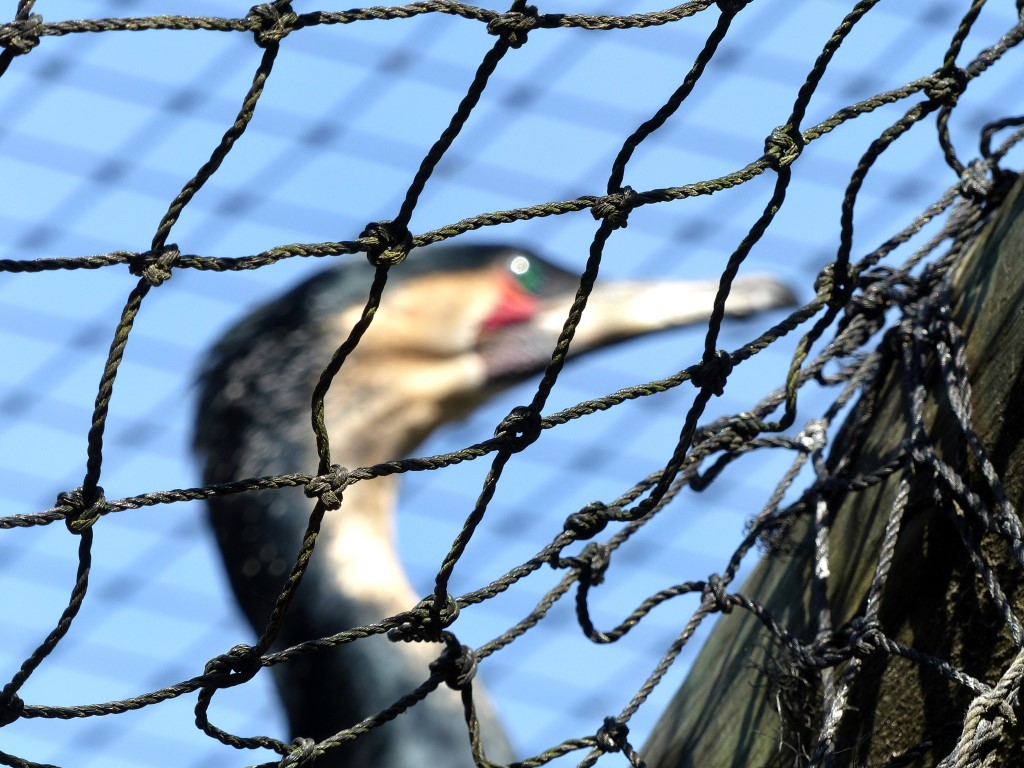
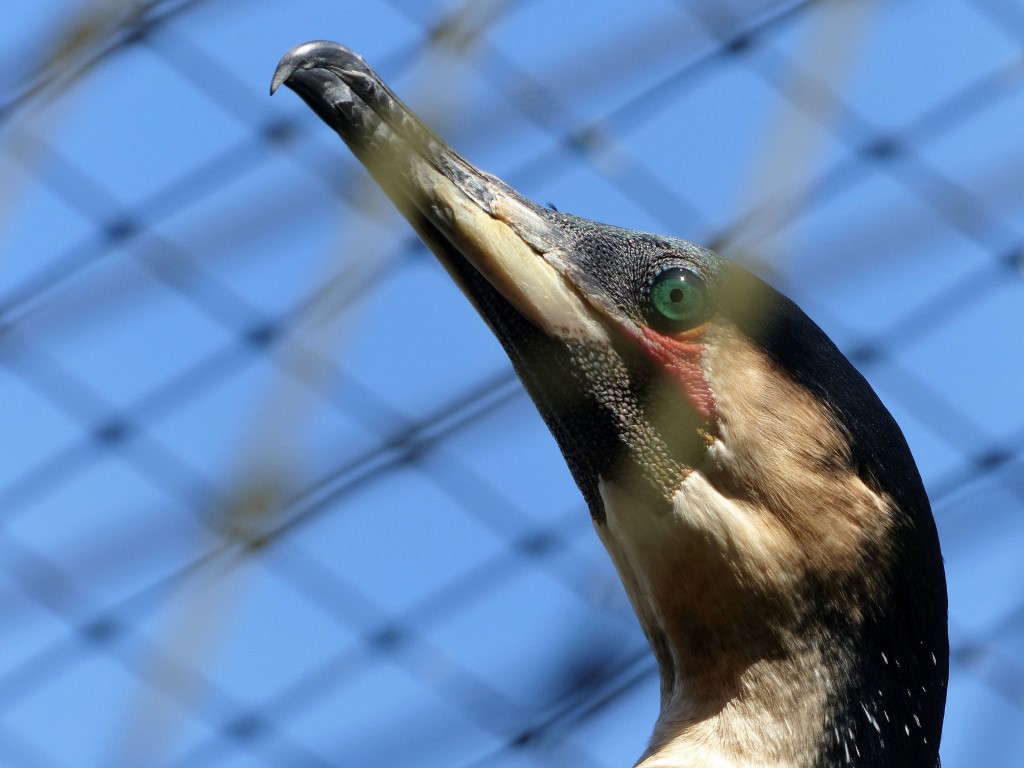
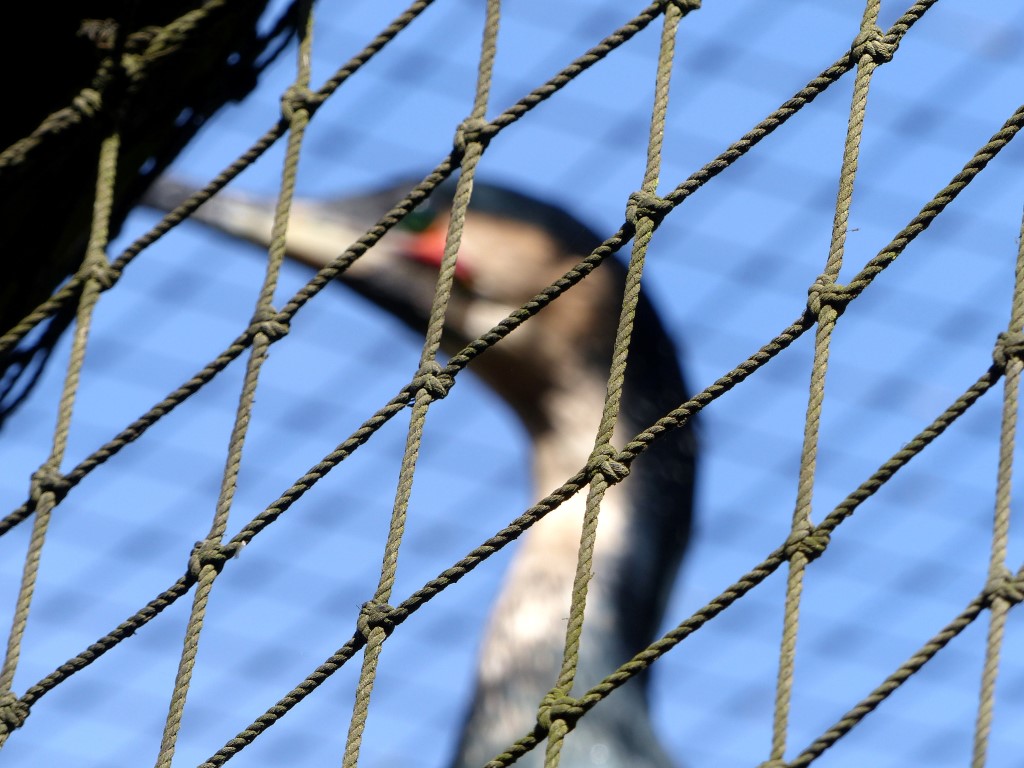
Back to my challenge. Taking photos at a Zoo can be quite challenging to say the least. Especially for “program mode” photographers. For some reason, zoos like to keep something between you and the birds, unless you are in an aviary with them. That “something” is usually a fence, bars, netting, or something to try to shoot through. They seem to like to keep their birds safe. :)

Another Attempt - Nice knots!

Another Attempt – Nice knots!

I tried again,

Nope - Not yet!

Nope – Not yet!

I backed out the zoom and tried to find the other one.

There he is

Different color netting, but same blurry bird photo.

Yuk!

Yuk!

Then, I finally got through the netting enough to see that beautiful bird.

Look at that beauty!

Look at that beauty!

Wow!

I got through the netting.

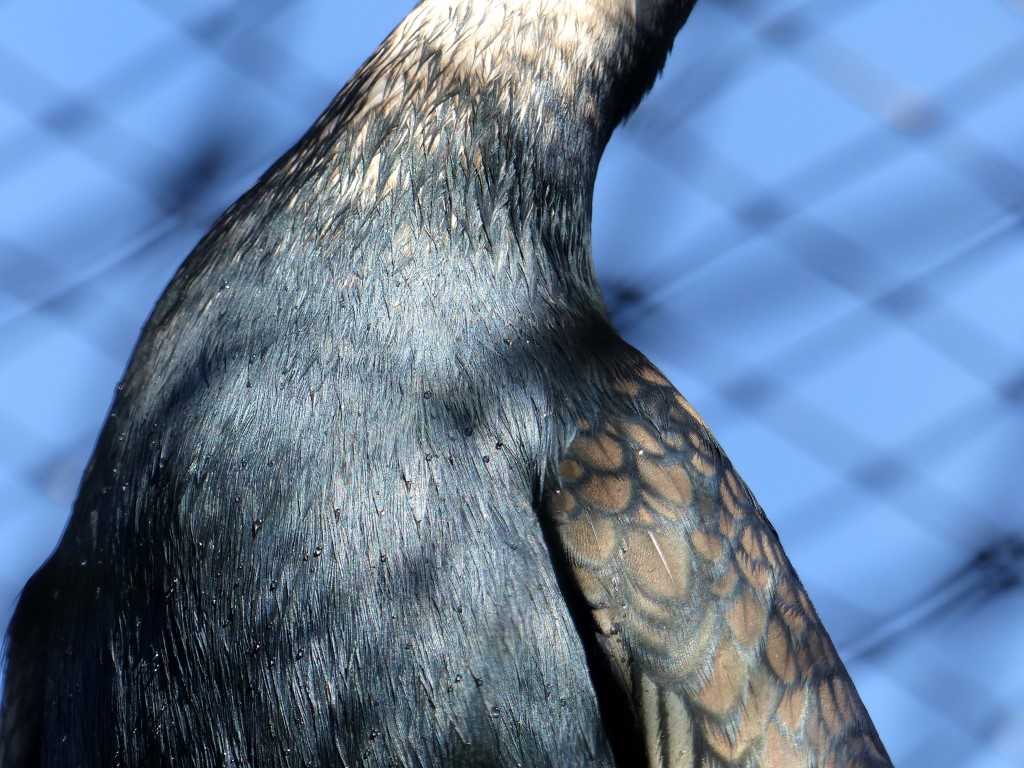
Even got the chest and some feather design.

Yeah! I got through

Yeah! I got through

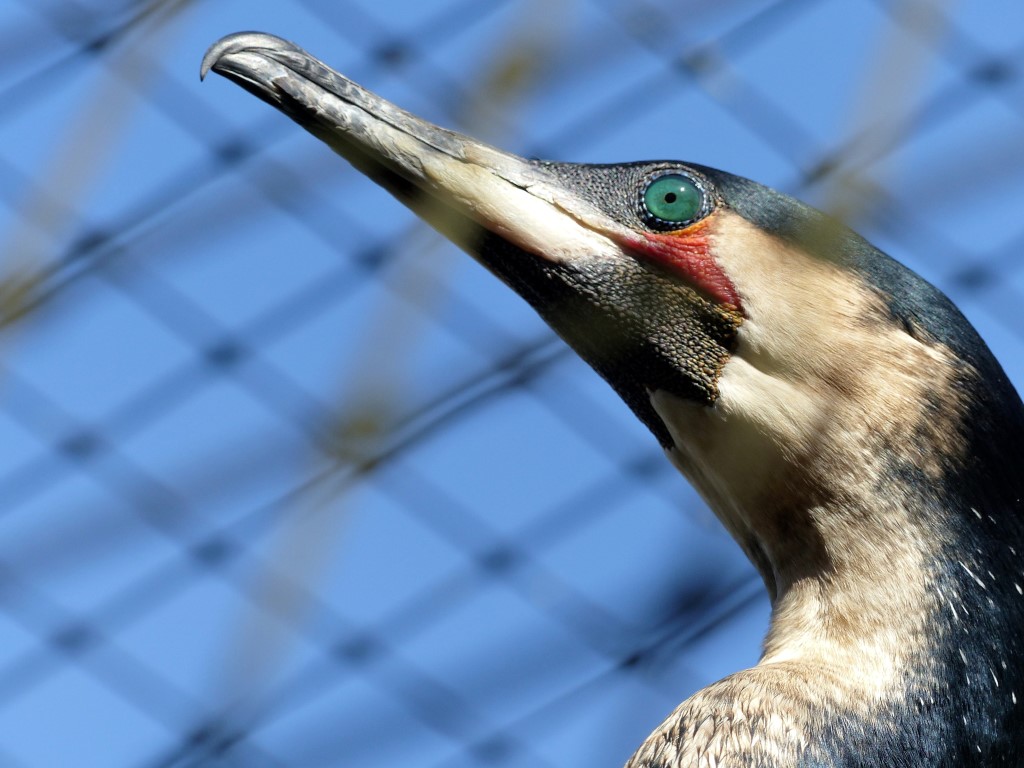
Look at those eyes!

What pretty green eyes

What pretty green eyes

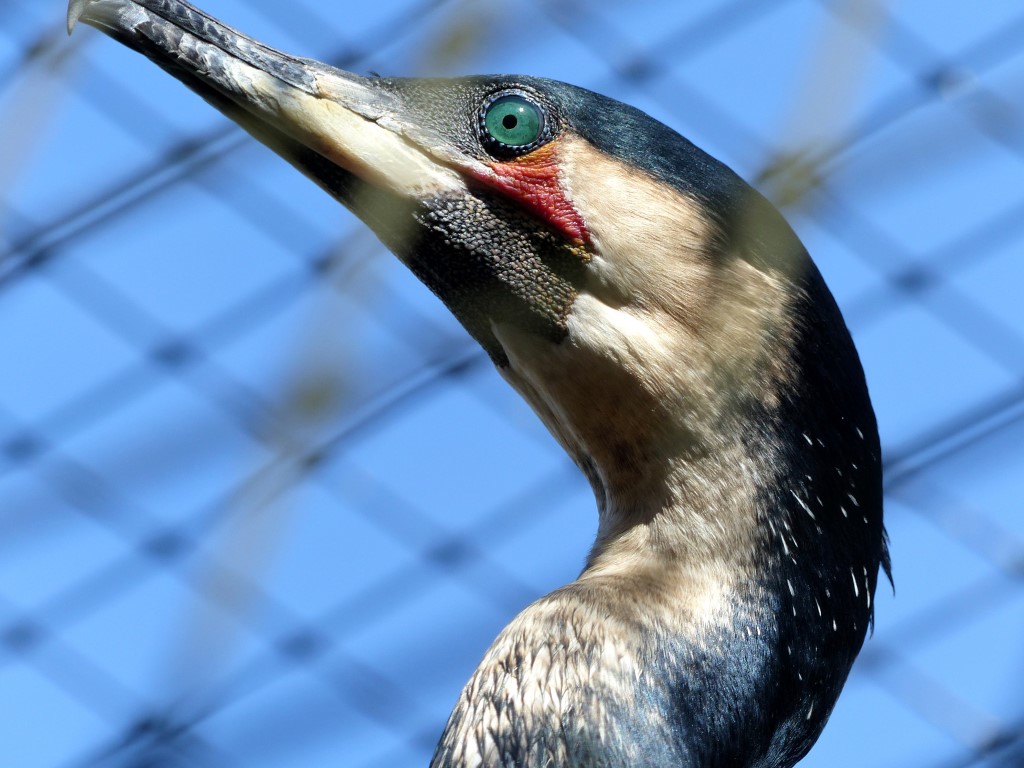
Our Creator gave the White-breasted Cormorants a beautiful eye color and overall neat appearance. Just this one encounter, trying to get a photo takes you through a wide range of emotions; frustration, wanting to give up, then determination and joy when you can finally see the bird clear. Reminds me of what I have been reading in Ecclesiastes.

To everything there is a season, A time for every purpose under heaven: …A time to weep, And a time to laugh; A time to mourn, And a time to dance; A time to cast away stones, And a time to gather stones; …A time to gain, And a time to lose; A time to keep, And a time to throw away (blurry photos); …A time to love, And a time to hate; …What profit has the worker from that in which he labors? I have seen the God-given task with which the sons of men are to be occupied. He has made everything beautiful in its time. Also He has put eternity in their hearts, except that no one can find out the work that God does from beginning to end. I know that nothing is better for them than to rejoice, and to do good in their lives, and also that every man should eat and drink and enjoy the good of all his labor—it is the gift of God. (Ecclesiastes 3:1-13 NKJV)

Enjoy all the photos of the cormorants and even some from a previous trip:

The white-breasted cormorant (Phalacrocorax lucidus) is much like the widespread great cormorant and if not a regional variant of the same species, is at least very closely related. It is distinguished from other forms of the great cormorant by its white breast and by the fact that subpopulations are freshwater birds. Phalacrocorax lucidus is not to be confused with the smaller and very different endemic South Australian black-faced cormorant, which also is sometimes called the white-breasted cormorant.

*

Birdwatching Trips

Lowry Park Zoo

White-breasted Cormorant – Wikipedia

White-breasted Cormorant – Dallas Zoo

Wordless Birds

*

The Watchman of the Old Orchard – Chapter 7

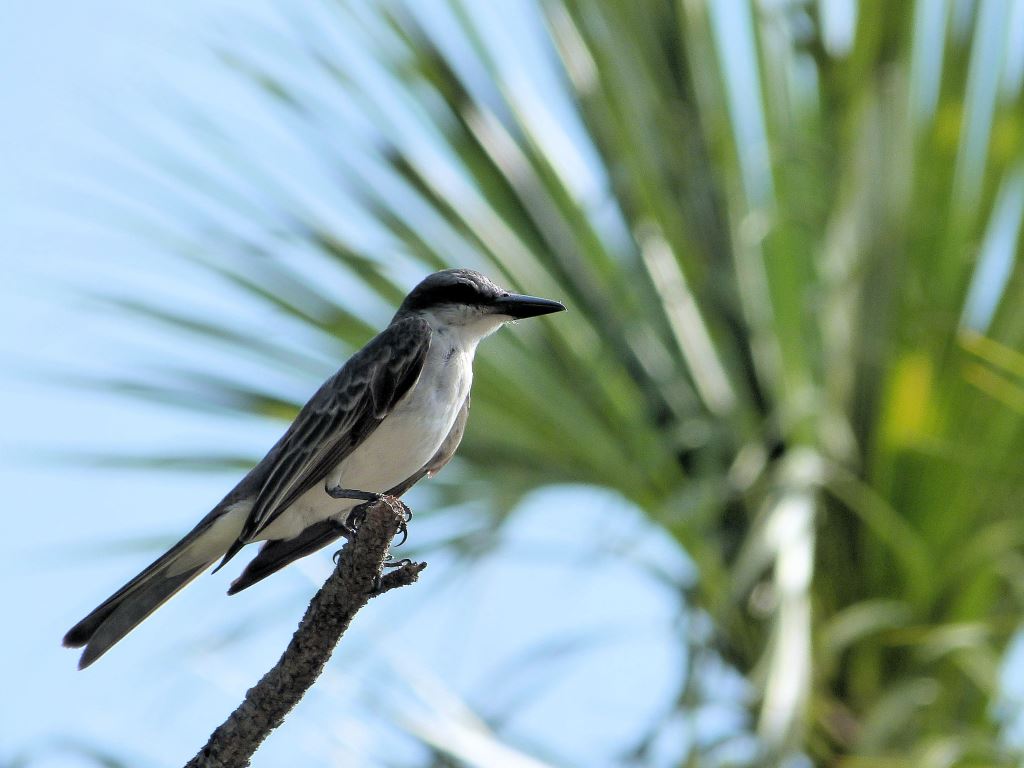
Grey Kingbird (Tyrannus dominicensis) by Lee at Honeymoon Is SP

The Watchman of the Old Orchard

The Kingbird and the Great Crested Flycatcher.

The Burgess Bird Book For Children

*

CHAPTER 7. The Watchman of the Old Orchard.

Listen to the story read.

A few days after Chebec and his wife started building their nest in the Old Orchard Peter dropped around as usual for a very early call. He found Chebec very busy hunting for materials for that nest, because, as he explained to Peter, Mrs. Chebec is very particular indeed about what her nest is made of. But he had time to tell Peter a bit of news.

“My fighting cousin and my handsomest cousin arrived together yesterday, and now our family is very well represented in the Old Orchard,” said Chebec proudly.

Slowly Peter reached over his back with his long left hind foot and thoughtfully scratched his long right ear. He didn’t like to admit that he couldn’t recall those two cousins of Chebec’s. “Did you say your fighting cousin?” he asked in a hesitating way.

“That’s what I said,” replied Chebec. “He is Scrapper the Kingbird, as of course you know. The rest of us always feel safe when he is about.

“Of course I know him,” declared Peter, his face clearing. “Where is he now?”

At that very instant a great racket broke out on the other side of the Old Orchard and in no time at all the feathered folks were hurrying from every direction, screaming at the top of their voices. Of course, Peter couldn’t be left out of anything like that, and he scampered for the scene of trouble as fast as his legs could take him. When he got there he saw Redtail the Hawk flying up and down and this way and that way, as if trying to get away from something or somebody.

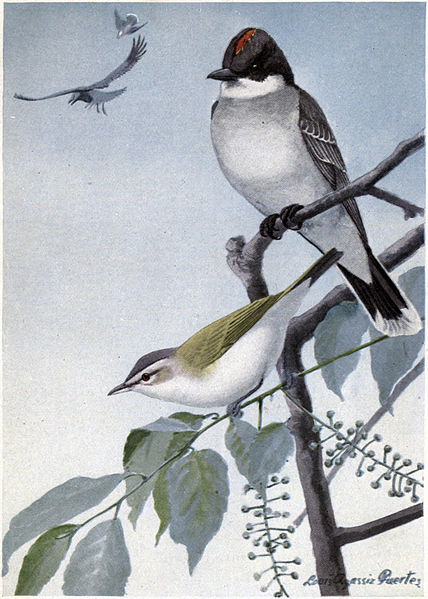
For a minute Peter couldn’t think what was the trouble with Redtail, and then he saw. A white-throated, white-breasted bird, having a black cap and back, and a broad white band across the end of his tail, was darting at Redtail as if he meant to pull out every feather in the latter’s coat.

Scrapper the Kingbird, Redeye the Vireo - Burgess Bird Book ©©

Scrapper the Kingbird, Redeye the Vireo – Burgess Bird Book ©©

He was just a little smaller than Welcome Robin, and in comparison with him Redtail was a perfect giant. But this seemed to make no difference to Scrapper, for that is who it was. He wasn’t afraid, and he intended that everybody should know it, especially Redtail. It is because of his fearlessness that he is called Kingbird. All the time he was screaming at the top of his lungs, calling Redtail a robber and every other bad name he could think of. All the other birds joined him in calling Redtail bad names. But none, not even Bully the English Sparrow, was brave enough to join him in attacking big Redtail.

When he had succeeded in driving Redtail far enough from the Old Orchard to suit him, Scrapper flew back and perched on a dead branch of one of the trees, where he received the congratulations of all his feathered neighbors. He took them quite modestly, assuring them that he had done nothing, nothing at all, but that he didn’t intend to have any of the Hawk family around the Old Orchard while he lived there. Peter couldn’t help but admire Scrapper for his courage.

As Peter looked up at Scrapper he saw that, like all the rest of the flycatchers, there was just the tiniest of hooks on the end of his bill. Scrapper’s slightly raised cap seemed all black, but if Peter could have gotten close enough, he would have found that hidden in it was a patch of orange-red. While Peter sat staring up at him Scrapper suddenly darted out into the air, and his bill snapped in quite the same way Chebec’s did when he caught a fly. But it wasn’t a fly that Scrapper had. It was a bee. Peter saw it very distinctly just as Scrapper snapped it up. It reminded Peter that he had often heard Scrapper called the Bee Martin, and now he understood why.

“Do you live on bees altogether?” asked Peter.

Eastern Kingbird (Tyrannus tyrannus) by Margaret Sloan Eating

Eastern Kingbird (Tyrannus tyrannus) by Margaret Sloan Eating

“Bless your heart, Peter, no,” replied Scrapper with a chuckle. “There wouldn’t be any honey if I did. I like bees. I like them first rate. But they form only a very small part of my food. Those that I do catch are mostly drones, and you know the drones are useless. They do no work at all. It is only by accident that I now and then catch a worker. I eat all kinds of insects that fly and some that don’t. I’m one of Farmer Brown’s best friends, if he did but know it. You can talk all you please about the wonderful eyesight of the members of the Hawk family, but if any one of them has better eyesight than I have, I’d like to know who it is. There’s a fly ‘way over there beyond that old apple-tree; watch me catch it.”

Peter knew better than to waste any effort trying to see that fly. He knew that he couldn’t have seen it had it been only one fourth that distance away. But if he couldn’t see the fly he could hear the sharp click of Scrapper’s bill, and he knew by the way Scrapper kept opening and shutting his mouth after his return that he had caught that fly and it had tasted good.

“Are you going to build in the Old Orchard this year?” asked Peter.

“Of course I am,” declared Scrapper. “I—”

Just then he spied Blacky the Crow and dashed out to meet him. Blacky saw him coming and was wise enough to suddenly appear to have no interest whatever in the Old Orchard, turning away toward the Green Meadows instead.

Peter didn’t wait for Scrapper to return. It was getting high time for him to scamper home to the dear Old Briar-patch and so he started along, lipperty-lipperty-lip. Just as he was leaving the far corner of the Old Orchard some one called him. “Peter! Oh, Peter Rabbit!” called the voice. Peter stopped abruptly, sat up very straight, looked this way, looked that way and looked the other way, every way but the right way.

“Look up over your head,” cried the voice, rather a harsh voice. Peter looked, then all in a flash it came to him who it was Chebec had meant by the handsomest member of his family. It was Cresty the Great Crested Flycatcher. He was a wee bit bigger than Scrapper the Kingbird, yet not quite so big as Welcome Robin, and more slender. His throat and breast were gray, shading into bright yellow underneath. His back and head were of a grayish-brown with a tint of olive-green. A pointed cap was all that was needed to make him quite distinguished looking. He certainly was the handsomest as well as the largest of the Flycatcher family.

Great Crested Flycatcher (Myiarchus crinitus) by Margaret Sloan

Great Crested Flycatcher (Myiarchus crinitus) by Margaret Sloan

“You seem to be in a hurry, so don’t let me detain you, Peter,” said Cresty, before Peter could find his tongue. “I just want to ask one little favor of you.”

“What is it?” asked Peter, who is always glad to do any one a favor.

“If in your roaming about you run across an old cast-off suit of Mr. Black Snake, or of any other member of the Snake family, I wish you would remember me and let me know. Will you, Peter?” said Cresty.

“A—a—a—what?” stammered Peter.

“A cast-off suit of clothes from any member of the Snake family,” replied Cresty somewhat impatiently. “Now don’t forget, Peter. I’ve got to go house hunting, but you’ll find me there or hereabouts, if it happens that you find one of those cast-off Snake suits.”

Before Peter could say another word Cresty had flown away. Peter hesitated, looking first towards the dear Old Briar-patch and then towards Jenny Wren’s house. He just couldn’t understand about those cast-off suits of the Snake family, and he felt sure that Jenny Wren could tell him. Finally curiosity got the best of him, and back he scampered, lipperty-lipperty-lip, to the foot of the tree in which Jenny Wren had her home.

“Jenny!” called Peter. “Jenny Wren! Jenny Wren!” No one answered him. He could hear Mr. Wren singing in another tree, but he couldn’t see him. “Jenny! Jenny Wren! Jenny Wren!” called Peter again. This time Jenny popped her head out, and her little eyes fairly snapped. “Didn’t I tell you the other day, Peter Rabbit, that I’m not to be disturbed? Didn’t I tell you that I’ve got seven eggs in here, and that I can’t spend any time gossiping? Didn’t I, Peter Rabbit? Didn’t I? Didn’t I?”

“You certainly did, Jenny. You certainly did, and I’m sorry to disturb you,” replied Peter meekly. “I wouldn’t have thought of doing such a thing, but I just didn’t know who else to go to.”

“Go to for what?” snapped Jenny Wren. “What is it you’ve come to me for?”

“Snake skins,” replied Peter.

“Snake skins! Snake skins!” shrieked Jenny Wren. “What are you talking about, Peter Rabbit? I never have anything to do with Snake skins and don’t want to. Ugh! It makes me shiver just to think of it.”

“You don’t understand,” cried Peter hurriedly. “What I want to know is, why should Cresty the Flycatcher ask me to please let him know if I found any cast-off suits of the Snake family? He flew away before I could ask him why he wants them, and so I came to you, because I know you know everything, especially everything concerning your neighbors.”

Jenny Wren looked as if she didn’t know whether to feel flattered or provoked. But Peter looked so innocent that she concluded he was trying to say something nice.

*

Like birds flying about, So will the LORD of hosts defend Jerusalem. Defending, He will also deliver it; Passing over, He will preserve it.” (Isaiah 31:5 NKJV)

  • Who are the two birds featured in this tale?
  • Who is the larger of the two?
  • Which one has a yellow throat and which one has a white throat?
  • Why is Scrapper called a Kingbird
  • Does Scrapper only eat bees?
  • What was Cresty looking for? Why?
  • What is another name for Scrapper?
  • What was on the tip of their bills?

*

Out of the ground the LORD God formed every beast of the field and every bird of the air, and brought them to Adam to see what he would call them. And whatever Adam called each living creature, that was its name. (Genesis 2:19 NKJV)

Links:

*

Links:

Wood Pewee of Birds Illustrated by Color Photography, 1897


Next Chapter (Old Clothes and Old Houses)


Burgess-Bird-Book-for-Children


Burgess Bird Book For Children


Savannah Sparrow by Ray   Wordless Birds

*


Merry Christmas 2014

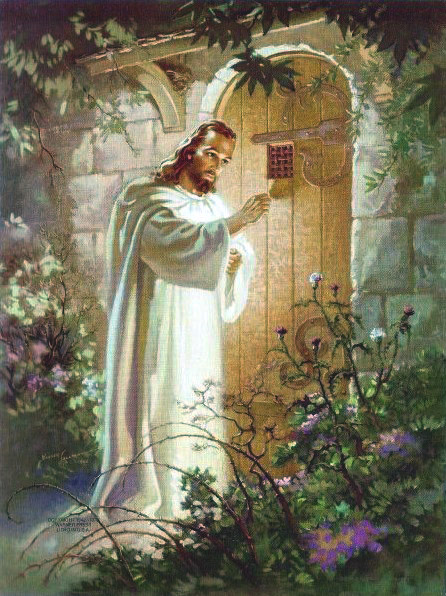
Jesus Knocking at Door

“Behold, I stand at the door, and knock: if any man hear my voice, and open the door, I will come in to him, and will sup with him, and he with me. (Revelation 3:20 KJV)”

Merry Christmas to all our readers, visitors and writers of Lee’s Birdwatching Adventures Plus. I am no longer the only writer and all of us who are involved wish you the best Christmas ever.

My thanks go to Ian, Baron Brown (Golden Eagle), James J. S. Johnson, Emma Foster, Dottie Malcolm, and other guest writers. Also, thanks to Dan, of course, and for all the photographers who have given permission to use their fantastic photos.

The best Christmas present you can ever receive is to accept Jesus Christ as your Savior. Have you put your faith and trust in the Lord and accepted Him?

*

*

Jesus saith unto him, I am the way, the truth, and the life: no man cometh unto the Father, but by me. (John 14:6 KJV)

(This video is narrated by Pastor Nathan Osborne and the music is played by Sean Fielder)

See:

Sharing the Gospel

Gideon

*

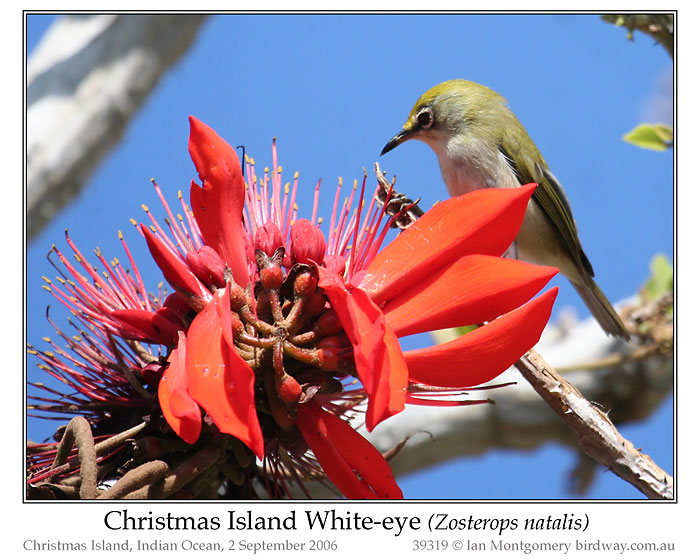
Ian’s Bird of the Week – Christmas Island White-eye

Christmas Island White-eye (Zosterops natalis) by Ian

Ian’s Bird of the World – Christmas Island White-eye ~ by Ian Montgomery

Newsletter ~ 12/23/14

Here is a Christmas Island endemic to celebrate the festive season appropriately. It’s not the most spectacular bird but all the other birds with ‘Christmas’ in the name that I’ve photographed have already featured as bird of the week.
Happily, it’s quite partial to posing beside spectacular flowers, first and third photos and its endemic status gives it special significance. The first two photos were taken at the Christmas Island Resort on the eastern side of the island, – that’s Christmas Island in the Indian Ocean, not Christmas Island (Kirimati part of Kiribati) in the Pacific. The resort used to be a casino for Indonesian high-rollers, opened by an enterprising entrepreneur in 1993 following the closure in 1981 of the three licensed Indonesian casinos in Jakarta, a mere one hour away by private jet. It closed in 1998, a victim of the Asian financial crisis and was empty when we visited it in 2006. It has recently reopened as an ordinary resort, promoting more socially acceptable activities such as honeymoons and bird watching.

The White-eye is quite abundant on the island. The third photo was taken in the grounds of Government House, where the Governor used to live. It was also empty in 2006, the Administrator choosing to live in more democratic surroundings. Government House is just across the bay from Flying Fish Cove and it is good for bird watching. If I were Administrator, I would prefer to live there. There is supposed to be a small population persisting in the Cocos (Keeling) Islands, introduced between 1885 and 1900, but there is disagreement between Handbook of Birds of the World and BirdLife International as to where it survives (Horsburgh Island or around the settlement on West Island, respectively).

Anyway, below is my best wishes for Christmas and New Year. I’m avoiding ‘Merry’ as it suggests drunkeness and ‘Prosperous’  as it seems a bit greedy, so interpret the message how it accords best with you.

I think the bird on the left is a Grey Heron as it has a crest and the one on the right a White Stork  a well-loved bird in Strasbourg. We did go looking for them in a park in early October where they occur, but they had already left for the winter and we had to wait until we got to the Pyrenees before we caught up with any:

Greetings
Ian
**************************************************
Ian Montgomery, Birdway Pty Ltd,
454 Forestry Road, Bluewater, Qld 4818
Tel 0411 602 737 ian@birdway.com.au
Bird Photos http://www.birdway.com.au/
Where to Find Birds in Northern QueenslandiTunesGoogle Play Kobo Books
Recorder Society http://www.nqrs.org.au

Lee’s Addition:

“But as it is written, Eye hath not seen, nor ear heard, neither have entered into the heart of man, the things which God hath prepared for them that love him. (1 Corinthians 2:9 KJV)

This was a pleasant surprise article from Ian. Wasn’t expecting one so soon. How appropriate though. I especially love that first picture.

White-eyes are members of the Zosteropidae – White-eyes Family. There are 128 species that make up the family, of which 96 are White-eyes.

*

*
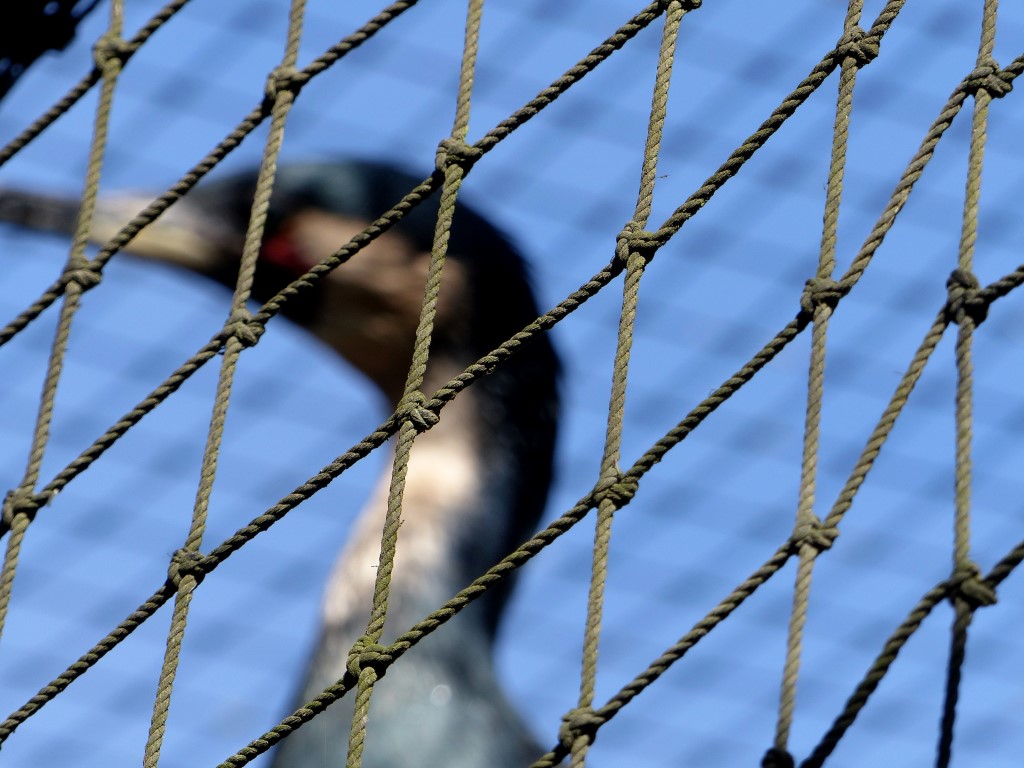
Ian’s Bird of the Week – Squatter Pigeon

Squatter Pigeon (Geophaps scripta) by Ian

Ian’s Bird of the Week – Squatter Pigeon

~ by Ian Montgomery

Newsletter – 12-18-14

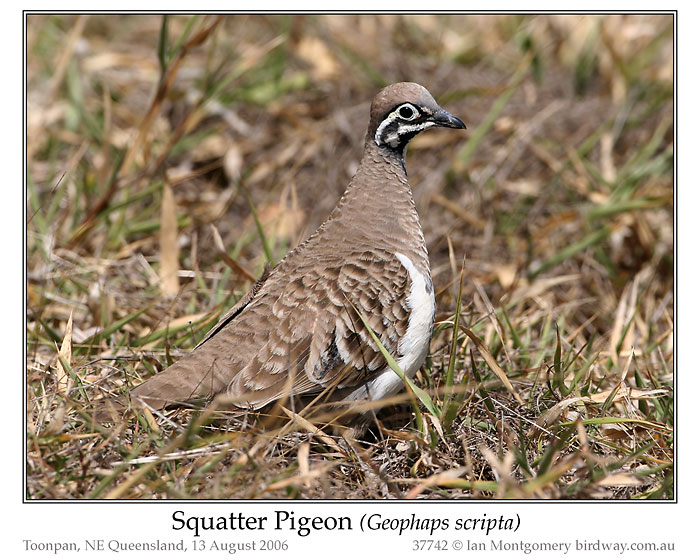
The series of raptors from Europe is perhaps a hard act to follow, so here is something quite different from much closer to (my) home: the Squatter Pigeon,an attractive ground pigeon not uncommon in the drier areas of northern Queensland. Its range used to extend to northern New South Wales, but it is very rare or extinct there and has declined in southern areas of Queensland. The reasons for its decline are not clear but is thought to be due to grazing pressure and perhaps predation by foxes and feral cats.

Toonpan, a short drive south of Townsville on the Flinders Highway is a good spot for this species. When Ross River Dam was built, part of the highway between Toonpan and Townsville was flooded and a new highway was built on higher ground. The old highway still exists and is a quiet roadway through grassland, popular with birders. The habitat in the second photo – taken from the ebook Where to Find Birds in North Queensland – may look uninspiring, but can be very productive often producing other such specialties such as Australian Bustard, various finches including Black-throated and, in winter on powerlines, Red-backed Kingfishers.

Mt Elliot from Old Flinders Highway, Toonpan, by IanIt’s not clear where the name Squatter Pigeon came from, presumably either from its habit of crouching and freezing when disturbed or because of its association with the cattle stations, the original occupants of which were called squatters. It was originally named by the Dutch zoologist Temminck in 1821 and he seemed very taken with it. Like Bonelli in the previous Bird of the Week, he published in French, calling it the Colombe marquetée and describing how each patch of white on the face was framed with black, producing an effect like ‘a sort of marquetry. He gave it the scientific name Geophaps scripta, meaning ‘ground pigeon with writing’, ‘phaps’ being the Greek for pigeon. Temminck, incidentally, named many species of animals and various others were named in his honour, such a Temminck’s Stint.

Squatter Pigeon (Geophaps scripta) by Ian

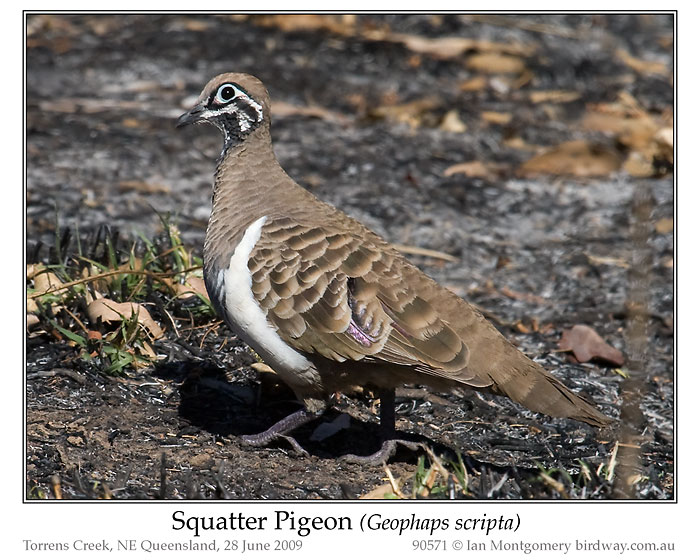
Sometimes you can see the iridescent feathers on the wing, third photo, a display feature shared with other ground pigeons notably the Bronzewings These feathers are usually hidden in Squatter Pigeons except in display and flight. The body shape is broken up by the white stripe between the breast and the wings, and the black and white facial markings disguise the head and make the eye less conspicuous. Squatter Pigeons nest in a scrape on the ground, so camouflage is important and it is easy to appreciate that a motionless bird crouching on the ground would be quite hard to spot.

Squatter Pigeon (Geophaps scripta) by Ian

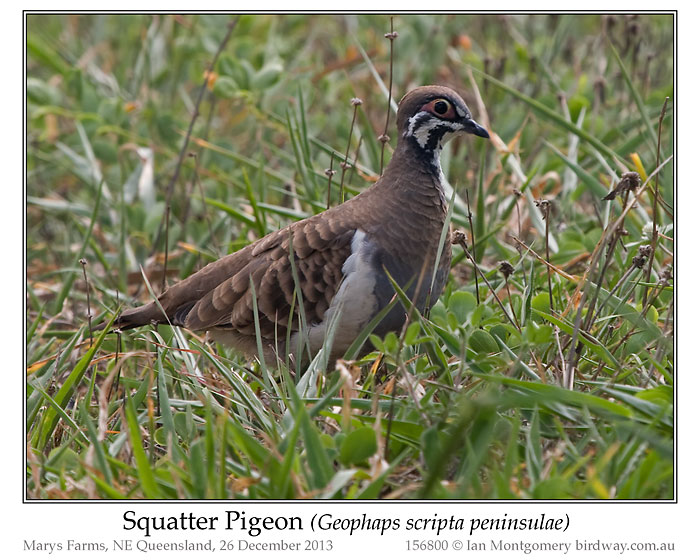
If you look carefully at both bare facial skin of both the Toonpan bird and the one in the third photo taken much farther west along the Flinders Highway, you’ll see the the skin is mainly pale blue around the eye with some pink at the edges in front and behind the eye. Two races of Squatter Pigeon have been described, with the nominate southern race having completely blue facial skin – fourth photo near Carnarvon Gorge – and a Cape York race peninsulae having reddish facial skin. The two races are not geographically well-defined and there is a broad band of intergradation with mixed blue and pink in the Townsville area.

Squatter Pigeon (Geophaps scripta) by Ian

Photos five and six show examples of the Cape York race. Both Marys Farms and the Mitchell River catchment are in the Mount Carbine district south of Cape York proper. The bird in the last photo is perched fairly high in a tree, just to prove that it will sometimes take refuge in trees.

Squatter Pigeon (Geophaps scripta) by Ian

It is the blue-faced southern race that has declined most and is regarded as ‘vulnerable’. The Cape York race and the hybrids in the Townsville district are still reasonably common. The Partridge Pigeon, G. smithii, replaces it in northwestern Australia. It also has races with different coloured faces, red in the Top End of the Northern Territory and yellow in the Kimberley district of northern Western Australia. It has also declined. Although I have seen it in Kakadu National Park I haven’t yet photographed it.

Greetings
Ian

**************************************************
Ian Montgomery, Birdway Pty Ltd,
454 Forestry Road, Bluewater, Qld 4818
Tel 0411 602 737 ian@birdway.com.au
Bird Photos http://www.birdway.com.au/
Recorder Society http://www.nqrs.org.au


Lee’s Addition:

“Behold, I send you forth as sheep in the midst of wolves: be ye therefore wise as serpents, and harmless as doves. (Matthew 10:16 KJV)

I like the markings on their faces. They are interesting, yet, it doesn’t keep them from being camouflaged.

The Squatter Pigeons belong to the Columbidae – Pigeons, Doves Family. (Only bird named Squatter in IOC 4.4 list)

“The Squatter Pigeon (southern) is a medium-sized, ground-dwelling pigeon that measures approximately 30 cm in length and weighs about 190-250 g. The adults are predominantly grey-brown, but have black and white stripes on the face and throat, blue-grey skin around the eyes, dark-brown (and some patches of iridescent green or violet) on the upper surfaces of the wings, blue-grey on the lower breast and belly, white on the lower region, flanks of the belly and extending onto the under surfaces of the wings, and a blackish-brown band along the trailing edge of the tail. They have black bills, dark-brown irises, and dull-purple legs and feet. The sexes are similar in appearance (Higgins & Davies 1996).

Juvenile Squatter Pigeons (southern) can be distinguished from the adults by their duller colouring, the patchy, less distinctive appearance of their black and white facial stripes, and the paler colouring (buff to pale-yellow) of the facial skin (Higgins & Davies 1996).

The southern and northern subspecies of the Squatter Pigeon are virtually identical except the southern subspecies tends to be slightly larger in the body, and the skin around the eyes is predominantly blue-grey compared to yellowy-orange to orange-red in the northern subspecies (Crome 1976b; Ford 1986; Higgins & Davies 1996; Squatter Pigeon Workshop 2011).” (from Australian Government)

*

Found a YouTube of Squatter Pigeons

*

Sunday Inspiration – Humbleness of The Creator

Birth of Christ (from an e-mail-source unknown)

“Let this mind be in you, which was also in Christ Jesus: Who, being in the form of God, thought it not robbery to be equal with God: But made himself of no reputation, and took upon him the form of a servant, and was made in the likeness of men: And being found in fashion as a man, he humbled himself, and became obedient unto death, even the death of the cross. Wherefore God also hath highly exalted him, and given him a name which is above every name: That at the name of Jesus every knee should bow, of things in heaven, and things in earth, and things under the earth; And that every tongue should confess that Jesus Christ is Lord, to the glory of God the Father.”(Philippians 2:5-11 KJV)

The Creator, of all the birds we like to feature here, humbled Himself to come in sinless flesh, to die for us. resurrect Himself, and provide Salvation for us. Don’t let that important point be lost in all the activities of Christmas.

We here, at the blog, trust you have a very Merry Christmas and enjoy seeing some of His Created birds as you listen to the music.

This slideshow requires JavaScript.

*
“Now when Jesus was born in Bethlehem of Judaea in the days of Herod the king, behold, there came wise men from the east to Jerusalem, Saying, Where is he that is born King of the Jews? for we have seen his star in the east, and are come to worship him”. (Matthew 2:1-2 KJV)

“The fear of the LORD is the beginning of wisdom: a good understanding have all they that do his commandments: his praise endureth for ever.” (Psalms 111:10 KJV)

“Wise Men Still Seek Him” – Pastor Jerry, Jessie, Caleb and Choir – FBC

(From our Christmas Program last Sunday night)

*

*