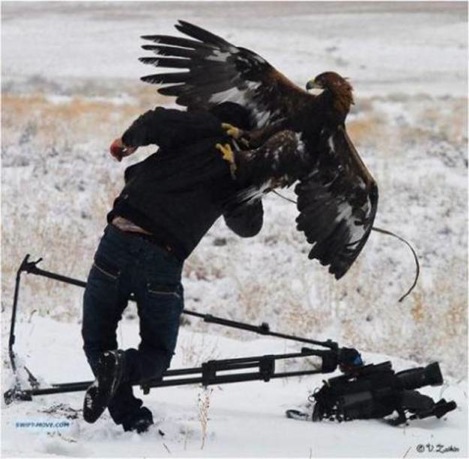
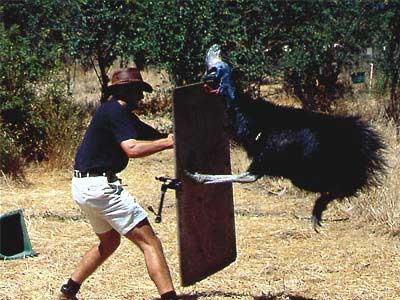
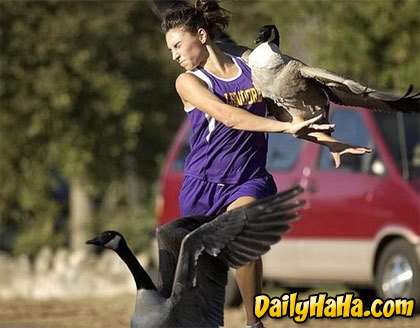
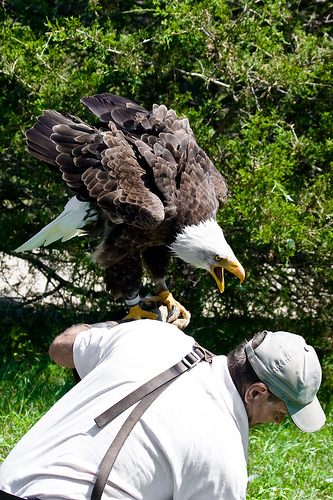
Don’t sit around the house. Get out and enjoy nature!

This is from an e-mail and thought all of us birdwatchers and photographers might enjoy it.

Don’t sit around the house.

Get out and enjoy nature!

Don't sit around the house 1Don't sit around the house 2Don't sit around the house 3Don't sit around the house 4Don't sit around the house 6Don't sit around the house 7Don't sit around the house 8Don't sit around the house 9Don't sit around the house 10Don't sit around the house 11Don't sit around the house 12Don't sit around the house 13Don't sit around the house 14Don't sit around the house 15*

Never mind, go back inside.

Be anxious for nothing, but in everything by prayer and supplication, with thanksgiving, let your requests be made known to God; (Philippians 4:6 NKJV)

Sunday Inspiration – Turacos

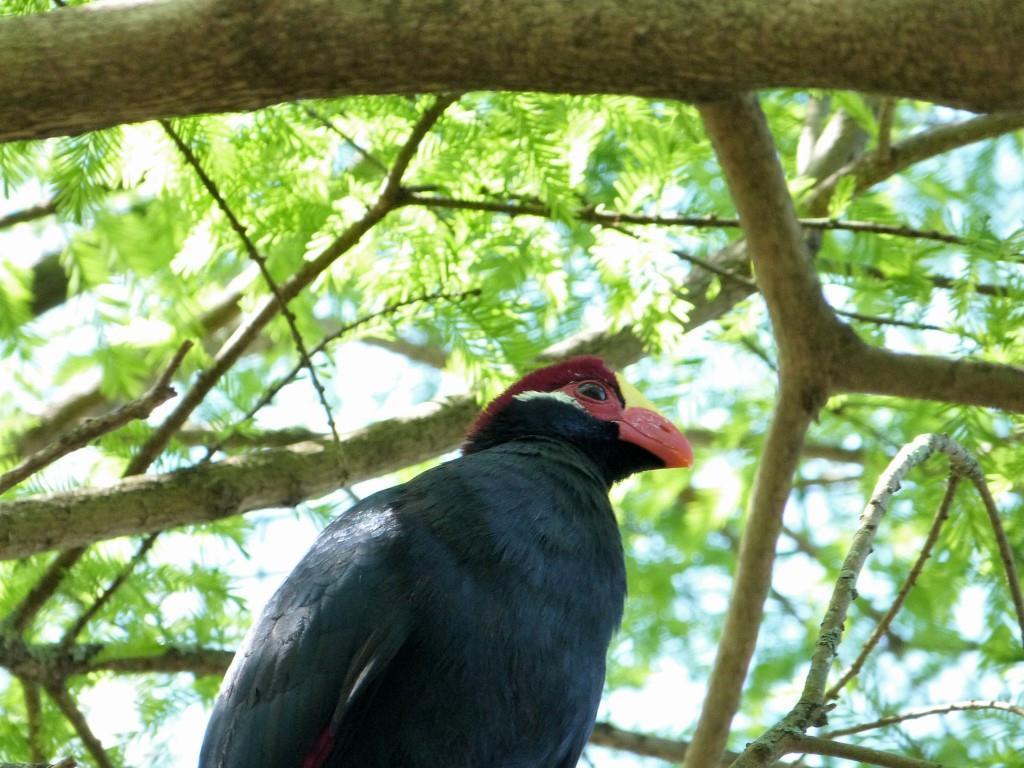
Violet Turaco (Musophaga violacea) by Lee at LPZ

Violet Turaco (Musophaga violacea) by Lee at LPZ


Then God said, “Let the waters abound with an abundance of living creatures, and let birds fly above the earth across the face of the firmament of the heavens.” (Genesis 1:20 NKJV)

The Turacos belong to the Musophagidae – Turacos Family which includes 17 Turacos, 3 Go-away-birds and 2 Plantain-eaters.

The Turacos make up the bird family Musophagidae (literally “banana-eaters”), which includes plantain-eaters and go-away-birds. In southern Africa both turacos and go-away-birds are commonly known as louries. They are semi-zygodactylous – the fourth (outer) toe can be switched back and forth. The second and third toes, which always point forward, are conjoined in some species. Musophagids often have prominent crests and long tails; the turacos are noted for peculiar and unique pigments giving them their bright green and red feathers.

The plumage of Go-away-birds and plantain-eaters is mainly grey and white. The turacos on the other hand are brightly coloured birds, usually blue, green or purple.

This slideshow requires JavaScript.

*

*

“Redeemed Medley” – by Faith Baptist Choir – 2-9-2014

See:

*

More Sunday Inspiration

*

Happy Valentine’s Day 2014

8. Bleeding Heart Pigeons

Bleeding Heart Pigeons

And thou shalt love the Lord thy God with all thy heart, and with all thy soul, and with all thy mind, and with all thy strength: this is the first commandment. And the second is like, namely this, Thou shalt love thy neighbour as thyself. There is none other commandment greater than these. (Mark 12:30-31 KJV)

Trust you are having a very Happy Valentine’s Day.

(p.s. Still struggling with computer.)

*

Having Computer Problems and Bad Weather

Brevard Zoo 120913 by Lee

Red-crested Turaco (Tauraco erythrolophus) Brevard Zoo by Lee

Then they cry unto the LORD in their trouble, and he bringeth them out of their distresses. He maketh the storm a calm, so that the waves thereof are still. Then are they glad because they be quiet; so he bringeth them unto their desired haven. Oh that men would praise the LORD for his goodness, and for his wonderful works to the children of men! (Psalms 107:28-31 KJV)

Having problems with computer and under sever weather alert. Will get a real article up soon.

*

Peter’s Crow From The Sky

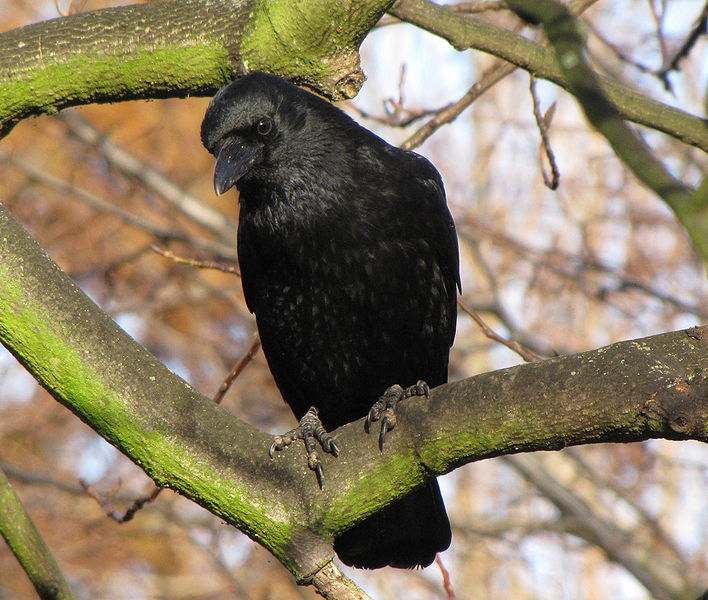
Carrion Crow (Corvus corone) Southend-on-Sea England ©WikiC

Carrion Crow (Corvus corone) Southend-on-Sea England ©WikiC

Who provideth for the raven his food? when his young ones cry unto God, they wander for lack of meat. (Job 38:41 KJV)

Here’s a true account of a bird that seemingly ‘dropped ‘ out of the sky and landed near to my feet.

How can I forget when one sunny spring morning a young crow landed exhausted at my feet whilst I was gardening. I picked him up and placed him on a ledge protruding from a large bird house. ” Wait there !! ” I told him, which seemed a bit silly because that bird was in no physical condition to go anywhere for a few days. Neither did he speak English ?

I kept feeding him and spending time talking to him until about 3 days later he hopped on to my head and allowed me to carry on doing some gardening.

Just for fun I knocked at my back door and enquired of my wife if she had seen my bird that day. It was now “my bird ” and it fluttered on to her head ( I still have the photograph ) Might I say it is a rare photo because I am told that not many Dutch women have been seen walking around with a live crow on their heads.

Having established a ” motherly ” relationship with a beautiful shiny black crow I was not really surprised when he used to fly from window to window to check if I was at home. I warned visitors who used my upstairs bathroom that my crow might try to peep in the window whilst looking for me.

It only seemed like a few weeks and my crow seemed to enjoy himself and the regular food I gave him. He must have stayed in my large bird house at night and seemed so pleased to see me every day.

One day whilst out in the garden with my new-found friend, on his feeding perch, there came the sound from above of some crows circling and making crow noises. They seemed to fly away but flew even lower as they spotted “my bird ”

I would like to put a Christian analogy to this story and say that “he heard the call from on high ” then spread his now strong wings and flew heavenward to join his family.

Sometimes I wonder why God speaks to us through His creation but I know that my Heavenly Father sees even the sparrow fall. I kinda believe that He gave ‘my bird ‘  just enough strength to make it to His bird-loving son. It was a short time of teaching and one that I’ll never forget.

ps. On another occasion I tamed a blackbird who use to walk behind me…………….

By Peter England, U.K.


Lee’s Addition:

Peter England is a retired pastor who lives in England. He is sending me some of his stories about his encounters with birds from a Christian perspective. I trust we will enjoy these.

He didn’t say what type of Crow, so this is one of the English Crows. Crows and Ravens are in the same family.

Another article by Peter:

The Whole Creation Has Been Groaning………..

*


How Do You Bird Watch?

Black-bellied Whistling Ducks

Black-bellied Whistling Ducks at Circle B by Lee

Observe and consider the ravens; for they neither sow nor reap, they have neither storehouse nor barn; and [yet] God feeds them. Of how much more worth are you than the birds!
(Luke 12:24 AMP)

It would be interesting to hear from those readers who go birdwatching or watch birds, even if it is only from your window. Consider leaving comments so that we can understand that there are various methods.

As for me, my ways of birdwatching have changed over the years. First, I became more aware of the birds around me by a naturalist at a local park in south Florida. We started with simple things like not staring at a tree, but use “soft eyes” to watch for movement. After that, she showed me how to hold and adjust the binoculars. What a difference that made. Notes and a good bird book came next. The rest is history. I love birds and enjoy seeing how beautifully they were created.

Over time, I wanted to see how many birds I could get on a list. Many people like to birdwatch this way. They will go to great heights (literally) to find a new bird for their list. I would put Ian in that category. Don’t you just enjoy reading about his birdwatching adventures.

Dan searching for something to photo

Dan searching for something to photograph

Many like Dan, Ian, and our other photographers enjoy the challenge of photography. It is not always easy to get a great photo, especially when the birds don’t wait for you to get all the settings right.
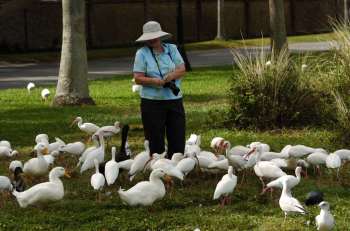
Lee at Lake Morton by Dan

Lee at Lake Morton by Dan

Some like to feed the wildlife at home or a park and watch whoever shows up at that location.

Then you have every thing in between. Some enjoy going on birdwatching trips with other birders. This can be very helpful when you are just learning about the birds.

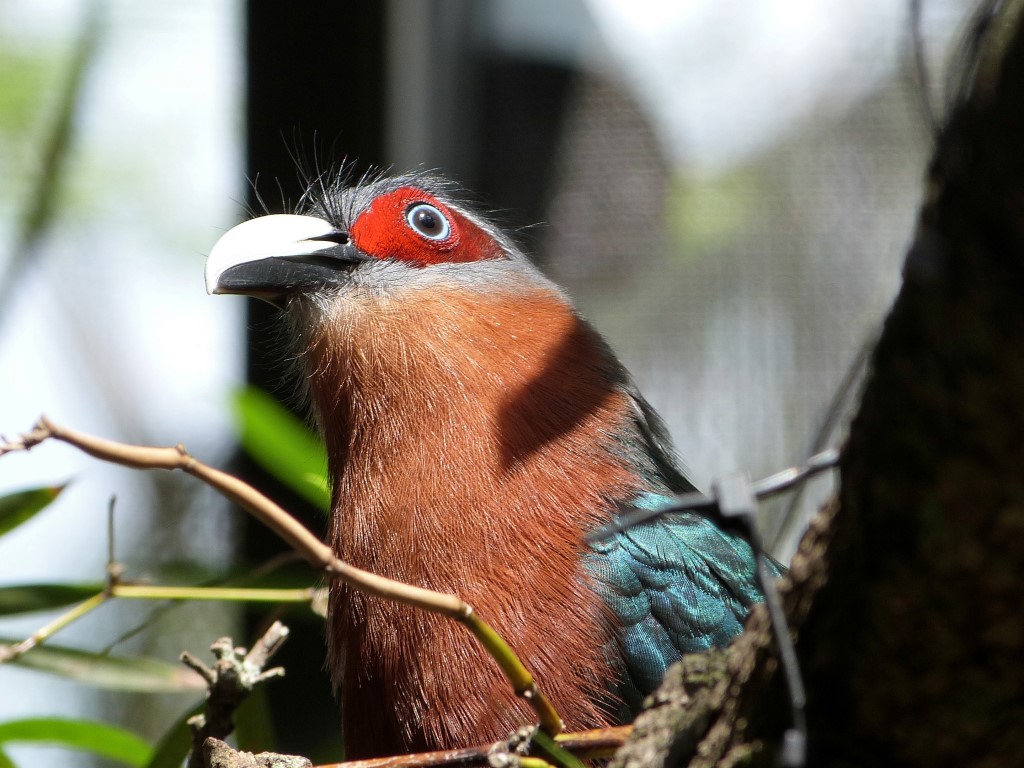
Chestnut-breasted Malkoha (Phaenicophaeus curvirostris) Palm Beach Zoo by Lee

Chestnut-breasted Malkoha (Phaenicophaeus curvirostris) Palm Beach Zoo by Lee

Today, I have mellowed somewhat. Between an issue with my feet and legs, I can no longer walk great distances. My age is also becoming a factor. I enjoy watching birds wherever they are including the Zoos. Those are easier for me to handle and actually, get to see the birds for longer periods of time and at closer ranges. That also allows me to see birds from other areas that I will never be able to get to.

I think I am actually becoming a bird “watcher.” I enjoy just seeing what they are up to or how they are put together. Like those feet I mentioned in the last article. Finding Birds in the Bible and Birds in Hymns are also pleasurable for me.

Black-bellied Whistling Duck (Dendrocygna autumnalis) Feet by Lee at PB Zoo

Black-bellied Whistling Duck Feet by Lee at PB Zoo

Is any one way of birdwatching any better than another? Not to my way of thinking. They are all fine methods and there are plenty of birds out there for all of us to enjoy.

What is your method or what gives you the most enjoyment when you are out on a “birdwatching adventure”?

*

Ian’s Bird of the Week

A J Mithra’s way of mixing birds and Scripture.

Check out our photographers down the sidebar.

Our Guest Writers

Most of the rest are my adventures plus the –

Birds in the Bible and Birds in Hymns

*

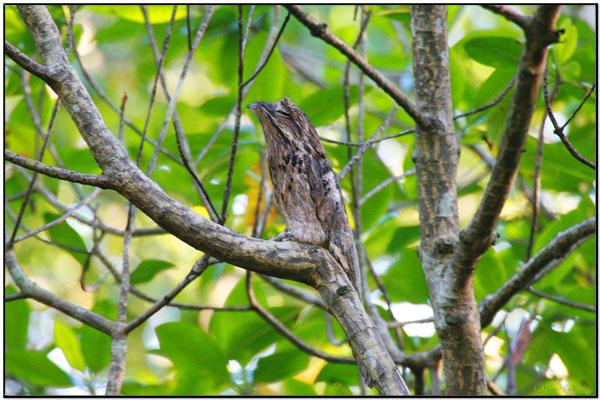
The Common Potoo – Video

Common Potoo (Nyctibius griseus) by Daves BirdingPix

Common Potoo (Nyctibius griseus) by Daves BirdingPix

Thought I would share this video with you. A friend suggested that I watch it. It is really good.

Also, I didn’t do the usual Sunday Inspiration today because of honoring A J Mithra. It has affected me greatly. He had become a dear friend and I will miss him. I know he is enjoying the Lord’s presence, but there is still sadness here.

The world’s most brazenly hidden bird — the Common Potoo by jonnytropics

*

Potoos are members of the Nyctibiidae – Potoos Family. There are seven species and the Lord has given them an appearance of wood or some camouflaged look.

This verse is out of context, but it describes our bird.

It stood still, but I could not discern its appearance. A form was before my eyes; there was silence, ….. (Job 4:16)

*

Nyctibiidae – Potoos Family

Wordless Birds

*

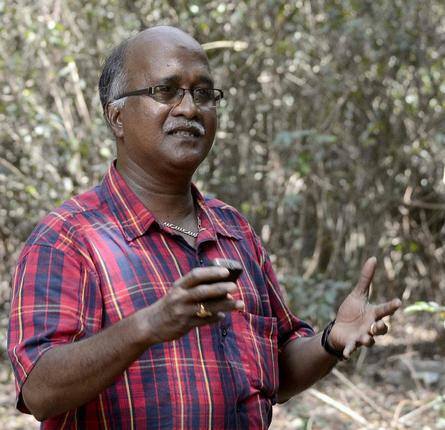
A J Mithra – Now With His Lord

A J Mithra

A J Mithra

We are confident, yes, well pleased rather to be absent from the body and to be present with the Lord. (2 Corinthians 5:8)

I just received word that A. J. Mithra passed away yesterday, Friday, January 31, 2014, of a cardiac arrest. They had the funeral today. A J was 54 and is survived by his wife and two children. He knew the Lord as his personal Saviour and we know that He is in the presence of the Lord.

The Times of India has this article: Chronicler of birdsong Mithra falls silent. His Facebook page, Aj Mithra, is still active for now.

I knew he has not sent many articles lately and when I contacted him recently, he told me that he was not feeling well. Here is an excerpt for that e-mail.

So many things had happened during the past few months.. Our son had a fall while playing basketball and developed a hairline crack. Then my wife’s vocal chord got so bad that she was asked to stop talking for two months.. She is still having pain and is on medical leave. Our daughter was down with fever and now since a week I’m unwell too.

Please keep A. J.’s family in your prayers as I know we will. His articles were always such a joy to receive and place on here. He had a way of watching birds and then coming up with his applications. It always made one stop and think, and then want to correct a behavior that the Lord might not be pleased with.

His articles are posted on his page here at: A J Mithra

I, personally am going to miss him greatly. We have become good friends over the years. He had recently gotten a nice camera and was having a great time photographing birds, which he loved. Here are a few from his Facebook page.

*

Here are some of his articles:

*

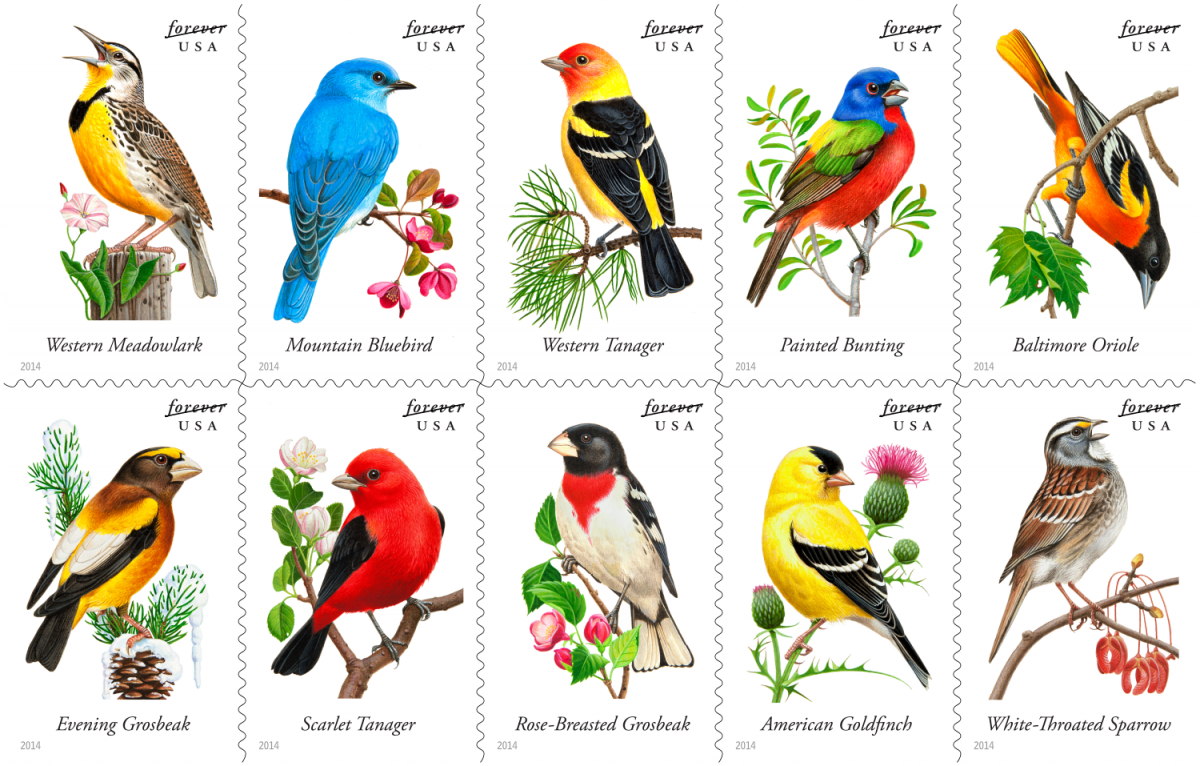
United States Songbirds On Stamps – Re-post from Dear Kitty

Songbirds_Block_0

The U.S. Postal Service celebrates ten melodic voices with the Songbirds stamps: the western meadowlark (Sturnella neglecta), the mountain bluebird (Sialia currucoides), the western tanager (Piranga ludoviciana), the painted bunting (Passerina ciris), the Baltimore oriole (Icterus galbula), the evening grosbeak (Coccothraustes vespertinus), the scarlet tanager (Piranga olivacea), the rose-breasted grosbeak (Pheucticus ludovicianus), the American goldfinch (Spinus tristis), and the white-throated sparrow (Zonotrichia albicollis).

Each colorful bird is shown perching on a fence post or branch … (The rest of the article)
This is from Dear Kitty. Some Blog

See United States songbirds on stamps.

*

Sunday Inspiration – Hummingbirds

Rufous-tailed Hummingbird (Amazilia tzacatl) by Judd Patterson

Rufous-tailed Hummingbird (Amazilia tzacatl) by Judd Patterson

How excellent is thy lovingkindness, O God! therefore the children of men put their trust under the shadow of thy wings. They shall be abundantly satisfied with the fatness of thy house; and thou shalt make them drink of the river of thy pleasures. For with thee is the fountain of life: in thy light shall we see light. O continue thy lovingkindness unto them that know thee; and thy righteousness to the upright in heart. (Psa 36:7-10)

*

This slideshow requires JavaScript.

Come Thou Fount by the Faith Baptist Orchestra. (Used With Permission of Faith Baptist Church)

(Music and photos are used by permission. If copied, you must obtain permission also.)

Hummingbirds are one of the most beautiful and delicate creations from our Lord. Enjoy seeing what He Hath Made.

*

And he said unto me, It is done. I am Alpha and Omega, the beginning and the end. I will give unto him that is athirst of the fountain of the water of life freely.
(Rev 21:6)

*

More Sunday Inspiration

*

ABA 2014 Bird of the Year – Rufous Hummingbird

Rufous-tailed Hummingbird (Amazilia tzacatl) by Judd Patterson

Rufous-tailed Hummingbird (Amazilia tzacatl) by Judd Patterson

For who hath despised the day of small things? for they shall rejoice, … (Zec 4:10a KJV)

The Birding Bunch left me a comment and reminded me that the ABA Bird of the Year for 2014 has been announced. So, I have updated the Badge on the Sidebar. The bird they chose this year is another beautiful creation from the Lord.

ABA Bird of the Year

The Rufous Hummingbird (Selasphorus rufus) is a small hummingbird, about 3 inches  long (8 cm) with a long, straight and very slender bill. The female is slightly larger than the male.

Rufous Hummingbird (Selasphorus rufus) by Africaddict

Rufous Hummingbird (Selasphorus rufus) by Africaddict

The adult male, (shown in the photo), has a white breast, rufous face, upperparts, flanks and tail and an iridescent orange-red throat patch (gorget). Some males have some green on back and/or crown. The female has green upperparts with some white, some iridescent orange feathers in the center of the throat, and a dark tail with white tips and rufous base. Females and the rare green-backed males are extremely difficult to differentiate from Allen’s Hummingbird.

They feed on nectar from flowers using a long extendable tongue or catch insects on the wing. These birds require frequent feeding while active during the day and become torpid at night to conserve energy.

Because of their small size, they are vulnerable to insect-eating birds and animals.

He will bless them that fear the LORD, both small and great. The LORD shall increase you more and more, you and your children. Ye are blessed of the LORD which made heaven and earth. (Psalm 115:13-15 KJV)

Read more about this beautifully created Hummingbird at:

*

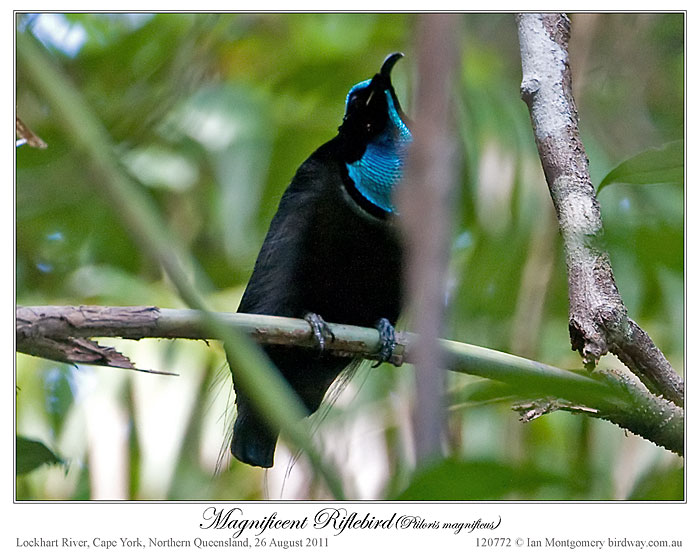
Birds of the World – Magnificent Riflebird

Magnificent Riflebird (Ptiloris magnificus) by Ian

Magnificent Riflebird (Ptiloris magnificus) by Ian

Let them praise the name of the LORD: for his name alone is excellent; his glory is above the earth and heaven. (Psa 148:13 KJV)

The Magnificent Riflebird is a member of the Paradisaeidae – Birds-of-paradise Family. They are a family of birds that really showcase the Lord’s Creative Hand.

The Magnificent Riflebird (Ptiloris magnificus) is a medium-sized (up to 34 cm long) passerine bird of the Paradisaeidae family. The male is velvet-black bird of paradise with elongated black filamental flank plumes, an iridescent blue-green crown, a wide, triangle-shaped breast shield, and on central tail feathers. It has a black curved bill, yellow mouth, blackish feet and a dark brown iris. The female is brownish with dark spots and buff bars below.

The Magnificent Riflebird is widely distributed throughout lowland rainforests of New Guinea and far Northeastern Australia. The diet consists mainly of fruits and arthropods.

Males perform solitary courtship displays on a ‘dancing perch’. During these displays, the male fully extends his wings and raises his tail; he hops upward while swinging his head from side to side, showing off his metallic blue-green breast shield. Multiple females will observe these displays. Females subsequently build nests, incubate, brood, and feed young without male assistance. (Wikipedia with editing)

The Lab of Ornithology produced this clip.

*

Praise him for his mighty acts: praise him according to his excellent greatness. (Psa 150:2 KJV)

P.S. I am off on a birdwatching adventure, but wanted to share this with you. More about our adventure later.

*

Paradisaeidae – Birds-of-paradise Family

Ian’s Bird of the Week – Magnificent Riflebird

Magnificent Riflebird – Wikipedia

*