***
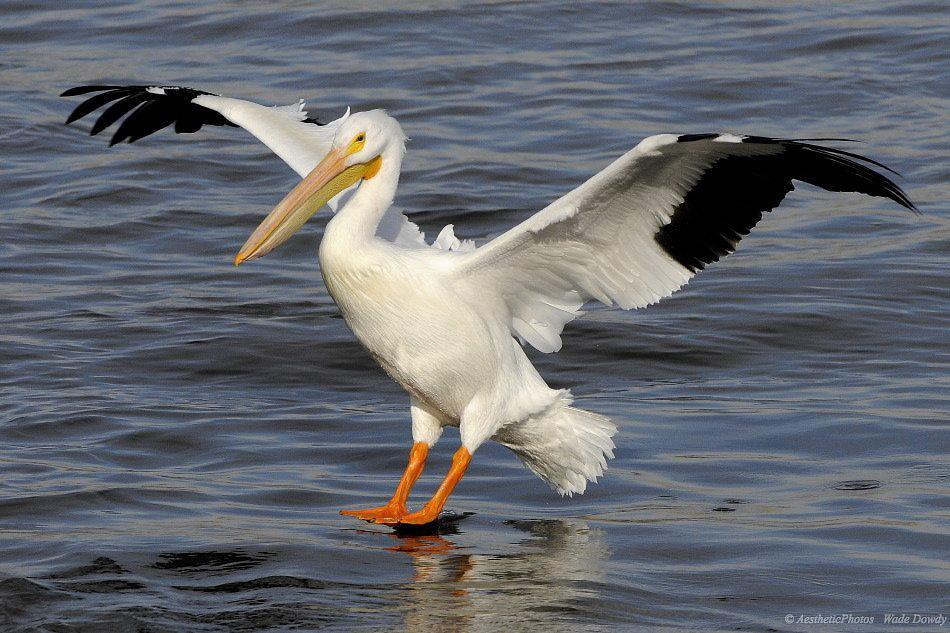
AND WHEN HE HAD LANDED
***
“And when he [Paul] had landed at Caesarea, and gone up, and saluted the church, he went down to Antioch.” (Acts 18:22 KJV)
American White Pelican (Pelecanus erythrorhynchos) by AestheticPhotos
*
*
“And when he [Paul] had landed at Caesarea, and gone up, and saluted the church, he went down to Antioch.” (Acts 18:22 KJV)
American White Pelican (Pelecanus erythrorhynchos) by AestheticPhotos
*
*
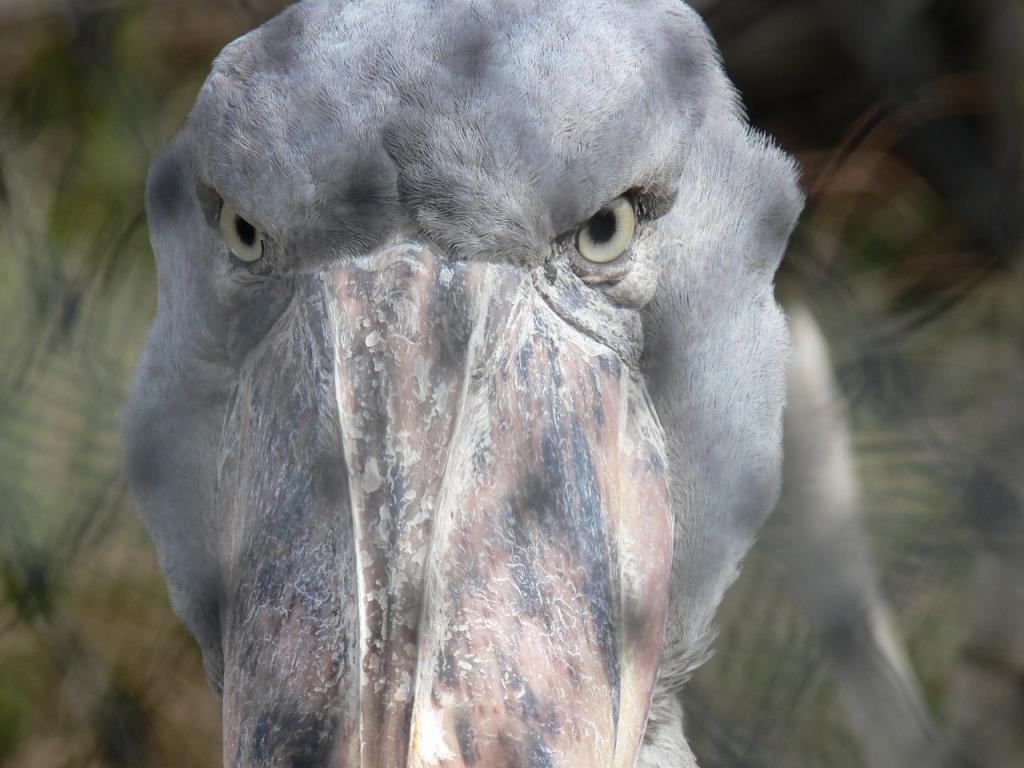
“But a certain maid beheld him as he sat by the fire, and earnestly looked upon him, and said, This man was also with him.” (Luke 22:56 KJV)
Shoebill by Lee – Closeup
*** P.S. – Today I am to have my back surgery. [In surgery room about 6 hours they told us.] It was originally supposed to be on Tuesday. These blogs were pre-scheduled to cover that time and my recovery. Will add an update when possible. Thanks again for your prayers. ***
*
*
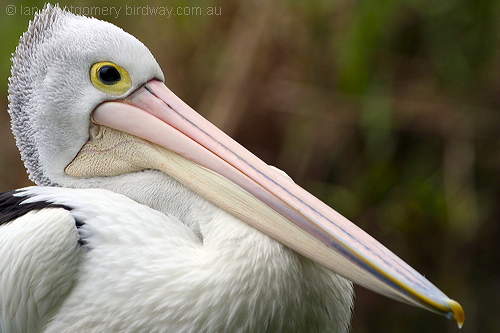
“I laid me down and slept; I awaked; for the LORD sustained me.” (Psalms 3:5 KJV)
Australian Pelican (Pelecanus conspicillatus) by Ian at Birdway
*
*
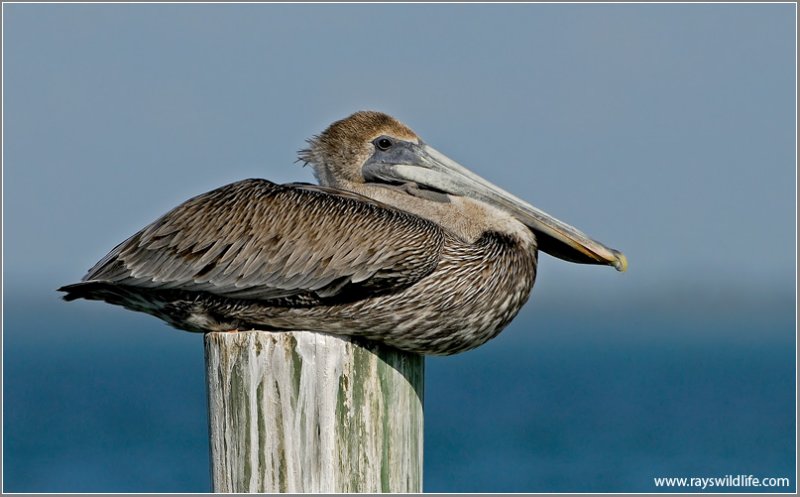
“I will both lay me down in peace, and sleep: for thou, LORD, only makest me dwell in safety.” (Psalms 4:8 KJV)
Brown Pelican (Pelecanus occidentalis) by Ray
*** Thursday is my scheduled back surgery. Your prayers are welcomed. (It was supposed to be today, but was changed – pre-scheduled this blog)
***
*
*
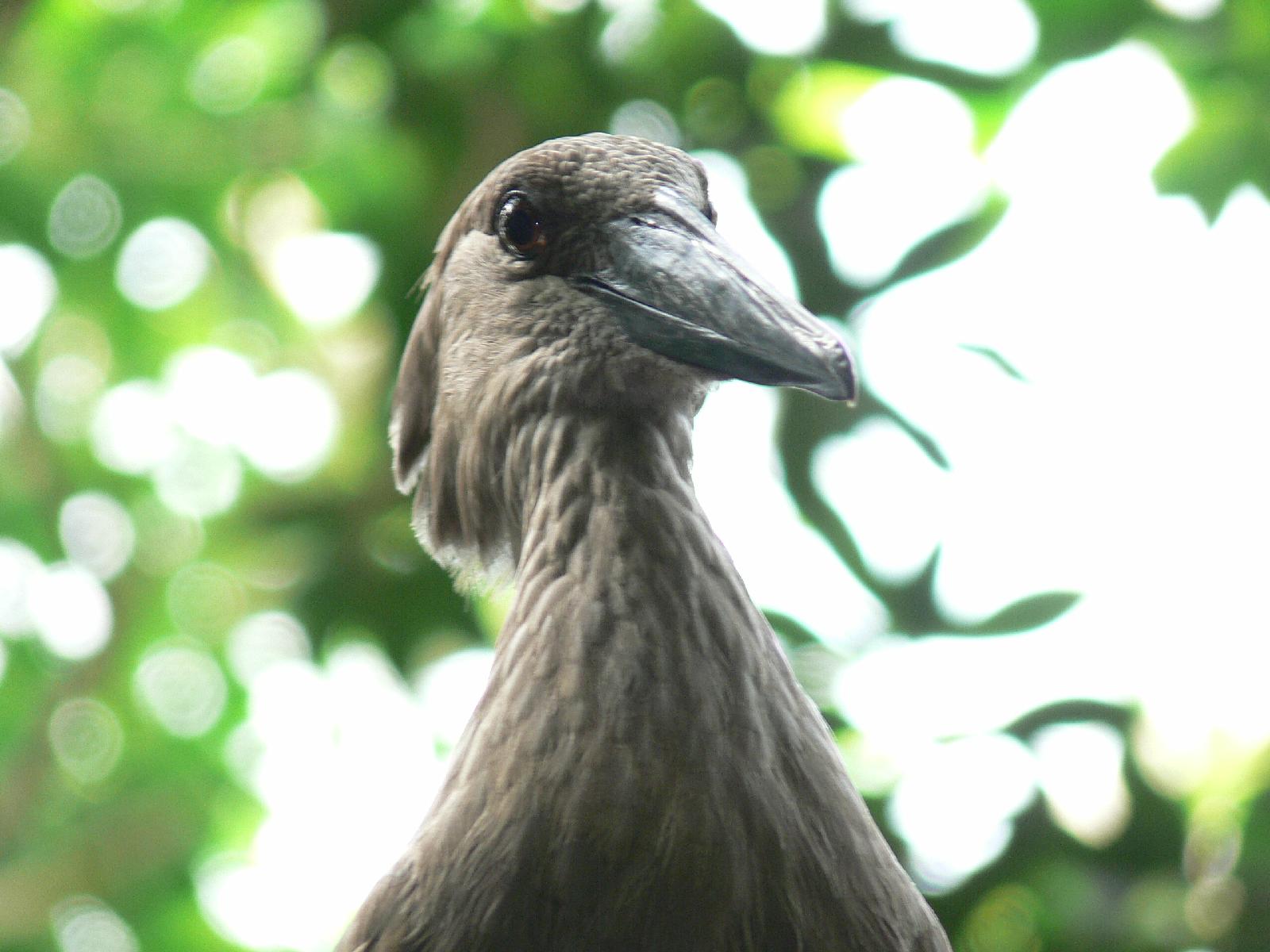
“Not that I speak in respect of want: for I have learned, in whatsoever state I am, therewith to be content.” (Philippians 4:11 KJV)
Contented Hamerkop (Scopus umbretta) National Aviary by Lee
*
*
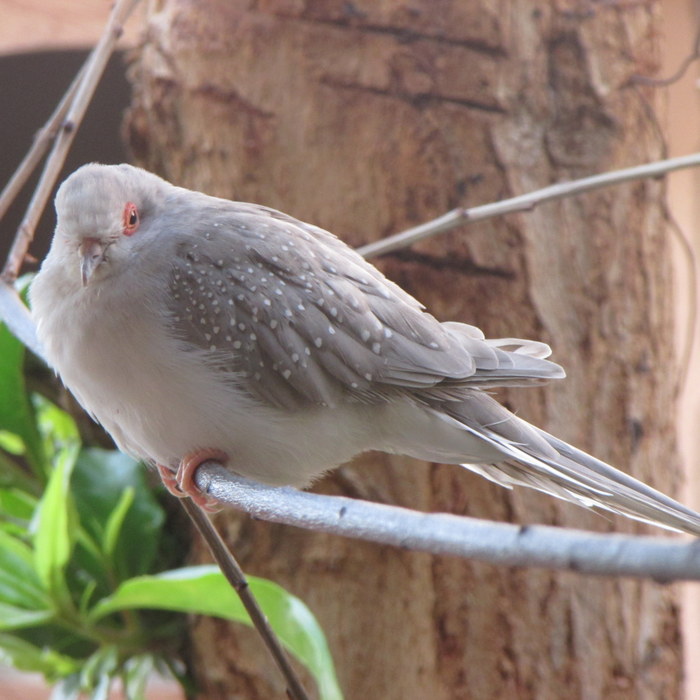
“Though ye have lien among the pots, yet shall ye be as the wings of a dove covered with silver, and her feathers with yellow gold.” (Psalm 68:13)
Silver Diamond Dove Female ©MediaCache
*
*
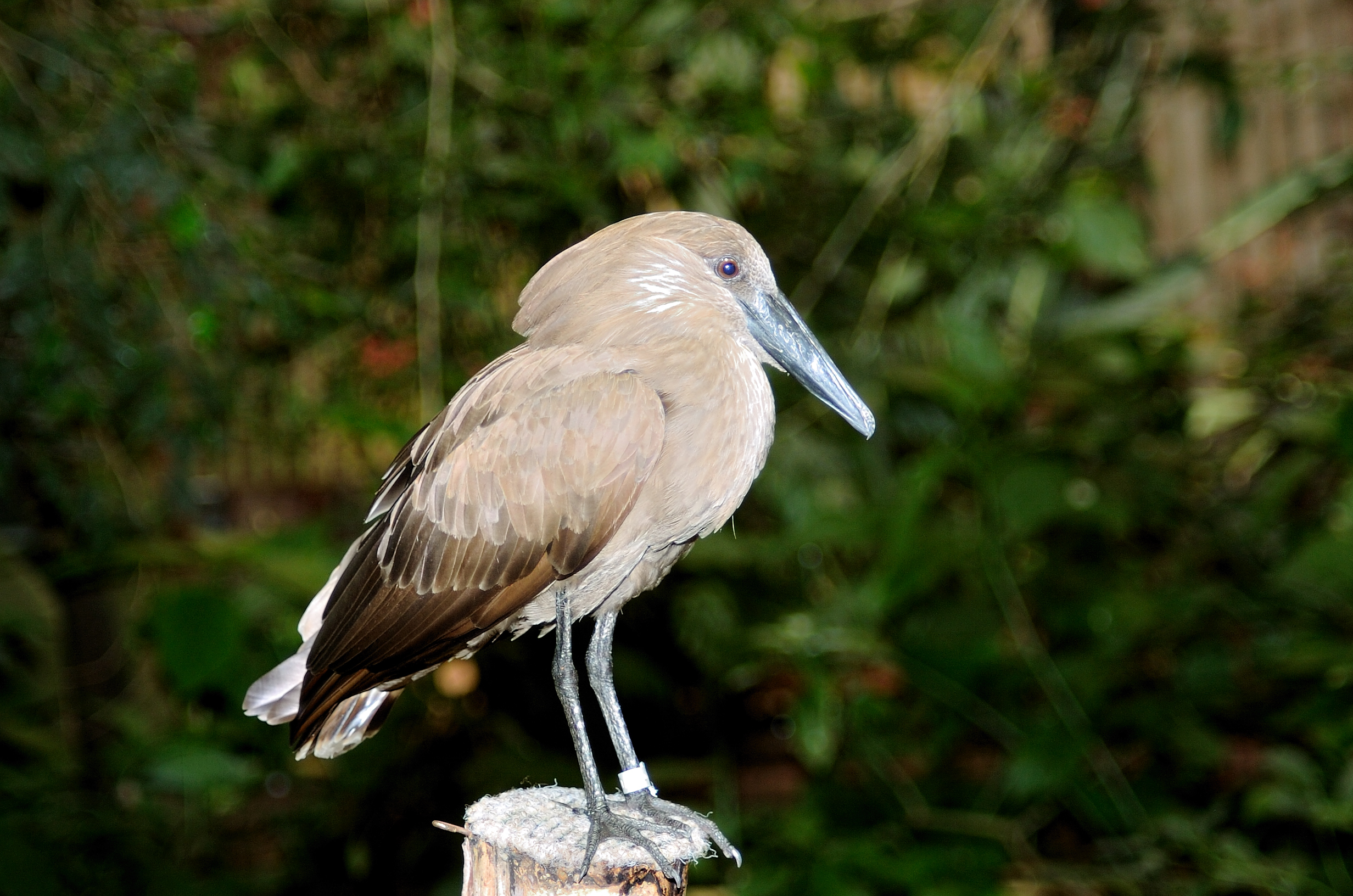
Hamerkop (Scopus umbretta) at National Aviary by Dan
I am like a pelican of the wilderness; I am like an owl of the desert. (Psalms 102:6 NKJV)
Previously, it was mentioned that some bird families have already been featured on the Sunday Inspirations. The next family includes the Herons and Bitterns. It is the Ardeidae, and it was covered in these two articles written in 2014:
Sunday Inspiration – Bittern and Sunday Inspiration – Herons
Today we will finish up the Pelicaniformes Order, which included the Ibises and Spoonbills [Threskiornithidae], the Herons and Bitterns [Ardeidae], and now today with; the Hamerkop (1) with only one species in the Scopidae family, the Shoebill (1) in the Balaenicipitidae Family, and the Pelicans (8) in the Pelecanidae Family.
[Because this is being scheduled in advance, Lord willing, my back surgery will be performed on this Tuesday, the 20th. Your prayers will be greatly welcome. It will be a 4-5 hour surgery. I think.]

Hamerkop (Scopus umbretta) by Africaddict
The Hamerkop, have been a favorite of mine ever since we saw our first one at the National Aviary in Pittsburg, PA. When its head feathers are out, the head looks like a hammer. They also seemed rather tame walking around in the aviary.
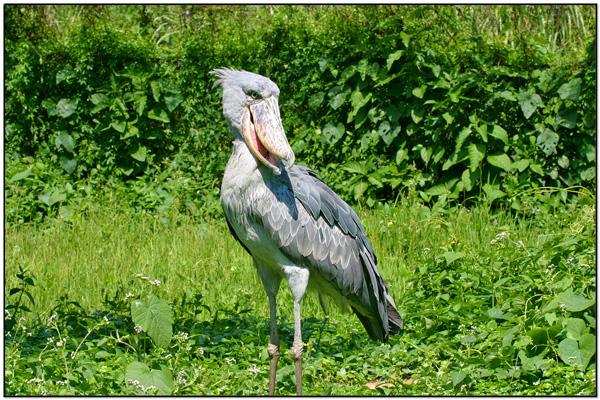
Shoebill (Balaeniceps rex) by Daves BirdingPix
The Shoebill is another favorite. We have these at the Lowry Park Zoo, in Tampa. I keep trying to get a decent photo, but I have to shoot through a fence. Though, the fence is nice to have between us. He is a nice bird, but that look can be intimidating. :) Here is a close-up taken through the fence.
Shoebill by Lee – Closeup
Living in Florida, we all see Pelicans quite frequently, even inland. The White Pelicans land at many of our lakes, and several years ago, over 5,000 landed at Circle B Reserve in Lakeland, Florida, for a month or so. I’ve shown this video before but thought it fit here again. I was so excited by all of them arriving to land just behind where Dan and I were standing. My utter amazement shows. [along with poor English]
“Therefore I say to you, do not worry about your life, what you will eat or what you will drink; nor about your body, what you will put on. Is not life more than food and the body more than clothing? Look at the birds of the air, for they neither sow nor reap nor gather into barns; yet your heavenly Father feeds them. Are you not of more value than they?” (Matthew 6:25-26 NKJV)
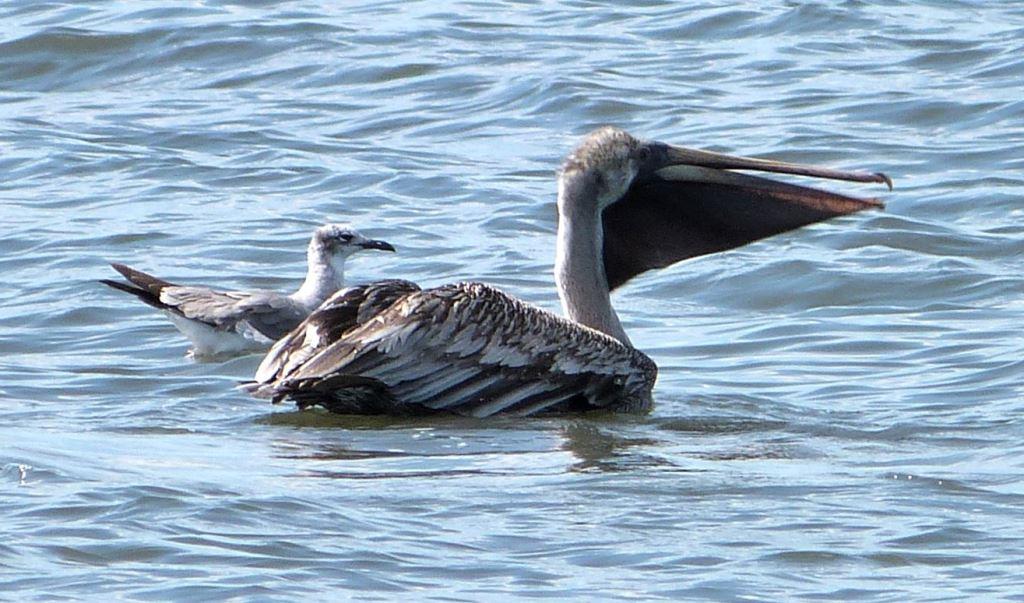
Brown Pelican with fish and Laughing Gull
Pelicans are a genus of large water birds that makes up the family Pelecanidae. They are characterised by a long beak and a large throat pouch used for catching prey and draining water from the scooped up contents before swallowing. They have predominantly pale plumage, the exceptions being the brown and Peruvian pelicans. The bills, pouches and bare facial skin of all species become brightly coloured before the breeding season. The eight living pelican species have a patchy global distribution, ranging latitudinally from the tropics to the temperate zone, though they are absent from interior South America as well as from polar regions and the open ocean.
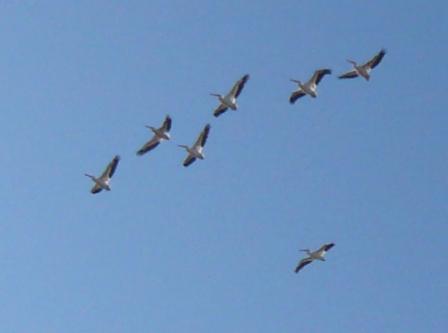
White Pelicans by Lee over Circle B Reserve
Pelicans frequent inland and coastal waters where they feed principally on fish, catching them at or near the water surface. They are gregarious birds, travelling in flocks, hunting cooperatively and breeding colonially. Four white-plumaged species tend to nest on the ground, and four brown or grey-plumaged species nest mainly in trees
“God is my strength and power: and he maketh my way perfect. He maketh my feet like hinds’ feet: and setteth me upon my high places.
(2 Samuel 22:33-34 KJV)”
“I Will Sing The Mighty Power of God” ~ ©Hyssongs
*
Pelecanidae – Pelicans Family
*
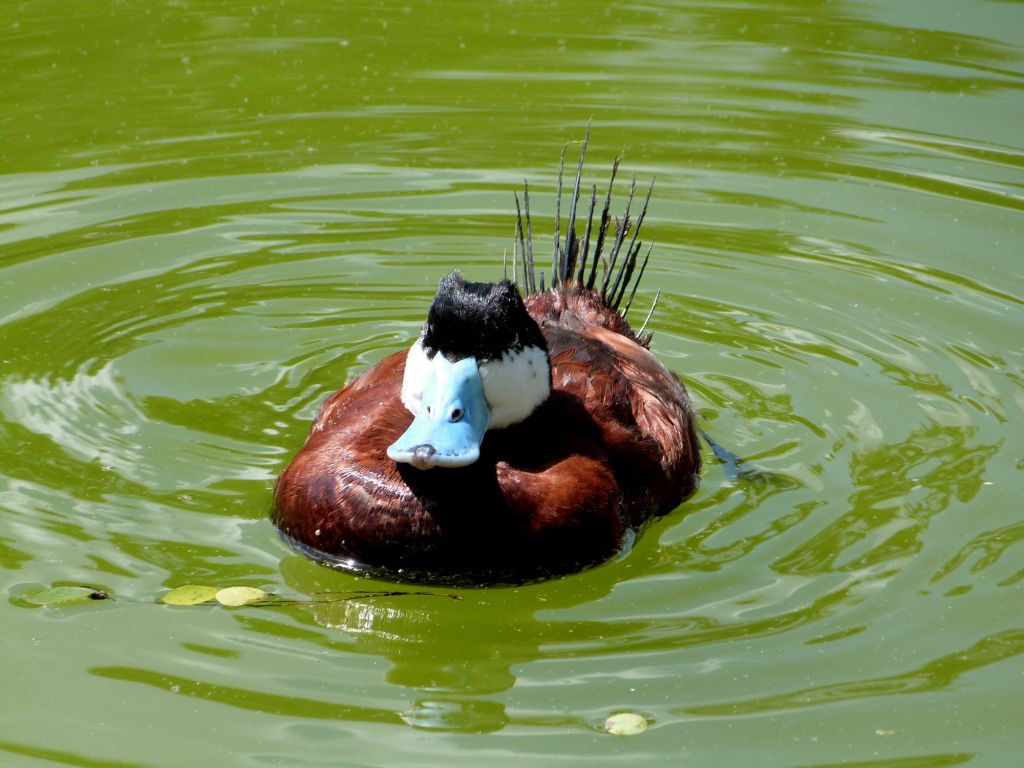
“Her Nazarites were purer than snow, they were whiter than milk, they were more ruddy in body than rubies, their polishing was of sapphire:” (Lamentations 4:7 KJV)
Ruddy Duck (Oxyura jamaicensis) Zoo Miami by Lee
*
*
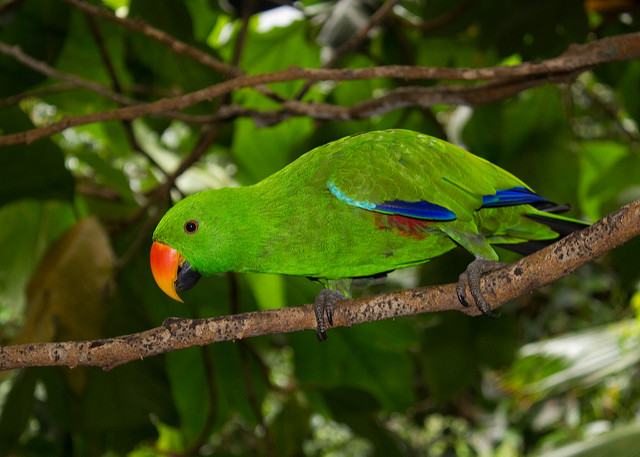
“For they covered the face of the whole earth, so that the land was darkened; and they did eat every herb of the land, and all the fruit of the trees which the hail had left: and there remained not any green thing in the trees, or in the herbs of the field, through all the land of Egypt.” (Exodus 10:15)
Eclectus Parrot (Eclectus roratus) Female ©Flickr Brian Gratwicke
*
*
Dr. James J. S. Johnson
Finches and Flamebacks are the focus of this fast “fly-over” birdwatching review. Finches are familiar passerines to many Americans, but what are “Flamebacks”? Flamebacks are a category of woodpeckers, also known as “Goldenbacks”, due to fiery-gold plumage on their backs. Think of the Flamebacks as woodpeckers who “wear” their “fiery” gold on their backs, as opposed to Christians, whose faith is put through fiery trials in order to produce character valuable as refined gold.

GREATER FLAMEBACK (Titus John photograph)
That the trial of your faith, being much more precious than of gold that perisheth, though it be tried with fire, might be found unto praise and honour and glory at the appearing of Jesus Christ. (1st Peter 1:7)
I counsel thee to buy of me gold tried in the fire, that thou mayest be rich; and white raiment, that thou mayest be clothed, and that the shame of thy nakedness do not appear; and anoint thine eyes with eyesalve, that thou mayest see. (Revelation 3:18)
As noted in the prior study of this ongoing alphabet-based series (“‘F’ is for Flamingos and Frigatebirds”), “F” is for Flamingo, Falcon, Frigatebird, Frogmouth, Fairywren, Flufftail, Fantail, Figbird, Fulvetta, Flatbill, Flycatcher, Flowerpecker, Firetail, Flameback, Flicker, Fieldwren, Foliage-gleaner, Fruitcrow, Fruiteater, Forktail, Francolin, Friarbird, Fody, and/or Finch — plus whatever other birds there are, that have names that begin with the letter F. This current study will ignore Flamingos and Frigatebirds, since they were previously reported, as noted above. Likewise, previous studies (posted on Leesbird.com) have looked at aspects of the password-teaching Superb Fairywrens (“Teach Your Children the Right Passwords!”); versatile Peregrine Falcons (“Northern Raven and Peregrine Falcon”); resourceful Vermilion Flycatchers (“Vermilion Flycatchers”); and a Colorado-dwelling Northern Flicker (“Want a Home in The Mountains?”).
So this study will briefly review some finches and some flame-backs.
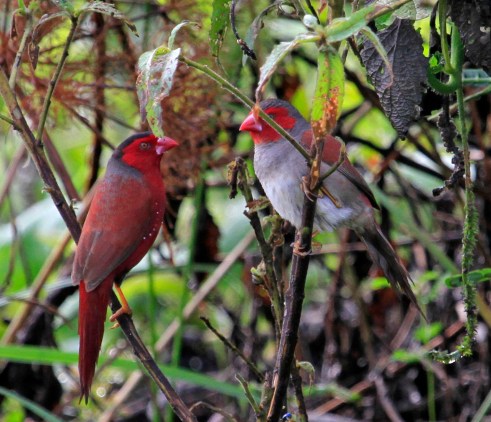
CRIMSON FINCH breeding pair, Australia (Wikipedia)
The Amazon-dwelling Saffron Finch has already been reviewed, by Lee Dusing . Also, the Australia-dwelling Crimson Finch has already by featured, as studied by Ian Montgomery. Likewise, the birdfeeder-visiting American Goldfinch has been considered by Lee Dusing. Moreover, ornithologist Lee Dusing has reviewed multifarious categories of finches (as they are generically defined by avian taxonomists), on various occasions (including, e.g.: Sunday Inspiration – Finches I; Finches II; Finches III; Finches IV and Sunday Inspiration – Inca, Warbling and Various Finches; etc.).
So this study will now look at 2 reddish finches that frequent the State of Texas: the Purple Finch (Haemorhous purpureus) and the House Finch (Haemorhous mexicanus). The former finch is famous for having been described by Roger Tory Peterson as a “sparrow dipped in raspberry juice” [Quoting Roger Tory Peterson, A FIELD GUIDE TO THE BIRDS OF TEXAS AND ADJACENT STATES (PETERSON FIELD GUIDES, (Houghton Mifflin, 1988), page 243.] Thereafter, a category of woodpeckers, called “Flamebacks”, will be considered.
For starters, consider the ubiquitous House Finch.
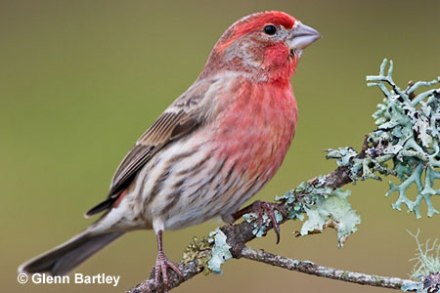
HOUSE FINCH male (Glenn Bartley photo)
HOUSE FINCH (Haemorhous mexicanus, f/k/a Carpodacus mexicanus)
The House Finch is a widespread as any American finch, being a year-round resident in all of the contiguous “lower 48” states. This nationwide range is relatively new in America’s eastern half, as the House Finch was previously reported as a Western range resident. [See Roger Tory Peterson, EASTERN BIRDS A COMPLETELY NEW GUIDE TO ALL THE BIRDS OF EASTERN AND CENTRAL NORTH AMERICA), 4th edition (Houghton Mifflin/ PETERSON FIELD GUIDES, 1980), page 270 & Map 356.]
Consequently, Easterners who are accustomed to viewing Purple Finches (discussed below) need to look more carefully, because the two are similar enough to be mistaken one for another.
There is another “cousin” who adds to the identity confusion – the Cassin’s Finch (Haemorhous cassinii, f/k/a Carpodacus cassinii), which habituates only America’s West.

CASSIN’S FINCH (Birdwatchers Digest photograph)
The three finches, together, are grouped as the “Haemorhous Finches”, i.e., the trio of small reddish-on-brownish finches. [TAXONOMIC CAVEAT: Although I don’t know of genetic/hybridization studies on Haemorhous finches (yet they recently they became grouped together as a “clade” separate from the Carpodacus “rosefinches”), I won’t be surprised to learn that these American Haemorhous finches can (and do) interbreed, i.e., hybridize; if so, this would prove that they descend from related pairs of Ark-borne ancestors, and ultimately descend from an original created “kind” pair created by God on Day #5 of Creation Week.]
This recent addition to our eastern avifauna [i.e., the House Finch] is often mistaken for the Purple Finch, with which it may associate at the feeding tray. It [i.e., the House Finch] is smaller; male brighter red. Note the dark stripes on the sides and belly. The striped brown female [House Finch] is distinguished from the female Purple Finch by its smaller bill and bland face pattern (no heavy mustache or dark cheek patch). . . . Range: W. U.S. to s. Mexico. Introduced in ne. U.S. about 1940; spreading.
[Quoting Roger Tory Peterson, EASTERN BIRDS A COMPLETELY NEW GUIDE TO ALL THE BIRDS OF EASTERN AND CENTRAL NORTH AMERICA), 4th edition (Houghton Mifflin/PETERSON FIELD GUIDES, 1980), page 270.]
In other words, when distinguishing a male House Finch from a male Purple Finch, notice that House Finch males has more prominent brownish streaking on the sides of their bellies, whereas the Purple Finch males have less or none. Also, the reddish color of the Purple Finch really is tinted a bit more purplish, i.e., its red is more of a crimson-fading-into-pink, whereas the House Finch male has more of a scarlet-to-vermilion hue, depending on available lighting.
Thus, nowadays, if you see a finch with a crimson-reddish top and front, that blends into a brownish underside and wings, it is likely a House Finch (as opposed to a Cassin’s Finch or a Purple Finch). For another view of how the House Finch is less crimson in plumage than the Purple Finch, see the House Finch photograph (by Ian) featured in Lee Dusing’s “Sunday Inspiration – Finches III” (3-20-AD2016).
Ornithologist Fred J. Alsop III describes the House Finch as follows:
Originally confined to the West [as earlier bird-book range maps indicate], this finch was called a Linnet and introduced as a cage bird on Long Island, New York, in the 1940s. It became abundant in the East, [supposedly there] surpassing the House Sparrow [a/k/a English Sparrow, a passerine introduced form Britain to America many generations ago]. Today, it is among the most widely distributed songbird species in North America. It often feeds with the Purple Finch, especially in winter. Some male variants are orange or yellow instead of red. Juveniles resemble adult females [which are Earth-tone brown in plumage]. . . . Solitary or in pairs during nesting season. Gregarious. Forms small family groups when young become independent. Larger foraging flocks in winter may join with other finches. Actively forages on the ground, in fields, and in suburban areas. Eats mostly seeds but in summer takes insects and fruits. Drinks maple sap. Males are conspicuous and sing often. Studies indicate that the redder the male’s plumage, the more desirable he is to females. . . . Abundant over much of North America in a wide variety of habitats, from arid scrub, wooded canyons, cultivated fields, and open woodlands to suburban yards and urban areas.
[Quoting Fred J. Alsop III, BIRDS OF TEXAS (DK Publishing/Smithsonian Handbooks, 2002), page 536.]
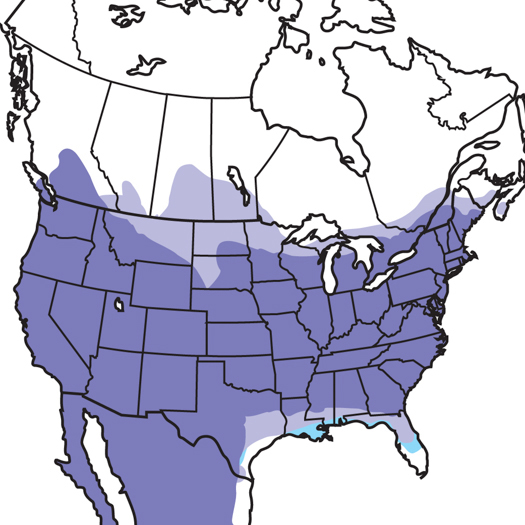
HOUSE FINCH range map (credit: Audubon Field Guide)
The House Finch is resourceful when building a nest. It may construct a nest using “[t]wigs, grass, leaves, rootlets, bits of debris, and feathers … in tree hollows, cactus, on ground, under eaves of building[s], in bird boxes, abandoned nests, shrub[s], tree[s], etc.” [Again quoting Alsop, BIRDS OF TEXAS, page 536.]
Now for a look at the Purple Finch, the Haemorhous finch that formerly dominated America’s Eastern seaboard.

PURPLE FINCH male (credit: Missouri Dep’t of Conservation)
PURPLE FINCH (Haemorhous purpureus, f/k/a Carpodacus purpureus)
Ornithologist Fred J. Alsop III describes the Purple Finch as follows:
The male [Purple Finch] is easy to identify [sic – this confidence clashes with the conclusion of others, especially now that the ranges of Purple Finch and House Finch overlap as they do] …by its raspberry-colored plumage, brightest on the head, rump, and chest. Foraging in winter flocks, these birds depend on feeders when food supplies are scarce. Juveniles are similar to adult females [which are brownish with no crimson plumage]; both have two white wing bars. . . . Eats seeds, some fruits, insects, and caterpillars in summer.
[Quoting Fred J. Alsop III, BIRDS OF TEXAS (DK Publishing/Smithsonian Handbooks, 2002), page 534.] The Purple Finch has nesting habits similar to those of the House Finch (q.v., above). Unlike the ubiquitous year-round range of the House Finch, the range of the Purple Finch is largely migratory. (See below.)
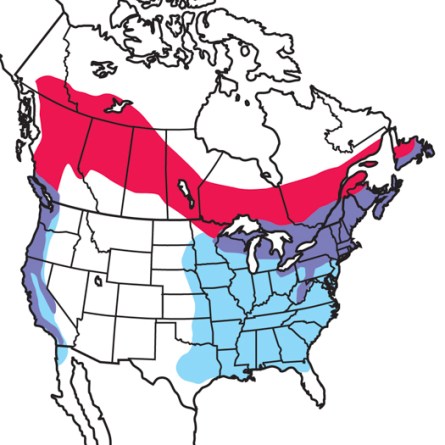
PURPLE FINCH range map (credit: Audubon Field Guide)
Pity the Purple Finch – some criticize its name, by stating the embarrassingly obvious: it’s not really “purple” in plumage, it’s more like raspberry red! The Audubon Field Guide observes:
This species is common in the North and East, and along the Pacific seaboard, but it is very rare in much of the Rocky Mountains region. Purple Finches feed up in trees and on the ground in open woods. They readily come to bird feeders; but they have become less numerous as feeder visitors in the Northeast, where competition with introduced House Sparrows [which appear overpopulate common ranges by double] and then House Finches may have driven them back into the woods.
[Quoting http://www.audubon.org/field-guide/purple-finch .]
Having met two of America’s Haemorhous finches, and noting how their range habits contrast, a brief introduction to Flameback woodpeckers follows — specifically, 3 large woodpeckers from the tropics of southern Asia, including the White-naped Flameback (Chrysocolaptes festivus), the Common Flameback (Dinopium javaneense), and the Crimson-backed Flameback (Chrysocolaptes stricklandi).

Crimson-backed Flameback, Sri Lanka endemic (Pinterest)
FLAMEBACKS (a/k/a “Goldenbacks”, although some plumage “flames” are red!)
Although the plumage coloration is obviously different, the overall form (and crests) of South Asian “flameback” woodpeckers may remind birdwatchers of America’s crow-sized, forest-dwelling Pileated Woodpecker (Dryocopus pileatus) or the (perhaps-extinct) Ivory-billed Woodpecker (Campephilus principalis), and/or of Mexico’s somewhat-similar Imperial Woodpecker (Campephilus imperialis) or Pale-billed Woodpecker (Campephilus guatemalensis).

CRIMSON-BACKED FLAMEBACK (Saminda De Silva photograph)
CRIMSON-BACKED FLAMEBACK (Chrysocolaptes stricklandii)
This flameback is seen in Sri Lanka, the island (formerly known as Ceylon) off the south-central coast of India. Some deem it as a color-variant “subspecies” of (i.e., due to its crimson back-feather plumage, a variety distinguishable from) the Greater Flameback (Chrysocolaptes guttacristatus – see below), a similar woodpecker (with gold-dominated back feathers) found in India, and elsewhere on parts of the Indian subcontinent, southern China, Indonesia, and Malaysia.
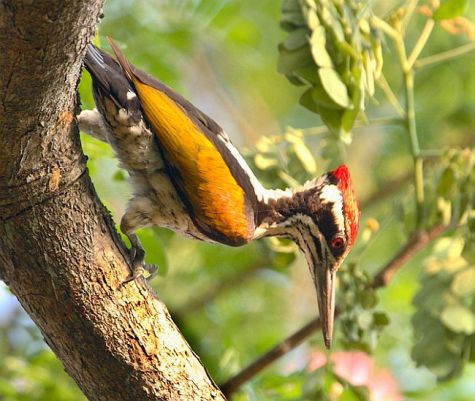
WHITE-NAPED FLAMEBACK (Pinterest)
WHITE-NAPED FLAMEBACK (Chrysocolaptes festivusi)
This insect-snatching woodpecker is seen in parts of the Indian subcontinent (India and Nepal), as well as in Sri Lanka. Unless some other mega-sized woodpeckers, its population dynamics are stable. Although the more colorful male has a red crown, the female’s crown is yellow. (Sexual dimorphism is a good thing, especially to birders who want to know what they are viewing!)
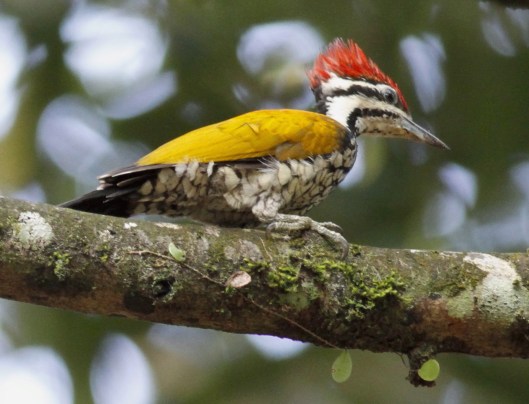
COMMON FLAMEBACK (Mike Birder / Malaysian Birding Blog)
COMMON FLAMEBACK (Dinopium javaneense)
The Common Flameback (a/k/a “Common Goldenback”) has a range that includes Indochina, Malaysia, Indonesia, and India’s southwestern coastline. Notice the male’s crest is red; the female’s is black. This woodpecker prefers forest living – as do woodpeckers in general (i.e., they like woods, where they can peck wood!). This flameback frequents deciduous woodlands, parks, gardens, farmlands, mangrove swamps, and scrublands, as well as higher-elevation pine forests. Invertebrates (e.g., including larvae) are favored fare for famished flamebacks!

COMMON FLAMEBACK female (Wikipedia Commons)
God willing, the next contribution to this alphabetic series will be about some “G” birds – perhaps the Green Jay, Gila Woodpecker, Gilded Flicker, Glossy Ibis, Golden Eagle, Gyrfalcon, Griffon Vulture, Granada Dove, Golden Pheasant, Golden-crowned Emerald, Golden-headed Quetzal, Golden Fruit Dove, Grand Cayman Thrush, Grey Jay, or Grey Heron, — and/or maybe a couple from the varieties of Geese, Grebes, Grouses, Gallinules, Goldfinches, Gnatcatchers, Goldeneyes, Goshawks, Godwits, Guillemots, Guineafowls, Grosbeaks, Grackles, Grassbirds, Grasswrens, Gulls, and/or Go-away-birds! Meanwhile, enjoy the fiery faith-trials that produce golden character! ><> JJSJ profjjsj@aol.com
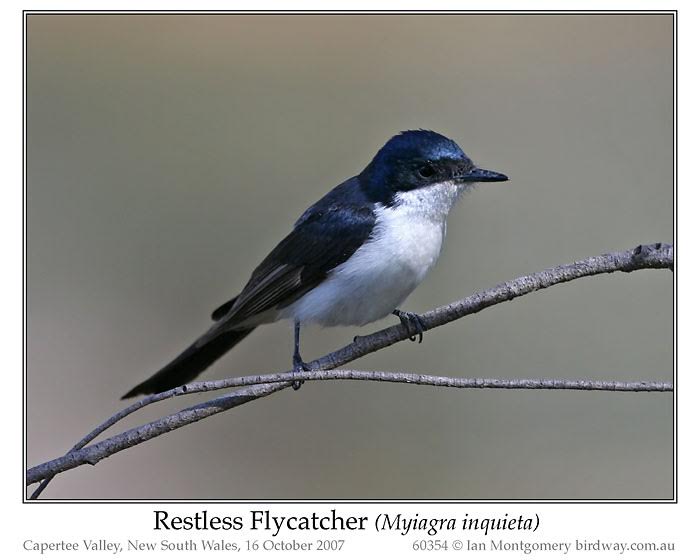
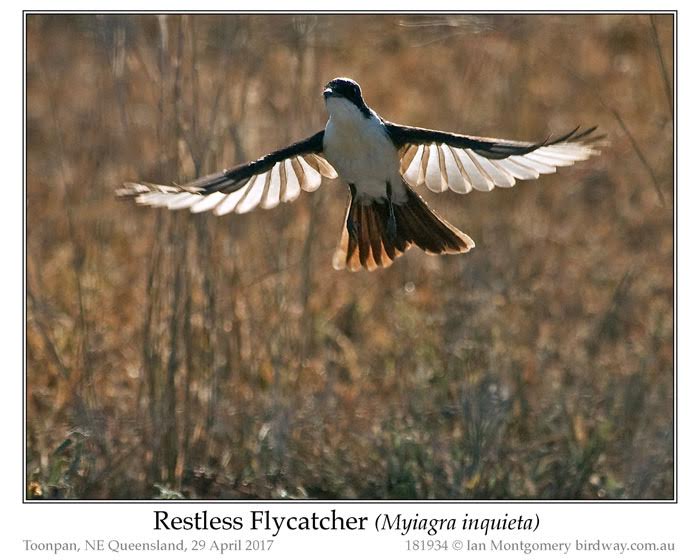
Some weeks ago I went to Toonpan a dry pasture area outside Townsville which is good for dry country birds such as Bustards and often produces unusual birds. There were a couple of Restless Flycatchers there hawking for insects and I found out later that this species has never featured as bird of the moment, an omission we’ll rectify now.
They are dapper birds, smart in their glossy black and white plumage and long tail. They bare a superficial resemblance to the similarly sized Willie Wagtail, but the species is a member of the Monarch Flycatcher family rather than the Fantails. The nominate larger type inquieta breeds in eastern, southern and southwestern Australia, but not in Tasmania or eastern Western Australia (the Nullabor). The smaller type nana occurs in northern Australia from northwestern Queensland through the Top End of the Northern Territory to northeastern Western Australia.
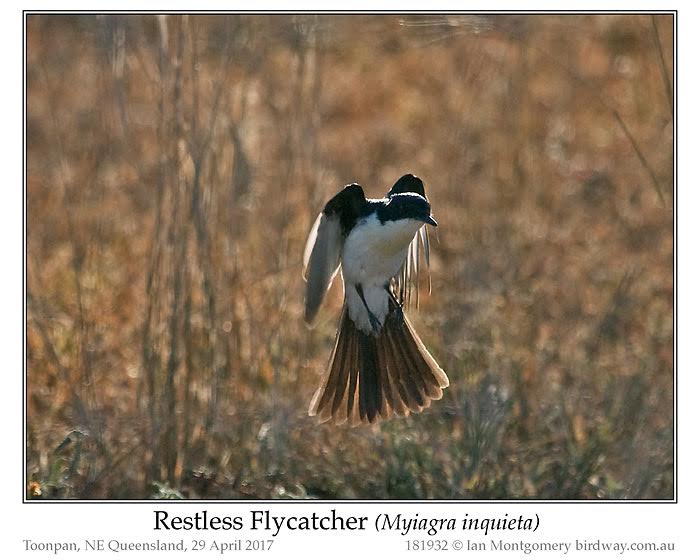
Taxonomists disagree as to whether these types should be treated as conspecific or separate species. I’m treating them as separate ones here, so ‘Restless Flycatcher’ refers to the southern one, and ‘Paperbark Flycatcher’ to the northern one. Both are mainly sedentary, but there is some northward movement of the Restless Flycatcher in winter here in northeastern Queensland it is a winter visitor.
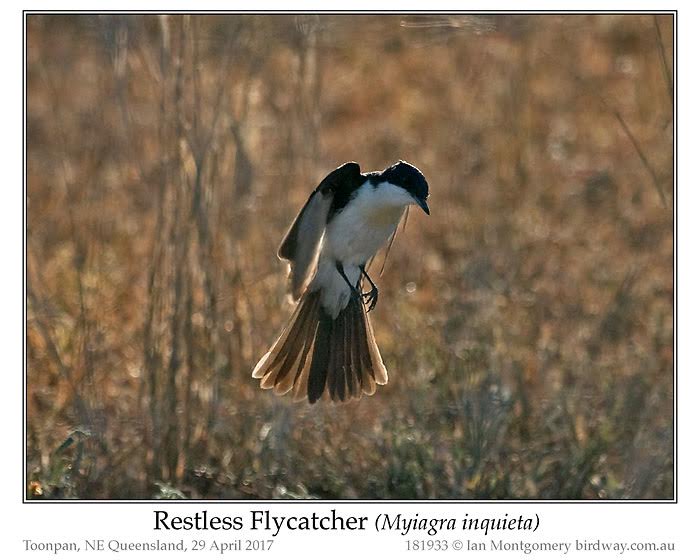
Restless Flycatchers have a characteristic hovering flight when hawking for insects and this one at Toonpan was doing just this between me and the afternoon sun in the second, third and fourth photos. There were all taken within an elapsed time of one second and in the third one, it is turning away from whatever attracted its attention in the first two. When hawking like this, they make ‘grinding, churring sounds’ (to quote Pizzey and Knight) which are supposed to disturb insects into flight. For this reason, the species is sometimes called the Scissors Grinder.
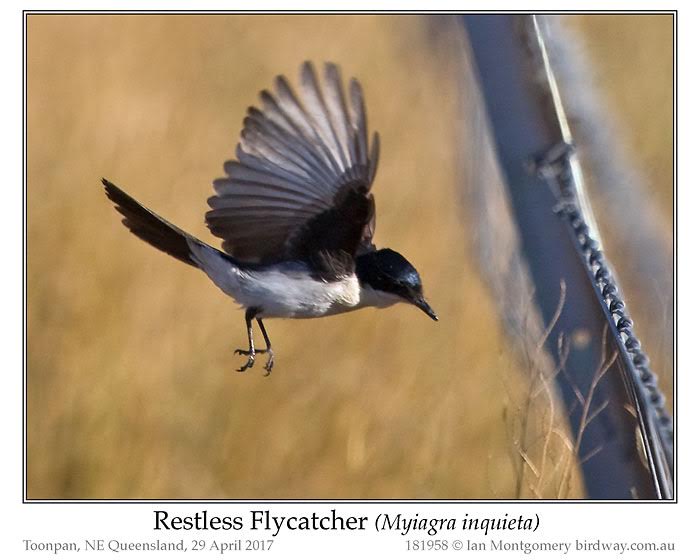
The fifth photo shows one of the two birds checking out the vegetation along a barbed wire fence. It’s not, as it might appear, flying towards the fence. Rather it had been perched on the fence seconds before and is making its way down the side of it.
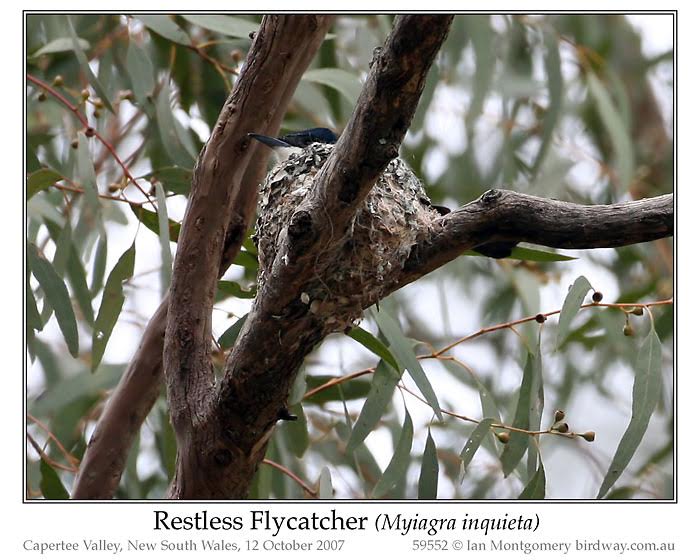
The Restless Flycatcher builds a beautiful nest of grass, bark and spiders’ webs on a horizontal branch, sixth photo with a usual clutch size of three. The nest is typically decorated or maybe camouflaged with lichen. In this photo, you can see the broad, flat bill characteristic of Monarch Flycatchers.
Restless Flycatchers are usually found near water. The one in the seventh photo is having a drink from a river.
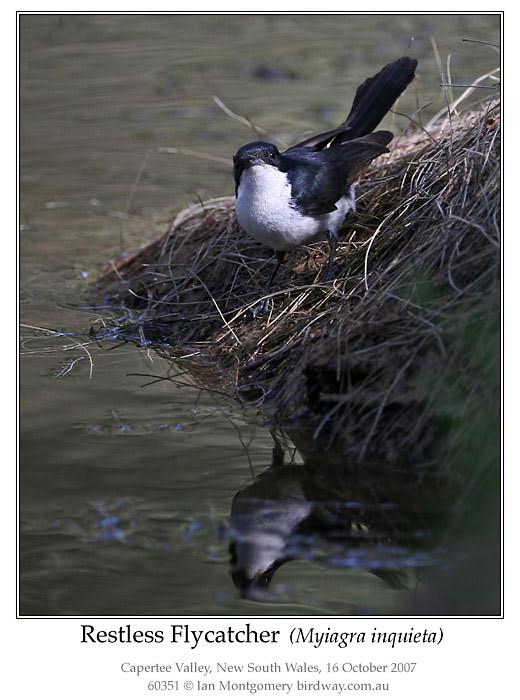
Here is the Paperbark Flycatcher, eight photo. The best way I know to separate it from the Restless Flycatcher is by range, though the Paperbark is smaller (17-19cm versus 19-22cm) and supposed to be glossier and have a darker back. The calls are supposed to be slightly different, though they sound much the same to me.

The Paperbark Flycatcher also builds a cup-shaped nest on a horizontal branch, ninth photo, but the sources I have don’t mention bark as building material, or lichen as a decoration. As with the Restless Flycatcher, both genders share in nest-building, incubation and rearing of the chicks.

If we treat Restless and Paperbark as separate species, then the Restless is an Australian endemic, The Paperbark isn’t as it also occurs in southern New Guinea on both sides of the Indonesian-PNG border.
Greetings,
Ian
Lee’s Addition:
“And my people shall dwell in a peaceable habitation, and in sure dwellings, and in quiet resting places;” (Isaiah 32:18 KJV)
What interesting Flycatchers Ian has introduced us to. His “Moment” seems to get longer each time. Maybe one day, Ian may get back to his “Bird of the Week.” :)
Keep up the good work, Ian. We enjoy your birds whenever they fly our way.
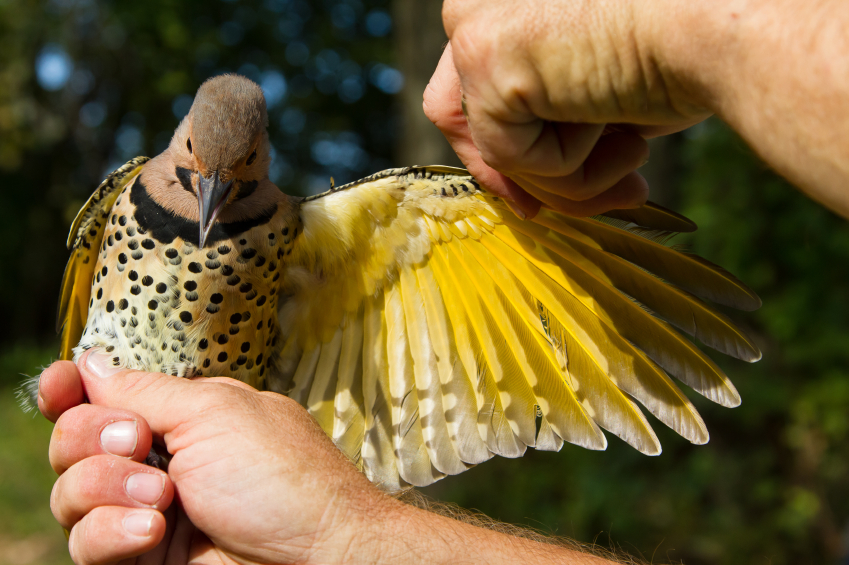
“Though ye have lien among the pots, yet shall ye be as the wings of a dove covered with silver, and her feathers with yellow gold. (Psalm 68:13)
Northern Flicker (Colaptes auratus) yellow-shafted ©Amazonaws
*
*

