CARDINALS ARE RED BIRDS

Dr. James J. S. Johnson

And they shall take gold, and blue, and purple, and scarlet, and fine linen.

EXODUS 28:5

Cardinal males are red birds, easy to see. Yet cardinal females have a softer-hued beauty of their own.
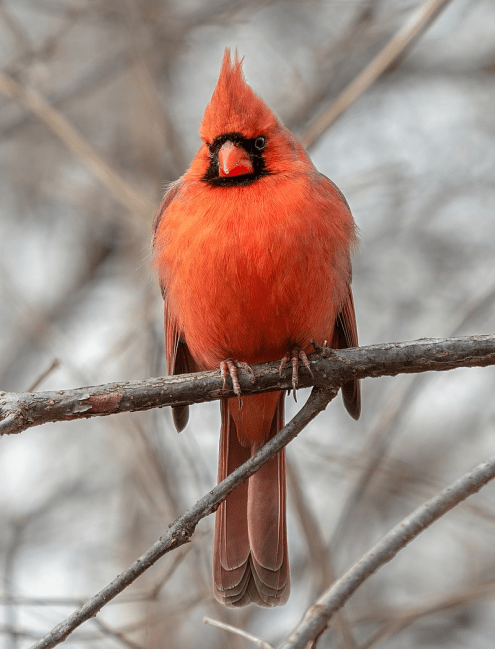
male Cardinal (Wikipedia / Rhododendrites photo credit)

Just as the Old Testament Tabernacle blended theological meaning with aesthetically attractive colors—as exemplified by Exodus 28:5 (quoted above), some birds are gold (e.g., Goldfinch, Yellow Warbler, Evening Grosbeak), or blue (e.g., Mountain Bluebird, Indigo Bunting), or purple (e.g., Purple Starling, Purple Honeycreeper), or scarlet (e.g., Scarlet Tanager, Northern Cardinal), or white as fine linen (e.g., Snowy Egret, White Ibis, Trumpeter Swan). 
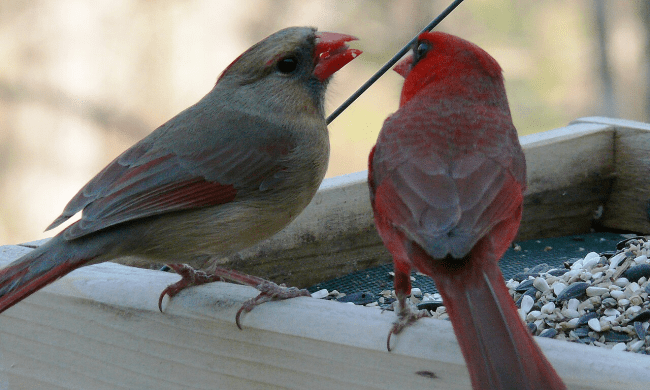
male Cardinal feeding female Cardinal (Wikipedia / Ken Thomas photo credit)

In fact, the Northern Cardinal (Cardinalis cardinalis) is often nicknamed the Redbird, because the male cardinal is almost all-covered in bright red plumage. Male cardinals, being bright red, are conspicuous—so conspicuous that they get noticed! Cardinals are so popular, in fact, that 7 states have officially adopted the Northern Cardinal as their official state bird:  Illinois, Indiana, Kentucky, North Carolina, Ohio, Virginia, and West Virginia. (That’s more states than any other bird represents!)

Recently (i.e., during December of A.D.2024), it has been my prized privilege to hear Northern Cardinals chirping happily in and around trees, where I live and also in places that I visit.  Perhaps the cardinals are extra talkative at this time of year. Or maybe I am paying better attention to the cardinals’ movements and vocalizations. Sometimes I see a cardinal flitting about, or hopping among leaf litter at the bottom of bushes, shrubs, or tree-trunks.  Sometimes I see cardinals perching on tree branches. Then, suddenly, a cardinal might fly off to a nearly spot on the ground–or to a branch of another tree. Also, cardinal chirping–which can be a somewhat squeaky whistle–is often easy to recognize.
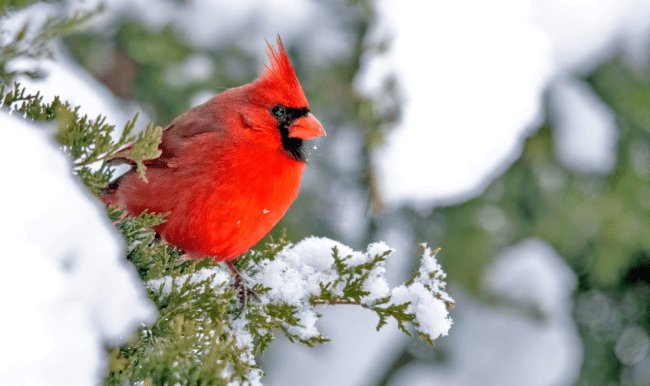
CARDINAL IN WINTER SNOW (All About Birds / Brad Imhoff photo credit)

What wonderful birds! What beauty the Lord built into these winged wonders!

The Cardinal is a favorite bird of many people and it’s easy to see why. The brilliant scarlet plumage of the male and the subtle shades of the female, combined with their clear melodic song, make them enjoyable to watch in any season.  Male and female Cardinals sing equally well, a fact not generally known by those used to the widespread [yet erroneous] assumption that only male birds sing. Song is an important coordinating behavior in the life of a Cardinal. . . . In countersinging, one bird will sing one phrase several times and then the other [cardinal] will match it. Then the leader will sing a new phrase and the other will again match it. This type of countersinging that involves copying [musical] phrases functions to synchronize and unify members fo a pair; and when given between males, helps settle territorial disputes. [Quoting Donald Stokes & Lillian Stokes, “Northern Cardinal”, A GUIDE TO BIRD BEHAVIOR, volume II (Boston, MA: Little, Brown & Company), page 247]
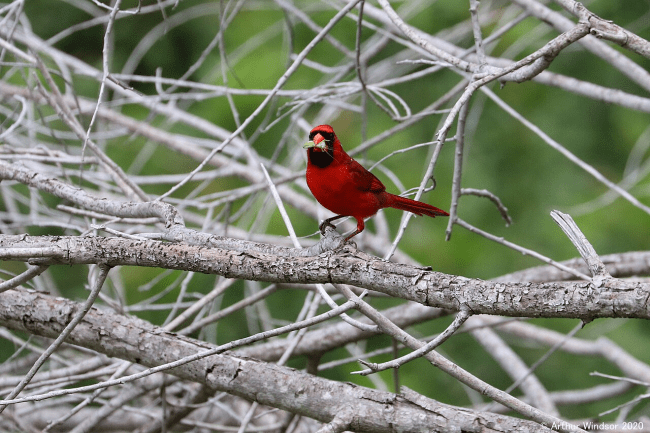
CARDINAL with grasshopper (Wikipedia / Arthur Windsor image credit)

The Cardinal males are so brightly colored, with crimson-red wings and scarlet-red bellies, contrasting with black face-masks that showcase their red beaks. Female cardinals also have bright scarlet-red beaks, yet they are more camouflaged in their plumage hues—soft beige-cream bellies with russet-brown wings and head feathers, accented by reddish crests.
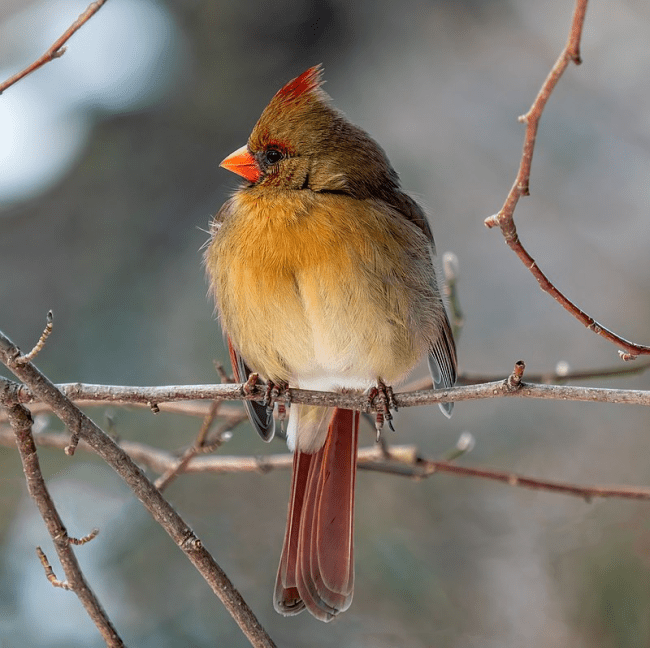
female Cardinal (Wikipedia / Rhododendrites photo credit)

Cardinals are year-round residents—they don’t migrate to avoid cold winters. Rather, cardinals tough out winter weather—hence many scenic photographs display bright-red cardinals perched in tree branches against backdrops of snow-drifts. What beautiful pairs they are, to see in December, braving cold winds and chilly rains or snowfall. 
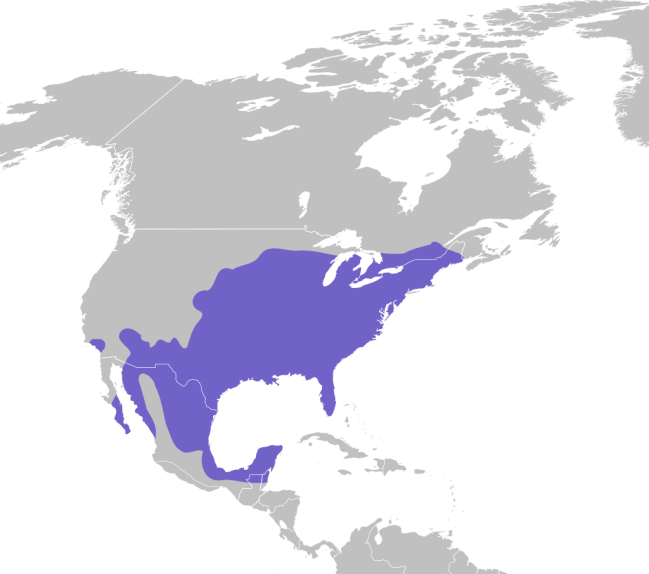
NORTHERN CARDINAL RANGE MAP (Wikipedia image credit)

So, as you journey through winter months, remember that there are times when you should stop being so busy, just long enough to gaze upon busy cardinals that flit about, outside, sharing with us overlapping bits of space and winter weather. 

Thank You, God, for the cardinals.

Hawk’s Wisdom Is From Whom?

Sharp-shinned Hawk (Accipiter striatus) by Daves BirdingPix

The other day while I was filling my gas tank, I looked up and spotted a Hawk flying overhead. He (or she) kept flying back and forth slowly. I have no clue as to what kind of hawk it was, but wondered which verses mentions the hawk? We have written about hawks many times here on the blog, and know it is one of the Birds of the Bible.

Job 39:26 is a great verse that asks a very thought-provoking question.

“Doth the hawk fly by thy wisdom, and stretch her wings toward the south?” (KJV)

I have Bible Gateway loaded on my computer and brought up that verse and asked to show all the various Bible versions. Looking through the various ways of asking or questioning God about His hawks was interesting. As I read through the various versions, it makes us realize how little we know about The Creator’s Wisdom.
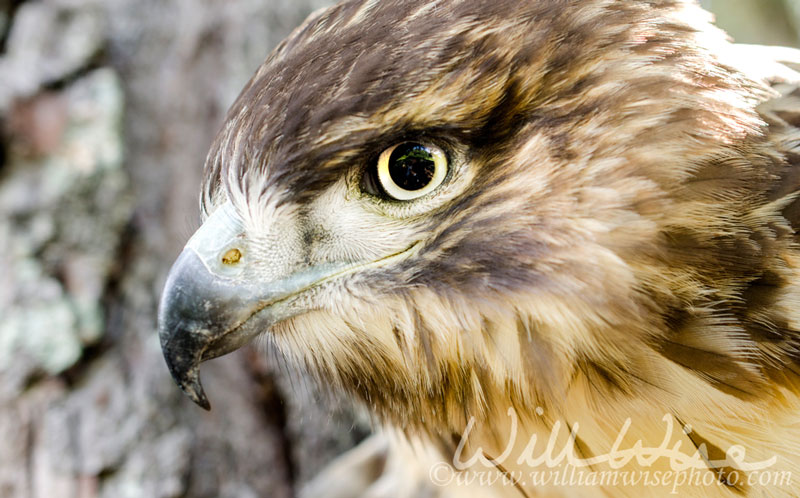
Raptor Bird of Prey, Juvenile Red Tailed Hawk profile, William Wise

Here are some of those questions:

Is it by thy wisdom that the hawk soareth,
“Is it by your understanding that the hawk soars,
Does the hawk take flight by your understanding
Is it due to your understanding that the hawk flies,
Did you teach hawks to fly south for the winter?
Was it your wisdom, Job, that taught hawks how to fly? No! You could not teach them to fly towards the south in winter.
Does a hawk learn from you how to fly when it spreads its wings toward the south?

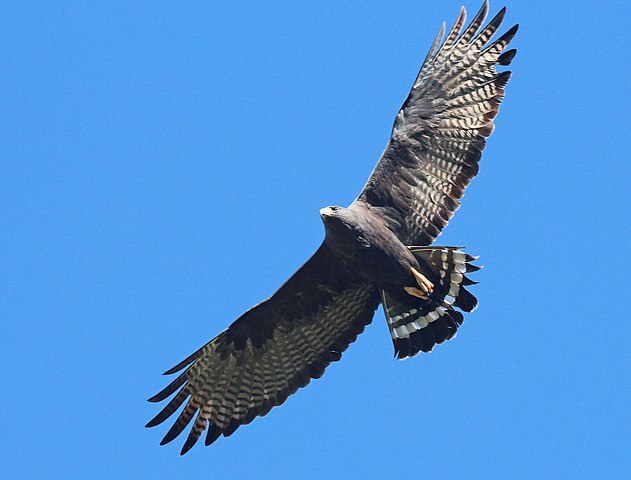
Zone-tailed Hawk (Buteo albonotatus) ©WikiC

“Was it through your know-how that the hawk learned to fly, soaring effortlessly on thermal updrafts? Did you command the eagle’s flight, and teach her to build her nest in the heights, Perfectly at home on the high cliff face, invulnerable on pinnacle and crag? From her perch she searches for prey, spies it at a great distance. Her young gorge themselves on carrion; wherever there’s a roadkill, you’ll see her circling.”
“Whether an hawk spreading abroad his wings to the south, beginneth to have feathers by thy wisdom? (Be it by thy wisdom that a hawk haveth feathers, and spreadeth his wings towards the south?)”

I’m very thankful that the Lord instructs the Hawks do spread their wings and come down here to Florida!! Especially in the winter!!

***

Birds of the Bible Hawks
Birds of the Bible – Hawk Migration
Birds of the Bible – Hawks and Wisdom
Waterman Bird Collection – Hawks and Owls
Ian’s Bird of the Week – Spotted Harrier
Hawk Photos
Hawk Videos
Raptor ID
Raptor Overview
Nave’s Topical Bible – Hawk

Is There a God?

Black-bellied Whistling Ducks Are Back For The Winter

Our Black-bellied Whistling Ducks have shown up again this winter just like previous years. I’ve written about them many times, but I am always glad when they return each winter. I searched through some previous post about them and found this one from 2011. I especially like the verse quoted, “”I will instruct thee and teach thee in the way which thou shalt go: I will guide thee with mine eye.” (Psalms 32:8 KJV)” That verse means a lot as I am learning to adjust to my current situation. See Time To Find and Watch Birds Again. I trust you enjoy this older post again.

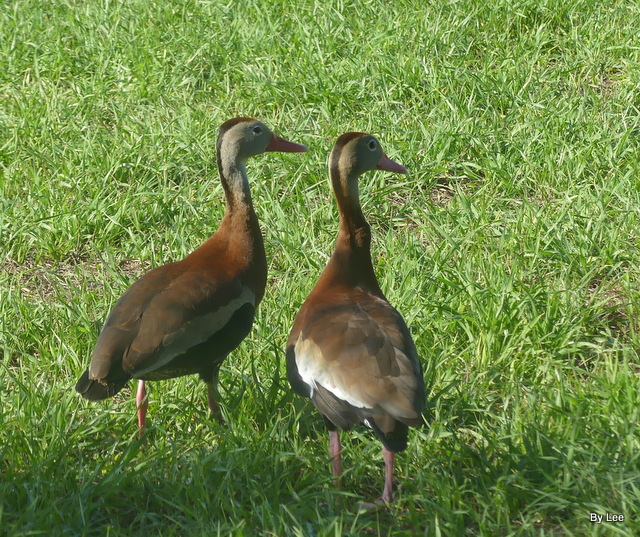
Black-bellied Whistling Ducks feeding 6/11 by Lee

Birdwatching and Blessings – 6/11/21

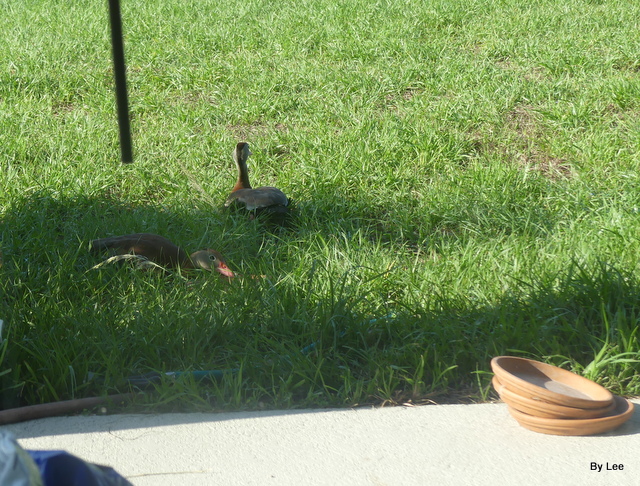
This morning our Whistling Duck pair came looking for food, as is becoming their routine. Dan was planning to mow the grass today, so the food dishes were empty and stacked on the patio. So, I put one close by and gave them some food.

Church Signs:

God likes it when you smile, but he loves it when He is the reason!

The will of God will never take you to where the grace of God will not protect you.

Truths To Consider:

Black-bellied Whistling Ducks looking to see if they should go that way.  6/11

“I will instruct thee and teach thee in the way which thou shalt go: I will guide thee with mine eye.” (Psalms 32:8 KJV)

Black-bellied Whistling Ducks maybe asking or deciding which way to go.  6/11

“And they said unto him, Ask counsel, we pray thee, of God, that we may know whether our way which we go shall be prosperous.” (Judges 18:5 KJV)

Decisions! Decisions! Always best when the Lord is involved in seeking answers.

Good News

Time To Find and Watch Birds Again

Dan at work

I haven’t been active here for several months. So, it’s time to start writing posts again. An explanation is due to those of you who follow this blog.

On October 17th, the love of my life went to heaven. “To be absent from the body is to be present with the Lord.” The Lord chose to take Dan on to be with him.  Dan developed a brain bleed 10 days earlier and never regained consciousness.

Since Dan was our main photographer, I’ll either repost previous favorite photos or use other photographers. So, bear with me as I try to get back in the “Birding Saddle”, so to say.

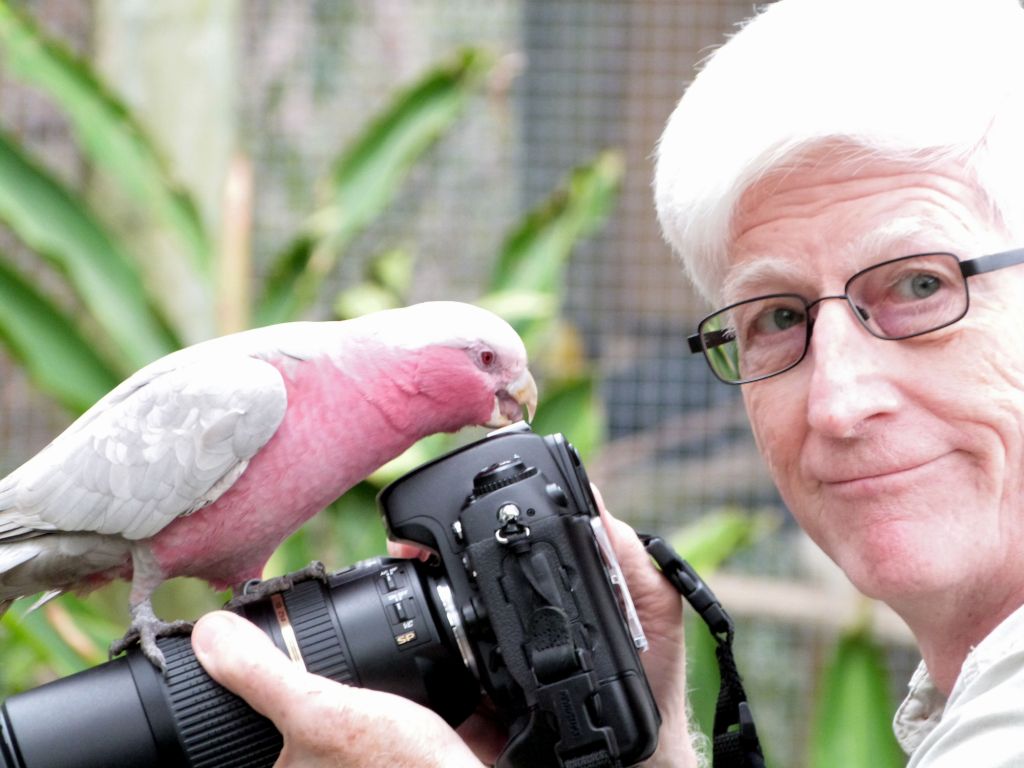
Galah (Eolophus roseicapilla) and Dan

This is Birdwatching really close

Galah (Eolophus roseicapilla) and Dan

Galah (Eolophus roseicapilla) and Dan by Lee

These last two pictures are my favorites as I caught the mischievous Galah checking out Dan’s camera and then Dan’s expression as he looked at me.

As for Dan, I’ll see him later. He, like me, accepted the Lord as his personal Savior when he was a youngster.

“For God so loved the world that He gave His only begotten Son, that whoever believes in Him should not perish but have everlasting life.”
(John 3:16 NKJV)
Have you accepted Him?

Looking Back and Looking Ahead

Good News


Thankful for Turkeys (and Turkey Vultures)

Dr. James J. S. Johnson

 For the invisible things of Him [i.e., the God of the Bible] from the creation of the world are clearly seen, being understood by the things that are made, even His eternal power and deity; so that they are without excuse [αναπολογητους]; because that, when they knew God, they glorified Him not as God, neither were thankful; but they became vain in their imaginations, and their foolish heart was darkened. (Romans 1:20-21)

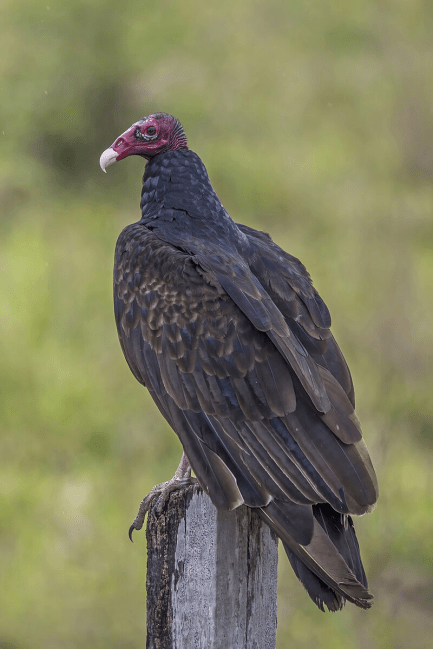
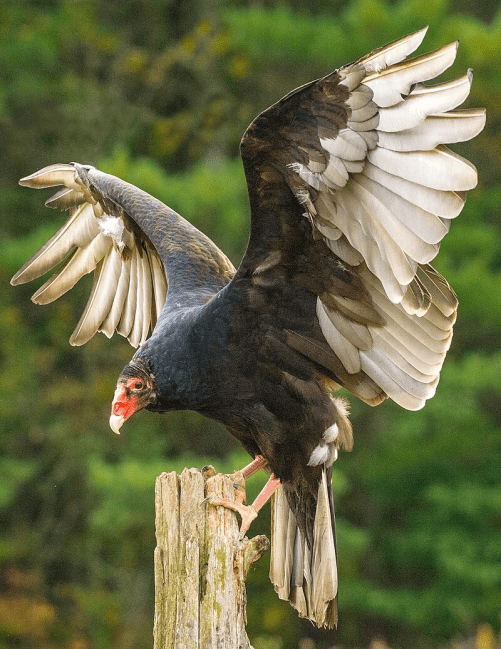
TURKEY VULTURE perching
Wikipedia / Charles J. Sharp photo credit

The two inexcusable sins, routinely committed by evolutionist fools [and notice that the term “fools” is factually appropriate, because Romans 1:21 says that “their foolish heart was darkened”], are the inexcusable failure to glorify God as the Creator He ubiquitously proves Himself to be — plus the inexcusable failure to give thanks unto Him for the uncountable blessings that He caringly and providentially provides to us all (Romans 1:18-25; Acts 14:17; Daniel 5:23; Psalm 14:1).

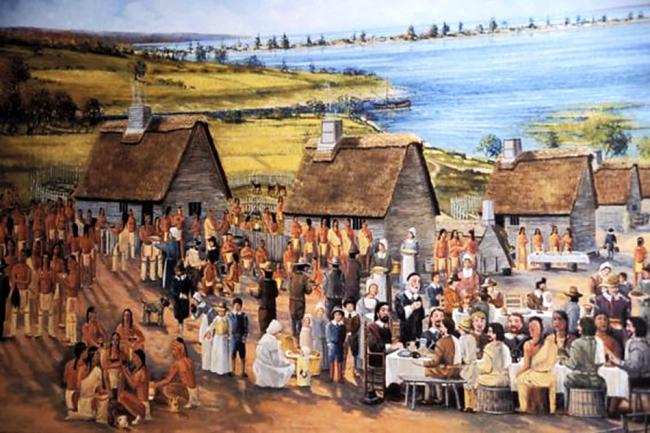
Meanwhile, speaking of giving thanks, Thanksgiving is fast approaching; many folks are thinking about the American Turkey. See “Strangers and Pilgrims (and the American Turkey)”, posted at https://leesbird.com/2014/11/25/strangers-and-pilgrims/ .

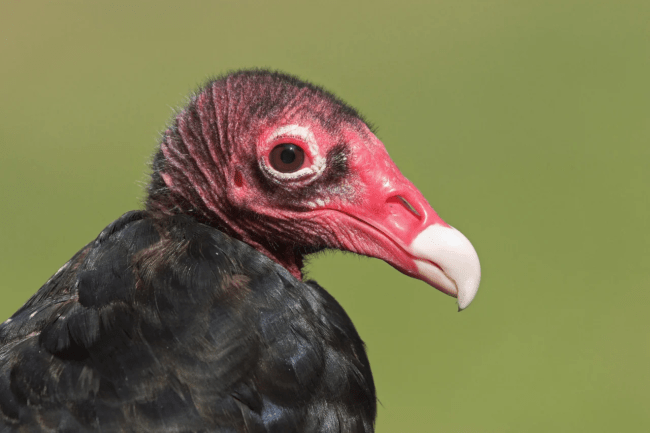
TURKEY VULTURE “beauty contest” mugshot
HighlansCenter.org / Felipe Guerrero photo credit

But what about another large bird that we often see, the Turkey Vulture? This scavenger, known scientifically as Cathartes aura, is actually a very valuable neighbor in whatever habitat they inhabit.

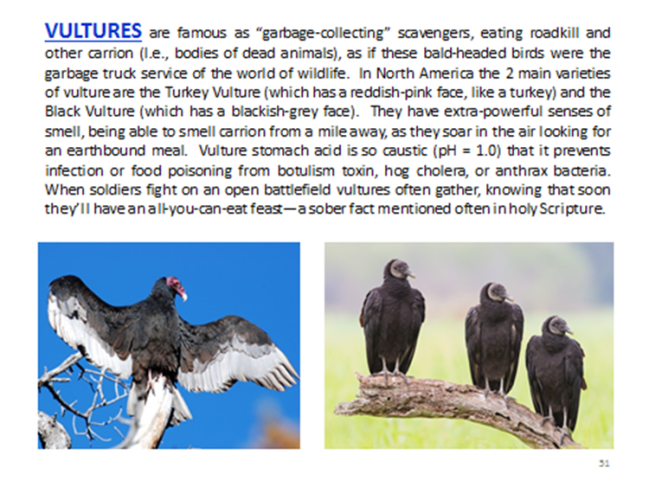
Turkey vultures are most interesting creatures.  One can tell, just by looking at them, that they are well-suited to their task as disposers of dead things.   Their beaks and feet lack the power and the design for killing living things, though their hooked beaks allow them to free the last shred of meat clinging to a carcass.  Their heads are completely featherless, which makes it easier to clean them of bacteria and parasites encountered while rooting around in dead carcasses.  Turkey vultures nest on crags, caves and clefts in rock piles.  They don’t bother to build a nest.  The female lays her two brown, mottled eggs on the bare ground and incubates them for forty-one days.   When the babies hatch, they are fed exclusively on a diet of regurgitated carrion.   (Yumm!??) These birds sound totally disgusting, right?  Actually, they are quite impressive.  They are a very large bird—males and females are quite similar in appearance, with shiny black feathers.  They have a wingspan of up to six feet, and the underside tips of their flying feathers are greyish white.  When they are observed soaring aloft on the thermals, they are quite beautiful indeed, and beauty is in the eye of the beholder. [Quoting Sandy Stoecker, Highlands Center for Natural History naturalist]

But, how did the Turkey Vulture get its valuable role in the so-called “circle of life” neighborhood (i.e., within the dynamic life-and-death ecosystem of this fallen (i.e., good-yet-“groaning”-with-sin and-death) world? The fallenness of our world is thanks to Adam (Romans 5:12-21); however, the gift of life–from the beginning–plus the providential and redemptive sustaining of life in this fallen world–is thanks to our Lord Jesus Christ, Who is both the life-giving Creator (John 1; Colossians 1; Hebrews 1) and the life-restoring Redeemer (Romans chapter 8, especially Romans 8:21-23).

 Because the creature itself also shall be delivered from the bondage of corruption into the glorious liberty of the children of God. For we know that the whole creation groaneth and travails in pain together until now. And not only they, but ourselves also, which have the firstfruits of the Spirit, even we ourselves groan within ourselves, waiting for the adoption, to wit, the redemption of our body. (Romans 8:21-23)

TURKEY VULTURE in Canada
Wikipedia / Peter Burian photo credit

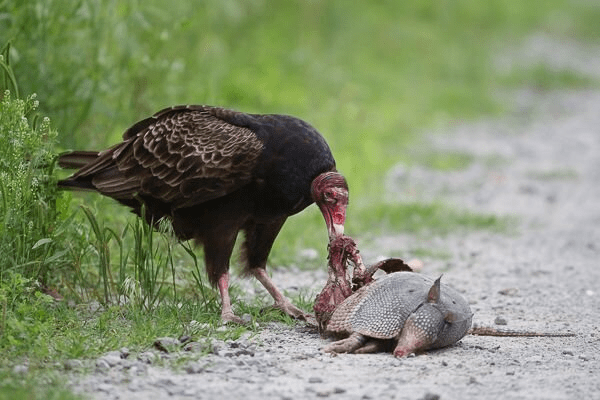
It’s not by good luck that turkey vultures can find rotten carrion, gobble it down, and not die of food poisoning. Vultures have powerful senses of sight and smell; they detect dead animals from afar. Equipped by God for scavenging in this fallen world, they serve as garbage collectors/processors, picking apart and eating roadkill and other carcasses.

Why don’t they get sick or die of botulism? The acidity of vultures’ digestive tracts is astounding. The digestive juices in their stomachs can reach a pH between 1.5 and 1.0, more corrosive than car battery acid and caustic enough to instantly denature to death almost any bacterial or viral pathogen! [Chen, Y. et al. 2023. Vultures as a Model for Testing Molecular Adaptations of Dietary Specialization in Birds. Avian Research. 14: 100128; Buechley, E. R. and C. H. Sekercioglu. 2016. Vultures. Current Biology. 26 (13): R560–R561. Genesis 15:11 reports on carrion-seeking birds whose behavior resembles that of vultures.]

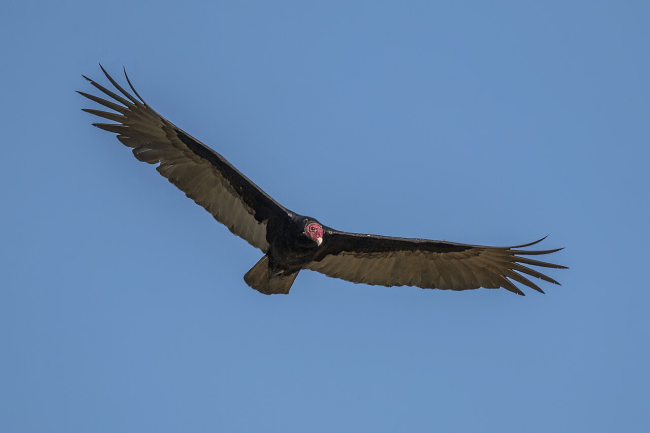
TURKEY VULTURE soaring
Wikipedia / Charles J. Sharp photo credit

In other words, if the vultures’ Creator had not constructed their stomachs with such germ-destroying acidity, the vultures themselves would quickly become dead meat. These built-in (and interactively dynamic) habitat-fitting traits utilize what Dr. Randy Guliuzza calls “continuous environmental tracking”, linked to providentially installed equipment that adjust to the outside world that the vultures live in. God’s providence is thus obvious to — and logically recognized by — honest observers, because God’s glorious craftsmanship is what the apostle Paul calls “clearly seen” (Romans 1:20).

For in-depth analysis of these providential bioengineering wonders (illustrated by God’s amazing creatures), see Dr. Randy Guliuzza’s series on Exploring Adaptation from an Engineering Perspective, posted (e.g.) at http://www.icr.org/article/exploring-adaptation-from-engineering-perspective//1000 — which introduces the truth-seeking reader to Dr. Guliuzza’s series, posted at http://www.icr.org/home?f_search_type=icr&f_keyword_all=&f_keyword_exact=Engineered+Adaptability&f_keyword_any=&f_keyword_without=&f_search_type=articles&f_articles_date_begin=5%2F1%2F2017&f_articles_date_end=12%2F31%2F2019&f_authorID=203&f_typeID=11&section=0&f_constraint=both&f_context_all=any&f_context_exact=any&f_context_any=any&f_context_without=any&module=home&action=submitsearch .

TURKEY VULTURE scavenging dead armadillo
Sound View Camp photo credit

Meanwhile, it’s sad that arrogant evolutionists, like Joel Duff, are self-blinded to these clearly seen Christ-honoring wildlife ecology facts, but they show themselves as self-blinded, habitually, “without excuse” [αναπολογητους] — see Romans 1:18-25 (especially Romans 1:20.)

But, for those with eyes to see it, we can enjoy God’s brilliant bioengineering displayed in Turkey Vultures — and also in the American Turkey — as we approach Thanksgiving with an attitude of gratitude.

Tundra Swans Return, in November, to Chesapeake Bay

Swans Return, in November, for Chesapeake Bay Over-wintering

Dr. James J. S. Johnson

To every thing there is a season, and a time to every purpose under the heaven . . . .  He hath made every thing beautiful in his time; also He has set the world in their heart, so that no man can find out the work that God makes from the beginning to the end. (Ecclesiastes 3:1 & 3:11)

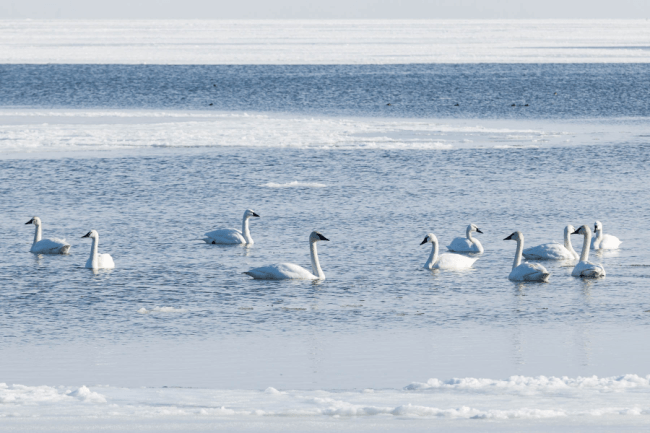
TUNDRA SWANS as “Winter Marylanders”
(Will Parson/Chesapeake Bay Program photo credit)

Seasons come and seasons go, demonstrating the faithfulness of God’s post-Flood promise to Noah and Noah’s Ark passengers:

While the earth remains, seedtime and harvest, and cold and heat, and summer and winter, and day and night shall not cease. (Genesis 8:22)

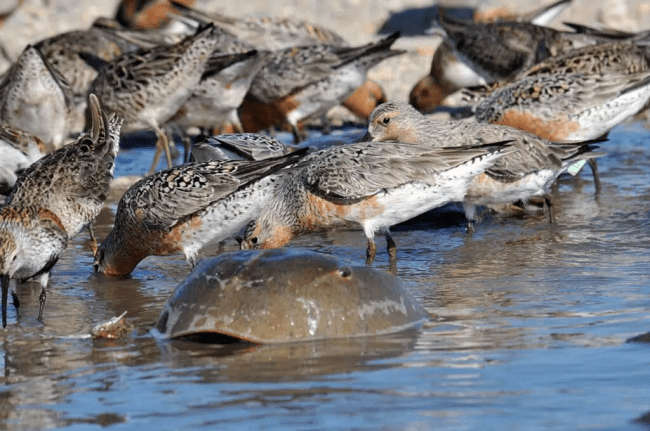
RED KNOTS eating horseshoe crab eggs
(USF&WS / Gregory Breese photo credit)

Only a half-year ago the May migrants were blanketing shorelands of the Delmarva [Delaware-Maryland-Virginia] Peninsula, and other parts of the the Chesapeake Bay’s watershed shorelands, here and there:

In May we were tramping the saltmarshes and beaches of the lower Delmarva Peninsula with biologists from the Nature Conservancy, collecting vital data on a variety of shorebirds, from willets to whimbrels, plovers to dunlins, red knots to ruddy turnstones. Some, like the curved-beaked whimbrels, may be airborne without stopping for up to five days, arriving at the lush marshes and mudflats of our region famished from their winter haunts in South America. For several weeks they will refuel here, nonstop, chowing down on fiddler crabs. Then, one spring evening, something in them stirs, and they are aloft by the thousands, not to alight before reaching breeding grounds that stretch from Hudson Bay to far northwest Canada’s Mackenzie River Delta. [Quoting Tom Horton, CHESAPEAKE BAY JOURNAL, 34(5):30 (July -August 2024).]

But now, in November, the phenological reverse occurs — because, during May (and earlier), migrant birds fly northward, to seek out their summer breeding grounds; whereas, during November (and earlier), migrant birds are flying southbound, leaving their breeding grounds behind, as they emigrate by air to their over-wintering grounds.

Come this autumn we’ll be on Deer Creek on the Susquehanna River . . . [including] days in the wet and snow over the winter, filming tundra swans, one of the largest long-distance migrators of the bird world. They [i.e., tundra swans] spend a good portion of their lives on the wing, moving from breeding grounds across Alaska’s North Slope and the Yukon each fall into the Chesapeake and North Carolina — a 9,000-mile round trip. . . . . In November, not long after the last monarch [butterfly, emigrating southward to Mexico] has passed through, and as the silver eels [migrating snake-shaped ray-finned fish] stream from the Chesapeake’s mouth toward Sargasso depths, there will come the lovely, wild hallooing of “swanfall” — the descent of the tundra swans from on high to grace our winter. [Quoting Tom Horton, CHESAPEAKE BAY JOURNAL, 34(5):30 (July -August 2024).]

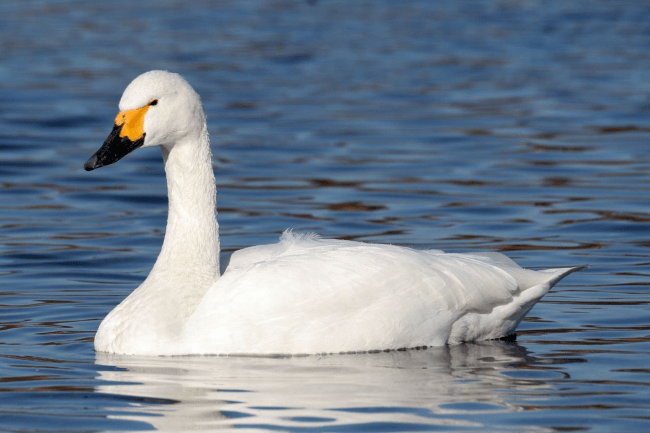
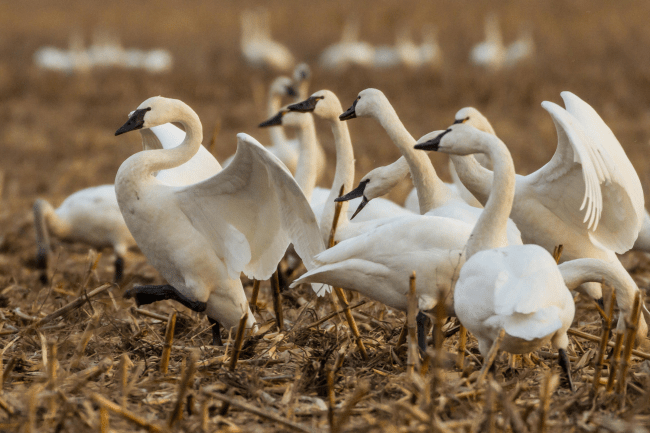
TUNDRA SWAN (Wikipedia / Maga-chan photo credit)

Tundra swans — they are huge [some would say “yooge”] geese-like birds.

So, what kinds of waterfowl are phenologically (and providentially) programmed, by the Lord Jesus Christ, to winter in ice-free estuaries like the Chesapeake Bay? 

“Duck, duck, goose!”—and swans (such as Tundra Swans), just to name the most obvious.  For example, Tundra Swans—being “yooge” birds—are easy to observe, especially if they are afloat in waters of an estuarial (or lacustrine) habitat that you may be visiting.

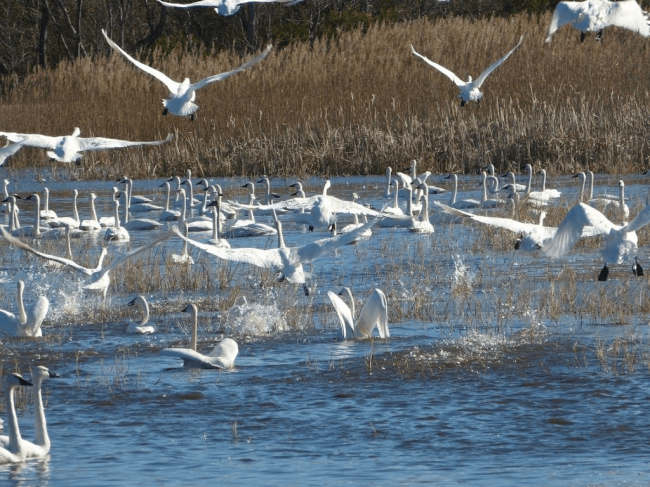
TUNDRA SWANS in North Carolina
(USF&WS photo / public domain)

Swans are the largest waterfowl, and the tundra swans travel the farthest, more than 4,000 miles in some cases. They winter primarily on the Delmarva [Delaware-Maryland-Virginia] Peninsula and the estuarine edges of North Carolina. These large white birds are easily recognized by their black bills and straight or nearly straight necks. Tundra swans often form flocks on shallow ponds. [Quoting Kathy Reshetiloff, “Chesapeake’s Abundance Lures Wintering Waterfowl”, CHESAPEAKE BAY JOURNAL, 33(9):40 (December 2023), posted at http://www.bayjournal.com/columns/bay_naturalist/chesapeake-s-abundance-lures-wintering-waterfowl/article_4463317a-887f-11ee-a208-8768dc34c5a7.html .]

Wow! — what a wonder these wintering waterfowl are!

Or, more appropriately said, Hallelujah! — what a treasure of phenological providence these wonderful waterbirds are, showing God’s handiwork and caring kindness for His own creatures. May God bless them all, as they faithfully do their respective parts to “be fruitful, and multiply upon the earth” (Genesis 8:17).

TUNDRA SWANS
(Audubon Field Guide photo credit)

CROWS SOMETIMES EAT ROADKILL

Dr. James J. S. Johnson

Consider the ravens [κορακας], for they neither sow nor reap; which neither have storehouse nor barn; and God feedeth them: how much more are ye better than the fowls?  (Luke 12:24)

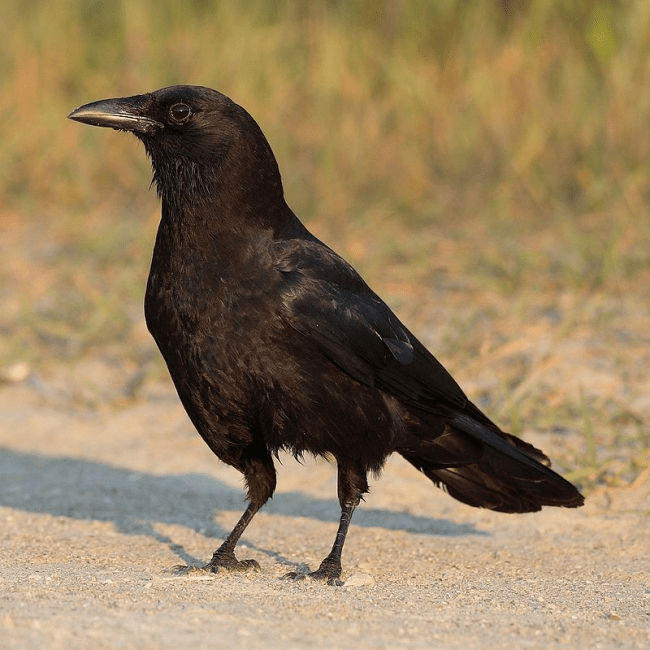
AMERICAN CROW (Wikipedia photo credit)

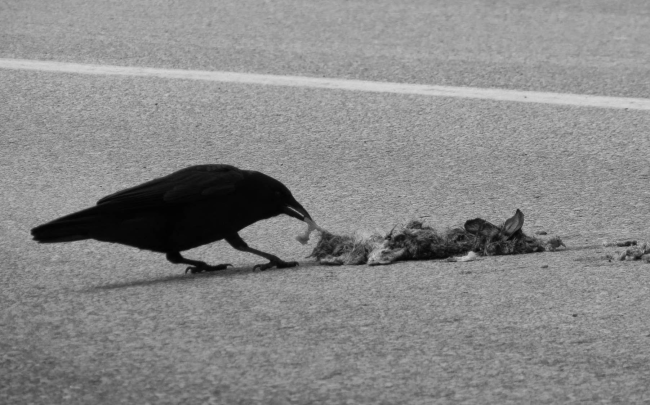
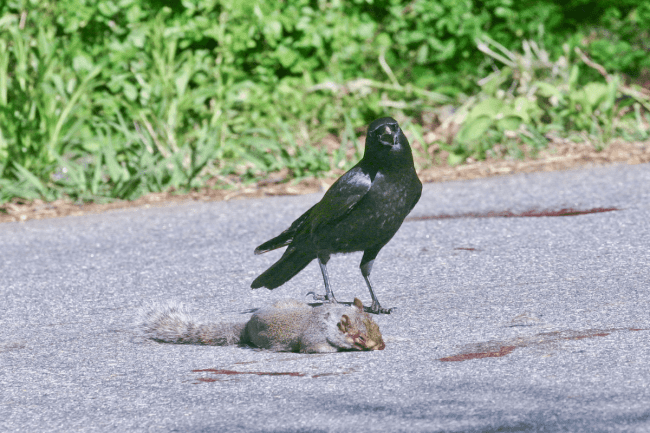
Ever seen a crow [Corvus brachyrhynchos] on a road, struggling to consume roadkill?  Yesterday I approached a crow in the road, as I was commuting—the crow was struggling to pull edible portions of meat from roadkill—it looked like a squirrel. 

CROW EATING SQUIRREL ROADKILL
r/crowbro / reddit.com photo credit

Like the Holy Land’s ravens [Corvus corax] who are mentioned by the Lord Jesus Christ Himself (in Luke 12:24), crows are famously opportunistic eaters – and their potential food sources include the cadavers of dead rodents, such as squirrels who (sadly) become roadkill in tree-populated suburban streets. 

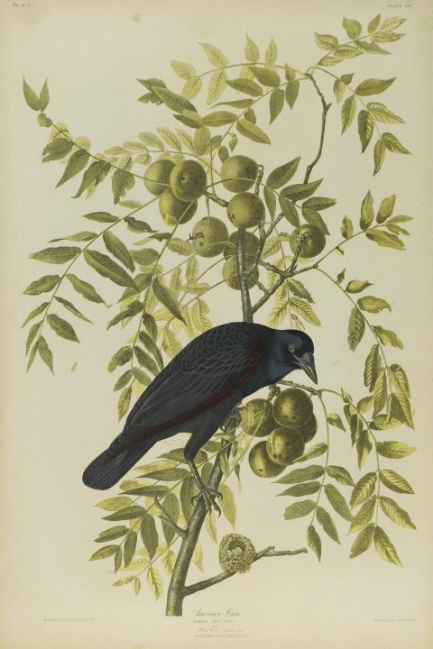
AMERICAN CROW
(J. J. Audubon painting / public domain)

The crow that I saw, yesterday morning, was struggling so, to get some edible parts of the roadkill, that he (or she) did not see my car approaching—which could result in the roadkill-eating crow himself (or herself) soon becoming another example of roadkill! 

So, of course, I tooted my car’s horn, with the jolting noise scaring the crow – so the crow quickly (and safely) flew away, thus escaping a roadkill fate. After my car passed through that part of the boulevard, happily, the hungry (and still living) crow returned to its roadkill meal. 

Sometimes a little “beep, beep” is all that is needed to “save the day” (for a crow)!

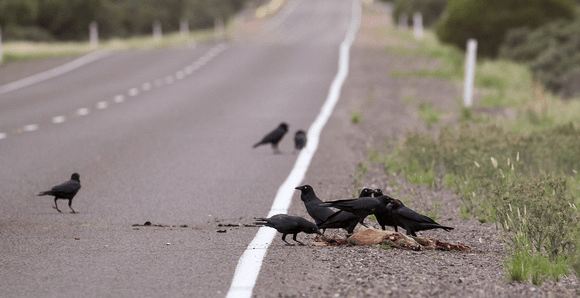
CROWS EATING ROADKILL
WarangaUnitingChurches.net.au photo credit

So, with that incident in mind, here is a limerick:

WHEN EATING ROADKILL, DON’T BECOME ROADKILL YOURSELF

While I drove, one day, on a street

I neared a crow, trying to eat

Tugging at roadkill

But I had goodwill

So I braked, with warning: beep, beep!

><> JJSJ profjjsj@aol.com

Beware, frisky squirrels, else you become roadkill. 

Beware, too, ye crows – because it could happen to you, too!

CROW WITH ROADKILL SQUIRREL
Nature-Blog-Network photo credit

MIGRATORY STOPOVER FOR CANADA GEESE

Dr. James J. S. Johnson

Yea, the stork in the heaven knows her appointed times; and the turtledove and the crane and the swallow observe the time of their return; but My people know not the judgment of the LORD. (Jeremiah 8:7)

The Bible mentions migratory birds – for examples, storks, turtledoves, cranes, and swallows are mentioned as faithfully migratory birds in Jeremiah 8:7.  (See JJSJ’s “A Lesson from the Stork”, at http://www.icr.org/article/lesson-from-stork .)

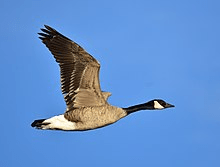
CANADA GOOSE in flight (Wikipedia photo credit)

Avian migrations are truly a wonderful recurrence in God’s phenological providences. 

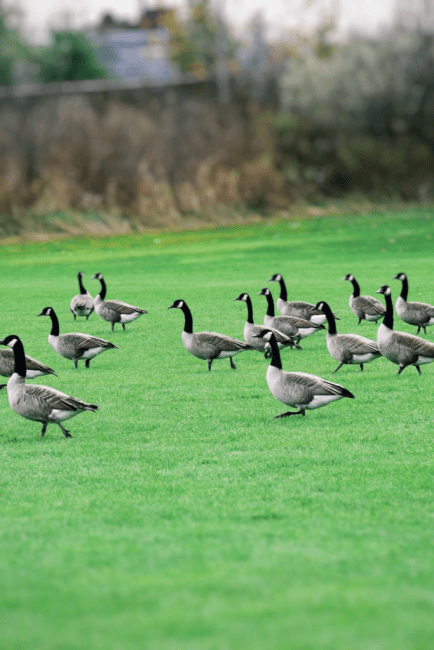
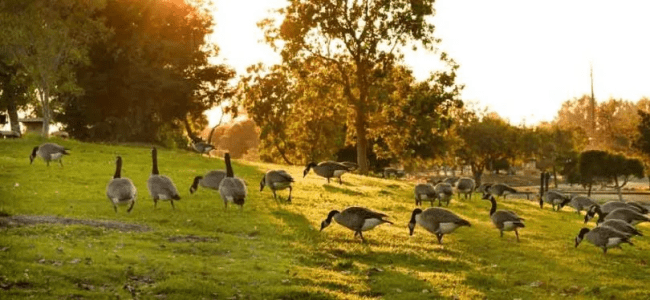
With that in mind, I observed a flock of Canada geese (Branta canadensis) in my neighborhood, not far from my mailbox—they were grazing among the grasses by my rain-runoff drainage ditch. 

CANADA GEESE IN GRASS
(HumaneActionPittsburgh.org photo credit)

But not long afterwards they were off again, in the air, southbound, toward wherever they go for winter.  Today’s limerick follows.

OBSERVING 18 CANADA GEESE: MIGRATORY STOPOVER VISITORS

A migrant flock came by today

The flock intact, none gone astray;

Slowly grazing geese,

Dawdling and obese;

Then they returned to their flyway.

(JJSJ, November 4th A.D.2024, near Flower Mound, Texas.)

CANADA GEESE IN YARD
(TriangleGardener.com photo credit)

SWIFTS, UNSURPRISINGLY, ARE SWIFT! (AND THEY MAKE A JOYFUL NOISE)

Dr. James J. S. Johnson

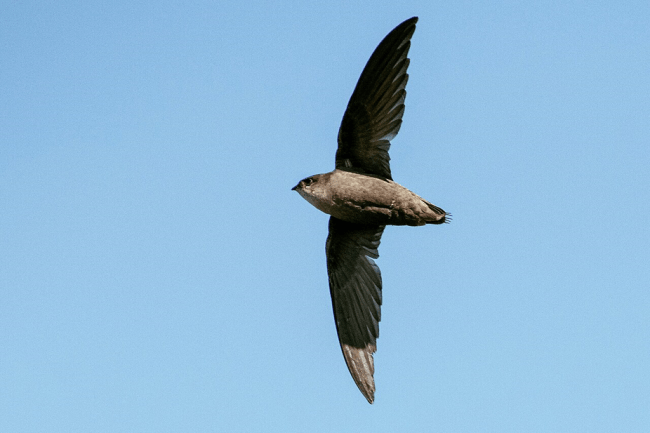
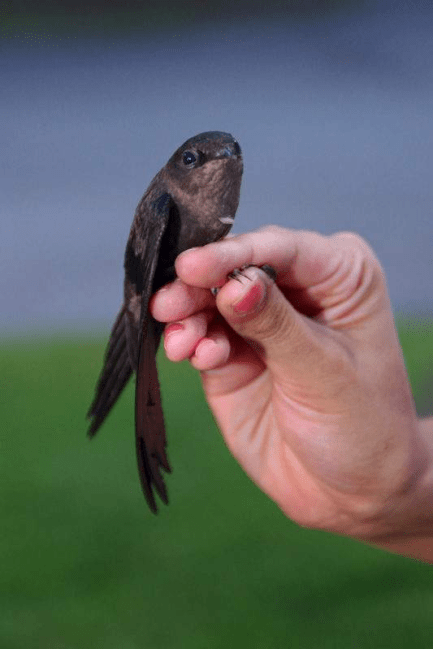
CHIMNEY SWIFT near Cleveland, Ohio, by Lake Erie
(Adam Jackson / Wikipedia photo credit) 

Make a joyful noise unto the LORD, all ye lands.   (Psalm 100:1) 

SWIFT is a fitting name for the swallow-like birds that swiftly dart, here-and-there, zigzagging and zipping and catching flying fast-food on the wing.  Also, they are known for nesting inside traditional chimneys.

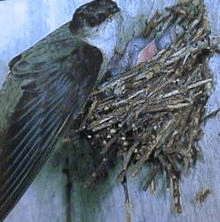
CHIMNEY SWIFT nesting (Wikipedia photo)

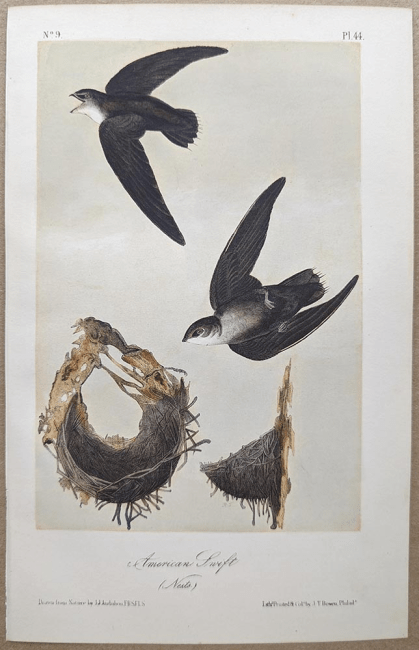
One of the well-known varieties of swifts are the Chimney Swifts (Chaetura pelagica), whose breeding ranges fill America’s eastern half plus some of the central prairie states. Swifts resemble swallows so closely, in morphology and in behavior, that swifts were originally categorized as swallows, e.g., by Carl Linnaeus, and later by ornithologists Mark Catesby and John James Audubon.

AMERICAN SWIFT by John James Audubon

Alonso Abugattas, on behalf of the CHESAPEAKE BAY JOURNAL, has recently reported on the Eastern seaboard’s Chimney Swifts, noting that these insectivorous birds are, as their name suggests, swift:

The twittering, darting flight of the chimney swift is a common sight in the skies of cities and towns in the Chesapeake Bay region during the warmer months. These birds are often best identified by their peculiar silhouettes even when they are high up in the air — looking like a “cigar with wings,” to borrow the description given to them by famed birding writer Roger Tory Peterson.

Male and female chimney swifts are identical in coloration, though the males may be slightly larger. These 5.5-inch birds are dark brownish gray with pale throats, short necks and round heads. Their tails are short, usually tucked to a point when in flight but sometimes spread out and square-ended. Their curved, scimitar-like wings extend far from the cigar-shaped body, giving them a wingspan more than twice their head-to-tail length. Surprisingly, swifts are not closely related to swallows, appearances notwithstanding.

Chimney swifts are true to their name, being very fast in the air, and their flight is fairly distinctive with rapid wing beats followed by a short glide. They are built to be aerial acrobats, rarely touching down except to nest and roost. They do every-thing else airborne. They feed, mate, drink, bathe and even snooze on the wing. Feeding is easy, because 95% of their diet is flying insects, using their short but wide bills to capture prey. They skim across water to drink and sometimes scoop up aquatic bugs the same way.  . . . .

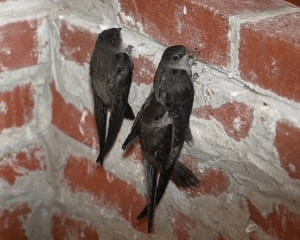
The chimney swift (Chaetura pelagica) is part of the swift family Apodidae, meaning “without feet.” They do have feet, of course, but very short and inept ones, making them clumsy on land and unable to land adroitly on branches. They are built to hang vertically inside hollow trees, chimneys and confined walls (sometimes even upside down, giving them the nickname “chimney bat”).

[Quoting Alonso Abugattas, “Roosting of Flying, the Chimney Swift Lives Up to its Name”, CHESAPEAKE BAY JOURNAL, 34(7):39 (October 2024).]

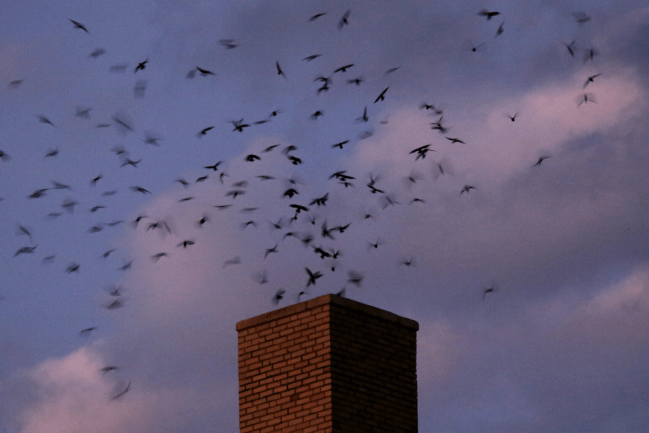
CHIMNEY SWIFTS flying over brick-and-mortar chimney
(Ben Cvengros / Travis Audubon Society photo credit)

Thus, the Chimney Swift is at home in the air, winging it—rather than casually perching somewhere, waiting for the next crawling bug to creep by—and so they are easily seen when they perform their aerial acrobatics.

Make a joyful noise unto the LORD, all ye lands.   (Psalm 100:1) 

What is making a “joyful noise”?  It is commanded is Scripture, whatever it is – see Psalm 66:1; 81:1; 95:1-2; 98:4; 98:4; 100:1.

To many, the noise of circuitous swifts is just that, a screeching-like screaming noise — not the kind of “music” that King David would have included in his orchestra-supported choir (1st Chronicles 15:16). But to a bird-lover, the aerial call of this air-zooming insectivore is a “joyful noise”, installed and directed by the Composer and Giver of all birdsong (and other avian vocalizations).  Yes, as others ignore them, I enjoy hearing the energetic calls of Common Swifts (Apus apus), as they zip around, in hunting packs, de-bugging the lower airspace during the bug-filled days of summer.

(Quoting JJSJ, “Making a Joyful Noise in Estonia’s Tallinn:   A Quick Memoir of Common Swifts”, posted at https://leesbird.com/2016/10/04/making-a-joyful-noise-in-estonias-tallinn-a-quick-memoir-of-common-swifts/ .)

CHIMNEY SWIFT (Greg Harber / Alabama Birding Trails photo credit)

The Chimney Swift’s migratory behavior, as well as their propensity for flying (rather than perching) is described by ornithologist Donald Stokes:

The arrival of swifts in late spring is an exciting moment.  You will probably first hear their chittering calls, then look up and see their small bodies and curved, bladelike wings slicing through the air in graceful arcs. Their constant flight throughout the day makes them both physically and experientially remote from our earthbound living.  But even so, bending back your neck to see only sky and these streamlined birds gliding about can draw you into their world of flight—so much so that when you again look down it may take you a moment to reorient yourself to the world of the flightless.

More than any of our other common birds, the Swift’s life is lived on the wing.  As migration gets under way, large flocks can be seen in the early morning flying in formation over possible roosting sites and calling loudly all the time. Then, as it starts to get dark, they begin to dive into the roost, sometimes forming a steady stream out of the airborne flock.

[quoting Donald W. Stokes, STOKES NATURE GUIDES (A GUIDE TO BIRD BEHAVIOR), volume I (Boston, MA: Little Brown & Company, 1979), page 85.]

CHIMNEY SWIFTS on masonry wall (John Schwarz / Birdspix photo credit)

So, like busy Chimney Swifts, we should be busy at our daily activities, making a joyful noise –whistling (or singing)—while we work.

Make a joyful noise unto the Lord, all the earth: make a loud noise, and rejoice, and sing praise. (Psalm 98:4) 

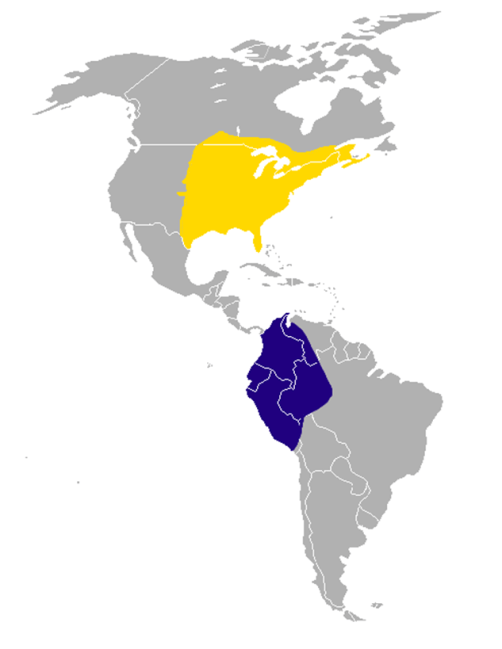
As a range map (see below, from Wikipedia) shows, Chimney Swifts are migratory birds, using the eastern half of America’s Lower 48 as their summer breeding grounds – yet where do they go for over-wintering?

By the fall, the swifts are in migration. For years, it was a mystery where they went — until 1943, when 13 leg bands were turned in by [native] people in eastern Peru, with eight of them having been banded in Tennessee. Since then, they have been found to overwinter in parts of Ecuador, Chile, Brazil and recently in Colombia.

[Quoting Alonso Abugattas, “Roosting of Flying, the Chimney Swift Lives Up to its Name”, CHESAPEAKE BAY JOURNAL, 34(7):39 (October 2024).]  

RANGE MAP of CHIMNEY SWIFTS   (Wikipedia map)

So, there!  Chimney Swifts are long-distance migrants, geographically resourceful in accordance with the providential phenology that God designed and installed into their software/hardware systems, fitting them to fill and flourish the habitats of God’s design. 

What a wonder!  Think of that, and how swarms of swifts silently glorify God, the next time that you see a brick-and-mortar chimney.  Who knows? Maybe you are looking at a chimney that houses the nest of a Chimney Swift family.

><> JJSJ  profjjsj@aol.com 

Birdwatching Thru The Bible – Birds Mate For Life

Birdwatching Thru The Bible – Birds Mate For Life

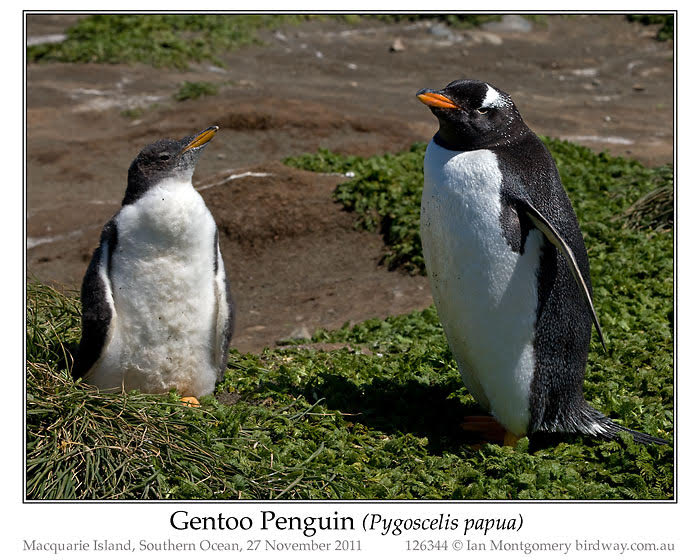
Gentoo Penguin (Pygoscelis papua) by Ian
While reading through an article about animals mating for life, they listed these birds:

11 Animals That Mate for Life

Bald Eagles

Bald Eagle (Haliaeetus leucocephalus) by AestheticPhotos

“As an eagle stirs up its nest, Hovers over its young, Spreading out its wings, taking them up, Carrying them on its wings,”
(Deuteronomy 32:11 NKJV)

Bald Eagles (from the above article)

“Although Benjamin Franklin once disparaged (possibly in jest) the bald eagle’s “bad moral character,” America’s national bird upholds a high standard for family life by (mostly) remaining faithful. Following a kamikaze courtship ritual in which two birds lock talons and tumble end-over-end until they nearly hit the ground, the male and female settle into a period of domestic bliss marked by dad’s willingness to undertake incubation and feeding duties. The “divorce” rate for these birds is less than 5%, according to scientists. And while they spend large chunks of the year alone, bald eagles mark their fidelity with a shared long-term commitment to nest building: One such home put together by an eagle couple in Florida was found to measure 9.5 feet long and 20 feet deep. It holds the record for the​​ largest bird’s nest ever documented.” (The largest bird’s nest was built by a pair of bald eagles (Haliaeetus leucocephalus), and possibly their successors, near St Petersburg, Florida, USA and measured 2.9 m (9 ft 6 in) wide and 6 m (20 ft) deep. It was examined in 1963 and was estimated to weigh more than two tonnes (4,409 lb).)

Bald Eagle (Haliaeetus leucocephalus) by Aesthetic Photos

Atlantic Puffins

Atlantic Puffins by Bill Boothe, MD in the Isle of Mull Scotland

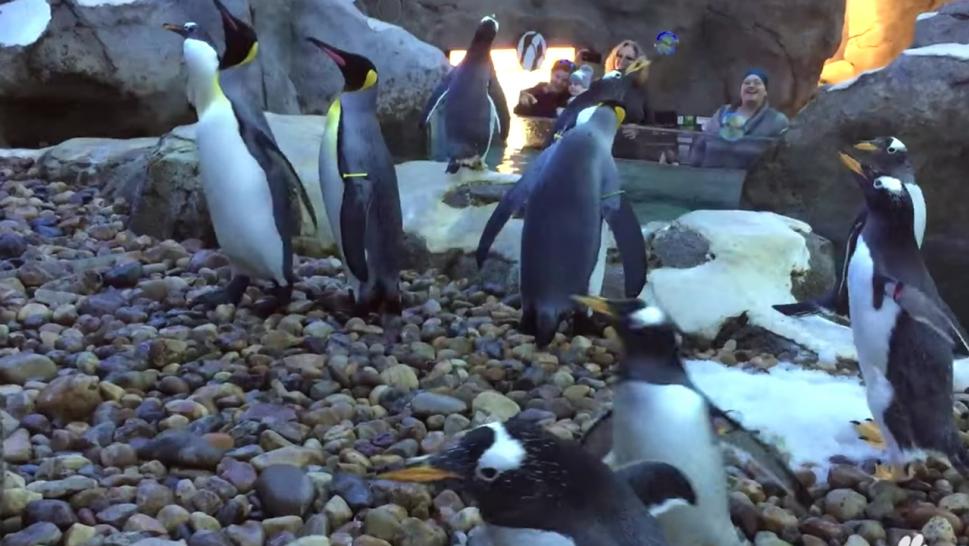
Gentoo Penguins

Calgary Zoo – Gentoo Penguins ©Inside Edition

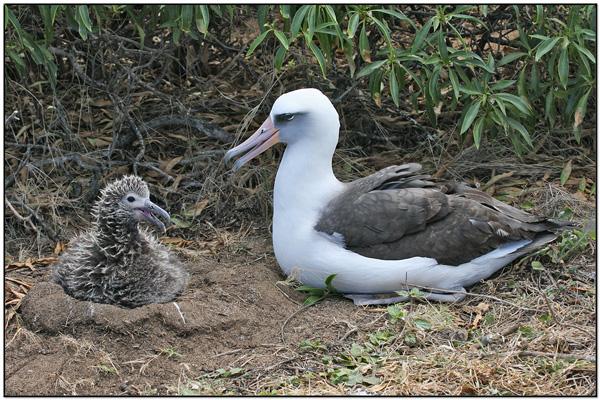
Albatrosses

Laysan Albatross with chick

Most likely there are other birds that pair up for life but I thought you would enjoy seeing these.

See a few previous articles about these birds:

Bald Eagle Blessing

“A” is for Avocet and Albatross: “A” Birds, Part 1, by James J. S. Johnson

Sunday Inspiration – Austral Storm Petrels and Albatrosses

Ian’s Bird of the Moment – Gentoo Penguin

Atlantic Puffins on the Isle of Mull, Scotland


Birdwatching Thru the Bible – Vulture’s Eyes

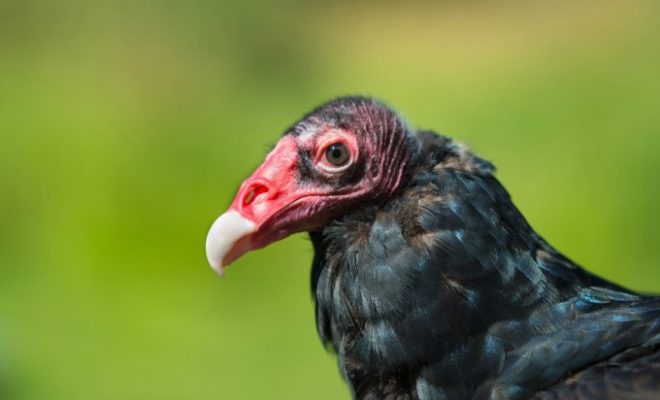
Vulture-turkey.Texas Hill Country

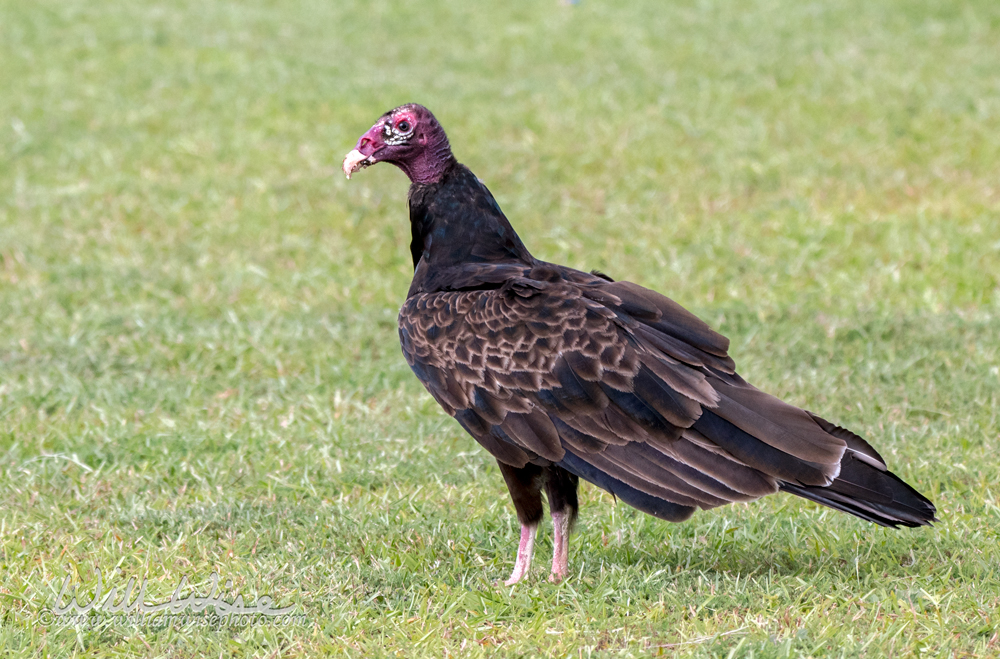
Ever since I posted the Lee’s Four Word Thursday – Vulture’s Eye, I have been curious about their eyes. Do they really have great vision? Is this verse in Job 28:7 the only reference to their eyes? The search began with that verse. Only the KJV, DRB versions use the word Vulture. (My E-sword versions). The other translations use Falcon, Hawk, and Kite. Apparently, all of the birds have great vision and are great hunters.

“There is a path which no fowl knoweth, and which the vulture’s eye hath not seen:” Job 28:7 KJV

Turkey Vulture; Walton County, Georgia by William Wise

Turkey Vulture; Walton County, Georgia by William Wise

Here is an interesting article about Vultures: 50 Interesting Facts About Vultures

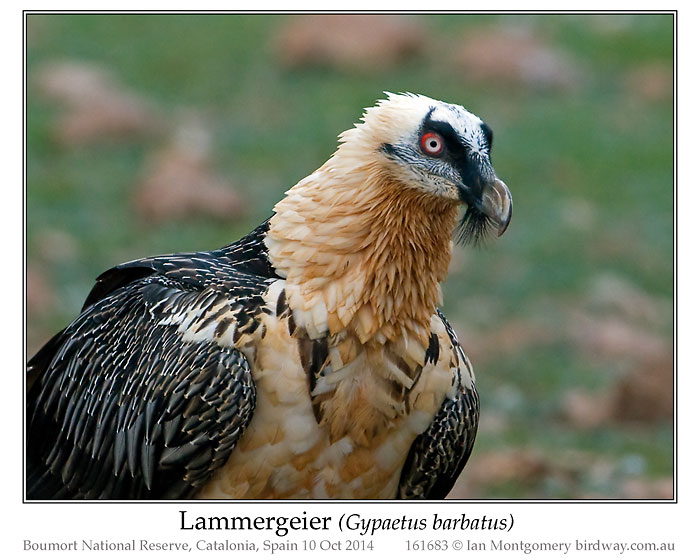
Bearded Vulture (Gypaetus barbatus) or Lammergeier by Ian

Bearded Vulture (Gypaetus barbatus) or Lammergeier by Ian

We have posted quite a few articles about the Vultures and here are just a few:

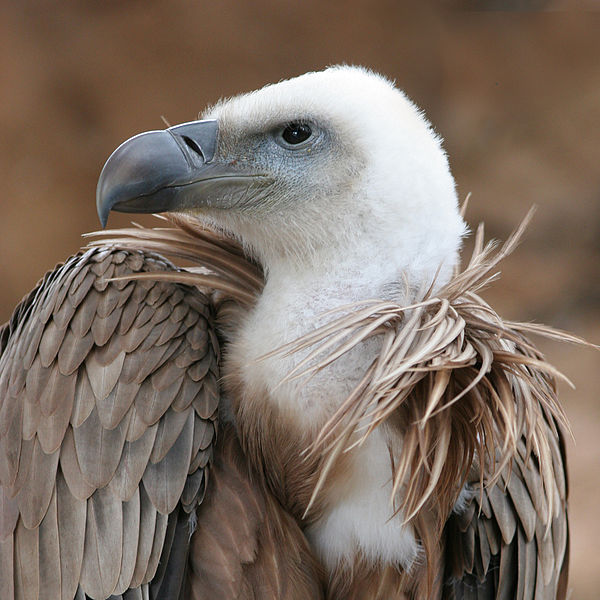
Griffon Vulture (Gyps fulvus) ©WikiC

Here are two more links (of which one was about the Vulture’s Eye):

Here’s another article that our Dr. Jim (JJSJ) gave us:

Christ’s Creativity in Canyon Critters

The Lord has provided these Vultures with great vision to enable them to find food, and actually help clean the landscape. If He can provide for the Birds of the Air, I know He can provide for us.

“I will instruct thee and teach thee in the way which thou shalt go: I will guide thee with mine eye.” (Psalms 32:8 KJV)

Good News

Lee’s Four Word Thursday – Vulture’s Eye

***

King Vulture Brevard Zoo 120913 by Lee

WHICH THE VULTURE’S EYE

***


“There is a path which no fowl knoweth, and which the vulture’s eye hath not seen:” (Job 28:7 KJV)

King Vulture at the Brevard Zoo by Lee

(This is a repost of 8/25/16)

*

More Daily Devotionals

*

Who Paints The Leaves?