Heaven’s New Jerusalem and Birds – Topaz

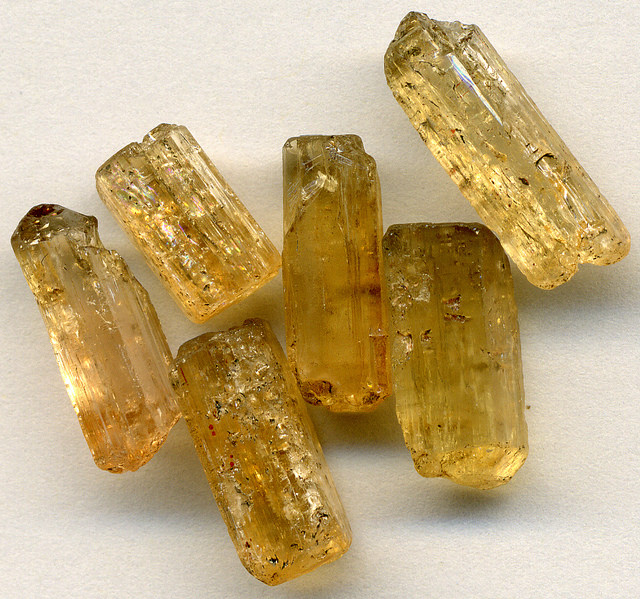
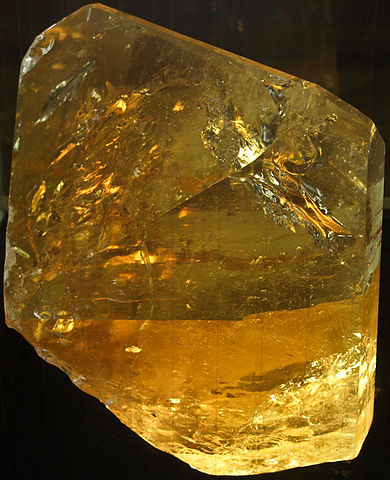
Topaz ©Flickr James St John

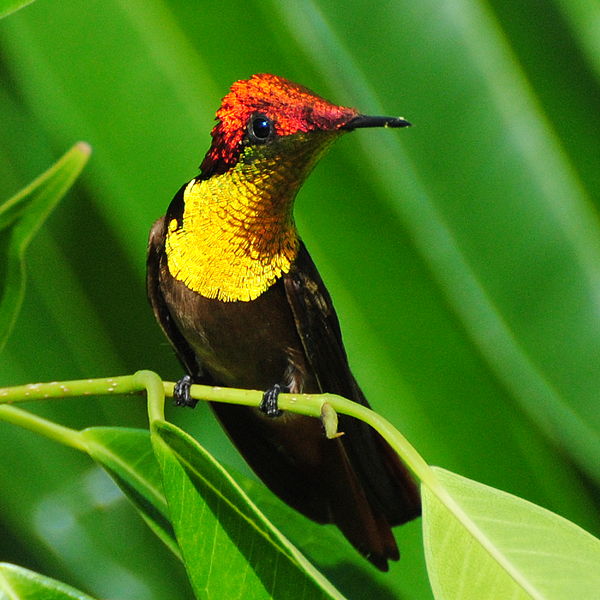
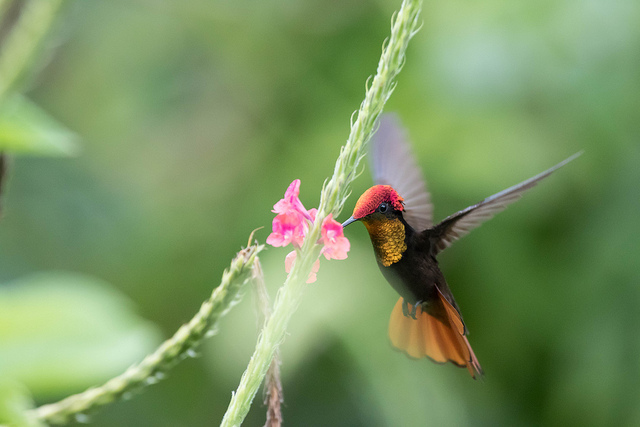
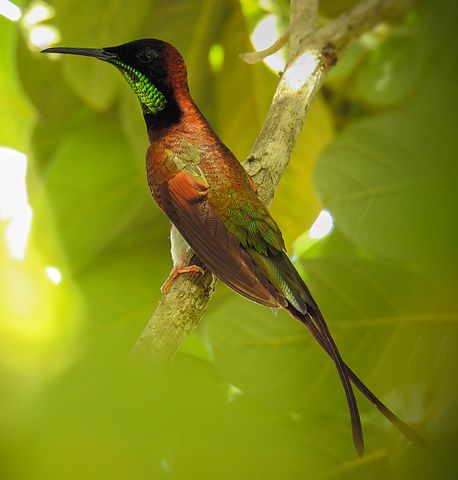
Ruby-topaz Hummingbird (Chrysolampis mosquitus) ©WikiC

“The foundations of the wall of the city were adorned with all kinds of precious stones: the first foundation was jasper, …. the fifth sardonyx, the sixth sardius, the seventh chrysolite, the eighth beryl, the ninth topaz, the tenth chrysoprase, the eleventh jacinth, and the twelfth amethyst.” (Revelation 21:19a-20 NKJV)

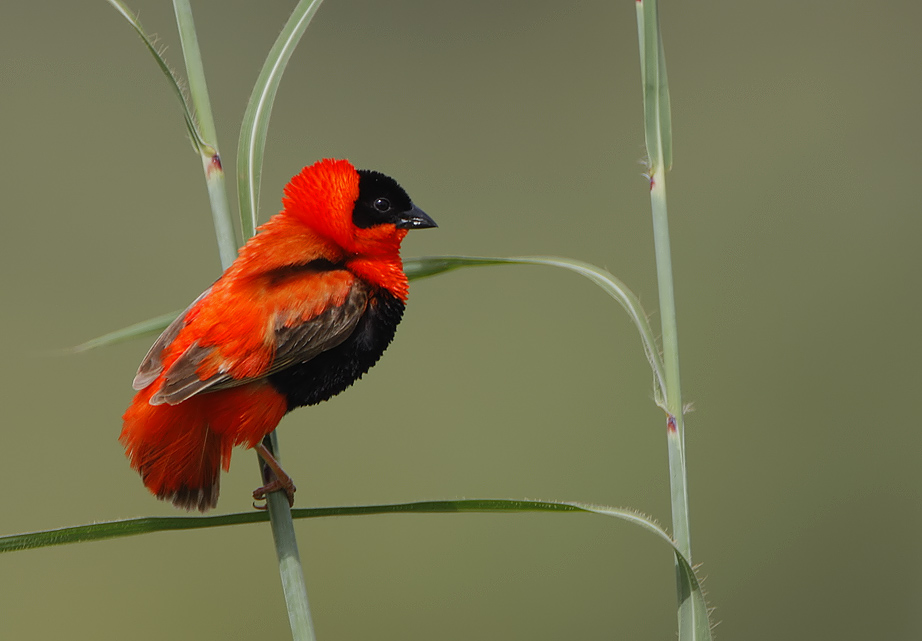
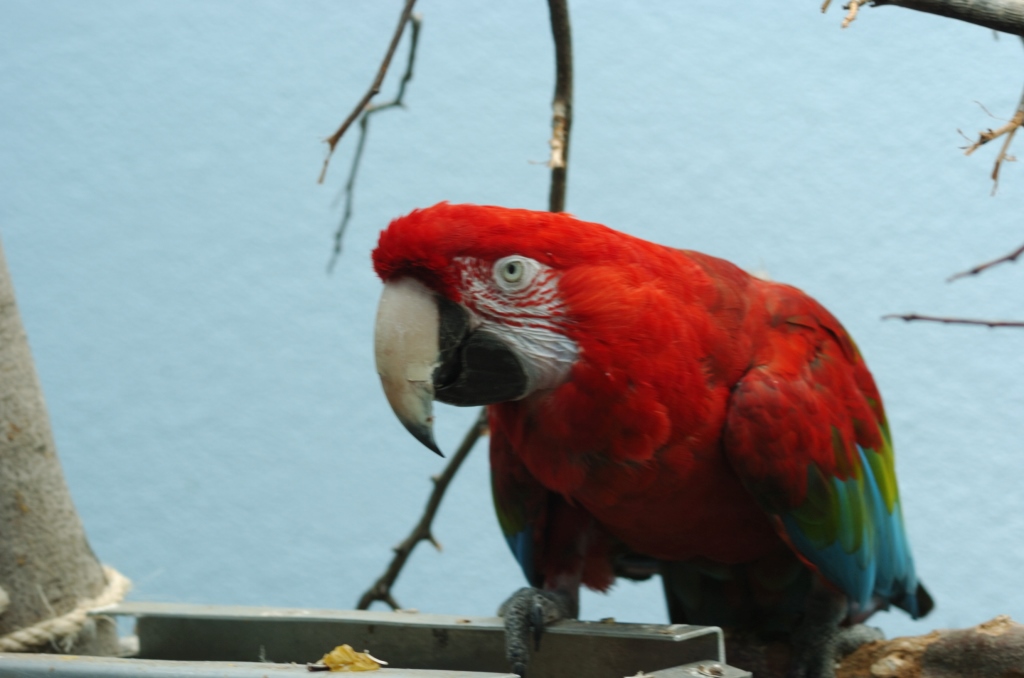
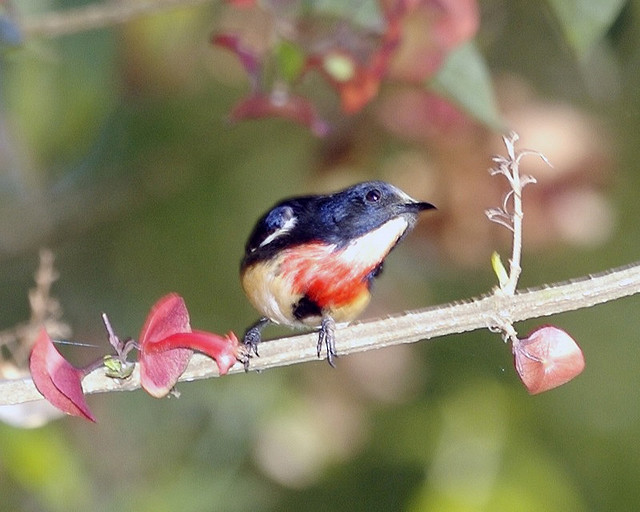
Topaz is a bit more common than Sardonyx, Sardius, and Chrysolite. Plus, there are birds with Topaz in their names. So this ninth stone of the foundation of the New Jerusalem should be easier to discover. Topaz is mentioned in five verse in the Bible: Exodus 28,17, 39:10; Job 28:19 [topaz of Ethiopia], Ezekiel 28:13, and our verse above – Revelation 21:20.

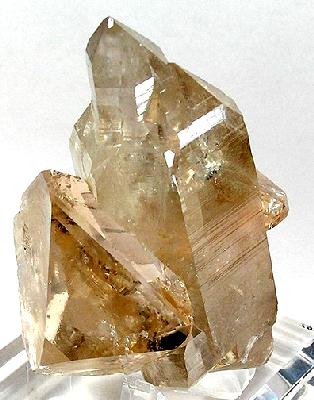
Quartz-Topaz-gem ©WikiC

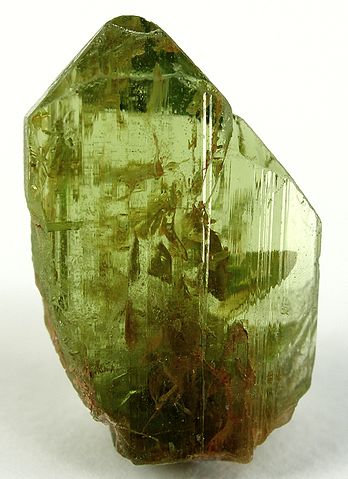
Topaz – TO’PAZ, n. [Gr.] A mineral, said to be so called from Topazos, a small isle in the Arabic gulf, where the Romans obtained a stone which they called by this name, but which is the chrysolite of the moderns. The topaz is of a yellowish color. It sometimes occurs in masses, but more generally crystallized in rectangular octahedrons. Topaz is valued as a gem or precious stone, and is used in jewelry. It consists of silex, fluoric acid and alumin, in the following proportions; alumin 57 parts, silex 34, and fluoric acid 7 or 8.
Of topaz there are three subspecies, common topaz, shorlite and physalite. [Webster Dictionary 1828]

Ruby-topaz Hummingbird (Chrysolampis mosquitus) Reflection ©Flickr Budgora

Topaz – topazion (G5116) is mentioned in Rev_21:20, as the ninth of the foundation stones of the wall of the heavenly Jerusalem; the stone is of a yellow color (though there are topazes of other colors) and is almost as hard as the diamond. It has the power of double refraction, and when heated or rubbed becomes electric. [Vines New Testament]

Fiery Topaz (Topaza pyra) ©WikiC

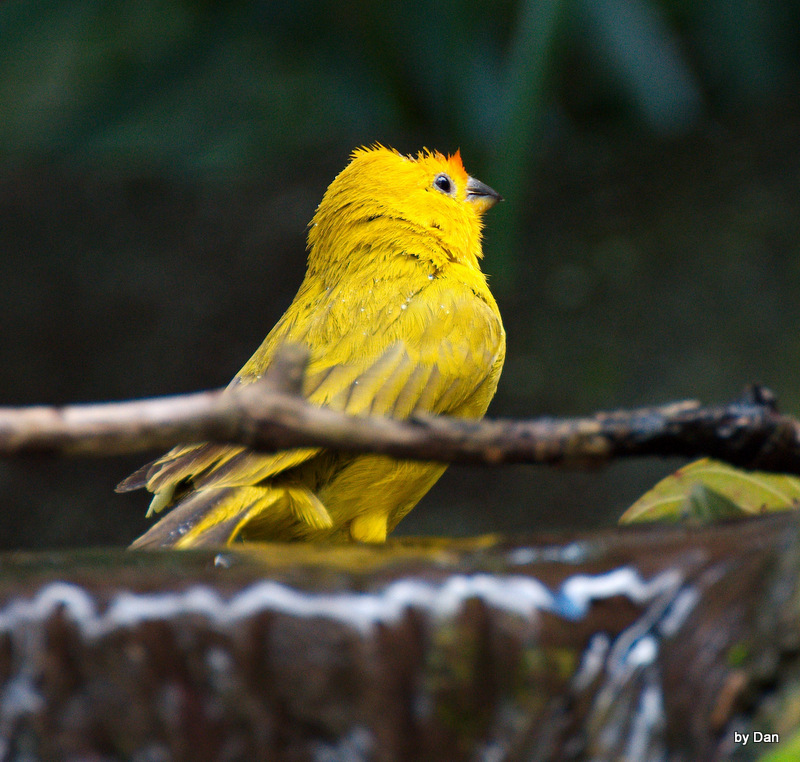
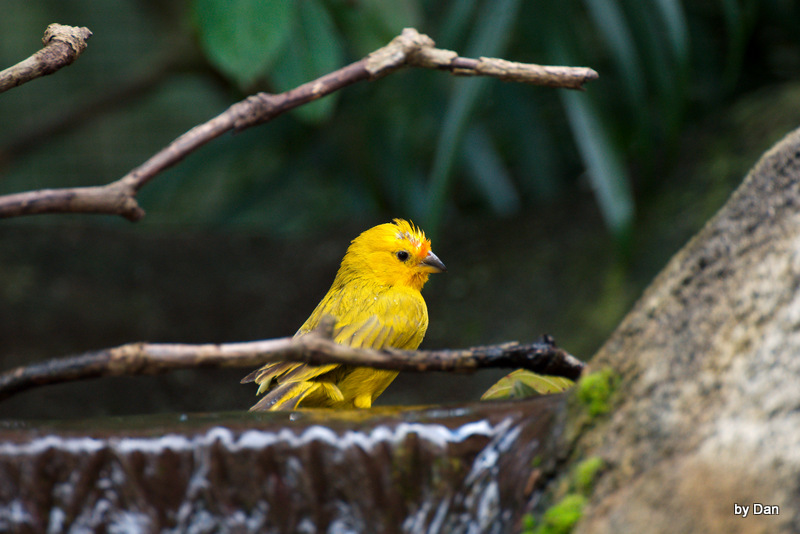
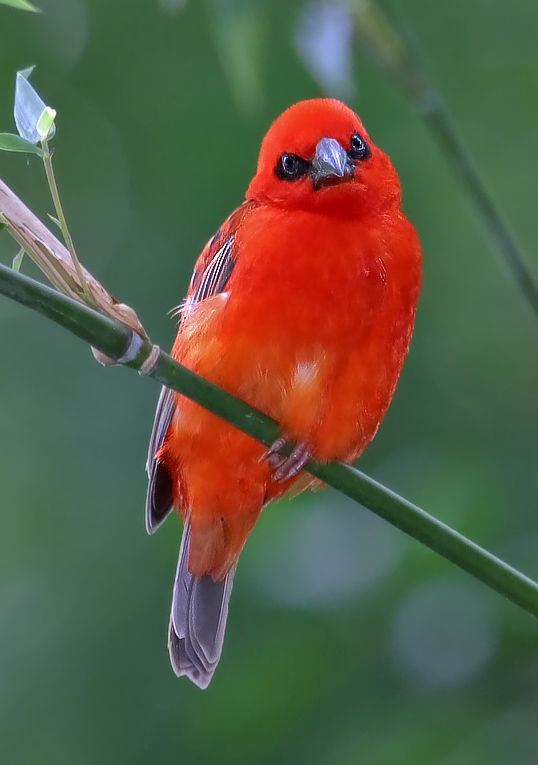
Saffron Finch Zoo Miami by Dan (Cropped by Lee)

Topaz From Brazil-©NaturhistorischesMuseum-WikiC

Saffron Finch Zoo Miami by Dan

Ruby-Topaz Hummingbird (Chrysolampis mosquitus) male ©WikiC

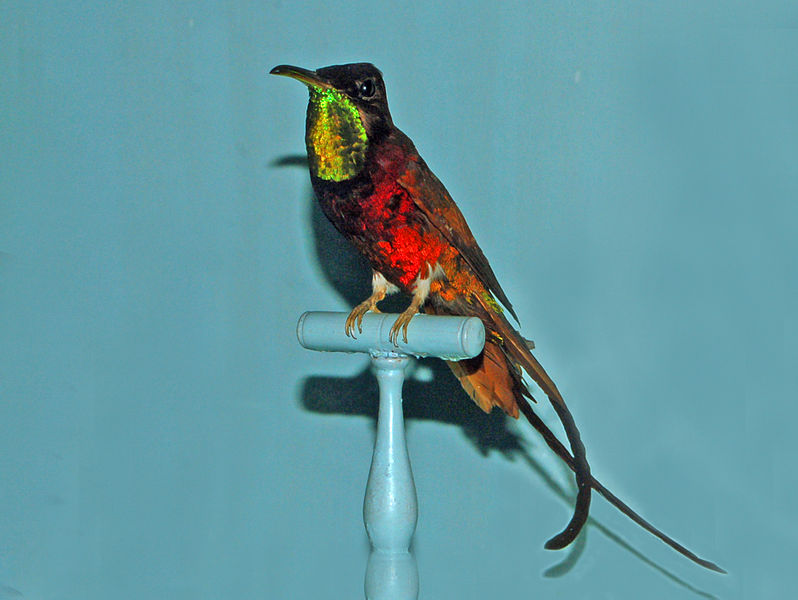
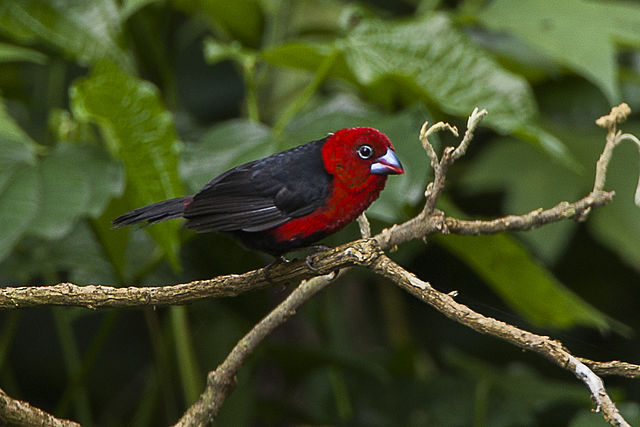
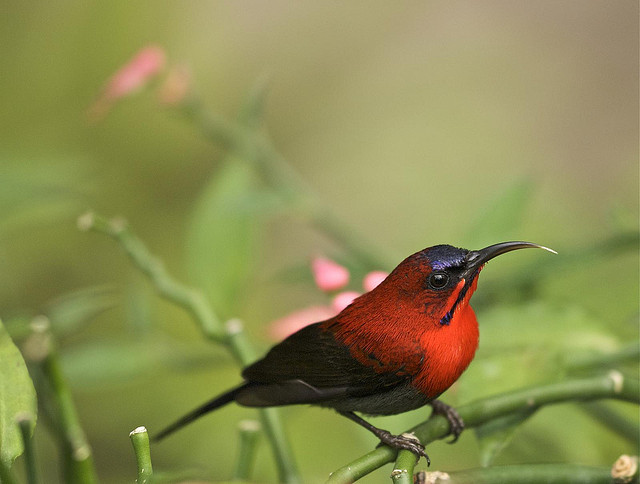
Crimson Topaz (Topaza pella) ©WikiC

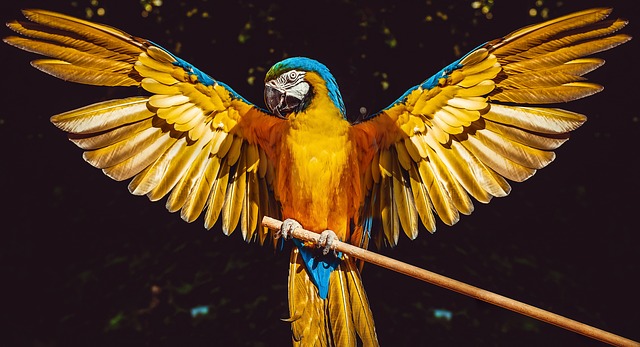
Bird-Wings-Wing-Colored-Ara-Parrot-©Maxpixel

Other Articles In This Series:

What will you do with Jesus?

Did Birds’ Lungs Evolve? – Creation Moments

Red-shouldered Hawk (Buteo lineatus) ©Lucas Texas

Job 39:26-27

“Doth the hawk fly by thy wisdom, and stretch her wings toward the south? Doth the eagle mount up at thy command, and make her nest on high?”

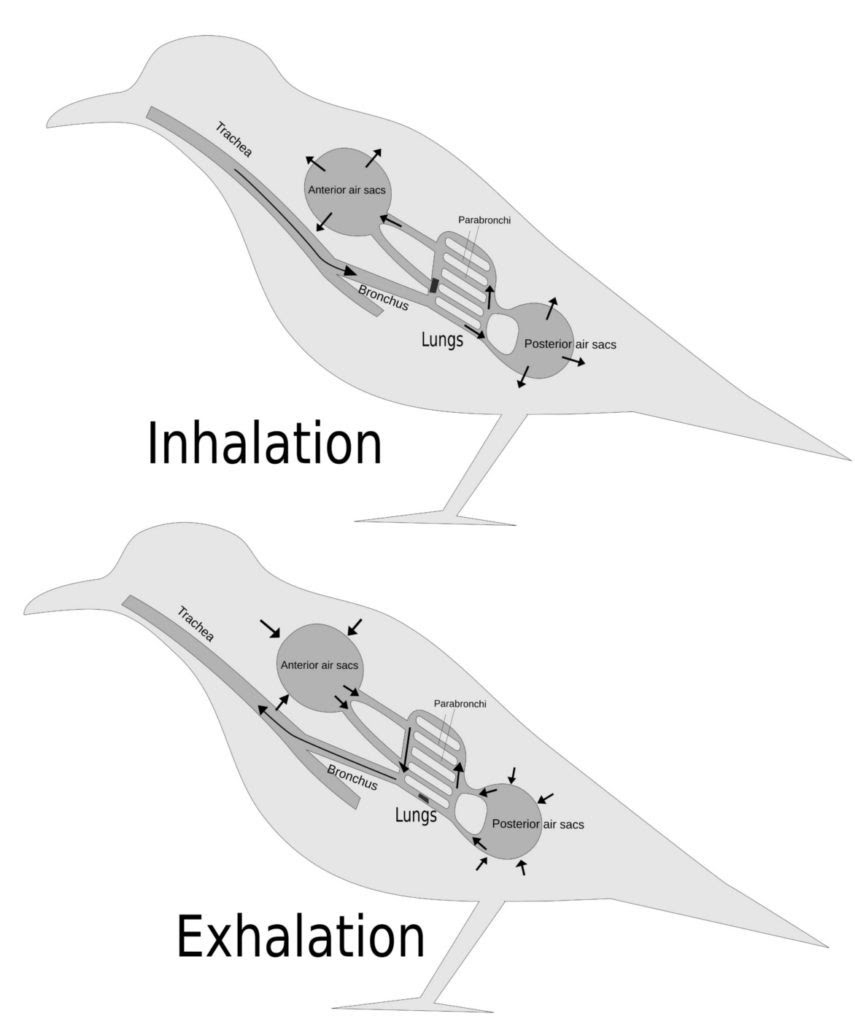
I remember buying a foot pump to inflate the tires on my first car. My choice was between two pumps. On the cheaper model, the foot operated a piston entering a cylinder in which the air would be compressed and forced through a tube into the tire. When the foot was lifted, valves prevented air getting back into the cylinder from the tire, and, instead, dragged air in from the outside. Each depression of the foot repeated this operation. In a sense, the lungs of mammals and reptiles would resemble two such pumps side by side.

The second model featured two pistons and cylinders angled in opposite directions. Pressing with the foot began the first stage of tire compression as before, but on releasing the foot, the second cylinder pushed air into the tire while the first refilled with external air. The next foot depression allowed cylinder 2 to refill while cylinder 1 pumped. Thus, there was air pumped into the tire on both depression and release of the foot. The two cylinders worked in tandem, in opposite directions. This second continuous pump is like the two lungs in a bird.

Birds Lungs ©Creation Moments PD

Even some well-known evolutionary scientists have pointed out how impossible it would be for one mechanism to evolve into the other because the transitional form would not be able to process air for breathing at all, and would suffocate. So bird lungs could not have evolved from dinosaurs, but, instead, are designed by God for exactly their purpose.

 Prayer: Father, when we think about birds, as with all other animals, we acknowledge that You have made them fit for purpose, to be able to live and work the way that You have designed them to do. Amen.

Ref: Quick, D.E and Ruben, J.A., Cardio-Pulmonary Anatomy in Theropod Dinosaurs: Implications From Extant Archosaurs, JOURNAL OF MORPHOLOGY 270:1232–1246 (2009), pp. 1232-1246.  Image: Public Domain.

Source: Did Birds’ Lungs Evolve?

See Interesting Things for more articles like this.

Bad Feather Day

“He causeth the vapours to ascend from the ends of the earth; he maketh lightnings for the rain; he bringeth the wind out of his treasuries.” (Psalms 135:7 KJV)

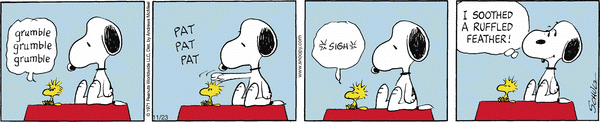
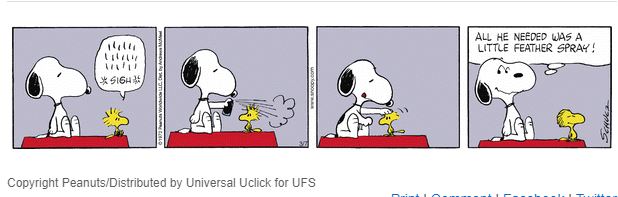
First Woodstock had a Ruffled Feather, now he is grumbling because he is having a Bad Feather Day.

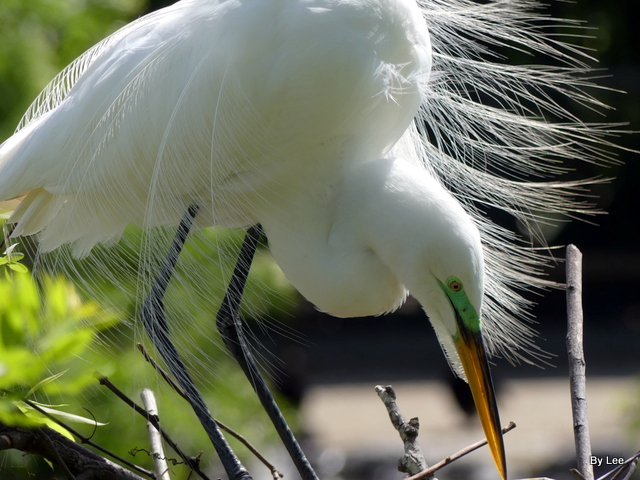
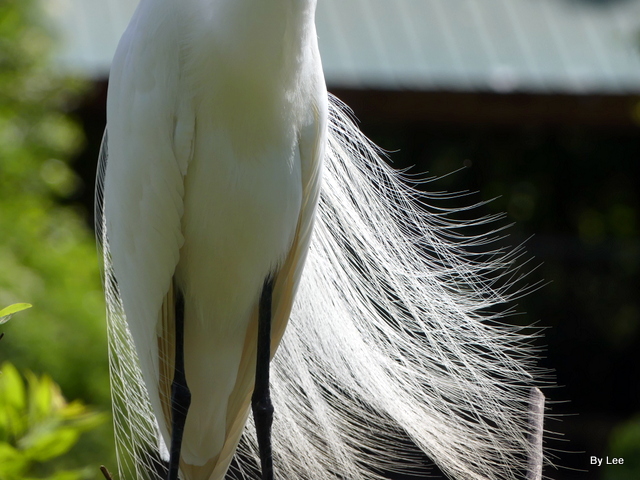
We were at Gatorland on Friday last week and it was quite winding. Some of their feathers were whipping in the breeze also. I did not see Snoopy there with a can of “Feather Spray”. Those bird just had to preen and get thing straighten out.

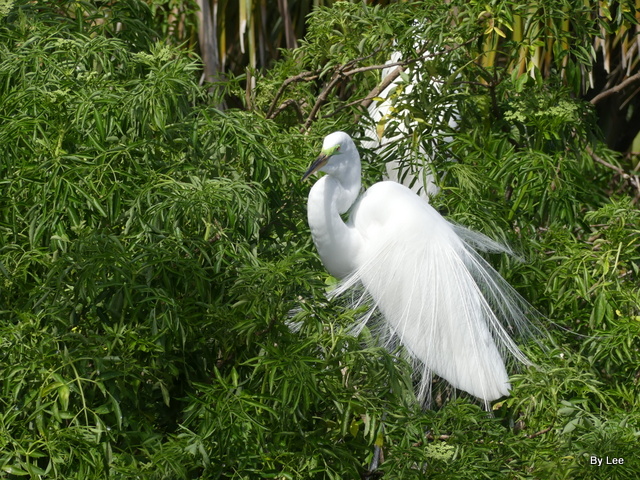
Great Egret on a windy day at Gatorland by Lee

Great Egret on a windy day at Gatorland

Great Egret on a windy day at Gatorland

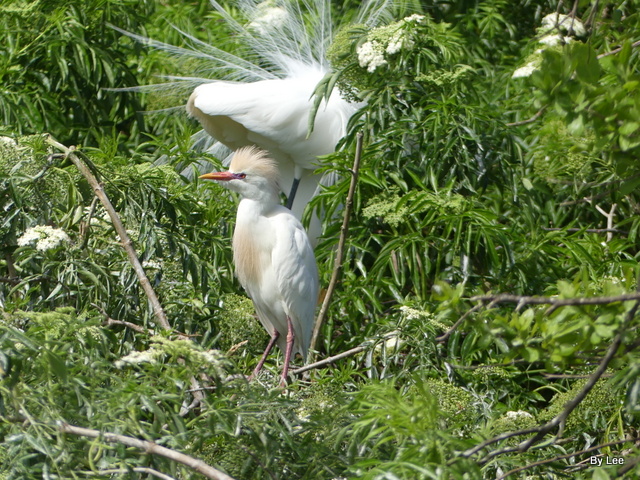
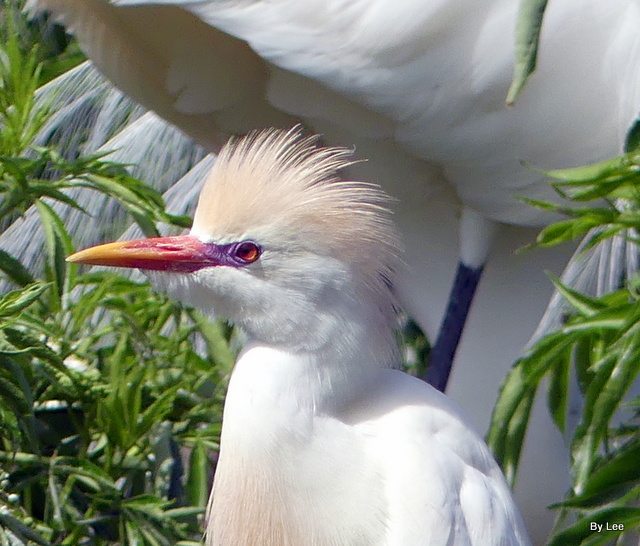
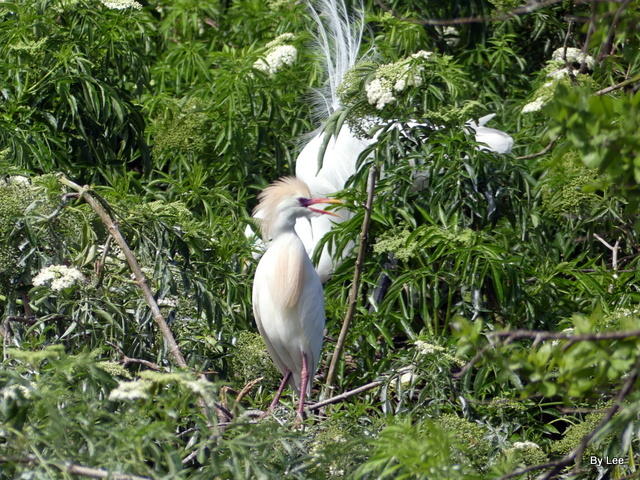
Cattle Egret in Breeding Plumage and Wind

Cattle Egret in Breeding Plumage and Wind

Cattle Egret in Breeding Plumage and Wind and not happy about it. Where’s the Feather Spray?

Great Blue Heron before gust on a windy day at Gatorland

Great Blue Heron with gust on a windy day at Gatorland

Great Blue Heron with gust on a windy day at Gatorland

Wind is mentioned over a hundred times in the Bible. Here are two verse that show who is in control of the wind:

“Blessed is the man that walketh not in the counsel of the ungodly, nor standeth in the way of sinners, nor sitteth in the seat of the scornful. But his delight is in the law of the LORD; and in his law doth he meditate day and night. And he shall be like a tree planted by the rivers of water, that bringeth forth his fruit in his season; his leaf also shall not wither; and whatsoever he doeth shall prosper. The ungodly are not so: but are like the chaff which the wind driveth away.” (Psalms 1:1-4 KJV)

“And he arose, and rebuked the wind, and said unto the sea, Peace, be still. And the wind ceased, and there was a great calm. And he said unto them, Why are ye so fearful? how is it that ye have no faith? And they feared exceedingly, and said one to another, What manner of man is this, that even the wind and the sea obey him?” (Mark 4:39-41 KJV)

Smoothing A Ruffled Feather

All Our Gatorland Birdwatching Trips


Heaven’s New Jerusalem and Birds – Beryl

Rough Cut Beryl ©Flickr Amanda

“The foundations of the wall of the city were adorned with all kinds of precious stones: the first foundation was jasper, …. the fifth sardonyx, the sixth sardius, the seventh chrysolite, the eighth beryl, the ninth topaz, the tenth chrysoprase, the eleventh jacinth, and the twelfth amethyst.” (Revelation 21:19a-20 NKJV)

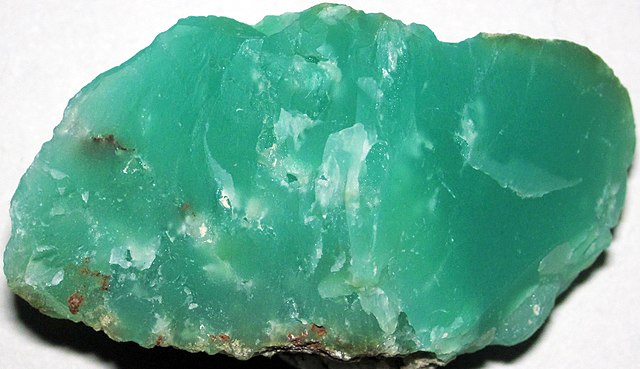
Three Colors of Beryl ©WikiC

BER’YL,n. [L.beryllus; Eng.brilliant.]
A mineral, considered by Cleaveland as a subspecies of Emerald. Its prevailing color is green of various shades,but always pale. Its crystals are usually longer and larger than those of the precious emerald, and its structure more distinctly foliated. It is harder than the apatite,with which it has been confounded; harder and less heavy than the pycnite. The best beryls are found in Brazil, in Siberia and Ceylon, and in Dauria, on the frontiers of China. They are found in many parts of the United States. [Webster Dictionary 1828]

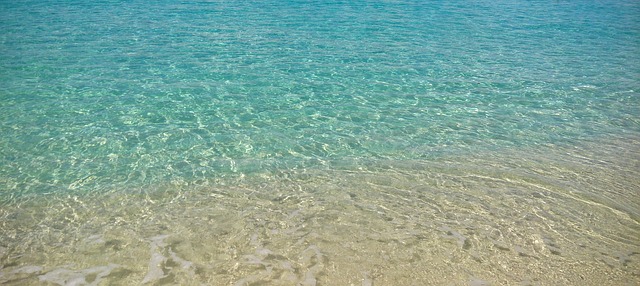
Water Summer Beach Sea Blue/green Ocean Nature ©Max Pixel

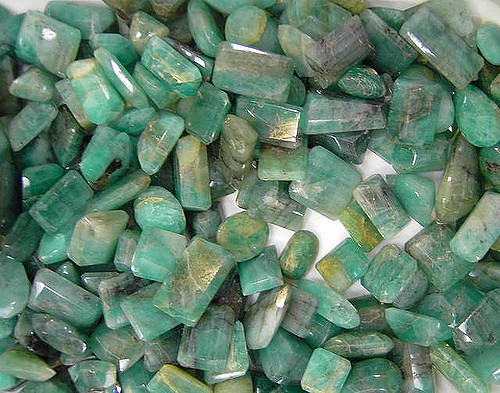
Beryl – berullos (G969), “beryl,” is a precious stone of a sea-green color, Rev_21:20 (cf. Exo_28:20). [Vine’s]

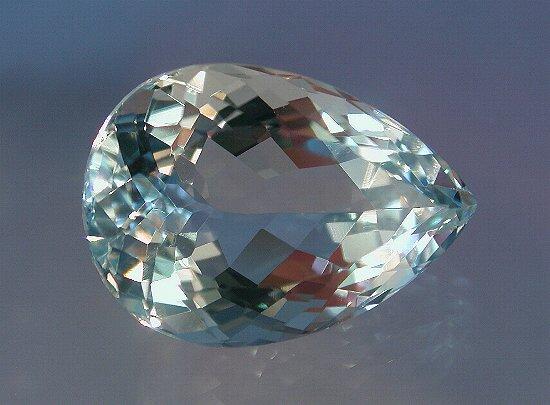
Faceted aquamarine ©WikiC

Beryl is a mineral of great hardness, and, when transparent, of much beauty. …probably the mineral now called beryl, which is identical with the emerald except in color, being a light green or bluish-green. [Smith’s Bible Dictionary]

Beryl ©WikiC

beryl — of a sea-green color. [Jamieson-Fausset-Brown]

I believe that most of these references are in agreement that the color is a light green, leaning toward “sea-green.” So, let’s see what birds we can find of that sort of color.

There are actually two birds with Beryl in their first names:

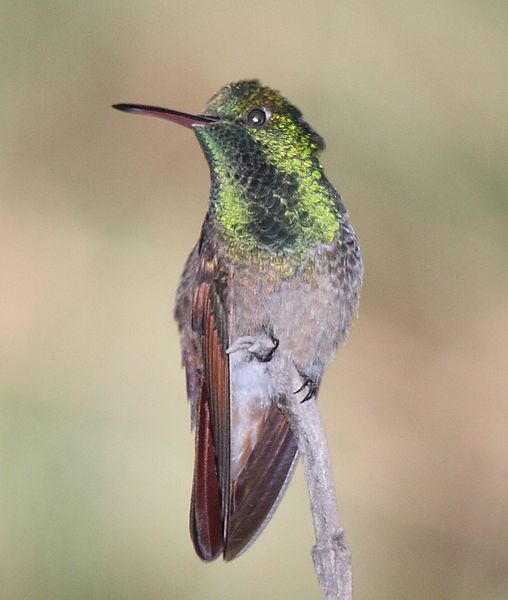
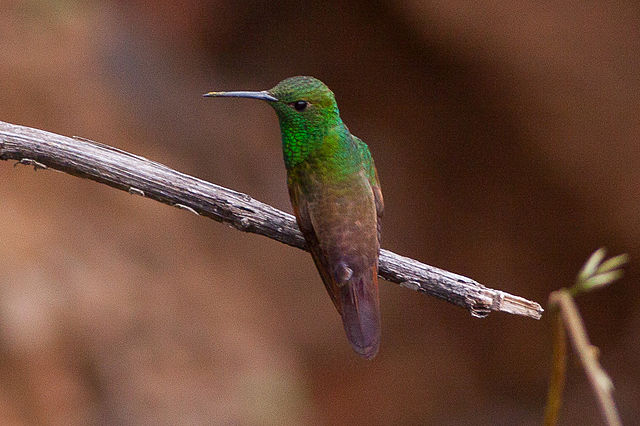
The Berylline Hummingbird (Amazilia beryllina),

Berylline Hummingbird (Amazilia beryllina) ©WikiC

Berylline Hummingbird (Amazilia beryllina) ©WikiC

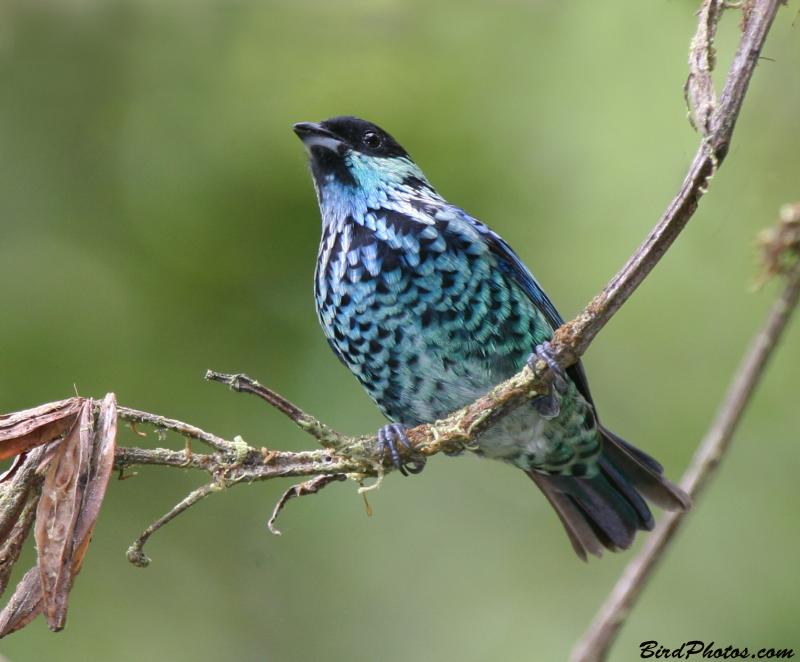
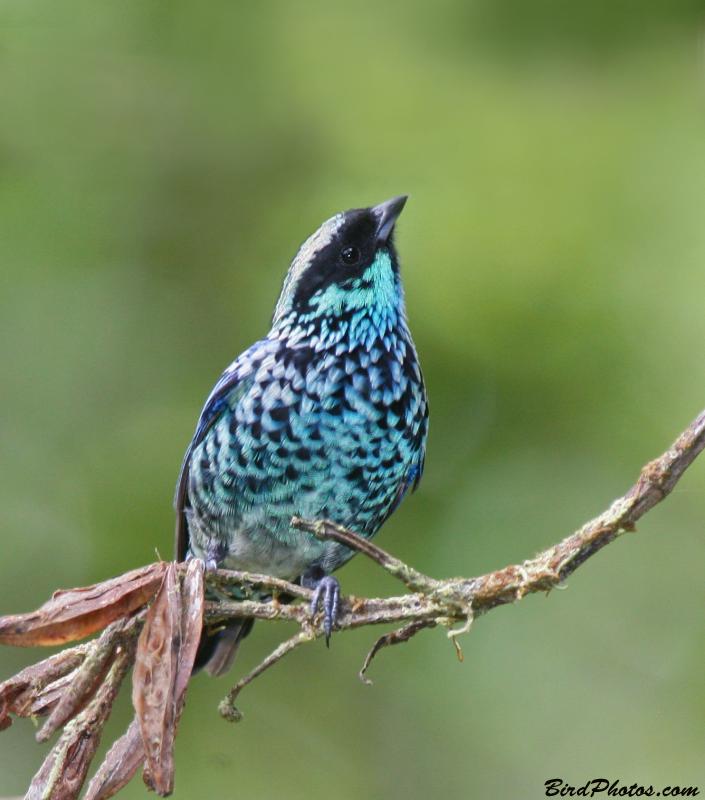
And the Beryl-spangled Tanager.

Beryl-spangled Tanager (Tangara nigroviridis cyanescens) ©BirdPhotos.com

Beryl-spangled Tanager (Tangara nigroviridis cyanescens) ©BirdPhotos.com

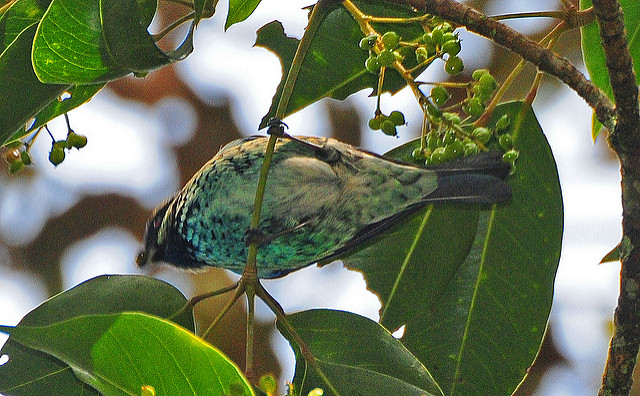
Or another shot from below the bird:

Beryl-spangled Tanager (Tangara nigroviridis) ©Flickr Oldenettel

Also, there is one bird that has beryl… in its scientific name. Now this one matches what I take a sea-green. Do you agree?

Sri Lanka Hanging Parrot (Loriculus beryllinus) ©WikiC

Articles in this Series so far:

Wordless Birds – With Hummingbirds

Ian’s Bird of the Moment – Gentoo Penguin

As I’ve finally published Volume 2 of the ebook Diary of a Bird Photographer, please bear with me as I begin with a commercial. It is a compilation of the more than 240 Bird of the Week/Moment episodes sent out in the period 2010 to 2018. As these episodes grew in contents over the years, the ebook ended up as a hefty tome of 130,000 words and more than a thousand photos,with the fixed format pdf version running to more than 1,100 pages.

Like its popular predecessor Volume 1 it is designed for ease of use with many internal links, external links to relevant websites particularly additional photos on the Birdway website, and a comprehensive alphabetical index to bird species. Volume 2 contains a new taxonomic index in case for browsing the episodes by members of particular families such as Barn Owls or Honeyeaters. Read more about it by clicking on the image below or its caption to take you to page on the Birdway website.
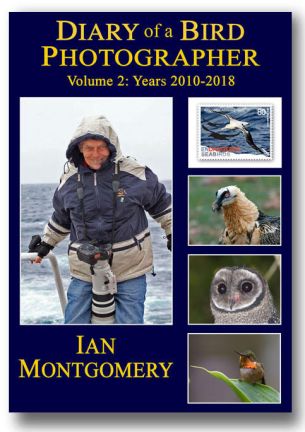
Diary of a Bird Photographer, Vol 2 by Ian Montgomery

Diary of a Bird Photographer Volume 2

When I retired and wrapped up the Birdway company, I could no longer sell ebooks through the Apple or Google book stores and I started selling them by gettiing intending buyers to contact me for bank account details. This was inconvenient for everyone concerned – particularly for payments in other than Australian dollars – so I have now started selling them through the Payhip website. Payhip takes payment by credit card or PayPal so you can pay and download the books immediately. The new Diary Volume 2 is priced at six Australian dollars. You can visit the Payhip Birdway Store by clicking on the image or caption below.
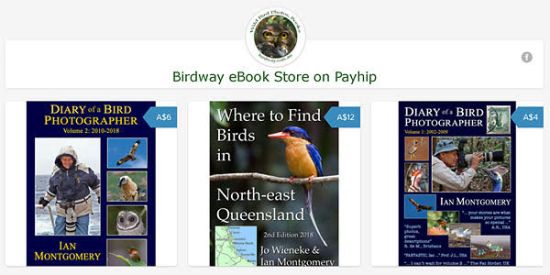
Ian’s Birding Ebook

The Birdway eBook Store on Payhip

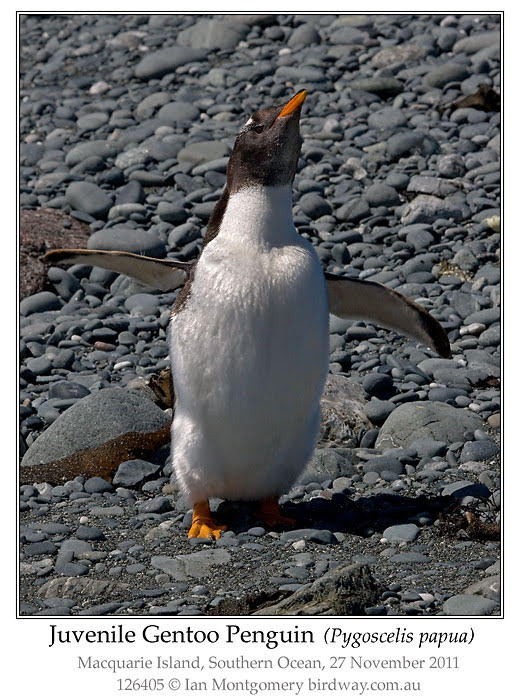
The cover photo of me on the ship the Spirit of Enderby on the trip to the Sub-Antarctic Islands in 2011 brings back great recollections of a memorable voyage, the highlight of which for many of us was the visit to Macquarie Island and its four species of penguins. Two of these, King Penguin and Royal Penguin feature as birds of the week in Volume 2, but here is one, the Gentoo Penguin, which hasn’t been honoured in these pages with its fifteen minutes of fame, to quote Andy Warhol.
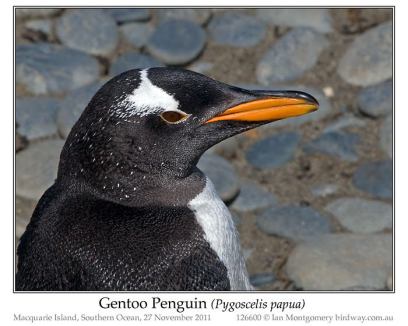
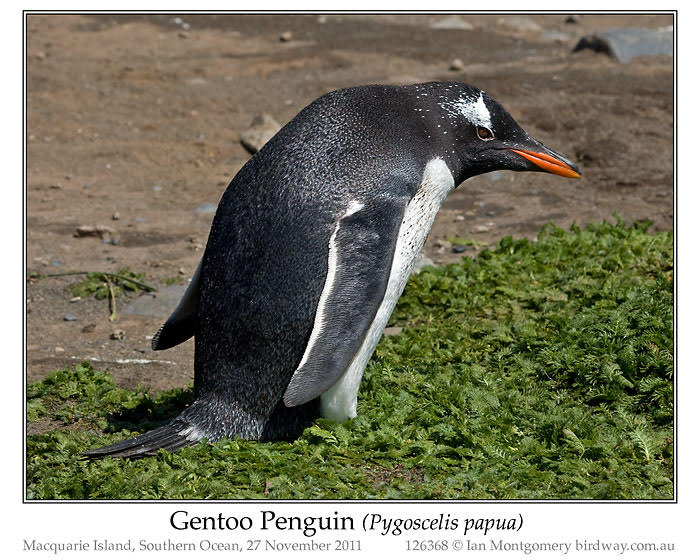
Gentoo Penguin (Pygoscelis papua) by Ian

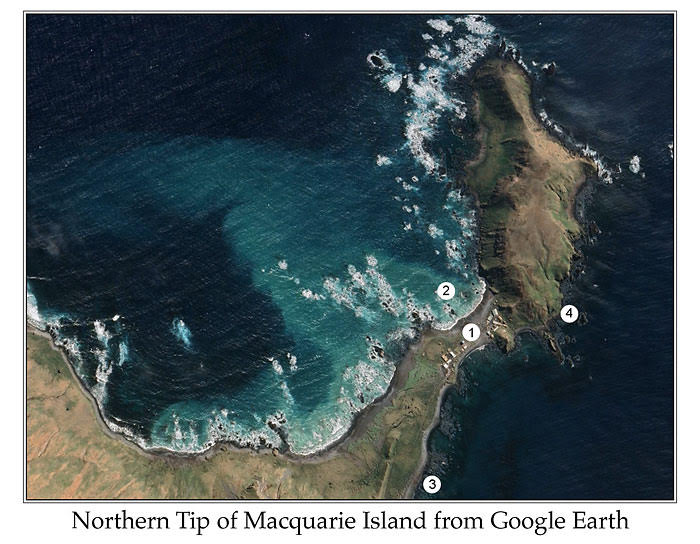
On the morning of our day on the island, the King and Royal Penguins provide us with endless amusement on the main beach on the sheltered eastern size of the island, number 3 on the Google Earth screen capture below. At lunch time we went to the Research Station, number 1, at lunchtime to meet the personnel and we find the Gentoos in reasonable numbers in their preferred breeding habitat, the tussocky grass just south of the station.
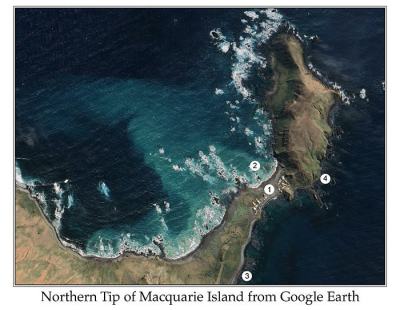
Northern Tip of Macuarie Island from Google Earth by Ian

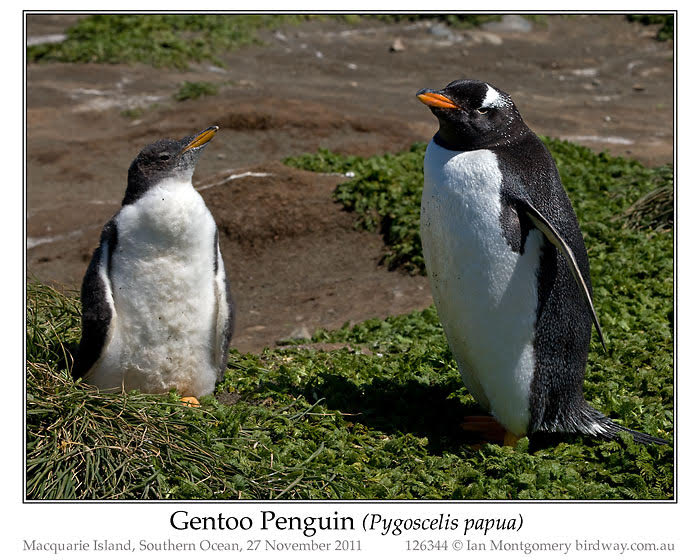
Gentoos look to me quite small and dumpy in illustrations and photos, but they are fairly large, with a length up to 80cm/32in and weighting between 4.5-8.5kg/10-19lbs. Unlike the curious King and Royal Penguins they don’t take much notice of us and stand or lie around looking rather bored. Adult Gentoos, first two Gentoo photos, have a white eye ring, a white patch over each eye and a white line joining the two patches across the top of the head. Their plumage is blackish and the bill and legs are brightly coloured, red or orange.

Gentoo Penguin (Pygoscelis papua) by Ian

Most of the Gentoos have finished breeding bur their are still a few juveniles in the breeding area, like this rather woolly individual on the left below below. Unlike other Penguin species, Gentoos will relay if the first clutch is lost, so maybe this has happened here. Gentoos are unusual in that the parents continue feeding the young for up to two months after they have fledged.
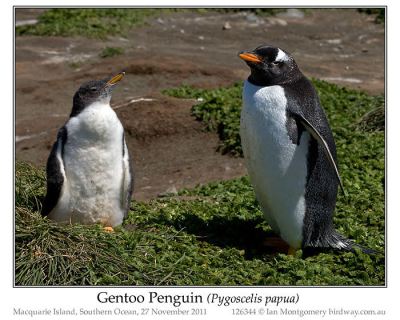
Gentoo Penguin (Pygoscelis papua) by Ian

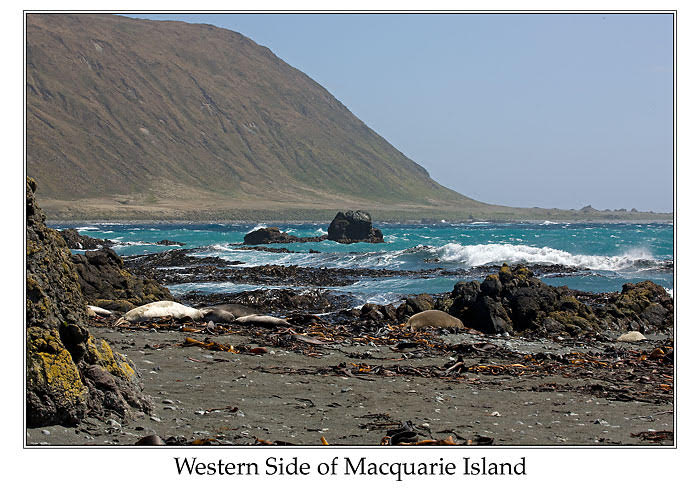
Unlike the Royal and King Penuins on the sheltered eastern beach, the non-breeding Gentoos show a preference for the exposed beach on the western side of the island. The beach in this photo faces northwest and is shown and number 2 in the Google Earth image above. This beach is also popular with the Macquarie (Imperial) Shags which are busy ferrying seaweed as building material for nests on a rocky headland. The thick-skinned Elephant Seals are also at home on this beach and you can see their prostrate forms in the photo below.
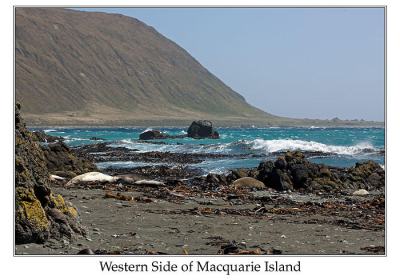
Western Side of Macuarie Island by Ian

Immature Gentoos are to be seen wandering around on this beach either full of the joys of Spring (next photo) or pretending to be Elephant Seas (following photo). You can see that their plumage is browner than that of the adults, the white supra-orbital patches and eye-rings are incompletely developed and their bills and feet are less brightly coloured. Gentoos take two years to reach sexual maturity but I suppose, given their proximity to the nesting colony, that these ones are older juveniles from the current breeding.

Gentoo Penguin (Pygoscelis papua) Juvenile by Ian

The Gentoo is the most northerly of the three species in the genus Pygoscelis and its circumpolar range is mainly north of Antarctica, breeding on Sub-Antarctic islands in the southern Indian and Atlantic Oceans. The only place it breeds on Antarctica itself is on the Antarctic Peninsula south of South America. The other two members of the genus, the Chinstrap and Adelie Penguins, have more southerly ranges particularly the Adelie. The specific name papua, odd for a Sub-Antartic species, does in fact refer to the natives of New Guinea as J.R. Forster, who named it in 1781, as he thought erroneously that they had curly feathers.
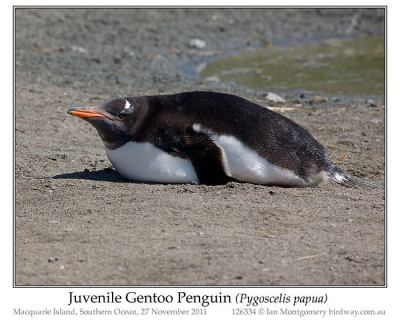
Gentoo Penguin (Pygoscelis papua) Juvenile by Ian

The fourth species of Penguin on Macquarie is the Southern Rockhopper Rockhoppers indeed, they are not to be found on the easily accessible part of the island where we spend the day. In the afternoon we return to the ship in the Zodiacs and do a detour via the rocky headland shown as number 4 on the Google Earth image to have a look at them.

I’ve been leading a fairly sedentary existence since my last visit to Europe three years ago. Editing Volume 2 of the Diary has given me itchy feet, so a visit to South America this coming October is being planned.

Greetings

Ian Montgomery


“All flesh is not the same flesh: but there is one kind of flesh of men, another flesh of beasts, another of fishes, and another of birds.: (1 Corinthians 15:39 KJV)

They may swim in the sea, but those Gentoo Penguins are still birds.

Thanks again, Ian, for another Bird of the Moment. They are always a welcome surprise when they arrive. Glad you were able to complete your second volume of the Bird Photographer Diary. We have produced many of those Bird of the Week articles here over the years. We have been enjoying your adventures around the world as you seek our Avian Wonders.

See Ian’s Birds of the Week

*
Walter the Directionally Challenged Goose

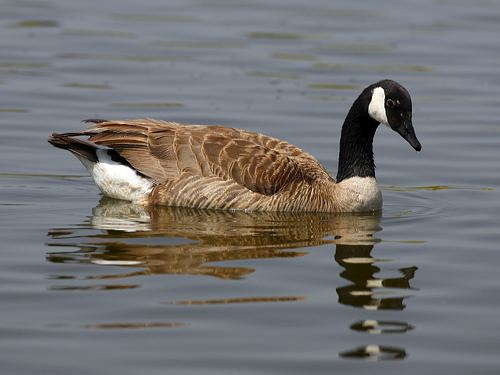
Canada Goose (Branta canadensis) by Ian

Walter the Directionally Challenged Goose by Emma Foster

Once there was a large Canadian goose named Walter. He lived in the north beside a little pond, and he went south for the winter. Sometimes he got lost because he didn’t know which way was North and which way was South. Walter was directionally challenged. On the times he did not get lost, he usually stayed by the beach where it was warm.

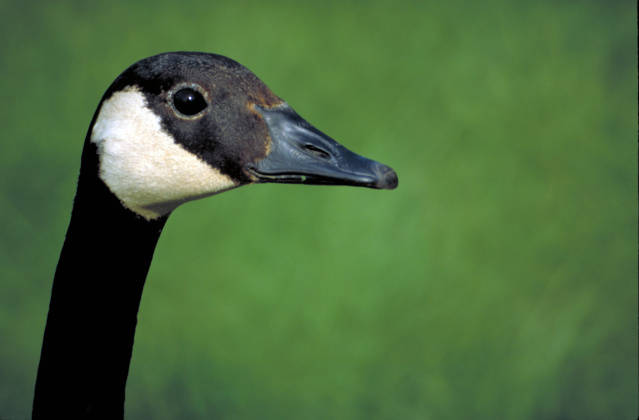
Canada Goose (Branta canadensis) ©USFWS

Is That South?

Canada Goose (Branta canadensis) by Ian

Or Is That South?

Walter loved to stay by his little pond because it had just the right amount of grass, the water was always cool, and he always had plenty to eat. After successfully making his way back to the pond after flying south for the winter, Walter looked forward to relaxing in the warm spring sun. However, he noticed that it was a bit colder than he remembered it being at that time of year.

Walter started thinking. Maybe he had come back too early or maybe he had come back too late and it was already winter again. A few moments later it started to snow, and Walter began to shiver. He decided that he would just have to go back south for the rest of the winter, though he first had to figure out which way South was again. After thinking for another minute in the snow, Walter soared into the sky and began flying, nearly running into a few trees in the process.

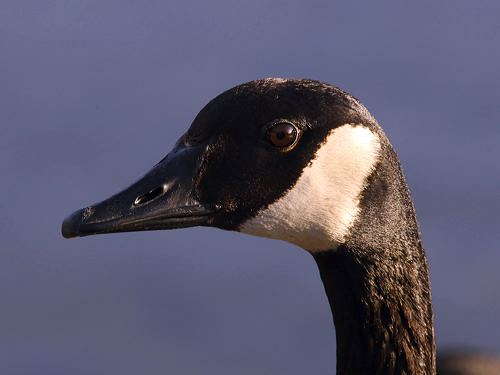
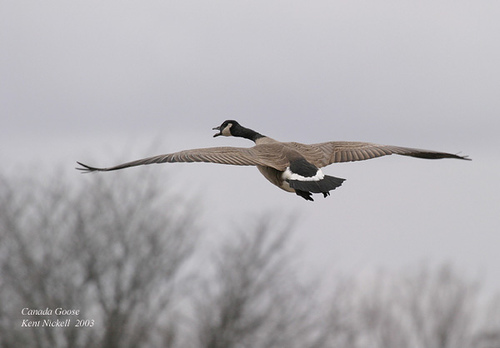
Canada Goose (Branta canadensis) by Kent Nickel

After flying for what felt like hours, Walter thought that the air seemed a bit warmer. He didn’t know if he was South yet because he hadn’t found a beach or anything. Eventually, however, he found a large lake that seemed like the perfect place to spend the winter. Walter dove down toward the lake, skimming down to what he thought was water.

Bang! Walter flew straight into a giant garage door then tumbled down toward the water. The garage door was so close to the lake that Walter accidentally misdirected his flight by a few feet. He felt fine, but he decided to lie there for a few minutes before getting up. After a while, he fell asleep.

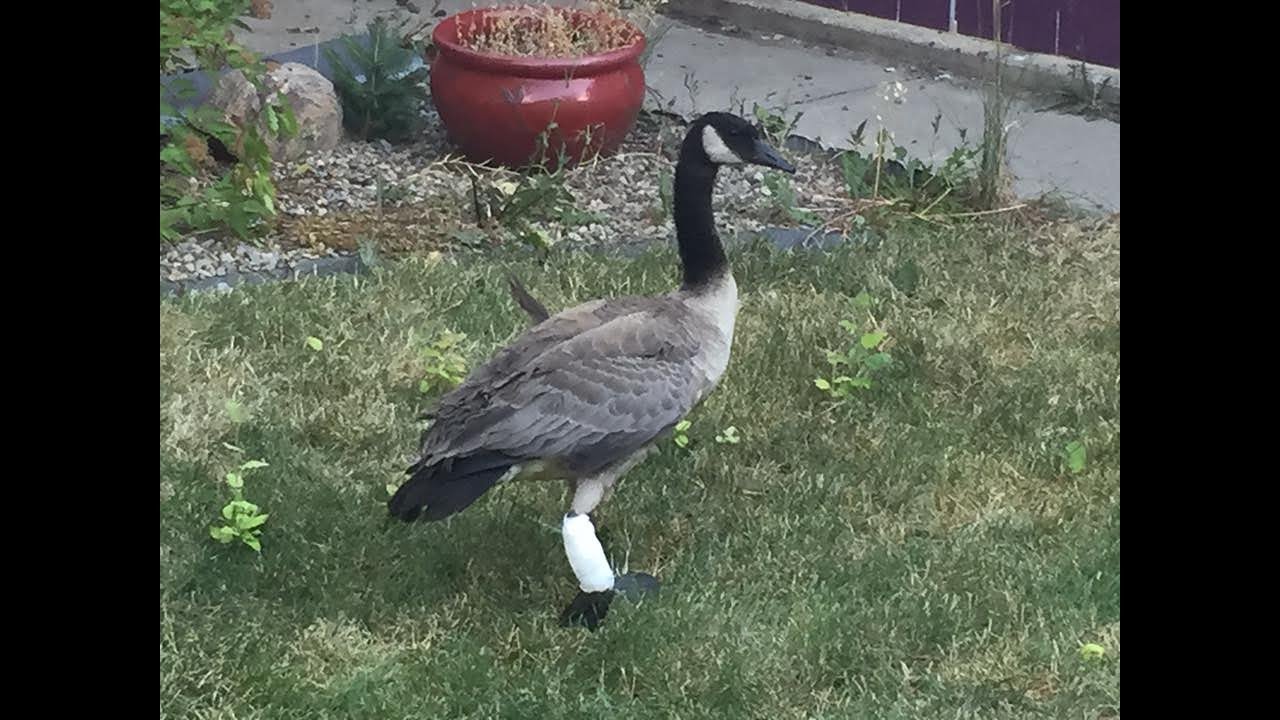
When Walter woke up, he realized he was in a small cage. He flailed about trying to get out. He was afraid because he didn’t know where he was, but he was able to calm down when a lady came in and gave him some food. Walter noticed a while later that his foot was bandaged.

Canadian Goose with injured foot

Walter stayed at the veterinary clinic for a few days while his foot healed. When he was able to walk a little better, he waddled around the clinic, where he met new people. The veterinarians at the clinic always said hello when Walter wandered into the front lobby, and he always had plenty to eat. He grew very comfortable at the clinic because he was never lonely.

A few days later, some of the vets took Walter to the lake where he had attempted to land earlier and set him free. For a while, he kept following them back to the truck because he didn’t want them to leave.

When the truck pulled away, Walter sat by the lake, sad. After a few minutes of thinking, he suddenly came up with a good idea. He flew up into the air, swooped down, and hit the same garage door again, though this time lightly enough so that he wouldn’t get injured as badly.

The veterinarians came back and took him to the clinic, even though Walter was perfectly fine this time. The vets at the clinic ultimately decided to let Walter stay since he liked it there so much, and Walter was very happy now because he didn’t have to worry about which way was South and which way was North.


Lee’s Addition:

Wow! Emma. Another great story. This is very interesting, especially because of all the birds that are migrating north now. I hope there aren’t any other “directionally challenged” birds facing Walter’s dilemma.

Maybe Walter should have prayed and read Psalm 143:8 before he travels.

“Cause me to hear thy lovingkindness in the morning; for in thee do I trust: cause me to know the way wherein I should walk [FLY], for I lift up my soul unto thee.” (Psalms 143:8 KJV)

See Emma’s Other Stories


Heaven’s New Jerusalem and Birds – Chrysolite

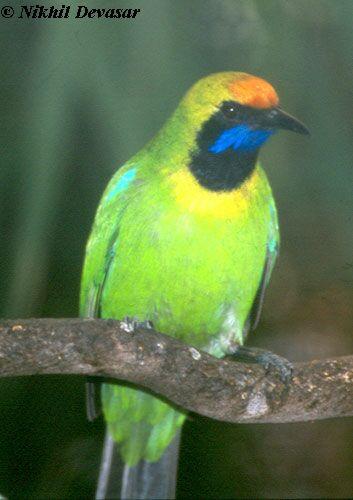
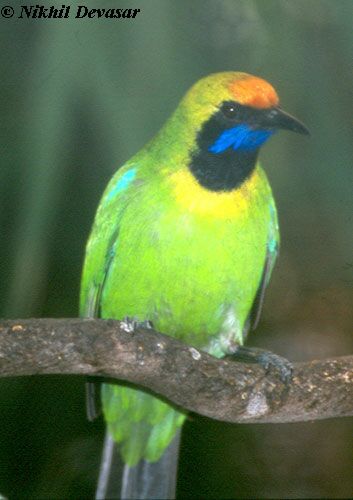
Golden-fronted Leafbird (Chloropsis aurifrons) by Nikhil Devasar

Golden-fronted Leafbird (Chloropsis aurifrons) by Nikhil Devasar

“The foundations of the wall of the city were adorned with all kinds of precious stones: the first foundation was jasper, …. the fifth sardonyx, the sixth sardius, the seventh chrysolite, the eighth beryl, the ninth topaz, the tenth chrysoprase, the eleventh jacinth, and the twelfth amethyst.” (Revelation 21:19a-20 NKJV)

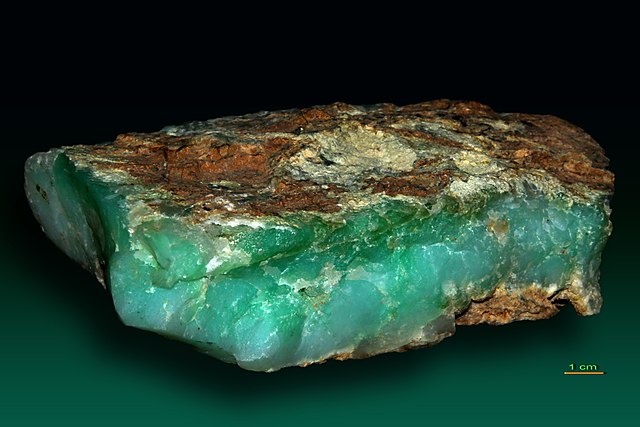
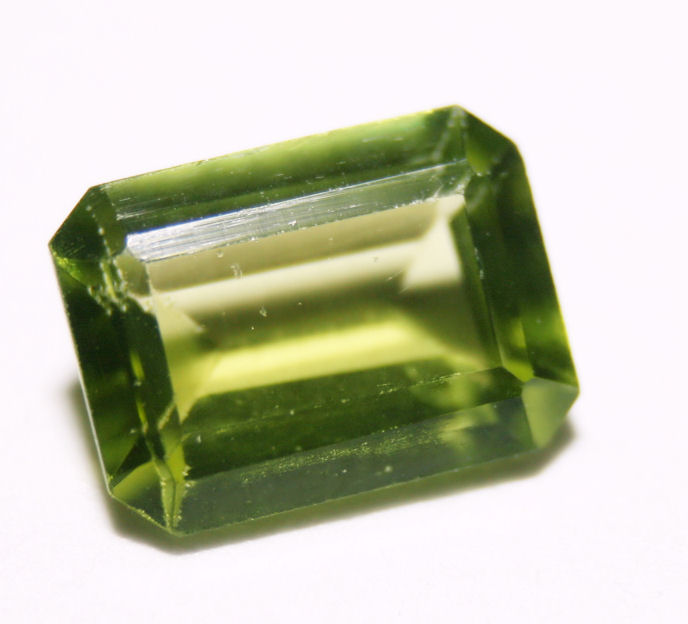
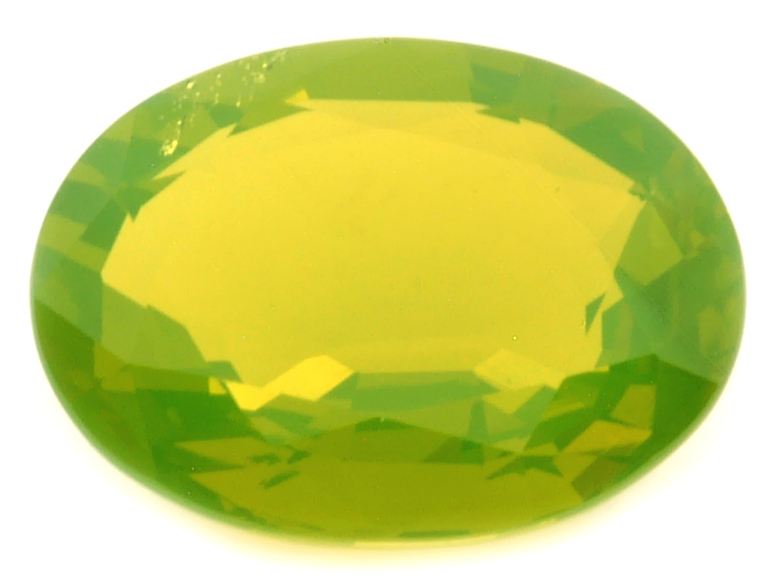
Olive Green Chrysolite ©WikiC

Chrysolite Forsterite-Olivine ©WikiC

Chrysolite is only mentioned one time in Scripture, here in Revelation 21:20.

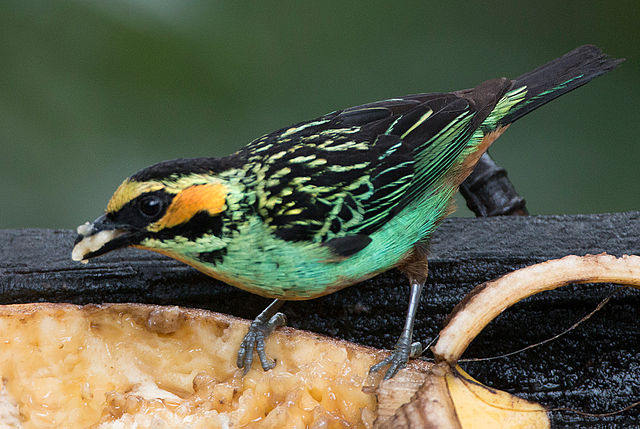
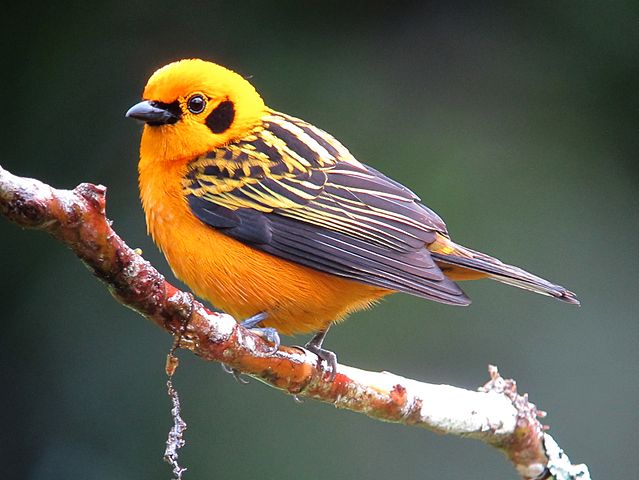
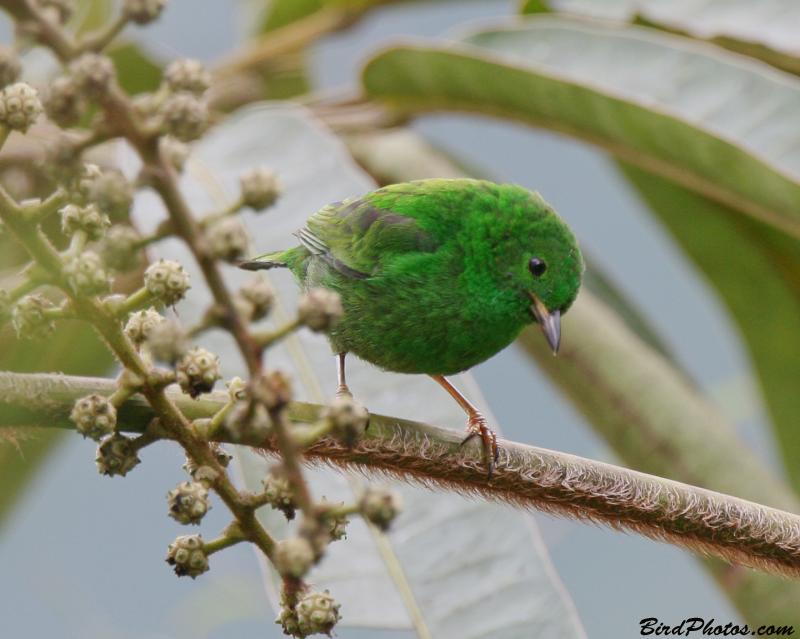
Golden Tanager (Tangara arthus) ©WikiC

Chrysolite – (“gold stone“.) The garniture of the seventh foundation of New Jerusalem. The modern topaz. [Fausset Bible Dictionary]

Chrysolite – Chrysolite. One of the precious stones in the foundation of the heavenly Jerusalem. Rev_21:20. It has been already stated, (see Beryl.), that the chrysolite of the ancients is identical with the modern oriental topaz, or the tarhish of the Hebrew Bible. [Smith Bible Dictionary]

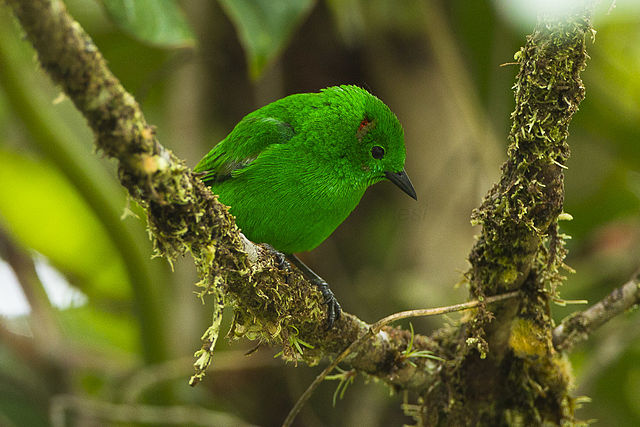
Glistening-green Tanager (Chlorochrysa phoenicotis) ©WikiC

Chrysolite – CHRYSOLITE, n. A mineral, called by Hauy and Brongniart, peridote and by Jameson, prismatic chrysolite. Its prevailing color is some shade of green. It is harder than glass, but less hard than quartz; often transparent, sometimes only translucent. It occurs sometimes in crystals, sometimes in small amorphous masses or grains, and sometimes in rolled pieces. [Webster Dict 1828]

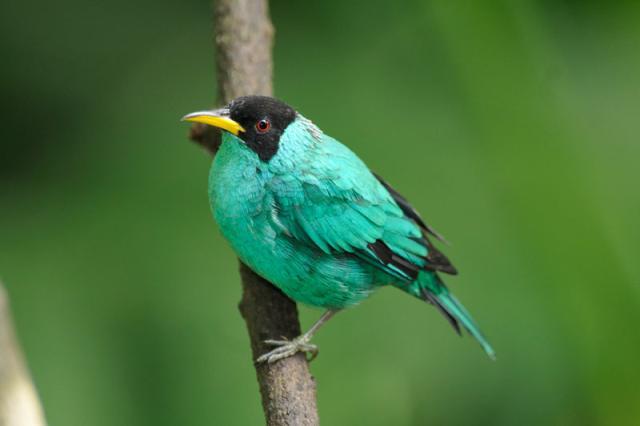
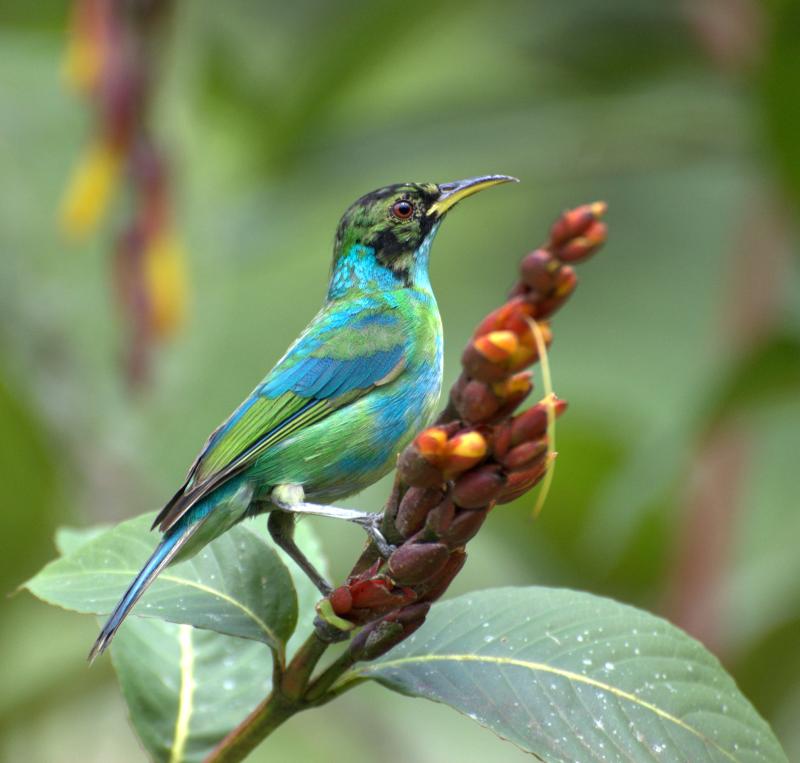
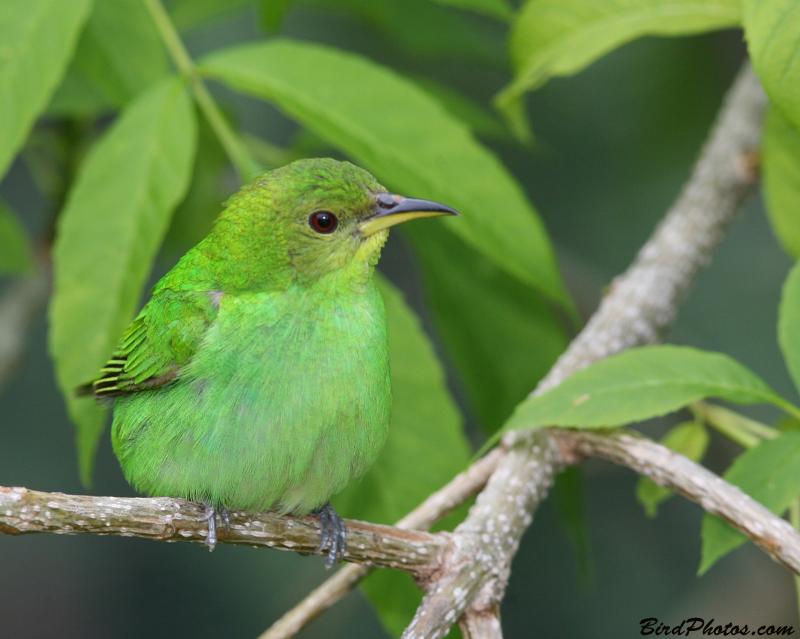
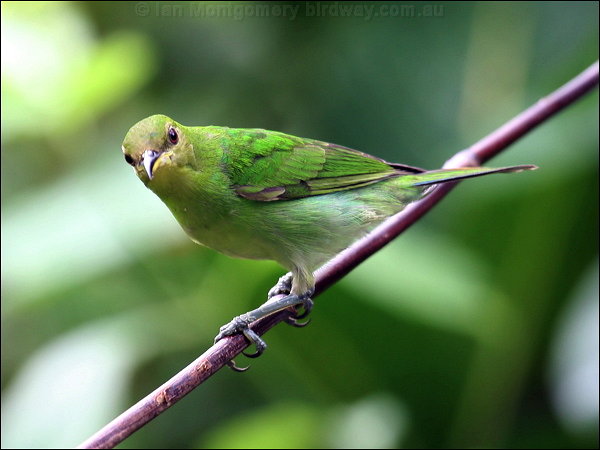
Green Honeycreeper (Chlorophanes spiza) Male Immature ©BirdPhotos.com

CHRYSOLITE, n. A mineral, called by Hauy and Brongniart, peridote and by Jameson, prismatic chrysolite. Its prevailing color is some shade of green. It is harder than glass, but less hard than quartz; often transparent, sometimes only translucent. It occurs sometimes in crystals, sometimes in small amorphous masses or grains, and sometimes in rolled pieces. [J. Vernon McGee]

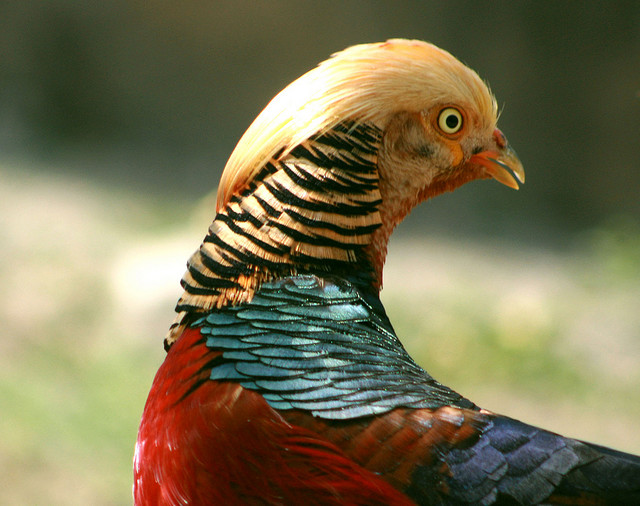
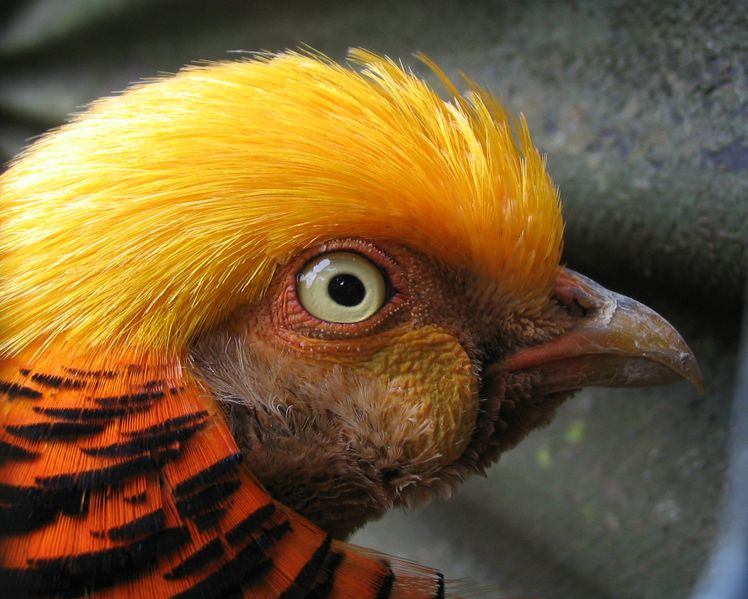
Golden Pheasant (Chrysolophus pictus) Male ©© NotMicroButSoft

Golden Pheasant (Chrysolophus pictus) Male ©© NotMicroButSoft

The seventh was chrysolite, a stone highly esteemed among the ancients, of a colour that was golden yellow. [Popular New Testament]

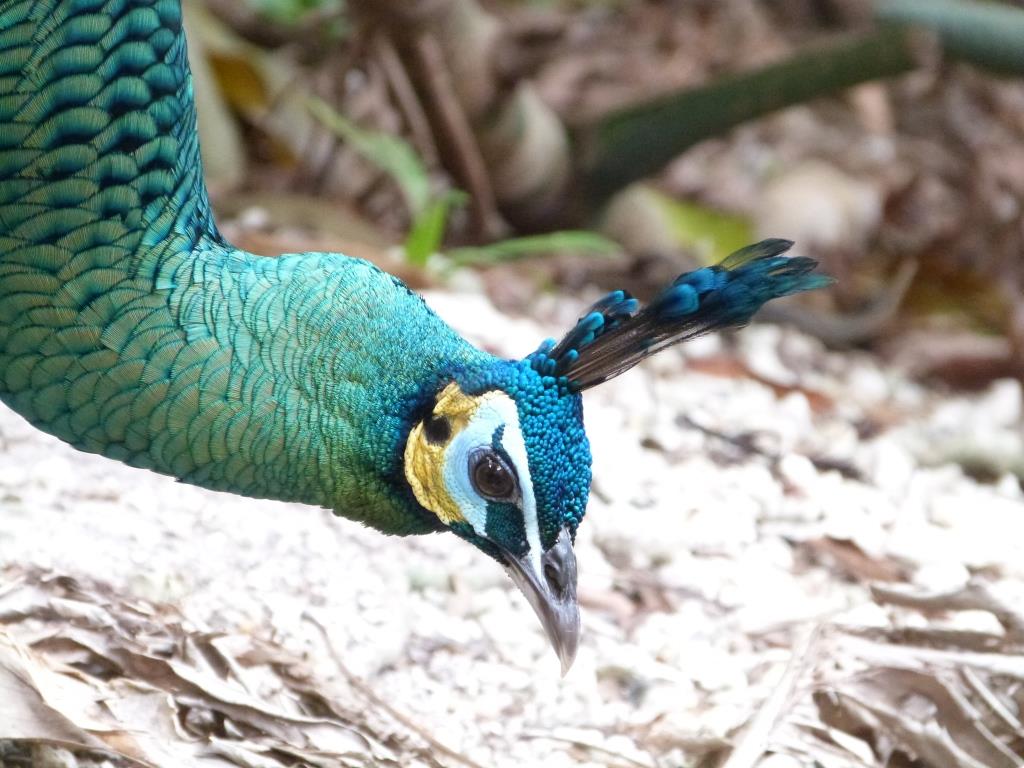
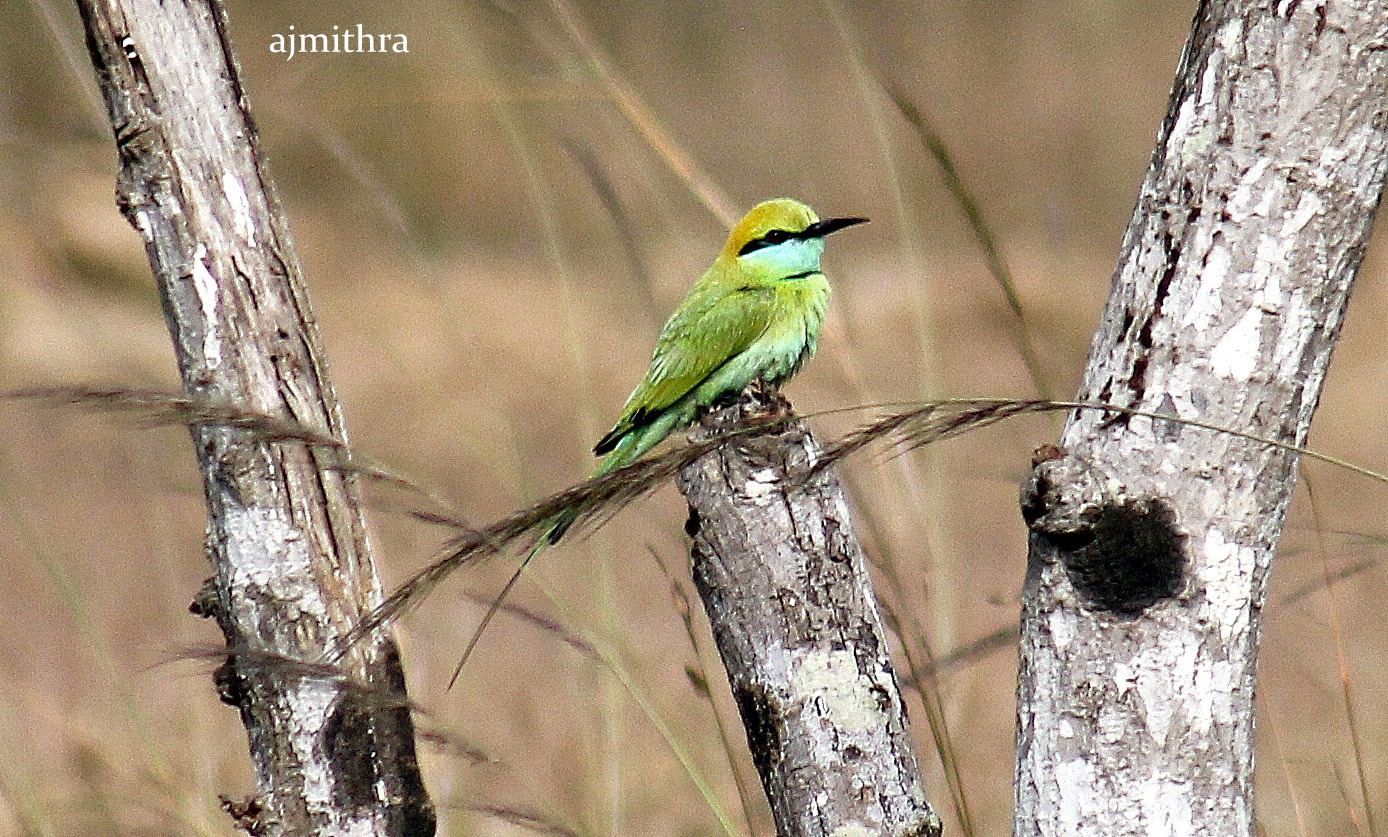
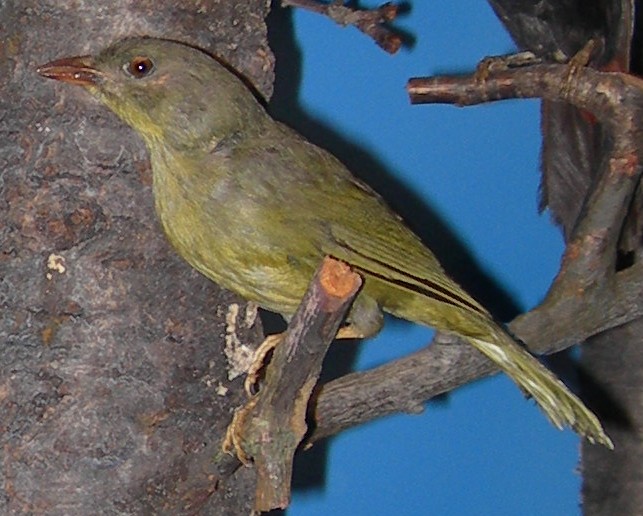
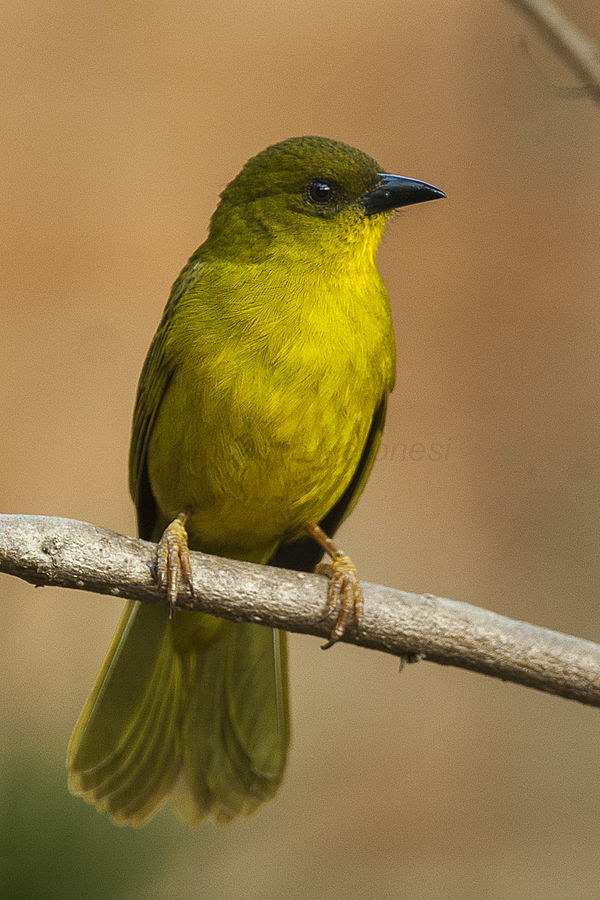
Looks like this time, the golden yellow, or Green birds, or a blend of the two colors will provides us with some of the beauty that will shine from the seventh foundational stone.

Articles in this Series so far:

What will you do with Jesus?

Heaven’s New Jerusalem and Birds – Sardius

Sardius Stone ©Pinterest

“The foundations of the wall of the city were adorned with all kinds of precious stones: the first foundation was jasper, …. the fifth sardonyx, the sixth sardius, the seventh chrysolite, the eighth beryl, the ninth topaz, the tenth chrysoprase, the eleventh jacinth, and the twelfth amethyst.” (Revelation 21:19a-20 NKJV)

Cornelian Stones ©Etsy

What color is this Sardius stone, the sixth foundation layer for the New Jerusalem?

Sardius (n.) A precious stone, probably a carnelian, one of which was set in Aaron’s breastplate. [Webster Dict. 113

“The sixth, sardius; the same with the sardine stone, Rev_4:3 of a blood colour, and what is commonly called a cornelian: it is found in Sardinia, from whence it has its name, and in Bohemia and Silesia, though those of Babylon are the best. This was Reuben’s stone.” [John Gill’s Exposition]

Two polished pebbles of carnelian_sard ©WikiC

Sardius – Sardius. (red). (Hebrew, odem). The stone which occupied the first place in the first row of the high priest’s breastplate. Exo_28:27. The sard, which is probably the stone denoted by odem, is a superior variety of agate, sometimes called camelian, and has long been a favorite stone for the engraver’s art. Sardis differ in color: there is a bright-red variety, and, perhaps, the Hebrew, odem, from a root means “to be red,” points to this kind.” [Smith’s Bible Dictionary]

“6. Sardius (Gr.: sardios)—its color is fiery red. Pliny says that it is the red stone from Sardis. Swete says that it is fiery red.” [J. Vernon McGee]

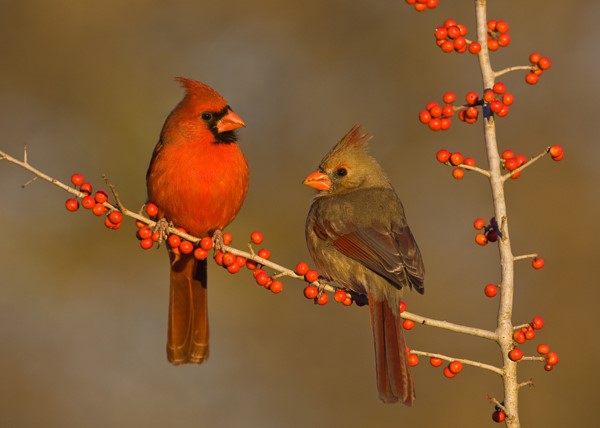
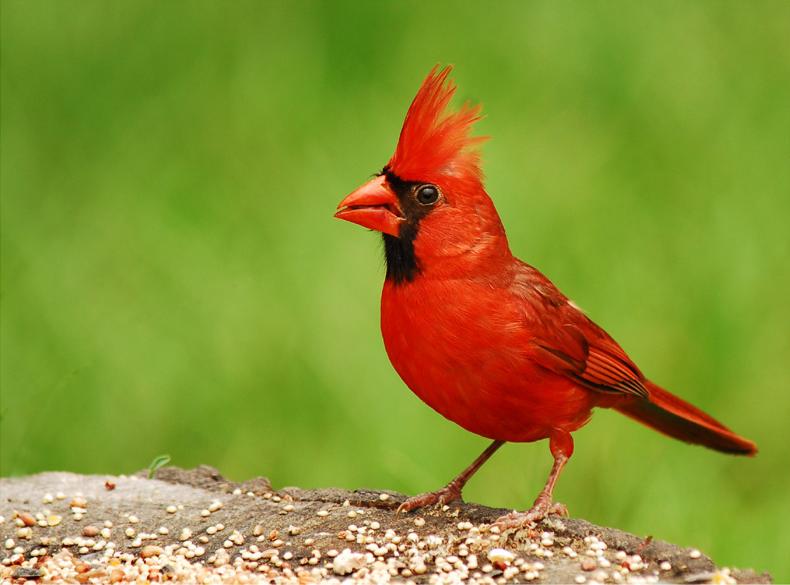
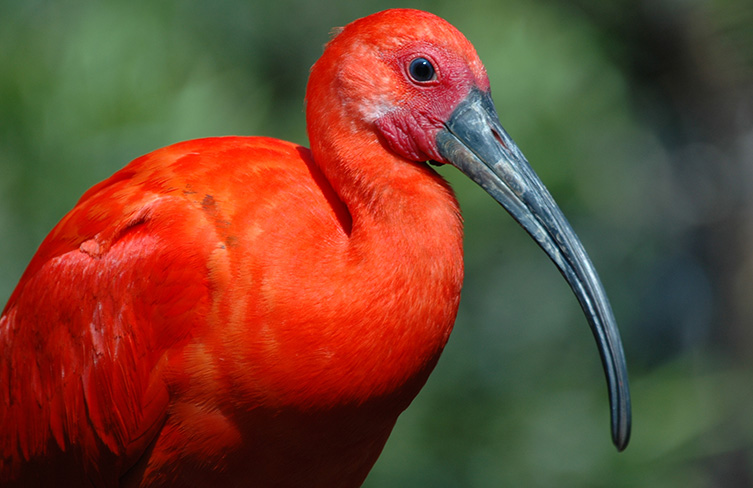
Those four Commentary and Dictionary definitions are all much saying the same; Red, Blood Red, or Fiery Red.  Before I start finding photos of birds, many are already on my mind. Especially the Northern Cardinal:

Northern Cardinal (Cardinalis cardinalis) - WikiC

Northern Cardinal (Cardinalis cardinalis) ©WikiC

This should be easy finding photos to match the color of this sixth foundation. Of course, what we’ll see in heaven, will exceed these beyond anything we can imagine!!!


10 Stunning Red Colored Birds

Articles in this Series so far:

What will you do with Jesus?

Woodstock’s New Visit and Nest

“Make me hear joy and gladness,…”(Psalms 51:8a NKJV)

I am sure by now most of the readers here know I am a friend of Woodstock cartoons. A few days ago, he showed up in Heathcliff’s bird bath. [I follow just 5 cartoons via email from ArcaMax.com], and today, Woodstock seems to have been shopping. Maybe he was out shopping the day he landed at Garfield’s.

Woodstock visits Heathcliff

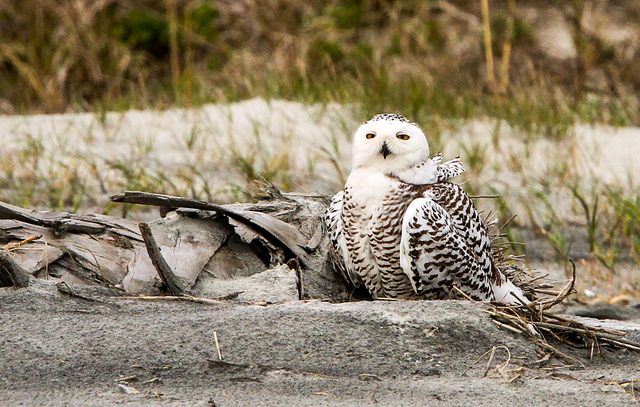
The first cartoon reminds me of how excited we birdwatchers become when a bird shows up in an area that is not its normal range. A few years back, 2014, here in Florida, many were reporting the Snowy Owl. Birds of the Bible – Snowy Owl In Florida.

Snowy Owl (Bubo scandiacus) Female in Florida 2013-2014 ©©minds-eye

Snowy Owl (Bubo scandiacus) Female in Florida 2013-2014 ©©minds-eye

But today’s order for Woodstock really tickled me:

Woodstock’s New Nest

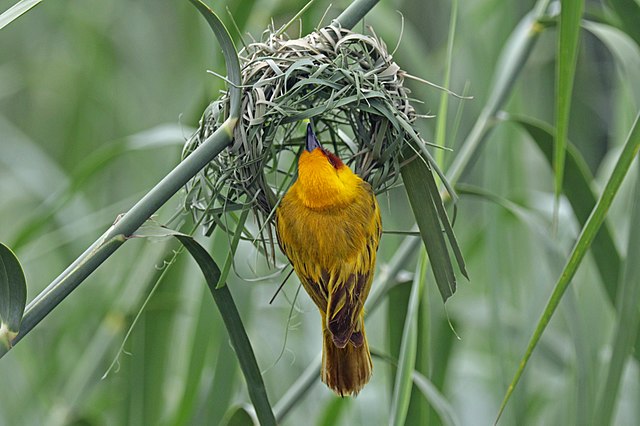
That poor bird has problems with nest, as has been shown before. Woodstock’s High-rise Nest. Have you ever seen a nest that was in need of repairs or better yet, replacement? The Weavers trying to make nest that can be quite entertaining.

Wren nest in a Pepsi paper cup.

Wren nest in a Pepsi paper cup in my brother’s old refrigerator.

Lesser Masked Weaver (Ploceus intermedius) by Bob-Nan

Lesser Masked Weaver (Ploceus intermedius) by Bob-Nan

Southern Brown-throated Weaver Working on Nest (Ploceus xanthopterus) ©WikiC

The thought of Woodstock ordering a ready made nest is funny. Maybe he received that package from Amazon, or Fed EX. Not sure where he found one, it makes for a joyful laugh. We have enough bad news in this world. I trust you also take time to chuckle now and then.

Our Salvation in the Lord does give us joy. He lets us enjoy “clean” fun.

“Be glad in the LORD and rejoice, you righteous; And shout for joy, all you upright in heart!” (Psalms 32:11 NKJV)

Western Tanager: Red, Yellow, Black and White

Western Tanager (Piranga ludoviciana) ©WikiC

Birds of the Bible – Mountain Bird’s Majestic Cedar IV

Cèdre de la Chaux (Cuisery) – Branches ©WikiC

Thus says the Lord GOD: “I will take also one of the highest branches of the high cedar and set it out. I will crop off from the topmost of its young twigs a tender one, and will plant it on a high and prominent mountain. On the mountain height of Israel I will plant it; and it will bring forth boughs, and bear fruit, and be a majestic cedar. Under it will dwell birds of every sort; in the shadow of its branches they will dwell. And all the trees of the field shall know that I, the LORD, have brought down the high tree and exalted the low tree, dried up the green tree and made the dry tree flourish; I, the LORD, have spoken and have done it.” (Ezekiel 17:22-24 NKJV)

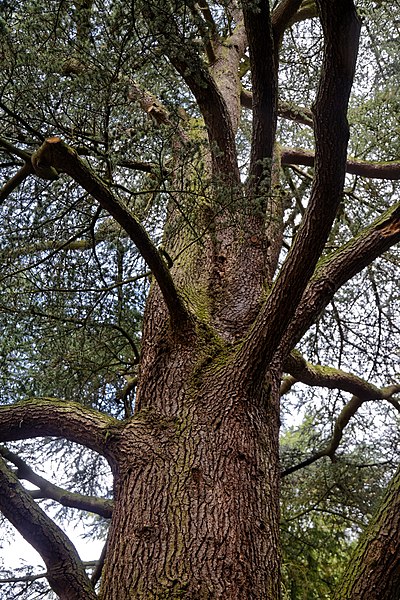
That tree above is not on a mountain, but that is quite a majestic Cedar tree to me. How about the trunk of that same tree? WOW! Think the birds could find a home in a Cedar Tree?

Cèdre de la Chaux (Cuisery) – trunk ©WikiC 2

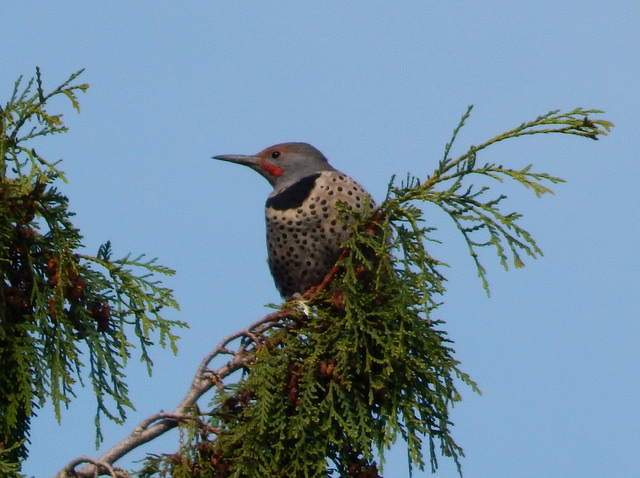
Flicker in Cedar Tree ©Flickr Todd Petit

Here is another Cedar Tree, this time planted back in 1886 AD. There is plenty of places for birds to dwell.

Cedar tree planted c.1886 by Edward VII when Prince of Wales, in the Gardens of Easton Lodge ©WikiC

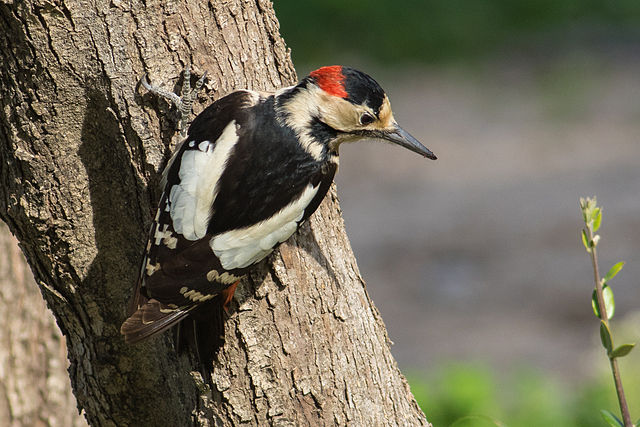
Syrian Woodpecker (Dendrocopos syriacus) in Israel ©WikiC

What are these verses referring to? Here are some comments from several Commentaries:

“17:22, 23 one of the highest branches. This is messianic prophecy stating that God will provide the Messiah from the royal line of David (“the high cedar”) and establish Him in His kingdom (like a mountain, cf. Dan. 2:354445). He will be “a high branch” reigning in the height of success. “Branch” is a name for Messiah (cf. 34:232437:2425Is. 4:2Jer. 23:533:15Zech. 3:86:12). Messiah will be “a tender one” (v. 22) growing into a “majestic cedar” (v. 23). Under His kingdom rule, all nations will be blessed and Israel restored.” [NKJV MacArthur Study Bible 17:22,23]

Lacrimose Mountain Tanager (Anisognathus lacrymosus) ©FlickrScott Loarie

17:24 — “I bring down the high tree, exalt the low tree, dry up the green tree and make the dry tree flourish. I am the Lord; I have spoken, and I will perform it.”

The Lord wants us to remember that He is absolutely sovereign. If a nation becomes powerful and prominent, it does so because He allowed it. If a nation falls, it does so because He permitted it to happen. God rules among the nations, and only He can truly give His children hope. [NASB Charles F. Stanley Life Principles Bible Notes]

Brown-necked Raven of Israel

Brown-necked Raven, Israel ©WikiC

17:22 I will take: The Hebrew is emphatic: “I Myself will take” In contrast to human kings, God declared that He personally would pick out, plant, and make prominent a tender one—that is, a twig or a sprig. Cedar branches are symbolic of rulers on the Davidic throne (see 17:341213), and elsewhere of a line of David’s descendants prophesied to produce the Messiah (see 2 Sam. 7:16Is. 11:1–5Jer. 22:24–3023:1–6Zech. 6:9–13Matt. 1:1–17). If not directly messianic in intention, vv. 22–24 at least have strong messianic implications. Thus, with reference to His humanity, we discover a new title for the Savior Jesus. He is the Tender One.”

“17:2324 What was accomplished in the restoration under Zerubbabel was a fulfillment of this promise. But as is often the case in biblical prophecy, the greater fulfillment is still to come in the reign of the Savior King. The establishment of the cedar twig, the Messiah, over Israel will make the nation a fruitful and majestic cedar where diverse people will live in unity and harmony. all the trees of the field: All nations will realize that the Lord is their sovereign God and that He has accomplished what He said He would do.”

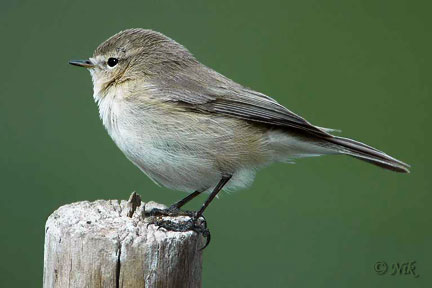
Mountain Chiffchaff (Phylloscopus sindianus) by Nikhil Devasar

Mountain Chiffchaff (Phylloscopus sindianus) by Nikhil Devasar

“For you shall go out with joy, And be led out with peace; The mountains and the hills Shall break forth into singing before you, And all the trees of the field shall clap their hands.
(Isaiah 55:12 NKJV) Would that big cedar clap? Yes!

I like to just let God’s Work speak for itself.

“Let the heavens rejoice, and let the earth be glad; Let the sea roar, and all its fullness; Let the field be joyful, and all that is in it. Then all the trees of the woods will rejoice before the LORD. For He is coming, for He is coming to judge the earth. He shall judge the world with righteousness, And the peoples with His truth.” (Psalms 96:11-13 NKJV)


Gideon

Heaven’s New Jerusalem and Birds – Sardonyx


Two-barred Crossbill (Loxia leucoptera)(White-winged) by Raymond Barlow

Two-barred Crossbill (Loxia leucoptera)(White-winged) by Raymond Barlow

“The foundations of the wall of the city were adorned with all kinds of precious stones: the first foundation was jasper, …. the fifth sardonyx, the sixth sardius, the seventh chrysolite, the eighth beryl, the ninth topaz, the tenth chrysoprase, the eleventh jacinth, and the twelfth amethyst.” (Revelation 21:19a-20 NKJV)

While searching for material on these foundation stones, this article caught my attention. It appears that Cindy had the same questions as we are trying to figure out. I believe her blog is inactive, but this is still posted. Precious Jewels by Cindy. She had this chart with 12 stones of the foundations.

12 Jewels Foundation New Jerusalem ©Sundayswithcindy

“Pretty impressive, isn’t it? Actually, it will exceed far beyond what our human minds can even conceive when we try to imagine the beauty and magnificence of that holy city. I Corinthians 2:9 tells us, “But as it is written, Eye hath not seen, nor ear heard, neither have entered into the heart of man, the things which God hath prepared for them that love him.”
*
My curiosity was up, though, when it came to those precious gemstones. What were their colors? How would they look all sandwiched together? I knew I could not begin to imagine the scope of its beauty, but at least I wanted to get some glimpse of what it might appear to be. I mean, we can try to imagine the pearly gates, and even the streets of pure gold although the Bible says the pure gold will be like transparent glass, but the foundation of all those beautifully colored jewels? Ahh—how lovely to have the world at our fingertips via the Internet! In a matter of seconds, my curiosity about the precious gemstones of the foundation was satisfied!” [Bolding added]

Ocellated Tapaculo (Acropternis orthonyx) ©WikiC

Through the rest of her article, she discovered what I am finding. Names of those stones are not the same today. So, if these birds aren’t a perfect match, please forgive us.
There are no birds with the name of “sardonyx” in it, but the two tones of red seems interesting enough to try to find some birds like that.  All the translations I searched have either Sardonyx or just Onyx. [There are a few birds with ONYX in their scientific name[

Pearl Kite (Gampsonyx swainsonii) ©Flickr Fernando Flores

Here are what some of the study Bibles and commentaries say:
NKJV MacArthur Study Bible – “ sardonyx. A variety of chalcedony with parallel layers of red and white”
KJ Study Bible Notes – ” sardonyx is red and white”
Jamieson-Fausset-Brown – “sardonyx — a gem having the redness of the cornelian, and the whiteness of the onyx.”
IBS – “Sardonyx – White stone with red layers.
John Gill – “The fifth, sardonyx,…. Which is partly of the sardian, and partly of the onyx stone, which resembles a man’s nail, from whence it has its name; it is reddish, bordering on white; it may be thought to answer to the onyx in the breastplate, on which was written the name of Joseph.”

Australian Logrunner (Orthonyx temminckii) by Ian

So with all of these, looks like there must be some reddish and white birds around somewhere. Let’s see what we can find:

Cape Longclaw (Macronyx capensis) ©WikiC

I still haven’t found what I was hoping to find. This next bird is getting closer.

Rosy-throated Longclaw (Macronyx ameliae) ©WikiC

But this is the color of most sardonyx they show on the internet:

Red onyx – Handicraft ©WikiC

Have you seen any birds like that? Let me see what we have already shown here on the blog.

Red-throated Twinspot (Hypargos niveoguttatus) ©WikiC

None of these absolutely match our Sardonyx stone, but are they amazing Avian Wonders from their creator?

*** Articles in this Series so far:

Is There a God?

How Are We Reflecting God’s Light?

Rufous-tailed Hummingbird (Amazilia tzacatl) by Judd Patterson

Rufous-tailed Hummingbird (Amazilia tzacatl) by Judd Patterson

“Arise, shine; for thy light is come, and the glory of the LORD is risen upon thee.” (Isaiah 60:1 KJV)

Yesterday’s article, Precious Stones and Birds – Colors, show how light can be changed into different colors as it passes through a prism.  Also, that the Lord God, the Creator of all we see here on earth is the source of light. Today you will see how light reflecting on bird’s feathers, especially Hummingbirds, helps demonstrate that fact.

*

Here are some videos and photos of Hummingbirds showing how the light reflects on these birds.

ANNA’S HUMMINGBIRD VANCOUVER, BC (2018)

Fiery-throated Hummingbird (Panterpe insignis) Little color from side ©WikiC

Fiery-throated Hummingbird (Panterpe insignis) With Light Shining on it ©WikiC

Light reflects off the feathers of Hummingbirds. Here are some photos:

Rufous Hummingbird (Selasphorus rufus) by Michael Woodruff

Rufous Hummingbird (Selasphorus rufus) by Michael Woodruff

Scintillant Hummingbird (Selasphorus scintilla) by Judd Patterson

Scintillant Hummingbird (Selasphorus scintilla) by Judd Patterson

The Ruby-topaz Hummingbird is a nice example of how the light shinning on the hummer.

Ruby-topaz Hummingbird, not reflecting light

Ruby-topaz Hummingbird (Chrysolampis mosquitus) Some Reflection ©Flickr Neil DeMaster

Ruby-topaz Hummingbird (Chrysolampis mosquitus) No Reflection ©Flickr Budgora

Ruby-topaz Hummingbird (Chrysolampis mosquitus) Some Reflection ©Flickr Budgora

Ruby-topaz Hummingbird (Chrysolampis mosquitus) Reflection ©Flickr Dick Knight

Ruby-topaz Hummingbird (Chrysolampis mosquitus) Reflection ©Flickr Budgora

Ruby-topaz Hummingbird (Chrysolampis mosquitus) ©WikiC

How well are we reflecting the Lord’s light?

“Ye are the salt of the earth: but if the salt have lost his savour, wherewith shall it be salted? it is thenceforth good for nothing, but to be cast out, and to be trodden under foot of men. Ye are the light of the world. A city that is set on an hill cannot be hid. Neither do men light a candle, and put it under a bushel, but on a candlestick; and it giveth light unto all that are in the house. Let your light so shine before men, that they may see your good works, and glorify your Father which is in heaven.” (Matthew 5:13-16 KJV)

Wordless Birds – With Hummingbirds