Looking Back and Looking Ahead

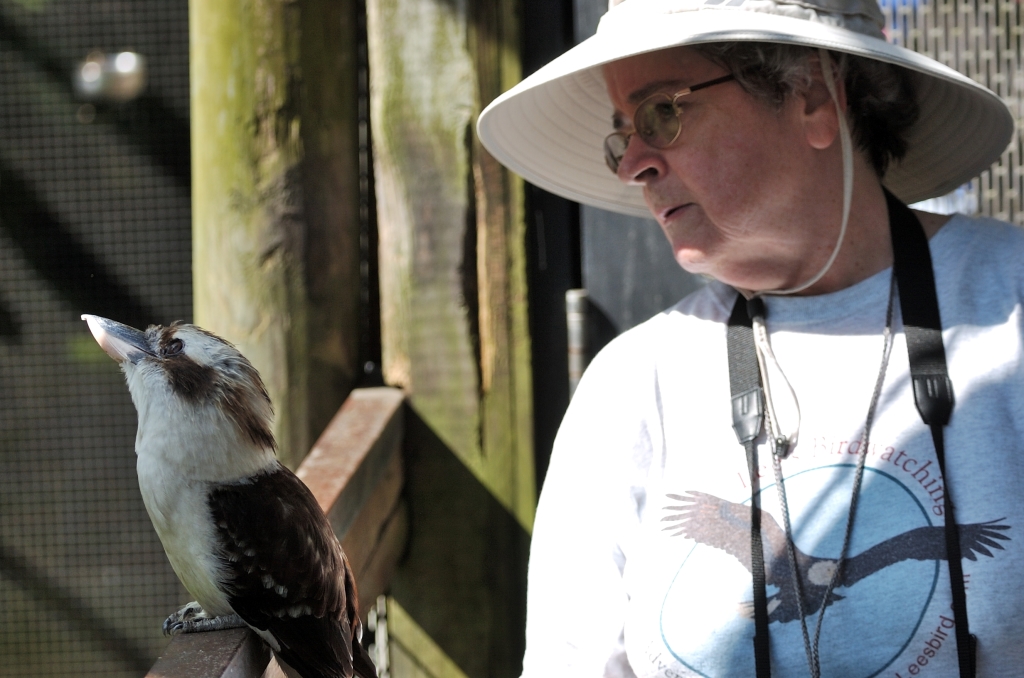
Lee with Laughing Kookabura at Brevard Zoo by Dan

” O LORD, our Lord, How excellent is Your name in all the earth, Who have set Your glory above the heavens!  Out of the mouth of babes and nursing infants You have ordained strength, Because of Your enemies, That You may silence the enemy and the avenger.  When I consider Your heavens, the work of Your fingers, The moon and the stars, which You have ordained, What is man that You are mindful of him, And the son of man that You visit him?  (5)  For You have made him a little lower than the angels, And You have crowned him with glory and honor.  (6)  You have made him to have dominion over the works of Your hands; You have put all things under his feet, All sheep and oxen—Even the beasts of the field, The birds of the air, And the fish of the sea That pass through the paths of the seas. O LORD, our Lord, How excellent is Your name in all the earth!

When I was asked to do some articles about birds, way back in 2008, I never imagined that today, Lee’s Birdwatching Adventures (now with WordPress) would have:

  • 2,513,166 visits as of today
  • 3,857 articles posted

The Lord has truly blessed these efforts. But now? After prayer and much thought, A decision has been made!!
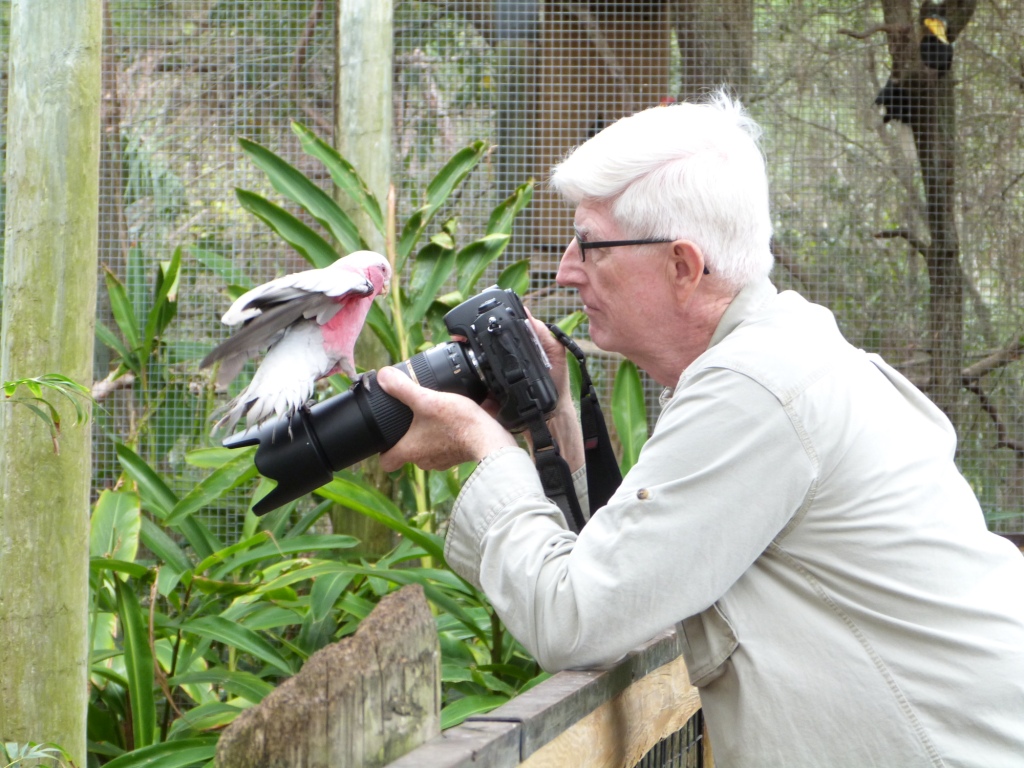
Galah (Eolophus roseicapilla) Hopping on the camera

Galah (Eolophus roseicapilla) Hopping on Dan’s camera

LET’S CONTINE ON!!!!

I’ve paid the fees to continue. The Lord is about to allow me to turn 81 in a little over a week. Thank You Lord. We already have several great writers and photographer that can still add new articles here. The wealth of articles makes great resources for those seeking information about birds, especially home school students and others.

Golden Eagle and Dr Jim – Circle B by Lee

Dr. James J.S. Johnson from Institute for Creation Research,

William Wise a great photographer and writer, and

Golden Eagle, a.k.a. Dr. Baron Brown, are still birding.

ME?? I am planning to review and repost many of the great series of previous posts. I’ll check for broken link and missing photos.

In fact, tomorrow, the Heaven’s New Jerusalem and Birds – Foundation Stones series will begin. It’s one of my favorites.

Thank you for all the visits over the years and trust you’ll continue checking out these “oldies but goodies.” At my age, I forget things. :)

Praise the Lord for all these blessings that He has allowed us the share.

Stay Tuned!
The Wise Owl

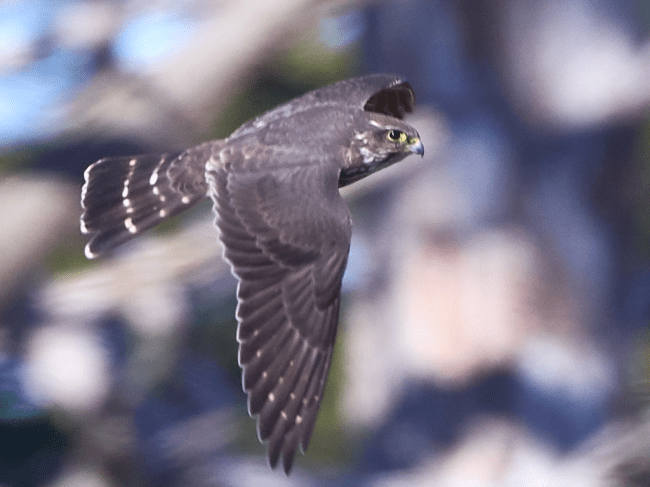
Merlin, the Squealing-Laughter Falcon of Saskatchewan

Merlin, the Squealing-Laughter Falcon of Saskatchewan

Dr. James J. S. Johnson

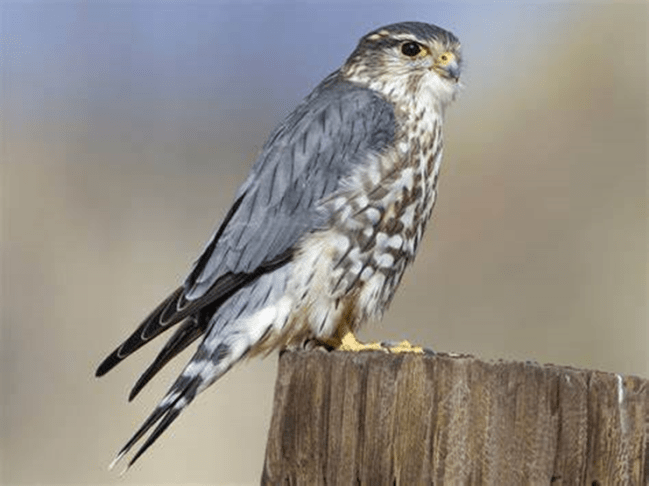
MERLIN perching   (Animalia-life.club photo credit)

These things be of (the) fowls which ye shall not eat, and shall be eschewed of you (and shall be shunned by you); an eagle, and a gripe [i.e., gryphon], [and] an aliet [or “merlyon”, as in some early Wycliffite Bible copies of the late AD1380s]…      (Leviticus 11:13)   

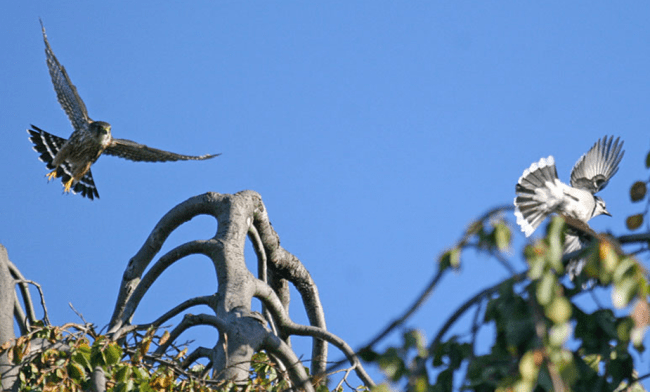
Merlin chasing Blue Jay   (Wikipedia/John Harrison photo credit)

Saskatchewan (an interior province of Canada) is mostly a grassland, prairies (dominated by agriculture) with occasional hills and trees, here and there punctuated by lakes, ponds, and rivers – a wonderful habitat for birds — such as falcons.  

Earlier this month (August 2-7th AD2024), by God’s grace, my wife and I attended a Christian family camp in Saskatchewan (near Fort Qu’Appelle), and the most memorable bird that I observed (on the 6th of August, AD2024), there, was a Merlin (Falco columbarius), a resident falcon also known as the Pigeon Hawk, who was circuitously flying near the lakeshore; it eventually landed upon a shoreline tree’s branch, conveniently perching there for me to see it, almost as if it was politely and patiently posing for me (as I compared its shape and plumage to my Saskatchewan bird chart). 

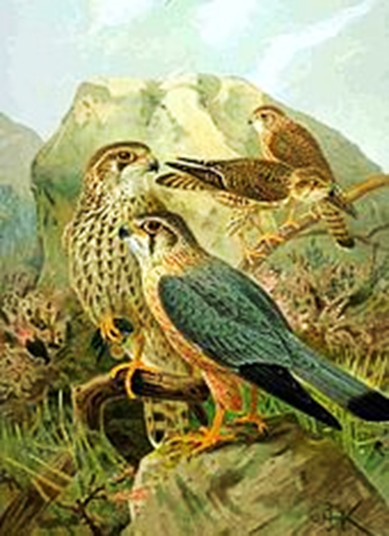
MERLINS portrayed in the wild   (public domain image)

The merlin’s squeaking laughter-like call, which I heard on multiple days at that family camp property in Saskatchewan, reminded me of seagull laughter, although the Merlin’s calls seemed more repetitive – a staccato laughter — almost like rhythmic squealing. 

The fancy scientific name for the Merlin is Falco columbarius, meaning “dove falcon” – perhaps because the Merlin is a falcon shaped (and colored) somewhat like an over-sized mourning dove or pigeon.  The males have wingspans almost 2 feet wide; the females are slightly larger.

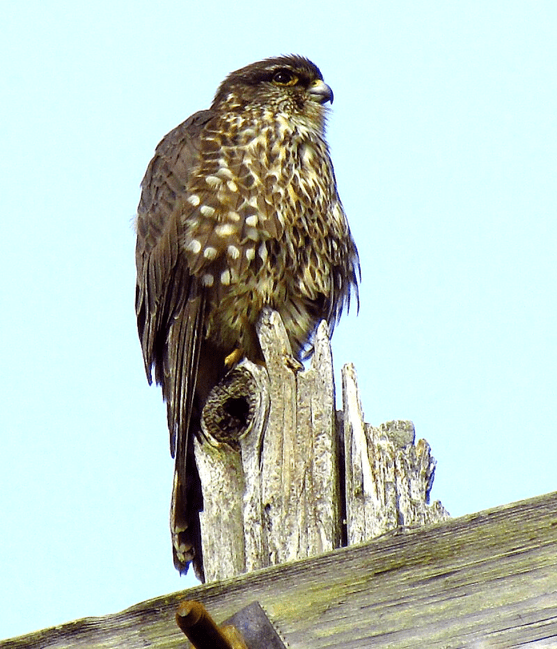
MERLIN juvenile    (Wikipedia image credit)

But, from the perspective of prey seized by this falcon’s sickle-shaped talons, the Merlin is no laughing matter. 

Merlins — like other falcons (e.g., peregrines), hawks, and kites — are feathered predators, zooming down upon their next meal with sudden bursts of aerial speed.  Like “sparrow-hawks” (i.e., kestrels, which are also a type of falcon), merlins ambush and seize smaller birds, for food, some as little as sparrows and others as large as grouse.  In the same cluster of trees, by the lakeside where the Merlin was perching, I repeatedly saw an American Robin, as well as several gulls (perhaps they were Ring-billed Gulls?).  Hopefully that robin escaped the merlin’s hungry hunting.

Merlins are flexible in adapting to various ranges, with different biome habitats. 

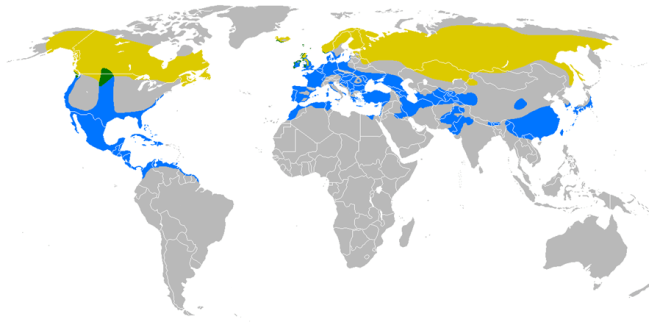
Merlins are often found in northern forests and grasslands, including birch scrubland country (e.g., in Saskatchewan’s birch-studded prairies) and willow-prominent wet woods, from sea level to timberline. Many of their summer breeding ranges are in North America’s boreal forests and prairies, as well as in Eurasia’s taiga forests and steppes.  Most merlins migrate, seasonally, with warm winter ranges in mild grasslands, woodlands, and coastlands.

SUMMER & WINTER RANGES of Merlin migrants.

Laughter makes life more livable.  And seeing a squealing-laughter-calling Merlin, as a “lifer”, while attending a precious Christian family camp in rural Saskatchewan, was an unexpected blessing, to say the least.  (So was visiting the fish hatchery that serves Fort Qu’Appelle – but I digress.)

The Lord has many beautiful places on earth, plus many beautiful birds therein – and Saskatchewan’s Merlin illustrates that beauty.  No surprise, because the ultimate source of all beauty is God Himself (Psalm 27:4).

MERLIN in flight (U.S. National Park Service photo credit)

What’s Its Name? – “elegans”

??? (Platycercus elegans) ©WikiC

In this post let’s investigate the name of “elegans.” Before I reveal what that means, let’s look at a few birds with “elegans” in its Scientific/Latin name.

elegans

??? (Malurus elegans) male-breeding ©WikiC

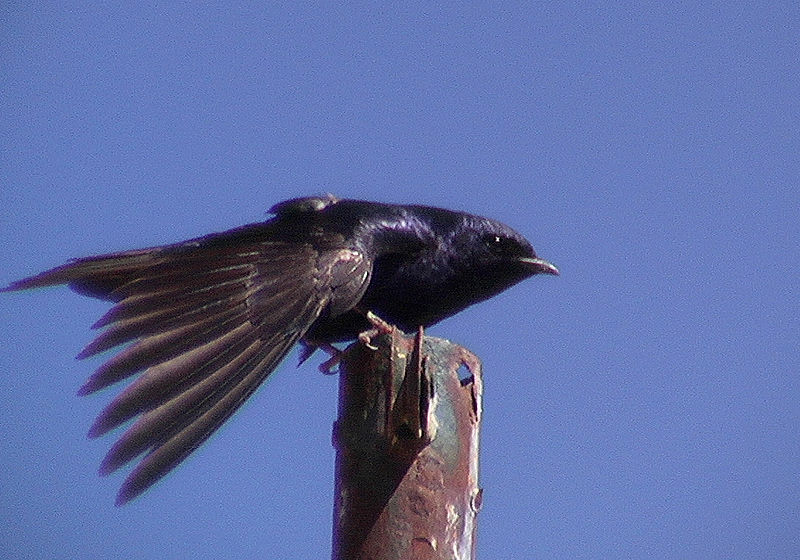
??? (Progne elegans) ©WikiC

??? (Emberiza elegans) ©WikiC

Elegant Crested Tinamou (Eudromia elegans) Cloud Forest at Zoo Miami by Lee

??? (Eudromia elegans) Cloud Forest at Zoo Miami by Lee

Buff-spotted Flufftail (Sarothrura elegans) ©©kibuyu

??? (Sarothrura elegans) ©©kibuyu

??? (Rallus elegans) Viera Wetlands 12-26-17 by Lee

That’s enough to give a view of some of the “elegans.” Just looking at the variety, I have no clue as to what “elegans” means. :)

This photo by Ian gives the whole birds name. Maybe it means “Elegant”?

"Yellow" Crimson Rosella (Platycercus elegans flaveolus) by Ian 4

“Yellow” Crimson Rosella (Platycercus elegans flaveolus) by Ian

Here are links to the birds above in order presented:

Crimson Rosella (Platycercus elegans)

Red-winged Fairywren (Malurus elegans)

Elegant Crested-Tinamou (Eudromia elegans)

Southern Martin (Progne elegans)

Yellow-throated Bunting (Emberiza elegans)

Elegant Crested-Tinamou (Eudromia elegans)

Buff-spotted Flufftail  (Sarothrura elegans)

King Rail (Rallus elegans)

After seeing all these beautiful Avian Wonders from the Lord, whatever the term means, I’m voting for ELEGANT!!!

“And God blessed them, saying, ‘Be fruitful and multiply, and fill the waters in the seas, and let birds multiply on the earth.’ ” (Genesis 1:22 NKJV)

Elegant Tern by Ian Montgomery

Elegant Tern by Ian Montgomery

Here are the rest of the “elegans” at Birds of the World – at Cornell Lab:

Brush Bronzewing (Phaps elegans)

Elegant Tern (Thalasseus elegans)

Subantarctic Shearwater (Puffinus elegans)

Ryukyu Scops-Owl (Otus elegans)

Elegant Trogon (Trogon elegans)

Chestnut Woodpecker Celeus elegans) 

Brazilian Laniisoma (Laniisoma elegans elegans) Pinterest

Brazilian Laniisoma (Laniisoma elegans elegans) Pinterest

Elegant Parrot (Neophema elegans)

Elegant Pitta (Pitta elegans)

Elegant Crescentchest (Melanopareia elegans)

Elegant Woodcreeper (Xiphorhynchus elegans)

Brazilian Laniisoma (Laniisoma elegans)

Elegant Tit (Periparus elegans)

WOW!!! WHAT A CREATOR!!

Formed By Him

Good News

Happy Mother’s Day!

Happy Mother’s Day!

I wonder if all the Bird Mother’s have a special Day? Thought I would see what photos from the past have mom’s and youngsters. Let’s See!!

Mom and baby Penquins ©Pinterest

Emu (Dromaius novaehollandiae) Baby by WaltDaily©©

Snowy Egret Baby by Dan at Gatorland

Skimmer Baby Leaning against Parents Beak – ©Thomas C – NatlGeog – Pinterest

Mom and Baby at Lake Hollingsworth by Lee

Baby Geese by Dan

Australasian Grebe (Tachybaptus novaehollandiae) with babies ©WikiC

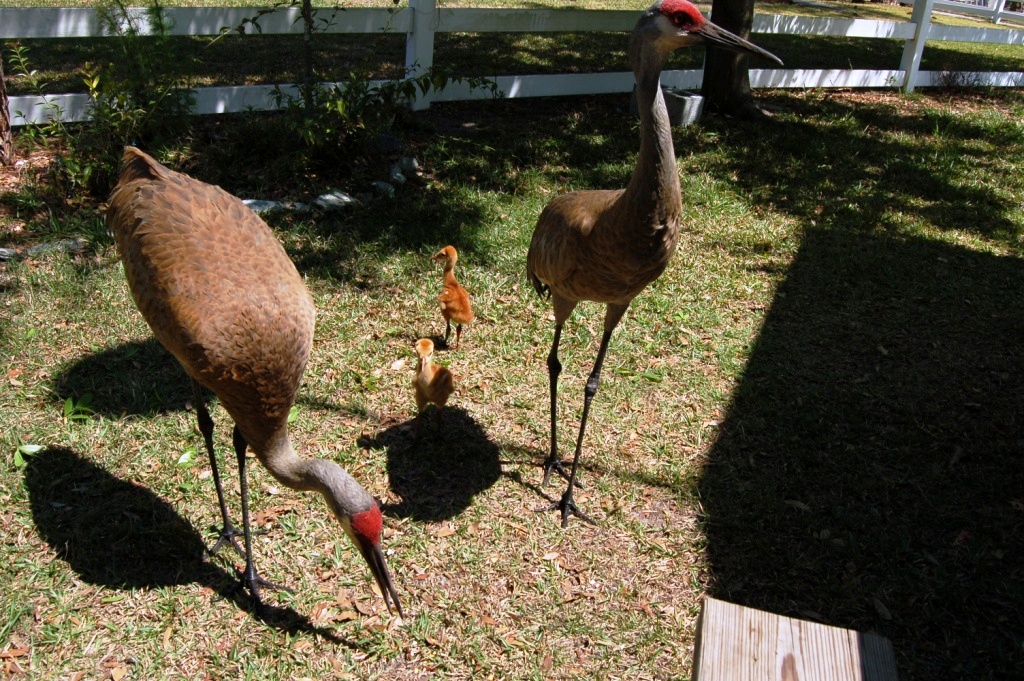
Sandhill Cranes and Babies in yard by Lee

Black-bellied Whistling Duck (Dendrocygna autumnalis) and Babies by Lee at Circle B

Black-bellied Whistling Duck and Babies by Lee at Circle B

Sandhill Crane "colts"

Sandhill Crane “colts” by Lee

Female Chipping Sparrow bird feeding three baby Chipping Sparrow nestlings, Athens, Clarke County, GA. by William Wise

Common Starling (Sturnus vulgaris) at Nest 1 by Anthony747

Well, I think you get the idea. Mother’s can be very busy at times. Enjoy your day!

“HONOR YOUR FATHER AND MOTHER,” which is the first commandment with promise:
(Ephesians 6:2 NKJV)

Previous Posts:

Avian Happy Mother’s Day

Sunday Inspiration – Mother’s Day

Mother’s Day– “Stay Close To Me” © The Hyssongs

Emberizidae Family Allies I ~ “Be Thou My Vision” ~ by Ladies and Girls Choir on Mother’s Day

Good News

What’s His Name? – “Varius”

As we start the new series about the bird’s Scientific/Latin names, a verse came to mind about His name. Of course, that is referring to God, but I like the “What is His name” part. So, for now (unless some suggest a different one) that will be the name of these articles.

“Who has ascended into heaven, or descended? Who has gathered the wind in His fists? Who has bound the waters in a garment? Who has established all the ends of the earth? What is His name, and what is His Son’s name, If you know?” (Proverbs 30:4 NKJV)

Varius means

If you go to Birds of the World – Species and the type the Scientific/Latin name, a list of those birds will show. “The specific epithet varius is the Latin word meaning “various”, “diverse” or “variegated” (Wikipedia)”. Here is the list of birds from “Birds of the World – with “varius“.

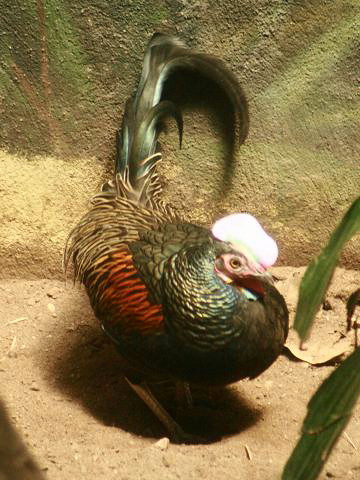
Green Junglefowl – Gallus varius
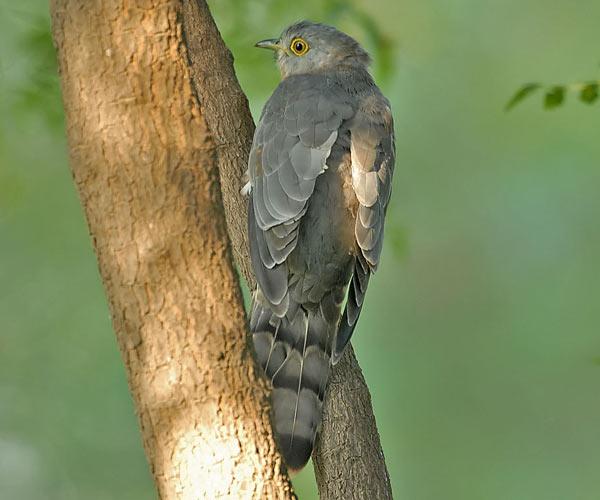
Common Hawk-Cuckoo – Hierococcyx varius
Painted Buttonquail – Turnix varius
Pied Cormorant – Phalacrocorax varius
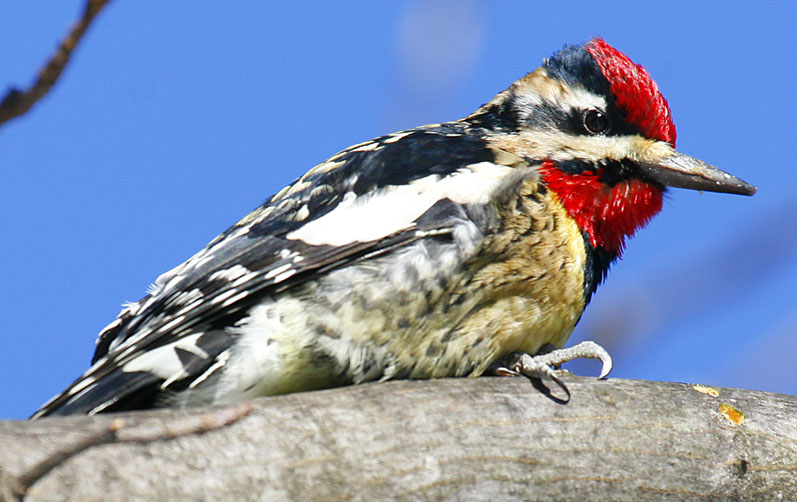
Yellow-bellied Sapsucker – Sphyrapicus varius
Mulga Parrot – Psephotellus varius
Variegated Flycatcher – Empidonomus varius
Varied Tit – Sittiparus varius
Reunion Starling – Fregilupus varius

Green Junglefowl (Gallus varius) ©WikiC

Green Junglefowl (Gallus varius) ©WikiC

Common Hawk-Cuckoo (Hierococcyx varius) by Nikhil

Painted Buttonquail (Turnix varius) by Ian

Painted Buttonquail (Turnix varius) by Ian

Australian Pied Cormorant (Phalacrocorax varius) by Ian

Yellow-bellied Sapsucker (Sphyrapicus varius) ©WikiC

Yellow-bellied Sapsucker (Sphyrapicus varius) ©WikiC

Mulga Parrot (Psephotus varius) by Ian

Mulga Parrot (Psephotellus varius) by Ian

Variegated Flycatcher (Empidonomus varius) from Audubon

Varied Tit (Sittiparus varius) by Shanghai Birding

Reunion Starling – (Fregilupus varius) Planet of Birds

A short clip of a Painted Buttonquail

A few previous articles mentioning some of these birds:

Ian’s Irregular Bird – Painted Birds

Yellow-bellied Sapsucker – Chief Corner Stone’s Keystone

Siamese Fireback by Dan

Stay tuned as we investigate some more of these Scientic/Latin names.

Good News

The IOC World Bird List 14.1

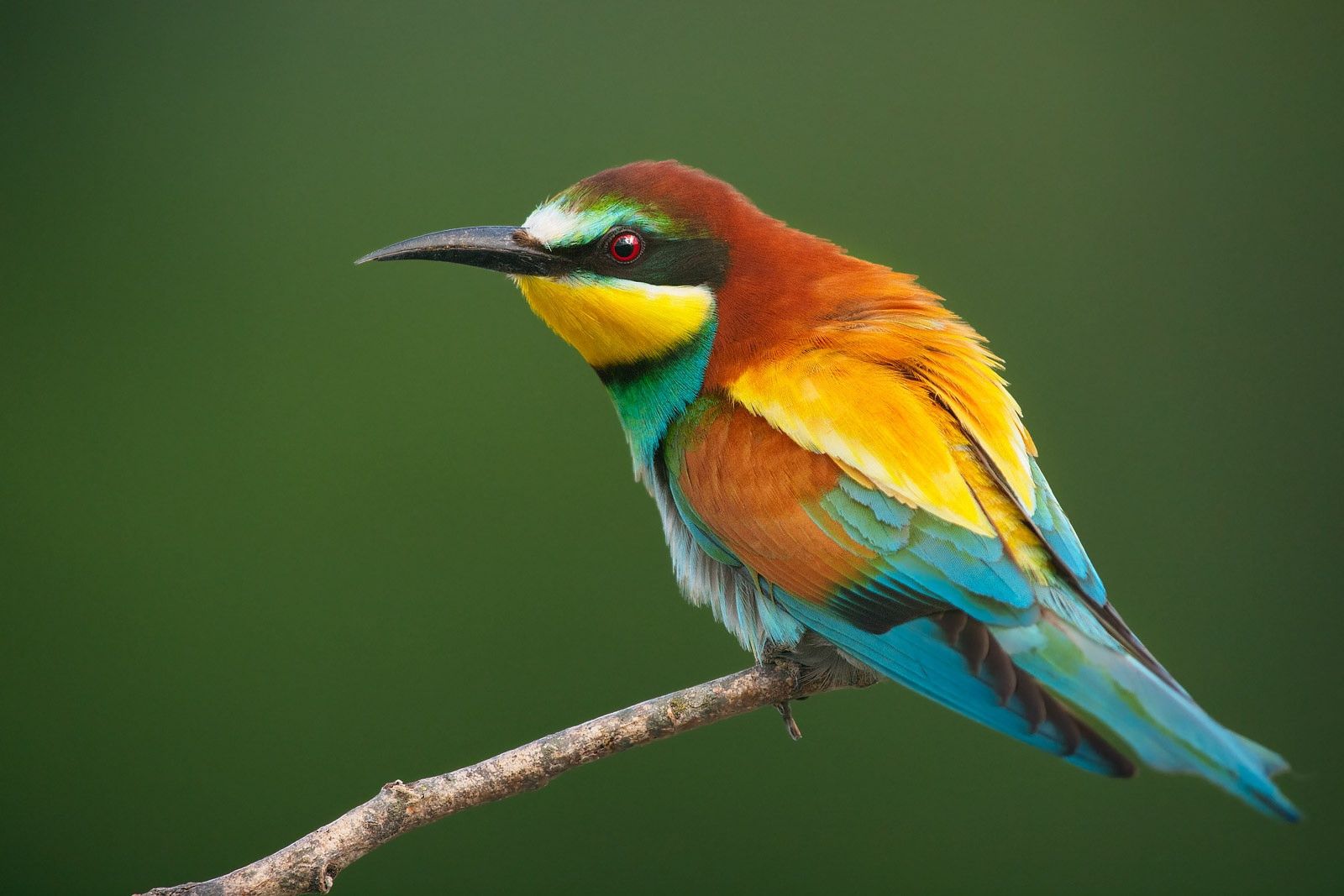
European Bee-eater @Francesco Pellegrini

European Bee-eater @Francesco Pellegrini

The IOC World Bird List 14.1 contains 11032 extant species (and 162 extinct species) classified in 44 Orders, 253 Families and 2,384 Genera.  The list also includes 19,802 subspecies, their ranges and authors.

SPECIES ADDED:                 39 extant species

SPECIES DELETED:               6 species

ENGLISH NAMES:                33 species

TAXONOMY:                         45 species (including 9 newly recognized or resurrected genera and 4 deleted genera)

Here is a listing, with of all the current Birds of the World which is better than any list we could produce here.

Birds of the World – List of Species with Pictures

Before we can dig into these Latin/scientific names of birds, it is best to update the number of birds now listed by the I.O.C. Our last update here, which is out of date, was the List 9.2:

At the time those articles were written there were 10,758 living species. Now it contains 11,032. That doesn’t include all the subspecies. Not sure how much we will update this site, but I will refer to the new names and subspecies as we investigate the scientific/Latin names of birds.

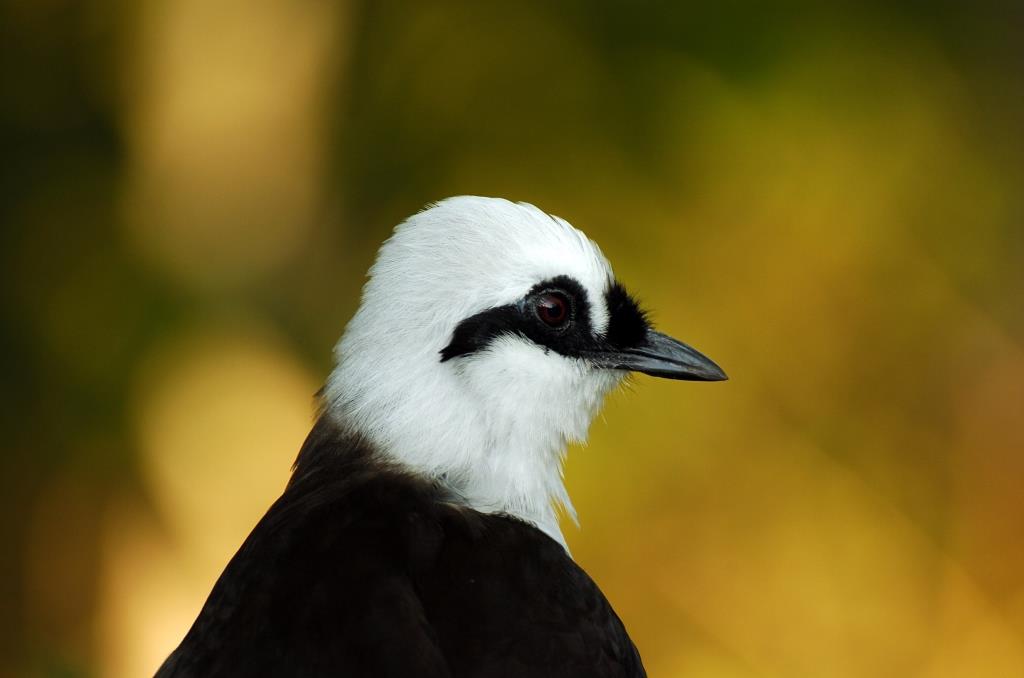
Sumatran Laughingthrush (Garrulax bicolor) by Dan at Wing of Asia ZM

Here is a listing, with of all the current Birds of the World which is better than any list we could produce here.

Birds of the World – List of Species with Pictures

The last few articles have been to lay the foundation for investigating some of these Scientific/Latin names for birds. Below are links to the experts in keeping track of the Avian Wonders:

Cornell Lab – Birds of the World

Cornell Birds of the World – Recently Updated Accounts

I.O.C.’s Latest List of Birds

I.O.C.’s Order of Birds

I.O.C.’s Family Index

Birds of the World Total List – Spreadsheet

This gives an example of how languages may be different BUT the truth is still a very important!

John 3:16 In Many Languages

More about Latin Names of Birds

While researching for a way to present birds from their Latin names, I checked out some of our previous posts that mentioned the naming of birds. There have been quite a few articles about this, and here is a fantastic one that William Wise wrote:

This is My Name Forever

William said exactly what I was thinking “It’s all Greek to me!” He also explains about God’s Name. It NEVER changes.

American Robin (Turdus migratorius) eating by Jim Fenton

American Robin (Turdus migratorius) eating by Jim Fenton

How Birds are Named explains the modern naming system that is used for birds.

“Birds have two kinds of names. One is a common, vernacular, or popular name; the other is a technical or scientific name. The first is usually given to the living bird by the people of the country it inhabits. The second is applied to specimens of birds by ornithologists who classify them.

Common names in their origin and use know no law. Technical names are bestowed under the system of nomenclature established by Linnæus and their formation and application are governed by certain definite, generally accepted rules. The Linnæan system, as it is now employed by most American ornithologists, provides that a bird, in addition to being grouped in a certain Class, Order, Family, etc., shall have a generic and specific name which, together, shall not be applied to any other animal.

Our Robin, therefore, is classified and named as follows:

CLASS AVES, Birds.

ORDER PASSERES, Perching Birds.

Suborder Oscines, Singing Perching Birds.

Family –Turdidæ Thrushes.

Subfamily Turdinæ Thrushes.

Genus, Turdus Thrushes.

Species, migratorius American Robin.”

The Genus and the Species names are the ones that will be emphasized in the new series, (name to be determined, any suggestions?). The recent articles and the list below are listed to acquaint you with how the Genus and Species are used in the bird names.

Stay tuned!

“I know all the birds of the mountains, And the wild beasts of the field are Mine.”
(Psalms 50:11 NKJV)

Previous:


Intro to Some Latin Names of Birds

On my last post, Our Loggerhead Shrike Again, I emphasized the Latin name for this bird. “In case you’re curious, the Latin name Lanius is Great Grey Shrike. The ludovicianus means “butcher” and laniare – “to tear to pieces.” They have been referred to at times a “butcher birds” because of what they do to their victims.”

While recently browsing through my many “dusty” bird books, I rediscovered my “Latin for Bird Lovers,” by Roger Lederer Carol Burr.  It actually is quite interesting, even though I have never studied Latin or paid much attention to the scientific names of our beautiful birds we write about. We can all learn some new and interesting facts about these wonderful birds. Dr. Jim, (JJSJ) also agrees and is willing to adds some articles also. Maybe I can encourage some of our other contributors to join in.

As we all know, various birds migrate during parts of the year, and they do not have to carry passports or “flying licenses” to pass through different states or countries. Countries and even states have varying names for birds. Yet, we are all seeing the same avian wonder.

Latin for Bird Lovers by Roger Lederer & Carol Burr

Bird names also change over time, yet the Latin name or scientific name doesn’t (normally). I’ll be using this book, Latin for Bird Lovers by Roger Lederer & Carol Burr as one of the sources for some upcoming articles.

Here are some examples of how bird names have changed over the years. Imagine how hard it is today for the international groups like the I.O.C.’s World Bird List to report on the same bird’s names from various languages if it wasn’t for these Latin names.

Here are some examples of re-named birds (not from Latin) just here in our part of the world:

  • Common Loon — Great Northern Diver
  • Horned Grebe — Hell-diver
  • Double-crested Cormorant — Farallon Cormorant, White-tufted Cormorant, Shag
  • American Bittern — Bog Pumper, Dunk-a-doo, Indian Hen
  • Greater White-fronted Goose — Specklebelly

Northern Pintail (Anas acuta) ©USFWS

  • Northern Pintail — Sprigtail
  • American Wigeon — Baldpate
  • Redhead — American Pochard
  • Ring-necked Duck — Blackhead
  • Scaups — Bluebill
  • White-winged Scoter — Velvet Scoter
  • Common Goldeneye — Cobhead, Whistler
  • Goldeneyes — Garrot
  • Bufflehead — Butterball, Spirit duck
  • Hooded Merganser — Cock Robin
  • Common Merganser — Goosander, American Sheldrake

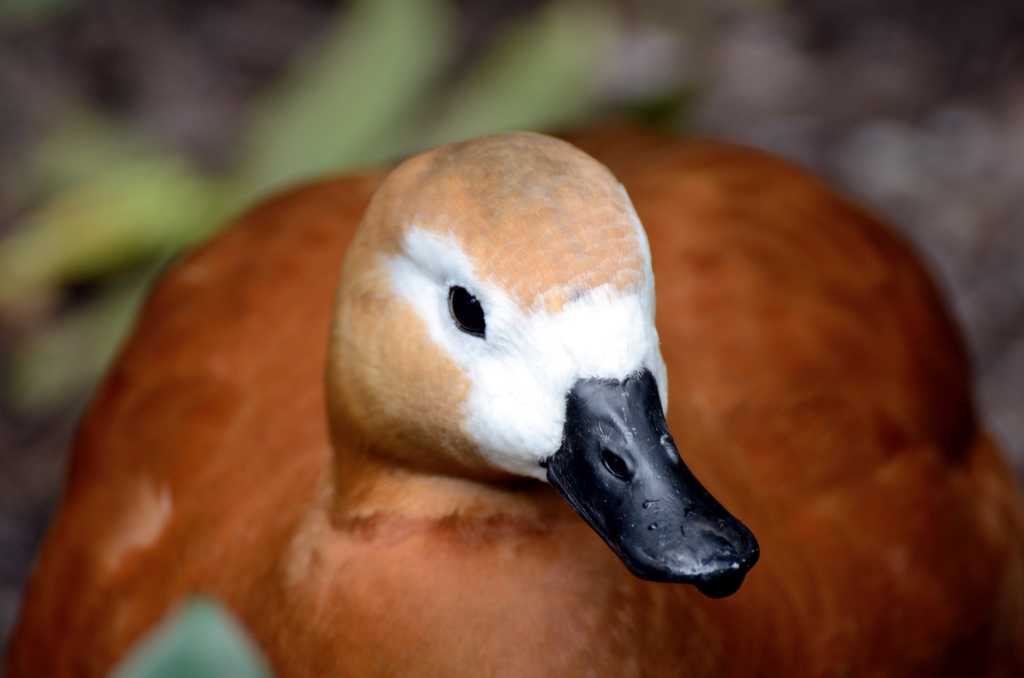
Ruddy Shelduck (Tadorna ferruginea) at Wings of Asia by Dan

Ruddy Shelduck (Tadorna ferruginea) at Wings of Asia by Dan

  • Ruddy Duck — Sleepy Duck
  • Sharp-shinned Hawk — Little Blue Darter
  • Cooper’s Hawk — Big Blue Darter
  • Ferruginous Hawk — Rusty Squirrel Hawk
  • Merlin — Pigeon Hawk
  • Sage Grouse — Sage Cock
  • Sora — Ortolan
  • American Coot — Mudhen
  • Black-bellied Plover — Bullhead
  • Black-necked Stilt — Lawyer
  • Greater Yellowlegs — Tell-tale

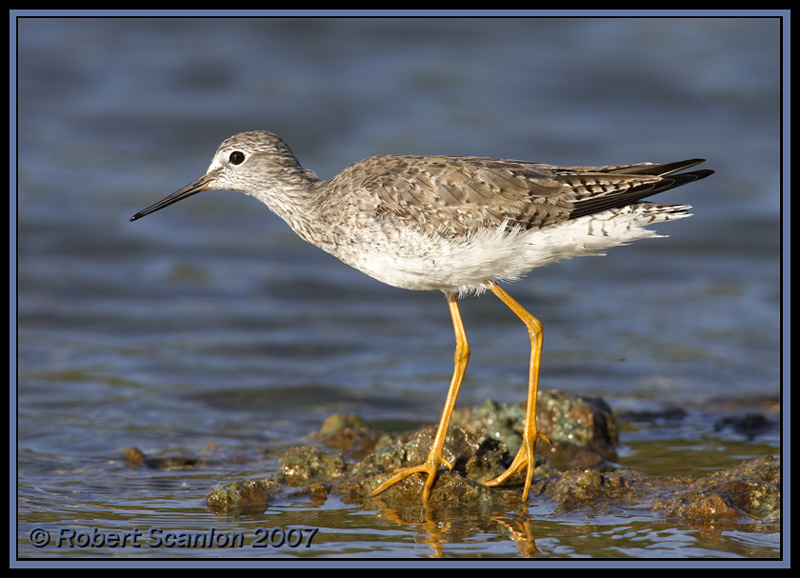
Lesser Yellowlegs (Tringa flavipes) by Robert Scanlon

Lesser Yellowlegs (Tringa flavipes) by Robert Scanlon

  • Lesser Yellowlegs — Yellowshanks
  • Marbled Godwit — Marlin
  • Ruddy Turnstone — Calico-back
  • Red Knot — Robin Snipe
  • Least Sandpiper — Oxeye
  • Dunlin — Purre, Black-breast
  • Shortbilled Dowitcher — Brownback
  • Common Nighthawk — Bull-bat
  • Northern Flicker — Golden-winged Woodpecker, Yellowhammer
  • Pileated Woodpecker — Log-cock, Black woodcock
  • Bank Swallow — Sand Martin
  • Black-capped Chickadee — Long-tailed Chickadee, Yukon Chickadee, Western Titmouse
  • Mountain Chickadee — Bailey’s Chickadee
  • Boreal Chickadee — Brown-capped Chickadee
  • American Dipper — Water-ouzel
  • Mountain Bluebird — Arctic Bluebird
  • Townsend’s Solitaire — Townsend’s Ptilogonys

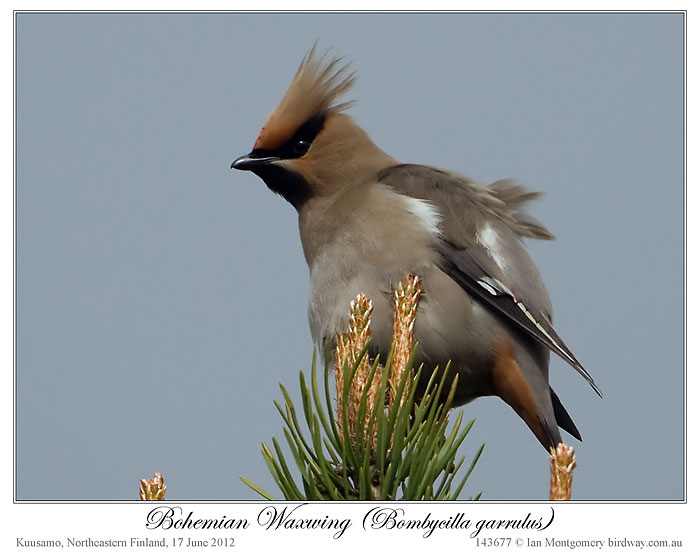
Bohemian Waxwing (Bombycilla garrulus) by Ian 3

Bohemian Waxwing by Ian

  • Bohemian Waxwing — Bohemian Chatterer
  • Cedar Waxwing — Cherry-bird
  • Loggerhead Shrike, Northern Shrike — Butcher-bird
  • Red-eyed Vireo — Greenlet
  • Orange-crowned Warbler — Lutescent Warbler
  • Yellow Warbler — Golden warbler, Mangrove Warbler
  • Spotted Towhee — Chewink, Ground Robin
  • Chipping Sparrow — Hairbird
  • Vesper Sparrow — Bay-winged Bunting
  • Dark-eyed Junco — Snowbird
  • Snow Bunting — Snowflake
  • Lark Bunting — White-shouldered Blackbird
  • Bobolink — Reedbird
  • Red-winged Blackbird — Bicolored blackbird, Red-and-buff-shouldered blackbird, Swamp Blackbird
  • Common Grackle — Bronzed Crow Blackbird
  • Brown-headed Cowbird — Cow Blackbird, Dwarf Cowbird
  • Common Raven — Holarctic Raven
  • Hoary Redpoll — Mealy Redpoll

Stay-tuned as I, and others present some of our amazing Avian Wonders from their Creator. We’ll group them by their Latin naming. Or, by the current Scientific names. One thing is for sure, when Adam named the birds, he did not use Latin to help him. He most likely had the best assistance from their Creator.

“So Adam gave names to all cattle, to the birds of the air, and to every beast of the field…” (Genesis 2:20 NKJV)

Good News

Our Loggerhead Shrike Again

Loggerhead Shrike on Bench outside our back patio door.

“Look at the birds of the air, for they neither sow nor reap nor gather into barns; yet your heavenly Father feeds them. Are you not of more value than they?” (Matthew 6:26 NKJV)

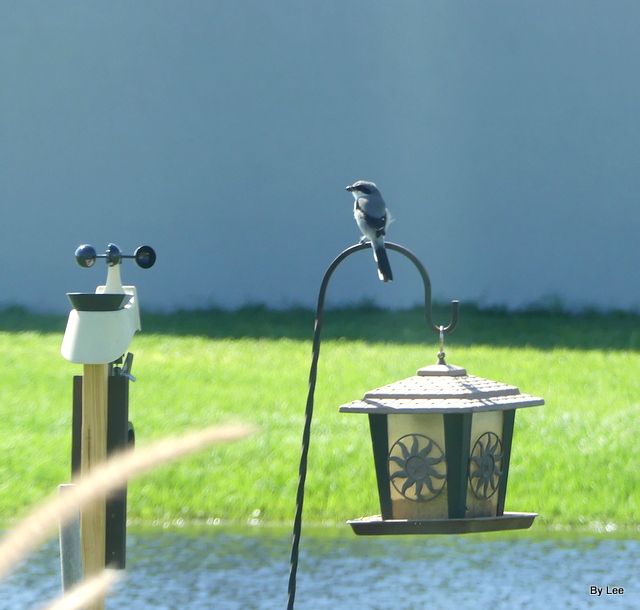
While eating our supper this evening, our friendly Loggerhead Shrike showed up again. He landed on his favorite perch, the hook out in the yard. (these are older photos, who keeps a camera at the table?)

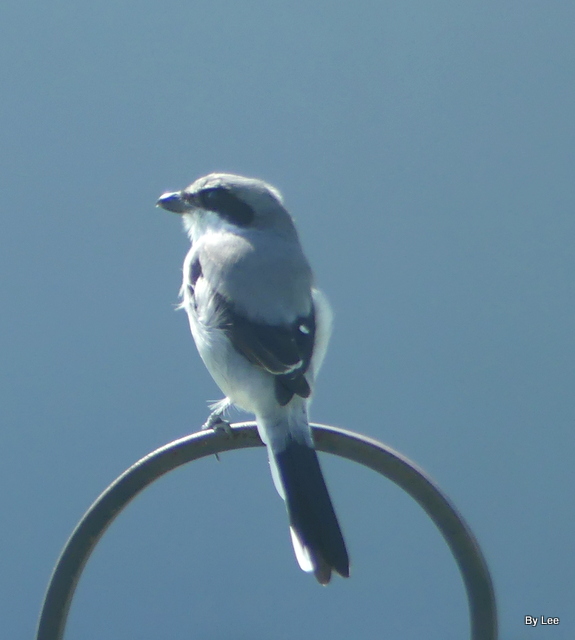
Loggerhead Shrike on hook - by Lee Closeup

Loggerhead Shrike (Lanius ludovicianus) on hook – by Lee Closeup

He and the Mockingbird takes turns using that favorite spot to land and watch for breakfast, lunch, or dinner. We see both of them quite often, especially this time of the year.

In case you’re curious, the Latin name Lanius is Great Grey Shrike. The ludovicianus means “butcher” and laniare – “to tear to pieces.” They have been referred to at times a “butcher birds” because of what they do to their victims.

We have featured quite a few articles about this beautiful bird, and here is one, written by JJSJ, “Dr. Jim”, that tells and shows the “butcher bird” at work:

Loggerhead Shrike: Converting Thorns into Meat-hooks

Thankfully, we haven’t found any of these kinds of catches hanging around in our yard!
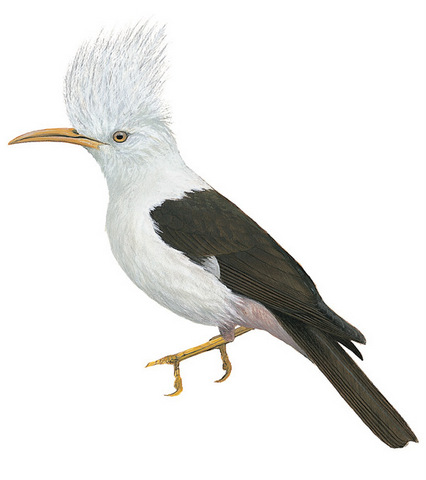

Just thought I’d share our latest visitor to the yard. I’m sure he will migrate north soon, but hopefully we will see him in the fall again. I still never cease to be amazed by the Lord’s designs in His Creation!
Check out some of the many articles about this beautiful bird that we have written about before:

Sunday Inspiration – Shrikes and Vireos

Birds Vol 1 #6 – The Loggerhead Shrike

Laniidae – Shrikes

Just In Time For Halloween

Birdwatching and Blessings – 6/6/21

Crown of Thorns

Also see:

Birds of the Bible – Whole Armour of God

State Birds of America – Information

Northern Cardinal M-F (The most chosen state bird) ©BackyardBirdLover

We considered a series on the State Birds, but as I have searched more about this topic, there are already many great sites to visit. So, I’ve decided to share links to those great websites, and then find another bird series to investigate.

All 50 states and the District of Columbia have official birds. To become a state bird, it helped to be familiar, colorful, and have a punchy song. The Northern Cardinal perches as state bird in seven eastern states, the Western Meadowlark in six western states. Bluebirds – like this Western Bluebird – and goldfinches are mascots of another seven. The country’s most insistent songster, the Northern Mockingbird, holds down five states. And Washington, DC’s official bird? The shy Wood Thrush! Find out which bird is your state bird.  Learn more about these state birds at Cornell’s All About Birds.

Oh, by the way, we are orginally from Indiana and the Northern Cardinal is their state bird.

“Consider the ravens, for they neither sow nor reap, which have neither storehouse nor barn; and God feeds them. Of how much more value are you than the birds?” (Luke 12:24 NKJV)

Stay tuned and enjoy these great articles:

List of State Birds – Love to Know

Wikipedia List of U.S. State Birds

Birds by State – Backyard Bird Watchers

To find out more about these birds, go to All About Birds to see great information and photos.

Also check our index for articles about a specific bird. We may have written about it in the past.

For instance, the Cardinal:

Sunday Inspiration – Cardinalidae Family of Cardinals Plus

***

Joy in the Sharing

***

Why Red?

***

Northern Cardinal

***

“A Cardinal Sits With Me” ~ by Sandra Conner

***

Various Birds From Creation Moments

Good News

Wordless Birds

A Semi-tame CROW in Denmark

Here’s an interesting video of a friendly crow in Denmark who has befriended a youngster. Trust you will enjoy watching the interactions between them.

“For every kind of beast and bird, of reptile and creature of the sea, is tamed and has been tamed by mankind.” (James 3:7 NKJV)
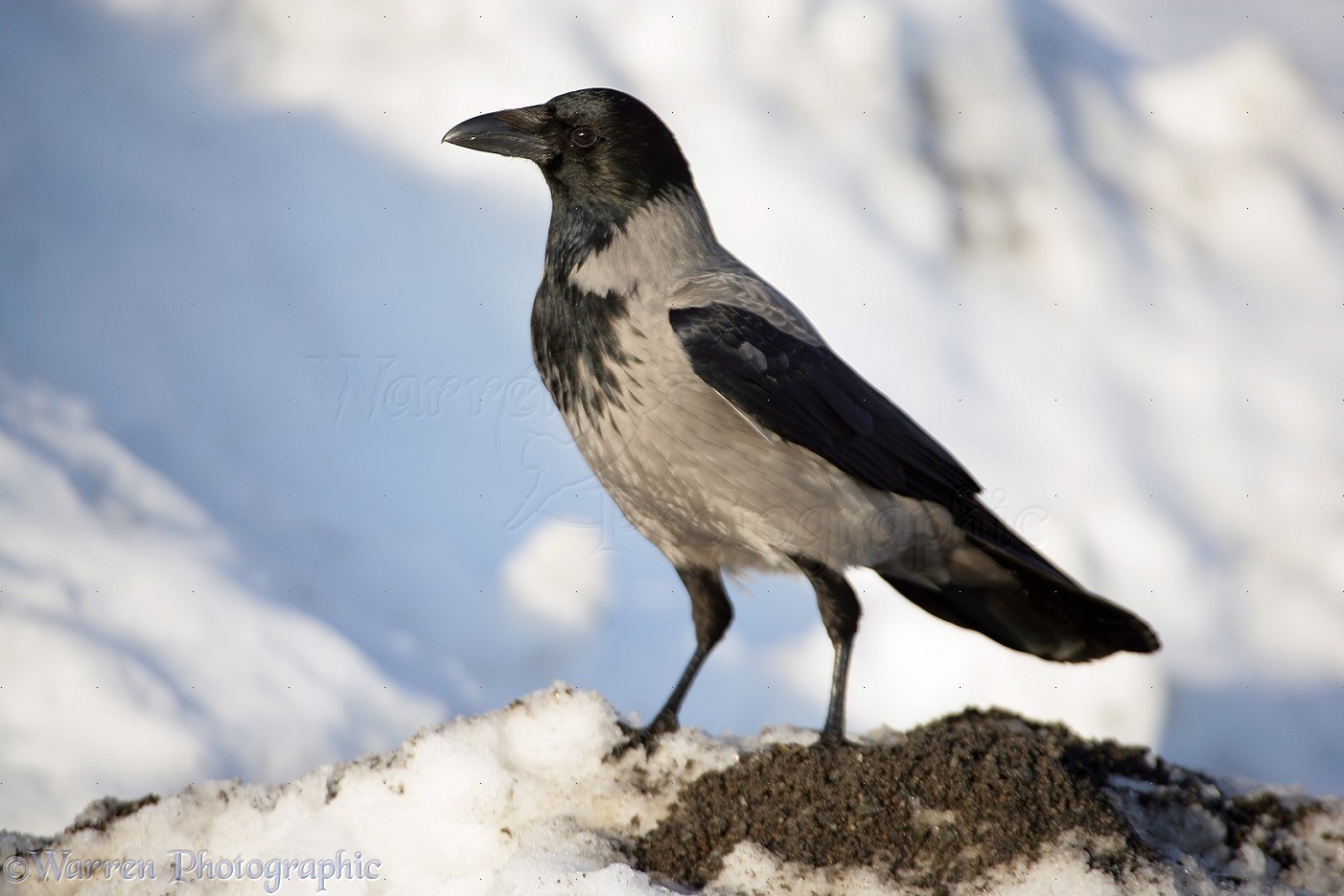
I believe this is a Hooded Crow.

Hooded Crow. Warren Photographic

The Hooded Crow, also called the scald-crow or hoodie, is a Eurasian bird species in the genus Corvus. Widely distributed, it is found across Northern, Eastern, and Southeastern Europe, as well as parts of the Middle East. It is an ashy grey bird with black head, throat, wings, tail, and thigh feathers, as well as a black bill, eyes, and feet. Like other corvids, it is an omnivorous and opportunistic forager and feeder. Wikipedia

Dr. “Jim” (James J. S. Johnson) shared this with me and asked me (Lee) to post it. He’s tied up in a conference.

See Other Crow Articles:

Crows are something to Crow about.

The Crow and the Screwdriver

Sunday Inspiration – Crows and Jays


Good News


Just In Time For Halloween

Loggerhead or Northern Shrike on Bench

While looking back through our visitors this winter, I remembered the one bird who would appear to be ready for today, Halloween. Not that we celebrate it much, other than giving out candy to the kiddos in the neighborhood.

When Dan and I spotted this bird the first winter, I thought it was a Loggerhead Shrike. They, sometime two of them, usually land on a post out in the yard, but this time I caught him right outside the door on the bench arm.

Loggerhead Shrike on hook - by Lee Closeup

Loggerhead or Northern Shrike on hook – by Lee Closeup

Today, while writing this post, and going to the All About Birds Loggerhead vs Northern Shrike page, I realized that this is a Northern and NOT my supposed Loggerhead. See what you think by clicking that link.

It’s never too late to learn something new. The part about the “mask that often does not cover the top of the bill,” is what made me take a double-take.

Close up of NORTHERN Shrike

As you can see, this was a post in progress as I put it together. Isn’t birding and learning about the Lord’s wonderfully created avian wonders great??? I’ve made my decision, and am changing the names on my photos. :0)

“Which doeth great things past finding out; yea, and wonders without number.” (Job 9:10)

Have you had to change your mind about a bird you just knew what it was, and then it wasn’t? I JUST DID!!

  1. Loggerhead Shrike: Converting Thorns into Meat-hooks
  2. Birds Vol 1 #6 – The Loggerhead Shrike
  3. Sunday Inspiration – Shrikes and Vireos
  4. Wordless Birds