King Solomon and The Birds – Part 3

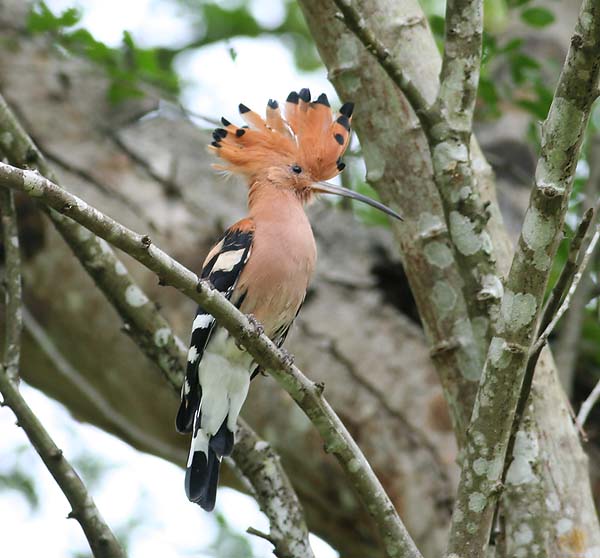
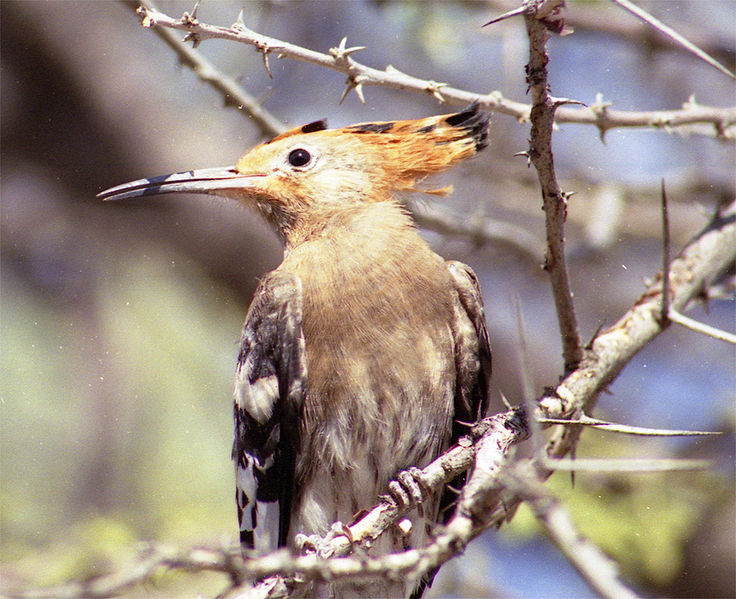
African Hoopoe (Upupa africana) ©WikiC

African Hoopoe (Upupa africana) ©WikiC

King Solomon and The Birds ~ from The Curious Book of Birds

KING SOLOMON AND THE BIRDS  – Part 3

Cur Book of Birds letter-kING SOLOMON was ever seeking to grow even wiser. The better to know the wonders of God’s world and the ways of all creatures, he undertook many journeys,—not as we ordinary poor mortals travel, in heavy wagons or clumsy boats, by dusty roads or stormy waves. It was in no such troublous ways that Solomon the all-powerful traversed space and reached the uttermost corners of the earth. Thanks to his great knowledge, he had discovered a means of locomotion compared to which the most magnificent railway coaches and the richest palanquins of Indian princes would seem poor indeed. He had caused his Genii to make a silken carpet of four leagues in extent. In the midst of this carpet was placed a magnificent throne for the royal traveler himself; and around it were seats of gold, of silver, of wood, for the multitude of persons of different rank whom he took with him. There was also no lack of the most gorgeous furniture and the necessary provisions for a king’s traveling banquet.

When all was ready Solomon was wont to seat himself upon his throne, and would command the winds to do their duty. Immediately they gently lifted the carpet and bore it rapidly through the air to the appointed spot. During the journey, above the aerial caravan fluttered a cloud of birds, who with their wings formed a splendid canopy to shield their beloved lord from the sun’s heat, as the Hoopoes had first done.

One day, while on such a journey, Solomon was shocked to feel a ray of sunlight piercing through this plumy dais (raised feathers) which overhung his head. Shading his eyes, the King glanced up and perceived that there was an opening in the canopy. One bird was missing from its post. In great displeasure Solomon demanded of the Eagle the name of the truant. Anxiously the Eagle called the roll of all the birds in his company; and he was horrified to find that it was Solomon’s favorite, the Hoopoe, who was missing. With terror he announced the bird’s desertion to the most wise King.

“Soar aloft,” commanded Solomon sternly, “and find the Hoopoe that I may punish him. I will pluck off his feathers that he may feel the scorching heat of the sun as his carelessness has caused me to do.”

The Eagle soared heavenward, until the earth beneath him looked like a bowl turned upside down. Then he poised on level wings and looked around in every direction to discover the truant. Soon he espied the Hoopoe flying swiftly from the south. The Eagle swooped down and would have seized the culprit roughly in his strong talons, but the Hoopoe begged him for Solomon’s sake to be gentle.

“For Solomon’s sake!” cried the Eagle. “Do you dare to name the King whom you have injured? He has discovered your absence and in his righteous anger will punish you severely.”

“Lead me to him,” replied the Hoopoe. “I know that he will forgive me when he hears where I have been and what I have to tell him.”

The Eagle led him to the King, who with a wrathful face was sitting on his throne. The Hoopoe trembled and drooped his feathers humbly, but when Solomon would have crushed him in his mighty fist the bird cried,—

“Remember, King, that one day you also must give an account of your sins. Let me not therefore be condemned unheard.”

“And if I hear you, what excuse can you have to offer?” answered Solomon, frowning. But this was his favorite bird and he hoped that there might be some reason for sparing him.

“Well,” said the Hoopoe, “at Mecca I met a Hoopoe of my acquaintance who told me so wonderful a tale of the marvelous Kingdom of Sheba in Arabia that I could not resist the temptation to visit that country of gold and precious stones. And there, indeed, I saw the most prodigious treasures; but best of all, O King, more glorious than gold, more precious than rare jewels, I saw Queen Balkis, the most beautiful of queens.”

“Tell me of this Queen,” said Solomon, loosening his rough grasp upon the Hoopoe. So it was, say the people, that a bird told Solomon of the great Queen whose journey to Jerusalem is described in the Bible.

The Hoopoe told of her power and glory, her riches, her wisdom, and her beauty, until Solomon sighed a great sigh and said, “It seems too good to be true! But we shall see.”

So the King wrote a letter to Balkis, bidding her follow the guidance of fate and come to the court of the wise King. This note he sealed with musk, stamped with his great signet, and gave to the Hoopoe, saying,—

“If now you have spoken truth, take this letter to Queen Balkis; then come away.”

The Hoopoe did as he was bid, darting off towards the south like an arrow. And the next day he came to the palace of the Queen of Sheba, where she sat in all her splendor among her counselors. He hopped into the hall and dropped the letter into her lap, then flew away.

Queen Balkis stared and stared at the great King’s seal upon the mysterious letter, and when she had read the brief invitation she stared and stared again. But she had heard the fame of Solomon and was eager to ask him some of her clever questions to prove his wisdom. So she decided to accept his invitation and come to Jerusalem.

She came with a great train of attendants, with camels that bore spices and treasures of gold and precious stones, gifts for the most wise King. And she asked him more questions than any woman had ever asked him before, though he knew a great many ladies, and they were all inquisitive.

But Solomon was so wise that he answered all her questions without any trouble.

And she said to him, “It was a true report that I heard of you in my own land, of your wisdom and of your glory. Only that which now I know and see is greater than what I heard. Happy are thy men and happy are thy servants who stand continually before thee and hear thy wisdom.”

And she gave the King a hundred and twenty talents of gold, which was a very rich treasure, besides great store of spices, and the most precious gifts; no one had ever seen such gifts as the Queen of Sheba gave to Solomon.

But he in turn was even more generous. For he gave to the fair Balkis all that she desired and everything she asked, because he admired so much this splendid Queen of whom the Hoopoe had first told him.

And so, the Bible says, the Queen of Sheba turned and went to her own country, she and her servants. But the People’s tales say that in later days she married Solomon and they lived happily ever after. And it was all the work of that little Hoopoe with a yellow crown, whom after that we may be sure Solomon loved better than ever.

***

Now King Solomon gave to the queen of Sheba all she desired, whatever she asked, much more than she had brought to the king. So she turned and went to her own country, she and her servants. (2 Chronicles 9:12 NKJV)

And that ends our story of King Solomon and the Birds.

See:

King Solomon and The Birds – Part 1

King Solomon and The Birds – Part 2

*

Links:
Eurasian Hoopoe (Upupa epops) by Peter Ericsson


  Hoopoes – Upupidae Family


Painted Bunting (Passerina ciris) ©©Flickr


  Bird Tales


Curious Book of Birds - Cover


  The Curious Book of Birds


Spanish Sparrow (Passer Hispaniolensis) female ©WikiC


  Wordless Birds


*

King Solomon and The Birds – Part 2

Eurasian Hoopoe (Upupa epops) by W Kwon

Eurasian Hoopoe (Upupa epops) by W Kwon

King Solomon and The Birds ~ from The Curious Book of Birds

King Solomon and The Birds – Part 2


Cur Book of Birds letter-one day when Solomon was journeying across the desert, he was sorely distressed by the heat of the sun, until he came near to fainting. Just then he spied a flock of his friends the Hoopoes flying past, and calling to them feebly he begged them to shelter him from the burning rays.

The King of the Hoopoes gathered together his whole nation and caused them to fly in a thick cloud over the head of Solomon while he continued his journey. In gratitude the wise King offered to give his feathered friends whatever reward they might ask.

For a whole day the Hoopoes talked the matter over among themselves, then their King came to Solomon and said to him,—

“We have considered your offer, O generous King, and we have decided that what we most desire is to have, each of us, a golden crown on his head.”

King Solomon smiled and answered, “Crowns of gold shall you have. But you are foolish birds, my Hoopoes; and when the evil days shall come upon you and you see the folly of your desire, return here to me and I will help you yet again.”

So the King of the Hoopoes left King Solomon with a beautiful golden crown upon his head. And soon all the Hoopoes were wearing golden crowns. Thereupon they grew very proud and haughty. They went down by the lakes and pools and strutted there that they might admire themselves in the water mirrors. And the Queen of the Hoopoes became very airy, and refused to speak to her own cousin and to the other birds who had once been her friends.

There was a certain fowler who used to set traps for birds. He put a piece of broken mirror into his trap, and a Hoopoe spying it went in to admire herself, and was caught. The fowler looked at the shining crown upon her head and said, “What have we here! I never saw a crown like this upon any bird. I must ask about this.”

So he took the crown to Issachar, the worker in metal, and asked him what it was. Issachar examined it carefully, and his eyes stuck out of his head. But he said carelessly, “It is a crown of brass, my friend. I will give you a quarter of a shekel for it; and if you find any more bring them to me. But be sure to tell no other man of the matter.” (A shekel was about sixty-two cents.)

After this the fowler caught many Hoopoes in the same way, and sold their crowns to Issachar. But one day as he was on his way to the metalworker’s shop he met a jeweler, and to him he showed one of the Hoopoes’ crowns.

“What is this, and where did you find it?” exclaimed the jeweler. “It is pure gold. I will give you a golden talent for every four you bring me.” (A talent was worth three hundred shekels.)

Now when the value of the Hoopoes’ crowns was known, every one turned fowler and began to hunt the precious birds. In all the land of Israel was heard the twang of bows and the whirling of slings. Bird lime was made in every town, and the price of traps rose in the market so that the trap-makers became rich men. Not a Hoopoe could show his unlucky head without being slain or taken captive, and the days of the Hoopoes were numbered. It seemed that soon there would be no more Hoopoes left to bewail their sad fate.

At last the few who still lived gathered together and held a meeting to consider what should be done, for their minds were filled with sorrow and dismay. And they decided to appeal once more to King Solomon, who had granted their foolish prayer.

Flying by stealth through the loneliest ways, the unhappy King of the Hoopoes came at last to the court of the King, and stood once more before the steps of his golden throne. With tears and groans he related the sad fortune which had befallen his golden-crowned race.

King Solomon looked kindly upon the King of the Hoopoes and said, “Behold, did I not warn you of your folly in desiring to have crowns of gold? Vanity and pride have been your ruin. But now, that there may be a memorial of the service which once you did me, your crowns of gold shall be changed into crowns of feathers, and with them you may walk unharmed upon the earth.”

In this way the remaining Hoopoes were saved. For when the fowlers saw that they no longer wore crowns of gold upon their heads, they ceased to hunt them as they had been doing. And from that time forth the family of the Hoopoes have flourished and increased in peace, even to the present day.


Lee’s Addition:

When pride comes, then comes dishonor, But with the humble is wisdom. (Proverbs 11:2 NASB)

Vanity means – “too much pride in oneself or in how one looks.”

Pride can mean – “a sense of one’s own value that is too high.” or “an inborn feeling of self-worth.” (One of these definitions is good and the other bad.)

Was our King of the Hoopoes showing good or bad pride? When we think too much of ourself and think we are better or nicer looking. (“Look at me, I have a gold crown.”)

You could work hard on a project and win a gold ribbon or metal for that effort. If you wore that ribbon around your neck, would your attitude about it be a good or bad pride?

Praise the LORD! Oh, give thanks to the LORD, for He is good! For His mercy endures forever. (Psalms 106:1 NKJV)

Links:

King Solomon and The Birds – Part 1

King Solomon and The Birds – Part 2

King Solomon and The Birds – Part 3


Eurasian Hoopoe (Upupa epops) by Peter Ericsson


  Hoopoes – Upupidae Family


Painted Bunting (Passerina ciris) ©©Flickr


  Bird Tales


Curious Book of Birds - Cover


  The Curious Book of Birds


Spanish Sparrow (Passer Hispaniolensis) female ©WikiC


  Wordless Birds


Fixed Daddy’s Bedtime Bird Stories

Daddys Bedtime Story Images (1)

Daddy’s Bedtime Bird Stories had some broken links because of a change in Gutenberg’s policy. They do not want links to their articles and photos. Long story short, I fixed them and now they should be okay. I also added photo links since I had to redo all of them. Here are the stories so far. I realized there are many stories yet to be told yet. Stay tuned!

(If you should find any broken links, please leave a comment on that story so it can be fixed. Thanks.)

These are the ones available for reading:

*

Links:

Painted Bunting (Passerina ciris) ©©Flickr


  Bird Tales


  Daddy’s Bedtime Bird Stories


Spanish Sparrow (Passer Hispaniolensis) female ©WikiC


  Wordless Birds


*

King Solomon and The Birds – Part 1

Eurasian Hoopoe (Upupa epops) by Peter Ericsson

Eurasian Hoopoe (Upupa epops) by Peter Ericsson

King Solomon and The Birds ~ from The Curious Book of Birds

KING SOLOMON AND THE BIRDS – Part 1

letter-kING SOLOMON was wiser than all men, and his fame was in all nations round about Jerusalem. He was so wise that he knew every spoken language; yes, but more than this, he could talk with everything that lived, trees and flowers, beasts and fowls, creeping things and fishes. What a very pleasant thing that was for Solomon, to be sure! And how glad one would be nowadays to have such knowledge!

Solomon was especially fond of birds, and loved to talk with them because their voices were so sweet and they spoke such beautiful words. One day the wise King was chatting pleasantly with the birds who lived in his wonderful garden, and these are some of the things which he heard them say. The Nightingale, the sweetest singer of all, chanted,—

“Contentment is the greatest happiness.”

“It would be better for most people never to have been born,” crooned the melancholy Turtle-Dove.

The happy little Swallow gave her opinion,—”Do good and you will be rewarded hereafter.”

The harsh cry of the Peacock meant, “As thou judgest so shalt thou be judged.”

The Hoopoe said, “He who has no pity for others will find none for himself.”

The cynical old Crow croaked disagreeably, “The further away from men I am, the better I am pleased.”

Last of all the Cock who sings in the morning chanted his joyous song,—”Think of your Creator, O foolish creatures!”

When they had finished talking King Solomon softly stroked the head of the pretty little Dove and bade her cheer up, for life was not so dreadful a thing, after all. And he gave her permission to build her nest under the walls of the great Temple which he was building, the most beautiful, golden house in the whole world. Some years afterward the Doves had so increased in numbers that with their extended wings they formed a veil over the numberless pilgrims who came to Jerusalem to visit the wonderful Temple.

But of all the winged singers who spoke that day in the garden, the wise King chose to have ever near him the Cock, because he had spoken words of piety, and the nimble Hoopoe, because he was able to plunge his clear gaze into the depths of the earth as if it were made of transparent glass and discover the places where springs of living water were hidden under the soil. It was very convenient for Solomon, when he was traveling, to have some one with him who was able to find water in whatsoever place he might be resting.

Thus the Cock and the Hoopoe became Solomon’s closest companions; but of the two the Hoopoe was his favorite. The Hoopoe is an Eastern bird and we do not see him in America. He is about as big as a Jay, colored a beautiful reddish gray, with feathers of purple, brown, and white, and his black wings are banded with white. But the peculiar thing about a Hoopoe is his crown of tawny feathers, a tall crown for so small a bird. And this is the story of the Hoopoe’s crown.

King Solomon and The Birds – Part 2

King Solomon and The Birds – Part 3


Lee’s Addition:

I will praise You, for I am fearfully and wonderfully made; Marvelous are Your works, And that my soul knows very well. (Psalms 139:14 NKJV)

I delight to do Your will, O my God, And Your law is within my heart.” (Psalms 40:8 NKJV)

The Bible tells us that we are to be content with the way the Lord made us and we should delight or be happy to do what the Lord wants. That also includes doing what your parents want you to do.

Links:

Eurasian Hoopoe (Upupa epops) by Peter Ericsson


  Hoopoes – Upupidae Family


Painted Bunting (Passerina ciris) ©©Flickr


  Bird Tales


Curious Book of Birds - Cover


  The Curious Book of Birds


Spanish Sparrow (Passer Hispaniolensis) female ©WikiC


  Wordless Birds


More Good News Tracts

Sandhill Crane babies

Sandhill Crane babies

My son, give attention to my words; Incline your ear to my sayings. Do not let them depart from your eyes; Keep them in the midst of your heart; For they are life to those who find them, And health to all their flesh. Keep your heart with all diligence, For out of it spring the issues of life. (Proverbs 4:20-23 NKJV)

Nine more Good News Tract pages were added today. There are 31 altogether and they have not only the written text, but also audio.

The is especially one that might interest you more than the others.

Here are the new ones:

I trust you can learn from them and/or use them to encourage others.

and sent Timothy, our brother and minister of God, and our fellow laborer in the gospel of Christ, to establish you and encourage you concerning your faith, (1 Thessalonians 3:2 NKJV)

Below are links to the Various Tracts from Crossway with each having the words and an audio:

More Good News Tracts

*

Bird Tales – Summertime Reading

Caribbean Dove (Leptotila jamaicensis) ©WikiC

Caribbean Dove (Leptotila jamaicensis) ©WikiC

So I said, “Oh, that I had wings like a dove! I would fly away and be at rest. (Psalms 55:6 NKJV)

(Just published this on the other site “Birds of the Bible For Kids” and thought you might also enjoy reading these stories. Maybe you have children or grandchildren that would enjoy you reading to them.)

Now that school is out for most students, it’s time for reading. Why not check out some of the stories about birds. Here are some that you may have missed while you were busy studying during the school year.

Western Screech Owl (Megascops kennicottii)(captive) by Raymond Barlow

Western Screech Owl (Megascops kennicottii)(captive) by Raymond Barlow

And He said, “My Presence wiIl go with you, and I will give you rest.” (Exodus 33:14 NKJV)

Stories From Young Writers:

Mrs. Patterson’s Parrot – by Emma Foster

George The Hummingbird – by Emma Foster

*

Stories From The Past:

The Curious Book of Birds

Daddy’s Bedtime Bird Stories

(Being updated – fixing broken links and polishing them. Stay tuned.)

Enjoy taking a break!

*


Bible Birds – Lapwings II

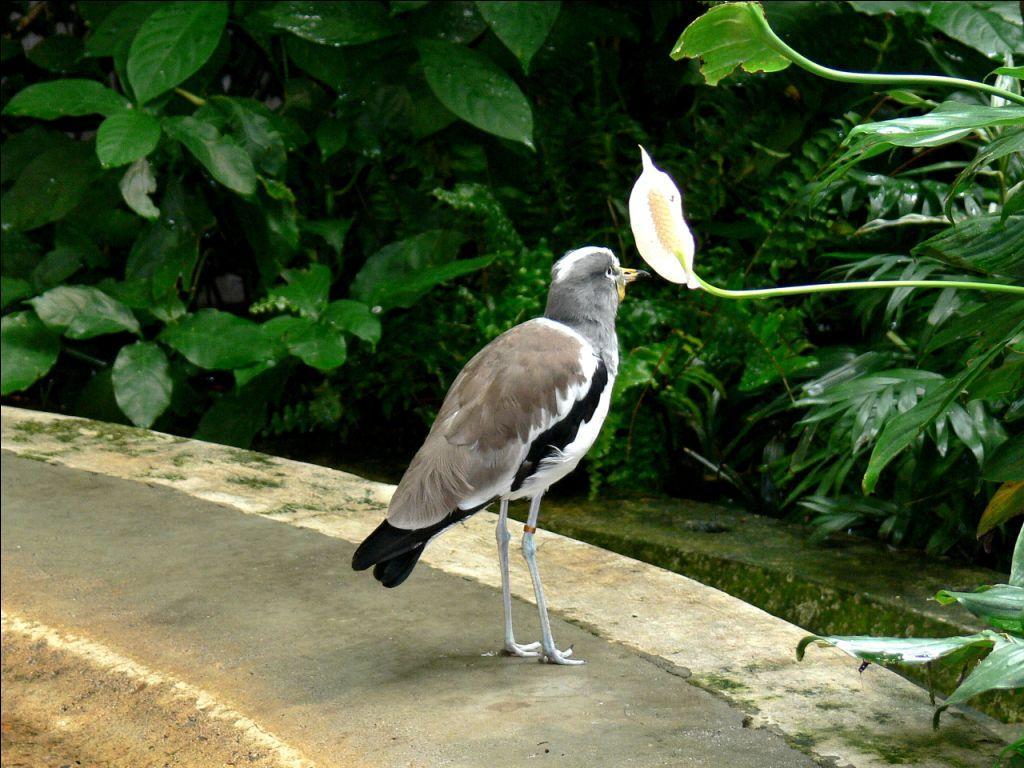
White-crowned Lapwing (Vanellus albiceps) at NA

White-crowned Lapwing (Vanellus albiceps) at NA

And the stork, the heron after her kind, and the lapwing, and the bat. (Leviticus 11:19 KJV)

The White-crowned Lapwing above was my first Lapwing encountered. They were at the National Aviary in Pittsburg, PA. They are from the tropical regions of Africa and have a diet of insects and other small invertebrates. (Fun Fact from Aviary) ~ White-headed Wattled Lapwings will bravely defend their territories against all comers, even hippos!

Now almost every zoo we visit has at least one species of Lapwing present. We see the Masked Lapwing most frequently. The reason Lapwings are mentioned in the Bible is because it is on the “Do Not Eat” list.

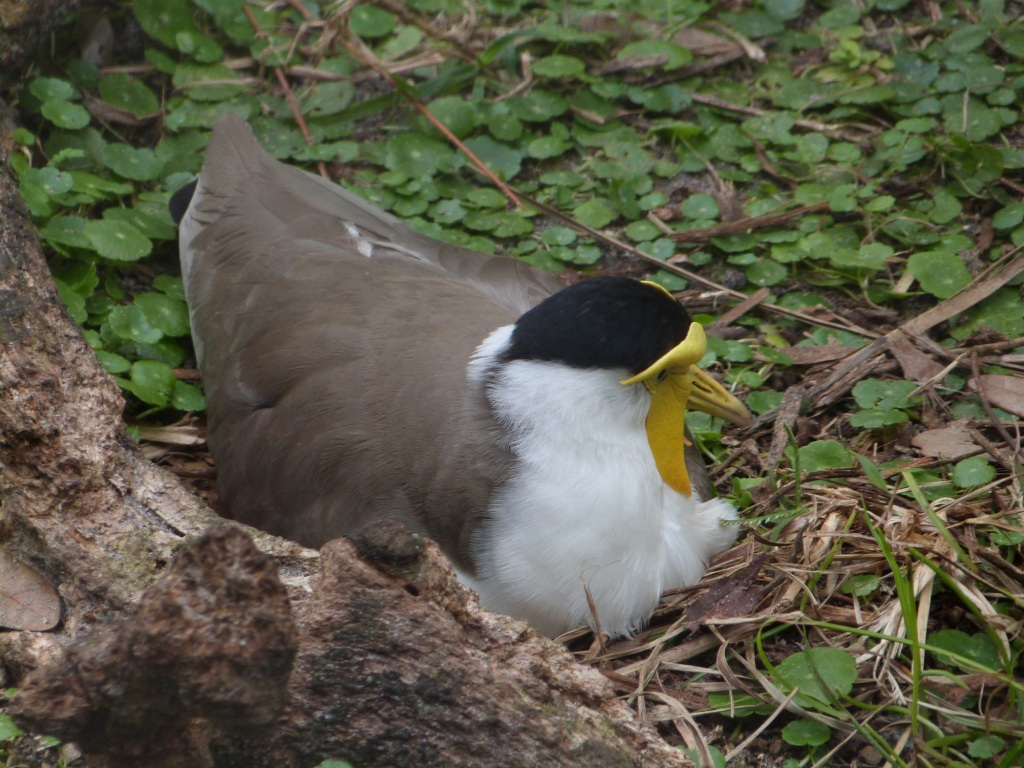
Masked Lapwing (Vanellus miles) Brevard Zoo by Lee

Masked Lapwing (Vanellus miles) Brevard Zoo by Lee

And the stork, and the heron after her kind, and the lapwing, and the bat. (Deuteronomy 14:18 KJV)

The Masked Lapwings are interesting to watch as they walk around on their long legs and as the “wattle” wiggles.

Vanellinae are any of various crested plovers, family Charadriidae, noted for its slow, irregular wingbeat in flight and a shrill, wailing cry. Its length is 10-16 inches. They are a subfamily of medium-sized wading birds which also includes the plovers and dotterels. The Vanellinae are collectively called lapwings but also contain the ancient Red-kneed Dotterel. A lapwing can be thought of as a larger plover.

The traditional terms “plover”, “lapwing” and “dotterel” were coined long before modern understandings of the relationships between different groups of birds emerged: in consequence, several of the Vanellinae are still often called “plovers”, and the reverse also applies, albeit more rarely, to some Charadriinae (the “true” plovers and dotterels).

In Europe, “lapwing” often refers specifically to the Northern Lapwing, the only member of this group to occur in most of the continent. (Wikipedia)

*

Here are some photos of Lapwings in the Vanellinae genera.

This slideshow requires JavaScript.

*

*

Bible Birds – Solomon’s Wisdom About Birds I

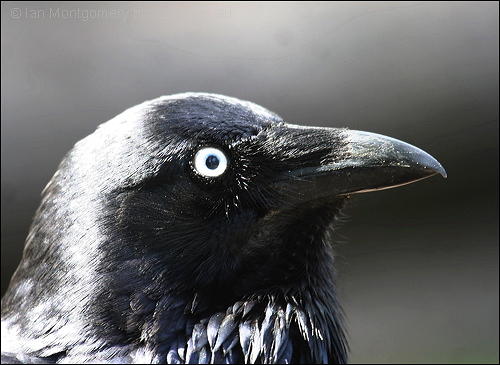
Australian Raven (Corvus coronoides) by Ian

Australian Raven (Corvus coronoides) by Ian

Also he spoke of trees, from the cedar tree of Lebanon even to the hyssop that springs out of the wall; he spoke also of animals, of birds, of creeping things, and of fish. (1 Kings 4:33 NKJV)

In my daily reading from Scripture recently, I came across I Kings 4:33 again. The article Birds of the Bible – Solomon’s Birds, discusses how some of the lessons Solomon had learned were applied. Now let’s look at how Solomon might have attained those illustrations and how we can apply them.

More questions come to my mind, in no set order, like:

  • What kind of birds did he have to observe?
  • What did he learn about the birds?
  • Did he write any of his bird observations out?
  • The Lord gave him the wisdom, so how did he apply it?
  • What can we learn from Solomon about birds?

We know from the Bible that Solomon asked for wisdom to be able to know right and wrong and how to rule the people. God granted Solomon his request and gave him more besides. See I Kings 3.

Checking with my e-Sword commentaries and helps, here are some interesting thoughts. (Italics are mine)

Oriental Bay Owl (Phodilus badius) by Peter Ericisson

Oriental Bay Owl (Phodilus badius) by Peter Ericisson

Matthew Henry’s Concise Commentary

Solomon’s wisdom was more his glory than his wealth. He had what is here called largeness of heart, for the heart is often put for the powers of the mind. He had the gift of talk, as well as wisdom. It is very desirable, that those who have large gifts of any kind, should have large hearts to use them for the good of others. What treasures of wisdom and knowledge are lost! But every sort of knowledge that is needful for salvation is to be found in the holy Scriptures. There came persons from all parts, who were more eager after knowledge than their neighbours, to hear the wisdom of Solomon. Solomon was herein a type of Christ, in whom are hid all treasures of wisdom and knowledge; and hid for us, for he is made of God to us, wisdom. Christ’s fame shall spread through all the earth, and men of all nations shall come to him, learn of him, and take upon them his easy yoke, and find rest for their souls.

Indian Peafowl (Pavo cristatus) by Nikhil Devasar

Indian Peafowl (Pavo cristatus) by Nikhil Devasar

Gill

he spake also of beasts, and of fowls, and of creeping things, and of fishes; he understood the nature of all sorts of animals in the earth, air, and sea, and discoursed of their names, kinds, qualities, and use, with the greatest ease and perspicuity; the Jews fancy that Aristotle’s History of Animals is his, which that philosopher came upon, and published it in his own name. …

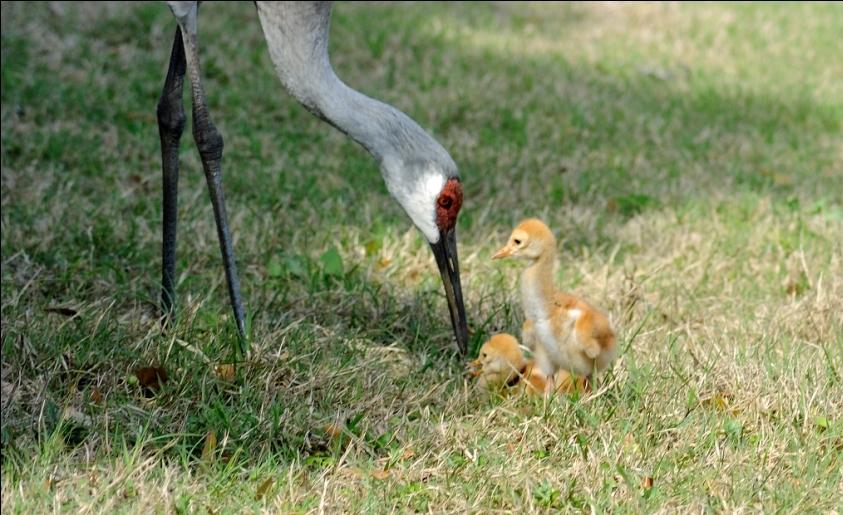
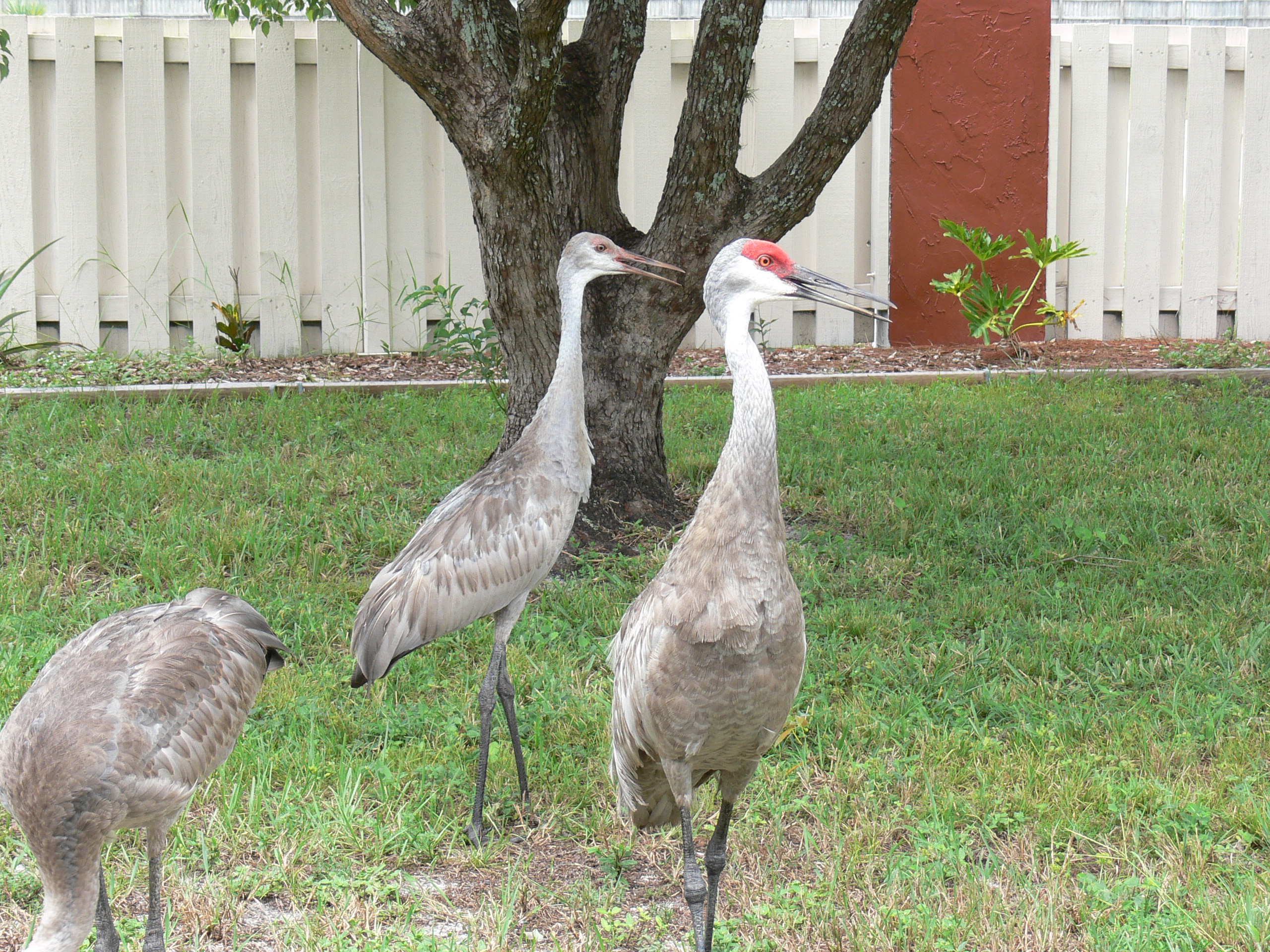
Sandhill Cranes - Adult and Juvenile in yard 8/27/10

Sandhill Cranes – Adult and Juvenile in yard 8/27/10

*

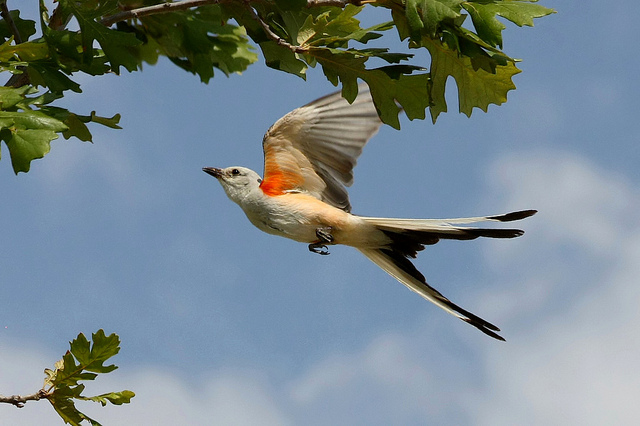
Scissor-tailed Flycatcher (Tyrannus forficatus) ©TexasEagle

Scissor-tailed Flycatcher (Tyrannus forficatus) ©TexasEagle

Barnes

Of beasts, and of fowls, and of creeping things, and of fishes – This is the usual Biblical division of the animal kingdom Gen_1:26; Gen_9:2; Psa_148:10.

Believer’s Bible Commentary

Verse 33 means that his wide knowledge of many sciences enabled him to use object lessons from nature in expounding his wisdom. People traveled from afar to hear him.

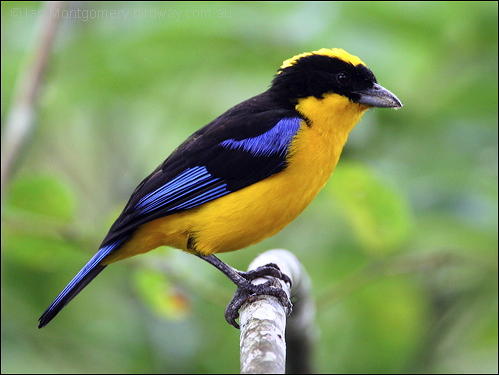
Blue-winged Mountain Tanager (Anisognathus somptuosus) by Ian

Blue-winged Mountain Tanager (Anisognathus somptuosus) by Ian

Bible Knowledge Commentary

1 Kings 4:32-34

Several hundred of Solomon’s 3,000 proverbs have been preserved in the Book of Proverbs as well as a few in Ecclesiastes. One of his 1,005 songs is the Song of Songs. Solomon’s literary output was extremely prolific (bountiful). He became an authority in botany and zoology too. … He was recognized as the wisest man of his day as God had promised he would be.

Under His Wings - (Dove - photographer unknown)

Under His Wings – (Dove – photographer unknown)

Biblical Illustrator

The study of Nature
It is said of Wordsworth that a stranger having on one occasion asked to see his study, the maid said, “This is master’s room, but he studies in the fields.” In doing so the poet followed a venerable example. We read that Isaac went out to meditate in the field at eventide, where in the margin “to pray” is put for “to meditate.” Nor could there be a better place either for prayer or for study than the fields. The Word of God is written very clearly for His seers in the green book of Nature. Wordsworth’s study is one that we can all use, however small our house may be. (Quiver.)

The world is worth seeing
Men must not live under a bushel. A gentleman once met a French priest on board an Atlantic liner. They entered into conversation, and the priest said that months ago he had a dream. He dreamt that he was dead, and that God asked him how much of the world he had seem His answer was that he had seen only a very little of it, for he had been so long in preparing for death, and in helping other people to die, that he had no time to see the world. He saw that God was displeased, and on awakening he resolved to see as much of this beautiful world as he could. It was a wise resolve. The earth is the Lord’s and not the devil’s, and we have no right to ignore it. Nature is a temple of God, and we must ever walk through it in a sacramental mood. (Sunday Circle.).

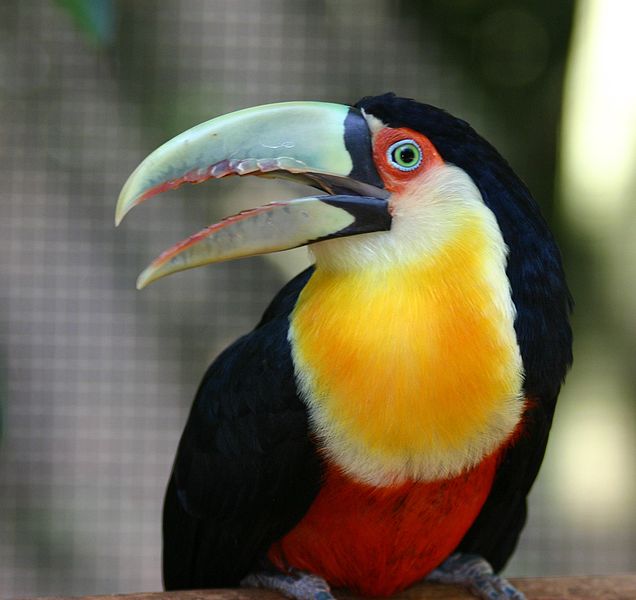
Green-billed Toucan (Ramphastos dicolorus) ©WikiC

Green-billed Toucan (Ramphastos dicolorus) ©WikiC

K & D

“And of beasts and birds, of creeping things and fishes;” the four principal classes into which the Hebrews divided the animal kingdom. Speaking of plants and animals presupposes observations and researches in natural science, or botanical and zoological studies.

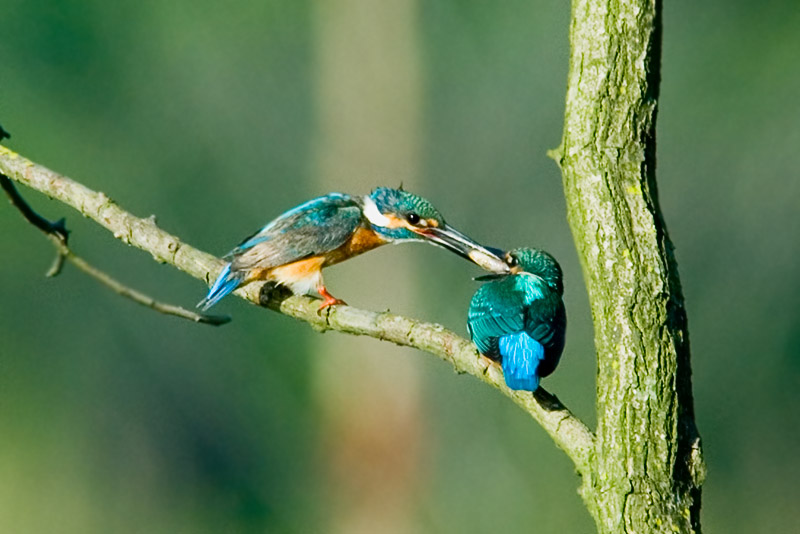
Kingfisher Feeding Young by Phil Kwong

Kingfisher Feeding Young by Phil Kwong

McGee

We are told that Solomon spoke three thousand proverbs. We have only a few hundred recorded in the Bible. His songs were a thousand and five. Believe me, he was a song writer. We have only one of his songs, The Song of Solomon. Solomon was a dendrologist—”He spake of trees, from the cedar tree that is in Lebanon even unto the hyssop that springeth out of the wall.” The hyssop is a humble little plant that grows on rocks. Solomon was also a zoologist—”he spake also of beasts”—and an ornithologist since he spoke of birds. He was an entomologist: he spoke of creeping things, or insects. He was an ichthyologist: he spoke of fishes. He spoke of these things because he had studied them and was an authority in these particular realms. This, apparently, is the beginning of the sciences. Solomon was interested in these things.

Some Answers

I have another Commentary to share thoughts from, but will save it for Part II. For now, let’s see if any of the first questions were answered.

The first two questions are unanswered for now. We will dig into that later. The next three seem to have some answers.

  • What kind of birds did he have to observe?
  • What did he learn about the birds?
  • Did he write any of his bird observations out?
  • The Lord gave him the wisdom, so how did he apply it?
  • What can we learn from Solomon about birds?

Solomon observed the birds and seems to have learned lessons and applications from them which are seen in Proverbs, Song of Solomon and some Psalms. So he recorded his findings. He gained his knowledge from the Lord, but he used his senses and observational skills to gain more knowledge. That is something we can do also with the Lord’s help. If we don’t apply ourselves to a topic, the knowledge is not going to just “pop” into our heads.

See:

*

Small Fire Department Rescues Birds

Blue-headed Vireo (Vireo solitarius) ©WikiC

Blue-headed Vireo (Vireo solitarius) ©WikiC

SMALL FIRE DEPARTMENT RESCUES BIRDS

"We'll have our hose ready."

“We’ll have our hose ready.”


“We’ll have our hose ready.”

“The salamanders,” said daddy, “are little creatures very much like lizards in looks, except their skin is not scaly as a lizard’s. They have four legs and a tail, and are very nice, kind and gentle.

“Well, these salamanders agreed that they would have a fire department, and the next thing was to arrange for the hose and ladder. Finally it was decided that their salamander cousins should be chosen to run the hose and ladder.

“‘We shall call ourselves the fire and water fire department,’ said one of the fire salamanders. ‘It will be our business to rush in and rescue the animals who are in danger of being burned to death, and it will be your business to help them down to the brook, where we’ll have our hose ready to sprinkle them with good, cool water.’

“But days and days went by, and still no fire broke out.

“‘I know what’s the trouble,’ said another one of the fire salamanders. ‘We have no fire bell; there may have been fires that we knew nothing of; you never can tell.’

“‘Don’t be gloomy,’ said still another fire salamander. ‘We’ll have a fire bell. I know where a kind old cow left her bell from last year. We’ll put it by the stump just at the edge of the brook and all the animals can be told to move it when there is a fire. Then we will all come out and stop the fire.’

“And soon notices were put up all over the woods and around the brook which read:

“‘To the Animals: Attention! In case of fire, ring the cow bell by the brook. The Fire and Water Fire Department of the Salamanders will PUT IT OUT.’

“These notices were read by all the animals, and the very next day the salamanders heard the cow bell.

“‘Where’s the fire?’ they all shouted.

“‘Over there,’ said Grandfather Frog, who was watching the fire department start off.

“They wiggled and crawled as quickly as they could to the spot where the fire was. It was the vireo family’s nest. You know the vireos are those beautiful, shy birds that live in the woods and have such lovely voices. The fire salamanders rushed right into the fire and pulled out of the nest the vireo children just in time before their little feathers got burnt. And, of course, the Mother and Daddy Vireo were able to fly out.

“When they all reached the brook at last, the Mother and Daddy Vireo sang the most wonderful song as a reward to the brave salamander fire department.”


Lee’s Addition:

Warbling Vireo (Vireo gilvus) by Raymond Barlow

Warbling Vireo (Vireo gilvus) by Raymond Barlow

Red-eyed Vireo song from xeno-canto.

Let the word of Christ dwell in you richly in all wisdom; teaching and admonishing one another in psalms and hymns and spiritual songs, singing with grace in your hearts to the Lord. And whatsoever ye do in word or deed, do all in the name of the Lord Jesus, giving thanks to God and the Father by him. (Colossians 3:16-17 KJV)

The story doesn’t say which kind of Vireo this was, but Vireos belong to the Vireonidae – Vireos, Greenlets Family. They all have beautiful songs.

*

Another Bird Tales

From

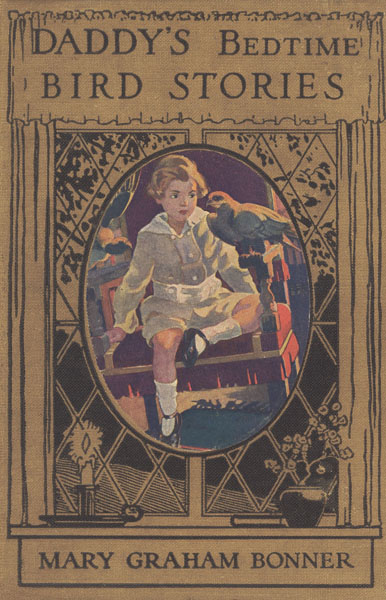
Daddy’s Bedtime Bird Stories – Gutenberg ebooks

By

Mary Graham Bonner

With four illustrations in color by
Florence Choate and Elizabeth Curtis

Daddys Bedtime Story Images


These stories first appeared in the American Press Association Service and the Western Newspaper Union.


Many of the sketches in this volume are the work of Rebecca McCann, creator of the “Cheerful Cherub,” etc.

Daddy's Bedtime Bird Stories by Mary Graham Bonner - 1917

*
Daddy’s Bedtime Bird Stories by Mary Graham Bonner – 1917

*

Links:

Painted Bunting (Passerina ciris) ©©Flickr


  Bird Tales


  Daddy’s Bedtime Bird Stories


Spanish Sparrow (Passer Hispaniolensis) female ©WikiC


  Wordless Birds


*

The Rescue of the Canary Bird

Yellow Canary (Crithagra flaviventris) Male ©WikiC

Yellow Canary (Crithagra flaviventris) Male ©WikiC

THE RESCUE OF THE CANARY BIRD

She Watched the Little Bird.

She Watched the Little Bird.

“I am going to tell you a really true story,” said daddy, “something which happened to-day. I was walking along a rather poor part of the city when I saw a number of children gathered in a group in a little side yard of a tenement house. The children were screaming to one boy: ‘Oh, catch him! Don’t let the awful cat get him!'”

“Oh, was it a bird?” asked Jack eagerly.

“Yes,” replied daddy; “it was a bird, but not just the usual kind of bird that is seen around city streets, for only the sparrows like the noise of a city. Most birds like the woods and the country, where they can have homes in the trees and can sing all day long.

“But this was a tame yellow canary who had flown out of an open window to pick up some goodies he saw on the ground, and a cat was after him.”

“Did they get him from the cat?” asked Evelyn eagerly, for she was devoted to animals and perhaps especially to birds.

“Yes,” answered daddy; “the little boy succeeded in rescuing him, but the poor canary had been so frightened that his little heart was beating, oh, so fast, and the children were afraid he was not going to live.

“They all followed the little boy who had caught the canary just in time into the tenement house. The cat had knocked several feathers from the bird’s tail.

“Another child told me the canary belonged to a little girl who lived in the tenement. He asked me to follow, too, for he said that the little girl had trouble with her back and had to lie flat all the time. She loved visitors, for so much of the time she was lonely. Her mother was poor and out all day sewing, so the little girl’s only companion was the canary, who would sing for hours and hours. He seemed to know he must keep her cheered up.

“So along I went too. We climbed some stairs until we came to a dingy room where on a cot by the window lay a little girl about eight years old. She had big dark eyes, and when I saw her her cheeks were bright red from all the excitement.

“All her friends had gathered around, each giving her a special description of how the bird had been rescued. She was smiling with joy and watching the bird, who was now busily engaged nibbling at a little piece of apple which had been given him. Before long he began to sing, oh, so joyously, for he knew he was once more back in his happy home, where he would take good care to stay in the future.

“I told the little girl of my Jack and Evelyn, and she said she wanted to see you both. Shall we all go to see her and her little bird some day?”

“We’d love to!” cried Jack and Evelyn delightedly.


Lee’s Addition:

The LORD is my rock and my fortress and my deliverer; My God, my strength, in whom I will trust; My shield and the horn of my salvation, my stronghold. (Psalms 18:2)

Another delightful story from Daddy’s book.

The Yellow Canary (Serinus flaviventris) is a small passerine bird in the finch family. It is a resident breeder in much of the western and central regions of southern Africa and has been introduced to Ascension and St Helena islands. They have been kept for pets for many years. They belong to the Fringillidae – Finches Family.

Its habitat is karoo and coastal or mountain valley scrub. It builds a compact cup nest in a scrub.

The Yellow Canary is typically 13 cm in length. The adult male color ranges from almost uniform yellow in the northwest of its range to streaked, olive backed birds in the southeast. The underparts, rump and tail sides are yellow. The female has grey-brown upperparts, black wings with yellow flight feathers, and a pale supercilium. The underparts are white with brown streaking. The juvenile resembles the female, but has heavier streaking.

The Yellow Canary is a common and gregarious seedeater. Its call is chissick or cheree, and the song is a warbled zee-zeree-chereeo.

Another Bird Tales

From

Daddy’s Bedtime Bird Stories – Gutenberg ebooks

By

Mary Graham Bonner

With four illustrations in color by
Florence Choate and Elizabeth Curtis

Daddys Bedtime Story Images


These stories first appeared in the American Press Association Service and the Western Newspaper Union.


Many of the sketches in this volume are the work of Rebecca McCann, creator of the “Cheerful Cherub,” etc.

Daddy's Bedtime Bird Stories by Mary Graham Bonner - 1917

*
Daddy’s Bedtime Bird Stories by Mary Graham Bonner – 1917

*

Links:

Painted Bunting (Passerina ciris) ©©Flickr


  Bird Tales


  Daddy’s Bedtime Bird Stories


Spanish Sparrow (Passer Hispaniolensis) female ©WikiC


  Wordless Birds


*


 Fringillidae – Finches Family


*

The Naughty Little Sick Snowbird

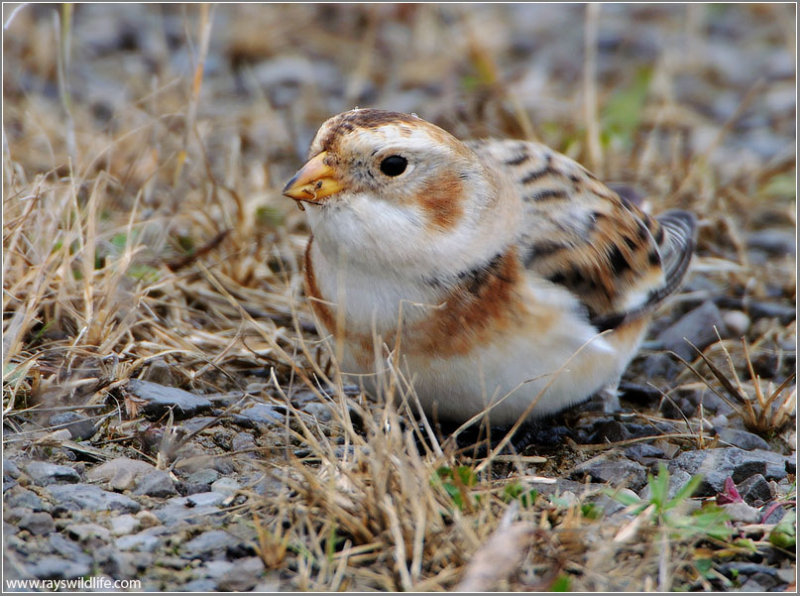
Snow Bunting (Plectrophenax nivalis) by Ray

Snow Bunting (Plectrophenax nivalis) by Ray

THE NAUGHTY LITTLE SICK SNOWBIRD

The Bird Began to Recover.

The Bird Began to Recover.


Daddy had been encouraging Jack and Evelyn to feed the little birds that came outside the window. So one evening when it was time for their story he told them about the Christmas a little snowbird had had the year before.

“He was a very self-willed little fellow,” commenced daddy, “and he thought no one knew so much about life as he did. During the autumn he had become very chummy with the sparrows. His daddy and mother didn’t like that much, as they were afraid he would become as rude and noisy as the sparrows were.

“When the cold weather came the snowbirds decided to leave, but the little wilful snowbird was nowhere to be found. ‘Where could he have gone?’ asked Mother Snowbird, and daddy said, ‘Oh, probably he left this morning with the robins and wrens, for I saw him playing with them!’ That eased Mother Snowbird’s fears, and off they started.

“When the little snowbird saw that his family had flown away he came out from his hiding-place. He really felt a little homesick and was sorry he hadn’t gone, too; but, of course, he didn’t dare admit it, for the sparrows had told him only stupid children were obedient. They admired his naughty disobedience and thought it was a great joke to worry his family.

“A few weeks went by, and the days became colder and colder. One night he felt so cold and so unhappy that he flew away from the sparrows, expecting to die any moment.

“The next morning he was found, half dead, by a little girl. She took him in her house, warmed his frozen feet and fed him bits of crumbs and drops of water. Slowly he began to recover.

“It was the day before Christmas, and he was perched on the window-sill in the sun, when, to his huge joy, he saw Daddy and Mother Snowbird outside the window. He flew against the window-glass. The little girl came rushing into the room to see what the trouble was. She was sure from his joyous actions that the other two snowbirds were his daddy and mother, so she opened the window, and the little bird flew out.

“‘Oh, dear, we’ve been so frightened!’ said Mother Snowbird.

“‘Yes,’ said Daddy Snowbird; ‘we’ve been on ever so many trips looking for you, but now we’ll hurry down home and fly fast, so as not to get cold, and then we’ll be there in time for Christmas day. All the little birds will be there waiting for the Christmas party.’

“You may be quite sure the little snowbird never had a happier Christmas, and he realized that the older birds knew what was best for him.”


Snow Bunting (Plectrophenax nivalis) by J Fenton

It might have been a Snow Bunting by J Fenton

Lee’s Addition:

Children, obey your parents in all things, for this is well pleasing to the Lord. (Colossians 3:20 NKJV)

*

Another Bird Tales

From

Daddy’s Bedtime Bird Stories – Gutenberg ebooks

By

Mary Graham Bonner

With four illustrations in color by
Florence Choate and Elizabeth Curtis

Daddys Bedtime Story Images


These stories first appeared in the American Press Association Service and the Western Newspaper Union.


Many of the sketches in this volume are the work of Rebecca McCann, creator of the “Cheerful Cherub,” etc.

Daddy's Bedtime Bird Stories by Mary Graham Bonner - 1917

*
Daddy’s Bedtime Bird Stories by Mary Graham Bonner – 1917

*

Links:

Painted Bunting (Passerina ciris) ©©Flickr


  Bird Tales


  Daddy’s Bedtime Bird Stories


Spanish Sparrow (Passer Hispaniolensis) female ©WikiC


  Wordless Birds


Snow Bunting (Plectrophenax nivalis) by J Fenton


 Calcariidae – Longspurs, Snow Buntings – Family


*
Bible Birds Scrambled Puzzle

Western Barn Owl (Tyto alba) by SSlayton

Western Barn Owl (Tyto alba) by SSlayton

Creation Moments has Scrambled Scriptures Puzzles each week that you can subscribe to. Click here to see all of them.

This is one that has the Birds of the Bible scrambled. By clicking the link below, you can download it. Then it can be printed. Enjoy!

L T R L N A G T U R T L E D O V E T
W Q T N E T E B C A O K R O T S U Q
O C N O V G G S L I A U Q E G E E G
R B A C A S A N P Y E R P S O N A L
F H R L R N R R I A M V C F O A Y E
Y J O A E O F R E G R Z T V K R Z D
H T M F S R I U T R H R U Y C C Z E
D H R C F E S Y I K U T O C U B P K
V C O S C H S W K Y J D H W C I O C
P I C G D H O O E A G L E A G O U O
V R D E G D I R T R A P O E W Y G C
U T N H V U U C U Z Y Q O P C K N A
L S N O N E D B K K B N W F P L I E
T O W O O U T D M E M K L B H Y W P
U U Z P G C O C H L N C W W P V P F
R T R O Q V W O L L A W S A T K A B
E X E E E U B I T T E R N X H L L C
R H E A W G N A C I L E P N A W S X  ©Creation Moments
*
BITTERN
CHICKEN
CORMORANT
CRANE
CROW
CUCKOO
DOVE
EAGLE
FALCON
GLEDE
HAWK
HERON
HOOPOE
KITE
LAPWING
NIGHTHAWK
OSPREY
OSSIFRAGE
OSTRICH
OWL
PARTRIDGE
PEACOCK
PELICAN
PIGEON
QUAIL
RAVEN
SPARROW
STORK
SWALLOW
SWAN
TURTLEDOVE
VULTURE

Bible Birds Puzzle

*

*