Birds Vol 1 #2 – The Kingfisher – The Lone Fisherman

Birds Vol 1 #2 – The Kingfisher – The Lone Fisherman

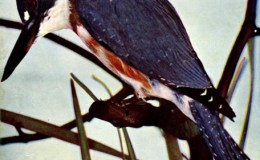
Birds Illustrated by Color Photography – Revisited Vol 1. February, 1897 No. 2 * THE KINGFISHER. Dear Children: I shall soon arrive from the south. I hear that all the birds are going to tell stories to the boys and girls. I have never talked much with children myself for I never really cared for … Continue reading
Birds Vol 1 #2 – The American Robin

Birds Vol 1 #2 – The American Robin

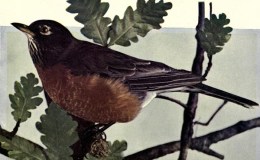
Birds Illustrated by Color Photography – Revisited Vol 1. February, 1897 No. 2 * THE AMERICAN ROBIN. The Bird of the Morning. Yes, my dear readers, I am the bird of the morning. Very few of you rise early enough to hear my first song. By the time you are awake our little ones have … Continue reading

Updating the Slideshows – Report # 2

As previously reported, the Slide.Com is closing down as of March 6th. Unfortunately I have used a lot of the Slideshows from them on this site. I am busy kicking up dust behind the scenes and decided to share links to the articles as I get some of them finished. At least you will know … Continue reading

Ian’s Bird of the Week – Auckland and Campbell Islands Teal

Ian’s Bird of the Week  – Auckland and Campbell Islands Teal by Ian Montgomery Newsletter ~ 2/16/12 The almost predator-free nature of the Sub-Antarctic Islands before the Europeans and their pests arrived is well illustrated by the existence of two closely-related flightless ducks on the Auckland and Campbell Islands. The first photo shows a male … Continue reading

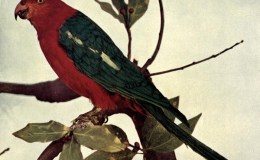
Birds Vol 1 #2 – The King Parrot or King Lory

Birds Vol 1 #2 – The King Parrot or King Lory

Birds Illustrated by Color Photography – Revisited Vol 1. February, 1897 No. 2 * KING PARROT OR KING LORY. ORY is the name of certain birds, mostly from the Moluccas and New Guinea, which are remarkable for their bright scarlet or crimson coloring, though also applied to some others in which the plumage is chiefly … Continue reading

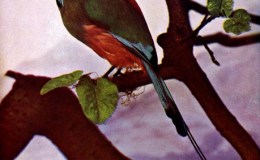
Birds Vol 1 #2 – The Mexican Mot Mot (Turquoise-browed)

Birds Vol 1 #2 – The Mexican Mot Mot (Turquoise-browed)

Birds Illustrated by Color Photography – Revisited Vol 1. February, 1897 No. 2 * MEXICAN MOT MOT. OT MOTS are peculiar to the new world, being found from Mexico throughout the whole of Central America and the South American continent. The general plumage is green, and the majority of the species have a large racket … Continue reading

Birdwatching Trip to Viera Wetlands – February 2-3, 2012

We enjoyed our visit to Viera Wetlandslast week. Good thing we went then, because we are both sick this week. (Not from the trip.) But we are on the mend. “The wetlands are a popular site for birders, photographers, and eco-tourists.  The entire wetland system is accessible by automobile, making the site popular among those … Continue reading

Black Rosy Finch – The Grace Seeker..

Black Rosy Finch – The Grace Seeker ~ by ajmithra The Black Rosy-Finch breeds in the high mountains of the northern Great Basin. This encompasses the area from northeastern Nevada to southwestern Montana. It is not a long-distance migrant, but moves to lower elevations away from the breeding area as snow cover increases. In some … Continue reading

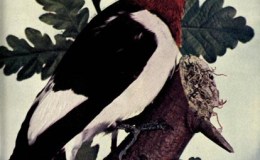
Birds Vol 1 #2 – The Red-headed Woodpecker

Birds Vol 1 #2 – The Red-headed Woodpecker

Birds Illustrated by Color Photography – Revisited Vol 1. February, 1897 No. 2 * THE RED HEADED WOODPECKER. ERHAPS no bird in North America is more universally known than the Red Headed Woodpecker. He is found in all parts of the United States and is sometimes called, for short, by the significant name of Red … Continue reading

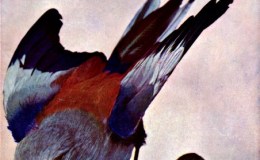
Birds Vol 1 #2 – The Swallow-tailed Indian Roller (Lilac-breasted, Racket-tailed or Abyssinian)

Birds Vol 1 #2 – The Swallow-tailed Indian Roller (Lilac-breasted, Racket-tailed or Abyssinian)

Birds Illustrated by Color Photography – Revisited Vol 1. February, 1897 No. 2 * THE SWALLOW-TAILED INDIAN ROLLER. WALLOW-TAILED Indian Rollers are natives of Northeastern Africa and Senegambia, and also the interior of the Niger district. The bird is so called from its way of occasionally rolling or turning over in its flight, somewhat after … Continue reading