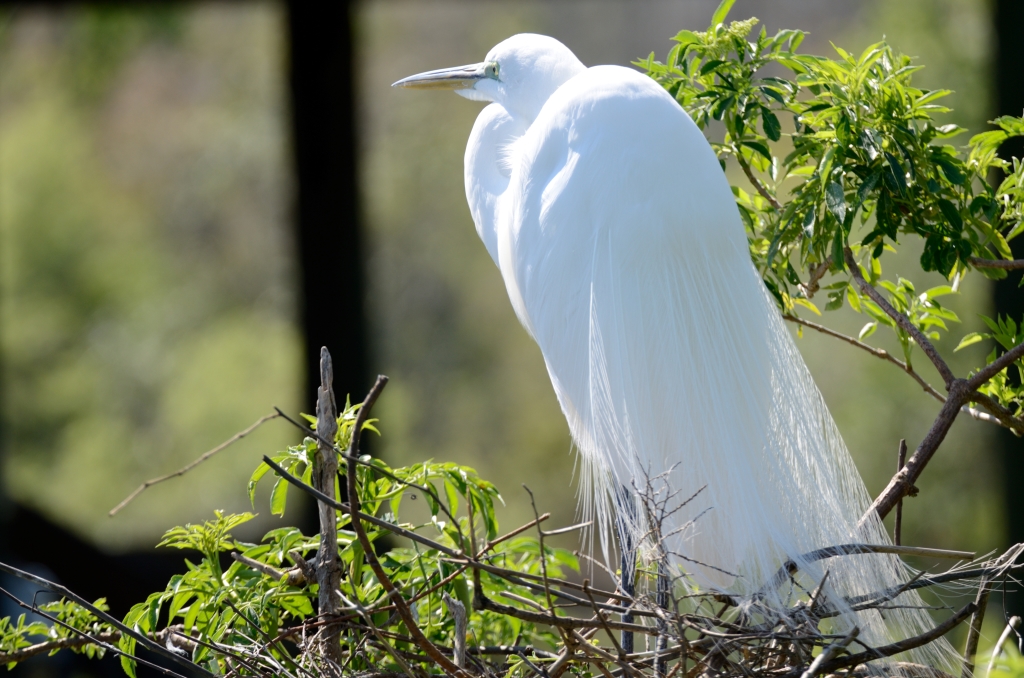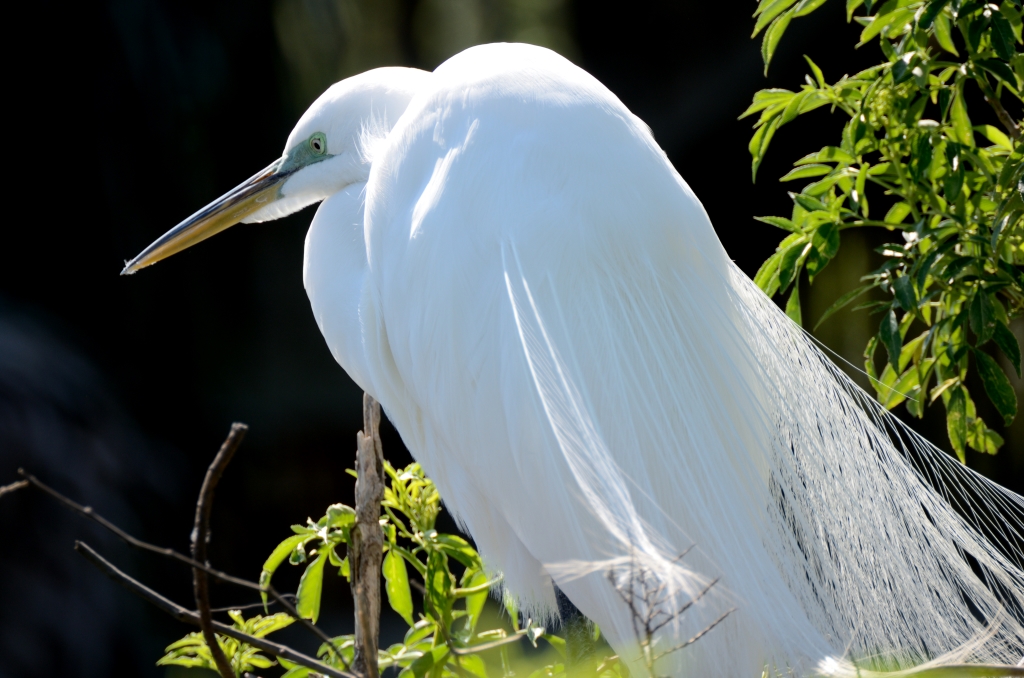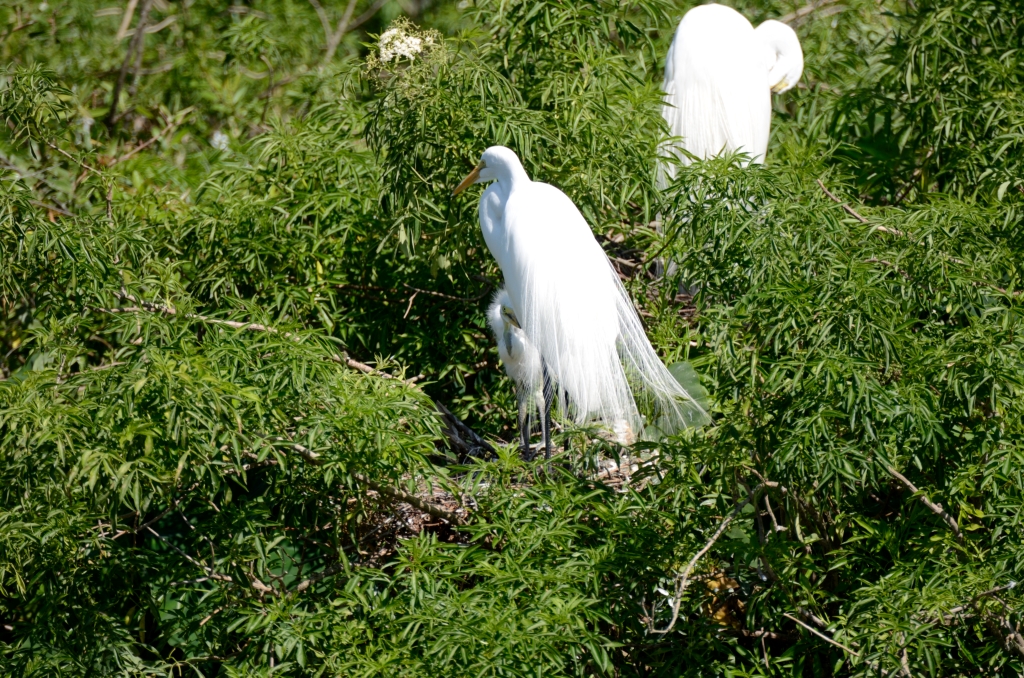
Gatorland II – Great Egret Chick

Great Egret at Gatorland by Dan

Great Egret at Gatorland by Dan

I know all the birds of the mountains, And the wild beasts of the field are Mine. (Psalms 50:11 NKJV)

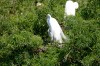
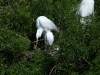
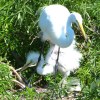
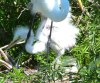
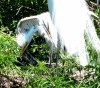
As you may be able to tell by Dan’s photo, that the parent was protecting the youngster. We were told that this was the first Great Egret chick born this year. From the other articles, you saw lots of them sitting on nests. A few others have been born since this one, but we weren’t able to see them.
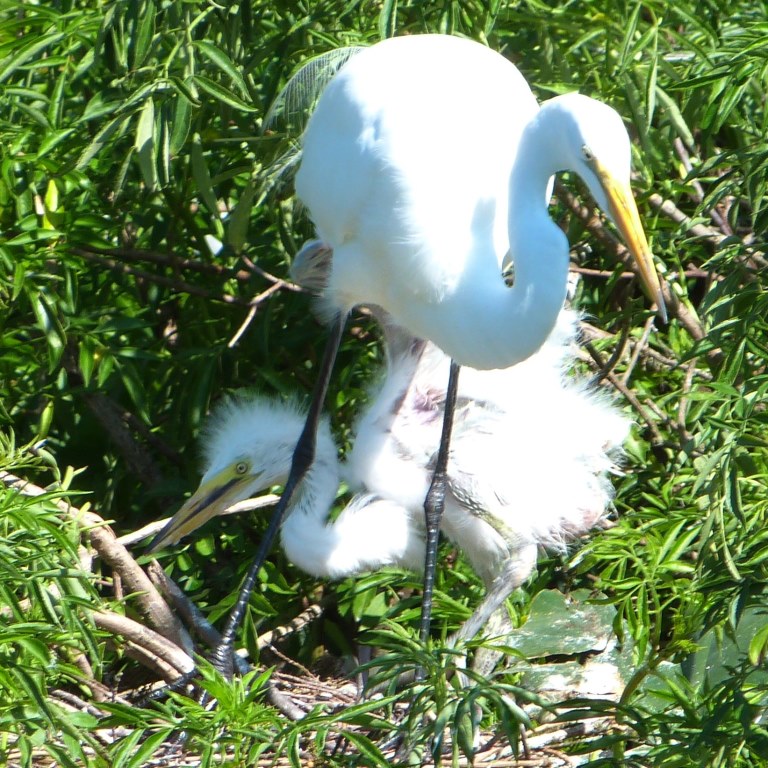
Great Egret at Nest with Chick at Gatorland by Lee cropped more

Great Egret at Nest with Chick at Gatorland by Lee cropped more

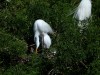
After all the fancy display of feathers and courting, nest building and mating, the Egrets get to work incubating and then raise their young. This one was being watched for very well. The normal clutch size is 1-6 eggs. This one seems to be the only one for this pair.
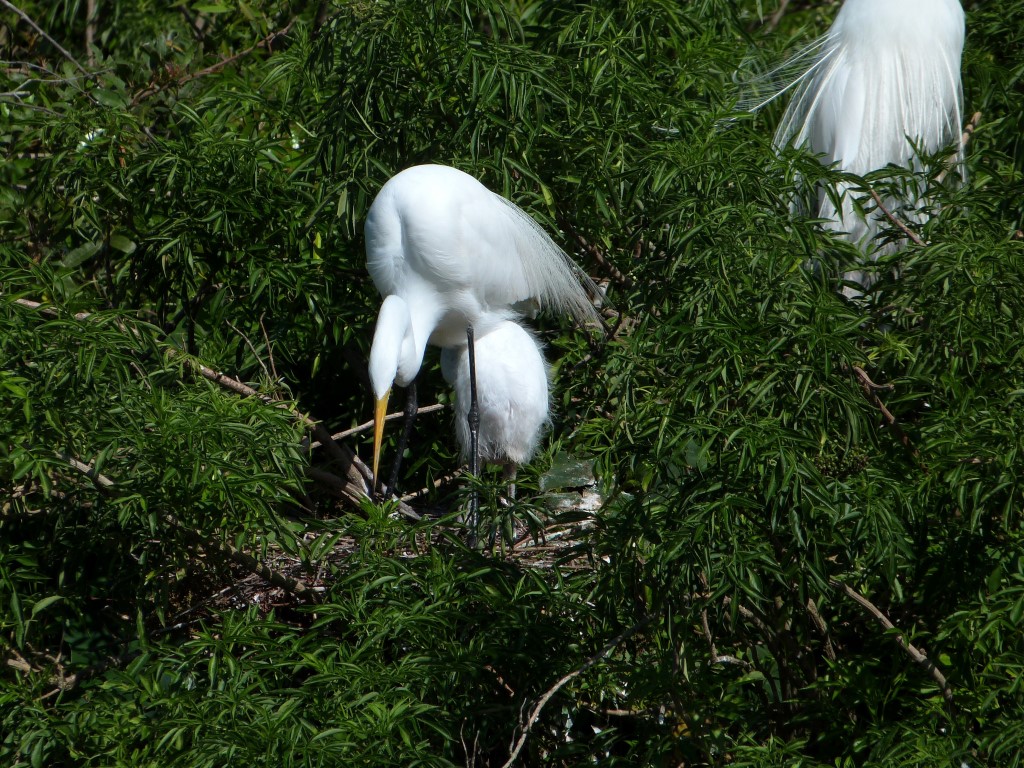
Great Egret at Nest with Chick at Gatorland by Lee

Great Egret at Nest with Chick at Gatorland by Lee

Come, you children, listen to me; I will teach you the fear of the LORD. (Psalms 34:11 NKJV)

“The Great Egret feeds in shallow water or drier habitats, feeding mainly on fish, frogs, small mammals, and occasionally small reptiles and insects, spearing them with its long, sharp bill most of the time by standing still and allowing the prey to come within its striking distance of its bill which it uses as a spear. It will often wait motionless for prey, or slowly stalk its victim.” (Wikipedia) From this remark and the photos we have shown, they are in a habitat that allows them to feed their young.

See 

Here are photos of this Great Egret chick taken at Gatorland. As you can tell, the little one has a way to go. Its feathers on the wings, its skin, legs, etc. all need to grow.

*

*
*
Ian’s Bird of the Week – Coal Tit

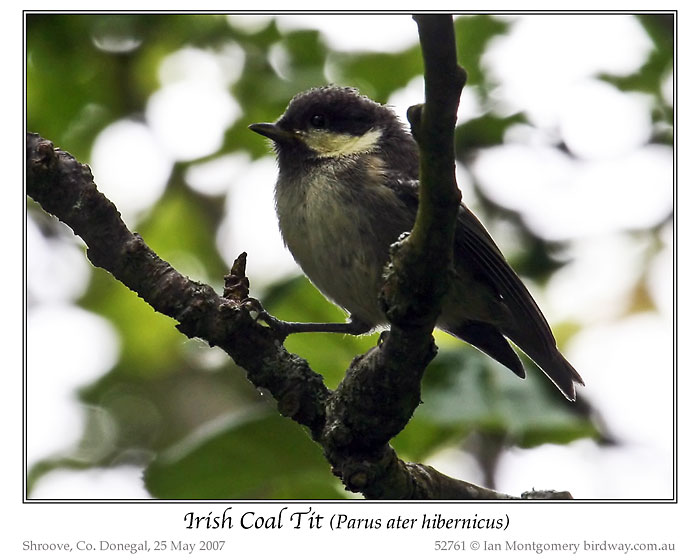
Coal Tit (Periparus ater hibernicus) (Irish) by Ian


Ian’s Bird of the Week – Coal Tit ~ Ian Montgomery

Newsletter ~ 3/17/14

Here is a St Patrick’s Day special: one of only four avian species that are deemed to have Irish races, the Coal Tit. The Irish race, Parus ater hibernicus, has yellower cheeks and underparts and more cinammon flanks than its British counterpart britannicus.

The other three Irish sub-species are the Irish Dipper (darker breast), the Irish Jay (darker overall) and the Irish Red Grouse (paler overall). Because of sea-level fluctuations with ice ages, Ireland has been isolated from Britain for a mere 8,000 years. The current distances vary from a mere 19km/12 miles between Scotland and Co. Antrim to about 100km/60 miles between Ireland and Wales (Pembrokeshire to Co. Wexford and Holyhead to Dublin). so only the most sedentary or least adventurous species have any to chance of diverging.

Coal Tit (Periparus ater hibernicus) (Irish) by IanThe first photo shows an adult bird, while the second one is a juvenile with drabber colours and juvenile Coal Tits tend to have yellower cheeks anyway. Incidentally, there are 21 subspecies of Coal Tit currently recognised, from the Irish one in the west to Taiwanese and Japanese ones in the east. Some authorities dispute the validity of these subspecies because of local variation.

Interestingly the birds in Northeastern Ireland show more in common with Scottish birds, and some would argue that Scottish Coal Tits are different from English ones. We could be getting onto politically thin ice here so, given the unifying spirit of St Patrick’s Day, I don’t think we’ll pursue this topic :-)

Happy St Patrick’s Day!
Ian

**************************************************
Ian Montgomery, Birdway Pty Ltd,
454 Forestry Road, Bluewater, Qld 4818
Tel 0411 602 737 ian@birdway.com.au
Bird Photos http://www.birdway.com.au/
Recorder Society http://www.nqrs.org.au


Lee’s Addition:

It is the smallest of all seeds, but when it has grown it is larger than all the garden plants and becomes a tree, so that the birds of the air come and make nests in its branches.” (Matthew 13:32 ESV)

A pleasant surprise getting a St Patrick’s Day bird to enjoy. The Coal Tits belong to the Paridae – Tits, Chickadees Family. I am more familiar with the Chickadees, but it is easy to see the family resemblance.

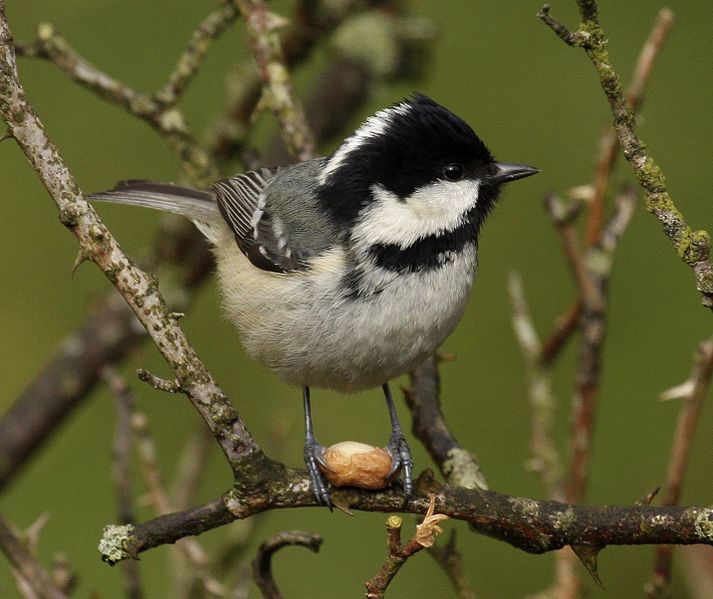
The Coal Tit (Periparus ater) is a passerine bird in the tit family Paridae. It is a widespread and common resident breeder throughout temperate to subtropical Eurasia and northern Africa. The Black-crested Tit is now usually included in this species. (Wikipedia)

Here is a photo of the main Coal Tit species.

Coal Tit (Periparus ater) ©WikiC

Coal Tit (Periparus ater) ©WikiC

*
See:


*

Sunday Inspiration – Great Egrets in Breeding Plumage

Great Egret at Gatorland by Dan

Great Egret at Gatorland by Dan

Go out of the ark, you and your wife, and your sons and your sons’ wives with you. Bring out with you every living thing of all flesh that is with you: birds and cattle and every creeping thing that creeps on the earth, so that they may abound on the earth, and be fruitful and multiply on the earth. (Genesis 8:16-17 NKJV)

Some of those birds that left the ark were from the Heron – Egret family. They are still multiplying. They are assisted in their courting by growing beautiful white feathers. Here are the Great Egrets that we saw at Gatorland last week. What an amazing display they make because the Creator has given them this ability.

Great Egret at Gatorland by Dan

Great Egret at Gatorland by Dan

*

You will notice lots of preening and as a result, feathers on the tips of some of the Egrets. The photos are by both Dan and I. His are all marked, the rest are mine.

This slideshow requires JavaScript.

*

“I’ve Got Joy” – Faith Baptist Orchestra

For you, O LORD, have made me glad by your work; at the works of your hands I sing for joy. (Psalms 92:4 ESV)

*

*

Ian’s Bird of the Week – Red-capped Parrot

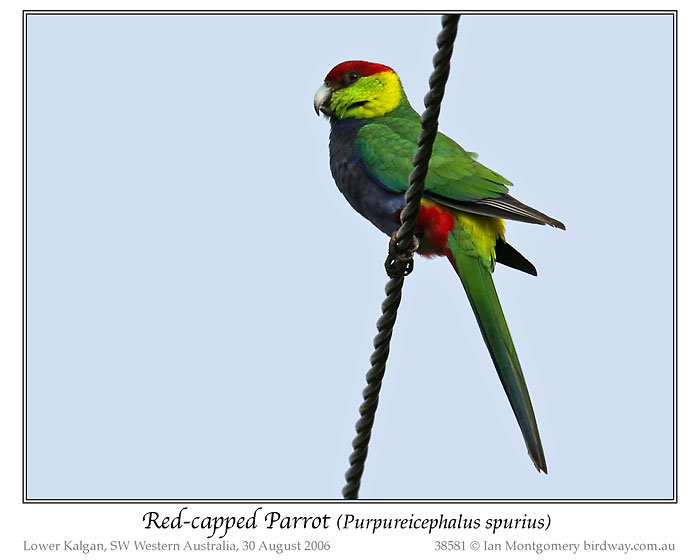
Red-capped Parrot (Purpureicephalus spurius) by Ian

Ian’s Bird of the Week – Red-capped Parrot ~ by Ian Montgomery

Newsletter ~ 3/15/14

I’ve had a request for a Western Australian endemic from an American friend who is visiting WA this coming September. So here, Laurie, is the Red-capped Parrot which you should see there. The first photo shows a male of this fairly large (length to 38cm/15in), brightly coloured – some would say gaudy – parrot, which is reasonably common in suitable habitat in a relatively small area of southwestern Australia, mainly south of Perth, west of Esperance and within 100km of the coast.

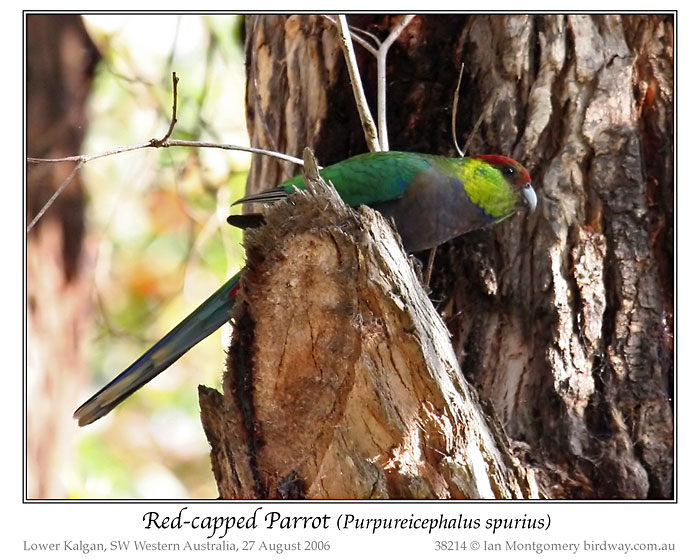
The second photo shows a female, similar to but more subdued in colour than the male, with greenish patches in the red cap and under-tail coverts and less intense violet breast.

Red-capped Parrot (Purpureicephalus spurius) by Ian female

The female is perched in a Marri tree, a Western Australian bloodwood, Corymbia, formerly Eucapyptus, calphylla. This is the main food plant of the parrot and their ranges mostly coincide. Marri has tough woody globular nuts and the long pointed bill of the Red-capped Parrot is adapted to exploiting the one weakness in the nut defences – the valve through which the seed is shed. The parrots can prise out the seed without having to gnaw through the woody wall.

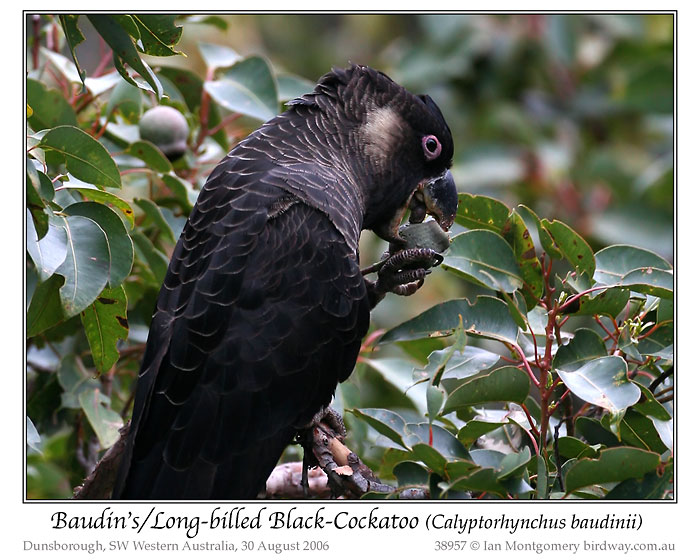
It’s clearly a fine source of bird food, as another Western Australian endemic Baudin’s or the Long-billed Cockatoo has evolved along identical lines for the same reason -an elegant example of parallel evolution. The male cockatoo in the third photo is showing us exactly how it’s done: piece of cake really, given the right equipment. Not surprisingly the range of this cockatoo is similar to that of the parrot.

Long-billed Black Cockatoo (Calyptorhynchus baudinii) by Ian

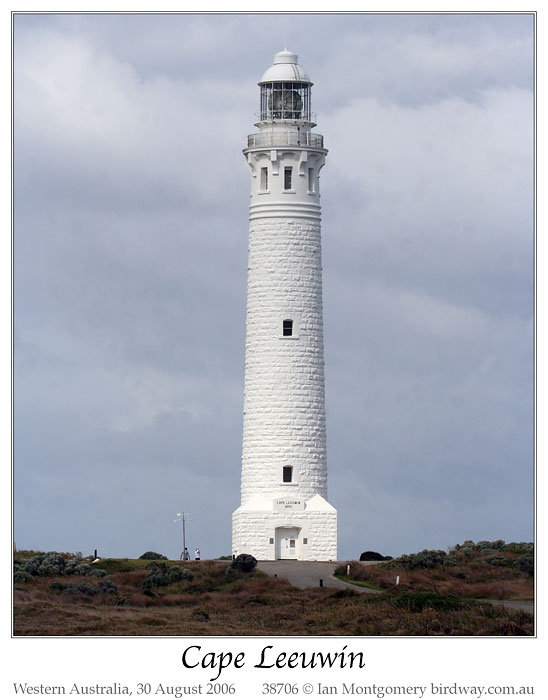
Actually, this bird featured as bird of the week in November 2006, but this is, if a repeat, at least a different photo. The first and third photos were taken on the same day. Kalgan is east of Albany on the way to the famous-for-birding Two Peoples Bay and Dunsborough is west of Bussleton near Cape Leeuwin. Cape Leeuwin has this splendid lighthouse built in 1895 and marks the point where the Indian Ocean meets the Southern Ocean.

Cape Leeuwin by Ian

I did take this one photo of the lighthouse on the same day, but my clearest memory is of a Rock Parrot feeding on the ground near it, but that bird featured as bird of the week in October 2006: http://www.birdway.com.au/psittacidae/rock_parrot/index.htm: a good day for unusual parrots.

Greetings
Ian

**************************************************
Ian Montgomery, Birdway Pty Ltd,
454 Forestry Road, Bluewater, Qld 4818
Tel 0411 602 737 ian@birdway.com.au
Bird Photos http://www.birdway.com.au/
Recorder Society http://www.nqrs.org.au


Lee’s Addition:

And God blessed them, saying, “Be fruitful and multiply, and fill the waters in the seas, and let birds multiply on the earth.” (Genesis 1:22 NKJV)

What a beautifully created Parrot. As you may know, Ian allows me to reproduce his newsletter. I use these to introduce us to the fantastic birds around the world. He has great photos on his site.

(This blog is birdwatching from a Christian perspective and therefore I do not believe in evolution, but realize birds have reproduced, producing different variations withing the families and orders. They are all still birds though.)

See:

Ian’s Bird of the Week

Parrot Family – Ian’s

Psittacidae – Parrots Family

Cockatoo Family – Ian’s

Cacatuidae – Cockatoos Family

*

Ian’s Bird of the Week – Black-fronted Tern

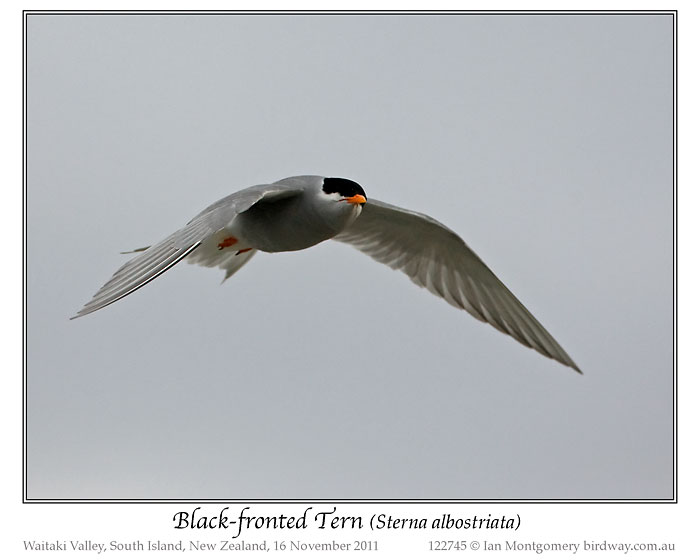
Black-fronted Tern (Chlidonias albostriatus) by Ian

Ian’s Bird of the Week – Black-fronted Tern ~ by Ian Montgomery

Newsletter ~ 3/10-14

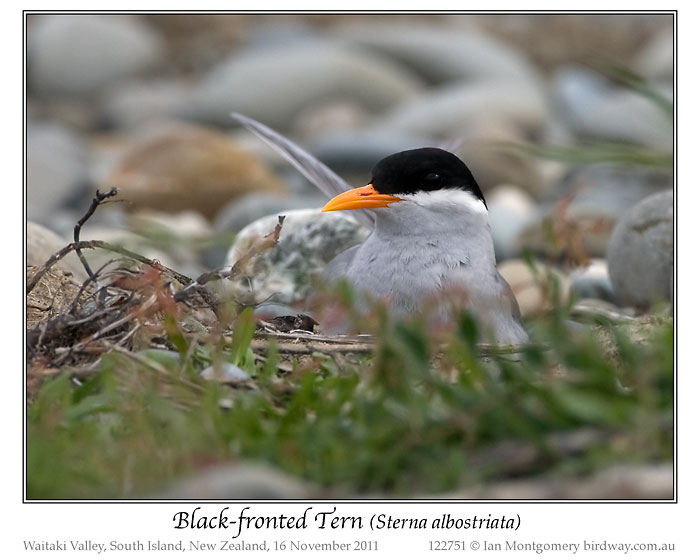
To mark the 500th bird of the week, here is a rather special tern from New Zealand, the Black-fronted Tern, which I photographed while on the quest for the very special Black Stilt. The tern is special, as it’s a New Zealand endemic, attractive and, unfortunately, endangered. The first photo shows a bird incubating at a typical nesting site on the gravelly bank of one of the branching – ‘braided’ – rivers in the Waitaki Valley on the South Island.

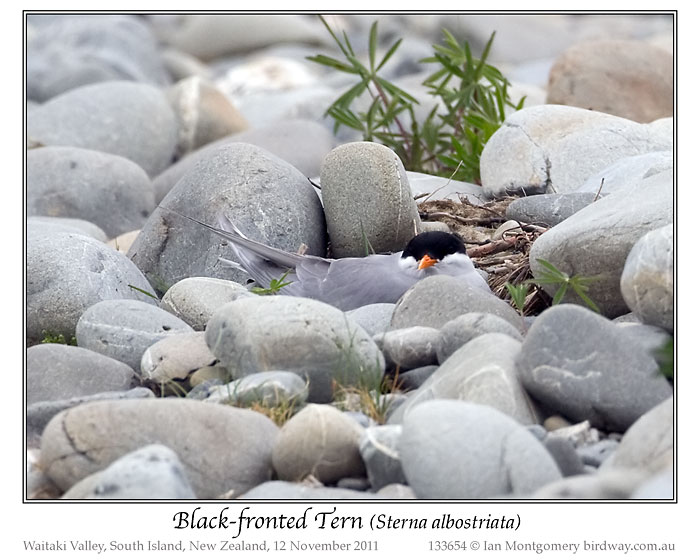
The second photo shows another incubating bird at the same colony four days earlier, when I found the sole Black Stilt. The plant with the palmate leaves is feral Lupin, one of the threats that this species faces, in this case by encroaching on the nesting sites.

Black-fronted Tern (Chlidonias albostriatus) by Ian

I took these photos from a sufficient distance with a 500mm lens so as not to disturb incubating birds, but like many terns they are quite aggressive and other non-incubating individuals like those in the third and fourth photos showed me how unwelcome I was by flying intimidatingly close to me and calling harshly.

Black-fronted Tern (Chlidonias albostriatus) by Ian

They look very smart in breeding plumage with sharp black caps, bright orange bills and legs, and white cheek stripe and rump contrasting with otherwise grey plumage. They’re quite small, 30cm/12in in length, with, by tern standards, quite short tail streamers. In non-breeding plumage, the cap is grey, streaky and less extensive and the orange of the bill and legs is paler. In the breeding season, this is an inland species, nesting only along the rivers of the South Island, though it used to breed on the North Island. Outside the breeding season, the birds disperse to coastal waters with some reaching Stewart Island in the south and North Island but don’t travel far and have never been recorded in Australia. They feed on small fish invertebrates mostly snatched in flight either from the water surface or the ground – they will follow ploughs – and will also plunge into water to catch fish.

Black-fronted Tern (Chlidonias albostriatus) by Ian

The population is estimated at about 5,000 individuals and declining, hence its endangered status. Main threats to the population are predation by introduced mammals particular stoats and weasels, feral weeds, disturbance by people and stock and hydroelectric schemes. Breeding success appears to be low, but colonies do respond well to conservation measures such as protection of nesting sites, removal of weeds by spraying and provision of artificial nesting sites such as rafts. The Black-fronted is one of two endemic New Zealand terns, the other being the marine White-fronted. It’s considered a close relative of the Roseate Tern is quite abundant and many migrate to southeastern Australia in winter.

Website links:
Black-fronted Tern 
White-fronted Tern 
Roseate Tern 
Black Stilt 

Greetings

Ian

**************************************************
Ian Montgomery, Birdway Pty Ltd,
454 Forestry Road, Bluewater, Qld 4818
Tel 0411 602 737 ian@birdway.com.au
Bird Photos http://www.birdway.com.au/
Recorder Society http://www.nqrs.org.au


Lee’s Addition:

the ostrich, the short-eared owl, the sea gull, and the hawk after their kinds; (Deuteronomy 14:15 NKJV)

Ian has again introduced us to another neat creation, the Black-fronted Tern. In that second photo, notice how well it blends in with the terrain. What a graceful looking bird.

Terns and Sea Gulls both belong to the Laridae – Gulls, Terns & Skimmers Family. Ian mentioned three of the Terns on his website, but he has plenty more photos fo that family.

Check out his Laridae Family which he breaks up into Laridae – Tribe: Sternini & Rynchopini (Terns and Noddies) and Laridae – Tribe: Larini (Gulls and Kittywakes).

*

*

Sunday Inspiration – Thrushes

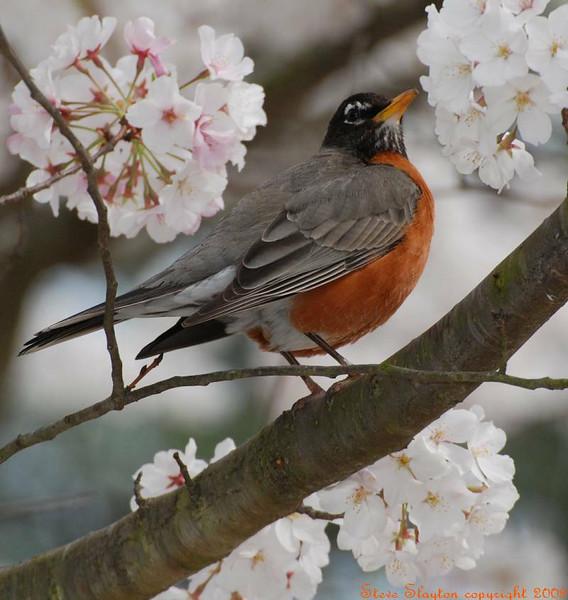
American Robin (Turdus migratorius) by S Slayton

American Robin (Turdus migratorius) by S Slayton

Even the stork in the sky Knows her seasons; And the turtledove and the swift and the thrush Observe the time of their migration; But My people do not know The ordinance of the LORD. (Jeremiah 8:7 NASB)

Sunday Inspiration – Thrushes

This week we get to see the Lord’s creation in the Turdidae – Thrushes Family. The Muscicapidae Family also has the Palm & Rock Thrushes. It is easy to see the characteristic similarity of these birds, even though they have differences in color, even in their feet and beaks.

(Yes, the American Robin is a Thrush.)

*

This slideshow requires JavaScript.

*

“I Love You Lord” – Faith Baptist Church Orchestra

*

Other Families with Thrushes:

*

*

Nuggets Plus – Variety

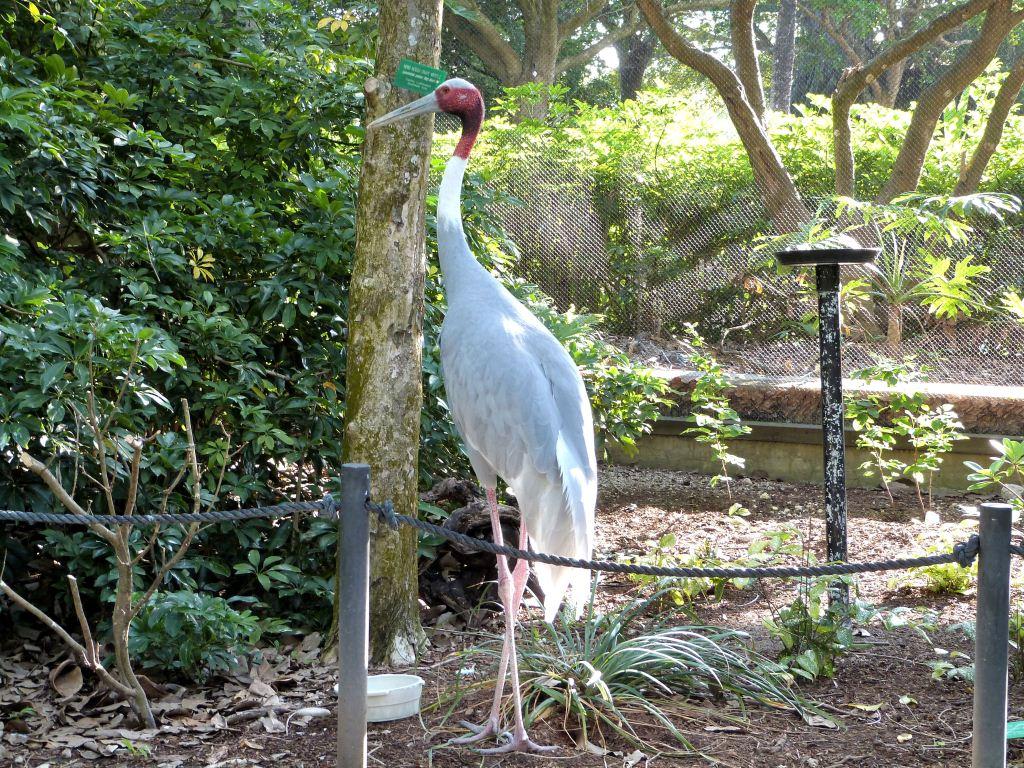
Sarus Crane (Grus antigone) by Lee at Wings of Asia

Sarus Crane (Grus antigone) by Lee at Wings of Asia

Today while doing my daily reading , I came across two verses that caused me to think about the varieties of birds and our talents.

Nuggets Plus

Nuggets Plus

And David said to his son Solomon, “Be strong and of good courage, and do it; do not fear nor be dismayed, for the LORD God—my God—will be with you. He will not leave you nor forsake you, until you have finished all the work for the service of the house of the LORD. Here are the divisions of the priests and the Levites for all the service of the house of God; and every willing craftsman will be with you for all manner of workmanship, for every kind of service; also the leaders and all the people will be completely at your command. (1 Chronicles 28:20-21 NKJV)

Magnificent Hummingbird (Eugenes fulgens) by Judd Patterson

Magnificent Hummingbird (Eugenes fulgens) by Judd Patterson

David was handing over the kingdom to Solomon, his son, who was young. David had wanted to build a temple for The LORD, but was told no, but that Solomon would be the one to build the temple.

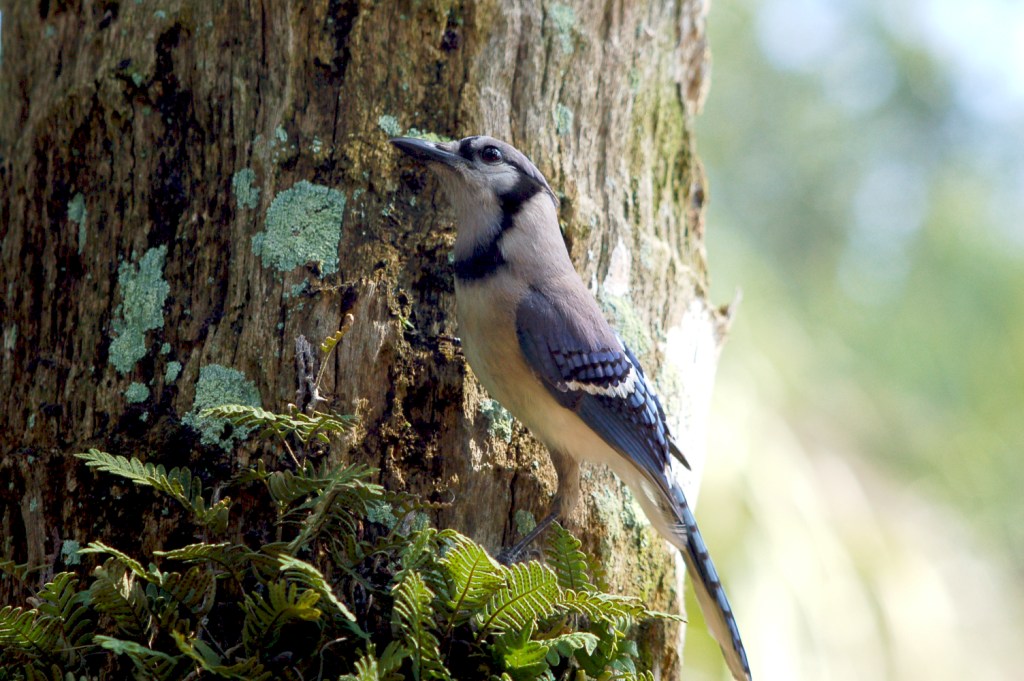
Blue Jay (Cyanocitta cristata) at Bok Tower By Dan'sPix

Blue Jay (Cyanocitta cristata) at Bok Tower By Dan’sPix

David is explaining this to Solomon and the people of Israel. He was encouraging his son and also the people and reminding them of these promises from God:

  • Be strong
  • of good courage
  • do it
  • not fear
  • nor be dismayed
  • LORD God—my God—will be with you
  • not leave you
  • nor forsake you,
  • until you have finished all the work

Then in the next verse (21) he explains the different division (variety) of work to be done:

  • every willing craftsman
  • for all manner of workmanship
  • for every kind of service;
  • also the leaders and all the people will be completely at your command.
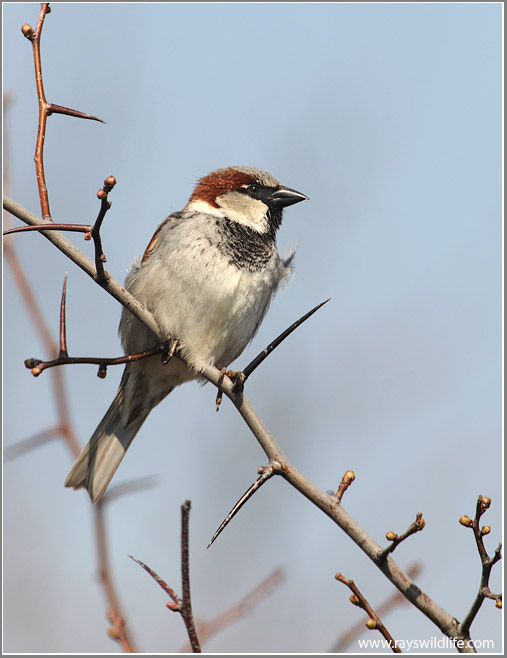
House Sparrow by Ray

House Sparrow by Ray

Isn’t it amazing when we see all the variety in the birds the Lord Created? They are all birds, but they vary so much in height, width, color, beaks, feet, behavior, the way and place they build their nest, etc, etc.

Blue-footed Booby (Sula nebouxii) by Ian

Blue-footed Booby (Sula nebouxii) by Ian

How about us? We are all different and each have different talents and abilities. Our interest vary. Many of our readers are bloggers, yet each of us do it differently.

Birdwatchers vary in how they view the birds. Some like to view the birds through a camera, binoculars, just their eyes. Some make list of all kinds, some never bother. There really isn’t a right way or wrong way to watch birds, unless you are doing something harmful to the birds.

Keel-billed Toucan (Ramphastos sulfuratus) by Margaret Sloan

Keel-billed Toucan (Ramphastos sulfuratus) by Margaret Sloan

In the Christian realm, again, we are all different and there is so much variety in our talents and abilities, yet the Lord gave them to us.

Are we willing to use them?

*

*

Small Fire Department Rescues Birds

Blue-headed Vireo (Vireo solitarius) ©WikiC

Blue-headed Vireo (Vireo solitarius) ©WikiC

SMALL FIRE DEPARTMENT RESCUES BIRDS

"We'll have our hose ready."

“We’ll have our hose ready.”


“We’ll have our hose ready.”

“The salamanders,” said daddy, “are little creatures very much like lizards in looks, except their skin is not scaly as a lizard’s. They have four legs and a tail, and are very nice, kind and gentle.

“Well, these salamanders agreed that they would have a fire department, and the next thing was to arrange for the hose and ladder. Finally it was decided that their salamander cousins should be chosen to run the hose and ladder.

“‘We shall call ourselves the fire and water fire department,’ said one of the fire salamanders. ‘It will be our business to rush in and rescue the animals who are in danger of being burned to death, and it will be your business to help them down to the brook, where we’ll have our hose ready to sprinkle them with good, cool water.’

“But days and days went by, and still no fire broke out.

“‘I know what’s the trouble,’ said another one of the fire salamanders. ‘We have no fire bell; there may have been fires that we knew nothing of; you never can tell.’

“‘Don’t be gloomy,’ said still another fire salamander. ‘We’ll have a fire bell. I know where a kind old cow left her bell from last year. We’ll put it by the stump just at the edge of the brook and all the animals can be told to move it when there is a fire. Then we will all come out and stop the fire.’

“And soon notices were put up all over the woods and around the brook which read:

“‘To the Animals: Attention! In case of fire, ring the cow bell by the brook. The Fire and Water Fire Department of the Salamanders will PUT IT OUT.’

“These notices were read by all the animals, and the very next day the salamanders heard the cow bell.

“‘Where’s the fire?’ they all shouted.

“‘Over there,’ said Grandfather Frog, who was watching the fire department start off.

“They wiggled and crawled as quickly as they could to the spot where the fire was. It was the vireo family’s nest. You know the vireos are those beautiful, shy birds that live in the woods and have such lovely voices. The fire salamanders rushed right into the fire and pulled out of the nest the vireo children just in time before their little feathers got burnt. And, of course, the Mother and Daddy Vireo were able to fly out.

“When they all reached the brook at last, the Mother and Daddy Vireo sang the most wonderful song as a reward to the brave salamander fire department.”


Lee’s Addition:

Warbling Vireo (Vireo gilvus) by Raymond Barlow

Warbling Vireo (Vireo gilvus) by Raymond Barlow

Red-eyed Vireo song from xeno-canto.

Let the word of Christ dwell in you richly in all wisdom; teaching and admonishing one another in psalms and hymns and spiritual songs, singing with grace in your hearts to the Lord. And whatsoever ye do in word or deed, do all in the name of the Lord Jesus, giving thanks to God and the Father by him. (Colossians 3:16-17 KJV)

The story doesn’t say which kind of Vireo this was, but Vireos belong to the Vireonidae – Vireos, Greenlets Family. They all have beautiful songs.

*

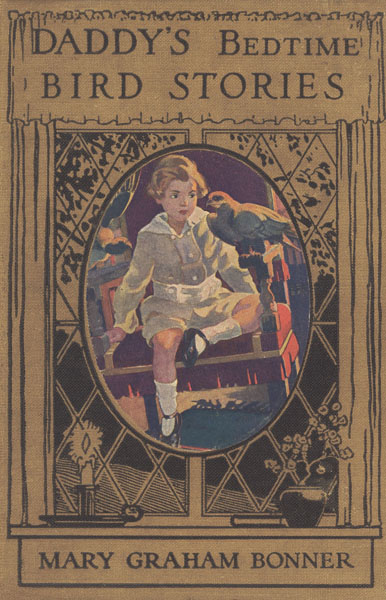
Another Bird Tales

From

Daddy’s Bedtime Bird Stories – Gutenberg ebooks

By

Mary Graham Bonner

With four illustrations in color by
Florence Choate and Elizabeth Curtis

Daddys Bedtime Story Images


These stories first appeared in the American Press Association Service and the Western Newspaper Union.


Many of the sketches in this volume are the work of Rebecca McCann, creator of the “Cheerful Cherub,” etc.

Daddy's Bedtime Bird Stories by Mary Graham Bonner - 1917

*
Daddy’s Bedtime Bird Stories by Mary Graham Bonner – 1917

*

Links:

Painted Bunting (Passerina ciris) ©©Flickr


  Bird Tales


  Daddy’s Bedtime Bird Stories


Spanish Sparrow (Passer Hispaniolensis) female ©WikiC


  Wordless Birds


*

Shutterfly’s Faces of Nature

Shutterfly - Penguin - at Faces of Nature

Shutterfly – Penguin – at Faces of Nature

Moreover the word of the LORD came to me, saying, “Jeremiah, what do you see?” And I said, “I see a branch of an almond tree.” (Jeremiah 1:11 NKJV)

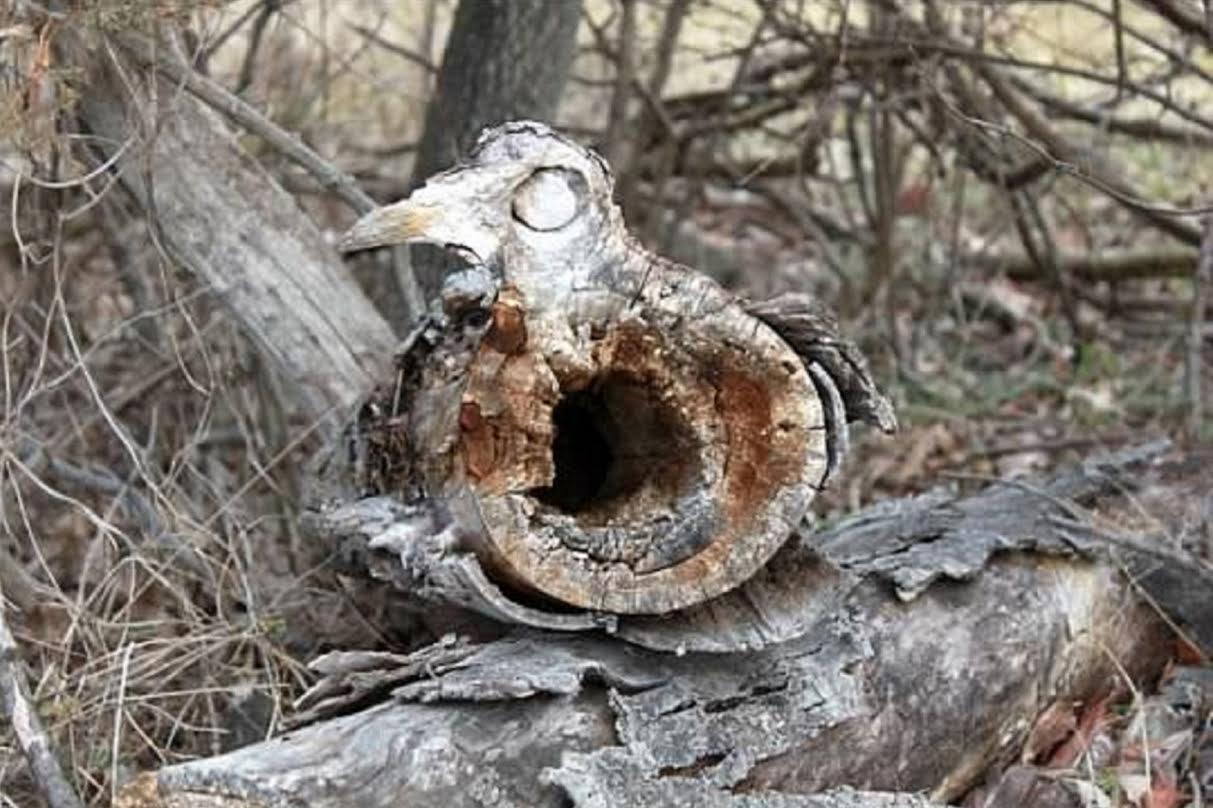
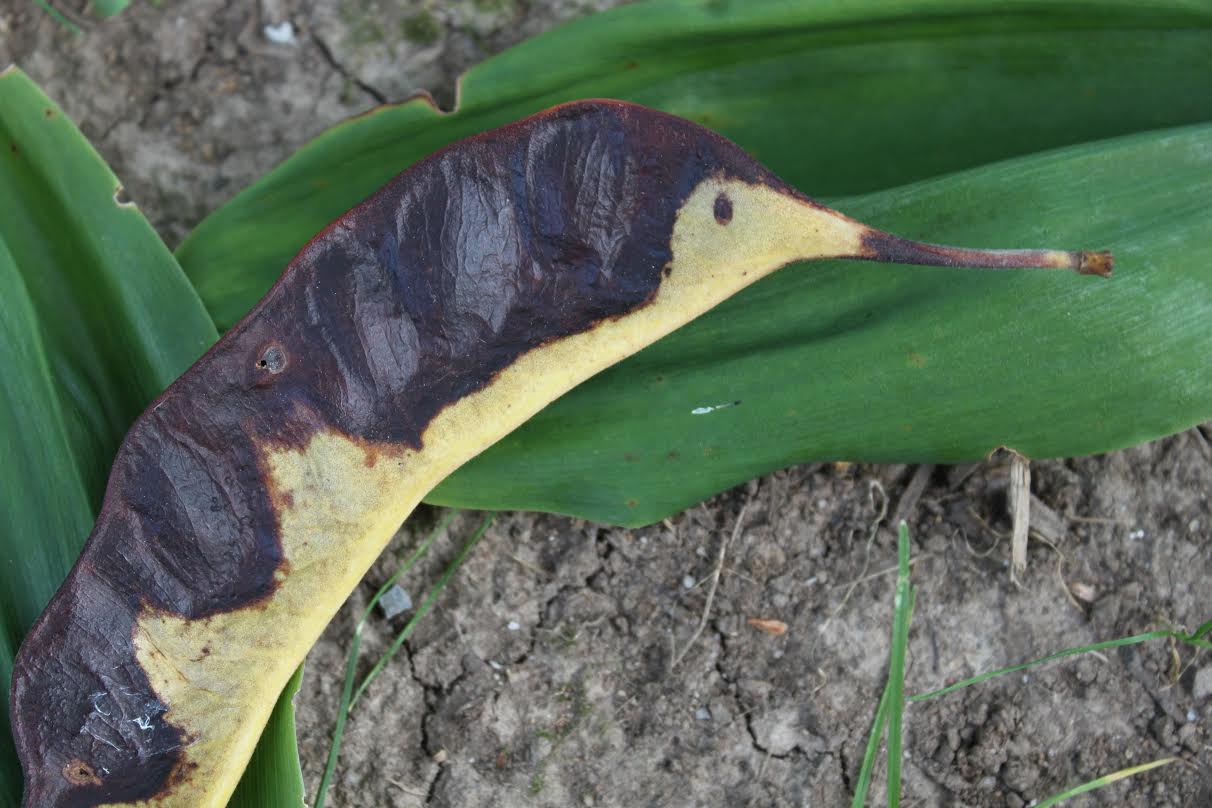
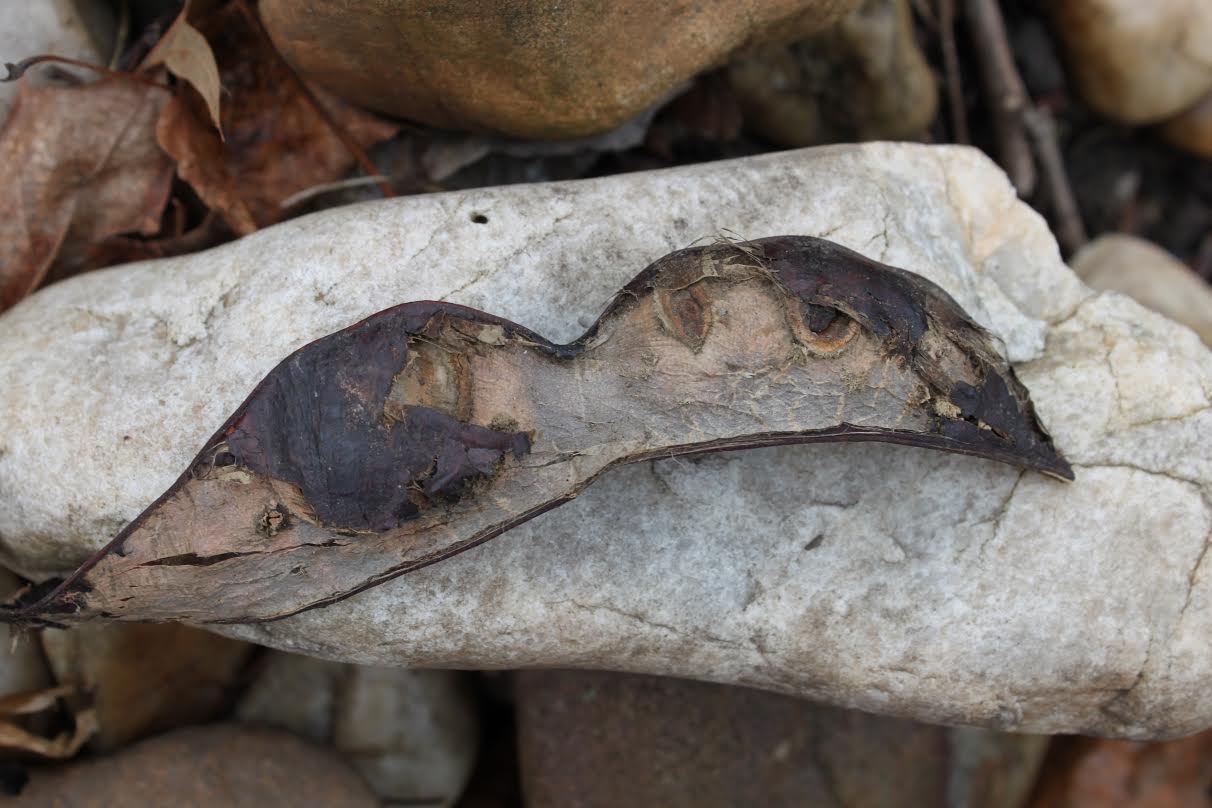
Received an email from one of our readers who wanted to share her site that shows Faces of Nature.

Brown Hooded Longbeak at Faces of Nature

Brown Hooded Longbeak at Faces of Nature

” I am a nature enthusiast and photographer from Langhorne, PA.  I take photos of “Faces in Nature” – items that resemble faces which occur naturally in our surroundings – I don’t change or Photoshop – they are as I find them.  I have over 100 but lots of birds as it turns out.”

Here is one on the “lighter side.”

Angry Bird at Faces of Nature

Angry Bird at Faces of Nature

If you would like to check out all of Susan’s “Faces of Nature” at Shutterfly: CLICK HERE

I think my favorite is a “White Toucan

Beloved, now are we the sons of God, and it doth not yet appear what we shall be: but we know that, when he shall appear, we shall be like him; for we shall see him as he is. (1 John 3:2 KJV)

*

Golden Eagle – Noah and the Dove

Mourning Dove by Reinier Munguia

Mourning Dove by Reinier Munguia

Noah and the Dove ~

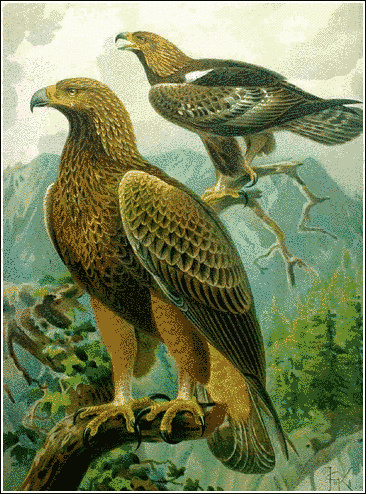
Golden Eagle

Golden Eagle ©PD

Golden Eagle ©PD

Hi again boys and girls! It’s me, the Golden Eagle. In case your wondered my nest is in sunny Florida! I think there are close to 400 different species just in this state! Hey, have you started to keep your journal yet? Write done the birds you see, what the birds are doing, what time of day that you see the birds, and anything that might be out of the ordinary! This Bible and bird journey should get very interesting!

And he waited yet another seven days, and again he sent the dove out from the ark. Then the dove came to him in the evening, and behold, a freshly plucked olive leaf was in her mouth; and Noah knew that the waters had receded from the earth. So he waited yet another seven days and sent out the dove, which did not return again to him anymore. (Genesis 8:10-12 NKJV)

This whole wide earth was at one time, in the past, covered with water! Now that is really not hard to believe. Even today, the earth is covered with water, about 70% of the Earth’s surface is covered with the stuff! In our Solar System we are the only WATER PLANET! Every mountain was at one point covered with water. Scientists have even found sea shells on the top of Mt Everest! Your average Scientist thinks that Noah’s flood is just a myth, and that the surface of Mars was shaped by a flood! The truth of the Bible teaches us that the surface of the Earth was shaped by water! The Grand Canyon of the United States was carved out by a lot of water in a little bit of time. Of course the evolutionists say that the Grand Canyon was formed over millions of years by a little bit of water, the Colorado River.

White Dove ©©

White Dove ©©

On the wings of a snow white dove! The DOVE is a beautiful bird. It flies ever so gently with the color of a white snowflake. Sometimes even people today liken the Holy Spirit of God to the dove. White in holiness and purity, flying here and there, the Holy Spirit whispers to our minds and to our hearts that JESUS is indeed the Son of God, Heaven is real, the Bible is true, and after death there is something more in God’s wonderful purpose for you and me!

Hey kids! Start reading at least one chapter in the Bible each and every day! And don’t forget to join the ranks of the birders of the world! Until next time, this is the Golden Eagle soaring away into the sunset and my next meal! See Ya!!!

*
Keep A Journal

Bible Birds – Doves and Pigeons

More from Golden Eagle

*

Sunday Inspiration – Owls

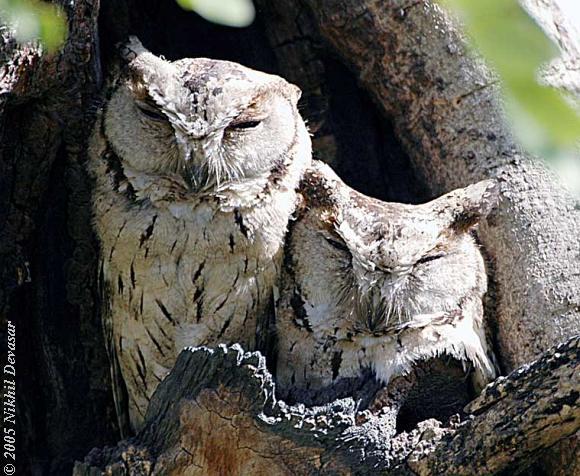
Indian Scops Owl (Otus bakkamoena) pair by Nikhil Devasar

Indian Scops Owl (Otus bakkamoena) pair by Nikhil Devasar

Sunday Inspiration – Owls

The wild beasts of the desert shall also meet with the wild beasts of the island, and the satyr shall cry to his fellow; the screech owl also shall rest there, and find for herself a place of rest. There shall the great owl make her nest, and lay, and hatch, and gather under her shadow: there shall the vultures also be gathered, every one with her mate. (Isaiah 34:14-15 KJV)

This slideshow requires JavaScript.

*

How Great Thou Art by Sean Fielder (from Faith Baptist Church)

*

More Sunday Inspiration:

Birds of the Bible – Owls

Assurance: The Certainty of Salvation

*

Picnic In February

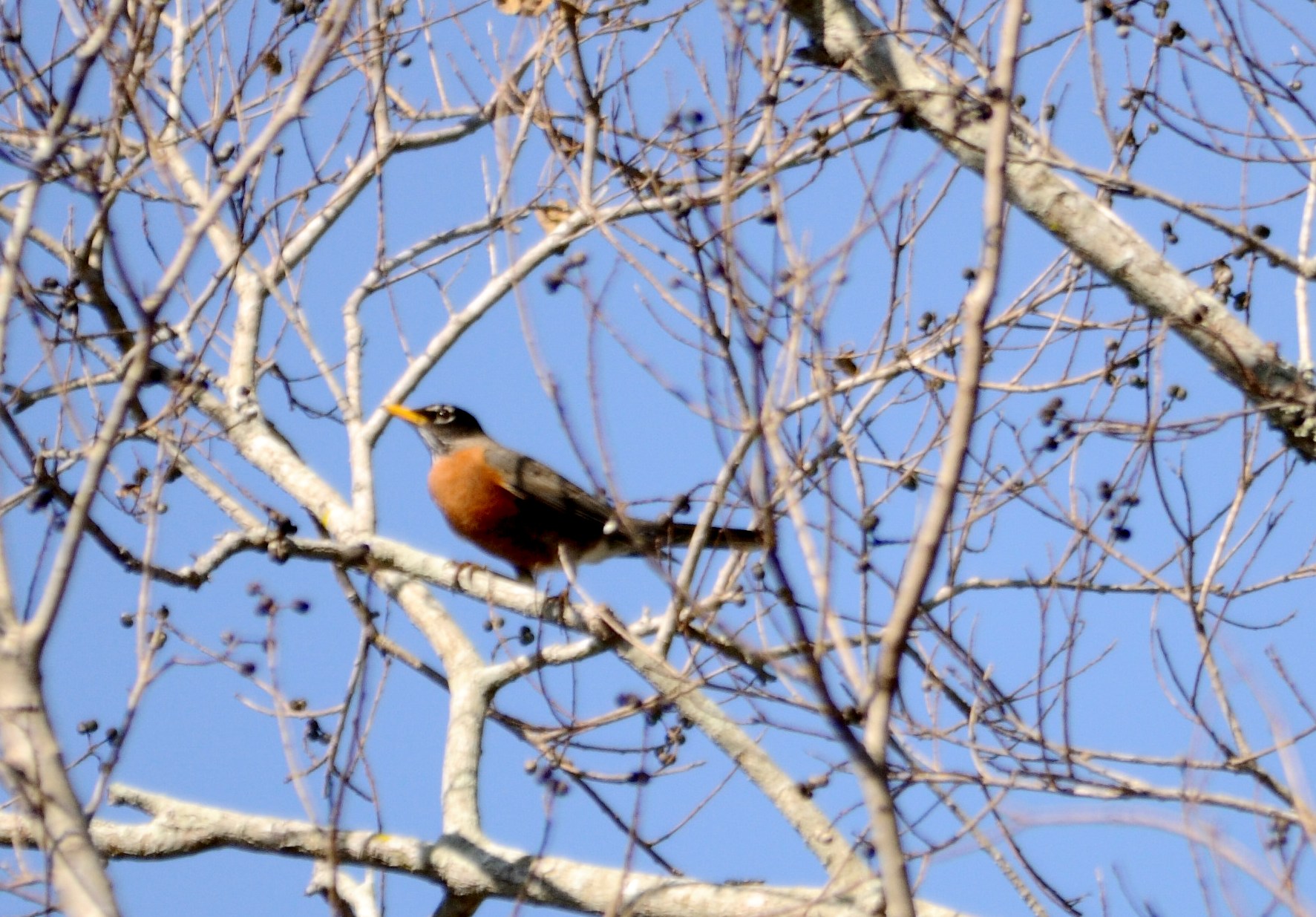
American Robin (Turdus migratorius)  by Dan

American Robin (Turdus migratorius) by Dan

Picnic In February ~ by Dorothy Malcolm

It’s open to all who wish to come. So some find it so and make it a habit to always be around every day–the Blue Jays, a pain of Cardinals, Red-winged Blackbirds, Doves and squirrels. In the winter months, Titmouse, Pine Warblers and occasionally Blackbirds add to the mix.

Today started out rather ordinary with Bible reading, breakfast, a few pills, letting Ruby my dog in and out of the house several times and talking myself into going to the bank and grocery.

After lunch Ruby and I went out for her afternoon walk. After this I started pricing things for a garage sale that will be sometime this spring. I just happen ed to look out the patio door and saw a most glorious sight – ROBINS!

Time just stopped for me. I was totally taken in by the sight of them. Where they came from it is obvious they had a great time because they looked really good and healthy. Their feathers looked as smooth and soft as velvet. Hopping, stopping, looking, flicking leaves, talking – oh, what a great time they and I were having – by now I’m just quietly looking out a small back bathroom window where I could get a better view.

What then! It is my daughter asking on behalf of her daughter how Ruby is doing. So I gave a quick report and then excitedly told her about the Robins. Soon as I could I hung up and got back to the little window only to hear two gunshots in the neighborhood.

But why now! I’ve heard this a few days in the past week, but am real unhappy about it now!

Of course the Robins flew off. Well they and I had great joy for a short time until someone spoiled the picnic!

Is this not the way some things are in our lives? But what joy there will be in the future when we will have a forever picnic in the presence of the Lord. There will be a new heaven and new earth that will not be spoiled by anyone or anything. It will be awesome and I suspect it will include birds along with many awesome creatures and all of God’s redeemed!

And he that sat upon the throne said, Behold, I make all things new. And he said unto me, Write: for these words are true and faithful. (Revelation 21:5 KJV)

Seeing then that all these things shall be dissolved, what manner of persons ought ye to be in all holy conversation and godliness, Looking for and hasting unto the coming of the day of God, wherein the heavens being on fire shall be dissolved, and the elements shall melt with fervent heat? Nevertheless we, according to his promise, look for new heavens and a new earth, wherein dwelleth righteousness. (2 Peter 3:11-13 KJV)

*

American Robin (Turdus migratorius) by Dan at Bok Sanctuary

American Robin (Turdus migratorius) by Dan at Bok Sanctuary

See Dorothy Malcolm’s Other articles:

*

(P.S. This was written in February, but I just now worked it up. Sorry, Dottie)