Independance Day – 2013

Uncle Sam Eagle at Titusville by Dan

Uncle Sam Eagle at Titusville by Dan

Happy Fourth of July!!

May you enjoy your day and may you remember our founders and their sacrifices to form our country. More than that, may you remember the Lord and His Word which provided the principles to govern this country.

Unfortunately, many today are trying to remove those principles from our laws and morality. Today, many are:

“You shall not at all do as we are doing here today—every man doing whatever is right in his own eyes— (Deuteronomy 12:8 NKJV)

The way of a fool is right in his own eyes, But he who heeds counsel is wise. (Proverbs 12:15 NKJV)

Every way of a man is right in his own eyes, But the LORD weighs the hearts. (Proverbs 21:2 NKJV)

Our leaders are more worried about being “politically correct” instead of doing what is right based on the Word of God. Chunk by chunk, Christianity and it’s principles, which guided our Founding Fathers, are being removed from our country. In place, things that are clearly taught as sin are now the “right” of the people to do, while the “rights” of Christians are being taken away. We are on the way to becoming a pagan nation. So this year, the 4th of July is sadder than last year.

Yet, the Lord has still allowed us to live in the greatest nation, because of those great Founding Fathers that believed in God. They applied the principles found in God’s Word to found this great nation. I am thankful that, so far, we still have the privilege to openly worship our Lord in our churches. I am thankful the Lord let me be born here.

The Bald-headed Eagle (Bald Eagle) - Birds Illustrated by Color Photography, 1897

The Bald-headed Eagle (Bald Eagle) – Birds Illustrated by Color Photography, 1897

George Washington
1st U.S. President

“While we are zealously performing the duties of good citizens and soldiers, we certainly ought not to be inattentive to the higher duties of religion. To the distinguished character of Patriot, it should be our highest glory to add the more distinguished character of Christian.”

--The Writings of Washington, pp. 342-343.

John Adams
2nd U.S. President and Signer of the Declaration of Independence

“Suppose a nation in some distant Region should take the Bible for their only law Book, and every member should regulate his conduct by the precepts there exhibited! Every member would be obliged in conscience, to temperance, frugality, and industry; to justice, kindness, and charity towards his fellow men; and to piety, love, and reverence toward Almighty God … What a Eutopia, what a Paradise would this region be.”

--Diary and Autobiography of John Adams, Vol. III, p. 9.

“The general principles, on which the Fathers achieved independence, were the only Principles in which that beautiful Assembly of young Gentlemen could Unite, and these Principles only could be intended by them in their address, or by me in my answer. And what were these general Principles? I answer, the general Principles of Christianity, in which all these Sects were United: And the general Principles of English and American Liberty, in which all those young Men United, and which had United all Parties in America, in Majorities sufficient to assert and maintain her Independence.

“Now I will avow, that I then believe, and now believe, that those general Principles of Christianity, are as eternal and immutable, as the Existence and Attributes of God; and that those Principles of Liberty, are as unalterable as human Nature and our terrestrial, mundane System.”

--Adams wrote this on June 28, 1813, excerpt from a letter to Thomas Jefferson.

Thomas Jefferson
3rd U.S. President, Drafter and Signer of the Declaration of Independence

“God who gave us life gave us liberty. And can the liberties of a nation be thought secure when we have removed their only firm basis, a conviction in the minds of the people that these liberties are of the Gift of God? That they are not to be violated but with His wrath? Indeed, I tremble for my country when I reflect that God is just; that His justice cannot sleep forever; That a revolution of the wheel of fortune, a change of situation, is among possible events; that it may become probable by Supernatural influence! The Almighty has no attribute which can take side with us in that event.”

--Notes on the State of Virginia, Query XVIII, p. 237.

“I am a real Christian – that is to say, a disciple of the doctrines of Jesus Christ.”

--The Writings of Thomas Jefferson, p. 385.

John Hancock
1st Signer of the Declaration of Independence

“Resistance to tyranny becomes the Christian and social duty of each individual. … Continue steadfast and, with a proper sense of your dependence on God, nobly defend those rights which heaven gave, and no man ought to take from us.”

--History of the United States of America, Vol. II, p. 229.

Benjamin Franklin
Signer of the Declaration of Independence and Unites States Constitution

“Here is my Creed. I believe in one God, the Creator of the Universe. That He governs it by His Providence. That He ought to be worshipped.

“That the most acceptable service we render to him is in doing good to his other children. That the soul of man is immortal, and will be treated with justice in another life respecting its conduct in this. These I take to be the fundamental points in all sound religion, and I regard them as you do in whatever sect I meet with them.

“As to Jesus of Nazareth, my opinion of whom you particularly desire, I think the system of morals and his religion, as he left them to us, is the best the world ever saw, or is likely to see;

“But I apprehend it has received various corrupting changes, and I have, with most of the present dissenters in England, some doubts as to his divinity; though it is a question I do not dogmatize upon, having never studied it, and think it needless to busy myself with it now, when I expect soon an opportunity of knowing the truth with less trouble. I see no harm, however, in its being believed, if that belief has the good consequence, as probably it has, of making his doctrines more respected and more observed; especially as I do not perceive, that the Supreme takes it amiss, by distinguishing the unbelievers in his government of the world with any peculiar marks of his displeasure.”

--Benjamin Franklin wrote this in a letter to Ezra Stiles, President of Yale University on March 9, 1790.

The above quotes from our Founding Fathers are from Christian Quotes of the Founding Fathers. (See for more quotes)

Bible and Flag

Bible and Flag

Then Jesus said … “If you abide in My word, you are My disciples indeed. And you shall know the truth, and the truth shall make you free.” (John 8:31-32 NKJV)

For God so loved the world that He gave His only begotten Son, that whoever believes in Him should not perish but have everlasting life. For God did not send His Son into the world to condemn the world, but that the world through Him might be saved. “He who believes in Him is not condemned; but he who does not believe is condemned already, because he has not believed in the name of the only begotten Son of God. And this is the condemnation, that the light has come into the world, and men loved darkness rather than light, because their deeds were evil. For everyone practicing evil hates the light and does not come to the light, lest his deeds should be exposed. But he who does the truth comes to the light, that his deeds may be clearly seen, that they have been done in God.” (John 3:16-21 NKJV)

*

Wordless Birds

Falling Plates

*

*
Birds of the Bible – Raven III

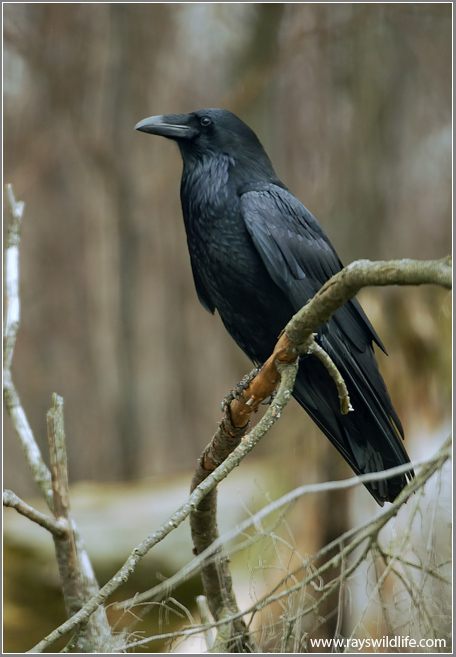
Northern Raven (Corvus corax) by Ray

Northern Raven (Corvus corax) by Ray

It has been several years since the Raven was featured in the Birds of the Bible. Let’s review the Raven’s part in the Scripture and see if we can add more details about this fantastic bird and his family members.

Ravens are mentioned eleven times in the Bible:

Then he sent out a raven, which kept going to and fro until the waters had dried up from the earth. (Genesis 8:7)
every raven after its kind, (Leviticus 11:15)
every raven after its kind; (Deuteronomy 14:14)
You shall drink from the brook, and I have commanded the ravens to feed you there.” 1Kings 17:4)
And the ravens brought him bread and meat in the morning, and bread and meat in the evening, and he drank from the brook. (1Kings 17:6)
Who provides food for the raven, When its young ones cry to God, And wander about for lack of food? (Job 38:41)
He gives to the beasts their food, and to the young ravens that cry. (Psalms 147:9)
The eye that mocks a father and scorns to obey a mother will be picked out by the ravens of the valley and eaten by the vultures. (Proverbs 30:17)
His head is like the finest gold; His locks are wavy, And black as a raven. (Song of Solomon 5:11)
But the pelican and the porcupine shall possess it, Also the owl and the raven shall dwell in it. And He shall stretch out over it The line of confusion and the stones of emptiness. (Isaiah 34:11)
Consider the ravens: they neither sow nor reap, they have neither storehouse nor barn, and yet God feeds them. Of how much more value are you than the birds! (Luke 12:24)

As you can see, the Raven is one of the more mentioned birds in God’s Word, therefore it deserves to be studied again. The  Corvidae – Crows, Jays, Ravens Family is where you will find the Raven and their kind, such as Ravens, Crows, Jackdaw, Magpies, Jays, Magpie-Jays and Ground-Jays, Treepies, Choughs and Nutcrackers. At present, there are 130 species in the family. The Raven is one of several larger-bodied members of the genus Corvus—but in Europe and North America the Northern (Common) Raven is normally implied. They have black plumage and large beaks. They are considered the most intelligent of the birds, and among the most intelligent of all animals. It appears that the Lord used the intelligence He created in the Raven to help find the food that was needed to feed Elijah, the prophet, and also to help Noah discern when the waters had dried up.

And Elijah the Tishbite, of the inhabitants of Gilead, said to Ahab, “As the LORD God of Israel lives, before whom I stand, there shall not be dew nor rain these years, except at my word.” Then the word of the LORD came to him, saying, “Get away from here and turn eastward, and hide by the Brook Cherith, which flows into the Jordan. And it will be that you shall drink from the brook, and I have commanded the ravens to feed you there.” So he went and did according to the word of the LORD, for he went and stayed by the Brook Cherith, which flows into the Jordan. The ravens brought him bread and meat in the morning, and bread and meat in the evening; and he drank from the brook. (1 Kings 17:1-6 NKJV)

Today there are thirteen (11) Ravens plus several subspecies. (IOC 3.4) There are also two extinct; the Chatham and New Zealand Ravens.

Forest Raven (Corvus tasmanicus)
Little Raven (Corvus mellori)
Australian Raven (Corvus coronoides)
Pied Crow (Corvus albus)
Brown-necked Raven (Corvus ruficollis)
Somali Crow (Corvus edithae)
Northern Raven (Corvus corax)
Chihuahuan Raven (Corvus cryptoleucus)
Fan-tailed Raven (Corvus rhipidurus)
White-necked Raven (Corvus albicollis)
Thick-billed Raven (Corvus crassirostris)

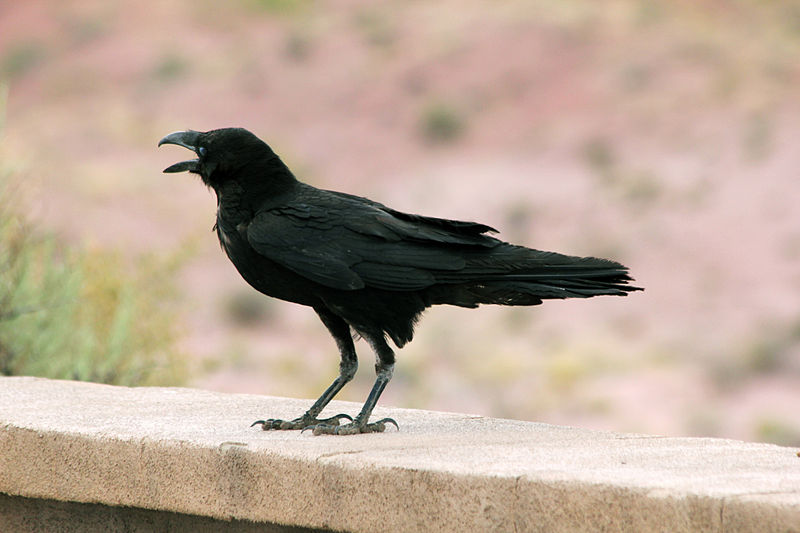
Chihuahuan Raven (Corvus cryptoleucus) ©WikiC

Chihuahuan Raven (Corvus cryptoleucus) ©WikiC

The Northern (Common) Raven, which is North America’s main Raven, began in the Old World and crossed the Bering land bridge into North America. Recent genetic studies, which examined the DNA of Northern Ravens from across the world, have determined that the birds fall into at least two clades: a California clade, found only in the southwestern United States, and a Holarctic clade, found across the rest of the northern hemisphere. Birds from both clades look alike, but the groups are genetically distinct and began to diverge.

The findings indicate that based on mitochondrial DNA, Northern Ravens from the rest of the United States are more closely related to those in Europe and Asia than to those in the California clade, and that Northern Ravens in the California clade are more closely related to the Chihuahuan Raven (C. cryptoleucus) than to those in the Holarctic clade. Ravens in the Holarctic clade are more closely related to the Pied Crow (C. albus) than they are to the California clade. Thus, the Northern Raven species as traditionally delimited is considered to be paraphyletic.

One explanation for these surprising genetic findings is that Northern Ravens settled in California and became separated from their relatives in Europe and Asia during an ice age. A group from the California clade became into a new species, the Chihuahuan Raven. Other members of the Holarctic clade arrived later in a separate migration from Asia.

A recent study of raven mitochondrial DNA showed that the isolated population from the Canary Islands is distinct from other populations. The study did not include any individuals from the North African population, and its position is therefore unclear, though its morphology is very close to the population of the Canaries (to the extent that the two are often considered part of a single subspecies). (Wikipedia with editing)

Thick-billed Raven (Corvus crassirostris) ©WikiC

Thick-billed Raven (Corvus crassirostris) ©WikiC

Wikipedia and others break the Ravens into five groups along with their allies in the True Crows division.

  • Australian and Melanesian Species – Australian Raven, Little Raven, Forest Raven
  • Eurasian and North African Species – Fan-tailed Raven, Brown-necked Raven
  • Holarctic Species – Northern (Common) and Pied Ravens
  • North and Central American Species – Chihuahuan Raven, Western Raven
  • Tropical African Species – White-necked Raven, Thick-billed Raven, Somali Crow (Dwarf Raven)
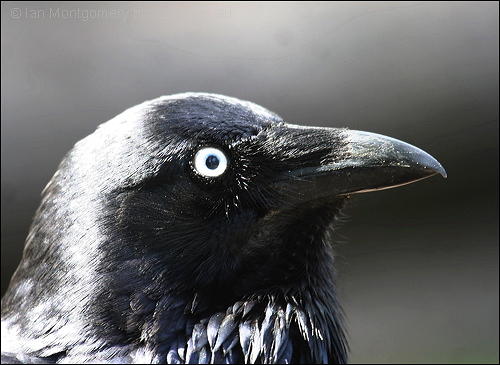
Australian Raven (Corvus coronoides) by Ian

Australian Raven (Corvus coronoides) by Ian

Other articles about the Raven:

*

New I.O.C. 3.4 Version Complete

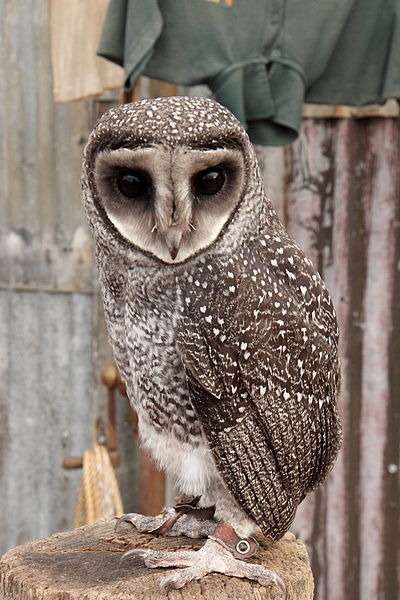
Greater Sooty Owl (Tyto tenebricosa) ©WikiC

Sooty Own now the Greater Sooty Owl (Tyto tenebricosa) ©WikiC

The I.O.C released their 3.4 Version of the lists of the Birds of the World and I have been busy behind the scenes again bring Lee’s Birds of the World up to date. Other than needing to change the names of a few photos and finding photos for the new birds now listed with the I.O.C., the pages are finished.

There are now 10,488 extant species and 149 extinct species of birds of the world (Version 3.4), with subspecies (20,984). These birds are Classified into 40 Orders, 231 Families (plus 6 “Incertae sedis” groups – Holding places for birds they are not sure which family to place them in).

Some of the new birds listed are: Pincoya Storm Petrel, Rinjani Scops Owl, Antioquia Wren and they deleted the Green-crowned Woodnymph and the Plain-breasted Earthcreeper. It appears the deletions happen when the birds are placed into a subspecies category.

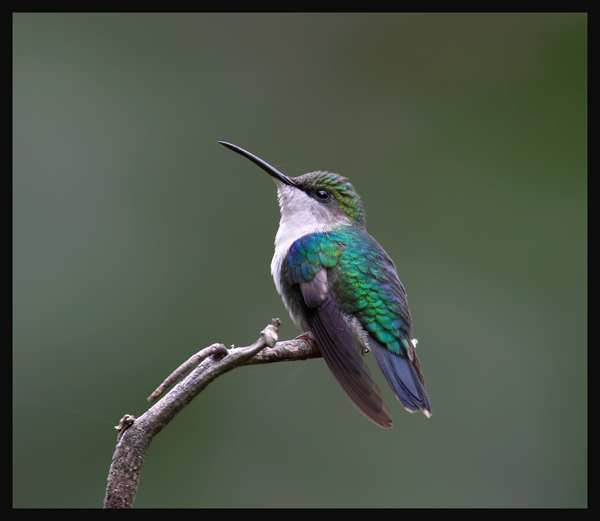
Violet-crowned Woodnymph now the Crowned Woodnymph (Thalurania colombica) by RScanlon

Violet-crowned Woodnymph now the Crowned Woodnymph (Thalurania colombica) by RScanlon

There were some name changes like
Sooty Owl (Tyto tenebricosa) – now – Greater Sooty Owl
Violet-crowned Woodnymph (Thalurania colombica) – now – Crowned Woodnymph
Black-casqued Wattled Hornbill (Ceratogymna atrata) – now – Black-casqued Hornbill
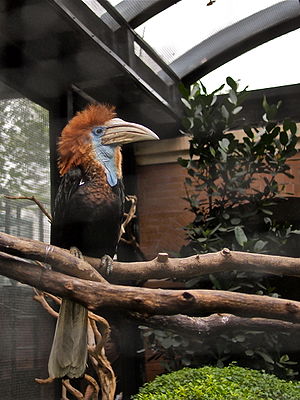
Yellow-casqued Wattled Hornbill (Ceratogymna elata) – now – Yellow-casqued Hornbill
Western Slaty Antshrike (Thamnophilus atrinucha) – now – Black-crowned Antshrike
Variable Pitohui (Pitohui kirhocephalus) – now – Northern Variable Pitohui
Dark-capped Yellow Warbler (Iduna natalensis) – now – African Yellow Warbler
Red-tailed Rufous Thrush (Neocossyphus rufus) – now – Red-tailed Ant Thrush
White-tailed Rufous Thrush (Neocossyphus poensis) – now – White-tailed Ant Thrush
Sage Sparrow (Artemisiospiza belli) – now – Bell’s Sparrow

Do Species Change?

Yellow-casqued Hornbill (Ceratogymna elata) ©Wiki

Yellow-casqued Wattled now the Yellow-casqued Hornbill (Ceratogymna elata) ©Wiki

The birds are still doing their thing by multiplying and filling the earth as they were commanded to do by God. Most seem to adapt to some area and if not, they move on. Other, who can’t adapt, or have disasters or events occur that may make them go extinct. With over 10,400 plus birds to find on your birdwatching adventures, surely one is out there waiting for you to find it and enjoy the uniqueness of it. Enjoy your next adventure out and about searching for the Lord’s fantastic birds.

Bring out with you every living thing of all flesh that is with you: birds and cattle and every creeping thing that creeps on the earth, so that they may abound on the earth, and be fruitful and multiply on the earth.”
(Genesis 8:17 NKJV)

The biggest challenge was the Taxonomic Update. The Meliphagidae – Honeyeaters  Family was shuffled all around. Not only were they changed around, but they also changed the genus names for some birds, especially those in the Lichenostomus genus. As the ornithologist do more and more DNA testing, they are finding that some are not related or come from a different line with in the family. Keeps me busy.

See:

*

Wordless Birds

*

Ian’s Bird of the Week – Flock Bronzewing

Flock Bronzewing (Phaps histrionica) by Ian 1

Flock Bronzewing (Phaps histrionica) by Ian 1

Ian’s Bird of the Week – Flock Bronzewing ~ by Ian Montgomery

Newsletter – 6/30/13

This photo of a Flock Bronzewing featured as bird of the week in June 2006. This male was one of several flocks that we saw flying across the Flinders Highway near Julia Creek late one afternoon as we were heading west towards Mount Isa and the birds, presumably, were doing their evening ritual of visiting waterholes. He obligingly decided that a pool near the road was good enough for him and landed quite close to us. This was my first, and until recently only, encounter with this enigmatic, rarely seen, nomadic pigeon of central Australia.

In 2008, this photo was published in the book 100 Birds to See Before You Die by Chandler and Couzens,, where the Flock Bronzewing featured as No 50 in the global list (No. 1 was the Ivory-billed Woodpecker). The book was one of many of this kind written after the success of the 2007 movie The Bucket List (http://www.youtube.com/watch?v=vc3mkG21ob4), the title referring to the list of things one wants to do before one ‘kicks the bucket’.

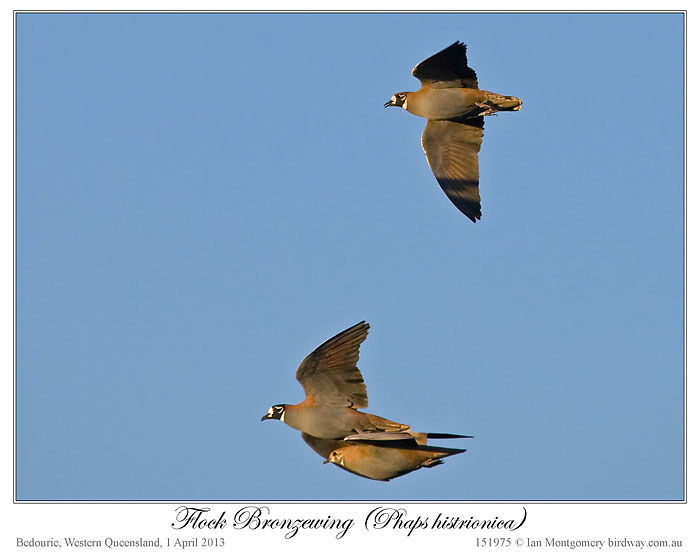
Flock Bronzewing (Phaps histrionica) by Ian 2

Flock Bronzewing (Phaps histrionica) by Ian 2

On the recent trip along the Birdsville Track, I was approaching Bedourie, the last town before Birdsville driving south from Mount Isa via Boulia, when I saw a small flock of brown birds flying swiftly near the airstrip. Their size, colour and habitat made me think, incorrectly, Australian Pratincole. A little while later, I stopped to watch two much larger flocks merge into one of about 300 individuals and start flying around the two dams near Bedourie ‘Outback’ Golf Course when I realised that the were Flock Bronzewings.

I gather that an outback golf course has natural sand bunkers – Bedourie is on the edge of the Simpson Desert – and, instead of greens, oil scrapes which make ‘a great putting surface’.The dams incidentally are called Lakes Larry and Simpson ‘after their creator’, so presumably are, unlike the bunkers, not natural.

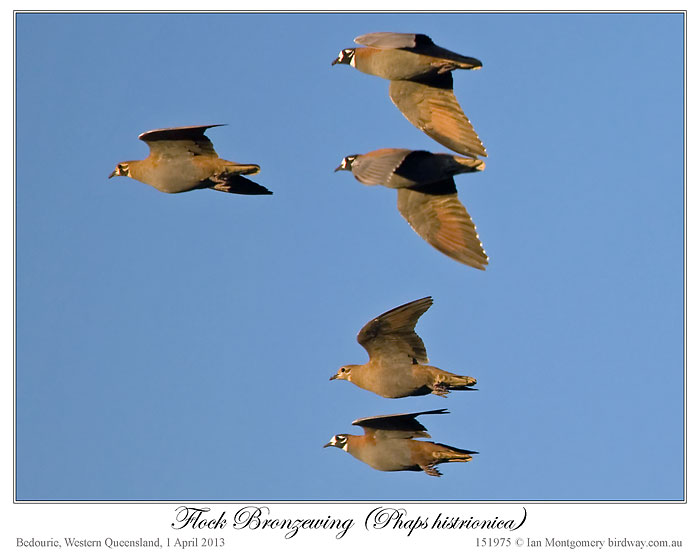
Flock Bronzewing (Phaps histrionica) by Ian 3

Flock Bronzewing (Phaps histrionica) by Ian 3

The flock, containing flew close enough to me get a reasonable shot in the evening sunlight: photos 3 and 4 are details from the same photo. Photo number 3 has two adult males with their characteristic black and white faces, while the third bird is a female or juvenile. The field guides indicate that the facial pattern of the has varying amount of black, and the juveniles are yet paler and photo number 4 shows 3 males and two other birds, one of which has only very faint markings. The scientific name histrionica refers to the harlequin pattern on the head, though histrionicus is the Latin for ‘theatrical’. (The Harlequin Duck of North America is Histrionicus histrionicus.)

Flock Bronzewing (Phaps histrionica) by Ian 4

Flock Bronzewing (Phaps histrionica) by Ian 4

Flock Bronzewings feed in the vast and sparse grasslands of the arid interior and have a history of being seen in huge numbers with 100,000 being recorded in 1931 at one waterhole and 50,000 in one flock in 1972. More recently, such large flock have not been recorded and this gave rise to concerns that the species was in steep decline. If that was the case, this decline seems to have ended, though it has been suggested that the lack of very large flocks is due to the provision of more sources of water on grazing properties. Either way, it is the case that the Flock Bronzewing is an all or nothing bird: you either see many (very rarely), or none (usually).

Does one do things on a bucket list twice or is that considered excessive? I don’t know, but I’m going to use it as an excuse for making it bird of the week a second time.

Best wishes
Ian

**************************************************
Ian Montgomery, Birdway Pty Ltd,
454 Forestry Road, Bluewater, Qld 4818
Tel 0411 602 737 ian@birdway.com.au
Bird Photos http://www.birdway.com.au/
Recorder Society http://www.nqrs.org.au


Lee’s Addition:

Also, to every beast of the earth, to every bird of the air, and to everything that creeps on the earth, in which there is life, I have given every green herb for food”; and it was so. (Genesis 1:30 NKJV)

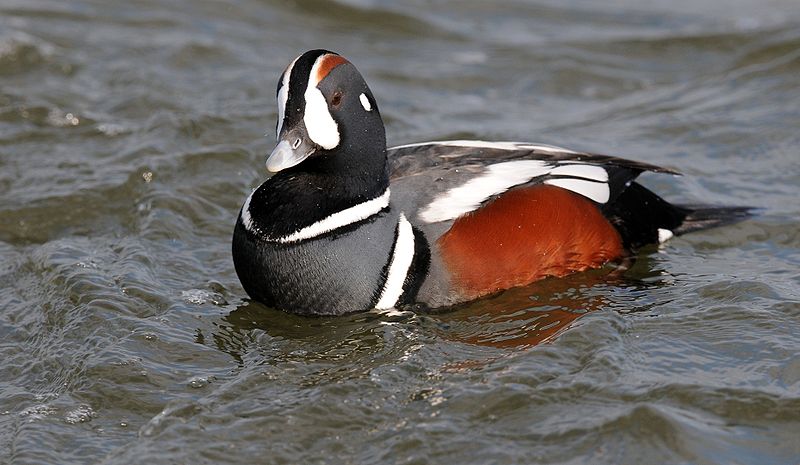
What an interesting Pigeon. Their heads are so fascinating. Plus, they do favor the Harlequin Duck’s coloration and markings. If I had a “bucket list” and there was some bird I really enjoyed seeing, I wouldn’t have any problems revisiting that bird again.

Harlequin Duck (Histrionicus histrionicus) ©WikiC

Harlequin Duck (Histrionicus histrionicus) ©WikiC

The Flock Bronzewing (Phaps histrionica), also known as the Flock Pigeon, Harlequin Bronzewing and the Harlequin Pigeon is a species of pigeon in the Columbidae family. It is endemic to drier parts of Australia. The Flock Bronzewing is the most nomadic of the Australian pigeons, and it is difficult to mistake for other Australian species. Fully-grown Flock Bronzewings can range in length from 280–305 mm with a wingspan of 189 – 216 mm. Its weight can range from 260 – 320 grams.

More than any other Australian species of pigeon, the Flock Bronzewing is adapted to the arid plains of the continent. The preferred habitat is open grassland plains, clumped grasses and small shrubs with open spaces. A major area for this type of habitat where the Flock Bronzewings are present is within the grass plains of the Barkly Tablelands.

The main source of food is the seeds of grasses, herbs and shrubs, whilst occasionally browsing on green shoots. With the introduction of cattle into the interior of Australia, the Flock Bronzewing has adapted to eating the undigested seeds from cattle dung. Some species of seed eaten include the Desert Spurge, Camel Bush, Yellow Daisy and River Grass.

The breeding season is variable and relies heavily on the availability of food. In the south of its range, they tend to breed from spring to early summer and in the north, breeding occurs from early to the middle of the dry season. The nest is a scrape in the ground, which is lined with grass and twigs, usually between the shelter of clumps of grass or shrubs. Two white eggs are incubated for 16 days, with the young capable of leaving the nest after a week. (Wikipedia with editing)

See:

*

Thanks

Lee - Taken by Dan 6/27/13

Lee – Taken by Dan 6/27/13

Be anxious for nothing, but in everything by prayer and supplication, with thanksgiving, let your requests be made known to God; (Philippians 4:6 NKJV)

I want to thank all of you who have been praying for me while I went through my eye surgery on Monday. As you can see, my left ey is just barely pinkish. The follow up visit on Tuesday was great. The eye Doctor said all was looking good and they test me at 20/20 for distant vision. Last week I couldn’t even see the Big E at the top of the chart.

My close vision is not so well and will have to be corrected with reading glasses. (They put in a “distant vision” lens) I have actually been going around with no glasses on for the first time in years. I also was noticing the leaves on the trees again, not just green trees.

As I said in a reply to the first article, I knew lots of people were praying for me. With four attempts to put in the IV and four nurses trying, I stayed calm. That is not my normal behavior when that happens. At the time, I could feel your prayers and I am very thankful for every one of them. The Lord was very close to me and helped the nurses and the doctor to do their jobs well.

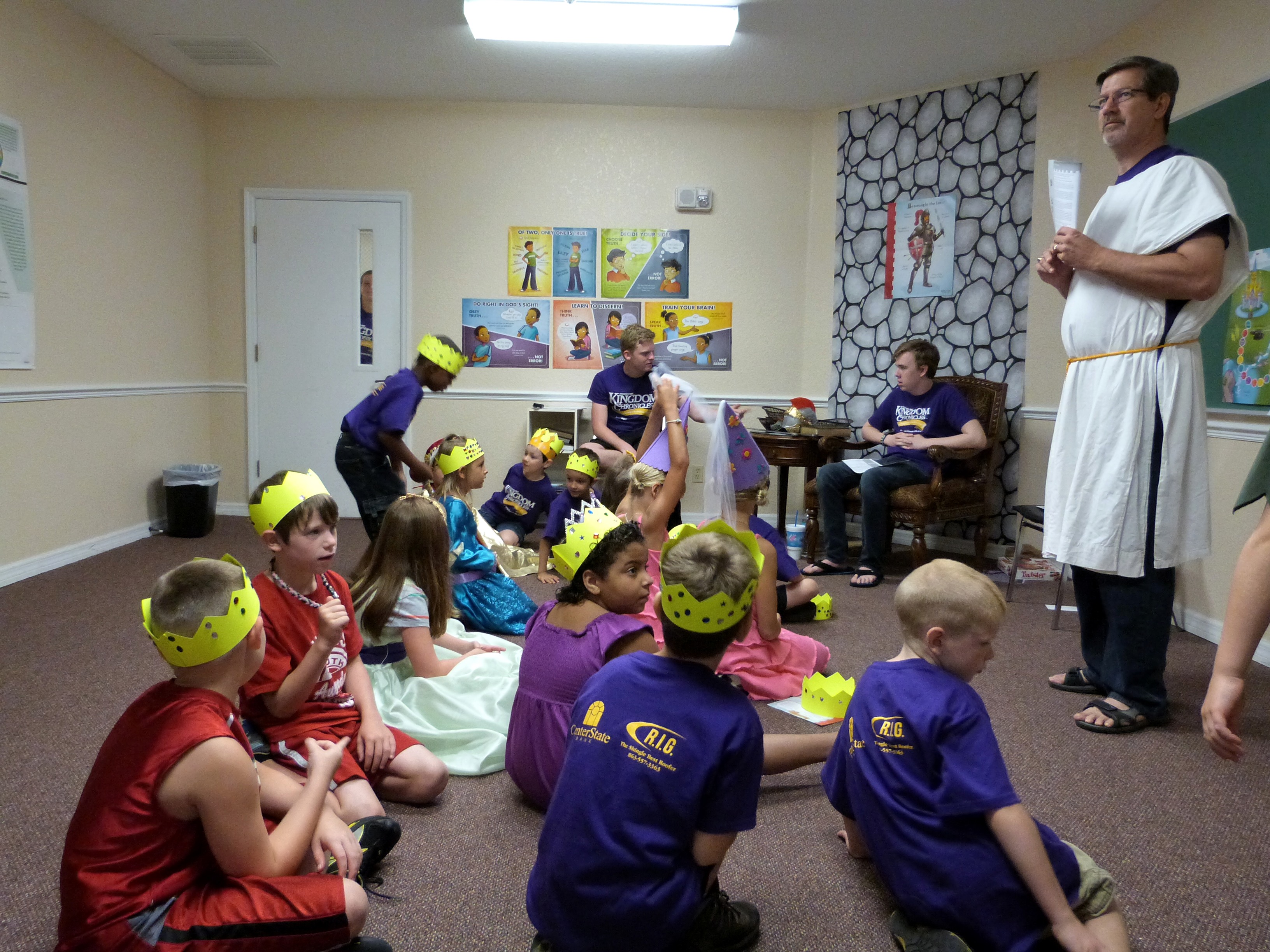
We have been having VBS at our church this week and we have been helping with the photos. Dan caught me while I was sitting down on the job. My photos have actually turned out decent this week.

VBS 2013

One of the classes – VBS 2013 by Lee

The colors are so crisp and bright, I can hardly wait to get out on a birdwatching adventure soon.

Praise the LORD! For it is good to sing praises to our God; For it is pleasant, and praise is beautiful. (Psalms 147:1 NKJV)

In everything give thanks; for this is the will of God in Christ Jesus for you. (1 Thessalonians 5:18 NKJV)

*

Day 2 - The Treasure Chest by Lee

The Treasure Chest by Lee

*

Prayer Request – Eye Surgery Tomorrow

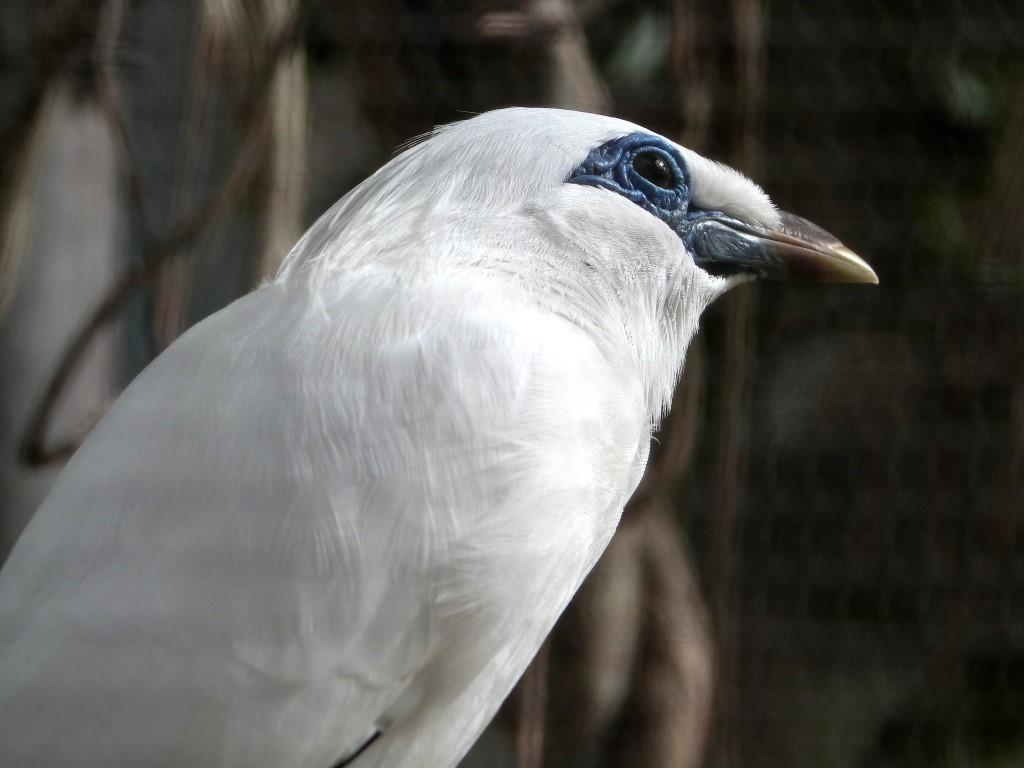
Bali Myna (Leucopsar rothschildi) by Lee

Bali Myna (Leucopsar rothschildi) by Lee

Thanks to all of you who kept me in your prayers 6 months ago when I had the “Pucker” on my retina removed. At that time, they said that for some reason cataract development would accelerate. Well, it did. Tomorrow morning, I will be having cataract surgery on my left eye. The retina has been healing for 6 months and the okay was given to have this surgery.

I am ready for it. I have seen “bi-winged” birds and extra stop lights, extra headlights on cars and other double “ghost images” because of the blurred vision. I have been struggling to see my monitor to produce my blogs. The size of the fonts has been increased to assist my ability to read the screen. Even with that, it has been challenging at times. Two blogs are scheduled; one for tomorrow and one for Tuesday. Hopefully, that will give time for this new surgery to heal.

I have also not visited as many of your blogs recently like I would have enjoyed because of this situation. Expect visits again, soon, Lord willing.

Please keep me in your thoughts and prayers tomorrow, June 24th, if you think of it. I am not expecting any problems, but any surgery has risk. The Lord already knows the outcome and I am trusting Him to be right there with me through this.

Be anxious for nothing, but in everything by prayer and supplication, with thanksgiving, let your requests be made known to God; (Philippians 4:6 NKJV)

I will sing to the LORD, Because He has dealt bountifully with me. (Psalms 13:6 NKJV)

Oh, magnify the LORD with me, And let us exalt His name together. (Psalms 34:3 NKJV)

And whatever things you ask in prayer, believing, you will receive.” (Matthew 21:22 NKJV)

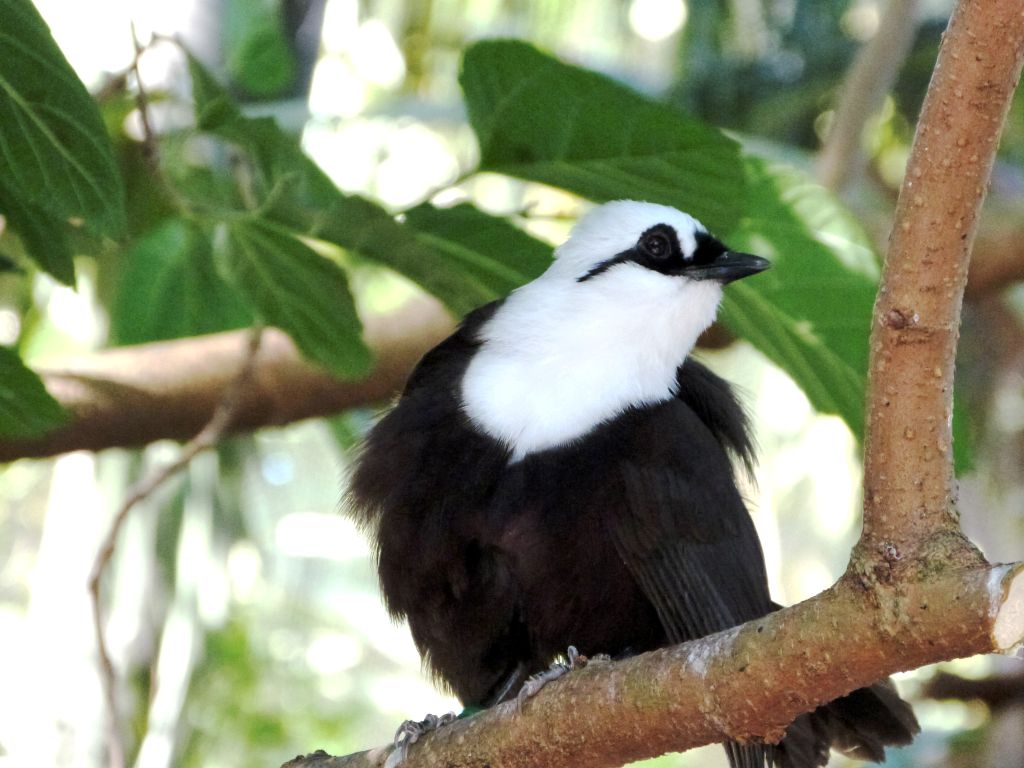
(Black and White) Sumatran Laughingthrush (Garrulax bicolor) by Lee

Sumatran Laughingthrush (Garrulax bicolor) “Joe Cool” by Lee

The hearing ear and the seeing eye, The LORD has made them both. (Proverbs 20:12 NKJV)

He who planted the ear, shall He not hear? He who formed the eye, shall He not see? (Psalms 94:9 NKJV)

“For His eyes are on the ways of man, And He sees all his steps. (Job 34:21 NKJV)

“I have heard of You by the hearing of the ear, But now my eye sees You. (Job 42:5 NKJV)

Open my eyes, that I may see Wondrous things from Your law. (Psalms 119:18 NKJV)

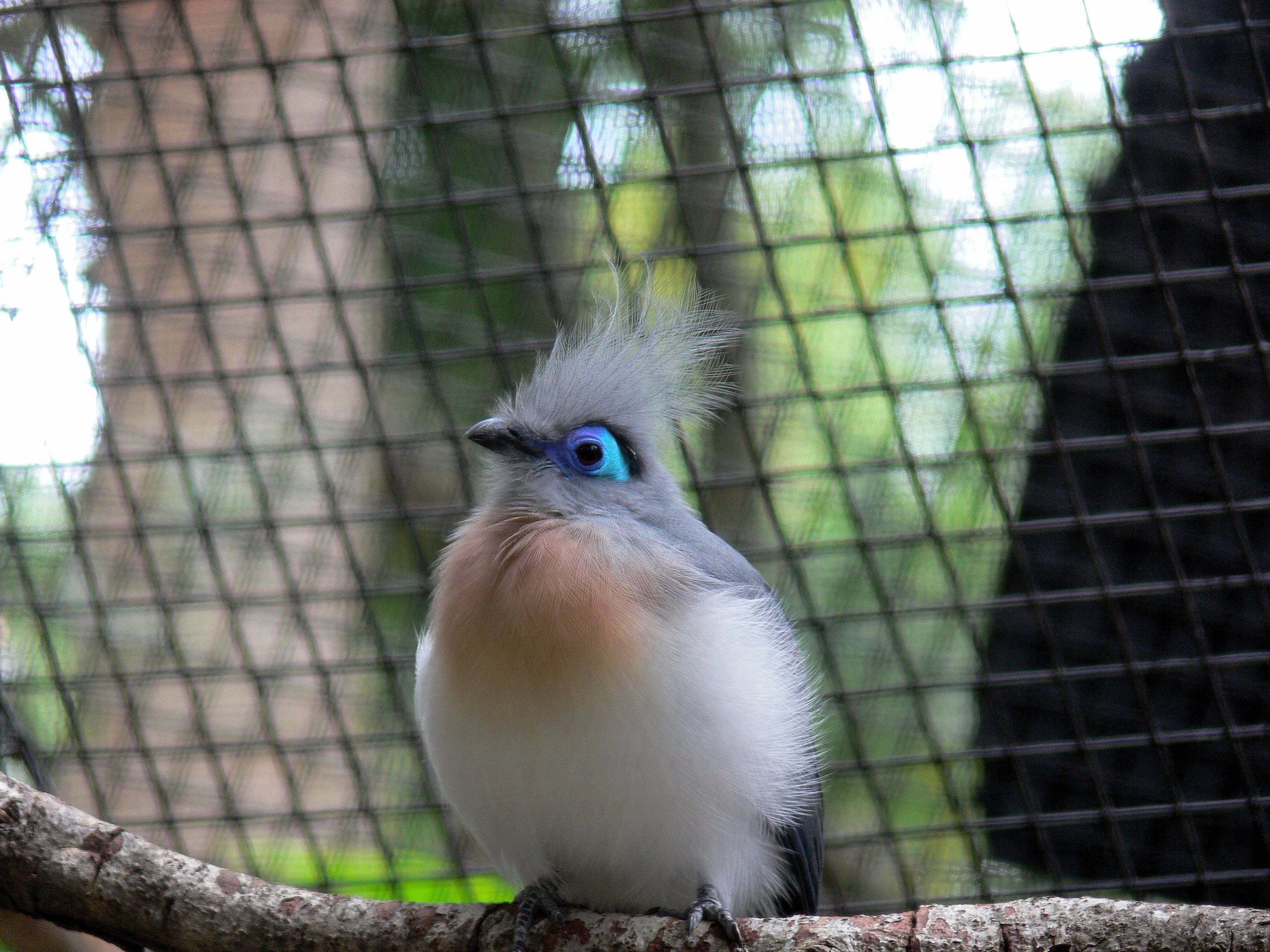
Crested Coua (Coua cristata) by Lee LPZ

Crested Coua (Coua cristata) by Lee LPZ

Birds Of The Bible – Joy And Laughter

Laughing Kookaburra (Dacelo novaeguineae) at LPZoo

Laughing Kookaburra (Dacelo novaeguineae) by Lee

While we were at Lowry Park Zoo last week, we also had the joy of hearing the Laughing Kookaburra (Dacelo novaeguineae) sounding off with its mate. Seems like the Myna birds and the singing dogs were not the only ones in a happy mood. The two Kookaburras got to “laughing” also. They sort of set the tone to put you a joyful mood.

For You, O Lord, have made me glad by Your works; at the deeds of Your hands I joyfully sing. (Psalms 92:4 AMP) Make a joyful noise to the Lord, all the earth; break forth and sing for joy, yes, sing praises! (Psalms 98:4 AMP)

I have always enjoyed seeing the Kookaburras. When we were at the National Aviary I tried recording them, but by the time I got the camera on, they stopped. I recorded them this time but didn’t get the camera focused on them until about half way through. Oh, the challenges of birdwatching! Well, at least trying to get a recording to use on the blog anyway. When you put all the events together; the singing Bali Myna, the singing dogs, and these singing Kookaburras, it brings to mind a story in the Bible. When Paul and Silas where in prison, (behind bars) they were joyful just the same. All of these critters plus the men (Paul and Silas) are behind bars, yet they are joyful and carrying on with their lives. Could there be a lesson there for us to learn and observe?

And at midnight Paul and Silas prayed, and sang praises unto God: and the prisoners heard them. (Acts 16:25 KJV)

Consider it wholly joyful, my brethren, whenever you are enveloped in or encounter trials of any sort or fall into various temptations. (James 1:2 AMP)

We all have things come into our lives, but our attitude affects how well we handle those circumstances. Prayer is one of the best ways to find peace in the midst of trials. Knowing the Lord Jesus Christ as personal Savior is the absolute best way. I trust you know Him.

Gospel Message

*

This video has two of my photos to cover the blurred part, but the sound is the whole recording.

The Laughing Kookaburra (Dacelo novaeguineae) is a carnivorous bird in the kingfisher family Halcyonidae. Native to eastern Australia, it has also been introduced to parts of New Zealand, Tasmania and Western Australia. Male and female adults are similar in plumage, which is predominantly brown and white. A common and familiar bird, this species of kookaburra is well known for its laughing call.

There are actually 6 Kookaburras:

  • Lilac Kingfisher (Cittura cyanotis)
  • Shovel-billed Kookaburra (Clytoceyx rex)
  • Laughing Kookaburra (Dacelo novaeguineae)
  • Blue-winged Kookaburra (Dacelo leachii)
  • Spangled Kookaburra (Dacelo tyro)
  • Rufous-bellied Kookaburra (Dacelo gaudichaud)

See:

Birds of the Bible

Laughing Kookaburra – Wikipedia

Alcedinidae – Kingfishers – Family

*

Ian’s Bird of the Week – Hoary-headed Grebe

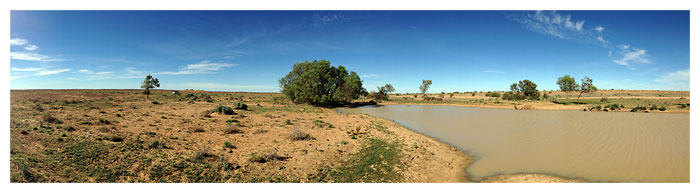
Birdsville Track by Ian

Birdsville Track by Ian

Ian’s Bird of the Week – Hoary-headed Grebe ~ by Ian Montgomery

Newsletter – 6/17/13

The Birdsville Track isn’t famous for its waterbirds but when we drove along it in April there had been recent rains and we were in for a few surprises. Not, happily, of the getting bogged variety, but birding ones at several spots including this one where we camped more or less in the middle of nowhere beside a small dam. That speck on the left hand side near the lone tree is my car.

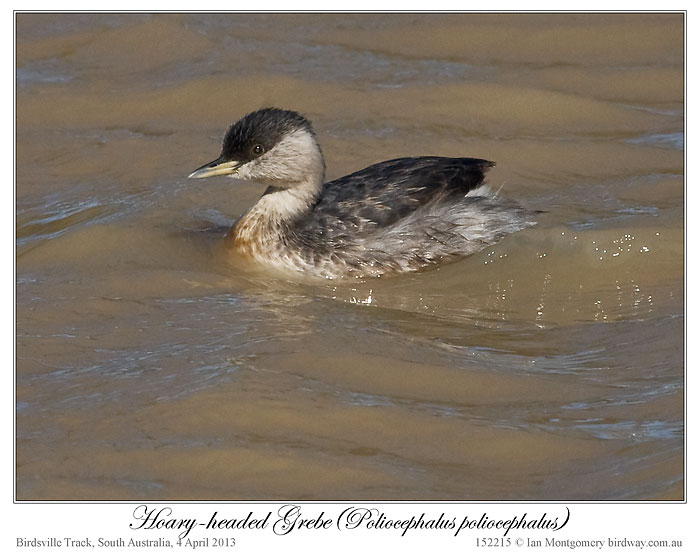
As well as some Pink-eared Ducks, there were several Hoary-headed Grebes. The ones in the first and second Grebe photos are in non-breeding or immature plumage and, although they are larger than Australasian (Little) Grebes (30cm/12in versus 25cm/10in in length) you need to use subtle field marks to distinguish them in these plumages.

Hoary-headed Grebe (Poliocephalus poliocephalus) by Ian 1

Hoary-headed Grebe (Poliocephalus poliocephalus) by Ian 1

The main field marks are: the Hoary-Headed has greyish rather than rufous-tinged flanks and whiter breast (though the bird in the first Grebe photo shows that you need to be careful with stained plumage); the border between the dark cap and pale cheeks goes below rather than through the eye in the Hoary-headed Grebe and the eyes are different in colour and pattern. The Australasian Grebe has conventional-looking eyes with yellow iris while the Hoary-headed Grebe has button-like eyes with a dark iris with a white inner and a white outer ring. This is probably easier to see in the closer bird in the second Grebe photo.

Hoary-headed Grebe (Poliocephalus poliocephalus) by Ian 2

Hoary-headed Grebe (Poliocephalus poliocephalus) by Ian 2

It’s only when you see a bird in breeding plumage with spiky pale head feathers that you understand where it gets its unusual English name (the scientific name Poliocephalus means a much more prosaic ‘grey-headed’). ‘Hoary’ literally just means ‘whitish’ but it’s an adjective that is usually applied to frost and snow so it is used as a metaphor for ‘frosty’ in the English names of 4 or 5 bird species globally. (Another example is the Hoary or Arctic Redpoll http://www.birdway.com.au/fringillidae/hoary_redpoll/index.htm which fits better geographically.) We encountered the bird in breeding plumage about a week later at Bowra Station near Cunnamulla, SW Queensland, where we spent a few nights on the way back to Townsville.

Hoary-headed Grebe (Poliocephalus poliocephalus) by Ian 3

Hoary-headed Grebe (Poliocephalus poliocephalus) by Ian 3

Grebes are almost exclusively aquatic and expert divers. Their legs are set far back on the body, so they are very awkward on land which they avoid as much as possible. They build floating nests out of water plants so they just need to haul themselves out of the water to tend the eggs and the young leave the nest soon after hatching. They usually dive rather than fly to avoid predators, though they can fly long distances if necessary to find water and the Hoary-headed Grebe, commonest in southern Australia is rather a nomad in the north. It’s closest relative is the New Zealand Grebe or ‘Dabchick’ and is the only member of the genus Poliocephalus.

Best wishes
Ian

**************************************************
Ian Montgomery, Birdway Pty Ltd,
454 Forestry Road, Bluewater, Qld 4818
Tel 0411 602 737 ian@birdway.com.au
Bird Photos http://www.birdway.com.au/
Recorder Society http://www.nqrs.org.au


Lee’s Addition:

Looks like quite a deserted place, but those are cute little Grebes. I am glad Ian gets out and about so much there in Australia. He always finds something interesting for us to learn about. Thanks, Ian, for sharing.

I will open rivers on the bare heights, and fountains in the midst of the valleys; I will make the wilderness a pool of water, and the dry land springs of water. (Isaiah 41:18 AMP)

This Grebe is in the Podicipedidae – Grebe Family. See Ian’s Grebe Family photos.

The Hoary-headed Grebe (Poliocephalus poliocephalus) is a member of the grebe family found in Australia and New Zealand. The bird takes its name from the silvery-white streaking on its black head. It is common in Australia, with a population of about 500,000. Its habitat is similar to that of the Australasian Grebe.

The Hoary-headed Grebe feeds on aquatic arthropods, mostly caught by deep diving. This species feeds during the day, and when the light is poor, forages mostly at the water surface.

Hoary-headed Grebes breed from August to January. The nests are a floating platform of water weeds, similar to that of the Australasian Grebe, and usually some distance out from shore among sparse reeds or other plants, anchored to and at least partly supported by them. A shallow depression on top is just slightly above water, so the eggs are lying in water or dampness. The eggs are concealed under pieces of wet vegetation when the incubating parent leaves so that the nest appears empty. Under full sun the covered eggs are warm and moist, often left unattended for some time. The egg’s appearance is oval, white, and soon stained brownish ochre, while the clutch is usually 2–5 eggs. Incubation is 20–24 days and egg size is 39 x 27 mm. (Wikipedia with editing)

See:

Ian’s Birds of the Week

Hoary-headed Grebe – Wikipedia

Podicipedidae – Grebe Family

Hoary-headed Grebe

*

Creation Moments – Bird that Lies and Steals

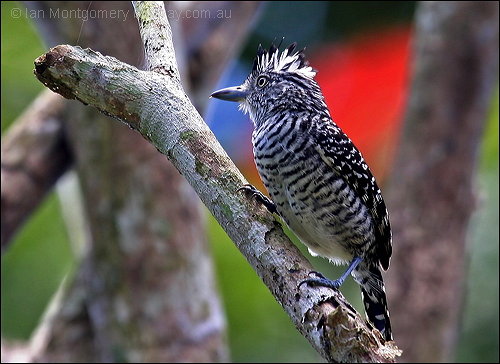
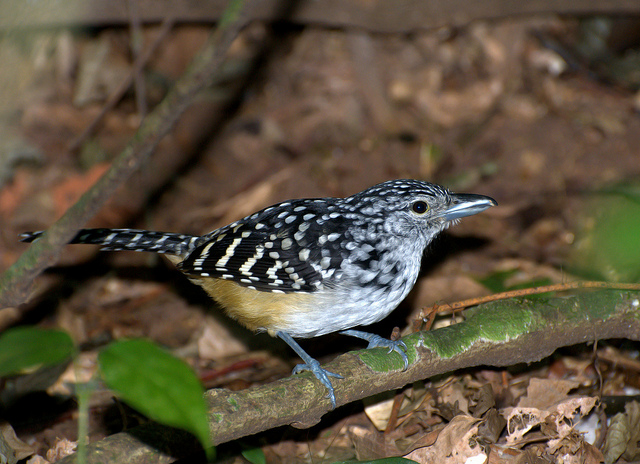
Barred Antshrike (Thamnophilus doliatus) by Ian

Barred Antshrike (Thamnophilus doliatus) by Ian

The Bird that Lies and Steals from Creation Moments©2013

If we confess our sins, he is faithful and just to forgive us [our] sins, and to cleanse us from all unrighteousness. (1 John 1:9 )

Many species of birds live in communities that are quite complex and even resemble human communities.

In the Amazon rainforests of Peru, 20 or more mixed species of birds will flock together in the lower levels of the rainforest canopy. Each flock has a leader and organizer – the bluish-slate ant-shrike. Each morning the ant-shrike will assemble its flock with loud calls.

This strange arrangement has a very good purpose. The ant-shrike watches over the flock like a mother watches her children. When a bird-eating hawk appears overhead, the ant-shrike shrieks a warning so that members of the flock can take cover. But as often as half the time, the ant-shrike sounds the alarm when there is no hawk. The ant-shrike sounds the alarm to distract members of the flock when he sees that they have discovered some choice insects. In this way, the ant-shrike gets up to 85 percent of its food by sounding the false hawk alarm. Nevertheless, the rest of the flock put up with his lying and thieving because of his value as a hawk watcher.

Lying and stealing are, of course, wrong for human beings. And our Creator will hold us each personally responsible for our thoughts and actions. But His Son, Jesus Christ, took our sins upon Himself so that all who believe in Him as their Lord and Savior will stand before Him cleansed of all their sins. Our Creator has promised this!

Prayer:
I thank You, Lord, that You have taken my sin upon Yourself. Help my trust to always rest in what You have done for me and not in what I think I can do to better myself before the heavenly Father. Amen.


Spot-backed Antshrike (Hypoedaleus guttatus) by Dario Sanches

Spot-backed Antshrike (Hypoedaleus guttatus) by Dario Sanches

Lee’s Addition:

A very good lesson from our Antshrike and Creation Moments. Antshrikes belong to the Thamnophilidae – Antbirds Family. The antbird family contains over 200 species, variously called antwrens, antvireos, antbirds and antshrikes. The names refer to the relative sizes of the birds rather than any particular resemblance to the true wrens, vireos or shrikes.

The antbirds are a large family, Thamnophilidae, of passerine birds found across subtropical and tropical Central and South America, from Mexico to Argentina. There are more than 200 species, known variously as antshrikes, antwrens, antvireos, fire-eyes, bare-eyes and bushbirds. They are related to the antthrushes and antpittas (family Formicariidae), the tapaculos, the gnateaters and the ovenbirds. Despite some species’ common names, this family is not closely related to the wrens, vireos or shrikes.

Antbirds are generally small birds with rounded wings and strong legs. They have mostly sombre grey, white, brown and rufous plumage, which is sexually dimorphic in pattern and colouring. Some species communicate warnings to rivals by exposing white feather patches on their backs or shoulders. Most have heavy bills, which in many species are hooked at the tip.

Most species live in forests, although a few are found in other habitats. Insects and other arthropods form the most important part of their diet, although small vertebrates are occasionally taken. Most species feed in the understory and midstory of the forest, although a few feed in the canopy and a few on the ground. Many join mixed-species feeding flocks, and a few species are core members. To various degrees, around eighteen species specialise in following columns of army ants to eat the small invertebrates flushed by the ants, and many others may feed in this way opportunistically.

Silvery-cheeked Antshrike (Sakesphorus cristatus) by AGrosset

Silvery-cheeked Antshrike (Sakesphorus cristatus) by AGrosset

Antbirds are monogamous, mate for life, and defend territories. They usually lay two eggs in a nest that is either suspended from branches or supported on a branch, stump, or mound on the ground. Both parents share the tasks of incubation and of brooding and feeding the nestlings. After fledging, each parent cares exclusively for one chick.

The antbirds are a group of small to medium-sized passerines that range in size from the large Giant Antshrike to the tiny Pygmy Antwren. In general terms, “antshrikes” are relatively large-bodied birds, “antvireos” are medium-sized and chunky, while “antwrens” include most smaller species; “antbird” genera can vary greatly in size. Members of this family have short rounded wings that provide good manoeuvrability when flying in dense undergrowth. The legs are large and strong, particularly in species that are obligate ant-followers. These species are well adapted to gripping vertical stems and saplings, which are more common than horizontal branches in the undergrowth, and thus the ability to grip them is an advantage for birds following swarms of army ants. The claws of these antbirds are longer than those of species that do not follow ants, and the soles of some species have projections that are tough and gripping when the foot is clenched. Tarsus length in antbirds is related to foraging strategy. Longer tarsi typically occur in genera such as the Thamnophilus antshrikes that forage by perch-gleaning (sitting and leaning forward to snatch insects from the branch), whereas shorter tarsi typically occur in those that catch prey on the wing, such as the Thamnomanes antshrikes.

Most antbirds have proportionately large, heavy bills. Several genera of antshrike have a strongly hooked tip to the bill, and all antbirds have a notch or ‘tooth’ at the tip of the bill which helps in holding and crushing insect prey. The two genera of bushbirds have upturned chisel-like bills. (Wikipedia with editing)

Barred Antshrike – Duet Song by Jeremy Minns (xeno-canto)

Barred Antshrike – Call by Jeremy Minns (xeno-canto)

*

See:

Creation Moments

Thamnophilidae – Antbirds Family

Antbirds – Wikipedia

*

Birdwatching at Circle B Reserve – June 8

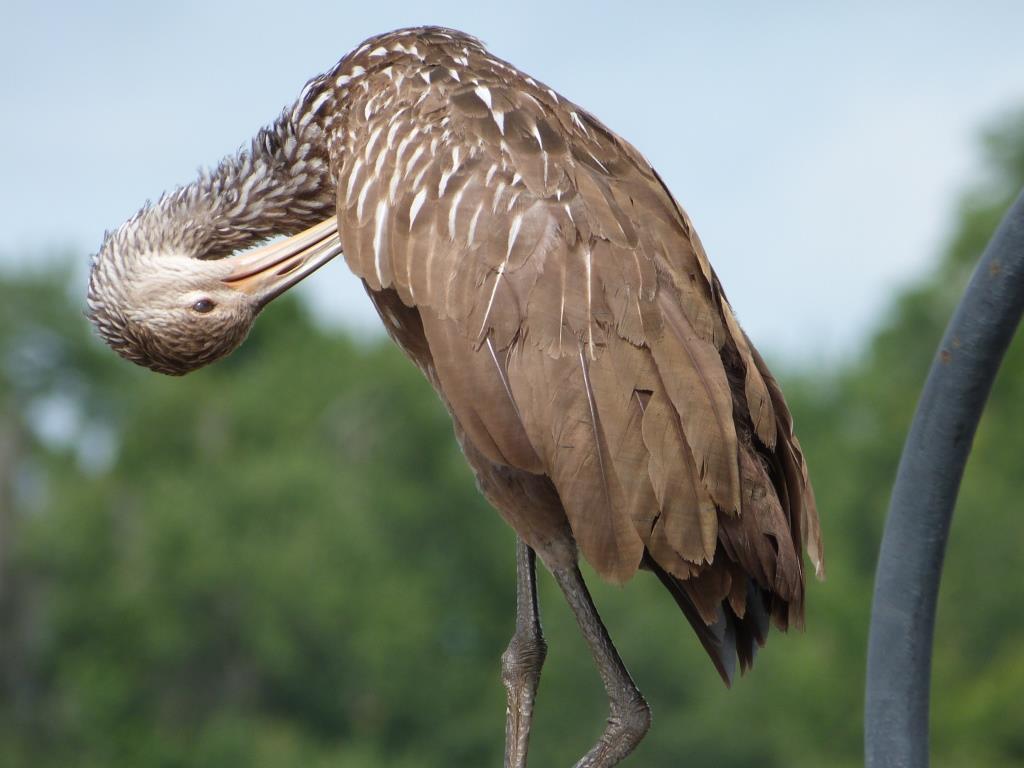
Limpkin (Aramus guarauna) Preening at Circle B

Limpkin (Aramus guarauna) Preening at Circle B

We took about an hour and a half to check out Circle B Bar Reserve again today. It was partly cloudy and around 81 degrees when we arrived. We managed to see or hear 31 species. Not bad. We had all that rain from Tropical Storm Andrea and thought maybe it would help bring in some birds. It was still pretty dry out there, but the weeds and growth sure had enjoyed all that rain we had.

Since most of our winter birds have left, we were happy with what we saw. Some of the delights and surprises were catching a video of a Carolina Wren singing right in front of us as we got out of the car. Was surprised to see 25 White Pelicans this time of the year. They went by in 3 squadrons.

By them the birds of the heavens have their home; They sing among the branches. (Psalms 104:12 NKJV)

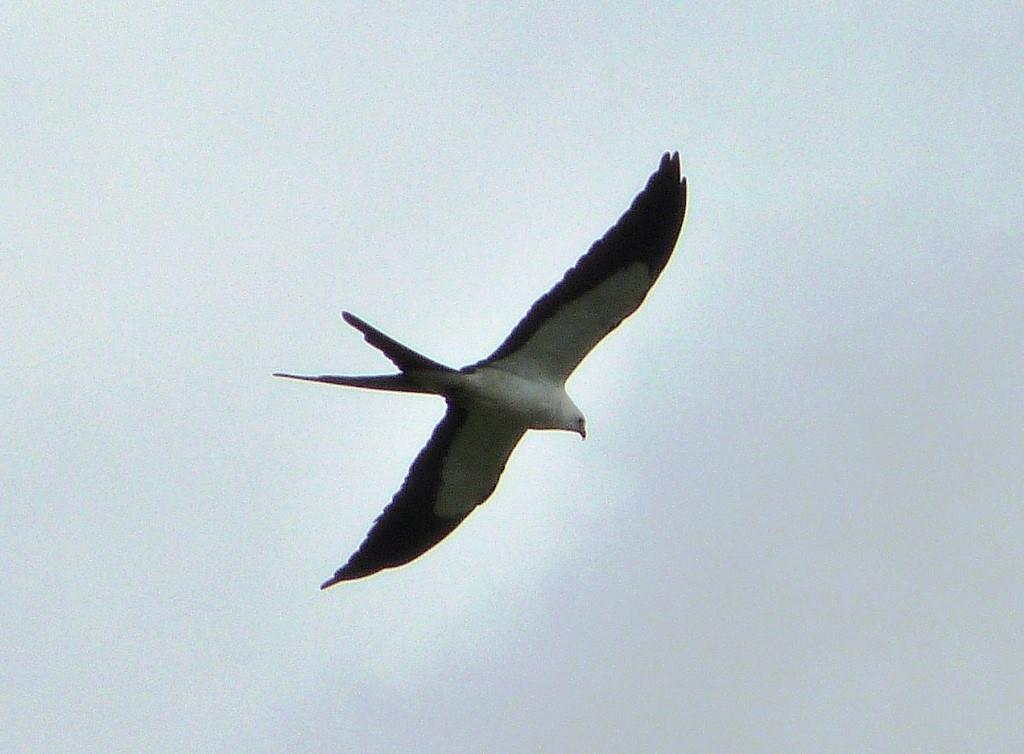
Also, finally got a photo of the Tufted Titmouse that I have heard out there but never was able to get a glimpse of. Heading back to the car, a Swallow-tailed Kite flew over. All in all it was great. Now? It has been raining for the last 5 or 6 hours. Good thing we were there early.

Swallow-tailed Kite (Elanoides forficatus) at Circle B

Swallow-tailed Kite (Elanoides forficatus) at Circle B

Species Count
Wood Stork 4
Anhinga 1
American White Pelican 25
Great Blue Heron 2
Great Egret 3
Snowy Egret 1
Tricolored Heron 2
Cattle Egret 10
White Ibis 2
Glossy Ibis 4
Black Vulture 20
Turkey Vulture 5
Osprey 1
Swallow-tailed Kite 1
Bald Eagle 1
Red-shouldered Hawk 2
Common Gallinule 5
Limpkin 2
Sandhill Crane 2
Mourning Dove 2
Red-bellied Woodpecker 2
Downy Woodpecker 2
Hairy Woodpecker 1
Pileated Woodpecker 2
Blue Jay 3
Fish Crow 2
Tufted Titmouse 2
Carolina Wren 1
Northern Cardinal 4
Red-winged Blackbird 15
Boat-tailed Grackle 20

Update on the eye situation – I got the “All is well” for the 6-months checkup on my retina surgery and now I am scheduled June 19th to see the Eye Doctor who will do the cataract surgery. I am praying that it will be done by the end of the month. It was quite blurry out birding today.

I was using my camera as my eyes. I could tell there was something on a tree, but had no clear idea of what it was until viewed through the viewfinder and with my camera zoomed in. Hey! You do what you have to do to be able to enjoy birdwatching. And I did. The Lord let me see all of these neat birds today.

See:

Birdwatching Trips – Circle B

Wordless Birds

*

Birds of the Bible – Heron’s Teaching

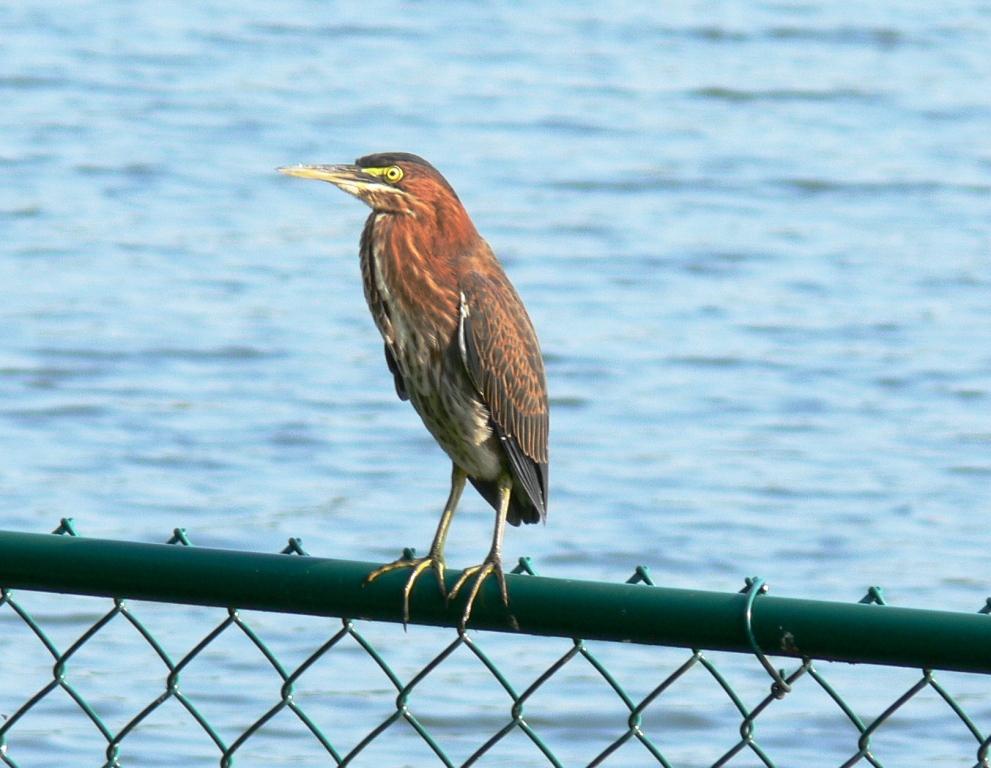
Green Heron (Butorides virescens) by Lee

Green Heron (Butorides virescens) by Lee

“But now ask the beasts, and they will teach you; And the birds of the air, and they will tell you; (Job 12:7 NKJV)

I have been thinking about that Green Heron in the video I posted a few days ago. (Green Heron Fishing With Bread) The verse above makes me think there has to be some lessons to learn from it. These are just some of my thoughts and I am sure you can come up with some of your own.

One that comes to thought right off is that bird’s patience. Are we?

These wait all upon thee; that thou mayest give them their meat in due season. That thou givest them they gather: thou openest thine hand, they are filled with good. (Psalms 104:27-28 KJV)

The verse used in the article tells how the Lord protects and provides for His creation. Will He not provide for us also. He loves us and wants to meet our needs, just as was provided for this Heron.

Look at the birds of the air, for they neither sow nor reap nor gather into barns; yet your heavenly Father feeds them. Are you not of more value than they? (Matthew 6:26 NKJV)

Another lesson is that the bird is doing something that we wouldn’t think it could do. You wonder where it learned that behavior. For us, the Lord wants us to do something, and if we are willing, we are amazed at what we can do. Things we would never think we had the capacity to do He helps us perform..

Jesus said unto him, If thou canst believe, all things are possible to him that believeth. (Mark 9:23 KJV)

I can do all things through Christ which strengtheneth me. (Philippians 4:13 KJV)

He (the heron) has a goal in mind and isn’t going to give up even though it takes several attempts to accomplish his goal. The Lord tells us to become “fishers of men” and we need to keep trying and not give up. Even when our “bread” is down to hardly anything and you think you might as well give up, you try one more time.

So then neither is he that planteth any thing, neither he that watereth; but God that giveth the increase. Now he that planteth and he that watereth are one: and every man shall receive his own reward according to his own labour. (1 Corinthians 3:7-8 KJV)

On a more light side, I am not so sure that the Heron wasn’t bordering on “gluttony.” Did you see that last part where it is swallowing the fish. Looks like it almost “bit of more than it could chew.”

But put ye on the Lord Jesus Christ, and make not provision for the flesh, to fulfil the lusts thereof. (Romans 13:14 KJV)

These are but a few and if you have some, leave a comment and share them with us.

Birds of the Bible – Herons

Birds of the Bible

Bible Birds

Wordless Birds

*

*
Ian’s Bird of the Week – Double-banded Plover

Ian’s Bird of the Week – Double-banded Plover ~ by Ian Montgomery

Newsletter ~ 6-2-13

As well as the bird of the week, here is the airport of the year or maybe of the century. The photo shows the departure gate on Lord Howe Island, more like someone’s picket-fenced front garden: no crowds, escalators, queues or security, and plenty of opportunities for last-minute birdwatching. When I was there 20 years ago, I left the airport after checking-in to check out a Royal Spoonbill which had landed at the nearby wetland. This time there were plenty of waders on and near the runway and a pair of Woodhens in the bush in front of the picket fence.

Lord Howe Airport by Ian 1

Lord Howe Airport by Ian 1

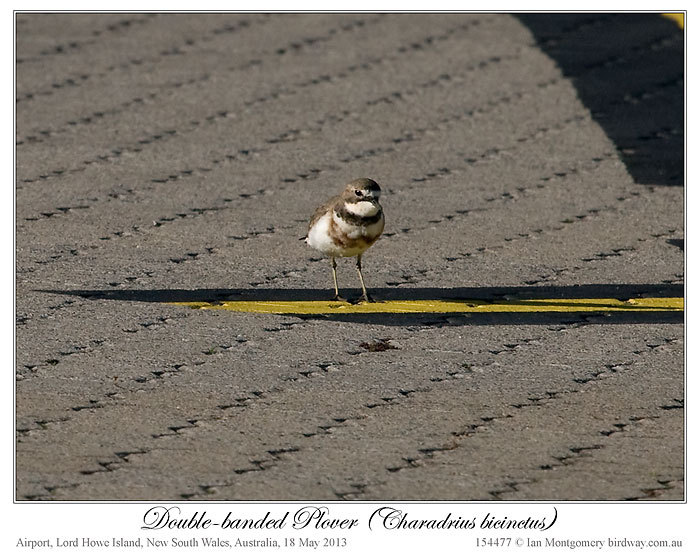
The waders included out-of-season ones such as Pacific Golden Plovers, Bar-tailed Godwits and Ruddy Turnstones that had sensibly decided that spending the northern summer on Lord Howe was a much more attractive proposition that flying to Siberia to breed. There was also an in-season wader, the Double-banded Plover, in-season for reasons that I’ll explain in a moment.

Double-banded Plover (Charadrius bicinctus) by Ian 2

Double-banded Plover (Charadrius bicinctus) by Ian 2

Waders in non-breeding and immature plumage are notoriously confusing, representing either a challenge or a headache to identify, depending on one’s attitude, and small plovers are no exception. What struck me in this case, however, was that these plovers seemed to be doing their utmost to help the waiting passengers with identification by persistently choosing to stand on the double black bands painted on the apron. The bird in the second photo is an immature Double-banded Plover – immatures have buffish faces as well as the diagnostic – but often faint traces – of the double bands on the breast.

Double-banded Plover (Charadrius bicinctus) by Ian 3

Double-banded Plover (Charadrius bicinctus) by Ian 3

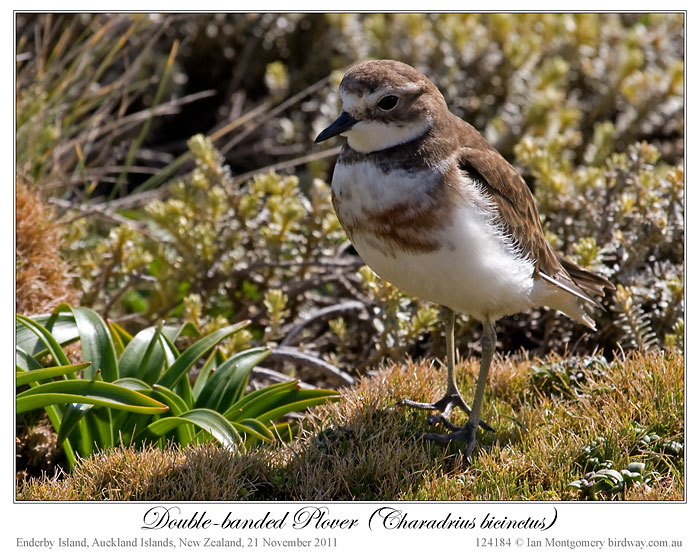
The bird in the third photo is an adult, still showing the upper blackish and lower chestnut breast bands characteristic of this species. It’s probably a male, as the bands are fairly wide and there are traces of a black upper edge to the white forehead.

Double-banded Plover (Charadrius bicinctus) by Ian 4

Double-banded Plover (Charadrius bicinctus) by Ian 4

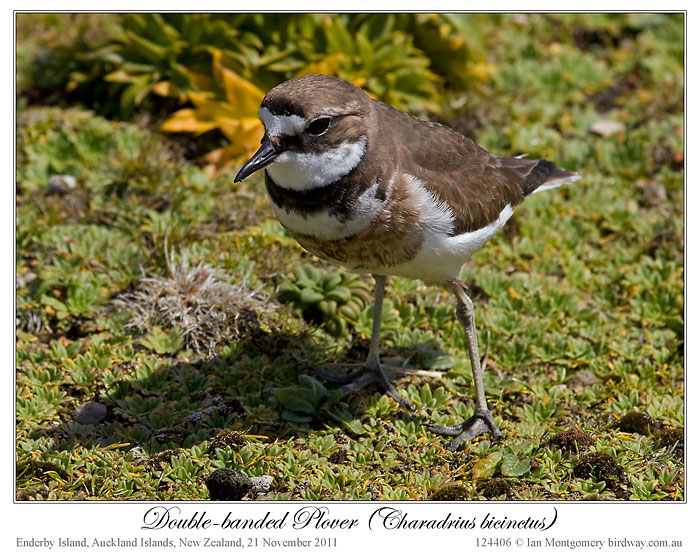
The bird in the fourth photo is an adult male in breeding plumage at the most southerly breeding location of this species on Enderby Island, one of the chain of sub-Antarctic Islands south of New Zealand. The Double-banded Plover is a New Zealand endemic – where it is called the Banded Dotterel – and widespread as a breeding species also on both of the main islands. The bird in the fifth photo is a breeding female with narrower and less intense bands and no black fringe to the white forehead.

Double-banded Plover (Charadrius bicinctus) Female by Ian 5

Double-banded Plover (Charadrius bicinctus) Female by Ian 5

The bird in the sixth photo is an adult in non-breeding plumage with only faint breast bands and lacking the buffish background of the head of the juvenile. What is was doing in this condition on Enderby Island in the middle of the breeding season is anyone’s guess.

Double-banded Plover (Charadrius bicinctus) Adult in non-breeding plumage by Ian 6

Double-banded Plover (Charadrius bicinctus) Adult in non-breeding plumage by Ian 6

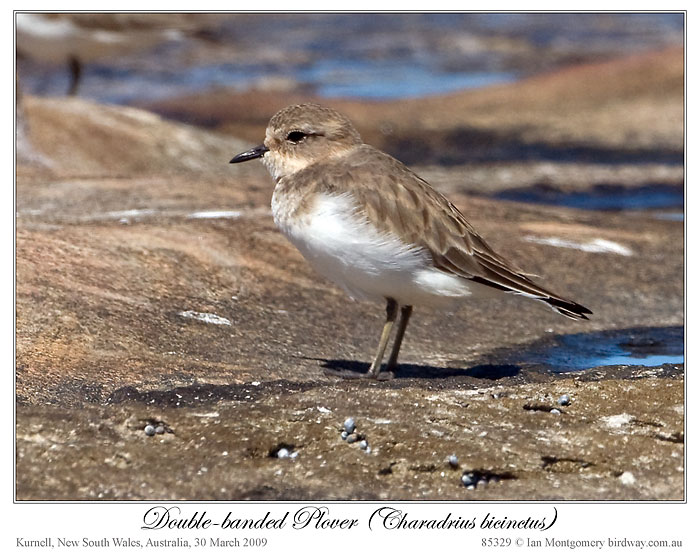
And finally the bird in the seventh photo shows a better view of an immature bird and the buff head markings contrast clearly with the corresponding white markings of the non-breeding adult. This bird had just arrived on the east coast of Australia for the southern winter when it is a fairly common species in southeastern Australia, Tasmania, Lord Howe and Norfolk Islands. It is thought that the birds migrating to Australia for the winter are high-country breeders on the South Island: many others remain in New Zealand.

Double-banded Plover (Charadrius bicinctus) Immature by Ian 7

Double-banded Plover (Charadrius bicinctus) Immature by Ian 7

So, that’s why these birds are in-season in Australia in the southern winter. Any other waders here at that time of the year are either Australian residents (eg the somewhat similar Red-capped Plover) or northern hemisphere breeders that have stayed behind.

Best wishes
Ian

**************************************************
Ian Montgomery, Birdway Pty Ltd,
454 Forestry Road, Bluewater, Qld 4818
Tel 0411 602 737 ian@birdway.com.au
Check the latest website updates:
http://www.birdway.com.au/#updates


Lee’s Addition:

Bring forth every living thing that is with you of all flesh–birds and beasts and every creeping thing that creeps on the ground–that they may breed abundantly on the land and be fruitful and multiply upon the earth. (Genesis 8:17 AMP)

The Double-banded Plover is part of the Charadriidae – Plovers Family in the Charadriiformes Order.

The Double-banded Plover (Charadrius bicinctus), known as the Banded Dotterel in New Zealand, is a small (18 cm) wader in the plover family of birds. It lives in beaches, mud flats, grasslands and on bare ground. Two subspecies are recognised, the nominate Charadrius bicinctus bicinctus breeding in New Zealand and the Chatham Islands and Charadrius bicinctus exilis breeding in the Auckland Islands.

Adults in breeding plumage are white, with a dark greyish brown back, and have a distinctive brown breast, with a thinner band of black below the neck, and between the eyes and beak. Younger birds have no bands, and are often speckled brown on top, with less white parts.

They are fairly widespread in the south of New Zealand, but not often seen in the north. The nominate subspecies is partly migratory, breeding in New Zealand and the Chatham Islands and some wintering in Australia, New Caledonia, Vanuatu and Fiji, others staying in New Zealand. The Auckland Islands subspecies is sedentary but some birds move from their territories to the shore.

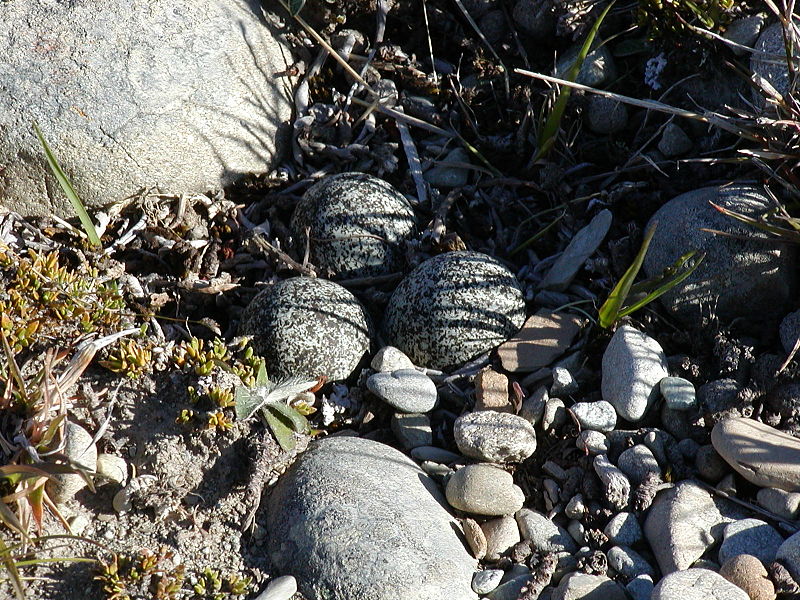
Their eggs are grey, speckled with black, making them well camouflaged against river stones and pebbles, which make up the main structure of their very simple nest. (Wikipedia with editing)

Double-banded Plover (Charadrius bicinctus) Nest and Eggs ©WikiC

Double-banded Plover (Charadrius bicinctus) Nest and Eggs ©WikiC

See Also:

Ian’s Bird of the Week

Ian Montgomery’s Birdway

Ian Montgomery’s Birdway – Charadriidae Family

Double-banded Plover – Wikipedia

Charadriidae – Plovers Family

Charadriiformes Order

Birds of the Bible – Names Study – Plover

*