***
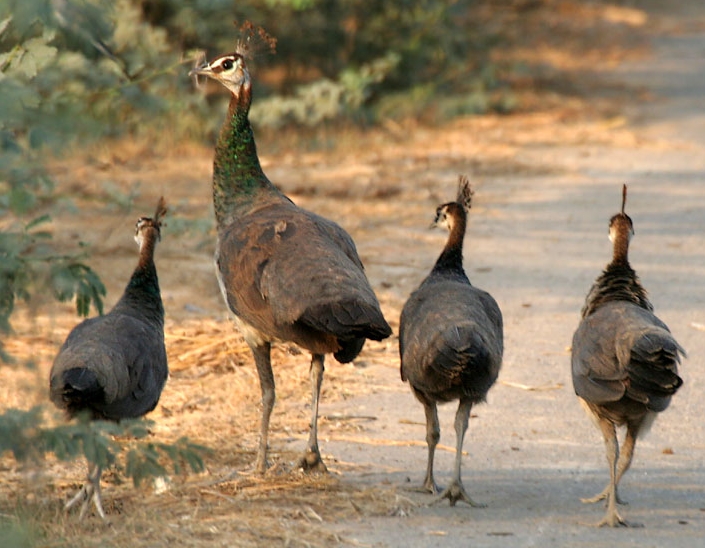
JACOB STOLE AWAY UNAWARES
***
“And Jacob stole away unawares to Laban the Syrian, in that he told him not that he fled.” (Genesis 31:20 KJV)
Indian Peafowl with immature Stealing away ©WikiC
*
*
“And Jacob stole away unawares to Laban the Syrian, in that he told him not that he fled.” (Genesis 31:20 KJV)
Indian Peafowl with immature Stealing away ©WikiC
*
*
“Then the king arose very early in the morning, and went in haste unto the den of lions.” (Daniel 6:19 KJV)
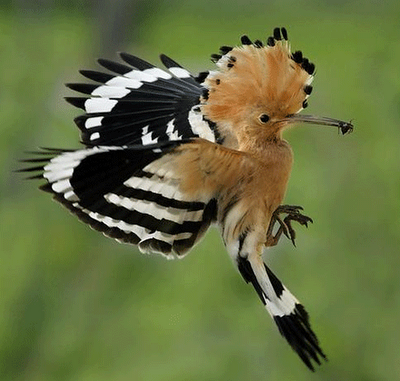
Madagascar Hoopoe (Upupa marginata)©Icenipost
*
*
“But now ask the beasts, and they shall teach thee; and the fowls of the air, and they shall tell thee;” (Job 12:7)
Almost everyone in the world today knows of the terrible disaster that struck the coasts of South East Asia. The North American news media gave daily body counts, reported human tragedy and inflicted damage … yet, as far as is known, none mentioned the animals.
 However, Asian reports from the damaged areas comment not only on the ability of trees to withstand the devastating waves but the almost total absence of animal deaths. It appears that the animals, from flamingos to elephants, took off for the hills long before the humans. The Chinese have done extensive investigations on animals and earthquake detection but are at a loss to explain it. Chinese scientists simply conclude that animals have far greater sensitivity than the best of scientific instruments.
 Reuters reported from Thailand that the elephants used in the tourist business at Khao Lak began to “cry” at 9 am, about the time of the quake. Some elephants broke their hefty chains, but they all raced away toward the jungle-clad hills, taking their surprised tourists and guides with them. Some people were even picked up by the elephants using their trunks. They all came to a point on high ground where the waves stopped just short of where they stood. Three thousand, eight hundred people died in that area. God is merciful to those sensitive enough to His warnings.
“He shall shake off his unripe grape as the vine, and shall cast off his flower as the olive.” (Job 15:33 KJV)
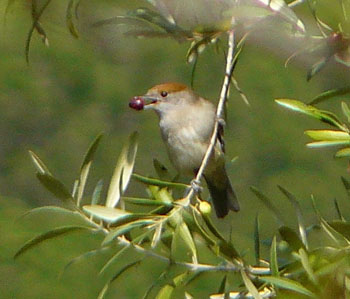
Blackcap Female Eating an Olive ©Iberianature
*
*

“And after a time he returned to take her, and he turned aside to see the carcase of the lion: and, behold, there was a swarm of bees and honey in the carcase of the lion.” (Judges 14:8 KJV)
Bees on a Statue of a Heron ©Washington Post
*
*

“Yet gleaning grapes shall be left in it, as the shaking of an olive tree, two or three berries in the top of the uppermost bough, four or five in the outmost fruitful branches thereof, saith the LORD God of Israel.” (Isaiah 17:6 KJV)
Bald Eagle (Haliaeetus leucocephalus) at Lake Morton by Lee
*
*
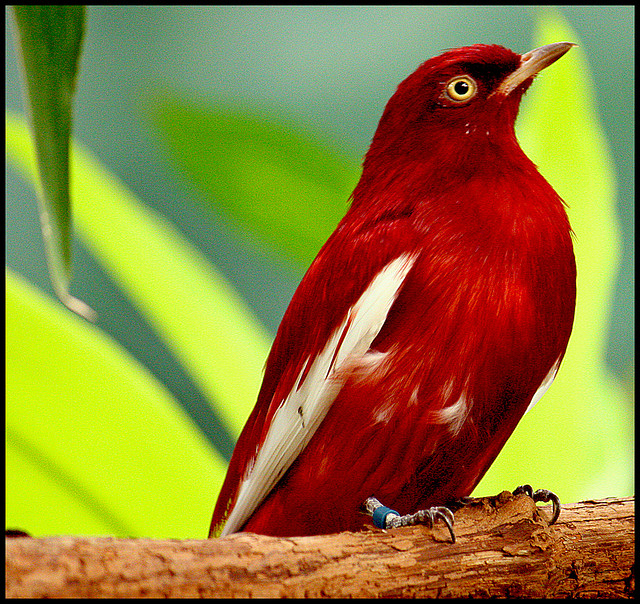
Pompadour Cotinga (Xipholena punicea) ©©holyknight33 Flickr
“Remember his marvellous works that he hath done, his wonders, and the judgments of his mouth;” (1Ch 16:12)
Now that the Passeriformes – Songbird families were all presented weekly, let’s review these families. The slide show will show one photo from each family. These will be in taxonomic order.
Also, the links to these families will be listed and the article associated with them. This will be a several week review. There are 131 families. All total, there are over 6,000 birds in these families and thankfully, most of them we were able to show. Some photos are protected by copyright and it was not possible to find a photo. Yet, there were more show than we would ever be able to see individually, in person.
Acanthisittidae – New Zealand Wrens
Eurylaimidae – Broadbills
Pittidae – Pittas
Furnariidae – Ovenbirds
Thamnophilidae – Antbirds
Formicariidae – Antthrushes
Grallariidae – Antpittas
Conopophagidae – Gnateaters
Rhinocryptidae – Tapaculos
Melanopareiidae – Crescentchests
Tyrannidae – Tyrant Flycatchers
Cotingidae – Cotingas
Pipridae – Manakins
Tityridae – Tityras, Becards
Menuridae – Lyrebirds
Atrichornithidae – Scrubbirds
Ptilonorhynchidae – Bowerbirds
Climacteridae – Australasian Treecreepers
Maluridae – Australasian Wrens
Meliphagidae – Honeyeaters
Dasyornithidae – Bristlebirds
Pardalotidae – Pardalotes
Acanthizidae – Australasian Warblers
Pomatostomidae – Australasian Babblers
Orthonychidae – Logrunners
Cnemophilidae – Satinbirds
Melanocharitidae – Berrypeckers, Longbills
Paramythiidae – Painted Berrypeckers
Callaeidae – New Zealand Wattlebirds
Notiomystidae – Stitchbird
Psophodidae – Whipbirds, Jewel-babblers and Quail-thrushes
Platysteiridae – Wattle-eyes, Batises
Tephrodornithidae – Woodshrikes and allies
Prionopidae – Helmetshrikes
Malaconotidae – Bushshrikes
Machaerirhynchidae – Boatbills
Vangidae – Vangas
Pityriaseidae – Bristlehead
Artamidae – Woodswallows,butcherbirds and allies
Rhagologidae – Mottled Berryhunter

Black-necked Wattle-eye (Platysteira chalybea) ©TimBoucher
“I remember the days of old; I meditate on all thy works; I muse on the work of thy hands.” (Psa 143:5)
Beginning of Passeriformes Order (Songbirds) For The Sunday Inspiration
More Amazing Birds ~ “Jesus What A Might Name” – Pastor Jerry w/Choir and Orchestra
“Ant Birds“ ~ “He Looked Beyond My Fault” ~ ©The Hyssongs
Everlasting God ~”Everlasting God” – Pastor Jerry, Reagan Osborne, Caleb & Jessie Padgett
Flycatchers ~ “Amazing Grace” – Orchestra and “I Love You, Written in Red” – Choir (Faith Baptist Church)
Give Thanks ~ “Give Thanks” ~ sung by Mark Quijano, his YouTube Channel
There is a Redeemer ~ “There is a Redeemer,” played by Nell Reese at Faith Baptist Church
Australian Birds ~ “How Can I Keep From Singing” – Pastor Jerry Smith, Jessie and Caleb Padgett and Reagan Osborne
Honeyeaters ~ “Blood of Jesus Medley” ~ Faith Baptist Church Choir
Worthy ~ “Worthy” ~ Faith Baptist Choir and Orchestra
Variety II ~ “Just A Little Talk With Jesus” – Vegter Six
Whipbirds, Wattle-eyes and Allies – ” Be Thou My Vision and Battle Hymn of the Republic” ~ played by Sean Fielder
Woodshrikes and Helmetshrikes ~ ” I’ve Got Joy” ~ by the Faith Baptist Orchestra
Bushshrikes and Boatbills ~ “We Shall See Jesus” ~ Margaret Hiebert, Pastor and Jill Osborne and Pastor Jerry Smith
Vangas and Friends ~ “I Still Believe” – ©The Hyssongs
*
“Bless the LORD, O my soul. O LORD my God, thou art very great; thou art clothed with honour and majesty.” (Psa 104:1)
“To Win My Soul” – Sung by Jessie Padgett”
”
*

“I may tell all my bones: they look and stare upon me.” (Psalms 22:17 KJV)
White-faced Scops Owl photo ©#owls by royspiccys From Pinterest
*
*

“And wheresoever the children of men dwell, the beasts of the field and the fowls of the heaven hath he given into thine hand, and hath made thee ruler over them all. Thou art this head of gold.” (Daniel 2:38 KJV)
American Wigeon flocks ©©
*
*
Fly Away: Tips on Getting Started with Bird Photography
~ by Joan “Jones” Kissler

House Sparrow
Look at the birds of the air; they do not sow or reap or store away in barns, and yet your heavenly Father feeds them. Are you not much more valuable than they? – Matthew 6:26
Are you enjoying the newfound appreciation for life, nature, and God’s undying love that birdwatching has taught you? Take it to the next level by documenting it through photography. But do not take just any photo—bring out the exquisite beauty of birds with these bird photography tips for beginners:
First things first: get the right equipment
Birds are God’s work of art. So make sure you get the gear that allows you to easily glorify the Great Artist through your photos. Most bird photographers use a DSLR camera since its interchangeable lenses feature gives more control. For beginners, experts suggest using at least a 200 to 300 mm lens.
Telephoto lenses allow you to capture every detail of a bird in its full glory. Image-stabilized lenses enable shooting in low-light conditions and while the bird is in motion. If you are not ready yet to shoot photos without support, you can use a monopod, a portable alternative to the heavy, bulky tripod.
When using your DSLR, make sure to set it to aperture-priority mode for the flexibility of a wide aperture and the ability to set the shutter speed to your desired setting.
On the other hand, some enthusiasts use smartphones for bird photography. They use a technique called digiscoping, which is combining a smartphone camera with a spotting scope. For on-the-go shooting, I recommend using an adapter to combine your phone and the spotting scope, so you can easily snap a photo instead of painstakingly trying to hold up your phone correctly against the the spotting scope. Also, you can install some apps and maximize your camera phone’s built-in features to churn out better-quality photos.
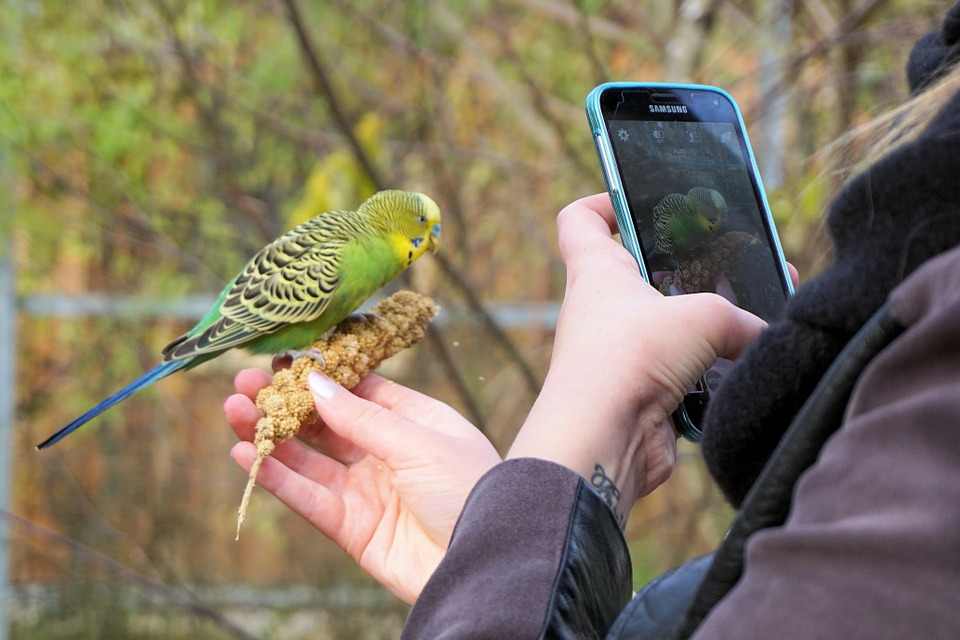
Parakeet being photographed by Phone
Know your birds
You do not have to look far to know where to find birds as your next subject. Just open your Bible, and you will find the answers:
Read up on the behavior and habitat of different kinds of birds so that you will know how to get them to come to you or to get as close to them as possible.
If that is not your style, join an expert birder in taking photos. You will definitely pick up some pointers on which birds come out during which time and season, where they usually live and breed, and what they usually eat.
Feed them as the Father would
The Great Creator cares for birds so much that He makes sure that they are always fed well, as stated in Matthew 6:26. Show your compassion for these creatures by giving them something to eat when you are photographing them on location.
To make birds feel naturally at home, plant some shrubs and trees they normally feed on in your garden or lawn. For instance, expert photographer Matt Mcray planted Rose of Sharon and hibiscus to attract Ruby-throated hummingbirds to his yard.
You can also strategically put bird feeders where you want to shoot your subject. Just remember to place them on the side from where you’ll be taking the shot to keep the feeders off the frame. Also ensure good natural lighting in the area where you will stage your shots.
Make them feel safe
God created birds to be free, so avoid threatening their sense of freedom and respect their need to hop from one space to another and fly.
One of the biggest mistakes that beginners make is to haphazardly approach their subject and click on the shutter button in haste. This normally ends up with the bird flying away and the shot being ruined.
To keep this from happening, remember these tips:
Here are some tips on taking your first successful photo:
After repeating these steps for quite some time, your subjects will eventually warm up to you, and you will be able to take several shots easily.
Capturing a shot of a creature as elusive as a bird reminds us of the gift of freedom that God bestows upon us. With the ups and downs of everyday life, it can be easy to forget that we are free. May your foray into bird photography serve as a constant reminder that we are.
Lee’s Addition:
Joan contacted me about putting an article on the blog. After reviewing this article, I think you will find this article fits well with the objectives of our blog. To honor our Lord. Thanks, Joan, and I trust that you will provide us with more interesting articles like this.
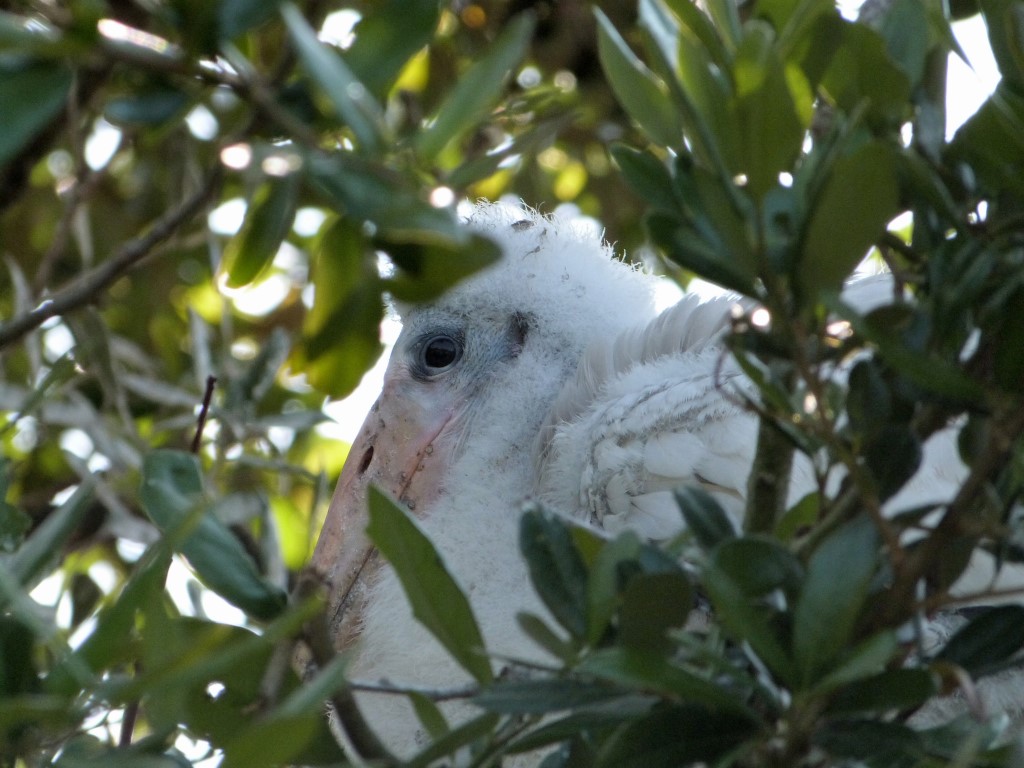
“Where the birds make their nests: as for the stork, the fir trees are her house.” (Psalms 104:17 KJV)
Wood Stork (Mycteria americana) Jacksonville Zoo by Lee
*
*

“How sweet are thy words unto my taste! yea, sweeter than honey to my mouth!” (Psalms 119:103 KJV)
Blue-faced Honeyeater (Entomyzon cyanotis) by Ian at Birdway
*
*
 Lee's Birdwatching Adventures Plus