Last Photos of Our Vacation

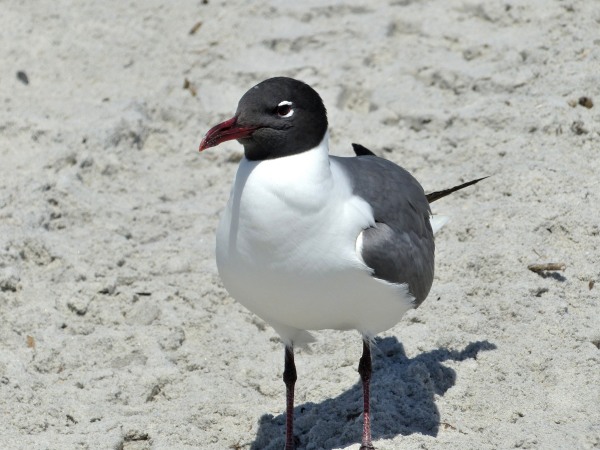
Laughing Gull at Hanna Park by Lee

Laughing Gull at Hanna Park by Lee

“Blessed is the man who trusts in the LORD, And whose hope is the LORD. (Jer 17:7)

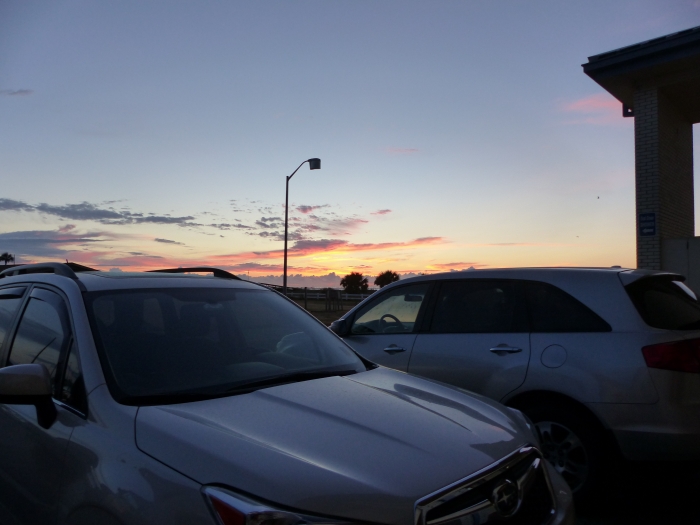
Yesterday we wrapped up our long vacation. We spent our last day birdwatching at the Hanna Park in Jacksonville, Florida. We have actually been on the road since May 3rd. A total of 32 days traveling. We left home and drove to San Diego, California (2,400+ miles) and back via a little different route. Our total trip amounted to just over 6,000 miles. We saw the Pacific and decided to end it at the Atlantic. We are calling this our belated 50th Anniversary Trip (2 years late).

With over 8,000 photos, I will have some tales to tell and birds to share (also lots of photos to toss) Some were taken while Dan was driving. Why is it just about the time you click the camera, a bump shows up?

Hanna Park by Lee

Hanna Park by Lee

I didn’t want to say too much while we gone for so long, but now I can start sharing our adventures. Also, apologies for not getting to your sites as frequently as prefered. The unread emails have been building up. Kept up as best I could, but still stayed behind. Also had many blogs pre-scheduled which helped.

Anyway, we have been to four zoos; Houston, San Diego, San Antonio, Jacksonville and two Living Desert Museum/Zoos. Plus lots of other interesting things and scenery. You already saw the Mississippi Welcome Center and the Large Roadrunner.

Sea Gull with feet in Atlantic at Hanna Park by Lee

Sea Gull with feet in Atlantic at Hanna Park by Lee

Our adventures were not just about birds. We saw 3 ships, Battleship Texas, USS Midway and USS Alabama, plus a couple of Aircraft Museums. We also had to readjust our schedule (never really had one) and route because of all the bad weather across Texas. Also had a Tornado Warning group sitting around the TV while in San Antonio. We were near the basement shelter, if needed. Added around 10 new Life Birds, but still analyzing photos for more.

Gull with feet in the Pacific by Lee

Gull with feet in the Pacific by Lee

The Lord has been very gracious to us while we were gone. We have had safe travels and avoided much of the bad weather. Many were praying for us while we have been traveling. Thank you for those prayers. We also met many nice people along the way. Some are now reading the blog.

As we traveled the Lord’s Hand in creation is so obvious. From birds, critters, plants and to the various terrains, there is so many blessings from Him. We are thankful to the Lord for His protection and blessings.

But let all those rejoice who put their trust in You; Let them ever shout for joy, because You defend them; Let those also who love Your name Be joyful in You. For You, O LORD, will bless the righteous; With favor You will surround him as with a shield. (Psa 5:11-12)

*

*

Appreciating Baltimore Orioles and My First Bird Book

“Behold the fowls of the air: for they sow not, neither do they reap, nor gather into barns; yet your heavenly Father feedeth them. Are ye not much better than they?”  Matthew 6:26
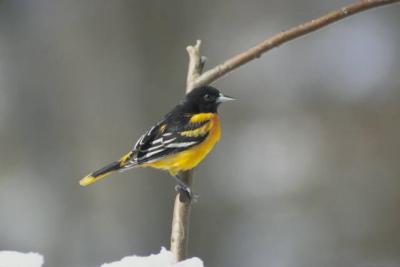
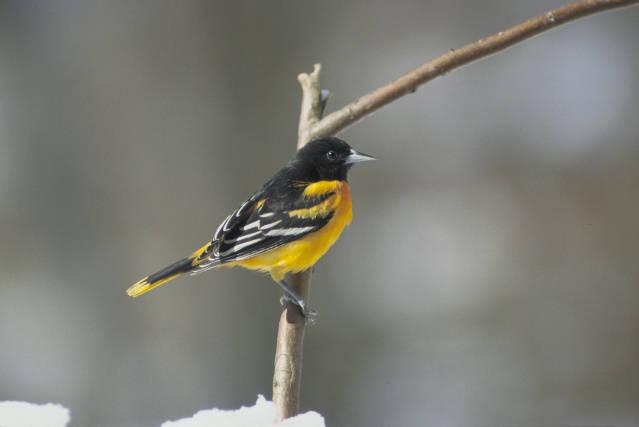
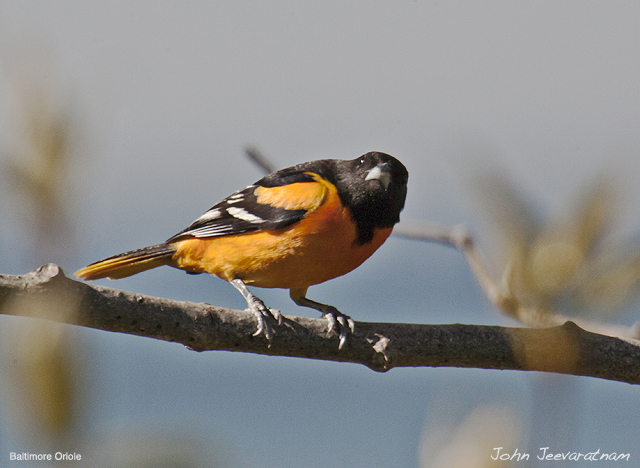
Baltimore Oriole (Icterus galbula) ©USFWS

Baltimore Oriole (Icterus galbula) ©USFWS

As beautiful and valuable as the Baltimore Oriole is—especially to Marylanders—God has made us children of Adam, even in our fallen (and redeemable) condition, “much better than they”. God truly cares for us and for our needs, including our need for truth and our need to belong to Him, through the saving merits of our Redeemer, the Lord Jesus.
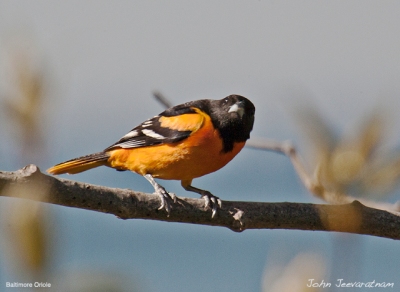
Baltimore Oriole (Icterus galbula) Male by Nature's Hues

Baltimore Oriole (Icterus galbula) Male by Nature’s Hues

The Baltimore Oriole (Icterus galbula), a small migratory icterid (i.e., member of the blackbird family) is the state bird of Maryland. Adults grow to about 7 or 8 inches long. Migrating south for the winter, the Baltimore Orioles summer in most of America’s “lower 48” states, except not in the coastal southeast (from Texas’s Gulf coast up to Virginia’s coast). But the only orioles I saw were the pictures on baseball caps (and usually that came from looking at baseball cards)! As a small boy my family often listened to radio broadcasts of Baltimore Oriole baseball games.


597px-Orioles_new Baltimore Orioles Flickr Charlie Lyons-Pardue

Even the coloring of the Baltimore Oriole is appropriate, to represent the state of Maryland, because the state flag of Maryland has a combination of gold (or golden yellow), black, white, and red.

Flag of Maryland

Flag of Maryland

The Baltimore Oriole has three of those four colors—but no red. Although I was physically born outside of Maryland (at a very young age!), all of my boyhood and youth (20 years) were spent somewhere within the “Old Line State”. And, as described below, it was in Maryland where I received my first bird book, as well as where I first believed in the Creator of all birds: the Lord Jesus Christ, Who is both my Creator and my Savior. In the next few paragraphs I will briefly mention my introduction to the “creation controversy”, and how that topic was linked to my first bird book.

Creation can be controversial! Learning to appreciate Genesis, and its foundational truths, has been an ongoing adventure for me. As a pre-school child I was generally taught, by my parents, that the Holy Bible was God’s Word, and that God made everything, including me. Not until kindergarten, however, would I learn that some people disagreed about God being the Creator. There was no public kindergarten (in Waldorf, Maryland) when I was old enough to attend one, so my parents enrolled me in a private kindergarten taught by a Mrs. Wheeler, a local Baptist lady who taught in her home. (Mrs. Wheeler’s faith was “different” from that of my parents, but “not in a bad way … you’ll do fine at her school”.) Mrs. Wheeler always prayed reverently and thankfully when we had snacks. Mrs. Wheeler also taught that the Bible was God’s Word.

Magnet with clips stuck to it

Magnet with clips stuck to it

As a kindergartener I enjoyed learning to match words (specifically, nouns of concrete things) to alphabet letters, finding at least two words for each alphabet letter (when our class was assigned the task of finding one each!), until the letter X stumped me—x-ray was the only words that I know of, that started with an X. One day Mrs. Wheeler taught us to touch a magnet to various physical objects. Some were instantly attracted but others were not. Mrs. Wheeler’s college-attending daughter was there, that day, being home “on break”, so she was helping her mother with us kindergarteners. Probably not noticing that I was listening, the daughter asked (something like), “Why are you trying to teach them about magnets? Science like that is way over their heads. They won’t understand.” Mrs. Wheeler’s reply I will never forget: “Soon these kids will be taught that ‘science’, without God, explains life, and they will wonder if intelligent people should believe in God and the Bible. I want them to have a memory, from kindergarten, that the first person to teach them any ‘science’ was someone who believed in Jesus and the Bible, and who prayed with them.” Wow! That astounded me! When I went to “big school”, like my older brother, I would be taught to learn “science” but no Bible!—nothing about God. Why would “big school” be like that? So Mrs. Wheeler, with her daughter’s help, had just warned me that a godless version of “science” awaited me. In second grade, at Damascus (Maryland), I would learn more about this controversy.
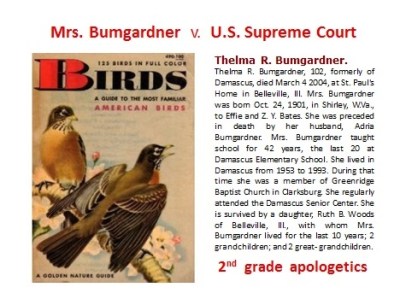
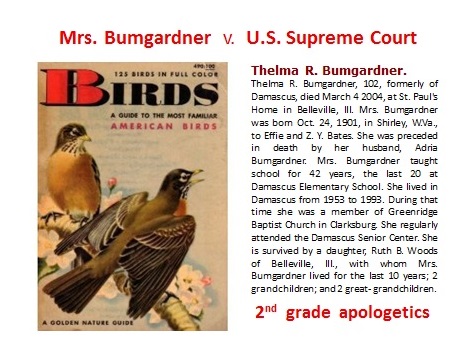
At the end of second grade, while being given my first bird book, I learned more Genesis apologetics, from Mrs. Thelma Bumgardner (see picture of the bird book, BIRDS, A GUIDE TO THE MOST FAMILIAR AMERICAN BIRDS [NY: Golden Press/Golden Nature Guide, 1964; co-authored by Herbert S. Zim & Ira N. Gabrielson; illustrated by James Gordon Irving; 160 pages].
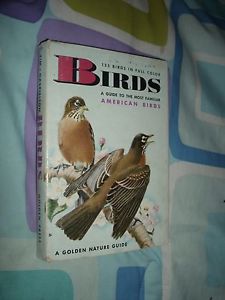
Guide to Most Familiar Birds

Guide to Most Familiar Birds

The bird book I still have, to this day (shown above, next to her obituary notice). How did it happen? Why was it so important that I remember it now, more than a half-century later? It was Mrs. Bumgardner’s custom to give a bird book to one boy and to one girl, at the end of the school year. The privileged girl was Mary Kellogg; the privileged boy was me. When explaining the gift to me Mrs. Bumgardner said that the pictures would help me to learn about many beautiful birds that God made, and that He made them to live in different kinds of places and eat different kinds of foods. Then she turned to pages 12-13, which presented an official-looking Family Tree of Birds”, beginning with this sentence: “Birds developed from reptile ancestors millions of years ago, as internal structures and scaly legs still show.” Mrs. Bumgardner said that the chart was not true, that some people who didn’t like to admit that God made birds (like the Bible said He did) invented the chart to pretend that birds accidentally become what they are by something called “evolution”. “It’s all just a lie, so they won’t have to think about Who God is”, Mrs. Bumgardner warned me, “but don’t worry about the false ideas on those two pages—just enjoy the rest of the book, because the rest of the book teaches a lot of true facts about God’s birds.” Wow! Again I was surprised—who would think that liars would put pictures in a book so they could try to forget Who God is? The bird book is a treasure I never forgot—and I love it to this day.

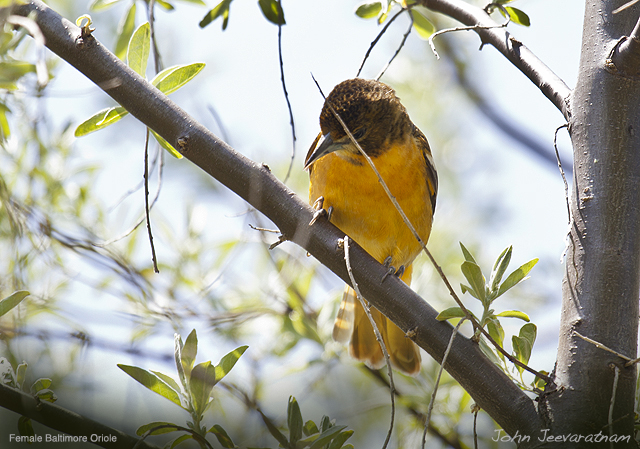
Perhaps you are wondering if my bird book included mention of the Baltimore Oriole. It did! On page 108, with a picture and range map, it says: “The brilliant male is a showy bird . The female is a dull orange-yellow with two pale wing bars. Bullock’s Oriole (8 in.) of the West is like the Baltimore but has orange on sides of head and over eye. The Orchard Oriole (6½ in.), east of the Rockies, is also similar, but with chestnut, not orange. The female Orchard Oriole resembles the female Baltimore but is greenish-yellow instead of orange-yellow.”

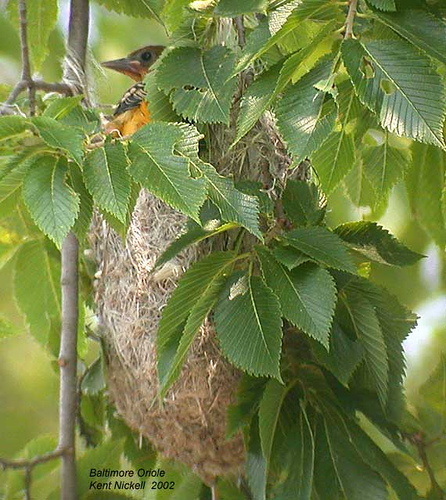
Speaking of orange, providing oranges (i.e., the citrus fruit), halved, is known to attract orioles—they love to eat fruits, such as oranges, berries, or even grape jelly. Leafy deciduous trees or thick shrub foliage might attract them to your backyard, especially if your backyard provides a “total package” of food, water, sheltering foliage, and trees suitable for their deep bag-like hanging nests. They immigrate north during in spring (late March or early April) and emigrate south in autumn.
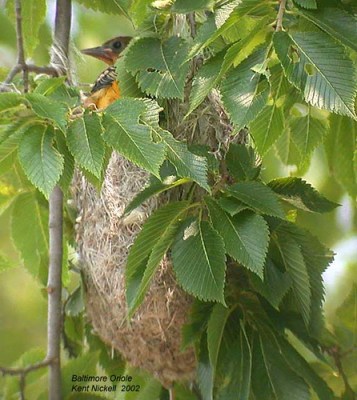
Baltimore Oriole (Icterus galbula) on nest by Kent Nickell

Baltimore Oriole (Icterus galbula) on nest by Kent Nickell

Mrs. Bumgardner also taught us about John 3:16, which I would rely upon in a very personal away 3½ years later; she also would pray for us, telling us that she knew that the Supreme Court wouldn’t like that, but that the prophet Daniel was told not to pray and he did anyway—and God took care of Daniel, so He would take care of her. Still I remember knowing that Mrs. Bumgardner loved us second-graders, and she cared that we would learn to appreciate God, and it was obvious that she herself loved God and His Word. It was during the first half of my sixth grade year, however, before I would confirm my own personal belief in the Lord Jesus, as my personal Savior and Shepherd, but God foreknew that day was coming—and one day I will thank both Mrs. Wheeler and Mrs. Bumgardner, face-to-face, for caring enough to creatively teach me the truth about my Creator-God.

Meanwhile, ever since the end of second grade I have been enjoying my bird book (and many more that I have acquired since then), knowing how God cares about those beautiful birds—who have such variety. Yet He cares so much more for me (as John 3:16 proves).

What a wonderful start I was given to a happy habit of birdwatching (decades before I would ever teach ornithology at Dallas Christian College), — and Mrs. Bumgardner’s bird book disclaimer, by God’s providence, foreshadowed my later years as a teacher of Genesis-based creation studies!
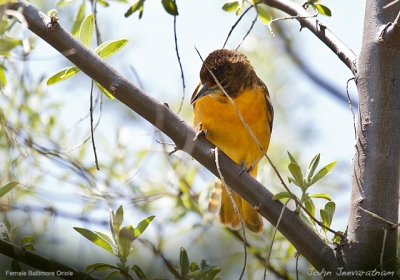
Baltimore Oriole (Icterus galbula) Female by Nature's Hues

Baltimore Oriole (Icterus galbula) Female by Nature’s Hues
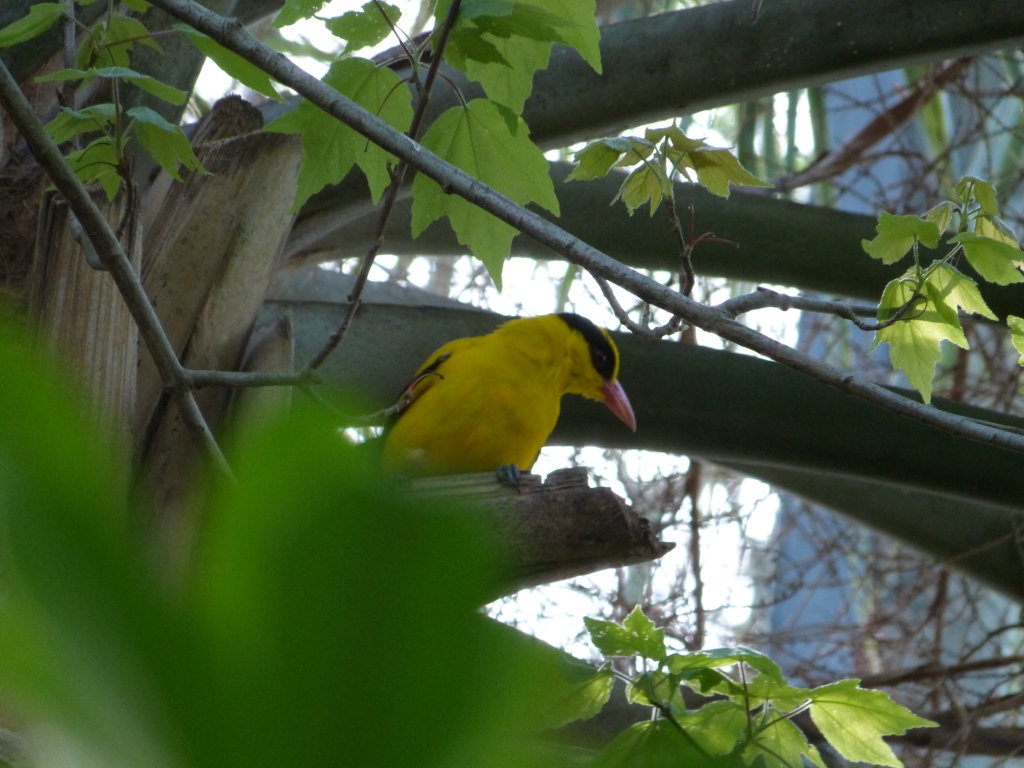
Sunday Inspiration – Shrikes and Vireos

Loggerhead Shrike (Lanius ludovicianus) by ©Wiki

Loggerhead Shrike (Lanius ludovicianus) by ©Wiki

Look at the birds of the air, for they neither sow nor reap nor gather into barns; yet your heavenly Father feeds them. Are you not of more value than they? (Matthew 6:26 NKJV)

Shrikes are passerine birds of the family Laniidae. The family is composed of thirty-three species in three genera. The family name, and that of the largest genus, Lanius, is derived from the Latin word for “butcher”, and some shrikes are also known as “butcher birds” because of their feeding habits. They are fairly closely related to the bush-shrike family Malaconotidae.

Most shrike species have a Eurasian and African distribution, with just two breeding in North America (the loggerhead and great grey shrikes). There are no members of this family in South America or Australia, although one species reaches New Guinea. The shrikes vary in the extent of their ranges, with some species like the great grey shrike ranging across the northern hemisphere to the Newton’s fiscal which is restricted to the island of São Tomé. They inhabit open habitats, especially steppe and savannah. A few species of shrike are forest dwellers, seldom occurring in open habitats. Some species breed in northern latitudes during the summer, then migrate to warmer climes for the winter.

Shrikes are medium-sized birds, up to 50 cm (20 in) in length, with grey, brown, or black and white plumage. Their beaks are hooked, like that of a bird of prey, reflecting their predatory nature, and their calls are strident.

Shrikes are known for their habit of catching insects and small vertebrates and impaling their bodies on thorns, the spikes on barbed-wire fences or any available sharp point. This helps them to tear the flesh into smaller, more conveniently sized fragments, and serves as a cache so that the shrike can return to the uneaten portions at a later time.

Yellow-throated Vireo (Vireo flavifrons) by Anthony 747

Yellow-throated Vireo (Vireo flavifrons) by Anthony 747

By them the birds of the heavens have their home; They sing among the branches. (Psalms 104:12 NKJV)

The vireos make up a family, Vireonidae, of small to medium-sized passerine birds (mostly) restricted to the New World. They are typically dull-plumaged and greenish in color, the smaller species resembling wood warblers apart from their heavier bills. They range in size from the Chocó vireo, dwarf vireo and lesser greenlet, all at around 10 centimeters and 8 grams, to the peppershrikes and shrike-vireos at up to 17 centimeters and 40 grams.

Most species are found in Middle America and northern South America. Thirteen species of true vireos occur farther north, in the United States, Bermuda and Canada; of these all but Hutton’s vireo are migratory. Members of the family seldom fly long distances except in migration (Salaman & Barlow 2003). They inhabit forest environments, with different species preferring forest canopies, undergrowth, or mangrove swamps.

Males of most species are persistent singers. Songs are usually rather simple, monotonous in some species of the Caribbean littoral and islands, and most elaborate and pleasant to human ears in the Chocó vireo and the peppershrikes. (Info from Wikipedia)

*

This slideshow requires JavaScript.

And God Almighty bless thee, and make thee fruitful, and multiply thee, that thou mayest be a multitude of people; (Genesis 28:3 KJV)

And Jacob said unto Joseph, God Almighty appeared unto me at Luz in the land of Canaan, and blessed me, (Genesis 48:3 KJV)

Saying, We give thee thanks, O Lord God Almighty, which art, and wast, and art to come; because thou hast taken to thee thy great power, and hast reigned. (Revelation 11:17 KJV)

And they sing the song of Moses the servant of God, and the song of the Lamb, saying, Great and marvellous are thy works, Lord God Almighty; just and true are thy ways, thou King of saints. (Revelation 15:3 KJV)

Listen to Nell Reese play as you watch these two beautifully created families of birds:

“El Shaddai” – by Nell Reese

“El Shaddai” means “God Almighty”

Sunday Inspirations

Birds of the World

Shrike – Wikipedia

Vireo – Wikipedia

Sharing The Gospel

*

My Western Greater Roadrunners

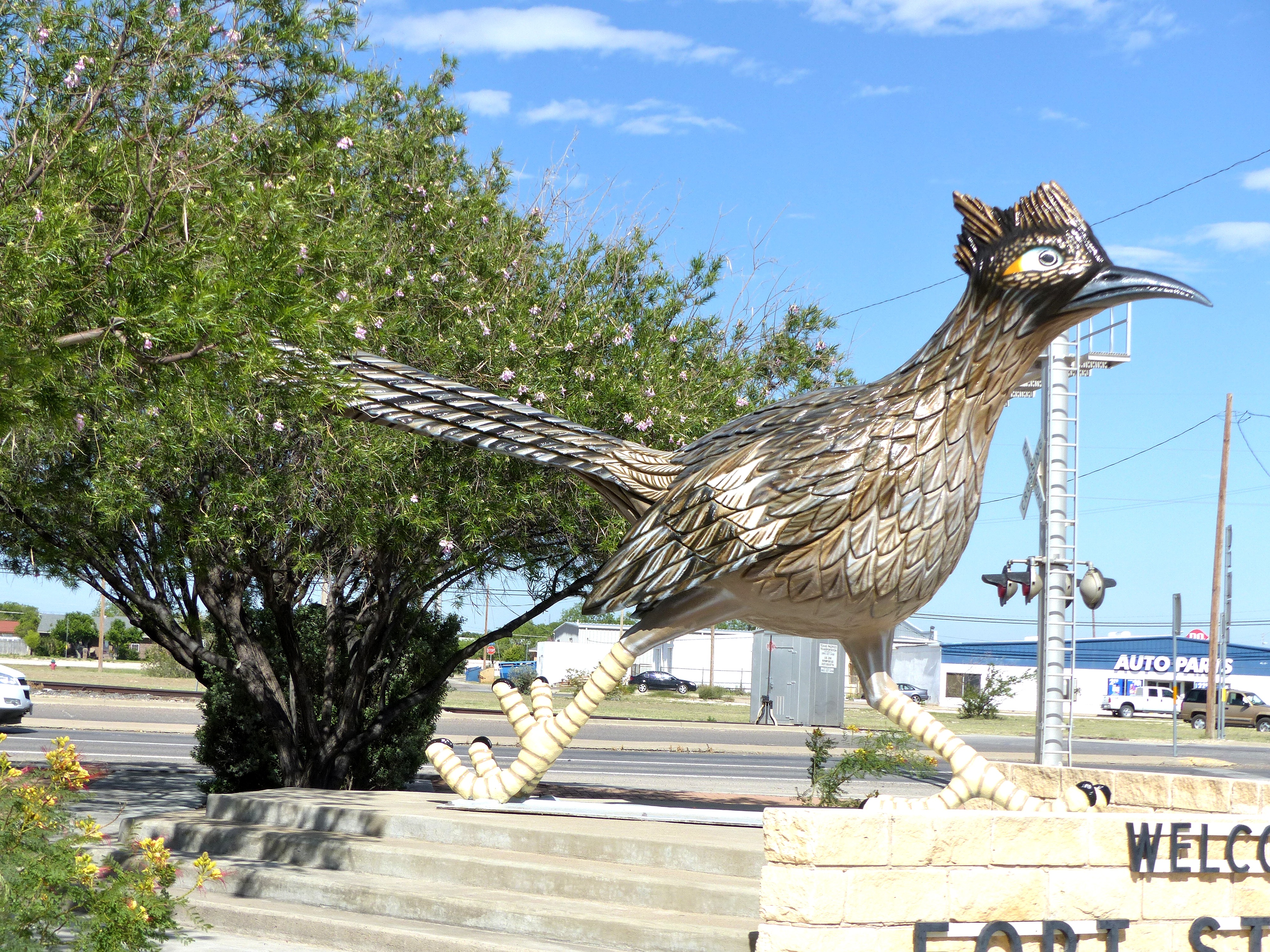
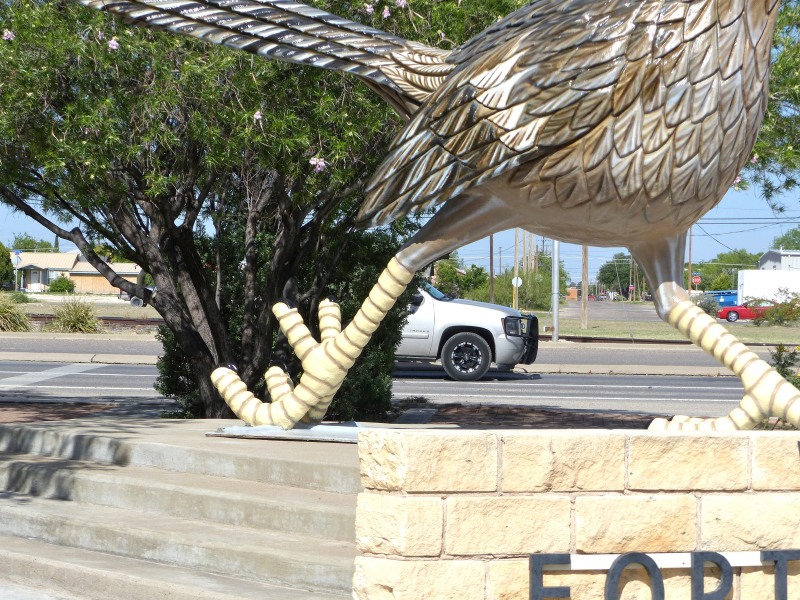
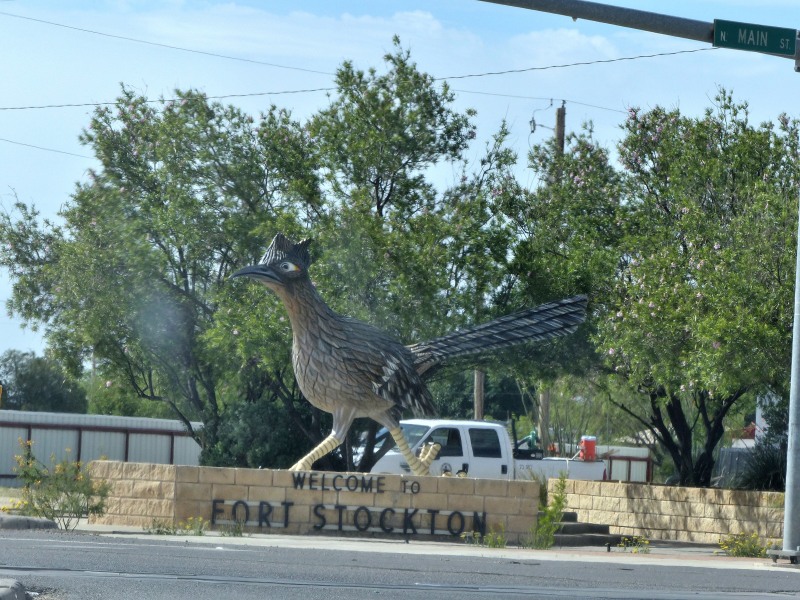
Roadrunner in Ft Stockton TX by Lee

Roadrunner in Ft Stockton TX by Lee

And the owl, and the night hawk, and the cuckoo, and the hawk after his kind, (Lev 11:16)

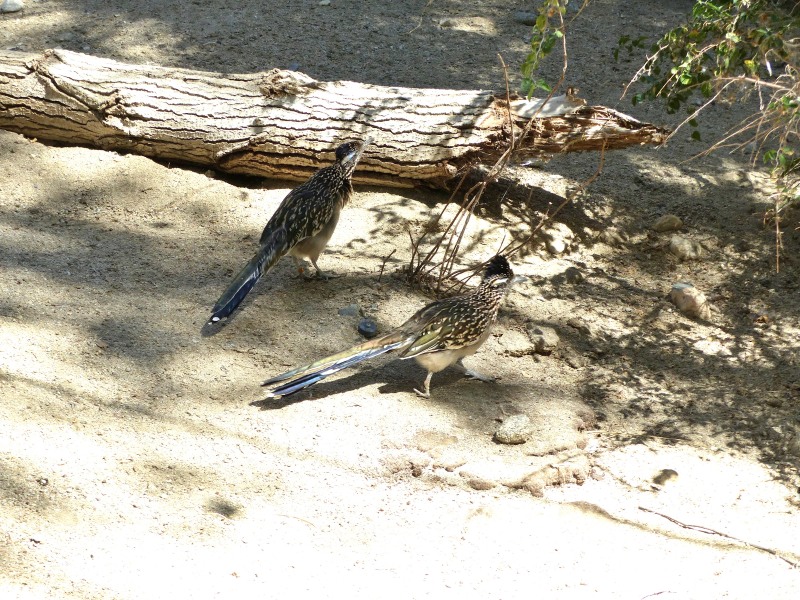
While on our vacation to the West (USA) I wanted to see the Greater Runner. It was one of the top birds on my “to see” list. Disappointed by not finding one in the wild, we were not totally disappointed. Surprised, but not disappointed. I actually saw some years ago, but wanted to photograph a wild one.

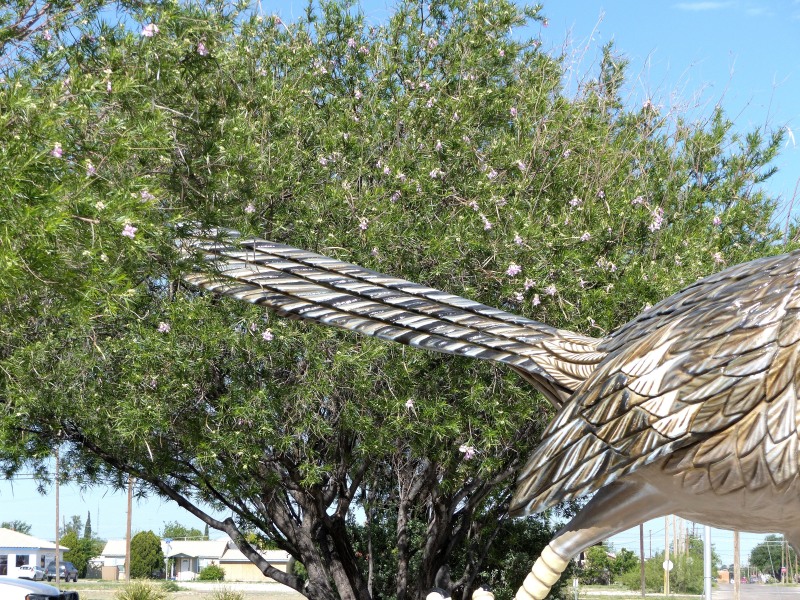
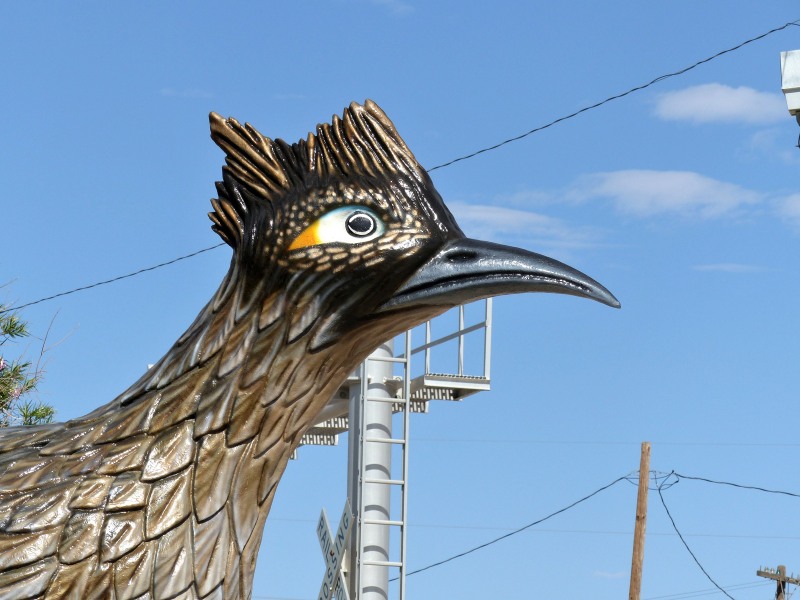
When we stopped in Fort Stockton, Texas, we visited the original Camp Stockton and then went to see the “22 foot” Roadrunner. No kidding, it is 22 feet long and 11 feet tall. Of course it was not a live roadrunner. I have since learned that his name is “Paisano Pete.”

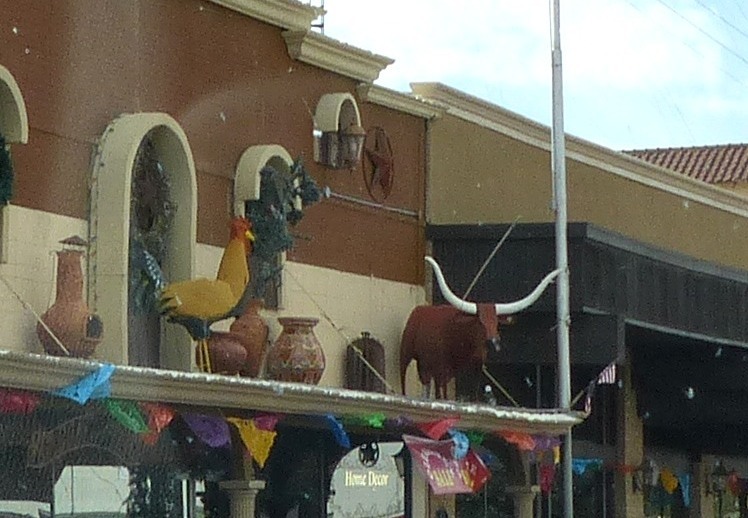
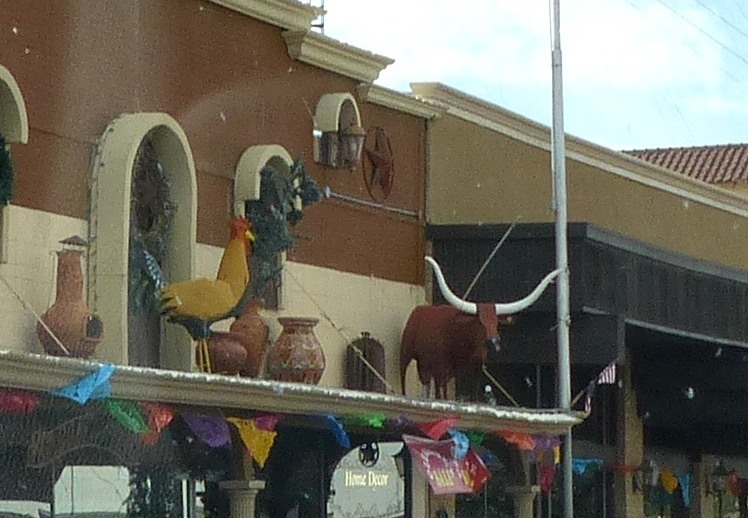
(Bonus) Apparently Fort Stockton likes “big birds” because we found a large chicken also.

Large Chicken in Ft Stockton TX by Lee

Large Chicken in Ft Stockton TX by Lee

An actual “roadrunner, also known as a chaparral bird and a chaparral cock, is a fast-running ground cuckoo that has a long tail and a crest. It is found in the southwestern United States and Mexico, usually in the desert. Some have been clocked at 20 miles per hour (32 km/h).”

“The subfamily Neomorphinae, the New World ground cuckoos, includes eleven species of birds, while the genus Geococcyx has just two, the greater roadrunner and the lesser roadrunner. The Greater Roadrunner, (Geococcyx californianus), inhabits Mexico and the southwestern United States. The Lesser Roadrunner, (Geococcyx velox), inhabits Mexico and Central America.” (Wikipedia)

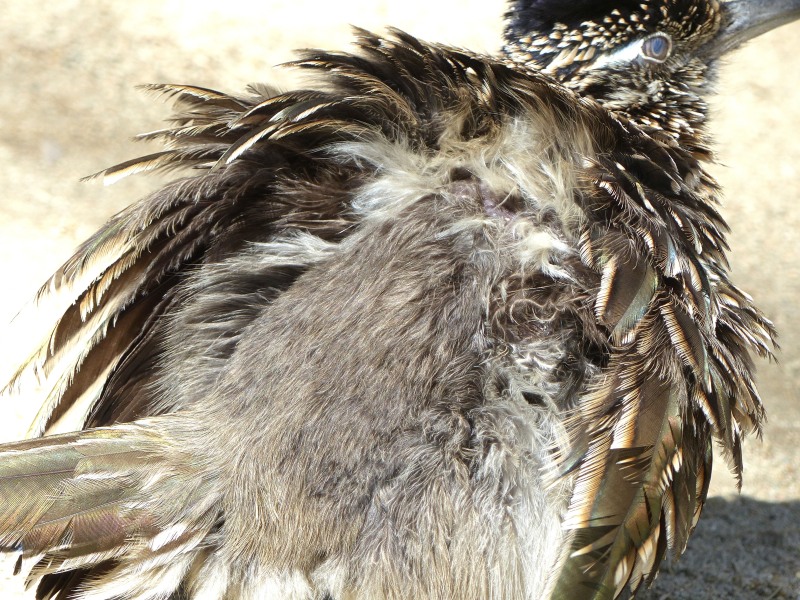
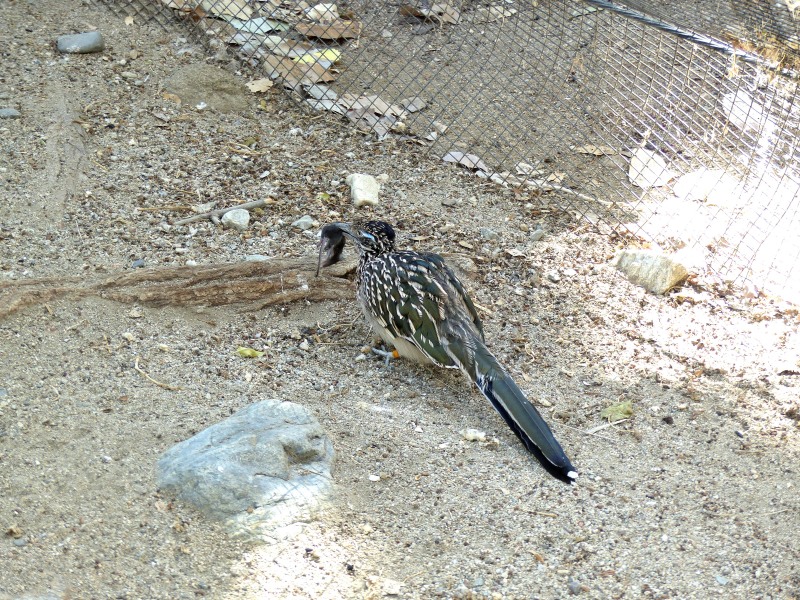
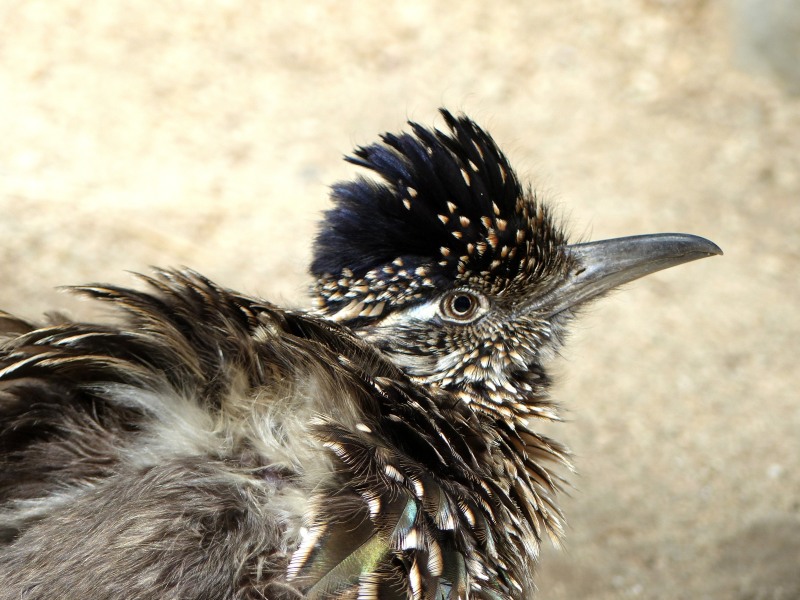
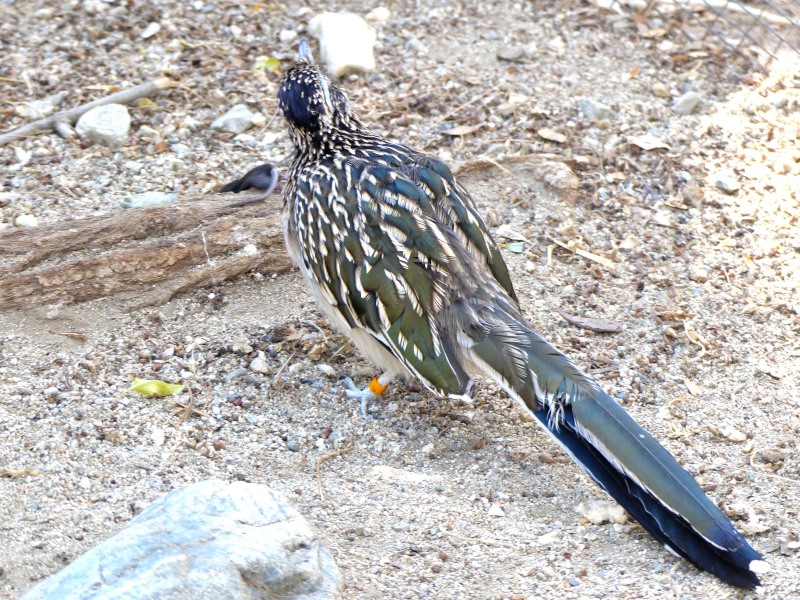
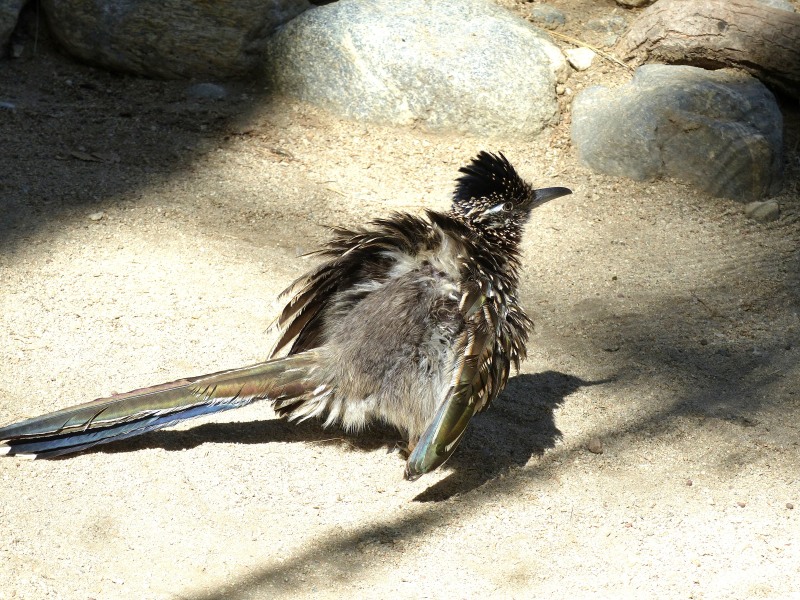
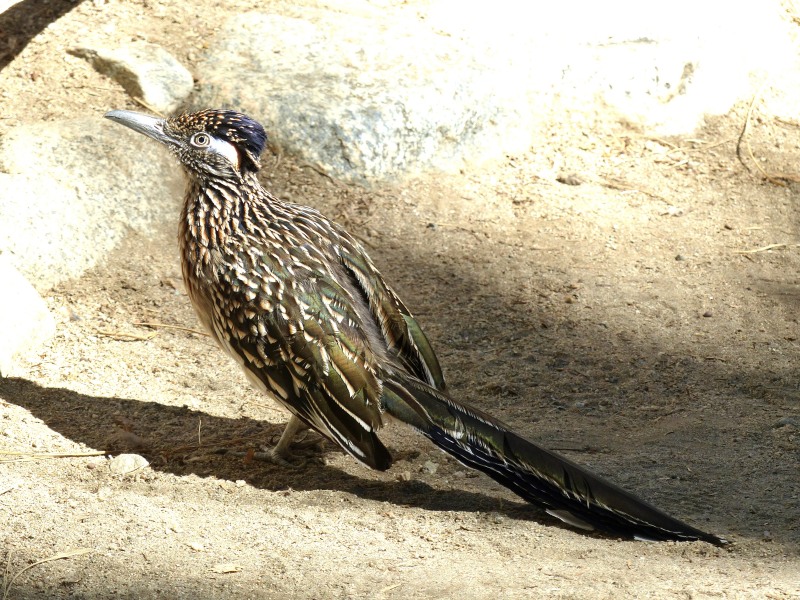
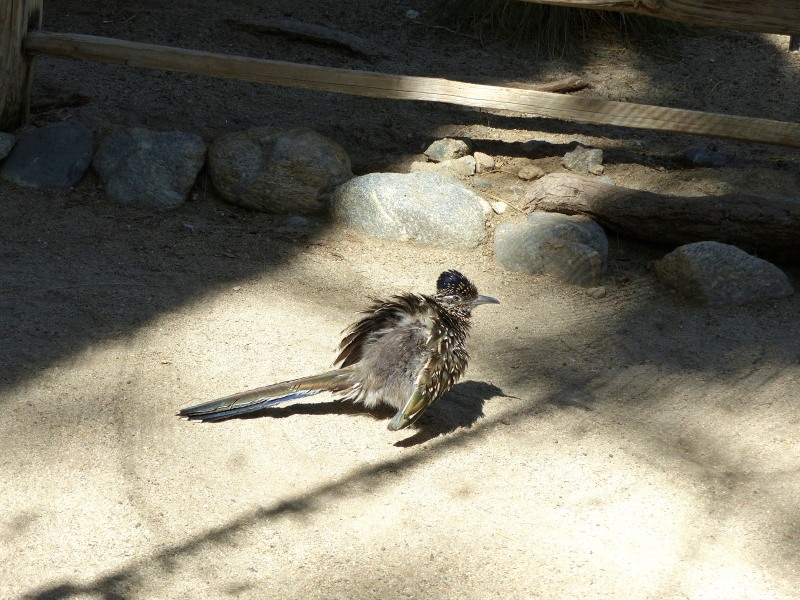
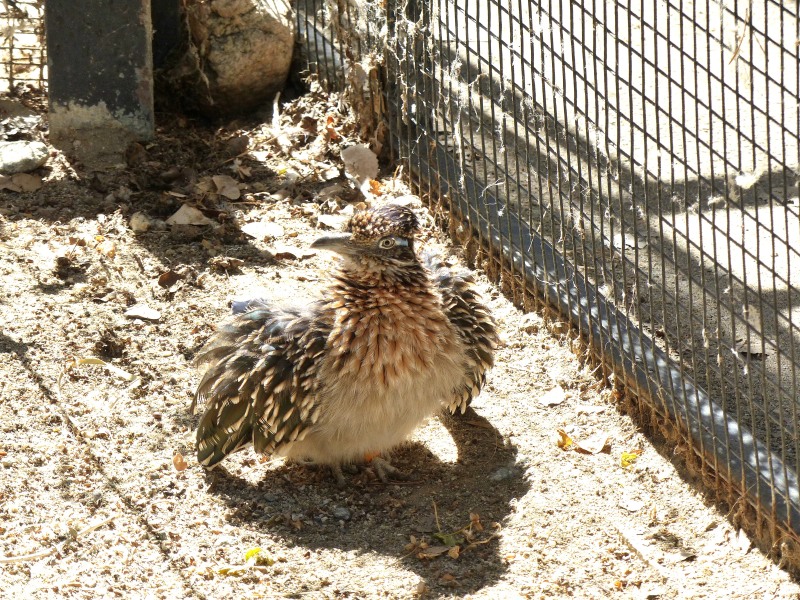
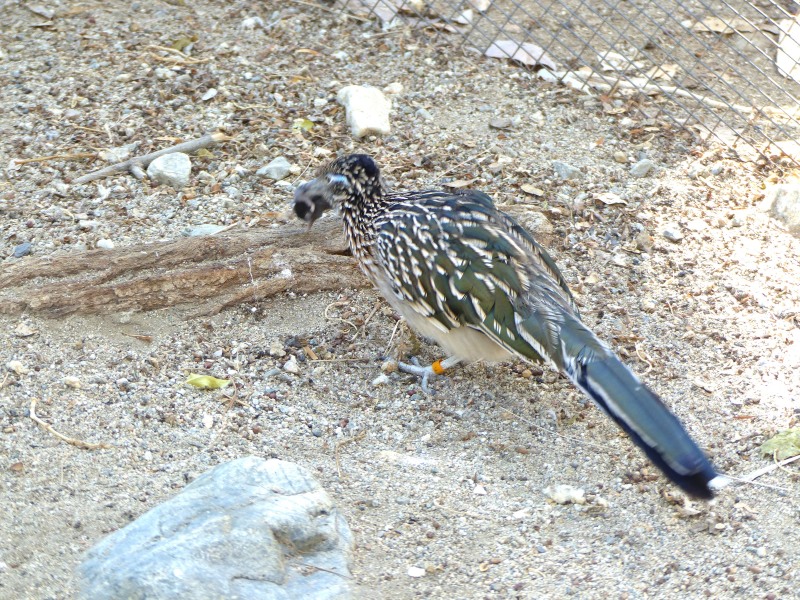
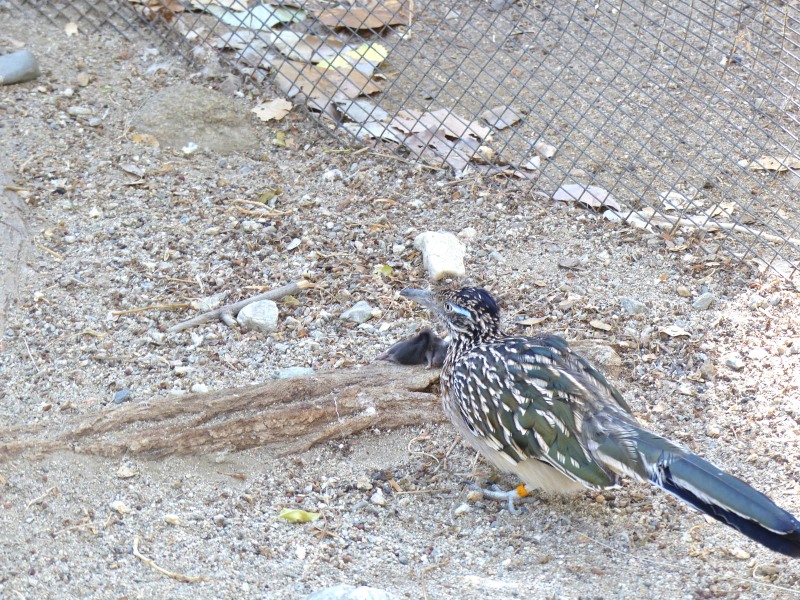
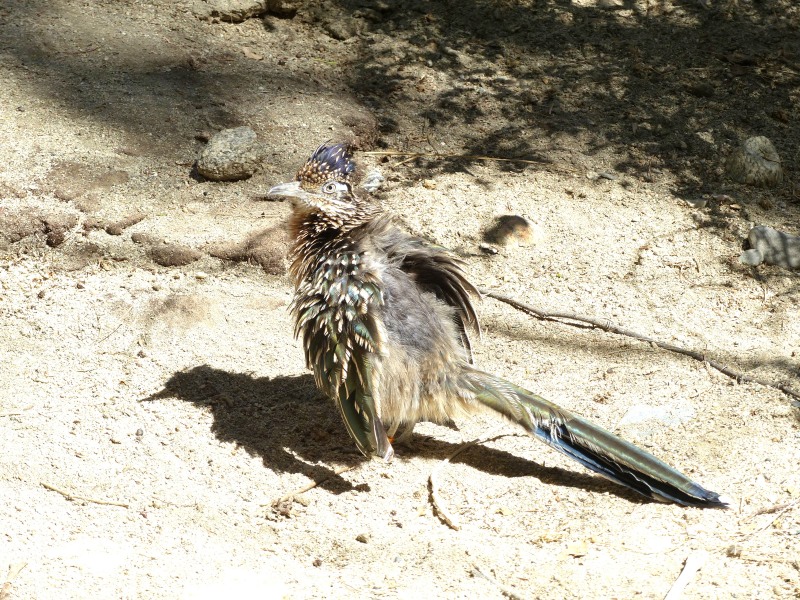
Well, “Paisano Pete” definitely would not count as a real bird, so I had to keep looking. We saw some in a Zoo or two, but when we got to the Living Desert Zoo in California, we were able to really see two of them. They were in an aviary where we saw them up close and not through a cage wire. These are the Greater Roadrunner (Geococcyx californianus). One was warming itself by exposing its feathers on the back and the other was trying to kill a dead mouse and chase a Turkey Vulture around. Got within two feet of one of them.

Roadrunner Warming up at Living Desert Zoo CA

Roadrunner Warming up at Living Desert Zoo CA


Roadrunner with mouse at Living Desert Zoo CA by Lee

Roadrunner with mouse at Living Desert Zoo CA by Lee


*

Fort Stockton, Texas: Paisano Pete: Giant Roadrunner

Paisano Pete

Living Desert Zoo and Garden

Fort Stockton, Texas – Wikipedia

Greater Roadrunner – Wikipedia

Birds of the Bible – Cuckoo

Cuckoos – Cuculidae Family

*

DINOSAUR-TO-BIRD EVOLUTION CHALLENGED – (Repost)

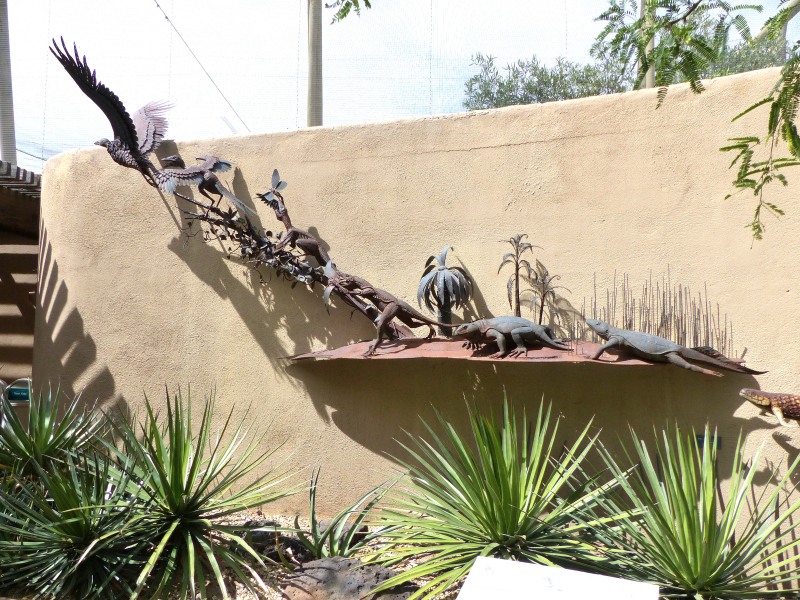
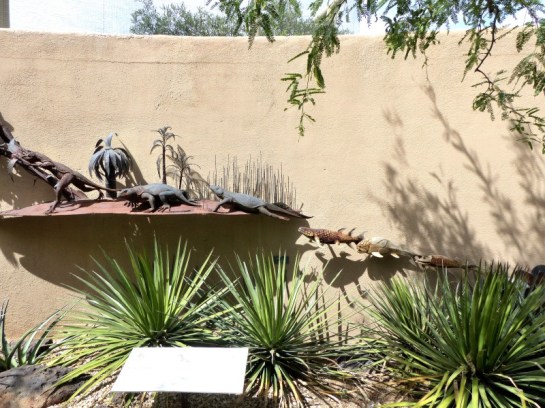
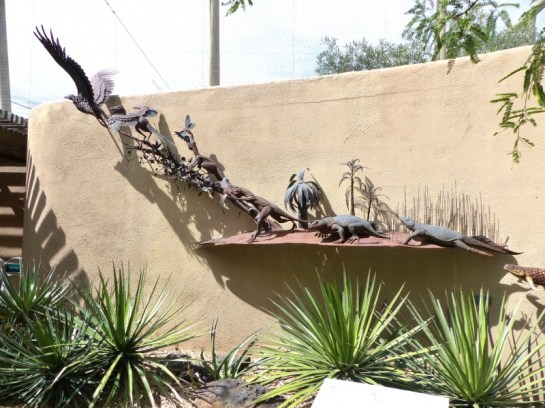
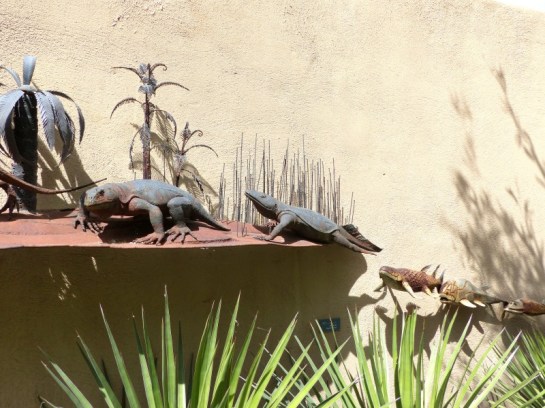
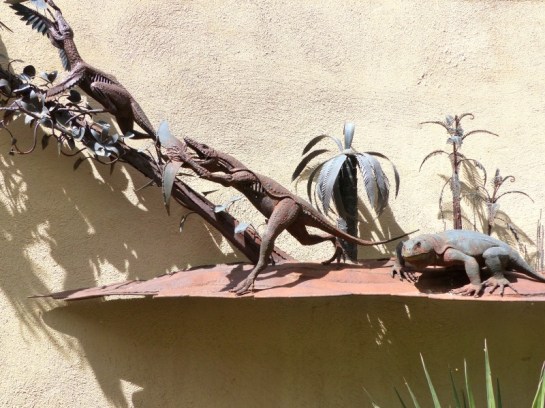
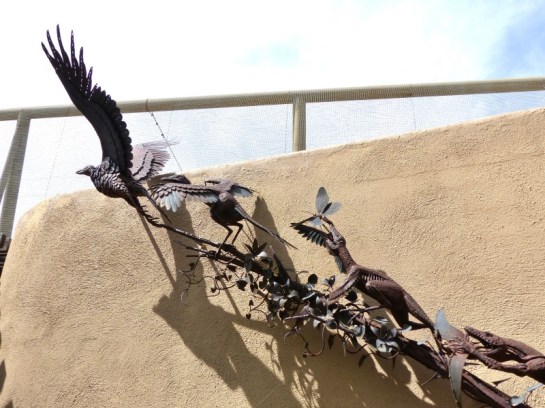
Dino to Bird Display - Desert Museum Tucson by Lee

Dino to Bird Display – Desert Museum Tucson by Lee

DINOSAUR-TO-BIRD EVOLUTION CHALLENGED

“For the LORD knoweth the way of the righteous: but the way of the ungodly shall perish.” (Psalm 1:6)

Most evolutionists today hold to the belief that modern-day birds evolved from dinosaurs. In fact, they now feel that large, carnivorous theropods like T. Rex rapidly shrank over a period of 50 million years until they evolved into our fine feathered friends.

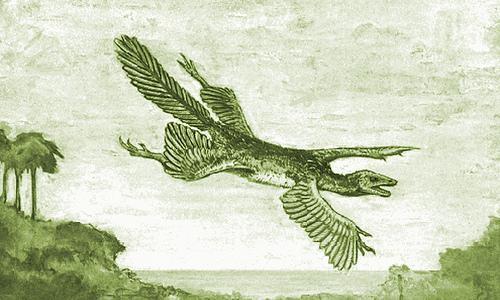
William Beebe's hypothetical -Tetrapteryx- with four wings 1915

William Beebe’s hypothetical -Tetrapteryx- with four wings 1915

An image drawn in 1915 by naturalist William Beebe suggests a hypothetical view of what early birds may have looked like. But not all evolutionists agree with this belief. Some, in fact, claim that birds evolved into dinosaurs. A study published in PNAS, the Proceedings of the National Academy of Sciences, provides evidence that birds did not descend from ground-dwelling theropod dinosaurs.

According to Oregon State University zoology professor John Ruben, the research was well done and consistent with a string of studies in recent years that pose an increasing challenge to the birds-from-dinosaurs theory. The weight of the evidence, he added, is now suggesting that not only did birds not descend from dinosaurs, but that some species now believed to be dinosaurs may have descended from birds.

Professor Ruben’s most revealing comment, however, was that the old dinosaurs-to-birds theories, instead of carefully interpreting the data, had public appeal, and that “many people saw what they wanted to see.”

How true for scientists on both sides of this issue! When scientists start with the assumption that evolution is true, then every bit of evidence they uncover will support evolution. They don’t even consider a third option – that God made the birds on the fifth day of Creation Week and the land-dwelling dinosaurs on the sixth day.

Prayer:
Heavenly Father, while people say that the Bible is not a science textbook, Your book does provide factual information that scientists would be wise to take into consideration. Open their eyes, I pray. Amen.

Notes:
“Bird-from-dinosaur theory of evolution challenged: Was it the other way around?”, ScienceDaily, Source: Oregon State University, 2-10-10. Illustration: An image drawn in 1915 by naturalist William Beebe suggests a hypothetical view of what early birds may have looked like.

Reposted with permission – ©Creation Moments 2015


Lee’s Addition:

While at the Desert Museum recently, I took these pictures of this “Dinosaur to Bird’ display on one of their walls. It is seen more and more at zoos and museums, especially near the bird exhibits. Their exhibit started with the critters in the water, then fish type, getting out of the water, etc. until you have the dinosaur turning into a bird.

God’s Word – The Bible states “All flesh is not the same flesh, but there is one kind of flesh of men, another flesh of animals, another of fish, and another of birds.” (1 Cor 15:39)

*

Creation Moments

More Creation Moments articles

*

PENGUINS WITH SUNGLASSES – (Re-post)

Adelie Penguin (Pygoscelis adeliae) by Daves BirdingPix

Adelie Penguin (Pygoscelis adeliae) by Daves BirdingPix

PENGUINS WITH SUNGLASSES

“Who being the brightness of his glory, and the express image of his person, and upholding all things by the word of his power, when he had by himself purged our sins, sat down on the right hand of the Majesty on high;” (Hebrews 1:3)

Have you ever gone outside on a bright, sunny day and been almost blinded by the light? Then imagine what it must be like for penguins to go about their lives with the intense glare of polar sunlight reflecting off a snowy or watery landscape.

Penguins, of course, can’t slip on a pair of sunglasses, but they don’t need to. These marvelous birds have an external eye fluid that filters out blue and ultraviolet wavelengths from the solar spectrum. This gives them clear vision while protecting their eyes from harm. As you might have guessed, eagles, falcons, hawks and other birds of prey also have this fluid.

Inspired by these birds, scientists have been able to develop an orange-colored dye and filter that duplicates the penguin’s retinal fluid. The orange dye has been used to produce orange-tinted sunglasses which provide improved vision in bright sunlight and on foggy days.

According to Donald DeYoung’s book Discovery of Design, many welders now use orange-colored masks that are safer and more transparent than the old-style dark masks that made it difficult for them to see. There is also the hope that orange-tinted glasses may someday help patients suffering from visual loss due to cataracts or macular degeneration.

When engineers and designers look at nature to design new products and product improvements, they are looking at intelligent designs, not the products of chance and billions of years. The “sunglasses” worn by penguins were designed by their Creator!

Prayer:
Heavenly Father, I am filled with gratitude that You have given me not only eyes to see the world around me but spiritual eyes that can see the truths in Your Word! Amen.

Notes:
“Penguin Eye – Sunglasses”, Discovery of Design, D. DeYoung and D. Hobbs, pp. 112-113, Master Books, Second Printing, 2012. Photo: Courtesy of Flip619. Licensed under the Creative Commons Attribution-Share Alike 3.0 Unported license.

(Used with permission of Creation Moments)


Lee’s Addition:

Wisdom is in the sight of him who has understanding, But the eyes of a fool are on the ends of the earth. (Pro 17:24)

It continues to amaze me that men keep discovering so many useful things in the design of the critters that the Lord has created, yet refuse to honor or acknowledge Him. That eye protection is just another example of the Lord’s love and care of His Creation.
*

Creation Moments

More Interesting Things

*


Sunday Inspiration – Whistlers and Avian Friends

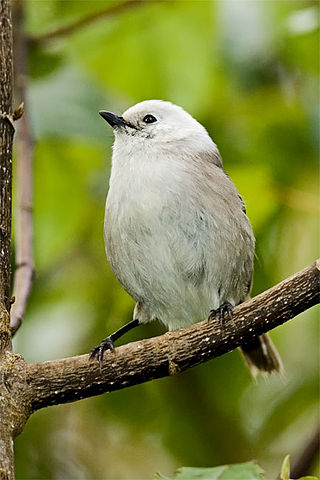
Whitehead (Mohoua albicilla) ©WikiC

Whitehead (Mohoua albicilla) ©WikiC

But whoso keepeth his word, in him verily is the love of God perfected: hereby know we that we are in him. (1 John 2:5 KJV)

For this is the love of God, that we keep his commandments: and his commandments are not grievous. (1 John 5:3 KJV)

Mohoua is a small genus of three bird species endemic to New Zealand. Their taxonomic placement has presented problems: They have typically been placed in the Pachycephalidae family (whistlers), but in 2013 it was established that they are best placed in their own family, Mohouidae.
All three species display some degree of sexual dimorphism in terms of size, with the males being the larger of the two sexes. Mohoua are gregarious and usually forage in groups . They also forage in mixed species flocks at times, frequently forming the nucleus of such flocks. Social organization and behavior is well documented for all three Mohoua species; cooperative breeding has been observed in all three species and is common in the Whitehead and Yellowhead. The three species of this genus are the sole hosts for the Long-tailed Cuckoo which acts as a brood parasite upon them, pushing their eggs out of the nest and laying a single one of its own in their place so that they take no part in incubation of their eggs or in raising their young.

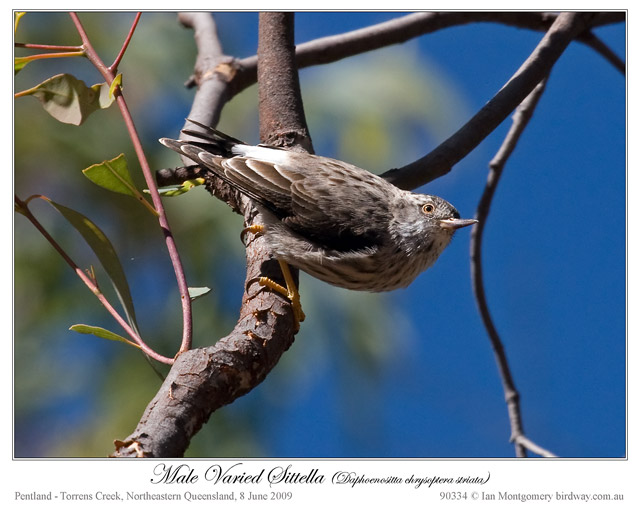
Varied Sittella (Daphoenositta chrysoptera) Male by Ian

Varied Sittella (Daphoenositta chrysoptera) Male by Ian

The three Sittellas are in the Neosittidae family. are small passerines which resemble nuthatches in appearance.[1] The wings are long and broad, and when spread have clearly fingered tips. The family has a generally weak flight, which may explain their inability to colonize suitable habitat on islands like Tasmania. The legs are short but they have long toes, but in spite of their lifestyle they show little adaptation towards climbing. They have short tails and are between 10–14 cm in length and 8–20 g in weight, with the black sittella tending to be slightly larger and heavier. The bill is dagger shaped in the case of the black sittella and slightly upturned in the varied sittella. The plumage of the black sittella is mostly black with a red face; that of the varied sittella is more complex, with the numerous subspecies having many variations on the theme. The calls of sittellas are generally simple and uncomplicated. The sittellas are social and generally restless birds of scrub, forests and woodlands. In Australia they generally avoid only the dense rainforest, whereas in New Guinea this is the only habitat they inhabit, avoiding only lowland forest.

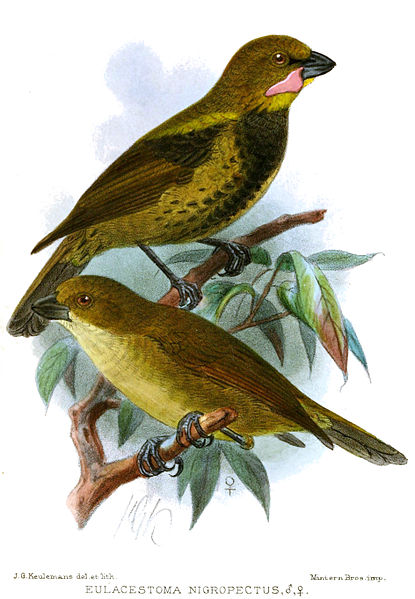
Wattled Ploughbill (Eulacestoma nigropectus) ©Drawing WikiC

Wattled Ploughbill (Eulacestoma nigropectus) ©Drawing WikiC

The Wattled Ploughbill is a small, approximately 14 cm long, olive-brown songbird with a strong, thick, wedge-shaped black bill, used to plough into dead tree branches, bark and twigs in search for its insects diet. The sexes are different. The male has black underparts, black wings and a large circular pink wattle on the cheek. The female has olive-green plumage and pale olive below. Only the adult male has wattles.

The only member of the monotypic genus Eulacestoma and family Eulacestomidae, the wattled ploughbill is distributed and endemic to central mountain ranges of New Guinea. The diet consists mainly of insects.

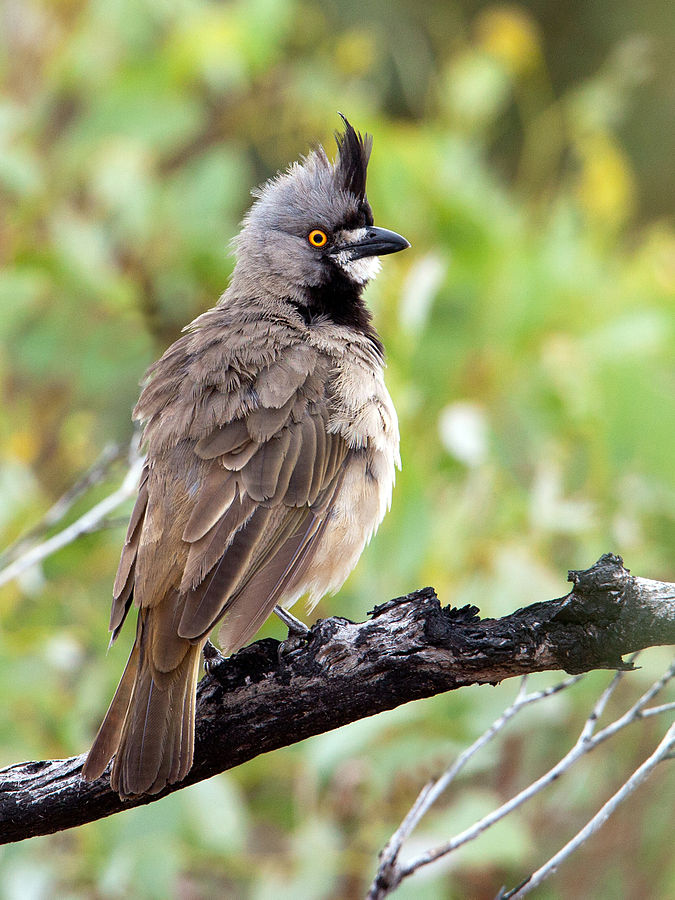
Crested Bellbird (Oreoica gutturalis) ©WikiC

Crested Bellbird (Oreoica gutturalis) ©WikiC

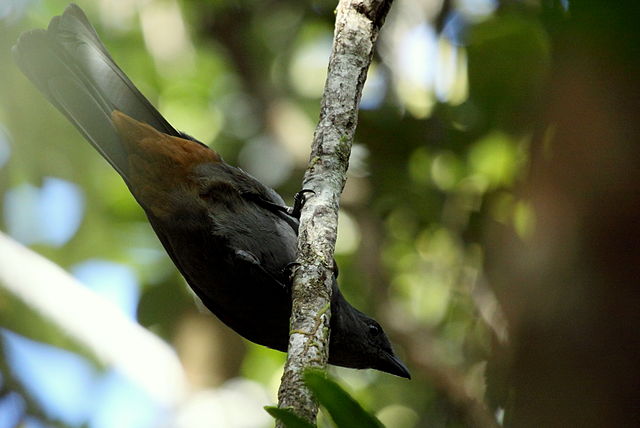
Oreoicidae is a newly recognized family of small insectivorous songbirds, formerly placed in the Old World warbler “wastebin” family. It contains 3 species, all in different genera. Rufous-naped Whistler, Crested Pitohui and Crested Bellbird.

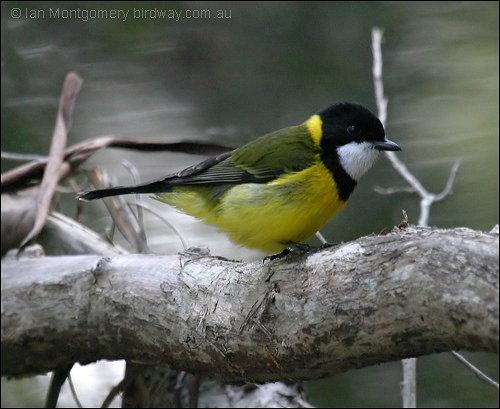
Australian Golden Whistler (Pachycephala pectoralis) by Ian

Australian Golden Whistler (Pachycephala pectoralis) by Ian

The Whistler family has 56 species. The family Pachycephalidae, collectively the whistlers, includes the whistlers, shrikethrushes, shriketits, pitohuis and crested bellbird, and is part of the ancient Australo-Papuan radiation of songbirds. Its members range from small to medium in size, and occupy most of Australasia. Australia and New Guinea are the centre of their diversity, and in the case of the whistlers, the South Pacific islands as far as Tonga and Samoa and parts of Asia as far as India. The exact delimitation of boundaries of the family are uncertain.

This slideshow requires JavaScript.

For I am persuaded, that neither death, nor life, nor angels, nor principalities, nor powers, nor things present, nor things to come, Nor height, nor depth, nor any other creature, shall be able to separate us from the love of God, which is in Christ Jesus our Lord. (Romans 8:38-39 KJV)

He that loveth not knoweth not God; for God is love. In this was manifested the love of God toward us, because that God sent his only begotten Son into the world, that we might live through him. Herein is love, not that we loved God, but that he loved us, and sent his Son to be the propitiation for our sins. (1 John 4:8-10 KJV)

Listen to Dr. Richard Gregory sing as you watch these five beautifully created families of birds:

“The Love of God” ~ Dr. Richard Gregory

Sunday Inspirations

Birds of the World

*

Gideon

*

Sunday Inspiration – Cuckooshrikes

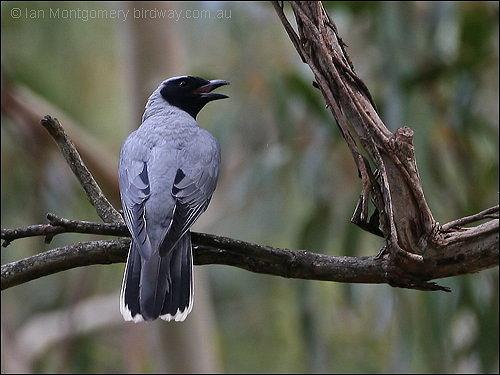
Black-faced Cuckooshrike (Coracina novaehollandiae) by Ian

Black-faced Cuckooshrike (Coracina novaehollandiae) by Ian

Out of the ground the LORD God formed every beast of the field and every bird of the air, and brought them to Adam to see what he would call them. And whatever Adam called each living creature, that was its name. (Genesis 2:19 NKJV)

The cuckooshrikes and allies in the Campephagidae family are small to medium-sized passerine bird species found in the subtropical and tropical Africa, Asia and Australasia. The roughly 92 species are found in eight (or nine) genera which comprise five distinct groups, the ‘true’ cuckooshrikes (Campephaga, Coracina, Lobotos, Pteropodocys and Campochaera) the trillers (Lalage), the minivets (Pericrocotus), the flycatcher-shrikes (Hemipus). The woodshrikes (Tephrodornis) were often considered to be in this family but are probably better placed in their own family, the Tephrodornithidae, along with the philentomas and the flycatcher-shrikes.

Pied Triller (Lalage nigra) ©WikiC

Pied Triller (Lalage nigra) ©WikiC

Overall the cuckooshrikes are medium to small arboreal birds, generally long and slender. The smallest species is the small minivet at 16 cm (6.3 in) and 6-12 grams (0.2-0.4 oz), while the largest is the south Melanesian cuckooshrike at 35 cm (14 in) and 180 grams (6 oz). They are predominantly greyish with white and black, although the minivets are brightly coloured in red, yellow and black, and the blue cuckooshrike of central Africa is all-over glossy blue. The four cuckooshrikes in the genus Campephaga exhibit sexual dimorphism, with males that have glossy black plumage and bright red or yellow wattles, the females having more subdued olive-green plumage. The genus Coracina is not monophyletic.

New Caledonian Cuckooshrike (Coracina analis) ©WikiC

New Caledonian Cuckooshrike (Coracina analis) ©WikiC

The majority of cuckooshrike are forest birds. Some species are restricted to primary forest, like the New Caledonian cuckooshrike, others are able to use more disturbed forest. Around eleven species use much more open habitat, one Australian species, the ground cuckooshrike being found in open plains and scrubland with few trees.

The ‘true’ cuckooshrikes are usually found singly, in pairs, and in small family groups, whereas the minivets, flycatcher-shrikes and wood-shrikes more frequently form small flocks. There is a considerable amount of variation within the family as a whole with regards to calls, some call very infrequently and some, principally the minivets, are extremely vocal.

(Info from Wikipedia with editing)

This slideshow requires JavaScript.

For the invisible things of him from the creation of the world are clearly seen, being understood by the things that are made, even his eternal power and Godhead; so that they are without excuse: (Romans 1:20 KJV)

Jesus answered them, “I told you, and you do not believe. The works that I do in My Father’s name, they bear witness of Me. (John 10:25 NKJV)

Giving thanks always for all things unto God and the Father in the name of our Lord Jesus Christ; (Ephesians 5:20 KJV)

Listen to the Hyssongs as you watch the interesting Cuckooshrike family whom the Lord created:

“There’s Something About That Name” © The Hyssongs

*

More Sunday Inspirations

Birds of the World

Cuckooshrike – Wikipedia

Cuckoo-shrike – IBC

Cuckooshrikes – Birds of the World

Falling Plates

*

Birds at the Mississippi Welcome Center

Mississippi Welcome Ctr (2)

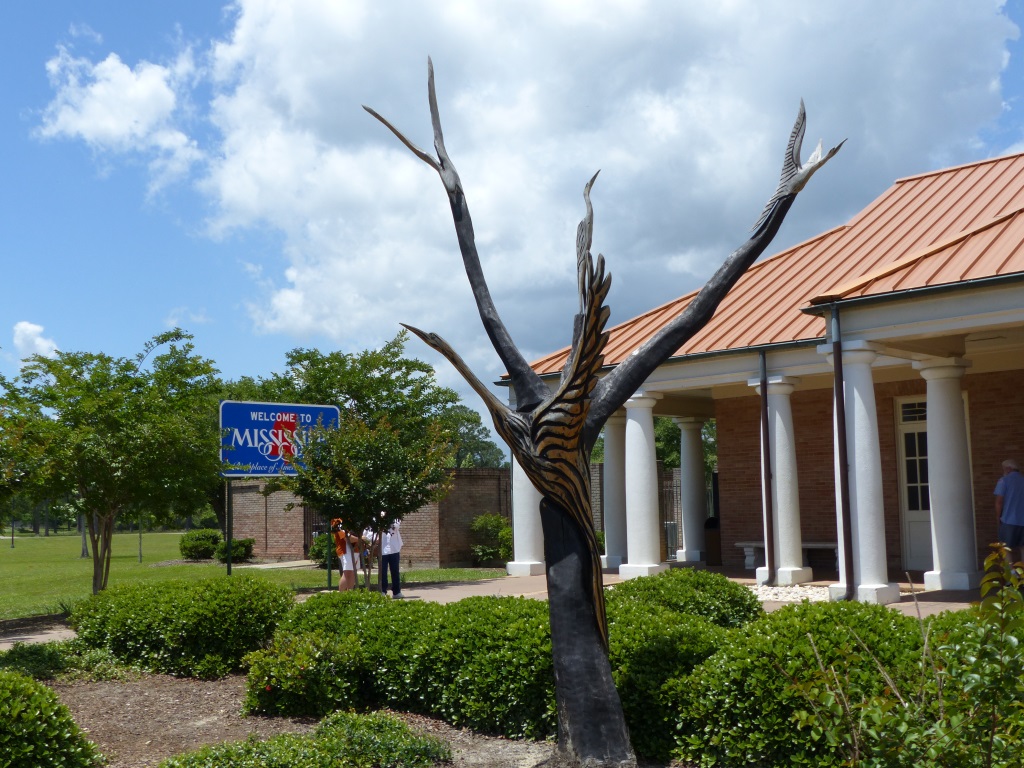
Birds at the Mississippi Welcome Center were a welcome sight. While on our most recent vacation, we saw these trees with birds carved on the end of each limb.

Welcome Center at Moss Point, Mississippi

Welcome Center at Moss Point, Mississippi

The center is at Moss Point, MS (the eastern center on I-10 headed west) and were carved by Martin Miller with a chain saw. Mr. Miller uses trees that were destroyed or damaged by Hurricane Katrina.

This slideshow requires JavaScript.

Look at the birds of the air, for they neither sow nor reap nor gather into barns; yet your heavenly Father feeds them. Are you not of more value than they? (Mat 6:26)

Mr. Miller’s bird creations are copied from fantastic creations of their Creator.

Martin Miller

Heron Bird Carvings

Wordless Birds

*


The Purple Thief – (Re-post)

THE PURPLE THIEF

Creation Moments

  “He hath made his wonderful works to be remembered: the LORD is gracious and full of compassion.” (Psalm 111:4)

Birds and insects that take nectar from a flower without picking up any pollen are known as nectar robbers. Now, you’d probably think that nectar robbers would be harmful to plants and trees, but the desert teak tree couldn’t survive without a nectar robber – the purple sunbird.

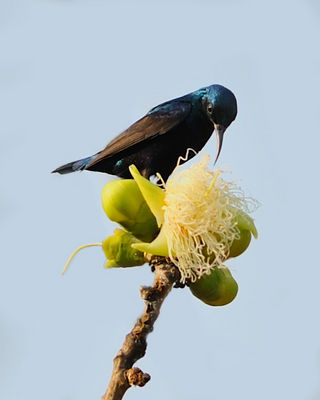
Purple Sunbird (Cinnyris asiaticus) ©J M Garg

Purple Sunbird (Cinnyris asiaticus) ©J M Garg

In order to reproduce, this tree needs birds to pollinate its flowers. But since a tree cannot reproduce with its own pollen, it needs birds to fly from flower to flower and from one tree to another. Anything that encourages the pollinating birds to fly farther away helps out the teak trees.

That’s where the purple thief comes in. Researchers at the University of Delhi discovered that the sunbird visits the flowers one hour before the pollinating birds arrive. The purple sunbird has a long, sharp beak that pierces the base of the flower to feed, so it doesn’t pick up any pollen. It does, however, empty the flower of about 60 percent of its nectar, leaving relatively little for the pollinators. This means that the pollinators will have to travel to more flowers and trees to get enough food, spreading pollen wherever they stop for a meal.

The researchers noted that “the robber plays a constructive and crucial role in the reproductive performance of [a] threatened tree species.” How right they are. And this unusual but crucial dining arrangement shows once again what an ingenious God we serve!

Prayer:

Lord, only You could come up with such an ingenious way to help the desert teak tree to reproduce! Surely such an arrangement could not have come about through blind chance! Amen.

Notes:

“These trees don’t mind getting robbed”, Science News, 7­-25­-14. Photo: Purple sunbird. Courtesy of J.M.Garg. licensed under the Creative Commons Attribution­Share Alike 3.0 Unported license.


Lee’s Addition:

Purple Sunbird (Cinnyris asiaticus) by TAJA

Purple Sunbird (Cinnyris asiaticus) by TAJA

Sunbirds belong to the Nectariniidae – Sunbirds Family which currently has 143 species. They are amazing colored by their Creator and well designed for the plants they pull the nectar from.

From Sunday Inspiration – Sunbirds, “These are very small passerine birds. Most sunbirds feed largely on nectar, but also take insects and spiders, especially when feeding young. Flower tubes that bar access to nectar because of their shape, are simply punctured at the base near the nectaries. Fruit is also part of the diet of some species. Their flight is fast and direct on their short wings.

The family is distributed throughout Africa, the Indian Subcontinent, Southeast Asia and just reaches northern Australia.

See:

Nectariniidae – Sunbirds Family

Sunday Inspiration – Sunbirds

Sunbird – Wikipedia

Who Paints the Leaves

*

Sunday Inspiration – Vangas and Friends

White-headed Vanga (Artamella viridis) ©WikiC

White-headed Vanga (Artamella viridis) ©WikiC

For every beast of the forest is mine, the cattle on a thousand hills. I know all the birds of the hills, and all that moves in the field is mine. (Psalms 50:10-11 ESV)

The Vangas (from vanga, Malagasy for the hook-billed vanga, Vanga curvirostris) are a group of little-known small to medium-sized passerine birds restricted to Madagascar and the Comoros. They are usually classified as the family Vangidae. There are about 21 or 22 species, depending on taxonomy. Most species are shrike-like, arboreal forest birds, feeding on reptiles, frogs and insects. Several other Madagascan birds more similar to Old World warblers, Old World babblers or Old World flycatchers are now often placed in this family. Vangas differ greatly in bill shape and have a variety of foraging methods. Their stick nests are built in trees. They do not migrate.

Mounted Bornean Bristlehead (Pityriasis gymnocephala), at the Muséum d'Histoire naturelle de Genève. ©WikiC

Mounted Bornean Bristlehead (Pityriasis gymnocephala), at the Muséum d’Histoire naturelle de Genève. ©WikiC

The Bornean Bristlehead (Pityriasis gymnocephala), also variously known as the bristled shrike, bald-headed crow or the bald-headed wood-shrike, is the only member of the passerine family Pityriaseidae and genus Pityriasis. It is an enigmatic and uncommon species of the rainforest canopy of the island of Borneo, to which it is endemic.

White-breasted Woodswallow (Artamus leucorynchus amydrus) by Lee Zoo Miami

White-breasted Woodswallow (Artamus leucorynchus amydrus) by Lee ZM

Woodswallows are soft-plumaged, somber-coloured passerine birds. There are 24 a single genus, Artamus, The woodswallows are either treated as a subfamily, Artaminae in an expanded family Artamidae, which includes the butcherbirds and Australian Magpie, or as the only genus in that family. The generic name, which in turn gives rise to the family name, is derived from the Ancient Greek artamos, meaning butcher or murder. The name was given due to their perceived similarity to shrikes, indeed a former common name for the group was “swallow-starlings”

Woodswallows are smooth, agile flyers with moderately large, semi-triangular wings. They are among the very few passerines birds that soar, and can often be seen feeding just above the treetops. One sedentary species aside, they are nomads, following the best conditions for flying insects, and often roosting in large flocks.
Although woodswallows have a brush-tipped tongue they seldom use it for gathering nectar.

Mottled Whistler (Rhagologus leucostigma) ©©Katerina Tvardikova

Mottled Whistler (Rhagologus leucostigma) ©©Katerina Tvardikova

The Mottled Whistler (Rhagologus leucostigma) is a species of bird whose relationships are unclear but most likely related to the woodswallows, boatbills and butcherbirds. It is monotypic within the genus Rhagologus and family Rhagologidae. It is found in Indonesia and Papua New Guinea, where its natural habitat is subtropical or tropical moist montane forests

Common Iora (Aegithina tiphia) by Clement Francis

Common Iora (Aegithina tiphia) by Clement Francis

The Ioras (Aegithinidae) are a small family of four passerine bird species found in India and southeast Asia. The Ioras are small to medium small sized passerines, ranging from 11.5 to 15.5 cm (4.5–6.1 in) in length. Overall the males are larger than the females. These are reminiscent of the bulbuls, but whereas that group tends to be drab in colouration, the ioras are more brightly colored. The group exhibits sexual dimorphism in its plumage, with the males being brightly plumaged in yellows and greens. Unlike the leafbirds, ioras have thin legs, and their bills are proportionately longer. Calls are strident whistles; songs are musical to human ears.

This slideshow requires JavaScript.

Jesus said unto him, If thou canst believe, all things are possible to him that believeth. (Mark 9:23 KJV)

Then said Jesus unto the twelve, Will ye also go away? Then Simon Peter answered him, Lord, to whom shall we go? thou hast the words of eternal life. And we believe and are sure that thou art that Christ, the Son of the living God. (John 6:67-69 KJV)

Listen to the Hyssongs as you watch these five different families the Lord has created for us to enjoy.

“I Still Believe” – ©The Hyssongs

Sunday Inspirations

Birds of the World

*

Gospel Presentation

*

FEATHERED DINOSAURS from Creation Moments

Changyuraptor yangi (aka feathered dinosaur)©WikiC

Changyuraptor yangi (aka feathered dinosaur)©WikiC

FEATHERED DINOSAURS

“As birds flying, so will the LORD of hosts defend Jerusalem; defending also he will deliver it; and passing over he will preserve it.” Isaiah 31:5

A new species of dinosaur has been found. Scientists are calling Changyuraptor yangi the biggest feathered dinosaur ever discovered. Here at Creation Moments, however, we’re calling it a feathered bird. Dinosaur-to-bird evolution is nothing more than a flight of fancy.

Changyuraptor yangi (aka feathered dinosaur) ©Stephanie Abramowicz

Changyuraptor yangi (aka feathered dinosaur) ©Stephanie Abramowicz

Naturally, USA Today, BBC News and many other news outlets are calling it a four-winged dinosaur. Changyuraptor yangi, they say, is a new species of dinosaur that offers “clues to the origin of flight – and the transition from feathered dinosaurs to birds.” Research scientists also say that “the new fossil possesses the longest known feathers for any non-avian dinosaur.”

Non-avian? No, we’re still calling them birds, and here’s why. For one thing, dinosaurs and other reptiles have scales, which are folds in their skin. Birds, on the other hand, have feathers which grow out of follicles. Scales and feathers are completely different. No known fossils, in fact, provide evidence of a transition from scales to feathers.

Furthermore, for a dinosaur to evolve into a bird, it would need to develop hollow bones, and it would need to gain powerful flight muscles and develop a new heart with four chambers rather than three.

So, too, do we need a new heart to understand the things of God. We don’t evolve our old heart into a new one. Our new heart comes to us through the work of the Holy Spirit.

Prayer:
Thank You, Father, for sending the Holy Spirit so we can have a close and enduring relationship with You! Amen.

Notes:
Scientists discover largest four-winged dinosaur to date“, USA Today, 7/15/14. “Four-winged dinosaur is ‘biggest ever‘”, BBC News Science & Environment, 7/16/14. “A new raptorial dinosaur with exceptionally long feathering provides insights into dromaeosaurid flight performance,” Nature Communications, 7/15/14. Illustration: Changyuraptor yangi. Courtesy of Stephanie Abramowicz, Dinosaur Institute, NHM. Used for educational purposes under U.S. fair use doctrine.

Used with permission from Creation Moments©2015


Lee’s Addition:

Actually, there are several verses in Scripture that mention a creature with four wings. Ezekiel 1:6&8: 10:21 and this verse in Daniel 7:6 says:

“After this I looked, and there was another, like a leopard, which had on its back four wings of a bird. The beast also had four heads, and dominion was given to it. (Daniel 7:6 NKJV)

Flying with four wings seems to be possible.

Now for some other rebuttal  articles from Christian Creation sources:

Plus

Falling Plates