White-breasted Cormorant Update

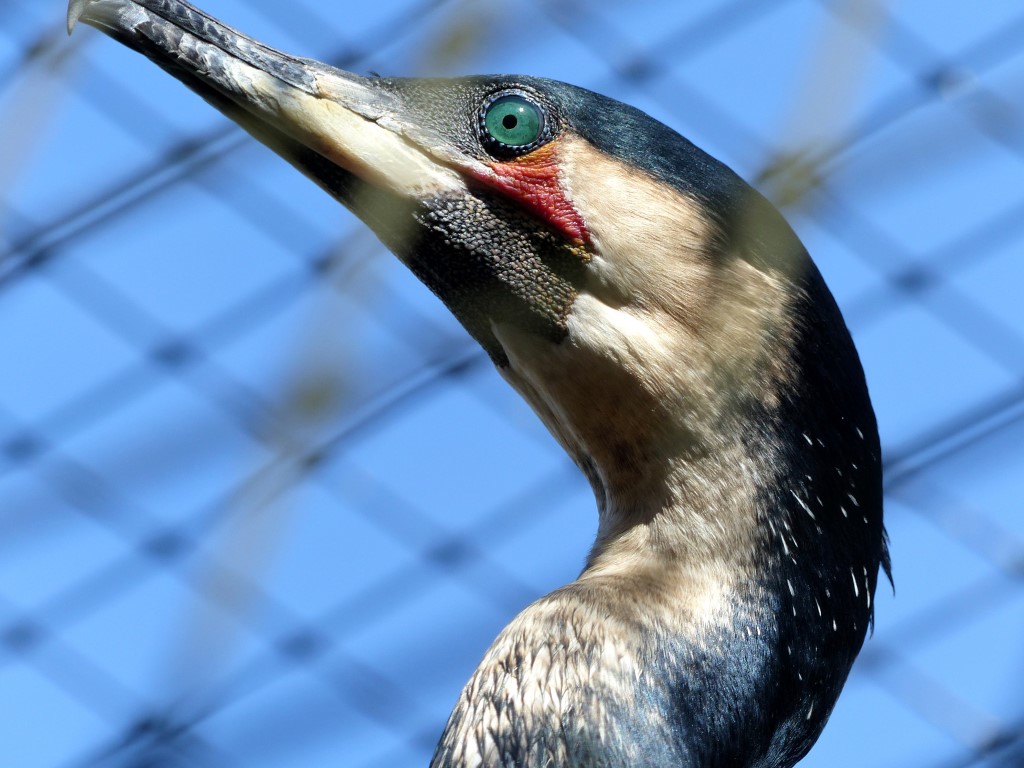
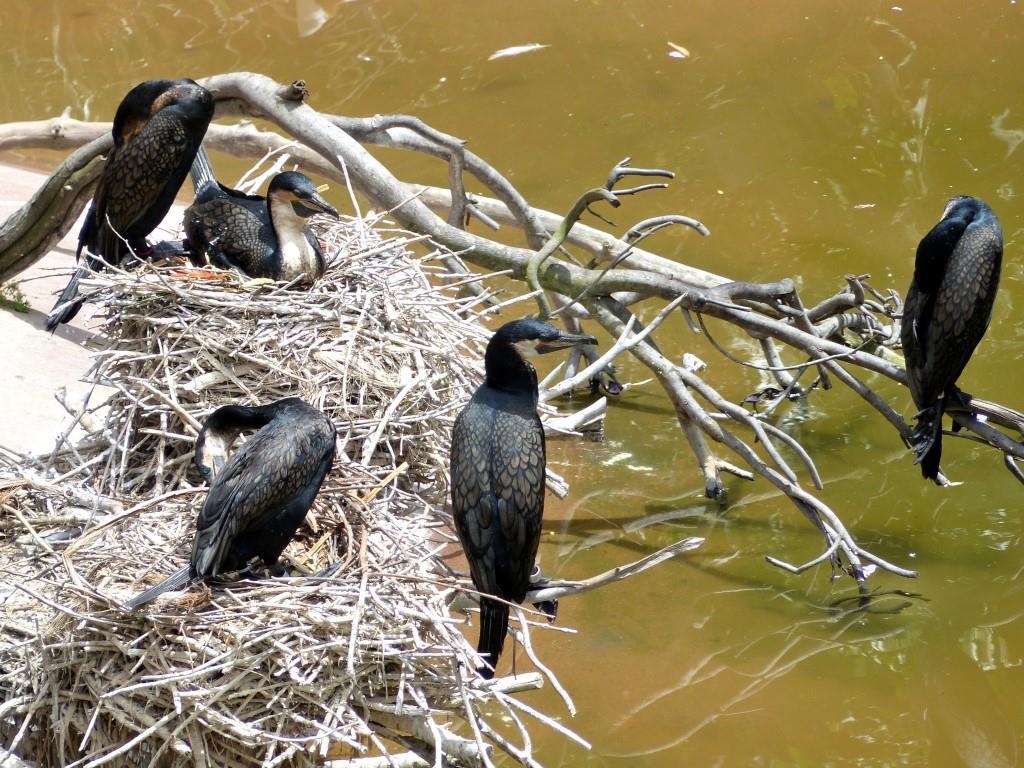
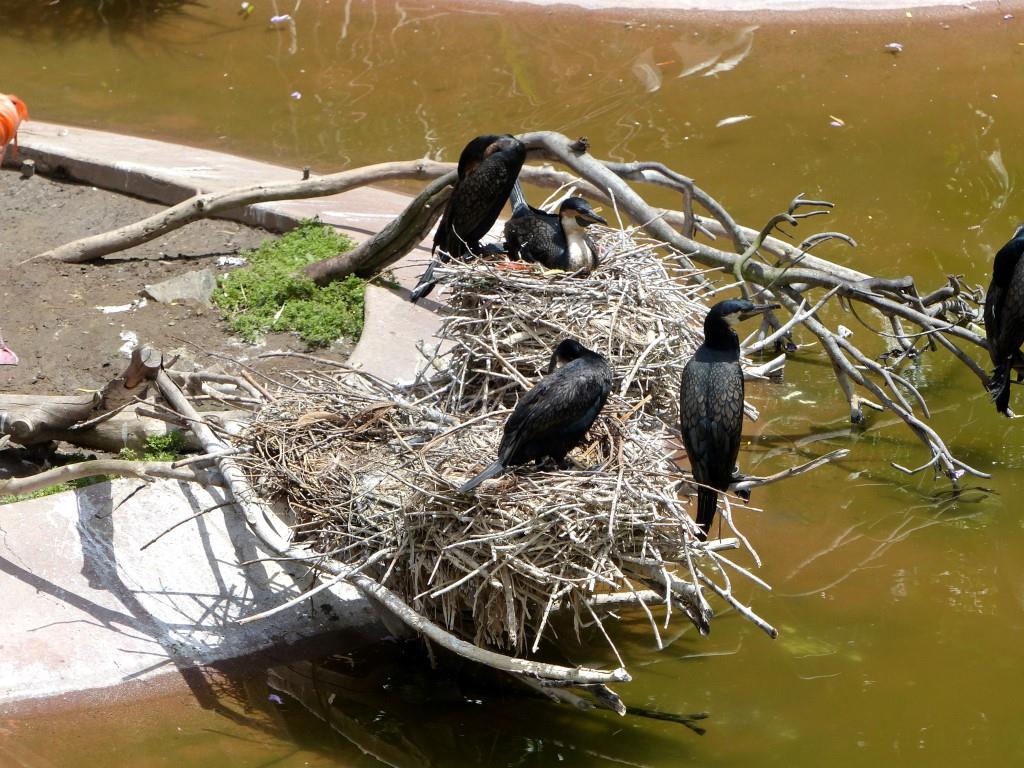
White-breasted Cormorant (Phalacrocorax lucidus) SD Zoo by Lee

White-breasted Cormorant (Phalacrocorax lucidus) SD Zoo by Lee

In yesterday’s article, White-breasted Cormorants at San Diego Zoo I mentioned that we had never seen these before. When it posted, at the bottom of the article, it loaded the Latest Challenge of Zoo Photography which was taken at Lowry Park Zoo. I have added an Update to yesterday’s article.

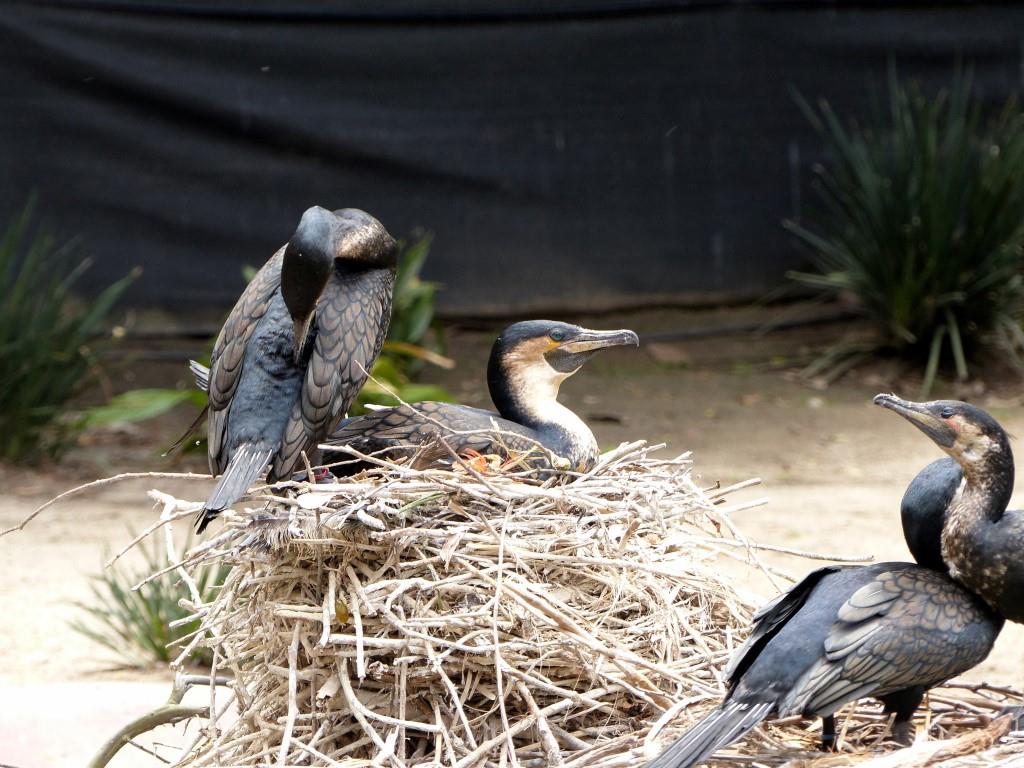
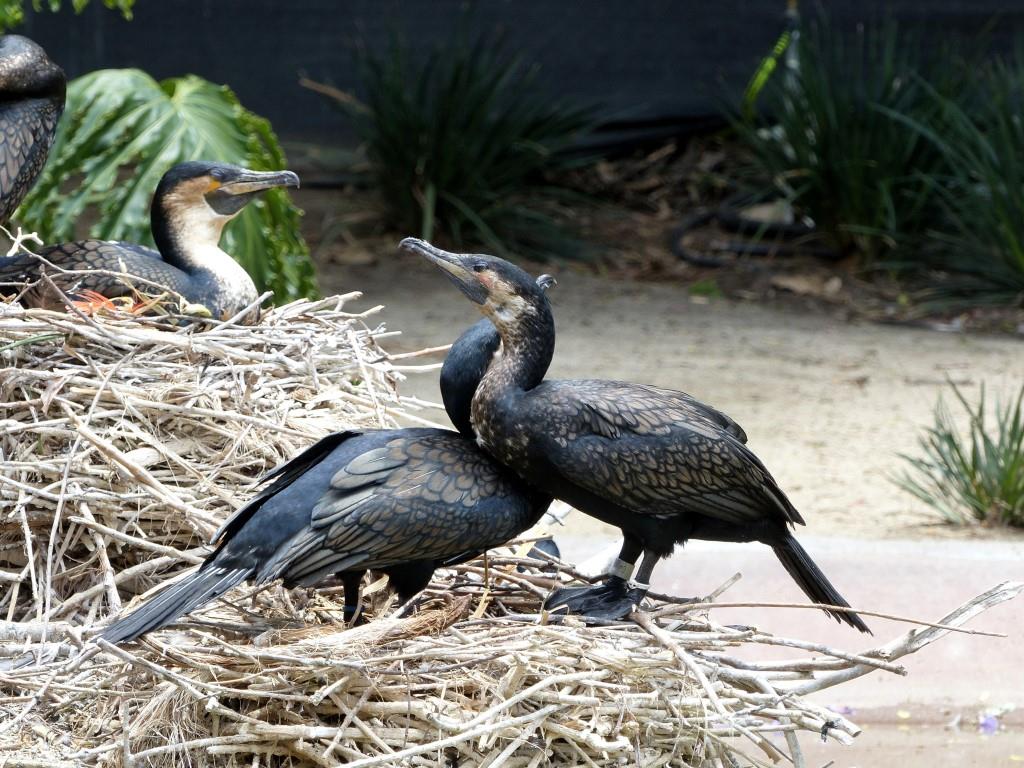
But now that I look at the two of them together, it does make me wonder if they are the same species.???

I got through the netting.

I got through the netting.

They both have that beautiful green eye, but their little patch of color below the eye is different. Huh?

Interesting. They may come from different parts of Africa or it could be their ages or sex. If you know, drop a comment.

As James tells us, we are to admit when we mess up. It was unintentional.

Confess your faults one to another, and pray one for another, that ye may be healed. The effectual fervent prayer of a righteous man availeth much. (James 5:16 KJV)

At least it gave me something to write about today! :)
(By the way, if you wonder why I don’t have the smiley faces turned on, it is because I use so many “(” and “)” that they get turned into faces. I need the quotes for the names of the birds more than I need smileys. :)

White-breasted Cormorants at San Diego Zoo

White-breasted Cormorant (Phalacrocorax lucidus) SD Zoo by Lee

White-breasted Cormorant (Phalacrocorax lucidus) SD Zoo by Lee

Update: I have seen these before at Lowry Park Zoo – My mistake :(

We see Double-crested Cormorants very frequently here in Florida. At the San Diego Zoo, we were able to see the White-breasted Cormorants. These are another one of the Lord’s neat creations which He has given them just what they need for catching their prey. They belong to the Phalacrocoracidae – Cormorant, Shag family of which has 41 species.

Cormorants and shags are medium-to-large birds, with body weight in the range of 0.35–5 kilograms (0.77–11.02 lb) and wing span of 45–100 centimetres (18–39 in). The majority of species have dark feather. The bill is long, thin and hooked. Their feet have webbing between all four toes. All species are fish-eaters, catching the prey by diving from the surface. They are excellent divers, and under water they propel themselves with their feet with help from their wings; some cormorant species have been found to dive as deep as 45 metres.

The White-breasted Cormorant (Phalacrocorax lucidus) is much like the widespread great cormorant and if not a regional variant of the same species, is at least very closely related. It is distinguished from other forms of the great cormorant by its white breast and by the fact that subpopulations are freshwater birds. Phalacrocorax lucidus is not to be confused with the smaller and very different endemic South Australian black-faced cormorant, which also is sometimes called the white-breasted cormorant. (Wikipedia)

White-breasted Cormorant (Phalacrocorax lucidus) SD Zoo by Lee

White-breasted Cormorant (Phalacrocorax lucidus) Sign SD Zoo by Lee

The sign at the San Diego Zoo shows this bird as a sub-species of the Great Cormorant (Phalacrocorax carbo), but the I.O.C. lists it as the White-breasted Cormorant (Phalacrocorax lucidus). “The white-breasted cormorant (Phalacrocorax lucidus) is a member of the cormorant family Phalacrocoracidae. Its taxonomic status has been under discussion for some decades and several questions still have not been definitively settled. Phalacrocorax lucidus sometimes is treated as a subspecies of the great cormorant, Phalacrocorax carbo lucidus. ” (Wikipedia) That helps explain the discrepancy.

White-breasted Cormorant (Phalacrocorax lucidus) SD Zoo by Lee

White-breasted Cormorant (Phalacrocorax lucidus) SD Zoo by Lee

I especially liked the chin on this cormorant. Thought is was interesting and different from our usual Cormorants. Also, this was a first time we have seen this White-breasted Cormorant in any of the zoos we have visited. So it gets added to the Life List of All Birds We Have Seen

White-breasted Cormorant (Phalacrocorax lucidus) SD Zoo by Lee

White-breasted Cormorant (Phalacrocorax lucidus) SD Zoo by Lee

“As its name suggests, the 80–100 cm long white-breasted cormorant has a white neck and breast when adult, and the white area tends to increase as the bird becomes more mature. In other respects it is a large cormorant generally resembling the great cormorant.”

Here are the few photos that I took of these birds.

*
But the cormorant and the bittern shall possess it; the owl also and the raven shall dwell in it: and he shall stretch out upon it the line of confusion, and the stones of emptiness. (Isa 34:11)

And the pelican, and the gier eagle, and the cormorant, (Deuteronomy 14:17 KJV)

Cormorants are one the birds mentioned in the Bible. See Birds of the Bible – Cormorant

I see that both my Life List of All Birds We Have Seen and my Birdwatching Trips need some work. That ought to keep my busy this summer while most of the birds took off to their northern nesting grounds, that and trying to work on vacation photos.

*
*

Vacation Bible School – 2015

Wednesday VBS2015 (19)

Opening Wednesday – Learning a Song

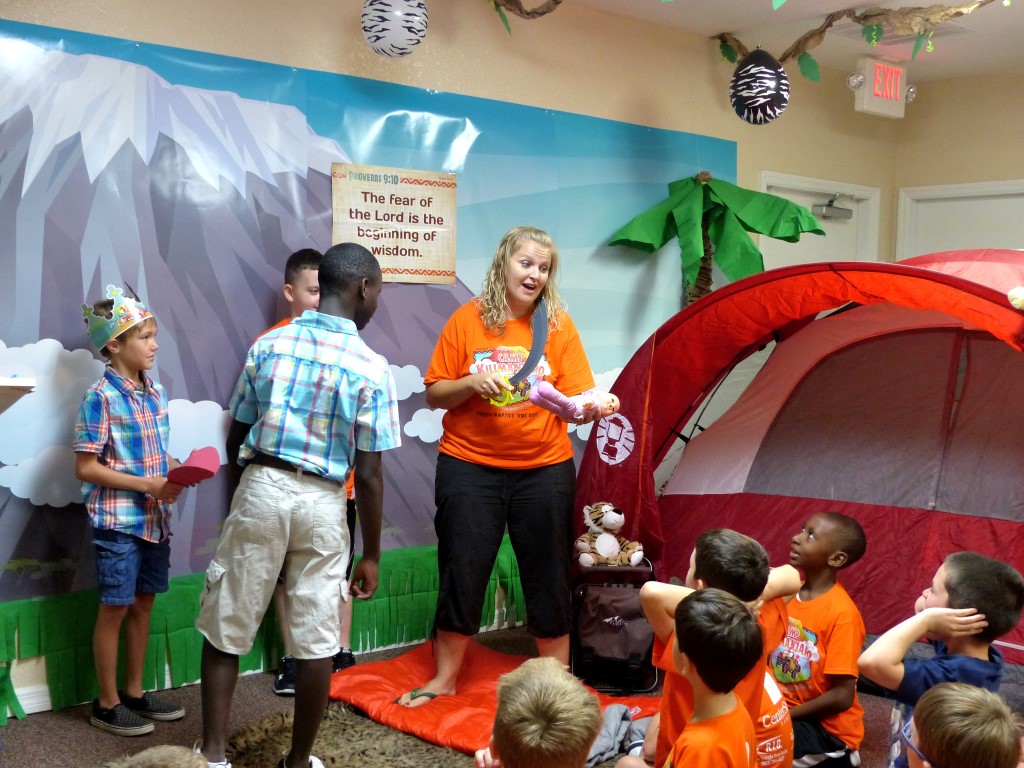
This year we are using Answers in Genesis’ Camp Kilimanjaro material for our Vacation Bible School. With over 200+ children signed up, we are staying busy. The theme is great and the lessons have been interesting so far.

A Lesson for the younger ones.

*

Threatning to divide a baby – Solomon’s Wisdom

This year, as I have for several years, many of the photos posted to our VBS 2015 section of Facebook, were taken by me. This means that I have been busy this week. The photos posted to the site are just the tip of the iceberg. It takes time to sort through them and clean them up a tad.

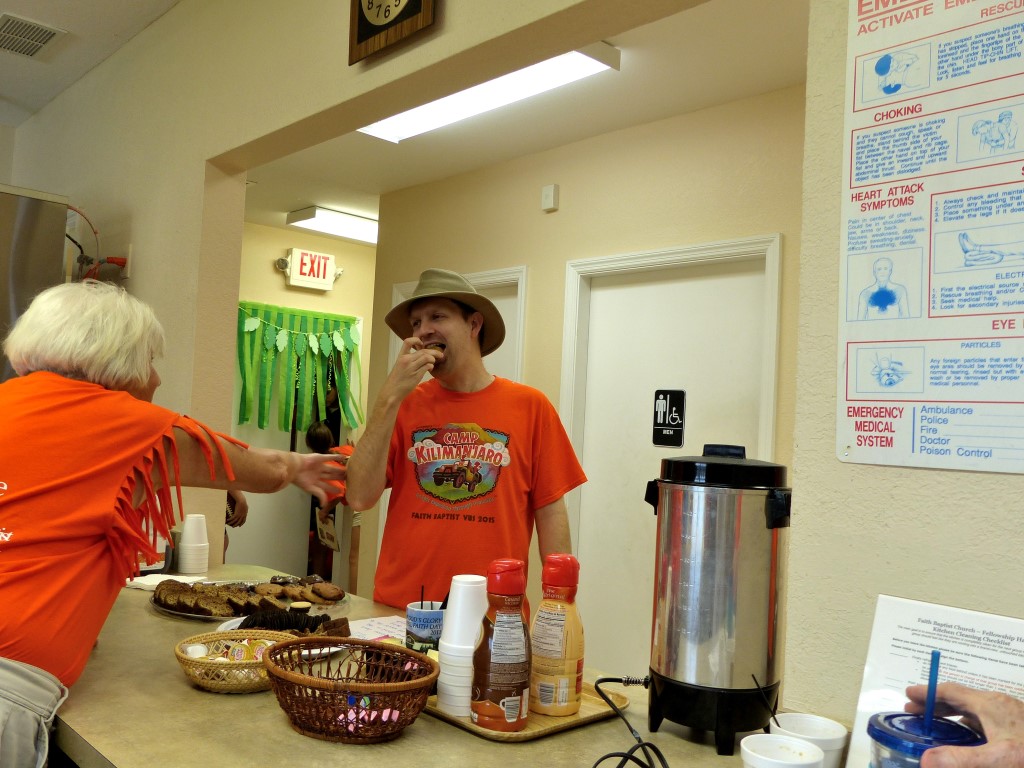
Stephen stopping by for a cookie.

Dan decided not to do photos this year and has become part of the Kitchen Crew. I call them the Cookie Monster Crew. It takes a lot of cookies (2 apiece) to feed 200+ for 5 days. Plus, we have 85 workers stopping by to get their cookies and snacks. (I’d rather walk around and take photos.)

Dan in the Kitchen

All of this said, no work is being done on all the photos from our vacation this week. I did find a bird in one of the posters today. Think I’ll keep it to use on the blog from time to time.

Beware of Wild Animals

Beware of Wild Animals

That Cardinal doesn’t seem too dangerous.

Thanks for stopping by to see what sort of adventure is going on this week. Pray for us as we do the various task we all have to do and especially for those doing the teaching of the lessons. Pray that the children will see the truth in God’s Word and that some may come to know the Lord as their personal saviour.

Wednesday VBS2015 (95)

(Stephen and the Lord are the ones responsible for the beginning of Lee’s Birdwatching Adventures coming into existence. Fifth Blog Anniversary)

Facebook photos of VBS 2015

Gospel Message

*

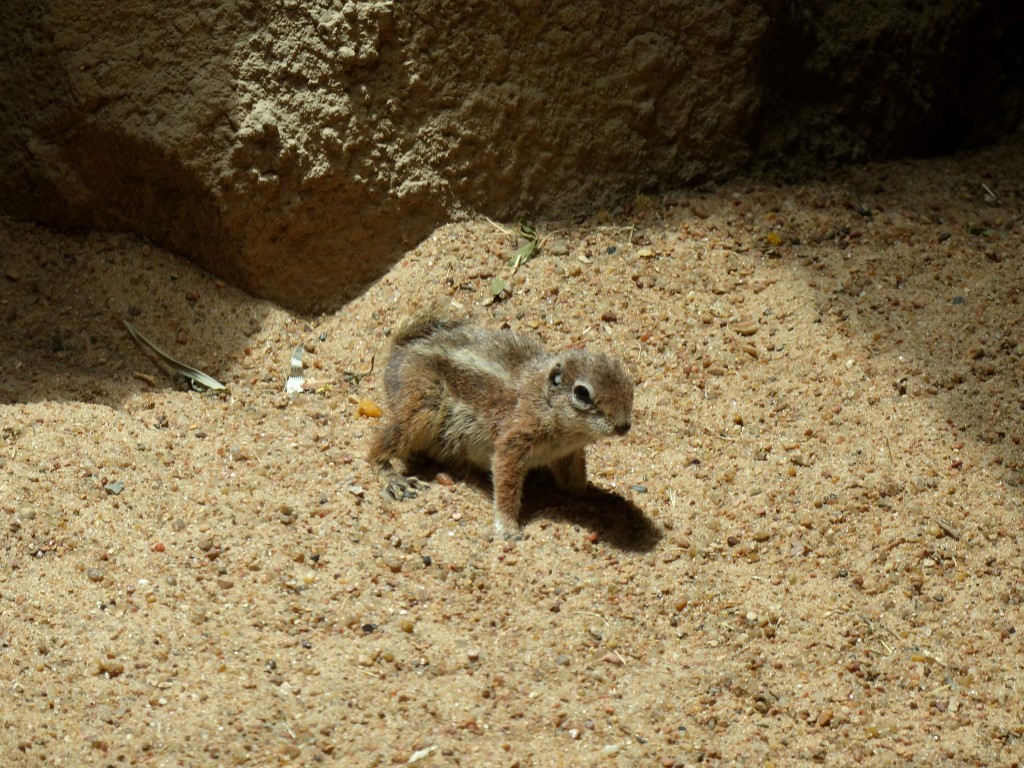
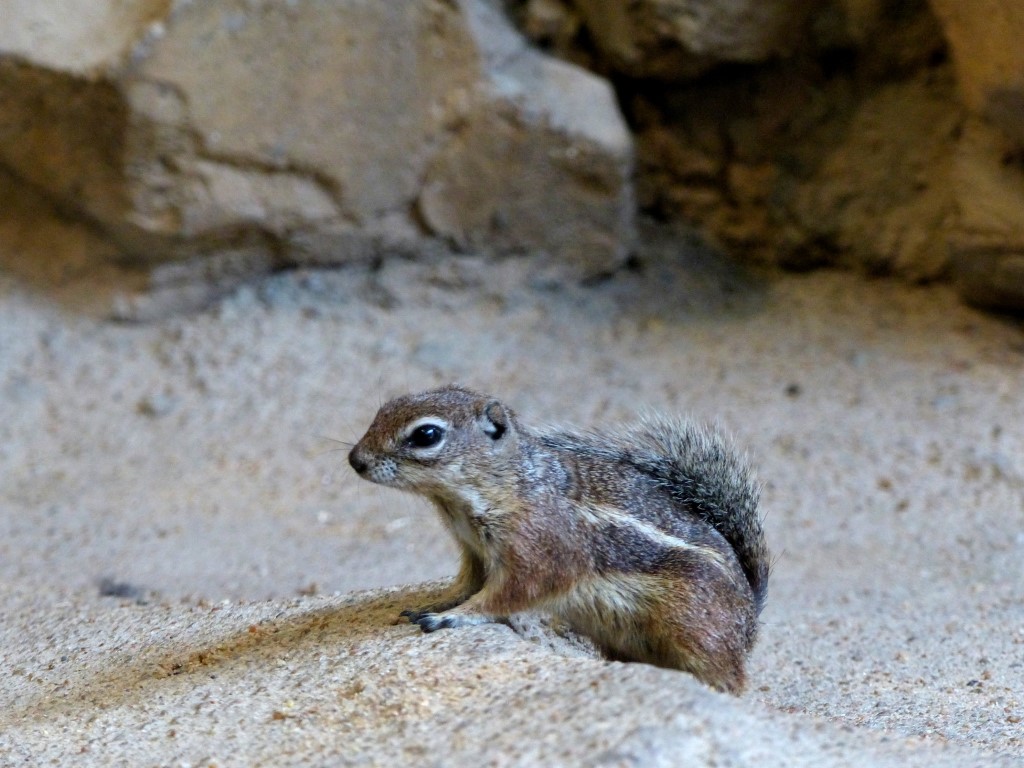
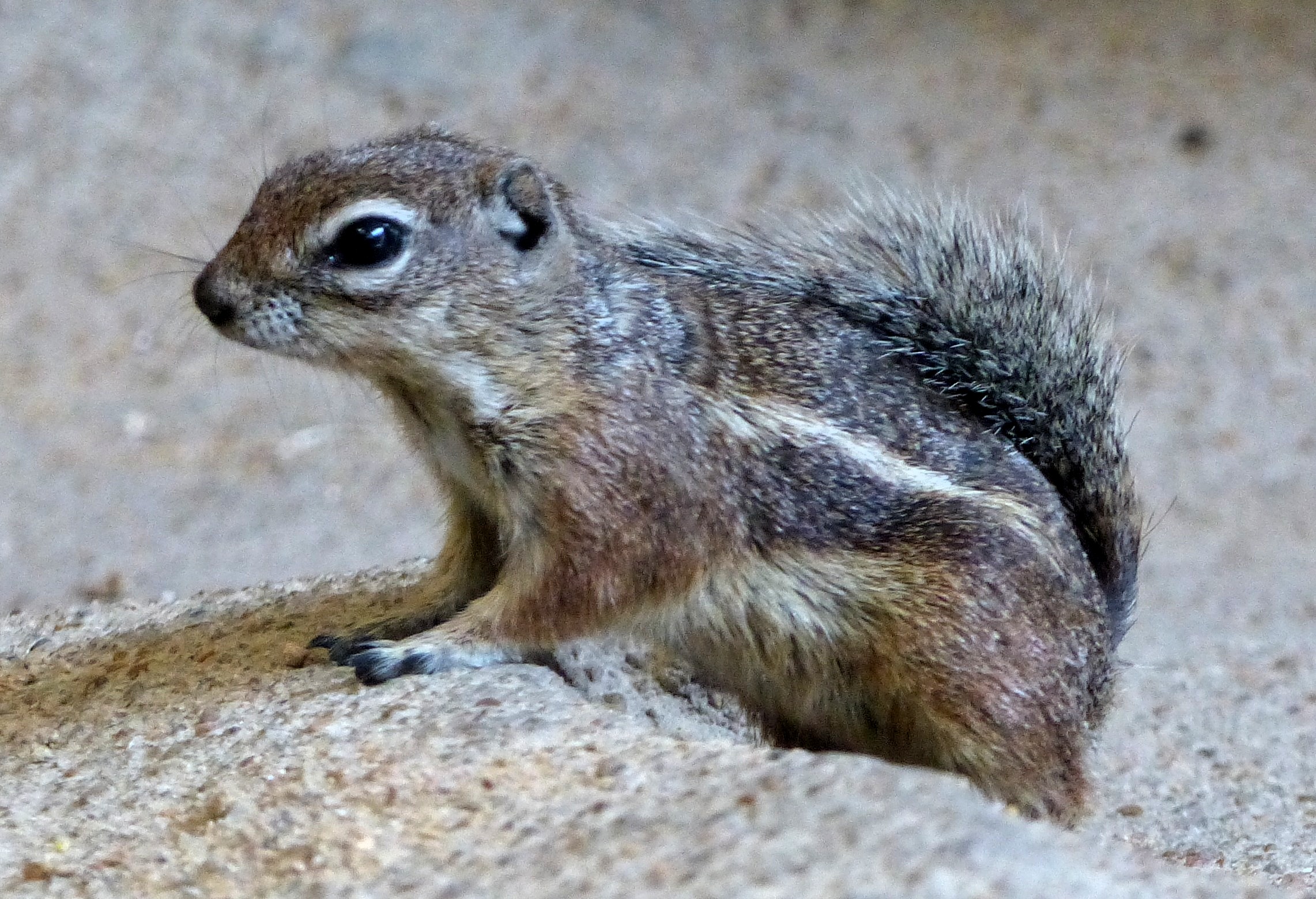
Antelope Ground Squirrels at Houston Zoo

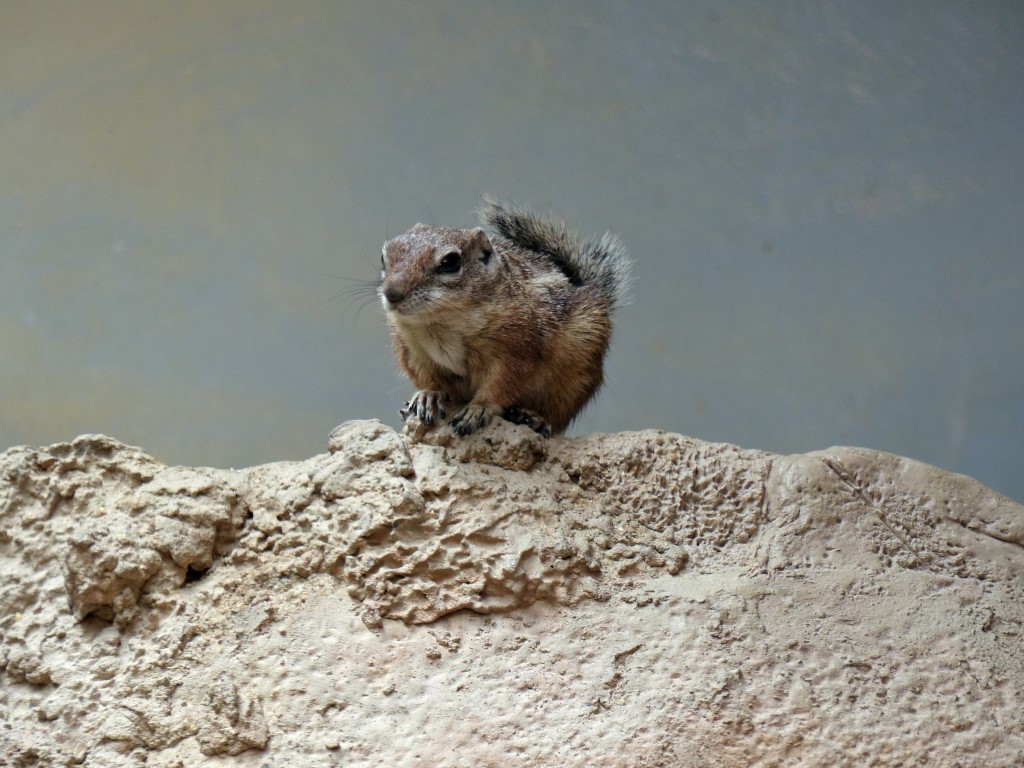
Antelope Ground Squirrel at Houston Zoo 5-6-15 by Lee

Antelope Ground Squirrel at Houston Zoo 5-6-15 by Lee

These Antelope Ground Squirrels at the Houston Zoo were just adorable. Never heard of them before, let alone seen any. They were in a building that had birds in it, of course, and they caught my attention. They landscape their displays and enclosures at the Houston Zoo very well. The squirrels had plenty of room to roam around in and they seemed quite content. Could it be because they didn’t need to worry about predators

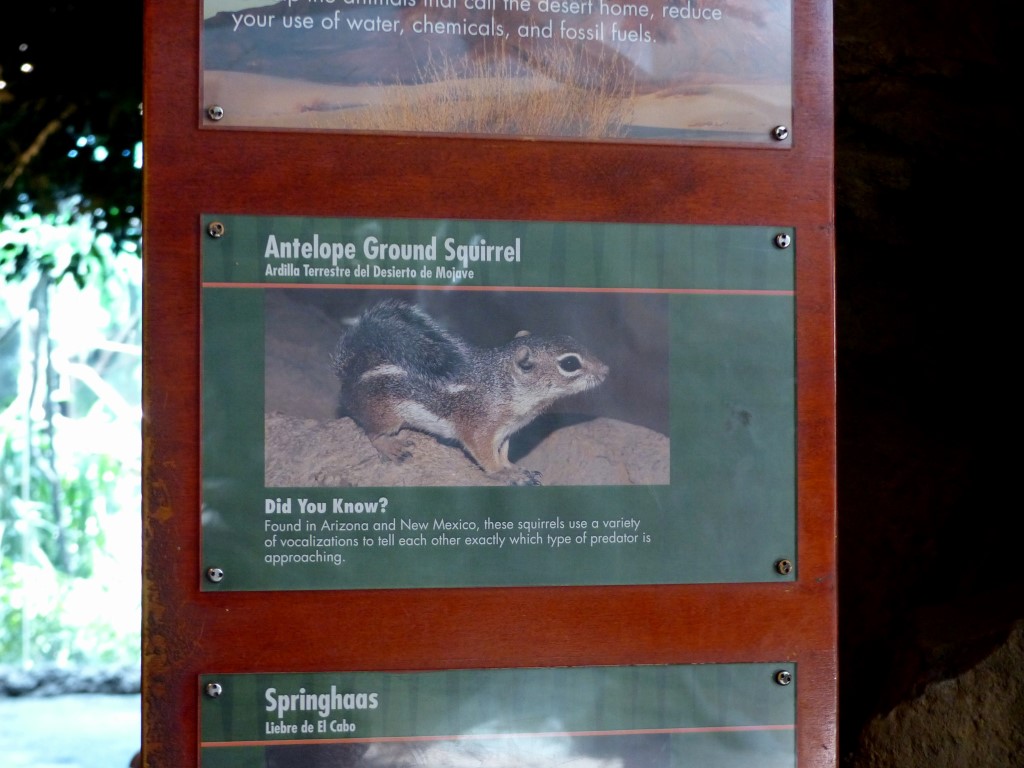
Antelope Ground Squirrel Sign Houston Zoo 5-6-15 by LeeAccording to this sign, Antelope Ground Squirrel is found in Arizona and New Mexico and use a variety of vocalizations to tell each other which type of predator is approaching. Isn’t their Creator amazing to give them this ability? Let’s go see what else we can find out about these cute little critters:

They need to scratch,

They need to scratch,

Sorry, that was a small joke, but he did scratch just as I took his/her picture.  :)

Antelope Ground Squirrel Houston Zoo 5-6-15 by Lee (1)

About half of their place at the zoo.

They had lots of room to roam.

“Antelope squirrels or antelope ground squirrels of the genus Ammospermophilus are sciurids found in the desert and dry scrub areas of south-western United States and northern Mexico. They are a type of ground squirrel and are able to resist hyperthermia and can survive body temperatures over 40 °C (104 °F).
There are currently four recognised species in the world, with one subspecies:

  • Harris’s antelope squirrel, A. harrisii, found in Arizona, New Mexico, and Sonora in Mexico.
  • The San Joaquin antelope squirrel or Nelson’s antelope squirrel, A. nelsoni, found in the San Joaquin Valley, California.
  • Texas antelope squirrel, A. interpres, found in Texas, New Mexico, and Mexico.
  • The white-tailed antelope squirrel, A. leucurus, found in the southwestern United States and the Baja California peninsula.
  • The subspecies of the Espíritu Santo antelope squirrel, A. insularis, found on Isla Espíritu Santo.

All are somewhat similar in appearance and behavior. They are around 14–17 centimetres (5.5–6.7 in) long with a 6–10 centimetres (2.4–3.9 in) tail, and weigh 110–150 grams (3.9–5.3 oz). The tail is somewhat flattened. They have a single white stripe on both flanks and none on the face. They live in burrows, which they dig for themselves. They are diurnal, and do not hibernate (though they become less active during the winter), so they are fairly easily seen.” (Wikipedia)

Antelope Ground Squirrel Houston Zoo 5-6-15 by Lee (2)

This one looks like a youngster, so they are following the Lord’s command to fill the earth:

Bring forth with thee every living thing that is with thee, of all flesh, both of fowl, and of cattle, and of every creeping thing that creepeth upon the earth; that they may breed abundantly in the earth, and be fruitful, and multiply upon the earth. (Genesis 8:17 KJV)

Antelope Ground Squirrel by Lee

Antelope Ground Squirrel by Lee

“Antelope squirrels are commonly found in dry, shrubby areas of the southern United States into Mexico. These areas are sandy with rocky areas that provide soil that can be burrowed into for shelter and to escape the heat of the day. The temperatures in these regions can exceed 37.8 °C (100.0 °F) during the day and require special adaptations by the ground squirrels to survive. During the night, temperatures in these desert and dry areas may dip below freezing which again requires adaptations to survive. There is very limited free-standing water supply. These regions often suffer from long bouts of drought.” (Wikipedia) Could it just be that again their Creator created them for this big swing in temperature?

Here are all the photos taken of this adorable cute little critters:

I know these aren’t birds, but I am sure there are some birds out there that know all about them.
*


Beauty of Pollination Video

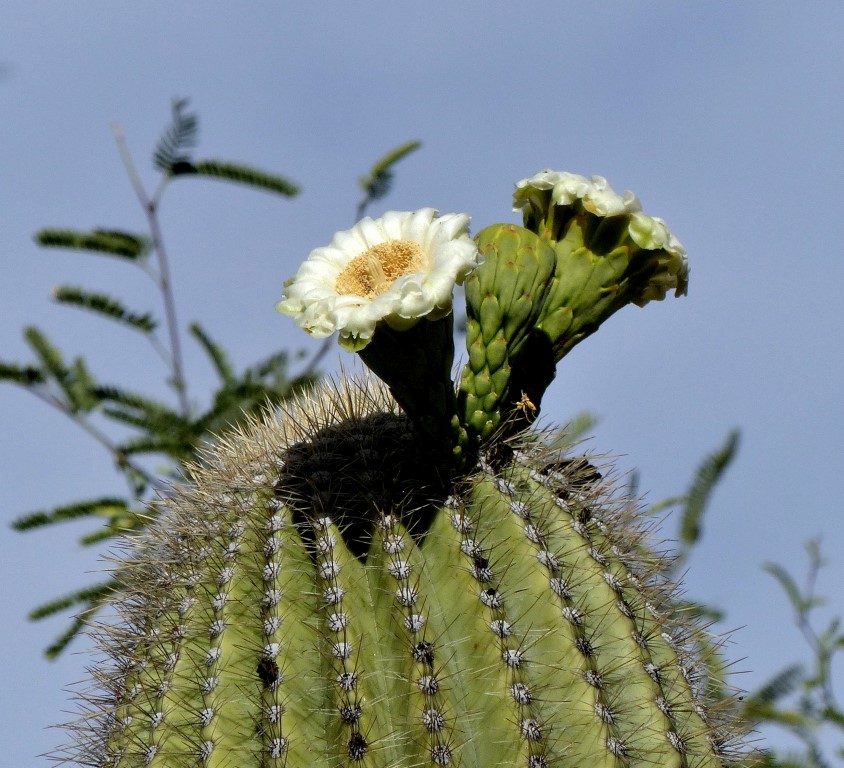
Another friend sent this video. It is worth watching. Amazing photography. The cactus flower part was very interesting considering we saw so many of them on our recent trip.

Cactus Flower - Arizona Living Desert Museum by Lee

Cactus Flower – Arizona Living Desert Museum by Lee

From the e-mail:

Take just 4 1/2 minutes of your time to WATCH this…..It is worth every moment…..
Then ask yourself “How do atheists explain these wonderful happenings ? “
Be sure to watch this on the largest computer screen you have (HD if possible)
And have your sound turned on.
The hummingbird doing rolls chasing a bee is not to be missed.
Be sure and watch closely (around 2 min 40 sec) and check out the baby bat under its mother. Unreal.
If you never knew what goes on in the garden when you aren’t paying attention, watch this – some of the finest photography you will ever see.

*
Wordless Birds
*

Sunday Inspiration – Fantails

Rufous Fantail (Rhipidura rufifrons) by Ian

Rufous Fantail by Ian

Thou shalt fan them, and the wind shall carry them away, and the whirlwind shall scatter them: and thou shalt rejoice in the LORD, and shalt glory in the Holy One of Israel. (Isaiah 41:16 KJV)

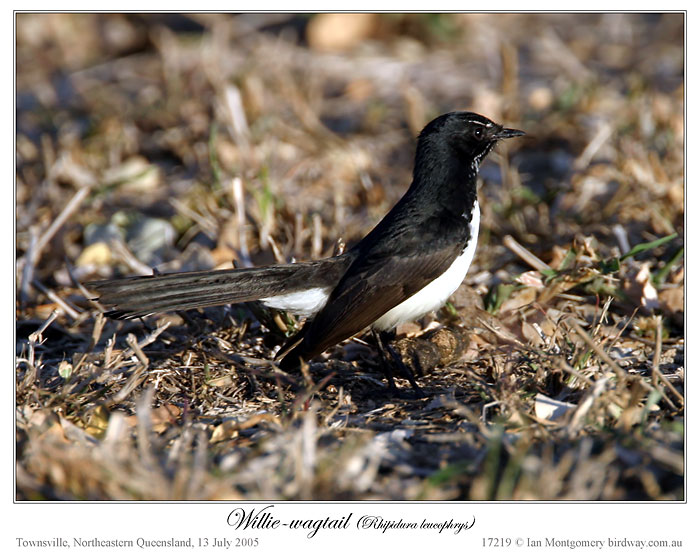
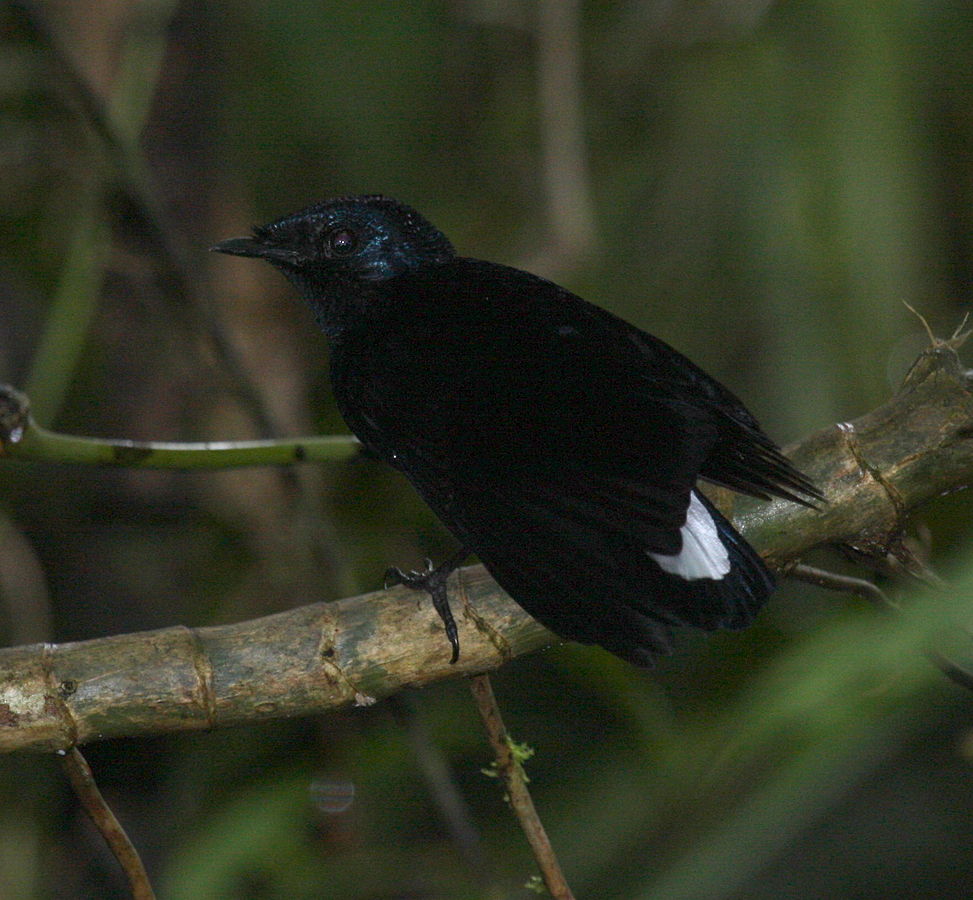
This week’s Inspiration comes from the Rhipiduridae – Fantails Family. You can see by Ian Montgomery’s photo above where their name came from. This family of birds has 50 species. All but three are Fantails. The other three are the Willie Wagtail, Silktail, and the Pygmy Drongo.

Fantails are small insectivorous birds of Australasia, Southeast Asia and the Indian subcontinent belonging to the genus Rhipidura in the family Rhipiduridae. Most of the species are about 15 to 18 cm long, specialist aerial feeders, and named as “fantails”, but the Australian willie wagtail, is a little larger, and though still an expert hunter of insects on the wing, concentrates equally on terrestrial prey.

Willie Wagtail (Rhipidura leucophrys) on Wallaby by Ian Montgomery

Willie Wagtail (Rhipidura leucophrys) on Wallaby by Ian

The willie (or willy) wagtail (Rhipidura leucophrys) is a passerine bird native to Australia, New Guinea, the Solomon Islands, the Bismarck Archipelago, and Eastern Indonesia. It is a common and familiar bird throughout much of its range, living in most habitats apart from thick forest. Measuring 19–21.5 cm (7 128 12 in) in length, the willie wagtail is contrastingly coloured with almost entirely black upperparts and white underparts; the male and female have similar plumage.

Silktail (Lamprolia victoriae) ©WikiC

Silktail (Lamprolia victoriae) ©WikiC

The silktail (Lamprolia victoriae) is a species of bird endemic to Fiji. It is the only member of the genus Lamprolia. This beautiful bird looks superficially like a diminutive bird of paradise but it is actually closely related to the fantails.

The pygmy drongo or Papuan drongo (Chaetorhynchus papuensis) is a species of bird endemic to the island of New Guinea. It is the only species in the genus Chaetorhynchus. The species was long placed within the drongo family Dicruridae, but it differs from others in that family in having twelve rectrices instead of ten. Molecular analysis also supports moving the species out from the drongo family, instead placing it as a sister species to the Silktail of Fiji, and both those species in the fantail family Rhipiduridae. Some authorities reference the bird as the pygmy drongo-fantail. (Information from Wikipedia)

This slideshow requires JavaScript.

For which cause I remind you to fan into flame the gift of God which is in you through the laying on of my hands. (2 Timothy 1:6 LITV)

“So Send I You” – Men’s Quartet – Faith Baptist

*

*

A FLY WITH ANTS ON ITS WINGS – (Re-post)

Fruit Fly with wings of beauty ©©

Fruit Fly with wings of beauty ©©

A FLY WITH ANTS ON ITS WINGS

“For the invisible things of him from the creation of the world are clearly seen, being understood by the things that are made, even his eternal power and Godhead; so that they are without excuse.” (Romans 1:20)

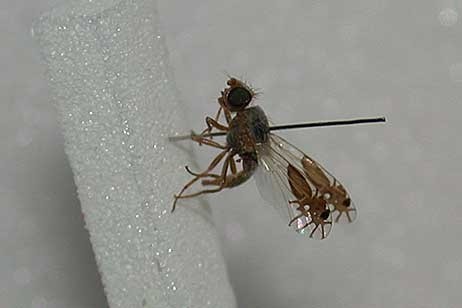
When most people look at a photo of the Goniurellia tridens fruit fly, they think it must have been created by a talented Photoshop artist. No, this fly with images of ant-like insects on its wings is no accident of nature. The images were put there by a Master Designer.

This is the photo that appeared with the story in The National. Dr. Brigitte Howarth, the fly specialist at Zayed University in the UAE who first discovered G tridens, said that the image on the wing is absolutely perfect. She adds that a closer examination of the transparent wings of Goniurellia tridens reveals a piece of evolutionary art. Each wing carries a precisely detailed image of an ant-like insect, complete with six legs, two antennae, a head, thorax and tapered abdomen. When threatened, the fly flashes its wings to give the appearance of ants walking back and forth. This confuses the predator, allowing the fly to escape.

As expected, the story and pictures of G tridens were soon flying all over the Internet. Evolutionists rejoiced, claiming that the fruit fly was a beautiful example of natural selection. But we have to point out that there is no evidence whatsoever to support that claim. As usual, evolutionists simply assume that evolution is true. What they fail to do is show how those images of ants got on the fly’s wings.

Creationists don’t need to provide a step-by-step explanation of how these extraordinary wings developed. The fact is, the design is in their genes! God designed them that way!

Prayer:
Heavenly Father, when I look at the things You have created, I see what unbelievers are unable to see. Open their eyes so they might see that You are the designer who alone has the power to save them from their sins. Amen.

Notes:
Fruit fly with the wings of beauty“, A. Zacharias, The National, 6/28/13. Photo: This is the photo that appeared with the story in The National.

©Creation Moments 2015

What an amazing design from the Lord. One article even show some with spider-like images on their wings. In that case, they cause the attacking spider to stop and start displaying. This gives the spider’s location away, allowing the Fruit Fly to escape. The Lord even protects the littlest of things. What a Creator.

*

*


DISPOSABLE DIAPERS FOR ROBINS – (Re-post)

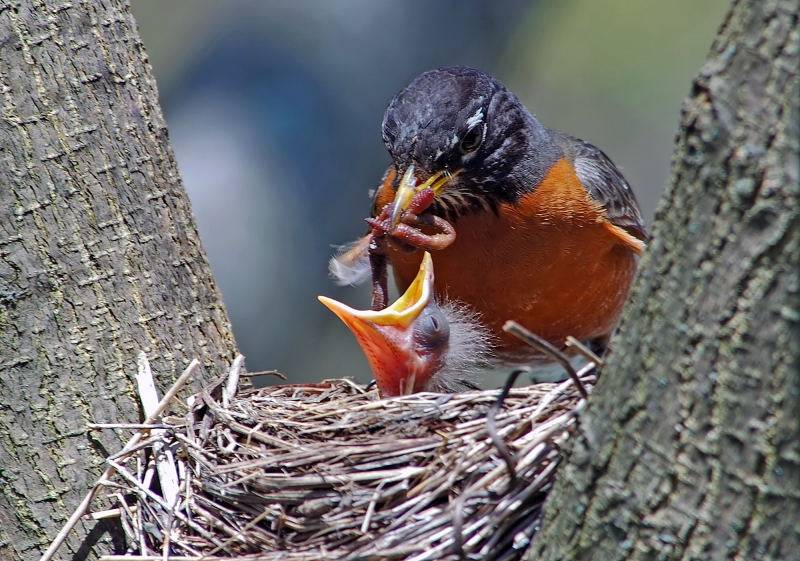
American Robin (Turdus migratorius)with youngsters by Raymond Barlow

American Robin (Turdus migratorius)with youngsters by Raymond Barlow

“And Jesus said unto him, Foxes have holes, and birds of the air have nests; but the Son of man hath not where to lay his head.” (Luke 9:58)

Parents, wouldn’t it be nice if you didn’t have to deal with dirty diapers during the early years of your child’s life? And think of the money you would save! Too bad your little angel isn’t more like a little robin.

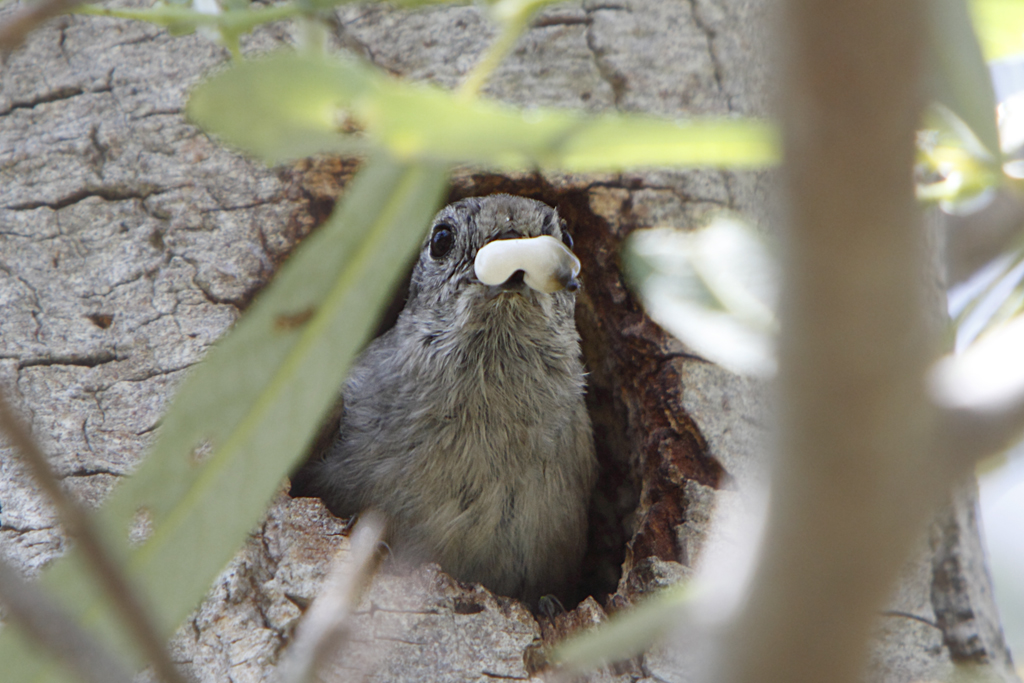
Some birds, including the familiar robin, have it all figured out. You see, just seconds after a young robin has eaten, he eliminates waste into what can best be described as a white disposable diaper. All the parents have to do is pick it up and fly off with it, leaving the nest neat and clean.

This disposable diaper is called the fecal sac. It is made of thick, strong mucus that the parent can pick up and dispose of without puncturing it with its sharp beak. Robins will usually drop the sac twenty to fifty yards away before returning to the nest with another meal for its chicks. Once the young robin has matured enough to leave its nest, it no longer produces the fecal sac. Instead, its droppings are disposed of most often on your car’s windshield.

Now, just imagine what a robin’s nest would look like if their Creator hadn’t come up with this ingenious plan. Without this disposable diaper, the nest would quickly become unsuitable for life. So the next time you find an abandoned robin’s nest, take a peek inside. The only reason it’s so clean is because God provided the robin with a disposable diaper service!

Prayer:
Heavenly Father, the more I learn about Your creation – even the robin and its young – the more I am filled with praise for You! Amen.

Notes:
http://www.learner.org/jnorth/tm/spring/FecalSacs.html. “Disposable Diapers for Birds: The Scoop on Poop”, Journey North. Photo: Robin removing a fecal sac from its nest. © 2014, Steve Creek. Used with permission. http://stevecreek.com/a-robin-removing-fecal-sac/.  ©Creation Moments 2015


Lee’s Addition:

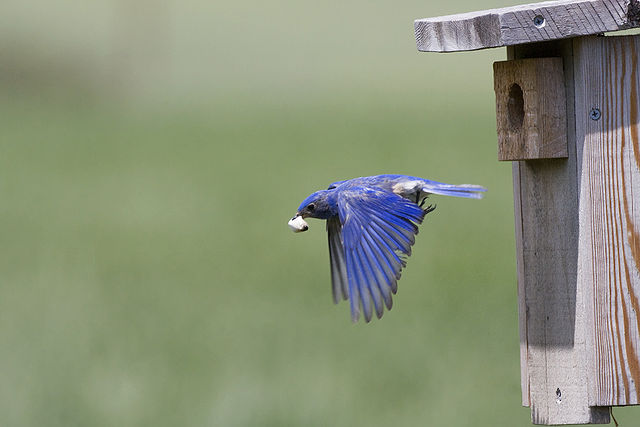
Western Bluebird (Sialia mexicana) Removing Fecal Sac ©WikiC

Western Bluebird (Sialia mexicana) Removing Fecal Sac ©WikiC

Here is a Bluebird flying off with a fecal sac. Many birds use this method of removing the “disposable diapers.” I didn’t have permission to show the other photo, but check out the link http://stevecreek.com/a-robin-removing-fecal-sac/ above. It has a great sequence of the Robin.

Also, check out this YouTube on the internet:

Isn’t the Lord gracious to His Creation?

Oak Titmouse removing a fecal sac ©WikiC

Oak Titmouse removing a fecal sac ©WikiC

*

Creation Moments

Fecal Sac – Wikipedia

*

Need Help With Some Identifications

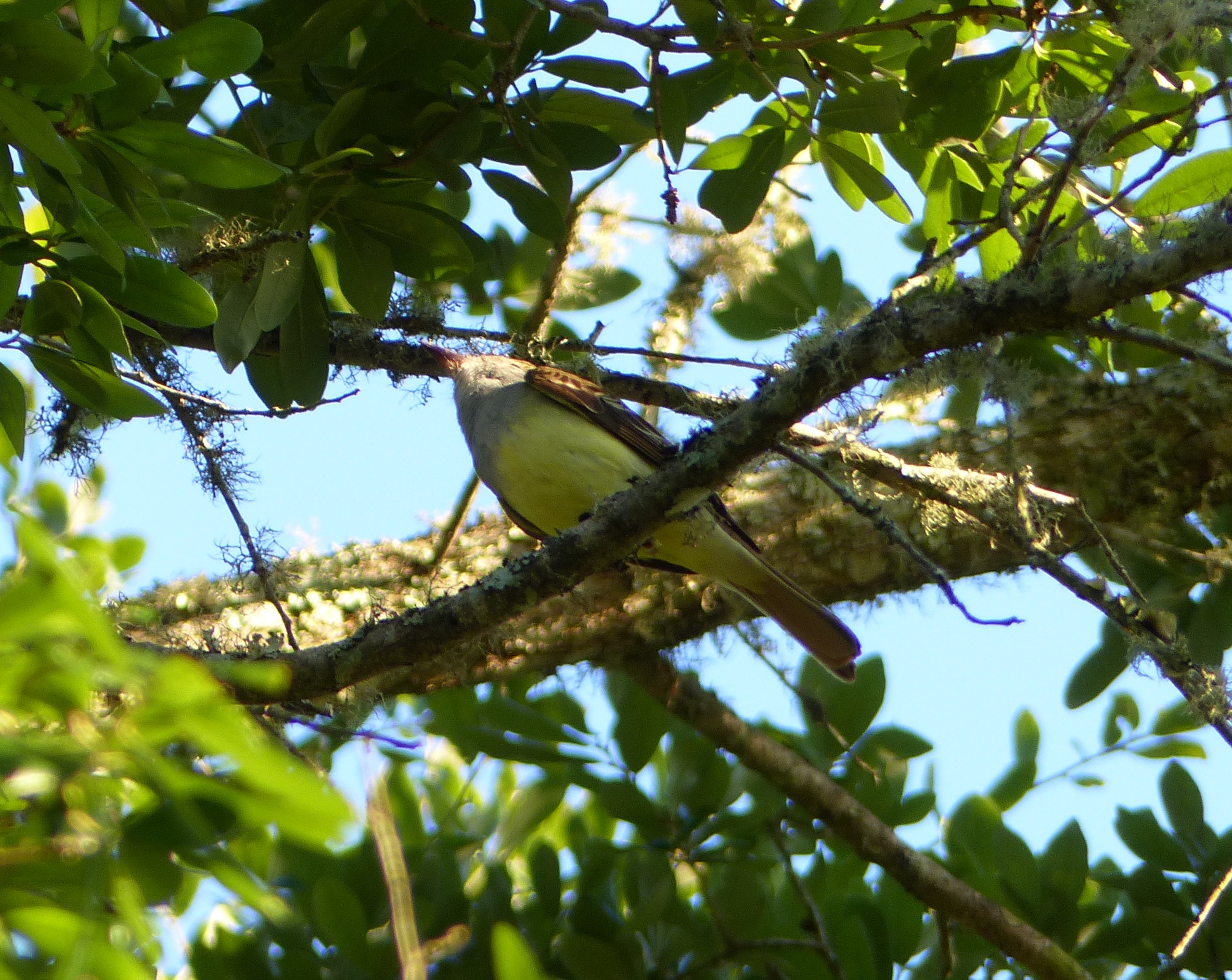
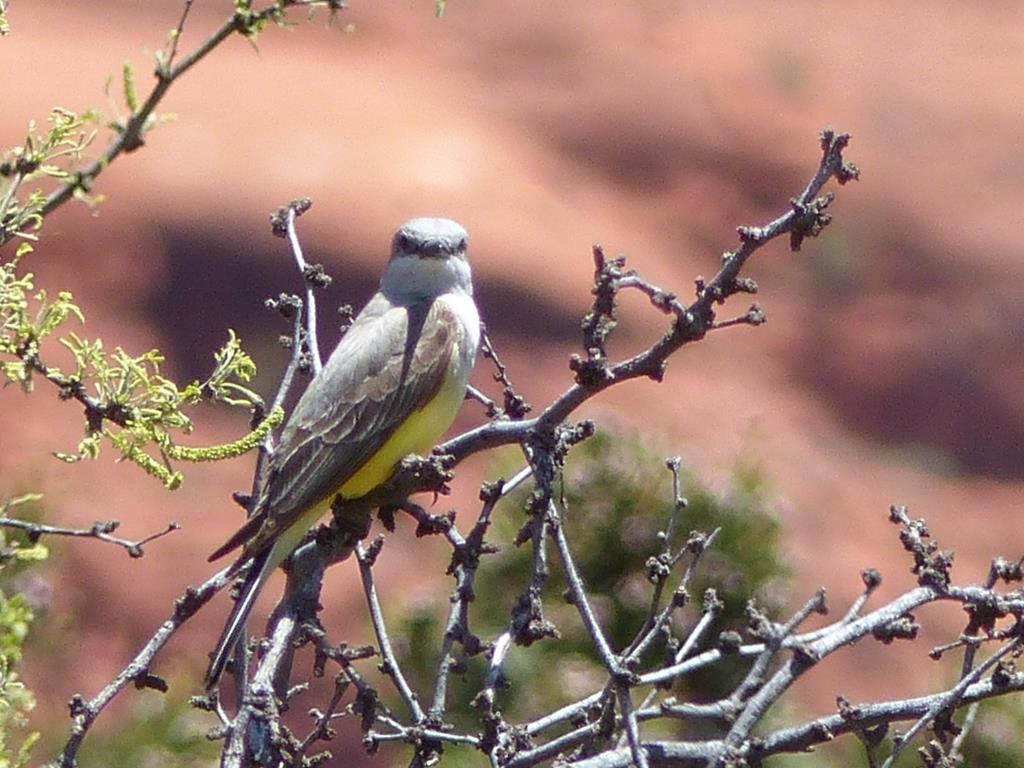
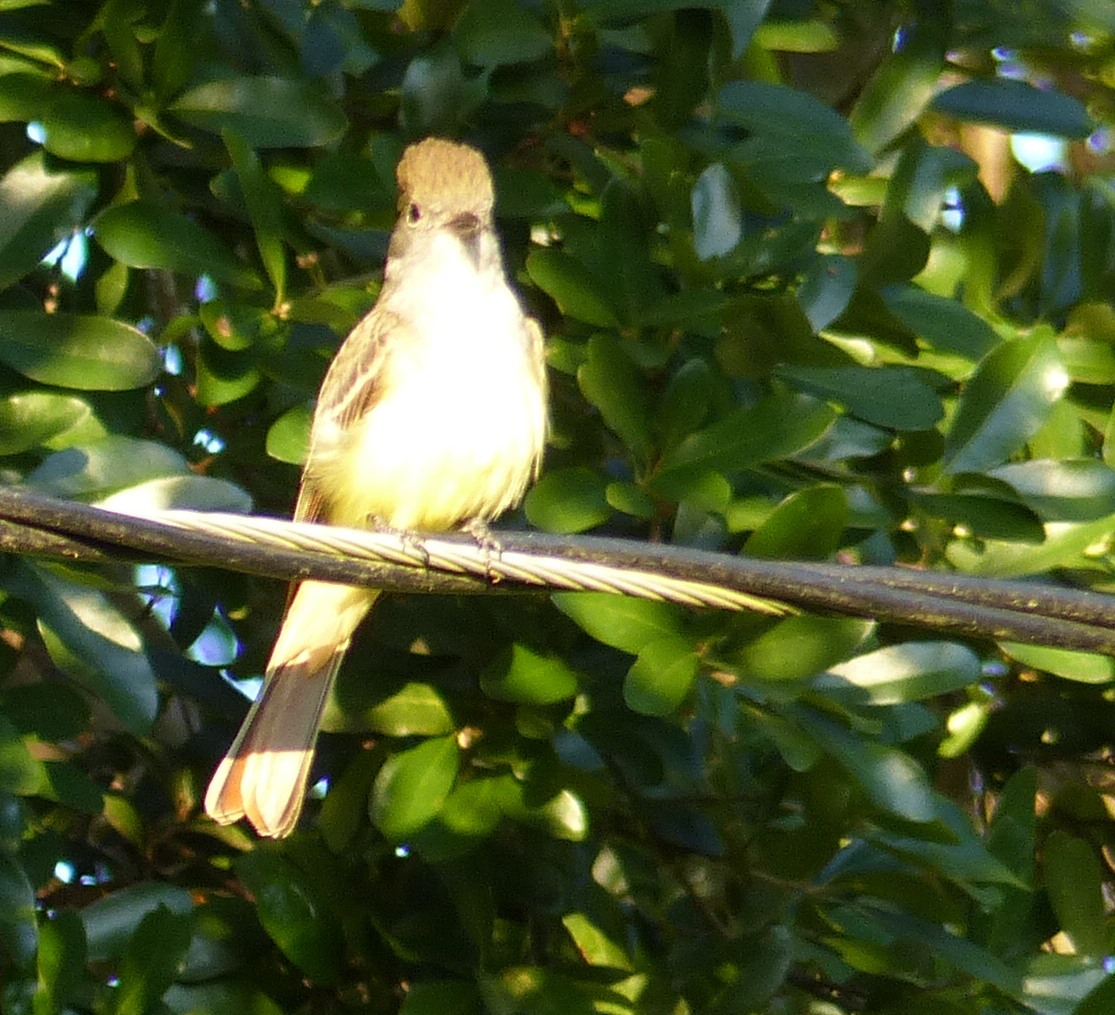
Western Kingbird Maybe - - California

Western Kingbird Maybe – California

Now that I am trying to put names with the photos of some of the avian creations from our vacation, I have some that I have no idea what they are. Help needed.

Some I have narrowed down to one or two (or three or four) possibilities. Since we live in Florida and these were taken out west, I am not certain of their IDs.

If you have seen these, could you leave me a comment. It sure would help.

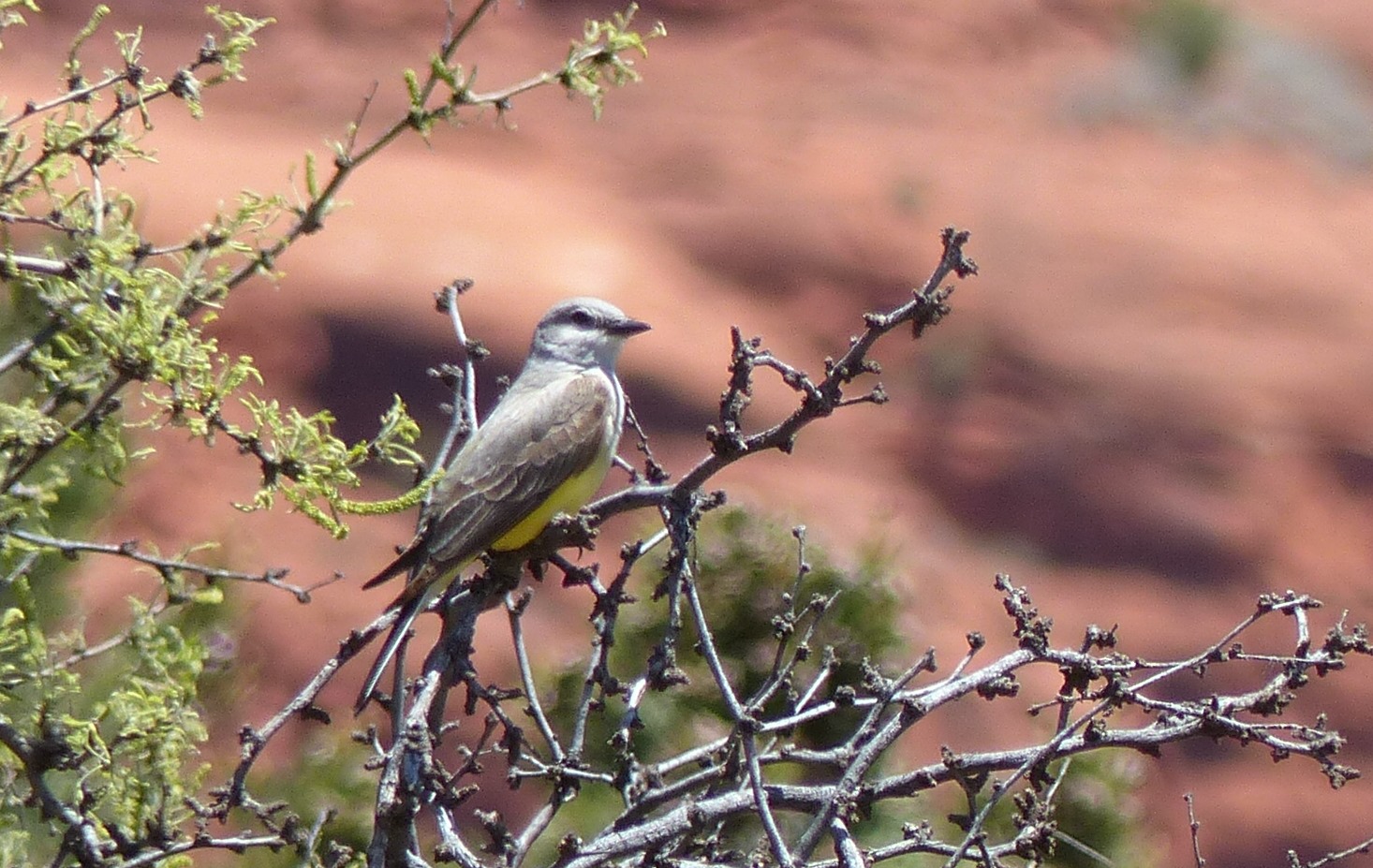
Western Kingbird Maybe - California

Western Kingbird Maybe – California

Is this a Western Kingbird or one of the Flycatchers. Some of them are so similar it is hard to tell them apart.

Here’s another:

Costa's Hummingbird - I think - California

Costa’s Hummingbird – I think – California

Pretty certain of this, but not sure. Been checking on-line and in the books.

Here are the last two, for now. Still going through the photos.

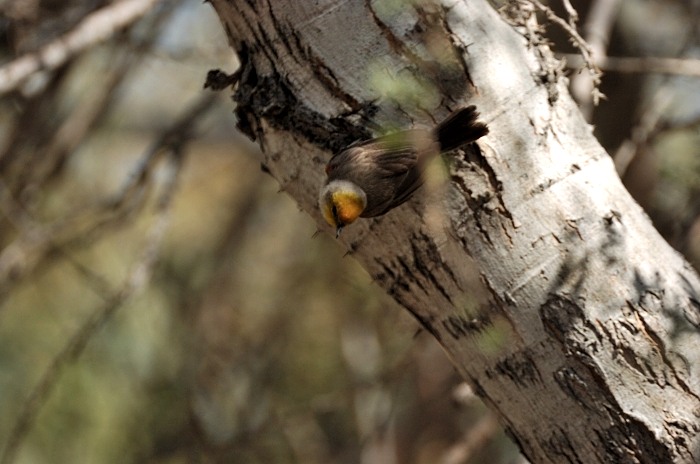
Verdin Maybe - California

Verdin – Maybe – California

Same bird:

Verdin Maybe - California

Verdin – Maybe – California

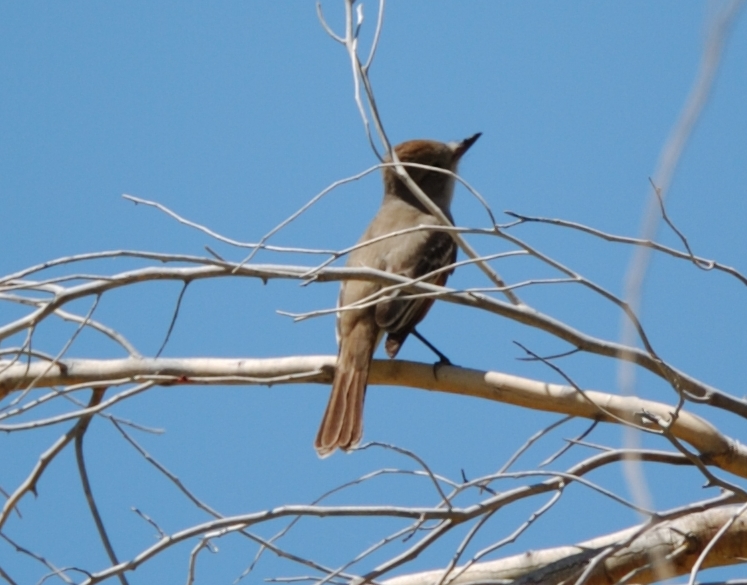
The last one.

Dusky-capped Flycatcher - Maybe - California Cropped

Dusky-capped Flycatcher – Maybe – California Cropped

Ask, and it shall be given you; seek, and ye shall find; knock, and it shall be opened unto you: (Matthew 7:7 KJV)

Thanks again for any help with the IDs.

*

Dubai World Record Eagle Flight

You will enjoy watching this video sent to me from a friend. They took an eagle up to tallest building in the world in Dubai and released him. He has a camera strapped to him.

He then comes down and lands on his handler’s outstretched arm. Amazing footage.

Eagles are an amazing creation from the Lord.

Wilt thou set thine eyes upon that which is not? for riches certainly make themselves wings; they fly away as an eagle toward heaven. (Proverbs 23:5 KJV)

Though thou exalt thyself as the eagle, and though thou set thy nest among the stars, thence will I bring thee down, saith the LORD. (Obadiah 1:4 KJV)

*

Sunday Inspiration – Figbirds, Orioles and Drongos

Today we have the Figbirds, Orioles and Drongo which reside in two more Passerine families. The Pitohuis are included and are members in the Oriolidae – Figbirds, Orioles Family.

Whoso keepeth the fig tree shall eat the fruit thereof: so he that waiteth on his master shall be honoured. (Proverbs 27:18 KJV)

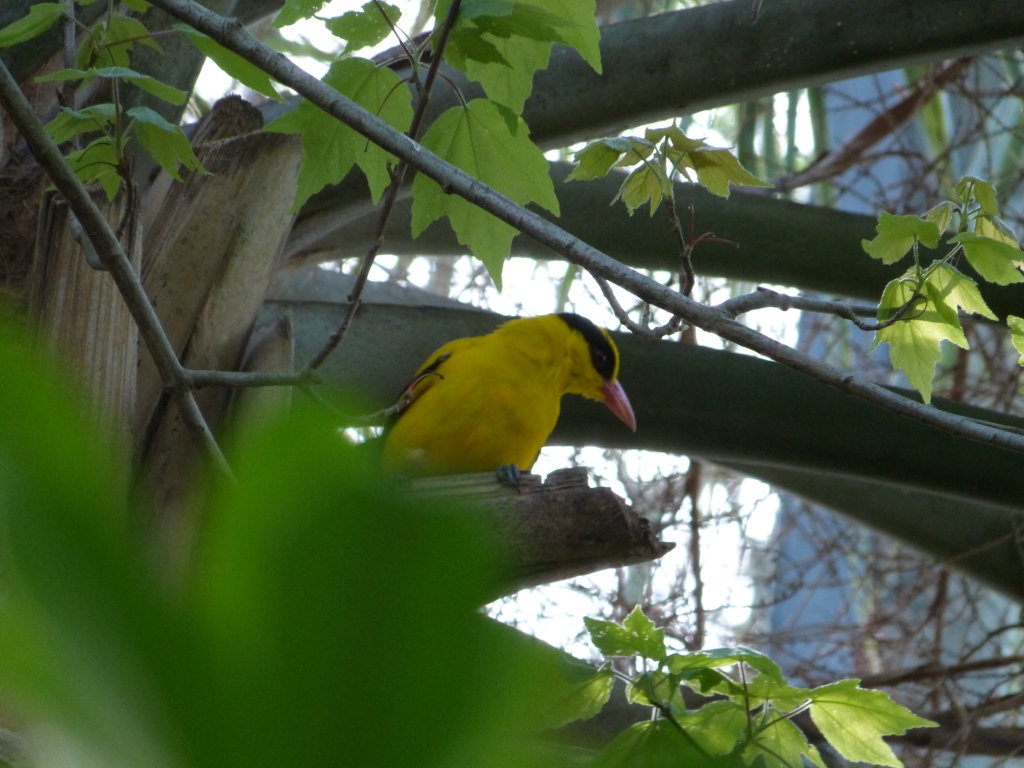
Black-naped Oriole LPZoo by Lee

Black-naped Oriole Lowry Park Zoo by Lee

The Old World Orioles (Oriolidae – Figbirds, Orioles) are an Old World family of passerine birds that has 38 members. The orioles and figbirds are medium-sized passerines, around 20–30 cm in length, with the females only slightly smaller than the males. The beak is slightly curved and hooked, and, except in the figbirds, as long again as the head. The plumage of most species is bright and showy, although the females often have duller plumage than the males do. The plumage of many Australasian orioles mimics that of friarbirds (a genus of large honeyeaters), probably to reduce aggression against the smaller orioles. The family is distributed across Africa, Europe, Asia, and Australia. The few temperate nesting species are migratory, and some tropical species also show seasonal movements. Orioles are arboreal and tend to feed in the canopy.

Spangled Drongo (Dicrurus bracteatus) ©WikiC

Spangled Drongo (Dicrurus bracteatus) ©WikiC

The Dicruridae – Drongos has 25 species. These insectivorous birds are usually found in open forests or bush. Most are black or dark grey in colour, sometimes with metallic tints. They have long forked tails; some Asian species have elaborate tail decorations. They have short legs and sit very upright whilst perched, like a shrike. They flycatch or take prey from the ground. Some drongos, especially the greater racket-tailed drongo, are noted for their ability to mimic other birds and even mammals.

Two to four eggs are laid in a nest high in a tree. Despite their small size, they are aggressive and fearless, and will attack much larger species if their nest or young are threatened.

The word drongo is used in Australia as a mild form of insult tantamount to the term “idiot”. This usage derives from an Australian racehorse of the same name (apparently after the spangled drongo, Dicrurus bracteatus) in the 1920s that never won despite many starts. (Info from Wikipedia)

This slideshow requires JavaScript.

Jesus answered and said unto them, Verily I say unto you, If ye have faith, and doubt not, ye shall not only do this which is done to the fig tree, but also if ye shall say unto this mountain, Be thou removed, and be thou cast into the sea; it shall be done. And all things, whatsoever ye shall ask in prayer, believing, ye shall receive. (Matthew 21:21-22 KJV)

Listen to The Hyssongs play and sing as you watch these two beautifully created families of birds:

“He Touched Me ” ~ ©The Hyssongs

Sunday Inspirations

Birds of the World

*

Pastor Jerry Smith – Testimony

*

Home at Last – 6,161 Miles Later

Jax Beach Sunrise while packing to go home

Jax Beach Sunrise while packing to go home

Yesterday, we drove the last 200 miles from Jacksonville, Florida to Winter Haven. Coming through the Orlando – Disney World traffic on Interstate 4, was almost as bad as the traffic in San Diego. Well, not really. They have in places seven and eight lanes going the same direction. (Glad Dan was driving!)

On the Last Photos of Our Vacation post yesterday, which I wrote the day before that, I thought I was through taking photos of our vacation. But when we started loading the car, saw the sunrise, I couldn’t resist taking a few more. (Give a lady a camera with “program mode” and no developing fees, she goes nuts with the “clicker button”.)

Jax Beach Sunrise while packing to go home

Yes, we are now officially home after 6,161 miles of blessings. What a beautiful country we are blessed to live in. I of course bird watched as Dan drove us home. We were pleasantly surprised and concerned to see 4 different families of Sandhill Cranes along the highway. There were three “dad, mom and a youngster”, and one “dad, mom and two youngsters” groups. 13 in all. Sandhills usually have two “colts” and most only have one survive. So the one group of four are fortunate.

It felt good to sleep in my own bed again. Not that any were bad, but there is something about getting back “home.” What will it be like when those of us who know the Lord as our Savior, arrive at our eternal home?

These all died in faith, not having received the promises, but having seen them afar off, and were persuaded of them, and embraced them, and confessed that they were strangers and pilgrims on the earth. For they that say such things declare plainly that they seek a country. … But now they desire a better country, that is, an heavenly: wherefore God is not ashamed to be called their God: for he hath prepared for them a city. (Hebrews 11:13,14,16 KJV)

That whosoever believeth in him should not perish, but have eternal life. For God so loved the world, that he gave his only begotten Son, that whosoever believeth in him should not perish, but have everlasting life. For God sent not his Son into the world to condemn the world; but that the world through him might be saved.
(John 3:15-17 KJV)

Some Golden Daybreak Jesus Will Come

Now the hard work begins – sorting, tossing out, naming photos, cleaning them up and shrinking them for the blog. STAY TUNED!

Thanks again for all the prayers for our safety.!!!!

*

*