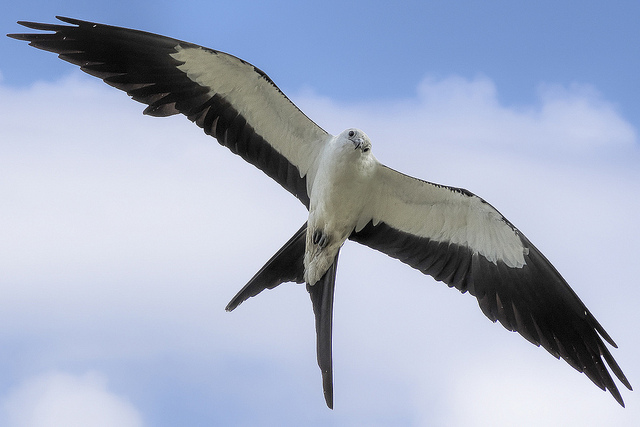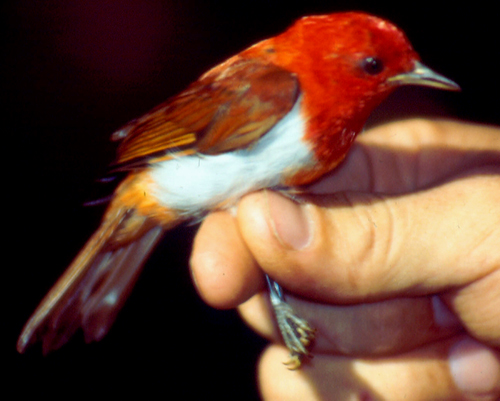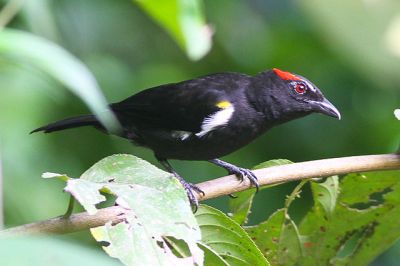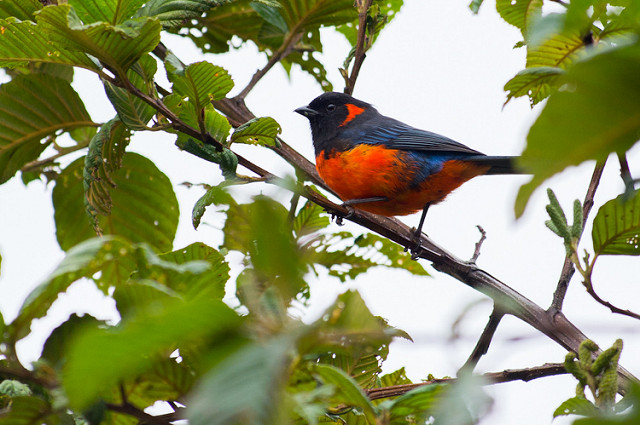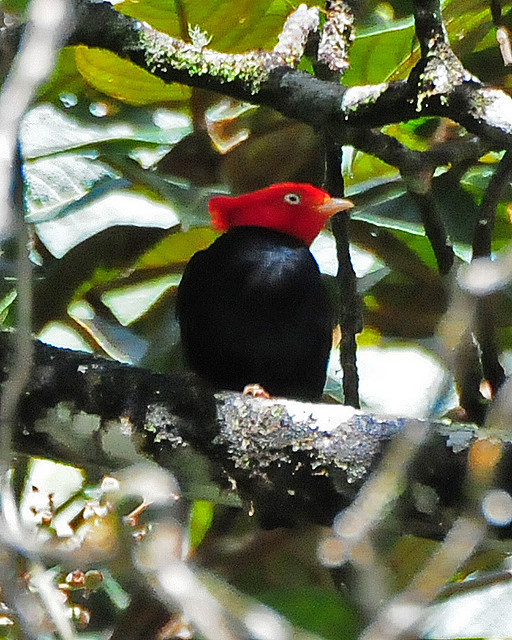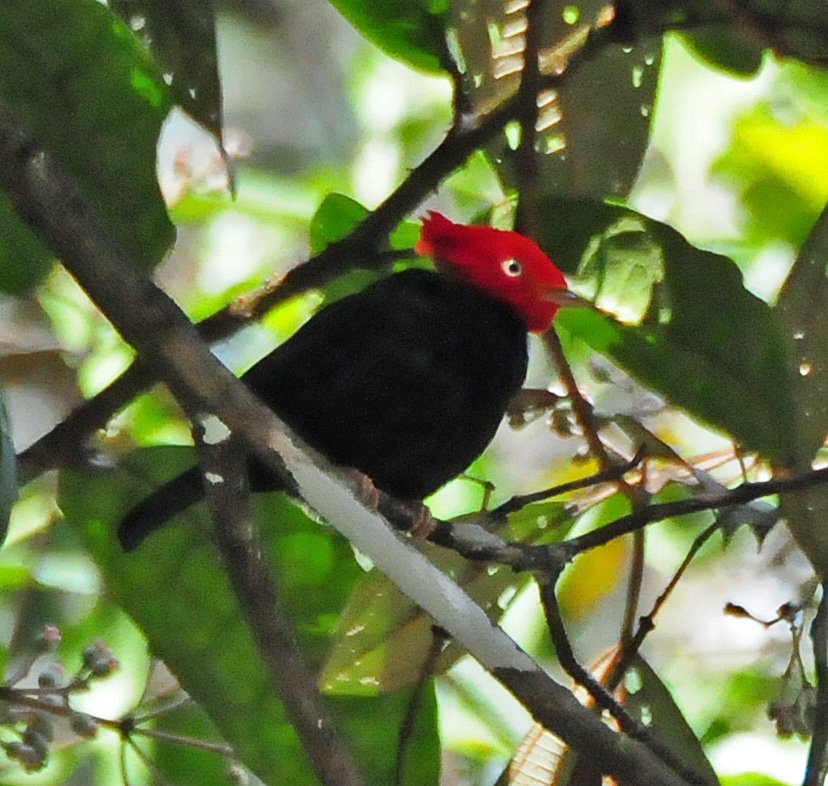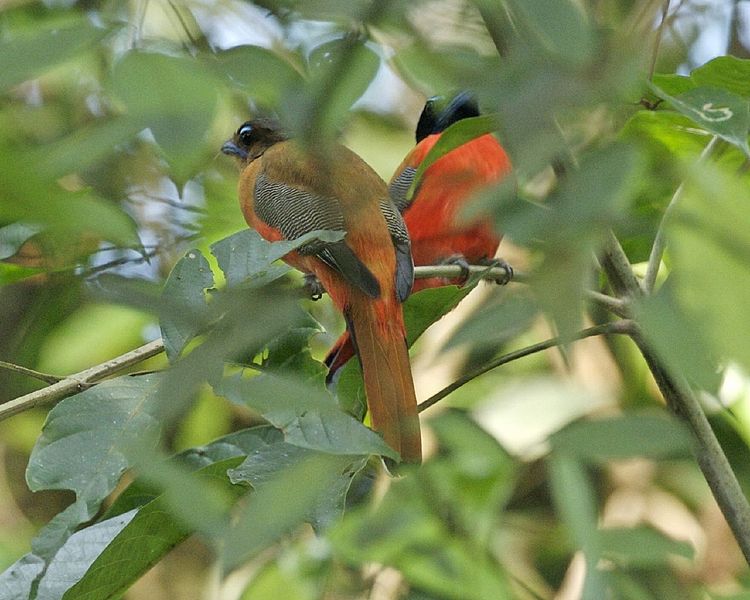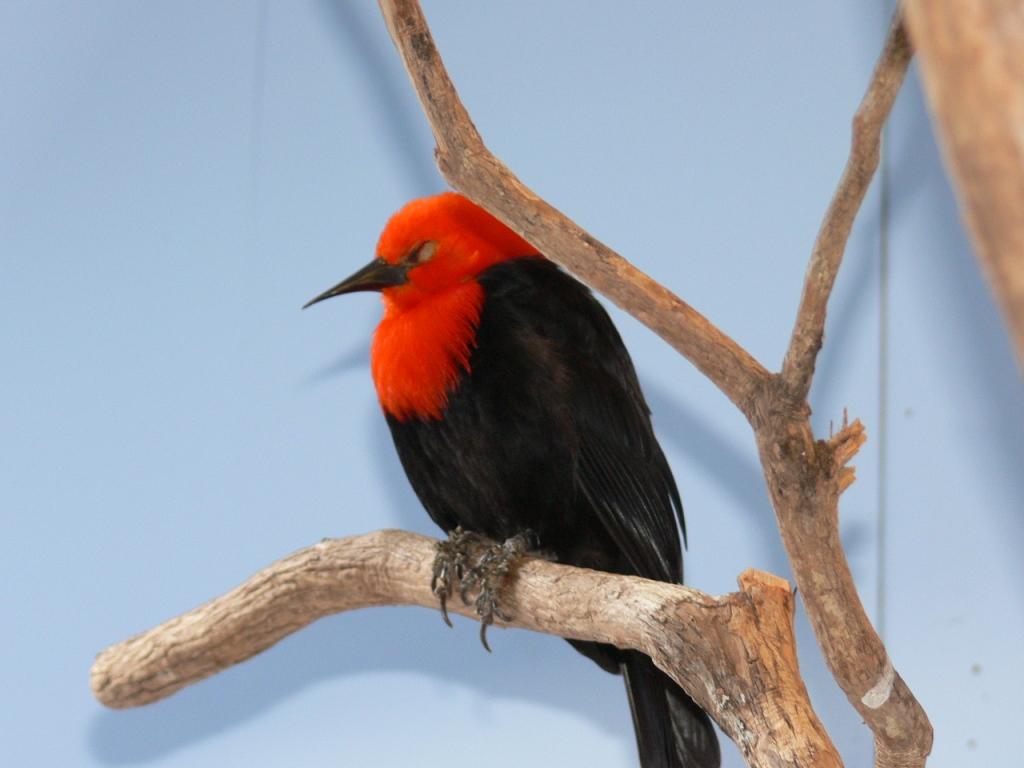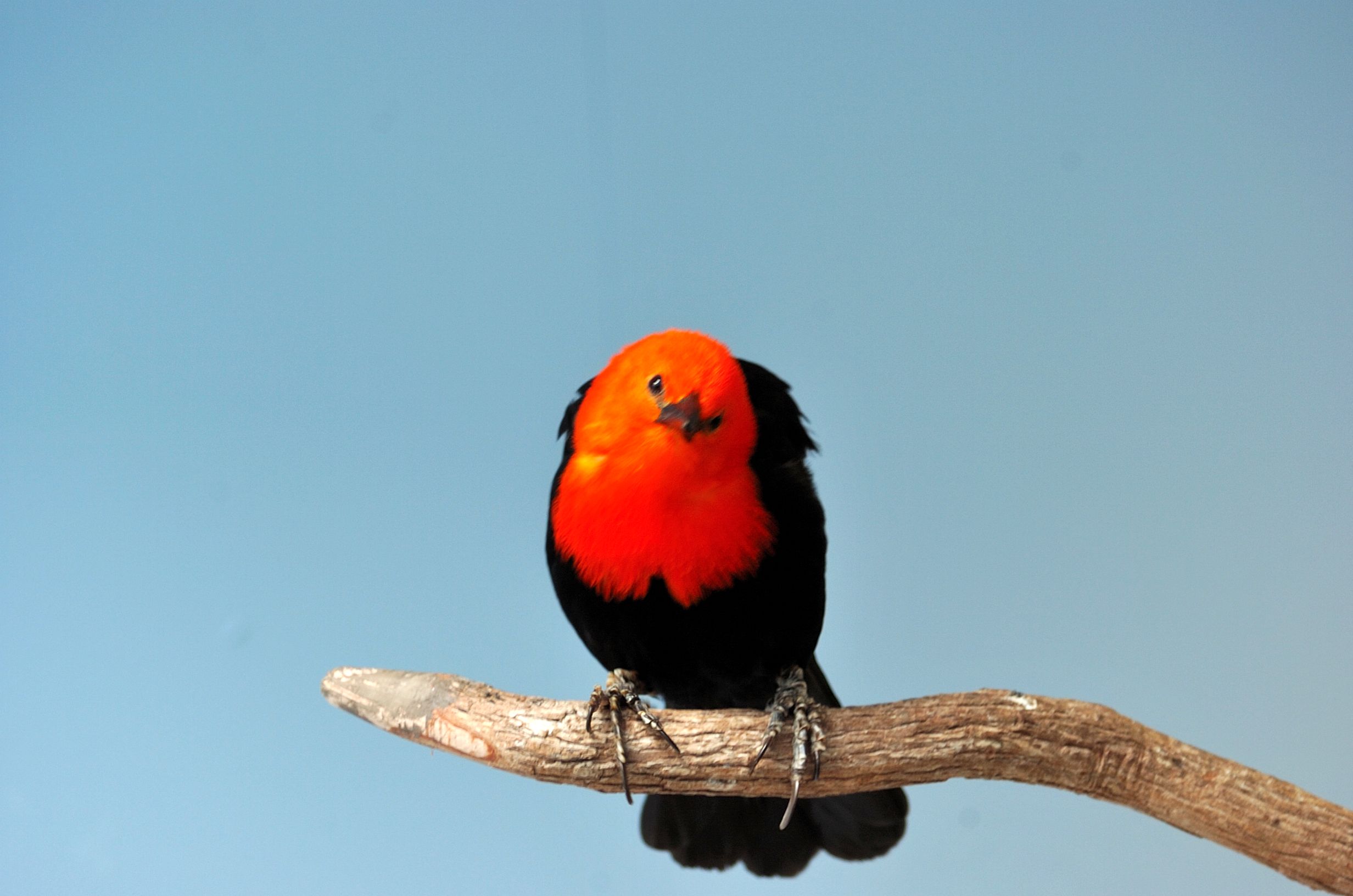
What an amazing photo called Less is More. From a blog I follow
“They shall spread over them a scarlet cloth, …” (Numbers 4:8a NKJV)
“Come now, and let us reason together, saith the LORD: though your sins be as scarlet, they shall be as white as snow; though they be red like crimson, they shall be as wool.” (Isaiah 1:18 KJV)
Avian and Attributes – Scarlet II
Scarlet
This dye was obtained by the Egyptians from the shell-fish Carthamus tinctorius; and by the Hebrews from the Coccus ilicis, an insect which infests oak trees, called kermes by the Arabians.
This colour was early known (Gen_38:28). It was one of the colours of the ephod (Exo_28:6), the girdle (Exo_28:8), and the breastplate (Exo_28:15) of the high priest. It is also mentioned in various other connections (Jos_2:18; 2Sa_1:24; Lam_4:5; Nah_2:3). A scarlet robe was in mockery placed on our Lord (Mat_27:28; Luk_23:11). “Sins as scarlet” (Isa_1:18), i.e., as scarlet robes “glaring and habitual.” Scarlet and crimson were the firmest of dyes, and thus not easily washed out. [Easton’s Bible Dictionary]
Crimson, red, purple, and scarlet:
Used in the symbolisms of the tabernacle furnishings and priestly vestments and functions, as types and shadows of the atonement. ]Nave’s Topical Bible]
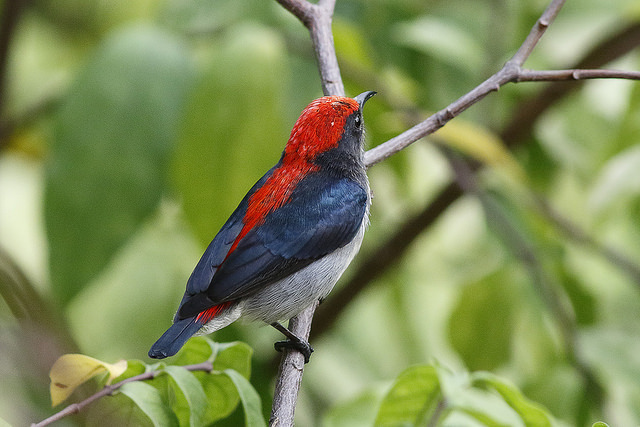
There are so many birds whose names begin with “Scarlet-“, that I decided to do a Part II. I want to show more of God’s Handiwork in the Avian Creations. These are by far not all of them.

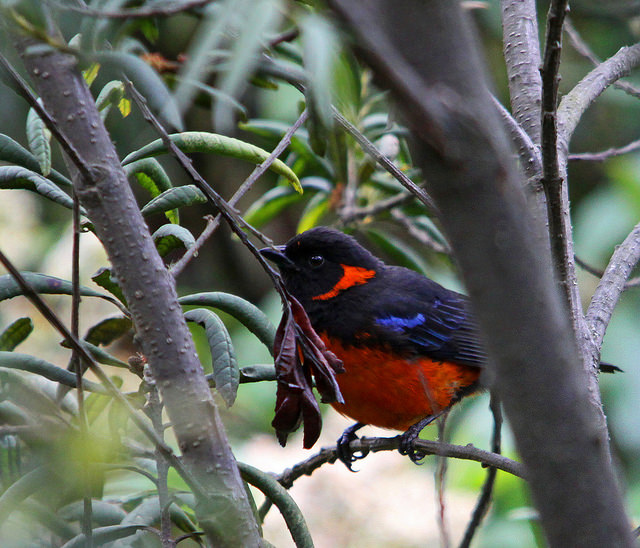
Scarlet-browed Tanager (Heterospingus xanthopygius) ©WikiC
Birds whose first name starts with “S”
*
[Definitions from Webster’s Dictionary of American English (1828), unless noted. Bird info from Wikipedia plus.]
“And they stripped Him and put a scarlet robe on Him. When they had twisted a crown of thorns, they put it on His head, and a reed in His right hand. And they bowed the knee before Him and mocked Him, saying, “Hail, King of the Jews!” (Matthew 27:28-29 NKJV)
Avian and Attributes – Scarlet
SC’ARLET, n.
1. A beautiful bright red color, brighter than crimson.
2. Cloth of a scarlet color.
All her household are clothed with scarlet. Prov 31.
SC’ARLET, a. of the color called scarlet; of a bright red color; as a scarlet cloth or thread; a scarlet lip.
Scarlet Finch
Scarlet Flycatcher
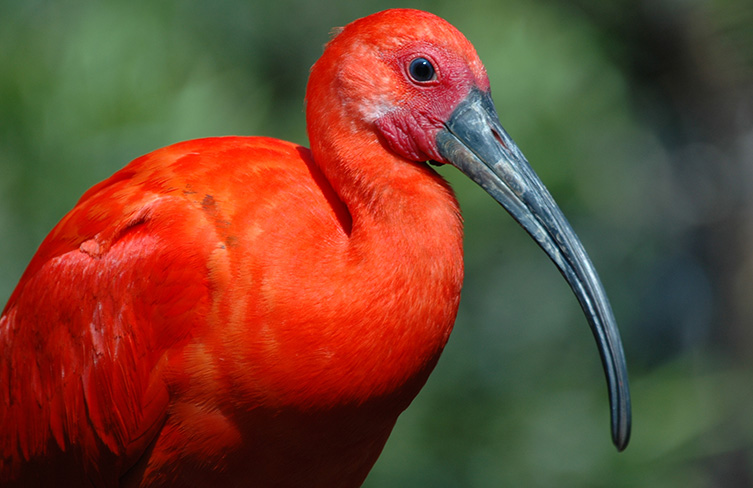
Scarlet Ibis
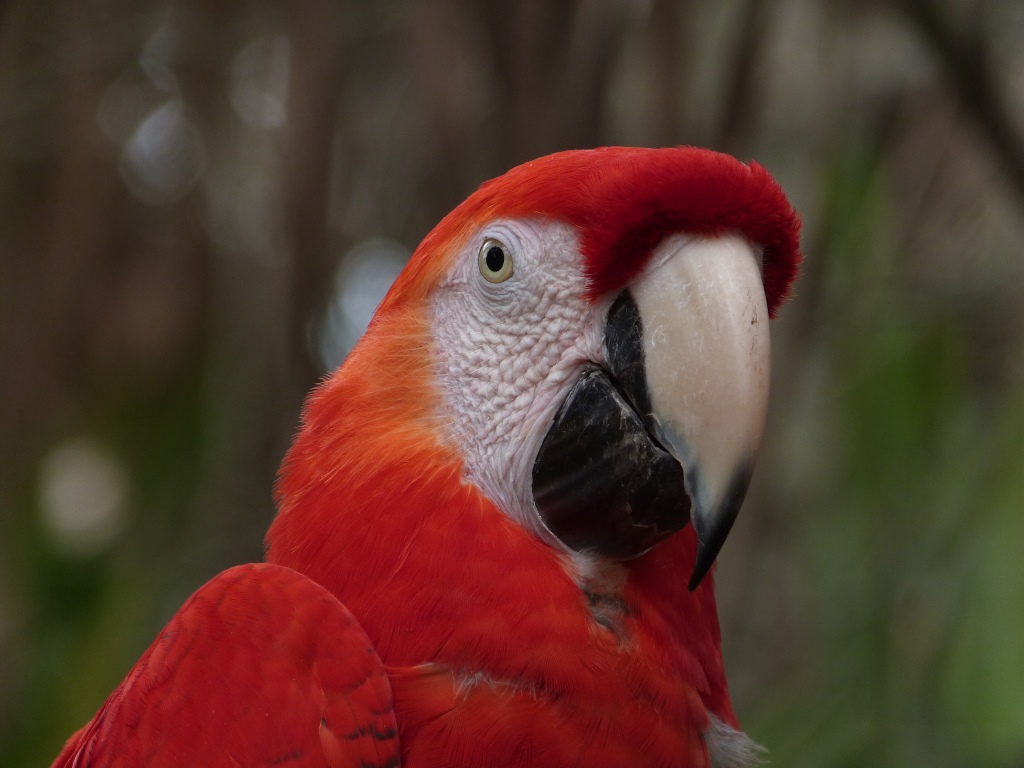
Scarlet Macaw
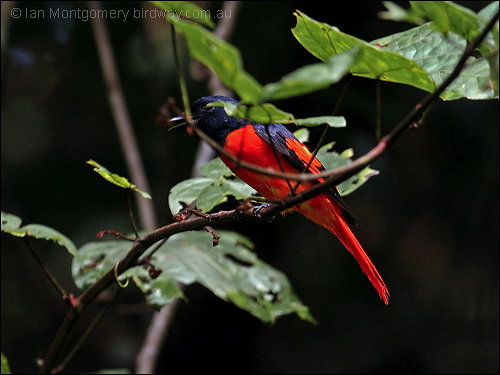
Scarlet Minivet
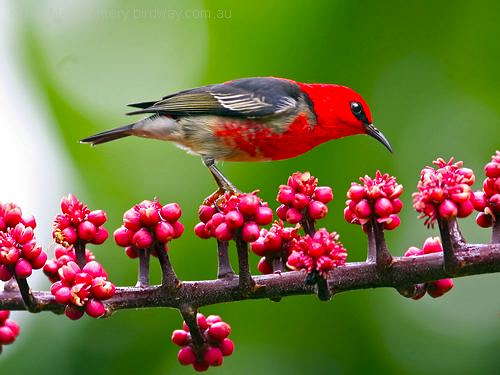
Scarlet Myzomela
Scarlet Robin
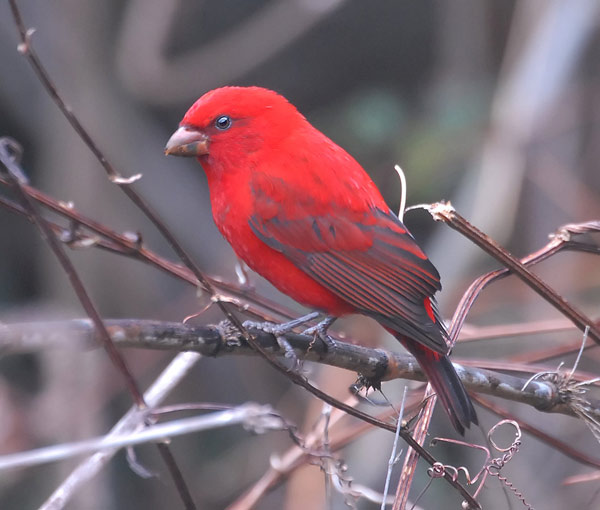
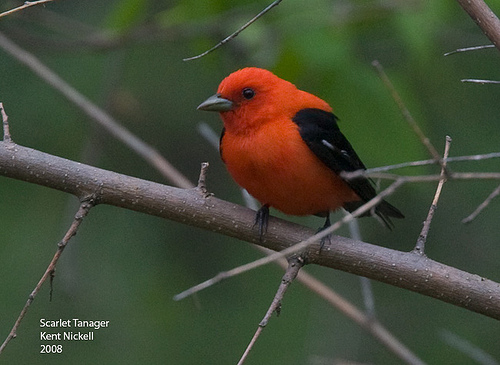
Scarlet Tanager
She is not afraid of snow for her household, For all her household is clothed with scarlet. (Proverbs 31:21 NKJV)
Birds whose first name starts with “S”
*
[Definitions from Webster’s Dictionary of American English (1828), unless noted. Bird info from Wikipedia plus.]
“Who has measured the waters in the hollow of His hand, Measured heaven with a span And calculated the dust of the earth in a measure? Weighed the mountains in scales And the hills in a balance? Who has directed the Spirit of the LORD, Or as His counselor has taught Him? With whom did He take counsel, and who instructed Him, And taught Him in the path of justice? Who taught Him knowledge, And showed Him the way of understanding?” (Isaiah 40:12-14 NKJV)
Avian and Attributes – Scale
SCALE, n. [L. id. If the sense is to strip, it coincides with the Gr. to spoil.]
1. The dish of a balance; and hence, the balance itself, or whole instrument; as, to turn the scale.
Long time in even scale the battle hung.
3. The small shell or crust which composes a part of the covering of a fish; and hence, any thin layer or leaf exfoliated or separated; a thin lamin; as scales of iron or of bone.
4. A ladder; series of steps; means of ascending. [L. scala.]
5. The art of storming a place by mounting the wall on ladders; an escalade, or scalade.
6. A mathematical instrument of wood or metal, on which are marked line and figures for the purpose of measuring distances, extent or proportions; as a plain scale; a diagonal scale.
7. Regular gradation; a series rising by steps or degrees like those of a ladder. Thus we speak of the scale of being, in which man occupies a higher rank than brutes, and angels a higher rank than man.
8. Any instrument, figure or scheme, graduated for the purpose of measuring extent or proportions as a map drawn by a scale of half an inch to a league.
9. In music, a gamut; a diagram; or a series of lines and spaces rising one above another, on which notes are placed; or a scale consists of the regular gradations of sounds. A scale may be limited to an octave, called by the Greeks a tetrachord, or it may extend to the compass of any voice or instrument.
10. Any thing graduated or marked with degrees at equal distances.
SCALE, v.t.
1. To climb, as by a ladder; to ascend by steps; and applied to the walls of a fortified place, to mount in assault or storm.
Oft have I scal’d the craggy oak.
2. [from scale, a balance.] To measure; to compare; to weight.
3. [from scale, the covering of a fish.] to strip or clear of scales; as, to scale a fish.
4. To take off in thin lamins or scales.
5. To pare off a surface.
If all the mountains were scaled, and the earth made even –
[Edited]
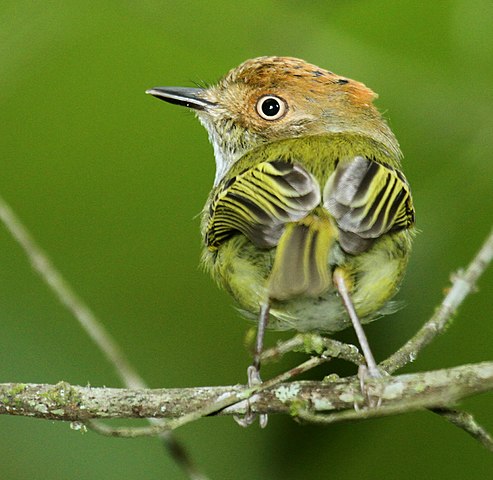
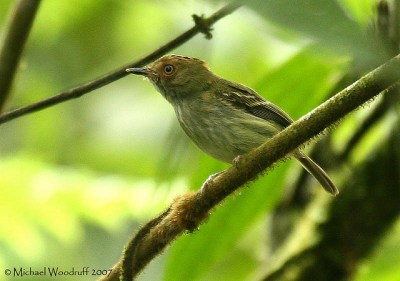
Scale-crested Pygmy Tyrant (Lophotriccus pileatus)
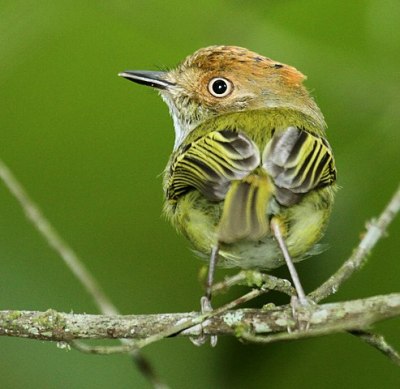
The Scale-crested Pygmy Tyrant (Lophotriccus pileatus) is a species of bird in the family Tyrannidae. It was given its name for the small crown-like ring of feathers on the top of its head. It raises these feathers both to attract a mate and to seem larger when frightened.
It is found in Colombia, Costa Rica, Ecuador, Panama, Peru, Venezuela, and possibly Honduras. Its natural habitats are subtropical or tropical moist lowland forest and subtropical or tropical moist montane forest. Not much is known about the habits or breeding of the bird.
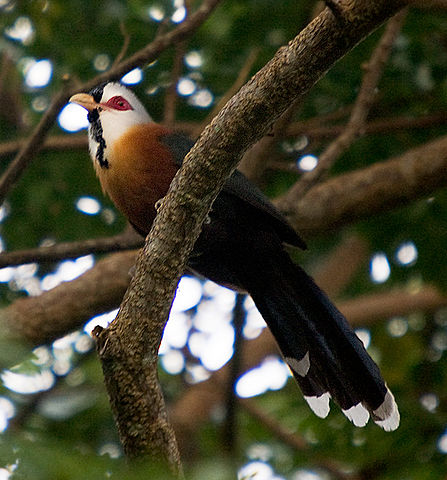
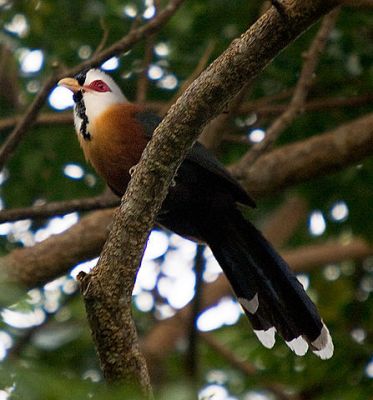
Scale-feathered Malkoha
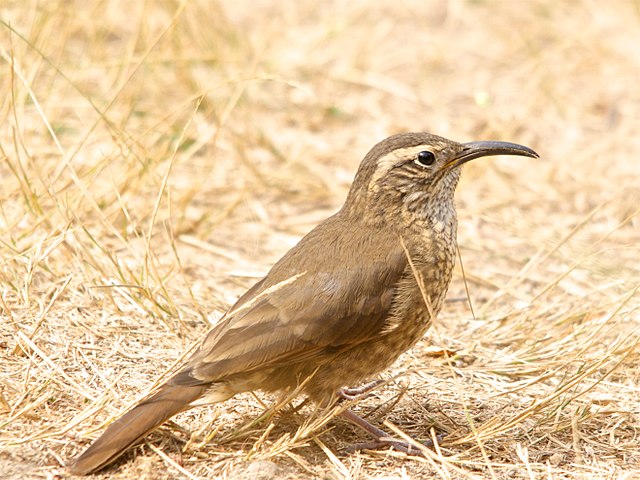
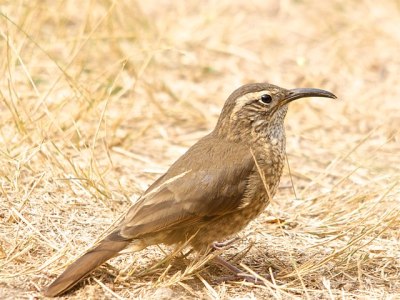
Scale-throated Earthcreeper
The Scale-feathered Malkoha (Dasylophus cumingi) is a species of cuckoo in the family Cuculidae. It is endemic to the northern Philippines.
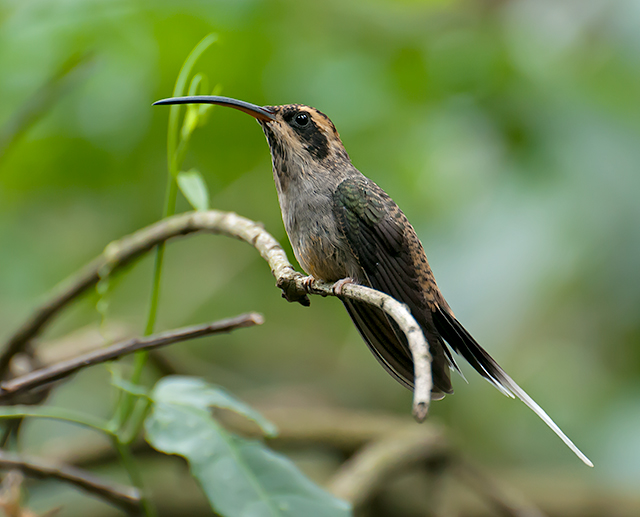
Scale-throated Hermit
The Scale-throated Earthcreeper (Upucerthia dumetaria) is a species of bird in the Furnariidae family. It is found in Argentina and the Altiplano; it winters in the Pampas and east of Córdoba. Its natural habitats are subtropical or tropical dry shrubland, subtropical or tropical high-altitude shrubland, and subtropical or tropical high-altitude grassland. They build their nests at the end of tunnels measuring between one and two meters. These tunnels are almost exclusively based on slopes; however, rock crevices are occasionally used. It formerly included the Patagonian forest earthcreeper (U. saturatior) as a subspecies.
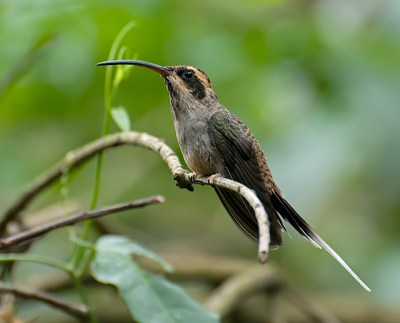
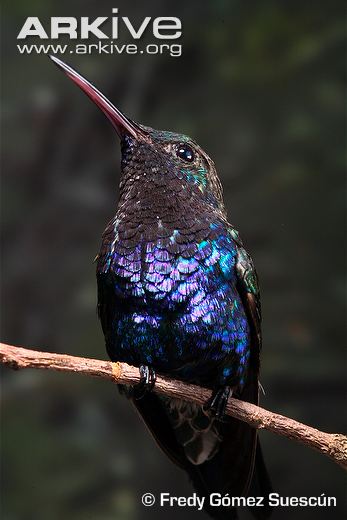
The Scale-throated Hermit (Phaethornis eurynome) is a species in the hummingbird family, Trochilidae.
It is found in the Atlantic forest in north-eastern Argentina, south-eastern Brazil, and eastern Paraguay. The supposed “black-billed hermit”, described as P. nigrirostris, has turned out to be a mutant P. eurynome with an all-black bill.
Birds whose first name starts with “S”
*
[Definitions from Webster’s Dictionary of American English (1828), unless noted. Bird info from Wikipedia plus.]
“But they that wait upon the LORD shall renew their strength; they shall mount up with wings as eagles; they shall run, and not be weary; and they shall walk, and not faint.” Isaiah 40:31
Flying – By Creation Moments
The concept of flying has inspired so much in the way of art – visual, musical, and literary. “One day, I’ll fly away,” sang Randy Crawford, evoking a view of flying as a metaphor for freedom. Other songs have taken up the same theme. “You are the wind beneath my wings”. “Love lift us up where we belong”. “Come fly with me, come fly, let’s fly away”.
The Bible also uses this metaphor. “They who wait for the LORD shall renew their strength; they shall mount up with wings like eagles; they shall run and not be weary; they shall walk and not faint.” (Isaiah 40:31). We instinctively know that Isaiah is referring to a sense of strength, produced by the power of the Lord, by waiting on Him.
Being free from the clutches of sin is like being free of gravity! And this freedom evokes images of eagles soaring without even flapping their wings as they ride the thermal air currents.
An evolutionist has to believe that the ability to fly has evolved. Not only that, but they must believe that this ability has evolved at least three times, and maybe four – birds, bats, flying insects, and pteradactyls being the four groups of animals which fly.
In contrast, the Bible tells us that flight was a deliberate design of God. Flying creatures were created on Day Five of the creation week. God designed flight, and the Bible says that He pronounced it “good”.
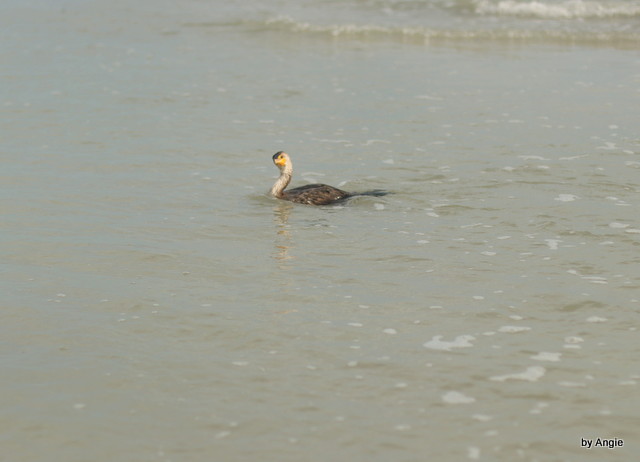
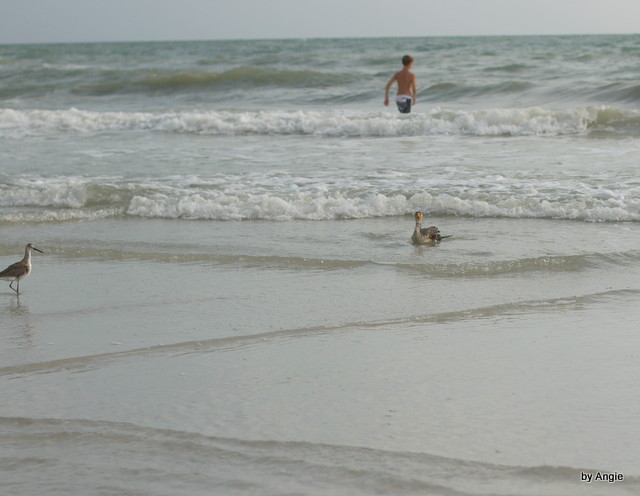
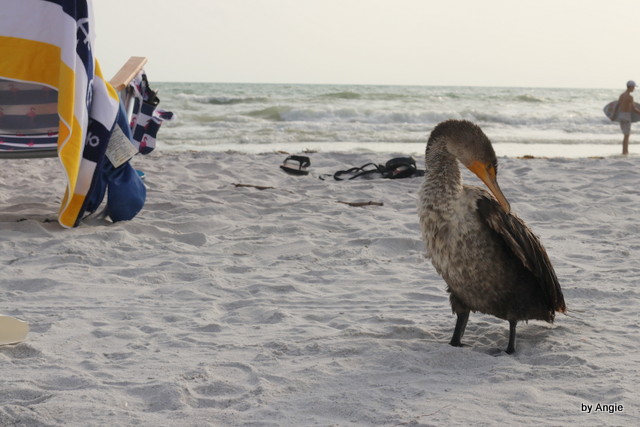
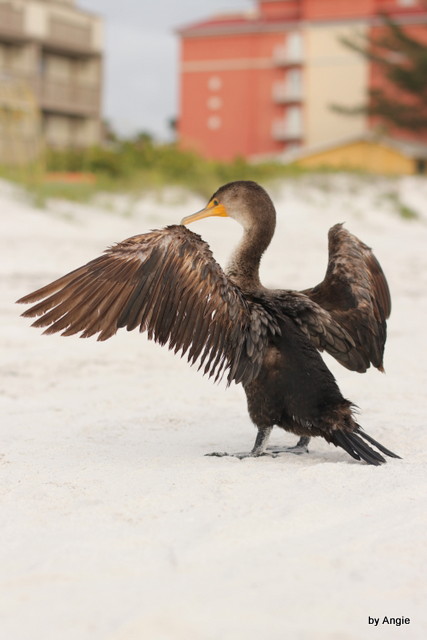
My niece, Angie, sent the above photo of a bird they observed at the Indian Rocks Beach shore in Florida. She asked what kind of a “sea duck” it was. She was close, but the cormorant family is totally separate. I let her know that it was a juvenile Double-crested Cormorant.
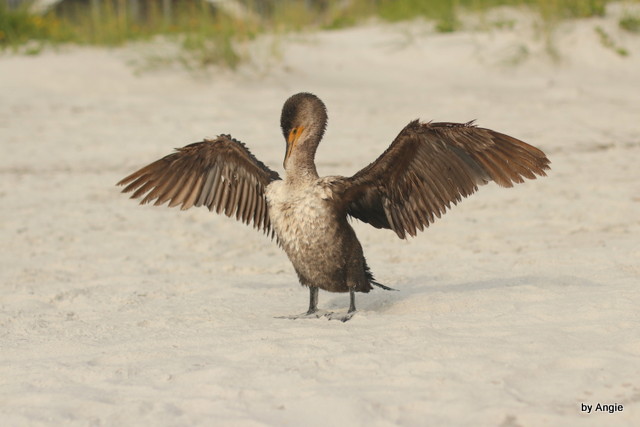
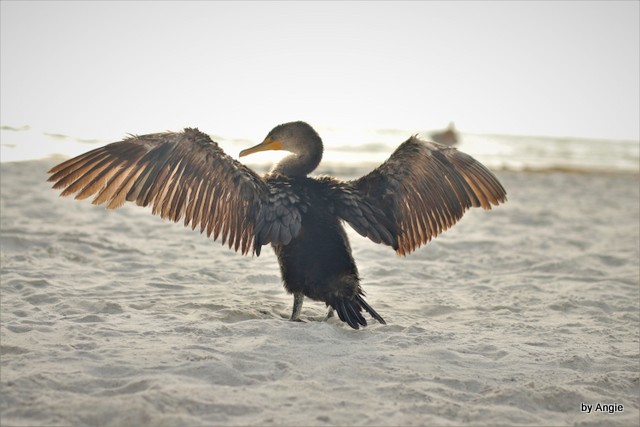
She later told me that it was almost struggling to get out of the water. Angie also provided me with more photos of this youngster. I may be wrong, but, being immature, it may have become too water-logged. I have never experienced seeing one “swimming ashore”. If they were to become too wet, that could happen, I suppose. Whatever the case, enjoy seeing her sequence of another fantastic creation from our Creator. He provides for us and the avian population with provisions to help us when in need.
“Let us therefore come boldly unto the throne of grace, that we may obtain mercy, and find grace to help in time of need.” (Hebrews 4:16 KJV)
The Cormorant is listed in four verses in the Bible, therefore making it a Bird of the Bible. “And the pelican, and the gier eagle, and the cormorant,”
(Deuteronomy 14:17 KJV)
The Double-crested Cormorant (Phalacrocorax auritus) is a member of the cormorant family of seabirds. It occurs along inland waterways as well as in coastal areas, and is widely distributed across North America, from the Aleutian Islands in Alaska down to Florida and Mexico. Measuring 70–90 cm (28–35 in) in length, it is an all-black bird which gains a small double crest of black and white feathers in breeding season. It has a bare patch of orange-yellow facial skin. Five subspecies are recognized.
After fishing, cormorants go ashore, and are frequently seen holding their wings out in the sun. All cormorants have preen gland secretions that are used ostensibly to keep the feathers waterproof. Some sources state that cormorants have waterproof feathers while others say that they have water permeable feathers. Still others suggest that the outer plumage absorbs water but does not permit it to penetrate the layer of air next to the skin. The wing drying action is seen even in the flightless cormorant but commonly in the Antarctic shags and red-legged cormorants. Alternate functions suggested for the spread-wing posture include that it aids thermoregulation, digestion, balances the bird or indicates presence of fish. A detailed study of the great cormorant concludes that it is without doubt to dry the plumage.
The Double-crested Cormorant (Phalacrocorax auritus) is a member of the cormorant family of seabirds. It occurs along inland waterways as well as in coastal areas, and is widely distributed across North America, from the Aleutian Islands in Alaska down to Florida and Mexico. Measuring 70–90 cm (28–35 in) in length, it is an all-black bird which gains a small double crest of black and white feathers in breeding season. It has a bare patch of orange-yellow facial skin. Five subspecies are recognized.
The double-crested cormorant is found near rivers and lakes and along the coastline. It mainly eats fish and hunts by swimming and diving. Its feathers, like those of all cormorants, are not waterproof and it must spend time drying them out after spending time in the water.
[Info from Cormorant] and Double-Crested Cormorant from Wikipedia]
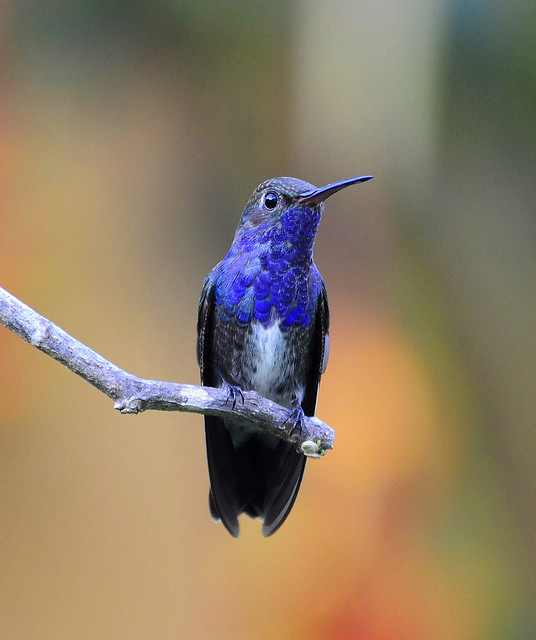
“And the foundations of the wall of the city were garnished with all manner of precious stones. The first foundation was jasper; the second, sapphire; the third, a chalcedony; the fourth, an emerald;” (Revelation 21:19 KJV)
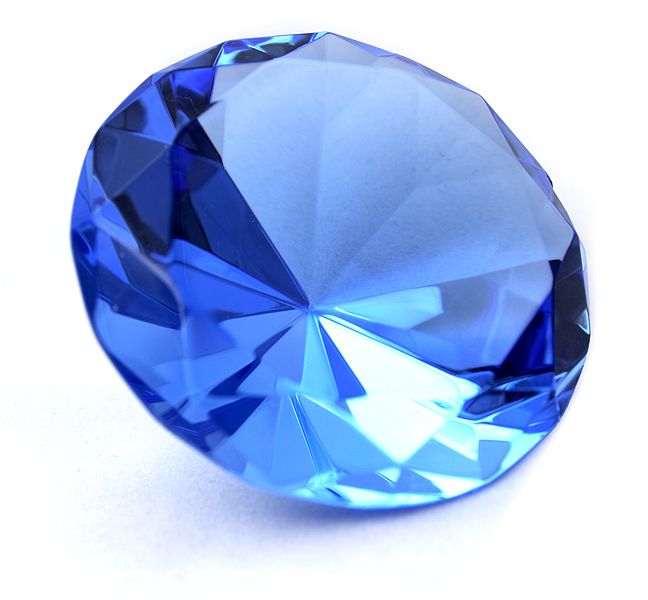
SAP’PHIRE, n. [L. sapphirus; Gr. to scrape, to shine, to be fair, open, beautiful.]
A species of silicious gems or minerals, of several varieties. In hardness it is inferior to the diamond only. Its colors are blue, red, violet, yellow, green, white, or limpid, and one variety is chatoyant, and another asteriated or radiated.
Sapphire is a subspecies of rhomboidal corundum.
The oriental ruby and topaz are sapphires.
Sapphire is employed in jewelry and the arts.
Birds whose first name starts with “S”
*
[Definitions from Webster’s Dictionary of American English (1828), unless noted. Bird info from Wikipedia plus.]
“How precious also are thy thoughts unto me, O God! how great is the sum of them! If I should count them, they are more in number than the sand: when I awake, I am still with thee.” (Psalms 139:17-18 KJV)
“He rained flesh also upon them as dust, and feathered fowls like as the sand of the sea:” (Psalms 78:27 KJV)
Avian and Attributes – Sand
SAND, n.
1. Any mass or collection of fine particles of stone, particularly of fine particles of silicious stone, but not strictly reduced to powder or dust.
That finer matter called sand, is no other than very small pebbles.
2. Sands, in the plural, tracts of land consisting of sand, like the deserts of Arabia and Africa; as the Lybian sands.
SAND, v.t.
1. To sprinkle with sand. It is customary among the common people in America, to sand their floors with white sand.
2. To drive upon the sand.
Sand Birds
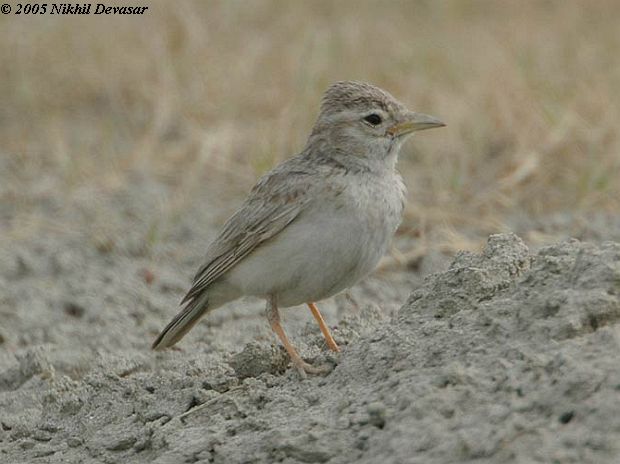
Sand Lark
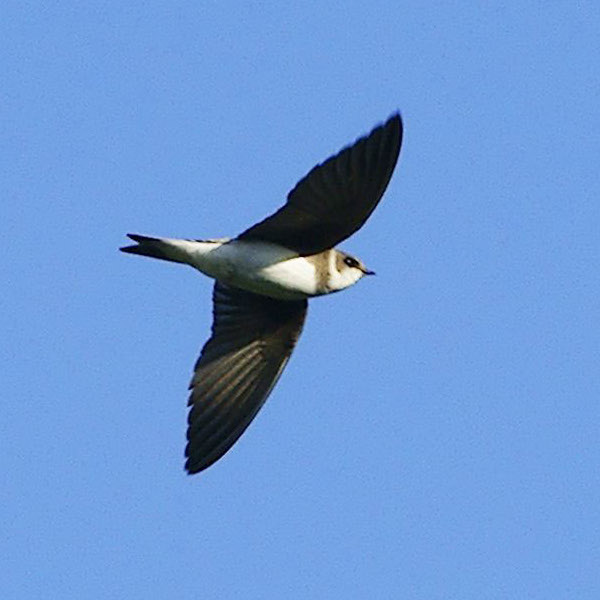
Sand Martin
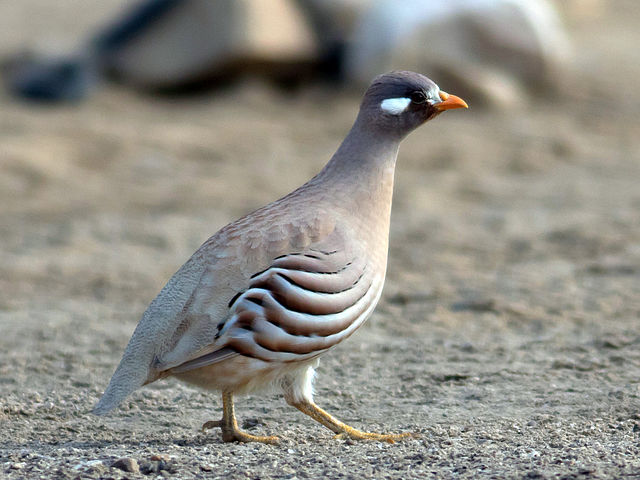
Sand Partridge
Sand-colored Nighthawk
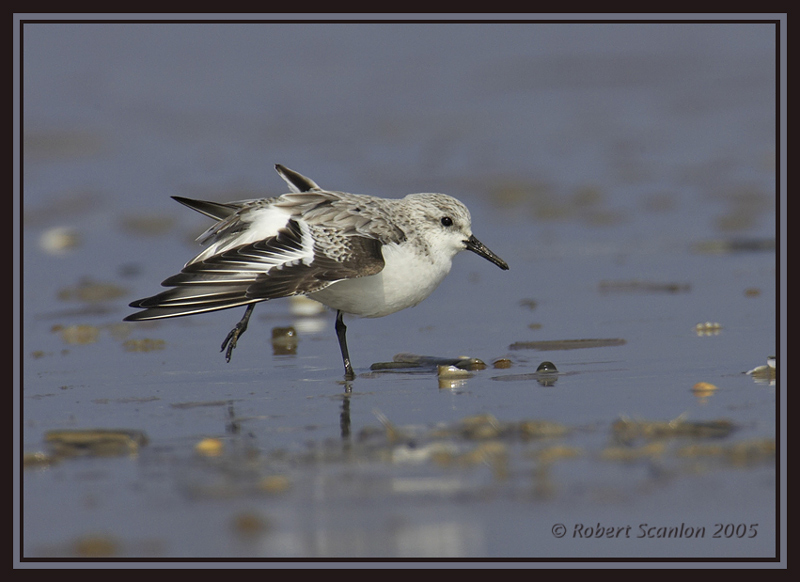
Sanderling
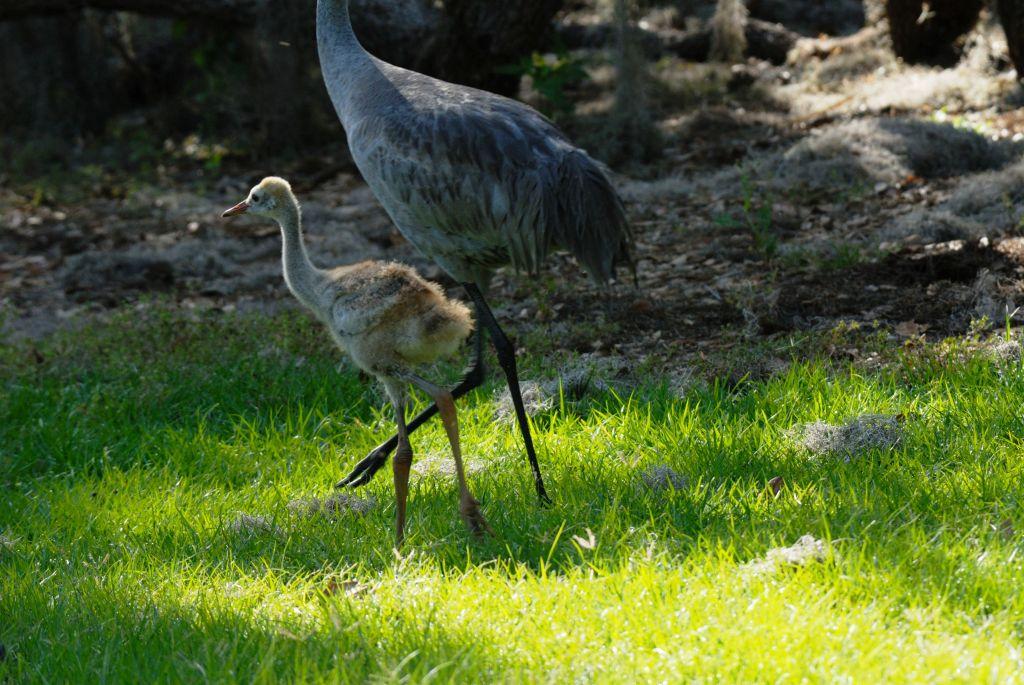
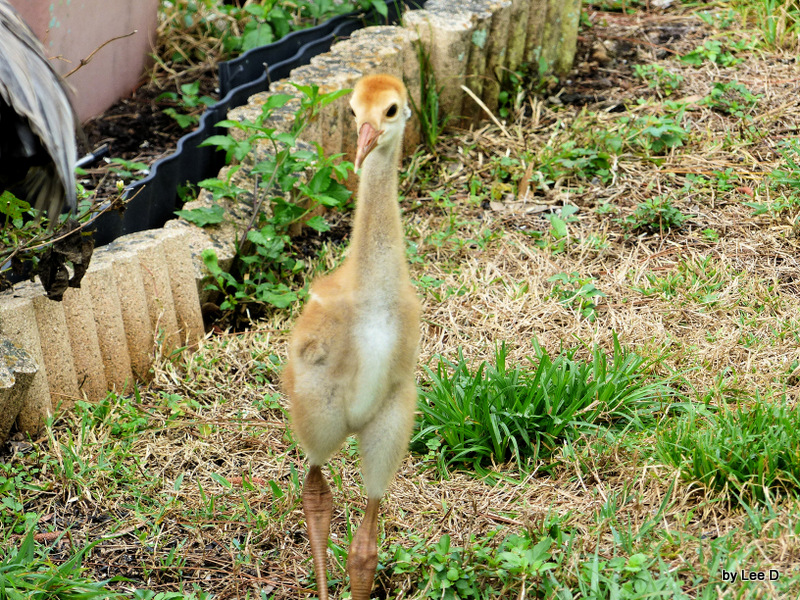
Sandhill Crane
“Therefore whosoever heareth these sayings of mine, and doeth them, I will liken him unto a wise man, which built his house upon a rock: And the rain descended, and the floods came, and the winds blew, and beat upon that house; and it fell not: for it was founded upon a rock. And every one that heareth these sayings of mine, and doeth them not, shall be likened unto a foolish man, which built his house upon the sand: And the rain descended, and the floods came, and the winds blew, and beat upon that house; and it fell: and great was the fall of it.” (Matthew 7:24-27 KJV)
Birds whose first name starts with “S”
*
[Definitions from Webster’s Dictionary of American English (1828), unless noted. Bird info from Wikipedia plus.]
In Where Are You From? [Part I], the birds and my ancestry were both mentioned. Since we have not done much birdwatching lately other than through my window, my time has been spent looking for my ancestors.
Of course, since Creation is how God created the birds and humans, there are no birds in my Ancestorial Tree!! That is a given. I do have a Buzzard [Catherine] listed in Dan’s tree. A Hawk [Susannah] in my tree, and that is about it. The rest are normal human names.
What is so amazing is how many people [my ancestors] that it took for me to come into existence. If anyone of them had died before they had the child that would be my ancestor was born, I wouldn’t be writing this article. That thought is awesome. God is so merciful and sovereign in His dealings with us. What Grace!
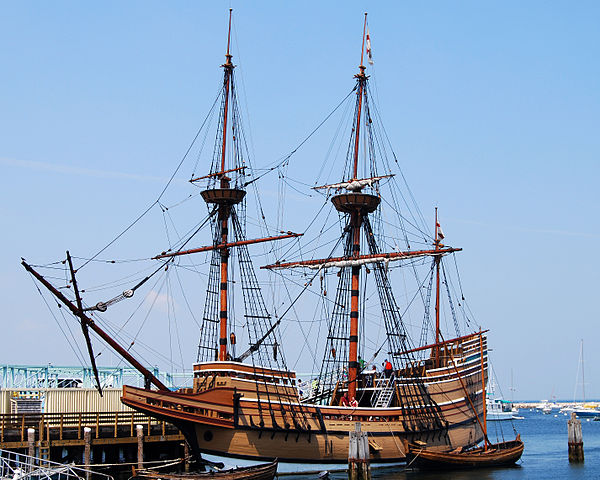
Today I found another ancestor who was on the Mayflower. This one really came close to not making it. This article explains how he fell overboard on the voyage to America: Meet John Howland, a lucky Pilgrim who populated America with 2 million descendants. Here is another interesting article about him on Wikipedia.
“But God, who is rich in mercy, because of His great love with which He loved us,” (Ephesians 2:4 NKJV)
The birds we watch today also come from their ancestors. Had one group died out, as they have, then that branch of birds is extinct. As beautiful as the birds are today, what would they be like had those not become extinct? Interesting thought.
The children today who are prevented from being born would have had many descendants in the future. A quote from the article above:
“Howland and his eventual wife, fellow Mayflower passenger Elizabeth Tilley, had 10 children and more than 80 grandchildren. Now, an estimated 2 million Americans can trace their roots to him.
Howland’s direct descendants include three presidents — Franklin Roosevelt, George H.W. Bush and George W. Bush — as well as former vice-presidential candidate Sarah Palin; poets Ralph Waldo Emerson and Henry Wadsworth Longfellow; actors Alec Baldwin, Humphrey Bogart, and Christopher Lloyd; Mormon church founder Joseph Smith; and child care guru Dr Benjamin Spock.
“The idea that the existence of all these people hinged on that one guy grabbing a rope in the ocean and holding on tight totally caught my imagination,”
“I thank my God always concerning you for the grace of God which was given to you by Christ Jesus,” (1 Corinthians 1:4 NKJV)
**Updated**
“And it came to pass, that, while they communed together and reasoned, Jesus himself drew near, and went with them. But their eyes were holden that they should not know him. And he said unto them, What manner of communications are these that ye have one to another, as ye walk, and are sad? And the one of them, whose name was Cleopas, answering said unto him, Art thou only a stranger in Jerusalem, and hast not known the things which are come to pass there in these days? And he said unto them, What things? And they said unto him, Concerning Jesus of Nazareth, which was a prophet mighty in deed and word before God and all the people: And how the chief priests and our rulers delivered him to be condemned to death, and have crucified him. But we trusted that it had been he which should have redeemed Israel: and beside all this, to day is the third day since these things were done. Yea, and certain women also of our company made us astonished, which were early at the sepulchre; And when they found not his body, they came, saying, that they had also seen a vision of angels, which said that he was alive. And certain of them which were with us went to the sepulchre, and found it even so as the women had said: but him they saw not.
Then he said unto them, O fools, and slow of heart to believe all that the prophets have spoken: Ought not Christ to have suffered these things, and to enter into his glory? And beginning at Moses and all the prophets, he expounded unto them in all the scriptures the things concerning himself.
(Luke 24:15-27 KJV)
Avian and Attributes – Sad
SAD, a. [It is probable this word is from the root of set. I have not found the word is from the root of set. I have not found the word in the English sense, in any other language.]
1. Sorrowful; affected with grief; cast down with affliction.
Th’ angelic guards ascended, mute and sad.
Sad for their loss, but joyful of our life.
2. Habitually melancholy; gloomy; not gay or cheerful.
3. Downcast; gloomy; having the external appearance of sorrow; as a sad countenance. Mat 6.
4. Serious; grave; not gay, light or volatile.
5. Afflictive; calamitous; causing sorrow; as a sad accident; a sad misfortune.
8. Heavy; weighty; ponderous.
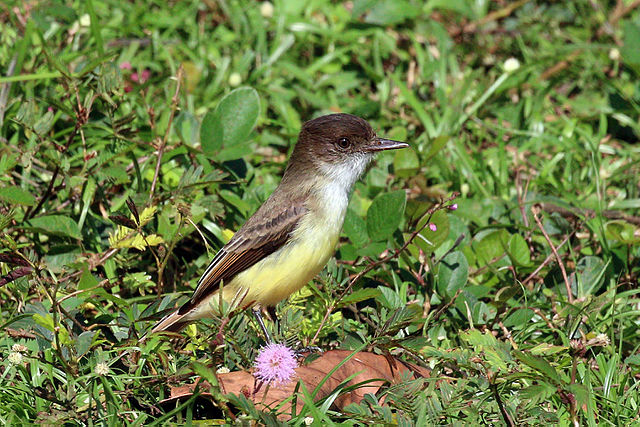
“The Sad Flycatcher (Myiarchus barbirostris) is a species of bird in the family Tyrannidae. It is endemic to Jamaica. Its natural habitats are subtropical or tropical moist lowland forests, subtropical or tropical moist montane forests, and heavily degraded former forest.” [Wikipedia]
“The Sad Flycatcher is endemic to the island of Jamaica, where it is known colloquially as the Little Tom Fool, but it is apparently most closely related to the very widely distributed Dusky-capped Flycatcher (Myiarchus tuberculifer).” [Neotropical Birds]
“These things I have spoken unto you, that in me ye might have peace. In the world ye shall have tribulation: but be of good cheer; I have overcome the world.” (John 16:33 KJV)
Birds whose first name starts with “S”
*
[Definitions from Webster’s Dictionary of American English (1828), unless noted. Bird info from Wikipedia plus.]
“Consecrate a fast, Call a sacred assembly; Gather the elders And all the inhabitants of the land Into the house of the LORD your God, And cry out to the LORD.” (Joel 1:14 NKJV)
Avian and Attributes – Sacred
SA’CRED, a. [L. sacer, sacred, holy, cursed, damnable. We here see the connection between sacredness and secrecy. The sense is removed or separated from that which is common, vulgar, polluted, or open, public; and accursed is separated from society or the privileges of citizens, rejected, banished.]
1. Holy; pertaining to God or to his worship; separated from common secular uses and consecrated to God and his service; as a sacred place; a sacred day; a sacred feast; sacred service; sacred orders.
2. Proceeding from God and containing religious precepts; as the sacred books of the Old and New Testament.
3. Narrating or writing facts respecting God and holy things; as a sacred historian.
4. Relating to religion or the worship of God; used for religious purposes; as sacred songs; sacred music; sacred history.
5. Consecrated; dedicated; devoted; with to.
A temple sacred to the queen of love.
6. Entitled to reverence; venerable.
Poet and saint to thee alone were given, the two most sacred names of earth and heav’n.
7. Inviolable, as if appropriated to a superior being; as sacred honor or promise.
Secrets of marriage still are sacred held.
Sacred majesty. In this title, sacred has no definite meaning, or it is blasphemy.
Sacred place, in the civil law, is that where a deceased person is buried.
“and that from childhood you have known the sacred writings which are able to give you the wisdom that leads to salvation through faith which is in Christ Jesus. All Scripture is inspired by God and profitable for teaching, for reproof, for correction, for training in righteousness; so that the man of God may be adequate, equipped for every good work.” (2 Timothy 3:15-17 NASB)
The Sacred Kingfisher (Todiramphus sanctus) is a medium-sized woodland kingfisher that occurs in mangroves, woodlands, forests, and river valleys in Australia, New Zealand, and other parts of the western Pacific. In New Zealand the species is also known by its Māori name kōtare.
The sacred kingfisher is a medium-sized kingfisher. They are mostly turquoise, with white underparts and collar feathers. Both sexes are similar, but females are usually more dull-colored. Juveniles have rusty-brown edges on the collar and underparts.
It is called “sacred” for it was said to be a holy bird for Polynesians, who believed it to have control over the waves. Likewise, the local subspecies of collared kingfisher and other kingfishers in the southwestern Pacific were ascribed venerable power over the ocean.
Birds whose first name starts with “S”
*
[Definitions from Webster’s Dictionary of American English (1828), unless noted. Bird info from Wikipedia plus.]

“and for a long time birds and hedgehogs, and ibises and ravens shall dwell in it: and the measuring line of desolation shall be cast over it, and satyrs shall dwell in it.” (Isaiah 34:11 Brenton)
Many of the birds in the Bible are listed differently in some versions. The Ibises is only listed in this verse in the Brenton, DRB, and the ABP versions. Most of the different versions list Pelicans, Cormorants, Bitterns, Heron, and Storks. The Pelicans, Cormorants, Bitterns, and Heron are all found in thePELECANIFORMES Order of birds. The Storks are in the close CICONIIFORMES Order.

All of these birds enjoy similar surroundings and the Ibises and Spoonbills make up the Threskiornithidae Family.
The ibises (collective plural ibis; classical plurals ibides and ibes) are a group of long-legged wading birds, that inhabit wetlands, forests and plains. “Ibis” derives from the Latin and Ancient Greek word for this group of birds. It also occurs in the scientific name of the cattle egret, (Bubulcus ibis), mistakenly identified in 1757 as being the sacred ibis.

Ibises all have long, down-curved bills, and usually feed as a group, probing mud for food items, usually crustaceans. They are monogamous and highly territorial while nesting and feeding. Most nest in trees, often with spoonbills or herons. The word ibis comes from Latin ibis from Greek ἶβις ibis from Egyptian hb, hīb.