Bible Birds – Solomon’s Wisdom About Birds I

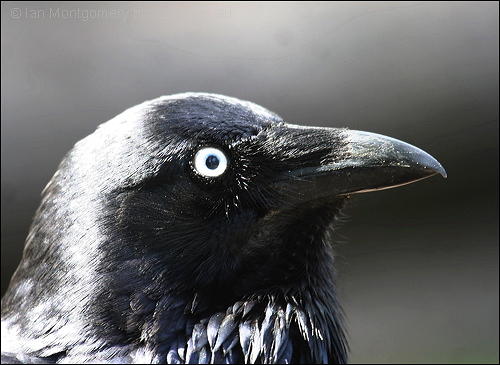
Australian Raven (Corvus coronoides) by Ian

Australian Raven (Corvus coronoides) by Ian

Also he spoke of trees, from the cedar tree of Lebanon even to the hyssop that springs out of the wall; he spoke also of animals, of birds, of creeping things, and of fish. (1 Kings 4:33 NKJV)

In my daily reading from Scripture recently, I came across I Kings 4:33 again. The article Birds of the Bible – Solomon’s Birds, discusses how some of the lessons Solomon had learned were applied. Now let’s look at how Solomon might have attained those illustrations and how we can apply them.

More questions come to my mind, in no set order, like:

  • What kind of birds did he have to observe?
  • What did he learn about the birds?
  • Did he write any of his bird observations out?
  • The Lord gave him the wisdom, so how did he apply it?
  • What can we learn from Solomon about birds?

We know from the Bible that Solomon asked for wisdom to be able to know right and wrong and how to rule the people. God granted Solomon his request and gave him more besides. See I Kings 3.

Checking with my e-Sword commentaries and helps, here are some interesting thoughts. (Italics are mine)

Oriental Bay Owl (Phodilus badius) by Peter Ericisson

Oriental Bay Owl (Phodilus badius) by Peter Ericisson

Matthew Henry’s Concise Commentary

Solomon’s wisdom was more his glory than his wealth. He had what is here called largeness of heart, for the heart is often put for the powers of the mind. He had the gift of talk, as well as wisdom. It is very desirable, that those who have large gifts of any kind, should have large hearts to use them for the good of others. What treasures of wisdom and knowledge are lost! But every sort of knowledge that is needful for salvation is to be found in the holy Scriptures. There came persons from all parts, who were more eager after knowledge than their neighbours, to hear the wisdom of Solomon. Solomon was herein a type of Christ, in whom are hid all treasures of wisdom and knowledge; and hid for us, for he is made of God to us, wisdom. Christ’s fame shall spread through all the earth, and men of all nations shall come to him, learn of him, and take upon them his easy yoke, and find rest for their souls.

Indian Peafowl (Pavo cristatus) by Nikhil Devasar

Indian Peafowl (Pavo cristatus) by Nikhil Devasar

Gill

he spake also of beasts, and of fowls, and of creeping things, and of fishes; he understood the nature of all sorts of animals in the earth, air, and sea, and discoursed of their names, kinds, qualities, and use, with the greatest ease and perspicuity; the Jews fancy that Aristotle’s History of Animals is his, which that philosopher came upon, and published it in his own name. …
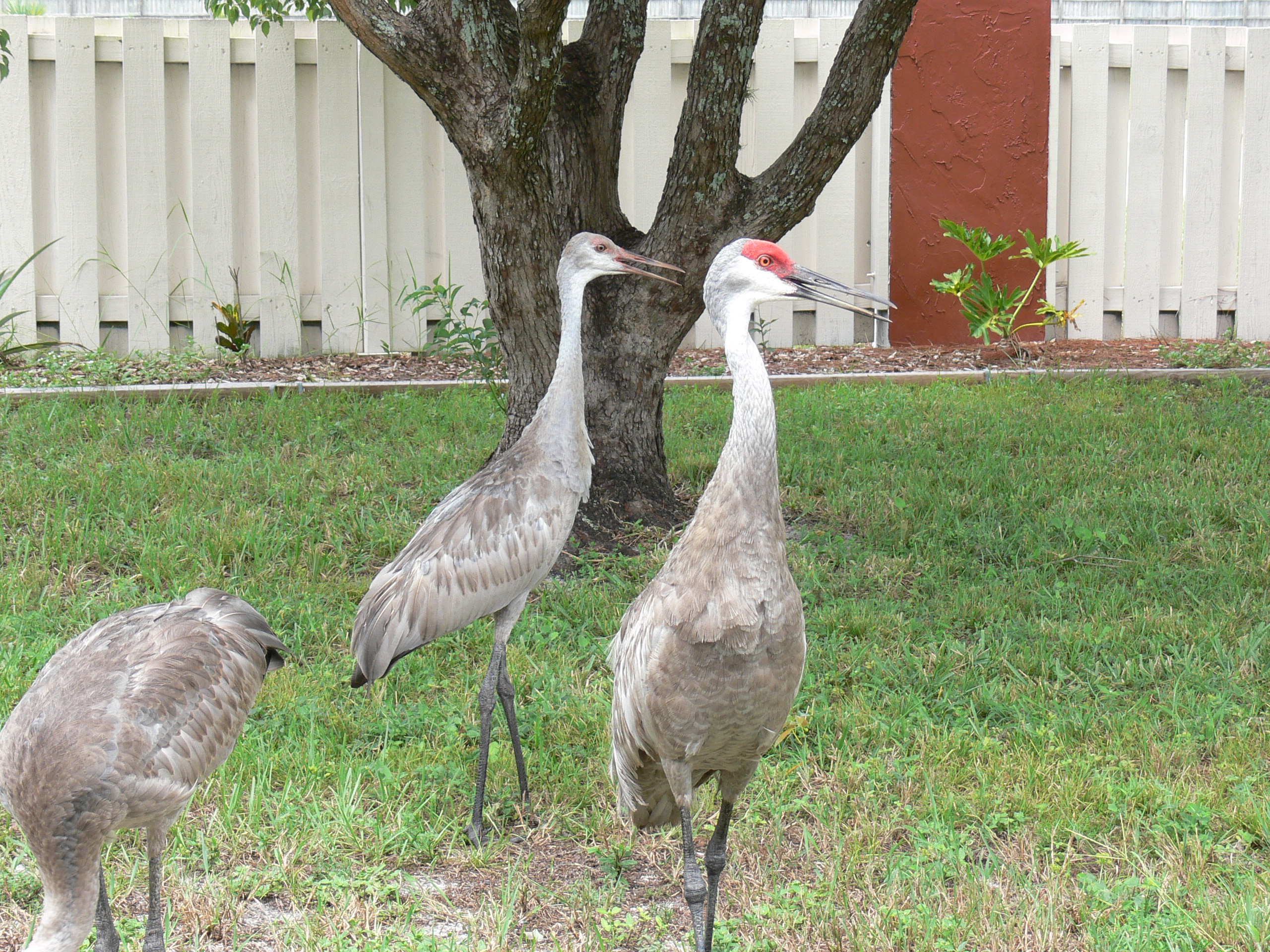
Sandhill Cranes - Adult and Juvenile in yard 8/27/10

Sandhill Cranes – Adult and Juvenile in yard 8/27/10

*
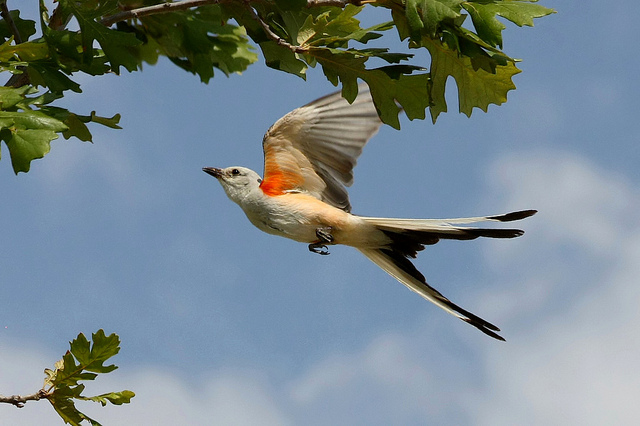
Scissor-tailed Flycatcher (Tyrannus forficatus) ©TexasEagle

Scissor-tailed Flycatcher (Tyrannus forficatus) ©TexasEagle

Barnes

Of beasts, and of fowls, and of creeping things, and of fishes – This is the usual Biblical division of the animal kingdom Gen_1:26; Gen_9:2; Psa_148:10.

Believer’s Bible Commentary

Verse 33 means that his wide knowledge of many sciences enabled him to use object lessons from nature in expounding his wisdom. People traveled from afar to hear him.
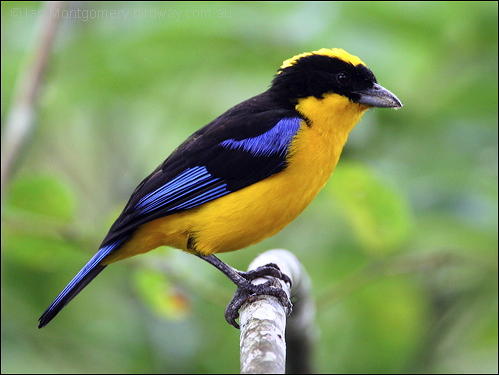
Blue-winged Mountain Tanager (Anisognathus somptuosus) by Ian

Blue-winged Mountain Tanager (Anisognathus somptuosus) by Ian

Bible Knowledge Commentary

1 Kings 4:32-34

Several hundred of Solomon’s 3,000 proverbs have been preserved in the Book of Proverbs as well as a few in Ecclesiastes. One of his 1,005 songs is the Song of Songs. Solomon’s literary output was extremely prolific (bountiful). He became an authority in botany and zoology too. … He was recognized as the wisest man of his day as God had promised he would be.

Under His Wings - (Dove - photographer unknown)

Under His Wings – (Dove – photographer unknown)

Biblical Illustrator

The study of Nature
It is said of Wordsworth that a stranger having on one occasion asked to see his study, the maid said, “This is master’s room, but he studies in the fields.” In doing so the poet followed a venerable example. We read that Isaac went out to meditate in the field at eventide, where in the margin “to pray” is put for “to meditate.” Nor could there be a better place either for prayer or for study than the fields. The Word of God is written very clearly for His seers in the green book of Nature. Wordsworth’s study is one that we can all use, however small our house may be. (Quiver.)

The world is worth seeing
Men must not live under a bushel. A gentleman once met a French priest on board an Atlantic liner. They entered into conversation, and the priest said that months ago he had a dream. He dreamt that he was dead, and that God asked him how much of the world he had seem His answer was that he had seen only a very little of it, for he had been so long in preparing for death, and in helping other people to die, that he had no time to see the world. He saw that God was displeased, and on awakening he resolved to see as much of this beautiful world as he could. It was a wise resolve. The earth is the Lord’s and not the devil’s, and we have no right to ignore it. Nature is a temple of God, and we must ever walk through it in a sacramental mood. (Sunday Circle.).
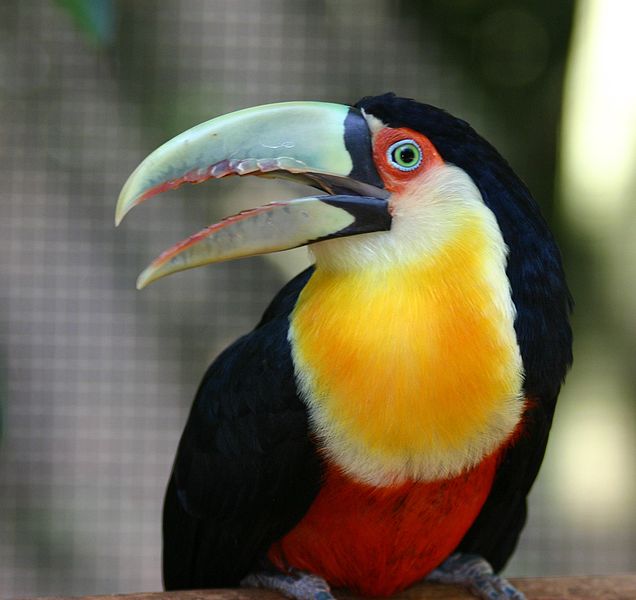
Green-billed Toucan (Ramphastos dicolorus) ©WikiC

Green-billed Toucan (Ramphastos dicolorus) ©WikiC

K & D

“And of beasts and birds, of creeping things and fishes;” the four principal classes into which the Hebrews divided the animal kingdom. Speaking of plants and animals presupposes observations and researches in natural science, or botanical and zoological studies.
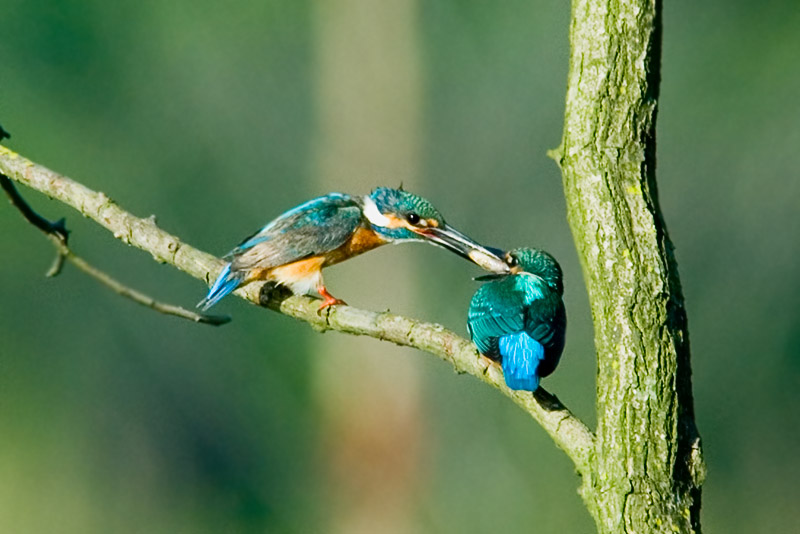
Kingfisher Feeding Young by Phil Kwong

Kingfisher Feeding Young by Phil Kwong

McGee

We are told that Solomon spoke three thousand proverbs. We have only a few hundred recorded in the Bible. His songs were a thousand and five. Believe me, he was a song writer. We have only one of his songs, The Song of Solomon. Solomon was a dendrologist—”He spake of trees, from the cedar tree that is in Lebanon even unto the hyssop that springeth out of the wall.” The hyssop is a humble little plant that grows on rocks. Solomon was also a zoologist—”he spake also of beasts”—and an ornithologist since he spoke of birds. He was an entomologist: he spoke of creeping things, or insects. He was an ichthyologist: he spoke of fishes. He spoke of these things because he had studied them and was an authority in these particular realms. This, apparently, is the beginning of the sciences. Solomon was interested in these things.

Some Answers

I have another Commentary to share thoughts from, but will save it for Part II. For now, let’s see if any of the first questions were answered.

The first two questions are unanswered for now. We will dig into that later. The next three seem to have some answers.

  • What kind of birds did he have to observe?
  • What did he learn about the birds?
  • Did he write any of his bird observations out?
  • The Lord gave him the wisdom, so how did he apply it?
  • What can we learn from Solomon about birds?

Solomon observed the birds and seems to have learned lessons and applications from them which are seen in Proverbs, Song of Solomon and some Psalms. So he recorded his findings. He gained his knowledge from the Lord, but he used his senses and observational skills to gain more knowledge. That is something we can do also with the Lord’s help. If we don’t apply ourselves to a topic, the knowledge is not going to just “pop” into our heads.

See:

*

Creation Moments’ – Designed For Flight

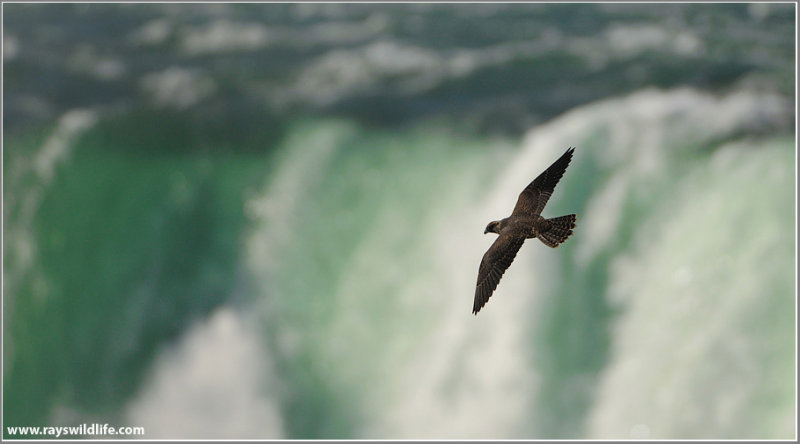
Peregrine Falcon Flying Over Niagara Falls

Doth the hawk fly by thy wisdom, [and] stretch her wings toward the south? Job 39:26

Many textbooks tell young people today that birds are modified reptiles. Suppose, they say, that millions of years ago the scales on some reptiles began to fray along the edges. In time, they say, the frayed scales turned into feathers and birds were born.

Designed for Flight The elegance and beauty of the feather make this story hard to believe. Can sticking a feather on a lizard produce a peacock? The bird’s feather is only a small part of the complete flying system of the bird. Even with very careful planning and redesigning, a reptile doesn’t have what it takes.

A bird needs massive breast muscles for flight. In some birds, 30 percent of the body weight of the bird is breast muscle. By comparison, in humans, breast muscles are only about 1 percent of body weight. A bird also needs an extremely high metabolism and blood pressure to deliver the energy those muscles need for flight. Birds have a higher metabolism than any other creature; they also have the necessary high blood pressure. Finally, as is well known, birds need light skeletons. The man-o’-war has a wingspan of seven feet. But its entire skeleton weighs only a few ounces – less than its feathers!

Even the most clever rebuilding of a reptile cannot produce a bird. In fact, birds have very little in common with reptiles. The entire being of the bird, from body to brain, has been specially designed for flight by a Creator who clearly knows everything there is to know about flight.

Prayer:
Father in heaven, the beauty, grace and huge variety of birds You have created are some of the most beautiful creatures on earth. As I thank You for them, fill me with new wonder over the wonderful work of Your hands. Amen.

Notes:
Vandeman, George. 1991. “The miracle of flight.” Signs of the Times, May. p. 25.

Designed For Flight ©Creation Moments 2014

Interesting Things

*
Interesting Things – The Master Artist

Deep Sea Fish - Watercress darter - Creation Moments

Deep Sea Fish – Watercress darter – Creation Moments

THE MASTER ARTIST
in
God’s Design

And out of the ground made the LORD God to grow every tree that is pleasant to the sight, and good for food; the tree of life also in the midst of the garden, and the tree of knowledge of good and evil. (Genesis 2:9 KJV)

SmileyCentral.com

For example, the Earth could get along with a lot less color. All those beautiful sunsets and sunrises actually serve no purpose, and neither does each one have to be different from every other. Many flowers have Watercress dartercolors that attract their pollinators, but few flowers actually need color for this purpose. But then, flowers in black and white certainly would be dull. There are many beautiful deep-sea fish that don’t need their bright and beautiful colors at all. Some of these fish live so far below the surface of the water that only a small amount of blue light reaches those depths. Where these fish live, everything always looks a very dim blue. Yet, some of these fish have incredibly bright coloration that they and their friends never see.

Here we have to ask the evolutionist what value could it have been for this fish to develop all these bright colors when they can serve no purpose for survival? In Genesis 2:9 we read that when God created the fruit trees for food, He also made them “pleasant to the sight.” They didn’t need to be. Clearly, God does indeed appreciate beauty and has created works that human artists can only try to copy.

Prayer:
Dear Lord, I thank You for all the beauty You have created in the world. I ask that You would help us to gain a better appreciation for it, and find better ways to preserve it. In Jesus Name. Amen.
Notes:
Gary Parker, Ed.D., “Nature’s Challenges to Evolutionary Theory,” Institute of Creation Research, Impact Series, October, 1978, No. 64. Photo: Watercress darter.

(Permission by Creation Moments ©2014)


Magnificent Hummingbird (Eugenes fulgens) by Judd Patterson

Magnificent Hummingbird (Eugenes fulgens) by Judd Patterson

Lee’s Addition:

This article goes along with the many things written here about our beautifully created birds.

I am so thankful that the Lord likes color and beauty. When heaven is described, it usually tells of the various “precious stones, “streets of gold,” and other wonderful sights that we cannot comprehend.

Surely the Creator has given us these brilliantly colored birds, fish, flowers, butterflies, trees in the Fall, and numerous other things, to give us a “glimpse” and “taste” of what heaven will look like, color wise.

*
Creation Moments – Master Artist

Nature’s Challenge to Evolutionary Theory” – Institute of Creation Research

Watercress Darter – Wikipedia

More Interesting Things

*
 

Panda – Plus

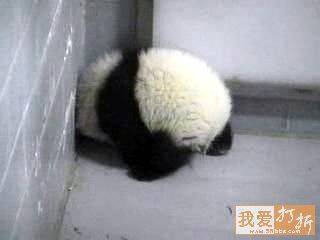
Shhhh! I'm reviewing...

Shhhh! I’m reviewing…

A merry heart doeth good like a medicine: but a broken spirit drieth the bones. (Proverbs 17:22 KJV)

This Email was called Panda Therapy. Not sure who the therapy was for. Made me put a smile on, so guess that is therapy.

(The captions are very clever, though I modified a few of them.)

*

Is it any wonder the world has fallen in love with these animals?

*

Mom?  Can you come and get me down -  now?

Mom?
Can you come and get me down –
now?

*

You go. I'll just stay here and rest my head a little bit.

You go. I’ll just stay here and rest my head a little bit.

*

Shhhh! I'm reviewing...

Shhhh! I’m reviewing…

*

Pardon me but do you have a napkin?

Pardon me but do you have a napkin?

*

Pandas looking for lost earrings....

Pandas looking for lost earrings….

*

Oops!  Slight miscalculation.

Oops!
Slight miscalculation.

*

On the count of three---Lift!

On the count of three—Lift!

*

Mom?  Can you come and get me down -  now?

Mom?
Can you come and get me down –
now?

*

Kung Fu Panda...bring it on!

Kung Fu Panda…bring it on!

*

It wasn't me! I didn't steal this bamboo shoot! It was just sitting here - I promise it!

It wasn’t me! I didn’t steal this bamboo shoot! It was just sitting here – I promise it!

*

I'm sure there's a way out somewhere - I saw an ant go this way yesterday

I’m sure there’s a way out somewhere – I saw an ant go this way yesterday

*

I'm not coming out. You'll have to come in and and get me

I’m not coming out.
You’ll have to come in and and get me

*

I'll give you 2 seconds to get off me or I'm calling Mom.

I’ll give you 2 seconds to get off me or I’m calling Mom.

I cannot believe that I'm stuck in this tree again.  What is the matter with me?

I cannot believe that I’m stuck in this tree again.
What is the matter with me?

*

Dear Martha Stewart...  I have this brown stain on my nice, white, fluffy seat

Dear Martha Stewart…
I have this brown stain on my nice, white, fluffy seat

*

Does this log make my seat look fat?

Does this log make my seat look fat?

*

Forgive me Father, for I have sinned...

Forgive me Father, for I have sinned…

*

Paparazzi!  Could we have a little privacy please?

Paparazzi!
Could we have a little privacy please?

*

Betcha can't see me.....

Betcha can’t see me…..

*

Absolutely nothing accomplished.  The perfect day for a panda

Absolutely nothing accomplished.
The perfect day for a panda


Lee’s Addition:

O taste and see that the LORD is good: blessed is the man that trusteth in him. (Psalms 34:8 KJV)

The Lord created some of the most adorable and neat animals. I realize they are wild and need to be treated that way, but still He placed them here for us to find enjoyment from their antics. I am sure some other neat captions could be made for these photos. Enjoy!

*

See Other Plus articles:

*

Sunday Inspiration – Sparrows

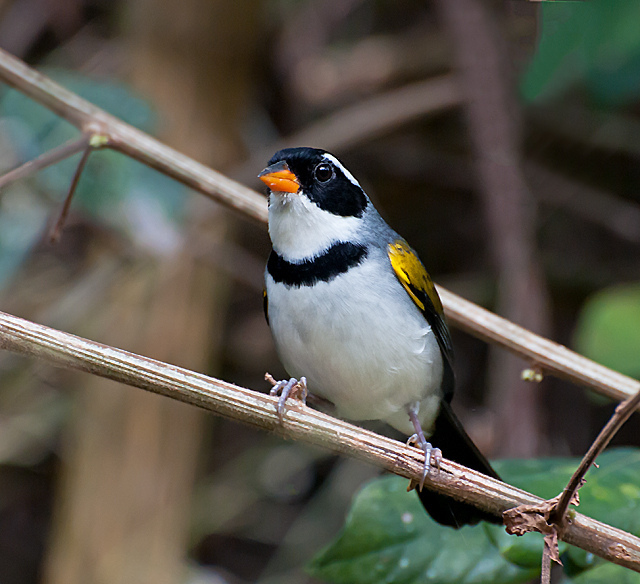
Saffron-billed Sparrow (Arremon flavirostris) by Dario Sanches

Saffron-billed Sparrow (Arremon flavirostris) by Dario Sanches

Are not two little sparrows sold for a penny? And yet not one of them will fall to the ground without your Father’s leave (consent) and notice….Fear not, then; you are of more value than many sparrows. (Matthew 10:29, 31 AMP)

In honor of World Sparrow Day, which was March 20th, today we can enjoy the Lord’s creation of His Sparrows.

Sparrows belong to two families; the Passeridae – Old World Sparrows, Snowfinches and the Emberizidae – Buntings, New World Sparrows & Allies. The photos in the slideshow is from both of these families. Scripture doesn’t divide them and neither are we.

The Lord has promised that even though they (sparrows) are common or little thought of by some, in His Eyes, they are seen and not forgotten. That is such a blessing for us, especially those of us who have accepted Him as Savior.

Are not five sparrows sold for two pennies? And not one of them is forgotten before God. Why, even the hairs of your head are all numbered. Fear not; you are of more value than many sparrows. “And I tell you, everyone who acknowledges me before men, the Son of Man also will acknowledge before the angels of God, (Luke 12:6-8 ESV)

This slideshow requires JavaScript.

*

*

*

Sunday Inspiration – Great Egrets in Breeding Plumage

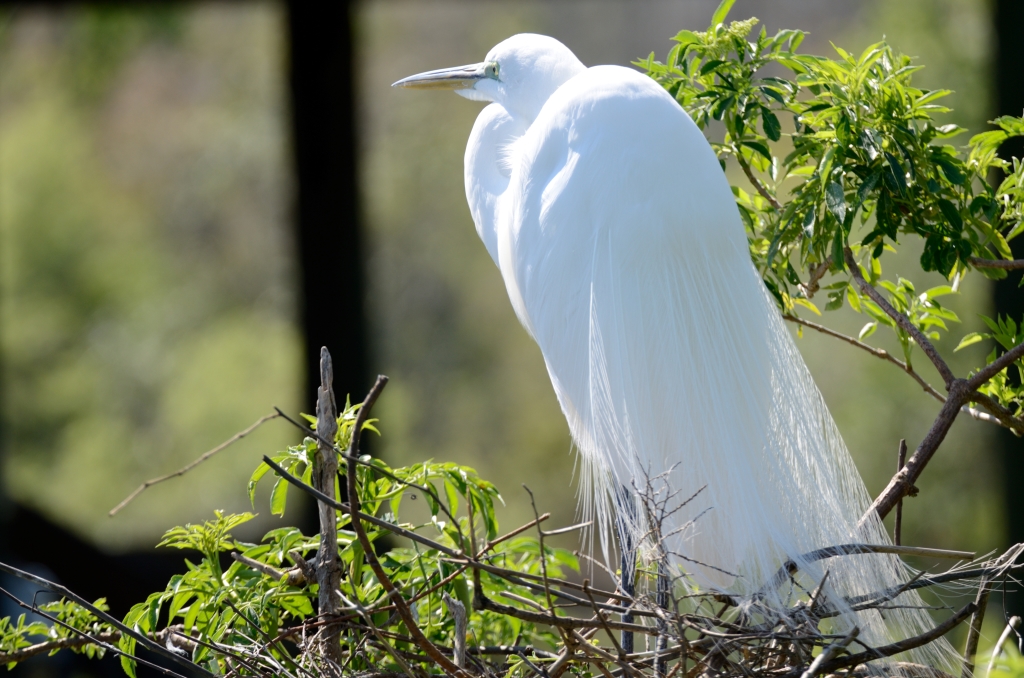
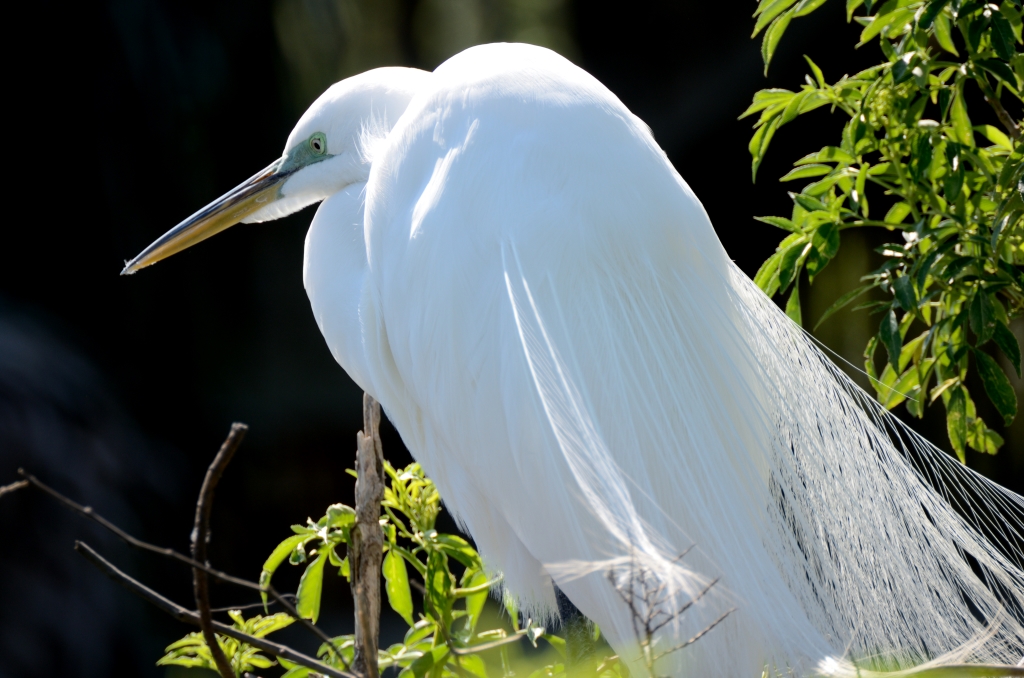
Great Egret at Gatorland by Dan

Great Egret at Gatorland by Dan

Go out of the ark, you and your wife, and your sons and your sons’ wives with you. Bring out with you every living thing of all flesh that is with you: birds and cattle and every creeping thing that creeps on the earth, so that they may abound on the earth, and be fruitful and multiply on the earth. (Genesis 8:16-17 NKJV)

Some of those birds that left the ark were from the Heron – Egret family. They are still multiplying. They are assisted in their courting by growing beautiful white feathers. Here are the Great Egrets that we saw at Gatorland last week. What an amazing display they make because the Creator has given them this ability.

Great Egret at Gatorland by Dan

Great Egret at Gatorland by Dan

*

You will notice lots of preening and as a result, feathers on the tips of some of the Egrets. The photos are by both Dan and I. His are all marked, the rest are mine.

This slideshow requires JavaScript.

*

“I’ve Got Joy” – Faith Baptist Orchestra

For you, O LORD, have made me glad by your work; at the works of your hands I sing for joy. (Psalms 92:4 ESV)

*

*

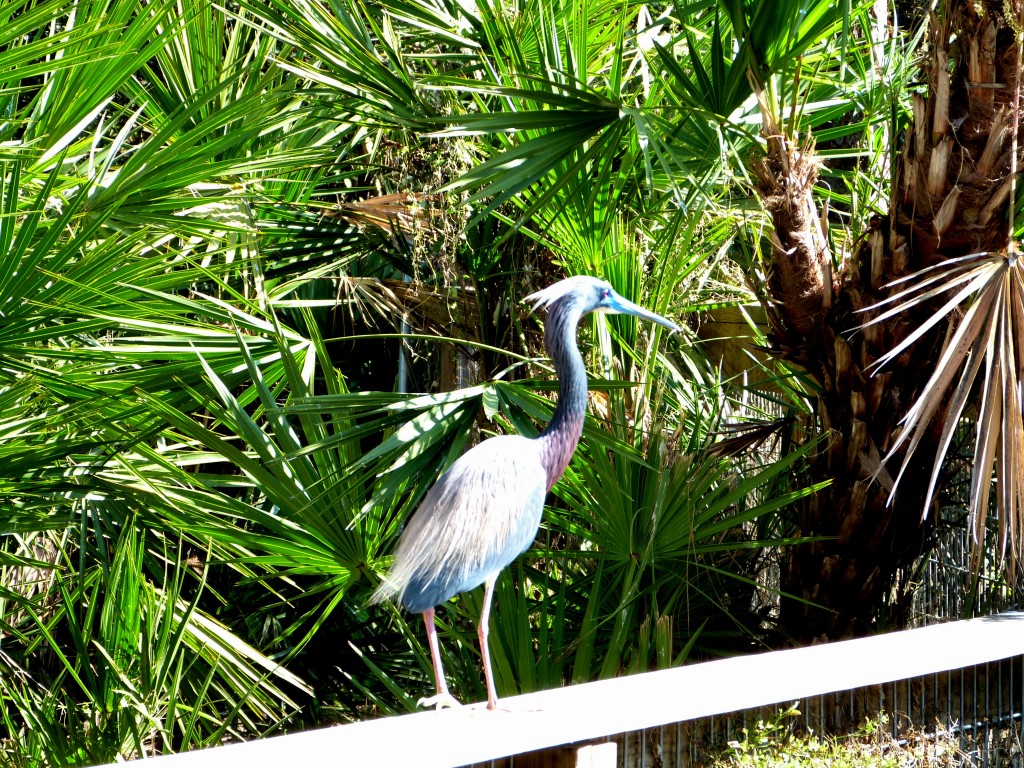
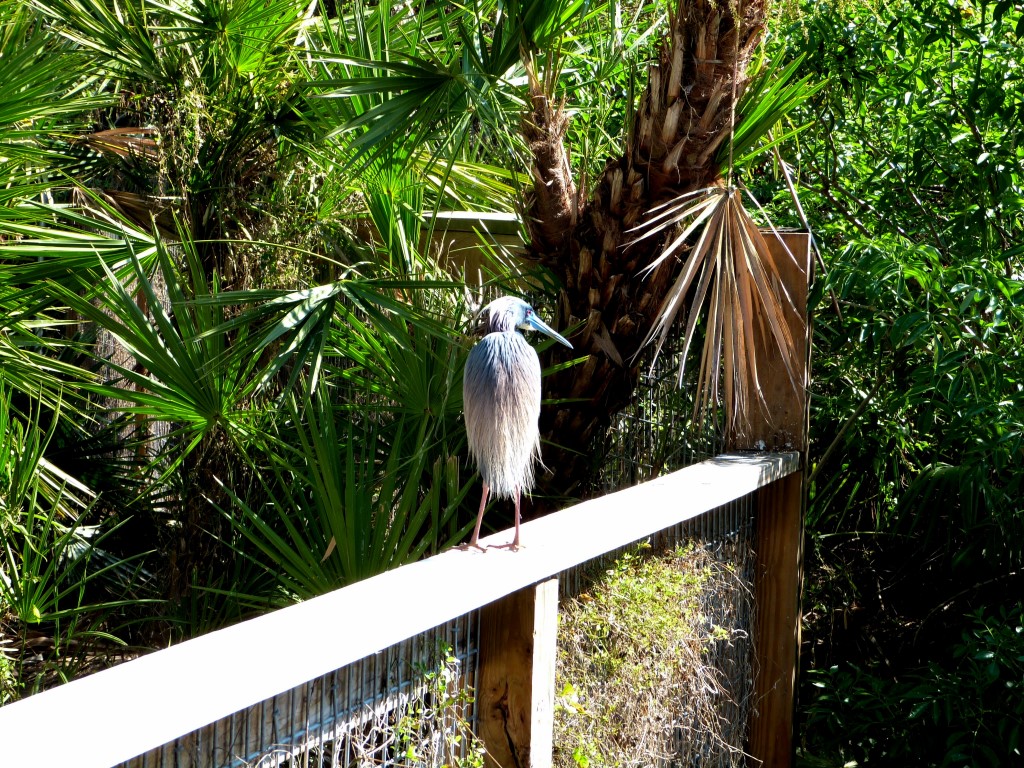
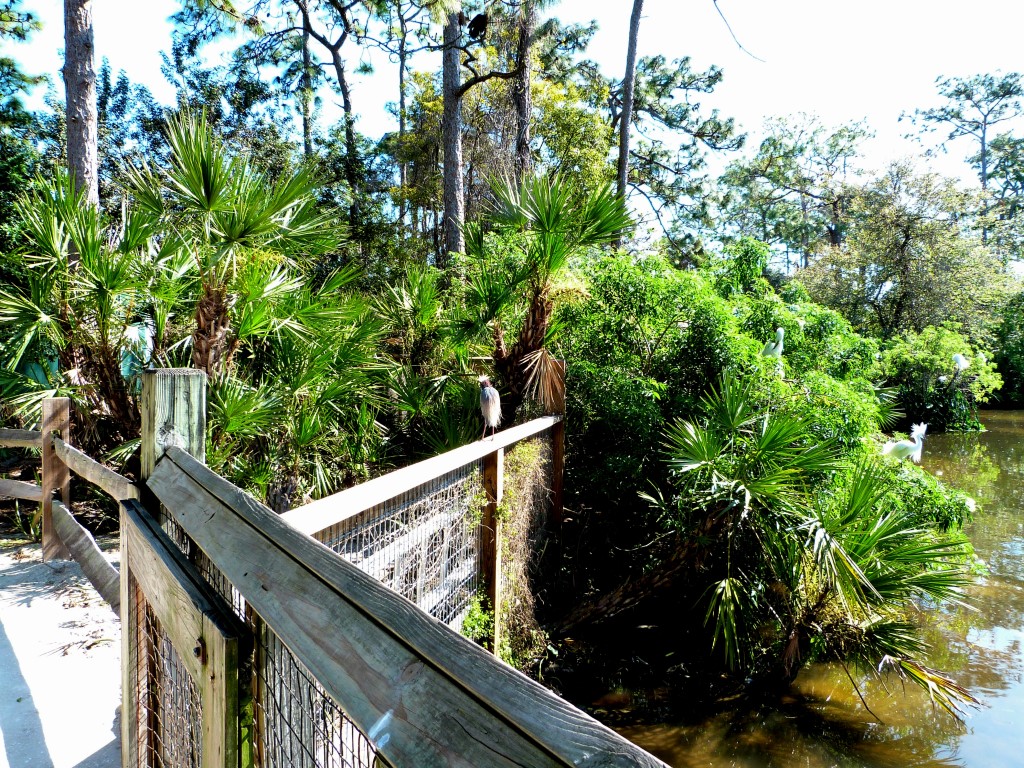
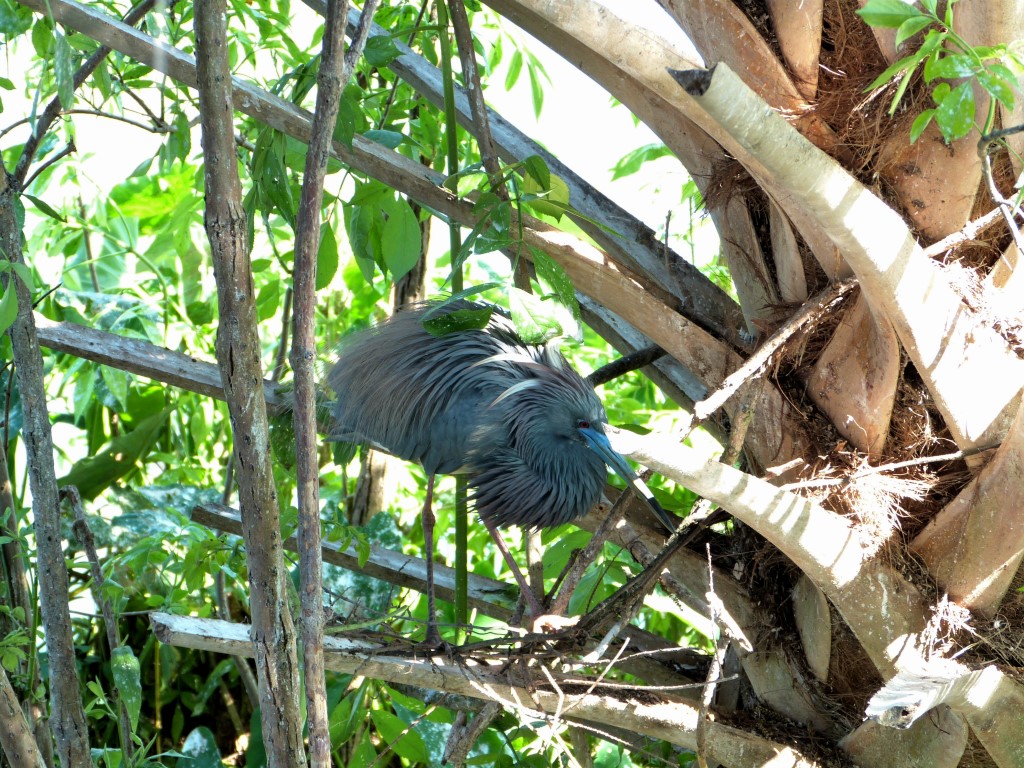
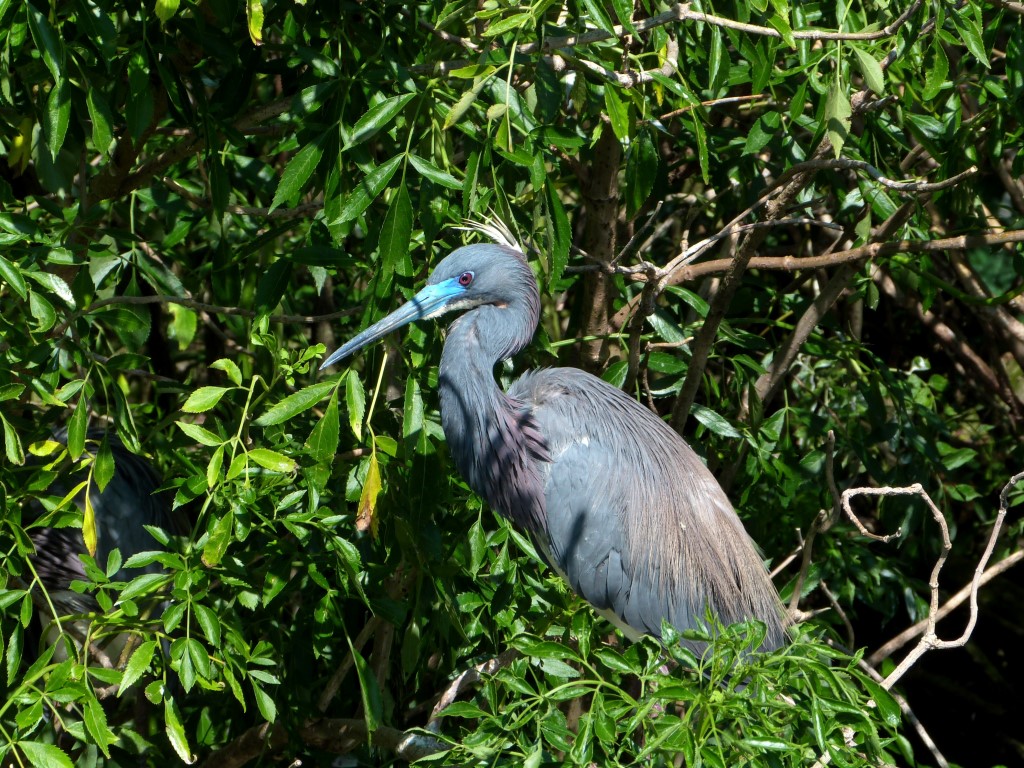
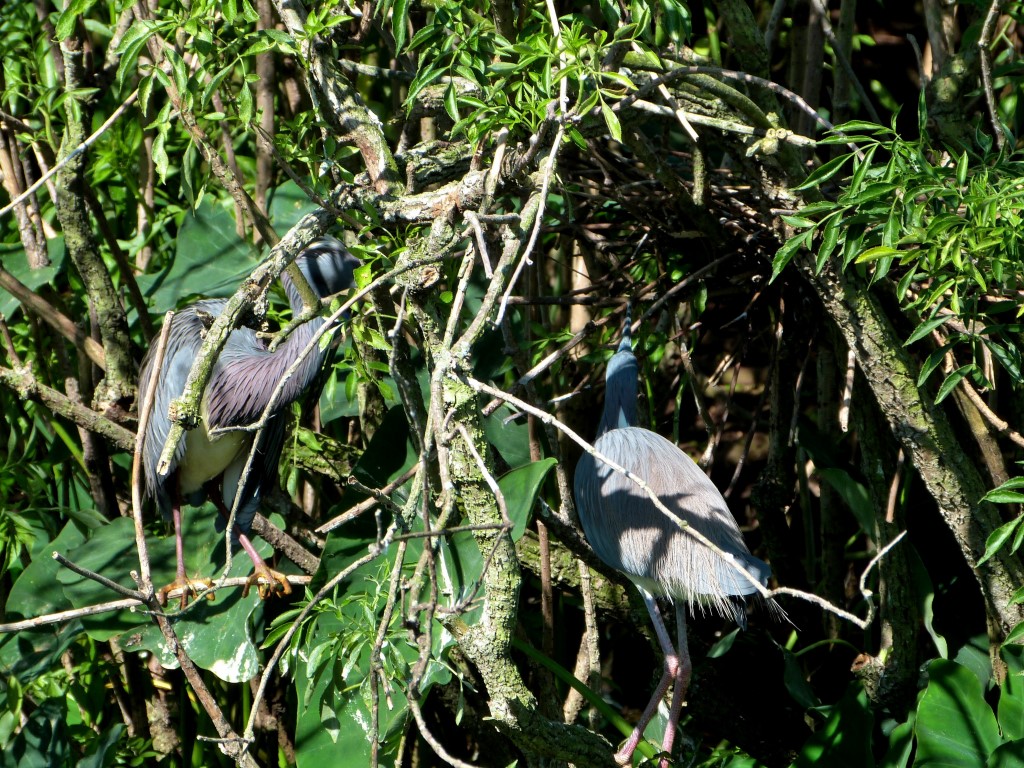
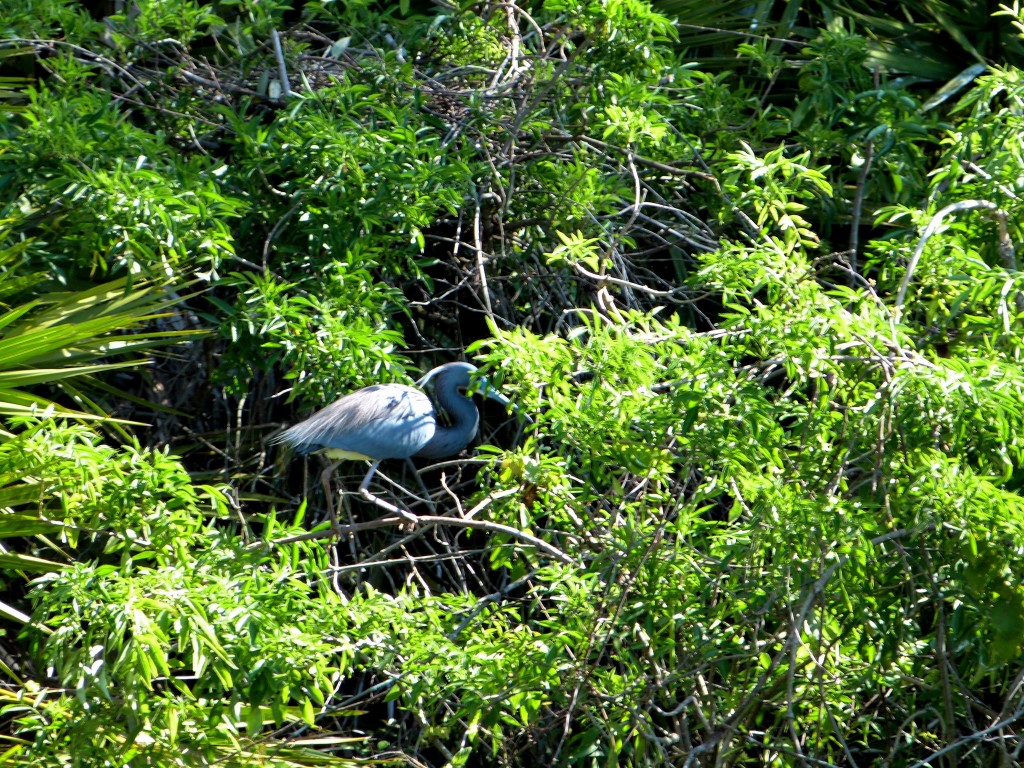
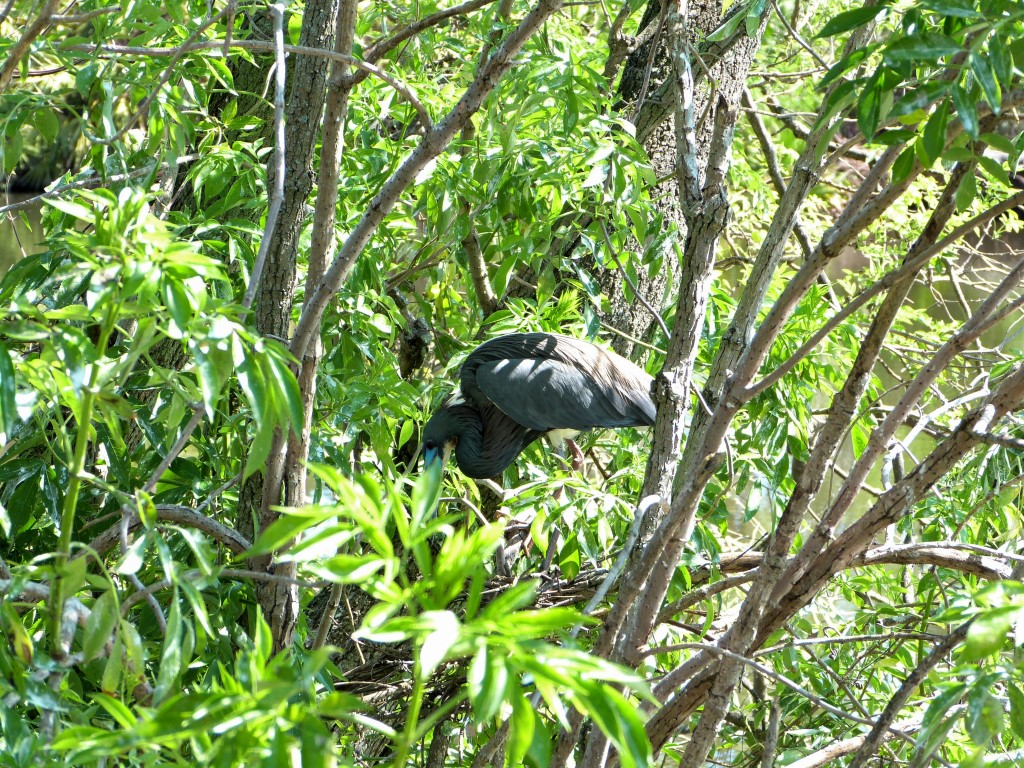
Tricolored Herons at Gatorland

Tricolored Heron at Gatorland

Tricolored Heron at Gatorland

the stork, the heron after its kind, the hoopoe…. (Leviticus 11:19 NKJV)

Here is the next beautifully created bird seen on our trip to Gatorland this week. See the other articles listed below.

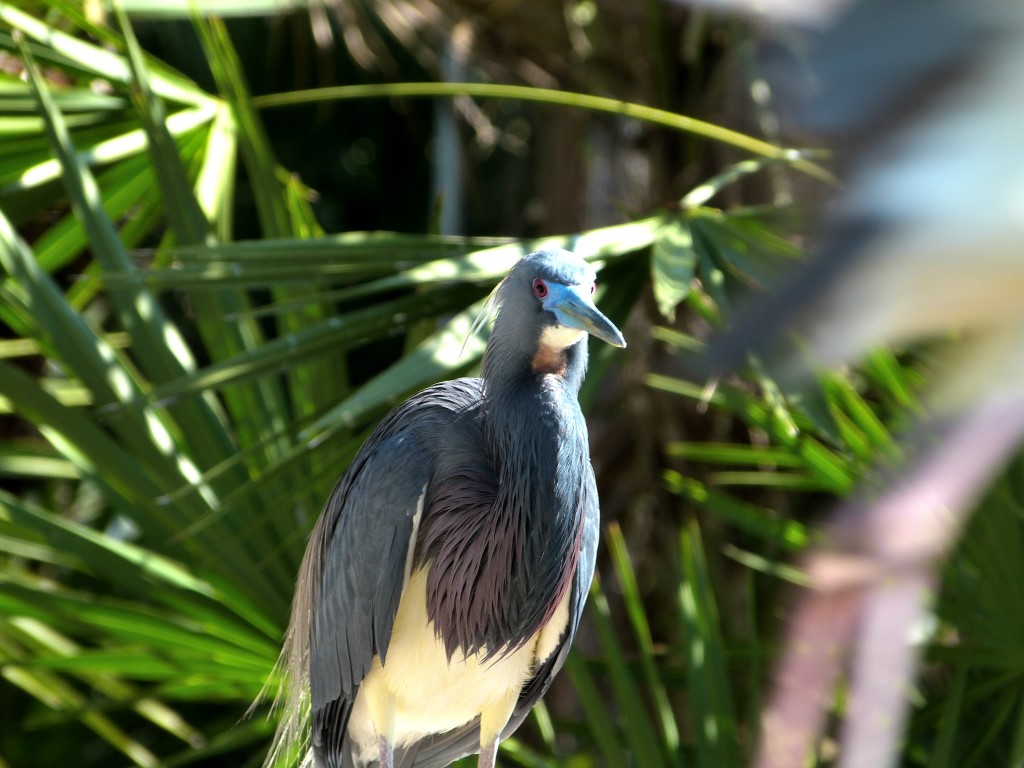
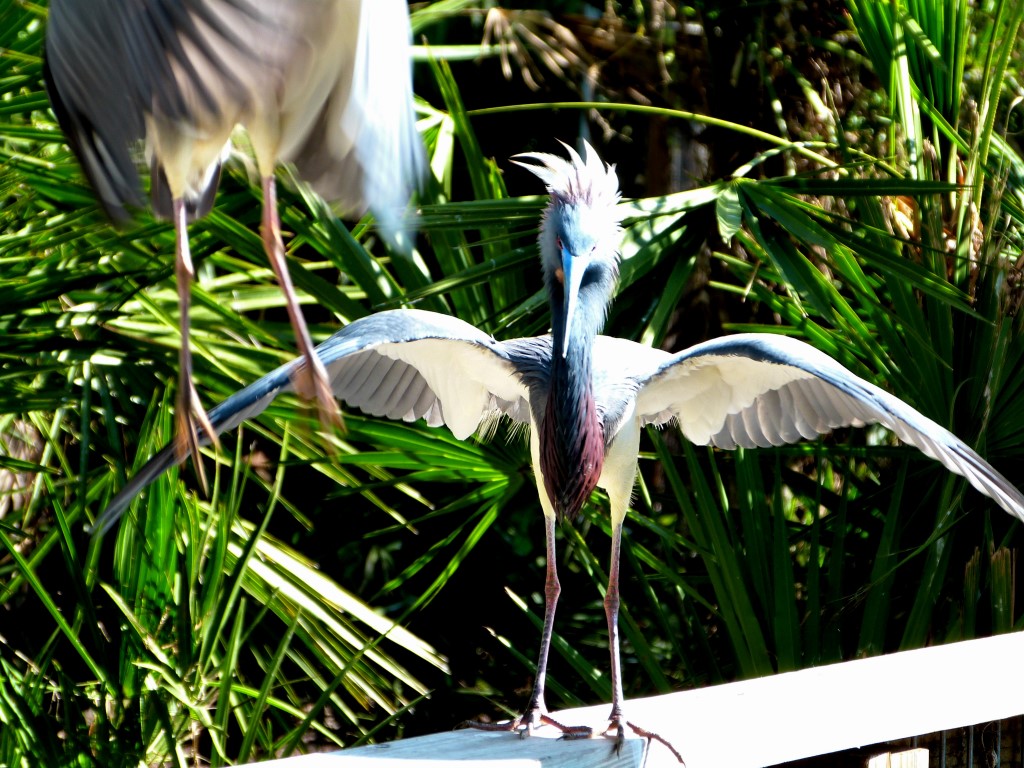
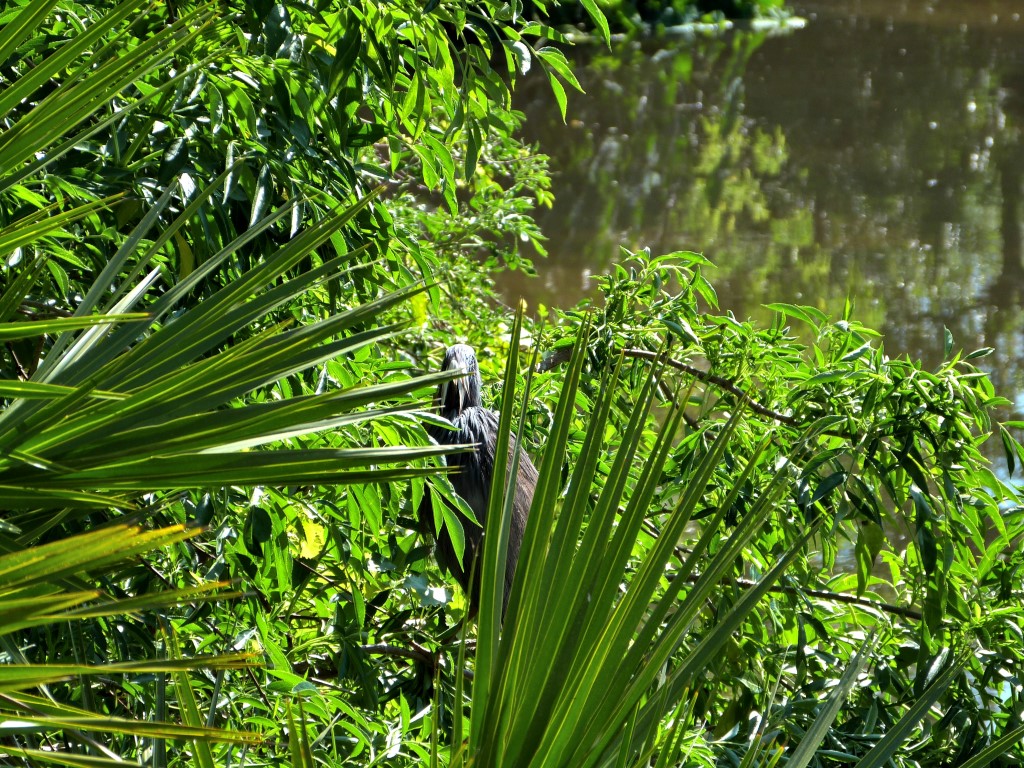
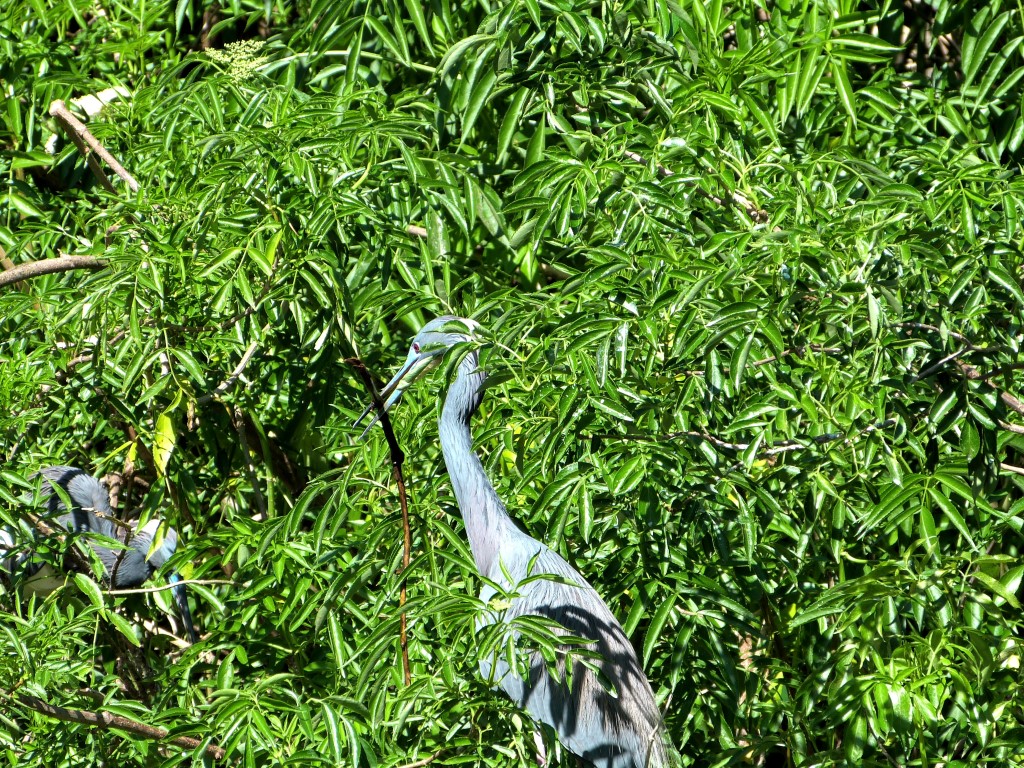
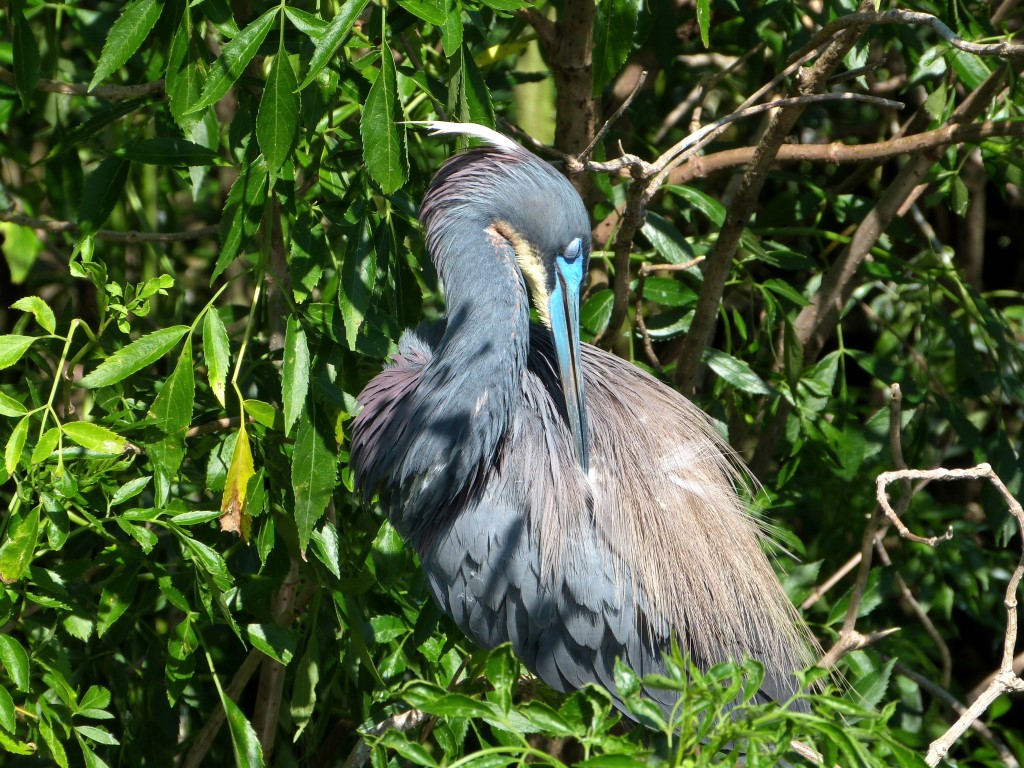
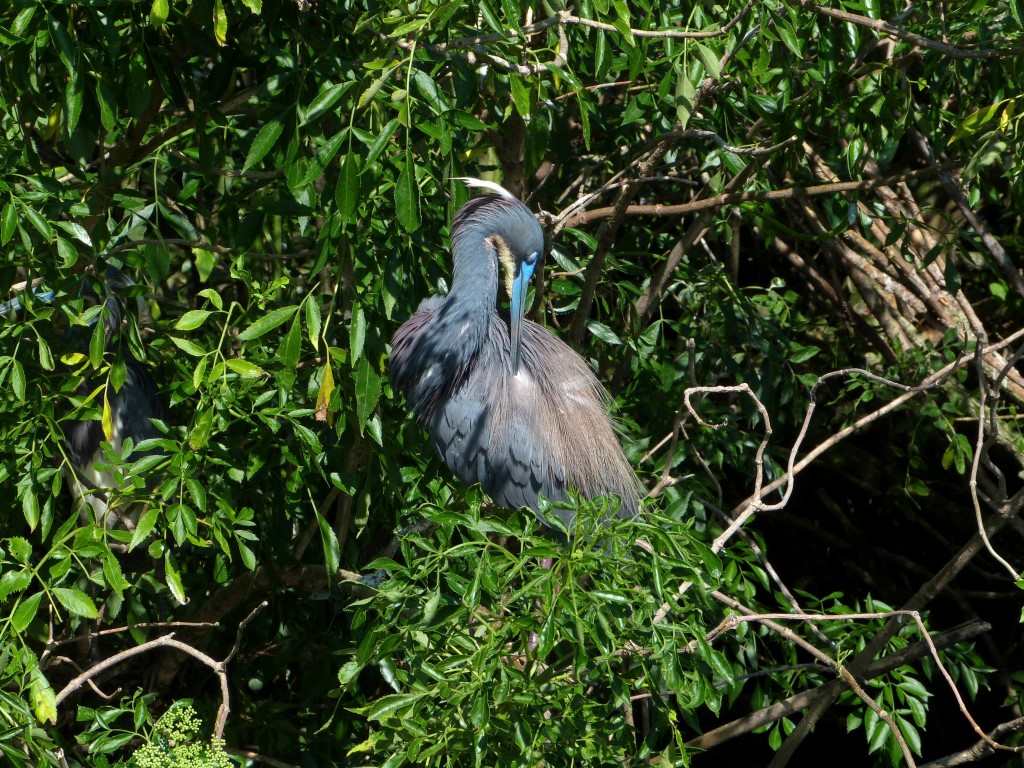
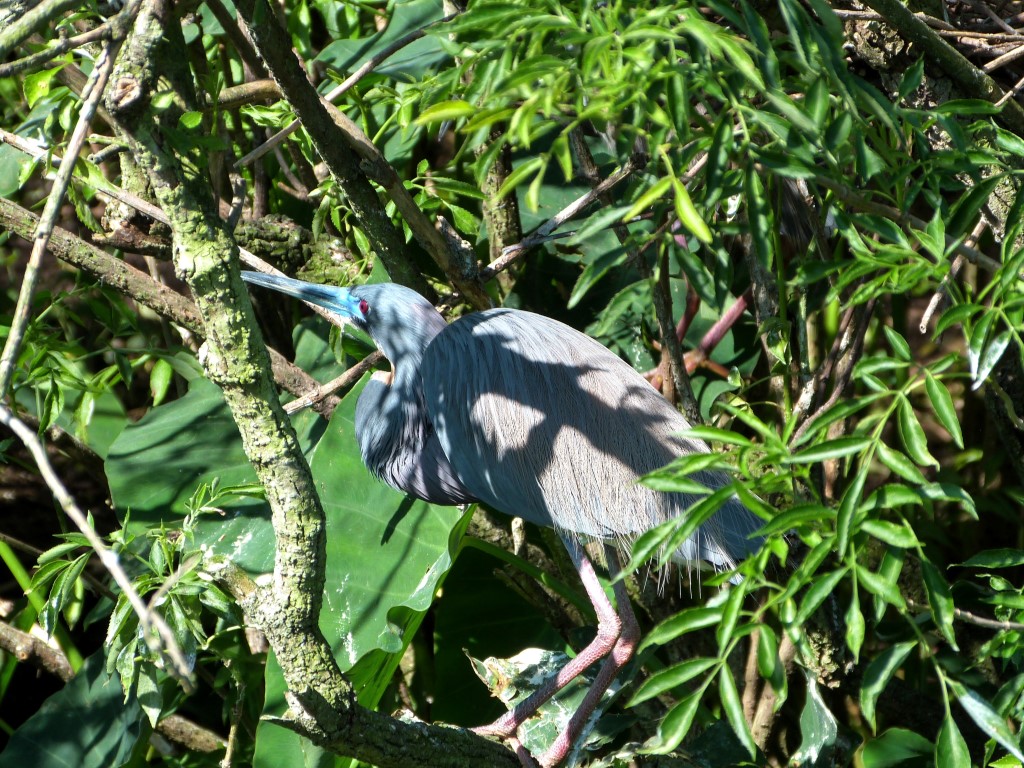
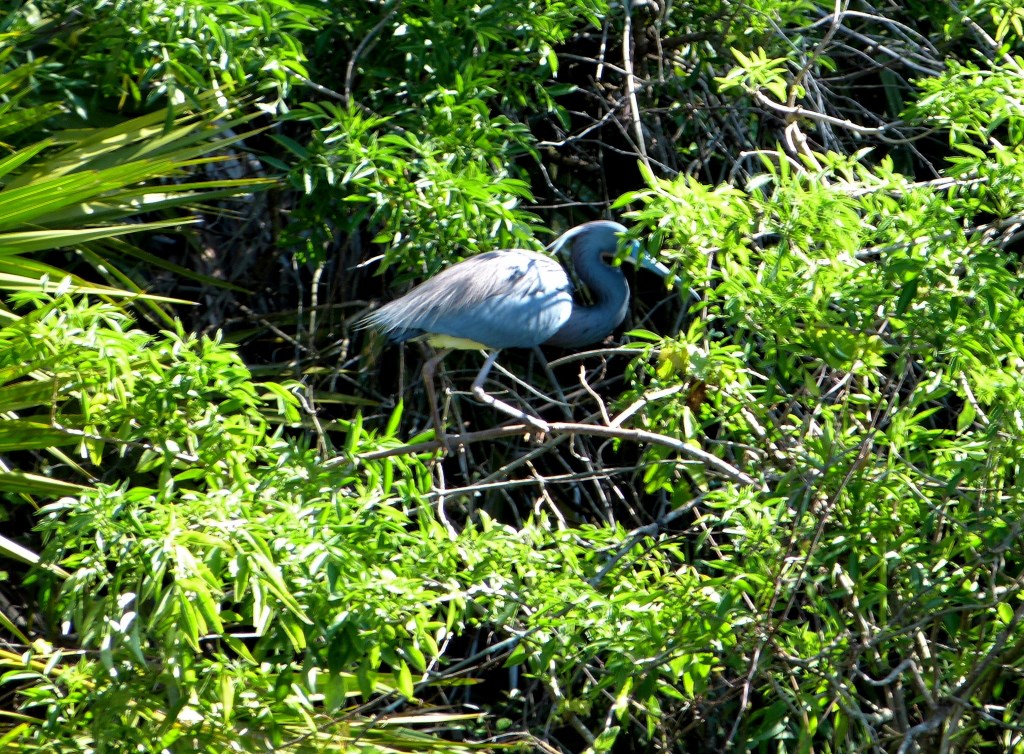
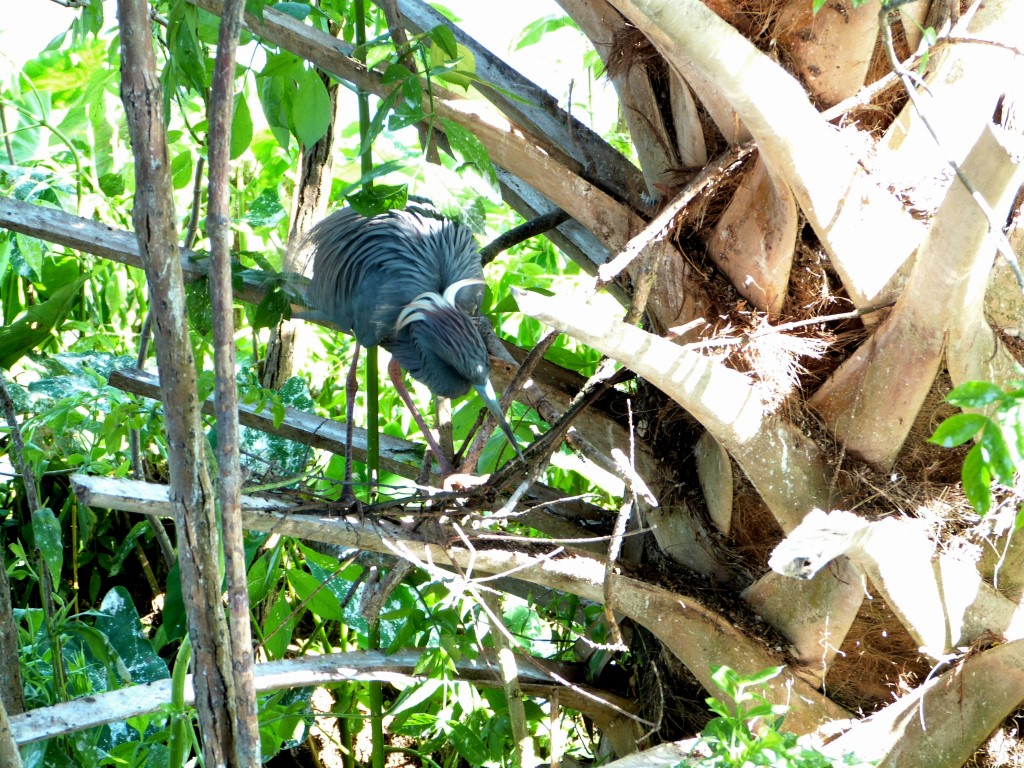
Today, I want to share the Tricolored Herons (Egretta tricolor) which were in their breeding plumage busy courting and building nest.

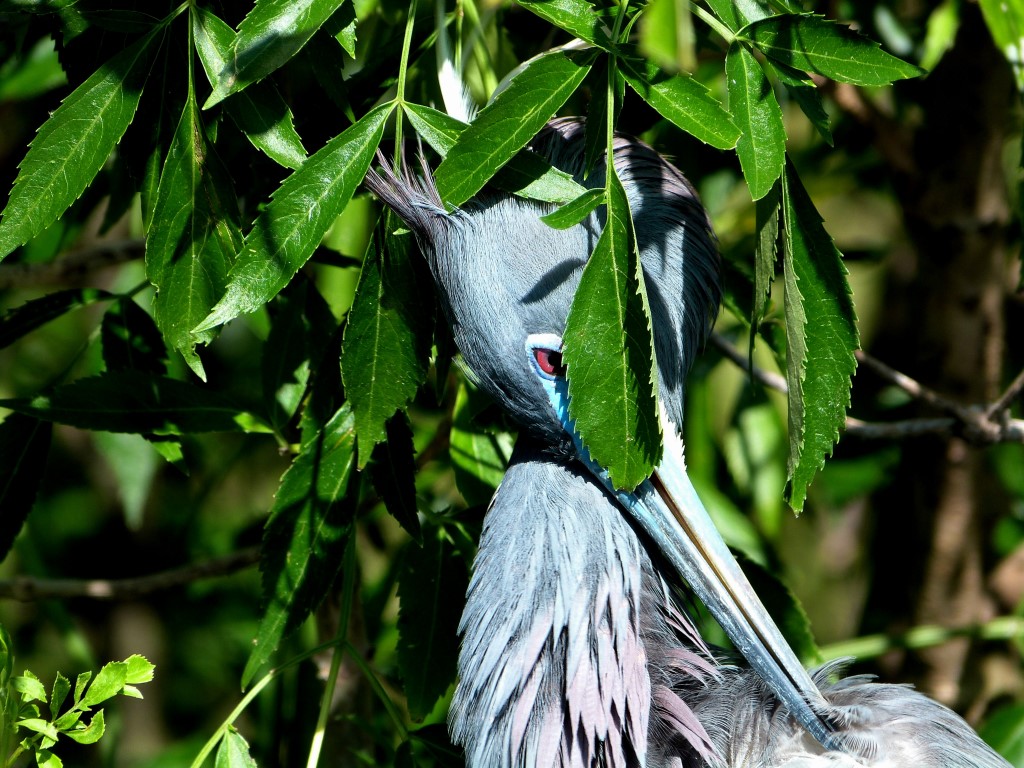
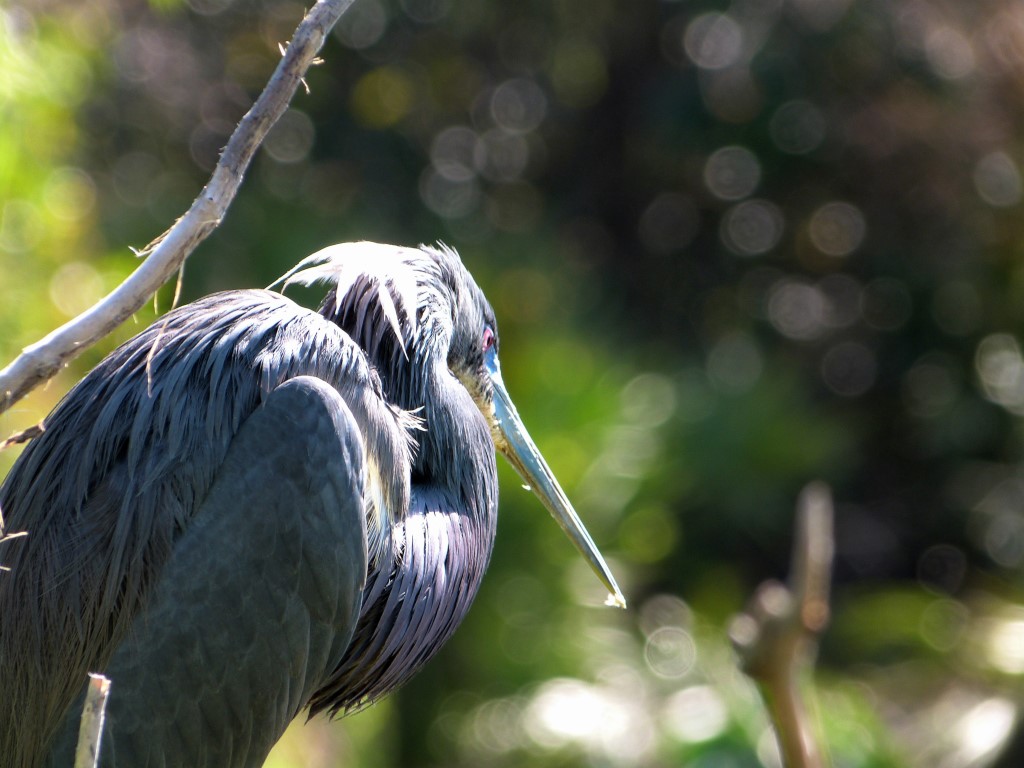
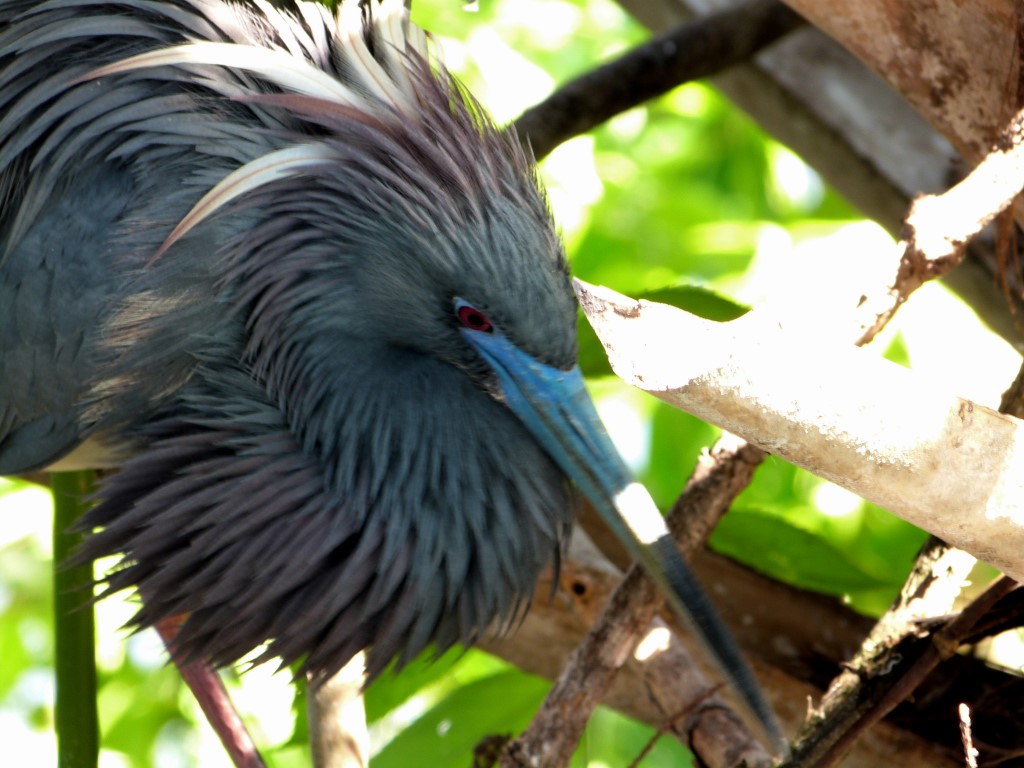
“During breeding season, the Tricolored Heron sports a short white head plume, a buffy throat and fore-neck, a blue face, and a blue bill, tipped with black. The eyes are reddish, and the legs pinkish. Nonbreeding adults have a yellow face, bill, and legs; the throat and fore-neck are white.” (Audubon)

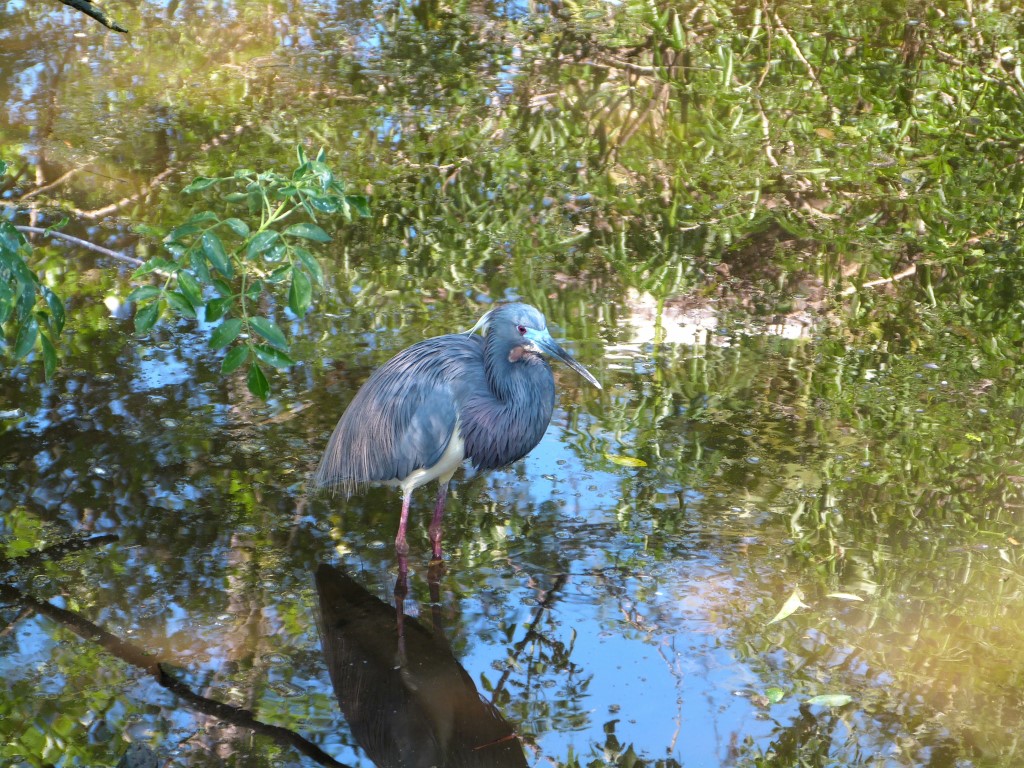
Tricolored Heron at Gatorland

Tricolored Heron at Gatorland

The Tricolored Heron (Egretta tricolor) formerly known in North America as the Louisiana Heron, is a small heron. They are in the Ardeidae- Herons, Bitterns Family. It is a resident breeder from the Gulf states of the USA and northern Mexico south through Central America and the Caribbean to central Brazil and Peru. There is some post-breeding dispersal to well north of the nesting range.

Tricolored Heron’s breeding habitat is sub-tropical swamps. It nests in colonies, often with other herons, usually on platforms of sticks in trees or shrubs. In each clutch, 3–7 eggs are typically laid.

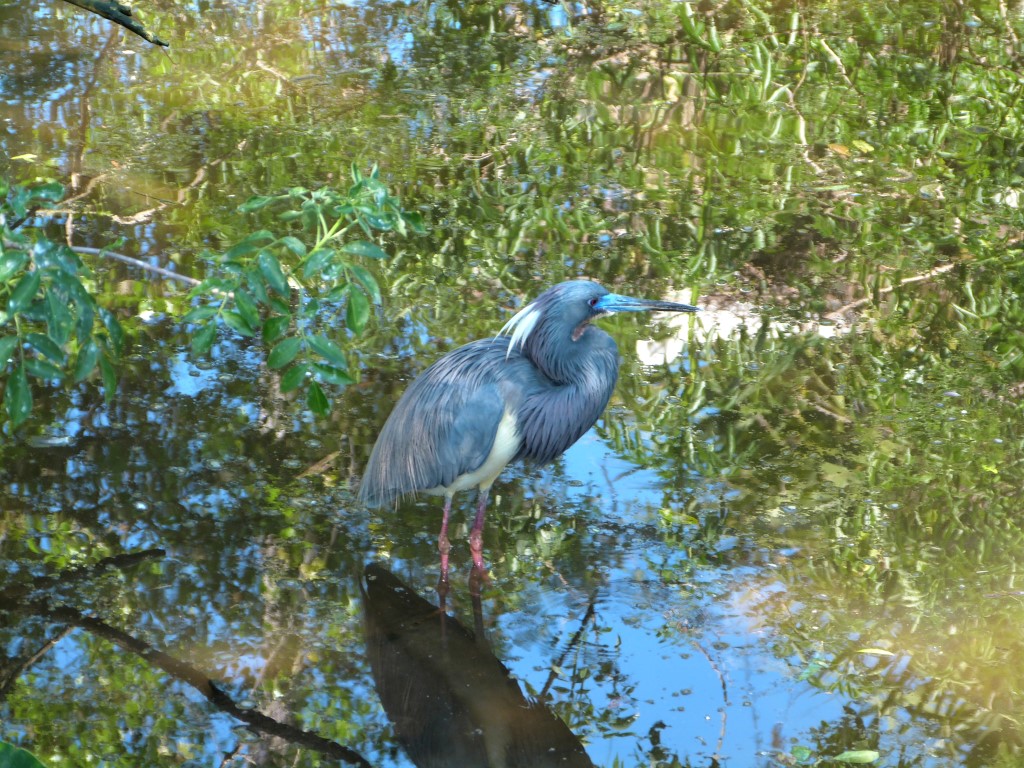
Tricolored Heron at Gatorland

Tricolored Heron at Gatorland

This species measures from 56 to 76 cm (22 to 30 in) long, and has a wingspan of 96 cm (38 in). The slightly larger male heron weighs 415 g (14.6 oz) on average, while the female averages 334 g (11.8 oz). It is a medium-large, long-legged, long-necked heron with a long pointed yellowish or greyish bill with a black tip. The legs and feet are dark.

Adults have a blue-grey head, neck, back and upperwings, with a white line along the neck. The belly is white.
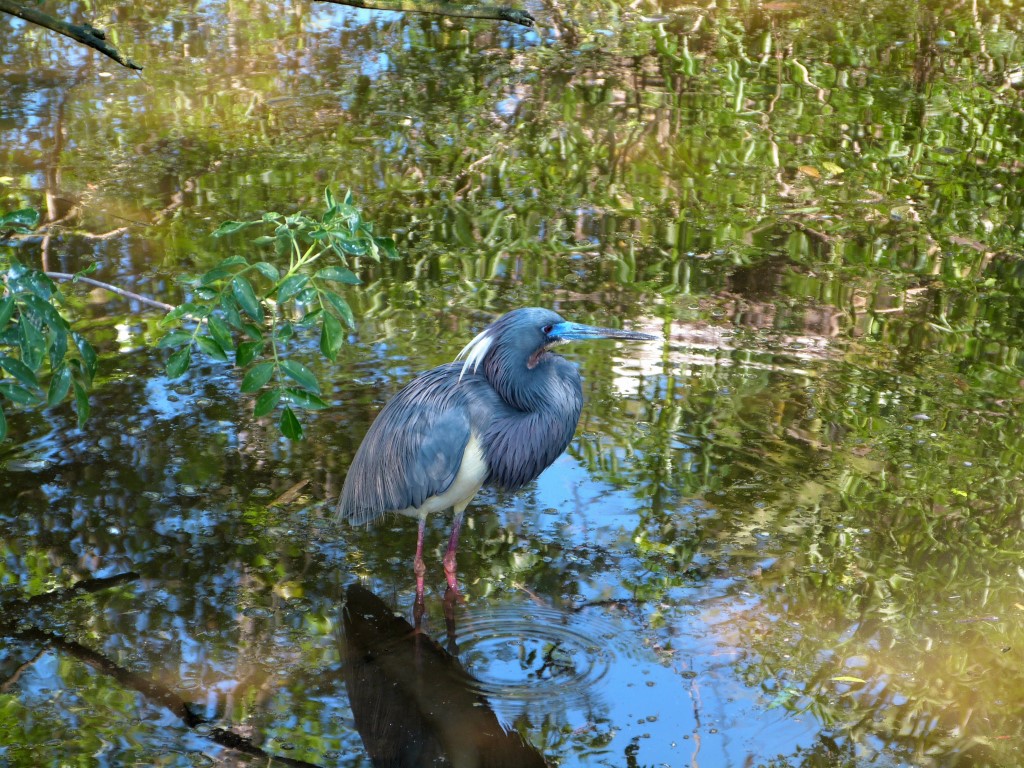
Tricolored Heron stalks its prey in shallow or deeper water, often running as it does so. It eats fish, crustaceans, reptiles, and insects. (Wikipedia)

Trying this method of showing the photos. By clicking on a photo, it will bring it up full screen and then you can browse through them. Leave a comment as to which method you prefer.

*

*

Video of Tricoloreds Preening and Building Nest

*

*

Sunday Inspiration – Thrushes

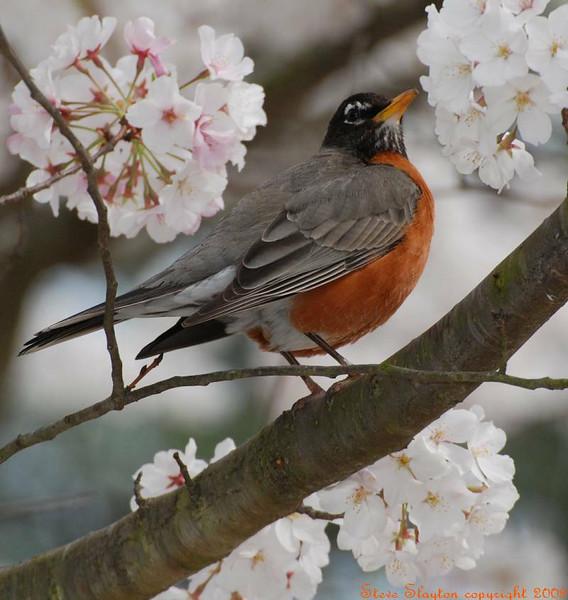
American Robin (Turdus migratorius) by S Slayton

American Robin (Turdus migratorius) by S Slayton

Even the stork in the sky Knows her seasons; And the turtledove and the swift and the thrush Observe the time of their migration; But My people do not know The ordinance of the LORD. (Jeremiah 8:7 NASB)

Sunday Inspiration – Thrushes

This week we get to see the Lord’s creation in the Turdidae – Thrushes Family. The Muscicapidae Family also has the Palm & Rock Thrushes. It is easy to see the characteristic similarity of these birds, even though they have differences in color, even in their feet and beaks.

(Yes, the American Robin is a Thrush.)

*

This slideshow requires JavaScript.

*

“I Love You Lord” – Faith Baptist Church Orchestra

*

Other Families with Thrushes:

*

*

Nuggets Plus – Variety

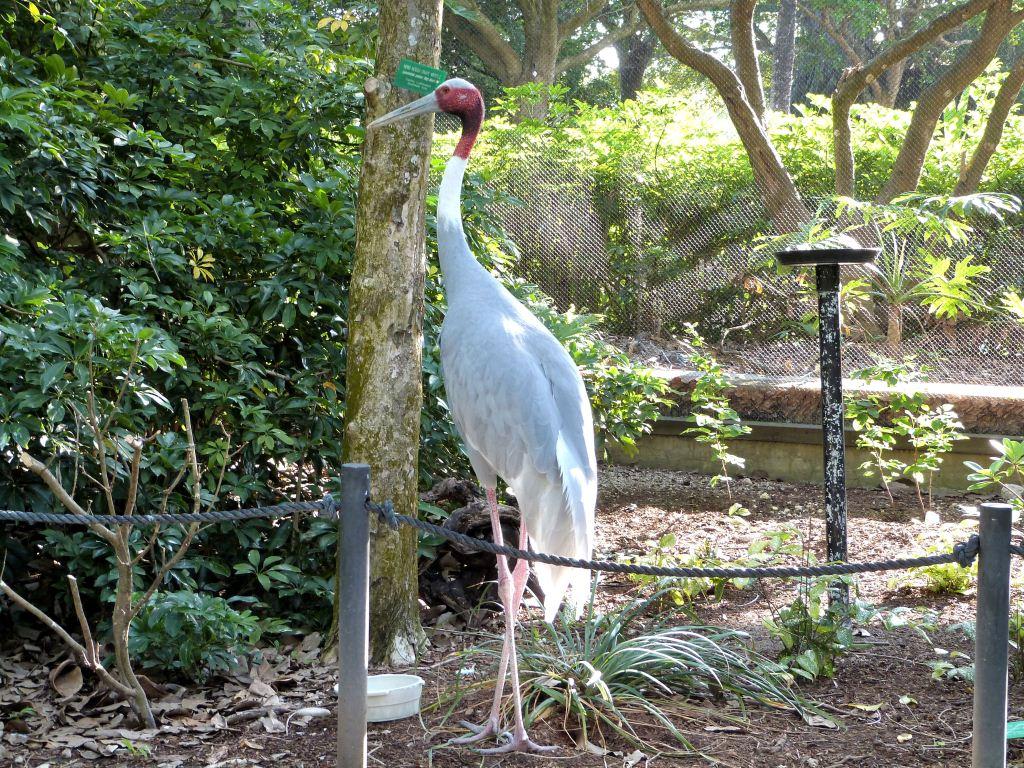
Sarus Crane (Grus antigone) by Lee at Wings of Asia

Sarus Crane (Grus antigone) by Lee at Wings of Asia

Today while doing my daily reading , I came across two verses that caused me to think about the varieties of birds and our talents.

Nuggets Plus

Nuggets Plus

And David said to his son Solomon, “Be strong and of good courage, and do it; do not fear nor be dismayed, for the LORD God—my God—will be with you. He will not leave you nor forsake you, until you have finished all the work for the service of the house of the LORD. Here are the divisions of the priests and the Levites for all the service of the house of God; and every willing craftsman will be with you for all manner of workmanship, for every kind of service; also the leaders and all the people will be completely at your command. (1 Chronicles 28:20-21 NKJV)

Magnificent Hummingbird (Eugenes fulgens) by Judd Patterson

Magnificent Hummingbird (Eugenes fulgens) by Judd Patterson

David was handing over the kingdom to Solomon, his son, who was young. David had wanted to build a temple for The LORD, but was told no, but that Solomon would be the one to build the temple.

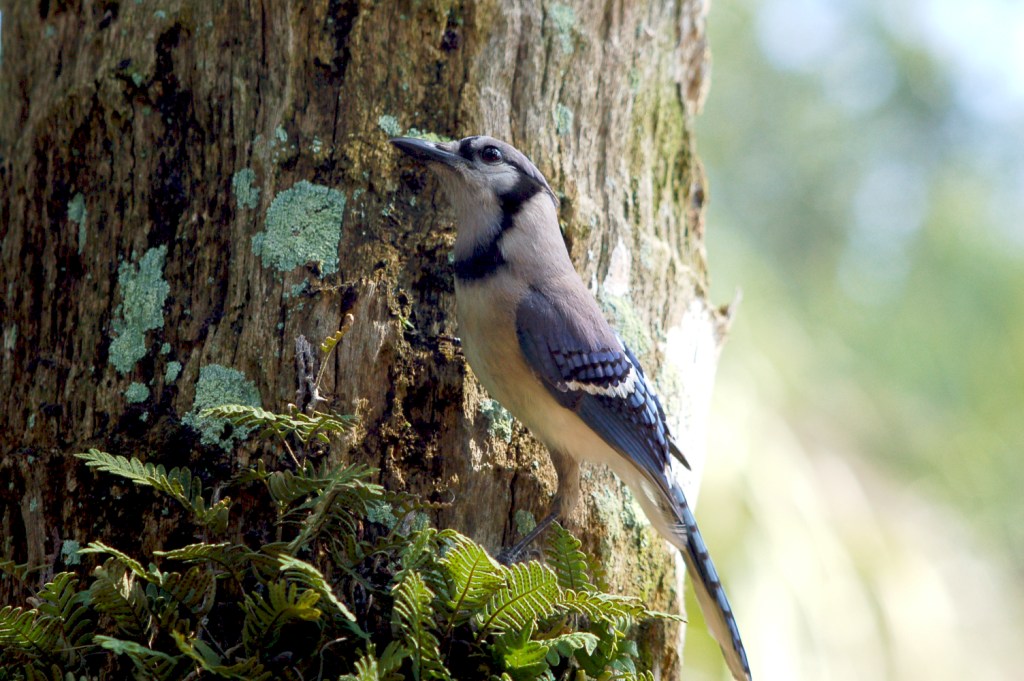
Blue Jay (Cyanocitta cristata) at Bok Tower By Dan'sPix

Blue Jay (Cyanocitta cristata) at Bok Tower By Dan’sPix

David is explaining this to Solomon and the people of Israel. He was encouraging his son and also the people and reminding them of these promises from God:

  • Be strong
  • of good courage
  • do it
  • not fear
  • nor be dismayed
  • LORD God—my God—will be with you
  • not leave you
  • nor forsake you,
  • until you have finished all the work

Then in the next verse (21) he explains the different division (variety) of work to be done:

  • every willing craftsman
  • for all manner of workmanship
  • for every kind of service;
  • also the leaders and all the people will be completely at your command.
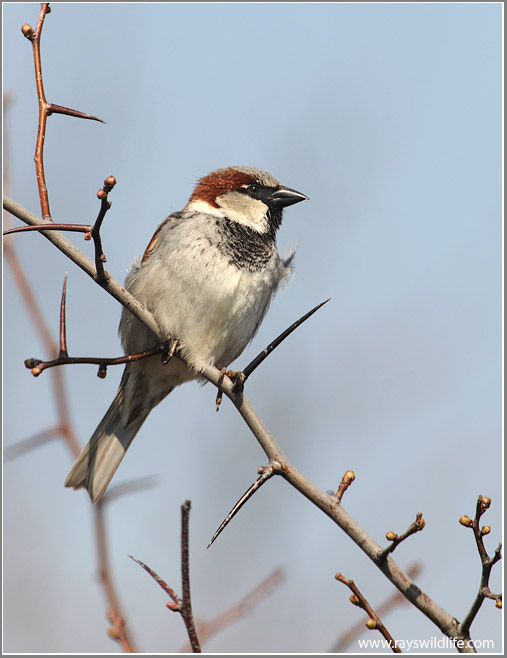
House Sparrow by Ray

House Sparrow by Ray

Isn’t it amazing when we see all the variety in the birds the Lord Created? They are all birds, but they vary so much in height, width, color, beaks, feet, behavior, the way and place they build their nest, etc, etc.

Blue-footed Booby (Sula nebouxii) by Ian

Blue-footed Booby (Sula nebouxii) by Ian

How about us? We are all different and each have different talents and abilities. Our interest vary. Many of our readers are bloggers, yet each of us do it differently.

Birdwatchers vary in how they view the birds. Some like to view the birds through a camera, binoculars, just their eyes. Some make list of all kinds, some never bother. There really isn’t a right way or wrong way to watch birds, unless you are doing something harmful to the birds.

Keel-billed Toucan (Ramphastos sulfuratus) by Margaret Sloan

Keel-billed Toucan (Ramphastos sulfuratus) by Margaret Sloan

In the Christian realm, again, we are all different and there is so much variety in our talents and abilities, yet the Lord gave them to us.

Are we willing to use them?

*

*

Small Fire Department Rescues Birds

Blue-headed Vireo (Vireo solitarius) ©WikiC

Blue-headed Vireo (Vireo solitarius) ©WikiC

SMALL FIRE DEPARTMENT RESCUES BIRDS

"We'll have our hose ready."

“We’ll have our hose ready.”


“We’ll have our hose ready.”

“The salamanders,” said daddy, “are little creatures very much like lizards in looks, except their skin is not scaly as a lizard’s. They have four legs and a tail, and are very nice, kind and gentle.

“Well, these salamanders agreed that they would have a fire department, and the next thing was to arrange for the hose and ladder. Finally it was decided that their salamander cousins should be chosen to run the hose and ladder.

“‘We shall call ourselves the fire and water fire department,’ said one of the fire salamanders. ‘It will be our business to rush in and rescue the animals who are in danger of being burned to death, and it will be your business to help them down to the brook, where we’ll have our hose ready to sprinkle them with good, cool water.’

“But days and days went by, and still no fire broke out.

“‘I know what’s the trouble,’ said another one of the fire salamanders. ‘We have no fire bell; there may have been fires that we knew nothing of; you never can tell.’

“‘Don’t be gloomy,’ said still another fire salamander. ‘We’ll have a fire bell. I know where a kind old cow left her bell from last year. We’ll put it by the stump just at the edge of the brook and all the animals can be told to move it when there is a fire. Then we will all come out and stop the fire.’

“And soon notices were put up all over the woods and around the brook which read:

“‘To the Animals: Attention! In case of fire, ring the cow bell by the brook. The Fire and Water Fire Department of the Salamanders will PUT IT OUT.’

“These notices were read by all the animals, and the very next day the salamanders heard the cow bell.

“‘Where’s the fire?’ they all shouted.

“‘Over there,’ said Grandfather Frog, who was watching the fire department start off.

“They wiggled and crawled as quickly as they could to the spot where the fire was. It was the vireo family’s nest. You know the vireos are those beautiful, shy birds that live in the woods and have such lovely voices. The fire salamanders rushed right into the fire and pulled out of the nest the vireo children just in time before their little feathers got burnt. And, of course, the Mother and Daddy Vireo were able to fly out.

“When they all reached the brook at last, the Mother and Daddy Vireo sang the most wonderful song as a reward to the brave salamander fire department.”


Lee’s Addition:

Warbling Vireo (Vireo gilvus) by Raymond Barlow

Warbling Vireo (Vireo gilvus) by Raymond Barlow

Red-eyed Vireo song from xeno-canto.

Let the word of Christ dwell in you richly in all wisdom; teaching and admonishing one another in psalms and hymns and spiritual songs, singing with grace in your hearts to the Lord. And whatsoever ye do in word or deed, do all in the name of the Lord Jesus, giving thanks to God and the Father by him. (Colossians 3:16-17 KJV)

The story doesn’t say which kind of Vireo this was, but Vireos belong to the Vireonidae – Vireos, Greenlets Family. They all have beautiful songs.

*

Another Bird Tales

From

Daddy’s Bedtime Bird Stories – Gutenberg ebooks

By

Mary Graham Bonner

With four illustrations in color by
Florence Choate and Elizabeth Curtis

Daddys Bedtime Story Images


These stories first appeared in the American Press Association Service and the Western Newspaper Union.


Many of the sketches in this volume are the work of Rebecca McCann, creator of the “Cheerful Cherub,” etc.

Daddy's Bedtime Bird Stories by Mary Graham Bonner - 1917

*
Daddy’s Bedtime Bird Stories by Mary Graham Bonner – 1917

*

Links:

Painted Bunting (Passerina ciris) ©©Flickr


  Bird Tales


  Daddy’s Bedtime Bird Stories


Spanish Sparrow (Passer Hispaniolensis) female ©WikiC


  Wordless Birds


*

Carolina Wren at Myakka River State Park

Embed from Getty Images
Carolina Wren

The flowers appear on the earth; the time of the singing of birds is come, and the voice of the turtle is heard in our land; (Song of Solomon 2:12 KJV)

I am testing a new feature that WordPress has just made available for bloggers. We can now “embed” photos from Getty Images into articles. They have a wealth of photos, but unless embedded, can be expensive to use.

Since I chased the Carolina Wren at Myakka River SP all over the place with my camera and never got a photo, I turned on the video and recorded its sound. I have converted it to an MP3 and borrowed some of Getty’s great photos. Here is another of the neat birds that the Lord gave such a pretty song to.

*

Embed from Getty Images
Carolina Wren

*
Carolina Wrens belong to the Troglodytidae – Wrens Family. The Carolina Wren (Thryothorus ludovicianus) is a common species of wren, resident in the eastern half of the USA, the extreme south of Ontario, Canada, and the extreme northeast of Mexico. A distinct population in the Yucatan Peninsula of Mexico, Belize and extreme north of Guatemala is treated either as a subspecies Thryothorus ludovicianus albinucha, or as a separate species, White-browed Wren (Thryothorus albinucha) . The Carolina Wren is the state bird of South Carolina; its specific name ludovicianus means “from Louisiana”.

Embed from Getty Images
Carolina Wren

*
The upperparts are rufous brown, and the underparts a strong orange-buff, usually unmarked but faintly barred on the flanks in the southwest of the range. The head has a striking pure white supercilium (eyebrow) and a whitish throat. The race albinucha is duller brown above and has additional white streaking on the head.

It is easiest to confuse with the Bewick’s Wren, a fairly close relative, which differs in being smaller but with a longer tail, grayer-brown above and whiter below. The Carolina and White-browed Wrens differ from the House Wren in being larger, with a decidedly longer bill and hind toe.

House Wren (Troglodytes aedon) by Ian

House Wren (Troglodytes aedon) by Ian (Not Getty)

The Carolina Wren is noted for its loud song, popularly rendered as “teakettle-teakettle-teakettle”. This song is rather atypical among wrens and closely resembles that of the Kentucky Warbler which shares much of its range. A given bird will typically sing several different songs. Only the male birds sing their loud song. The songs vary regionally, with birds in northern areas singing more slowly than those in southern areas.

The Carolina Wren also has a series of calls, including a rapid series of descending notes in a similar timbre to its song, functioning as an alarm call, and a very harsh and loud scolding call made to threaten intruders. (Wikipedia)

*

3:16 The Numbers of Hope

*

Shutterfly’s Faces of Nature

Shutterfly - Penguin - at Faces of Nature

Shutterfly – Penguin – at Faces of Nature

Moreover the word of the LORD came to me, saying, “Jeremiah, what do you see?” And I said, “I see a branch of an almond tree.” (Jeremiah 1:11 NKJV)

Received an email from one of our readers who wanted to share her site that shows Faces of Nature.

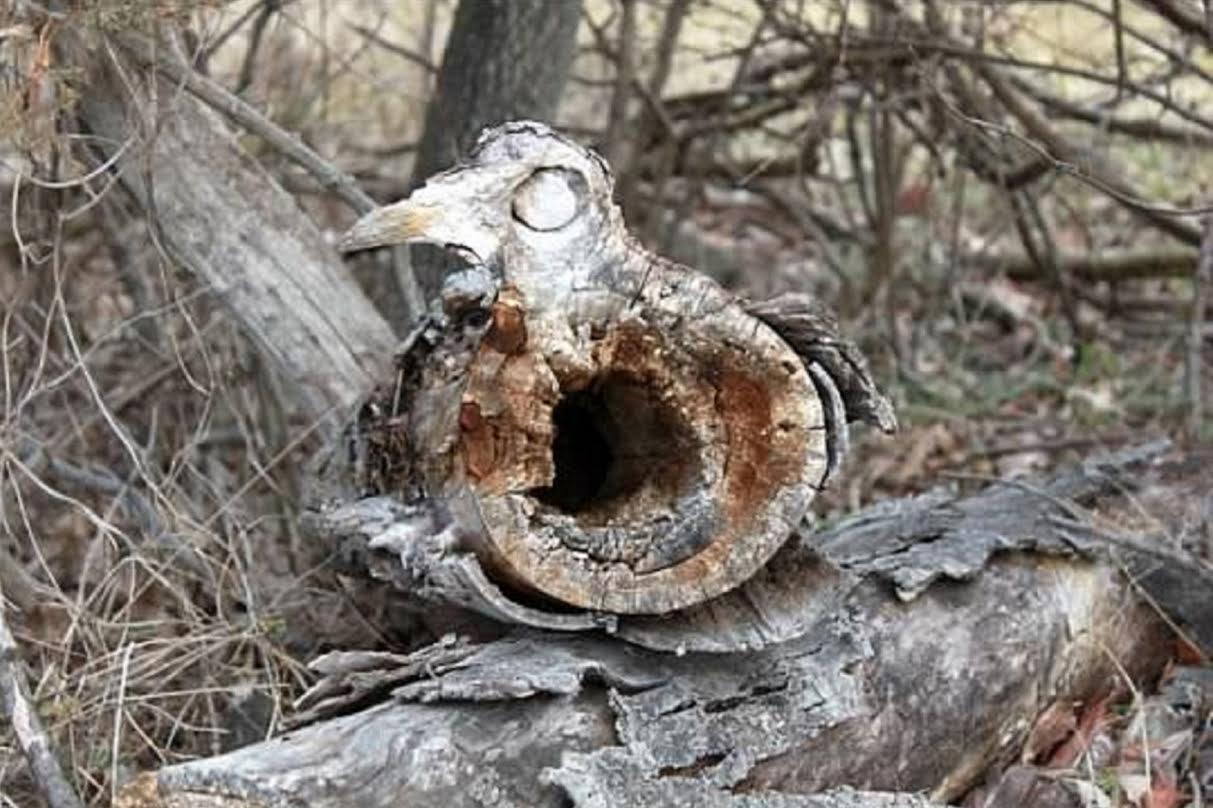
Brown Hooded Longbeak at Faces of Nature

Brown Hooded Longbeak at Faces of Nature

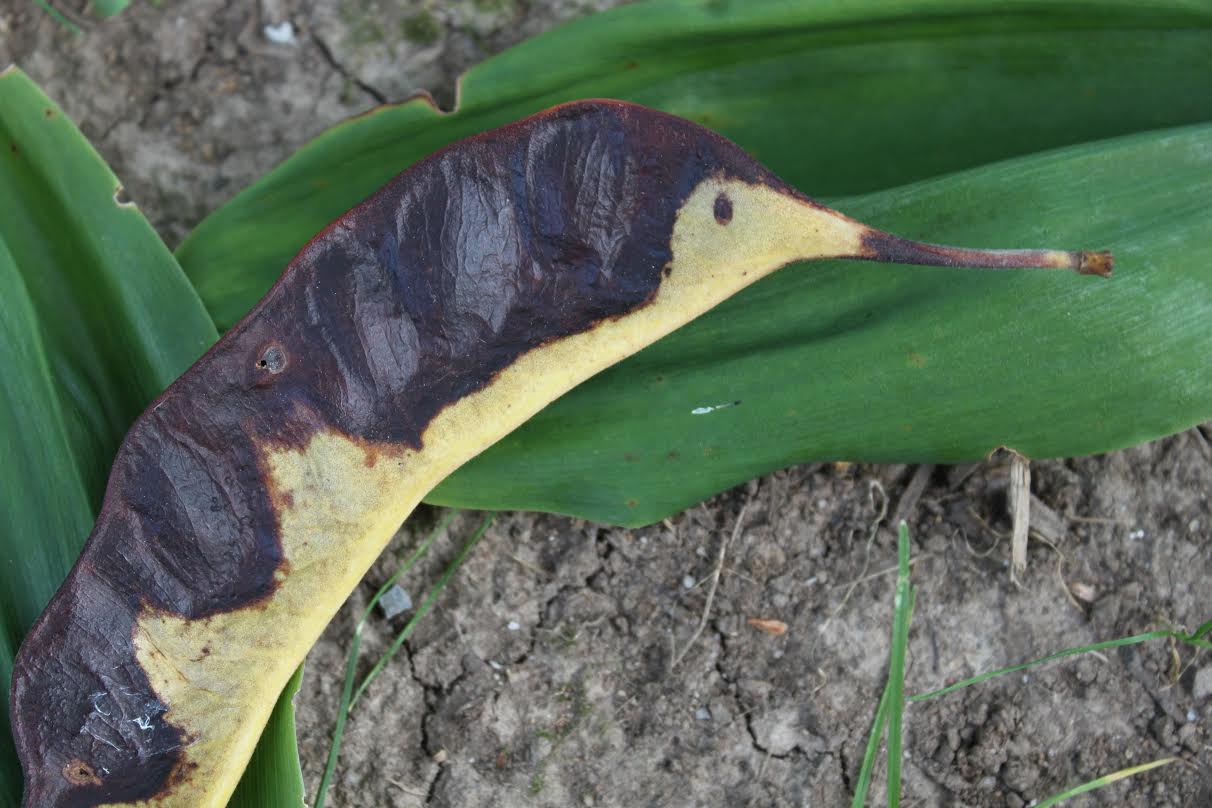
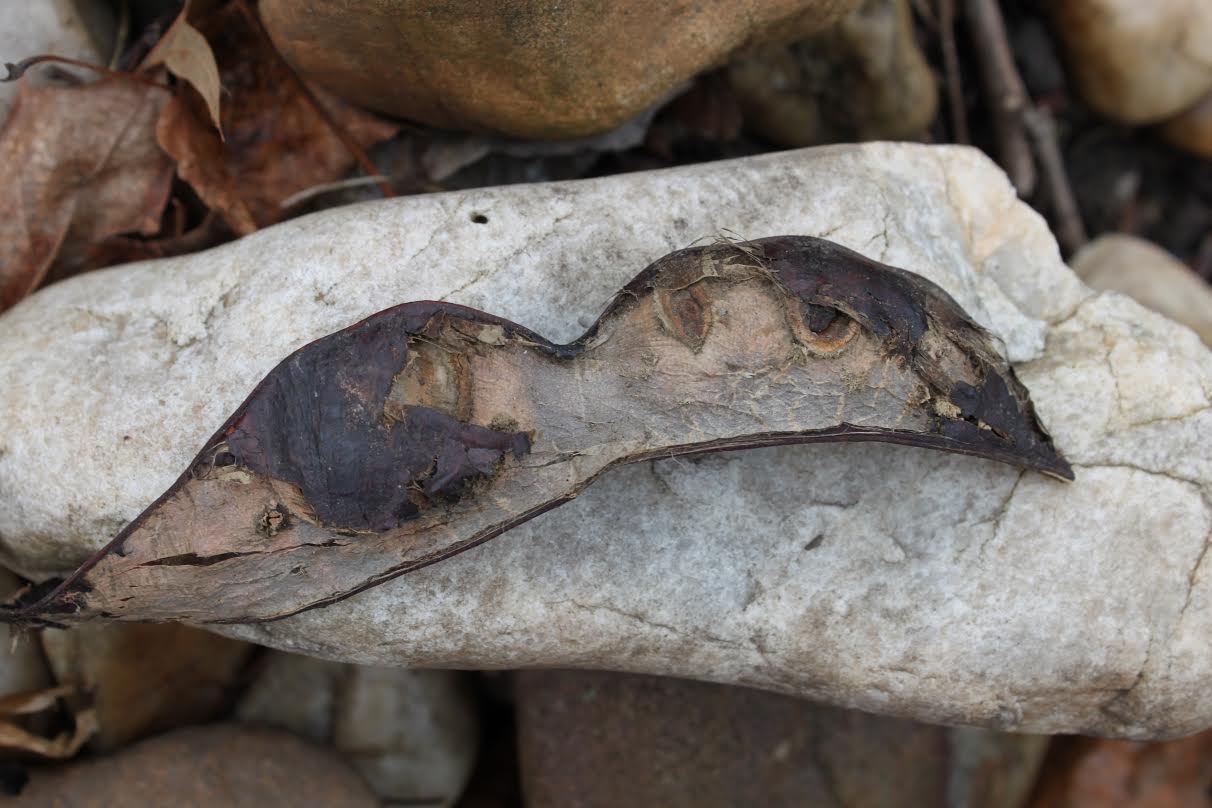
” I am a nature enthusiast and photographer from Langhorne, PA.  I take photos of “Faces in Nature” – items that resemble faces which occur naturally in our surroundings – I don’t change or Photoshop – they are as I find them.  I have over 100 but lots of birds as it turns out.”

Here is one on the “lighter side.”

Angry Bird at Faces of Nature

Angry Bird at Faces of Nature

If you would like to check out all of Susan’s “Faces of Nature” at Shutterfly: CLICK HERE

I think my favorite is a “White Toucan

Beloved, now are we the sons of God, and it doth not yet appear what we shall be: but we know that, when he shall appear, we shall be like him; for we shall see him as he is. (1 John 3:2 KJV)

*