Heaven’s New Jerusalem and Birds – Chalcedony

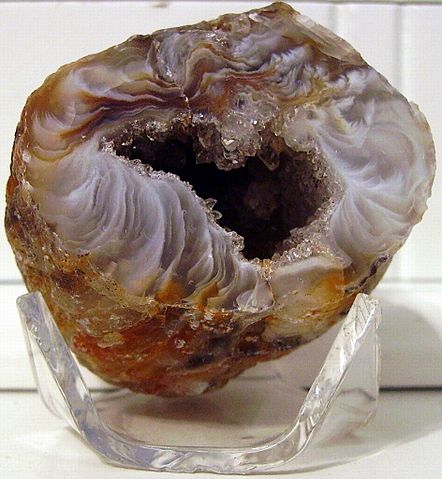
Chalcedony (Variety Agate) Quartz ©WikiC

“And the foundations of the wall of the city were garnished with all manner of precious stones. The first foundation was jasper; the second, sapphire; the third, a chalcedony; the fourth, an emerald;” (Revelation 21:19 KJV)

The Chalcedony stone in the foundation of the New Jerusalem is really a challenge. I have consulted the internet and my Bible programs, e-Sword and Bible Gateway. Also searched the Latin or scientific terms for names even close to “Chalcedony.” Most to no avail as far as finding birds that have chalcedony or a derivative in their names.

As you will see from the quotes below, most seem to mention white (and milky), gray (grey), blue, or a pearly color. Let me see. Out of over 10,000 birds, surely I can find a few to share with you.
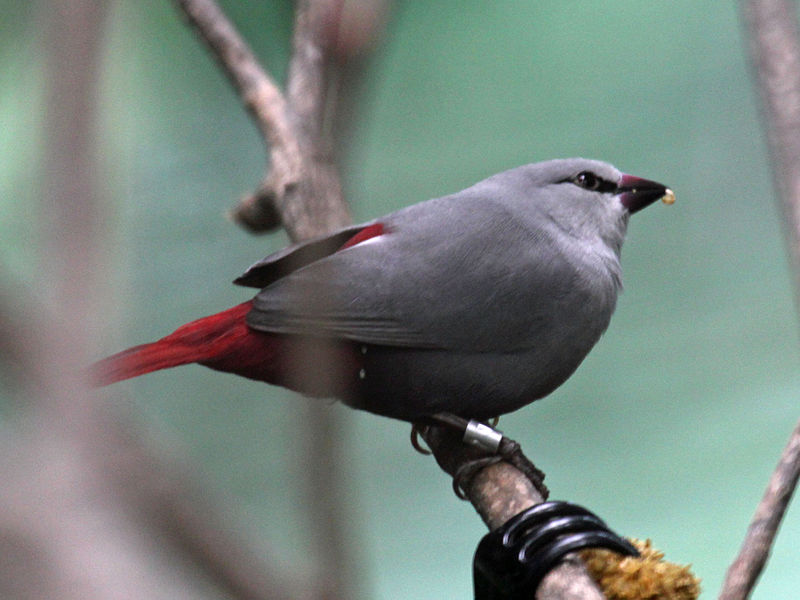
Lavender Waxbill (Estrilda caerulescens) ©WikiC

Lavendar Blue Chalcedony ©Mineral_net

THE GEMSTONE CHALCEDONY
“Chalcedony is the form of Quartz that is compact and microcrystalline. It occurs in many different forms, colors, and patterns, and many varieties have been used as gemstones since antiquity. In the gemstone trade, the term Chalcedony is often used specifically to describe the white, gray, or blue translucent type of Chalcedony, but its technical term includes all additional varieties.” [Minerals.net]

Chalcedony
“Rev_21:19. With it the third foundation of the wall of New Jerusalem is adorned. An agate-like quartz in modern mineralogy, of pearly luster and transparent, found in the Travascus mine in Cornwall. Cups, plates, knife handles, etc. are formed of it in India. Pliny makes it resemble turquoise; others make it of a light brown. The chalcedony of Theophrastus is called from Chalcedon in ancient Thrace, and was the copper emerald obtained from the mines there.” [Fausset’s Bible Dictionary, emphasis mine]
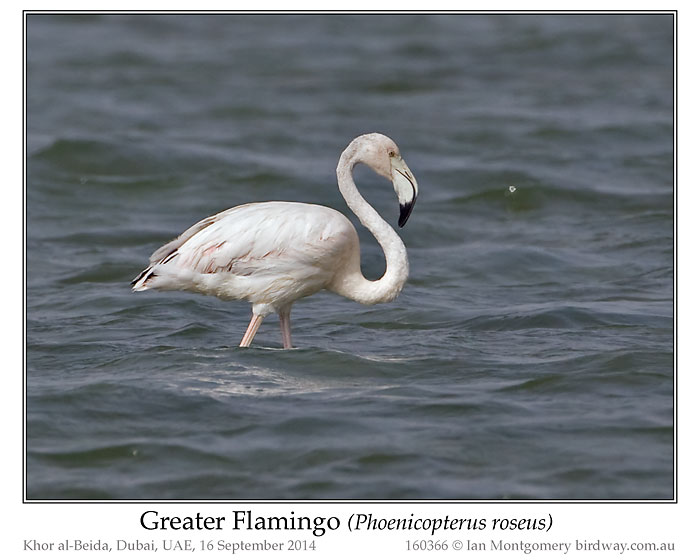
Greater Flamingo (Phoenicopterus roseus) by Ian

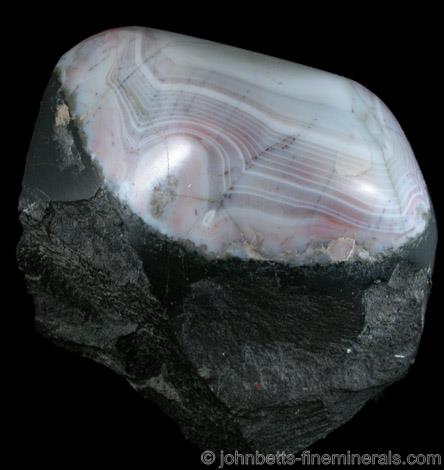
Polished Agate Portion ©Mineral.net

“Chalcedony. Chalcedony occurs only in Rev_21:19. The name is applied, in modern mineralogy, to one of the varieties of agate. It is generally translucent and exhibits a great variety of colors. So named because, it was found near the ancient Chalcedon, near Constantinople.” [Smith’s Bible Dictionary]

chalkedon (G5472), the name of a gem, including several varieties, one of which resembles a cornelian, is “supposed to denote a green silicate of copper found in the mines near Chalcedon” (Swete, on the Apocalypse), Rev_21:19.” [Vine’s]
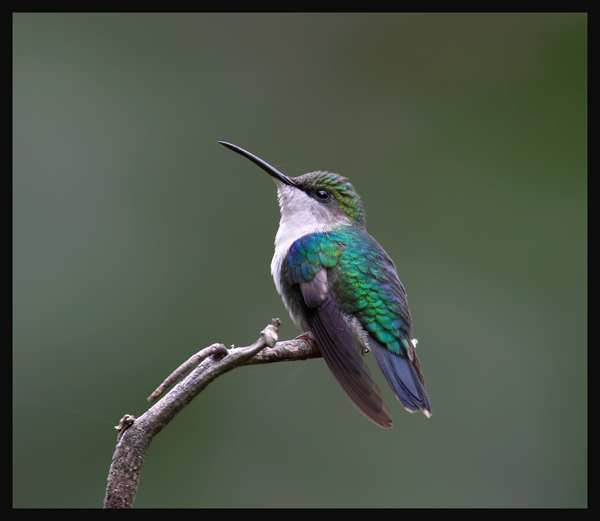
Crowned Woodnymph (Thalurania colombica) by RScanlon

Crowned Woodnymph (Thalurania colombica) by RScanlon

Chalcedony moss agate gem Mineral.net

“CHALCEDONY, n. A subspecies of quartz, a mineral called also white agate, resembling milk diluted with water, and more or less clouded or opake, with veins, circles and spots. It is used in jewelry.
The varieties of chalcedony are common chalcedony, heliotrope, chrysoprase, plasma, onyx, sard and sardonyx.” [Webster’s Dictionary 1828]
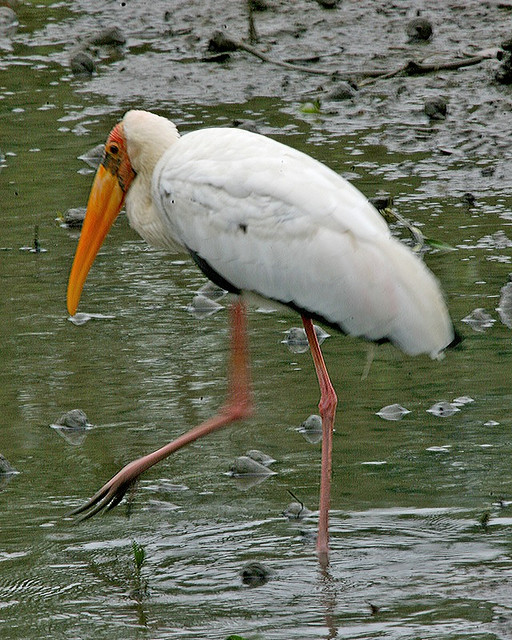
Milky Stork (Mycteria cinerea) ©©LipKee
Milky Stork (Mycteria cinerea) ©©LipKee

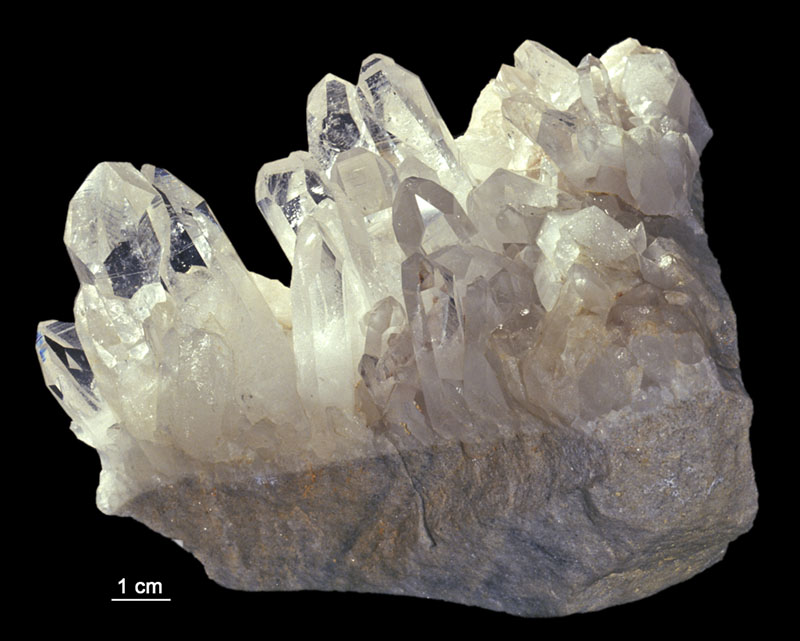
Quartz Article_Figure Milky Quartz ©IUBloomingtion

THE GEMSTONE CHALCEDONY
“Chalcedony is the form of Quartz that is compact and microcrystalline. It occurs in many different forms, colors, and patterns, and many varieties have been used as gemstones since antiquity. In the gemstone trade, the term Chalcedony is often used specifically to describe the white, gray, or blue translucent type of Chalcedony, but its technical term includes all additional varieties.” [Minerals.net]
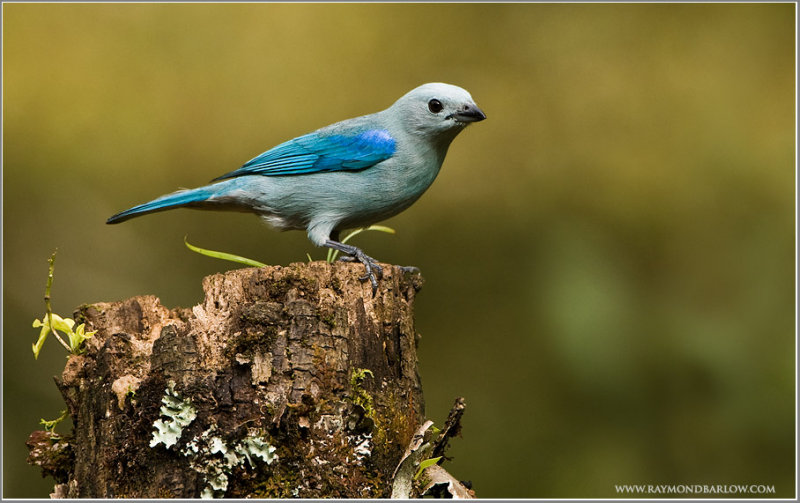
Blue-grey Tanager (Thraupis episcopus) by Raymond Barlow
Blue-grey Tanager (Thraupis episcopus) by Raymond Barlow

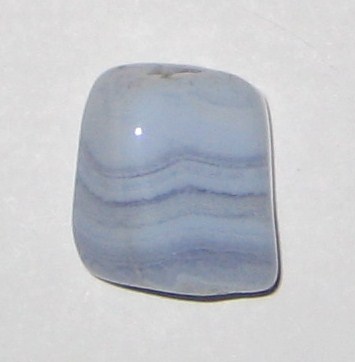
Agate – Blue Lace – Chalcedony – Nambia ©Stephanie Clifford

Chalcedony has a waxy luster, and may be semitransparent or translucent. It can assume a wide range of colors, but those most commonly seen are white to gray, grayish-blue or a shade of brown ranging from pale to nearly black. The color of chalcedony sold commercially is often enhanced by dyeing or heating.” [Wikipedia – Chalcedony]

Whatever that third layer is going to look like, it will be spectacular!!!

“The first foundation was jasper; the second, sapphire; the third, a chalcedony; the fourth, an emerald;” (Revelation 21:19b KJV)


*** Articles in this Series so far:

Wordless Birds – With Hummingbirds


Luzon Water Redstart

“I know all the birds of the mountains, And the wild beasts of the field are Mine.” (Psalms 50:11 NKJV)

Myra, a follower, now a friend, from the Philippines, shared this video of a Luzon Water Redstart. Her daughters journeyed up Mt. Pulag a few weeks ago. They spotted the Redstart and captured it with their phone’s camera. Myra always ask them to “bird watch for me.” And now, Myra is sharing that video with us. Thanks, Myra, and your two daughters.

“The Luzon water redstart (Phoenicurus bicolor) is a species of bird in the family Muscicapidae. It is endemic to the Philippines. Its natural habitats are subtropical or tropical moist lowland forest, subtropical or tropical moist montane forest, and rivers. It is threatened by habitat loss.

This species was formerly placed in the genus Rhyacornis but was moved to Phoenicurus based on the results of a molecular phylogenetic study published in 2010.” [Wikipedia]

Luzon Water Redstart (Phoenicurus bicolor) ©Myra

I have to admit, I chuckled when I saw how the video ended. How many times have we watched a bird, only to have it disappear into the bushes or leaves. BUT! At least it was spotted.

Here is an interesting article with two videos about this little avian wonder from our Lord. Luzon Water Redstart, Take 2

Happy Birdwatching!!

Why Use The Ark?

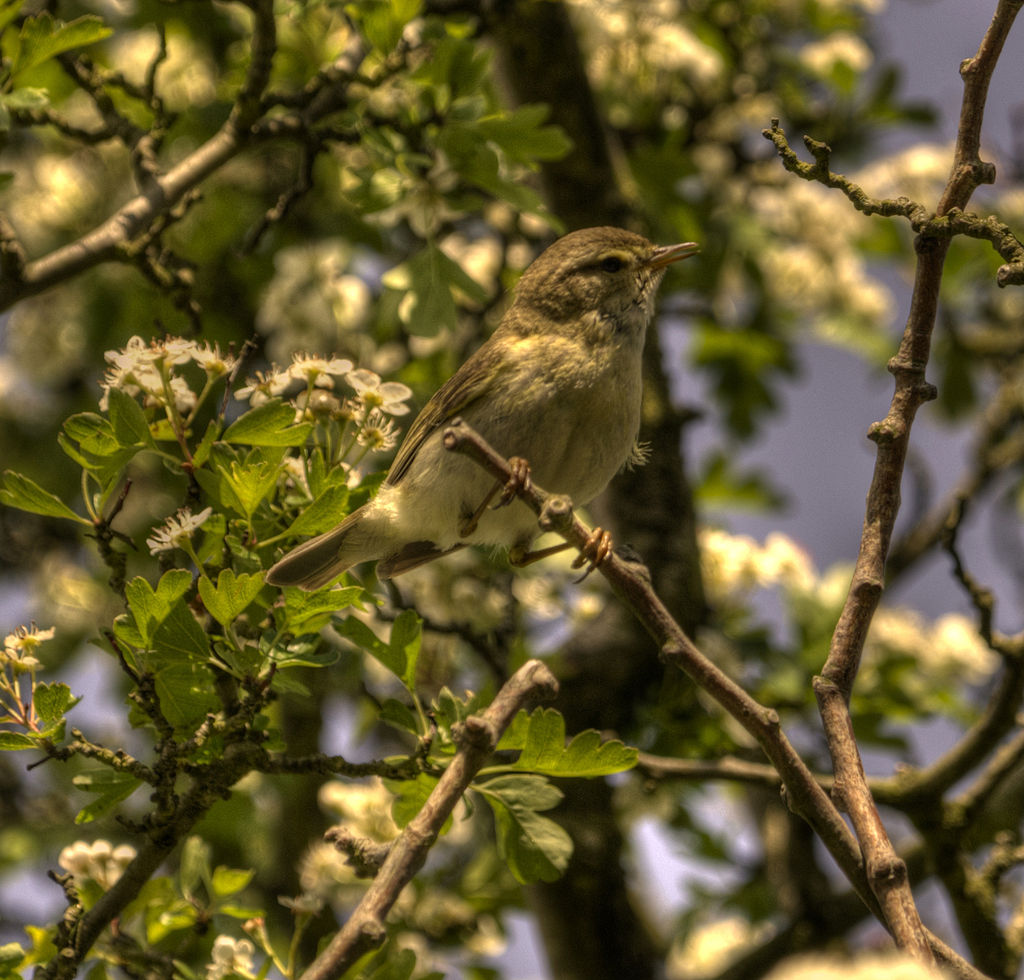
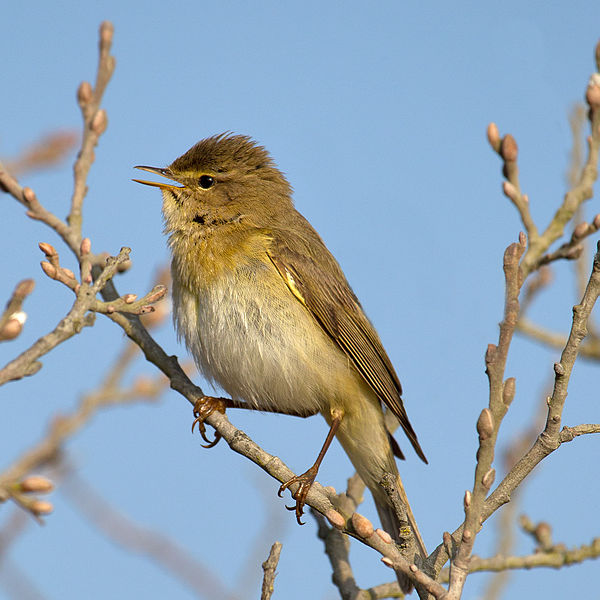
Willow Warbler (Phylloscopus trochilus) ©WikiC

An article in the latest issue of Answers in Genesis Magazine, “As The Bird Flies,”, p.20, tells about the Willow Warbler. This little bird weighs only “0.4 ounce (10 g) … and migrate more than 8,000 miles (13,000 km) from eastern Siberia to Kenya and Tanzania in Africa.”

The article goes on to tell how much research has been done with this bird and its migratory habits. The internet has many articles about this fantastic avian wonder from the Lord. Another article, Study: Siberian Willow Warblers Migrate Incredible 8,000 Miles One Way.

“All populations are highly migratory, with the subspecies P. t. yakutensis migrating up to 12,000 km from eastern Siberia to southern Africa along the Asian – East African Flyway, one of the longest migrations of any for a bird of its size. Approximate timings are:

October to March: wintering in sub Saharan Africa.
Mid March to mid May: migrates and arrives in the breeding range.
Late April to August: breeding season, usually only one brood but rarely two.
August to October: migrates back to Africa.” [Wikipedia – Willow Warbler]

Answers article continues with this remark: “Their surprisingly complex navigational abilities showcase the Creator’s ingenious design”

They then challenge those who sort of believe in creation, but the flood gives them problems. Many only believe in a “Local Flood.” My take on this and theirs is: Why Get In The Ark When You Can Fly? “Why couldn’t the animals just leave the area instead of getting on a ship, especially if a bird that weights less than a few paper clips can trave more than 8,000 miles?”

“In the selfsame day entered Noah, and Shem, and Ham, and Japheth, the sons of Noah, and Noah’s wife, and the three wives of his sons with them, into the ark; They, and every beast after his kind, and all the cattle after their kind, and every creeping thing that creepeth upon the earth after his kind, and every fowl after his kind, every bird of every sort.” (Genesis 7:13-14 KJV)

“And the waters prevailed exceedingly upon the earth; and all the high hills, that were under the whole heaven, were covered. Fifteen cubits upward did the waters prevail; and the mountains were covered. And all flesh died that moved upon the earth, both of fowl, and of cattle, and of beast, and of every creeping thing that creepeth upon the earth, and every man: All in whose nostrils was the breath of life, of all that was in the dry land, died. And every living substance was destroyed which was upon the face of the ground, both man, and cattle, and the creeping things, and the fowl of the heaven; and they were destroyed from the earth: and Noah only remained alive, and they that were with him in the ark.” (Genesis 7:19-23 KJV)

Willow Warbler (Phylloscopus trochilus) ©WikiC

Sharing The Gospel

Heaven’s New Jerusalem and Birds – Jasper

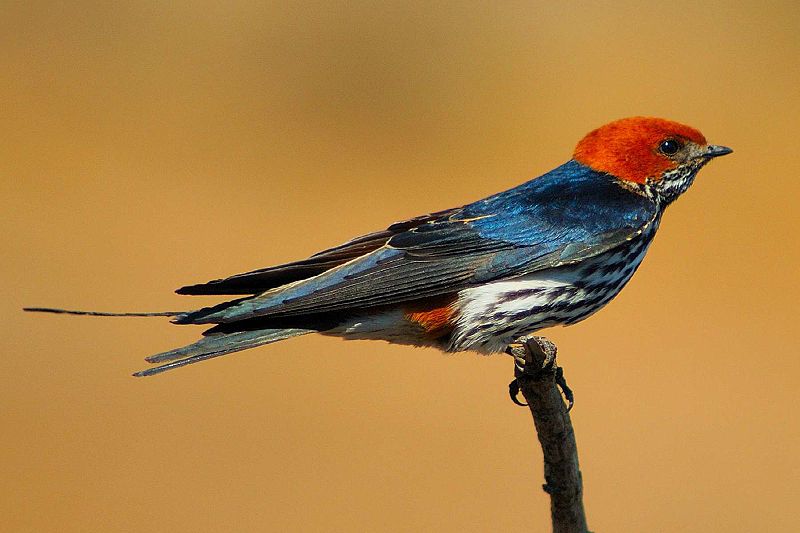
Lesser Striped Swallow (Cecropis abyssinica) ©WikiC

Lesser Striped Swallow (Cecropis abyssinica) ©WikiC

“And the foundations of the wall of the city were garnished with all manner of precious stones. The first foundation was jasper; the second, sapphire; the third, a chalcedony; the fourth, an emerald;” (KJV)

Hit a problem already. No Jasper named birds; first or last name. Now what? Most all the translations of Revelation 21:19 say that the first foundation was jasper or similar.

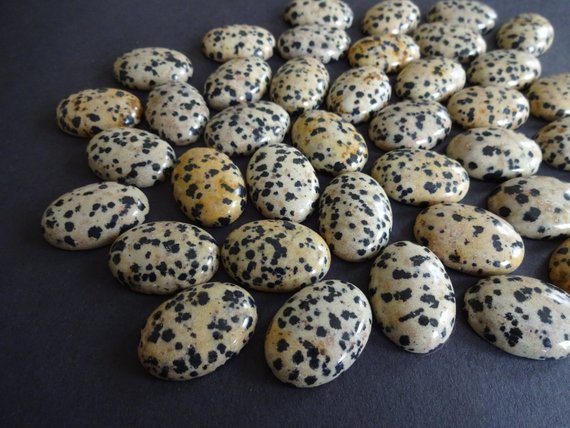
Tan and Cream Jasper – ©MineralNet

Here are a few exceptions from Bible Gateway’s list of versions:
the first foundation stone was diamond – CJB (Complete Jewish Bible)
“The first foundation was gray quartz” – GW, NOG (God’s Word & Names of God)
“The first stone was red jasper” – WE (Worldwide English)

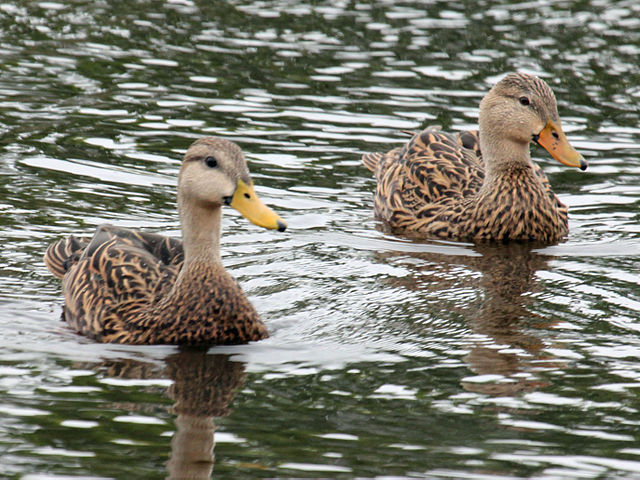
Mottled Duck (Anas fulvigula) Male and Female ©WikiC

From my e-Sword Program, here are more different translations:

(clVulgate)  Et fundamenta muri civitatis omni lapide pretioso ornata. Fundamentum primum, jaspis: secundum, sapphirus: tertium, calcedonius: quartum, smaragdus:

Vulgate fundamentum primum iaspis

KJV+ uses jasper; G2393

Translit+ uses iaspis G2393

G2393 is iaspiv iaspis

Rev_4:3 Rev_21:11 Rev_21:18-19

Spotted Jasper

Great Spotted Woodpecker (Dendrocopos major) ©WikiC

Looking at the Dictionaries, these clues from them:

Thayer gives G2393 this:

ἴασπις
iaspis
Thayer Definition:
1) jasper, a precious stone of various colours (for some are purple, others blue, others green, and others the colour of brass)
Part of Speech: noun feminine

NASEC [New American Exhaustive Commentary]

G2393
ἴασπις
iaspis; of Semitic or.; jasper (a translucent stone): – jasper (4).

Strong LXX

G2393
ἴασπις
iaspis
ee’-as-pis
Probably of foreign origin (see [H3471]); “jasper”, a gem: – jasper.

H3471
ישׁפה
yâshphêh
yaw-shef-ay’
From an unused root meaning to polish; a gem supposed to be jasper (from the resemblance in name): – jasper.

The best clues from all of these seems to be from Thayer and NASEC. “It appears to be: a translucent stone”, and “a precious stone of various colours (for some are purple, others blue, others green, and others the colour of brass).” That could describe thousands of birds.

“Having the glory of God: and her light was like unto a stone most precious, even like a jasper stone, clear as crystal;” (Revelation 21:11 KJV)

Kaleidoscope Jasper from Oregon ©WikiC

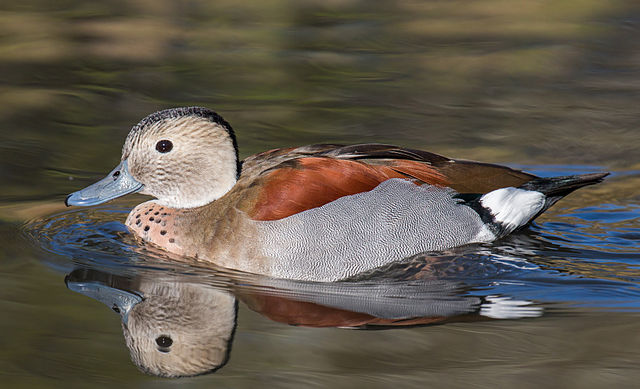
Ringed Teal (Callonetta leucophrys) ©WikiC

Which birds do I show? See the Dilemma? Could use just about any multicolored bird.

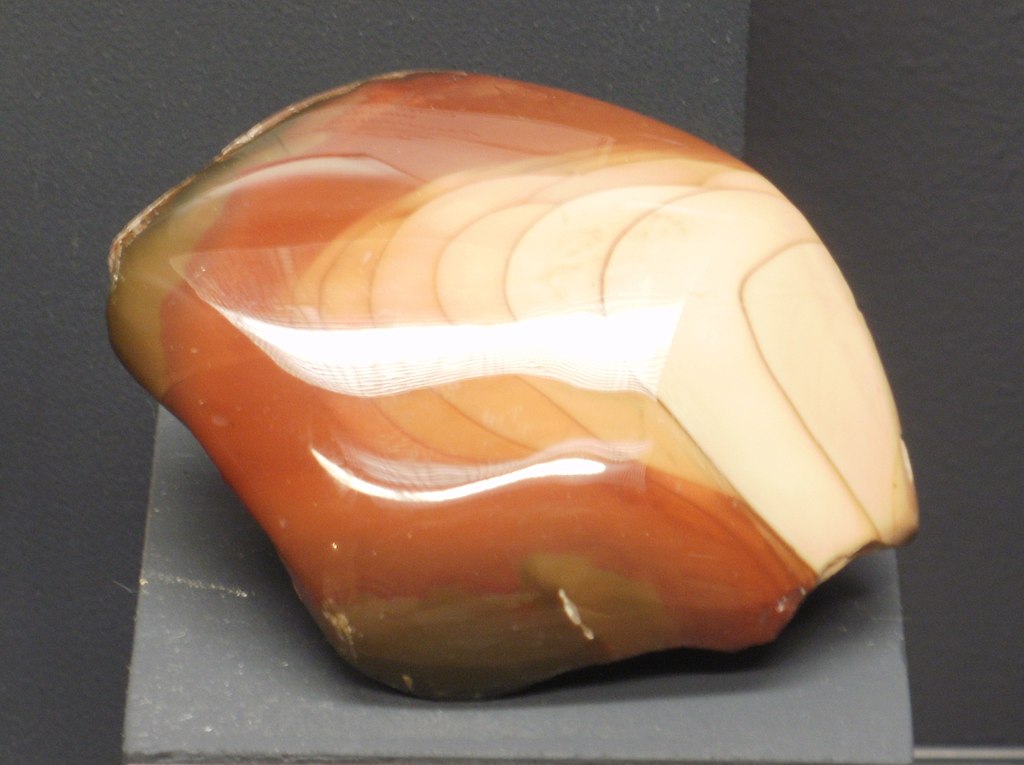
Looking on the internet, I found this: “THE GEMSTONE JASPER – Jasper is an opaque variety of Chalcedony, and is usually associated with brown, yellow, or reddish colors, but may be used to describe other opaque colors of Chalcedony such as dark or mottled green, orange, and black. Jasper is almost always multicolored, with unique color patterns and habits.

Bruneau Jasper Stone ©WikiC

The appeal of Jasper is its interesting color patterns and formations. Though it can be a solid color, it is most often mottled, spotted, ringed, or striped. Each Jasper has a unique color or pattern, lending this gemstone much variety. Jasper is an ancient gemstone, and is mentioned in the bible and other classical sources. Though fairly common and affordable today, Jasper in antiquity was regarded as a valuable stone. “[Minerals Net]

That quote makes one think of how we are to the Lord. We are often “mottled, spotted, ringed, or striped.” We are in need of the Savior because we are sinners, but each of us are valuable to the Lord. He gave His life for us on the cross. “For God so loved the world, that he gave his only begotten Son, that whosoever believeth in him should not perish, but have everlasting life. For God sent not his Son into the world to condemn the world; but that the world through him might be saved. He that believeth on him is not condemned: but he that believeth not is condemned already, because he hath not believed in the name of the only begotten Son of God. And this is the condemnation, that light is come into the world, and men loved darkness rather than light, because their deeds were evil.” (John 3:16-19 KJV)

*** Articles in this Series so far:

Heaven’s New Jerusalem and Birds – Foundation Stones

Precious Stone

“O LORD, our Lord, How majestic is Your name in all the earth!” (Psalms 8:9 NASB)

Before matching the bird’s colors to the Foundation Stones, here are some facts and photos to help us understand the colors of the twelve foundations, if that is possible with our human minds. If the stones are this beautiful now, what will they be like in heaven?

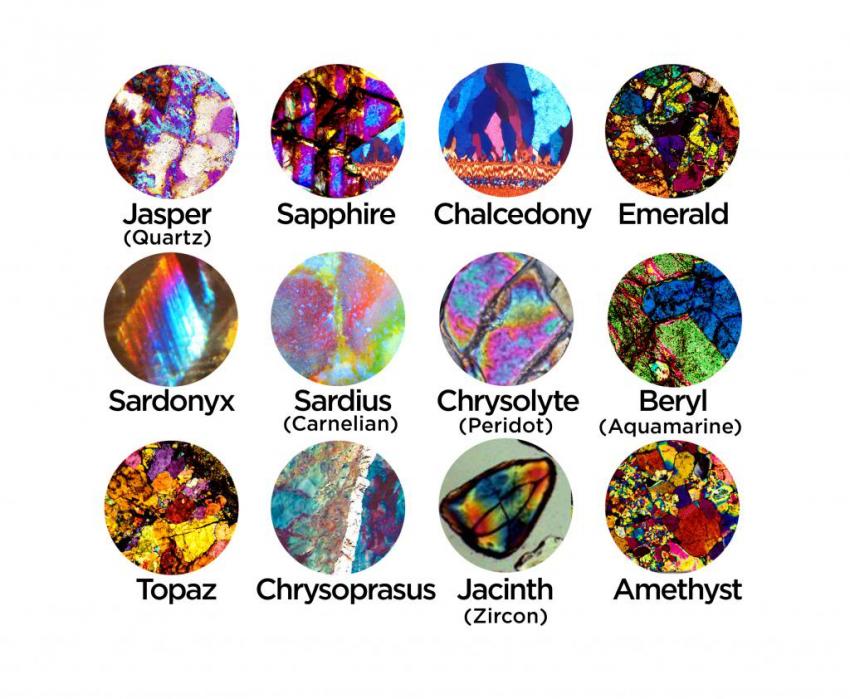
Very interesting article about The 12 Foundation Stones in New Jerusalem gives fact about these gems. “In the past century, it has been discovered that gems can be classified as either anisotropic or isotropic, and only recently have scientists discovered cross polarized light, which can be used to identify whether a gem is anisotropic or isotropic. When viewed in crossed-polarised light (similar to “pure” light), anisotropic stones produce a colourful array- reflecting all the colours of the rainbow, whereas isotropic stones lose all of their colour and appear black.”

There are some words in there that are new to me, like, anisotropic or isotropic, cross polarized light. Yet the next paragraph, is really informative:

“It’s interesting that, in Revelation chapter 21, there are 12 gems mentioned to be inlaid for decoration of the New Jerusalem, and ALL of these 12 gems are anisotropic gems, i.e., gems that can show colourful patterns under pure light…

Twelve Stones of Revelation 21 from Christian Evidence

We normally think of the colors of these stones as:

New Jerusalem Gemstones

It will be worth your time to read the article, especially, “What are the odds? The 12 Foundation Stones in New Jerusalem,

Here is a video showing the colors of these stones. [music can be muted]

“And the building of the wall of it was of jasper: and the city was pure gold, like unto clear glass. And the foundations of the wall of the city were garnished with all manner of precious stones. The first foundation was jasper; the second, sapphire; the third, a chalcedony; the fourth, an emerald; The fifth, sardonyx; the sixth, sardius; the seventh, chrysolite; the eighth, beryl; the ninth, a topaz; the tenth, a chrysoprasus; the eleventh, a jacinth; the twelfth, an amethyst.” (Revelation 21:18-20 KJV)

I am aware that the seven colors of the rainbow are not necessarily the order of the foundation, but this article is also worth reading:

The Colors of the Rainbow


Avian and Attributes – Stone

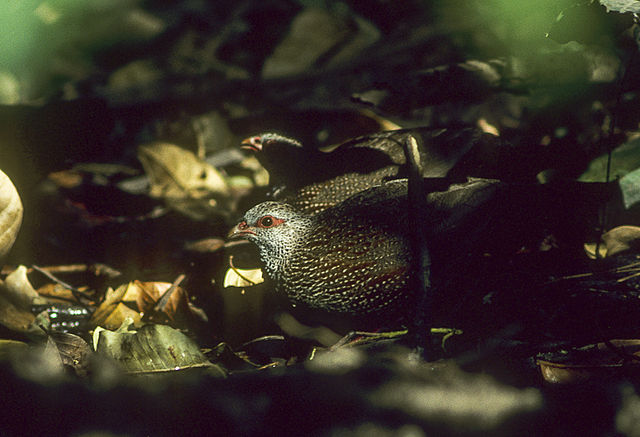
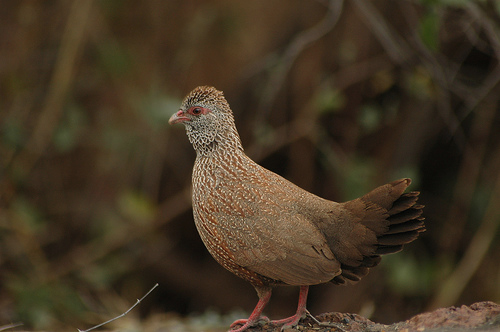
Stone Partridge (Ptilopachus petrosus) ©WikiC

There is only one bird whose name begins with “Stone”. How does stone describe an attribute of the Lord? How about:

“And the LORD said unto Moses, Come up to me into the mount, and be there: and I will give thee tables of stone, and a law, and commandments which I have written; that thou mayest teach them.” (Exodus 24:12 KJV)

The LORD wrote with his own fingers on those tables of stone, basically what we call today the “10 Commandments.”

“Where wast thou when I laid the foundations of the earth? declare, if thou hast understanding. Who hath laid the measures thereof, if thou knowest? or who hath stretched the line upon it? Whereupon are the foundations thereof fastened? or who laid the corner stone thereof; When the morning stars sang together, and all the sons of God shouted for joy?” (Job 38:4-7 KJV)

“Sanctify the LORD of hosts himself; and let him be your fear, and let him be your dread. And he shall be for a sanctuary; but for a stone of stumbling and for a rock of offence to both the houses of Israel, for a gin and for a snare to the inhabitants of Jerusalem. And many among them shall stumble, and fall, and be broken, and be snared, and be taken.” (Isaiah 8:13-15 KJV)

“Jesus saith unto them, Did ye never read in the scriptures, The stone which the builders rejected, the same is become the head of the corner: this is the Lord’s doing, and it is marvellous in our eyes? Therefore say I unto you, The kingdom of God shall be taken from you, and given to a nation bringing forth the fruits thereof. And whosoever shall fall on this stone shall be broken: but on whomsoever it shall fall, it will grind him to powder.” (Matthew 21:42-44 KJV)

“And are built upon the foundation of the apostles and prophets, Jesus Christ himself being the chief corner stone;” (Ephesians 2:20 KJV)

“Unto you therefore which believe he is precious: but unto them which be disobedient, the stone which the builders disallowed, the same is made the head of the corner, And a stone of stumbling, and a rock of offence, even to them which stumble at the word, being disobedient: whereunto also they were appointed.” (1 Peter 2:7-8 KJV)

Stone Partridge (Ptilopachus petrosus) ©Flickr Jean

STONE, n. [Gr.]
1. A concretion of some species of earth, as lime, silex, clay and the like, usually in combination with some species of air or gas, with sulphur or with a metallic substance; a hard compact body, of any form and size. In popular language, very large masses of concretions are called rocks; and very small concretions are universally called gravel or sand, or grains of sand. Stones are of various degrees of hardness and weight; they are brittle and fusible, but not malleable, ductile, or soluble in water. Stones are of great and extensive use int he construction of buildings of all kinds, for walls, fences, piers, abutments, arches, monuments, sculpture and the like. When we speak of the substance generally, we use stone in the singular; as a house or wall of stone. But when we speak of particular separate masses, we say, a stone, or the stones.
2. A gem; a precious stone.
Inestimable stones, unvalud jewels.
3. Any thing made of stone; a mirror.
7. In Great Britain, the weight of fourteen pounds. [8, 12, 14, or 16.] [Not used in the United States, except in reference to the riders of horses in races.]
8. A monument erected to preserve the memory of the dead.
Should some relentless eye glance on the stone where our cold relics lie–
9. It is used to express torpidness and insensibility; as a heart of stone.
10. Stone is prefixed to some words to qualify their signification. Thus stone-dead, is perfectly dead, as lifeless as a stone; stone-still, still as a stone, perfectly still; stone-blind, blind as a stone, perfectly blind.
To leave no stone unturned, a proverbial expression which signifies to do every thing that can be done; to use all practicable means to effect an object.
Meteoric stones, stones which fall from the atmosphere, as after the displosion of a meteor.
STONE, a. Made of stone, or like stone; as a stone jug.
STONE, v.t.
1. To pelt, beat or kill with stones.
And they stoned Stephen calling on God and saying, Lord Jesus, receive my spirit. Acts 7.
2. To harden.
4. To wall or face with stones; to line or fortify with stones; as, to stone a well; to stone a cellar. [edited]

Stone Partridge (Ptilopachus petrosus) ©WikiC

Stone Partridge (Ptilopachus petrosus) ©WikiC

The Stone Partridge (Ptilopachus petrosus) is a bird of the new world quail family. This largely brown bird, which commonly holds its tail raised, is found in scrubland and lightly wooded habitats, often near rocks, from Kenya and Ethiopia to Gambia (a large part if its range is in the Sudanian Savanna).

The stone partridge is exceptional among gamebirds in that the female, to human eyes, is showier than the male. Both sexes are predominantly earthy chocolate-brown above, with sparse pale cream-grey spotting. The head, neck and chest are paler brown and have broad cream edging to the feathers that gives the bird a scaled appearance. In males the lower chest and belly are orange-cream; in females, very pale cream. Both sexes raise their crown feathers to form a rudimentary crest but the feathers of females are somewhat longer and hence more obvious when raised.

Eggs are pale pink, fading to cream, juveniles are dark chocolate-brown throughout, molting into adult plumage at several weeks old. In captivity at least, the male plays a major role in both incubation and rearing of the young, offering young small items of food by picking them up, dropping them and calling to the chicks. [Wikipedia with editing]

More Avian and Attributes

Birds whose first name starts with “S”

Good News

*
[Definitions from Webster’s Dictionary of American English (1828), unless noted. Bird info from Wikipedia plus.]

Jackdaws and Valentines

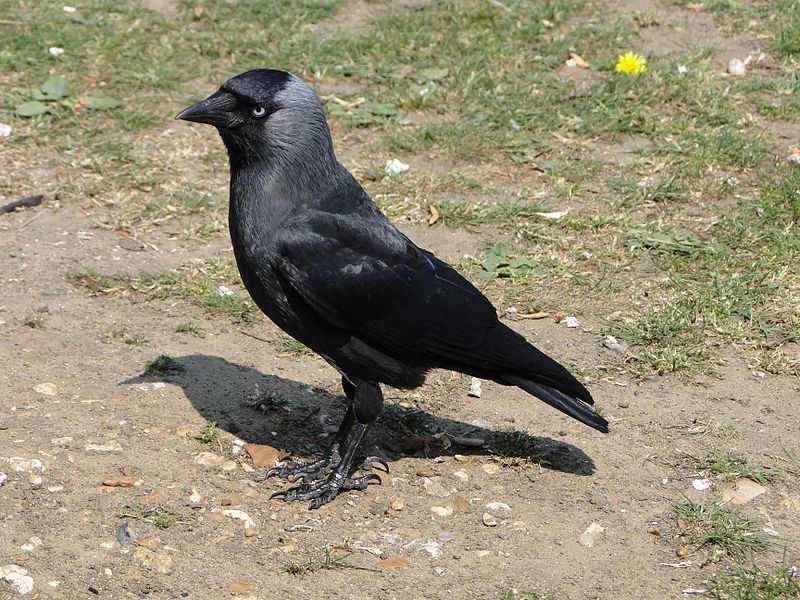
Western Jackdaw (Coloeus monedula) ©WikiC

Western Jackdaw (Coloeus monedula) ©WikiC

Another blogger, who also enjoys writing about birds, shared this very interesting connection between Jackdaws and Valentine Day.

Happy Valentine’s Day by Grey Feather Photography

Clair starts off with:

“Did you know jackdaws are one of the few birds which truly mate for life?

Jackdaws form pairs as young birds and will then remain together for all of their lives in a partnership sometimes referred to…”

Click here to read the rest of this very interesting article, Happy Valentines Day


“Husbands, love your wives, even as Christ also loved the church, and gave himself for it;” (Ephesians 5:25 KJV)

Creation Moment’s – Let Birds Fly Across The Expanse

LET BIRDS FLY ACROSS THE EXPANSE

Genesis 1:20

“And God said, Let the waters bring forth abundantly the moving creature that hath life, and fowl that may fly above the earth in the open firmament of heaven.”

On the fifth day of the Creation Week, God created swarms of sea creatures. He also created flying creatures. In Genesis 1:20, God says: “Let birds fly above the earth across the expanse of the heavens.” The birds were not, in fact, in the firmament. When the KJV translates the phrase as “in the open firmament”, the word open reminds us that the birds are simply seen against the background of the firmament, and are not in it. We heard in the previous Creation Moment that God created whole swarms of sea creatures. It could also be assumed that He created a very large variety of flying creatures.
This brings us to the fact that many translations tell us that God made birds. The KJV refers to fowl. The use of a word other than bird in the KJV is significant. The Hebrew word is ôph (עוֹף). There is another Hebrew word that means birds. It is tsippor(צִפּוֹר). In fact, the word ôph is much wider in meaning than birds and includes all flying creatures. For instance, in Leviticus 11:13-19, the bat is included at the end of a list of birds. But the collective word used in Leviticus 11:13 is ôph, not tsippor. So ôph does not really mean birds – it means flying creatures. Hence, the creation of flying creatures in Genesis 1:20 includes not only birds, but also bats, and, by implication, flying insects also – and pterosaurs – the flying dinosaurs.

Once again, we notice the efficiency and economy of the words used in Genesis 1, which gives far more information than at first we think.  

Prayer: Your wonderful book, the Bible, astonishes us again and again as it explains to us how and why You created this world. Thank You for the wide variety of creatures that You put in the world. Amen.

Ref: Sarfati, J. (2015), The Genesis Account, (Powder Springs, GA: CMI), pp. 223-225. Image: Adobe Stock Images, licensed to author.

©Creation Moments 2019, Used with permission.


A very interesting study of the creation of the “fowls/birds.” Would make for a good BIrds of the Bible article, but they beat me to it. :)

Eleventh Anniversary of Blogging About Birds – Part II

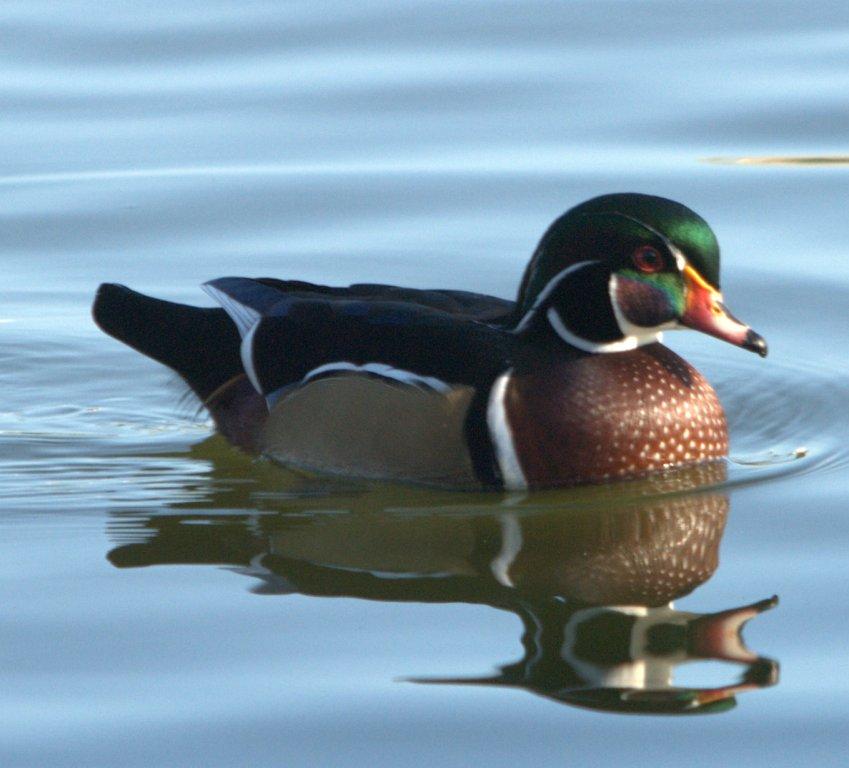
Wood Duck (Aix sponsa) by Dan

“Remember His marvelous works which He has done, His wonders, and the judgments of His mouth,” (1 Chronicles 16:12 NKJV)

Yesterday, the Eleventh Anniversary of Blogging About Birds article mentioned our early beginnings for this blog. Today, I’d like to continue with what the Lord has enabled us to do. Over the years, there have been Anniversary articles written. Each one tried to update the latest events, but also, to look back and thank the Lord for His blessings. The Lord wants us to “Remember.” His blessings.

“Remember to magnify His work, Of which men have sung.” (Job 36:24 NKJV)

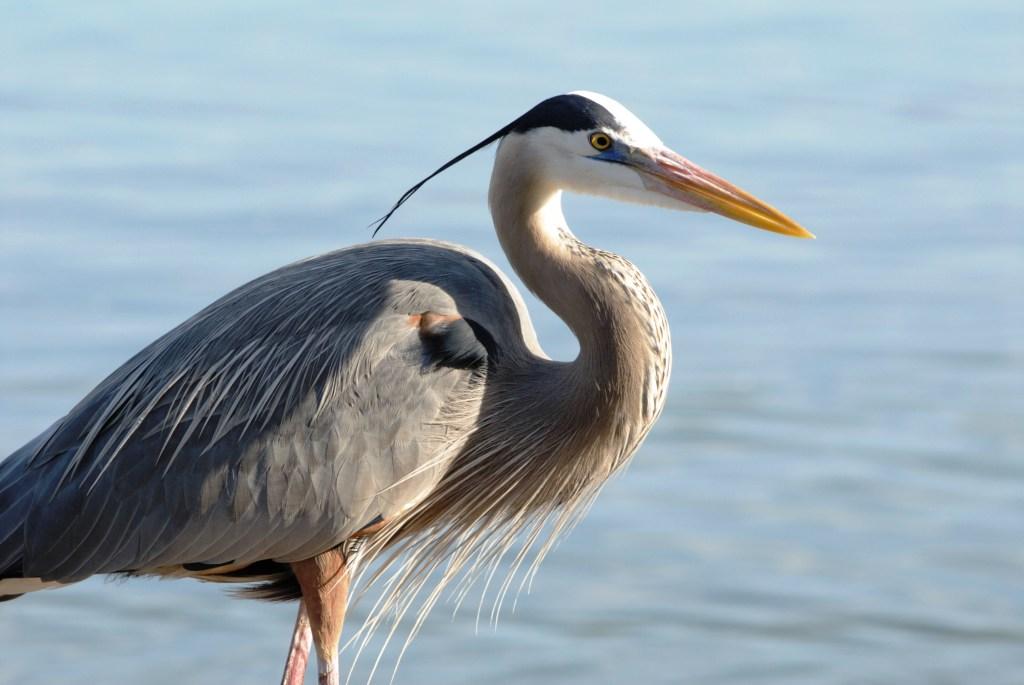
Great Blue Heron (Ardea herodias) by Dan

Great Blue Heron (Ardea herodias) by Dan

Here are six of those years:

“I remember the days of old; I meditate on all Your works; I muse on the work of Your hands.” (Psalms 143:5 NKJV)

Actually, yesterday, I used a quotes from Jim Elliot, but was actually thinking of a quote I used in the Happy One Year Anniversary! article. This is what happens as you age. :) Both men were great missionaries and showed tremendous insight in their quotes.

“Our pastor just reminded us of a quote by William Carey, an English Missionary to India:

“Expect great things from God, attempt great things for God.”

That article was reposted in 2017. Looking Back – Happy One Year Anniversary! – Repost

In 2010, the 2nd Anniversary rolled around and some quest writers were added. Also, Ian Montgomery started allowing his Bird of the Week articles to be posted. Also, the Plus section, Birds of the World, and Birds in Hymns started up. This is all covered in Second Anniversary of Blog

It appears that I forgot to produce a Third or Fourth year anniversary article. Plenty was going on. The number of visitors to this blog, for which I am thankful for everyone who visits every time, was up to 250,000 on Apr. 9, 2011. 500,000 visits by Mar. 1, 2012, and about 850,000 by the time the Fifth Anniversary rolled around. Formed by Him started around the beginning of 2012. Also, many very talented photographers allowed me the permission to use their photos. There has been a list of them in the right column for years.

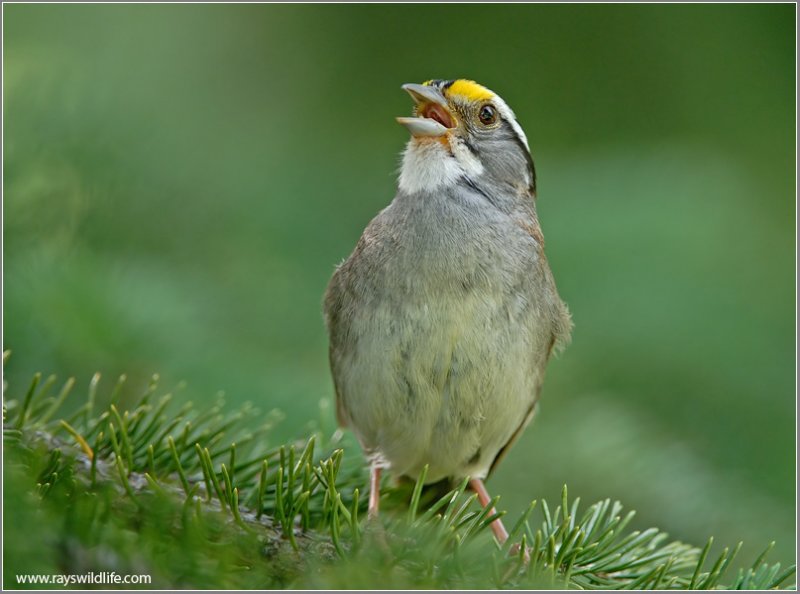
White-throated Sparrow by Ray Barlow

In 2013, I remembered to produce a Fifth Blog Anniversary post. There I mentioned the second blog site, Birds of the Bible for Kids. That website was started to get back to the roots of the whole purpose of blogging. That is, introducing young people to the Birds that are mentioned in the Bible. Like this main blog, it also has had growing pains. It was started, then I killed it and moved all the articles over here. Then last year, I decided to restart it back up. Much of the ups and downs of doing the “kids blog” has been due to my health issues. Right now it is up and running, not full speed, but then, neither am I running at full speed. Though I am much improved from last summer’s back surgery. Let’s hope and pray that the young people’s blog starts producing more articles.

I forgot again on the Sixth anniversary of the blog, but WordPress reminded me. Never Give Up

“The steps of a good man are ordered by the LORD, And He delights in his way. Though he fall, he shall not be utterly cast down; For the LORD upholds him with His hand. I have been young, and now am old; Yet I have not seen the righteous forsaken, Nor his descendants begging bread.” (Psalms 37:23-25 NKJV)

Enough for now. I trust you are enjoying seeing how the Lord leads in our lives. Who ever thought that six years into doing a blog would have lead me to that point. I’ll tell you more in the next part.

Whatever your talent or abilities, if you know the Lord as your Savior, let Him use you. This is just a little blog in the midst of millions, yet the Lord has been using it. That is what I read from your remarks. Thank you for visiting over the years.

Using Whatever Talent the Lord Has Given You written Sept 16, 2010

Eleventh Anniversary of Blogging About Birds

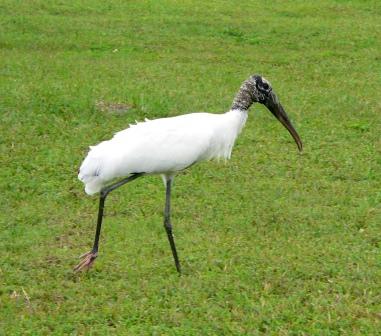
Wood Stork by Lee

“But now ask the beasts, and they will teach you; And the birds of the air, and they will tell you;” Job 12:7

The idea for the Birds of the Bible lessons began when we were members of Bethany Baptist Church in Avon Park, Florida. I used to carry a laptop into a junior Sunday School class, and for five minutes each week, present a different bird mentioned in the Bible.

Then, we moved up to Winter Haven and began attending Faith Baptist Church, where we are still members. For two years there was no outlet for me to present my birds. When Stephen, the assistant to the pastor, at that time, became aware of what I did, he offered me a chance to post on The Fountain. [The church’s blog] I have written about this before, but am still surprised at how the Lord has allowed me to continue this adventure for so long. On February 15th, 2019, it will be eleven years since this began.

The Fountain was/is on the Blogger platform where I cut my “blogging teeth.” They stopped using the blog in 2013, but have kept all their post. So, all my beginning blogs are still there, along with my learning process. Lee’s Birdwatching Adventure was begun so I could learn how to layout articles for the church blog.

My first blog in February, 2008: Birds of the Bible – Introduction (by Lee Dusing)

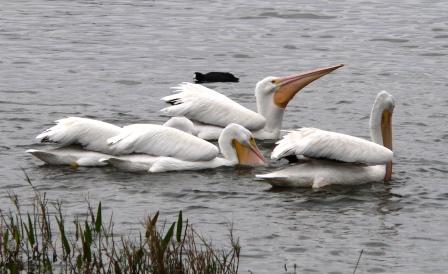
American White Pelicans at Lake Hollingsworth

On July 05, 2008, Lee’s Birdwatching Adventures Plus was created on the WordPress platform, where it still is today. All those original articles were moved over to the new blog and removed from the old one. What they look like on the church’s blog is how they looked originally.

When all this began, it never crossed my mind that the Lord would allow it to grow to where it is today.  Our pastor is always challenging us to give the Lord whatever talent or ability we have. Let Him decide how it is to be used, and be willing to let Him use us.

“So God created great sea creatures and every living thing that moves, with which the waters abounded, according to their kind, and every winged bird according to its kind. And God saw that it was good. And God blessed them, saying, “Be fruitful and multiply, and fill the waters in the seas, and let birds multiply on the earth.” So the evening and the morning were the fifth day.” (Genesis 1:21-23 NKJV)

Thank you Lord for letting me love you and your created critters, especially the birds of the air. Another saying our pastor uses is from Missionary Jim Elliot: “He is no fool who gives what he cannot keep to gain that which he cannot lose.” There has been many hours given, and I won’t know until heaven to find out what rewards these efforts may have earned.

Looking through Jim Elliot’s quotes on that link, I found these also:

“Wherever you are, be all there! Live to the hilt every situation you believe to be the will of God. ― Jim Elliot

“God always gives his best to those who leave the choice with him.” ― Jim Elliot

“Oh, the fullness, pleasure, sheer excitement of knowing God on earth!”― Jim Elliot

“Lord, make my way prosperous not that I achieve high station, but that my life be an exhibit to the value of knowing God.”― Jim Elliot

“I couldn’t have asked for more than God in deliberate grace has surprised me with!”― Jim Elliot

I am so thankful for the various writers that have contributed to this blog over the years. Two have already gone on to heaven, A J Mithra, and April Lorier. Currently, Ian Montgomery, Dr. James J. S. Johnson, Emma Foster, Golden Eagle, and others are contributing to the blog.

Again, all of these efforts would be of no avail, if you, the reader, had not stopped by to read these articles. Thank you for all your visits over the years. We trust you will continue to stop in to see what new Birdwatching Adventures we have written about.

One of my most favorite videos was on the Eagles post, which isn’t currently working on the Fountain post, The Birds of the Bible ~ Eagles

but here it is:

“Now my days are swifter than a runner; They flee away, they see no good. They pass by like swift ships, Like an eagle swooping on its prey.” (Job 9:25-26 NKJV)

Here are some of the first Birds of the Bible articles on The Fountain:

February 2008

March 2008

April 2008

Looking through the Blog Archive [right side] on the Fountain, you will find others also.

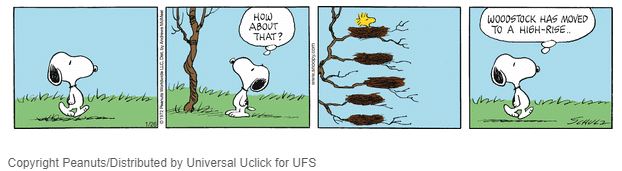
Woodstock’s Mating Dance

Woodstock and Mating Dance ©Peanuts

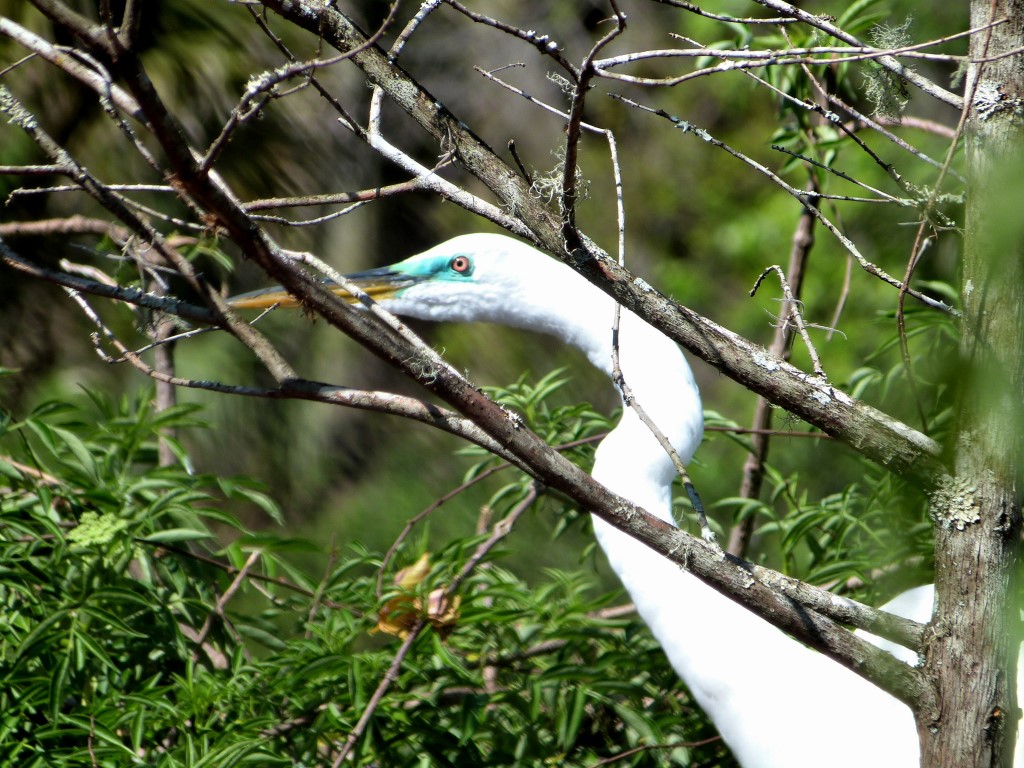
Well, it’s mating time here in Florida for many of our Herons and Egrets. Not that Woodstock is in their family, but he made his efforts.

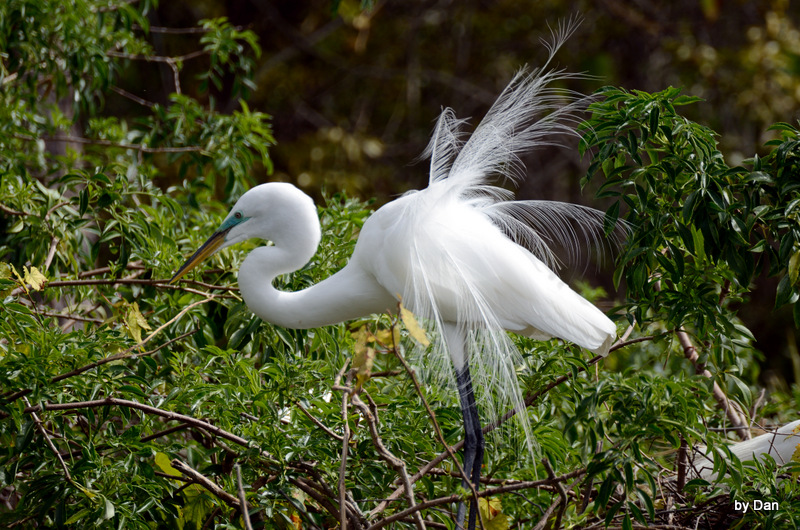
Great Egret by Dan at Gatorland

We haven’t been to Gatorland yet this year, but reports are coming in for the mating of some and the hatching of other birds over there.

Gatorland 4-2-15 by Lee

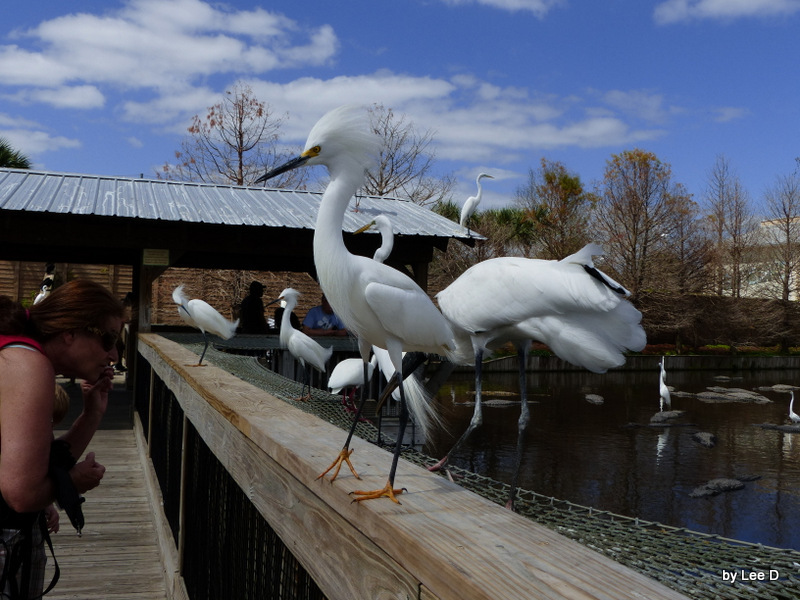
Thought you might enjoy seeing some of the previous year’s photos of mating rituals. Maybe Woodstock can improve his technique from seeing them.

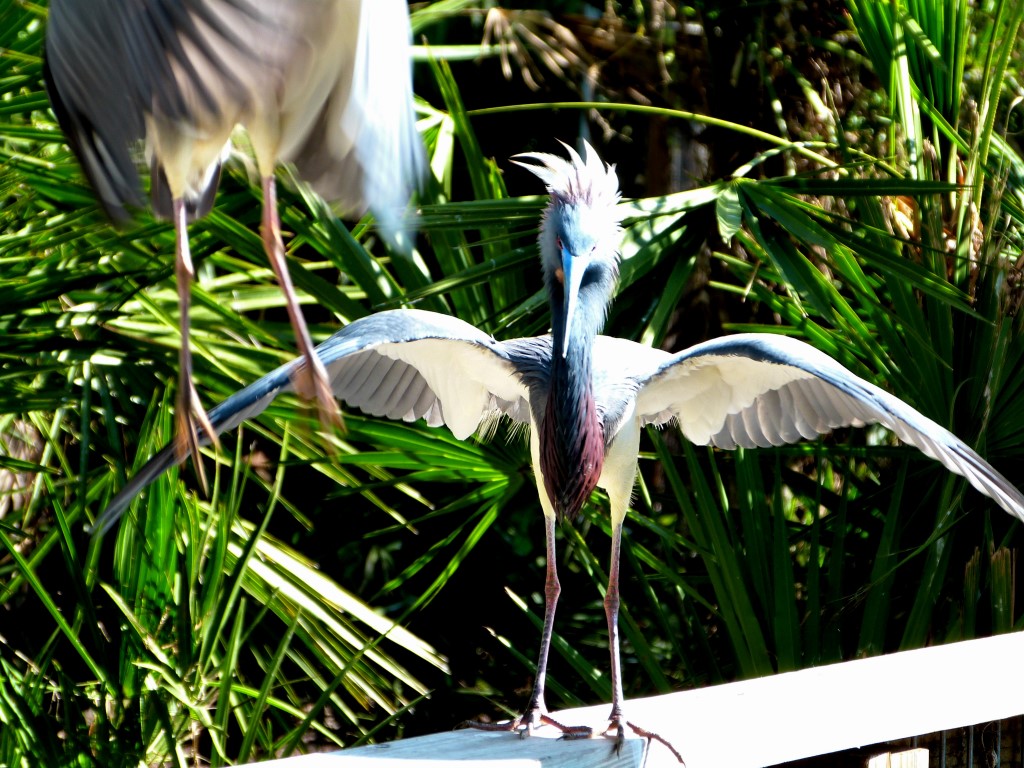
Tricolored Heron on Rail at Gatorland

The birds even brighten up their faces (lore) for mating. Wonder what Woodstock’s beak would look like?

Snowy Egret at Gatorland by Lee

Snowy Egret at Gatorland

Tricolored Heron at Gatorland

Tricolored Heron at Gatorland

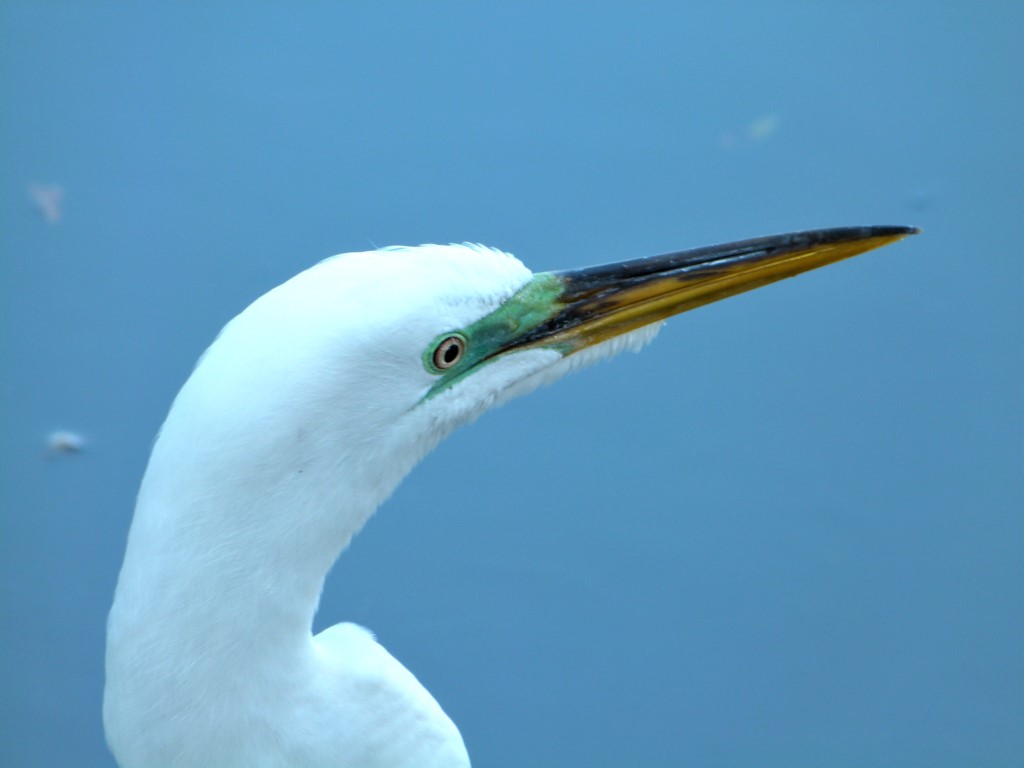
Great Egret at Gatorland by Lee

SNOWY EGRETS, showing off for the Dusings (Lee Dusing photo, at Gatorland, Forida)

Where the birds make their nests: as for the stork, the fir trees are her house.” (Psalms 104:17 KJV)

When they get through all that displaying, eventually, we should start seeing some of these around there.

Baby Great Egret at Gatorland 3-6-18

Now! To find the time to get over to Gatorland. It’s only about 50 miles away.

A few other Gatorland blogs:

Gatorland’s Taxi Service

Great Egret Preening at Gatorland

Baby Snowy Egrets at Gatorland

Gatorland From Dan’s Camera

Sharing The Gospel

Orni-Theology and Woodstock’s High-rise Nest

Woodstock’s High-rise Nest

Woodstock is not the only bird to live in a nest complex. Birds in this area, central Florida, have at least one bird, the Monk Parakeet, or Quaker Parakeet that makes an “apartment” nest.

Monk Parakeet and Nest

Monk Parakeet and Nest – Near South Lake Howard Nature Park

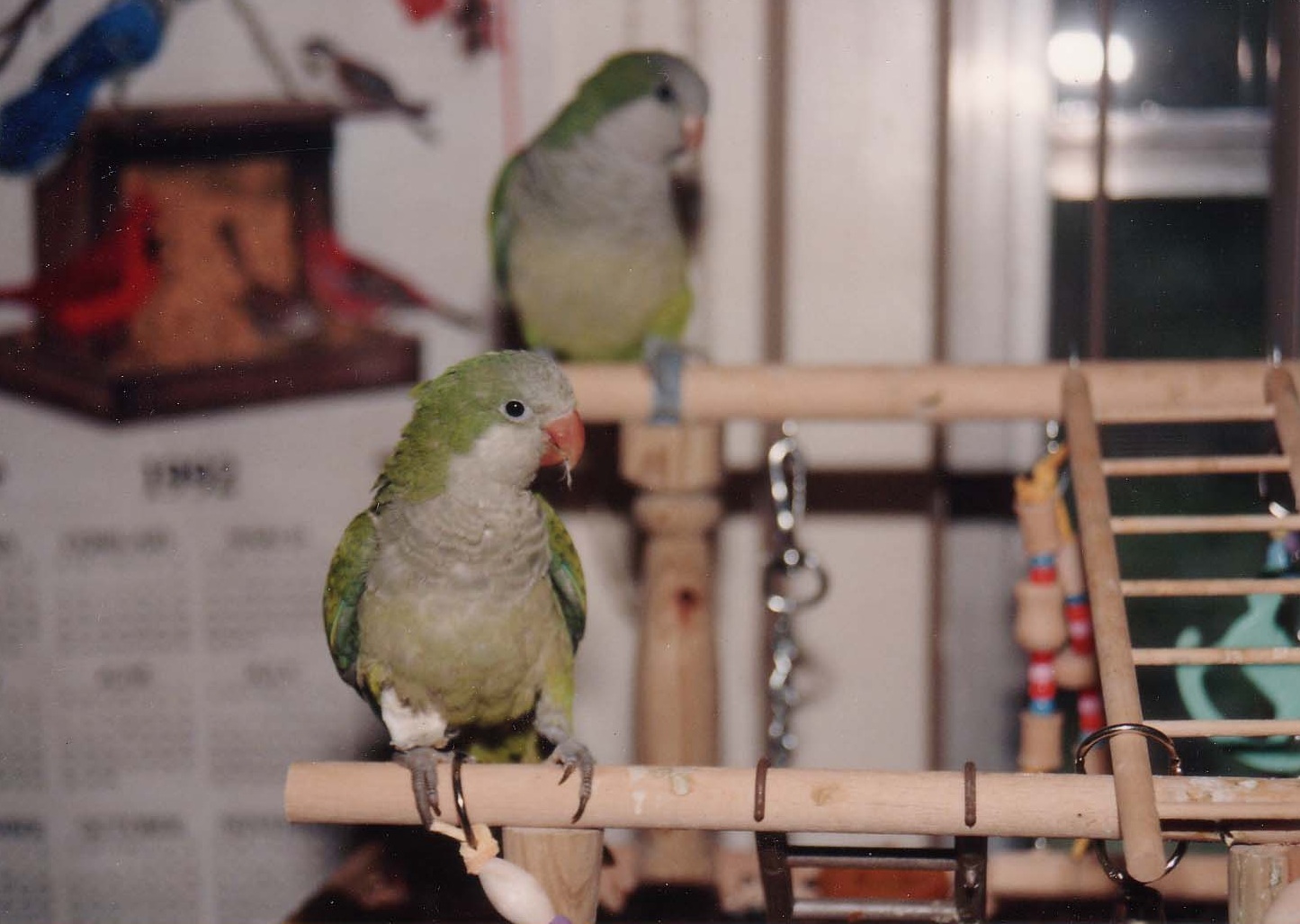
We used to own two Monk Parakeets, so I was familiar with them when we moved here. In South Florida, where we lived in the past, they were wild there also. In fact, Bandi, our first Monk parakeet had been shot out of the tree next door by teenagers. Some neighbor kids brought her to me and long story short, her wing had to be amputated. So, she never went back to the wild.

Monk Parakeet (Myiopsitta monachus) Hoppy & Bandi

Hoppy in front, Bandi in back – Monk Parakeet (Myiopsitta monachus)

Hoppy, our second one, had a broken leg, which our vet fixed up. That is the bandage on his leg. Back to the High-rise.

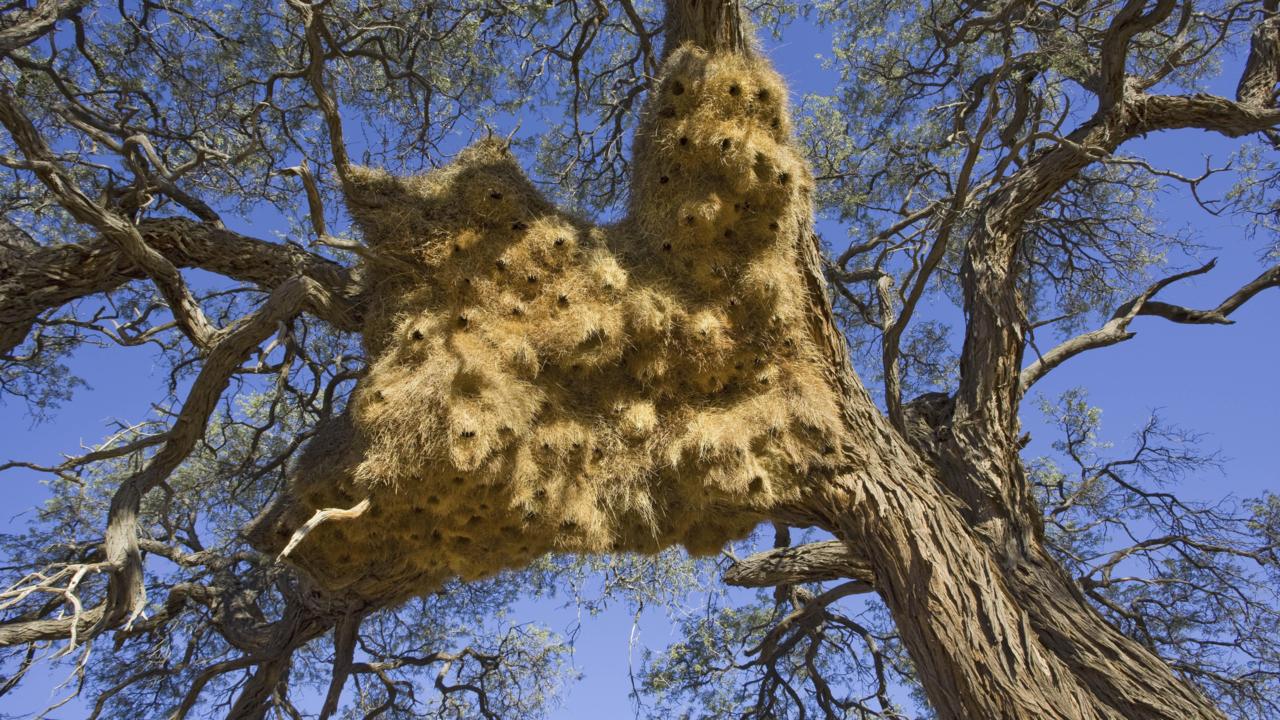
Sociable Weaver nest (Philetairus socius) © Ingo Arndt-NPL

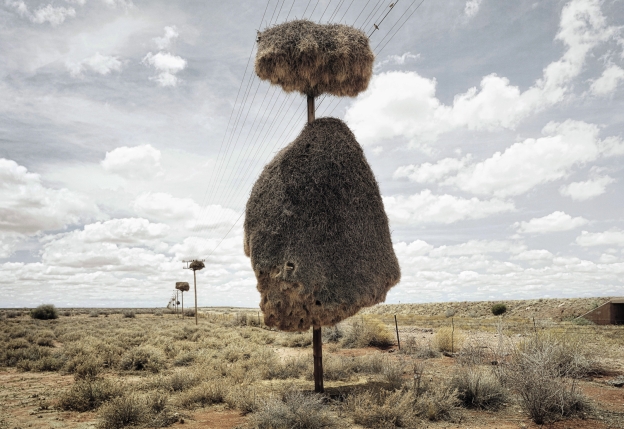
The Sociable Weaver (Philetairus socius) is a great example of building a “Highrise.” [from 16 Most Amazing Bird Nest ]

Weaverbirds Nests are Like Huts has a great photo of an elaborate “homestead.” Also, it is a very interesting article about how they make the nest.

Sociable Weaver nest (Philetairus socius) ©Dillon Marsh

Then again, maybe Woodstock would like to visit the Montezuma Orpendola and select one of the higher nest apartments.

Montezuma Oropendola (Psarocolius montezuma) Nest Complex ©WikiC

There are many more examples of how the Lord, in His Wisdom, has given the birds the knowledge to build these nest and also, to know that “community” can aid in their protection.

The book of Ecclesiastes has great words of wisdom from Solomon when he refers to one person, versus two or more:

“There is one alone, without companion: He has neither son nor brother. Yet there is no end to all his labors, Nor is his eye satisfied with riches. But he never asks, “For whom do I toil and deprive myself of good?” This also is vanity and a grave misfortune. Two are better than one, Because they have a good reward for their labor. For if they fall, one will lift up his companion. But woe to him who is alone when he falls, For he has no one to help him up. Again, if two lie down together, they will keep warm; But how can one be warm alone? Though one may be overpowered by another, two can withstand him. And a threefold cord is not quickly broken.” (Ecclesiastes 4:8-12 NKJV)