Wow! ~ 1.5 Million

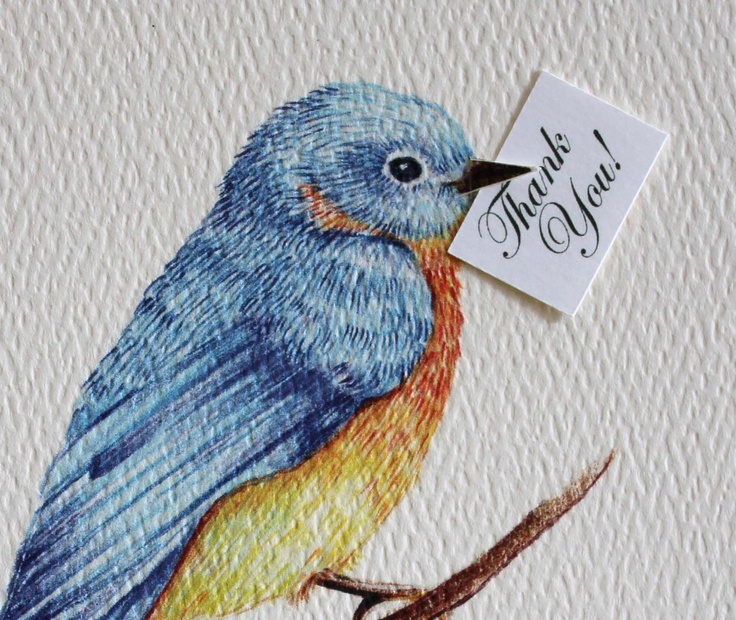
Thank You with Blue Bird

Wow! Last night at about 9:14 PM our time (EST), the counter clicked over to 1,500,000 visitors. Thank you all for your many visits over the years. Whoever came in from the Cuba, Missouri area, is the one who turned it. I recently put the Live Traffic Feed in the left margin and just happened to notice the counter and the feed. It stayed at 4,999,999 for a while.

1-5 million photo

Every visit by all of you is appreciated. Some of you have been following this blog for years and for that, Many Thanks. Most of all, those of us who write desire to honor the Lord through sharing His Word and His Avian Creations. Thank you from all of us.

This month the blog turns eight years old, but the counter started when the blog was moved here to WordPress. That was seven and a half years ago.

(I should have taken this photo last night, but this is this morning’s.)

I thank my God upon every remembrance of you, (Philippians 1:3 KJV)

I thank my God, making mention of thee always in my prayers, (Philemon 1:4 KJV)

Birds of the Bible – Foundation #2 – Updated

Fischer's Lovebird (Agapornis fischeri) by W Kwong

Fischer’s Lovebird (Agapornis fischeri) by W Kwong

We will continue with the Foundation from the Word of God (the Bible) about the creation of birds.

If you have not read “Birds of the Bible – Foundation #1 – UpdatedClick Here

By the end of Genesis Chapter 1 the birds (fowls of the air):

  • Created by the Lord on Day 5
  • Each according to its kind
  • Told to multiply and fill the earth
  • Were given every green herb for food (vegetarians)
  • Placed under the dominion of man
  • “God saw everything that He had made, and indeed it was very good.”
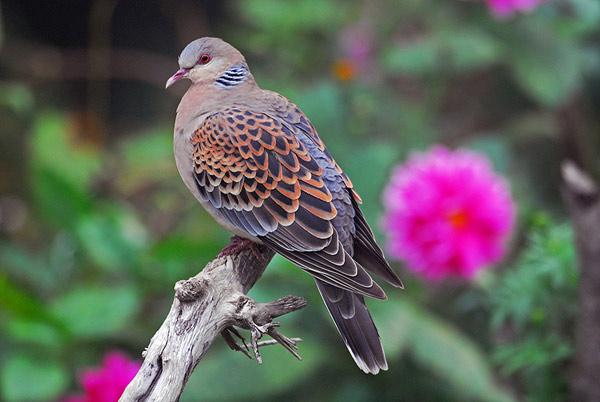
Oriental Turtle Dove (Streptopelia orientalis) by Nikhil

Oriental Turtle Dove (Streptopelia orientalis) by Nikhil

In Chapter 2, the birds are named by Adam. (v 19-20)

At this point, we know that the birds were at their best, they were eating fruits, seeds, herbs and not each other.  The birds had been named according to their kinds by Adam, who was created on Day 6. Their colors and features were at their grandest showing the Glory of God’s wisdom and omnipotence. They must have been fantastic to behold.

BUT WE COME TO GENESIS CHAPTER 3

When the serpent tempted Eve and caused her to question the Word of God, she not only questioned, but added to the Word of God.

Now the serpent was more subtle than any beast of the field which the LORD God had made. And he said unto the woman, Yea, hath God said, Ye shall not eat of every tree of the garden? And the woman said unto the serpent, We may eat of the fruit of the trees of the garden: But of the fruit of the tree which is in the midst of the garden, God hath said, Ye shall not eat of it, neither shall ye touch it, lest ye die. (Genesis 3:1-3 KJV

Most of you know the rest of what happened:

  • Eve ate of the tree of the knowledge of good and evil and gave Adam some also.
  • They were caught and tried to pass the blame.
  • The serpent was cursed. Adam and Eve become sinners and pass sin on to their offspring (us).
  • All God’s creation was cursed (Genesis 3:15-19)
  • Death (spiritual and physical) is now present, which had not been before.
  • Because of Adam’s sin, an animal had to die to make “coats of skins, and clothed them”, “God clothes them with a garment which covers their nakedness, a garment which had its origin in death (the death of another), which had come in, but which hid the effects of the sin that had introduced it.” (Darby’s Synopsis)
  • Sacrifices of the blood of animals and birds for man’s sin is begun. Not until the Lord Jesus Christ became the perfect sacrifice (Hebrews 9:12-14) did the need for those sacrifices end.

For God so loved the world, that he gave his only begotten Son, that whosoever believeth in him should not perish, but have everlasting life. For God sent not his Son into the world to condemn the world; but that the world through him might be saved. He that believeth on him is not condemned: but he that believeth not is condemned already, because he hath not believed in the name of the only begotten Son of God. And this is the condemnation, that light is come into the world, and men loved darkness rather than light, because their deeds were evil. For every one that doeth evil hateth the light, neither cometh to the light, lest his deeds should be reproved. But he that doeth truth cometh to the light, that his deeds may be made manifest, that they are wrought in God. (John 3:16-21)

Somewhere between the Fall of Adam and Eve and the cursing of them and all of creation, the birds, animals,  earth, man, etc. all begin to have changes in their behavior from God’s proclaiming that all was “very good.” By the time of the Flood (Foundation #3), that, “very good” is no longer true.

Several very interesting articles:

Adam and the Animals by John D. Morris, Ph.D.

Adam’s Failure, Christ’s Strength by John D. Morris, Ph.D.

Different Kinds of Flesh, by Paul A. Bartz

Even Strange Animals Fit into Kinds, by Paul A. Bartz

Why Does God’s Creation Include Death & Suffering?, by Tommy Mitchell, January 31, 2008, From “The New Answers Book”, Answers in Genesis

How Did Defense/Attack Structures Come About?, by Andy McIntosh & Bodie Hodge, December 27, 2007, From “The New Answers Book”, Answers in Genesis

*

Birds of the Bible – Foundation #2 was originally posted in 2009.

Birds of the Bible – Foundation #1 – Updated

Birds of the Bible

*


Lee’s One Word Monday – 2/1/16

***

SLIDE

***


The law of his God is in his heart; none of his steps shall slide. (Psalms 37:31 KJV)

Hooded Crow (Corvus cornix) by RT News

*

Sandra’s New Kooky Challenge

*

Lee’s Seven Word Sunday – 1/31/16

***

American Yellow Warbler (Dendroica aestiva) singing by J Fenton

A SONG OF PRAISE TO OUR GOD

***


He put a new song in my mouth, a song of praise to our God; Many will see and fear And will trust in the LORD. (Psalms 40:3 NASB)

American Yellow Warbler (Dendroica aestiva) singing by Jim Fenton

*

Sandra’s New Kooky Challenge

*

Sunday Inspiration – Weavers and Allies

Baya Weaver (Ploceus philippinus) by Nikhil Devasar

Baya Weaver (Ploceus philippinus) by Nikhil Devasar

Where the birds make their nests;  (Psalms 104:17a NKJV)

This week’s birds have interesting names. Weavers do exactly what the name implies. The Lord created them with the ability to take grasses plus other material and weave their nest. Some can be quite a masterpiece. Also in the family of 109 species are the Malimbus, Quelea, Fody, Bishops, and the Widowbird. When A J Mithra was writing for the blog, before he went on to be with the Lord, he wrote four devotionals about these birds. (See Below)

Long-tailed Widowbird (Euplectes progne) ©WikiC

Long-tailed Widowbird (Euplectes progne) ©WikiC

This family’s species “are seed-eating birds with rounded conical bills, most of which are from Sub-Saharan Africa, with fewer species in tropical Asia. A few species have been introduced outside their native range. The weaver group is divided into the buffalo, sparrow, typical, and widow weavers. The males of many species are brightly coloured, usually in red or yellow and black, some species show variation in colour only in the breeding season.” (Wikipedia)

Them hath he filled with wisdom of heart, to work all manner of work, of the engraver, and of the cunning workman, and of the embroiderer, in blue, and in purple, in scarlet, and in fine linen, and of the weaver, even of them that do any work, and of those that devise cunning work. (Exodus 35:35 KJV) (bolding mine)

That verse tells about the abilities that the Lord gave those who were going to work on the Tabernacle. They had been filled with wisdom that the Lord had put in their hearts. The same great Creator gave these Weaver birds a wisdom to do this weaving. What a Great God We Serve.

This slideshow requires JavaScript.

“Jesus What A Might Name” – Pastor Jerry w/Choir and Orchestra

*

More Sunday Inspirations

Ploceidae – Weavers, Widowbirds

Ploceidae – Wikipedia

Articles by A J Mithra:

*

Lee’s Six-Word Saturday – 1/30/16

***

Bald Eagle (Haliaeetus leucocephalus) Flying by Aesthetic Photos

Mount Up With Wings Like Eagles

***


“But those who wait on the LORD Shall renew their strength; They shall mount up with wings like eagles, They shall run and not be weary, They shall walk and not faint.” (Isaiah 40:31 NKJV)

Bald Eagle (Haliaeetus leucocephalus) Flying by Aesthetic Photos

*

Sandra’s New Kooky Challenge

*

Lee’s Five-Word Friday – 1/29/16

***

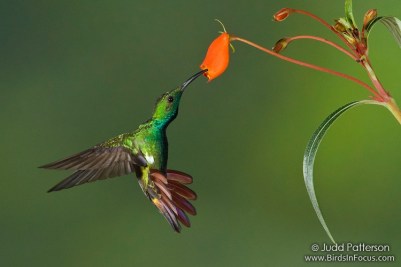
Green-breasted Mango (Anthracothorax prevostii) by Judd Patterson

Green-breasted Mango (Anthracothorax prevostii) by Judd Patterson


Wonders Which You Have Done

***


Many, O LORD my God, are the wonders which You have done, And Your thoughts toward us; There is none to compare with You. If I would declare and speak of them, They would be too numerous to count.
(Psalms 40:5 NASB)

Green-breasted Mango (Anthracothorax prevostii) by Judd Patterson

*

Sandra’s New Kooky Challenge

*

Susie And The Water-skiing Contest

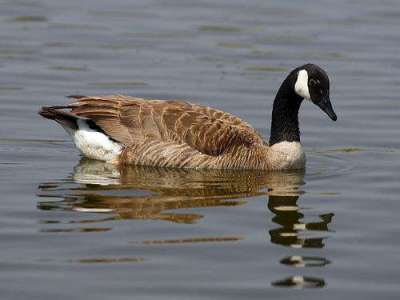
Canada Goose (Branta canadensis) by Ian

Canada Goose (Branta canadensis) by Ian

Susie And The Water-skiing Contest

~ by Emma Foster

High in North America, as summer was coming, there lived a flock of Canadian geese. They all lived together by a large lake. One of the Canadian geese was named Susie, and she loved to swim in the water every day.

On a particularly hot day, Susie was out on the water when she spotted a group of people in a boat. One person was driving the boat very quickly around the lake. Another person was holding onto a rope and riding along the water on a board of some kind.

Susie was very interested in this new sport she had discovered. She decided to call all of the geese together to watch the people.

When all of the geese had watched the people for a few minutes, they grew very excited. They decided to play the same game too, only they would have to build everything from scratch.

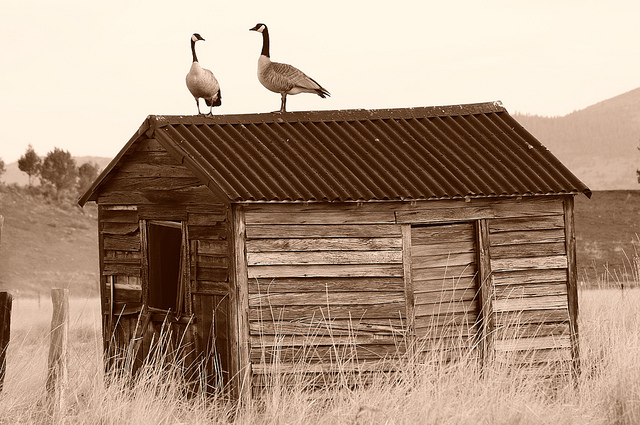
Canada Goose (Branta canadensis) On Shed ©Flickr Darron Birgwnheler

Canada Goose (Branta canadensis) On Shed ©Flickr Darron Birgwnheler

In an old shed in the backyard of one of the houses by the lake, Susie and the other geese found a long, thin piece of wood, an old rope, a canoe covered in cobwebs, and a few fishhooks. The geese shoved a hook into the back side of the boat and into the piece of wood, and tied the rope to both hooks. One goose sat down in the boat to direct it, four more geese stood behind the canoe to cast it off and push along in the water, and Susie stood on the piece of wood, bending down to hold the rope in her beak in case the hook came off. Another goose stood in the back of the boat to make sure that the hook in the boat did not come out either.

After taking off, the four geese started flying so that Susie was dragged behind them on the piece of wood. It took several attempts before Susie could stay on the board, but by the end of the day she was able to do a few tricks.
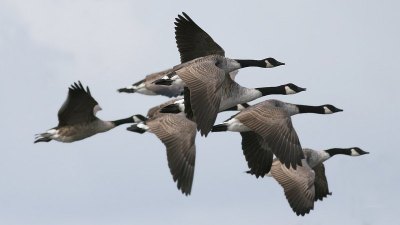
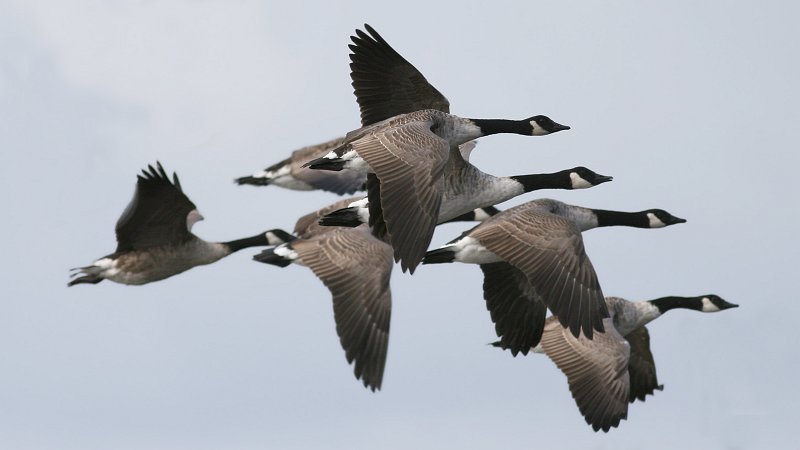
Canada Goose (Branta canadensis) ©WikiC

The Four Canadian Geese and two friends that joined them. ©WikiC

The next day, one of the geese came back to announce he had seen a flyer for a water skiing contest at the end of the week at that very pond. Susie immediately decided that she and the other geese should enter. It was only Tuesday, so they had plenty of time to practice. Susie wanted to make sure she could pull off all of the tricks she had seen the people do when they were on the lake.

By that Friday, Susie and all of the other geese had had enough practice so that they were able to accomplish all of the tricks. The geese even invented some of their own.

On that Saturday Susie, the geese, and lots of different people met on the lake and the contest began. A few people went before Susie and the other geese. They were really good and were able to perform all kinds of tricks. Finally, it was Susie’s turn. She jumped onto the piece of wood while the other geese got to their positions.

"They Were Off" - Canada Goose ©Pixabay

“They Were Off” – Canada Goose ©Pixabay

Then they were off! Susie did her best to perform all of the tricks she had practiced. This time, she tried to jump higher in the air when she performed one. One of the tricks was when Susie did a flip in the air after jumping the ramp and flying for about ten feet. Once Susie had completed her routine, she skidded onto the grass sticking the landing perfectly. Everyone cheered.

At the end of the contest, a blue ribbon was awarded to Susie and the geese. From then on, Susie entered the contest every year, and she always kept the blue ribbon pinned to the back of the shed where they had found the piece of wood, hooks, rope, and canoe.


Lee’s Addition:

Thanks, Emma, for another great bird tale. You just keep improving and each one becomes your best. This is definitely one of “your best.”

The teamwork and ingenuity by that group of geese reminds me of these verses:

Now the company of believers was of one heart and soul, and not one of them claimed that anything which he possessed was [exclusively] his own, but everything they had was in common and for the use of all. (Acts 4:32 AMP)

O magnify the LORD with me, and let us exalt his name together. (Psalms 34:3 KJV)

And all that believed were together, and had all things common; (Acts 2:44 KJV)

*

Emma Foster’s Other Tales

Guest Authors

Bird Tales

Canada Goose – Wikipedia

ABC’s of the Gospel

*
 

Lee’s Four-Word Thursday – 1/28/16

***

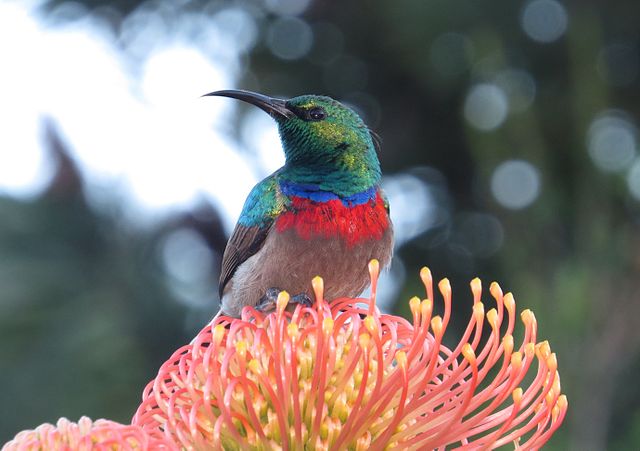
Southern Double-collared Sunbird (Cinnyris chalybeus) ©WikiC

HEAVENLY FATHER FEEDS THEM

***


Look at the birds of the air, for they neither sow nor reap nor gather into barns; yet your heavenly Father feeds them. Are you not of more value than they?
(Matthew 6:26 NKJV)

*

Sandra’s New Kooky Challenge

*

Ian’s Bird of the Week – Black Bittern

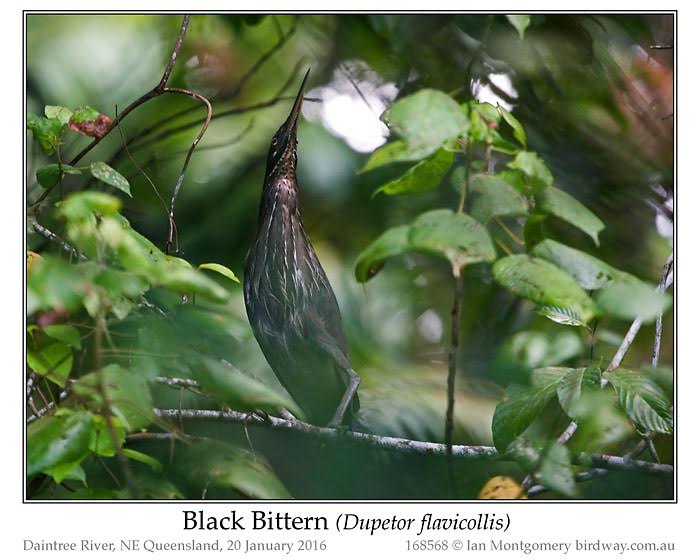
Black Bittern (Dupetor flavicollis) by Ian

Well, thanks to your moral and spiritual support yet again, here is the Black Bittern. This bogey bird was the North Queensland bird that I’ve spent the most time trying unsuccessfully to photograph since the Red-necked Crake. Ian Worcester (“Sauce”) of Daintree River Wild Watch, knows the wildlife of the Daintree River like the back of his hand and took us straight to an active Black Bittern nest where we disturbed this female (females have browner plumage than males) who retreated into the depths of the tree and adopted the frozen posture so typical of bitterns. You can see from the greenish blur in the bottom half of the photo that I had to take this photo through a small gap in the vegetation.

With the Black Bittern spell broken within minutes of leaving the wharf, I was free to relax and enjoy the view and whatever else the trip had to offer, while hoping for more and better Bittern photos of course. We left the wharf at about 6:30am and I took this view looking up the river at 6:42am after photographing the Bittern.

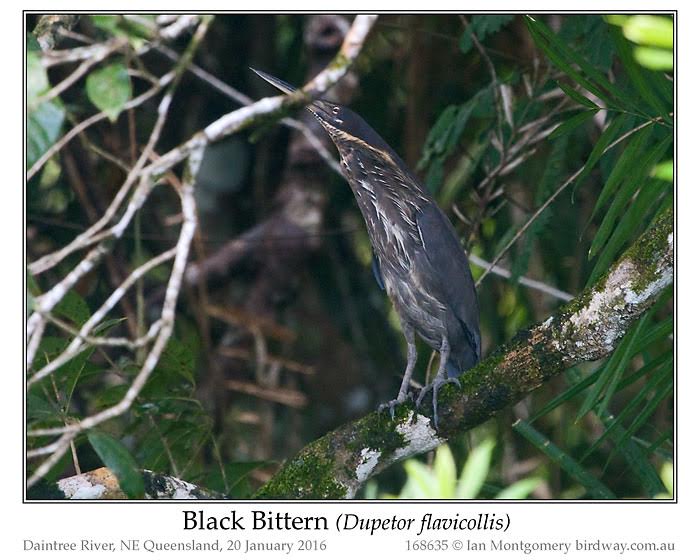
Daintree River NE QueenslandWe continued up the river and into Stewarts Creek and visited the nests of a few more bitterns and of a couple of Great-billed Herons. We saw a couple of Bitterns flying away, as usual, and it was over an hour before the male in this photo hung around long enough for a photo. The male has blackish plumage with a slight blue sheen and buff streaks below the head. Both sexes share incubation and care of the young and this one had left the nest like the first one and moved to the back of the tree where he also froze.

Black Bittern (Dupetor flavicollis) by Ian

Looking from the bright area on the river into the deep shadows of the riverine forest made the birds extraordinarily difficult to see. The photo below is a full-frame image from a 400mm telephoto lens and the bird is almost invisible. The bill and neck stripe of the bird were aligned so perfectly with the twig behind that I couldn’t help wonder whether it was deliberate. The rest of the body just looked like a limb of a tree.

Black Bittern (Dupetor flavicollis) by Ian

Here is one of the nests, an untidy collection of sticks wedged in a branch 4 or 5 metres above the surface of the river. Something white is just visible in the nest, but I can’t tell whether it’s an egg or a fluffy chick.

Black Bittern (Dupetor flavicollis) Nest by Ian

Anyway, that was it for Black Bittern photos. We went out a second time later in the morning and revisited a couple of the nests including the one near the wharf, but we didn’t see any more birds. I’ve since discovered from Handbook of Birds of the World that Black Bitterns are “crepuscular and nocturnal with peak activity at dusk and dawn” so that may be why. None of the Australian field guides mention this and maybe this is why I’ve had difficulty finding them before.

Greetings
Ian

**************************************************
Ian Montgomery, Birdway Pty Ltd,
454 Forestry Road, Bluewater, Qld 4818
Tel 0411 602 737 ian@birdway.com.au
Bird Photos http://www.birdway.com.au/
Recorder Society http://www.nqrs.org.au


Lee’s Addition:

Deliver me, O LORD, from mine enemies: I flee unto thee to hide me. (Psalms 143:9 KJV)

Thanks, Ian, and, yes, I was selfishly praying that you would find “your bird” this time. Every time you succeed, we get to see another great series of avian photos.

When the Lord created these Black Bitterns, He definitely had their protection in mind. Did you all notice that 4th photo? You can hardly find the Bittern. He looks like a branch.

Which doeth great things past finding out; yea, and wonders without number. (Job 9:10 KJV)

*

Ian’s Bird of the Week

Ian’s Birdway – Ardeidae – Global Herons, Egrets, Bitterns

Black Bittern – Wikipedia

Wordless Birds

*

Lee’s Three-Word Wednesday – 1/27/16

***

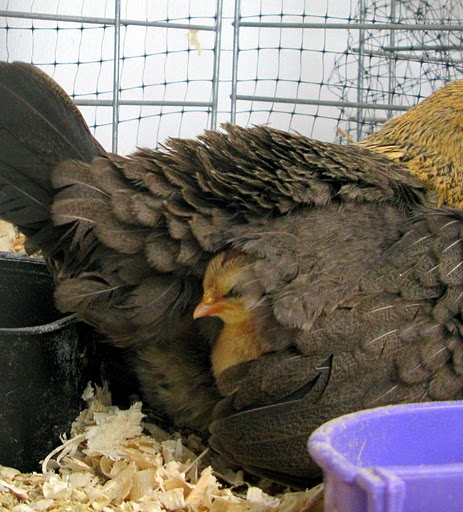
Baby Chick Peeping Out From Under His Mom's Wing - CC


Under His Wings

***


He shall cover you with His feathers, And under His wings you shall take refuge; His truth shall be your shield and buckler. (Psalms 91:4 NKJV)

Baby Chick Peeping Out From Under His Mom’s Wing – ©©

*

Sandra’s New Kooky Challenge

*

Birds of the Bible – Lord Who Is There

White-crowned Sparrow (Zonotrichia leucophrys) ©USFWS

White-crowned Sparrow (Zonotrichia leucophrys) ©USFWS

I am currently taking a Ladies Bible study, “Disciples Prayer Life.” One of our lessons suggested using some of the different names of God while praying. There is quite a list of God’s names in our lesson. Some of them are:

  • God (Elohim) – Sovereign, Power, Creator
  • Lord (Adonai) – Master, Ruler, Owner
  • Jehovah (the self-existing Lord) – eternal, changeless, faithful
  • The Lord our Provider (Jehovah-Jireh)
  • The Lord our Peace (Jehovah-Shalom)
  • The Lord who is there (Jehovah-Shammah)

It is this last one, Jehovah-Shammah, that has really caught my interest. As you can see, it means “The Lord who is there.”

When we read Genesis 1:1, it begins with “In the beginning, God…” The word for God here is Elohim – אֱלֹהִים ,  ‘ĕlôhı̂ym,  el-o-heem’ There is much to be said about this, but, for now, that is not my purpose. The Lord God is the Creator, Sovereign and all-powerful. God has no beginning, or ending, He is the Alpha and the Omega.

Because God has always been, the word, Jehovah-Shammah, “The Lord who is there” is also true. God’s Word chose not to use that word here.

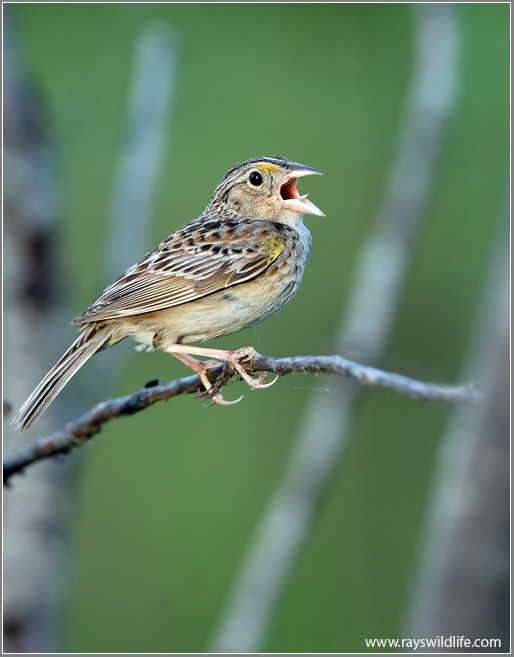
Grasshopper Sparrow (Ammodramus savannarum) by Ray

Grasshopper Sparrow (Ammodramus savannarum) by Ray

All of this to explain a passage about the sparrows, which I have used many times before, that could have used the word ” Jehovah-Shammah.”

“Are not two sparrows sold for a farthing? and one of them shall not fall on the ground without your Father. But the very hairs of your head are all numbered. Fear ye not therefore, ye are of more value than many sparrows.” (Matthew 10:29-31 KJV) (emphasis mine)

When a sparrow or any bird falls and/or dies, their Father, knows all about it because HE IS THERE.

If a fallen sparrow is noticed by the Father, who is there, should we not receive comfort from knowing that our Lord God knows and sees us also. As that passage goes on, there is comfort given to us because we are of more value than the birds. We, mankind, were made in the image of God, animals and birds were not. Because of sin, the Lord Jesus Christ, God’s Son, provided salvation for us. It cost the Lord His blood to save us from our sins. We have a choice whether to receive that Sacrifice or not.

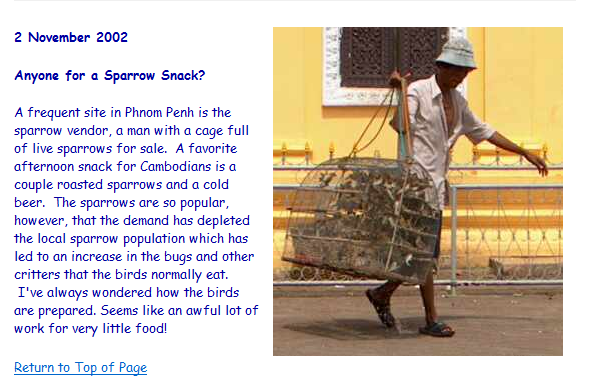
Anyone for a Sparrow Snack?

Every since I saw this photo, Matthew 10:29, has meant more to me than just a bird dying of old age. That whole cage is packed with sparrows to be eaten. That sickens me, but maybe I eat things that sicken others in another culture. I just found another photo of a roasted sparrow. I refuse to post it.

I love Sparrows of all kinds and the other birds. Most of all, I am thankful for a Creator God who cares for those birds and for us. When we KNOW that the Lord IS THERE, we can have comfort knowing we can pray and bring our requests to the Lord, knowing that He cares and already knows all about our needs.

*

Birds of the Bible

Birds of the Bible – Sparrows

Birds of the Bible – Worry and Sparrows

Sharing The Gospel

*