Circle B After Recent Rains

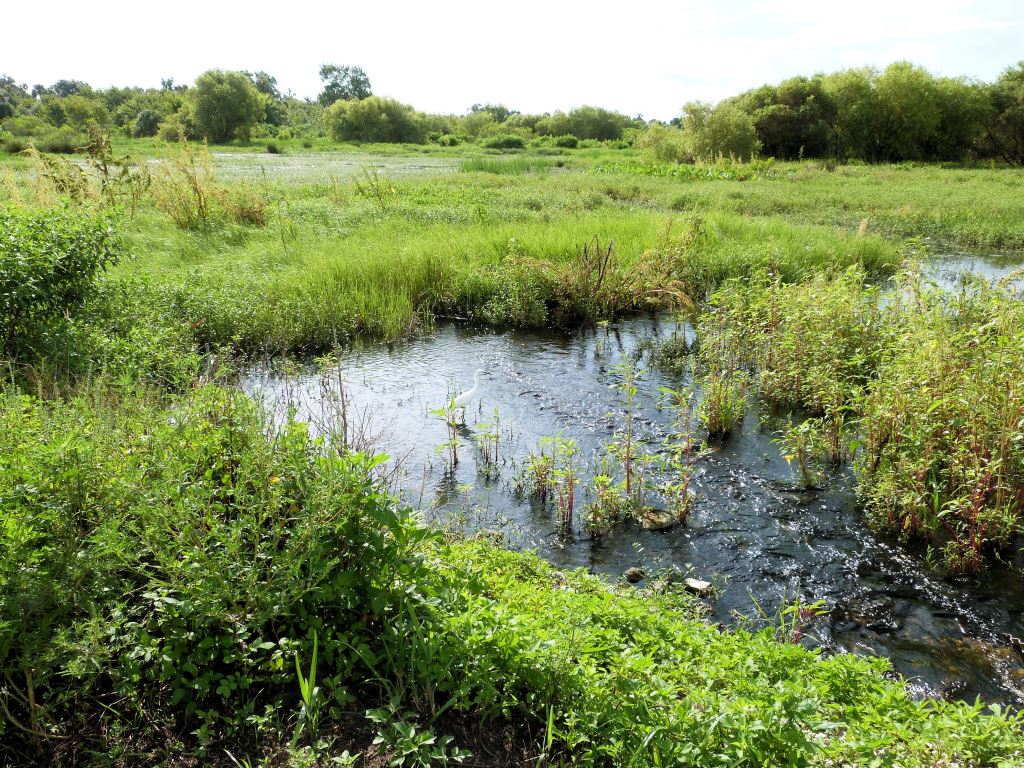
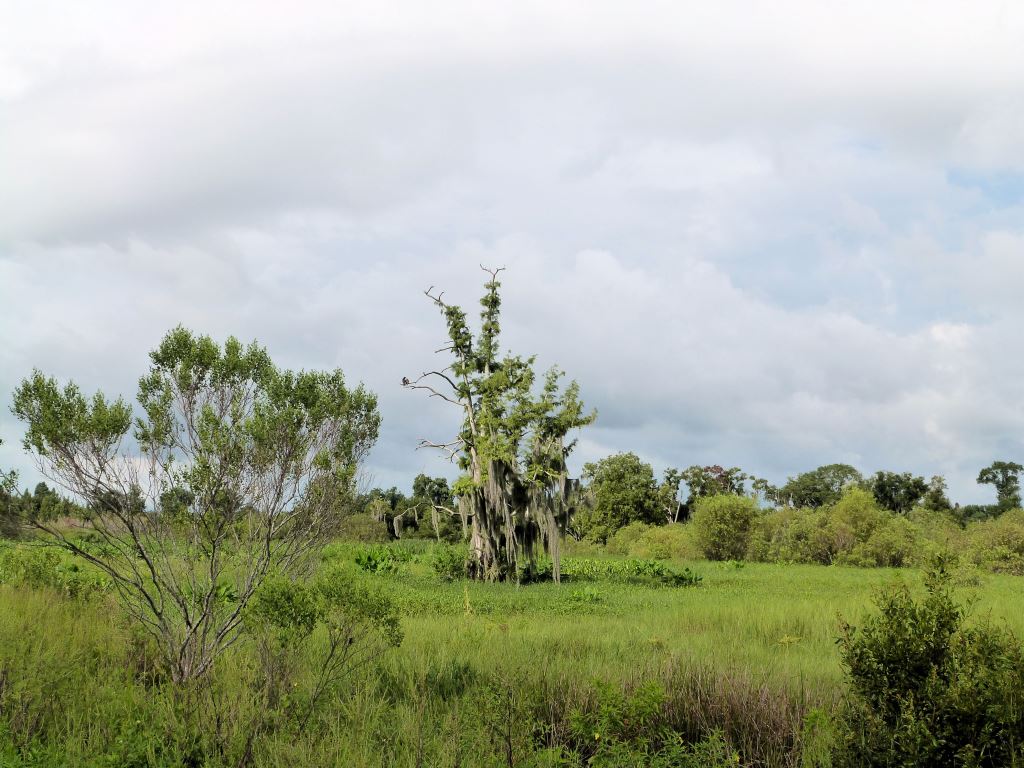
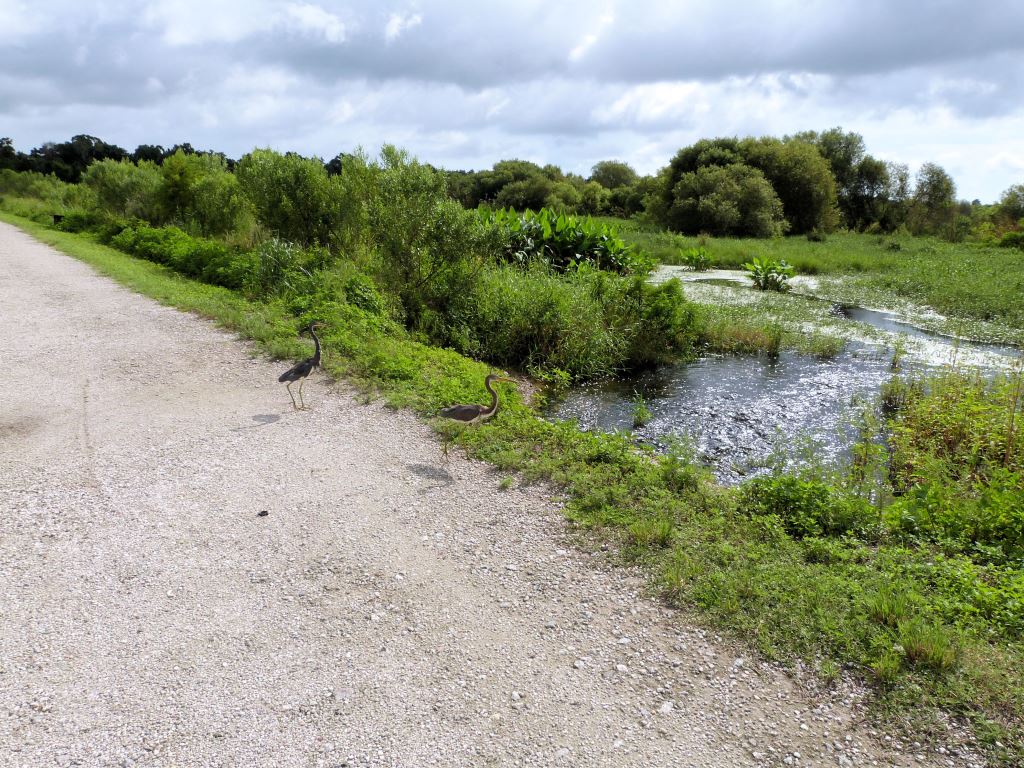
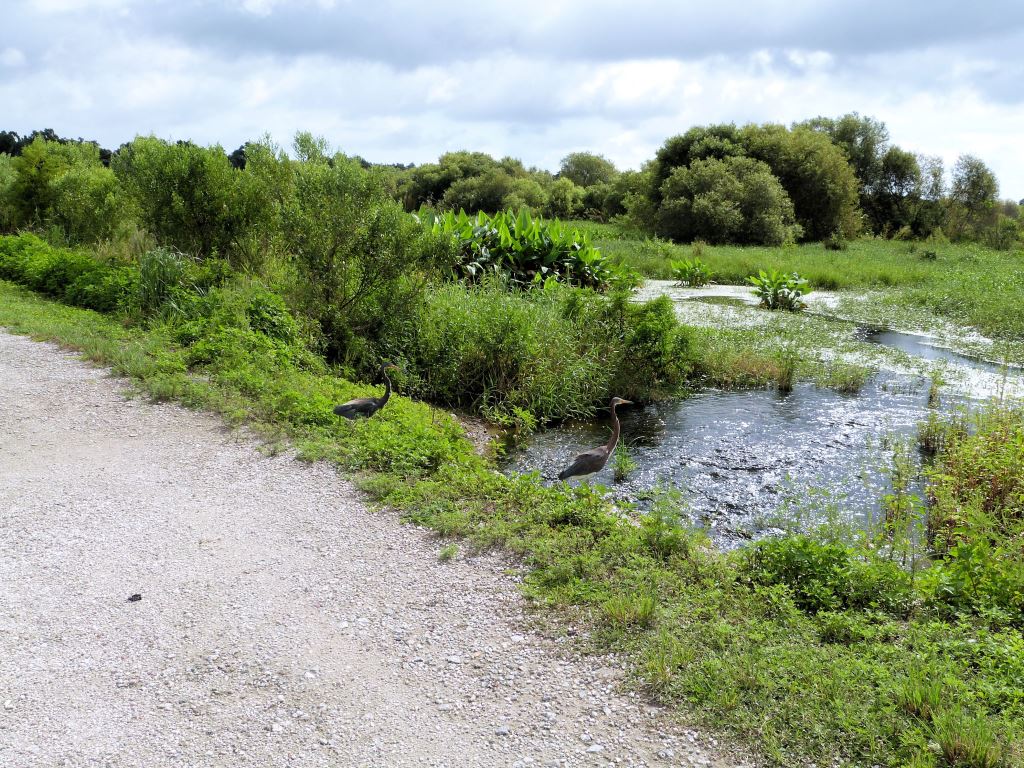
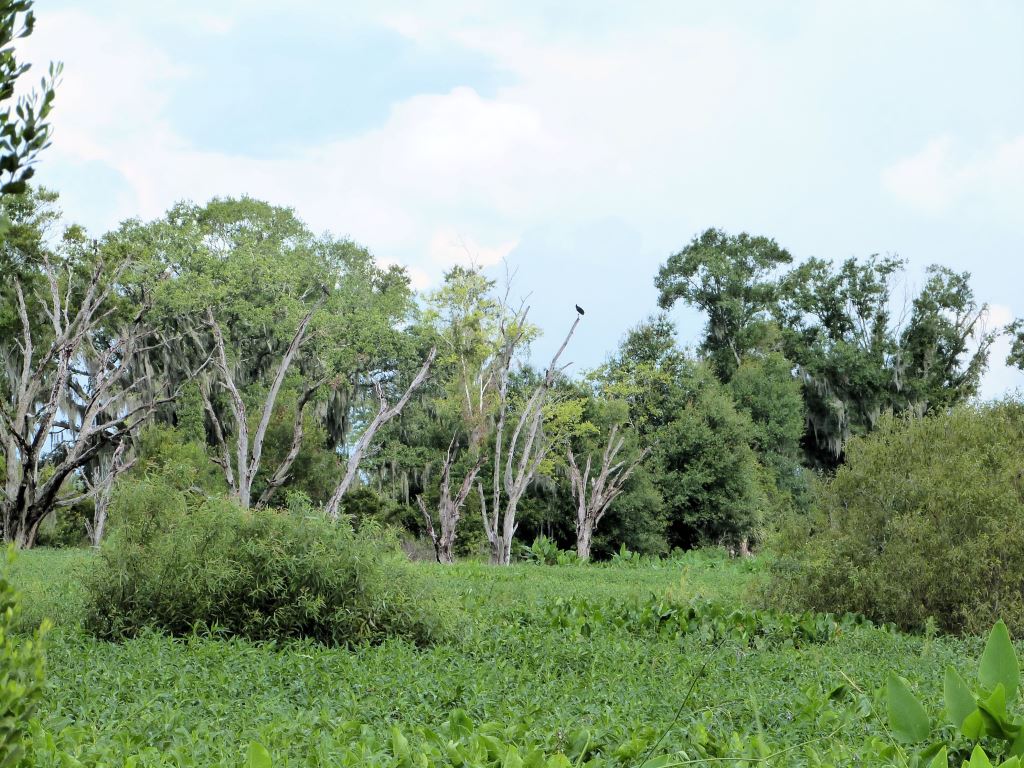
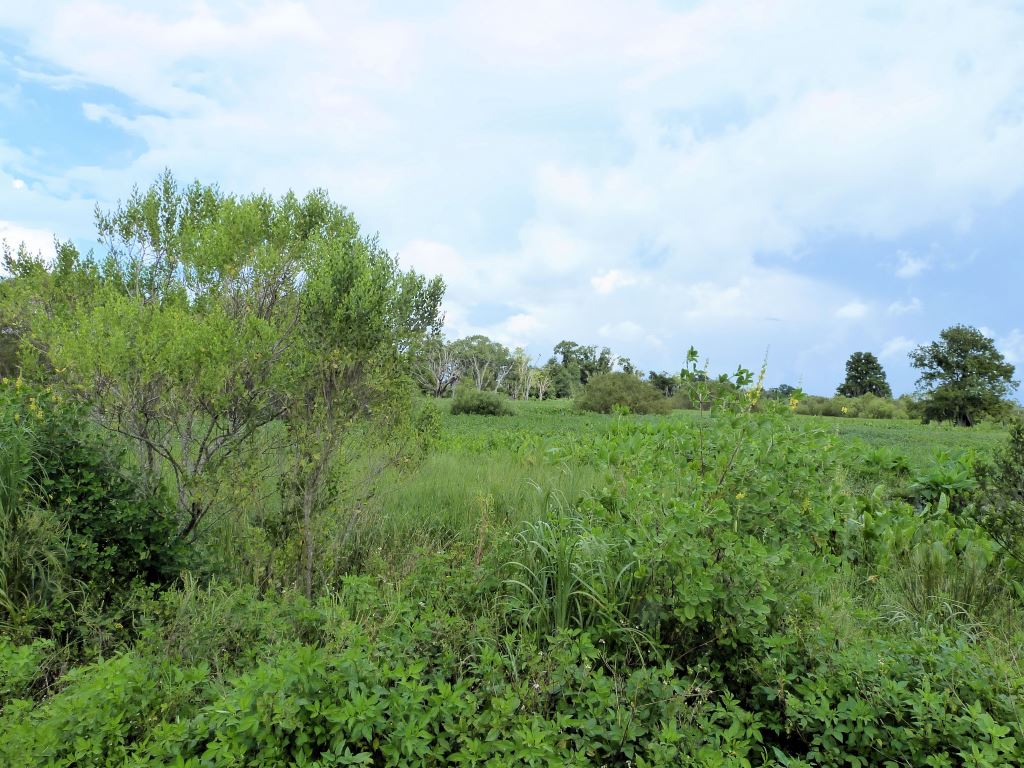
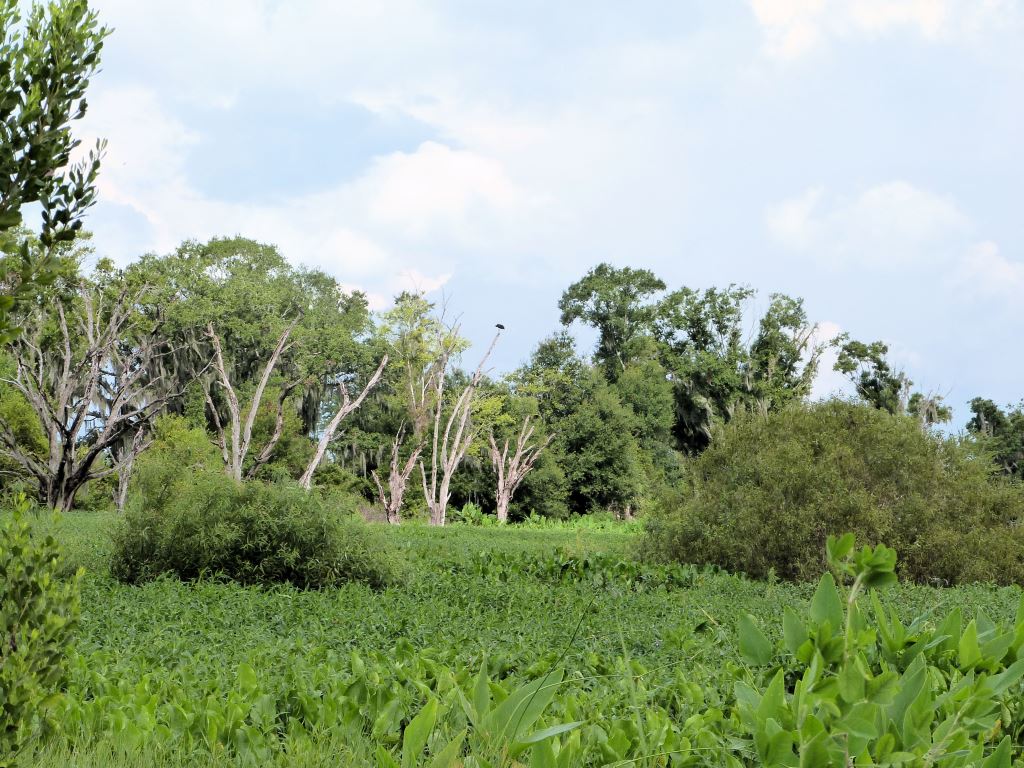
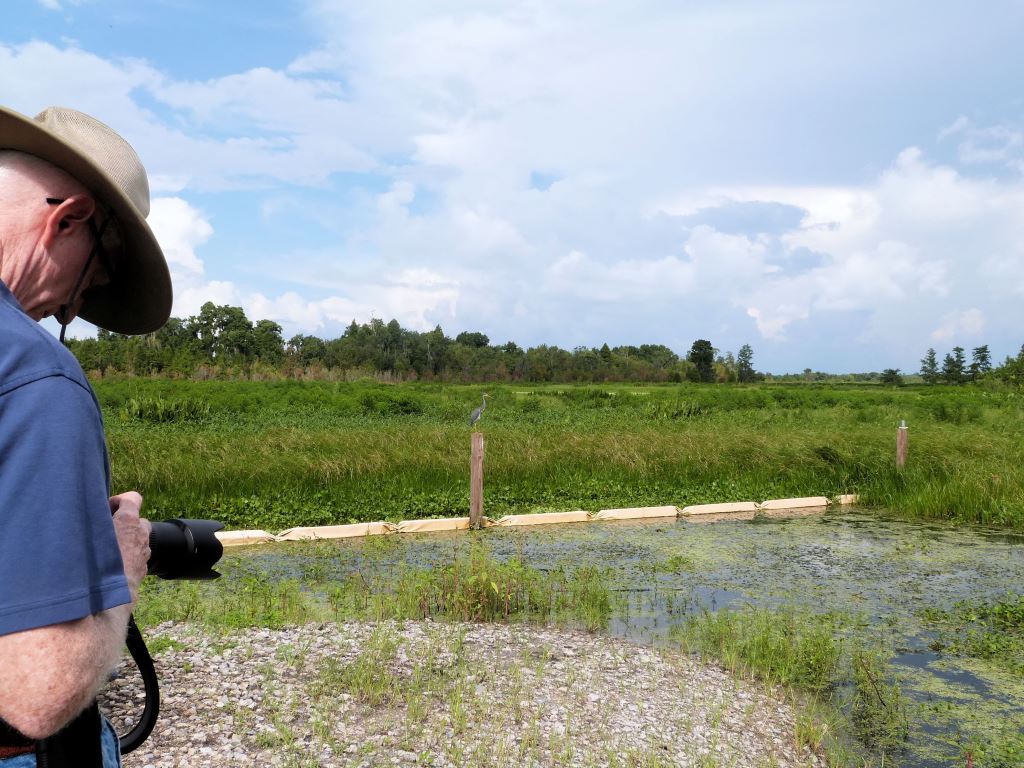
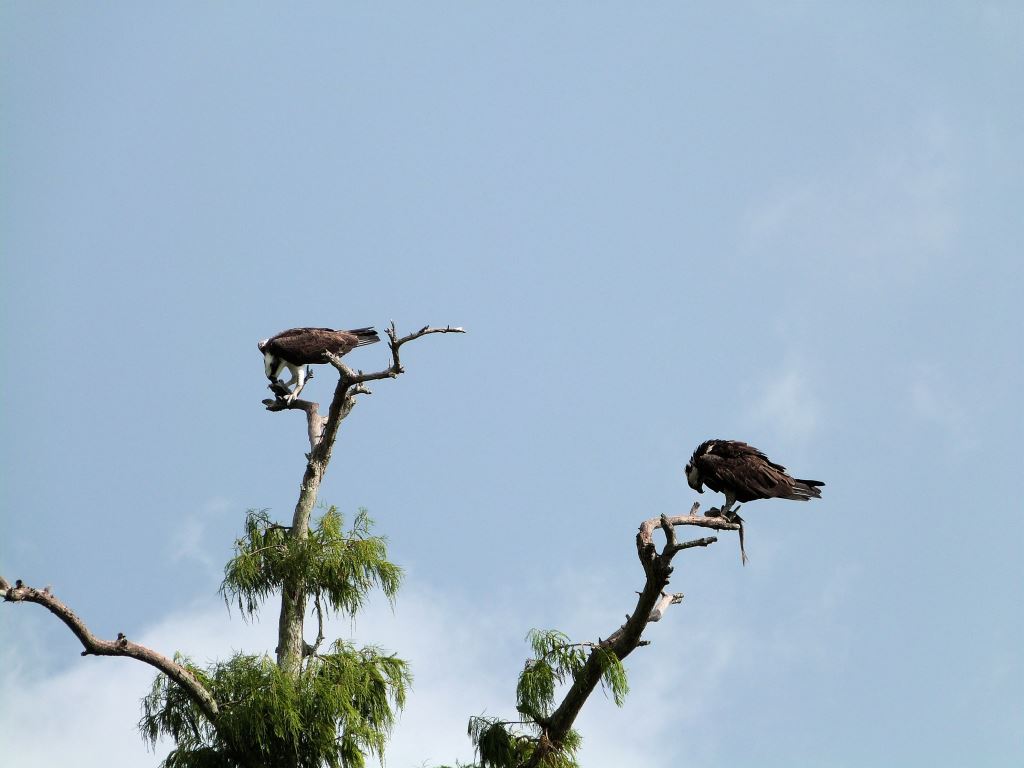
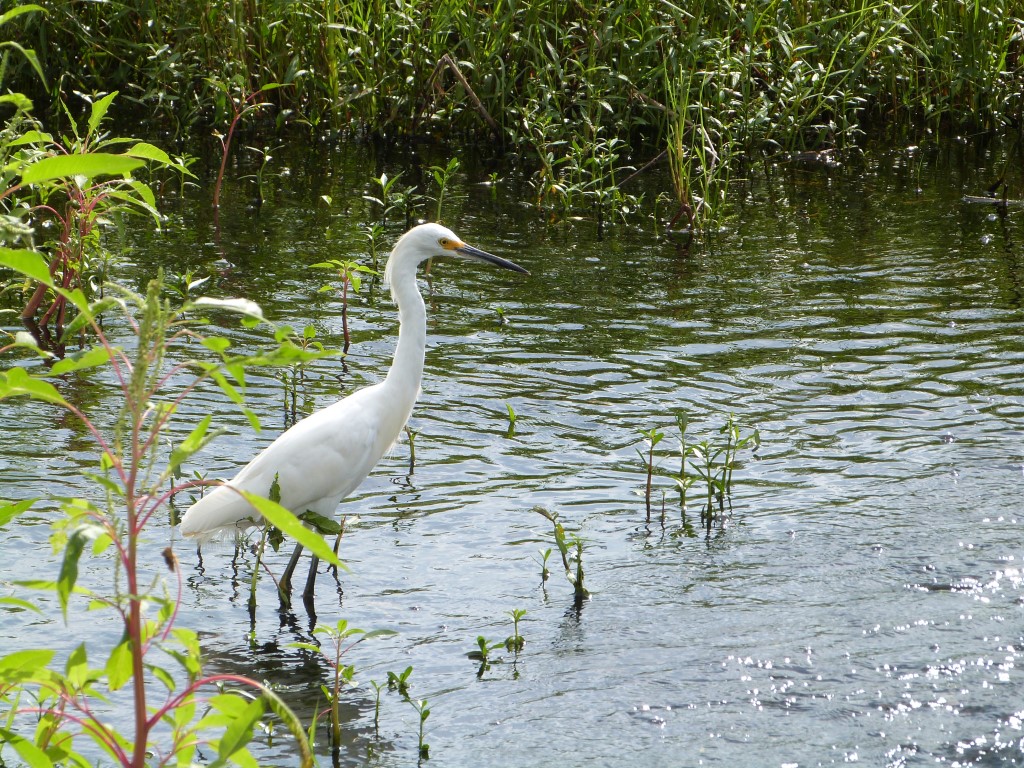
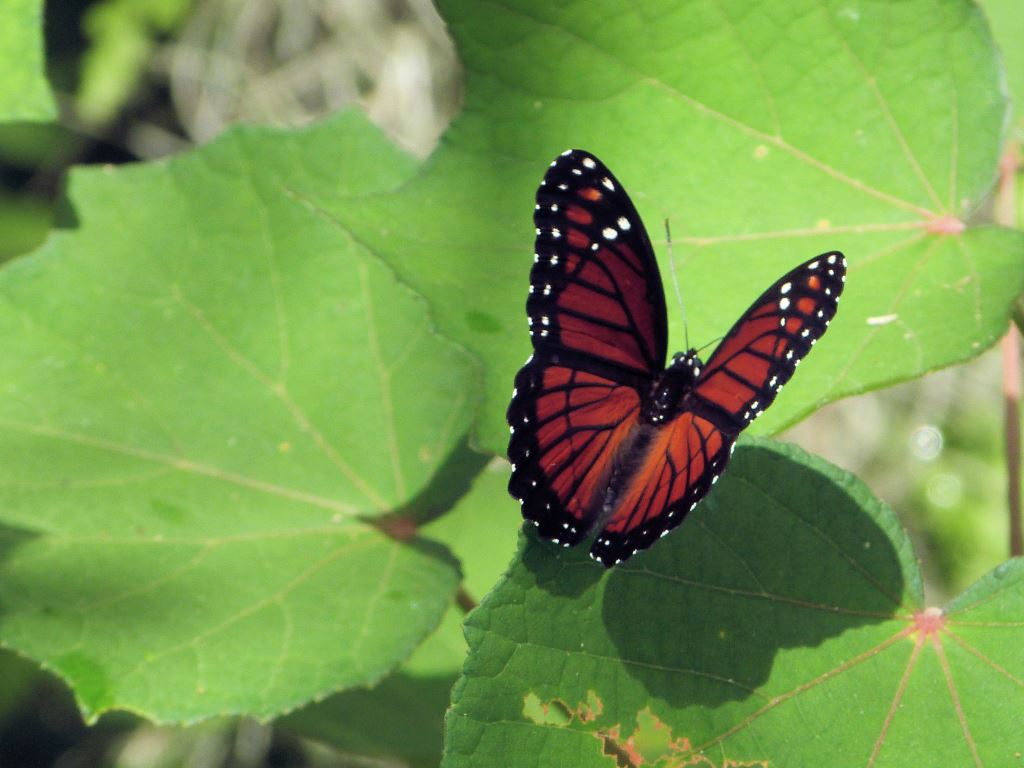
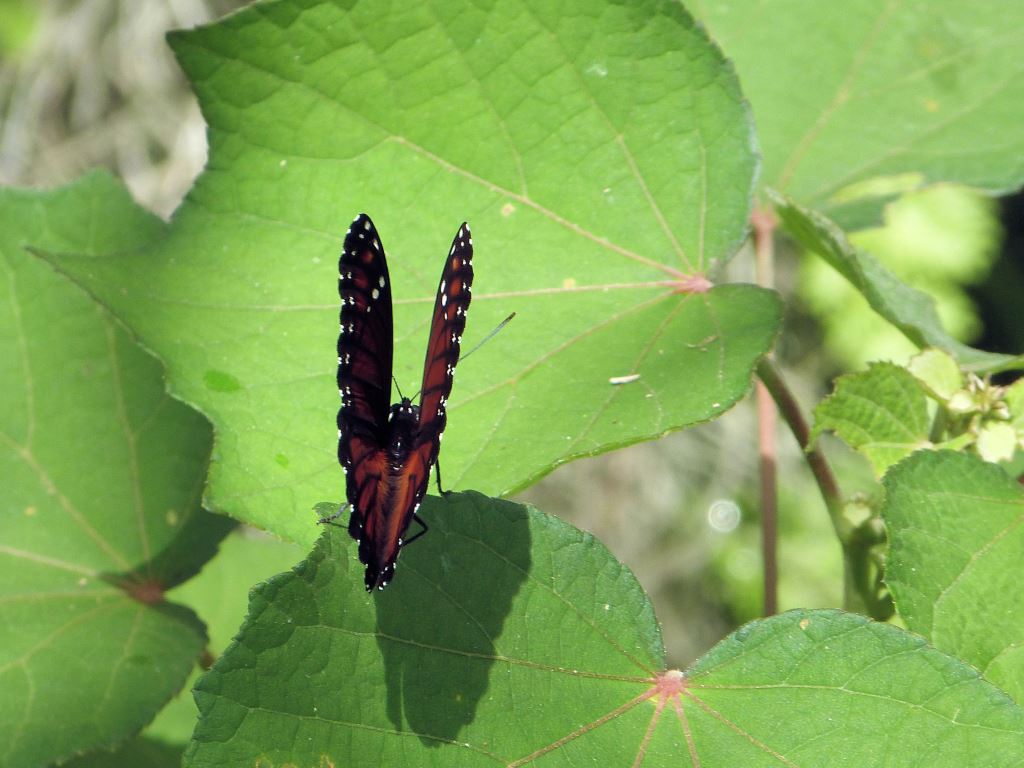
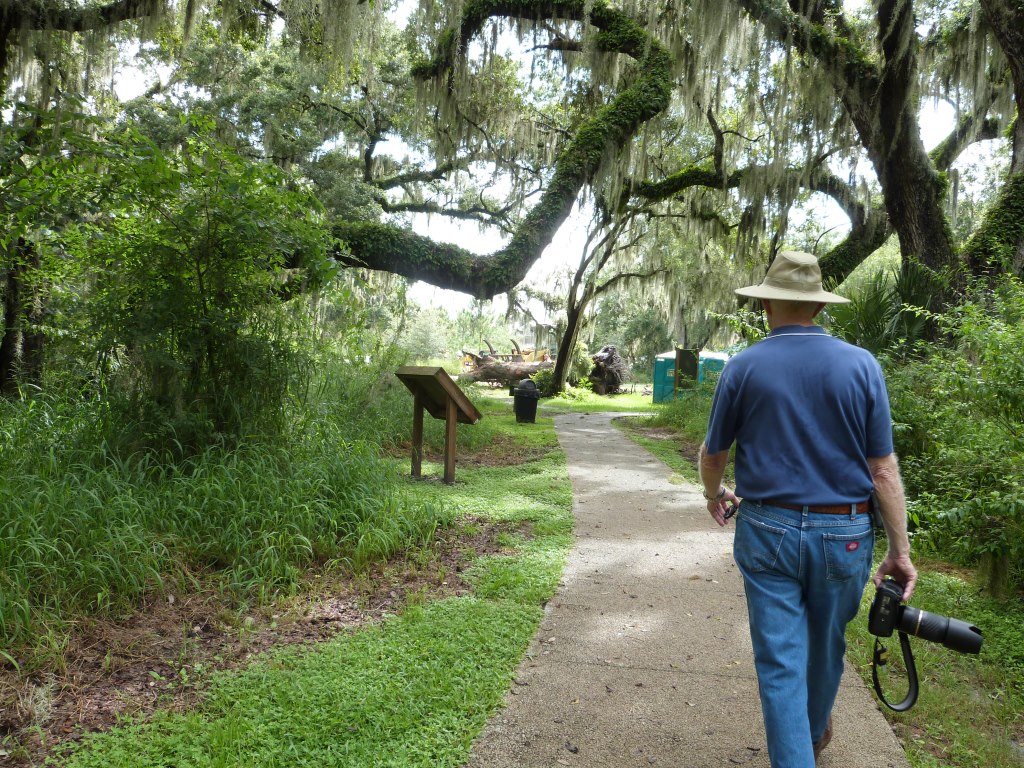
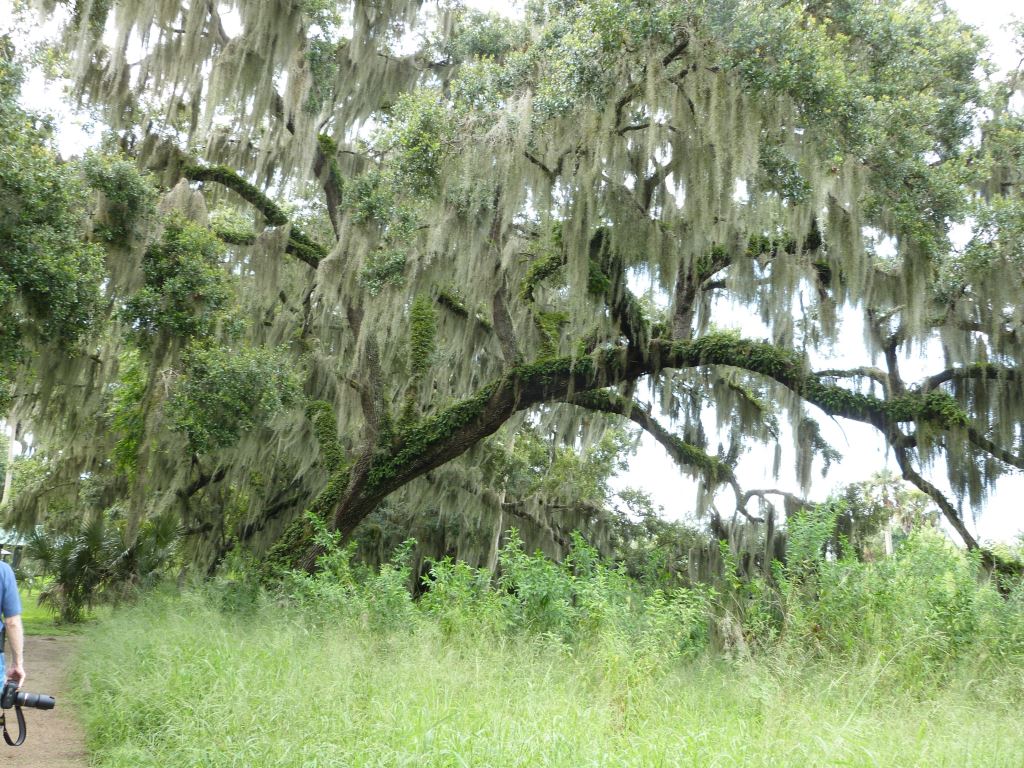
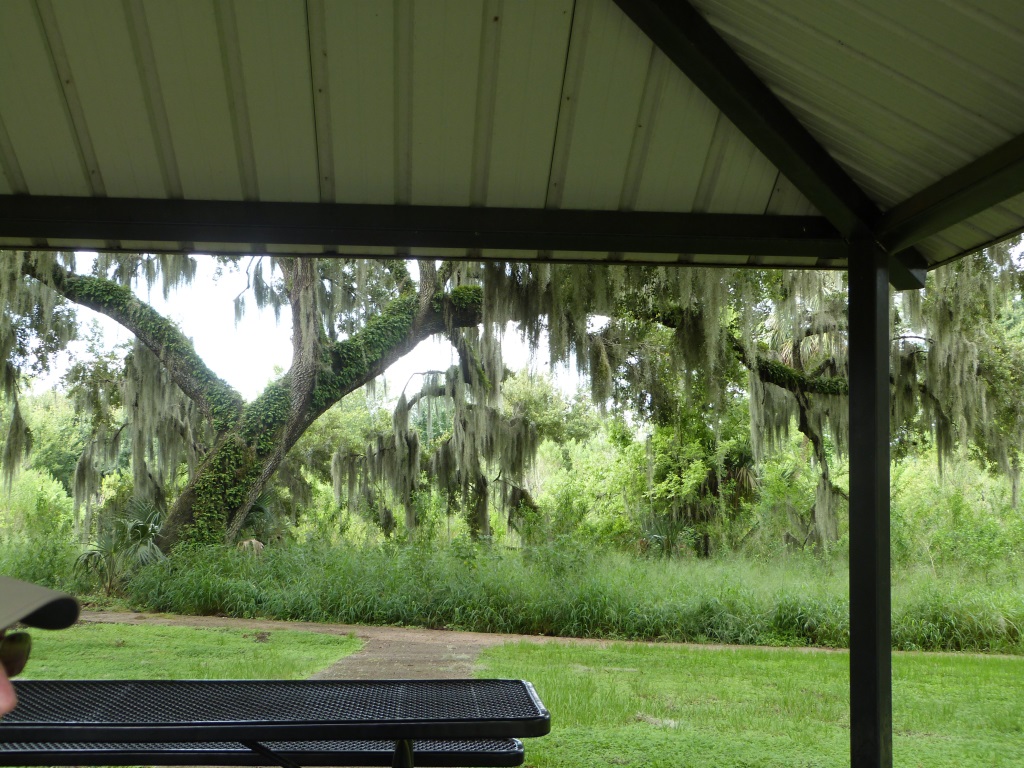
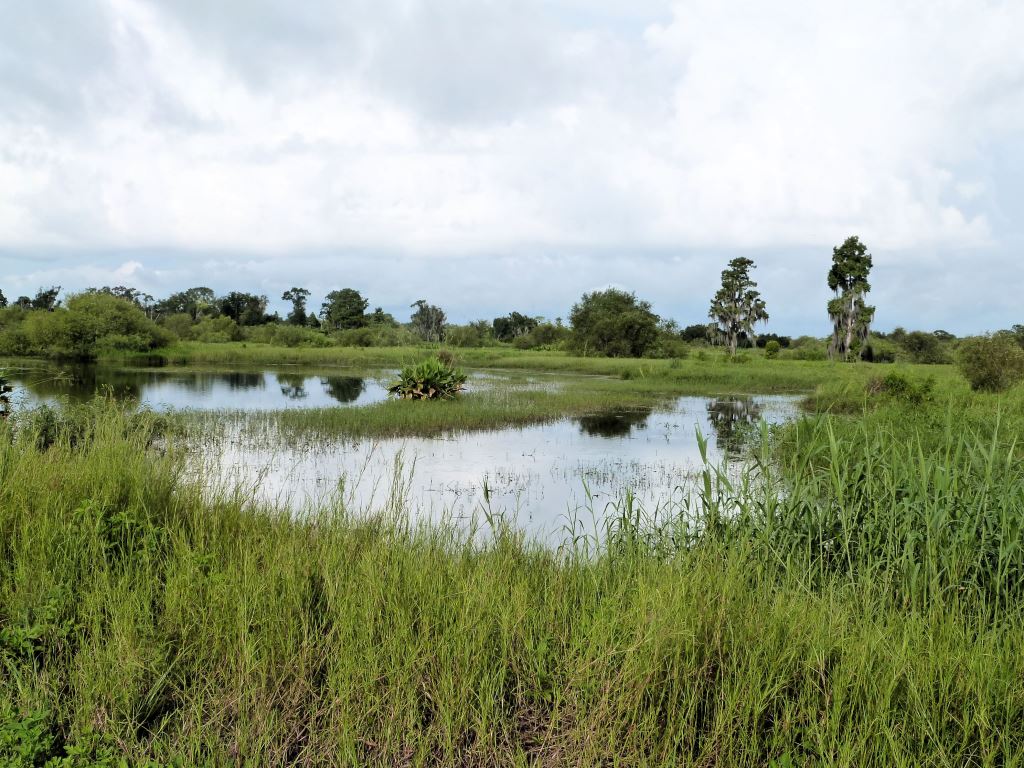
On Wednesday morning, July 16th, we decided to go out to Circle B Bar Reserve and see how the water levels were doing. We have had quite a bit of rain recently and figured that it had to be better than last time. It was quite dry then.

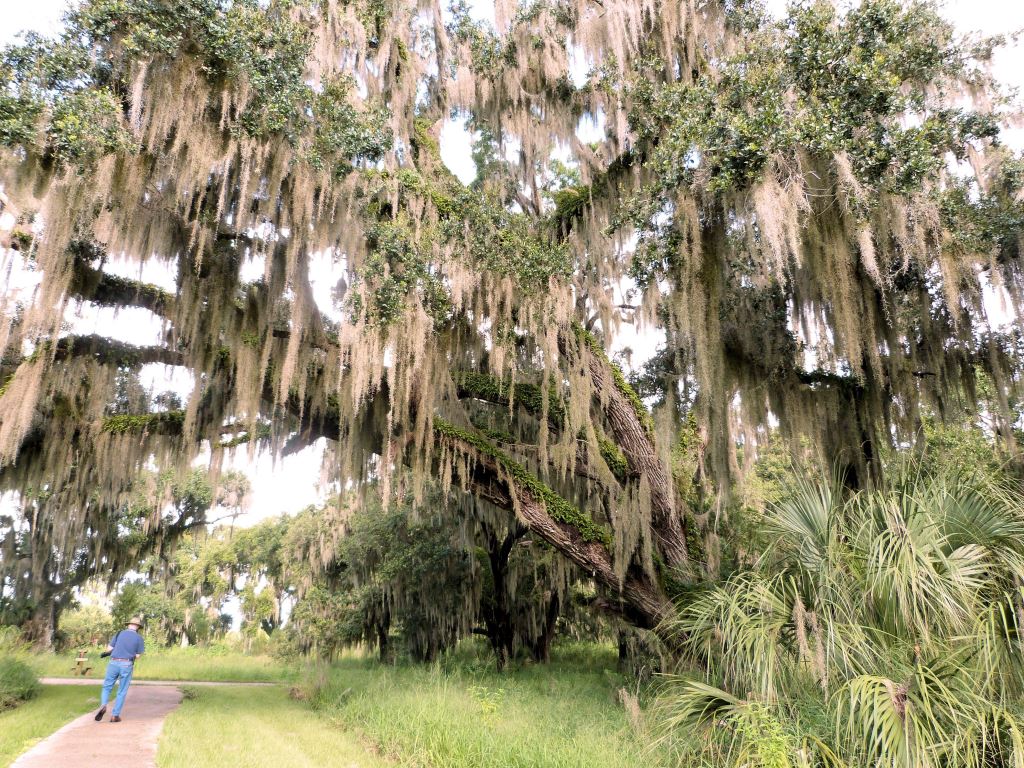
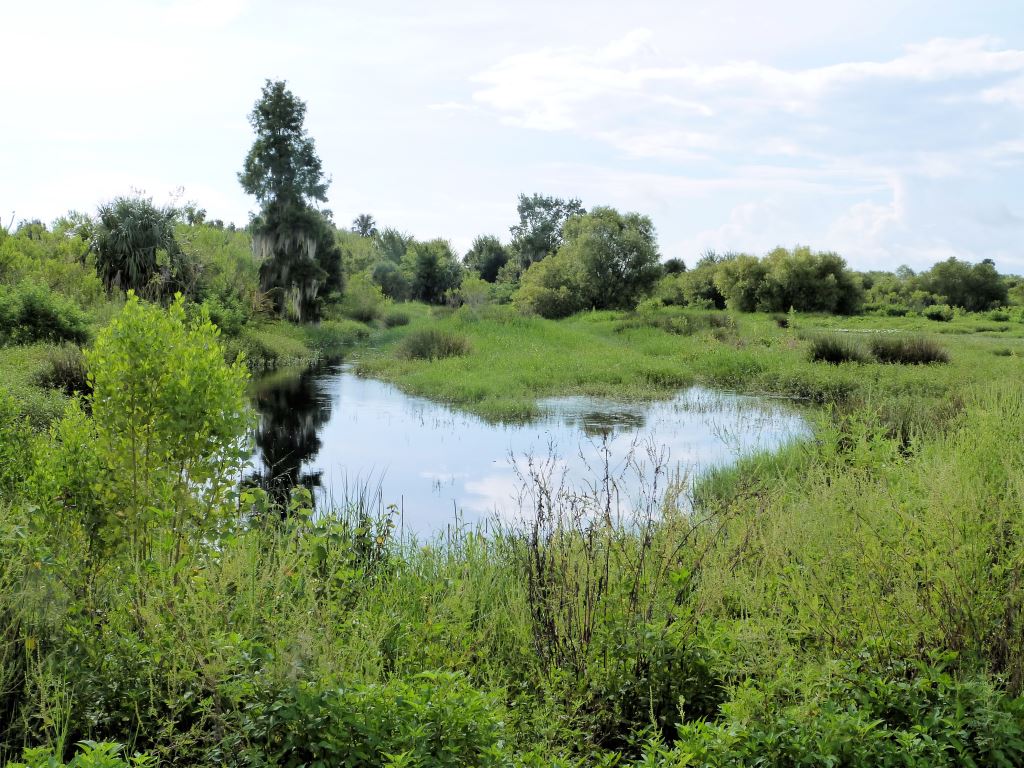
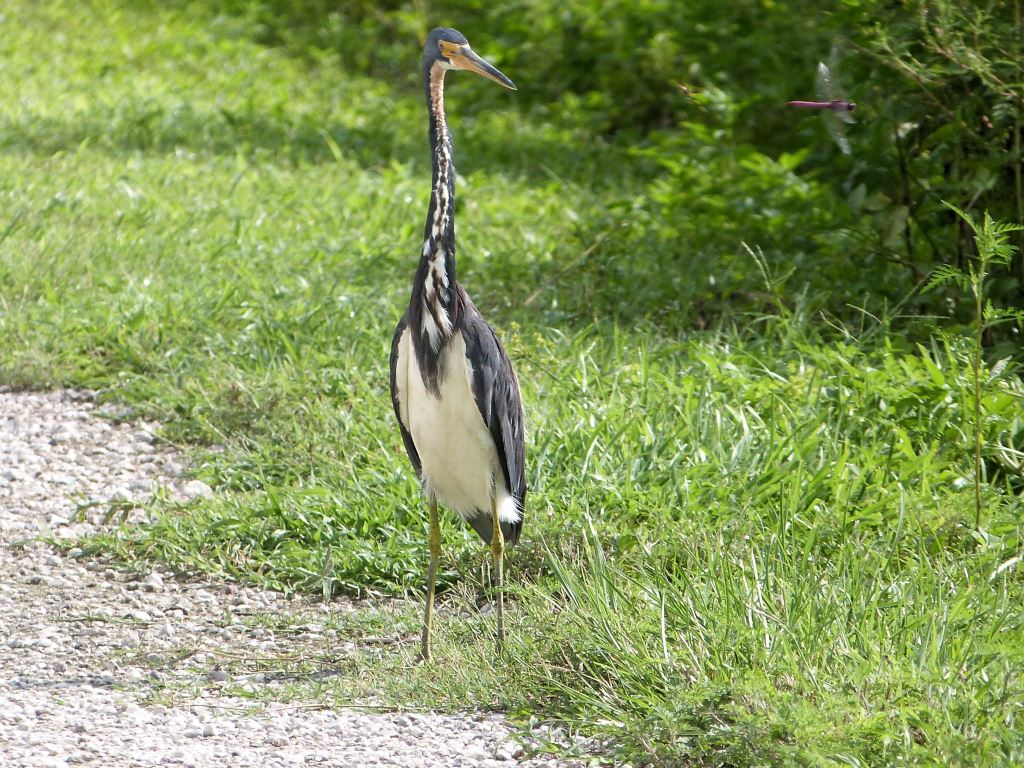
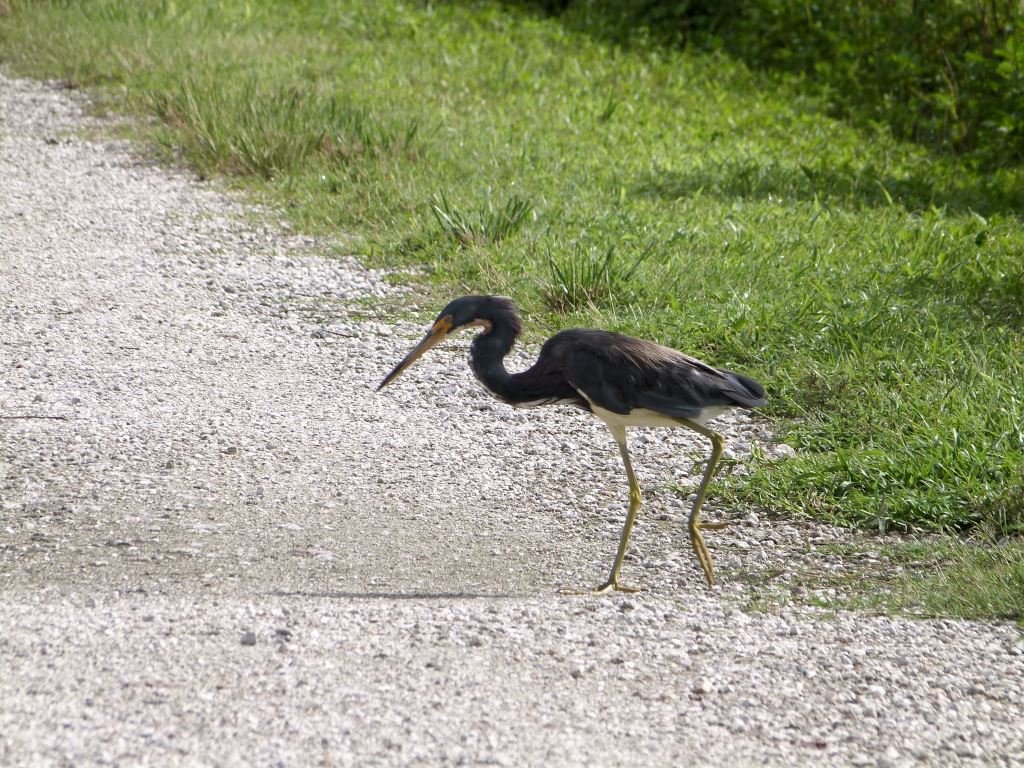
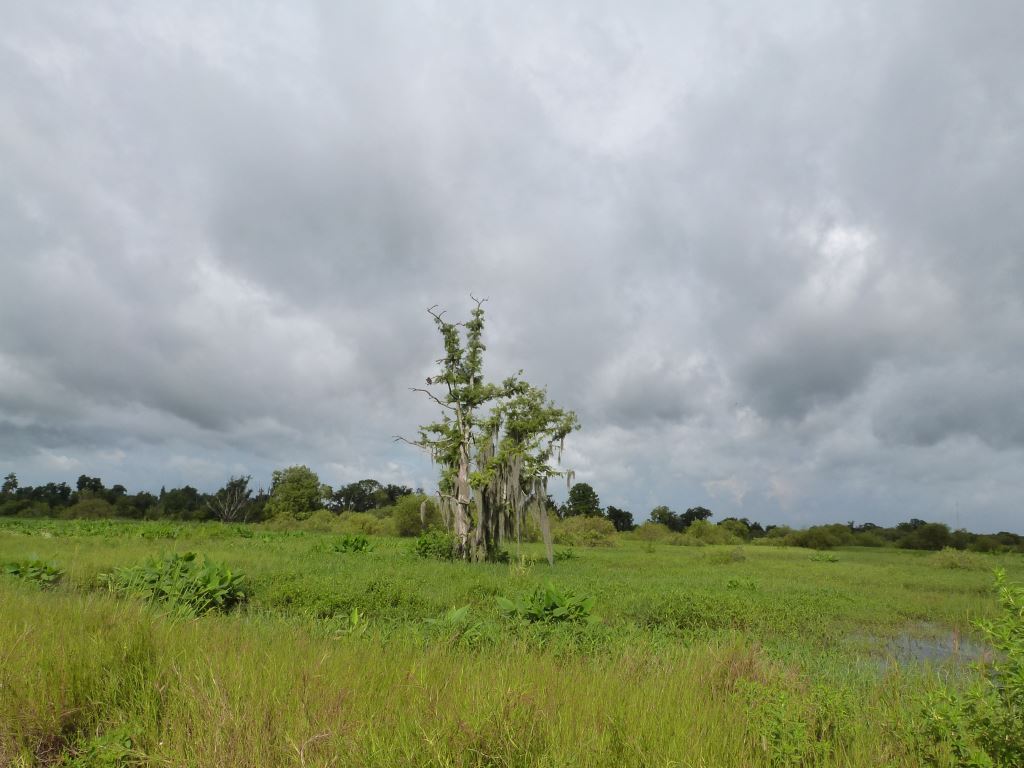
We were not disappointed. The marsh actually looked like a marsh for a change. There weren’t too many birds, but then again this time of the year most are up north.

Removing the huge fallen Oak tree at Circle B

Removing the huge fallen Oak tree at Circle B

If the clouds are full of rain, They empty themselves upon the earth; And if a tree falls to the south or the north, In the place where the tree falls, there it shall lie. He who observes the wind will not sow, And he who regards the clouds will not reap. As you do not know what is the way of the wind, Or how the bones grow in the womb of her who is with child, So you do not know the works of God who makes everything. (Ecclesiastes 11:3-5 NKJV)

We were greeted at the parking lot by a crew working on a huge oak tree that had fallen. They were removing it. Sure glad no cars had been parked there at the time it came down.

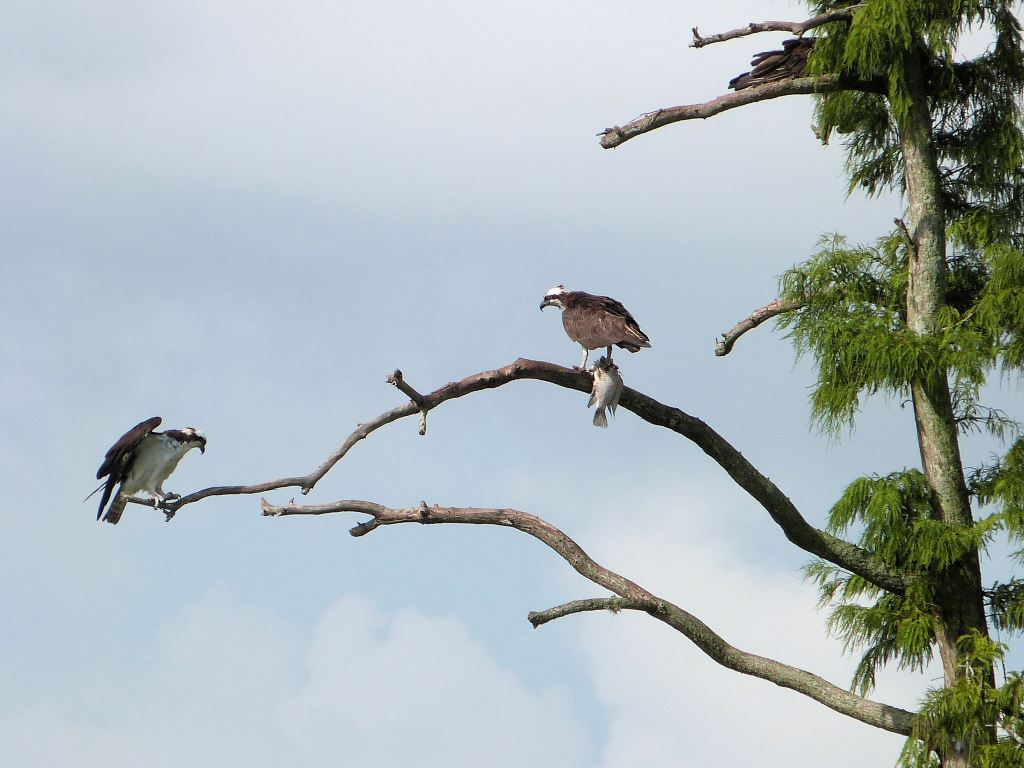
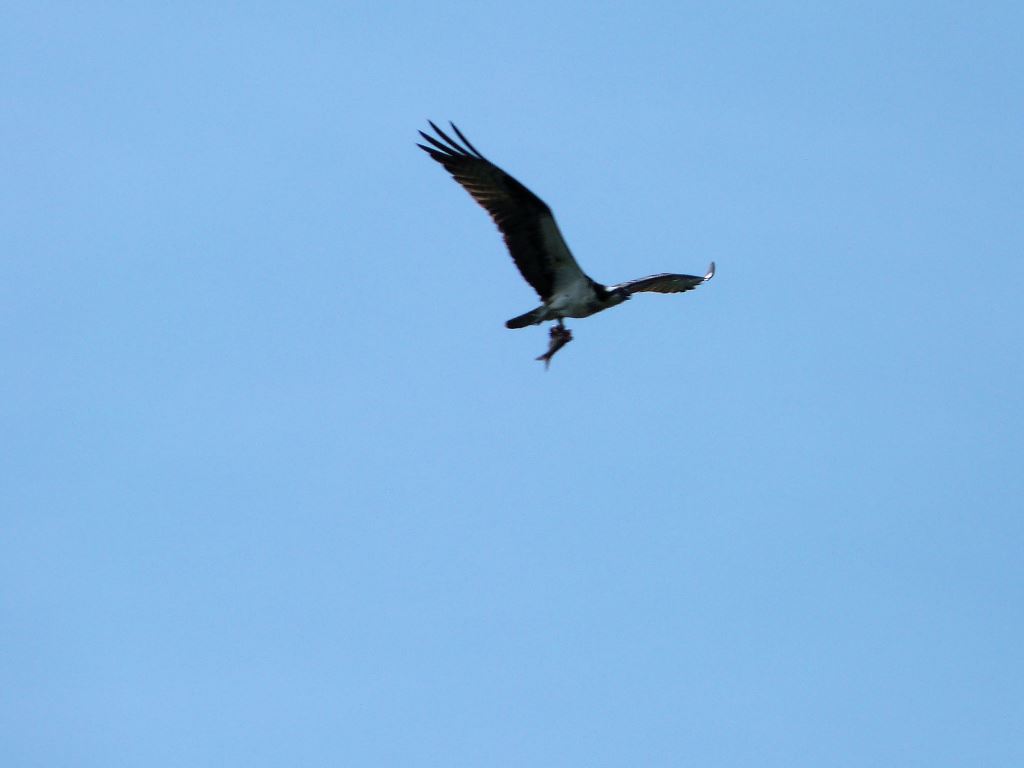
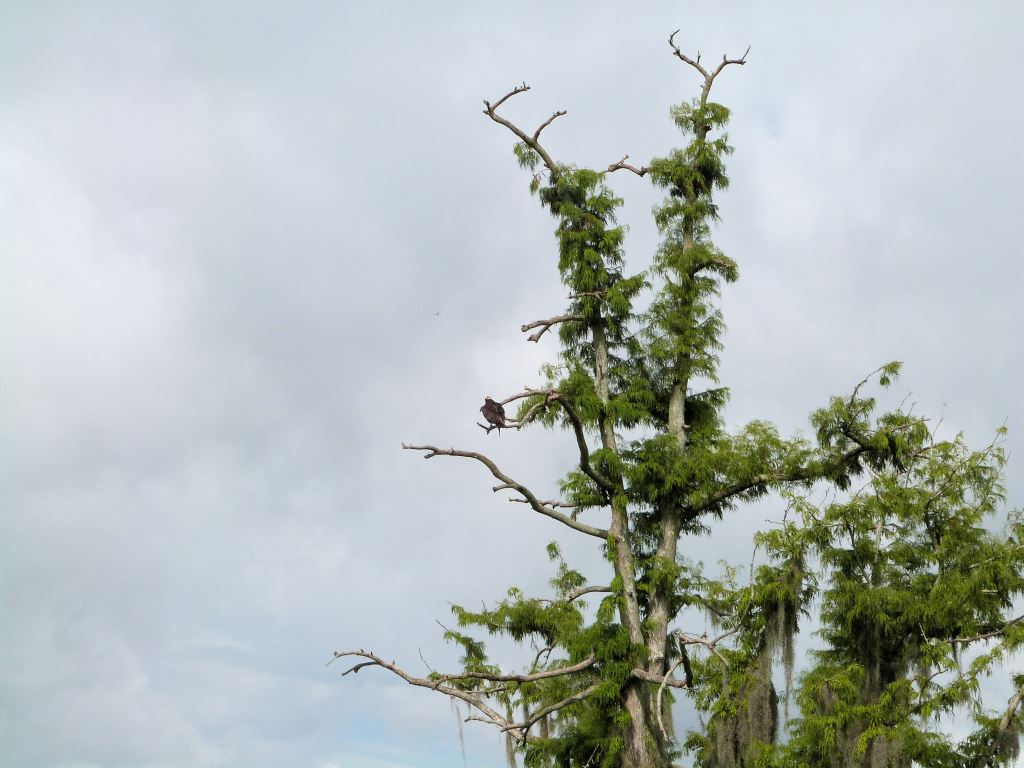
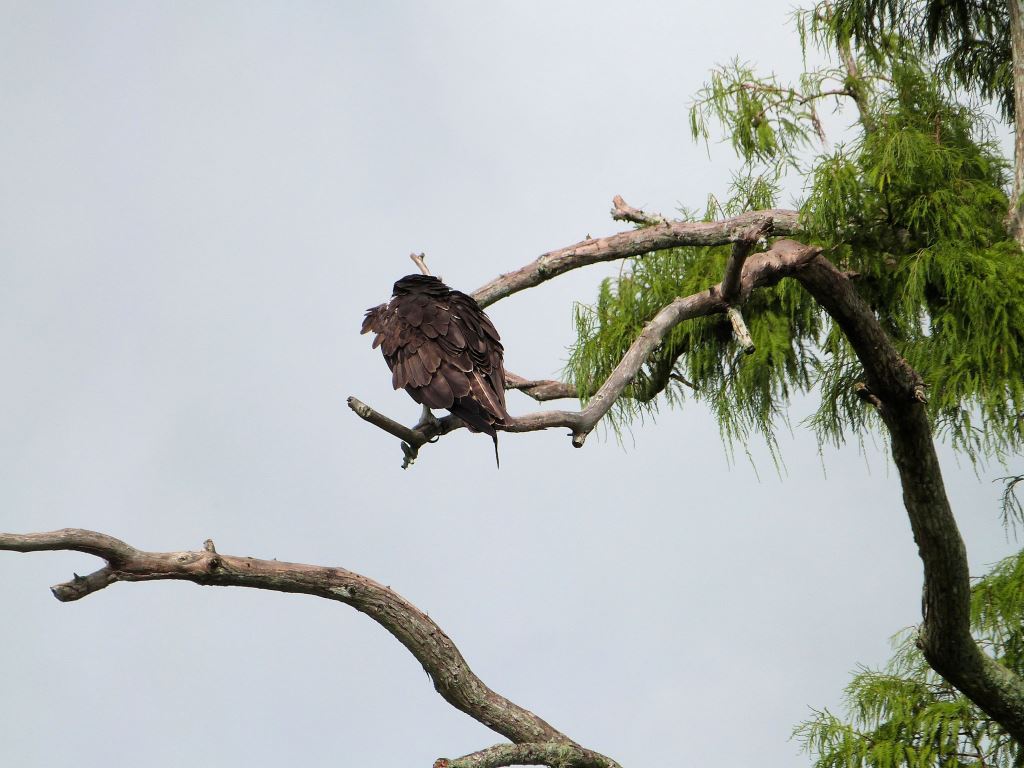
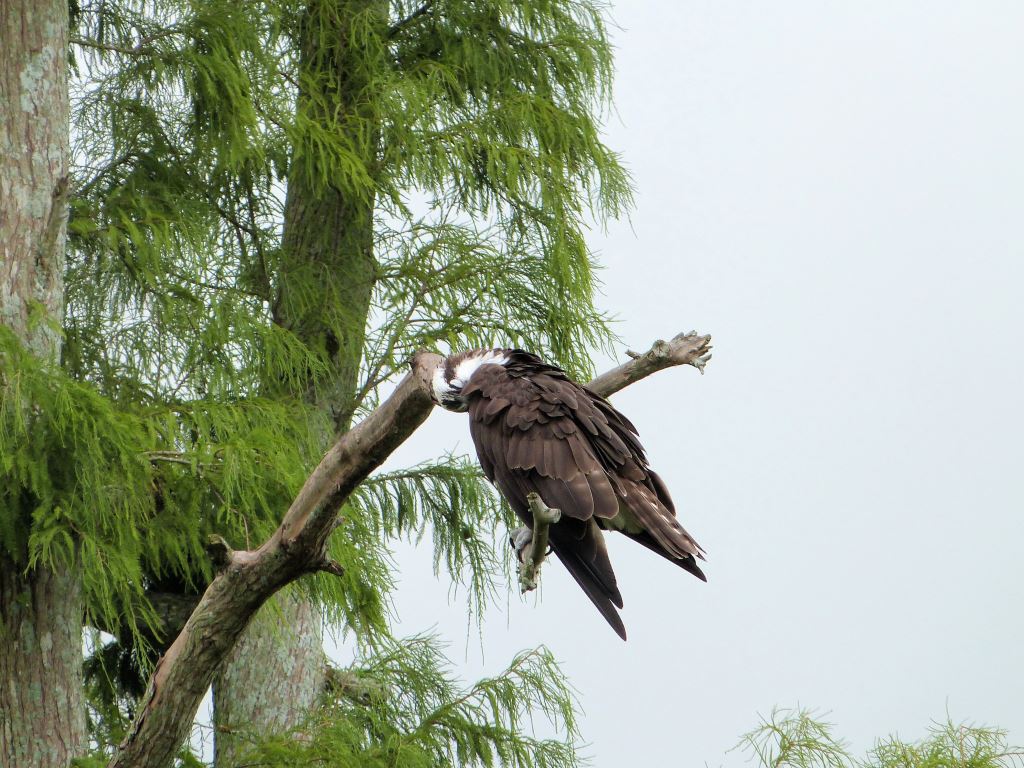
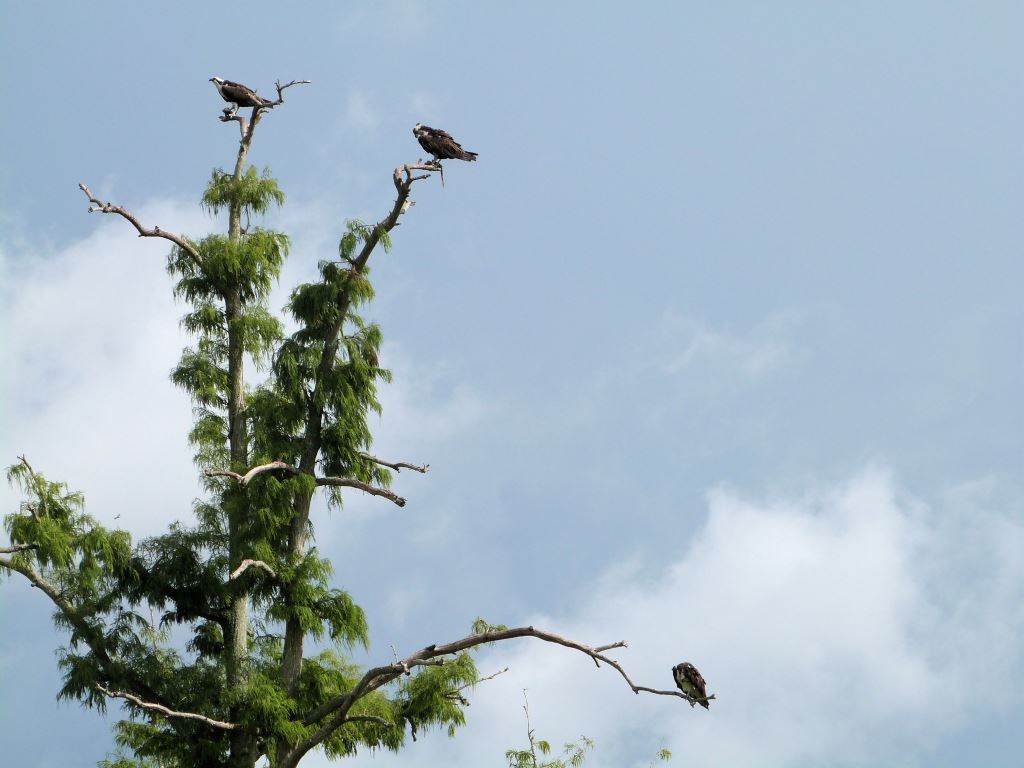
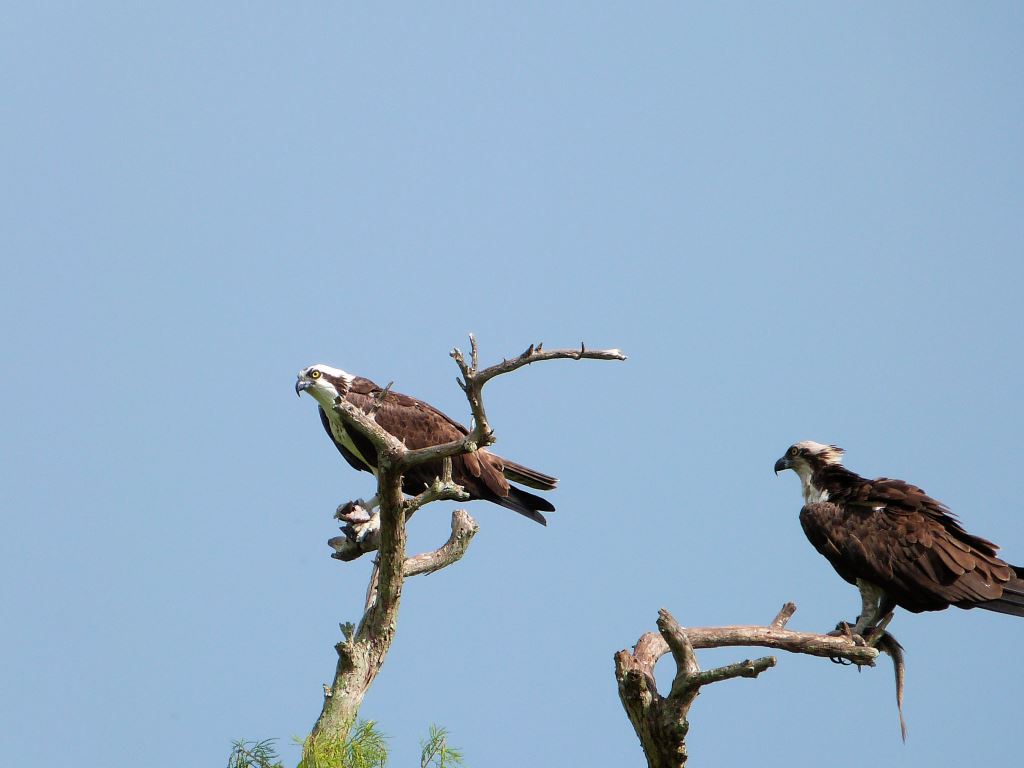
Western Osprey (Pandion haliaetus) With Fish

Western Osprey (Pandion haliaetus) With Fish

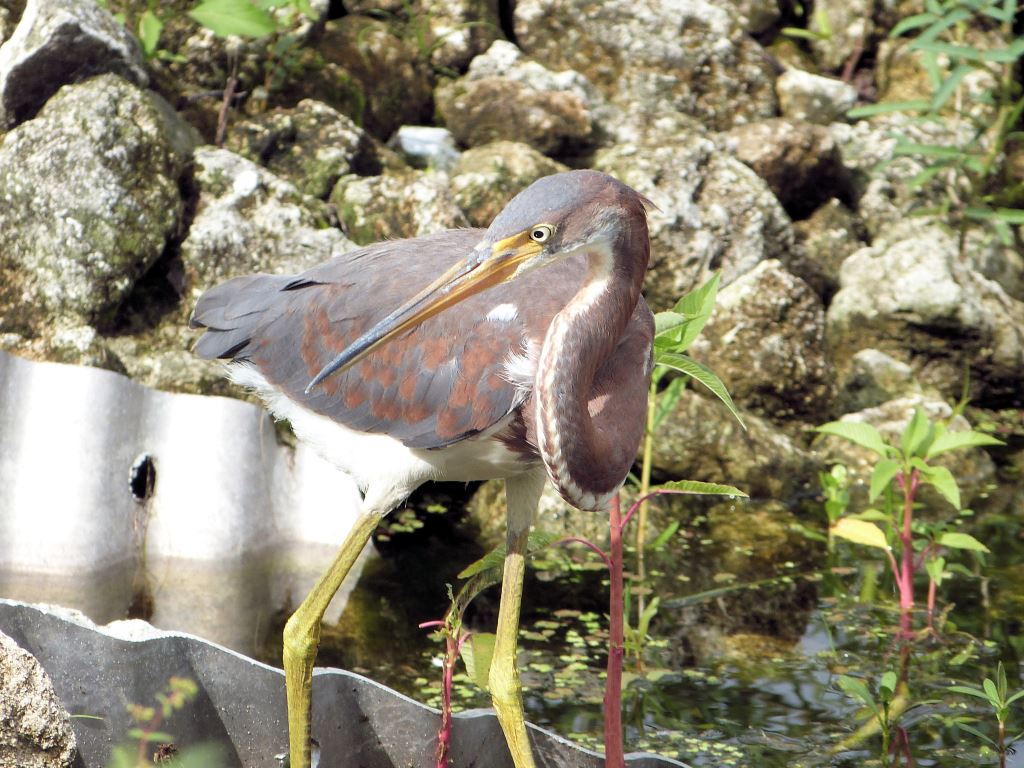
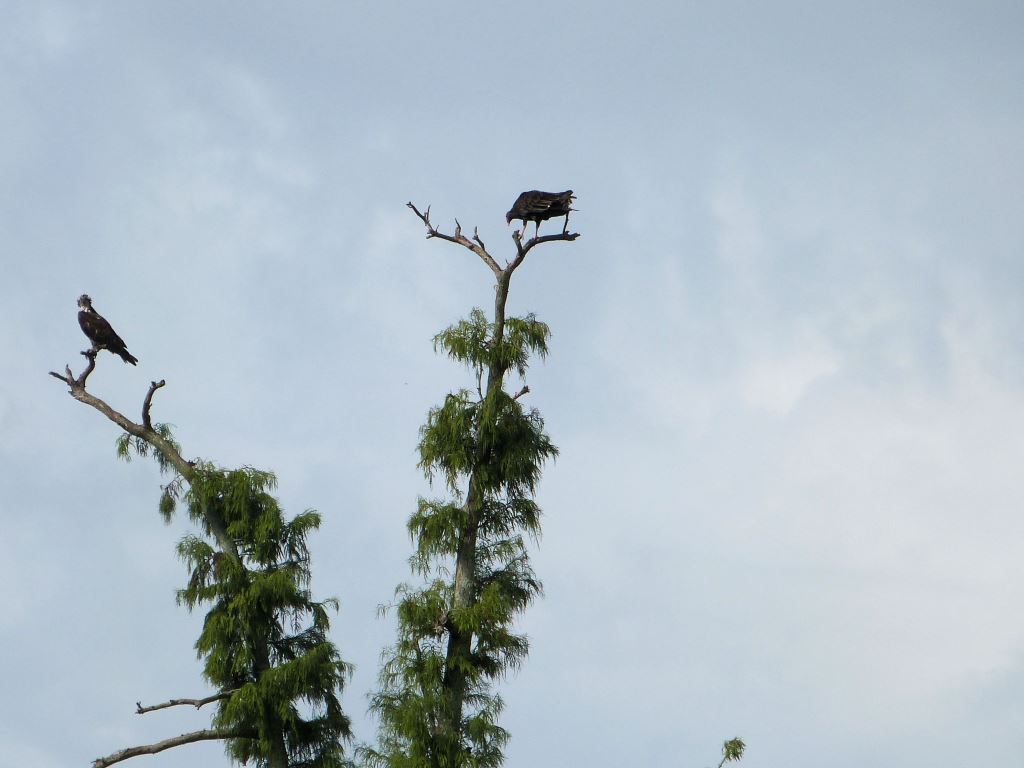
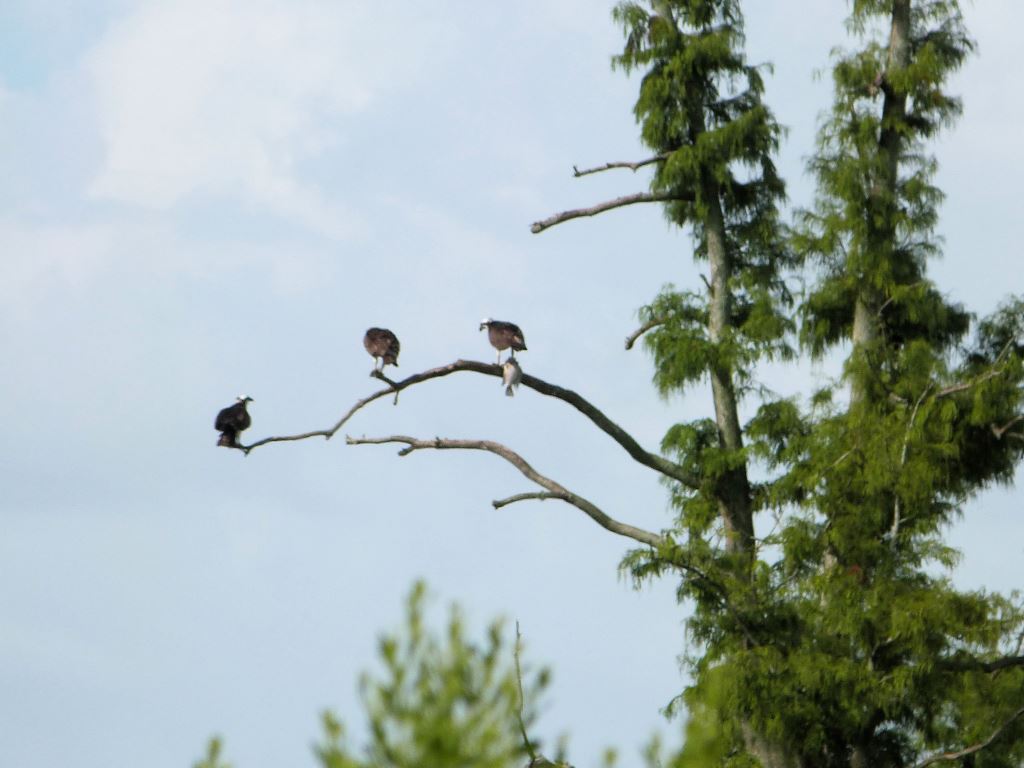
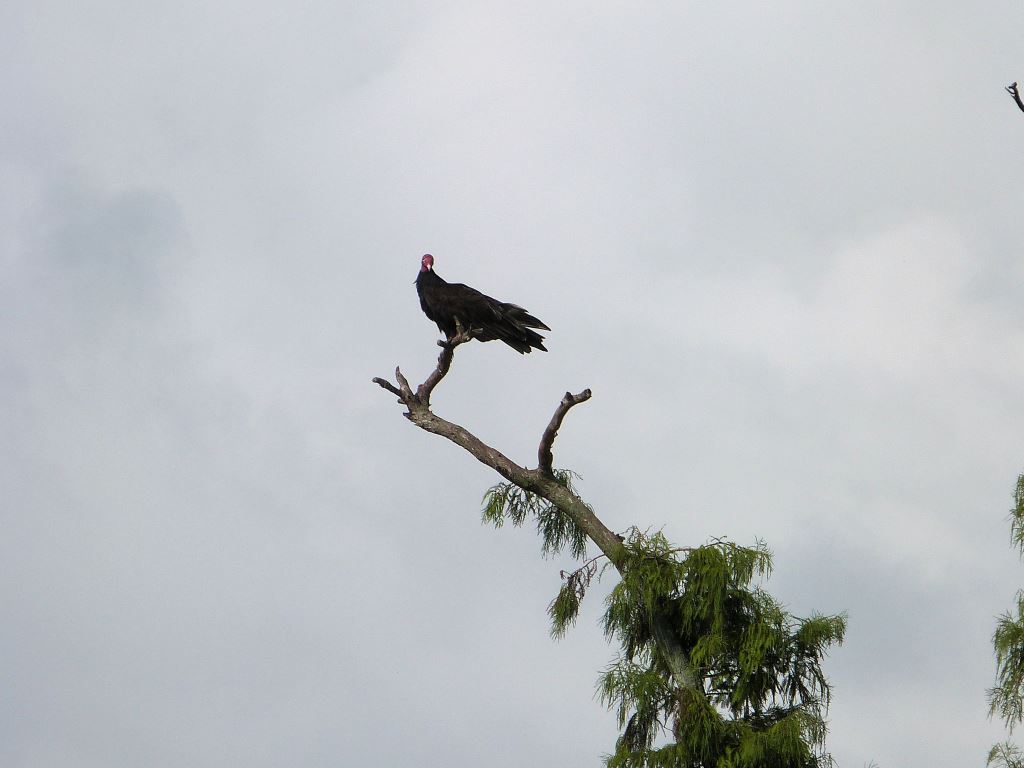
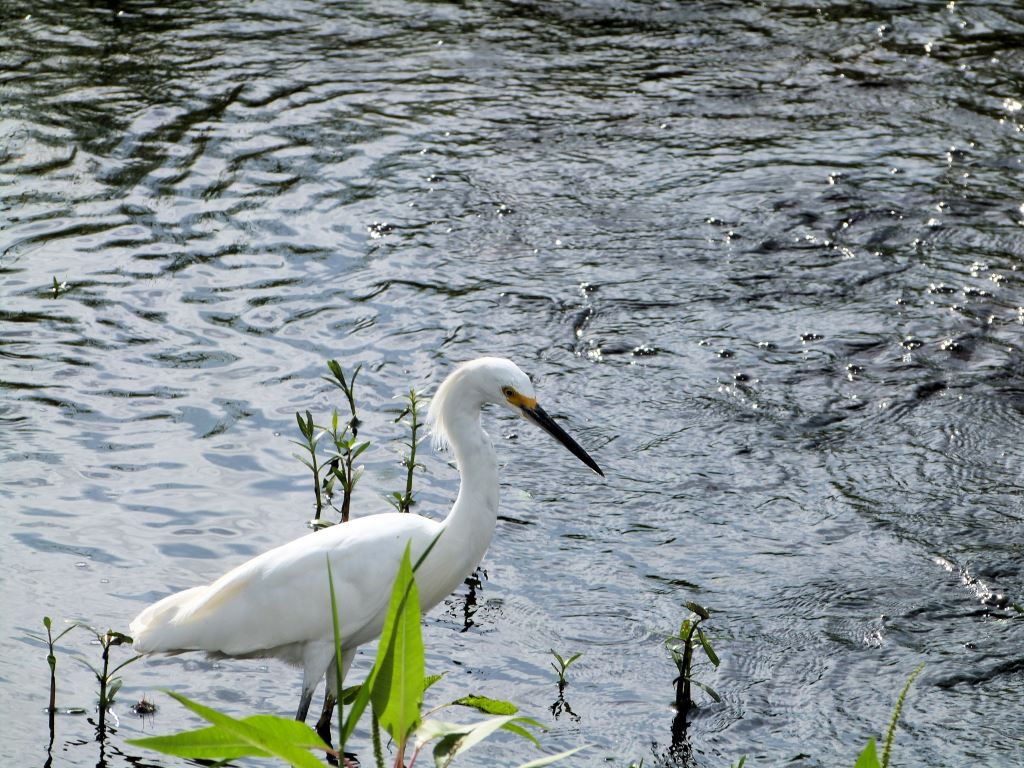
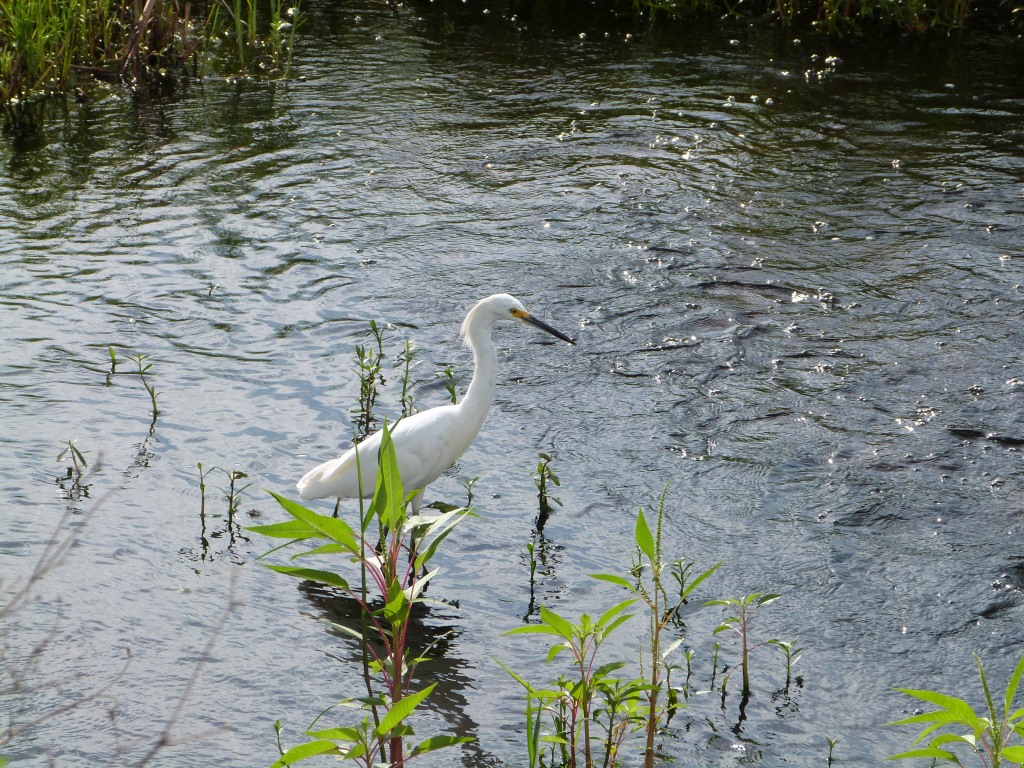
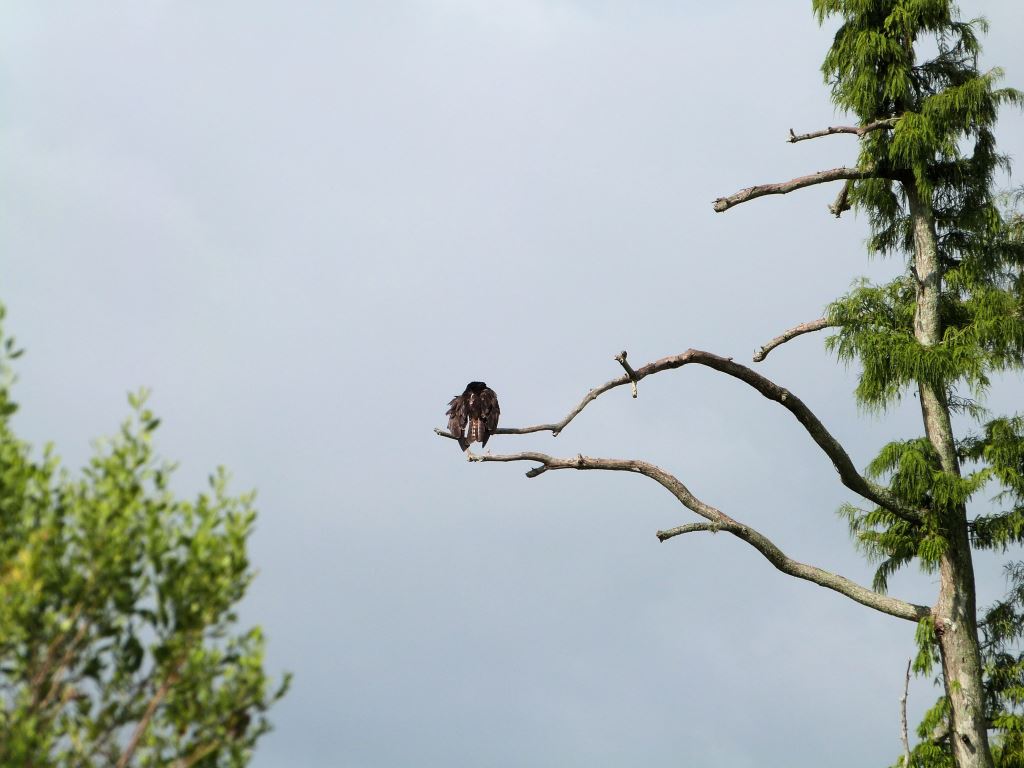
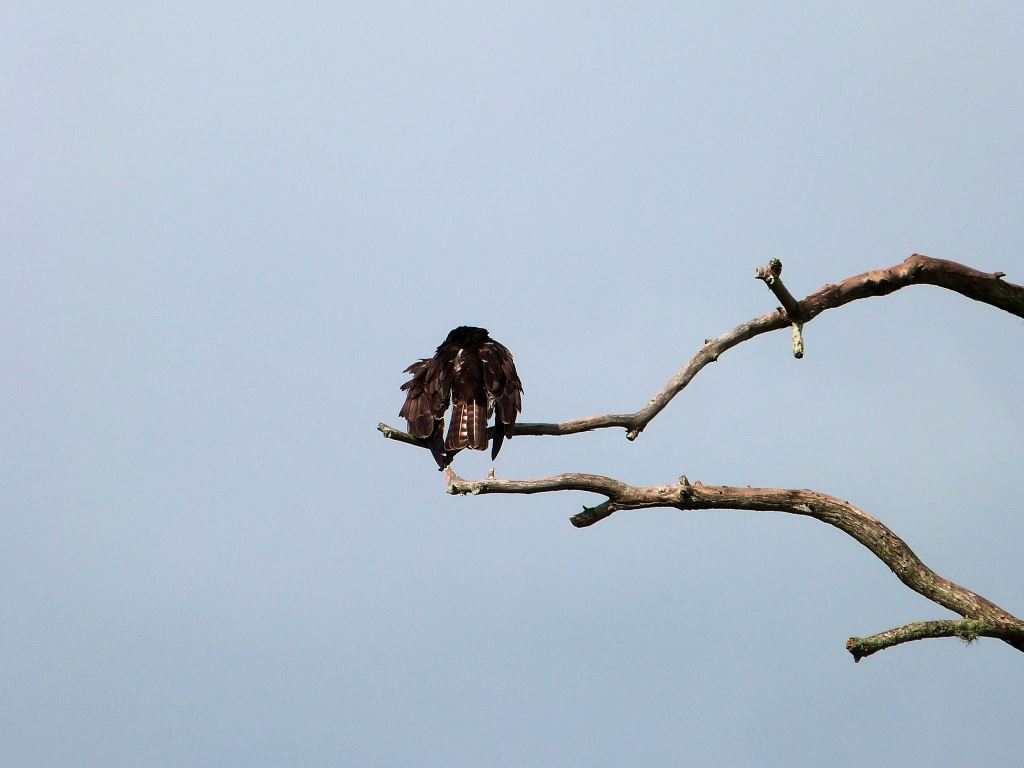
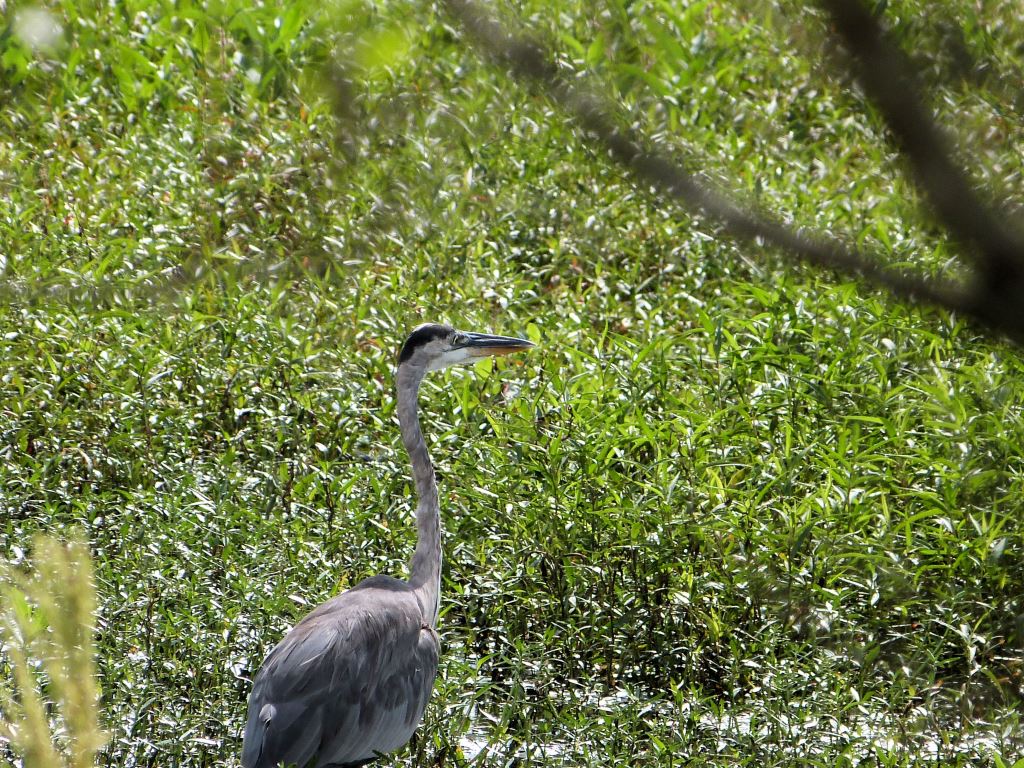
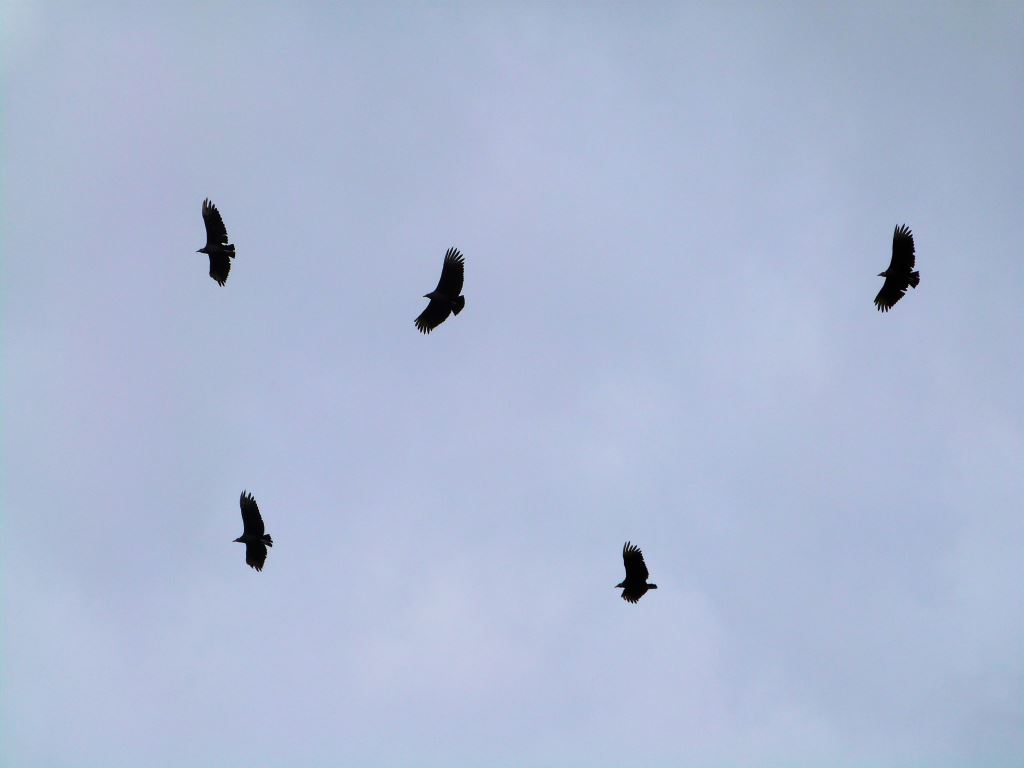
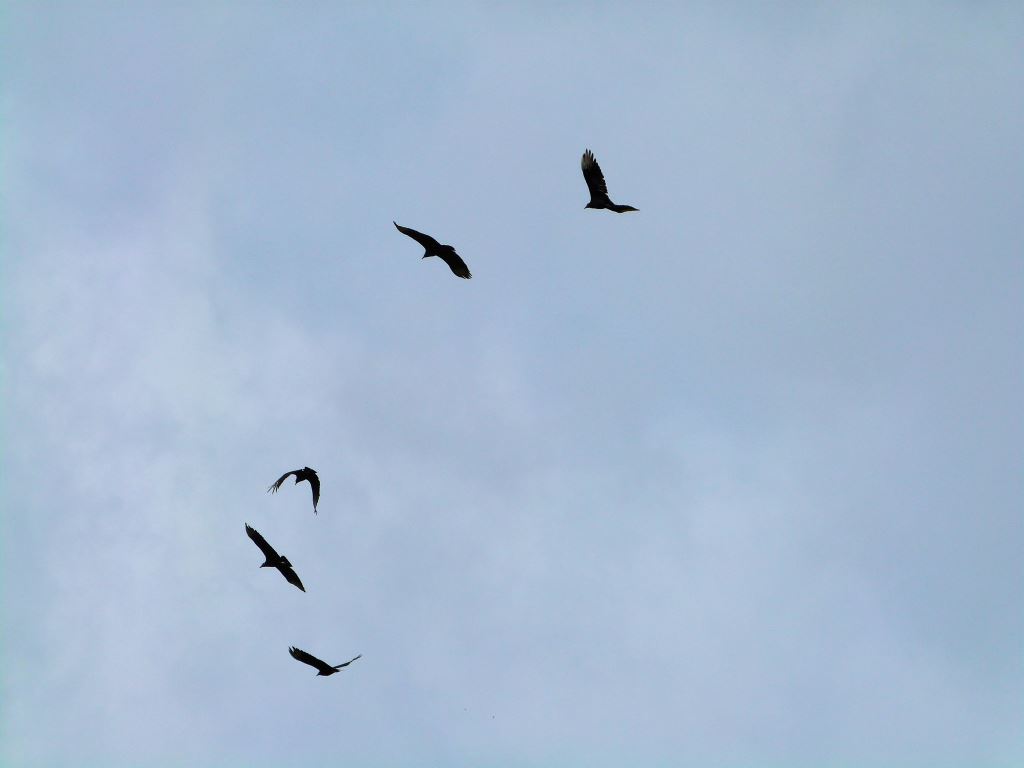
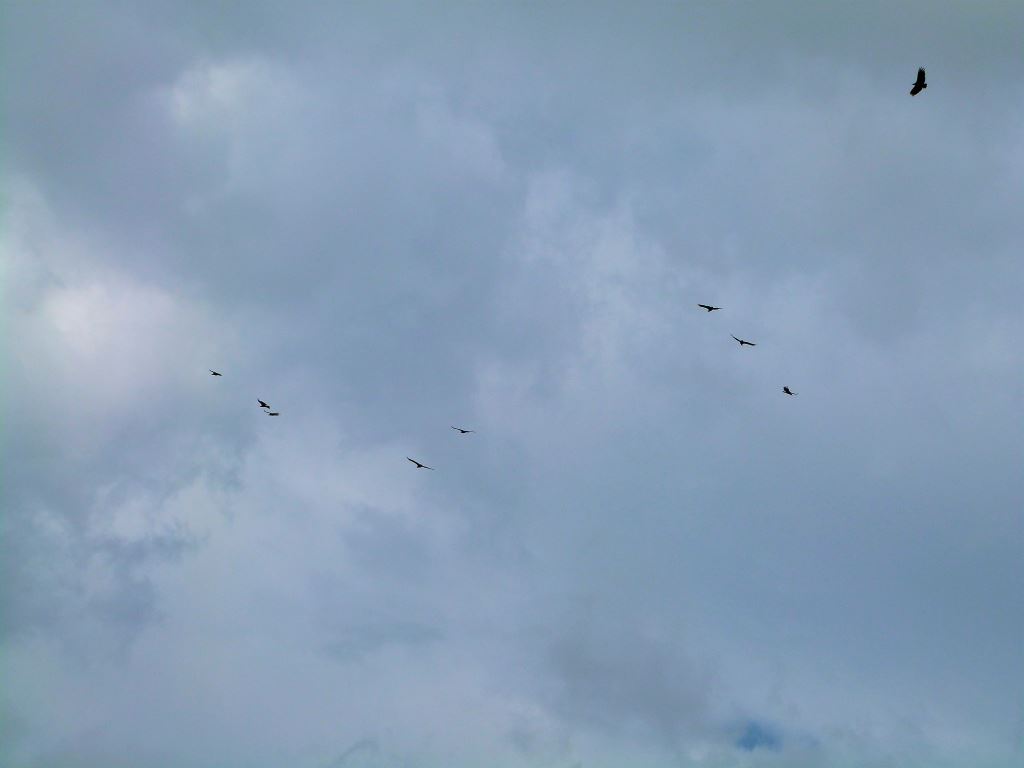
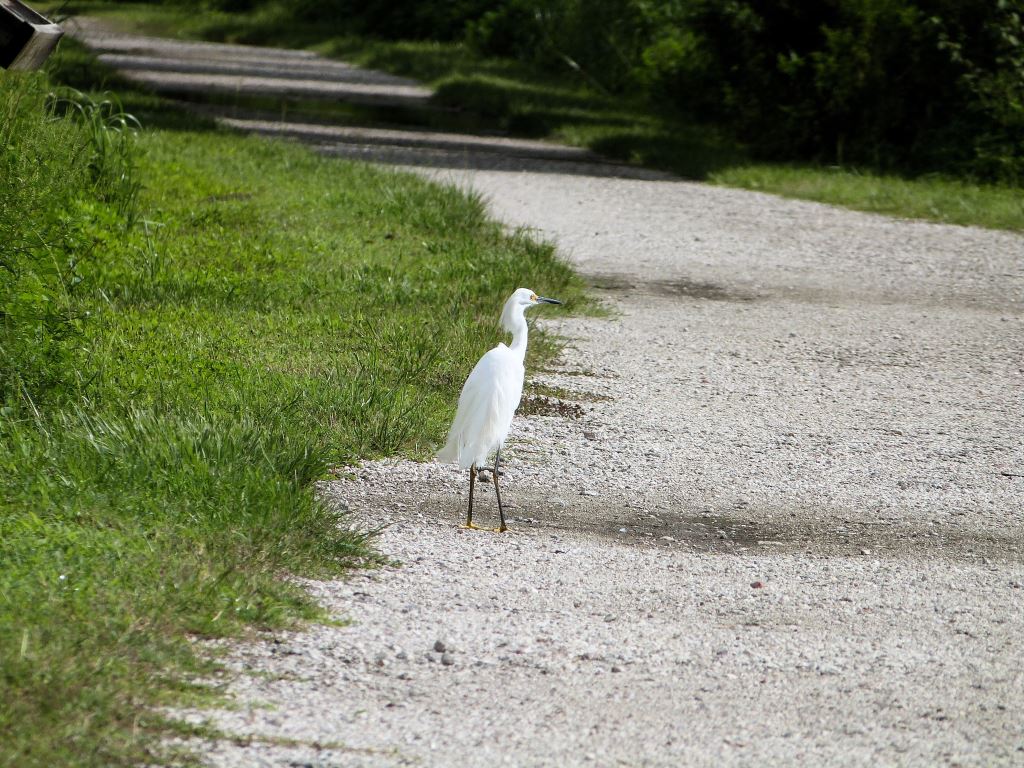
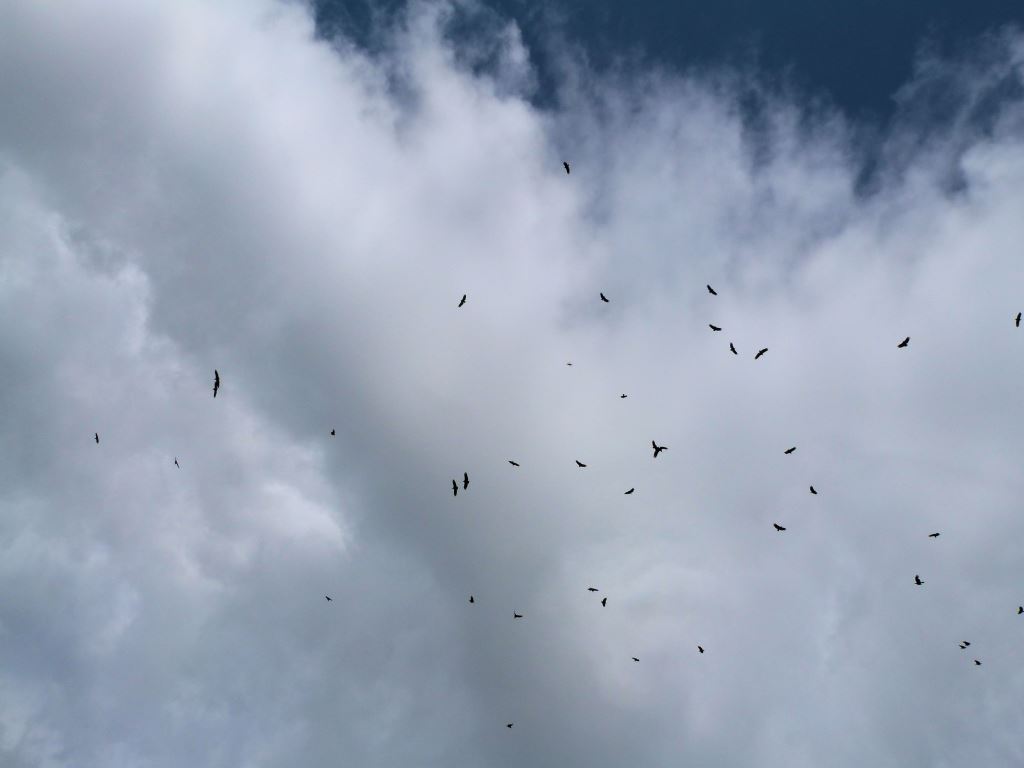
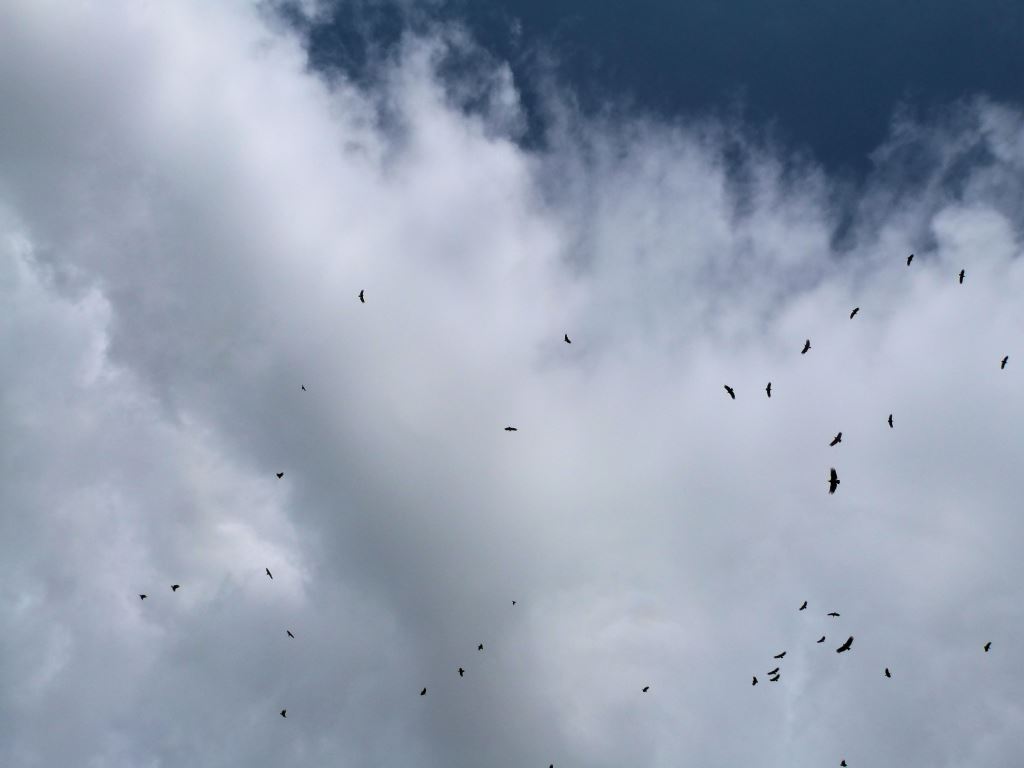
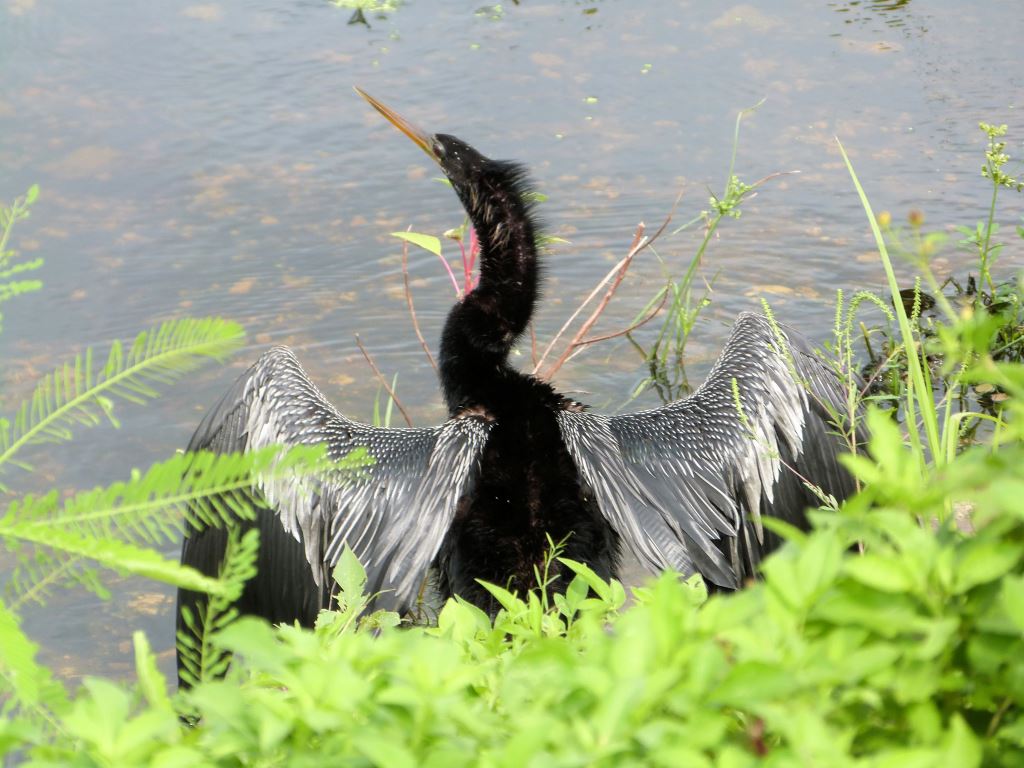
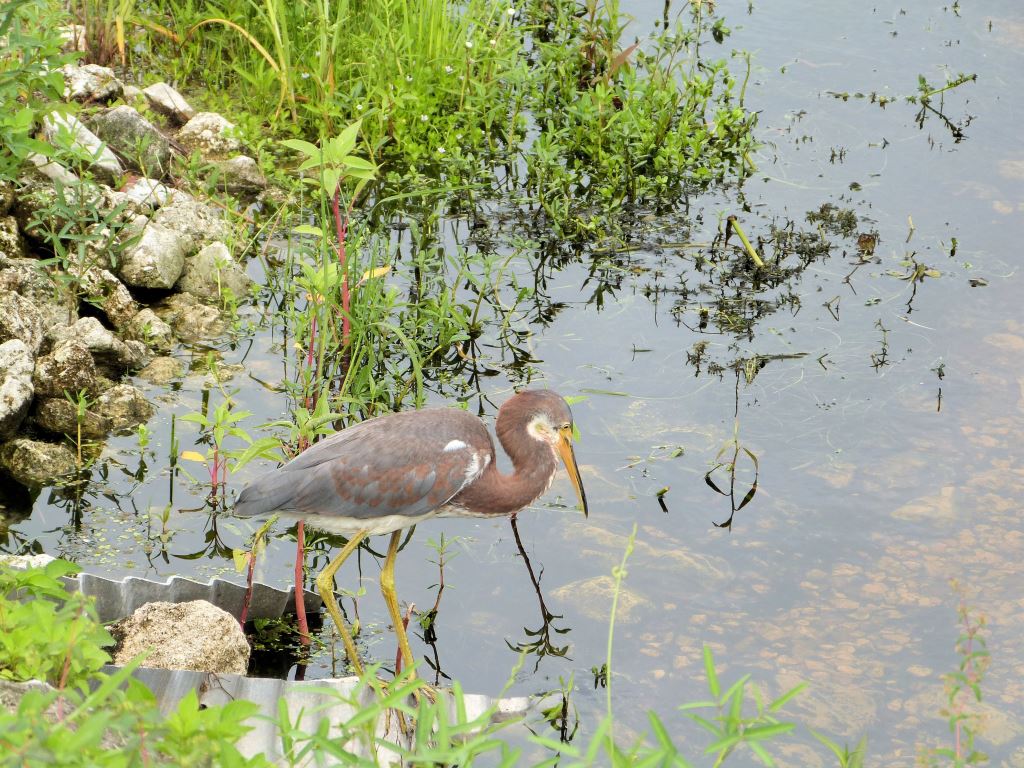
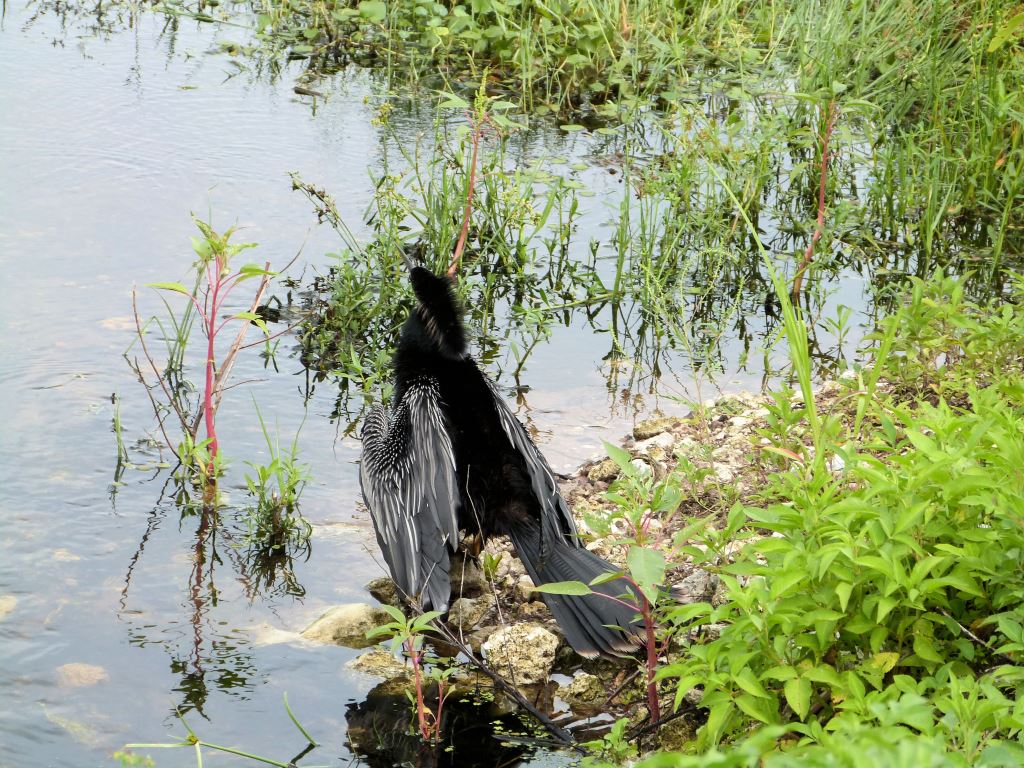
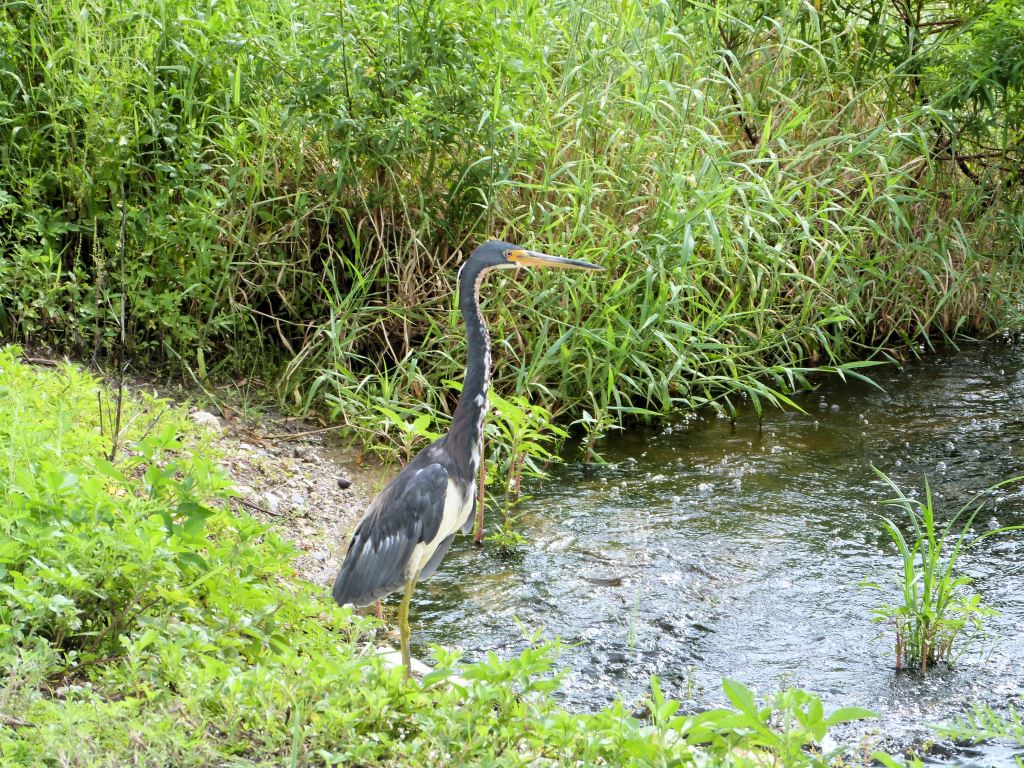
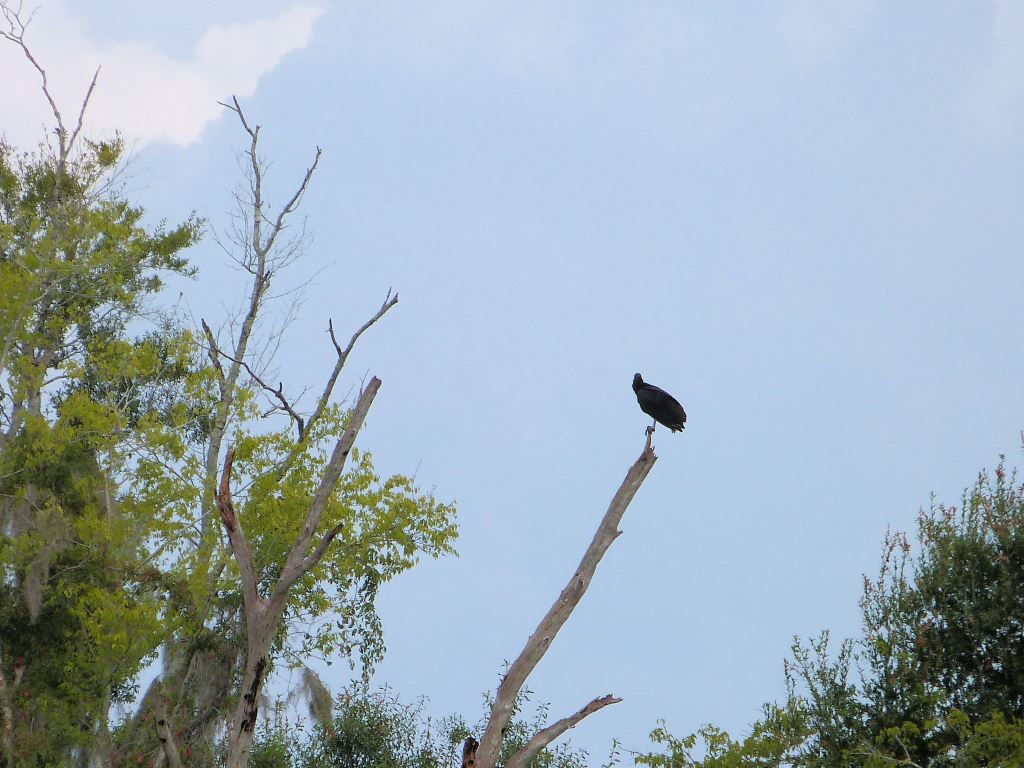
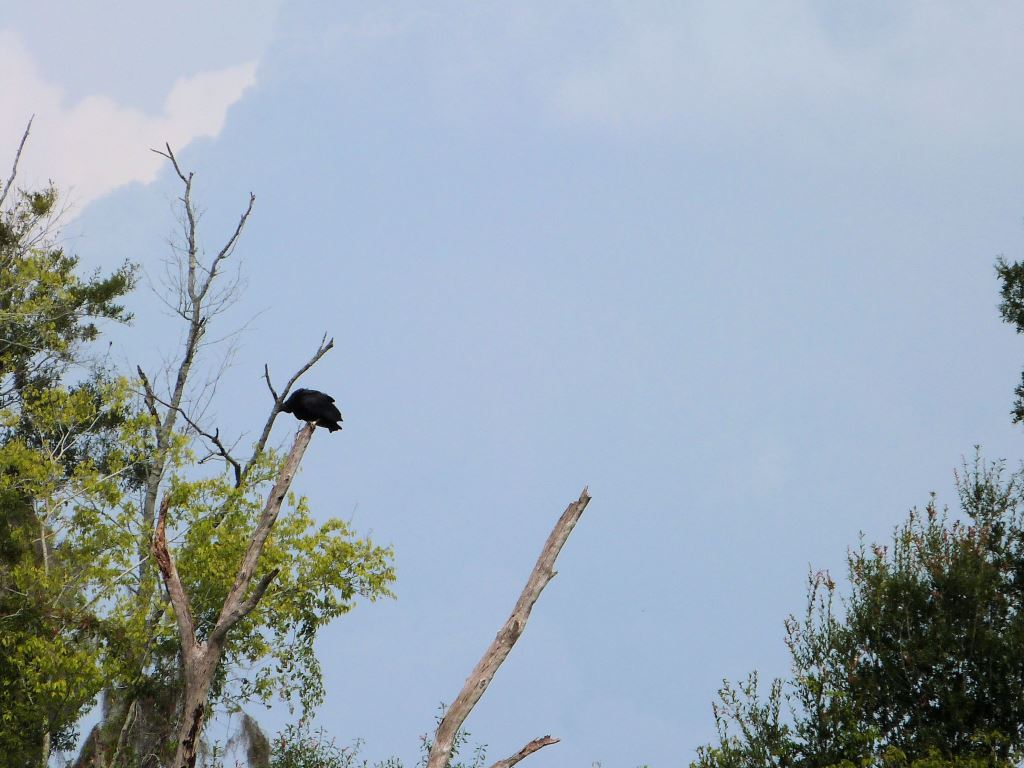
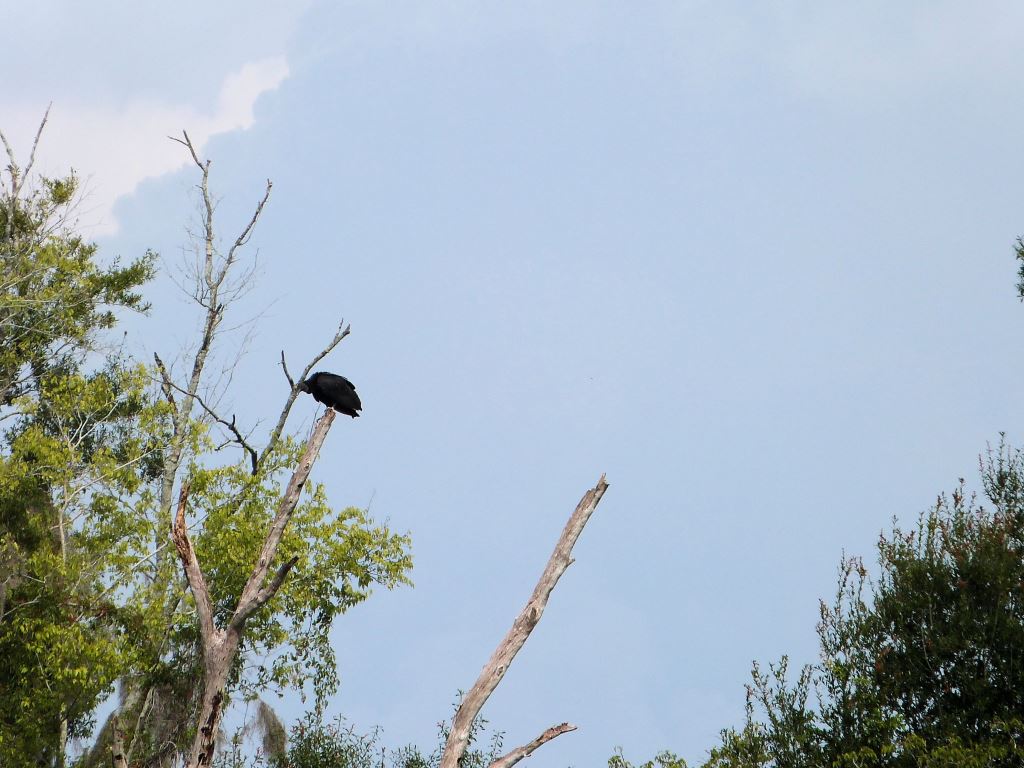
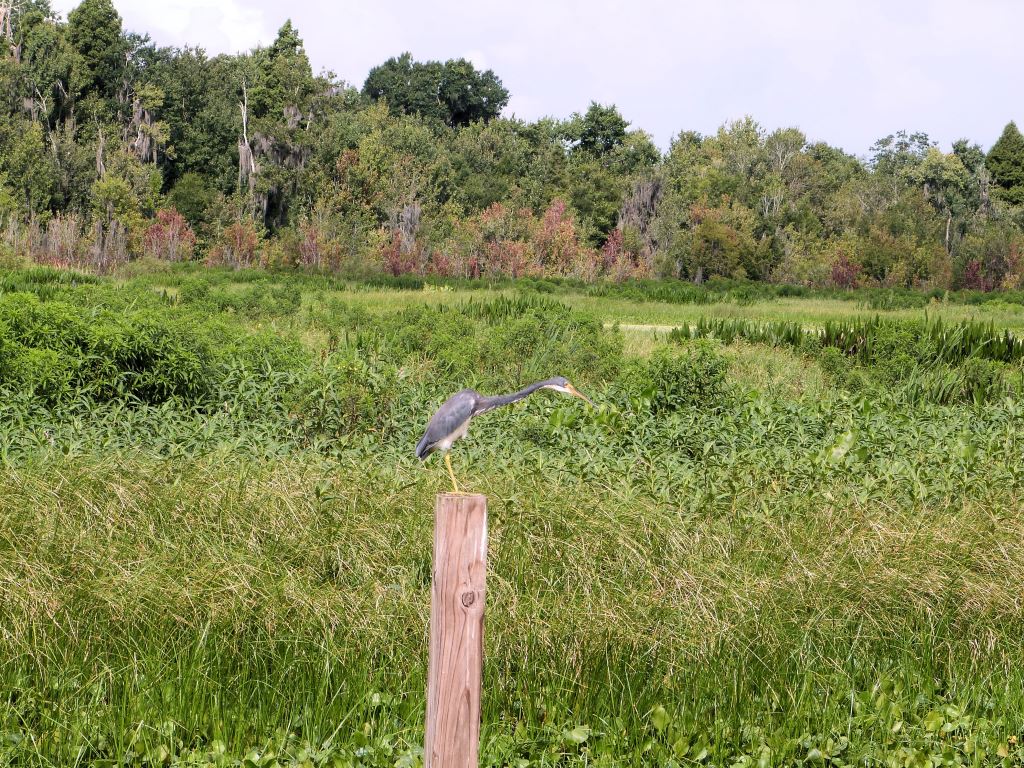
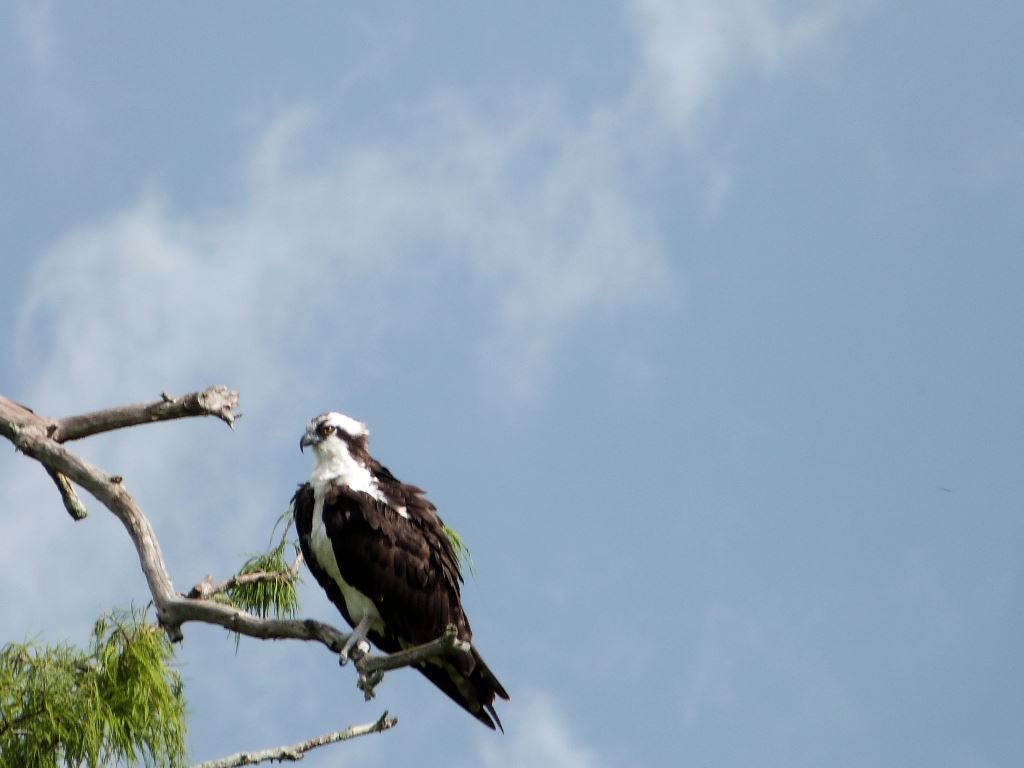
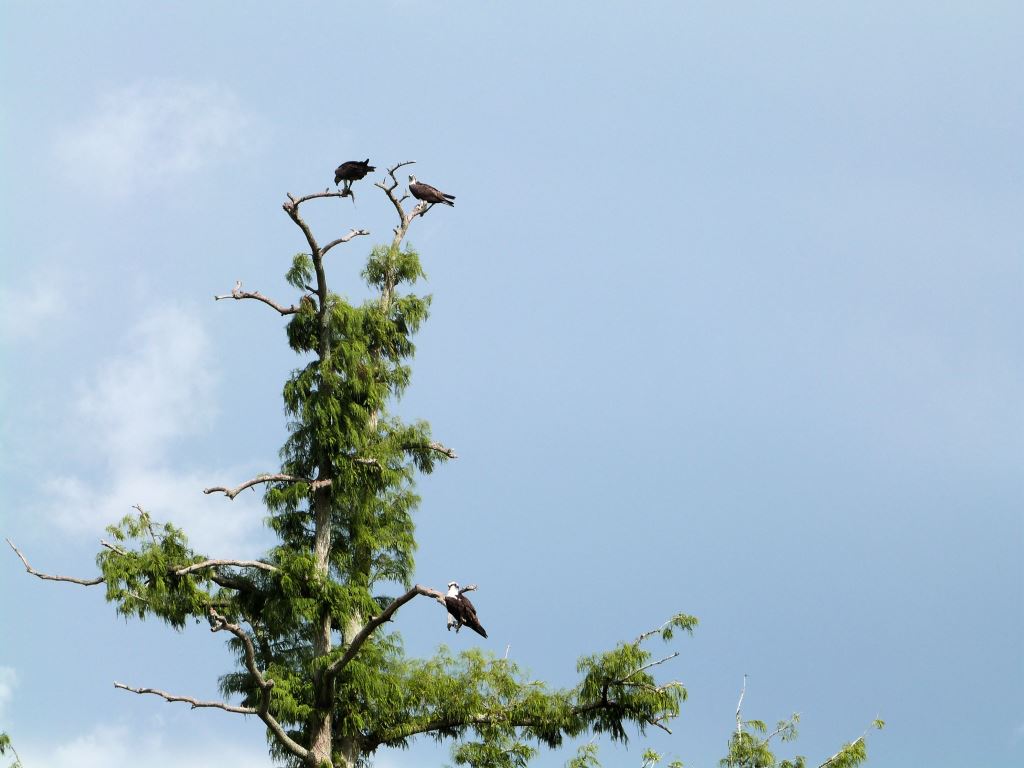
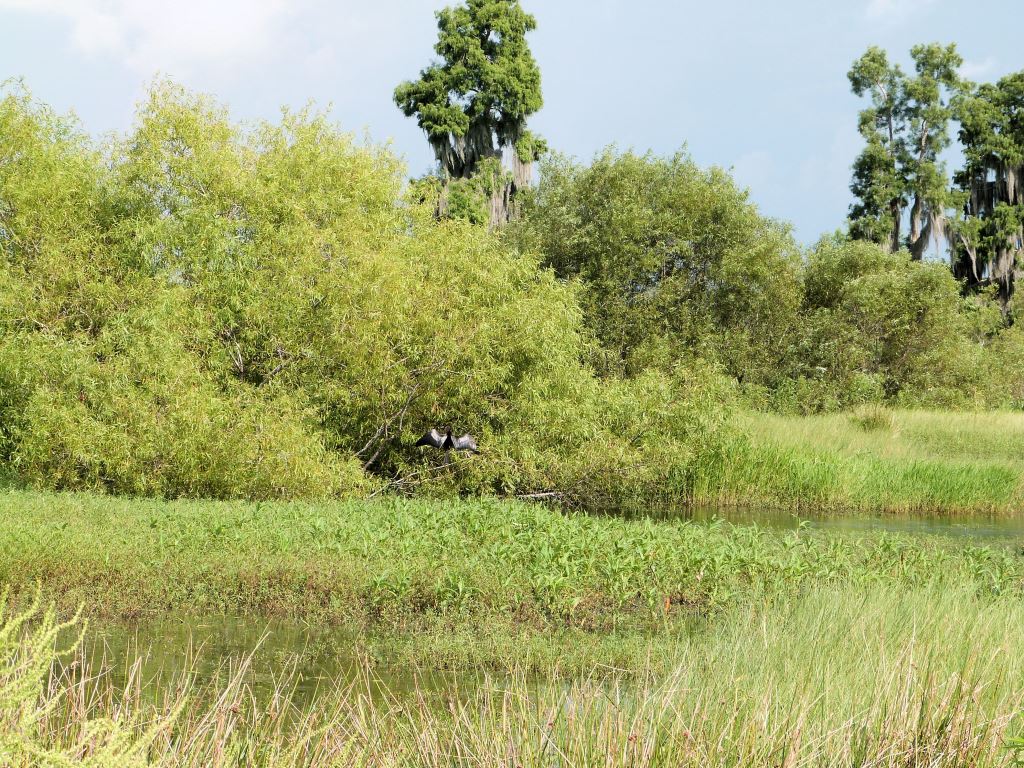
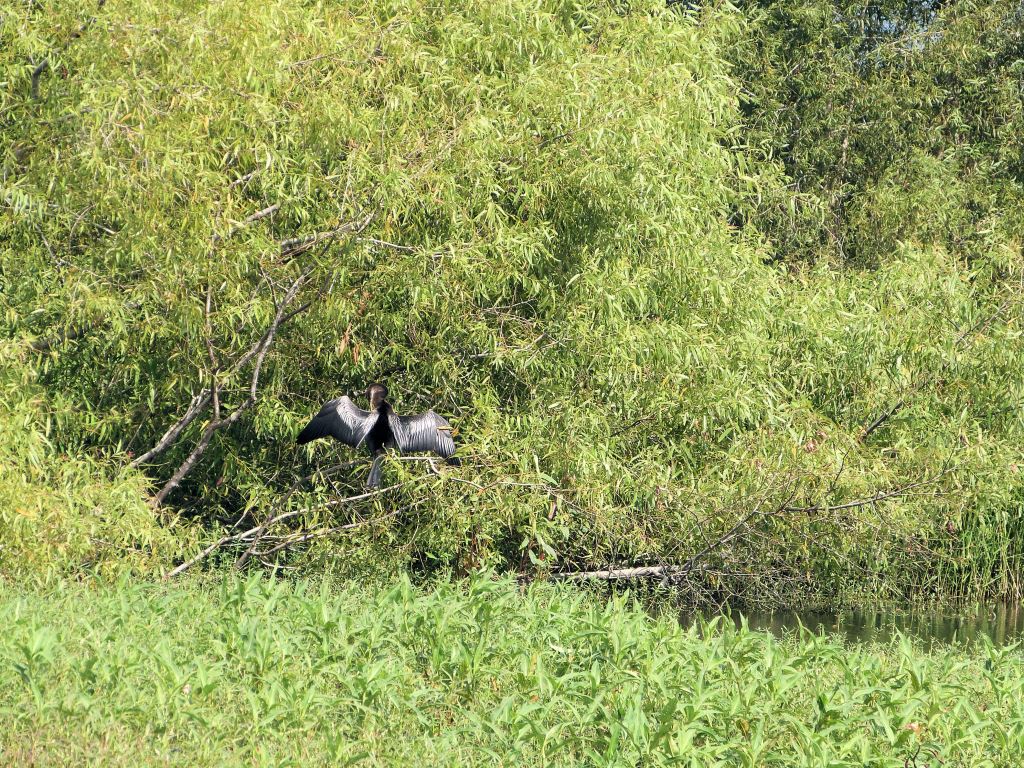
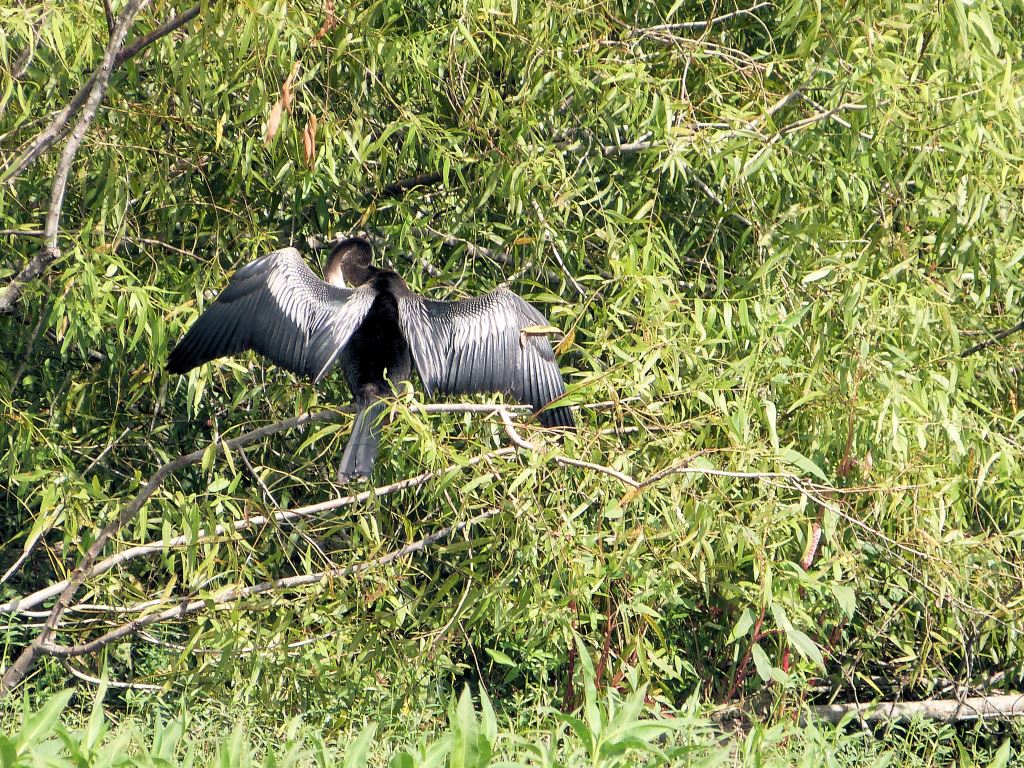
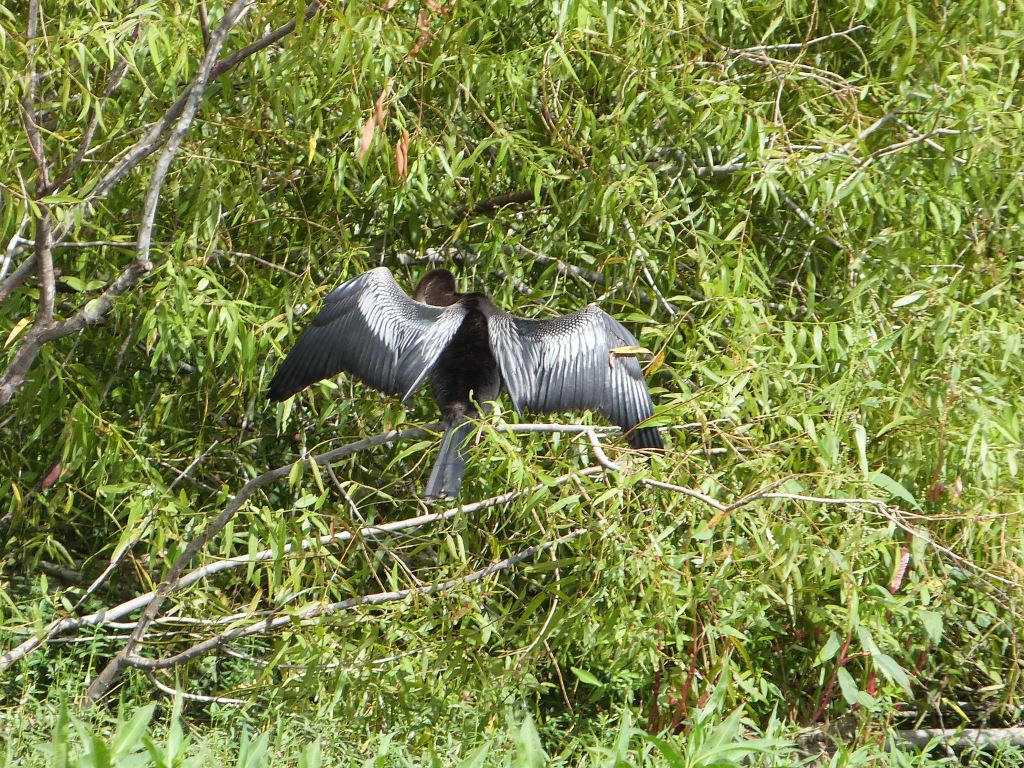
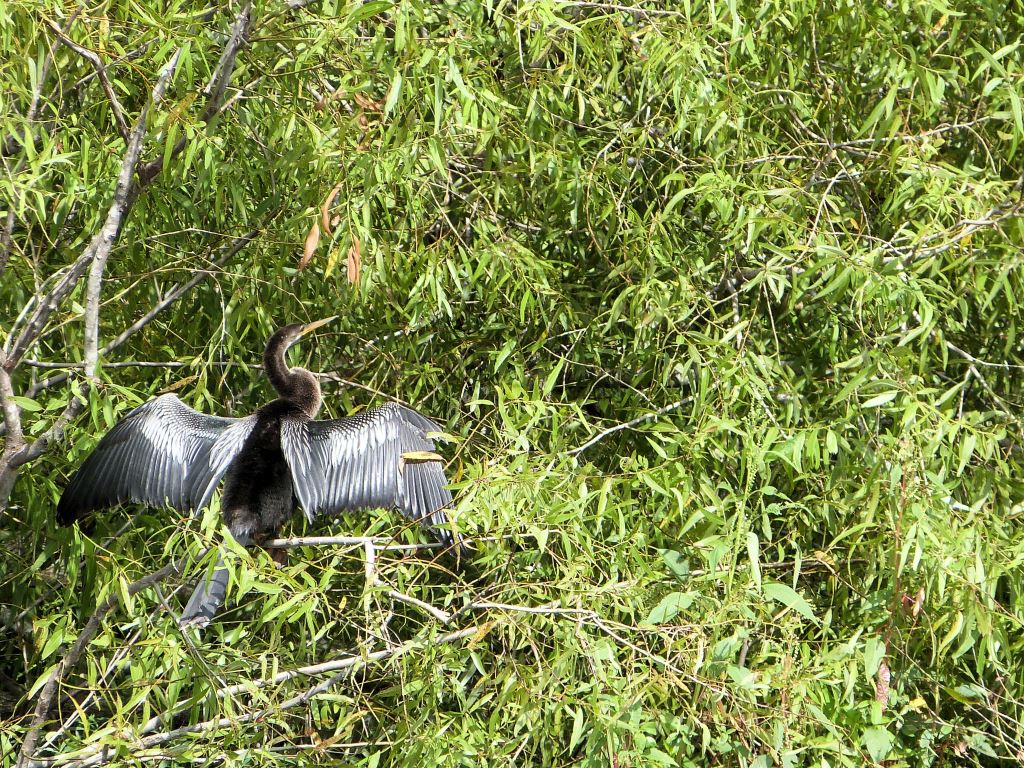
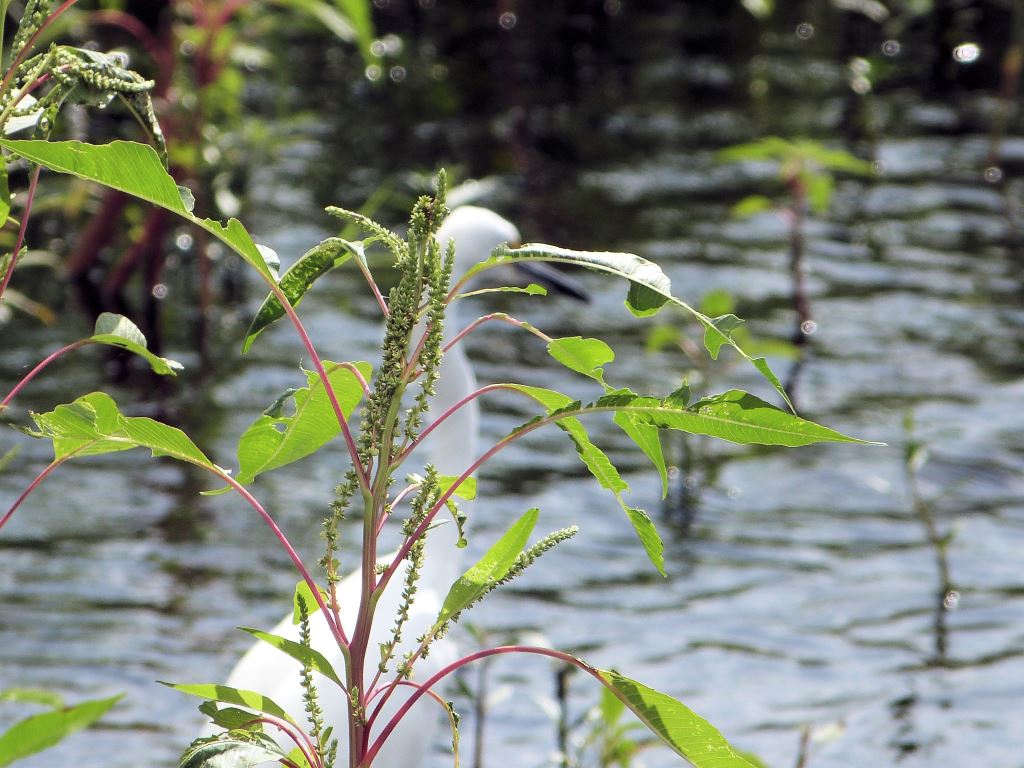
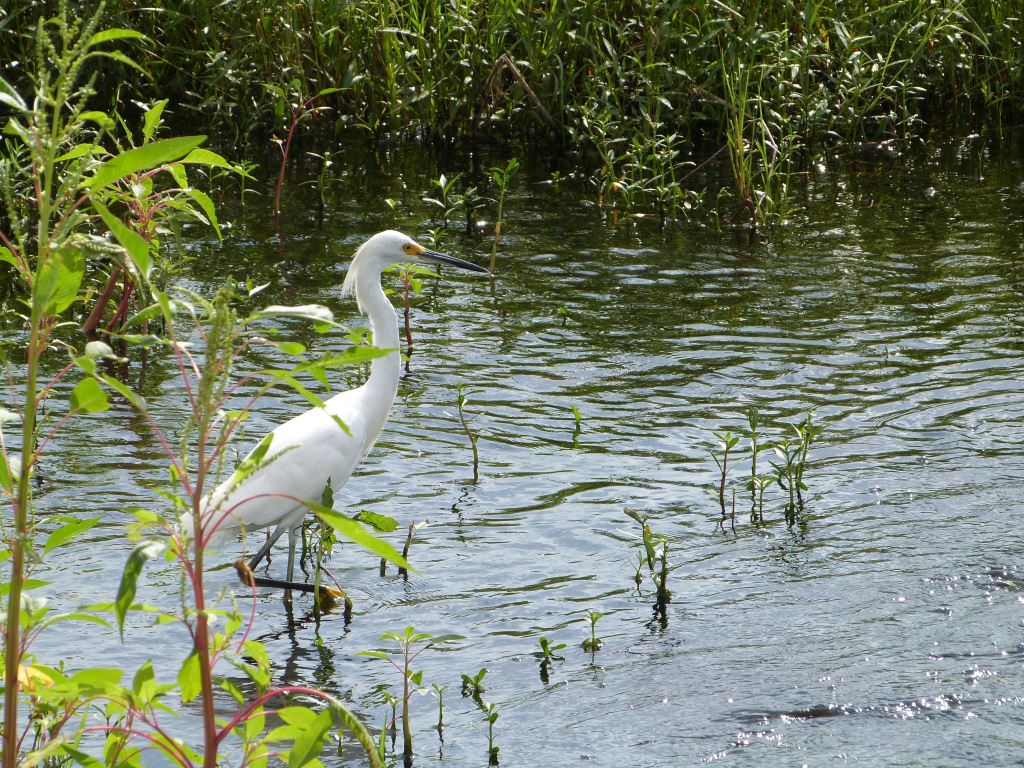
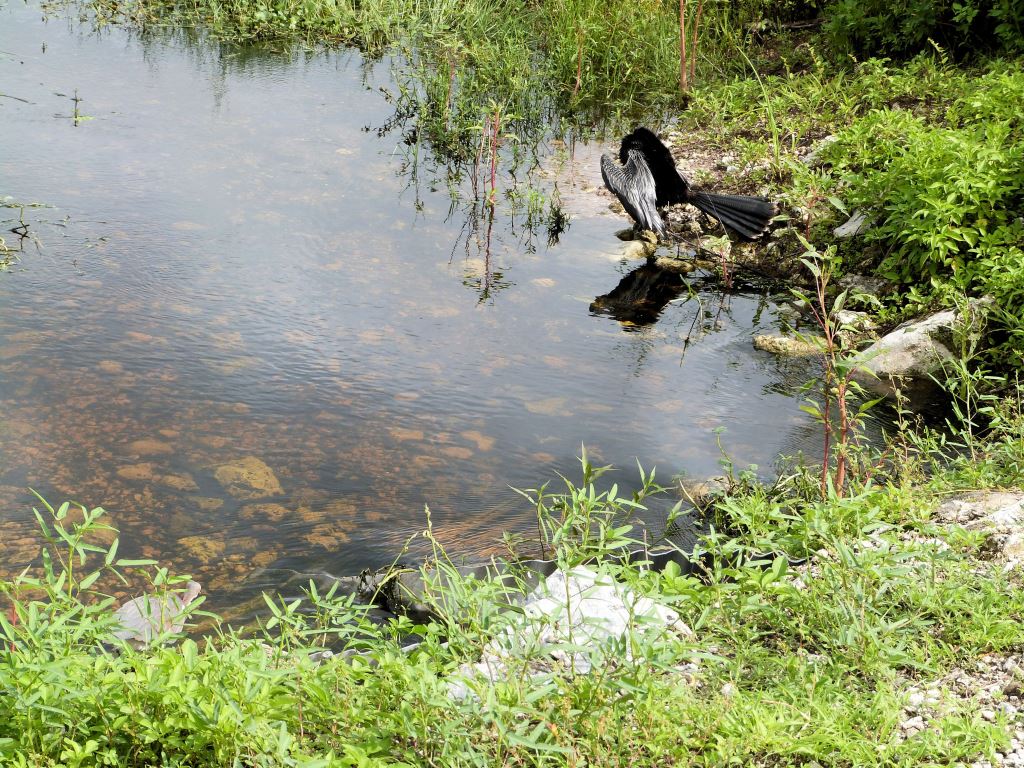
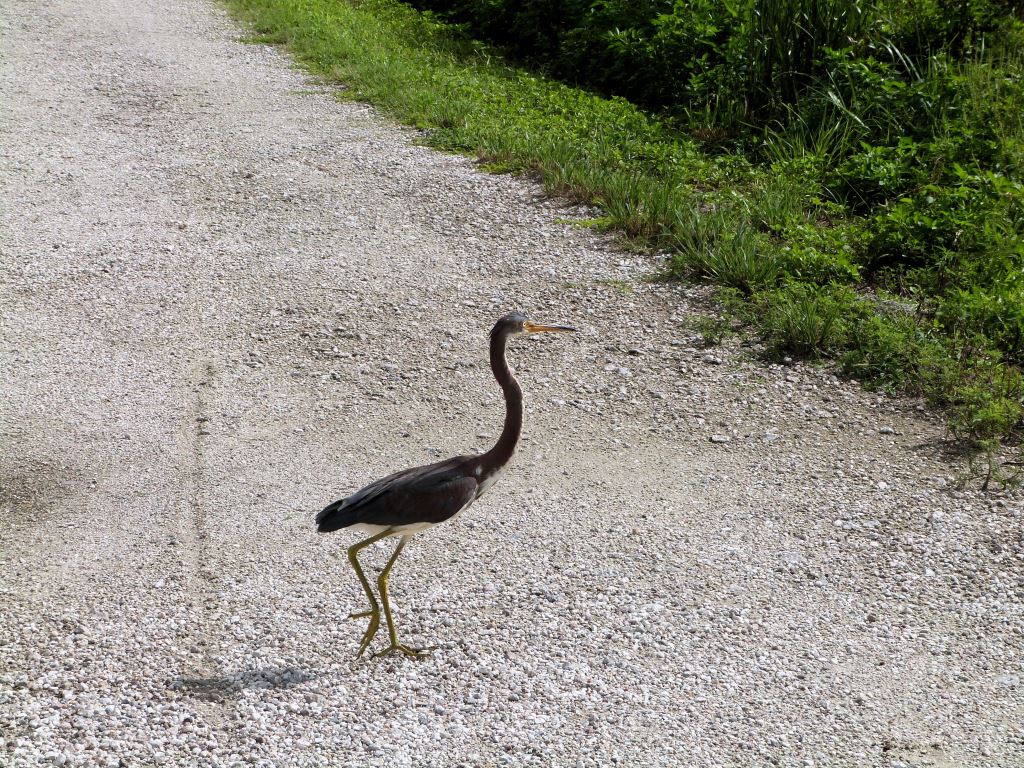
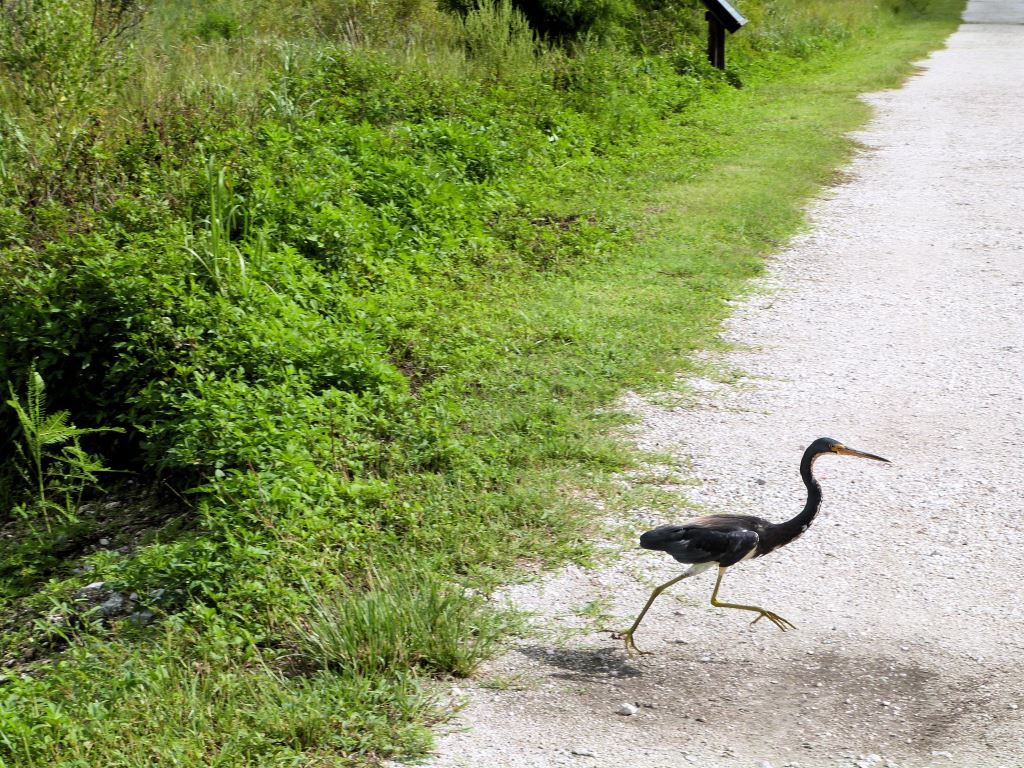
We managed to see quite a few Ospreys, one eating a huge fish up in a tree. There were at least five Tricolored Herons, one of them a juvenile, a Snowy Egret, two Black-bellied Whistling Ducks, some Common Gallinules, an Anhinga and lots of Black and Turkey Vultures circling overhead.


Tricolored Heron (Egretta tricolor) Juvenile Circle B by Lee

Tricolored Heron (Egretta tricolor) Juvenile Circle B by Lee

It was hot, humid, and it began to sprinkle, so we left after about 50 minutes or so. None the less, it is always enjoyable to get out and enjoy the Lord’s creations. I am also thankful that the Lord gave the rain recently to fill up the marsh again and water to drink. We had cool water in the car and did it ever “hit the spot.”

Here are some of my photos and videos that I took.

How great are his signs! and how mighty are his wonders! his kingdom is an everlasting kingdom, and his dominion is from generation to generation. (Daniel 4:3 KJV)

*


*

*

Rock Partridges: Lessons About Hunting And Hatching

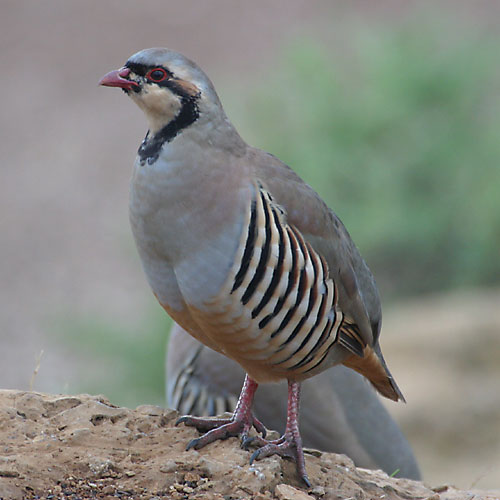
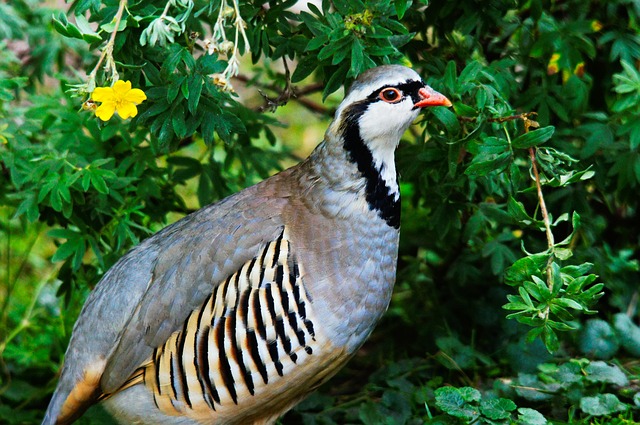
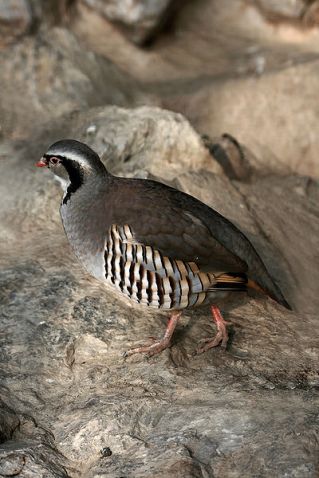
Rock Partridge (Alectoris graeca) WikiC

Rock Partridge (Alectoris graeca) WikiC

Rock Partridges: Lessons about Hunting and Hatching ~ James J. S. Johnson

Now therefore, let not my blood fall to the earth before the face of the LORD: for the king of Israel is come out to seek a flea, as when one doth hunt a partridge in the mountains. (1 Samuel 26:20 KJV)
Luzon Bleeding-heart by Dan

Orni-Theology

Rock Partridges – like other partridges – prefer to hide from people, yet their voices are quite detectable. “Rock partridges are masters of concealment and are best spotted when perched on a boulder sending out a challenge; however, when we were [in Israel] we probably heard ten for every one of which we had a glimpse” [quoting George Cansdale, All the Animals of the Bible Lands (Zondervan, 1970), pages 165-166].   Yet if we look for partridges carefully, in Scripture, we will find them mentioned twice, providing us with two lessons for our own lives (and “callings”, pardon the pun).  But, before looking at those two Bible passages, first let us consider what a “partridge” is.

 So what is a partridge?

Partridges are chicken-sized ground-dwelling birds, classified together with other “pheasant family” birds like pheasant, grouse, bobwhite, quail, junglefowl, chicken, peafowl, and ptarmigan. Specifically, partridges are categorized as fowl belonging to the order Galliformes, family Phasianidae, subfamily Perdicinae).

Partridges don’t migrate.  Partridges  — such as the Rock Partridges of the Holy Land — often nest in hilly or montane areas, in fairly dry climate zones, laying more than a dozen eggs in a minimally lined ground scrape – quite a humble nest!   This habit leaves partridge eggs quite vulnerable, for many ovivorous predators (including hungry humans – see Deuteronomy 22:6-7) hunt around the nesting grounds of partridges.  Resourceful foragers themselves, partridges routinely eat accessible ants, seeds, berries, lichen, and other low-to-the-ground vegetation.  Like other land-fowl partridges spend most of their time on the ground, hidden in ground cover, so don’t expect to see them flying around much, or perching in tree branches.

Partridges are mentioned only twice in the Old Testament (noted below), as translations of the Hebrew word qoré’ – a noun derived from the verb qara’ (meaning “to call”, “to cry”).   The Hebrew root  verb qara’ is used to describe calling out someone’s name, when you wish to speak to that person, and it is used to describe God’s actions when He “called” the light Day, the dark Night, the dry land Earth, etc. (in Genesis chapter 1).  Partridges, therefore, are “criers”, famous for their calls.  The Rock Partridge (Alectoris graeca), which seems to have been common during Bible times, is known for its “cok-cok-cokrr” call, in the arid piedmonts of Israel.

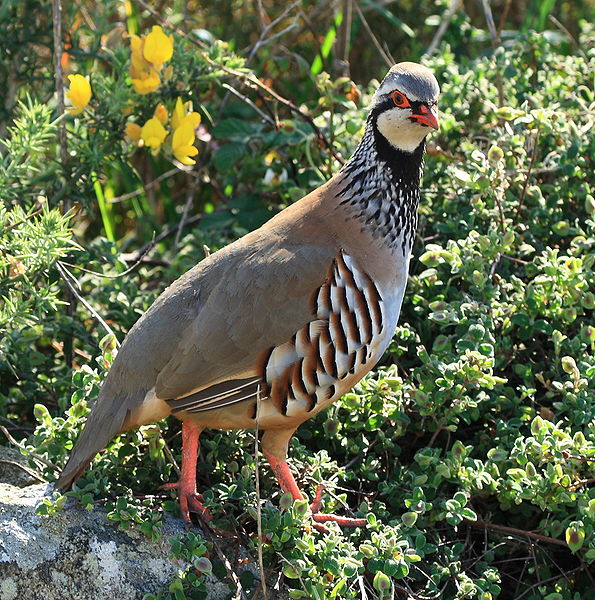
The Rock Partridge ranges “from the mountains of Lebanon in the north across the coastal plains to the dry hills of Judaea, but its range also extends westwards through Greece and all over Italy” [quoting George Cansdale, All the Animals of the Bible Lands (Zondervan, 1970), page 165].  Its Holy Land cousin, the Red-legged Partridge (Alectoris rufa), resembles the Rock Partridge from a distance, so the Bible could refer to either or both, as well as any hybrids.  Another partridge found in Israel’s desert lands is Hey’s Partridge (Ammoperdrix heyi), by the Dead Sea.

“Partridges” ae mentioned once in 1st Samuel 26:20 and once in Jeremiah 17:11.  Both verses illustrate important life lessons.
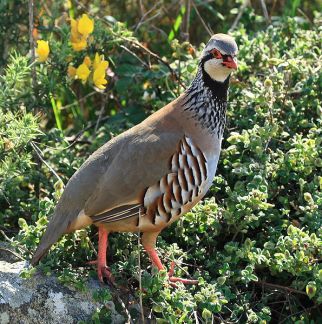
Red-legged Partridge (Alectoris rufa) ©WikiC

Red-legged Partridge (Alectoris rufa) ©WikiC

Living life on the run

As a fugitive trying to escape King Saul, David compares himself (in 1st Samuel 26:20, quoted above) to a partridge being hunted in the mountains.  Because partridges don’t fly far away, as chased ducks or geese may, hunters chase partridges in the hilly scrublands, causing the partridges to run this way and that, often wearying the partridges to the point that they became targets for whatever weapons (even sticks used for clubbing) the hunters have available.  Surely David saw such partridges in the arid wilderness scrublands he hid in, and likely David himself hunted, caught, and ate such partridges.  Because David was daily fleeing Saul’s soldiers, in the hilly wilderness  of Israel, David knew what partridges felt like, being pursued by hunters.  Yet God protected David from Saul’s evil efforts, and in God’s providence it was David, when the dust settled, who survived and reigned over Israel, not Saul.

What can we learn from David’s fugitive plight?

First, there is no good reason to surrender to one’s enemies!  When persecutors aim at innocent victims, as has been the plight of believers ever since Cain murdered Abel (Genesis 4:8-9; Matthew 23:35; Luke 11:51), we are counseled to evade persecutions when possible (Matthew 7:6 & 10:14 & 10:23; Luke 9:5 & 10:11 & 21:21; Acts 9:25 & 13:51).

Second, David’s example reminds us that God is sovereign – He will not let us die until it is the proper time for dying.  So long as God has earthly work for us to do, He will sustain us (James 4:13-15).

Rock Partridge (Alectoris graeca) ©Arthur Grosset

Rock Partridge (Alectoris graeca) ©Arthur Grosset

Don’t count your chickens (or partridges) before they hatch

Another lesson from the partridge comes from Jeremiah 17:11.  It seems that partridges have a bad reputation for being less than fully successful in hatching their eggs!  This parental deficiency is compared to the tentative gains of those who acquire wealth by unrighteous means – they will, in the end, be seen as the fools they are!  Why?  Because the wealth of this world, even if kept until death, is only transitory wealth.  It is like eggs laid in a slipshod nest, never to be successfully hatched.

Don’t invest the best of your life in the transitory things of this world  —  because the investment will be a disappointment, when life is over.  Rather, invest your time and treasure in what God values.  It is truly foolish to lay up temporal treasures, “where moth and rust doth corrupt, and where thieves break through and steal” (Matthew 6:19).  Materialistic treasures are a long-term waste of investment, to be displayed as folly in eternity (and often earlier, on earth), as “gains” wrongly gotten – because we are only stewards of the assets God entrusts to us.

Therefore, let us rather, on a daily basis, accrue (by God’s grace) “treasures in Heaven, where neither moth nor rust doth corrupt, and where thieves do not break through nor steal” (Matthew 6:20).  It’s really a matter of the heart:  “For where your treasure is, there will your heart be also” (Matthew 6:21).

(Dr. James J. S. Johnson, an apologetics professor for ICR, previously taught ornithology at Dallas Christian College.)
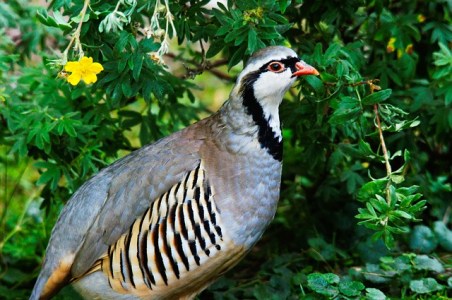

Rock Partridge (Alectoris graeca) ©Pixabay

Rock Partridge (Alectoris graeca) ©Pixabay

Lee’s Addition:

Rock Partridges belong to:

*

P.S. – As of this post, James J. S. Johnson is now one of our regular contributors to the blog. An introduction will be given soon.

*
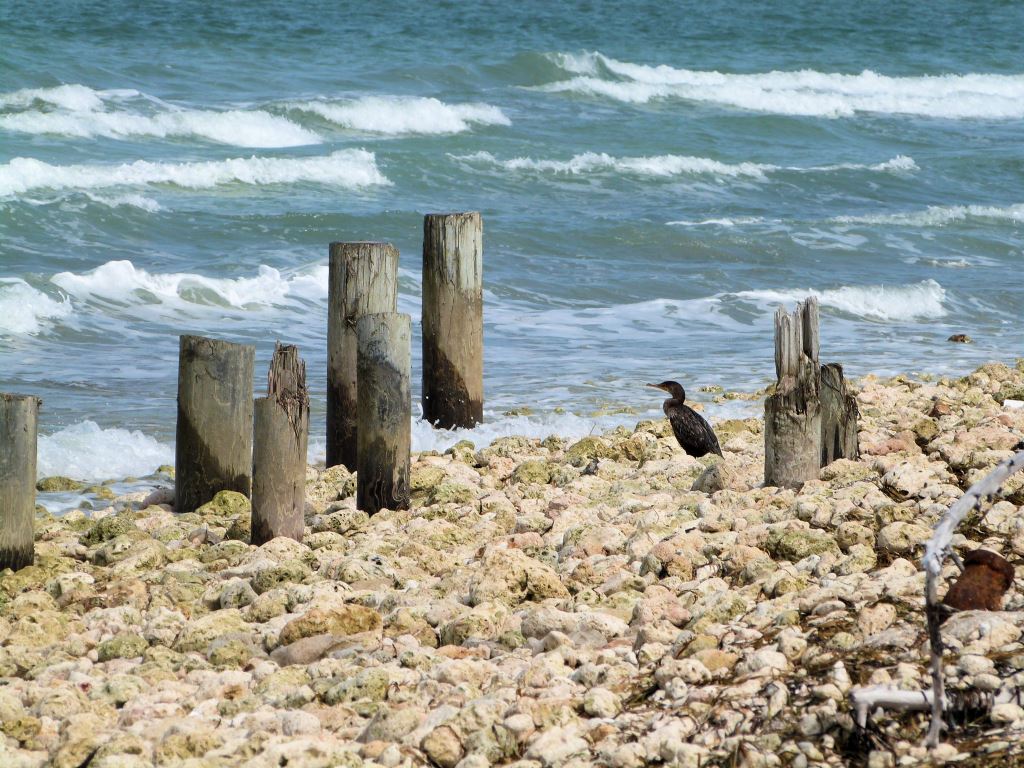
Photos from Honeymoon Island State Park

The same day went Jesus out of the house, and sat by the sea side. And great multitudes were gathered together unto him, so that he went into a ship, and sat; and the whole multitude stood on the shore. And he spake many things unto them in parables, saying, Behold, a sower went forth to sow; (Matthew 13:1-3 KJV)

We recently took a short visit to Honeymoon Island State Park in Dunedin, Florida. (See – Another Birdwatching Trip, Grey Kingbird at Honeymoon Island SP)

These are some of the photos taken that day. It was hot, summer and not many birds available to watch unfortunately. It was enjoyable just the same and we plan on going back again when the fall birds start migrating through or stopping for the winter.


*
This slideshow requires JavaScript.

*
And flocks shall lie down in the midst of her, all the beasts of the nations: both the cormorant and the bittern shall lodge in the upper lintels of it; their voice shall sing in the windows; desolation shall be in the thresholds: for he shall uncover the cedar work. (Zephaniah 2:14 KJV)

*
Picture Story – Coppersmith Barbet (Observations) – Re-post

Coppersmith Barbet (Megalaima haemacephala) ©One Happy Birder

Coppersmith Barbet (Megalaima haemacephala) ©One Happy Birder

According to studies, January to June is usually the breeding season of Coppersmith Barbets found in the Indian Subcontinent. I had seen a courtship display of this species last year where the female waited patiently for the male, the male kept returning to the female with food in its beak, the male used to puff himself up, start flapping its wings and then feed the female displaying his affection to her, and then the eventually they would mate.

Recently, I observed two Coppersmith Barbets indulge in an activity which looked…. Picture Story- Coppersmith Barbet (Observations).


Lee’s Addition:

Let your speech be alway with grace, seasoned with salt, that ye may know how ye ought to answer every man. (Colossians 4:6 KJV)

The article goes on to describe this behavior as “a term ‘allobilling’ trying to find out what this behavior meant. From what i read, ‘allobilling’ is mutual mouthing between two birds.”

This mouthing is what caught my interest as a Christian. What kind of “mouthing” are we doing?

A man hath joy by the answer of his mouth: and a word spoken in due season, how good is it! (Proverbs 15:23 KJV)

Coppersmith Barbets are members of the Megalaimidae – Asian Barbets Family.

*

*


Sunday Inspiration – “King” Birds

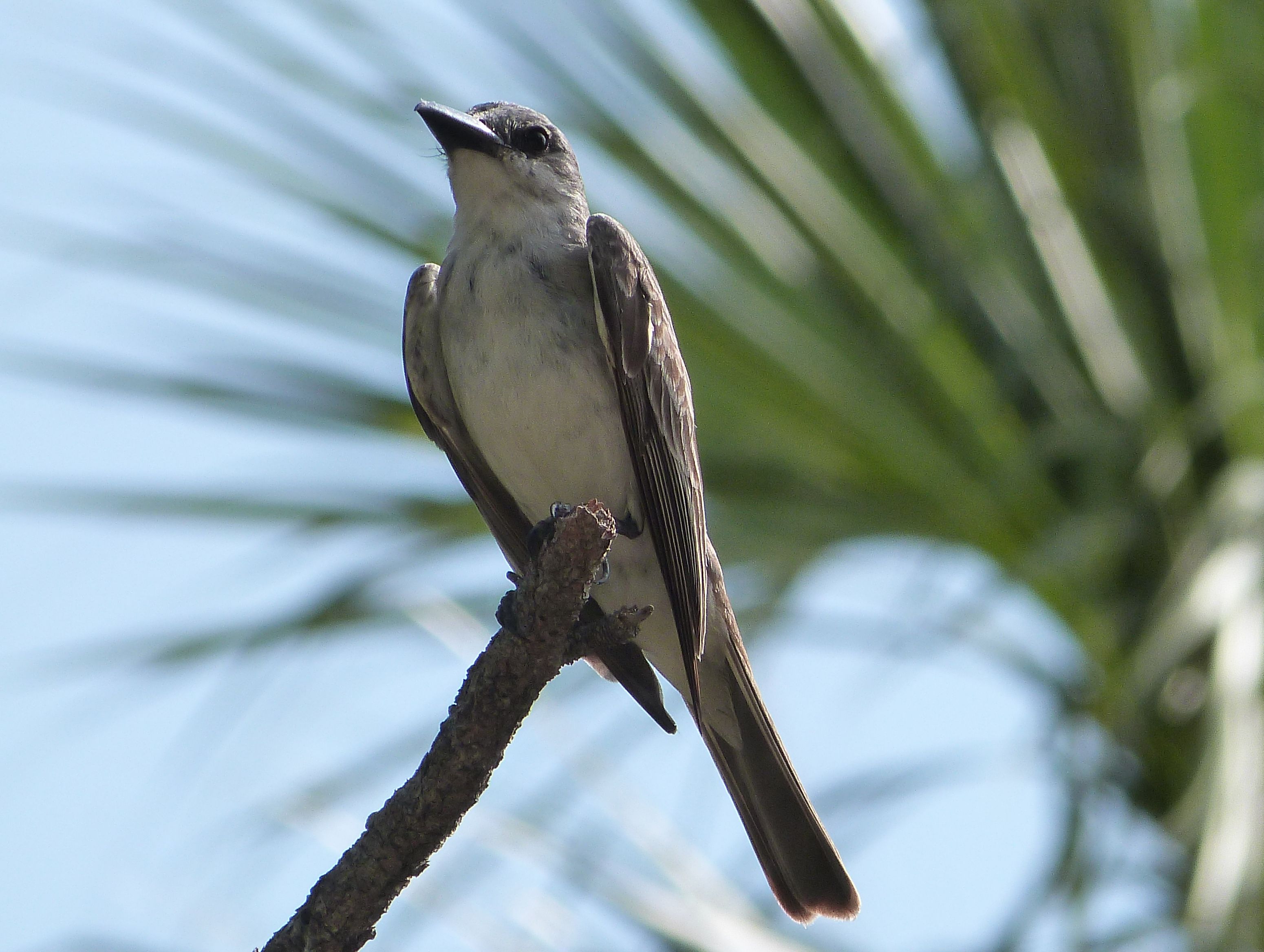
Grey Kingbird (Tyrannus dominicensis) by Lee at Honeymoon Is SP

Grey Kingbird (Tyrannus dominicensis) by Lee at Honeymoon Is SP

Rejoice greatly, O daughter of Zion! Shout, O daughter of Jerusalem! Behold, your King is coming to you; He is just and having salvation, Lowly and riding on a donkey, A colt, the foal of a donkey.
(Zechariah 9:9 NKJV)

‘TELL THE DAUGHTER OF ZION, ‘BEHOLD, YOUR KING IS COMING TO YOU, LOWLY, AND SITTING ON A DONKEY, A COLT, THE FOAL OF A DONKEY.’ ” (Matthew 21:5 NKJV)

Since writing about the Grey Kingbird last week, I have been thinking about birds that have “King” in their name. Here are some of the ones, plus many of the “King”fishers.

This slideshow requires JavaScript.

*

Both our Choir with the Orchestra and the Hyssongs did great and I couldn’t decide so here are both of them.

“The King is Coming” – Faith Baptist Choir and Orchestra. Intro by Pastor Osborne

Jesus answered, My kingdom is not of this world: if my kingdom were of this world, then would my servants fight, that I should not be delivered to the Jews: but now is my kingdom not from hence. Pilate therefore said unto him, Art thou a king then? Jesus answered, Thou sayest that I am a king. To this end was I born, and for this cause came I into the world, that I should bear witness unto the truth. Every one that is of the truth heareth my voice. (John 18:36-37 KJV)

“The King is Coming” – ©Hyssongs

*

The Gospel Message

More Sunday Inspirations

Faith Baptist Church

*

Intimidating Duets – ©Creation Moments

Magpie-lark (Grallina cyanoleuca) ©©J.J. Harrison

Magpie-lark (Grallina cyanoleuca) ©©J.J. Harrison

“… and he shall rise up at the voice of the bird, and all the daughters of musick shall be brought low…” Ecclesiastes 12:4b

Precision in communication is highly important. This is especially true of the type of communication called music, whether you are talking about Mozart or magpie-larks.

Only about three percent of bird species are known to sing duets. In a duet, one mate begins singing, and the other mate begins a half second later. Among Australian magpie-larks, pairs that are newly mated usually lack that precision. However, in pairs that have been together for two years, the lag time of the duet usually varies by only a few hundredths of a second.

Researchers also discovered that this precision serves a purpose. Male magpie-larks respond to perceived threats by increasing their singing. When they played the less-precise duets to 12 pairs of other magpie-larks, the males only responded in this way seven times in five minutes. However, the more-precise duets resulted in nine responses in five minutes. In short, other magpie-larks are more intimidated by pairs that sing with precision than by those who do not. This is important in preserving an established couple’s territory from invasion by new couples.

Communication with precision is yet another fingerprint of God on the creation. In Scripture, the ultimate in precise communication, God even points us to the birds as He urges us to recognize His involvement in the creation.

Prayer:

Thank You, Father, for taking care of all Your creation and especially for sending Your Son to save me. Amen.

Notes:
Science News, 6/9/07, p. 357, S. Milius, “Scary Singing.” Photo: Female magpie-lark. Courtesy of J.J. Harrison. Licensed under the Creative Commons Attribution-Share Alike 3.0 Unported license.  ©Creation Moments 2014


Magpie-lark (Grallina cyanoleuca) by W Kwong

Magpie-lark (Grallina cyanoleuca) by W Kwong

Lee’s Addition:

By them the birds of the heavens have their home; They sing among the branches. (Psalms 104:12 NKJV)

Magpie-larks are members of the Monarchs – Monarchidae Family, which has 99 species in it. There are only two larks in this family:

Magpie-lark (Grallina cyanoleuca)
Torrent-lark (Grallina bruijnii) WorldBirds – Photos

Here is a sound recording from xeno-canto of a duet.

*

*


Bible Birds – Mighty Hand of God!

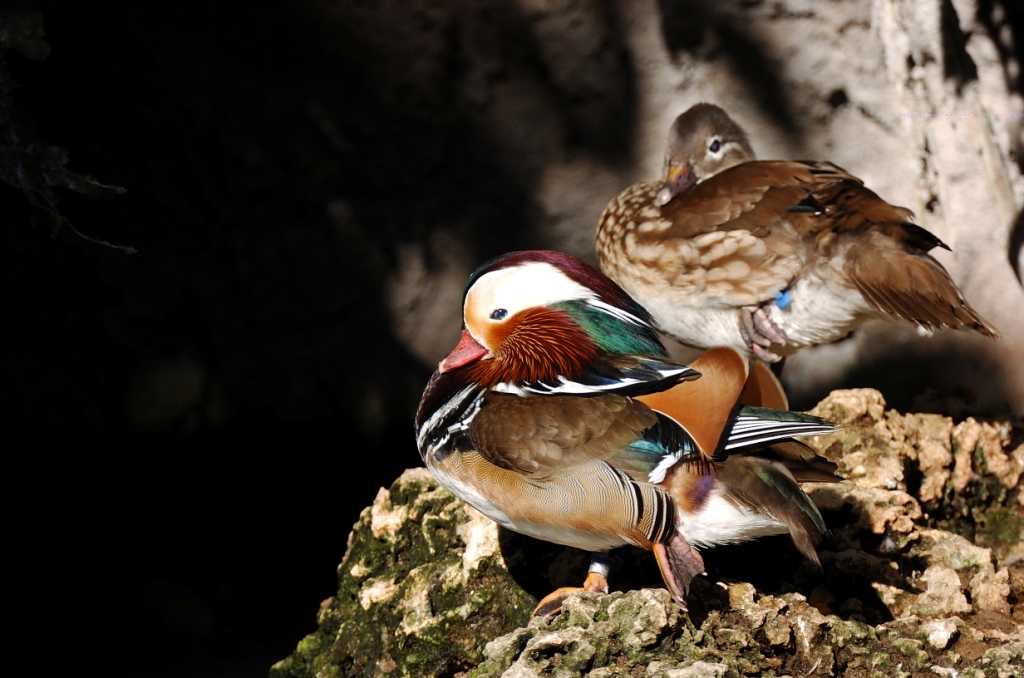
Mandarin Duck (Aix galericulata) by Dan at Zoo Miami

Mandarin Duck (Aix galericulata) by Dan at Zoo Miami

O Lord GOD, You have begun to show Your servant Your greatness and Your mighty hand, for what god is there in heaven or on earth who can do anything like Your works and Your mighty deeds? (Deuteronomy 3:24 NKJV)

What a beautiful duck. When we look around us, the Lord’s Hand is at work everywhere. Be thankful today for the Lord’s Blessing.

Brown-headed Barbet (Megalaima zeylanica) by Nikhil Devasar

Hang in there, today!

O taste and see that the LORD is good: blessed is the man that trusteth in him. (Psalms 34:8 KJV)

*

Bible Birds

*


Birds of the Bible – Mighty Hand of God

Mandarin Duck (Aix galericulata) by Dan at Zoo Miami

Mandarin Duck (Aix galericulata) by Dan at Zoo Miami

O Lord GOD, You have begun to show Your servant Your greatness and Your mighty hand, for what god is there in heaven or on earth who can do anything like Your works and Your mighty deeds? (Deuteronomy 3:24 NKJV)

What a beautiful duck. When we look around us, the Lord’s Hand is at work everywhere. Be thankful today for the Lord’s Blessing.

Brown-headed Barbet (Megalaima zeylanica) by Nikhil Devasar

Hang in there, today!

O taste and see that the LORD is good: blessed is the man that trusteth in him. (Psalms 34:8 KJV)

*

Birds of the Bible

*

Grey Kingbird at Honeymoon Island SP

Grey Kingbird by Lee at Honeymoon Is SP 7-4-2014

Grey Kingbird by Lee at Honeymoon Is SP 7-4-2014

All the kings of the earth will give thanks to You, O LORD, When they have heard the words of Your mouth. And they will sing of the ways of the LORD, For great is the glory of the LORD. (Psalms 138:4-5 NASB)

The Grey Kingbird (Tyrannus dominicensis) which we saw at Honeymoon Island SP last week was a Life Bird for me. Most Americans call it Gray, but the I.O.C. List of Birds use the Grey spelling. Either way, grey or gray, it is the same bird. That is one reason they use the Scientific name of Tyrannus dominicensis to ID the bird.

Recently I purchased the Latin for Bird Lovers book, because I have tried to see what these “scientific” mean on my own and thought this would be interesting. The book has over 3,000 bird names. I found it to be something quite useful, for me, at least. So let’s see what our Tyrannus dominicensis actually means.

  • Tyrannus – “ti-RAN-nus” – “Tyrant, as in Tyanannus Allugularis, The White-throated Kingbird” [p.205]
  • dominicensis – “doe-min-ib-SEN-sis-” – “After the Commonwealth of Dominica in the West Indies, as in Pluvialis dominica, the American Golden Plover, which passes through the West Indies during migrations.” [p.61]

So, we have a Tyrant that is from or passes through Dominica. The Kingbirds do belong to the Tyrannidae – Tyrant Flycatchers Family. There are 14 birds in the Tyrannus genus, which is the first part of the scientific name, Tyrannus.  Dominicensis, the second part of the name has 5 birds with that ending. That includes not only this Grey Kingbird, but also the Caribbean Martin (Progne dominicensis),  Antillean Siskin (Spinus dominicensis), Hispaniolan Oriole (Icterus dominicensis) and the Hispaniolan Spindalis (Spindalis dominicensis).

This was my 250th Life Bird record on eBird.

Grey Kingbird (Tyrannus dominicensis) by Lee at Honeymoon Is SP

Grey Kingbird (Tyrannus dominicensis) by Lee at Honeymoon Is SP

The bird also has found a house, And the swallow a nest for herself, where she may lay her young, Even Your altars, O LORD of hosts, My King and my God. (Psalms 84:3 NASB)

“The Grey or Gray Kingbird, also known as Pitirre (Tyrannus dominicensis) is a passerine bird. It breeds from the extreme southeast of the USA, mainly in Florida, through Central America, from Cuba to Puerto Rico as well as eastward towards all across the Lesser West Indies, south to Venezuela, Trinidad, Tobago the Guiana and Colombia. Northern populations are migratory, wintering on the Caribbean coast of Central America and northern South America.

Grey Kingbird by Dan

Grey Kingbird by Dan at HISP

This tyrant flycatcher is found in tall trees and shrubs, including the edges of savanna and marshes. It makes a flimsy cup nest in a tree. The female incubates the typical clutch of two cream eggs, which are marked with reddish-brown. Grey Kingbirds wait on an exposed perch high in a tree,which is where we found it, occasionally sallying out to feed on insects, their staple diet.

The adult Grey Kingbird is an average-sized kingbird. It measures 9.1 in (23 cm) in length and weighs from 1.3 to 1.8 oz (37 to 52 g). The upper parts are grey, with brownish wings and tail, and the underparts are white with a grey tinge to the chest. The head has a concealed yellow crown stripe, and a dusky mask through the eyes. The dark bill is heavier than that of the related, slightly smaller, Tropical Kingbird. The sexes are similar, but young birds have rufous edges on the wing coverts, rump and tail.

Grey Kingbird (Tyrannus dominicensis) by Lee at Honeymoon Is SP

The call is a loud rolling trill, pipiri pipiri, which is the reason behind many of its local names, like pestigre or pitirre, in the Spanish-speaking Greater Antilles, or “petchary” in some of the English-speaking zones.

(from xeno-canto)

Like other kingbirds, these birds aggressively defend their territory against intruders, including mammals and much larger birds such as caracaras and Red-Tailed Hawks. This phenomenon has led to the widespread adoption of the pitirre as a nationalist symbol (a sort of David vs. Goliath figure) in Puerto Rico.

It is found in increasing numbers in the state of Florida, and is more often found inland though it had been previously restricted to the coast. The species was first described on the island of Hispaniola, then called Santo Domingo, thus the dominicensis name.” (from Wikipedia with editing)

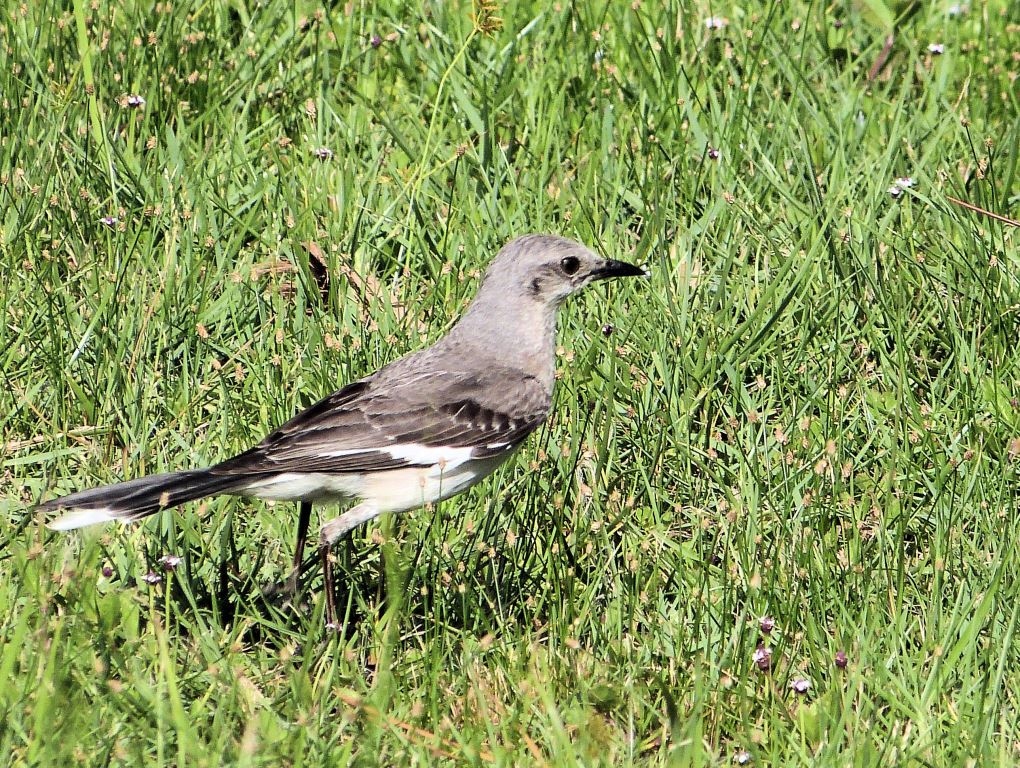
Northern Mockingbird (Mimus polyglottos) by Lee at Honeymoon Is SP

Northern Mockingbird (Mimus polyglottos) by Lee at Honeymoon Is SP

I added this Northern Mockingbird which was also there at the State Park. At first we kept thinking the Kingbird was a Mockingbird. If you compare the photos, you will notice the Mockingbird has a white spot on its wings and also a black spot near its ear. They are very close though. Also, Dan’s photo of the Kingbird came out more brownish. It may be that he caught a younger one. There were several at the park.

Isn’t the Lord great in that He makes us work for the IDs of these birds. As I have said, He should have put name tags on them, but then we wouldn’t learn about His creativity, would we? It is good for us to learn new things. Never get bored with learning.

Make me know Your ways, O LORD; Teach me Your paths. (Psalms 25:4 NASB)

I will instruct thee and teach thee in the way which thou shalt go: I will guide thee with mine eye. (Psalms 32:8 KJV)

*

*

Gideon

*

Sunday Inspiration – Thirst

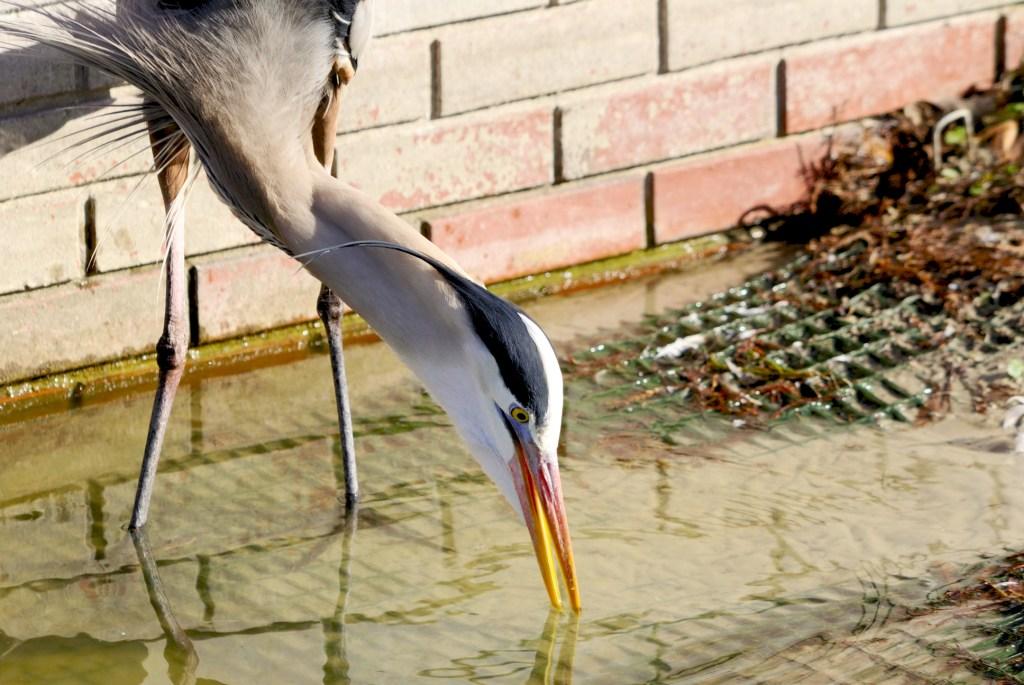
Great Blue Heron (Drinking) at Lake Morgan by Lee

Great Blue Heron (Drinking) at Lake Morgan

Jesus answered and said unto her, Whosoever drinketh of this water shall thirst again: But whosoever drinketh of the water that I shall give him shall never thirst; but the water that I shall give him shall be in him a well of water springing up into everlasting life. (John 4:13-14 KJV)

This slideshow requires JavaScript.

*

*
“Come Thou Fount Of Every Blessing” by Sean Fielder
*

More Sunday Inspiration

Gospel Message

*

Never Give Up

The steps of a good man are ordered by the LORD, And He delights in his way. Though he fall, he shall not be utterly cast down; For the LORD upholds him with His hand. I have been young, and now am old; Yet I have not seen the righteous forsaken, Nor his descendants begging bread. (Psalms 37:23-25 NKJV)

*

(From an email link)

*

Just got a notification from WordPress that today is my Sixth Anniversary here. Wow! Has it really been 6 years? Praise the Lord! Thanks all of you for the visits you have made to the blog. This blog started about 5 months earlier on another service.

1,151,195 visits and counting!

THANK YOU!!!

Another Birdwatching Trip

Double-crested Cormorant (Phalacrocorax auritus) by Lee at Honeymoon Is SP

Double-crested Cormorant (Phalacrocorax auritus) by Lee at Honeymoon Is SP

The birds of the air, And the fish of the sea That pass through the paths of the seas. O LORD, our Lord, How excellent is Your name in all the earth! (Psalms 8:8-9 NKJV)

We just got back from another birdwatching trip. This time we birded the Honeymoon Island State Park and MacDill AFB beach. Was gone overnight and have many photos to prep. Here are just a few photos for now.

These Double-crested Cormorants were just sitting along the Gulf shore and one was sleeping. They seem to be tired and may have decided to stay on shore because of Hurricane Arthur’s bands of rain that kept sweeping the area the last two days. A man walked between the two and they didn’t even move.

Grey Kingbird (Tyrannus dominicensis) by Lee at Honeymoon Is SP

Grey Kingbird (Tyrannus dominicensis) by Lee at Honeymoon Is SP

This photo of a Kingbird, which is the best shot I have ever had of one, was also at the state park. (Actually, just checked, these are the only ones I have taken of Grey Kingbirds. This was a LIFE BIRD for me. Yeah!)

Today, July 4th, we checked out the shore on Tampa Bay at the base. The birds were few, but enough to give us a chance to get some photos. Without so many species, maybe I’ll be able to ID them. My ID’s of shorebirds is still weak. I will pouring be over my bird books again. Praise the Lord for bird books. (I still think the Lord should have hung tags on them.)

Trust those of us celebrating the Fourth have had a good day. We have!

*

*

Honeymoon Island State Park

Birdwatching Trips

Birdwatching

*