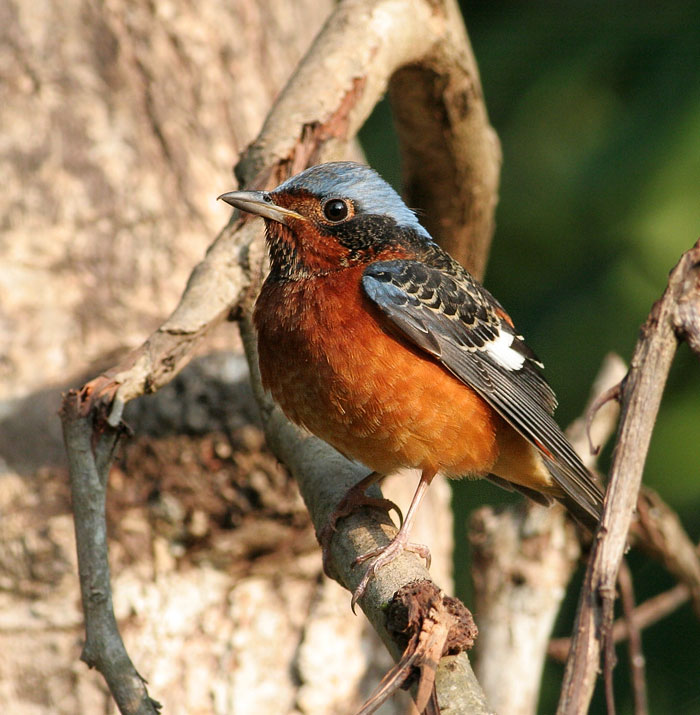
White-throated Rock Thrush (Monticola gularis) by Peter Ericsson
He is the Rock, his work is perfect: for all his ways are judgment: a God of truth and without iniquity, just and right is he. (Deuteronomy 32:4 KJV)
This week we will look at the different “Rock” birds. Many articles have been written about them, but today we get to see their photos.
Of the Rock that begat thee thou art unmindful, and hast forgotten God that formed thee. (Deuteronomy 32:18 KJV)
Our Savior is Our Rock and sure foundation. Scripture mentions numerous purposes of rocks: safety, foundations, hiding places, shadow and other references.
Therefore thus saith the Lord GOD, Behold, I lay in Zion for a foundation a stone, a tried stone, a precious corner stone, a sure foundation: he that believeth shall not make haste. (Isaiah 28:16 KJV)
Nevertheless the foundation of God standeth sure, having this seal, The Lord knoweth them that are his. And, Let every one that nameth the name of Christ depart from iniquity. (2 Timothy 2:19 KJV)
And did all drink the same spiritual drink: for they drank of that spiritual Rock that followed them: and that Rock was Christ. (1 Corinthians 10:4 KJV)
This slideshow requires JavaScript.
*
*
“Hiding in the Shadow of the Rock” ~ Sung by Dr. Richard Gregory (Used with permission)
Grey Crowned Crane (Balearica regulorum gibbericeps) Jax Zoo by Lee
Like a crane or a swallow, so did I chatter: I did mourn as a dove: mine eyes fail with looking upward: O LORD, I am oppressed; undertake for me. (Isaiah 38:14 KJV)
Originally this was going to be about the Grey Crowned Crane at Jacksonville Zoo and other zoos, but the bird genus Balearica (also called the crowned cranes) consists of two living species in the crane family Gruidae: the Black Crowned Crane (B. pavonina) and the Grey Crowned Crane (B. regulorum). The species today occur only in Africa, south of the Sahara Desert, and are the only cranes that can nest in trees. This habitat is one reason why the relatively small Balearica cranes are believed to closely resemble the ancestral members of the Gruidae. Like all cranes, they eat insects, reptiles, and small mammals.
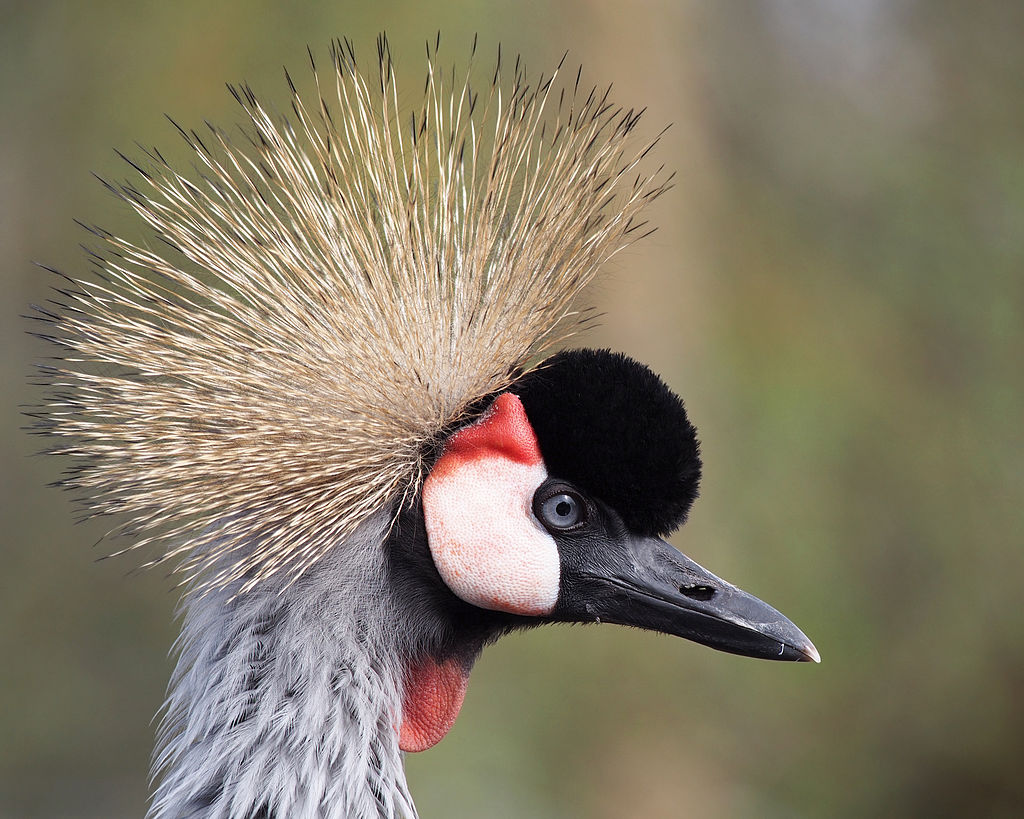
While looking for information, I realized my first impression was incorrect. The Grey Crowned has a grey crown, so while searching our photos the Black Crowned also had the same color crown. At first, I thought I had mislabeled them. Searching Wikipedia, I found these two super photos and decided to share them. You can see that the face is unique in each.
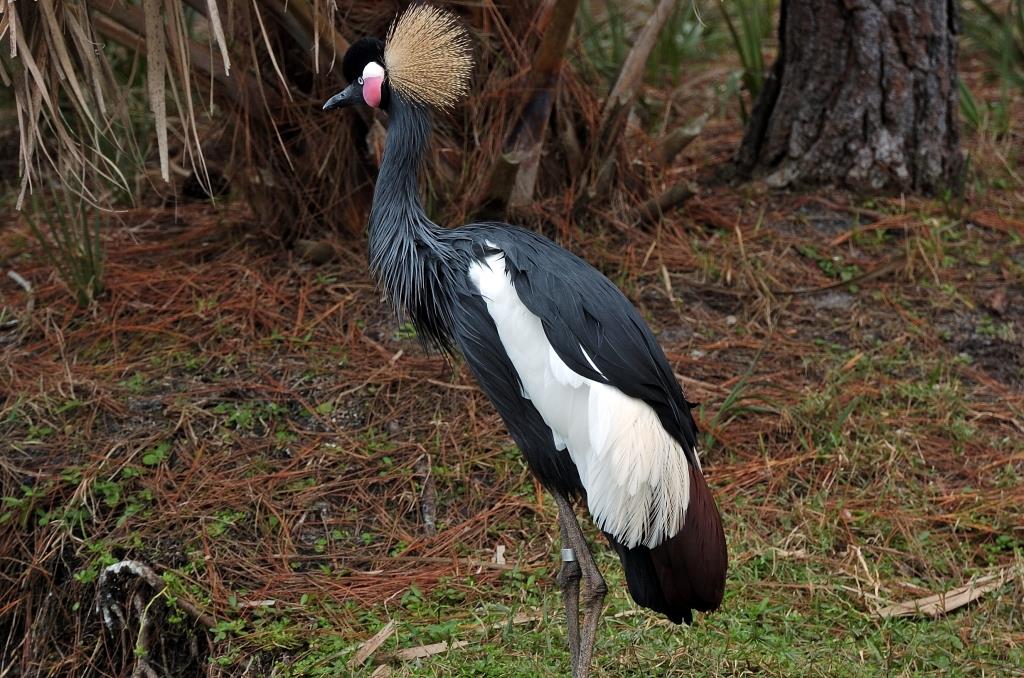
The Black has the red or pink at the bottom of that cheek.
Also, one has a grey neck and the other a black neck. Ahah! That’s where the name comes from. Man names the birds, but God created them and I think it is neat that He helps us identify them. My opinion is that the Lord should have hung name tags on the birds, so that when we have them in our binoculars or scoped we could just read the sign. But God:
Which doeth great things past finding out; yea, and wonders without number. (Job 9:10 KJV)
O the depth of the riches both of the wisdom and knowledge of God! how unsearchable are his judgments, and his ways past finding out! (Romans 11:33 KJV)
There are other things about them, but this was interesting for me. For me, I will have to keep observing and learning. May none of us every get “bored” watching the Lord’s Creations.
Black Crowned Crane (Balearica pavonina pavonina) (West African) by Dan at Brevard Zoo
*
Yea, the stork in the heaven knoweth her appointed times; and the turtle and the crane and the swallow observe the time of their coming; but my people know not the judgment of the LORD. (Jeremiah 8:7 KJV)
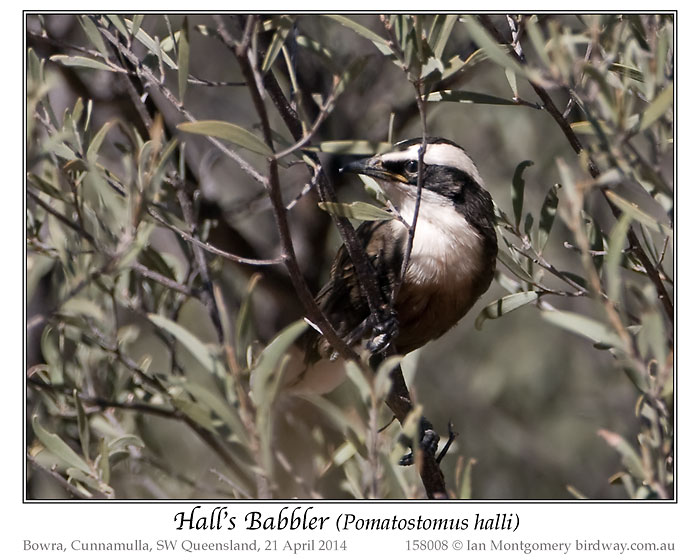
Here is another of the Bowra specialties, Hall’s Babbler, which has a restricted range in dry scrubland in western Queensland north to about Winton and northwestern New South Wales south to about Brewarrina.
If you think it looks just like a White-browed Babbler, you won’t be surprised to hear that it was overlooked as a separate species until 1963 and was first described in 1964. It was named after Harold Hall who funded five controversial bird collecting Australian expeditions in the 1960s and the species was detected, and presumably ‘collected’, on the first of these. It’s larger than the White-browed, 23-25cm/9-10 in length versus 18-22cm/7-9in, is darker overall, has a shorter white bib abruptly shading into the dark belly and a much wider eyebrow. DNA studies suggest that it’s actually more closely related to the Grey-crowned Babbler. It’s voice is described pithily by Pizzey and Knight as ‘squeaky chatterings … lacks “yahoo” of Grey-crowned and madder staccato outbursts of White-browed’. Babblers are clearly birds of great character.
It’s quite common at Bowra in suitable habitat, mainly mulga scrub, and on this occasion we found a party of about 20. Like all Australasian babblers, they’re very social and move erratically through the scrub bouncing along the ground and up into bushes like tennis balls. They’re delightful to watch, and infuriating to photograph as the tangled, twiggy mulga plays havoc with automatic focus – no time for manual – and they keep ducking out of sight. You can be lucky and get ones, like the bird in the second photo, that hesitate briefly, between bounces, in the open to look for food. There had been some good rain a couple of months before our visit, and the birds had been breeding – the one in the third photo with the yellow gape is a juvenile.
Bowra is unusual in that it’s in a relatively small area where the ranges of all four Australian babblers overlap. The other restricted range species, the Chestnut-crowned is at the northern end of its range and also fairly easy to find, while the widespread more northern species, the Grey-crowned, meets the mainly southern White-browed.
I’ve had several emails recently from prominent birders commenting on the excellence of the digital version of Pizzey and Knight. Things they like particularly are the combination of both illustrations and photos (including over 1200 of mine), the great library of bird calls by Fred Van Gessel, portability (phone, tablet and PC), comprehensiveness – all of the more than 900 species recorded in Australia and its territories and ease of generating bird lists by location. The good news is that the price has been reduced to $49.95 and it comes in iPhone/iPad, Android and Windows versions. Go here http://www.gibbonmm.com.au for more information, product tours and links to the appropriate stores, and here http://www.birdway.com.au/meropidae/rainbowbeeeater/source/rainbow_bee_eater_15231.htm to see the photo of the Rainbow Bee-eater below.
My apologies for the delay since the last bird of the week. I’m having a major drive to finish Where to Find Birds in Northeastern Queensland and other things are getting pushed temporarily into the background.
Greetings
Ian
**************************************************
Ian Montgomery, Birdway Pty Ltd,
454 Forestry Road, Bluewater, Qld 4818
Tel 0411 602 737 ian@birdway.com.au
Bird Photos http://www.birdway.com.au/
Recorder Society http://www.nqrs.org.au
Lee’s Addition:
But shun profane and idle babblings, for they will increase to more ungodliness. (2 Timothy 2:16 NKJV)
Here is what a Hall’s Babbler sounds like:
Thanks again Ian for sharing another interesting bird from your part of the world.
Southern Screamer (Chauna torquata) Jax Zoo by Lee
It came about at noon, that Elijah mocked them and said, “Call out with a loud voice, for he is a god; either he is occupied or gone aside, or is on a journey, or perhaps he is asleep and needs to be awakened.” (1 Kings 18:27 NASB)
Here is an introduction to another of the Lord’s neat creations. This one can be quite noisy at times. Not sure if that qualifies as a “joyful noise.” We have seen them at the Jacksonville Zoo and the Cincinnati Zoo.
The southern screamer (Chauna torquata), also known as the crested screamer, belongs to the order Anserformes. In the Anhimidae – Screamers Family. It is found in southeastern Peru, northern Bolivia, Paraguay, southern Brazil, Uruguay and northern Argentina. Its diet consists of plants stems, seeds, leaves, and, rarely, small animals.
Based on DNA analysis they are probably most closely related to the Australian magpie goose. (National Zoo)
Southern Screamer (Chauna torquata) Jax Zoo by Lee
The southern screamer averages 32–37 in (81–95 cm) long and weighs 6.6–11.0 lb (3–5 kg). They are the heaviest, although not necessarily the longest, of the three screamers. The wingspan is around 67 in (170 cm). Among standard measurements, the wing chord measures 21 in (54 cm), the tail 9.1 in (23.2 cm), It lives in tropical and sub-tropical swamps, estuaries and watersides.
The southern screamer is a good swimmer, having partially webbed feet, but prefers to move on the ground. The bony spurs on its wings are used for protection against rival screamers and other enemies. Although it is non-migratory, it is an excellent flier. It lives in large flocks, feeding on the ground in grasslands and cultivated fields until nesting season, when birds pair off.
Southern Screamer (Chauna torquata) Jax Zoo by Lee
The southern screamer establishes monogamous relationships that last its lifetime, estimated to be 15 years. Courtship involves loud calling by both sexes, which can be heard up to two miles away. “Highly vocal, they are named for their distinctive , far-carrying calls, easily carrying for several miles.”(NZ) The Southern Screamer is the most gregarious of the 3 screamer species and the most numerous. For the nest the couple makes a big platform of reeds, straws, and other aquatic plants in an inaccessible place near water. The female lays between two and seven white eggs. The couple share incubation, which takes 43 to 46 days. Chicks leave the nest as soon as they hatch, but the parents care for them for several weeks. The fledging period takes 8 to 14 weeks. (Wikipedia and other internet sources)
And the stork, the heron after her kind, and the lapwing, and the bat. (Leviticus 11:19 KJV)
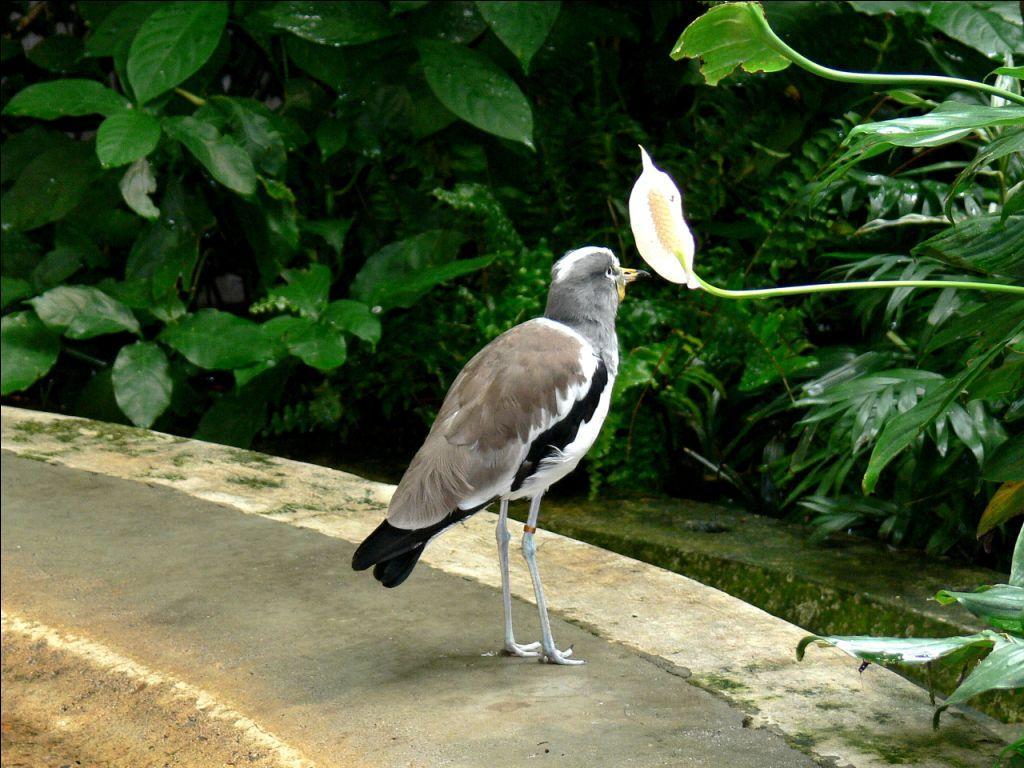
The White-crowned Lapwing above was my first Lapwing encountered. They were at the National Aviary in Pittsburg, PA. They are from the tropical regions of Africa and have a diet of insects and other small invertebrates. (Fun Fact from Aviary) ~ White-headed Wattled Lapwings will bravely defend their territories against all comers, even hippos!
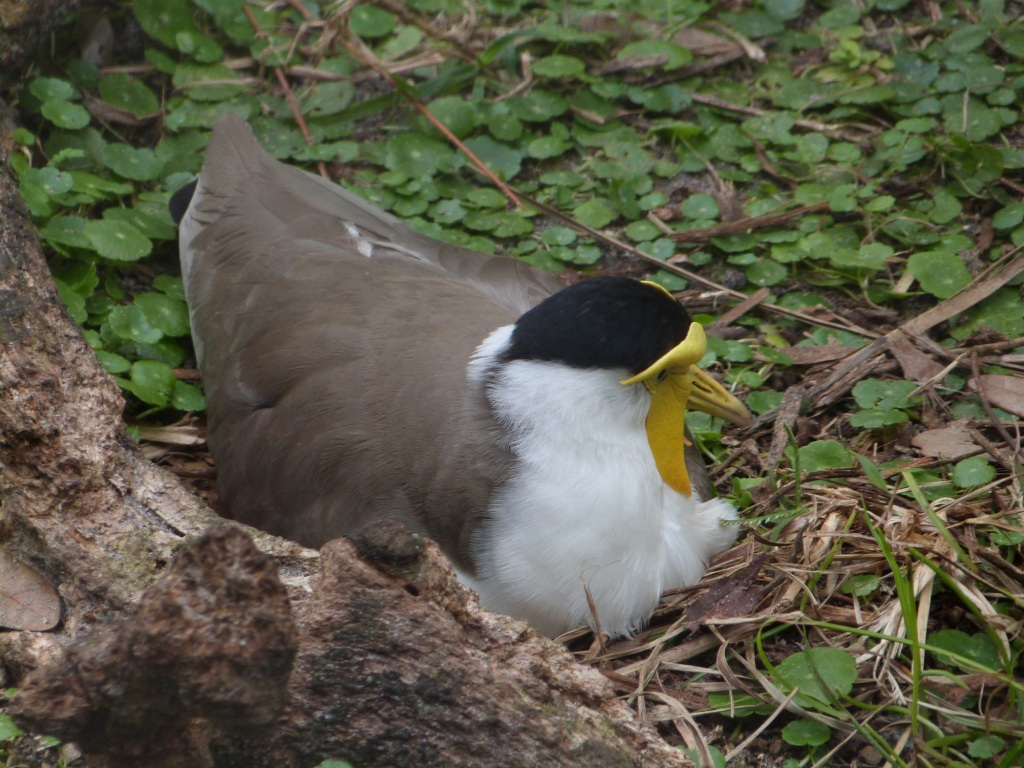
Now almost every zoo we visit has at least one species of Lapwing present. We see the Masked Lapwing most frequently. The reason Lapwings are mentioned in the Bible is because it is on the “Do Not Eat” list.
Masked Lapwing (Vanellus miles) Brevard Zoo by Lee
And the stork, and the heron after her kind, and the lapwing, and the bat. (Deuteronomy 14:18 KJV)
The Masked Lapwings are interesting to watch as they walk around on their long legs and as the “wattle” wiggles.
Vanellinae are any of various crested plovers, family Charadriidae, noted for its slow, irregular wingbeat in flight and a shrill, wailing cry. Its length is 10-16 inches. They are a subfamily of medium-sized wading birds which also includes the plovers and dotterels. The Vanellinae are collectively called lapwings but also contain the ancient Red-kneed Dotterel. A lapwing can be thought of as a larger plover.
The traditional terms “plover”, “lapwing” and “dotterel” were coined long before modern understandings of the relationships between different groups of birds emerged: in consequence, several of the Vanellinae are still often called “plovers”, and the reverse also applies, albeit more rarely, to some Charadriinae (the “true” plovers and dotterels).
In Europe, “lapwing” often refers specifically to the Northern Lapwing, the only member of this group to occur in most of the continent. (Wikipedia)
*
Here are some photos of Lapwings in the Vanellinae genera.
And the stork, the heron after her kind, and the lapwing, and the bat. (Leviticus 11:19 KJV)
The White-crowned Lapwing above was my first Lapwing encountered. They were at the National Aviary in Pittsburg, PA. They are from the tropical regions of Africa and have a diet of insects and other small invertebrates. (Fun Fact from Aviary) ~ White-headed Wattled Lapwings will bravely defend their territories against all comers, even hippos!
Now almost every zoo we visit has at least one species of Lapwing present. We see the Masked Lapwing most frequently. The reason Lapwings are mentioned in the Bible is because it is on the “Do Not Eat” list.
Masked Lapwing (Vanellus miles) Brevard Zoo by Lee
And the stork, and the heron after her kind, and the lapwing, and the bat. (Deuteronomy 14:18 KJV)
The Masked Lapwings are interesting to watch as they walk around on their long legs and as the “wattle” wiggles.
Vanellinae are any of various crested plovers, family Charadriidae, noted for its slow, irregular wingbeat in flight and a shrill, wailing cry. Its length is 10-16 inches. They are a subfamily of medium-sized wading birds which also includes the plovers and dotterels. The Vanellinae are collectively called lapwings but also contain the ancient Red-kneed Dotterel. A lapwing can be thought of as a larger plover.
The traditional terms “plover”, “lapwing” and “dotterel” were coined long before modern understandings of the relationships between different groups of birds emerged: in consequence, several of the Vanellinae are still often called “plovers”, and the reverse also applies, albeit more rarely, to some Charadriinae (the “true” plovers and dotterels).
In Europe, “lapwing” often refers specifically to the Northern Lapwing, the only member of this group to occur in most of the continent. (Wikipedia)
*
Here are some photos of Lapwings in the Vanellinae genera.
And the stork, the heron after her kind, and the lapwing, and the bat. (Leviticus 11:19 KJV)
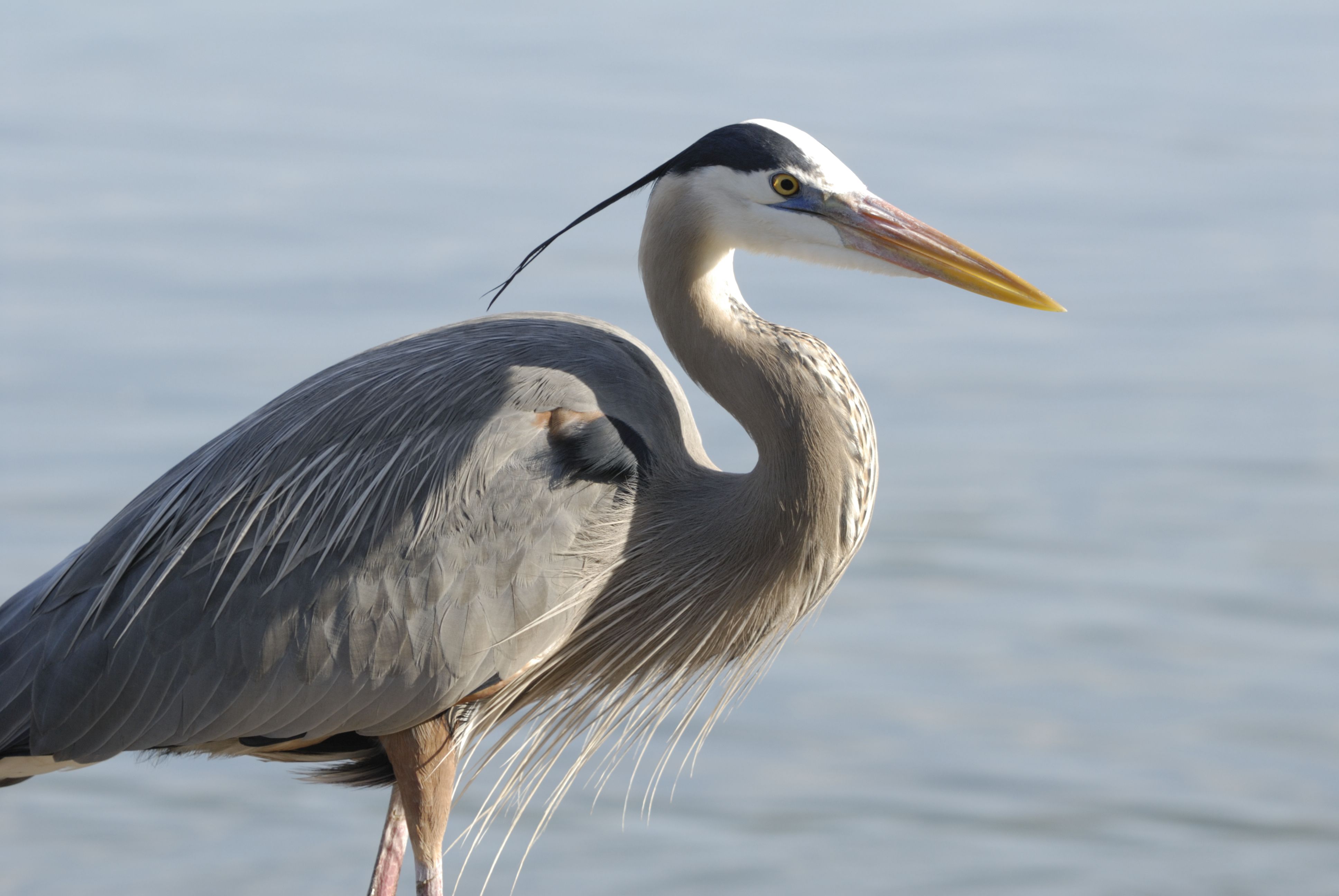
Herons are a favorite bird species of mine. We see them frequently here in central Florida. One of their characteristics that impress me is their patience. It is common to see them standing almost still except for their neck swaying slowly back and forth.
Oh, that I had the patience like these Storks.
These wait all upon thee; that thou mayest give them their meat in due season. (Psalms 104:27 KJV)
Wait on the LORD: be of good courage, and he shall strengthen thine heart: wait, I say, on the LORD. (Psalms 27:14 KJV)
Knowing this, that the trying of your faith worketh patience. (James 1:3 KJV)
Oh that men would praise the LORD for his goodness, and for his wonderful works to the children of men! (Psalms 107:15 KJV)
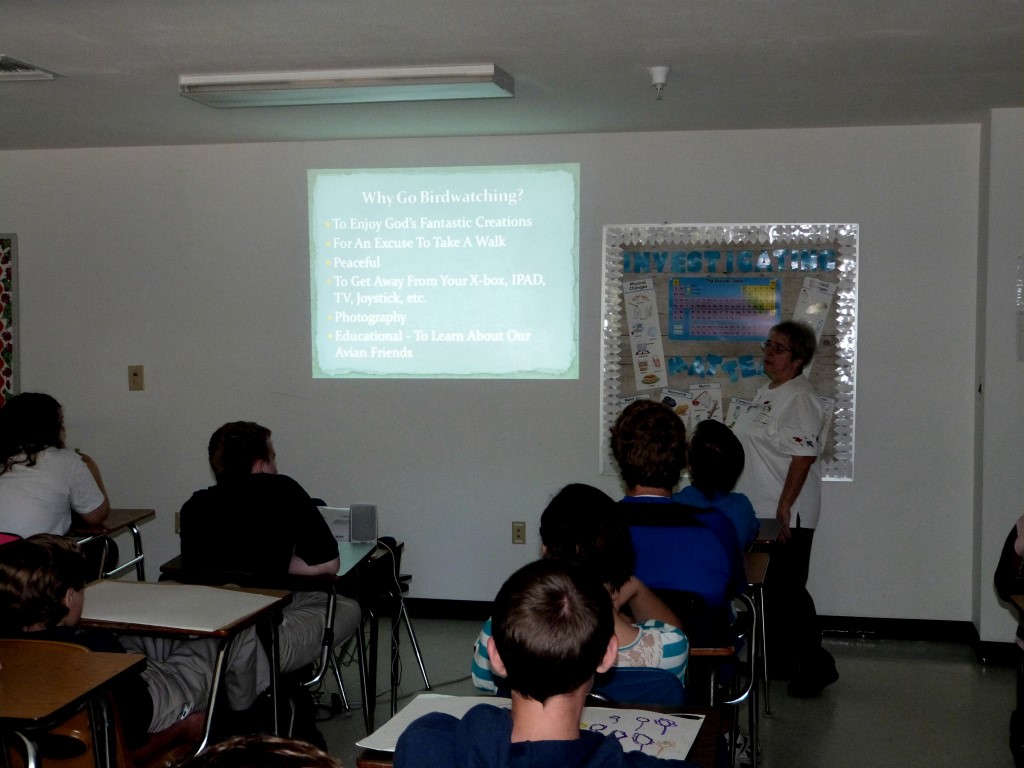
Here is the Powerpoint Presentation I used yesterday, converted to JPGs. (Teaching About Birdwatching) As it was shown, each point came up as I clicked and explained the points. The two videos that were part of it; the Blue Jay calling and the Carolina Wren singing, are included. If you can use any of this presentation, you have my permission. The first slide had an audio of birds singing as the students arrived.
Give instruction to a wise man and he will be yet wiser; teach a righteous man (one upright and in right standing with God) and he will increase in learning. (Proverbs 9:9 AMP)
Hear instruction and be wise, and do not refuse or neglect it. (Proverbs 8:33 AMP)
I have been busy the last few days getting a Powerpoint Presentation ready. Today, I had the privilege of introducing Birdwatching to two classes at Winter Haven Christian School. One class was 9th and 10th graders and the other was 6th and 7th graders. This was their last full day before their summer break. This was a diversion for them.
Both classes seemed interested and maybe some of them will become future birdwatchers. We always try to spark an interest in our next generations coming behind us.
Dan was along and took a few photos while I did the presentation. He was also the one who helped carry things in.
I also tried to encourage those who may be interested in the photographic side of birdwatching.
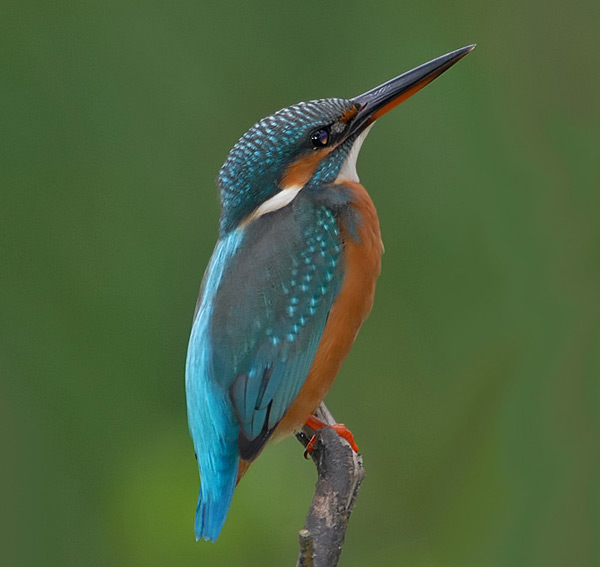
Blue-eared Kingfisher (Alcedo meninting) by Nikhil Devasar
Look at the birds of the air, for they neither sow nor reap nor gather into barns; yet your heavenly Father feeds them. Are you not of more value than they? (Matthew 6:26 NKJV)
This is a very interesting video of a Kingfisher male leaving the nest, as the chick comes out of the shell. The mother Kingfisher arrives with its first meal of fish. Notice that the throat turns dark as it feeds. I do not know which Kingfisher this is as it was not listed.
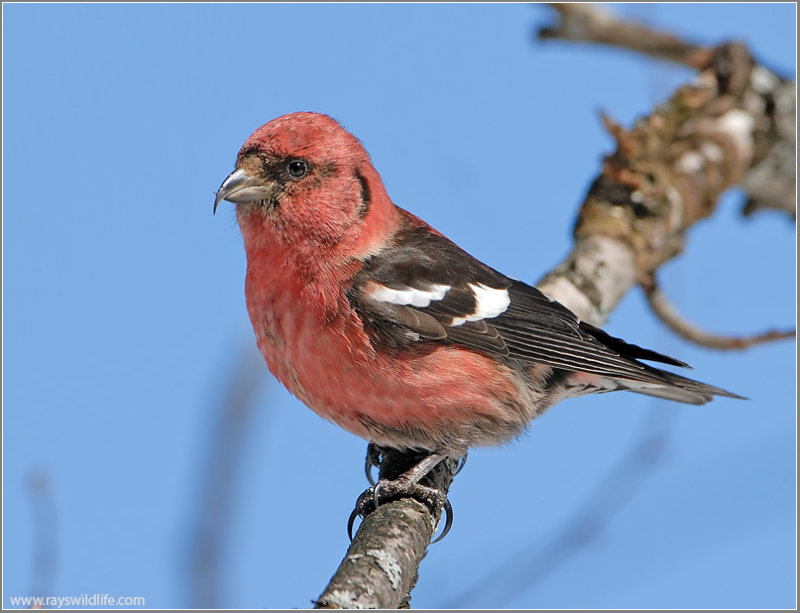
Two-barred Crossbill (Loxia leucoptera)(White-winged) by Raymond Barlow
And he bearing his cross went forth into a place called the place of a skull, which is called in the Hebrew Golgotha: (John 19:17 KJV)
While thinking of the music for today’s Inspiration, my search began with “Cross” birds, but there aren’t that many with “Cross” in their name, so the “Hill” birds were added also.
When Christ died on the “cross” on a “hill” called Calvary, He became the Perfect Sacrifice for my sins and yours. Praise the Lord. May we think about His Love for us as we watch some of His creation.
“You are the light of the world. A city that is set on a hill cannot be hidden. Nor do they light a lamp and put it under a basket, but on a lampstand, and it gives light to all who are in the house. Let your light so shine before men, that they may see your good works and glorify your Father in heaven. (Matthew 5:14-16 NKJV)
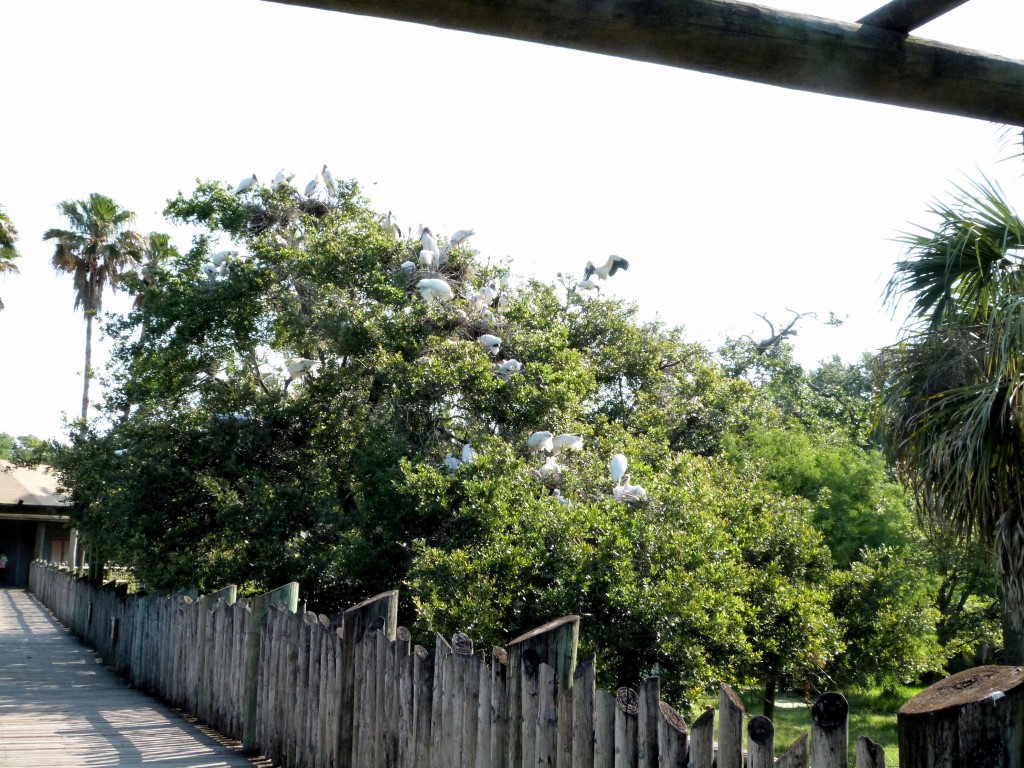
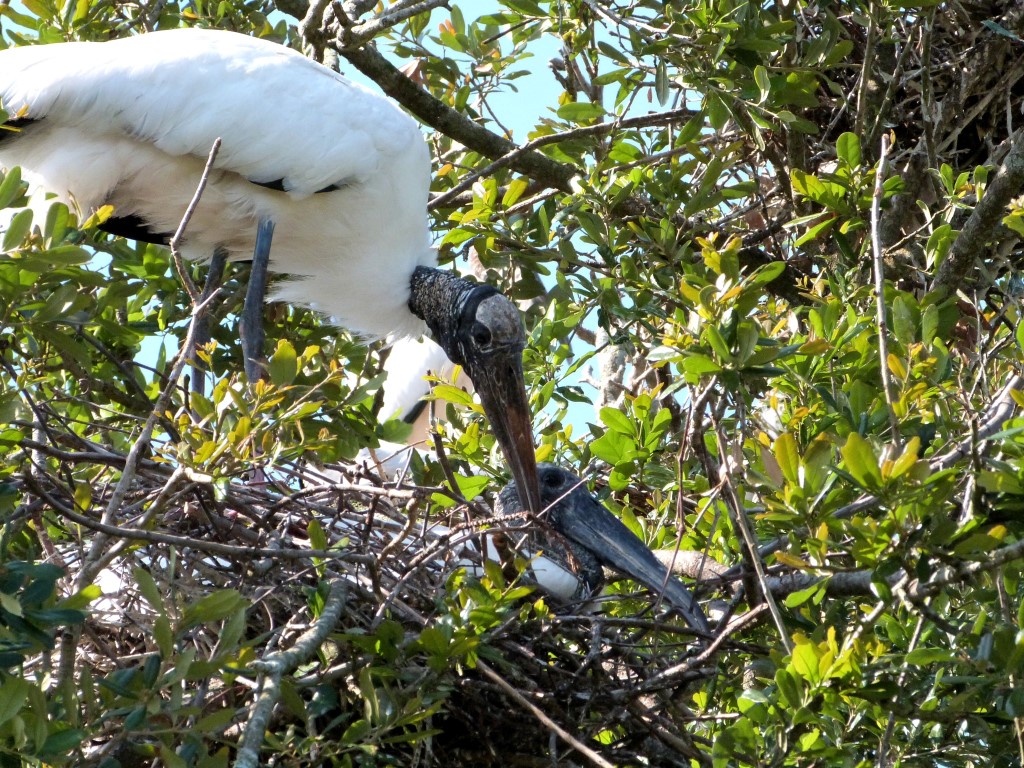
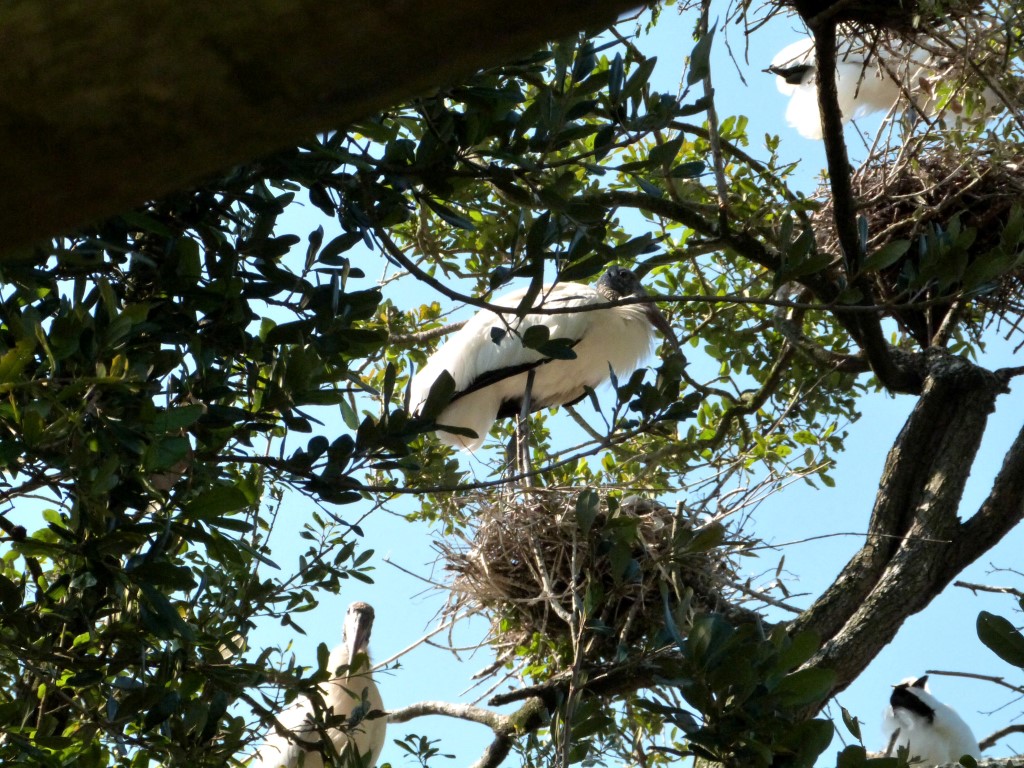
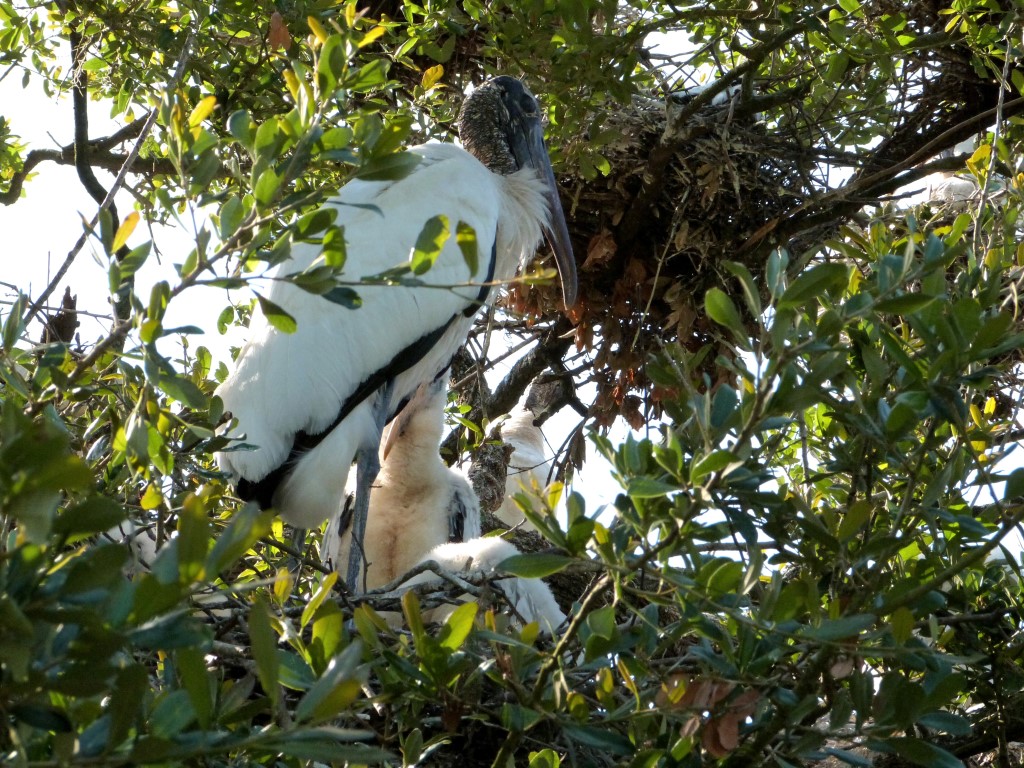
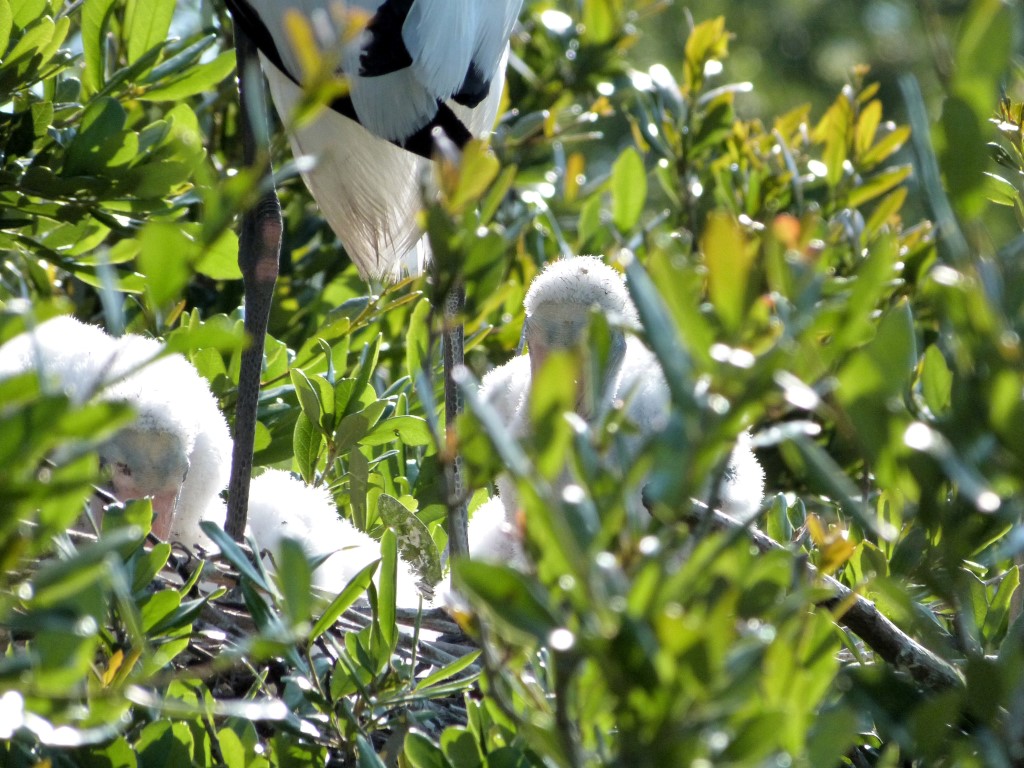
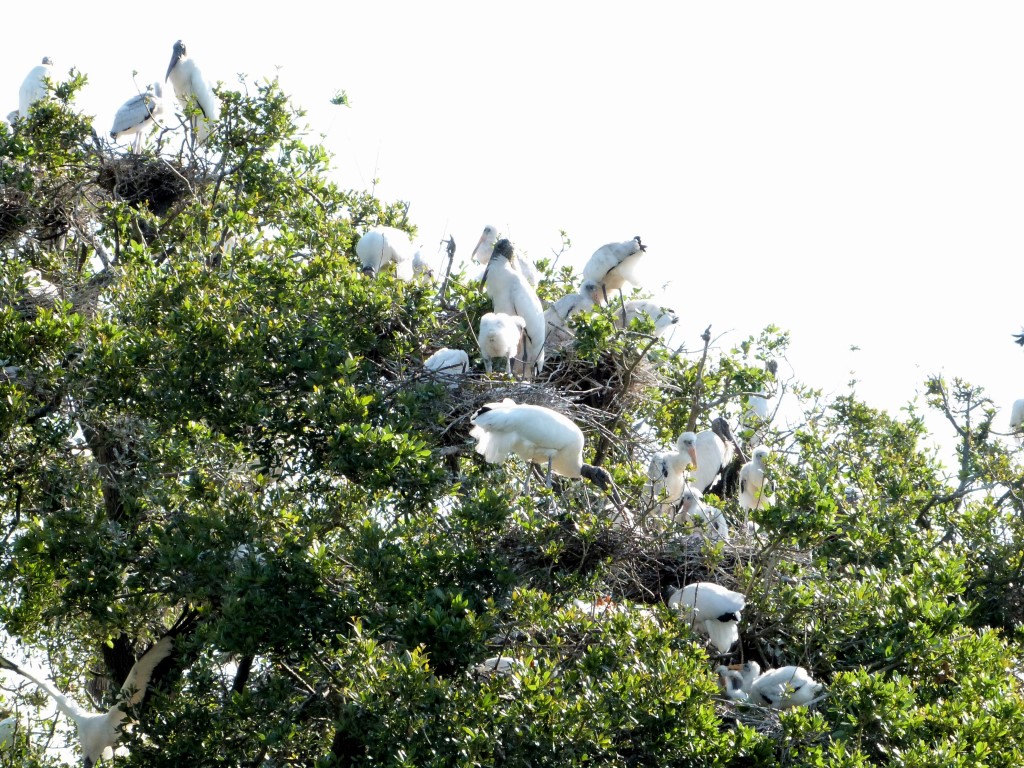
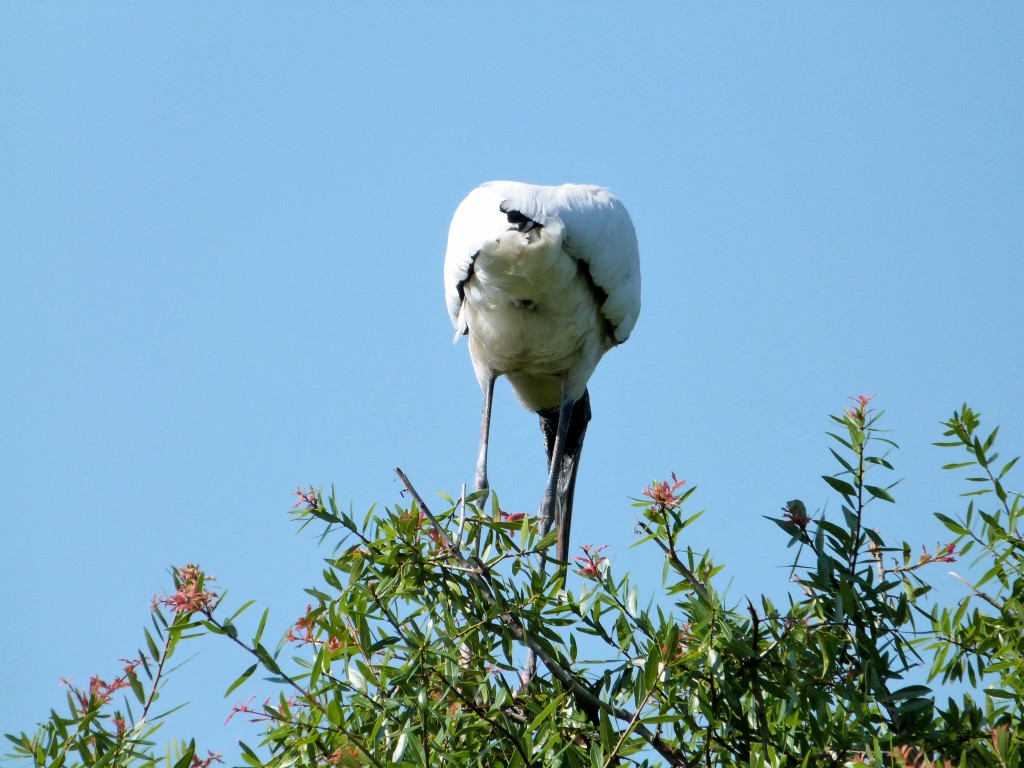
Wood Stork (Mycteria americana) with Chicks Jax Zoo by Lee
Yea, the stork in the heaven knoweth her appointed times; and the turtle and the crane and the swallow observe the time of their coming; but my people know not the judgment of the LORD. (Jeremiah 8:7 KJV)
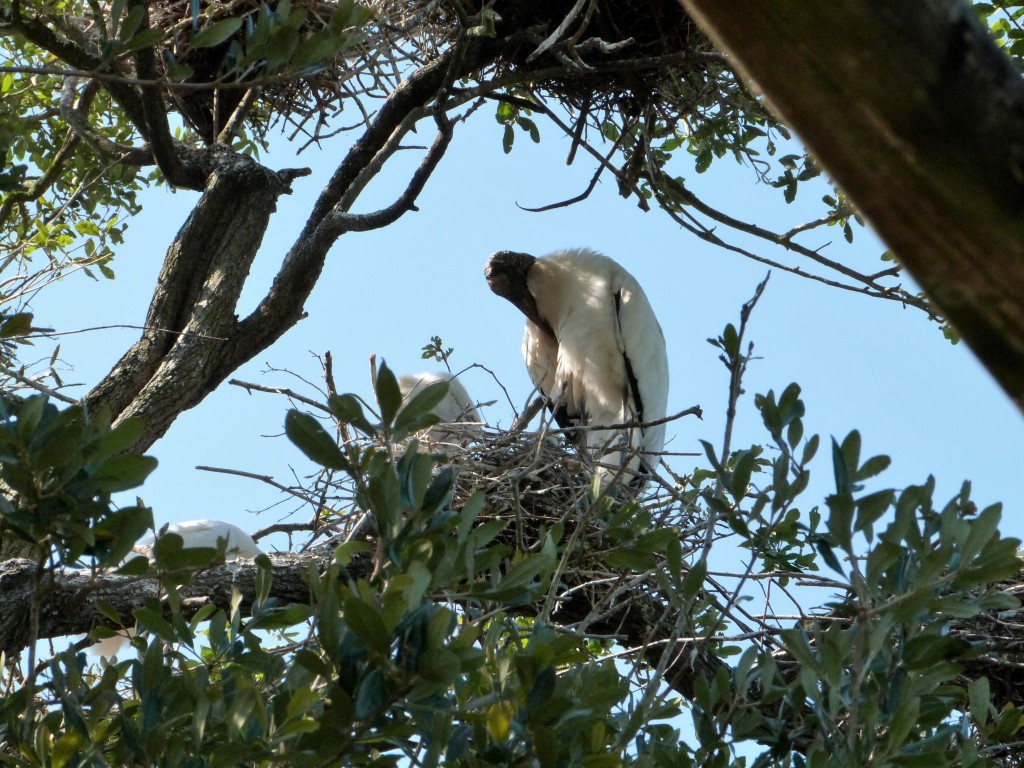
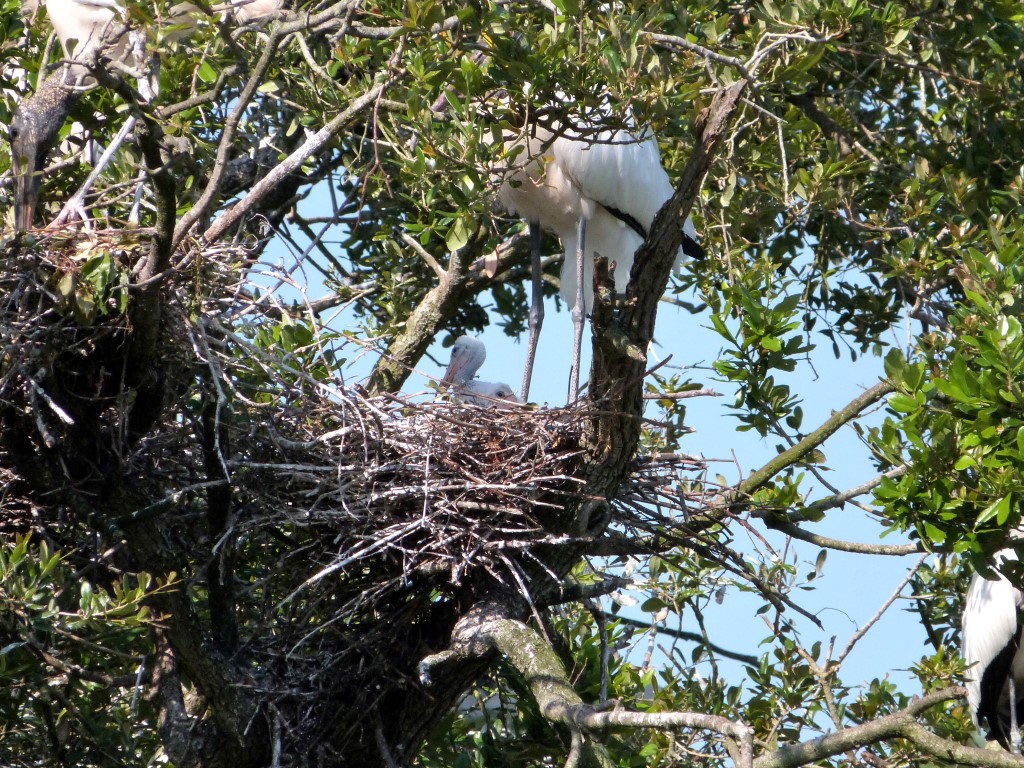
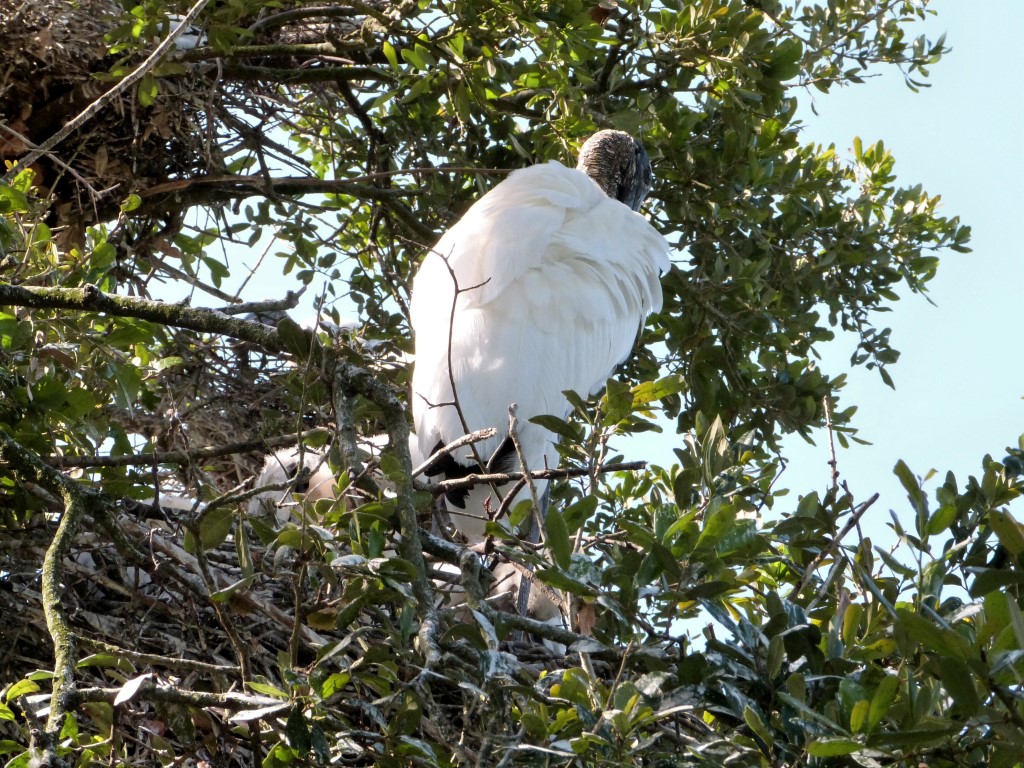
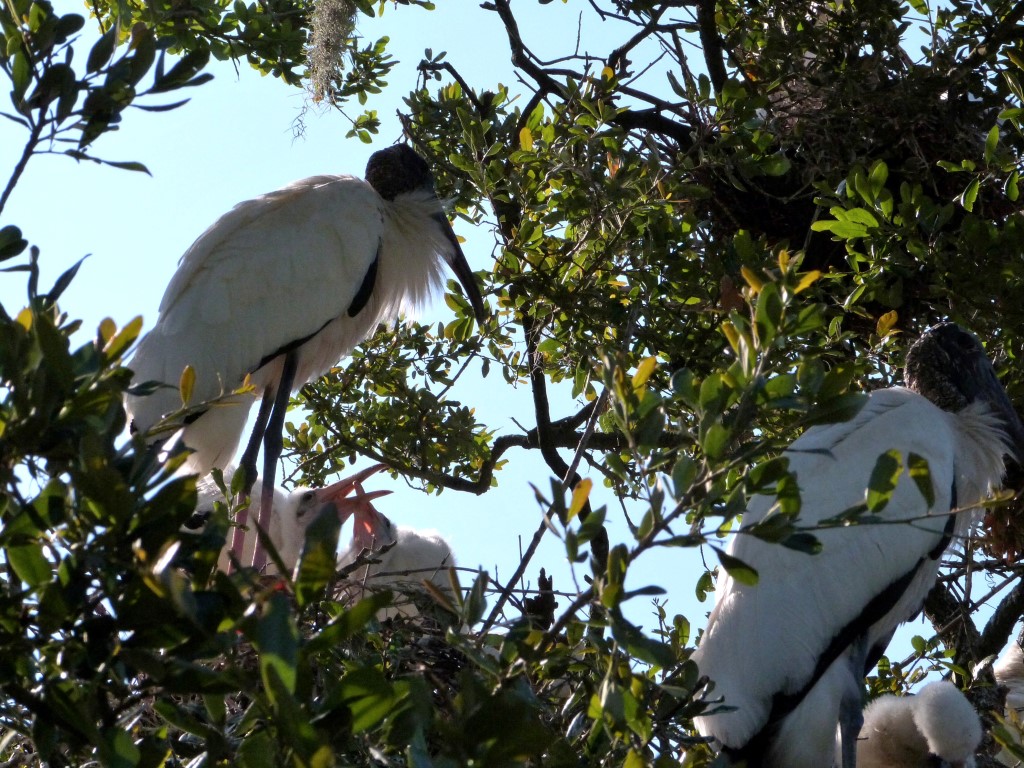
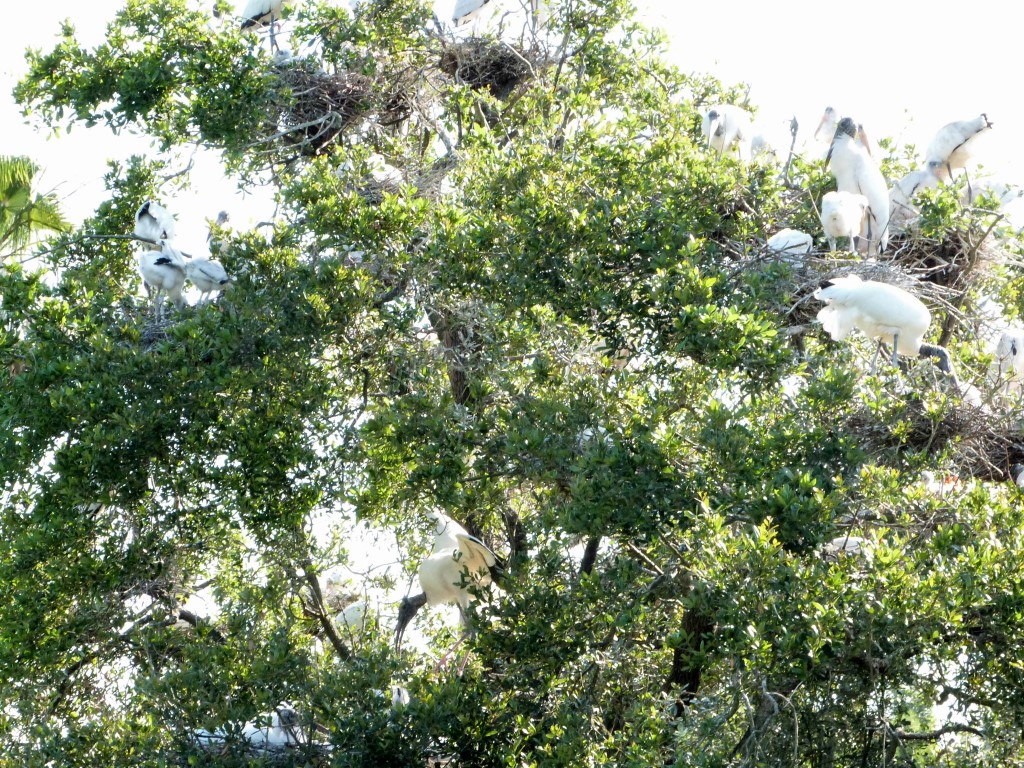
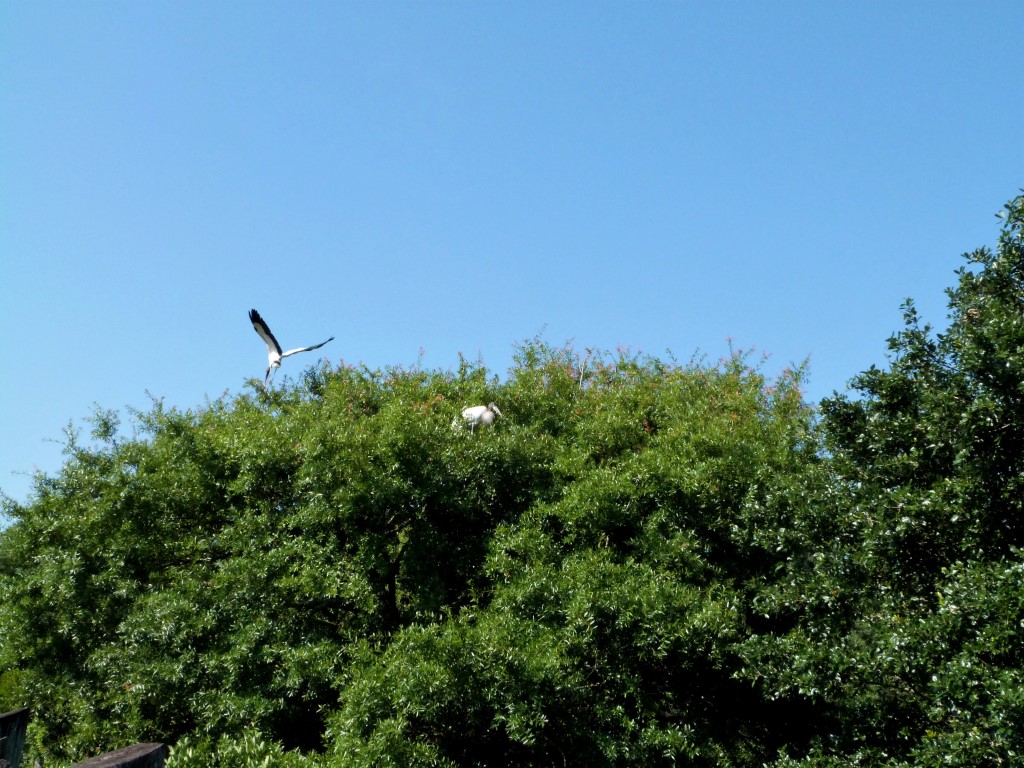
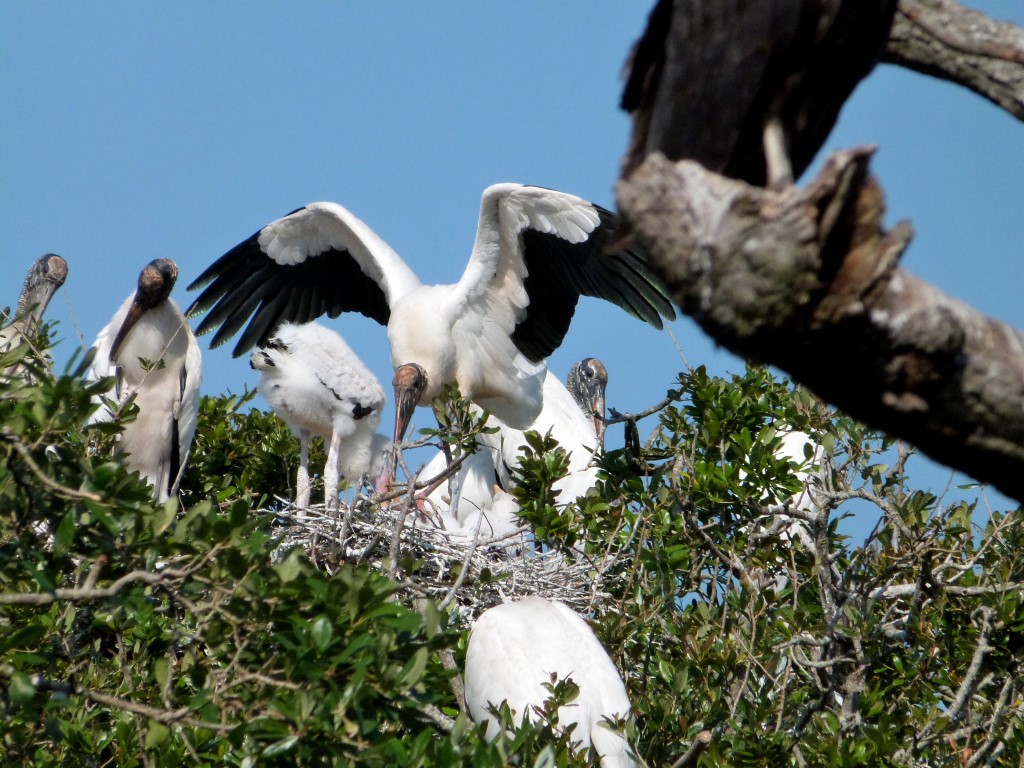
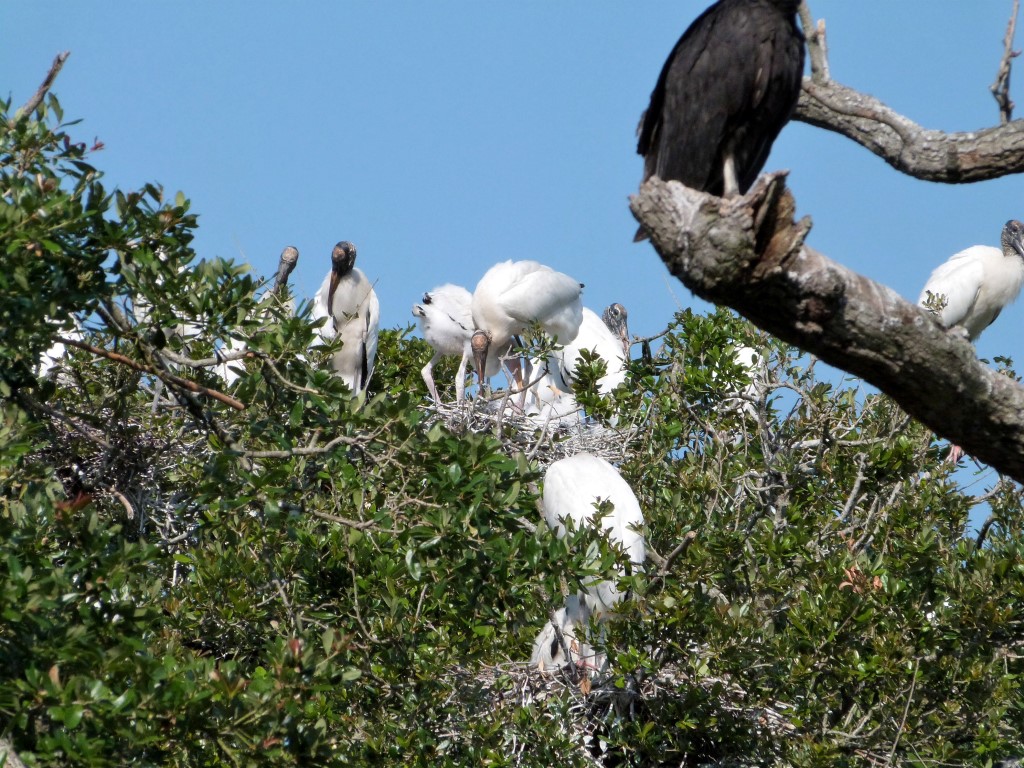
Last week while we were at the Jacksonville Zoo, we noticed a tree loaded with Wood Stork nests. It was hard to miss as you could hear it from far away. As you watch the videos, you will hear the noise coming from all the nest. The tree was right by the boardwalk, so we were very close to them.
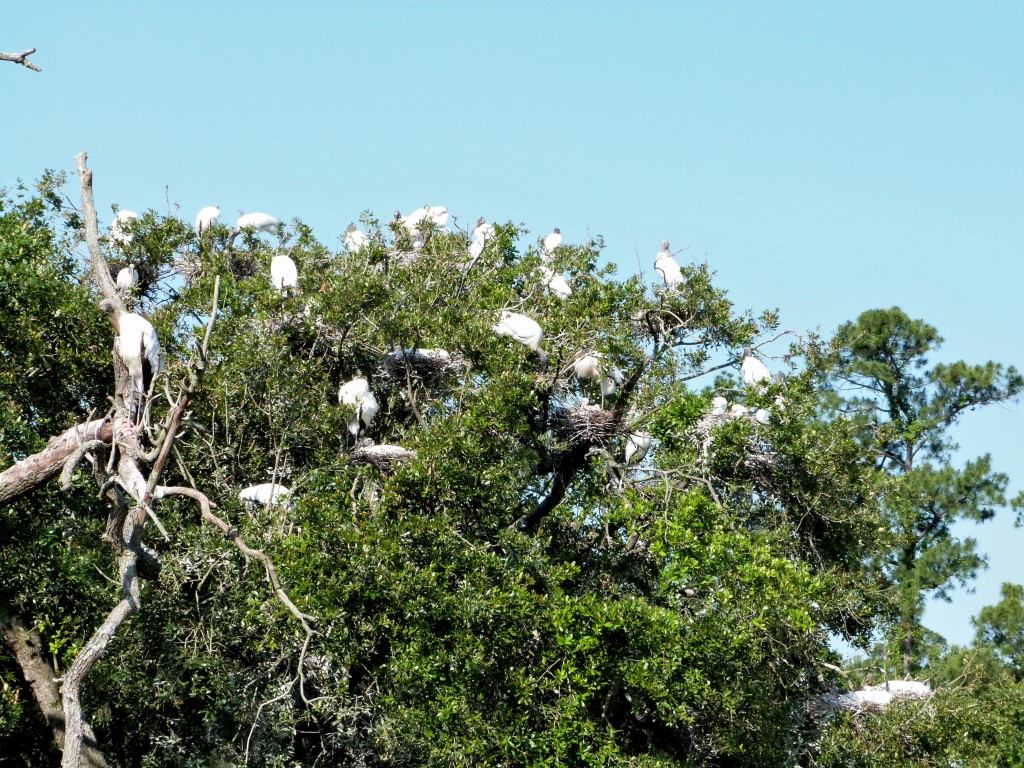
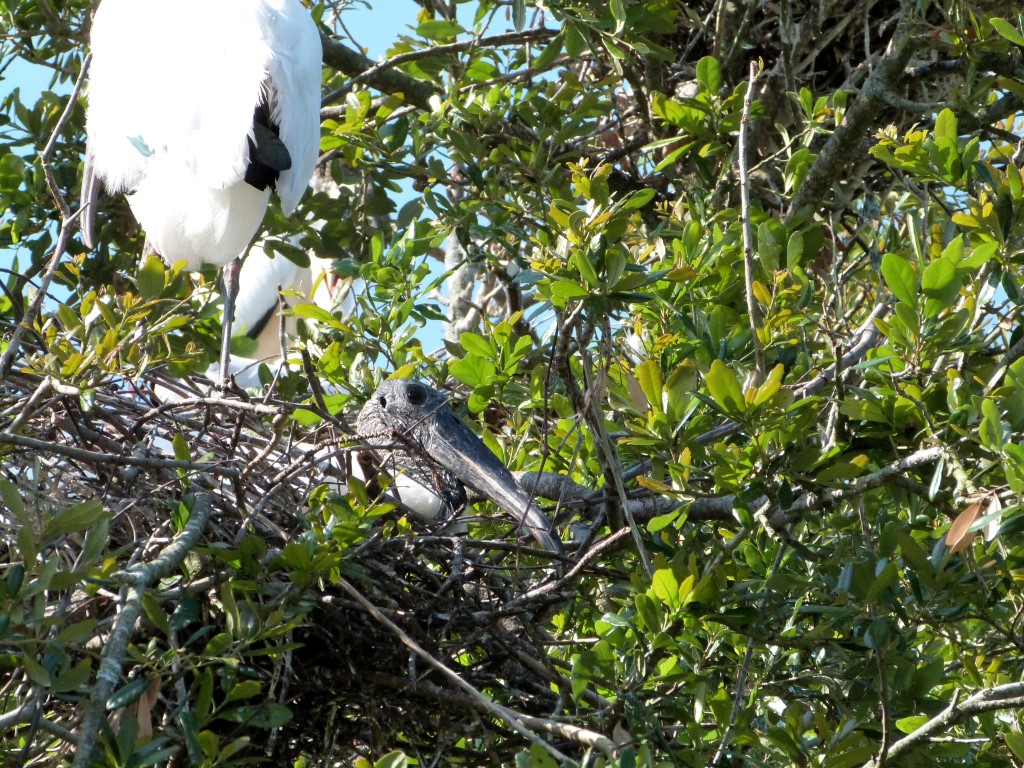
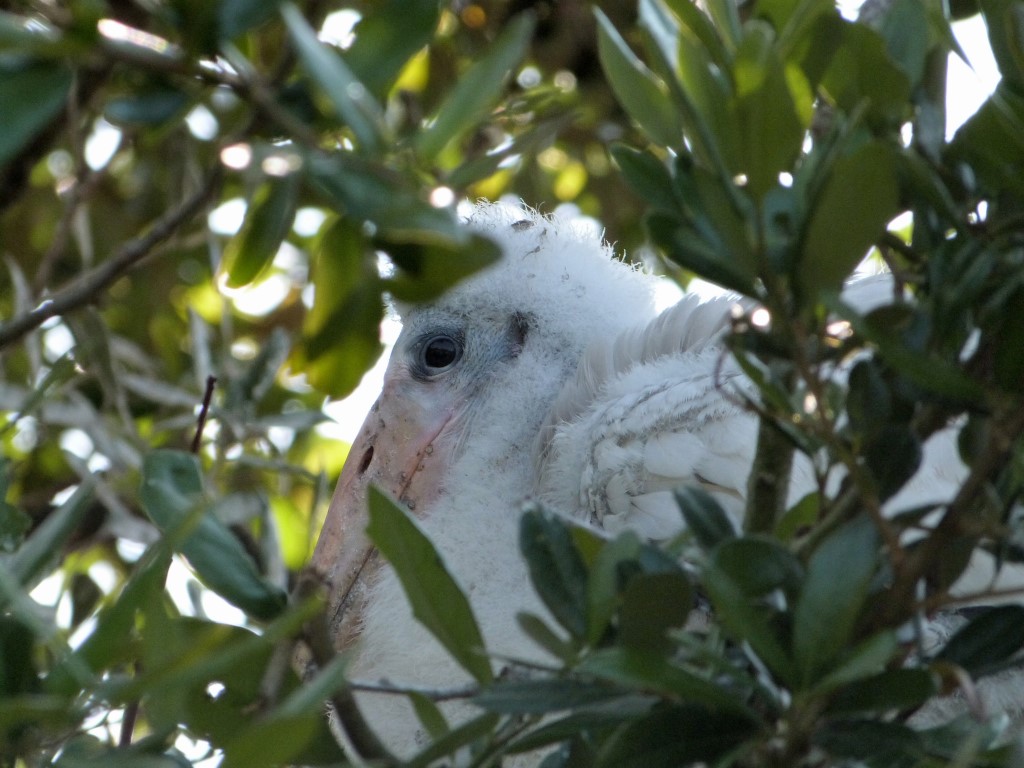
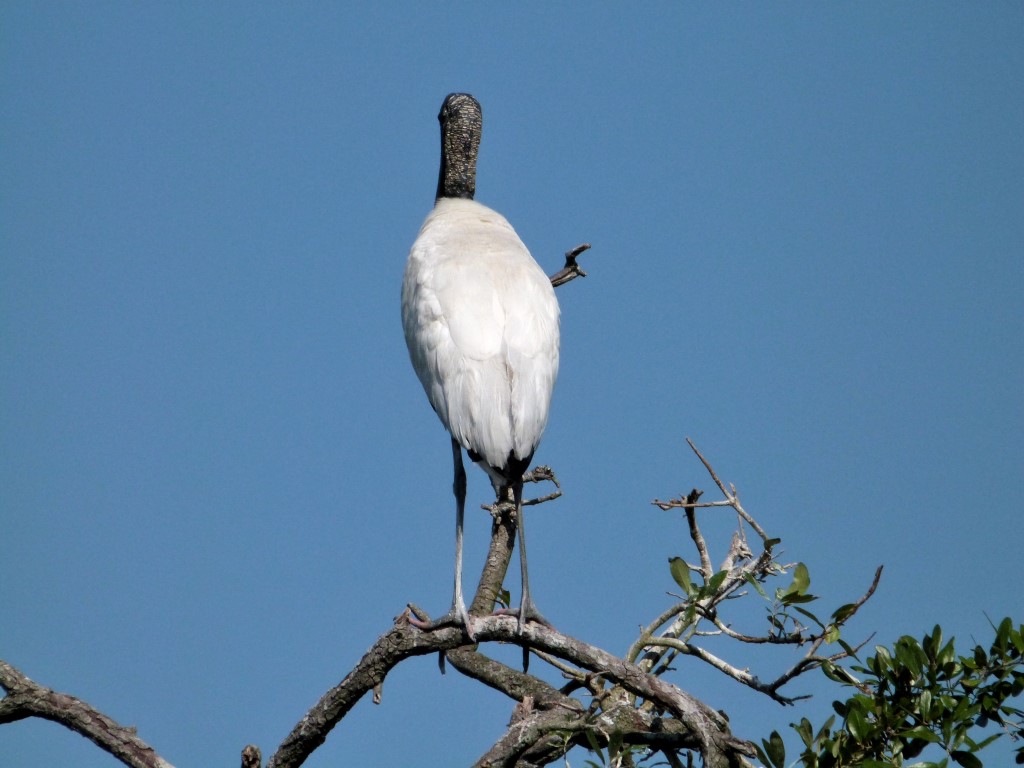
Wood Stork (Mycteria americana) with Chicks Jax Zoo by Lee
Where the birds make their nests: as for the stork, the fir trees are her house. (Psalms 104:17 KJV)
Wood Storks are part of the Ciconiidae – Storks Family and are also mentioned several times in Scripture. That makes them one of the Birds of the Bible – Storks. We are fortunate in that we get to see Wood Storks quite frequently here in Polk County, Florida, especially out at the Circle B Bar Reserve. Circle B is one of my favorite places to go birdwatching. Yet, I have never seen the nest up close like this.
Here is a combined video of the noisy tree: (Ignore the talking in the background, listen to the noisy birds.)
*
Sing unto him a new song; play skilfully with a loud noise. (Psalms 33:3 KJV)
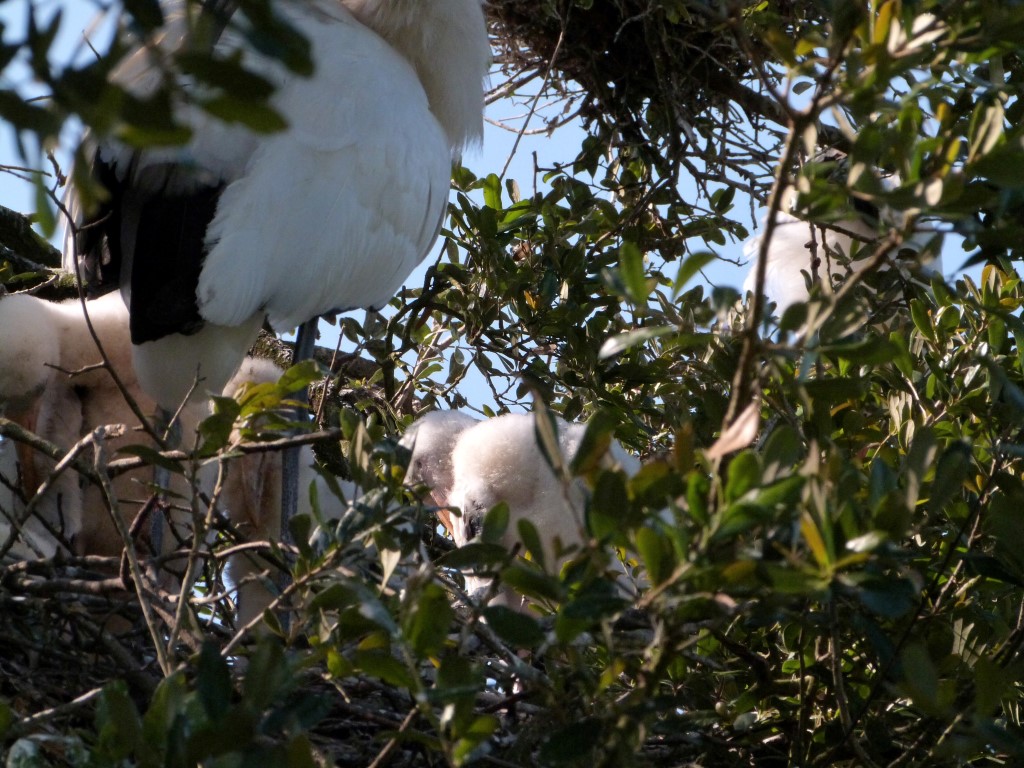
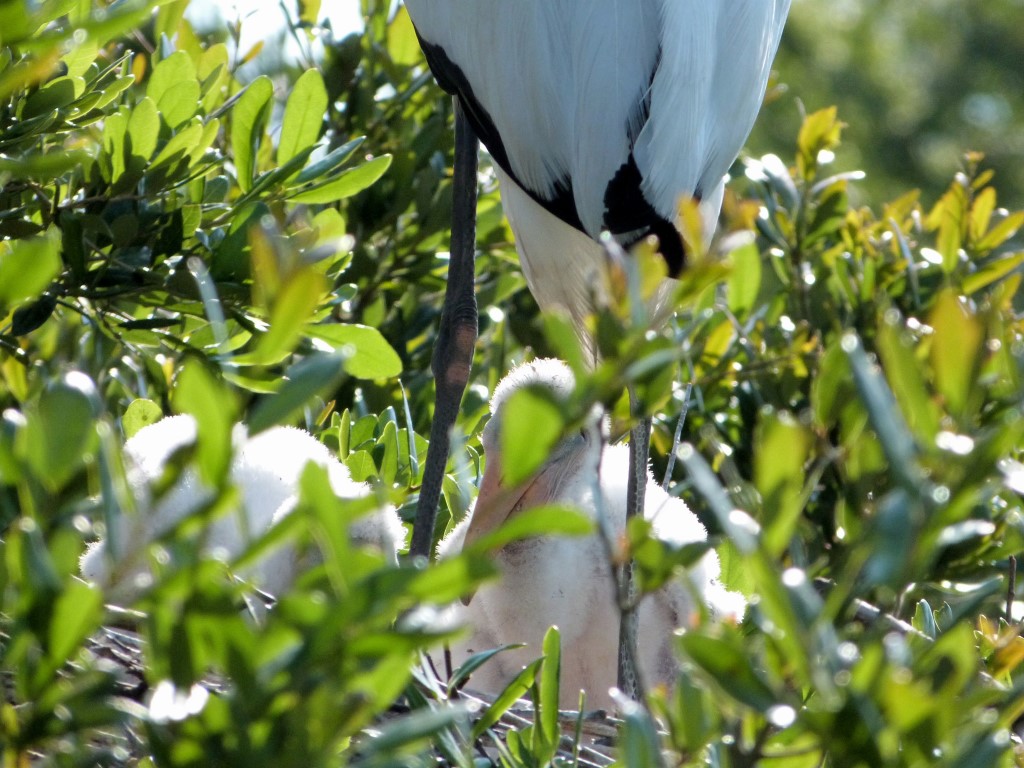
After taking photos and videos, I found three young one showing how the noise was produced. Now multiply that by all the other nest with young ones doing the same thing.
Error
This video doesn’t exist
O come, let us sing unto the LORD: let us make a joyful noise to the rock of our salvation. (Psalms 95:1 KJV)
*
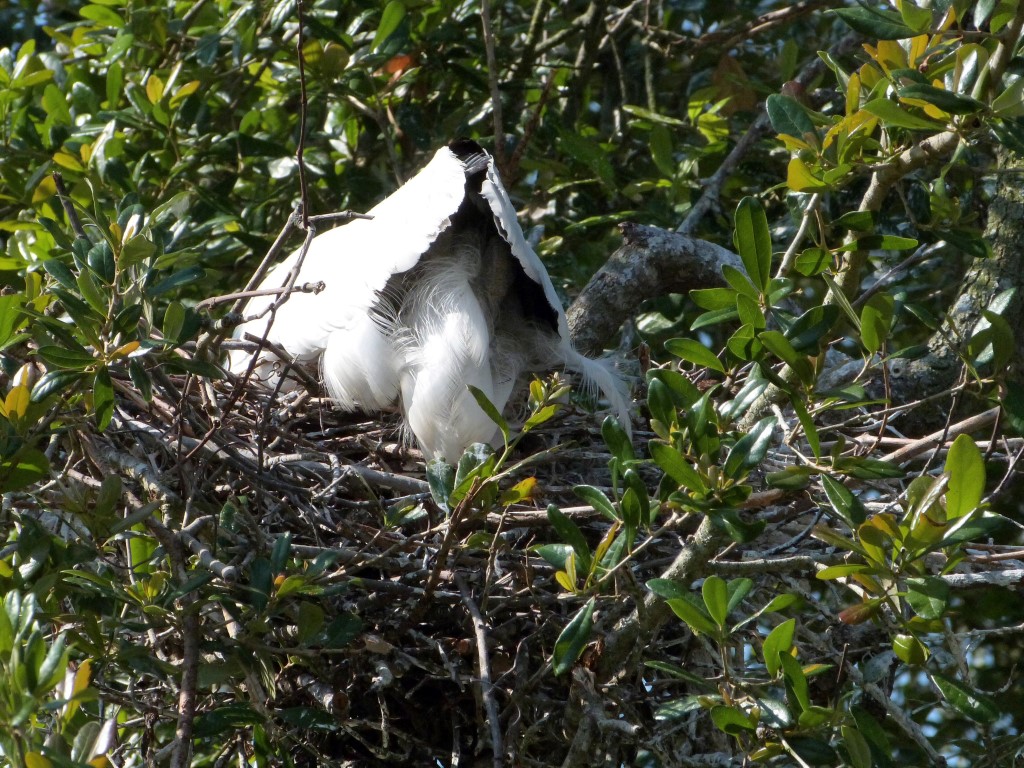
Hope you don’t mind seeing some of the photos also. These are set up so you can see them larger. Enjoy the Lord’s Creation in the form of Wood Storks.
Wood Stork (Mycteria americana) with Chicks Jax Zoo by Lee
Wood Stork (Mycteria americana) with Chicks Jax Zoo by Lee
Wood Stork (Mycteria americana) with Chicks Jax Zoo by Lee
Wood Stork Chicks – Noisy
Wood Stork (Mycteria americana) with Chicks Jax Zoo by Lee
Wood Stork (Mycteria americana) with Chicks Jax Zoo by Lee
















 Lee's Birdwatching Adventures Plus