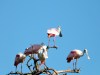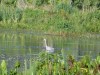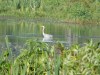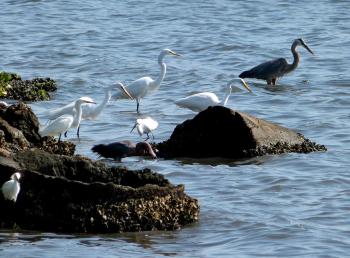
Birds of the Bible – Herons On Tampa Bay

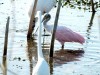
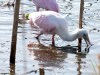
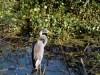
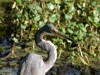
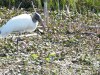
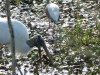
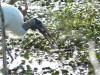
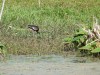
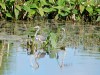
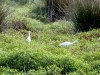
Reddish, Snowys, Greats Egrets and Great Blue Heron 5-10-13 by Lee at MacDill

Reddish, Snowys, Greats Egrets and Great Blue Heron (5-10-13) by Lee

And the stork, the heron after her kind, and the lapwing, and the bat. (Leviticus 11:19 KJV)

Herons are one of the species listed on the “Do not eat list” as we have written about before in the various Birds of the Bible – Heron articles. The first one was written back in 2008 when I first started the blog.

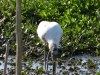
Since we were out birdwatching last week over in Tampa at the bay, I thought I would share some of those photos and update the Heron information some more. We saw a Great Blue Heron, several Little Blue Herons, and several others that are “after her kind” and in the same Ardeidae – Heron, Bittern  family. There were Snowy Egrets and Great Egrets fishing along with the others. The Little Blue Herons were in breeding plumage which you could tell because of their exceptionally blue beaks. (Not real clear-I was zoomed from quite a distance)

Little Blue Heron and Snowy Egrets by Lee from distance

Little Blue Heron and Snowy Egrets by Lee from distance

Herons are only mentioned twice in Scripture; Leviticus 11:19 and in Deuteronomy 14:18. That modern-day family, Ardiedae, currently has 72 members which includes not only Herons and Egrets, but also Bitterns. Some of them are grouped together like, Tiger Herons, Night Herons, Pond Herons, Reef Herons and Cattle Egrets. Not sure about the Tiger Herons but the night, pond, reef, and cattle name give you a clue as to where you might find them out and about.

And the stork, and the heron after her kind, and the lapwing, and the bat. (Deuteronomy 14:18 KJV)

The herons are long-legged freshwater and coastal birds in the family Ardeidae, (some are called “egrets” or “bitterns” instead of “heron”). Within Ardeidae, all members of the genera Botaurus and Ixobrychus are referred to as “bitterns”, and — including the Zigzag Heron or Zigzag Bittern — are a monophyletic group within the Ardeidae. However, egrets are not a biologically distinct group from the herons, and tend to be named differently because they are mainly white and/or have decorative plumes. Although egrets have the same build as herons, they tend to be smaller.

Great Egret (Ardea alba) Swallowing MacDil by Lee

Great Egret (Ardea alba) Swallowing by Lee

The classification of the individual heron/egret species is fraught with difficulty, and there is still no clear consensus about the correct placement of many species into either of the two major genera, Ardea and Egretta. Similarly, the relationship of the genera in the family is not completely resolved. However, one species formerly considered to constitute a separate monotypic family Cochlearidae, the Boat-billed Heron, is now regarded as a member of the Ardeidae.

Although herons resemble birds in some other families, such as the storks, ibises, spoonbills and cranes, they differ from these in flying with their necks retracted, not outstretched. They are also one of the bird groups that have powder down. Some members of this group nest colonially in trees, while others, notably the bitterns, use reedbeds.

The largest species of heron is the Goliath Heron, which stand up to 152 cm (60 in) tall. The necks are able to kink in an s-shape, due to the modified shape of the sixth vertebrae. The neck is able to retract and extend, and is retracted during flight, unlike most other long-necked birds. The neck is longer in the day herons than the night herons and bitterns. The legs are long and strong and in almost every species are unfeathered from the lower part of the tibia (the exception is the Zigzag Heron). In flight the legs and feet are held backward. The feet of herons have long thin toes, with three forward pointing ones and one going backward.
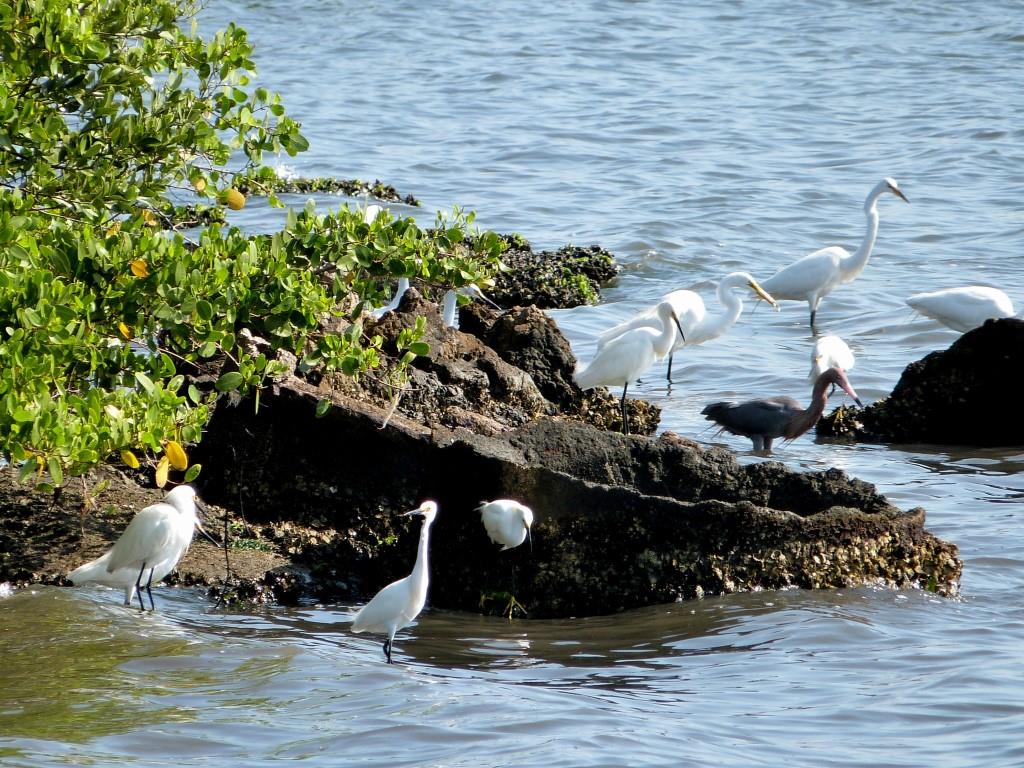
Reddish-Snowys-Greats Egrets -Great Blue Heron by Lee

Reddish-Snowys-Greats Egrets – Snowy in front with yellow feet

The herons are a widespread family with a cosmopolitan distribution. They exist on all continents except Antarctica, and are present in most habitats except the coldest extremes of the Arctic, extremely high mountains and the driest deserts. Almost all species are associated with water, they are essentially non-swimming waterbirds that feed on the margins of lakes, rivers, swamps, ponds and the sea. They are predominately found in lowland areas, although some species live in alpine areas, and the majority of species occur in the tropics.

While the family exhibits a range of breeding strategies, overall the herons are monogamous and mostly colonial. Most day-herons and night-herons are colonial, or partly colonial depending on circumstances, whereas the bitterns and tiger-herons are mostly solitary nesters. Colonies may contain several species as well as other types of waterbird. In a study of Little Egrets and Cattle Egrets in India the majority of the colonies surveyed contained both species. (Wikipedia with editing)

See:

Birds of the Bible

Birds of the Bible – Heron – Page

Bible Birds – Herons [younger readers]

Birds of the Bible – Herons – Article

Heron – Wikipedia

Ardeidae – Heron, Bitterns  family

*

Ian’s Bird of the Week – Lord Howe Woodhen

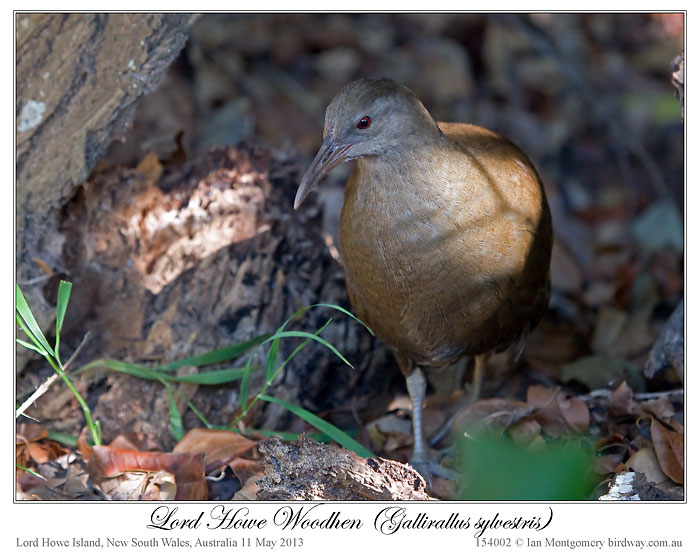
Lord Howe Woodhen (Gallirallus sylvestris) by Ian

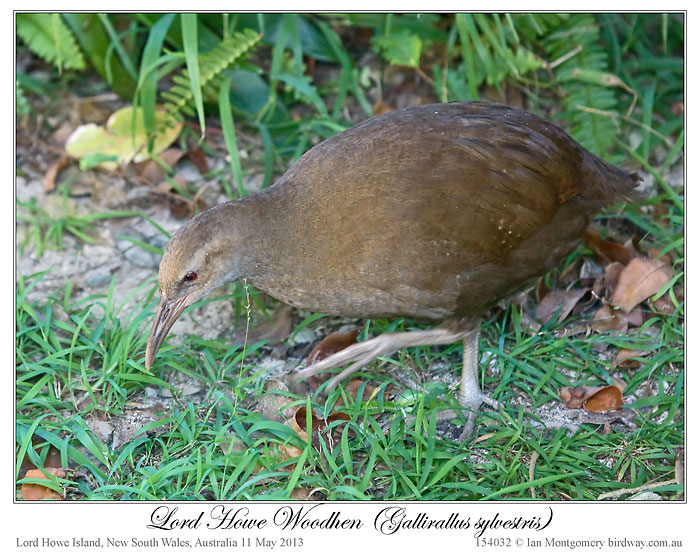
Lord Howe Woodhen (Gallirallus sylvestris) by Ian

Ian’s Bird of the Week – Lord Howe Woodhen ~ By Ian Montgomery

Newsletter ~ 5/11/13

My sister Gillian and I arrived for a week’s visit to Lord Howe Island this morning. I haven’t been here since a visit with my mother on her last trip to Australia in 1992. That was in pre-digital photography days, so I am of course keen to photograph some of the local specialties. Perhaps at the top of the list is the famous flightless Lord Howe Woodhen, saved from probably extinction by a captive breeding program in the late 1970s and early 1980s. We had barely finished unpacking when a pair came past our front door to welcome us to the island.

The bird in the first photo has, like many of the population of 200-300 birds, coloured legs bands to assist in monitoring the population. Its partner, second photo, lacked bands and is naturally more photogenic from a wildlife viewpoint, so I concentrated my efforts on it.

Lord Howe Woodhen (Gallirallus sylvestris) by Ian

Lord Howe Woodhen (Gallirallus sylvestris) by Ian

In the gloom of the Kentia Palm forest that covers much of the lowland of the island, the birds look greyish and are quite difficult to see. When they move into the sunlight, like the one in the third photo that has found fruit from the tree outside our room, the warm chestnut colour of the plumage becomes apparent.

Lord Howe Woodhen (Gallirallus sylvestris) by Ian

Lord Howe Woodhen (Gallirallus sylvestris) by Ian

Woodhens form permanent pair bonds and defend their territories which are several hectares in size. Both these birds are adult, recognisable by their red eyes. With a length of 36 cm/14 in these are largish rails, bigger than the related Buff-banded Rail which is also present on the island (and has also wandered past our room).

Lord Howe Woodhen (Gallirallus sylvestris) by Ian

Lord Howe Woodhen (Gallirallus sylvestris) by Ian

Being flightless, tame and good to eat the population declined seriously after the island was settled and by the 1970s only a few survived on the fairly inaccessible tops of the two tall mountains, Mounts Gower and Lidgbird when some of the birds were captured and bred in a protected enclosure in the lowland area. A fellow postgraduate student of mine at Sydney University in the 1970s, Ben Miller, played a major role in the project. You will be able to read all about it in a book, The Woodhen, due for publication next month by CSIRO Publishing and written by Clifford Frith. See http://www.publish.csiro.au/pid/7011.htm. Cliff is also a friend of mine, so I feel quite a strong connection to the Woodhen and am happy to now be able to offer it to you and include photos of it on my website.

Next target is the Providence Petrel, so wish me luck. After its extinction on Norfolk Island – where it was regarded as ‘Provident’ – it survived only on Lord Howe, though a small colony has recently become re-established on Phillip Island off Norfolk.

Best wishes
Ian

**************************************************
Ian Montgomery, Birdway Pty Ltd,
454 Forestry Road, Bluewater, Qld 4818
Tel 0411 602 737 ian@birdway.com.au
Check the latest website updates:
http://www.birdway.com.au/#updates


Lee’s Addition:

… how often would I have gathered thy children together, as a hen doth gather her brood under her wings, and ye would not! (Luke 13:34b KJV)

Never heard of a Woodhen before. Thanks, Ian, for introducing us to another one of the Lord’s creations. According to my list from IOC, there are only three Woodhens; the Lord Howe, Samoan and Makira Woodhens (The last two seem to be called woodhens only by IOC). They are in the Rallidae – Rails, Crakes & Coots Family. One other bird sometimes refered to as a Woodhen is the Weka.

“The Lord Howe Woodhen (Gallirallus sylvestris) also known as the Lord Howe Island Woodhen or Lord Howe (Island) Rail, is a flightless bird of the rail family (Rallidae). It is endemic to Lord Howe Island off the Australian coast. It is a small olive-brown bird, with a short tail and a down-curved bill. The Lord Howe Island Rail lives in sub-tropical forests, feeding on earthworms, crustaceans, fruit, and taking the eggs of shearwaters and petrels.

Woodhens mate for life and are usually encountered in pairs. They are territorial and will appear from the forest’s understory to investigate the source of any unusual noise. A mated pair will defend an area of approximately 3 hectares, with offspring being expelled from this area once grown. The population of birds is thus restricted by the amount of available territory.

Today there are about 250 birds, which may be the optimal population size for the island. (Wikipedia with editing)

See:

Ian’s Rails and Allies

Rallidae – Rails, Crakes & Coots Family

Lord Howe Woodhen – Wikipedia

Woodhen (Weka)  – Wikipedia

*
My Mom And Me – Email

(Received this as an email. – Not sure who to credit them to.)

*

Here’s your AWE! for the day!!!

*

This slideshow requires JavaScript.

*

Bring forth every living thing that is with you of all flesh–birds and beasts and every creeping thing that creeps on the ground–that they may breed abundantly on the land and be fruitful and multiply upon the earth. (Genesis 8:17 AMP)

*

Missing Bird Photos Desired – “Birdographers” Needed

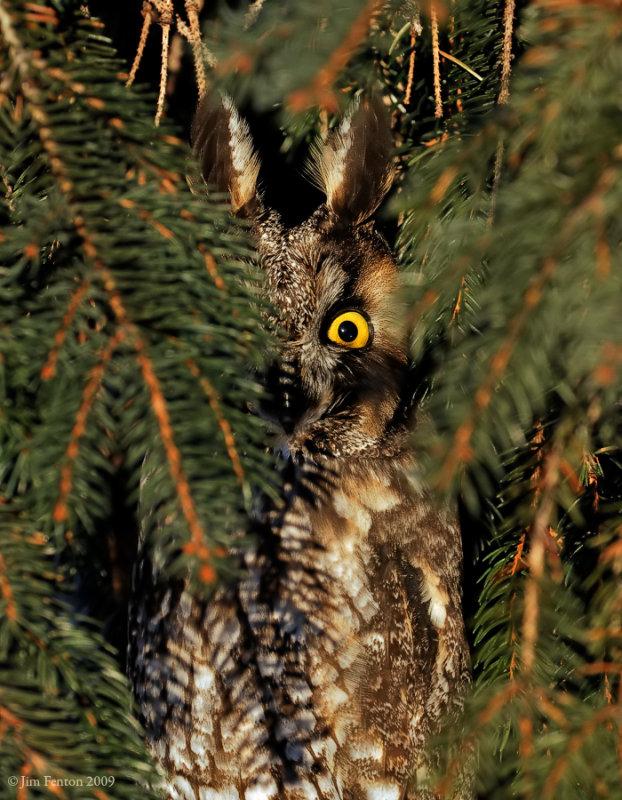
Long-eared Owl (Asio otus) by J Fenton

Long-eared Owl (Asio otus) by J Fenton

On Saturday, I concluded my search for the Birds of the World list of birds. Out of 10,615 (or 10,625) there are 74 birds who seem to have stayed hidden from the view of all the “Birdographers.” That is my name for those who are photographers, videographers, artists and stamp makers. All the major Ornithology and Birding websites are in need of them also.

I am thankful for every photo, drawing, video, specimen and sound recording of the birds that have links to them. They represent dedicated birdwatchers who have been on adventures that have taken them to places many of us would not go. Jungles, swamps, mountains, deserted islands, mudholes, etc have been traipsed so that these images could be recorded. Thank you, thank you, thank you!

When I started listing the Birds of the World several years back, I never envisioned ever seeing the images of as many as I have seen now. According to the IOC Version 3.3 list, I have seen over 10,500 species of the Lord’s fantastically created birds. That does not rate in any counting system used by birders, but it sure has been an unexpected enjoyment for me even though it represents hours of searching and updating the pages here. I have been exposed to birds that are so unique, beautiful, ugly, colorful, dull, loud, quite, etc. that I never knew even existed. Wow!

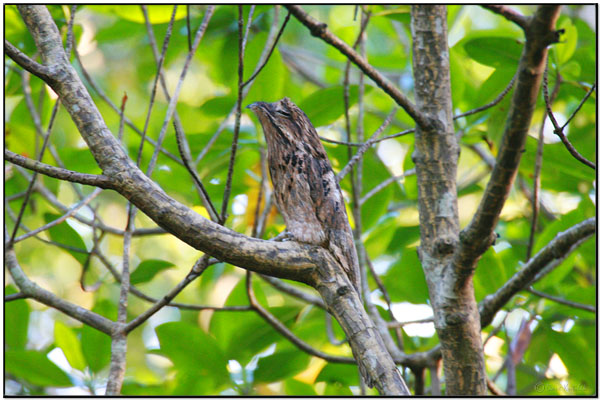
Common Potoo (Nyctibius griseus) by Daves BirdingPix

Do you see me?

Now for the plea. I made a page that list all the missing species, Missing Birds Needed. If anyone who has a photo, video, drawing, or whatever of those birds, or knows where a link can be found to them, please leave a comment or send me an email at:

Lee@Leesbird.com

Yes, there are sites out there that show photos for the listed birds, but they are of another bird in the family or genus. Here, and I am sure there are some mistakes, I would rather have a blank instead of misleading someone to think that is the real bird. Most leave the photo blank, but a few don’t. I fell for that a few times until I learned, now I am trying to find those misleading photos.

One of the biggest problems finding the birds is that the species have had name changes and several names at the same time. They also keep splitting the subspecies off into a new species. Toward the end of my searching, I felt like a detective trying to figure out a bird’s name and its past names just to be able to find it.

And further, my son, be admonished by these. Of making many books there is no end, and much study is wearisome to the flesh. (Ecclesiastes 12:12 NKJV)

Again, if you can help, check out the Missing Birds Needed page and see if you could supply an image or link to one. Let’s see if we can reduce that number down. I haven’t quit my search, just resting until the IOC updates their list next month and I get to start searching again.

Also, if you would like to become one of our photographers, leave a note.

*

Either what woman having ten pieces of silver, if she lose one piece, doth not light a candle, and sweep the house, and seek diligently till she find it? And when she hath found it, she calleth her friends and her neighbours together, saying, Rejoice with me; for I have found the piece which I had lost. Likewise, I say unto you, there is joy in the presence of the angels of God over one sinner that repenteth. (Luke 15:8-10 KJV)

*

Wordless Birds

*

AWESOME BIRDS OF THE PHILIPPINES ! – Re-Post

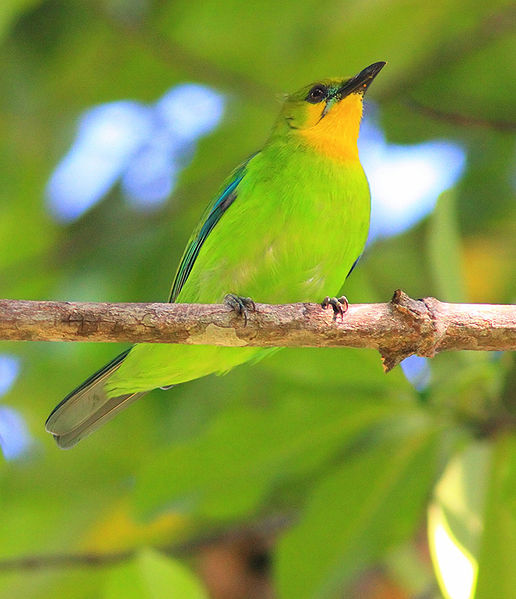
Yellow-throated Leafbird (Chloropsis palawanensis) @WikiC

Yellow-throated Leafbird (Chloropsis palawanensis) @WikiC

David Cabedo, who visits this site frequently, posted this article with the video on Philippines Birdwatching. It is fantastic. After showing the area of the Philippines, it then starts showing one bird after another that are in that area. Thanks, David, for finding and posting the YouTube. It is entitled, Avian Archipelago – Birdwatching in the Philippines” by avianarchipelago.

Enjoy!

*

*

He has made His wonderful works to be remembered; The LORD is gracious and full of compassion. (Psalms 111:4 NKJV)

See:

Philippine Birdwatching

Birds of the World

*

Birds of the Bible – Details

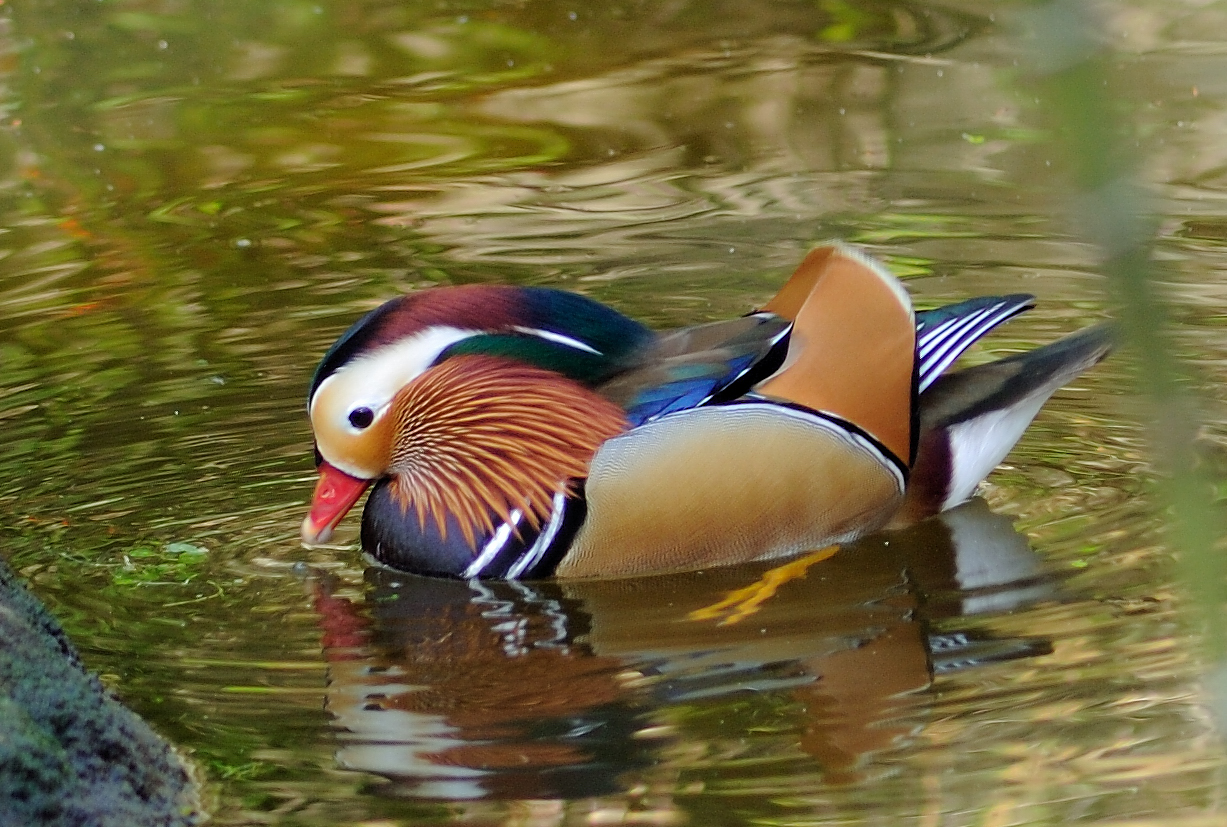
Mandarin Duck (Aix galericulata) by Dan

Mandarin Duck (Aix galericulata) by Dan

Currently, I am reading through Leviticus. When I cam to the Tabernacle, my first thoughts were, “Here we go again” with all the details about how to make it. The LORD gave Moses the details and then he shared those details with all the workers and skilled craftsmen as to how it was supposed to be prepared. It includes down to the number of rings to hold the curtains, like 50 on this side and 50 on that side, etc. The colors Gold, Blue, Purple and Scarlet are constantly mentioned.

Details, details, details. I stopped grumbling when I thought about how the LORD in His creative acts was so, “detailed.” Much of the Bible gives us details about God, the Lord, and the Holy Spirit.It is one of God’s attributes that He is so omnipotent, omniscient, understanding, etc. because He does know all the “details.”

For since the creation of the world His invisible attributes are clearly seen, being understood by the things that are made, even His eternal power and Godhead, so that they are without excuse, (Romans 1:20 NKJV)

We are told to look around us to observe creation and we can see His attributes. Think of just the birds. Are they not each different and made with so much detail. So, here is my attempt to share with you some of the neatly “detailed” birds in a slideshow. My first thoughts were of the Mandarin Duck with its lines and marks. Looks like a paintbrush was used by the Hand of our Creator. I have been trying to think of a bird that is gold, blue, purple and scarlet, but so far, it allude me. (The Mandarin Duck is close)

This slideshow is only featuring the colors and feather designs, but how about all the bills, feet, and other aspects of the birds? Enjoy these beautiful birds. (Thanks to all those who took the photos also.)

This slideshow requires JavaScript.

*

(I hardly got to the Passerines. Sorry)

See:

Birds of the Bible

Falling Plates

*

Ian’s Bird of the Week – Letter-winged Kite

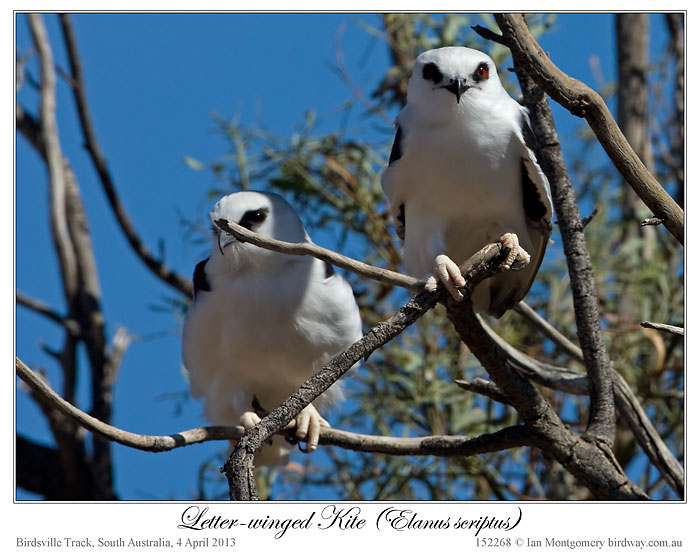
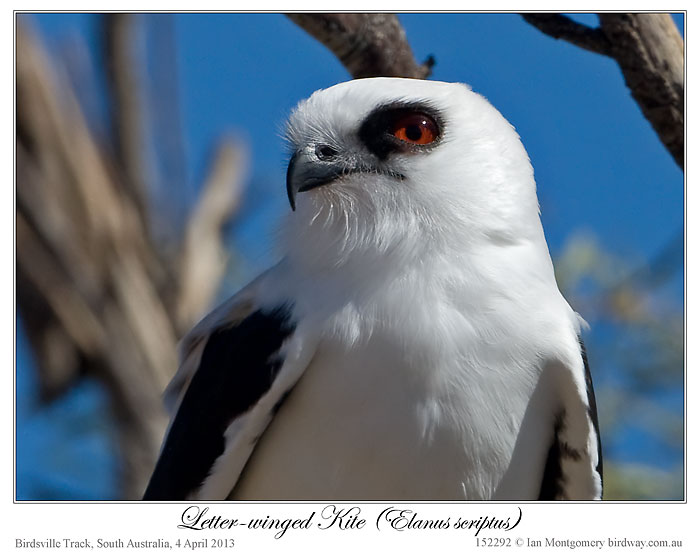
Letter-winged Kite (Elanus scriptus) by Ian 1

Letter-winged Kite (Elanus scriptus) by Ian 1

Ian’s Bird of the Week – Letter-winged Kite ~ by Ian Montgomery

Newsletter ~ 4/18/13

For all you patient bird of the week recipients, here is I hope a bird worth waiting for, the Letter-winged Kite, star attraction on the recent trip along the Birdsville Track in Northwestern South Australia.

The Letter-winged Kite saga that had its resolution here started in the 1970s when I was living in Surry Hills in inner city Sydney. One evening, I was walking around to the local pub, the Cricketers Arms, on Fitzroy Street a block away from busy South Dowling Street when I found a pair of Letter-winged Kites, unfazed by the traffic, landing in a small tree on the pavement. The L-shaped markings under the wing were clearly visible, so there was no doubt about the identification – I was going to the pub, not tottering home afterwards – no matter how unlikely the location for this species, usually more at home in the semi-desert of Central Australia.

I supposed at the time that they were escaped birds. I found out only later that not only are these Kites nocturnal, but that they spread far and wide in search of food from their usual, arid, home following the population crash that follows plagues of their main prey, the Long-haired Rat. Come to think of it, the rather arid open spaces of Moore Park lie on the other side of South Dowling Street, and I’m sure there are plenty of ordinary rats in Surry Hills.

Letter-winged Kite (Elanus scriptus) by Ian 2

Letter-winged Kite (Elanus scriptus) by Ian 2

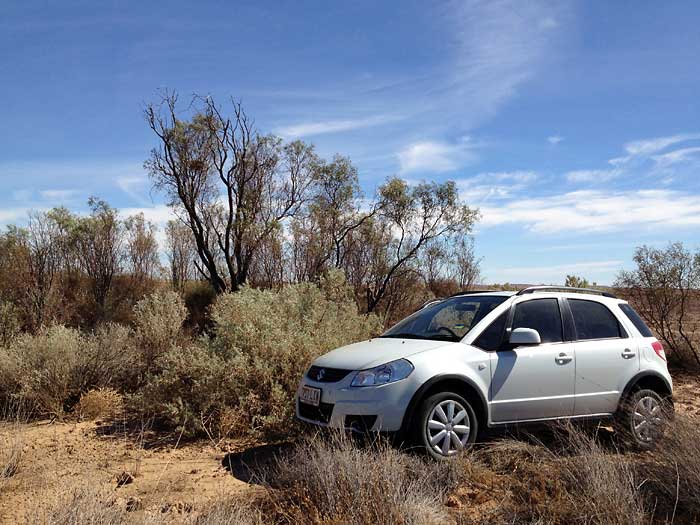
Ordinary people drive the 500km of dirt road that constitutes the legendary Birdsville Track from Birdsville in Southwestern Queensland to Marree in Northeastern South Australia (and the parallel Strzelecki Track) for the experience. Birders do it to search for elusive dry country birds, particularly the Letter-winged Kite and the Grey Falcon and both of these were top of my wanted list on this trip. Letter-winged Kites roost in trees by day, so I searched the few trees – nearly all in creek beds – along the Birdsville Track until, 252km south of Birdsville I spotted a couple of suspects, screeched to a halt in a cloud of dusk and approached them in the car. Birders have 4WD vehicles, such as my modest Suzuki SZ4, mainly so that they can use them as mobile bird hides as most birds are more tolerant of vehicles than pedestrians.

Letter-winged Kite (Elanus scriptus) by Ian 3

Letter-winged Kite (Elanus scriptus) by Ian 3

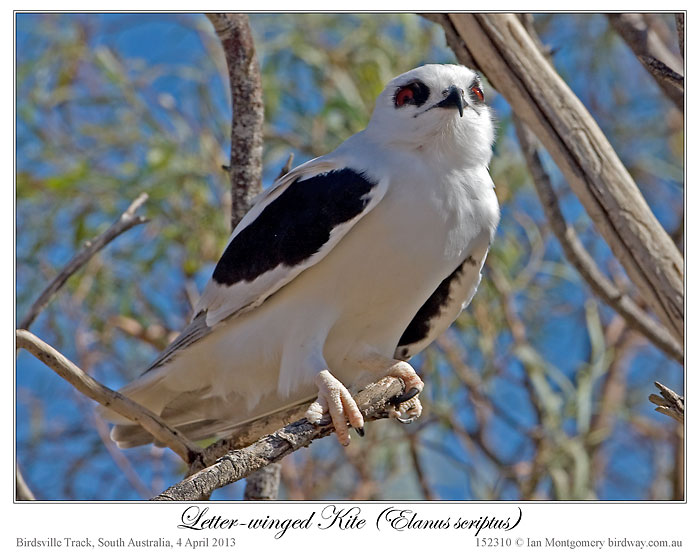
Letter-winged Kites indeed they were, but the tree was a tangle of branches and the sun was shining from behind the tree. The birds, however, seemed as unfazed by the traffic (relatively speaking) as the ones in Fitzroy Street, and let me approach to take the first photo (good lighting angle, bad branches), second photo (bad angle, good branches). Then they waited while I changed the lens from the 100-400mm to the 500mm and, eventually, looked on tolerantly while I got out of the car and did a relative close-up (third photo) and a portrait (fourth photo).

Letter-winged Kite (Elanus scriptus) by Ian 4

Letter-winged Kite (Elanus scriptus) by Ian 4

I then walked away to take a photo of the tree, the birds and a nest (I don’t know whether it was theirs) and turned around to find that they had silently vanished. If it hadn’t been for the photos definitely still on the SD card, the event might have all have been a fantasy. So I made do with a photo of the tree, the nest and the mobile bird hide, below.

 Letter-winged Kite (Elanus scriptus) by Ian 5

Letter-winged Kite (Elanus scriptus) by Ian 5

The Strzelecki Track is actually supposed to be better for Letter-winged Kites than the Birdsville, but, having found these birds, we decided to change our return travel plans from Plan B1 to Plan B2, skip the Strzelecki (similar landscape, worse road), spend a few days in the Flinders Ranges and drive home via Broken Hill, Bourke and Bowra (B2), instead of Birdsville, Bedourie and Boulia (B1).

Best wishes
Ian

**************************************************
Ian Montgomery, Birdway Pty Ltd,
454 Forestry Road, Bluewater, Qld 4818
Tel 0411 602 737 ian@birdway.com.au
Check the latest website updates:
http://www.birdway.com.au/#updates


Lee’s Addition:

And the glede, and the kite, and the vulture after his kind, (Deuteronomy 14:13 KJV)

What an awesome bird. They are beautiful. Thanks, Ian, for sharing another of your birdwatching adventures with us. His photography is fabulous also. I love that close-up in #4. Wow!

The Letter-winged Kite (Elanus scriptus) is a small, rare and irruptive Australian raptor with a core range in central Australia. The adult is a small and graceful, predominantly pale grey and white, raptor with black shoulders and red eyes. It is similar in appearance to the Black-shouldered Kite except for a very distinctive black underwing pattern of a shallow ‘M’ shape, seen when in flight. Roosting during the day in well-foliaged trees and hunting at night, it is the world’s only fully nocturnal raptor. Like all the elanid kites, it is a specialist predator of rodents, which it hunts by hovering in mid-air above grasslands and fields. (Wikipedia)

They belong to the Accipitridae Family . Check out all Ian’s Family Photos and then see the complete Accipitridae – Kites, Hawks and Eagles family list here.

See Also:

Ian’s Bird of the Week

White-tailed Kite ~ 1-7-11

Whistling Kite ~ 5-31-10

Birds of the Bible – Glede and Kites

*

Birds of the Bible – Coat of Many Colors II

Sunset Lorikeet (Trichoglossus forsteni) ©WikiC

Sunset Lorikeet (Trichoglossus forsteni) ©WikiC

Now Israel loved Joseph more than all his children, because he was the son of his old age: and he made him a coat of many colours. (Genesis 37:3 KJV)

After I finished the Birds of the World – Kingfishers, Australasian Warblers, White-Eyes and Doves article last week, I decided to finish up the Psittacidae – Parrots Family. I still needed 150 photos or drawings to complete the 363 species needed. Well, last night, it was finished and at 100% for images.

Looking at all those Parrots and others in the family, they definitely have “Coats of Many Colors” also. Just wanted to share their beautifully created plumage also. Most of us are familiar with parrots and parakeets. Many have them as pets or have seen them in the wild. So you are sort of familiar with them, but I am sure as you view the slideshow, you will see many that you haven’t seen before.

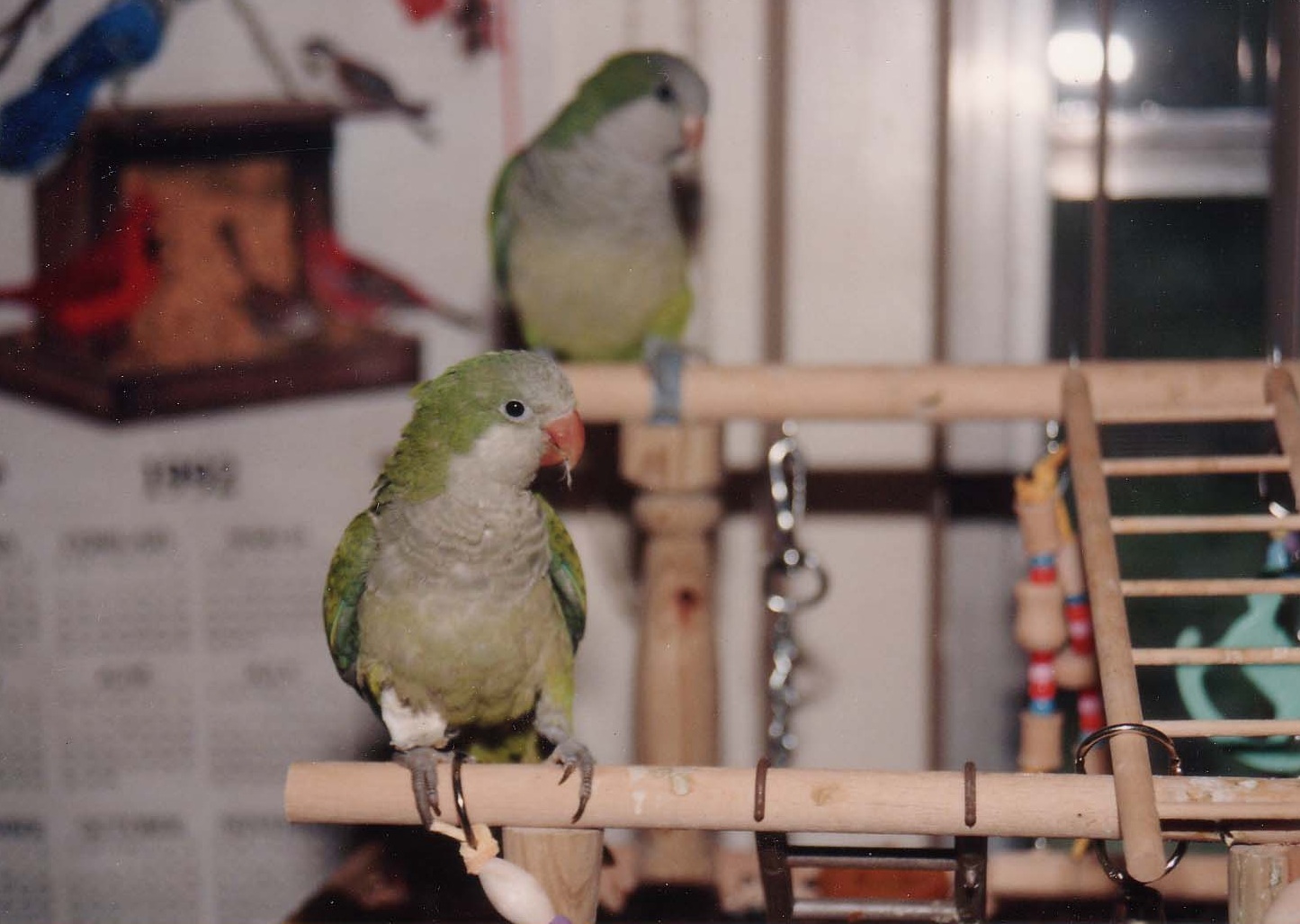
I also want to share the only birds I had personally. My preference is that the birds roam free, or are being kept from extinction in zoos or other similar situation. There is nothing wrong with having a pet, but I am just stating my preference. We ended up with two Monk Parakeets when we lived in south Florida. They are wild down there (up here also), but one day the neighbor boys came to my door and told me about an injured Monk Parakeet. A teenager had shot it out of a tree and the smaller boys found it. They said, “You love birds and you will know what to do.” That began the adventure with my bird. I had never kept a bird in my life, but knew that my veterinarian was also a bird vet. Long story short, I ended up with a one-winged bird that could never go back to the wild. My “free bird” ended up costing over $200 for vet bills. (This was over 20 years ago). Dan wanted to call it “One-armed Bandit” because it cost me so much, but I took the “t” off of “Bandit” and it became “Bandi.” I think it was a “she” because she was so sweet.

Well a year later, my friend bought two Monks and told me there was one more, but it had a deformed leg. Another long story short, I bought “Hoppy” for $25 and ended up spending another $200 getting a broken leg repaired. It was an amazing surgery the vet performed. “Hoppy” had to be a male, because he could be mischievous at times, but he learned to talk and was quite enjoyable (most of the time). The picture shows “Hoppy” with the bandage in front and “Bandi” in the background.

Monk Parakeet (Myiopsitta monachus) Hoppy & Bandi

Hoppy in front, Bandi in back – Monk Parakeet (Myiopsitta monachus)

The only two verses in Scripture, that I know of, that would apply to this would be:

For every kind of beasts, and of birds, and of serpents, and of things in the sea, is tamed, and hath been tamed of mankind: (James 3:7 KJV)

As a cage is full of birds, so are their houses full of deceit: therefore they are become great, and waxen rich. (Jeremiah 5:27 KJV)

Back to the Coats of Many Colors, below is a slideshow showing some of our beautiful and personable members of the Psittacidae – Parrots Family.

*

This slideshow requires JavaScript.

See Also:

Psittacidae – Parrots Family

Birds of the Bible – Coat of Many Colors I

Birds of the Bible 

Birds of the World

*

Birds of the World – Kingfishers, Australasian Warblers, White-Eyes and Doves

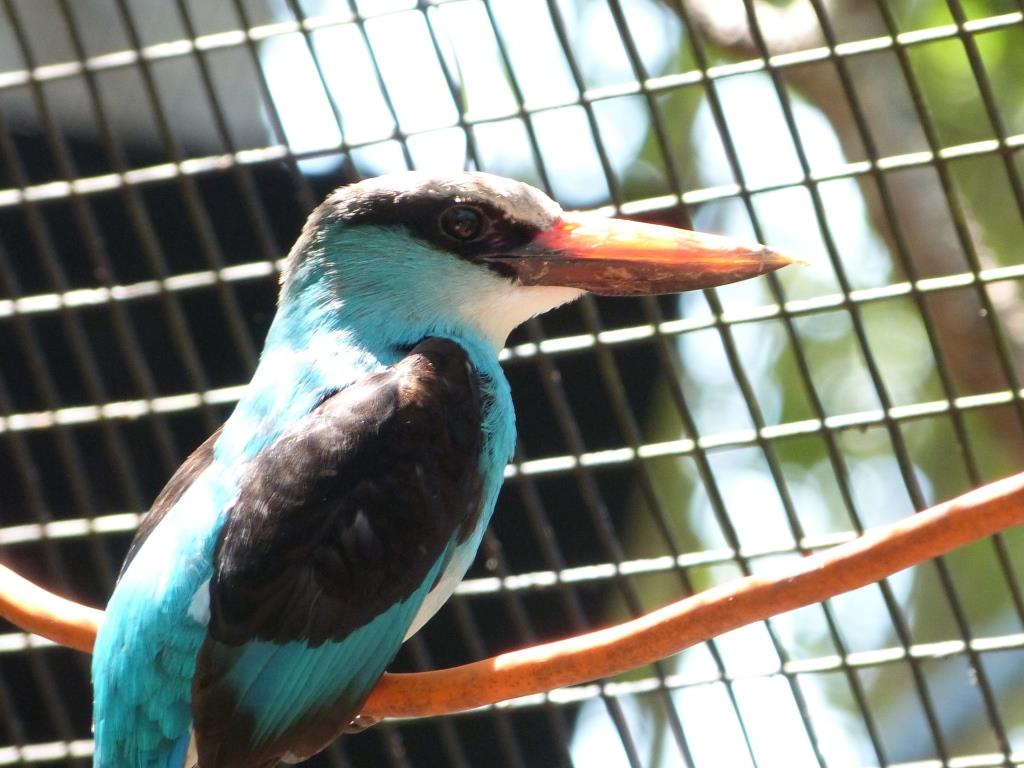
Blue-breasted Kingfisher (Halcyon malimbica) at LPZ by Lee

Blue-breasted Kingfisher (Halcyon malimbica) at LPZ by Lee – taken last week

Many, O LORD my God, are thy wonderful works which thou hast done, and thy thoughts which are to us-ward: they cannot be reckoned up in order unto thee: if I would declare and speak of them, they are more than can be numbered. (Psalms 40:5 KJV)

I have been working away on the different families of the Birds of the World. In the last few days, I was able to complete three more families at 100% and have one that needs five more images. Three of them have at least a photo or drawing of each of them. 100% done. That is a nice feeling. What beautiful birds are in those families. When the Lord created the birds, He used much variety in sizes, behaviors and colors. Even though it takes lots of time, it is enjoyable to be able to view so many of them. I am keeping an Excel spreadsheet of the families that shows each family, the number of species, how many are needed, and number seen so far. There are “10,476 extant species and 149 extinct species classified in 40 Orders,  231 Families (plus 6 Incertae Sedis) and 2268 Genera.” (IOC 3.3 Version) according to the IOC statement. Yet, when you add up the number of species of each family, they add up to 10,615. (10476+149=10,625) Somewhere there are 10 miscounted birds. Either way (10615 or 10,625), thats a lot of birds that are flying around the world for all of us to enjoy watching.

100 Percent of Images

Alcedinidae – Kingfishers – 95 Species

Acanthizidae – Australasian Warblers – 65 Species

Zosteropidae – White-eyes – 128 Species

The Pigeon and Doves have five photos that need to be found. After extensive search, they are still avoiding all the great photographers and artists out there. If any know of a source for these evaders, please leave a comment as to where to find a link to them. At least looking through these inspired the Birds of the Bible – Coat of Many Colors article.

Columbidae – Pigeons, Doves – 335 Species

** Need Photo **

  • Ryukyu Wood Pigeon (Columba jouyi †) Extinct
  • Rodrigues Pigeon (Nesoenas rodericana †) Extinct
  • Sulu Bleeding-heart (Gallicolumba menagei)
  • Mindanao Brown Dove (Phapitreron brunneiceps) 
  • Comoros Green Pigeon (Treron griveaudi)

Below are a few of the birds from each family.

This slideshow requires JavaScript.

*

Click on any of the Families to see the complete list of the species.

Alcedinidae – Kingfishers 

Acanthizidae – Australasian Warblers 

Zosteropidae – White-eyes

Columbidae – Pigeons, Doves

*

Wordless Birds

*

Seeing Pink at Circle B Bar Reserve – Gallery

Because the slideshow won’t allow larger photos, here are the photos for the Seeing Pink at Circle B Bar Reserve article in the Gallery format. Clicking any photo will begin an Image Gallery Carousel.

*

Birds of the World – Asian and African Barbets

Fire-tufted Barbet (Psilopogon pyrolophus) by Dan at WA

Fire-tufted Barbet (Psilopogon pyrolophus) by Dan at Wings of Asia

Its leaves were beautiful, its fruit was abundant, and on it was food for all. Wild animals found shelter under it, the birds of the air lived in its branches, and every creature was fed from it. (Daniel 4:12 HCSB)

The Barbets used to be mainly in one big family, but they are being divided up in several families. The Internet Bird Collection and some other still have them in one family, but IOC, whose list is used here, breaks them into Asian Barbets (Megalaimidae Family) with 30 species and the African Barbets (Lybiidae Family) with 42 species. There is another family of Barbets here in the New World called New World Barbets (Capitonidae Family) that has 15 members. There are two Barbets, the Prong-billed and Toucan Barbet, that are by themselves in the Semnornithidae Family. Barbets are in the Piciformes Order which also has the Toucan,  JacamarPuffbirdHoneyguide and Woodpecker families.

I finished working on the Asian Barbet and African Barbet Family pages and decided to share some of them with you. They are a colorful bunch. The Lord put designs and color in their creation and yet in their natural habitats, they blend in well (camouflage). Some are beautiful and some are almost “gaudy” and have…started to put personality, but they are not humans, so maybe “birdality” might be a better term. Like this Brown-headed Barbet (Megalaima zeylanica) by Nikhil Devasar. My caption would be “hanging on by a nail.”

Brown-headed Barbet (Megalaima zeylanica) by Nikhil Devasar

Brown-headed Barbet (Megalaima zeylanica) by Nikhil Devasar

Here are some of their photos in a slideshow. (They are from all four families)

This slideshow requires JavaScript.

*

I am working on Our Birdwatching Photos of these families and will ready soon.  (Update – Just Finished Them)

Interesting Articles:

Coppersmith Barbet – The Fruit-giver ~ by ajmithra

Formed By Him – Bearded Barbet

Birds of the Bible – Names of Birds

Dan’s Pix Fire-tufted Barbet – Fire-tufted II

Africa’s Barbets by 10,000 Birds

*

Birds of the Bible – Goldfinches Are On The Way

Goldfinches 4-1-13 No screen clean window (7)

Even the stork in the sky knows her seasons. The turtledove, swallow, and crane are aware of their migration, but My people do not know the requirements of the LORD. (Jeremiah 8:7 HCSB)

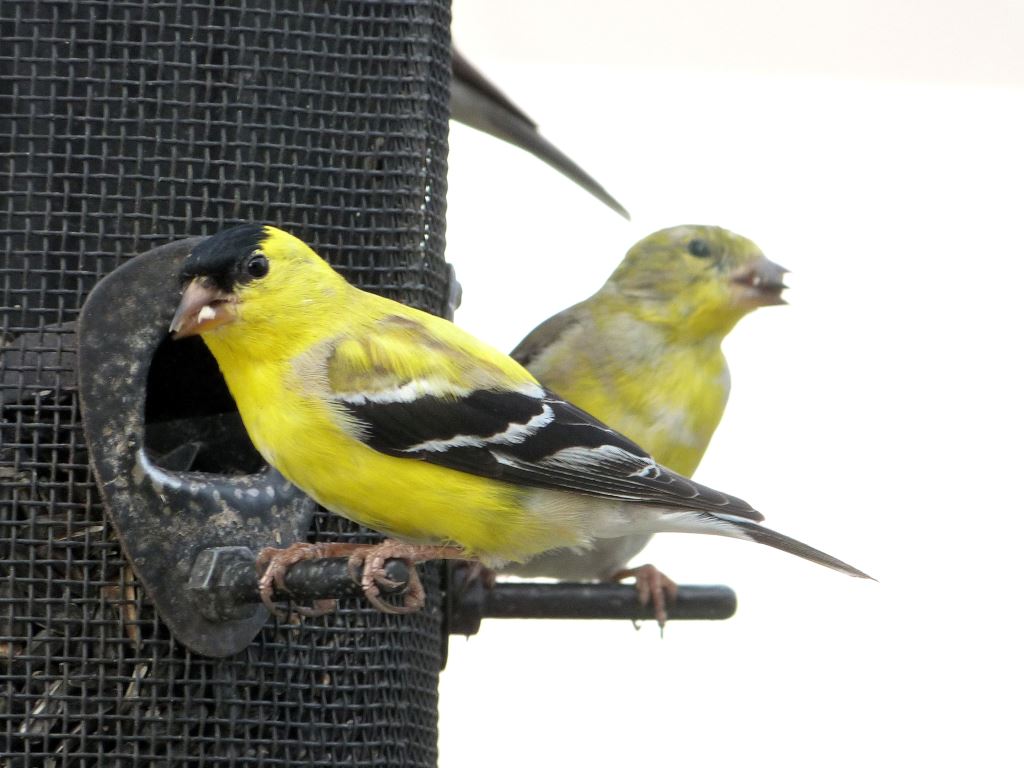
We have been having American Goldfinches at the feeders for the last few weeks. Don’t see them often, so was enjoying their presence. They kept building in numbers from 6 at first, then 12 about a week ago, then Easter Sunday there were at least 20 of them. It even motivated me to wash the window and take out the screen on Monday to get better photos of them.

Yesterday morning, Wednesday, I checked out the window to see how many there were now. Not a one! So throughout the morning I kept checking, NONE! When we went out, there was no singing in the trees that we have been hearing lately. Needless to say, I was a little disappointed, but it didn’t take long to figure out where they were. GONE!!!

Keep your eyes open up north, the Goldfinches are on the way. This is a spring occurrence down here. The birds fold up their lounge chairs, pack the bellies full of my sunflower seed and head back home. They have territories to claim, nest to build, broods to raise and give you now the pleasure of viewing them and listening to their songs. ENJOY!

It’s your turn to enjoy the Lord’s beautiful American Goldfinches as they migrate up to you. Treat them nice and when fall comes, send them back, please.

This slideshow requires JavaScript.

*
Birds of the Bible Articles

Bible Birds
*