Take A Note

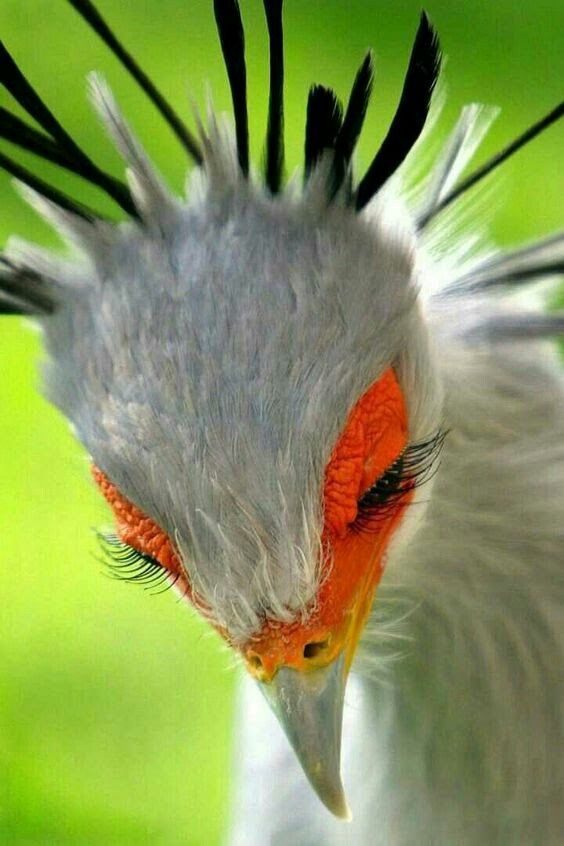
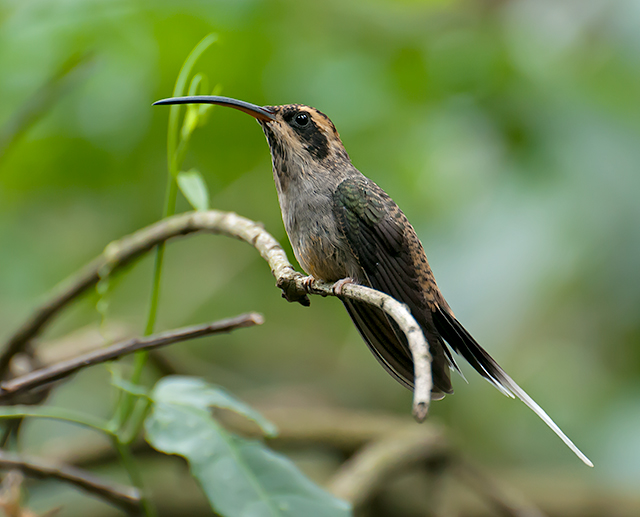
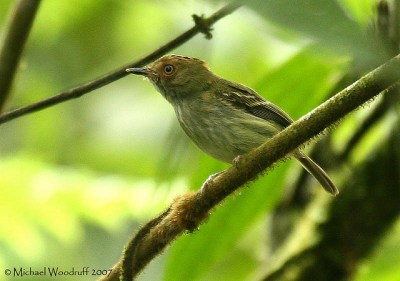
Secretarybird look straight at the lens – ©Pinterest – Rudi Luyten

You would like me to take a note?

Secretarybird -Notice the eyelashes – ©Pinterest

Looking down to start writing! [Notice the eyelashes]

Just because these are neat birds, decided to share these Secretarybird photos from Pinterest.

“Let not mercy and truth forsake you; Bind them around your neck, Write them on the tablet of your heart,” (Proverbs 3:3 NKJV)

*
Secretary Bird – The Walker

Indecisive Black-bellied Whistling-Duck

Shall I Go To The This Way?

Shall I Go To That Way?

And Elijah came unto all the people, and said, How long halt ye between two opinions? if the LORD be God, follow him: but if Baal, then follow him. And the people answered him not a word. (1 Kings 18:21 KJV)

Still Undecided As To Which Way To Go by Lee

Elijah went there and stood in front of the people. He said, “How long will it take you to make up your minds? If the LORD is the one and only God, follow him. But if Baal is the one and only God, follow him.” The people didn’t say anything. (1 Kings 18:21 NIrV)

Just About Decided

Elijah challenged the people: “How long are you going to sit on the fence? If GOD is the real God, follow him; if it’s Baal, follow him. Make up your minds!” Nobody said a word; nobody made a move. (1 Kings 18:21 MSG)

This Black-bellied Whistling-Duck was undecided about where to go. There were quite a few Whistling Ducks at Viera Wetlands, and they were playing “musical palm tree stubs.” They kept landing on these tree tops and chasing the other off. Yet, this verse comes to mind.

I trust all of us are decided about WHO we are going to follow.

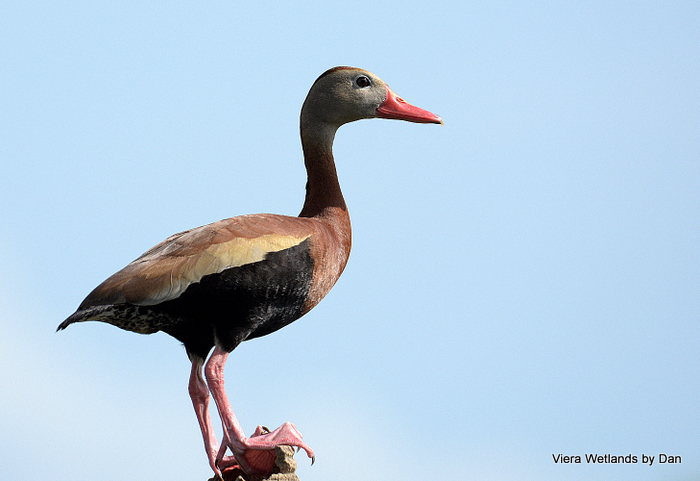
Now for a picture of a Black-bellied Whistling-Duck by Dan [the much better photographer]

Black-bellied Whistling Duck by Dan

The Black-bellied Whistling-Duck is a large, gooselike duck with a long neck, long legs, and short tail. In flight, look for their broad wings, long neck, and hunched back.

Black-bellied Whistling-Ducks are dark overall: a chestnut breast and black belly are set off by a bright-pink bill and legs, grayish face, and broad white wing stripe, also visible in flight. Immatures are duller than adults, with a dark bill, pale breast, and mottled black belly. [Info from All About Birds]*

Atlantic Puffins on the Isle of Mull, Scotland

Atlantic Puffins by Bill Boothe, MD in the Isle of Mull Scotland

These Atlantic Puffin’s photo was taken by Bill Boothe, MD, in the Isle of Mull, Scotland. Dr. Boothe is a long time friend of Dr. James Johnson. It would have been nice to have been there also.

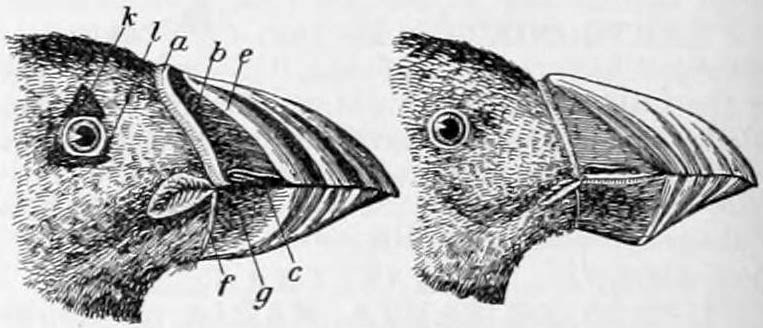
This puffin (Atlantic Puffin) has a black crown and back, pale grey cheek patches and white underparts. Its broad, boldly marked red and black beak and orange legs contrast with its plumage. It moults while at sea in the winter and some of the bright-colored facial characteristics are lost, with color returning again during the spring. The external appearance of the adult male and female are identical though the male is usually slightly larger. The juvenile has similar plumage but its cheek patches are dark grey. The juvenile does not have brightly colored head ornamentation, its bill is narrower and is dark-grey with a yellowish-brown tip, and its legs and feet are also dark. Puffins from northern populations are typically larger than in the south and it is generally considered that these populations are different subspecies.

Puffin Beaks – Breeding L and non-breeding R – 1905 PubDom Drawing

Spending the autumn and winter in the open ocean of the cold northern seas, the Atlantic puffin returns to coastal areas at the start of the breeding season in late spring. It nests in clifftop colonies, digging a burrow in which a single white egg is laid. The chick mostly feeds on whole fish and grows rapidly. After about six weeks it is fully fledged and makes its way at night to the sea. It swims away from the shore and does not return to land for several years. [Wikipedia with editing]

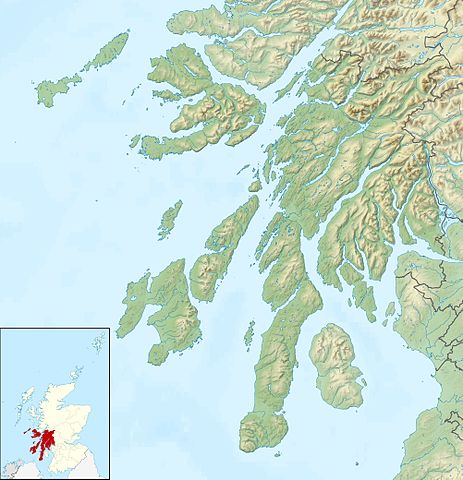
This photo was take in Mull, Scotland. “Mull (Scottish Gaelic: Muile, pronounced [ˈmulʲə]) is the second largest island of the Inner Hebrides (after Skye), off the west coast of Scotland in the council area of Argyll and Bute.

Argyll and Bute UK relief location map

With an area of 875.35 square kilometres (337.97 sq mi) Mull is the fourth largest Scottish island and the fourth largest island surrounding Great Britain (excluding Ireland). In the 2011 census the usual resident population of Mull was 2,800; a slight increase on the 2001 figure of 2,667; in the summer this is supplemented by many tourists. Much of the population lives in Tobermory, the only burgh on the island until 1973, and its capital.”

Lighter side verses: [yet very true]

“Love suffers long and is kind; love does not envy; love does not parade itself, is not puffed up;” (1 Corinthians 13:4 NKJV)

“We know that we all have knowledge. Knowledge puffs up, but love edifies.” (1 Corinthians 8:1 NKJV)

Butterflies at Brevard Zoo

Monarch and White Peacock at Brevard Zoo Butterfly Exhibit

“O LORD, how manifold are thy works! in wisdom hast thou made them all: the earth is full of thy riches.” (Psalms 104:24 KJV)

They recently opened up a new Butterfly area at the Brevard Zoo in Brevard, Florida. This was the first time we have been to this exhibit.

There was soft music playing and the butterflies were just flitting here and there. I took this video, which is not the best, but they were really beautiful [when I could keep it in focus].

It was not a frog making noise. It was a pair of Turocos calling.

White-crested Turaco at Brevard Zoo was calling

“He will bless them that fear the LORD, both small and great.” (Psalms 115:13 KJV)

Julia Butterfly

Below are some of the photo that I took. I trust I attached the right names to them. I used the signs they provided.

Brevard Zoo
Wordless Hummingbirds

When I Am Grown

Young Gallinule at Viera Wetlands

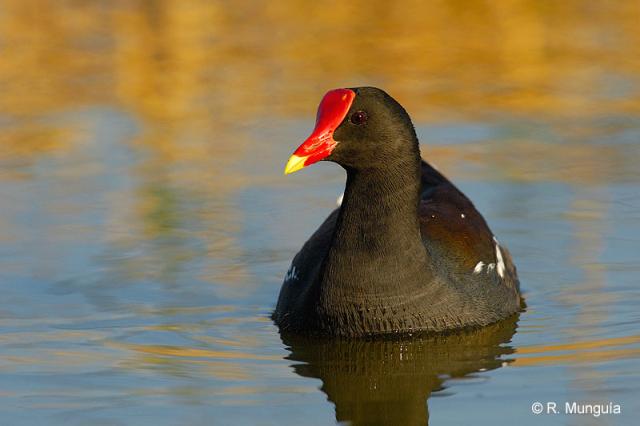
On the Fourth of July, yesterday, we were at Viera Wetlands, Viera, Florida and spotted this young Common Gallinule, depending on what they are calling it. Look at its feet. He/she has some growing to do to fit those feet.

Below is how it will look when it matures.

Common Gallinule (Gallinula chloropus) by Reinier Munguia

“I have been young, and now am old; yet have I not seen the righteous forsaken, nor his seed begging bread.” (Psalms 37:25 KJV)

Another promise our Savior and Creator has given us. Lord’s Blessings.

Common Gallinule – All About Birds

Shield of Thy Salvation

I.O.C. World Bird List Version 8.2 – Updated

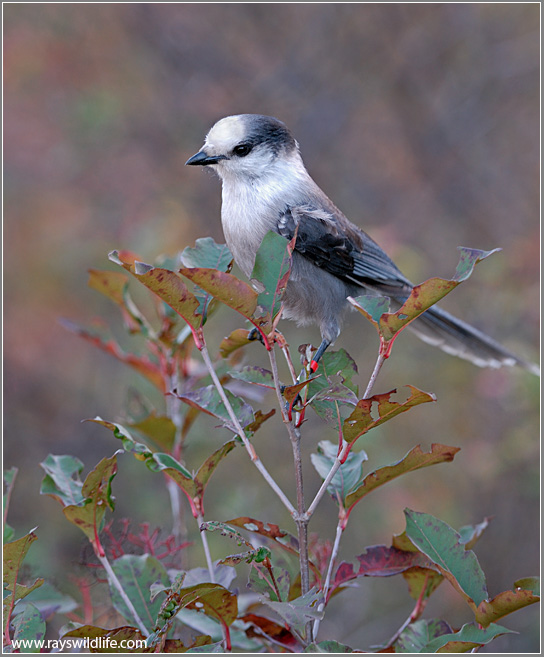
Canada Jay (Perisoreus canadensis) by Raymond Barlow

Gray Jay now Canada Jay (Perisoreus canadensis) by Raymond Barlow

“For by him were all things created, that are in heaven, and that are in earth, visible and invisible, whether they be thrones, or dominions, or principalities, or powers: all things were created by him, and for him: And he is before all things, and by him all things consist.” (Colossians 1:16-17 KJV)

I finally finished updating the Birds of the World pages to reflect the newest version, 8.2. of the IOC’s bird list. The family pages and the indexes have been modified. Since the photos on the site were hacked last year, the family pages were changed. Now the photos are at the bottom of the pages instead of with each name.

With this version, I added the Genera in with Green. Many of the new changes are in red and a few in blue. The red are spelling or Genera changes. Blue seems to represent reshuffled positions within a family. [I think – this is from their Excel spreadsheet]

White-crested Helmetshrike (Prionops plumatus) ©WikiC

Two families were moved into the Vangidae – Vanga and Allies family.

Here is the over update:

The IOC World Bird List 8.2 contains 10,711 extant species (and 158 extinct species)  classified in 40 Orders,  246 Families (plus 1 Incertae Sedis) and 2,313 Genera.  The list also includes 20,055 subspecies, their ranges and authors.

Changes include:

SPECIES ADDED:                15 

SPECIES DELETED:             3

ENGLISH NAMES:               18

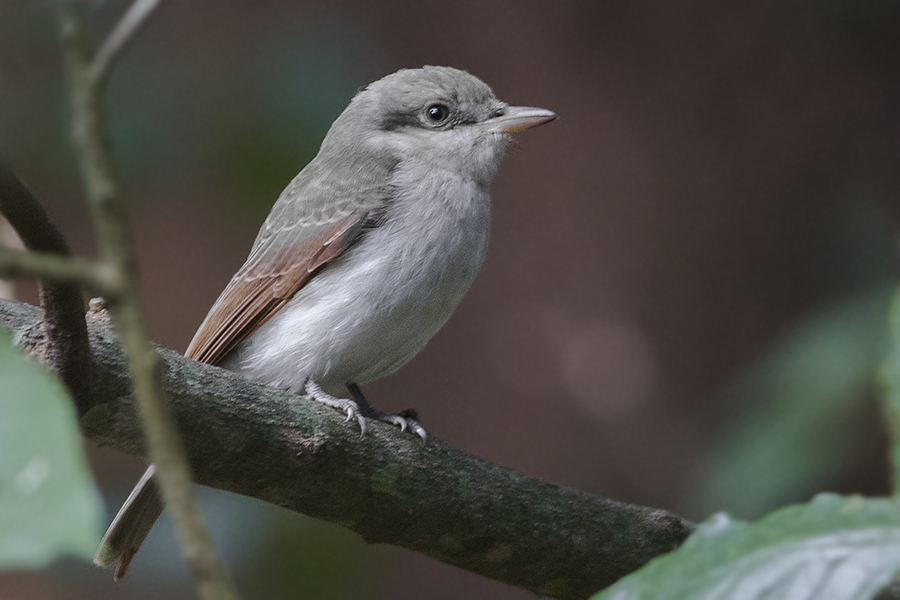
TAXONOMY:                         18 incl revisions of  Campephagidae, Phylloscopidae and Locustellidae, and expansion of Vangidae to include helmetshrikes, woodshrikes, and shrike-flycatchers

Large woodshrike (Tephrodornis gularis) ©WikiC

The three articles listed in the Time For Another Update From The I.O.C. explain the changes and saves me rewriting the same information.

2018 AOS Supplement is Out!

2018 checklist changes include few splits

David Sibley: How to make peace with changes to your checklist

The Indexes, Alphabetical Pages and Family Pages are all current here on the site:

Birds of the World

Alphabetical List of the Birds.

ORDER

Family

Families – Alphabetical (Scientific)

Families – Alphabetical (English)

Families – Taxonomic (Scientific – English)

Families – Taxonomic (English – Scientific)

Species Index

Those Who Wish To Sing

I received an email recently to ask if I would allow permission to use this photo:

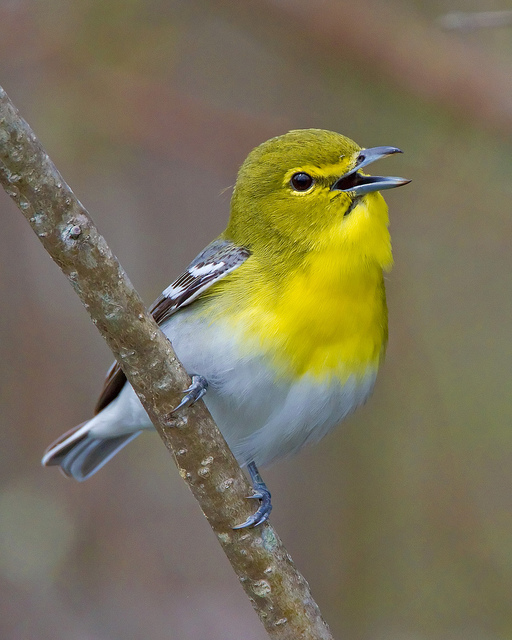
Yellow-throated Vireo (Vireo flavifrons) singing ©nebirdsplus

Yellow-throated Vireo (Vireo flavifrons) singing ©nebirdsplus

“Sing unto him, sing psalms unto him, talk ye of all his wondrous works.” (1 Chronicles 16:9 KJV)

Since this beautiful singing Vireo is on the internet as Creative Commons, they were free to use it.

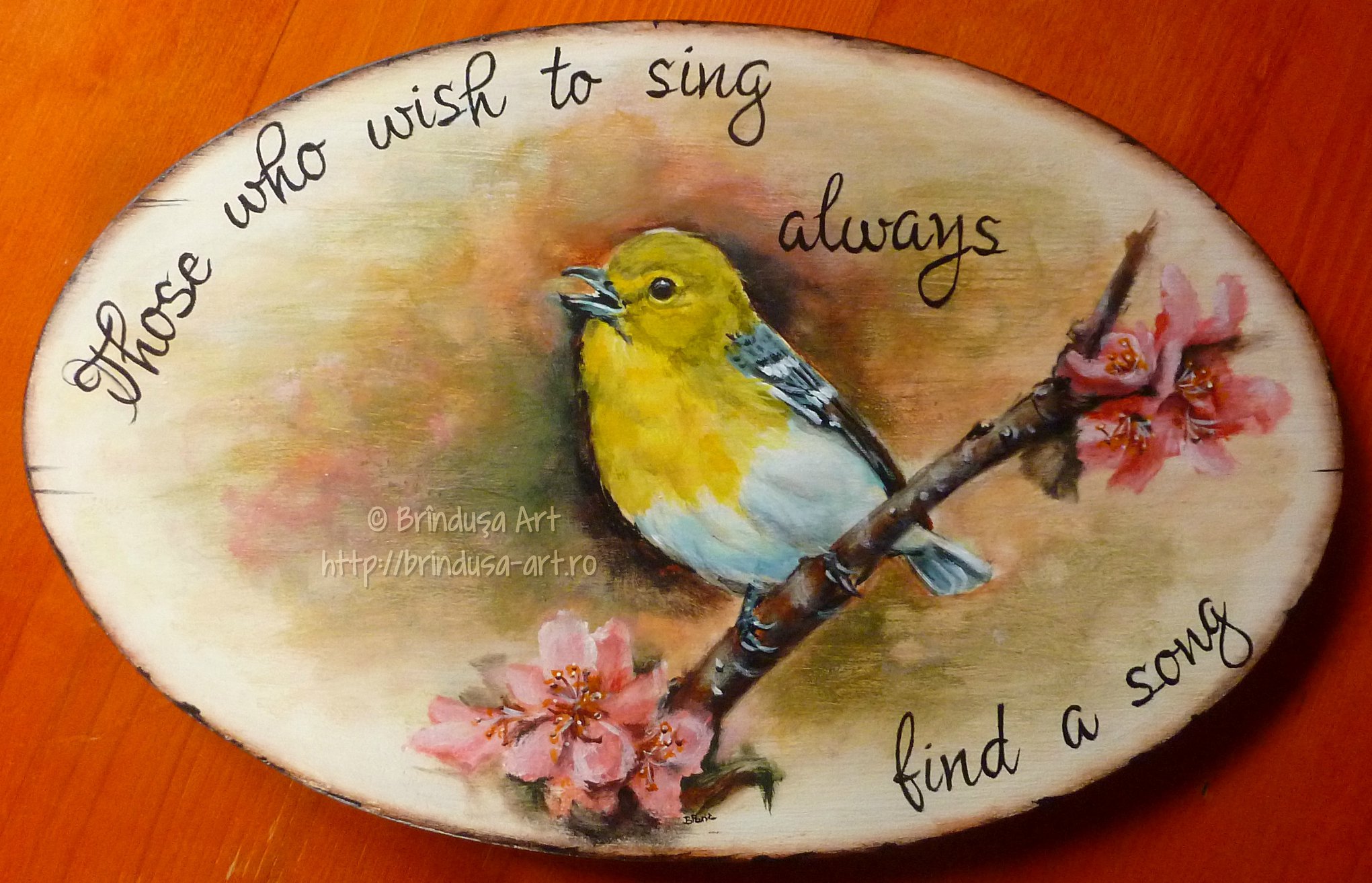
Here is how a very artistic person painted it. Wow! I can hardly draw a stick man correctly!

Yellow-throated Vireo (Vireo flavifrons) singing ©Brindusa Art

Here is a little about her:

I am a Christian woman who greatly enjoys painting and sharing some of the beauty she sees around her. I am very grateful for God’s grace and for this gift of painting that He’s given me…

Please visit her site and see this lovely drawing and her other drawings.

Those Who Wish To Sing Always Find A Song

https://www.facebook.com/BrindusaArt/

http://brindusa-art.ro/wordpress/gallery/


Time For Another Update From The I.O.C.

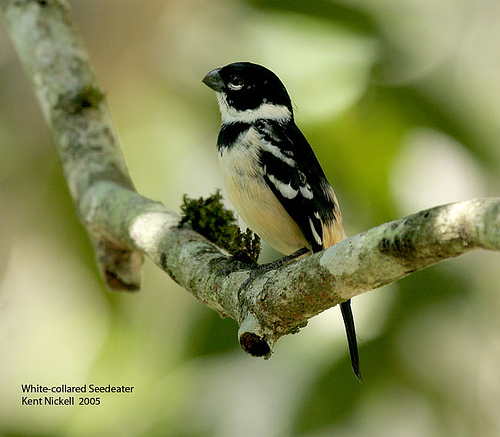
White-collared Seedeater (Sporophila torqueola) male by Kent Nickell

White-collared Seedeater (Sporophila torqueola) male by Kent Nickell Now Split

The latest update from the I.O.C. [8.2] just came out yesterday. Thankfully, they are only doing two a year now, not four. So, while I dig in and rearrange and update this site, here are a couple of articles about the latest changes that might interest you.

If you are new to this blog, several times a year, the birding authorities accept and reject proposals for splits, lumps and new species. Some are accepted and many are rejected for now. These articles help explain that procedure better than I can. So, look them over. They reveal the hows and whys of the latest changes.

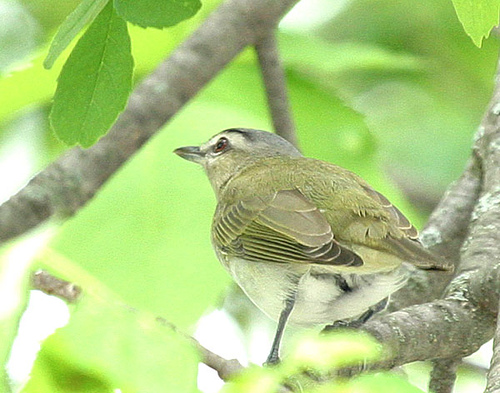
Red-eyed Vireo (Vireo olivaceus) by Kent Nickell

Red-eyed Vireo (Vireo olivaceus) by Kent Nickell Now Split

This first one shows the changes very well and may save me doing the same.

2018 AOS Supplement is Out!

BirdWatching magazine has this article:

2018 checklist changes include few splits

This next article by David Sibley is really good and helps us understand these changes from a personal level:

David Sibley: How to make peace with changes to your checklist

***

Latest update online here is the IOC 8.1. Stay tuned, I’m on it!

“My son, fear thou the LORD and the king: and meddle not with them that are given to change:” (Proverbs 24:21 KJV)

I.O.C. Version 8.1 Update Completed

Dividing the Buntings and Sparrows – I.O.C. 8.1

Hang On To Your Hat – I.O.C. 8.1 Update Underway

Avian And Attributes – Scarlet-plus Birds

Scarlet-and-white Tanager (Chrysothlypis salmoni) ©WikiC

“They shall spread over them a scarlet cloth, …” (Numbers 4:8a NKJV)

“Come now, and let us reason together, saith the LORD: though your sins be as scarlet, they shall be as white as snow; though they be red like crimson, they shall be as wool.” (Isaiah 1:18 KJV)


Avian and Attributes – Scarlet II

Scarlet
This dye was obtained by the Egyptians from the shell-fish Carthamus tinctorius; and by the Hebrews from the Coccus ilicis, an insect which infests oak trees, called kermes by the Arabians.
This colour was early known (Gen_38:28). It was one of the colours of the ephod (Exo_28:6), the girdle (Exo_28:8), and the breastplate (Exo_28:15) of the high priest. It is also mentioned in various other connections (Jos_2:18; 2Sa_1:24; Lam_4:5; Nah_2:3). A scarlet robe was in mockery placed on our Lord (Mat_27:28; Luk_23:11). “Sins as scarlet” (Isa_1:18), i.e., as scarlet robes “glaring and habitual.” Scarlet and crimson were the firmest of dyes, and thus not easily washed out. [Easton’s Bible Dictionary]

Crimson, red, purple, and scarlet:
Used in the symbolisms of the tabernacle furnishings and priestly vestments and functions, as types and shadows of the atonement. ]Nave’s Topical Bible]


There are so many birds whose names begin with “Scarlet-“, that I decided to do a Part II. I want to show more of God’s Handiwork in the Avian Creations. These are by far not all of them.

Scarlet-browed Tanager (Heterospingus xanthopygius) ©WikiC

Scarlet-browed Tanager (Heterospingus xanthopygius) ©WikiC

Scarlet-browed Tanager (Heterospingus xanthopygius) ©WikiC

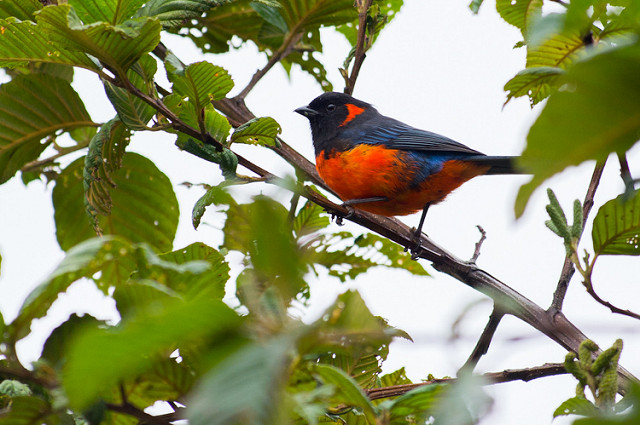
Scarlet-bellied Mountain Tanager (Anisognathus igniventris) ©Flickr Joao Quental

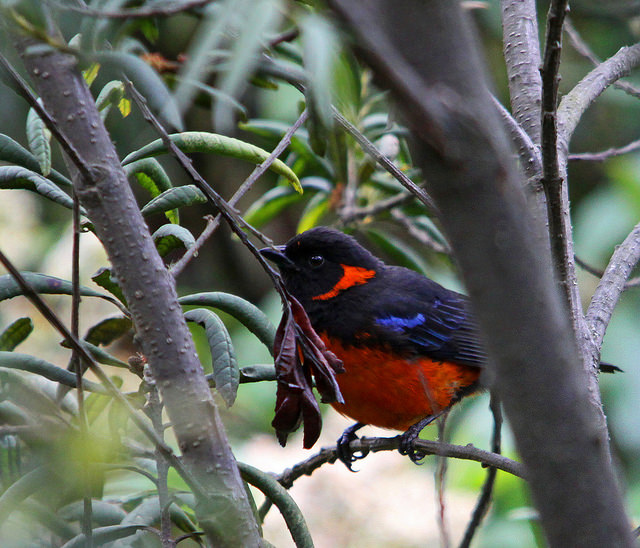
Scarlet-bellied Mountain Tanager (Anisognathus igniventris) ©Flickr vll.sandl

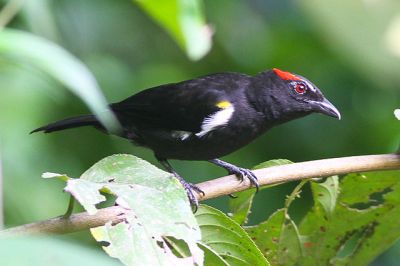
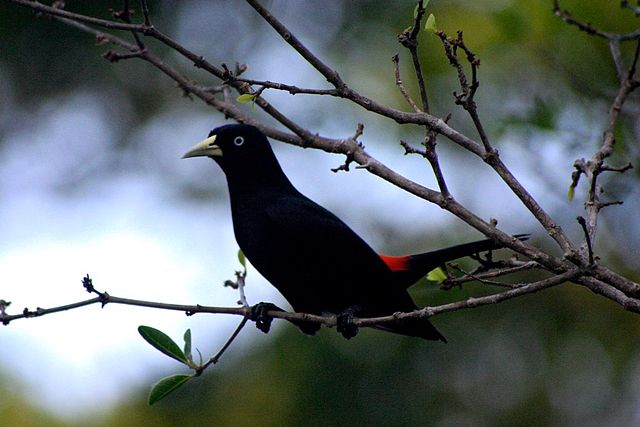
Scarlet-rumped Cacique (Cacicus microrhynchus) ©WikiC

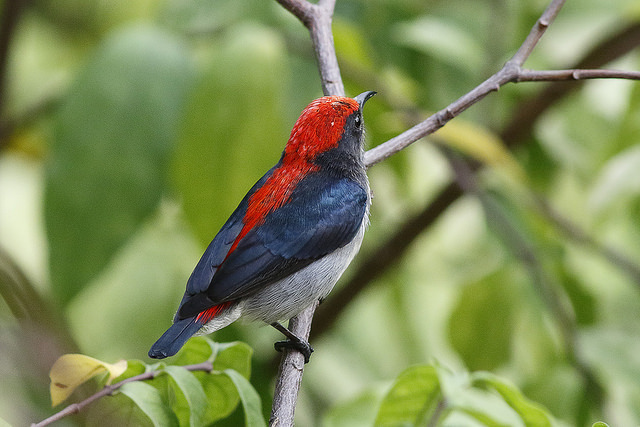
Scarlet-backed Flowerpecker (Dicaeum cruentatum) ©Flickr Dave Curtis

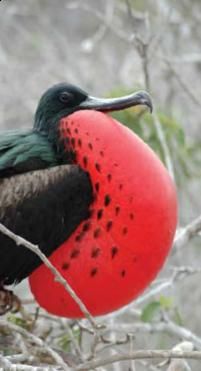
The scarlet-throated Frigate bird, Galapagos islands, EcuadorFrom Pinterest

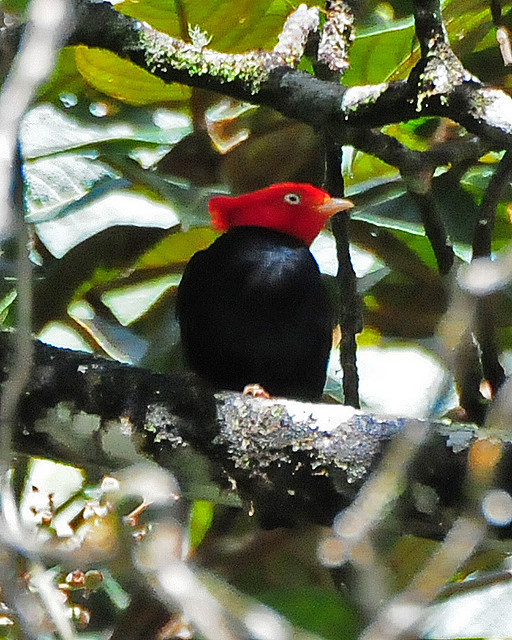
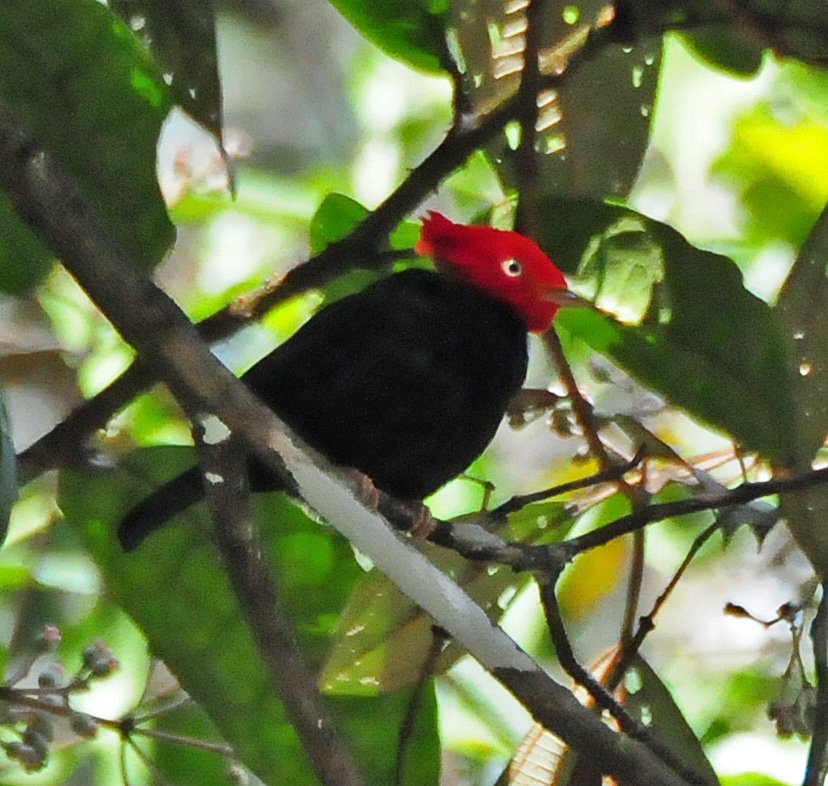
Scarlet-horned Manakin (Ceratopipra cornuta) ©©Flickr JerryOldenettel

Scarlet-horned Manakin (Ceratopipra cornuta) ©©Flickr JerryOldenettel

Scarlet-horned Manakin (Ceratopipra cornuta) ©©Flickr JerryOldenettel

Scarlet-horned Manakin (Ceratopipra cornuta) ©©Flickr JerryOldenettel

Scarlet-backed Flowerpecker (Dicaeum cruentatum) by ©Wiki

Scarlet-headed Flowerpecker (Dicaeum trochileum) by© Wiki

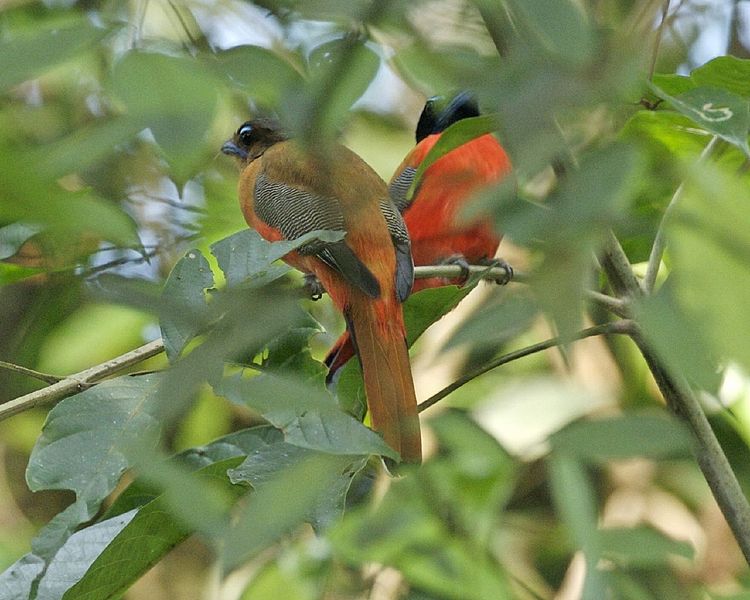
Scarlet-rumped Trogon (Harpactes duvaucelii) ©©LipKee

Scarlet-rumped Trogon (Harpactes duvaucelii) ©©LipKee

Scarlet-rumped Trogon (Harpactes duvaucelii) ©WikiC

Scarlet-rumped Trogon (Harpactes duvaucelii) ©WikiC

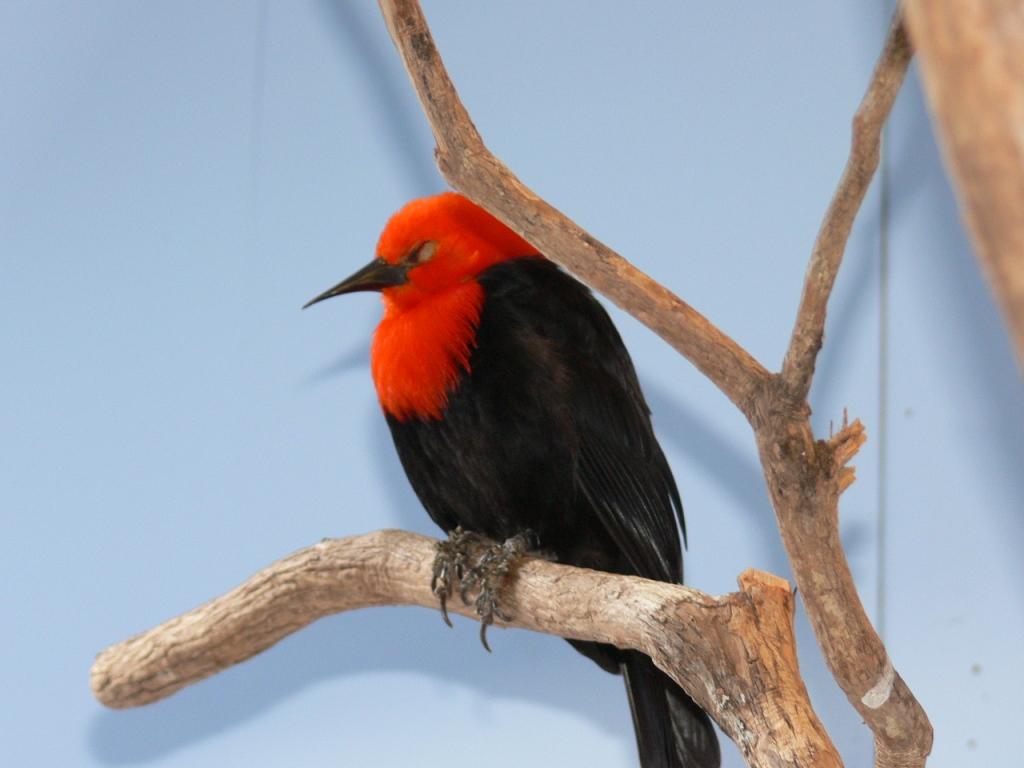
Scarlet-headed Blackbird (Amblyramphus holosericeus) by Lee

Scarlet-headed Blackbird asleep by Lee

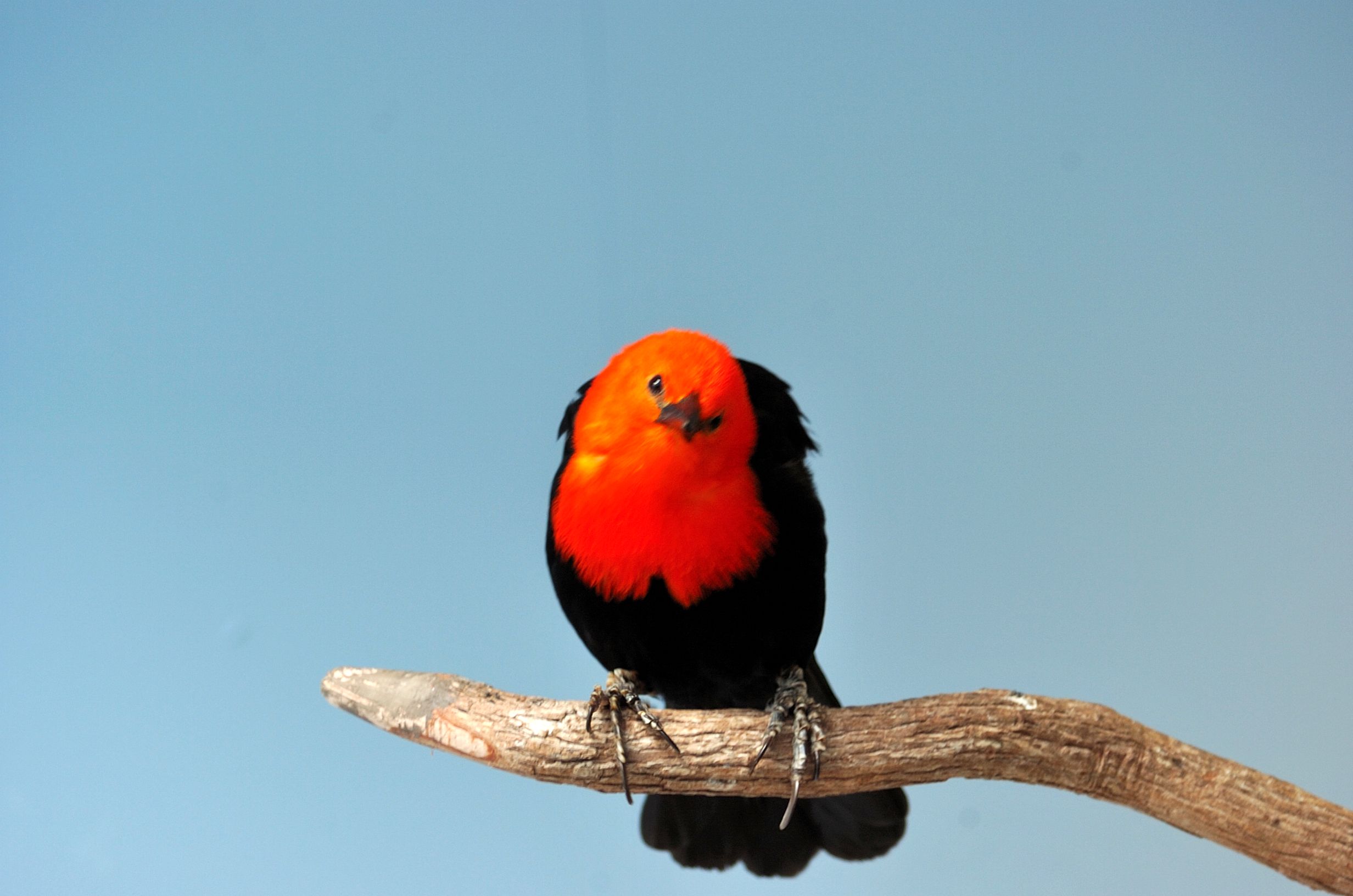
Scarlet-headed Blackbird by Dan

Scarlet-headed Blackbird (Amblyramphus holosericeus) by Dan


More Avian and Attributes

Birds whose first name starts with “S”

Good News

*
[Definitions from Webster’s Dictionary of American English (1828), unless noted. Bird info from Wikipedia plus.]

Avian And Attributes – Scarlet

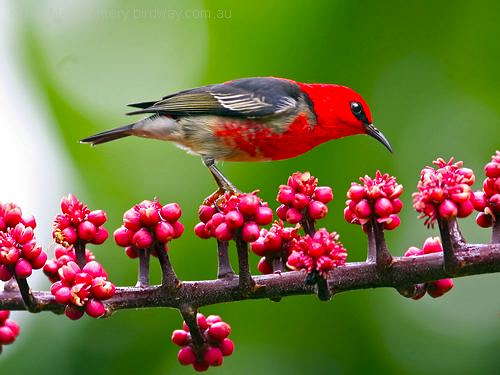
Scarlet Myzomela (Myzomela sanguinolenta) by Ian at Birdway

Scarlet Myzomela (Myzomela sanguinolenta) by Ian at Birdway

“And they stripped Him and put a scarlet robe on Him. When they had twisted a crown of thorns, they put it on His head, and a reed in His right hand. And they bowed the knee before Him and mocked Him, saying, “Hail, King of the Jews!” (Matthew 27:28-29 NKJV)


Avian and Attributes – Scarlet

SC’ARLET, n.
1. A beautiful bright red color, brighter than crimson.
2. Cloth of a scarlet color.
All her household are clothed with scarlet. Prov 31.
SC’ARLET, a. of the color called scarlet; of a bright red color; as a scarlet cloth or thread; a scarlet lip.


Scarlet Birds

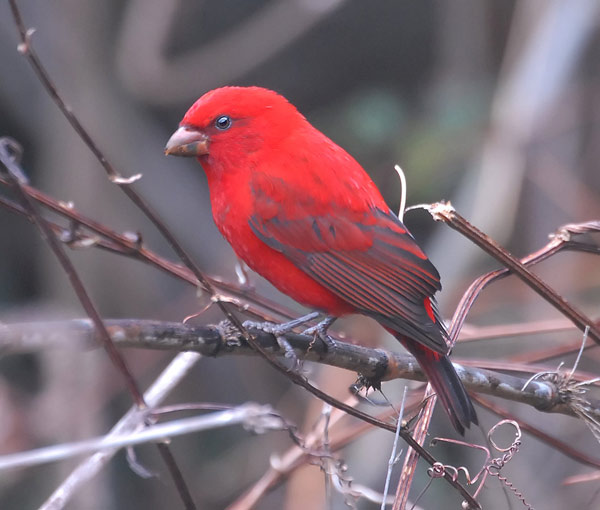
Scarlet Finch

Scarlet Finch (Haematospiza sipahi) by Nikhil Devasar

Scarlet Finch (Haematospiza sipahi) by Nikhil Devasar

Scarlet Flycatcher

Scarlet Flycatcher (Pyrocephalus rubinus) by Dario Sanches

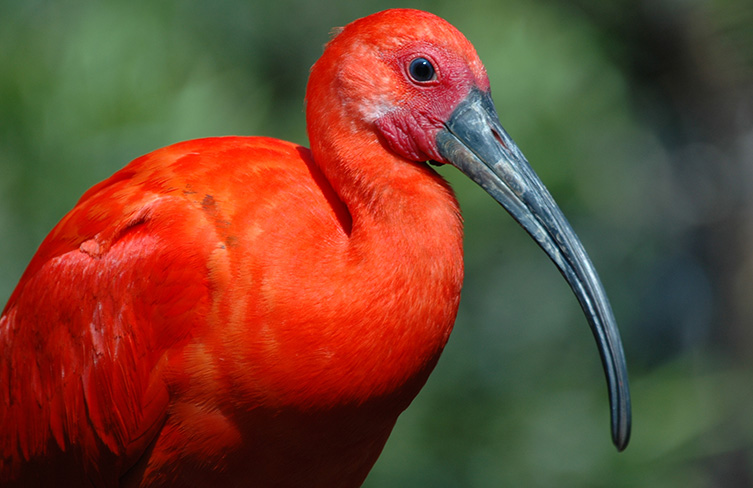
Scarlet Ibis

Scarlet Ibis (Eudocimus ruber) ©whm.ac.uk

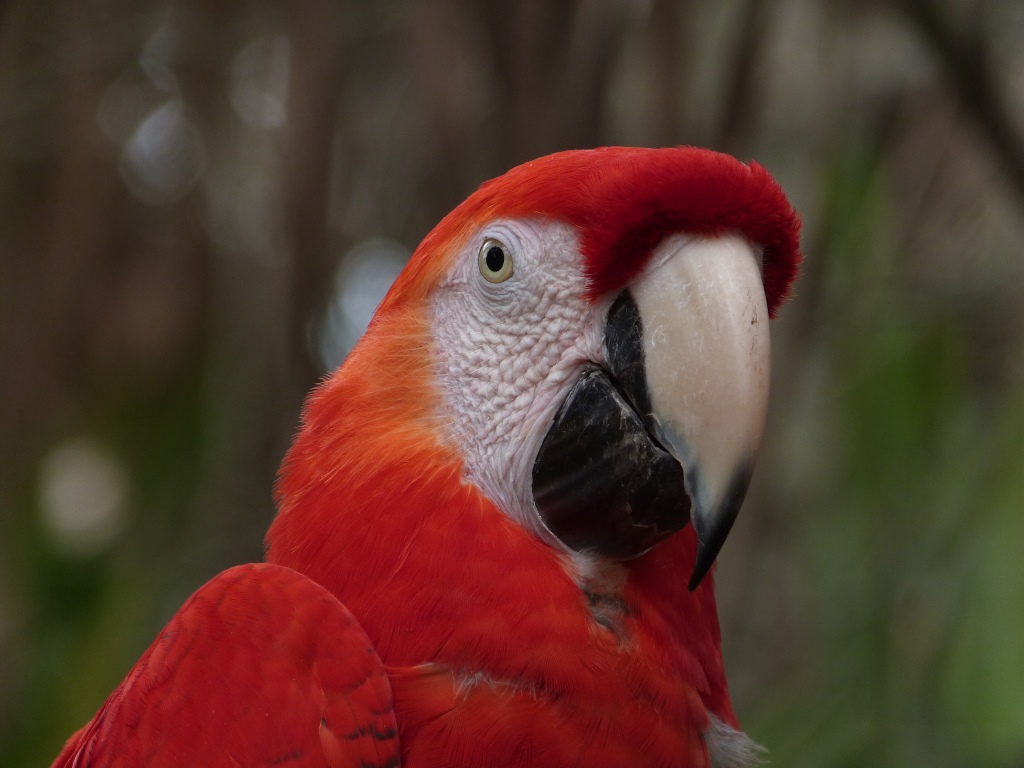
Scarlet Macaw

Scarlet Macaw (Ara macao) by Lee at Brevard Zoo

Scarlet Macaw (Ara macao) by Lee at Brevard Zoo

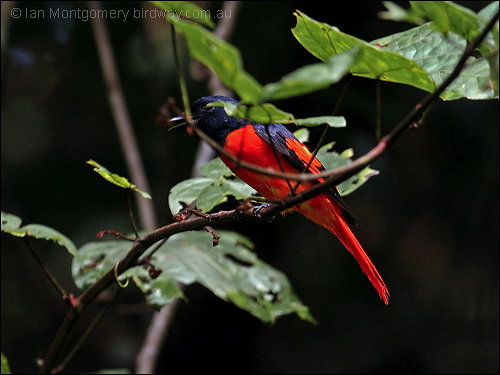
Scarlet Minivet

Scarlet Minivet (Pericrocotus speciosus) by Ian

Scarlet Myzomela

Scarlet Honeyeater or Myzolema (Myzomela sanguinolenta) by Tom Tarrant

Scarlet Robin

Scarlet Robin (Petroica boodang) by Ian

Scarlet Robin (Petroica boodang) by Ian

Scarlet Tanager

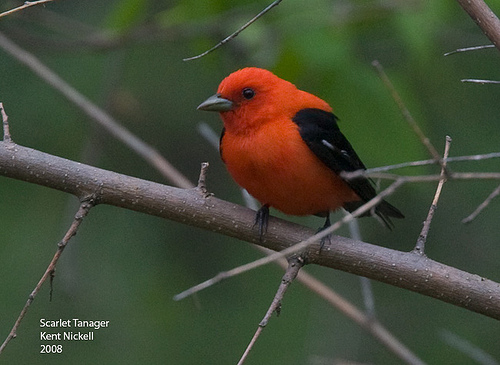
Scarlet Tanager (Piranga olivacea) by Kent Nickell

Scarlet Tanager (Piranga olivacea) by Kent Nickell

She is not afraid of snow for her household, For all her household is clothed with scarlet. (Proverbs 31:21 NKJV)


More Avian and Attributes

Birds whose first name starts with “S”

Good News

*
[Definitions from Webster’s Dictionary of American English (1828), unless noted. Bird info from Wikipedia plus.]

Avian And Attributes – Scale

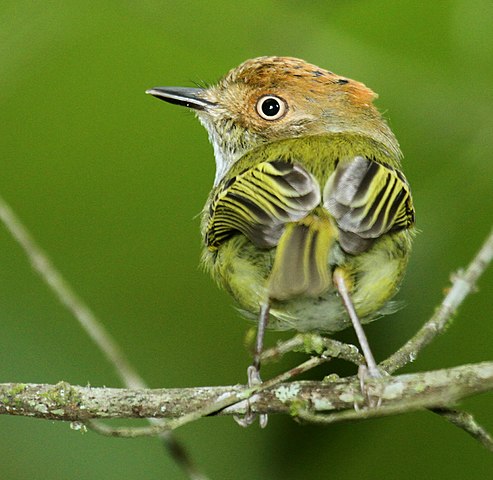
Scale-crested Pygmy Tyrant (Lophotriccus pileatus) by Michael Woodruff

Scale-crested Pygmy Tyrant (Lophotriccus pileatus) by Michael Woodruff

Who has measured the waters in the hollow of His hand, Measured heaven with a span And calculated the dust of the earth in a measure? Weighed the mountains in scales And the hills in a balance? Who has directed the Spirit of the LORD, Or as His counselor has taught Him? With whom did He take counsel, and who instructed Him, And taught Him in the path of justice? Who taught Him knowledge, And showed Him the way of understanding?” (Isaiah 40:12-14 NKJV)


Avian and Attributes – Scale

SCALE, n. [L. id. If the sense is to strip, it coincides with the Gr. to spoil.]
1. The dish of a balance; and hence, the balance itself, or whole instrument; as, to turn the scale.
Long time in even scale the battle hung.
3. The small shell or crust which composes a part of the covering of a fish; and hence, any thin layer or leaf exfoliated or separated; a thin lamin; as scales of iron or of bone.
4. A ladder; series of steps; means of ascending. [L. scala.]
5. The art of storming a place by mounting the wall on ladders; an escalade, or scalade.
6. A mathematical instrument of wood or metal, on which are marked line and figures for the purpose of measuring distances, extent or proportions; as a plain scale; a diagonal scale.
7. Regular gradation; a series rising by steps or degrees like those of a ladder. Thus we speak of the scale of being, in which man occupies a higher rank than brutes, and angels a higher rank than man.
8. Any instrument, figure or scheme, graduated for the purpose of measuring extent or proportions as a map drawn by a scale of half an inch to a league.
9. In music, a gamut; a diagram; or a series of lines and spaces rising one above another, on which notes are placed; or a scale consists of the regular gradations of sounds. A scale may be limited to an octave, called by the Greeks a tetrachord, or it may extend to the compass of any voice or instrument.
10. Any thing graduated or marked with degrees at equal distances.
SCALE, v.t.
1. To climb, as by a ladder; to ascend by steps; and applied to the walls of a fortified place, to mount in assault or storm.
Oft have I scal’d the craggy oak.
2. [from scale, a balance.] To measure; to compare; to weight.
3. [from scale, the covering of a fish.] to strip or clear of scales; as, to scale a fish.
4. To take off in thin lamins or scales.
5. To pare off a surface.
If all the mountains were scaled, and the earth made even –
[Edited]


Scale- Birds

Scale-crested Pygmy Tyrant (Lophotriccus pileatus)
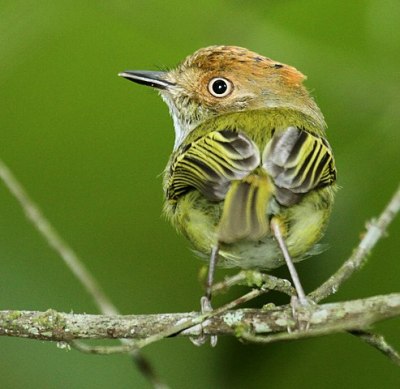
Scale-crested Pygmy Tyrant (Lophotriccus pileatus) ©WikiC

The Scale-crested Pygmy Tyrant (Lophotriccus pileatus) is a species of bird in the family Tyrannidae. It was given its name for the small crown-like ring of feathers on the top of its head. It raises these feathers both to attract a mate and to seem larger when frightened.

It is found in Colombia, Costa Rica, Ecuador, Panama, Peru, Venezuela, and possibly Honduras. Its natural habitats are subtropical or tropical moist lowland forest and subtropical or tropical moist montane forest. Not much is known about the habits or breeding of the bird.

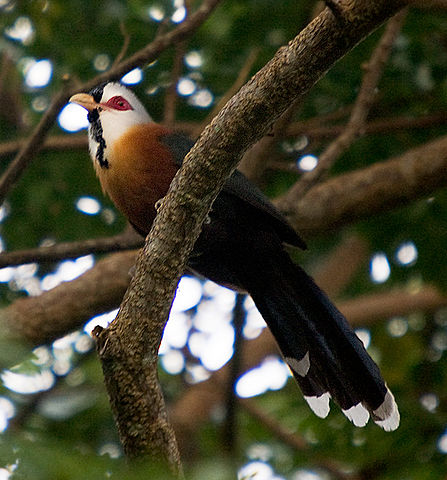
Scale-feathered Malkoha
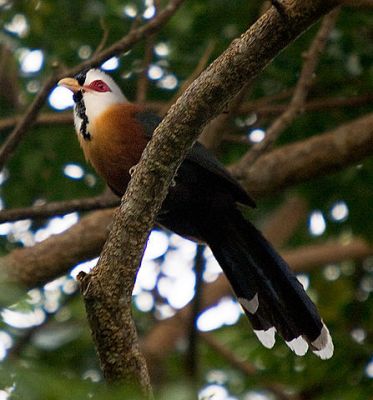
Scale-feathered Malkoha (Dasylophus cumingi) ©WikiC

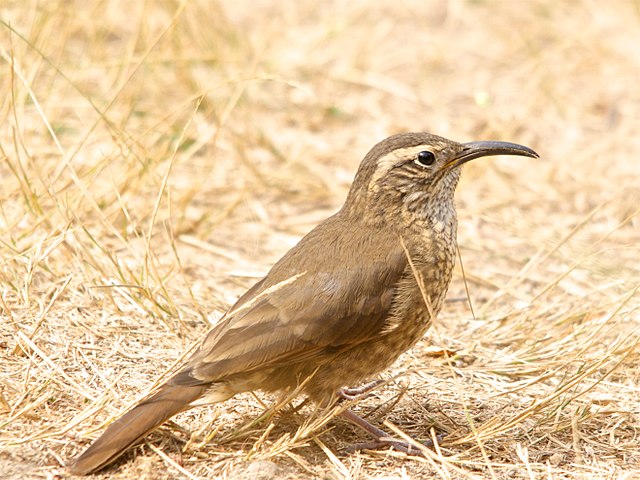
Scale-throated Earthcreeper

The Scale-feathered Malkoha (Dasylophus cumingi) is a species of cuckoo in the family Cuculidae. It is endemic to the northern Philippines.
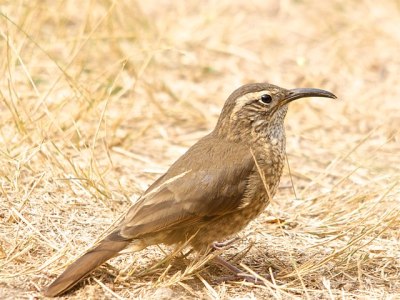
Scale-throated Earthcreeper (Upucerthia dumetaria) ©WikiC

Scale-throated Hermit

The Scale-throated Earthcreeper (Upucerthia dumetaria) is a species of bird in the Furnariidae family. It is found in Argentina and the Altiplano; it winters in the Pampas and east of Córdoba. Its natural habitats are subtropical or tropical dry shrubland, subtropical or tropical high-altitude shrubland, and subtropical or tropical high-altitude grassland. They build their nests at the end of tunnels measuring between one and two meters. These tunnels are almost exclusively based on slopes; however, rock crevices are occasionally used. It formerly included the Patagonian forest earthcreeper (U. saturatior) as a subspecies.
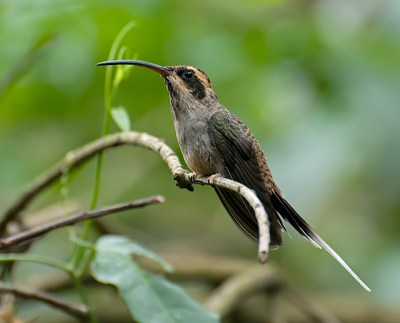
Scale-throated Hermit (Phaethornis eurynome) by Dario Sanches

The Scale-throated Hermit (Phaethornis eurynome) is a species in the hummingbird family, Trochilidae.

It is found in the Atlantic forest in north-eastern Argentina, south-eastern Brazil, and eastern Paraguay. The supposed “black-billed hermit”, described as P. nigrirostris, has turned out to be a mutant P. eurynome with an all-black bill.


More Avian and Attributes

Birds whose first name starts with “S”

Good News

*
[Definitions from Webster’s Dictionary of American English (1828), unless noted. Bird info from Wikipedia plus.]