I Just Happened ~ by Dottie Malcolm

Outside A Window ©©jmason

I Just Happened ~ by Dorothy Belle Malcolm

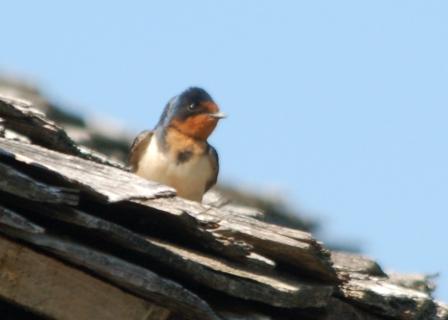
How many times have I said either out loud or to myself – “I just happened.” That seems to say it all for me when certain things occur. For instance, this spring I just happened to be looking out the family room window and saw the most beautiful bird. The colors were bright blue, red, and orange. In less than a minute it was gone. I had never seen one like it all the 30 plus years in Florida. Looking it up in a bird book the colors were described as blue-black, cinnamon belly and a reddish-brown chin. Well, yes, better than I described it. It was a Barn Swallow which I have not seen again.

Barn Swallow in Cades Cove by Dan

Barn Swallow in Cades Cove by Dan

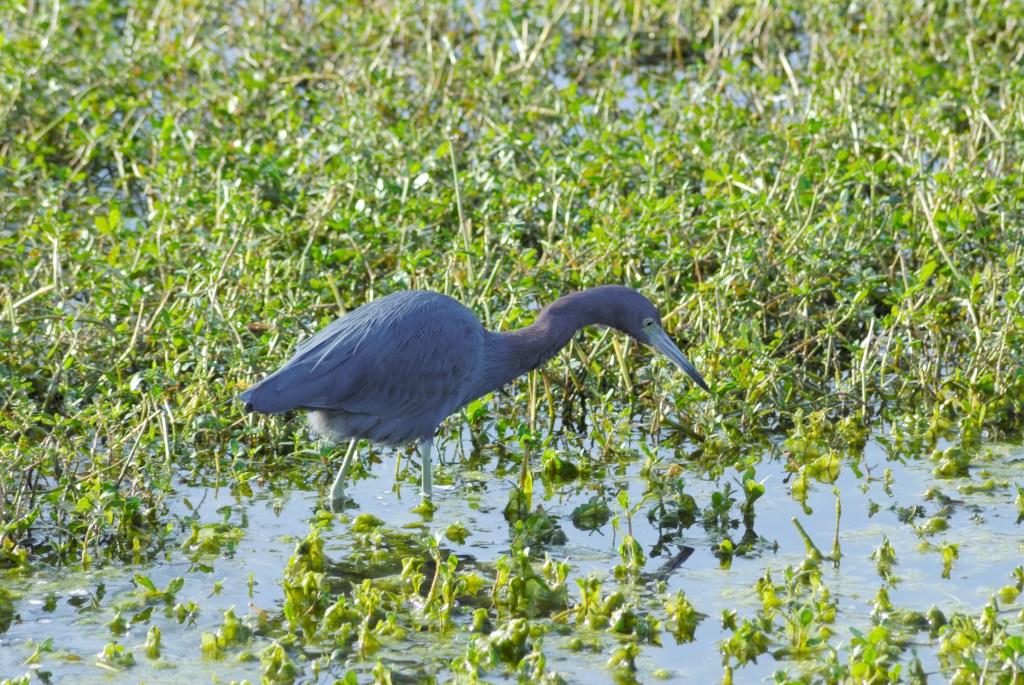
Also I had a first time visit from a non-breeding adult Little Blue Heron. Of course it was a result of “I just happened” to be looking out the same window and also had to look it up in a book.

Little Blue Heron at Lake Howard, Winter Haven, FL

Now that I think about it, maybe this particular window is proving to be a real winner for the “just happen” events. Come to think further about it, I recall seeing a pair of Orioles once.

The only thing is none of these birds have ever been seen by me again. Oh well, as long as I have the window, the book and the “I just happened,” perhaps ……

You will show me the path of life; In Your presence is fullness of joy; At Your right hand are pleasures forevermore. (Psalms 16:11 NKJV)

Other articles by Dottie:

*

Ms. Theresa’s Thoughts – Nests

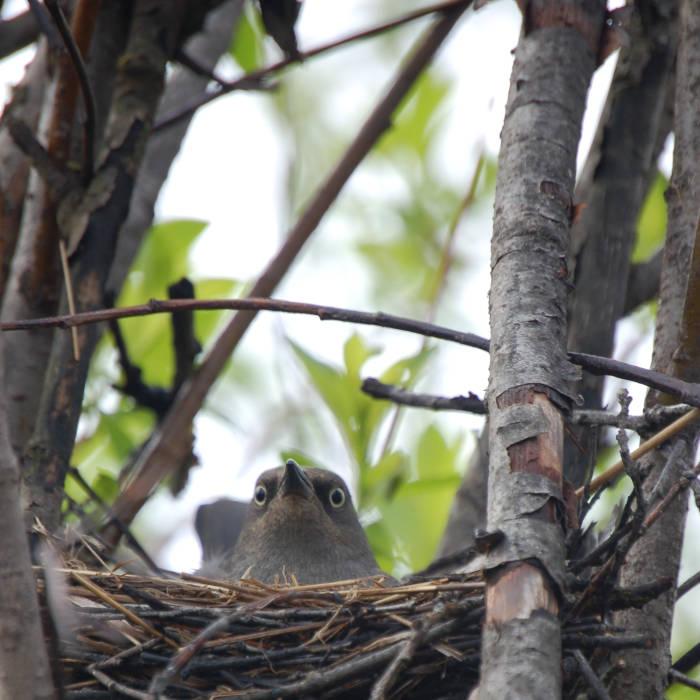
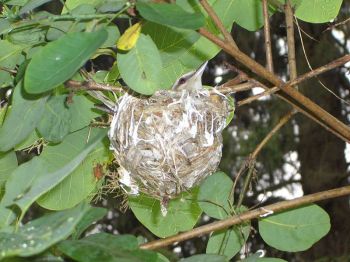
Rusty Blackbird (Euphagus carolinus) on nest ©USFWS

Rusty Blackbird (Euphagus carolinus) on nest ©USFWS

Ms. Theresa’s Thoughts – Nests

Where the birds make their nests; The stork has her home in the fir trees. (Psalms 104:17 NKJV)

How unique the wisdom God gave the birds to make their nests out of small twigs and such sort of reminds me of the Three Little Pigs Fable.

One of them built out of wood, one built out of straw and the wise one built out of bricks. Only the bricks withstood the Big Bad Wolf.

As the bird’s nest withstands all kinds of fowl (bad) weather (no pun intended), her nest stays there till her young are raised and ready to go on their own.

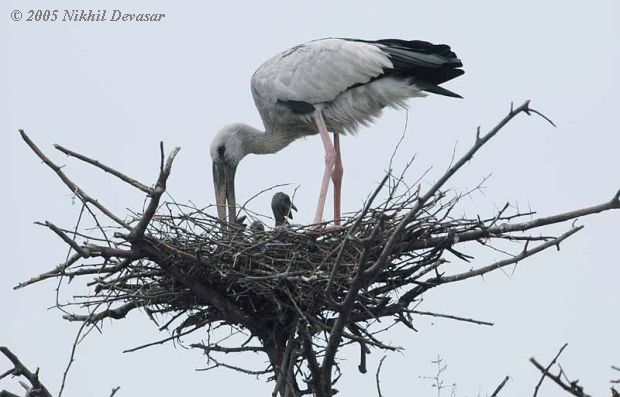
Asian Openbill (Anastomus oscitans) on nest by Nikhil Devasar

Asian Openbill (Anastomus oscitans) on nest by Nikhil Devasar

*

Wordless Birds

*

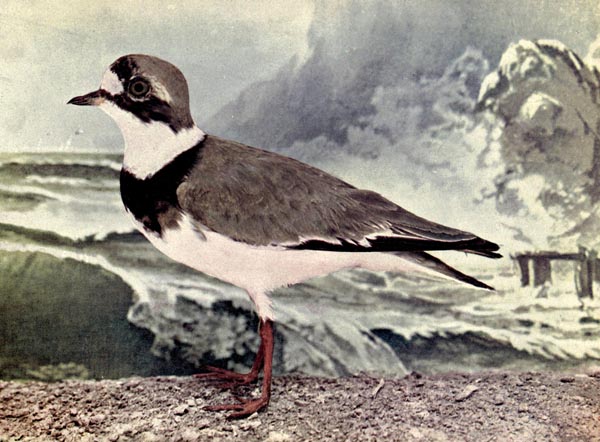
Birds Vol 2 #1 – The Semi-Palmated Ring Plover

Ring Plover - Birds Illustrated by Color Photography, 1897

Ring Plover – Birds Illustrated by Color Photography, 1897

Birds Illustrated by Color Photography – Revisited

Vol 2. July, 1897 No. 1

*

THE SEMI-PALMATED RING PLOVER.

imgi

N THEIR habits the Plovers are usually active; they run and fly with equal facility, and though they rarely attempt to swim, are not altogether unsuccessful in that particular.

The Semi-palmated Ring Plover utters a plaintive whistle, and during the nesting season can produce a few connected pleasing notes. The three or four pear-shaped, variagated eggs are deposited in a slight hollow in the ground, in which a few blades of grass are occasionally placed. Both parents assist in rearing the young. Worms, small quadrupeds, and insects constitute their food. Their flesh is regarded as a delicacy, and they are therefore objects of great attraction to the sportsman, although they often render themselves extremely troublesome by uttering their shrill cry and thus warning their feathered companions of the approach of danger. From this habit they have received the name of “tell-tales.” Dr. Livingstone said of the African species: “A most plaguey sort of public spirited individual follows you everywhere, flying overhead, and is most persevering in his attempts to give fair warning to all animals within hearing to flee from the approach of danger.”

The American Ring Plover nests as far north as Labrador, and is common on our shores from August to October, after which it migrates southward. Some are stationary in the southern states. It is often called the Ring Plover, and has been supposed to be identical with the European Ringed Plover.

It is one of the commonest of shore birds. It is found along the beaches and easily identified by the complete neck ring, white upon dark and dark upon light. Like the Sandpipers the Plovers dance along the shore in rhythm with the wavelets, leaving sharp half-webbed footprints on the wet sand. Though usually found along the seashore, Samuels says that on their arrival in spring, small flocks follow the courses of large rivers, like the Connecticut. He also found a single pair building on Muskeget, the famous haunt of Gulls, off the shore of Massachusetts. It has been found near Chicago, Illinois, in July.


THE RING PLOVER.

Plovers belong to a class of birds called Waders.

They spend the winters down south, and early in the spring begin their journey north. By the beginning of summer they are in the cold north, where they lay their eggs and hatch their young. Here they remain until about the month of August, when they begin to journey southward. It is on their way back that we see most of them.

While on their way north, they are in a hurry to reach their nesting places, so only stop here and there for food and rest.

Coming back with their families, we often see them in ploughed fields. Here they find insects and seeds to eat.

The Ring Plover is so called from the white ring around its neck.

These birds are not particular about their nests. They do not build comfortable nests as most birds do. They find a place that is sheltered from the north winds, and where the sun will reach them. Here they make a rude nest of the mosses lying around.

The eggs are somewhat pointed, and placed in the nest with the points toward the center. In this way the bird can more easily cover the eggs.

We find, among most birds, that after the nest is made, the mother bird thinks it her duty to hatch the young.

The father bird usually feeds her while she sits on the eggs. In some of the bird stories, you have read how the father and mother birds take turns in building the nest, sitting on the nest, and feeding the young.

Some father birds do all the work in building the nest, and take care of the birds when hatched.

Among plovers, the father bird usually hatches the young, and lets the wife do as she pleases.

After the young are hatched they help each other take care of them.

Plovers have long wings, and can fly very swiftly.

The distance between their summer and winter homes is sometimes very great.

Summary

SEMI-PALMATED PLOVER.Ægialitis semi-palmata. Other names: “American Ring Plover,” “Ring Neck,” “Beach Bird.” Front, throat, ring around neck, and entire under parts white; band of deep black across the breast; upper parts ashy brown. Toes connected at base.

Range—North America in general, breeding in the Arctic and sub-arctic districts, winters from the Gulf States to Brazil.

Nest—Depression in the ground, with lining of dry grass.

Eggs—Three or four; buffy white, spotted with chocolate.


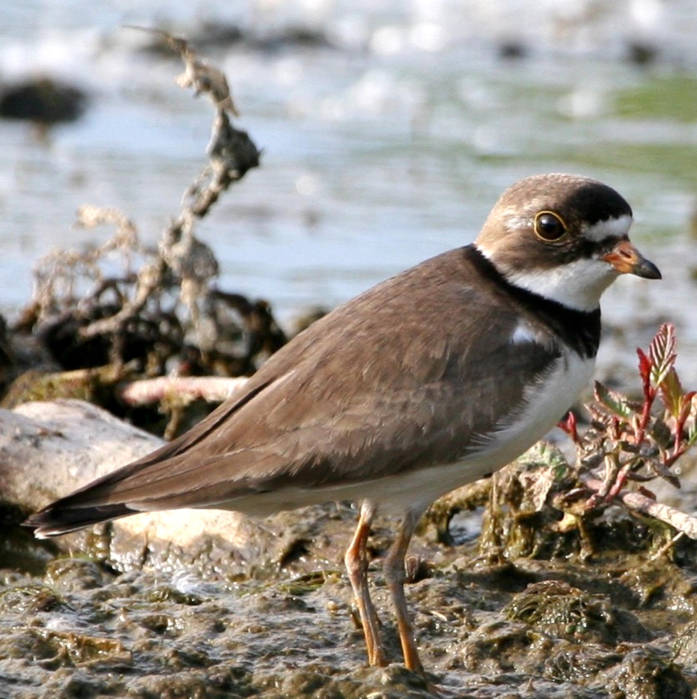
Semipalmated Plover (Charadrius semipalmatus) by S Slayton

Semipalmated Plover (Charadrius semipalmatus) by S Slayton


Call from xeno-canto.org

Lee’s Addition:

When I consider Your heavens, the work of Your fingers, The moon and the stars, which You have ordained, What is man that You are mindful of him, And the son of man that You visit him? For You have made him a little lower than the angels, And You have crowned him with glory and honor. You have made him to have dominion over the works of Your hands; You have put all things under his feet, All sheep and oxen— Even the beasts of the field, The birds of the air, And the fish of the sea That pass through the paths of the seas. O LORD, our Lord, How excellent is Your name in all the earth! (Psalms 8:3-9 NKJV)

The Semipalmated Plover (Charadrius semipalmatus) is a small plover. We see them here at our shores. Florida has lots of shoreline.
This species weighs  0.78–2.2 oz (22–63 g) and measures 5.5–7.9 in (14–20 cm) in length and 14–22 in (35–56 cm) across the wings. Adults have a grey-brown back and wings, a white belly, and a white breast with one black neckband. They have a brown cap, a white forehead, a black mask around the eyes and a short orange and black bill.

Their breeding habitat is open ground on beaches or flats across northern Canada and Alaska. They nest on the ground in an open area with little or no plant growth.
They are migratory and winter in coastal areas ranging from the United States to Patagonia. They are extremely rare vagrants to western Europe, although their true status may be obscured by the difficulty in identifying them from the very similar Ringed Plover of Eurasia, of which it was formerly considered a subspecies.
These birds forage for food on beaches, tidal flats and fields, usually by sight. They eat insects, crustaceans and worms.

Broken wing” display

This bird resembles the Killdeer but is much smaller and has only one band. The term “semipalmated” refers to its partly webbed feet. Like the Killdeer and since its nest is on the ground, it uses a “broken-wing” display to lure intruders away from the nest. (Wikipedia)

If a bird’s nest happens to be before you along the way, in any tree or on the ground, with young ones or eggs, with the mother sitting on the young or on the eggs, you shall not take the mother with the young; (Deuteronomy 22:6 NKJV)

Semipalmated Plovers belong to the Charadriidae – Plovers Family. There are 67 species that “are small to medium-sized birds with compact bodies, short, thick necks and long, usually pointed, wings, but most species of lapwing may have more rounded wings. Their bill are usually straight (except for the Wrybill) and short, their toes are short, hind toe could be reduced or absent, depending on species. Most Charadriidae also have relatively short tails, the Killdeer is the exception. In most genera, the sexes are similar, very little sexual dimorphism occurs between sexes. They range in size from the Collared Plover, at 26 grams and 14 cm (5.5 inches), to the Masked Lapwing, at 368 grams (13 oz) and 35 cm (14 inches)

Semipalmated Plover (Charadrius semipalmatus) ©USFWS

Semipalmated Plover (Charadrius semipalmatus) ©USFWS

Birds Illustrated by Color Photography – Revisited – Introduction

The above article is the first article in the monthly serial that was started in January 1897 “designed to promote Knowledge of Bird-Live.” These include Color Photography, as they call them, today they are drawings. There are at least three Volumes that have been digitized by Project Gutenberg.

To see the whole series of – Birds Illustrated by Color Photography – Revisited

*

(Information from Wikipedia and other internet sources)

Next Article – The Mallard Duck

Previous Article – The Bald-Headed Eagle

ABC’s Of The Gospel

Links:

Charadriidae – Plovers Family

Order – CHARADRIIFORMES

Semipalmated Plover – Wikipedia

Semipalmated Plover – All About Birds

*

Mrs. Patterson’s Parrot – by Emma Foster


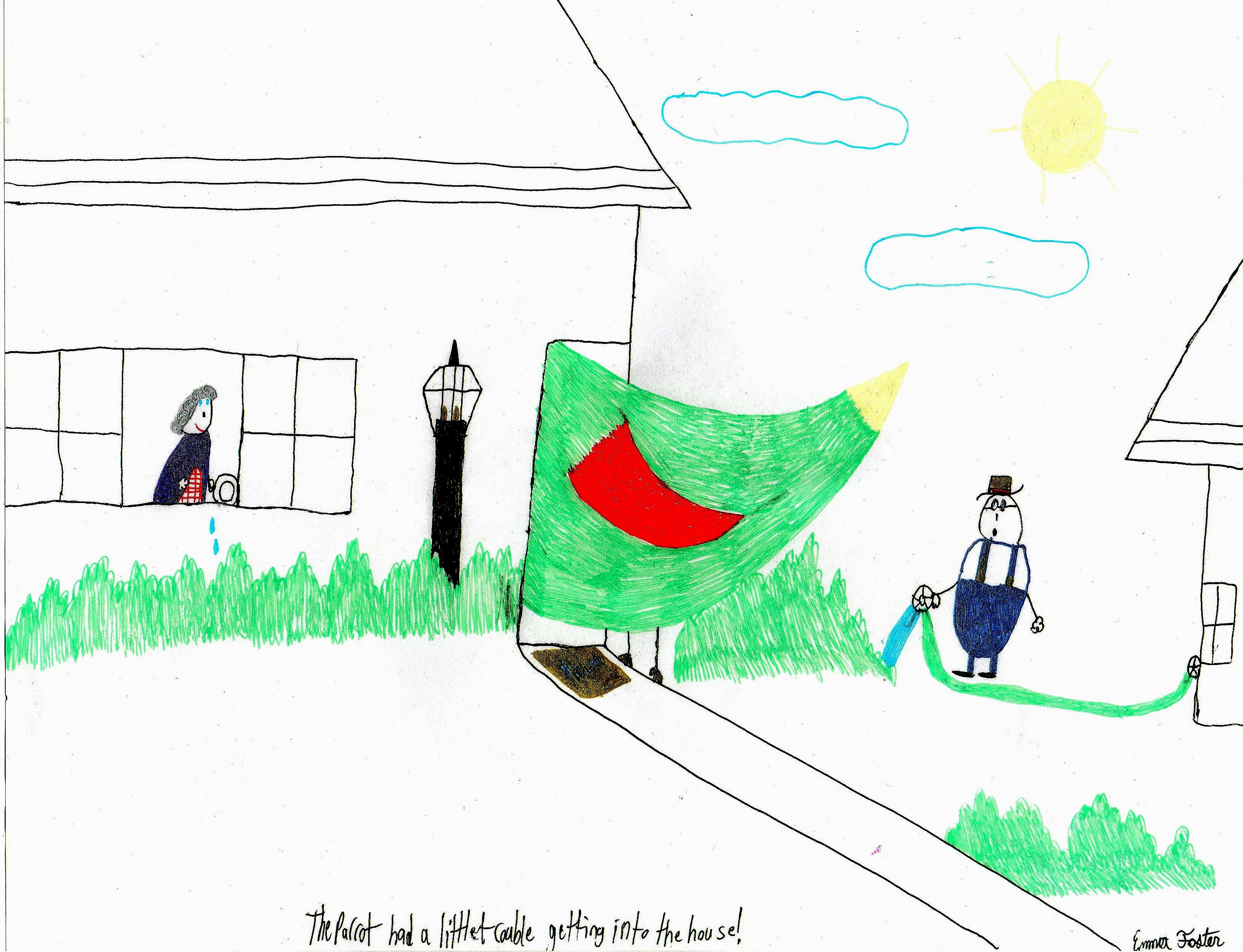
Parrot Had A Little Trouble Getting Into The House by Emma Foster

Parrot Had A Little Trouble Getting Into The House by Emma Foster

One day an old lady named Mrs. Patterson decided that she should have more company around. She traveled down to her local pet store and parked her car. Mrs. Patterson was guided by one of the workers through the store. When they came to the section where the birds were, Mrs. Patterson stopped at an enormous parrot. The parrot had red wings, green all over his body, a blue ring around his neck and a yellow spot on his tail. Mrs. Patterson wanted him for her bird.

It took awhile before the parrot could fit through the door! The parrot was so big that he had to wear a leash that Mrs. Patterson held through the window of her car and soar above it. The parrot had a little trouble getting in the house! When he got into the house, Mrs. Patterson named him Bob.

But one day a visitor came to the door and addressed himself as Mr. Field. He explained that Bob was his parrot that he had lost long ago. After saying goodbye, Bob left with Mr. Field, wearing a leash, and flew away above Mr. Field’s truck.

The next day Mr. Field came back with Bob! Mr. Field said that he worked at a circus with Bob, but Bob could not remember any of his tricks so he had to bring him back. Mrs. Patterson thanked him and sat down in a chair with Bob. She knew he would always be her parrot.

The End

(I did no editing of the article. Click the photo to enlarge it.)


Lee’s Addition:

Emma was 12 years old and Home Schooled when this was first posted. She attends our church and likes to draw and write. I told her that if she wrote about a bird, I would publish it here on the blog. Above is her story and drawing of Bob the enormous Parrot. I trust you enjoy it as well as I did. She was in the 7th Grade at the time. [She is now in college] If you enjoy it, please click the Like button as that will be an encouragement to her.

Train up a child in the way he should go; even when he is old he will not depart from it. (Proverbs 22:6 ESV)

P.S. Emma is the Granddaughter of another of our Guest Writers, Dot Malcolm. She has written three articles for us.

The Joy of Awareness

When the Robins Came

Return of the Robins

plus more

*

*** As I am bringing back the Kids articles, thought you might enjoy re-reading these tales.

If you would like to send in a Bird Tale that you have written, send it to Lee@Leesbird.com to be considered. It can be written by a younger writer or written with the young readers in mind. ***

The Joy of Awareness – by Dot Malcolm

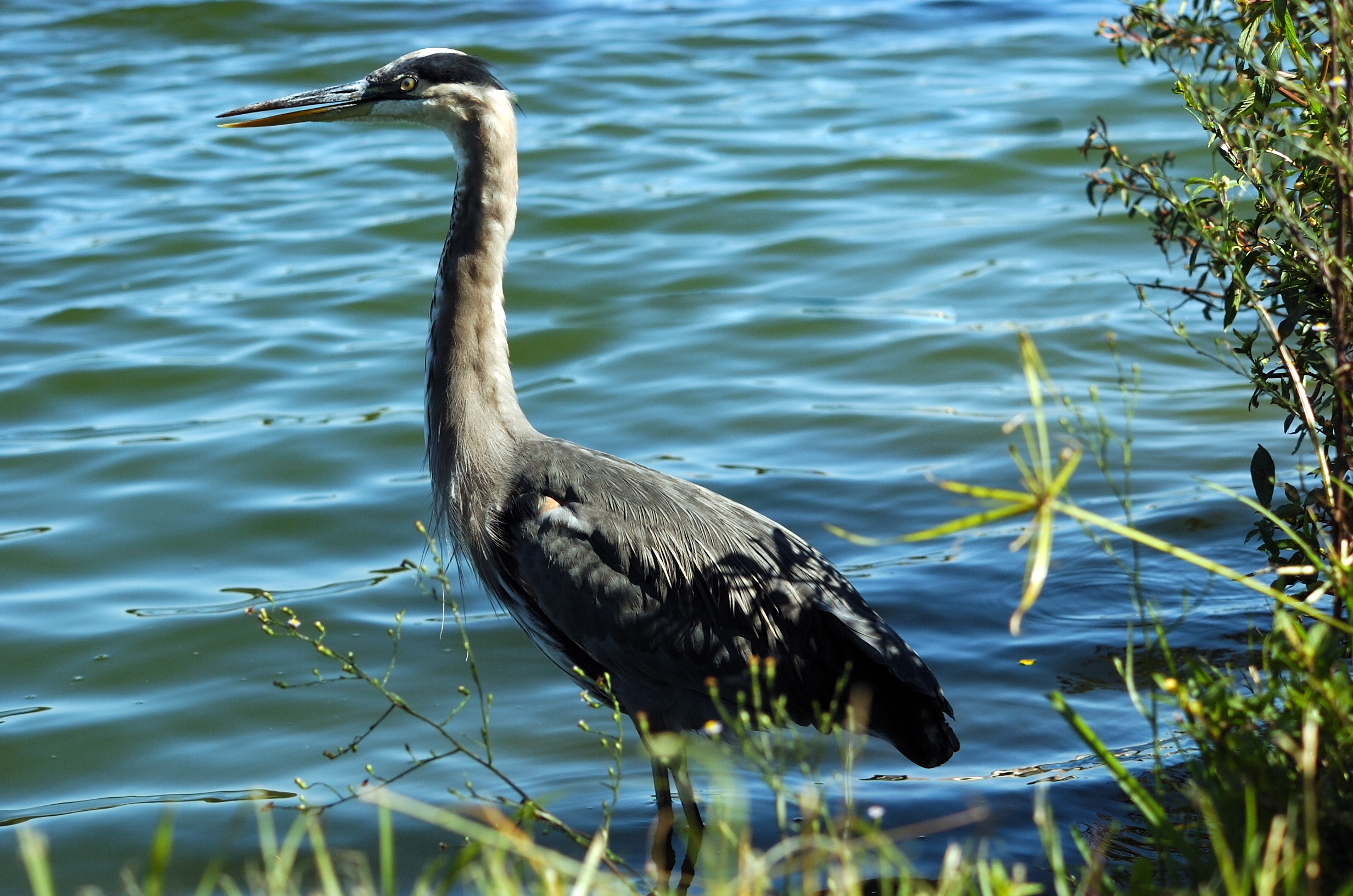
Great Blue Heron (Ardea herodias) by Dan at Lake Morton

Great Blue Heron (Ardea herodias) by Dan at Lake Morton

Since I was a child there has been an awareness of God’s creation and great enjoyment in it. At the age of 11 or 12 years, I saved my allowance and bought a book on Birds of America. It was real special to see a Heron fly over the farm headed for a swampy area.

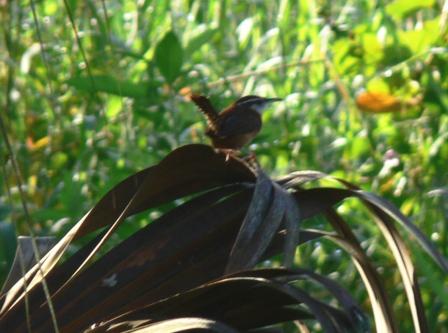
My grandparents lived a short walking distance from us, and I liked going to her house. Her kitchen always smelled of toast. Also special was looking out the south kitchen window to see the wrens flying in and out of their houses which hung at eye level.

Carolina Wren (Thryothorus ludovicianus) by Lee at Circle B

Carolina Wren (Thryothorus ludovicianus) by Lee at Circle B

I no longer live in the north, but in the south and am now a grandma. Birds, butterflies and gardens are still high on my list of favorite things. Even tho’ the seasonal changes are not as evident as in the north, still I look forward to my special feathered friends coming and going.

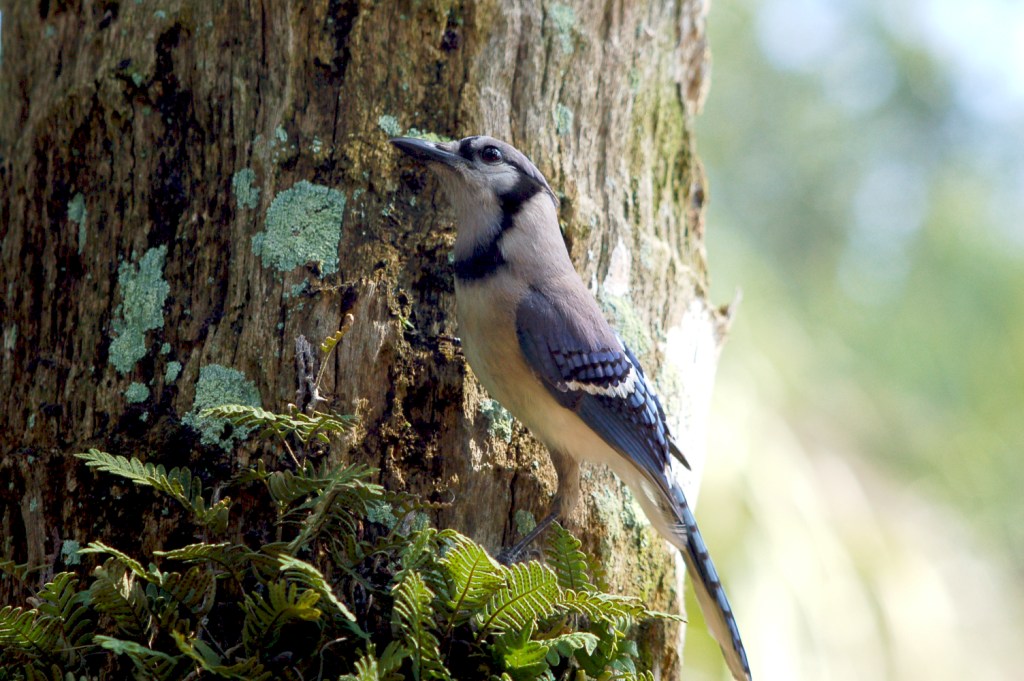
Blue Jay (Cyanocitta cristata) at Bok Tower By Dan'sPix

Blue Jay (Cyanocitta cristata) at Bok Tower By Dan’sPix

The Blue Jays are always present and they let me know before I see it, when the neighborhood Red-shouldered Hawk is around. They “Yell” enough to discourage even me if their frenzy of cries and wild flying were directed at me!

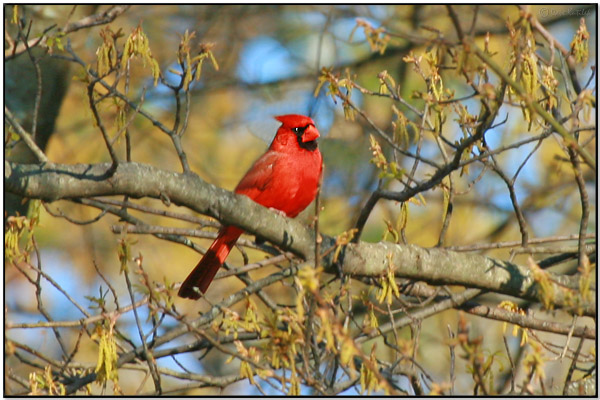
Northern Cardinal (Cardinalis cardinalis) by Daves BirdingPix

Northern Cardinal (Cardinalis cardinalis) by Daves BirdingPix

A pair of Cardinals come about the beginning of November, and I hear them before I see them. Also, in the winter months small chirpy birds can be heard which makes me look out the window for them. Today, I’m sitting on the patio swing having put out a cushion for myself and my sweet doggy companion, Ruby. When not claiming her seat, she stays busy with squirrel patrol.

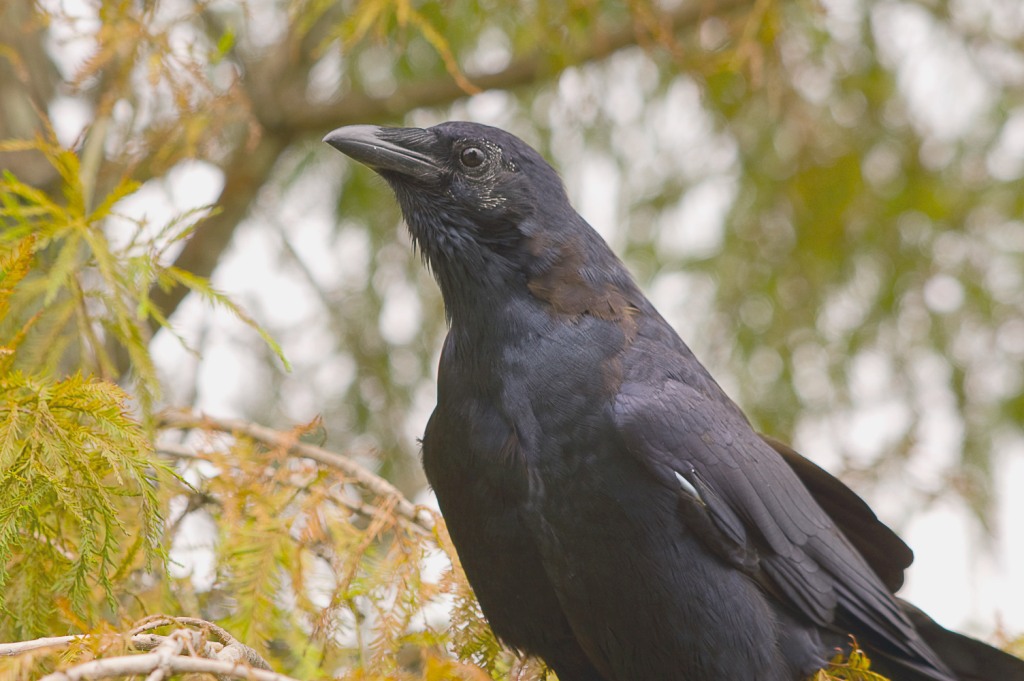
Fish Crow (Corvus ossifragus) at Lake Morton By Dan'sPix

Fish Crow (Corvus ossifragus) at Lake Morton By Dan’sPix

While working on the coming Sunday School lesson, I heard them – Crows. Some people find them irritating, but not me. Looking up I see black flying bodies against a blue sky dotted with white-dumpling clouds.

White Pelicans in Flight - Circle B Bar by Dan

White Pelicans in Flight – Circle B Bar

There are also the usual Vultures beautifully soaring overhead, and a single Pelican, and four unidentifiable ducks.

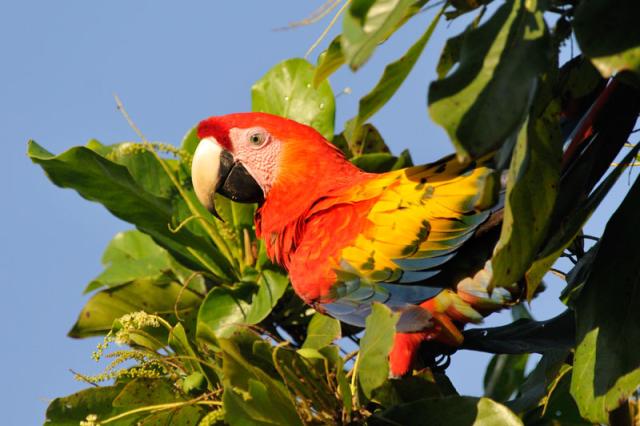
Scarlet Macaw (Ara macao) Reinier Munguia

Scarlet Macaw (Ara macao) Reinier Munguia

I should also mention of the neighbors Macaw (very noisy) who only makes me smile when he talks or laughs. They also have chickens that are very pleasant to listen to.

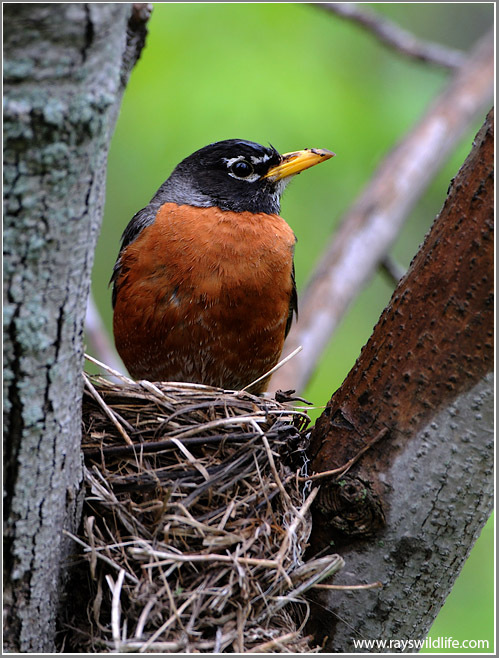
American Robin (Turdus migratorius) in nest by Ray

American Robin (Turdus migratorius) in nest by Ray

Admittedly the best will be if the Robins return. In the 5th grade our teacher had all of us draw a picture of a Robin. She then hung them around the room above the blackboards. Oh, Robins, please come back. Remember I promised not to mention your bad manners to anyone. I will gladly welcome you and you can be noisy, toss leaves, eat all the worms you want and anything else that suits you fancy.

Dot Malcolm, 12/30/11

Then God saw everything that He had made, and indeed it was very good. So the evening and the morning were the sixth day. (Genesis 1:31 NKJV)

See Dot’s other articles:

When The Robins Came – May 23, 2010

Return Of The Robins – March 14, 2011

*

Thanks, Dottie, for another interesting article. What a delight to read your love and awareness of birds. When the Robins come back, we will expect another article. You kept me busy finding photos for your many birds. Keep it up.

Dorothy is a charter member of our church, Faith Baptist, and a great friend.

*

Being and Doing as God Enables – by A. W. Tozer

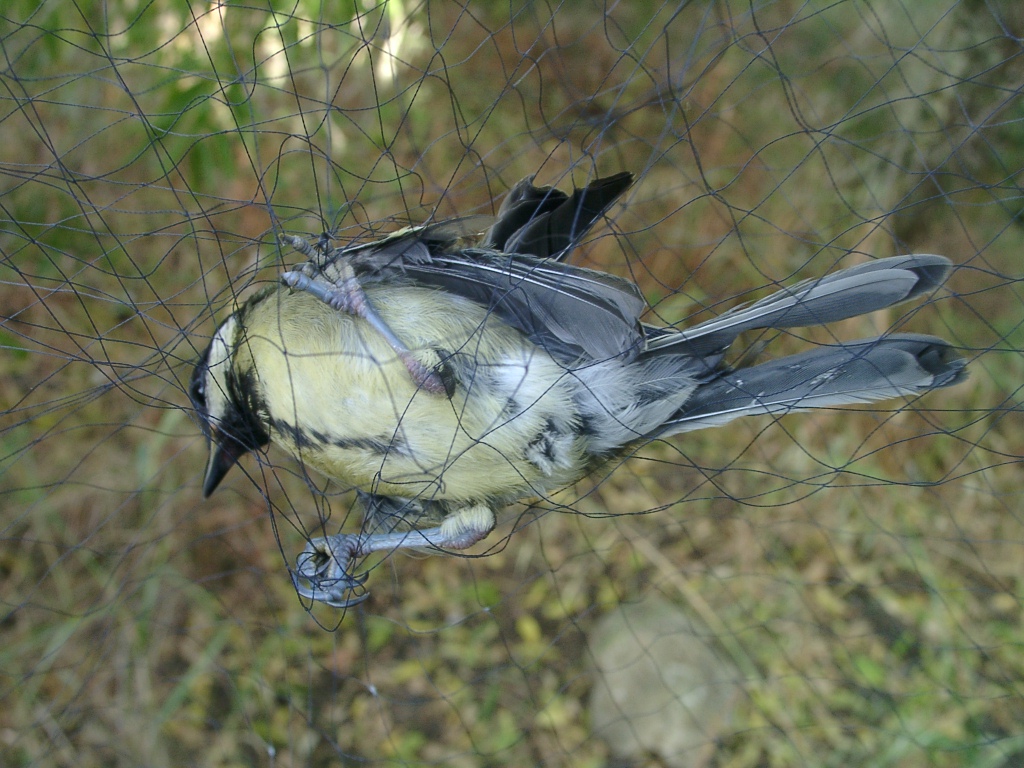
Bird caught in a net

Bird caught in a net

Being and Doing as God Enables – By A.W. Tozer  
(Guest Writer from the Past)

Surely in vain the net is spread in the sight of any bird. (Proverbs 1:17 KJV)

Failing to get ready in time for eternity, and failing to get ready now for the great then that lies out yonder, is a trap in plain sight. There is an odd saying in the Old Testament, “How useless to spread a net in full view of all the birds” (Proverbs 1:17).

When the man of God wrote that, he gave the birds a little credit. It would be silly for a bird watching me set the trap to conveniently fly down and get into it. Yet there are people doing that all the time. People who have to live for eternity fall into that trap set for them in plain sight. It is folly to put off to a tomorrow because you may never see the things that you should do now. It is an act of inexcusable folly to count on help that will never come. It is foolish to ignore God’s help now offered us. Many are guilty of ignoring the help that is presently being extended to them, all the while waiting for help that will never come from others. There is not much that can be said in favor of lazy or careless Christians. God never told anyone to do anything that he or she could not do. Jesus said to the man with the paralyzed arm that hung at his side like a limp piece of flesh, “Stretch out your hand” (Matthew 12:13a). And the man, believing that Jesus was the Christ, stretched out his hand and was healed instantly. God has never asked anyone yet to do anything that He was not enabling the person to do.

See  A.W. Tozer index.

A.W. Tozer (1897 – 1963)

A 20th-century prophet” they called him even in his lifetime. For 31 years he was pastor of Southside Alliance Church in Chicago, where his reputation as a man of God was citywide. Concurrently he became editor of Alliance Life, a responsibility he fulfilled until his death in 1963.

His greatest legacy to the Christian world has been his 30 books. Because A.W. Tozer lived in the presence of God he saw clearly and he spoke as a prophet to the church. He sought for God’s honor with the zeal of Elijah and mourned with Jeremiah at the apostasy of God’s people.

But he was not a prophet of despair. His writings are messages of concern. They expose the weaknesses of the church and denounce compromise. They warn and exhort. But they are messages of hope as well, for God is always there, ever faithful to restore and to fulfill His Word to those who hear and obey.

The Pursuit of God by A. W. Tozer – ebook

A. W. Tozer – Wikipedia

Birds of the Bible – Bird Catcher

Wordless Birds

*

God’s World – by Charles Kingsley

Red-eyed Vireo (Vireo olivaceus) ©WikiC in nest

Red-eyed Vireo (Vireo olivaceus) ©WikiC in nest

Twenty-Five Village Sermons, 1 – God’s World – By Charles Kingsley 
(Guest Writer from the Past)

O Lord, how manifold are Thy works! in wisdom hast Thou made them all: the earth is full of Thy riches. Psalm 104:24

When we read such psalms as the one from which this verse is taken, we cannot help, if we consider, feeling at once a great difference between them and any hymns or religious poetry which is commonly written or read in these days. The hymns which are most liked now, and the psalms which people most willingly choose out of the Bible, are those which speak, or seem to speak, about God’s dealings with people’s own souls, while such psalms as this are overlooked. People do not care really about psalms of this kind when they find them in the Bible, and they do not expect or wish nowadays any one to write poetry like them. For these psalms of which I speak praise and honour God, not for what He has done to our souls, but for what He has done and is doing in the world around us. This very 104th psalm, for instance, speaks entirely about things which we hardly care or even think proper to mention in church now. It speaks of this earth entirely, and the things on it. Of the light, the clouds, and wind–of hills and valleys, and the springs on the hill- sides–of wild beasts and birds–of grass and corn, and wine and oil–of the sun and moon, night and day–the great sea, the ships, and the fishes, and all the wonderful and nameless creatures which people the waters–the very birds’ nests in the high trees, and the rabbits burrowing among the rocks,–nothing on the earth but this psalm thinks it worth mentioning. And all this, which one would expect to find only in a book of natural history, is in the Bible, in one of the psalms, written to be sung in the temple at Jerusalem, before the throne of the living God and His glory which used to be seen in that temple,–inspired, as we all believe, by God’s Spirit,– God’s own word, in short: that is worth thinking of. Surely the man who wrote this must have thought very differently about this world, with its fields and woods, and beasts and birds, from what we think. Suppose, now, that we had been old Jews in the temple, standing before the holy house, and that we believed, as the Jews believed, that there was only one thin wall and one curtain of linen between us and the glory of the living God, that unspeakable brightness and majesty which no one could look at for fear of instant death, except the high-priest in fear and trembling once a- year–that inside that small holy house, He, God Almighty, appeared visibly–God who made heaven and earth. Suppose we had been there in the temple, and known all this, should we have liked to be singing about beasts and birds, with God Himself close to us? We should not have liked it–we should have been terrified, thinking perhaps about our own sinfulness, perhaps about that wonderful majesty which dwelt inside. We should have wished to say or sing something spiritual, as we call it; at all events, something very different from the 104th psalm about woods, and rivers, and dumb beasts. We do not like the thought of such a thing: it seems almost irreverent, almost impertinent to God to be talking of such things in His presence. Now does this shew us that we think about this earth, and the things in it, in a very different way from those old Jews? They thought it a fit and proper thing to talk about corn and wine and oil, and cattle and fishes, in the presence of Almighty God, and we do not think it fit and proper. We read this psalm when it comes in the Church-service as a matter of course, mainly because we do not believe that God is here among us. We should not be so ready to read it if we thought that Almighty God was so near us.
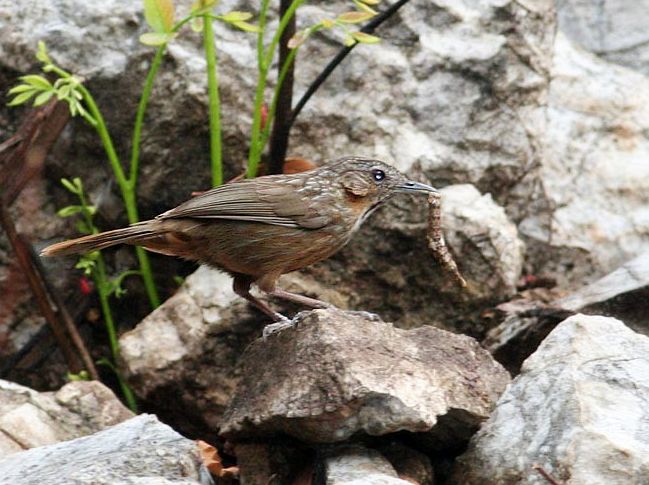
Limestone Wren-Babbler (Napothera crispifrons) by Peter Ericsson

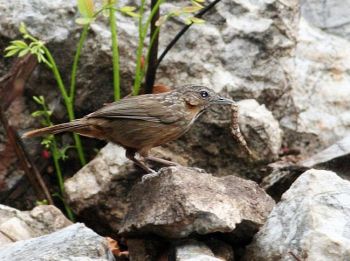
Limestone Wren-Babbler (Napothera crispifrons) by Peter Ericsson

That is a great difference between us and the old Jews. Whether it shews that we are better or not than they were in the main, I cannot tell; perhaps some of them had such thoughts too, and said, ‘It is not respectful to God to talk about such commonplace earthly things in His presence;’ perhaps some of them thought themselves spiritual and pure-minded for looking down on this psalm, and on David for writing it. Very likely, for men have had such thoughts in all ages, and will have them. But the man who wrote this psalm had no such thoughts. He said himself, in this same psalm, that his words would please God. Nay, he is not speaking and preaching ABOUT God in this psalm, as I am now in my sermon, but he is doing more; he is speaking TO God–a much more solemn thing if you will think of it. He says, “O Lord my God, THOU art become exceeding glorious. Thou deckest Thyself with light as with a garment. All the beasts wait on Thee; when Thou givest them meat they gather it. Thou renewest the face of the earth.” When he turns and speaks of God as “He,” saying, “He appointed the moon,” and so on, he cannot help going back to God, and pouring out his wonder, and delight, and awe, to God Himself, as we would sooner speak TO any one we love and honour than merely speak ABOUT them. He cannot take his mind off God. And just at the last, when he does turn and speak to himself, it is to say, “Praise thou the Lord, O my soul, praise the Lord,” as if rebuking and stirring up himself for being too cold-hearted and slow, for not admiring and honouring enough the infinite wisdom, and power, and love, and glorious majesty of God, which to him shines out in every hedge-side bird and every blade of grass. Truly I said that man had a very different way of looking at God’s earth from what we have!
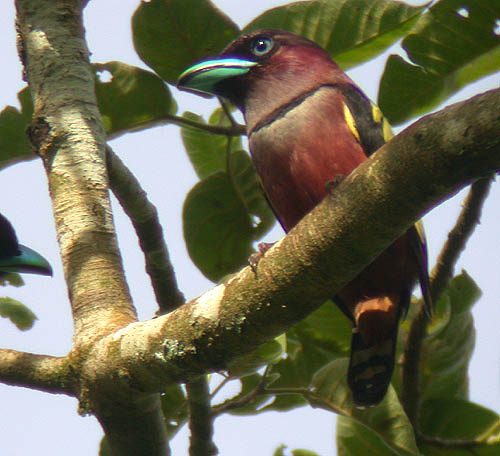
Banded Broadbill (Eurylaimus javanicus) by Peter Ericsson

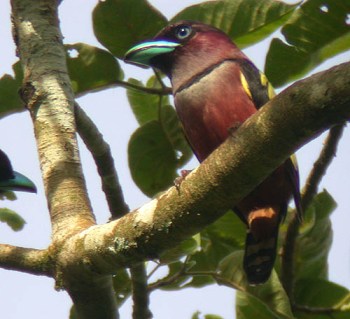
Banded Broadbill (Eurylaimus javanicus) by Peter Ericsson

Now, in what did that difference lie? What was it? We need not look far to see. It was this,–David looked on the earth as God’s earth; we look on it as man’s earth, or nobody’s earth. We know that we are here, with trees and grass, and beasts and birds, round us. And we know that we did not put them here; and that, after we are dead and gone, they will go on just as they went on before we were born,–each tree, and flower, and animal, after its kind, but we know nothing more. The earth is here, and we on it; but who put it there, and why it is there, and why we are on it, instead of being anywhere else, few ever think. But to David the earth looked very different; it had quite another meaning; it spoke to him of God who made it. By seeing what this earth is like, he saw what God who made it is like: and we see no such thing. The earth?–we can eat the corn and cattle on it, we can earn money by farming it, and ploughing and digging it; and that is all most men know about it. But David knew something more–something which made him feel himself very weak, and yet very safe; very ignorant and stupid, and yet honoured with glorious knowledge from God,–something which made him feel that he belonged to this world, and must not forget it or neglect it, that this earth was his lesson-book–this earth was his work-field; and yet those same thoughts which shewed him how he was made for the land round him, and the land round him was made for him, shewed him also that he belonged to another world–a spirit- world; shewed him that when this world passed away, he should live for ever; shewed him that while he had a mortal body, he had an immortal soul too; shewed him that though his home and business were here on earth, yet that, for that very reason, his home and business were in heaven, with God who made the earth, with that blessed One of whom he said, “Thou, Lord, in the beginning hast laid the foundation of the earth, and the heavens are the work of thy hands. They shall perish, but Thou shalt endure; they all shall fade as a garment, and like a vesture shalt Thou change them, and they shall be changed; but Thou art the same, and THY years shall not fail. The children of Thy servants shall continue, and their seed shall stand fast in Thy sight.” “As a garment shalt Thou change them,”– ay, there was David’s secret! He saw that this earth and skies are God’s garment–the garment by which we see God; and that is what our forefathers saw too, and just what we have forgotten; but David had not forgotten it.

Look at this very 104th psalm again, how he refers every thing to God. We say, ‘The light shines:’ David says something more; he says, “Thou, O God, adornest Thyself with light as with a curtain.” Light is a picture of God. “God,” says St. John, “is light, and in Him is no darkness at all.” We say, ‘The clouds fly and the wind blows,’ as if they went of themselves; David says, “God makes the clouds His chariot, and walks upon the wings of the wind.” We talk of the rich airs of spring, of the flashing lightning of summer, as dead things; and men who call themselves wise say, that lightning is only matter,–‘We can grind the like of it out of glass and silk, and make lightning for ourselves in a small way;’ and so they can in a small way, and in a very small one: David does not deny that, but he puts us in mind of something in that lightning and those breezes which we cannot make. He says, God makes the winds His angels, and flaming fire his ministers; and St. Paul takes the same text, and turns it round to suit his purpose, when he is talking of the blessed angels, saying, ‘That text in the 104th Psalm means something more; it means that God makes His angels spirits, (that is winds) and His ministers a flaming fire.’ So shewing us that in those breezes there are living spirits, that God’s angels guide those thunder-clouds; that the roaring thunderclap is a shock in the air truly, but that it is something more–that it is the voice of God, which shakes the cedar-trees of Lebanon, and tears down the thick bushes, and makes the wild deer slip their young. So we read in the psalms in church; that is David’s account of the thunder. I take it for a true account; you may or not as you like. See again. Those springs in the hill- sides, how do they come there? ‘Rain-water soaking and flowing out,’ we say. True, but David says something more; he says, God sends the springs, and He sends them into the rivers too. You may say, ‘Why, water must run down-hill, what need of God?’ But suppose God had chosen that water should run UP-hill and not down, how would it have been then?–Very different, I think. No; He sends them; He sends all things. Wherever there is any thing useful, His Spirit has settled it. The help that is done on earth He doeth it all Himself.–Loving and merciful,–caring for the poor dumb beasts!–He sends the springs, and David says, “All the beasts of the field drink thereof.”
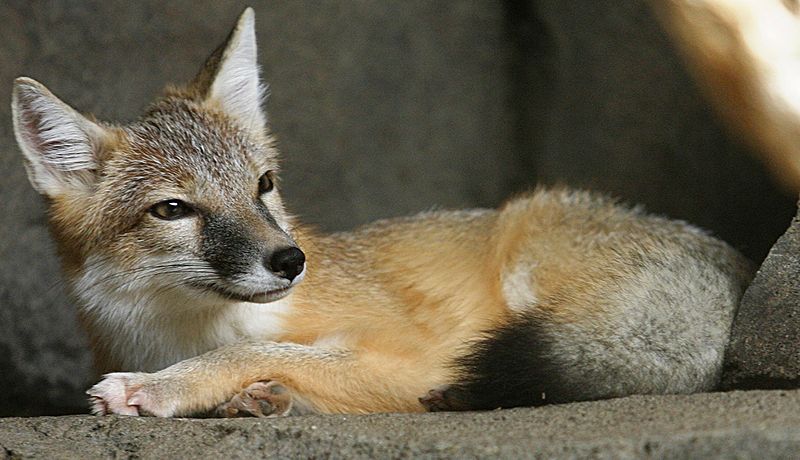
Swift Fox

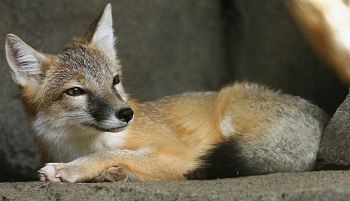
Swift Fox ©WikiC

The wild animals in the night, He cares for them too,–He, the Almighty God. We hear the foxes bark by night, and we think the fox is hungry, and there it ends with us; but not with David: he says, “The lions roaring after their prey do seek their meat from God,”–God, who feedeth the young ravens who call upon Him. He is a God! “He did not make the world,” says a wise man, “and then let it spin round His finger,” as we wind up a watch, and then leave it to go of itself. No; “His mercy is over all His works.” Loving and merciful, the God of nature is the God of grace. The same love which chose us and our forefathers for His people while we were yet dead in trespasses and sins; the same only- begotten Son, who came down on earth to die for us poor wretches on the cross,–that same love, that same power, that same Word of God, who made heaven and earth, looks after the poor gnats in the winter time, that they may have a chance of coming out of the ground when the day stirs the little life in them, and dance in the sunbeam for a short hour of gay life, before they return to the dust whence they were made, to feed creatures nobler and more precious than themselves. That is all God’s doing, all the doing of Christ, the King of the earth. “They wait on Him,” says David. The beasts, and birds, and insects, the strange fish, and shells, and the nameless corals too, in the deep, deep sea, who build and build below the water for years and thousands of years, every little, tiny creature bringing his atom of lime to add to the great heap, till their heap stands out of the water and becomes dry land; and seeds float thither over the wide waste sea, and trees grow up, and birds are driven thither by storms; and men come by accident in stray ships, and build, and sow, and multiply, and raise churches, and worship the God of heaven, and Christ, the blessed One,–on that new land which the little coral worms have built up from the deep. Consider that. Who sent them there? Who contrived that those particular men should light on that new island at that especial time? Who guided thither those seeds–those birds? Who gave those insects that strange longing and power to build and build on continually?– Christ, by whom all things are made, to whom all power is given in heaven and earth; He and His Spirit, and none else. It is when HE opens His hand, they are filled with good. It is when HE takes away their breath, they die, and turn again to their dust. HE lets His breath, His spirit, go forth, and out of that dead dust grow plants and herbs afresh for man and beast, and He renews the face of the earth. For, says the wise man, “all things are God’s garment”– outward and visible signs of His unseen and unapproachable glory; and when they are worn out, He changes them, says the Psalmist, as a garment, and they shall be changed.

The old order changes, giving place to the new,
And God fulfils Himself in many ways.

But He is the same. He is there all the time. All things are His work. In all things we may see Him, if our souls have eyes. All things, be they what they may, which live and grow on this earth, or happen on land or in the sky, will tell us a tale of God,–shew forth some one feature, at least, of our blessed Saviour’s countenance and character,–either His foresight, or His wisdom, or His order, or His power, or His love, or His condescension, or His long-suffering, or His slow, sure vengeance on those who break His laws. It is all written there outside in the great green book, which God has given to labouring men, and which neither taxes nor tyrants can take from them. The man who is no scholar in letters may read of God as he follows the plough, for the earth he ploughs is his Father’s: there is God’s mark and seal on it,–His name, which though it is written on the dust, yet neither man nor fiend can wipe it out!
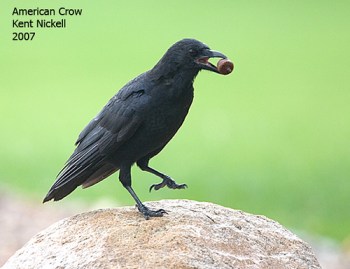
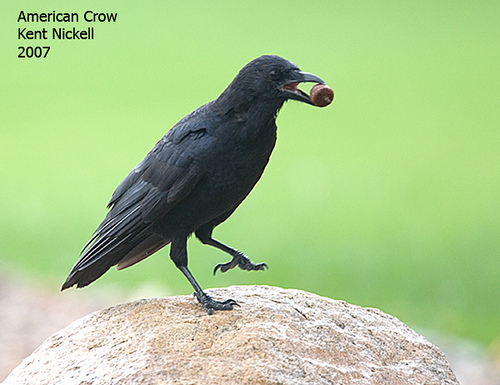
American Crow (Corvus brachyrhynchos) by Kent Nickell

American Crow (Corvus brachyrhynchos) by Kent Nickell

The poor, solitary, untaught boy, who keeps the sheep, or minds the birds, long lonely days, far from his mother and his playmates, may keep alive in him all purifying thoughts, if he will but open his eyes and look at the green earth around him.

Think now, my boys, when you are at your work, how all things may put you in mind of God, if you do but choose. The trees which shelter you from the wind, God planted them there for your sakes, in His love.–There is a lesson about God. The birds which you drive off the corn, who gave them the sense to keep together and profit by each other’s wit and keen eyesight? Who but God, who feeds the young birds when they call on Him?–There is another lesson about God. The sheep whom you follow, who ordered the warm wool to grow on them, from which your clothes are made? Who but the Spirit of God above, who clothes the grass of the field, the silly sheep, and who clothes you, too, and thinks of you when you don’t think of yourselves?–There is another lesson about God. The feeble lambs in spring, they ought to remind you surely of your blessed Saviour, the Lamb of God, who died for you upon the cruel cross, who was led as a lamb to the slaughter; and like a sheep that lies dumb and patient under the shearer’s hand, so he opened not his mouth. Are not these lambs, then, a lesson from God? And these are but one or two examples out of thousands and thousands. Oh, that I could make you, young and old, all feel these things! Oh, that I could make you see God in every thing, and every thing in God! Oh, that I could make you look on this earth, not as a mere dull, dreary prison, and workhouse for your mortal bodies, but as a living book, to speak to you at every time of the living God, Father, Son, and Holy Ghost! Sure I am that that would be a heavenly life for you,–sure I am that it would keep you from many a sin, and stir you up to many a holy thought and deed, if you could learn to find in every thing around you, however small or mean, the work of God’s hand, the likeness of God’s countenance, the shadow of God’s glory.

See  Charles Kingsley index.

Charles Kingsley – 1819 – 1875

Charles Kingsley was born in Holne (Devon), the son of a vicar. His brother, Henry Kingsley, also became a novelist. He spent his childhood in Clovelly, Devon and was educated at Magdalene College, Cambridge, before choosing to pursue a ministry in the church. From 1844, he was rector of Eversley in Hampshire, and in 1860, he was appointed Regius Professor of Modern History at the University of Cambridge.

Kingsley’s interest in history spilled over into his writings, which include The Heroes (1856), a children’s book about Greek mythology, and several historical novels, of which the best known are Hypatia (1853), Hereward the Wake (1865), and Westward Ho! (1855).

In 1872 Kingsley accepted the Presidency of the Birmingham and Midland Institute and became its 19th President.

Kingsley died in 1875 and was buried in St Mary’s Churchyard in Eversley.

*
Weights Become Wings – Mrs. Charles E. Cowman

Bald Eagle (Haliaeetus leucocephalus) Flying by Aesthetic Photos

Bald Eagle (Haliaeetus leucocephalus) Flying by Aesthetic Photos

Weights Become Wings – By Mrs. Charles E. Cowman
(Guest Writer from the Past)

They shall mount up with wings as eagles” (Isa.40:31)

There is a fable about the way the birds got their wings at the beginning. They were first made without wings. Then God made the wings and put them down before the wingless birds and said to them, “Come, take up these burdens and bear them.”

The birds had lovely plumage and sweet voices; they could sing, and their feathers gleamed in the sunshine, but they could not soar in the air. They hesitated at first when bidden to take up the burdens that lay at their feet, but soon they obeyed, and taking up the wings in their beaks, laid them on their shoulders to carry them.

For a little while the load seemed heavy and hard to bear, but presently, as they went on carrying the burdens, folding them over their hearts, the wings grew fast to their little bodies, and soon they discovered how to use them, and were lifted by them up into the air–the weights became wings.

It is a parable. We are the wingless birds, and our duties and tasks are the pinions God has made to lift us up and carry us heavenward. We look at our burdens and heavy loads, and shrink from them; but as we lift them and bind them about our hearts, they become wings, and on them we rise and soar toward God.

There is no burden which, if we lift it cheerfully and bear it with love in our hearts, will not become a blessing to us. God means our tasks to be our helpers; to refuse to bend our shoulders to receive a load, is to decline a new opportunity for growth. –J. R. Miller

Blessed is any weight, however overwhelming, which God has been so good as to fasten with His own hand upon our shoulders. F. W. Faber

See: Mrs. Charles E. Cowman index.

Guest Writer from the Past (In the Public Domain)

Lettie Cowman
1870 – 1960

Lettie Cowman was a Wesleyan missionary to Japan who, with her husband Charles E. Cowman, co-founded the Oriental Missionary Society in 1901 for church planting in most of the world outside North America.

Her books are devotionals she compiled from sermons, readings, writings, and poetry that she had encountered.

*

Observations from an Outsider ~ by Stephen Simpson

Blue Jay (Cyanocitta cristata) at Bok Tower By Dan'sPix

Blue Jay (Cyanocitta cristata) at Bok Tower By Dan’sPix

Observations from an Outsider

I am an outsider.  I do not consider myself to be an avid birdwatcher.  I am an ignorant birdwatcher.  I like to look at birds, but most of the time, I have absolutely no idea what I’m looking at.  My ability to identify birds does not extend much past Blue Jays and Bald Eagles.

That being said, I have learned much from Lee.  Through her writing, my understanding of birds has grown and deepened.  She has broadened my ‘birding skills.’  I have come to better appreciate the wide variety of birds that God has created.

When Lee asked me to write an article for this blog, I was stumped.  What can I contribute to a birdwatching blog?  I finally decided to write to people like me – outsiders.  So, if you are like me – an ignorant birdwatcher – then this post is for you.

Mallard Mom and Baby at Lake Hollingsworth

Here are some observations from the outside.

Be Still and know that I am God (Psalm 46:10)

  1. You and I need to Stop, Look, and Listen more.  We need to slow down and pay more attention.  It is so easy to go through life and totally miss the ‘birds.’  It is so easy to race from one activity to the next.  Let us take time to stop, close our eyes, and simply listen to the birds.  Let us take time to stand still and observe the rich diversity of birds all around us.
  2. You and I need to recognize that it is all about God.  God needs to be recognized more.  Every bird we see should direct our thoughts to God.  When you see a dove, think of the peace of God.  When you watch a Bald Eagle soar through the sky, think of the majesty and grandeur of God.  When you see a mother duck shelter and protect her babies, think of God how He shelters and protects His children.  Fortunately, we have Lee’s blog as a great resource to help us recognize God.
  3. You and I need to admit that God is not boring.  As we begin to recognize God more, we must admit that He is not dry or stale.  His creativity is infinite.  Which one of us could have dreamed up ‘sword-billed hummingbirds’ or ‘birds that drink seawater’ or ‘kakapos?’  Imagine, if the God of the universe put this much creativity into the birds of the air, how much more creativity must He have put into you and me.  We are of far more value to Him than the birds.  We bear His image.  God not only exquisitely designed the birds; He also designed each one of us.  Our God is not boring!  He is infinitely interesting!
Look at the birds of the air: they neither sow nor reap nor gather into barns, and yet your heavenly Father feeds them. Are you not of more value than they? (Matthew 6:26 ESV)
Sword-billed Hummingbird (Ensifera ensifera) by Robert Scanlon

Sword-billed Hummingbird (Ensifera ensifera) by Robert Scanlon


Lee’s Addition:

This blog owes very much to Stephen, our Assistant to the Pastor. When I was trying to find an outlet for my desire to use my Birds of the Bible lessons, it was Stephen who suggested that I write an article each Friday on our church blog. I said yes, but not knowing exactly what a “blog” was, I started one of my own, to learn how to lay out the articles for the “Fountain.” What you are reading, has been from that small beginning. Praise the Lord for letting Stephen make that suggestion.

Here are links to the first two articles on the Fountain in February 2008:
Birds of the Bible – Introduction and The Birds of the Bible ~ Eagles

*

Return Of The Robins – by Dorothy (Dot) Belle Malcolm

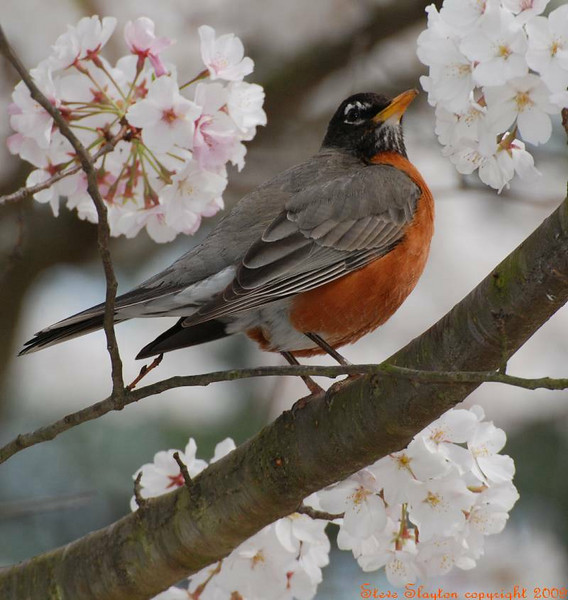
American Robin (Turdus migratorius) by S Slayton

American Robin (Turdus migratorius) by S Slayton

Return Of The Robins by Dorothy (Dot) Belle Malcolm – on February 27, 2011

On the way to church I thought I saw them; however, they flew so fast back and forth I wasn’t sure. The next day I was sure! The Robins had returned. Only a few were in my trees. At first I was disappointed, but at least I could hear lots of them in my neighborhood. I sent them many invitations in my thoughts as I worked in the yard, but they did not come.

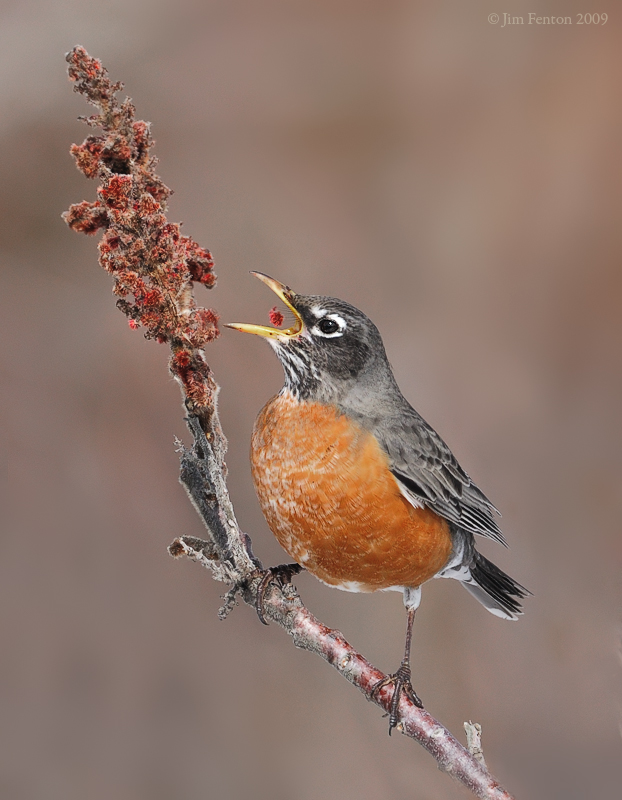
Robin Eating by Jim Fenton

Robin Eating by Jim Fenton

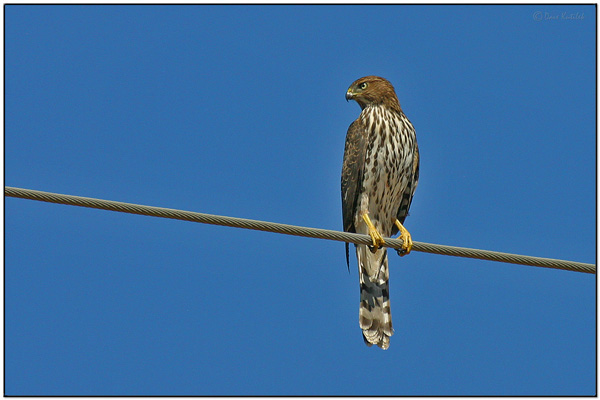
As I worked, I began to hear very high sweet sounds coming from some medium sized black birds. How thankful I was for their “music.” Then it ceased and I realized why when I saw the shadow of the Cooper’s Hawk come across the yard. He frequents our area almost daily, and I now realize why I have fewer birds come to my feeders. He is a beautiful specimen but my heart does not welcome him.

 Cooper's Hawk (Accipiter cooperii) by Daves BirdingPix

Cooper’s Hawk (Accipiter cooperii) by Daves BirdingPix

Well I promised last year I would not speak again of the Robin’s bad manners, so this year I shall not fault them for a lack of a good showing. They had a very good reason. I shall remain satisfied they were around and be thankful for that.

By Dorothy Belle Malcolm

See her article from last year – When The Robins Came


Lee’s Addition:

Even the stork in the sky Knows her seasons; And the turtledove and the swift and the thrush Observe the time of their migration; But My people do not know The ordinance of the LORD. (Jeremiah 8:7 NASB)

Listen to the – American Robin’s song -from xeno-canto.com

The American Robin (Turdus migratorius) is a member of the Thrush – Turdidae Family. As Dorothy (“Dottie” to me) knows, they only pass through on their migration journey. This time of the year, they are on their way north.

“The American Robin is widely distributed throughout North America, wintering south of Canada from Florida to central Mexico and along the Pacific Coast. The American Robin is active mostly during the day, and on its winter grounds it assembles in large flocks at night to roost in trees in secluded swamps or dense vegetation. The flocks break up during the day when the birds feed on fruits and berries in smaller groups. During the summer, the American Robin defends a breeding territory and is less social. It is the state bird of Connecticut, Michigan, and Wisconsin.” (Wikipedia)
*

When The Robins Came – by Dorothy (Dot) Belle Malcolm

When The Robins Came – by Dorothy (Dot) Belle Malcolm

Robin Eating by Jim Fenton

Robin Eating by Jim Fenton

They came one day – loudly – uninvited – wildly flying thru the branches of the neighbor’s camphor tree, and were scattered over the ground as if it were a race to see who could eat the most. But primarily they were in the tree.

For days their noisy, frantic activity continued, usually in the mornings. Then when it seemed they had moved on to somewhere else, I saw they were back again.

Only this time in a tree near where I was cleaning up from the effects of winter’s cold. And they were oh so loud and gave no heed to me. I felt they were having much fun. They delighted in flicking decaying leaves around in search of wormy treasures.

In their colors of black and orange and yellow bills, they appeared fresh, strong, and each feather perfect. In their foraging, they would skitter, bob, stop still, stand proudly, with heads held up. They looked like strong healthy sentinels.

What joy seemed to be theirs, scattering leaves over the stone pathways. At first, I blamed the squirrels for the mess, but soon realized that was a wrong assumption. When they left, and I observed the mess, I thought they had not been taught good manners. After all they were visitors – shouldn’t they have cleaned up after themselves?

When I saw no more for a few days, I was sorry to have thought badly of their manners. After all, did I not greatly enjoy their antics? For you see, I had much to savor until they hopefully return next Spring.

Imagine how let down I felt by their supposed absence. I recalled their wild flights, beautiful fresh colors, proud looks and flicking up of the leaves. Oh how happy I was in a few days to be rewarded by the sight of a lone robin and hear it’s voice. Was it left behind I wondered – why did it appear to be alone? No, no, not at all, for in a couple days a goodly group appeared. I knew they were not here to stay though. When they return next year they will have an open invitation to my yard, trees, leaves, and all the rest. Let them be loud, wild, and messy. I shall not speak of bad manners again.

You will show me the path of life; In Your presence is fullness of joy; At Your right hand are pleasures forevermore. (Psalms 16:11 NKJV)
Look at the birds of the air: they neither sow nor reap nor gather into barns, and yet your heavenly Father feeds them. Are you not of more value than they? (Matthew 6:26 ESV)

Dorothy, Dottie as we know her at church, is a friend who likes to garden and provide for the needs of birds. When she told me of this true story, I had asked her if I could produce it here. Thanks, Dottie, I hope the readers enjoy it as much as I do and look forward to more observations of yours to share.

See her – Return of the Robins

*

Thousands of Eyes, But No Brain?

This is a copy of a neat article by April Lorier – “Thousands of Eyes, But No Brain?

April Lorier Perspective

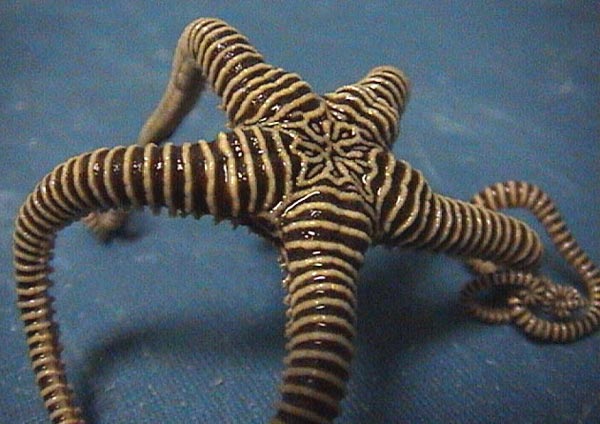
Brittlestar from Wikipedia

Brittlestar from Wikipedia

We generally associate eyes with our brain because they are two closely working parts of our nervous system. Our brain is necessary to interpret what our eyes see. However, the brittlestar, a relative of the starfish, has thousands of eyes and no brain.

The brittlestar’s body is covered with a pliable crystalline material. Inserted in this material are literally thousands of perfectly shaped lenses that collect light. Each of these lenses is about half the diameter of a human hair.

Researchers commented that these lenses are much finer than anything we can engineer. Studies show that all of these lenses work together to act as one giant eye. They seem to work rather like the compound eye of the fly. The lenses focus incoming light on photoreceptors.

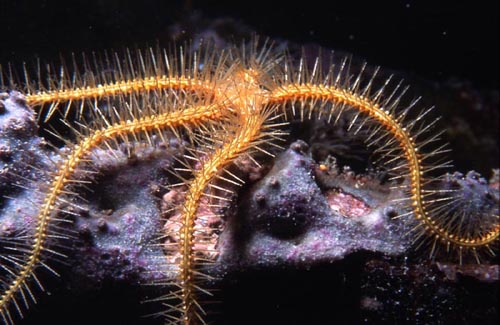
Brittlestar ©Rachel Graham

Brittlestar ©Rachel Graham

Researchers believe that this arrangement allows the brittlestar to form a rough image of its surroundings and tell what time of day it is. If the light becomes too bright, the brittlestar can darken its skin, in effect, putting on sunglasses. Even more amazing is that the brittlestar does all of this, despite the fact that it doesn’t have a brain! As one researcher put it, “This is very clever engineering.”

The wonders that have come from God’s creative hand can lead even evolutionists to use the language of creation. Yet, God’s greatest wonder is His plan for our salvation.

2010 Christian Nature

“Better is the sight of the eyes than the wandering of the desire…” Ecclesiastes 6:9a —

References: Discover, 11/01, p. 16.

Used with permission of April Lorier.

See more of April’s articles.

*