Birdwatching at the Cincinnati Zoo I

Cincinnati Zoo from Phone

Cincinnati Zoo from Phone

“Remember to magnify His work, Of which men have sung. (Job 36:24 NKJV)

Yesterday, we had the pleasure of checking out more birds of the Lord’s creation at the Cincinnati Zoo. The weather and the temperature were great and the birds were quite content to let us watch and photograph them. It has been over 45 years ago since we visited this zoo. Needless to say, it has changed and the most striking was their beautiful landscaping throughout the zoo.

Statue at the entrance to the Wings of the World exhibit.

Statue at the entrance to the Wings of the World exhibit.

When we arrived at the Wings of the World area, We were greeted by several birds and a neat statute of a child holding a bird. This shows how some of the landscaping was used around the zoo.

Statue at Wings of the World exhibit. Close-up

Statue at Wings of the World exhibit. Close-up

Wings of the World Aviary is divided into several different habitats and types of birds.

Wings of the World Aviary - Cincinnati Zoo 9-5-13

Wings of the World Aviary – Cincinnati Zoo

As you enter, you are greeted by Macaws, Screamers and a Laughing Kookaburra.

Southern Screamer

Southern Screamer (Chauna torquata) Cincinnati Zoo 9-5-13 by Lee

Southern Screamer (Chauna torquata) Cincinnati Zoo by Lee

*

Southern Screamer (Chauna torquata) Cincinnati Zoo 9-5-13 by Lee

Southern Screamer (Chauna torquata) by Lee

Macaws
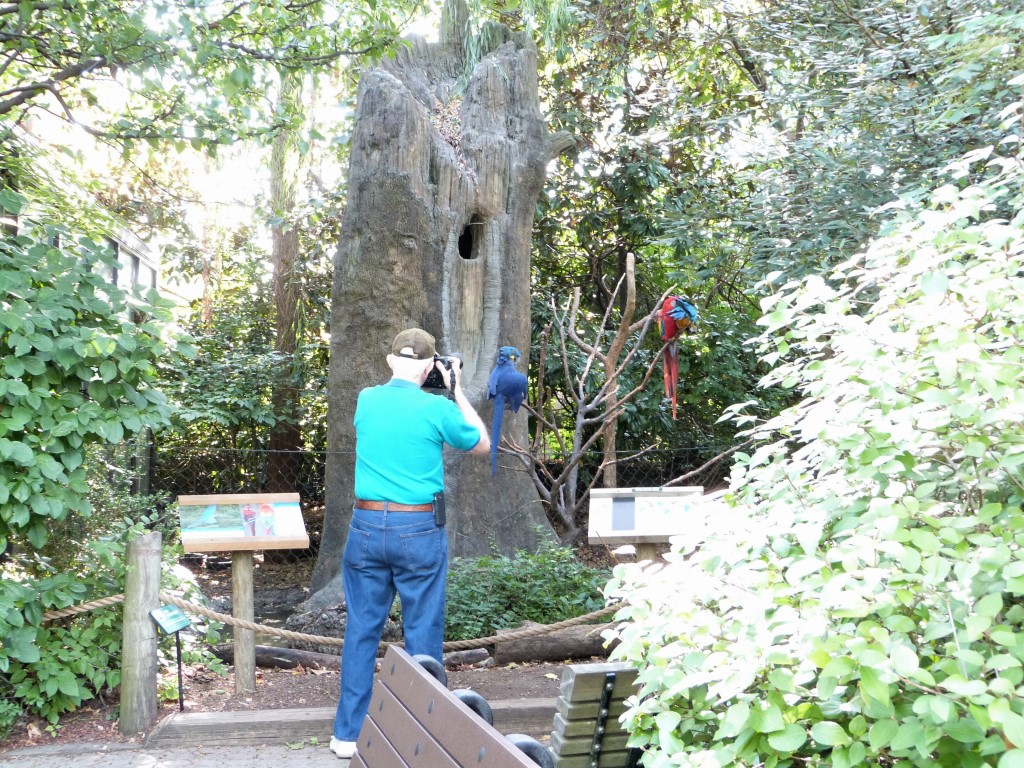
Dan photographing the MaCaws Cincinnati Zoo

Dan photographing the MaCaws Cincinnati Zoo

*
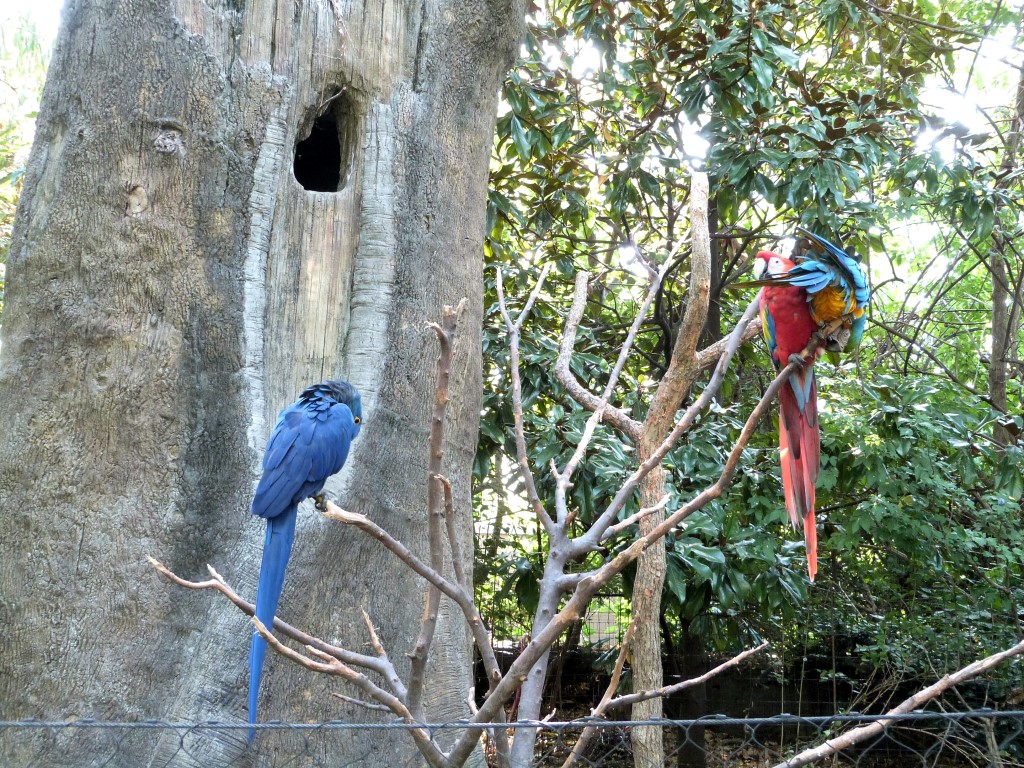
Parrots - McCaws by Lee

Parrots – McCaws by Lee

*

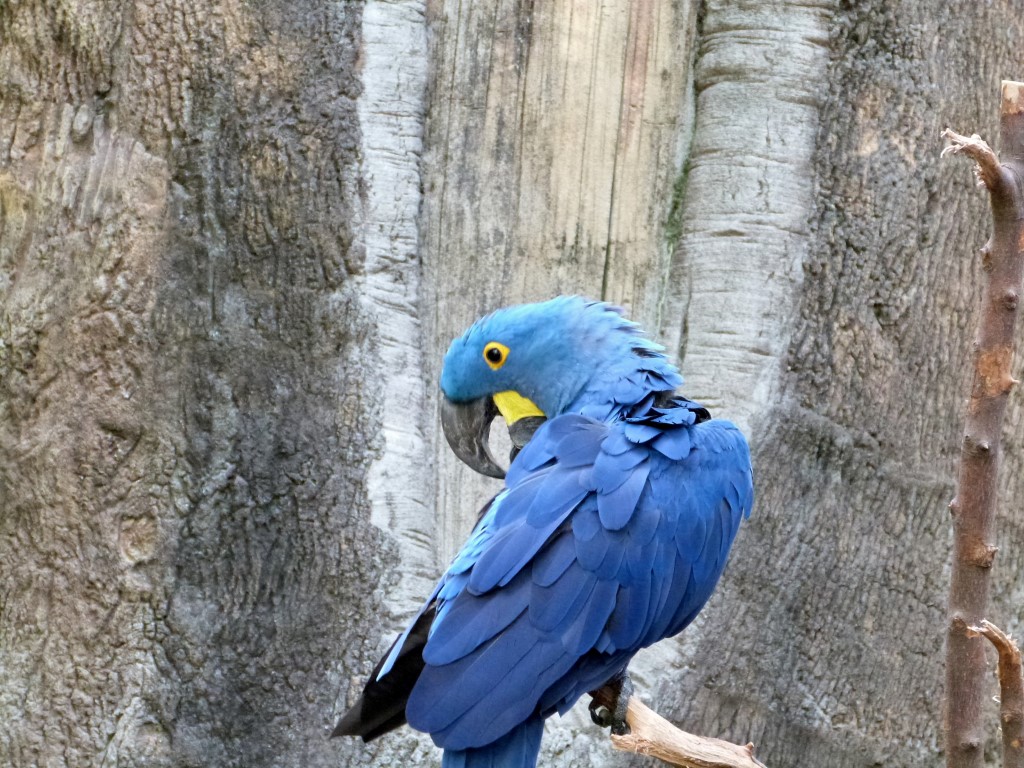
Hyacinth Macaw (Anodorhynchus hyacinthinus) Cincinnati Zoo 9-5-13 by Lee

Hyacinth Macaw (Anodorhynchus hyacinthinus) by Lee

*
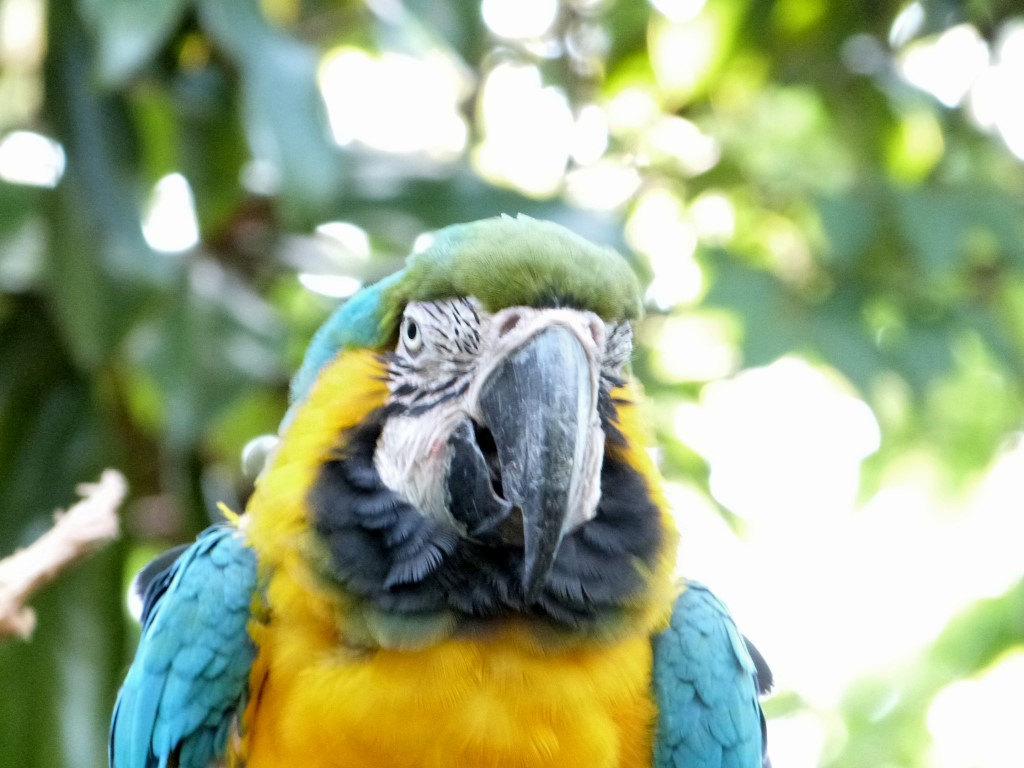
Cincinnati Zoo 9-5-13

Blue-and-yellow Macaw (Ara ararauna) Cincinnati Zoo by Lee

*

Scarlet and Blue-and-yellow Macaws by Lee

Scarlet and Blue-and-yellow Macaws by Lee

*
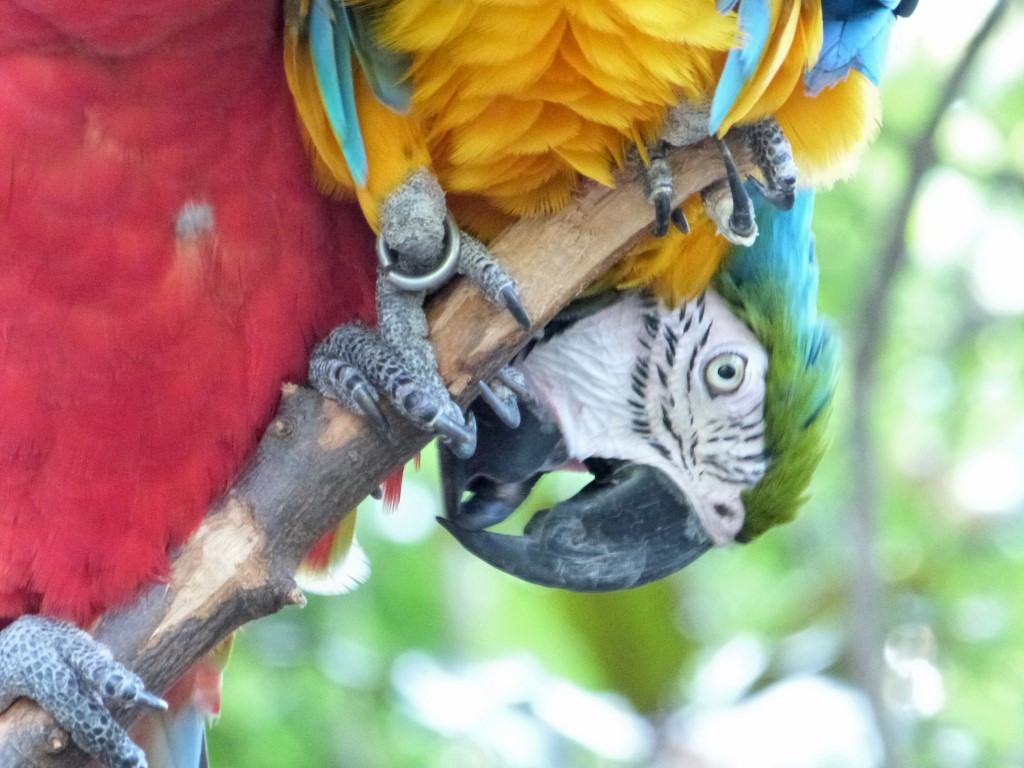
Scarlet and Blue-and-yellow Macaw

Scarlet and Blue-and-yellow Macaw

*

Kookaburra

Laughing Kookaburra (Dacelo novaeguineae)

Laughing Kookaburra (Dacelo novaeguineae)

*
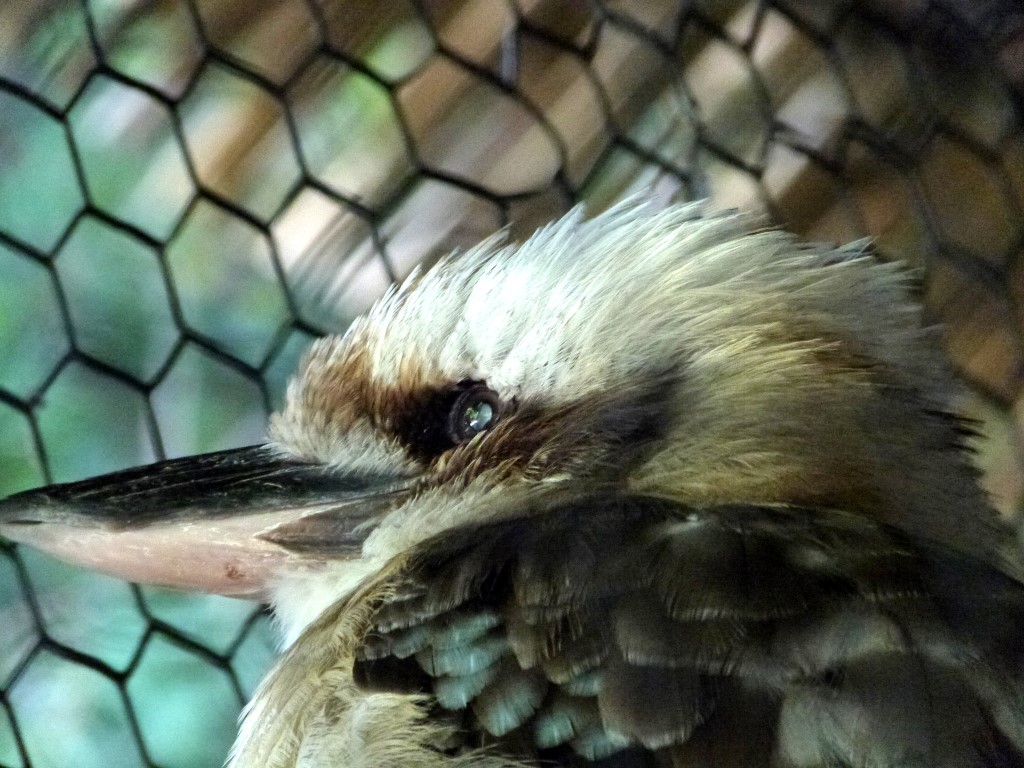
Laughing Kookaburra (Dacelo novaeguineae) by Lee Cincinnati Zoo 9-5-13

Laughing Kookaburra (Dacelo novaeguineae) by Lee

*
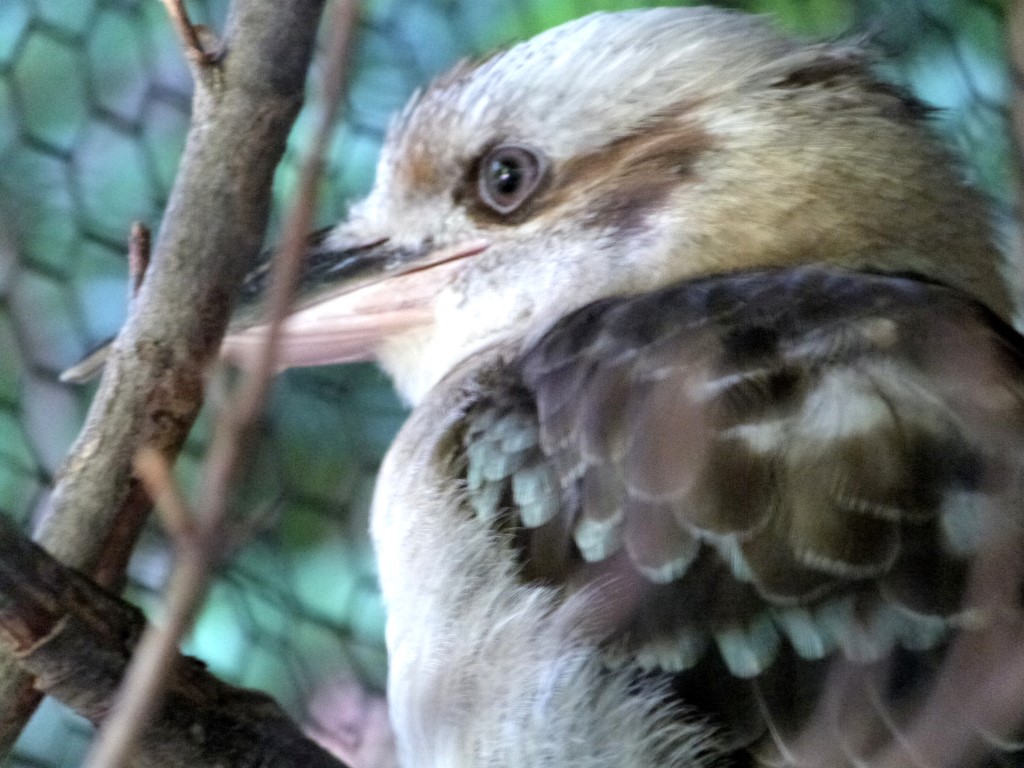
Laughing Kookaburra (Dacelo novaeguineae) by Lee Cincinnati Zoo 9-5-13

Laughing Kookaburra (Dacelo novaeguineae) by Lee

This is just the beginning of our visit to the Cincinnati Zoo. Look for more articles about some really neat birds like a Mousebird, Bee-eater, Bishop, Penguins, Murres and more.

Also:
Anhimidae – Screamers Family

Psittacidae – Parrots Family

Alcedinidae – Kingfishers Family

Cincinnati Zoo

*

Child’s Book of Water Birds ~ The Goose

The Goose

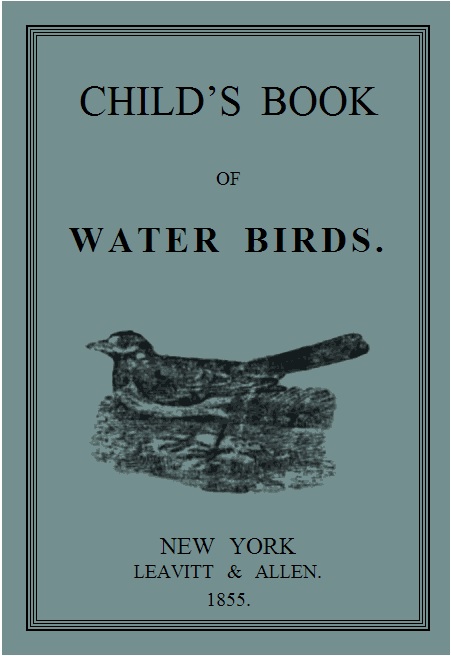
Child's Book of Water Birds - Book Cover

Child’s Book of Water Birds – Book Cover

***

Childs Bk of Water Birds titlebird

NEW YORK

LEAVITT & ALLEN.

1855.

***

Welcome to the Updated Child’s Book of Water Birds, by Anonymous. It was written in 1855 and this is 2013. That is 158 years ago.

*
*

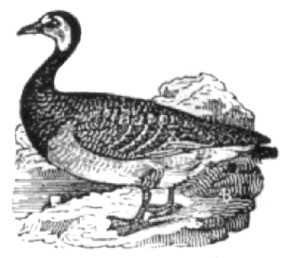
Childs Bk of Water Birds goose

THE GOOSE.

The Goose is a very common bird. In Lincolnshire, England, enormous flocks are bred, containing from two to ten thousand each. They are subjected to the plucking of their wing-feathers periodically, in order to supply the demand for quills.

*

Canada Goose (Branta canadensis) w brood ©USFWS

Canada Goose (Branta canadensis) w brood ©USFWS

Update:

Today we use ballpoint pens and the Geese do not need to have their feathers plucked for quill pens. There are many Geese here in America and around the world.  They belong to the Ducks, Geese & Swan Family. Many local parks have geese of various kinds. They are larger than Ducks, but smaller than Swans,

The female is called a “goose” and the male is the “gander.” Some of the kinds of geese are: Barnacle, Cackling, Canada, Emperor, Nene, Ross’s and the Snow Goose.

Many geese, like the Snow Goose, have their chicks in summer in the northern parts of America and then fly south in the winter. They gather in huge flocks.

*

Even the stork in the heavens knows her times, and the turtledove, swallow, and crane keep the time of their coming, but my people know not the rules of the LORD. (Jer 8:7 ESV)

***

See the other five Child’s Book of Water Birds:

The Swan

The Coot

The Dabchick

The Teal

The Oyster Catcher

*

Ducks, Geese & Swan Family.

Bible Birds

Wordless Birds

*
Child's Book of Water Birds - Levit and Allen
*** PROJECT GUTENBERG EBOOK CHILD'S BOOK OF WATER BIRDS ***

*

Birdwatching Term – Lobed Feet

Giant Coot (Fulica gigantea) Loped Feet ©©Flickr

Giant Coot (Fulica gigantea) Loped Feet ©©Flickr

Lobed Feet

Thou hast enlarged my steps under me, that my feet did not slip. (Psalms 18:36 KJV)

In the Coot article  they said: “Like other rails, they have long, lobed toes that are well adapted to soft, uneven surfaces. Coots have strong legs and can walk and run fast.”

Answers gives this definition: “Feet that have toes with stiff scale-covered flaps that extend to provide a surface analogous to webbing on a duck as an aid in swimming.”

The Lord designed these “lobed feet” to help the birds walk over uneven ground, in and out of water. He cares about all His creatures.

American Coot - from Color Key To North American Birds

American Coot – from Color Key To North American Birds

This Drawing from Color Key To North American Birds helps you to see their feet better.

It is neat to watch them walk around and see those “big feet.”

This video I took shows their feet.

*

*

See:

*

Child’s Book of Water Birds ~ The Teal

The Teal

Child's Book of Water Birds - Book Cover

Child’s Book of Water Birds – Book Cover

***

Childs Bk of Water Birds titlebird

NEW YORK

LEAVITT & ALLEN.

1855.

***

Welcome to the Updated Child’s Book of Water Birds, by Anonymous. It was written in 1855 and this is 2013. That is 158 years ago.

*
*
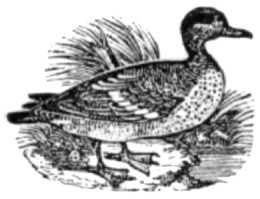
Childs Bk of Water Birds teal

THE TEAL.

The Teal is the smallest of the ducks. The Green-winged Teal is the American. It feeds on fresh-water insects, seeds, and aquatic plants. When fat it is considered a great luxury. It is almost always seen on well furnished tables. It generally feeds at night. It flies very swiftly, and utters a whistling cry.

***

*

Male Green-winged Teal at Lowry Park Zoo, Tampa, FL

*

Update:

This dabbling duck (the Green-winged Teal) flies south in the winter and will form large flocks.

This is the smallest North American dabbling duck. The male has grey flanks and back, with a yellow rear end and a white-edged green feathers. It has a chestnut head with a green eye patch.  a vertical white stripe on side of breast. The females are light brown.

Green-winged Teal (Anas carolinensis) Pair ©WikiC

14 Green-winged Teal (Anas carolinensis) Pair ©WikiC

*

It is a common duck of sheltered wetlands, usually feeds by dabbling for plant food or grazing.  It nests on the ground, near water and under cover.

This is a noisy species. The male has a clear whistle, whereas the female has a feeble “quack”.

We also have Blue-winged Teals and Cinnamon Teals here in America.

***

See the other five Child’s Book of Water Birds:

The Swan

The Coot

The Dabchick

The Goose

The Oyster Catcher

*

Green-winged Teal – WhatBird

Blue-winged Teal – WhatBird

Cinnamon Teal – WhatBird

Birdwatching Terms – Dabbling duck

Bible Birds

Wordless Birds

*
Child's Book of Water Birds - Levit and Allen
*** PROJECT GUTENBERG EBOOK CHILD'S BOOK OF WATER BIRDS ***

*

Birdwatching Term – Dabbling Duck

Blue-Winged-Teal-Dabbling ©Flyways USFWS

Blue-Winged-Teal-Dabbling ©Flyways USFWS

Dabbling Duck

What does it mean when a duck “dabbles” or is a “dabbling duck”?

This group of ducks has been so named because its members feed mainly on vegetable matter by upending on the water surface, or grazing, and only rarely dive. These are mostly gregarious ducks of freshwater or estuaries. These birds are strong fliers and northern species are highly migratory. Compared to other types of duck, their legs are placed more towards the centre of their bodies. They walk well on land, and some species feed on land.

Puddle ducks generally feed on the surface of the water or feed on very shallow bottoms. They are not equipped to dive down several feet like their diving counterparts. The most predominant difference between puddle ducks and divers are the size of the feet. A puddle duck’s feet are generally smaller because they do not need the extra propulsion to dive for their forage.

Another distinguishing characteristic of puddle ducks when compared to diving ducks is the way in which they take flight when spooked or are on the move.

Puddle ducks spring straight up from the water, and diving ducks need to gain momentum to take off, so they must run across the water a short distance to gain flight.

These Ducks belong to the Anatine sub-family of the Swans, Geese, and Duck Family.

Mallard-Takes-Off ©Flyways USFWS

Mallard-Takes-Off ©Flyways USFWS

For the younger reader:

What does it mean when a duck “dabbles” or is a “dabbling duck”?

They are called that because these ducks feed mainly on vegetable matter (plants) by upending on the water surface (They put their head in the water to eat and their tail section is all that is seen above the water.) or grazing, and only rarely dive.

When they take flight, they spring straight up from the water. The Diving ducks have to sort of run to take-off.

(Wikipedia with editing)

Look at the birds of the air; they neither sow nor reap nor gather into barns, and yet your heavenly Father keeps feeding them. Are you not worth much more than they? (Mat 6:26 AMP)

*

See:

Swans, Geese, and Duck Family.

Dabbling Ducks – Flyways.us

Dabbling Ducks – Wikipedia

More Birdwatching Terms

Wordless Birds

*

Birds of the Bible – Shield

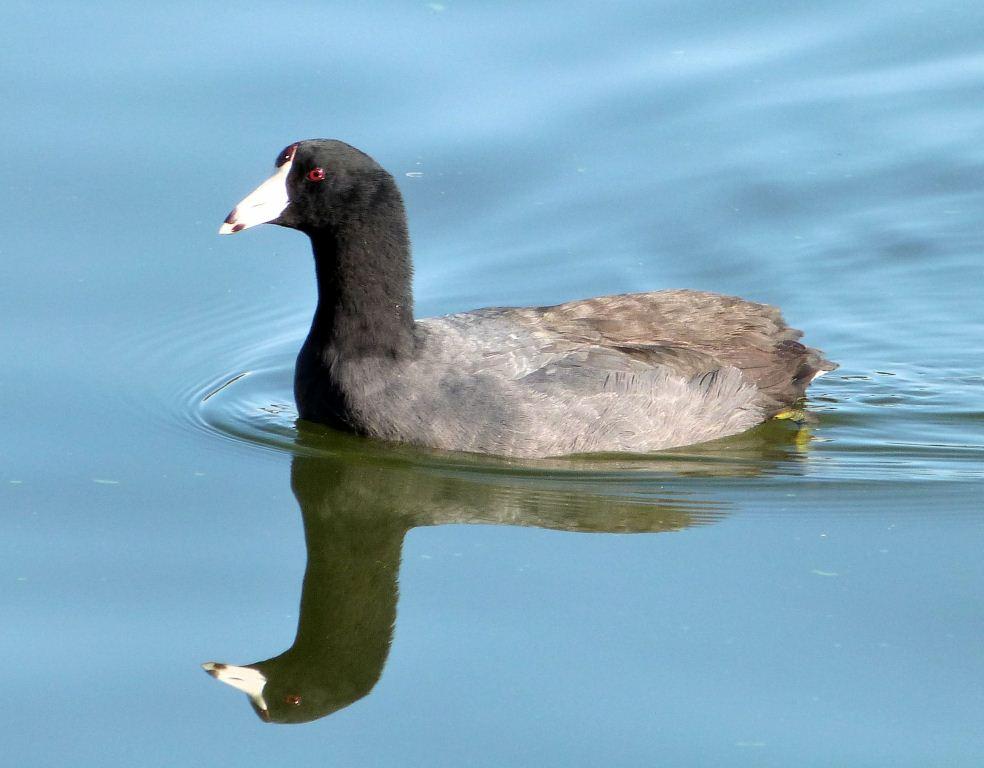
American Coot (Fulica americana) by Lee at Lk Morton

American Coot (Fulica americana) by Lee at Lk Morton

He shall cover thee with his feathers, and under his wings shalt thou trust: his truth shall be thy shield and buckler. (Psalm 91:4 KJV)

While working on the Coot article, the shield was mentioned. “Coots have prominent frontal shields or other decoration on the forehead…”

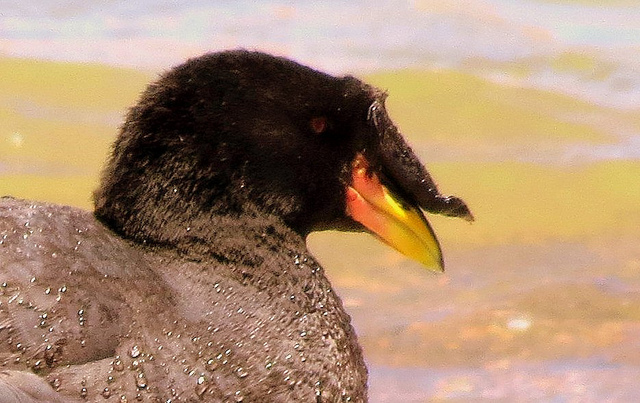
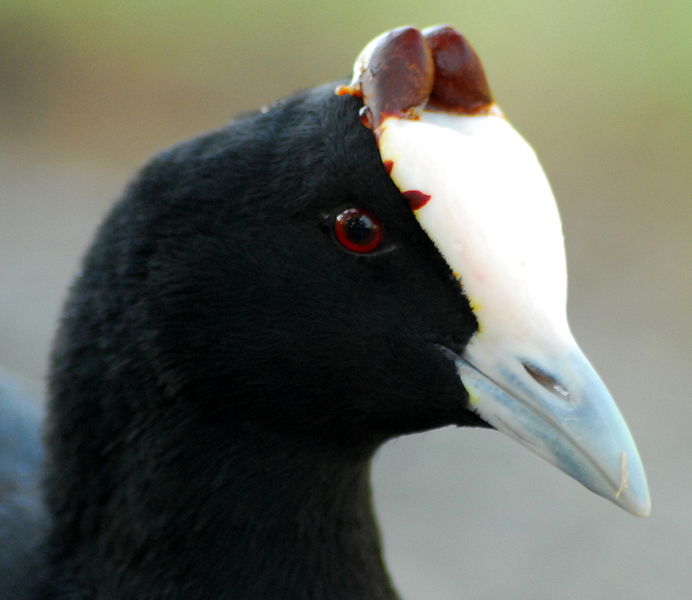
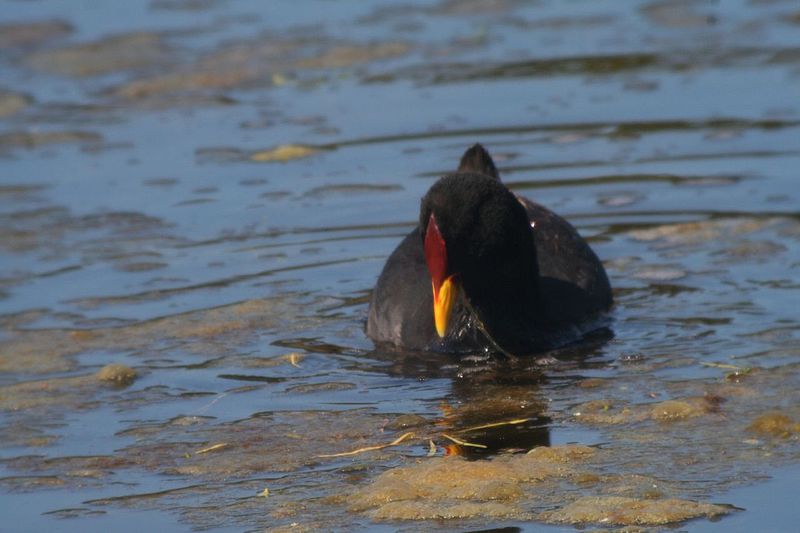
When the Lord created the Coots and many of the birds in the Rallidae – Rails, Crakes & Coots family, He gave them a frontal shield. Some Jacanas (Jacanidae – Jacanasalso have shields.

The Merriam-Webster Dictionary gives this definition: “a platelike prolongation of the base of the upper mandible over the forehead that is a characteristic feature of the coots and gallinules.”  A few coots and gallinules have a frontal shield, which is a fleshy rearward extension of the upper bill. The most complex frontal shield is found in the Horned Coot.

This slideshow requires JavaScript.


*
As you can see by the different photos, each species has a different shield, some similar, but others quite different.

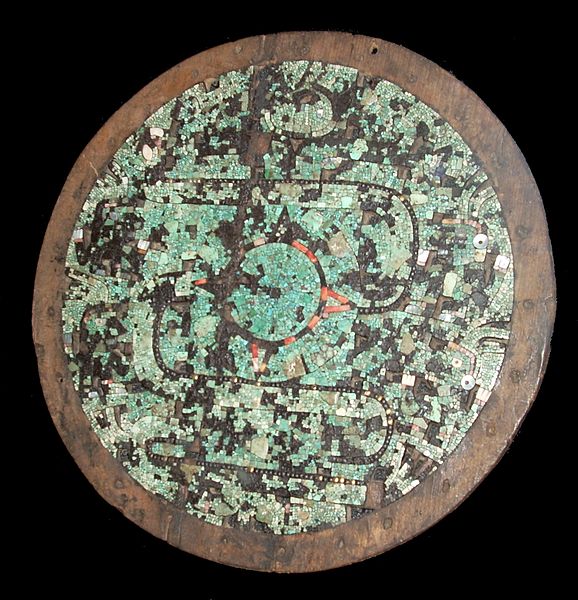
Wikipedia says, “A shield is a type of personal armor, meant to intercept attacks, either by stopping projectiles such as arrows or redirecting a hit from a sword, mace, battle axe or similar weapon to the side of the shield-bearer.

Shields vary greatly in size, ranging from large panels that protect the user’s entire body to small models (such as the buckler) that were intended for hand-to-hand-combat use. Shields also vary a great deal in thickness; whereas some shields were made of relatively deep, absorbent, wooden planking to protect soldiers from the impact of spears and crossbow bolts, others were thinner and lighter and designed mainly for deflecting blade strikes.

Often shields were decorated with a painted pattern or an animal representation and these designs developed into systematized heraldic devices during high-medieval times for purposes of battlefield identification. ”

Ceremonial shield with mosaic decoration- Aztec or Mixtec-AD 1400-1521-In the British Museum ©WikiC

Ceremonial shield with mosaic decoration- Aztec or Mixtec-AD 1400-1521-In the British Museum ©WikiC

For our birds, I would think the decorated shields for identification seems the most logical. Since the Lord enjoys so much variety, we see it again displayed in these frontal shields.

At least 54 verses (depending on version) mention the word “shield” in the Bible. Psalm 91:4 above is providing refuge under feathers and wings and is protecting us with a shield of truth and faithfulness. Let’s look at some of the verses and just let His word encourage and challenge us to serve Him more.

The God of my rock; in him will I trust: he is my shield, and the horn of my salvation, my high tower, and my refuge, my saviour; thou savest me from violence. (2 Samuel 22:3 KJV)

But You, O LORD, are a shield about me, My glory, and the One who lifts my head. (Psalms 3:3 NASB)

Horned Coot (Fulica cornuta) ©©Flickr Gunnar Engblom

Horned Coot (Fulica cornuta) ©©Flickr Gunnar Engblom

Thou hast also given me the shield of thy salvation: and thy right hand hath holden me up, and thy gentleness hath made me great. (Psalms 18:35 KJV)

Our soul waiteth for the LORD: he is our help and our shield. (Psalms 33:20 KJV)

Red-knobbed Coot (Fulica cristata) Breeding ©WikiC

Red-knobbed Coot (Fulica cristata) Breeding ©WikiC

For the LORD God is a sun and shield: the LORD will give grace and glory: no good thing will he withhold from them that walk uprightly. (Psalms 84:11 KJV)

Ye that fear the LORD, trust in the LORD: he is their help and their shield. (Psalms 115:11 KJV)

Red-fronted Coot (Fulica rufifrons) ©WikiC

Red-fronted Coot (Fulica rufifrons) ©WikiC

Above all, taking the shield of faith, wherewith ye shall be able to quench all the fiery darts of the wicked. (Ephesians 6:16 KJV)

Are others able to identify us by our shield?

*

Wordless Birds

*

See:

Birds of the Bible

Rallidae – Rails, Crakes & Coots Family

Jacanidae – Jacanas Family

Birdwatching Term – Frontal Shield

*

Child’s Book of Water Birds ~ The Dabchick

The Dabchick

Child's Book of Water Birds - Book Cover

Child’s Book of Water Birds – Book Cover

***

Childs Bk of Water Birds titlebird

NEW YORK

LEAVITT & ALLEN.

1855.

***

Welcome to the Updated Child’s Book of Water Birds, by Anonymous. It was written in 1855 and this is 2013. That is 158 years ago.

*
*
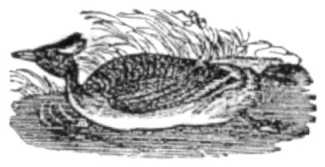
Childs Bk of Water Birds dabchick

THE DABCHICK.

The Dabchick is a very timid bird, and when alarmed instantly dives, after which it is useless to look after the bird. It is easily domesticated, and is often seen placed as an ornament to ponds, where it swims about very merrily, and seems to enjoy a game of hide and seek with any one who is attempting to watch its movements.

*

Little Grebe (Tachybaptus ruficollis) by Nikhil Devasar

Little Grebe (Tachybaptus ruficollis) by Nikhil Devasar

Update:

The Little Grebe (Tachybaptus ruficollis), also known as Dabchick, is a member of the Grebe family of water birds. At 9 to 11.4 in (23 to 29 cm) in length it is the smallest European member of its family. It is commonly found in open bodies of water across most of its range. Also, there is a New Zealand Grebe (Dabchick).

It is a small water bird with a pointed bill. In summer, the adult is dark above with its rich, rufous colour neck, cheeks and flanks (sides), and bright yellow gape (mouth). Non-breeding and juvenile birds are a dirty brownish grey.

It is an excellent swimmer and diver and chases its fish and aquatic prey underwater. It uses the vegetation skilfully as a hiding place.  it nests at the water’s edge, since its legs are set very far back and it cannot walk well. The young leave the nest and can swim soon after hatching, and chicks are often carried on the backs of the swimming adults.

If a bird’s nest should chance to be before you in the way, in any tree or on the ground, with young ones or eggs, and the mother bird is sitting on the young or on the eggs, you shall not take the mother bird with the young. (Deu 22:6 AMP)

The Little Grebe’s breeding call, given singly or in duet, is a trilled repeated weet-weet-weet or wee-wee-wee which sounds like a horse whinnying.

***

See the other five Child’s Book of Water Birds:

The Swan

The Coot

The Teal

The Goose

The Oyster Catcher

*

Grebe family

New Zealand Grebe (Dabchick)

Little Grebe – Wikipedia

Bible Birds

Wordless Birds

*
Child's Book of Water Birds - Levit and Allen

Back Cover

*** PROJECT GUTENBERG EBOOK CHILD'S BOOK OF WATER BIRDS ***

*

Child’s Book of Water Birds ~ The Coot

The Coot

Child's Book of Water Birds - Book Cover

Child’s Book of Water Birds – Book Cover

***

Childs Bk of Water Birds titlebird

NEW YORK

LEAVITT & ALLEN.

1855.

***
Welcome to the Updated Child’s Book of Water Birds, by Anonymous. It was written in 1855 and this is 2013. That is 158 years ago.
*
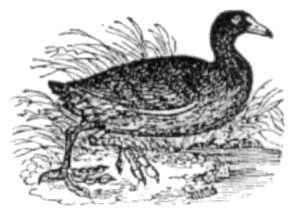
Childs Bk of Water Birds coot

THE COOT.

The Coot is generally found in large sheets of water, particularly if shaded by trees. The nest is a mass of flags, reeds, and grass, usually at the water’s edge, but sometimes actually in the water. The Coot’s eggs are generally seven in number. They are of a greenish-white, spotted.

*

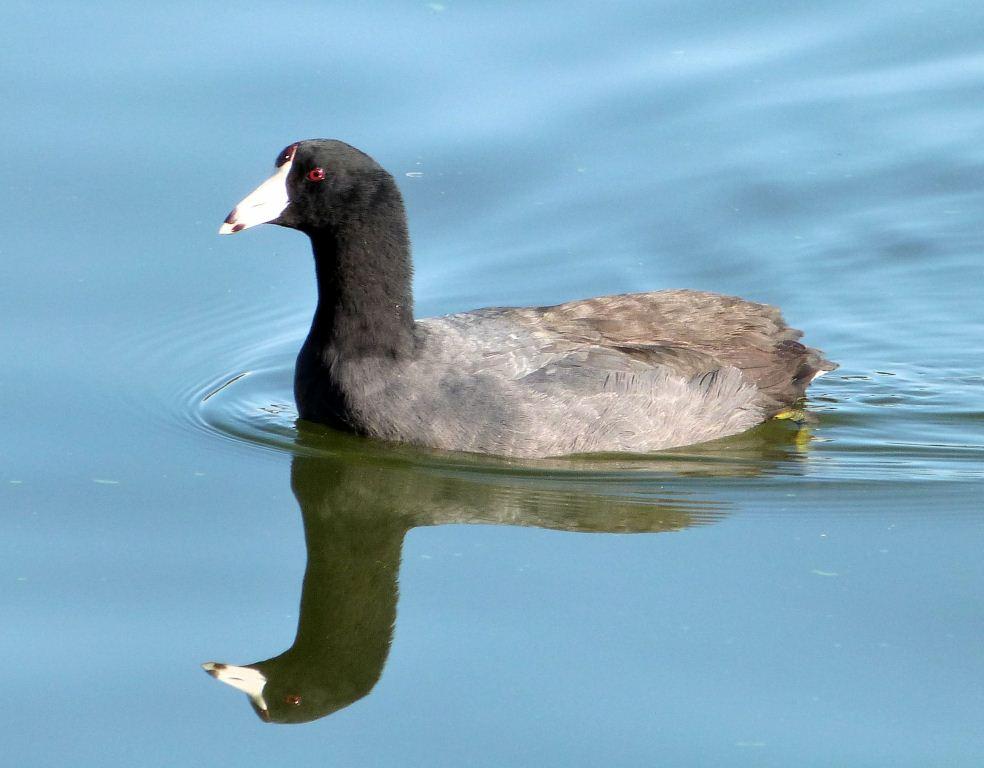
American Coot (Fulica americana) by Lee at Lk Morton

American Coot (Fulica americana) by Lee at Lk Morton

Update:

Coots are medium-sized birds that belong to the Raillidae – Rail Family. There are twelve (12) different Coots around the world.

They have mostly black feathers and can be seen swimming in open water. Coots have prominent frontal shields or other decoration on the forehead, with red to dark red eyes and coloured bills. Many, but not all, have white on the under tail.

Coots eat plants, eggs and some small animals. The defend their nest when they have babies. A group of Coots are called a “covert” or  “cover.”

Like other rails, they have long, lobed toes that are well adapted to soft, uneven surfaces. Coots have strong legs and can walk and run fast. This video shows their feet.

*


*

****

See the other five Child’s Book of Water Birds:

The Swan

The Dabchick

The Teal

The Goose

The Oyster Catcher

*

Rallidae – Rails, Crakes & Coots Family

American Coot – All About Birds

Bible Birds

Wordless Birds

*
Child's Book of Water Birds - Levit and Allen

Back Cover

*** PROJECT GUTENBERG EBOOK CHILD'S BOOK OF WATER BIRDS ***

*

Child’s Book of Water Birds ~ The Swan

The Swan

Child's Book of Water Birds - Book Cover

Child’s Book of Water Birds – Book Cover

***

Childs Bk of Water Birds titlebird

NEW YORK

LEAVITT & ALLEN.

1855.

***

Welcome to the Updated Child’s Book of Water Birds, by Anonymous. It was written in 1855 and this is 2013. That is 158 years ago.

*
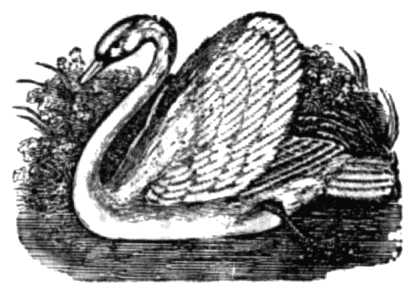
Childs Bk of Water Birds swan

THE SWAN.

The Swan is a very beautiful bird. It is generally white, though a black swan has been discovered in Australia. It is not very often seen in this country. It was brought from Asia and Eastern Europe into England—from whence, most probably, a few specimens have been introduced into this country. The Swan is very graceful in the water, but on land it is an awkward waddler.

*

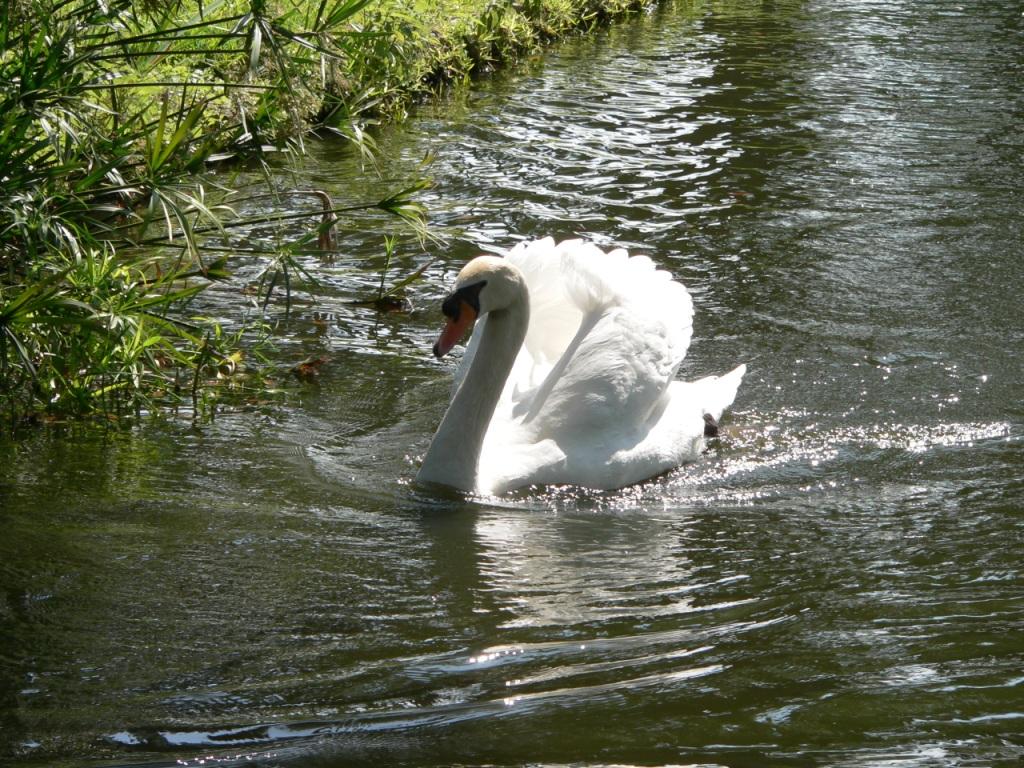
Swan at Bok Tower

Swan at Bok Tower

Update:

Swans are the largest member of the Water Birds family Swans. They are also among the largest flying birds. Some Swans have a wingspan almost 10 ft (3 m).

A group of swans is called a bevy or a wedge in flight. Swans feed in the water and on land.

The nest is on the ground near water. Average egg size (for the mute swan) is 4.4 X 2.9 in (113×74 mm), weighing 11 oz (340 g), in a clutch size of 4 to 7. Swans are very protective of their nest.

The Swan is one of the Bible Birds. (See Bible Birds – Swans)

And the swan, and the pelican, and the gier eagle, (Leviticus 11:18 KJV)

***

See the other five Child’s Book of Water Birds:

The Coot

The Dabchick

The Teal

The Goose

The Oyster Catcher

*

Anatidae – Swan Family

Bible Birds – Swans

Bible Birds

Wordless Birds


*

*
Child's Book of Water Birds - Levit and Allen
*** PROJECT GUTENBERG EBOOK CHILD'S BOOK OF WATER BIRDS ***

*