Birdwatching Reviews – Miscellaneous

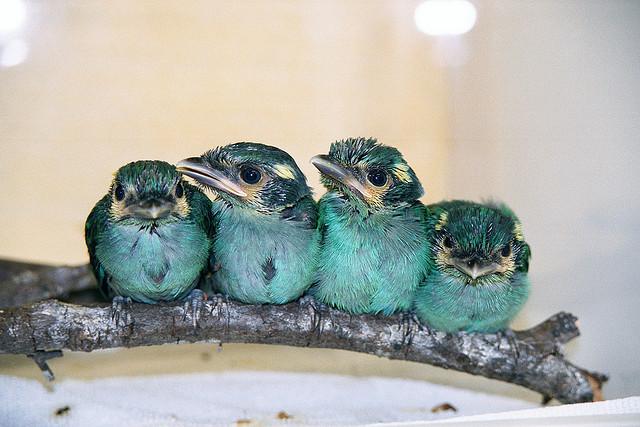
Long-tailed Broadbill (Psarisomus dalhousiae) babies ©WikiC coracii

Long-tailed Broadbill (Psarisomus dalhousiae) babies ©WikiC coracii

He hath made his wonderful works to be remembered: the LORD is gracious and full of compassion. (Psalms 111:4 KJV)

Thank all of you who have been checking out the reviews the last few days. Today will be the last of my “coasting mode” as the stitches are supposed to be removed later today. Also, thank you for your prayers. It appears the infection is decreasing and the healing is finally taking hold.

House Sparrow (Passer domesticus) by Nikhil Devasar

“His Eye Is On The Sparrow” – House Sparrow (Passer domesticus) by Nikhil Devasar

So, what is left to review? One of my enjoyable series has been the Birds in Hymns. That came about because so many hymns and songs mention birds. Listen to the words as you sing and you will be amazed how much “birdwatching” you can do while singing. Most of the material is in the Hymns section.
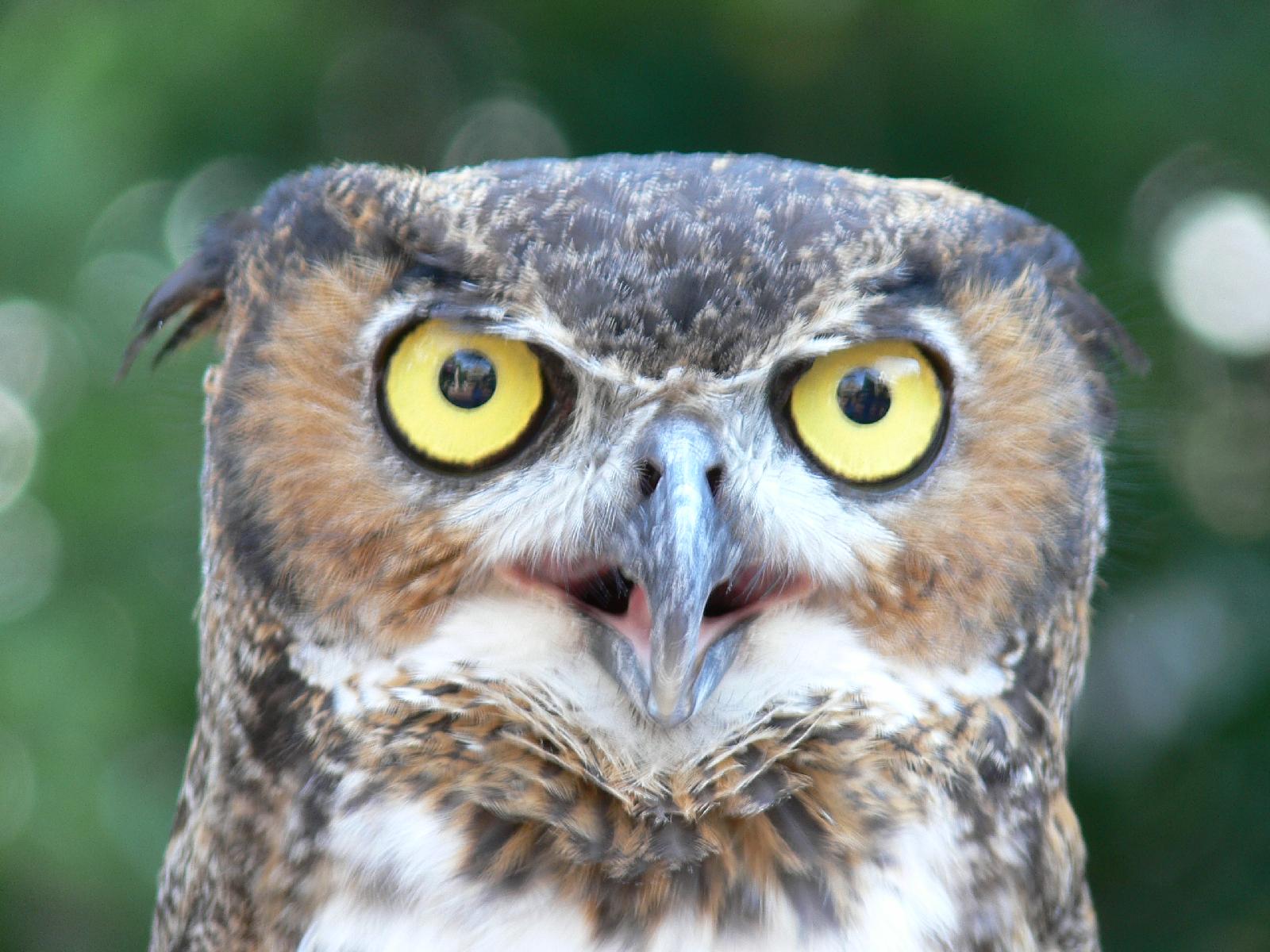
Great Horned Owl - Lowry Pk Zoo by Lee

Great Horned Owl – Lowry Pk Zoo by Lee

A fairly new section are our (mine and Dan’s) Photos from various birdwatching trips. This is still in the “rounding up stage.” The are being presented by families, but the photos are filed by our trips. Stay tuned as the photos and videos are sorted into the correct families.
Platypus From Creation Wiki

Platypus From Creation Wiki

Most readers know that I believe the Lord created the birds and all the rest of the animals, plants, world, universe and all the rest, The Formed By Him blogs are about birds, where as the When I Consider! is not limited to only our avian friends.

The fear of the LORD is the beginning of wisdom: a good understanding have all they that do his commandments: his praise endureth for ever. (Psalms 111:10 KJV)

I am sure by now, you have noticed that this website is titled “Lee’s Birdwatching Adventures PLUS.” The PLUS was added so that other interesting topics could be shared, especially Creation type articles.

The works of the LORD are great, sought out of all them that have pleasure therein. (Psalms 111:2 KJV)

Without the permission of these fantastic photographers to use their photos, where would this blog be? Please check out their sites for spectacular birds and other topics. Each have different areas of the world and interest that keep them “snapping away.”

Photography

There are other articles scattered around, but most of the main topics have been shared in these four Reviews. Thank you for visiting and looking around. You may not have noticed the

  • Our Visitors

    • 992,129 visits

tally down the sidebar, but the 1 Million mark is coming up soon. Not sure how it will be celebrated, but it will mostly be thanking you for your visits and the Lord for giving me the ideas for these many blogs and the other writers like A J, Ian and the other guest writers.

…I will praise thee, O LORD, with my whole heart; I will shew forth all thy marvellous works. (Psalms 9:1 KJV)

*
Birdwatching Reviews – Guest Writers


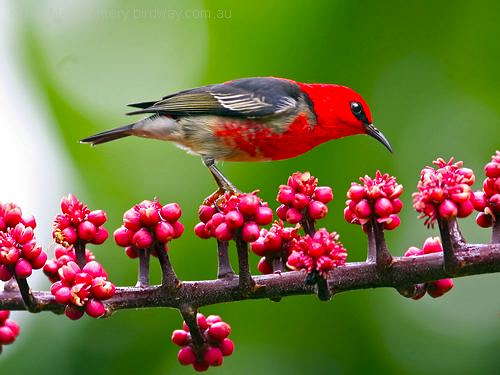
Scarlet Myzomela (Myzomela sanguinolenta) by Ian at Birdway

Scarlet Myzomela (Myzomela sanguinolenta) by Ian at Birdway

He has made His wonderful works to be remembered; the Lord is gracious, merciful, and full of loving compassion. (Psalms 111:4 AMP)

While we are reviewing while I am still in the “coasting mode“, today let’s review the various Regular and Guest Writers. I am so thankful for all of them and especially two who are regulars and have their own pages (menu).

Ian Montgomery, an Australian, was one of first photographers who gave permission to use his photos. From there, he gave permission to reproduce his newsletters in our Ian’s Bird of the Week series. I have enjoyed them and trust you have also. He has introduced us to many birds we would never have seen or heard about.

Bird and Newsletter Date

Golden Bowerbird (Prionodura newtoniana) by Ian

Golden Bowerbird (Prionodura newtoniana) by Ian

A J or a j mithra as he prefers, is from India and has been providing articles about birds and challenging us to better serve the Lord. He always seem to make great spiritual comparisons between the avian behavior and the lessons to be learned from them. You can find these at the tab,  a j mithra and he writes most of the Nuggets Plus.

a j mithra:

Nuggets Plus:

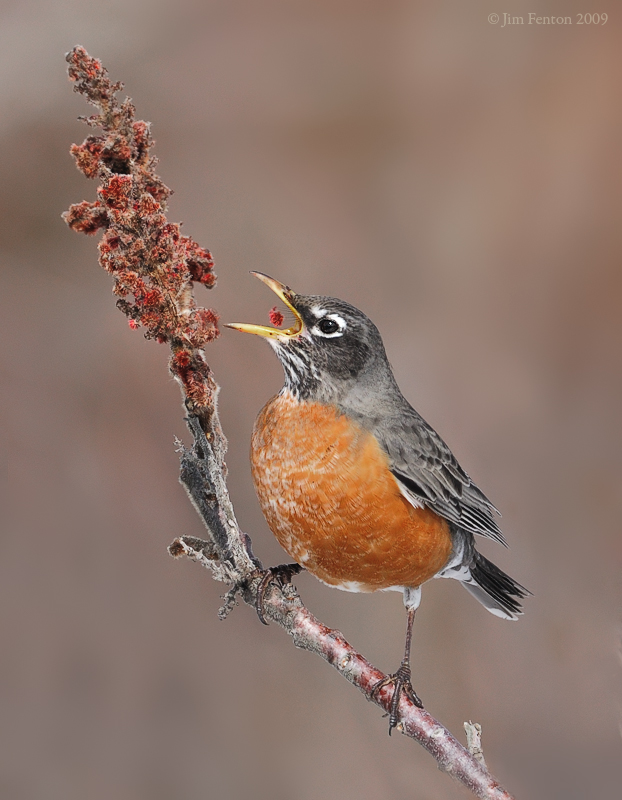
Robin Eating by Jim Fenton

Robin Eating by Jim Fenton

We also have various writers, like Dottie Malcolm and her grand-daughter, Emma, who write now and then. They are members of our church. Stephen is also from our church.

Dorothy (Dottie) Belle Malcolm’s:

Emma Foster:

Stephen Simpson’s:

Guest Writers From the Past:

And others:

The Lord has been gracious to allow the blog to have these add their additions. So, check these out. Must be one or two you haven’t read before. And thank you for visiting here as often as you do. Pressing the “Like” now and then helps us know which type articles you enjoy the best.

*

Birdwatching Reviews

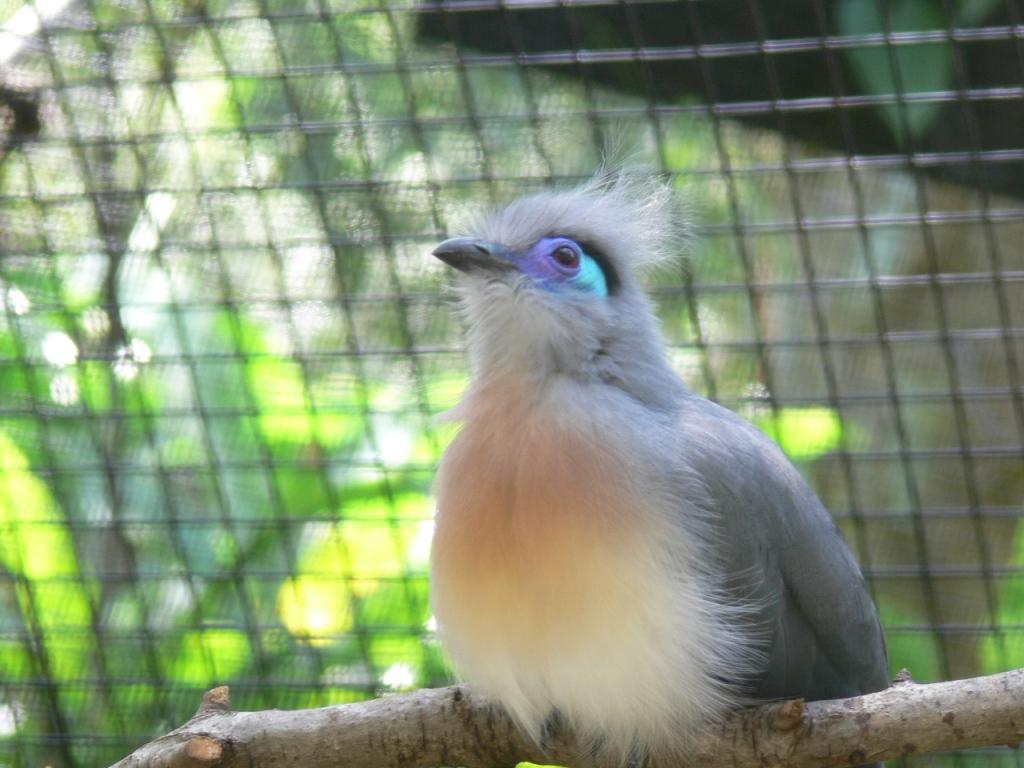
Crested Coua (Coua cristata) by Lee at LPZoo

Crested Coua (Coua cristata) by Lee at LPZoo

I remember the days of old; I meditate on all Your doings; I ponder the work of Your hands. (Psalms 143:5 AMP)

If you read yesterday’s post, Birds of the Bible Review II, you know I am in a “coasting mode” due to surgery on my neck. Today, I am encouraging you to look around the blog at some of the many Birdwatching articles that have been written over the last five years. Also, continue to pray that my cut heals and the infection clears up. It is better today.

Here are some of those many articles:

Joe Cool

(Black and White) Sumatran Laughingthrush (Garrulax bicolor) by Lee

Birdwatching

Beside them the birds of the heavens have their nests; they sing among the branches. [Matt. 13:32.] (Psalms 104:12 AMP)

Our Birdwatching Trips and other comments about birds and birding.

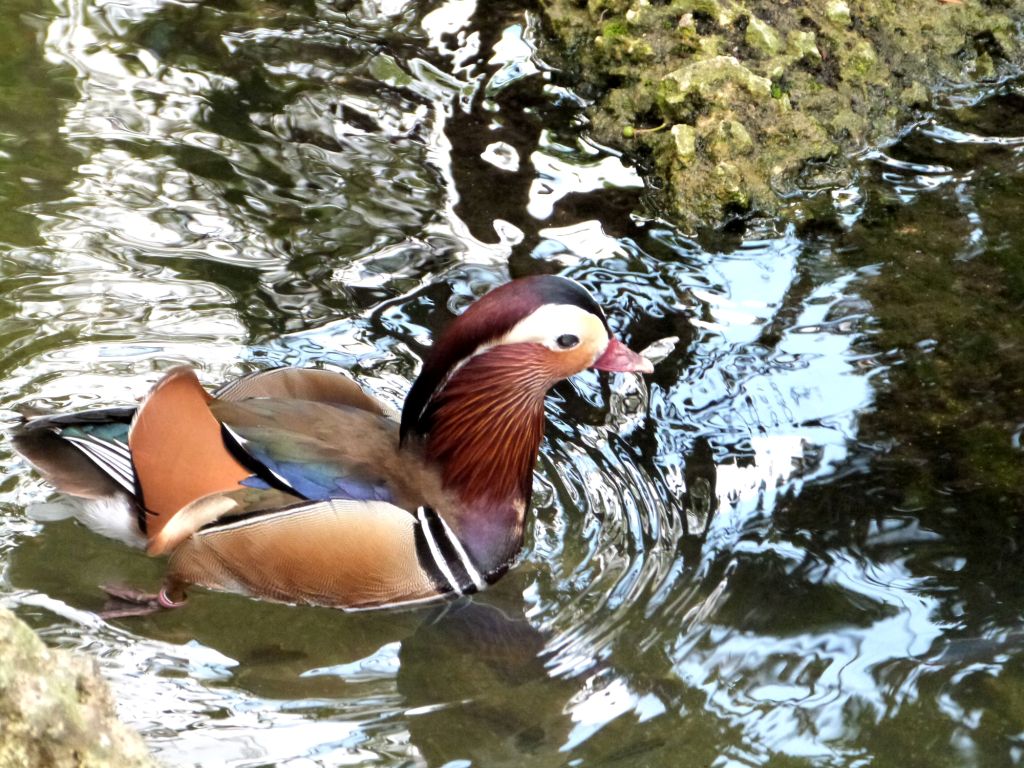
Mandarin Duck (Aix galericulata) Zoo Miami by Lee

Mandarin Duck (Aix galericulata) Zoo Miami by Lee

Formed By Him

Thou art worthy, O Lord, to receive glory and honour and power: for thou hast created all things, and for thy pleasure they are and were created (Revelation 4:11 KJV)

List of Articles:

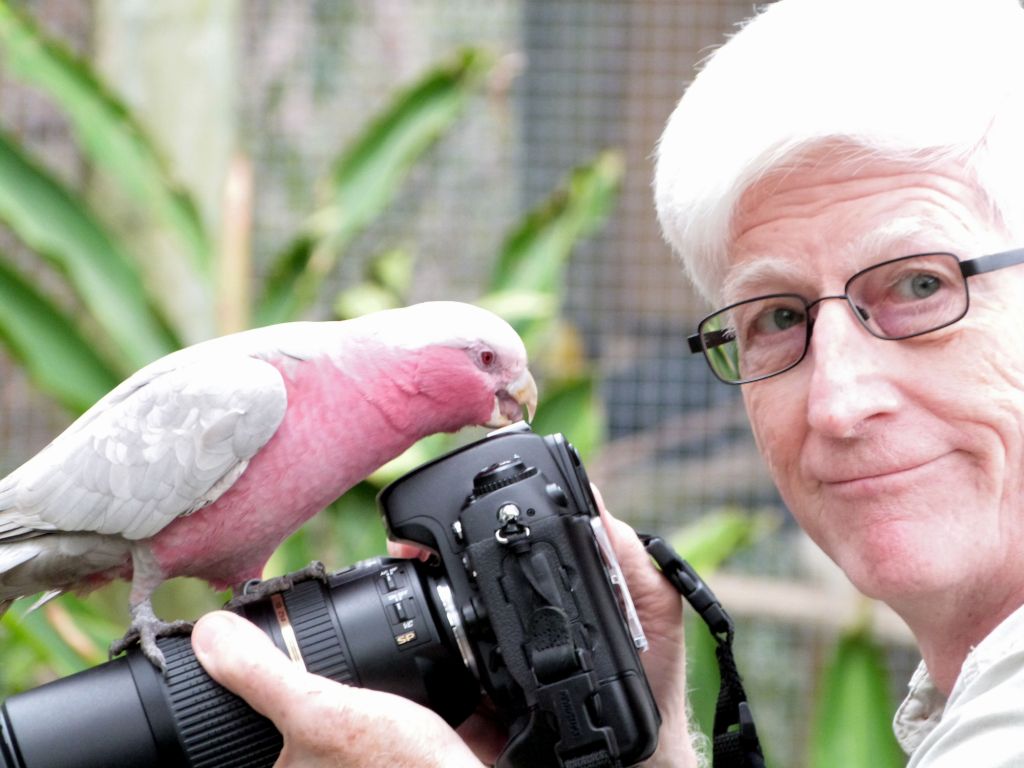
Galah (Eolophus roseicapilla) and Dan at Brevard Zoo

Galah (Eolophus roseicapilla) and Dan

Birds of the World

Are not five sparrows sold for two pennies? And [yet] not one of them is forgotten or uncared for in the presence of God. (Luke 12:6 AMP)

Birds of the World

*

Birds of the Bible – Review II

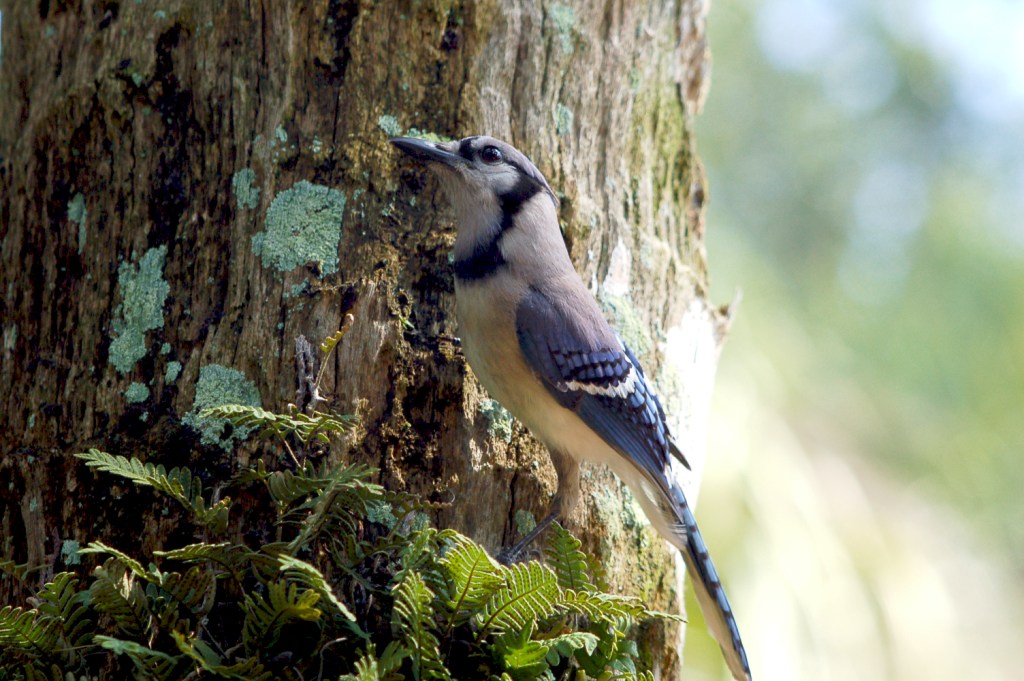
Blue Jay at Bok Tower by Dan's Pix

Blue Jay II at Bok Tower by Dan’s Pix

I will remember the works of the LORD: surely I will remember thy wonders of old. I will meditate also of all thy work, and talk of thy doings. (Psalms 77:11-12 KJV)

In 2008 Birds of the Bible – Review was written. Needless to say, many more articles have been added since then. Please take some time over the next few days and check out articles that you may have missed or you are new and didn’t know of their existence.

Scripture tells us to remember the Lord’s blessings and all His benefits. I consider watching birds one of the Lord’s great blessings. The previous articles were written in an attempt to honor the Lord through telling about His birds. I trust you will dig around and discover some interesting new or old avian friends to read and learn about.

Another reason for this blog is to ask for prayer for me. On Wednesday last week, I had a Squamous Cell Cancer removed from my neck, just under my chin. They attempted to remove it 6 months ago, but didn’t get it all. This time, he cut it out and I have an inch and half row of stitches. On Saturday, it started turning red and irritating me. Monday when I went back to have it looked at, it was infected. So, now I am on an antibiotic, which makes me sort of  drowsy. It hurts to lift my head up to look at the monitor (it pulls on the stitches), so the blogs have slowed down. My stitches are supposed to come out next Tuesday, the 8th of October.

Praise the Lord, with over 1,500 articles and 1,100 pages of material, surely there is something you haven’t read before. There are tabs or menus along the top which help you find different topics. Check them out. By you reading, it will also help my page view counts while I am in a “coasting” mode. Thank you.

Here are the Birds of the Bible Topics:

Birds of the Bible

Miscellaneous articles:

Names of Birds Study


Harriet Newell Cook – The Scripture Alphabet of Animals

Disclaimer About Bible Version Usage

*

Bible Birds – Bittern II

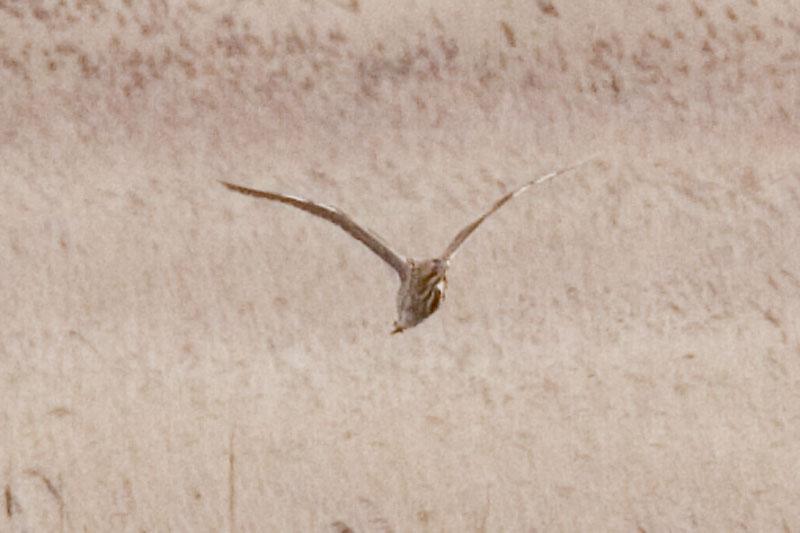
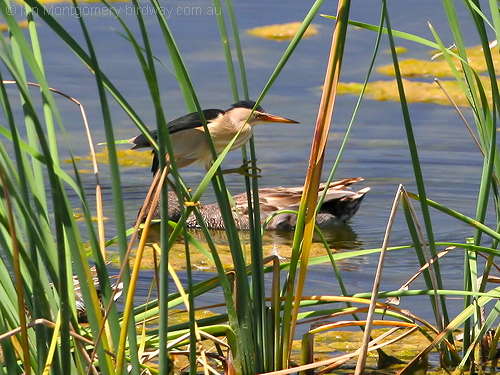
Little Bittern (Ixobrychus minutus) by Ian

Little Bittern (Ixobrychus minutus) by Ian

I will also make it a possession for the bittern, and pools of water: and I will sweep it with the besom of destruction, saith the LORD of hosts. (Isaiah 14:23 KJV)

I introduced the Bittern in the first Birds of the Bible – Bittern and now I want to add some more information about them. The Bitterns belong to the Order called Pelecaniformes which includes Ibises, Spoonbills, Herons, Bitterns, Frigatebirds, Hamerkop, Shoebills, Pelicans, Gannets, Boobies, Cormorants, Anhingas, and Darters. All of these birds like to hang out around watery places and are related. Within the Pelecaniformes order, there are different families. The Bittern is in the Ardeidae family. Below is a list of the Bitterns within this family.

Belonging to the Ardeidae family, they also have the usual long legs, long necks, and are wading birds. They are associated with water, especially in breeding season. Whereas the herons and egret stand out in the open, the bitterns like to conceal themselves in cattail and sedge marshes, bulrushes, etc. They also have shorter legs and a heavier body. Their “cryptic plumage and upright poses helps to merge with the brown upright reeds…” I’ve had the privilege to see a few of them, and they are hard to find. God has provided them with this protection and it helps them in finding their food. Fish is their favorite food, but they will also consume frogs, small snakes, and other things that pass by.

Here in North America, we only have the American and Least Bitterns. I sometimes confuse them with the smaller herons, like a Green Heron. You can tell they are in the same family (ardeidae).

Here is the sounds of an American Bittern and a Least Bittern from Stokes Bird Songs

But the cormorant and the bittern shall possess it; the owl also and the raven shall dwell in it: and he shall stretch out upon it the line of confusion, and the stones of emptiness. (Isaiah 34:11)


CLASS – AVES, Order – PELECANIFORMES, Family – ArdeidaeHerons, Bitterns

Australian Little Bittern (Ixobrychus dubius) by Ian

Australian Little Bittern (Ixobrychus dubius) by Ian

Herons, Bitterns – Ardeidae Family
Zonerodius
Forest Bittern (Zonerodius heliosylus) IBC
Botaurus
Eurasian Bittern (Botaurus stellaris) – Video
Australasian Bittern (Botaurus poiciloptilus) by Ian
American Bittern (Botaurus lentiginosus) – Video – Video2
Pinnated Bittern (Botaurus pinnatus) by Daves BirdingPix  – Video
Ixobrychus
Stripe-backed Bittern (Ixobrychus involucris) IBC
Least Bittern (Ixobrychus exilis) by Jim Fenton – Video
Little Bittern (Ixobrychus minutus) by Ian
Black-backed Bittern (Ixobrychus dubius)
New Zealand Bittern (Ixobrychus novaezelandiae †) Extinct ©WikiC Drawing
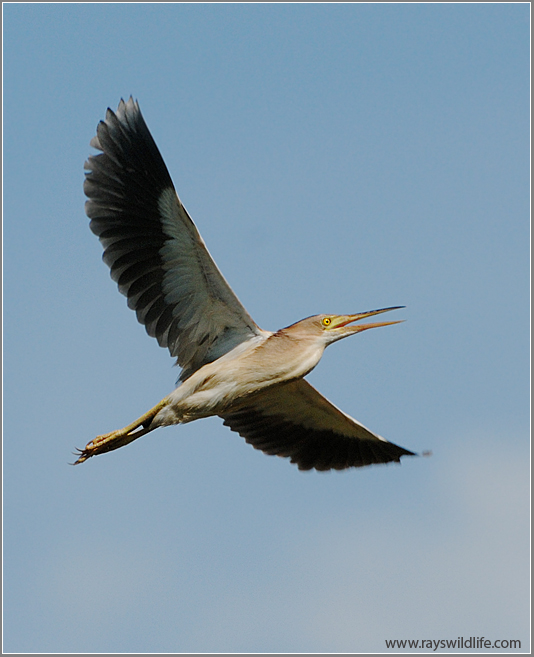
Yellow Bittern (Ixobrychus sinensis) by Ray Barlow – Video
Von Schrenck’s Bittern (Ixobrychus eurhythmus) ©WikiC
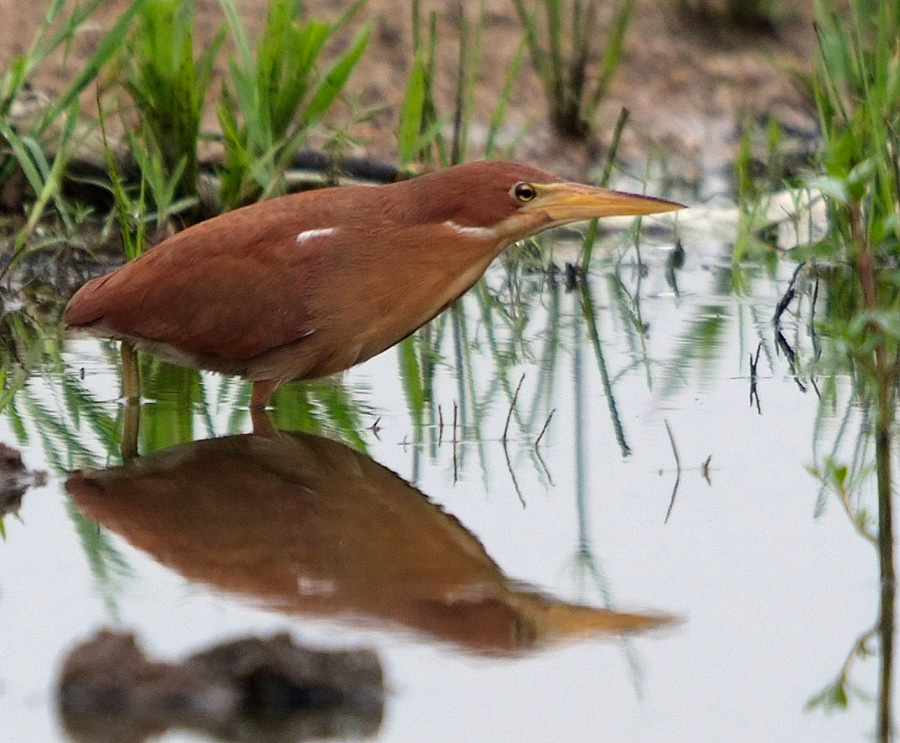
Cinnamon Bittern (Ixobrychus cinnamomeus) by Phil Kwong – Video
Dwarf Bittern (Ixobrychus sturmii) ©WikiC
Dupetor
Black Bittern (Dupetor flavicollis) by Nikhil Devasar – Video

Different Family
Sunbittern – Eurypygidae Family
Eurypyga
Sunbittern (Eurypyga helias) – Video – Video2

“Recent DNA evidence suggests that this family may in fact belong to the Pelecaniformes. From Wikipedia  They used to be in the Ciconiformes family, where most older guide books still have them. My list are from the IOC’s World Lists, 3.1 version.


Family#26 – Ardeidae

*

*

Birds of the Bible – Bitterns in Zephaniah

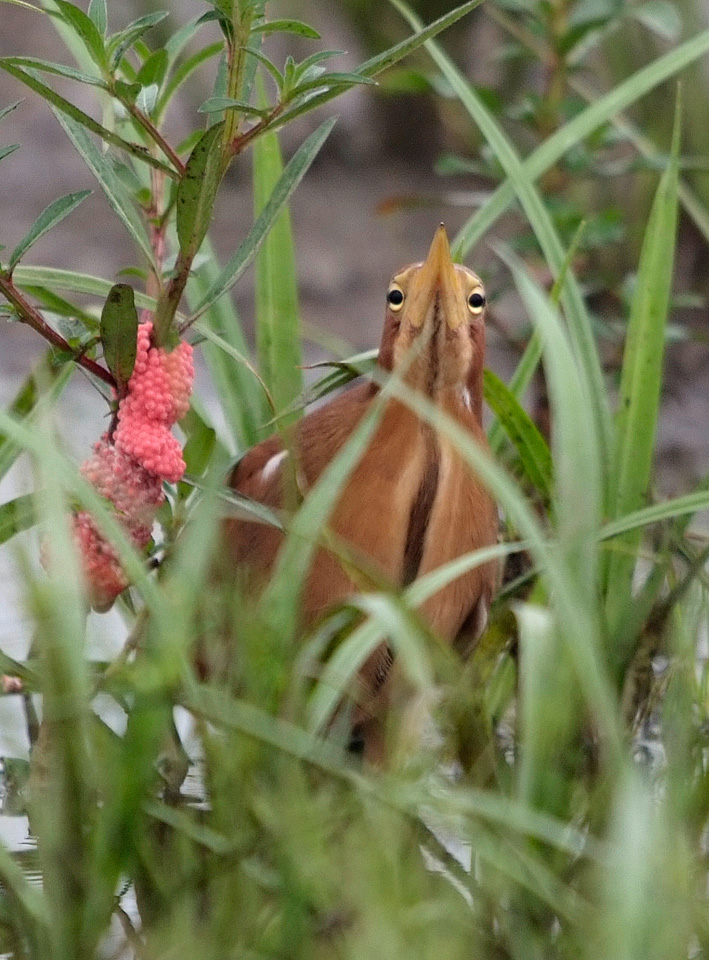
Cinnamon Bittern by Phil Kwong in Hong Kong

Cinnamon Bittern by Phil Kwong in Hong Kong

And flocks shall lie down in the midst of her, all the beasts of the nations: both the cormorant and the bittern shall lodge in the upper lintels of it; their voice shall sing in the windows; desolation shall be in the thresholds: for he shall uncover the cedar work. (Zephaniah 2:14 KJV)

This verse in Zephaniah is a bit confusing because some of the characteristics mentioned are not in line with a bittern’s normal behavior. So, let’s look into this verse a little deeper.

Pulling up my e-Sword program, I am heading to the “Compare” mode. Wow! This is going to be interesting. What a variation of birds and animals listed for that verse.

  • ACV, ASV, BBE, RV, Disciple’s, WEB – pelican and the porcupine
  • ABP, Brenton – chameleons; and hedgehogs
  • AKJV, KJV, IAV, JUB, UKJV, Webster – cormorant and the bittern
  • AMP, NAS77, NASB, YLT – pelican and the hedgehog
  • Bishops, Geneva – pellicanes and owles
  • CEV – all kinds of desert owls
  • CJB –  jackdaws and owls
  • Darby, ECB, HRB, LITV, JPS, MKJV, NKJV  – pelican and the bittern
  • DRB – bittern and the urchin
  • ERV – Owls and crows
  • ESV – owl and the hedgehog
  • GNB, MSG, NET – Owls
  • GW – pelicans and herons
  • HCSB, ISV, NIV, NRSV – desert owl and the screech owl
  • KJ2000 – vulture and the hedgehog
  • TRC – pelicans and storks

See what my mean?

Here are the Strong’s Definitions for those two word in order of occurance.

H6893
קאת
qâ’ath
kaw-ath’
From H6958; probably the pelican (from vomiting): – cormorant.

H7090
קפּד קפּוד
qippôd qippôd
kip-pode’, kip-pode’
From H7088; a species of bird, perhaps the bittern (from its contracted form): – bittern.

At least 14 versions use the “bittern” as one of the two birds. Now to look further in the verse, it mentions that they are lodged in the upper parts with their voice singing in the windows. That is where I am curious about it being a bittern. Have you heard a bittern “sing”? Here a few of their “songs” from xeno-canto.

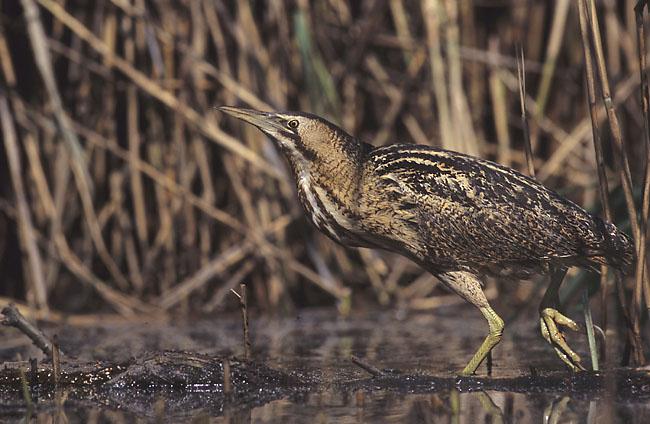
Eurasian Bittern (Botaurus stellaris) ©WikiC

Eurasian Bittern (Botaurus stellaris) ©WikiC

Eurasian Bittern (Botaurus stellaris)

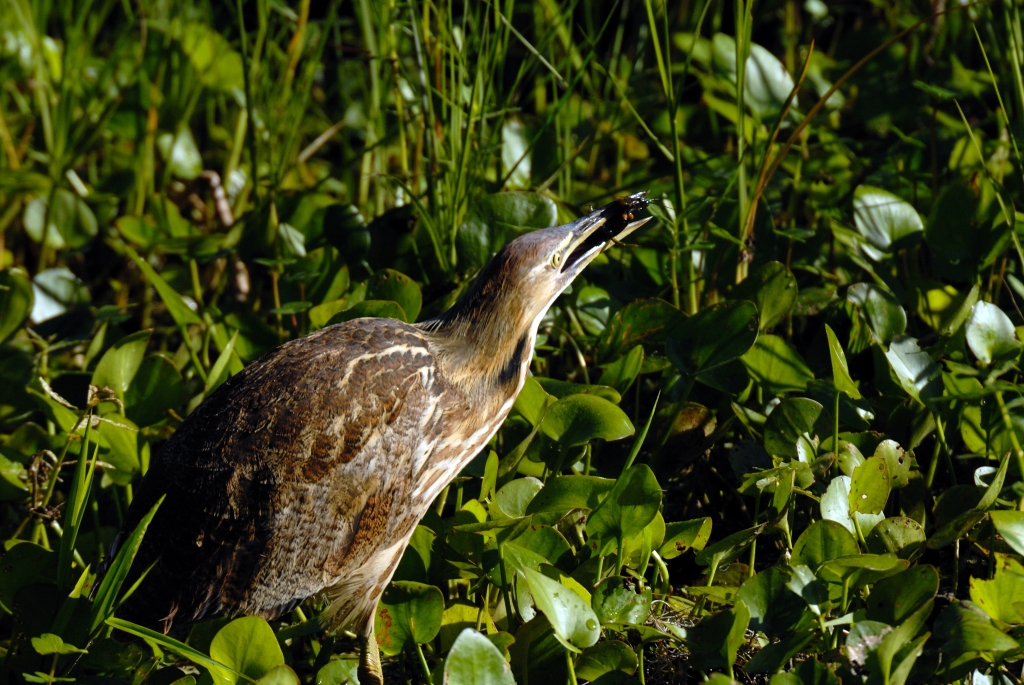
American Bittern (Botaurus lentiginosus) by Dans Pix

American Bittern (Botaurus lentiginosus) by Dans Pix

American Bittern (Botaurus lentiginosus)

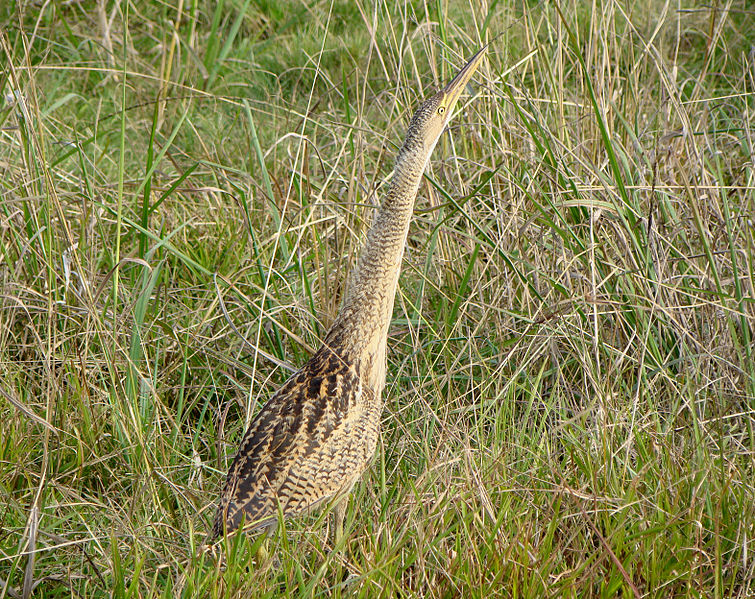
Pinnated Bittern (Botaurus pinnatus) by Daves BirdingPix ©WikiC

Pinnated Bittern (Botaurus pinnatus) by Daves BirdingPix ©WikiC

Pinnated Bittern (Botaurus pinnatus)

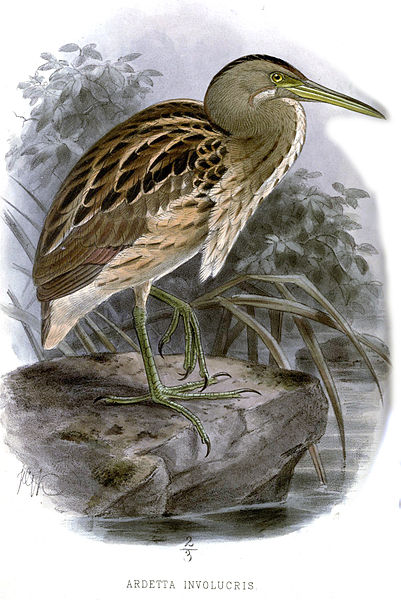
Stripe-backed Bittern (Ixobrychus involucris) ©Drawing WikiC

Stripe-backed Bittern (Ixobrychus involucris) ©Drawing WikiC

Stripe-backed Bittern (Ixobrychus involucris)

Least Bittern (Ixobrychus exilis)  by Bob-Nan

Least Bittern (Ixobrychus exilis) by Bob-Nan

Least Bittern (Ixobrychus exilis)

Least Bittern (Ixobrychus exilis)

*

I am not as concerned as to which birds were there as much as if you read the context, you realize that the birds and critters are there because the places are deserted. Like a “ghost town” you see in the movies, with creatures occupying the windows and rafters. Why? Because of the Lord’s judgement on the people. Verses 10-13 explain this:

This shall they have for their pride, because they have reproached and magnified themselves against the people of the LORD of hosts. The LORD will be terrible unto them: for he will famish all the gods of the earth; and men shall worship him, every one from his place, even all the isles of the heathen. Ye Ethiopians also, ye shall be slain by my sword. And he will stretch out his hand against the north, and destroy Assyria; and will make Nineveh a desolation, and dry like a wilderness. (Zephaniah 2:10-13 KJV)

Maybe we should heed the warnings and examples given throughout Scripture. We have a loving God and Lord who created everything and cares about it, but He is also a God of Judgment. John 3:16 tells us “For God so loved the world, that he gave his only begotten Son, that whosoever believeth in him should not perish, but have everlasting life.” But if you continue reading, you see that there is also judgment.

(17) For God sent not his Son into the world to condemn the world; but that the world through him might be saved.
(18) He that believeth on him is not condemned: but he that believeth not is condemned already, because he hath not believed in the name of the only begotten Son of God.
(19) And this is the condemnation, that light is come into the world, and men loved darkness rather than light, because their deeds were evil.
(20) For every one that doeth evil hateth the light, neither cometh to the light, lest his deeds should be reproved.
(21) But he that doeth truth cometh to the light, that his deeds may be made manifest, that they are wrought in God.
John 3:17-21 KJV

I trust you know the Lord as your personal Savior.

See:

*

Bible Birds – Bittern I

In North America we have the American Bittern (23” with a 42-50” wingspan) and Least Bittern (11-14” with a 16-18” wingspan). Both dwell in marsh or wetland habitats and are very difficult to find. God has designed them with plumage and behavior (standing very still with the head pointing up) that helps camouflage them. They eat frogs, small fish, snakes and bugs, etc.

Today there are 15 Bitterns around the world. The bittern is an interesting find in the Bible.

American Bittern (Botaurus lentiginosus) by Daves BirdingPix

American Bittern (Botaurus lentiginosus) by Daves BirdingPix

I will also make it a possession for the bittern, and pools of water: and I will sweep it with the besom of destruction, saith the LORD of hosts. (Isa 14:23)

Again judgment is being given and the names of the new inhabitants are given. Only the birds will dwell there.

But the cormorant and the bittern shall possess it; the owl also and the raven shall dwell in it: and he shall stretch out upon it the line of confusion, and the stones of emptiness. (Isa 34:11)
Ninevah will be barren and the bittern and pelican will be singing from the vacant windows. The herds shall lie down in her midst, Every beast of the nation. Both the pelican and the bittern Shall lodge on the capitals of her pillars; Their voice shall sing in the windows; Desolation shall be at the threshold; For He will lay bare the cedar work. (Zep 2:14)

Those verse will be explained further in future Bible Bird – Bittern articles.
_
A YouTube of a Eurasian Bittern (Botaurus stellaris). I do not know the language, but it shows how it is camouflaged so well.
*
*

See More Bible Birds

Bible Birds – Bitterns

*

CLASS – AVES, Order –PELECANIFORMES, Family – Ardeidae – Herons, Bitterns


*

Cincinnati Zoo III

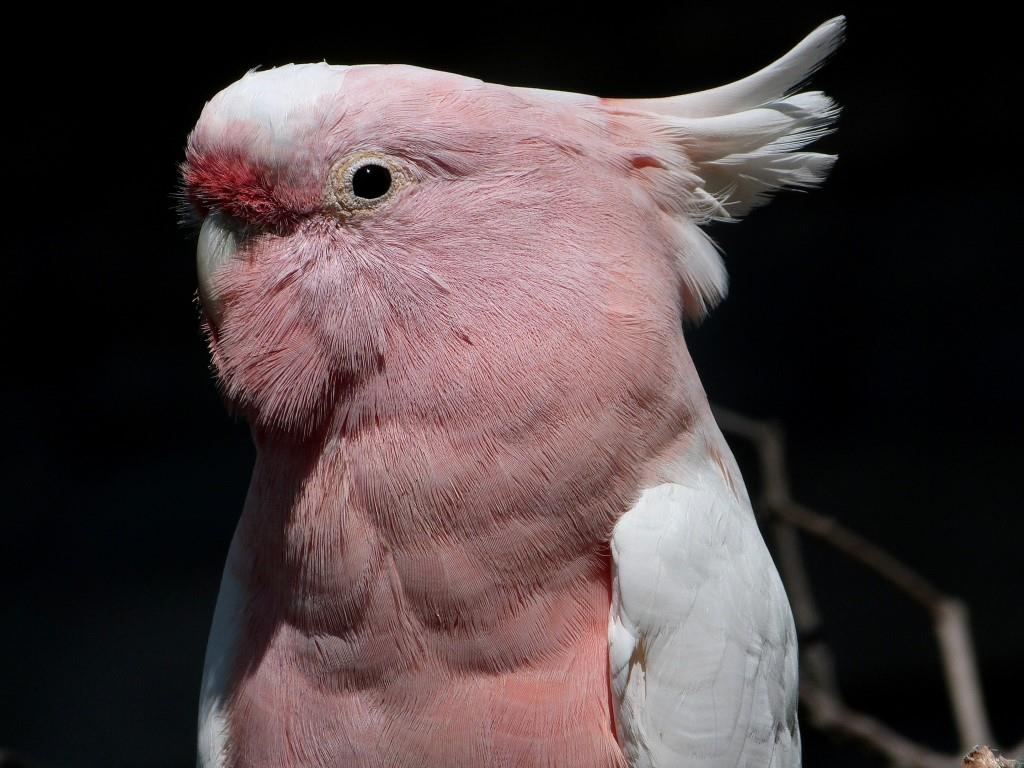
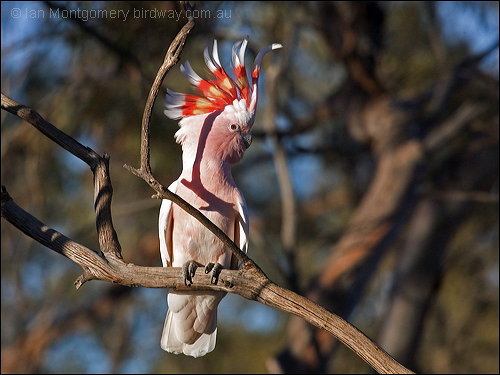
Major Mitchell's Cockatoo (Lophochroa leadbeateri) at Cincinnati Zoo 9-5-13

Major Mitchell’s Cockatoo (Lophochroa leadbeateri) at Cincinnati Zoo by Lee

I know and am acquainted with all the birds of the mountains, and the wild animals of the field are Mine and are with Me, in My mind. (Psalms 50:11 AMP)

Here are more members of the Psittaciformes Order of Parrots and Cockatoos we saw during our trip to the Cincinnati Zoo in Ohio.

They were in various areas of the Zoo. The Major Mitchell’s Cockatoo was outside enjoying himself or herself, whichever it was. The perch was in a nicely landscaped area near the entrance/exit, depending on which way you went through the zoo. For us, it was the last member of its family we saw.

Major Mitchell's Cockatoo (Lophochroa leadbeateri) at Cincinnati Zoo 9-5-13

Major Mitchell’s Cockatoo (Lophochroa leadbeateri) by Lee

These beautiful birds are from Australia and are on the decline. They look very similar to the Galah we photographed at the Brevard Zoo, but have a lighter pink color. Both are members of the Cacatuidae – Cockatoos Family and are closely related, even nesting in the same area. There has been on occasion where the two species have interbred and produced hybridised offspring.

Major Mitchell's Cockatoo (Lophochroa leadbeateri) at Cincinnati Zoo 9-5-13 by Dan

Major Mitchell’s Cockatoo (Lophochroa leadbeateri) by Dan

Their biggest difference is the crest that the Major Mitchell likes to pop up. Our bird didn’t show off, but Ian’s photo shows the crest raised.

Major Mitchell's Cockatoo (Lophochroa leadbeateri) By Ian

Major Mitchell’s Cockatoo (Lophochroa leadbeateri) By Ian

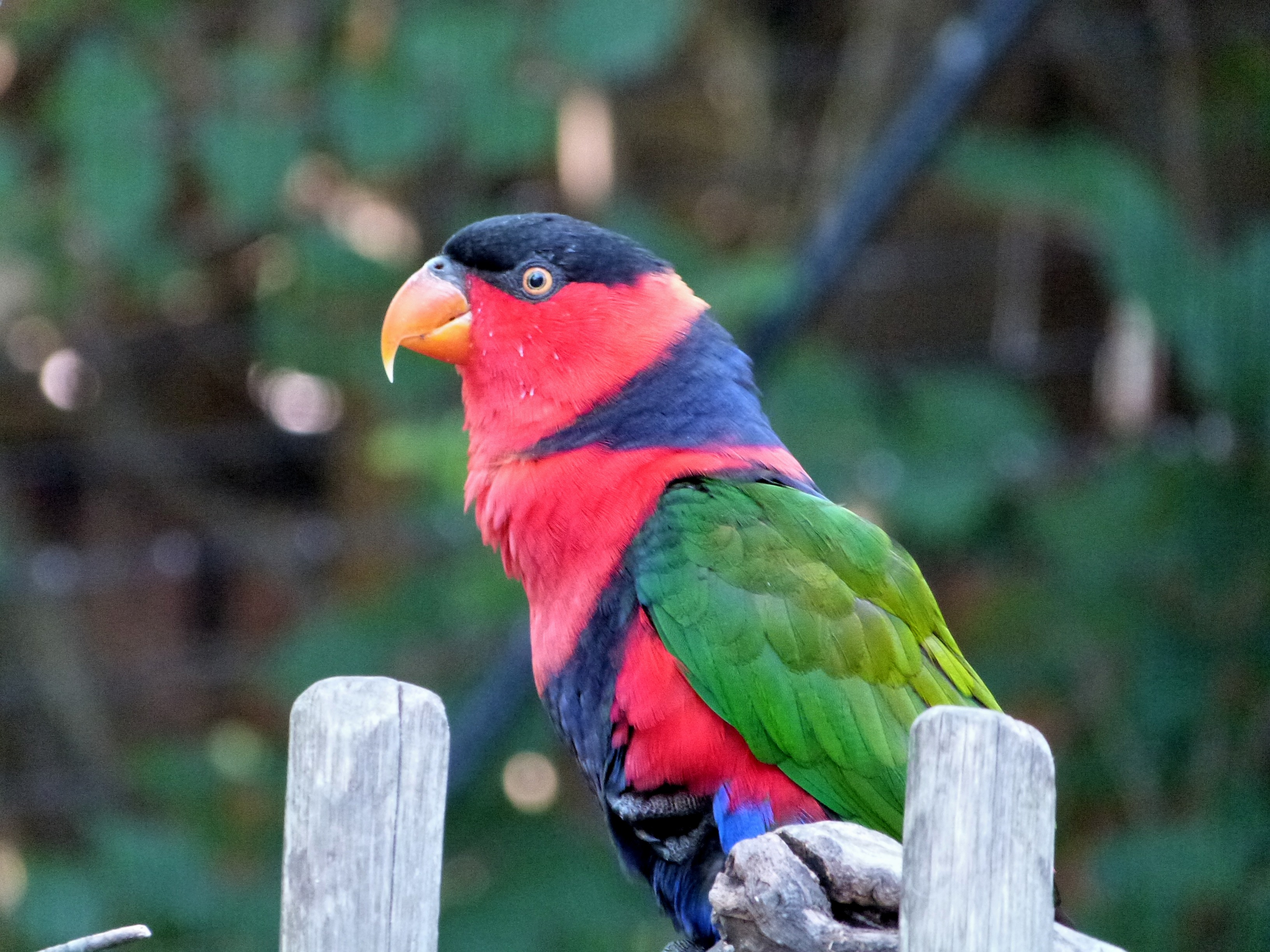
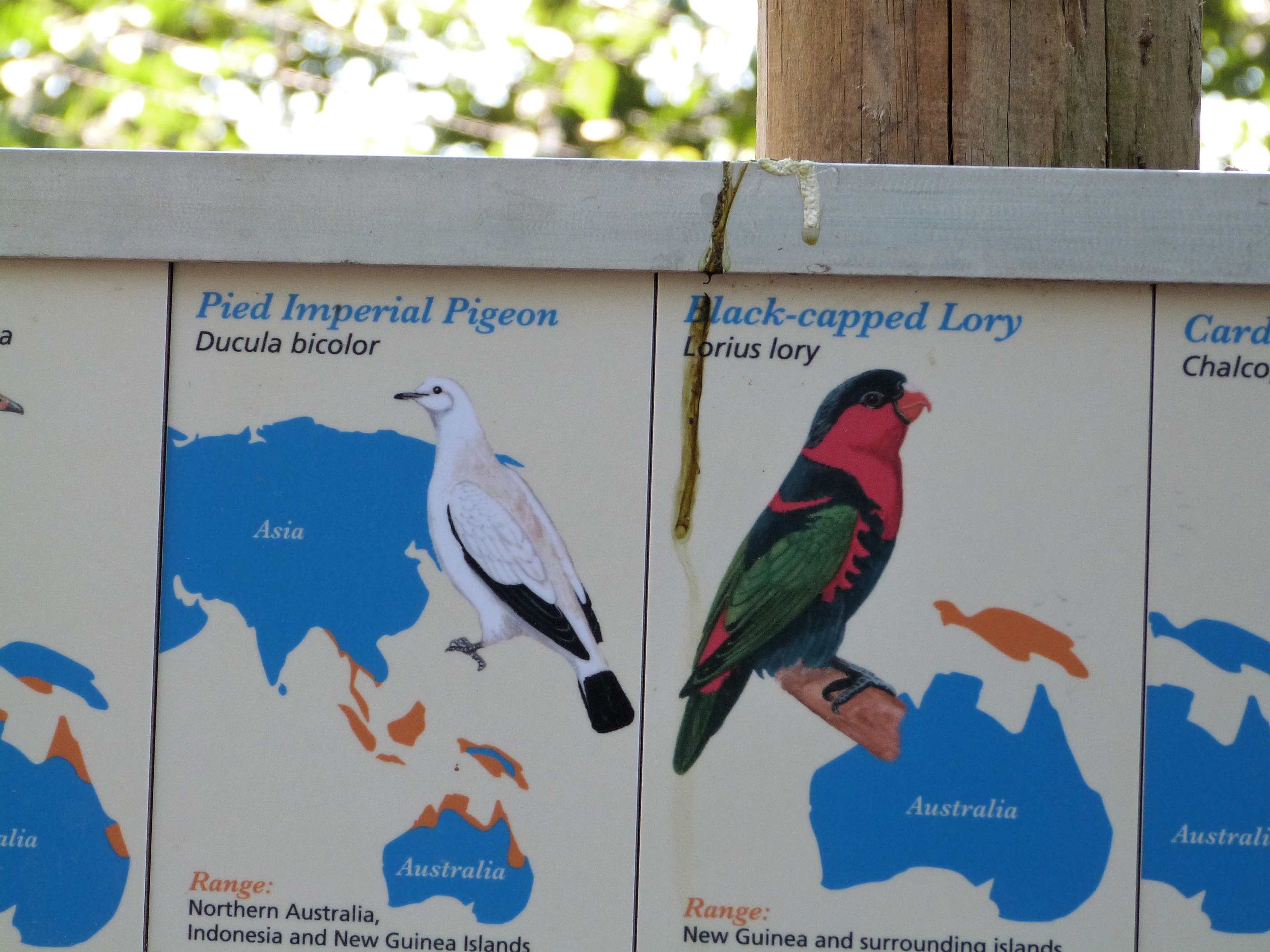
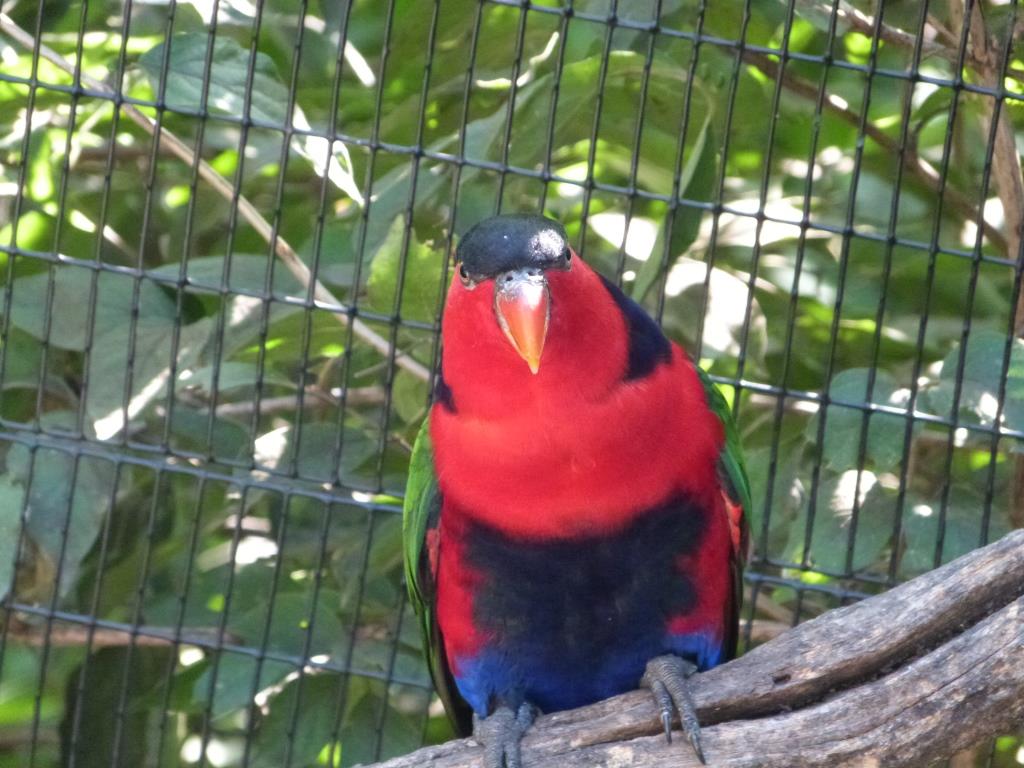
In the Lorikeet Landing area, we encountered the Black-capped Lory (Lorius lory) who also lives near Australia in New Guinea. “It is a colorful and relatively robust lory (31 cm). There are seven subspecies, all with green wings, red heads and body around the wing, a black cap, grey-black cere, yellow underwings, and blue legs and belly. Most also have a blue nape and mantle (area between wings on the back). It remains overall widespread and common

*

Black-capped Lory (Lorius lory) Cincinnati Zoo 9-5-13 by Lee

Black-capped Lory (Lorius lory) by Lee

The Black-capped Lory inhabits the primary forest and forest edges in most lowland areas up to 1000m (sporadically to 1750m), but not monsoon forest or coconut plantations. It is usually found in pairs and occasionally in groups of 10 or more. Their diet includes pollen, nectar, flowers, fruit and insects.

Black-capped Lory Sign

Black-capped Lory Sign

*

Black-capped Lory (Lorius lory) Cincinnati Zoo 9-5-13 by Lee

Black-capped Lory (Lorius lory) by Lee

(Information for Wikipedia and other Internet sources)

See:

** PS – This is a little short, but I had surgery on my neck yesterday. (Removed a cancer cell.)

Birds of the Bible – Swift Eagles

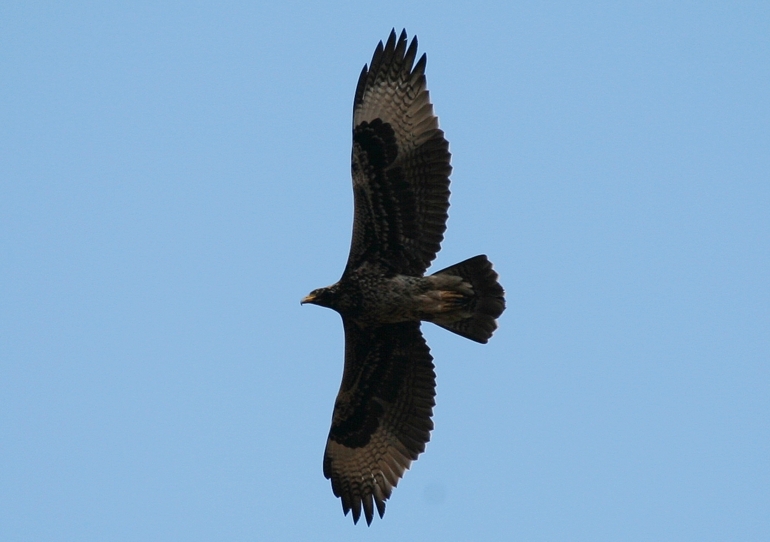
Verreaux’s Eagle (Aquila verreauxii) ©WikiC2

Verreaux’s Eagle (Aquila verreauxii) ©WikiC2

Saul and Jonathan were beloved and pleasant in their lives, And in their death they were not divided; They were swifter than eagles, They were stronger than lions. (2 Samuel 1:23 NKJV)

In my reading today of II Samuel 1, David was told of the death of King Saul and his son Jonathan. They were killed in battle with the Philistines in the last chapter (31) of I Samuel.

David takes up a lament starting in II Samuel 1:17. Even though Saul had tried to kill David on many occasions, David never desired to harm Saul, because he knew that the King was the Lord’s anointed one. Jonathan and David were the best of friends.

In verse 23, David refers to Saul and Jonathan, father and son, were together even in the battles and both were very skilled in battle. They were “stronger than lions” and won many victories. Being “swifter than eagles” could well refer to their ability to dodge the swords and arrows of battle and to come quickly to the place of the fight.

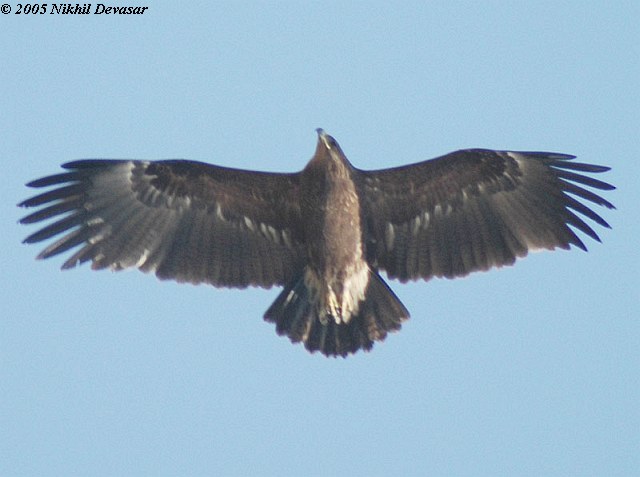
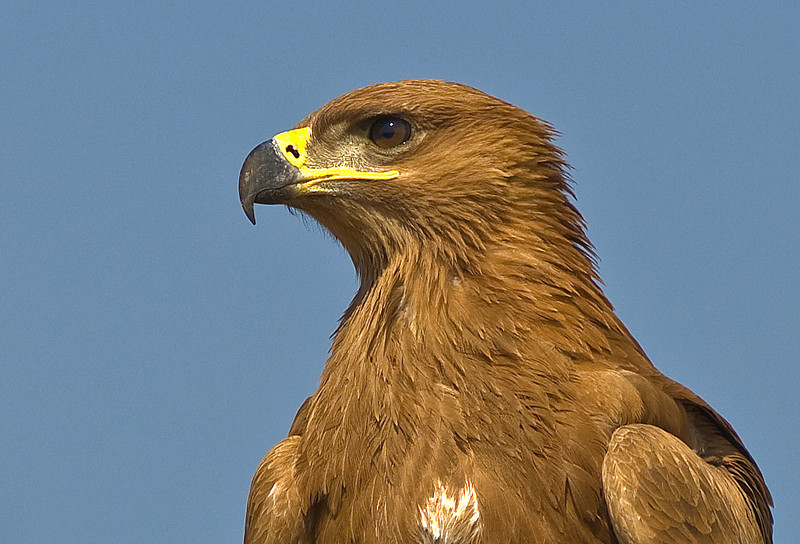
David’s use of the Eagle was because of his familiarity of them. As a shepherd, he must have watched them flying over with great speed and agility. The following Eagles are all seen in Israel and may well have been some of the ones that David was observed speeding through the sky on the way to catch a prey.

Gill – “they were swifter than eagles; in the quick dispatch of business, in hasting to the relief of the distressed, as Saul to the men of Jabeshgilead, and in the pursuit of their enemies, as of the Philistines, more than once:”

K & D  – “The light motion or swiftness of an eagle (cf. Hab_1:8), and the strength of a lion (vid., 2Sa_17:10), were the leading characteristics of the great heroes of antiquity.”

Poole – “Swifter than eagles; expeditious and nimble in pursuing their enemies, and executing their designs; which is a great commendation in a prince and in a soldier.

Stronger than lions, in regard of their bodily strength and the courage of their minds.”

Wesley – “2 Samuel 1:23

Lovely – Amiable, and obliging in their carriage and conversation, both towards one another, and towards their people: for, as for Saul’s fierce behaviour towards Jonathan, it was only a sudden passion, by which his ordinary temper was not to be measured; and for his carriage towards David, that was from that jealousy and reason of state which usually engageth even well – natured princes, to the same hostilities. But it is observable, that David speaks not a word here of his piety; but only commends him for those things which were truly in him…. Swifter, &c. – Expeditious in pursuing their enemies, and executing their designs; which is a great commendation in a prince, and in a soldier. Stronger, &c. – In regard of their bodily strength, and the courage of their mind.”

Here is a list of the Eagles seen in Israel:

This slideshow requires JavaScript.

See:

*

Birdwatching Term – Nape

Blue-naped Mousebird (Urocolius macrourus) at Cincinnati Zoo)

Blue-naped Mousebird at Cincinnati Zoo)

Nape

My son, listen to your father’s discipline, and do not neglect your mother’s teachings, because discipline and teachings are a graceful garland on your head and a golden chain around your neck. (Proverbs 1:8-9 GW)

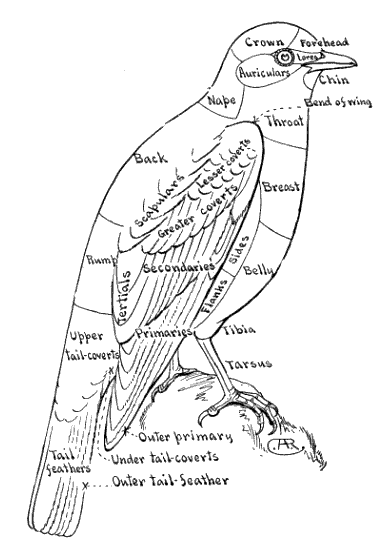
Nape – An easy definition is the back of the neck.

 Blue-naped Mousebird - Blue Nape (Back of Neck)

Blue-naped Mousebird – Blue Nape (Back of Neck)

Topography of a Bird - Bluebird - Color Key to NA Birds - Nape

Parts of Bird – Nape in Blue

Notice the Nape is between the Crown and the Back

There are quite a few birds that have colored napes that help identify them, such as Woodpeckers, Grebes, etc. Our Blue-naped Mousebird is one where the color of the “nape” is used in its name. While learning to bird watch, I kept saying (and still do) that the Lord should have placed little signs on them. That way when we look at them through binoculars, scopes, cameras, or our eyes, that we could just read the sign.

That is not the way it is, but there are many clues do that help us ID the birds. The variety of the birds with their colors and shapes keep us busy, but aren’t we thankful that He didn’t make them all alike. How boring that would be.

Here are the “-naped” birds of the world:

Chestnut-naped Francolin (Pternistis castaneicollis)
Red-naped Ibis (Pseudibis papillosa)
White-naped Crane (Grus vipio)
Black-naped Tern (Sterna sumatrana)
White-naped Pigeon (Columba albinucha)
Eastern Bronze-naped Pigeon (Columba delegorguei)
Western Bronze-naped Pigeon (Columba iriditorques)
Island Bronze-naped Pigeon (Columba malherbii)
Scaly-naped Pigeon (Patagioenas squamosa)
Red-naped Fruit Dove (Ptilinopus dohertyi)
Black-naped Fruit Dove (Ptilinopus melanospilus)
Purple-naped Lory (Lorius domicella)
White-naped Lory (Lorius albidinucha)
Blue-naped Parrot (Tanygnathus lucionensis)
Yellow-naped Amazon (Amazona auropalliata)
Scaly-naped Amazon (Amazona mercenarius)
White-naped Swift (Streptoprocne semicollaris)
Red-naped Trogon (Harpactes kasumba)
Golden-naped Barbet (Megalaima pulcherrima)
Golden-naped Woodpecker (Melanerpes chrysauchen)
Red-naped Sapsucker (Sphyrapicus nuchalis)
White-naped Woodpecker (Chrysocolaptes festivus)
Blue-naped Pitta (Hydrornis nipalensis)
Rusty-naped Pitta (Hydrornis oatesi)
Grey-naped Antpitta (Grallaria griseonucha)
Chestnut-naped Antpitta (Grallaria nuchalis)
Ochre-naped Ground Tyrant (Muscisaxicola flavinucha)
Rufous-naped Ground Tyrant (Muscisaxicola rufivertex)
White-naped Xenopsaris (Xenopsaris albinucha)
White-naped Honeyeater (Melithreptus lunatus)
Red-naped Bushshrike (Laniarius ruficeps)
Rufous-naped Whistler (Aleadryas rufinucha)
Rufous-naped Greenlet (Hylophilus semibrunneus)
Black-naped Oriole (Oriolus chinensis)
Black-naped Monarch (Hypothymis azurea)
White-naped Monarch (Carterornis pileatus)
Azure-naped Jay (Cyanocorax heilprini)
White-naped Jay (Cyanocorax cyanopogon)
Rufous-naped Tit (Periparus rufonuchalis)
White-naped Tit (Parus nuchalis)
Rufous-naped Lark (Mirafra africana)
White-naped Yuhina (Yuhina bakeri)
Rufous-naped Wren (Campylorhynchus rufinucha)
Chestnut-naped Forktail (Enicurus ruficapillus)
Purple-naped Sunbird (Hypogramma hypogrammicum)
Golden-naped Weaver (Ploceus aureonucha)
Golden-naped Finch (Pyrrhoplectes epauletta)
Blue-naped Chlorophonia (Chlorophonia cyanea)
White-naped Brush Finch (Atlapetes albinucha)
Pale-naped Brush Finch (Atlapetes pallidinucha)
Rufous-naped Brush Finch (Atlapetes latinuchus)
Golden-naped Tanager (Tangara ruficervix)
Green-naped Tanager (Tangara fucosa)
White-naped Seedeater (Dolospingus fringilloides)

*

This slideshow requires JavaScript.

*

You can see by the photos that the “nape” can be narrow or very broad. Other birds have napes that are different colors, but do not have the word “nape” in their names. Some of the Woodpeckers that have napes were include above.
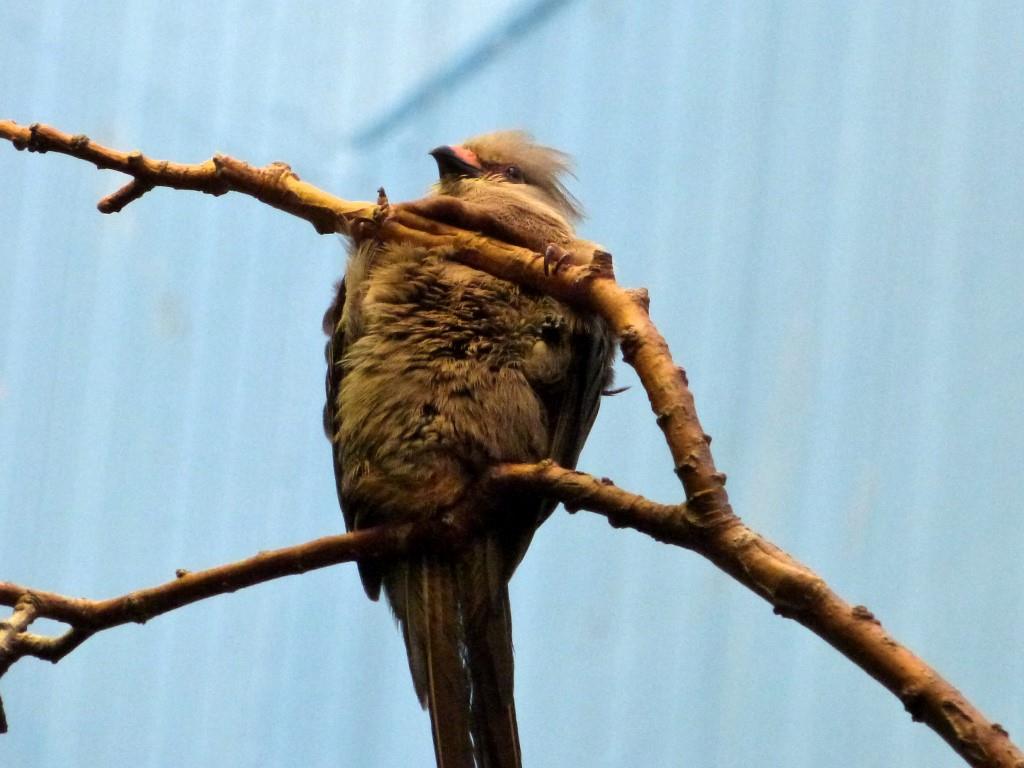
Nape – All About Birds

More Birdwatching Terms

Wordless Birds

*

Mousebirds at the Cincinnati Zoo

Blue-naped Mousebird (Urocolius macrourus) at Cincinnati Zoo) by Lee

Blue-naped Mousebird (Urocolius macrourus) at Cincinnati Zoo) by Lee

I know all the birds of the mountains, And the wild beasts of the field are Mine. (Psalms 50:11 NKJV)

I was happy to finally get to see the Mousebirds. Have known and read about them, but had not been able to watch them. They were on my “birds to see” list at the zoo.

Mousebirds belong to the Coliidae – Mousebirds Family which has six (6) members.

Blue-naped Mousebird (Urocolius macrourus) at Cincinnati Zoo) by Lee

Blue-naped Mousebird (Urocolius macrourus) at Cincinnati Zoo) by Lee

They are slender greyish or brown birds with soft, hairlike body feathers. They are typically about 10 cm in body length, with a long, thin tail a further 20–24 cm in length, and weigh 45–55 grams. They are arboreal and scurry through the leaves like rodents, in search of berries, fruit and buds. This habit, and their legs, gives rise to the group’s English name. They are acrobatic, and can feed upside down. All species have strong claws and reversible outer toes (pamprodactyl foot). They also have crests and stubby bills.

Mousebirds are gregarious, again reinforcing the analogy with mice, and are found in bands of about 20 in lightly wooded country. These birds build cup-shaped twig nests in trees, which are lined with grasses. Two to four eggs are typically laid, hatching to give quite precocious young which soon leave the nest and acquire flight.

Blue-naped Mousebird (Urocolius macrourus) at Cincinnati Zoo) by Lee

Blue-naped Mousebird (Urocolius macrourus) at Cincinnati Zoo) by Lee

One Mousebird, supposedly the male, was hopping up and down. This video shows the two of them. One watching and one jumping. The orange bird is ignoring the whole deal. (I had been watching for a while and then decided to video, of course he went behind the branch.)

(Wikipedia with editing)

Bonus:

Nape – An easy definition is the back of the neck.

Topography of a Bird - Bluebird - Color Key to NA Birds

Notice the Nape between the Crown and the Back

There are quite a few birds that have colored napes that help identify them, such as Woodpeckers, Grebes, etc. Our Blue-naped Mousebird is one where the color of the “nape” is used in its name. While learning to bird watch, I kept saying (and still do) that the Lord should have placed little signs on them. That way when we look at them through binoculars, scopes, cameras, or our eyes, that we could just read the sign.

That is not the way it is, but there are many clues do that help us ID the birds. The variety of the birds with their colors and shapes keep us busy, but aren’t we thankful that He didn’t make them all alike. How boring that would be.

Here are the “-naped” birds:

Chestnut-naped Francolin (Pternistis castaneicollis)
Red-naped Ibis (Pseudibis papillosa)
White-naped Crane (Grus vipio)
Black-naped Tern (Sterna sumatrana)
Eastern Bronze-naped Pigeon (Columba delegorguei)
Western Bronze-naped Pigeon (Columba iriditorques)
Island Bronze-naped Pigeon (Columba malherbii)
Scaly-naped Pigeon (Patagioenas squamosa) –*LLABS*
Red-naped Fruit Dove (Ptilinopus dohertyi)
Black-naped Fruit Dove (Ptilinopus melanospilus) *LLABS*
Purple-naped Lory (Lorius domicella)
White-naped Lory (Lorius albidinucha)
Blue-naped Parrot (Tanygnathus lucionensis)
Yellow-naped Amazon (Amazona auropalliata)
Scaly-naped Amazon (Amazona mercenarius)
White-naped Swift (Streptoprocne semicollaris)
Red-naped Trogon (Harpactes kasumba)
Golden-naped Barbet (Megalaima pulcherrima)
Golden-naped Woodpecker (Melanerpes chrysauchen)
Red-naped Sapsucker (Sphyrapicus nuchalis)
White-naped Woodpecker (Chrysocolaptes festivus)
Blue-naped Pitta (Hydrornis nipalensis)
Rusty-naped Pitta (Hydrornis oatesi)
Grey-naped Antpitta (Grallaria griseonucha)
Chestnut-naped Antpitta (Grallaria nuchalis)
Ochre-naped Ground Tyrant (Muscisaxicola flavinucha)
Rufous-naped Ground Tyrant (Muscisaxicola rufivertex)
White-naped Xenopsaris (Xenopsaris albinucha)
White-naped Honeyeater (Melithreptus lunatus)
Red-naped Bushshrike (Laniarius ruficeps)
Rufous-naped Whistler (Aleadryas rufinucha)
Rufous-naped Greenlet (Hylophilus semibrunneus)
Black-naped Oriole (Oriolus chinensis)
Black-naped Monarch (Hypothymis azurea)
White-naped Monarch (Carterornis pileatus)
Azure-naped Jay (Cyanocorax heilprini)
White-naped Jay (Cyanocorax cyanopogon)
Rufous-naped Tit (Periparus rufonuchalis)
White-naped Tit (Parus nuchalis)
Rufous-naped Lark (Mirafra africana)
White-naped Yuhina (Yuhina bakeri)
Rufous-naped Wren (Campylorhynchus rufinucha)
Chestnut-naped Forktail (Enicurus ruficapillus)
Purple-naped Sunbird (Hypogramma hypogrammicum)
Golden-naped Weaver (Ploceus aureonucha)
Golden-naped Finch (Pyrrhoplectes epauletta)
Blue-naped Chlorophonia (Chlorophonia cyanea)
White-naped Brush Finch (Atlapetes albinucha)
Pale-naped Brush Finch (Atlapetes pallidinucha)
Rufous-naped Brush Finch (Atlapetes latinuchus)
Golden-naped Tanager (Tangara ruficervix)
Green-naped Tanager (Tangara fucosa)
White-naped Seedeater (Dolospingus fringilloides)

*

This slideshow requires JavaScript.

You can see by the photos that the “nape” can be narrow or very broad.

See:

Mousebirds – Carolinabirds

Mousebirds – The Online Zoo

Nape – All About Birds

Cincinnati Zoo Visit

*

Strutting Greater Flamingos at the Zoo

Greater Flamingo (Phoenicopterus roseus) at Cincinnati Zoo by Dan First walk

Greater Flamingo (Phoenicopterus roseus) at Cincinnati Zoo by Dan – First walk

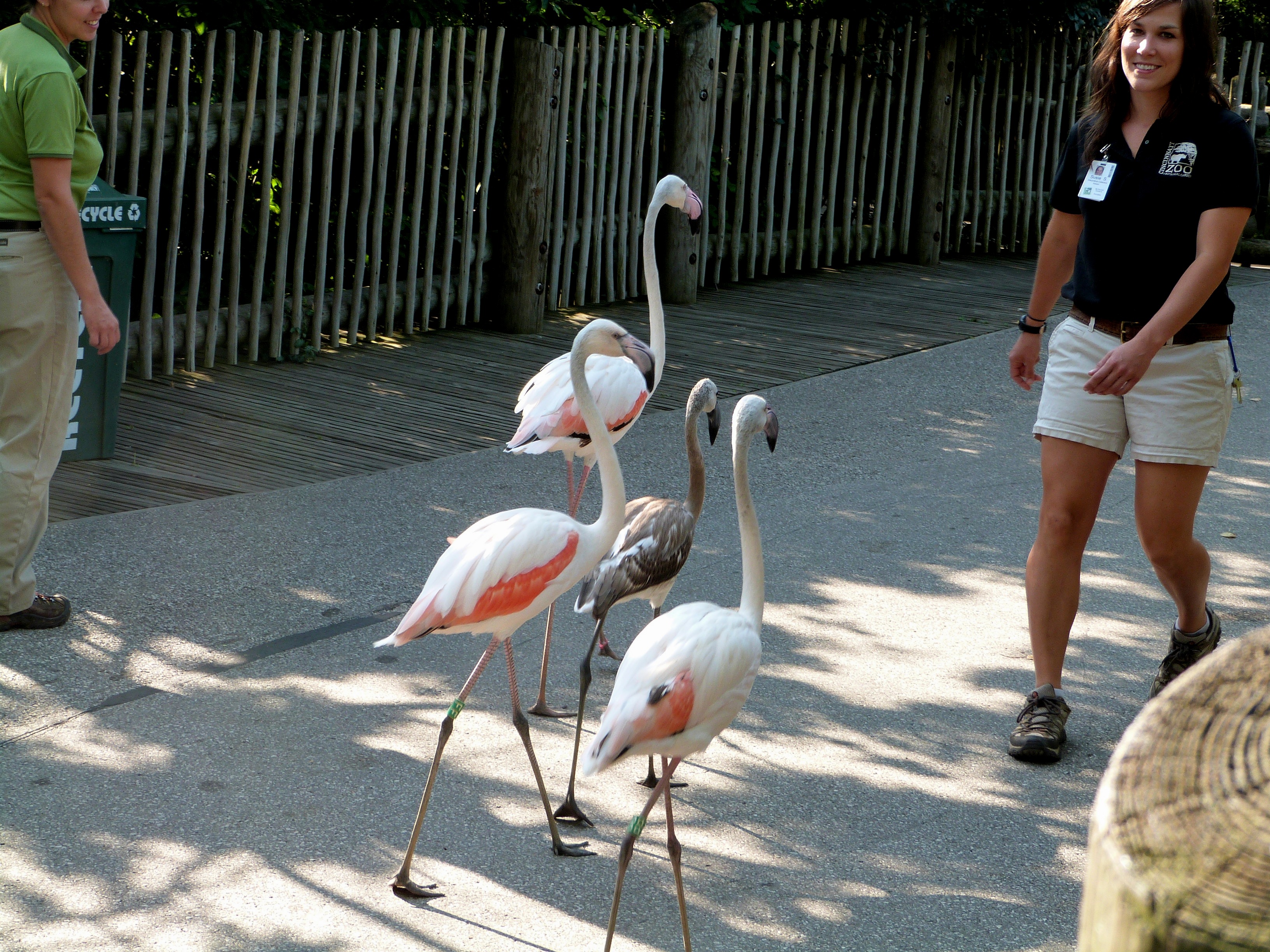
The Cincinnati Zoo has the Greater Flamingo (Phoenicopterus roseus) species, another beautiful creation from God, that they take for a walk. They walked past us twice so close you could touch them, which we didn’t.

It was really neat to watch them just strolling along as if you were walking your dogs or whatever. The Bible says:

For every kind of beast and bird, of reptile and creature of the sea, is tamed and has been tamed by mankind. (James 3:7 NKJV)

Well, the strolls were definitely an indication that these Greater Flamingos were in control of their trainers.

Greater Flamingo (Phoenicopterus roseus) at Cincinnati Zoo by Lee

Greater Flamingo (Phoenicopterus roseus) at Cincinnati Zoo by Lee

The Greater Flamingo (Phoenicopterus roseus) is the most widespread species of the flamingo family. They belong to the Phoenicopteridae – Flamingos Family. It is found in parts of Africa, southern Asia (coastal regions of Pakistan and India), and southern Europe (including Spain, Albania, Turkey, Greece, Cyprus, Portugal, Italy and the Camargue region of France). Some populations are short distance migrants, and sightings north of the breeding range are relatively frequent; however, given the species’ popularity in captivity, whether or not these are truly wild individuals is a matter of some debate.

This is the largest species of flamingo, averaging 43–60 in (110–150 cm) tall and weighing 4.4–8.8 lbs (2–4 kg). The largest male flamingos have been recorded at up to 74 in (187 cm) tall and 10 lbs (4.5 kg).[2] It is closely related to the American Flamingo and Chilean Flamingo.

Greater Flamingo (Phoenicopterus roseus) at Cincinnati Zoo by Lee

Greater Flamingo (Phoenicopterus roseus) at Cincinnati Zoo by Lee

Like all flamingos, this species lays a single chalky-white egg on a mud mound. Most of the plumage is pinkish-white, but the wing coverts are red and the primary and secondary flight feathers are black. The bill is pink with a restricted black tip, and the legs are entirely pink. The call is a goose-like honking. Sub-adult flamingos are whitish-grey and only attain the pink coloration several years into their adult life.

The bird resides in mudflats and shallow coastal lagoons with salt water. Using its feet, the bird stirs up the mud, then sucks water through its bill and filters out small shrimp, seeds, blue-green algae, microscopic organisms and mollusks. The Greater Flamingo feeds with its head down and its upper jaw is movable and not rigidly fixed to its skull.

Greater Flamingo (Phoenicopterus roseus) Juvenile at Cincinnati Zoo by Lee

Greater Flamingo (Phoenicopterus roseus) Juvenile at Cincinnati Zoo by Lee

The average lifespan in captivity, according to Zoo Basel, is over 60 years.

The oldest known Greater Flamingo, a resident of the Adelaide Zoo in Australia, is at least 77 years old. The bird’s exact age is not known; however, he was already a mature adult when he arrived in Adelaide in 1933, and he was still there as of 2011.

Here is a short video of them walking through the Cincinnati Zoo.

(Wikipedia with editing)

This slideshow requires JavaScript.

*

See:

*