Artistic Birds – Lady Amherst’s Pheasant

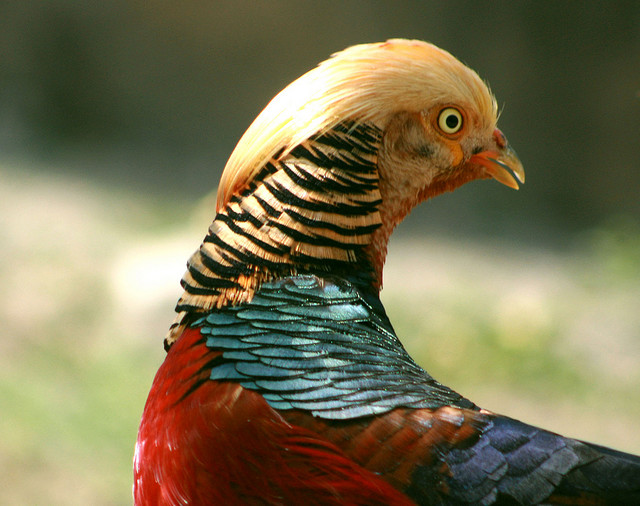
Lady Amherst's Pheasant (Chrysolophus amherstiae)

Lady Amherst’s Pheasant (Chrysolophus amherstiae)

“He has made everything beautiful in its time. Also He has put eternity in their hearts, except that no one can find out the work that God does from beginning to end. I know that nothing is better for them than to rejoice, and to do good in their lives,” Ecclesiastes 3:11-12 [NKJV]

The Lady Amherst’s Pheasant (Chrysolophus amherstiae) is a bird of the  Galliformes Order and the family Phasianidae. The genus name is from Ancient Greek khrusolophos, “with golden crest”. The English name and amherstiae commemorates Sarah Amherst, wife of William Pitt Amherst, Governor General of Bengal, who was responsible for sending the first specimen of the bird to London in 1828.
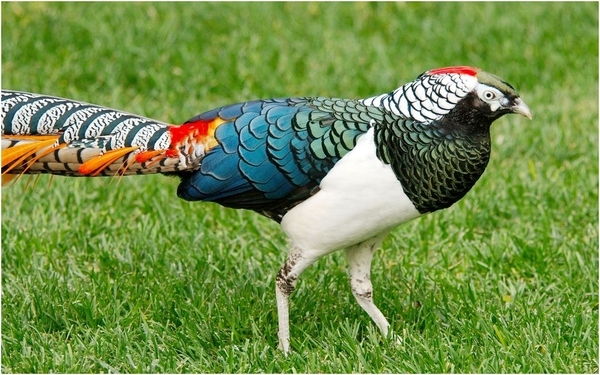
7. Lady Amherst's Pheasant

7. Lady Amherst’s Pheasant

The species is native to southwestern China and far northern Myanmar, but has been introduced elsewhere. Previously, a self-supporting feral population was established in England, the stronghold of which was in West Bedfordshire. Lady Amherst first introduced the ornamental pheasant on her estates, near the Duke of Bedford’s Woburn Abbey, where the birds were also shot for game and interbred. However since late 2015 the species has been believed to be extirpated in Great Britain with no confirmed sightings since March 2015.

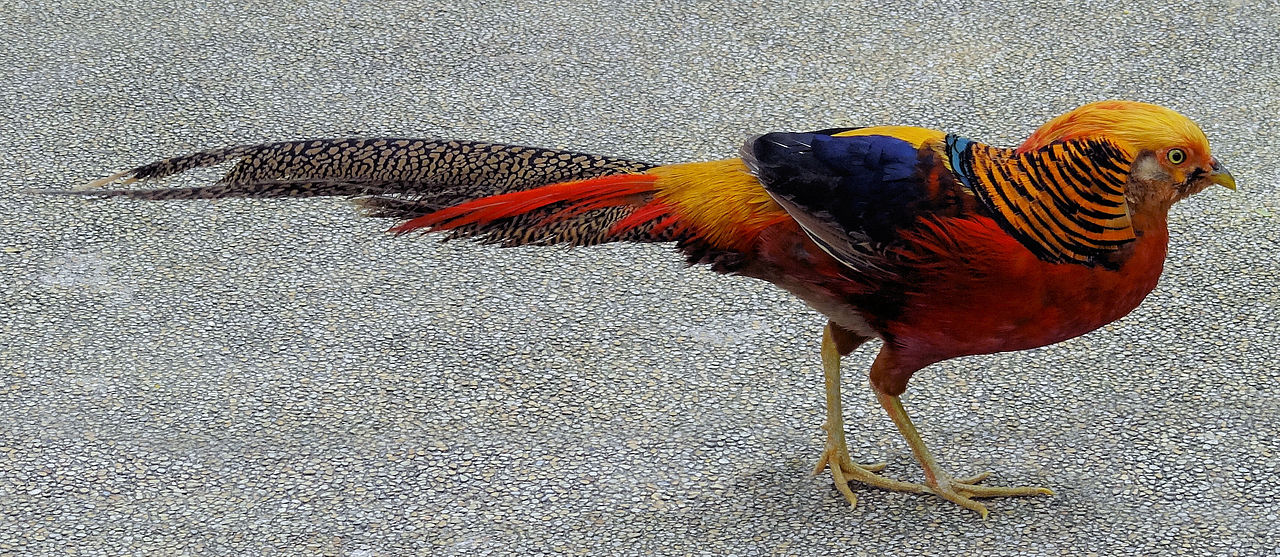
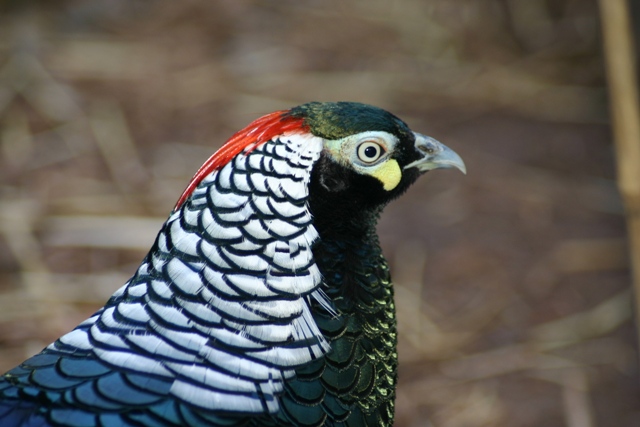
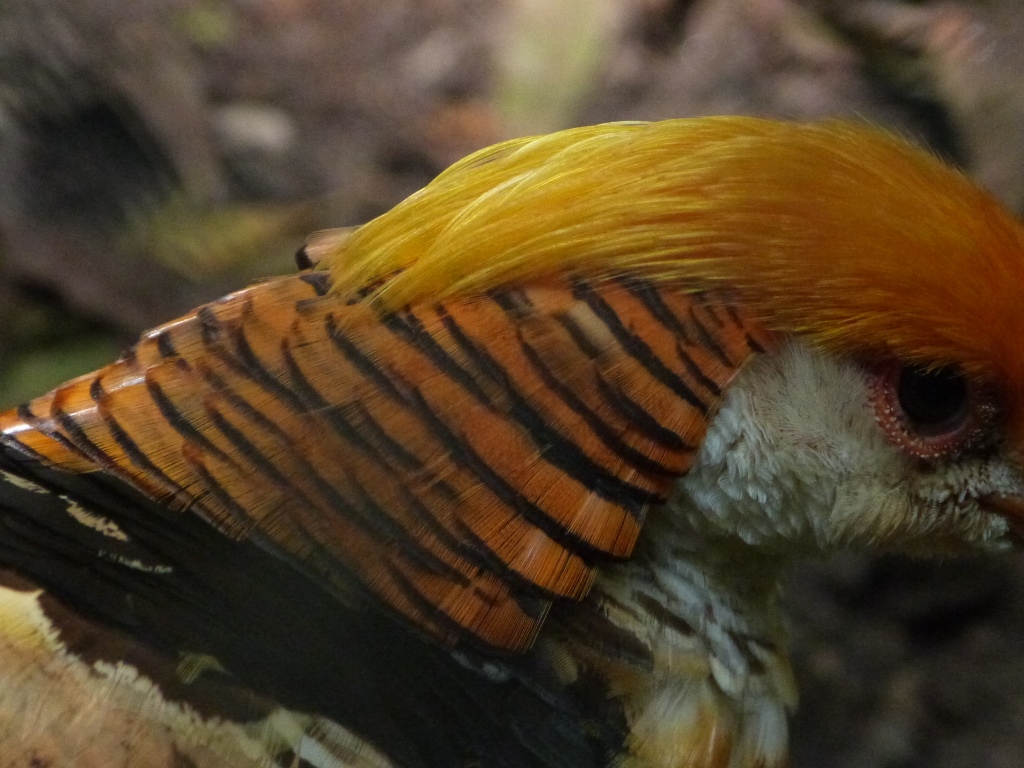
The adult male is 100–120 cm (23 in.) in length, its tail accounting for 80 cm of the total length. It is unmistakable with its nuchal cape white black, with a red crest. The long grey tail and rump is red, blue, dark green, white and yellow plumage. The “cape” can be raised in display. This species is closely related to the golden pheasant (C. pictus), but has a yellow eye, blue-green bare skin around it. The bill is horn-coloured and they had blue-gray legs.
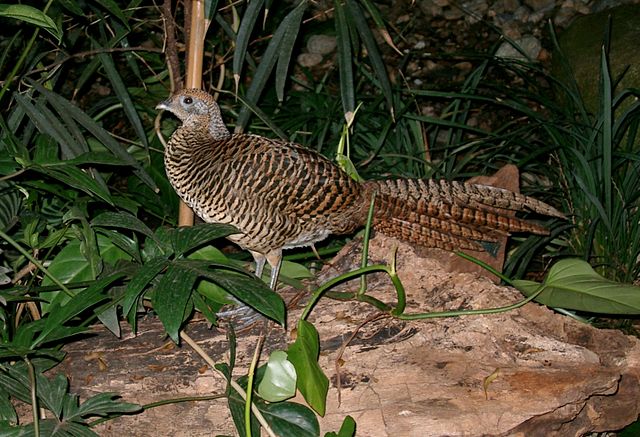
Lady Amherst's Pheasant (Chrysolophus amherstiae) Female ©WikiC

Lady Amherst’s Pheasant (Chrysolophus amherstiae) Female ©WikiC

The female is much less showy, with a duller mottled brown plumage all over, similar to that of the female common pheasant (P. colchicus) but with finer barring. She is very like the female golden pheasant, but has a darker head and cleaner underparts than the hen of that species.

Despite the male’s showy appearance, these birds are very difficult to see in their natural habitat, which is dense, dark forests with thick undergrowth. Consequently, little is known of their behaviour in the wild.
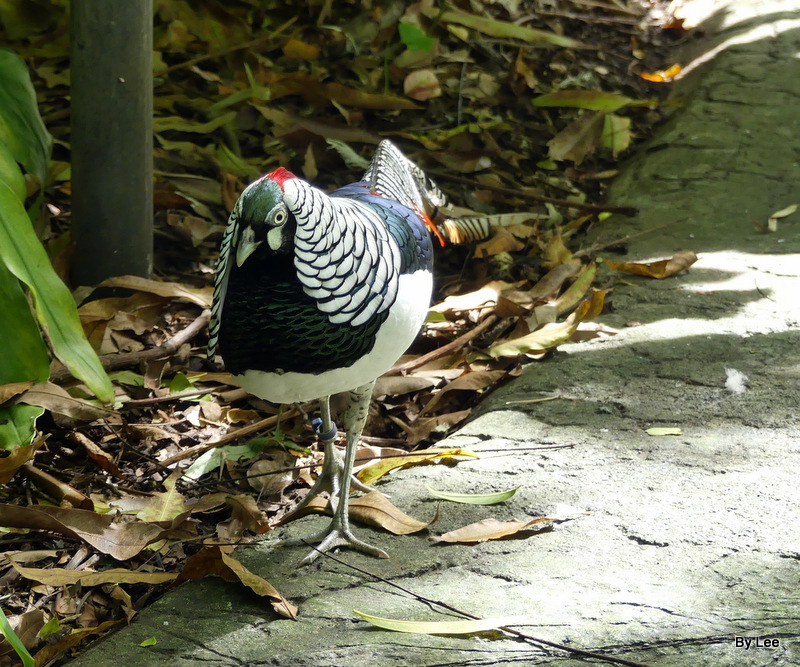
Lady Amherst’s Pheasant (Chrysolophus amherstiae) Zoo Miami by Lee

They feed on the ground on grain, leaves and invertebrates, but roost in trees at night. Whilst they can fly, they prefer to run, but if startled they can suddenly burst upwards at great speed, with a distinctive wing sound. The male has a gruff call in the breeding season. [Wikipedia with editing]

Wow! What another beautiful artistic Avian Wonder from our Lord.

GALLIFORMES – Fowl, Quail, Guans, Currasows, Megapodes

Phasianidae – Pheasants & Allies

Artistic Work In Birds – Introduction

Wordless Birds

Our Missionaries – African Pied Wagtail

Brubru (Nilaus afer) ©Wiki My first guess

Years ago there were a few posts that featured some of the birds our missionaries see in their various locations. It was 2009 and 2010 actually. I even made a page to hold the different articles. What Our Missionaries See. It is located at the end of the Birds of the Bible list.

Recently, the thought of reviving that series has crossed my mind. Today, one of our Pastors, who moved on to a new position, has challenged me to ID a bird he keeps seeing in Uganda. Pastor Peter Brock is also a good friend who enjoys birdwatching. After three emails back and forth, and some photos, our mystery bird has been identified. At first I thought it was a Brubru, seen above.

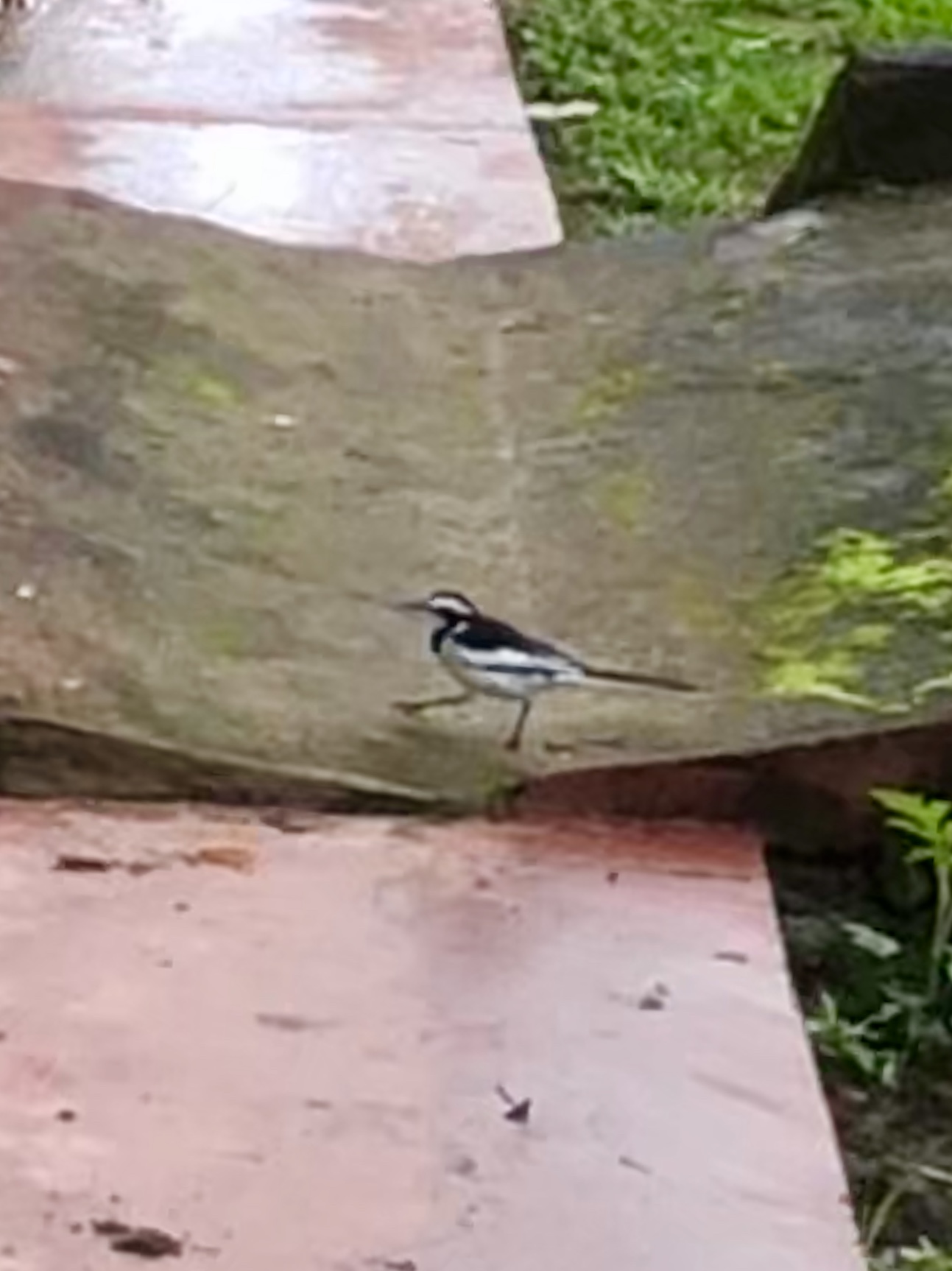
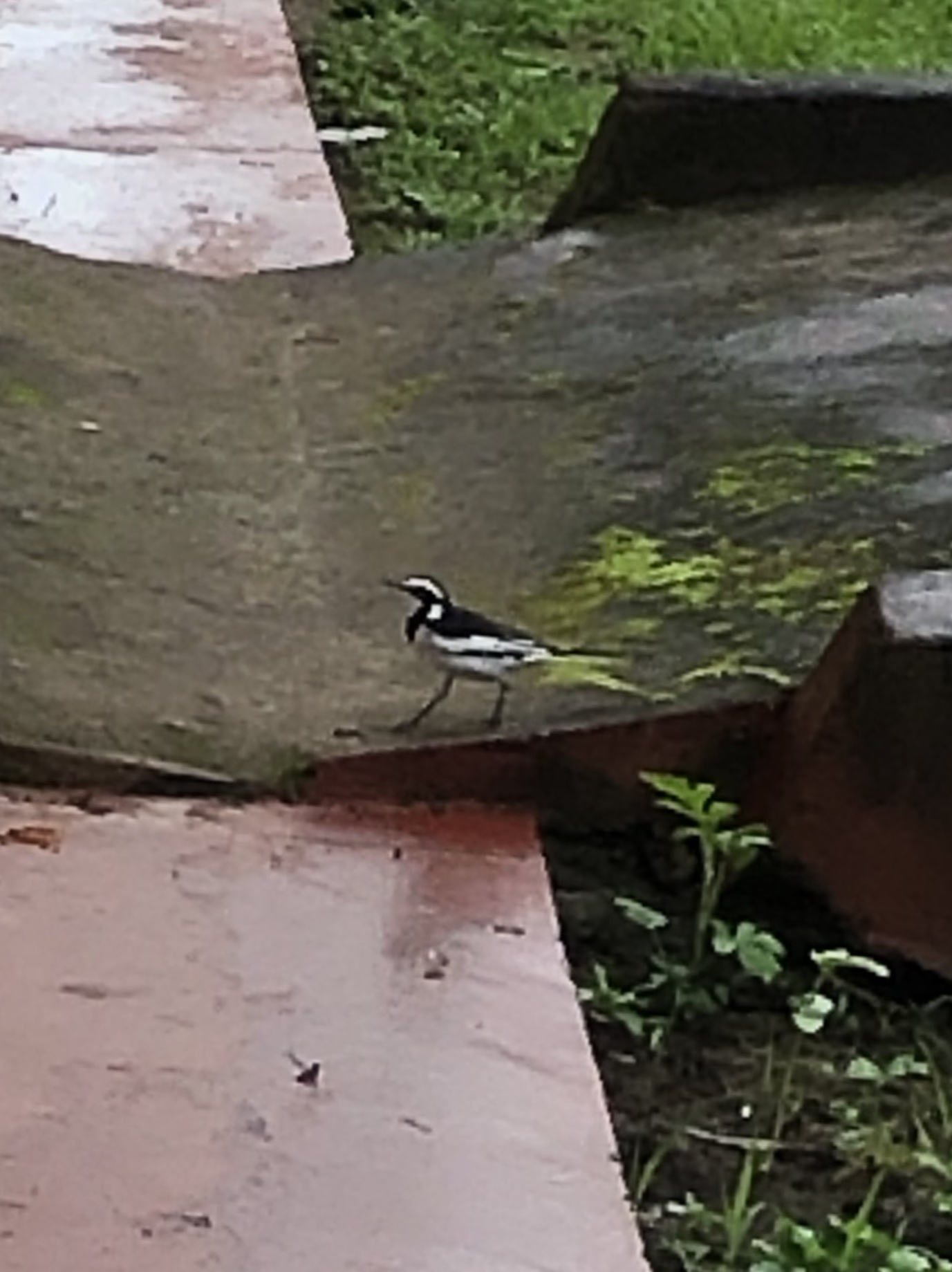
Mystery Bird 1 by Pastor Pete

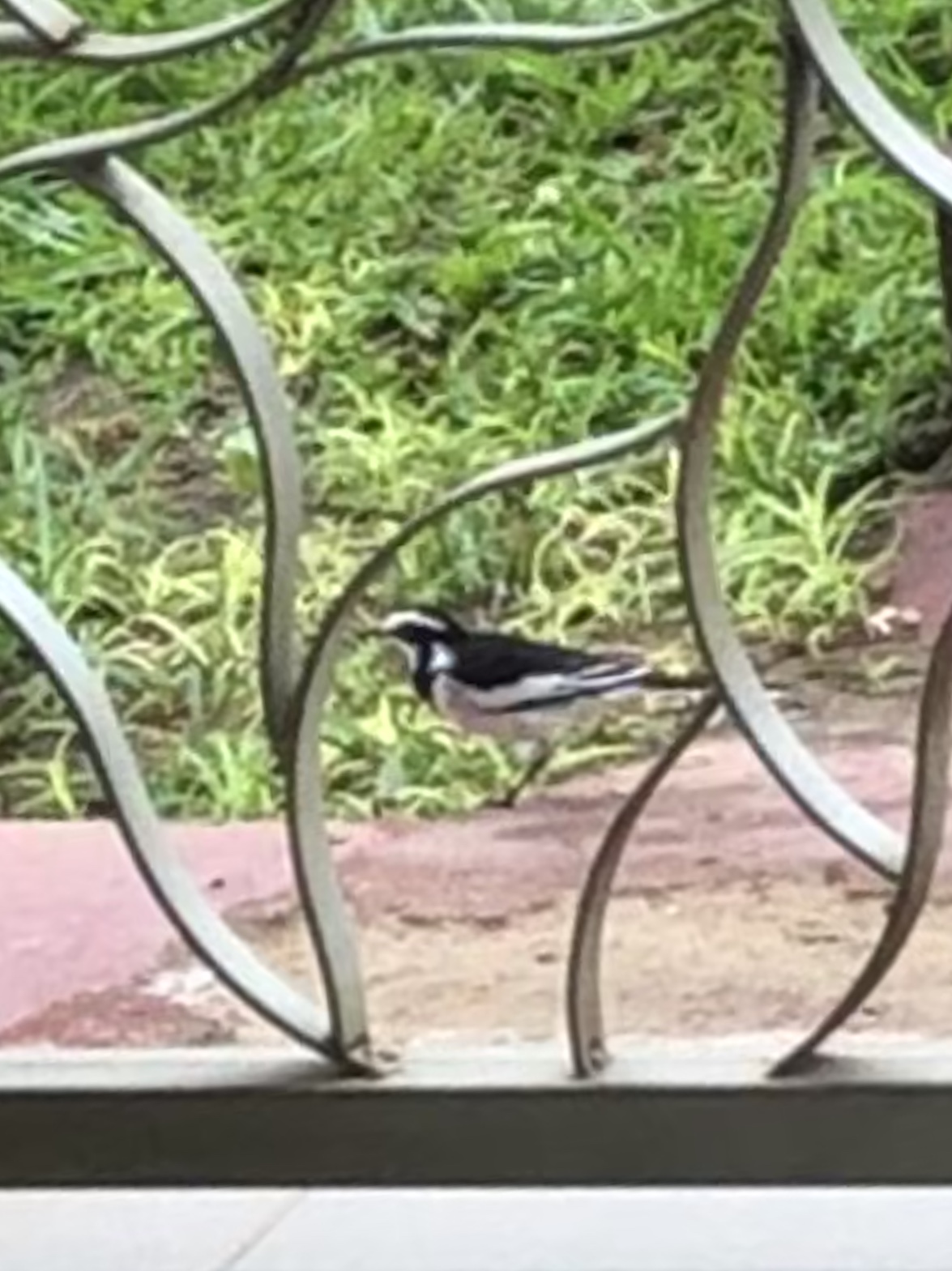
Mystery Bird 2 by Pastor Pete

He sent those two photos, then he got a better shot and sent this one.

Mystery Bird 3 by Pastor Pete

After this third photo, the search was back on to correct my first idea. How would you go about figuring out what bird he is seeing?

Back to Google, this was my search; “black and white bird with white brow in uganda” This search brought up some black and white birds, and the very first photo was:

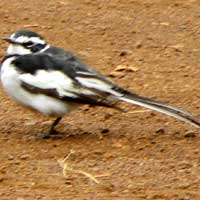
African Pied Wagtail from Kenya http://www.ngkenya.com/fauna/birds.html

Aha!! That looks like his mystery bird. When I clicked that link, and looked down through those birds, the next link led me to a positive ID on this bird.

“Common bird of parks, lawns, pastures and farmland. Pumps long tail up and down as it forages along ground.” The link with that photo brought me to this beautiful African Pied Wagtail:

African Pied Wagtail from http://www.ngkenya.com

“Sharp black-and-white plumage and a long bobbing tail make this common bird farms and urban gardens easily recognizable.” [It is now that I figured it out.]

You can find out more about this beautiful avian wonder at African Pied Wagtail, Wikipedia, Kenya Natural History Guide, and HBAlive

We sense from Scripture, that challenging our minds is a good thing.

“And I set my heart to seek and search out by wisdom concerning all that is done under heaven; this burdensome task God has given to the sons of man, by which they may be exercised.” (Ecclesiastes 1:13 NKJV)

I directed my mind to know, to investigate and to seek wisdom and an explanation,…” (Ecclesiastes 7:25a NASB)

Pastor Peter Brock now works with Reaching and Teaching International Ministries .


Tickle Me Tuesday – Dancing Birds I

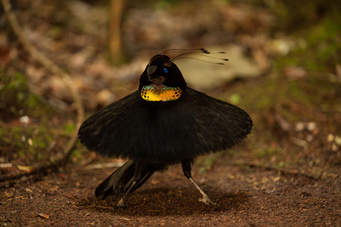
Western Parotia (Parotia sefilata) ©NatGeo

Western Parotia (Parotia sefilata) ©NatGeo

Green Mumbles on his YouTube channel has a couple of video of male birds displaying for their female hopefuls. This is the first of two that he has done. Part II will be next week.

[Not fond of some of the music, but the birds are quite entertaining.]

“A time to weep, And a time to laugh; A time to mourn, And a time to dance;” (Ecclesiastes 3:4 NKJV)

Tickle Me Tuesday Revived – Laughing Kookaburras

2015’s Tickle Me Tuesday’s

Wages or a Gift

Avian and Attributes – Sword

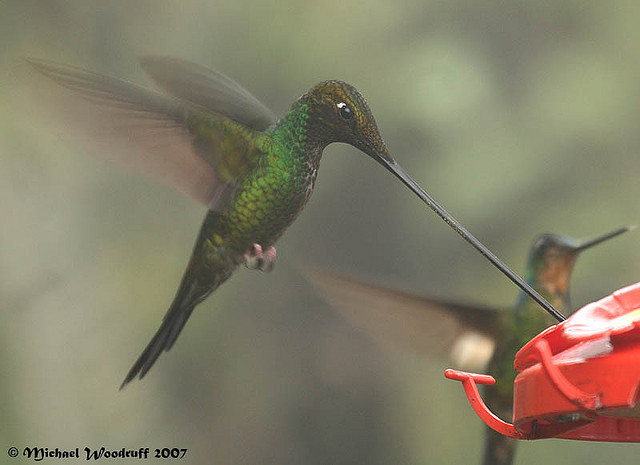
Sword-billed Hummingbird (Ensifera ensifera) by Michael Woodruff

“Think not that I am come to send peace on earth: I came not to send peace, but a sword. For I am come to set a man at variance against his father, and the daughter against her mother, and the daughter in law against her mother in law. And a man’s foes shall be they of his own household. He that loveth father or mother more than me is not worthy of me: and he that loveth son or daughter more than me is not worthy of me. And he that taketh not his cross, and followeth after me, is not worthy of me. He that findeth his life shall lose it: and he that loseth his life for my sake shall find it.” (Matthew 10:34-39 KJV)


Avian and Attributes – Sword

SWORD, n.
1. An offensive weapon worn at the side, and used by hand either for thrusting or cutting.
2. Figuratively, destruction by war.
I will bring a sword upon you. Lev 26. Isa 51.
3. Vengeance or justice.
She quits the balance, and resigns the sword.
4. Emblem of authority and power.
The ruler–beareth not the sword in vain. Rom 13.
5. War; dissension.
I came not to send peace, but a sword. Mat 10.
6. Emblem of triumph and protection.
The Lord–the sword of thy excellence. Deu 33.

SWORDED, a. Girded with a sword.


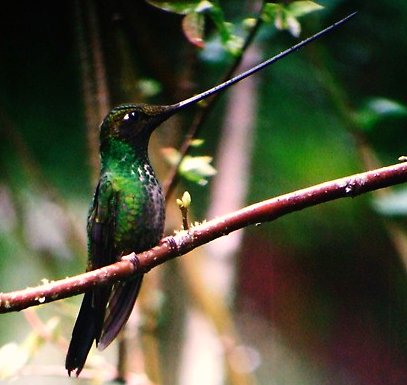
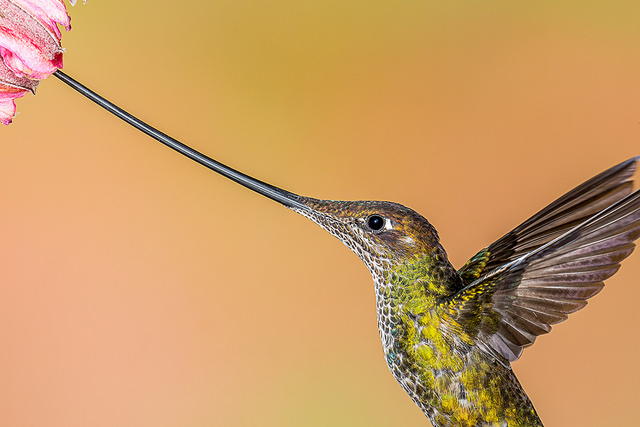
Sword-billed Hummingbird (Ensifera ensifera)©WikiC

Sword-billed Hummingbird (Ensifera ensifera)©WikiC

The sword-billed hummingbird (Ensifera ensifera) is a neotropical species of hummingbird from the Andean regions of South America. It is the sole member of the genus Ensifera and is characterized by its unusually long bill; it is the only bird to have a beak longer than the rest of its body. E. ensifera uses its bill to drink nectar from flowers with long corollas and has coevolved with the species Passiflora mixta. While most hummingbirds preen using their bills, E. ensifera must use its feet to scratch and preen due to its bill being so long. This uncommon bird is also one of the largest hummingbird species.

Sword-billed hummingbirds are found perched on the mid to upper level branches of neotropical trees. Its length ranges 13 to 14 cm from the tail tip to the base of the bill, with males slightly larger on average than females. The bill can additionally be over 10 cm long. Individuals weigh between 10-15 g making it one of the largest species of hummingbirds. As is characteristic of hummingbirds, is able to fly backwards and hover in the air. It also exhibits higher than average wing-disc loading than other members of its family.

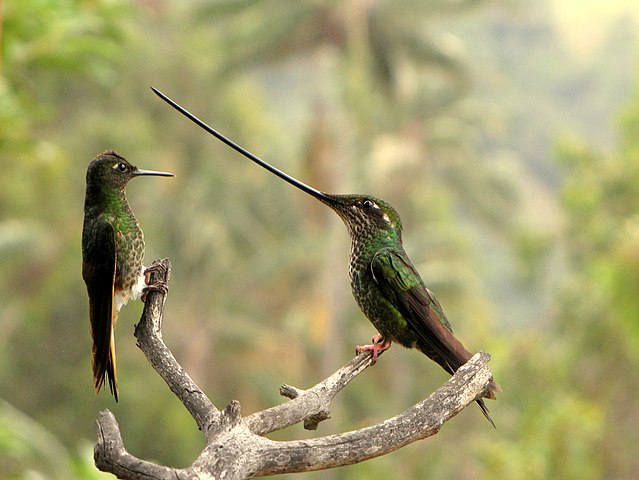
Sword-billed Hummingbird (Ensifera ensifera) Female ©WikiC

E. ensifera displays sexual dimorphism where plumage varies between males and females. Males have a coppery bronze head, bronze green back, bright green underbelly, blackish green throat, and bronze green tail. Females have a similarly colored head and back, a white belly speckled with green, a more olive colored throat, and grayish white edging around the tail.

The defining trait of this species is a beak longer than the rest of its body (excluding the tail). The tongue is also unusually long to span the length of the tube-shaped bill. The beak is black in color and curves slightly upwards. These adaptations help the hummingbird feed on flowers with long corollas that are inaccessible to other species.

[Wikipedia]

Sword-billed Hummingbird (Ensifera ensifera) female (right) with a buff-tailed coronet ©WikiC

“And he had in his right hand seven stars: and out of his mouth went a sharp twoedged sword: and his countenance was as the sun shineth in his strength. And when I saw him, I fell at his feet as dead. And he laid his right hand upon me, saying unto me, Fear not; I am the first and the last: I am he that liveth, and was dead; and, behold, I am alive for evermore, Amen; and have the keys of hell and of death.” (Revelation 1:16-18 KJV)


More Avian and Attributes

Birds whose first or last name starts with “S”

Good News

*
[Definitions from Webster’s Dictionary of American English (1828), unless noted. Bird info from Wikipedia plus.]

Avian And Attributes – Superb

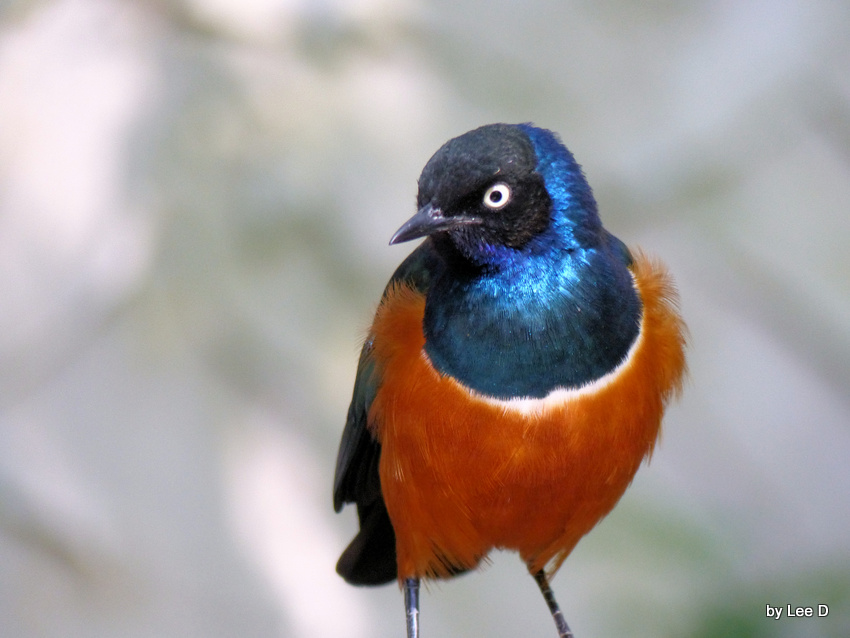
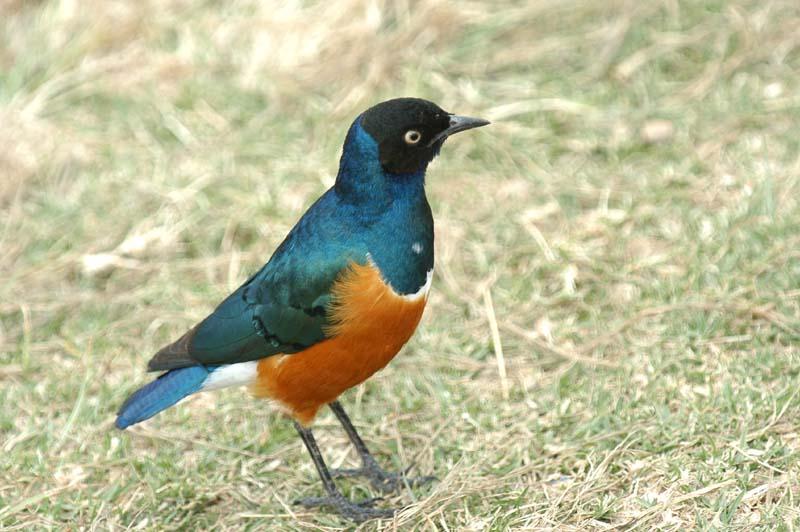
Superb Starling by Lee at Parrot Mountain, TN

I’m delighted to share the signs and miracles that the Most High God has worked in my life.

His signs are superb!
His miracles so powerful!
His kingdom is everlasting.
His rule is for all time.” Daniel 4:2-3 Common English Bible (CEB)

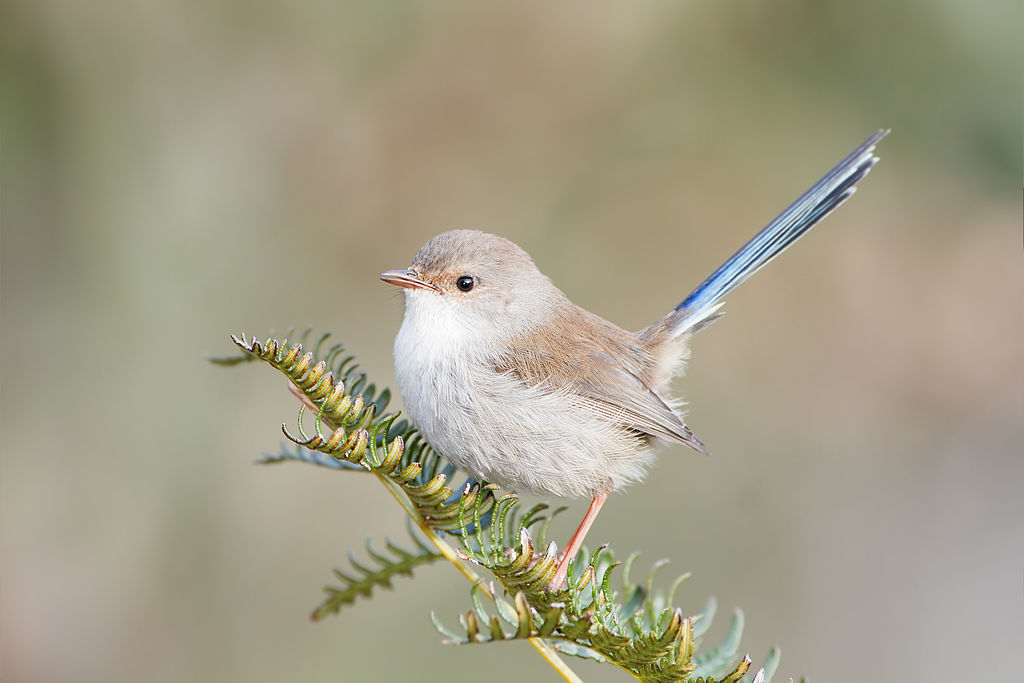
Superb Fairy-wren (Malurus cyaneus) Male non-breeding plumage ©WikiC


Avian and Attributes – Superb

SUPERB‘, a. [L. superbus, proud, from super.]
1. Grand; magnificent; as a superb edifice; a superb colonnade.
2. Rich; elegant; as superb furniture or decorations.
4. Rich; splendid; as a superb entertainment.
5. August; stately.


I was surprised that the regular versions of the Bible did not use the word “Superb.” When I think of Our Lord Jesus Christ and God, the word “Superb” comes to mind. The CEB had 3 verses that used “superb,” but Daniel 4 above is the best one.

There are seven “Superb” birds in the latest list of birds, all of them very pretty birds, and have a super look about them. Don’t you agree?

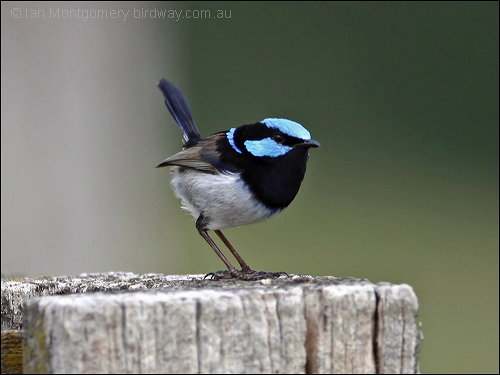
Superb Fairywren (Malurus cyaneus)

Superb Fairywren (Malurus cyaneus) by Ian Montgomery

Superb Fairywren (Malurus cyaneus) by Ian

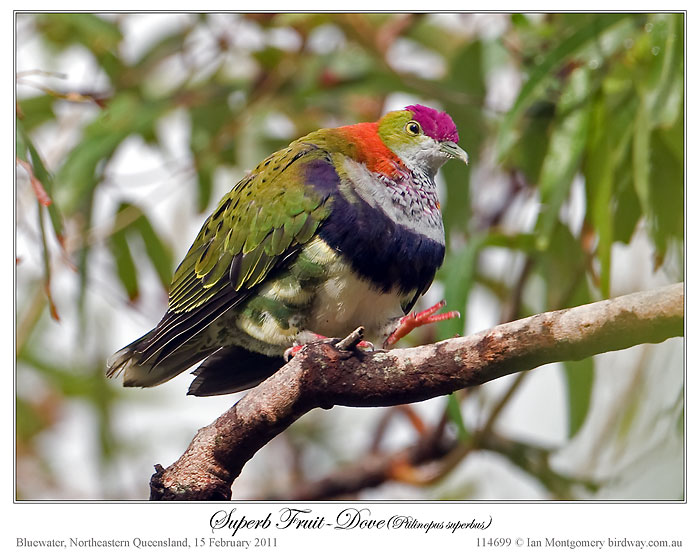
Superb Fruit Dove (Ptilinopus superbus)

Superb Fruit Dove (Ptilinopus superbus) by Ian

Superb Fruit Dove (Ptilinopus superbus) by Ian

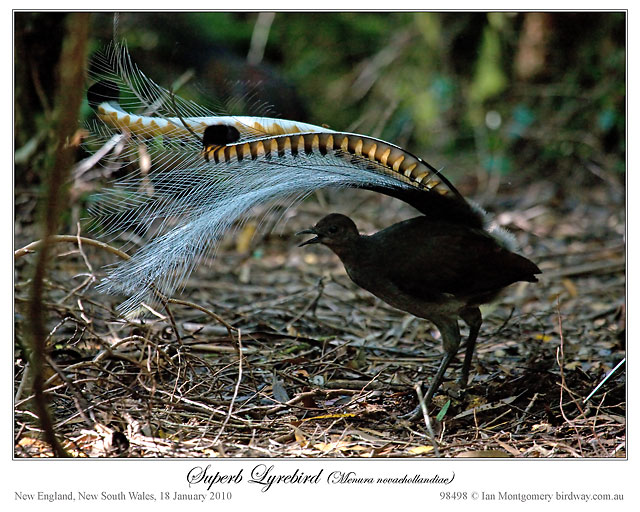
Superb Lyrebird (Menura novaehollandiae)

Superb Lyrebird (Menura novaehollandiae) by Ian

Superb Lyrebird (Menura novaehollandiae) by Ian

Superb Parrot (Polytelis swainsonii)

Superb Parrot (Polytelis swainsonii) by Ian

Superb Parrot (Polytelis swainsonii) by Ian

Superb Pitta (Pitta superba)

Superb Pitta ©Surfbirds.com

Superb Pitta ©Surfbirds.com

Superb Starling (Lamprotornis superbus)

Superb Starling (Lamprotornis superbus) by Bob-Nan

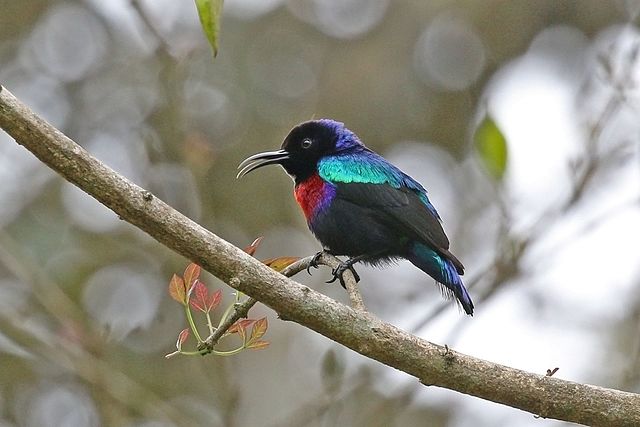
Superb Sunbird (Cinnyris superbus)

Superb Sunbird (Cinnyris superbus) ©WikiC


More Avian and Attributes

Birds whose first or last name starts with “S”

Good News

*
[Definitions from Webster’s Dictionary of American English (1828), unless noted. Bird info from Wikipedia plus.]

Tickle Me Tuesday’s – Flamingos

“They send forth their little ones like a flock, And their children dance.” (Job 21:11 NKJV)

“All the days of the afflicted are evil, But he who is of a merry heart has a continual feast.” (Proverbs 15:15 NKJV)

Flamingos or flamingoes /fləˈmɪŋɡz/ are a type of wading bird in the family Phoenicopteridae, the only bird family in the order Phoenicopteriformes. Four flamingo species are distributed throughout the Americas, including the Caribbean, and two species are native to Africa, Asia, and Europe.

The name “flamingo” comes from Portuguese or Spanish flamengo, “flame-colored”,

PHOENICOPTERIFORMES – Flamingos

Revived Tickle Me Tuesday’s

2015’s Tickle Me Tuesday’s

Peru’s Marvellous Hummingbird – Again

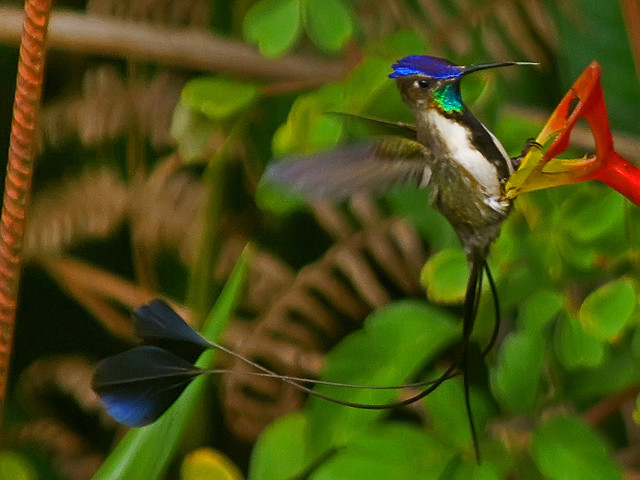
Marvelous Spatuletail (Loddigesia mirabilis)©©

Marvelous Spatuletail (Loddigesia mirabilis)©©

Peru’s Marvellous Hummingbird

(from Creation Moments)

In that day the LORD of hosts will be for a crown of glory and a diadem of beauty to the remnant of His people. (Isaiah 28:5)

In 1835, when scientists first saw Peru’s most unusual hummingbird, they were so overcome with its beauty that they gave it the name “Marvellous.” This little bird treats the eye to iridescent green, yellow, orange, and purple feathers. But its most unusual feature is its tail. While most birds have eight to twelve tail feathers, the Marvellous hummingbird has only four. Two of these are long, pointed, thorn-like feathers that don’t seem to help much in flying or landing. The other two feathers are truly marvellous. They are six inches long, three times the length of the bird’s two-inch body. On the end of these two long narrow feathers are large feather fans that nearly equal the surface area of its wings.

Marvelous Spatuletail (Loddigesia mirabilis) ©©

Marvelous Spatuletail (Loddigesia mirabilis) ©©

Astonishingly, the Marvelous hummingbird has complete control of these feathers. At rest, the bird perches with these two feathers hanging down an inch or so from its body, and then crossing them until they are horizontal. In flight and landing they provide remarkable maneuverability. During mating, the hummingbird moves them as semaphores. Interestingly enough, evolutionists admit that they are stumped as to why these unusual feathers should have evolved.

One look at our creation clearly shows that our Creator appreciates beauty. But even the beautiful Marvelous hummingbird is but a poor and cloudy hint of the beauty of our Creator Himself.

Prayer:
Dear Father, help me treat the beauty You have created as You would have me to do. Let me be filled with thanksgiving to You for it, and let it remind me that You are the source of all that is truly beautiful. In Jesus’ Name. Amen.
Notes:
Crawford H. Greenewalt. The Marvelous Hummingbird Rediscovered. National Geographic, Vol. 130, No. 1. P. 98-101.”

©Creation Moments 2014


*

Lee’s Addition:

This was originally done in 2010, but needs to be re-blogged again. [Which I did in 2014, It’s now 2019, time for it again.] Also, the YouTube above was added. It is astonishing to watch the little bird in action. Thanks to one of our readers who found the video to add to their site. See The Vine Vigil.

The Marvellous Hummingbird is now the Marvelous Spatuletail (Loddigesia mirabilis). It is in the Hummingbird Family (Trochilidae) and is part of the Apodiformes Order.

Marvelous Spatuletail (Loddigesia mirabilis) ©WikiC-Gould_Troch._pl._161

Marvelous Spatuletail (Loddigesia mirabilis) ©WikiC-Gould_Troch._pl._161

The Marvelous (also Marvellous) Spatuletail (hummingbird), Loddigesia mirabilis, is a medium-sized (up to 5.9 in/15 cm long) white, green and bronze hummingbird adorned with blue crest feathers, a brilliant turquoise gorget, and a black line on its white underparts. It is the only member of the monotypic genus Loddigesia.

A Peruvian endemic, this species is found in the forest edge of the Río Utcubamba region. It was first reported in 1835 by the bird collector Andrew Matthews for George Loddiges. The Marvellous Spatuletail is unique among birds, for it has just four feathers in its tail. Its most remarkable feature is the male’s two long racquet-shaped outer tail feathers that cross each other and end in large violet-blue discs or “spatules”. He can move them independently.

Information gathered from Creation Moments, Wikipedia, and YouTube.

Wordless Birds


*

*


McGuffey’s Third Reader – Humming Birds

Rufous-tailed Hummingbird (Amazilia tzacatl) by Judd Patterson

Rufous-tailed Hummingbird (Amazilia tzacatl) by Judd Patterson

LESSON XXI. HUMMING BIRDS.
McGuffey's Third Eclectic Reader from Gutenberg.org

McGuffey’s Third Eclectic Reader from Gutenberg.org

1. The most beautiful humming birds are found in the West Indies and South America. The crest of the tiny head of one of these shines like a sparkling crown of colored light.

2. The shades of color that adorn its breast, are equally brilliant. As the bird flits from one object to another, it looks more like a bright flash of sunlight than it does like a living being.

Magnificent Hummingbird (Eugenes fulgens) by Judd Patterson

Magnificent Hummingbird (Eugenes fulgens) by Judd Patterson

3. But, you ask, why are they called humming birds? It is because they make a soft, humming noise by the rapid motion of their wings—a motion so rapid, that as they fly you can only see that they have wings.

4. One day when walking in the woods, I found the nest of one of the smallest humming birds. It was about half the size of a very small hen’s egg, and was attached to a twig no thicker than a steel knitting needle.

Vervain Hummingbird (Mellisuga minima) WikiC

Vervain Hummingbird (Mellisuga minima) WikiC

5. It seemed to have been made of cotton fibers, and was covered with the softest bits of leaf and bark. It had two eggs in it, quite white, and each about as large as a small sugarplum.

6. When you approach the spot where one of these birds has built its nest, it is necessary to be careful. The mother bird will dart at you and try to peck your eyes. Its sharp beak may hurt your eyes most severely, and even destroy the sight.

7. The poor little thing knows no other way of defending its young, and instinct teaches it that you might carry off its nest if you could find it.

“If a bird’s nest happens to be before you along the way, in any tree or on the ground, with young ones or eggs, with the mother sitting on the young or on the eggs, you shall not take the mother with the young;” (Deuteronomy 22:6 NKJV)

Title: McGuffey’s Third Eclectic Reader, Author: William Holmes McGuffey
Release Date: January 23, 2005 [EBook #14766]

Artistic Birds – Galliformes Order – Monal

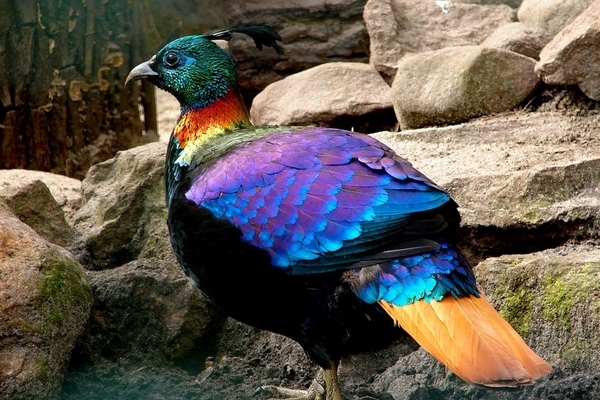
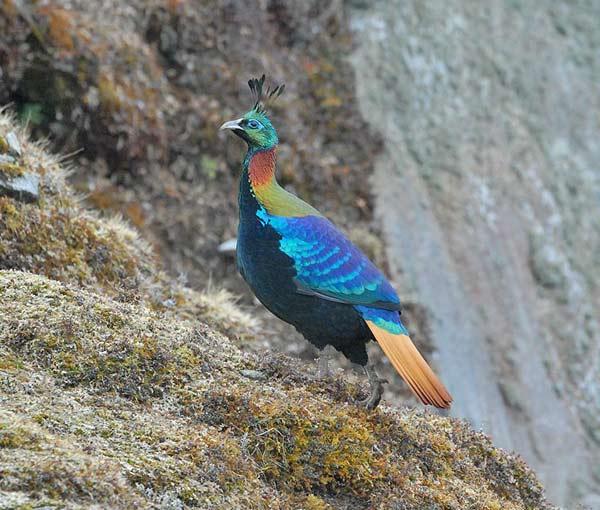
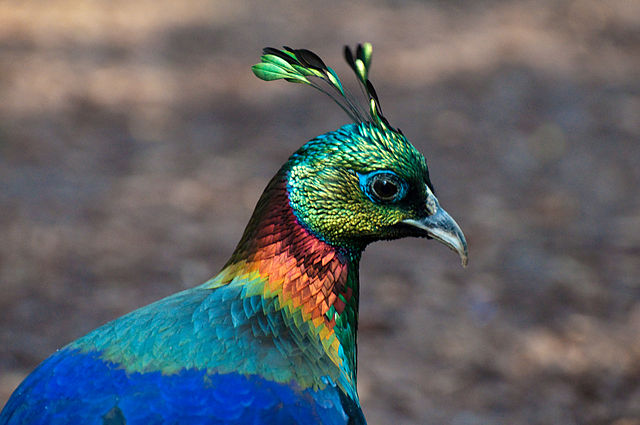
1. Himalayan Monal

Himalayan Monal (Lophophorus impejanus)

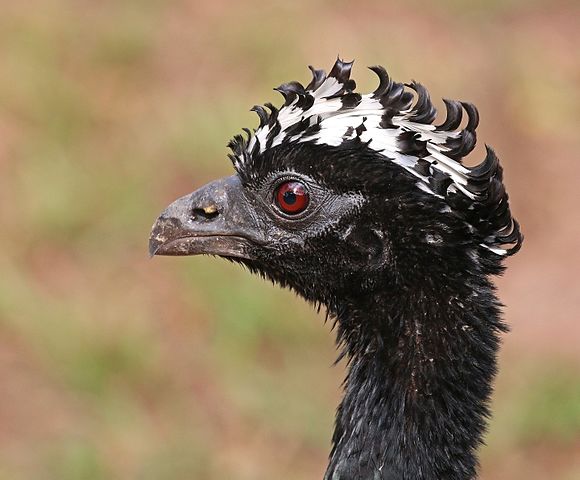
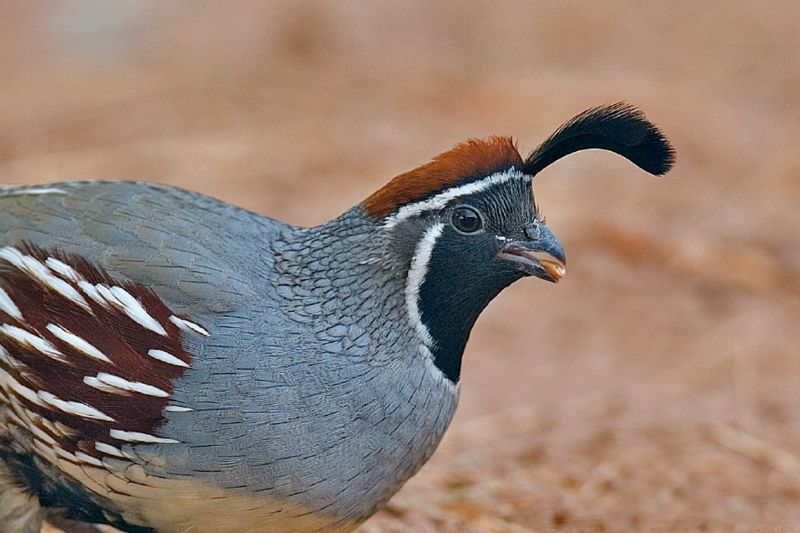
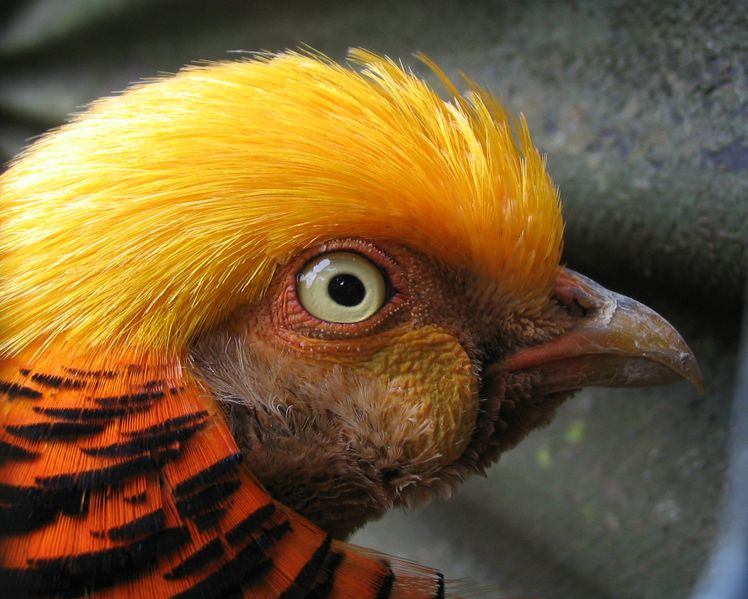
In the Artistic Birds – Galliformes Order I, you were introduced to some of the birds the Bare-faced Curassow, Crested Guineafowl, Gambel’s Quail, and the beautifully designed Golden Pheasant.

The Himalayan Monal definitely can be described by this verse, relating to the design of the tabernacle.

“He has filled them with skill to do all manner of work of the engraver and the designer and the tapestry maker, in blue, purple, and scarlet thread, and fine linen, and of the weaver—those who do every work and those who design artistic works.” (Exodus 35:35 NKJV) [emphasis added]

If you missed the introduction, we are referring to the Master Designer, the Lord Jesus Christ.

Himalayan Monal (Lophophorus impejanus) by Nikhil

“The Himalayan monal (Lophophorus impejanus), also known as the Impeyan monal and Impeyan pheasant, is a bird in the pheasant family, Phasianidae. It is the national bird of Nepal, where it is known as the danphe, and state bird of Uttarakhand, India, where it is known as the monal. It was also the state bird of Himachal Pradesh until 2007. The scientific name commemorates Lady Mary Impey, the wife of the British chief justice of Bengal Sir Elijah Impey.

Himalayan Monal (Lophophorus impejanus) ©WikiC

It is a relatively large-sized pheasant. The bird is about 70 centimetres long. The male weighs up to 2380 grams and the female 2150. The adult male has multi coloured plumage throughout, while the female, as in other pheasants, is more subdued in colour. Notable features in the male include a long, metallic green crest, coppery feathers on the back and neck, and a prominent white rump that is most visible when the bird is in flight. The tail feathers of the male are uniformly rufous, becoming darker towards the tips, whereas the lower tail coverts of females are white, barred with black and red.

Himalayan Monal (Lophophorus impejanus) Female ©WikiC

The female has a prominent white patch on the throat and a white strip on the tail. The first-year male and the juvenile resemble the female, but the first-year male is larger and the juvenile is less distinctly marked.

Himalayan Monal (Lophophorus impejanus) ©Arthur Grosset

The Himalayan monal’s native range extends from Afghanistan and Pakistan through the Himalayas in India, Nepal, southern Tibet, and Bhutan.[1] In Pakistan, it is most common in the Khyber Pakhtunkhwa province and has also been recorded in Kaghan, Palas Valley, and Azad Kashmir.[3] It lives in upper temperate oak-conifer forests interspersed with open grassy slopes, cliffs and alpine meadows between 2400 and 4500 meters, where it is most common between 2700 and 3700 meters. It descends to 2,000 m (6,600 ft) in the winter. It tolerates snow and digs through it to obtain plant roots and invertebrate prey.

GALLIFORMES – Fowl, Quail, Guans, Currasows, Megapodes

Phasianidae – Pheasants & Allies
Artistic Work In Birds – Introduction

Wordless Birds

Artistic Birds – Galliformes Order I

Golden Pheasant (Chrysolophus pictus) WikiC

Golden Pheasant (Chrysolophus pictus) WikiC

As mentioned, these “Artistic Birds” will be presented in “sort of” the Taxonomic Order. The first few orders do not have any particularly “artistic” birds. They were mostly created to blend in with their environment. Most likely for protection. These first Orders are:

But when we arrive at the Galliformes Order, the Creator’s Artistically Colorful Hand appears on many of these birds. There are five families in this Order.

[Clicking on these links have many photos of those in the families. Scientific and English links are identical.]

Megapodiidae ~~~ (English) – Megapodes – Not very colorful
(Scientific) –Cracidae ~~~ (English) – Chachalacas, Curassows & Guans – This group has fancy “hairdos” and throat pouches

Bare-faced Curassow (Crax fasciolata) Female ©WikiC

Bare-faced Curassow (Crax fasciolata) ©BirdPhotos

Bare-faced Curassow (Crax fasciolata) ©BirdPhotos

(Scientific) – Numididae ~~~ (English) – Guineafowl – Crested Guineafowl is the only one of note.

Crested Guineafowl (Guttera pucherani) ©WikiC

(Scientific) – Odontophoridae ~~~ (English) – New World Quail – Quails have artistic markings that help them blend in for protection. My favorite that shows an Artistic design is the Gambel’s Quail with this “painted” lines and that fancy feather.

Gambel's Quail (Callipepla gambelii) ©WikiC

Gambel’s Quail (Callipepla gambelii) ©WikiC

(Scientific) – Phasianidae ~~~ (English) – Pheasants, Fowl & Allies – This family is loaded with Artistic Birds, so, today here is just one of the beauties. More posts will present more of the Lord’s Hand at work in the design of these birds. What a Creator!
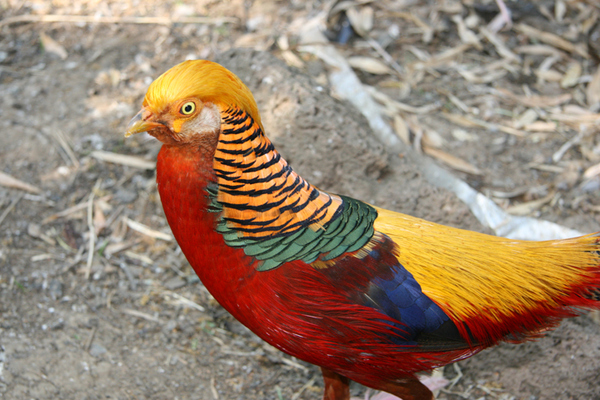
Golden Pheasant (Chrysolophus pictus) Male ©© NotMicroButSoft

Golden Pheasant (Chrysolophus pictus) Male ©© NotMicroButSoft

It is native to forests in mountainous areas of western China, but feral populations have been established in the United Kingdom, Canada, the United States, Mexico, Colombia, Peru, Bolivia, Chile, Argentina, Uruguay, the Falkland Islands, Germany, Belgium, the Netherlands, France, Ireland, Australia and New Zealand.[3] In England they may be found in East Anglia in the dense forest landscape of the Breckland as well as Tresco on the Isles of Scilly.
Golden Pheasant Magnolia Plantation by Lee Charleston 2014

The adult male is 90–105 cm (35–41 in) in length, its tail accounting for two-thirds of the total length. It is unmistakable with its golden crest and rump and bright red body. The deep orange “cape” can be spread in display, appearing as an alternating black and orange fan that covers all of the face except its bright yellow eye with a pinpoint black pupil.
Golden Pheasant (Chrysolophus pictus) ©WikiC

Golden Pheasant (Chrysolophus pictus) ©WikiC

to design artistic works, to work in gold and silver and bronze, in cutting jewels for setting, in carving wood, and to work in all manner of artistic workmanship.” (Exodus 35:32-33 NKJV) [These were workers that were given special gifts to work on the tabernacle. Wonder if any of them had seen “artistic birds” to help them visualize what their works?]

Click this link to see a full photo of this bird. When it comes up, click it again. Wow!

Golden Pheasant (Chrysolophus pictus) Walking ©WikiC

Golden Pheasant (Chrysolophus pictus) Walking ©WikiC


GALLIFORMES – Fowl, Quail, Guans, Currasows, Megapodes

Artistic Work In Birds – Introduction

Artistic Birds – Frigatebirds

Wordless Birds

Tickle Me Tuesday Revived – Cat – Bird Fight

James J. S. Johnson made a remark on the Tickle Me Tuesday post. Dr. Jim, as I call him, suggested that we revive the Tickle Me Tuesday series. The last one was posted in 2015, so I am sure by now, there must be some more funny videos to discover.

In fact, this Epic Crow and Cat fight is just the one to start us off with a new “Tickle.”

by ignoramusky

These four are definitely not showing Kindness!!

“Be kindly affectionate to one another with brotherly love, in honor giving preference to one another;” (Romans 12:10 NKJV)

Other Tickle Me Tuesday’s

Does an Eagle Carry Its Young on Its Wings?

Bald Eagle (Haliaeetus leucocephalus) by Aesthetic Photos

Here is a great article from Answers in Genesis that tells about the Eagle and their young. We have used these passages here, but Troy Lacey has done quite a bit of research about this. It is definitely worth reading.

Deuteronomy 32:9-14 is an inspiring passage which speaks of God’s care for Israel. Written by Moses at the end of the wilderness wandering, just before the Israelites would cross the Jordan river into the land of Israel, it speaks of God’s past care for the Israelites. In the middle of this passage (verse 11), Moses speaks of an eagle’s care for its fledglings as an obvious analogy of God’s care for Israel during this time.

This verse has become a popular topic for sermons and a much-copied inspirational social media post. But has the verse been misunderstood, misapplied, or misused? There have even been charges that this verse is not accurate and thus is a “Bible error.”…

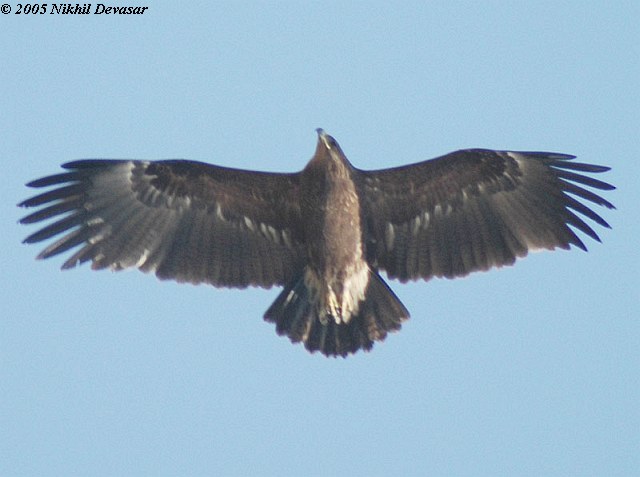
Greater Spotted Eagle (Aquila clanga) by Nikhil

Greater Spotted Eagle (Aquila clanga) by Nikhil

Does an Eagle Carry Its Young on Its Wings? To read the rest of the article.

“For the LORD’s portion is His people; Jacob is the place of His inheritance. “He found him in a desert land And in the wasteland, a howling wilderness; He encircled him, He instructed him, He kept him as the apple of His eye. As an eagle stirs up its nest, Hovers over its young, Spreading out its wings, taking them up, Carrying them on its wings, So the LORD alone led him, And there was no foreign god with him. “He made him ride in the heights of the earth, That he might eat the produce of the fields; He made him draw honey from the rock, And oil from the flinty rock; Curds from the cattle, and milk of the flock, With fat of lambs; And rams of the breed of Bashan, and goats, With the choicest wheat; And you drank wine, the blood of the grapes.” (Deuteronomy 32:9-14 NKJV)

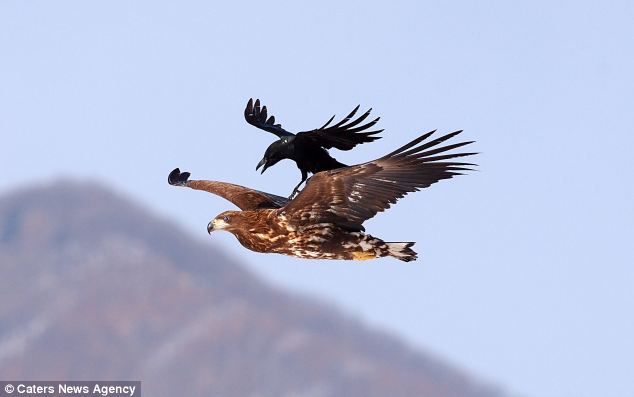
Not to take away from this article, but we know that birds have been known to catch a ride of the backs of eagles:

Crow on Eagle’s Back ©©

Answers in Genesis

Good News Tracts