Bible Birds Finally Moved Here

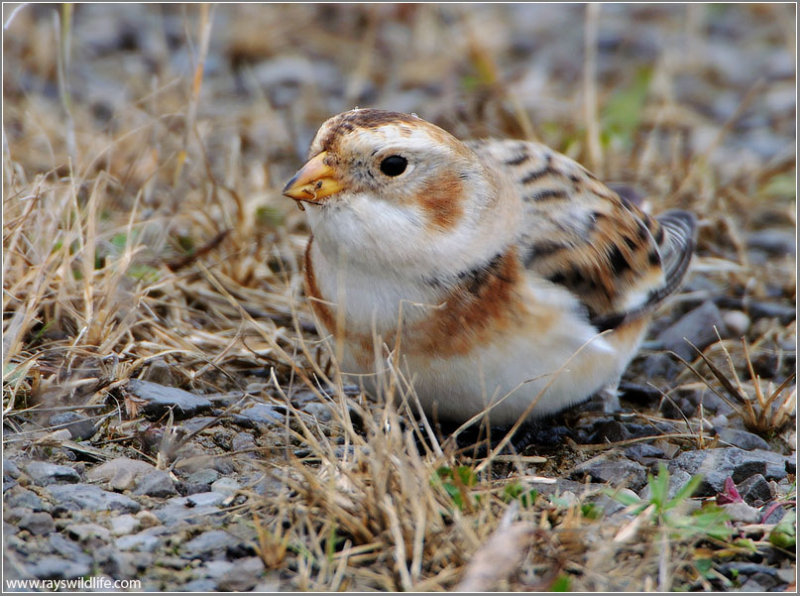
Snow Bunting (Plectrophenax nivalis) by Ray

Snow Bunting (Plectrophenax nivalis) by Ray

And let the beauty of the LORD our God be upon us: and establish thou the work of our hands upon us; yea, the work of our hands establish thou it. (Psalms 90:17 KJV)

Man goeth forth unto his work and to his labour until the evening. (Psalms 104:23 KJV)

Been working most of the day, moving the Bible Birds pages to here at Lee’s Birdwatching Adventures. It has been a challenge, but with dust still flying, they are now here.

I posted an article on the Birds of the Bible For Kids blog explaining the move of those articles. You might want to read that article because it affects this blog.

Changes On The Way

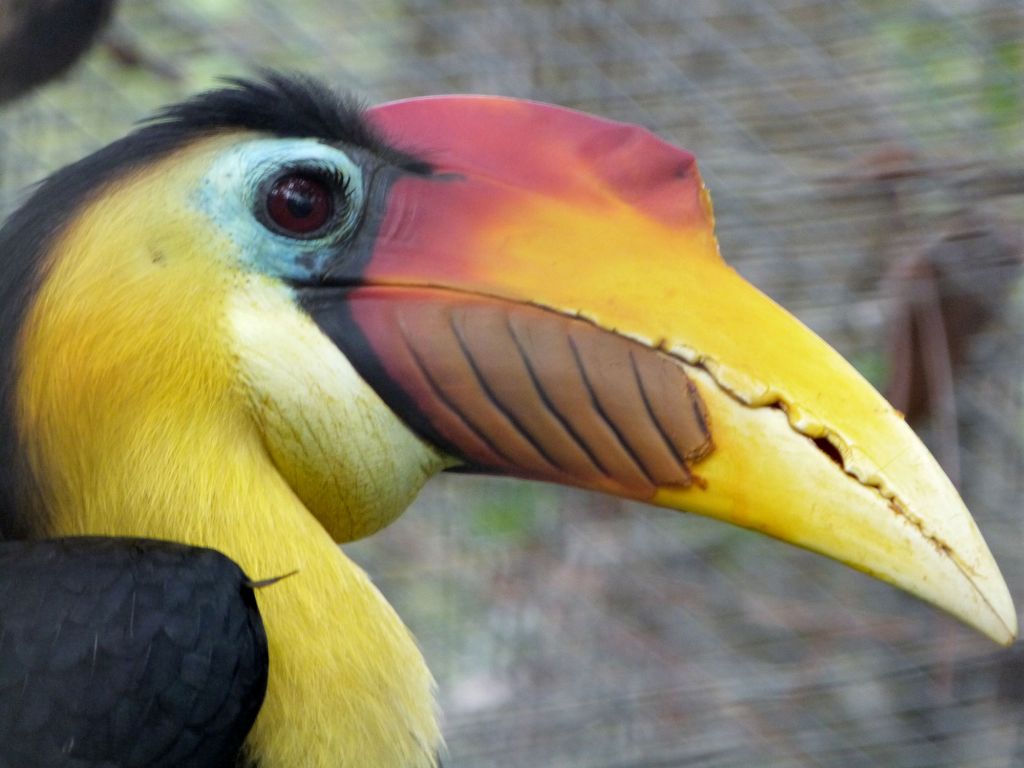
Wrinkled Hornbill (Aceros corrugatus) Brevard Zoo by Lee

Wrinkled Hornbill (Aceros corrugatus) Brevard Zoo by Lee

You can find the Bible Birds listed in the Kid’s Section. The side menu is now working also for that section. (I think it’s correct). Just hover your mouse over the Kid’s Section and you will see the Bible Birds, along with the Watching Birds, Bird Tales and Scripture Alphabet of Animals sections.

Now that the Bible Bird pages are here, I can start improving them and the regular Birds of the Bible sections.

Thanks you for being patient while things are being moved around and I trust you will see much improvement soon. As mentioned in the Changes on the Way article, “Our purpose is to Glorify Our Lord and show forth His great creation through His Birds and other Critters.”

There is still lots of work ahead, as other sections are moved to this blog. Just wanted to let you know why things are changing and dust is flying still. I have another big challenge coming next, but that will have to hold for now.

*

Golden Eagle – Fly Like A Bird?

Golden Eagle (Aquila chrysaetos) Flying ©WikiC

Golden Eagle (Aquila chrysaetos) Flying ©WikiC

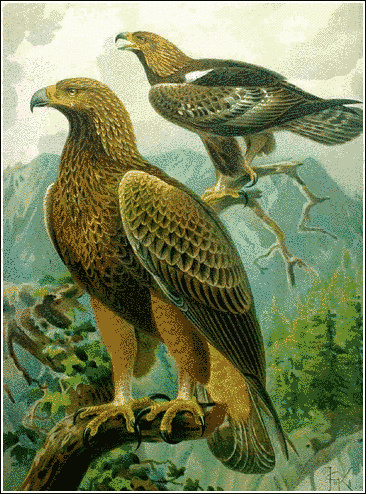
Golden Eagle ©PD

Golden Eagle ©PD

Hi boys and girls! This is Golden Eagle. I have been away for quite a while. However, I have returned and wanted to touch base with each of you for a few short moments. I hope you are enjoying your journey on planet Earth. Everyone that is born gets to start out on this marvelous journey called life. This is a gift from our Creator, the Lord Jesus Christ. God’s Word, the Bible, says

“Remember now thy Creator in the days of thy youth…”

This journey leads to God’s Heaven if you are SAVED! People get saved by trusting what Jesus Christ did on the cross about 2,000 years ago. Jesus died on an old wooden cross to pay for all the bad things we do like telling lies. The bad things we do are called sins in the Bible, but God wants to forgive you of all your sins if you will accept Jesus into your heart by faith. “For whosoever shall call (ask) upon the name of the Lord (Jesus) shall be saved.”(Romans 10:13) Why do many kids and even adults like birds so much? You know eagles can see at great distances. Sometimes, from my perch, high up in the trees I see people looking at me through funny looking glasses. I think you call them binoculars? I think you guys like us because we can FLY. Birds are not tied down to this Earth like people are! We can use our wings and sore to new heights above. You guys are tied down to Earth because of gravity. Our wings not only help us to fly. Birds are colorful and many of us sing songs pretty good as well. In the Book of beginnings called Genesis you can read about the beginning of everything, including birds! On the fifth day of God’s Creation week He created birds.

“And God said, Let the waters bring forth abundantly the moving creature that hath life, and fowl (birds) that may fly above the earth in the open firmament (space) of heaven.”

In fact, evolution teaches that modern-day birds have evolved from the dinosaurs. That’s not true, dinosaurs and birds were created at the same time! Birds were created to fly in the open space of Heaven, that’s in the air where the heavens meet the lands. In Isaiah 40:30-31 the Bible says that even kids get tired. But,

“even the youths shall faint and be weary, and the young men shall utterly fall: but they that wait (trust) upon the Lord shall renew their strength; they shall mount up with wings as eagles…”

Golden Eagle (Aquila chrysaetos) Flying ©WikiC

Golden Eagle (Aquila chrysaetos) Flying ©WikiC

Hey, boys and girls did you know that if you get saved you will be able to fly in the future just like birds! After Jesus died He rose again and went back to Heaven in the clouds! One time Jesus even walked on water. I tried that once and got my feathers so wet that I couldn’t fly for days. That was not a fun time for me. The Bible says in Psalm 90 that our life is “soon cut off, and we fly away.” Wouldn’t you want to fly like the birds someday? Hey, if you could do me a favor? Do you think that you could start reading your own Bible each day? So many things to learn, so many places to go, and so many things to do! If you want me to come back, me – the Golden Eagle, would you let me know? Thanks for a little bit of your time. Maybe we can take this journey of life together, what do you guys and gals think?

See Yah!!!

Goldie

*

Golden Eagle

Good News

Golden Eagle – The Father Feeds Us

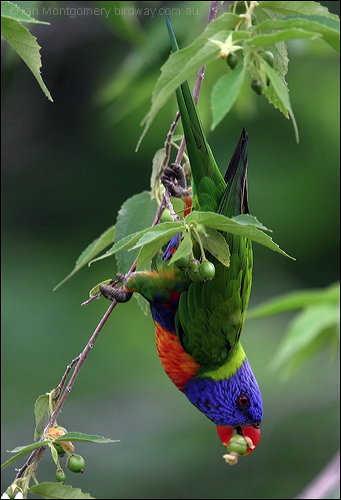
Rainbow Lorikeet (Trichoglossus moluccanus) by Ian

Rainbow Lorikeet (Trichoglossus moluccanus) by Ian

Behold the fowls of the air: for they sow not, neither do they reap, nor gather into barns; yet your heavenly Father feedeth them. Are ye not much better than they? (Matthew 6:26 KJV)

Golden Eagle ©PD

Boys and girls, this is another one of the amazing statements that have come from the lips of the Lord Jesus Christ! He says that you are much better than the birds. Evolutionist teaches that you are an animal, just higher than the birds. No, you are much better than the birds! Also, Jesus is saying that your Heavenly Father takes care of the birds. They don’t plant or reap a harvest field or gather what they need into barns and yet God takes care of them! When you were born, you didn’t have anything with you and at the end of life you will not take anything with you. All of the things that you need God has provided for you! You have lungs to breathe! In our atmosphere, God has provided oxygen for you to breathe! He also has mixed the air with nitrogen! If He didn’t things would explode in pure oxygen when you tried to cook something on a grill for a picnic! We birds love outside picnics because sometimes we help ourselves to a part of your treats!

Hey, hop on board and come fly with me to new heights! Remember, I am the Golden Eagle and eagles fly pretty high up! I think we are the top bird in God’s Creation. The other day at Fort De Soto there was a ferry that took some people across the waters to one of the small keys. That was like a small island! Well, there was a bird kind of nesting on the ground and I swooped in and that bird made a lot of noise and took off! Because I am one of the top predator birds around. I like to fly in where other species are and watch them scatter! It’s fun. Almost like the tow truck in the field on the Disney movie, Cars! I spread my wings and am able to get some lift and up, up, and away to my Eagle’s nest way up in that tree over there! Yes, there is my life partner. We have been together a few years now. My little ones are throwing a fuss. They are telling me that it’s supper time. I must use my keen sense of sight to find some prey! Oh, I see a small mammal down there… here I go…see ya…

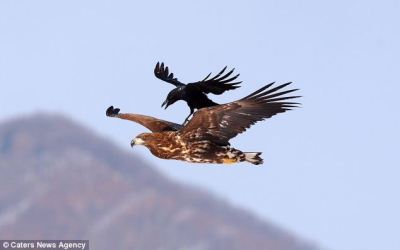
(Not sure if this is what Golden Eagle had in mind, but here is a brave Crow that is about to “hop on board.”)

Crow on Eagles Back ©©

Crow on Eagles Back ©©

*

Read more from Golden Eagle

 ABC’s of the Gospel

Bible Birds – Cuckoo Introduction

Guira Cuckoo (Guira guira) at NA by Dan at National Aviary

Guira Cuckoo (Guira guira) at NA by Dan at National Aviary

Bible Birds – Cuckoo’s Introduction

The “Cuckoo” or old English”Cuckow” is found in these verses:

and the owl, and the night-hawk, and the cuckoo, and the hawk after its kind, (Leviticus 11:16 YLT)

And the owl, and the night hawk, and the cuckow, and the hawk after his kind, (Deuteronomy 14:15 KJV)

The Old Testament was written in Hebrew and the word used has several meanings and so some Bibles call the bird a Cuckoo or Cuckow, some a Gull. For now, we are introducing you to Cuckoos.

1) a ceremonially unclean bird

  • 1a) cuckow, gull, seagull, sea-mew
  • 1b) maybe an extinct bird, exact meaning unknown

Did you think Cuckoos only live in Clocks?

No, there actually is a bird called a Cuckoo. It belongs to a family Cuculidae – Cuckoos. There are 149 species in the family. Not only Cuckoos, but Coucals, Anis, Couas, and Malkohas are family members.

Here are some descriptions of North American Cuckoos: (from Color Key to NA Birds)

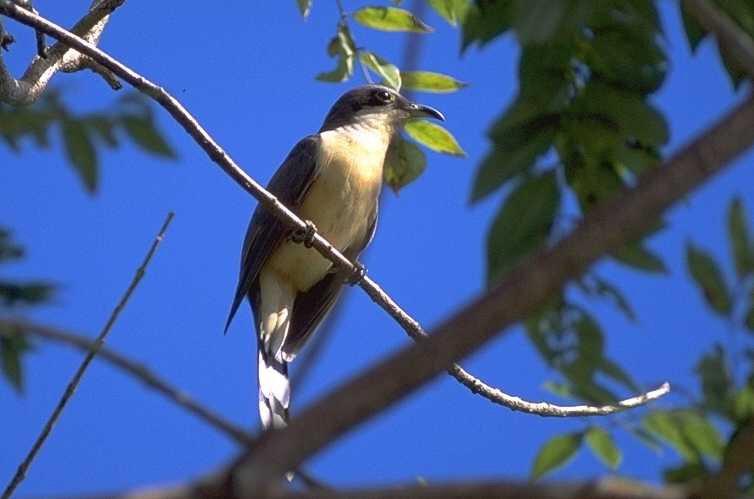
Mangrove Cuckoo

Mangrove Cuckoo

Mangrove Cuckoo (Coccyzus minor). Underparts uniformly rich buff; above grayish brown, crown grayer; ear-coverts black; tail black, outer feathers broadly tipped with white.

Range.—Northern South America, north through Central America, Mexico and Greater Antilles (except Porto Rico?) to Florida and Louisiana, migrating south in fall.

Maynard Cuckoo (C. m. maynardi). Similar to Mangrove Cuckoo, but underparts paler, the throat and forebreast more or less ashy white.

Range.—Bahamas and (eastern?) Florida Keys. (2012 Now Mangrove Cuckoo)

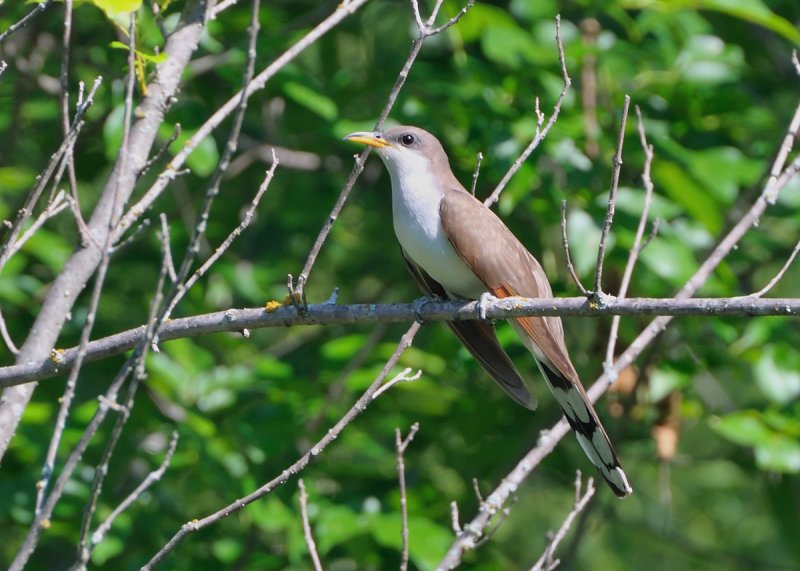
Yellow-billed Cuckoo (Coccyzus americanus) Neal Addy Gallery

Yellow-billed Cuckoo (Coccyzus americanus) Neal Addy Gallery

Yellow-billed Cuckoo (Coccyzus americanus). Length 12.2 in. Ads. Below white; lower mandible largely yellow, tail black, outer feathers widely tipped with white. Notes.Tut-tuttut-tuttut-tuttut-tutcl-uckcl-uckcl-uckcl-uckcl-uckcl-uckcowcowcowcowcowcow, usually given in part.

Range.—Eastern North America; breeds from Florida to New Brunswick and Minnesota; winters in Central and South America.

California Cuckoo (C. a. occidentalis). Similar to Yellow-billed Cuckoo but somewhat grayer and larger; the bill slightly longer, 1.05 in.

Range.—Western North America; north to southern British Columbia; east to Western Texas; winters south into Mexico.

Black-billed Cuckoo (Coccyzus erythropthalmus) by Jim Fenton

Black-billed Cuckoo (Coccyzus erythropthalmus) by Jim Fenton

Black-billed Cuckoo (Coccyzus erythrophthalmus). Length 11.8. Ads. White below; bill black; tail, seen from below, grayish narrowly tipped with white; above, especially on crown, browner than Yellow-billed Cuckoo. Notes. Similar to those of Yellow-billed Cuckoo, but softer, the cow notes connected.

Range.—Eastern North America; west to Rocky Mountains; breeds north to Labrador and Manitoba; winters south of United States to Brazil.

Cuckoo Sound with Pictures (From Poland)

Sort of sounds like the clock doesn’t it?

We will tell you more about the Cuckoo in the next Bible Birds – Cuckoo article.

*

Golden Eagle – Birds Are Free

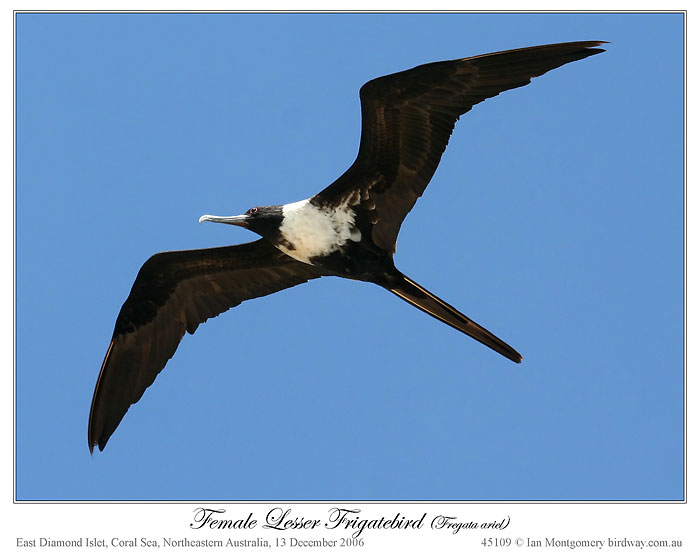
Lesser Frigatebird (Fregata ariel) female by Ian

Lesser Frigatebird (Fregata ariel) female by Ian

Golden Eagle ©PD

Golden Eagle ©PD

Hey kids! What do birds bring to your mind? To me, the Golden Eagle, they are free from this old world. I mean that they are free from gravity! They can soar above the trees and above the beautiful mountains that God created! Speaking of gravity-Jesus walked on water! Peter walked on water and Jesus was taken away in the clouds when He went back to Heaven!

And when Jesus had spoken these things, while they beheld, he was taken up; and a cloud received him out of their sight…THIS SAME JESUS, WHICH IS TAKEN UP FROM YOU INTO HEAVEN, SHALL SO COME IN LIKE MANNER AS YE HAVE SEEN HIM GO INTO HEAVEN” (Acts 1:9,11)


Jesus and the Bible has promised that He will return to this very earth someday in the future! It might even be today! Please make sure that you are born again, that you are saved, that you have received Him, a free GIFT OF ETERNAL LIFE from the Father! I for one want to live forever.

 Birds are free, they can soar to new heights, they are very colorful, and just full of beautiful colors! They make their nests in many different places! Sometimes in a tree, yes in a nest that they have made. Sometimes they live on the side of a cliff or they burrow a whole in the ground like some owls. Some birds will nest right on the ground. The cool thing is that God takes care of them and He takes care of us every day.
Painted Bunting (Passerina ciris) ©©Flickr

Painted Bunting (Passerina ciris) ©©Flickr

Hey, how’s that journal coming along? Have you spotted any birds? Have you entered that in your journal? Have you run across an interesting bird story? Do any of you have a question for the Golden Eagle? Free flight, fantastic colors, and fun builders of nests! The amazing creation of birds shows us the amazing ability of an awesome God! If you look around your room or you house, do you see any material things? Of course you do. And you know that each thing you see and touch, somebody made the things that you are looking at. They did not get there by pure chance, did they? Well, this earth, the Universe, you and me, the birds did not just get here by chance! That is what evolution teaches, but that doesn’t even make any sense. Nothing happens by pure chance. If that was true, there would be no purpose or reason for being in existence at all. The Bible teaches us that God made everything.

 For in six days the Lord made heaven and earth, the sea, and all that in them is… (Exodus 20:11)
That means that God made EVERYTHING and that He controls everything. There are no accidents with God. God is in control of each thing that happens around us and each thing that happens through us! Keep your eyes open, your ears alert, and watch today for the things that God is doing in your life and around you. I am certain that Jesus Christ, who is God, will be working TODAY!
Bye until the next adventure, I see a fish in my pond and I am hungry.
*

More from Golden Eagle

The Wordless Book

*

Introduction to Bible Birds

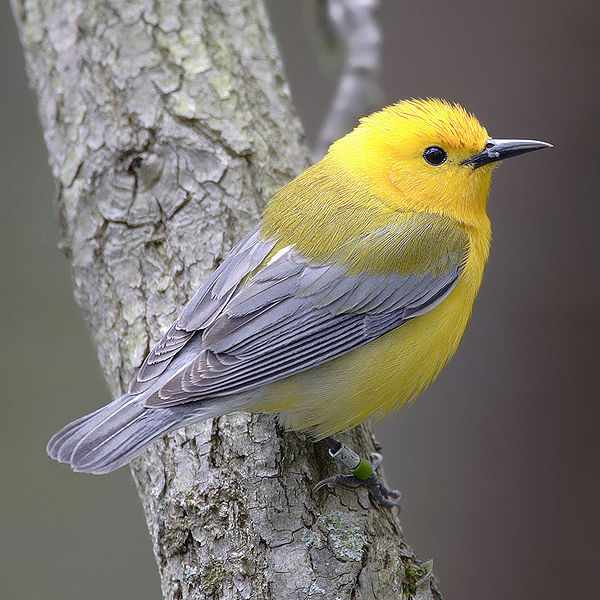
Prothonotary Warbler (Protonotaria citrea) ©WikiC

Prothonotary Warbler (Protonotaria citrea) ©WikiC

Introduction to Bible Birds

This is an Introduction to the Bible Birds. We have been adding many things about the birds in the Bible and other birds that are not named in the Bible, but the Lord made all the birds.

On Day Five (5) of creation, the birds were created. They didn’t just happen. They were designed by God and each one is different. Each one was given just what it needs to live, eat, and make more birds.

Genesis 1:20-23 NKJV
(20) Then God said, “Let the waters abound with an abundance of living creatures, and let birds fly above the earth across the face of the firmament of the heavens.”
(21) So God created great sea creatures and every living thing that moves, with which the waters abounded, according to their kind, andevery winged bird according to its kind. And God saw that it was good.
(22) And God blessed them, saying, “Be fruitful and multiply, and fill the waters in the seas, and let birds multiply on the earth.”
(23) So the evening and the morning were the fifth day.

I know there are some big words in those verses, but the bold letters help find important words.

Did you see the “let birds multiply”? That doesn’t mean they do math. It means that they were to have baby birds, then the baby could grow up and have more baby birds. Then there would be lots of birds.

We will be telling you more soon. Come back and find out about the many birds in the bible.

See:

Bible Birds

Birds of the Bible

Wordless Birds

*

(Sept 1 – Opened up a new section of the blog called Kids Section – Bible Birds. This is the Introduction for their Bible Birds section, which has links to easier reading articles or ones written for the younger folks.

Some of these articles were here already and others were written just for the Birds of the Bible For Kids blog.  We are placing a copy of all articles on this blog. This will save much duplications. Also, the younger readers will also have the benefit of the wealth of information here also.

Expect to see more articles for both our regular readers and our younger readers. You might be surprised how interesting they can be.

Bible Birds – Peacocks in South Carolina

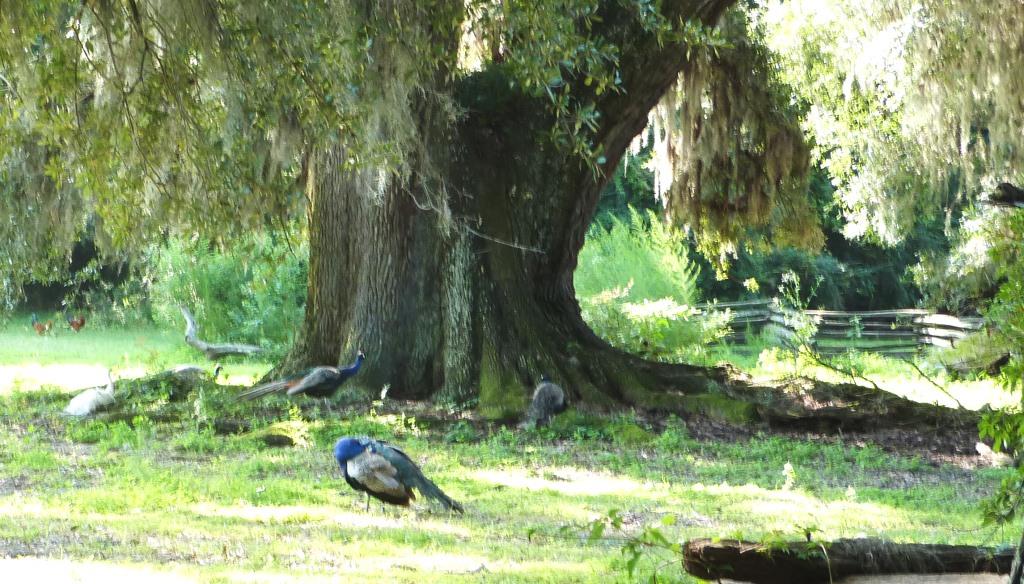
Peacocks at entrance to Magnolia Plantation

Peacocks at entrance to Magnolia Plantation


For the king had at sea a navy of Tharshish with the navy of Hiram: once in three years came the navy of Tharshish, bringing gold, and silver, ivory, and apes, and peacocks. (1 Kings 10:22)

We have just arrived home from a shortened vacation due to a health issue. We got as far as Charleston, S. C. before turning around and drifting back home.

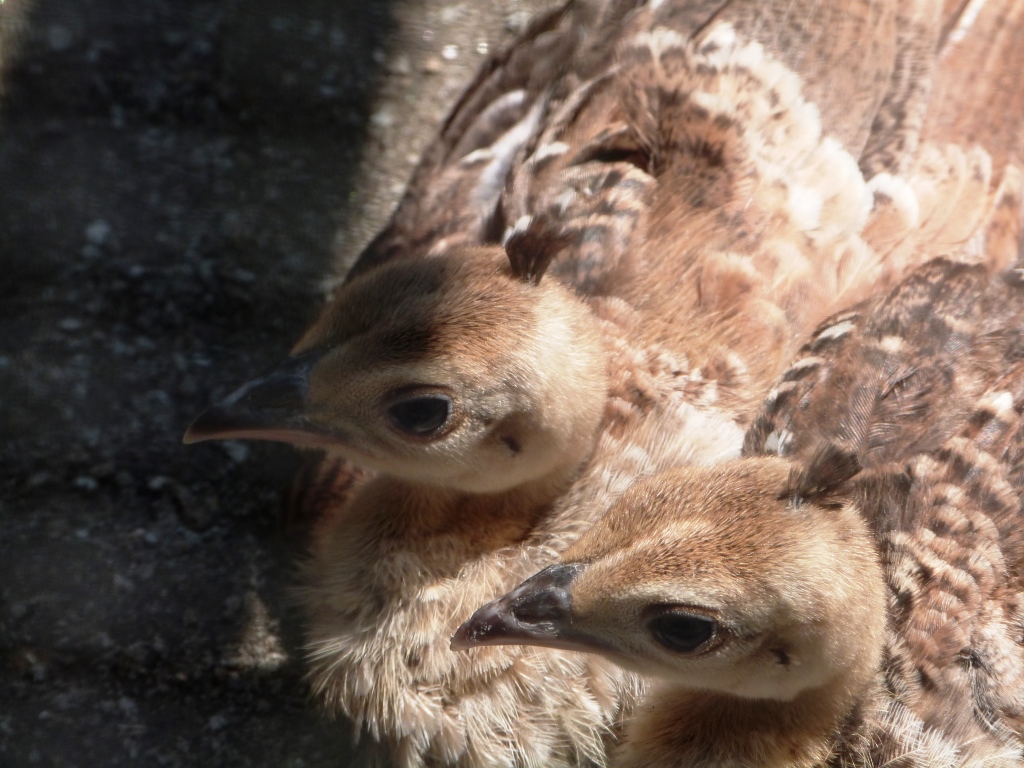
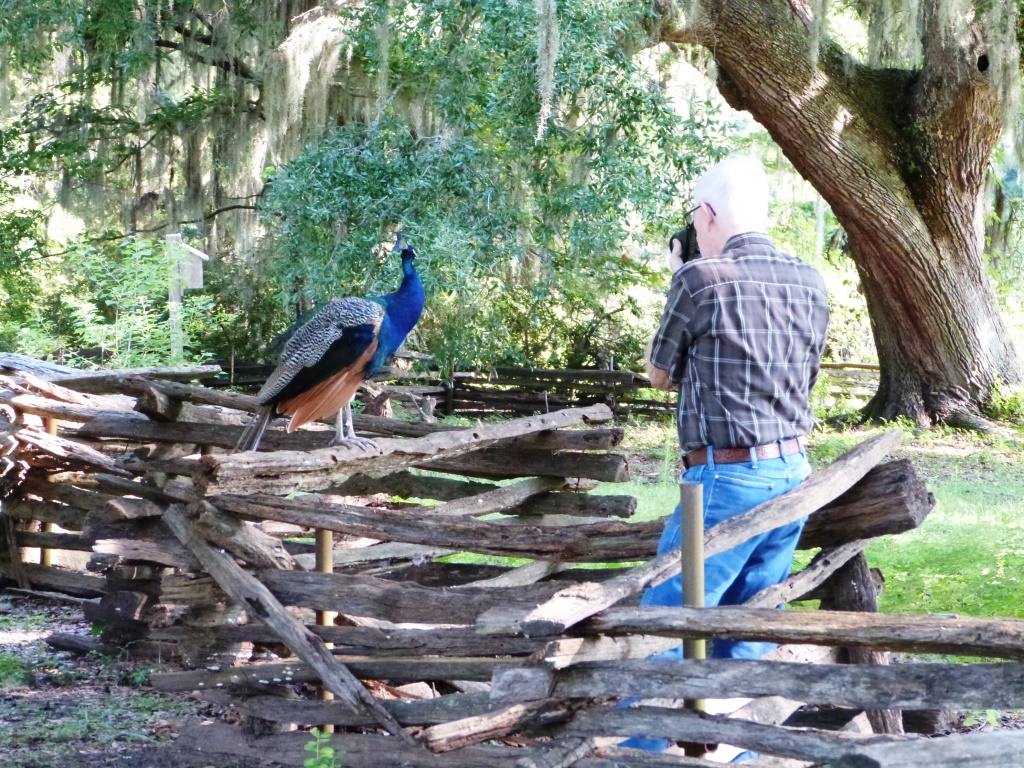
We were able to visit a few places, the Magnolia Plantation, for one, in Charleston. We were greeted at the entrance by at least 6 or 7 Peacocks. Also at the Petting Zoo, they had two female Peafowl with very young peachicks. As far as I could tell, these were Indian Peafowl (Pavo cristatus). Peacocks are actually Peafowl and belong to the Pheasant & Allies Phasianidae Family.

I have never seen peachicks before and thought it cute that they have the little tufts on their heads that will eventually grow those top feathers.

Peachicks at Magnolia Gardens by Lee

Peachicks at Magnolia Gardens by Lee

“First, the “Peacocks” are the males. The females are called “Peahen” and their chicks are called “Peachicks.”  Collectively the birds are called Peafowl. They all belong to the Phasianidae – Pheasants, Fowl & Allies Family.” (From Birds of the Bible – Peacocks II


Here are some of the photos of the peacocks there at the Plantation.

Dan photographing one of the Peacocks

Dan photographing one of the Peacocks

To find out more about Peacocks (Peafowl):

*

PS. Sorry about the quickly edited photos. I’ve had the blog on “auto-pilot” for over a week, but ran out of pre-scheduled blogs.

*

The Seagulls Move To Blue Cove

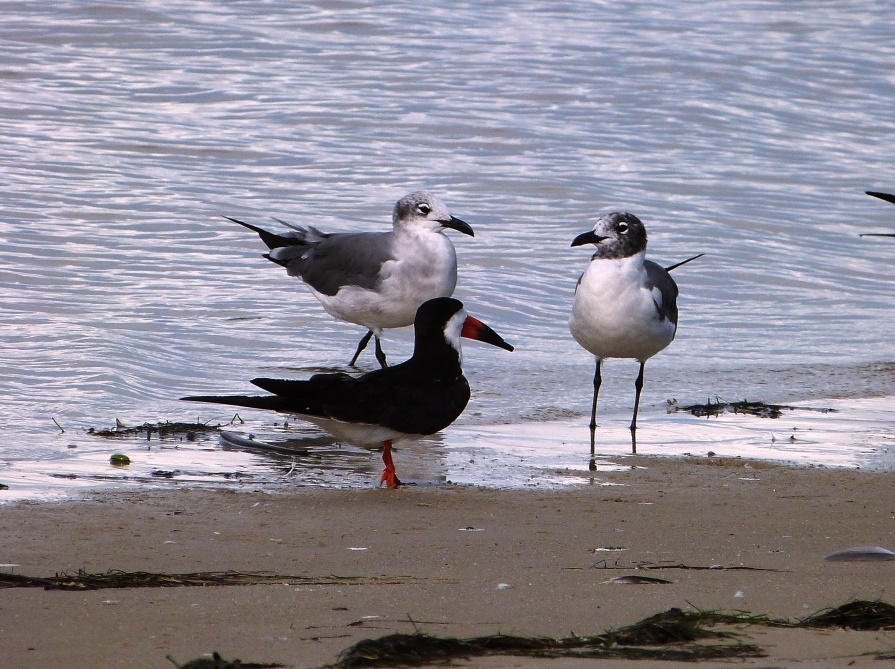
Laughing Gull and Skimmer by Lee

THE SEAGULLS MOVE TO BLUEY COVE

Daddys Bedtime Story Images (5)

“Mr. and Mrs. Seagull didn’t really know what to do,” said daddy. “They loved their home, which was in a big harbor, for they enjoyed seeing the boats pass and hearing the different whistles. All kinds of boats passed—ferryboats, sailboats, old fishing-boats, great big boats that went across the ocean, and little tugboats.

“The seagulls would fly overhead, and then they’d land on top of the water, but they never could stay there long, as the boats would come along, and they would have to fly off. Of late Mr. and Mrs. Seagull, although they were still as fond of their home as ever, became rather worried, for the little seagulls didn’t seem to be able to get out of [p.14]the way of the boats as quickly as the old seagulls could. Mr. and Mrs. Seagull were afraid that one of them might get hurt by a boat.

“Of course the little seagulls were quite certain that nothing like that would ever happen, but one day it did.

“They were playing tag on the surface of the water and so interested in their game that they didn’t notice until too late that a great huge boat was coming along. The captain of the boat had blown the whistle to scare the seagulls away. They hadn’t heard it at all, so busy were they playing, and it hit poor little Bluey Seagull. One of the others called out:

“‘Oh, fly up quickly, Bluey!’ He was not badly hit, for the pilot of the boat had seen the seagulls and made the boat slow down.

“Bluey was frightened almost out of his wits, but with the encouragement of the other seagulls he managed to fly off.

“When Mr. and Mrs. Seagull saw what had happened to Bluey they were horrified and quickly flew off with him, all the other little seagulls following.

“They flew as far from the boats as they could, for, now that Bluey had been hit, they didn’t think life in the harbor where the boats passed was so attractive. In fact, they decided they would never go back there again.

“They flew so far that they reached a little cove at the basin of the harbor, and when Mr. Seagull saw it he said:

“‘This will be our new home.’

“Mrs. Seagull said:

“‘We will never leave this home until all little seagulls are grown up, for then they will always be safe and can play all they want to without being afraid of getting hit by the big boats.’

“So it was decided, and the cove was named Bluey Cove because it had been on Bluey’s account that they had moved there. And of all the seagulls he was the happiest and most relieved.”


Laughing Gull (Leucophaeus atricilla) by Lee at Honeymoon Is SP

Laughing Gull (Leucophaeus atricilla) by Lee at Honeymoon Is SP

Lee’s Addition:

So let’s not sleepwalk through life like those others. Let’s keep our eyes open and be smart. (1 Thessalonians 5:6)

Do you get so involved with what you are doing that you forget to be aware of danger. If a ball go into the street, do you forget and just run after it, not paying attention to cars. Your parents can help you think of other ways to stay alert.

As Christians, we are supposed to watch, and pray, so that we don’t do bad things (sin).

Seagulls are members of the Laridae – Gulls, Terns & Skimmers Family and are known to fly very long distances. So it wouldn’t have been hard for them to fly to a safe place.

Another Bird Tales

From

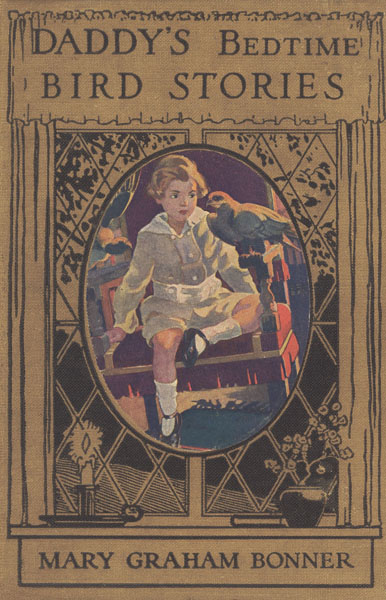
Daddy’s Bedtime Bird Stories – Gutenberg ebooks

By

Mary Graham Bonner

With four illustrations in color by
Florence Choate and Elizabeth Curtis

Daddys Bedtime Story Images


These stories first appeared in the American Press Association Service and the Western Newspaper Union.


Many of the sketches in this volume are the work of Rebecca McCann, creator of the “Cheerful Cherub,” etc.

Daddy's Bedtime Bird Stories by Mary Graham Bonner - 1917

*
Daddy’s Bedtime Bird Stories by Mary Graham Bonner – 1917

*

Links:

Painted Bunting (Passerina ciris) ©©Flickr


  Bird Tales


  Daddy’s Bedtime Bird Stories


Spanish Sparrow (Passer Hispaniolensis) female ©WikiC


  Wordless Birds


Laridae – Gulls, Terns & Skimmers Family


  Charadriiformes Order (Has more Sea birds)


Laughing Gull (Leucophaeus atricilla) by Lee at Honeymoon Is SP


  Laridae – Gulls, Terns & Skimmers Family


*

Bible Birds – Mighty Hand of God!

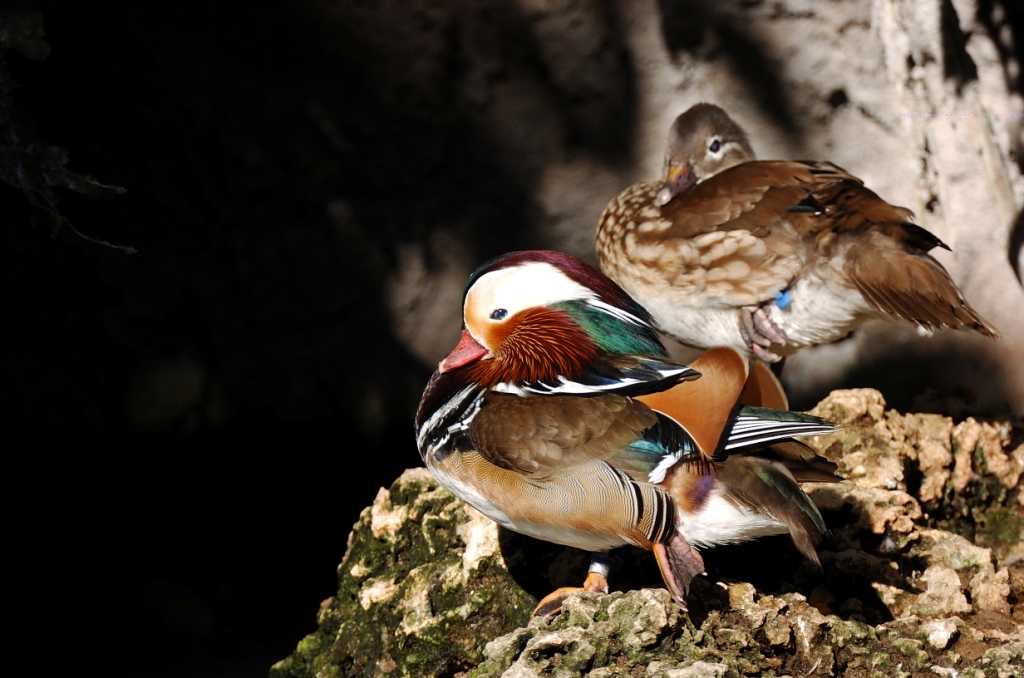
Mandarin Duck (Aix galericulata) by Dan at Zoo Miami

Mandarin Duck (Aix galericulata) by Dan at Zoo Miami

O Lord GOD, You have begun to show Your servant Your greatness and Your mighty hand, for what god is there in heaven or on earth who can do anything like Your works and Your mighty deeds? (Deuteronomy 3:24 NKJV)

What a beautiful duck. When we look around us, the Lord’s Hand is at work everywhere. Be thankful today for the Lord’s Blessing.

Brown-headed Barbet (Megalaima zeylanica) by Nikhil Devasar

Hang in there, today!

O taste and see that the LORD is good: blessed is the man that trusteth in him. (Psalms 34:8 KJV)

*

Bible Birds

*


King Solomon and The Birds – Part 3

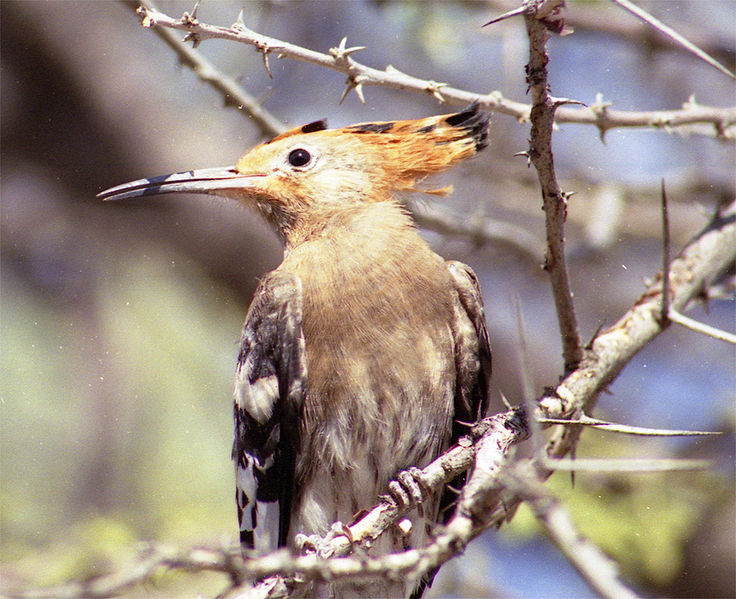
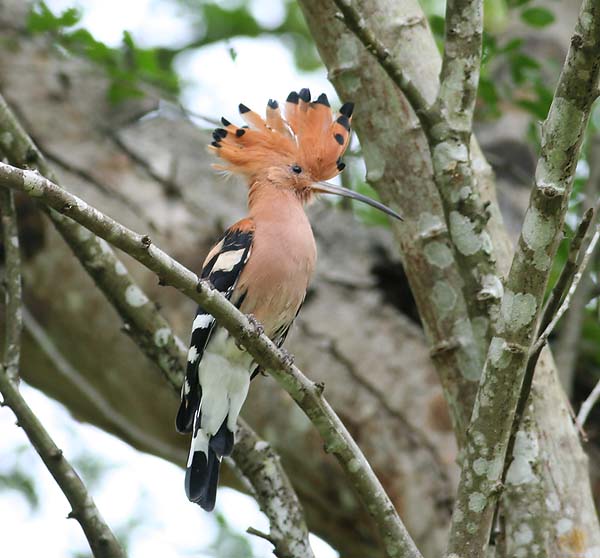
African Hoopoe (Upupa africana) ©WikiC

African Hoopoe (Upupa africana) ©WikiC

King Solomon and The Birds ~ from The Curious Book of Birds

KING SOLOMON AND THE BIRDS  – Part 3

Cur Book of Birds letter-kING SOLOMON was ever seeking to grow even wiser. The better to know the wonders of God’s world and the ways of all creatures, he undertook many journeys,—not as we ordinary poor mortals travel, in heavy wagons or clumsy boats, by dusty roads or stormy waves. It was in no such troublous ways that Solomon the all-powerful traversed space and reached the uttermost corners of the earth. Thanks to his great knowledge, he had discovered a means of locomotion compared to which the most magnificent railway coaches and the richest palanquins of Indian princes would seem poor indeed. He had caused his Genii to make a silken carpet of four leagues in extent. In the midst of this carpet was placed a magnificent throne for the royal traveler himself; and around it were seats of gold, of silver, of wood, for the multitude of persons of different rank whom he took with him. There was also no lack of the most gorgeous furniture and the necessary provisions for a king’s traveling banquet.

When all was ready Solomon was wont to seat himself upon his throne, and would command the winds to do their duty. Immediately they gently lifted the carpet and bore it rapidly through the air to the appointed spot. During the journey, above the aerial caravan fluttered a cloud of birds, who with their wings formed a splendid canopy to shield their beloved lord from the sun’s heat, as the Hoopoes had first done.

One day, while on such a journey, Solomon was shocked to feel a ray of sunlight piercing through this plumy dais (raised feathers) which overhung his head. Shading his eyes, the King glanced up and perceived that there was an opening in the canopy. One bird was missing from its post. In great displeasure Solomon demanded of the Eagle the name of the truant. Anxiously the Eagle called the roll of all the birds in his company; and he was horrified to find that it was Solomon’s favorite, the Hoopoe, who was missing. With terror he announced the bird’s desertion to the most wise King.

“Soar aloft,” commanded Solomon sternly, “and find the Hoopoe that I may punish him. I will pluck off his feathers that he may feel the scorching heat of the sun as his carelessness has caused me to do.”

The Eagle soared heavenward, until the earth beneath him looked like a bowl turned upside down. Then he poised on level wings and looked around in every direction to discover the truant. Soon he espied the Hoopoe flying swiftly from the south. The Eagle swooped down and would have seized the culprit roughly in his strong talons, but the Hoopoe begged him for Solomon’s sake to be gentle.

“For Solomon’s sake!” cried the Eagle. “Do you dare to name the King whom you have injured? He has discovered your absence and in his righteous anger will punish you severely.”

“Lead me to him,” replied the Hoopoe. “I know that he will forgive me when he hears where I have been and what I have to tell him.”

The Eagle led him to the King, who with a wrathful face was sitting on his throne. The Hoopoe trembled and drooped his feathers humbly, but when Solomon would have crushed him in his mighty fist the bird cried,—

“Remember, King, that one day you also must give an account of your sins. Let me not therefore be condemned unheard.”

“And if I hear you, what excuse can you have to offer?” answered Solomon, frowning. But this was his favorite bird and he hoped that there might be some reason for sparing him.

“Well,” said the Hoopoe, “at Mecca I met a Hoopoe of my acquaintance who told me so wonderful a tale of the marvelous Kingdom of Sheba in Arabia that I could not resist the temptation to visit that country of gold and precious stones. And there, indeed, I saw the most prodigious treasures; but best of all, O King, more glorious than gold, more precious than rare jewels, I saw Queen Balkis, the most beautiful of queens.”

“Tell me of this Queen,” said Solomon, loosening his rough grasp upon the Hoopoe. So it was, say the people, that a bird told Solomon of the great Queen whose journey to Jerusalem is described in the Bible.

The Hoopoe told of her power and glory, her riches, her wisdom, and her beauty, until Solomon sighed a great sigh and said, “It seems too good to be true! But we shall see.”

So the King wrote a letter to Balkis, bidding her follow the guidance of fate and come to the court of the wise King. This note he sealed with musk, stamped with his great signet, and gave to the Hoopoe, saying,—

“If now you have spoken truth, take this letter to Queen Balkis; then come away.”

The Hoopoe did as he was bid, darting off towards the south like an arrow. And the next day he came to the palace of the Queen of Sheba, where she sat in all her splendor among her counselors. He hopped into the hall and dropped the letter into her lap, then flew away.

Queen Balkis stared and stared at the great King’s seal upon the mysterious letter, and when she had read the brief invitation she stared and stared again. But she had heard the fame of Solomon and was eager to ask him some of her clever questions to prove his wisdom. So she decided to accept his invitation and come to Jerusalem.

She came with a great train of attendants, with camels that bore spices and treasures of gold and precious stones, gifts for the most wise King. And she asked him more questions than any woman had ever asked him before, though he knew a great many ladies, and they were all inquisitive.

But Solomon was so wise that he answered all her questions without any trouble.

And she said to him, “It was a true report that I heard of you in my own land, of your wisdom and of your glory. Only that which now I know and see is greater than what I heard. Happy are thy men and happy are thy servants who stand continually before thee and hear thy wisdom.”

And she gave the King a hundred and twenty talents of gold, which was a very rich treasure, besides great store of spices, and the most precious gifts; no one had ever seen such gifts as the Queen of Sheba gave to Solomon.

But he in turn was even more generous. For he gave to the fair Balkis all that she desired and everything she asked, because he admired so much this splendid Queen of whom the Hoopoe had first told him.

And so, the Bible says, the Queen of Sheba turned and went to her own country, she and her servants. But the People’s tales say that in later days she married Solomon and they lived happily ever after. And it was all the work of that little Hoopoe with a yellow crown, whom after that we may be sure Solomon loved better than ever.

***

Now King Solomon gave to the queen of Sheba all she desired, whatever she asked, much more than she had brought to the king. So she turned and went to her own country, she and her servants. (2 Chronicles 9:12 NKJV)

And that ends our story of King Solomon and the Birds.

See:

King Solomon and The Birds – Part 1

King Solomon and The Birds – Part 2

*

Links:

Eurasian Hoopoe (Upupa epops) by Peter Ericsson


  Hoopoes – Upupidae Family


Painted Bunting (Passerina ciris) ©©Flickr


  Bird Tales


Curious Book of Birds - Cover


  The Curious Book of Birds


Spanish Sparrow (Passer Hispaniolensis) female ©WikiC


  Wordless Birds


*
King Solomon and The Birds – Part 2

Eurasian Hoopoe (Upupa epops) by W Kwon

Eurasian Hoopoe (Upupa epops) by W Kwon

King Solomon and The Birds ~ from The Curious Book of Birds

King Solomon and The Birds – Part 2


Cur Book of Birds letter-one day when Solomon was journeying across the desert, he was sorely distressed by the heat of the sun, until he came near to fainting. Just then he spied a flock of his friends the Hoopoes flying past, and calling to them feebly he begged them to shelter him from the burning rays.

The King of the Hoopoes gathered together his whole nation and caused them to fly in a thick cloud over the head of Solomon while he continued his journey. In gratitude the wise King offered to give his feathered friends whatever reward they might ask.

For a whole day the Hoopoes talked the matter over among themselves, then their King came to Solomon and said to him,—

“We have considered your offer, O generous King, and we have decided that what we most desire is to have, each of us, a golden crown on his head.”

King Solomon smiled and answered, “Crowns of gold shall you have. But you are foolish birds, my Hoopoes; and when the evil days shall come upon you and you see the folly of your desire, return here to me and I will help you yet again.”

So the King of the Hoopoes left King Solomon with a beautiful golden crown upon his head. And soon all the Hoopoes were wearing golden crowns. Thereupon they grew very proud and haughty. They went down by the lakes and pools and strutted there that they might admire themselves in the water mirrors. And the Queen of the Hoopoes became very airy, and refused to speak to her own cousin and to the other birds who had once been her friends.

There was a certain fowler who used to set traps for birds. He put a piece of broken mirror into his trap, and a Hoopoe spying it went in to admire herself, and was caught. The fowler looked at the shining crown upon her head and said, “What have we here! I never saw a crown like this upon any bird. I must ask about this.”

So he took the crown to Issachar, the worker in metal, and asked him what it was. Issachar examined it carefully, and his eyes stuck out of his head. But he said carelessly, “It is a crown of brass, my friend. I will give you a quarter of a shekel for it; and if you find any more bring them to me. But be sure to tell no other man of the matter.” (A shekel was about sixty-two cents.)

After this the fowler caught many Hoopoes in the same way, and sold their crowns to Issachar. But one day as he was on his way to the metalworker’s shop he met a jeweler, and to him he showed one of the Hoopoes’ crowns.

“What is this, and where did you find it?” exclaimed the jeweler. “It is pure gold. I will give you a golden talent for every four you bring me.” (A talent was worth three hundred shekels.)

Now when the value of the Hoopoes’ crowns was known, every one turned fowler and began to hunt the precious birds. In all the land of Israel was heard the twang of bows and the whirling of slings. Bird lime was made in every town, and the price of traps rose in the market so that the trap-makers became rich men. Not a Hoopoe could show his unlucky head without being slain or taken captive, and the days of the Hoopoes were numbered. It seemed that soon there would be no more Hoopoes left to bewail their sad fate.

At last the few who still lived gathered together and held a meeting to consider what should be done, for their minds were filled with sorrow and dismay. And they decided to appeal once more to King Solomon, who had granted their foolish prayer.

Flying by stealth through the loneliest ways, the unhappy King of the Hoopoes came at last to the court of the King, and stood once more before the steps of his golden throne. With tears and groans he related the sad fortune which had befallen his golden-crowned race.

King Solomon looked kindly upon the King of the Hoopoes and said, “Behold, did I not warn you of your folly in desiring to have crowns of gold? Vanity and pride have been your ruin. But now, that there may be a memorial of the service which once you did me, your crowns of gold shall be changed into crowns of feathers, and with them you may walk unharmed upon the earth.”

In this way the remaining Hoopoes were saved. For when the fowlers saw that they no longer wore crowns of gold upon their heads, they ceased to hunt them as they had been doing. And from that time forth the family of the Hoopoes have flourished and increased in peace, even to the present day.


Lee’s Addition:

When pride comes, then comes dishonor, But with the humble is wisdom. (Proverbs 11:2 NASB)

Vanity means – “too much pride in oneself or in how one looks.”

Pride can mean – “a sense of one’s own value that is too high.” or “an inborn feeling of self-worth.” (One of these definitions is good and the other bad.)

Was our King of the Hoopoes showing good or bad pride? When we think too much of ourself and think we are better or nicer looking. (“Look at me, I have a gold crown.”)

You could work hard on a project and win a gold ribbon or metal for that effort. If you wore that ribbon around your neck, would your attitude about it be a good or bad pride?

Praise the LORD! Oh, give thanks to the LORD, for He is good! For His mercy endures forever. (Psalms 106:1 NKJV)

Links:

King Solomon and The Birds – Part 1

King Solomon and The Birds – Part 2

King Solomon and The Birds – Part 3


Eurasian Hoopoe (Upupa epops) by Peter Ericsson


  Hoopoes – Upupidae Family


Painted Bunting (Passerina ciris) ©©Flickr


  Bird Tales


Curious Book of Birds - Cover


  The Curious Book of Birds


Spanish Sparrow (Passer Hispaniolensis) female ©WikiC


  Wordless Birds


King Solomon and The Birds – Part 1

Eurasian Hoopoe (Upupa epops) by Peter Ericsson

Eurasian Hoopoe (Upupa epops) by Peter Ericsson

King Solomon and The Birds ~ from The Curious Book of Birds

KING SOLOMON AND THE BIRDS – Part 1

letter-kING SOLOMON was wiser than all men, and his fame was in all nations round about Jerusalem. He was so wise that he knew every spoken language; yes, but more than this, he could talk with everything that lived, trees and flowers, beasts and fowls, creeping things and fishes. What a very pleasant thing that was for Solomon, to be sure! And how glad one would be nowadays to have such knowledge!

Solomon was especially fond of birds, and loved to talk with them because their voices were so sweet and they spoke such beautiful words. One day the wise King was chatting pleasantly with the birds who lived in his wonderful garden, and these are some of the things which he heard them say. The Nightingale, the sweetest singer of all, chanted,—

“Contentment is the greatest happiness.”

“It would be better for most people never to have been born,” crooned the melancholy Turtle-Dove.

The happy little Swallow gave her opinion,—”Do good and you will be rewarded hereafter.”

The harsh cry of the Peacock meant, “As thou judgest so shalt thou be judged.”

The Hoopoe said, “He who has no pity for others will find none for himself.”

The cynical old Crow croaked disagreeably, “The further away from men I am, the better I am pleased.”

Last of all the Cock who sings in the morning chanted his joyous song,—”Think of your Creator, O foolish creatures!”

When they had finished talking King Solomon softly stroked the head of the pretty little Dove and bade her cheer up, for life was not so dreadful a thing, after all. And he gave her permission to build her nest under the walls of the great Temple which he was building, the most beautiful, golden house in the whole world. Some years afterward the Doves had so increased in numbers that with their extended wings they formed a veil over the numberless pilgrims who came to Jerusalem to visit the wonderful Temple.

But of all the winged singers who spoke that day in the garden, the wise King chose to have ever near him the Cock, because he had spoken words of piety, and the nimble Hoopoe, because he was able to plunge his clear gaze into the depths of the earth as if it were made of transparent glass and discover the places where springs of living water were hidden under the soil. It was very convenient for Solomon, when he was traveling, to have some one with him who was able to find water in whatsoever place he might be resting.

Thus the Cock and the Hoopoe became Solomon’s closest companions; but of the two the Hoopoe was his favorite. The Hoopoe is an Eastern bird and we do not see him in America. He is about as big as a Jay, colored a beautiful reddish gray, with feathers of purple, brown, and white, and his black wings are banded with white. But the peculiar thing about a Hoopoe is his crown of tawny feathers, a tall crown for so small a bird. And this is the story of the Hoopoe’s crown.

King Solomon and The Birds – Part 2

King Solomon and The Birds – Part 3


Lee’s Addition:

I will praise You, for I am fearfully and wonderfully made; Marvelous are Your works, And that my soul knows very well. (Psalms 139:14 NKJV)

I delight to do Your will, O my God, And Your law is within my heart.” (Psalms 40:8 NKJV)

The Bible tells us that we are to be content with the way the Lord made us and we should delight or be happy to do what the Lord wants. That also includes doing what your parents want you to do.

Links:

Eurasian Hoopoe (Upupa epops) by Peter Ericsson


  Hoopoes – Upupidae Family


Painted Bunting (Passerina ciris) ©©Flickr


  Bird Tales


Curious Book of Birds - Cover


  The Curious Book of Birds


Spanish Sparrow (Passer Hispaniolensis) female ©WikiC


  Wordless Birds