According to Birds and Bloom magazine site, there are Birds of the Month.
“You’ve probably heard of birth month gemstones and birth month flowers, but have you heard of birth month birds? It might come as a surprise to learn every month of the year has not only a representative jewel and flower, but also a bird. From owls to ravens, here are the birds that represent everyone’s birthdays.”
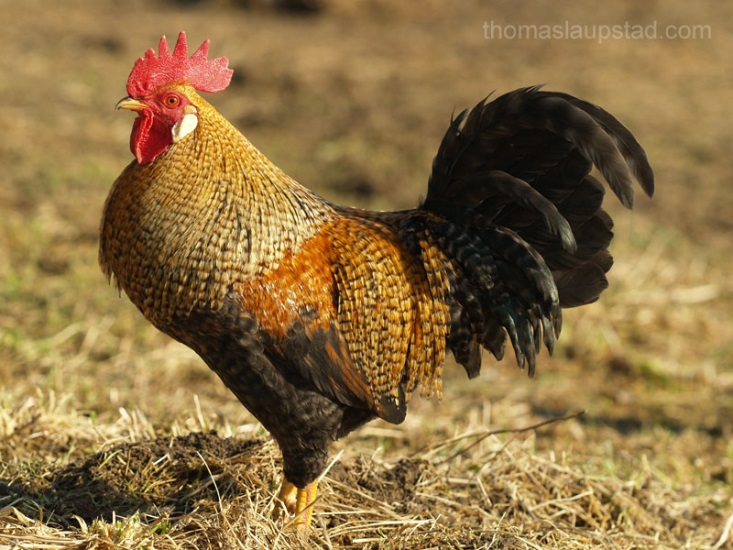
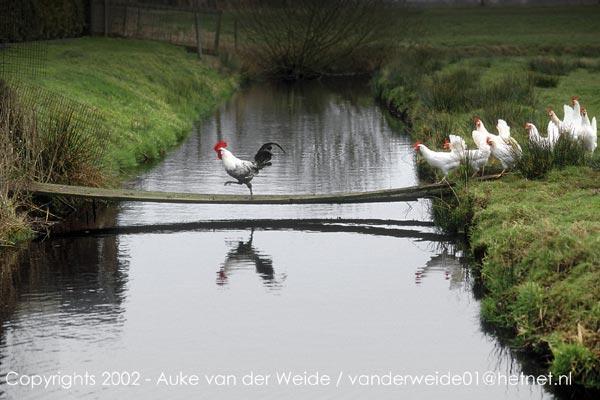
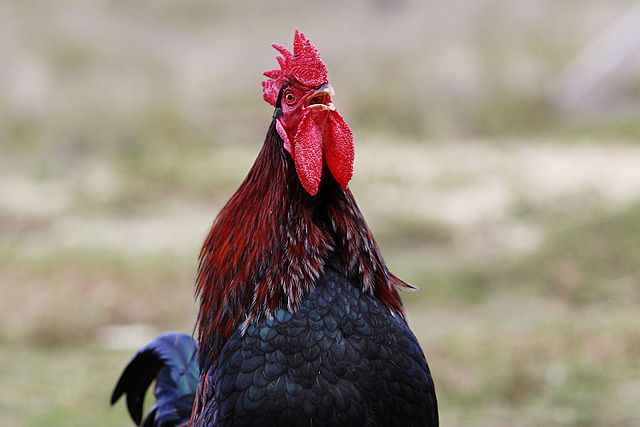
If you’re a morning person with a November birthday, it makes sense that your birth month bird is a rooster. After all, the rooster’s loud crowing often marks a new day. It might surprise some to learn that roosters are capable of flight, but not for sustained periods of time or across long distances.
“This brightly colored rooster (above) watches over his farm with vigilance and bravery. He scans the sky for any potential danger that may be lurking around and crows at the crack of dawn to let us know another day has begun. The rooster proudly struts around the farmyard as he protects his flock,” says Crystal Blank.
Can you guess the official state bird of all 50 states?
So, where were roosters mentioned in the Bible? Let’s see what we can find out!!
When I put in “rooster” in my eSword program (NKJV) there are 12 verses that list the word “rooster.” Here are some of those:
“Jesus said to him, “Assuredly, I say to you that this night, before the rooster crows, you will deny Me three times.” (Matthew 26:34 NKJV)
Peter denies the Lord in verses 74 and 75:
“Then he began to curse and swear, saying, “I do not know the Man!” Immediately a roostercrowed. And Peter remembered the word of Jesus who had said to him, “Before the roostercrows, you will deny Me three times.” So he went out and wept bitterly.” (Matthew 26:74-75 NKJV)
Watch therefore, for you do not know when the master of the house is coming—in the evening, at midnight, at the crowing of the rooster, or in the morning— lest, coming suddenly, he find you sleeping. And what I say to you, I say to all: Watch!” (Mark 13:35-37 NKJV)
Jesus gave that warning in Mark:
Mar_14:30 Jesus said to him, “Assuredly, I say to you that today, even this night, before the rooster crows twice, you will deny Me three times.”
Mar_14:68 But he denied it, saying, “I neither know nor understand what you are saying.” And he went out on the porch, and a rooster crowed.
Mar_14:72 A second time the rooster crowed. Then Peter called to mind the word that Jesus had said to him, “Before the rooster crows twice, you will deny Me three times.” And when he thought about it, he wept.
There are a few more verses with the Rooster mention, but in all of them there is a warning to watch and pray. Sounds like great advice to me.
According to Birds and Bloom magazine site, there are Birds of the Month.
“You’ve probably heard of birth month gemstones and birth month flowers, but have you heard of birth month birds? It might come as a surprise to learn every month of the year has not only a representative jewel and flower, but also a bird. From owls to ravens, here are the birds that represent everyone’s birthdays.”
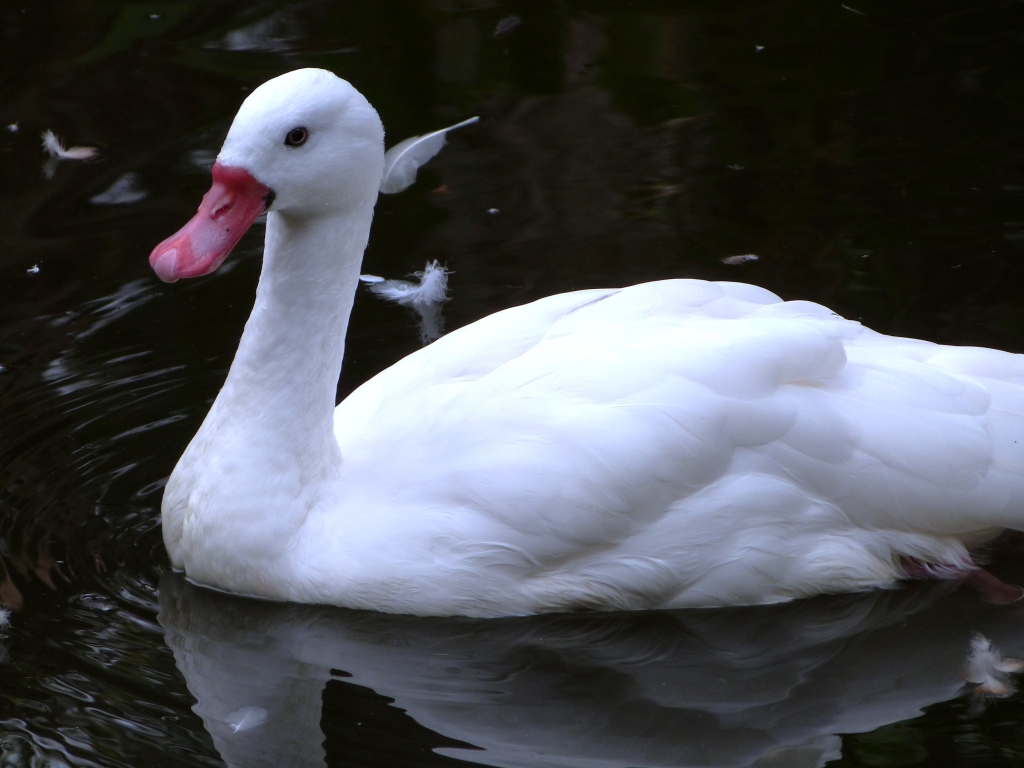
Coscoroba Swan (Coscoroba coscoroba) at Brevard Zoo by Lee
More from Birds and Bloom:
October: Swan
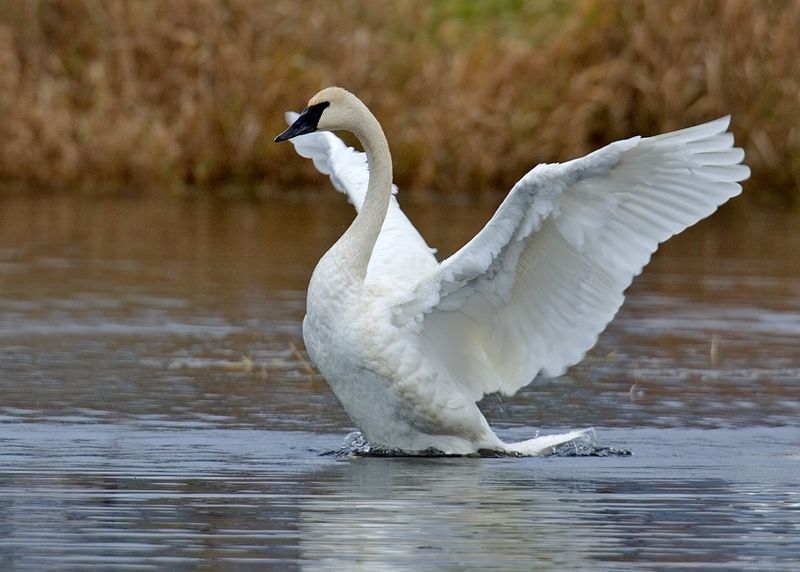
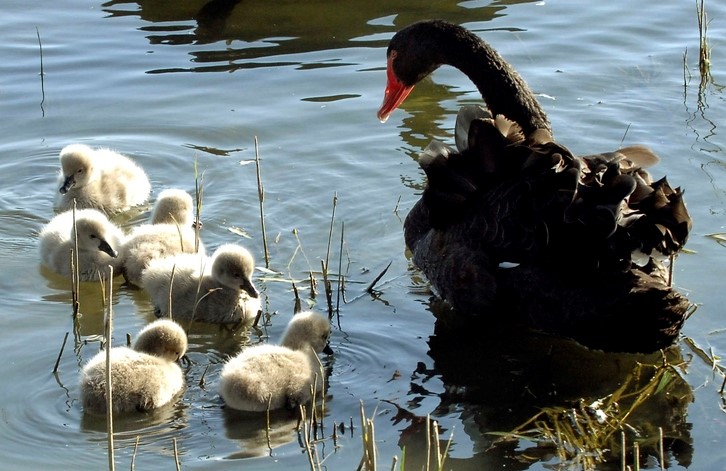
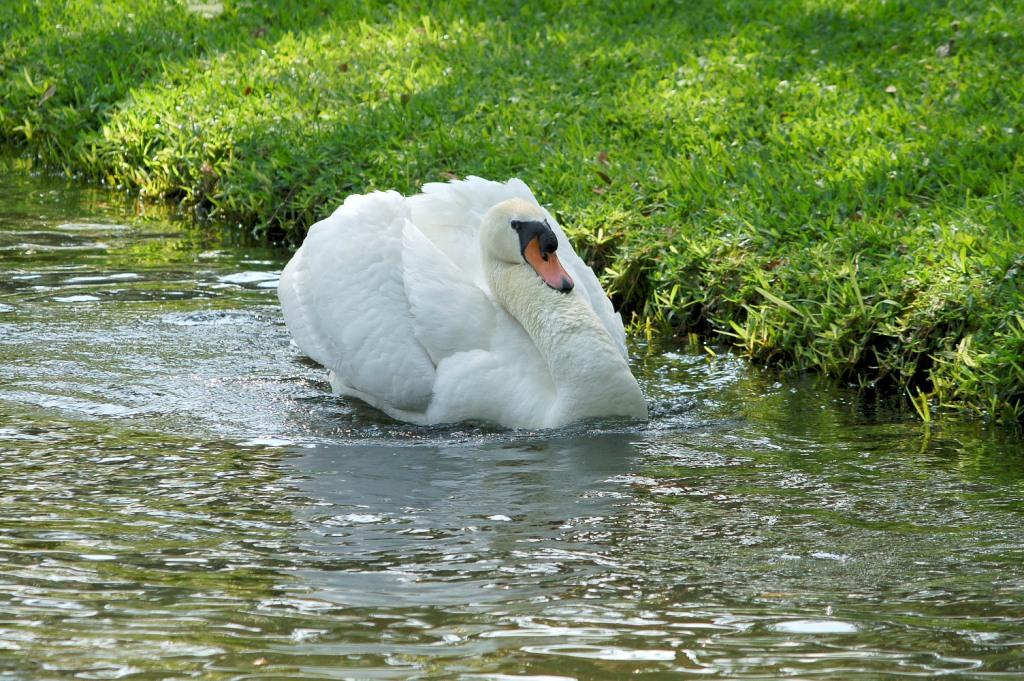
Long seen as symbols of romance and grace, swans are beautiful birds. Swans mate for life and only seek a new one if their previous mate dies. These October birth month birds also have a fiercely protective streak; they’ve been known to attack anyone who gets too close to their nest! Three types of swans live in the United States; the trumpeter swan, the tundra swan and the (non-native) mute swan.
“This beautiful swan was stretching its wings out. The thing that stands out to me in the photo is how beautifully and elegantly the swan was posing,” ….
Quite a few of my friends have had birthdays in October, and if you did, now you know your Bird of the Month. Sorry was a bit late getting posted, but it IS STILL October. Trust you had a great birthday.
Depending on what version of the Bible used, the Swan may or not be a Bird of the Bible, but I counted it in when I did the Birds of the Bible – Swan posts.
The little owl, and the great owl, and the swan, (Deuteronomy 14:16 KJV)
the little owl, the screech owl, the white owl, (Deuteronomy 14:16 NKJV)
the little owl, and the great owl, and the swan, (Deuteronomy 14:16 YLT)
The little owl, the great owl, the horned owl, (Deuteronomy 14:16 AMPC)
The little owl and the great owl and the water-hen; (Deuteronomy 14:16 BBE)
little owls, great owls, white owls, (Deuteronomy 14:16 ERV)
All these verses are from the list of Birds Not To Eatfor the Israelites. Personally, I have never seen any of these on the menu at my favorite restaurant and don’t plan on eating one of them.
According to Birds and Bloom magazine site, there are Birds of the Month.
“You’ve probably heard of birth month gemstones and birth month flowers, but have you heard of birth month birds? It might come as a surprise to learn every month of the year has not only a representative jewel and flower, but also a bird. From owls to ravens, here are the birds that represent everyone’s birthdays.”
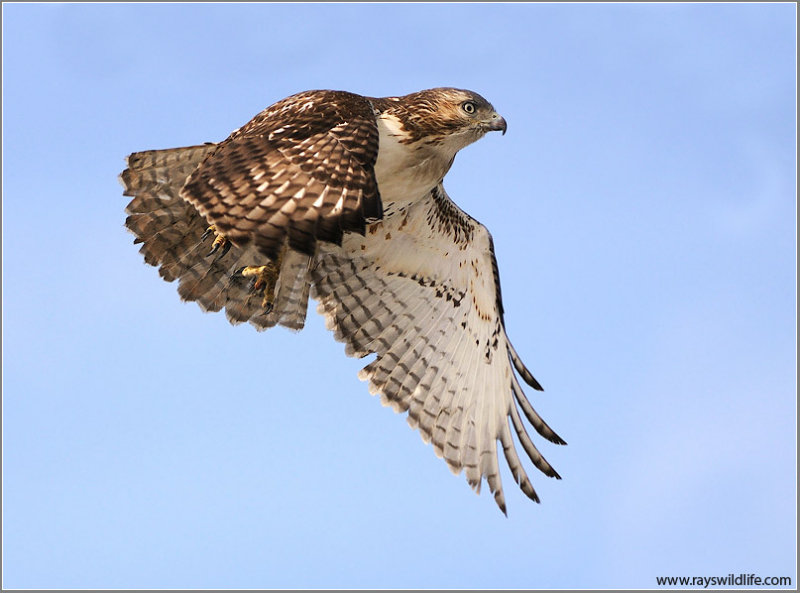
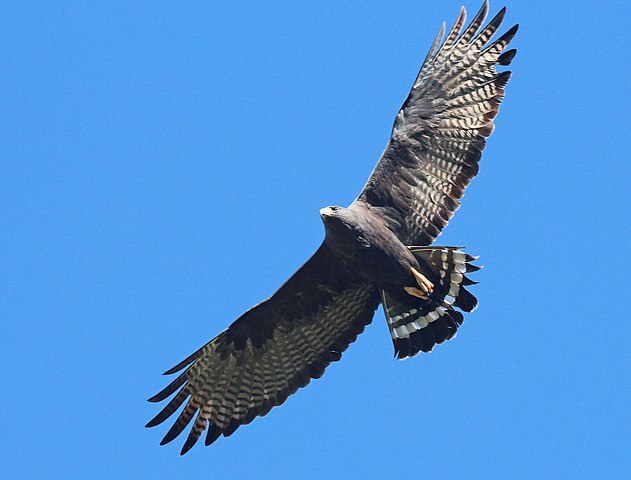
They’re not always a welcome sight around feeders, but there’s plenty to admire about hawks. Resourceful and powerful, they’re striking as they hover in the skies or scan fields for prey. These birds of prey aren’t particularly hard to find, but since many look alike, it can be tricky to identify hawks.
Red-tailed Hawk by Ray
“I heard the undeniable screech of a red-tailed hawk (above) while I was out watering my flowers one early summer morning. It didn’t take me long to locate this beautiful, noisy creature. Majestically, it perched on the highest peak of my neighbor’s roof. It was communicating with its mate, which was perched in a nearby tree. I was lucky to see their interaction and snap a shot as it took off and flew away,” says Carol Holliday.
September is my birthday month. So, along with the rest of you we now know that we should like Hawks, especially if this is our monthly bird. There have been plenty of Hawks presented over the years on this blog. So, let’s take a look at some of them.
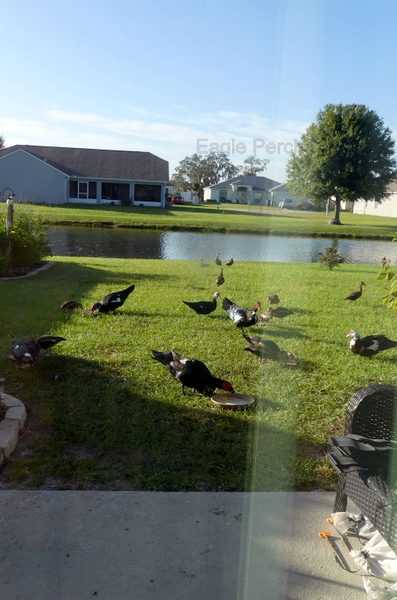
Eagle Perch I normally see the Eagle. Way over there.
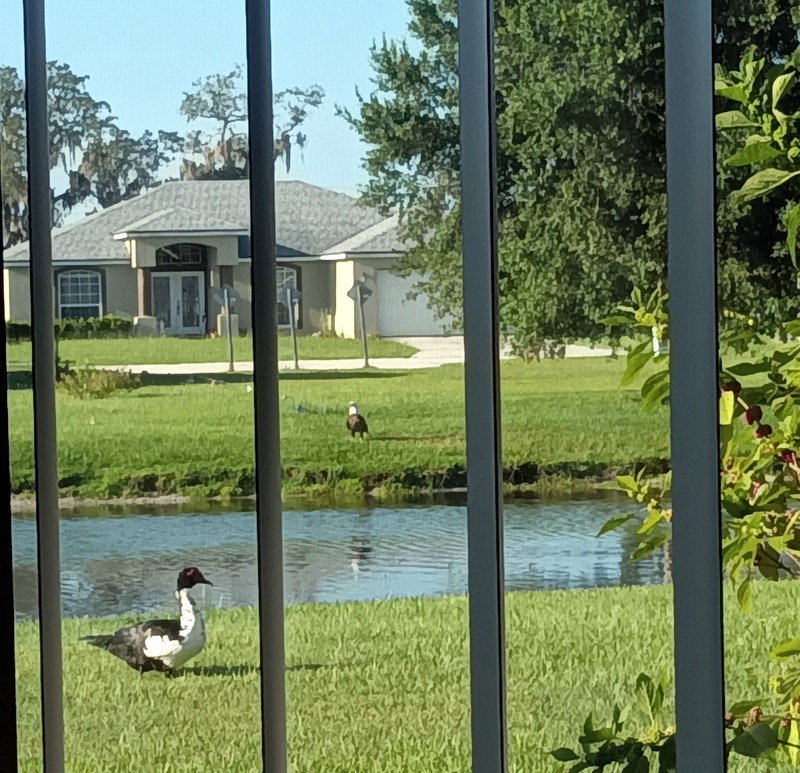
Today while I was eating breakfast, I looked out the window and saw a Bald Eagle on the bank across the water. He sits in a tree which I’ve shown photos of before, but this time he was a lot closer. Lord knows it’s hard for me to get out birdwatching these days, so He graciously has been bringing them here. Thank you, Lord.
Eagle on the bank at breakfast time 8-19-2025
I’m so my glad the phone was on my table. I have seen this eagle several times around the neighborhood lately. On the house next door and on others that have a second story. I guess he wants a good view closer to the pond.
As you know the Eagles are mentioned in the Bible and we have written about them many times here. The “Bald” Eagle always tickles me when I read this verse from Micah 1:6:
“Make yourself bald and cut off your hair, Because of your precious children; Enlarge your baldness like an eagle, For they shall go from you into captivity.”
Of course, Eagles are mentioned many times, in fact there are 23 verses like:
Deu 32:11 “As an eagle stirs up its nest, Hovers over its young, Spreading out its wings, taking them up, Carrying them on its wings,”
Job 9:26 “They pass by like swift ships, Like an eagle swooping on its prey.”
Job 39:27 “Does the eagle mount up at your command, And make its nest on high?”
Pro 23:5 “Will you set your eyes on that which is not? For riches certainly make themselves wings; They fly away like an eagle toward heaven.”
Hab 1:8 “Their horses also are swifter than leopards, And more fierce than evening wolves. Their chargers charge ahead; Their cavalry comes from afar; They fly as the eagle that hastens to eat.”
According to Birds and Bloom magazine site, there are Birds of the Month.
“You’ve probably heard of birth month gemstones and birth month flowers, but have you heard of birth month birds? It might come as a surprise to learn every month of the year has not only a representative jewel and flower, but also a bird. From owls to ravens, here are the birds that represent everyone’s birthdays.”
More from Birds and Bloom:
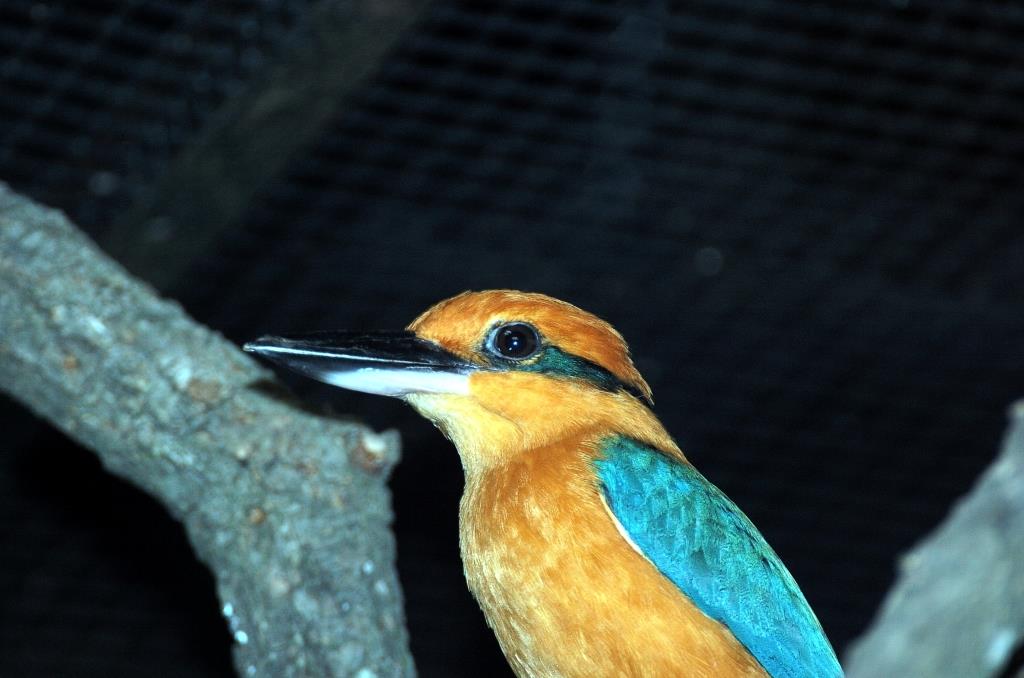
August: Kingfisher
If you’re drawn to water, the kingfisher represents you well. The August birth month birds don’t stray far from water of some kind: rivers, lakes, streams or even swamps. You can find them throughout most of the United States, either year-round or during breeding or migration seasons.
“This is one of my favorite birds, the Belted Kingfisher. I was thrilled to catch this one perched on this branch. They are hard to catch up with as they are always on the move, but this one sat there for a while and posed for us. They have such a distinctive call, and watching one dive into the water to catch a fish is quite a sight!” says Pauline Medori.
Don’t forget to add a card to your bird month gift. We found the best bird cards.
“Then Jesus said to them, “Follow Me, and I will make you become fishers of men.”
(Mark 1:17 NKJV)
We’ve enjoyed writing about and watching these unique Kingfishers. They have a squatty look to me because of their short neck with that long beak. Luckily, we are able to see them nearby quite often. So, there are quite a few articles here on the blog. Here are some of them.
“So we are always confident, knowing that while we are at home in the body we are absent from the Lord. For we walk by faith, not by sight. We are confident, yes, well pleased rather to be absent from the body and to be present with the Lord.” (2 Corinthians 5:6-8 NKJV)
Dr. Jim and Sherry Johnson
Dr. James J. S. Johnson, “Dr. Jim” as I always refer to has been a regular writer here on the blog. He “joined his Lord in heaven on the night of July 19, 2025. ” We will dearly miss him here on the blog. He has posted many articles about birds which came from his love of birdwatching.
We, Dan and I, first met Dr. Jim, in person, when he came to our church and presented one of his presentations about Creation. He was writing articles here on the blog before that visit. He found this blog, Lee’s Birdwatching Adventures Plus, while looking for one of the articles he had written about birds. I had seen it, and with permission had copied and posted it here. That incident started our friendship and him posting many birdwatching articles here. He has been writing articles here at least since 2013.
“We are confident, yes, well pleased rather to be absent from the body and to be present with the Lord. Therefore we make it our aim, whether present or absent, to be well pleasing to Him. For we must all appear before the judgment seat of Christ, that each one may receive the things done in the body, according to what he has done, whether good or bad.”
(2 Corinthians 5:8-10 NKJV)
Links to many of Dr. James Johnson’s post here:
I have to admit that these pages are not totally up to date. Search under these links to find many of Dr. Jim’s articles:
According to Birds and Bloom magazine site, there are Birds of the Month.
“You’ve probably heard of birth month gemstones and birth month flowers, but have you heard of birth month birds? It might come as a surprise to learn every month of the year has not only a representative jewel and flower, but also a bird. From owls to ravens, here are the birds that represent everyone’s birthdays.”
More from Birds and Bloom:
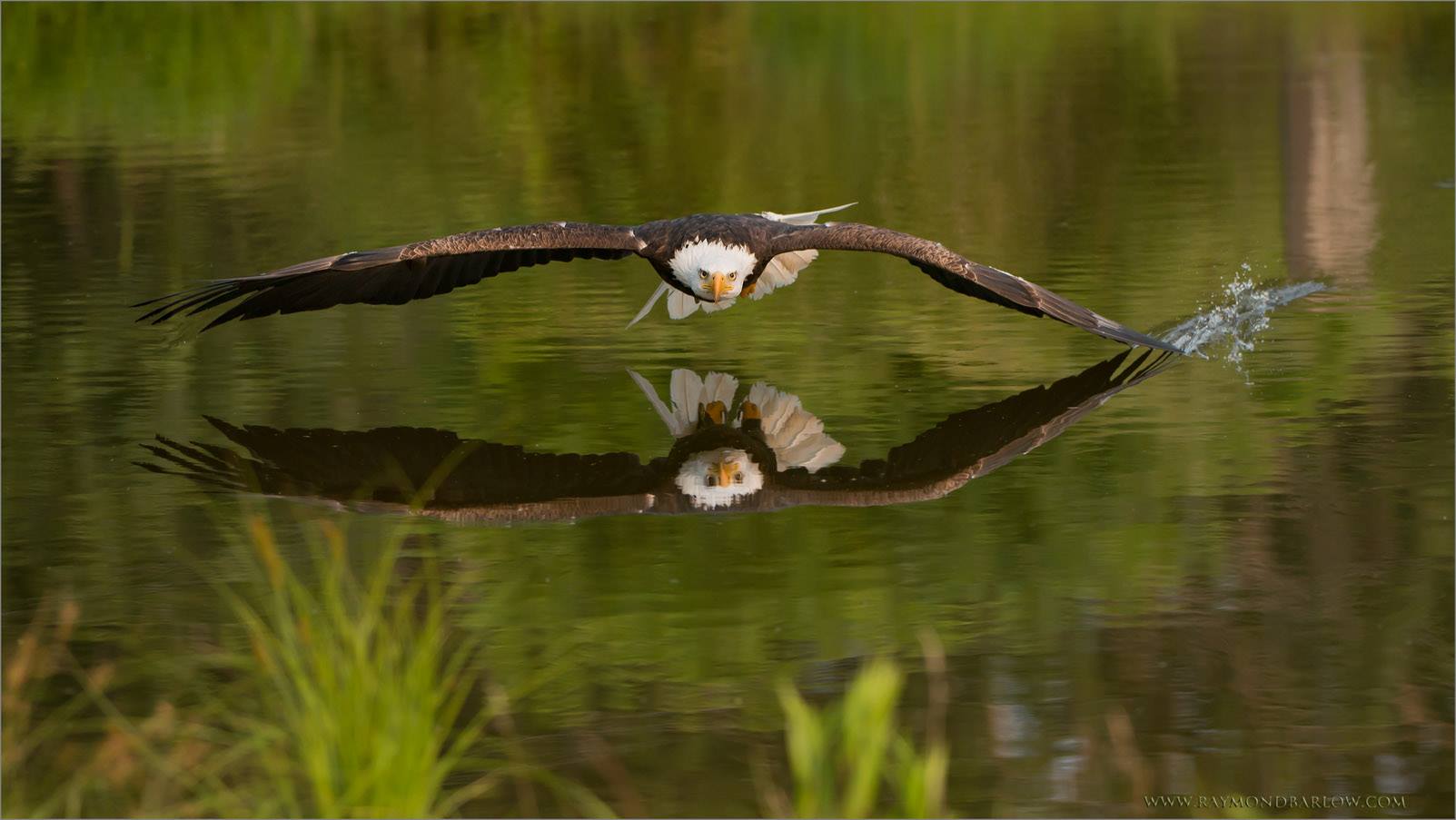
Bald Eagle (Haliaeetus leucocephalus) by Ray Barlow
July: Eagle
Eagles are regal birds. They’re fierce in flight and stunning to see, with hooked beaks and wide wingspans. In the United States especially, a bald eagle is a prized sight. Watch for white feathers on the head and brown plumage on the rest of the body, as well as yellow talons.
“It was a drizzly fall day on the Potomac Eagle train ride in Romney, West Virginia. I didn’t have high hopes for good photos, but I got lucky,” says Robin Bell.
Mourning Dove (Zenaida macroura) by Daves BirdingPix
“And I said, Oh that I had wings like a dove! for then would I fly away, and be at rest.” (Psalm 55:6)
According to Birds and Bloom magazine site, there are Birds of the Month.
“You’ve probably heard of birth month gemstones and birth month flowers, but have you heard of birth month birds? It might come as a surprise to learn every month of the year has not only a representative jewel and flower, but also a bird. From owls to ravens, here are the birds that represent everyone’s birthdays.”
More from Birds and Bloom:
Mourning Dove by Reinier Munguia
June: Dove
Symbols of peace and tranquility, birders everywhere love doves—and in North America, especially the mourning dove. They’re not the most graceful fliers, but they make up for it in song. Listen for their calming call, which comprises a set of cooing notes. You’ll usually find them feeding on the ground, or at a ground or platform feeder.
“This mourning dove let me get close to it in my backyard in Michigan. This bird was certainly comfortable and content. It kept preening and ruffling its feathers even as I kept getting closer and closer,” says Martin Torres.
We’ve written quite a few posts about the Dove family which is mentioned quite a few times in the God’s Word. Here are some links to many of them for you to checkout:
According to Birds and Bloom magazine site, there are Birds of the Month.
“You’ve probably heard of birth month gemstones and birth month flowers, but have you heard of birth month birds? It might come as a surprise to learn every month of the year has not only a representative jewel and flower, but also a bird. From owls to ravens, here are the birds that represent everyone’s birthdays.”
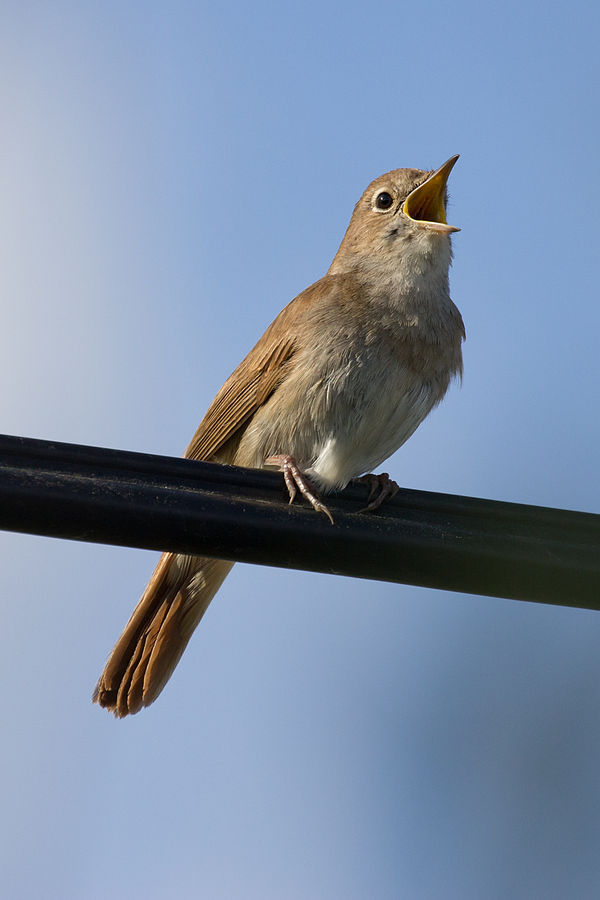
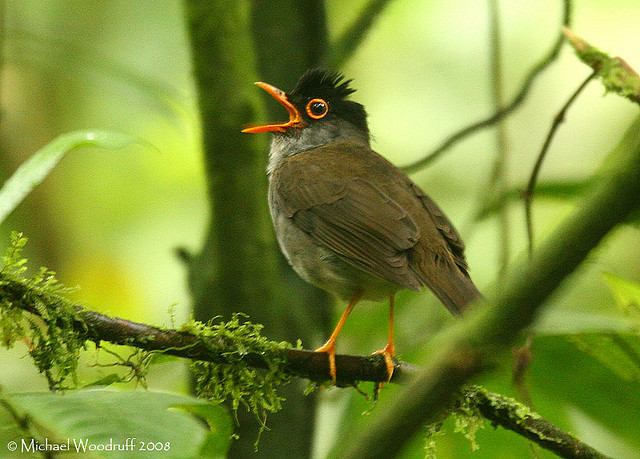
It can be hard to spot a common nightingale, especially if you live in North America (their range stretches through much of Europe). They’re elusive birds that keep to themselves, content to remain out of sight in brush or thickets. Belonging to the same family as the American robin, these May birth month birds give a wide variety of calls and songs.
Black-headed Nightingale-Thrush (Catharus mexicanus) by Michael Woodruff
The Wood Thrush is a member of the Turdidae – Thrushfamily. There are 185 species, including Rufous Thrushes, Whistling Thrushes, Ground Thrushes, our Bluebirds, Solitaires, Nightingale-Thrushes, Cochoas, Shortwings, and our American Robin.
Even the stork in the sky Knows her seasons; And the turtledove and the swift and the thrush Observe the time of their migration; But My people do not know The ordinance of the LORD. (Jeremiah 8:7 NASB)
And the vulture, and the kite after his kind…. (Leviticus 11:14)
And the glede, and the kite, and the vulture after his kind …. (Deuteronomy 14:13)
Flies (and other flying insects) better flee, whenever a hungry Mississippi Kite flies by!
MISSISSIPPI KITE (Dick Daniels / Wikipedia photo credit)
Perhaps the term “kite”, translating the Hebrew noun אַיָּה [’ayyâh] in Leviticus 11:14, and in Deuteronomy 14:13, refers to the Black Kite (Milvus migrans) that currently dwells in the Holy Land – as well as in several parts of Eurasia, Australia, and Africa.
Once, recently, while I was gazing at tree-perching cardinals and mockingbirds, a Mississippi Kite (Ictinia mississippiensis) landed on a tree-branch near my house, recently (Wednesday, May 7th, A.D.2025), letting me to see its magnificent movements and eye-catching plumage.
During springtime, here in North Texas, local insect populations are booming – and this busy bonanza is an insectivore’s smörgåsbord for Mississippi Kites, who love to eat flying and crawling insects (bees, cicadas, dragonflies, grasshoppers, and more!).
MISSISSIPPI KITE hunting dragonfly (Matthew B. Furst image credit)
Also, these diurnal raptors (i.e., daytime hunters) employ their short hooked beaks to eat other small animals, e.g., small snakes, lizards, frogs, mice, bats, and even small birds. If cicadas are abundant, as they periodically are, kites may feast on them beyond other foods. [See Stan Tekiela, “Mississippi Kite”, BIRDS OF TEXAS FIELD GUIDE (Adventure Publications, 2020), pages 326-327.]
This mostly grey-colored maneuvering marvel has a black tail, dark-red eyes (surrounded by black “blackeye-like eyepatches), red-to-yellow legs, charcoal-grey (with some russet-brown) plumage on the wings, and whitish-grey “ashy” underside and head; the kite’s head is such a pale grey that it is almost white, similar to a Scissor-tailed Flycatcher’s head. It is easy to remember a Mississippi Kite when you see one – what a beautifully bioengineered and impeccably constructed bird it is!
Mississippi Kite parent, feeding a dragonfly to its young chick (Ozark Bill Duncan photo credit)
In fact, the Mississippi Ornithological Society (which, as its name indicates, is an ornithological society that focuses on Mississippi birds) has named its semiannual journal for this marvelous bird (see https://missbird.org/kite/ ).
Smaller than eagles, vultures, and most hawks, these aerial acrobats are migratory accipiters, i.e., smaller hawks with short, broad wings, plus relatively long legs (with precision-designed talons!), often found flying fastly in wooded habitats that include riparian edges. Since my neighborhood has several ponds and drainage ditches, it’s no surprise that kites visit occasionally – this is not the first time that I’ve seen a kite on my homeplace.
MISSISSIPPI KITE (Cornell Lab of Ornithology photo credit)
Unsurprisingly, this Mississippi Kite visited my Texas homestead in springtime. These kites routinely winter in Central or South America, yet sometimes they winter within the Rio Grande Valley of South Texas. During spring they migrate northward, to their summer nesting-and-breeding grounds; besides Mississippi (where they are famous for dwelling near the Mississippi River), they migrate to breeding ranges north of Mexico, including Arizona, New Mexico, Oklahoma, Louisiana, Colorado, Kansas, Missouri, and much of northern Texas. Some are even known to have migrated as far north as South Dakota, or as far east as Florida! [See, accord, David E. Fantina, “Mississippi Kite”, THE TEXAS BREEDING BIRD ATLAS (posted at Texas A&M AgriLife Research, at https://txtbba.tamu.edu/species-accounts/mississippi-kite/ .]
MISSISSIPPI KITE (J. J. Audubon image credit / public domain)
According to Texas Parks & Wildlife Department, kites are social creatures:
Mississippi kites are very social in all activities. They do not maintain territories and they congregate at roosts in late summer. . . . . Kites have been known to fly about cattle and horsemen in order to catch insects that are stirred up from the grass [acting as the airborne equivalent to pasture-strolling Cattle Egrets!].. . . .
Paired kites generally begin nesting soon after their arrival in their old nests or in newly constructed ones. In late May or early June, kites breed and both sexes will incubate usually two bluish-white eggs until they hatch 31 to 32 days later.
Mississippi kites, at times, cause problems for unsuspecting individuals. Kites, like many other birds, will dive at animals and people that venture too closely to their nests. This diving behavior is simply an attempt to ward off potential threats to the nest and young. Once the young leave the nest some 30 to 34 days after hatching, kites will stop their protective behavior. Kites normally may live to seven years of age in the wild.
Kites are a lot like falcons, they are small birds of prey with streamlined and quick-darting maneuverability in flight. They prefer to nest in habitats of tall trees – “near water, in open woodlands, savannahs, and rangelands … [and sometimes] in urban settings” – according to Texas Parks & Wildlife Department (see https://tpwd.texas.gov/huntwild/wild/species/kites/ ).
What an unexpected privilege it was, a few days ago, when I spotted that Mississippi Kite landing upon that tree-branch – perhaps that tree had some insects that the kite spotted, and quickly consumed. In any case, it’s a beautiful bird to which God gave admirable mobility.
Mississippi Kite parent, feeding cicada to its young chick (Vincent Fouchi, Jr. photo credit)
So, here is a limerick to remind us of how the Mississippi Kite is an aerial hunter of insects:
There are over 350 articles that have been published here on Lee’s Birdwatching Adventures over the years. Just thought I would share some of those posts. The main theme when we started posting, was to introduce the different Birds of the Bible. So, let’s look back and see some of those. (And maybe update them some)
My goal in starting this blog was to introduce the birds that are mentioned in the Bible. It has grown from there and now there are many posts to review and different writers to check out.
The very first birds mentioned by name were just “every winged bird” or “every winged fowl.” God blessed them and told them to be fruitful and multiply. That was on the fifth day of creation.
“So God created great sea creatures and every living thing that moves, with which the waters abounded, according to their kind, and every winged bird according to its kind. And God saw that it was good. And God blessed them, saying, “Be fruitful and multiply, and fill the waters in the seas, and let birds multiply on the earth.” So the evening and the morning were the fifth day.”
(Genesis 1:21-23 NKJV)
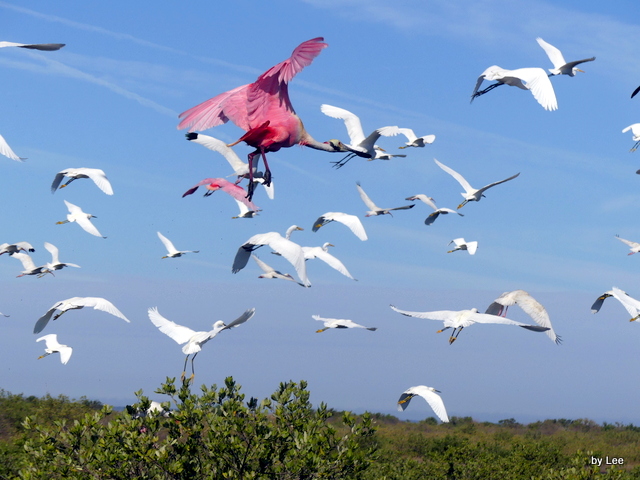
Mixed Flock Flyiing 122717 Merritt Is NWR by Lee
Then in Genesis 2:19 the Lord God brought the birds to Adam and let him name them:
So God created great sea creatures and every living thing that moves, with which the waters abounded, according to their kind, and every winged bird according to its kind. And God saw that it was good. And God blessed them, saying, “Be fruitful and multiply, and fill the waters in the seas, and let birds multiply on the earth.” So the evening and the morning were the fifth day.” (Genesis 1:21-23 NKJV)
All the different kinds of the birds were placed on the ark to be kept alive. Then after the Flood, the birds were released and told to repopulate the earth. They did and today we have an array of beautiful avian wonders to watch and enjoy.
Today, I would like to show one of the very first blogs when we began:
According to Birds and Bloom magazine site, there are Birds of the Month.
“You’ve probably heard of birth month gemstones and birth month flowers, but have you heard of birth month birds? It might come as a surprise to learn every month of the year has not only a representative jewel and flower, but also a bird. From owls to ravens, here are the birds that represent everyone’s birthdays.”
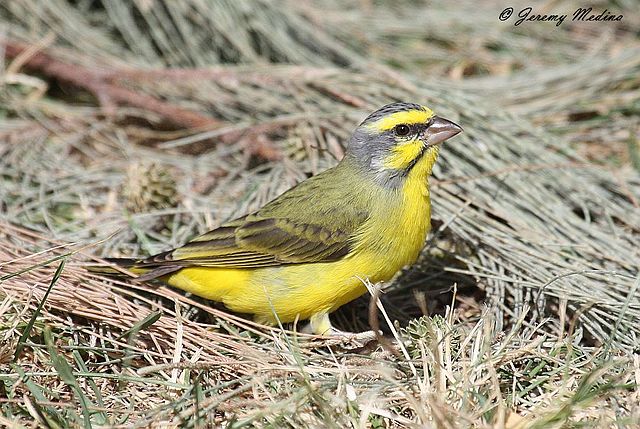
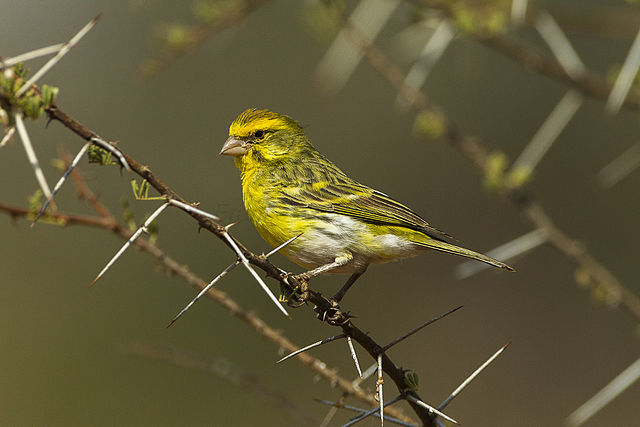
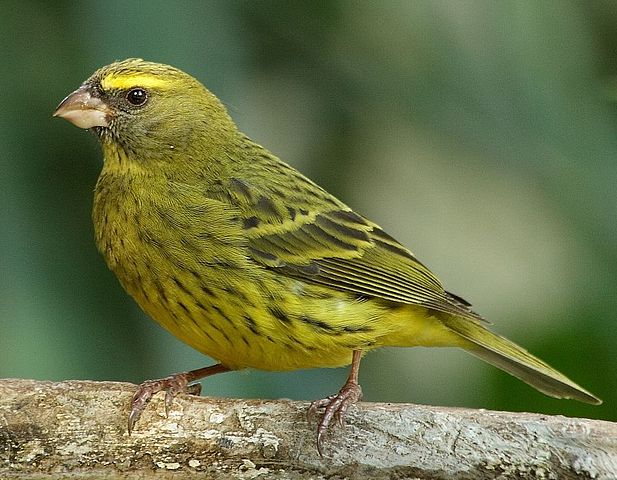
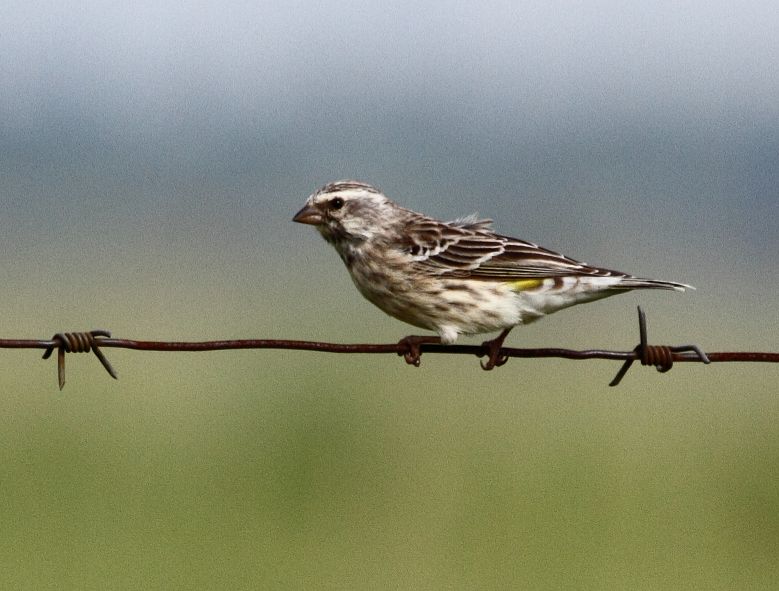
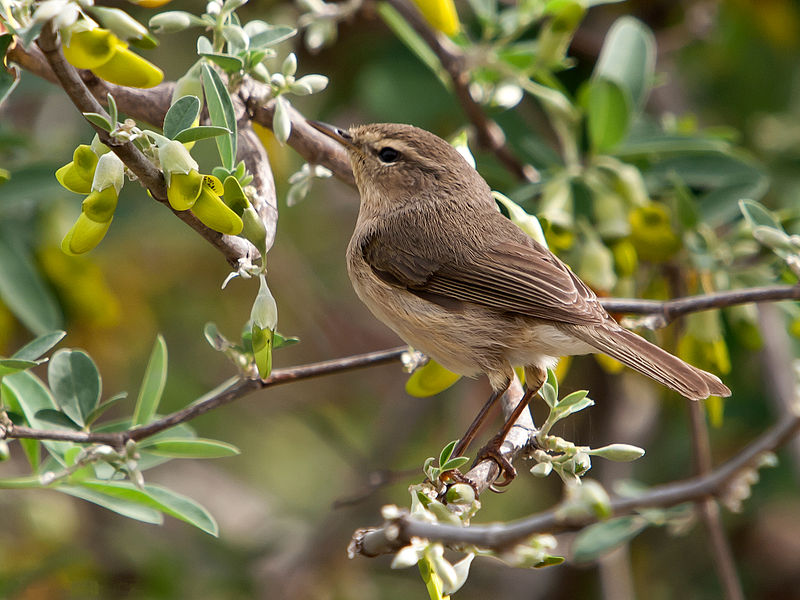
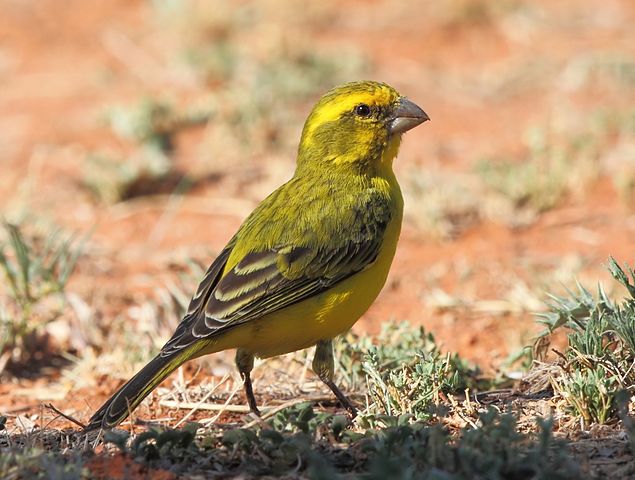
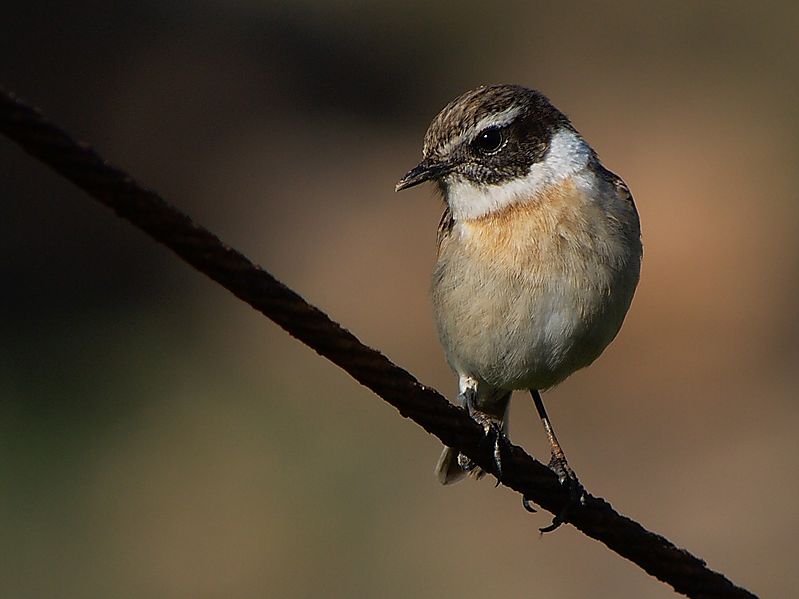
Perhaps it’s fitting that the bird for the month of Peeps candy is the canary. Some canaries live in the wild, but others, such as the domestic canary, are kept as pets. They’re not all yellow, either; some are red, while others are yellow and black. As part of the finch family, they are cheerful birds with a delightful song. To find them in the wild, you’d need to go to the Canary, Madeira or Azores Islands.
When I consider thy heavens, the work of thy fingers, the moon and the stars, which thou hast ordained; What is man, that thou art mindful of him? and the son of man, that thou visitest him? For thou hast made him a little lower than the angels, and hast crowned him with glory and honour. Thou madest him to have dominion over the works of thy hands; thou hast put all things under his feet: All sheep and oxen, yea, and the beasts of the field; The fowl of the air, and the fish of the sea, and whatsoever passeth through the paths of the seas. O LORD our Lord, how excellent is thy name in all the earth! (Psalms 8:3-9 KJV)

 We are given a WATCH warning in: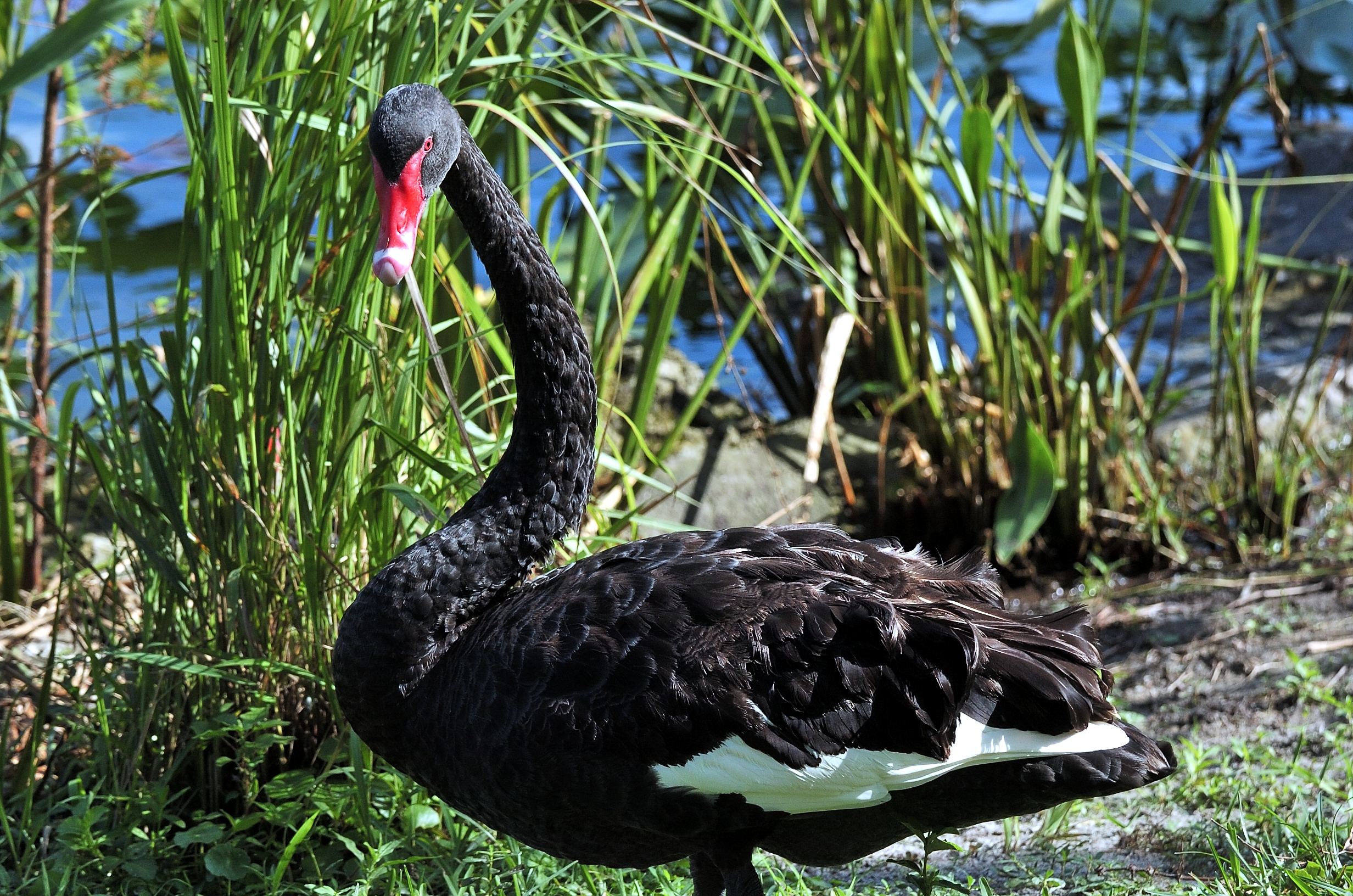








 Lee's Birdwatching Adventures Plus