Scripture Alphabet of Animals: The Goat

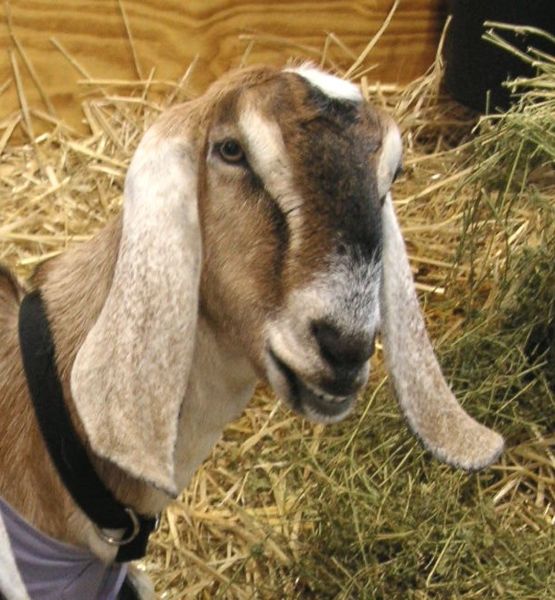
Nubian Goat with long ears ©WikiC

Scripture Alphabet of Animals: The Goat

By Harriet N. Cook (1814-1843)

There are two kinds of goat in the countries where the Bible was written; one very much like those that we sometimes see; the other differing from it in several respects, especially in the greater length of its ears. It is supposed that the prophet Amos speaks of the latter kind when he says,

As the shepherd taketh out of the mouth of the lion, two legs or a piece of an ear.
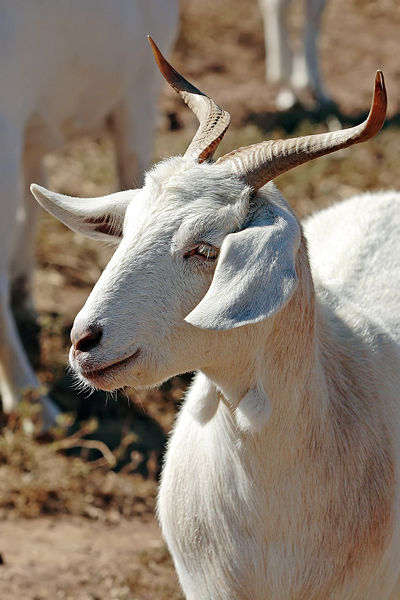
Goat with unusual horns ©WikiC

Goat with unusual horns

The ear of this kind of goat is so long that a large piece might easily be bitten off; it sometimes measures more than a foot.

Solomon says, in the Proverbs, when speaking to a man who is diligent in his work,

Thou shalt have goats’ milk enough for thy food, for the food of thy household, and for the maintenance of thy maidens.

This seems strange to us, because we are not much used to it; but in those countries the milk of the goat is very sweet and good, and is often made into cheese.

The people there often have a great number of goats. Jacob sent a present of two hundred and twenty to his brother Esau; and a great king, mentioned in the Bible, once received seven thousand seven hundred as a gift. A man is mentioned in the first book of Samuel who owned a thousand goats: perhaps you can find the place; and if you do, you will see in the next verse what his name was, and also the name of his wife.
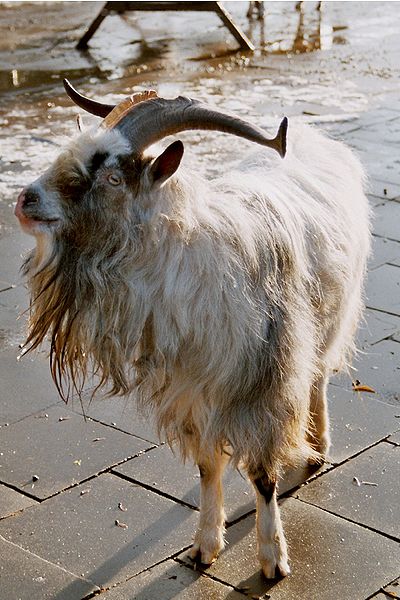
Long-haired Goat ©WikiC

Long-haired Goat ©WikiC

There are two kinds of hair upon the goat; one is long and coarse, the other soft and fine. Of the first kind the people make a kind of rough, coarse cloth; the other is made into very fine cloth, almost as soft as silk. A part of the curtains for the tabernacle were made of goats’ hair.

The bottles mentioned in the Bible were usually made of goat-skins: the people in those days had not learned to make glass. When they had been used a long time, they became worn, so that they would not hold what was put in them. Our Savior once said,

Neither do men put new wine into old bottles;

this was because the new wine would ferment and the leathern bottles would burst. There is a story in the Old Testament about some men who wished to deceive Joshua, and lead him to think that they lived at a very great distance from him, when they really lived very near. So it is said, (Josh. 9:4, 5)

They took old sacks upon their asses, and wine-bottles, old and rent, and bound up; and old shoes and clouted upon their feet, and old garments upon them; and all the bread of their provision was dry and mouldy
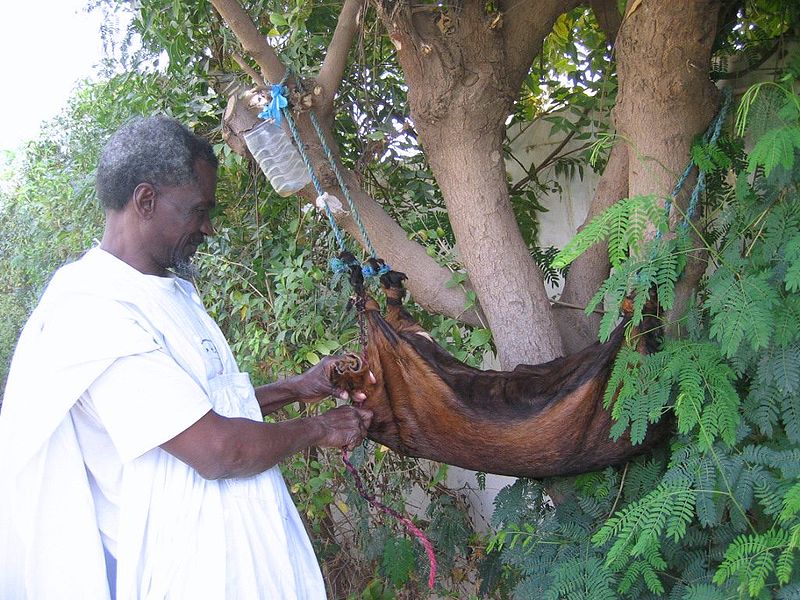
Mauritanian making a bota bag©WikiC

Mauritanian making a bota bag©WikiC

Then they said to Joshua, (verses 12 and 13)

This our bread we took hot for our provision out of our houses on the day we came forth to go unto you; but now, behold it is dry, and it is mouldy. And these bottles of wine which we filled were new, and behold they be rent; and these our garments and our shoes are become old by reason of the very long journey.

The Israelites had a singular custom in ancient times, about which you may read in the sixteenth chapter of Leviticus. It was commanded by God, and was to be observed once in every year. On the morning of the day appointed for it, the high-priest was to wash in pure water, and clothe himself in a dress of clean white linen. Then two fair and handsome young goats were brought to him, one of which was to be killed. The priest was to cast lots, that he might know which of them it should be; then he was to kill him, sprinkle his blood upon the altar seven times, and burn the flesh. Afterwards he was to take the live goat, lay both hands upon his head, and confess over him the sins of the Israelites,

putting them upon the head of the goat.

Then the animal was given into the care of a man who led him away and let him go in the wilderness,

bearing upon him all the iniquities

of the people. This goat was a type of our Savior; that is, it represented what he afterwards did, when he came into the world and “bore our sins.”
___
See:

Harriet Newell Cook – Scripture Alphabet of Animals

Nave’s Topical Bible – Goat

Torrey’s Topical Textbook – Goat

(Photos ©WikiC)

*

Scripture Alphabet of Animals: The Fox or Jackal

Fox - Blandford's Fox

Scripture Alphabet of Animals: The Fox or Jackal

By Harriet N. Cook (1814-1843)

It is not quite certain whether the fox mentioned in the Bible is the same animal that we now call by that name. It probably means what we now call the jackal. This animal is about as large as a common sized dog, and its color is yellow, or reddish brown. It never goes out alone to seek its food, but always in companies of forty or fifty together. Then they make strange noises, which sound very much like the crying of children.

They do not go out for their food in the daytime, but wait till it begins to be dark; and then they kill all the animals they can find that are not too strong for them. Sometimes a large animal like the lion will hear the cries that they make when they are hunting, and will come and snatch away from them whatever they have found. These foxes or jackals have been known to scratch away the earth from graves that have been lately made, and then devour the bodies of the dead. This explains a verse in the sixty-second Psalm, where David says of those who

seek his soul to destroy it,”-“They shall fall by the sword; they shall be a portion for foxes.

They eat plants of different kinds; sometimes roots, and sometimes fruits. This is one of the verses in Solomon’s Song,

Take us the foxes, the little foxes which spoil the vines; for our vines have tender grapes.

These animals are often found in great numbers around the walls and ruins of old cities; they live in holes or burrows which they dig in the ground. Our Savior says,

The foxes have holes and the birds of the air have nests; but the Son of man hath not where to lay his head.

Fox - (Vulpes macrotis mutica) with pups

Fox – (Vulpes macrotis mutica) with pups

We have read this verse so many times that we scarcely think how much it means; but was it not a wonderful thing that when Christ came from his bright throne in heaven to this poor earth, he should not find even a home here? Every animal on all the hills has its shelter and hiding-place; every little bird in all the forest has its comfortable nest; but our Savior “had not where to lay his head.” During all his life he was

a man of sorrows and acquainted with grief.

For whom did he suffer all this?-and when his sorrowful life was ended, for whom did he die? I need not tell you this, dear child, but I may ask you,

“Is there nothing we can do

“To prove our grateful love?”

___

See:

Harriet Newell Cook – Scripture Alphabet of Animals

Nave’s Topical Bible – Fox

Torrey’s Topical Textbook – Fox

(Photos ©WikiC)

*
Scripture Alphabet of Animals: The Eagle

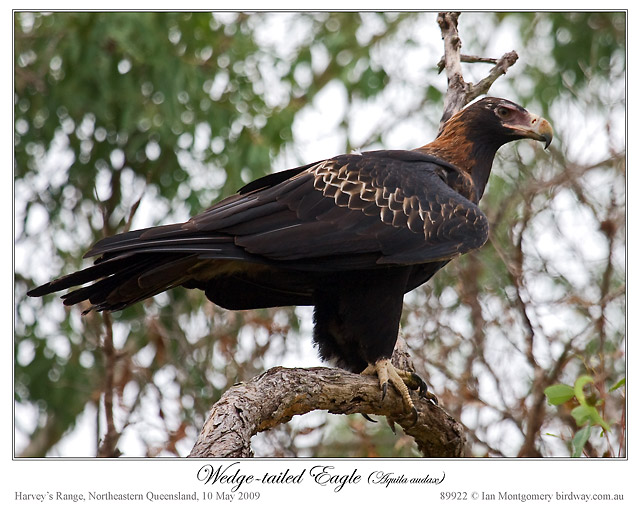
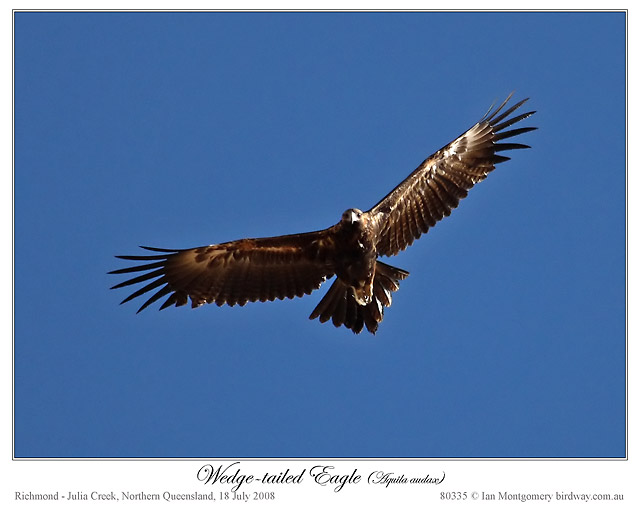
Wedge-tailed Eagles (Aquila audax) by Ian

Wedge-tailed Eagles (Aquila audax) by Ian

Scripture Alphabet of Animals: The Eagle

By Harriet N. Cook (1814-1843)

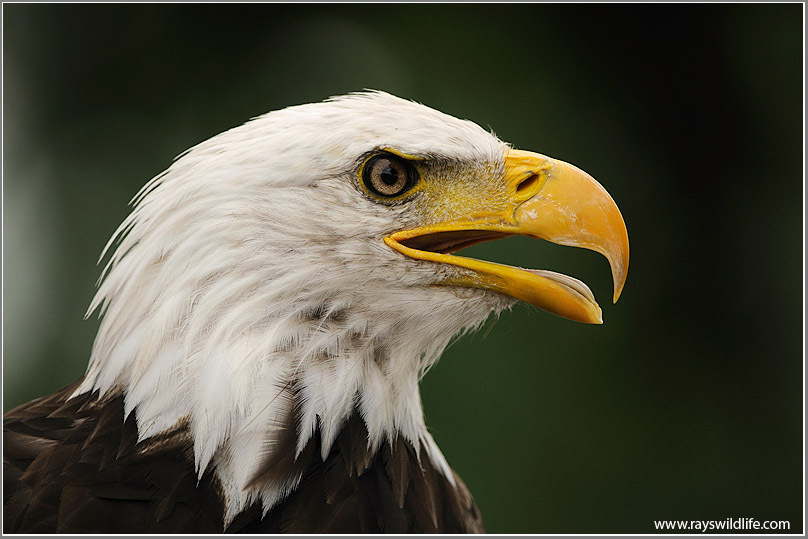
Bald Eagle (Haliaeetus leucocephalus) by AestheticPhotos

Did you ever see an eagle? There were once a great many among the rocks and mountains of our own country, but they will not stay where there are many people; so they are seldom seen here now. They like to make their nests in high and rocky places, where nobody can find them; as a verse in the Bible says,

“Though thou shouldest make thy nest on high as the eagle, yet will I bring thee down from thence.”

Their nests are not usually made in trees like those of many other birds, neither are they shaped in the same way: they are nothing but a layer of sticks spread flat upon the rock, and covered with some hay or straw. The care of the eagle for her young is spoken of in Deut. 32:11.

“As an eagle stirreth up her nest, fluttereth over her young, spreadeth abroad her wings, taketh them, beareth them on her wings; so the Lord alone did lead him.”

This beautifully describes God’s care over the children of Israel while they were passing through the wilderness; does it not also well express his kindness to us?

These birds fly very swiftly, and you will find verses in the Bible that speak of this. One is the forty-ninth verse of the twenty-eighth chapter of Deuteronomy. “The Lord shall bring a nation against thee from far, as swift as the eagle flieth.” In another place it is said, “His horses are swifter than eagles.” Job says,

“My days are swifter than a post, (or post-rider;) they are passed away as the swift ships, as an eagle that hasteth to the prey.”

Bald Eagle by Raymond J Barlow

Bald Eagle by Ray

The eye of the eagle is very curious. It has something like an inner eyelid, only it is very thin; and the eagle can draw this over its eye, like a curtain, whenever there is too much light. You have heard perhaps that it can look directly at the bright sun; and this is the reason. It can see a great deal farther than we can; and when it is very high in the air, so that it would look to you but little larger than a speck, it often sees some small animal on the ground and flies down to catch it.

See how well this bird was described a great many years ago: these are the last verses of the thirty-ninth chapter of Job:

“Doth the eagle mount up at thy command and make her nest on high? She dwelleth and abideth upon the rock, upon the crag of the rock, and the strong place. From thence she seeketh the prey, and her eyes behold afar off. Her young ones also suck up blood; and where the slain are, there is she.”

Wedge-tailed Eagles (Aquila audax) by Ian

Wedge-tailed Eagles (Aquila audax) by Ian

The eagle lives a great many years; sometimes more than seventy, I believe. It sheds its feathers every spring, and new ones come out; then it looks like a young bird. This is why David says in the Psalms,

“Who satisfieth thy mouth with good things, so that thy youth is renewed, (or comes again,) like the eagle’s.”

There is this beautiful verse in Isaiah,

“They that wait upon the Lord shall renew their strength; they shall mount up on wings as eagles; they shall run and not be weary, they shall walk and not faint.”

How blessed and happy a thing it is to be a Christian indeed! to “wait upon the Lord” every day for the strength we need; and to be always preparing for that world where the inhabitants are for ever young, for ever active, for ever holy, for ever happy.

(Blog formatted by Lee)

See:

Harriet Newell Cook -Scripture Alphabet of Animals

Birds of the Bible

Eagles

Accipitridae Family – Kites, Hawks & Eagles

Nave’s Topical Bible – Eagle

Torrey’s Topical Textbook – Eagle

*

Scripture Alphabet of Animals: The Dog

Sleeping Pubs ©WikiC

Scripture Alphabet of Animals: The Dog

By Harriet N. Cook (1814-1843)

There are many dogs in the countries where the Bible was written, but the people do not like them as well as we do, and do not let them live about their yards and houses. So the dogs go wandering about without any master, and live on whatever they can find in the streets or around the markets. In the fifty-ninth Psalm you will find the verse:

They return at evening; they make a noise like a dog, and go round about the city,

-and a little farther on you will see,

Let them wander up and down for meat, and grudge if they be not satisfied.

Military Dog©WikiC

Military Dog©WikiC

These verses show that the dogs wandered about in those days just as they do now. Sometimes when they do not find enough to eat, they become very fierce and cruel, so that you would be afraid to meet one of them.

There is a sad story in some of the chapters of the two books of Kings, in which you will find these dogs mentioned. There was a very proud and wicked queen, named Jezebel, and she tried to make her husband, king Ahab, do all the evil she could. Once Ahab wanted a piece of ground that was near his palace, so that he might have it made into a garden, and he asked the owner of it, whose name was Naboth, to sell it to him. But Naboth was not willing, because he used it for his vineyard, and because his father had given it to him before he died. Then Ahab was very angry about it, and acted just as I have seen some foolish children do when they were not pleased. He went into his great splendid house, and laid himself down on the bed; then he turned his face towards the wall, and when it was dinner time he would not get up or eat any thing. So his wife Jezebel asked him what was the matter; and when she found out, she told him that he need not be troubled, for she could get that vineyard for him. Then she contrived to have Naboth killed by stoning, and when he was dead king Ahab took the vineyard.

Now you may be sure God was displeased with such wickedness as this, and you will think it was very right that he should punish the cruel Jezebel. Do you think her husband Ahab ought to be punished too? I do; because he knew that his wife was going to kill Naboth, and yet he did not try to keep her from doing it. I think he was as wicked as she. After Ahab had taken the vineyard, God sent to him the prophet Elijah to say to him these words,

Thus saith the Lord, In the place where dogs licked the blood of Naboth, shall dogs lick thy blood, even thine.” And of Jezebel he said, “The dogs shall eat Jezebel by the wall of Jezreel.

Now see how the word of God was fulfilled, just as he had said. Pretty soon after this, king Ahab went out to fight with his enemies, and as he was riding along in his carriage a man drew his great, strong bow, and shot an arrow which pierced the king and almost killed him. He lived a few hours, until nearly night, and then he died. The blood had run down from his wound into the carriage, and after the king was dead they took it to the pool of Samaria to wash it: there the dogs came and licked up the blood of Ahab.

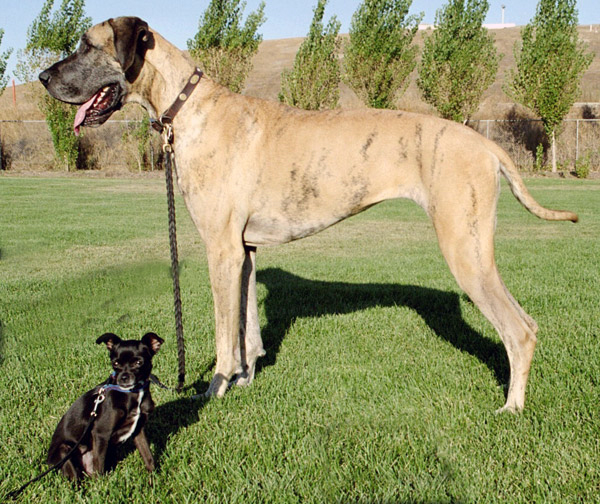
Mutt and Jeff ©WikiC

Mutt and Jeff ©WikiC

The wicked Jezebel lived some years after this, and one of her sons became king; but God raised up another king, named Jehu, who slew this son, and then went to Jezreel, the city where Jezebel lived. She heard he was coming, and feared that he meant to put her to death; but she determined that, instead of begging him to spare her life, she would act as though she was still a queen, and then perhaps he would not dare to injure her. So she put ornaments on her head, and painted her face, and then sat down by an upper window in all the splendor of a queen. When Jehu came near, she called out to him in great anger and scorn, to reproach him for having put her son to death. When Jehu heard her voice and saw her sitting at the window, he cried out,

Who is on my side?

and two or three of the queen’s officers looked out at the windows. Then he said to them,

Throw her down.

They were very glad to get rid of the proud and cruel queen, and so they threw her down, as he had said. It was so far to the ground that she was killed immediately, and her blood was sprinkled upon the walls. But Jehu did not care for this; he went into the house to eat and drink. After he had taken his dinner, he thought of Jezebel, and told some of his servants that they must go and bury her: but in the mean time a terrible thing had happened. The dogs had seized and devoured the body, and nothing was left of it but the feet, and the palms of the hands, and part of the bones of the head. So God’s word came to pass,

The dogs shall eat Jezebel.

___

See:

Harriet Newell Cook – Scripture Alphabet of Animals

Nave’s Topical Bible – Dog

Torrey’s Topical Textbook – Dog

(Photos ©WikiC)

*
Scripture Alphabet of Animals: The Ant

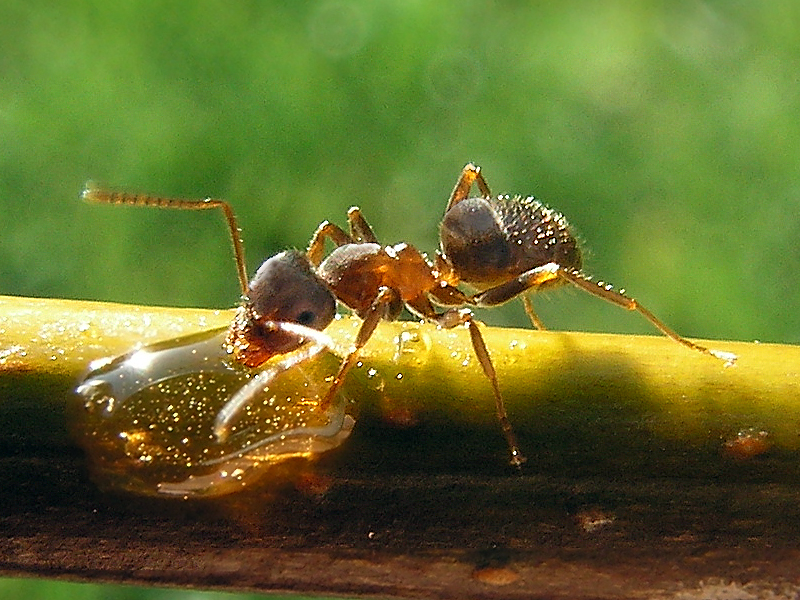
Lasius Niger ©WikiC

Scripture Alphabet of Animals: The Ant

By Harriet N. Cook (1814-1843)

If you look at the sixth verse of the sixth chapter of Proverbs, you will read,

Go to the ant, thou sluggard; consider her ways, and be wise.

A sluggard, you know, is a man, or woman, or child, who does not love to read or to do any kind of work, but likes to sleep or be idle all the day long. Do you think you were ever acquainted with one?

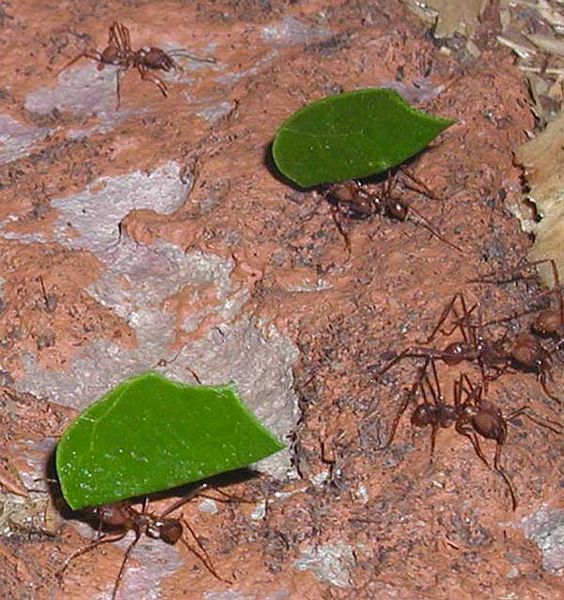
Leaf Cutting Ant©WikiC

Leaf Cutting Ant©WikiC

Now see what the Bible tells the sluggard to do. It bids him go to the little ant, and “consider her ways,” that is, look on and see what she does. Have you ever watched the ants when they were busy at work? It will give you very pleasant employment for half an hour on a summer’s day. In some places you may see small ant-hills scattered about, so close together that you can hardly step without treading on them; and you may find other places where there are not so many, but where the hills are much larger. I have seen them so large that you could hardly step over one of them without touching it with your foot and breaking some part of it. And then how busy the little creatures are! Just kneel down on the grass beside them, and notice how they work! You will see one little fellow creeping along as fast as he can go, with a grain of sand in his mouth, perhaps as large as his head. He does not stop to rest, but when he has carried his grain to help build the hill, away he goes for another. You may watch them all day and never see them idle at all.

Ant Hill in Germany ©WikiC

Ant Hill in Germany ©WikiC

You see why God tells the sluggard to go and look at the little ants: it is that when he sees them so busy, he may be ashamed of himself for being idle, and learn to be “wise,” or diligent in whatever he undertakes. I should not think he could help going to work, after he had looked at them a little while. The ants seem to be very happy, and I think it is because they are so busy. God has put nobody in this world to be idle: even children have something to do. The inside of an ant-hill is very curious, but it is not easy to examine it without destroying all the work that the little insects have taken so much pains to finish. There is a kind of ant in warm climates that builds for itself hills as high as a man. They are not made of sand, but of a kind of clay; and have a great many cells or apartments, and many winding passages leading from one part to another. All this is done, as the Bible says, without “guide, overseer or ruler;” that is, they have no one to direct them how to do it. God gives them skill just as he does to the honey-bees in building the beautiful cells which you have so often admired; all His works are wonderful.

Harriet Newell Cook -Scripture Alphabet of Animals

See also:

Naves Topical Bible – Ant

Ant – Wikipedia

Updating Lee’s Birdwatching Site

Under Construction Check Back Later

Not to worry, I’m doing a major reconstruction on Lee’s Birdwatching site. To accomplish this, there will be, hopefully, a lot of post coming up. I am in the process of closing down the Birds of the Bible for Kids blog. I am moving everything back over here for the last time.

Due to health, age, and the new editor that WordPress is forcing on us, my plans are to put everything into this blog.

Beware of possible broken links for awhile, but will clear them up as soon as I become aware of them. There are around 800 plus pages over there, and some of those are already here. Might take me some time to sort it all out.

Besides that, many of these were produced years ago and will give you a chance to read them again, or maybe find some you missed.

“Turn us back to You, O LORD, and we will be restored; Renew our days as of old,” (Lamentations 5:21 NKJV)

I don’t mean to be disrespectful of God’s Word, but while looking at this verse in other translations, the MSG caused me to chuckle a bit.

So why do you keep forgetting us? Why dump us and leave us like this? Bring us back to you, GOD—we’re ready to come back. Give us a fresh start.”

(Lamentations 5:20-21 MSG)

STAY TUNED!!

Golden Eagle Comes Home To Rest

Originally posted Jan 24, 2016 on Bibleworld Adventures:

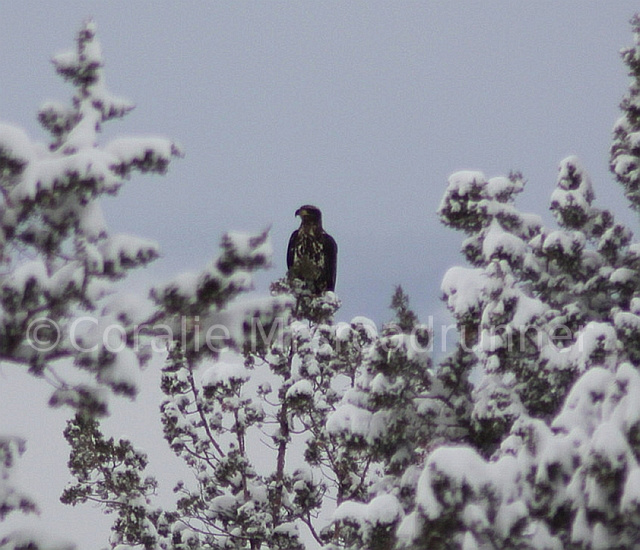
Golden Eagle in Snow ©@Flickr Coralle

Golden Eagle in Snow ©@Flickr Coralle

Hey you all! I have just landed because as you know, in the eastern part of the United States it is COLD out there. I remember my Dad reading me a Bible verse from Genesis 8:22. It says that “while the earth remaineth, seedtime and harvest, and cold and heat, and summer and winter, and day and night shall not cease.” So we do not need to be concerned about Global Warming. The present ice and snow has assured me of that fact!

Snow and Winter

Snow and Winter

Mammals are part of God’s creation. God wants us to enjoy the birds, the creeping things, and the insects that He created. Contrary to the teaching of evolution: these creatures did not evolve by pure chance. Even a pencil is made by somebody with intelligence. “And God said, Let the earth bring forth the living creature after his kind, cattle, and creeping thing, and beast of the earth after his kind: and it was so.” Genesis 1:24

Squirrel in the Snow ©Pixaby

Squirrel in the Snow ©Pixaby

There is absolutely no evidence for evolution at all! The Laws of Thermodynamics all point to the fact that the Universe had a “beginning.” The Laws also point in a downward direction. People get old, cars get rust, and the barn needs painting. Evolution teaches that things get better! The reality is that things are getting worse and running down! There are missing links in the fossil record. Evolution (according to the evolutionists) takes millions of years of time, so no one today sees evolution taking place. Animals are extinct or on the endangered species list. If evolution was true: we should be having more and more different species of animals, not less and less. Again, no evidence for evolution what-so-ever!!!

Rusting Plymouth Special Deluxe

Rusting Plymouth Special Deluxe

Job 12:7-8 says “But asks now the beasts, and they shall teach thee; and the fowls of the air, and they shall tell thee: Or speak to the earth, and it shall teach thee: and the fishes of the sea shall declare unto thee.” What are these creatures going to teach and tell and declare to us? “…that the hand of the Lord hath wrought this? The Lord Jesus Christ has created all these things for His honour and glory and for our learning. The Adventure will be greatly expanded when we get to God’s Heaven, if we are SAVED. However, right now on this planet: we can learn about God and ourselves from studying the creatures that He has created. Even the ants can teach us something!!! Proverbs 6:6, “Go to the ant, thou sluggard (lazy person); consider her ways, and be wise: which having no guide, overseer, or ruler, provideth her meat in the summer, and gathereth her food in the harvest.” By studying God’s creatures we can have a better understanding of God and ourselves and what the Lord Jesus Christ expects from all of us.

Honeypot ants at the Cincinnati Zoo, United States ©©

Honeypot ants at the Cincinnati Zoo, United States ©©

This is an ETERNAL ADVENTURE if you have placed your faith in the precious blood of Jesus Christ. He has paid for all of our sins on the cross of Calvary. It is all God, all Grace, and all you have to do is TRUST JESUS CHRIST as your personal Saviour. Will you accept Him now? “For whosoever shall call upon the name of the Lord shall be saved.” Romans 10:13

I will be flying around when it warms up with some interesting facts about God’s amazing creatures. Did you know that one type of ant can run over one-hundred miles an hour? I didn’t either… See yah!!! Golden Eagle shaking off the snow and ice….

See all the Bibleworld Adventures by Golden Eagle (Baron)

Lack of Birds To Watch

Staying in as much as we have lately, the birds were at least coming by for a visit. Now that fall has arrived, we were expecting the birds to return. BUT!

Northern Mockingbird on Hook 2
Northern Mockingbird on Hook, last spring.
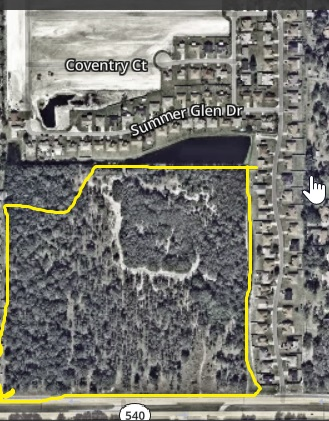
The trees beyond those houses are the beginning of the forest.

The feeders are filled, yet the birds are not returning. Could it be because they are destroying a huge area of trees right here by us???

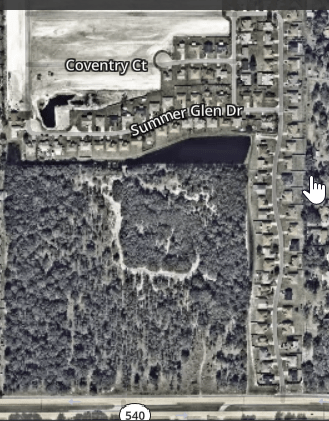
Here is a picture, from the weather radar zoomed in on this area. It is a satellite view. The bare spot at the top is where the new houses were put in last year. (Of course, the view is the newest that they have released.)

Before they started clearing

The dark spot in front is a huge forest. When I have shown photos of the birds, those trees have been visible over the houses. That strip of trees is about all that is left of all of those woods. They are clearing it all out for another housing addition. I am expecting any day for those trees to disappear. When they do, I’ll update and show a photo with the trees gone.

The Trees already gone as of today.

The yellow outlines the area that has already been cleared. When that little section is cleared, who knows if many birds will come back this winter. With our area being new, there are few trees that have been planted, and the ones that have been, are only a few feet tall.

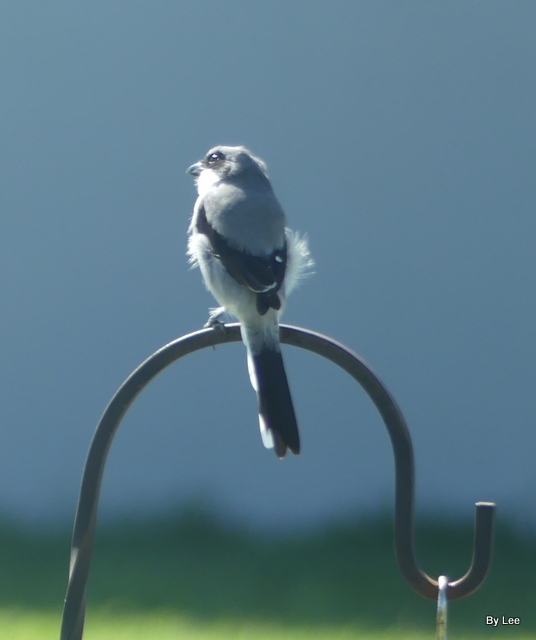
Yet! There is always hope for the strange finds now and then. We were visited by a new bird about a week ago. One we have not seen that often. First time we saw one was in Louisiana years ago.

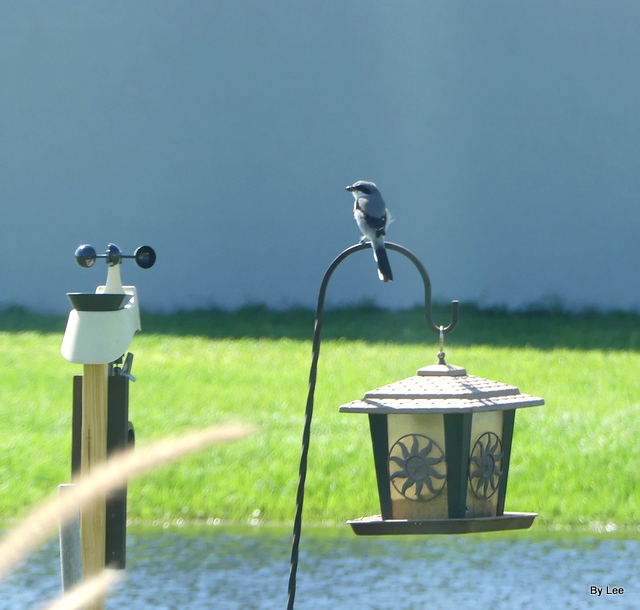
Loggerhead Shrike on Oct 1, 2020

What a surprise!! This Shrike is a first for our yard, and a first in a long time since we spotted the last one.

Loggerhead Shrike 1 Oct 2020-2
Loggerhead Shrike 1 Oct 2020

Stay tuned to see what might show up this winter. I am hoping that we have as many as last winter, but we shall see. Thankfully, we still have the water birds walking by now and then. Oh! Another gator has shown up and ate a Muscovy Duck recently. But that is another post.

Let the field exult, and all that is in it. Then all the trees of the forest will sing for joy Before the LORD, for He is coming; For He is coming to judge the earth. He will judge the world in righteousness, And the peoples in His faithfulness. (Psalms 96:12-13) [Unfortunately, these trees will not be in that chorus

Who Paints The Leaves?

Spectacular Journey to Africa by Honey Buzzard

What an amazing story!! This is from the BirdGuides.Com

…..

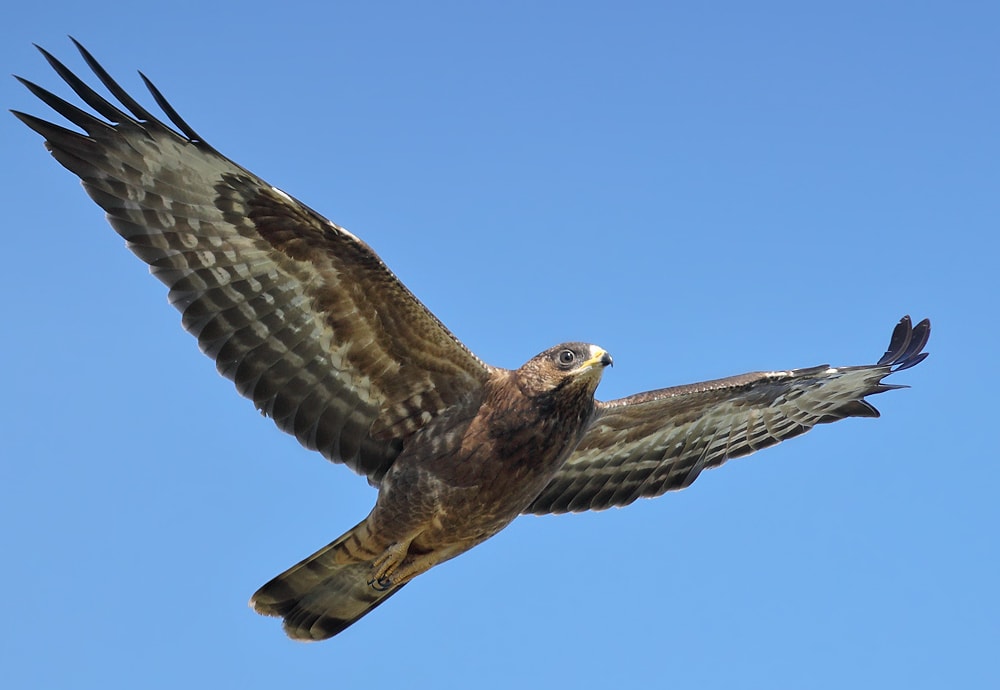
A young European Honey Buzzard, satellite tagged by the Roy Dennis Foundation at a nest near Forres, Scotland, in mid-August, has already reached the African continent – albeit via a remarkably risky route that included two long sea crossings.

The bird, ‘620’, was tagged on 11 August and remained in the vicinity of her natal woodland until early September. Her first significant flight came on 11 September, when she moved 50 km to the east, aided by a stiff breeze.

“Doth the hawk (or buzzard) fly by thy wisdom, and stretch her wings toward the south?” (Job 39:26 KJV)

Young European Honey Buzzards, such as this one, often end up taking more convoluted migrations south in their first autumn than the more experienced adults (Per Schans Christensen).

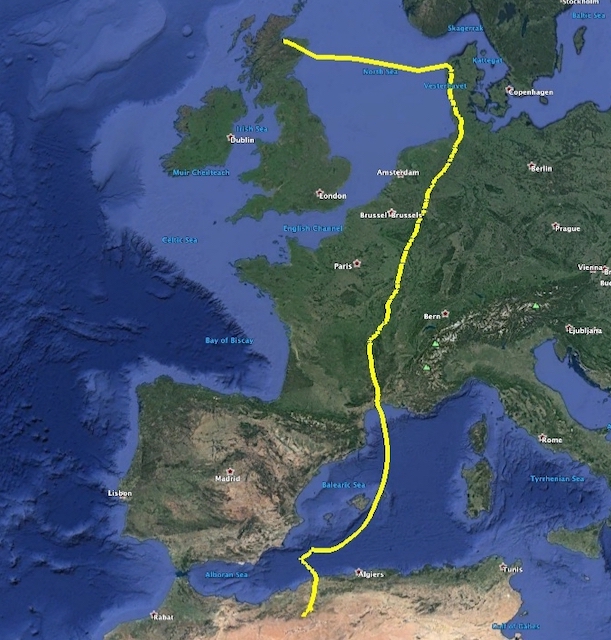
However, this could have given no clues for the extraordinary events that took place on 12-13 September. Clear skies and a brisk westerly wind on the morning of 12th encouraged the young honey buzzard to continue her eastward journey, although the Aberdeenshire coast seemingly provided no deterrant – she continued out to sea just north of Aberdeen at around 11.20 am, with the next GPS position logging her at an altitude of 477 m some 57 km out to sea, south-east of the Scottish city.

She continued on an easterly trajectory and, as darkness fell, she was only half-way across the North Sea. Flying through the night, the next tag fix at 2.34 am placed her a further 282 km east of the previous evening’s reading. By 6.30 am, she reached the Danish coast safely, having made a 640-km sea crossing in a non-stop 19-hour flight, largely during the hours of darkness – hugely impressive given it was the bird’s first long-distance movement since fledging the nest.

After a couple of days’ recuperation, her southward journey recommenced as she gradually made her way through Denmark, reaching Germany by the evening of 17th. She continued on a south-westerly route, skirting the western border of Germany and entering south-east Belgium on 20th, roosting in the country that evening. The south-westerly trajectory continued over the following five days, and ‘620’ had reached Clermont-Ferrand, France, by the evening of 25th.


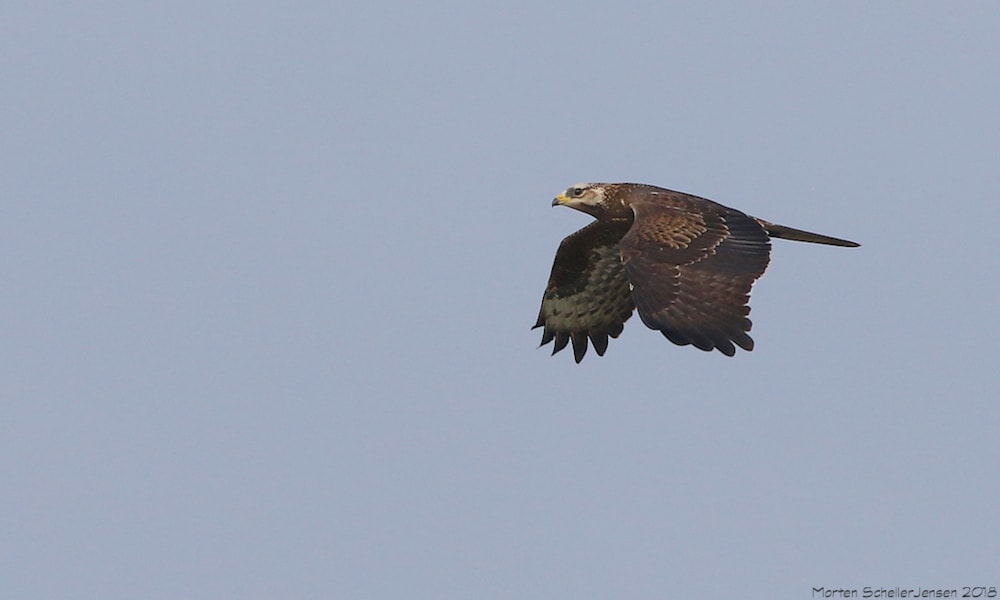
Juvenile European Honey Buzzard photographed on migration in Denmark – a route used by many youngsters of this species, including ‘620’ (Morten Scheller Jensen).

At this point, it seemed as if the south-westerly route would continue, taking the bird into Iberia and, most likely, across the Strait of Gibraltar, which is a well-practised spring and autumn migration route for adult European Honey Buzzards. However, ‘620’ had other ideas.

After two days near Clermont-Ferrand, she flew due south to a wood near Montpellier on the afternoon of 27th. Her migration recommenced the next morning and by 8.40 am she was at the coast. But, instead of following this south-west into Spain, strong north-westerly winds encouraged her to fly directly out to sea.

As she moved south over the Mediterranean Sea the wind veered to a north-easterly and, with a brisk tailwind, her flying speed reached 87 km/h as she flew at altitudes of up to 750 m. By 1 pm she had reached Menorca – but did not land there, instead continuing southwards. By 8.30 pm, the wind had dropped and she was flying due west, having travelled almost 750 km over open sea in 12 hours of continuous flight.

Satellite data suggests she rested on a boat for a couple of hours in the middle of the night, before recommencing her journey south. Finally, by 12.50 pm the following day, she reached the Algerian coast, completing a 1,000-km migration over open sea in just over 28 hours – an astonishing feat for such a young bird tackling its first migration. Not done there though, the young honey buzzard continued inland for a further 160 km, roosting in mountains on the northern edge of the Sahara. It then made a further 60-km movement south and roosted in one of the last patches of woodland on the north side of the Sahara on the evening of 29th.


The movements of young European Honey Buzzard ‘620’ between 11 and 29 September, from Scotland to Algeria via Denmark, Germany and France (Roy Dennis Foundation).

This amazing journey shows just how treacherous life can be for migrant birds, especially youngsters in their first autumn, yet also exhibits the impressive feats that they are capable of. But the journey isn’t done there, with the world’s largest desert still left to negotiate. As the Roy Dennis Foundation wrote on its blog on 30 September: “After two very long sea crossings, the young honey buzzard now faces another daunting challenge – her first flight across the Sahara.”

Following 620’s exploits at www.roydennis.org/category/honey-buzzard-620.

“Was it through your know how that the hawk learned to fly, soaring effortlessly on thermal updrafts? Did you command the eagle’s flight, and teach her to build her nest in the heights,” (Job 39:26-27 MSG) [I don’t use this version normally, but I liked these verses, in respect to this story.]

What A Creator!!

Birds of the Bible – Buzzard

Wordless Birds

Garfield – Early Bird Gets the Worm

American Robin (Turdus migratorius)with youngsters by Raymond Barlow

One of the birds that, I personally have seen, dig worms out the ground is the American Robin. When we lived in Indiana, there were many Robin available to watch. Down here in central Florida, we very seldom see any. Mostly in the winter, a few Robins migrate through here. They do not stay for the winter, but keep heading further down the state.

Eastern Bluebird (Sialia sialis) by S Slayton

Eastern Bluebird (Sialia sialis) by S Slayton

Many other birds like worms also, including Bluebirds.

Yet, it seems that Garfield met a very interesting Bluebird that has a problem feeding her little ones:

” A merry heart does good, like medicine, But a broken spirit dries the bones.”  Proverbs 17:22

Have a Merry Hearted Day!!

I shared this on the Birds of the Bible For Kids blog today. We all need a Merry Hearted Day!!

Wordless Birds

Isaiah’s Eagle – A Promise For Us

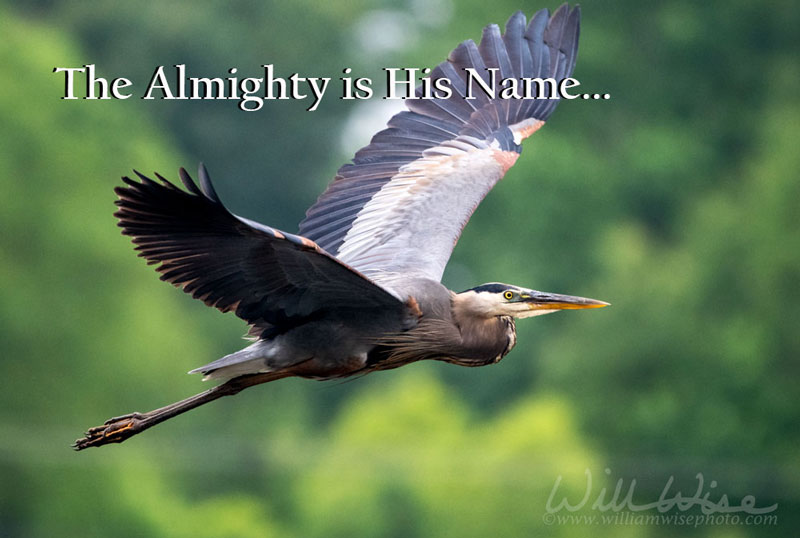
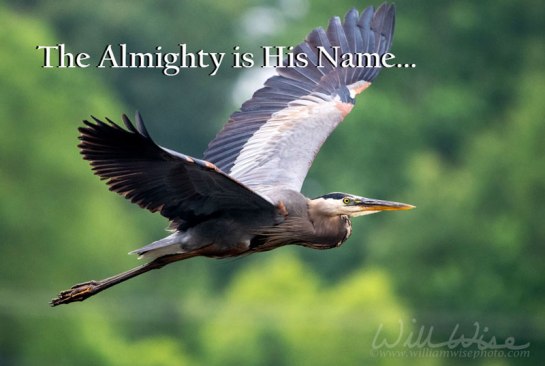
Great Blue Heron; Walton County, Georgia birding photogaphy blog by williamwisephoto.com

Last week, William Wise posted his great photo and post, Almighty Is His Name. And all week, I desired to post the scripture verses in Isaiah 40, that we read the next day. Somehow lately, time seems to get away from me. Not going birding, or having but few birds visiting the back yard, . . . . . .

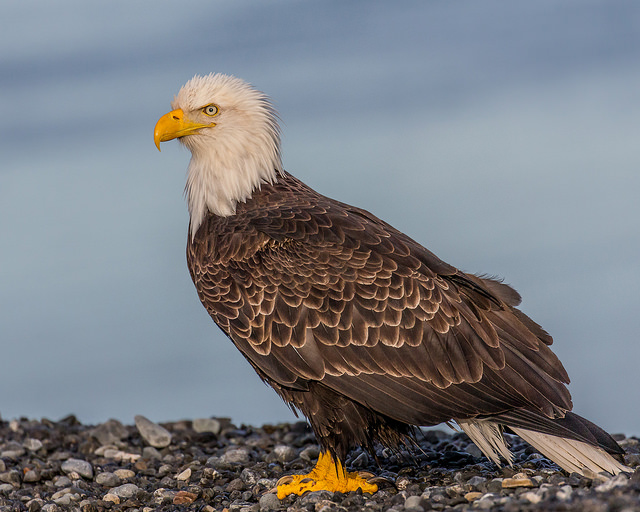
Bald Eagle (Haliaeetus leucocephalus) Resting ©Flickr Andy Morffew

“Have you not known? Have you not heard?”

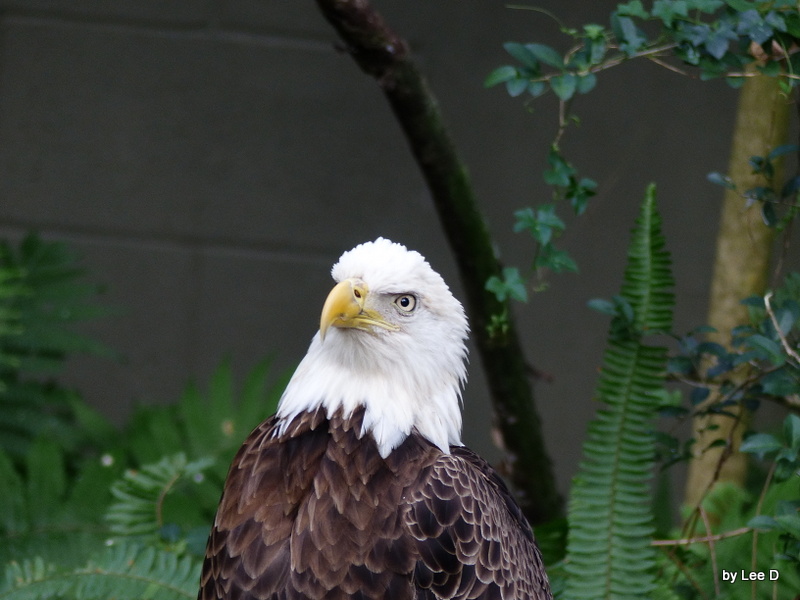
Bald Eagle Lowry Park Zoo 12-31-15 by Lee

The everlasting God, the LORD, The Creator of the ends of the earth, Neither faints nor is weary. His understanding is unsearchable.

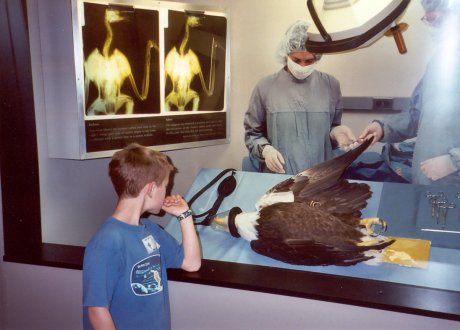
Eye Surgery on an Eagle ©phillipdthomas

He gives power to the weak, And to those who have no might He increases strength.

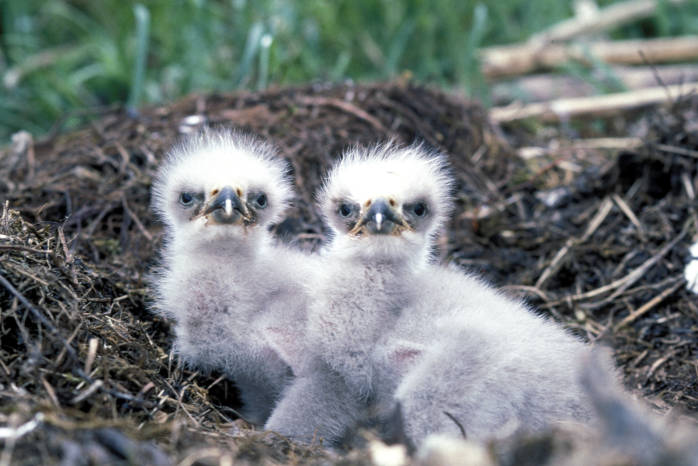
Bald Eagle (Haliaeetus leucocephalus) chicks ©USFWS

Even the youths shall faint and be weary, And the young men shall utterly fall,”

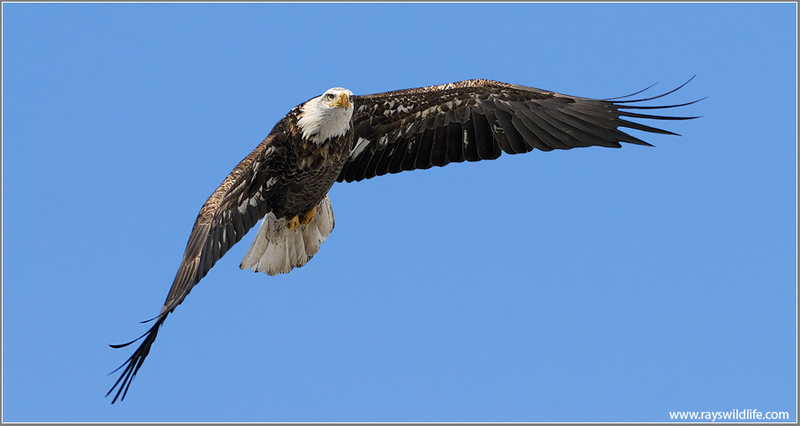
Bald Eagle (Haliaeetus leucocephalus) by Ray

Bald Eagle (Haliaeetus leucocephalus) by Ray

But those who wait on the LORD Shall renew their strength; They shall mount up with wings like eagles, They shall run and not be weary, They shall walk and not faint.” (Isaiah 40:28-31 NKJV)

Almighty is His Name

Great Blue Heron in flight; Walton County, Georgia. June 8, 2020 birding photography ©www.williamwisephoto.com.

He who appoints the sun to shine by day,

who decrees the moon and stars to shine by night,

who stirs up the sea so that its waves roar

— the Lord Almighty is his name:

Jeremiah 31:35


Hi, I’m wildlife photographer and nature writer William Wise. I was saved under a campus ministry while studying wildlife biology at the University of Georgia. My love of the outdoors quickly turned into a love for the Creator and His works. I’m currently an animal shelter director and live in Athens, Georgia with my wife and two teenage daughters, who are all also actively involved in ministry. Creation Speaks is my teaching ministry that glorifies our Creator and teaches the truth of creation.  — “What a wildly wonderful world, God! You made it all, with Wisdom at Your side, made earth overflow with your wonderful creations.” Psalms 104, The Message.