***
SONG
***
“I was a derision to all my people; and their song all the day.” (Lamentations 3:14)
Bird Songs by Earth Dragon Ouroboros
*
*
“I was a derision to all my people; and their song all the day.” (Lamentations 3:14)
Bird Songs by Earth Dragon Ouroboros
*
*
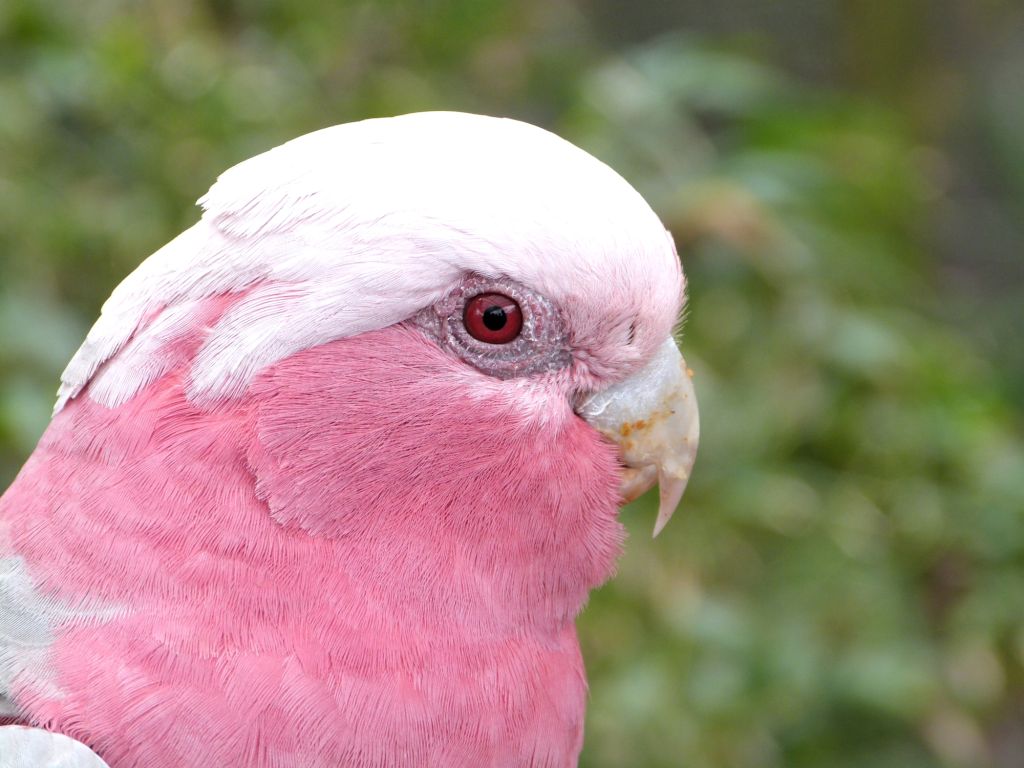
“Lily” – Galah Cockatoo – Brevard Zoo
“And having food and raiment let us be therewith content.” (1 Timothy 6:8 KJV)
In a large zoo in the center of a city, a Galah the zookeepers affectionately called Lily lived contentedly in the parrot/cockatoo exhibit. Lily was very glad to be living in such a nice zoo. One of her favorite activities was meeting all of the people who would pass by the parrot exhibit every day. The crowds that came to the exhibit always noticed Lily because of her bright pink feathers.
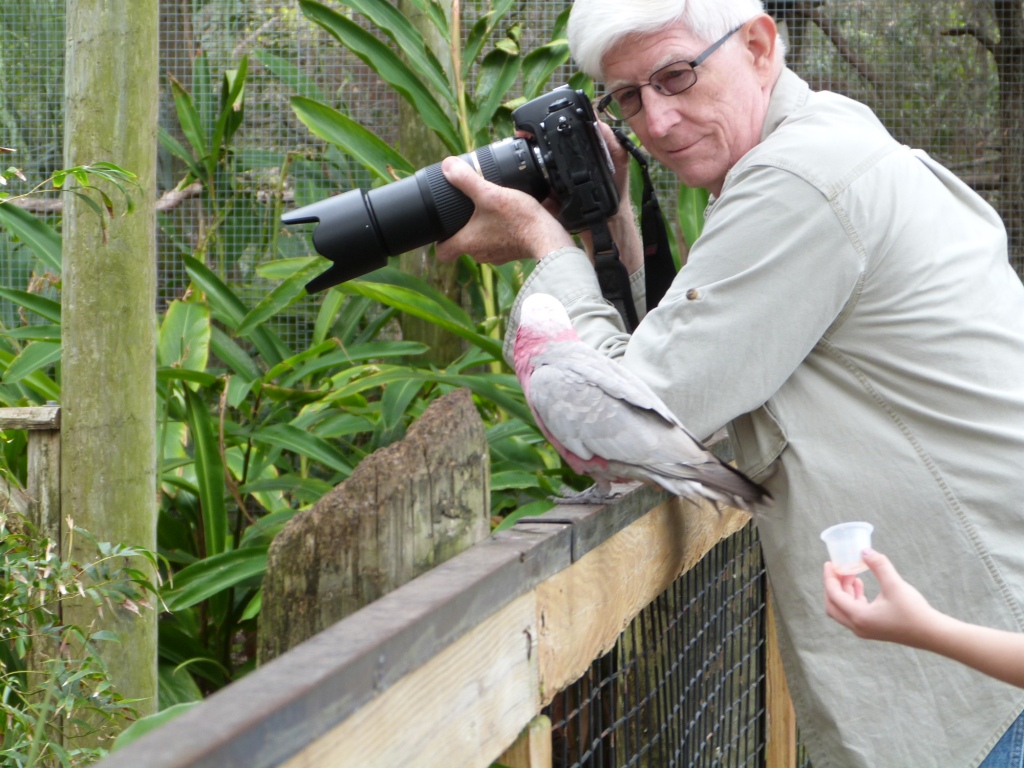
“Lily” curious about camera
One day a man with a large camera stopped by the exhibit to take some pictures of the tropical birds for a magazine. Curious to see what he was holding, Lily flew off the tree branch she was sitting on and landed directly on top of the camera without any fear at all. The man holding the camera and the people beginning to surround him laughed as Lily pecked at the buttons in curiosity. All of a sudden Lily pressed a large button near the top of the camera and took a picture.
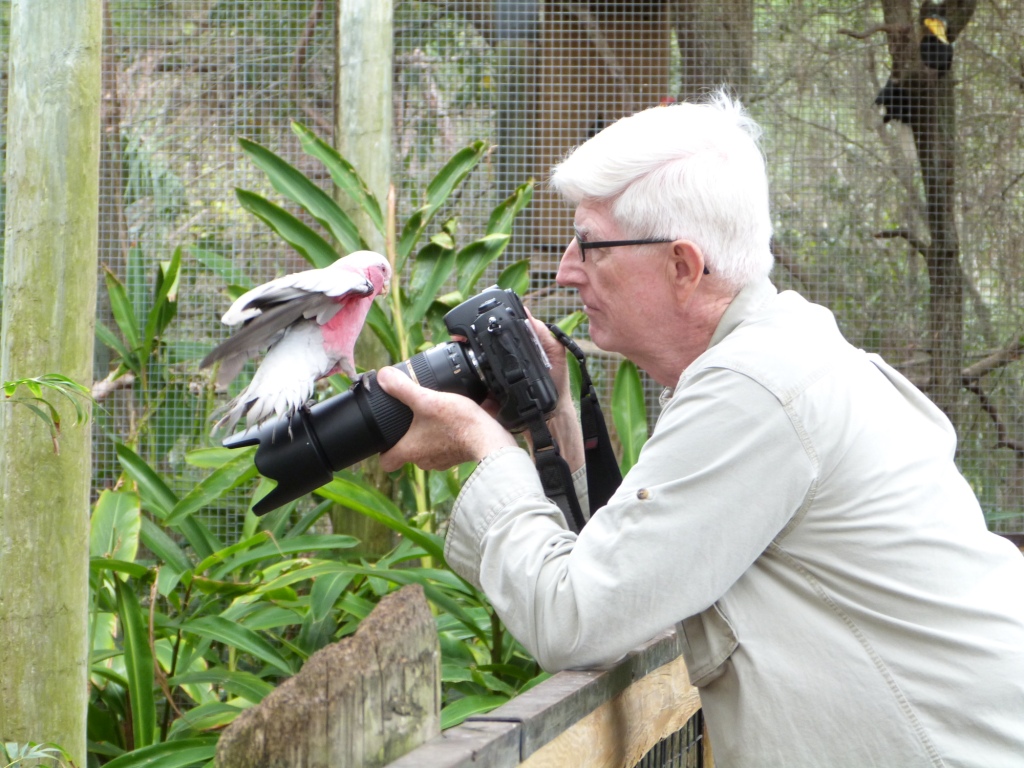
“Lily” Hopping on the camera
The man holding the camera was surprised at how well the picture turned out and he decided to set the camera down carefully to see what Lily would do next. Lily, however, had no idea what happened when she pressed the button, but she found great enjoyment in pressing it.

Next, the man picked the camera back up and moved it back and forth as Lily kept pressing the same button to take pictures. Eventually, Lily had created an entire series of photographs that the man and the crowd thought were actually quite good.
Impressed by Lily’s talent, the man decided to take the pictures to the head zookeeper. The man, who called himself Steve Watts, explained that he was a photographer for a local magazine and told the zookeeper that Lily had taken the pictures rather than himself. The zookeeper was happy to hear that Steve was going to put the pictures in the next edition of the magazine. Lily was exited too, even though she had no idea what a magazine was.
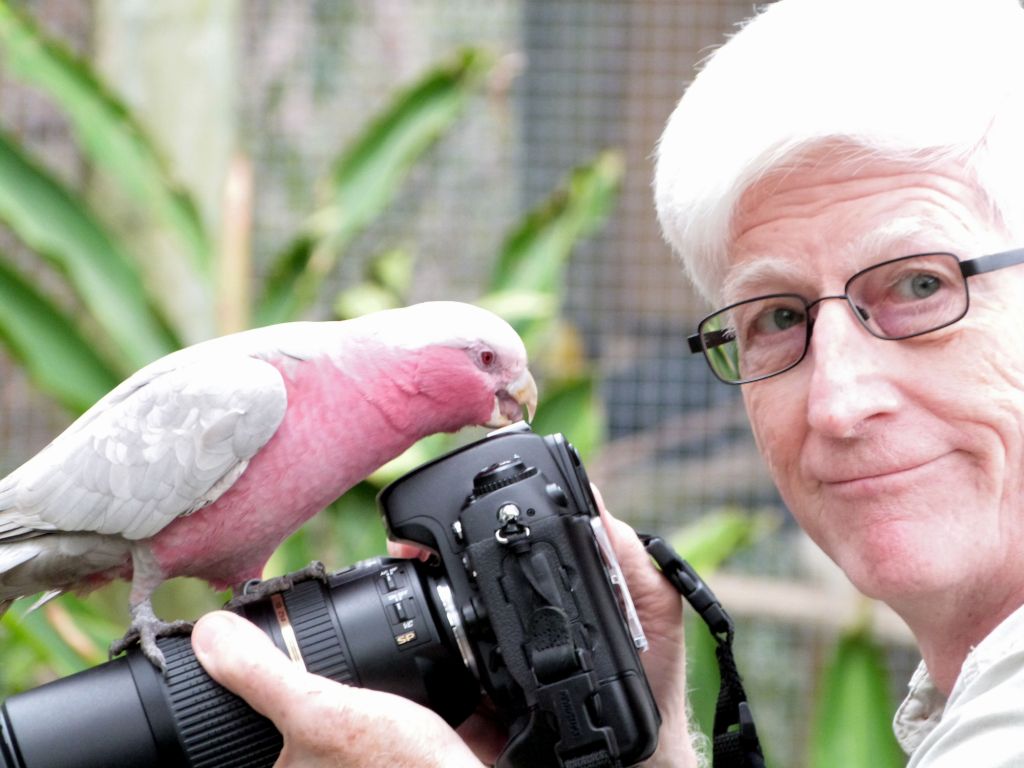
“Lily” the Galah and Dan (a/k/a Steve Watts)
Steve Watts
A few days later, a crowd even larger than normal gathered around the parrot exhibit to see Lily. Lily was surprised at the amount of people, especially when all of the people clustered around her as the zookeeper brought her out of the exhibit on his arm.
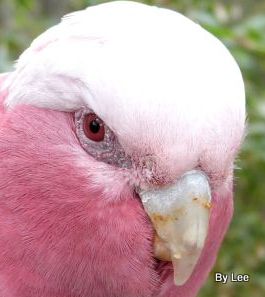
Lily – Galah (Eolophus roseicapilla) Up Close
Most of the people in the crowd were holding up the magazines that they had bought which contained some of the pictures Lily had taken, including one she had taken when she had placed her face in front of the lens. Lily was happy to know that everyone loved her pictures, and looked forward to being able to take more. Fortunately Steve came to the zoo often. He eventually gave some of Lily’s pictures to a local art gallery, which brought increased business to the zoo. People enjoyed coming to the zoo to see Lily. From then on, the parrot exhibit was the busiest section of the zoo. Lily loved the crowds of people, and became one of the most contented bird in the entire zoo.
“Not that I speak in respect of want: for I have learned, in whatsoever state I am, therewith to be content.” (Philippians 4:11 KJV)
Lee’s Addition:
And now you have the birds view of Dan’s Galah encounter. Or, at least, this is Emma’s Version of the incident. Emma, we love it. Thanks you so much for keeping us entertained with your constantly improving tales of birds from their Creator. [Her parents, I, and others have been encouraging her to write about this event.]

“And he hath violently taken away his tabernacle, as if it were of a garden; He hath destroyed his places of the assembly: the Lord hath caused the solemn feasts and sabbaths to be forgotten in Zion, and hath despised in the indignation of his anger the king and the priest. (Lamentations 2:6)
Cypress Gardens by Lee
*
*

Wattled Curassow (Crax globulosa) by Lee at National Aviary
“Looking unto Jesus the author and finisher of our faith; who for the joy that was set before him endured the cross, despising the shame, and is set down at the right hand of the throne of God.” (Hebrews 12:2 KJV)
Today we will finish up the Cracidae family by introducing you to the last 15 species. The are the Curassows in four genera. I love their curly hairdo on most of them. We see them in the different zoo quite frequently. “Curassows are one of the three major groups of cracid birds. Three of the four genera are restricted to tropical South America; a single species of Crax ranges north to Mexico.
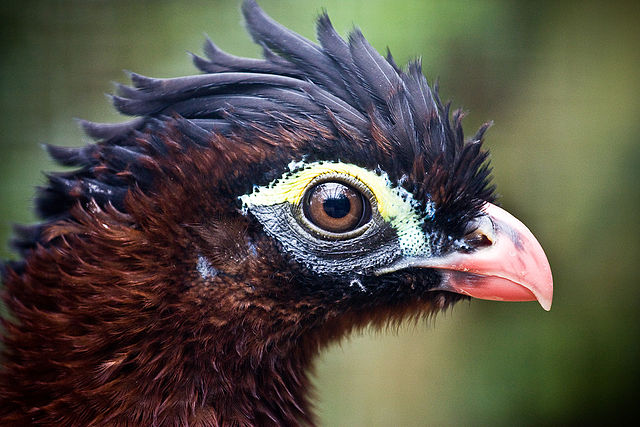
Nocturnal Curassow (Nothocrax urumutum) ©WikiC
The Nocturnal Curassow (Nothocrax urumutum) is the only one in his genus. They are found in Brazil, Colombia, Ecuador, Peru, and Venezuela. Its natural habitats are subtropical or tropical moist lowland forests and subtropical or tropical swamps.
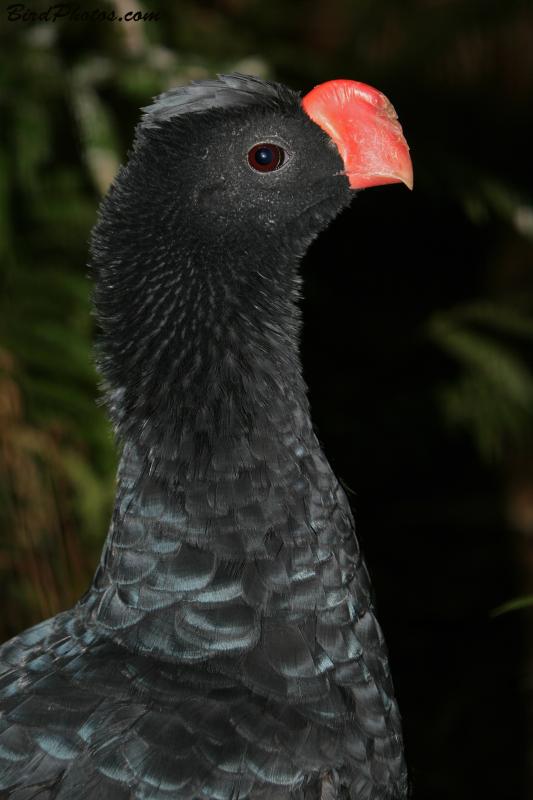
The next genus of Curassows are the Mitu, of which there are four. They are found in humid tropical forests in South America. Their plumage is iridescent black with a white or rufous crissum and tail-tip, and their legs and bills are red. The genders are alike. These are the Crestless, Alagoas, Salvin’s, and the Razor-billed Curassows.
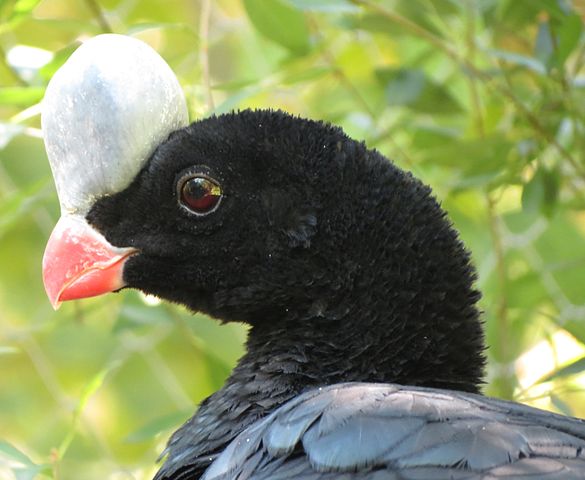
Helmeted Curassow (Pauxi pauxi pauxi) Northern – Peggy ©WikiC Denveri Zoo
The next Genus Pauxi – are called Helmeted Curassows. The Helmeted, Horned and Sira Curassows make up this group. They are terrestrial black fowl with ornamental casque on their heads. All are found in South America.

Bare-faced Curassow (Crax fasciolata) ©WikiC
The last genus in this Cracidae Family are the Crax. Seven of them finish off with their curly hairdos. “Crax is a genus of curassows in the order Galliformes, a clade of large, heavy-bodied, ground-feeding birds. They are known from tropical South America with one species, the great curassow, ranging northwards through Central America as far as Mexico. The currasows in this genus are noted for their sexual dimorphism; males are more boldly coloured than females and have facial ornamentation such as knobs and wattles. They are also characterised by curly crests and contrastingly-coloured crissums.” (Most information from Wikipedia with editing)
*
“For the preaching of the cross is to them that perish foolishness; but unto us which are saved it is the power of God.” (1 Corinthians 1:18 KJV)
“Its About The Cross” ~ Quartet FBC
*
The Other Articles About the Cracidae Family:
Chachalacas, Curassows & Guans Family
*

“Mine enemies chased me sore, like a bird, without cause.” (Lamentations 3:52)
Tigers Chasing A Bird ©Fugly.Com
*
*
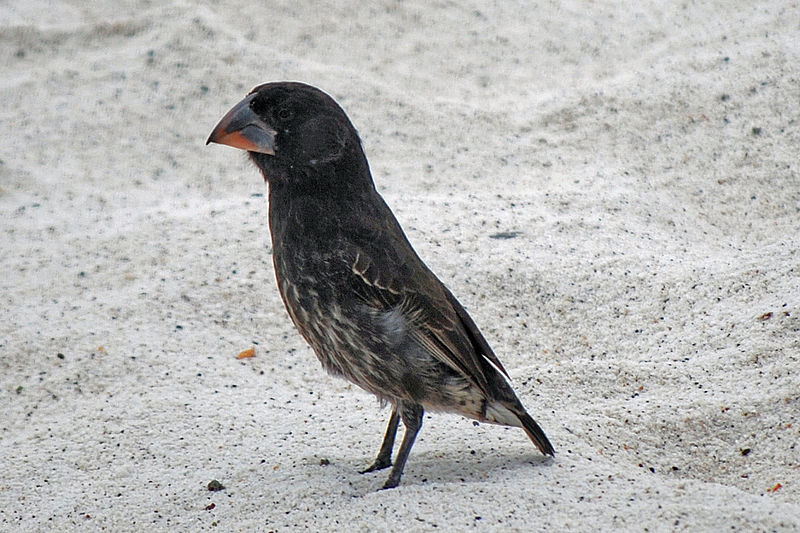
Large Cactus Finch (Geospiza conirostris) is now the Ground Finch ©WikiC
“My son, fear thou the LORD and the king: and meddle not with them that are given to change:” (Proverbs 24:21 KJV)
Below are summaries of quarterly updates to the IOC World Bird List. We strive to track taxonomic advances in ornithology in a timely way. All of the updated information and species changes are included in the latest version of the list on this website.
Please click on one of the tabs on the pull down Updates Menu above for particular sets of updates, i.e. Species, Subspecies etc. Also see edits of the nomenclature authorities.
Version 7.1 (Jan 8, 2017 )
The IOC World Bird List 7.1 contains 10,672 extant species (and 156 extinct species) classified in 40 Orders, 238 Families (plus 2 Incertae Sedis) and 2,294 Genera. The list also includes 20,344 subspecies, their ranges and authors.
Changes include:
SPECIES ADDED: 13 including one extinct (San Cristobal Flycatcher)
TAXONOMY: 10 including resequence of Ratites, Draft revision of Orders.
The IOC was busy at work putting out their newest version, and we were too incumbered [crashed computer, bronchitis, on-line course] to really get to it. I trust this blog will be updated in the next few days to reflect these changes.
These are the 13 new birds added:
Foveaux Shag
Merida Sunangel
Longuemare’s Sunangel
White-throated Wedgebill
Scarlet Flycatcher
Darwin’s Flycatcher
San Cristobal Flycatcher
Double-collared Crescentchest
Chinese Rubythroat
Mediterranean Flycatcher
Genovesa Ground Finch
Vampire Ground Finch
Genovesa Cactus Finch
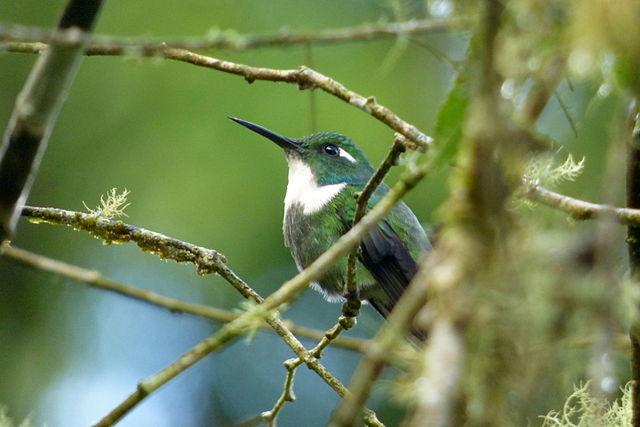
Three had their names changed:
Stewart [Island] Shag (Leucocarbo chalconotus) to Otago Shag
Wedge-billed Hummingbird (Schistes geoffroyi) to Geoffroy’s Wedgebill
Large Cactus Finch (Geospiza conirostris Espanola) to Ground Finch
They also changed the sequence of the first six Orders. They were in this order:
Tinamous – Tinamidae
Ostriches – Struthionidae
Rheas – Rheidae
Cassowaries – Casuariidae
Emu – Dromaiidae
Kiwis – Apterygidae
Now they will be in this order:
Ostriches – Struthionidae
Rheas – Rheidae
Kiwis – Apterygidae
Cassowaries – Casuariidae
Emu – Dromaiidae
Tinamous – Tinamidae
Stay tuned!
*
“Then said I, Ah, Lord GOD! behold, I cannot speak: for I am a child.” (Jeremiah 1:6 KJV)
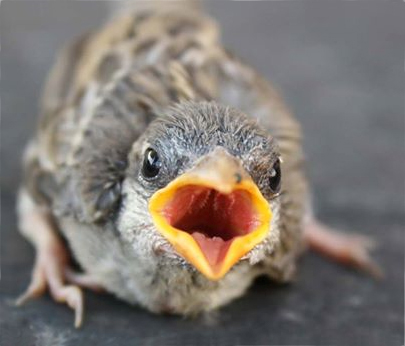
2014GapingBabyOnGround ©EastValley
*
*

“Our persecutors are swifter than the eagles of the heaven: they pursued us upon the mountains, they laid wait for us in the wilderness.” (Lamentations 4:19 KJV)
American Bald Eagle-dec-4-4 ©Steveabone
*
*
“He hath hedged me about, that I cannot get out: he hath made my chain heavy.” (Lamentations 3:7 KJV)
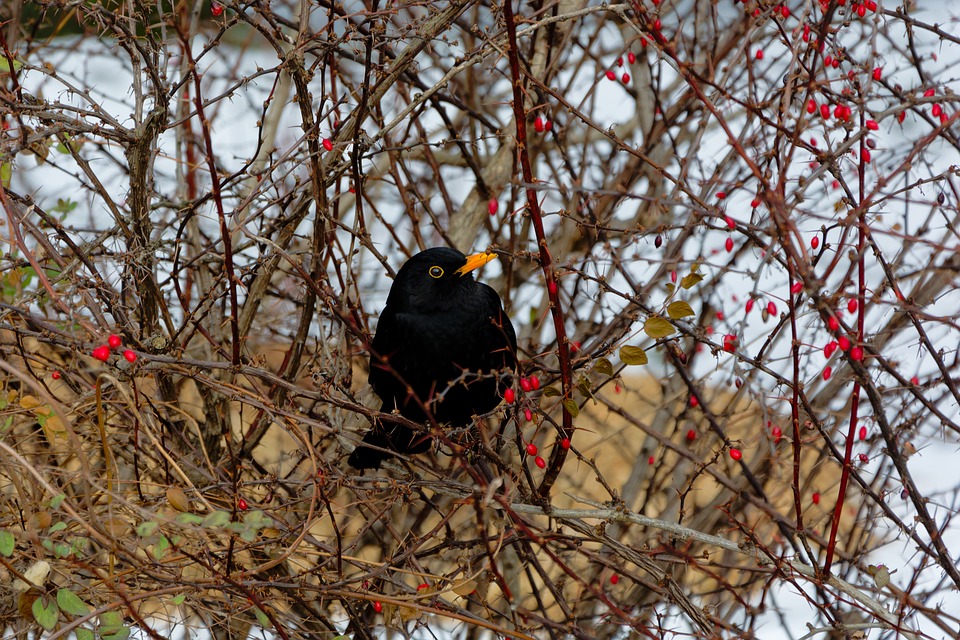
Blackbird Hedge Thorns Winter Bird ©Freegreatpicture
*
*
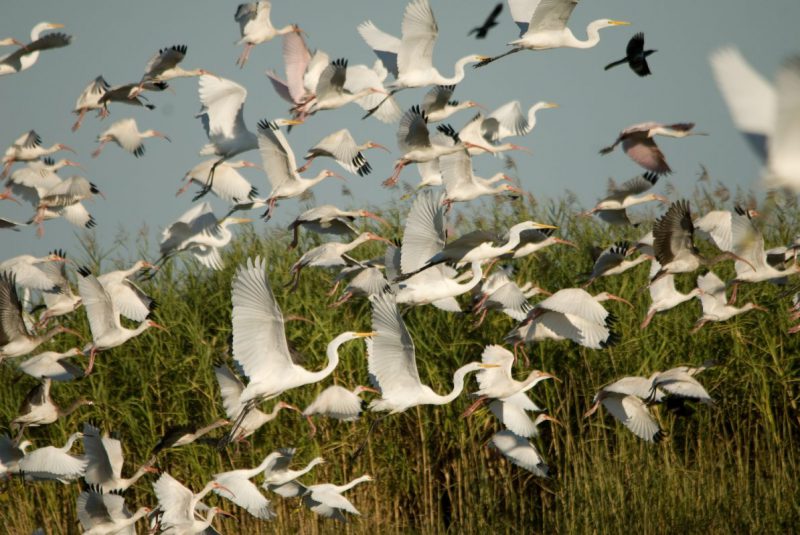
“Remember, I pray, the word that You commanded Your servant Moses, saying, ‘If you are unfaithful, I will scatter you among the nations; but if you return to Me, and keep My commandments and do them, though some of you were cast out to the farthest part of the heavens, yet I will gather them from there, and bring them to the place which I have chosen as a dwelling for My name.’ ” (Nehemiah 1:8-9 NKJV)
Egrets, Ibises, Spoonbills, etc ©Ericripma Photo
*
*

“Train up a child in the way he should go: and when he is old, he will not depart from it.” (Proverbs 22:6 KJV)
Cauca Guan (Penelope perspicax) chick ©BirdPhotos.com
*
*

African Fish Eagle (Haliaeetus vocifer) by Africaddict
“Ye have seen what I did unto the Egyptians, and how I bare you on eagles’ wings, and brought you unto myself.” (Exodus 19:4 KJV)
One of the first videos shown on the blog was of the African Fish Eagle. That was back when this blog first started up. I have repeatedly shown it over the years.
First my favorite one with the music:
“For thus saith the LORD; Behold, he shall fly as an eagle, and shall spread his wings over Moab.” (Jeremiah 48:40 KJV)
Now here is a great one to show in slow motion.
“They are passed away as the swift ships: as the eagle that hasteth to the prey.” (Job 9:26 KJV)
What a CREATOR!!
*
Birds of the Bible – Eagles (February 17, 2008)
Birds of the Bible – Favorites (July 3, 2009)
Just a little change of pace for today’s Devotional.
*

