Sparrow Quote from The Life Project

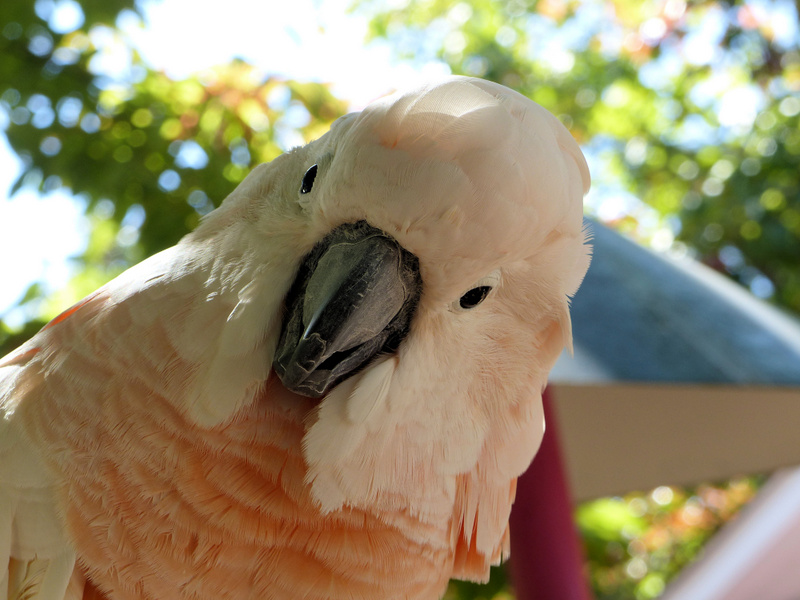
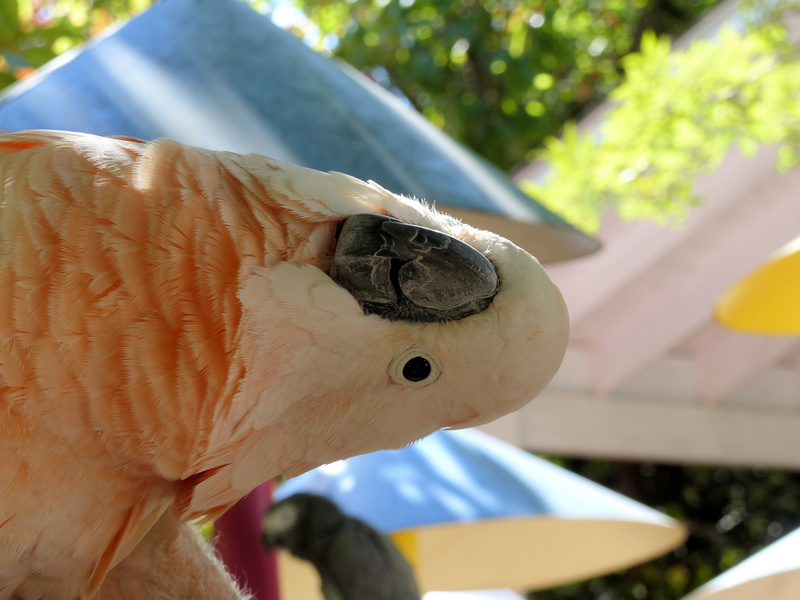
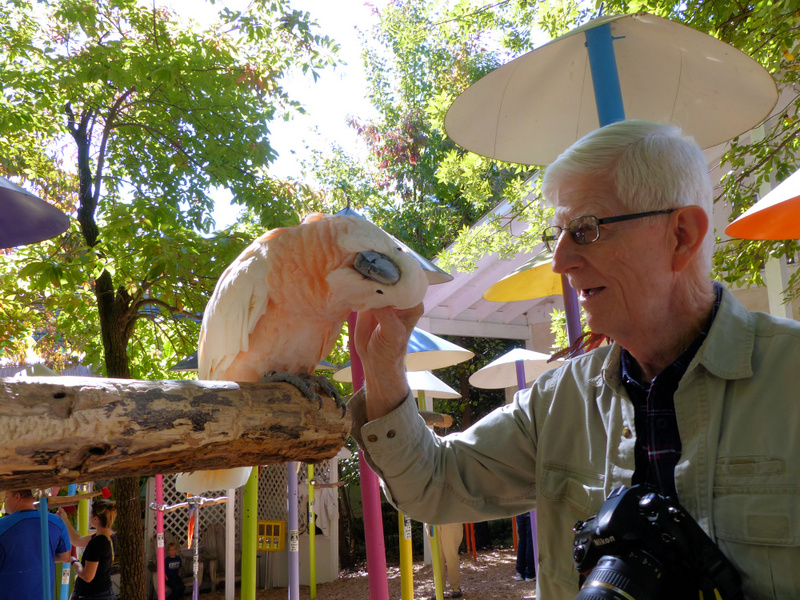
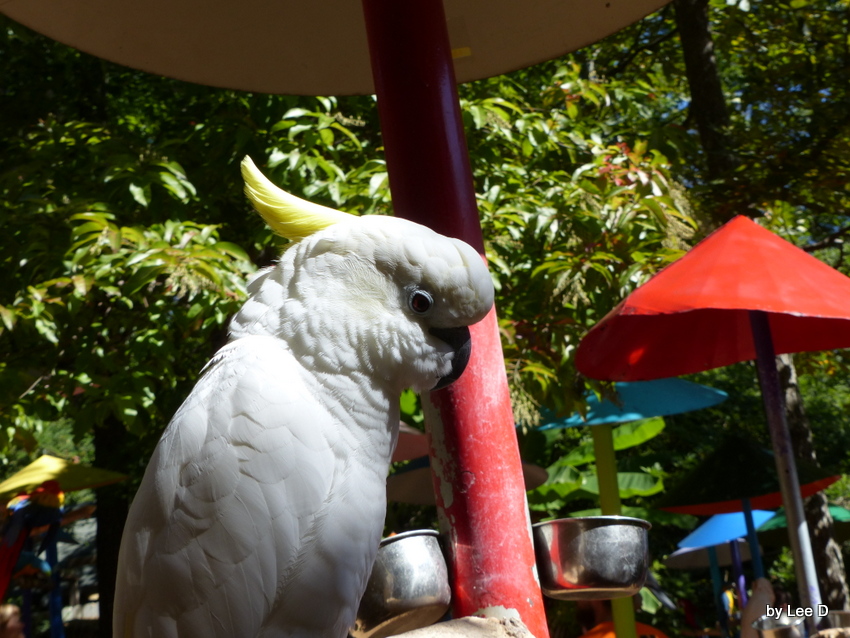
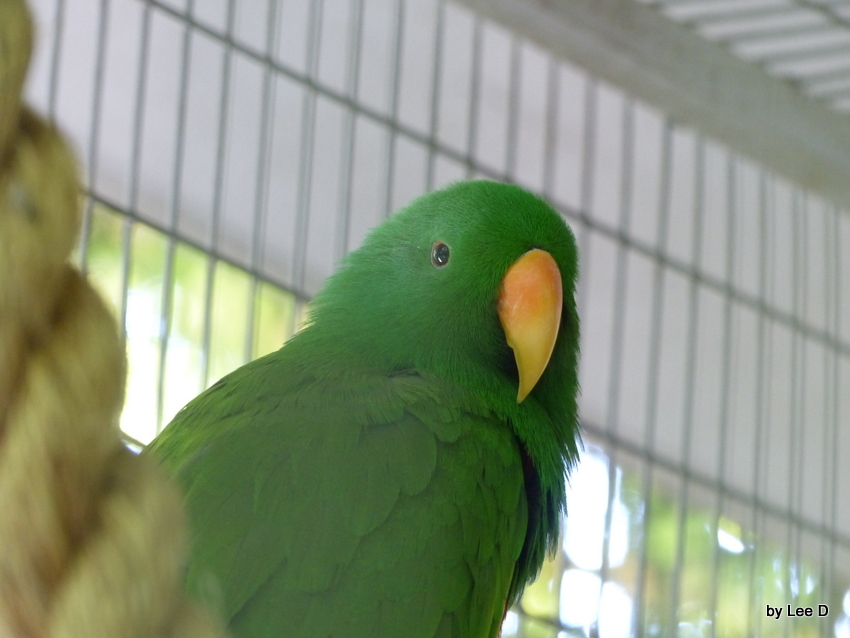
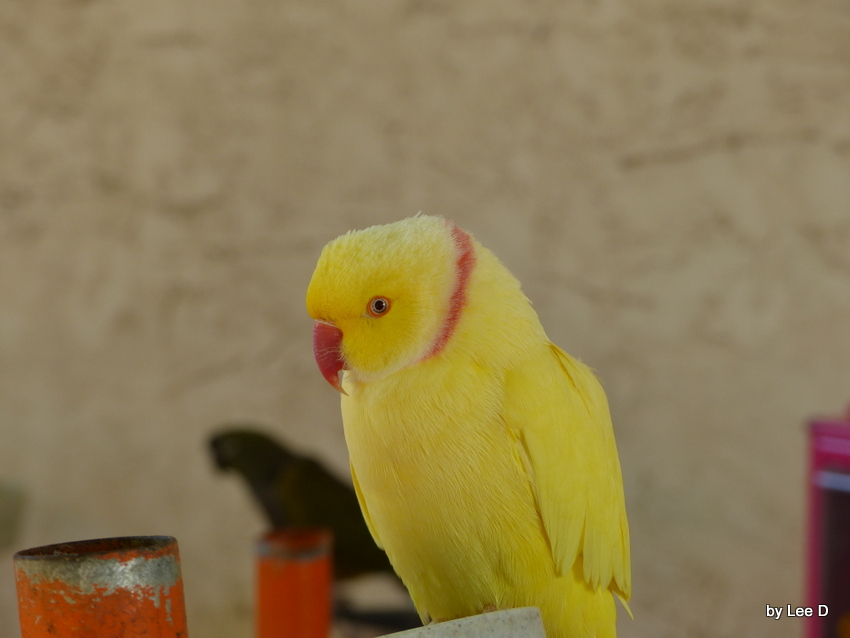
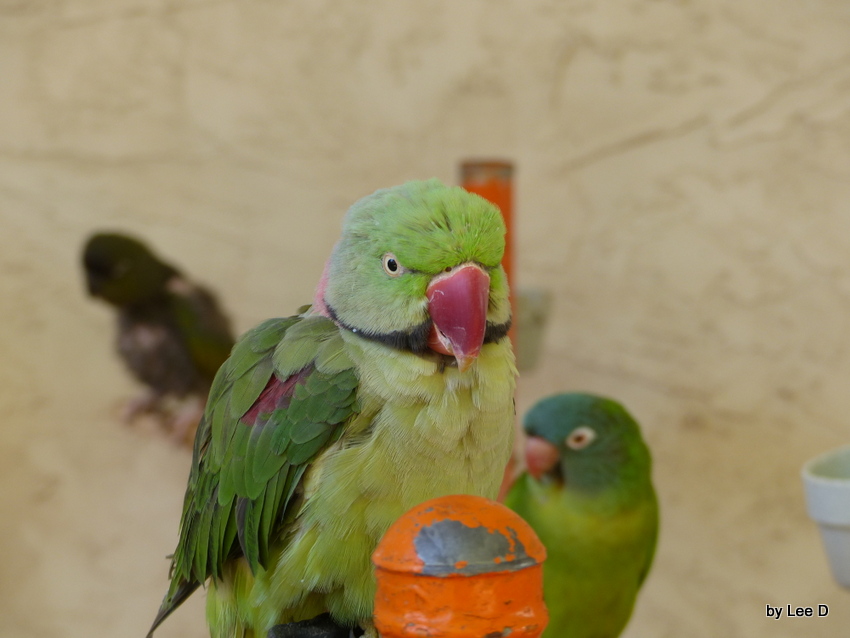
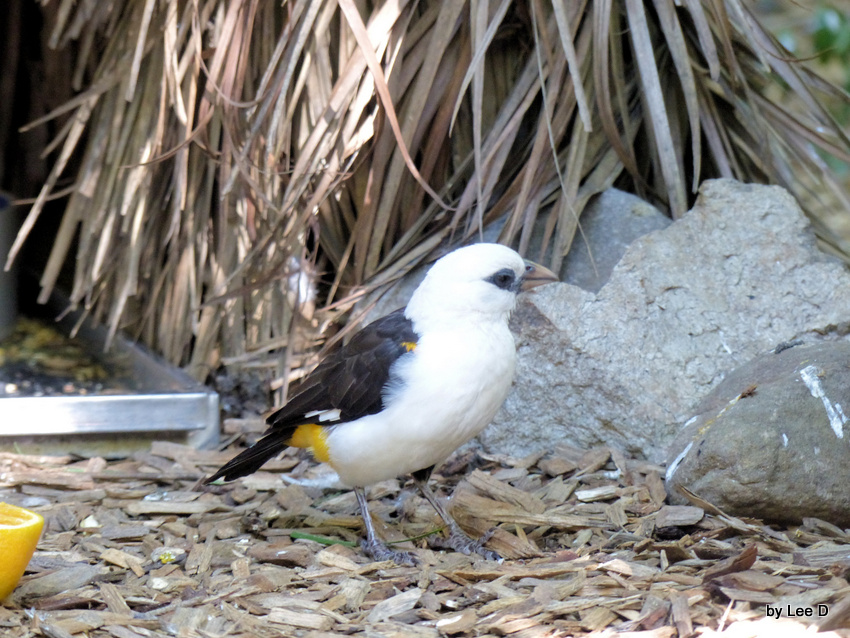
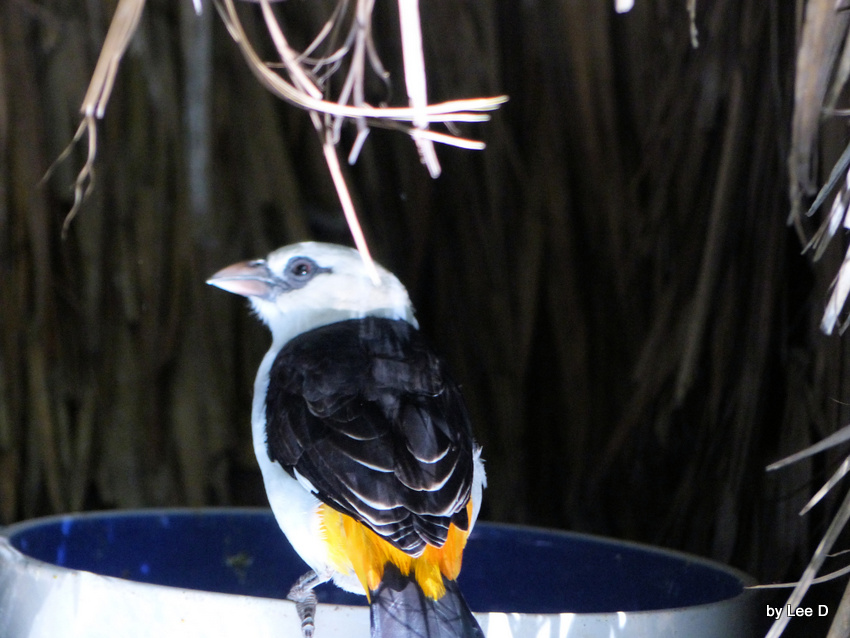
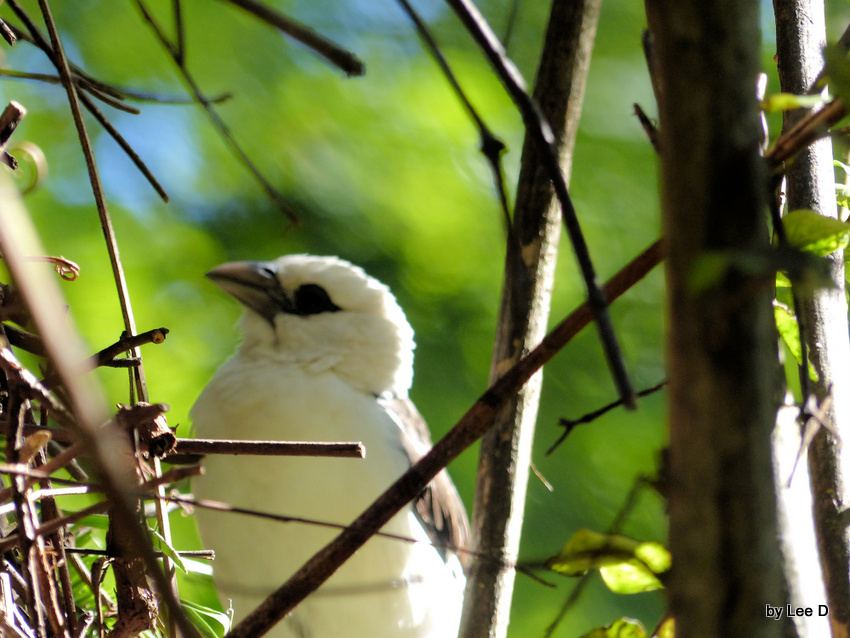
House Sparrows visiting National Aviary Parrot Show by Lee

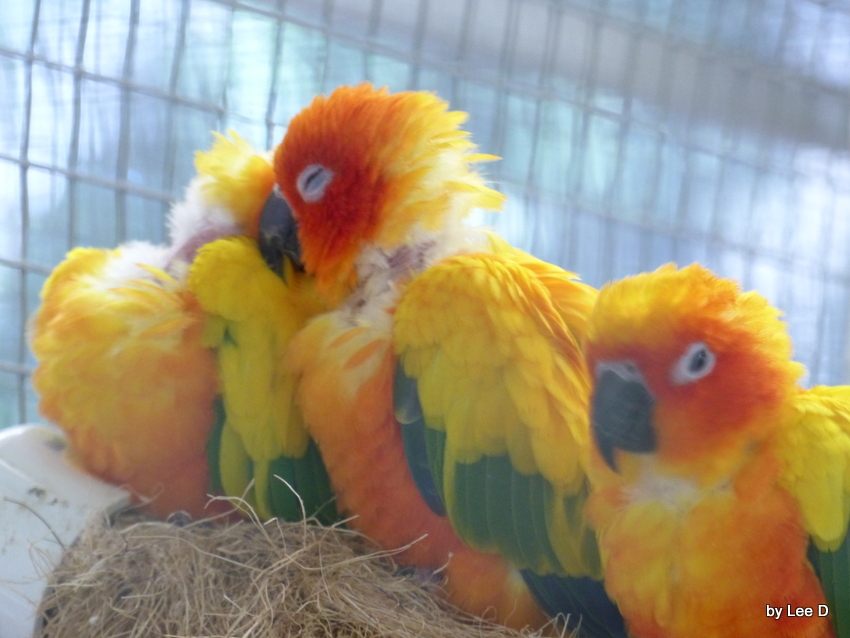
House Sparrows visiting National Aviary by Lee

The Life Project by Don Merritt is a blog I follow. Here is an interesting quote from Jesus and His relationship with the Disciples:

Jesus wraps up this thought with the example of a sparrow. Who watches out for sparrows? Actually, we could ask something like: Who cares at all about sparrows?

Jesus gives us an answer: His Father in heaven cares about each and every single insignificant sparrow on the planet, and nothing happens to a single little sparrow that He doesn’t know about.

That is a staggering thought…

Read the whole article….

*

Are not two sparrows sold for a farthing? and one of them shall not fall on the ground without your Father. (Matthew 10:29 KJV)

The Life Project

Jesus and His relationship with the Disciples

Birds of the Bible – Sparrows

*

Endemic Treasures of the Cook Islands: Atiu Swiftlet and ‘Gospel Day’ Holidays

Endemic Treasures of the Cook Islands: 

Atiu Swiftlet and ‘Gospel Day’ Holidays

James J. S. Johnson

I thank my God upon every remembrance of you, always in every prayer of mine for you all making request with joy, for your fellowship in the Gospel from the first day until now, being confident of this very thing, that He Who has begun a good work in you will perform it until the day of Jesus Christ.  (Philippians 1:3-6)

Fair Use photo credit: https://en.wikipedia.org/wiki/Atiu_swiftlet#/media/File:Kopeka_bird.jpg

Atiu Swiftlet (Aerodramus sawtelli, a/k/a Kopeka) ©WikiC

The Atiu Swiftlet (Aerodramus sawtelli, a/k/a Sawtelli’s Swift), known locally as the “Kopeka”, is a small member of the swift family, only known to dwell on the Pacific island of Atiu, one of the Cook Islands.

Like other swifts it is sooty-brown in color, with its upper side being darker than its lower side.  Those who have studied the Atiu Swiftlet report that it nests in limestone caves, yet ranges over farmed lands and areas dominated by ferns.

Because it appears to only reside in one place, in the wild, it is said to be “endemic”, i.e., endemic to the island of Atiu.  However, some taxonomists think the Atiu Swiftlet is only an inbred variety of swift that is conspecific with  the Polynesian Swiftlet (Aerodramus leucophaeus, a/k/a Tahitian Swiftlet), the White-rumped Swiftlet (Aerodramus spodiopygius), and maybe even the Australian Swiftlet (Aerodramus terraereginae).  Regardless of taxonomic “lumping” or “splitting”, the Atiu Swiftlet is mainly distinguished from  other swifts by its troglodyte nesting habits and its limited range.)  But for now we may assume that the Atiu Swiftlet, as a separate “species” or as an endemic “subspecies”, is unique to the Cook Islands.  Most who read these sentences, before today, had never heard of an “Atiu Swiftlet” – but the Atiu Swiftlets are not worried  about their relative obscurity, because God’s caring providence is what they need (Matthew 5:26), not acclaim or fame from folks around the world.

In fact, the Cook Islands host another unusual, not-so-famous, “endemic” treasure – a set of “Gospel Day” holidays, commemorating how God provided the Gospel of Christ (via British missionaries) unto that group of islands in the South Pacific.

Fair Use credit_www.pacificresort.com_national-gospel-day-public-holiday-pacific-resort-rarotonga.jpeg

In particular, the Cook Islands – for many years – have officially celebrated, with pageantry and gratitude to God, the arrival of Bible-based Christianity (in the early AD1800s), with the various component islands having specific days for recognizing “Gospel Day” as a memorial of the British missionary outreach that blessed their respective islands.Cooks Island Map

Here are the days that have been (historically) celebrated as “Gospel Day” in the Cook Islands archipelago:  March 13th (Penrhyn Gospel Day); May 25th (Palmerston Gospel Day); June 15th (Mangaia Gospel Day); July 19th (Atiu Gospel Day, Mitiaro Gospel Day, and Mauke Gospel Day); August 8th (Manihiki Gospel Day), August 15th (Rakahanga Gospel Day); October 26th (Aitutaki Gospel Day); December 6th (Pukapuka Gospel Day); — plus there is a “National Gospel Day” collectively celebrated in the Cook Islands on October 27th.

Wow!  What godly tradition!  What other nations show such respect for Christ?

As part of celebrating Gospel Day, in the Cook Islands, elaborate and expressive “nuku” dramas are acted out, by actors wearing colorful costumes who dramatize mankind’s opportunity to be redeemed, in Christ, from sin (sometimes even enacting New York City’s 9/11 Twin Towers disaster, to illustrate the global war between good and evil).  Hymn singing – and lots of it! – and dancing and music-making dominate much of the day, as well as feasting (coconut, arrowroot, pawpaw fruit, chicken, salt-meat, etc.), prayer, and interactive Bible-based worship activities.

The missionary efforts of John Williams

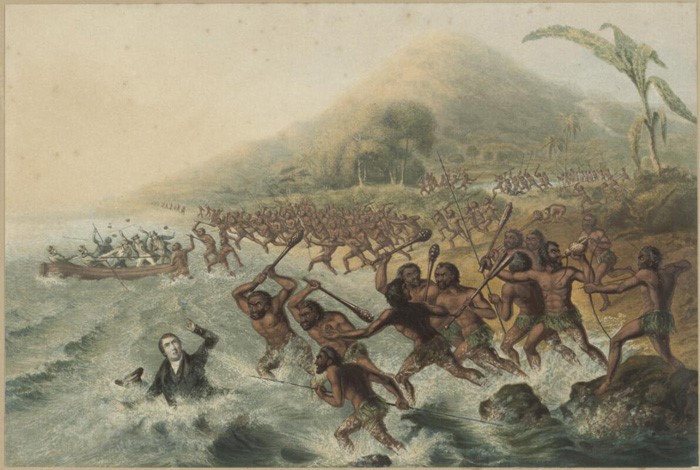
The missionary efforts of John Williams (“Apostle of the South Seas”, born near London), an English missionary to the Pacific, is recalled with thanksgiving, as well as the historic themes of Christianity.  John Williams (of the London Missionary Society) was murdered (and cannibalized) in AD1839 on the beach at Erromango, in Vanuatu, after a fruitful season of faithful missionary outreach to South Pacific islanders.

gospeldays 2

[For more details on how Gospel Day is celebrated in the Cook Islands, see http://www.cookislands.org.uk/gospelday.html and, especially for diary-like details, see youtube clip:  https://www.youtube.com/watch?v=IN9S9m1pNes .]

gospeldays 3

The tradition continues, although the calendaring aspects of this multi-island tradition have changed, in recent times, due to a governmental effort to standardize the holiday (for the Sunday closest to the original Gospel Day, for each island), and to coordinate with  a new public holiday called “Ra O Te Ui Airki” (on July 6th), according to a news report (dated October 19, 2011) saying:

“From next year, October 26 will be the only public holiday to celebrate Gospel Day as all individual outer island gospel days, including that of Rarotonga, will be celebrated on the closest Sunday to the date of Christianity arriving to the respective islands. The change in the public holiday status of the island Gospel Days is due to a new public holiday on July 6 to be known as the Ra O Te Ui Ariki out of respect for the countrys aronga mana, its ui ariki, ui mataiapo, ui rantagira and taunga [whatever that means!].  Next year churches will have the opportunity once again put their Bible story telling skills on display again when the nuku is organised to commemorate the national Gospel Day.”   [Quoting from http://www.cookislandsnews.com/item/32483-no-nuku-on-gospel-day/32483-no-nuku-on-gospel-day ].

Regardless of whatever day the arrival of the Christian Gospel is celebrated in each of the Cook Islands (as well as the historic day when each one of us, individually, received the Gospel), every day should be a day of appreciating the precious Gospel truth  —  and a time of joy (Luke 10:20) in knowing that God cares to reach and to forgive us, in His Son, the Lord Jesus (Philippians 1:3-6), if we willingly receive Him (John 1:12).   ><>  JJSJ

gospeldays 4

*
Photo Credits:

[ Fair Use photo credit:  https://en.wikipedia.org/wiki/Atiu_swiftlet#/media/File:Kopeka_bird.jpg ]

[Fair Use credit: http://www.pacificresort.com/Images/WhatsOn/national-gospel-day-public-holiday-pacific-resort-rarotonga.jpeg]

[Fair Use image credit: http://www.cookislands.org.uk/image/gospeldays-CORRECTED.jpg]

*

More:

*

What Has Evolution Given To The World? – Creation Moments – Re-posted

WHAT HAS EVOLUTION GIVEN TO THE WORLD?

“I have seen all the works that are done under the sun; and, behold, all is vanity and vexation of spirit.” (Ecclesiastes 1:14)


We get lots of interesting letters and e-mails here at Creation Moments. Most of them are positive, but occasionally we hear from someone who disagrees with us. One such writer told us that there are, and I quote, “thousands upon thousands of articles written in medical journals about how evolution has been of enormous benefit in medicine.”

Magnetic resonance imaging scanner, invented by creationist Raymond Vahan Damadian.Want to hear how we responded? We began like this:

Interesting Things from Smiley CentralHow many of those thousands of articles have you read? We’ve read some, and the references to evolution appear to have been added without thought or reason. Evolution has had absolutely nothing to do with medicine. In fact, Bible-believing surgeons in the past learned from the Bible how to wash their hands under running water. Evolution had nothing to do with the development of antiseptics. Actually, that comes from Joseph Lister, a Bible-believing scientist. Evolution had nothing to do with X-rays or Magnetic Resonance Imaging. Actually, it was a Bible-believing Christian who invented the MRI.

Evolution has played no part in the science that has given us modern technology, medicine and so much more. Evolution didn’t even have anything to do with putting a man on the moon. In fact, it was a combination of applied scientists and engineers who accomplished this.

So what has evolution given mankind? Well, it has given us thousands of scientists who make their living writing about evolution and teaching it. Yes, it has created quite an industry for itself. But it has advanced science not one inch.

Prayer:
Heavenly Father, I pray that You will help millions to realize that Darwin is an emperor with no clothes. Reveal to them that they have been foolish for believing that there’s any truth in evolution. Amen.
_
Notes:
Magnetic resonance imaging scanner, invented by creationist Raymond Vahan Damadian. Courtesy of Jan Ainali. (CC BY 3.0)
©Creation Moments 2015
_
Lee’s Addition:

Have you not known? Have you not heard? The everlasting God, the LORD, The Creator of the ends of the earth, Neither faints nor is weary. His understanding is unsearchable. (Isaiah 40:28 NKJV)

Sunday Inspiration – Mockingbirds and Thrashers

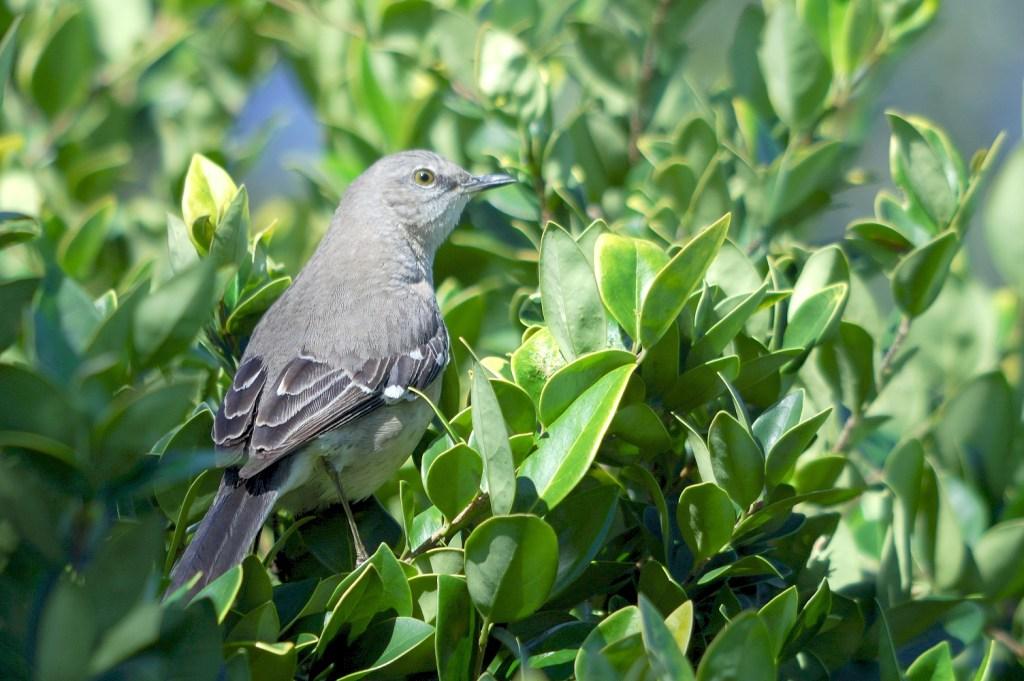
Northern Mockingbird (Mimus polyglottos) By Dan'sPix

Northern Mockingbird (Mimus polyglottos) By Dan (Dan’sPix)

“Do not curse the king, even in your thought; Do not curse the rich, even in your bedroom; For a bird of the air may carry your voice, And a bird in flight may tell the matter.” (Ecclesiastes 10:20 NKJV)

Mockingbirds have been one of my favorite birds. They used to nest in a bush outside our bedroom when we lived in Fort Lauderdale, FL. He used to sing, sing, and sing when they had their young. Only problem was sometimes he sang at 2 or 3 in the morning (outside our bedroom). Those are the times when you wished birds observed “quite hours.”

When the doors are shut in the streets, And the sound of grinding is low; When one rises up at the sound of a bird, And all the daughters of music are brought low. (Ecclesiastes 12:4 NKJV)

Brown Thrasher (Toxostoma rufum) By Dan'sPix

Brown Thrasher (Toxostoma rufum) By Dan’sPix

That said, let’s look at our bird family this week. The Mimidae are the New World family of passerine birds that includes thrashers, mockingbirds, tremblers, and the New World catbirds. As their name (Latin for “mimic”) suggests, these birds are notable for their vocalization, especially some species’ remarkable ability to mimic a wide variety of birds and other sounds heard outdoors.

Brown Trembler (Cinclocerthia ruficauda) ©WikiC

Brown Trembler (Cinclocerthia ruficauda) ©WikiC

There are 34 birds in this family which includes thrashers, mockingbirds, tremblers, and the New World catbirds. They tend towards dull grays and browns in their appearance, though a few are black or blue-gray, and many have red, yellow, or white irises. Many mimids have a rather thrush-like pattern: brown above, pale with dark streaks or spots below. They tend to have longer tails than thrushes (or the bigger wrens, which they also resemble) and longer bills that in many species curve downward.

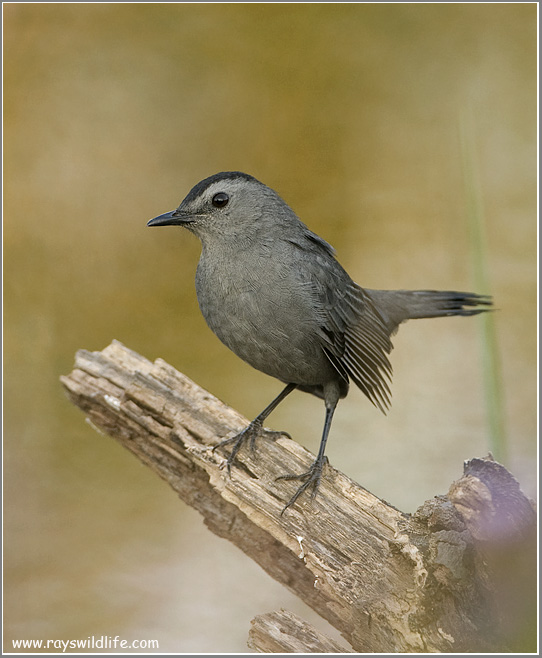
Grey Catbird (Dumetella carolinensis) by Raymond Barlow

Grey Catbird (Dumetella carolinensis) by Raymond Barlow

They have long, strong legs (for passerines) with which many species hop through undergrowth searching for arthropods and fruits to eat. Their habitat varies from forest undergrowth to scrub, high-altitude grasslands, and deserts. The two tremblers live in the atypical habitat of rain forests in the Lesser Antilles, and the Brown Trembler has the particularly atypical behavior of foraging while clinging to tree trunks. (With information from Wikipedia)

This slideshow requires JavaScript.

At that day ye shall know that I am in my Father, and ye in me, and I in you. He that hath my commandments, and keepeth them, he it is that loveth me: and he that loveth me shall be loved of my Father, and I will love him, and will manifest myself to him. (John 14:20-21 KJV)

“I Am Loved” ~ Faith Baptist Orchestra

More Sunday Inspirations

Mimidae – Mockingbirds, Thrashers

Sharing The Gospel

*

Enter Into His Gates With Thanksgiving

Enter into His gates with thanksgiving

James J. S. Johnson

Make a joyful noise unto the Lord, all ye lands.  Serve the Lord with gladness; come before His presence with singing.  Know ye that the Lord He is God; it is He Who hath made us, and not we ourselves; we are His people, and the sheep of His pasture.  Enter into His gates with thanksgiving, and into His courts with praise; be thankful unto Him, and bless His name.  For the Lord is good; His mercy is everlasting; and His truth endureth to all generations.  (Psalm 100)

Sometimes what you expect to find, is not what you find.  This is true of Grenada’s official bird, if you assume it matches Grenada’s official coat of arms.  This is also true if you imagine that the Thanksgiving holiday, as it is celebrated in Grenada, is like the Thanksgiving holiday as it is celebrated in America.
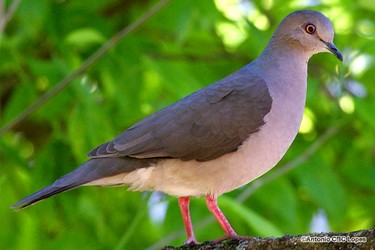
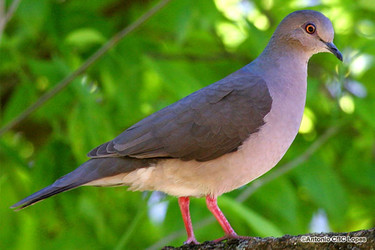
Fair Use credit: http://tolweb.org/tree/ToLimages/217681451_7e4971beab_o.250a.jpg

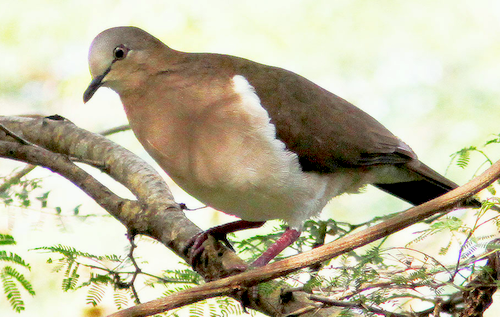
Grenada’s official coat of arms includes an Armadillo and a Grenada Dove (Leptotila wells  —  a/k/a Well’s dove or pea dove), positioned above the motto “Ever conscious of God, we aspire, build, and advance as one people.”   The Grenada Dove is endemic to Grenada – i.e., only on the island of Grenada is the Grenada Dove found in the wild, and even there it is critically “endangered” (i.e., close to extinction).   The dove’s coloring, as depicted on the Grenada coat of arms, however, does not closely match the actual coloring of the real bird.
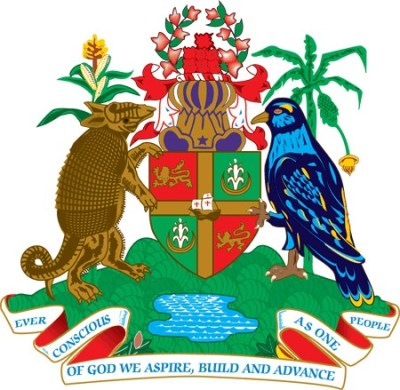
(Grenada coat of arms – public domain)

(Grenada coat of arms – public domain)

The dove’s coloring, as depicted on the Grenada coat of arms, however, does not closely match the actual coloring of the real bird.  The actual Grenada Dove has little blue to it (depending on the lighting used to view it)  –  rather, brown and buff dominate its overall coloring.  One wonders why, therefore, the heraldic depiction shows indigo-blue and azure, with yellow highlighting.  Consider the more realistic depictions before, as shown by photographic and postage images.

Fair use credit:  grenada national archiveshttps://grenadanationalarchives.wordpress.com/tag/leptotila-wellis/ (from the website of the National Archives of Grenada)

(Grenada postage stamp issued in February of AD1974 – public domain)

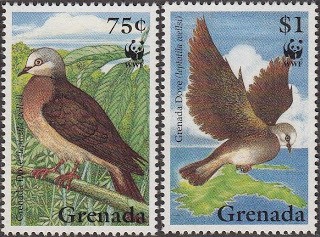
Consider also these special World Wildlife Fund-logo Grenada postage stamps,  showing Grenada Doves.
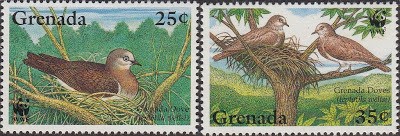
Grenada stamps 1

Grenada stamps 2

(Grenda postage stamps issued in January AD1995 – public domain)

The lesson here, apparently, is that heraldic coat-of-arms depictions of birds can (sometimes) be quite unrealistic – or else the artist might be depicting the wrong bird!

But Grenada’s coat of arms is not the only surprise in its national symbols.

Consider now the holiday we call “Thanksgiving”.

In the United States of America, for a contrasting example, the holiday of “Thanksgiving” (celebrated on the fourth Thursday in November) commemorates the gratitude of Plymouth Pilgrims, as pioneer survivors, who thanked God at harvest time in AD1621, for His providence — see “Strangers and Pilgrims (and the American Turkey)”, posted at https://leesbird.com/2014/11/25/strangers-and-pilgrims/ .  The Pilgrims’ survival and early successes, due to God’s providence, are also celebrated in the Netherlands, in Leiden, to commemorate how the Pilgrims lived in Holland during AD1609-AD1620.  A special Thanksgiving worship service is conducted, there, on the morning of America’s Thanksgiving, in Pieterskerk [“Peter’s church”], a Gothic church that was originally Roman Catholic (from its architectural beginning in AD1390), yet became Protestant during the Dutch Reformation, and became the burial site for John Robinson, pastor of the Pilgrims prior to their migratory journey to America.

Canadians observe a similar holiday, called l’Action de grâce in French, on the second Monday in October.

Norfolk Island, an external territory of Australia, celebrates Thanksgiving on the last Wednesday of November, so that Norfolk Island’s celebration of Thanksgiving occcurs either the day before, or six days after, the day when Americans celebrate Thanksgiving.

Saint Lucia, an island nation on the eastern edge of the Caribbean Sea, celebrates Thanksgiving on the first Monday in October.

Christians in Germany have a similar harvest-thanksgiving holiday, Erntedankfest, in early October, at about the same time that its Bavarians are celebrating Oktoberfest.

Thanksgiving is supposed to be focused on thanking God —  even the name of the holiday suggests as much.  However, although gratitude to God  –-  for harvest blessings  —  was the original reason for most harvest festival-oriented “thanksgiving” holidays, many Thanksgiving traditions have forgotten the historic importance of thanking God for His caring providences, by focusing more on distractive parades (e.g., Macy’s, IKEA’s, McDonald’s), football games, and feasting  —  with such festive celebrations discounted in slang as “Turkey Day”. (British Laird Bill Cooper was quite disappointed to learn of this trivialized secularization of what was originally a holy day/holiday.)

But how is Thanksgiving celebrated in Grenada, and why ?

First, consider where Grenada is located – Grenada is an island nation situated slightly east of South America, north of Venezuela.  Politically speaking, the nation of Grenada actually includes the main island (called “Grenada”) plus a few smaller islands, some but not all of “the Grenadines”, which are situated north of the Martinique Channel – with several of the other Grenadine islands (located south of the Martinique Channel) jurisdictionally belonging to the Caribbean nation called “St. Vincent and the Grenadines”.
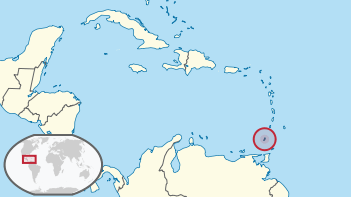
grenada map

In AD1498 the main island of Grenada was visited by Christopher Columbus, who named it “Concepcion”.

Grenada was later visited by Britons, then French; it was eventually settled by French colonists. Later, as part of the Treaty of Paris (in AD1763), Grenada became a British colony.  Grenada shed its colonial status, however, in AD1974, as it then became officially independent of the United Kingdom, although it remained an affiliate of the British Commonwealth.

So far so good, it seemed, until AD1983, when a Communist military takeover occurred on the island, led by General Hudson Austin (who was politically backed by Cuba, and aided by Cuban soldiers), actually seized control from a prior Communist takeover (i.e., one Communist regime killed off the leadership of a prior Communist dictatorship).  American students were put in jeopardy so President Ronald Reagan authorized a military rescue operation, which included defeating the “New Jewel Movement” (i.e., the second Communist dictatorship).

Thus, beginning on October 25th of AD1983, the “New Jewel Movement” Communists, who had seized the country, were soon opposed by a coalition of rescue forces, comprised of the United States and several Caribbean allies (from six Caribbean nations, including Jamaica and Barbados), in a complicated military effort called “Operation Urgent Fury” – which included U.S. Army Rangers, U.S. Marines, Delta Force, 82nd Airborne paratroopers, and U.S. Navy SEALs.  Because the rescue operation was so successful – and peace was restored to Grenada (with the Cuban soldiers being expelled) a holiday of gratitude was established – October 25th became Thanksgiving Day for Grenada.

Operation Urgent Fury photograph

Operation Urgent Fury photograph (public domain, AD1983) M102 howitzers (320th Field Artillery Regiment) firing on Grenada island.

Bottom line:   we all  –  whether Americans or Grenadians or anyone else for whom Christ died  —  have a lot to be thankful for, on whatever day that we celebrate Thanksgiving (and on every other day of the year!).

In accord with Psalm 100 we should, daily, “enter into His gates with thanksgiving, and into His courts with praise; be thankful unto Him, and bless His name”.

Birds of the Bible – Foundation #1 – Updated

If you read my blog, Impact of the Answers in Genesis Conference, I stated that the Foundation of the Word of God needs to be emphasized. For the last year, the different Birds of the Bible have been introduced. Where did the birds come from? The byline of this blog is “Birdwatching from a Christian Perspective.”  What does God’s Word say about the bird’s Creation?

Scrub Jay by Mike Bader

Scrub Jay by Mike Bader

Most birdwatchers know that when they pick up a Bird Guide or Book, one of the first thing we read is:
“Having attained the power of flight more than 150 million years ago, birds might be …” (Smithsonian Handbooks, Birds of North America, Eastern Region, page 6)

“Feathered Dinosaurs?
For years biologists have half-jokingly referred to birds as “feathered reptiles.” In part, it is a ploy to annoy bird lovers with the thought that the objects of their fancy are just singing lizards wrapped in stretched-out scales called “feathers.” Yet the phrase reflects an important biological reality: birds are undeniably the modified descendants of reptiles, as their body structure and habit of laying eggs out of water clearly show.”
Archaeopteryx makes an ideal “missing link,” showing characteristics intermediate between reptiles and birds…..One view, still held by many paleontologists, suggests that about 200 million years ago its ancestral line split off from a group of reptiles, the thecodonts.” (The Birder’s Handbook, p. 31-33)

“The Implications of Flight / The central theme of bird evolution is flight. Most avian features can be related back to this fundamental adaptation. The avian forelimbs are dedicated almost entirely to aerial flight, for instance. To meet the diverse demands of survival without hands, birds have been subject to a fascinating evolutionary makeover.”  … “Birds have evolved compact….” (p. 15)  Section called Origins, Evolution, and Classification states – “Bird Are Reptiles – Before the discovery of Archaeopteryx” (“about 150 million years”),” taxonomists had already suggested a close relationship between birds and reptiles because of the large number of anatomical features shared by the two classes of animals.” Goes on to mention “missing link” (p. 39, The Sibley Guide to Bird Life & Behavior)

On and on it goes. They state as “undeniable facts” many things that come from a “theory.”

But the Word of God, our Bible says differently.

In the beginning God created the heaven and the earth. (Genesis 1:1)

Continuing through Chapter 1, you find that God, who is the “self-existent”, “three-in-one”, known as “I AM“, did the creation through the Lord Jesus Christ.

In the beginning was the Word, and the Word was with God, and the Word was God. The same was in the beginning with God. All things were made by him; and without him was not any thing made that was made. (John 1:1-3)

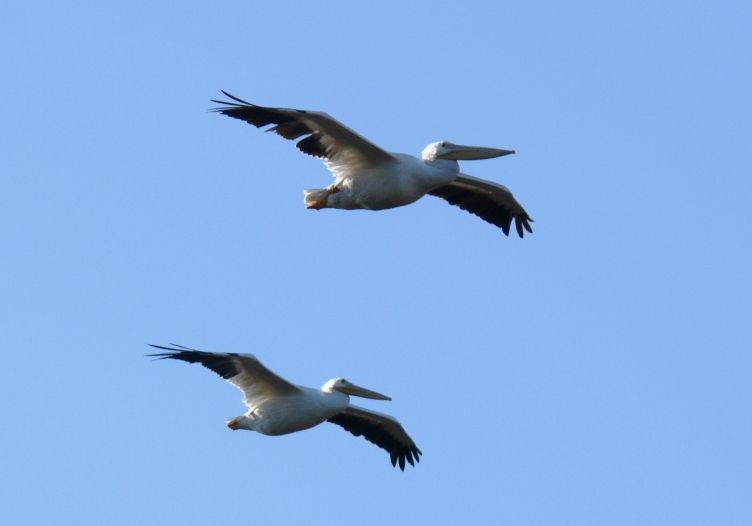
American White Pelican (Pelecanus erythrorhynchos) by Lee

American White Pelican (Pelecanus erythrorhynchos) by Lee

Day 1 – Light (Day) and darkness (Night)
Day 2 – Firmament (Heaven) in midst of the waters and divided them
Day 3 – Waters (Seas) gathered together and the dry land (Earth) appeared with grass, herbs and fruit after his kind
Day 4 – Sun, Moon, and Stars
Day 5 – Great whales and all water creatures after his kind and the winged fowls (birds) after his kind

And God said, Let the waters bring forth abundantly the moving creature that hath life, and fowl that may fly above the earth in the open firmament of heaven. And God created great whales, and every living creature that moveth, which the waters brought forth abundantly, after their kind, and every winged fowl after his kind: and God saw that it was good. And God blessed them, saying, Be fruitful, and multiply, and fill the waters in the seas, and let fowl multiply in the earth. And the evening and the morning were the fifth day. (Genesis 1:20-23)

Day 6 – Land animals, cattle, and creeping things after their kind

And God said, Let the earth bring forth the living creature after his kind, cattle, and creeping thing, and beast of the earth after his kind: and it was so. And God made the beast of the earth after his kind, and cattle after their kind, and every thing that creepeth upon the earth after his kind: and God saw that it was good. And God said, Let us make man in our image, after our likeness: and let them have dominion over the fish of the sea, and over the fowl of the air, and over the cattle, and over all the earth, and over every creeping thing that creepeth upon the earth. (Genesis 1:24-26 )

So God created man in his own image, in the image of God created he him; male and female created he them. And God blessed them, and God said unto them, Be fruitful, and multiply, and replenish the earth, and subdue it: and have dominion over the fish of the sea, and over the fowl of the air, and over every living thing that moveth upon the earth. And God said, Behold, I have given you every herb bearing seed, which is upon the face of all the earth, and every tree, in the which is the fruit of a tree yielding seed; to you it shall be for meat. (Genesis 1:27-29)

And to every beast of the earth, and to every fowl of the air, and to every thing that creepeth upon the earth, wherein there is life, I have given every green herb for meat: and it was so. And God saw every thing that he had made, and, behold, it was very good. And the evening and the morning were the sixth day. (Genesis 1:30-31)

Day 7 – God rested and blessed and sanctified all His work

Thus the heavens and the earth were finished, and all the host of them. And on the seventh day God ended his work which he had made; and he rested on the seventh day from all his work which he had made. And God blessed the seventh day, and sanctified it: because that in it he had rested from all his work which God created and made. (Genesis 2:1-3)

In Birds of the Bible – Foundation #2, I will bring out some more from the Word of God and articles written about the creation of birds. For now, let me make this observation. If the birds were created on Day 5 and the reptiles were created on Day 6, how did birds evolve from reptiles?

*

A friend suggested that, since she is a new follower, I should re-post/update some of the original Birds of the Bible articles. This series was posted back in 2009. I am updating some of the photos and material as needed.

Birds of the Bible

Original Birds of the Bible – Foundation #1

Original Birds of the Bible – Foundation #2

Wordless Birds

DON’T MESS WITH THE HOOPOE! (Re-post)

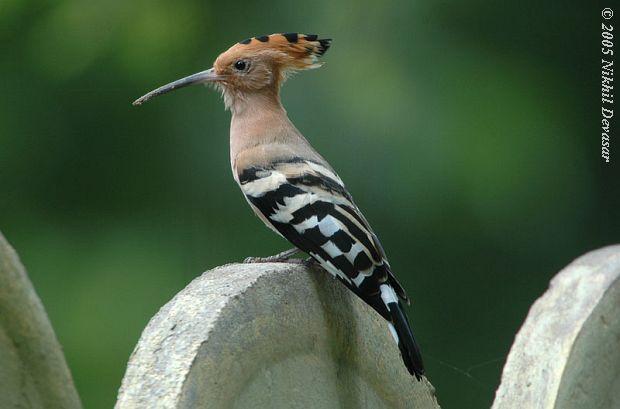
Eurasian Hoopoe (Upupa epops) by Nikhil

Eurasian Hoopoe (Upupa epops) by Nikhil

DON’T MESS WITH THE HOOPOE!

“But these are they of which ye shall not eat: the eagle, and the ossifrage, and the ospray … And the stork, and the heron after her kind, and the lapwing, and the bat.” (Deuteronomy 14:12, 18)

Don’t mess with the hoopoe – especially the female! Their Creator blessed this bird with an oil gland that produces a really foul-smelling liquid. When rubbed into their plumage, it smells like rotting meat and deters not only predators but parasites as well. In fact, it also acts as an antibacterial agent.

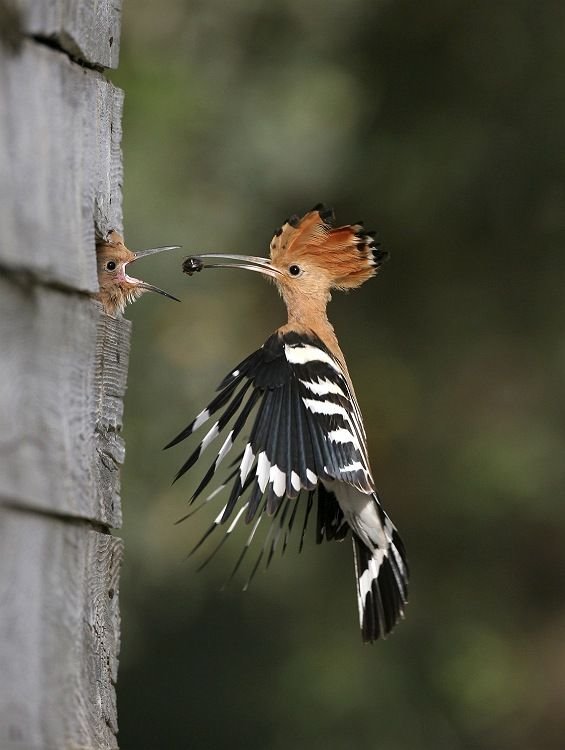
Hoopoe Feeding Young ©©Dvir Lotan from Israel

Hoopoe Feeding Young ©©Dvir Lotan from Israel

Thanks to this nasty-smelling liquid, most predators stay far away from the hoopoe’s nest. But even when a predator ignores the stench and comes looking for a meal while mama hoopoe is away, the nestlings are not defenseless. Even when they are just six days old, they can produce the same liquid and shoot it accurately into the face of predators.

With such an awful smell, perhaps it was a great blessing that God placed the hoopoe on His list of animals that were not to be eaten by His people. By the way, the King James version of the Bible refers to the hoopoe as the lapwing but we’re still talking about the hoopoe. Since this bird is listed in Deuteronomy as an unclean animal, isn’t it rather odd that the modern state of Israel would choose the hoopoe as their national bird?

Like the hoopoe, every person ever born is unclean in God’s sight. This is why Jesus Christ, the sinless lamb of God, submitted Himself to die on the cross as our substitute. He will make you clean in God’s sight when you repent of your sins and put your trust in Jesus!

Prayer:
Heavenly Father, I know that there’s nothing I can do to make myself clean and righteous. Thank You for sending Your Son, Jesus Christ, to die on the cross to make me acceptable in Your sight. Amen.

©Creation Moments 2015


Lee’s Addition:

the stork, the heron after its kind, and the hoopoe and the bat. (Deu 14:18)

Our Creator has again shown His perfect design and protection for another of His avian wonders. This time with the Hoopoe. They are a Bird of the Bible and have been features several times her on this blog.

Good News Tracts

*

THE UMBRELLA BIRD from Creation Moments

Black Heron (Egretta ardesiaca) ©WikiC

Black Heron (Egretta ardesiaca) ©WikiC

THE UMBRELLA BIRD from Creation Moments – Re-post

“Ye are all the children of light, and the children of the day: we are not of the night, nor of darkness.” (1 Thessalonians 5:5)

The best fishermen not only know where the fish are biting, but exactly what type of bait or lure is needed to catch the big ones. That’s why I say that the best fisherman of all is not a man but a bird.

The black heron knows exactly where and when the fish are biting. He goes fishing for his food by wading into shallow lakes and ponds. But there’s a problem. Fish avoid the water’s surface to avoid the bright rays of the sun. Even if a fish does come close to the surface, the black heron is unable to see it because he is blinded by the sun’s reflection.

But like I said, this bird is a master fisherman. What he does is shape his wings into a large black umbrella. He then crouches down until his wings are almost touching the water, effectively turning daylight into darkness, and attracting fish to the shade. Under cover of his umbrella, the black heron pokes his head into the water and comes out with a squirming fish in his beak.

This kind of fishing is known as canopy feeding. How did the black heron learn to fish like this? Creationists know, but evolutionists have no reasonable answer. They only have a term. Yes, evolutionists are good at coming up with terms like “canopy feeding”, but when it comes to explaining how such a thing originated in the first place, they are still very much in the dark.

Prayer:
Heavenly Father, I ask You to make me a good fisherman – not of fish but of men. Use me to share the gospel so that my friends and family will turn to You for salvation. Amen.
Notes:
http://thewebsiteofeverything.com/animals/birds/Ciconiiformes/Ardeidae/Egretta-ardesiaca. Photo: Black heron comes out of its feathered canopy after catching a fish. Courtesy of Steve Garvie. (CC-BY-SA 2.0 GENERIC)

©Creation Moments 2015

Black Heron (Egretta ardesiaca) ©WikiC

Black Heron (Egretta ardesiaca) ©WikiC


Lee’s Addition:

What an amazing behavior that the Lord gave these Black Herons! Just as the Lord promised the Ravens, this verse is also true for the Black Herons:

Who provides food for the raven (or Black Herons), When its young ones cry to God, And wander about for lack of food? (Job 38:41 NKJV)

P.S.

Sorry I have not been as quick to answer your comments this last week, but we have had company. My sister and her husband, from the Denver area, are with us and are staying in the room that has my computer. :) We had the memorial service this last weekend for my other sister who went on to Glory several months ago. See:

No Post Today – But 20/20 Vision

Hope to be back to a more normal schedule soon. Yet, I wish they could stay longer. Heaven will be great when we can visit eternally with our whole Spiritual Family, which includes many of you, but most of all with our Savior, Eternal Brother, God the Father.

Creation Moments Umbrella Bird

Ardeidae – Herons, Bitterns Family

Black Heron – Wikipedia

*

Who Says God Doesn’t Have A Sense of Humor!

Received this in an e-mail and thought you also would enjoy it. Not sure who to give the credit to for the photos, but I know Who to give the credit to for creating them. Thank You, Lord.

All things were made by him; and without him was not any thing made that was made. (John 1:3 KJV)

What a wonderful world!
“May God grant you always…
A sunbeam to warm you,
a moonbeam to charm you,
a sheltering Angel so nothing can harm you,
Laughter to cheer you.
Faithful friends near you.
And whenever you pray, Heaven to hear you.” —
An Irish Blessing

Contentment is not the fulfillment of what you want, but the realization of how much you already have.


Lee’s Addition:

The Bible says it this way, “But godliness with contentment is great gain. For we brought nothing into this world, and it is certain we can carry nothing out. And having food and raiment let us be therewith content. (1 Timothy 6:6-8 KJV)

Sunday Inspiration – Seven Small Families

As we continue through our Passerines, we come to seven families that have very few members in them. Just because their numbers are few, their Creator has not failed to give each a niche to fill and the ability and design to do so. They are all small birds, like the song, “His Eye Is On The Sparrow,” these bird are no less ignored by the Lord.

Dapple-throat (Arcanator orostruthus) ©WikiC

Dapple-throat (Arcanator orostruthus) ©WikiC

I am weary with my crying; My throat is dry; My eyes fail while I wait for my God. (Psalms 69:3 NKJV)

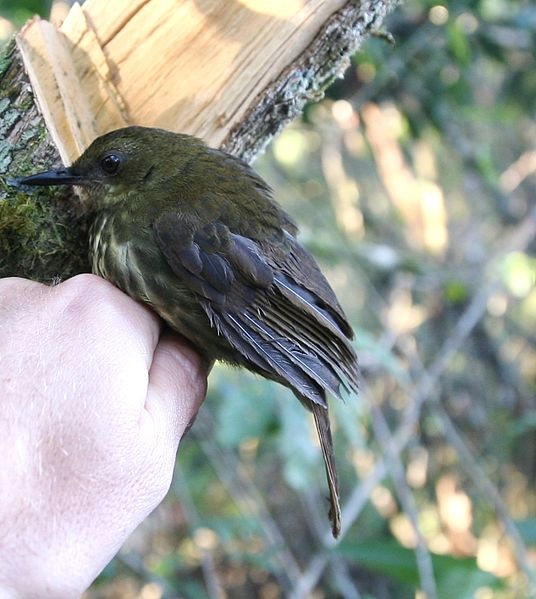
The Dapple-throat and allies – Modulatricidae  family only has three species; Spot-throat, Dapple-throat and the Grey-chested Babbler. Internet says they are from Africa and that its natural habitat is subtropical or tropical moist montane forests. That is about the only information given.

Cape Sugarbird (Promerops cafer) ©WikiC

Cape Sugarbird (Promerops cafer) ©WikiC

More to be desired are they than gold, Yea, than much fine gold; Sweeter also than honey and the honeycomb. (Psalms 19:10 NKJV)

The Sugarbirds make up a small family, Promeropidae, of passerine birds which are restricted to southern Africa. The two species of sugarbird make up one of only two bird families restricted entirely to southern Africa, the other being the rock-jumpers Chaetopidae. In general appearance as well as habits they resemble large long-tailed sunbirds, but are possibly more closely related to the Australian honeyeaters. They have brownish plumage, the long downcurved bill typical of passerine nectar feeders, and long tail feathers.

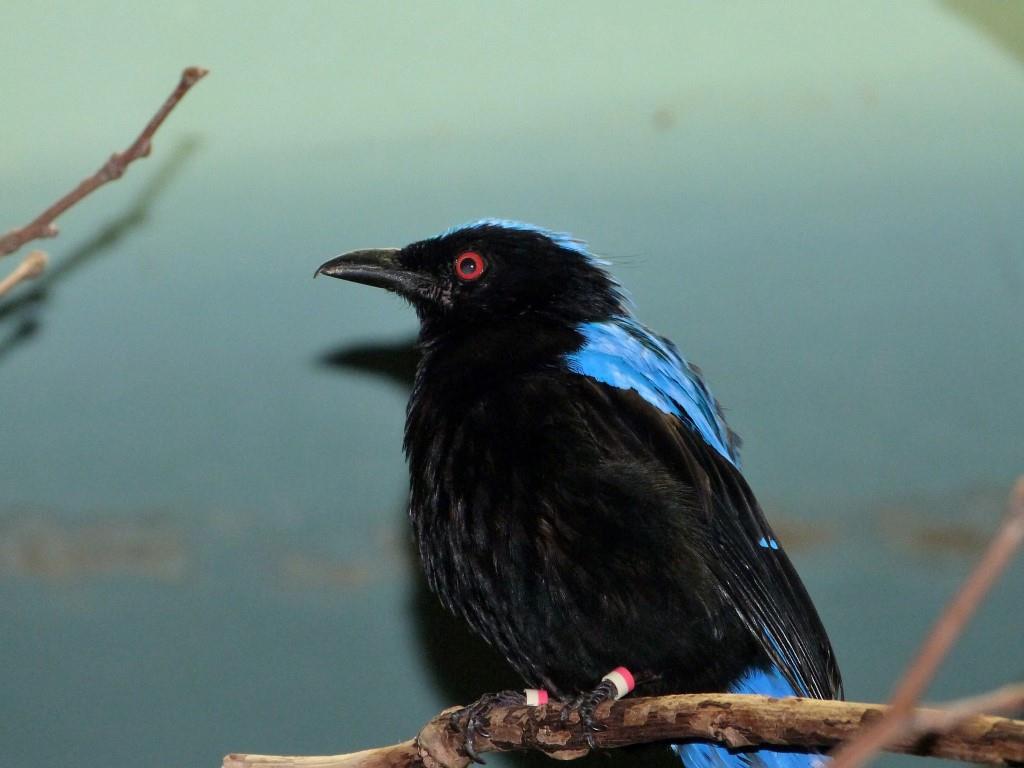
Asian Fairy-bluebird (Irena puella) at Cincinnati Zoo by Lee

Asian Fairy-bluebird (Irena puella) at Cincinnati Zoo by Lee

“You shall make the robe of the ephod all of blue.” (Exodus 28:31 NKJV)

The two Fairy-bluebirds are small passerine bird species found in forests and plantations in tropical southern Asia and the Philippines. They are the sole members of the genus Irena and family Irenidae, and are related to the ioras and leafbirds.

These are bulbul-like birds of open forest or thorn scrub, but whereas that group tends to be drab in colouration, fairy-bluebirds are sexually dimorphic, with the males being dark blue in plumage, and the females duller green.

Goldcrest (Regulus regulus) by Ian

Goldcrest (Regulus regulus) by Ian

And thou shalt overlay it with pure gold, and make thereto a crown of gold round about. (Exodus 25:24 KJV)

Regulidae – Goldcrests, kinglets family has only six members. The kinglets or crests are a small group of birds sometimes included in the Old World warblers, but are frequently given family status because they also resemble the titmice. The scientific name Regulidae is derived from the Latin word regulus for “petty king” or prince, and comes from the coloured crowns of adult birds. This family has representatives in North America and Eurasia.

Spotted Elachura (Elachura formosa) ©Ramki Sreenivasan

Spotted Elachura (Elachura formosa) ©Ramki Sreenivasan

The Spotted Elachura (Elachura formosa (Elachuridae) is the only bird in its family they discovered recently through DNA studies. It is found in Bangladesh, Bhutan, China, India, Laos, Myanmar, Nepal, and Vietnam. Its natural habitat is subtropical or tropical moist montane forests. This species is found in undergrowth and dense thickets of this type of forest, with a preference for thick fern ground cover, mossy rocks and decaying trunks of fallen trees and brushwood (often near stream or creek) long grass and scrub.

Violet-baked Hyliota (Hyliota violacea) ©WikiC

Violet-baked Hyliota (Hyliota violacea) ©WikiC

Hyliotidae – Hyliota found in Angola, Cameroon, Democratic Republic of the Congo, Kenya, Malawi, Mozambique, South Africa, Tanzania, Uganda, Zambia, and Zimbabwe. Its natural habitats are subtropical or tropical moist lowland forests, subtropical or tropical moist montane forests, and plantations. It is threatened by habitat loss.

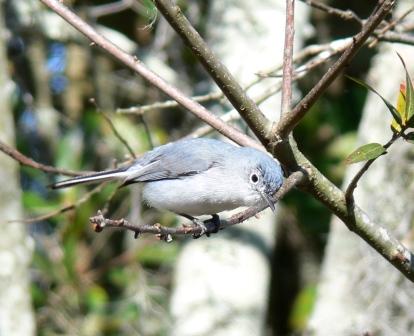
Blue-Gray Gnatcatcher at Circle B Reserve by Lee

Blue-Gray Gnatcatcher at Circle B Reserve by Lee

Lift up your eyes to the heavens, and look upon the earth beneath; for the heavens shall be dissolved and vanish away like smoke, and the earth shall wax old like a garment, and they that dwell therein shall die in like manner [like gnats]. But My salvation shall be forever, and My rightness and justice [and faithfully fulfilled promise] shall not be abolished. [Matt. 24:35; Heb. 1:11; II Pet. 3:10.] (Isaiah 51:6 AMP)

(Wrens skipped until next week ) Our last group of very small birds are from the Polioptilidae – Gnatcatchers. The 18 species of small passerine birds in the gnatcatcher family occur in North and South America (except far south and high Andean regions). Most species of this mainly tropical and subtropical group are resident, but the Blue-gray Gnatcatcher of the USA and southern Canada migrates south in winter. They are close relatives of the wrens. (Wikipedia)


This slideshow requires JavaScript.

*

*

*

Parrot Mountain’s Origin and Mission

Origin of Parrot Mountain and Garden of Eden

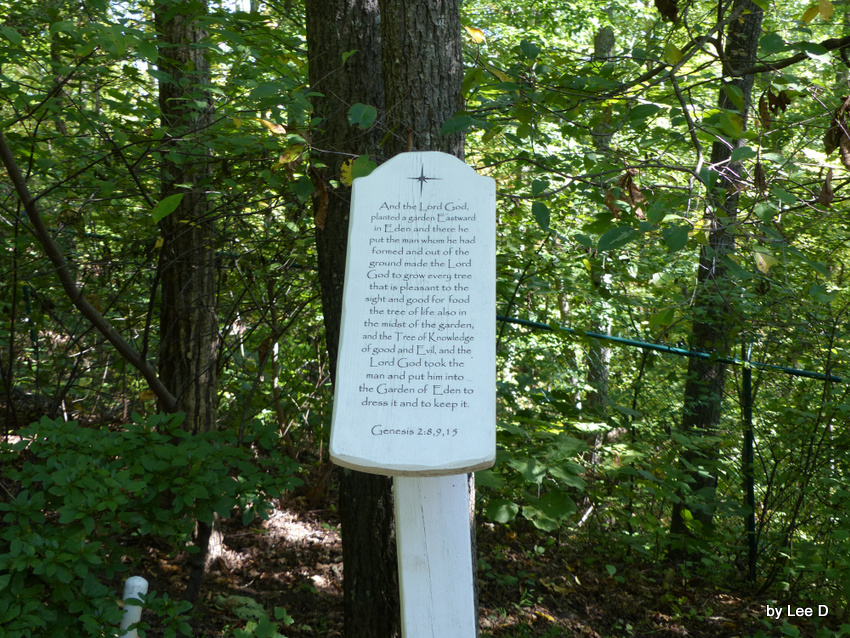
Parrot Mountain is a result of a vision the owner had in July 1995. He left Mississippi with his family and came to the mountains of Tennessee and was led to the land that is called Parrot Mountain and Garden of Eden.

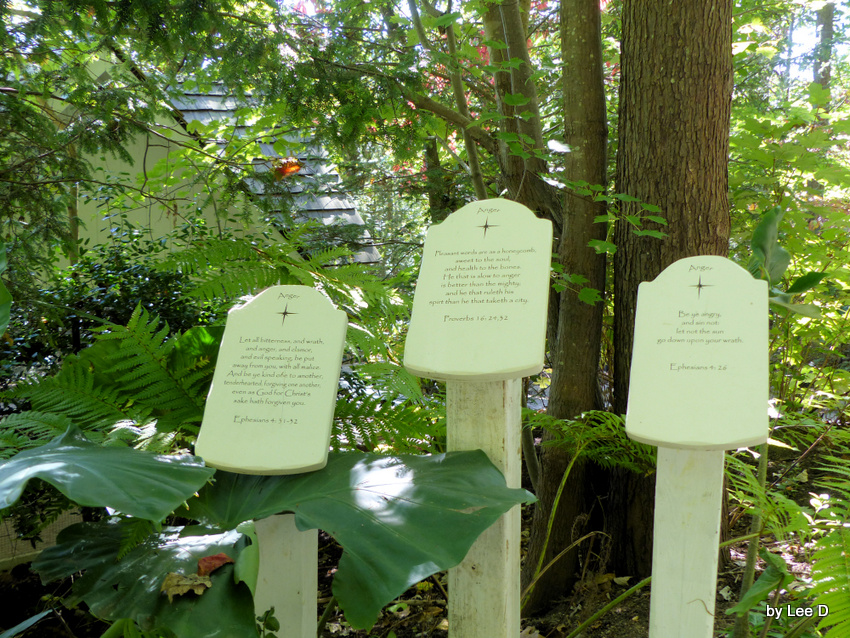
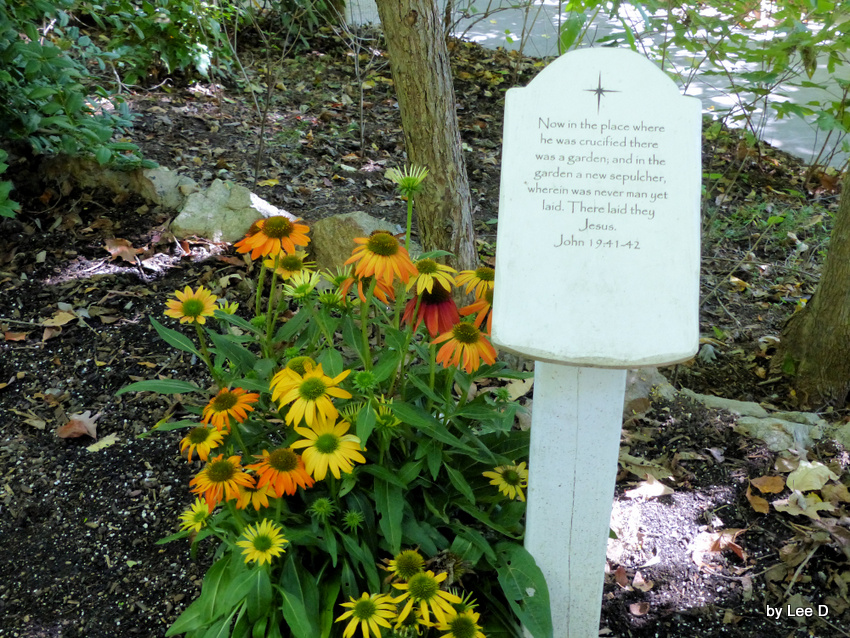
The vision was to build a garden landscaped with flowers, plants, birds and most importantly with scriptures from the word. The scriptures are planted throughout like seeds through the gardens to be a testimonial that there is a Great God who reigns eternal in the heavens and that all things are made were made by Him and without Him was not anything made that was made that is to say in the beginning God created all things. As you stroll through the gardens not the beautiful color of the birds and flowers how their colors give Him glory and we believe that we, as His creation, should give him glory.

And so seven years after moving to the mountains the gardens were opened on August 28, 2002.

Our Mission here at Parrot Mountain and Garden of Eden.

  1. Is to be a witness and declare His name that The Lord God is the Creator of the heavens and the earth. That all things were made by Him and without Him was not anything made that was made. For the perfecting of the saints, for the work of the ministry, for the edifying of the body of Christ.
  2. To provide a shelter for abused or neglected birds and a home for birds that need a place for whatever reason.
  3. For the propagation of endangered or threaten species. To increase the numbers so that they do not become extinct like the Passenger Pigeon and Carolina Parakeet once native to the United States. To educate the public about these magnificent creatures and keeping in harmony with the beauty and serenity of the mountains.

We were thoroughly blessed and enjoyed our time we spent at Parrot Mountain. I have already shared a couple of post with you about our visit. The Origin and Mission above was copied from a handout given when you enter. I trust they do not mind me recopying it here. Pictures were added by me. If you ever are up in the Pigeon Forge, Tennessee area, it will be well worth your effort to visit them.

*

These pages from them have some nice photos:

Articles written here:

*

INCREASING NUMBERS WANT EQUAL TIME FOR CREATION – Repost

“Deceit is in the heart of them that imagine evil: but to the counsellors of peace is joy.” (Proverbs 12:20)

Interesting Things from Smiley CentralA few years ago, a news release revealed the result of a poll on what Americans prefer to have taught in public schools about origins. The poll was done for an organization that favors a dogmatic teaching of evolution. The news release stated only that a huge majority of Americans, 83 percent, favor the teaching of evolution in the public schools. We at Creation Moments were led to investigate this poll more closely since this poll result runs contrary to other recent polls.

Typical classroom.

The professional polling organization polled 1,500 people about whether creation or evolution should be taught in the public schools. Indeed, 83 percent said they believe that the theory of evolution should be taught in the public schools. However, what was not included in the popular reporting of the poll was that 79 percent of those polled said that creation should also be taught in the schools. Only 20 percent of those polled felt that evolution only should be taught. Clearly, Americans prefer both creation and evolution presented to the students so that they can make up their own minds. Equally notable is that almost half of those polled agreed with the statement that evolution is “far from being proven to be scientific.”

While the statement that 83 percent of those polled favor evolution being taught is true, it leaves out the most important part of the poll’s findings. Clearly, ordinary people want to hear about God’s creation.

Prayer:
Dear Father, help us never to be deceived by the forces of darkness. Amen.
Notes:
Christian News, 4/3/00, p. 2. Photo: Typical classroom. Courtesy of © Malate269.
*

Interesting Things

Creation Moments

Is There a God?

*