Birdie’s Morning Song – McGuffey’s 2nd Grade Reader

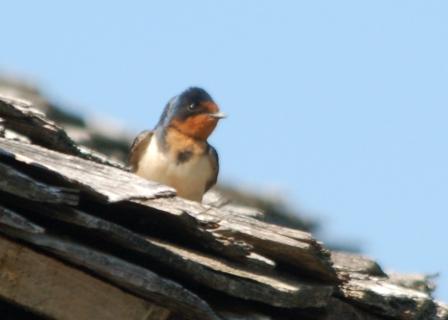
Barn Swallow (Hirundo rustica) (juvenile) ©USFWS

McGuffey Readers were a series of graded primers for grade levels 1-6. They were widely used as textbooks in American schools from the mid-19th century to the mid-20th century, and are still used today in some private schools and in homeschooling.

LESSON XXXIV. (34)

dew’drops hop’ping la’zi est bends sung

pa’tience in stead’ dar’ling ought rest

slum’ber my self ‘ re ply’ miss lose

BIRDIE’S MORNING SONG.

1. Wake up, little darling, the birdies are out,
And here you are still in your nest!
The laziest birdie is hopping about;
You ought to be up with the rest.
Wake up, little darling, wake up!

Barn Swallow in Cades Cove by Dan

Barn Swallow in Cades Cove by Dan

2. Oh, see what you miss when you
slumber so long—
The dewdrops, the beautiful sky!
I can not sing half what you lose in my song;
And yet, not a word in reply.
Wake up, little darling, wake up!

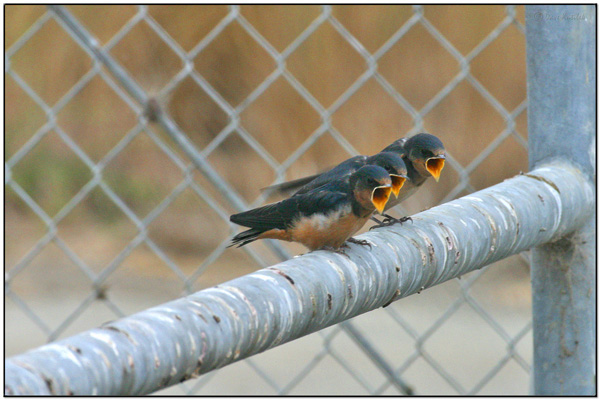
Barn Swallow (juvenile)

3. I’ve sung myself quite out of patience with you,
While mother bends o’er your dear head;
Now birdie has done all that birdie can do:
Her kisses will wake you instead!
Wake up, little darling, wake up!
George Cooper.


“I will both lie down in peace, and sleep; For You alone, O LORD, make me dwell in safety.” (Psalms 4:8 NKJV)

McGuffey’s Reader for 2nd Grade:

ABC’s of the Gospel

McGuffey’s Third Reader – Humming Birds

Rufous-tailed Hummingbird (Amazilia tzacatl) by Judd Patterson

Rufous-tailed Hummingbird (Amazilia tzacatl) by Judd Patterson

LESSON XXI. HUMMING BIRDS.
McGuffey's Third Eclectic Reader from Gutenberg.org

McGuffey’s Third Eclectic Reader from Gutenberg.org

1. The most beautiful humming birds are found in the West Indies and South America. The crest of the tiny head of one of these shines like a sparkling crown of colored light.

2. The shades of color that adorn its breast, are equally brilliant. As the bird flits from one object to another, it looks more like a bright flash of sunlight than it does like a living being.

Magnificent Hummingbird (Eugenes fulgens) by Judd Patterson

Magnificent Hummingbird (Eugenes fulgens) by Judd Patterson

3. But, you ask, why are they called humming birds? It is because they make a soft, humming noise by the rapid motion of their wings—a motion so rapid, that as they fly you can only see that they have wings.

4. One day when walking in the woods, I found the nest of one of the smallest humming birds. It was about half the size of a very small hen’s egg, and was attached to a twig no thicker than a steel knitting needle.

Vervain Hummingbird (Mellisuga minima) WikiC

Vervain Hummingbird (Mellisuga minima) WikiC

5. It seemed to have been made of cotton fibers, and was covered with the softest bits of leaf and bark. It had two eggs in it, quite white, and each about as large as a small sugarplum.

6. When you approach the spot where one of these birds has built its nest, it is necessary to be careful. The mother bird will dart at you and try to peck your eyes. Its sharp beak may hurt your eyes most severely, and even destroy the sight.

7. The poor little thing knows no other way of defending its young, and instinct teaches it that you might carry off its nest if you could find it.

“If a bird’s nest happens to be before you along the way, in any tree or on the ground, with young ones or eggs, with the mother sitting on the young or on the eggs, you shall not take the mother with the young;” (Deuteronomy 22:6 NKJV)

Title: McGuffey’s Third Eclectic Reader, Author: William Holmes McGuffey
Release Date: January 23, 2005 [EBook #14766]

Bird Friends – McGuffey’s Third Reader

Sparrow on Branch ©©Bing

Sparrows on Branch ©©Bing

LESSON XVI. BIRD FRIENDS.

1. I once knew a man who was rich in his love for birds, and in their love for him. He lived in the midst of a grove full of all kinds of trees. He had no wife or children in his home.

2. He was an old man with gray beard, blue and kind eyes, and a voice that the 49 birds loved; and this was the way he made them his friends.

3. While he was at work with a rake on his nice walks in the grove, the birds came close to him to pick up the worms in the fresh earth he dug up. At first, they kept a rod or two from him, but they soon found he was a kind man, and would not hurt them, but liked to have them near him.

Eurasian Tree Sparrow (Passer montanus) by Nikhil Devasar

4. They knew this by his kind eyes and voice, which tell what is in the heart. So, day by day their faith in his love grew in them.

5. They came close to the rake. They would hop on top of it to be first at the worm. They would turn up their eyes into his when he spoke to them, as if they said, “He is a kind man; he loves us; we need not fear him.”

6. All the birds of the grove were soon his fast friends. They were on the watch for him, and would fly down from the green tree tops to greet him with their chirp.

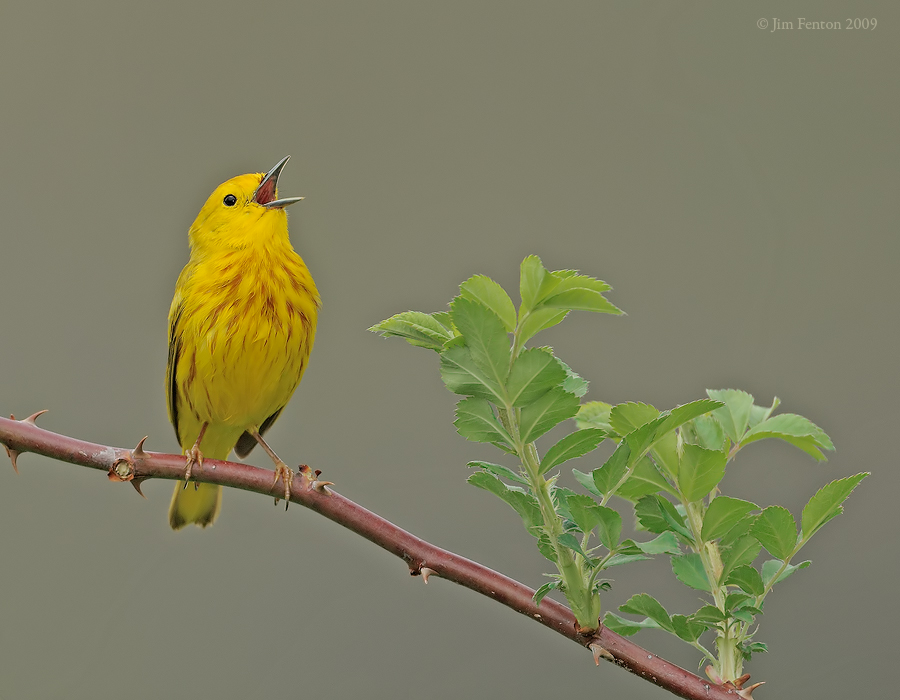
American Yellow Warbler (Dendroica aestiva) singing by J Fenton

American Yellow Warbler (Dendroica aestiva) singing by J Fenton

7. When he had no work on the walks to do with his rake or his hoe, he took crusts of bread with him, and dropped the crumbs on the ground. Down they would dart on his head and feet to catch them as they fell from his hand.

8 He showed me how they loved him. He put a crust of bread in his mouth, with one end of it out of his lips. Down they came like bees at a flower, and flew off with it crumb by crumb.

House Sparrow (Passer domesticus) Five ©Indiatoday

House Sparrow (Passer domesticus) Five ©Indiatoday

9. When they thought he slept too long in the morning, they would fly in and sit on the bedpost, and call him up with their chirp.

10. They went with him to church, and while he said his prayers and sang his hymns in it, they sat in the trees, and sang their praises to the same good God who cares for them as he does for us.

Indigo Bunting ©WilliamWisePhoto.com

11. Thus the love and trust of birds were a joy to him all his life long; and such love and trust no boy or girl can fail to win with the same kind heart, voice, and eye that he had.

Adapted from Elihu Burritt.

ellow Warbler singing by J Fenton

Yellow Warbler singing by J Fenton

With my mouth I will give thanks abundantly to the LORD; And in the midst of many I will praise Him.
(Psalms 109:30 NASB)

Title: McGuffey’s Third Eclectic Reader, Author: William Holmes McGuffey
Release Date: January 23, 2005 [EBook #14766]

McGuffey’s Third Grade Reader

Bible Birds – Sparrows

Wordless Birds

Scrambled Birds of the Bible

American Bittern (Botaurus lentiginosus) by Lee

Then God said, “Let the waters abound with an abundance of living creatures, and let birds fly above the earth across the face of the firmament of the heavens.” So God created great sea creatures and every living thing that moves, with which the waters abounded, according to their kind, and every winged bird according to its kind. And God saw that it was good.” (Genesis 1:20-21 NKJV)

Scrambled Scripture – Birds of the Bible ©Creation Moments

Creation Moments has many Scrambled Scripture word searches. Here is one on the Birds of the Bible. Can you find all the birds listed?

For this Word Search and for many more, check out the Links below:

More Scrambled Scriptures

See our Bible Birds

Wordless Birds

Eleventh Anniversary of Blogging About Birds – Part II

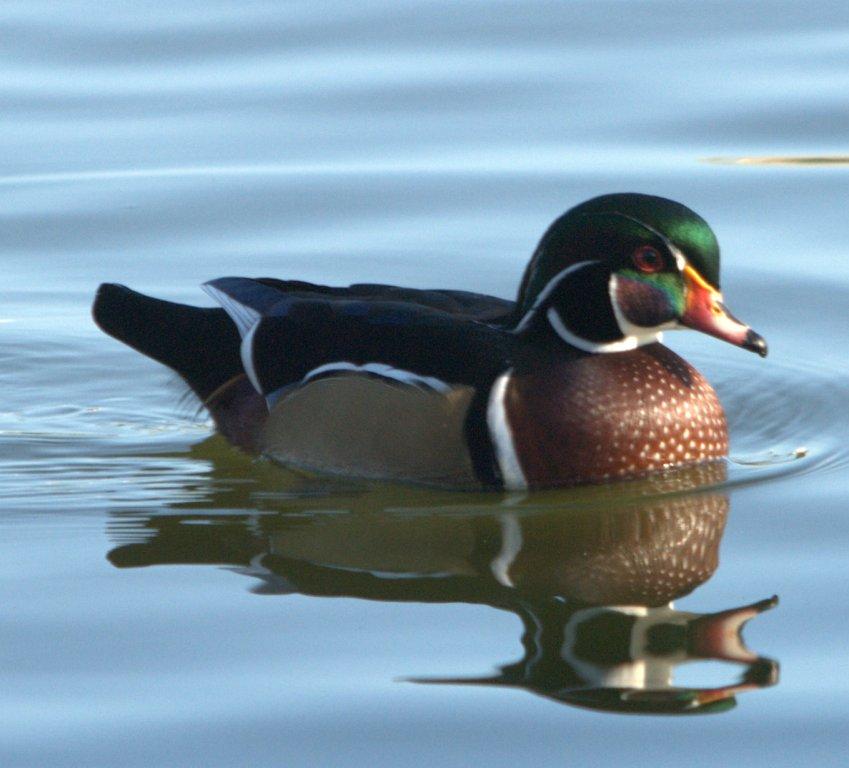
Wood Duck (Aix sponsa) by Dan

“Remember His marvelous works which He has done, His wonders, and the judgments of His mouth,” (1 Chronicles 16:12 NKJV)

Yesterday, the Eleventh Anniversary of Blogging About Birds article mentioned our early beginnings for this blog. Today, I’d like to continue with what the Lord has enabled us to do. Over the years, there have been Anniversary articles written. Each one tried to update the latest events, but also, to look back and thank the Lord for His blessings. The Lord wants us to “Remember.” His blessings.

“Remember to magnify His work, Of which men have sung.” (Job 36:24 NKJV)

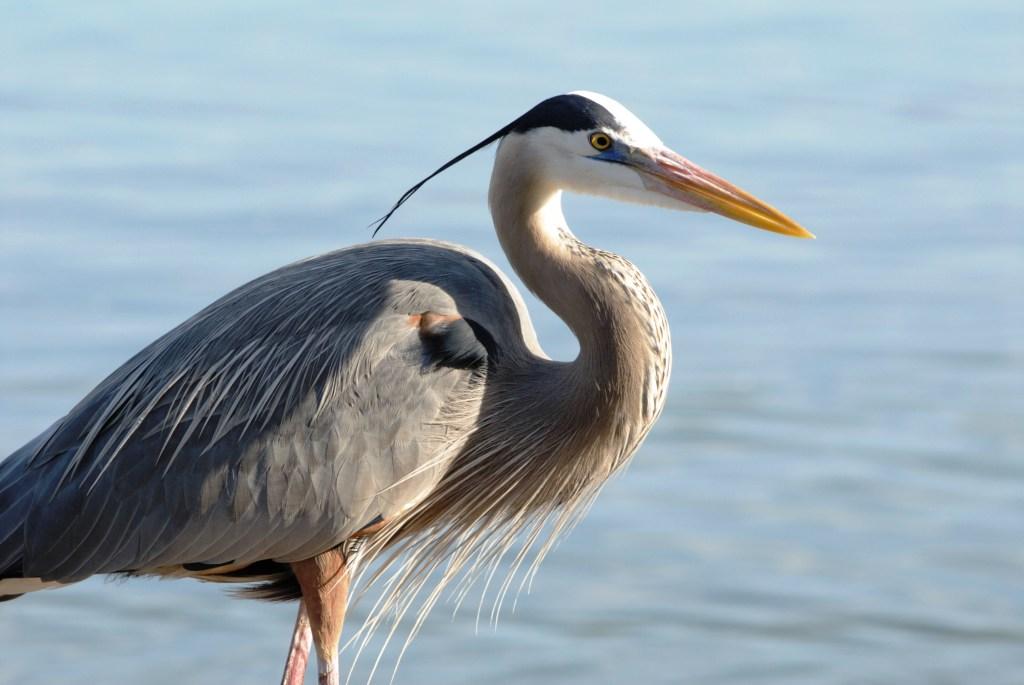
Great Blue Heron (Ardea herodias) by Dan

Great Blue Heron (Ardea herodias) by Dan

Here are six of those years:

“I remember the days of old; I meditate on all Your works; I muse on the work of Your hands.” (Psalms 143:5 NKJV)

Actually, yesterday, I used a quotes from Jim Elliot, but was actually thinking of a quote I used in the Happy One Year Anniversary! article. This is what happens as you age. :) Both men were great missionaries and showed tremendous insight in their quotes.

“Our pastor just reminded us of a quote by William Carey, an English Missionary to India:

“Expect great things from God, attempt great things for God.”

That article was reposted in 2017. Looking Back – Happy One Year Anniversary! – Repost

In 2010, the 2nd Anniversary rolled around and some quest writers were added. Also, Ian Montgomery started allowing his Bird of the Week articles to be posted. Also, the Plus section, Birds of the World, and Birds in Hymns started up. This is all covered in Second Anniversary of Blog

It appears that I forgot to produce a Third or Fourth year anniversary article. Plenty was going on. The number of visitors to this blog, for which I am thankful for everyone who visits every time, was up to 250,000 on Apr. 9, 2011. 500,000 visits by Mar. 1, 2012, and about 850,000 by the time the Fifth Anniversary rolled around. Formed by Him started around the beginning of 2012. Also, many very talented photographers allowed me the permission to use their photos. There has been a list of them in the right column for years.

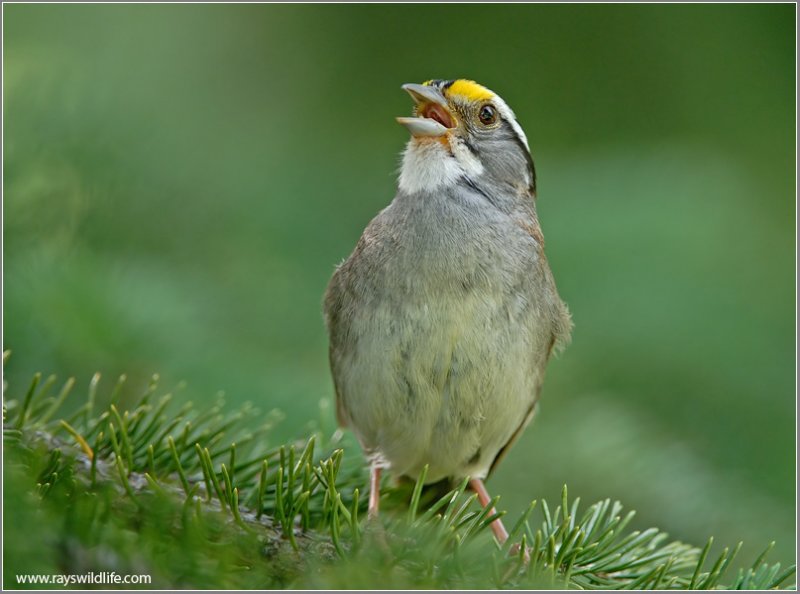
White-throated Sparrow by Ray Barlow

In 2013, I remembered to produce a Fifth Blog Anniversary post. There I mentioned the second blog site, Birds of the Bible for Kids. That website was started to get back to the roots of the whole purpose of blogging. That is, introducing young people to the Birds that are mentioned in the Bible. Like this main blog, it also has had growing pains. It was started, then I killed it and moved all the articles over here. Then last year, I decided to restart it back up. Much of the ups and downs of doing the “kids blog” has been due to my health issues. Right now it is up and running, not full speed, but then, neither am I running at full speed. Though I am much improved from last summer’s back surgery. Let’s hope and pray that the young people’s blog starts producing more articles.

I forgot again on the Sixth anniversary of the blog, but WordPress reminded me. Never Give Up

“The steps of a good man are ordered by the LORD, And He delights in his way. Though he fall, he shall not be utterly cast down; For the LORD upholds him with His hand. I have been young, and now am old; Yet I have not seen the righteous forsaken, Nor his descendants begging bread.” (Psalms 37:23-25 NKJV)

Enough for now. I trust you are enjoying seeing how the Lord leads in our lives. Who ever thought that six years into doing a blog would have lead me to that point. I’ll tell you more in the next part.

Whatever your talent or abilities, if you know the Lord as your Savior, let Him use you. This is just a little blog in the midst of millions, yet the Lord has been using it. That is what I read from your remarks. Thank you for visiting over the years.

Using Whatever Talent the Lord Has Given You written Sept 16, 2010

Really Kicking Up a Dust Storm!!

Dust Storm in Texas in 1935 ©WikiC

Well, I really have a dust storm brewing behind the scenes of this blog. So, if things don’t exactly work right for a few days, BEWARE!

Tomorrow is the 10th Anniversary of Lee’s Birdwatching Adventures. On February 16th of 2008, the first post came out. At that time I was using Blogspot. Then in July of that year, I switched to WordPress, and have enjoyed having the blog here. The name was changed to Lee’s Birdwatching Adventures Plus. That is when other topics besides birds began appearing. Later, I started Birds of the Bible for Kids blog to house many of the Birds of the Bible articles but written for the younger readers. [Kids] It grew from there.

Then about four years ago, I closed down that site for several reasons, like “old age” and needing more “naps.” The blog has continued to exist by having links over to Leesbird.com. The yearly fee has also been continually paid.

Now, I have a desire to re-open that blog and make it active again. As my regular readers are aware, there were missing photos and broken links discovered throughout the blog. I have spent many days and weeks, with the Lord’s help, tracing down and fixing many of them. At one time there were over 4,000 broken links. As of yesterday, there were 610 left to fix. [One reason blogs haven’t been as often as previously.]

While the links have been fixed, those older original posts were revisited. They were good and need to be reproduced again. It was actually fun finding those older blogs. Then the wheels started turning. Maybe the Kids blog needs to be brought back to life.

There are 144 verses in the KJV that tell us to “remember.” So, maybe we should remember and remind the newer generation of God’s truths. Guess that would apply to truthful posts.

“Remember the days of old, consider the years of many generations: ask thy father, and he will shew thee; thy elders, and they will tell thee.” (Deuteronomy 32:7 KJV)

“Remember that thou magnify his work, which men behold.” (Job 36:24 KJV)

“I will remember the works of the LORD: surely I will remember thy wonders of old.” (Psalms 77:11 KJV)

“Remember his marvellous works that he hath done; his wonders, and the judgments of his mouth;” (Psalms 105:5 KJV)

Should we not share the Wonders of God’s Creation of birds and critters to our younger generation?

“I remember the days of old; I meditate on all thy works; I muse on the work of thy hands.” (Psalms 143:5 KJV)

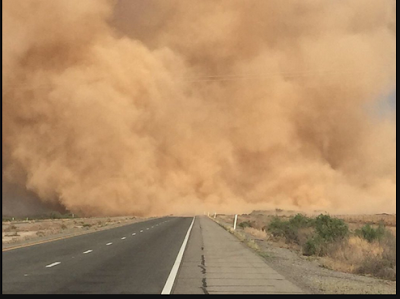
Dust storm over I-10 in Arizona ©AZGeology

Oh, yes. The Dust storm! My plan is to move the Bible Birds and the Kid’s Section (with all it’s sections) to the Birds of the Bible for Kids blog. In the transition, there will some broken links caused by all of that. They will be mended as quickly as possible. In time, when all is finished, hopefully without too much time, all will be well again. The post being moved are going to be given current dates by being refreshed and posted anew.

STAY TUNED!

Visit Birds of the Bible for Kids

Rounded Up Some Bluebirds

Vol. 2 – 6 The Mountain Bluebird, which is from the Kid’s Section, had some Bluebirds skip out and break their links. They were too pretty to let them get away.

The Birds Illustrated by Color Photography – Revisited has some very interesting information about birds, but written from a young reader’s level. Here is the Mountain Bluebird reblogged with some added information and the Bluebirds back on their posts.

This was written back in 2013. Trust you enjoy this article and links to other Bluebird articles.

***
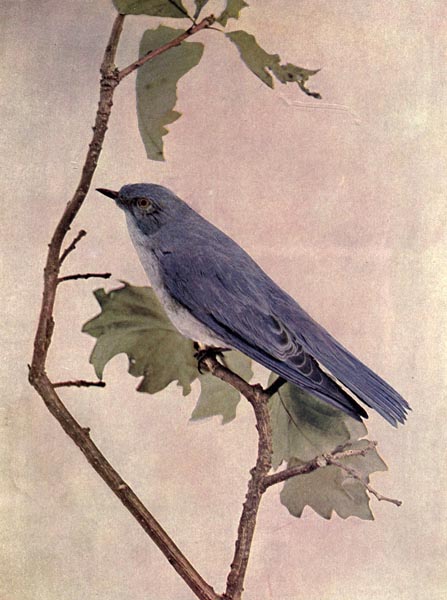
Mountain Bluebird (Sialia currucoides) for Birds Illustrated

Mountain Bluebird (Sialia currucoides) for Birds Illustrated

From col. Chi. Acad. Sciences. Copyrighted by
Nature Study Pub. Co., 1897, Chicago.

THE MOUNTAIN BLUEBIRD.

imgi

N an early number of Birds we presented a picture of the common Bluebird, which has been much admired. The mountain Bluebird, whose beauty is thought to excel that of his cousin, is probably known to few of our readers who live east of the Rocky Mountain region, though he is a common winter sojourner in the western part of Kansas, beginning to arrive there the last of September, and leaving in March and April. The habits of these birds of the central regions are very similar to those of the eastern, but more wary and silent. Even their love song is said to be less loud and musical. It is a rather feeble, plaintive, monotonous warble, and their chirp and twittering notes are weak. They subsist upon the cedar berries, seeds of plants, grasshoppers, beetles, and the like, which they pick up largely upon the ground, and occasionally scratch for among the leaves. During the fall and winter they visit the plains and valleys, and are usually met with in small flocks, until the mating season.

Nests of the Mountain Bluebird have been found in New Mexico and Colorado, from the foothills to near timber line, usually in deserted Woodpecker holes, natural cavities in trees, fissures in the sides of steep rocky cliffs, and, in the settlements, in suitable locations about and in the adobe buildings. In settled portions of the west it nests in the cornice of buildings, under the eaves of porches, in the nooks and corners of barns and outhouses, and in boxes provided for its occupation. Prof. Ridgway found the Rocky Mountain Bluebird nesting in Virginia City, Nevada, in June. The nests were composed almost entirely of dry grass. In some sections, however, the inner bark of the cedar enters largely into their composition. The eggs are usually five, of a pale greenish-blue.

The females of this species are distinguished by a greener blue color and longer wings, and this bird is often called the Arctic Bluebird. It is emphatically a bird of the mountains, its visits to the lower portions of the country being mainly during winter.

Heaped in the hollows of the grove, the autumn leaves lie dead;
They rustle to the eddying gust, and to the rabbits’ tread.
The Robin and the Wren are flown, and from the shrubs the Jay,
And from the wood-top calls the Crow all through the gloomy day.
—Bryant.

Summary:

MOUNTAIN BLUEBIRD.Sialia arctica. Other names: “Rocky Mountain” and “Arctic Bluebird.”

Range—Rocky Mountain region, north to Great Slave Lake, south to Mexico, west to the higher mountain ranges along the Pacific.

Nest—Placed in deserted Woodpecker holes, natural cavities of trees, nooks and corners of barns and outhouses; composed of dry grass.

Eggs—Commonly five, of pale, plain greenish blue.


Mountain Bluebird (Sialia currucoides) by Daves BirdingPix

Mountain Bluebird (Sialia currucoides) by Daves BirdingPix

Lee’s Addition:

…In the LORD put I my trust: how say ye to my soul, Flee as a bird to your mountain? … If the foundations be destroyed, what can the righteous do? The LORD is in his holy temple, the LORD’S throne is in heaven: his eyes behold, his eyelids try, the children of men. … For the righteous LORD loveth righteousness; his countenance doth behold the upright.
(Psalms 11:1,3,4,7 KJV)

The Mountain Bluebird belongs to the Turdidae – Thrushes Family and as such have Thrush characteristics. Since blue is my favorite color, the bluebirds are some of my favorites. The Lord has used such variety in His coloration, that I am happy that blue was one of them. We have also the Eastern and Western Bluebirds plus the Asian and Philippine Fairy-bluebirds.

The Mountain Bluebird (Sialia currucoides) is a medium-sized bird weighing about 1.1 ounces (30 g) with a length from 6.3–7.9 in (16–20 cm). They have light underbellies and black eyes. Adult males have thin bills that are bright turquoise-blue and somewhat lighter beneath. Adult females have duller blue wings and tail, grey breast, grey crown, throat and back. In fresh fall plumage, the female’s throat and breast are tinged with red-orange; brownish near the flank contrasting with white tail underparts. Call is a thin few; Song is warbled high chur chur.

The mountain bluebird is migratory. Their range varies from Mexico in the winter to as far north as Alaska, throughout the western U.S. and Canada. Northern birds migrate to the southern parts of the range; southern birds are often permanent residents. Some birds may move to lower elevations in winter. They inhabit open rangelands, meadows, generally at elevations above 5,000 feet. Contrary to popular belief, mountain bluebirds are not a species of concern in the United States. The turn around in mountain bluebird numbers is due to the overwhelming efforts of landowners in the West to provide nest boxes for these birds. At one time, mountain bluebird numbers were threatened because of increased agricultural activities destroying habitats.

These birds hover over the ground and fly down to catch insects, also flying from a perch to catch them. They mainly eat insects, over 90%, and berries. They may forage in flocks in winter, when they mainly eat grasshoppers. Mountain bluebirds will come to a platform feeder with live meal worms, berries, or peanuts.

Mountain Bluebird (Sialia currucoides) by Ian Montgomery nest

Mountain Bluebird (Sialia currucoides) by Ian Montgomery nest

Their breeding habitat is open country across western North America, including mountain areas, as far north as Alaska. They nest in pre-existing cavities or in nest boxes. In remote areas, these birds are less affected by competition for natural nesting locations than other bluebirds. Mountain bluebirds are a monogamous breed. The male can be seen singing from bare branches. The singing takes place right at dawn, just when the sun rises. Females usually build the nests themselves. Eggs: pale blue and unmarked, sometimes white. Clutch Size: 4-5 eggs. Young are naked and helpless at hatching and may have some down. Incubation normally last 14 days and the young will take about 21 days before they leave the nest. Both males and females fiercely protect the nest.

It is the state bird of Idaho and Nevada.

Mountain bluebirds are cavity nesters and can become very partial to a nest box, especially if they have successfully raised a clutch. They may even re-use the same nest, though not always. Providing nest boxes is a great way to observe these beautiful birds. Mountain bluebirds will not abandon a nest if human activity is detected close by or at the nest. Because of this, mountain bluebirds can be easily banded while they are still in the nest.
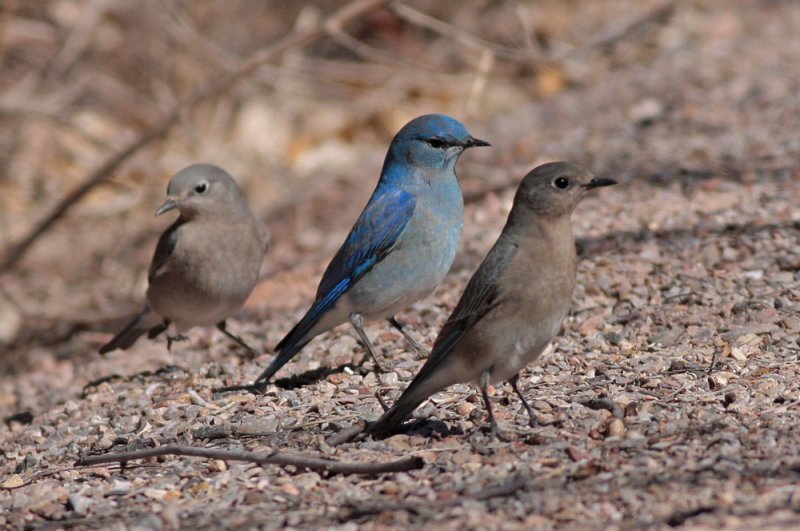
Mountain Bluebird (Sialia currucoides) by Margaret Sloan

Mountain Bluebird (Sialia currucoides) by Margaret Sloan

*

Mountain Bluebird (Sialia currucoides) by Ian Montgomery

Mountain Bluebird (Sialia currucoides) by Ian Montgomery

Birds Illustrated by Color Photography – Revisited

The above article is an article in the monthly serial for October 1897 “designed to promote Knowledge of Bird-Live.” These include Color Photography, as they call them, today they are drawings. There are at least three Volumes that have been digitized by Project Gutenberg.

To see the whole series of – Birds Illustrated by Color Photography – Revisited

*

(Information from Wikipedia and other internet sources, with editing)

Next Article – The English Sparrow

The Previous Article – The Ornithological Congress

Gospel Presentation

Links:

*
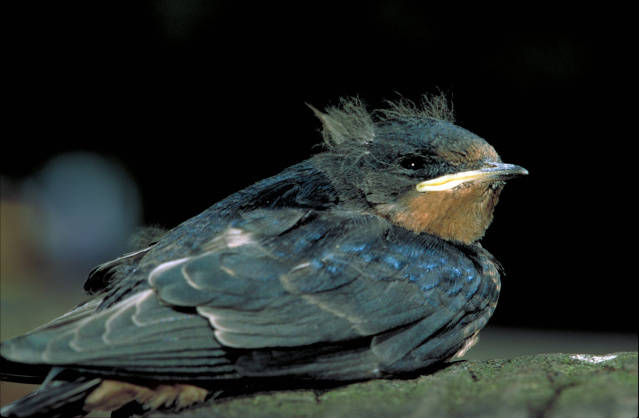
Shelly and the Sand Castle

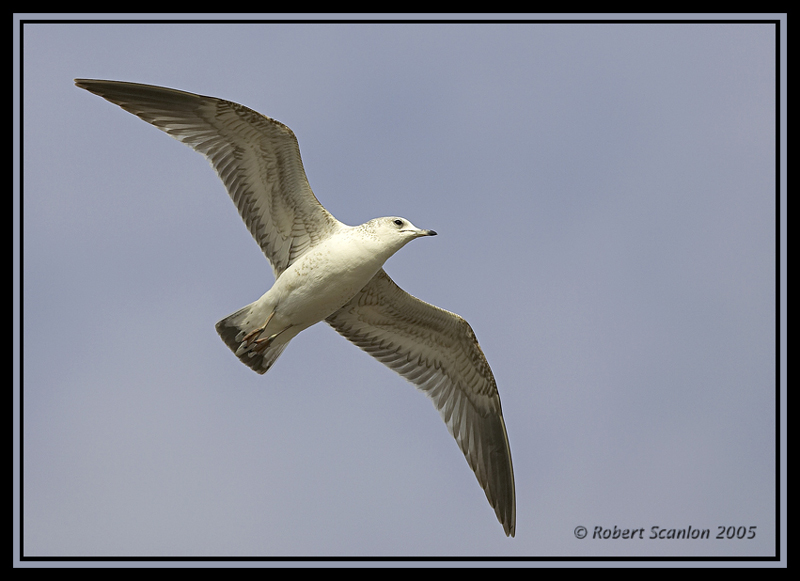
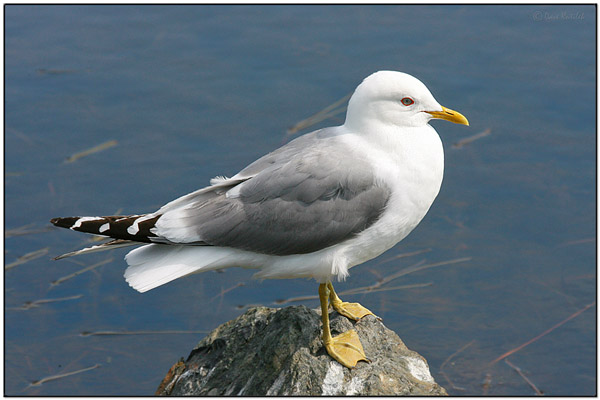
Common Gull (Larus canus) by Robert Scanlon

Common Gull (Larus canus) by Robert Scanlon

Shelly and the Sand Castle by Emma Foster

One day a seagull named Shelly decided that she should fly to the beach to lay her very first egg. Shelly had previously been living near a seaside port beside a large white beach, but she felt it was not the proper place to lay an egg, especially when it was going to be her very first one. Leaving the nest that she had built on top of a pole, Shelly flew across the beach onto a giant rock.

After resting on top of the rock, Shelly surveyed the beach, searching for sticks and dirt with which to build her nest. Looking around, however, Shelly noticed that there were several children building houses out of sand. Thinking that it was a wonderful idea, Shelly promptly decided to build her first nest out of sand.

Children Building Sandcastle -©Pixabay

Flying near the waves, Shelly scooped up some wet sand with her beak until she made a small pile. She spent a few minutes trying to figure out how to get all of the sand on top of the rock. Fortunately, after glancing around, Shelly found a small plastic shovel that no one was currently using. She had seen a few children use a shovel to help them scoop up sand, so Shelly knew how to use it.

Kids Building Sand Castle ©Pinterest

“But everyone who hears these sayings of Mine, and does not do them, will be like a foolish man who built his house on the sand:” (Matthew 7:26 NKJV)

After shovelling enough sand onto the rock, Shelly dropped the shovel and began meshing the sand together in a big pile, finally sitting on it so when she hatched her egg it wouldn’t fall out.

Shelly’s egg hatched a few days later. She was so excited she quickly found some food to celebrate then came back to her egg. While she was on the hunt for some food, storm clouds gathered and rain began to sprinkle. Quickly flying back to her nest, Shelly was horrified to find that her nest had dissolved and her egg was gone.

Shelly frantically began her search in the sand, but the rain began beating down so hard that Shelly was forced to stop her search and find shelter. When the rain subsided, Shelly tried to search some more, but was so anxious that she completely forgot which rock she had nested on.

Shelly searched the beach until it was too dark to see anything. Finally she had to rest in some shrubbery until morning, though she barely slept because she was so worried.

Mew Gull (Larus canus) by Daves BirdingPix

Mew Gull (Larus canus) by Daves BirdingPix

The next day was bright and sunny, and at once Shelly began her search. She noticed that there were many more people at the beach than yesterday, which made her even more worried. Shelly flew around in circles, trying to spot her egg and hoping that it hadn’t washed away into the sea.

As Shelly flew closer to the ground, she noticed a group of children building a sand castle. One of the children scooped a huge pile of sand, and Shelly could see a huge lump in the sand. When the child put the clump of sand onto the sand castle, the egg rolled down.

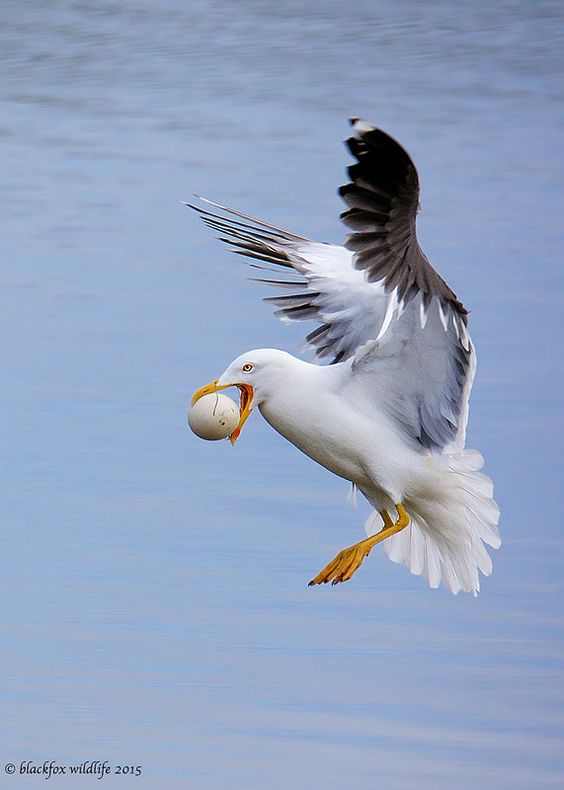
Seagull carrying egg to safety

Shelly swooped down and snatched her egg out of the sand with her mouth. She flew away happily, even though she could hear the children screaming and laughing behind her. Thankful that her egg was safe, Shelly immediately decided to build a nest made out of twigs and branches like the other birds. From then on, whenever Shelly hatched an egg, she made sure that her egg was hatched in a proper nest instead of in the sand.

“Therefore whoever hears these sayings of Mine, and does them, I will liken him to a wise man who built his house on the rock: and the rain descended, the floods came, and the winds blew and beat on that house; and it did not fall, for it was founded on the rock. “But everyone who hears these sayings of Mine, and does not do them, will be like a foolish man who built his house on the sand: and the rain descended, the floods came, and the winds blew and beat on that house; and it fell. And great was its fall.”  (Matthew 7:24-27 NKJV)


Another great story by Emma. Thank you again for reminding us to heed wise instructions.

Emma Stories

The Substitute Teacher by Emma Foster

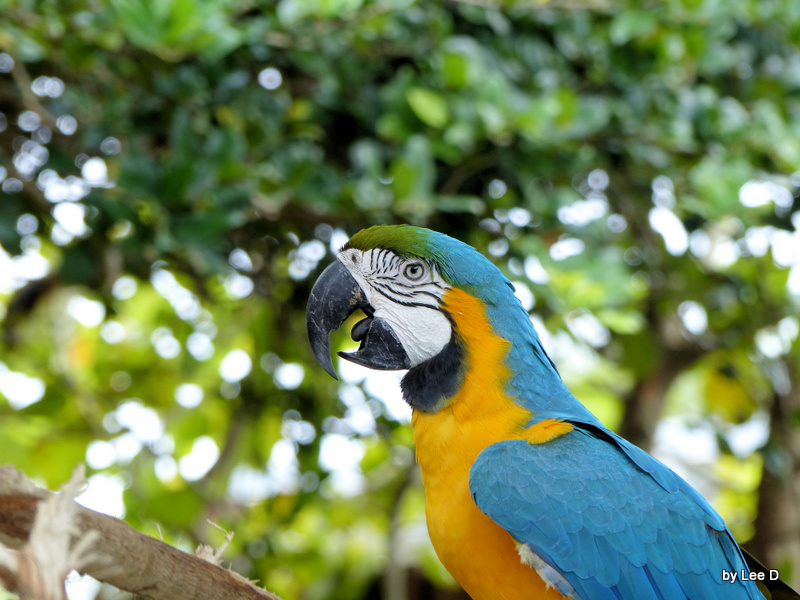
Blue-and-yellow Macaw (Ara ararauna)

Blue-and-yellow Macaw (Ara ararauna) by Lee at Gatorland

The Substitute Teacher

~ by Emma Foster

Once there was an elementary school in the middle of Florida. The third grade class of that school had a class pet parrot named Beatrice. Every day, Beatrice would sit and watch as the teacher, Miss Kendall, taught the class. During recess, however, Beatrice would sneak over to the teacher’s desk and read over all of the material. She wanted to not only know what was being taught, but also wanted to know how to teach it to the class.

Beatrice wanted to be sure that she knew everything for Thursday. This was because Miss Kendall was going to be gone on Thursday and Friday for jury duty, and Beatrice was chosen by the school board to teach the class because she was the only one who knew the material so well.

Blue-and-yellow Macaw (Ara ararauna) ©WikiC

Blue-and-yellow Macaw (Ara ararauna) ©WikiC

On Thursday, when all of the third grade class entered into the classroom, they were surprised to find that Miss Kendall wasn’t there. Instead, Beatrice was sitting on top of her desk. Each of the students sat down and waited as Beatrice called the role. After she finished, Beatrice had the class say the pledge of allegiance like they did every morning, and she whistled the “Star Spangled Banner” along with the class afterwards.

Because Beatrice was a parrot, she was able to explain to the class why she was substituting for the day, and moved onto the first subject of the day: reading. Beatrice had the entire class read a few pages in the book they were supposed to read for a book report. During that time, Beatrice read over all that she had to do that day. The next subject was penmanship. This was the tricky part because Beatrice had to use her talons. She was able to shakily write the first few letters of the alphabet on the board. The class did much better than she did.

Blue-and-yellow Macaw (Ara ararauna) ©WikiC

Blue-and-yellow Macaw (Ara ararauna) ©WikiC

Finally it was time for lunch. Beatrice made sure all of the class stayed in a line as they walked down to the cafeteria. She brought along the crackers Miss Kendall kept in her desk for her and ate them there. When lunch was over, Beatrice let all of the third grade class go outside to the playground. She climbed the monkey bars upside down; the class considered this the best part of the day so far.

Blue-and-yellow Macaw by Dan at Gatorland

Then Beatrice and the class came back inside for science. This week was Botany. Because Beatrice used to live in the Amazon before coming to America to become the class pet, she was able to tell them all about the different plants in the jungle.

The last subject of the day was math. This was the students’ least favorite subject. Fortunately, the best Beatrice could do when it came to math was count to five, so it was going to be difficult teaching the class anything. The students didn’t mind, however. Beatrice would have to explain to Miss Kendall that they didn’t get much done.

When the class was dismissed they all told their parents when their parents picked them up how much fun they had, and Beatrice believed she had done a good job. She had the feeling that when she taught tomorrow it would be even better than the first day. And when Miss Kendall returned, she was surprised when the entire class asked if she could repeat jury duty again next week.


Lee’s Addition:

Who teaches us more than the beasts of the earth, And makes us wiser than the birds of heaven?’ (Job 35:11 NKJV)

Thanks, Emma, for another delightful story. Birds are very capable of teaching us about their great Creator. Maybe not quite in a classroom like Beatrice, but still, they can be teachers to humans. Those who study birds and other animals, can see the Hand of God at work, if their eyes are open.

Give instruction to a wise man, and he will be yet wiser: teach a just man, and he will increase in learning. The fear of the LORD is the beginning of wisdom: and the knowledge of the holy is understanding. (Proverbs 9:9-10 KJV)

*

See more of Emma’s delightful stories

*

Wordless Toucan

*


The Great Roadrunner Race by Emma Foster

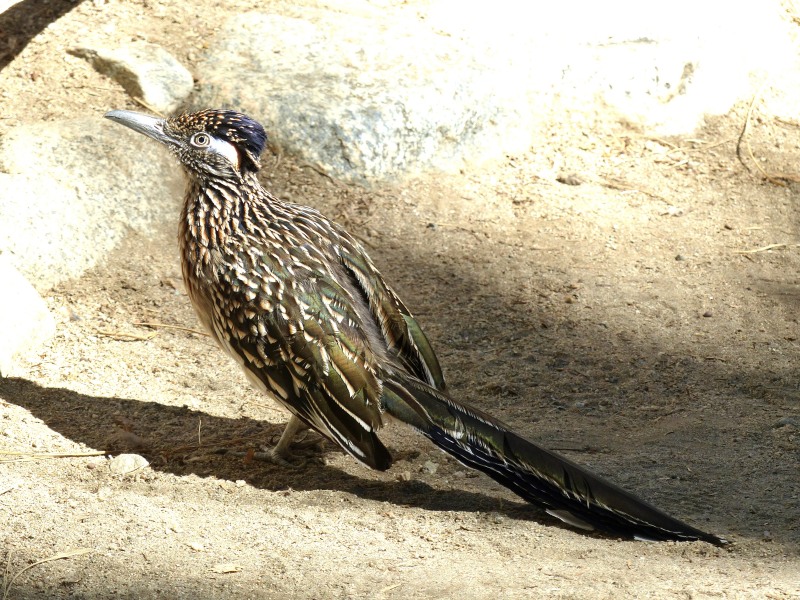
Roadrunner at Living Desert Zoo CA by Lee

Greater Roadrunner at Living Desert Zoo CA by Lee

The Great Roadrunner Race

~ by Emma Foster

In the desert far away, there lived a group of roadrunners. Each of the roadrunners lived in a cactus that he had neatly decorated for himself. One of the roadrunners was named Harold, and he was the smallest roadrunner of all.

Every year, all of the roadrunners would gather together and plan when they would have their special race. This was usually in the third month of the year. This race was incredibly important to all the roadrunners because it was the longest race they ran each year.

Harold usually wasn’t allowed to be in the race because he was so small. This year, however, he decided he was going to prove himself.

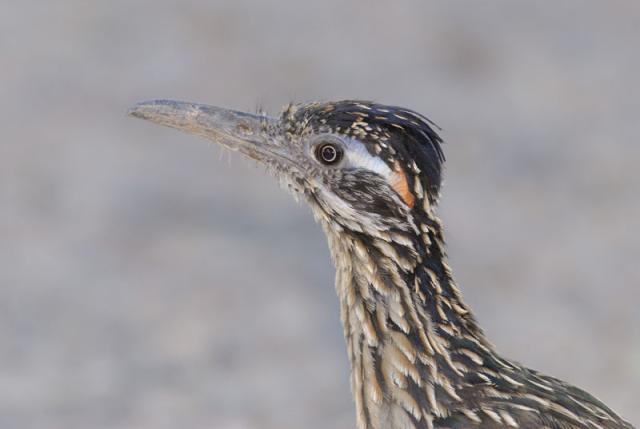
Greater Roadrunner (Geococcyx californianus) Reinier Munguia

Greater Roadrunner (Geococcyx californianus) Reinier Munguia

When all of the older roadrunners decided on a date for the race, they were sure to tell all of the other roadrunners in their region of the desert. It was a couple of weeks before the race, so Harold decided to start training himself.

Harold ran as fast and as far as he could for two weeks. Every day he would go a little farther and a little faster. Finally, Harold was sure he was ready for the race, but he still didn’t know if he would win because he had seen the other roadrunners run, and they all had longer legs.

Greater Roadrunner (Geococcyx californianus) by Daves BirdingPix

Greater Roadrunner (Geococcyx californianus) by Daves BirdingPix

On the day of the race, all of the roadrunners gathered around to watch the race. Most of the roadrunners disapproved of Harold being in the race because of his size and how small he was, but Harold still took his place at the starting line. Each of the roadrunners were given a number to wear during the race. One of the roadrunners stood to the side and blew a whistle.

Harold started running as fast as he could. He was actually surprised to see that he was passing other roadrunners. One of the fastest roadrunners was still ahead of him. They were both reaching the halfway point of the race. All of the roadrunners on the sidelines were cheering them on.

Harold was steadily gaining on the other roadrunner. He was getting tired, but he wasn’t about to give up.

Greater Roadrunner (Geococcyx californianus) ©©Nathan Davis Bing

Greater Roadrunner (Geococcyx californianus) ©©Nathan Davis Bing

The finish line was approaching. In a few minutes Harold and the opposing roadrunner would cross the finish line.

Harold ran as fast as he could. He pushed himself harder as they neared the finish line. The other roadrunner began to pass behind him. The finish line was getting closer. Everyone was cheering. Harold crossed the finish line and all of the roadrunners gathered around to congratulate him.

From that year on, Harold entered the race every year, and he became one of the fastest roadrunners in the desert as he grew up.

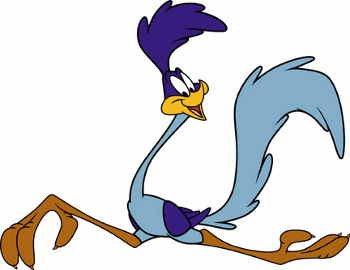
Roadrunner - Looney Tunes ”©WikiC

Roadrunner – Looney Tunes ”©WikiC

The End


Lee’s Addition:

Know ye not that they which run in a race run all, but one receiveth the prize? So run, that ye may obtain.(1 Corinthians 9:24 KJV)

Emma, that is another fantastic story. I was cheering for Harold all the way.

Sorry, but I couldn’t help but put that cartoon roadrunner in. That is one of the benefits of being the editor.

I have fought a good fight, I have finished my course, I have kept the faith: (2 Timothy 4:7 KJV)

*

See more of Emma’s delightful stories

*

Kids, You Are Special

*

Susie And The Water-skiing Contest

Canada Goose (Branta canadensis) by Ian

Canada Goose (Branta canadensis) by Ian

Susie And The Water-skiing Contest

~ by Emma Foster

High in North America, as summer was coming, there lived a flock of Canadian geese. They all lived together by a large lake. One of the Canadian geese was named Susie, and she loved to swim in the water every day.

On a particularly hot day, Susie was out on the water when she spotted a group of people in a boat. One person was driving the boat very quickly around the lake. Another person was holding onto a rope and riding along the water on a board of some kind.

Susie was very interested in this new sport she had discovered. She decided to call all of the geese together to watch the people.

When all of the geese had watched the people for a few minutes, they grew very excited. They decided to play the same game too, only they would have to build everything from scratch.

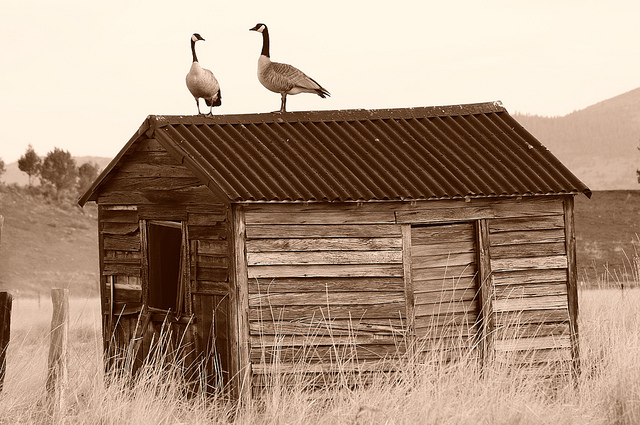
Canada Goose (Branta canadensis) On Shed ©Flickr Darron Birgwnheler

Canada Goose (Branta canadensis) On Shed ©Flickr Darron Birgwnheler

In an old shed in the backyard of one of the houses by the lake, Susie and the other geese found a long, thin piece of wood, an old rope, a canoe covered in cobwebs, and a few fishhooks. The geese shoved a hook into the back side of the boat and into the piece of wood, and tied the rope to both hooks. One goose sat down in the boat to direct it, four more geese stood behind the canoe to cast it off and push along in the water, and Susie stood on the piece of wood, bending down to hold the rope in her beak in case the hook came off. Another goose stood in the back of the boat to make sure that the hook in the boat did not come out either.

After taking off, the four geese started flying so that Susie was dragged behind them on the piece of wood. It took several attempts before Susie could stay on the board, but by the end of the day she was able to do a few tricks.

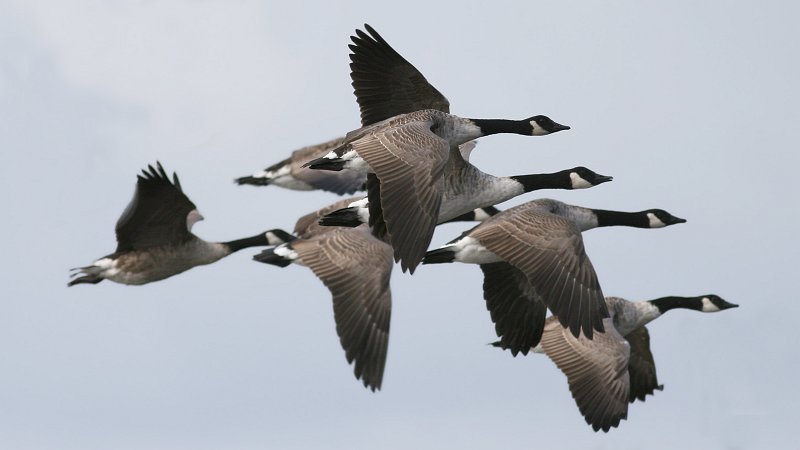
Canada Goose (Branta canadensis) ©WikiC

The Four Canadian Geese and two friends that joined them. ©WikiC

The next day, one of the geese came back to announce he had seen a flyer for a water skiing contest at the end of the week at that very pond. Susie immediately decided that she and the other geese should enter. It was only Tuesday, so they had plenty of time to practice. Susie wanted to make sure she could pull off all of the tricks she had seen the people do when they were on the lake.

By that Friday, Susie and all of the other geese had had enough practice so that they were able to accomplish all of the tricks. The geese even invented some of their own.

On that Saturday Susie, the geese, and lots of different people met on the lake and the contest began. A few people went before Susie and the other geese. They were really good and were able to perform all kinds of tricks. Finally, it was Susie’s turn. She jumped onto the piece of wood while the other geese got to their positions.

"They Were Off" - Canada Goose ©Pixabay

“They Were Off” – Canada Goose ©Pixabay

Then they were off! Susie did her best to perform all of the tricks she had practiced. This time, she tried to jump higher in the air when she performed one. One of the tricks was when Susie did a flip in the air after jumping the ramp and flying for about ten feet. Once Susie had completed her routine, she skidded onto the grass sticking the landing perfectly. Everyone cheered.

At the end of the contest, a blue ribbon was awarded to Susie and the geese. From then on, Susie entered the contest every year, and she always kept the blue ribbon pinned to the back of the shed where they had found the piece of wood, hooks, rope, and canoe.


Lee’s Addition:

Thanks, Emma, for another great bird tale. You just keep improving and each one becomes your best. This is definitely one of “your best.”

The teamwork and ingenuity by that group of geese reminds me of these verses:

Now the company of believers was of one heart and soul, and not one of them claimed that anything which he possessed was [exclusively] his own, but everything they had was in common and for the use of all. (Acts 4:32 AMP)

O magnify the LORD with me, and let us exalt his name together. (Psalms 34:3 KJV)

And all that believed were together, and had all things common; (Acts 2:44 KJV)

*

Emma Foster’s Other Tales

Guest Authors

Bird Tales

Canada Goose – Wikipedia

ABC’s of the Gospel

*


George And The Happy New Year

House Finch (Carpodacus mexicanus) by Ian

House Finch (Carpodacus mexicanus) by Ian

George and the Happy New Year

~ by Emma Foster

   In the countryside, where farms dotted the land along the hills and the only sounds that could be heard were birds chirping and cows mooing, there lived a small finch named George. He lived in a small red barn out in the countryside. George had built his nest up in the rafters where he could look down at all the other farm animals during the day. In the barn, he had a clear view out the window of the sky and the big city very far away.

New Year’s Day was drawing near, and every night for the past week, George and the other animals were kept up late because of all of the fireworks being set off outside the city. One night, George decided he would fly to the city. He had always wondered what people did on New Year’s Eve and how they celebrated the coming year. George figured the city was the perfect place for celebration.

That morning, on December thirty-first, George flew out the window while all the other farm animals were still sleeping, and began flying to the city.

House Finch Resting

House Finch Resting

The dirt road that stretched to the farm eventually turned into a gravel road as George flew farther on. He flew past many apple tree orchards and corn fields until the gravel road split off into two concrete roads. Here there were many different houses and stores.

Every now and then George would take a break from flying and land on a powerline. He was able to see how far he had to fly before arriving at the city.

By the time George could see large skyscrapers up ahead it was late evening. When he entered the city, he could see many other birds flying around looking for tall buildings to land on so they could see the celebration with a good point of view. George passed by lots of buildings, but none of them seemed good enough. He wanted to be able to see everything, including all the people celebrating.

Finally George spotted a large, shiny ball on top of a tall building in the middle of a busy street. Flying to it, he decided this would be the perfect place to watch the celebration because he could see throngs of people standing in the street below eagerly cheering. By then it was late at night, and George hoped he hadn’t missed much.

Times Square Ball

Times Square Ball

Landing on the ball, he watched the crowd, and he remarked how bright the ball was and wondered what it was for. Suddenly it started lowering and everyone began counting down from ten. When they all reached one, everyone cheered. George didn’t know why, but afterwards, everyone started to leave and call for taxis to take them home. George realized this must have been the celebration.

It was late in the afternoon when George arrived back at the farm, and all of the animals were eager to hear where he had been. George was glad to tell all the animals what he had seen, and of how people celebrated New Year’s Day. None of the animals ever understood exactly why people celebrated the day by counting backwards from ten, and George never understood what the huge ball was used for other than to go up and down.

The End


Lee’s Addition:

O sing unto the LORD a new song: sing unto the LORD, all the earth. (Psalms 96:1 KJV)

Yes, they shall sing of the ways of the Lord and joyfully celebrate His mighty acts, for great is the glory of the Lord. (Psalms 138:5 AMP)

What a celebration for George even if he didn’t quite figure out what it was all about. Thanks, Emma, for another great bird tale. Sounds like you must have stayed up and watched the celebration New Years Eve. At least you didn’t have to fly to see it.

You can see all of Emma’s other great articles here: