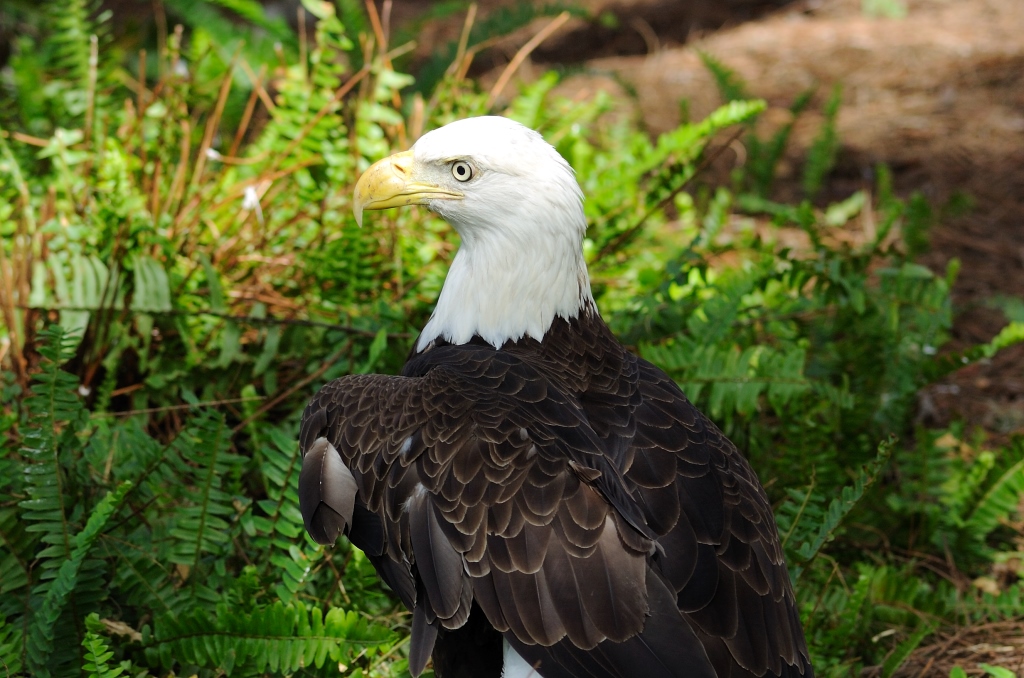
Through My Blinds – Bald Eagle

Eagle Perch I normally see the Eagle. Way over there.

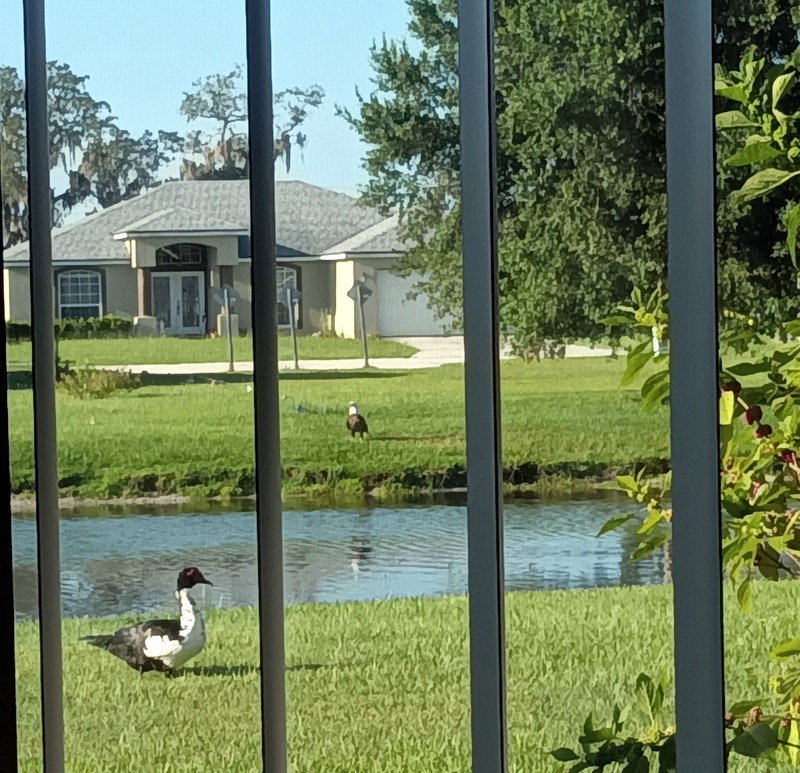
Today while I was eating breakfast, I looked out the window and saw a Bald Eagle on the bank across the water. He sits in a tree which I’ve shown photos of before, but this time he was a lot closer. Lord knows it’s hard for me to get out birdwatching these days, so He graciously has been bringing them here. Thank you, Lord.

Eagle on the bank at breakfast time 8-19-2025

I’m so my glad the phone was on my table. I have seen this eagle several times around the neighborhood lately. On the house next door and on others that have a second story. I guess he wants a good view closer to the pond.

As you know the Eagles are mentioned in the Bible and we have written about them many times here. The “Bald” Eagle always tickles me when I read this verse from Micah 1:6:

“Make yourself bald and cut off your hair, Because of your precious children; Enlarge your baldness like an eagle, For they shall go from you into captivity.”

Of course, Eagles are mentioned many times, in fact there are 23 verses like:

Deu 32:11   “As an eagle stirs up its nest, Hovers over its young, Spreading out its wings, taking them up, Carrying them on its wings,”

Job 9:26   “They pass by like swift ships, Like an eagle swooping on its prey.”

Job 39:27   “Does the eagle mount up at your command, And make its nest on high?

Pro 23:5   “Will you set your eyes on that which is not? For riches certainly make themselves wings; They fly away like an eagle toward heaven.

Hab 1:8 “Their horses also are swifter than leopards, And more fierce than evening wolves. Their chargers charge ahead; Their cavalry comes from afar; They fly as the eagle that hastens to eat.”

See other articles about the Bald Eagle:

Birds of the Bible – Eagles – Lists many other article links

Bald Eagle Blessing

Lee’s Six Word Saturday – Mount Up With Wings Like Eagles

Eagles and the Family Circus

Gospel Message

Birdwatching Thru The Bible – Birds Mate For Life

Birdwatching Thru The Bible – Birds Mate For Life

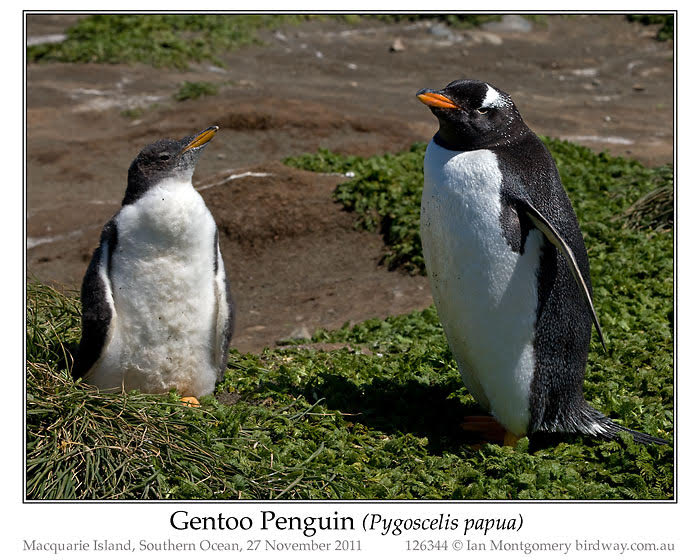
Gentoo Penguin (Pygoscelis papua) by Ian
While reading through an article about animals mating for life, they listed these birds:

11 Animals That Mate for Life

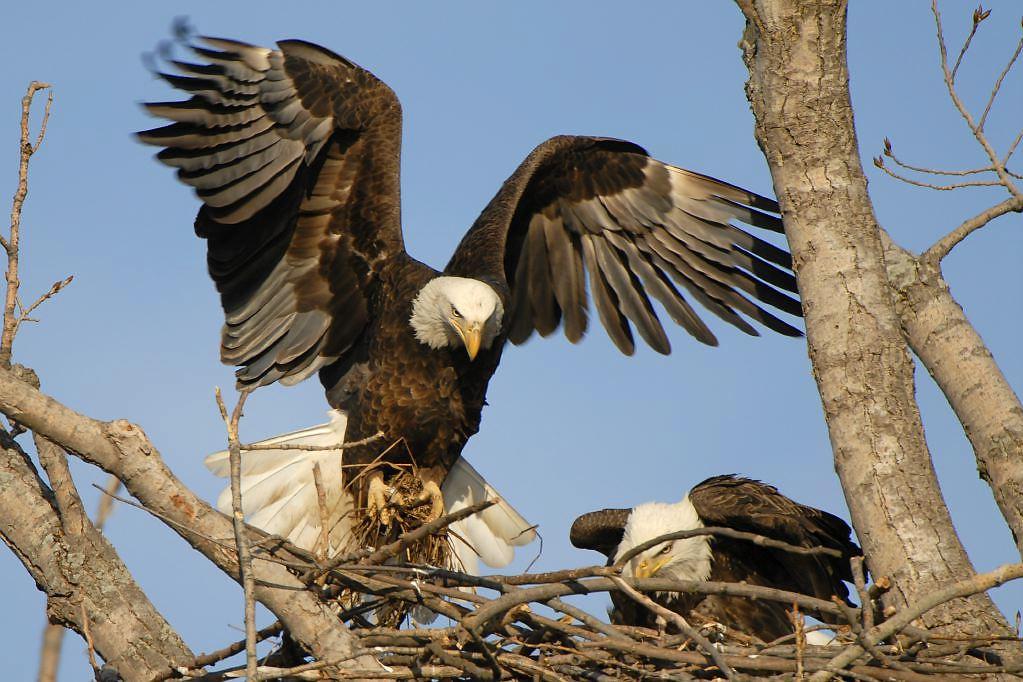
Bald Eagles

Bald Eagle (Haliaeetus leucocephalus) by AestheticPhotos

“As an eagle stirs up its nest, Hovers over its young, Spreading out its wings, taking them up, Carrying them on its wings,”
(Deuteronomy 32:11 NKJV)

Bald Eagles (from the above article)

“Although Benjamin Franklin once disparaged (possibly in jest) the bald eagle’s “bad moral character,” America’s national bird upholds a high standard for family life by (mostly) remaining faithful. Following a kamikaze courtship ritual in which two birds lock talons and tumble end-over-end until they nearly hit the ground, the male and female settle into a period of domestic bliss marked by dad’s willingness to undertake incubation and feeding duties. The “divorce” rate for these birds is less than 5%, according to scientists. And while they spend large chunks of the year alone, bald eagles mark their fidelity with a shared long-term commitment to nest building: One such home put together by an eagle couple in Florida was found to measure 9.5 feet long and 20 feet deep. It holds the record for the​​ largest bird’s nest ever documented.” (The largest bird’s nest was built by a pair of bald eagles (Haliaeetus leucocephalus), and possibly their successors, near St Petersburg, Florida, USA and measured 2.9 m (9 ft 6 in) wide and 6 m (20 ft) deep. It was examined in 1963 and was estimated to weigh more than two tonnes (4,409 lb).)

Bald Eagle (Haliaeetus leucocephalus) by Aesthetic Photos

Atlantic Puffins

Atlantic Puffins by Bill Boothe, MD in the Isle of Mull Scotland

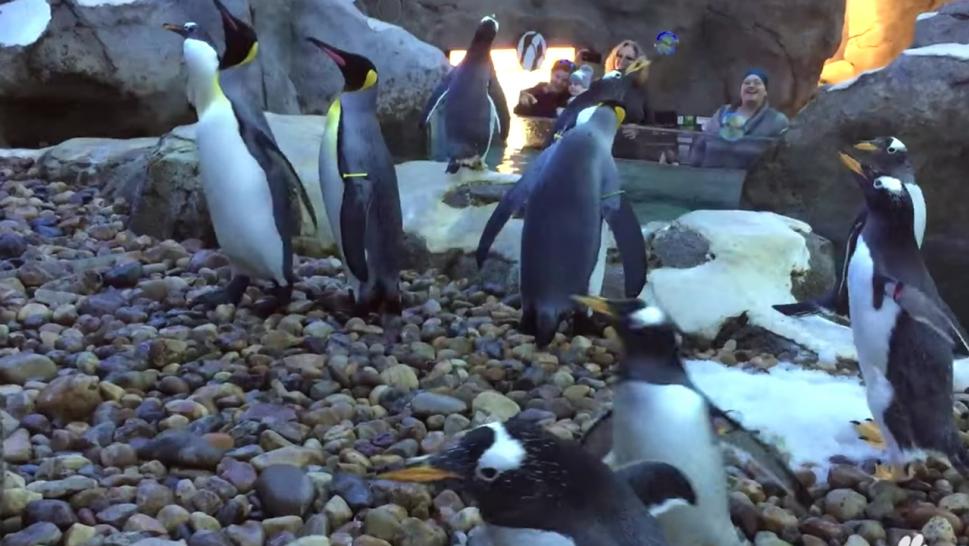
Gentoo Penguins

Calgary Zoo – Gentoo Penguins ©Inside Edition

Albatrosses

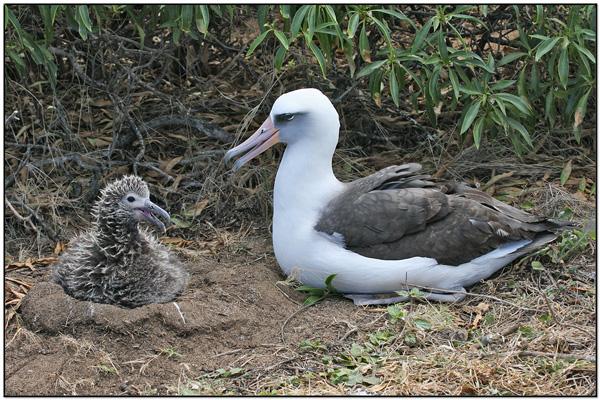
Laysan Albatross with chick

Most likely there are other birds that pair up for life but I thought you would enjoy seeing these.

See a few previous articles about these birds:

Bald Eagle Blessing

“A” is for Avocet and Albatross: “A” Birds, Part 1, by James J. S. Johnson

Sunday Inspiration – Austral Storm Petrels and Albatrosses

Ian’s Bird of the Moment – Gentoo Penguin

Atlantic Puffins on the Isle of Mull, Scotland


Birdwatching Thru the Bible – Without Trying

Bald Eagle on Old Bartow Road – cropped

As we read through our Bible, many times we end up birdwatching without even trying. In a passage your reading, you find a type of bird mentioned. Do you make a mental note or write down the bird’s name? Many of us “birdwatchers” have our eyes and ears perk up, and we become curious. Well, at least I do.

Looking back through previous post, I spotted this one: Birdwatching Without Birdwatching. We were just out driving and spotted four Eagles. That is what happens while reading scripture. Stay curious. Whether it’s birds, animals, truths about any topic, especially scriptural truths. Many times, using a concordance will help you find other references to that same topic. Compare scripture with scripture.

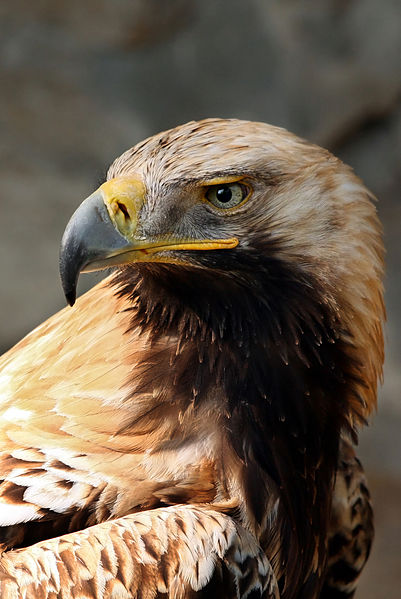
Eastern Imperial Eagle (Aquila heliaca) ©WikiC

For instance: Eagle/Eagles are mentioned 34 times in the KJV version. Plus, there are numerous online resources and books to check out.

Dr. Johnson, (Dr. Jim) told us in Birdwatching is the right thing to do!

Appreciating including, but not) is the right thing to do!

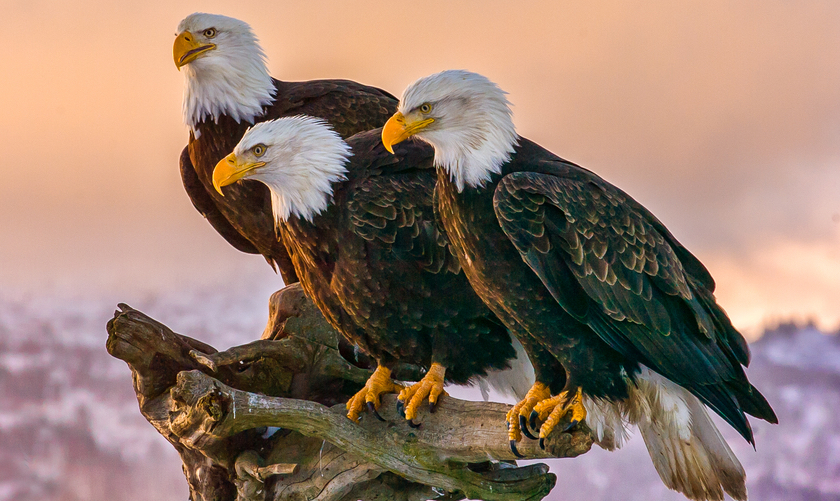
This was an unexpected view out our back door while eating breakfast. Two Bald Eagles sitting in that tree. Thankfully my camera was handy.

Birds of the Bible – Eagles

Birdwatching is the right thing to do!

Birdwatching Without Birdwatching

FLORIDA POND-SHORE REPORT, PART 1

FLORIDA POND-SHORE REPORT, PART 1

Dr. James J. S. Johnson


“I will open rivers in high places, and fountains in the midst of the valleys: I will make the wilderness a pond of water, and the dry land springs of water.” 

(Isaiah 41:18)

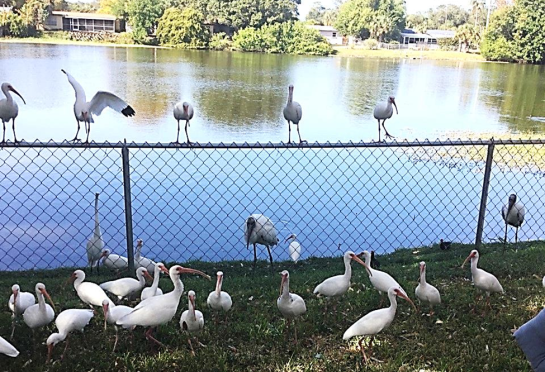
Wow! What a morning birdwatching in St. Petersburg, Florida, at the home of Chaplain Bob and Marcia Webel, good Christian friends (of mine) since the early A.D.1970s (and good friends of my wife, years later). On the morning of Monday, January 16th (A.D.2023) we sat in lawn chairs inside the backyard that borders a near-the-bay pond (i.e., what Floridians call a “lake”), drinking our coffee (and eating toasted rye bread), enjoying the privilege of observing the following birds:

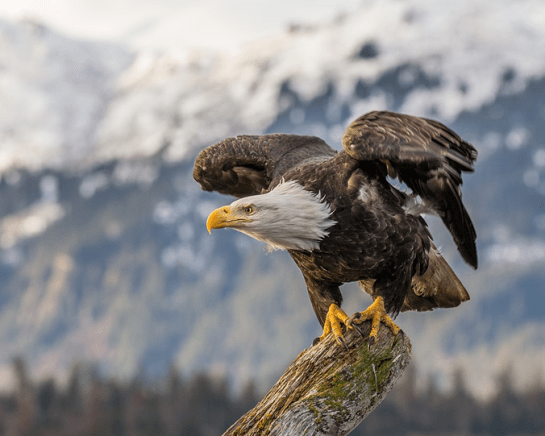
BALD EAGLE  (Wikipedia image)

Bald Eagle. When a Bald Eagle fly to the top branches of a pond-shore tree the smaller birds fled, yielding to the eagle’s raptor reputation. All American patriots know the Bald Eagle, our national bird.  The heads and necks (of both male adults and female adults) are covered with bright white feathers, giving it the appearance of being “bald” (from a distance).  [See John Bull & John Farrand, Jr., NATIONAL AUDUBON SOCIETY FIELD GUIDE TO NORTH AMERICAN BIRDS:  EASTERN REGION, revised edition (New York, NY: Alfred A. Knopf, 1994), pages 321-322 & 423-424.]  These heavy hawk-like raptors love to eat fish, so it is not surprising to see them at and near seashores, lakeshores, estuarial bays and riverbanks, and similar shorelines where fish are readily available. [See Roger Tory Peterson, PETERSON FIELD GUIDE TO BIRDS OF WESTERN NORTH AMERICA, 5th edition (Boston, MA: HarperCollins, 2020), page 178.]  

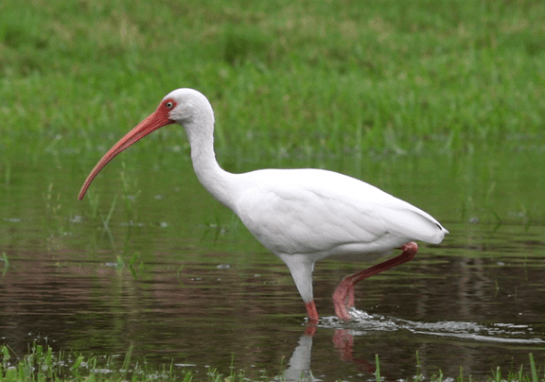
WHITE IBIS  (Wikipedia image)

White Ibis.  Although wild, these happy-to-eat-bread birds are noticeably bold in their willingness to approach humans who feed them bread crumbs.  (In some Florida pond-shore park contexts they will literally eat bread morsels from human hands.)  White Ibises are a long-legged chicken-sized waterfowl, almost all white (yet has black under-edging on its wings), with a long decurved (i.e., downward-curved) bill that is reddish (vermillion-orange/coral-red) in color.  These wading birds enjoy eating critters that inhabit pond-shore waters, such as crayfish, small fishes, and aquatic insects.  [See John Bull & John Farrand, Jr., NATIONAL AUDUBON SOCIETY FIELD GUIDE TO NORTH AMERICAN BIRDS:  EASTERN REGION, revised edition (New York, NY: Alfred A. Knopf, 1994), pages 12 & 376.]  These white waterfowl are known to hybridize with Scarlet Ibis.  [See Eugene M. McCarthy,  HANDBOOK OF AVIAN HYBRIDS OF THE WORLD (Oxford, UK: Oxford University Press, 2006), page 192.]

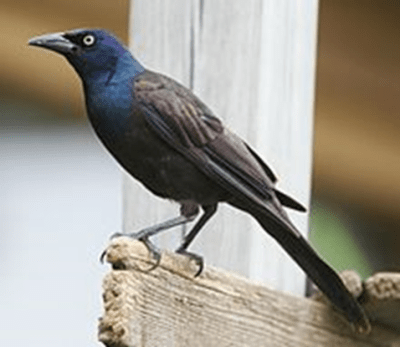
COMMON GRACKLE  (Wikipedia image)

Common Grackle.  Although I was originally inspired by a Great-tailed Grackle (at a pond-shore in Denton County, Texas) to write “Of Grackles and Gratitude”, in the July AD2012 issue of ACTS & FACTS ( posted at www.icr.org/article/grackles-gratitude ), the grackles that I saw in St. Petersburg, in the backyard by the pond-shore, were Common Grackles (varieties of which include “Purple Grackle” and “Florida Grackle”).  Their glossy-black iridescent plumage shimmers in the sunlight, like a kaleidoscope of gleaning flickers of indigo, deep purple, peacock blue, midnight blue, dark bronze-brown, and emerald green.  [See John Bull & John Farrand, Jr., NATIONAL AUDUBON SOCIETY FIELD GUIDE TO NORTH AMERICAN BIRDS:  EASTERN REGION, revised edition (New York, NY: Alfred A. Knopf, 1994), pages 479 & 735.] 

Other birds that we (i.e., Chaplain Bob Webel and I, while our wives chatted inside the Webels’ house) observed that morning, at or near the pond-shore, included Great White Egret, Great Blue Heron, Double-crested Cormorant, Mockingbird, Mourning Dove, Blue Jay, Snowy Egret, Common Moorhen, Anhinga, Tufted Titmouse (on a tree near the pond-shore), Limpkin (foraging near a group of ibises), Red-bellied Woodpecker (on oak branches by the pond-shore), plus later 3 Muscovy Ducks were seen waddling about on the grass of a neighbor’s front-yard. Besides birds, a playful (and very large) River Otter relaxed on the opposite shore of the pond, while several Eastern Grey Squirrels darted here and there on the ground and on the trunk and branches of nearby trees.

But the details of those other shoreline-visiting birds must await future blogposts (D.v.), because this one is almost finished.

Meanwhile, what a privilege it is to observe—close-up—God’s winged wonders, including those seen last Monday.

“Praise the Lord from the earth, … beasts, and all cattle; creeping things, and flying fowl.” 

(Psalm 148:7a & 148:10)
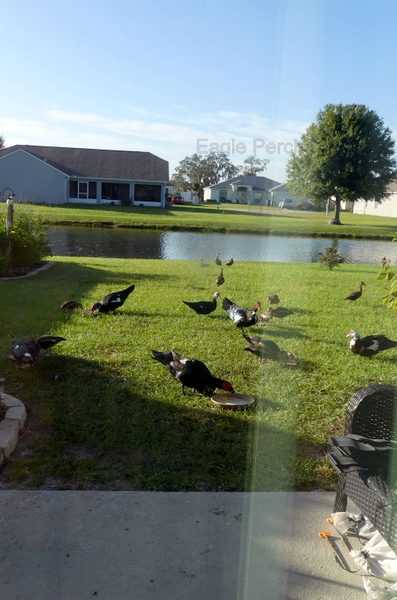
The Eagle has Landed, in Fact Many of Them!

The Eagle has Landed, in Fact Many of Them!

Eagles have Repopulated the Chesapeake Bay Watershed Range

Dr. James J. S. Johnson

Who satisfieth thy mouth with good [things; so that] thy youth is renewed like the eagle’s. (Psalm 103:5)

BaldEagle-SanDiegoZoo

Bald Eagle – San Diego Zoo

God satisfies our real needs, from time to time, from season to season, just as He sustains the ongoing needs of the eagle. Recovering strength is good for an individual–and also for a population, including eagle populations.

Recovering from a “ghost town” shutdown is worth the effort.  Ask a Bald Eagle.

Whitney Pipkin recently reported, in the Chesapeake Bay Journal , that Bald Eagles have made a comeback along Virginia’s James River.(1),(2)

This avian population illustrates how a pessimistic situation can, if the right actions are taken, be reversed—eventually producing a happier result.

First, the bad news:

In the late 1970s, the treetops of the James River looked like a ghost town. Despite plenty of suitable habitat where bald eagles could have been nesting and had before, the waterway was the only major tributary in the Chesapeake Bay whose nesting population of the iconic American predator had plummeted to zero.(1)

Now, the good news:

Imagine biologists’ surprise when, four decades later, that same river became the staging ground for the eagles’ astonishing comeback. Aerial surveys tallied more than 300 breeding pairs of [bald] eagles along the James River for the first time in 2019—a number that had been the species’ recovery goal for the entire Chesapeake Bay watershed.(1)

When it comes to the Chesapeake Bay, the majestic bald eagle has come back from the dead. Driven from historic nesting strongholds like the James River by pesticides in the 1970s, the national bird has become a success story.(2)

BaldEagles-BirdWatchingHQ

3 Bald Eagles – Bird Watching HQ

Furthermore, the big-picture news is even better:

Biologists estimate there are now close to 3,000 nesting pairs Baywide [i.e., in the Chesapeake Bay watershed], but surveys of the entire region no longer occur annually. Maryland stopped surveying bald eagles in 2004 when they hit nearly 400 breeding pairs statewide, surpassing population goals.(1)

Moreover, it’s not just eagles that are flourishing in the Chesapeake Bay area:

“We are just in an amazing time right now,” said Bryan Watts, co-founder and director of the Center for Conservation Biology at the College of William and Mary. … Not just bald eagles, but fish-eaters like osprey and blue heron also once died out on the James.

Today, [these riparian fish-eating birds—like eagles, ospreys, and herons—have ] swelled to numbers Watts believes are well above what even Capt. John Smith encountered on the cusp of the 17th century. “In terms of eagles,” said Watts, “we are protecting them. We’re not shooting them like we did in the late 1800s and early 1900s. We don’t consider them competitors for muskrats or for fish, and so we’re not killing them.”(2)

For conservationists, birdwatchers, and other wildlife enthusiasts, these large-scale recoveries are very good news. After all, eagles are America’s official bird.

Beyond that, eagles are amazing creatures that display God’s genius in bioengineering.(3)

One example of highness being compared to the nesting habits of eagles is found in the Bible, in the Book of Obadiah 1:3-4, where the eagle is described as a creature that lives in high places, much closer to the stars than do most other animals (or people). Another Old Testament book in the Bible, the Book of Job, refers (at 39:13) to the eagle as mounting up into the air by God’s command (because God programs eagles to fly up into the air the way that they do), and as nesting in high places (because God programs eagles to do this also).

Eagles are good parents, training their sons and daughters to live like eagles (see Deuteronomy 32:11). Eagles can fly, like dive-bombing airplanes, at great speeds (see 2nd Samuel 1:23 and Lamentations 4:19). Their strength is renewed from time to time, as their feather-cover adjusts to their growing bodies (see Isaiah 40:31 and Psalms 103:5). Eagles are known for their gracefulness and dignity (see Proverbs 30:19). In fact, eagles fly very high in the air as a matter of habit – above most other birds (see Proverbs 23:5).(4)

Meanwhile, the Bald Eagles’ recovery—in the Chesapeake Bay area–illustrates how a bad situation can be overcome, with the prioritized concern and problem-solving management practices, plus patience.

But this is not the first time that an endangered or threatened wild bird (or other wildlife category) has been rescued from the brink of population failure. Consider the amazing recovery of the Trumpeter Swan, which nearly sang its own swan song.(5)

Likewise, Tri-colored Herons (also called “Louisiana Herons”) have recently reclaimed (and repopulated) ranges that previously they had lost.(6)

It’s not just the birds. American bison have made a comeback.(7) The list goes on, but the list could be longer than what it is.

Wildlife populations often face critical perils, sometimes facing population failure, range contraction, or habitat loss. Sometimes they recover.(1),(2),(5),(6)

The same is true for humans. For example, it is well worth praying for America to recover from its many political (socialism-pushing) problems in the wake of pandemic perils and propaganda.(8)

Problematic situations, including disasters, don’t fix themselves—real solutions (to real problems) don’t accidentally “evolve”. There is much good work needed, to recover lost ground in America. Human responsibility is the key to much of what is needed; yet God’s providential blessings are needed even more, much more.(8)

So we need to pray fervently for God’s blessings, daily—not just on the National Day of Prayer.(8)

References   

  1. Pipkin, W. 2020. Bald Eagles’ Recovery Along James River Soars to New Heights: Area’s 300 Breeding Pairs Surpass Goal for Entire Chesapeake Watershed. Chesapeake Bay Journal. 30(3):17-18.
  2. Dietrich, T. 2019. Bald Eagles Enter ‘Golden Age’ in Chesapeake Bay. Daily Press. Posted (July 9, 2019) on DailyPress.com at http://www.dailypress.com/news/dp-nws-bald-eagles-recovery-20190709-story.html (accessed May 9, 2020).
  3. Eggleton, M. 2016. The American Bald Eagle: On Eagle’s Wings. 38(2):34-37, posted at https://creation.com/on-eagles-wings . See also Johnson, J. J. S. 2018. Hawks and Eagles Launching Skyward. Acts & Facts, 47(4):21, posted at https://www.icr.org/article/hawks-eagles-launching-skyward .
  4. Johnson, J. J. S. 2008. Alaska’s Coastal Rainforests and Two of its Rangers, the Bald Eagle and the Alaska Moose. Dallas: NWD Press/RCCL’s Radiance of the Seas (July 2008), pages 10-11.
  5. Johnson, J. J. S. 2020. Post-Coronavirus Comeback or Swan’s Song? Creation Science Update. Posted (April 23, 2020) at https://www.icr.org/article/post-coronavirus-comeback-or-swans-song .
  6. Johnson, J. J. S. 2019. Does Global Warming Threaten Bird Habitats? Acts & Facts. 48(6):21, posted at https://www.icr.org/article/does-global-warming-threaten-bird-habitats .
  7. Whitaker Jr., J. O. 1998. National Audubon Society Field Guide to North American Mammals, revised edition. New York, NY: Alfred A. Knopf, 850-854, Plates # 329-333.
  8. James 5:16; 1 Timothy 2:1-3. See also Johnson, J. J. S. 2020. Prayers for America and our Divine Editor. ICR News. Posted (May 7, 2020) at https://www.icr.org/article/prayers-for-america-and-our-divine-editor .

Birds Are Wonderful: A, B, and C !

BIRDS  ARE  WONDERFUL  . . .  A, B, and C !

Dr. James J. S. Johnson

Jesus said: “Therefore I say to you, do not worry about your life, what you will eat or what you will drink . . . Is not life more than food, and the body more than clothing? Look at the birds of the air, . . . your heavenly Father feeds them. Are you not of more value than they?”   (Matthew 6:25-26)

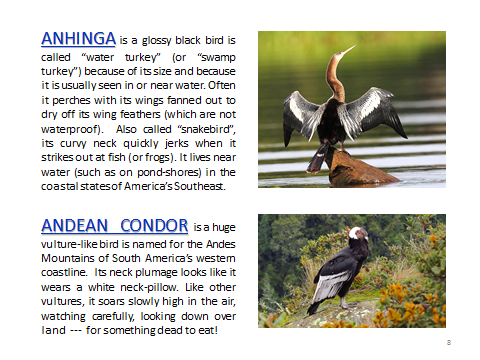
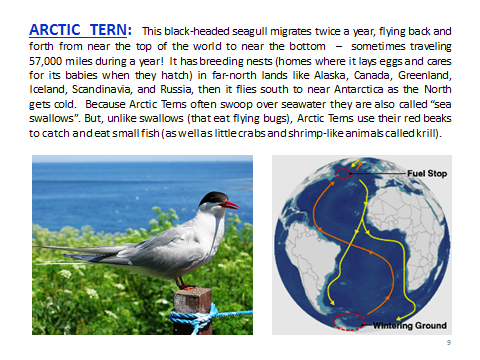
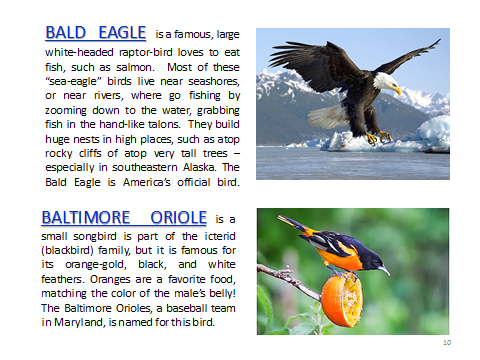
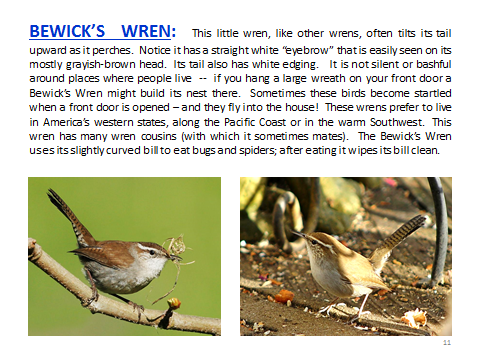
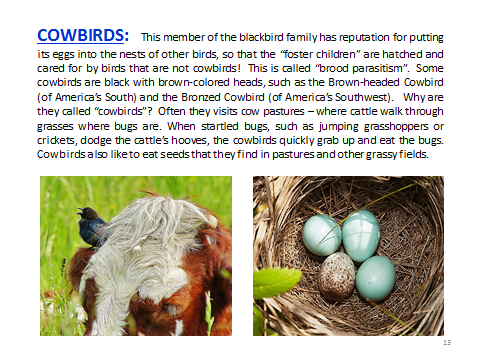
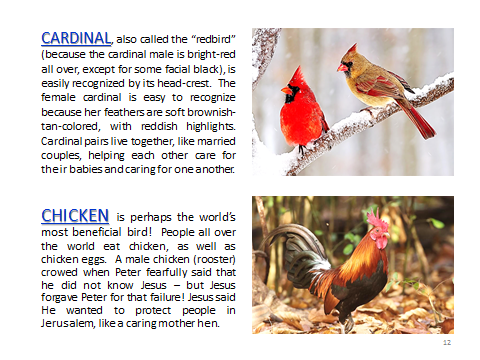
For ushering in the new year  —  the year of our Lord 2020  —  below follows the first installment of alphabet-illustrating birds of the world, as part of this new series (“Birds Are Wonderful  —  and Some Are a Little Weird*).  The letter A is illustrated by Anhinga, Andean Condor, and Arctic Tern.  The letter B  illustrated by Bald Eagle, Baltimore Oriole, and Bewick’s Wren.  The letter C illustrated by Cardinal, Chicken, and Cowbirds.

“A” BIRDS:   Anhinga, Andean Condor, and Arctic Tern.

BAW-Anhinga-AndeanCondor

BAW-ArcticTern

“B” BIRDS:  Bald Eagle, Baltimore Oriole, and Bewick’s Wren.

BAW-BaldEagle-BaltimoreOriole

BAW-BewicksWren

“C” BIRDS:  Cardinal, Chicken, and Cowbirds. 

BAW-CowbirdsBAW-Cardinal-Chicken

Birds are truly wonderful — and some, like cowbirds, are a little bit weird!  (Stay tuned for more, D.v.)


* Quoting from “Birds Are Wonderful, and Some Are a Little Weird”, (c) AD2019 James J. S. Johnson   [used here by permission].

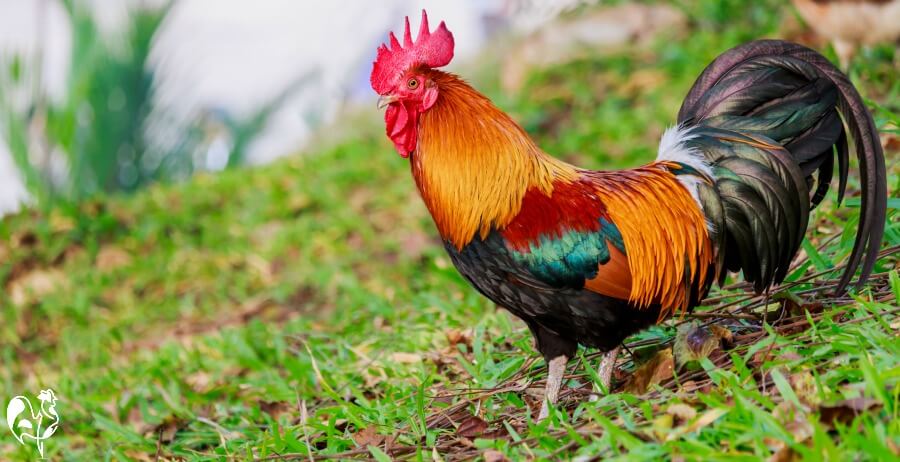
Rooster-RaisinghappyChickens.com-photo

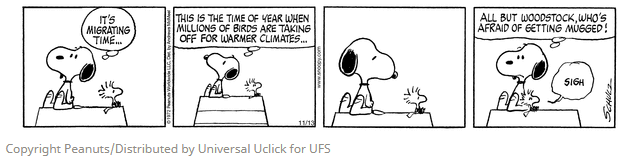
Woodstock’s Migration Fear

As most of you are aware, the northern birds in this hemisphere, prefer to head south, but there are a few exceptions.

Common Cranes in Israel. Many species of crane gather in large groups during migration and on their wintering grounds

There are many stories of how far they migrate, how many flock together to travel together, and many other amazing feats that the Lord’s Avian Wonders perform this time of the year.

But there are a few exceptions, Woodstock being one of them:

Snoopy and Woodstock - migration fear

Snoopy and Woodstock – migration fear

“He will bless them that fear the LORD, both small and great.” (Psalms 115:13 KJV)

I would have loved to have had my camera handy the other morning. I was walking to the breakfast table and noticed a huge black bird through my glass sliding doors. It appeared that he was swooping up and going to land on the roof corner of our patio/lanai. I mentioned to Dan that I thought I had just seen a cormorant try to land on the roof.

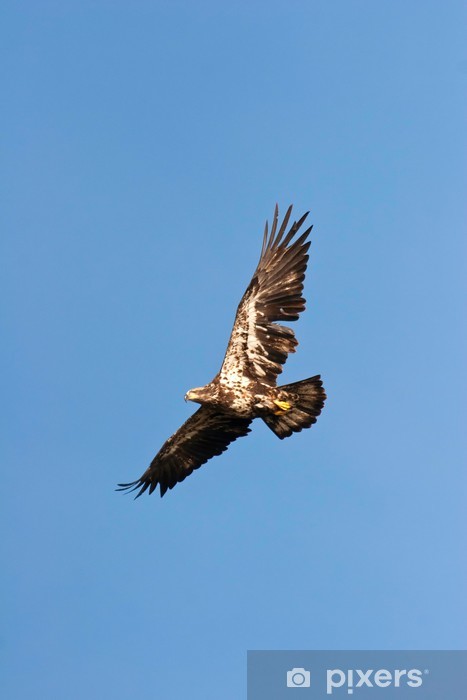
While seated for breakfast, here came the bird again. This time I realized what I was seeing. [No camera handy, of course] It was a huge, immature Bald Eagle being chased by a angry Boat-tailed Grackle. Wow! He swooped up again.

Wild Immature Bald Eagle in Flight

Wild Immature Bald Eagle in Flight ©Pixers

This is similar to what it looked like underneath, but, it was a whole lot closer!!

“For thus saith the LORD; Behold, he shall fly as an eagle, and shall spread his wings over Moab.” (Jeremiah 48:40 KJV)

This happened one more time and the last time he was just about 20 to 25 feet from where I was seated. When he flew up the last time I had a great view of his head and then all those feathers under his wings as they were fully stretched out. Double WOW!

I came to the conclusion, that this must have been the first time it had been mobbed. [Even though it was just one bird.] Maybe he felt Mugged as Woodstock was worrying about.

P.S. Dan knee surgery was Monday and he is progressing quite well. Has pain, but it gets less each day. Thanks for the continued prayer.

Bald – Golden – Steller’s Sea – Eagles Compared

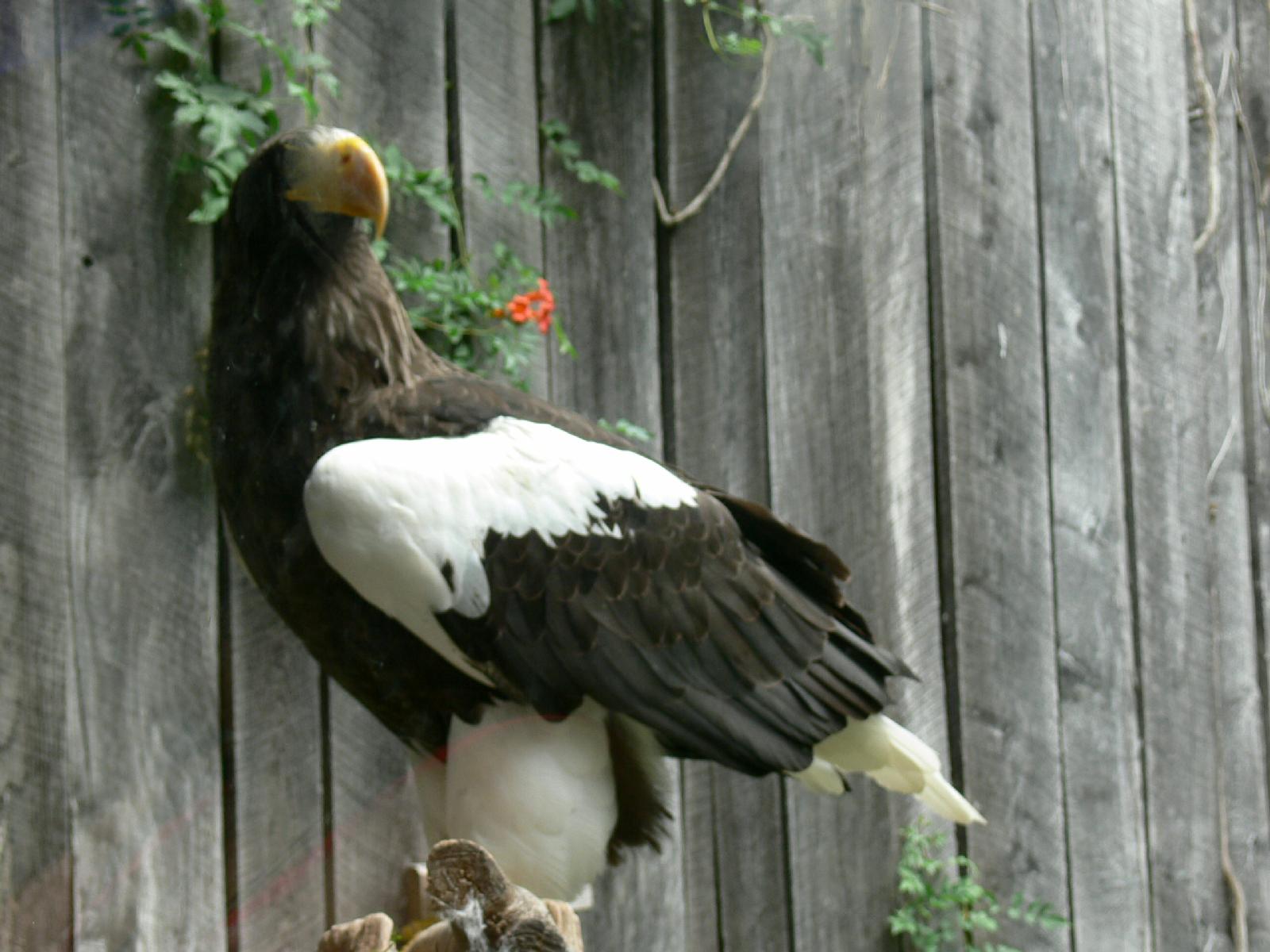
Steller’s Sea Eagle (Haliaeetus pelagicus) next to Bald Eagle by Lee at National Aviary

“Wilt thou set thine eyes upon that which is not? for riches certainly make themselves wings; they fly away as an eagle toward heaven.” (Proverbs 23:5 KJV)

The last post mentioned the Golden Eagle and the Sea Eagle. We were privileged to have seen the Bald Eagle [almost daily here in Polk Country this time of the year.], the Golden Eagle, and the Steller’s Sea Eagle. Just thought you might like a size comparison. The above photo was taken at the National Aviary in Pittsburgh, PA. The two exhibits were side by side and I was overwhelmed at the size of the Steller’s Sea Eagle on the right, and the Bald Eagle on the left. I backed up so I could get them both. What a difference!

Bald Eagle (Haliaeetus leucocephalus) by Lee at National Aviary

Bald Eagle (Haliaeetus leucocephalus) by Lee at National Aviary

The Bald Eagle has a body length of 70–102 cm (28–40 in). Typical wingspan is between 1.8 and 2.3 m (5.9 and 7.5 ft) and mass is normally between 3 and 6.3 kg (6.6 and 13.9 lb).[5] Females are about 25% larger than males, averaging 5.6 kg (12 lb), and against the males’ average weight of 4.1 kg (9.0 lb)

Golden Eagle (Aquila chrysaetos) Flying ©WikiC

The Golden Eagle is a very large raptor, 66 to 102 centimetres (26 to 40 in) in length. Its wings are broad and the wingspan is 1.8 to 2.34 metres (5 ft 11 in to 7 ft 8 in). Golden eagles’ wingspan is the fifth largest among living eagle species. Females are larger than males, with a bigger difference in larger subspecies. Females of the large Himalayan golden eagles are about 37% heavier than males and have nearly 9% longer wings, whereas in the smaller Japanese golden eagles, females are only 26% heavier with around 6% longer wings.[2][8] In the largest subspecies (A. c. daphanea), males and females weigh typically 4.05 kilograms (8.9 lb) and 6.35 kg (14.0 lb), respectively. In the smallest subspecies, A. c. japonica, males weigh 2.5 kg (5.5 lb) and females 3.25 kg (7.2 lb).[2] In the species overall, males average around 3.6 kg (7.9 lb) and females around 5.1 kg (11 lb). The maximum size of golden eagles debated. Large subspecies are the heaviest representatives of the Aquila genus and this species is on average the seventh-heaviest living eagle species. The golden eagle is the second heaviest breeding eagle in North America, Europe and Africa and the fourth heaviest in Asia. For some time, the largest known mass authenticated for a wild female was the specimen from the A. c. chrysaetos subspecies which weighed around 6.7 kg (15 lb) and spanned 2.55 m (8 ft 4 in) across the wings.[10] American golden eagles are typically somewhat smaller than the large Eurasian species,

Steller’s Sea Eagle (Haliaeetus pelagicus) by Lee at National Aviary

Steller’s Sea Eagle (Haliaeetus pelagicus) Feet by Lee at National Aviary

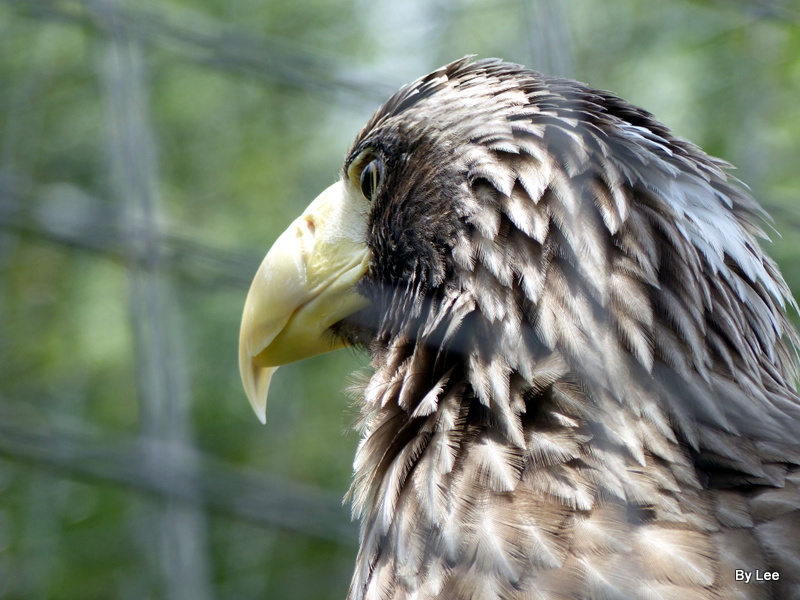
Steller’s sea eagle is the largest bird in the genus Haliaeetus and is one of the largest raptors overall. Females vary in weight from 6,195 to 9,500 g (13.658 to 20.944 lb), while males being rather lighter with a weight range of 4,900 to 6,800 g (10.8 to 15.0 lb). The average weight is variable, possibly due to seasonal variation in food access or general condition of eagles, but has been reported as high as a mean mass of 7,757 g (17.101 lb) to a median estimate weight of 6,250 g (13.78 lb)… [Above from Wikipedia, with editing.]

Steller’s Sea-eagle at San Diego Zoo 2015 by Lee

*

Golden Eagles in Scotland – YouTube

Birds of the Bible – Eagles

Give Thanks – Eagle

Bald Eagle (close up) Lowry Park Zoo by Dan

“Oh, give thanks to the LORD, for He is good! For His mercy endures forever.” (1 Chronicles 16:34 NKJV)

Eagles Protecting Their Young – YouTube

“To the Chief Musician. Set to “Do Not Destroy.” a Michtam of David When He Fled from Saul into the Cave. Be merciful to me, O God, be merciful to me! For my soul trusts in You; And in the shadow of Your wings I will make my refuge, Until these calamities have passed by. I will cry out to God Most High, To God who performs all things for me.” (Psalms 57:1-2 NKJV)

“He shall cover you with His feathers, And under His wings you shall take refuge; His truth shall be your shield and buckler. ” (Psalms 91:4 NKJV)

Shared from the Decorah Eagles YouTube Page

“DECORAH EAGLES & EAGLETS IOWA USA 🐣🐣🐣 After spending days enduring severe, horrendous weather conditions, protecting their three precious eaglets from the gale force winds, wet and freezing cold, Mom and Dad Eagle warm our hearts with this beautiful moment… a family moment of love, care, protection and devotion in the wild ♥ amazing nature!”

Trust you enjoy this as much as I did!

Birds of the Bible – Eagles

Birds of the Bible – Face of An Eagle

https://youtu.be/_MqWS_NJ3To&rel=0

“As for the likeness of their faces, they four had the face of a man, and the face of a lion, on the right side: and they four had the face of an ox on the left side; they four also had the face of an eagle.” (Ezekiel 1:10 KJV)

Thought you might enjoy watching and listening to Bellamoonnature’s Bald Eagle video.

1st Lady Eagle with her eggs ~ by Bellamoonature

Just thought you might enjoy watching this from Bellamoonnature.

“As an eagle stirreth up her nest, fluttereth over her young, spreadeth abroad her wings, taketh them, beareth them on her wings:” (Deuteronomy 32:11 KJV)